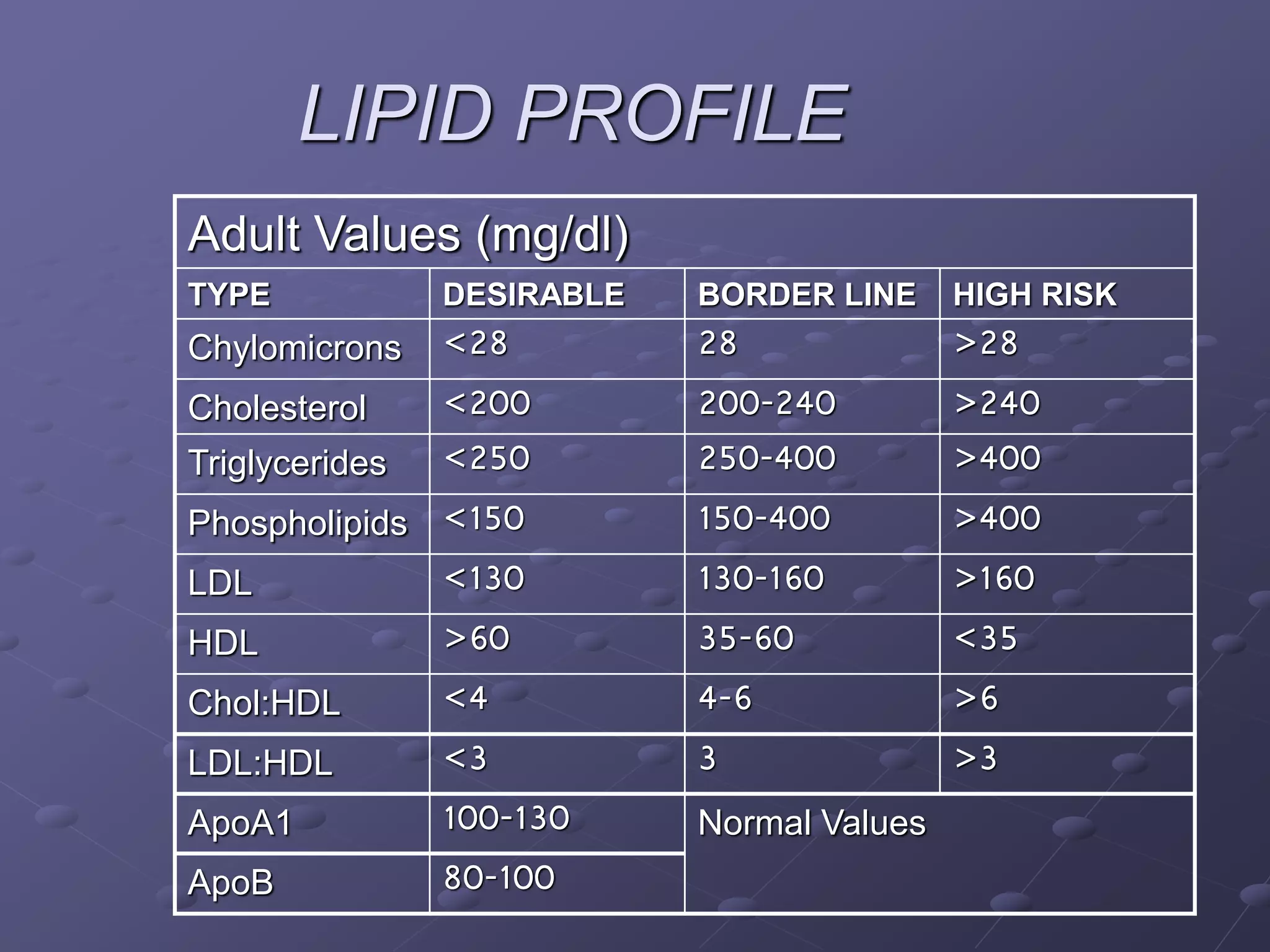
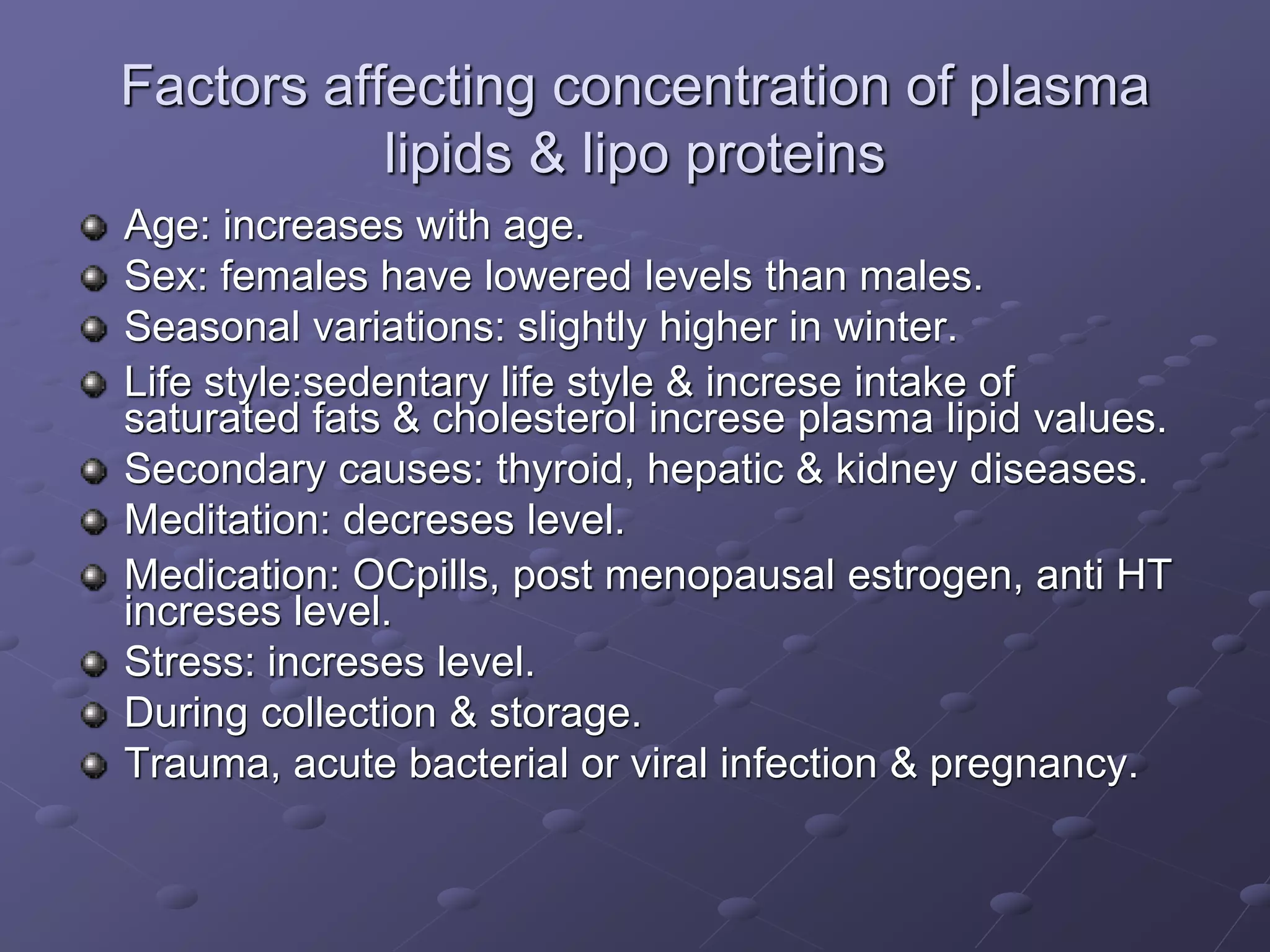
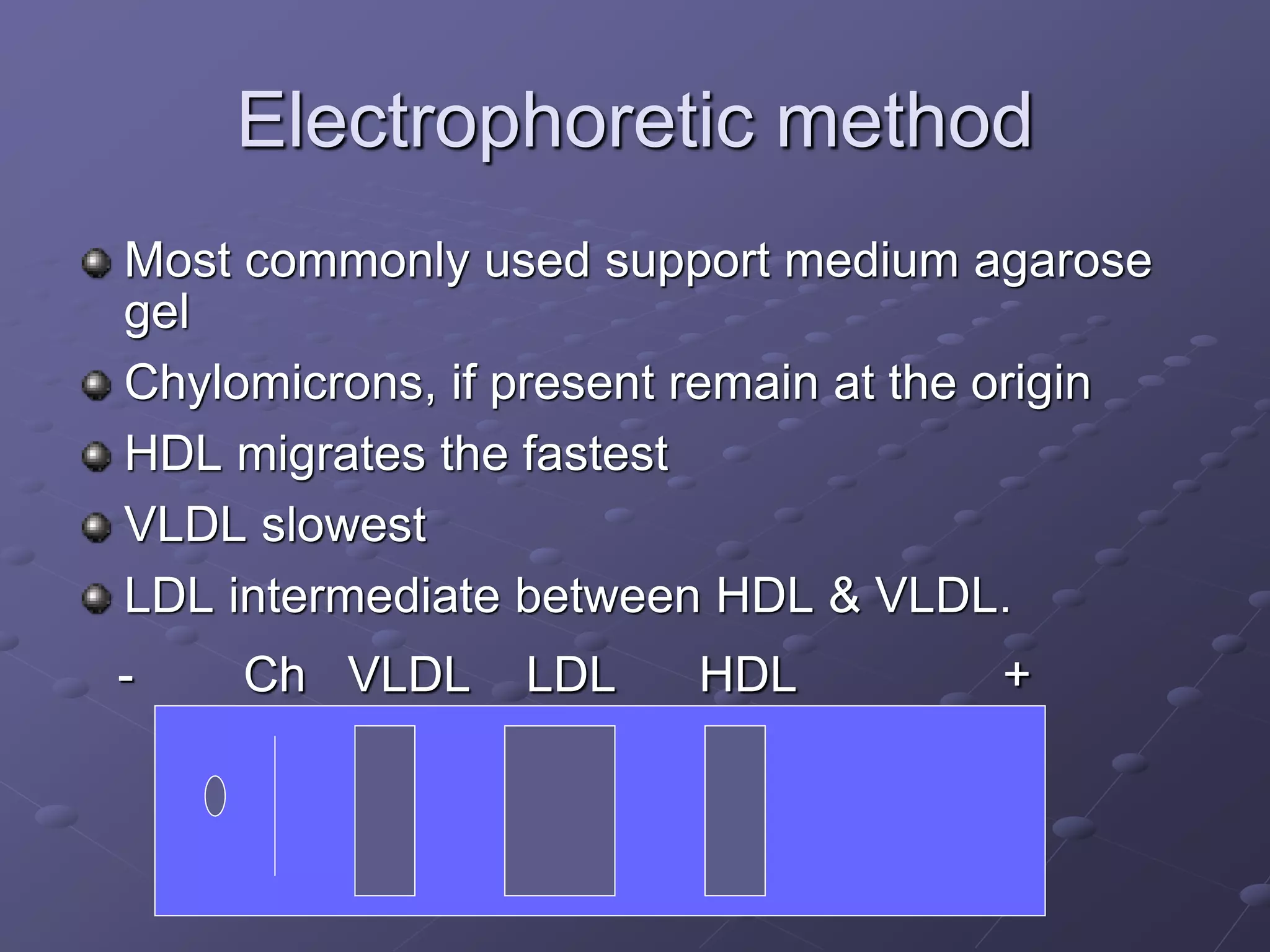
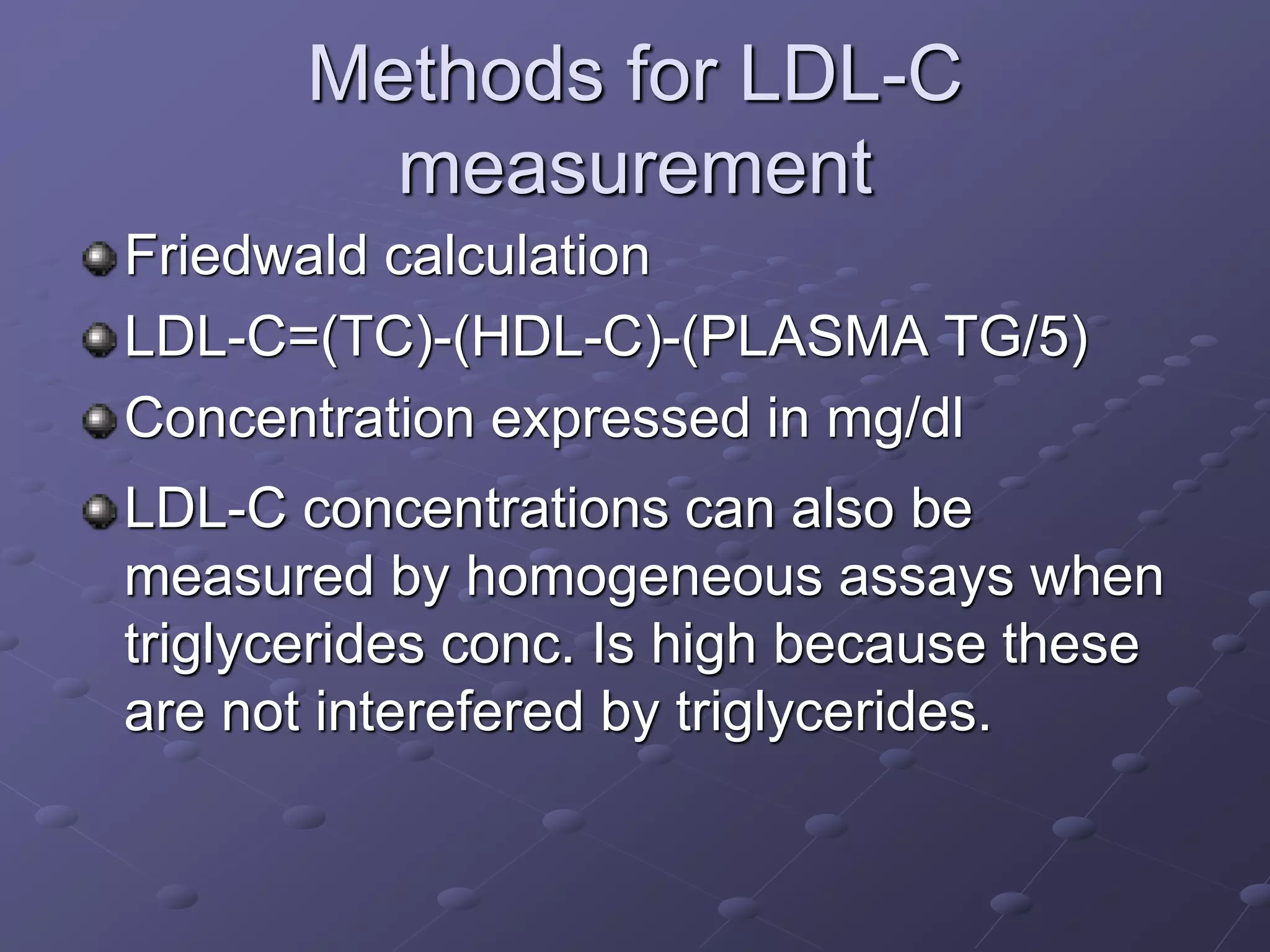
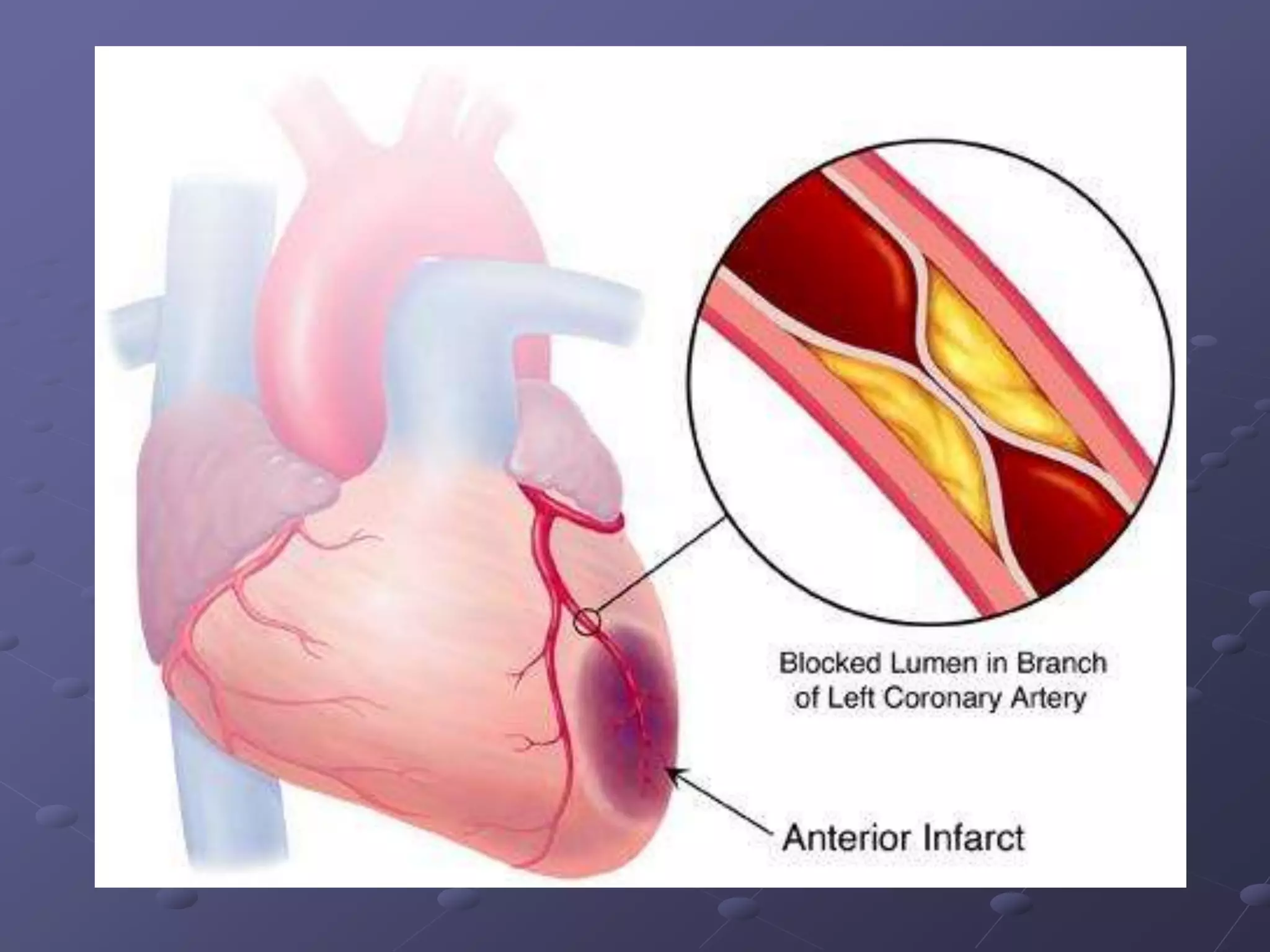
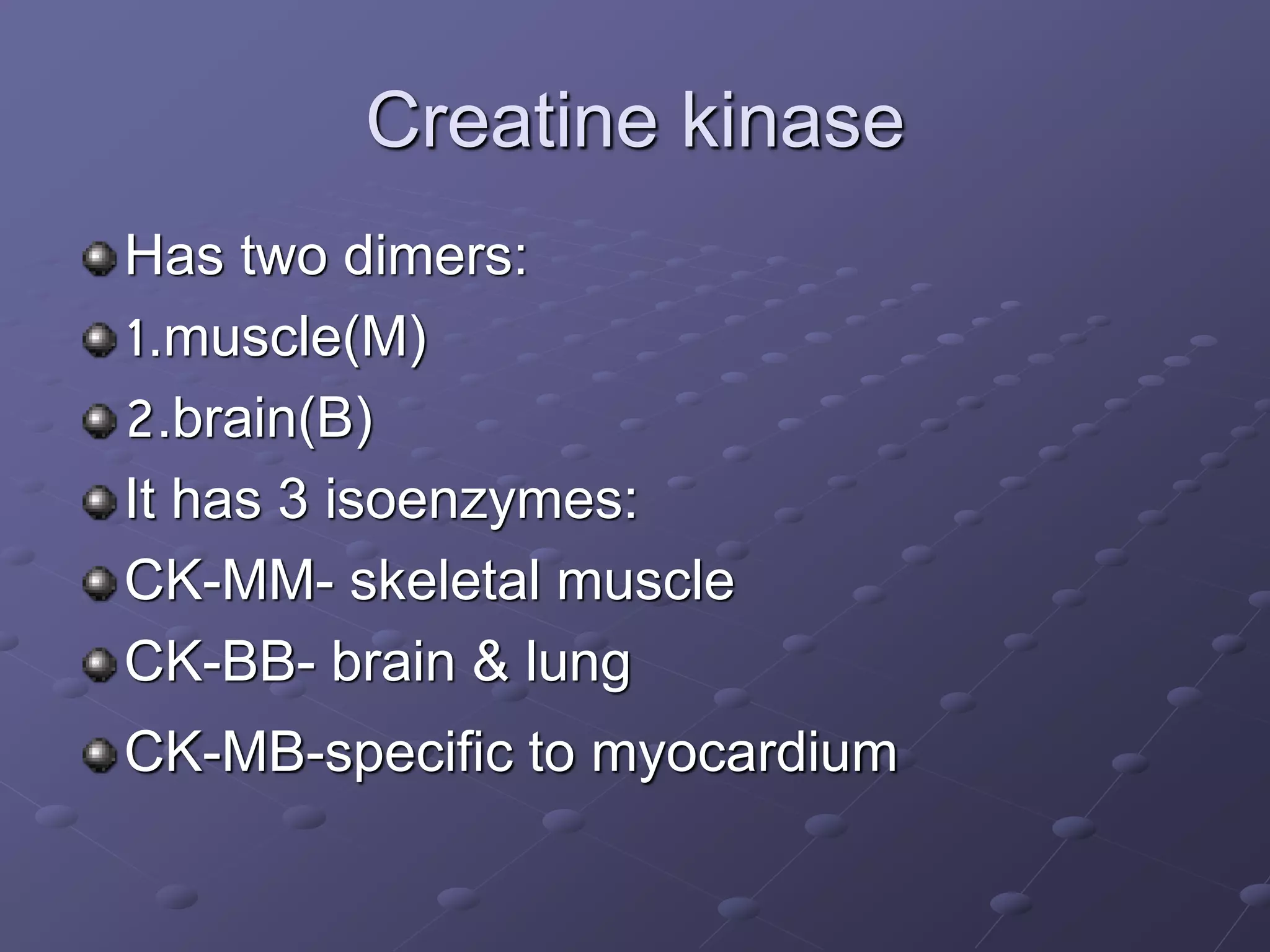
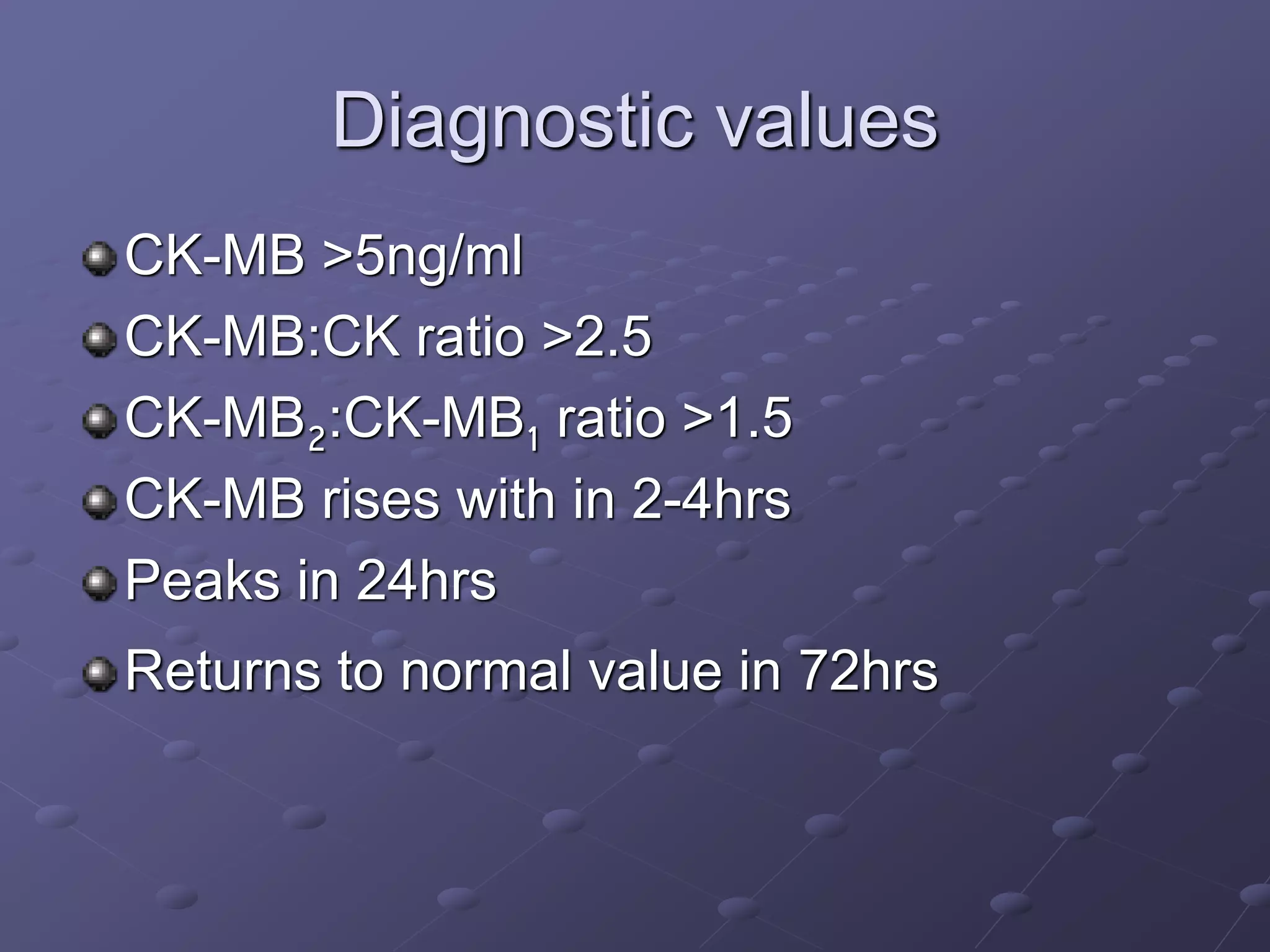
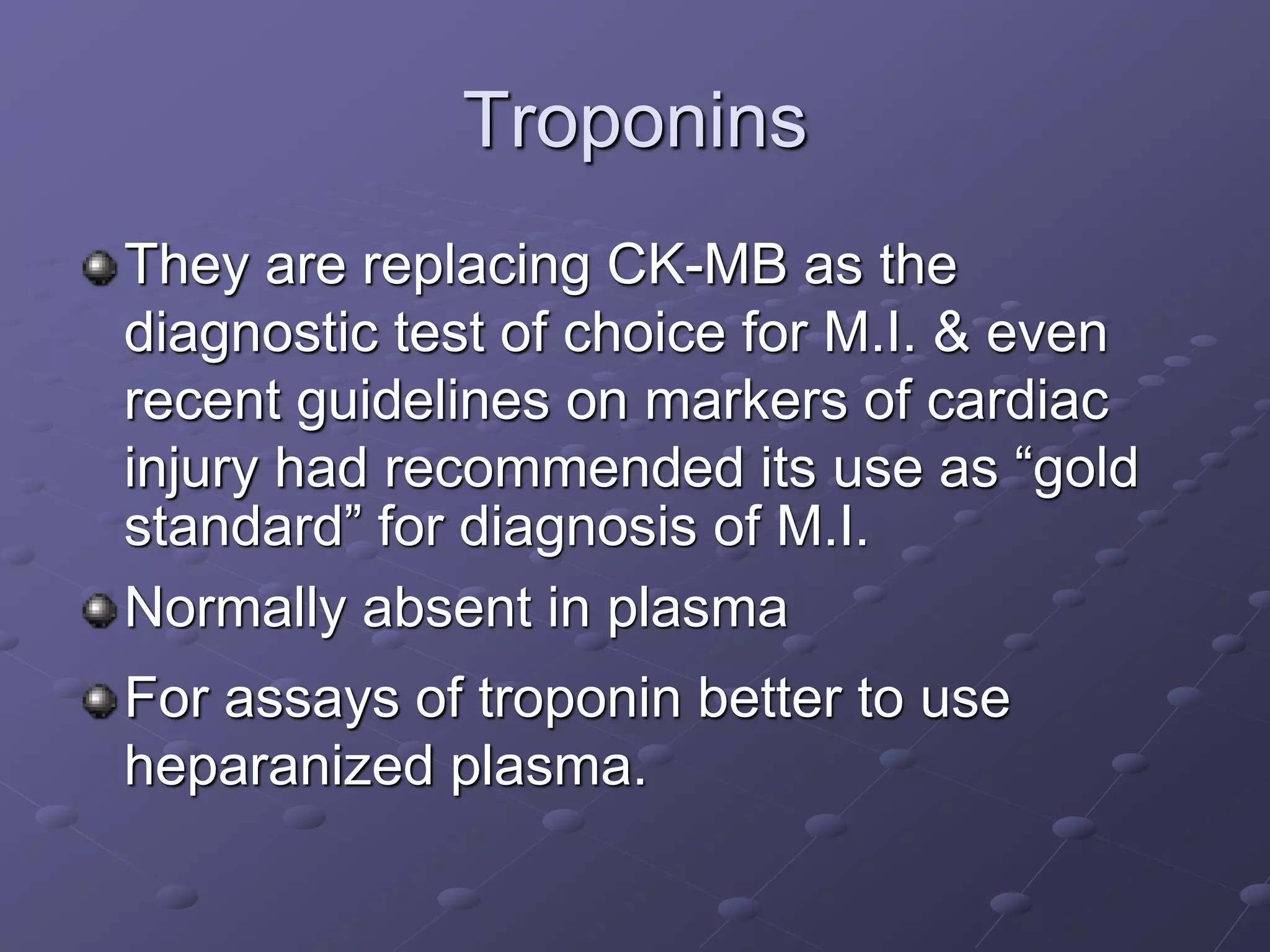
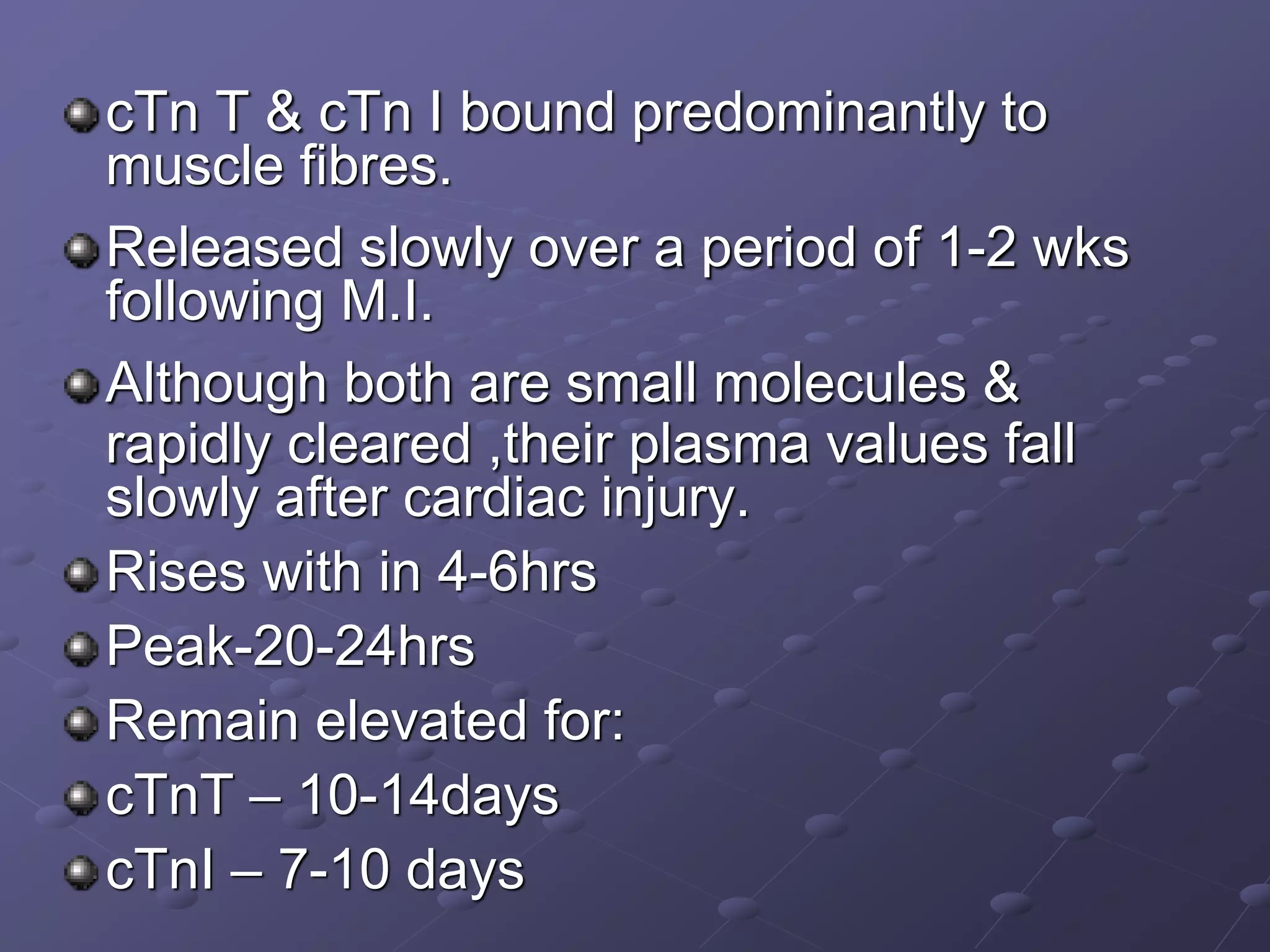
Lipid profile tests are used to determine risk of coronary artery disease. Elevated levels of cholesterol, triglycerides, and LDL or low levels of HDL are risk factors. During a myocardial infarction, cardiac enzymes like CK-MB and cardiac proteins like troponin are released and can be detected in blood tests. An electrocardiogram may show ST segment elevations. Imaging techniques like echocardiography and nuclear scans can detect wall motion abnormalities and reduced ejection fraction caused by the infarction. Maintaining a healthy lifestyle and diet can help prevent dyslipidemia and reduce heart attack risk.