10/20/10THE U.S. LEGAL SYSTEMMiriam A. SmithBroadcast and Electronic Communication Arts DepartmentSan Francisco State University
10/20/10WHAT IS THE LAW?A set of rules, promulgated by government agencies with authority to do so, that attempt to guide conduct, and subsequently provide sanctions when the rules are violated.
10/20/10LAWThe discipline and profession concerned with the customs, practices, and rules of conduct of a community that are recognized as binding by the community. Enforcement of the body of rules is through a controlling authority.
10/20/10Where does U.S. law come from?Medieval EnglandU.S. Constitution -- constitutional lawCongress -- statutory lawGovernment Agencies -- administrative lawCourts -- modern case law
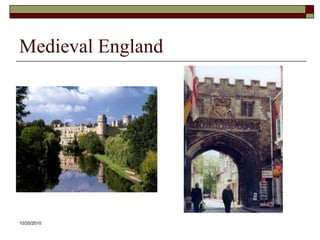
10/20/10Medieval England
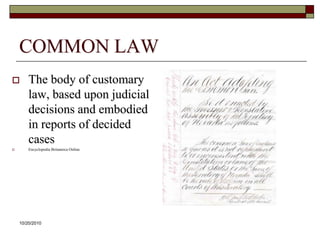
10/20/10COMMON LAWThe body of customary law, based upon judicial decisions and embodied in reports of decided casesEncyclopedia Britannica Online
10/20/10equity lawremedy at law was insufficient(damages or return property)
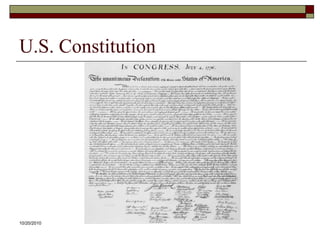
10/20/10U.S. Constitution
10/20/10U.S. Constitutionsupreme law of the landstandard by which all actions of government are measuredConstitution -- 1787Bill of Rights -- 1791
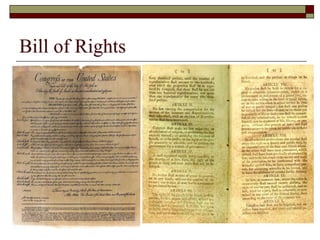
10/20/10Bill of Rights
10/20/10Bill of Rights = First 10 AmendmentsFirst Amendment -- freedom of expressionSixth Amendment -- speedy and fair trialFourteenth Amendment -- equal rights
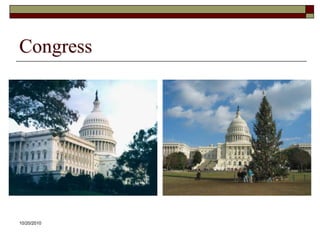
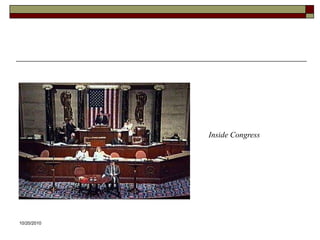
10/20/10Congress
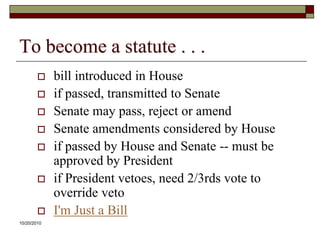
10/20/10Inside Congress
10/20/10To become a statute . . .bill introduced in Houseif passed, transmitted to SenateSenate may pass, reject or amendSenate amendments considered by Houseif passed by House and Senate -- must be approved by Presidentif President vetoes, need 2/3rds vote to override vetoI'm Just a Bill
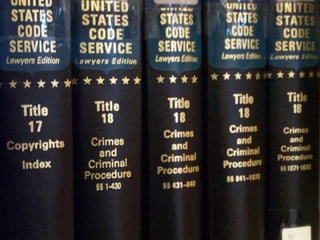
10/20/10Statutes . . .Are implemented through rule making of relevant government agencyMay be challenged in court -- on grounds do not meet requirements of constitutionvagueoverbroadU.S. Code
10/20/10Administrative Lawregulationsestablished by independent regulatory agenciesFederal Communications Commission (FCC)Federal Trade Commission (FTC)implement legislation (Acts of Congress)
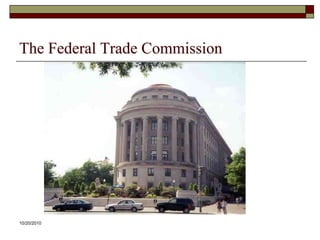
10/20/10The Federal Trade Commission
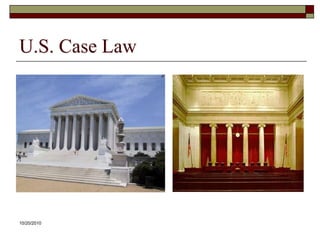
10/20/10U.S. Case Law
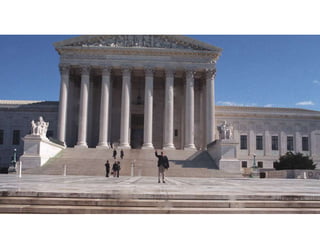
10/20/10U.S. Supreme Courtoriginal jurisdictionAmbassadors, state is a partyappellate jurisdictiondirect appeal -- ruled federal law unconstitutionalwrit of certiorari -- important legal questioncertification -- lower courts ask questions, very rare
10/20/10Legal DistinctionsCivil and CriminalFederal and State
10/20/10Civil and Criminal LawWhy was O.J. acquitted in one court and found “guilty” in another?
10/20/10Criminal Lawgovernment prosecutes accused individuals on behalf of the peoplepurpose is to impose punishmentpunishment includes fines or imprisonmenthighest standard of proof (burden of proof)beyond a reasonable doubt
10/20/10Civil Lawessentially private lawharmed individuals or entities (companies, government) can sue those who do harmseek redress of wrongsburden of proofclear and convincingpreponderance of the evidence
10/20/10Types of Civil LawContract LawTort LawCopyright LawIntellectual Property Law
10/20/10Contractlegally binding mutual promises to perform in a certain way under certain circumstances
10/20/10Contract Lawway of enforcing promisesagreements to broadcast adproduction agreementsoffer, acceptance, considerationbreach of contract
10/20/10Tort Lawinjury to person, thing or relationship
10/20/10Tort Lawlibel and slanderinvasion of privacyinfliction of emotional distressmust prove negligence, gross negligence, malice, or strict liability
10/20/10Copyright Lawrights created by Copyright Act
10/20/10Copyright Actfive exclusive rightscan act against anyone who violates any of the five exclusive rightsexception for “fair use”
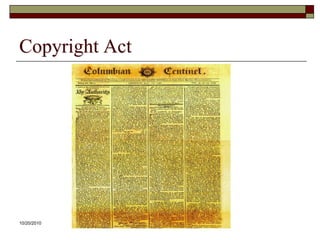
10/20/10Copyright Act
10/20/10RemediesWhat do you want done?
10/20/10RemediesDamagesEquitable remediesrestitutioninjunction
10/20/10Federal and StateThe Judicial System
10/20/10Federal CourtsU.S. District Court -- trial courtsU.S. Circuit Courts -- appellate courtsU.S. Supreme Court -- the court of last resort
10/20/10Federal Court JurisdictionBroadcast regulationsCable regulationsCopyrightPatentsDiversity
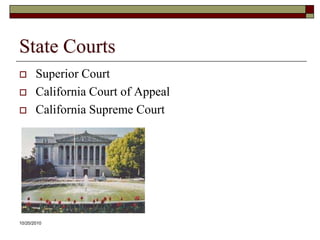
10/20/10State CourtsSuperior CourtCalifornia Court of AppealCalifornia Supreme Court
10/20/10State Court JurisdictionContractTortsprivacylibelUnfair competition
10/20/10Concurrent (shared) Jurisdictiontrademarksadvertisingantitrustobscenity
10/20/10Legal Procedure
10/20/10Legal Procedure -- CivilComplaintAnswerDiscoveryPretrial Motions and HearingsSettlement ConferenceTrialAppeal
10/20/10
10/20/10Legal Procedure -- CriminalInvestigationArrestCriminal complaint filedArraignmentPreliminary Hearing or Grand Jury IndictmentPretrial motions and hearingsTrialSentencingAppeal
10/20/10InjunctionsInadequate remedy exists at lawIrreparable harm
10/20/10Summary Judgmentmaterial facts are not controvertedentitled to prevail as a matter of law
10/20/10In a jury trial . . . Jury -- determines questions of factJudge -- determines questions of law
10/20/10Legal Citationlast names of partiesKramer v. Kramername of case is underlined or italicizedvolume	reporter page (year court)283 U.S. 697 (1931)Near v. Minnesota

The U.S. Legal System