

Legacy Fundraising from scratch Graham Richards MInstF(Cert) Freelance Fundraiser
We can’t afford to do that! That’s just for the big charities Let’s look at what the major charities do: National & Regional Newspaper ads TV, Radio and Cinema ads Posters & Hoardings Direct Marketing Face to Face legacy fundraisers Events & Visits
Large campaigns = large costs! No one expects small, local charities to engage at this level The key is to start from where you are
So why are legacies important? Potentially the largest source of voluntary income Usually, unrestricted Very low fundraising costs A measure of your organisation’s long term support base
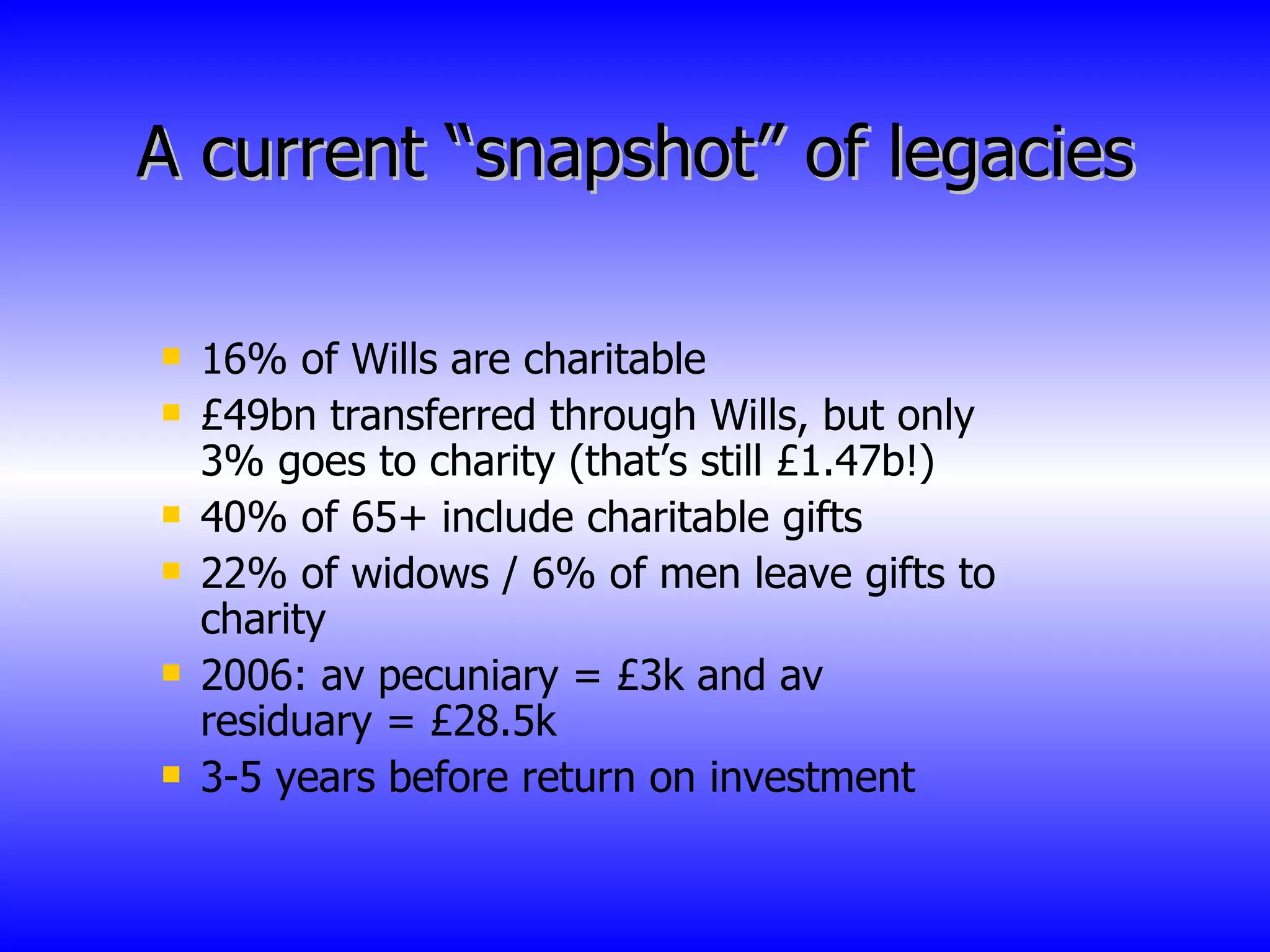
A current “snapshot” of legacies 16% of Wills are charitable £49bn transferred through Wills, but only 3% goes to charity (that’s still £1.47b!) 40% of 65+ include charitable gifts 22% of widows / 6% of men leave gifts to charity 2006: av pecuniary = £3k and av residuary = £28.5k 3-5 years before return on investment
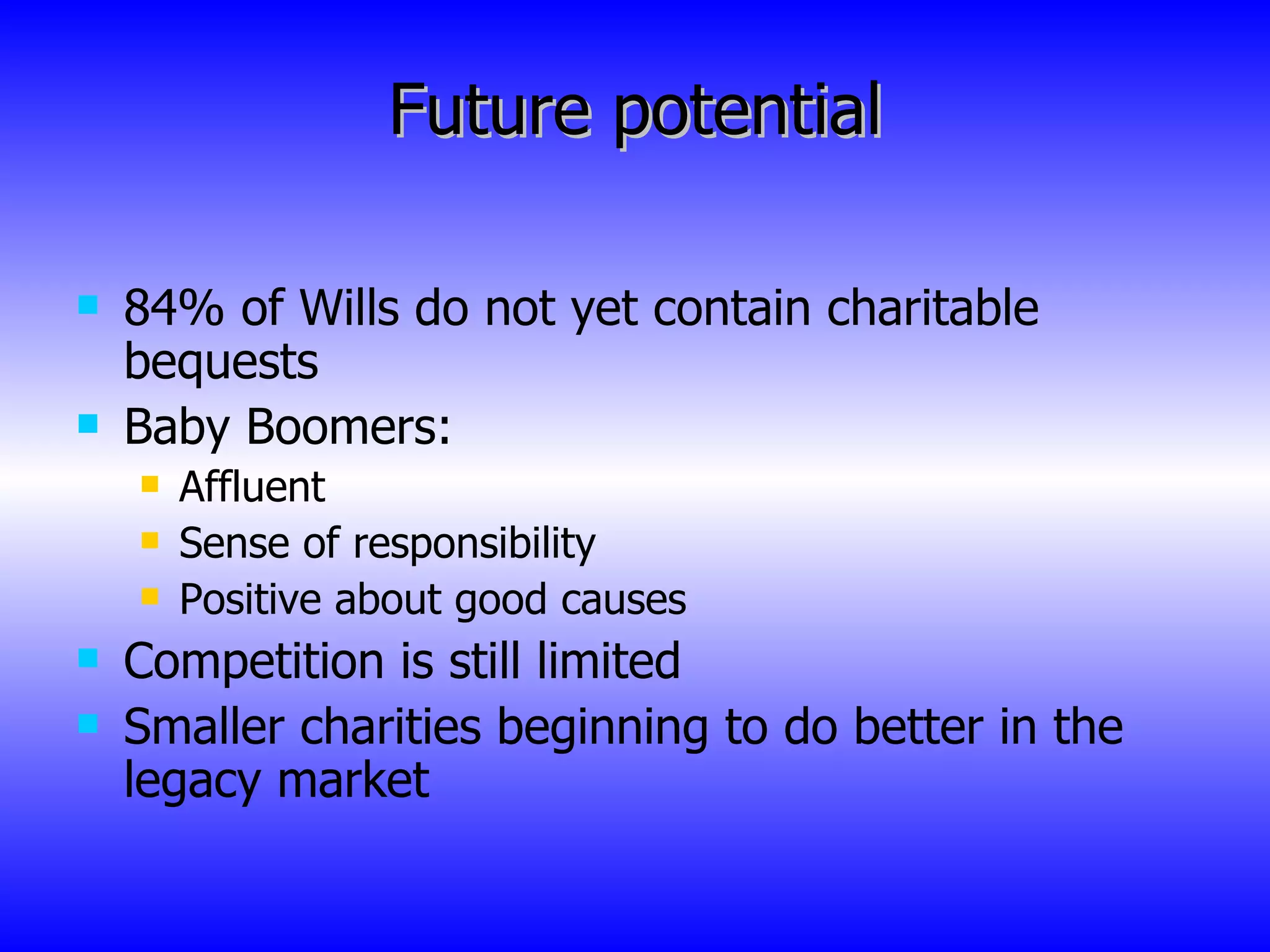
Future potential 84% of Wills do not yet contain charitable bequests Baby Boomers:  Affluent Sense of responsibility Positive about good causes Competition is still limited Smaller charities beginning to do better in the legacy market
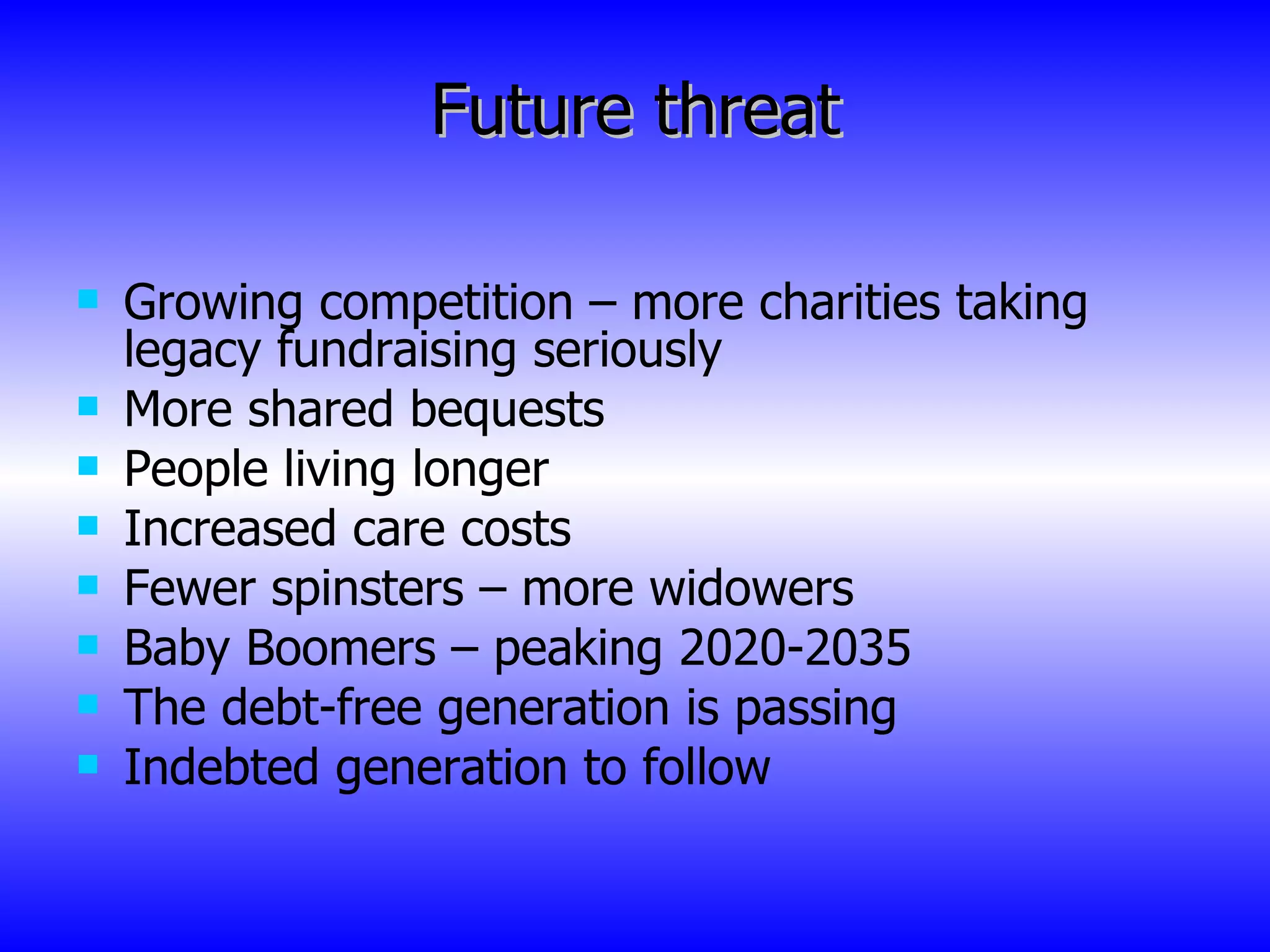
Future threat Growing competition – more charities taking legacy fundraising seriously More shared bequests People living longer Increased care costs Fewer spinsters – more widowers Baby Boomers – peaking 2020-2035 The debt-free generation is passing Indebted generation to follow
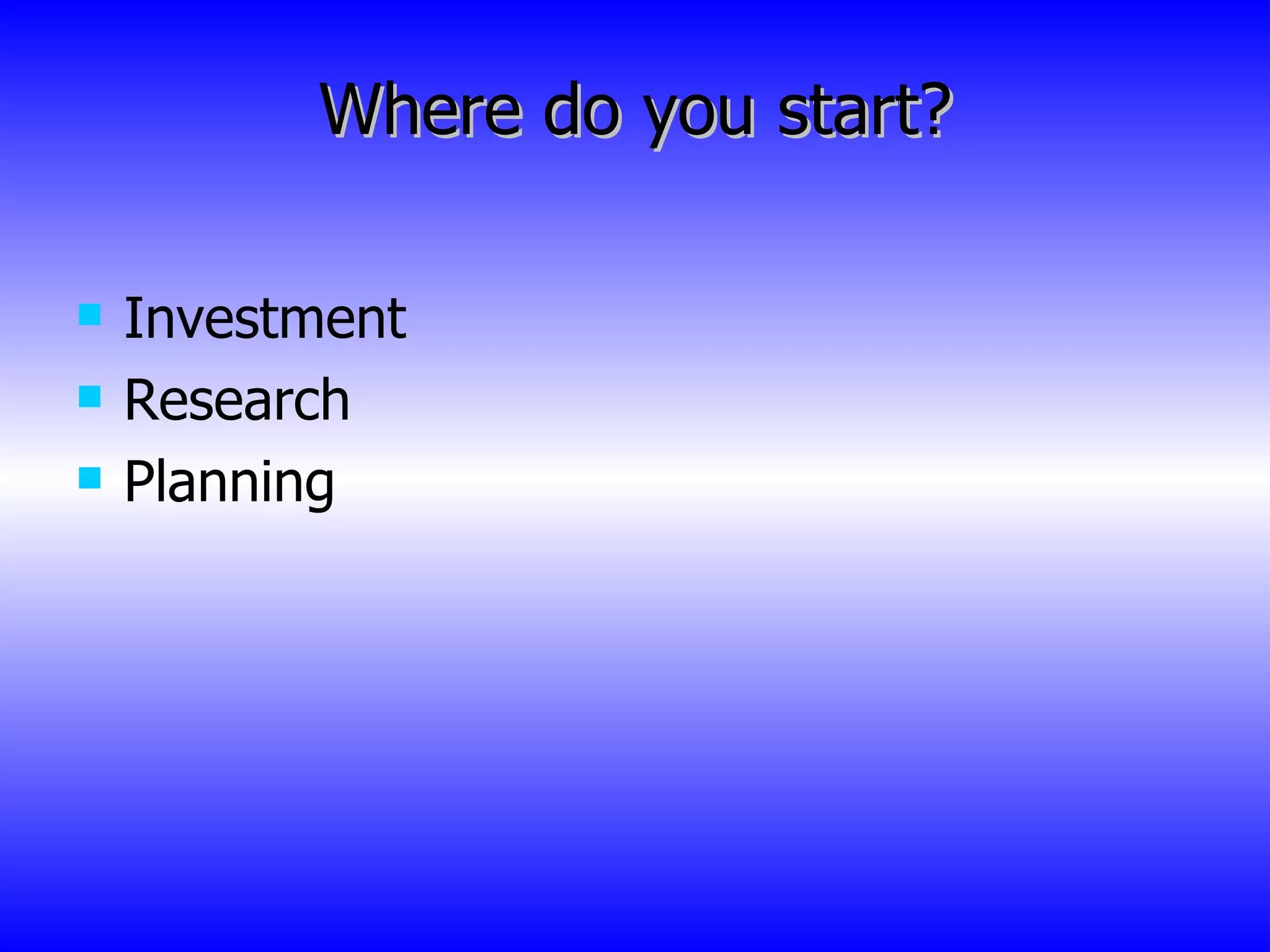
Where do you start? Investment Research Planning
Where do you start? Investment The value of legacies justifies investment – the ROI can be huge It need not cost much or anything – initially time rather than money You need to look medium to long term
Where do you start? Research Any previous legacies How many? Values? Types? Profile of legators Your supporter database Over 50s? Widows or spinsters? How do they compare with your legator profiles? Similar causes What do they do? (i.e. activities, literature, etc) Success rate? (% of legacies as part of all voluntary income)
Where do you start? Planning Draft a legacy fundraising strategy Simple with realistic targets Who will do it? (internal or external?) Decide your budget Take into account unpredictability You can’t plan projects based on legacy income You can plan what you could do if legacies come along (a Wish List)
Marketing your message Begin with the obvious: Newsletters Annual report Email footer Your website On the back of “thank you” letters (a “legacy sandwich”) Existing supporters and volunteers (are your warmest potential legators)
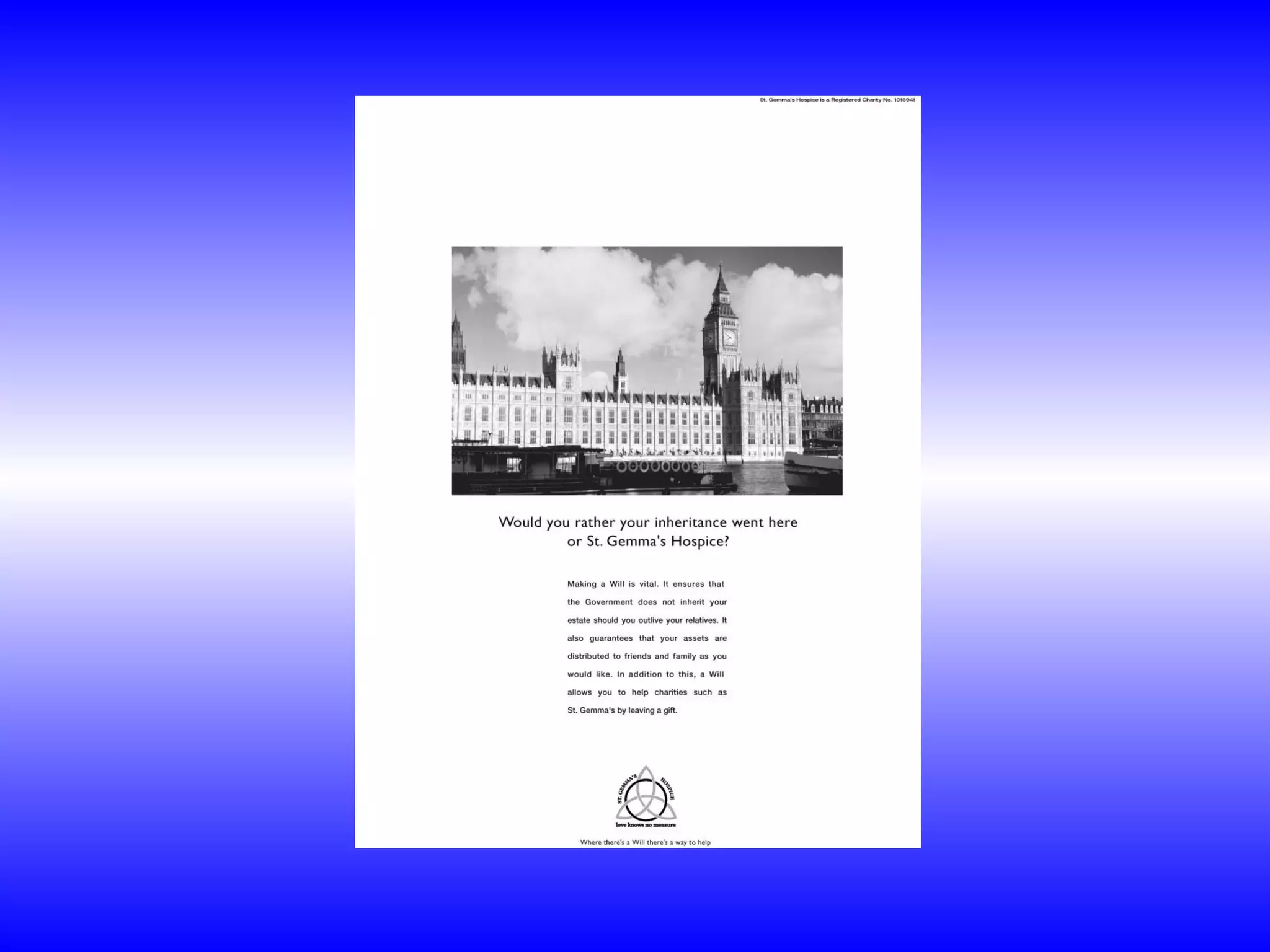
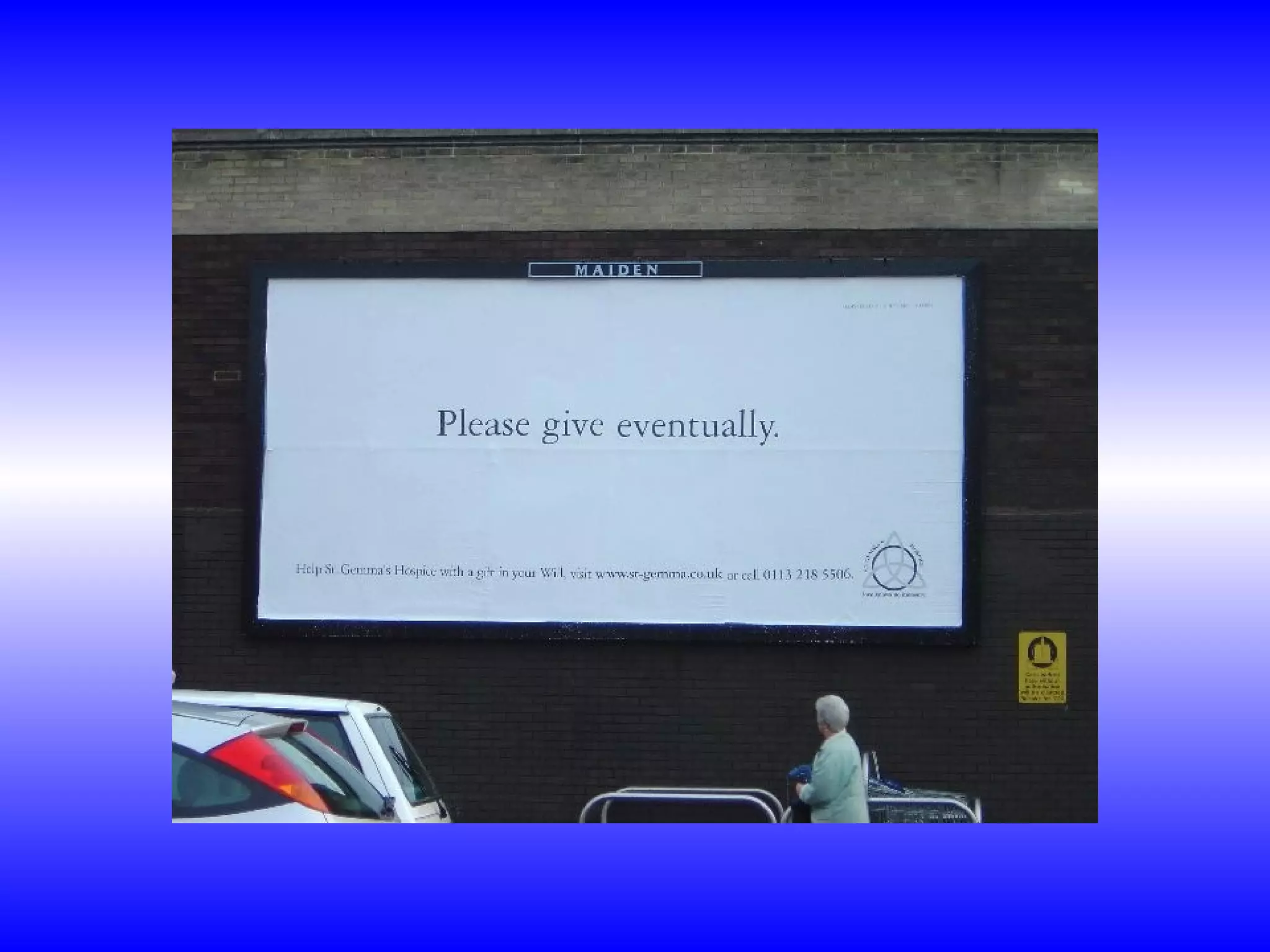
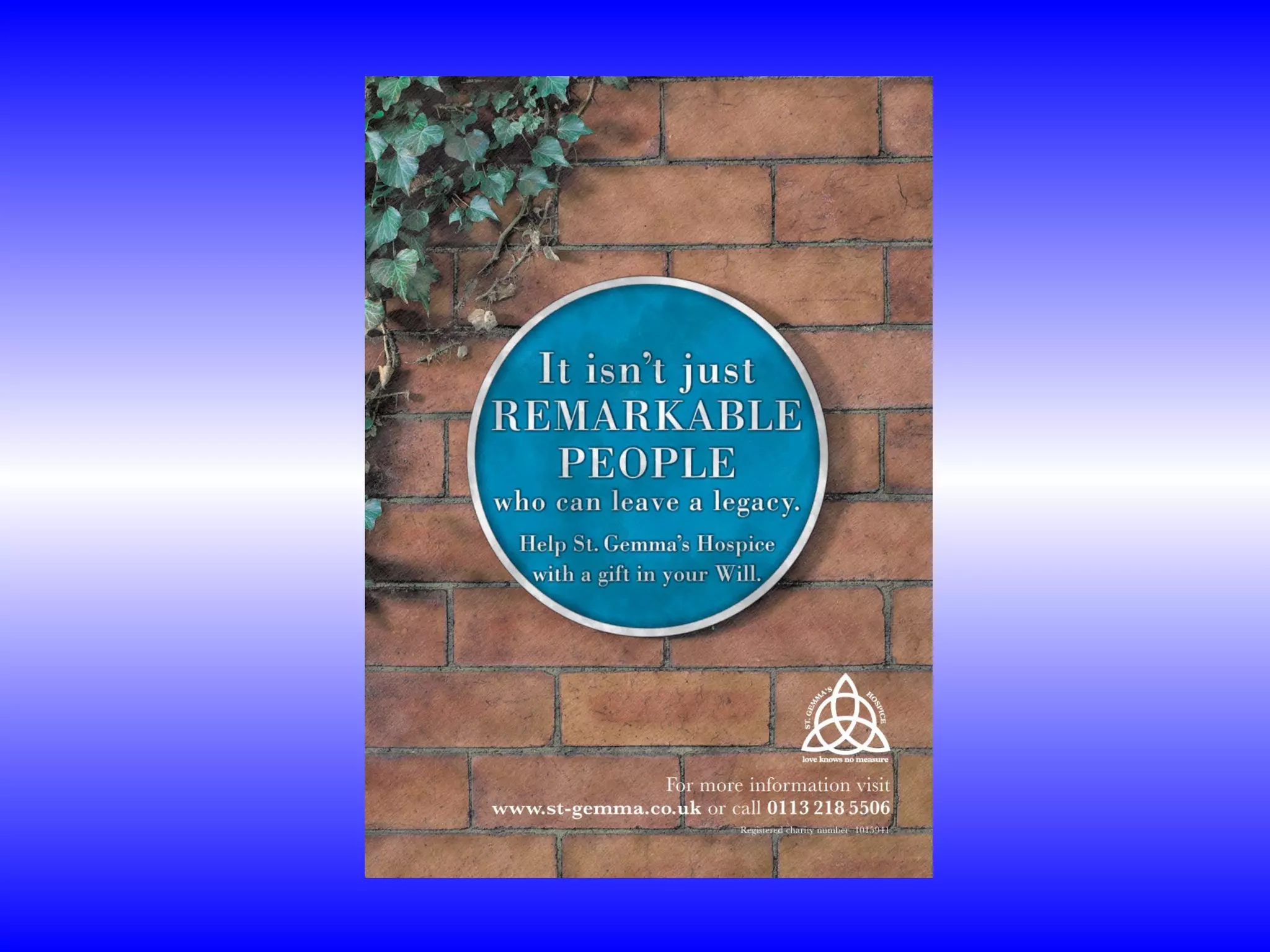
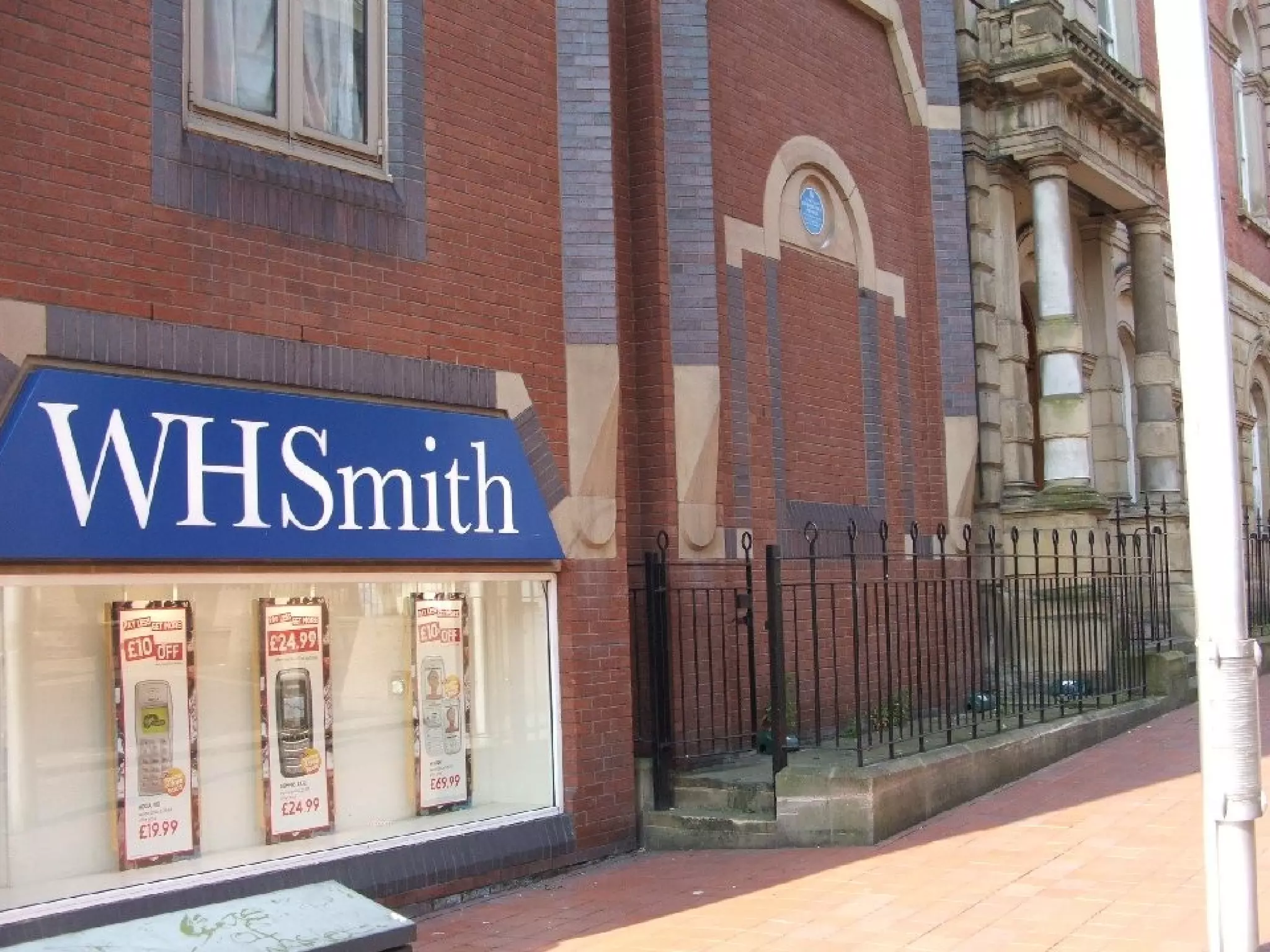
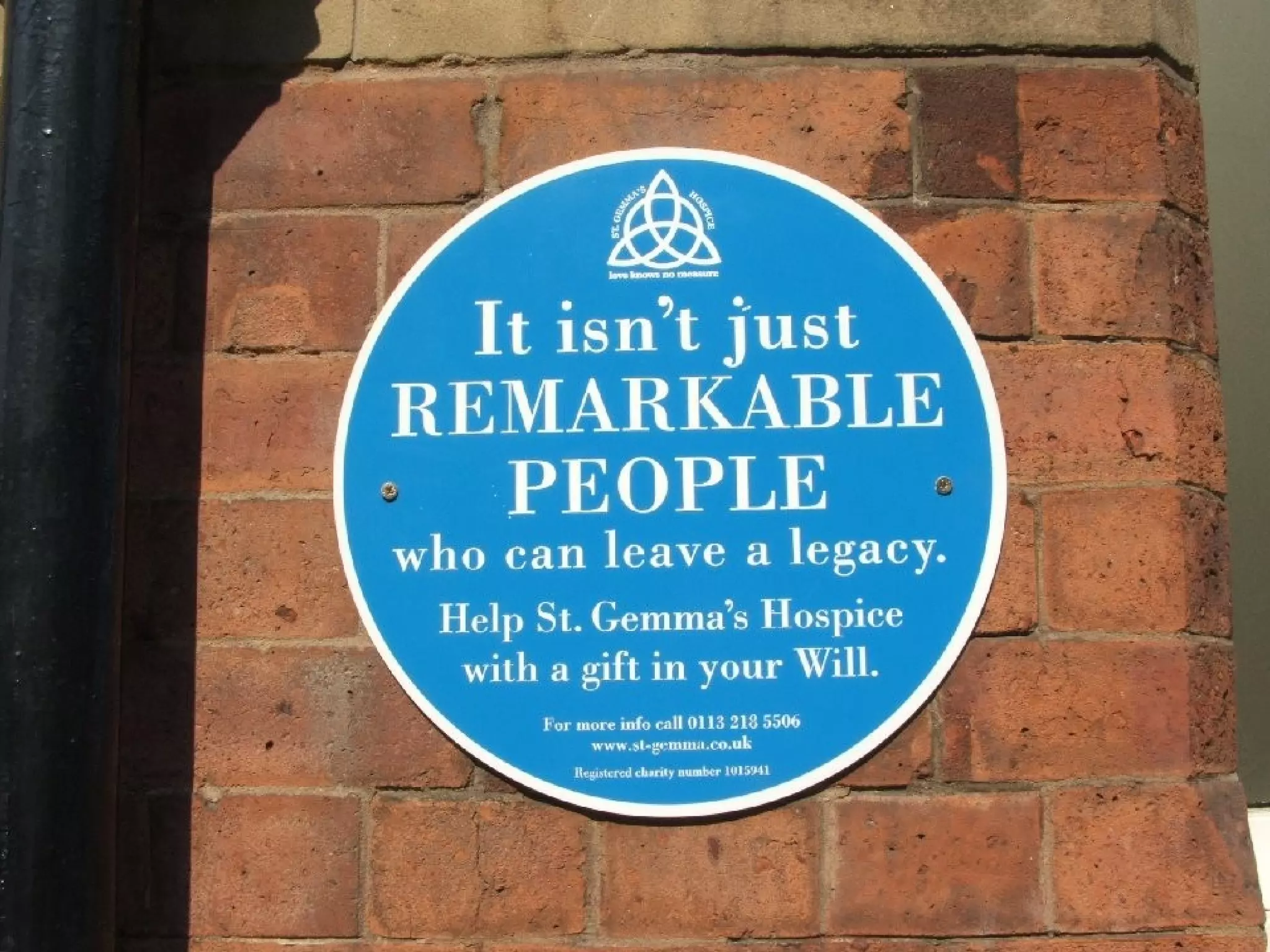
Marketing your message Explore other mediums Direct mailing? Focus groups? Through legacy administration (to NoK or Executors) Through special events Posters Use of video via website, blogs, Web 2.0


Future opportunities Targeting specific groups  Single people, childless couples, men Work on the message Messages to match the moment/time Size doesn’t matter – all gifts are valuable “ You can make a real difference”
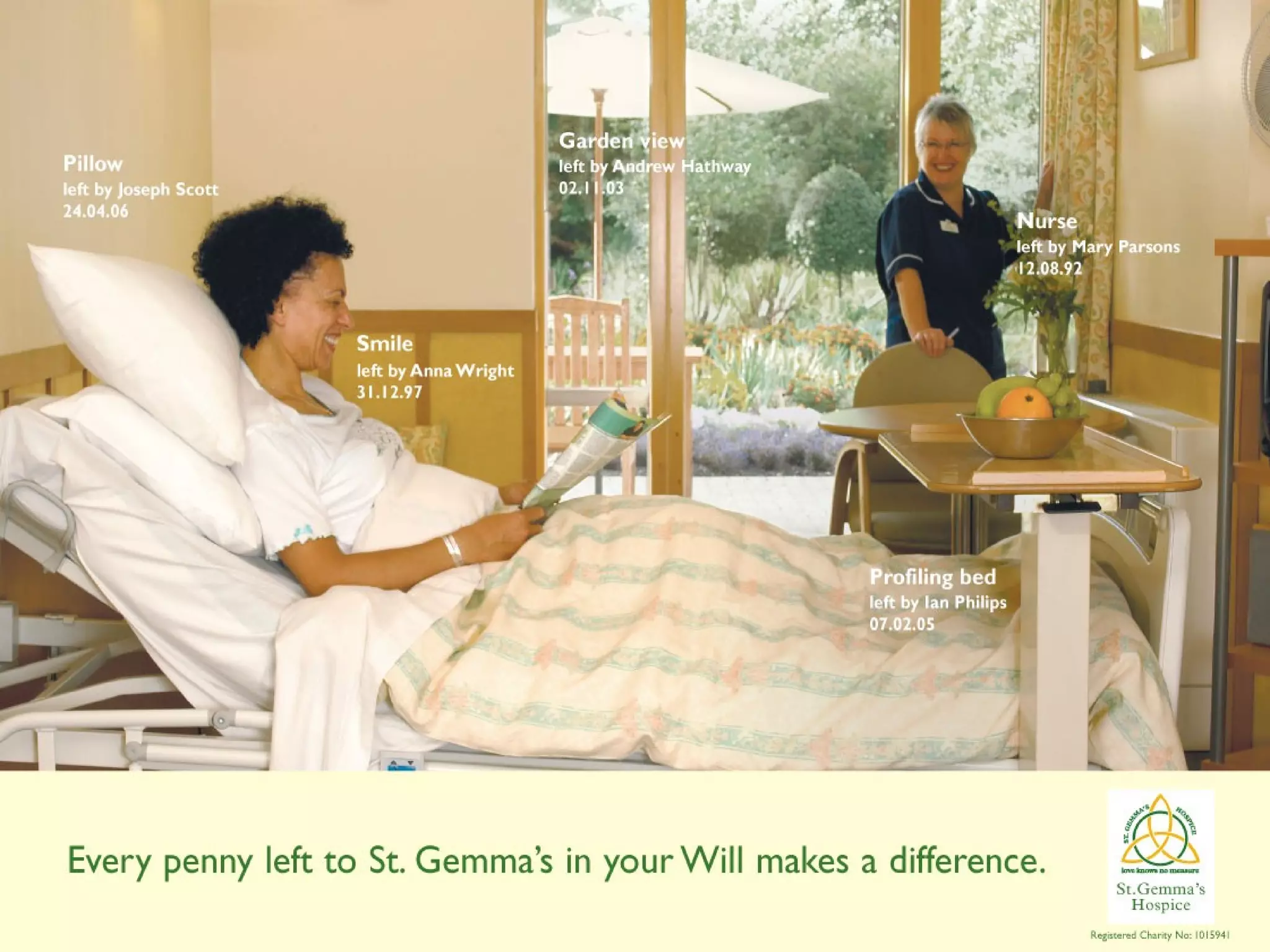
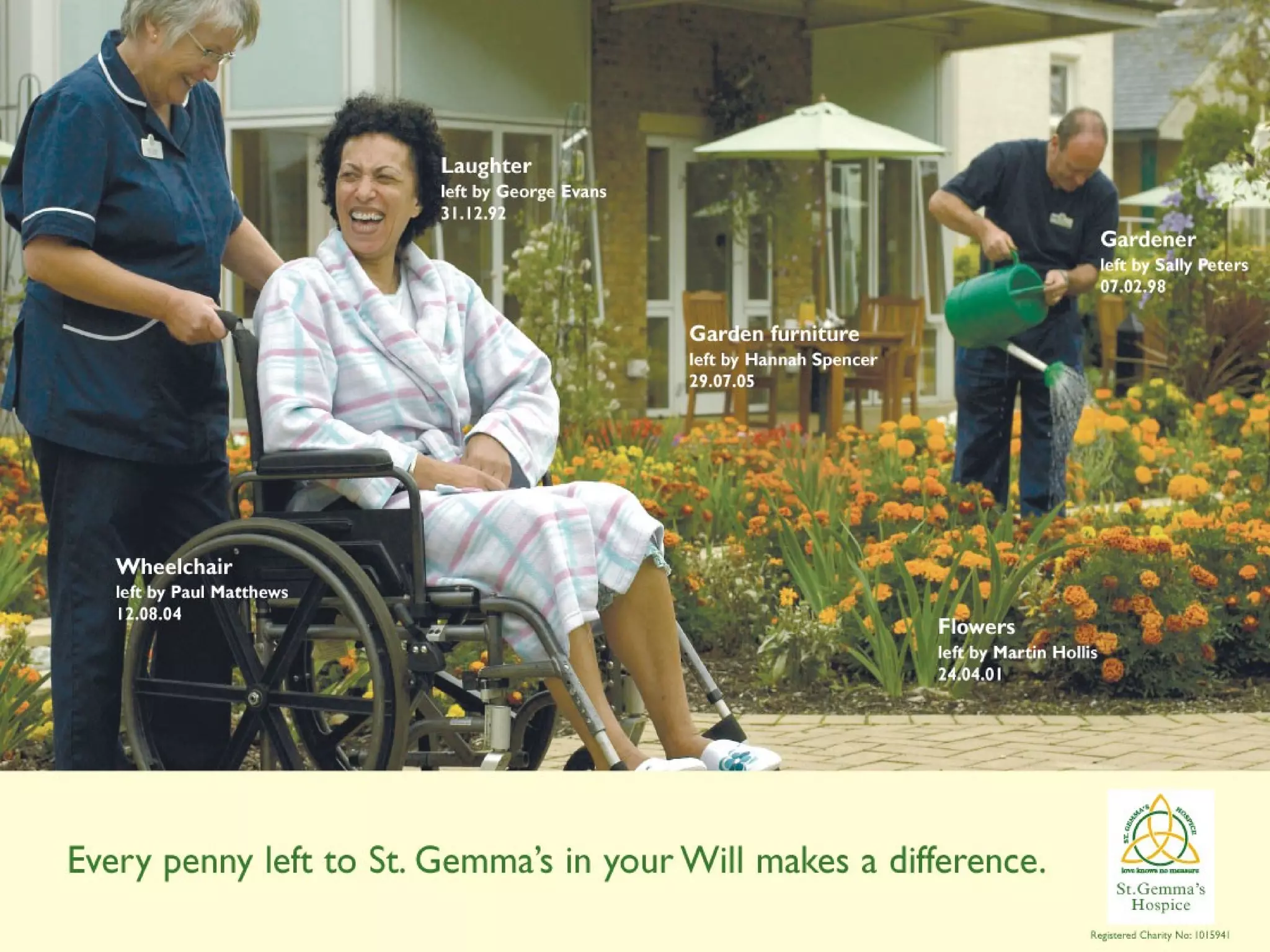
Do’s and don’ts In all your publicity use: Simple words and terms E.g. “a gift in your Will” not legacy or bequest Other people’s words and real stories Good use of images says it better than words Passion again and again and again! Links to your website where you can expand your information, etc
Thank you Graham Richards Freelance Fundraiser [email_address] Web: www.freelancefundraiser.co.uk

Legacies From Scratch Presentation 2 Nov 2008

  • 1.
    Legacy Fundraising fromscratch Graham Richards MInstF(Cert) Freelance Fundraiser
  • 2.
    We can’t affordto do that! That’s just for the big charities Let’s look at what the major charities do: National & Regional Newspaper ads TV, Radio and Cinema ads Posters & Hoardings Direct Marketing Face to Face legacy fundraisers Events & Visits
  • 3.
    Large campaigns =large costs! No one expects small, local charities to engage at this level The key is to start from where you are
  • 4.
    So why arelegacies important? Potentially the largest source of voluntary income Usually, unrestricted Very low fundraising costs A measure of your organisation’s long term support base
  • 5.
    A current “snapshot”of legacies 16% of Wills are charitable £49bn transferred through Wills, but only 3% goes to charity (that’s still £1.47b!) 40% of 65+ include charitable gifts 22% of widows / 6% of men leave gifts to charity 2006: av pecuniary = £3k and av residuary = £28.5k 3-5 years before return on investment
  • 6.
    Future potential 84%of Wills do not yet contain charitable bequests Baby Boomers: Affluent Sense of responsibility Positive about good causes Competition is still limited Smaller charities beginning to do better in the legacy market
  • 7.
    Future threat Growingcompetition – more charities taking legacy fundraising seriously More shared bequests People living longer Increased care costs Fewer spinsters – more widowers Baby Boomers – peaking 2020-2035 The debt-free generation is passing Indebted generation to follow
  • 8.
    Where do youstart? Investment Research Planning
  • 9.
    Where do youstart? Investment The value of legacies justifies investment – the ROI can be huge It need not cost much or anything – initially time rather than money You need to look medium to long term
  • 10.
    Where do youstart? Research Any previous legacies How many? Values? Types? Profile of legators Your supporter database Over 50s? Widows or spinsters? How do they compare with your legator profiles? Similar causes What do they do? (i.e. activities, literature, etc) Success rate? (% of legacies as part of all voluntary income)
  • 11.
    Where do youstart? Planning Draft a legacy fundraising strategy Simple with realistic targets Who will do it? (internal or external?) Decide your budget Take into account unpredictability You can’t plan projects based on legacy income You can plan what you could do if legacies come along (a Wish List)
  • 12.
    Marketing your messageBegin with the obvious: Newsletters Annual report Email footer Your website On the back of “thank you” letters (a “legacy sandwich”) Existing supporters and volunteers (are your warmest potential legators)
  • 13.
    Marketing your messageExplore other mediums Direct mailing? Focus groups? Through legacy administration (to NoK or Executors) Through special events Posters Use of video via website, blogs, Web 2.0
  • 14.
  • 15.
  • 16.
  • 17.
  • 18.
  • 19.
  • 20.
  • 21.
  • 22.
  • 23.
  • 24.
    Future opportunities Targetingspecific groups Single people, childless couples, men Work on the message Messages to match the moment/time Size doesn’t matter – all gifts are valuable “ You can make a real difference”
  • 25.
    Do’s and don’tsIn all your publicity use: Simple words and terms E.g. “a gift in your Will” not legacy or bequest Other people’s words and real stories Good use of images says it better than words Passion again and again and again! Links to your website where you can expand your information, etc
  • 26.
    Thank you GrahamRichards Freelance Fundraiser [email_address] Web: www.freelancefundraiser.co.uk