KEYS to Student Centered
       Learning!
          Professional Development
                   Training
               Presented by:
            Bethany Marcusson

               March 25,2013
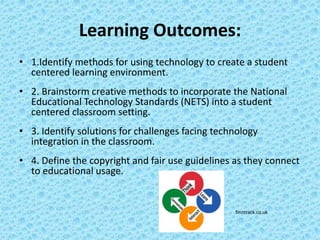
Learning Outcomes:
• 1.Identify methods for using technology to create a student
  centered learning environment.
• 2. Brainstorm creative methods to incorporate the National
  Educational Technology Standards (NETS) into a student
  centered classroom setting.
• 3. Identify solutions for challenges facing technology
  integration in the classroom.
• 4. Define the copyright and fair use guidelines as they connect
  to educational usage.
•   .


                                                  finntrack.co.uk
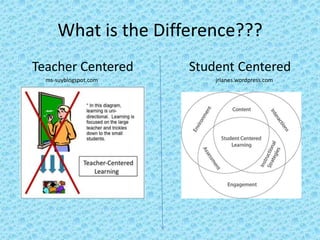
What is the Difference???
Teacher Centered       Student Centered
  ms-suyblogspot.com       jrlanes.wordpress.com
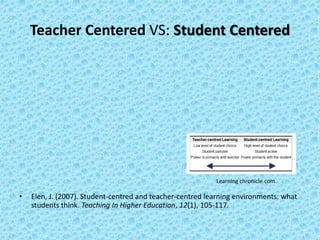
Teacher Centered VS: Student Centered


                                                           Learning chronicle.com

•   Elen, J. (2007). Student-centred and teacher-centred learning environments: what
    students think. Teaching In Higher Education, 12(1), 105-117.
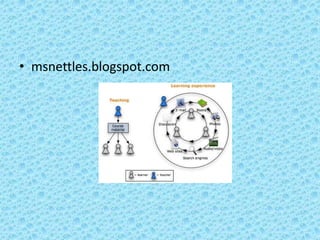
• msnettles.blogspot.com
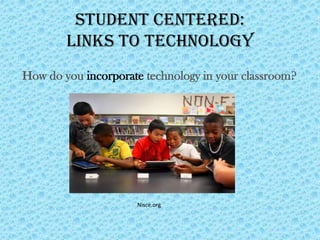
Student Centered:
        Links to Technology
How do you incorporate technology in your classroom?


                     Nisce.org
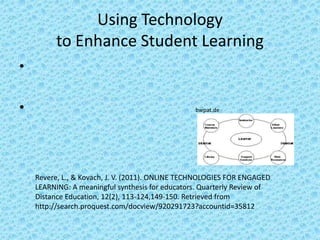
Using Technology
         to Enhance Student Learning
•

•                                                bwpat.de


    Revere, L., & Kovach, J. V. (2011). ONLINE TECHNOLOGIES FOR ENGAGED
    LEARNING: A meaningful synthesis for educators. Quarterly Review of
    Distance Education, 12(2), 113-124,149-150. Retrieved from
    http://search.proquest.com/docview/920291723?accountid=35812
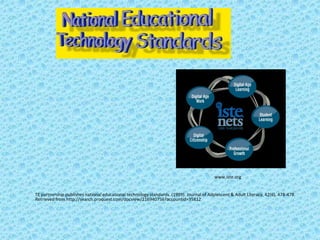
www.iste.org


TE partnership publishes national educational technology standards. (1999). Journal of Adolescent & Adult Literacy, 42(6), 478-478.
Retrieved from http://search.proquest.com/docview/216940756?accountid=35812
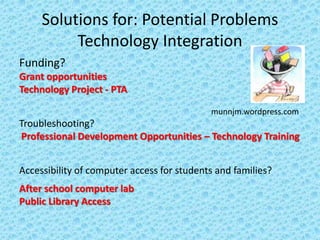
Solutions for: Potential Problems
          Technology Integration
Funding?
Grant opportunities
Technology Project - PTA

                                            munnjm.wordpress.com
Troubleshooting?
Professional Development Opportunities – Technology Training


Accessibility of computer access for students and families?
After school computer lab
Public Library Access
Curriculum Connection:
• Reminder:
Copyright and Fair Use Guidelines
1–
2–


                                                      www.differentminds.org

 Napper, V. S. (2003). Ethical issues in copyright compliance and fair use
 guidelines in teacher education. TechTrends, 47(6), 5-8. Retrieved from
 http://search.proquest.com/docview/223129690?accountid=35812
You are the KEY!


   Teachers + Technology +
Student Centered Approaches
     = Active Learning!
Biography Citation:
• Elen, J. (2007). Student-centred and teacher-centred learning
  environments: what students think. Teaching In Higher
  Education, 12(1), 105-117.

• Revere, L., & Kovach, J. V. (2011). ONLINE TECHNOLOGIES FOR ENGAGED
  LEARNING: A meaningful synthesis for educators. Quarterly Review of
  Distance Education, 12(2), 113-124,149-150. Retrieved from
  http://search.proquest.com/docview/920291723?accountid=35812

• TE partnership publishes national educational technology standards.
  (1999). Journal of Adolescent & Adult Literacy, 42(6), 478-478. Retrieved
  from http://search.proquest.com/docview/216940756?accountid=35812

• Napper, V. S. (2003). Ethical issues in copyright compliance and fair use
  guidelines in teacher education. TechTrends, 47(6), 5-8. Retrieved from
  http://search.proquest.com/docview/223129690?accountid=35812

Keys to student centered learning!

  • 1.
    KEYS to StudentCentered Learning! Professional Development Training Presented by: Bethany Marcusson March 25,2013
  • 2.
    Learning Outcomes: • 1.Identifymethods for using technology to create a student centered learning environment. • 2. Brainstorm creative methods to incorporate the National Educational Technology Standards (NETS) into a student centered classroom setting. • 3. Identify solutions for challenges facing technology integration in the classroom. • 4. Define the copyright and fair use guidelines as they connect to educational usage. • . finntrack.co.uk
  • 3.
    What is theDifference??? Teacher Centered Student Centered ms-suyblogspot.com jrlanes.wordpress.com
  • 4.
    Teacher Centered VS:Student Centered Learning chronicle.com • Elen, J. (2007). Student-centred and teacher-centred learning environments: what students think. Teaching In Higher Education, 12(1), 105-117.
  • 5.
  • 6.
    Student Centered: Links to Technology How do you incorporate technology in your classroom? Nisce.org
  • 7.
    Using Technology to Enhance Student Learning • • bwpat.de Revere, L., & Kovach, J. V. (2011). ONLINE TECHNOLOGIES FOR ENGAGED LEARNING: A meaningful synthesis for educators. Quarterly Review of Distance Education, 12(2), 113-124,149-150. Retrieved from http://search.proquest.com/docview/920291723?accountid=35812
  • 8.
    www.iste.org TE partnership publishesnational educational technology standards. (1999). Journal of Adolescent & Adult Literacy, 42(6), 478-478. Retrieved from http://search.proquest.com/docview/216940756?accountid=35812
  • 9.
    Solutions for: PotentialProblems Technology Integration Funding? Grant opportunities Technology Project - PTA munnjm.wordpress.com Troubleshooting? Professional Development Opportunities – Technology Training Accessibility of computer access for students and families? After school computer lab Public Library Access
  • 10.
    Curriculum Connection: • Reminder: Copyrightand Fair Use Guidelines 1– 2– www.differentminds.org Napper, V. S. (2003). Ethical issues in copyright compliance and fair use guidelines in teacher education. TechTrends, 47(6), 5-8. Retrieved from http://search.proquest.com/docview/223129690?accountid=35812
  • 11.
    You are theKEY! Teachers + Technology + Student Centered Approaches = Active Learning!
  • 12.
    Biography Citation: • Elen,J. (2007). Student-centred and teacher-centred learning environments: what students think. Teaching In Higher Education, 12(1), 105-117. • Revere, L., & Kovach, J. V. (2011). ONLINE TECHNOLOGIES FOR ENGAGED LEARNING: A meaningful synthesis for educators. Quarterly Review of Distance Education, 12(2), 113-124,149-150. Retrieved from http://search.proquest.com/docview/920291723?accountid=35812 • TE partnership publishes national educational technology standards. (1999). Journal of Adolescent & Adult Literacy, 42(6), 478-478. Retrieved from http://search.proquest.com/docview/216940756?accountid=35812 • Napper, V. S. (2003). Ethical issues in copyright compliance and fair use guidelines in teacher education. TechTrends, 47(6), 5-8. Retrieved from http://search.proquest.com/docview/223129690?accountid=35812

Editor's Notes

  • #2 Professional Development Training – Presented by Bethany Marcusson 3/25/2013
  • #3 Learning Outcomes are based upon the objectives and desired achievements for the workshop participants. It is the goal that these outcomes will be achievable as work place outcomes as transferrable into the classroom.
  • #4 What is the Difference? Teacher Centered vs. Student Centered Learning Environments. Trainer Notes: There are two visuals that give a clear picture of teacher centered vs. student centered learning. Teacher Centered learning focus on the “teacher” relaying information to the students. Teacher centered learning does not expand into various learning styles or engage student’s active participation. Student centered learning focuses on the student in the center of active participation utilizing a variety of learning styles and activities.