The Islamia University Of Bahawalpur
Department Of Human Diet And Nutrition
John henry newman
Submitted by: Group L
2nd Semester
GroupLeader
<Amna Afzal>
GroupMembers
 Bushra Hameed
 Ifra Akhtar
 Hadia Jamshaid
Content:
Introduction
Newman’s Philosophy of Communication
Newman’s Moment
Newman on the Language of Knowledge
Newman on Figurative Language
Introduction:
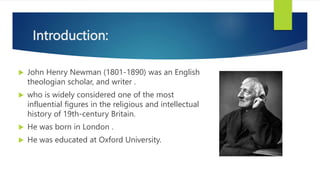
 John Henry Newman (1801-1890) was an English
theologian scholar, and writer .
 who is widely considered one of the most
influential figures in the religious and intellectual
history of 19th-century Britain.
 He was born in London .
 He was educated at Oxford University.
Newman’s Philosophy of Communication:
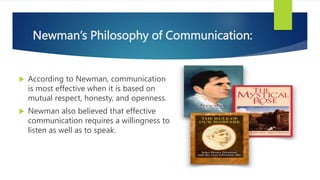
 According to Newman, communication
is most effective when it is based on
mutual respect, honesty, and openness.
 Newman also believed that effective
communication requires a willingness to
listen as well as to speak.
Newman’s Moment:
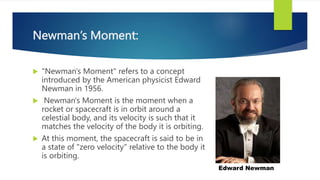
 "Newman's Moment" refers to a concept
introduced by the American physicist Edward
Newman in 1956.
 Newman's Moment is the moment when a
rocket or spacecraft is in orbit around a
celestial body, and its velocity is such that it
matches the velocity of the body it is orbiting.
 At this moment, the spacecraft is said to be in
a state of "zero velocity" relative to the body it
is orbiting.
Edward Newman
Newman on the Language of Knowledge:
 Newman believed that knowledge is not just a
matter of having accurate beliefs about the
world, but also involves an understanding of
the relationships between those beliefs.
 Language is essential for expressing these
relationships and conveying the complex ideas
that make up our knowledge.
 Newman also argued that the language of
knowledge is different from the language we
use in everyday communication.
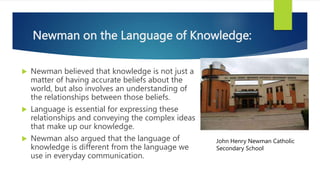
John Henry Newman Catholic
Secondary School
Newman on Figurative Language:
 Newman believed that figurative language
was an essential component of effective
communication, both in literature and in
religious or philosophical discourse.
 He argued that figurative language allowed
speakers and writers to convey complex
ideas and emotions in a way that would be
impossible using literal language alone.
Conclusion
 John Henry believed in the need for critical thinking as well
as intense prayerful devotion. He was always conscious of
the limitations of prose and aware of the necessity of
parable and analogy.
 Main theme,
 1. The nature of knowledge
 2. The role of religious belief in higher education
 3. Defence of liberal education for students
References
1. https://en.m.wikipedia.org/wiki/John_Henry_Newman
2. https://watch.formed.org/one-step-is-enough-cardinal-john-
henry-newman
3. https://www.britannica.com/biography/Saint-John-Henry-
Newman/Mind-and-character
Thanks

John henry newman.pptx

  • 1.
    The Islamia UniversityOf Bahawalpur Department Of Human Diet And Nutrition John henry newman Submitted by: Group L 2nd Semester GroupLeader <Amna Afzal> GroupMembers  Bushra Hameed  Ifra Akhtar  Hadia Jamshaid
  • 2.
    Content: Introduction Newman’s Philosophy ofCommunication Newman’s Moment Newman on the Language of Knowledge Newman on Figurative Language
  • 3.
    Introduction:  John HenryNewman (1801-1890) was an English theologian scholar, and writer .  who is widely considered one of the most influential figures in the religious and intellectual history of 19th-century Britain.  He was born in London .  He was educated at Oxford University.
  • 4.
    Newman’s Philosophy ofCommunication:  According to Newman, communication is most effective when it is based on mutual respect, honesty, and openness.  Newman also believed that effective communication requires a willingness to listen as well as to speak.
  • 5.
    Newman’s Moment:  "Newman'sMoment" refers to a concept introduced by the American physicist Edward Newman in 1956.  Newman's Moment is the moment when a rocket or spacecraft is in orbit around a celestial body, and its velocity is such that it matches the velocity of the body it is orbiting.  At this moment, the spacecraft is said to be in a state of "zero velocity" relative to the body it is orbiting. Edward Newman
  • 6.
    Newman on theLanguage of Knowledge:  Newman believed that knowledge is not just a matter of having accurate beliefs about the world, but also involves an understanding of the relationships between those beliefs.  Language is essential for expressing these relationships and conveying the complex ideas that make up our knowledge.  Newman also argued that the language of knowledge is different from the language we use in everyday communication. John Henry Newman Catholic Secondary School
  • 7.
    Newman on FigurativeLanguage:  Newman believed that figurative language was an essential component of effective communication, both in literature and in religious or philosophical discourse.  He argued that figurative language allowed speakers and writers to convey complex ideas and emotions in a way that would be impossible using literal language alone.
  • 8.
    Conclusion  John Henrybelieved in the need for critical thinking as well as intense prayerful devotion. He was always conscious of the limitations of prose and aware of the necessity of parable and analogy.  Main theme,  1. The nature of knowledge  2. The role of religious belief in higher education  3. Defence of liberal education for students
  • 9.
  • 10.