Serum chemerin is a novel adipokine associated with
insulin resistance in impaired glucose tolerant subjects
Israt Ara Hossain
Sr. Lecturer
Department of Biochemistry and Cell Biology,
Bangladesh University of Health Sciences,
Dhaka, Bangladesh.
E-mail: israt.ru84@buhs.ac.bd
Background
 Adipose tissue acts as an active endocrine organ to modulate
physiological metabolic processes that produce diverse secretory
proteins called adipokines into the systemic circulation.
 Visceral and subcutaneous adipose tissues produce unique
profiles of adipokines to mediate inflammation and insulin
resistance in obese and type 2 diabetes.
 Most adipokines show pro-inflammatory activity whereas some
adipokines show anti-inflammatory activity. The pro-
inflammatory adipokines are increased whereas the anti-
inflammatory adipokines are decreased in humans that are
associated with insulin resistance.
 These adipokines may thus provide molecular links between the
development of obesity, insulin resistance, metabolic syndrome,
cardiovascular diseases, type 2 diabetes mellitus, and so on.
 Chemerin is a recently discovered adipokine that has been
reported to modulate immune system function. Serum
concentrations of chemerin are elevated in obese, insulin-
resistant, and inflammatory states in vivo and suggested to be an
obvious cause of insulin resistance.
 However, very limited data are examined to explore the
association of chemerin with insulin resistance among the
impaired glucose tolerant (IGT) subjects. In this context, our
study was aimed to investigate the association of serum
chemerin with IGT and to explore whether this association is
mediated by insulin resistance during this disorder.
continued….
Among different categories of prediabetes, IGT may precede
T2DM by many years and also a risk factor for mortality.
Several adipokines are considered as risk factors for the
development of insulin resistance among the IGT subjects.
Recently serum chemerin has been identified as a major secretory
adipokine which has a crucial role in inflammation linking with
insulin resistance, thereby disrupting insulin signaling cascade.
Studies on the association of serum chemerin with insulin
resistance among diabetic subjects are available but that in insulin
resistant state like IGT, very few data are available. Therefore, the
present study has been conducted to evaluate the association of
insulin resistance with this secreted peptide and to evaluate whether
this disease condition is mediated by insulin resistance among these
subjects.
Rationale
Elevated levels of circulating chemerin have an association with
insulin resistance among Bangladeshi impaired glucose tolerant
subjects.
Hypothesis
Objectives
General Objective
 The general objective of the study was to determine the levels of serum
chemerin in IGT subjects and to explore its association with insulin
resistance during this disorder.
Specific Objectives
The specific objectives of the study were to:
 determine the levels of serum chemerin and insulin in IGT subjects;
 measure insulin resistance in IGT subjects;
 evaluate the association of serum chemerin with IGT group and to
investigate whether this association is mediated by insulin resistance
during the disorder.
Subjects and methods
Study type
This was an observational analytic study with a cross-sectional design.
Place of study
The study was conducted in the Dept of Biochemistry & Cell Biology
Bangladesh University of Health Sciences (BUHS), Dhaka,
Bangladesh.
Ethical implications
Ethical approval for this research protocol was obtained from the Ethical
Review Committee of Bangladesh Diabetic Association (BADAS).
Ref no: BADAS-ERC/13/00106
Sample size calculation
Minimum number of samples for study was calculated as 74 considering
the regression analyses as statistical tools using the following formula:
N≥50+8m (N=Sample size; m=number of predictors)
N≥74
Study subjects
 A total of 80 subjects (46 Control and 34 IGT) after 75g OGTT
followed by WHO Group Study Criteria was investigated. Informed
written consent was taken from all participants. Subjects was collected
from OPD of BIHS Hospital, Dhaka by standard criteria. Physical
examination for anthropometric measurements including BMI, WHR,
of each subject was done by appropriate technique. Serum was
processed and stored by standard methods
continued….
Inclusion criteria
 None of the subjects had any history of using any antidiabetic agent
or other medication including hormonal therapy known to affect on
carbohydrate, lipid or insulin metabolism;
 They were non-smokers, non-pregnant, sedentary and had stable
body weight for at least 3 months before the study and were on their
normal mixed diet.
Exclusion criteria
 Subjects suffering from any systemic illness like acute severe septic
conditions, acute and chronic cardiac disease, hepatic, renal, acute
and chronic respiratory failure, history of alcohol addiction, drugs
affecting liver enzymes, cancer, stroke, type 1 diabetes was
excluded from the study.
continued….
Analytical methods
 Fasting and postprandial serum glucose were measured by glucose-
oxidase method;
 Lipid profile was measured by enzymatic-colorimetric method;
 Serum insulin and chemerin were analyzed using commercially
available kits by ELISA technique;
 Insulin resistance (HOMA-IR) were calculated from fasting serum
glucose and fasting serum insulin values by homeostasis model
assessment (HOMA).
continued….
Data analysis
Data were expressed as mean±SD, median (range) and/ or
number where appropriate. Comparison between two groups was
done using Students unpaired‘t’ test for normally distributed
variables and Mann-Whitney U for skewed data. The variables of
subject characteristics with different distributions between the
Control and IGT groups were entered in a binary logistic regression
model to test for independent associations. Multiple linear
regression analysis was done to explore the association of chemerin
with insulin resistance after adjusting major confounders. P values
lower than 0.05 were considered statistically significant. Statistical
analyses were performed using Statistical Package for Social
Science (SPSS) for Windows version 15.0 (SPSS Inc., Chicago,
ILL).
continued….
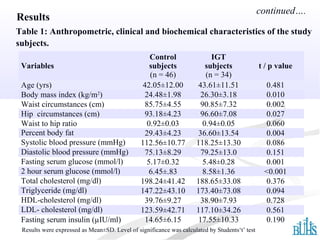
Results
Table 1: Anthropometric, clinical and biochemical characteristics of the study
subjects.
continued….
Variables
Control
subjects
(n = 46)
IGT
subjects
(n = 34)
t / p value
Age (yrs) 42.05±12.00 43.61±11.51 0.481
Body mass index (kg/m2
) 24.48±1.98 26.30±3.18 0.010
Waist circumstances (cm) 85.75±4.55 90.85±7.32 0.002
Hip circumstances (cm) 93.18±4.23 96.60±7.08 0.027
Waist to hip ratio 0.92±0.03 0.94±0.05 0.060
Percent body fat 29.43±4.23 36.60±13.54 0.004
Systolic blood pressure (mmHg) 112.56±10.77 118.25±13.30 0.086
Diastolic blood pressure (mmHg) 75.13±8.29 79.25±13.0 0.151
Fasting serum glucose (mmol/l) 5.17±0.32 5.48±0.28 0.001
2 hour serum glucose (mmol/l) 6.45±.83 8.58±1.36 <0.001
Total cholesterol (mg/dl) 198.24±41.42 188.65±33.08 0.376
Triglyceride (mg/dl) 147.22±43.10 173.40±73.08 0.094
HDL-cholesterol (mg/dl) 39.76±9.27 38.90±7.93 0.728
LDL- cholesterol (mg/dl) 123.59±42.71 117.10±34.26 0.561
Fasting serum insulin (µIU/ml) 14.65±6.15 17.55±10.33 0.190
Results were expressed as Mean±SD. Level of significance was calculated by Students‘t’ test
continued….
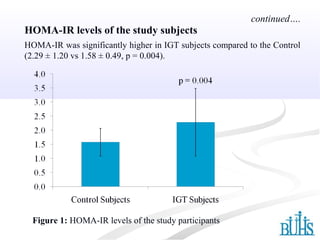
Figure 1: HOMA-IR levels of the study participants
HOMA-IR levels of the study subjects
HOMA-IR was significantly higher in IGT subjects compared to the Control
(2.29 ± 1.20 vs 1.58 ± 0.49, p = 0.004).
continued….
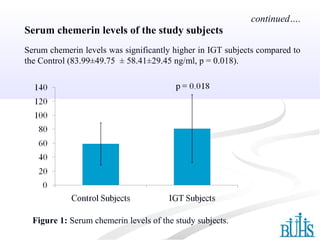
Figure 1: Serum chemerin levels of the study subjects.
Serum chemerin levels of the study subjects
Serum chemerin levels was significantly higher in IGT subjects compared to
the Control (83.99±49.75 ± 58.41±29.45 ng/ml, p = 0.018).
continued….
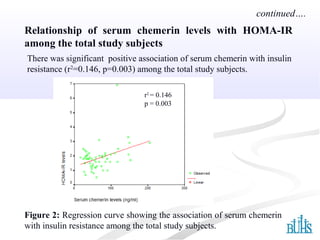
Figure 2: Regression curve showing the association of serum chemerin
with insulin resistance among the total study subjects.
Relationship of serum chemerin levels with HOMA-IR
among the total study subjects
There was significant positive association of serum chemerin with insulin
resistance (r2
=0.146, p=0.003) among the total study subjects.
r2
= 0.146
p = 0.003
Table 2: Binary logistic regression to evaluate the contribution of
HOMA-IR and serum chemerin on IGT group after adjusting the effects
of major confounders
Dependent variable: Group (IGT vs. Control); Adjusted R2
=0.164 the level of significance at p<0.05..
Variables Coefficient S. E.
p-value Odds
Ratio
95% C.I.
Lower Upper
(Constant) -7.424 3.358 0.027 0.001 - -
BMI (kg/m2
) 0.186 0.146 0.202 1.205 0.905 1.604
TG (mg/dl) 0.006 0.007 0.340 1.006 0.993 1.019
HOMA-IR 0.143 0.373 0.701 1.154 0.555 2.400
Chemerin (ng/ml) 0.112 0.009 0.035 1.012 0.995 1.030
continued….
On Binary logistic regression analysis, serum chemerin [odds ratio (OR)
1.012, 95% confidence interval (CI) 0.995-1.030, p=0.035] was found to be
significant determinant of IGT group (IGT considered as dichotomous
variable) after adjusting the effects of BMI, TG and HOMA-IR respectively
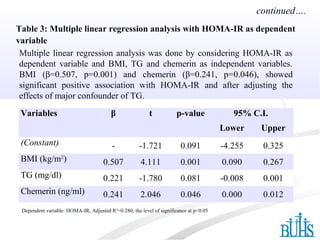
Table 3: Multiple linear regression analysis with HOMA-IR as dependent
variable
continued….
Variables β t p-value 95% C.I.
Lower Upper
(Constant) - -1.721 0.091 -4.255 0.325
BMI (kg/m2
) 0.507 4.111 0.001 0.090 0.267
TG (mg/dl) 0.221 -1.780 0.081 -0.008 0.001
Chemerin (ng/ml) 0.241 2.046 0.046 0.000 0.012
Dependent variable: HOMA-IR, Adjusted R2
=0.280; the level of significance at p<0.05
Multiple linear regression analysis was done by considering HOMA-IR as
dependent variable and BMI, TG and chemerin as independent variables.
BMI (β=0.507, p=0.001) and chemerin (β=0.241, p=0.046), showed
significant positive association with HOMA-IR and after adjusting the
effects of major confounder of TG.
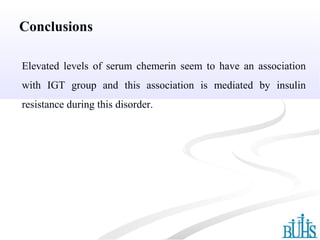
Conclusions
Elevated levels of serum chemerin seem to have an association
with IGT group and this association is mediated by insulin
resistance during this disorder.
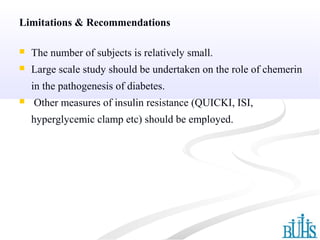
Limitations & Recommendations
 The number of subjects is relatively small.
 Large scale study should be undertaken on the role of chemerin
in the pathogenesis of diabetes.
 Other measures of insulin resistance (QUICKI, ISI,
hyperglycemic clamp etc) should be employed.
 Diabetic Association of Bangladesh (BADAS), Dhaka,
Bangladesh;
 Ministry of Science & Technology, Dhaka, Bangladesh;
 Bangladesh University of Health Sciences, Dhaka,
Bangladesh.
Acknowledgements
THANK YOU

Israt ara hossain nst 17-18

  • 1.
    Serum chemerin isa novel adipokine associated with insulin resistance in impaired glucose tolerant subjects Israt Ara Hossain Sr. Lecturer Department of Biochemistry and Cell Biology, Bangladesh University of Health Sciences, Dhaka, Bangladesh. E-mail: israt.ru84@buhs.ac.bd
  • 2.
    Background  Adipose tissueacts as an active endocrine organ to modulate physiological metabolic processes that produce diverse secretory proteins called adipokines into the systemic circulation.  Visceral and subcutaneous adipose tissues produce unique profiles of adipokines to mediate inflammation and insulin resistance in obese and type 2 diabetes.  Most adipokines show pro-inflammatory activity whereas some adipokines show anti-inflammatory activity. The pro- inflammatory adipokines are increased whereas the anti- inflammatory adipokines are decreased in humans that are associated with insulin resistance.
  • 3.
     These adipokinesmay thus provide molecular links between the development of obesity, insulin resistance, metabolic syndrome, cardiovascular diseases, type 2 diabetes mellitus, and so on.  Chemerin is a recently discovered adipokine that has been reported to modulate immune system function. Serum concentrations of chemerin are elevated in obese, insulin- resistant, and inflammatory states in vivo and suggested to be an obvious cause of insulin resistance.  However, very limited data are examined to explore the association of chemerin with insulin resistance among the impaired glucose tolerant (IGT) subjects. In this context, our study was aimed to investigate the association of serum chemerin with IGT and to explore whether this association is mediated by insulin resistance during this disorder. continued….
  • 4.
    Among different categoriesof prediabetes, IGT may precede T2DM by many years and also a risk factor for mortality. Several adipokines are considered as risk factors for the development of insulin resistance among the IGT subjects. Recently serum chemerin has been identified as a major secretory adipokine which has a crucial role in inflammation linking with insulin resistance, thereby disrupting insulin signaling cascade. Studies on the association of serum chemerin with insulin resistance among diabetic subjects are available but that in insulin resistant state like IGT, very few data are available. Therefore, the present study has been conducted to evaluate the association of insulin resistance with this secreted peptide and to evaluate whether this disease condition is mediated by insulin resistance among these subjects. Rationale
  • 5.
    Elevated levels ofcirculating chemerin have an association with insulin resistance among Bangladeshi impaired glucose tolerant subjects. Hypothesis
  • 6.
    Objectives General Objective  Thegeneral objective of the study was to determine the levels of serum chemerin in IGT subjects and to explore its association with insulin resistance during this disorder. Specific Objectives The specific objectives of the study were to:  determine the levels of serum chemerin and insulin in IGT subjects;  measure insulin resistance in IGT subjects;  evaluate the association of serum chemerin with IGT group and to investigate whether this association is mediated by insulin resistance during the disorder.
  • 7.
    Subjects and methods Studytype This was an observational analytic study with a cross-sectional design. Place of study The study was conducted in the Dept of Biochemistry & Cell Biology Bangladesh University of Health Sciences (BUHS), Dhaka, Bangladesh. Ethical implications Ethical approval for this research protocol was obtained from the Ethical Review Committee of Bangladesh Diabetic Association (BADAS). Ref no: BADAS-ERC/13/00106
  • 8.
    Sample size calculation Minimumnumber of samples for study was calculated as 74 considering the regression analyses as statistical tools using the following formula: N≥50+8m (N=Sample size; m=number of predictors) N≥74 Study subjects  A total of 80 subjects (46 Control and 34 IGT) after 75g OGTT followed by WHO Group Study Criteria was investigated. Informed written consent was taken from all participants. Subjects was collected from OPD of BIHS Hospital, Dhaka by standard criteria. Physical examination for anthropometric measurements including BMI, WHR, of each subject was done by appropriate technique. Serum was processed and stored by standard methods continued….
  • 9.
    Inclusion criteria  Noneof the subjects had any history of using any antidiabetic agent or other medication including hormonal therapy known to affect on carbohydrate, lipid or insulin metabolism;  They were non-smokers, non-pregnant, sedentary and had stable body weight for at least 3 months before the study and were on their normal mixed diet. Exclusion criteria  Subjects suffering from any systemic illness like acute severe septic conditions, acute and chronic cardiac disease, hepatic, renal, acute and chronic respiratory failure, history of alcohol addiction, drugs affecting liver enzymes, cancer, stroke, type 1 diabetes was excluded from the study. continued….
  • 10.
    Analytical methods  Fastingand postprandial serum glucose were measured by glucose- oxidase method;  Lipid profile was measured by enzymatic-colorimetric method;  Serum insulin and chemerin were analyzed using commercially available kits by ELISA technique;  Insulin resistance (HOMA-IR) were calculated from fasting serum glucose and fasting serum insulin values by homeostasis model assessment (HOMA). continued….
  • 11.
    Data analysis Data wereexpressed as mean±SD, median (range) and/ or number where appropriate. Comparison between two groups was done using Students unpaired‘t’ test for normally distributed variables and Mann-Whitney U for skewed data. The variables of subject characteristics with different distributions between the Control and IGT groups were entered in a binary logistic regression model to test for independent associations. Multiple linear regression analysis was done to explore the association of chemerin with insulin resistance after adjusting major confounders. P values lower than 0.05 were considered statistically significant. Statistical analyses were performed using Statistical Package for Social Science (SPSS) for Windows version 15.0 (SPSS Inc., Chicago, ILL). continued….
  • 12.
    Results Table 1: Anthropometric,clinical and biochemical characteristics of the study subjects. continued…. Variables Control subjects (n = 46) IGT subjects (n = 34) t / p value Age (yrs) 42.05±12.00 43.61±11.51 0.481 Body mass index (kg/m2 ) 24.48±1.98 26.30±3.18 0.010 Waist circumstances (cm) 85.75±4.55 90.85±7.32 0.002 Hip circumstances (cm) 93.18±4.23 96.60±7.08 0.027 Waist to hip ratio 0.92±0.03 0.94±0.05 0.060 Percent body fat 29.43±4.23 36.60±13.54 0.004 Systolic blood pressure (mmHg) 112.56±10.77 118.25±13.30 0.086 Diastolic blood pressure (mmHg) 75.13±8.29 79.25±13.0 0.151 Fasting serum glucose (mmol/l) 5.17±0.32 5.48±0.28 0.001 2 hour serum glucose (mmol/l) 6.45±.83 8.58±1.36 <0.001 Total cholesterol (mg/dl) 198.24±41.42 188.65±33.08 0.376 Triglyceride (mg/dl) 147.22±43.10 173.40±73.08 0.094 HDL-cholesterol (mg/dl) 39.76±9.27 38.90±7.93 0.728 LDL- cholesterol (mg/dl) 123.59±42.71 117.10±34.26 0.561 Fasting serum insulin (µIU/ml) 14.65±6.15 17.55±10.33 0.190 Results were expressed as Mean±SD. Level of significance was calculated by Students‘t’ test
  • 13.
    continued…. Figure 1: HOMA-IRlevels of the study participants HOMA-IR levels of the study subjects HOMA-IR was significantly higher in IGT subjects compared to the Control (2.29 ± 1.20 vs 1.58 ± 0.49, p = 0.004).
  • 14.
    continued…. Figure 1: Serumchemerin levels of the study subjects. Serum chemerin levels of the study subjects Serum chemerin levels was significantly higher in IGT subjects compared to the Control (83.99±49.75 ± 58.41±29.45 ng/ml, p = 0.018).
  • 15.
    continued…. Figure 2: Regressioncurve showing the association of serum chemerin with insulin resistance among the total study subjects. Relationship of serum chemerin levels with HOMA-IR among the total study subjects There was significant positive association of serum chemerin with insulin resistance (r2 =0.146, p=0.003) among the total study subjects. r2 = 0.146 p = 0.003
  • 16.
    Table 2: Binarylogistic regression to evaluate the contribution of HOMA-IR and serum chemerin on IGT group after adjusting the effects of major confounders Dependent variable: Group (IGT vs. Control); Adjusted R2 =0.164 the level of significance at p<0.05.. Variables Coefficient S. E. p-value Odds Ratio 95% C.I. Lower Upper (Constant) -7.424 3.358 0.027 0.001 - - BMI (kg/m2 ) 0.186 0.146 0.202 1.205 0.905 1.604 TG (mg/dl) 0.006 0.007 0.340 1.006 0.993 1.019 HOMA-IR 0.143 0.373 0.701 1.154 0.555 2.400 Chemerin (ng/ml) 0.112 0.009 0.035 1.012 0.995 1.030 continued…. On Binary logistic regression analysis, serum chemerin [odds ratio (OR) 1.012, 95% confidence interval (CI) 0.995-1.030, p=0.035] was found to be significant determinant of IGT group (IGT considered as dichotomous variable) after adjusting the effects of BMI, TG and HOMA-IR respectively
  • 17.
    Table 3: Multiplelinear regression analysis with HOMA-IR as dependent variable continued…. Variables β t p-value 95% C.I. Lower Upper (Constant) - -1.721 0.091 -4.255 0.325 BMI (kg/m2 ) 0.507 4.111 0.001 0.090 0.267 TG (mg/dl) 0.221 -1.780 0.081 -0.008 0.001 Chemerin (ng/ml) 0.241 2.046 0.046 0.000 0.012 Dependent variable: HOMA-IR, Adjusted R2 =0.280; the level of significance at p<0.05 Multiple linear regression analysis was done by considering HOMA-IR as dependent variable and BMI, TG and chemerin as independent variables. BMI (β=0.507, p=0.001) and chemerin (β=0.241, p=0.046), showed significant positive association with HOMA-IR and after adjusting the effects of major confounder of TG.
  • 18.
    Conclusions Elevated levels ofserum chemerin seem to have an association with IGT group and this association is mediated by insulin resistance during this disorder.
  • 19.
    Limitations & Recommendations The number of subjects is relatively small.  Large scale study should be undertaken on the role of chemerin in the pathogenesis of diabetes.  Other measures of insulin resistance (QUICKI, ISI, hyperglycemic clamp etc) should be employed.
  • 20.
     Diabetic Associationof Bangladesh (BADAS), Dhaka, Bangladesh;  Ministry of Science & Technology, Dhaka, Bangladesh;  Bangladesh University of Health Sciences, Dhaka, Bangladesh. Acknowledgements
  • 21.