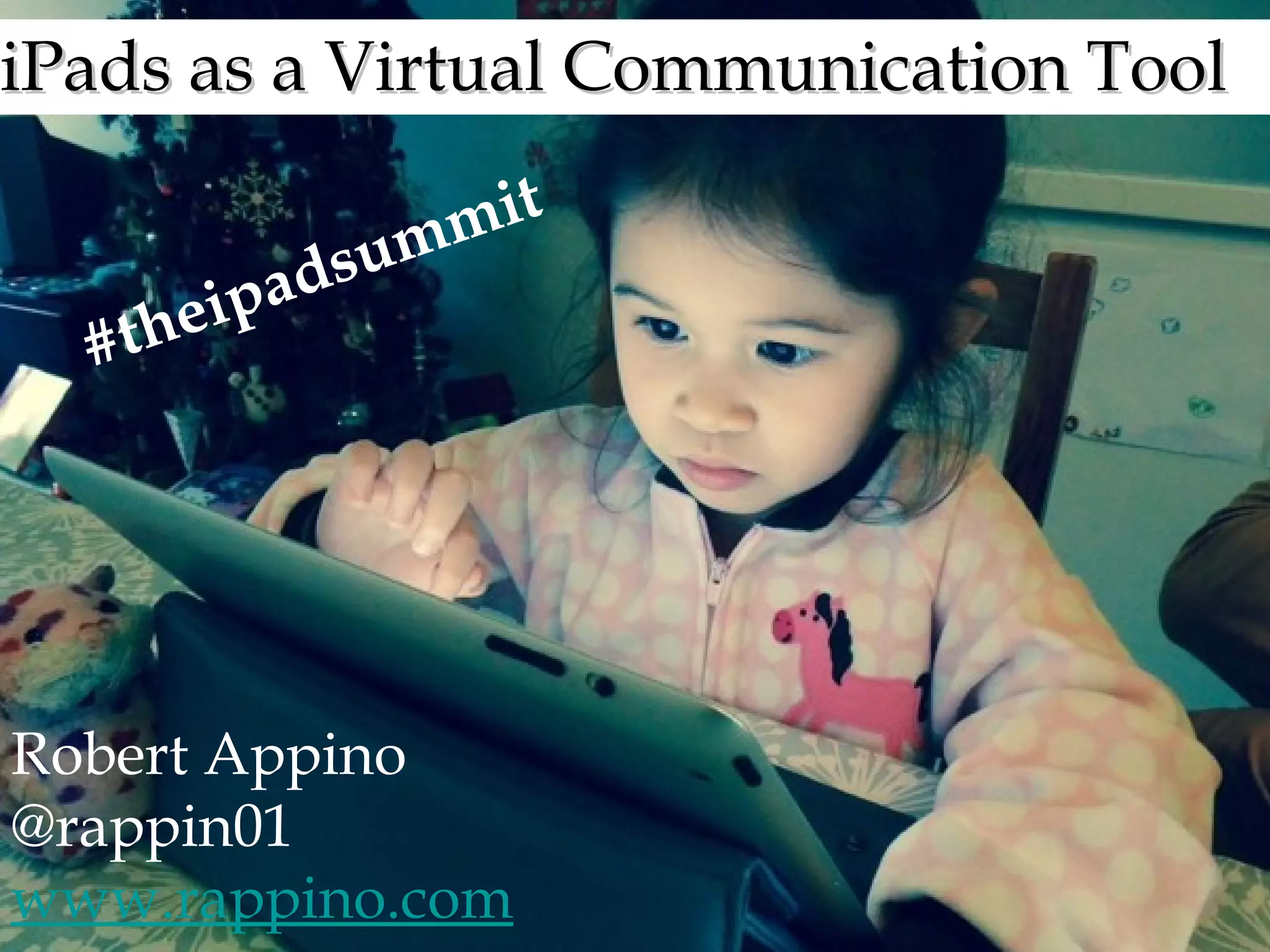
iPads as a Virtual Communication Tool

#

eip
th

m it
sum
ad

Robert Appino
@rappin01
www.rappino.com
Session 1: http://todaysmeet.com/ipadsummit
Session 2:
What is your name, school
and position?
Session 1: http://todaysmeet.com/ipadsummit
Session 2:
What is something exciting
happening in your
classroom or school?
What is something about
yourself that you would
like to share with everyone?
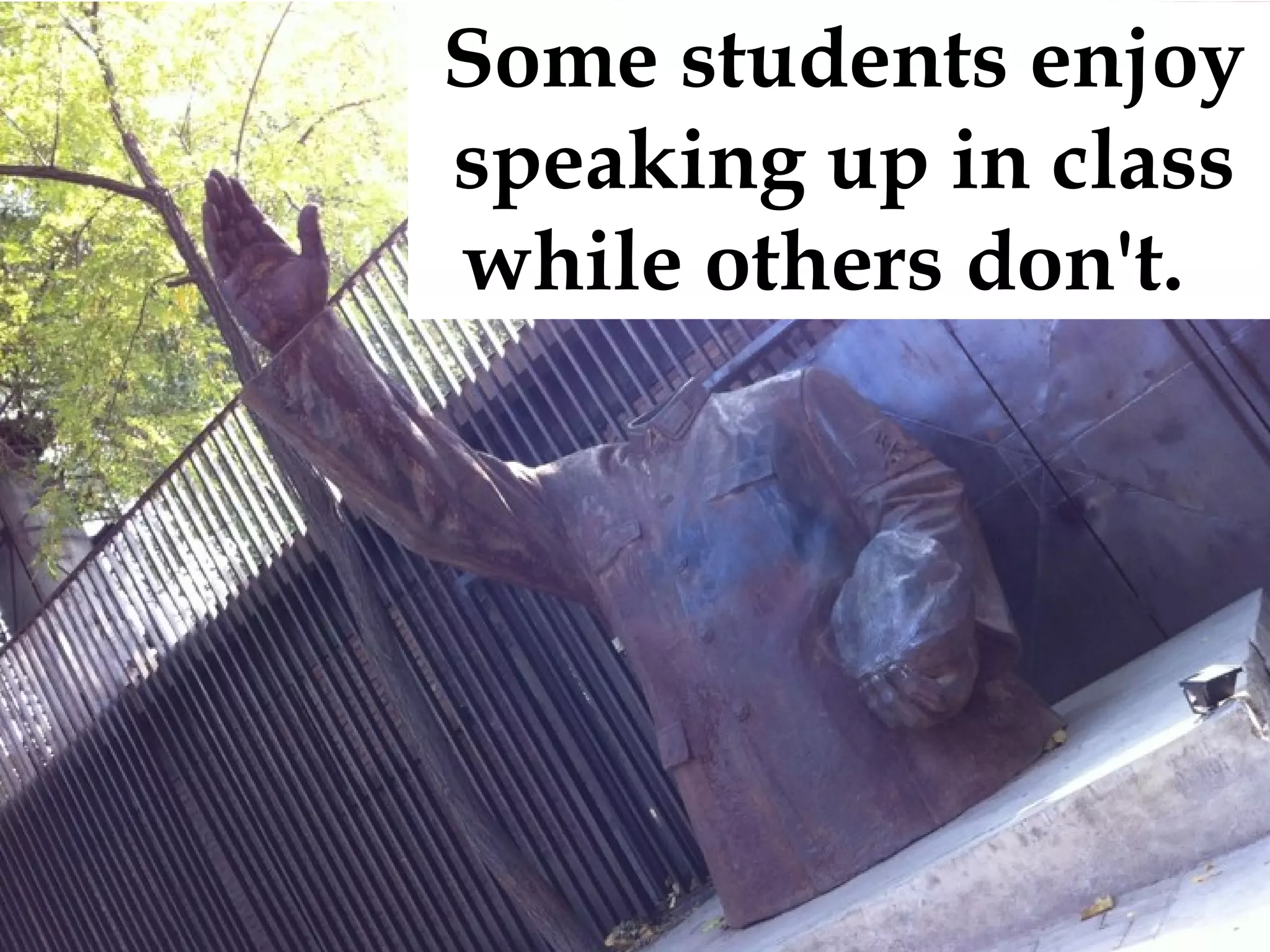
Some students enjoy
speaking up in class
while others don't.
Objective:
to encourage educators to try
different ways to reach their
students through different modes of
class discussions.
Essential Question:
How can we use technology as a
differentiated platform for students
to share their ideas?
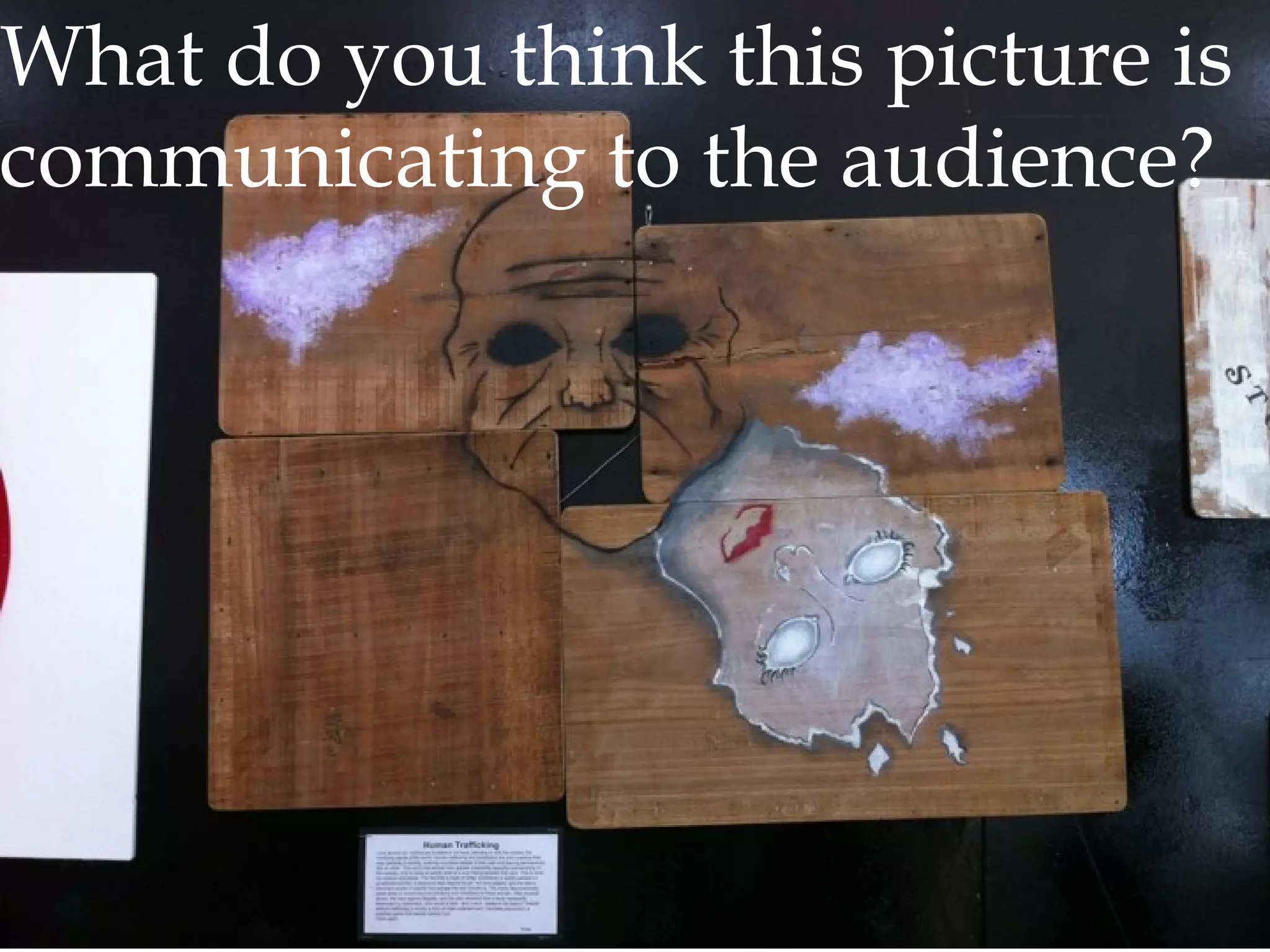
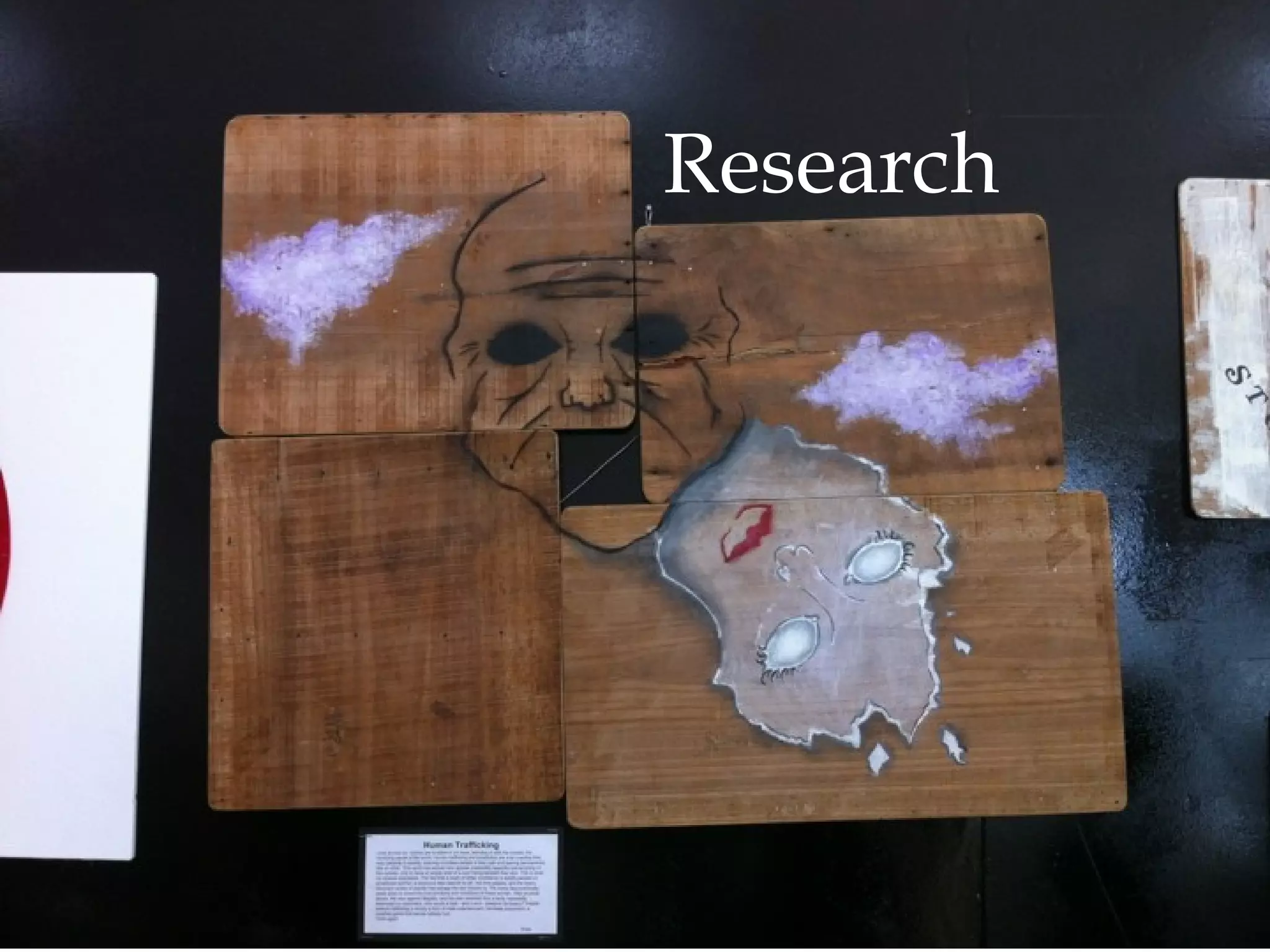
What do you think this picture is
communicating to the audience?
Research
Student Participation
Face-to-Face Discussions
compared with
Virtual Discussions
Face-to-Face Discussions
Virtual Discussions
21 Students
14 Boys & 7 Girls
Face-to-Face Discussions in Classrooms
What is the effect of

virtual

discussions on students' participation
and sense of belonging?
Comfortable
Literature
Jarmon, Lim and Carpenter (2009) "Introduction Pedagogy,
Education and Innovation in Virtual Worlds"



used more for
teaching and learning in the future.



say virtual worlds will be
Friedman, Karniel and Dinur’s (2009) study “Comparing Group
Discussion in Virtual and Physical Environments" found that



higher number of on-topic
discussions in the physical
discussion setting versus the virtual discussion
students had a

setting (p. 290).
anonymous


virtual discussions provided more

opportunities

for

quieter

students.
-Carnegie’s (2003, “Teaching a Critical Understanding of Virtual Environments”
“[t]he biggest
advantage [of virtual discussions]
was for students who were shy,
self-conscious, or
intimidated in face-to-face group
meetings” (2003, p. 63).
Carnegie acknowledges that,
http://www.thepowerofintroverts.com/
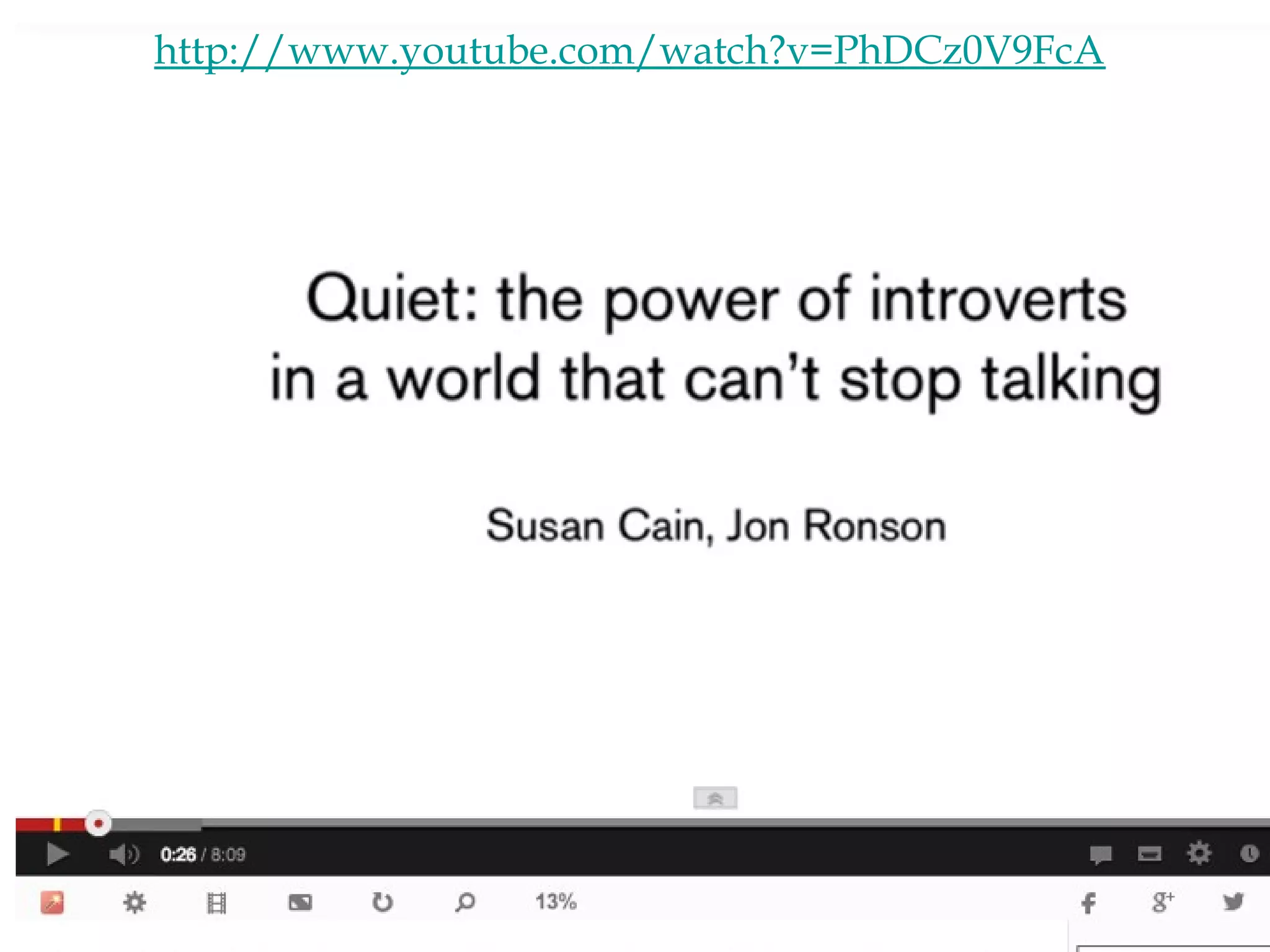
Susan Cain @ TED: The Power of Introverts
http://www.youtube.com/watch?v=PhDCz0V9FcA
§Susan Cain (2012) confirms this idea by explaining that ‘quiet’

students feel comfortable collaborating in an “online working
group” which is similar to a

virtual discussion

because “it is a form of

solitude”

which better meets the needs of more introverted learners (p. 111).
§
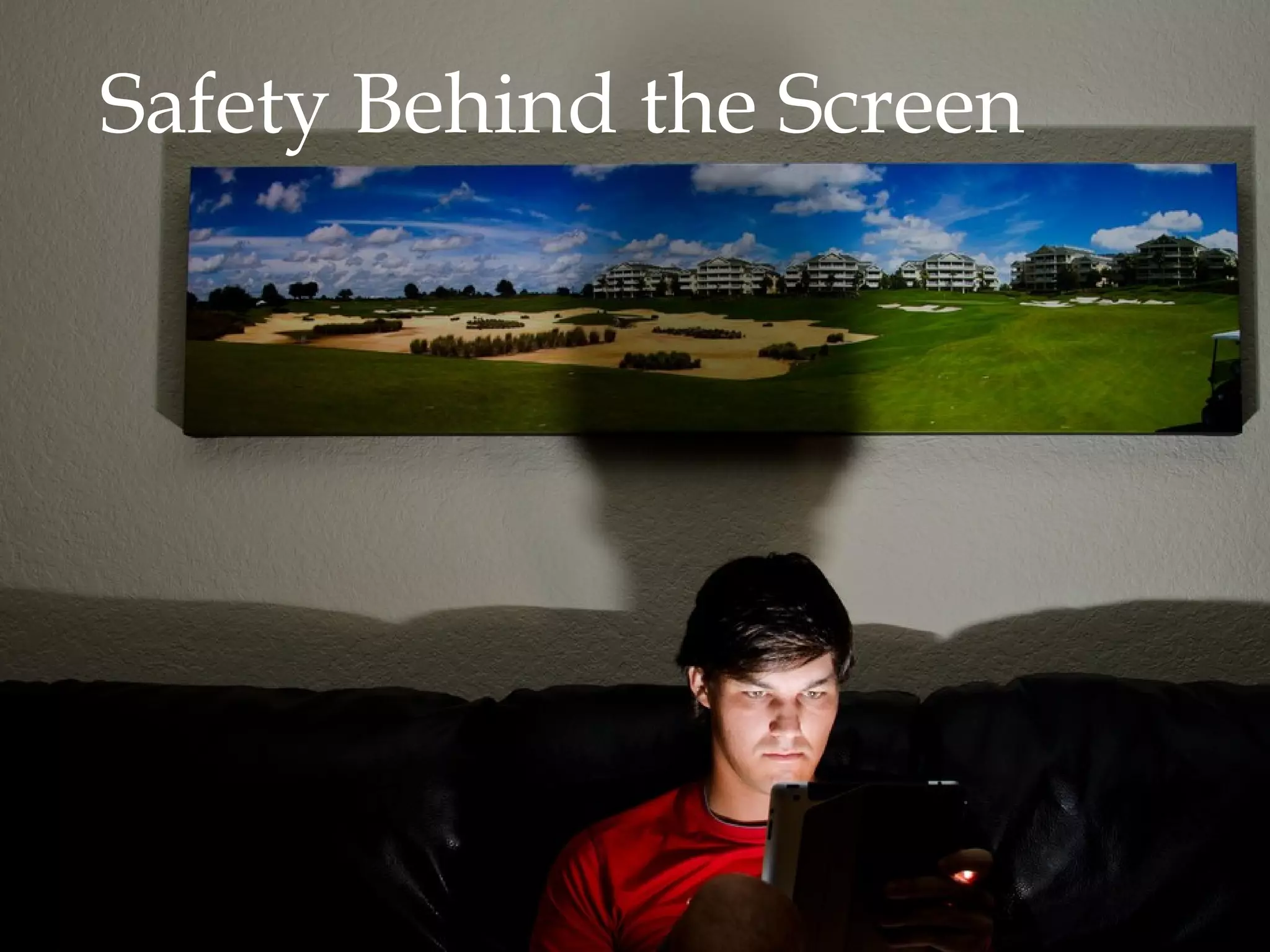
Safety Behind the Screen
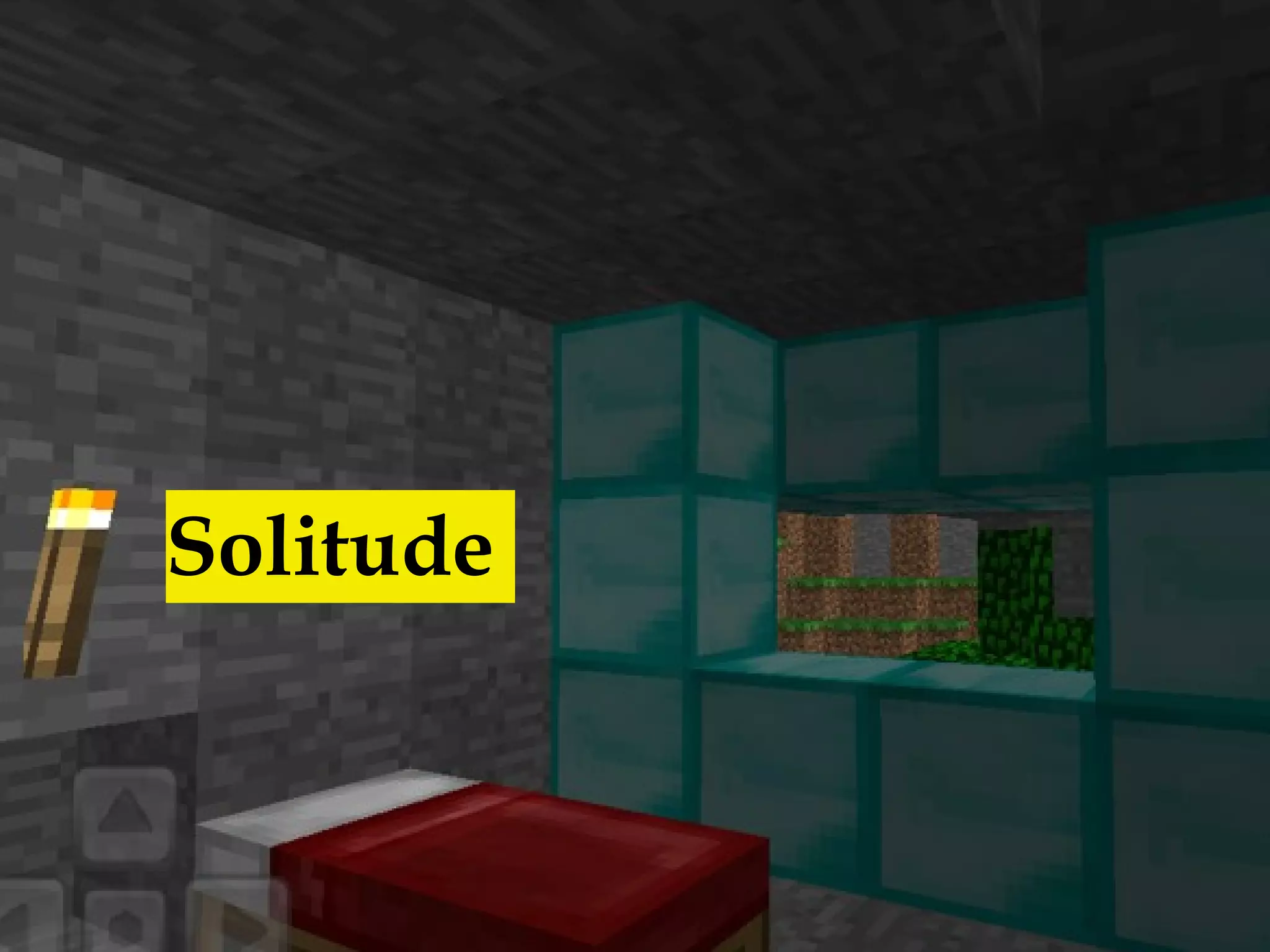
Solitude
Wang and Woo’s (2007) study “Comparing Asynchronous Online
Discussions and Face-to-Face Discussions in a Classroom Setting”

face-to-face
discussions were more real and
authentic than in-class online discussions because
said, “[i]n terms of authenticity,

participants could talk to each other in real time, see their facial
expressions and clarify matters immediately” (p. 282). In this aspect,
face-to-face discussions were regarded as more superior to online
discussions.
“online
discussions were more comfortable,
less aggressive and offered more
Wang and Woo (2007) also said that

equal opportunities for
group members to voice
their opinions” (p. 282).
Participation increased in virtual
discussions

Quality of participation also increased
during virtual discussions
Discussion findings
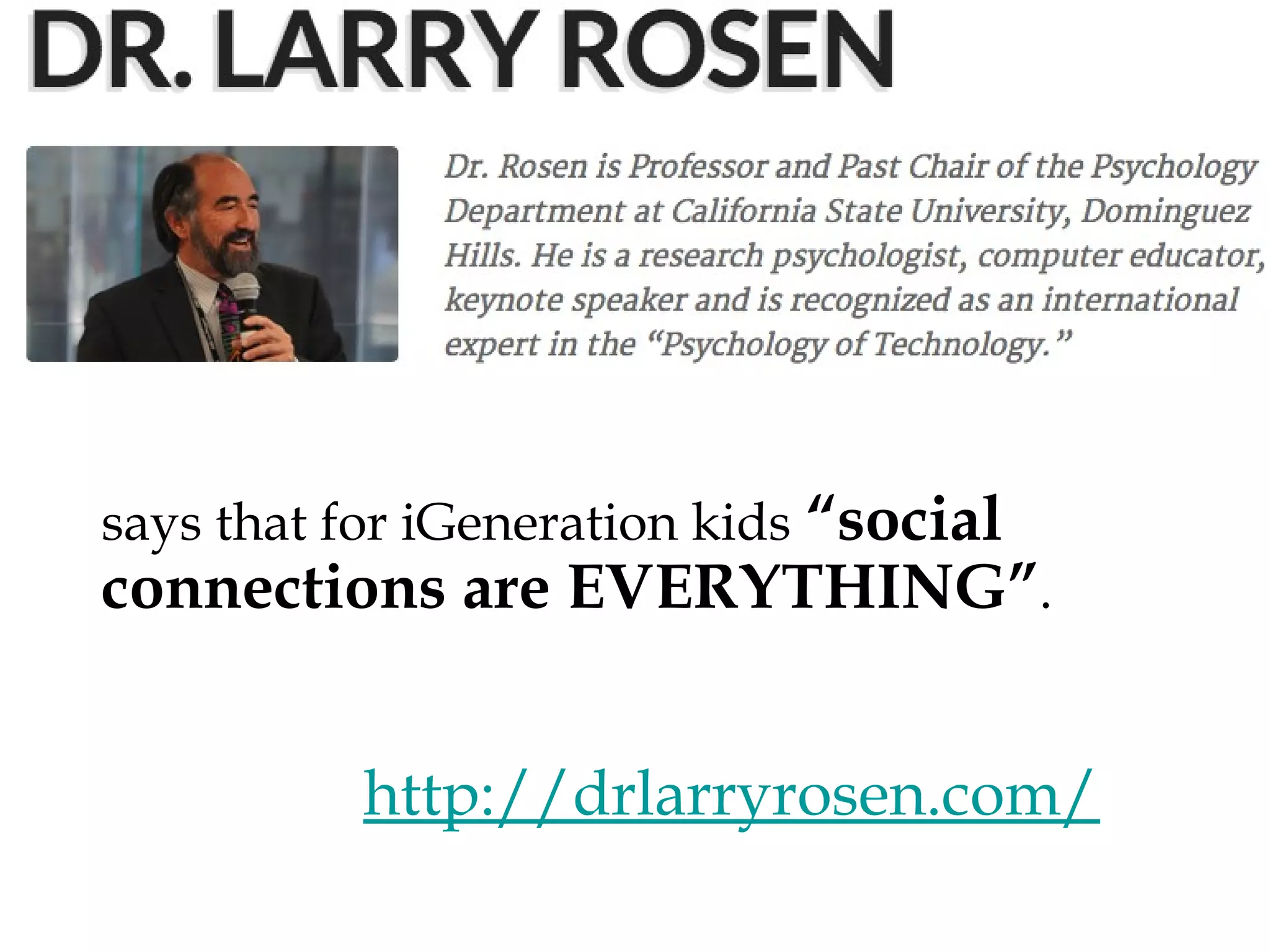
“social connections
are EVERYTHING”.
says that for iGeneration kids

http://drlarryrosen.com/
•Comfort Behind the
Screen
Students are “more
comfortable with sharing”
through virtual writing
- Dr. Larry Rosen
Beyond the Screen
Integrate virtual discussions into your classrooms
Variety
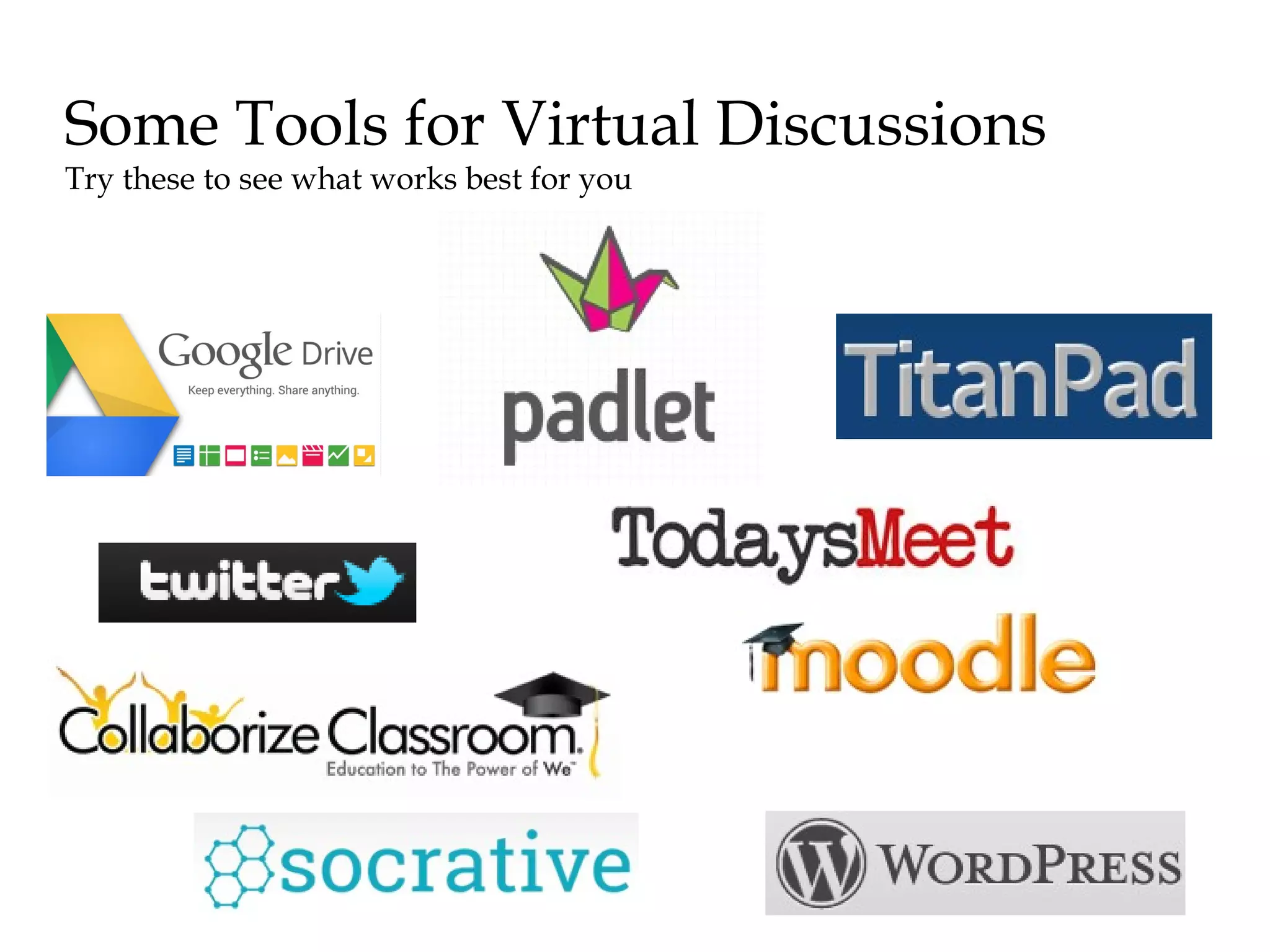
Some Tools for Virtual Discussions
Try these to see what works best for you
Building a community in your
classrooms using Critical Friends
Group (CFG) Protocols
How could you integrate
virtual discussions into a
lesson?
Work time (20 min)
Turn and talk
What do you think would be the
challenges of integrating virtual
discussions in the classroom?
Share our progress
What is something you
learned from this
workshop?
References

Cain, S. (2012). Quiet: the power of introverts in a world that can't stop talking. New York:
Crown Publishers.
Carnegie, T. A. (2003). TeachingaCritical Understandingof Virtual Environments.
Business Communication Quarterly, 66(4), 55-64.
Friedman, D., Karniel, Y., & Dinur, A. L. (2009). Comparing Group Discussion in Virtual
and Physical Environments. PRESENCE by the Massachusetts Institute of Technology,
18(4), 286-293.
Jarmon, L., Lim, K. Y., & Carpenter, B. S. (2009). Pedagogy, Education and Innovation in
3-D Virtual Worlds. Journal of Virtual Worlds Research, 2(1), 3-4.
Ligorio, M. B., Cesareni, D., & Schwartz, N. (2008). Collaborative Virtual Environments
as Means to Increase the Level of Intersubjectivity in a Distributed Cognition System.
Journal of Research on Technology in Education, 40(3), 339-357.
Wang, Q., & Woo, H. L. (2007). Comparing asynchronous online discussions and faceto-face discussions in a classroom setting. British Journal of Educational Technology,
Attributions - Visual
Behind the iPad Screen by Geoffery Kehrig http://www.flickr.com/photos/looking_and_learning/8331845320/
SSIS Campus images by rappino
Speaking Up & Raising my hand image by rappino
Research Human Rights Faces image by rappino
Trees by Mark Sebastian http://www.flickr.com/photos/markjsebastian/506960906/sizes/l/in/photostream/
Balloons by Tim Geers http://www.flickr.com/photos/timypenburg/5097328888/sizes/l/in/photostream/
Literature by sweet_redbird http://www.flickr.com/photos/18261299@N00/4806782675/sizes/z/in/photostream/
important: by Valerie Everett http://www.flickr.com/photos/valeriebb/290711738/sizes/z/in/photostream/
Mask by zigazou76 http://www.flickr.com/photos/zigazou76/6824175422/sizes/c/in/photostream/
Minecraft Solitude: by rappino
View from the Top by C.M Keiner http://www.flickr.com/photos/cmkeiner/5230441693/sizes/l/in/photostream/
Speaking Up by HowardLake http://www.flickr.com/photos/howardlake/5540462170/sizes/l/in/photostream/

Resources

Discussions in Classrooms: Comparing Face-To-Face Whole Class Discussions to Virtual Discussions by Robert Appino
Download Presentation from www.rappino.com

Robert Appino

www.rappino.com
Essential Question:
How can we use technology as a
differentiated platform for students
to share their ideas?
iPads as a Virtual Communication Tool

#

eip
th

m it
sum
ad

Robert Appino
@rappin01
www.rappino.com

iPads as a virtual communication tool

  • 1.
    iPads as aVirtual Communication Tool # eip th m it sum ad Robert Appino @rappin01 www.rappino.com
  • 3.
  • 4.
    What is yourname, school and position? Session 1: http://todaysmeet.com/ipadsummit Session 2:
  • 5.
    What is somethingexciting happening in your classroom or school?
  • 6.
    What is somethingabout yourself that you would like to share with everyone?
  • 8.
    Some students enjoy speakingup in class while others don't.
  • 9.
    Objective: to encourage educatorsto try different ways to reach their students through different modes of class discussions.
  • 10.
    Essential Question: How canwe use technology as a differentiated platform for students to share their ideas?
  • 11.
    What do youthink this picture is communicating to the audience?
  • 12.
  • 13.
  • 14.
  • 15.
  • 16.
    21 Students 14 Boys& 7 Girls Face-to-Face Discussions in Classrooms
  • 17.
    What is theeffect of virtual discussions on students' participation and sense of belonging?
  • 18.
  • 20.
  • 21.
    Jarmon, Lim andCarpenter (2009) "Introduction Pedagogy, Education and Innovation in Virtual Worlds"  used more for teaching and learning in the future.  say virtual worlds will be
  • 22.
    Friedman, Karniel andDinur’s (2009) study “Comparing Group Discussion in Virtual and Physical Environments" found that  higher number of on-topic discussions in the physical discussion setting versus the virtual discussion students had a setting (p. 290).
  • 23.
  • 24.
     virtual discussions providedmore opportunities for quieter students. -Carnegie’s (2003, “Teaching a Critical Understanding of Virtual Environments”
  • 25.
    “[t]he biggest advantage [ofvirtual discussions] was for students who were shy, self-conscious, or intimidated in face-to-face group meetings” (2003, p. 63). Carnegie acknowledges that,
  • 26.
  • 27.
    Susan Cain @TED: The Power of Introverts
  • 28.
  • 29.
    §Susan Cain (2012)confirms this idea by explaining that ‘quiet’ students feel comfortable collaborating in an “online working group” which is similar to a virtual discussion because “it is a form of solitude” which better meets the needs of more introverted learners (p. 111). §
  • 30.
  • 31.
  • 32.
    Wang and Woo’s(2007) study “Comparing Asynchronous Online Discussions and Face-to-Face Discussions in a Classroom Setting” face-to-face discussions were more real and authentic than in-class online discussions because said, “[i]n terms of authenticity, participants could talk to each other in real time, see their facial expressions and clarify matters immediately” (p. 282). In this aspect, face-to-face discussions were regarded as more superior to online discussions.
  • 33.
    “online discussions were morecomfortable, less aggressive and offered more Wang and Woo (2007) also said that equal opportunities for group members to voice their opinions” (p. 282).
  • 35.
    Participation increased invirtual discussions Quality of participation also increased during virtual discussions
  • 36.
  • 37.
    “social connections are EVERYTHING”. saysthat for iGeneration kids http://drlarryrosen.com/
  • 38.
  • 39.
    Students are “more comfortablewith sharing” through virtual writing - Dr. Larry Rosen
  • 40.
  • 41.
    Integrate virtual discussionsinto your classrooms
  • 42.
  • 43.
    Some Tools forVirtual Discussions Try these to see what works best for you
  • 44.
    Building a communityin your classrooms using Critical Friends Group (CFG) Protocols
  • 45.
    How could youintegrate virtual discussions into a lesson?
  • 46.
  • 47.
    Turn and talk Whatdo you think would be the challenges of integrating virtual discussions in the classroom?
  • 48.
  • 49.
    What is somethingyou learned from this workshop?
  • 50.
    References  Cain, S. (2012).Quiet: the power of introverts in a world that can't stop talking. New York: Crown Publishers. Carnegie, T. A. (2003). TeachingaCritical Understandingof Virtual Environments. Business Communication Quarterly, 66(4), 55-64. Friedman, D., Karniel, Y., & Dinur, A. L. (2009). Comparing Group Discussion in Virtual and Physical Environments. PRESENCE by the Massachusetts Institute of Technology, 18(4), 286-293. Jarmon, L., Lim, K. Y., & Carpenter, B. S. (2009). Pedagogy, Education and Innovation in 3-D Virtual Worlds. Journal of Virtual Worlds Research, 2(1), 3-4. Ligorio, M. B., Cesareni, D., & Schwartz, N. (2008). Collaborative Virtual Environments as Means to Increase the Level of Intersubjectivity in a Distributed Cognition System. Journal of Research on Technology in Education, 40(3), 339-357. Wang, Q., & Woo, H. L. (2007). Comparing asynchronous online discussions and faceto-face discussions in a classroom setting. British Journal of Educational Technology,
  • 51.
    Attributions - Visual Behindthe iPad Screen by Geoffery Kehrig http://www.flickr.com/photos/looking_and_learning/8331845320/ SSIS Campus images by rappino Speaking Up & Raising my hand image by rappino Research Human Rights Faces image by rappino Trees by Mark Sebastian http://www.flickr.com/photos/markjsebastian/506960906/sizes/l/in/photostream/ Balloons by Tim Geers http://www.flickr.com/photos/timypenburg/5097328888/sizes/l/in/photostream/ Literature by sweet_redbird http://www.flickr.com/photos/18261299@N00/4806782675/sizes/z/in/photostream/ important: by Valerie Everett http://www.flickr.com/photos/valeriebb/290711738/sizes/z/in/photostream/ Mask by zigazou76 http://www.flickr.com/photos/zigazou76/6824175422/sizes/c/in/photostream/ Minecraft Solitude: by rappino View from the Top by C.M Keiner http://www.flickr.com/photos/cmkeiner/5230441693/sizes/l/in/photostream/ Speaking Up by HowardLake http://www.flickr.com/photos/howardlake/5540462170/sizes/l/in/photostream/ Resources Discussions in Classrooms: Comparing Face-To-Face Whole Class Discussions to Virtual Discussions by Robert Appino Download Presentation from www.rappino.com Robert Appino www.rappino.com
  • 52.
    Essential Question: How canwe use technology as a differentiated platform for students to share their ideas?
  • 53.
    iPads as aVirtual Communication Tool # eip th m it sum ad Robert Appino @rappin01 www.rappino.com

Editor's Notes

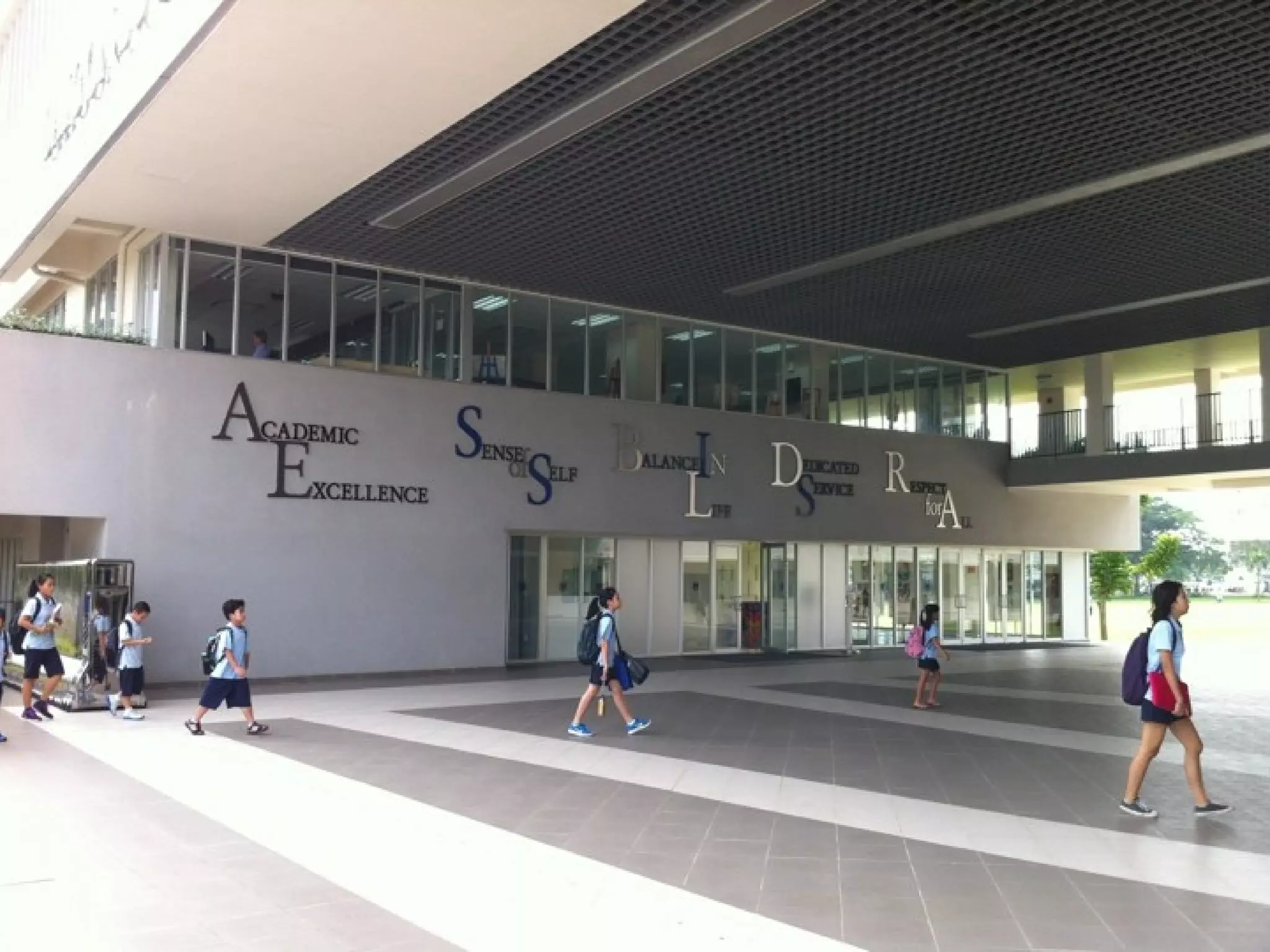
  • #3 Here is a snap shot of where I work in Ho Chi Minh City, Vietnam. This is the High School building which is the main entrance to the campus. We have over 35 nationalities with 850 student early childhood to Grade 12. One of our principal is actually waving on the far right. I work as a MS Technology Coach and teacher here at Saigon South International School, Saigon (HCMC) Vietnam. I’m excited to contribute to K12Online this year and wanted to say thanks to those that organized.
  • #5 I want to you to answer the following question(s)
  • #9 Consider this idea? Some students enjoy speaking up in class while others don't? This is a scenario that most educators are familiar with. How can we promote more students to share their ideas? In this presentation, I will briefly present research on face-to-face and virtual discussions. My over goal with this is to encourage educators to try different ways to reach their students through different modes of class discussions. There isn’t a one size fits all model for the diverse needs of every class.
  • #12 The research.
  • #13 The research.
  • #14 I conducted an Action Research on Face to Face Whole class Discussions compared to Virtual whole class discussions. There were 21 students that were part of this study.
  • #15 Just to clarify Face to Face discussion is when people have a discussion while occupying the same physical space.
  • #16 Virtual Discussions are class discussions in a virtual space such as a moodle forum, shared google doc, titan pad, a blog or any other virtual space that promotes discussion. In this study, 21 students in my class were participants in both the face-to-face discussions and the virtual discussions.
  • #18 My research questions was : What is the effect of virtual discussions on students’ participation and sense of belonging? I wanted to know if students would feel more comfortable participating in virtual discussions vs face to face.
  • #19 (need image)
  • #20 The reason I chose to do this study was because in my class of 21, 14 were male and they tended to dominate face-to-face classroom discussions. In contrast, I observed that the quietest female student during class discussion was actually the most active blogger in the class and had a lot valuable thoughts to share. So I wanted to see if it was possible to replicate the feeling of comfort to share ideas when writing in her blog. My idea was to give the students both modes of discussion as a way to better communicate their thoughts.
  • #21 In this next part, I would like to give an overview of the literature on Face-to-face discussions compared with virtual discussions
  • #22 We’ve already seen this trend increase in recent years. ((add vw image))
  • #23 ((I was interested in their findings that highlighted that Face to Face interaction resulted in HIGHER frequency of on-topic discussion.
  • #24 Friedman et all (2009) Second Life is a 3D Virtual World which enables users to create their own virtual persona and potentially interact with other virtual personas. This was used to gage on-topic virtual discussions. The limitation of this study is that students wore a “virtual mask” so to speak thus they may have felt that their actions were not as accountable as in the face to face class discussions. So although students were conducting discussions in both settings they were more likely to go off task when adopting their “virtual mask”
  • #26 This study enabled me to realize that virtual discussions were a means of encompassing the broader needs to accommodate students to feel nurtured and valued in the classroom environment.
  • #27 Susan Cain the author of Quiet establishes the fact that extroversion/ or the cult of personality in the US wasn't always valued the way it is today  She demonstrates how this historical change came about /and highlights how the "power of personality" or EXTROVERSION came to be the cultural ideal in the US In her book, she skillfully demonstrates that "introversion" is not a negative quality, rather this is seen as time for careful consideration for example, she details the background of Steve  Wozniak and other so called introverted people who became publicly successful do to their creativity fueled in their ‘Quiet’ moments She also highlights the ways in which Asian American students engage in school and college life. In her research she found that most Asian students preferred the introverted mode of interaction and for various reasons were more comfortable using this mode of communication  The research and underpinnings in her book were interest to me because of the parallels I could see in my own classroom.
  • #30 Read this slide then say that In this way the book Quiet is a breakthrough in understanding that introversion is not a negative quality and that EXTROVERSION is not the ideal.
  • #31 Communicating is an important part our lives -Face-to-Face vs Virtual Communication Behind the Screen Today I’m going explore how we stay connected This has changed dramatically overtime. -WANT YOU to reflect and think about how it has changed for you THEN and NOW
  • #32 Students writing in a gform,
  • #33 Now this study was completed in 2007. Much has changed with technology since then. Let’s think about this for a moment and let me start with some personal reflection as a doctoral student through the University of Kentucky we have synchronous classes every week
  • #34 however... Wang and Woo... key point
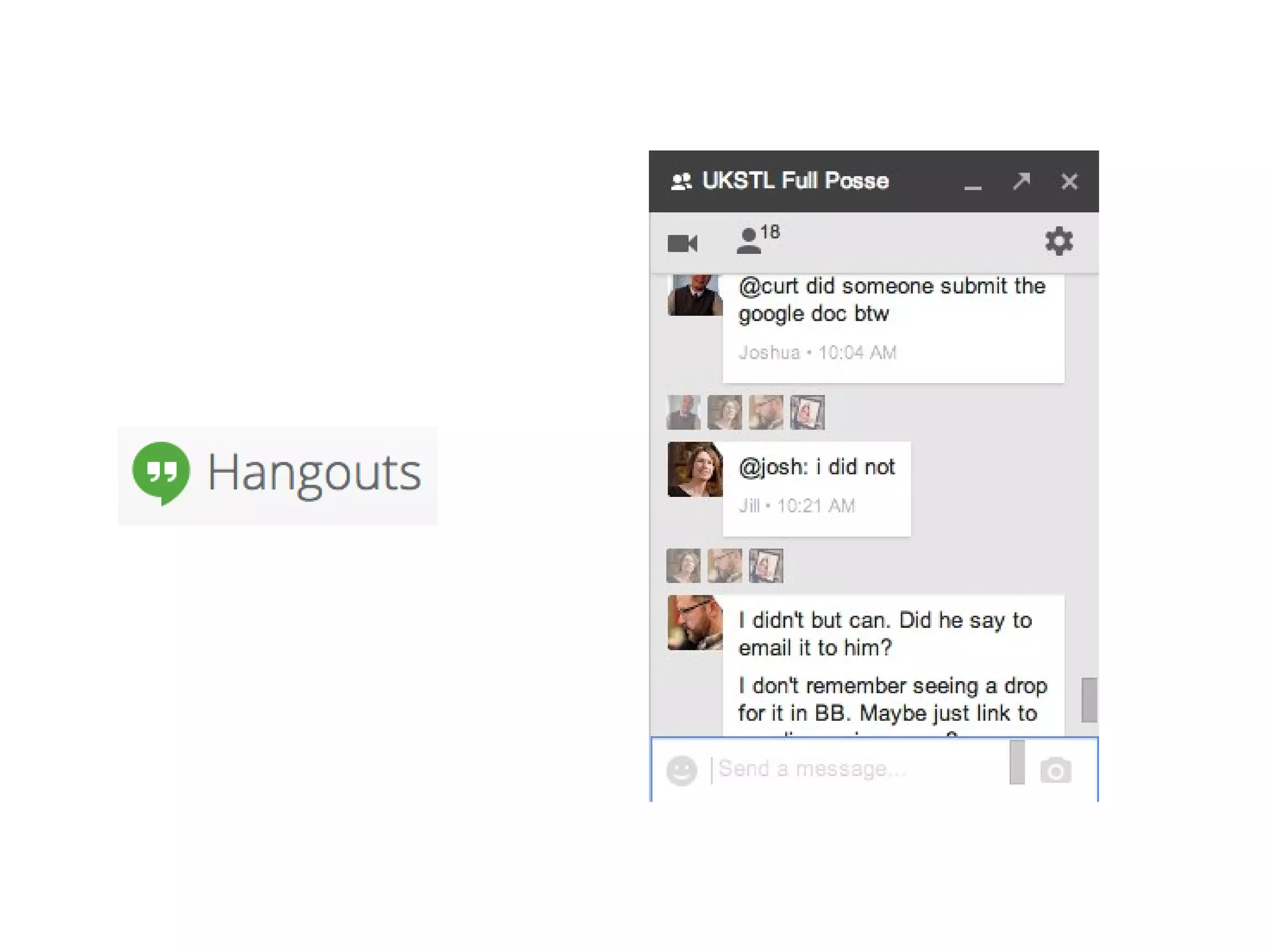
  • #35 They continue throughout the week via google hangouts. Were we discuss assignment, voice frustrations and support each other. We control the questioning and direct the discussions according to what we need.
  • #36 Summarize my results: What I found in my study was that student participation increased in virtual discussions. Also, the Quality of participation increased in virtual discussions meaning students discussion stayed more on topic in virtual discussions.
  • #37 It was interesting what was confirmed in my overall findings. In Virtual Discussions Female students where freed from the constraints they felt from whole class discussions which was dominated more by the male students. In the virtual context they were able to be more active participants in discussion and had a higher frequency of on-topic discussions. Additionally, some male students that reacted without thinking during Face-to-Face discussions had a higher frequency of on-topic discussions in Virtual discussions. This could be due to the fact that virtual discussions have a lasting digital footprint and the students have a growing understanding of the implications of this. Also, virtual discussions require students to reread what they are going to say before they post it. Perhaps because they are writing instead of speaking students were more careful with what they were going to say so they could communicate more effectively. This could be something to follow-up on in a future study.
  • #38 This generation of kids are engaged and feel more comfortable be social “behind the screen”
  • #39 Communicating is an important part our lives -Face-to-Face vs Virtual Communication Behind the Screen Today I’m going explore how we stay connected This has changed dramatically overtime. -WANT YOU to reflect and think about how it has changed for you THEN and NOW
  • #40 Kids are engaged by
  • #42 I would highly recommend integrating virtual discussions into your classrooms. And suggest that you experiment in finding a balance that fits the needs of your particular class.
  • #43 Of course with anything in the class room there needs to be variety of ways to reach the unique populations within our classrooms.
  • #44 Here are some useful tools to help you integrate virtual discussions into your classroom. All of these tools are user friendly and have variety of advantages. An easy tool to start with is Google Docs because you can include discussion questions in the google doc and use the chat function to discuss while students are logged into the doc.
  • #45 Here are some useful tools to help you integrate virtual discussions into your classroom. All of these tools are user friendly and have variety of advantages. An easy tool to start with is Google Docs because you can include discussion questions in the google doc and use the chat function to discuss while students are logged into the doc.
  • #46 write on today’s meet
  • #47 If you are interested in the methods and specific findings from my action research paper please click on the link to the full research paper.
  • #51 References from my paper
  • #52 Image Attributions. You can follow the links and this presentation via rappino.com.