SIMS 305- Clinical Biochemistry
Dr. Ali Raza
Senior Lecturer
Centre for Human Genetics and Molecular Medicine (CHGMM),
Sindh Institute of Medical Sciences (SIMS), SIUT.
Vitamins
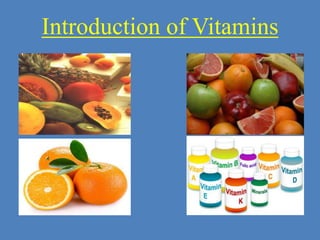
Introduction of Vitamins
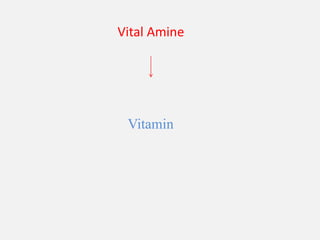
Vital Amine
Vitamin
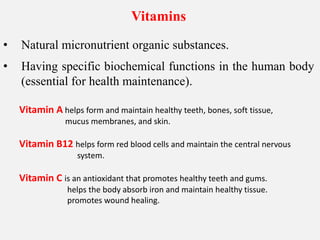
Vitamins
• Natural micronutrient organic substances.
• Having specific biochemical functions in the human body
(essential for health maintenance).
Vitamin A helps form and maintain healthy teeth, bones, soft tissue,
mucus membranes, and skin.
Vitamin B12 helps form red blood cells and maintain the central nervous
system.
Vitamin C is an antioxidant that promotes healthy teeth and gums.
helps the body absorb iron and maintain healthy tissue.
promotes wound healing.
Vitamins are:
• Required in very tiny (mcgs) and balanced amounts.
• Not made in the body (or not in sufficient quantity)
• Obtained from animals, plants, and microorganisms.
• Their deficiency resulted in a specific diseases.
Cases of Vitamin Deficiency and Toxicity
(1). Avitaminosis:
Any disease caused by chronic or long-term vitamin deficiency
or caused by a defect in metabolic conversion, such as
tryptophan to niacin.
It leads to well defined symptoms e.g.
Xerophthalmia due to Vitamin A deficiency.
Rickets due to Vitamin D deficiency.
Pellagra due to Vitamin B3 deficiency.
Beriberi due to Vitamin B1 deficiency.
Scurvy due to Vitamin C deficiency.
Cases of Vitamin Deficiency and Toxicity
(2). Hypovitaminosis
• Resulted from inadequate supply of one or more vitamins.
• It appears in the form of well - defined symptoms as
skin changes
reduced vitality and
low resistance to infections.
(3). Latent hypovitaminosis:
• A case of unrecognizable deficiency symptoms but
immediately appeared under sudden stress or exposure
to different environment.
• Latent iron deficiency (LID), also called iron-
deficient erythropoiesis,
• medical condition in which there is evidence of iron
deficiency without anemia
(4). Hypovitaminosis due to Anti- vitamins:
• Thiaminase in raw fish destroy Vit. B1.
• Avidin in raw egg forming complex with biotin
(vitamin) (biotin – avidin) prevents absorption
of biotin.
• Liatin in linseed oil is antagonist to Vit. B6.
5. Hypervitamninosis:
A case which develops only upon prolonged use
of excessive amount of vitamins.
Hypervitaminosis A
Occurs after large
over dosage of the vitamin.
Symptoms include:
Headache
Abdominal pain
Nausea or vomiting
Lethargy
Visual changes
Impaired consciousness
Hypervitaminosis D
caused by excessive ingestion or
over prescription of prescribed
medications such as calcium with
vit. D.
Symptoms include:
Polyuria
Vomiting
Constipation
Hypertension
Seizures - can be fatal
Medicinal applications of Vitamins
Elimination of hypovitaminosis.
Treatment of some diseases.
Prophylaxis against some diseases.
Cases of addition of Vitamins to food
1. Vitaminisation:
Addition of vitamins to foods which do not
necessarily contain them naturally
• Addition of vitamins A and D to margarine).
2. Revitaminisation:
Restoration of the original vitamin contents of food that
is lost during processing.
(Flour loss about 70% of its vitamin B content;
Skimmed milk must be revitaminized with
vitamins A and D as they removed on skimming
with fat).
Cases of addition of Vitamins to food
3. Standardization:
Compensation of seasonal variations of vitamins in food
(E.g.
• Milk must standardized due to seasonal variation of
vitamin A).
4. Enrichment: Addition of vitamins over the initial
natural level e.g. in Milk and flour.
5. Stabilization of food: Some food products show change
in color and taste due to oxidation by light and air.
Vitamins C and E ( water and fat soluble
antioxidants) are used to protect food from
oxidation and thus saving its nutritional value.
6. Coloring of food products: The carotenoids (natural fat
soluble pigments and pro-vitamin A) and synthetic
carotenoids as: β-carotene, β-apo-8‘- carotenal, and
anthaxanthin are suitable for the coloring of
margarine and cheese.

Introduction -vitamins

  • 1.
    SIMS 305- ClinicalBiochemistry Dr. Ali Raza Senior Lecturer Centre for Human Genetics and Molecular Medicine (CHGMM), Sindh Institute of Medical Sciences (SIMS), SIUT.
  • 2.
  • 3.
  • 4.
  • 5.
    Vitamins • Natural micronutrientorganic substances. • Having specific biochemical functions in the human body (essential for health maintenance). Vitamin A helps form and maintain healthy teeth, bones, soft tissue, mucus membranes, and skin. Vitamin B12 helps form red blood cells and maintain the central nervous system. Vitamin C is an antioxidant that promotes healthy teeth and gums. helps the body absorb iron and maintain healthy tissue. promotes wound healing.
  • 6.
    Vitamins are: • Requiredin very tiny (mcgs) and balanced amounts. • Not made in the body (or not in sufficient quantity) • Obtained from animals, plants, and microorganisms. • Their deficiency resulted in a specific diseases.
  • 7.
    Cases of VitaminDeficiency and Toxicity (1). Avitaminosis: Any disease caused by chronic or long-term vitamin deficiency or caused by a defect in metabolic conversion, such as tryptophan to niacin. It leads to well defined symptoms e.g. Xerophthalmia due to Vitamin A deficiency. Rickets due to Vitamin D deficiency. Pellagra due to Vitamin B3 deficiency. Beriberi due to Vitamin B1 deficiency. Scurvy due to Vitamin C deficiency.
  • 8.
    Cases of VitaminDeficiency and Toxicity (2). Hypovitaminosis • Resulted from inadequate supply of one or more vitamins. • It appears in the form of well - defined symptoms as skin changes reduced vitality and low resistance to infections.
  • 9.
    (3). Latent hypovitaminosis: •A case of unrecognizable deficiency symptoms but immediately appeared under sudden stress or exposure to different environment. • Latent iron deficiency (LID), also called iron- deficient erythropoiesis, • medical condition in which there is evidence of iron deficiency without anemia
  • 10.
    (4). Hypovitaminosis dueto Anti- vitamins: • Thiaminase in raw fish destroy Vit. B1. • Avidin in raw egg forming complex with biotin (vitamin) (biotin – avidin) prevents absorption of biotin. • Liatin in linseed oil is antagonist to Vit. B6.
  • 11.
    5. Hypervitamninosis: A casewhich develops only upon prolonged use of excessive amount of vitamins. Hypervitaminosis A Occurs after large over dosage of the vitamin. Symptoms include: Headache Abdominal pain Nausea or vomiting Lethargy Visual changes Impaired consciousness Hypervitaminosis D caused by excessive ingestion or over prescription of prescribed medications such as calcium with vit. D. Symptoms include: Polyuria Vomiting Constipation Hypertension Seizures - can be fatal
  • 12.
    Medicinal applications ofVitamins Elimination of hypovitaminosis. Treatment of some diseases. Prophylaxis against some diseases.
  • 13.
    Cases of additionof Vitamins to food 1. Vitaminisation: Addition of vitamins to foods which do not necessarily contain them naturally • Addition of vitamins A and D to margarine). 2. Revitaminisation: Restoration of the original vitamin contents of food that is lost during processing. (Flour loss about 70% of its vitamin B content; Skimmed milk must be revitaminized with vitamins A and D as they removed on skimming with fat).
  • 14.
    Cases of additionof Vitamins to food 3. Standardization: Compensation of seasonal variations of vitamins in food (E.g. • Milk must standardized due to seasonal variation of vitamin A).
  • 15.
    4. Enrichment: Additionof vitamins over the initial natural level e.g. in Milk and flour. 5. Stabilization of food: Some food products show change in color and taste due to oxidation by light and air. Vitamins C and E ( water and fat soluble antioxidants) are used to protect food from oxidation and thus saving its nutritional value. 6. Coloring of food products: The carotenoids (natural fat soluble pigments and pro-vitamin A) and synthetic carotenoids as: β-carotene, β-apo-8‘- carotenal, and anthaxanthin are suitable for the coloring of margarine and cheese.

Editor's Notes

  • #3 2
  • #4 3
  • #5 4
  • #6 5
  • #7 6
  • #8 7
  • #9 8
  • #10 Latent iron deficiency (LID), also called iron-deficient erythropoiesis,[1]  is a medical condition in which there is evidence of iron deficiency without anemia (normal hemoglobin level).[2]  It is important to assess this condition because it is accepted that individuals with latent iron deficiency will develop iron-deficiency anemia in the weeks or months following diagnoses of LID if they are not treated with iron supplementation. In addition, there is some evidence of a decrease in vitality and an increase in fatigue among individuals that have LID.[3]
  • #12 11
  • #14 13
  • #15 14