INTRODUCTION TO
PHARMACY
SUMMARY OF PHARMACY
DEGREE COURSE AND SCOPE
OF PHARMACY
What is Pharmacy
• 'pharmakon' = Greek word meaning drug.
• Pharmacy is the art and science of preparing
and dispensing drugs and medicines. It is a
science of medicinal substances comprising
pharmaceutics, pharmaceutical chemistry,
pharmacology, phytochemistry and forensics;
• It is the health profession that links the health
sciences with the chemical sciences, and it is
charged with ensuring the safe and effective use
of medication.
Pharmacy VS Pharmacist
• Pharmacy means a licensed establishment
where prescription drugs are filled and
dispensed by a pharmacist licensed under the
laws of the state where the pharmacist practices.
www.consumerallianceusa.org/glossary.html
• pharmacist - A professional trained to prepare
and distribute (dispense) medicines with or
without prescription in a hospital or retail
pharmacy and to give information about them.
en.wiktionary.org/wiki/pharmacist
PHARMACY CORE SUBJECTS
• Pharmaceutics (inc Biopharmaceutics and
Pharmacokinetics) =the processing and turning a
chemical entity into a usable medicine. Deals with
formulation into suitable dosage form
• Medicinal Chemistry = the application of chemical
research techniques and knowledge of pharmacology in
the design, synthesis and development of
pharmaceuticals or medicines.
• Pharmacognosy = "the study of the physical, chemical,
biochemical, biological and pharmacological properties
of drugs, drug substances or potential drugs or drug
substances of natural origin (from plants, animals or
minerals)
PHARMACY CORE SUBJECTS.....Contd
• Pharmacology is the study of drug action.
It examines the effects of the drug on the
body, e.g.how the drug works, its safety,
whether it affects one organ or area of the
body more than another, and what
common adverse experiences (AEs) are
associated with its use.
• Pharmacy Practice
What is Pharmacy Practice?
• Pharmacy Practice is the discipline of pharmacy which involves
developing the professional roles of pharmacists Disease-state
management. It includes
•
Clinical interventions (refusal to dispense a drug, recommendation
to change and/or add a drug to a patient's pharmacotherapy,
dosage adjustments, etc.) , Professional development,
Pharmaceutical, Extemporaneous pharmaceutical compounding,
Communication skills, Health psychology, Patient care, Drug abuse
prevention, Prevention of drug interactions, including drug-drug
interactions or drug-food interactions, Prevention (or minimization) of
adverse events, Incompatibility, Drug discovery and evaluation,
Community Pharmacy, Detect pharmacotherapy-related problems
(overdose, under dose, interactions, adverse reactions, need for
alternative drug, drug not needed etc)
Pharmaceutical Microbiology
• Pharmaceutical microbiology = is the part
of industrial microbiology that is
responsible for creating medications
• Microbiology = the branch of biology that
studies microorganisms, including
bacteria, viruses, fungi, and pathogenic
protozoa and their effects on other living
organisms
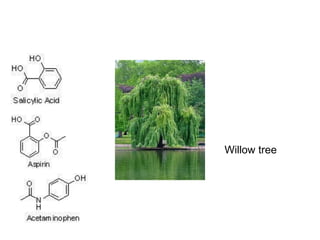
Willow tree
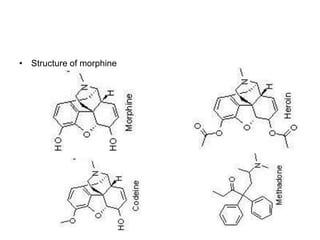
• Structure of morphine
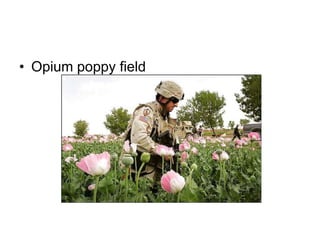
• Opium poppy field
Complimentary subjects
• Anatomy branch of natural
science dealing with the structural
organization of living things.
• Physiology study of the
function of body parts and the
body as a whole
• Biochemistry the study of the
chemical processes in living
organisms. It deals with the
structure and function of cellular
components such as proteins,
carbohydrates, lipids, nucleic
acids and other biomolecules
• Pathology The branch of
medicine concerned with the study
of the nature of disease and its
causes, processes, development,
and consequences; Any deviation
from a healthy or normal
condition; abnormality
• Parasitology Study of
parasites, their hosts, and the
relationship between them.
• Epidemiology = study of
the factors determining and
influencing the frequency and
distribution of disease, injury,
and other health-related events
and their causes in a defined
human population for the
purpose of establishing
programs to prevent and
control their development
• Biostatistics the theory
and techniques for describing,
analyzing, and interpreting
health data
• Pharmaceutical
marketing and
management
• Pharmaceutical ethics
study of principles relating to right
and wrong conduct; Morality
• Forensic Pharmacy
Dealing with the application of
scientific knowledge to legal
problems and legal
proceedings
Pharmaceutical jobs
• Community pharmacy
• Hospital pharmacy
• Clinical pharmacy
• Industrial pharmacy
• Government services
(Policy (MoHSW),
Regulatory (TFDA),
Pharm. Council,
Army, police, prisons,
Refugee camps]
• Forensic / legal,
• Administrative
• Academic
• Media / journal
Further Education
• Master of Pharmacy / Pharmaceutical sciences
– GENERAL: (Pharmaceutics, Pharm Technology,
Medical Chem, Pharmacognosy,
– SPECIALTY: Industrial, hospital , clinical Pharm,
Cosmetology, Pharm Technology, (Tableting, syrups,
sterile products, creams etc)
– ALLIED SUBJECTS: Journalism, sports medicine,
LL B (Law), MBA Financial, Marketing or
Management), MPH
• PhD
• Post doctoral

INTRODUCTION TO PHARMACY.ppt

  • 1.
    INTRODUCTION TO PHARMACY SUMMARY OFPHARMACY DEGREE COURSE AND SCOPE OF PHARMACY
  • 2.
    What is Pharmacy •'pharmakon' = Greek word meaning drug. • Pharmacy is the art and science of preparing and dispensing drugs and medicines. It is a science of medicinal substances comprising pharmaceutics, pharmaceutical chemistry, pharmacology, phytochemistry and forensics; • It is the health profession that links the health sciences with the chemical sciences, and it is charged with ensuring the safe and effective use of medication.
  • 3.
    Pharmacy VS Pharmacist •Pharmacy means a licensed establishment where prescription drugs are filled and dispensed by a pharmacist licensed under the laws of the state where the pharmacist practices. www.consumerallianceusa.org/glossary.html • pharmacist - A professional trained to prepare and distribute (dispense) medicines with or without prescription in a hospital or retail pharmacy and to give information about them. en.wiktionary.org/wiki/pharmacist
  • 4.
    PHARMACY CORE SUBJECTS •Pharmaceutics (inc Biopharmaceutics and Pharmacokinetics) =the processing and turning a chemical entity into a usable medicine. Deals with formulation into suitable dosage form • Medicinal Chemistry = the application of chemical research techniques and knowledge of pharmacology in the design, synthesis and development of pharmaceuticals or medicines. • Pharmacognosy = "the study of the physical, chemical, biochemical, biological and pharmacological properties of drugs, drug substances or potential drugs or drug substances of natural origin (from plants, animals or minerals)
  • 5.
    PHARMACY CORE SUBJECTS.....Contd •Pharmacology is the study of drug action. It examines the effects of the drug on the body, e.g.how the drug works, its safety, whether it affects one organ or area of the body more than another, and what common adverse experiences (AEs) are associated with its use. • Pharmacy Practice
  • 6.
    What is PharmacyPractice? • Pharmacy Practice is the discipline of pharmacy which involves developing the professional roles of pharmacists Disease-state management. It includes • Clinical interventions (refusal to dispense a drug, recommendation to change and/or add a drug to a patient's pharmacotherapy, dosage adjustments, etc.) , Professional development, Pharmaceutical, Extemporaneous pharmaceutical compounding, Communication skills, Health psychology, Patient care, Drug abuse prevention, Prevention of drug interactions, including drug-drug interactions or drug-food interactions, Prevention (or minimization) of adverse events, Incompatibility, Drug discovery and evaluation, Community Pharmacy, Detect pharmacotherapy-related problems (overdose, under dose, interactions, adverse reactions, need for alternative drug, drug not needed etc)
  • 7.
    Pharmaceutical Microbiology • Pharmaceuticalmicrobiology = is the part of industrial microbiology that is responsible for creating medications • Microbiology = the branch of biology that studies microorganisms, including bacteria, viruses, fungi, and pathogenic protozoa and their effects on other living organisms
  • 8.
  • 9.
  • 10.
  • 12.
    Complimentary subjects • Anatomybranch of natural science dealing with the structural organization of living things. • Physiology study of the function of body parts and the body as a whole • Biochemistry the study of the chemical processes in living organisms. It deals with the structure and function of cellular components such as proteins, carbohydrates, lipids, nucleic acids and other biomolecules • Pathology The branch of medicine concerned with the study of the nature of disease and its causes, processes, development, and consequences; Any deviation from a healthy or normal condition; abnormality • Parasitology Study of parasites, their hosts, and the relationship between them.
  • 13.
    • Epidemiology =study of the factors determining and influencing the frequency and distribution of disease, injury, and other health-related events and their causes in a defined human population for the purpose of establishing programs to prevent and control their development • Biostatistics the theory and techniques for describing, analyzing, and interpreting health data • Pharmaceutical marketing and management • Pharmaceutical ethics study of principles relating to right and wrong conduct; Morality • Forensic Pharmacy Dealing with the application of scientific knowledge to legal problems and legal proceedings
  • 14.
    Pharmaceutical jobs • Communitypharmacy • Hospital pharmacy • Clinical pharmacy • Industrial pharmacy • Government services (Policy (MoHSW), Regulatory (TFDA), Pharm. Council, Army, police, prisons, Refugee camps] • Forensic / legal, • Administrative • Academic • Media / journal
  • 15.
    Further Education • Masterof Pharmacy / Pharmaceutical sciences – GENERAL: (Pharmaceutics, Pharm Technology, Medical Chem, Pharmacognosy, – SPECIALTY: Industrial, hospital , clinical Pharm, Cosmetology, Pharm Technology, (Tableting, syrups, sterile products, creams etc) – ALLIED SUBJECTS: Journalism, sports medicine, LL B (Law), MBA Financial, Marketing or Management), MPH • PhD • Post doctoral