INTRAARTICULAR
PLATELET-RICH PLASMA
Ade Wijaya, MD – April 2018
Outline
◦ Introduction
◦ Anatomy
◦ PRP
◦ Administration
◦ Safety
◦ Conclusion
Introduction
◦ According to the World Health Organization (WHO), musculoskeletal injuries are the most
common cause of severe long-term pain and physical disability, and affect hundreds of millions
of people around the world.
◦ Soft tissue injuries including tendon and ligament trauma represent 45% of all musculoskeletal
injuries in the USA.
◦ Platelet-Rich Plasma (PRP); The use of autologous PRP was first used in 1987 by Ferrari et al
Woolf AD, Pfleyer B. Burdon of major musculoskeletal conditions. Bull World Health Organ. 2003;81:646–56.
Anitua M, Sánchez E, Nurden A, Nurden P, Orive G, Andía I. New insights into and novel applications for platelet-rich fibrin therapies. Trends Biotechnol. 2006;24(5):227–34.
Praemer AF. Musculoskeletal conditions in the United States. 2nd ed. Rosemont: American Academy of Orthopaedic Surgeons; 1999.
Ferrari M, Zia S, Valbonesi M. A new technique for hemodilution, preparation of autologous platelet-rich plasma and intraoperative blood salvage in cardiac surgery. Int J Artif Organs. 1987;10:47–50.
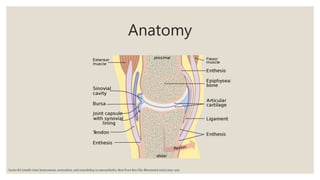
Anatomy
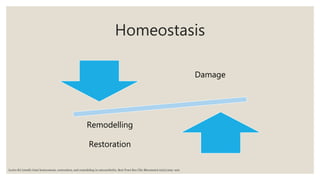
Lories RJ (2008) Joint homeostasis, restoration, and remodeling in osteoarthritis. Best Pract Res Clin Rheumatol 22(2):209–220
Homeostasis
Damage
Remodelling
Restoration
Lories RJ (2008) Joint homeostasis, restoration, and remodeling in osteoarthritis. Best Pract Res Clin Rheumatol 22(2):209–220
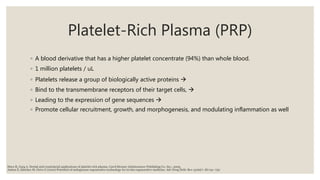
Platelet-Rich Plasma (PRP)
◦ A blood derivative that has a higher platelet concentrate (94%) than whole blood.
◦ 1 million platelets / uL
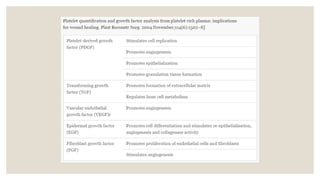
◦ Platelets release a group of biologically active proteins 
◦ Bind to the transmembrane receptors of their target cells, 
◦ Leading to the expression of gene sequences 
◦ Promote cellular recruitment, growth, and morphogenesis, and modulating inflammation as well
Anitua E, Sánchez M, Orive G (2010) Potential of endogenous regenerative technology for in situ regenerative medicine. Adv Drug Deliv Rev 15;62(7–8):741–752
Marx R, Garg A. Dental and craniofacial applications of platelet-rich plasma. Carol Stream: Quintessence Publishing Co, Inc.; 2005.
Administration
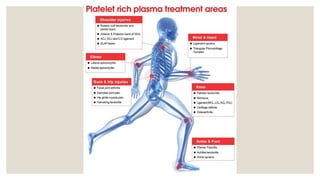
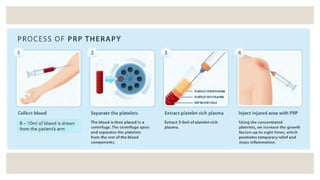
◦ Usually 3 weekly injections
◦ 3-8 mL of PRP each injection
◦ USG guided with or without lidocaine
◦ Calcium chloride and thrombin may be added to provide a gel matrix for the PRP to adhere to,
potentially maximizing the benefit in the case of a joint space.
◦ Using a peppering technique spreading in a clock-like manner to achieve a more expansive zone of
delivery.
◦ The patient is observed in a supine position for 15–20 min afterwards.
◦ Patients typically experience minimal to moderate discomfort following the injection which may last
for up to 1 week.
◦ They are instructed to ice the injected area if needed for pain control in addition to elevation of the
limb and modification of activity as tolerated.
◦ Acetaminophen as the optimal analgesic, or Vicodin for break through pain.
Filardo G, Kon E, Roffi A, Di Matteo B, Merli ML, Marcacci M. Platelet-rich plasma: why intra-articular? A systematic review of preclinical studies and clinical evidence on PRP for joint degeneration. Knee Surgery, Sports
Traumatology, Arthroscopy. 2015 Sep 1;23(9):2459-74.
Sampson S, Gerhardt M, Mandelbaum B. Platelet rich plasma injection grafts for musculoskeletal injuries: a review. Current reviews in musculoskeletal medicine. 2008 Dec 1;1(3-4):165-74.
Safety
◦ Relative contraindications include the presence of a tumor, metastatic disease, active infections,
or platelet count < 10 5/ul Hgb < 10 g/dl.
◦ Contraindications: Pregnancy or active breastfeeding.
◦ The patients should be informed of the possibility of temporary worsening symptoms after the
injection. This is likely due to the stimulation of the body’s natural response to inflammatory
mediators.
◦ Although adverse effects are uncommon, as with any injection there is a possibility of infection,
no relief of symptoms, and neurovascular injury. Scar tissue formation and calcification at the
injection site are also remote risks.
◦ An allergic reaction or local toxicity to Bupivacaine HCL or Lidocaine
◦ This bovine thrombin which is used to activate PRP, in the past has been associated with life
threatening coagulopathies as a result of antibodies to clotting factors V, XI, and thrombin.
Everts P, Knape J, Weirich G, Schonberger J, Hoffman J, Overdevest E, et al. Platelet-rich plasma and platelet gel: a review. JECT. 2006;38:174–87.
Zehnder JL, Leung LLK. Development of antibodies to thrombin and factor V with recurrent bleeding in a patient exposed to topical bovine thrombim. Blood. 1990;76:2011–6.
Sampson S, Gerhardt M, Mandelbaum B. Platelet rich plasma injection grafts for musculoskeletal injuries: a review. Current reviews in musculoskeletal medicine. 2008 Dec 1;1(3-4):165-74.
Conclusion
◦ PRP might useful for cartilage degeneration and OA
◦ Improvement limited over time and mainly in younger patients not affected by advanced
degeneration
Intraarticular Platelet-Rich Plasma

Intraarticular Platelet-Rich Plasma

  • 1.
  • 2.
    Outline ◦ Introduction ◦ Anatomy ◦PRP ◦ Administration ◦ Safety ◦ Conclusion
  • 3.
    Introduction ◦ According tothe World Health Organization (WHO), musculoskeletal injuries are the most common cause of severe long-term pain and physical disability, and affect hundreds of millions of people around the world. ◦ Soft tissue injuries including tendon and ligament trauma represent 45% of all musculoskeletal injuries in the USA. ◦ Platelet-Rich Plasma (PRP); The use of autologous PRP was first used in 1987 by Ferrari et al Woolf AD, Pfleyer B. Burdon of major musculoskeletal conditions. Bull World Health Organ. 2003;81:646–56. Anitua M, Sánchez E, Nurden A, Nurden P, Orive G, Andía I. New insights into and novel applications for platelet-rich fibrin therapies. Trends Biotechnol. 2006;24(5):227–34. Praemer AF. Musculoskeletal conditions in the United States. 2nd ed. Rosemont: American Academy of Orthopaedic Surgeons; 1999. Ferrari M, Zia S, Valbonesi M. A new technique for hemodilution, preparation of autologous platelet-rich plasma and intraoperative blood salvage in cardiac surgery. Int J Artif Organs. 1987;10:47–50.
  • 4.
    Anatomy Lories RJ (2008)Joint homeostasis, restoration, and remodeling in osteoarthritis. Best Pract Res Clin Rheumatol 22(2):209–220
  • 5.
    Homeostasis Damage Remodelling Restoration Lories RJ (2008)Joint homeostasis, restoration, and remodeling in osteoarthritis. Best Pract Res Clin Rheumatol 22(2):209–220
  • 6.
    Platelet-Rich Plasma (PRP) ◦A blood derivative that has a higher platelet concentrate (94%) than whole blood. ◦ 1 million platelets / uL ◦ Platelets release a group of biologically active proteins  ◦ Bind to the transmembrane receptors of their target cells,  ◦ Leading to the expression of gene sequences  ◦ Promote cellular recruitment, growth, and morphogenesis, and modulating inflammation as well Anitua E, Sánchez M, Orive G (2010) Potential of endogenous regenerative technology for in situ regenerative medicine. Adv Drug Deliv Rev 15;62(7–8):741–752 Marx R, Garg A. Dental and craniofacial applications of platelet-rich plasma. Carol Stream: Quintessence Publishing Co, Inc.; 2005.
  • 9.
    Administration ◦ Usually 3weekly injections ◦ 3-8 mL of PRP each injection ◦ USG guided with or without lidocaine ◦ Calcium chloride and thrombin may be added to provide a gel matrix for the PRP to adhere to, potentially maximizing the benefit in the case of a joint space. ◦ Using a peppering technique spreading in a clock-like manner to achieve a more expansive zone of delivery. ◦ The patient is observed in a supine position for 15–20 min afterwards. ◦ Patients typically experience minimal to moderate discomfort following the injection which may last for up to 1 week. ◦ They are instructed to ice the injected area if needed for pain control in addition to elevation of the limb and modification of activity as tolerated. ◦ Acetaminophen as the optimal analgesic, or Vicodin for break through pain. Filardo G, Kon E, Roffi A, Di Matteo B, Merli ML, Marcacci M. Platelet-rich plasma: why intra-articular? A systematic review of preclinical studies and clinical evidence on PRP for joint degeneration. Knee Surgery, Sports Traumatology, Arthroscopy. 2015 Sep 1;23(9):2459-74. Sampson S, Gerhardt M, Mandelbaum B. Platelet rich plasma injection grafts for musculoskeletal injuries: a review. Current reviews in musculoskeletal medicine. 2008 Dec 1;1(3-4):165-74.
  • 10.
    Safety ◦ Relative contraindicationsinclude the presence of a tumor, metastatic disease, active infections, or platelet count < 10 5/ul Hgb < 10 g/dl. ◦ Contraindications: Pregnancy or active breastfeeding. ◦ The patients should be informed of the possibility of temporary worsening symptoms after the injection. This is likely due to the stimulation of the body’s natural response to inflammatory mediators. ◦ Although adverse effects are uncommon, as with any injection there is a possibility of infection, no relief of symptoms, and neurovascular injury. Scar tissue formation and calcification at the injection site are also remote risks. ◦ An allergic reaction or local toxicity to Bupivacaine HCL or Lidocaine ◦ This bovine thrombin which is used to activate PRP, in the past has been associated with life threatening coagulopathies as a result of antibodies to clotting factors V, XI, and thrombin. Everts P, Knape J, Weirich G, Schonberger J, Hoffman J, Overdevest E, et al. Platelet-rich plasma and platelet gel: a review. JECT. 2006;38:174–87. Zehnder JL, Leung LLK. Development of antibodies to thrombin and factor V with recurrent bleeding in a patient exposed to topical bovine thrombim. Blood. 1990;76:2011–6. Sampson S, Gerhardt M, Mandelbaum B. Platelet rich plasma injection grafts for musculoskeletal injuries: a review. Current reviews in musculoskeletal medicine. 2008 Dec 1;1(3-4):165-74.
  • 12.
    Conclusion ◦ PRP mightuseful for cartilage degeneration and OA ◦ Improvement limited over time and mainly in younger patients not affected by advanced degeneration