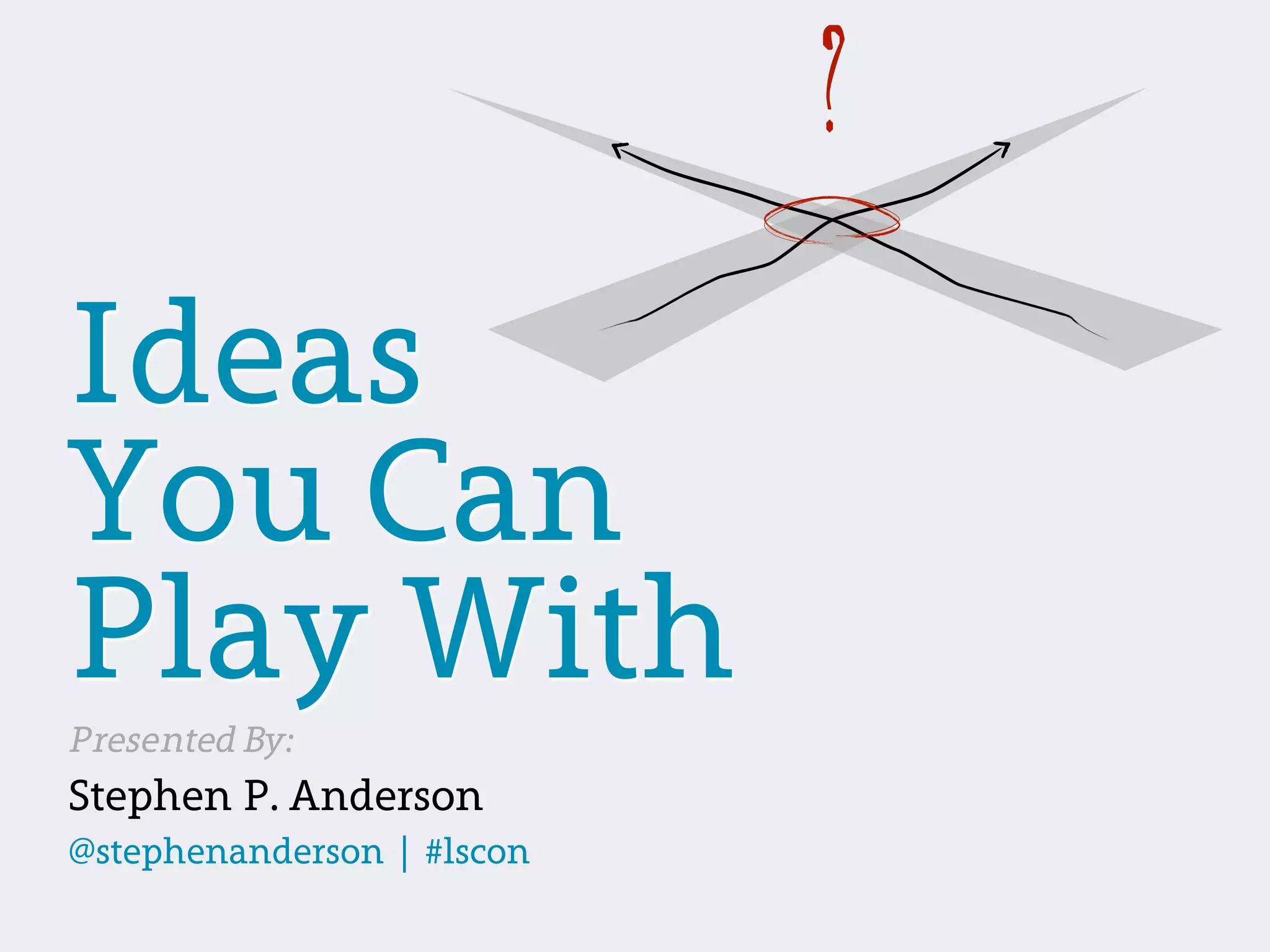
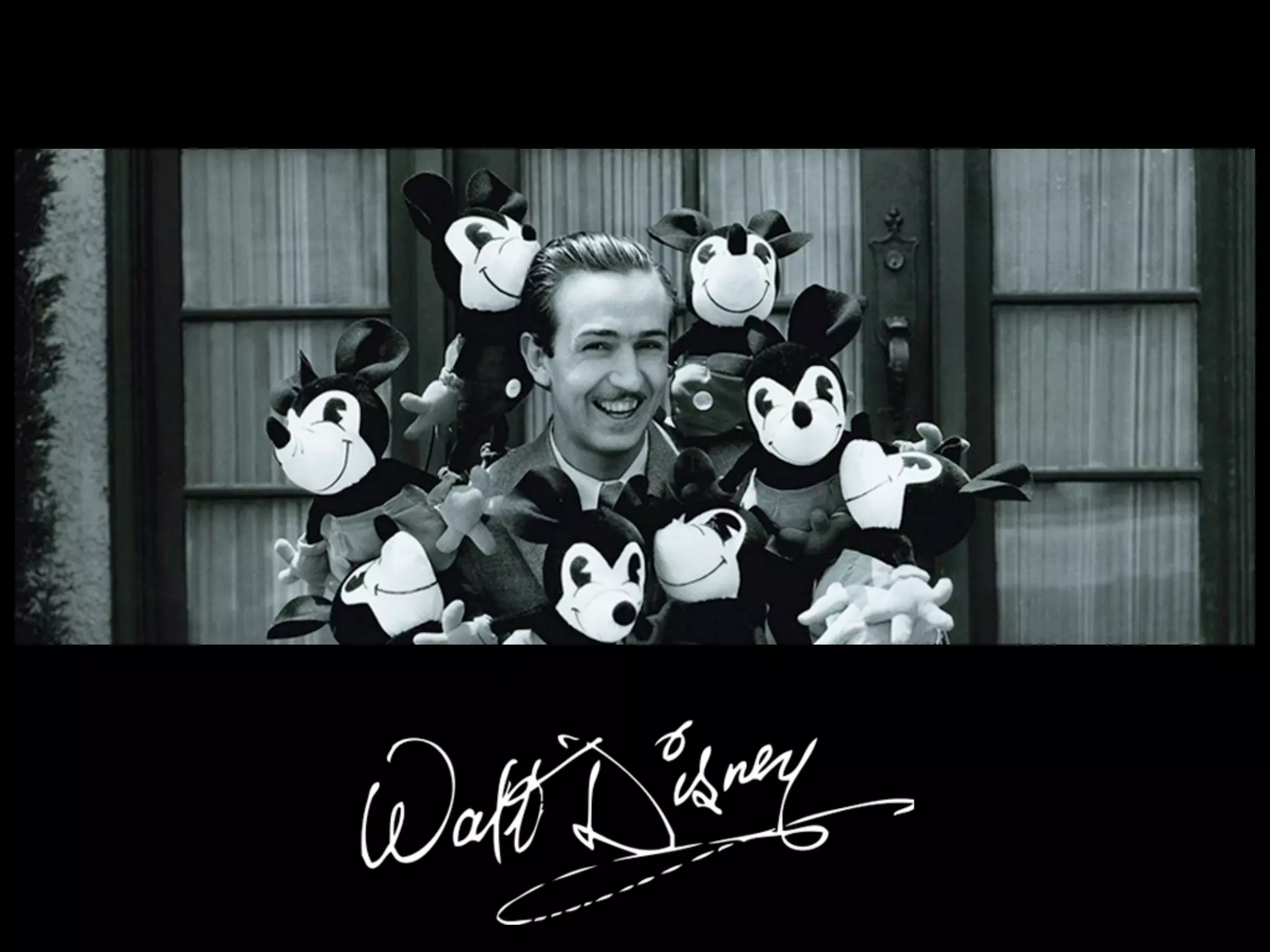
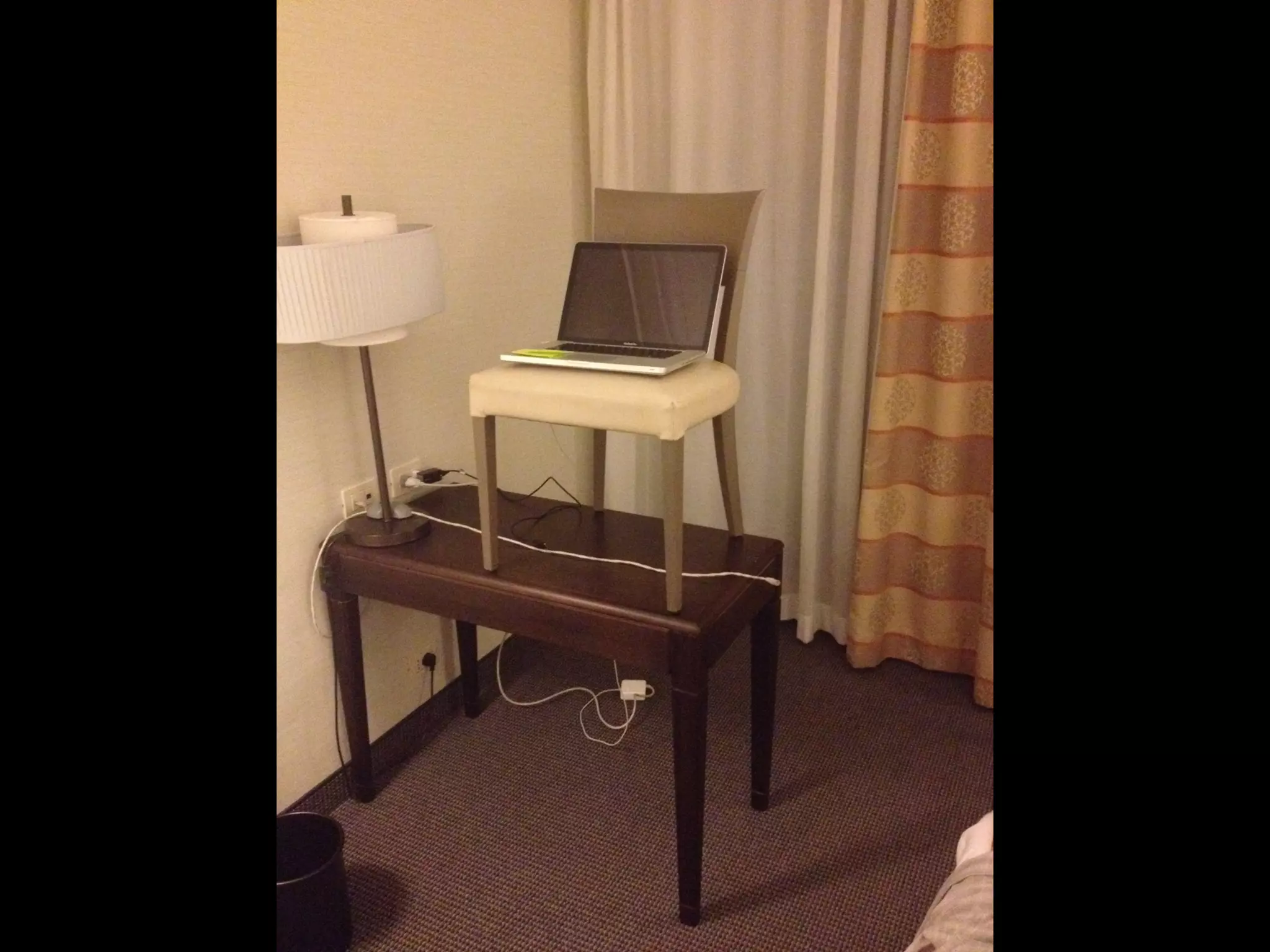
?

Ideas
You Can
Play With
Presented By:
Stephen P. Anderson
@stephenanderson | #lscon
Product
Stephen P.   Strategy


                        aND
                       n
             Deonsisuglting
             C


 Anderson
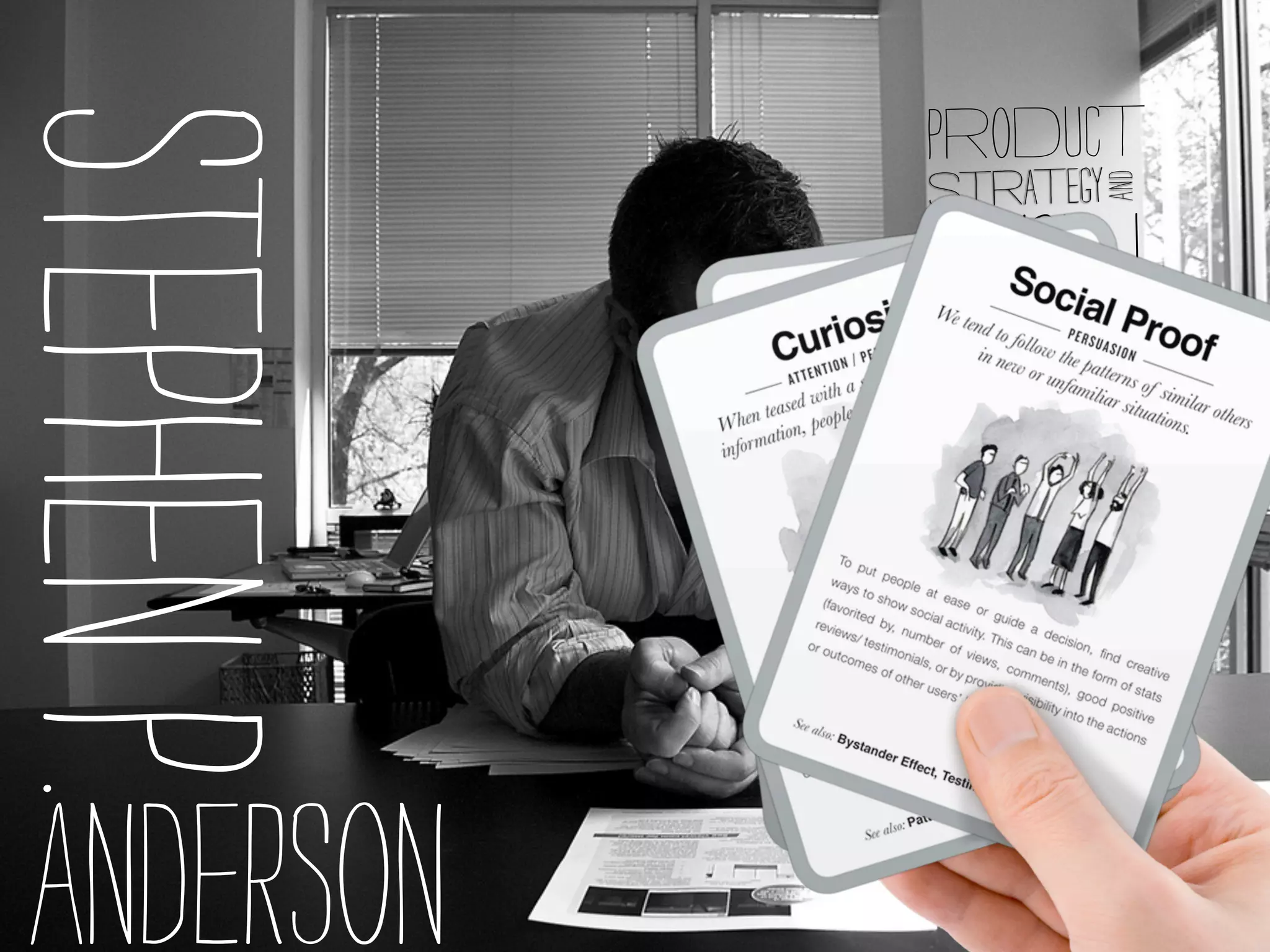
Product
Stephen P.   Strategy


                        aND
                       n
             Deonsisuglting
             C


 Anderson
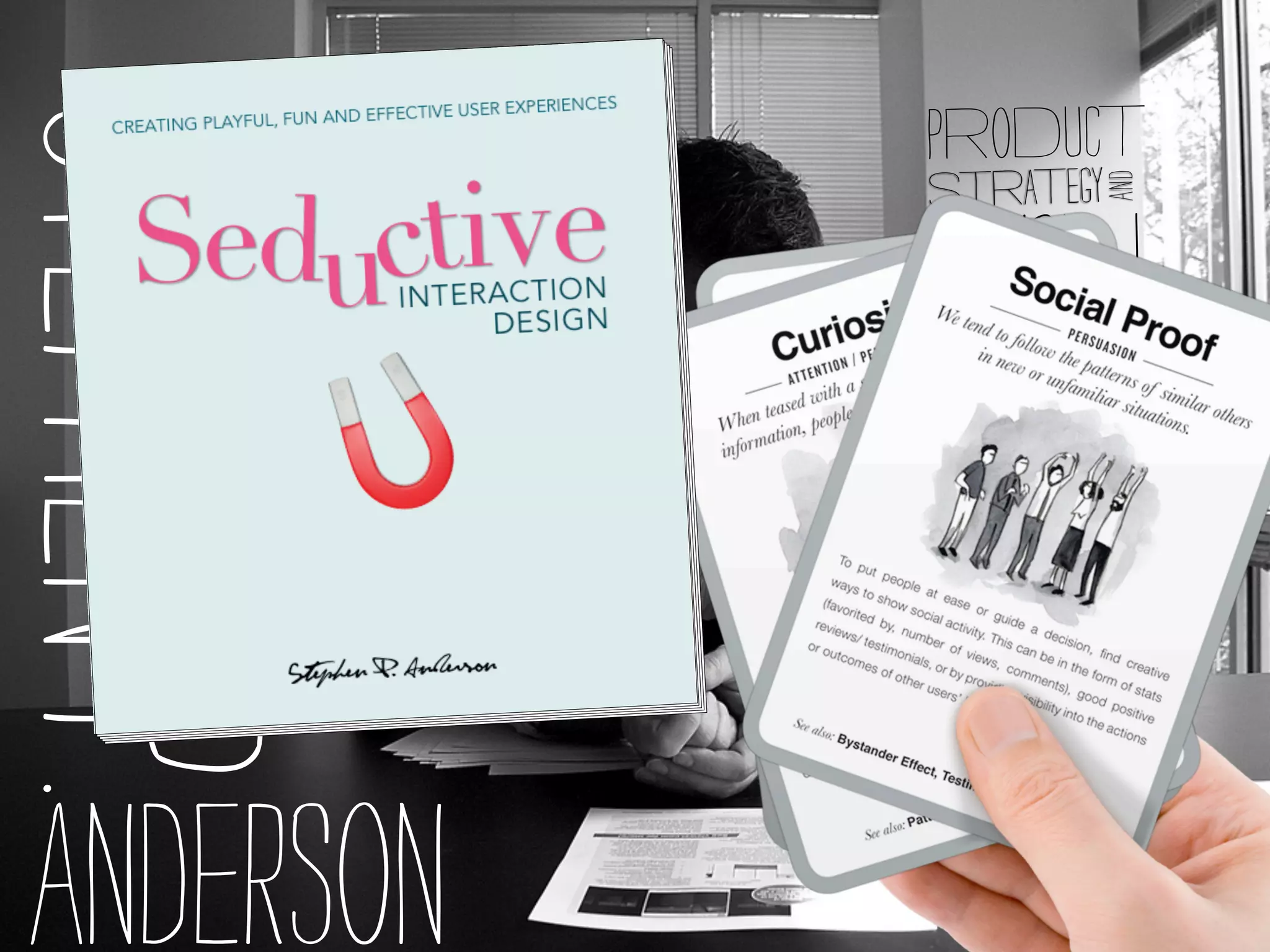
Product
Stephen P.   Strategy


                        aND
                       n
             Deonsisuglting
             C


 Anderson
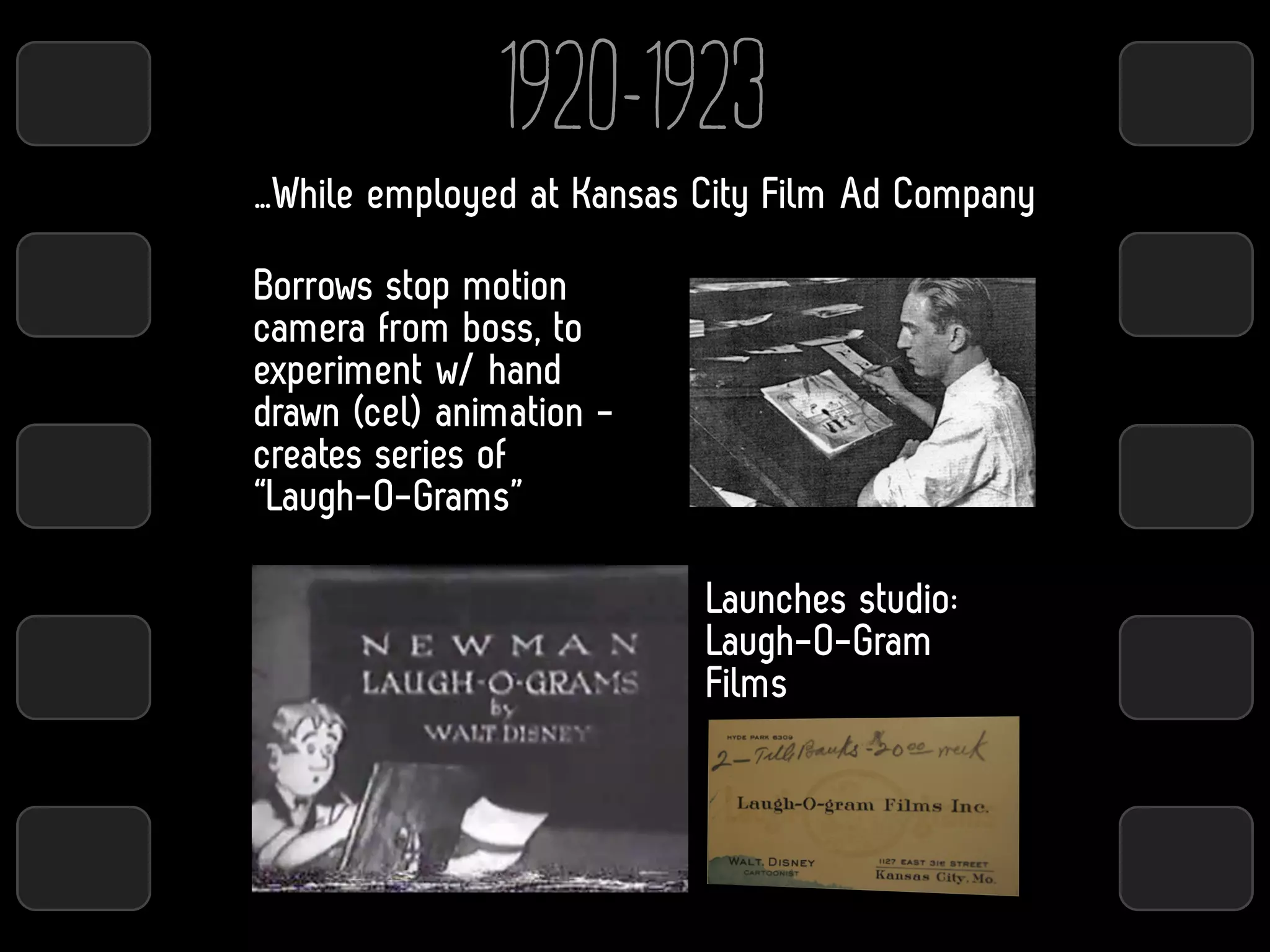
1920-1923
…While employed at Kansas City Film Ad Company

Borrows stop motion
camera from boss, to
experiment w/ hand
drawn (cel) animation -
creates series of
“Laugh-O-Grams”

                          Launches studio:
                          Laugh-O-Gram
                          Films
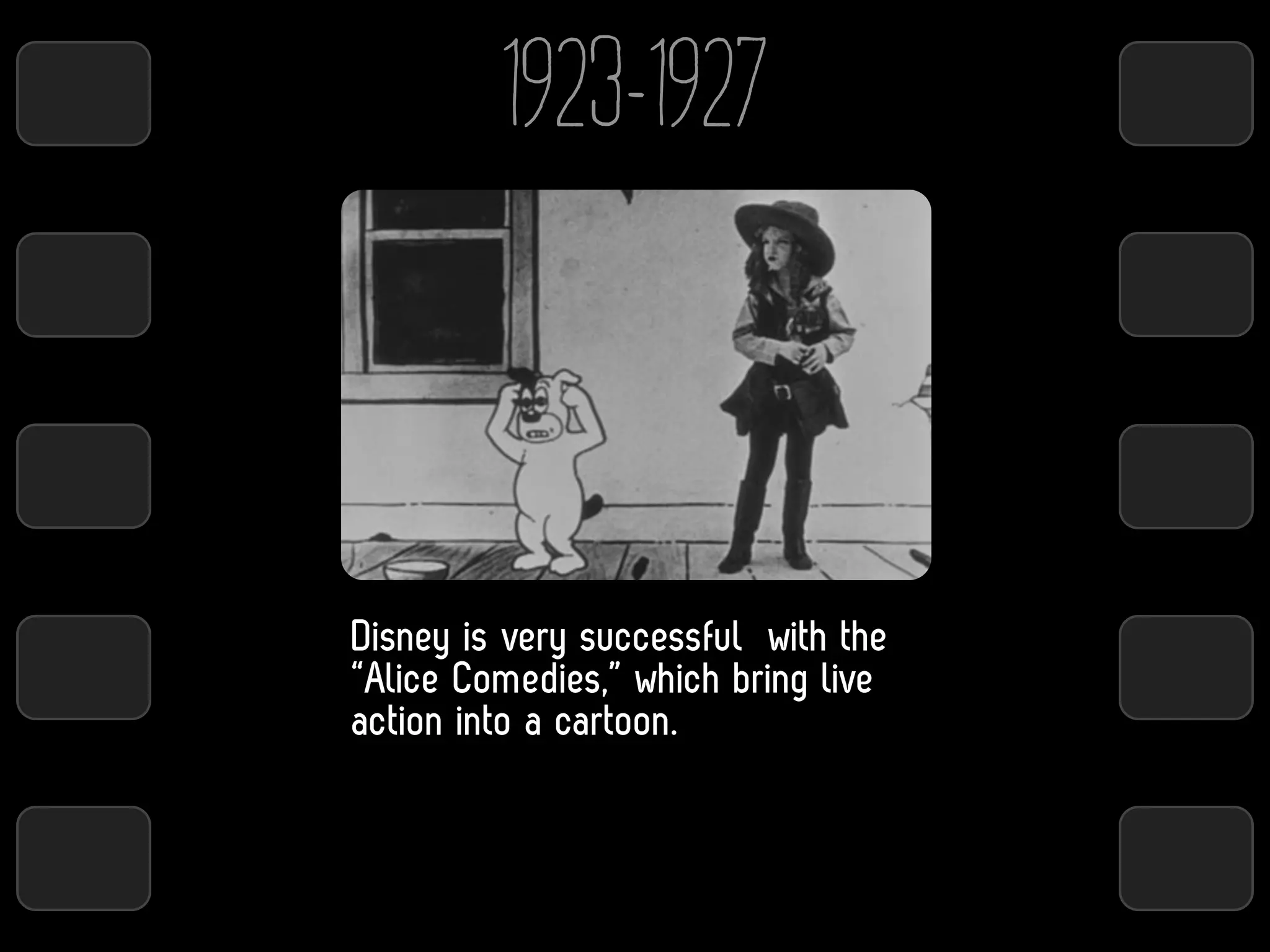
1923-1927


Disney is very successful with the
“Alice Comedies,” which bring live
action into a cartoon.
1928


        Experiments with new way of
        syncing audio with film animation
                                         THINK
“GET AS LARG E A LOAN AS POSSIBLE. DON'T
                                            R
THIRTY FIVE HU NDRED ENOUGH TRY FOR MORE OU
FUTURE DEPENDS  ON FIRST PICTURE THEREFORE AM
                             SNEY.
NOT SPARING EXPENSE” WALT DI
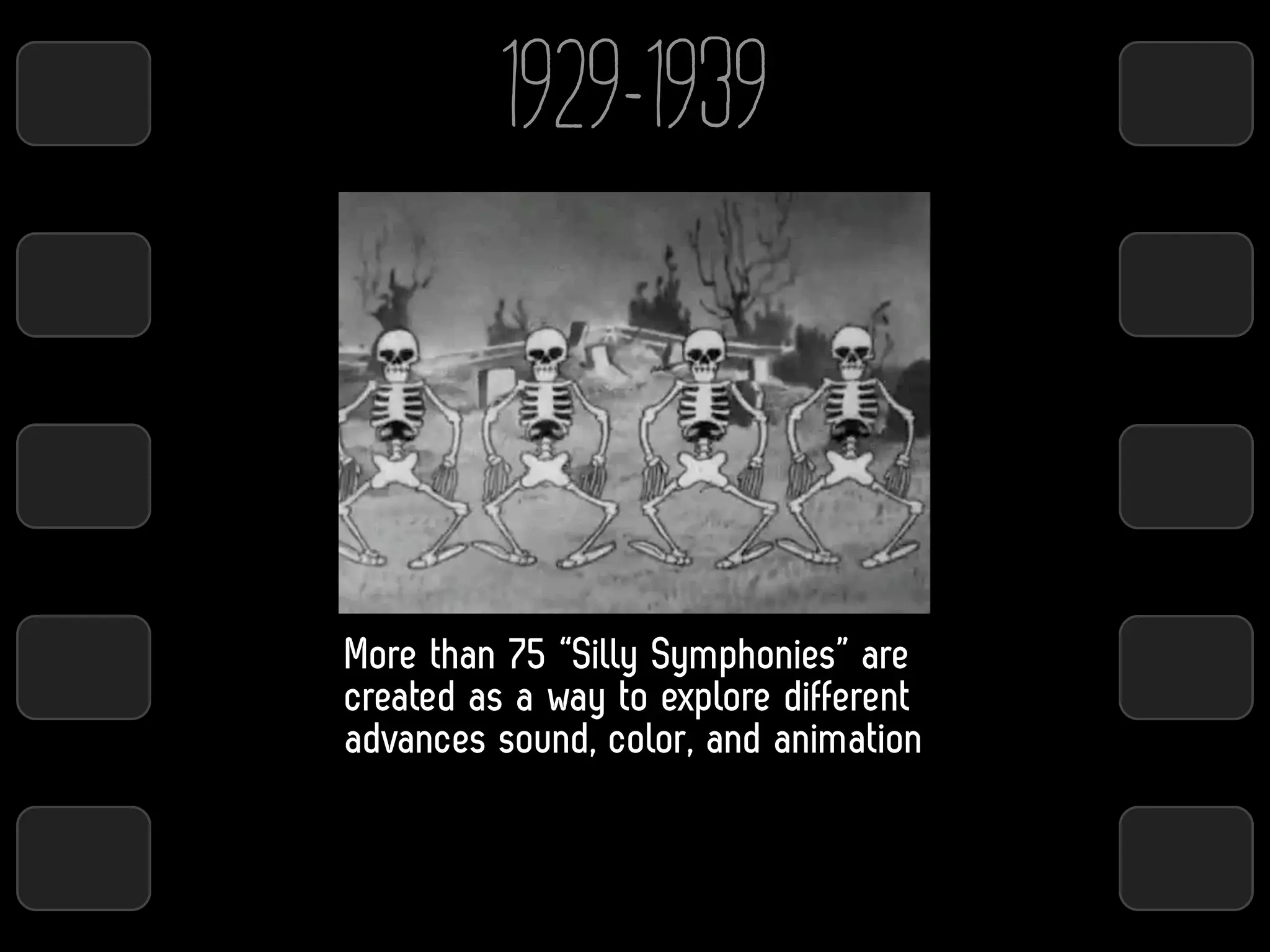
1929-1939


More than 75 “Silly Symphonies” are
created as a way to explore different
advances sound, color, and animation
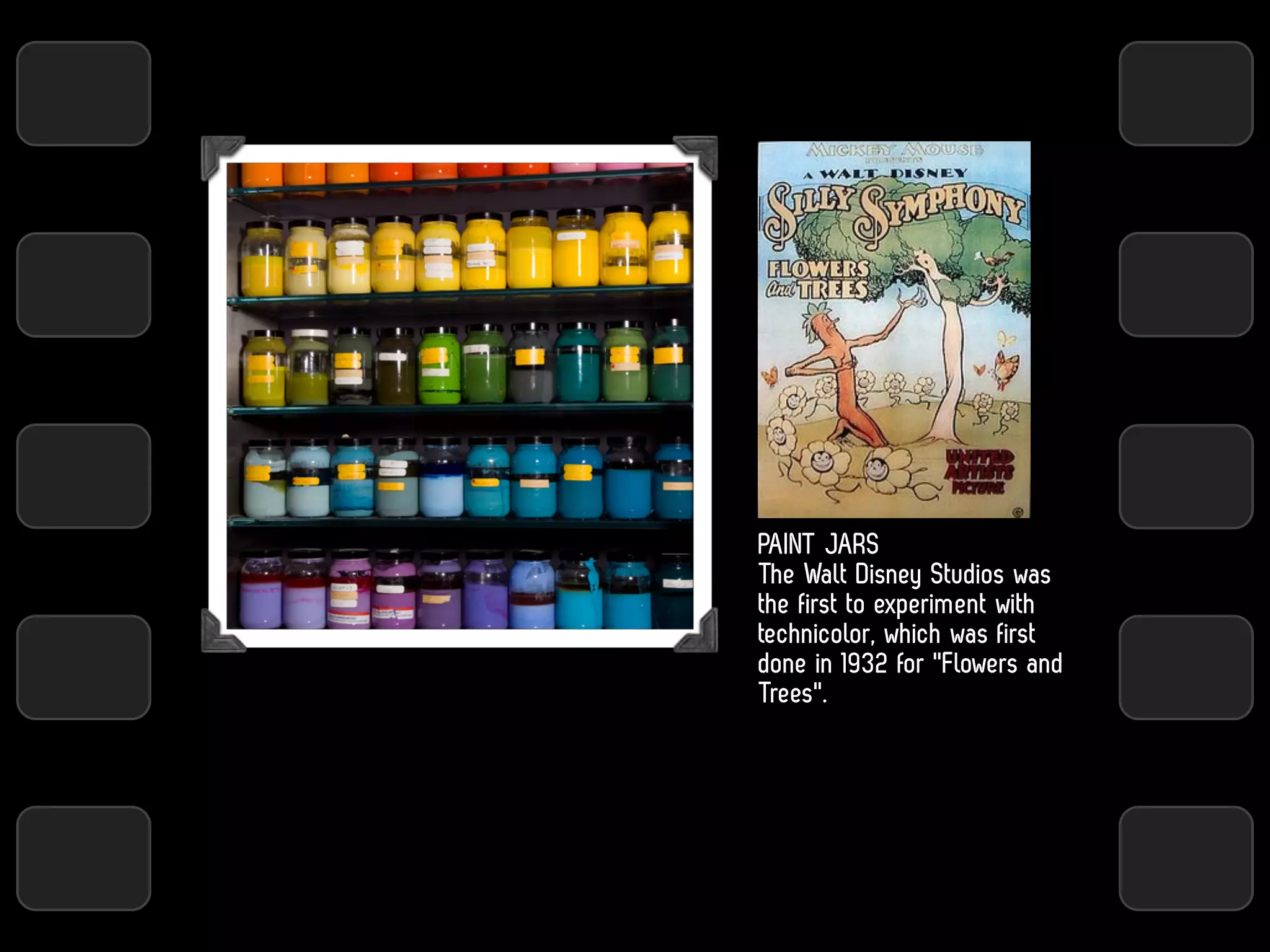
PAINT JARS
The Walt Disney Studios was
the first to experiment with
technicolor, which was first
done in 1932 for "Flowers and
Trees".
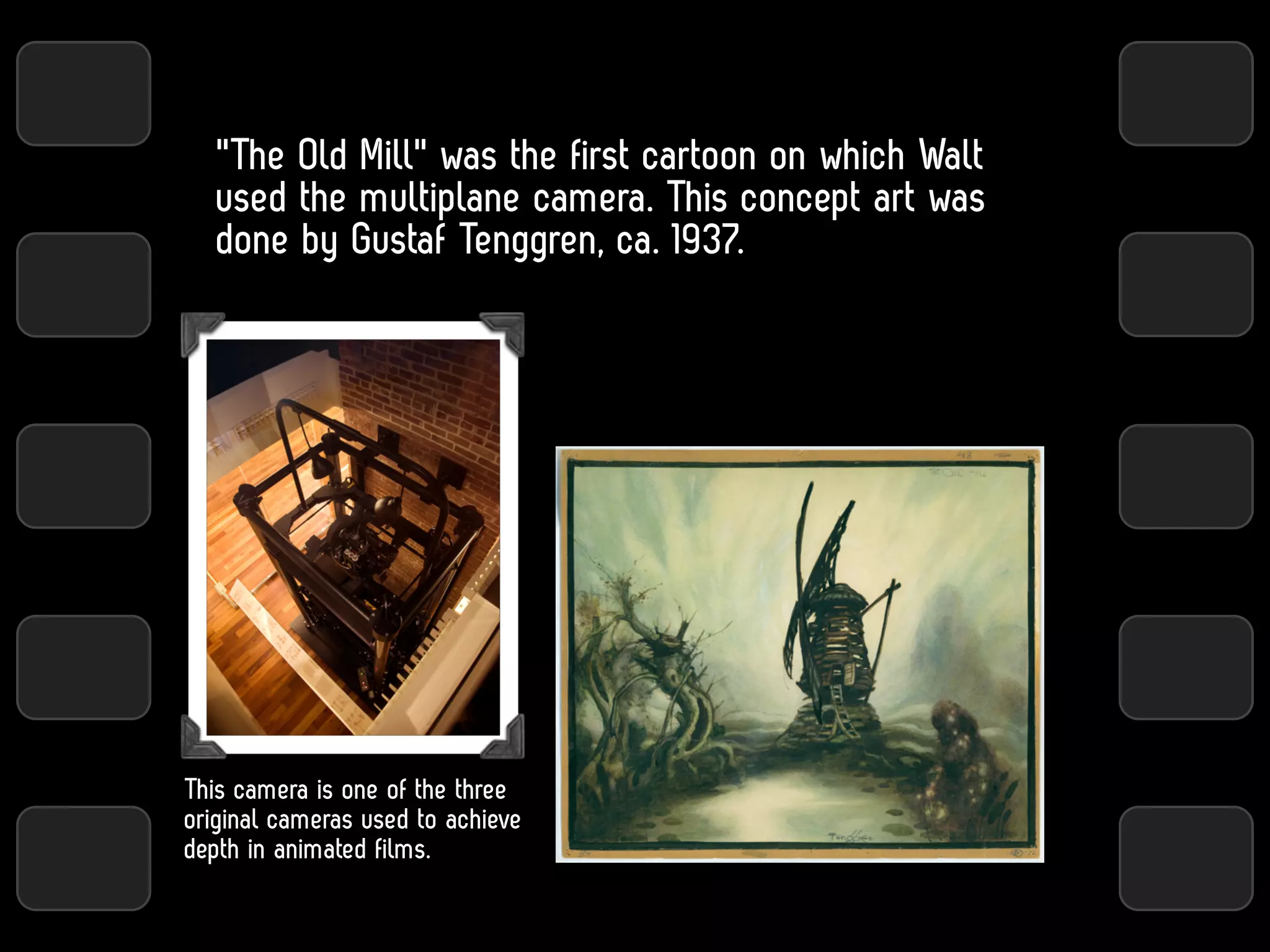
"The Old Mill" was the first cartoon on which Walt
   used the multiplane camera. This concept art was
   done by Gustaf Tenggren, ca. 1937.


This camera is one of the three
original cameras used to achieve
depth in animated films.
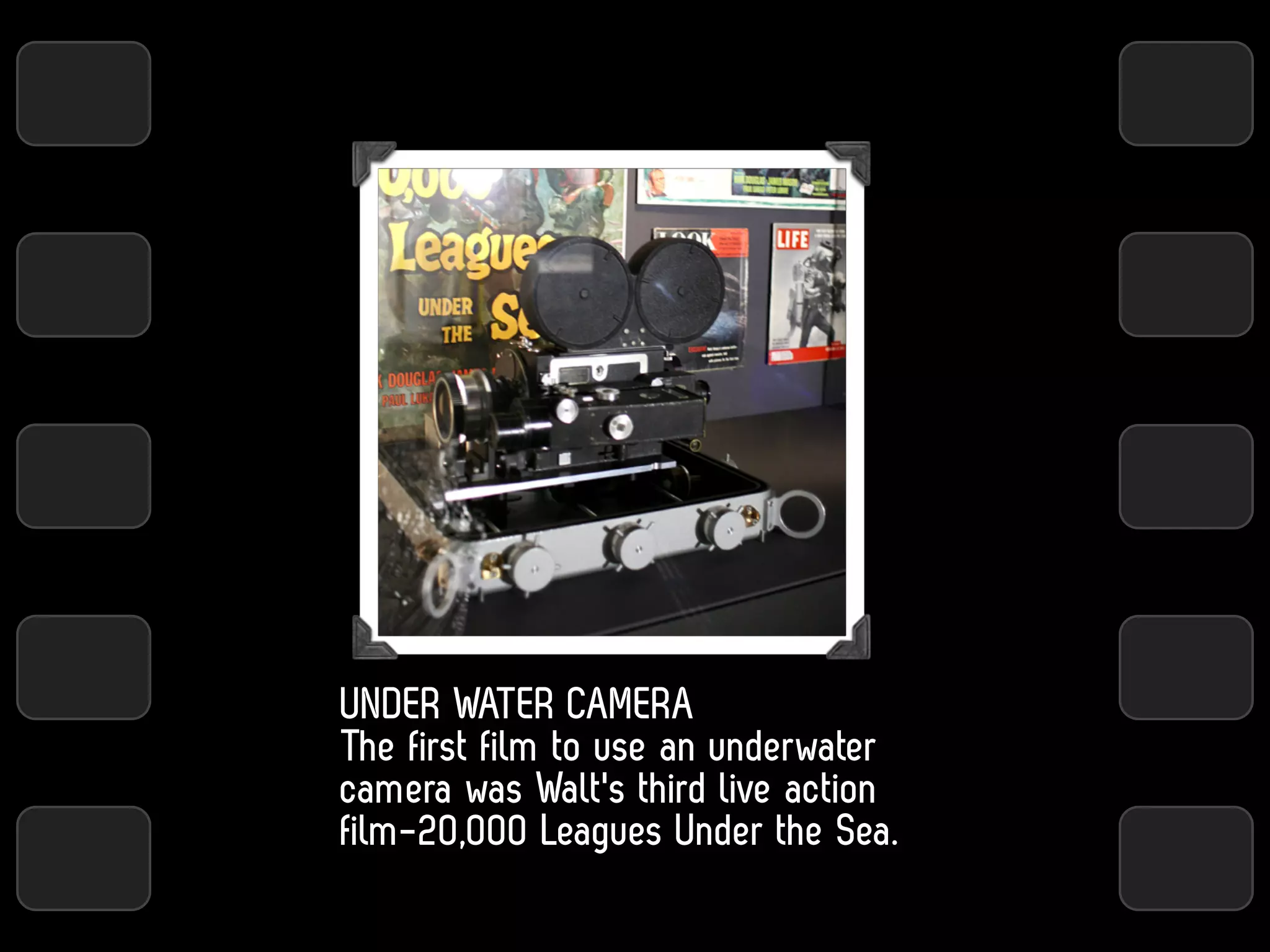
UNDER WATER CAMERA
The first film to use an underwater
camera was Walt's third live action
film-20,000 Leagues Under the Sea.
“ …the bleeding edge guerilla technology
                  arm of The Walt Disney Company.”


“ We're honoring Walt Disney's
  legacy of innovation by
  researching novel technologies and
  deploying them on a global scale.”
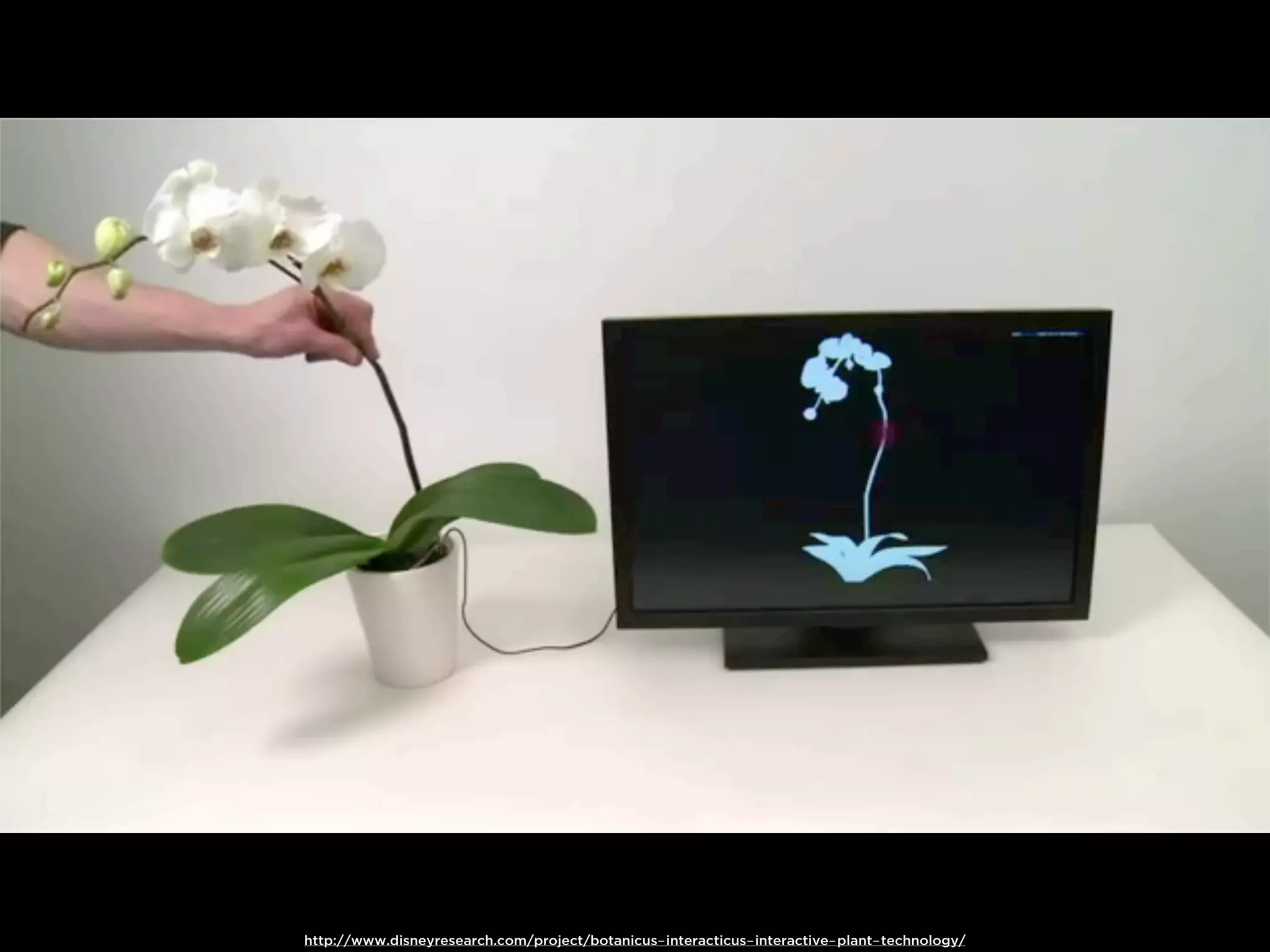
http://www.disneyresearch.com/project/botanicus-interacticus-interactive-plant-technology/
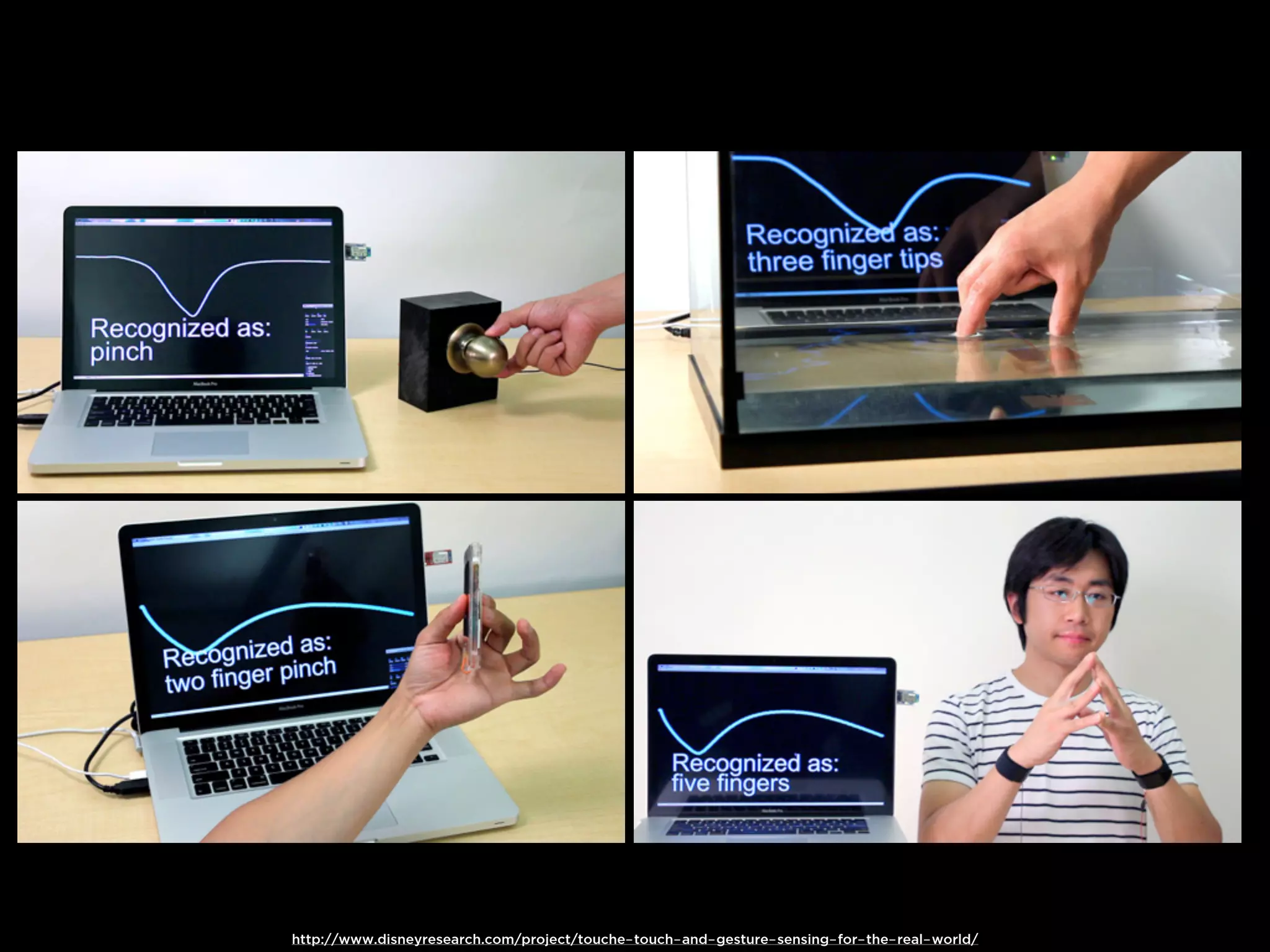
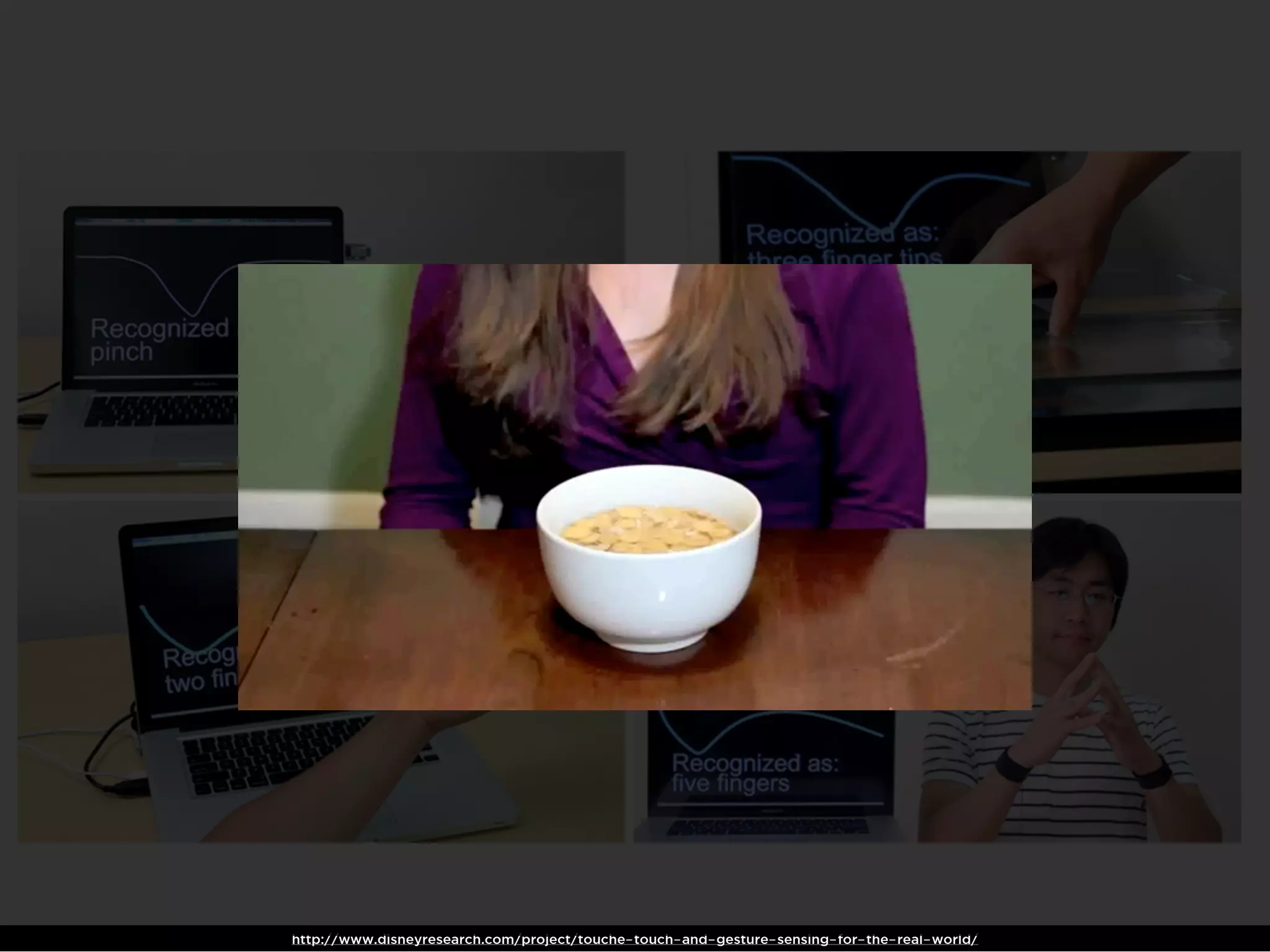
http://www.disneyresearch.com/project/touche-touch-and-gesture-sensing-for-the-real-world/
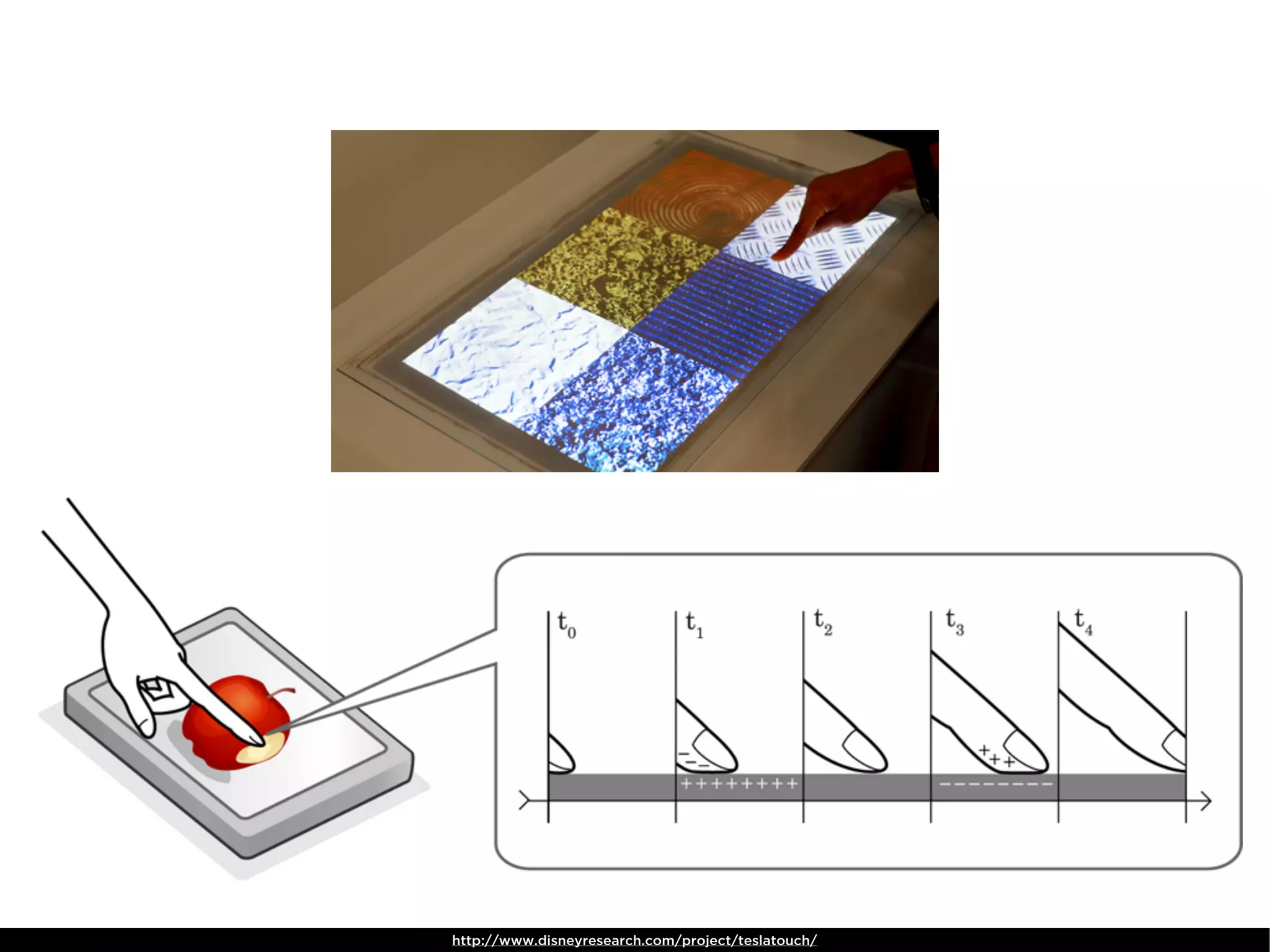
http://www.disneyresearch.com/project/teslatouch/
“What’s the application?”
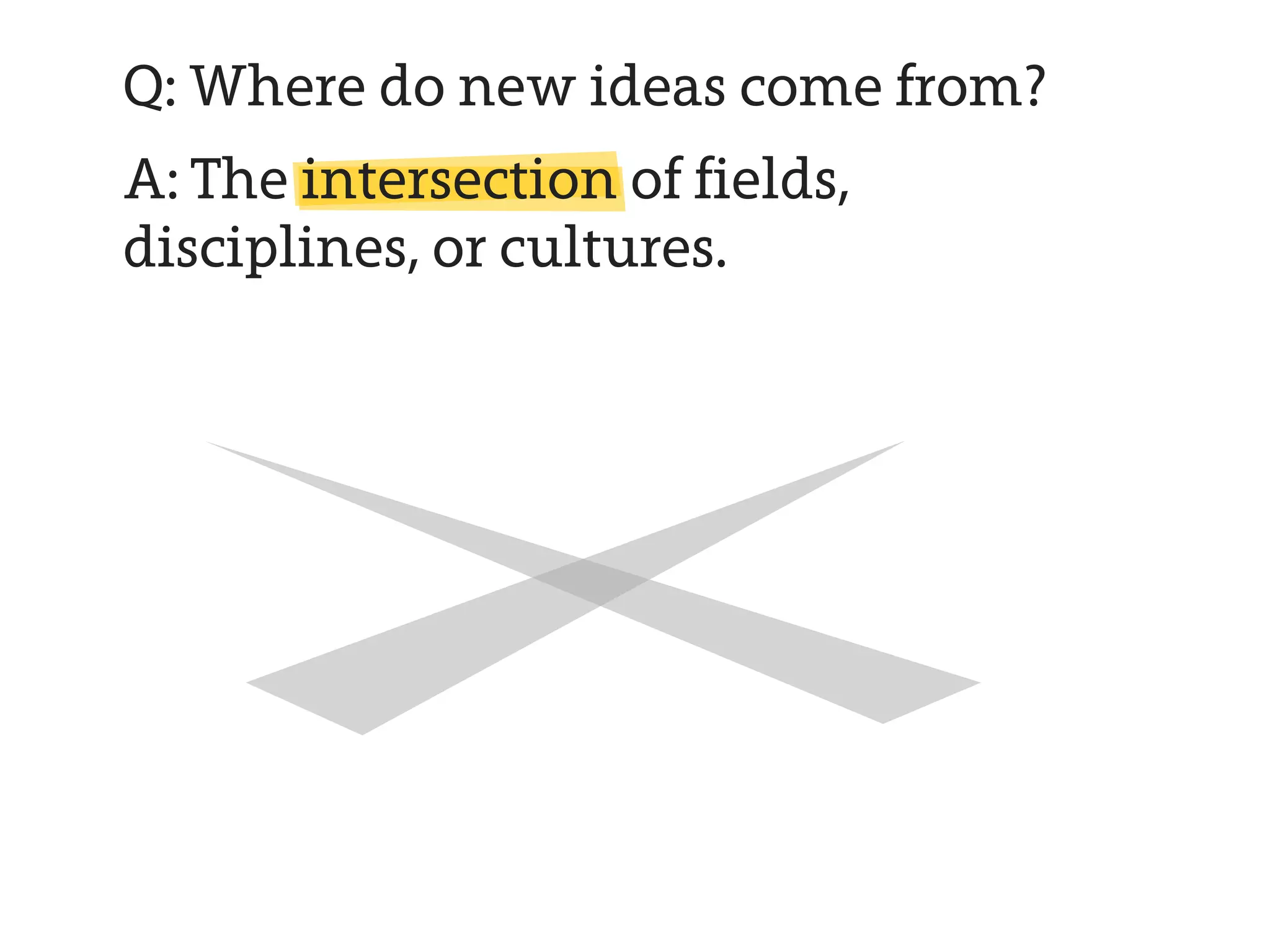
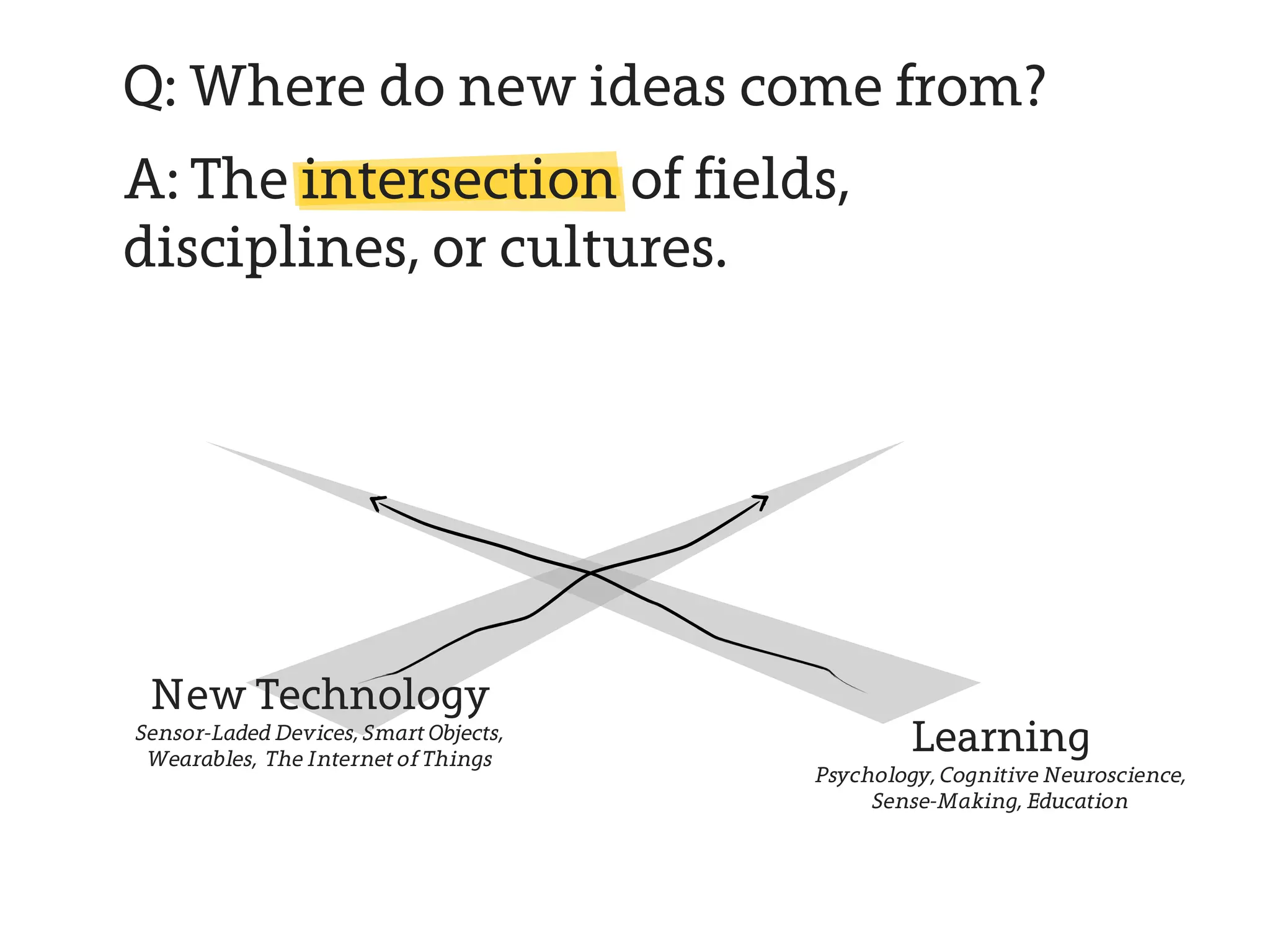
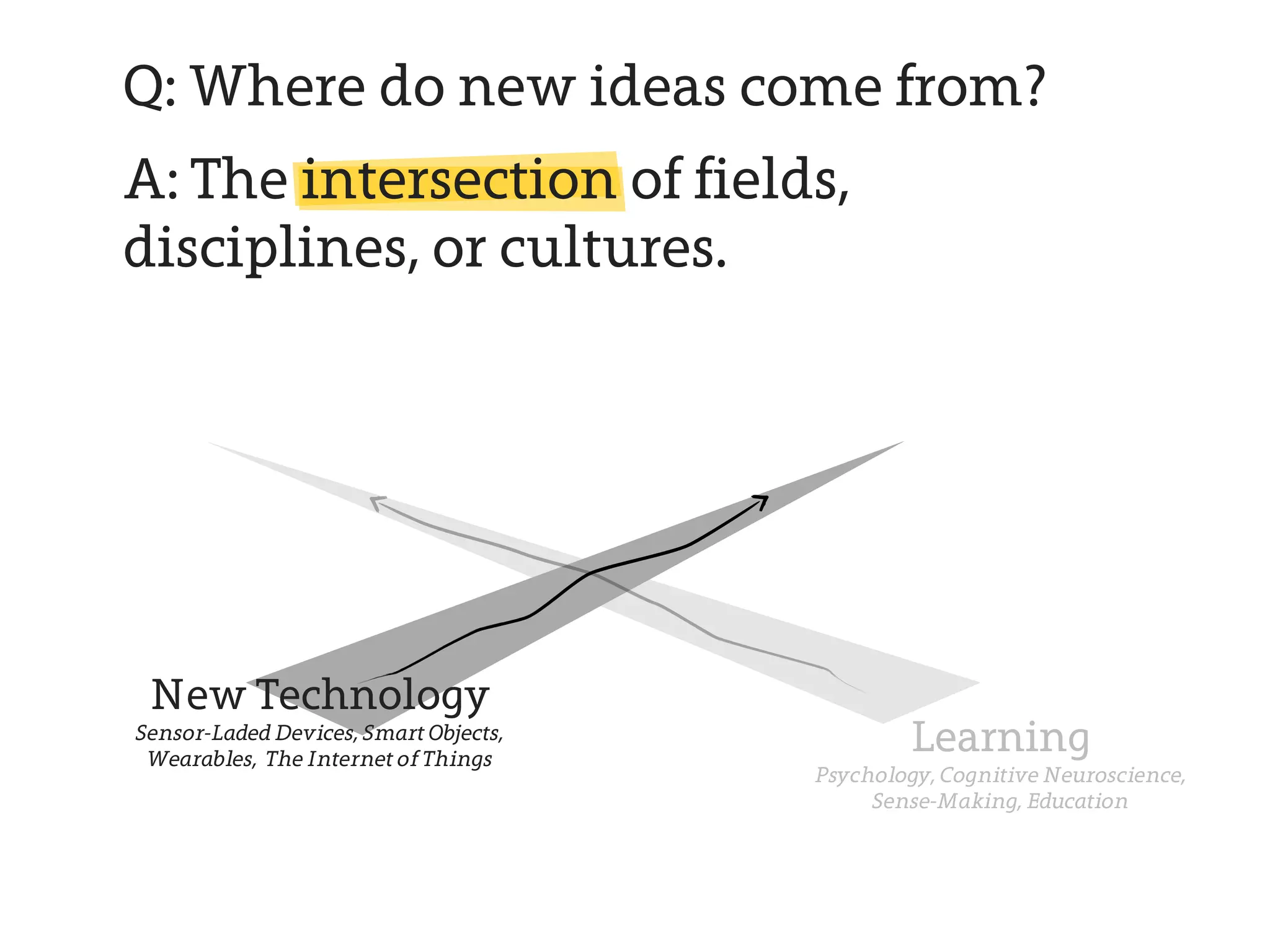
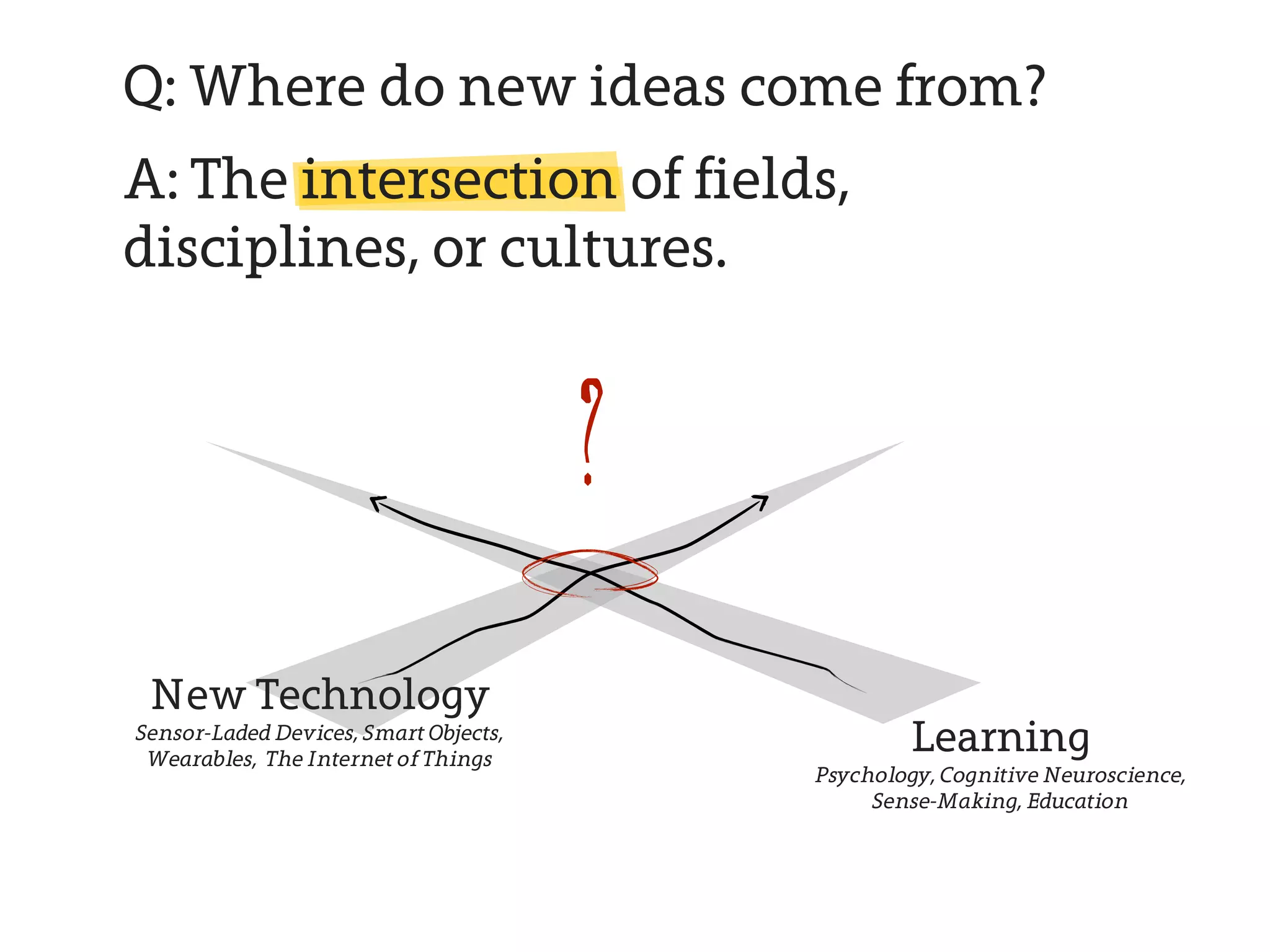
Q: Where do new ideas come from?
A: The intersection of fields,
disciplines, or cultures.
Q: Where do new ideas come from?
A: The intersection of fields,
disciplines, or cultures.


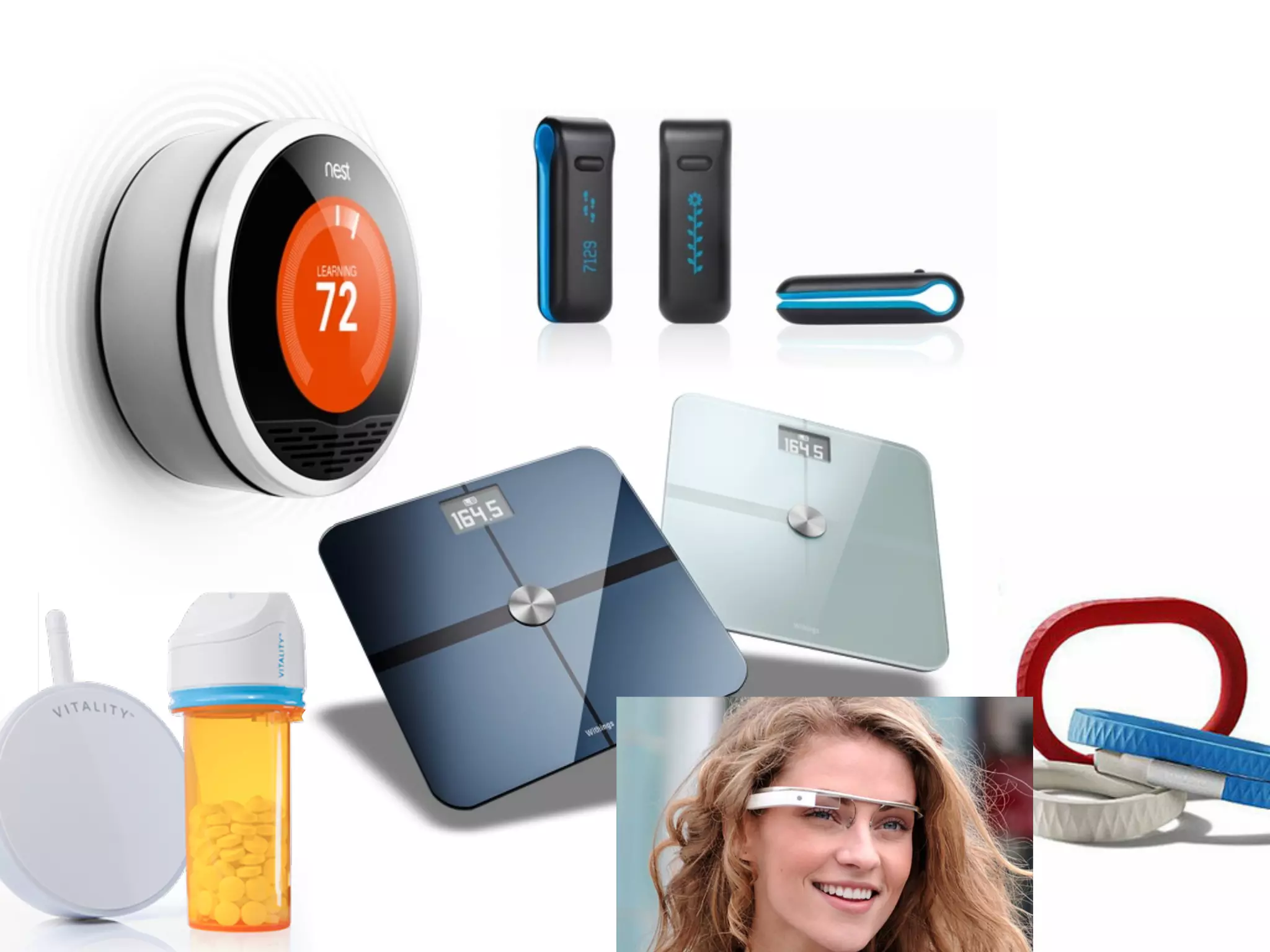
 New Technology
Sensor-Laded Devices, Smart Objects,
 Wearables, The Internet of Things
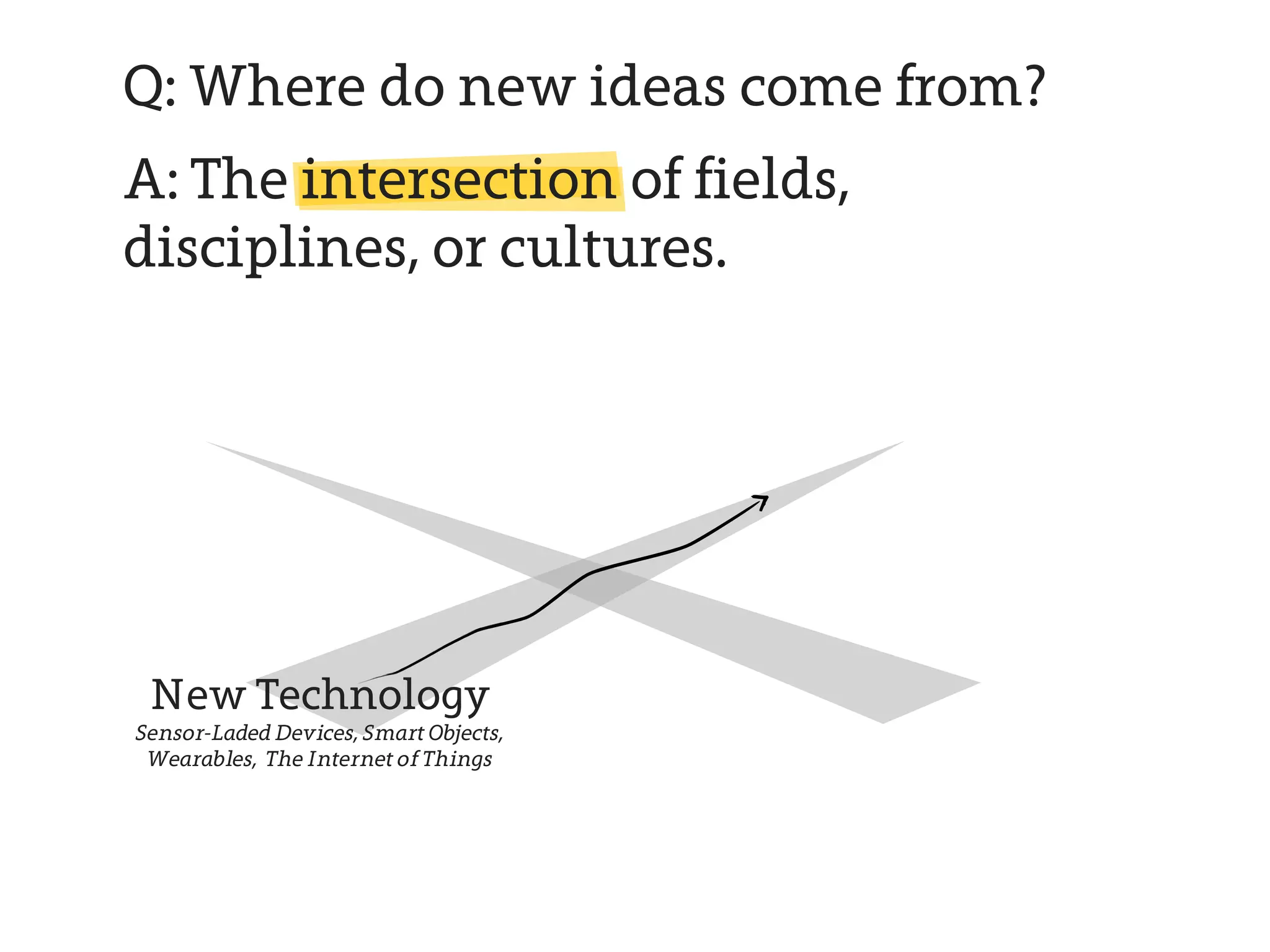
Q: Where do new ideas come from?
A: The intersection of fields,
disciplines, or cultures.


 New Technology
Sensor-Laded Devices, Smart Objects,
 Wearables, The Internet of Things
                                               Learning
                                       Psychology, Cognitive Neuroscience,
                                            Sense-Making, Education
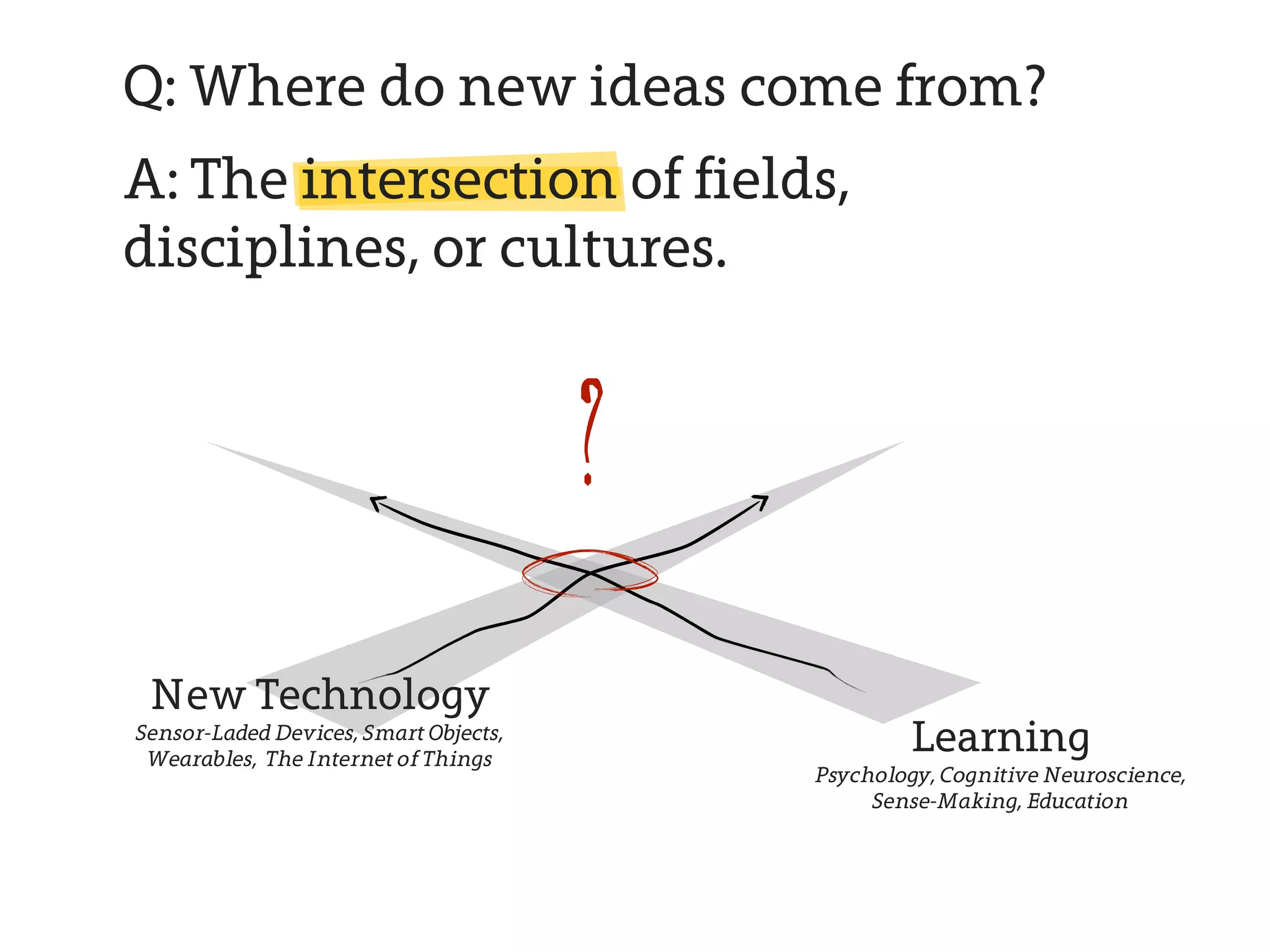
Q: Where do new ideas come from?
A: The intersection of fields,
disciplines, or cultures.


                                       ?
 New Technology
Sensor-Laded Devices, Smart Objects,
 Wearables, The Internet of Things
                                                   Learning
                                           Psychology, Cognitive Neuroscience,
                                                Sense-Making, Education
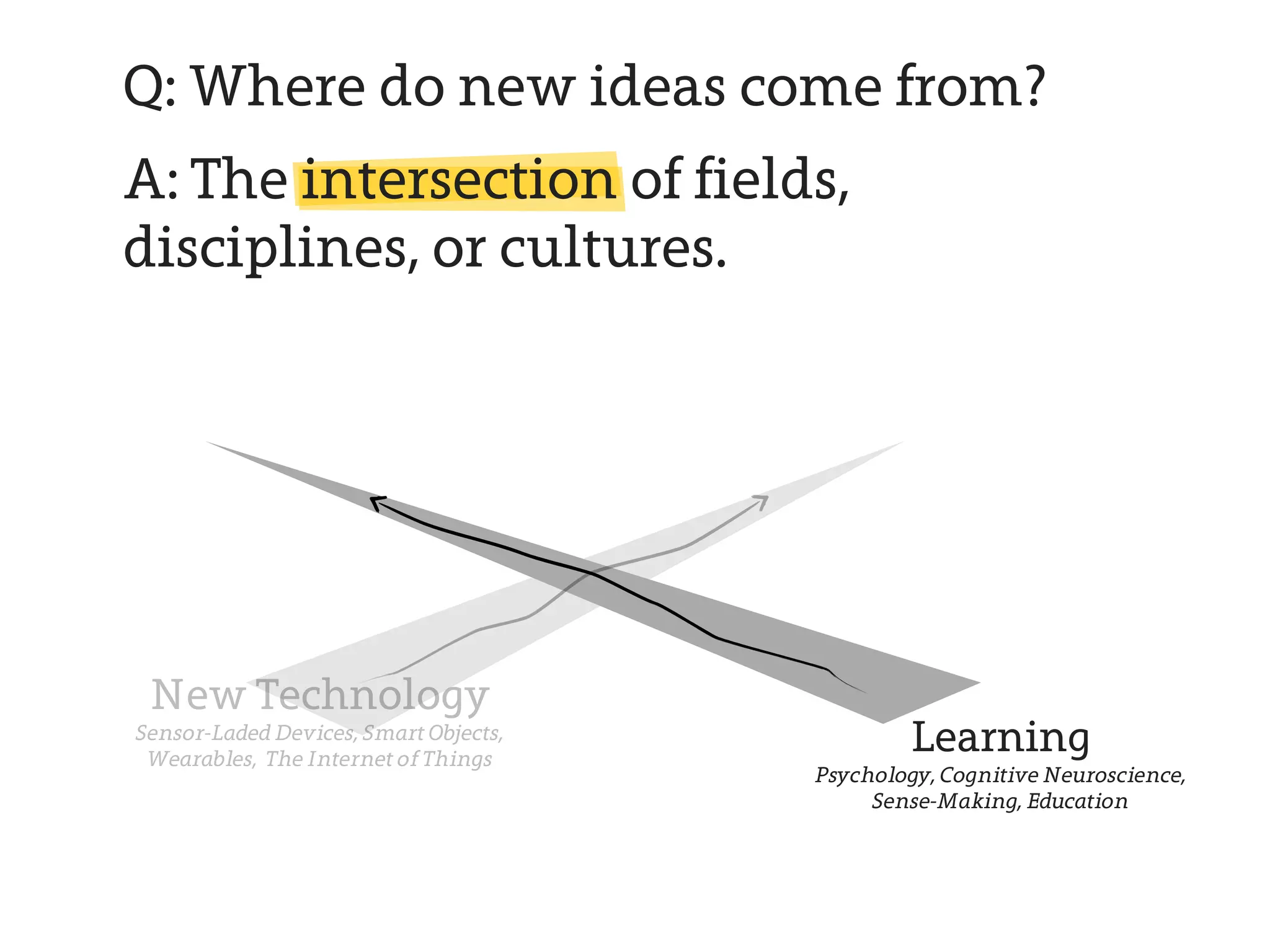
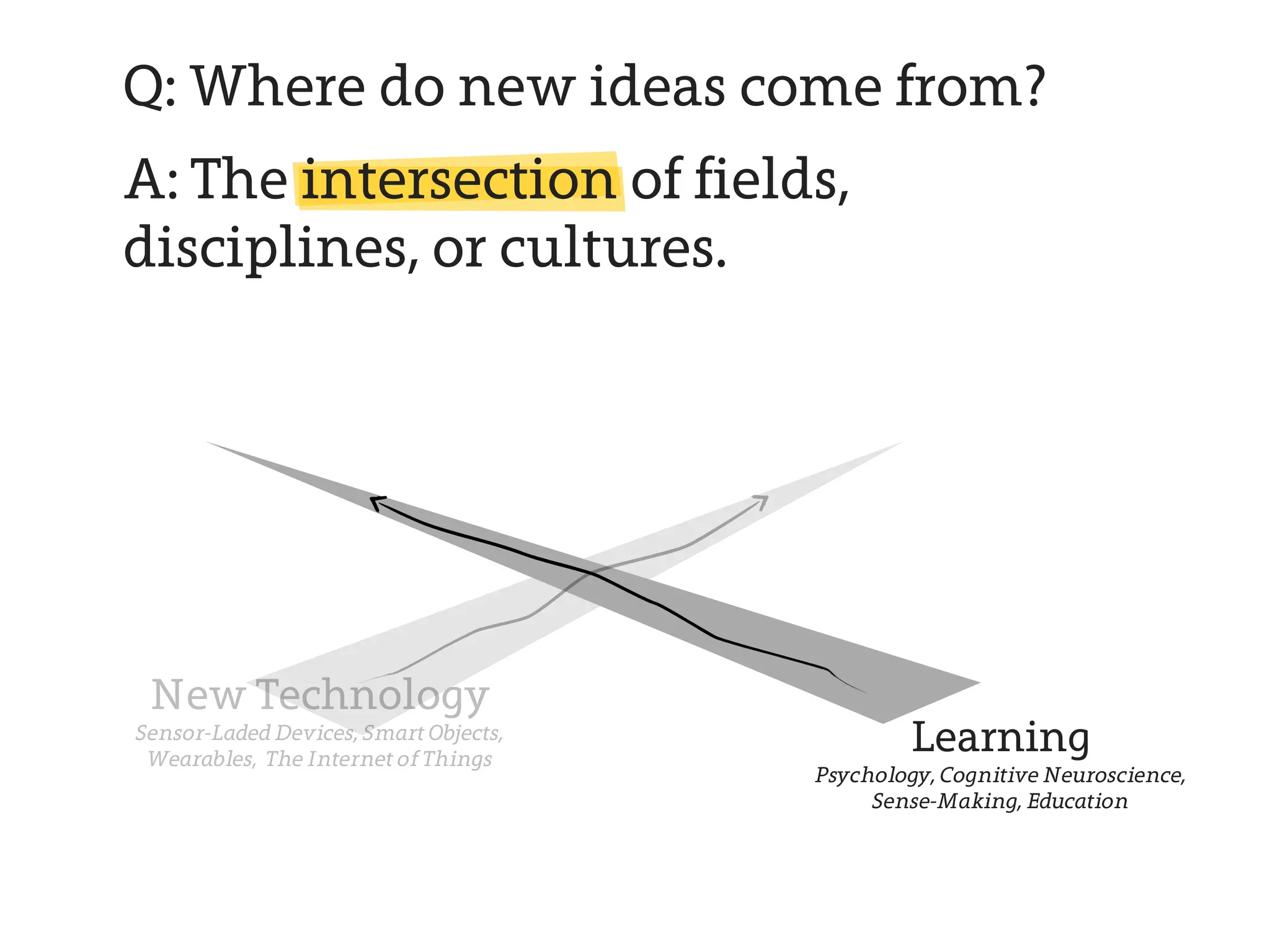
Q: Where do new ideas come from?
A: The intersection of fields,
disciplines, or cultures.


 New Technology
Sensor-Laded Devices, Smart Objects,
 Wearables, The Internet of Things
                                               Learning
                                       Psychology, Cognitive Neuroscience,
                                            Sense-Making, Education
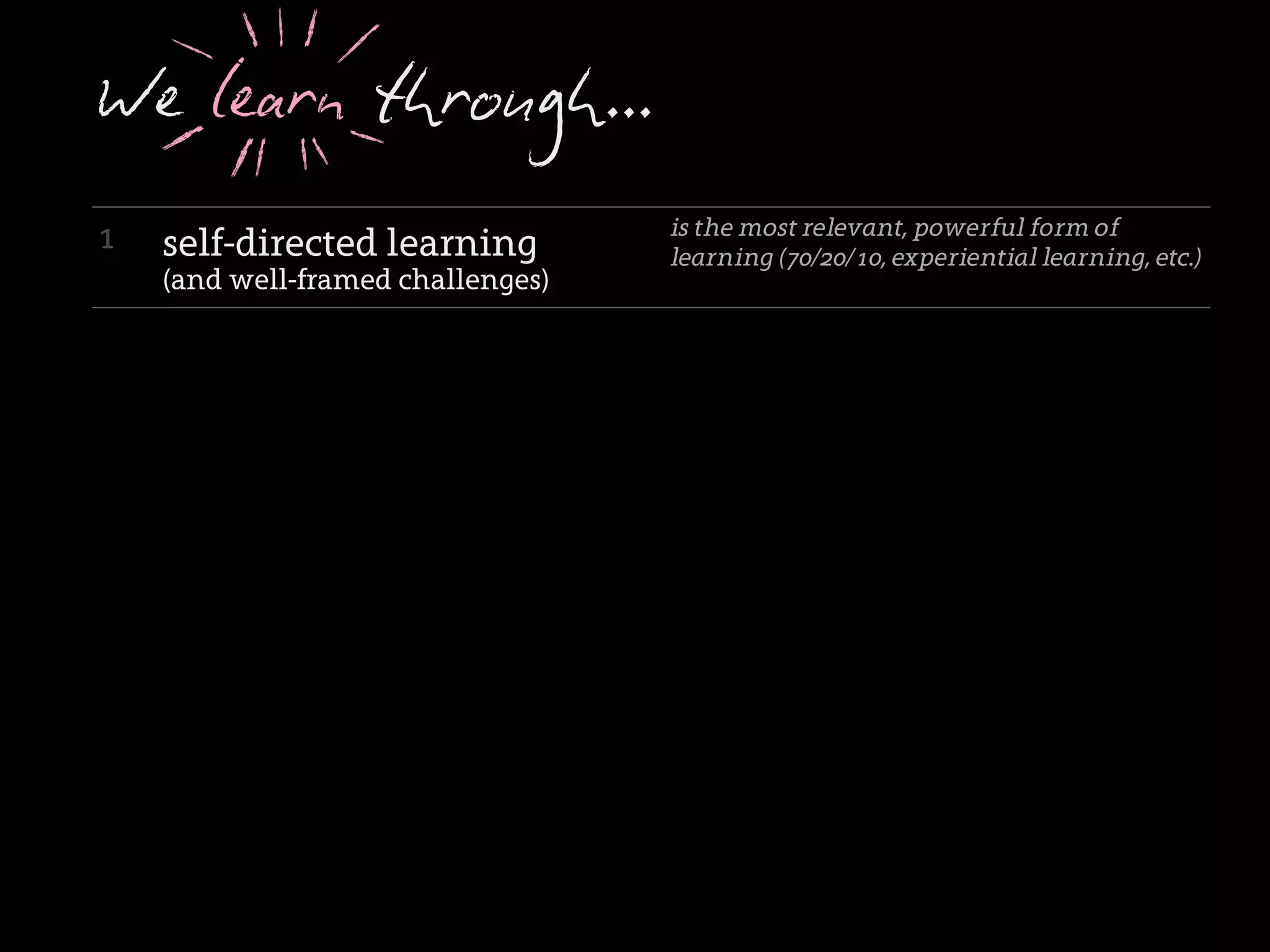
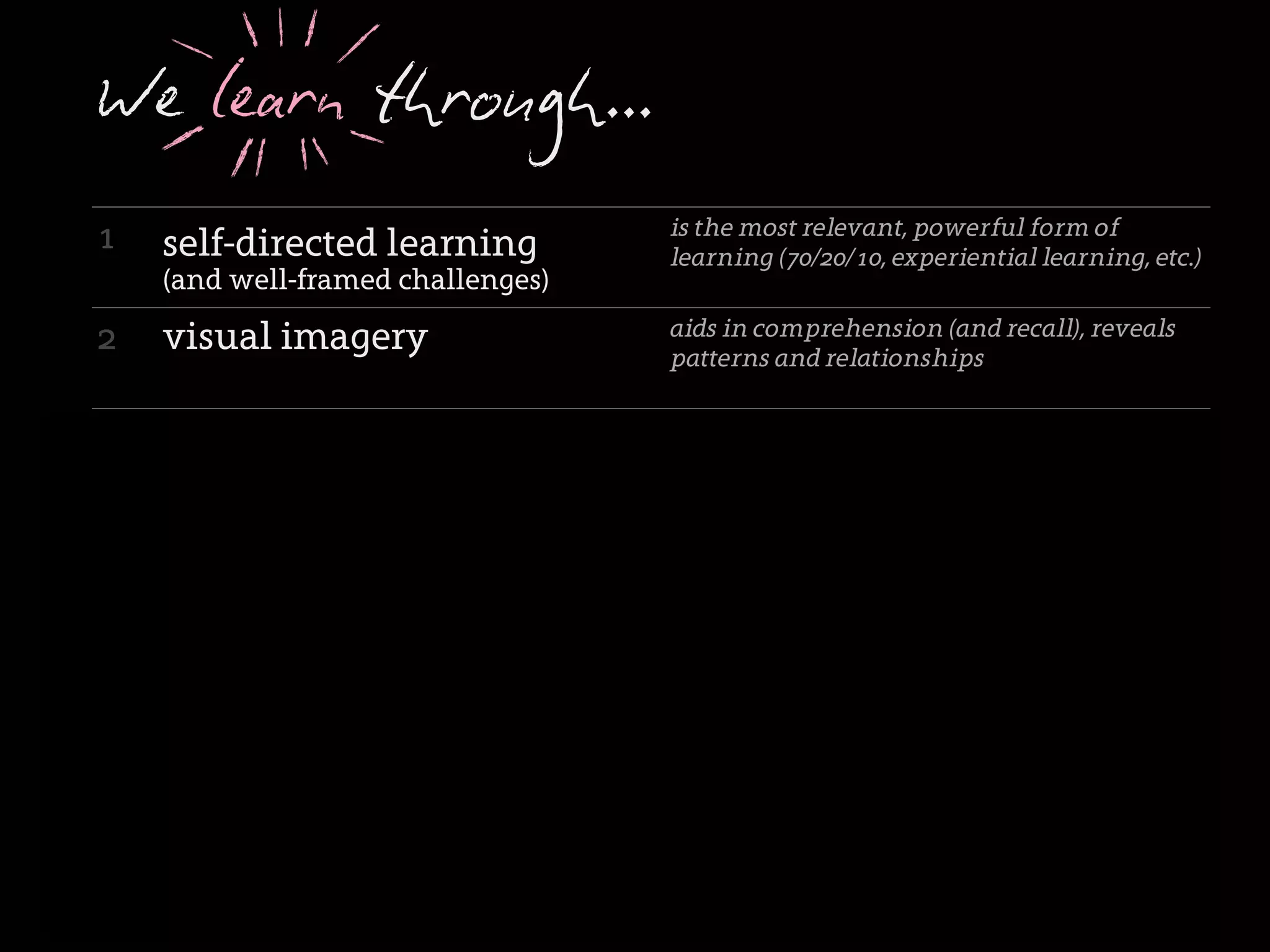
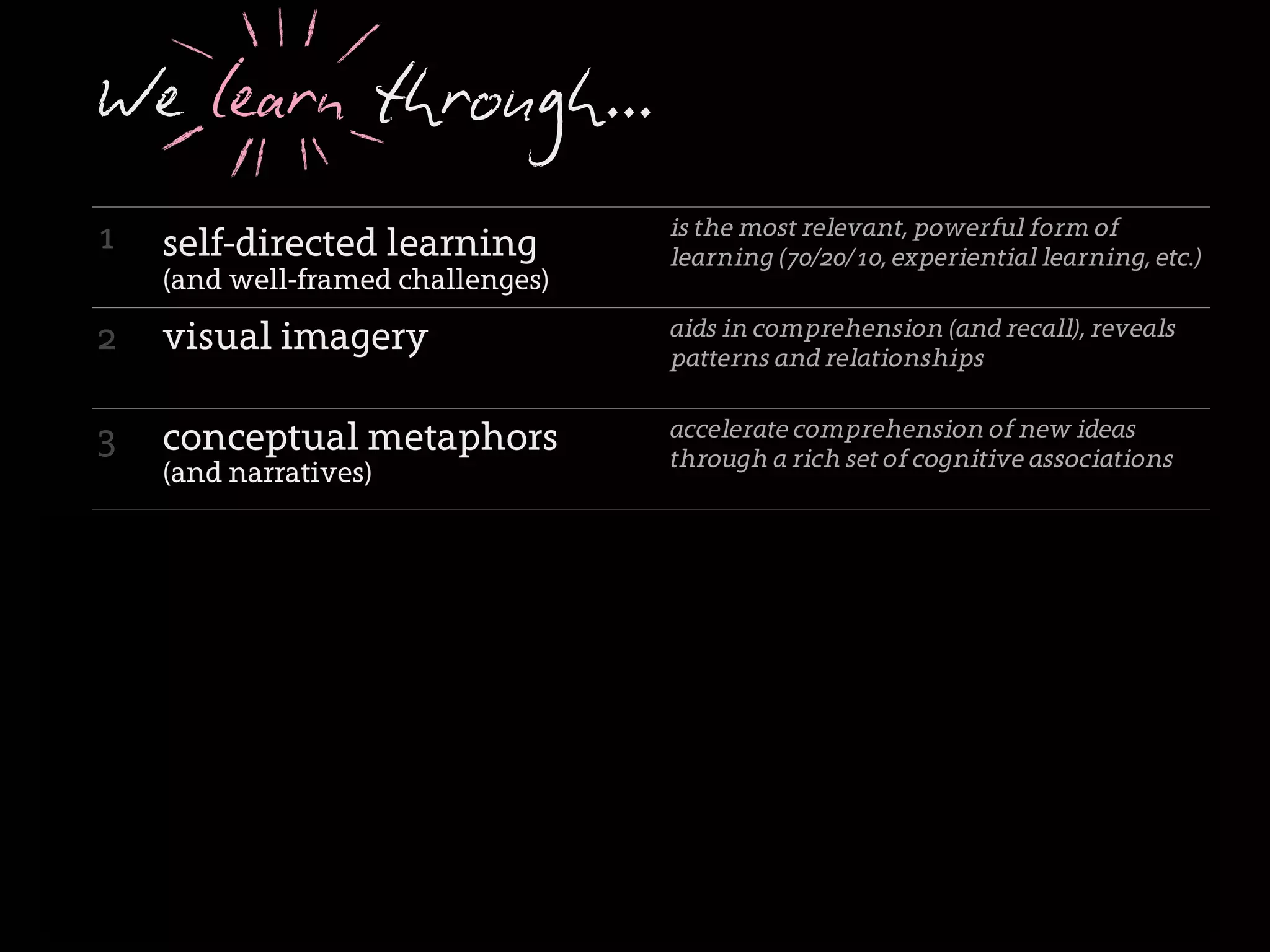
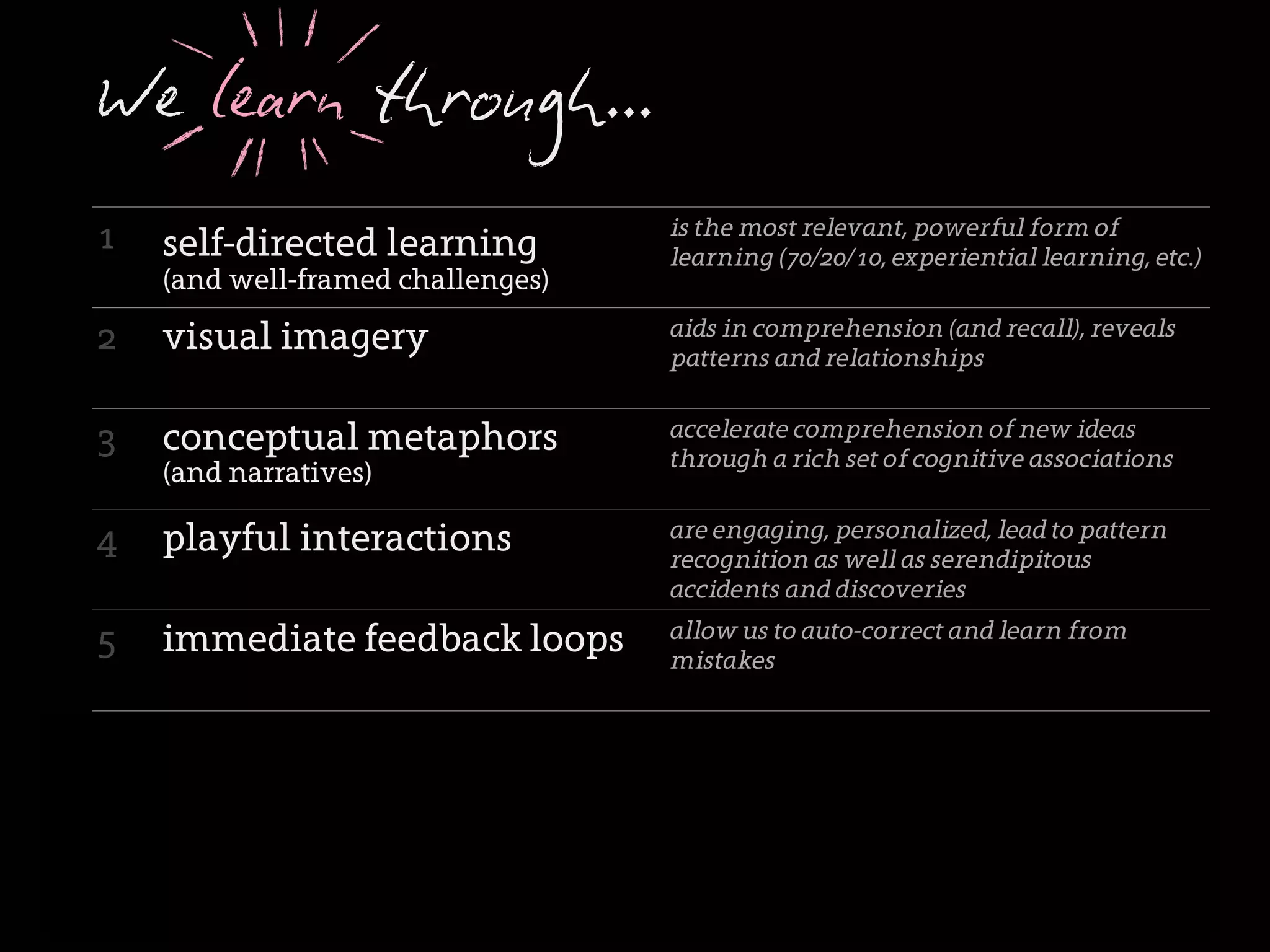
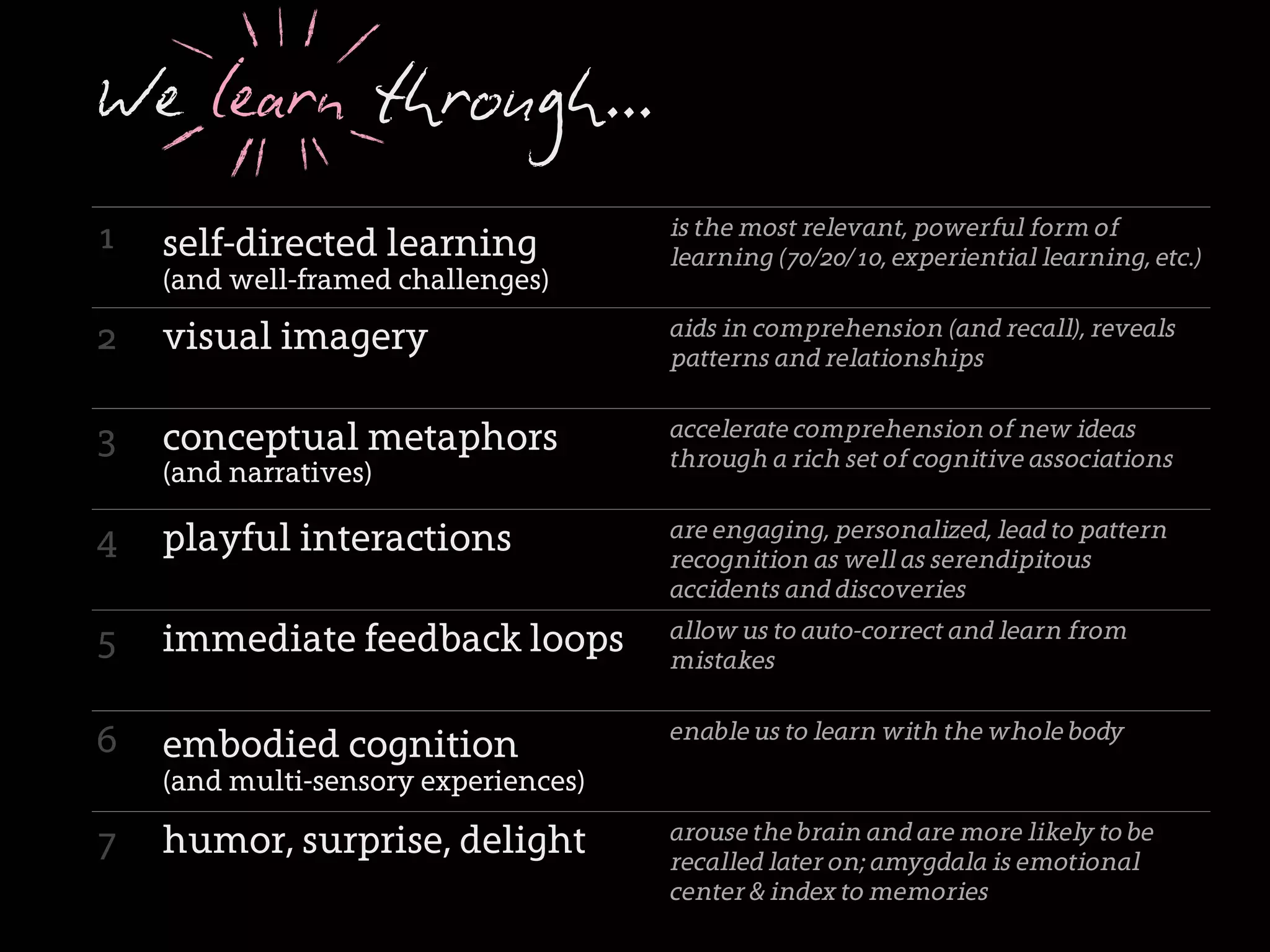
We learn through...
1                                     is the most relevant, powerful form of
    self-directed learning            learning (70/20/10, experiential learning, etc.)
    (and well-framed challenges)

2   visual imagery                    aids in comprehension (and recall), reveals
                                      patterns and relationships


3   conceptual metaphors              accelerate comprehension of new ideas
                                      through a rich set of cognitive associations
    (and narratives)

4   playful interactions              are engaging, personalized, lead to pattern
                                      recognition as well as serendipitous
                                      accidents and discoveries

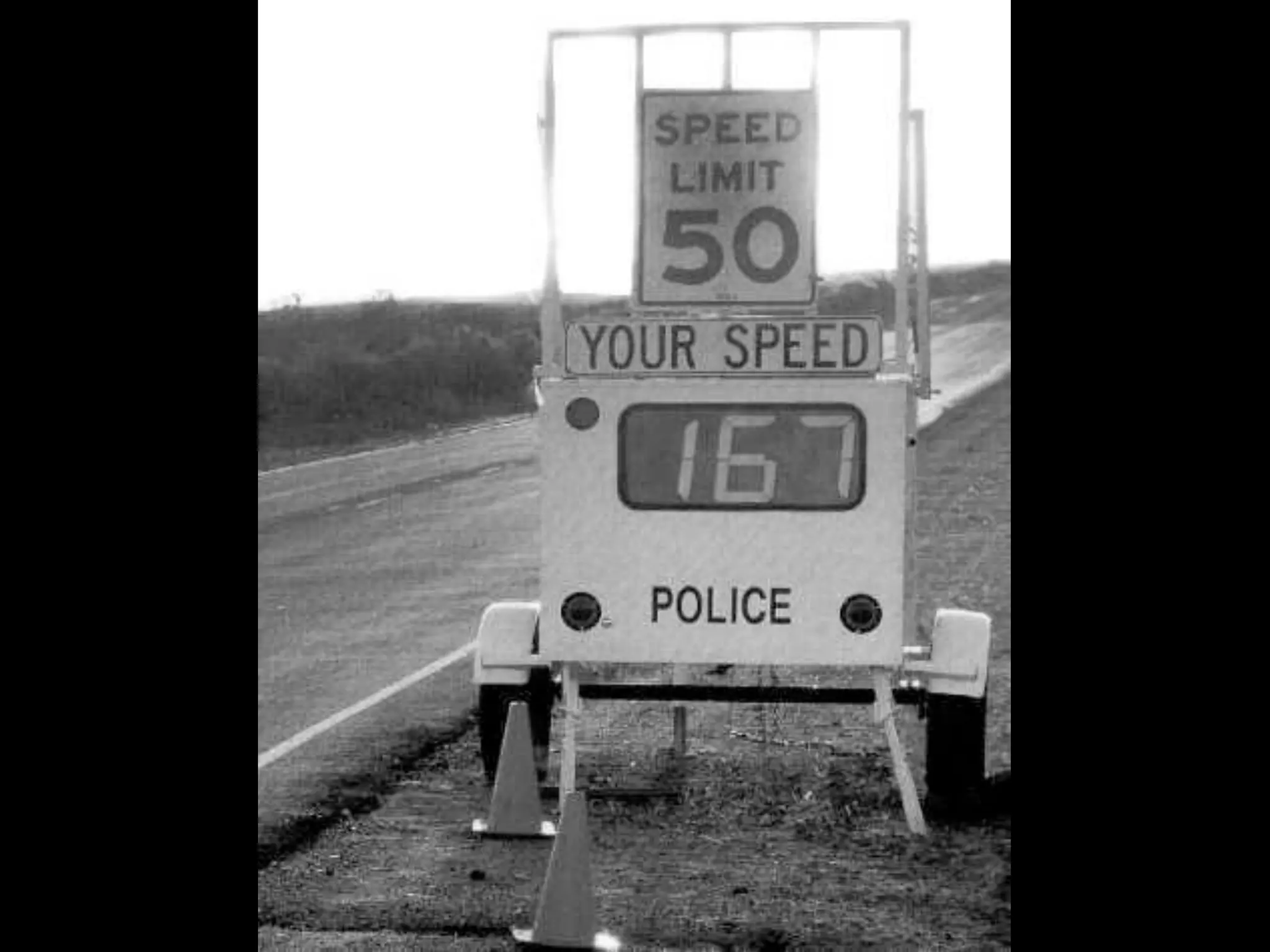
5   immediate feedback loops          allow us to auto-correct and learn from
                                      mistakes


6                                     enable us to learn with the whole body
    embodied cognition
    (and multi-sensory experiences)

7   humor, surprise, delight          arouse the brain and are more likely to be
                                      recalled later on; amygdala is emotional
                                      center & index to memories
The jockey offers a piece of sugar to his
horse before jumping into the saddle,
the coachman beats his horse that he
may respond to the signs given by the
reins; and, yet, neither of these runs so
superbly as the free horse of the plains.

–MARIA MONTESSORI
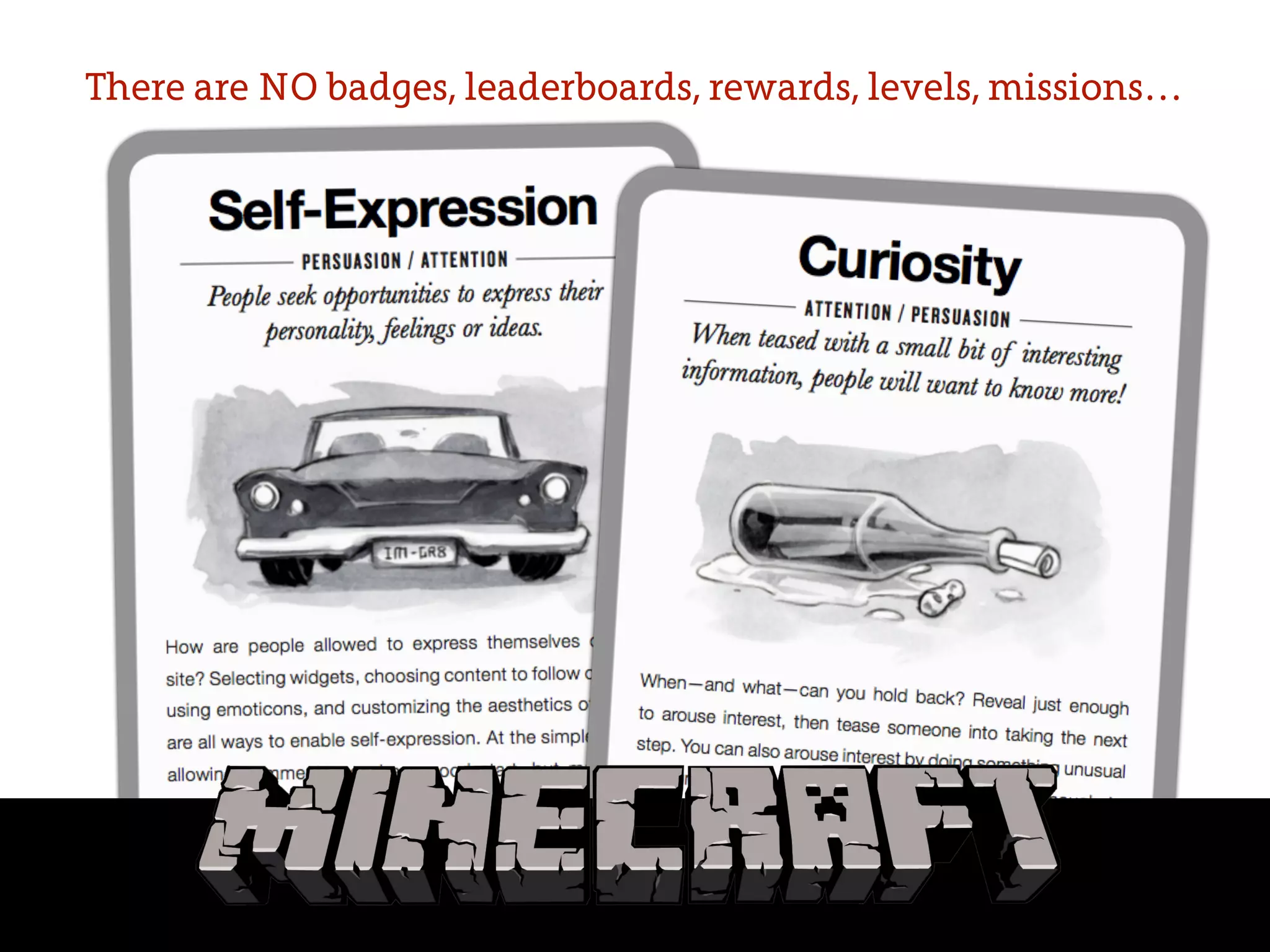
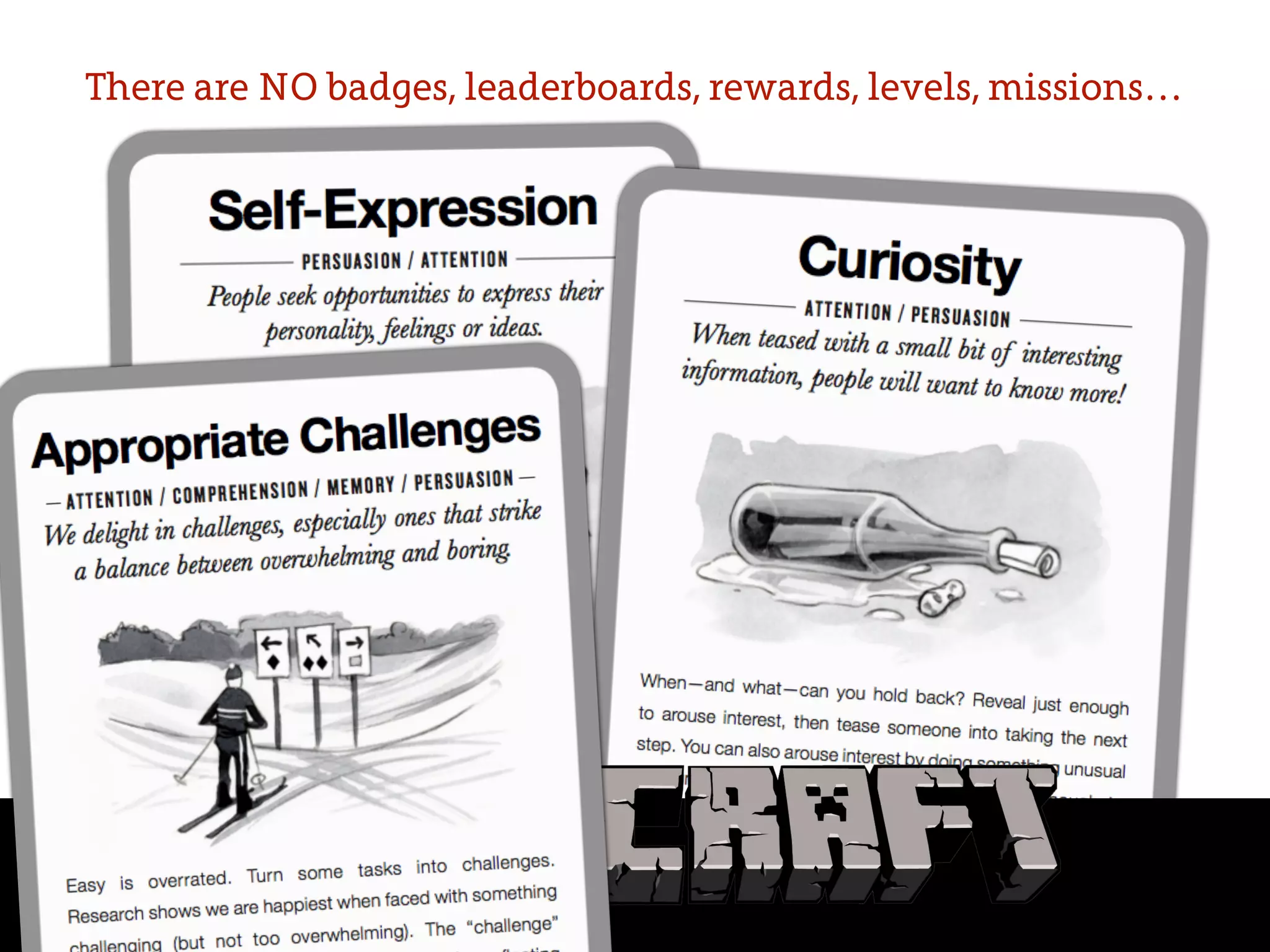
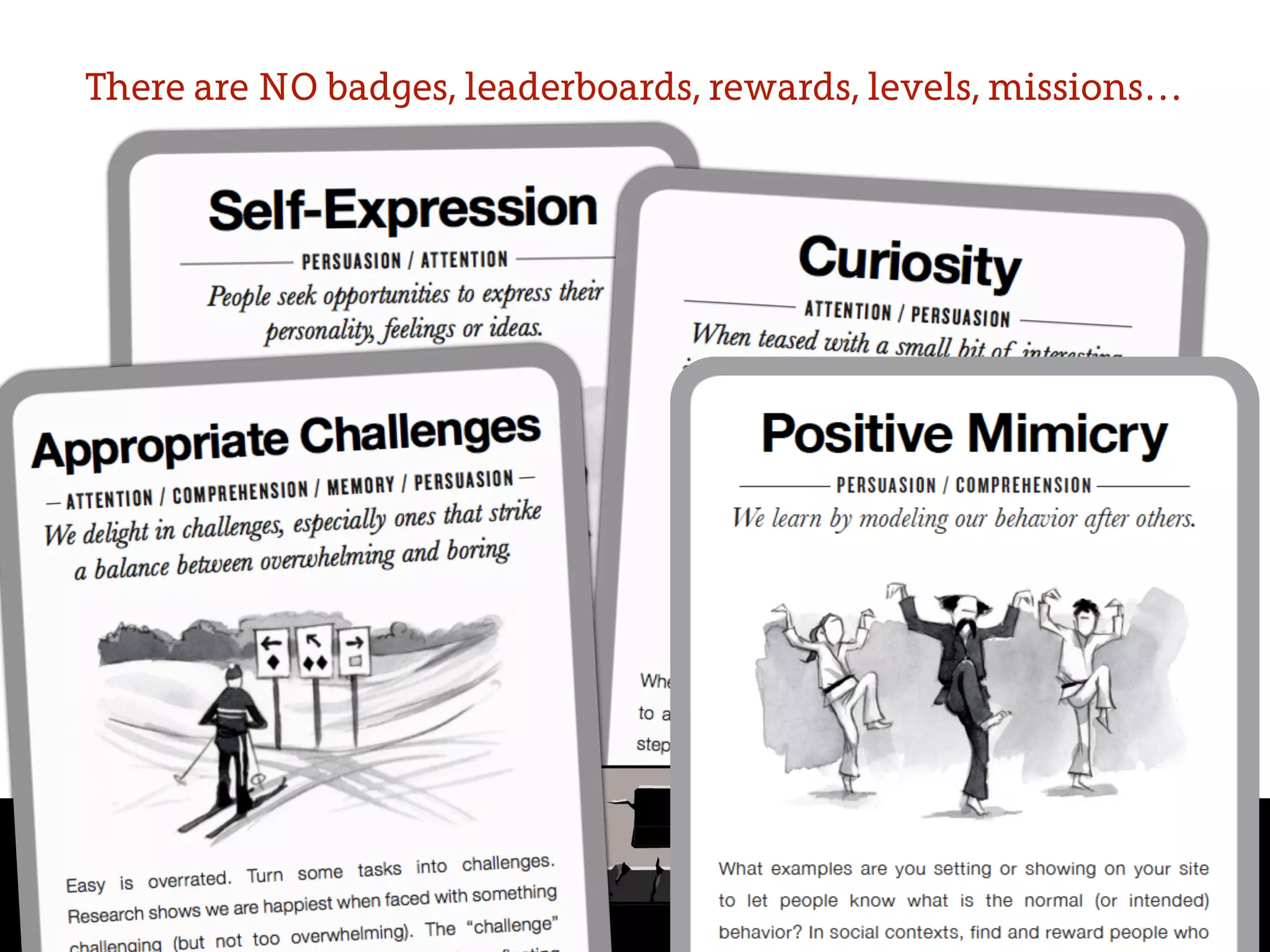
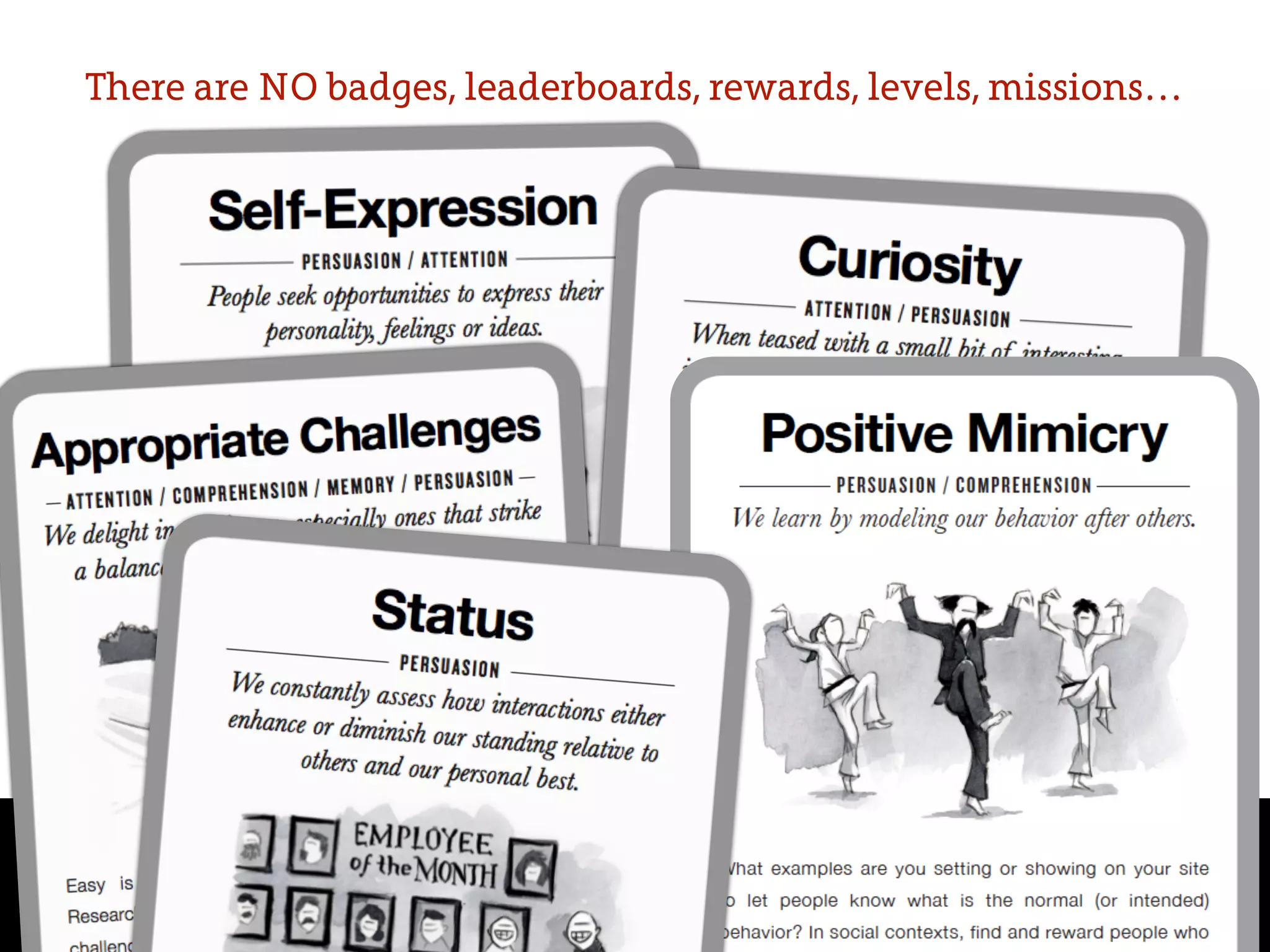
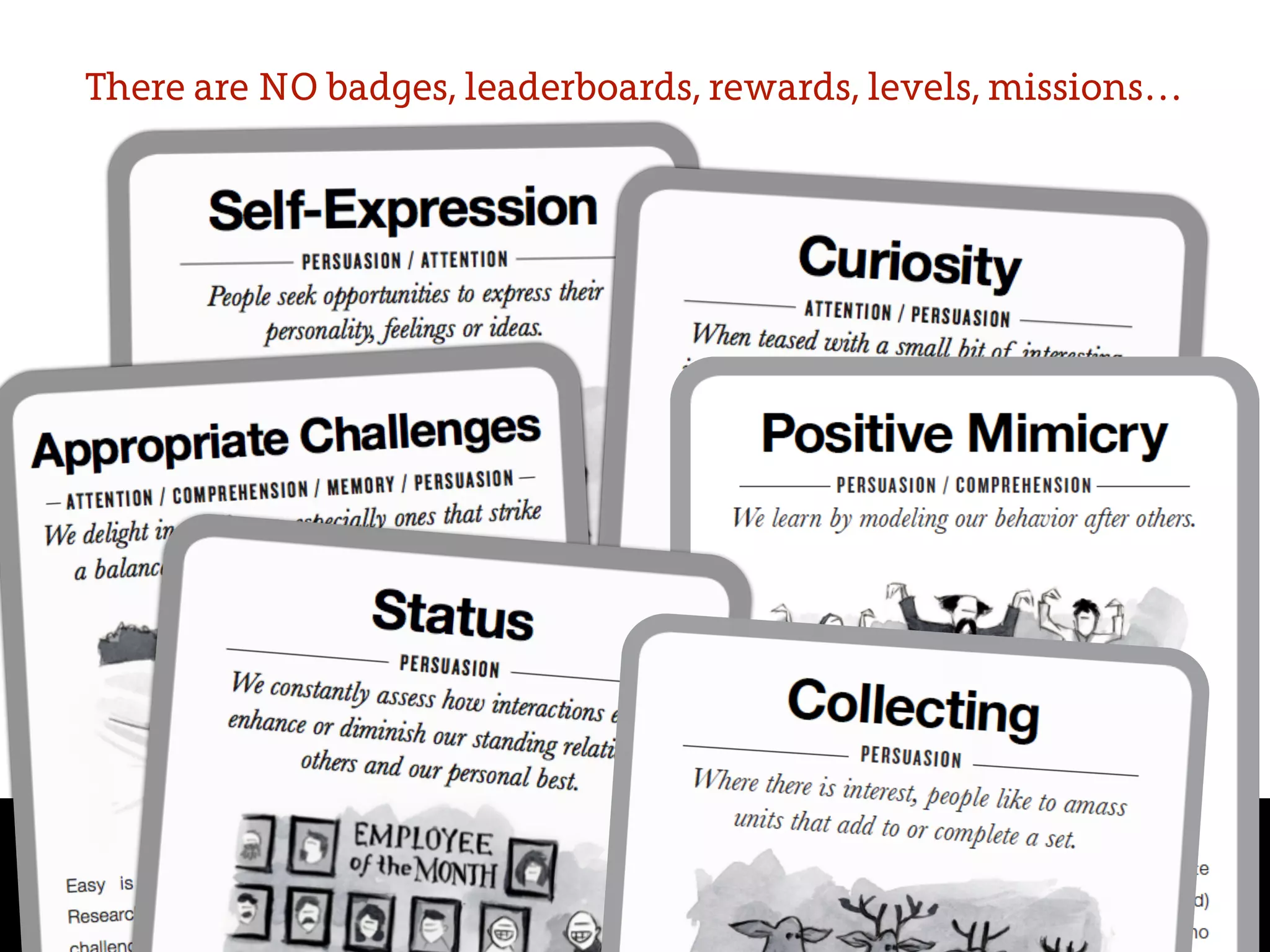
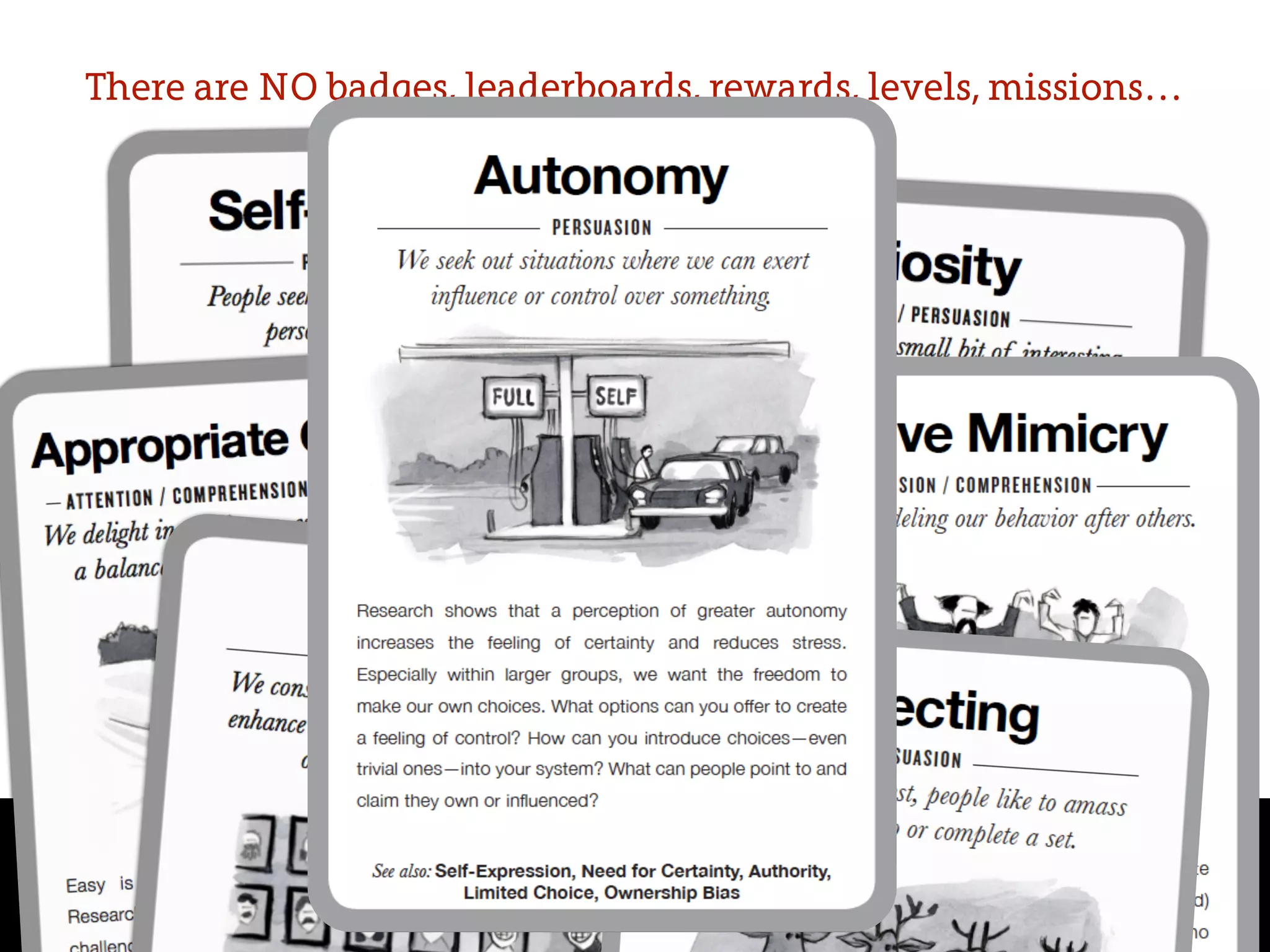
There are NO badges, leaderboards, rewards, levels, missions…
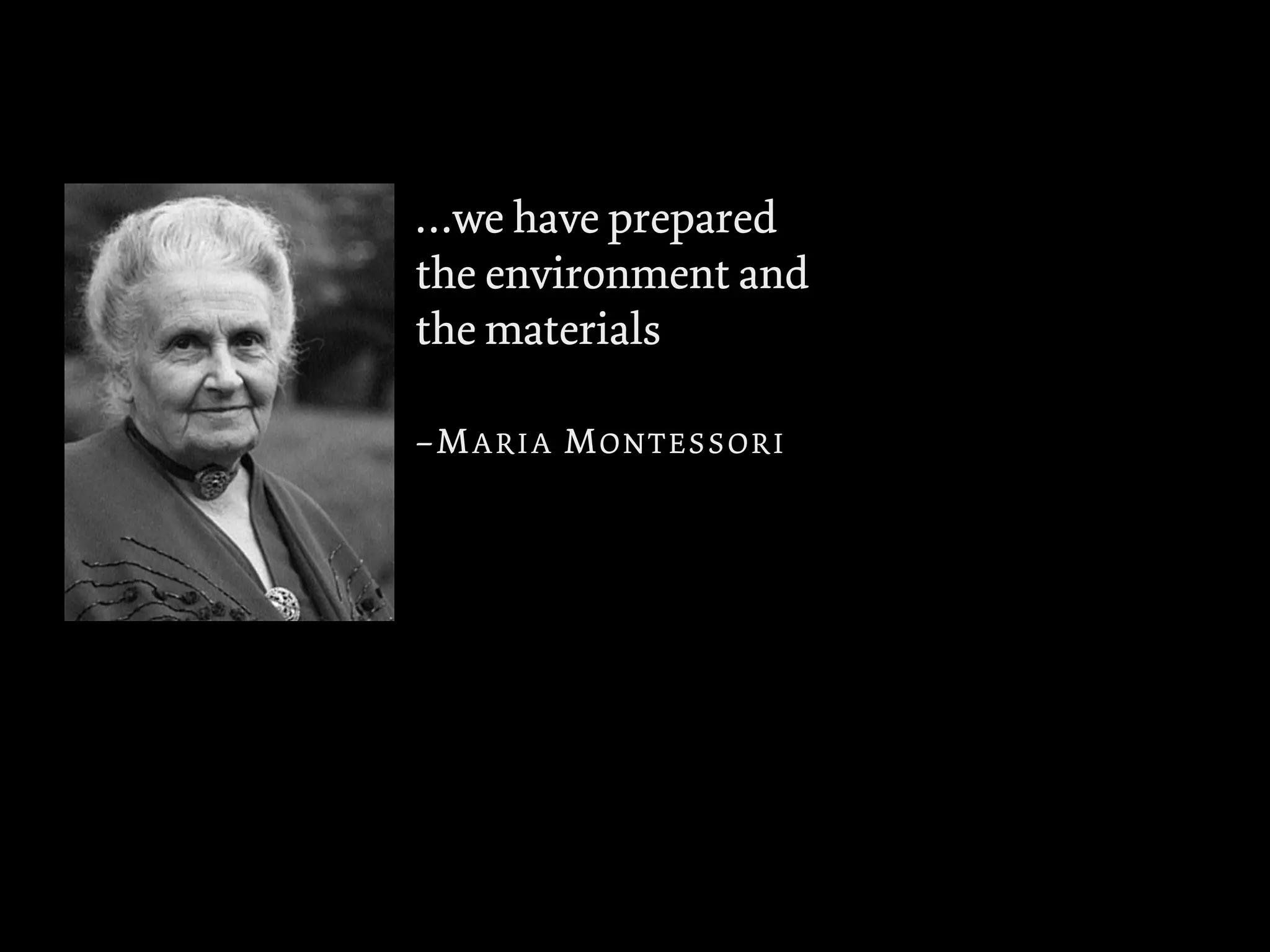
…we have prepared
the environment and
the materials

–MARIA MONTESSORI
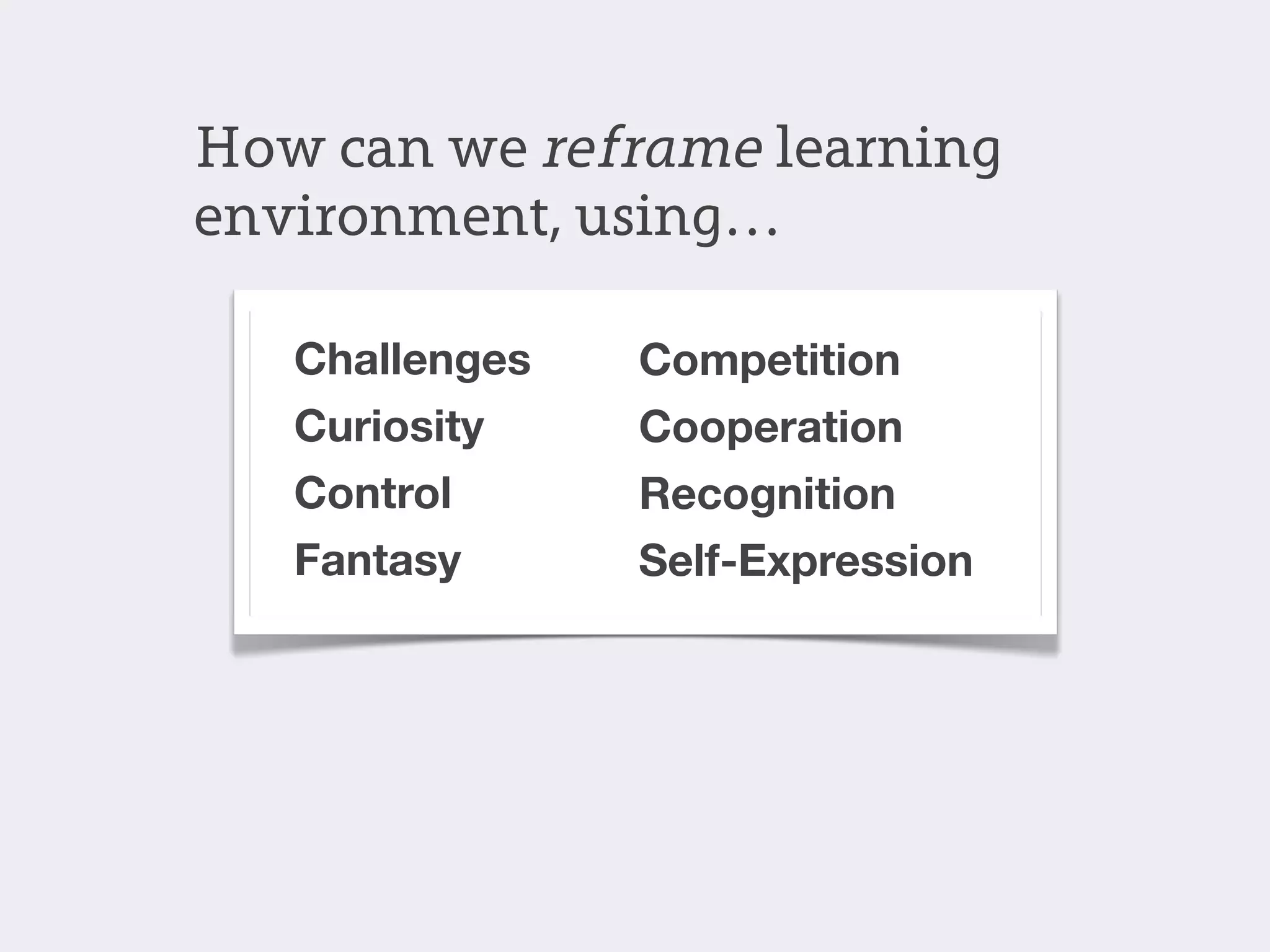
How can we reframe learning
environment, using…

   Challenges   Competition
   Curiosity    Cooperation
   Control      Recognition
   Fantasy      Self-Expression
We learn through...
1                                     is the most relevant, powerful form of
    self-directed learning            learning (70/20/10, experiential learning, etc.)
    (and well-framed challenges)

2   visual imagery                    aids in comprehension (and recall), reveals
                                      patterns and relationships


3   conceptual metaphors              accelerate comprehension of new ideas
                                      through a rich set of cognitive associations
    (and narratives)

4   playful interactions              are engaging, personalized, lead to pattern
                                      recognition as well as serendipitous
                                      accidents and discoveries

5   immediate feedback loops          allow us to auto-correct and learn from
                                      mistakes


6                                     enable us to learn with the whole body
    embodied cognition
    (and multi-sensory experiences)

7   humor, surprise, delight          arouse the brain and are more likely to be
                                      recalled later on; amygdala is emotional
                                      center & index to memories
!"#$%&'%&$()$*+%+('$,-'$!"#$%&'$.+,/$
("0$.-1&#'%$-'2$%"304&$2+5&#&',&%666

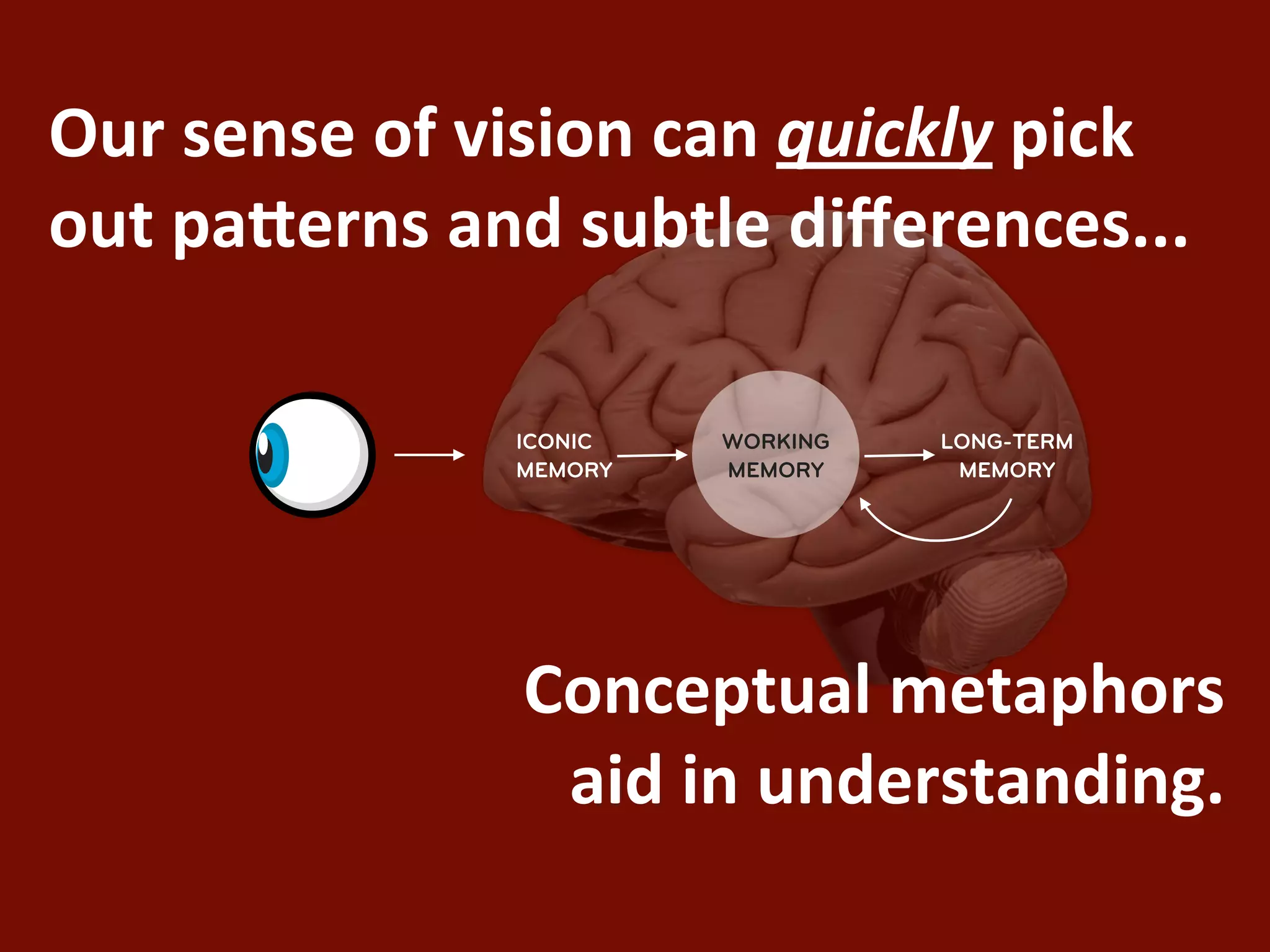
               ICONIC   WORKING   LONG-TERM
               MEMORY   MEMORY     MEMORY
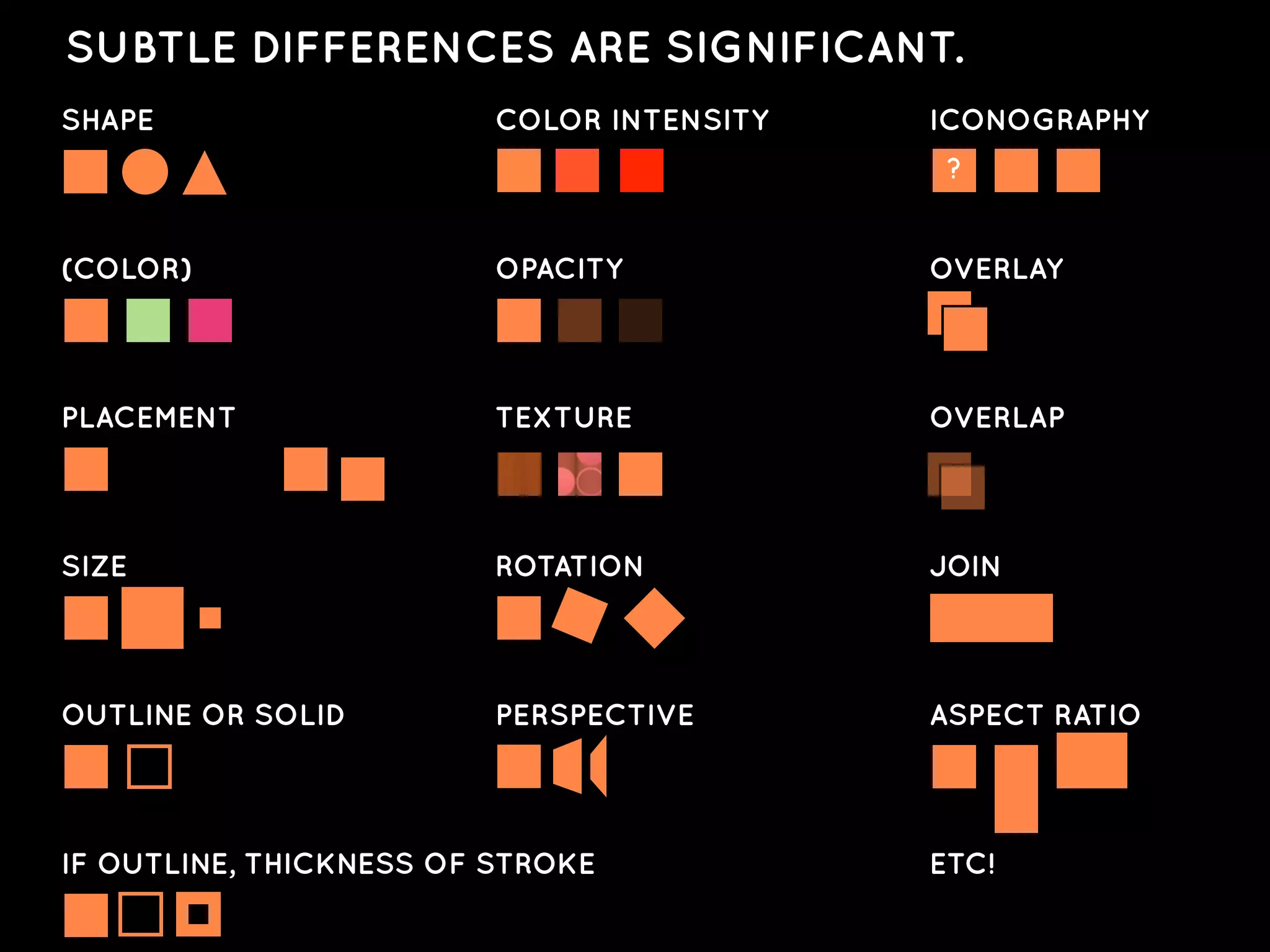
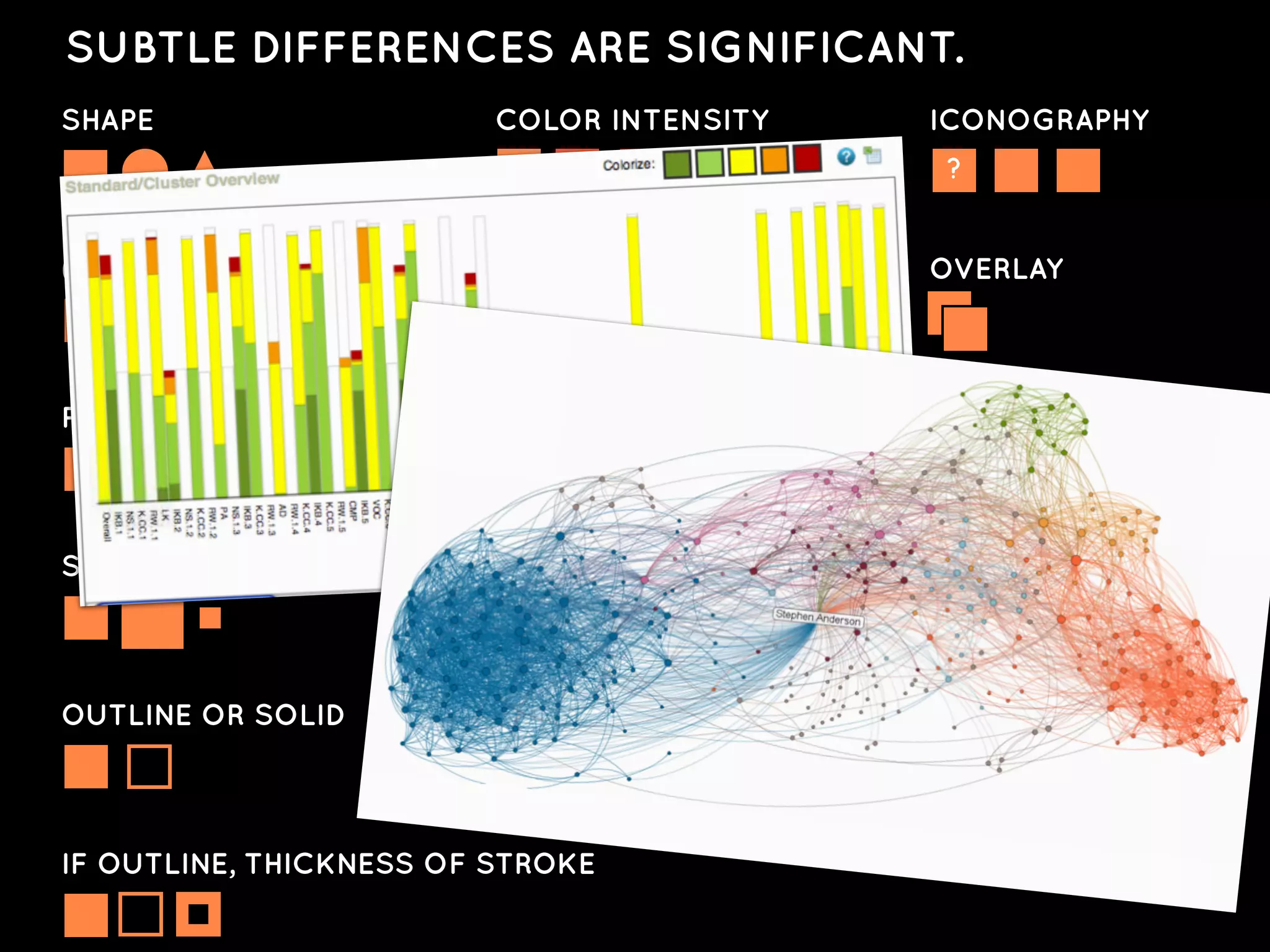
SUBTLE DIFFERENCES ARE SIGNIFICANT.
Subtle differences are significant.
SHAPE                    COLOR INTENSITY   ICONOGRAPHY
                                            ?


(COLOR)                  OPACITY           OVERLAY


PLACEMENT                TEXTURE           OVERLAP


SIZE                     ROTATION          JOIN


OUTLINE OR SOLID         PERSPECTIVE       ASPECT RATIO


IF OUTLINE, THICKNESS OF STROKE            ETC!
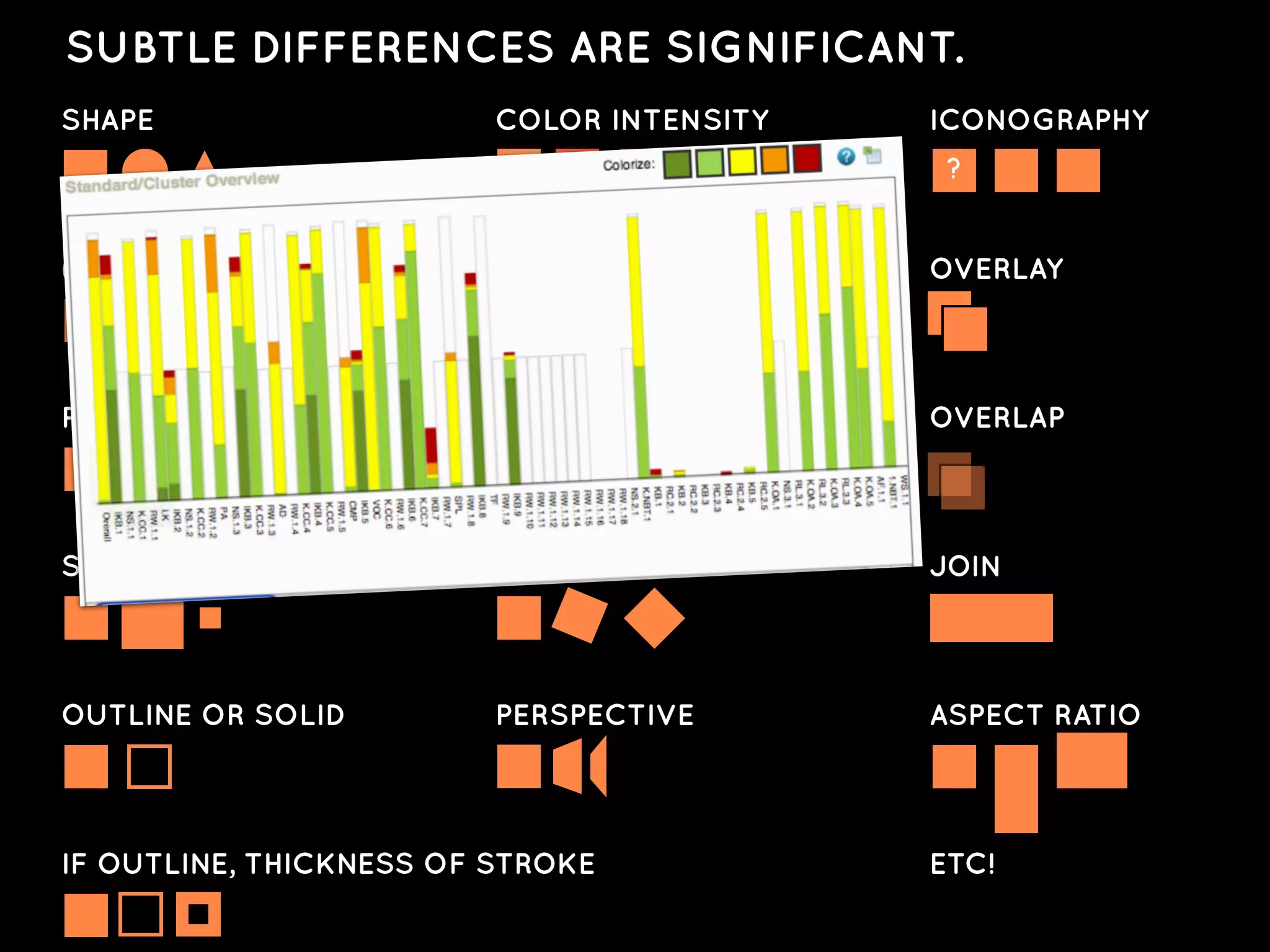
SUBTLE DIFFERENCES ARE SIGNIFICANT.
Subtle differences are significant.
SHAPE                    COLOR INTENSITY   ICONOGRAPHY
                                            ?


(COLOR)                  OPACITY           OVERLAY


PLACEMENT                TEXTURE           OVERLAP


SIZE                     ROTATION          JOIN


OUTLINE OR SOLID         PERSPECTIVE       ASPECT RATIO


IF OUTLINE, THICKNESS OF STROKE            ETC!
SUBTLE DIFFERENCES ARE SIGNIFICANT.
Subtle differences are significant.
SHAPE                    COLOR INTENSITY   ICONOGRAPHY
                                            ?


(COLOR)                  OPACITY           OVERLAY


PLACEMENT                TEXTURE           OVERLAP


SIZE                     ROTATION          JOIN


OUTLINE OR SOLID         PERSPECTIVE       ASPECT RATIO


IF OUTLINE, THICKNESS OF STROKE            ETC!
“SMALL DATA” PROBLEMS
We learn through...
1                                     is the most relevant, powerful form of
    self-directed learning            learning (70/20/10, experiential learning, etc.)
    (and well-framed challenges)

2   visual imagery                    aids in comprehension (and recall), reveals
                                      patterns and relationships


3   conceptual metaphors              accelerate comprehension of new ideas
                                      through a rich set of cognitive associations
    (and narratives)

4   playful interactions              are engaging, personalized, lead to pattern
                                      recognition as well as serendipitous
                                      accidents and discoveries

5   immediate feedback loops          allow us to auto-correct and learn from
                                      mistakes


6                                     enable us to learn with the whole body
    embodied cognition
    (and multi-sensory experiences)

7   humor, surprise, delight          arouse the brain and are more likely to be
                                      recalled later on; amygdala is emotional
                                      center & index to memories
!"#$%&'%&$()$*+%+('$,-'$!"#$%&'$.+,/$
("0$.-1&#'%$-'2$%"304&$2+5&#&',&%666

               ICONIC   WORKING   LONG-TERM
               MEMORY   MEMORY     MEMORY


               7(',&.0"-4$8&0-.9(#%$
                -+2$+'$"'2&#%0-'2+':6
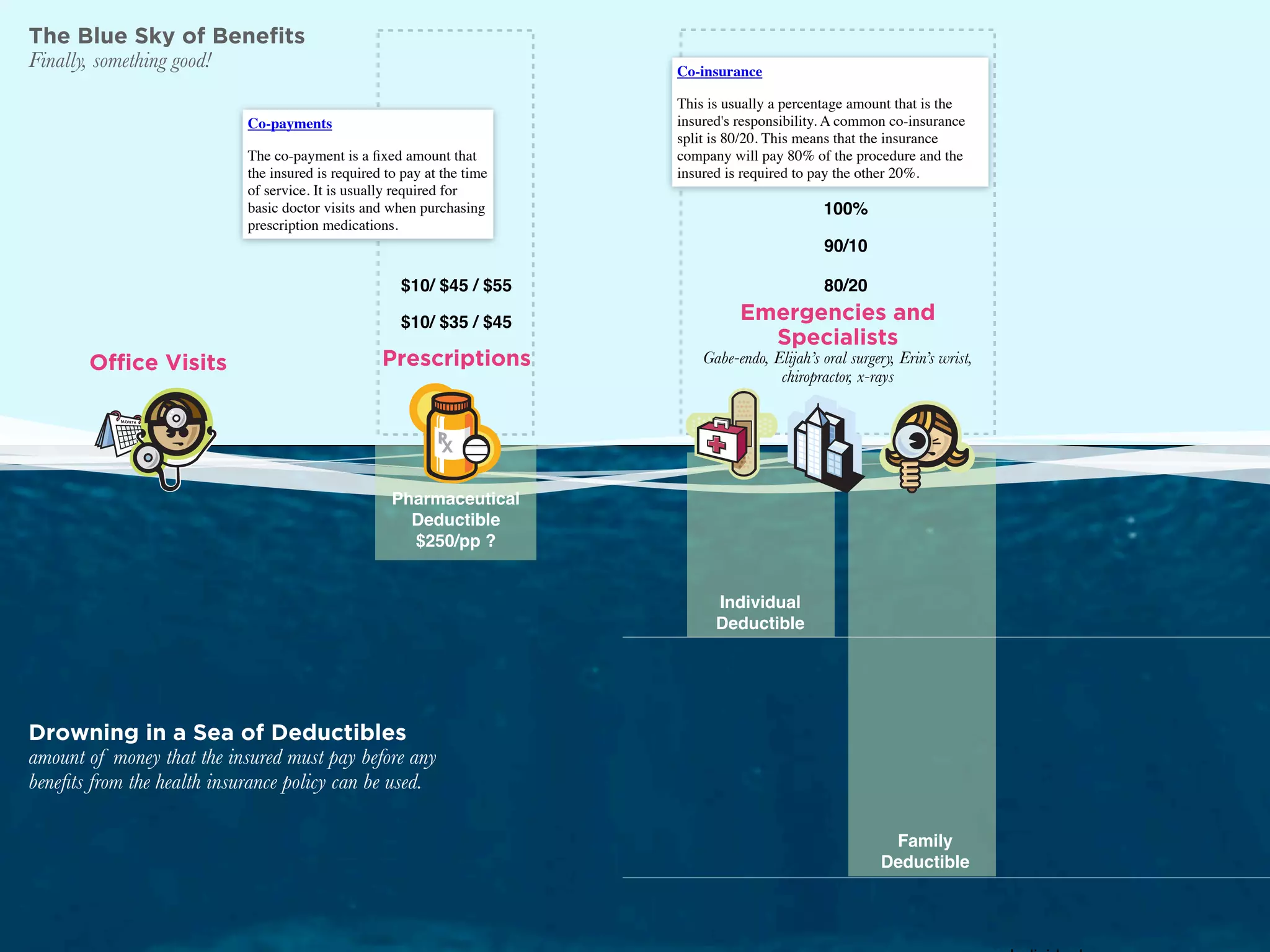
The Blue Sky of Benefits
Finally, something good!                                                 Co-insurance

                                                                         This is usually a percentage amount that is the
                            Co-payments                                  insured's responsibility. A common co-insurance
                                                                         split is 80/20. This means that the insurance
                            The co-payment is a fixed amount that         company will pay 80% of the procedure and the
                            the insured is required to pay at the time   insured is required to pay the other 20%.
                            of service. It is usually required for
                            basic doctor visits and when purchasing                               100%
                            prescription medications.
                                                                                                  90/10

                                                      $10/ $45 / $55                              80/20

                                                      $10/ $35 / $45               Emergencies and
                                                                                     Specialists
       Office Visits                               Prescriptions             Gabe-endo, Elijah’s oral surgery, Erin’s wrist,
                                                                                         chiropractor, x-rays


                                                     Pharmaceutical
                                                       Deductible
                                                       $250/pp ?


                                                                               Individual
                                                                               Deductible


Drowning in a Sea of Deductibles
amount of money that the insured must pay before any
benefits from the health insurance policy can be used.

                                                                                                             Family
                                                                                                            Deductible
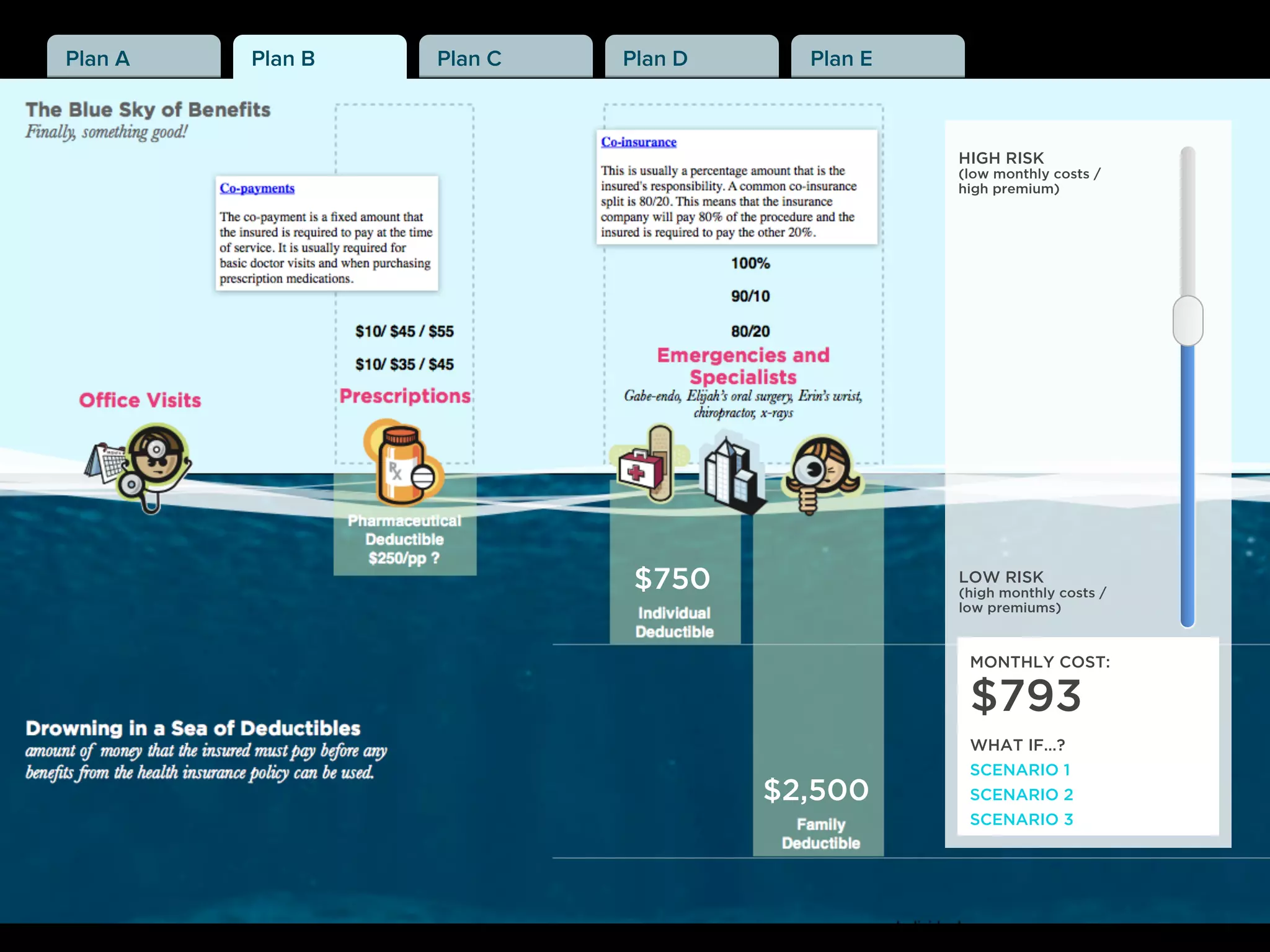
Plan A   Plan B   Plan C   Plan D     Plan E


                                               HIGH RISK
                                               (low monthly costs /
                                               high premium)


                            $750               LOW RISK
                                               (high monthly costs /
                                               low premiums)


                                                MONTHLY COST:

                                                $793
                                                WHAT IF…?
                                                SCENARIO 1
                                    $2,500      SCENARIO 2
                                                SCENARIO 3
We learn through...
1                                     is the most relevant, powerful form of
    self-directed learning            learning (70/20/10, experiential learning, etc.)
    (and well-framed challenges)

2   visual imagery                    aids in comprehension (and recall), reveals
                                      patterns and relationships


3   conceptual metaphors              accelerate comprehension of new ideas
                                      through a rich set of cognitive associations
    (and narratives)

4   playful interactions              are engaging, personalized, lead to pattern
                                      recognition as well as serendipitous
                                      accidents and discoveries

5   immediate feedback loops          allow us to auto-correct and learn from
                                      mistakes


6                                     enable us to learn with the whole body
    embodied cognition
    (and multi-sensory experiences)

7   humor, surprise, delight          arouse the brain and are more likely to be
                                      recalled later on; amygdala is emotional
                                      center & index to memories
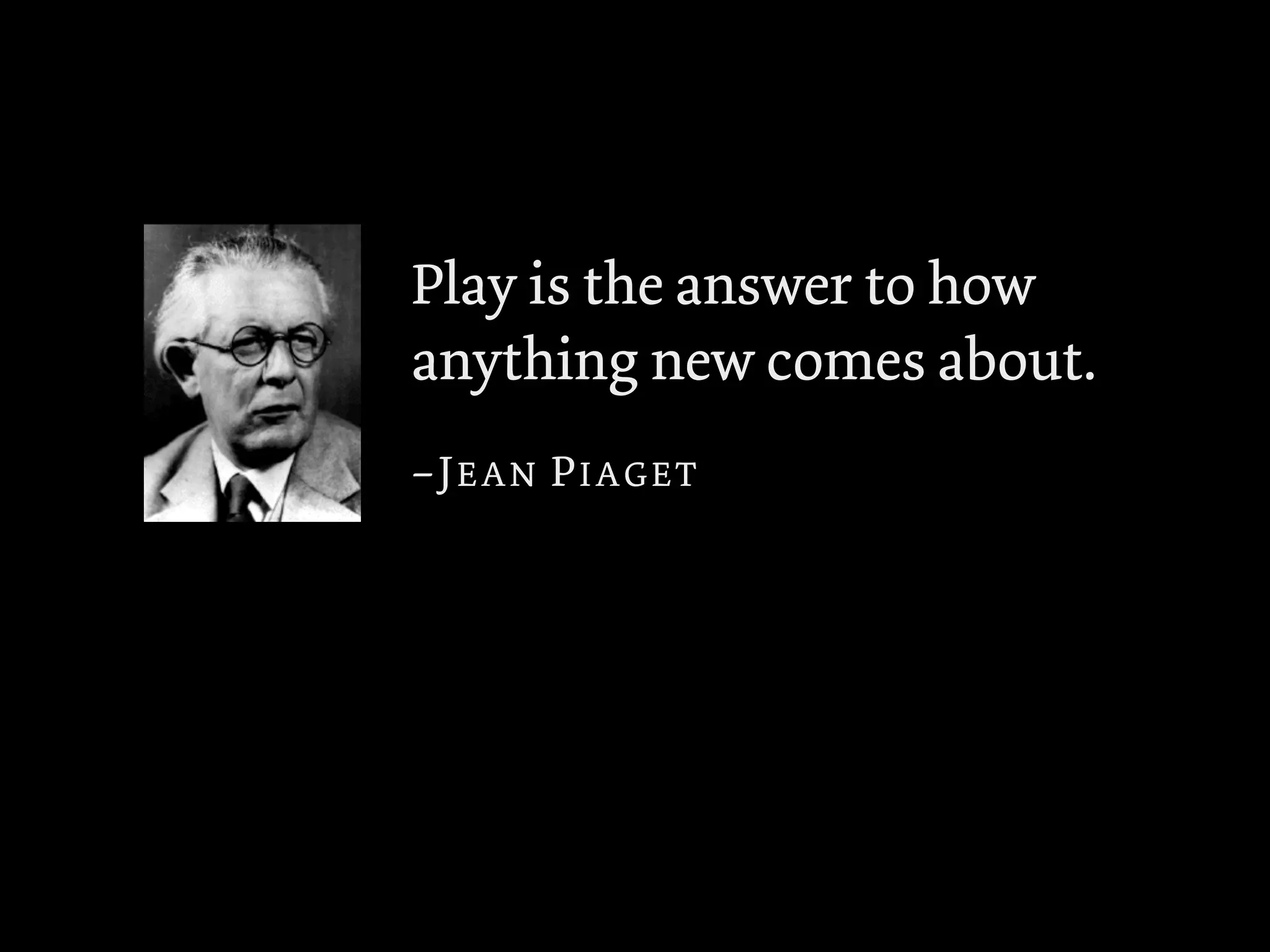
Play is the answer to how
anything new comes about.
–JEAN PIAGET
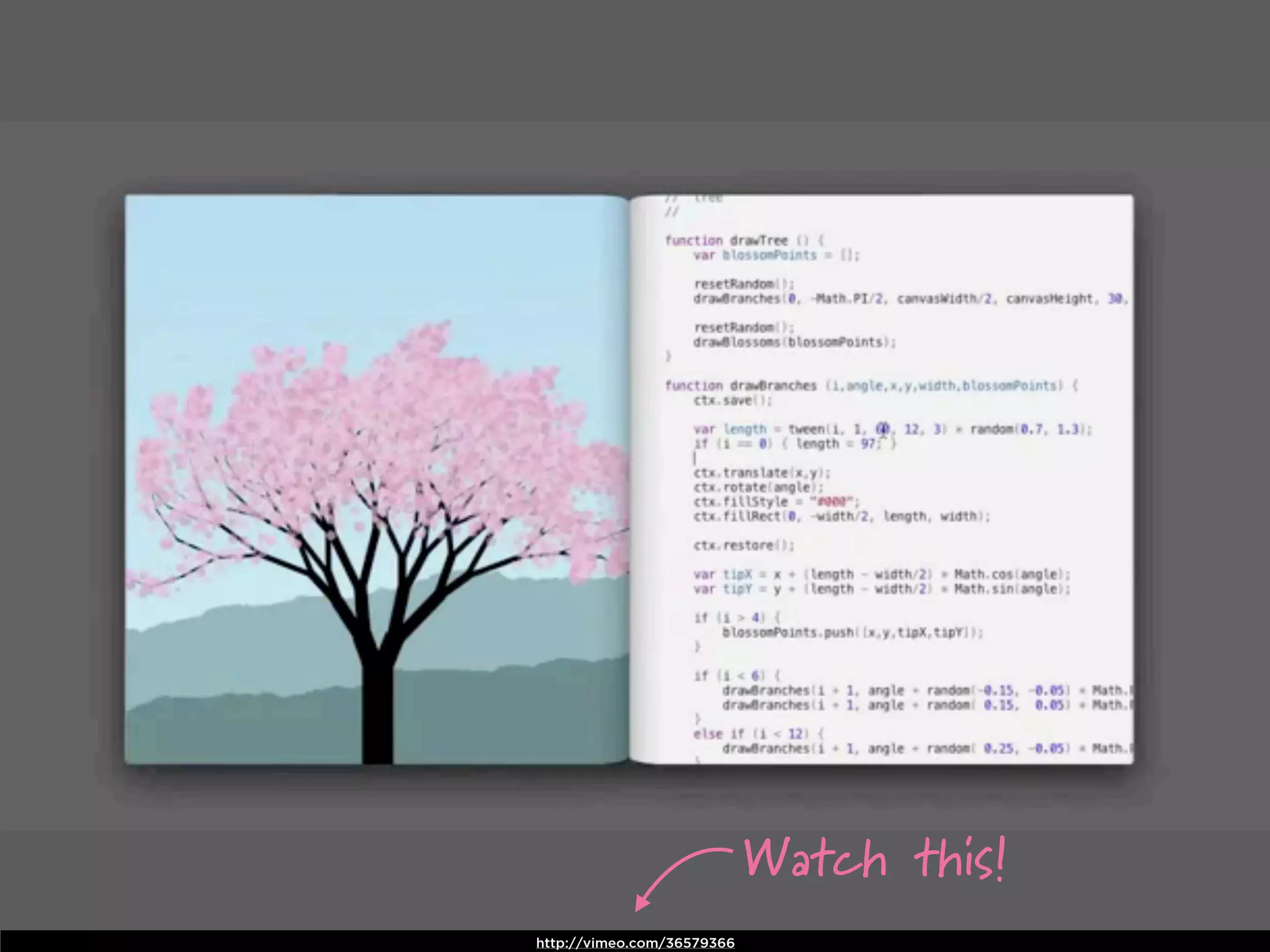
http://vimeo.com/36579366
Watch this!
http://vimeo.com/36579366
We learn through...
1                                     is the most relevant, powerful form of
    self-directed learning            learning (70/20/10, experiential learning, etc.)
    (and well-framed challenges)

2   visual imagery                    aids in comprehension (and recall), reveals
                                      patterns and relationships


3   conceptual metaphors              accelerate comprehension of new ideas
                                      through a rich set of cognitive associations
    (and narratives)

4   playful interactions              are engaging, personalized, lead to pattern
                                      recognition as well as serendipitous
                                      accidents and discoveries

5   immediate feedback loops          allow us to auto-correct and learn from
                                      mistakes


6                                     enable us to learn with the whole body
    embodied cognition
    (and multi-sensory experiences)

7   humor, surprise, delight          arouse the brain and are more likely to be
                                      recalled later on; amygdala is emotional
                                      center & index to memories
http://letsfreckle.com/
We learn through...
1                                     is the most relevant, powerful form of
    self-directed learning            learning (70/20/10, experiential learning, etc.)
    (and well-framed challenges)

2   visual imagery                    aids in comprehension (and recall), reveals
                                      patterns and relationships


3   conceptual metaphors              accelerate comprehension of new ideas
                                      through a rich set of cognitive associations
    (and narratives)

4   playful interactions              are engaging, personalized, lead to pattern
                                      recognition as well as serendipitous
                                      accidents and discoveries

5   immediate feedback loops          allow us to auto-correct and learn from
                                      mistakes


6                                     enable us to learn with the whole body
    embodied cognition
    (and multi-sensory experiences)

7   humor, surprise, delight          arouse the brain and are more likely to be
                                      recalled later on; amygdala is emotional
                                      center & index to memories
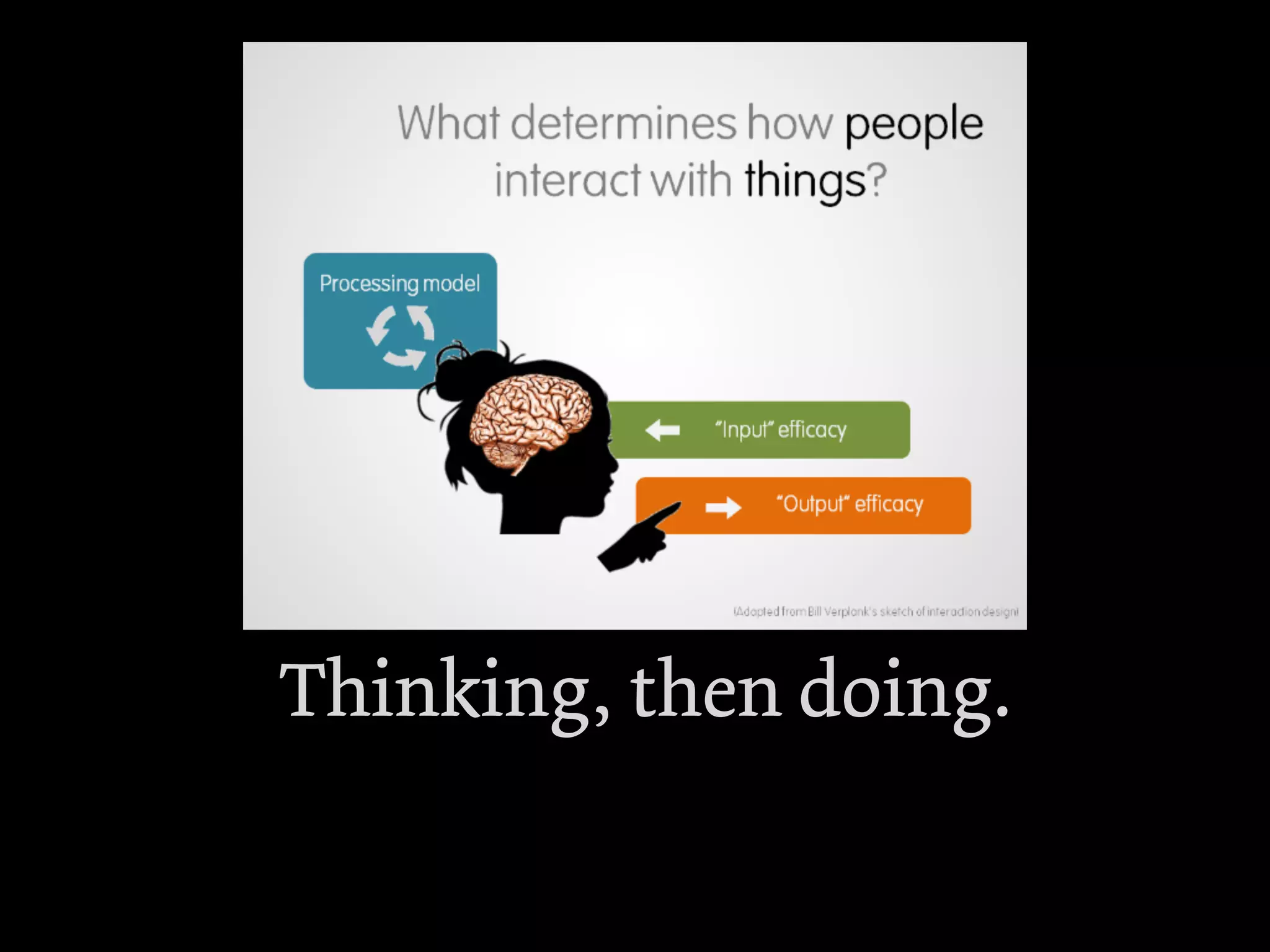
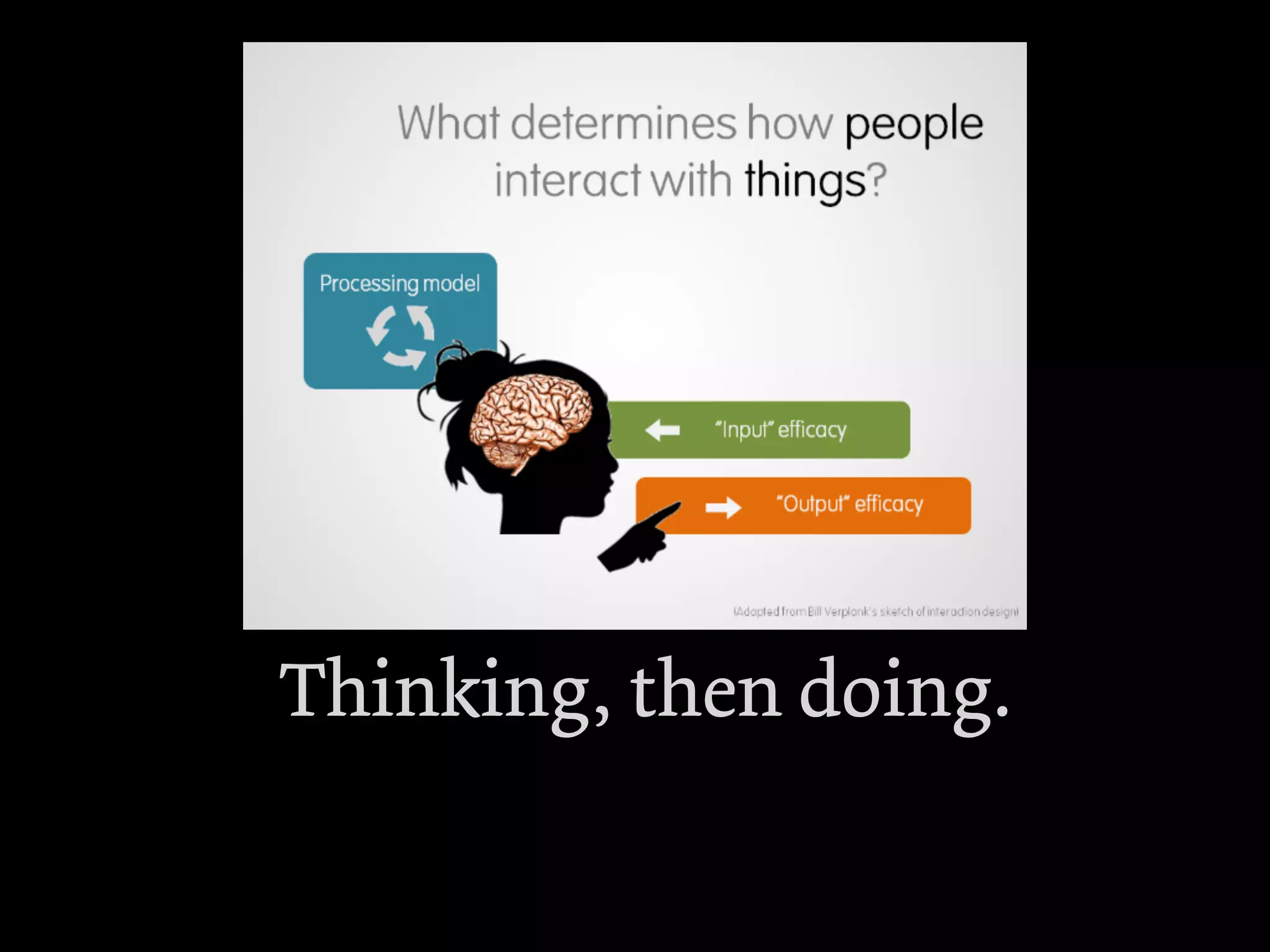
Thinking, then doing.
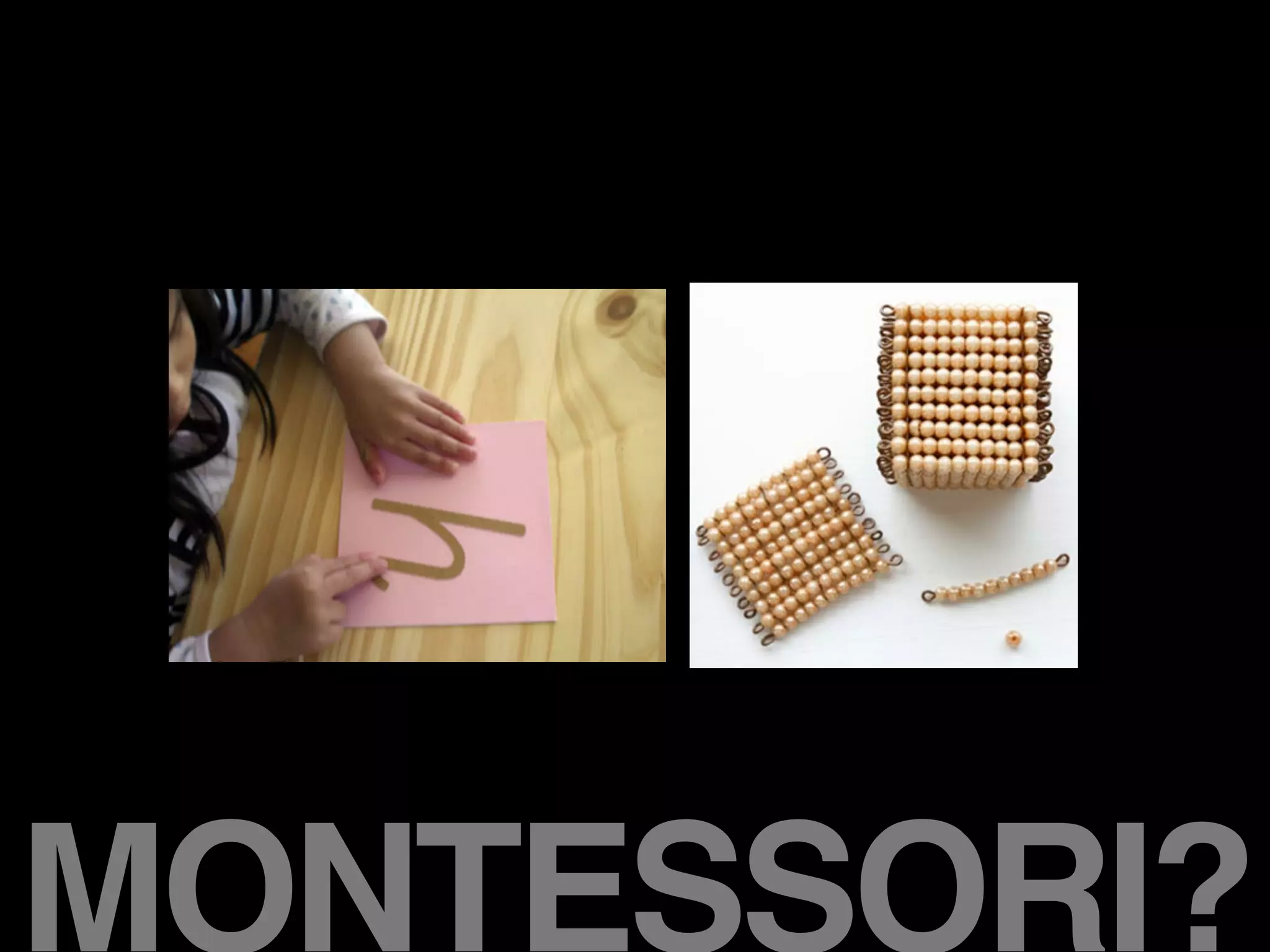
MONTESSORI?
“pick up the pencil”
A Walk Through the Solar System


    http://solarsystem.nasa.gov/yss/display.cfm?ThemeID=1&Tab=Featured%20Activity
http://www.airspacemag.com/space-exploration/A-Walk-Through-the-Solar-System.html#
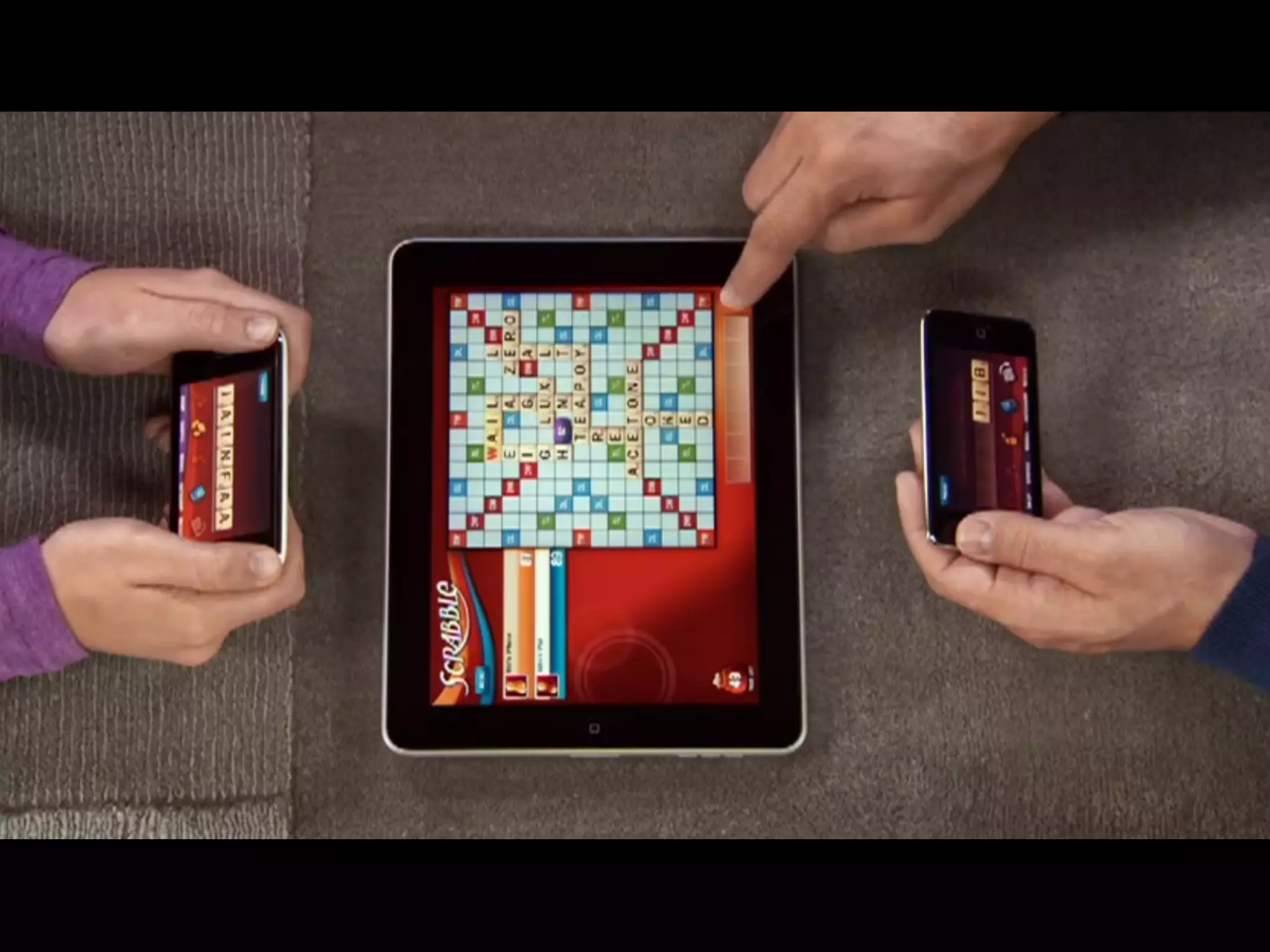
“By rearranging the board, the player acquired information that was otherwise
 difficult to perceive. Although she could have acquired this information by
 mentally simulating the move, it was simpler and faster to physically carry out
 the move and then reverse it. More importantly, the problem space is now partly
 in the head and partly in the world, with interaction linking and blending these
 two spaces together.

Interacting with the environment—in this example, rearranging it to address an
immediate epistemic need—can generate insight into a problem by treating the
environment as a resource for reducing cognitive complexity. Instead of relying
exclusively on an internal representation, the player creates, and operates on, an
external representation of the problem space. Thus, interaction creates both
physical and informational changes in the environment. The player can then
leverage these informational changes to simplify cognitively complex tasks.”

— KARL FAST, “Interaction and the epistemic potential of digital libraries”
“By rearranging the board, the player acquired information that was otherwise
 difficult to perceive. Although she could have acquired this information by
 mentally simulating the move, it was simpler and faster to physically carry out
 the move and then reverse it. More importantly, the problem space is now partly
 in the head and partly in the world, with interaction linking and blending these
 two spaces together.

Interacting with the environment—in this example, rearranging it to address an
immediate epistemic need—can generate insight into a problem by treating the
environment as a resource for reducing cognitive complexity. Instead of relying
exclusively on an internal representation, the player creates, and operates on, an
external representation of the problem space. Thus, interaction creates both
physical and informational changes in the environment. The player can then
leverage these informational changes to simplify cognitively complex tasks.”

— KARL FAST, “Interaction and the epistemic potential of digital libraries”


                                                                              Read this!
                                 http://www.springerlink.com/content/4755373gw24g00l8/?MUD=MP
Thinking, then doing.
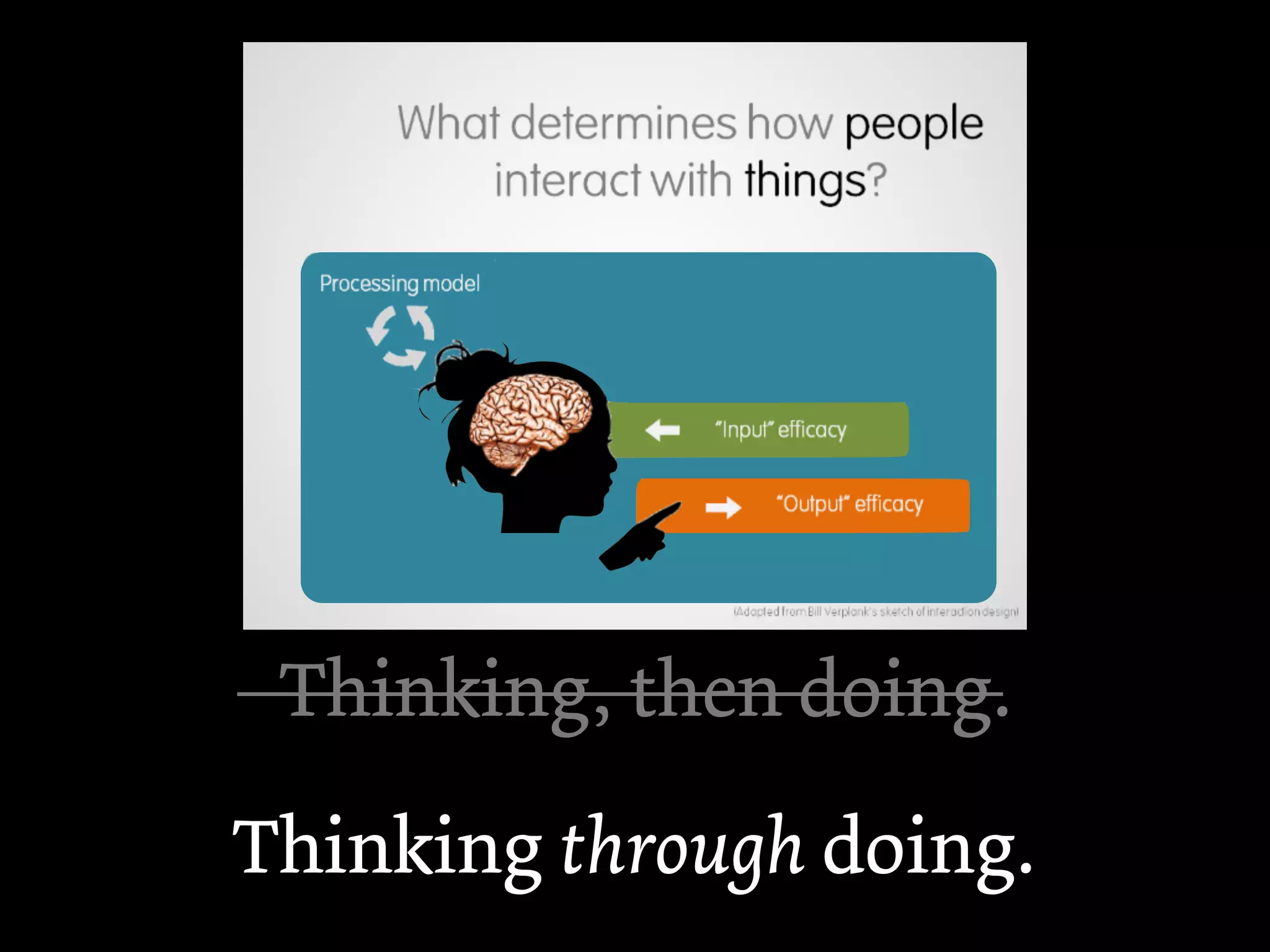
Thinking through doing.
PRAGMATIC
(Actions performed to bring one physically closer to a goal)


                          VS

 EPISTEMIC ACTIONS
     (Actions that use the world to improve cognition)


 Thinking, then doing.
Thinking through doing.
We learn through...
1                                     is the most relevant, powerful form of
    self-directed learning            learning (70/20/10, experiential learning, etc.)
    (and well-framed challenges)

2   visual imagery                    aids in comprehension (and recall), reveals
                                      patterns and relationships


3   conceptual metaphors              accelerate comprehension of new ideas
                                      through a rich set of cognitive associations
    (and narratives)

4   playful interactions              are engaging, personalized, lead to pattern
                                      recognition as well as serendipitous
                                      accidents and discoveries

5   immediate feedback loops          allow us to auto-correct and learn from
                                      mistakes


6                                     enable us to learn with the whole body
    embodied cognition
    (and multi-sensory experiences)

7   humor, surprise, delight          arouse the brain and are more likely to be
                                      recalled later on; amygdala is emotional
                                      center & index to memories
Q: Where do new ideas come from?
A: The intersection of fields,
disciplines, or cultures.


 New Technology
Sensor-Laded Devices, Smart Objects,
 Wearables, The Internet of Things
                                               Learning
                                       Psychology, Cognitive Neuroscience,
                                            Sense-Making, Education
Q: Where do new ideas come from?
A: The intersection of fields,
disciplines, or cultures.


 New Technology
Sensor-Laded Devices, Smart Objects,
 Wearables, The Internet of Things
                                               Learning
                                       Psychology, Cognitive Neuroscience,
                                            Sense-Making, Education
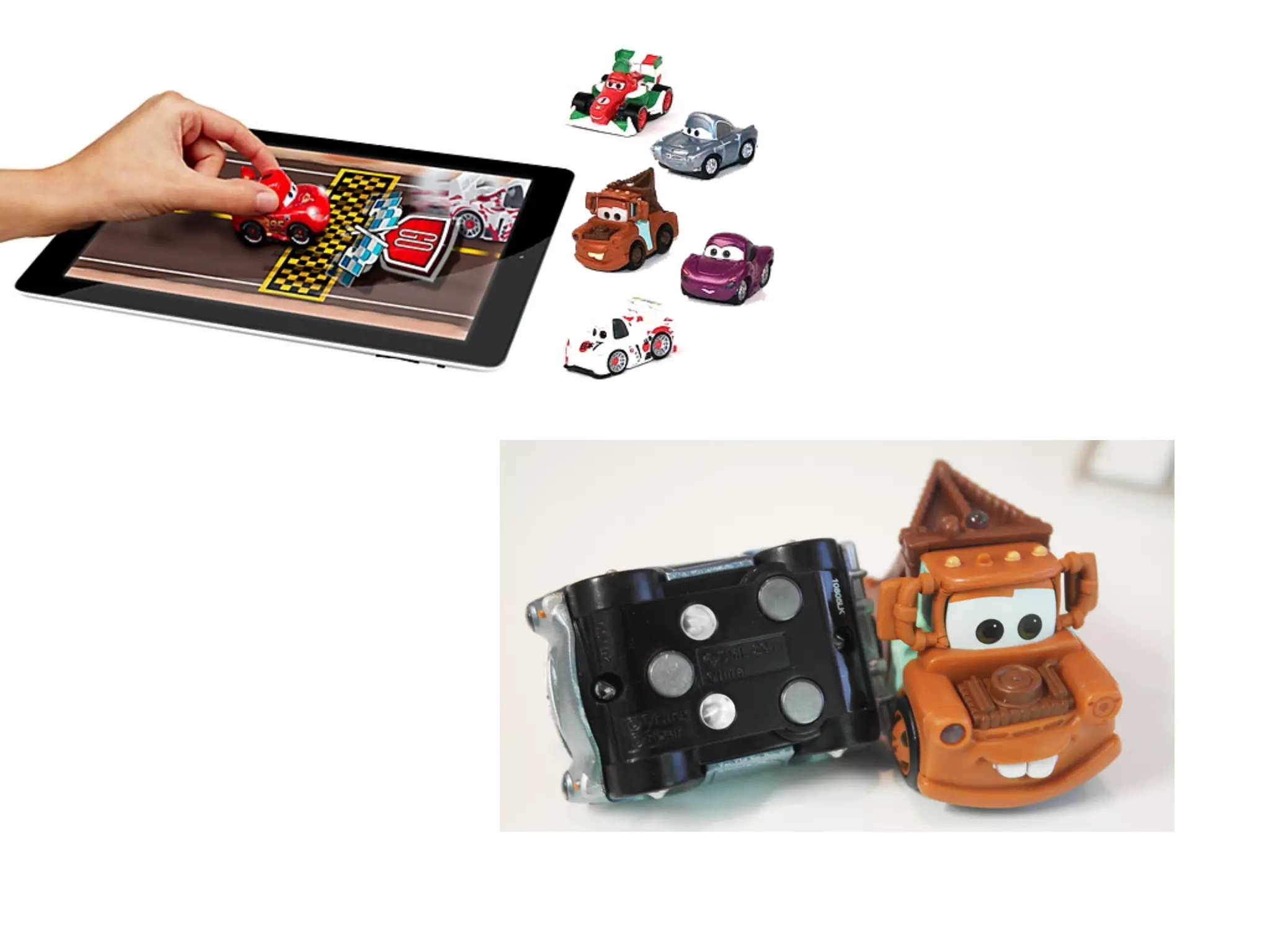
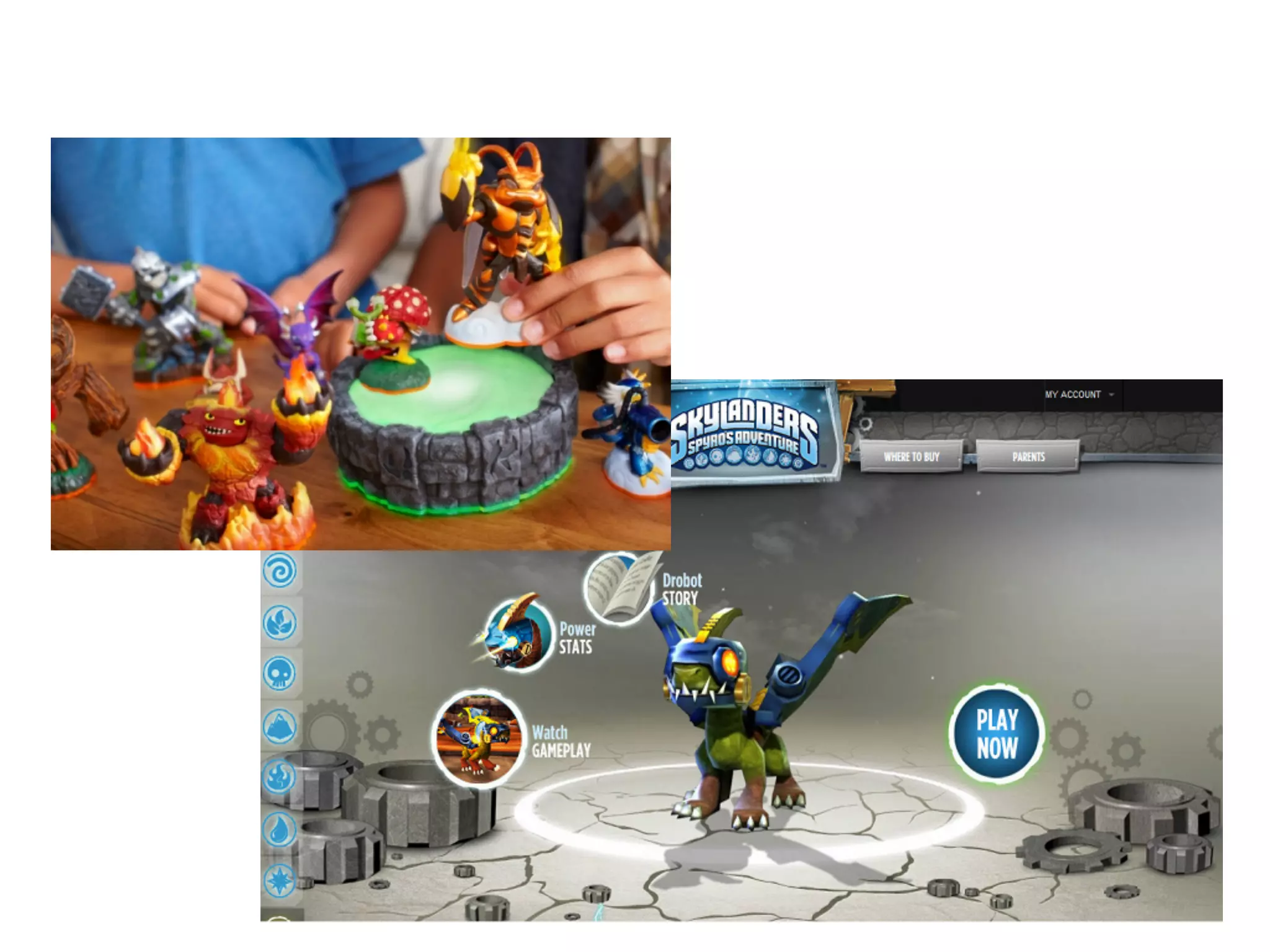
Let’s start with what’s already familiar…
https://www.youtube.com/watch?v=jRGLkj-PsCc&playnext=1&list=PL61C1FA48D599E306&feature=results_video
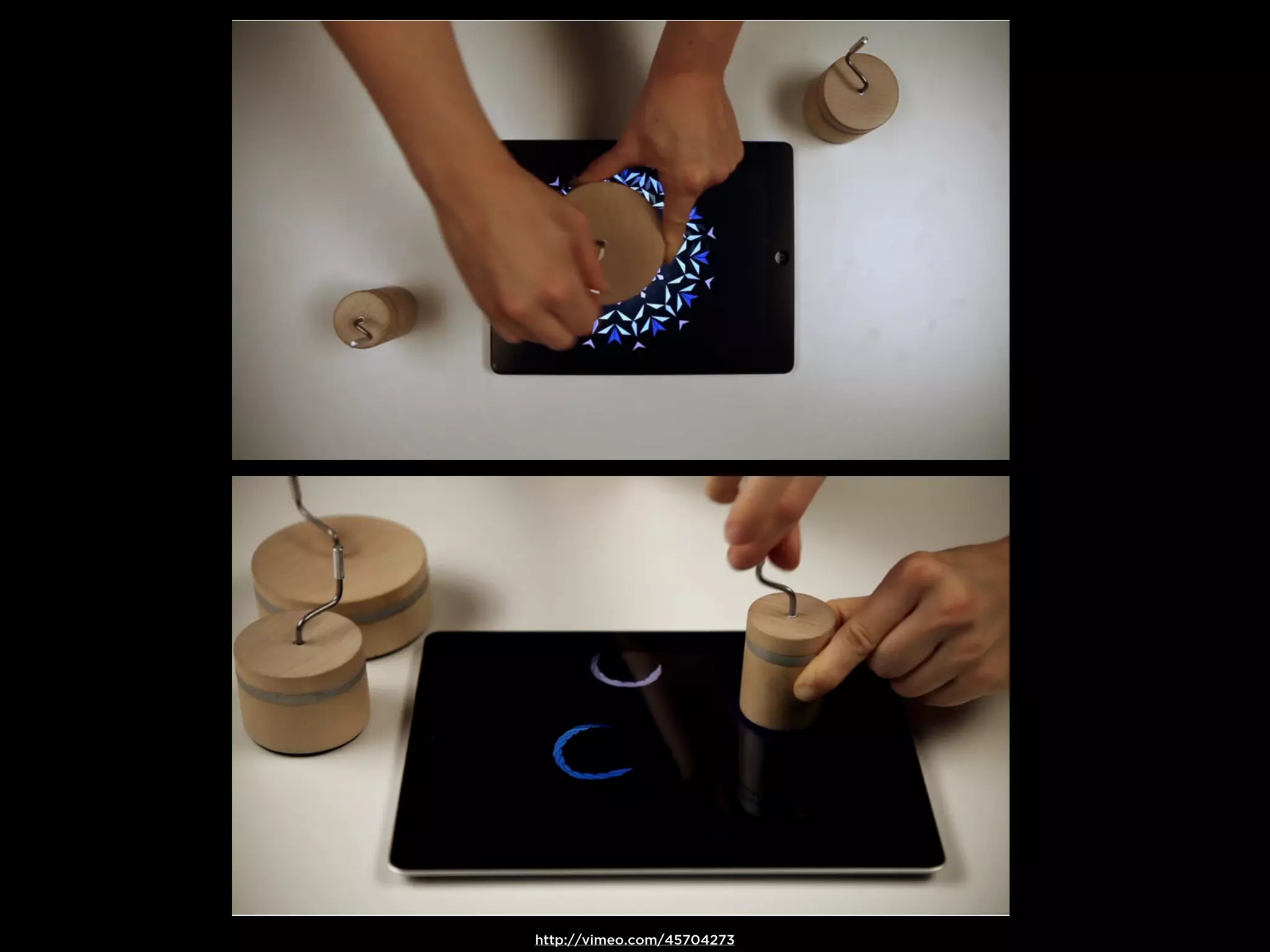
http://vimeo.com/45704273
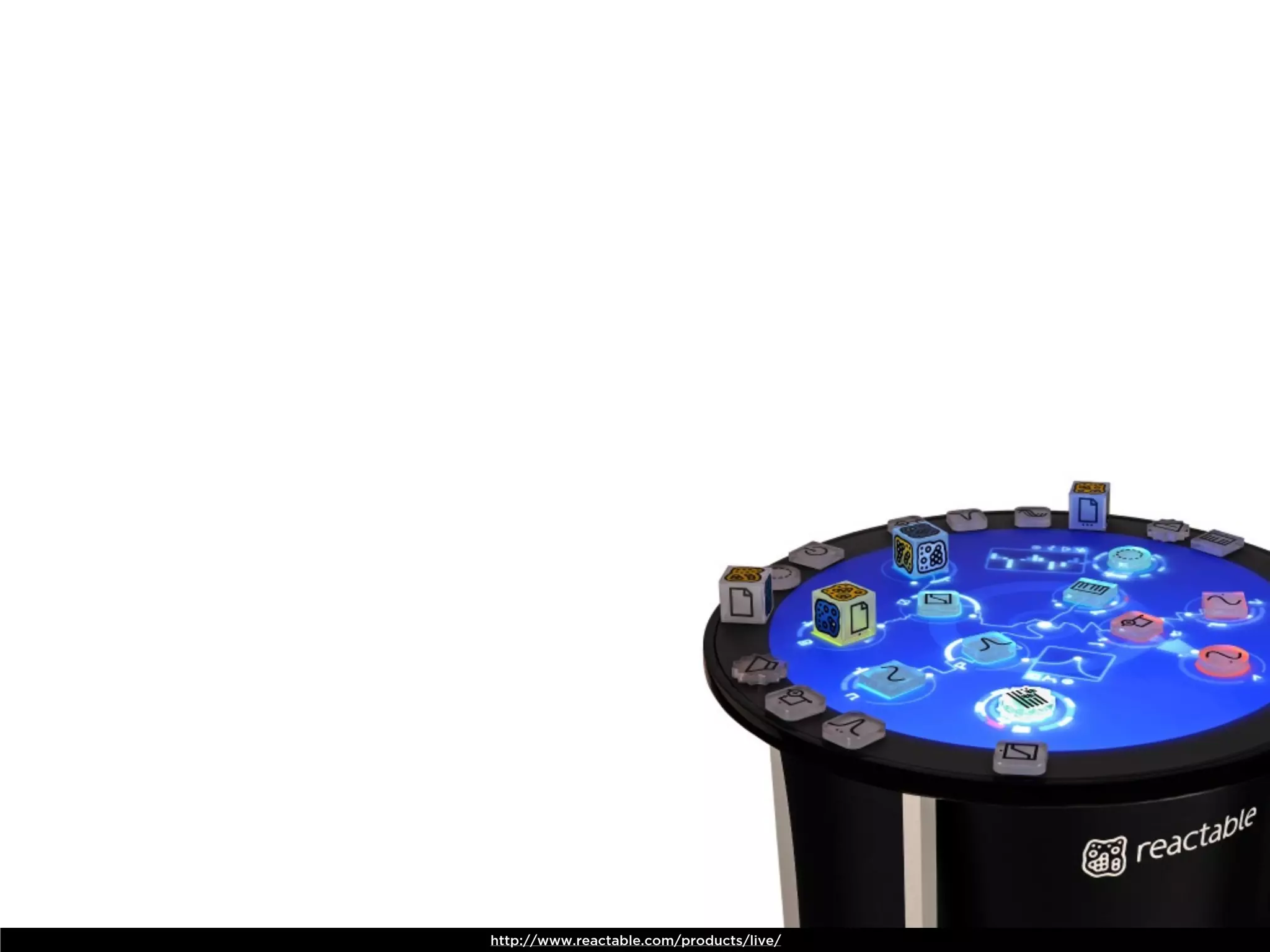
http://www.reactable.com/products/live/
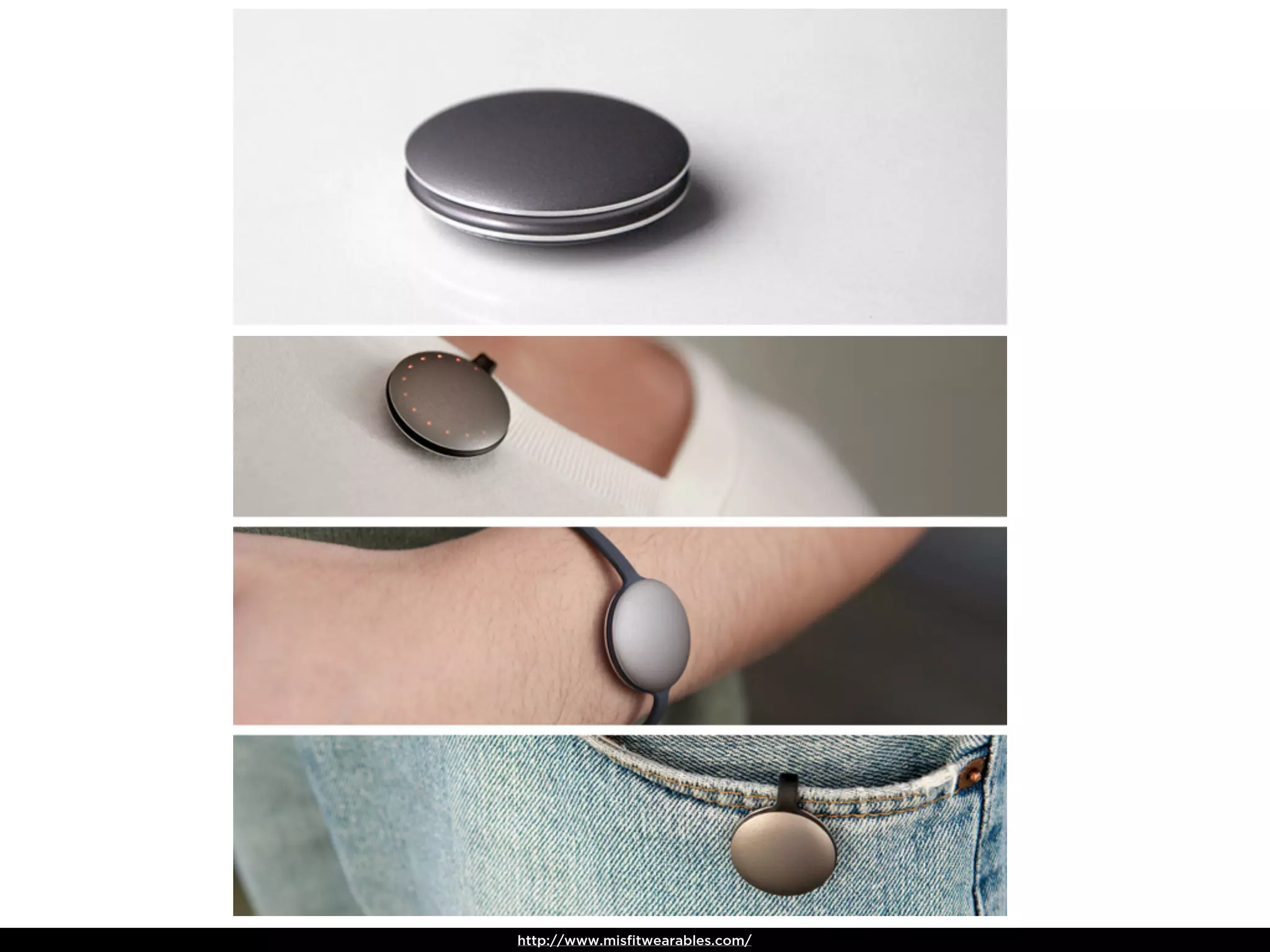
http://www.misfitwearables.com/
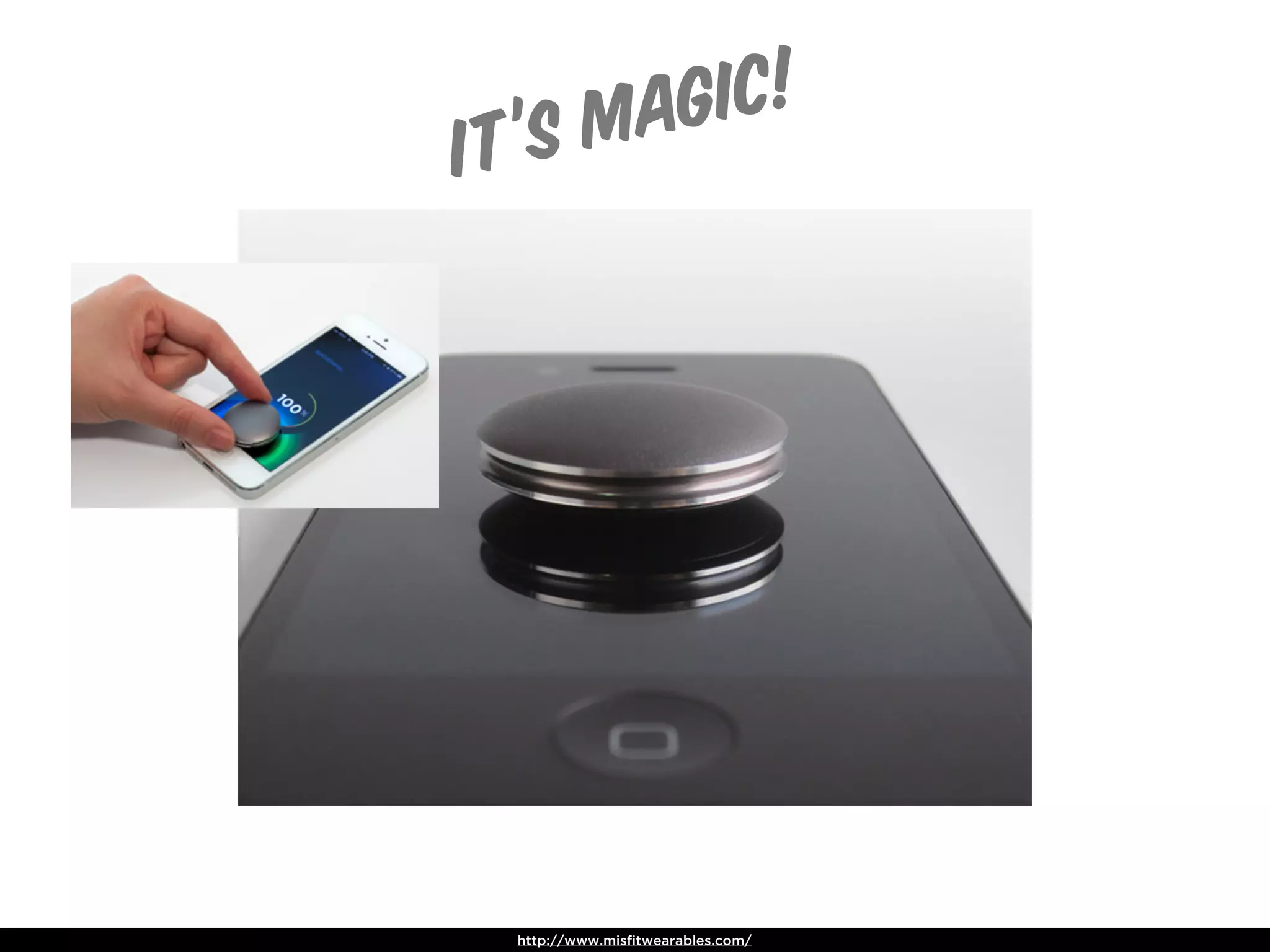
sM ag ic!
It’


  http://www.misfitwearables.com/
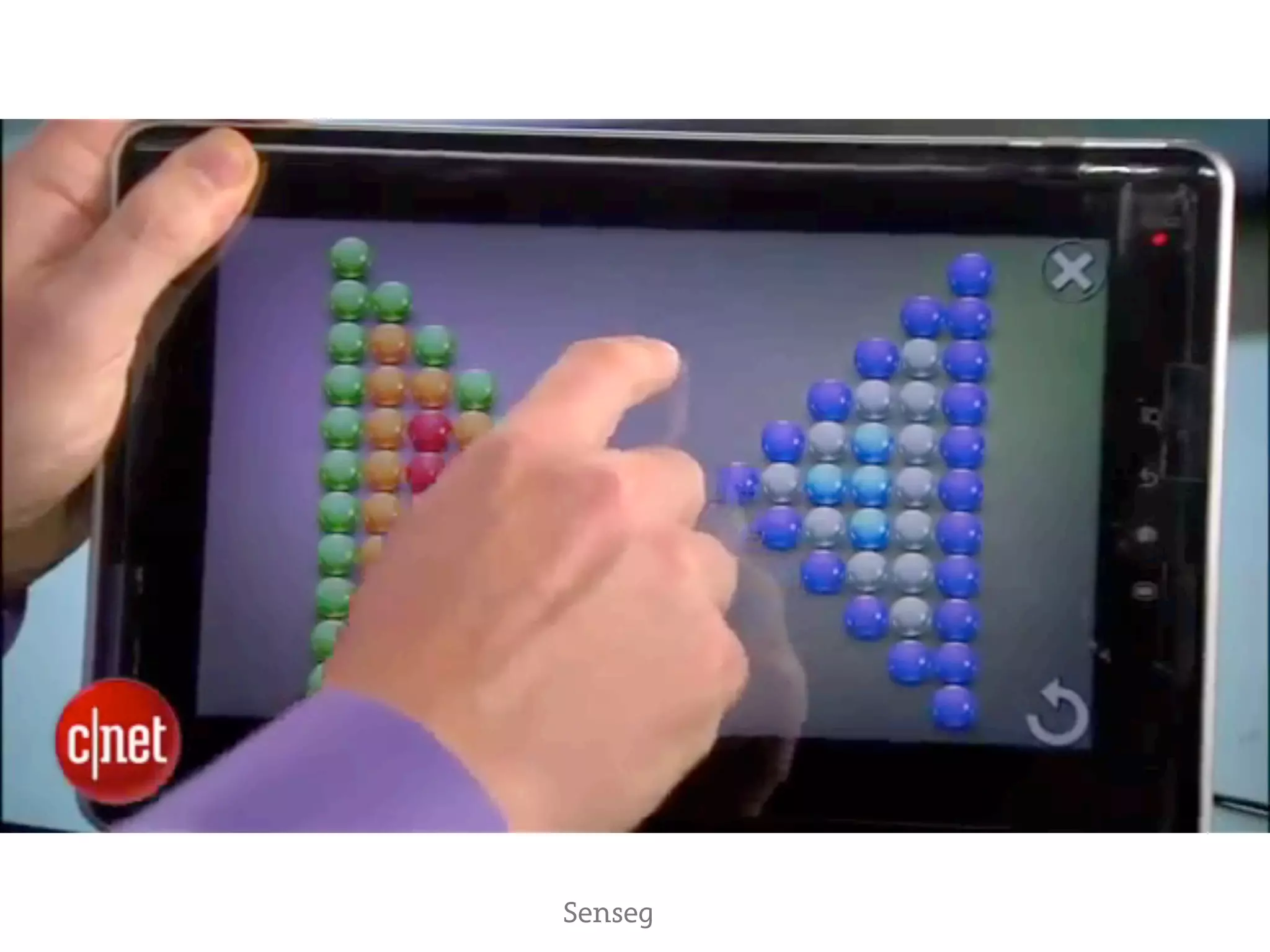
Senseg
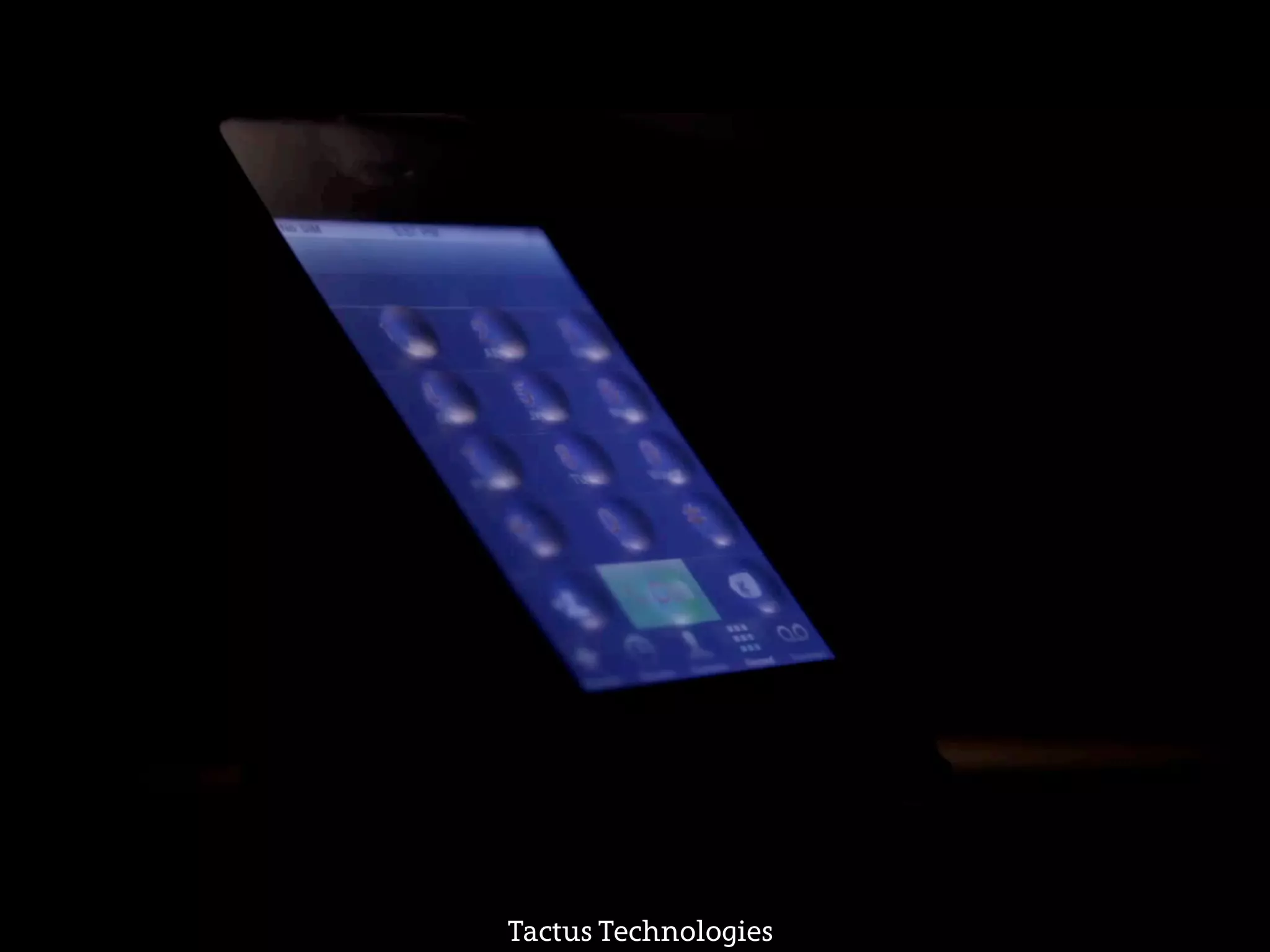
Tactus Technologies
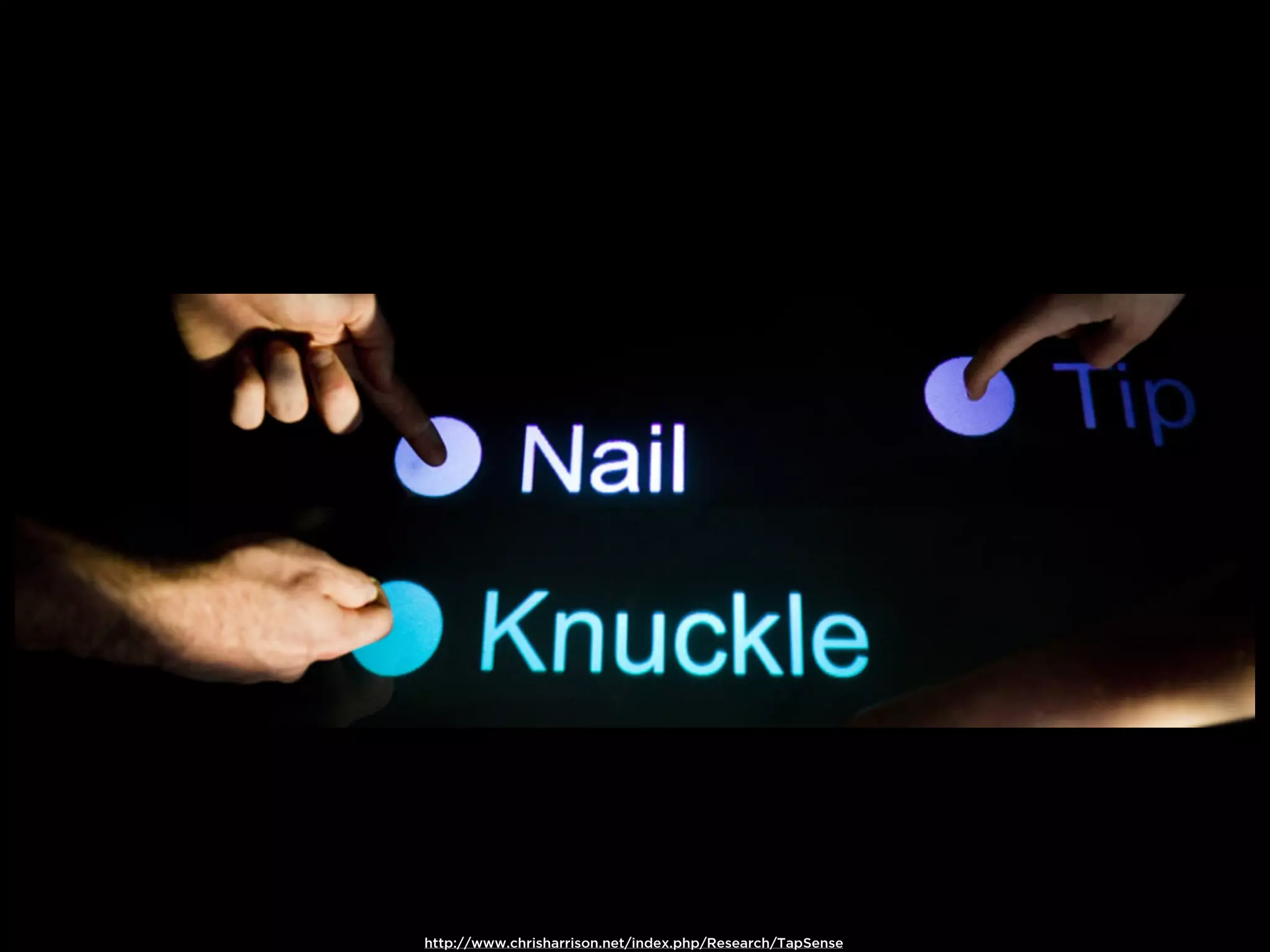
http://www.chrisharrison.net/index.php/Research/TapSense
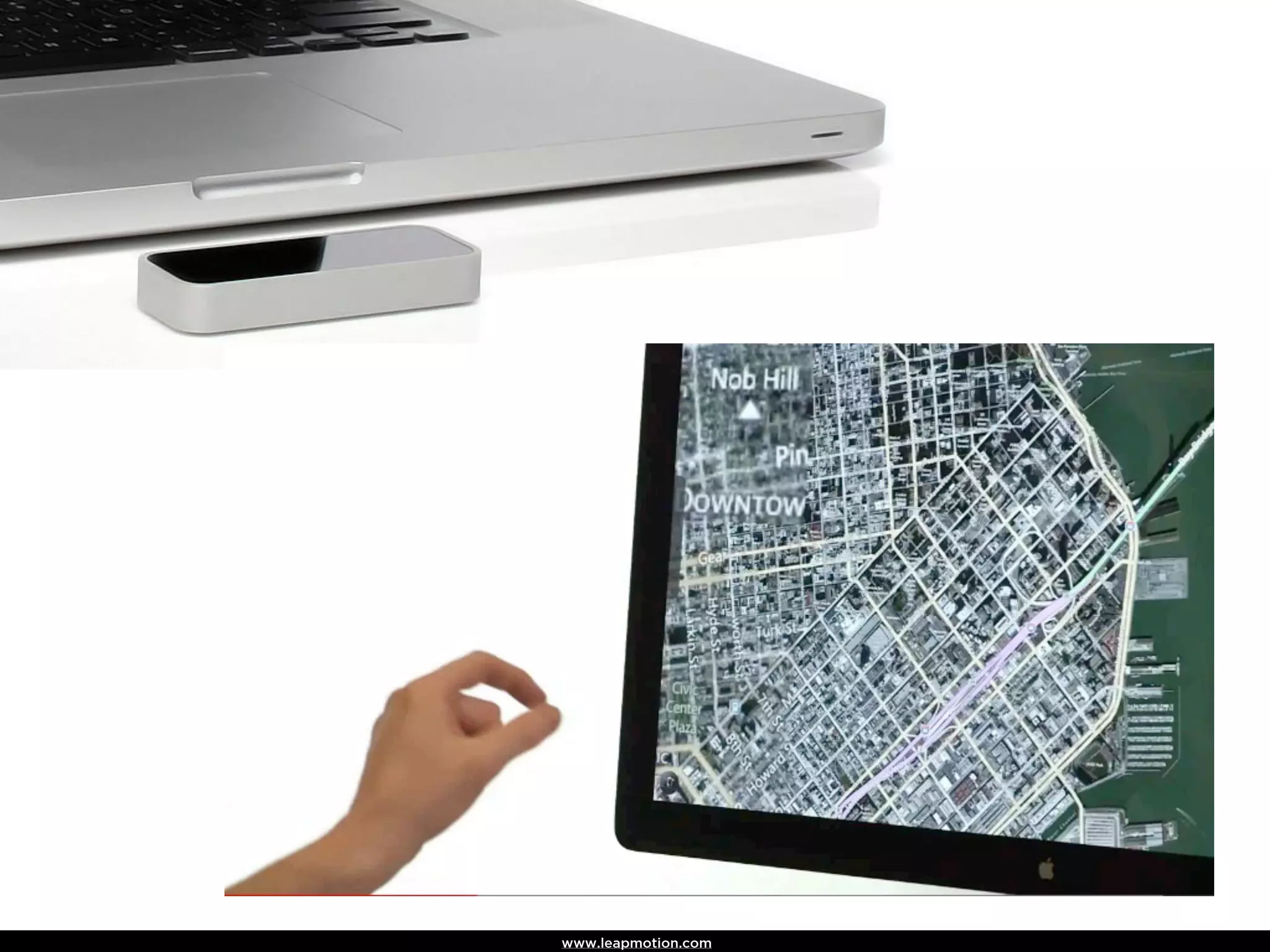
Changes in how we interact…


keyboard/mouse   touchscreen   kaboom!
www.leapmotion.com
www.getmyo.com
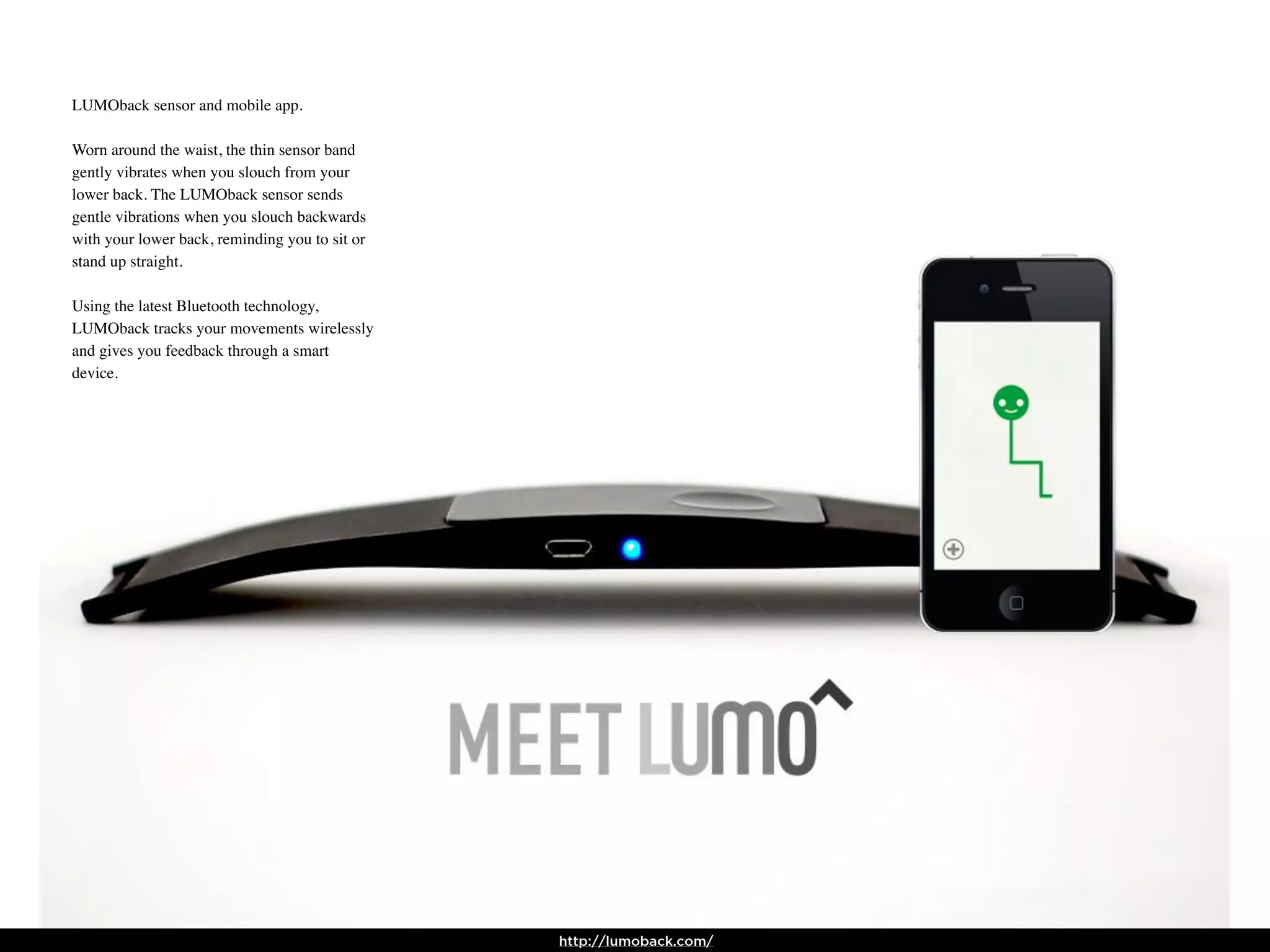
LUMOback sensor and mobile app.

Worn around the waist, the thin sensor band
gently vibrates when you slouch from your
lower back. The LUMOback sensor sends
gentle vibrations when you slouch backwards
with your lower back, reminding you to sit or
stand up straight.

Using the latest Bluetooth technology,
LUMOback tracks your movements wirelessly
and gives you feedback through a smart
device.


                                                http://lumoback.com/
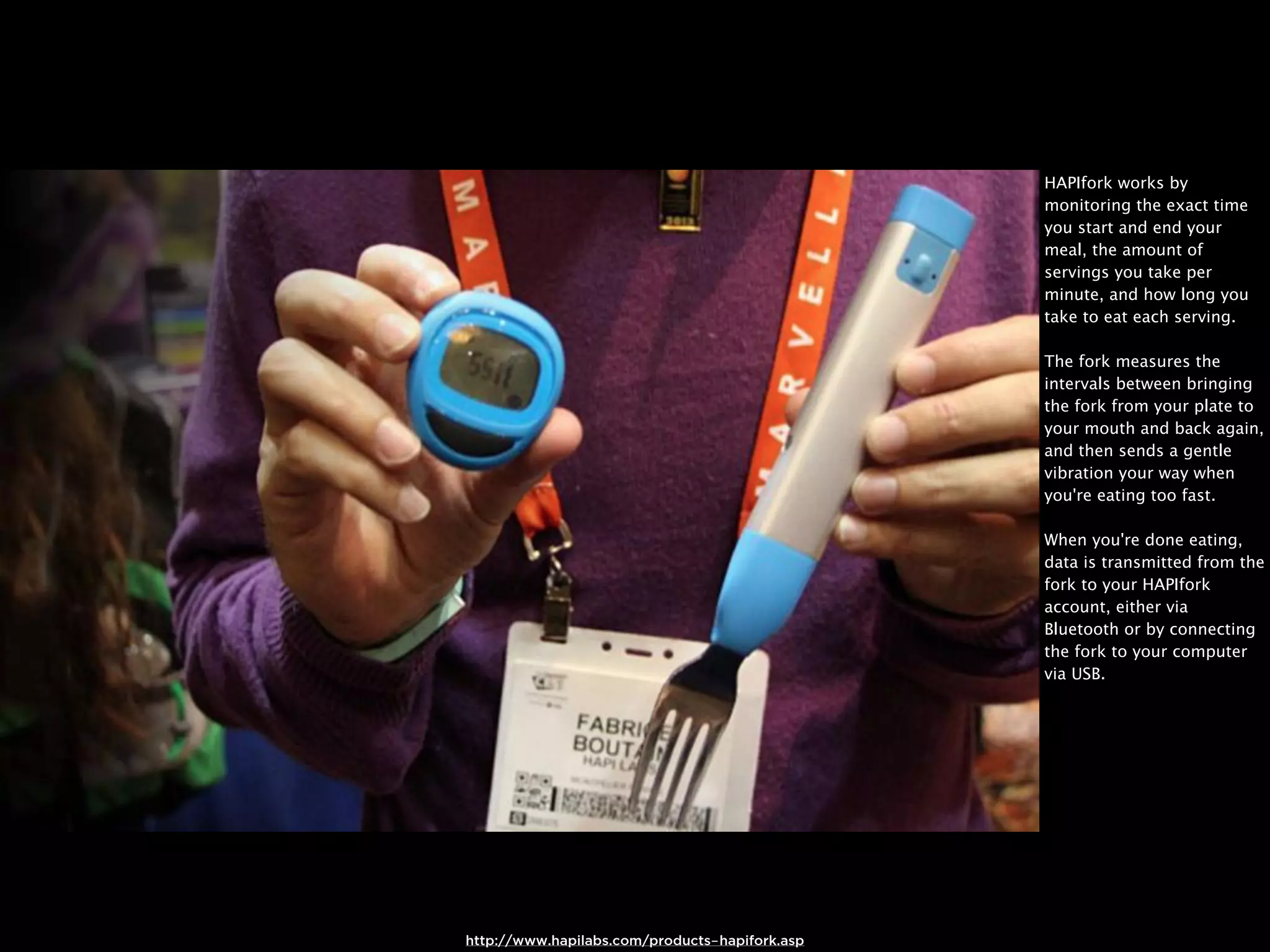
HAPIfork works by
                                                monitoring the exact time
                                                you start and end your
                                                meal, the amount of
                                                servings you take per
                                                minute, and how long you
                                                take to eat each serving.

                                                The fork measures the
                                                intervals between bringing
                                                the fork from your plate to
                                                your mouth and back again,
                                                and then sends a gentle
                                                vibration your way when
                                                you're eating too fast.

                                                When you're done eating,
                                                data is transmitted from the
                                                fork to your HAPIfork
                                                account, either via
                                                Bluetooth or by connecting
                                                the fork to your computer
                                                via USB.


http://www.hapilabs.com/products-hapifork.asp
The really far out stuff…
http://leejinha.com/ZeroN
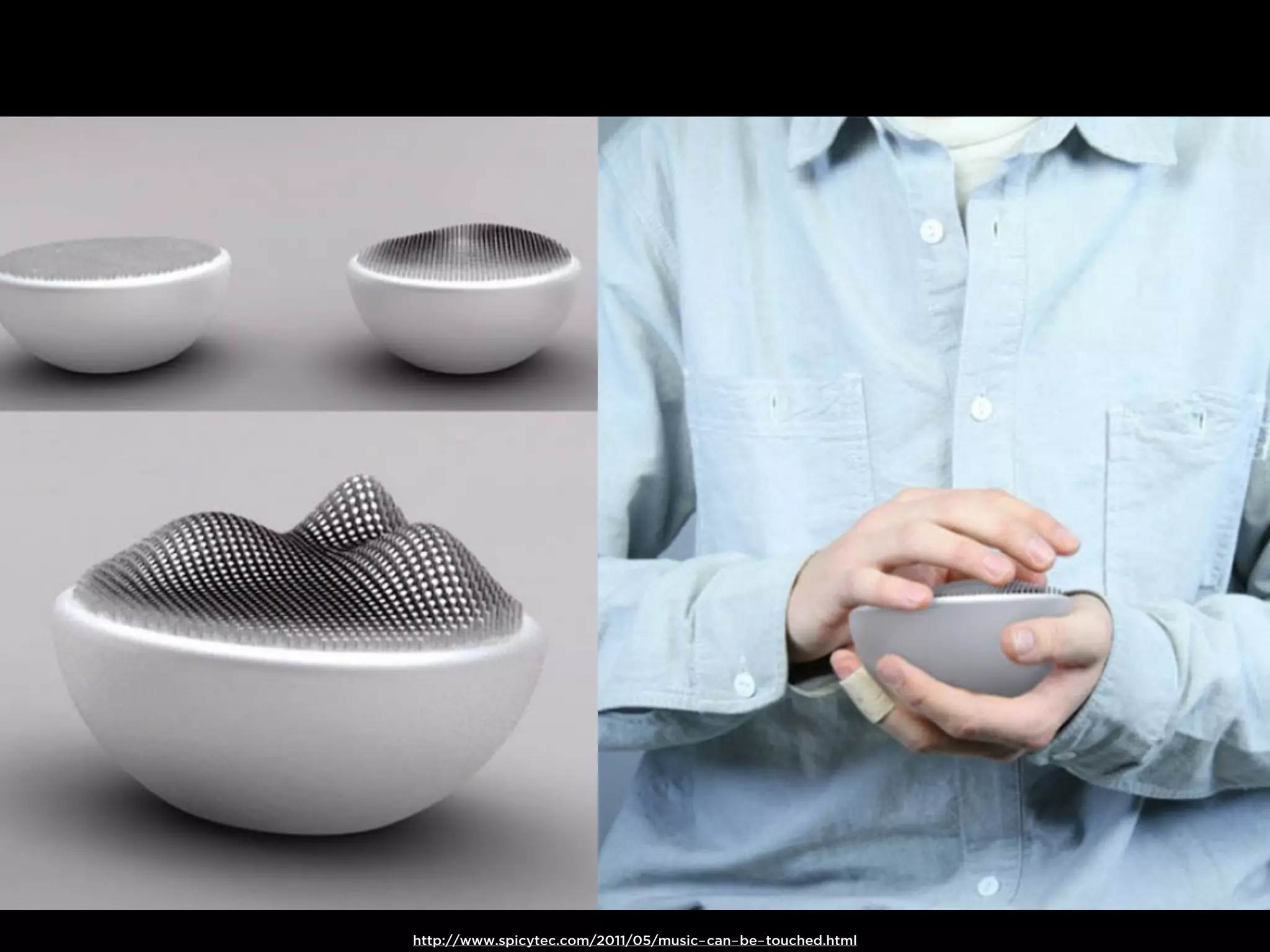
http://www.spicytec.com/2011/05/music-can-be-touched.html
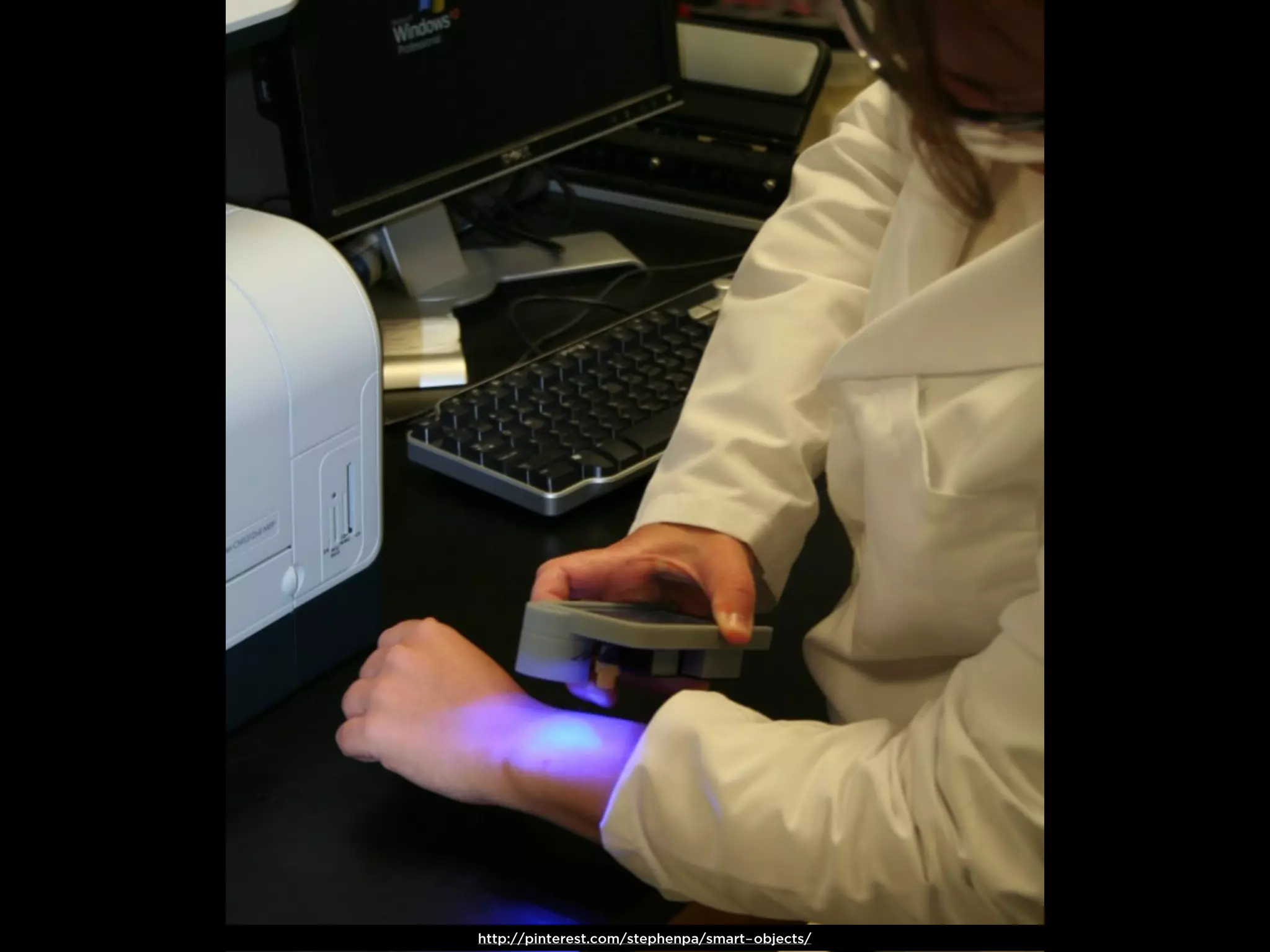
http://pinterest.com/stephenpa/smart-objects/
http://www.zebraimaging.com/products/print-a-hologram
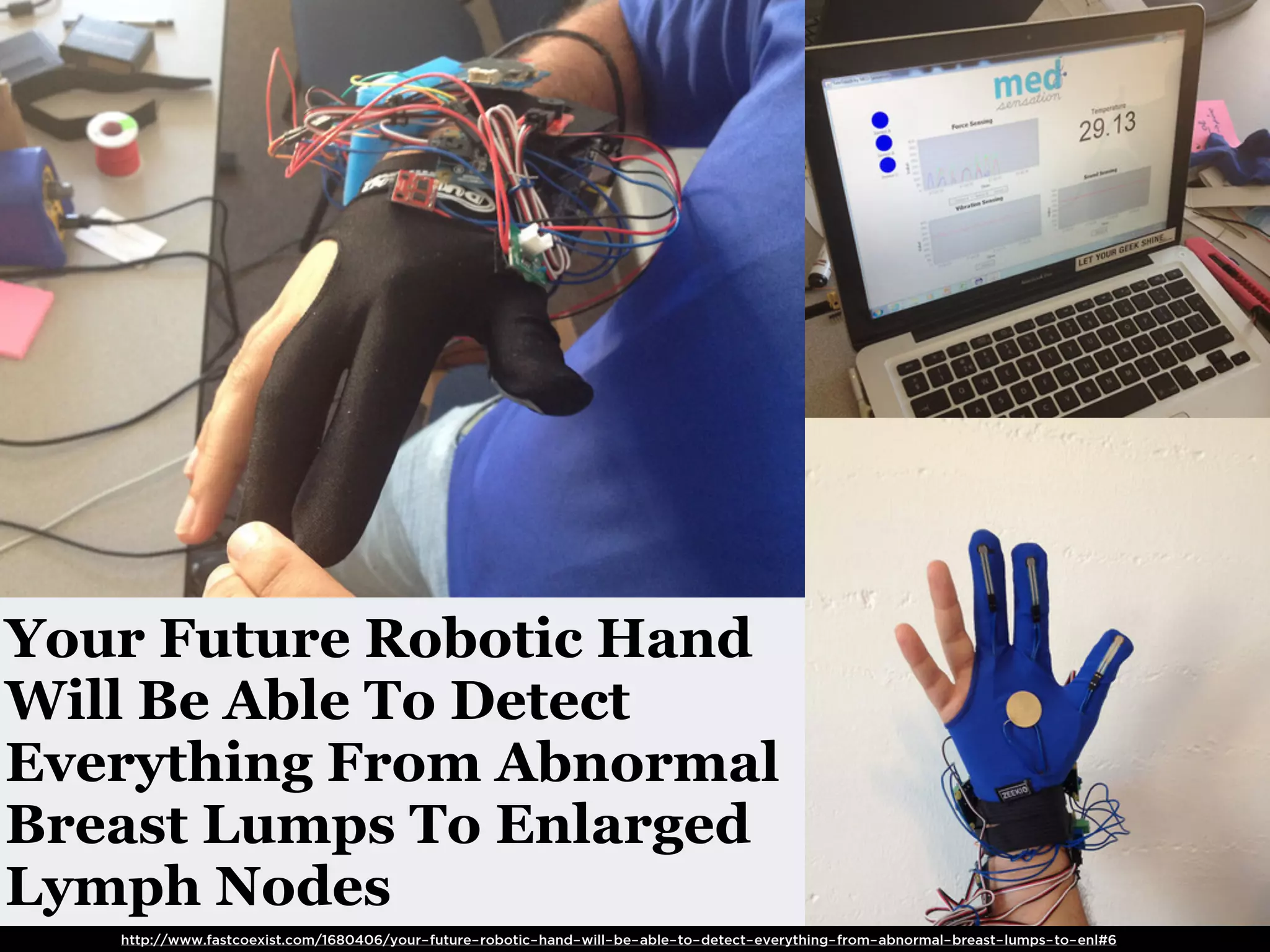
Your Future Robotic Hand
Will Be Able To Detect
Everything From Abnormal
Breast Lumps To Enlarged
Lymph Nodes
   http://www.fastcoexist.com/1680406/your-future-robotic-hand-will-be-able-to-detect-everything-from-abnormal-breast-lumps-to-enl#6
Q: Where do new ideas come from?
A: The intersection of fields,
disciplines, or cultures.


 New Technology
Sensor-Laded Devices, Smart Objects,
 Wearables, The Internet of Things
                                               Learning
                                       Psychology, Cognitive Neuroscience,
                                            Sense-Making, Education
Q: Where do new ideas come from?
A: The intersection of fields,
disciplines, or cultures.


                                       ?
 New Technology
Sensor-Laded Devices, Smart Objects,
 Wearables, The Internet of Things
                                                   Learning
                                           Psychology, Cognitive Neuroscience,
                                                Sense-Making, Education
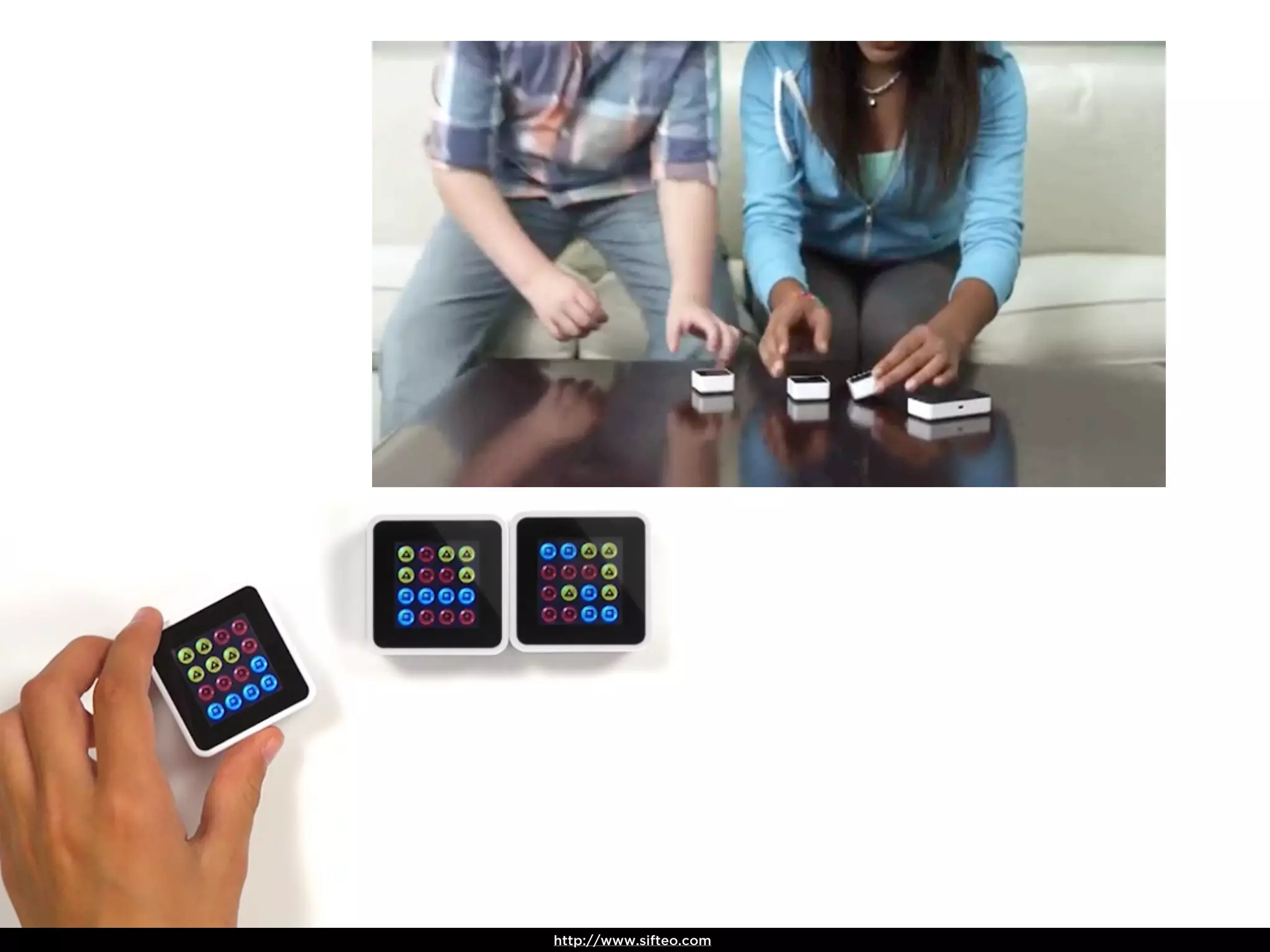
http://www.sifteo.com
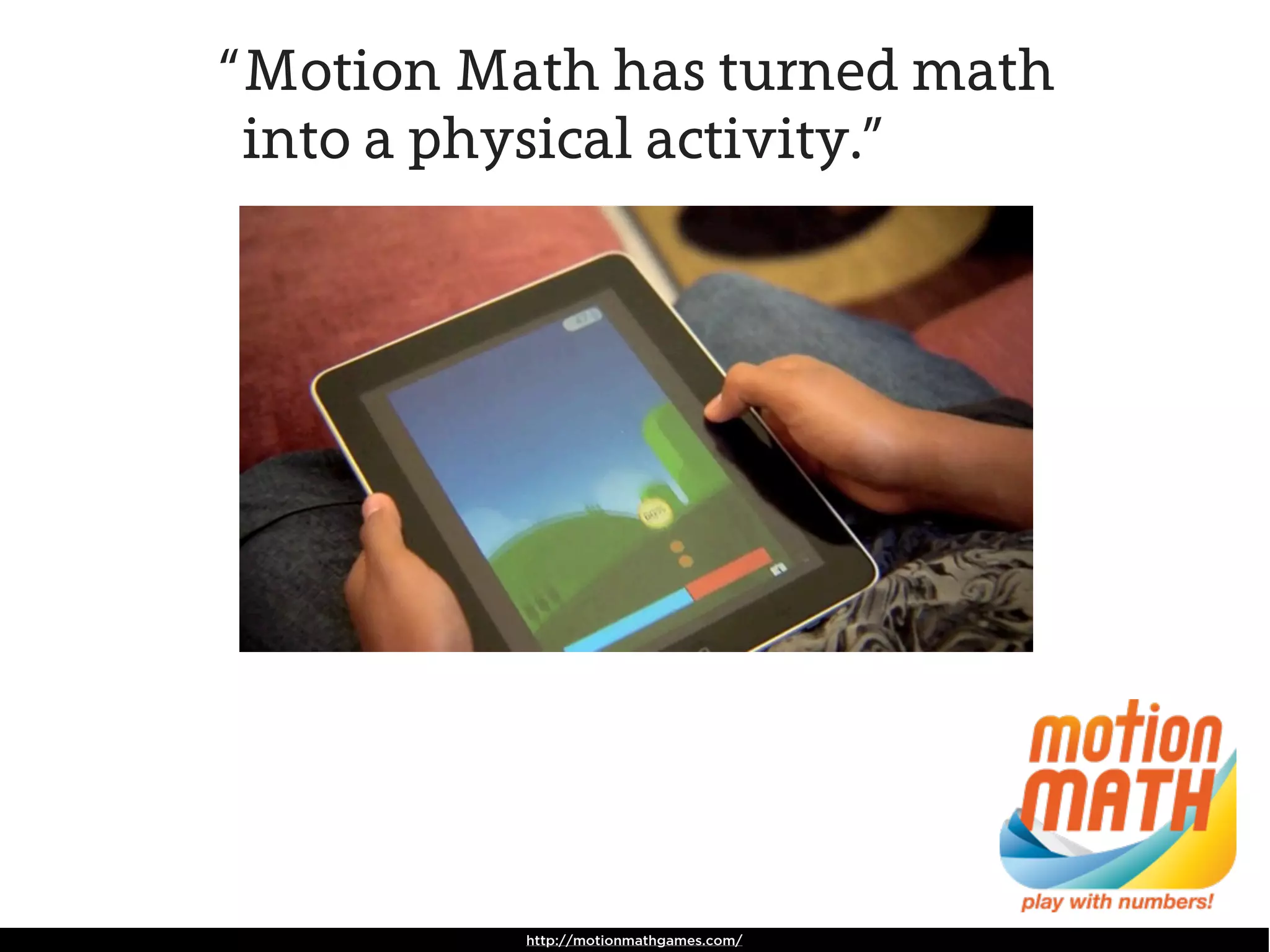
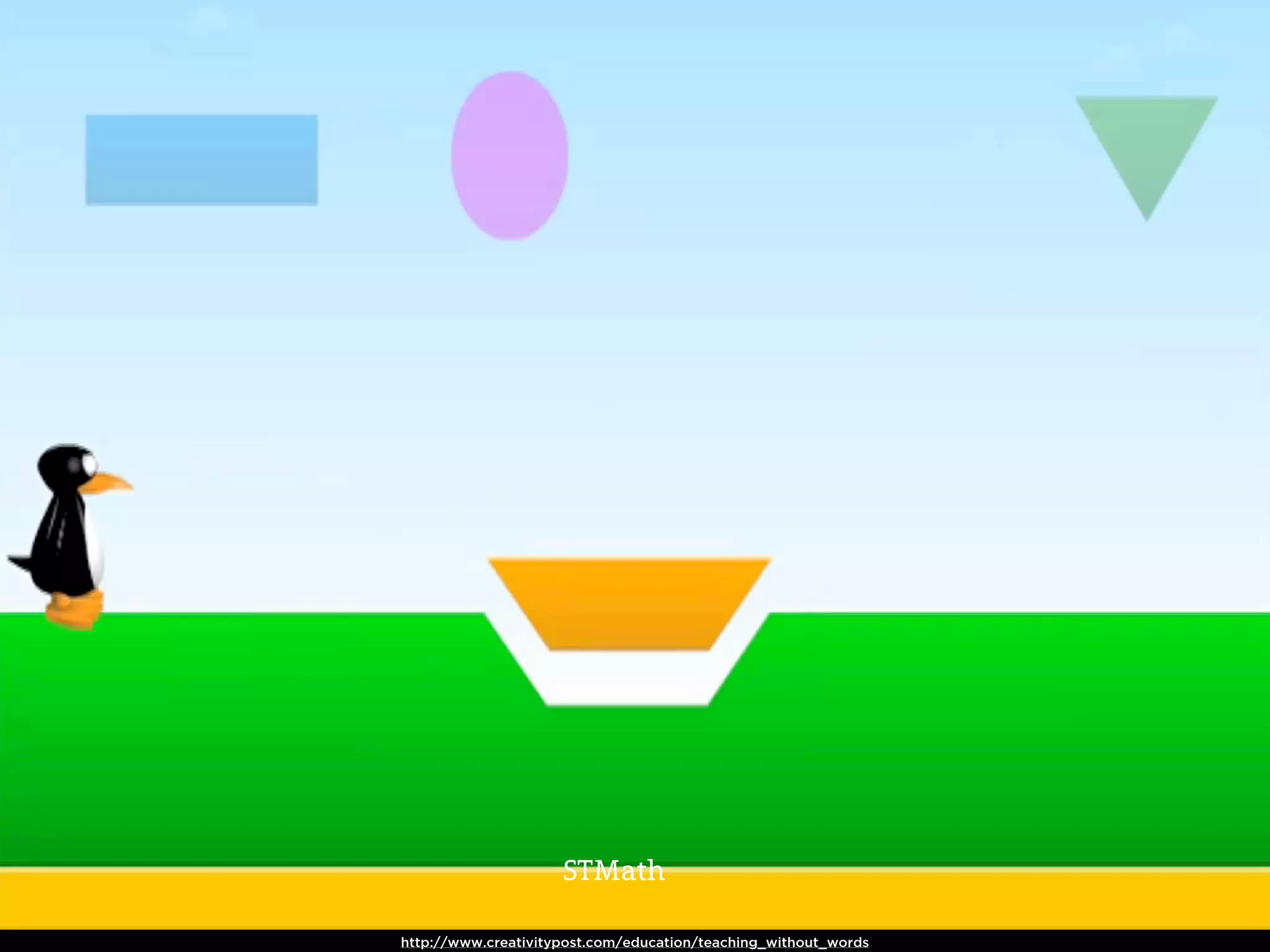
“ Motion Math has turned math
  into a physical activity.”


          http://motionmathgames.com/
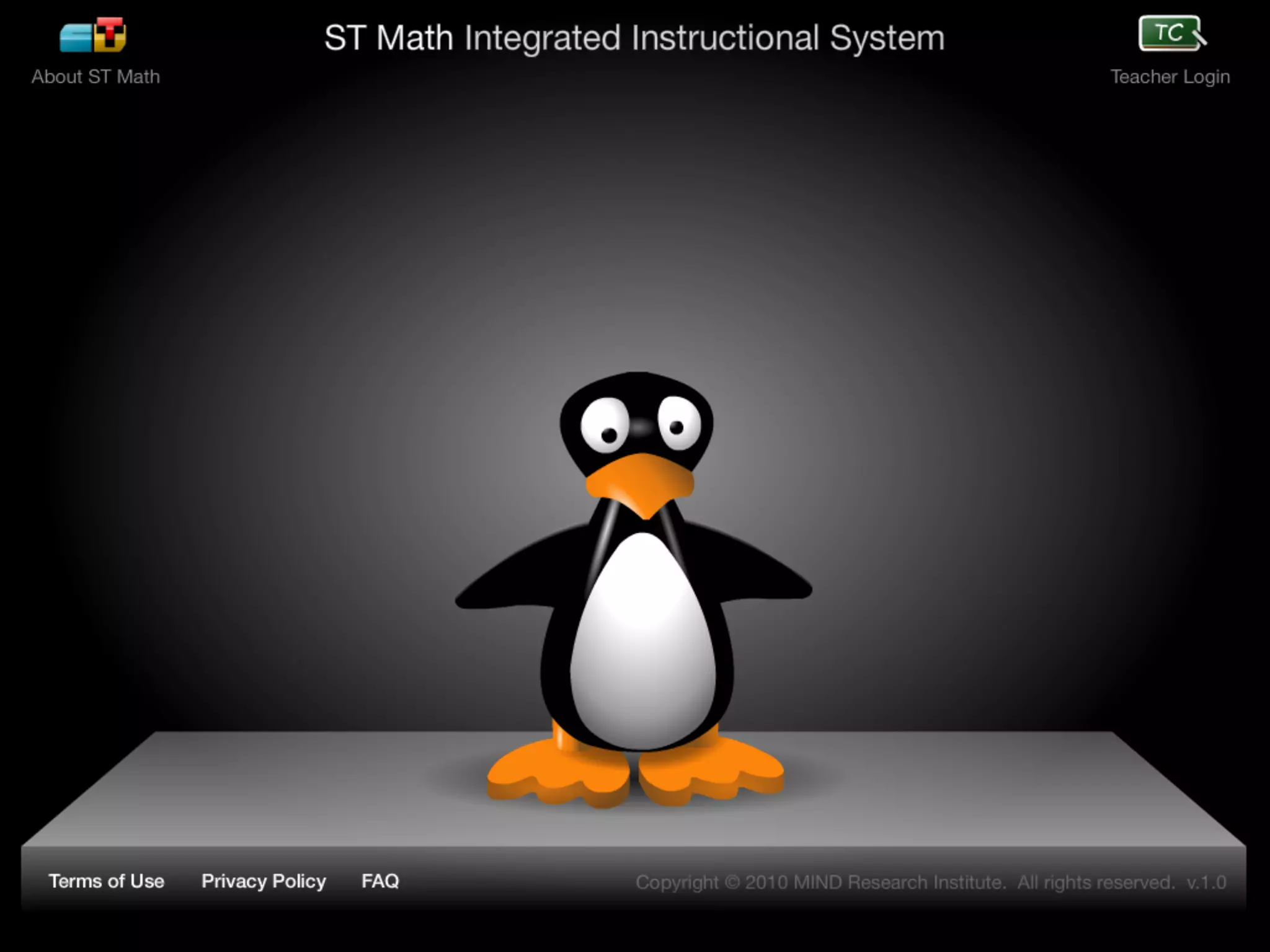
STMath

http://www.creativitypost.com/education/teaching_without_words
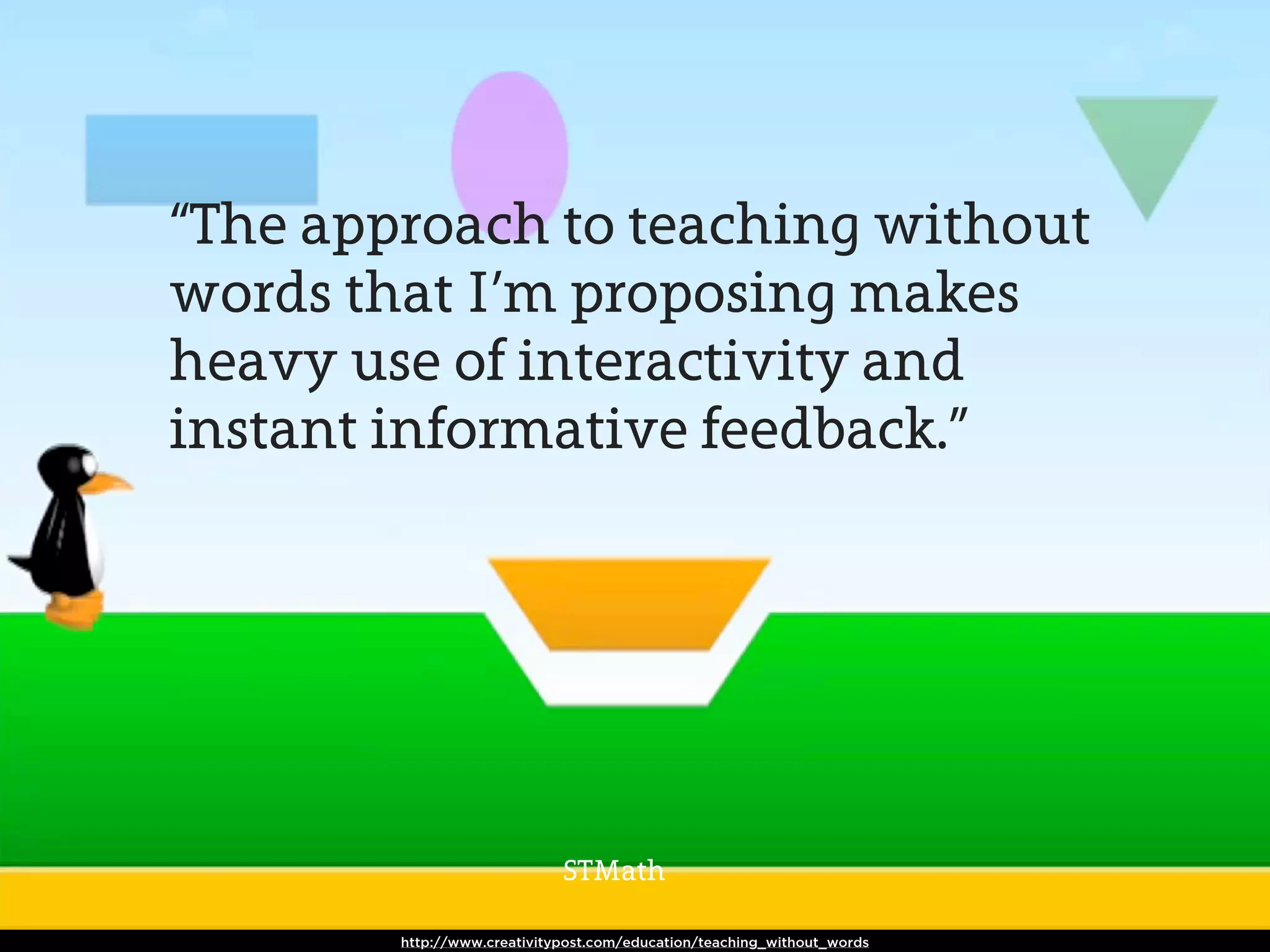
“The approach to teaching without
words that I’m proposing makes
heavy use of interactivity and
instant informative feedback.”


                             STMath

        http://www.creativitypost.com/education/teaching_without_words
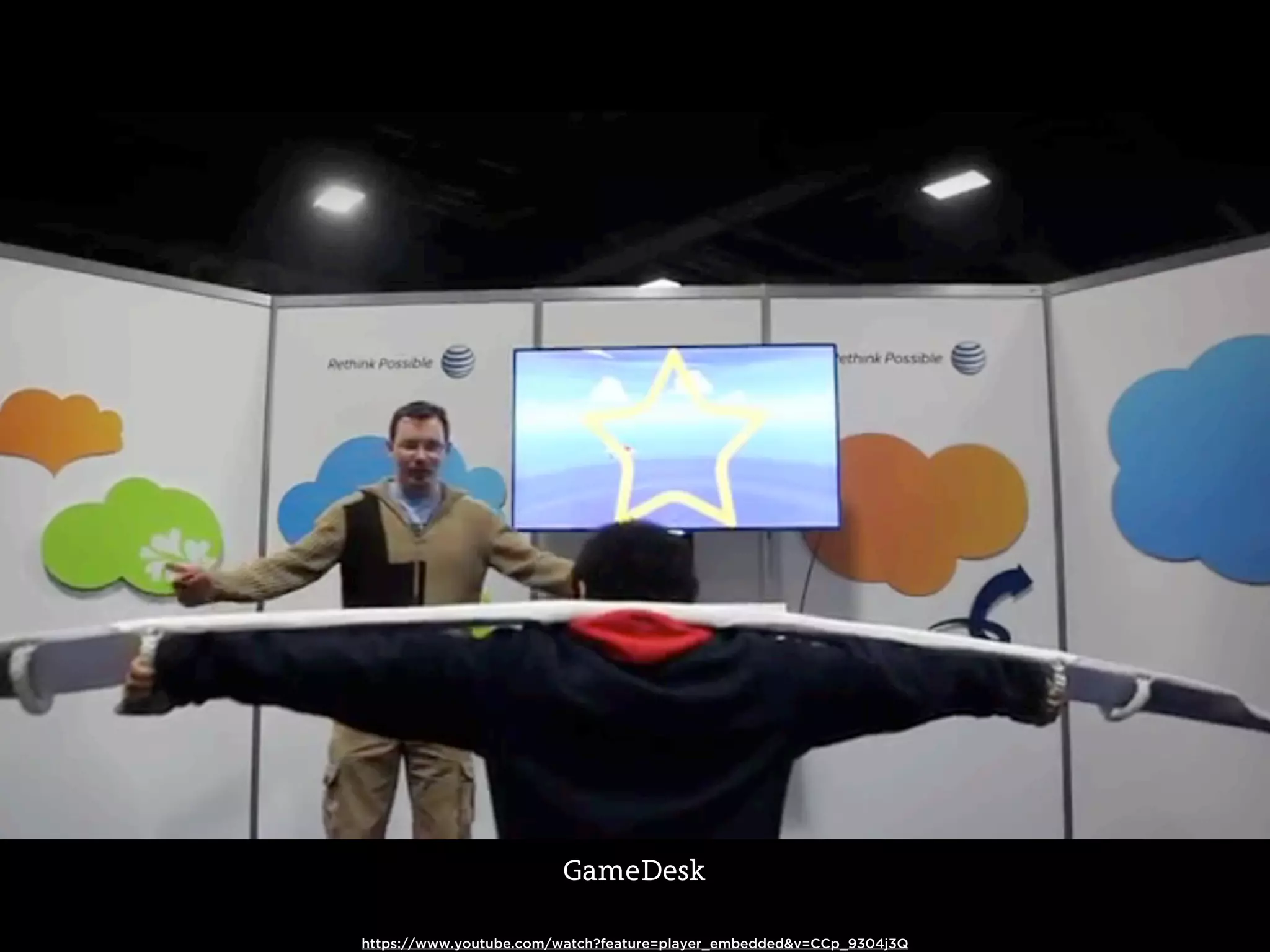
GameDesk

https://www.youtube.com/watch?feature=player_embedded&v=CCp_9304j3Q
NOT
technology for
technology’s sake.
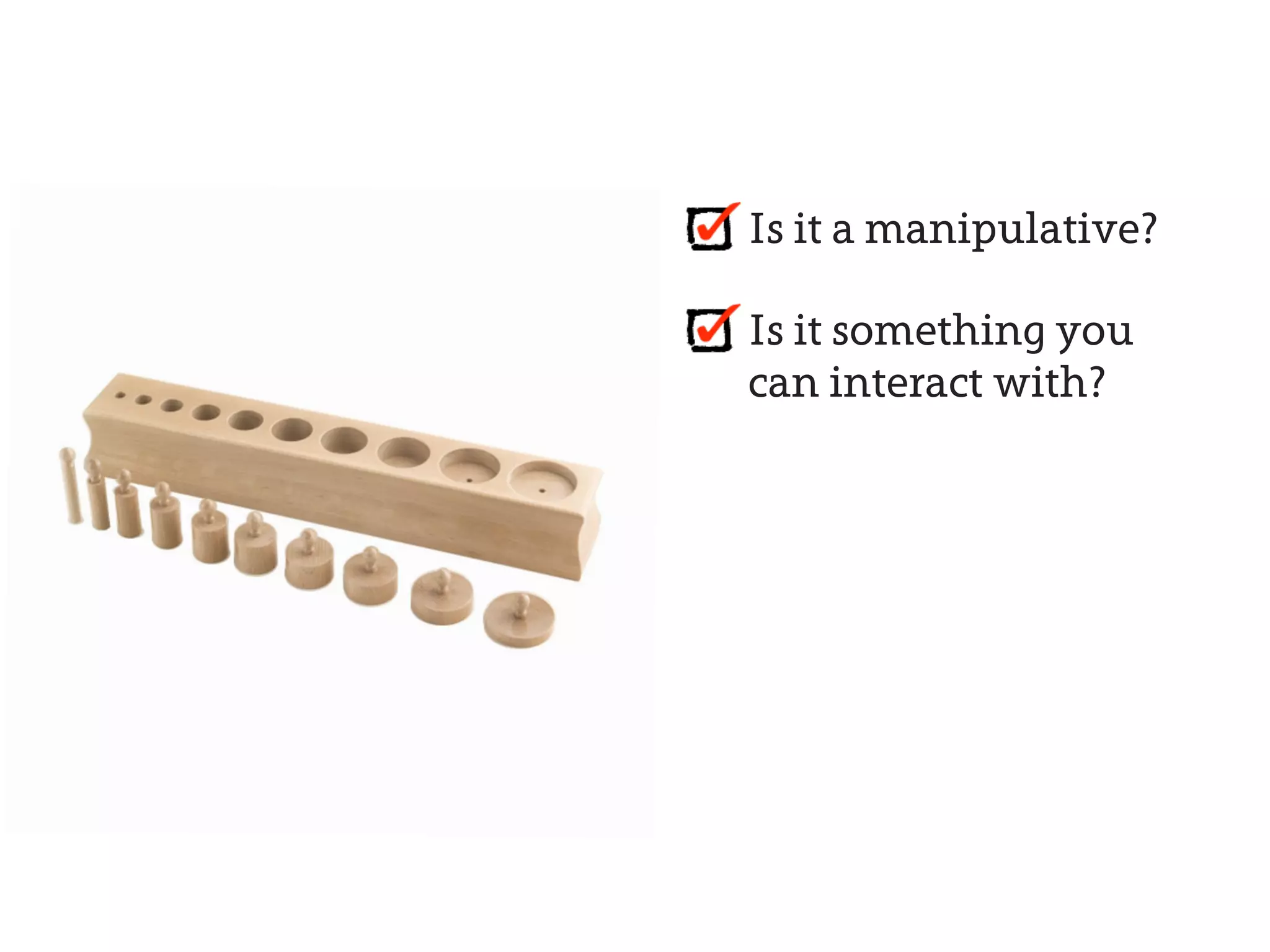
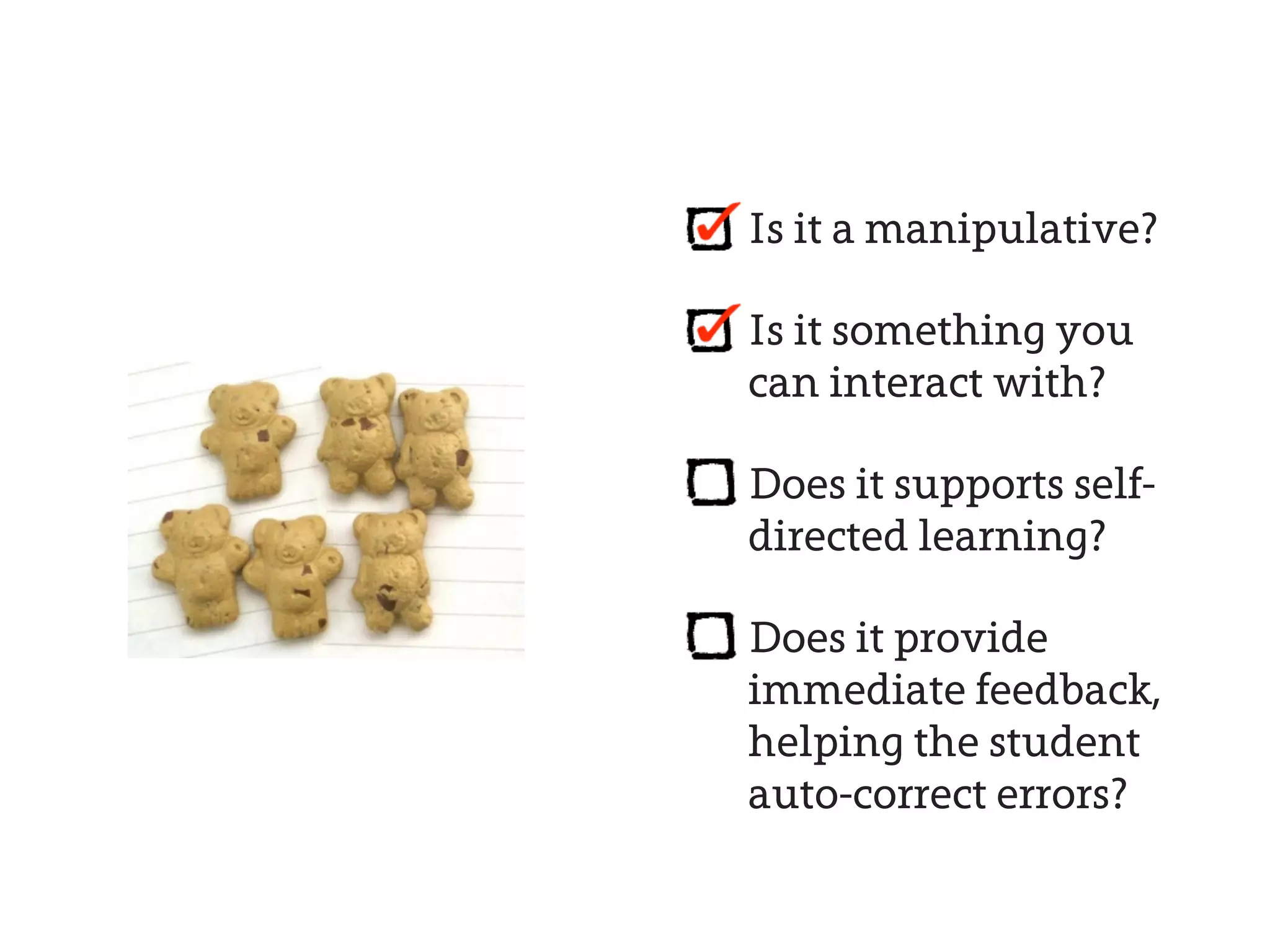
Is it a manipulative?

Is it something you
can interact with?
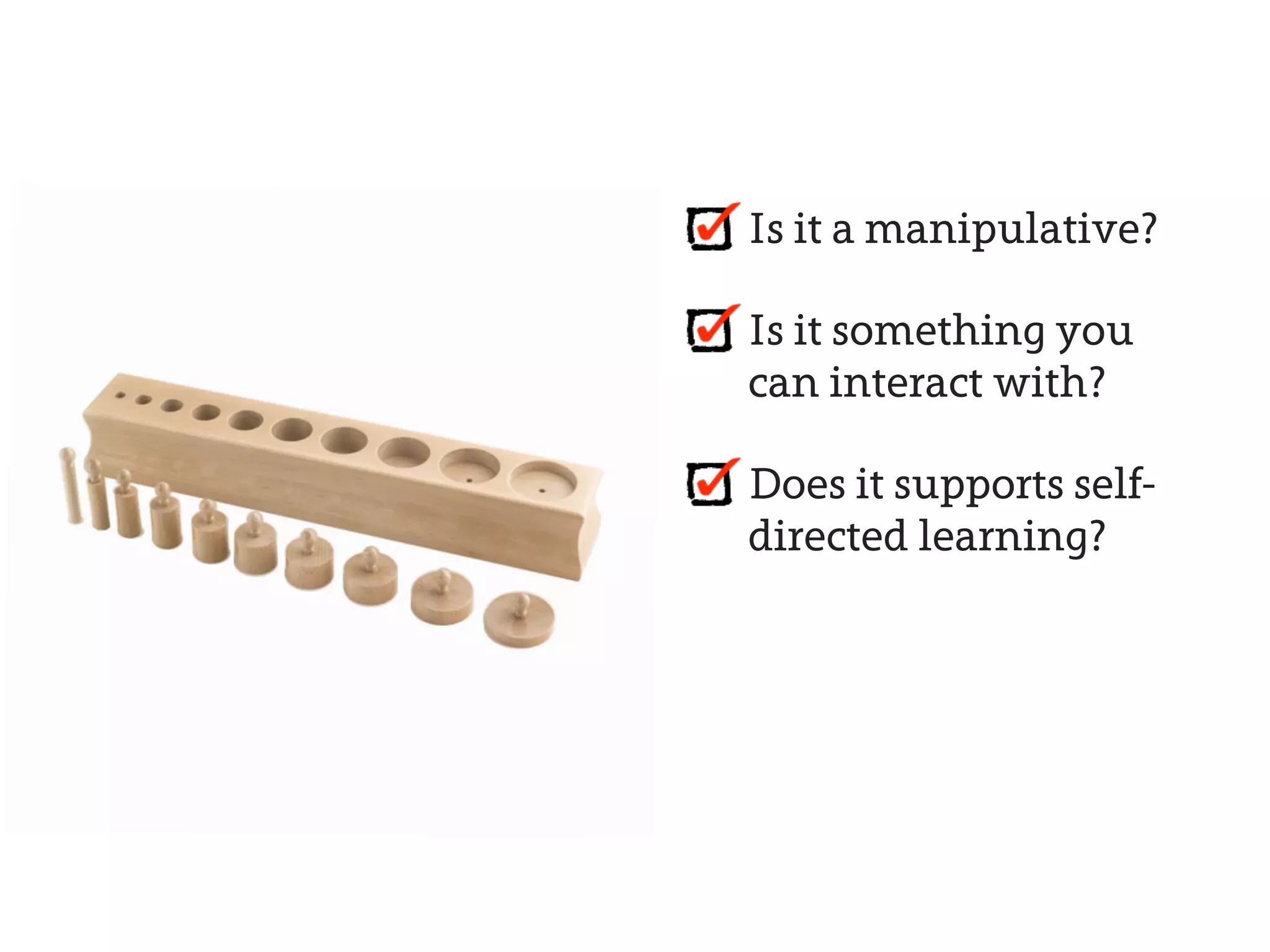
Is it a manipulative?

Is it something you
can interact with?

Does it supports self-
directed learning?
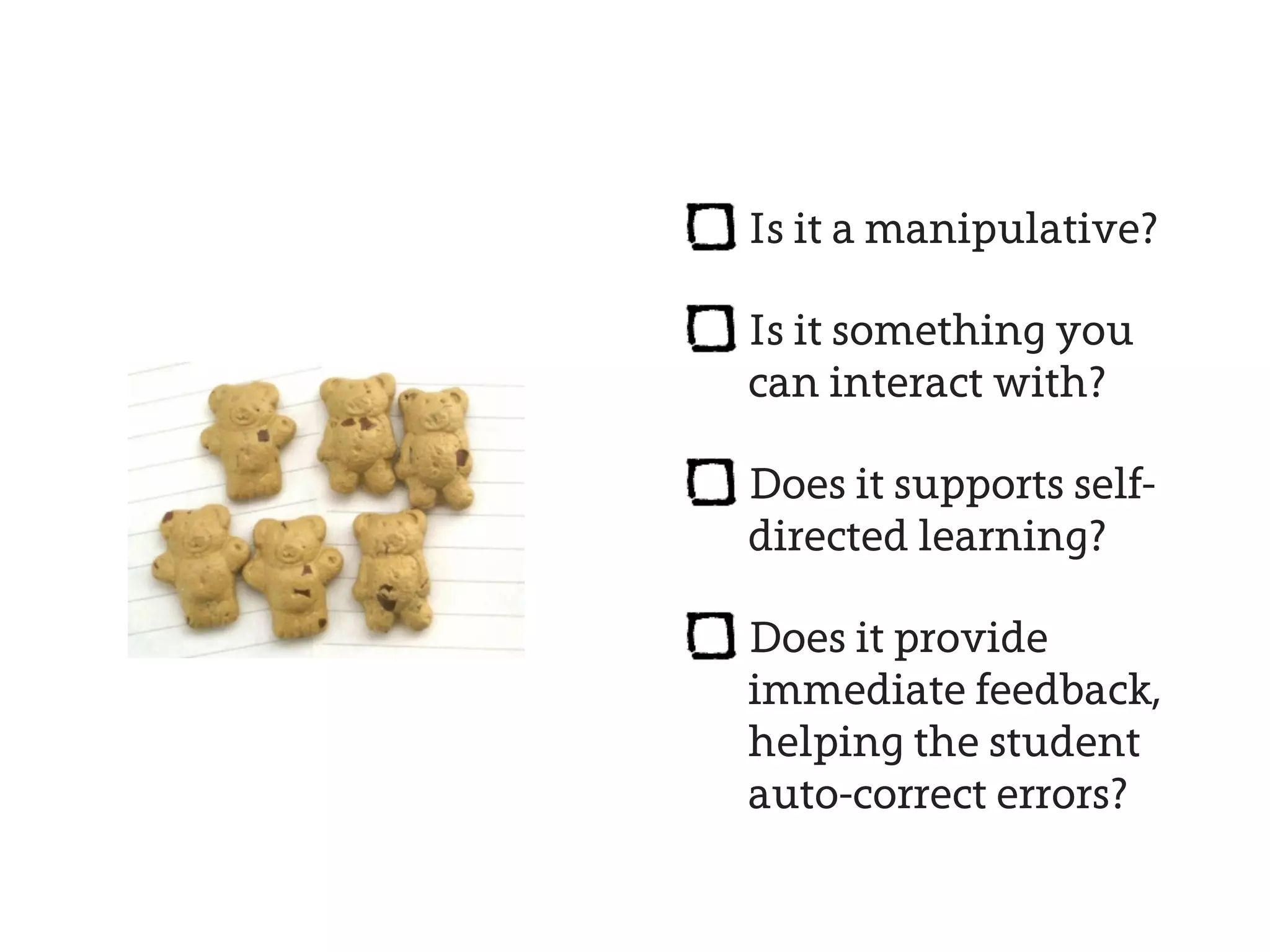
Is it a manipulative?

Is it something you
can interact with?

Does it supports self-
directed learning?

Does it provide
immediate feedback,
helping the student
auto-correct errors?
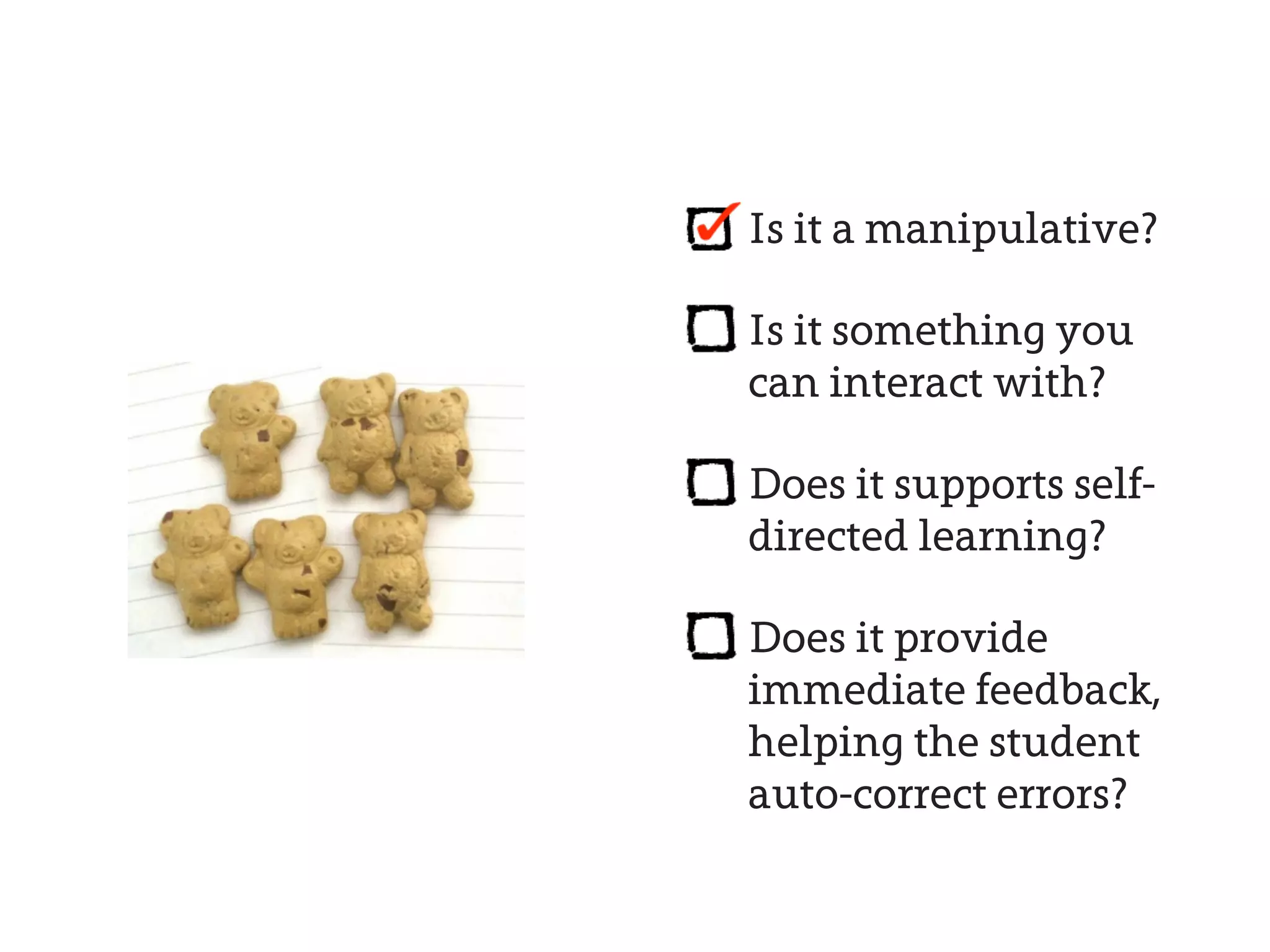
Is it a manipulative?

Is it something you
can interact with?

Does it supports self-
directed learning?

Does it provide
immediate feedback,
helping the student
auto-correct errors?
Is it a manipulative?

Is it something you
can interact with?

Does it supports self-
directed learning?

Does it provide
immediate feedback,
helping the student
auto-correct errors?
Is it a manipulative?

Is it something you
can interact with?

Does it supports self-
directed learning?

Does it provide
immediate feedback,
helping the student
auto-correct errors?
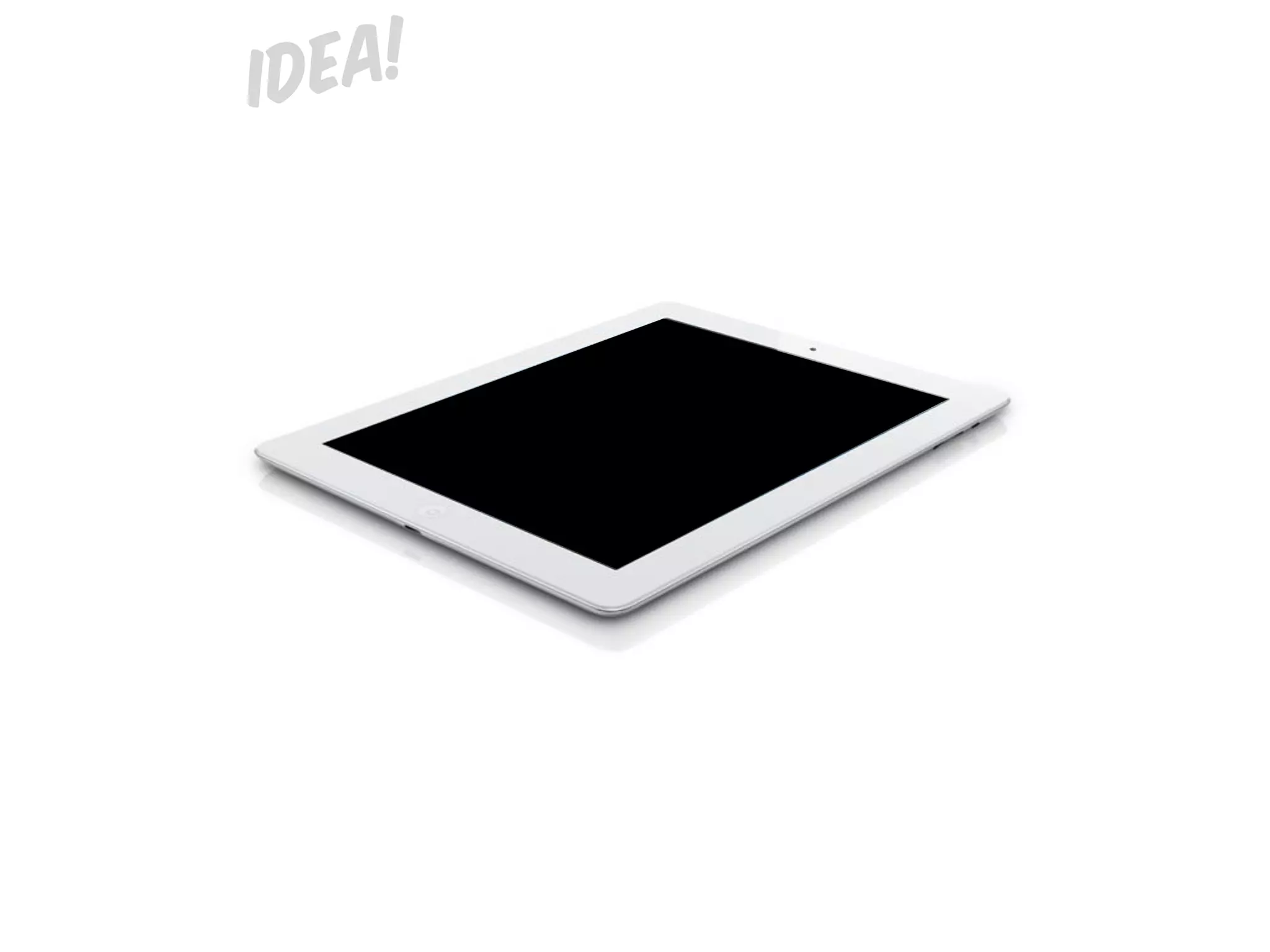
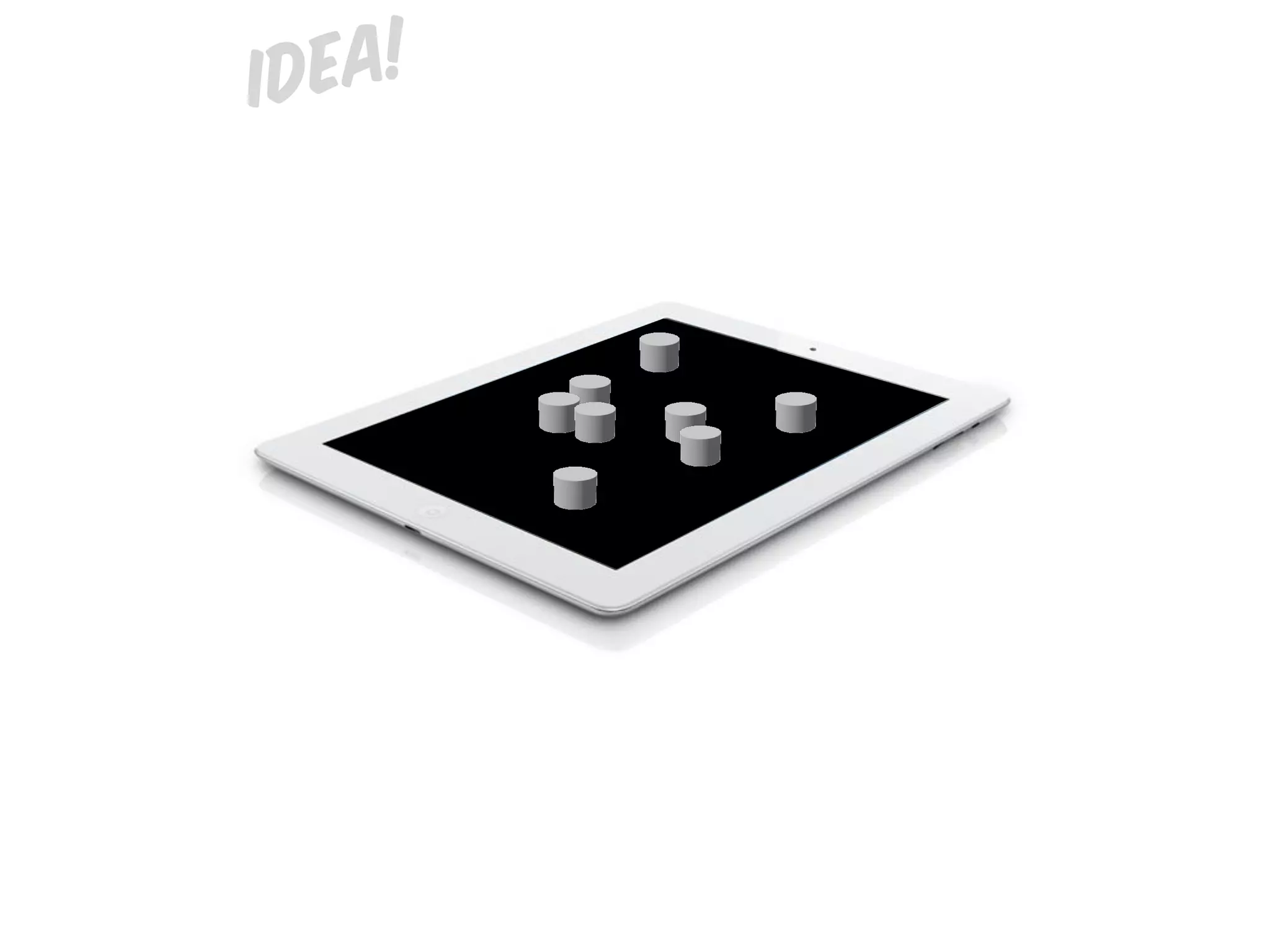
ID EA!
         Is it a manipulative?

         Is it something you
         can interact with?

         Does it supports self-
 +       directed learning?

         Does it provide
         immediate feedback,
         helping the student
         auto-correct errors?
ID EA!
         Is it a manipulative?

         Is it something you
         can interact with?

         Does it supports self-
 +       directed learning?

         Does it provide
         immediate feedback,
         helping the student
         auto-correct errors?
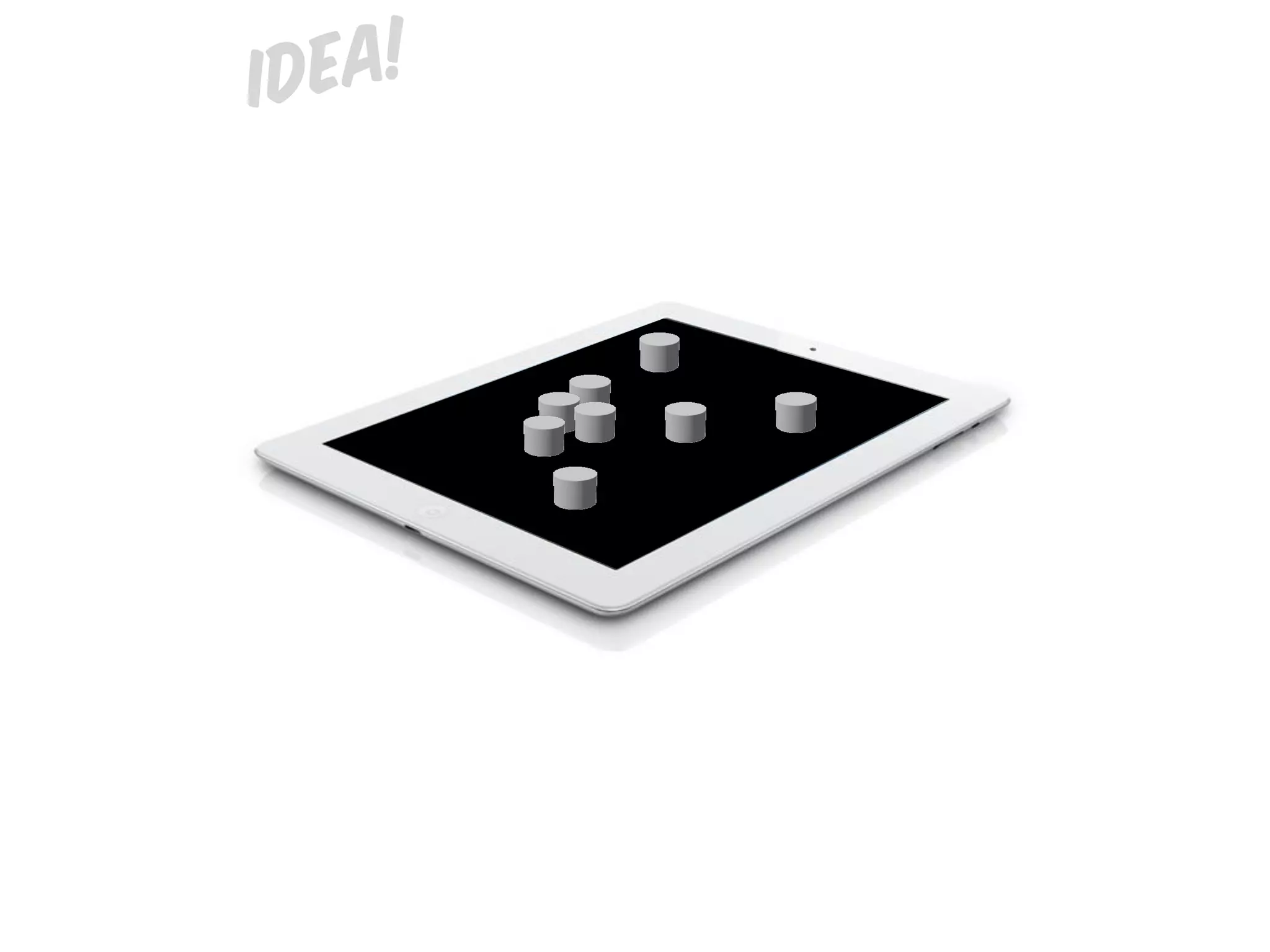
ID EA!
ID EA!
ID EA!
ID EA!
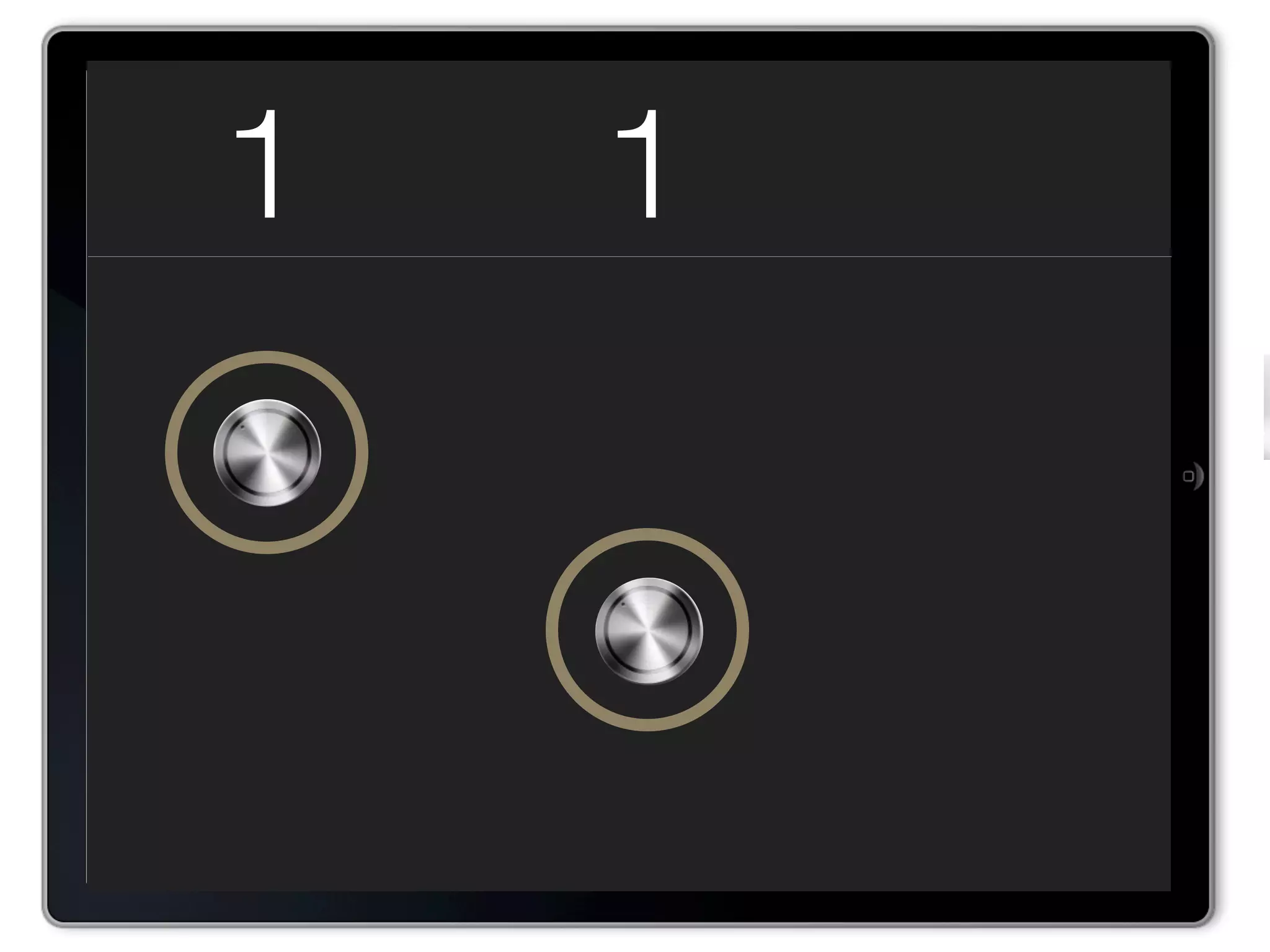
1
1   1
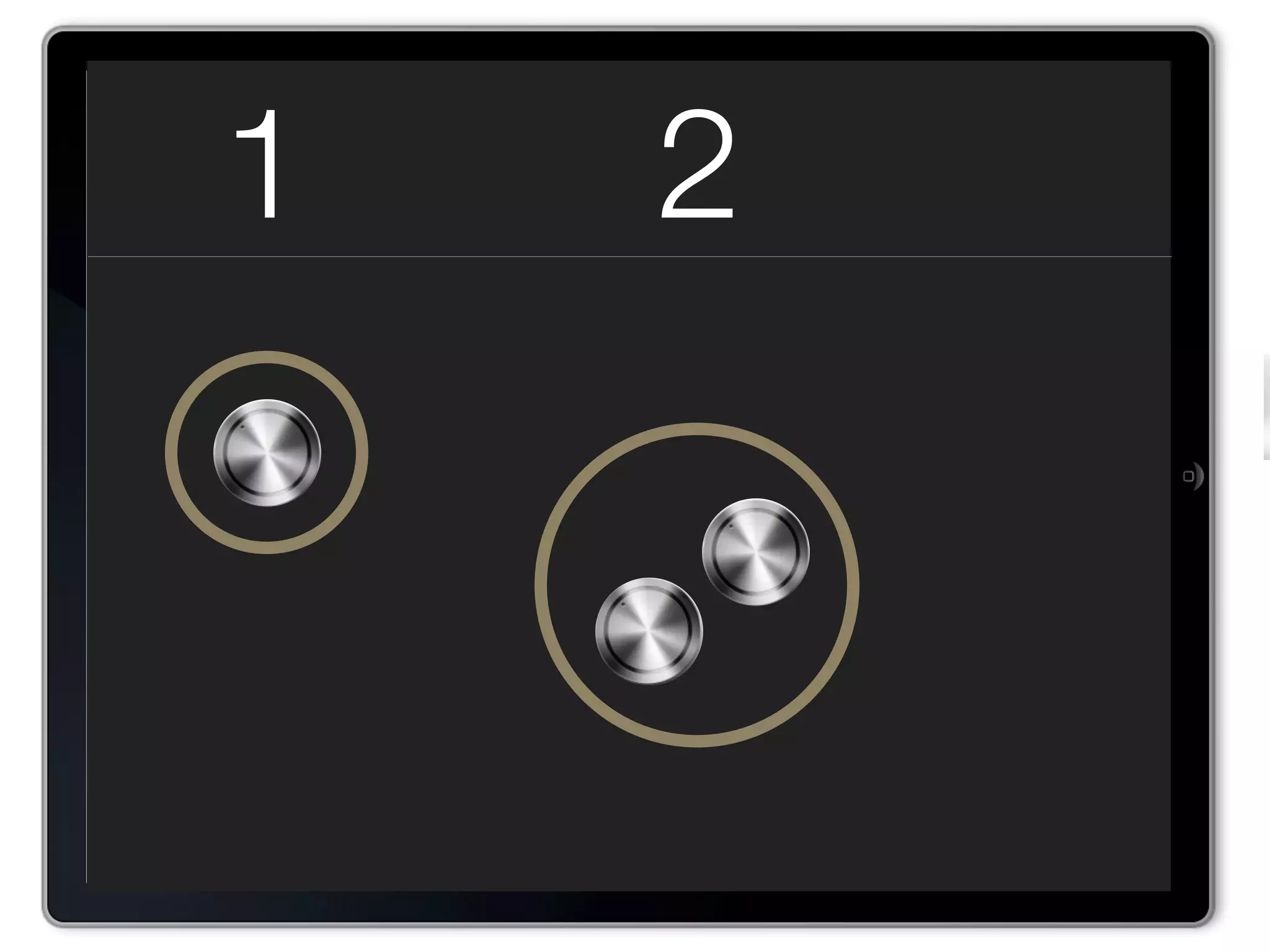
1   2
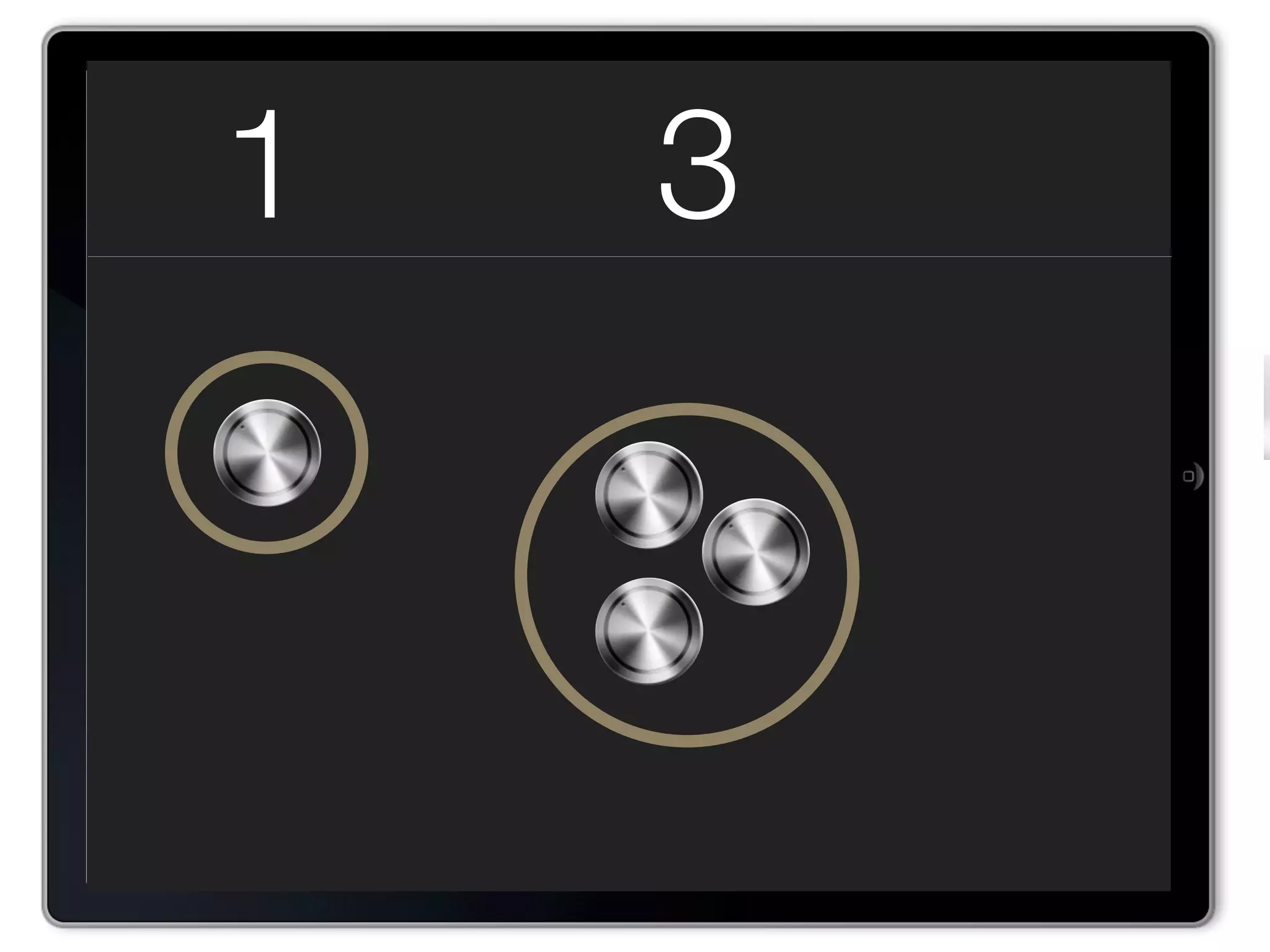
1   3
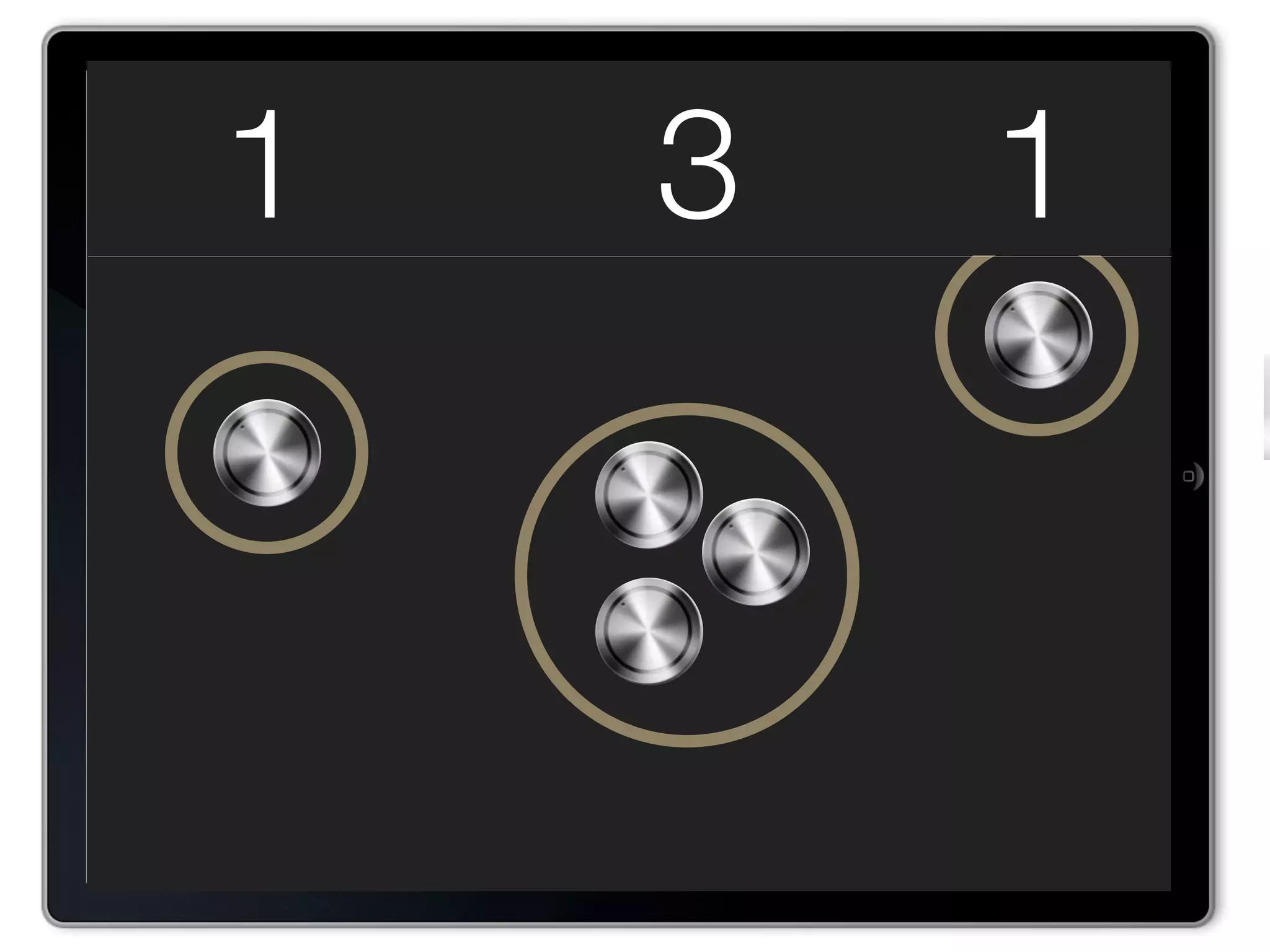
1   3   1
2   3
2   3
        +


        -
2   3
        +


        -
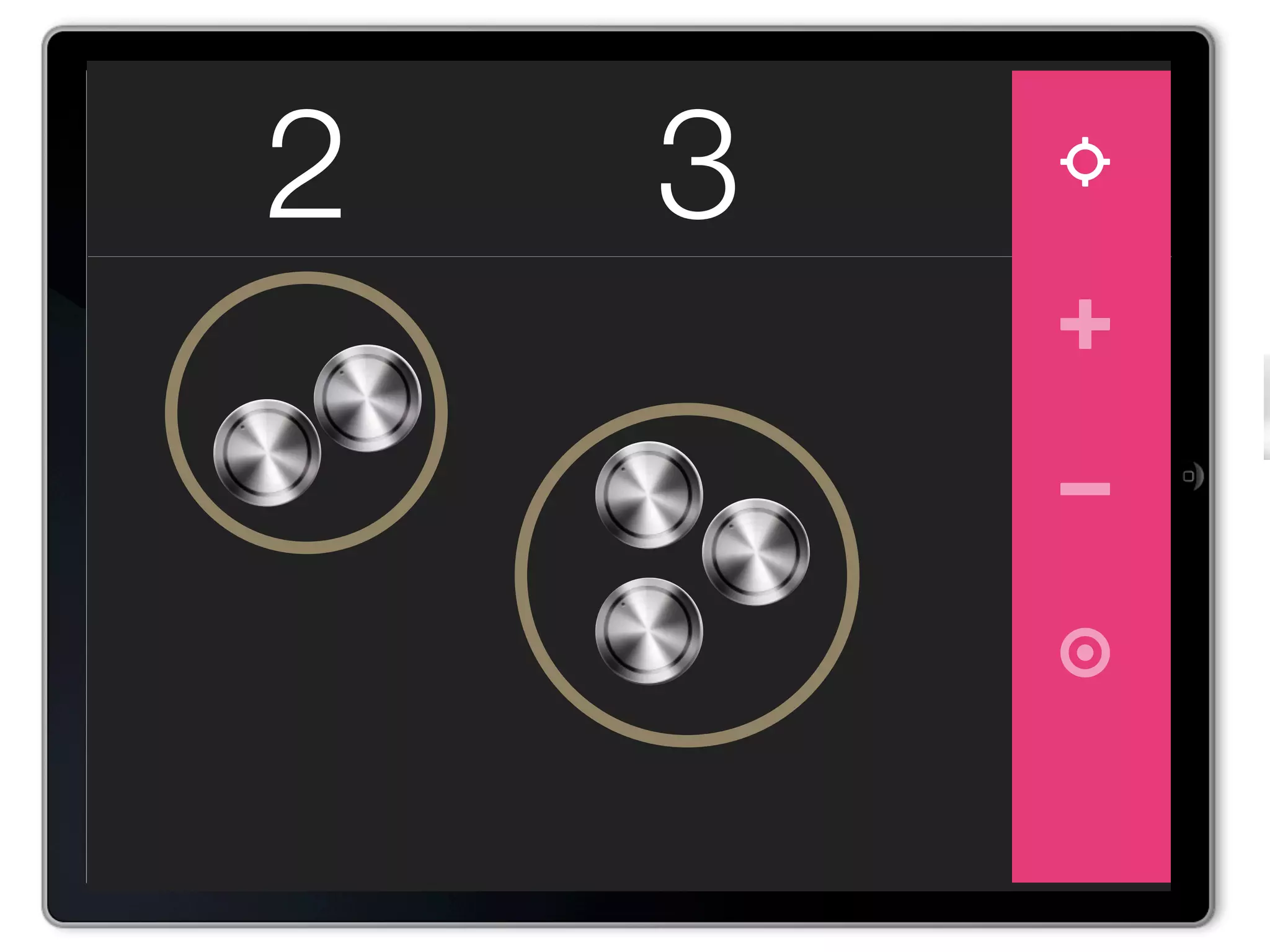
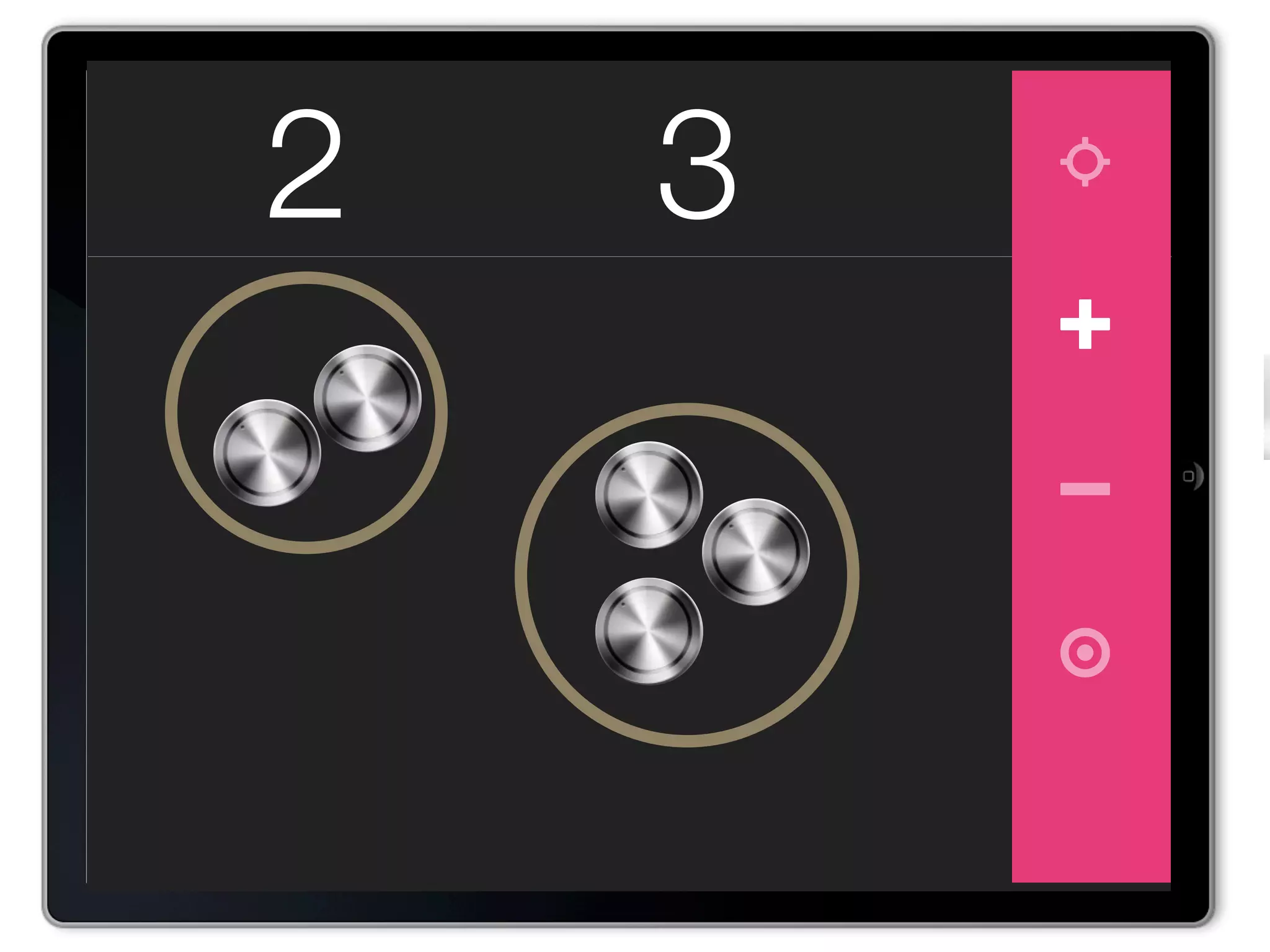
2 + 3=5
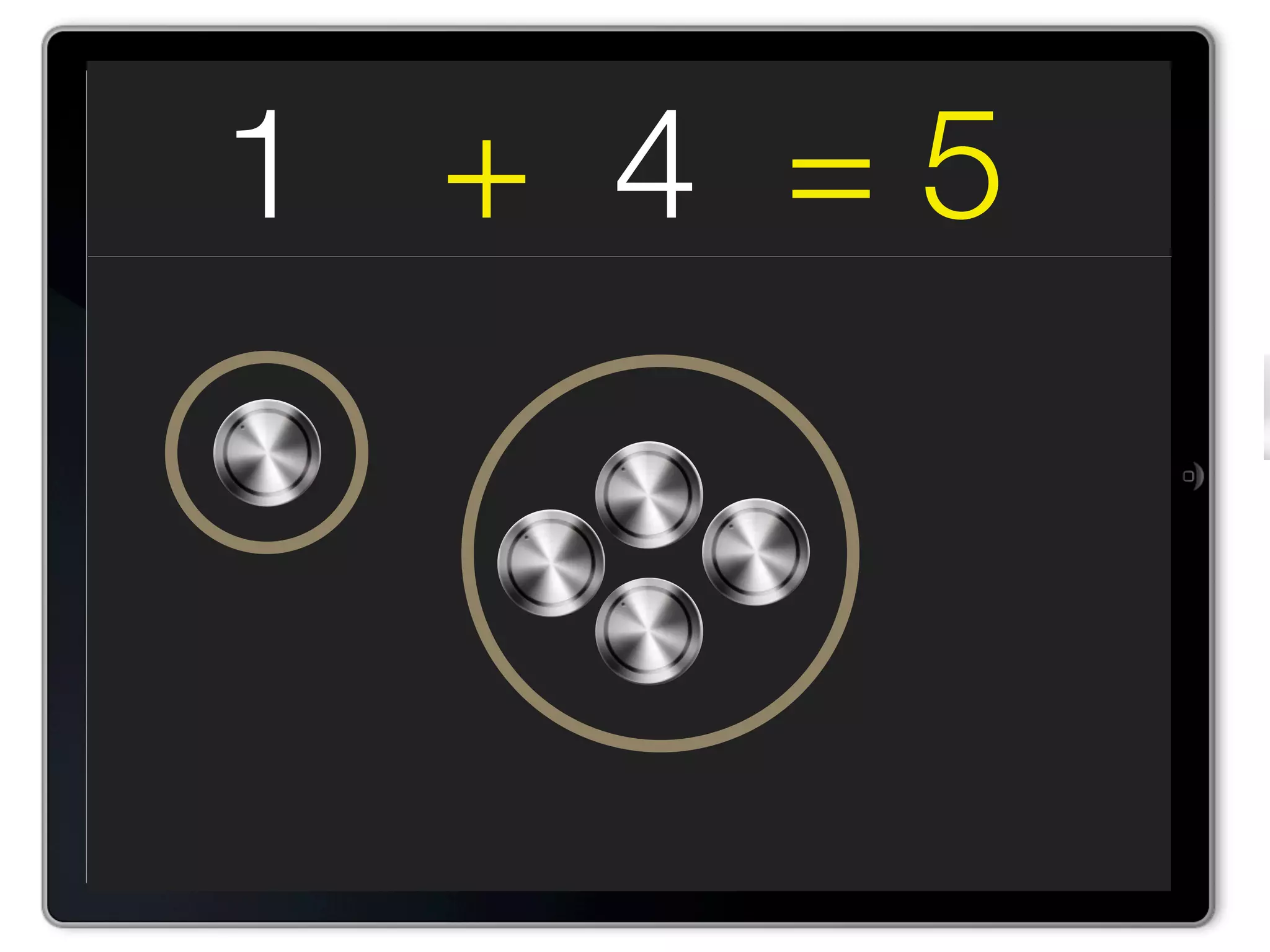
1 + 4 =5
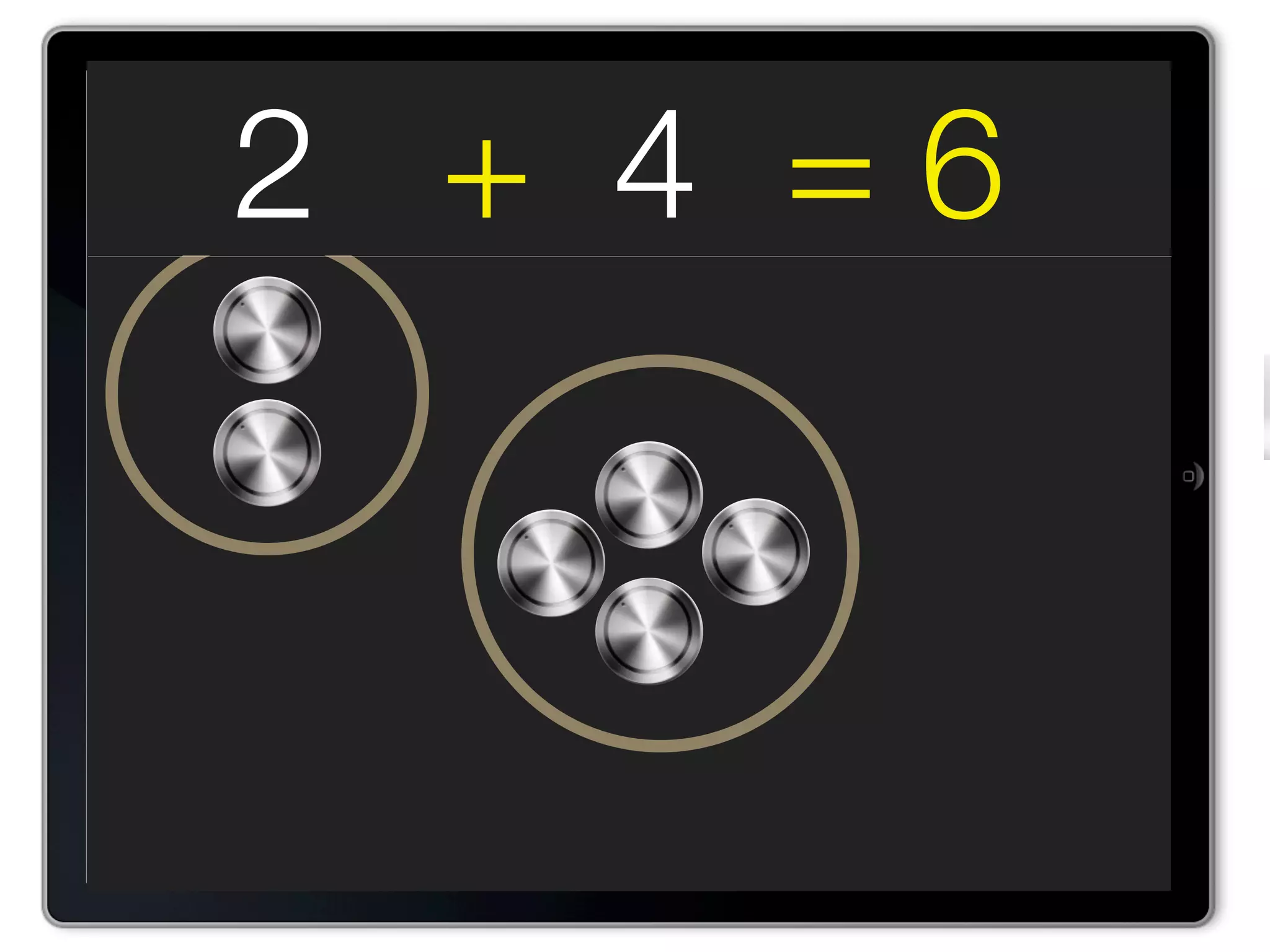
2 + 4 =6
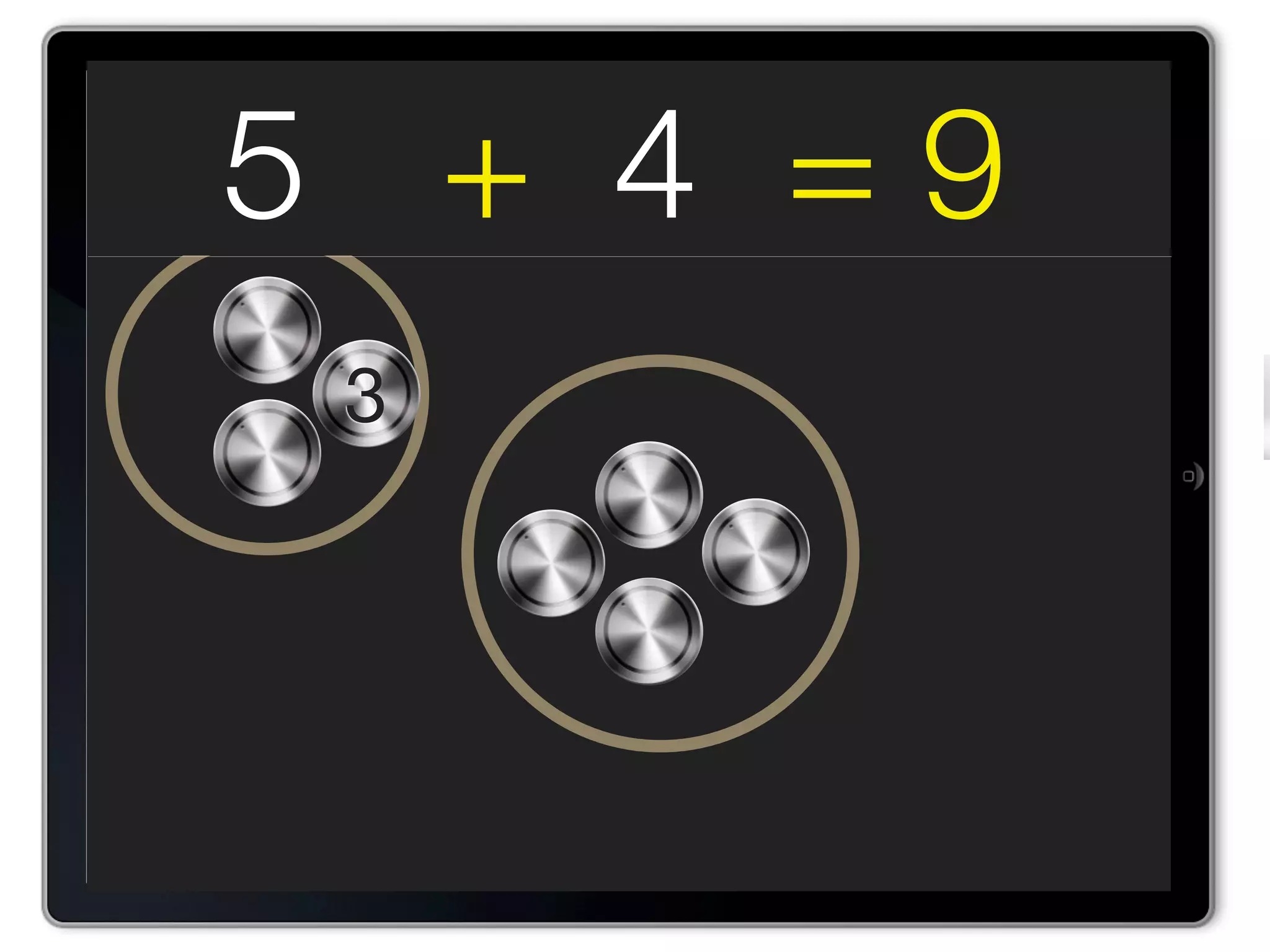
5 + 4 =9
 3
To B e Continued…
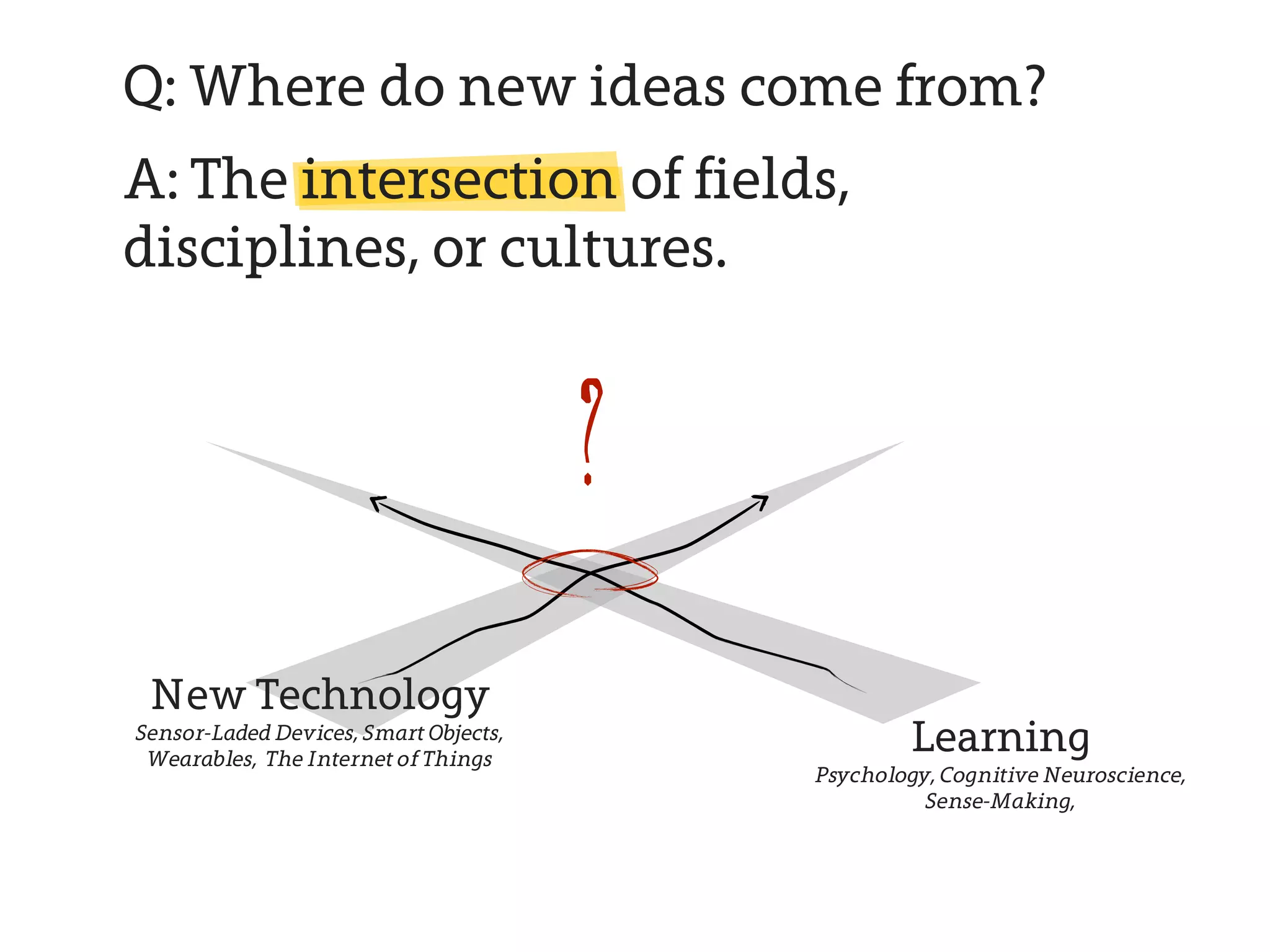
Q: Where do new ideas come from?
A: The intersection of fields,
disciplines, or cultures.


                                       ?
 New Technology
Sensor-Laded Devices, Smart Objects,
 Wearables, The Internet of Things
                                                   Learning
                                           Psychology, Cognitive Neuroscience,
                                                     Sense-Making,
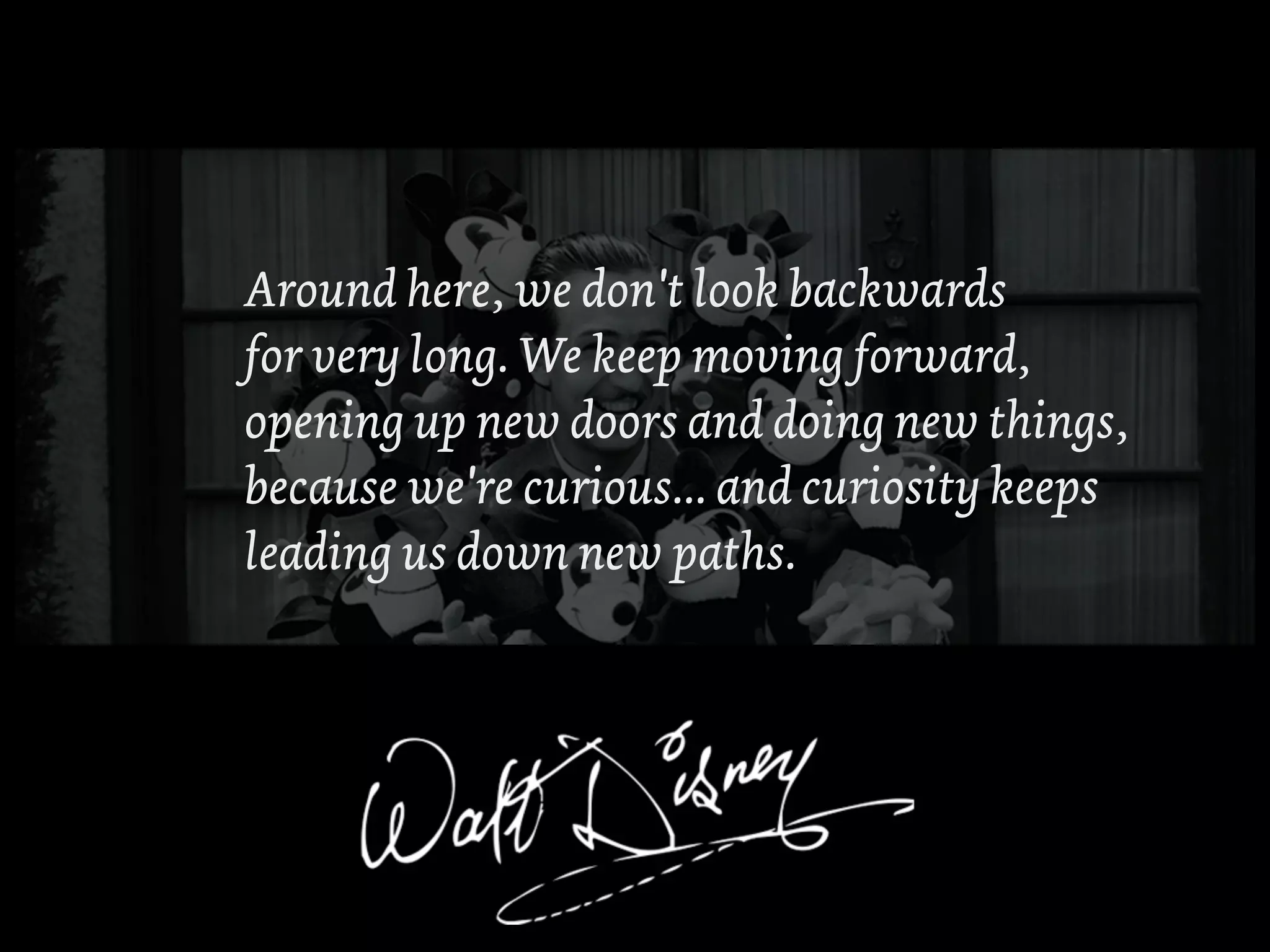
Around here, we don't look backwards
for very long. We keep moving forward,
opening up new doors and doing new things,
because we're curious... and curiosity keeps
leading us down new paths.
What are you curious about?
What do you want to know more
about by this time next year?
Thank you!
www.slideshare.net/stephenpa
slideshare.net/stephenpa


  getmentalnotes.com


Stephen P Anderson
         .
@stephenanderson
www.poetpainter.com

Ideas You Can Play With

  • 1.
    ? Ideas You Can Play With PresentedBy: Stephen P. Anderson @stephenanderson | #lscon
  • 2.
    Product Stephen P. Strategy aND n Deonsisuglting C Anderson
  • 3.
    Product Stephen P. Strategy aND n Deonsisuglting C Anderson
  • 4.
    Product Stephen P. Strategy aND n Deonsisuglting C Anderson
  • 6.
    1920-1923 …While employed atKansas City Film Ad Company Borrows stop motion camera from boss, to experiment w/ hand drawn (cel) animation - creates series of “Laugh-O-Grams” Launches studio: Laugh-O-Gram Films
  • 7.
    1923-1927 Disney is verysuccessful with the “Alice Comedies,” which bring live action into a cartoon.
  • 8.
    1928 Experiments with new way of syncing audio with film animation THINK “GET AS LARG E A LOAN AS POSSIBLE. DON'T R THIRTY FIVE HU NDRED ENOUGH TRY FOR MORE OU FUTURE DEPENDS ON FIRST PICTURE THEREFORE AM SNEY. NOT SPARING EXPENSE” WALT DI
  • 9.
    1929-1939 More than 75“Silly Symphonies” are created as a way to explore different advances sound, color, and animation
  • 10.
    PAINT JARS The WaltDisney Studios was the first to experiment with technicolor, which was first done in 1932 for "Flowers and Trees".
  • 11.
    "The Old Mill"was the first cartoon on which Walt used the multiplane camera. This concept art was done by Gustaf Tenggren, ca. 1937. This camera is one of the three original cameras used to achieve depth in animated films.
  • 12.
    UNDER WATER CAMERA Thefirst film to use an underwater camera was Walt's third live action film-20,000 Leagues Under the Sea.
  • 13.
    “ …the bleedingedge guerilla technology arm of The Walt Disney Company.” “ We're honoring Walt Disney's legacy of innovation by researching novel technologies and deploying them on a global scale.”
  • 14.
  • 15.
  • 16.
  • 17.
  • 18.
  • 19.
    Q: Where donew ideas come from?
  • 20.
    Q: Where donew ideas come from? A: The intersection of fields, disciplines, or cultures.
  • 21.
    Q: Where donew ideas come from? A: The intersection of fields, disciplines, or cultures. New Technology Sensor-Laded Devices, Smart Objects, Wearables, The Internet of Things
  • 22.
    Q: Where donew ideas come from? A: The intersection of fields, disciplines, or cultures. New Technology Sensor-Laded Devices, Smart Objects, Wearables, The Internet of Things Learning Psychology, Cognitive Neuroscience, Sense-Making, Education
  • 23.
    Q: Where donew ideas come from? A: The intersection of fields, disciplines, or cultures. ? New Technology Sensor-Laded Devices, Smart Objects, Wearables, The Internet of Things Learning Psychology, Cognitive Neuroscience, Sense-Making, Education
  • 24.
    Q: Where donew ideas come from? A: The intersection of fields, disciplines, or cultures. New Technology Sensor-Laded Devices, Smart Objects, Wearables, The Internet of Things Learning Psychology, Cognitive Neuroscience, Sense-Making, Education
  • 25.
    We learn through... 1 is the most relevant, powerful form of self-directed learning learning (70/20/10, experiential learning, etc.) (and well-framed challenges) 2 visual imagery aids in comprehension (and recall), reveals patterns and relationships 3 conceptual metaphors accelerate comprehension of new ideas through a rich set of cognitive associations (and narratives) 4 playful interactions are engaging, personalized, lead to pattern recognition as well as serendipitous accidents and discoveries 5 immediate feedback loops allow us to auto-correct and learn from mistakes 6 enable us to learn with the whole body embodied cognition (and multi-sensory experiences) 7 humor, surprise, delight arouse the brain and are more likely to be recalled later on; amygdala is emotional center & index to memories
  • 26.
    The jockey offersa piece of sugar to his horse before jumping into the saddle, the coachman beats his horse that he may respond to the signs given by the reins; and, yet, neither of these runs so superbly as the free horse of the plains. –MARIA MONTESSORI
  • 35.
    There are NObadges, leaderboards, rewards, levels, missions…
  • 36.
    There are NObadges, leaderboards, rewards, levels, missions…
  • 37.
    There are NObadges, leaderboards, rewards, levels, missions…
  • 38.
    There are NObadges, leaderboards, rewards, levels, missions…
  • 39.
    There are NObadges, leaderboards, rewards, levels, missions…
  • 40.
    There are NObadges, leaderboards, rewards, levels, missions…
  • 41.
    There are NObadges, leaderboards, rewards, levels, missions…
  • 42.
    There are NObadges, leaderboards, rewards, levels, missions…
  • 43.
    …we have prepared theenvironment and the materials –MARIA MONTESSORI
  • 44.
    How can wereframe learning environment, using… Challenges Competition Curiosity Cooperation Control Recognition Fantasy Self-Expression
  • 45.
    We learn through... 1 is the most relevant, powerful form of self-directed learning learning (70/20/10, experiential learning, etc.) (and well-framed challenges) 2 visual imagery aids in comprehension (and recall), reveals patterns and relationships 3 conceptual metaphors accelerate comprehension of new ideas through a rich set of cognitive associations (and narratives) 4 playful interactions are engaging, personalized, lead to pattern recognition as well as serendipitous accidents and discoveries 5 immediate feedback loops allow us to auto-correct and learn from mistakes 6 enable us to learn with the whole body embodied cognition (and multi-sensory experiences) 7 humor, surprise, delight arouse the brain and are more likely to be recalled later on; amygdala is emotional center & index to memories
  • 46.
  • 47.
    SUBTLE DIFFERENCES ARESIGNIFICANT. Subtle differences are significant. SHAPE COLOR INTENSITY ICONOGRAPHY ? (COLOR) OPACITY OVERLAY PLACEMENT TEXTURE OVERLAP SIZE ROTATION JOIN OUTLINE OR SOLID PERSPECTIVE ASPECT RATIO IF OUTLINE, THICKNESS OF STROKE ETC!
  • 48.
    SUBTLE DIFFERENCES ARESIGNIFICANT. Subtle differences are significant. SHAPE COLOR INTENSITY ICONOGRAPHY ? (COLOR) OPACITY OVERLAY PLACEMENT TEXTURE OVERLAP SIZE ROTATION JOIN OUTLINE OR SOLID PERSPECTIVE ASPECT RATIO IF OUTLINE, THICKNESS OF STROKE ETC!
  • 49.
    SUBTLE DIFFERENCES ARESIGNIFICANT. Subtle differences are significant. SHAPE COLOR INTENSITY ICONOGRAPHY ? (COLOR) OPACITY OVERLAY PLACEMENT TEXTURE OVERLAP SIZE ROTATION JOIN OUTLINE OR SOLID PERSPECTIVE ASPECT RATIO IF OUTLINE, THICKNESS OF STROKE ETC!
  • 50.
  • 55.
    We learn through... 1 is the most relevant, powerful form of self-directed learning learning (70/20/10, experiential learning, etc.) (and well-framed challenges) 2 visual imagery aids in comprehension (and recall), reveals patterns and relationships 3 conceptual metaphors accelerate comprehension of new ideas through a rich set of cognitive associations (and narratives) 4 playful interactions are engaging, personalized, lead to pattern recognition as well as serendipitous accidents and discoveries 5 immediate feedback loops allow us to auto-correct and learn from mistakes 6 enable us to learn with the whole body embodied cognition (and multi-sensory experiences) 7 humor, surprise, delight arouse the brain and are more likely to be recalled later on; amygdala is emotional center & index to memories
  • 56.
    !"#$%&'%&$()$*+%+('$,-'$!"#$%&'$.+,/$ ("0$.-1&#'%$-'2$%"304&$2+5&#&',&%666 ICONIC WORKING LONG-TERM MEMORY MEMORY MEMORY 7(',&.0"-4$8&0-.9(#%$ -+2$+'$"'2&#%0-'2+':6
  • 60.
    The Blue Skyof Benefits Finally, something good! Co-insurance This is usually a percentage amount that is the Co-payments insured's responsibility. A common co-insurance split is 80/20. This means that the insurance The co-payment is a fixed amount that company will pay 80% of the procedure and the the insured is required to pay at the time insured is required to pay the other 20%. of service. It is usually required for basic doctor visits and when purchasing 100% prescription medications. 90/10 $10/ $45 / $55 80/20 $10/ $35 / $45 Emergencies and Specialists Office Visits Prescriptions Gabe-endo, Elijah’s oral surgery, Erin’s wrist, chiropractor, x-rays Pharmaceutical Deductible $250/pp ? Individual Deductible Drowning in a Sea of Deductibles amount of money that the insured must pay before any benefits from the health insurance policy can be used. Family Deductible
  • 61.
    Plan A Plan B Plan C Plan D Plan E HIGH RISK (low monthly costs / high premium) $750 LOW RISK (high monthly costs / low premiums) MONTHLY COST: $793 WHAT IF…? SCENARIO 1 $2,500 SCENARIO 2 SCENARIO 3
  • 62.
    We learn through... 1 is the most relevant, powerful form of self-directed learning learning (70/20/10, experiential learning, etc.) (and well-framed challenges) 2 visual imagery aids in comprehension (and recall), reveals patterns and relationships 3 conceptual metaphors accelerate comprehension of new ideas through a rich set of cognitive associations (and narratives) 4 playful interactions are engaging, personalized, lead to pattern recognition as well as serendipitous accidents and discoveries 5 immediate feedback loops allow us to auto-correct and learn from mistakes 6 enable us to learn with the whole body embodied cognition (and multi-sensory experiences) 7 humor, surprise, delight arouse the brain and are more likely to be recalled later on; amygdala is emotional center & index to memories
  • 64.
    Play is theanswer to how anything new comes about. –JEAN PIAGET
  • 65.
  • 66.
  • 67.
    We learn through... 1 is the most relevant, powerful form of self-directed learning learning (70/20/10, experiential learning, etc.) (and well-framed challenges) 2 visual imagery aids in comprehension (and recall), reveals patterns and relationships 3 conceptual metaphors accelerate comprehension of new ideas through a rich set of cognitive associations (and narratives) 4 playful interactions are engaging, personalized, lead to pattern recognition as well as serendipitous accidents and discoveries 5 immediate feedback loops allow us to auto-correct and learn from mistakes 6 enable us to learn with the whole body embodied cognition (and multi-sensory experiences) 7 humor, surprise, delight arouse the brain and are more likely to be recalled later on; amygdala is emotional center & index to memories
  • 70.
  • 71.
  • 72.
  • 73.
  • 74.
  • 75.
    We learn through... 1 is the most relevant, powerful form of self-directed learning learning (70/20/10, experiential learning, etc.) (and well-framed challenges) 2 visual imagery aids in comprehension (and recall), reveals patterns and relationships 3 conceptual metaphors accelerate comprehension of new ideas through a rich set of cognitive associations (and narratives) 4 playful interactions are engaging, personalized, lead to pattern recognition as well as serendipitous accidents and discoveries 5 immediate feedback loops allow us to auto-correct and learn from mistakes 6 enable us to learn with the whole body embodied cognition (and multi-sensory experiences) 7 humor, surprise, delight arouse the brain and are more likely to be recalled later on; amygdala is emotional center & index to memories
  • 76.
  • 78.
  • 81.
    “pick up thepencil”
  • 82.
    A Walk Throughthe Solar System http://solarsystem.nasa.gov/yss/display.cfm?ThemeID=1&Tab=Featured%20Activity http://www.airspacemag.com/space-exploration/A-Walk-Through-the-Solar-System.html#
  • 83.
    “By rearranging theboard, the player acquired information that was otherwise difficult to perceive. Although she could have acquired this information by mentally simulating the move, it was simpler and faster to physically carry out the move and then reverse it. More importantly, the problem space is now partly in the head and partly in the world, with interaction linking and blending these two spaces together. Interacting with the environment—in this example, rearranging it to address an immediate epistemic need—can generate insight into a problem by treating the environment as a resource for reducing cognitive complexity. Instead of relying exclusively on an internal representation, the player creates, and operates on, an external representation of the problem space. Thus, interaction creates both physical and informational changes in the environment. The player can then leverage these informational changes to simplify cognitively complex tasks.” — KARL FAST, “Interaction and the epistemic potential of digital libraries”
  • 84.
    “By rearranging theboard, the player acquired information that was otherwise difficult to perceive. Although she could have acquired this information by mentally simulating the move, it was simpler and faster to physically carry out the move and then reverse it. More importantly, the problem space is now partly in the head and partly in the world, with interaction linking and blending these two spaces together. Interacting with the environment—in this example, rearranging it to address an immediate epistemic need—can generate insight into a problem by treating the environment as a resource for reducing cognitive complexity. Instead of relying exclusively on an internal representation, the player creates, and operates on, an external representation of the problem space. Thus, interaction creates both physical and informational changes in the environment. The player can then leverage these informational changes to simplify cognitively complex tasks.” — KARL FAST, “Interaction and the epistemic potential of digital libraries” Read this! http://www.springerlink.com/content/4755373gw24g00l8/?MUD=MP
  • 85.
  • 86.
  • 87.
    PRAGMATIC (Actions performed tobring one physically closer to a goal) VS EPISTEMIC ACTIONS (Actions that use the world to improve cognition) Thinking, then doing. Thinking through doing.
  • 88.
    We learn through... 1 is the most relevant, powerful form of self-directed learning learning (70/20/10, experiential learning, etc.) (and well-framed challenges) 2 visual imagery aids in comprehension (and recall), reveals patterns and relationships 3 conceptual metaphors accelerate comprehension of new ideas through a rich set of cognitive associations (and narratives) 4 playful interactions are engaging, personalized, lead to pattern recognition as well as serendipitous accidents and discoveries 5 immediate feedback loops allow us to auto-correct and learn from mistakes 6 enable us to learn with the whole body embodied cognition (and multi-sensory experiences) 7 humor, surprise, delight arouse the brain and are more likely to be recalled later on; amygdala is emotional center & index to memories
  • 89.
    Q: Where donew ideas come from? A: The intersection of fields, disciplines, or cultures. New Technology Sensor-Laded Devices, Smart Objects, Wearables, The Internet of Things Learning Psychology, Cognitive Neuroscience, Sense-Making, Education
  • 90.
    Q: Where donew ideas come from? A: The intersection of fields, disciplines, or cultures. New Technology Sensor-Laded Devices, Smart Objects, Wearables, The Internet of Things Learning Psychology, Cognitive Neuroscience, Sense-Making, Education
  • 93.
    Let’s start withwhat’s already familiar…
  • 95.
  • 97.
  • 99.
  • 100.
  • 101.
    sM ag ic! It’ http://www.misfitwearables.com/
  • 102.
  • 103.
  • 104.
  • 105.
    Changes in howwe interact… keyboard/mouse touchscreen kaboom!
  • 106.
  • 107.
  • 108.
    LUMOback sensor andmobile app. Worn around the waist, the thin sensor band gently vibrates when you slouch from your lower back. The LUMOback sensor sends gentle vibrations when you slouch backwards with your lower back, reminding you to sit or stand up straight. Using the latest Bluetooth technology, LUMOback tracks your movements wirelessly and gives you feedback through a smart device. http://lumoback.com/
  • 109.
    HAPIfork works by monitoring the exact time you start and end your meal, the amount of servings you take per minute, and how long you take to eat each serving. The fork measures the intervals between bringing the fork from your plate to your mouth and back again, and then sends a gentle vibration your way when you're eating too fast. When you're done eating, data is transmitted from the fork to your HAPIfork account, either via Bluetooth or by connecting the fork to your computer via USB. http://www.hapilabs.com/products-hapifork.asp
  • 110.
    The really farout stuff…
  • 111.
  • 112.
  • 113.
  • 114.
  • 115.
    Your Future RoboticHand Will Be Able To Detect Everything From Abnormal Breast Lumps To Enlarged Lymph Nodes http://www.fastcoexist.com/1680406/your-future-robotic-hand-will-be-able-to-detect-everything-from-abnormal-breast-lumps-to-enl#6
  • 116.
    Q: Where donew ideas come from? A: The intersection of fields, disciplines, or cultures. New Technology Sensor-Laded Devices, Smart Objects, Wearables, The Internet of Things Learning Psychology, Cognitive Neuroscience, Sense-Making, Education
  • 117.
    Q: Where donew ideas come from? A: The intersection of fields, disciplines, or cultures. ? New Technology Sensor-Laded Devices, Smart Objects, Wearables, The Internet of Things Learning Psychology, Cognitive Neuroscience, Sense-Making, Education
  • 118.
  • 119.
    “ Motion Mathhas turned math into a physical activity.” http://motionmathgames.com/
  • 121.
  • 122.
    “The approach toteaching without words that I’m proposing makes heavy use of interactivity and instant informative feedback.” STMath http://www.creativitypost.com/education/teaching_without_words
  • 123.
  • 124.
  • 126.
    Is it amanipulative?
  • 127.
    Is it amanipulative? Is it something you can interact with?
  • 128.
    Is it amanipulative? Is it something you can interact with? Does it supports self- directed learning?
  • 129.
    Is it amanipulative? Is it something you can interact with? Does it supports self- directed learning? Does it provide immediate feedback, helping the student auto-correct errors?
  • 130.
    Is it amanipulative? Is it something you can interact with? Does it supports self- directed learning? Does it provide immediate feedback, helping the student auto-correct errors?
  • 131.
    Is it amanipulative? Is it something you can interact with? Does it supports self- directed learning? Does it provide immediate feedback, helping the student auto-correct errors?
  • 132.
    Is it amanipulative? Is it something you can interact with? Does it supports self- directed learning? Does it provide immediate feedback, helping the student auto-correct errors?
  • 133.
    ID EA! Is it a manipulative? Is it something you can interact with? Does it supports self- + directed learning? Does it provide immediate feedback, helping the student auto-correct errors?
  • 134.
    ID EA! Is it a manipulative? Is it something you can interact with? Does it supports self- + directed learning? Does it provide immediate feedback, helping the student auto-correct errors?
  • 135.
  • 136.
  • 137.
  • 138.
  • 139.
  • 140.
    1 1
  • 141.
    1 2
  • 142.
    1 3
  • 143.
    1 3 1
  • 144.
    2 3
  • 145.
    2 3 + -
  • 146.
    2 3 + -
  • 147.
  • 148.
  • 149.
  • 150.
    5 + 4=9 3
  • 151.
    To B eContinued…
  • 152.
    Q: Where donew ideas come from? A: The intersection of fields, disciplines, or cultures. ? New Technology Sensor-Laded Devices, Smart Objects, Wearables, The Internet of Things Learning Psychology, Cognitive Neuroscience, Sense-Making,
  • 154.
    Around here, wedon't look backwards for very long. We keep moving forward, opening up new doors and doing new things, because we're curious... and curiosity keeps leading us down new paths.
  • 155.
    What are youcurious about? What do you want to know more about by this time next year?
  • 156.
    Thank you! www.slideshare.net/stephenpa slideshare.net/stephenpa getmentalnotes.com Stephen P Anderson . @stephenanderson www.poetpainter.com