Pick health
with a click
 Boom of ICTs
 Play a critical role in health
care
 Provide new and more
efficient ways of accessing,
communicating, and storing
information.
 Save time and energy.
 Provide health facility to the
less priveleged
WHY ICT’s FOR HEALTH?
ICT FOR HEALTH INITIATIVES
IN INDIA:
 The ANANYA project
 Mobile kunji
 Telemedicine
 MCTS(Mother and Child Tracking System)
 mHealth
 HIMS( Health Information Management System)
 PMSSY (Pradhan Mantri Swasthya Suraksha
Yojana)
ananya
ANANYA
When: May, 2010
Where: Bihar
By Whom: Bill And Melinda
Gates Foundation
Objective:
• To create a healthier and
happier Bihar
• especially for women and
children.
WHAT IS ANANYA?
 Seeks to reduce maternal,
neonatal & child mortality
 Reduce malnutrition; fertility
& morbidity from infectious
diseases
 By innovative and integrated
health solutions
 Increase the coverage and
quality of family health
interventions in Bihar
PROJECTS UNDER
ANANYA
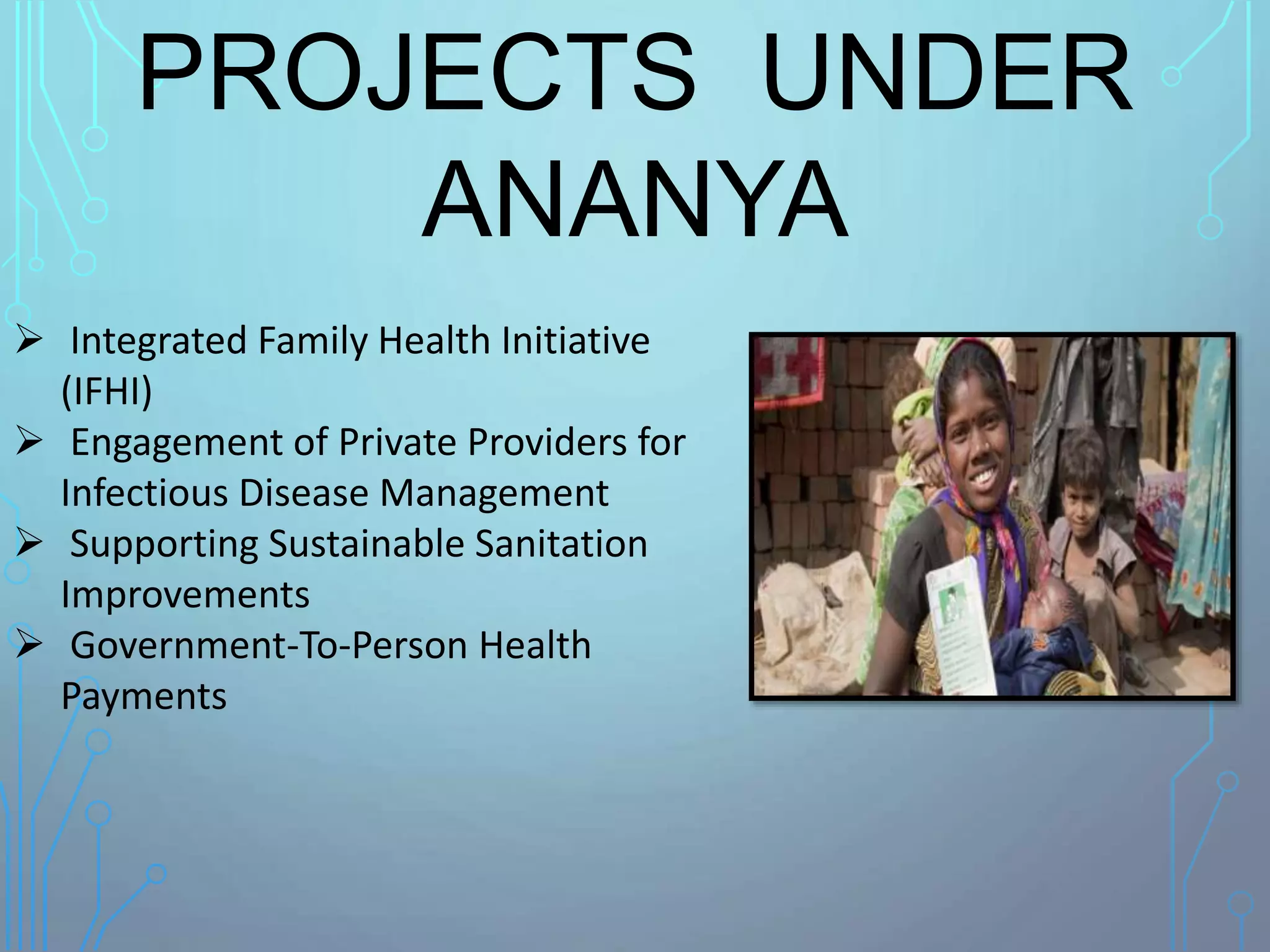
 Integrated Family Health Initiative
(IFHI)
 Engagement of Private Providers for
Infectious Disease Management
 Supporting Sustainable Sanitation
Improvements
 Government-To-Person Health
Payments
 Shaping Demand and Practices
 Community Mobilization and
Social Accountability
 Strengthening Kala Azar
Elimination Project
 Ananya Measurement, Learning
and Evaluation(MLE)
 Bihar Evaluation of Social
Franchising and Telemedicine
PROJECTS UNDER
ANANYA continued
ACCOMPLISHMENTS
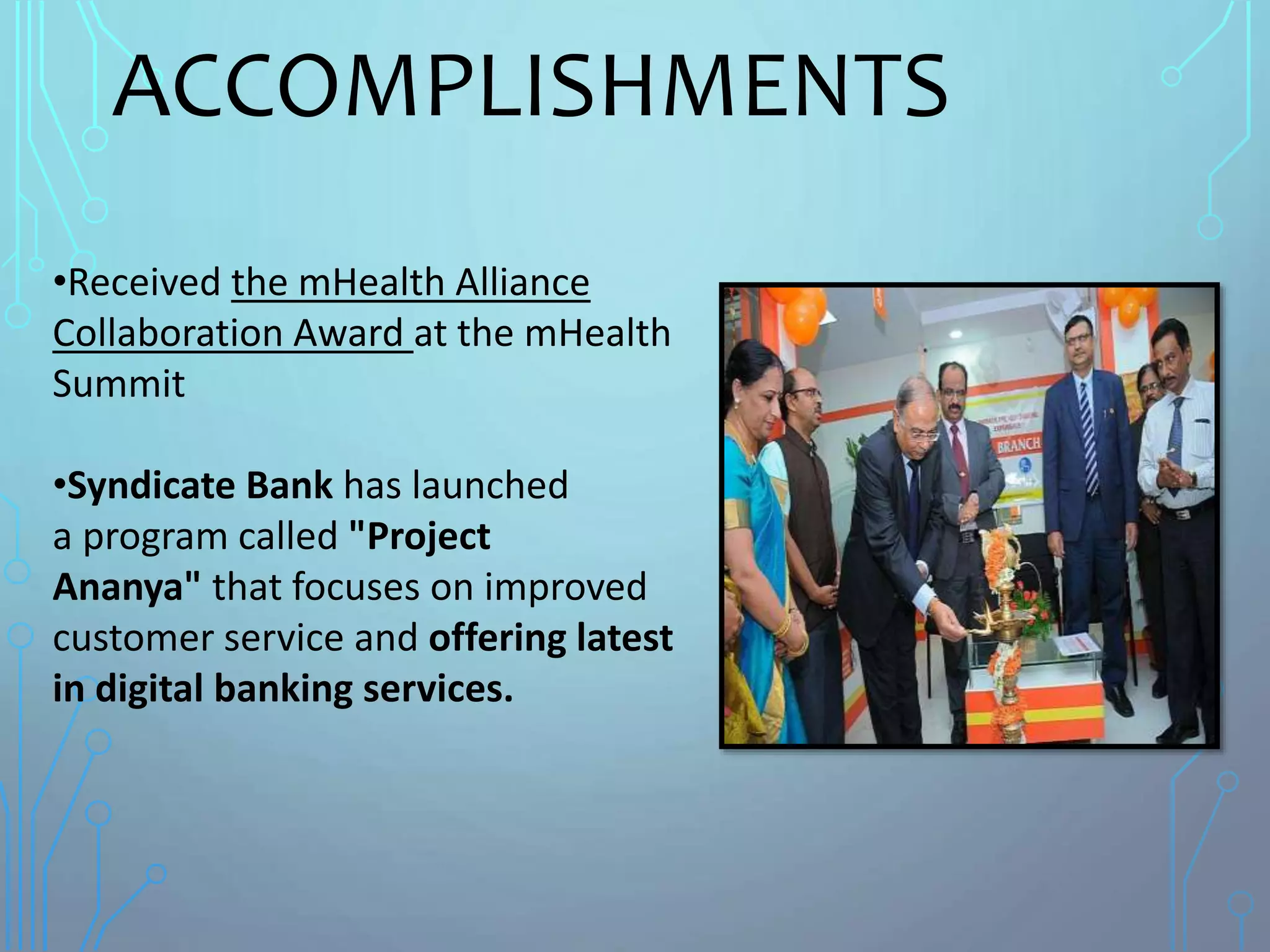
•Received the mHealth Alliance
Collaboration Award at the mHealth
Summit
•Syndicate Bank has launched
a program called "Project
Ananya" that focuses on improved
customer service and offering latest
in digital banking services.
Mobile kunji
Mobile Kunji
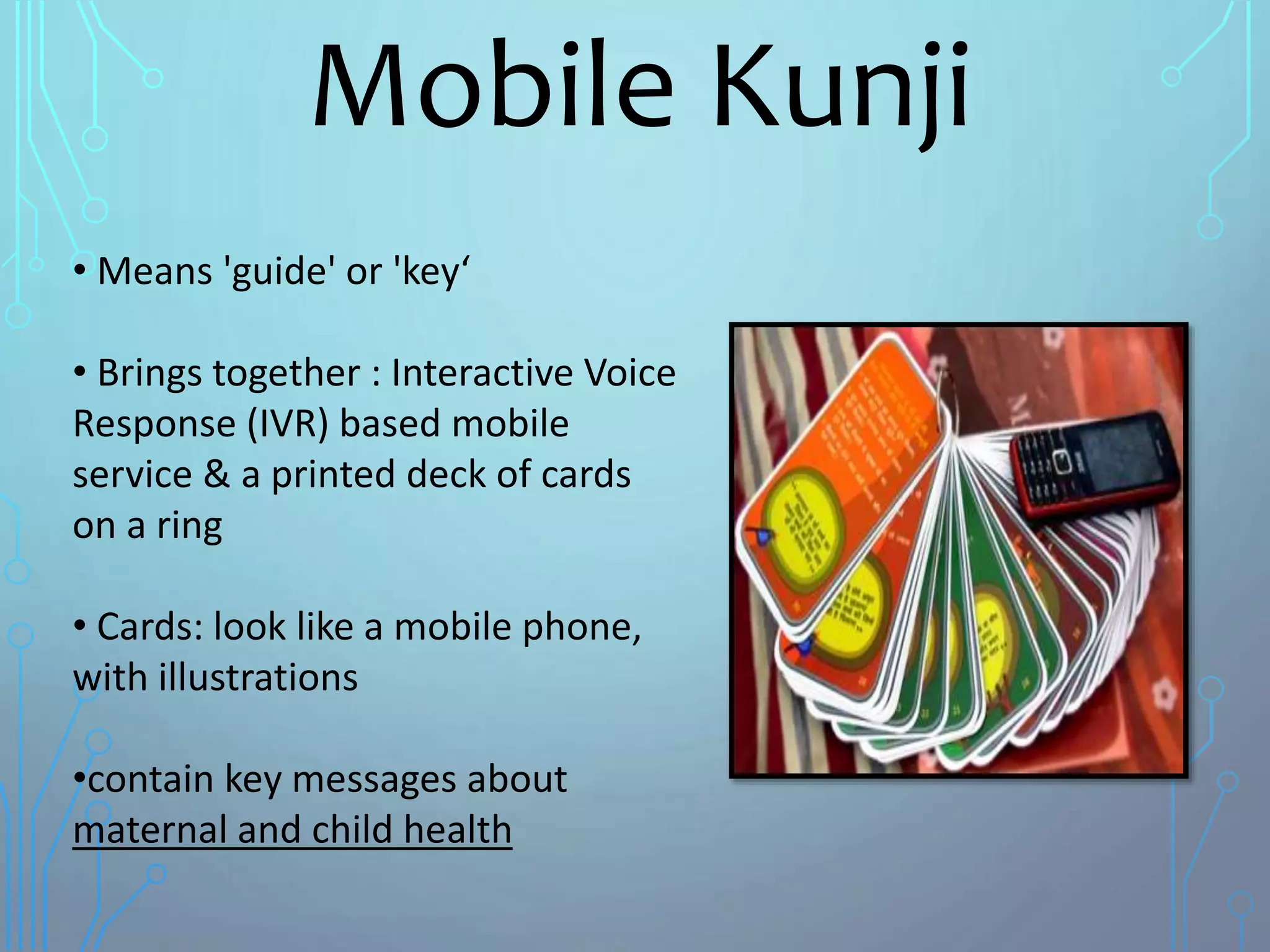
• Means 'guide' or 'key‘
• Brings together : Interactive Voice
Response (IVR) based mobile
service & a printed deck of cards
on a ring
• Cards: look like a mobile phone,
with illustrations
•contain key messages about
maternal and child health
WHAT IS IT ?
• An audio-visual job aid for
community health workers
• Created by Ananya and BBC
Media Action.
• Launched in Bihar, Odisha &
Uttar Pradesh.
• A deck of 40 cards : hand-in-
hand with pre-recorded
audio clips by Dr. Anita
• Accessible from-mobile
phone
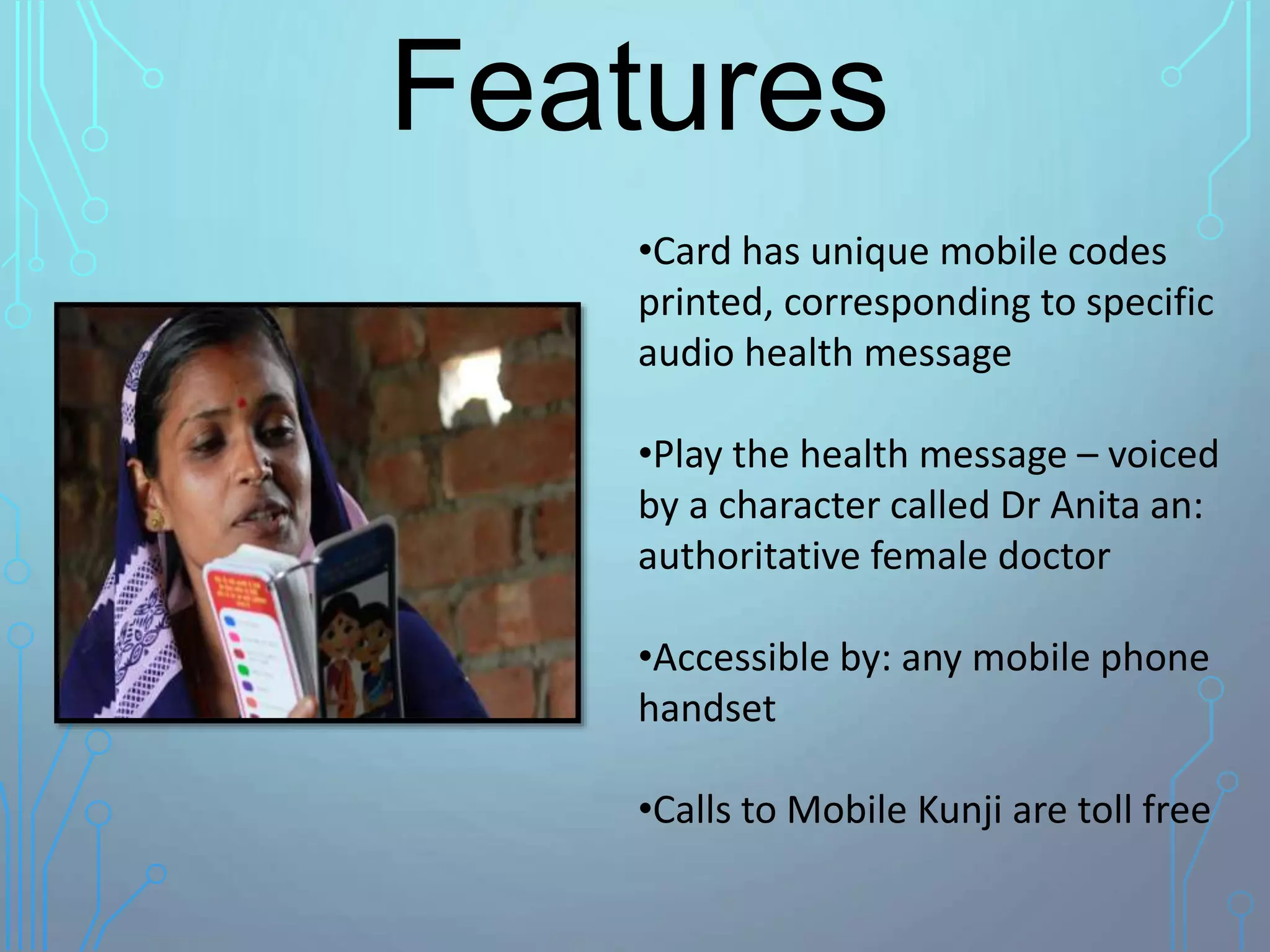
•Card has unique mobile codes
printed, corresponding to specific
audio health message
•Play the health message – voiced
by a character called Dr Anita an:
authoritative female doctor
•Accessible by: any mobile phone
handset
•Calls to Mobile Kunji are toll free
Features
•Information on early stages of pre and
post-natal health care in a compact deck
•Encourage attitude change in the rural
people
• Dr. Anita builds trust in the families
lacking access to larger professional
health care institutions
•Cards act as both a ‘job aid’ & increase
confidence
•visual material -facilities verbal
communication of the healthcare worker
& communicates the content
BENEFITS
telemedicine
Telemedicine
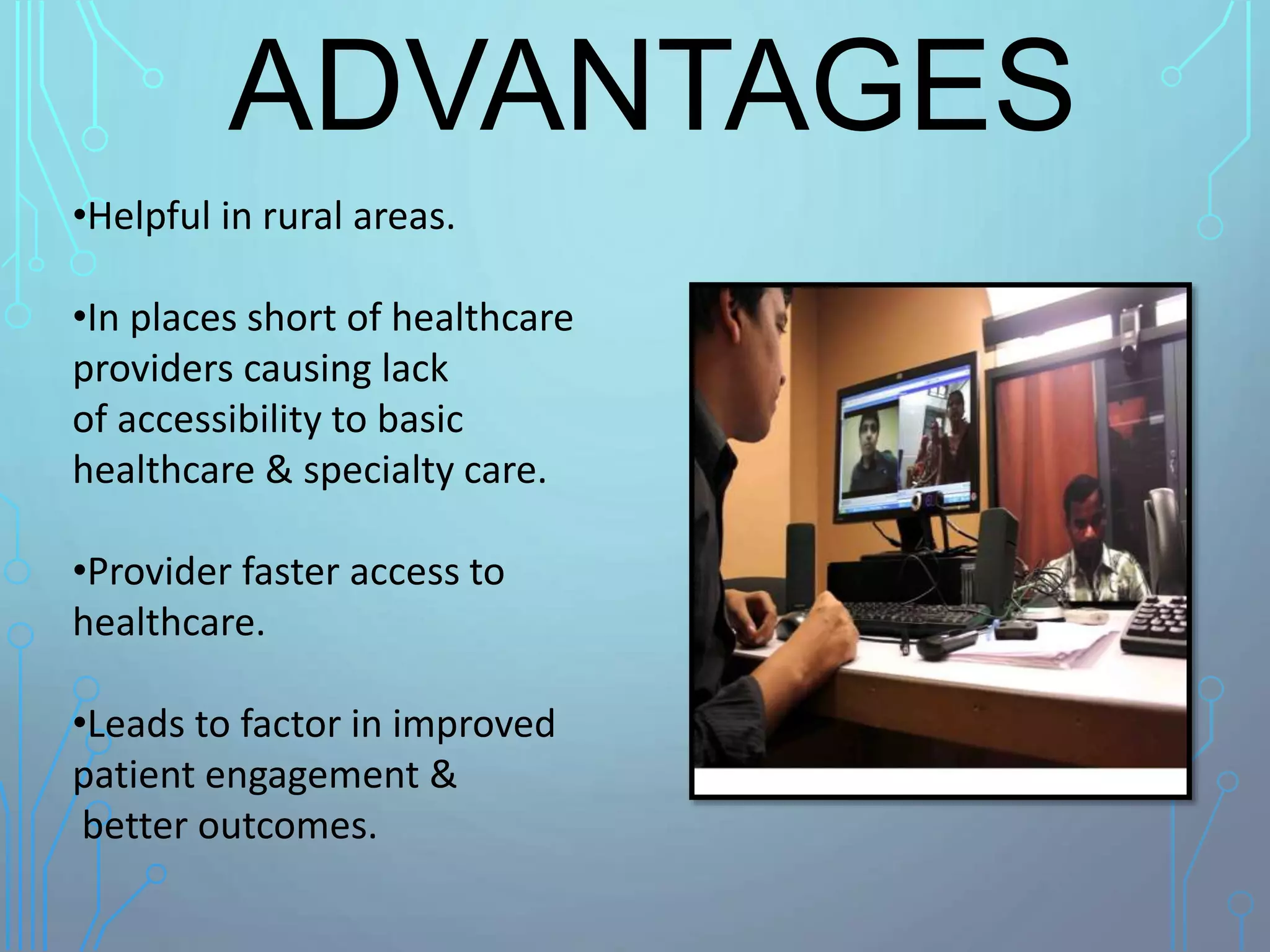
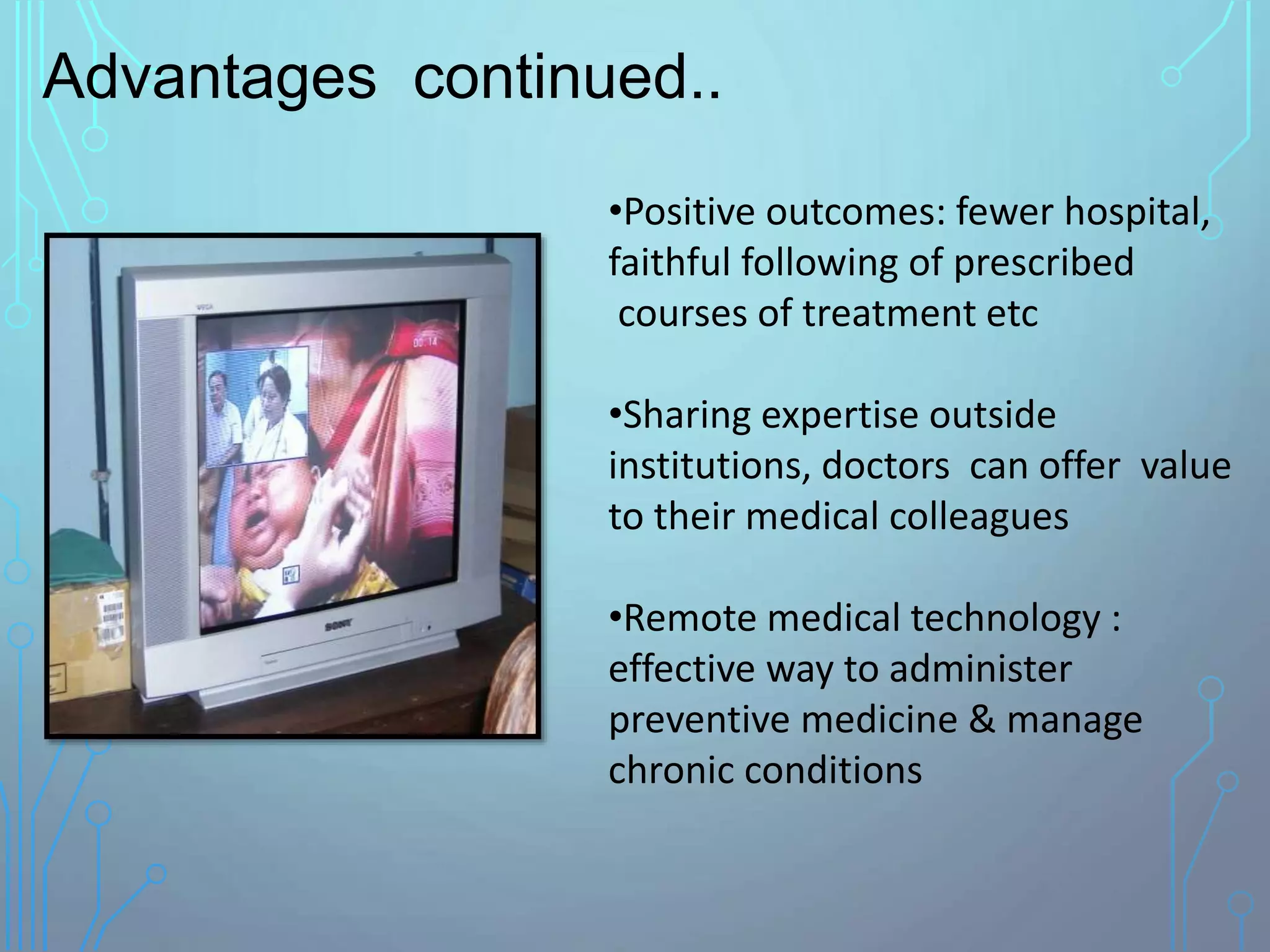
•Clinical health care from a distance
•Eliminate distance barriers
•Provides access to medical services; not
available in distant rural communities
•Saves lives in critical
care and emergency situations
•communications b/w patient & medical
staff with convenience
•transmit medical, imaging& health
informatics data from one site to
another.
•Facilities -telenursing ,telepharmacy,
telecardiology , teleradiology etc.
•Provide modern health Facilities to the
rural people.
Uses ICT to :
 Provide specialized healthcare
consultation to patients in remote
locations
 Facilitate video-conferencing
among health care experts for
better treatment & care
 Provide opportunities for
continuing education of health
care personnel
Objectives
ADVANTAGES
•Helpful in rural areas.
•In places short of healthcare
providers causing lack
of accessibility to basic
healthcare & specialty care.
•Provider faster access to
healthcare.
•Leads to factor in improved
patient engagement &
better outcomes.
•Positive outcomes: fewer hospital,
faithful following of prescribed
courses of treatment etc
•Sharing expertise outside
institutions, doctors can offer value
to their medical colleagues
•Remote medical technology :
effective way to administer
preventive medicine & manage
chronic conditions
Advantages continued..
CONCLUSION
 We saw how ICT’s are booming in the field of health and medicine.
 They not only save time, money and energy but have also Improved
the standards of living in our country, especially the rural areas.
 Many lives have been saved with the use of these programmes and
initiatives in the area of health.
 They have increased job opportunities and employment to a
great extent.
 So let us spread the word and benefits of these ICT’s so that
each one can use them and appreciate the efforts.
references
www.ananya.org
www.wikipedia.com
www.americantelemed.org
www.msbcindia.org
RATI MEHRA
VINISHA MURPANA
3rd sesemster
Department of communications & extensions
Institute of Home Economics,
Delhi university
Session- November 2016

ICT for health

  • 1.
  • 2.
     Boom ofICTs  Play a critical role in health care  Provide new and more efficient ways of accessing, communicating, and storing information.  Save time and energy.  Provide health facility to the less priveleged WHY ICT’s FOR HEALTH?
  • 3.
    ICT FOR HEALTHINITIATIVES IN INDIA:  The ANANYA project  Mobile kunji  Telemedicine  MCTS(Mother and Child Tracking System)  mHealth  HIMS( Health Information Management System)  PMSSY (Pradhan Mantri Swasthya Suraksha Yojana)
  • 4.
  • 5.
    ANANYA When: May, 2010 Where:Bihar By Whom: Bill And Melinda Gates Foundation Objective: • To create a healthier and happier Bihar • especially for women and children.
  • 6.
    WHAT IS ANANYA? Seeks to reduce maternal, neonatal & child mortality  Reduce malnutrition; fertility & morbidity from infectious diseases  By innovative and integrated health solutions  Increase the coverage and quality of family health interventions in Bihar
  • 7.
    PROJECTS UNDER ANANYA  IntegratedFamily Health Initiative (IFHI)  Engagement of Private Providers for Infectious Disease Management  Supporting Sustainable Sanitation Improvements  Government-To-Person Health Payments
  • 8.
     Shaping Demandand Practices  Community Mobilization and Social Accountability  Strengthening Kala Azar Elimination Project  Ananya Measurement, Learning and Evaluation(MLE)  Bihar Evaluation of Social Franchising and Telemedicine PROJECTS UNDER ANANYA continued
  • 9.
    ACCOMPLISHMENTS •Received the mHealthAlliance Collaboration Award at the mHealth Summit •Syndicate Bank has launched a program called "Project Ananya" that focuses on improved customer service and offering latest in digital banking services.
  • 10.
  • 11.
    Mobile Kunji • Means'guide' or 'key‘ • Brings together : Interactive Voice Response (IVR) based mobile service & a printed deck of cards on a ring • Cards: look like a mobile phone, with illustrations •contain key messages about maternal and child health
  • 12.
    WHAT IS IT? • An audio-visual job aid for community health workers • Created by Ananya and BBC Media Action. • Launched in Bihar, Odisha & Uttar Pradesh. • A deck of 40 cards : hand-in- hand with pre-recorded audio clips by Dr. Anita • Accessible from-mobile phone
  • 13.
    •Card has uniquemobile codes printed, corresponding to specific audio health message •Play the health message – voiced by a character called Dr Anita an: authoritative female doctor •Accessible by: any mobile phone handset •Calls to Mobile Kunji are toll free Features
  • 14.
    •Information on earlystages of pre and post-natal health care in a compact deck •Encourage attitude change in the rural people • Dr. Anita builds trust in the families lacking access to larger professional health care institutions •Cards act as both a ‘job aid’ & increase confidence •visual material -facilities verbal communication of the healthcare worker & communicates the content BENEFITS
  • 15.
  • 16.
    Telemedicine •Clinical health carefrom a distance •Eliminate distance barriers •Provides access to medical services; not available in distant rural communities •Saves lives in critical care and emergency situations •communications b/w patient & medical staff with convenience •transmit medical, imaging& health informatics data from one site to another. •Facilities -telenursing ,telepharmacy, telecardiology , teleradiology etc. •Provide modern health Facilities to the rural people.
  • 17.
    Uses ICT to:  Provide specialized healthcare consultation to patients in remote locations  Facilitate video-conferencing among health care experts for better treatment & care  Provide opportunities for continuing education of health care personnel Objectives
  • 18.
    ADVANTAGES •Helpful in ruralareas. •In places short of healthcare providers causing lack of accessibility to basic healthcare & specialty care. •Provider faster access to healthcare. •Leads to factor in improved patient engagement & better outcomes.
  • 19.
    •Positive outcomes: fewerhospital, faithful following of prescribed courses of treatment etc •Sharing expertise outside institutions, doctors can offer value to their medical colleagues •Remote medical technology : effective way to administer preventive medicine & manage chronic conditions Advantages continued..
  • 20.
    CONCLUSION  We sawhow ICT’s are booming in the field of health and medicine.  They not only save time, money and energy but have also Improved the standards of living in our country, especially the rural areas.  Many lives have been saved with the use of these programmes and initiatives in the area of health.  They have increased job opportunities and employment to a great extent.  So let us spread the word and benefits of these ICT’s so that each one can use them and appreciate the efforts.
  • 21.
  • 22.
    RATI MEHRA VINISHA MURPANA 3rdsesemster Department of communications & extensions Institute of Home Economics, Delhi university Session- November 2016