Hypothyroidism and
Hyperthyroidism in dogs
By:-Rajeev Mishra
L-2015-V-38-M
GADVASU, Ludhiana
Credit Seminar
Introduction
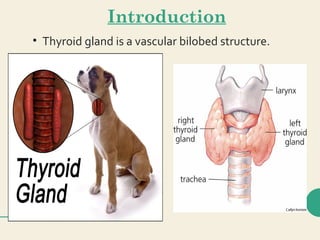
• Thyroid gland is a vascular bilobed structure.
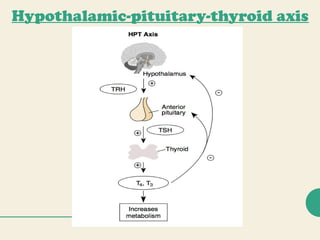
Hypothalamic-pituitary-thyroid axis
Hypothyroidism-Introduction
• In hypothyroidism,impaired production and secretion
of the thyroid hormones result in a decreased
metabolic rate.
• Most common in dogs but rarely in other species
including cats,horses.
• One of the most common yet challenging endocrine
diseases recognized in small animal practice.
Etiology
• Structural and functional abnormalities of the thyroid
gland.
• Dysfunction anywhere in the hypothalamic- pituitary-
thyroid axis may result in thyroid hormone deficiency.
• More than 95% of clinical cases result from destruction
of the thyroid gland itself.
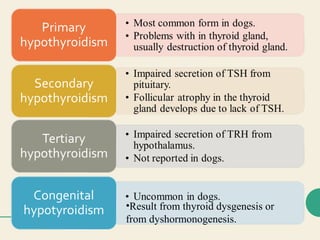
•Result from thyroid dysgenesis or
from dyshormonogenesis.
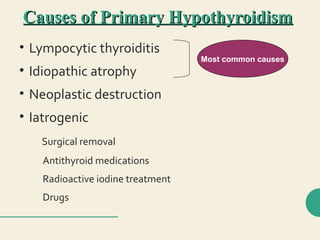
Causes of Primary HypothyroidismCauses of Primary Hypothyroidism
• Lympocytic thyroiditis
• Idiopathic atrophy
• Neoplastic destruction
• Iatrogenic
Surgical removal
Antithyroid medications
Radioactive iodine treatment
Drugs
Most common causes
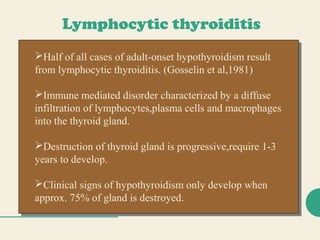
Lymphocytic thyroiditis
Half of all cases of adult-onset hypothyroidism result
from lymphocytic thyroiditis. (Gosselin et al,1981)
Immune mediated disorder characterized by a diffuse
infiltration of lymphocytes,plasma cells and macrophages
into the thyroid gland.
Destruction of thyroid gland is progressive,require 1-3
years to develop.
Clinical signs of hypothyroidism only develop when
approx. 75% of gland is destroyed.
Half of all cases of adult-onset hypothyroidism result
from lymphocytic thyroiditis. (Gosselin et al,1981)
Immune mediated disorder characterized by a diffuse
infiltration of lymphocytes,plasma cells and macrophages
into the thyroid gland.
Destruction of thyroid gland is progressive,require 1-3
years to develop.
Clinical signs of hypothyroidism only develop when
approx. 75% of gland is destroyed.
fgggghh
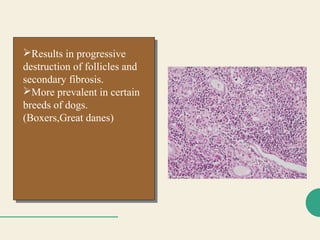
Results in progressive
destruction of follicles and
secondary fibrosis.
More prevalent in certain
breeds of dogs.
(Boxers,Great danes)
Results in progressive
destruction of follicles and
secondary fibrosis.
More prevalent in certain
breeds of dogs.
(Boxers,Great danes)
Idiopathic thyroidal
atrophyLoss of thyroid parenchyma and replacement by
adipose connective tissue.
No inflammatory infiltrate.
May be primary degenerative disorder or represent
an end stage of autoimmune lymphocytic
thyroiditis.
Cause of Secondary HypothyroidismCause of Secondary Hypothyroidism
 Pituitary malformation
-Pituitary cyst
-Pituitary hypoplasia
 Pituitary destruction
-Neoplasia
 Iatrogenic causes
-Drug therapy(glucocorticoids)
-Radiation therapy
 Pituitary thyrotropic cell suppression.
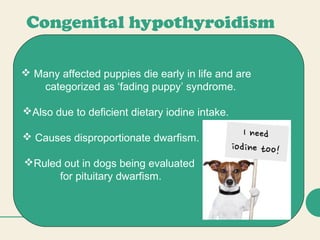
Congenital hypothyroidism
 Many affected puppies die early in life and are
categorized as ‘fading puppy’ syndrome.
Also due to deficient dietary iodine intake.
 Causes disproportionate dwarfism.
Ruled out in dogs being evaluated
for pituitary dwarfism.
Clinical signsClinical signs
Disease is most common in middle aged dogs(2-6
years).
No sex related predilection.
Affects middle to large size breeds.
Golden Retrievers,Cocker Spaniel,Dobermann
Pinschers,Dachshunds,Boxers,setters and terrier
breeds are more prone to hypothyroidism.
Neutered males and females have higher risk than
intact ones.
Affects function of all organ systems.
Mainly metabolic signs+dermatological problems.
NMS,CVS,Reproductive,Gastrointestinal systems
are less involved.
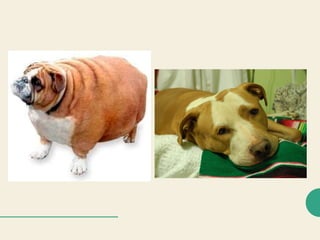
-Metabolic signs
•Lethargy
•Mental dullness
•Weight gain
•Exercise intolerance
•Heat seeking
-Dermatological signs
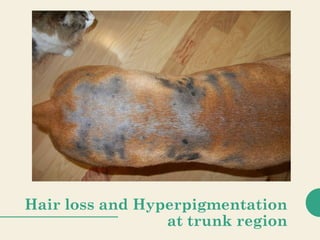
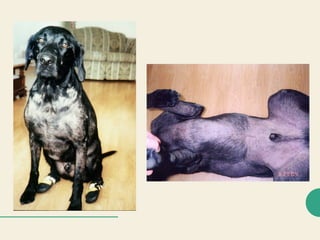
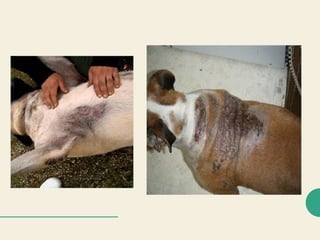
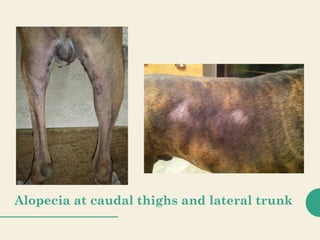
•Alopecia(usually bilateral symmetric)
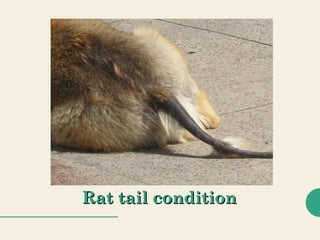
“Rat tail”
•Hyperpigmentation
•Seborrhea sicca or oleosa or dermatitis
•Pyoderma
•Myxedema
•Dry,brittle hair coat
•Otitis externa
Hair loss and Hyperpigmentation
at trunk region
Rat tail conditionRat tail condition
Alopecia at caudal thighs and lateral trunk
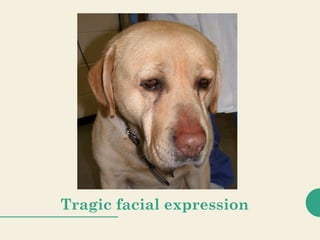
Tragic facial expression
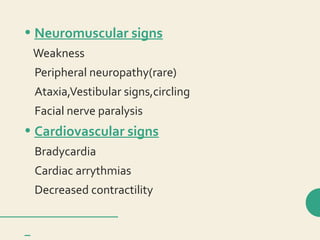
• Neuromuscular signs
Weakness
Peripheral neuropathy(rare)
Ataxia,Vestibular signs,circling
Facial nerve paralysis
• Cardiovascular signs
Bradycardia
Cardiac arrythmias
Decreased contractility
• Reproductive signs
Persistent anestrus
Weak or silent estrus
• Others
Corneal lipidosis,Uveitis
Diarrhea
Anemia
Hyperlipidemia
Bleeding disorders
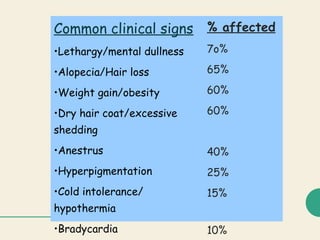
Common clinical signs
•Lethargy/mental dullness
•Alopecia/Hair loss
•Weight gain/obesity
•Dry hair coat/excessive
shedding
•Anestrus
•Hyperpigmentation
•Cold intolerance/
hypothermia
•Bradycardia
% affected
7o%
65%
60%
60%
40%
25%
15%
10%
• Cretinism
Hypothyroidism in puppies is termed cretinism.
Retarded growth and impaired mental
development are the hallmarks of cretinism.
Disproportionate body size,large broad heads,
short limbs and delayed skeletal maturation due
to epiphyseal dysgenesis.
Clinical signs
Laboratory tests
Tests of thyroid gland function
Ultrasonographic findings
Thyroid gland biopsy
Therapeutic trial as diagnostic test
Diagnosis
Laboratory tests
CBC:-A mild normocytic,normochromic,non-
regenerative anemia may be present.
Increase in the number of leptocytes(target
cells).
Biochemical tests:-Hypercholesterolemia and
hypertriglyceridemia are the biochemical
hallmark of hypothyroidism.
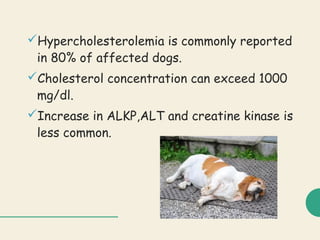
Hypercholesterolemia is commonly reported
in 80% of affected dogs.
Cholesterol concentration can exceed 1000
mg/dl.
Increase in ALKP,ALT and creatine kinase is
less common.
Tests of thyroid gland function
Serum Thyroxine(T4)
Serum Free Thyroxine(FT4)
Serum Thyrotropin(TSH)
Serum 3,5,3’-Triiodothyronine(T3)
Serum Thyroglobulin(Tg) autoantibody test,
T3 and T4 autoantibody tests.
Pre-testing recommendations
Review the dog’s current and recent drug
Therapy.
Investigate and exclude non-thyroidal
causes of clinical signs.
Serum Thyroxine:-
 Most commonly used initial screening test for
hypothyroidism.
 Normal serum T4 rules out hypothyroidism.
 Low serum T4 does not,by itself,confirm
hypothyroidism.
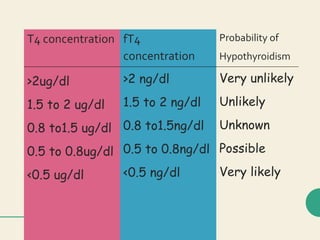
Serum Free Thyroxine:-
 Usually measured in dogs with non-diagnostic serum
T4 test results.
 Normal fT4 rules out hypothyroidism.
 Decreased values are more specific for
hypothyroidism than total T4.
 More expensive than total T4.
T4 concentration
>2ug/dl
1.5 to 2 ug/dl
0.8 to1.5 ug/dl
0.5 to 0.8ug/dl
<0.5 ug/dl
fT4
concentration
>2 ng/dl
1.5 to 2 ng/dl
0.8 to1.5ng/dl
0.5 to 0.8ng/dl
<0.5 ng/dl
Probability of
Hypothyroidism
Very unlikely
Unlikely
Unknown
Possible
Very likely
Canine TSH:-
 Helps differentiate low T4 of hypothyroidism from
other causes.
 Should not be interpreted alone.
 Provides additional evidence for or against the
diagnosis of hypothyroidism.
Thyroglobulin autoantibody test:-
 Test of thyroid gland pathology,not thyroid gland
function.
 Used to identify lymphocytic thyroditis.
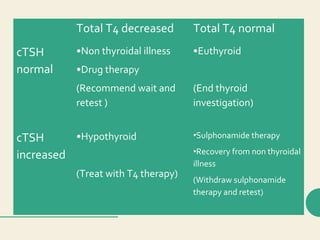
Total T4 decreased Total T4 normal
cTSH
normal
•Non thyroidal illness
•Drug therapy
(Recommend wait and
retest )
•Euthyroid
(End thyroid
investigation)
cTSH
increased
•Hypothyroid
(Treat with T4 therapy)
•Sulphonamide therapy
•Recovery from non thyroidal
illness
(Withdraw sulphonamide
therapy and retest)
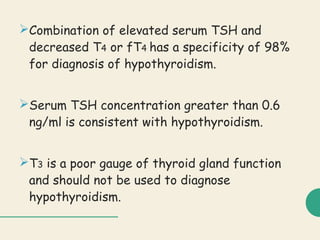
Combination of elevated serum TSH and
decreased T4 or fT4 has a specificity of 98%
for diagnosis of hypothyroidism.
Serum TSH concentration greater than 0.6
ng/ml is consistent with hypothyroidism.
T3 is a poor gauge of thyroid gland function
and should not be used to diagnose
hypothyroidism.
TSH stimulation test:-
• This test is currently the best means of confirming
hypothyroidism in dogs.
• Low serum T4 concentration that fails to increase
adequately following administration of exogenous,
bovine TSH(0.1 u/kg) confirms a diagnosis of
hypothyroidism in dog.
• Obtain blood sample before and 6 hour after I/V
adm. of TSH.
• Post TSH adm. ,T4 conc. <19 nmol/l is diagnostic for
hypothyroidism while T4 >30 nmol/l is consistent with
normal thyroid function.
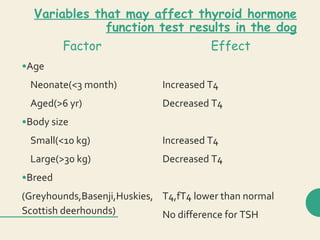
Variables that may affect thyroid hormone
function test results in the dog
Factor Effect
•Age
Neonate(<3 month)
Aged(>6 yr)
•Body size
Small(<10 kg)
Large(>30 kg)
•Breed
(Greyhounds,Basenji,Huskies,
Scottish deerhounds)
Increased T4
Decreased T4
Increased T4
Decreased T4
T4,fT4 lower than normal
No difference for TSH
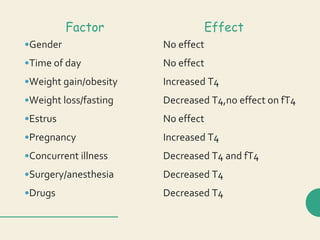
Factor Effect
•Gender
•Time of day
•Weight gain/obesity
•Weight loss/fasting
•Estrus
•Pregnancy
•Concurrent illness
•Surgery/anesthesia
•Drugs
No effect
No effect
Increased T4
Decreased T4,no effect on fT4
No effect
Increased T4
Decreased T4 and fT4
Decreased T4
Decreased T4
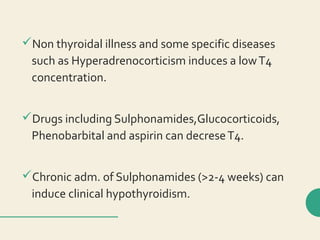
Non thyroidal illness and some specific diseases
such as Hyperadrenocorticism induces a lowT4
concentration.
Drugs including Sulphonamides,Glucocorticoids,
Phenobarbital and aspirin can decreseT4.
Chronic adm. of Sulphonamides (>2-4 weeks) can
induce clinical hypothyroidism.
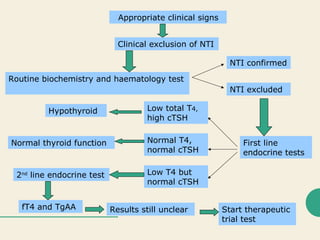
Appropriate clinical signs
Clinical exclusion of NTI
Routine biochemistry and haematology test
NTI confirmed
NTI excluded
First line
endocrine tests
Low total T4,
high cTSH
Normal T4,
normal cTSH
Low T4 but
normal cTSH
Hypothyroid
Normal thyroid function
2nd
line endocrine test
fT4 and TgAA Results still unclear Start therapeutic
trial test
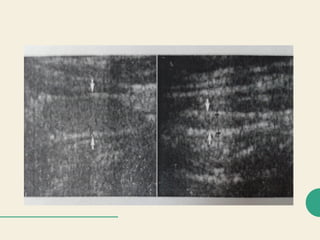
Thyroid Ultrasonography:-
Helpful in differentiating dogs with hypothyroidism
from euthyroid dogs with nonthyroidal illness
causing low thyroid hormone test results.
Thyroid gland size and echogenicity decreased in
hypothyroid dogs,the parenchyma may be
heterogenous and the margins of thyroid gland are
irregular compared with euthyroid dogs.
Lymphocytic thyroiditis and idiopathic atrophy
cause a decrease in size and echogenicity of thyroid
lobe.
Thyroid gland biopsy:-
Reliable means of diagnosing primary
hypothyroidism.
Best means to confirm lymphocytic thyroiditis.
The major disadvantage of this diagnostic test
is the anesthetic and surgical risk involved.
Differential diagnosis
• Alopecia must be differentiated from:-
-other endocrine disorders (hyperadrenocorticism).
-Follicular dysplasia
-Poor hair coat and seborrhea as a result of numerous
other disorders.
• Obesity results:-
-most commonly from overfeeding.
-also occur in hyperadrenocorticism.
• Lethargy and exercise intolerance:-
-can also occur in metabolic,neurologic and
cardiovascular disorders.
• Hypercholesterolemia can also caused by:-
-Hyperadrenocorticism
-Diabetes mellitus
-Cholestasis
-Pancreatitis
-Primary hyperlipidemia disorders.
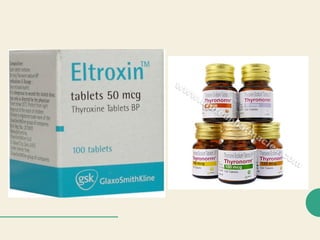
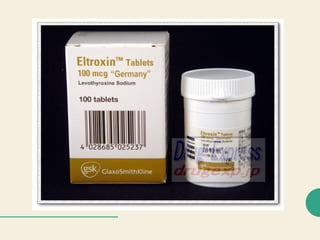
Treatment
Synthetic levothyroxine is the treatment of
choice for hypothyroidism.
Liquid and tablet formulations are effective.
The initial dosage is 0.02 mg/kg,with a
maximum initial dose of 0.8 mg.
The initial frequency of administration is
every 12 hours unless the levothyroxine
product has been specifically formulated for
once daily administration.
Initial Monitoring
Response to treatment should be critically
evaluated 4 to 8 weeks after initiating
treatment.
Serum T4 and TSH concentrations should be
measured 4 to 6 hours after adm. of
levothyroxine.
T4 and TSH conc. should be in the reference
range.
Improvement in mental alertness and activity usually
occurs within the first week of treatment.
Some hair regrowth usually occurs with in the first
month in dogs with endocrine alopecia.
May take several months for complete regrowth and
marked reduction in hyperpigmentation of skin.
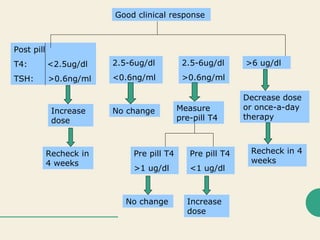
Good clinical response
Post pill
T4: <2.5ug/dl
TSH: >0.6ng/ml
2.5-6ug/dl
<0.6ng/ml
2.5-6ug/dl
>0.6ng/ml
>6 ug/dl
Increase
dose
Recheck in
4 weeks
No change Measure
pre-pill T4
Pre pill T4
>1 ug/dl
No change
Pre pill T4
<1 ug/dl
Increase
dose
Decrease dose
or once-a-day
therapy
Recheck in 4
weeks
If poor clinical response then measure
post-pill T4 and TSH.
If T4 value less than normal and TSH value
more than normal,then increase the dose
and recheck with in 4 weeks.
If T4 value normal or more than normal
then re-evaluate diagnosis.
Potential Reasons for Poor Clinical
Response to Treatment
Use of inactivated or outdated product.
Inappropriate levothyroxine dose.
Inappropriate frequency of administration.
Low tablet strength.
Poor bioavailability.
Inadequate time for clinical response to occur.
Incorrect diagnosis of hypothyroidism.
Prognosis
For adult dogs with primary hypothyroidism that
are receiving appropriate therapy is excellent.
Prognosis for puppies is guarded and depends on
the severity of skeletal and joint abnormalities.
For dogs with acquired secondary hypothyroidism
caused by suppression of pituitary function by
medications is excellent.
Hyperthyroidism in dogs
• Very rare condition in dogs.
• Excessive thyroid hormone secretion.
• Caused by a functional thyroid tumor(malignant
thyroid carcinoma).
• Sometimes overdosing of levothyroxine for
hypothyroidism.
• Older dogs,particularly (Boxers,Beagles,Golden
retrievers).
Clinical signs:-
• Weight loss
• Polyphagia,Polydipsia
• Polyuria
• Panting,Dyspnea
• Muscle wasting
• Tachycardia
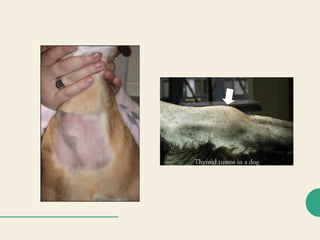
• Mass in ventral cervical area is the most common
finding.
Diagnosis
Clinical signs
Elevated serum T4 conc.
Biopsy of cervical mass
Cervical radiographs
Ultrasound examination
Treatment
Surgical excision of tumor.
External beam radiation therapy.
Chemotherapy.
Hypothyroidism and Hyperthyroidism in dogs

Hypothyroidism and Hyperthyroidism in dogs

  • 1.
    Hypothyroidism and Hyperthyroidism indogs By:-Rajeev Mishra L-2015-V-38-M GADVASU, Ludhiana Credit Seminar
  • 2.
    Introduction • Thyroid glandis a vascular bilobed structure.
  • 3.
  • 4.
    Hypothyroidism-Introduction • In hypothyroidism,impairedproduction and secretion of the thyroid hormones result in a decreased metabolic rate. • Most common in dogs but rarely in other species including cats,horses. • One of the most common yet challenging endocrine diseases recognized in small animal practice.
  • 5.
    Etiology • Structural andfunctional abnormalities of the thyroid gland. • Dysfunction anywhere in the hypothalamic- pituitary- thyroid axis may result in thyroid hormone deficiency. • More than 95% of clinical cases result from destruction of the thyroid gland itself.
  • 6.
    •Result from thyroiddysgenesis or from dyshormonogenesis.
  • 7.
    Causes of PrimaryHypothyroidismCauses of Primary Hypothyroidism • Lympocytic thyroiditis • Idiopathic atrophy • Neoplastic destruction • Iatrogenic Surgical removal Antithyroid medications Radioactive iodine treatment Drugs Most common causes
  • 8.
    Lymphocytic thyroiditis Half ofall cases of adult-onset hypothyroidism result from lymphocytic thyroiditis. (Gosselin et al,1981) Immune mediated disorder characterized by a diffuse infiltration of lymphocytes,plasma cells and macrophages into the thyroid gland. Destruction of thyroid gland is progressive,require 1-3 years to develop. Clinical signs of hypothyroidism only develop when approx. 75% of gland is destroyed. Half of all cases of adult-onset hypothyroidism result from lymphocytic thyroiditis. (Gosselin et al,1981) Immune mediated disorder characterized by a diffuse infiltration of lymphocytes,plasma cells and macrophages into the thyroid gland. Destruction of thyroid gland is progressive,require 1-3 years to develop. Clinical signs of hypothyroidism only develop when approx. 75% of gland is destroyed.
  • 9.
    fgggghh Results in progressive destructionof follicles and secondary fibrosis. More prevalent in certain breeds of dogs. (Boxers,Great danes) Results in progressive destruction of follicles and secondary fibrosis. More prevalent in certain breeds of dogs. (Boxers,Great danes)
  • 10.
    Idiopathic thyroidal atrophyLoss ofthyroid parenchyma and replacement by adipose connective tissue. No inflammatory infiltrate. May be primary degenerative disorder or represent an end stage of autoimmune lymphocytic thyroiditis.
  • 11.
    Cause of SecondaryHypothyroidismCause of Secondary Hypothyroidism  Pituitary malformation -Pituitary cyst -Pituitary hypoplasia  Pituitary destruction -Neoplasia  Iatrogenic causes -Drug therapy(glucocorticoids) -Radiation therapy  Pituitary thyrotropic cell suppression.
  • 12.
    Congenital hypothyroidism  Manyaffected puppies die early in life and are categorized as ‘fading puppy’ syndrome. Also due to deficient dietary iodine intake.  Causes disproportionate dwarfism. Ruled out in dogs being evaluated for pituitary dwarfism.
  • 13.
    Clinical signsClinical signs Diseaseis most common in middle aged dogs(2-6 years). No sex related predilection. Affects middle to large size breeds. Golden Retrievers,Cocker Spaniel,Dobermann Pinschers,Dachshunds,Boxers,setters and terrier breeds are more prone to hypothyroidism. Neutered males and females have higher risk than intact ones.
  • 14.
    Affects function ofall organ systems. Mainly metabolic signs+dermatological problems. NMS,CVS,Reproductive,Gastrointestinal systems are less involved.
  • 15.
    -Metabolic signs •Lethargy •Mental dullness •Weightgain •Exercise intolerance •Heat seeking
  • 17.
    -Dermatological signs •Alopecia(usually bilateralsymmetric) “Rat tail” •Hyperpigmentation •Seborrhea sicca or oleosa or dermatitis •Pyoderma •Myxedema •Dry,brittle hair coat •Otitis externa
  • 18.
    Hair loss andHyperpigmentation at trunk region
  • 21.
    Rat tail conditionRattail condition
  • 22.
    Alopecia at caudalthighs and lateral trunk
  • 23.
  • 24.
    • Neuromuscular signs Weakness Peripheralneuropathy(rare) Ataxia,Vestibular signs,circling Facial nerve paralysis • Cardiovascular signs Bradycardia Cardiac arrythmias Decreased contractility
  • 25.
    • Reproductive signs Persistentanestrus Weak or silent estrus • Others Corneal lipidosis,Uveitis Diarrhea Anemia Hyperlipidemia Bleeding disorders
  • 26.
    Common clinical signs •Lethargy/mentaldullness •Alopecia/Hair loss •Weight gain/obesity •Dry hair coat/excessive shedding •Anestrus •Hyperpigmentation •Cold intolerance/ hypothermia •Bradycardia % affected 7o% 65% 60% 60% 40% 25% 15% 10%
  • 27.
    • Cretinism Hypothyroidism inpuppies is termed cretinism. Retarded growth and impaired mental development are the hallmarks of cretinism. Disproportionate body size,large broad heads, short limbs and delayed skeletal maturation due to epiphyseal dysgenesis.
  • 28.
    Clinical signs Laboratory tests Testsof thyroid gland function Ultrasonographic findings Thyroid gland biopsy Therapeutic trial as diagnostic test Diagnosis
  • 29.
    Laboratory tests CBC:-A mildnormocytic,normochromic,non- regenerative anemia may be present. Increase in the number of leptocytes(target cells). Biochemical tests:-Hypercholesterolemia and hypertriglyceridemia are the biochemical hallmark of hypothyroidism.
  • 30.
    Hypercholesterolemia is commonlyreported in 80% of affected dogs. Cholesterol concentration can exceed 1000 mg/dl. Increase in ALKP,ALT and creatine kinase is less common.
  • 31.
    Tests of thyroidgland function Serum Thyroxine(T4) Serum Free Thyroxine(FT4) Serum Thyrotropin(TSH) Serum 3,5,3’-Triiodothyronine(T3) Serum Thyroglobulin(Tg) autoantibody test, T3 and T4 autoantibody tests.
  • 32.
    Pre-testing recommendations Review thedog’s current and recent drug Therapy. Investigate and exclude non-thyroidal causes of clinical signs.
  • 33.
    Serum Thyroxine:-  Mostcommonly used initial screening test for hypothyroidism.  Normal serum T4 rules out hypothyroidism.  Low serum T4 does not,by itself,confirm hypothyroidism.
  • 34.
    Serum Free Thyroxine:- Usually measured in dogs with non-diagnostic serum T4 test results.  Normal fT4 rules out hypothyroidism.  Decreased values are more specific for hypothyroidism than total T4.  More expensive than total T4.
  • 35.
    T4 concentration >2ug/dl 1.5 to2 ug/dl 0.8 to1.5 ug/dl 0.5 to 0.8ug/dl <0.5 ug/dl fT4 concentration >2 ng/dl 1.5 to 2 ng/dl 0.8 to1.5ng/dl 0.5 to 0.8ng/dl <0.5 ng/dl Probability of Hypothyroidism Very unlikely Unlikely Unknown Possible Very likely
  • 36.
    Canine TSH:-  Helpsdifferentiate low T4 of hypothyroidism from other causes.  Should not be interpreted alone.  Provides additional evidence for or against the diagnosis of hypothyroidism. Thyroglobulin autoantibody test:-  Test of thyroid gland pathology,not thyroid gland function.  Used to identify lymphocytic thyroditis.
  • 37.
    Total T4 decreasedTotal T4 normal cTSH normal •Non thyroidal illness •Drug therapy (Recommend wait and retest ) •Euthyroid (End thyroid investigation) cTSH increased •Hypothyroid (Treat with T4 therapy) •Sulphonamide therapy •Recovery from non thyroidal illness (Withdraw sulphonamide therapy and retest)
  • 38.
    Combination of elevatedserum TSH and decreased T4 or fT4 has a specificity of 98% for diagnosis of hypothyroidism. Serum TSH concentration greater than 0.6 ng/ml is consistent with hypothyroidism. T3 is a poor gauge of thyroid gland function and should not be used to diagnose hypothyroidism.
  • 39.
    TSH stimulation test:- •This test is currently the best means of confirming hypothyroidism in dogs. • Low serum T4 concentration that fails to increase adequately following administration of exogenous, bovine TSH(0.1 u/kg) confirms a diagnosis of hypothyroidism in dog. • Obtain blood sample before and 6 hour after I/V adm. of TSH. • Post TSH adm. ,T4 conc. <19 nmol/l is diagnostic for hypothyroidism while T4 >30 nmol/l is consistent with normal thyroid function.
  • 40.
    Variables that mayaffect thyroid hormone function test results in the dog Factor Effect •Age Neonate(<3 month) Aged(>6 yr) •Body size Small(<10 kg) Large(>30 kg) •Breed (Greyhounds,Basenji,Huskies, Scottish deerhounds) Increased T4 Decreased T4 Increased T4 Decreased T4 T4,fT4 lower than normal No difference for TSH
  • 41.
    Factor Effect •Gender •Time ofday •Weight gain/obesity •Weight loss/fasting •Estrus •Pregnancy •Concurrent illness •Surgery/anesthesia •Drugs No effect No effect Increased T4 Decreased T4,no effect on fT4 No effect Increased T4 Decreased T4 and fT4 Decreased T4 Decreased T4
  • 42.
    Non thyroidal illnessand some specific diseases such as Hyperadrenocorticism induces a lowT4 concentration. Drugs including Sulphonamides,Glucocorticoids, Phenobarbital and aspirin can decreseT4. Chronic adm. of Sulphonamides (>2-4 weeks) can induce clinical hypothyroidism.
  • 43.
    Appropriate clinical signs Clinicalexclusion of NTI Routine biochemistry and haematology test NTI confirmed NTI excluded First line endocrine tests Low total T4, high cTSH Normal T4, normal cTSH Low T4 but normal cTSH Hypothyroid Normal thyroid function 2nd line endocrine test fT4 and TgAA Results still unclear Start therapeutic trial test
  • 44.
    Thyroid Ultrasonography:- Helpful indifferentiating dogs with hypothyroidism from euthyroid dogs with nonthyroidal illness causing low thyroid hormone test results. Thyroid gland size and echogenicity decreased in hypothyroid dogs,the parenchyma may be heterogenous and the margins of thyroid gland are irregular compared with euthyroid dogs. Lymphocytic thyroiditis and idiopathic atrophy cause a decrease in size and echogenicity of thyroid lobe.
  • 46.
    Thyroid gland biopsy:- Reliablemeans of diagnosing primary hypothyroidism. Best means to confirm lymphocytic thyroiditis. The major disadvantage of this diagnostic test is the anesthetic and surgical risk involved.
  • 47.
    Differential diagnosis • Alopeciamust be differentiated from:- -other endocrine disorders (hyperadrenocorticism). -Follicular dysplasia -Poor hair coat and seborrhea as a result of numerous other disorders. • Obesity results:- -most commonly from overfeeding. -also occur in hyperadrenocorticism.
  • 48.
    • Lethargy andexercise intolerance:- -can also occur in metabolic,neurologic and cardiovascular disorders. • Hypercholesterolemia can also caused by:- -Hyperadrenocorticism -Diabetes mellitus -Cholestasis -Pancreatitis -Primary hyperlipidemia disorders.
  • 49.
    Treatment Synthetic levothyroxine isthe treatment of choice for hypothyroidism. Liquid and tablet formulations are effective. The initial dosage is 0.02 mg/kg,with a maximum initial dose of 0.8 mg. The initial frequency of administration is every 12 hours unless the levothyroxine product has been specifically formulated for once daily administration.
  • 52.
    Initial Monitoring Response totreatment should be critically evaluated 4 to 8 weeks after initiating treatment. Serum T4 and TSH concentrations should be measured 4 to 6 hours after adm. of levothyroxine. T4 and TSH conc. should be in the reference range.
  • 53.
    Improvement in mentalalertness and activity usually occurs within the first week of treatment. Some hair regrowth usually occurs with in the first month in dogs with endocrine alopecia. May take several months for complete regrowth and marked reduction in hyperpigmentation of skin.
  • 54.
    Good clinical response Postpill T4: <2.5ug/dl TSH: >0.6ng/ml 2.5-6ug/dl <0.6ng/ml 2.5-6ug/dl >0.6ng/ml >6 ug/dl Increase dose Recheck in 4 weeks No change Measure pre-pill T4 Pre pill T4 >1 ug/dl No change Pre pill T4 <1 ug/dl Increase dose Decrease dose or once-a-day therapy Recheck in 4 weeks
  • 55.
    If poor clinicalresponse then measure post-pill T4 and TSH. If T4 value less than normal and TSH value more than normal,then increase the dose and recheck with in 4 weeks. If T4 value normal or more than normal then re-evaluate diagnosis.
  • 56.
    Potential Reasons forPoor Clinical Response to Treatment Use of inactivated or outdated product. Inappropriate levothyroxine dose. Inappropriate frequency of administration. Low tablet strength. Poor bioavailability. Inadequate time for clinical response to occur. Incorrect diagnosis of hypothyroidism.
  • 57.
    Prognosis For adult dogswith primary hypothyroidism that are receiving appropriate therapy is excellent. Prognosis for puppies is guarded and depends on the severity of skeletal and joint abnormalities. For dogs with acquired secondary hypothyroidism caused by suppression of pituitary function by medications is excellent.
  • 58.
    Hyperthyroidism in dogs •Very rare condition in dogs. • Excessive thyroid hormone secretion. • Caused by a functional thyroid tumor(malignant thyroid carcinoma). • Sometimes overdosing of levothyroxine for hypothyroidism.
  • 59.
    • Older dogs,particularly(Boxers,Beagles,Golden retrievers). Clinical signs:- • Weight loss • Polyphagia,Polydipsia • Polyuria • Panting,Dyspnea • Muscle wasting • Tachycardia • Mass in ventral cervical area is the most common finding.
  • 61.
    Diagnosis Clinical signs Elevated serumT4 conc. Biopsy of cervical mass Cervical radiographs Ultrasound examination
  • 62.
    Treatment Surgical excision oftumor. External beam radiation therapy. Chemotherapy.