 147
 The number of different anti-
hypertensives in Mims
 3
 The number of guidelines applicable to
Hypertension with largely dissimilar
recommendations
Australian Guidelines
Evidence Base
 1
 The number of studies it took for the
Australian guidelines to recommend a
treatment pathway based on a drug
which is not available in
 AUSTRALIA
 10
 The number of promotional mail-outs
received per week by GPs in 2008
 Choice, August 2008
 Measurement
 Lifestyle factors
 When to investigate for secondary
causes, and when not to
 Postural hypertension
 New drugs on the horizon
 New procedures
Targets
 What to do if you don’t hit targets
 Should there be targets?
 Are the targets correct
Hypertension
Exciting new horizons and updates
Sunday 1st
April 2012
Dr Alistair Begg
 Consultant cardiologist
 Ashford Heart Centre
 Conflicts of interest…presentations for
various pharmaceutical companies on
hypertension
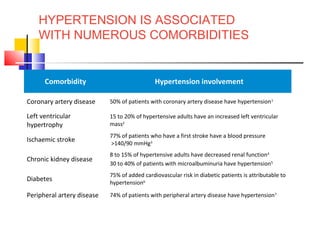
HYPERTENSION IS ASSOCIATED
WITH NUMEROUS COMORBIDITIES
Comorbidity Hypertension involvement
Coronary artery disease 50% of patients with coronary artery disease have hypertension1
Left ventricular
hypertrophy
15 to 20% of hypertensive adults have an increased left ventricular
mass2
Ischaemic stroke
77% of patients who have a first stroke have a blood pressure
>140/90 mmHg3
Chronic kidney disease
8 to 15% of hypertensive adults have decreased renal function4
30 to 40% of patients with microalbuminuria have hypertension5
Diabetes
75% of added cardiovascular risk in diabetic patients is attributable to
hypertension6
Peripheral artery disease 74% of patients with peripheral artery disease have hypertension7
Reference: 1.Pepine CJ. Am J Cardiol 1998;82(3A):21H-24H; 2. Diamond JA, Phillips RA. Hypertens Res 2005;28:191-202; 3.
Rosamond W, et al. Circulation 2008; Reference: 1. National Heart Foundation of Australia (National
Blood Pressure and Vascular Disease Advisory Committee). Guide to management of
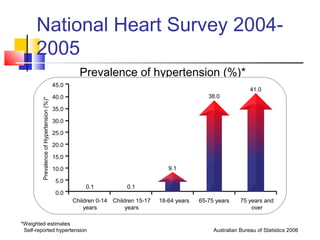
National Heart Survey 2004-
2005
Prevalence of hypertension (%)*
*Weighted estimates
Self-reported hypertension Australian Bureau of Statistics 2006
45.0
40.0
35.0
30.0
25.0
20.0
15.0
10.0
5.0
0.0
Children 0-14
years
Children 15-17
years
18-64 years 65-75 years 75 years and
over
0.1 0.1
9.1
38.0
41.0
PrevalenceofHypertension(%)*
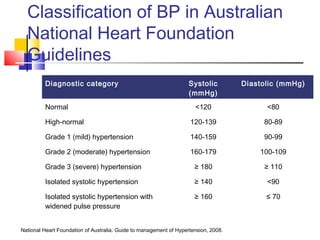
Classification of BP in Australian
National Heart Foundation
Guidelines
Diagnostic category Systolic
(mmHg)
Diastolic (mmHg)
Normal <120 <80
High-normal 120-139 80-89
Grade 1 (mild) hypertension 140-159 90-99
Grade 2 (moderate) hypertension 160-179 100-109
Grade 3 (severe) hypertension ≥ 180 ≥ 110
Isolated systolic hypertension ≥ 140 <90
Isolated systolic hypertension with
widened pulse pressure
≥ 160 ≤ 70
National Heart Foundation of Australia. Guide to management of Hypertension, 2008.
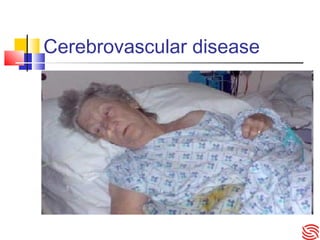
Cerebrovascular disease
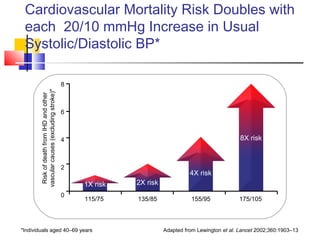
Cardiovascular Mortality Risk Doubles with
each 20/10 mmHg Increase in Usual
Systolic/Diastolic BP*
Systolic BP/Diastolic BP (mmHg)
RiskofdeathfromIHDandother
vascularcauses(excludingstroke)*
8
6
4
2
0
115/75 135/85 175/105
1X risk 2X risk
4X risk
8X risk
155/95
*Individuals aged 40–69 years Adapted from Lewington et al. Lancet 2002;360:1903–13
TREATMENT TARGETS
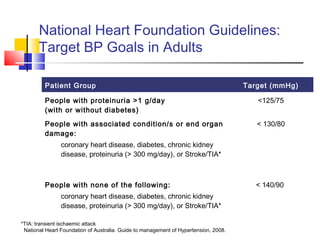
National Heart Foundation Guidelines:
Target BP Goals in Adults
Patient Group Target (mmHg)
People with proteinuria >1 g/day
(with or without diabetes)
<125/75
People with associated condition/s or end organ
damage:
coronary heart disease, diabetes, chronic kidney
disease, proteinuria (> 300 mg/day), or Stroke/TIA*
< 130/80
People with none of the following:
coronary heart disease, diabetes, chronic kidney
disease, proteinuria (> 300 mg/day), or Stroke/TIA*
< 140/90
*TIA: transient ischaemic attack
National Heart Foundation of Australia. Guide to management of Hypertension, 2008.
Consequences of doctors
failing to meet hypertension
targets
Title and artist
 1 the downfall of man Raffaella
Sazio da Urbino
 2 expulsion of adam and eve
Michaelangelo di Lodoviro Buonarotti
3 The wrath of God
Leonardo da Vinci
4 the moment of mortal Sin
Peter Paul Rubens
Across the Ditch
 In New Zealand, there is no numerical
BP target.
 They recommend you reduce the
overall CV risk by a certain amount
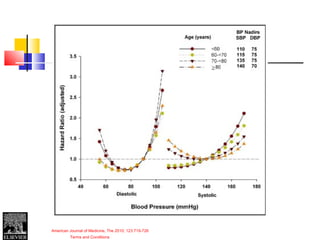
Figure 5
Source: American Journal of Medicine, The 2010; 123:719-726 (DOI:10.1016/j.amjmed.2010.02.014 )
Copyright © 2010 Terms and Conditions
Targets
 The J curve is real
 Nadirs are probably age depndent
 Nadirs are very important in Ischaemic
heart disease patients
 Treatment should be lightenned
at110/60, and maybe at higher levels in
the elderly
 These nadirs hold in the diabetic,”lower
the better” is not strictly true
MEASURING BLOOD PRESSURE
ACCURATELY IN THE CLINIC1
 Practice tips
• Service mercury sphygmomanometers annually
• Calibrate non-mercury sphygmomanometers every 6 months
• In new patients, measure BP on both arms
• In patients with suspected orthostatic hypotension, measure BP
both sitting and standing
• Ensure patient has not had caffeine/caffeinated soft drink/coffee
before having BP reading
Reference: 1. National Heart Foundation of Australia (National Blood Pressure and Vascular Disease Advisory Committee). Guide to
management of hypertension 2008; Available at: www.heartfoundation.org.au. Accessed: January 2009.
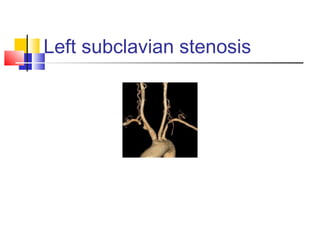
Left subclavian stenosis
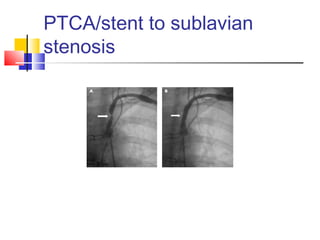
PTCA/stent to sublavian
stenosis
BP measurement outside the
clinic
 15% have isolated clinic or white coat HT
 Similar proportion have normal clinic BP but
high ambulatory BP (often referred to as
‘masked’,or’reverse white coat’,or isolated
ambulatory HT
 Normal ambulatory BP values lower than
clinic readings ie
 Daytime less than 135>85 mm Hg
 Nocturnal <120/70 mm Hg
 Over 24 hrs <130/80
 Stuff about 5 measurements here
Medications that may increase
blood pressure
 Clozapine
 Corticosteroids
 Haemopoietic agents (darbopoetin,epoetin)
 Immunomodifiers (cyclosporin,tacrolimus)
 Leflunomide (Arava)
 Monoamine oxidase inhibitors : reversible
(moclobemide),irreversible (phenelzine,tranylcypromine)
 Oral contraceptives
 Oral decongestants (eg pseudoephedrine)
 Stimulants(dexamphetamine sulfate,methylphenidate
hcl=Ritalin)
 Sympathomimetic agents
 Venflaxine (=Efexor,dose related)
 Rebound hypertension may be seen after abrupt withdrawl of
Bromocriptine or clonidine
 PANADOL RAISES BP
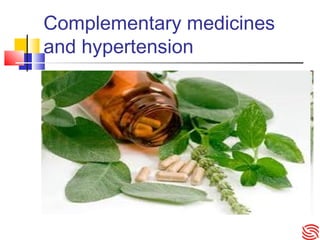
Complementary medicines
and hypertension
Complementary medicines that
may increase blood pressure
 American mistletoe
 Angel’s trumpet
 Butcher’s broom
 Caffeine containing products eg guarana,black and
green tea,yerba mate
 Ephedra (ma huang)
 Gentian
 Ginger preparations
 Liquorice
 Melatonin
 St John’s wart
Examination pointers
Identify all CV risk factors
Detect end organ damage eg
CCF,CAD,PVD
Detect related or comorbid clinical
conditions eg CKD,neurological
disease,obesity (waist <94 cm
males,<80cm females,BMI<25
Identify secondary causes eg Cushingoid
Initial investigations
 Urinary micoalbuminuria on spot urine,if
confirmed obtain a 24 hour urine for
accurate assessment
 Blood analysis for
Na/K/Ur/Cr/Urate,Hb,fasting BSL,Lipid
profile,LFTs
 ECG for conduction
disease,arrhythmias,CHD,LVH (incr CV
risk)
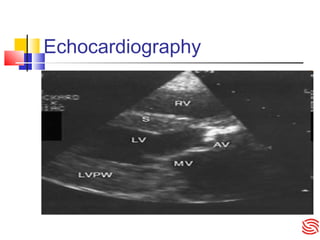
Echocardiography
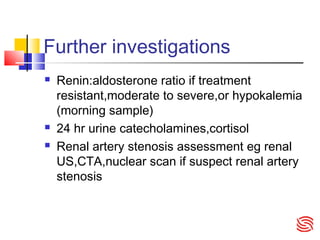
Further investigations
 Renin:aldosterone ratio if treatment
resistant,moderate to severe,or hypokalemia
(morning sample)
 24 hr urine catecholamines,cortisol
 Renal artery stenosis assessment eg renal
US,CTA,nuclear scan if suspect renal artery
stenosis
Renal artery stenosis
assessment
 Renal CTCA most precise anatomical test
but lacks functionality
 Nuclear scan-functional test,limitations
 Renal ultrasound-low sensitivity
 MRI
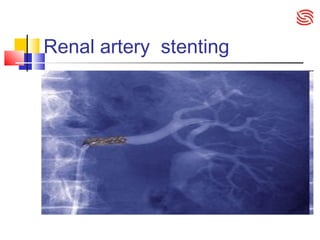
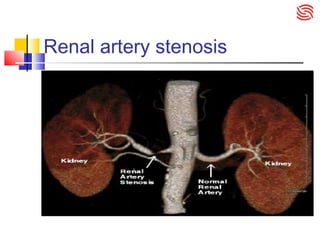
Renal artery stenosis
Renal artery stenting
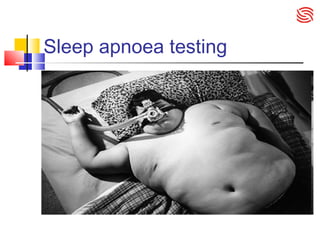
Sleep apnoea testing
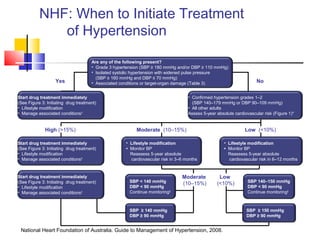
NHF: When to Initiate Treatment
of Hypertension
Are any of the following present?
• Grade 3 hypertension (SBP ≥ 180 mmHg and/or DBP ≥ 110 mmHg)
• Isolated systolic hypertension with widened pulse pressure
(SBP ≥ 160 mmHg and DBP ≤ 70 mmHg)
• Associated conditions or target-organ damage (Table 3)
Start drug treatment immediately
(See Figure 3: Initiating drug treatment)
• Lifestyle modification
• Manage associated conditions†
• Confirmed hypertension grades 1–2
(SBP 140–179 mmHg or DBP 90–109 mmHg)
• All other adults
Assess 5-year absolute cardiovascular risk (Figure 1)*
SBP < 140 mmHg
DBP < 90 mmHg
Continue monitoring‡
Start drug treatment immediately
(See Figure 3: Initiating drug treatment)
• Lifestyle modification
• Manage associated conditions†
• Lifestyle modification
• Monitor BP
Reassess 5-year absolute
cardiovascular risk in 3–6 months
• Lifestyle modification
• Monitor BP
Reassess 5-year absolute
cardiovascular risk in 6–12 months
Start drug treatment immediately
(See Figure 3: Initiating drug treatment)
• Lifestyle modification
• Manage associated conditions†
SBP 140–150 mmHg
DBP < 90 mmHg
Continue monitoring‡
SBP ≥ 140 mmHg
DBP ≥ 90 mmHg
SBP ≥ 150 mmHg
DBP ≥ 90 mmHg
NoYes
High (>15%) Low (<10%)Moderate (10–15%)
Moderate
(10–15%)
Low
(<10%)
National Heart Foundation of Australia. Guide to Management of Hypertension, 2008.
Lifestyle modification
 Advise patients to aim for healthy targets:
 • At least 30 minutes of moderate-intensity physical activity on most, if not all, days of the
 week (daily total can be accumulated e.g. three 10-minute sessions). Advise patients of all
 ages to become more active.
 • Smoking cessation. Refer patients to Quitline. Consider recommending nicotine
replacement
 therapy and/or prescribing oral therapy (bupropion or varenicline) in patients who smoke
 more than 10 cigarettes per day and have no contraindications.
 • Waist measurement < 94 cm for men and < 80 cm for women, body mass index
 (BMI) < 25 kg/m2. When recommending weight loss, advise patients on reducing kilojoule
 intake as well as increasing physical activity.
 • Dietary salt restriction: ≤ 4 g/day (65 mmol/day sodium). Recommend low-salt and
reducedsalt
 foods as part of a healthy eating pattern.
 • Limited alcohol intake: ≤ two standard drinks per day for men or ≤ one standard drink per
 day for women.
Benefits of lifestyle
modification
 Smoking cessation….may not reduce
BP but 2-6 fold increase risk MI and 3
fold increase risk of CVA
 Regular physical activity…regular
aerobic exercise 4/2.5 mm Hg…..30/60
a day
 Salt restriction .avge reduction 4.5/2mm
Hg while increased dietary potassium
can reduce BP by 6 mm in HT and 2
mm Hg in normotensives (unless renal
impairment)
SALT RESTRICTION
How many patients have you
had that have a good
therapeutic response to a low
salt diet
 0
 1
 2-4
 >5
DASH DIET
DASH DIET
 A few guidelines of the DASH diet menu:
 the diet includes a minimum of 4-5 servings of fruits and
vegetables a day
 three servings of low-fat dairy product
 7-8 servings of grains
 2 servings of non-vegetarian food
 fat/oils should be around 2-3 servings
 on a weekly basis one needs to consume 4-5 serves of nuts,
seeds and legumes
 the sweet consumption should not exceed 5 serves a week
(foods with little or no sugar as best, although sugar from fruits
is considered natural and benefiting)
 avoid or at least use moderation on alcohol consumption
DASH PYRAMID
Additional lifestyle factors
 Weight reduction…every 1% reduction
in body weight lowers SBP by average
of 1%
 Alchohol limited to max 2 standard
drinks for males and one for
females,advise at least 2 alchohol free
days a week
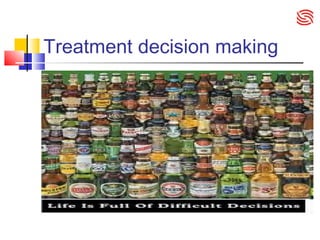
Treatment decision making
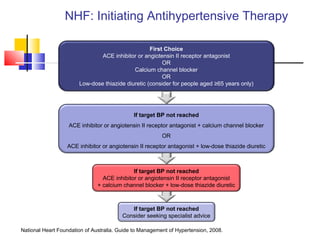
National Heart Foundation of Australia. Guide to Management of Hypertension, 2008.
If target BP not reached
ACE inhibitor or angiotensin II receptor antagonist + calcium channel blocker
OR
ACE inhibitor or angiotensin II receptor antagonist + low-dose thiazide diuretic
If target BP not reached
ACE inhibitor or angiotensin II receptor antagonist
+ calcium channel blocker + low-dose thiazide diuretic
If target BP not reached
Consider seeking specialist advice
NHF: Initiating Antihypertensive Therapy
First Choice
ACE inhibitor or angiotensin II receptor antagonist
OR
Calcium channel blocker
OR
Low-dose thiazide diuretic (consider for people aged ≥65 years only)
Factors determining drug
choices
 Patient age
 Presence of associated conditions or
end organ damage
 Potential interactions with other drugs
 Adherence implications
 cost
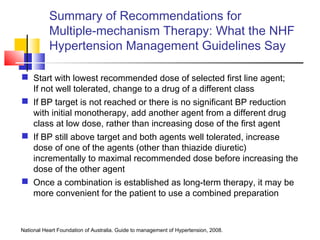
Summary of Recommendations for
Multiple-mechanism Therapy: What the NHF
Hypertension Management Guidelines Say
 Start with lowest recommended dose of selected first line agent;
If not well tolerated, change to a drug of a different class
 If BP target is not reached or there is no significant BP reduction
with initial monotherapy, add another agent from a different drug
class at low dose, rather than increasing dose of the first agent
 If BP still above target and both agents well tolerated, increase
dose of one of the agents (other than thiazide diuretic)
incrementally to maximal recommended dose before increasing the
dose of the other agent
 Once a combination is established as long-term therapy, it may be
more convenient for the patient to use a combined preparation
National Heart Foundation of Australia. Guide to management of Hypertension, 2008.
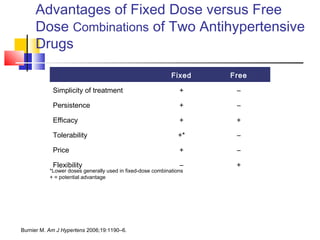
*Lower doses generally used in fixed-dose combinations
+ = potential advantage
Advantages of Fixed Dose versus Free
Dose Combinations of Two Antihypertensive
Drugs
Fixed Free
Simplicity of treatment + –
Persistence + –
Efficacy + +
Tolerability +* –
Price + –
Flexibility – +
Burnier M. Am J Hypertens 2006;19:1190–6.
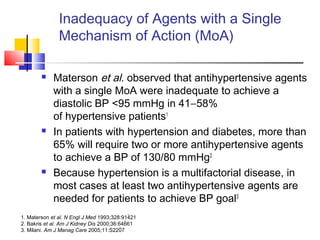
Inadequacy of Agents with a Single
Mechanism of Action (MoA)
 Materson et al. observed that antihypertensive agents
with a single MoA were inadequate to achieve a
diastolic BP <95 mmHg in 41−58%
of hypertensive patients1
 In patients with hypertension and diabetes, more than
65% will require two or more antihypertensive agents
to achieve a BP of 130/80 mmHg2
 Because hypertension is a multifactorial disease, in
most cases at least two antihypertensive agents are
needed for patients to achieve BP goal3
1. Materson et al. N Engl J Med 1993;328:91421
2. Bakris et al. Am J Kidney Dis 2000;36:64661
3. Milani. Am J Manag Care 2005;11:S2207
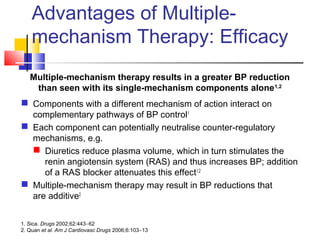
Advantages of Multiple-
mechanism Therapy: Efficacy
 Components with a different mechanism of action interact on
complementary pathways of BP control1
 Each component can potentially neutralise counter-regulatory
mechanisms, e.g.
 Diuretics reduce plasma volume, which in turn stimulates the
renin angiotensin system (RAS) and thus increases BP; addition
of a RAS blocker attenuates this effect1,2
 Multiple-mechanism therapy may result in BP reductions that
are additive2
Multiple-mechanism therapy results in a greater BP reduction
than seen with its single-mechanism components alone1,2
1. Sica. Drugs 2002;62:443−62
2. Quan et al. Am J Cardiovasc Drugs 2006;6:103−13
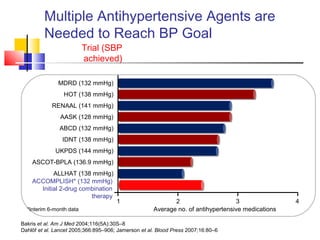
Multiple Antihypertensive Agents are
Needed to Reach BP Goal
Bakris et al. Am J Med 2004;116(5A):30S–8
Dahlöf et al. Lancet 2005;366:895–906; Jamerson et al. Blood Press 2007;16:80–6
Average no. of antihypertensive medications*Interim 6-month data
ACCOMPLISH* (132 mmHg)
Initial 2-drug combination
therapy
1 2 3 4
ASCOT-BPLA (136.9 mmHg)
ALLHAT (138 mmHg)
IDNT (138 mmHg)
RENAAL (141 mmHg)
UKPDS (144 mmHg)
ABCD (132 mmHg)
MDRD (132 mmHg)
HOT (138 mmHg)
AASK (128 mmHg)
Trial (SBP
achieved)
Dynamic duos
1. Pitt et al. Circulation 2000;102:1503–10; 2. Nissen et al. JAMA 2004;292:2217–26; 3. Dahlof et al. Lancet
2005;366:895–906; 4. Williams et al. Circulation 2006;113:1213–25; 5. Leenen et al. Hypertension 2006;48:374–84
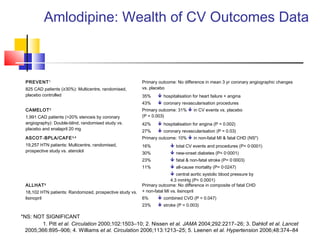
Amlodipine: Wealth of CV Outcomes Data
PREVENT1
825 CAD patients (≥30%): Multicentre, randomised,
placebo controlled
Primary outcome: No difference in mean 3 yr coronary angiographic changes
vs. placebo
35%  hospitalisation for heart failure + angina
43%  coronary revascularisation procedures
CAMELOT2
1,991 CAD patients (>20% stenosis by coronary
angiography): Double-blind, randomised study vs.
placebo and enalapril 20 mg
Primary outcome: 31%  in CV events vs. placebo
(P = 0.003)
42%  hospitalisation for angina (P = 0.002)
27%  coronary revascularisation (P = 0.03)
ASCOT-BPLA/CAFE3,4
19,257 HTN patients: Multicentre, randomised,
prospective study vs. atenolol
Primary outcome: 10%  in non-fatal MI & fatal CHD (NS*)
16%  total CV events and procedures (P< 0·0001)
30%  new-onset diabetes (P< 0·0001)
23%  fatal & non-fatal stroke (P= 0·0003)
11%  all-cause mortality (P= 0·0247)
 central aortic systolic blood pressure by
4.3 mmHg (P< 0.0001)
ALLHAT5
18,102 HTN patients: Randomized, prospective study vs.
lisinopril
Primary outcome: No difference in composite of fatal CHD
+ non-fatal MI vs. lisinopril
6%  combined CVD (P = 0.047)
23%  stroke (P = 0.003)
*NS: NOT SIGNIFICANT
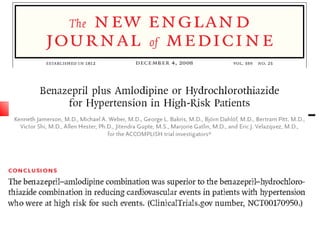
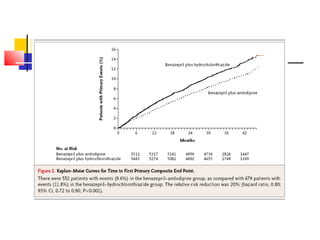
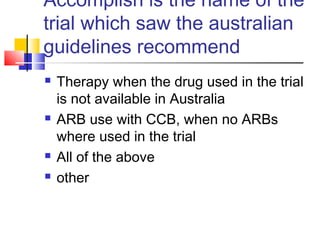
Accomplish is the name of the
trial which saw the australian
guidelines recommend
 Therapy when the drug used in the trial
is not available in Australia
 ARB use with CCB, when no ARBs
where used in the trial
 All of the above
 other
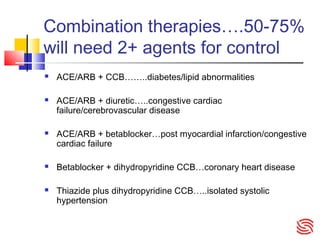
Combination therapies….50-75%
will need 2+ agents for control
 ACE/ARB + CCB……..diabetes/lipid abnormalities
 ACE/ARB + diuretic…..congestive cardiac
failure/cerebrovascular disease
 ACE/ARB + betablocker…post myocardial infarction/congestive
cardiac failure
 Betablocker + dihydropyridine CCB…coronary heart disease
 Thiazide plus dihydropyridine CCB…..isolated systolic
hypertension
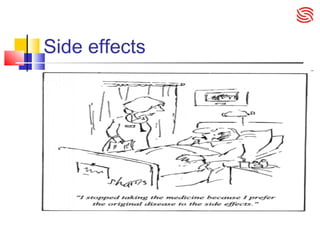
Side effects
Side effects
Specific side effect patterns
 Constipation…….CCB especially Verapamil
 Cough……….ACE inhibitors
 Dyspnoea……Betablockers
 Hyperglycaemia..thiazides
 Hyperkalemia…..ACE inhibitor/ARB
 Erectile dysfunction…thiazides/beta blockers
 Oedema……..CCB
 Postural hypotension..all except b.blockers
Pregnancy and hypertension
Hypertension in preganacy
 Women planning pregnancy. Consider using either
betablockers in particular labetalol/oxprenolol, or
methyldopa,or clonidine
 Hydrallazine second line agent
 ACE/ARB/diuretics contraindicated
 CCB contraindicated in first half pregnancy
Managing other CV risk
factors
 Consider antiplatelet therapy with aspirin if stable
 Evidence for lipid lowering in HT shown to reduce CV
events and stroke
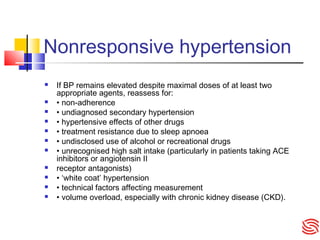
Nonresponsive hypertension
 If BP remains elevated despite maximal doses of at least two
appropriate agents, reassess for:
 • non-adherence
 • undiagnosed secondary hypertension
 • hypertensive effects of other drugs
 • treatment resistance due to sleep apnoea
 • undisclosed use of alcohol or recreational drugs
 • unrecognised high salt intake (particularly in patients taking ACE
inhibitors or angiotensin II
 receptor antagonists)
 • ‘white coat’ hypertension
 • technical factors affecting measurement
 • volume overload, especially with chronic kidney disease (CKD).
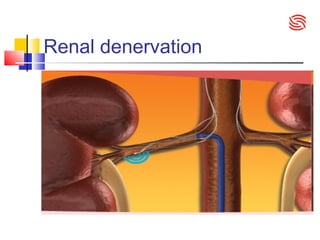
Renal denervation
SYMPLICITY TRIAL
 Renal sympathetic denervation in patients with treatment-resistant hypertension (The Symplicity HTN-2
Trial): a randomised controlled trial
 Symplicity HTN-2 Investigators‡
 Summary
 Background
 Activation of renal sympathetic nerves is key to pathogenesis of essential hypertension. We aimed to assess effectiveness and
safety of catheter-based renal denervation for reduction of blood pressure in patients with treatment-resistant hypertension.
 Methods
 In this multicentre, prospective, randomised trial, patients who had a baseline systolic blood pressure of 160 mm Hg or more
(≥150 mm Hg for patients with type 2 diabetes), despite taking three or more antihypertensive drugs, were randomly allocated in
a one-to-one ratio to undergo renal denervation with previous treatment or to maintain previous treatment alone (control group) at
24 participating centres. Randomisation was done with sealed envelopes. Data analysers were not masked to treatment
assignment. The primary effectiveness endpoint was change in seated office-based measurement of systolic blood pressure at 6
months. Primary analysis included all patients remaining in follow-up at 6 months. This trial is registered with ClinicalTrials.gov,
number NCT00888433.
 Findings
 106 (56%) of 190 patients screened for eligibility were randomly allocated to renal denervation (n=52) or control (n=54) groups
between June 9, 2009, and Jan 15, 2010. 49 (94%) of 52 patients who underwent renal denervation and 51 (94%) of 54 controls
were assessed for the primary endpoint at 6 months. Office-based blood pressure measurements in the renal denervation group
reduced by 32/12 mm Hg (SD 23/11, baseline of 178/96 mm Hg, p<0·0001), whereas they did not differ from baseline in the
control group (change of 1/0 mm Hg [21/10], baseline of 178/97 mm Hg, p=0·77 systolic and p=0·83 diastolic). Between-group
differences in blood pressure at 6 months were 33/11 mm Hg (p<0·0001). At 6 months, 41 (84%) of 49 patients who
underwent renal denervation had a reduction in systolic blood pressure of 10 mm Hg or more, compared with 18 (35%) of 51
controls (p<0·0001). We noted no serious procedure-related or device-related complications and occurrence of adverse events
did not differ between groups; one patient who had renal denervation had possible progression of an underlying atherosclerotic
lesion, but required no treatment.
 Interpretation
 Catheter-based renal denervation can safely be used to substantially reduce blood pressure in treatment-resistant hypertensive
patients.
Lancet Published Online: 17 November 2010
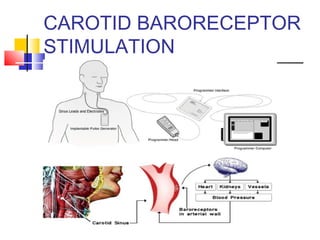
CAROTID BARORECEPTOR
STIMULATION
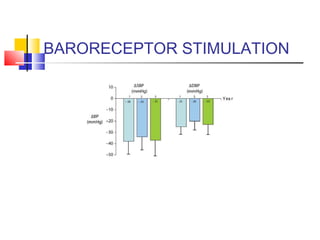
BARORECEPTOR STIMULATION
You be the judge!
Ht12 - GP education seminar

Ht12 - GP education seminar

  • 1.
     147  Thenumber of different anti- hypertensives in Mims  3  The number of guidelines applicable to Hypertension with largely dissimilar recommendations
  • 2.
    Australian Guidelines Evidence Base 1  The number of studies it took for the Australian guidelines to recommend a treatment pathway based on a drug which is not available in  AUSTRALIA
  • 4.
     10  Thenumber of promotional mail-outs received per week by GPs in 2008  Choice, August 2008
  • 5.
     Measurement  Lifestylefactors  When to investigate for secondary causes, and when not to  Postural hypertension  New drugs on the horizon  New procedures
  • 6.
    Targets  What todo if you don’t hit targets  Should there be targets?  Are the targets correct
  • 7.
    Hypertension Exciting new horizonsand updates Sunday 1st April 2012
  • 8.
    Dr Alistair Begg Consultant cardiologist  Ashford Heart Centre  Conflicts of interest…presentations for various pharmaceutical companies on hypertension
  • 9.
    HYPERTENSION IS ASSOCIATED WITHNUMEROUS COMORBIDITIES Comorbidity Hypertension involvement Coronary artery disease 50% of patients with coronary artery disease have hypertension1 Left ventricular hypertrophy 15 to 20% of hypertensive adults have an increased left ventricular mass2 Ischaemic stroke 77% of patients who have a first stroke have a blood pressure >140/90 mmHg3 Chronic kidney disease 8 to 15% of hypertensive adults have decreased renal function4 30 to 40% of patients with microalbuminuria have hypertension5 Diabetes 75% of added cardiovascular risk in diabetic patients is attributable to hypertension6 Peripheral artery disease 74% of patients with peripheral artery disease have hypertension7 Reference: 1.Pepine CJ. Am J Cardiol 1998;82(3A):21H-24H; 2. Diamond JA, Phillips RA. Hypertens Res 2005;28:191-202; 3. Rosamond W, et al. Circulation 2008; Reference: 1. National Heart Foundation of Australia (National Blood Pressure and Vascular Disease Advisory Committee). Guide to management of
  • 11.
    National Heart Survey2004- 2005 Prevalence of hypertension (%)* *Weighted estimates Self-reported hypertension Australian Bureau of Statistics 2006 45.0 40.0 35.0 30.0 25.0 20.0 15.0 10.0 5.0 0.0 Children 0-14 years Children 15-17 years 18-64 years 65-75 years 75 years and over 0.1 0.1 9.1 38.0 41.0 PrevalenceofHypertension(%)*
  • 13.
    Classification of BPin Australian National Heart Foundation Guidelines Diagnostic category Systolic (mmHg) Diastolic (mmHg) Normal <120 <80 High-normal 120-139 80-89 Grade 1 (mild) hypertension 140-159 90-99 Grade 2 (moderate) hypertension 160-179 100-109 Grade 3 (severe) hypertension ≥ 180 ≥ 110 Isolated systolic hypertension ≥ 140 <90 Isolated systolic hypertension with widened pulse pressure ≥ 160 ≤ 70 National Heart Foundation of Australia. Guide to management of Hypertension, 2008.
  • 14.
  • 15.
    Cardiovascular Mortality RiskDoubles with each 20/10 mmHg Increase in Usual Systolic/Diastolic BP* Systolic BP/Diastolic BP (mmHg) RiskofdeathfromIHDandother vascularcauses(excludingstroke)* 8 6 4 2 0 115/75 135/85 175/105 1X risk 2X risk 4X risk 8X risk 155/95 *Individuals aged 40–69 years Adapted from Lewington et al. Lancet 2002;360:1903–13
  • 16.
  • 17.
    National Heart FoundationGuidelines: Target BP Goals in Adults Patient Group Target (mmHg) People with proteinuria >1 g/day (with or without diabetes) <125/75 People with associated condition/s or end organ damage: coronary heart disease, diabetes, chronic kidney disease, proteinuria (> 300 mg/day), or Stroke/TIA* < 130/80 People with none of the following: coronary heart disease, diabetes, chronic kidney disease, proteinuria (> 300 mg/day), or Stroke/TIA* < 140/90 *TIA: transient ischaemic attack National Heart Foundation of Australia. Guide to management of Hypertension, 2008.
  • 18.
    Consequences of doctors failingto meet hypertension targets
  • 20.
    Title and artist 1 the downfall of man Raffaella Sazio da Urbino  2 expulsion of adam and eve Michaelangelo di Lodoviro Buonarotti 3 The wrath of God Leonardo da Vinci 4 the moment of mortal Sin Peter Paul Rubens
  • 21.
    Across the Ditch In New Zealand, there is no numerical BP target.  They recommend you reduce the overall CV risk by a certain amount
  • 22.
    Figure 5 Source: AmericanJournal of Medicine, The 2010; 123:719-726 (DOI:10.1016/j.amjmed.2010.02.014 ) Copyright © 2010 Terms and Conditions
  • 23.
    Targets  The Jcurve is real  Nadirs are probably age depndent  Nadirs are very important in Ischaemic heart disease patients  Treatment should be lightenned at110/60, and maybe at higher levels in the elderly  These nadirs hold in the diabetic,”lower the better” is not strictly true
  • 24.
    MEASURING BLOOD PRESSURE ACCURATELYIN THE CLINIC1  Practice tips • Service mercury sphygmomanometers annually • Calibrate non-mercury sphygmomanometers every 6 months • In new patients, measure BP on both arms • In patients with suspected orthostatic hypotension, measure BP both sitting and standing • Ensure patient has not had caffeine/caffeinated soft drink/coffee before having BP reading Reference: 1. National Heart Foundation of Australia (National Blood Pressure and Vascular Disease Advisory Committee). Guide to management of hypertension 2008; Available at: www.heartfoundation.org.au. Accessed: January 2009.
  • 25.
  • 26.
  • 27.
    BP measurement outsidethe clinic  15% have isolated clinic or white coat HT  Similar proportion have normal clinic BP but high ambulatory BP (often referred to as ‘masked’,or’reverse white coat’,or isolated ambulatory HT  Normal ambulatory BP values lower than clinic readings ie  Daytime less than 135>85 mm Hg  Nocturnal <120/70 mm Hg  Over 24 hrs <130/80
  • 28.
     Stuff about5 measurements here
  • 29.
    Medications that mayincrease blood pressure  Clozapine  Corticosteroids  Haemopoietic agents (darbopoetin,epoetin)  Immunomodifiers (cyclosporin,tacrolimus)  Leflunomide (Arava)  Monoamine oxidase inhibitors : reversible (moclobemide),irreversible (phenelzine,tranylcypromine)  Oral contraceptives  Oral decongestants (eg pseudoephedrine)  Stimulants(dexamphetamine sulfate,methylphenidate hcl=Ritalin)  Sympathomimetic agents  Venflaxine (=Efexor,dose related)  Rebound hypertension may be seen after abrupt withdrawl of Bromocriptine or clonidine
  • 30.
  • 31.
  • 32.
    Complementary medicines that mayincrease blood pressure  American mistletoe  Angel’s trumpet  Butcher’s broom  Caffeine containing products eg guarana,black and green tea,yerba mate  Ephedra (ma huang)  Gentian  Ginger preparations  Liquorice  Melatonin  St John’s wart
  • 33.
    Examination pointers Identify allCV risk factors Detect end organ damage eg CCF,CAD,PVD Detect related or comorbid clinical conditions eg CKD,neurological disease,obesity (waist <94 cm males,<80cm females,BMI<25 Identify secondary causes eg Cushingoid
  • 34.
    Initial investigations  Urinarymicoalbuminuria on spot urine,if confirmed obtain a 24 hour urine for accurate assessment  Blood analysis for Na/K/Ur/Cr/Urate,Hb,fasting BSL,Lipid profile,LFTs  ECG for conduction disease,arrhythmias,CHD,LVH (incr CV risk)
  • 35.
  • 36.
    Further investigations  Renin:aldosteroneratio if treatment resistant,moderate to severe,or hypokalemia (morning sample)  24 hr urine catecholamines,cortisol  Renal artery stenosis assessment eg renal US,CTA,nuclear scan if suspect renal artery stenosis
  • 37.
    Renal artery stenosis assessment Renal CTCA most precise anatomical test but lacks functionality  Nuclear scan-functional test,limitations  Renal ultrasound-low sensitivity  MRI
  • 38.
  • 39.
  • 40.
  • 41.
    NHF: When toInitiate Treatment of Hypertension Are any of the following present? • Grade 3 hypertension (SBP ≥ 180 mmHg and/or DBP ≥ 110 mmHg) • Isolated systolic hypertension with widened pulse pressure (SBP ≥ 160 mmHg and DBP ≤ 70 mmHg) • Associated conditions or target-organ damage (Table 3) Start drug treatment immediately (See Figure 3: Initiating drug treatment) • Lifestyle modification • Manage associated conditions† • Confirmed hypertension grades 1–2 (SBP 140–179 mmHg or DBP 90–109 mmHg) • All other adults Assess 5-year absolute cardiovascular risk (Figure 1)* SBP < 140 mmHg DBP < 90 mmHg Continue monitoring‡ Start drug treatment immediately (See Figure 3: Initiating drug treatment) • Lifestyle modification • Manage associated conditions† • Lifestyle modification • Monitor BP Reassess 5-year absolute cardiovascular risk in 3–6 months • Lifestyle modification • Monitor BP Reassess 5-year absolute cardiovascular risk in 6–12 months Start drug treatment immediately (See Figure 3: Initiating drug treatment) • Lifestyle modification • Manage associated conditions† SBP 140–150 mmHg DBP < 90 mmHg Continue monitoring‡ SBP ≥ 140 mmHg DBP ≥ 90 mmHg SBP ≥ 150 mmHg DBP ≥ 90 mmHg NoYes High (>15%) Low (<10%)Moderate (10–15%) Moderate (10–15%) Low (<10%) National Heart Foundation of Australia. Guide to Management of Hypertension, 2008.
  • 42.
    Lifestyle modification  Advisepatients to aim for healthy targets:  • At least 30 minutes of moderate-intensity physical activity on most, if not all, days of the  week (daily total can be accumulated e.g. three 10-minute sessions). Advise patients of all  ages to become more active.  • Smoking cessation. Refer patients to Quitline. Consider recommending nicotine replacement  therapy and/or prescribing oral therapy (bupropion or varenicline) in patients who smoke  more than 10 cigarettes per day and have no contraindications.  • Waist measurement < 94 cm for men and < 80 cm for women, body mass index  (BMI) < 25 kg/m2. When recommending weight loss, advise patients on reducing kilojoule  intake as well as increasing physical activity.  • Dietary salt restriction: ≤ 4 g/day (65 mmol/day sodium). Recommend low-salt and reducedsalt  foods as part of a healthy eating pattern.  • Limited alcohol intake: ≤ two standard drinks per day for men or ≤ one standard drink per  day for women.
  • 43.
    Benefits of lifestyle modification Smoking cessation….may not reduce BP but 2-6 fold increase risk MI and 3 fold increase risk of CVA  Regular physical activity…regular aerobic exercise 4/2.5 mm Hg…..30/60 a day  Salt restriction .avge reduction 4.5/2mm Hg while increased dietary potassium can reduce BP by 6 mm in HT and 2 mm Hg in normotensives (unless renal impairment)
  • 44.
  • 45.
    How many patientshave you had that have a good therapeutic response to a low salt diet  0  1  2-4  >5
  • 46.
  • 47.
    DASH DIET  Afew guidelines of the DASH diet menu:  the diet includes a minimum of 4-5 servings of fruits and vegetables a day  three servings of low-fat dairy product  7-8 servings of grains  2 servings of non-vegetarian food  fat/oils should be around 2-3 servings  on a weekly basis one needs to consume 4-5 serves of nuts, seeds and legumes  the sweet consumption should not exceed 5 serves a week (foods with little or no sugar as best, although sugar from fruits is considered natural and benefiting)  avoid or at least use moderation on alcohol consumption
  • 48.
  • 49.
    Additional lifestyle factors Weight reduction…every 1% reduction in body weight lowers SBP by average of 1%  Alchohol limited to max 2 standard drinks for males and one for females,advise at least 2 alchohol free days a week
  • 50.
  • 51.
    National Heart Foundationof Australia. Guide to Management of Hypertension, 2008. If target BP not reached ACE inhibitor or angiotensin II receptor antagonist + calcium channel blocker OR ACE inhibitor or angiotensin II receptor antagonist + low-dose thiazide diuretic If target BP not reached ACE inhibitor or angiotensin II receptor antagonist + calcium channel blocker + low-dose thiazide diuretic If target BP not reached Consider seeking specialist advice NHF: Initiating Antihypertensive Therapy First Choice ACE inhibitor or angiotensin II receptor antagonist OR Calcium channel blocker OR Low-dose thiazide diuretic (consider for people aged ≥65 years only)
  • 52.
    Factors determining drug choices Patient age  Presence of associated conditions or end organ damage  Potential interactions with other drugs  Adherence implications  cost
  • 53.
    Summary of Recommendationsfor Multiple-mechanism Therapy: What the NHF Hypertension Management Guidelines Say  Start with lowest recommended dose of selected first line agent; If not well tolerated, change to a drug of a different class  If BP target is not reached or there is no significant BP reduction with initial monotherapy, add another agent from a different drug class at low dose, rather than increasing dose of the first agent  If BP still above target and both agents well tolerated, increase dose of one of the agents (other than thiazide diuretic) incrementally to maximal recommended dose before increasing the dose of the other agent  Once a combination is established as long-term therapy, it may be more convenient for the patient to use a combined preparation National Heart Foundation of Australia. Guide to management of Hypertension, 2008.
  • 54.
    *Lower doses generallyused in fixed-dose combinations + = potential advantage Advantages of Fixed Dose versus Free Dose Combinations of Two Antihypertensive Drugs Fixed Free Simplicity of treatment + – Persistence + – Efficacy + + Tolerability +* – Price + – Flexibility – + Burnier M. Am J Hypertens 2006;19:1190–6.
  • 55.
    Inadequacy of Agentswith a Single Mechanism of Action (MoA)  Materson et al. observed that antihypertensive agents with a single MoA were inadequate to achieve a diastolic BP <95 mmHg in 41−58% of hypertensive patients1  In patients with hypertension and diabetes, more than 65% will require two or more antihypertensive agents to achieve a BP of 130/80 mmHg2  Because hypertension is a multifactorial disease, in most cases at least two antihypertensive agents are needed for patients to achieve BP goal3 1. Materson et al. N Engl J Med 1993;328:91421 2. Bakris et al. Am J Kidney Dis 2000;36:64661 3. Milani. Am J Manag Care 2005;11:S2207
  • 56.
    Advantages of Multiple- mechanismTherapy: Efficacy  Components with a different mechanism of action interact on complementary pathways of BP control1  Each component can potentially neutralise counter-regulatory mechanisms, e.g.  Diuretics reduce plasma volume, which in turn stimulates the renin angiotensin system (RAS) and thus increases BP; addition of a RAS blocker attenuates this effect1,2  Multiple-mechanism therapy may result in BP reductions that are additive2 Multiple-mechanism therapy results in a greater BP reduction than seen with its single-mechanism components alone1,2 1. Sica. Drugs 2002;62:443−62 2. Quan et al. Am J Cardiovasc Drugs 2006;6:103−13
  • 57.
    Multiple Antihypertensive Agentsare Needed to Reach BP Goal Bakris et al. Am J Med 2004;116(5A):30S–8 Dahlöf et al. Lancet 2005;366:895–906; Jamerson et al. Blood Press 2007;16:80–6 Average no. of antihypertensive medications*Interim 6-month data ACCOMPLISH* (132 mmHg) Initial 2-drug combination therapy 1 2 3 4 ASCOT-BPLA (136.9 mmHg) ALLHAT (138 mmHg) IDNT (138 mmHg) RENAAL (141 mmHg) UKPDS (144 mmHg) ABCD (132 mmHg) MDRD (132 mmHg) HOT (138 mmHg) AASK (128 mmHg) Trial (SBP achieved)
  • 58.
  • 59.
    1. Pitt etal. Circulation 2000;102:1503–10; 2. Nissen et al. JAMA 2004;292:2217–26; 3. Dahlof et al. Lancet 2005;366:895–906; 4. Williams et al. Circulation 2006;113:1213–25; 5. Leenen et al. Hypertension 2006;48:374–84 Amlodipine: Wealth of CV Outcomes Data PREVENT1 825 CAD patients (≥30%): Multicentre, randomised, placebo controlled Primary outcome: No difference in mean 3 yr coronary angiographic changes vs. placebo 35%  hospitalisation for heart failure + angina 43%  coronary revascularisation procedures CAMELOT2 1,991 CAD patients (>20% stenosis by coronary angiography): Double-blind, randomised study vs. placebo and enalapril 20 mg Primary outcome: 31%  in CV events vs. placebo (P = 0.003) 42%  hospitalisation for angina (P = 0.002) 27%  coronary revascularisation (P = 0.03) ASCOT-BPLA/CAFE3,4 19,257 HTN patients: Multicentre, randomised, prospective study vs. atenolol Primary outcome: 10%  in non-fatal MI & fatal CHD (NS*) 16%  total CV events and procedures (P< 0·0001) 30%  new-onset diabetes (P< 0·0001) 23%  fatal & non-fatal stroke (P= 0·0003) 11%  all-cause mortality (P= 0·0247)  central aortic systolic blood pressure by 4.3 mmHg (P< 0.0001) ALLHAT5 18,102 HTN patients: Randomized, prospective study vs. lisinopril Primary outcome: No difference in composite of fatal CHD + non-fatal MI vs. lisinopril 6%  combined CVD (P = 0.047) 23%  stroke (P = 0.003) *NS: NOT SIGNIFICANT
  • 63.
    Accomplish is thename of the trial which saw the australian guidelines recommend  Therapy when the drug used in the trial is not available in Australia  ARB use with CCB, when no ARBs where used in the trial  All of the above  other
  • 64.
    Combination therapies….50-75% will need2+ agents for control  ACE/ARB + CCB……..diabetes/lipid abnormalities  ACE/ARB + diuretic…..congestive cardiac failure/cerebrovascular disease  ACE/ARB + betablocker…post myocardial infarction/congestive cardiac failure  Betablocker + dihydropyridine CCB…coronary heart disease  Thiazide plus dihydropyridine CCB…..isolated systolic hypertension
  • 65.
  • 66.
  • 67.
    Specific side effectpatterns  Constipation…….CCB especially Verapamil  Cough……….ACE inhibitors  Dyspnoea……Betablockers  Hyperglycaemia..thiazides  Hyperkalemia…..ACE inhibitor/ARB  Erectile dysfunction…thiazides/beta blockers  Oedema……..CCB  Postural hypotension..all except b.blockers
  • 68.
  • 69.
    Hypertension in preganacy Women planning pregnancy. Consider using either betablockers in particular labetalol/oxprenolol, or methyldopa,or clonidine  Hydrallazine second line agent  ACE/ARB/diuretics contraindicated  CCB contraindicated in first half pregnancy
  • 70.
    Managing other CVrisk factors  Consider antiplatelet therapy with aspirin if stable  Evidence for lipid lowering in HT shown to reduce CV events and stroke
  • 71.
    Nonresponsive hypertension  IfBP remains elevated despite maximal doses of at least two appropriate agents, reassess for:  • non-adherence  • undiagnosed secondary hypertension  • hypertensive effects of other drugs  • treatment resistance due to sleep apnoea  • undisclosed use of alcohol or recreational drugs  • unrecognised high salt intake (particularly in patients taking ACE inhibitors or angiotensin II  receptor antagonists)  • ‘white coat’ hypertension  • technical factors affecting measurement  • volume overload, especially with chronic kidney disease (CKD).
  • 72.
  • 73.
    SYMPLICITY TRIAL  Renalsympathetic denervation in patients with treatment-resistant hypertension (The Symplicity HTN-2 Trial): a randomised controlled trial  Symplicity HTN-2 Investigators‡  Summary  Background  Activation of renal sympathetic nerves is key to pathogenesis of essential hypertension. We aimed to assess effectiveness and safety of catheter-based renal denervation for reduction of blood pressure in patients with treatment-resistant hypertension.  Methods  In this multicentre, prospective, randomised trial, patients who had a baseline systolic blood pressure of 160 mm Hg or more (≥150 mm Hg for patients with type 2 diabetes), despite taking three or more antihypertensive drugs, were randomly allocated in a one-to-one ratio to undergo renal denervation with previous treatment or to maintain previous treatment alone (control group) at 24 participating centres. Randomisation was done with sealed envelopes. Data analysers were not masked to treatment assignment. The primary effectiveness endpoint was change in seated office-based measurement of systolic blood pressure at 6 months. Primary analysis included all patients remaining in follow-up at 6 months. This trial is registered with ClinicalTrials.gov, number NCT00888433.  Findings  106 (56%) of 190 patients screened for eligibility were randomly allocated to renal denervation (n=52) or control (n=54) groups between June 9, 2009, and Jan 15, 2010. 49 (94%) of 52 patients who underwent renal denervation and 51 (94%) of 54 controls were assessed for the primary endpoint at 6 months. Office-based blood pressure measurements in the renal denervation group reduced by 32/12 mm Hg (SD 23/11, baseline of 178/96 mm Hg, p<0·0001), whereas they did not differ from baseline in the control group (change of 1/0 mm Hg [21/10], baseline of 178/97 mm Hg, p=0·77 systolic and p=0·83 diastolic). Between-group differences in blood pressure at 6 months were 33/11 mm Hg (p<0·0001). At 6 months, 41 (84%) of 49 patients who underwent renal denervation had a reduction in systolic blood pressure of 10 mm Hg or more, compared with 18 (35%) of 51 controls (p<0·0001). We noted no serious procedure-related or device-related complications and occurrence of adverse events did not differ between groups; one patient who had renal denervation had possible progression of an underlying atherosclerotic lesion, but required no treatment.  Interpretation  Catheter-based renal denervation can safely be used to substantially reduce blood pressure in treatment-resistant hypertensive patients. Lancet Published Online: 17 November 2010
  • 74.
  • 75.
  • 76.
    You be thejudge!

Editor's Notes

  • #10 As previously mentioned, hypertension has a strong involvement in a number of comorbid conditions across the entire cardiorenal continuum. This table summarises some of the studies that have examined the relationship between hypertension and its comorbidities. Fifty percent of patients with coronary artery disease have hypertension, 1 77% of patients who have a first ischaemic stroke have at least Grade 1 hypertension 2 and 30 to 40% of patients with microalbuminuria have hypertension 3 , to name a few . References: 1. Pepine CJ. Am J Cardiol 1998;82(3A):21H-24H 2. Rosamond W, et al. Circulation 2008;117:e25-146 3. Volpe M. Int J Clin Pract 2008;62:97-108.
  • #12 The National Health Survey found that the most common cardiovascular condition in Australia was hypertension, reported by 11% (2.1 million). 1 This data was collected by a self-reported survey, and as such may not accurately reflect the prevalence. The AusDiab study estimated the prevalence of hypertension in adults at 28.6%. 2 The prevalence is substantially higher in Indigenous Australians, estimated at 22% of those aged 35 years and over in the National Health Survey. 3 Every year 3% of the adult population (25 years and over) develop hypertensive disease with the risk increasing from 1% for those aged between 25 and 34 years to 8.4% for those aged between 65 and 74 years 4 Much of the increasing prevalence of hypertension with age can be explained by the age-related increase in systolic BP, whereas diastolic BP tends to rise until approximately 50 to 60 years of age and then declines. 5 At young ages, the prevalence of hypertension is higher in males than in females; from age 50 to 59, however, the prevalence is fairly similar, and higher in women than in men beyond the age of 60. 6 The reasons for gender differences in BP are not known, although it has been suggested (but not proven) that oestrogen may be responsible for lower BP in younger women. 7 References Australian Bureau of Statistics. National Health Survey 2004-2005. Report number 4364.0 Briganti EM, Shaw JE, Chadban SJ et al. Untreated hypertension among Australian adults: the 1999–2000 Australian Diabetes, Obesity and Lifestyle Study (AusDiab). MJA 2003; 179: 135–139. Australian Bureau of Statistics. National Aboriginal and Torres Strait Islander Peoples Health Survey 2004-05. ABS Catalogue No. 4715.0. 2006 Australian Diabetes, Obesity and Lifestyle Study (AusDiab) International Diabetes Institute Melbourne, 2006 5. Franklin SS, et al . Hemodynamic patterns of age-related changes in blood pressure: the Framingham Heart Study. Circulation 1997;96:308–15. 6. Kearney PM, et al . Global burden of hypertension: analysis of worldwide data. Lancet 2005;365:217  23. 7. August P, et al . Hypertension in women. J Clin Endocrinol Metab 1999;84:1862–6.
  • #14 This slide shows the categories of hypertension and the diastolic and systolic pressures associated with them, as defined by the National Heart Foundation of Australia Guidelines for the management of hypertension. 1 NB: When a patient’s systolic and diastolic blood pressure fall into different categories the higher risk category applies. Although blood pressure related risk is a continuum the guidelines provide a lower cut point for practical reasons. Each patient must be managed according to individual cardiovascular risk assessment. References National Heart Foundation of Australia (National Blood Pressure and vascular Disease Advisory Committee). Guide to management of hypertension for doctors, 2008.
  • #16 For individuals aged 40  69 years, each increase in usual systolic BP of 20 mmHg or diastolic BP of approximately 10 mmHg doubles the rate of death from IHD and other vascular death, and more than doubles the rate of death from stroke. Benefits are therefore to be gained from lowering BP in terms of reduced risk of cardiovascular mortality. Reference Lewington S, et al. Age-specific relevance of usual blood pressure to vascular mortality: a meta-analysis of individual data for one million adults in 61 prospective studies. Lancet 2002;360:1903–13.
  • #18 According to the Australian NHF guidelines, the target blood pressure is below 140/90 mmHg, or lower if tolerated, in patients without concomitant conditions. The target is lower for those with proteinuria, coronary heart disease, diabetes, chronic kidney disease, stroke or transient ischaemic attack. References National Heart Foundation of Australia (National Blood Pressure and vascular Disease Advisory Committee). Guide to management of hypertension for doctors, 2008.
  • #23 Adjusted hazard ratio as a function of age (in 10-year increments), systolic and diastolic blood pressure. Reference systolic and diastolic blood pressure for hazard ratio: 140 and 90 mm Hg, respectively. Blood pressures are the on-treatment average of all postbaseline recordings. The quadratic terms for both systolic and diastolic blood pressures were statistically significant in all age groups (all P &lt;.001, except for diastolic blood pressure in 60-70-year-olds for whom P=0.006). The adjustment was based upon sex, race, history of myocardial infarction, heart failure, peripheral vascular disease, diabetes, stroke/transient ischemic attack, renal insufficiency, and smoking.
  • #25 These are some practice tips from the National Heart Foundation’s Hypertension Guidelines to ensure BP is measured accurately.
  • #42 The Australian NHF guidelines recommend commencing therapy immediately in patients with grade 3 hypertension (SBP ≥180 mmHg and/or DBP ≥110 mmHg), those with isolated systolic hypertension and widened pulse pressure, and those with associated conditions or target organ damage. In the absence of these complications, immediate therapy may be considered for patients with mild-to-moderate hypertension if they are determined to have a high 5-year absolute cardiovascular risk. * For Aboriginal and Torres Strait Islander adults, consider managing as though at a higher risk level. †  e.g. diabetes (strict glycaemic control lowers cardiovascular risk); lipid disorders (cholesterol-lowering therapy reduces the risk of primary and secondary coronary events – Refer to National Heart Foundation of Australia and the Cardiac Society of Australia and New Zealand. Position statement on lipid management—2005 (available at www.heartfoundation.org.au). ‡  Continue lifestyle modification, monitor BP and reassess absolute cardiovascular risk regularly. Note that patients with mild hypertension will require antihypertensive drug treatment if their absolute risk of cardiovascular disease is elevated due to changes in other risk factors. References National Heart Foundation of Australia (National Blood Pressure and vascular Disease Advisory Committee). Guide to management of hypertension for doctors, 2008.
  • #52 The Australian NHF guidelines nominate ACE inhibitor, ARB, CCB, or diuretic (only if over 65 years) as first line antihypertensive agent. The guidelines recommend introducing an additional agent to achieve target, adding a CCB or thiazide diuretic to ACE inhibitor or ARB therapy. References National Heart Foundation of Australia (National Blood Pressure and vascular Disease Advisory Committee). Guide to management of hypertension for doctors, 2008.
  • #54 For patients in whom initiation of treatment is indicated, the Australian NHF guidelines recommend commencing a first line agent (ACE inhibitor, ARB, CCB, or diuretic if over 65 years) at the lowest recommended dose, if this is not well tolerated change to a drug of a different class. The guidelines recommend introducing an additional agent to achieve target, rather than increasing the dose of the monotherapy. References National Heart Foundation of Australia (National Blood Pressure and vascular Disease Advisory Committee). Guide to management of hypertension for doctors, 2008.
  • #55 One of the key advantages of fixed versus free combinations is that of simplicity of treatment: a single pill provides a more convenient means of managing hypertension, especially considering that these patients may also be taking other medications for concomitant cardiovascular risk factors. Convenience and simplicity of treatment through a reduced pill burden supports improved compliance to medication. This is a particularly important point because poor medicine-taking behaviour is a major problem among patients with hypertension and is one of the main causes of failure to adequately control BP. 1 One study by Wanovich et al showed that patients receiving FDC therapy were significantly more compliant with antihypertensive therapy than those receiving similar therapy as separate agents. As the number of concomitant drugs increased, the compliance gap between the patients receiving FDC therapy and those receiving free combination therapy increased, favoring the FDC therapy. 2 References Burnier M. Medication adherence and persistence as the cornerstone of effective antihypertensive therapy. Am J Hypertens 2006;19:1190–6. Wanovich R, et al. Compliance patterns of patients treated with 2 separate antihypertensive agents versus fixed-dose combination therapy. Am J Hypertens 2004;17:223A (poster).
  • #56 Achieving BP control is one of the most important issues in the management of hypertension. Unfortunately, it is difficult to control BP with a single agent in the majority of patients with hypertension. In a study by Materson et al. , use of an agent providing BP lowering via a single mechanism was inadequate to achieve a diastolic BP of &lt;95 mmHg after 1 year of treatment in 41  58% of patients with hypertension. 1 Furthermore, a review of clinical trials indicated that more than 65% of people with hypertension and diabetes will require two or more antihypertensive medications to achieve a BP level of 130/80 mmHg. 2 As such, because hypertension is multifactorial in nature, the majority of patients will require at least two antihypertensive agents, thereby targeting multiple BP regulatory mechanisms, to achieve BP goal. 3 References 1. Materson BJ, et al. Single-drug therapy for hypertension in men. A comparison of six antihypertensive agents with placebo. The Department of Veterans Affairs Cooperative Study Group on Antihypertensive Agents. N Engl J Med 1993;328:914  21. 2. Bakris GL, et al. Preserving renal function in adults with hypertension and diabetes: a consensus approach. National Kidney Foundation Hypertension and Diabetes Executive Committees Working Group. Am J Kidney Dis 2000;36:646  61. 3. Milani RV. Reaching for aggressive blood pressure goals: role of angiotensin receptor blockade in combination therapy. Am J Manag Care 2005;11:S220  7.
  • #57 The most important reason for using multiple-mechanism antihypertensive therapy in clinical practice is to improve efficacy. Combining two (or more) agents with complementary mechanisms produces significantly greater BP-lowering efficacy than either of its single-mechanism counterparts alone. In many patients, reducing BP via one mechanism will activate counter-regulatory mechanisms that can result in a return to elevated BP. By targeting two complementary physiological systems, however, these counter-regulatory mechanisms can be neutralised, enabling greater reductions in BP. As such, BP can be controlled by carefully selecting the antihypertensive combination based on mode of action. For example, long-term diuretic use has a tendency to activate the renin angiotensin system (RAS) and/or the sympathetic nervous system, which brings about an increase in BP. Control of BP can be re-established by addition of an agent with a complementary mode of action, such as a RAS blocker. Reference Sica DA. Rationale for fixed-dose combinations in the treatment of hypertension. The cycle repeats. Drugs 2002;62:443  62.
  • #58 Major clinical trials have demonstrated that patients typically needed treatment with multiple antihypertensive agents to get to, and stay at, BP goal. The number of antihypertensive agents required for BP control in many patients typically averages 2  4, with co-morbid conditions (such as kidney disease or diabetes mellitus) imposing greater drug requirement. 1,2 For example, in the Hypertension Optimal Treatment (HOT) study, an average of 3.3 drugs were required to attain a diastolic BP goal of &lt;80 mmHg, and in the Anglo-Scandinavian Cardiac Outcomes Trial-Blood Pressure Lowering Arm (ASCOT-BPLA), most patients were taking at least two antihypertensive agents by the end of the trial. 1-3 In the Avoiding Cardiovascular Events Through Combination Therapy in Patients Living with Systolic Hypertension ( ACCOMPLISH) trial, patients were receiving initial treatment with fixed-dose combinations, i.e. 2-drug combination. The interim 6-month results have shown that BP control rates achieved in this study are higher than any other multinational trial to date. 4 References 1. Sica DA. Rationale for fixed-dose combinations in the treatment of hypertension. The cycle repeats. Drugs 2002;62:443  62. 2. Bakris GL, et al. The importance of blood pressure control in the patient with diabetes. Am J Med 2004;116(5A):30S–8S. 3. Dahlöf B, et al. Prevention of cardiovascular events with an antihypertensive regimen of amlodipine adding perindopril as required versus atenolol adding bendroflumethiazide as required, in the Anglo-Scandinavian Cardiac Outcomes Trial-Blood Pressure Lowering Arm (ASCOT-BPLA): a multicentre randomised controlled trial. Lancet 2005;366:895  906. 4. Jamerson K, et al. Exceptional early blood pressure control rates: The ACCOMPLISH trial. Blood Press 2007;16:80–6.
  • #60 The Anglo-Scandinavian Cardiac Outcomes Trial-Blood Pressure Lowering Arm (ASCOT-BPLA) study showed that amlodipine was significantly more effective than atenolol at reducing the risk of several outcomes, including non fatal myocardial infarction and fatal coronary heart disease (CHD), total cardiovascular events and procedures, cardiovascular mortality, all-cause mortality and development of diabetes. 1 References 1. Dahl ö f B , et al. Prevention of cardiovascular events with an antihypertensive regimen of amlodipine adding perindopril as required versus atenolol adding bendroflumethiazide as required, in the Anglo-Scandinavian Cardiac Outcomes Trial-Blood Pressure Lowering Arm (ASCOT-BPLA): a multicentre randomised controlled trial. Lancet 2005;366:895–906.