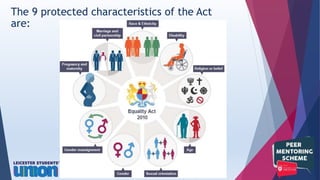
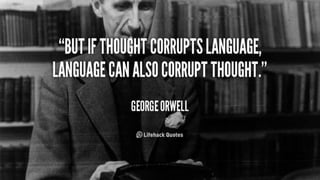
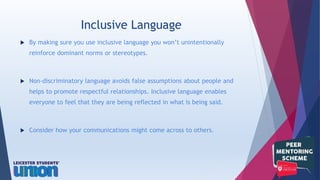
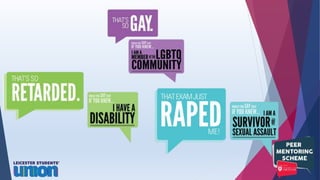
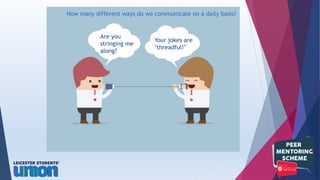
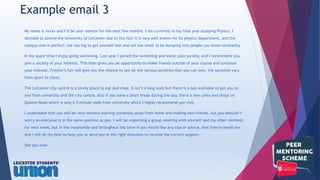
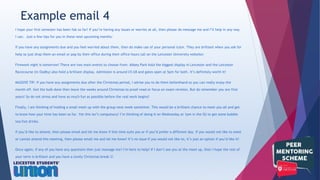
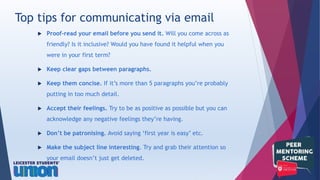
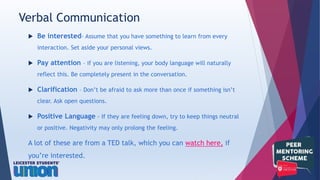
The document discusses equality and diversity legislation in the UK and how it relates to the role of a mentor. It covers the Equality Act of 2010, which protects people from discrimination. Direct discrimination involves treating someone less favorably due to a protected characteristic, while indirect discrimination involves neutral policies that disproportionately disadvantage those with protected characteristics. Effective communication as a mentor involves being inclusive, an active listener, and tailoring communication to individual mentees. The use of inclusive language is important to avoid stereotypes and make all people feel respected.




![Edward Anderson - syllabus - Business Writing[2]](https://cdn.slidesharecdn.com/ss_thumbnails/5ab57ff9-2cca-4c5b-a9f0-de6a78715b0e-151113235226-lva1-app6892-thumbnail.jpg?width=640&height=640&fit=bounds)


![Session 1 introducing the bystander [autosaved]](https://cdn.slidesharecdn.com/ss_thumbnails/session1-introducingthebystanderautosaved-170105143221-thumbnail.jpg?width=640&height=640&fit=bounds)


