The Artist, Collective Memory,
and Crisis of the Natural and
Unnatural Kind
January 27, 2010

A Lecture to Jagalonian University Cultural
Studies Program, Class in Visuality

Dr. Lori Kent
Fulbright Fellow, Academy of Fine Arts
Leadbelly (1930s) “Ox Drivin’ Blues” from the album “King of the 12-String
Guitar”
From an artist’s point of view….
Where does art come from?

memory?Imagination? experience?
 Representation? Passion?
       re-presentation ?
              ???
Where does art come from?

memory?Imagination? experience?
 Representation? Passion?
       re-presentation ?
              ???
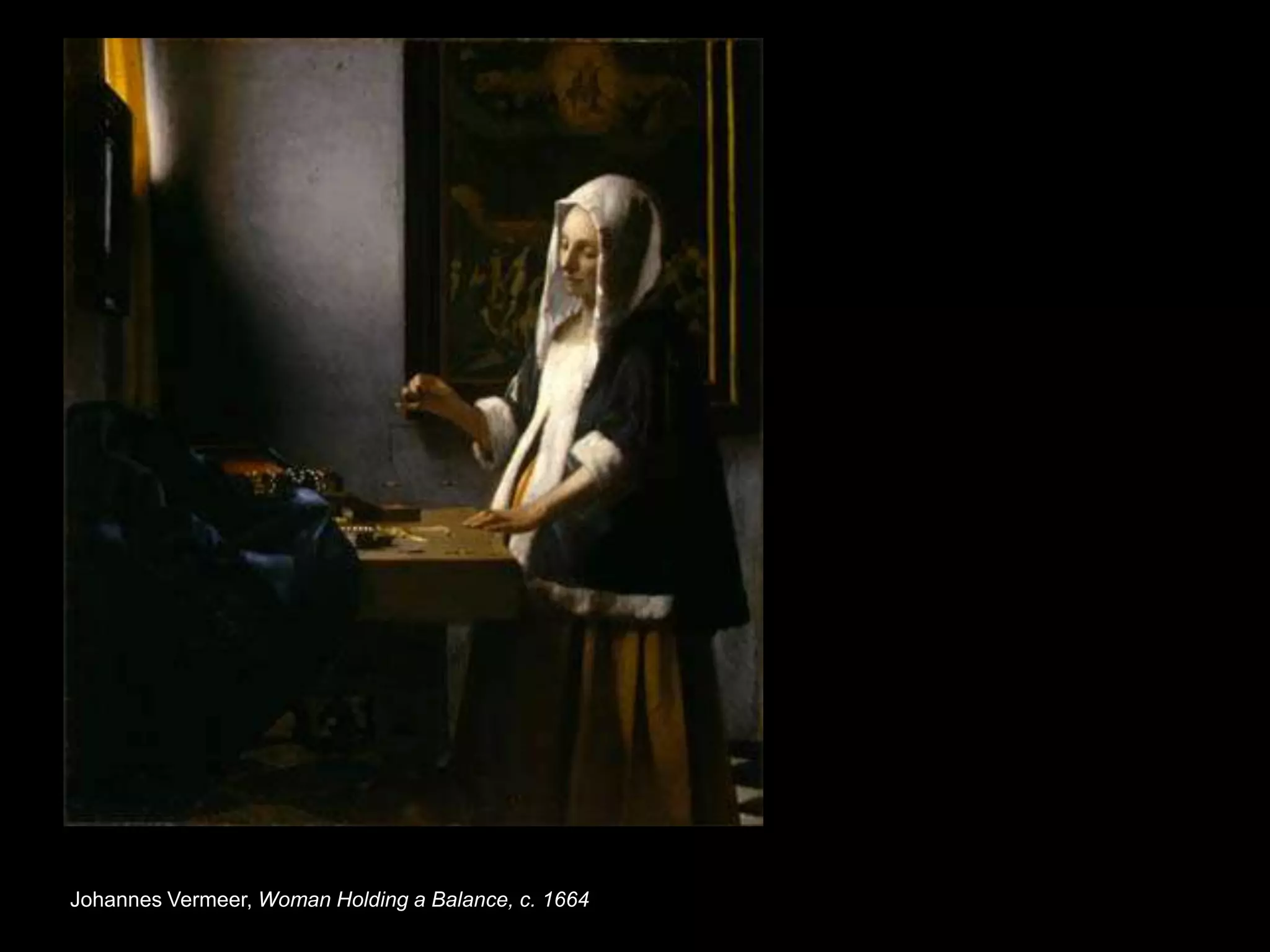
Johannes Vermeer, Woman Holding a Balance, c. 1664
Where does art come from?

memory?Imagination? experience?
 Representation? Passion?
       re-presentation ?
              ???
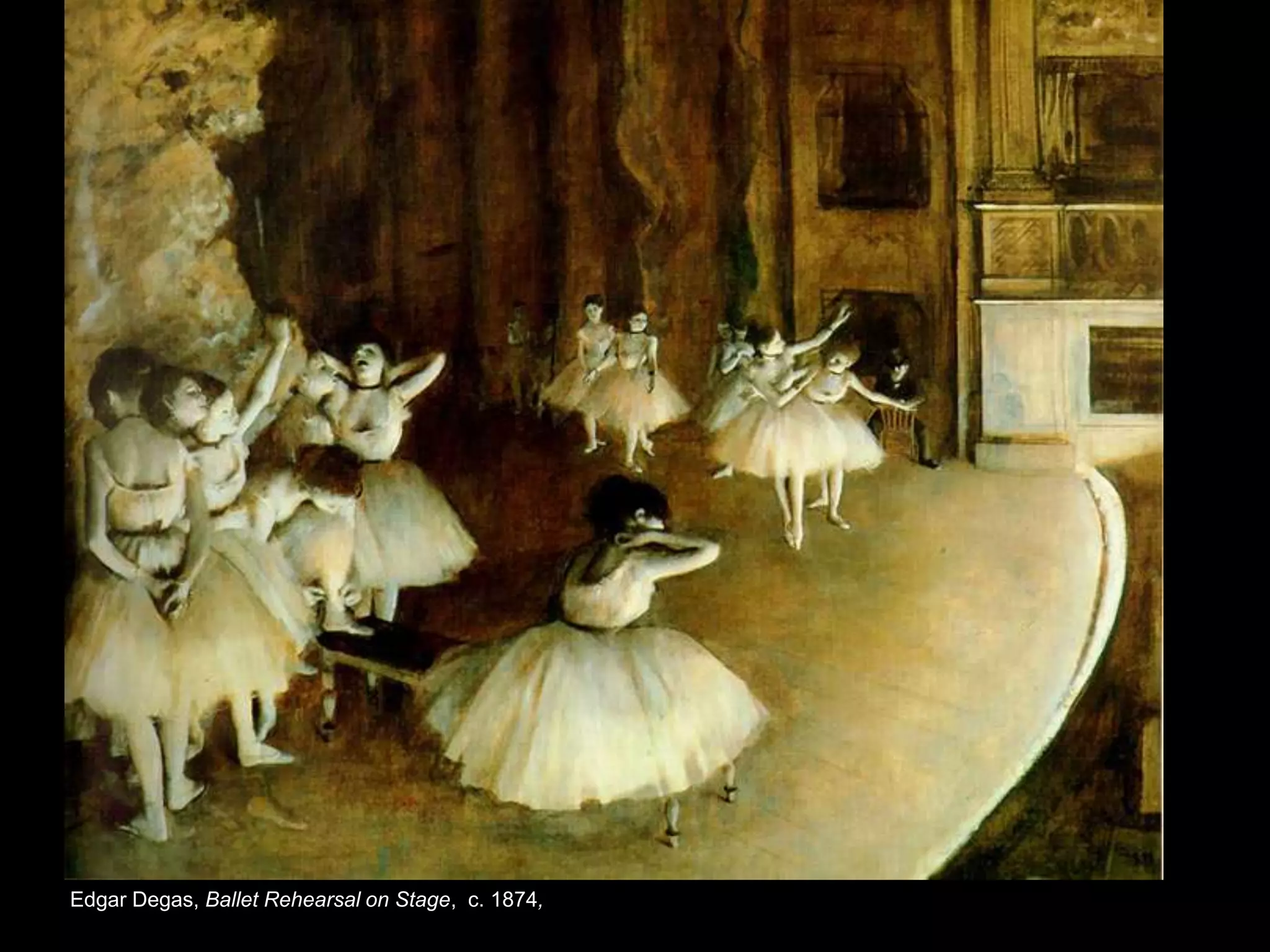
Edgar Degas, Ballet Rehearsal on Stage, c. 1874,
Where does art come from?

memory?Imagination? experience?
 Representation? Passion?
       re-presentation ?
              ???
Matthew Barney, Film Still from the Cremaster Series, c. 1992
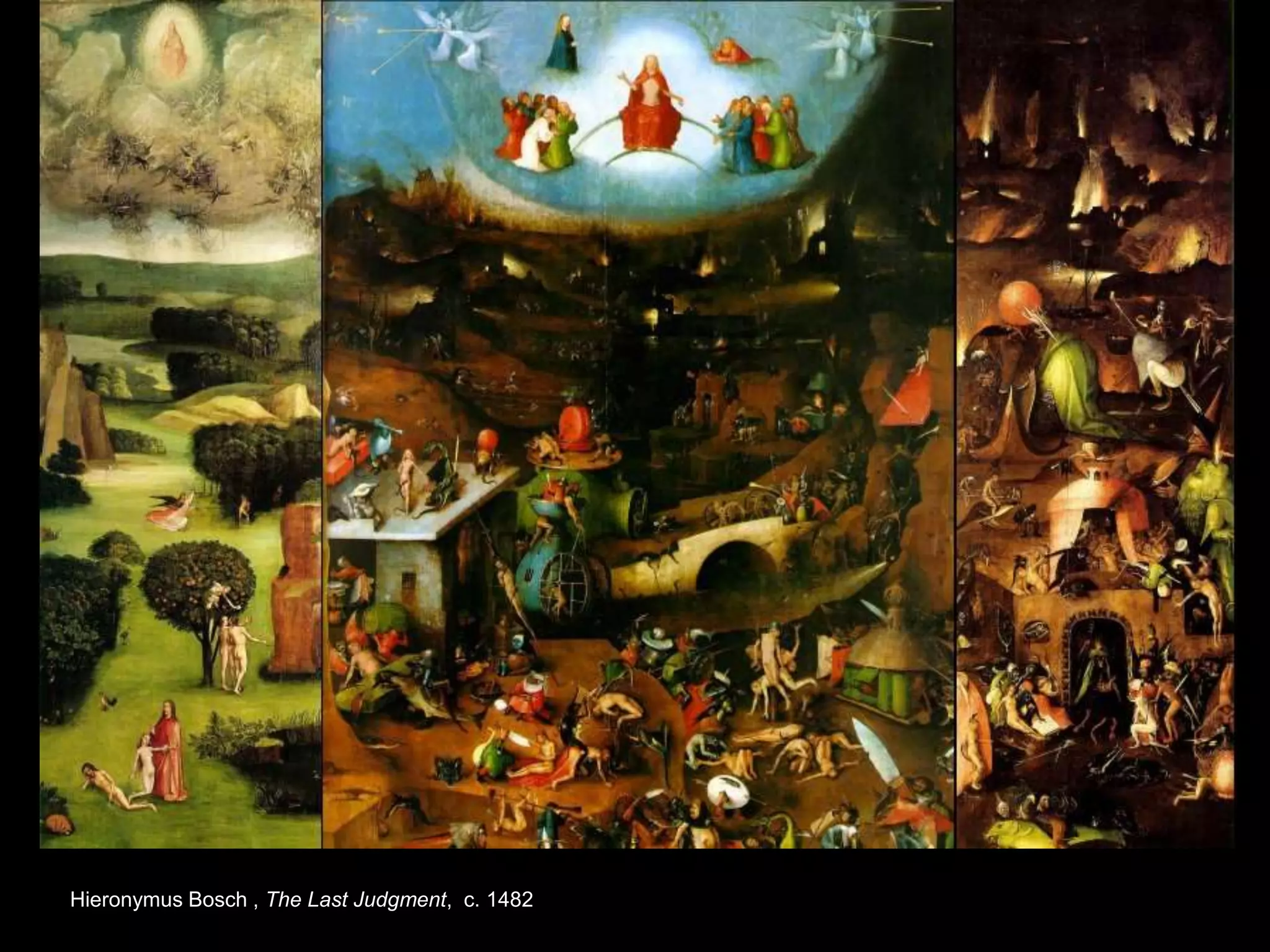
Hieronymus Bosch , The Last Judgment, c. 1482
“All that you can imagine, you already know”
            - Sir Stephen Spender
Where does art come from?

   memory? Imagination?
         experience?
 Representation? Passion?
      re-presentation ?
            ???
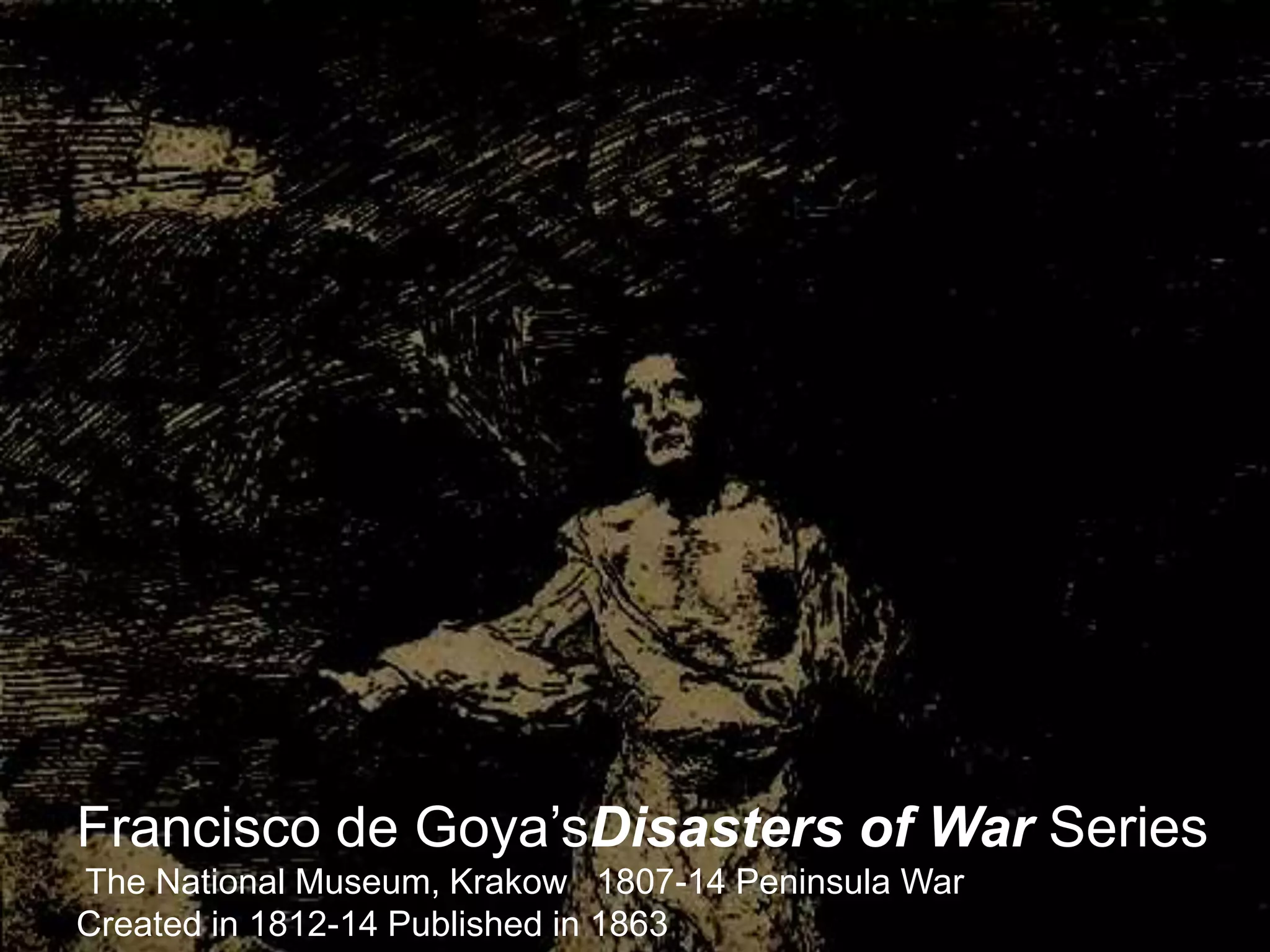
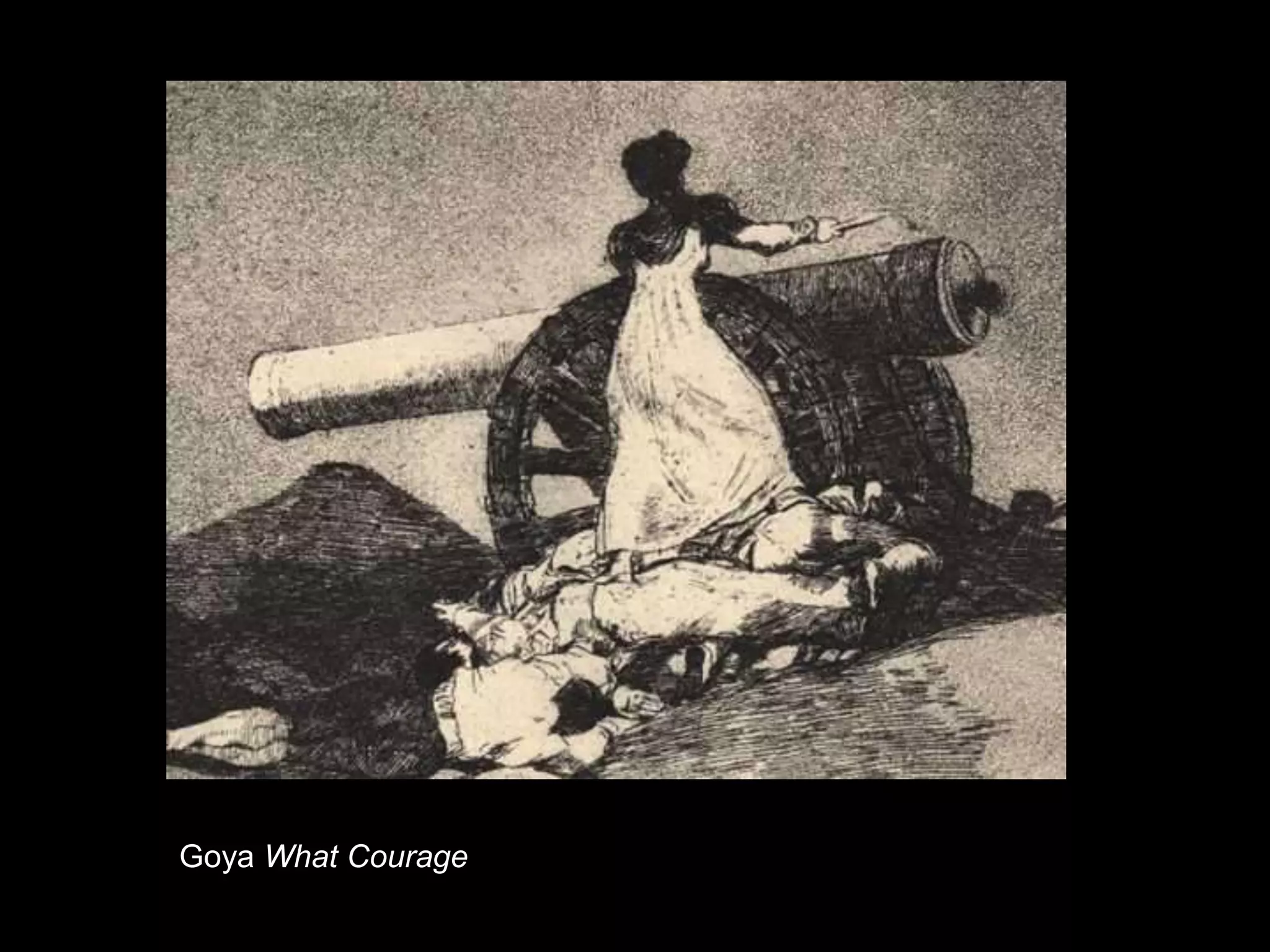
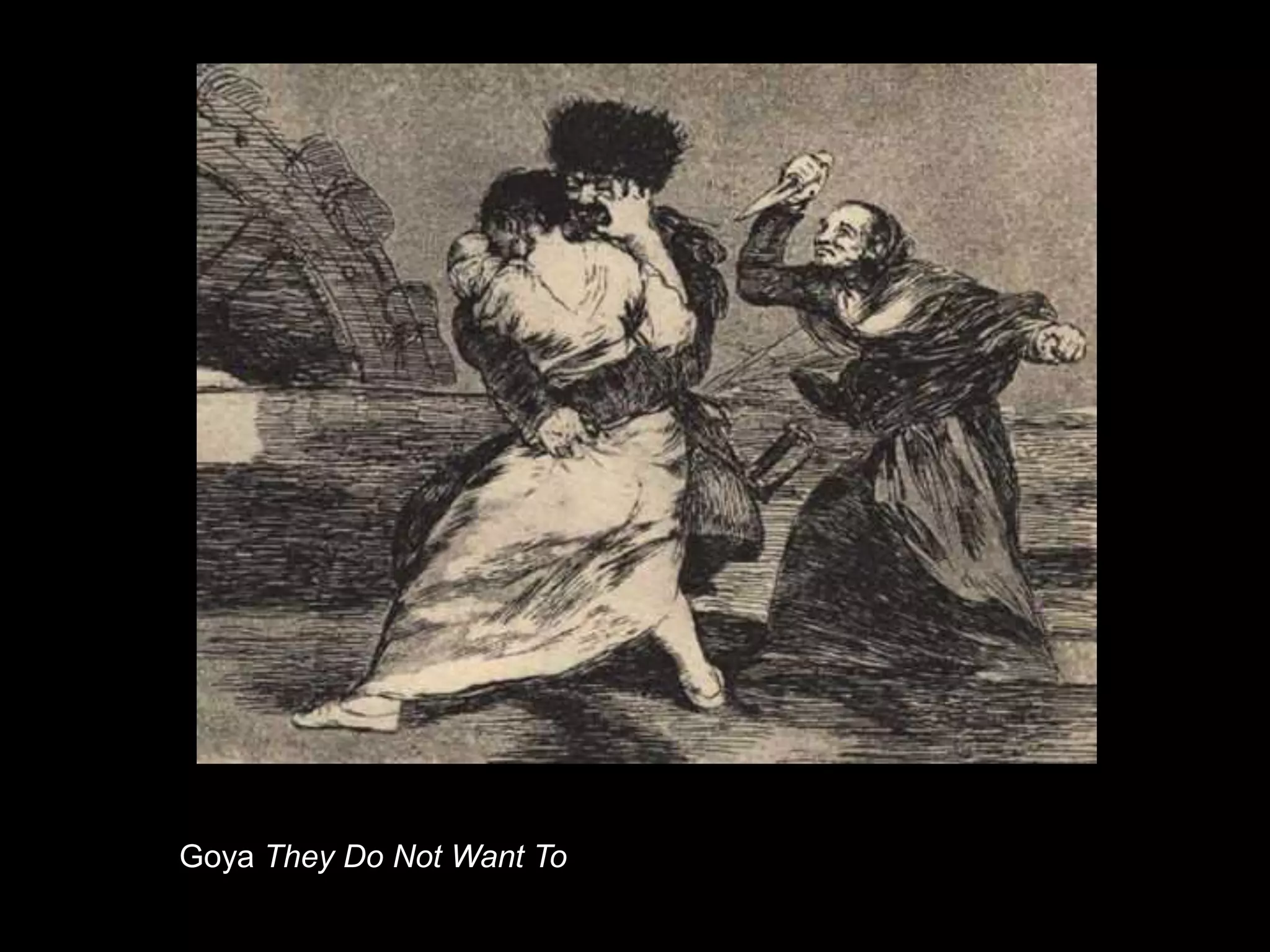
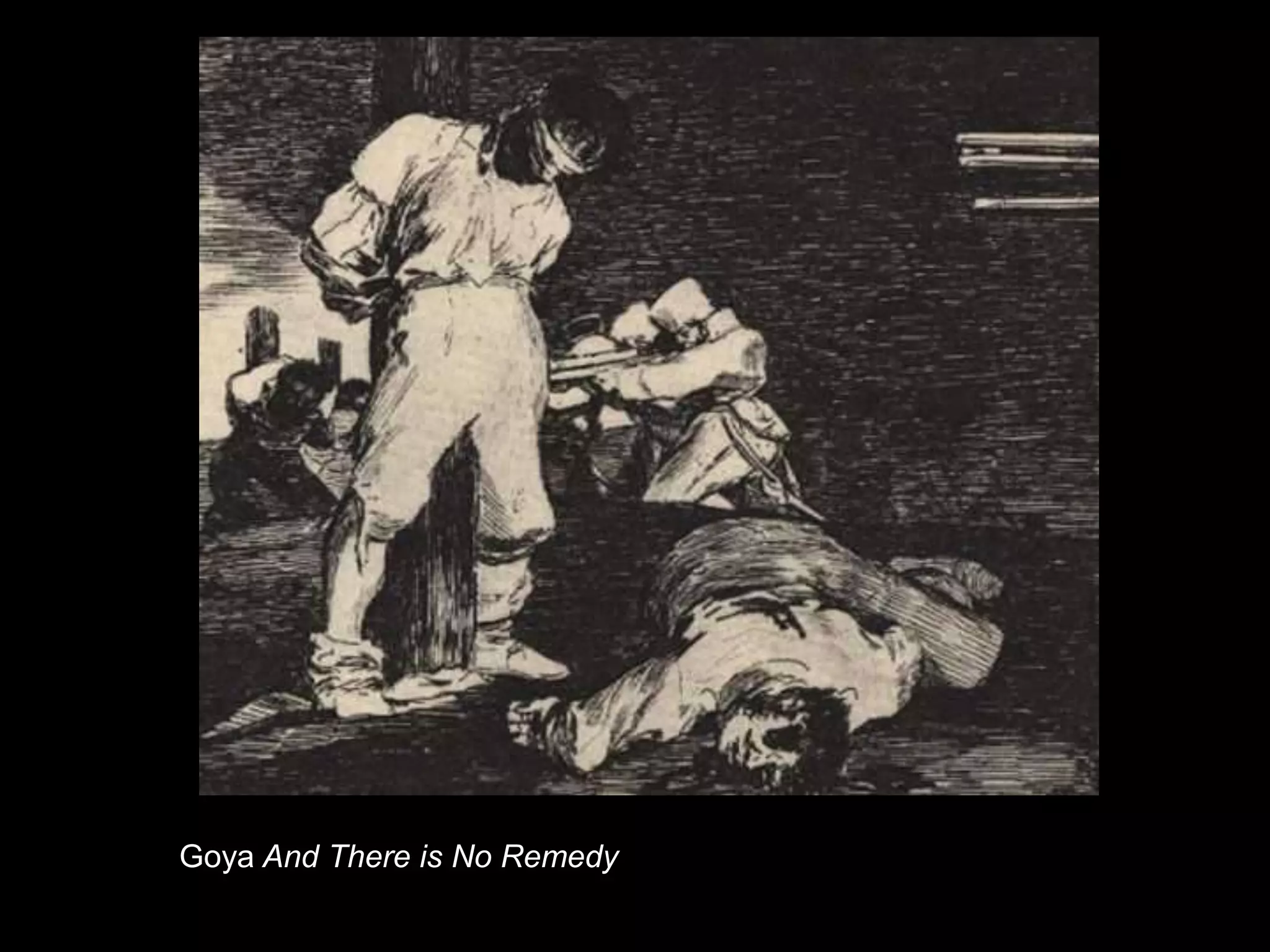
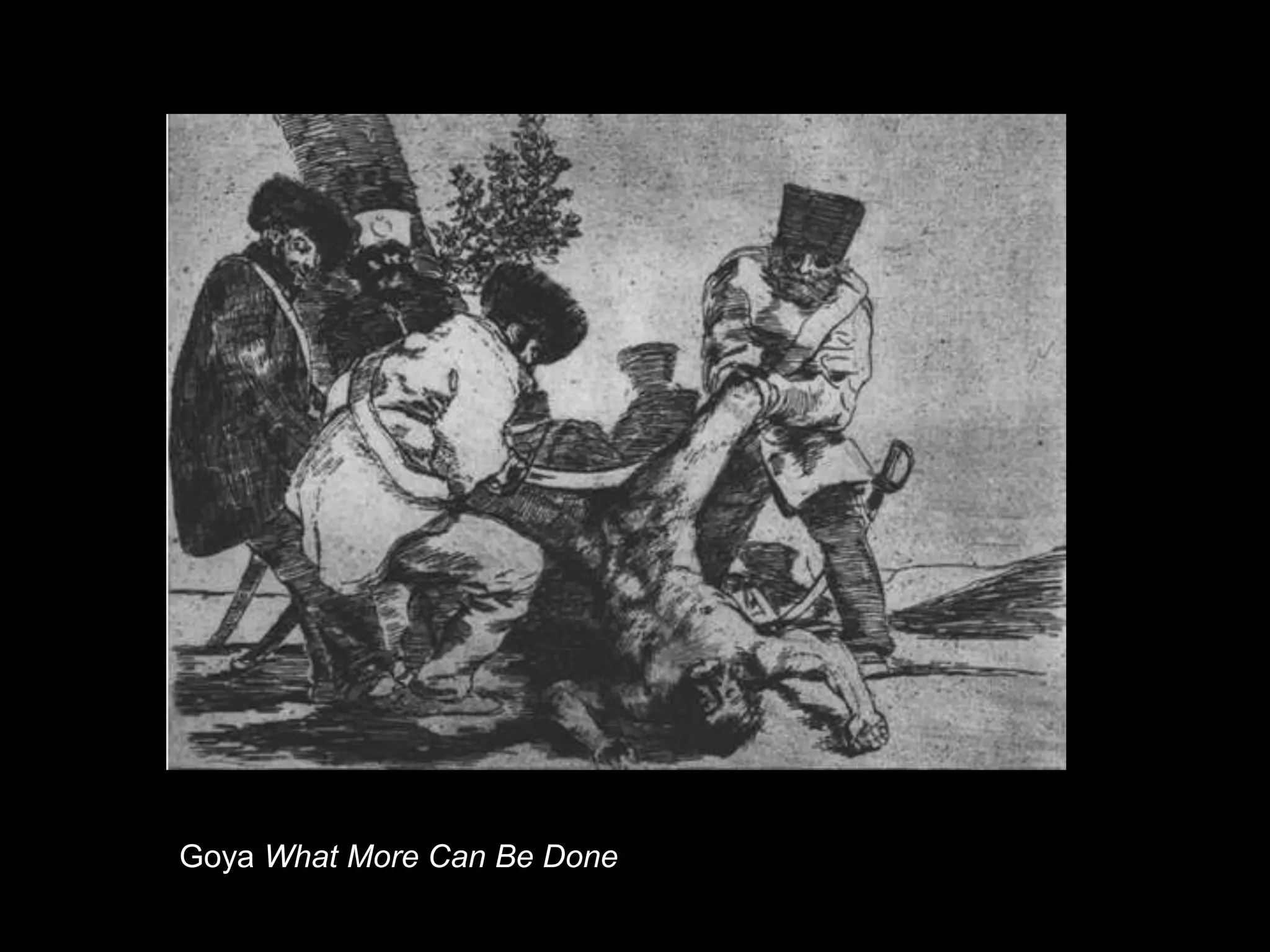
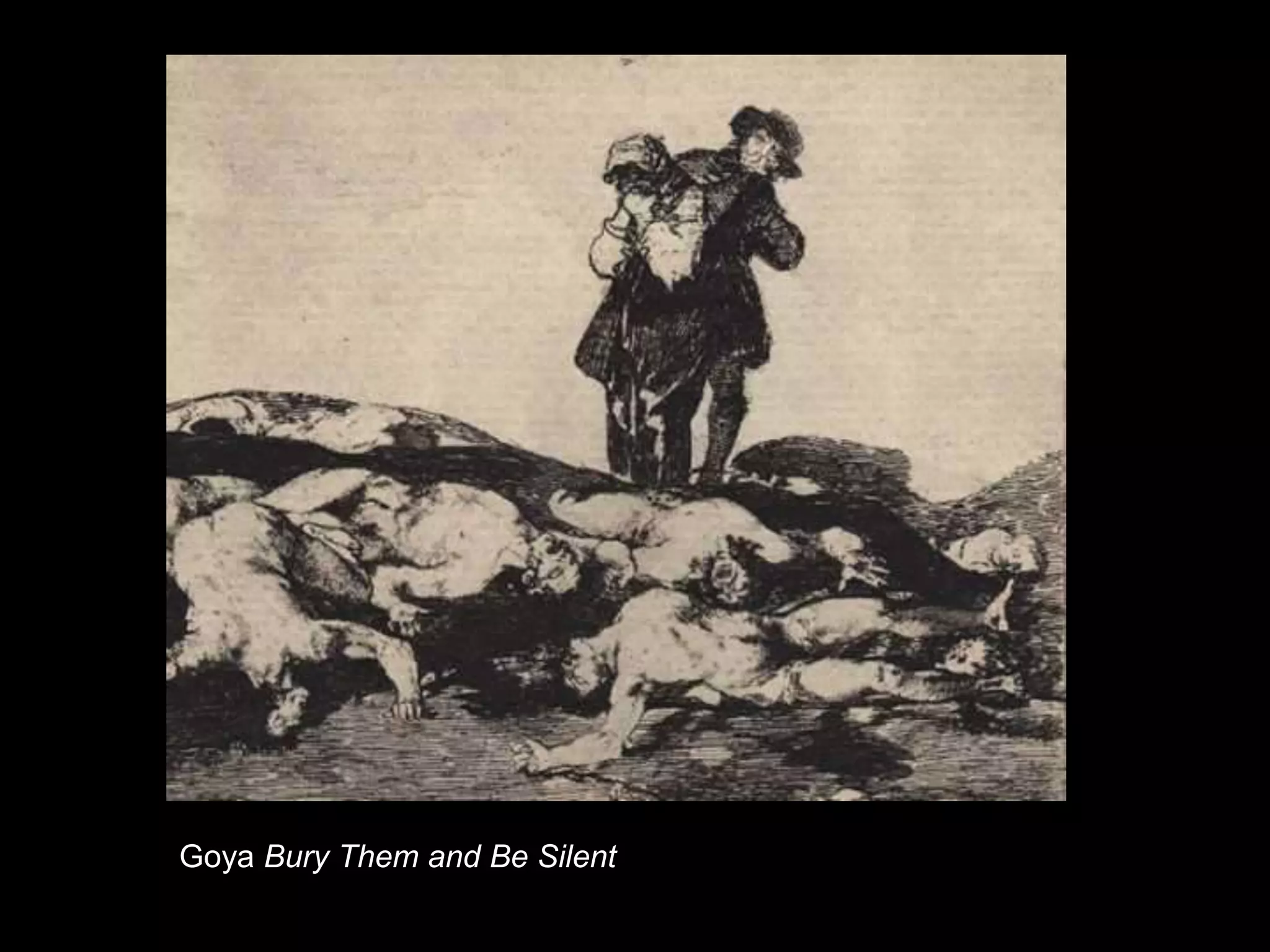
Francisco de Goya’sDisasters of War Series
The National Museum, Krakow 1807-14 Peninsula War
Created in 1812-14 Published in 1863
Goya With Reason or Without
Goya What Courage
Goya They Do Not Want To
Goya And There is No Remedy
Goya What More Can Be Done
Goya Bury Them and Be Silent
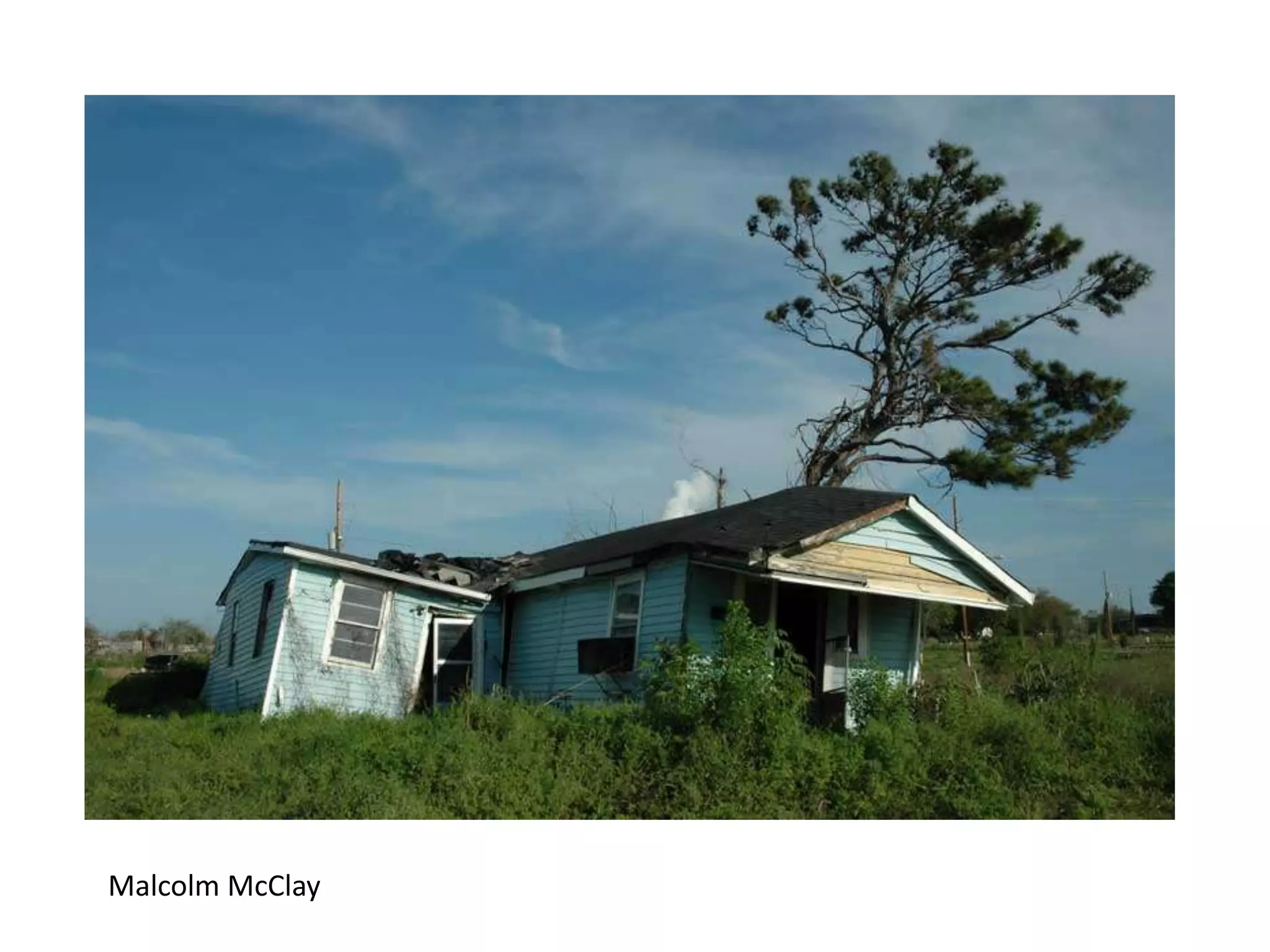
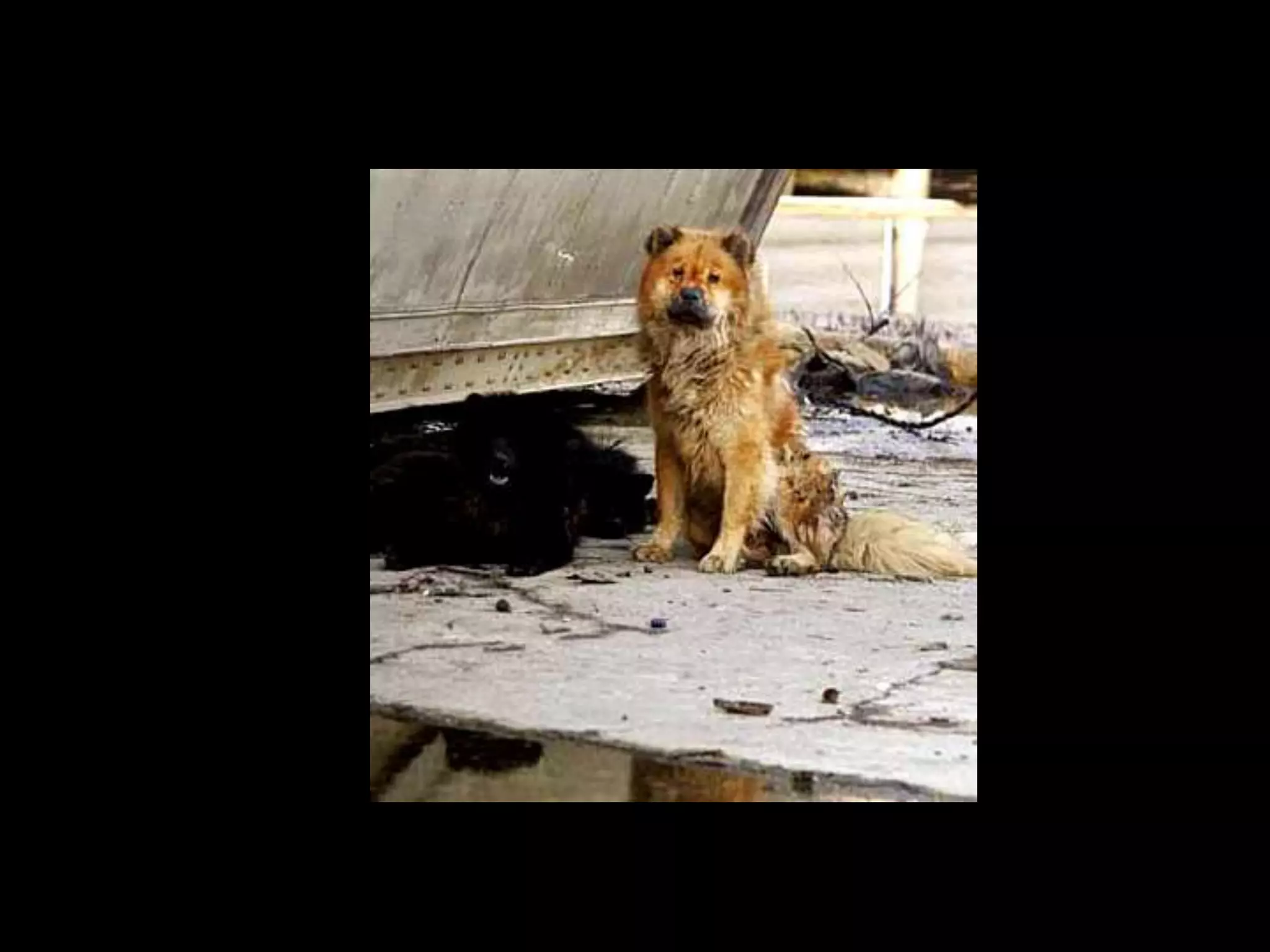
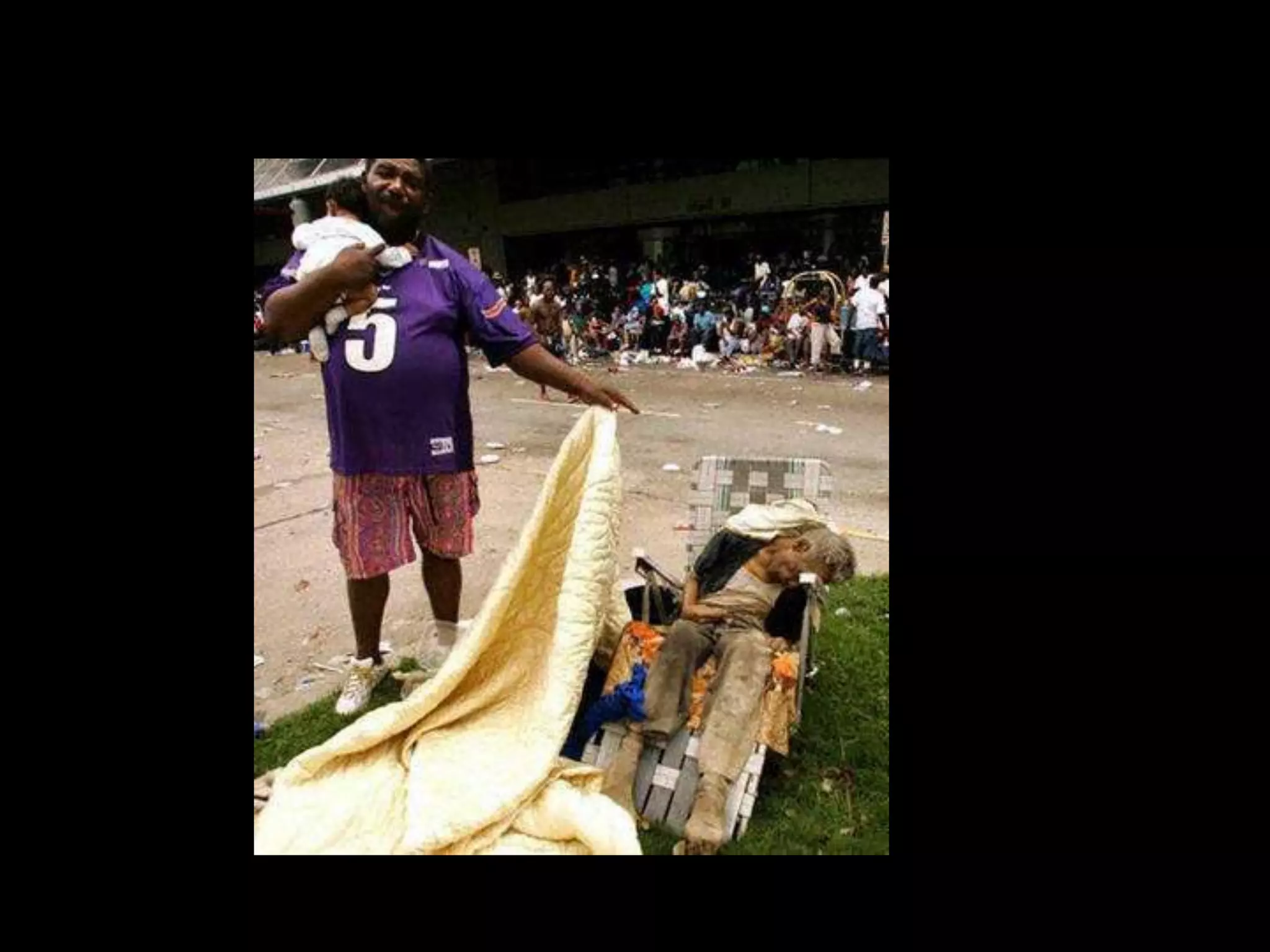
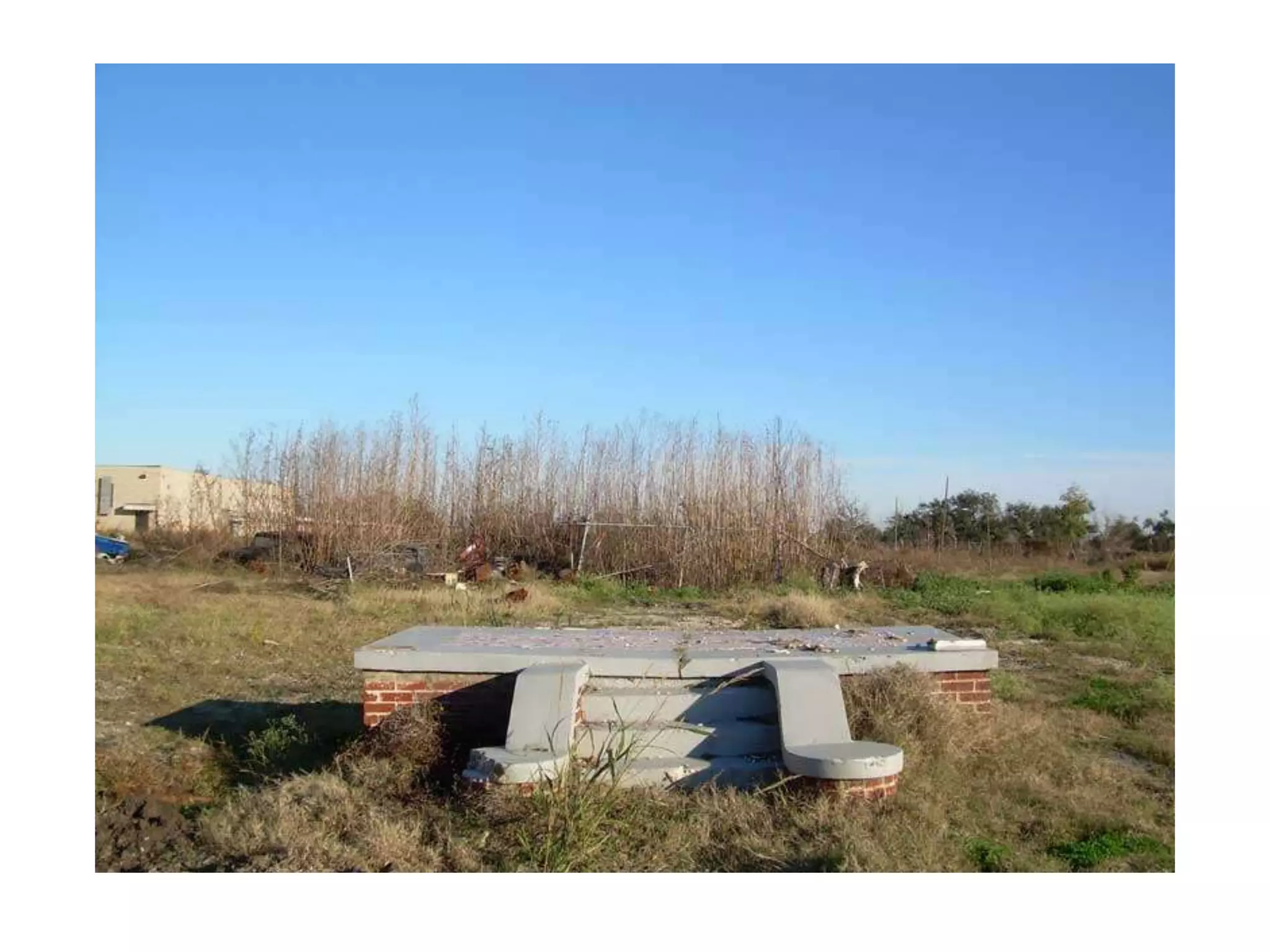
HURRICANE KATRINA August 29, 2005
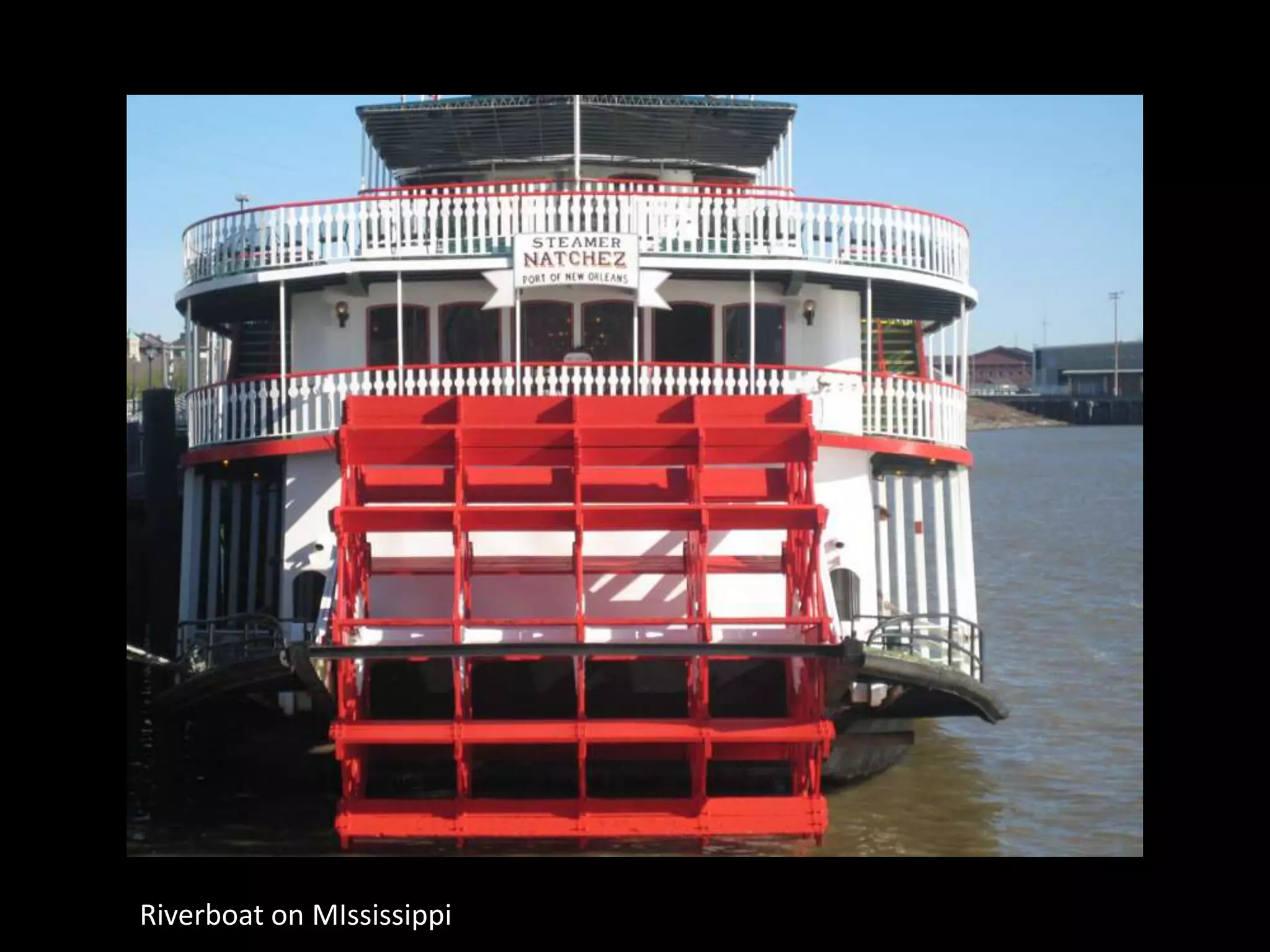
Riverboat on MIssissippi
French Quarter “Shotgun” house
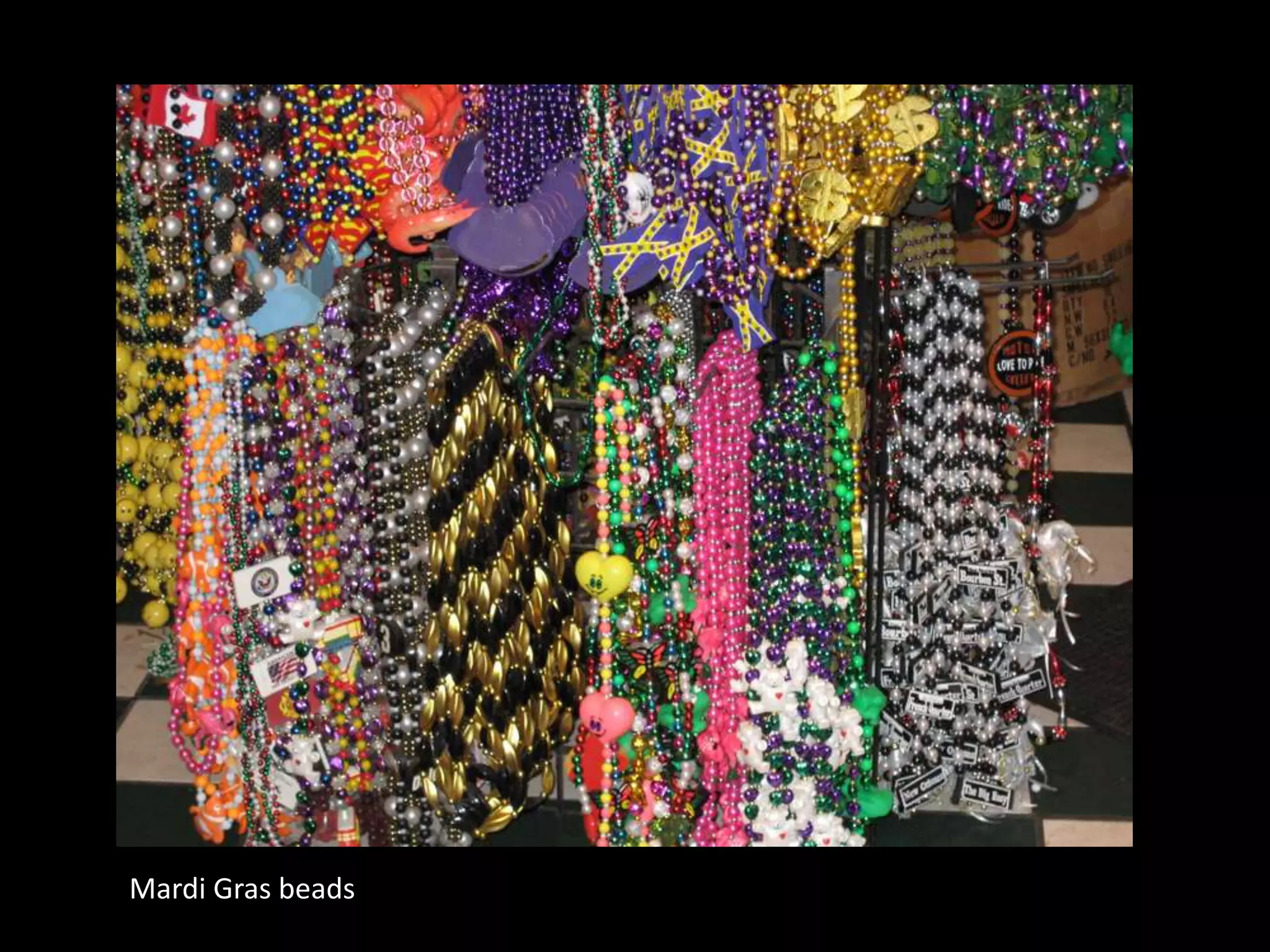
Mardi Gras beads
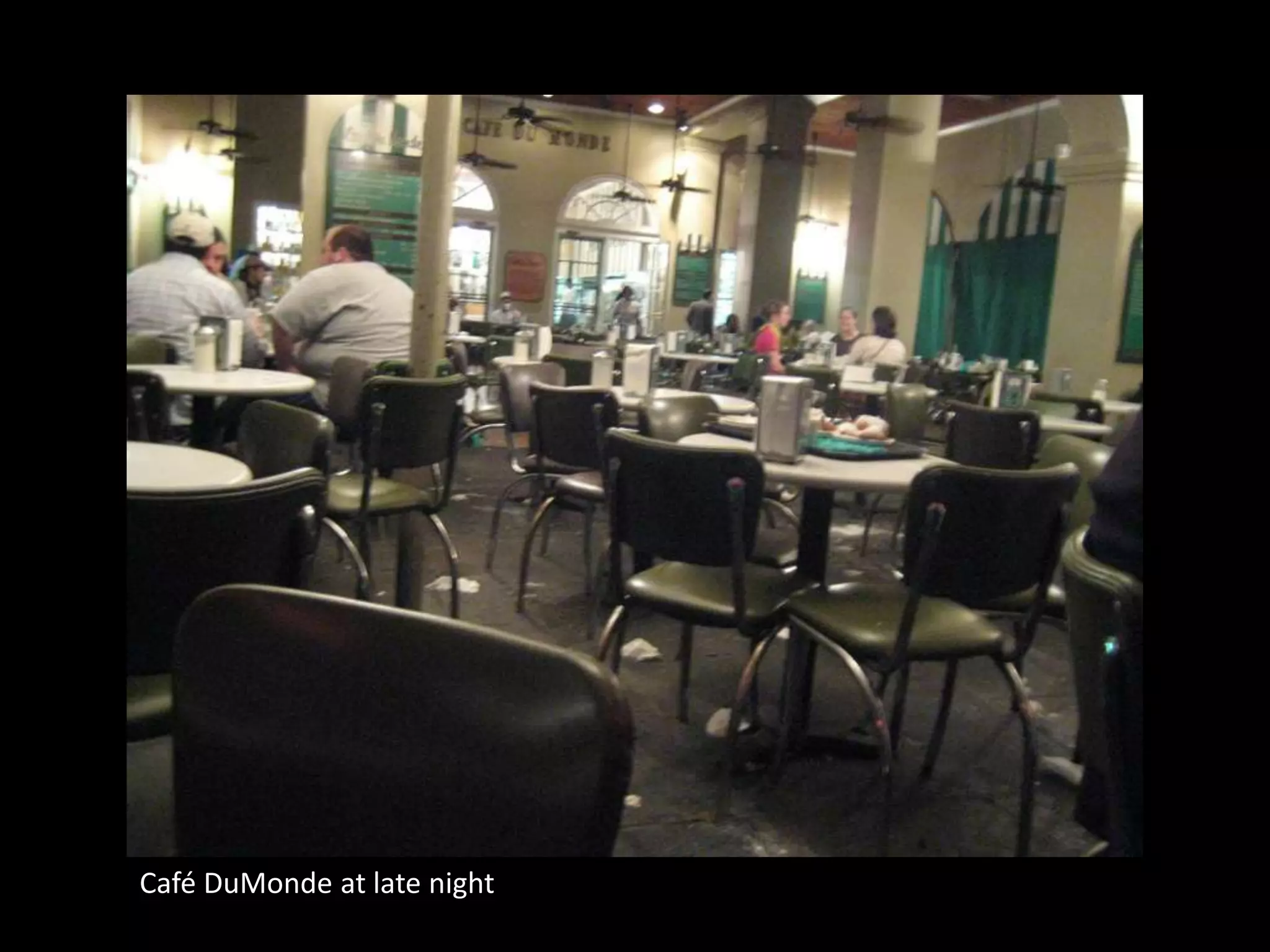
Café DuMonde at late night
Lucky Dogs on Bourbon Street
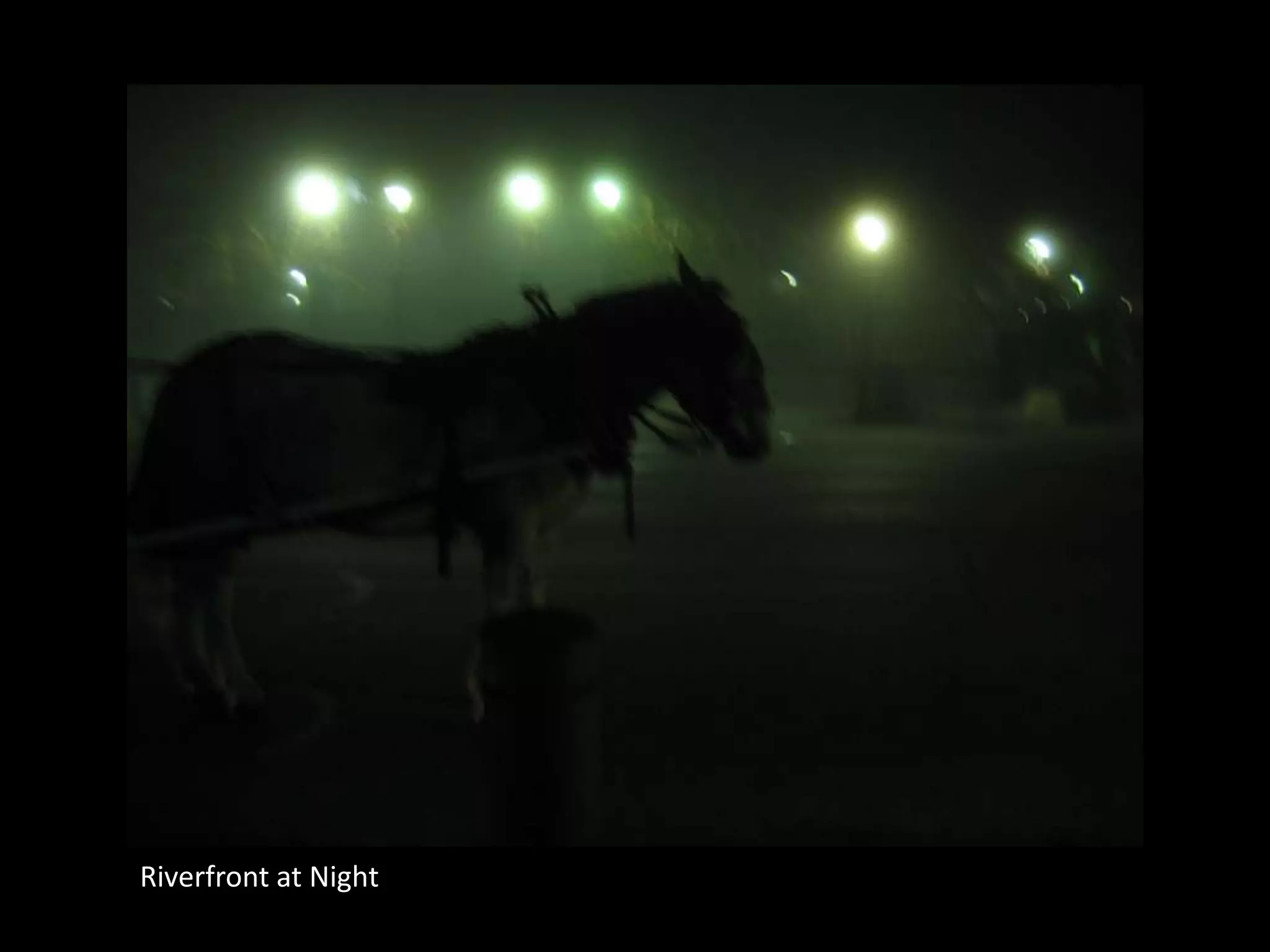
Riverfront at Night
80% of the City flooded
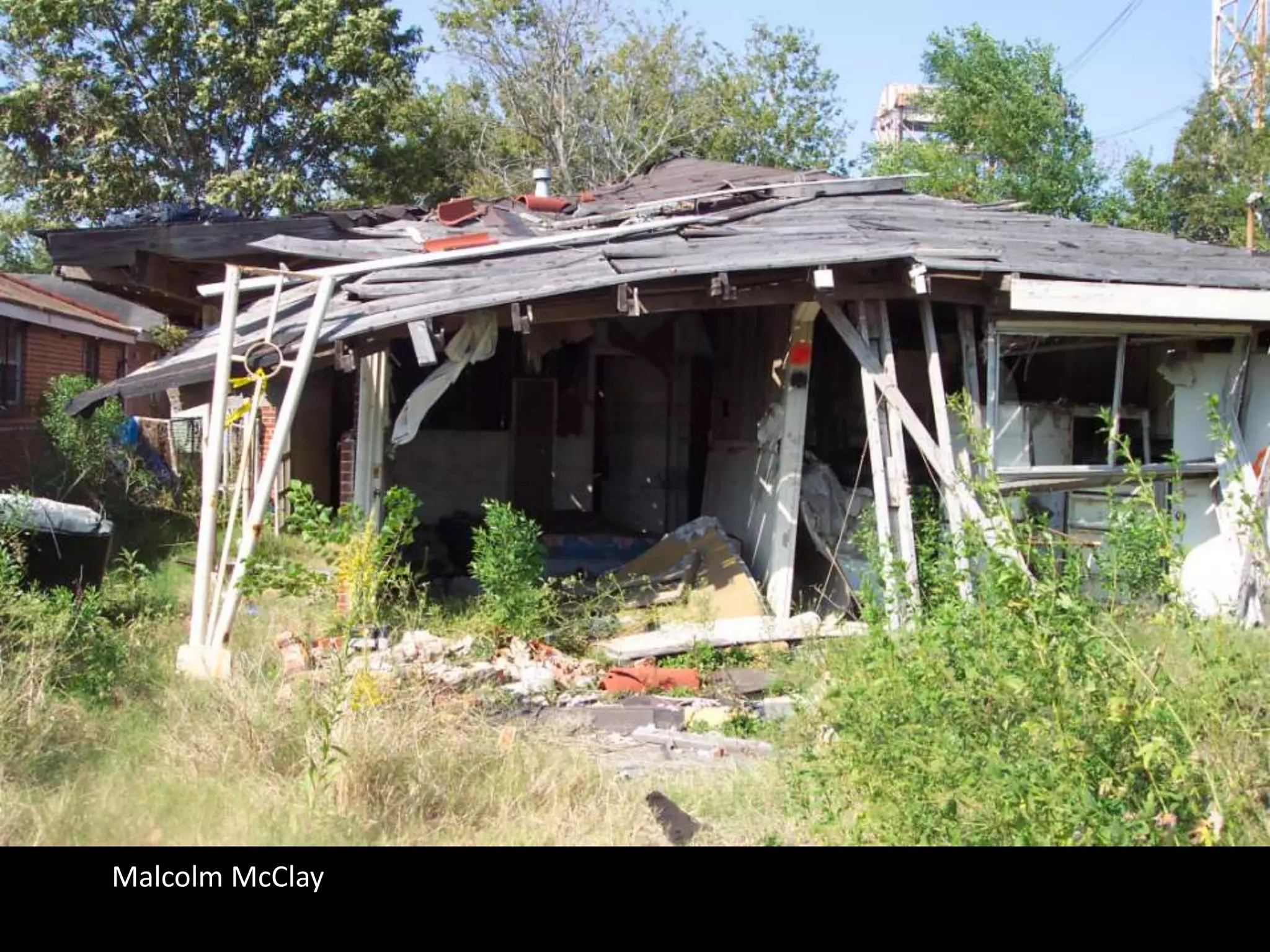
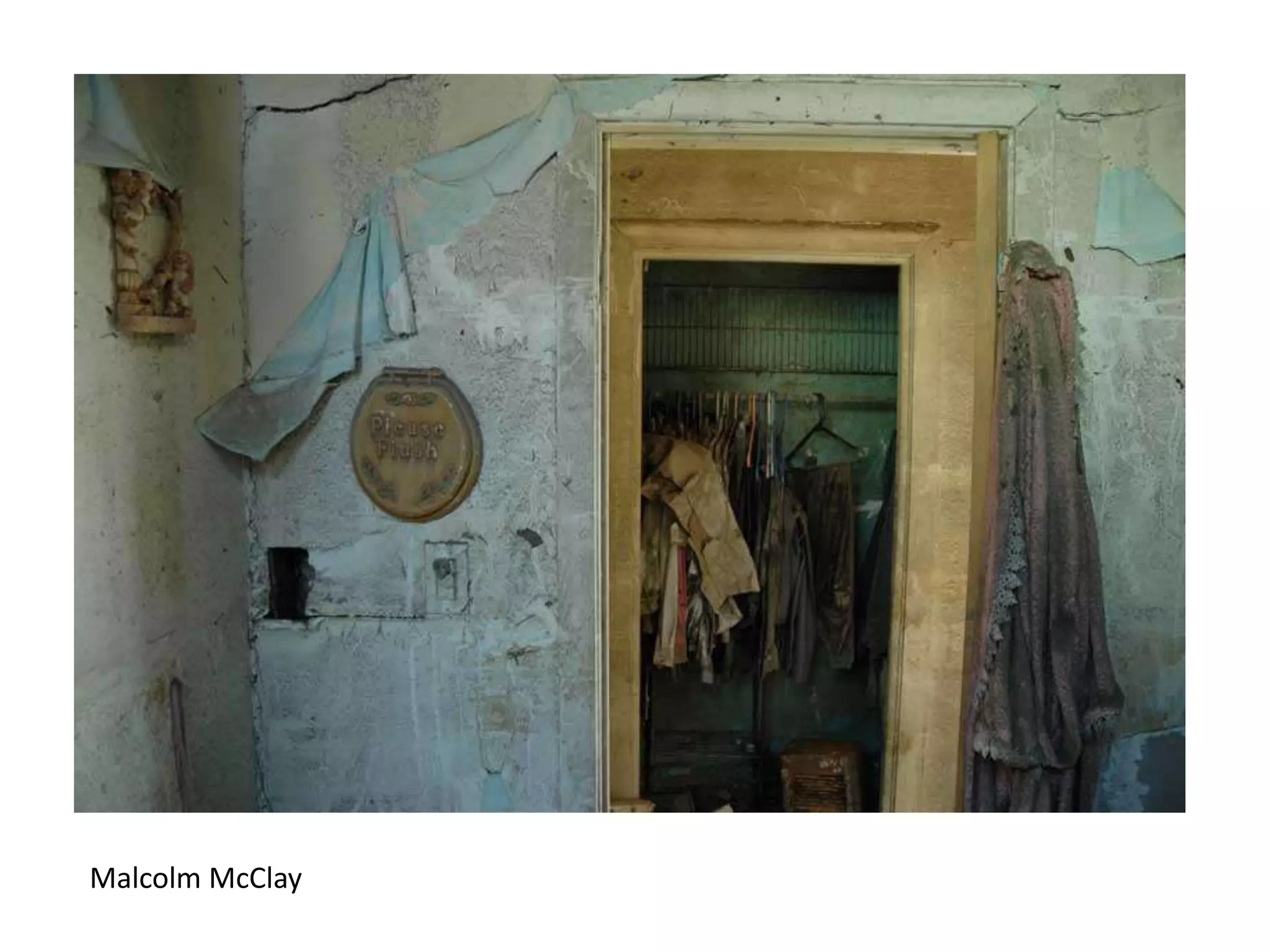
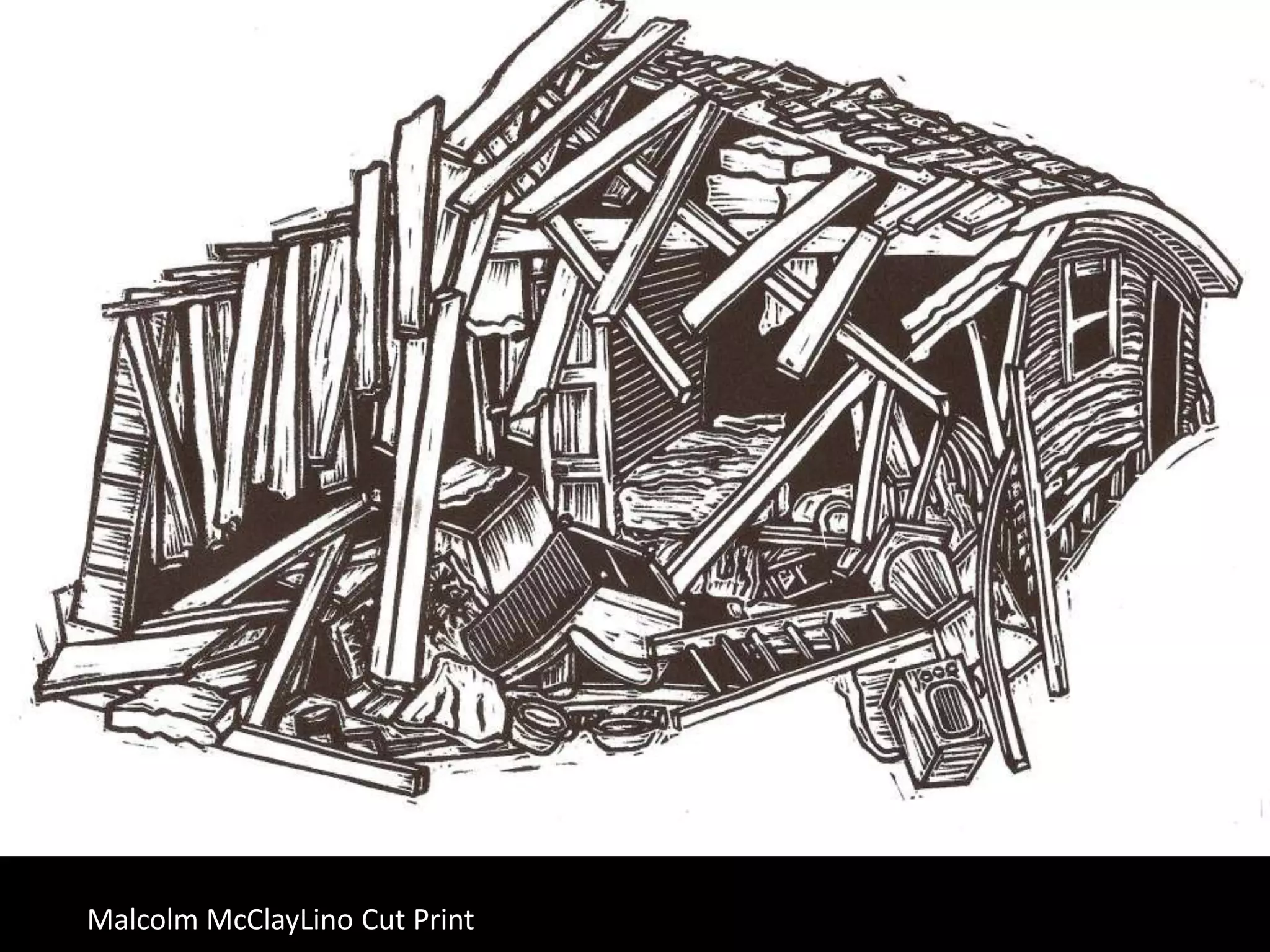
Malcolm McClay
0%


Malcolm McClay


Malcolm McClayLino Cut Print
Untitled(2007)Archival Digital Print
Malcolm McClay
Untitled(2007)Archival Digital Print
Malcolm McClay
Untitled(2007)Archival Digital Print
Malcolm McClay
Malcolm McClay
Untitled(2007)Archival Digital Print
Malcolm McClay
Untitled(2007)Archival Digital Print
Generic Art
Solutions
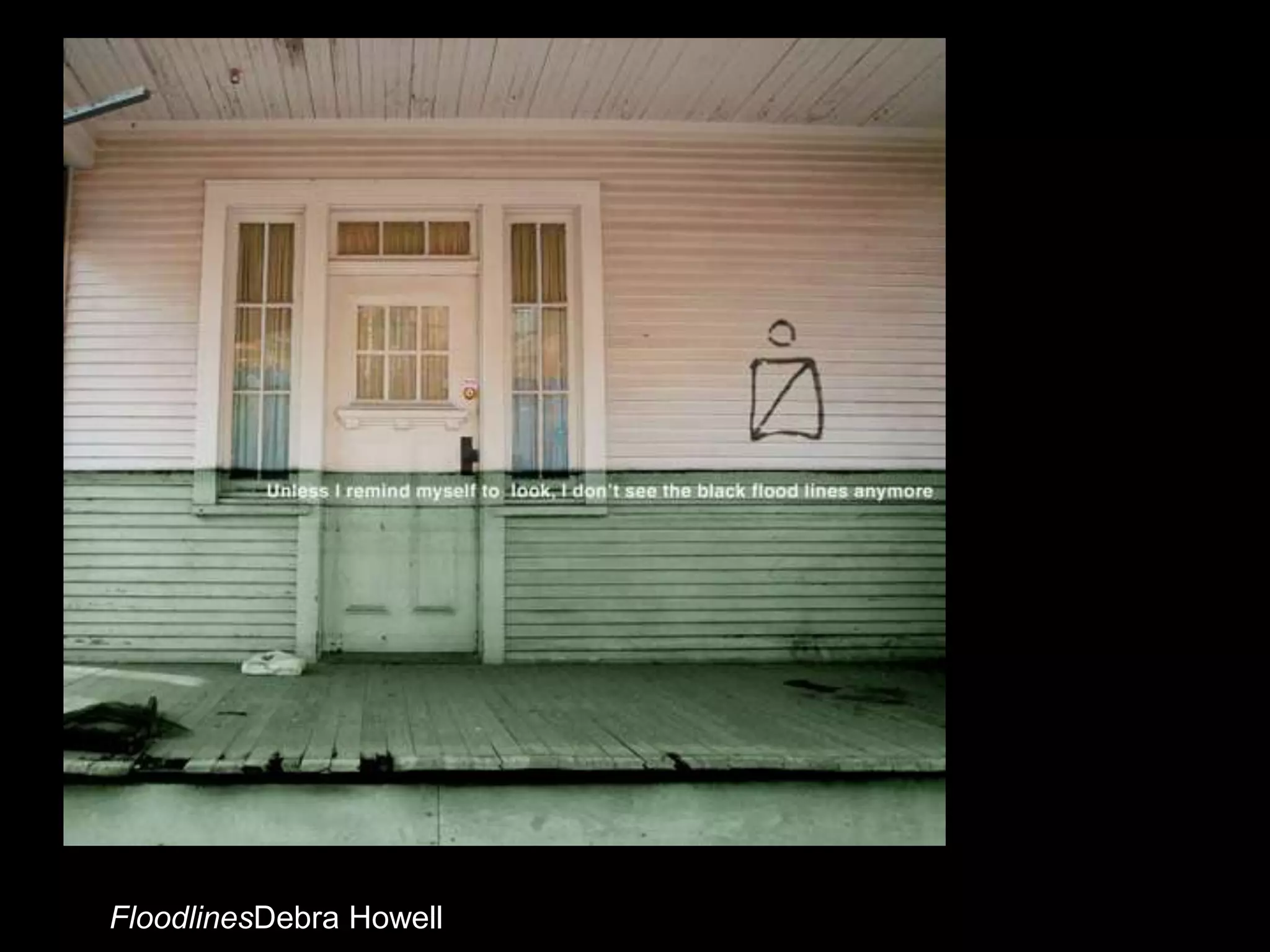
FloodlinesDebra Howell
FloodlinesKrista Jurisch
FloodlinesJan Gilbert
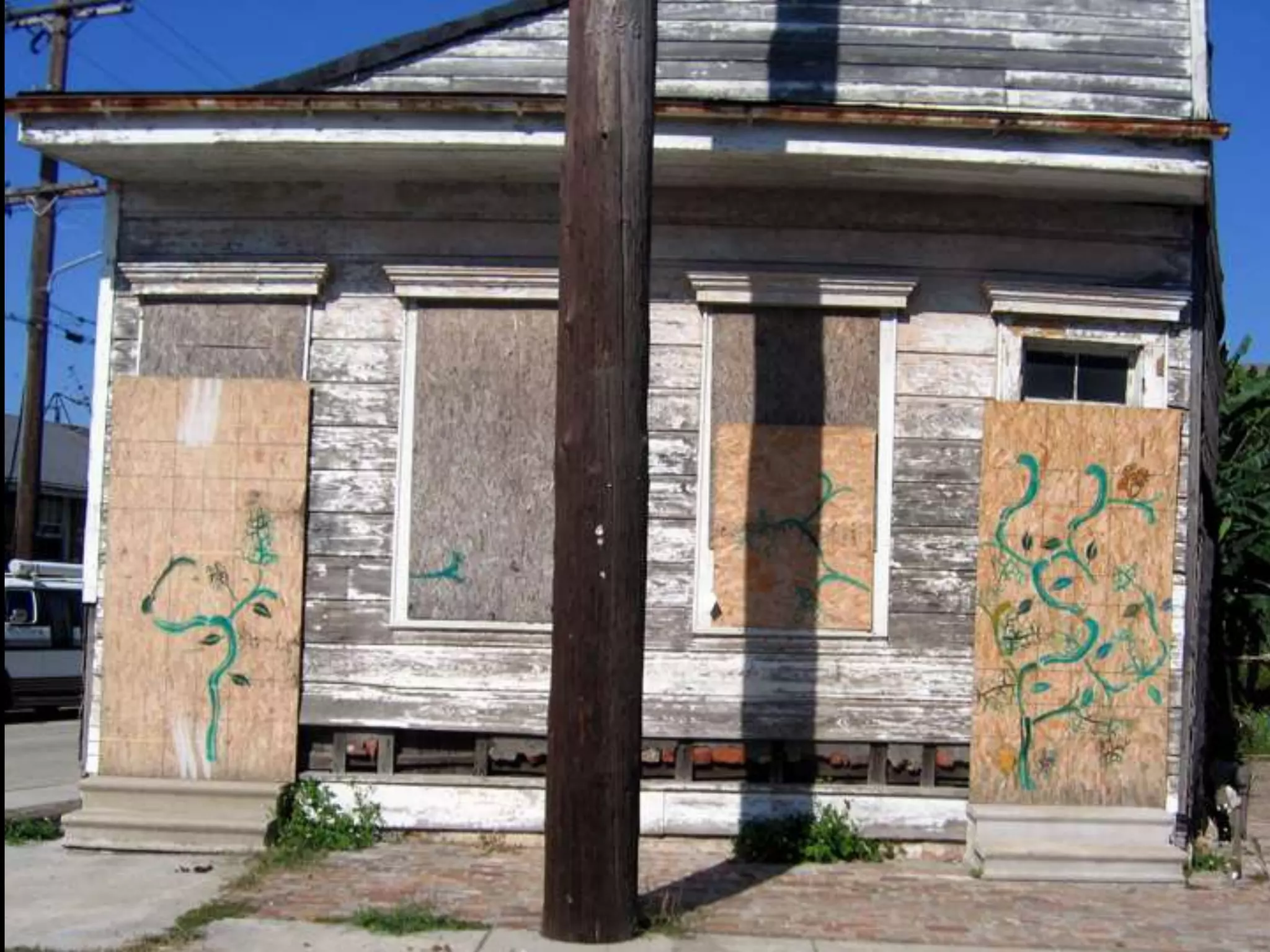
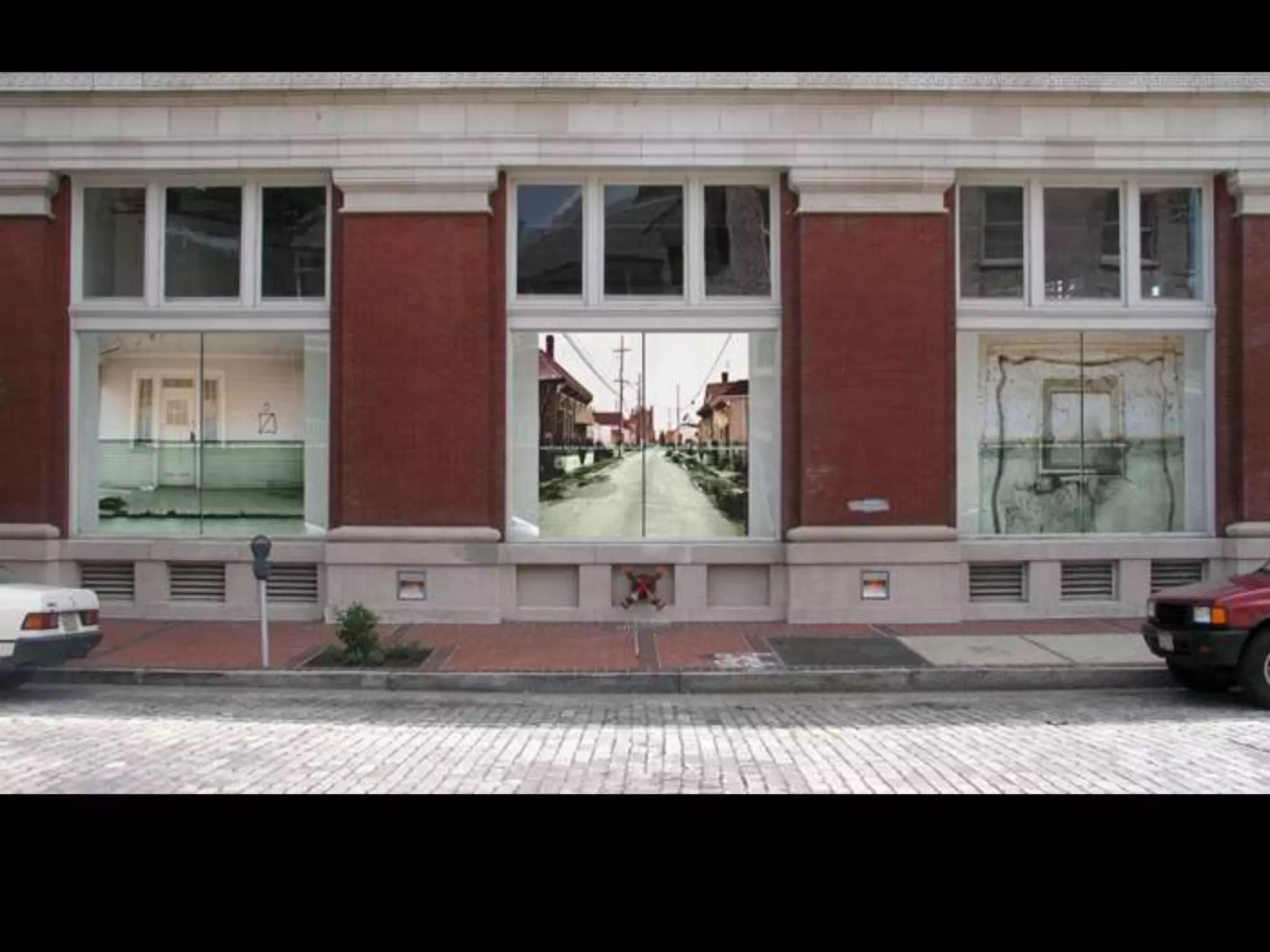
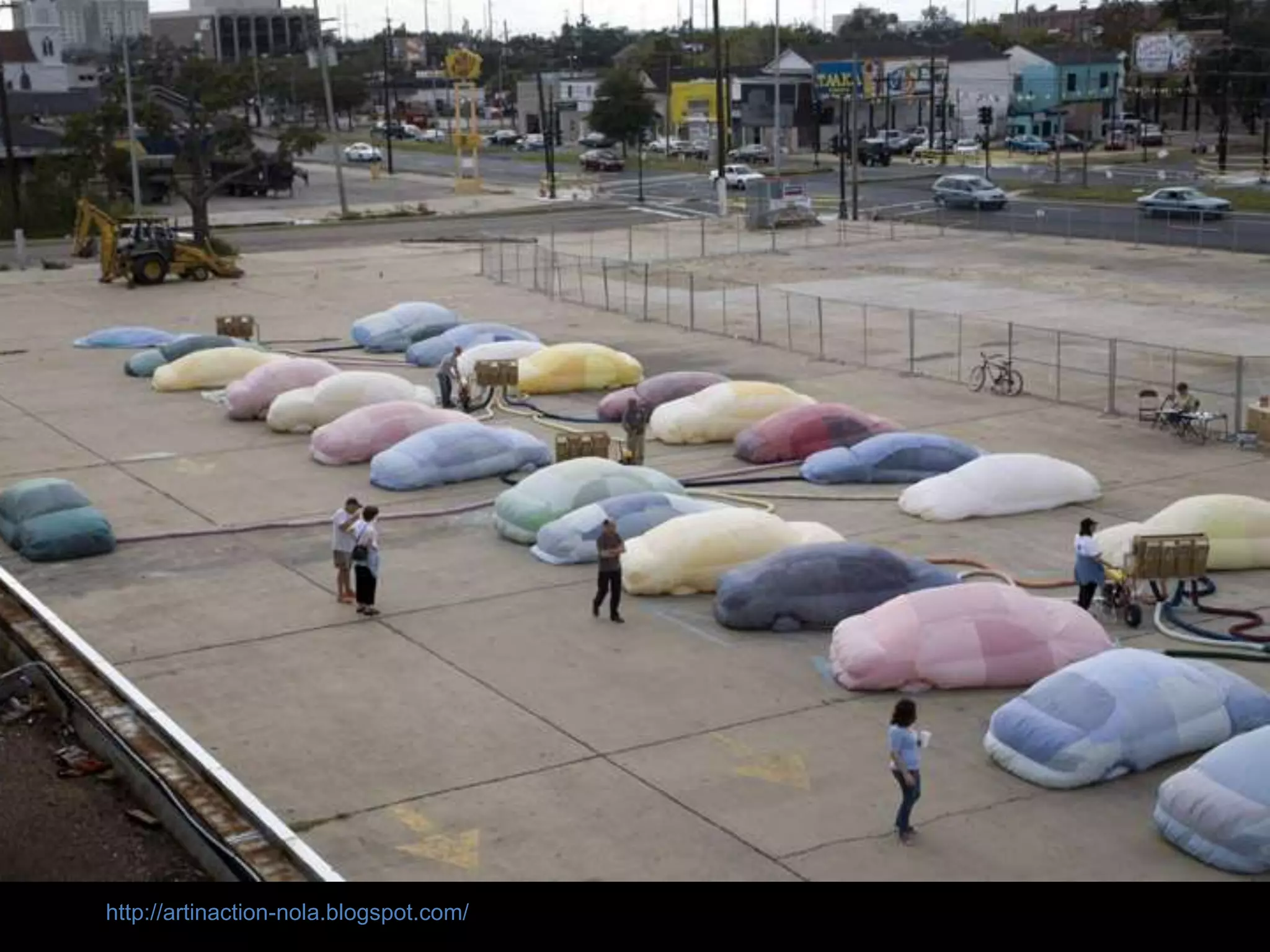
http://artinaction-nola.blogspot.com/
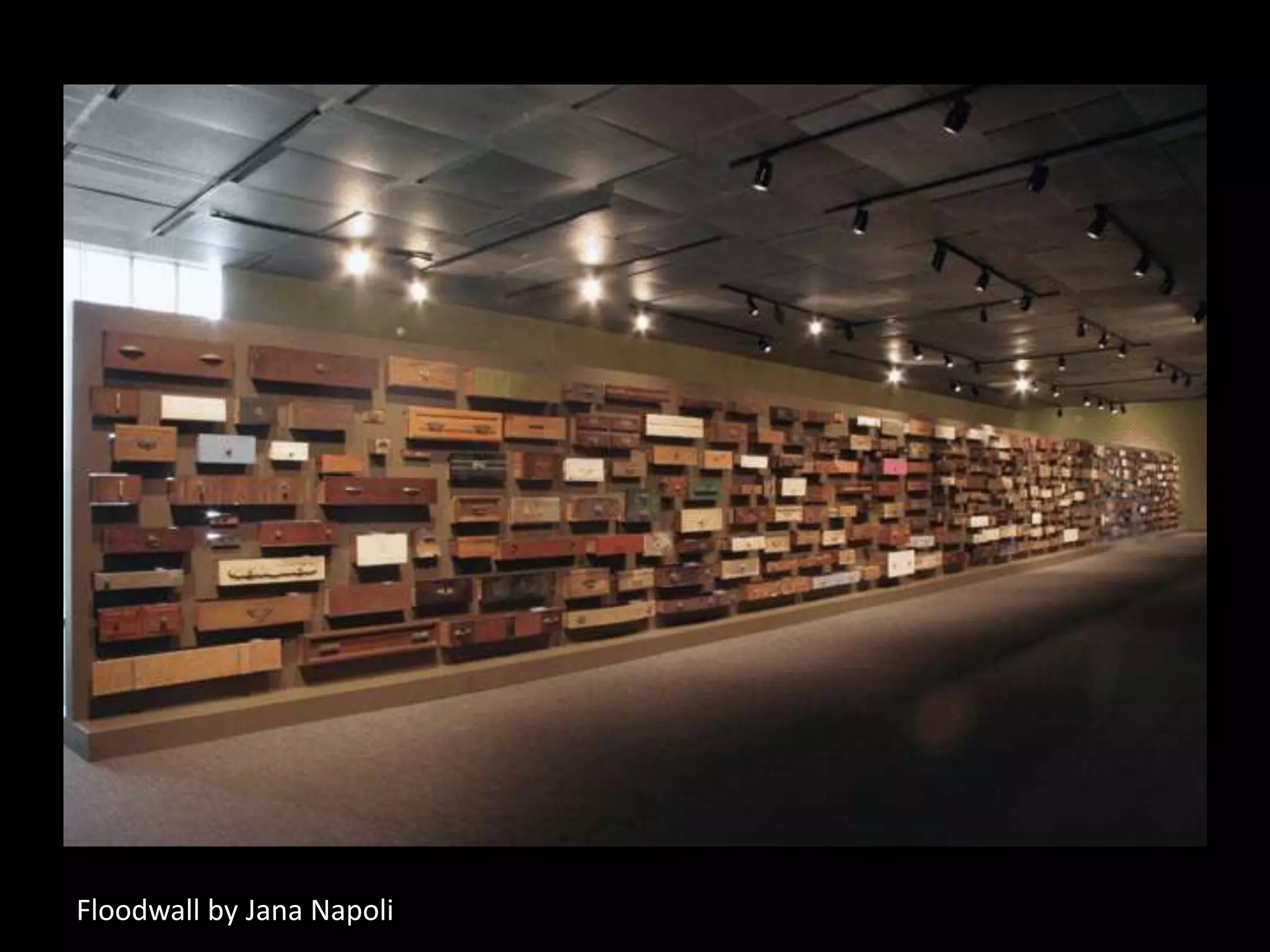
Floodwall by Jana Napoli
http://www.floodwall.org

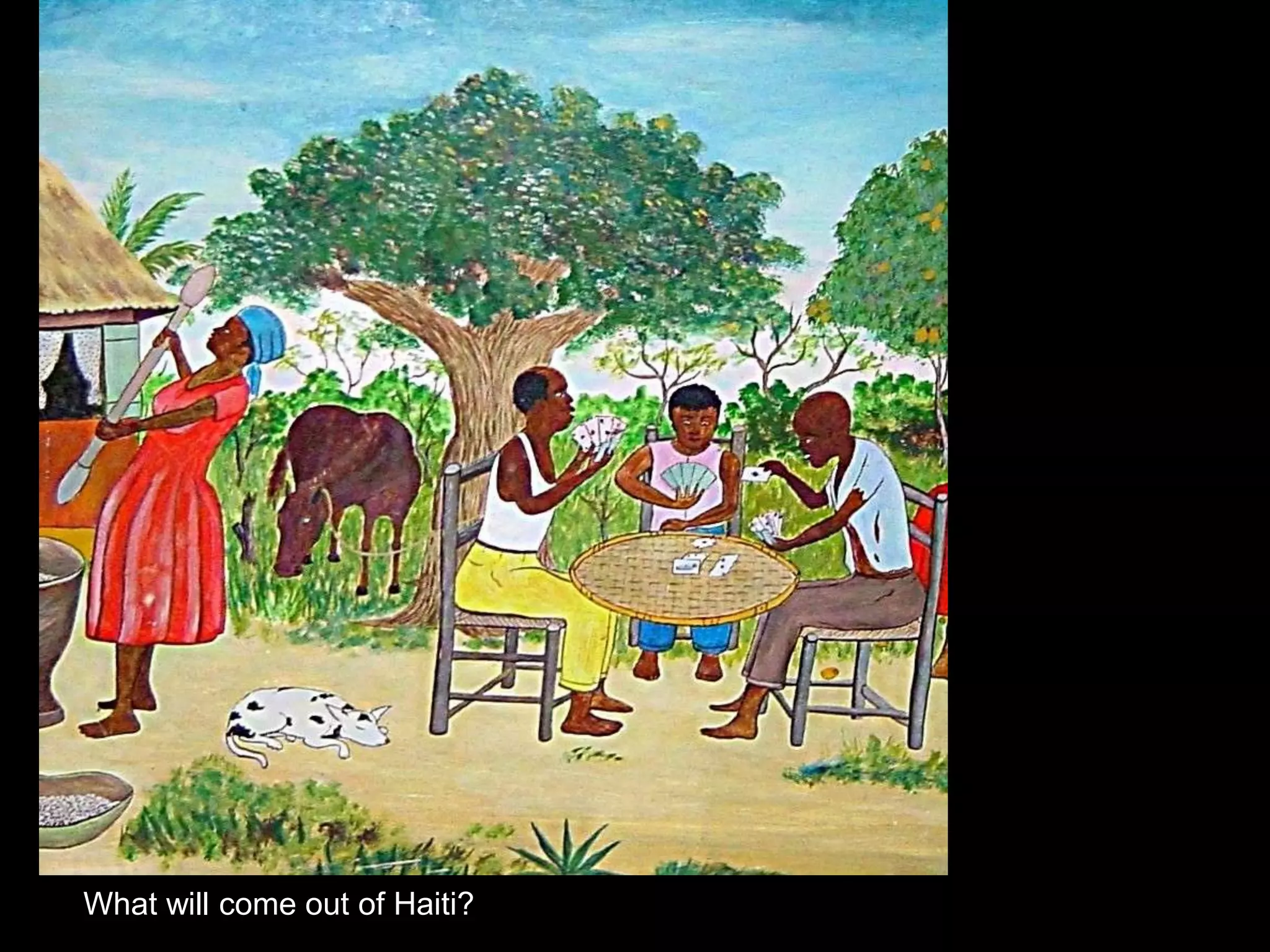
What will come out of Haiti?
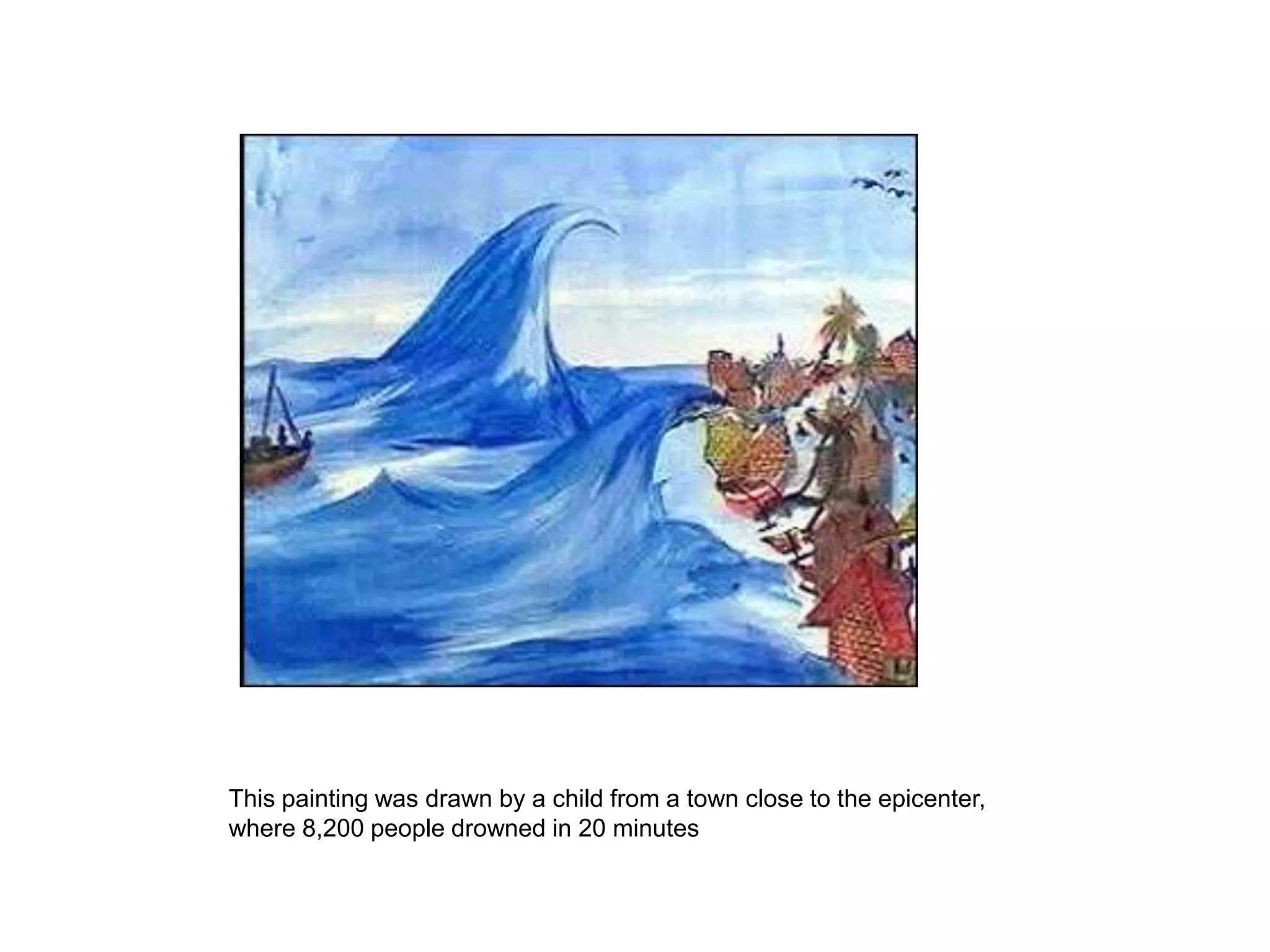
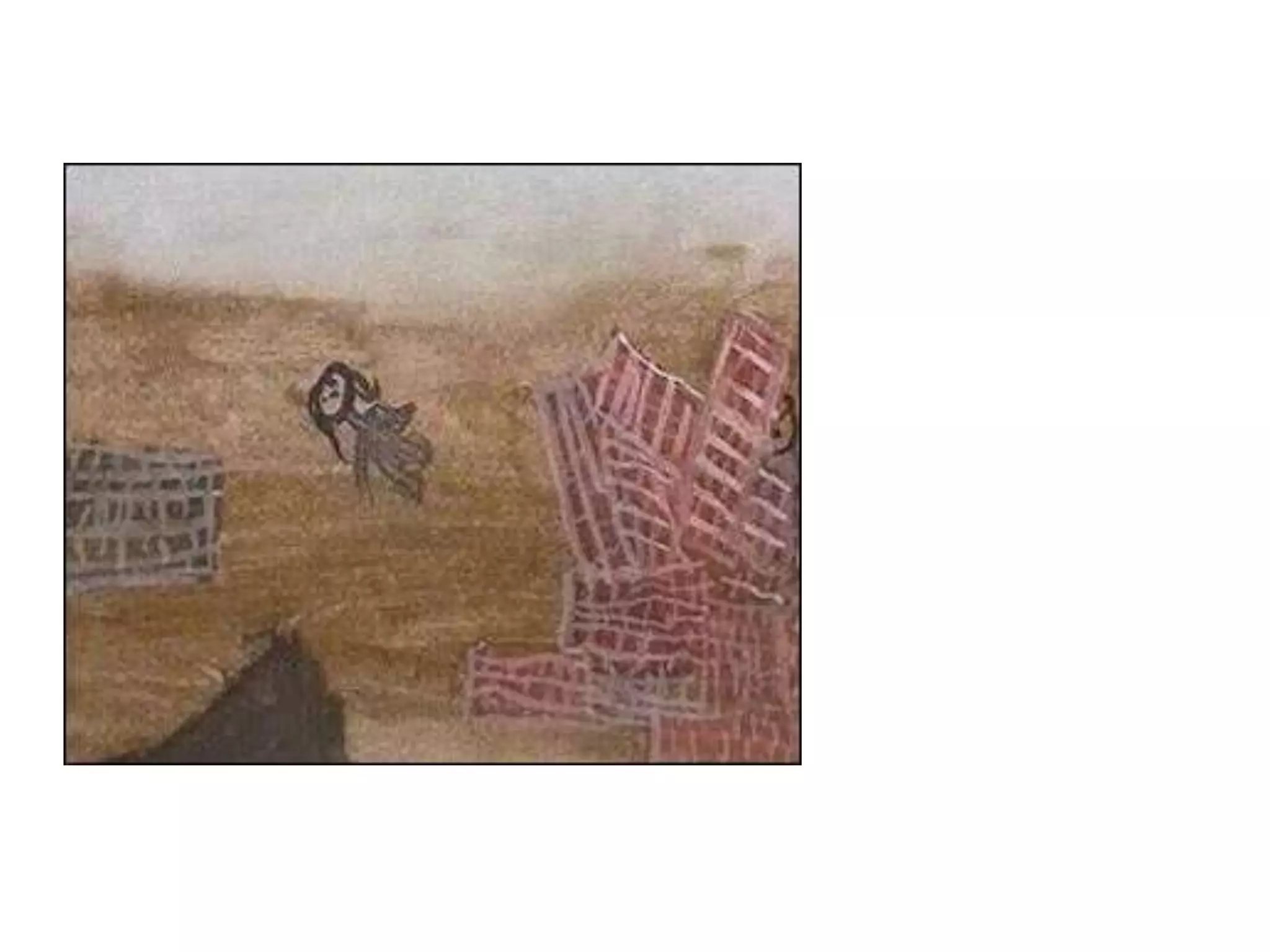
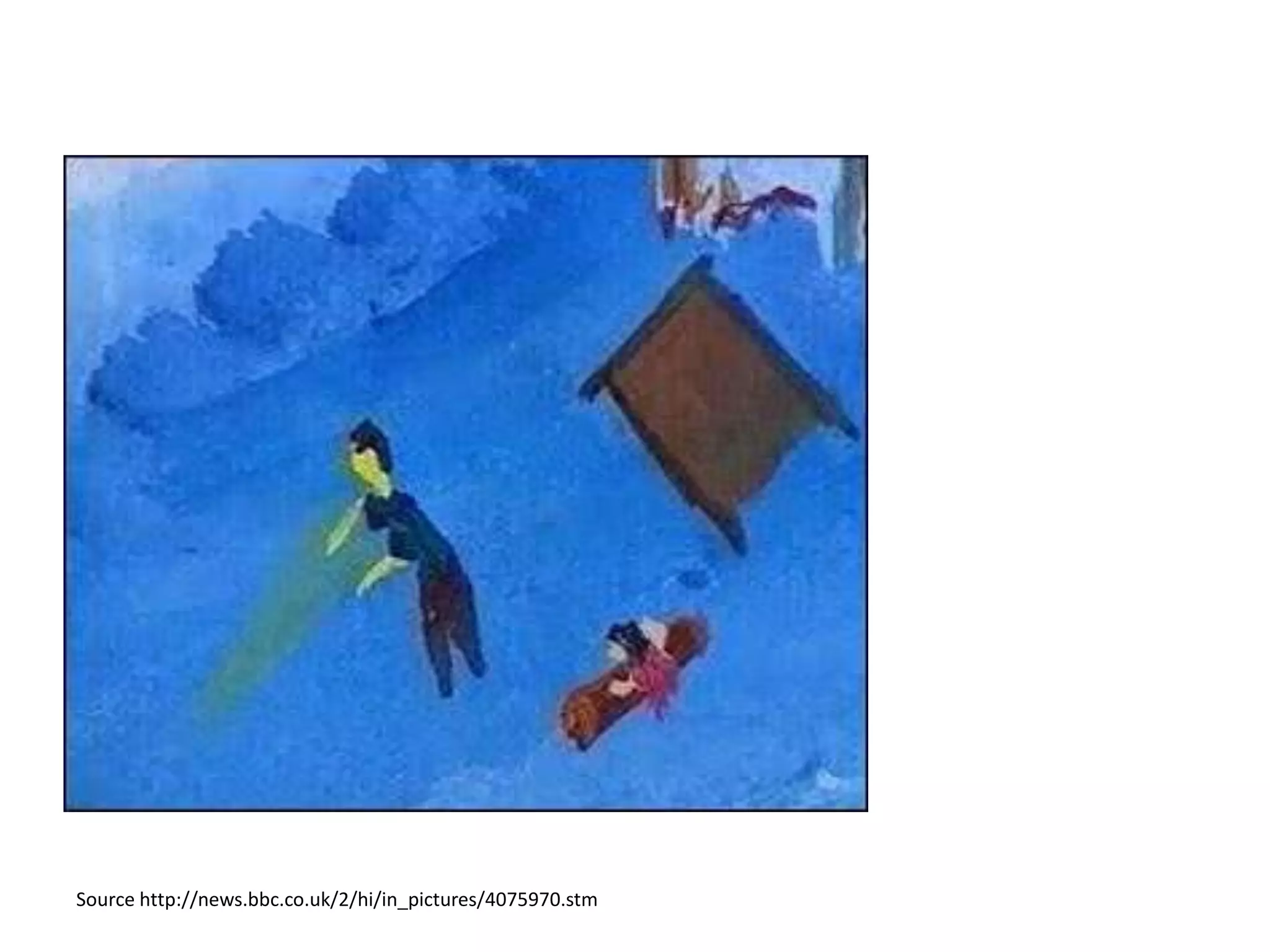
Children’s Art after the
2005 Indonesian Tsunami
This painting was drawn by a child from a town close to the epicenter,
where 8,200 people drowned in 20 minutes
They also show the effect on property –
and how some people survived the huge wave.
Sri Lanka was a holiday paradise for holidaymakers before the tsunami..
Source http://news.bbc.co.uk/2/hi/in_pictures/4075970.stm
The Holocaust
The Holocaust

         Camp Art
Survivor Memory-Based Art
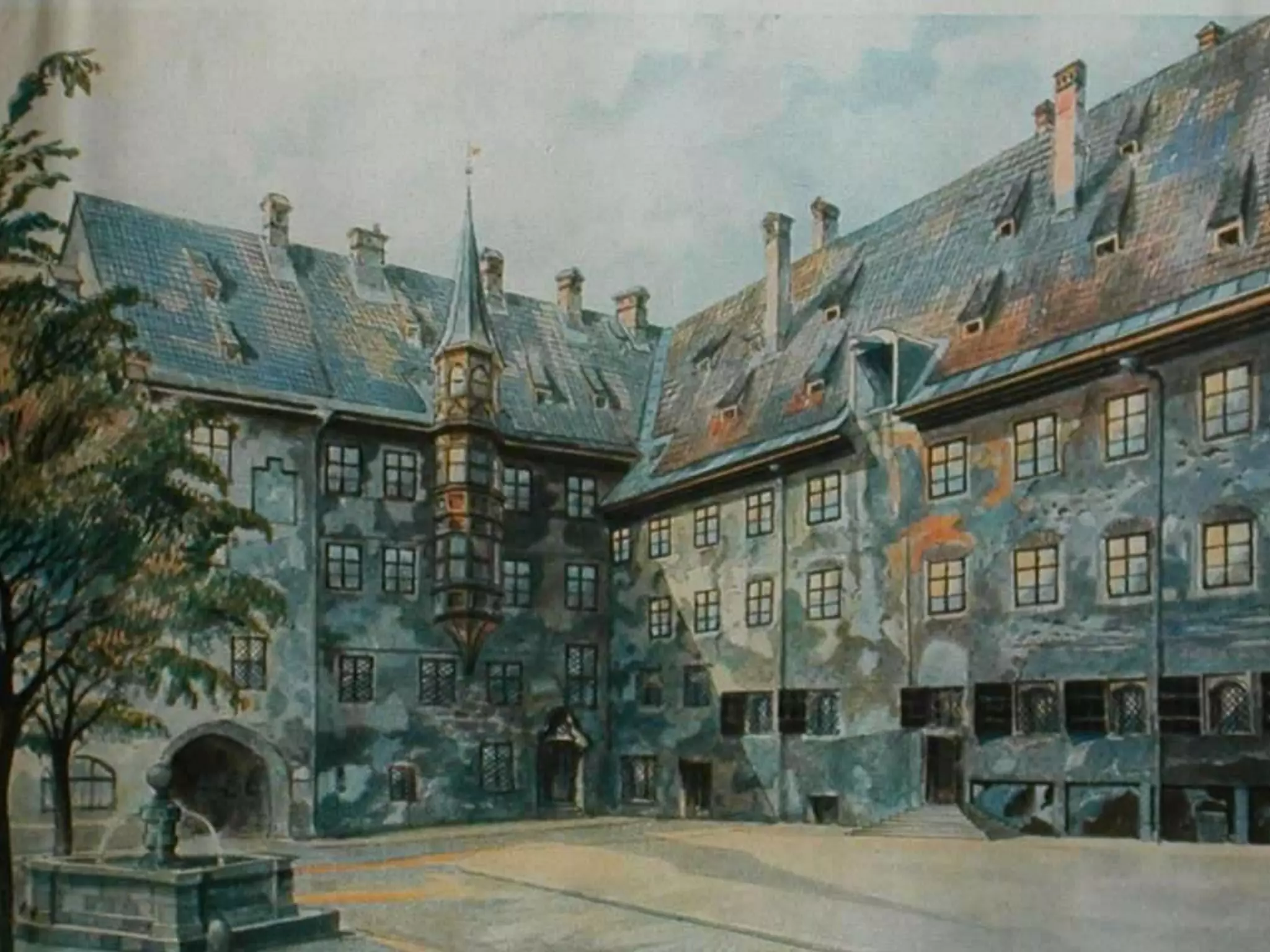
   Nazi Propaganda Art
     “Degenerate” Art
http://www.thejewishmuseum.org


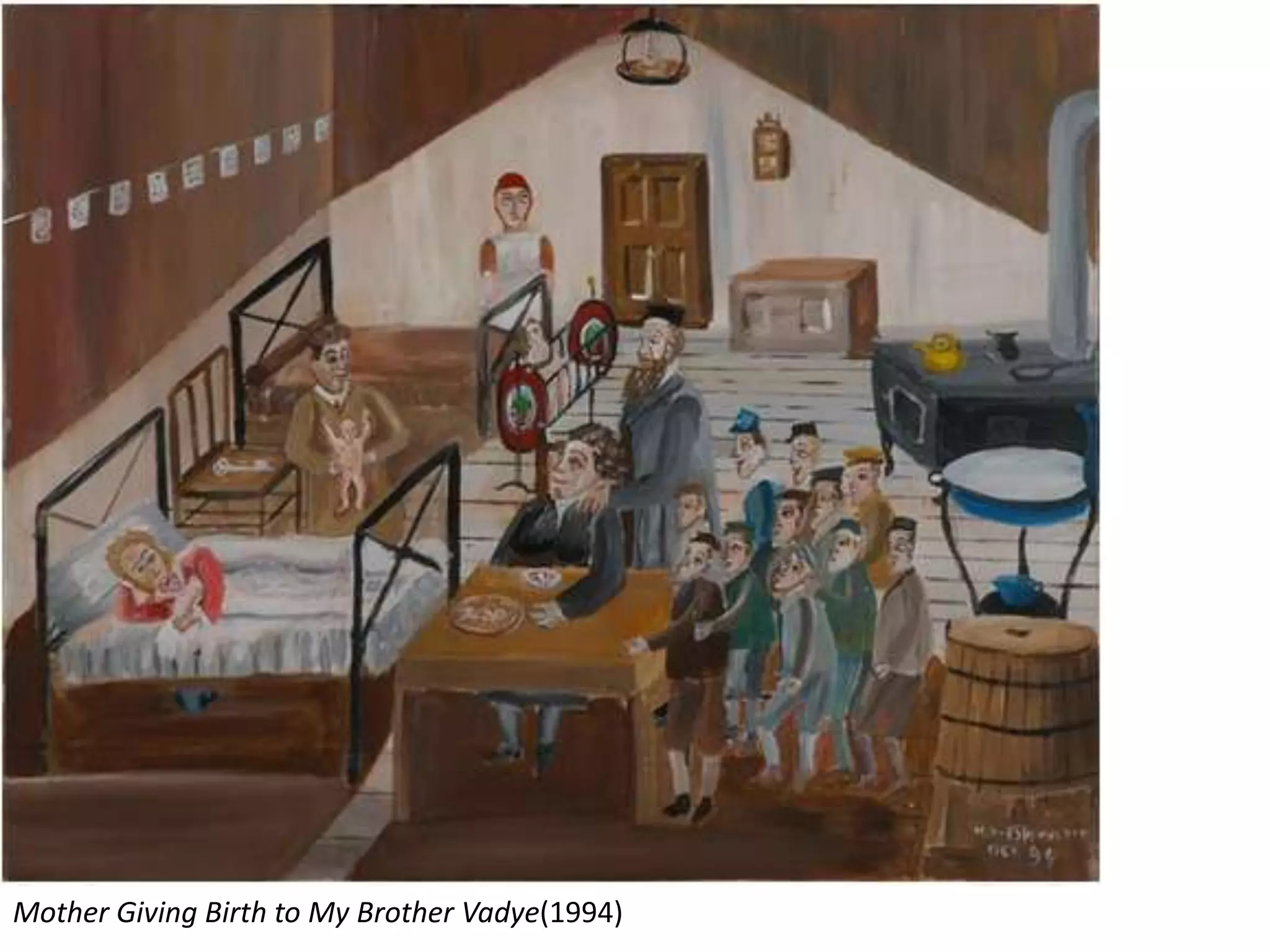
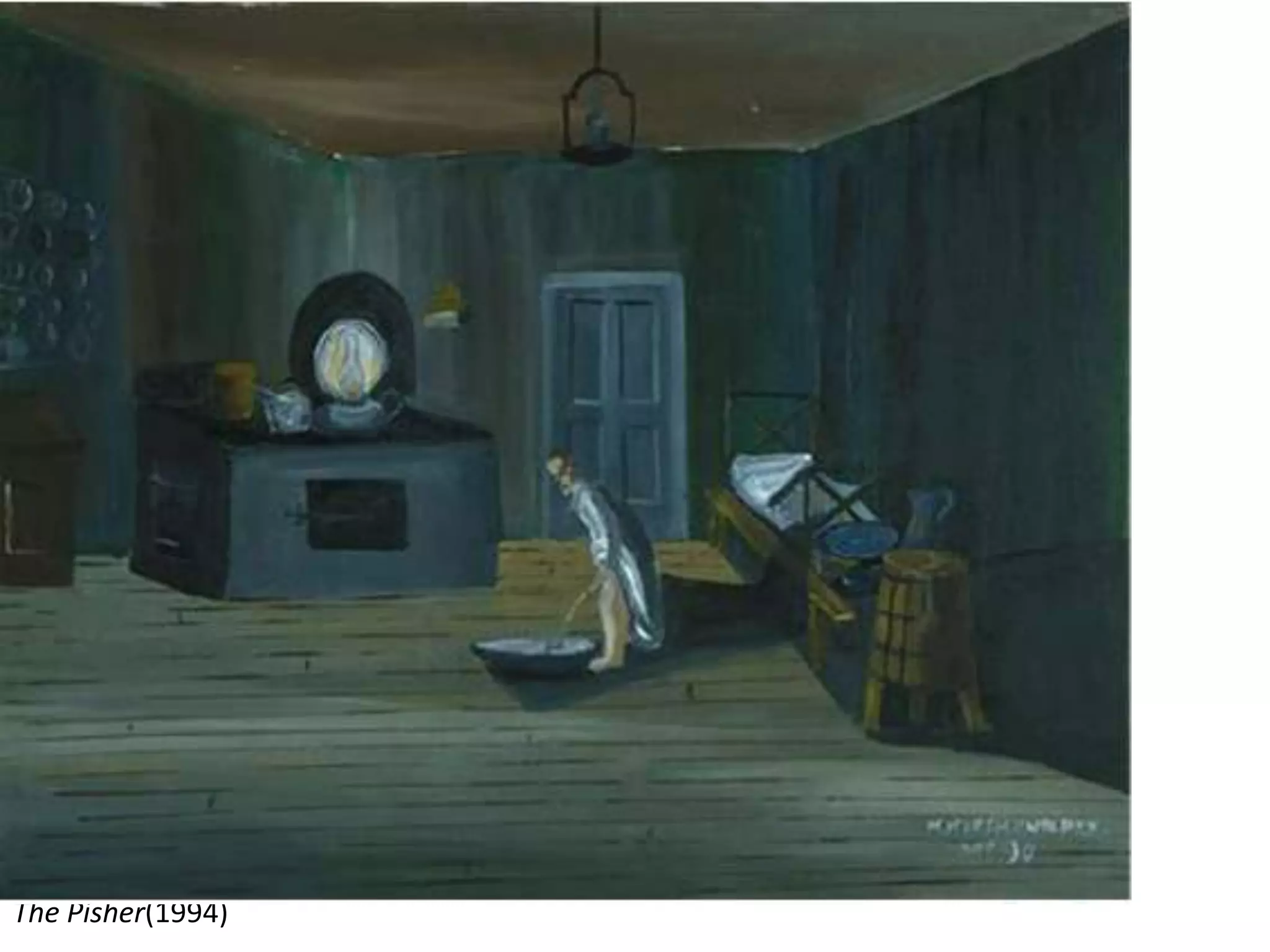
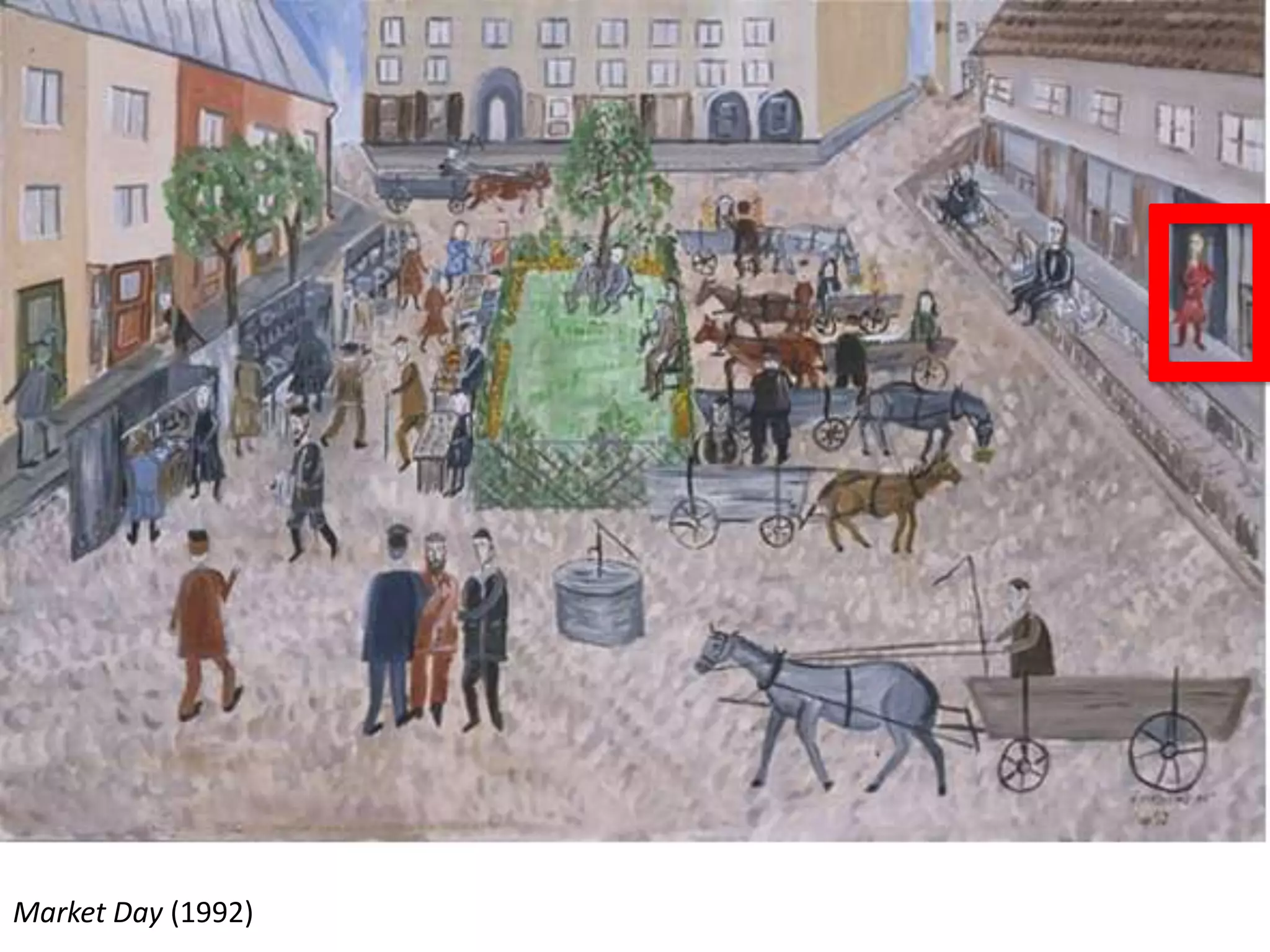
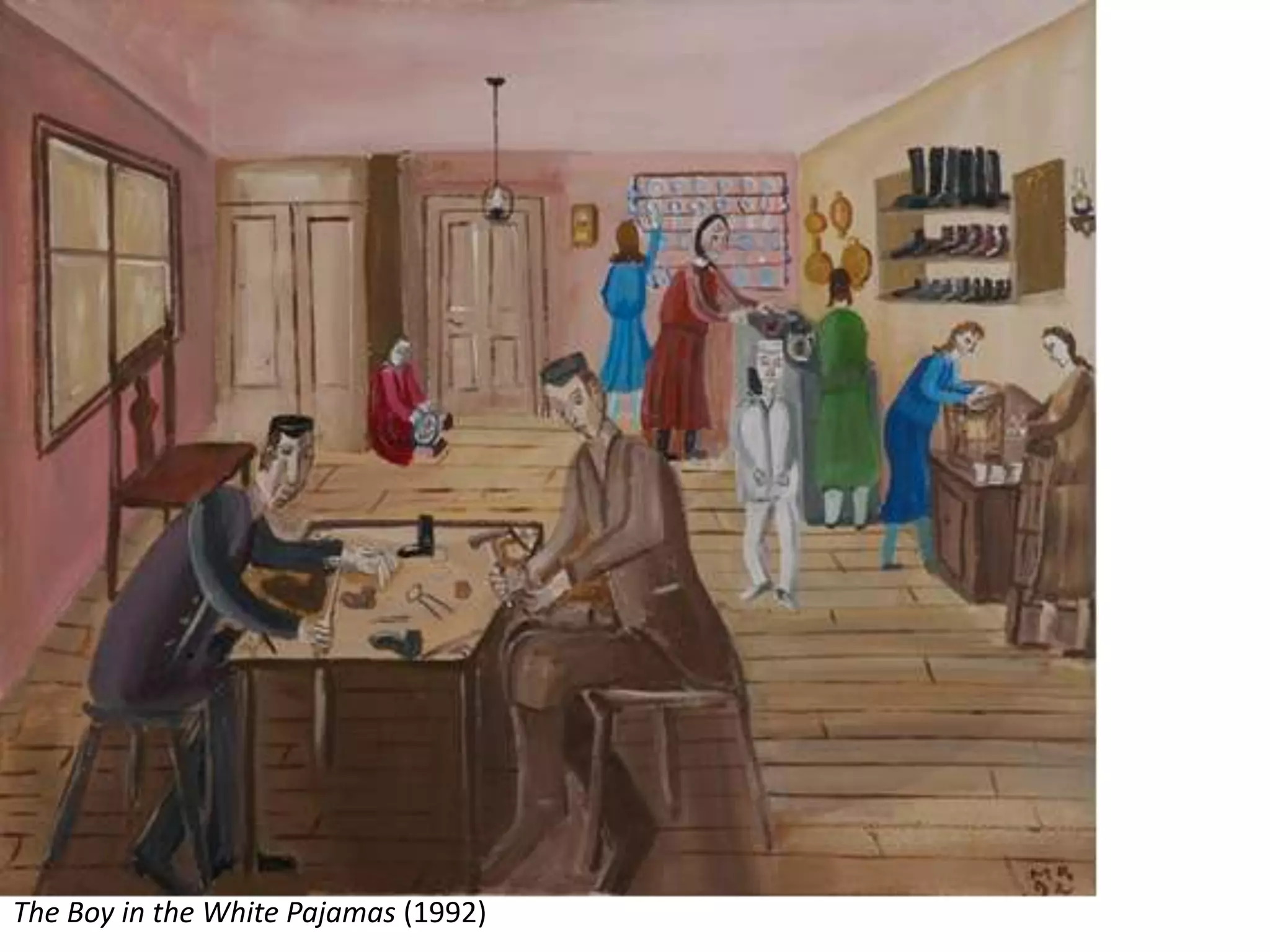
Mayer Kirshenblatt
Galacia Museum in Krakow
Town Panorama (1994) Opatow Poland or “Apt” in Yiddish
Mother Giving Birth to My Brother Vadye(1994)
The Kitchen (1994)
The Pisher(1994)
Jadwiga Washing Laundry (1992)
Mother Blessing the Sabbath Candles (1995)
The Gramaphone(1999)
Synagogue (1994)
Town Panorama (1994)
Market Day (1992)
Market Day (1992)
The Kleptomaniac Slipping a Fish Down Her Bosom (1995)
New Bermedresh: Playing Soccer (1992)
MoyreShimhe’sKhayder(1991)
The Boy in the White Pajamas (1992)
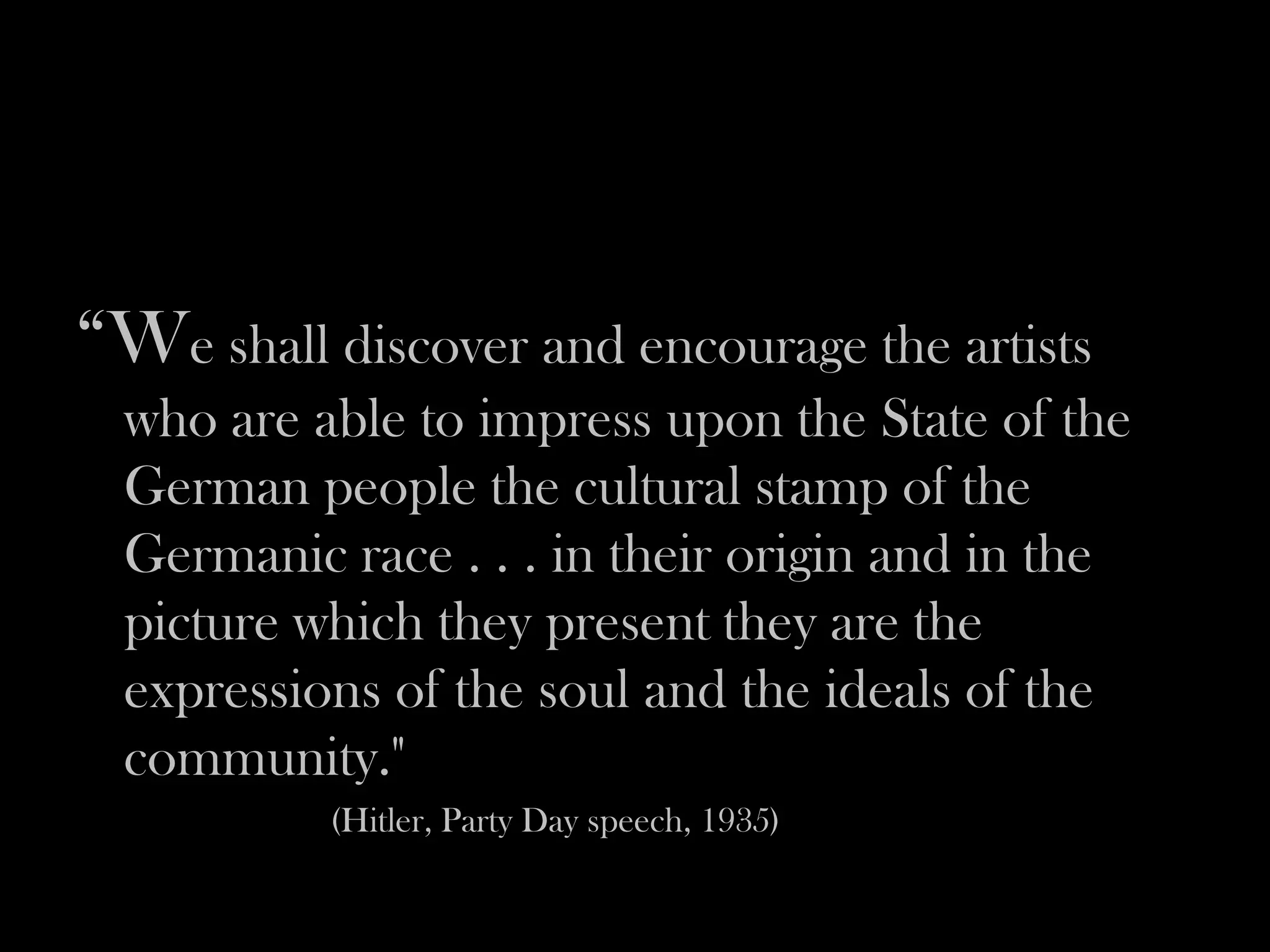
“We shall discover and encourage the artists
  who are able to impress upon the State of the
  German people the cultural stamp of the
  Germanic race . . . in their origin and in the
  picture which they present they are the
  expressions of the soul and the ideals of the
  community."
           (Hitler, Party Day speech, 1935)
Nazi Approved Art
Arno BreckerPreparedness
Adolph Wissel (1939) Family from Kahlenberg
Ernst Leiberman (1939) By the Water
Marc Chagall (1915) The Kiss
Ghetto and Camp Art
WŁADYSŁAW SIWEK
Background
Prior to World War II, Siwek studied at the Kraków Academy of Fine Arts and worked for the
Kraków Railway Headquarters.

Arrest and Deportation to Auschwitz
He was arrested for resistance on January 14, 1940 and sent to
Montelupic prison. October 8, 1940, Siwek was deported to Auschwitz, where he was assigned prisoner
number 5826.

Art Produced at Auschwitz
He was initially assigned to hard labor in the stone quarries and became
emaciated and ill. Siwek was then sent to the prisoner infirmary, where fellow artist and prisoner Leon
Turalski helped secure him an easier labor assignment with the painters’ labor detail. May 1941 through
September 1943, Siwek produced calligraphy, portraits, landscape paintings, and hunting scenes for the
SS. In addition to portraits of the SS families, he did portraits, in secret, of over 2000 prisoners.
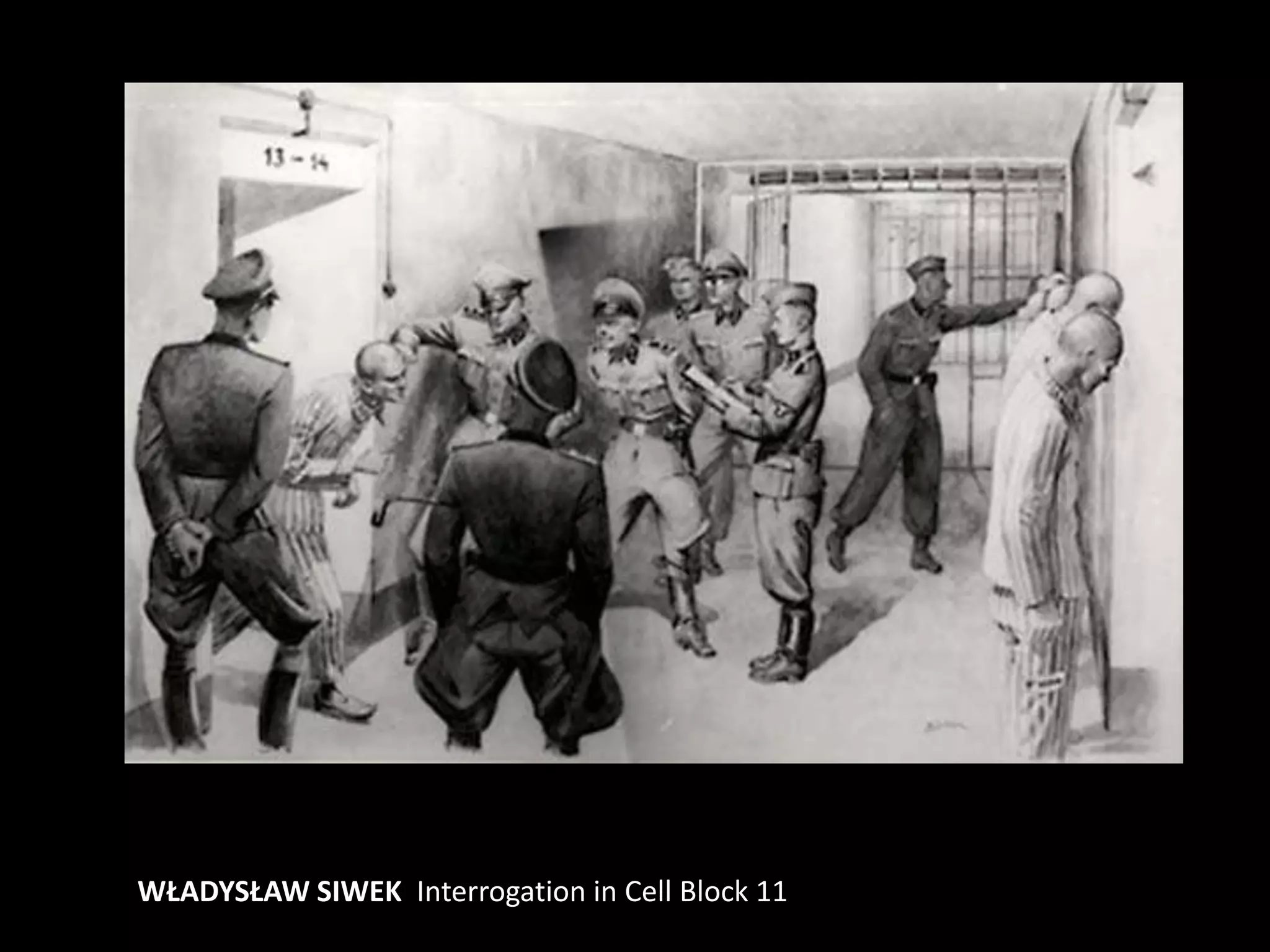
WŁADYSŁAW SIWEK Interrogation in Cell Block 11
WŁADYSŁAW SIWEK A Group of New Arrivals
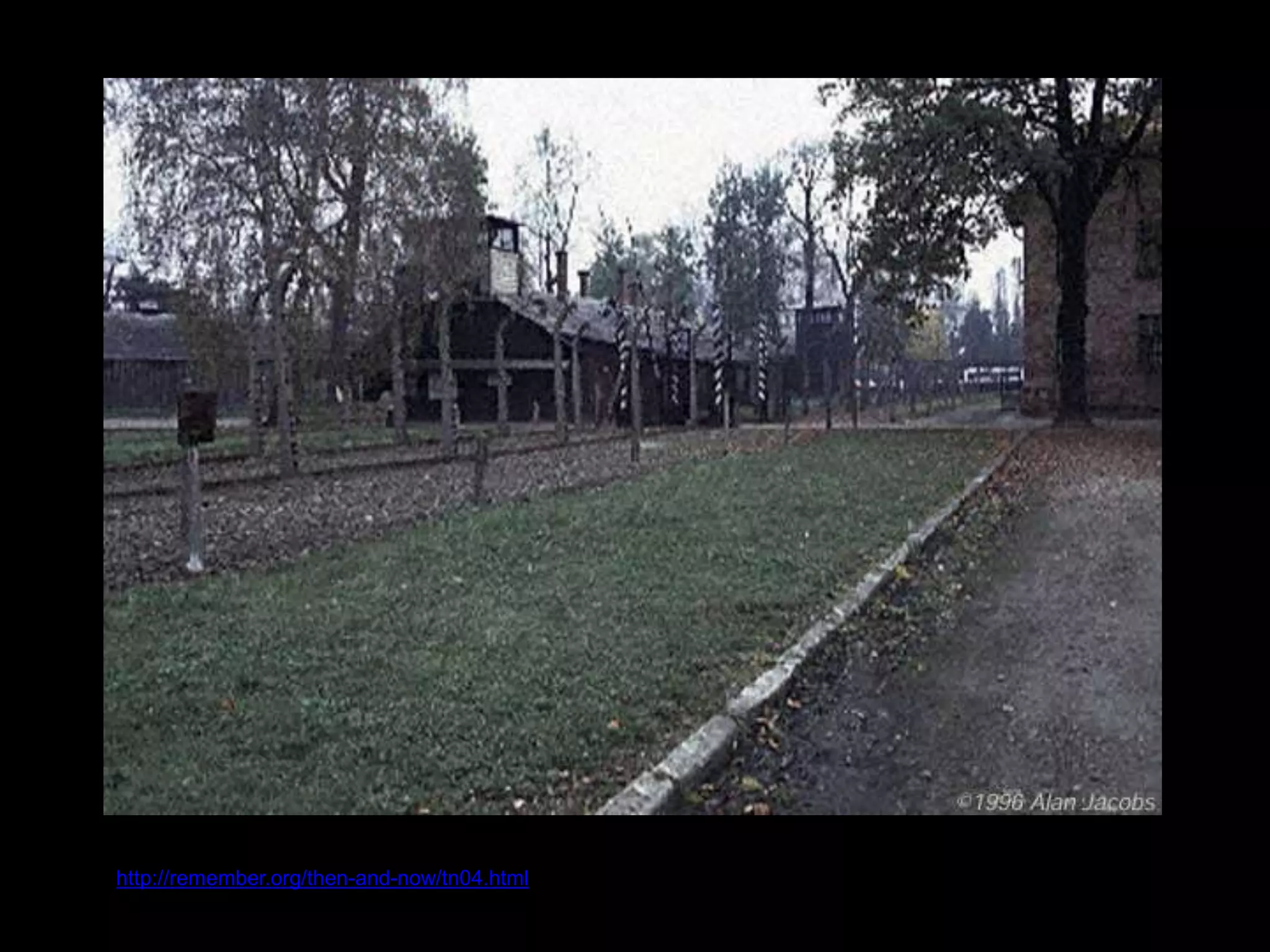
http://remember.org/then-and-now/tn04.html
WŁADYSŁAW SIWEK Summary Court Marshall
WŁADYSŁAW SIWEK Selection at Apel [Roll Call]
WŁADYSŁAW SIWEK Arrival of Soviet POWs
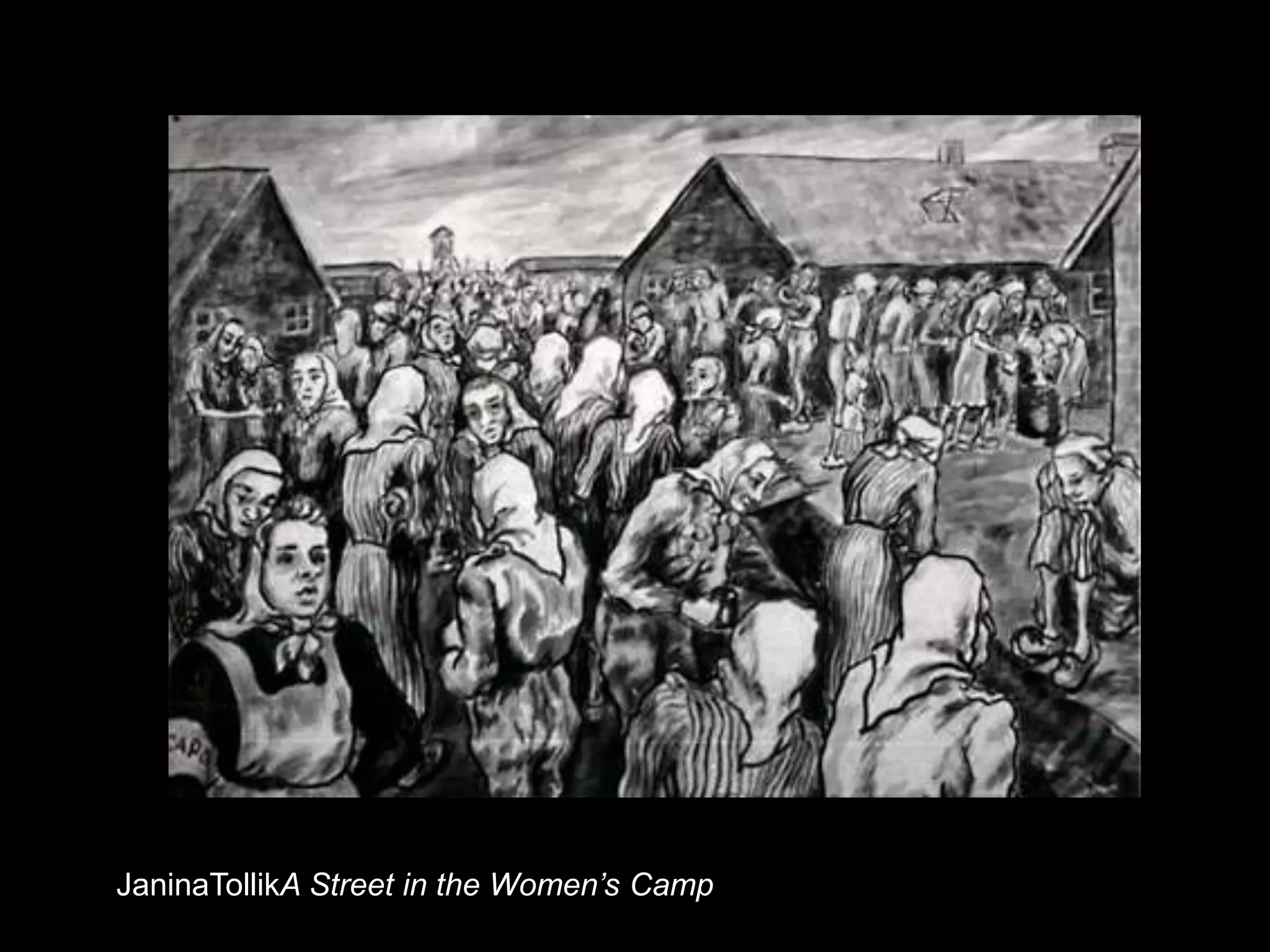
JaninaTollikA Street in the Women’s Camp
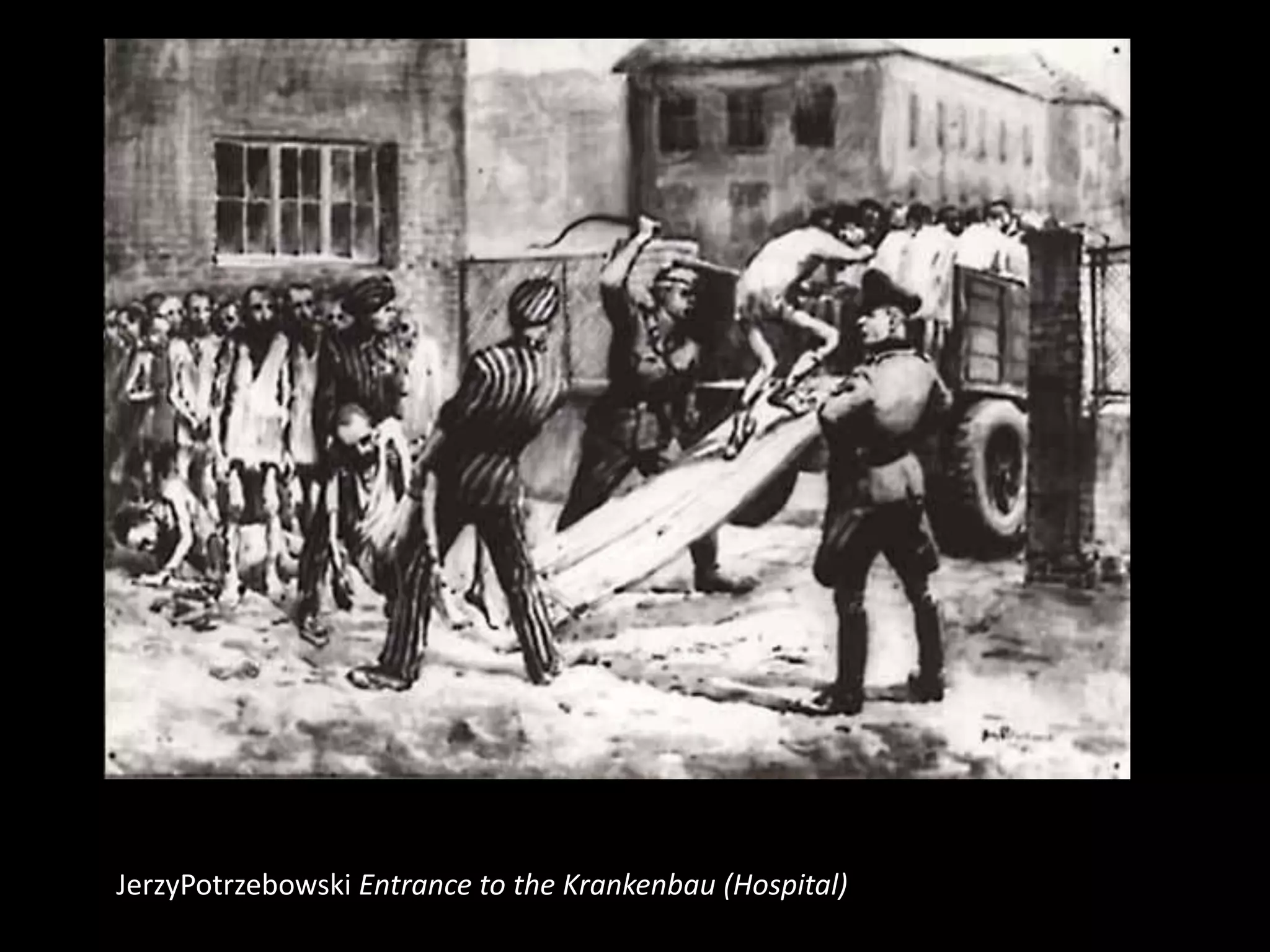
JerzyPotrzebowski Entrance to the Krankenbau (Hospital)
JerzyPotrzebowski
“NIGHT…. A brick has come
loose from the low wall
separating out cell from
the next where other
larvae sleep, moan, and
dream under the blankets
that cover them – these
are shrouds covering them
for they are dead., today,
tomorrow what does it
matter,… We feel that we
teeter on the edge of a
dark pit, a bottomless void
– it is the hole of the night
where we struggle
furiously, struggle against
another nightmare, that of
our real death.”*


   MieczyslawKoscielniak, from the series: "A Day in the Life of a Woman Prisoner"
ZofiaRosensztrauchThe Last Execution
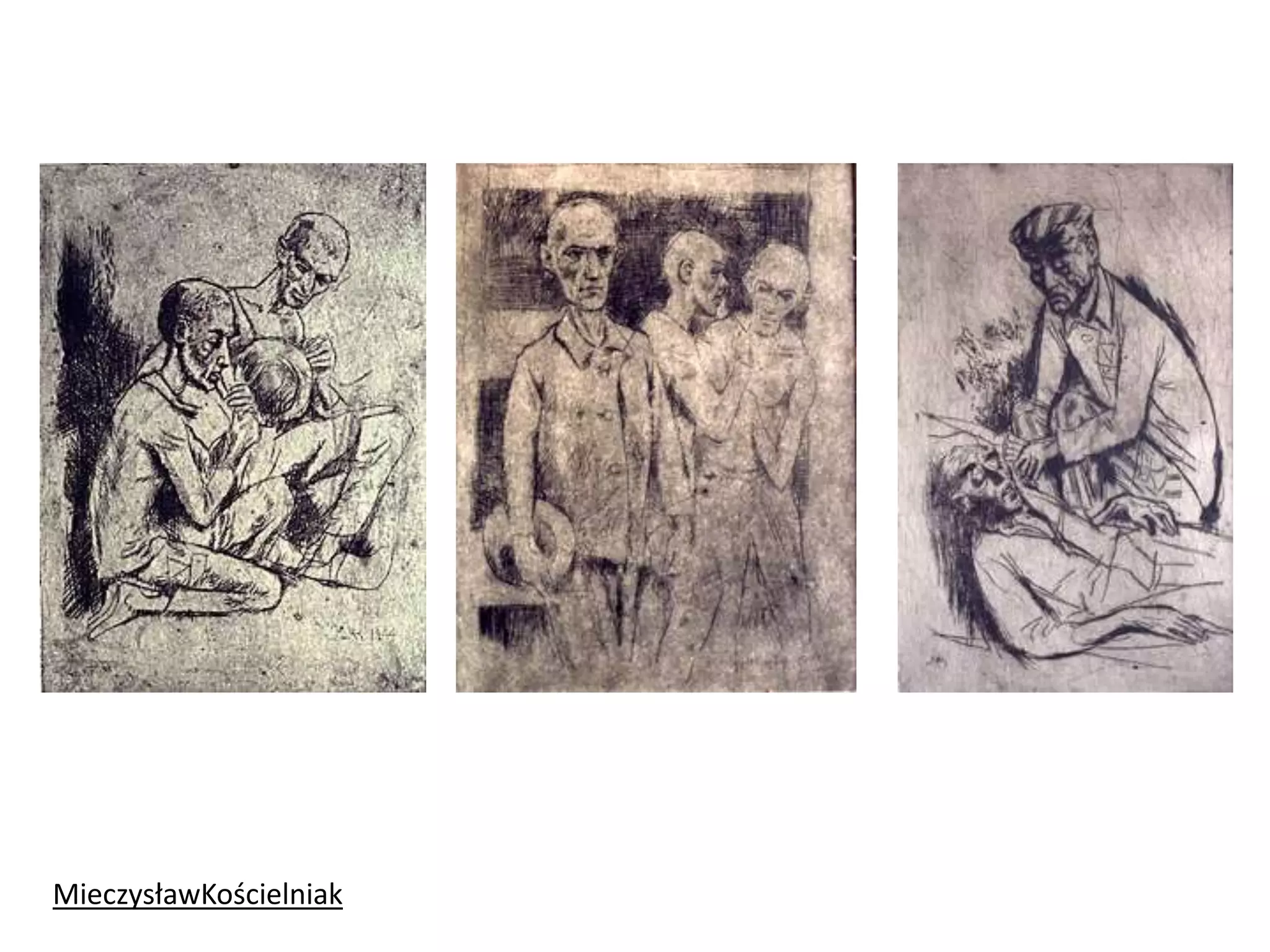
MieczysławKościelniak
You don’t have to be an artist to draw.


Create a small scene from
your life, at any age, that is
memorable.

Use imagery only, no text.


                            Unknown Artist (1944) Portrait of Albert
                            Frecke

Holocaust + art

Editor's Notes

  • #14 The Peninsular War was probably the worst mistake Napoleon Bonaparte made during his lengthy reign over France - the attempted subjugation of Portugal in a bid to tighten his trade blockade of Britain.To get at Portugal, Bonaparte had to trick his ally Spain into allowing a French army under General Jean-Andoche Junot to move through its territory.
  • #21 Katrina was a strong cat 4 at 140 MPH
  • #66 Viewing the terrain of Birkenau today, it is difficult to visualize the conditions under which the prisoners were forced to work during the construction of the camp in 1941/2. A penal company had been formed for the purpose of digging an enormous ditch in Birkenau, called Konigsgraben (Kings Ditch), to collect the ground waters and to drain the water into the Vistula. The prisoners detailed for the penal company were to be killed afterwards, but before they met their death they were to be ruthlessly exploited for labor.
  • #94 I included Arno Breker in this archive first because he was in a certain sense both the best and the worst of the Nazi artists. His technique was excellent, and his choice of subject, poses, theme, and so on were outstanding, but on the other hand, Breker was therefore much more directly and effectively a supporter of the Nazi cause. Had his sculpture been ugly, ambiguous in meaning, poorly-executed, or less directly associated with Nazi militarism, the negative effects on the world of his sculpture would have been considerably lessened. In a certain sense, Breker uses his numerous "naked men with swords" to unite the notions of health, strength, competition, collective action and willingness to sacrifice the self for the common good seen in many other Nazi works with explicit glorification of militarism.
  • #95 Nazi Folk Art". The themes running through such works (and there were a LOT of them) are the virtues of the simple, natural life, living close to the land, and using muscular power to turn the land into a healthy living. This is a theme I find often portrayed in the more recent primitivist art of the environmentalist movement except that it tends to promote a more etherial or surreal notion of what "union with the soil" and "the simple life" might entail. More likely than not because rural Germans had some experience with "the simple life"
  • #97 Marc Chagall was born in Russia in 1887. His life was deeply rooted in Jewish tradition and religion.
  • #108 In Birkenau latrines were cleaned by hand, another strategy of dehumanization. Author Terrence Des Pres described it as an "excremental assault" and wrote: "How much self-esteem can one maintain, how readily can one respond to the needs of another, if both stink, if both are caked with mud and feces?" [Terrence Des Pres, The Survivor: An Anatomy of Life in the Death Camps (Pocket Books: New York, 1976) p. 66.]
  • #109 http://remember.org/then-and-now/tn16.html* Charlotte Delbo, Night (from Auschwitz and After: None of Us Will Return), (1995) Yale University Press, p56.
**Charlotte Delbo, Morning (from Auschwitz and After: None of Us Will Return), (1995) Yale University Press, p62.
  • #111 Moshe Rynecki was a painter whose work often directed attention to the persecution of the Jews. He lived in the Warsaw ghetto and died at Majdanek.