AZEEZ
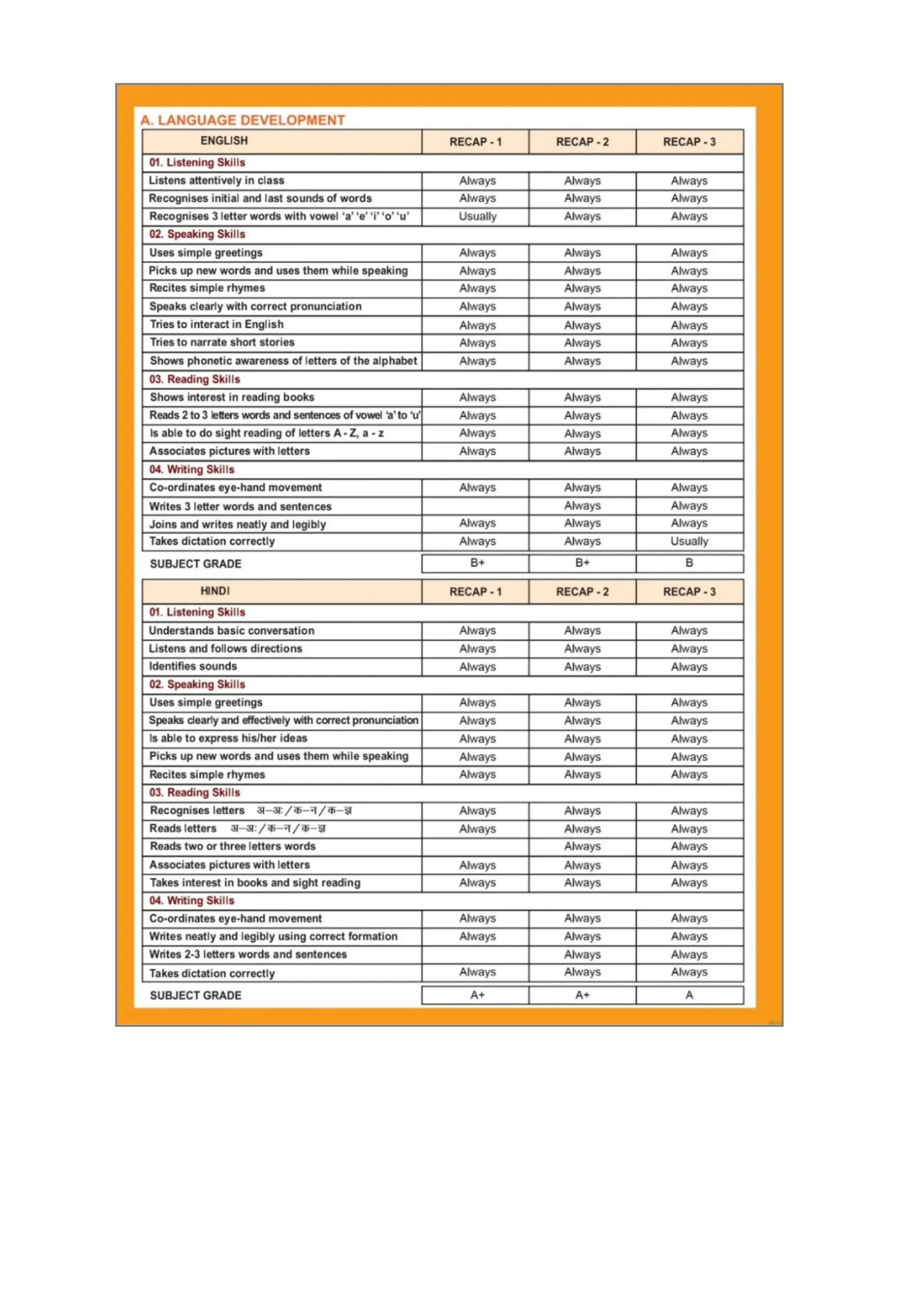
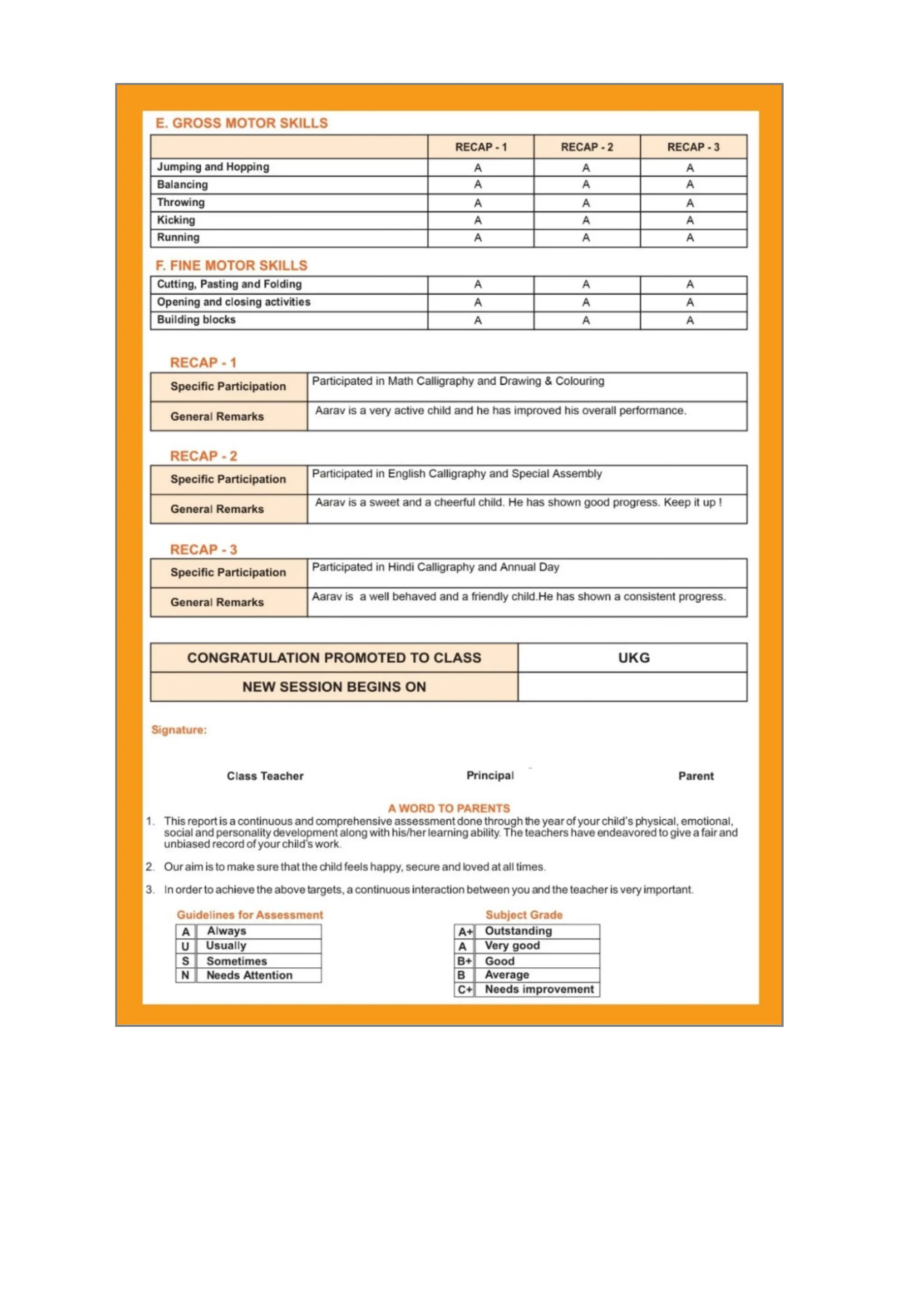
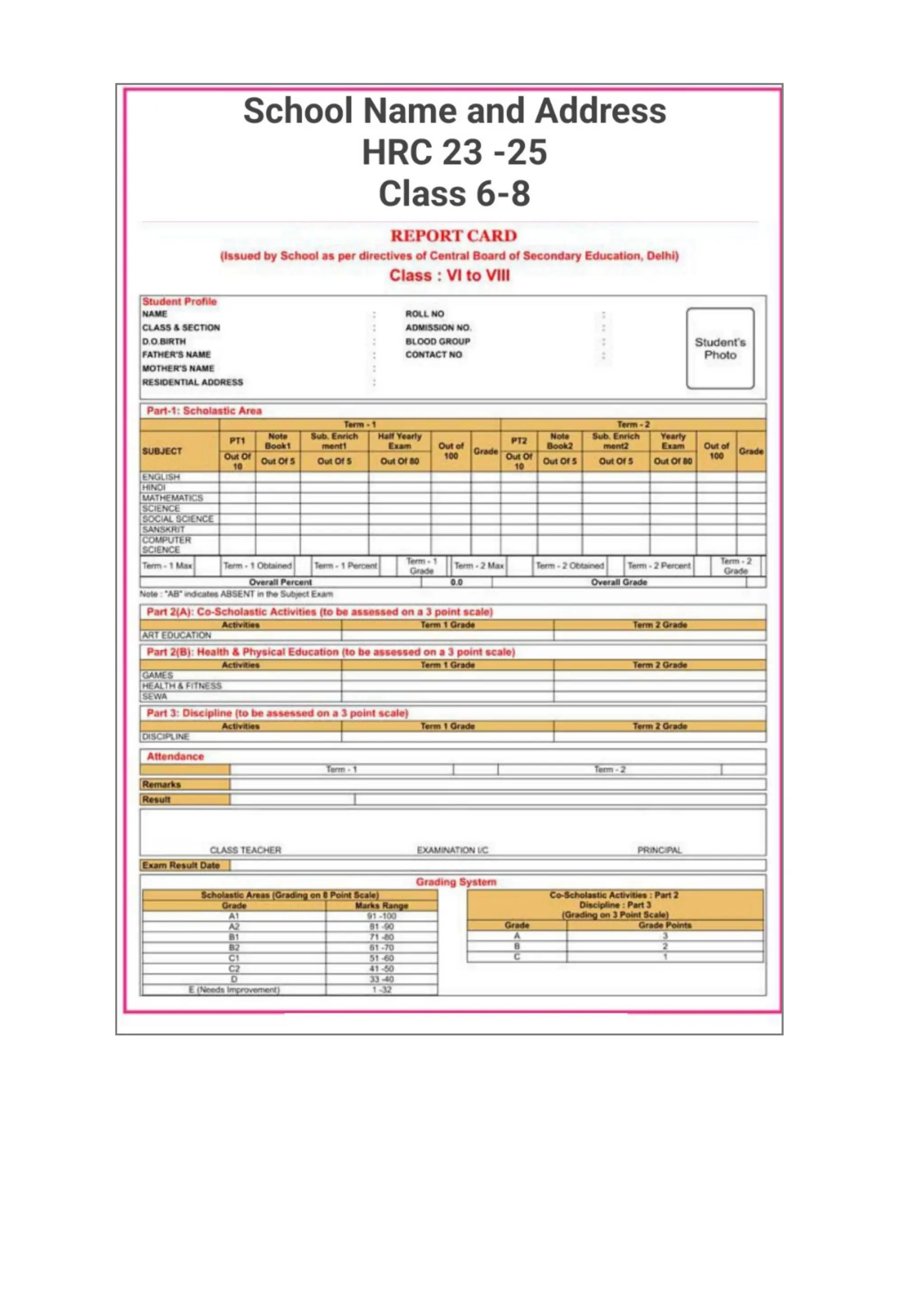
Holistic Report Card - NEP 2020
The Power of Holistic Progress Reports in the NEP
2020 Era
In accordance with the guidelines set forth by the
National Education Policy 2020 (NEP 2020), there is a
pressing need to revolutionize student assessment
and progress tracking methods.
One of the pivotal recommendations of NEP 2020 is
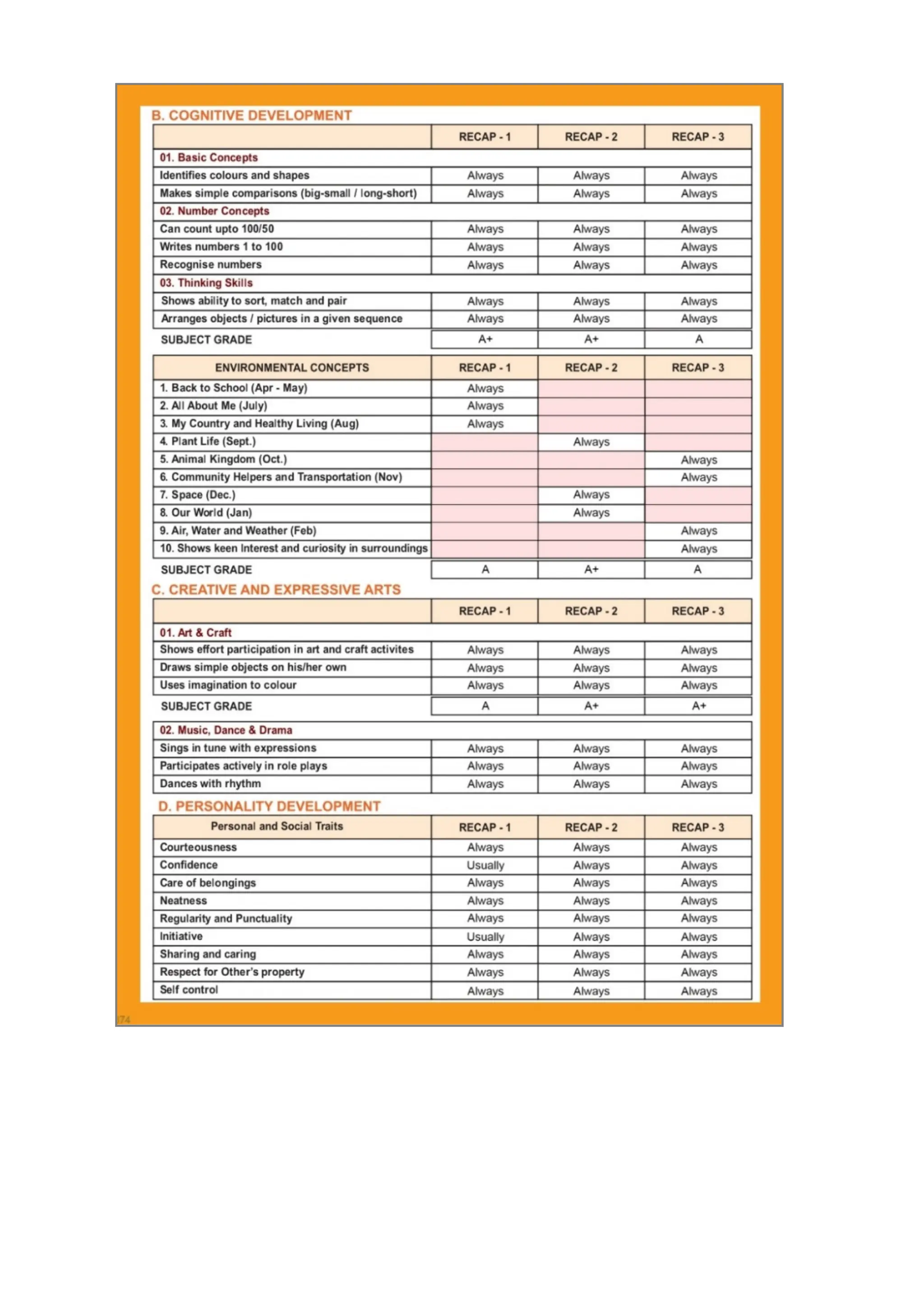
the integration of a holistic report card, designed to
present a comprehensive evaluation of a student’s
overall development.
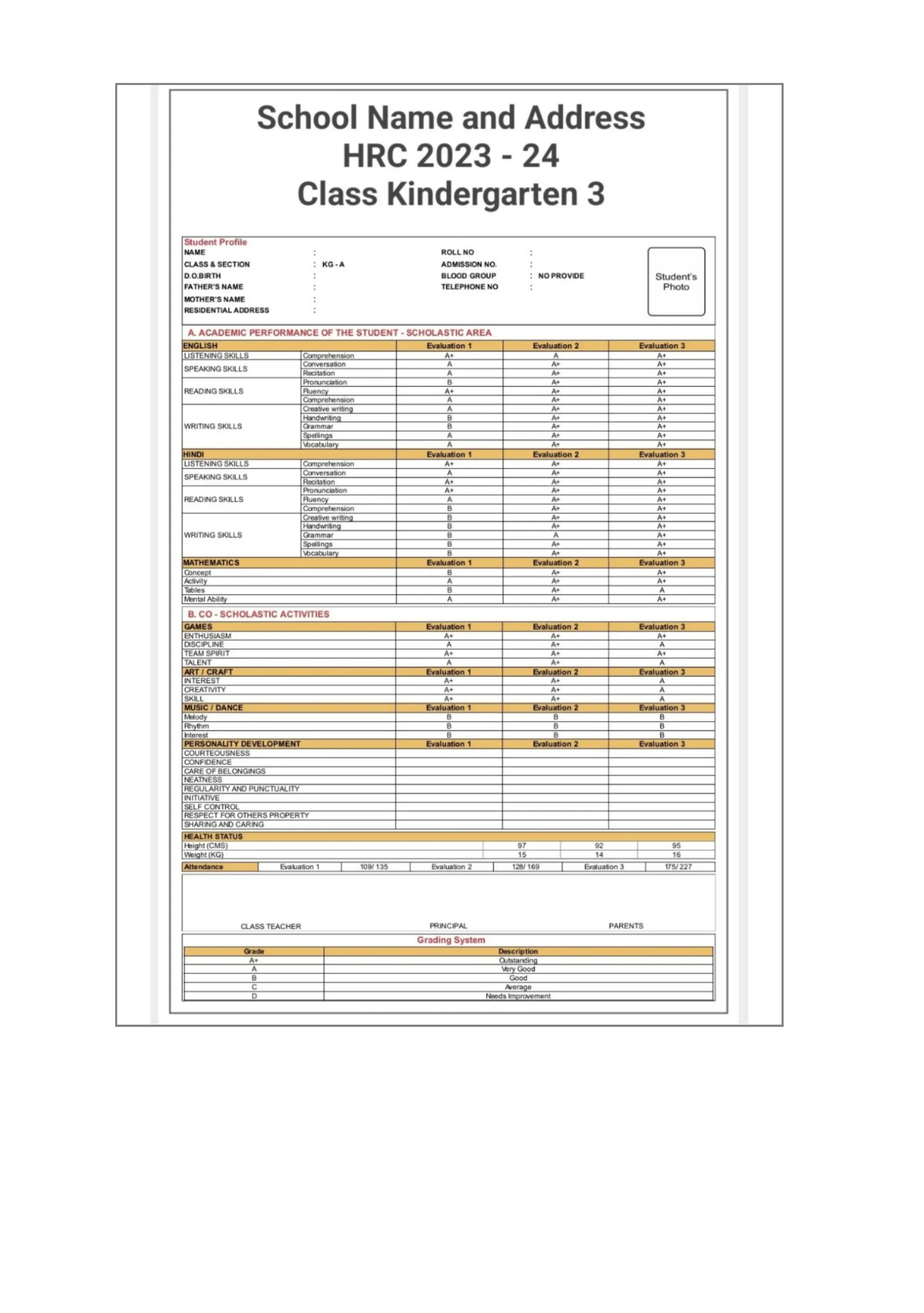
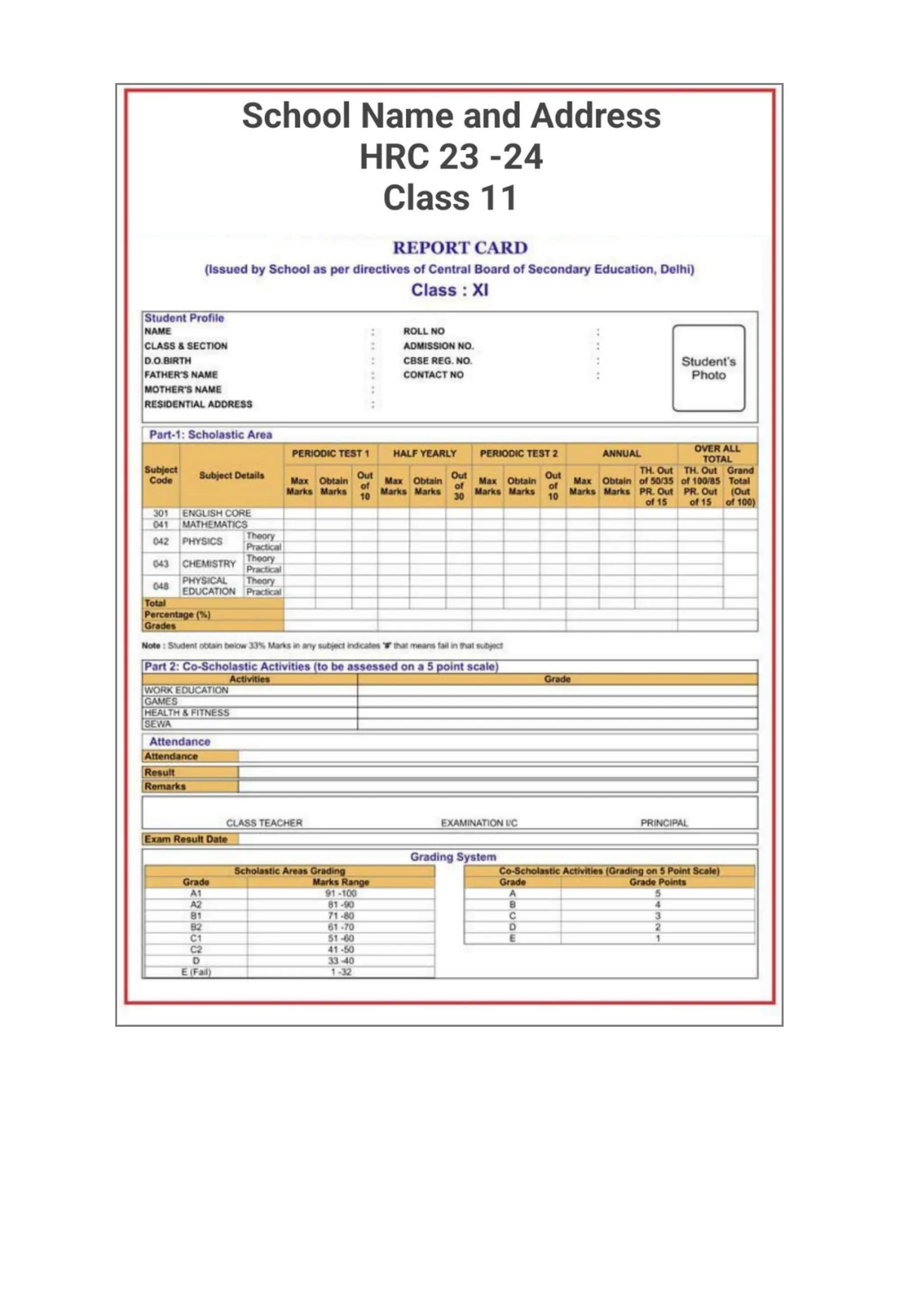
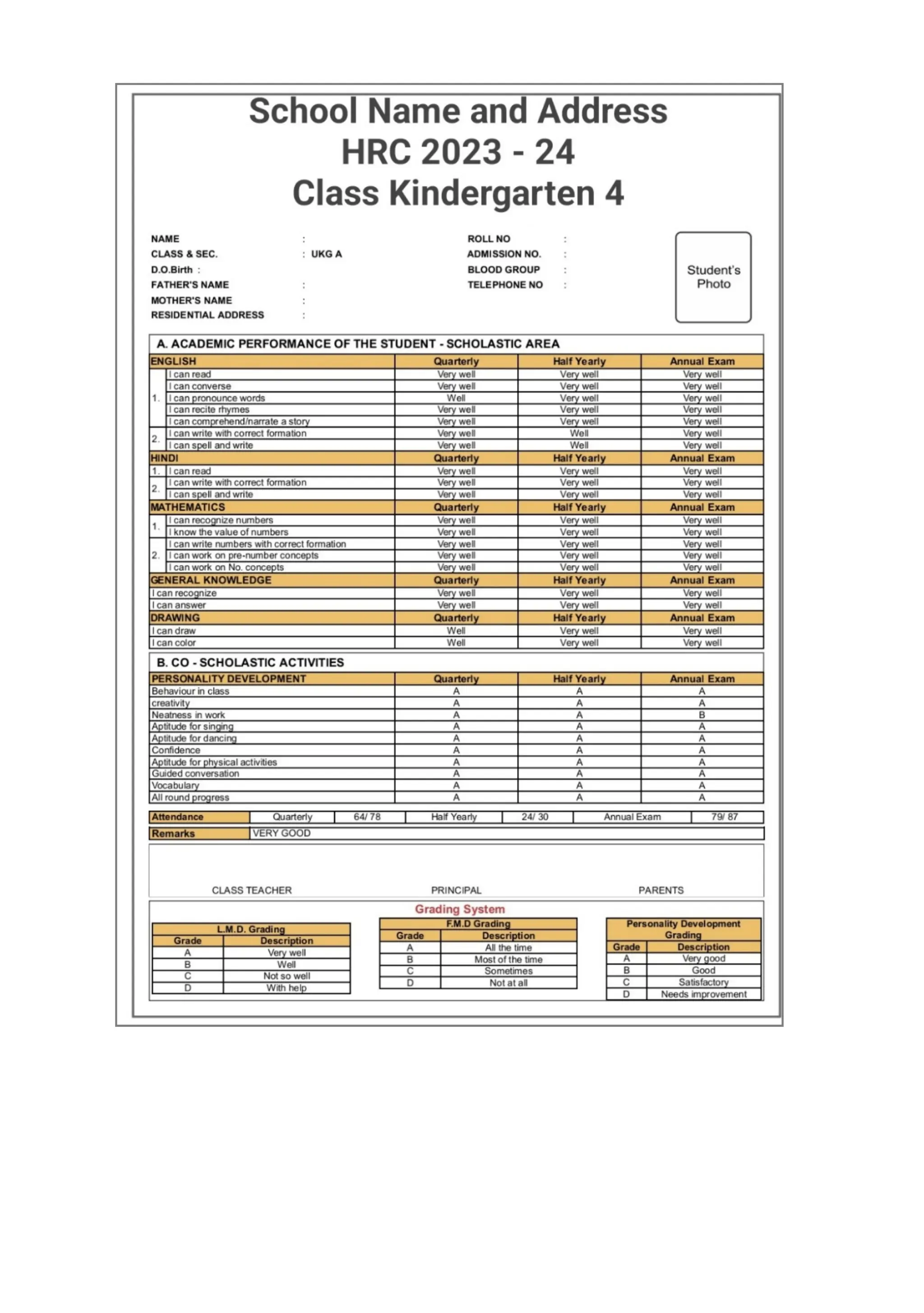
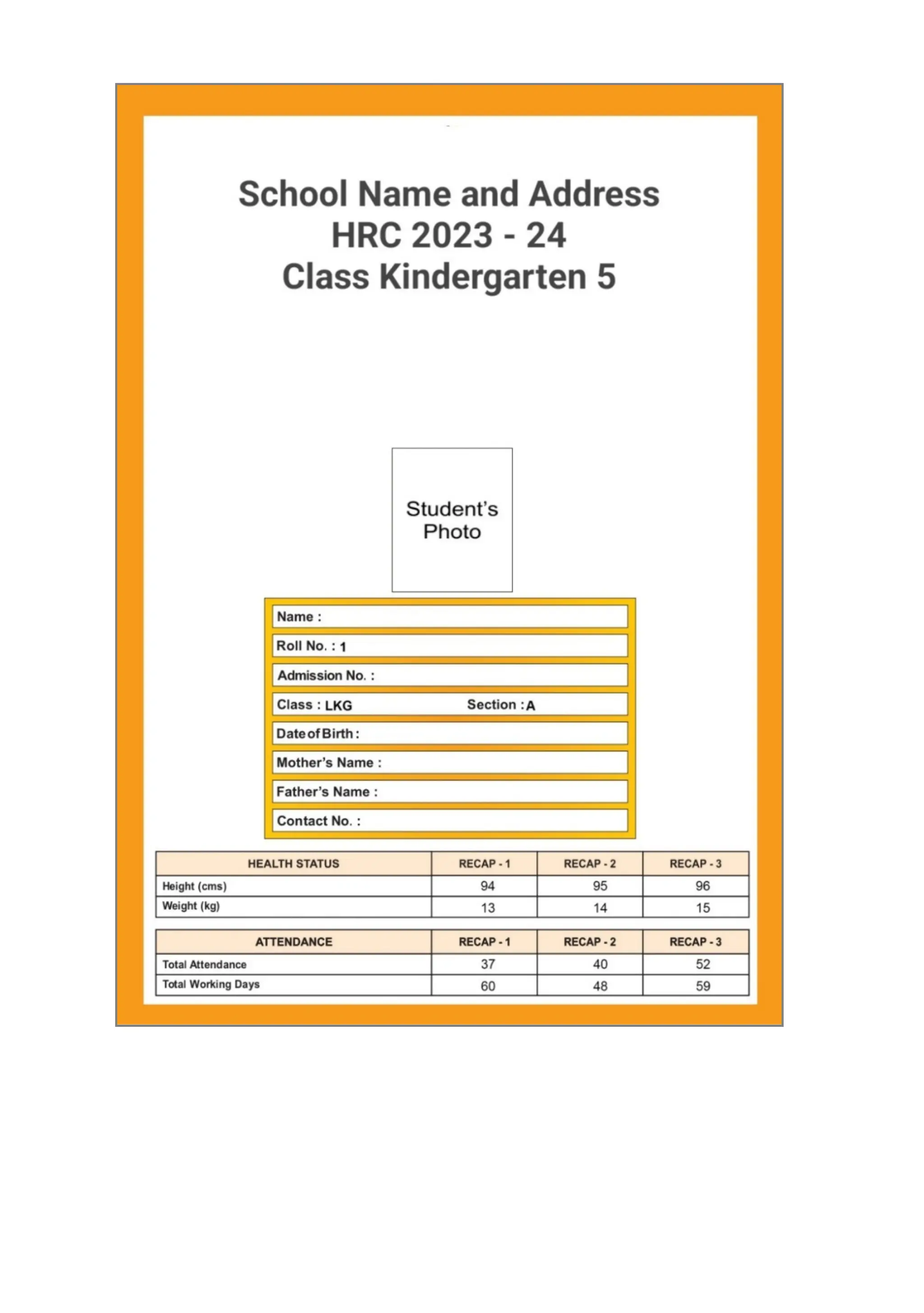
In this blog, we shall delve into the concept of a
holistic report card, outlining its objectives, features,
and its seamless alignment with the NEP 2020
guidelines.
1. What Constitutes a 360 Degree Holistic Report
Card?
NEP 2020 advocates for a transformation in regular
report cards, urging the adoption of a holistic
multidimensional progress card. This all-
encompassing report card is designed to intricately
analyze a student’s cognitive, psychomotor, and socio-
emotional domains.
The prevailing summative assessment-based system
primarily tests rote memorization skills. However,
NEP 2020 propounds a shift towards a competency-
based formative system. Within the framework of
NEP 2020, the holistic report card is fashioned to
include self-assessment, peer assessments, and
teacher assessments, offering a far-reaching overview
of diverse student learning and developmental
aspects. It comprises indicators like critical thinking,
problem-solving, collaboration, and other higher-
order skills.
2. Understanding 360 Degree Assessment in NEP
2020?
The 360-degree assessment stands as a central tenet
of the National Education Policy 2020. It entails a
thorough exploration of various dimensions of a
student’s learning and development within different
contexts.
This approach encompasses self-assessment, peer
assessment, and teacher assessment to
comprehensively gauge a student’s progress. NEP
2020 places a strong emphasis on active student
engagement, encouraging students to take ownership
of their own learning.
It transcends mere numerical grades, prioritizing
descriptive and analytical evaluations that
encompass academic achievements along with the
development of critical skills. The policy advocates a
shift from summative to formative assessment,
nurturing competency-based evaluation and holistic
growth.
3. The Core Objective of the Holistic Progress Card
(HPC)
The primary goal of the Holistic Progress Card (HPC)
is to map the learning status of each child, specifically
in foundational literacy and numeracy skills. The HPC
underscores the uniqueness of every learner,
capturing their individual growth and progress over
time. This report card serves as invaluable
documentation of a child’s self-expression and the
teacher’s assessment based on their competencies.
Moreover, it acts as a vital link between home and
school, involving parents as integral partners in their
child’s learning journey.
4. Salient Features of the Holistic Progress Card (HPC)
The Holistic Progress Card (HPC) boasts several
defining features:
▪️
Participatory, Inclusive, and Learner-Centric
Approach
▪️
Integration of Self-assessment, Peer Assessment, and
Parent Feedback
▪️
Assessment through Project-based and Inquiry-based
Learning, Quizzes, Role Plays, Group Work, Portfolios,
etc.
▪️
Definition of Explicit Learning Outcomes as
Pathways for Competency Acquisition
▪️
A Progressive Approach to Developing Skills Among
Children
▪️
Promotion of Self-awareness and Self-esteem by
Communicating Strengths and Areas of Improvement
▪️
Provision of Space for Children to Learn at Their
Own Pace
▪️
Based on Three Developmental Goals: Health and
Well-being, Effective Communicators, Involved
Learners
5. Key Aspects of a Holistic Report Card
A Holistic Report Card encapsulates several pivotal
aspects that shape its effectiveness in assessing
student progress:
▪️
Equitable: Ensures fairness and the elimination of
prejudice from the evaluation process, providing an
unbiased evaluation considering each student’s
unique capabilities and potential.
▪️
Inclusive: Embraces inclusivity by acknowledging
diverse learning styles, abilities, and interests,
fostering an inclusive learning environment
supporting overall growth and development.
▪️
Joyful: Promotes a positive and joyful learning
experience, recognizing the significance of creating
an engaging and enjoyable educational journey,
motivating students to explore, discover, and excel.
▪️
Holistic: Encompasses multiple dimensions of a
student’s progress, going beyond academic
achievements to incorporate social, emotional, and
physical development. This comprehensive approach
provides a well-rounded assessment considering the
overall growth and well-being of each student.
▪️
Diverse Knowledge: Values diverse forms of
knowledge and acknowledges that learning
encompasses various subject areas, skills, and
competencies, appreciating the importance of
nurturing a broad range of talents, including artistic,
scientific, linguistic, and interpersonal abilities.
6. National Educational Policy 2020's Vision on
Holistic Progress Report
The National Educational Policy 2020 heralds a
significant shift in the assessment culture of our
schooling system. According to the policy, the aim of
assessment will evolve from primarily being
summative and focused on rote memorization skills
to a more regular and formative approach.
The holistic progress report, as envisioned in NEP
2020, will be a multidimensional reflection of each
learner’s progress in the cognitive, affective, and
psychomotor domains. It will encompass self-
assessment, peer assessment, and various forms of
project-based and inquiry-based learning, along with
teacher assessment.
Additionally, it will provide teachers and parents with
valuable insights to support each student in their
learning journey. The NEP 2020 advocates the use of
AI-based software to track student growth, enabling
them to identify their strengths and areas of focus for
making informed career choices.
7. Holistic Report Cards in School Education
Holistic report cards harbor immense potential in
transforming school education. They offer a more
accurate representation of students’ abilities,
fostering their overall growth and development. With
the guidelines set by NEP 2020, schools can embrace
this new approach to assessment, making learning
more meaningful and engaging for students.
8. The NEP 2020 Exam System & Progress Reports
Assessment
The NEP 2020 brings about significant changes to the
examination system and progress reports assessment.
These reforms aim to shift towards a comprehensive
and competency-based approach. The key features
include regular and formative assessments to track
students’ progress, testing higher-order skills instead
of rote memorization, and holistic progress reports
that reflect learners’ uniqueness.
Board exams undergo changes like greater subject
choices, core competency testing, best-of-two
attempts, possible semester or modular systems, and
redesigned question papers with MCQs and
descriptive parts. Additionally, school examinations
are introduced in Grades 3, 5, and 8 to monitor
learning progress continuously.
In Conclusion,
Holistic progress reports aligned with NEP 2020 offer
a comprehensive and individualized assessment,
empowering educators to understand each student’s
unique potential.
FAQs
1. What is a Holistic Report Card?
A holistic report card is a multidimensional
assessment tool that provides a comprehensive
overview of a student’s progress and development in
various domains, including cognitive, affective, and
psychomotor skills.
2. How does a Holistic Report Card Benefit Students?
A holistic report card offers a more accurate
representation of a student’s abilities and growth,
providing a deeper understanding of their overall
development. It encourages a student-centric
approach, focusing on their individual strengths,
interests, and learning needs.
3. How does the NEP 2020 Influence the Concept of
Holistic Report Cards?
The NEP 2020 emphasizes the shift from a rote
memorization-based assessment system to one that is
more competency based, formative, and focused on
higher-order skills. Holistic report cards align with
the objectives of NEP 2020 by promoting a
comprehensive evaluation of a student’s learning
outcomes.
4. How Can Schools and Educators Adopt Holistic
Report Cards?
To adopt holistic report cards, schools and educators
can initiate the alignment of their assessment
practices with the principles of NEP 2020. This can
involve incorporating diverse assessment methods,
such as project-based learning, portfolios, group
work, and self-assessment, to obtain a comprehensive
view of a student's progress.
▪️
This transformation in assessment methodologies, as
advocated by NEP 2020, is aimed at creating a more
student-centric educational environment. The
emphasis on comprehensive evaluations and the
inclusion of various stakeholders like students and
parents in the assessment process is intended to
better understand and nurture each student’s unique
abilities and potential.
By fostering a culture of inclusivity, fairness, and
competency-driven growth, the NEP 2020 and its
associated holistic progress reports strive to elevate
the educational landscape, preparing students for a
more dynamic and diverse future.
Holistic Report Card for schools.pdf

Holistic Report Card for schools.pdf

  • 1.
  • 2.
    Holistic Report Card- NEP 2020 The Power of Holistic Progress Reports in the NEP 2020 Era In accordance with the guidelines set forth by the National Education Policy 2020 (NEP 2020), there is a pressing need to revolutionize student assessment and progress tracking methods. One of the pivotal recommendations of NEP 2020 is the integration of a holistic report card, designed to present a comprehensive evaluation of a student’s overall development. In this blog, we shall delve into the concept of a holistic report card, outlining its objectives, features, and its seamless alignment with the NEP 2020 guidelines. 1. What Constitutes a 360 Degree Holistic Report Card? NEP 2020 advocates for a transformation in regular report cards, urging the adoption of a holistic multidimensional progress card. This all- encompassing report card is designed to intricately analyze a student’s cognitive, psychomotor, and socio- emotional domains.
  • 3.
    The prevailing summativeassessment-based system primarily tests rote memorization skills. However, NEP 2020 propounds a shift towards a competency- based formative system. Within the framework of NEP 2020, the holistic report card is fashioned to include self-assessment, peer assessments, and teacher assessments, offering a far-reaching overview of diverse student learning and developmental aspects. It comprises indicators like critical thinking, problem-solving, collaboration, and other higher- order skills. 2. Understanding 360 Degree Assessment in NEP 2020? The 360-degree assessment stands as a central tenet of the National Education Policy 2020. It entails a thorough exploration of various dimensions of a student’s learning and development within different contexts. This approach encompasses self-assessment, peer assessment, and teacher assessment to comprehensively gauge a student’s progress. NEP 2020 places a strong emphasis on active student engagement, encouraging students to take ownership of their own learning. It transcends mere numerical grades, prioritizing descriptive and analytical evaluations that encompass academic achievements along with the development of critical skills. The policy advocates a shift from summative to formative assessment,
  • 4.
    nurturing competency-based evaluationand holistic growth. 3. The Core Objective of the Holistic Progress Card (HPC) The primary goal of the Holistic Progress Card (HPC) is to map the learning status of each child, specifically in foundational literacy and numeracy skills. The HPC underscores the uniqueness of every learner, capturing their individual growth and progress over time. This report card serves as invaluable documentation of a child’s self-expression and the teacher’s assessment based on their competencies. Moreover, it acts as a vital link between home and school, involving parents as integral partners in their child’s learning journey. 4. Salient Features of the Holistic Progress Card (HPC) The Holistic Progress Card (HPC) boasts several defining features: ▪️ Participatory, Inclusive, and Learner-Centric Approach ▪️ Integration of Self-assessment, Peer Assessment, and Parent Feedback ▪️ Assessment through Project-based and Inquiry-based Learning, Quizzes, Role Plays, Group Work, Portfolios, etc.
  • 5.
    ▪️ Definition of ExplicitLearning Outcomes as Pathways for Competency Acquisition ▪️ A Progressive Approach to Developing Skills Among Children ▪️ Promotion of Self-awareness and Self-esteem by Communicating Strengths and Areas of Improvement ▪️ Provision of Space for Children to Learn at Their Own Pace ▪️ Based on Three Developmental Goals: Health and Well-being, Effective Communicators, Involved Learners 5. Key Aspects of a Holistic Report Card A Holistic Report Card encapsulates several pivotal aspects that shape its effectiveness in assessing student progress: ▪️ Equitable: Ensures fairness and the elimination of prejudice from the evaluation process, providing an unbiased evaluation considering each student’s unique capabilities and potential. ▪️ Inclusive: Embraces inclusivity by acknowledging diverse learning styles, abilities, and interests, fostering an inclusive learning environment supporting overall growth and development. ▪️ Joyful: Promotes a positive and joyful learning experience, recognizing the significance of creating an engaging and enjoyable educational journey, motivating students to explore, discover, and excel.
  • 6.
    ▪️ Holistic: Encompasses multipledimensions of a student’s progress, going beyond academic achievements to incorporate social, emotional, and physical development. This comprehensive approach provides a well-rounded assessment considering the overall growth and well-being of each student. ▪️ Diverse Knowledge: Values diverse forms of knowledge and acknowledges that learning encompasses various subject areas, skills, and competencies, appreciating the importance of nurturing a broad range of talents, including artistic, scientific, linguistic, and interpersonal abilities. 6. National Educational Policy 2020's Vision on Holistic Progress Report The National Educational Policy 2020 heralds a significant shift in the assessment culture of our schooling system. According to the policy, the aim of assessment will evolve from primarily being summative and focused on rote memorization skills to a more regular and formative approach. The holistic progress report, as envisioned in NEP 2020, will be a multidimensional reflection of each learner’s progress in the cognitive, affective, and psychomotor domains. It will encompass self- assessment, peer assessment, and various forms of project-based and inquiry-based learning, along with teacher assessment. Additionally, it will provide teachers and parents with valuable insights to support each student in their
  • 7.
    learning journey. TheNEP 2020 advocates the use of AI-based software to track student growth, enabling them to identify their strengths and areas of focus for making informed career choices. 7. Holistic Report Cards in School Education Holistic report cards harbor immense potential in transforming school education. They offer a more accurate representation of students’ abilities, fostering their overall growth and development. With the guidelines set by NEP 2020, schools can embrace this new approach to assessment, making learning more meaningful and engaging for students. 8. The NEP 2020 Exam System & Progress Reports Assessment The NEP 2020 brings about significant changes to the examination system and progress reports assessment. These reforms aim to shift towards a comprehensive and competency-based approach. The key features include regular and formative assessments to track students’ progress, testing higher-order skills instead of rote memorization, and holistic progress reports that reflect learners’ uniqueness. Board exams undergo changes like greater subject choices, core competency testing, best-of-two attempts, possible semester or modular systems, and redesigned question papers with MCQs and descriptive parts. Additionally, school examinations
  • 8.
    are introduced inGrades 3, 5, and 8 to monitor learning progress continuously. In Conclusion, Holistic progress reports aligned with NEP 2020 offer a comprehensive and individualized assessment, empowering educators to understand each student’s unique potential. FAQs 1. What is a Holistic Report Card? A holistic report card is a multidimensional assessment tool that provides a comprehensive overview of a student’s progress and development in various domains, including cognitive, affective, and psychomotor skills. 2. How does a Holistic Report Card Benefit Students? A holistic report card offers a more accurate representation of a student’s abilities and growth, providing a deeper understanding of their overall development. It encourages a student-centric approach, focusing on their individual strengths, interests, and learning needs.
  • 9.
    3. How doesthe NEP 2020 Influence the Concept of Holistic Report Cards? The NEP 2020 emphasizes the shift from a rote memorization-based assessment system to one that is more competency based, formative, and focused on higher-order skills. Holistic report cards align with the objectives of NEP 2020 by promoting a comprehensive evaluation of a student’s learning outcomes. 4. How Can Schools and Educators Adopt Holistic Report Cards? To adopt holistic report cards, schools and educators can initiate the alignment of their assessment practices with the principles of NEP 2020. This can involve incorporating diverse assessment methods, such as project-based learning, portfolios, group work, and self-assessment, to obtain a comprehensive view of a student's progress. ▪️ This transformation in assessment methodologies, as advocated by NEP 2020, is aimed at creating a more student-centric educational environment. The emphasis on comprehensive evaluations and the inclusion of various stakeholders like students and parents in the assessment process is intended to better understand and nurture each student’s unique abilities and potential.
  • 10.
    By fostering aculture of inclusivity, fairness, and competency-driven growth, the NEP 2020 and its associated holistic progress reports strive to elevate the educational landscape, preparing students for a more dynamic and diverse future.