History of Resorts
The history of resorts is tied closely, as one
might imagine, with the history of tourism
and travel. For that reason, it is possible to
study resorts as part of tourism studies from a
variety of perspectives.
The Roman Empire
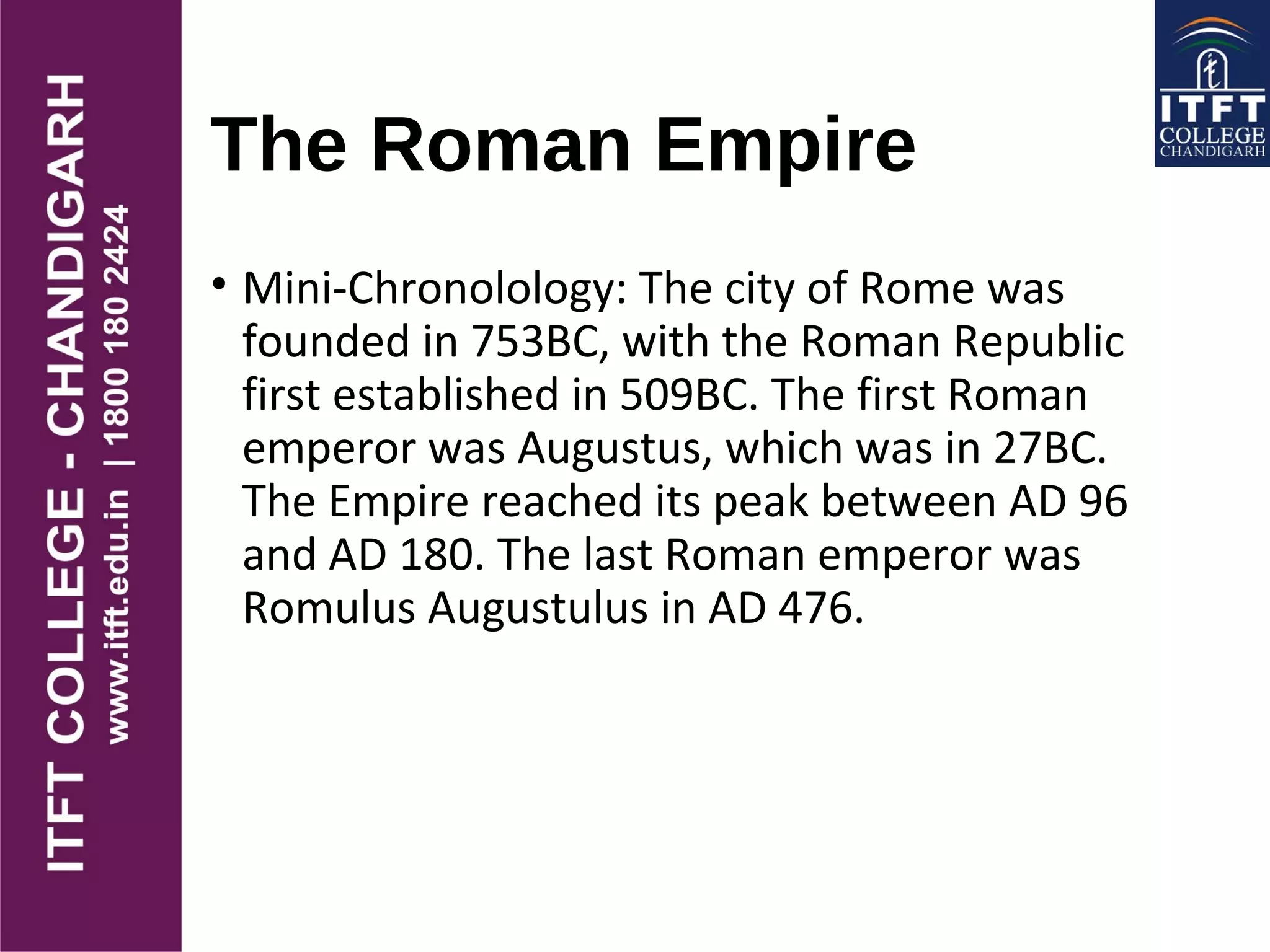
• Geography: The Roman Empire stretched from Spain, northern
Morocco and England in the west to Egypt, Armenia and Turkey
in the east.
The Roman Empire
• Mini-Chronolology: The city of Rome was
founded in 753BC, with the Roman Republic
first established in 509BC. The first Roman
emperor was Augustus, which was in 27BC.
The Empire reached its peak between AD 96
and AD 180. The last Roman emperor was
Romulus Augustulus in AD 476.
History of Resorts
The Mill text focuses on three very broad
geographical areas/historical time periods of
study:
• The Roman Empire
• Europe (Middle Ages to mid 1800s)
• North America (1800s to Present)
Contribution of Roman
Empire
• Any good Roman city had several necessary
components. Many of these things are what
attract tourists to Roman and other empire
cities: stadiums, paved streets, formal
dwellings, temples, forums and other public
spaces, gates, public art, markets,
government structures, stores, gardens and of
course, baths.
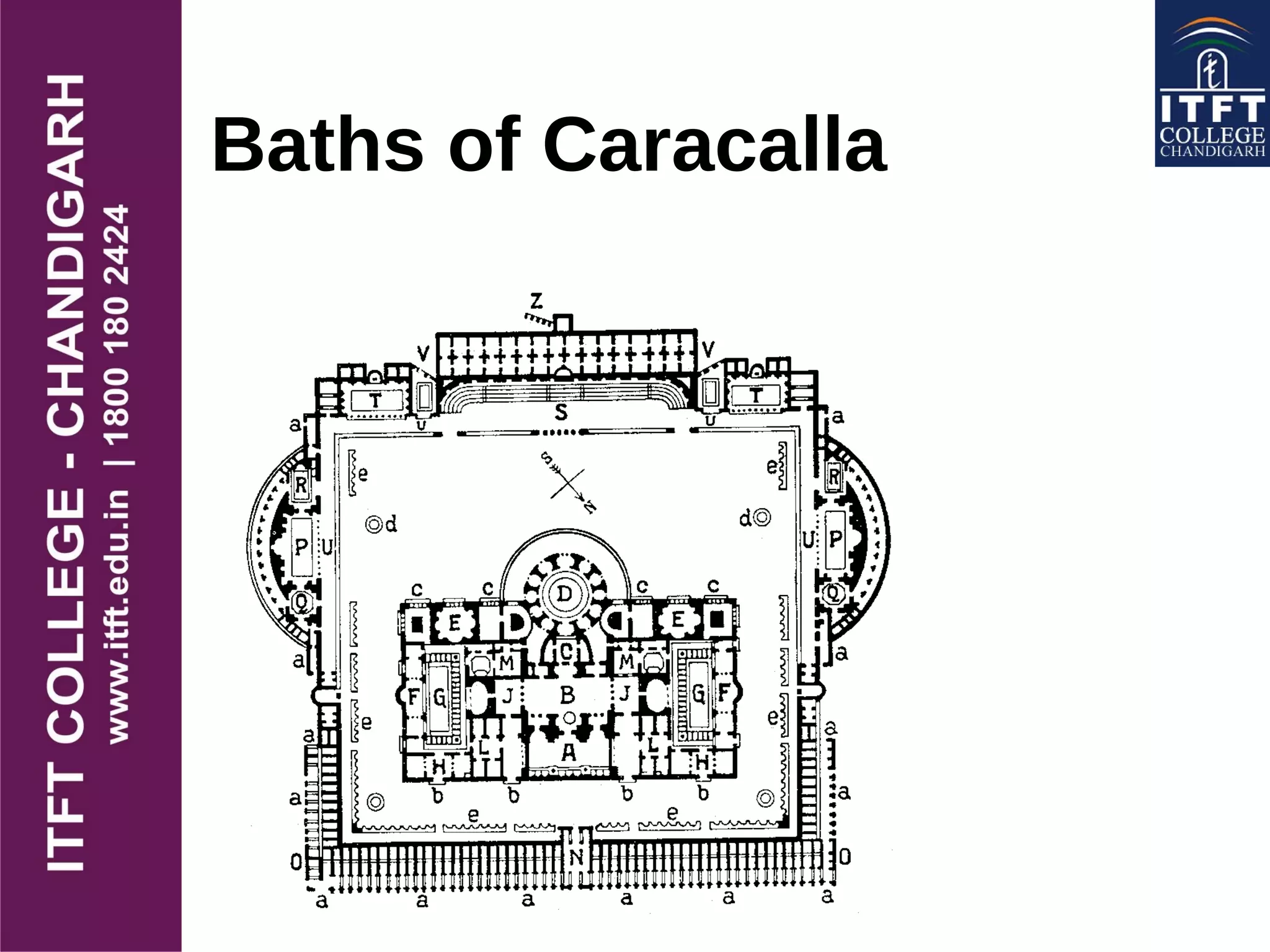
Baths of Caracalla
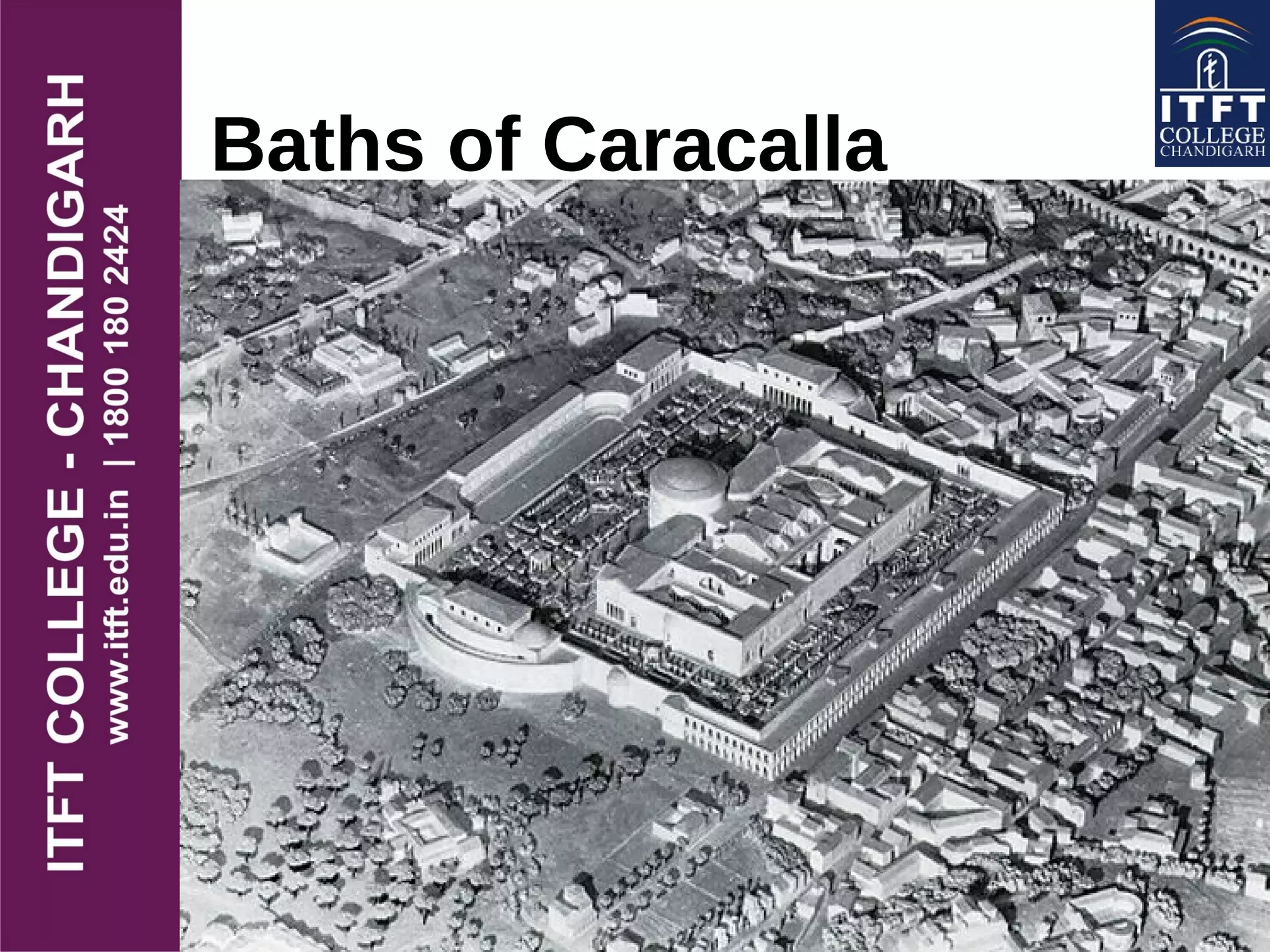
Baths of Caracalla
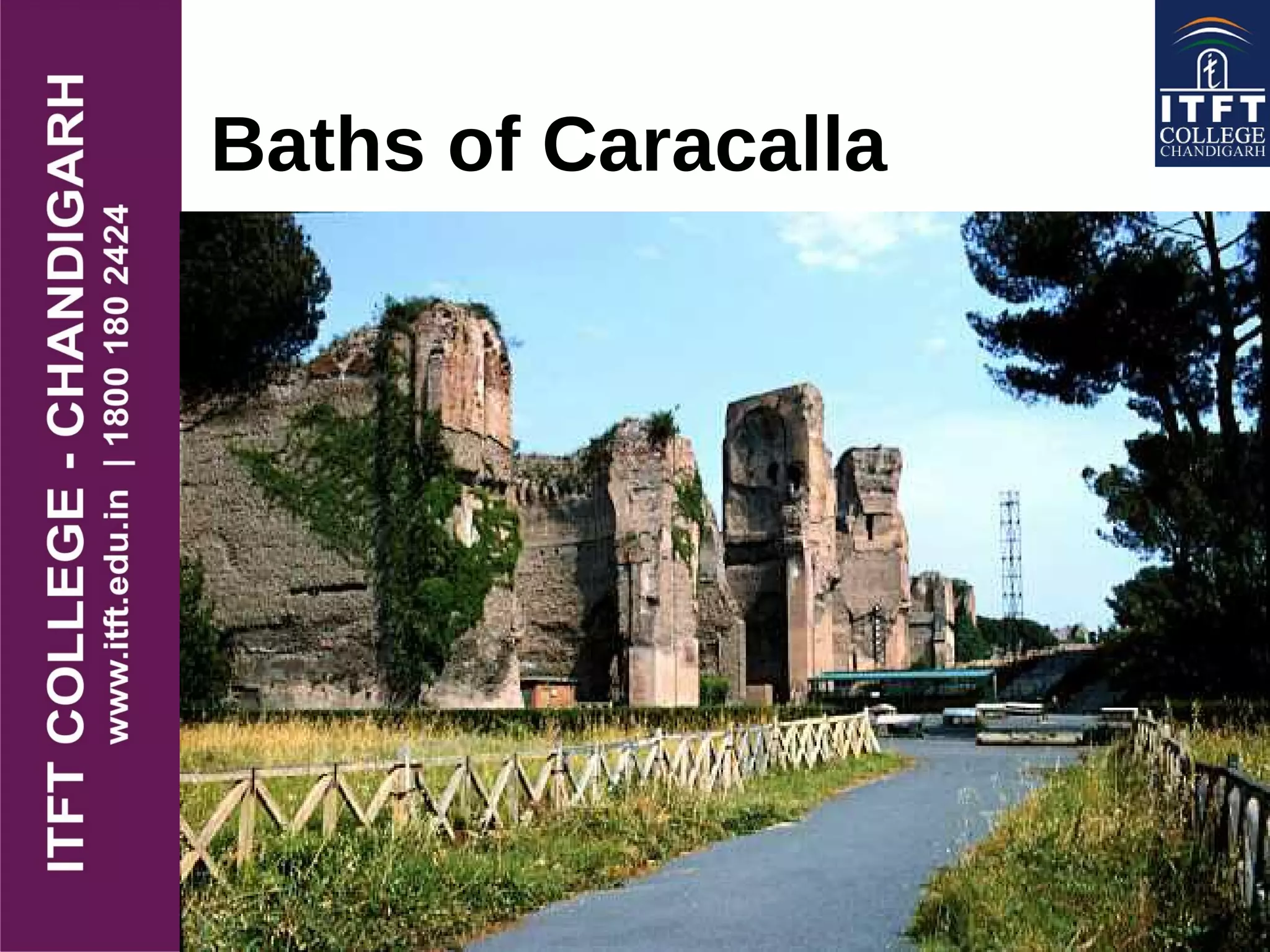
Baths of Caracalla
Caracalla to Penn Station
• The Roman bath was a major influence on 19th
and 20th
century western architects. Majestic
public and semi-public buildings such as train
stations, hotels and libraries were all modeled
after the Roman bath.
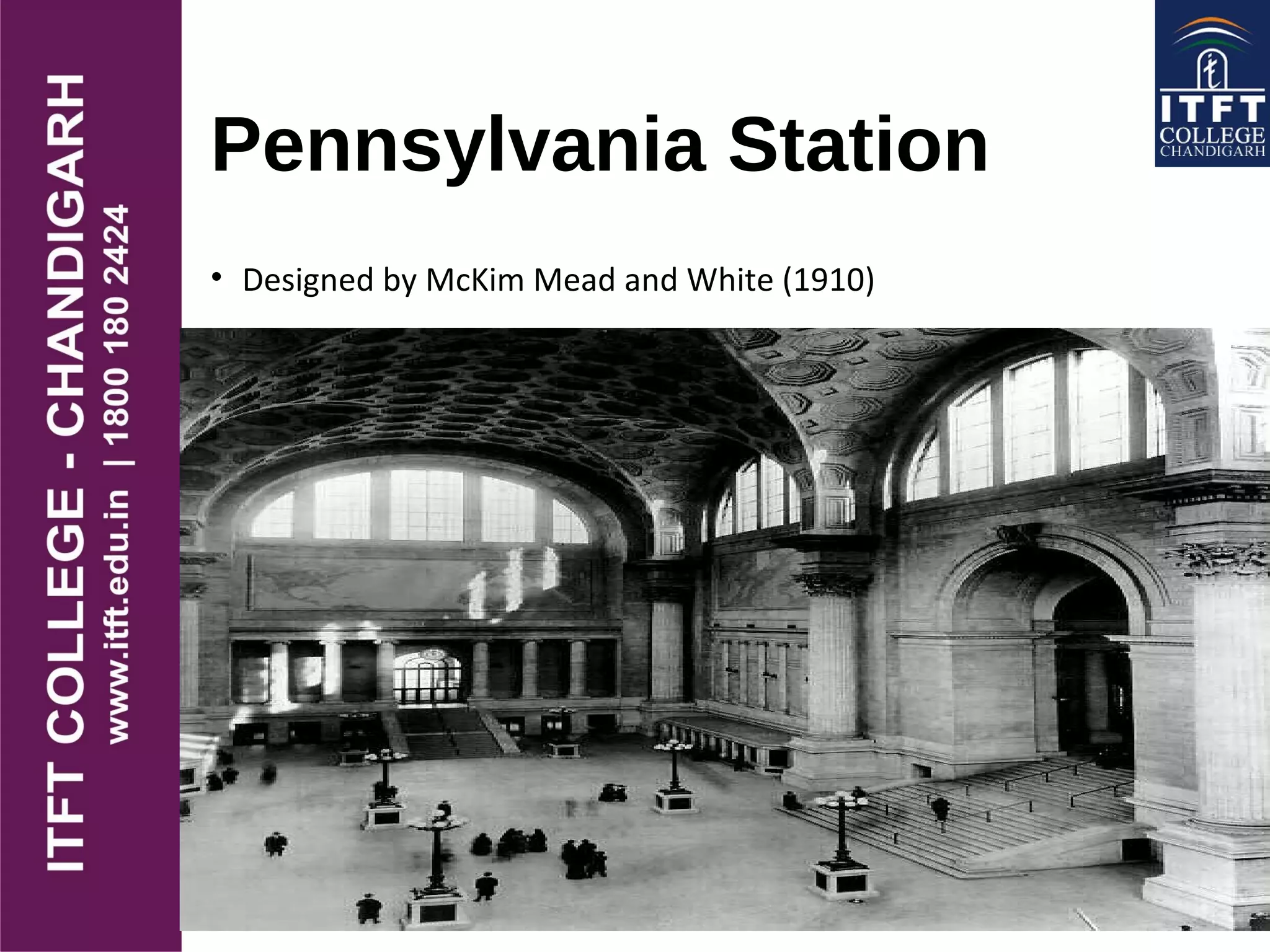
Pennsylvania Station
• Designed by McKim Mead and White (1910)

ITFT-History of Resorts

  • 1.
    History of Resorts Thehistory of resorts is tied closely, as one might imagine, with the history of tourism and travel. For that reason, it is possible to study resorts as part of tourism studies from a variety of perspectives.
  • 2.
    The Roman Empire •Geography: The Roman Empire stretched from Spain, northern Morocco and England in the west to Egypt, Armenia and Turkey in the east.
  • 3.
    The Roman Empire •Mini-Chronolology: The city of Rome was founded in 753BC, with the Roman Republic first established in 509BC. The first Roman emperor was Augustus, which was in 27BC. The Empire reached its peak between AD 96 and AD 180. The last Roman emperor was Romulus Augustulus in AD 476.
  • 4.
    History of Resorts TheMill text focuses on three very broad geographical areas/historical time periods of study: • The Roman Empire • Europe (Middle Ages to mid 1800s) • North America (1800s to Present)
  • 5.
    Contribution of Roman Empire •Any good Roman city had several necessary components. Many of these things are what attract tourists to Roman and other empire cities: stadiums, paved streets, formal dwellings, temples, forums and other public spaces, gates, public art, markets, government structures, stores, gardens and of course, baths.
  • 6.
  • 7.
  • 8.
  • 9.
    Caracalla to PennStation • The Roman bath was a major influence on 19th and 20th century western architects. Majestic public and semi-public buildings such as train stations, hotels and libraries were all modeled after the Roman bath.
  • 10.
    Pennsylvania Station • Designedby McKim Mead and White (1910)

Editor's Notes

  • #2 The text was written by a westerner into business. It leans in that direction.
  • #7 Finished in 217. Had room for 1600 people. Baths made of alabaster. After a morning's work at the office or shop, most Roman's enjoyed spending the afternoon at the thermae or public bath. They were a social meeting place. Men and women enjoyed coming to the baths not only to get clean but to meet with friends, exercise, or read at the library. The baths had hot and cold pools, towels, steam rooms, saunas, exercise rooms, and hair cutting salons. They had reading rooms and libraries, as among the freeborn, who had the right to frequent baths, the majority could read. Generally, Romans would first go to the unctuarium where they had oil rubbed onto their skin and would then exercise in one of the exercise yards. From here they would move to the tepidarium or warm room where they would lie around chatting with their friends. Next, it was on to the caldarium, similar to a Turkish bath, hot and steamy. Here they sat and perspired, scraping their skin with a strigil, a curved metal tool. Attendants would serve them snacks and drinks. Finally came a dip in the calidarium (hot bath) and a quick dip in the frigidarium (cold bath). After swimming, the bather might enjoy a massage where he might have oils and perfumes rubbed into his skin. Feeling clean and relaxed, the Roman might drift through the beautiful gardens decorated with mosaics and colossal scruptures or enjoy athletic events in a theaterlike rotunda. The largest of all Roman baths was the Diocletian, completed in A.D. 305 and covered an area of 130,000 sq. yards. The Roman baths used the Hypocaust system for heating the building and the pools. This underfloor heating system had hot air heated from the basement fires flowing between the brick or concrete columns which support the ground floor. The the warm air flows through wall ducts into the rooms at the baths and quickly heats them. In some baths the floors would be so hot that the bathers would have to wear wooden sandels to stop their feet from being burnt. The fires in the basement where stocked by slaves of the baths. The baths were generally crowded. The people loved them. At one time, there were as many as 900 public baths in ancient Rome. Small ones held about 300 people, and the big ones held 1500 people or more! Some Roman hospitals even had their own bathhouses Children were not permitted. The baths were not free.