Drugs used for:
1) Peptic ulcers and gastroesophageal reflux disease
(GERD)
2) Chemotherapy-induced emesis
3) Diarrhea
4) Constipation
Causes of peptic ulcer:
 Infection with gram-negative Helicobacter pylori
 Use of nonsteroidal anti-inflammatory drugs
(NSAIDs)
 Increased hydrochloric acid secretion
 Inadequate mucosal defense against gastric acid
 Tumors (rare)
Treatment of peptic ulcer
1) Eradicating the H. pylori infection
2) Reducing secretion of gastric acid with the use of
proton pump inhibitors or H2-receptor antagonists
3) Providing agents that protect the gastric mucosa
from damage such as misoprostol and sucralfate
4) Neutralizing gastric acid with nonabsorbable
antacids
 Antimicrobials
 H2-receptor antagonists
 Proton pump inhibitors
 Prostaglandins
 Antacids
 Antimicrobial agents (For H. pylori)
◦ Metronidazole
◦ Amoxicillin
◦ Clarithromycin
◦ Tetracyclines
◦ Bismuth compounds
 Optimal therapy for patients with peptic ulcer
disease infected with H. pylori requires
antimicrobial treatment
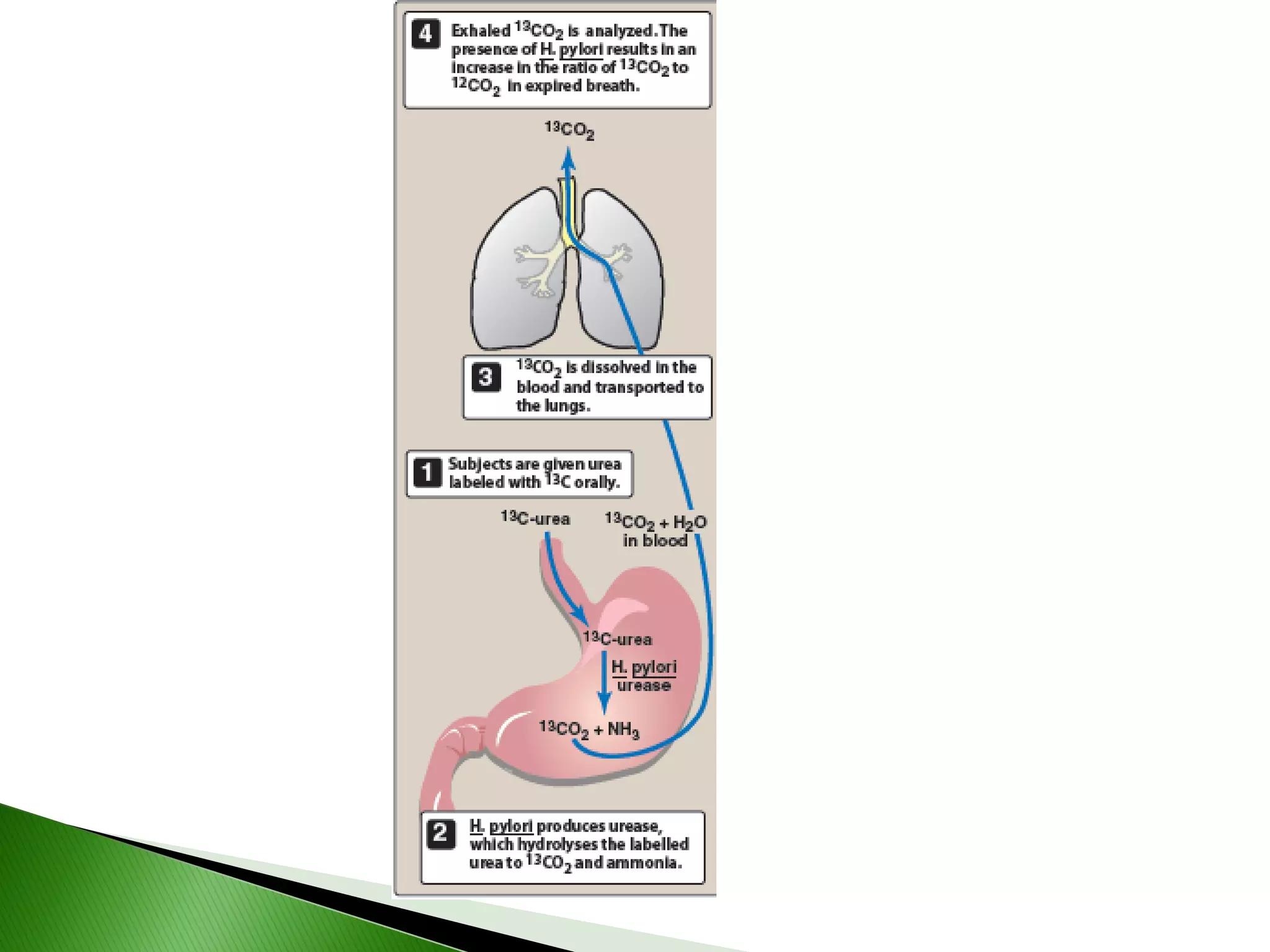
 Endoscopic biopsy of the gastric mucosa or various
noninvasive methods are used, including serologic
tests and urea breath tests to document infection
with H. pylori
 Eradication of H. pylori results in rapid healing of
active peptic ulcers and low recurrence rates
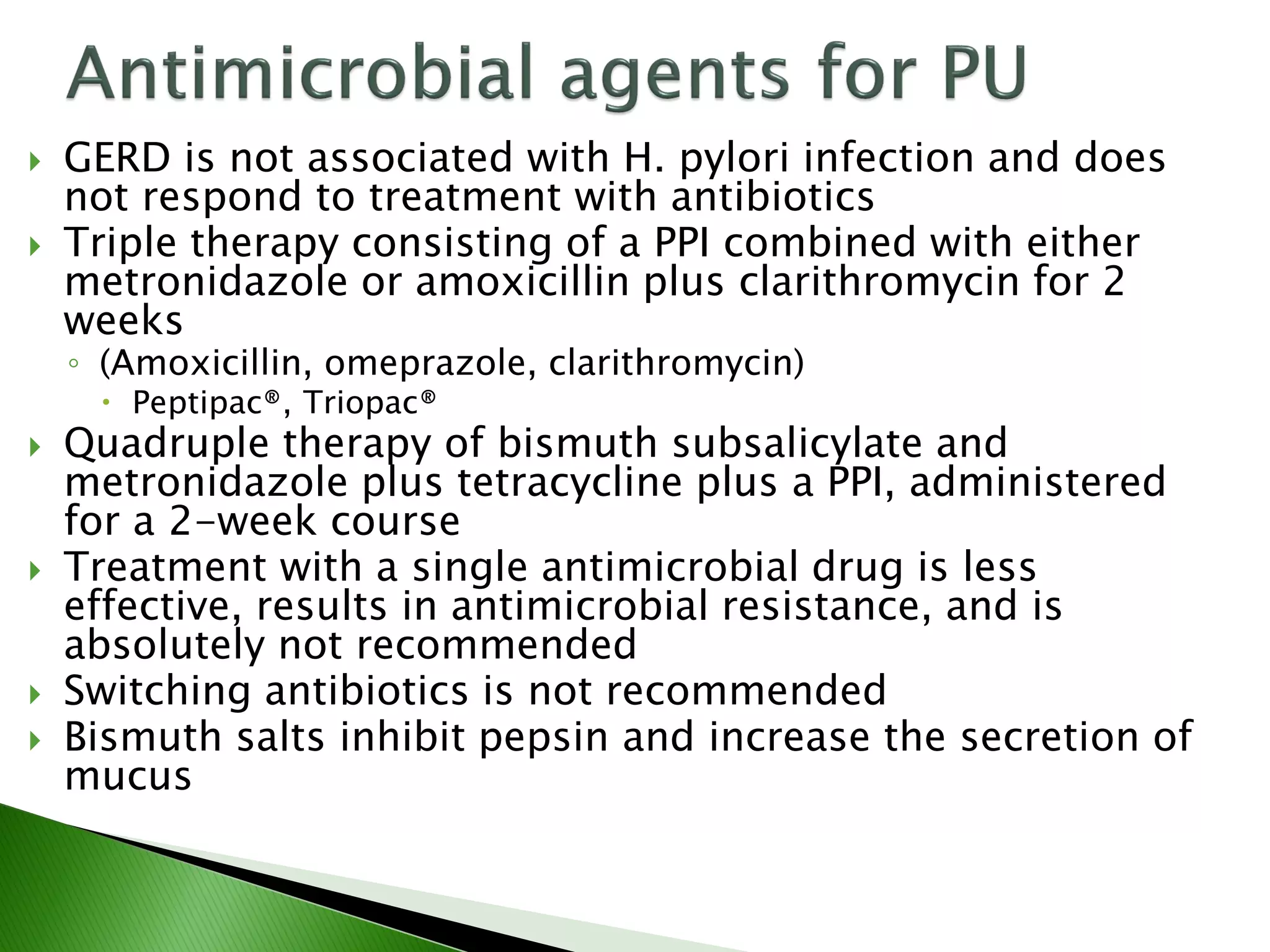
 GERD is not associated with H. pylori infection and does
not respond to treatment with antibiotics
 Triple therapy consisting of a PPI combined with either
metronidazole or amoxicillin plus clarithromycin for 2
weeks
◦ (Amoxicillin, omeprazole, clarithromycin)
 Peptipac®, Triopac®
 Quadruple therapy of bismuth subsalicylate and
metronidazole plus tetracycline plus a PPI, administered
for a 2-week course
 Treatment with a single antimicrobial drug is less
effective, results in antimicrobial resistance, and is
absolutely not recommended
 Switching antibiotics is not recommended
 Bismuth salts inhibit pepsin and increase the secretion of
mucus
 Ranitidine (Zantac®, Randin®, Ratidine®, GI-care®)
 Famotidine (Famodin®, Famo®, Gastrex®)
 Cimetidine (Cemidin®, Cimetag®, Tagamet®)
 Nizatidine
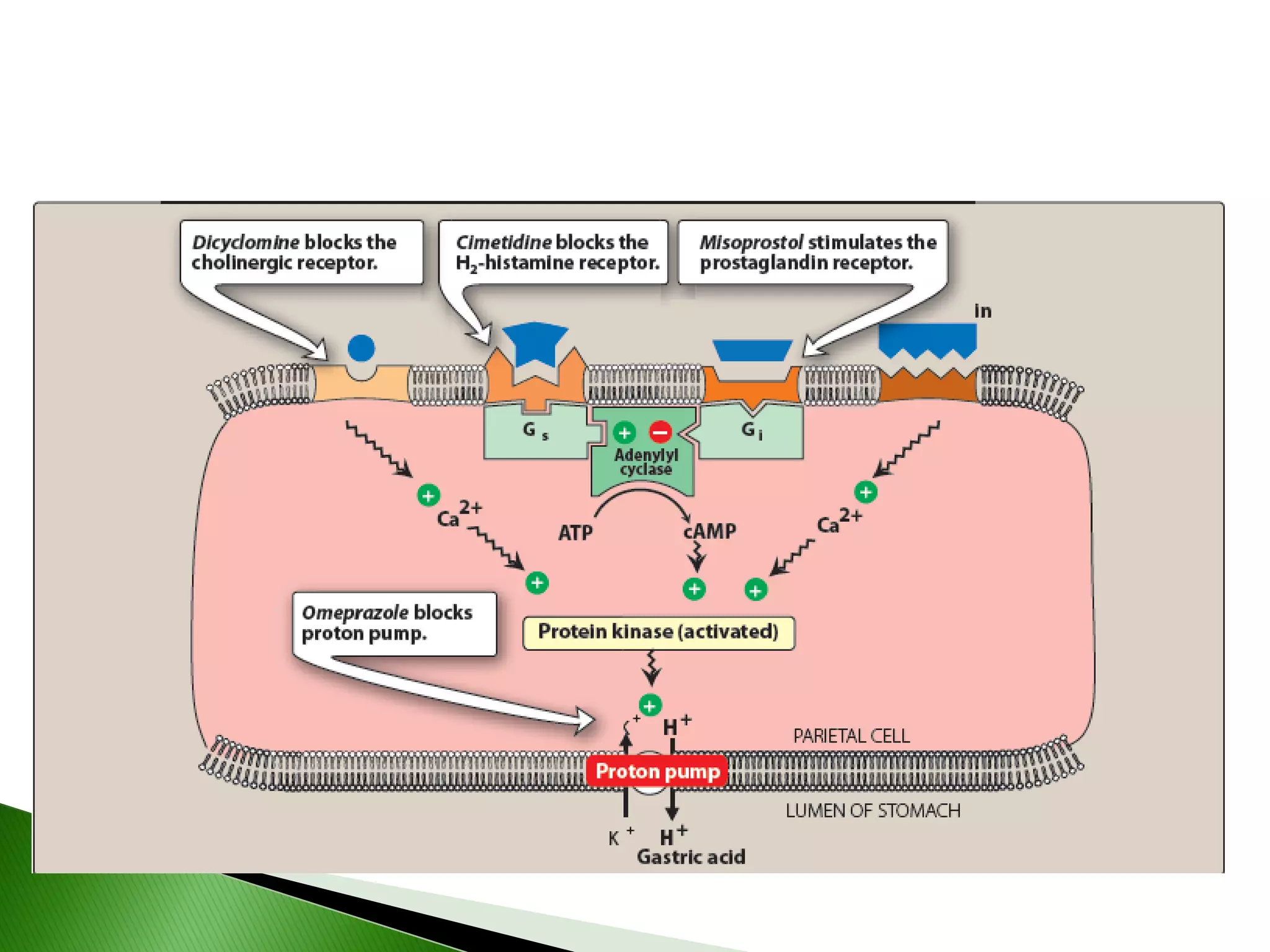
 Gastric acid secretion by parietal cells of the gastric mucosa
is stimulated by acetylcholine, histamine, and gastrin
 The receptor-mediated binding of acetylcholine, histamine,
or gastrin results in the activation of protein kinases, which
stimulates the H+/K+–adenosine triphosphatase (ATPase)
proton pump to secrete hydrogen ions in exchange for K+
into the lumen of the stomach
 Receptor binding of prostaglandin E2 and somatostatin
diminish gastric acid production
 Histamine binding causes activation of adenylyl cyclase,
whereas binding of prostaglandin E2 inhibits it
 Gastrin and acetylcholine act by inducing an increase in
intracellular calcium levels
 Antagonists of the histamine H2 receptor are used
to inhibit gastric acid secretion
 By competitively blocking the binding of histamine
to H2 receptors, these agents reduce the
intracellular concentrations of cAMP and, secretion
of gastric acid
 Inhibit basal, food-stimulated, and nocturnal
secretion of gastric acid after a single dose
 Cimetidine use is limited by its adverse effects and
drug–drug interactions
 Peptic ulcer
 Acute stress ulcers
 Gastroesophageal reflux disease (GERD)
Peptic ulcers:
 Effective in promoting the healing of duodenal and
gastric ulcers
 Recurrence is common after treatment with H2
antagonists is stopped
 Patients with NSAID-induced ulcers should be
treated with PPIs, because these agents heal and
prevent future ulcers better than H2 antagonists
Acute stress ulcers
 H2 blockers are given as intravenous infusion to
prevent and manage acute stress ulcers associated
with high-risk patients in intensive care units
 PPIs have gained favor for this indication because
tolerance may occur with these agents in this
setting
GERD:
 Low doses of H2 antagonists is used for the prevention
and treatment of heartburn (GERD)
 H2-receptor antagonists act by stopping acid secretion
and may not relieve symptoms for at least 45 minutes
 Antacids more quickly and efficiently neutralize
secreted acid in the stomach, their action is temporary
 PPIs are now used preferentially in the treatment of
GERD
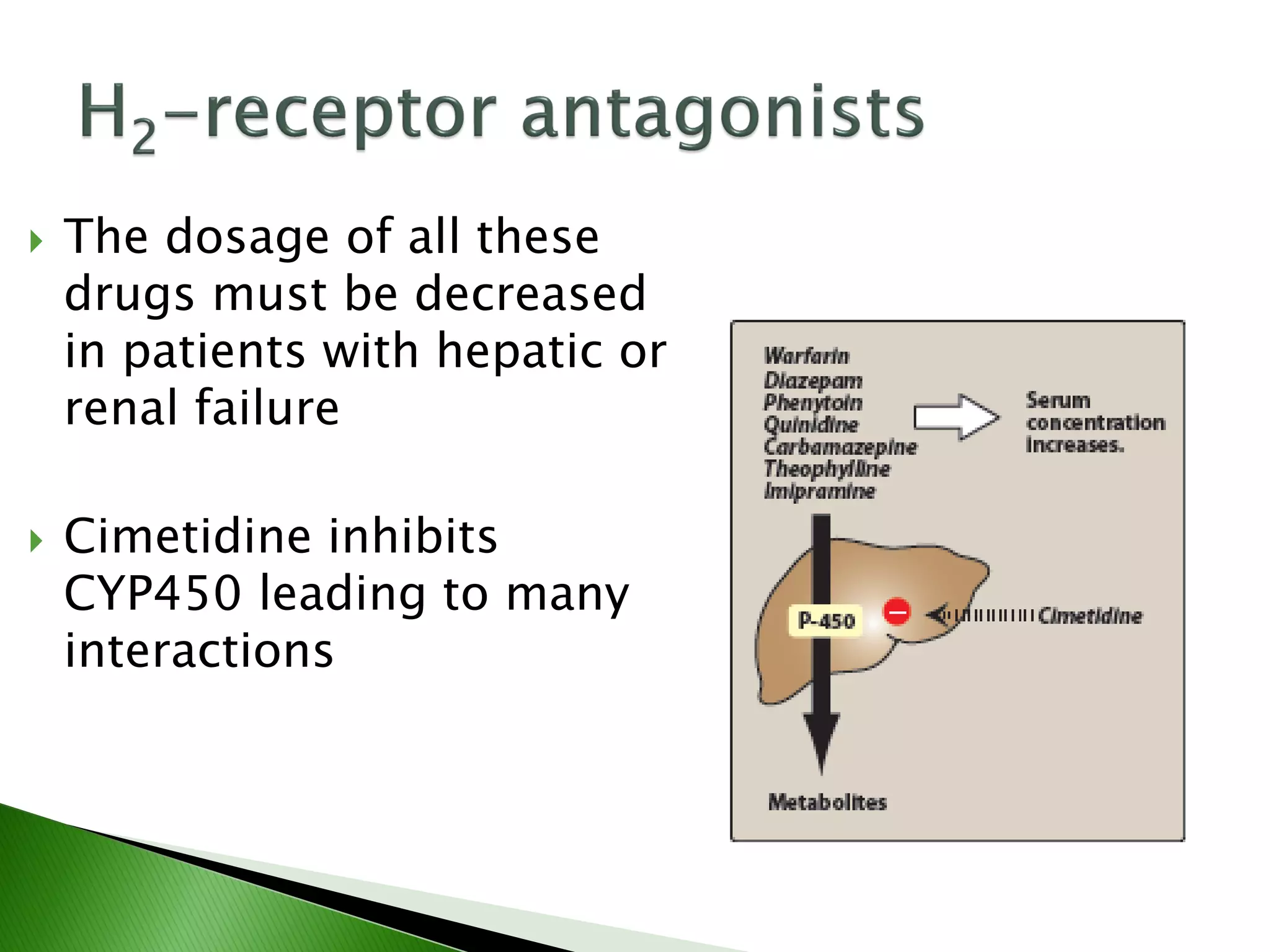
 The dosage of all these
drugs must be decreased
in patients with hepatic or
renal failure
 Cimetidine inhibits
CYP450 leading to many
interactions
 Adverse effects:
◦ Headache
◦ Dizziness
◦ Diarrhea
◦ Muscular pain
◦ Cimetidine can also have endocrine effects because it acts
as a nonsteroidal antiandrogen
 These effects include gynecomastia, and galactorrhea
 Drugs such as ketoconazole, which depend on an
acidic medium for gastric absorption, may not be
efficiently absorbed if taken with H2 blockers
 Omeprazole (Locid®, Losec®, Marial®, Mepral®,
Pepticum®)
 Esomeprazole (Nexium®, Ezomax®)
 Lansoprazole (Lanso®, Lanton®, Zoton®)
 Pantoprazole (Pantover®, Controloc®)
 Bind to the H+/K+-ATPase enzyme system
(proton pump) of the parietal cell and suppress
the secretion of hydrogen ions into the gastric
lumen, inhibiting gastric acid secretion
 The membrane-bound proton pump is the final
step in the secretion of gastric acid
 More effective than H2 antagonists in
suppressing gastric acid production and healing
peptic ulcers
 PPIs are prodrugs with an acid-resistant enteric coating
to protect them from premature degradation by gastric
acid
 The coating is removed in the duodenum, and the
prodrug is absorbed and transported to parietal cells
 There, it is converted to the active form, which forms a
stable covalent bond with H+/K+-ATPase
 It takes about 18 hours for the enzyme to be
resynthesized
 At standard doses, all PPIs inhibit both basal and
stimulated gastric acid secretion by ~90%
 The superiority of the PPIs over the H2 antagonists
for suppressing acid production and healing peptic
ulcers has made them the preferred drugs for
◦ Stress ulcer treatment and prophylaxis
◦ Treating erosive esophagitis and active duodenal ulcer
◦ Long-term treatment of pathologic hypersecretory
conditions (e.g. Zollinger-Ellison syndrome)
 Approved for the treatment of GERD and have
gained favor over H2 antagonists
 PPIs reduce the risk of bleeding from an ulcer
caused by aspirin and other NSAIDs
 Used with antimicrobial regimens to eradicate H.
pylori
 PPIs should be taken 30 to 60 minutes before
breakfast or the largest meal of the day
 If an H2-receptor antagonist is also needed, it
should be taken well after the PPI for best effect
because the H2 antagonists will reduce the activity
of the proton pump
 In patients with GERD in whom a once-daily PPI is
only partially effective, increasing to a twice-daily
regimen or keeping the PPI in the morning and
adding an H2 antagonist in the evening may
improve symptom control
 Diarrhea
 Clostridium difficile colitis
• Patients must be counseled to discontinue PPI
therapy if they have diarrhea for several days
and to contact their physicians
 Possible increased risk of fractures of the hip,
wrist, and spine
• The greatest risk is associated with patients
taking the PPIs for one year or greater
Drug interactions
 Decrease the effectiveness of clopidogrel due to
inhibition of CYP2C19
• Increase risk of cardiovascular events
 Omeprazole inhibits the metabolism of warfarin,
phenytoin, diazepam, and cyclosporine through
competitive inhibition of CYP450
 Prolonged therapy may result in low vitamin B12
 Prolonged elevation of gastric pH can cause incomplete
absorption of calcium carbonate products
 Prostaglandin E, produced by the gastric mucosa,
inhibits secretion of HCl and stimulates secretion
of mucus and bicarbonate (cytoprotective effect)
 A deficiency of prostaglandins is involved in the
pathogenesis of peptic ulcers
 Misoprostol (Cytotec®)
◦ A stable analog of prostaglandin approved for the
prevention of gastric ulcers induced by NSAIDs
◦ Less effective than H2 antagonists and the PPIs for acute
treatment of peptic ulcers
◦ Has cytoprotective actions, but is clinically effective only
at higher doses that diminish gastric acid secretion
 Misoprostol
◦ Like other prostaglandins, misoprostol produces uterine
contractions, dislodging of the fetus, and is
contraindicated during pregnancy
◦ Adverse effects: diarrhea and nausea
 Weak bases that react with gastric acid to form
water and a salt to diminish gastric acidity
 Antacids also reduce pepsin activity because
pepsin is inactive at a pH greater than 4
 Aluminum hydroxide
 Magnesium hydroxide
 Calcium carbonate
 Systemic absorption of sodium bicarbonate can
produce transient metabolic alkalosis and is not
recommended for long-term use
 Food delays stomach emptying allowing more time
for the antacid to react
 Aluminum hydroxide + Magnesium hydroxide (Maalox®)
 Calcium carbonate + Magnesium carbonate (Rennie®)
 Calcium carbonate (Tums®)
 Aluminum- and magnesium-containing antacids
are used to:
◦ Provide symptomatic relief of peptic ulcer disease and
GERD
◦ Promote healing of duodenal ulcers
◦ Used as last-line therapy for acute gastric ulcers
 Calcium carbonate preparations are also used as
calcium supplements for the treatment of
osteoporosis
 Aluminum hydroxide causes constipation
 Magnesium hydroxide causes diarrhea
 The binding of phosphate by aluminum-containing
antacids can lead to hypophosphatemia
 Sodium bicarbonate
◦ Can cause systemic alkalosis
◦ Liberates CO2, causing belching and flatulence
◦ The sodium content of antacids can be an important
consideration in patients with hypertension or congestive
heart failure
 Cytoprotective compounds
 Enhance mucosal protection mechanisms,
preventing mucosal injury, reducing inflammation,
and healing existing ulcers.
◦ Sucralfate (Ulsanic®)
◦ Bismuth subsalicylate (Pink Bismuth®, Kalbeten®)
Bismuth subsalicylate
 Effectively heals peptic ulcers
 Has antimicrobial actions
 Inhibits the activity of pepsin
 Increases secretion of mucus, and interact with
glycoproteins in necrotic mucosal tissue to coat
and protect the ulcer crater
 Increased motility of GIT and decreased absorption
of fluid are major factors in diarrhea
 Antidiarrheal drugs used to treat acute diarrhea
include
◦ Antimotility agents
◦ Adsorbents
◦ Agents that modify fluid and electrolyte transport
Antimotility agents
 Diphenoxylate
 Loperamide (Diacare®, Imodium®)
 Both are analogs of meperidine and have opioid-like
actions on the gut
 Activate presynaptic opioid receptors in the enteric
nervous system to inhibit ACh release and decrease
peristalsis
 Lack analgesic effects at usual doses
 Side effects: drowsiness, abdominal cramps, dizziness
 Contribute to toxic megacolon and should not be used
in young children or in patients with severe colitis
Adsorbents
 Aluminum hydroxide
 Methylcellulose
 Used to control diarrhea
 Act by adsorbing intestinal toxins or
microorganisms and/or by coating or protecting
the intestinal mucosa
 Much less effective than antimotility agents and
 Can interfere with the absorption of other drugs
Agents that modify fluid and electrolyte transport
 Bismuth subsalicylate
 Used for traveler’s diarrhea
 Decreases fluid secretion in the bowel
 Its action may be due to its salicylate component
as well as its coating action
 Adverse effects may include black tongue and
black stools
 Common condition caused by
◦ Diminished fluid intake
◦ Slow motility of waste material through large intestine
◦ Certain foods, medications, diseases
 Irritants and stimulants
 Bulk laxatives
 Saline and osmotic laxatives
 Stool softeners (emollient laxatives or surfactants)
 Lubricant laxatives
 Chloride channel activators
Irritants and stimulants
 Senna
 Bisacodyl
 Castor oil
Saline and osmotic laxatives
 Magnesium citrate
 Magnesium hydroxide
 Sodium phosphate
◦ Nonabsorbable salts that hold water in the
intestine by osmosis
◦ This distends the bowel, increasing intestinal
activity and producing defecation in a few
hours
Stool softeners (emollient laxatives or surfactants)
 Docusate sodium
 Docusate calcium
 Docusate potassium
 Surface-active agents that become emulsified with
the stool produce softer feces and ease passage
 May take days to become effective and are often
used for prophylaxis rather than acute treatment
Lubricant laxatives
 Include mineral oil and glycerin suppositories
 Act by facilitating the passage of hard stools
 Mineral oil should be taken orally in an upright
position to avoid its aspiration and potential for
lipid or lipoid pneumonia

Gastrointestinal drugs - Pharmacology

  • 3.
    Drugs used for: 1)Peptic ulcers and gastroesophageal reflux disease (GERD) 2) Chemotherapy-induced emesis 3) Diarrhea 4) Constipation
  • 4.
    Causes of pepticulcer:  Infection with gram-negative Helicobacter pylori  Use of nonsteroidal anti-inflammatory drugs (NSAIDs)  Increased hydrochloric acid secretion  Inadequate mucosal defense against gastric acid  Tumors (rare)
  • 5.
    Treatment of pepticulcer 1) Eradicating the H. pylori infection 2) Reducing secretion of gastric acid with the use of proton pump inhibitors or H2-receptor antagonists 3) Providing agents that protect the gastric mucosa from damage such as misoprostol and sucralfate 4) Neutralizing gastric acid with nonabsorbable antacids
  • 6.
     Antimicrobials  H2-receptorantagonists  Proton pump inhibitors  Prostaglandins  Antacids
  • 7.
     Antimicrobial agents(For H. pylori) ◦ Metronidazole ◦ Amoxicillin ◦ Clarithromycin ◦ Tetracyclines ◦ Bismuth compounds
  • 8.
     Optimal therapyfor patients with peptic ulcer disease infected with H. pylori requires antimicrobial treatment  Endoscopic biopsy of the gastric mucosa or various noninvasive methods are used, including serologic tests and urea breath tests to document infection with H. pylori  Eradication of H. pylori results in rapid healing of active peptic ulcers and low recurrence rates
  • 10.
     GERD isnot associated with H. pylori infection and does not respond to treatment with antibiotics  Triple therapy consisting of a PPI combined with either metronidazole or amoxicillin plus clarithromycin for 2 weeks ◦ (Amoxicillin, omeprazole, clarithromycin)  Peptipac®, Triopac®  Quadruple therapy of bismuth subsalicylate and metronidazole plus tetracycline plus a PPI, administered for a 2-week course  Treatment with a single antimicrobial drug is less effective, results in antimicrobial resistance, and is absolutely not recommended  Switching antibiotics is not recommended  Bismuth salts inhibit pepsin and increase the secretion of mucus
  • 11.
     Ranitidine (Zantac®,Randin®, Ratidine®, GI-care®)  Famotidine (Famodin®, Famo®, Gastrex®)  Cimetidine (Cemidin®, Cimetag®, Tagamet®)  Nizatidine
  • 12.
     Gastric acidsecretion by parietal cells of the gastric mucosa is stimulated by acetylcholine, histamine, and gastrin  The receptor-mediated binding of acetylcholine, histamine, or gastrin results in the activation of protein kinases, which stimulates the H+/K+–adenosine triphosphatase (ATPase) proton pump to secrete hydrogen ions in exchange for K+ into the lumen of the stomach  Receptor binding of prostaglandin E2 and somatostatin diminish gastric acid production  Histamine binding causes activation of adenylyl cyclase, whereas binding of prostaglandin E2 inhibits it  Gastrin and acetylcholine act by inducing an increase in intracellular calcium levels
  • 13.
     Antagonists ofthe histamine H2 receptor are used to inhibit gastric acid secretion  By competitively blocking the binding of histamine to H2 receptors, these agents reduce the intracellular concentrations of cAMP and, secretion of gastric acid  Inhibit basal, food-stimulated, and nocturnal secretion of gastric acid after a single dose  Cimetidine use is limited by its adverse effects and drug–drug interactions
  • 15.
     Peptic ulcer Acute stress ulcers  Gastroesophageal reflux disease (GERD)
  • 16.
    Peptic ulcers:  Effectivein promoting the healing of duodenal and gastric ulcers  Recurrence is common after treatment with H2 antagonists is stopped  Patients with NSAID-induced ulcers should be treated with PPIs, because these agents heal and prevent future ulcers better than H2 antagonists
  • 17.
    Acute stress ulcers H2 blockers are given as intravenous infusion to prevent and manage acute stress ulcers associated with high-risk patients in intensive care units  PPIs have gained favor for this indication because tolerance may occur with these agents in this setting
  • 18.
    GERD:  Low dosesof H2 antagonists is used for the prevention and treatment of heartburn (GERD)  H2-receptor antagonists act by stopping acid secretion and may not relieve symptoms for at least 45 minutes  Antacids more quickly and efficiently neutralize secreted acid in the stomach, their action is temporary  PPIs are now used preferentially in the treatment of GERD
  • 19.
     The dosageof all these drugs must be decreased in patients with hepatic or renal failure  Cimetidine inhibits CYP450 leading to many interactions
  • 20.
     Adverse effects: ◦Headache ◦ Dizziness ◦ Diarrhea ◦ Muscular pain ◦ Cimetidine can also have endocrine effects because it acts as a nonsteroidal antiandrogen  These effects include gynecomastia, and galactorrhea  Drugs such as ketoconazole, which depend on an acidic medium for gastric absorption, may not be efficiently absorbed if taken with H2 blockers
  • 21.
     Omeprazole (Locid®,Losec®, Marial®, Mepral®, Pepticum®)  Esomeprazole (Nexium®, Ezomax®)  Lansoprazole (Lanso®, Lanton®, Zoton®)  Pantoprazole (Pantover®, Controloc®)
  • 22.
     Bind tothe H+/K+-ATPase enzyme system (proton pump) of the parietal cell and suppress the secretion of hydrogen ions into the gastric lumen, inhibiting gastric acid secretion  The membrane-bound proton pump is the final step in the secretion of gastric acid  More effective than H2 antagonists in suppressing gastric acid production and healing peptic ulcers
  • 23.
     PPIs areprodrugs with an acid-resistant enteric coating to protect them from premature degradation by gastric acid  The coating is removed in the duodenum, and the prodrug is absorbed and transported to parietal cells  There, it is converted to the active form, which forms a stable covalent bond with H+/K+-ATPase  It takes about 18 hours for the enzyme to be resynthesized  At standard doses, all PPIs inhibit both basal and stimulated gastric acid secretion by ~90%
  • 24.
     The superiorityof the PPIs over the H2 antagonists for suppressing acid production and healing peptic ulcers has made them the preferred drugs for ◦ Stress ulcer treatment and prophylaxis ◦ Treating erosive esophagitis and active duodenal ulcer ◦ Long-term treatment of pathologic hypersecretory conditions (e.g. Zollinger-Ellison syndrome)
  • 25.
     Approved forthe treatment of GERD and have gained favor over H2 antagonists  PPIs reduce the risk of bleeding from an ulcer caused by aspirin and other NSAIDs  Used with antimicrobial regimens to eradicate H. pylori
  • 26.
     PPIs shouldbe taken 30 to 60 minutes before breakfast or the largest meal of the day  If an H2-receptor antagonist is also needed, it should be taken well after the PPI for best effect because the H2 antagonists will reduce the activity of the proton pump  In patients with GERD in whom a once-daily PPI is only partially effective, increasing to a twice-daily regimen or keeping the PPI in the morning and adding an H2 antagonist in the evening may improve symptom control
  • 27.
     Diarrhea  Clostridiumdifficile colitis • Patients must be counseled to discontinue PPI therapy if they have diarrhea for several days and to contact their physicians  Possible increased risk of fractures of the hip, wrist, and spine • The greatest risk is associated with patients taking the PPIs for one year or greater
  • 28.
    Drug interactions  Decreasethe effectiveness of clopidogrel due to inhibition of CYP2C19 • Increase risk of cardiovascular events  Omeprazole inhibits the metabolism of warfarin, phenytoin, diazepam, and cyclosporine through competitive inhibition of CYP450  Prolonged therapy may result in low vitamin B12  Prolonged elevation of gastric pH can cause incomplete absorption of calcium carbonate products
  • 29.
     Prostaglandin E,produced by the gastric mucosa, inhibits secretion of HCl and stimulates secretion of mucus and bicarbonate (cytoprotective effect)  A deficiency of prostaglandins is involved in the pathogenesis of peptic ulcers
  • 30.
     Misoprostol (Cytotec®) ◦A stable analog of prostaglandin approved for the prevention of gastric ulcers induced by NSAIDs ◦ Less effective than H2 antagonists and the PPIs for acute treatment of peptic ulcers ◦ Has cytoprotective actions, but is clinically effective only at higher doses that diminish gastric acid secretion
  • 31.
     Misoprostol ◦ Likeother prostaglandins, misoprostol produces uterine contractions, dislodging of the fetus, and is contraindicated during pregnancy ◦ Adverse effects: diarrhea and nausea
  • 32.
     Weak basesthat react with gastric acid to form water and a salt to diminish gastric acidity  Antacids also reduce pepsin activity because pepsin is inactive at a pH greater than 4
  • 33.
     Aluminum hydroxide Magnesium hydroxide  Calcium carbonate  Systemic absorption of sodium bicarbonate can produce transient metabolic alkalosis and is not recommended for long-term use  Food delays stomach emptying allowing more time for the antacid to react
  • 34.
     Aluminum hydroxide+ Magnesium hydroxide (Maalox®)  Calcium carbonate + Magnesium carbonate (Rennie®)  Calcium carbonate (Tums®)
  • 35.
     Aluminum- andmagnesium-containing antacids are used to: ◦ Provide symptomatic relief of peptic ulcer disease and GERD ◦ Promote healing of duodenal ulcers ◦ Used as last-line therapy for acute gastric ulcers  Calcium carbonate preparations are also used as calcium supplements for the treatment of osteoporosis
  • 36.
     Aluminum hydroxidecauses constipation  Magnesium hydroxide causes diarrhea  The binding of phosphate by aluminum-containing antacids can lead to hypophosphatemia  Sodium bicarbonate ◦ Can cause systemic alkalosis ◦ Liberates CO2, causing belching and flatulence ◦ The sodium content of antacids can be an important consideration in patients with hypertension or congestive heart failure
  • 37.
     Cytoprotective compounds Enhance mucosal protection mechanisms, preventing mucosal injury, reducing inflammation, and healing existing ulcers. ◦ Sucralfate (Ulsanic®) ◦ Bismuth subsalicylate (Pink Bismuth®, Kalbeten®)
  • 38.
    Bismuth subsalicylate  Effectivelyheals peptic ulcers  Has antimicrobial actions  Inhibits the activity of pepsin  Increases secretion of mucus, and interact with glycoproteins in necrotic mucosal tissue to coat and protect the ulcer crater
  • 39.
     Increased motilityof GIT and decreased absorption of fluid are major factors in diarrhea  Antidiarrheal drugs used to treat acute diarrhea include ◦ Antimotility agents ◦ Adsorbents ◦ Agents that modify fluid and electrolyte transport
  • 40.
    Antimotility agents  Diphenoxylate Loperamide (Diacare®, Imodium®)  Both are analogs of meperidine and have opioid-like actions on the gut  Activate presynaptic opioid receptors in the enteric nervous system to inhibit ACh release and decrease peristalsis  Lack analgesic effects at usual doses  Side effects: drowsiness, abdominal cramps, dizziness  Contribute to toxic megacolon and should not be used in young children or in patients with severe colitis
  • 41.
    Adsorbents  Aluminum hydroxide Methylcellulose  Used to control diarrhea  Act by adsorbing intestinal toxins or microorganisms and/or by coating or protecting the intestinal mucosa  Much less effective than antimotility agents and  Can interfere with the absorption of other drugs
  • 42.
    Agents that modifyfluid and electrolyte transport  Bismuth subsalicylate  Used for traveler’s diarrhea  Decreases fluid secretion in the bowel  Its action may be due to its salicylate component as well as its coating action  Adverse effects may include black tongue and black stools
  • 43.
     Common conditioncaused by ◦ Diminished fluid intake ◦ Slow motility of waste material through large intestine ◦ Certain foods, medications, diseases
  • 44.
     Irritants andstimulants  Bulk laxatives  Saline and osmotic laxatives  Stool softeners (emollient laxatives or surfactants)  Lubricant laxatives  Chloride channel activators
  • 45.
    Irritants and stimulants Senna  Bisacodyl  Castor oil
  • 46.
    Saline and osmoticlaxatives  Magnesium citrate  Magnesium hydroxide  Sodium phosphate ◦ Nonabsorbable salts that hold water in the intestine by osmosis ◦ This distends the bowel, increasing intestinal activity and producing defecation in a few hours
  • 47.
    Stool softeners (emollientlaxatives or surfactants)  Docusate sodium  Docusate calcium  Docusate potassium  Surface-active agents that become emulsified with the stool produce softer feces and ease passage  May take days to become effective and are often used for prophylaxis rather than acute treatment
  • 48.
    Lubricant laxatives  Includemineral oil and glycerin suppositories  Act by facilitating the passage of hard stools  Mineral oil should be taken orally in an upright position to avoid its aspiration and potential for lipid or lipoid pneumonia