Gene
expression
Brilcy Maria PJ
CONTENT
S
Introduction
Gene structure
and elucidation
Gene expression
in eukaryotes
Gene expression in
prokaryotes
1
2
3
4
01
Introduction
Introduction
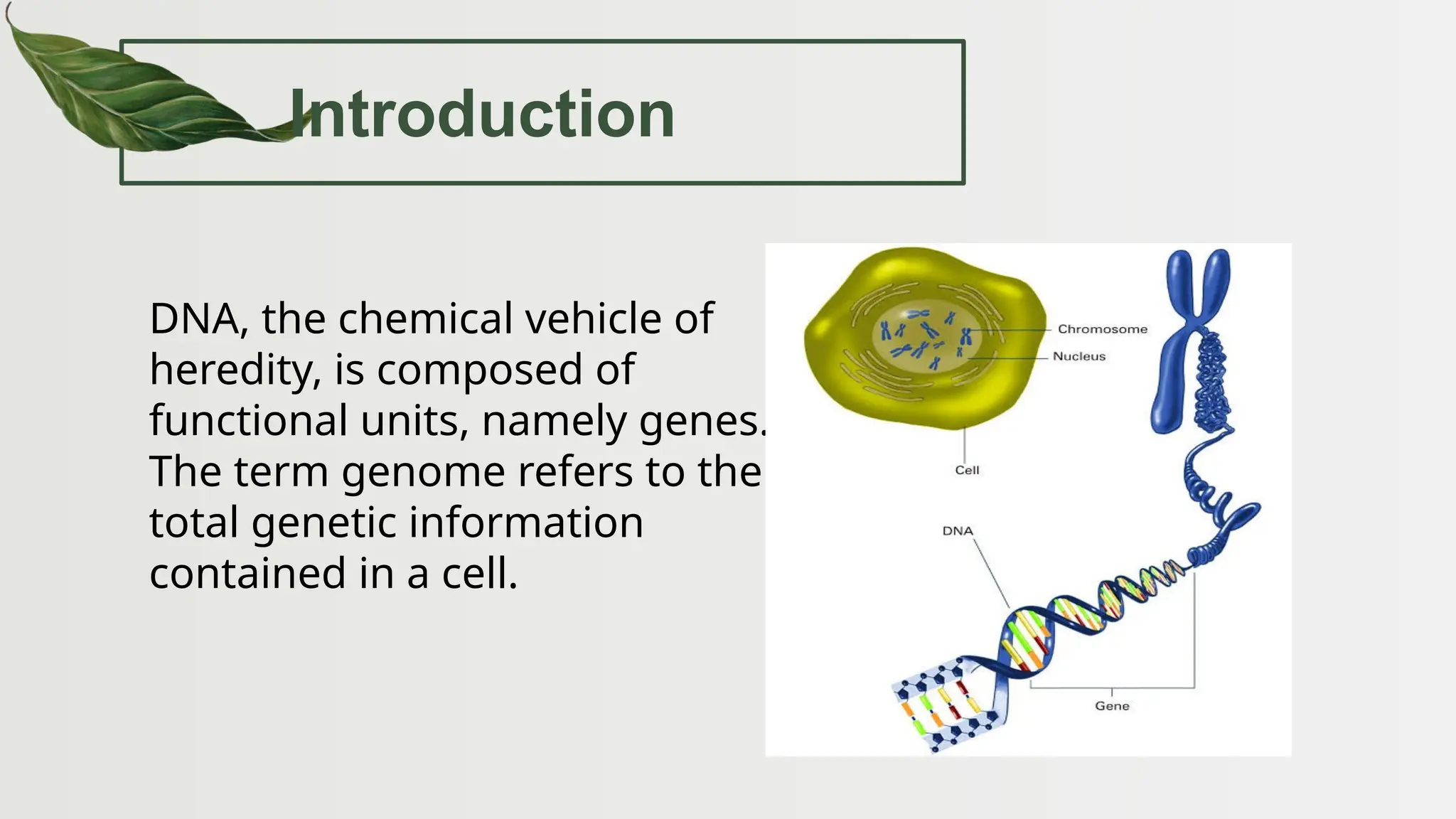
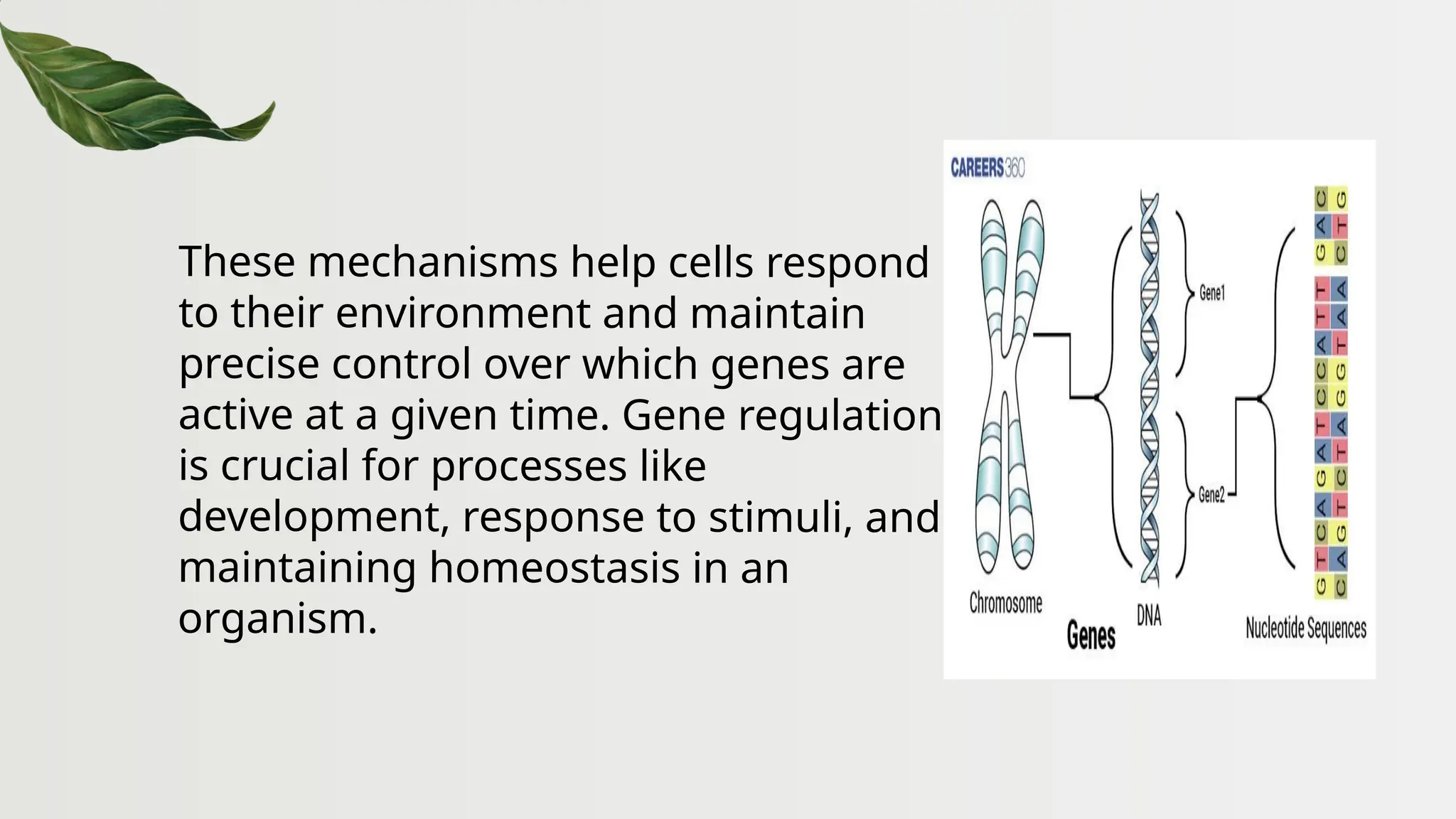
DNA, the chemical vehicle of
heredity, is composed of
functional units, namely genes.
The term genome refers to the
total genetic information
contained in a cell.
Introduction
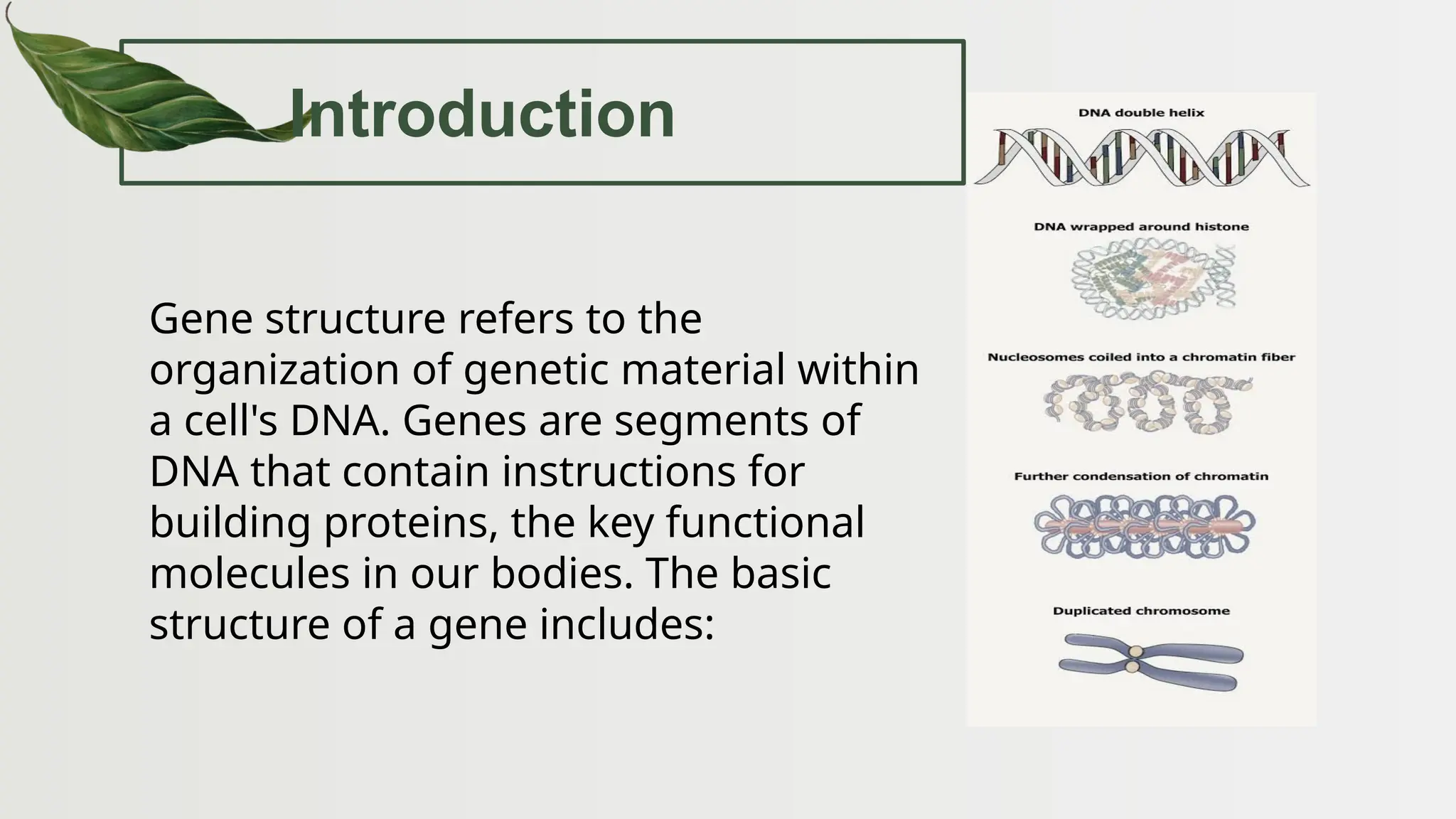
Gene structure refers to the
organization of genetic material within
a cell's DNA. Genes are segments of
DNA that contain instructions for
building proteins, the key functional
molecules in our bodies. The basic
structure of a gene includes:
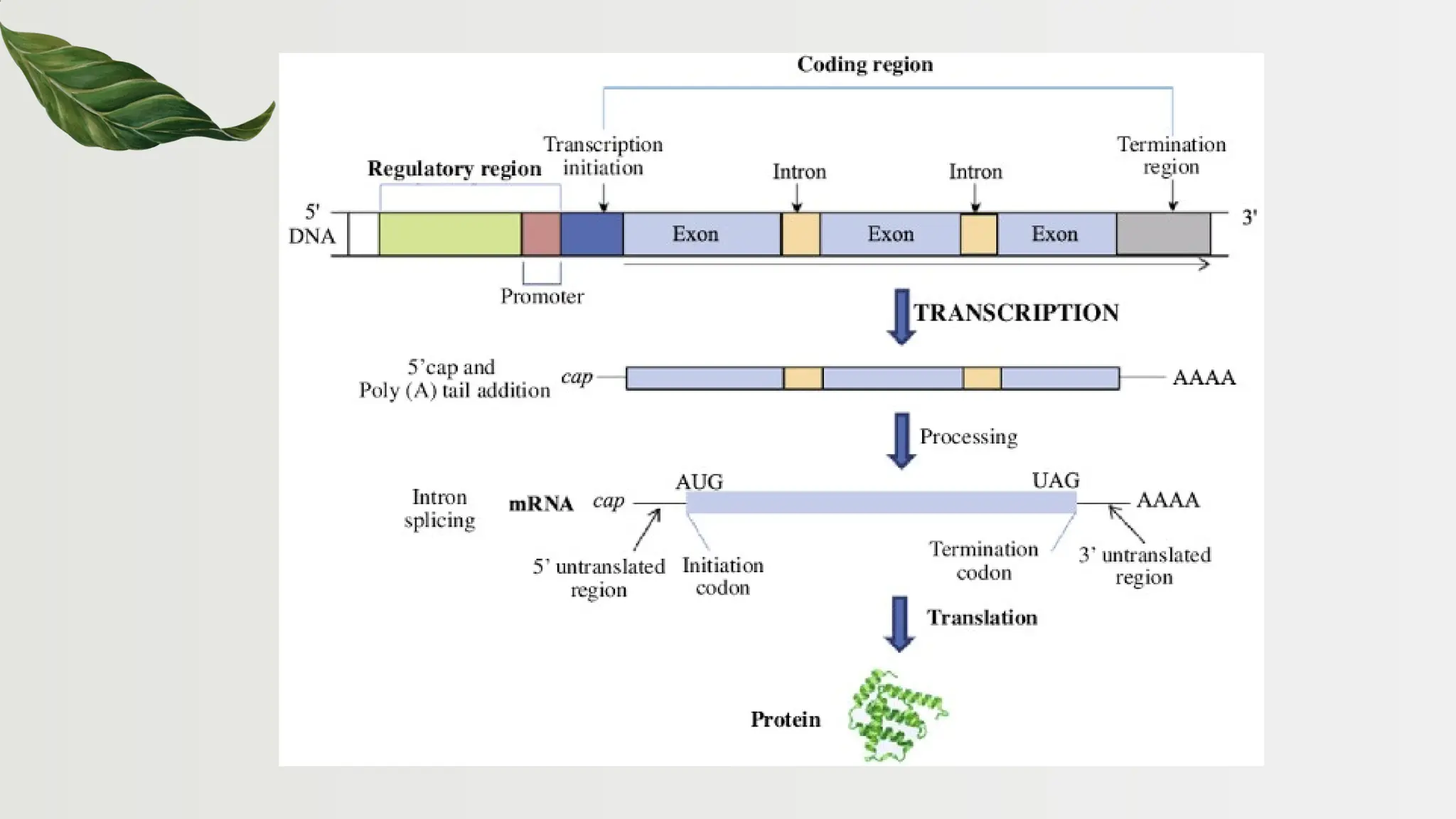
1. Promoter: This is the region at the beginning of a gene
that signals the start of transcription, where DNA is copied
into RNA.
2. Coding Sequence: The coding sequence contains the
information for making a specific protein. It is composed of
codons, which are sets of three nucleotides (A, T, C, or G) that
code for specific amino acids.
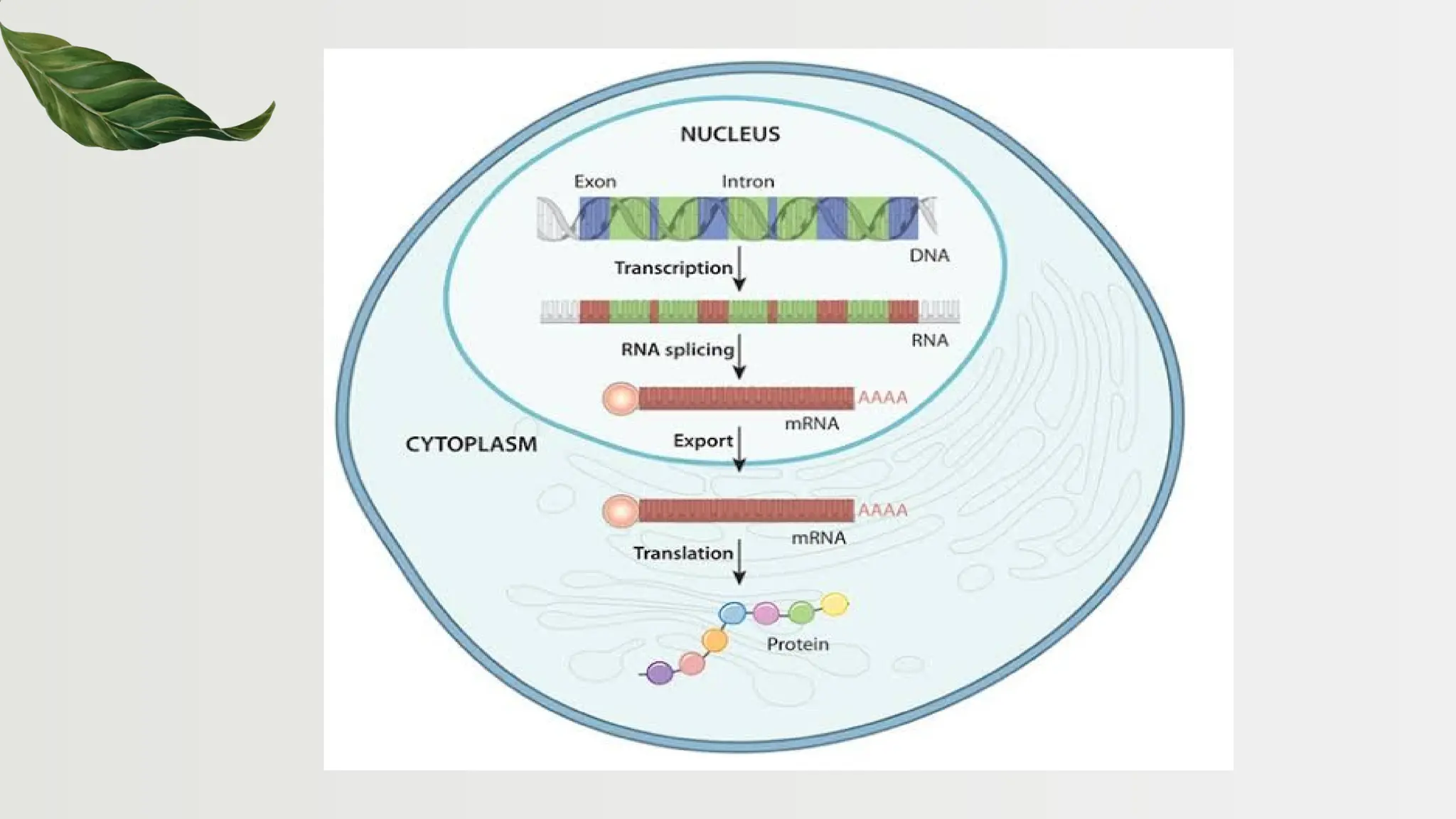
3. Introns and Exons: In eukaryotic organisms, genes often
contain non-coding regions called introns, which are
interspersed within coding regions called exons. During
gene expression, introns are spliced out, and exons are
joined together to form a mature mRNA molecule.
4. Terminator: This is the sequence that signals the end of
transcription.
Elucidation of Genetic code
The elucidation of the genetic code is a fundamental
discovery in molecular biology. The genetic code is the
set of rules that dictates how the sequence of
nucleotides in DNA (or RNA) is translated into the
sequence of amino acids in a protein. The key points
about the genetic code include:
- It is a triplet code, meaning that each codon consists of
three nucleotides.
- There are 64 possible codons, which correspond to 20
different amino acids and three stop codons (UAA, UAG, and
UGA) that signal the end of protein synthesis.
- The genetic code is universal, meaning it is almost the
same in all organisms on Earth.
- It is degenerate, meaning that multiple codons can code for
the same amino acid. For example, several codons code for
the amino acid leucine.
- AUG serves as both the start codon (initiator) and codes for
the amino acid methionine.
Gene Regulation
• The regulation of the expression of genes is absolutely
essential for the growth,development, differentiation and the
veryexistence of an organism. There are two types of gene
regulation-positive and negative.
• Positive and negative gene regulation are mechanisms that
control gene expression, determining whether a gene is
turned on (active) or off (inactive) within a cell.
1. **Positive Gene Regulation:**
- In positive regulation, certain regulatory proteins, often
called activators, bind to specific DNA sequences near the
gene.
- This binding enhances the transcription of the gene,
leading to increased synthesis of mRNA and ultimately
more protein production.
- Activators can be influenced by various signals or
environmental factors, triggering gene expression when
needed.
2. **Negative Gene Regulation:**
- In negative regulation, regulatory proteins, often
called repressors, bind to DNA sequences near the gene.
- This binding inhibits or reduces transcription of the
gene, resulting in decreased mRNA and protein
production.
- Repressors are typically involved in preventing gene
expression under certain conditions or in response to
specific signals.
These mechanisms help cells respond
to their environment and maintain
precise control over which genes are
active at a given time. Gene regulation
is crucial for processes like
development, response to stimuli, and
maintaining homeostasis in an
organism.
02
Components
Gene
expression
Histone
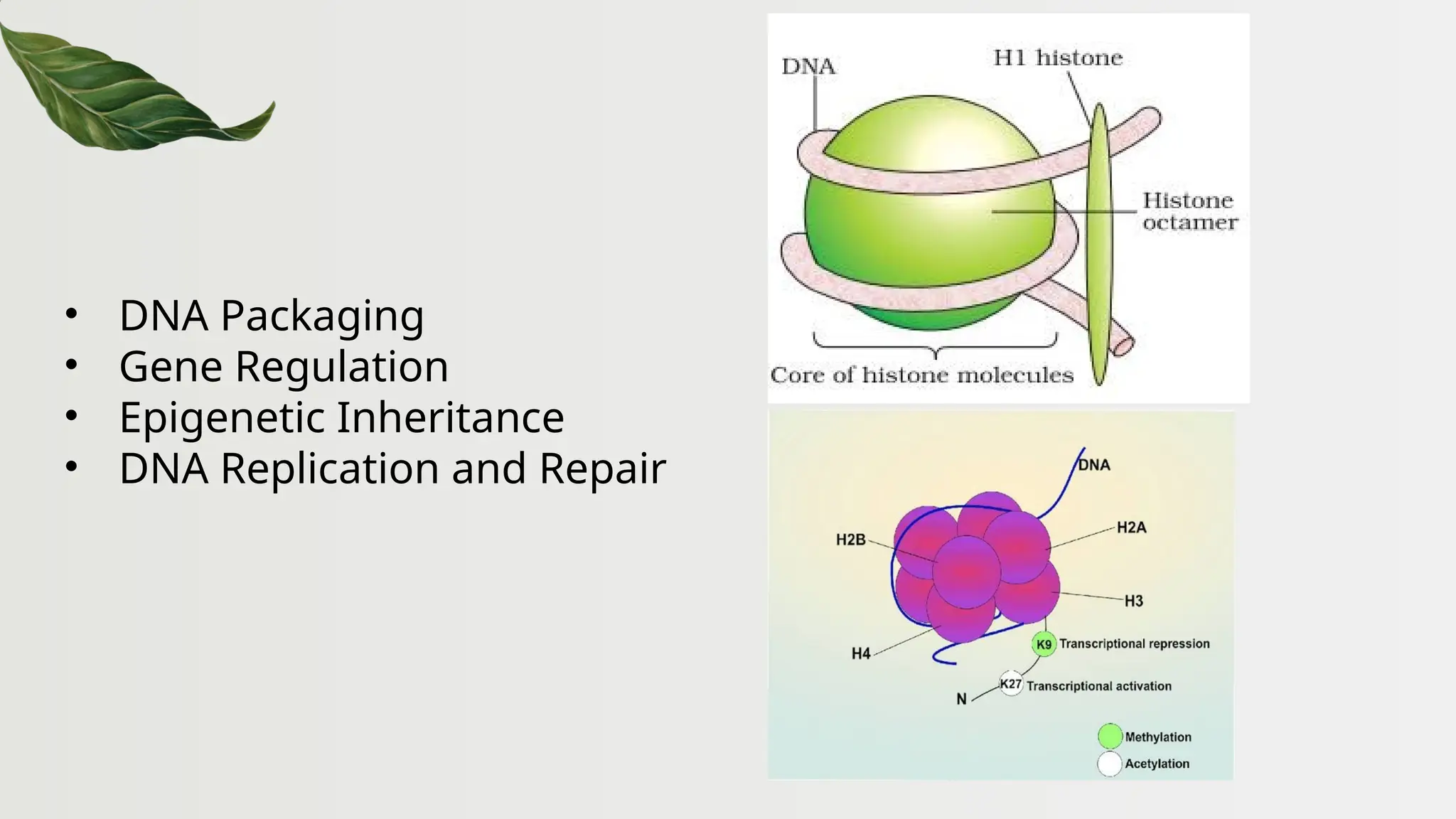
Histones are a family of proteins found in the cell nucleus, and they
play a fundamental role in packaging and organizing DNA within
the cell.
There are five main types of histones: H1, H2A, H2B, H3, and H4.
These histone proteins bind to DNA, forming a structure called
chromatin. Chromatin can be loosely or tightly packed, depending
on the chemical modifications (such as acetylation or methylation)
of the histones and DNA.
• DNA Packaging
• Gene Regulation
• Epigenetic Inheritance
• DNA Replication and Repair
CHROMATIN SRUCTURE AND GENE EXPRESSION
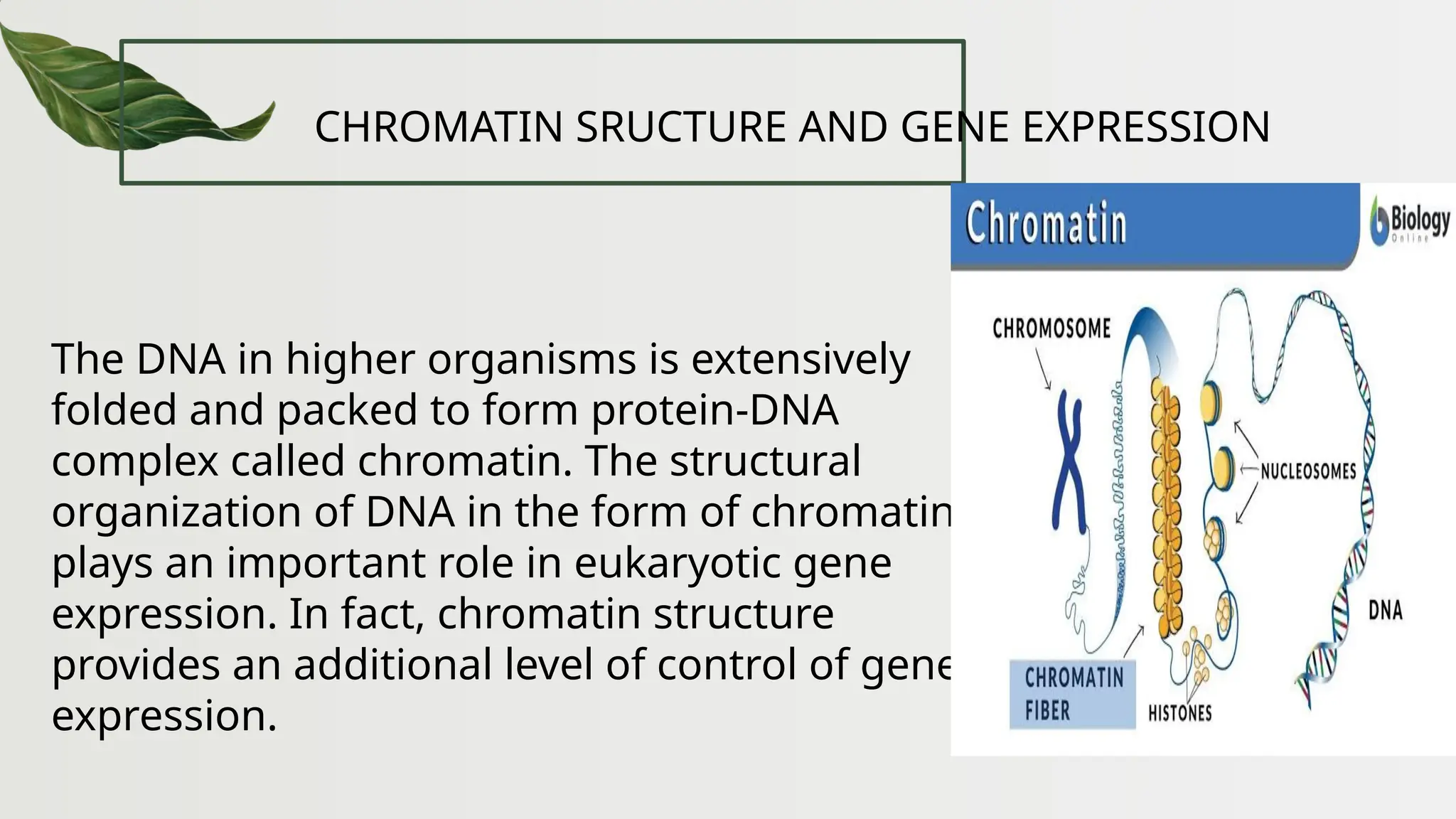
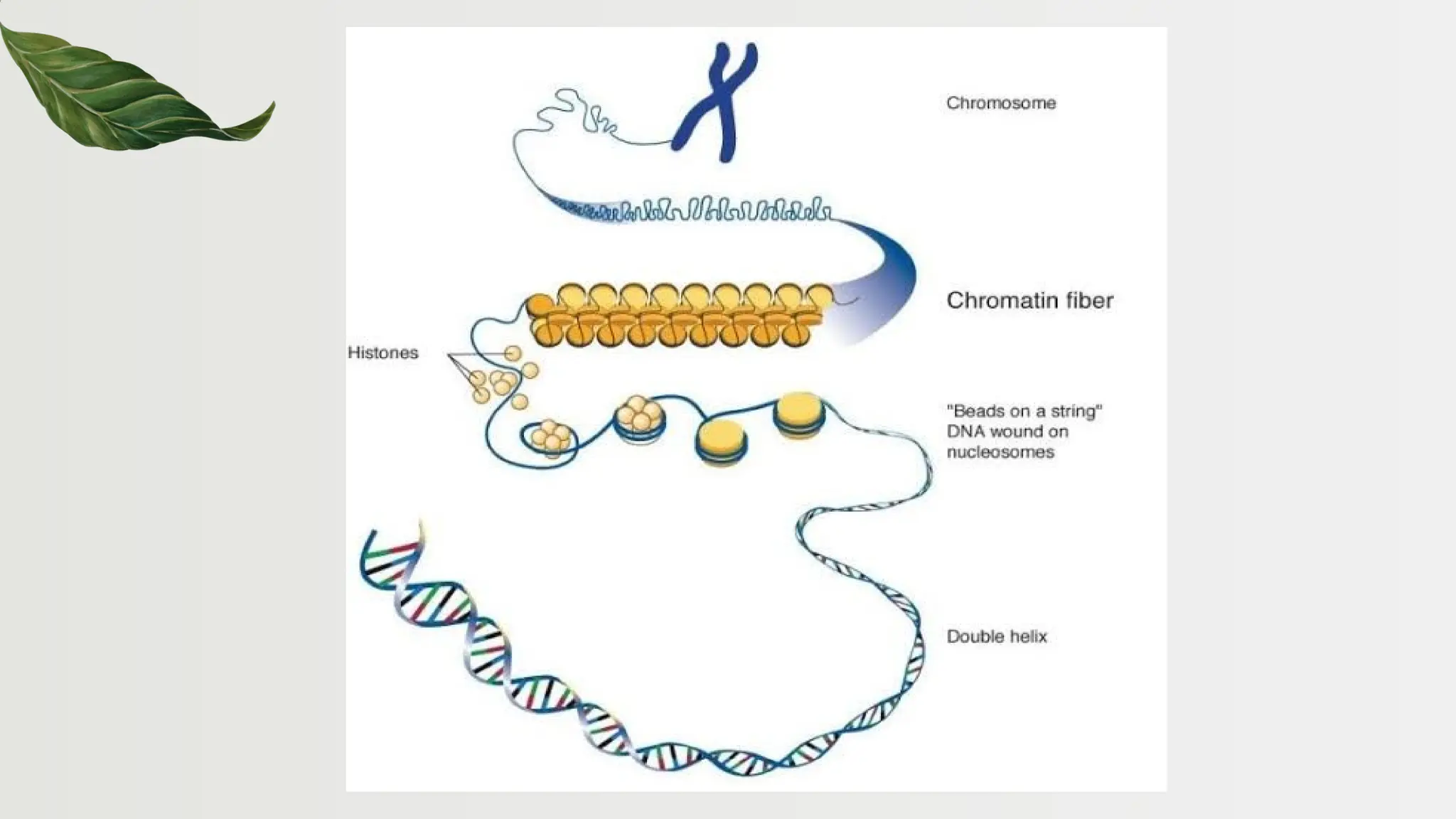
The DNA in higher organisms is extensively
folded and packed to form protein-DNA
complex called chromatin. The structural
organization of DNA in the form of chromatin
plays an important role in eukaryotic gene
expression. In fact, chromatin structure
provides an additional level of control of gene
expression.
Histone acetylation and deacetylation are essential processes that
influence gene expression and chromatin structure within cells.
1. **Histone Acetylation:** Acetylation involves the addition of acetyl
groups (-CH3CO) to lysine residues on histone proteins, which are
found in chromatin. This process is catalyzed by enzymes called
histone acetyltransferases (HATs). When histones are acetylated, the
chromatin structure becomes more relaxed or open. This allows for
easier access of transcription factors and other regulatory proteins
to the DNA, promoting gene transcription. Therefore, histone
acetylation is generally associated with gene activation
2. **Histone Deacetylation:** Deacetylation, on the other hand,
is the removal of acetyl groups from histone proteins. This
process is catalyzed by enzymes known as histone deacetylases
(HDACs). When histones are deacetylated, the chromatin
becomes more condensed and tightly packed. This hinders the
access of transcription factors to DNA, leading to gene
repression or silencing.
The balance between histone acetylation and deacetylation plays
a crucial role in gene regulation. It's part of the epigenetic control
mechanisms that cells use to manage which genes are active or
silenced. Dysregulation of these processes can lead to various
diseases, including cancer, where abnormal gene expression is a
hallmark.
Histone methylation is a post-translational modification that occurs
on histone proteins, which are essential for packaging DNA in the cell
nucleus. Methylation of histones involves the addition of a methyl
group to specific amino acid residues on the histone tails. This
modification can have various effects on gene expression, depending
on which amino acids are methylated and how many methyl groups
are added.
03
Gene
expression
Gene expression in
Eukaryotes
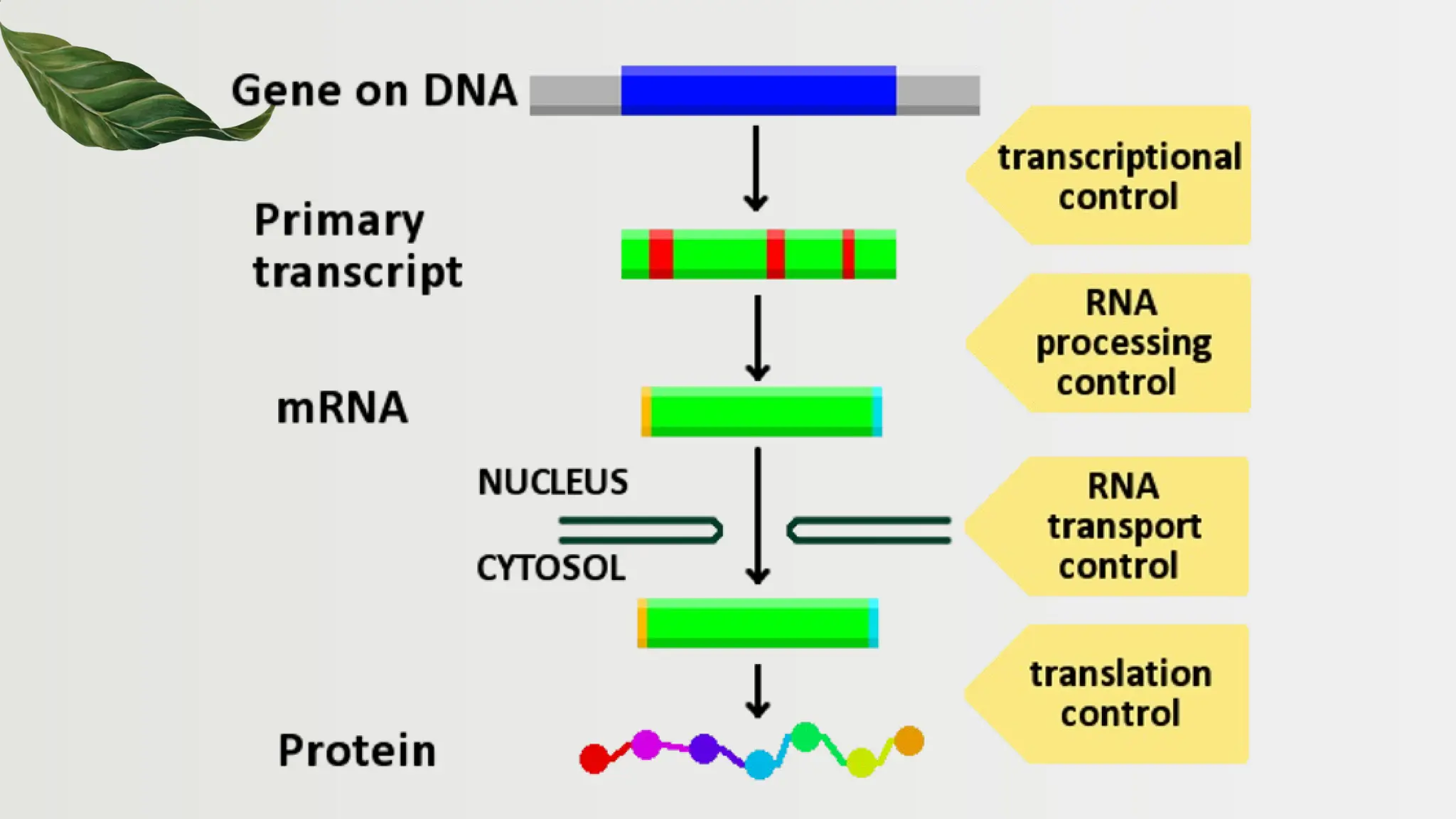
Gene expression in eukaryotes is a complex process that involves
the activation and regulation of genes to produce proteins. It
typically consists of several stages:
1. Transcription: The first step is transcription, where a gene's DNA
sequence is copied into a complementary RNA molecule called
messenger RNA (mRNA) by RNA polymerase. This occurs in the
nucleus.
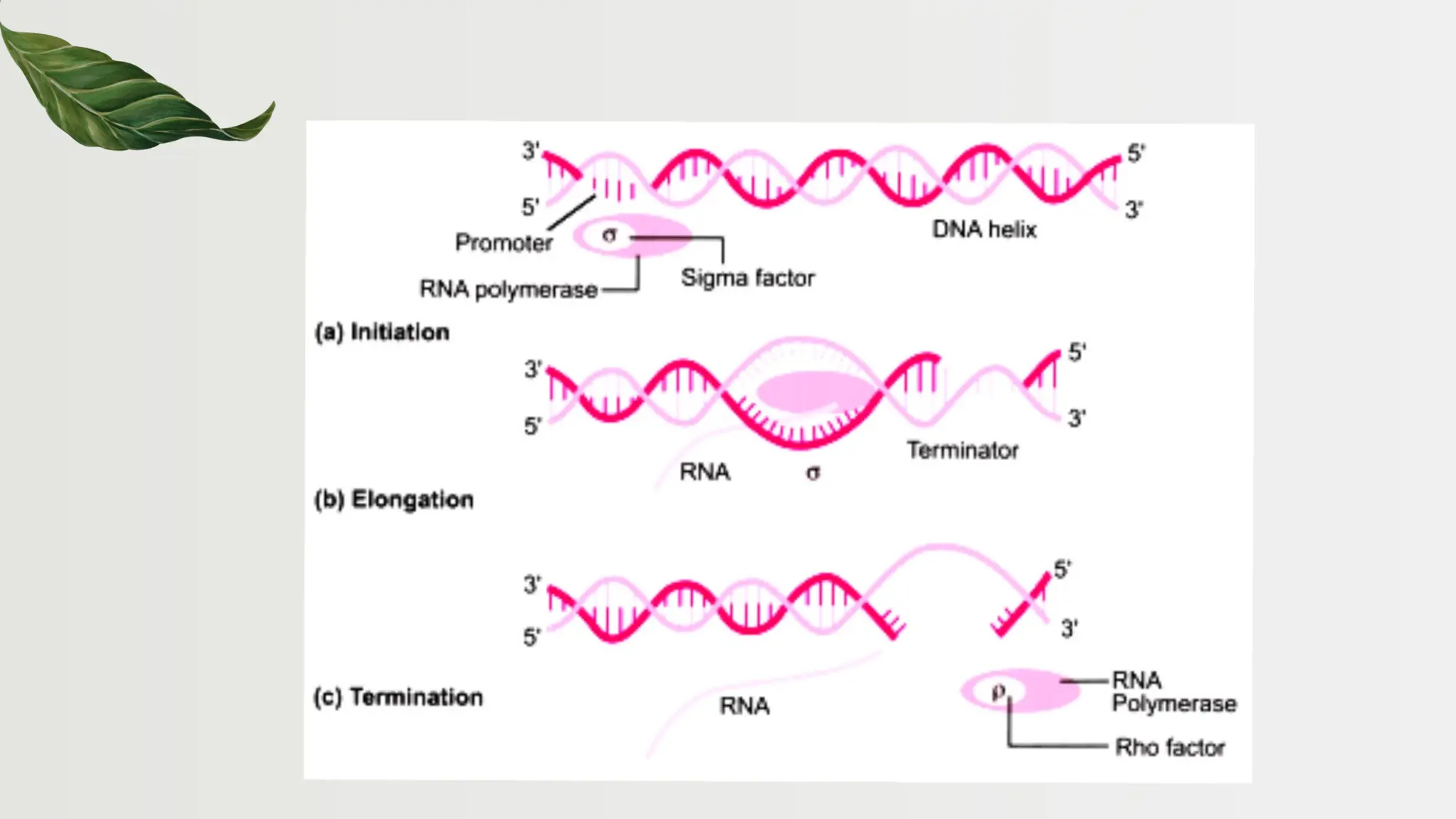
**Initiation:**
- Transcription begins with the binding of RNA polymerase,
an enzyme responsible for transcription, to a specific region of
DNA called the promoter. Promoters are typically located
upstream of the gene.
- A set of regulatory proteins called transcription factors help
RNA polymerase locate and bind to the promoter region.
• - Once RNA polymerase is properly positioned at the
promoter, it unwinds a small portion of the DNA double
helix to expose the template strand
**Elongation:**
- After the DNA is unwound, RNA polymerase starts moving
along the template strand of DNA in the 3' to 5' direction.
- It reads the template strand and synthesizes an RNA molecule
in the 5' to 3' direction by adding complementary ribonucleotides
(adenine, cytosine, guanine, and uracil) to the growing mRNA
chain.
• - As RNA polymerase moves along the DNA, it continues to
unwind the helix ahead of it and re-forms the helix behind it.
**Termination:**
- Transcription continues until RNA polymerase reaches a
termination signal on the DNA.
- There are two common types of termination in eukaryotic
transcription:
- **Polyadenylation Termination:** In this type, a specific
sequence in the DNA signals for the addition of a poly-A tail to
the 3' end of the mRNA. This poly-A tail helps protect the mRNA
and is essential for its stability.
• - **Factor-Dependent Termination:** In some cases,
termination involves the release of RNA polymerase when
certain termination factors are encountered.
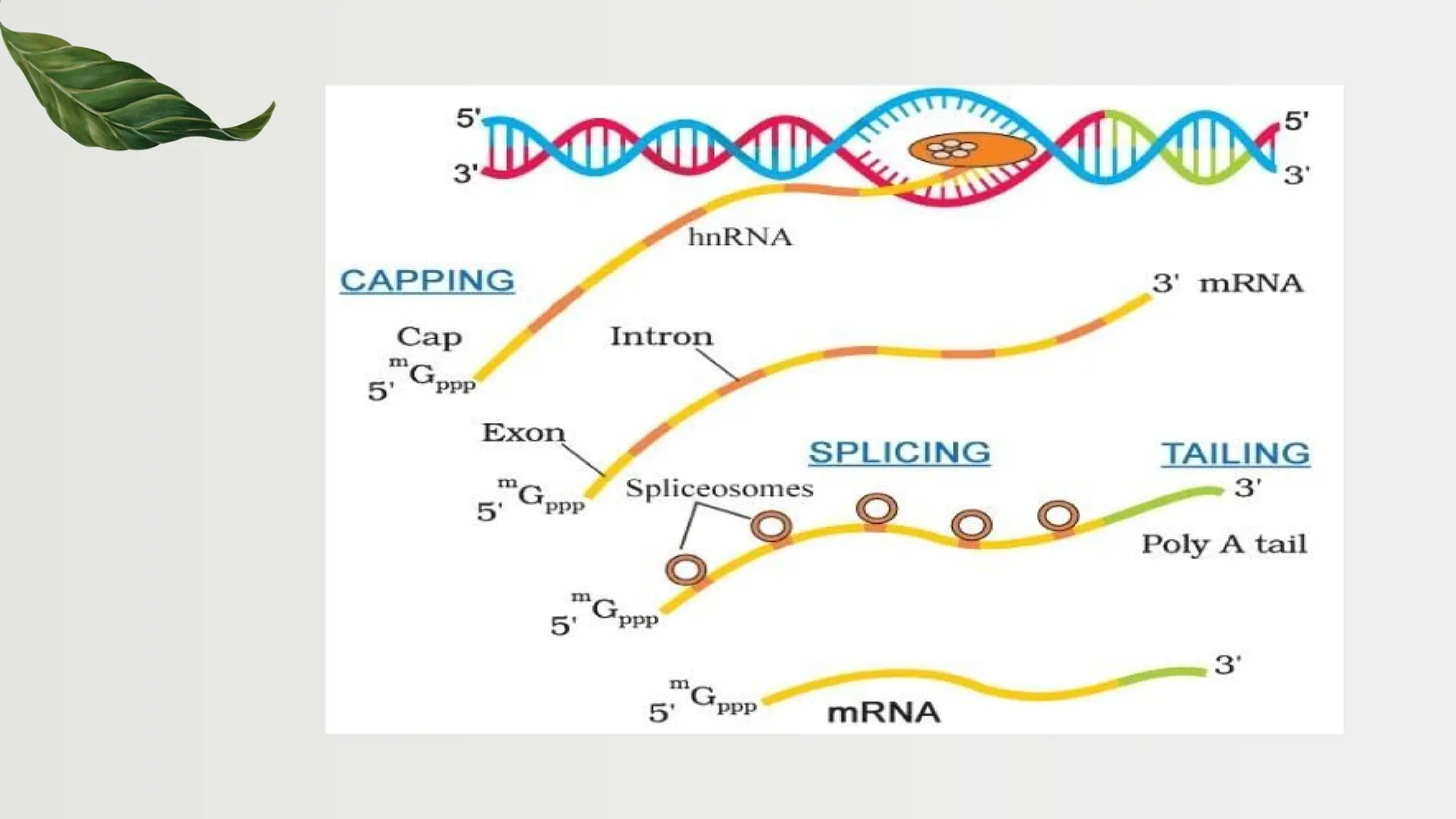
**RNA Processing:**
- After transcription, the newly synthesized RNA molecule,
called pre-mRNA, undergoes several modifications in
eukaryotes before it can leave the nucleus. These
modifications include:
- **Capping:** A 5' cap, typically consisting of a modified
guanosine nucleotide, is added to the 5' end of the pre-mRNA.
This cap is essential for mRNA stability and proper translation.
• - **Polyadenylation:** A poly-A tail, a string of adenine
nucleotides, is added to the 3' end of the pre-mRNA. This tail
also contributes to mRNA stability and transport.
- **Splicing:** Introns (non-coding regions) are removed from the
pre-mRNA, and exons (coding regions) are joined together to form
mature mRNA. This process is called RNA splicing and is carried out
by a complex called the spliceosome.
**Export:**
• - The mature mRNA molecule is then transported out of the
nucleus and into the cytoplasm, where it can be translated
into a protein by ribosomes.
2. RNA Processing: The newly formed mRNA undergoes several
modifications, including the removal of introns (non-coding regions) and
the addition of a 5' cap and a poly-A tail, to form mature mRNA.
3. mRNA Export: The mature mRNA molecule is transported from the
nucleus to the cytoplasm, where protein synthesis occurs.
4. Translation: In the cytoplasm, mRNA is used as a template by
ribosomes to synthesize a specific protein. Transfer RNA (tRNA)
molecules bring amino acids to the ribosome, where they are linked
together to form a protein chain.
1. Initiation: The small ribosomal subunit binds to the mRNA, and
the initiator tRNA carrying methionine attaches to the start codon
(AUG). The large ribosomal subunit then joins to form the functional
ribosome.
2. Elongation: The ribosome moves along the mRNA, reading the
codons in a 5' to 3' direction. Transfer RNAs (tRNAs) bring amino
acids to the ribosome based on the codons, and peptide bonds form
between adjacent amino acids, creating the growing polypeptide
chain.
3. Termination: When a stop codon (UAA, UAG, or UGA) is reached,
protein synthesis halts. Release factors bind to the ribosome,
causing the completed polypeptide to be released.
5. Post-Translation Modifications: After translation, the newly
synthesized protein may undergo further modifications, such as folding,
cleavage, or addition of chemical groups, to become functional.
6. Protein Activation and Regulation: Many proteins require additional
activation steps or regulation to function properly. This can involve
chemical modifications, interactions with other molecules, or changes in
cellular localization.
7. Protein Degradation: Proteins have a finite lifespan and can be
degraded by cellular machinery, such as proteasomes, when they are no
longer needed.
Gene regulation in Eukaryotes
1. Gene amplification
2. Gene rearrangement
3. Processing of RNA
4. Alternate mRNA splicing
5. Transport of mRNA from nucleus to cytoplasm
6. Degradation of mRNA.
. **Gene Amplification:**
- Gene amplification is a process in which the number of copies
of a specific gene or a DNA sequence within a genome is
increased. This can result in an elevated expression of the
corresponding gene.
- Gene amplification often occurs in response to certain cellular
needs or environmental stresses. For example, cancer cells may
undergo gene amplification to increase the production of
growth-promoting proteins.
2. **Gene Rearrangement:**
- Gene rearrangement refers to the process by which the DNA
sequence of a gene is altered through structural changes, such as
inversions, translocations, deletions, or duplications.
- This process can lead to the creation of new gene variants or the
loss of gene function. Gene rearrangements are particularly
important in the diversification of immune system genes, such as
those encoding antibodies
3. **Processing of RNA:**
- RNA processing involves various modifications to precursor
RNA molecules (pre-mRNA) before they become mature mRNA
ready for translation.
- Processing steps include capping (adding a 5' cap), splicing
(removing introns and joining exons), and polyadenylation
(adding a poly-A tail to the 3' end). These modifications protect
the mRNA and ensure its proper function during translation.
4. **Alternate mRNA Splicing:**
- Alternative mRNA splicing is a process that allows a single
gene to produce multiple mRNA transcripts (isoforms) by
selectively including or excluding specific exons during pre-
mRNA splicing.
- This mechanism increases the diversity of proteins that can
be generated from a single gene and is crucial for cell
differentiation and specialization.
5. **Transport of mRNA from Nucleus to Cytoplasm:**
- After RNA processing in the nucleus, mature mRNA
molecules are transported to the cytoplasm for translation.
- This transport is facilitated by a set of proteins and
complexes, including nuclear pore complexes, which control
the passage of mRNA through nuclear pores, ensuring it
reaches the cytoplasm where ribosomes are located.
6. **Degradation of mRNA:**
- mRNA degradation is a crucial process that regulates the
lifespan of mRNA molecules in the cytoplasm. The degradation of
mRNA is essential for controlling gene expression.
- Various mechanisms, such as exonucleases and
endonucleases, are involved in mRNA degradation. The rate of
degradation can be influenced by factors like mRNA stability
elements and regulatory proteins.
04
Gene
expression in
prokaryotes
Operon
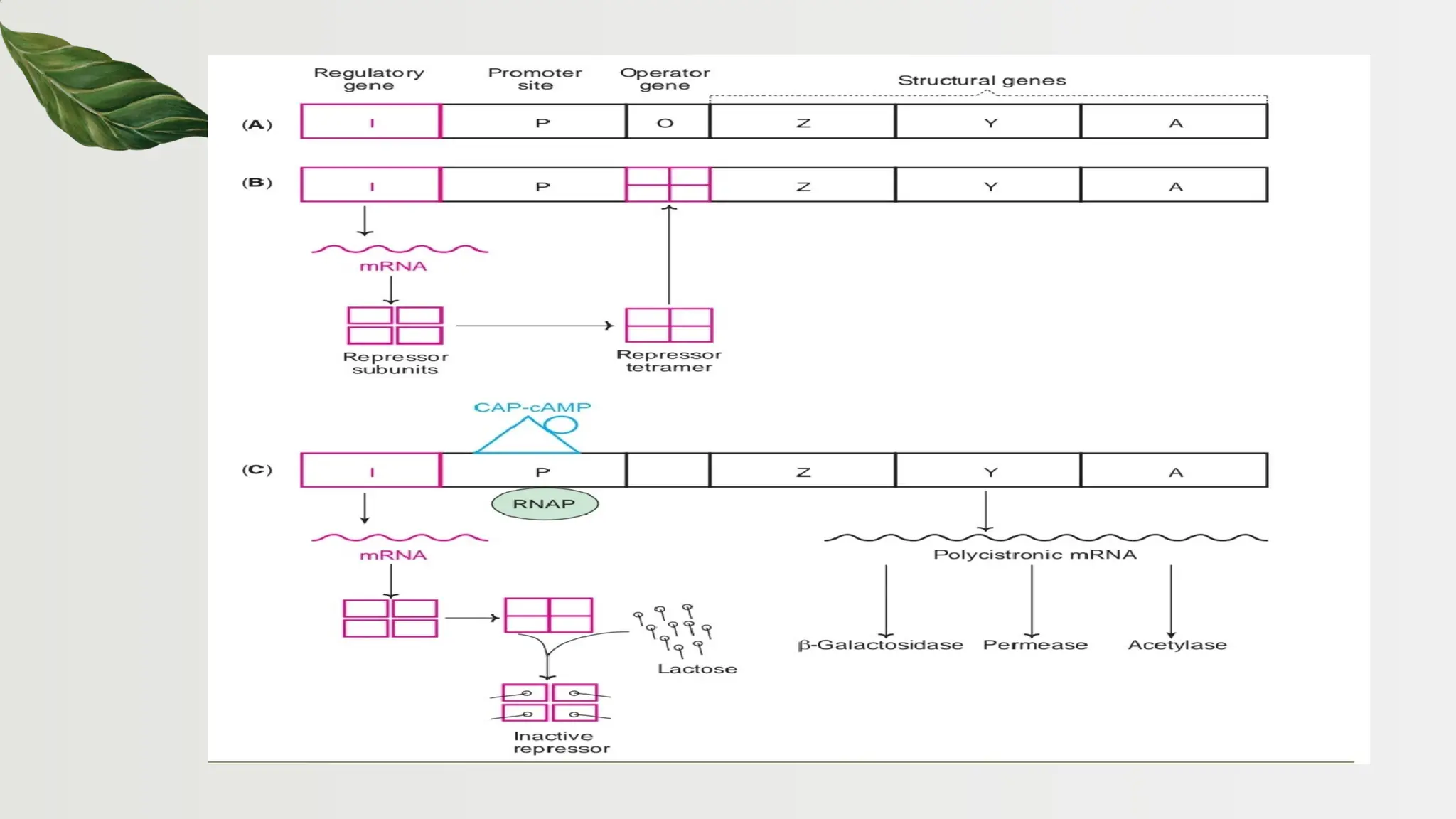
The lac operon is a genetic regulatory system found in
bacteria, specifically in E. coli, and it controls the expression
of genes involved in the metabolism of lactose. It consists of
several components:
1. **Promoter Region (P):** This is where RNA polymerase
binds to initiate transcription. It includes the -35 and -10
regions recognized by the polymerase
2. **Operator Region (O):** This is where the lac repressor protein
binds. When bound, it prevents RNA polymerase from transcribing
the genes downstream.
3. **Structural Genes (Z, Y, and A):** These genes code for enzymes
required for lactose metabolism.
- **lacZ (beta-galactosidase):** Enzyme that converts lactose into
glucose and galactose.
- **lacY (permease):** Facilitates the entry of lactose into the
bacterial cell.
- **lacA (transacetylase):** Involved in the removal of toxic
byproducts of lactose metabolism.
The lac operon in E. coli exhibits both positive and negative
regulation to control the expression of the genes involved in
lactose metabolism
**1. Negative Regulation:**
• Lac Repressor Protein (Negative Regulator):** In the absence of
lactose, the lac repressor protein, encoded by the lacI gene, binds
to the operator region (O) of the lac operon. This binding
physically obstructs RNA polymerase from transcribing the
structural genes (lacZ, lacY, and lacA). This state is referred to as
"repression," as gene expression is prevented when lactose is not
available.
**Inducer (Negative Regulation):** Lactose acts as an
inducer of negative regulation. When lactose is present, it
binds to the lac repressor protein. This binding changes the
conformation of the repressor, causing it to release from the
operator. As a result, RNA polymerase can initiate
transcription of the structural genes, leading to the
metabolism of lactose.
**2. Positive Regulation:**
- **cAMP and CAP (Positive Regulators):** In addition to the lac
repressor, the lac operon's expression is positively regulated. This
regulation involves cyclic AMP (cAMP) and the cAMP receptor protein
(CAP).
- **cAMP Levels:** cAMP is an intracellular signaling molecule whose
concentration is inversely related to the availability of glucose. When
glucose levels are low, cAMP levels rise.
**CAP Activation:** CAP is a protein that binds to a specific site
upstream of the lac promoter, called the CAP-binding site. When
cAMP levels are high, cAMP binds to CAP, activating it.
- **Enhancement of Transcription:** Activated CAP-cAMP
complex binds to the CAP-binding site near the promoter of the
lac operon. This binding enhances the affinity of RNA
polymerase for the promoter, facilitating transcription initiation.
In other words, when glucose is scarce (leading to high cAMP
levels), the lac operon is positively regulated, and its expression
is enhanced.
Gene expression in
Prokaryotes
1. **Transcription:**
- Transcription is the first step in gene expression. It occurs in
the nucleoid region of the bacterial cell, where the DNA is not
enclosed within a nucleus.
- RNA polymerase binds to the promoter region of the gene,
which contains specific sequences like the -10 and -35 regions.
- The RNA polymerase then unwinds and transcribes a
segment of DNA into a single-stranded RNA molecule called
messenger RNA (mRNA).
2. **Transcription Elongation:**
- RNA polymerase moves along the DNA template strand,
synthesizing the complementary mRNA strand in the 5' to 3'
direction.
- As RNA polymerase progresses, the DNA helix re-forms behind it.
3. **Transcription Termination:**
- Termination signals on the DNA, such as terminator sequences or
rho-independent terminators, cause transcription to stop.
- In rho-independent termination, a hairpin structure forms in the
mRNA, causing RNA polymerase to pause and then detach from the
DNA.
4. **mRNA Processing (if applicable):**
- In prokaryotes, mRNA typically does not undergo extensive
processing like in eukaryotes.
- However, in some cases, a Shine-Dalgarno sequence (ribosome
binding site) may be present near the start codon on the mRNA to
facilitate translation initiation.
5. **Translation:**
- Translation occurs in the cytoplasm, where ribosomes read the
mRNA and synthesize a polypeptide chain.
- The ribosome binds to the mRNA at the ribosome binding site, wh
is typically near the initiation codon (AUG).
--Transfer RNAs (tRNAs) deliver amino acids to the ribosome
based on the mRNA codons, and peptide bonds form between
adjacent amino acids, building the growing polypeptide chain.
6. **Translation Termination:**
- Translation stops when one of the three stop codons (UAA,
UAG, or UGA) is encountered on the mRNA.
- Release factors bind to the ribosome, causing the completed
polypeptide chain to be released.
7. **Protein Folding and Modification (if applicable):**
- Newly synthesized proteins may undergo folding and
post-translational modifications, such as phosphorylation or
glycosylation, to become functional.
8. **Protein Function:**
- The final protein product performs its specific function
within the bacterial cell. This function could be enzymatic,
structural, regulatory, or involved in various cellular
processes.
05
Important
definition
Gene Mapping:Gene mapping involves determining the relative
locations of genes on a chromosome. It provides information
about the order and distance between genes. Techniques
include linkage mapping and physical mapping.
•
• Gene Sequencing: Gene sequencing is the process of
determining the precise order of nucleotide bases (A, T, C, G)
in a DNA molecule. It reveals the exact genetic code.
Techniques include Sanger sequencing and next-generation
sequencing (NGS).
Okazaki fragments are short, discontinuous DNA fragments
synthesized during DNA replication of the lagging strand in a
semi-conservative manner.
- They are typically around 100-200 nucleotides in length in
prokaryotes and shorter in eukaryotes.
• - Okazaki fragments are later joined together by DNA ligase
to form a continuous strand.
Leading and Lagging Strands:
- In DNA replication, the leading strand is synthesized
continuously in the 5' to 3' direction, following the
movement of the replication fork.
- The lagging strand is synthesized discontinuously in the
opposite direction (3' to 5') away from the replication fork,
resulting in the formation of Okazaki fragments.
The sense strand, also known as the coding strand, has the
same sequence as the mRNA (except for T instead of U in
RNA). It serves as a template for the synthesis of mRNA
during transcription.
•
• The nonsense strand, also called the non-coding or
antisense strand, has the complementary sequence to
the mRNA. It does not serve as a template for mRNA
synthesis but can help in understanding the gene's
structure.
Thank you

Genescology in description of Gene and involves in protein synthesisprrtie

  • 1.
  • 2.
    CONTENT S Introduction Gene structure and elucidation Geneexpression in eukaryotes Gene expression in prokaryotes 1 2 3 4
  • 3.
  • 4.
    Introduction DNA, the chemicalvehicle of heredity, is composed of functional units, namely genes. The term genome refers to the total genetic information contained in a cell.
  • 5.
    Introduction Gene structure refersto the organization of genetic material within a cell's DNA. Genes are segments of DNA that contain instructions for building proteins, the key functional molecules in our bodies. The basic structure of a gene includes:
  • 6.
    1. Promoter: Thisis the region at the beginning of a gene that signals the start of transcription, where DNA is copied into RNA. 2. Coding Sequence: The coding sequence contains the information for making a specific protein. It is composed of codons, which are sets of three nucleotides (A, T, C, or G) that code for specific amino acids.
  • 7.
    3. Introns andExons: In eukaryotic organisms, genes often contain non-coding regions called introns, which are interspersed within coding regions called exons. During gene expression, introns are spliced out, and exons are joined together to form a mature mRNA molecule. 4. Terminator: This is the sequence that signals the end of transcription.
  • 9.
    Elucidation of Geneticcode The elucidation of the genetic code is a fundamental discovery in molecular biology. The genetic code is the set of rules that dictates how the sequence of nucleotides in DNA (or RNA) is translated into the sequence of amino acids in a protein. The key points about the genetic code include:
  • 10.
    - It isa triplet code, meaning that each codon consists of three nucleotides. - There are 64 possible codons, which correspond to 20 different amino acids and three stop codons (UAA, UAG, and UGA) that signal the end of protein synthesis. - The genetic code is universal, meaning it is almost the same in all organisms on Earth. - It is degenerate, meaning that multiple codons can code for the same amino acid. For example, several codons code for the amino acid leucine. - AUG serves as both the start codon (initiator) and codes for the amino acid methionine.
  • 11.
    Gene Regulation • Theregulation of the expression of genes is absolutely essential for the growth,development, differentiation and the veryexistence of an organism. There are two types of gene regulation-positive and negative. • Positive and negative gene regulation are mechanisms that control gene expression, determining whether a gene is turned on (active) or off (inactive) within a cell.
  • 12.
    1. **Positive GeneRegulation:** - In positive regulation, certain regulatory proteins, often called activators, bind to specific DNA sequences near the gene. - This binding enhances the transcription of the gene, leading to increased synthesis of mRNA and ultimately more protein production. - Activators can be influenced by various signals or environmental factors, triggering gene expression when needed.
  • 13.
    2. **Negative GeneRegulation:** - In negative regulation, regulatory proteins, often called repressors, bind to DNA sequences near the gene. - This binding inhibits or reduces transcription of the gene, resulting in decreased mRNA and protein production. - Repressors are typically involved in preventing gene expression under certain conditions or in response to specific signals.
  • 14.
    These mechanisms helpcells respond to their environment and maintain precise control over which genes are active at a given time. Gene regulation is crucial for processes like development, response to stimuli, and maintaining homeostasis in an organism.
  • 15.
  • 16.
    Histone Histones are afamily of proteins found in the cell nucleus, and they play a fundamental role in packaging and organizing DNA within the cell. There are five main types of histones: H1, H2A, H2B, H3, and H4. These histone proteins bind to DNA, forming a structure called chromatin. Chromatin can be loosely or tightly packed, depending on the chemical modifications (such as acetylation or methylation) of the histones and DNA.
  • 17.
    • DNA Packaging •Gene Regulation • Epigenetic Inheritance • DNA Replication and Repair
  • 18.
    CHROMATIN SRUCTURE ANDGENE EXPRESSION The DNA in higher organisms is extensively folded and packed to form protein-DNA complex called chromatin. The structural organization of DNA in the form of chromatin plays an important role in eukaryotic gene expression. In fact, chromatin structure provides an additional level of control of gene expression.
  • 20.
    Histone acetylation anddeacetylation are essential processes that influence gene expression and chromatin structure within cells. 1. **Histone Acetylation:** Acetylation involves the addition of acetyl groups (-CH3CO) to lysine residues on histone proteins, which are found in chromatin. This process is catalyzed by enzymes called histone acetyltransferases (HATs). When histones are acetylated, the chromatin structure becomes more relaxed or open. This allows for easier access of transcription factors and other regulatory proteins to the DNA, promoting gene transcription. Therefore, histone acetylation is generally associated with gene activation
  • 21.
    2. **Histone Deacetylation:**Deacetylation, on the other hand, is the removal of acetyl groups from histone proteins. This process is catalyzed by enzymes known as histone deacetylases (HDACs). When histones are deacetylated, the chromatin becomes more condensed and tightly packed. This hinders the access of transcription factors to DNA, leading to gene repression or silencing. The balance between histone acetylation and deacetylation plays a crucial role in gene regulation. It's part of the epigenetic control mechanisms that cells use to manage which genes are active or silenced. Dysregulation of these processes can lead to various diseases, including cancer, where abnormal gene expression is a hallmark.
  • 22.
    Histone methylation isa post-translational modification that occurs on histone proteins, which are essential for packaging DNA in the cell nucleus. Methylation of histones involves the addition of a methyl group to specific amino acid residues on the histone tails. This modification can have various effects on gene expression, depending on which amino acids are methylated and how many methyl groups are added.
  • 23.
  • 24.
    Gene expression in Eukaryotes Geneexpression in eukaryotes is a complex process that involves the activation and regulation of genes to produce proteins. It typically consists of several stages: 1. Transcription: The first step is transcription, where a gene's DNA sequence is copied into a complementary RNA molecule called messenger RNA (mRNA) by RNA polymerase. This occurs in the nucleus.
  • 26.
    **Initiation:** - Transcription beginswith the binding of RNA polymerase, an enzyme responsible for transcription, to a specific region of DNA called the promoter. Promoters are typically located upstream of the gene. - A set of regulatory proteins called transcription factors help RNA polymerase locate and bind to the promoter region. • - Once RNA polymerase is properly positioned at the promoter, it unwinds a small portion of the DNA double helix to expose the template strand
  • 27.
    **Elongation:** - After theDNA is unwound, RNA polymerase starts moving along the template strand of DNA in the 3' to 5' direction. - It reads the template strand and synthesizes an RNA molecule in the 5' to 3' direction by adding complementary ribonucleotides (adenine, cytosine, guanine, and uracil) to the growing mRNA chain. • - As RNA polymerase moves along the DNA, it continues to unwind the helix ahead of it and re-forms the helix behind it.
  • 28.
    **Termination:** - Transcription continuesuntil RNA polymerase reaches a termination signal on the DNA. - There are two common types of termination in eukaryotic transcription: - **Polyadenylation Termination:** In this type, a specific sequence in the DNA signals for the addition of a poly-A tail to the 3' end of the mRNA. This poly-A tail helps protect the mRNA and is essential for its stability. • - **Factor-Dependent Termination:** In some cases, termination involves the release of RNA polymerase when certain termination factors are encountered.
  • 29.
    **RNA Processing:** - Aftertranscription, the newly synthesized RNA molecule, called pre-mRNA, undergoes several modifications in eukaryotes before it can leave the nucleus. These modifications include: - **Capping:** A 5' cap, typically consisting of a modified guanosine nucleotide, is added to the 5' end of the pre-mRNA. This cap is essential for mRNA stability and proper translation. • - **Polyadenylation:** A poly-A tail, a string of adenine nucleotides, is added to the 3' end of the pre-mRNA. This tail also contributes to mRNA stability and transport.
  • 30.
    - **Splicing:** Introns(non-coding regions) are removed from the pre-mRNA, and exons (coding regions) are joined together to form mature mRNA. This process is called RNA splicing and is carried out by a complex called the spliceosome. **Export:** • - The mature mRNA molecule is then transported out of the nucleus and into the cytoplasm, where it can be translated into a protein by ribosomes.
  • 32.
    2. RNA Processing:The newly formed mRNA undergoes several modifications, including the removal of introns (non-coding regions) and the addition of a 5' cap and a poly-A tail, to form mature mRNA. 3. mRNA Export: The mature mRNA molecule is transported from the nucleus to the cytoplasm, where protein synthesis occurs. 4. Translation: In the cytoplasm, mRNA is used as a template by ribosomes to synthesize a specific protein. Transfer RNA (tRNA) molecules bring amino acids to the ribosome, where they are linked together to form a protein chain.
  • 33.
    1. Initiation: Thesmall ribosomal subunit binds to the mRNA, and the initiator tRNA carrying methionine attaches to the start codon (AUG). The large ribosomal subunit then joins to form the functional ribosome. 2. Elongation: The ribosome moves along the mRNA, reading the codons in a 5' to 3' direction. Transfer RNAs (tRNAs) bring amino acids to the ribosome based on the codons, and peptide bonds form between adjacent amino acids, creating the growing polypeptide chain. 3. Termination: When a stop codon (UAA, UAG, or UGA) is reached, protein synthesis halts. Release factors bind to the ribosome, causing the completed polypeptide to be released.
  • 34.
    5. Post-Translation Modifications:After translation, the newly synthesized protein may undergo further modifications, such as folding, cleavage, or addition of chemical groups, to become functional. 6. Protein Activation and Regulation: Many proteins require additional activation steps or regulation to function properly. This can involve chemical modifications, interactions with other molecules, or changes in cellular localization. 7. Protein Degradation: Proteins have a finite lifespan and can be degraded by cellular machinery, such as proteasomes, when they are no longer needed.
  • 37.
    Gene regulation inEukaryotes 1. Gene amplification 2. Gene rearrangement 3. Processing of RNA 4. Alternate mRNA splicing 5. Transport of mRNA from nucleus to cytoplasm 6. Degradation of mRNA.
  • 38.
    . **Gene Amplification:** -Gene amplification is a process in which the number of copies of a specific gene or a DNA sequence within a genome is increased. This can result in an elevated expression of the corresponding gene. - Gene amplification often occurs in response to certain cellular needs or environmental stresses. For example, cancer cells may undergo gene amplification to increase the production of growth-promoting proteins.
  • 39.
    2. **Gene Rearrangement:** -Gene rearrangement refers to the process by which the DNA sequence of a gene is altered through structural changes, such as inversions, translocations, deletions, or duplications. - This process can lead to the creation of new gene variants or the loss of gene function. Gene rearrangements are particularly important in the diversification of immune system genes, such as those encoding antibodies
  • 40.
    3. **Processing ofRNA:** - RNA processing involves various modifications to precursor RNA molecules (pre-mRNA) before they become mature mRNA ready for translation. - Processing steps include capping (adding a 5' cap), splicing (removing introns and joining exons), and polyadenylation (adding a poly-A tail to the 3' end). These modifications protect the mRNA and ensure its proper function during translation.
  • 41.
    4. **Alternate mRNASplicing:** - Alternative mRNA splicing is a process that allows a single gene to produce multiple mRNA transcripts (isoforms) by selectively including or excluding specific exons during pre- mRNA splicing. - This mechanism increases the diversity of proteins that can be generated from a single gene and is crucial for cell differentiation and specialization.
  • 42.
    5. **Transport ofmRNA from Nucleus to Cytoplasm:** - After RNA processing in the nucleus, mature mRNA molecules are transported to the cytoplasm for translation. - This transport is facilitated by a set of proteins and complexes, including nuclear pore complexes, which control the passage of mRNA through nuclear pores, ensuring it reaches the cytoplasm where ribosomes are located.
  • 43.
    6. **Degradation ofmRNA:** - mRNA degradation is a crucial process that regulates the lifespan of mRNA molecules in the cytoplasm. The degradation of mRNA is essential for controlling gene expression. - Various mechanisms, such as exonucleases and endonucleases, are involved in mRNA degradation. The rate of degradation can be influenced by factors like mRNA stability elements and regulatory proteins.
  • 44.
  • 45.
    Operon The lac operonis a genetic regulatory system found in bacteria, specifically in E. coli, and it controls the expression of genes involved in the metabolism of lactose. It consists of several components: 1. **Promoter Region (P):** This is where RNA polymerase binds to initiate transcription. It includes the -35 and -10 regions recognized by the polymerase
  • 46.
    2. **Operator Region(O):** This is where the lac repressor protein binds. When bound, it prevents RNA polymerase from transcribing the genes downstream. 3. **Structural Genes (Z, Y, and A):** These genes code for enzymes required for lactose metabolism. - **lacZ (beta-galactosidase):** Enzyme that converts lactose into glucose and galactose. - **lacY (permease):** Facilitates the entry of lactose into the bacterial cell. - **lacA (transacetylase):** Involved in the removal of toxic byproducts of lactose metabolism.
  • 48.
    The lac operonin E. coli exhibits both positive and negative regulation to control the expression of the genes involved in lactose metabolism **1. Negative Regulation:** • Lac Repressor Protein (Negative Regulator):** In the absence of lactose, the lac repressor protein, encoded by the lacI gene, binds to the operator region (O) of the lac operon. This binding physically obstructs RNA polymerase from transcribing the structural genes (lacZ, lacY, and lacA). This state is referred to as "repression," as gene expression is prevented when lactose is not available.
  • 49.
    **Inducer (Negative Regulation):**Lactose acts as an inducer of negative regulation. When lactose is present, it binds to the lac repressor protein. This binding changes the conformation of the repressor, causing it to release from the operator. As a result, RNA polymerase can initiate transcription of the structural genes, leading to the metabolism of lactose.
  • 50.
    **2. Positive Regulation:** -**cAMP and CAP (Positive Regulators):** In addition to the lac repressor, the lac operon's expression is positively regulated. This regulation involves cyclic AMP (cAMP) and the cAMP receptor protein (CAP). - **cAMP Levels:** cAMP is an intracellular signaling molecule whose concentration is inversely related to the availability of glucose. When glucose levels are low, cAMP levels rise.
  • 51.
    **CAP Activation:** CAPis a protein that binds to a specific site upstream of the lac promoter, called the CAP-binding site. When cAMP levels are high, cAMP binds to CAP, activating it. - **Enhancement of Transcription:** Activated CAP-cAMP complex binds to the CAP-binding site near the promoter of the lac operon. This binding enhances the affinity of RNA polymerase for the promoter, facilitating transcription initiation. In other words, when glucose is scarce (leading to high cAMP levels), the lac operon is positively regulated, and its expression is enhanced.
  • 52.
    Gene expression in Prokaryotes 1.**Transcription:** - Transcription is the first step in gene expression. It occurs in the nucleoid region of the bacterial cell, where the DNA is not enclosed within a nucleus. - RNA polymerase binds to the promoter region of the gene, which contains specific sequences like the -10 and -35 regions. - The RNA polymerase then unwinds and transcribes a segment of DNA into a single-stranded RNA molecule called messenger RNA (mRNA).
  • 53.
    2. **Transcription Elongation:** -RNA polymerase moves along the DNA template strand, synthesizing the complementary mRNA strand in the 5' to 3' direction. - As RNA polymerase progresses, the DNA helix re-forms behind it. 3. **Transcription Termination:** - Termination signals on the DNA, such as terminator sequences or rho-independent terminators, cause transcription to stop. - In rho-independent termination, a hairpin structure forms in the mRNA, causing RNA polymerase to pause and then detach from the DNA.
  • 54.
    4. **mRNA Processing(if applicable):** - In prokaryotes, mRNA typically does not undergo extensive processing like in eukaryotes. - However, in some cases, a Shine-Dalgarno sequence (ribosome binding site) may be present near the start codon on the mRNA to facilitate translation initiation. 5. **Translation:** - Translation occurs in the cytoplasm, where ribosomes read the mRNA and synthesize a polypeptide chain. - The ribosome binds to the mRNA at the ribosome binding site, wh is typically near the initiation codon (AUG).
  • 55.
    --Transfer RNAs (tRNAs)deliver amino acids to the ribosome based on the mRNA codons, and peptide bonds form between adjacent amino acids, building the growing polypeptide chain. 6. **Translation Termination:** - Translation stops when one of the three stop codons (UAA, UAG, or UGA) is encountered on the mRNA. - Release factors bind to the ribosome, causing the completed polypeptide chain to be released.
  • 56.
    7. **Protein Foldingand Modification (if applicable):** - Newly synthesized proteins may undergo folding and post-translational modifications, such as phosphorylation or glycosylation, to become functional. 8. **Protein Function:** - The final protein product performs its specific function within the bacterial cell. This function could be enzymatic, structural, regulatory, or involved in various cellular processes.
  • 57.
  • 58.
    Gene Mapping:Gene mappinginvolves determining the relative locations of genes on a chromosome. It provides information about the order and distance between genes. Techniques include linkage mapping and physical mapping. • • Gene Sequencing: Gene sequencing is the process of determining the precise order of nucleotide bases (A, T, C, G) in a DNA molecule. It reveals the exact genetic code. Techniques include Sanger sequencing and next-generation sequencing (NGS).
  • 59.
    Okazaki fragments areshort, discontinuous DNA fragments synthesized during DNA replication of the lagging strand in a semi-conservative manner. - They are typically around 100-200 nucleotides in length in prokaryotes and shorter in eukaryotes. • - Okazaki fragments are later joined together by DNA ligase to form a continuous strand.
  • 60.
    Leading and LaggingStrands: - In DNA replication, the leading strand is synthesized continuously in the 5' to 3' direction, following the movement of the replication fork. - The lagging strand is synthesized discontinuously in the opposite direction (3' to 5') away from the replication fork, resulting in the formation of Okazaki fragments.
  • 61.
    The sense strand,also known as the coding strand, has the same sequence as the mRNA (except for T instead of U in RNA). It serves as a template for the synthesis of mRNA during transcription. • • The nonsense strand, also called the non-coding or antisense strand, has the complementary sequence to the mRNA. It does not serve as a template for mRNA synthesis but can help in understanding the gene's structure.
  • 62.