www.expedeon.com
info@expedeon.com
  
Release 1. © EXPEDEON. October 2018
 
PROTEIN FRACTIONATION FOR SAMPLE
PREPARATION
Successful sample preparation is a key step during any analytical
procedure and begins with a defined experimental design. Important
steps in sample preparation include proteolytic digestion of proteins
into peptide fragments, and peptide fractionation. This is especially
important prior to applications such as mass spectrometry (MS).
For “bottom up” proteomics, broad fractionation increases protein
coverage, reduces complexity, and provides access to information
regarding molecular weight (MW), which can distinguish peptides
from multiple gene products. However, for ”top down” proteomics,
intact protein fractionation and isolation aids analysis of post-
translational modifications (PTMs), variants and alterations.
Protein fractionation is also an important step taken by
pharmaceutical and biotechnology industries to:
 Characterize biotherapeutic degradation products
 Characterize antibodies
 Identify product related impurities (e.g., truncations, mis-
foldings and aggregates)
 Separate protein pull-down components for target protein
purification.
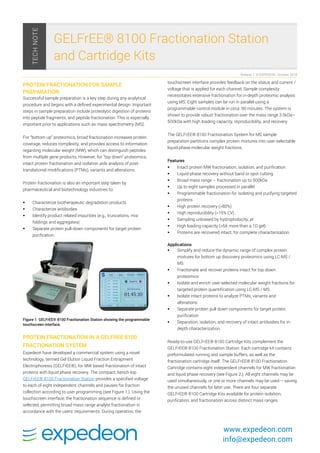
Figure 1. GELFrEE® 8100 Fractionation Station showing the programmable
touchscreen interface.
PROTEIN FRACTIONATION IN A GELFREE 8100
FRACTIONATION SYSTEM
Expedeon have developed a commercial system using a novel
technology, termed Gel Elution Liquid Fraction Entrapment
Electrophoresis (GELFrEE®), for MW based fractionation of intact
proteins with liquid phase recovery. The compact, bench-top
GELFrEE® 8100 Fractionation Station provides a specified voltage
to each of eight independent channels and pauses for fraction
collection according to user programming (see Figure 1.). Using the
touchscreen interface, the fractionation sequence is defined or
selected, permitting broad mass range analyte fractionation in
accordance with the users’ requirements. During operation, the
touchscreen interface provides feedback on the status and current /
voltage that is applied for each channel. Sample complexity
necessitates extensive fractionation for in-depth proteomic analysis
using MS. Eight samples can be run in parallel using a
programmable control module in circa. 90 minutes. The system is
shown to provide robust fractionation over the mass range 3.5kDa–
500kDa with high loading capacity, reproducibility, and recovery.
The GELFrEE® 8100 Fractionation System for MS sample
preparation partitions complex protein mixtures into user-selectable
liquid-phase molecular weight fractions.
Features
 Intact protein MW fractionation, isolation, and purification
 Liquid-phase recovery without band or spot cutting
 Broad mass range – fractionation up to 500kDa
 Up to eight samples processed in parallel
 Programmable fractionation for isolating and purifying targeted
proteins
 High protein recovery (>80%)
 High reproducibility (>15% CV)
 Sampling unbiased by hydrophobicity, pI
 High loading capacity (>5X more than a 1D gel)
 Proteins are recovered intact, for complete characterization.
Applications
 Simplify and reduce the dynamic range of complex protein
mixtures for bottom up discovery proteomics using LC-MS /
MS
 Fractionate and recover proteins intact for top down
proteomics
 Isolate and enrich user-selected molecular weight fractions for
targeted protein quantification using LC-MS / MS
 Isolate intact proteins to analyze PTMs, variants and
alterations
 Separate protein pull down components for target protein
purification
 Separation, isolation, and recovery of intact antibodies for in-
depth characterization.
Ready-to-use GELFrEE® 8100 Cartridge Kits complement the
GELFrEE® 8100 Fractionation Station. Each cartridge kit contains
preformulated running and sample buffers, as well as the
fractionation cartridge itself. The GELFrEE® 8100 Fractionation
Cartridge contains eight independent channels for MW fractionation
and liquid phase recovery (see Figure 2.). All eight channels may be
used simultaneously, or one or more channels may be used – saving
the unused channels for later use. There are four separate
GELFrEE® 8100 Cartridge Kits available for protein isolation,
purification, and fractionation across distinct mass ranges.
GELFrEE® 8100 Fractionation Station
and Cartridge Kits
 
TECHNOTE


www.expedeon.com
info@expedeon.com
How it Works
Figure 2. Collecting a fraction from a single tube gel.
Broad Mass Range Fractionation
The GELFrEE® 8100 Fractionation System enables MW based
fractionation of intact proteins over a broad mass range into liquid-
phase fractions, and bypasses both the low recovery of proteins and
extensive workup steps before mass spectrometry.
 Using the 12% Cartridge Kit, the system is optimized for
partitioning complex protein samples across the mass range
10–50kDa
 Using the 10% Cartridge Kit, the system is optimized for
partitioning complex protein samples across the mass range
15–100kDa
 Using the 8% Cartridge Kit, the system is optimized for
partitioning complex protein samples across the mass range
35–150kDa
 Using the 5% Cartridge Kit, the system is optimized for
partitioning complex protein samples across the mass range
75–500kDa
 Recovery across all mass ranges is >80%.
GELFrEE® technology is “Gel-eluted Liquid Fraction Entrapment
Electrophoresis”. Each of the eight GELFrEE® 8100 Cartridge
channels consists of a precision cast gel column surrounded by
pipette accessible sample loading and fraction collection chambers.
Samples are mixed with the preformulated sample buffer and
pipetted into the sample loading chamber. When an electric current
is applied, charged molecules in the channel migrate first in the
stacking gel and then separate according to their MW under
reducing conditions. Smaller proteins move more quickly and elute
into the fractionation collection chamber, where they are trapped in
a defined liquid volume. At predefined intervals, the instrument will
automatically pause to enable easy removal of the liquid fraction
with a pipette. For collection of each size-based fraction the
sequence is restarted, and the process continued.
Performance
The GELFrEE® 8100 system facilitates effective, programmable
fractionation, isolation, and purification across a broad mass range.
Combined with its high load capacity and high, liquid-phase
recovery, the system performs to the highest sensitivity of any
prefractionation technology. The GELFrEE® may be operated in
either fractionation mode, in which the entire sample is partitioned
into 1–29 selectable MW fractions, allowing the extraction of
analytes in one or more predetermined mass ranges. It is always
best to desalt samples that contain high levels of salt for the best
results.
GELFrEE® 8100 Sample Specifications
 Max sample load volume 150μl
 Fixed fraction volume of 150μl
 Protein load ≤500 μg (≤3.3mg/ml)
 Conductance ≤2 mS/cm
 pH 8.4 ± 1.0
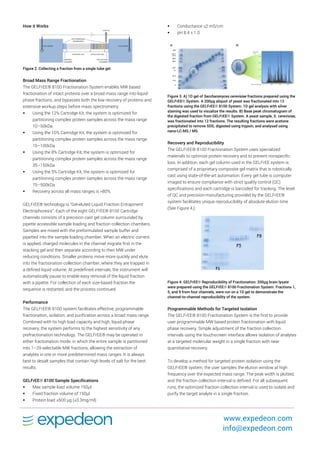
Figure 3. A) 1D gel of Saccharomyces cerevisiae fractions prepared using the
GELFrEE® System. A 200μg aliquot of yeast was fractionated into 12
fractions using the GELFrEE® 8100 System. 1D gel analysis with silver
staining was used to visualize the results. B) Base peak chromatogram of
the digested fraction from GELFrEE® System. A yeast sample, S. cerevisiae,
was fractionated into 12 fractions. The resulting fractions were acetone
precipitated to remove SDS, digested using trypsin, and analysed using
nano-LC-MS / MS.
Recovery and Reproducibility
The GELFrEE® 8100 Fractionation System uses specialized
materials to optimize protein recovery and to prevent nonspecific
loss. In addition, each gel column used in the GELFrEE system is
comprised of a proprietary composite gel matrix that is robotically
cast using state-of-the-art automation. Every gel tube is computer
imaged to ensure compliance with strict quality control (QC)
specifications and each cartridge is barcoded for tracking. The level
of QC and precision-manufacturing provided by the GELFrEE®
system facilitates unique reproducibility of absolute elution time
(See Figure 4.).
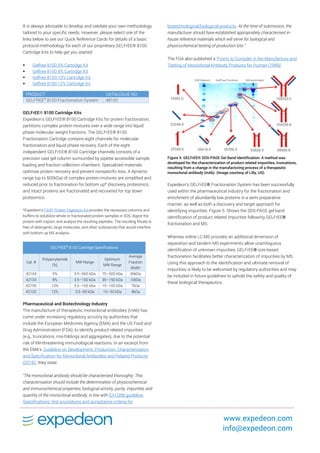
Figure 4. GELFrEE® Reproducibility of Fractionation: 200μg brain lysate
were prepared using the GELFrEE® 8100 Fractionation System. Fractions 1,
5, and 9 from four channels, were run on a 1D gel to demonstrate the
channel-to-channel reproducibility of the system.
Programmable Methods for Targeted Isolation
The GELFrEE® 8100 Fractionation System is the first to provide
user programmable MW based protein fractionation with liquid
phase recovery. Simple adjustment of the fraction collection
intervals using the touchscreen interface allows isolation of analytes
at a targeted molecular weight in a single fraction with near
quantitative recovery.
To develop a method for targeted protein isolation using the
GELFrEE® system, the user samples the elution window at high
frequency over the expected mass range. The peak width is plotted,
and the fraction collection interval is defined. For all subsequent
runs, the optimized fraction collection interval is used to isolate and
purify the target analyte in a single fraction.


www.expedeon.com
info@expedeon.com
It is always advisable to develop and validate your own methodology
tailored to your specific needs. However, please select one of the
links below to see our Quick Reference Cards for details of a basic
protocol methodology for each of our proprietary GELFrEE® 8100
Cartridge Kits to help get you started:
 Gelfree 8100 5% Cartridge Kit
 Gelfree 8100 8% Cartridge Kit
 Gelfree 8100 10% Cartridge Kit
 Gelfree 8100 12% Cartridge Kit
PRODUCT CATALOGUE NO.
GELFREE®
8100 Fractionation System 48100
GELFrEE® 8100 Cartridge Kits
Expedeon’s GELFrEE® 8100 Cartridge Kits for protein fractionation,
partitions complex protein mixtures over a wide range into liquid
phase molecular weight fractions. The GELFrEE® 8100
Fractionation Cartridge contains eight channels for molecular
fractionation and liquid phase recovery. Each of the eight
independent GELFrEE® 8100 Cartridge channels consists of a
precision cast gel column surrounded by pipette accessible sample
loading and fraction collection chambers. Specialized materials
optimize protein recovery and prevent nonspecific loss. A dynamic
range (up to 500kDa) of complex protein mixtures are simplified and
reduced prior to fractionation for bottom up* discovery proteomics,
and intact proteins are fractionated and recovered for top down
proteomics.
*Expedeon’s FASP Protein Digestion Kit provides the necessary columns and
buffers to solubilize whole or fractionated protein samples in SDS, digest the
protein with trypsin, and analyze the resulting peptides. The resulting filtrate is
free of detergents, large molecules, and other substances that would interfere
with bottom up MS analysis.
GELFREE®
8100 Cartridge Specifications
Cat. #
Polyacrylamide
(%)
MW Range
Optimum
MW Range
Average
Fraction
Width
42104 5% 3.5–500 kDa 75–500 kDa 40kDa
42103 8% 3.5–150 kDa 35–150 kDa 10kDa
42105 10% 3.5–100 kDa 15–100 kDa 7kDa
42102 12% 3.5–60 kDa 10–50 kDa 4kDa
Pharmaceutical and Biotechnology Industry
The manufacture of therapeutic monoclonal antibodies (mAb) has
come under increasing regulatory scrutiny by authorities that
include the European Medicines Agency (EMA) and the US Food and
Drug Administration (FDA), to identify product related impurities
(e.g., truncations, mis-foldings and aggregates), due to the potential
risk of life-threatening immunological reactions. In an excerpt from
the EMA’s ‘Guideline on Development, Production, Characterisation
and Specification for Monoclonal Antibodies and Related Products
(2016)’, they state:
“The monoclonal antibody should be characterised thoroughly. This
characterisation should include the determination of physicochemical
and immunochemical properties, biological activity, purity, impurities and
quantity of the monoclonal antibody, in line with ICH Q6B guideline:
Specifications: test procedures and acceptance criteria for
biotechnological/biological products. At the time of submission, the
manufacturer should have established appropriately characterised in-
house reference materials which will serve for biological and
physicochemical testing of production lots.”
The FDA also published a ‘Points to Consider in the Manufacture and
Testing of Monoclonal Antibody Products for Human (1999)’
Figure 5. GELFrEE® SDS-PAGE Gel Band Identification: A method was
developed for the characterization of product related impurities, truncations,
resulting from a change in the manufacturing process of a therapeutic
monoclonal antibody (mAb). (Image courtesy of Lilly, US).
Expedeon’s GELFrEE® Fractionation System has been successfully
used within the pharmaceutical industry for the fractionation and
enrichment of abundantly low proteins in a semi preparative
manner, as well as both a discovery and target approach for
identifying impurities. Figure 5. Shows the SDS-PAGE gel band
identification of product related impurities following GELFrEE®
fractionation and MS.
Whereas online LC-MS provides an additional dimension of
separation and tandem MS experiments allow unambiguous
identification of unknown impurities, GELFrEE® size-based
fractionation facilitates better characterization of impurities by MS.
Using this approach to the identification and ultimate removal of
impurities is likely to be welcomed by regulatory authorities and may
be included in future guidelines to uphold the safety and quality of
these biological therapeutics.

GELFrEE® 8100 Fractionation System Tech Note

  • 1.
        www.expedeon.com info@expedeon.com    Release 1. ©EXPEDEON. October 2018   PROTEIN FRACTIONATION FOR SAMPLE PREPARATION Successful sample preparation is a key step during any analytical procedure and begins with a defined experimental design. Important steps in sample preparation include proteolytic digestion of proteins into peptide fragments, and peptide fractionation. This is especially important prior to applications such as mass spectrometry (MS). For “bottom up” proteomics, broad fractionation increases protein coverage, reduces complexity, and provides access to information regarding molecular weight (MW), which can distinguish peptides from multiple gene products. However, for ”top down” proteomics, intact protein fractionation and isolation aids analysis of post- translational modifications (PTMs), variants and alterations. Protein fractionation is also an important step taken by pharmaceutical and biotechnology industries to:  Characterize biotherapeutic degradation products  Characterize antibodies  Identify product related impurities (e.g., truncations, mis- foldings and aggregates)  Separate protein pull-down components for target protein purification. Figure 1. GELFrEE® 8100 Fractionation Station showing the programmable touchscreen interface. PROTEIN FRACTIONATION IN A GELFREE 8100 FRACTIONATION SYSTEM Expedeon have developed a commercial system using a novel technology, termed Gel Elution Liquid Fraction Entrapment Electrophoresis (GELFrEE®), for MW based fractionation of intact proteins with liquid phase recovery. The compact, bench-top GELFrEE® 8100 Fractionation Station provides a specified voltage to each of eight independent channels and pauses for fraction collection according to user programming (see Figure 1.). Using the touchscreen interface, the fractionation sequence is defined or selected, permitting broad mass range analyte fractionation in accordance with the users’ requirements. During operation, the touchscreen interface provides feedback on the status and current / voltage that is applied for each channel. Sample complexity necessitates extensive fractionation for in-depth proteomic analysis using MS. Eight samples can be run in parallel using a programmable control module in circa. 90 minutes. The system is shown to provide robust fractionation over the mass range 3.5kDa– 500kDa with high loading capacity, reproducibility, and recovery. The GELFrEE® 8100 Fractionation System for MS sample preparation partitions complex protein mixtures into user-selectable liquid-phase molecular weight fractions. Features  Intact protein MW fractionation, isolation, and purification  Liquid-phase recovery without band or spot cutting  Broad mass range – fractionation up to 500kDa  Up to eight samples processed in parallel  Programmable fractionation for isolating and purifying targeted proteins  High protein recovery (>80%)  High reproducibility (>15% CV)  Sampling unbiased by hydrophobicity, pI  High loading capacity (>5X more than a 1D gel)  Proteins are recovered intact, for complete characterization. Applications  Simplify and reduce the dynamic range of complex protein mixtures for bottom up discovery proteomics using LC-MS / MS  Fractionate and recover proteins intact for top down proteomics  Isolate and enrich user-selected molecular weight fractions for targeted protein quantification using LC-MS / MS  Isolate intact proteins to analyze PTMs, variants and alterations  Separate protein pull down components for target protein purification  Separation, isolation, and recovery of intact antibodies for in- depth characterization. Ready-to-use GELFrEE® 8100 Cartridge Kits complement the GELFrEE® 8100 Fractionation Station. Each cartridge kit contains preformulated running and sample buffers, as well as the fractionation cartridge itself. The GELFrEE® 8100 Fractionation Cartridge contains eight independent channels for MW fractionation and liquid phase recovery (see Figure 2.). All eight channels may be used simultaneously, or one or more channels may be used – saving the unused channels for later use. There are four separate GELFrEE® 8100 Cartridge Kits available for protein isolation, purification, and fractionation across distinct mass ranges. GELFrEE® 8100 Fractionation Station and Cartridge Kits   TECHNOTE
  • 2.
            www.expedeon.com info@expedeon.com How itWorks Figure 2. Collecting a fraction from a single tube gel. Broad Mass Range Fractionation The GELFrEE® 8100 Fractionation System enables MW based fractionation of intact proteins over a broad mass range into liquid- phase fractions, and bypasses both the low recovery of proteins and extensive workup steps before mass spectrometry.  Using the 12% Cartridge Kit, the system is optimized for partitioning complex protein samples across the mass range 10–50kDa  Using the 10% Cartridge Kit, the system is optimized for partitioning complex protein samples across the mass range 15–100kDa  Using the 8% Cartridge Kit, the system is optimized for partitioning complex protein samples across the mass range 35–150kDa  Using the 5% Cartridge Kit, the system is optimized for partitioning complex protein samples across the mass range 75–500kDa  Recovery across all mass ranges is >80%. GELFrEE® technology is “Gel-eluted Liquid Fraction Entrapment Electrophoresis”. Each of the eight GELFrEE® 8100 Cartridge channels consists of a precision cast gel column surrounded by pipette accessible sample loading and fraction collection chambers. Samples are mixed with the preformulated sample buffer and pipetted into the sample loading chamber. When an electric current is applied, charged molecules in the channel migrate first in the stacking gel and then separate according to their MW under reducing conditions. Smaller proteins move more quickly and elute into the fractionation collection chamber, where they are trapped in a defined liquid volume. At predefined intervals, the instrument will automatically pause to enable easy removal of the liquid fraction with a pipette. For collection of each size-based fraction the sequence is restarted, and the process continued. Performance The GELFrEE® 8100 system facilitates effective, programmable fractionation, isolation, and purification across a broad mass range. Combined with its high load capacity and high, liquid-phase recovery, the system performs to the highest sensitivity of any prefractionation technology. The GELFrEE® may be operated in either fractionation mode, in which the entire sample is partitioned into 1–29 selectable MW fractions, allowing the extraction of analytes in one or more predetermined mass ranges. It is always best to desalt samples that contain high levels of salt for the best results. GELFrEE® 8100 Sample Specifications  Max sample load volume 150μl  Fixed fraction volume of 150μl  Protein load ≤500 μg (≤3.3mg/ml)  Conductance ≤2 mS/cm  pH 8.4 ± 1.0 Figure 3. A) 1D gel of Saccharomyces cerevisiae fractions prepared using the GELFrEE® System. A 200μg aliquot of yeast was fractionated into 12 fractions using the GELFrEE® 8100 System. 1D gel analysis with silver staining was used to visualize the results. B) Base peak chromatogram of the digested fraction from GELFrEE® System. A yeast sample, S. cerevisiae, was fractionated into 12 fractions. The resulting fractions were acetone precipitated to remove SDS, digested using trypsin, and analysed using nano-LC-MS / MS. Recovery and Reproducibility The GELFrEE® 8100 Fractionation System uses specialized materials to optimize protein recovery and to prevent nonspecific loss. In addition, each gel column used in the GELFrEE system is comprised of a proprietary composite gel matrix that is robotically cast using state-of-the-art automation. Every gel tube is computer imaged to ensure compliance with strict quality control (QC) specifications and each cartridge is barcoded for tracking. The level of QC and precision-manufacturing provided by the GELFrEE® system facilitates unique reproducibility of absolute elution time (See Figure 4.). Figure 4. GELFrEE® Reproducibility of Fractionation: 200μg brain lysate were prepared using the GELFrEE® 8100 Fractionation System. Fractions 1, 5, and 9 from four channels, were run on a 1D gel to demonstrate the channel-to-channel reproducibility of the system. Programmable Methods for Targeted Isolation The GELFrEE® 8100 Fractionation System is the first to provide user programmable MW based protein fractionation with liquid phase recovery. Simple adjustment of the fraction collection intervals using the touchscreen interface allows isolation of analytes at a targeted molecular weight in a single fraction with near quantitative recovery. To develop a method for targeted protein isolation using the GELFrEE® system, the user samples the elution window at high frequency over the expected mass range. The peak width is plotted, and the fraction collection interval is defined. For all subsequent runs, the optimized fraction collection interval is used to isolate and purify the target analyte in a single fraction.
  • 3.
            www.expedeon.com info@expedeon.com It isalways advisable to develop and validate your own methodology tailored to your specific needs. However, please select one of the links below to see our Quick Reference Cards for details of a basic protocol methodology for each of our proprietary GELFrEE® 8100 Cartridge Kits to help get you started:  Gelfree 8100 5% Cartridge Kit  Gelfree 8100 8% Cartridge Kit  Gelfree 8100 10% Cartridge Kit  Gelfree 8100 12% Cartridge Kit PRODUCT CATALOGUE NO. GELFREE® 8100 Fractionation System 48100 GELFrEE® 8100 Cartridge Kits Expedeon’s GELFrEE® 8100 Cartridge Kits for protein fractionation, partitions complex protein mixtures over a wide range into liquid phase molecular weight fractions. The GELFrEE® 8100 Fractionation Cartridge contains eight channels for molecular fractionation and liquid phase recovery. Each of the eight independent GELFrEE® 8100 Cartridge channels consists of a precision cast gel column surrounded by pipette accessible sample loading and fraction collection chambers. Specialized materials optimize protein recovery and prevent nonspecific loss. A dynamic range (up to 500kDa) of complex protein mixtures are simplified and reduced prior to fractionation for bottom up* discovery proteomics, and intact proteins are fractionated and recovered for top down proteomics. *Expedeon’s FASP Protein Digestion Kit provides the necessary columns and buffers to solubilize whole or fractionated protein samples in SDS, digest the protein with trypsin, and analyze the resulting peptides. The resulting filtrate is free of detergents, large molecules, and other substances that would interfere with bottom up MS analysis. GELFREE® 8100 Cartridge Specifications Cat. # Polyacrylamide (%) MW Range Optimum MW Range Average Fraction Width 42104 5% 3.5–500 kDa 75–500 kDa 40kDa 42103 8% 3.5–150 kDa 35–150 kDa 10kDa 42105 10% 3.5–100 kDa 15–100 kDa 7kDa 42102 12% 3.5–60 kDa 10–50 kDa 4kDa Pharmaceutical and Biotechnology Industry The manufacture of therapeutic monoclonal antibodies (mAb) has come under increasing regulatory scrutiny by authorities that include the European Medicines Agency (EMA) and the US Food and Drug Administration (FDA), to identify product related impurities (e.g., truncations, mis-foldings and aggregates), due to the potential risk of life-threatening immunological reactions. In an excerpt from the EMA’s ‘Guideline on Development, Production, Characterisation and Specification for Monoclonal Antibodies and Related Products (2016)’, they state: “The monoclonal antibody should be characterised thoroughly. This characterisation should include the determination of physicochemical and immunochemical properties, biological activity, purity, impurities and quantity of the monoclonal antibody, in line with ICH Q6B guideline: Specifications: test procedures and acceptance criteria for biotechnological/biological products. At the time of submission, the manufacturer should have established appropriately characterised in- house reference materials which will serve for biological and physicochemical testing of production lots.” The FDA also published a ‘Points to Consider in the Manufacture and Testing of Monoclonal Antibody Products for Human (1999)’ Figure 5. GELFrEE® SDS-PAGE Gel Band Identification: A method was developed for the characterization of product related impurities, truncations, resulting from a change in the manufacturing process of a therapeutic monoclonal antibody (mAb). (Image courtesy of Lilly, US). Expedeon’s GELFrEE® Fractionation System has been successfully used within the pharmaceutical industry for the fractionation and enrichment of abundantly low proteins in a semi preparative manner, as well as both a discovery and target approach for identifying impurities. Figure 5. Shows the SDS-PAGE gel band identification of product related impurities following GELFrEE® fractionation and MS. Whereas online LC-MS provides an additional dimension of separation and tandem MS experiments allow unambiguous identification of unknown impurities, GELFrEE® size-based fractionation facilitates better characterization of impurities by MS. Using this approach to the identification and ultimate removal of impurities is likely to be welcomed by regulatory authorities and may be included in future guidelines to uphold the safety and quality of these biological therapeutics.