Friedman's stages of growth model
  by Charlotte, Tae Eun, Rene, and Manny
Theory
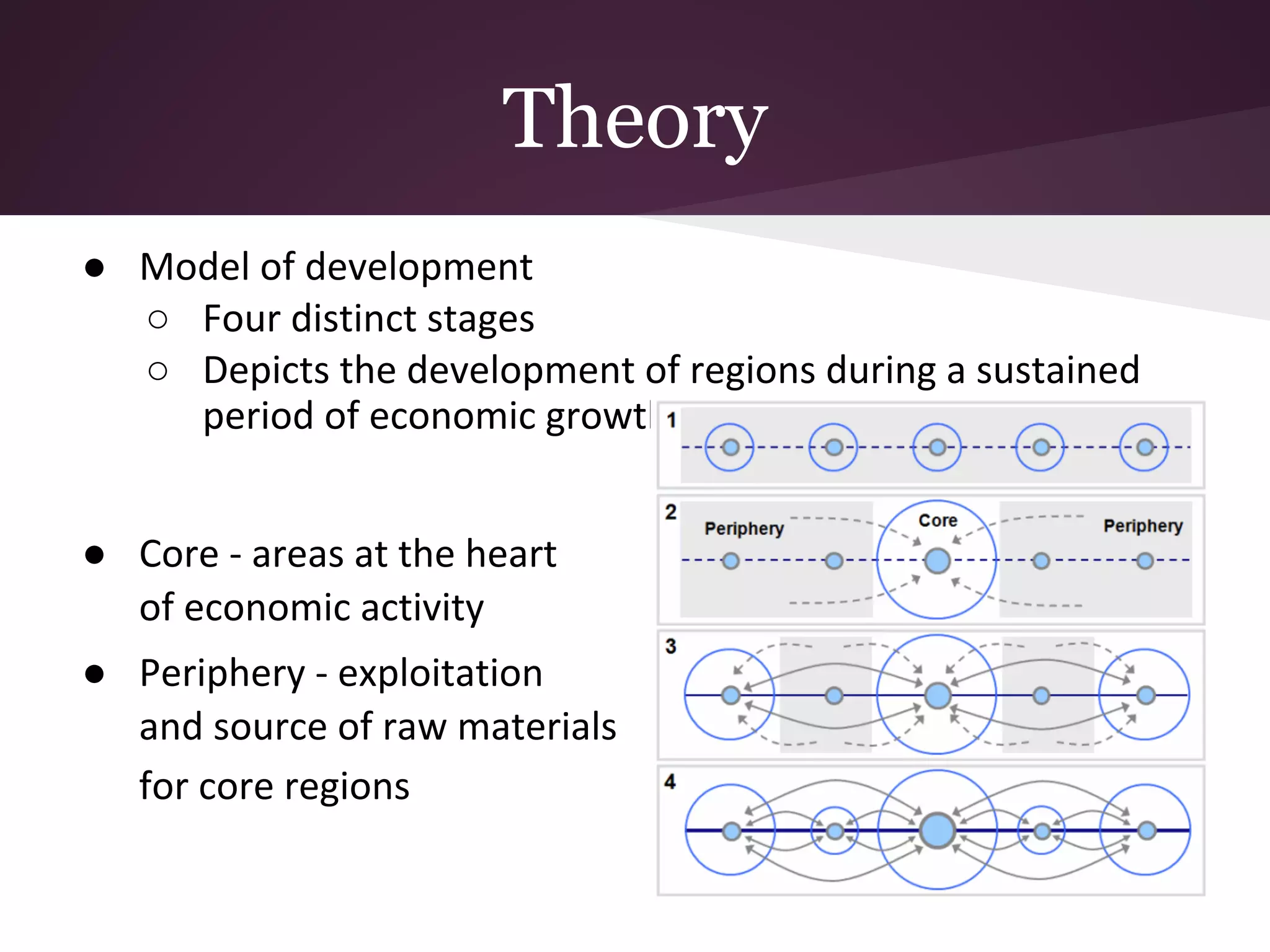
● Model of development
  ○ Four distinct stages
  ○ Depicts the development of regions during a sustained
    period of economic growth


● Core - areas at the heart
  of economic activity
● Periphery - exploitation
  and source of raw materials
  for core regions
Stage 1 (Pre-Industrial)
● All the places are peripheral.


● Places are isolated (Like these bullet points)


● No Interaction between places
Stage 2 (Transitional)
● Development of a core


● Interaction between places


● Development of basic Technology
Stage 3 (Industrial)
● Growth Centers (Between the core and
  peripheral) develop

● Stable increase in economy


● More Advanced technology
Stage 4 (Post Industrial)
● All places are self sufficient


● Major interactions


● Reduce in inequality
Example: South Africa
Stage 3 (Industrial)
● Southern Regions and regions close to
   Johannesburg
● Industry and manufacturing
● Office buildings (financial hub)
● Major roads and airports
● Towns have electricity and are all connected
Stage 1:

●   Northwestern regions
●   Undeveloped and isolated villages
●   Subsistence agriculture
●   Indigenous population isolated from tech.
●   Rudimentary roads
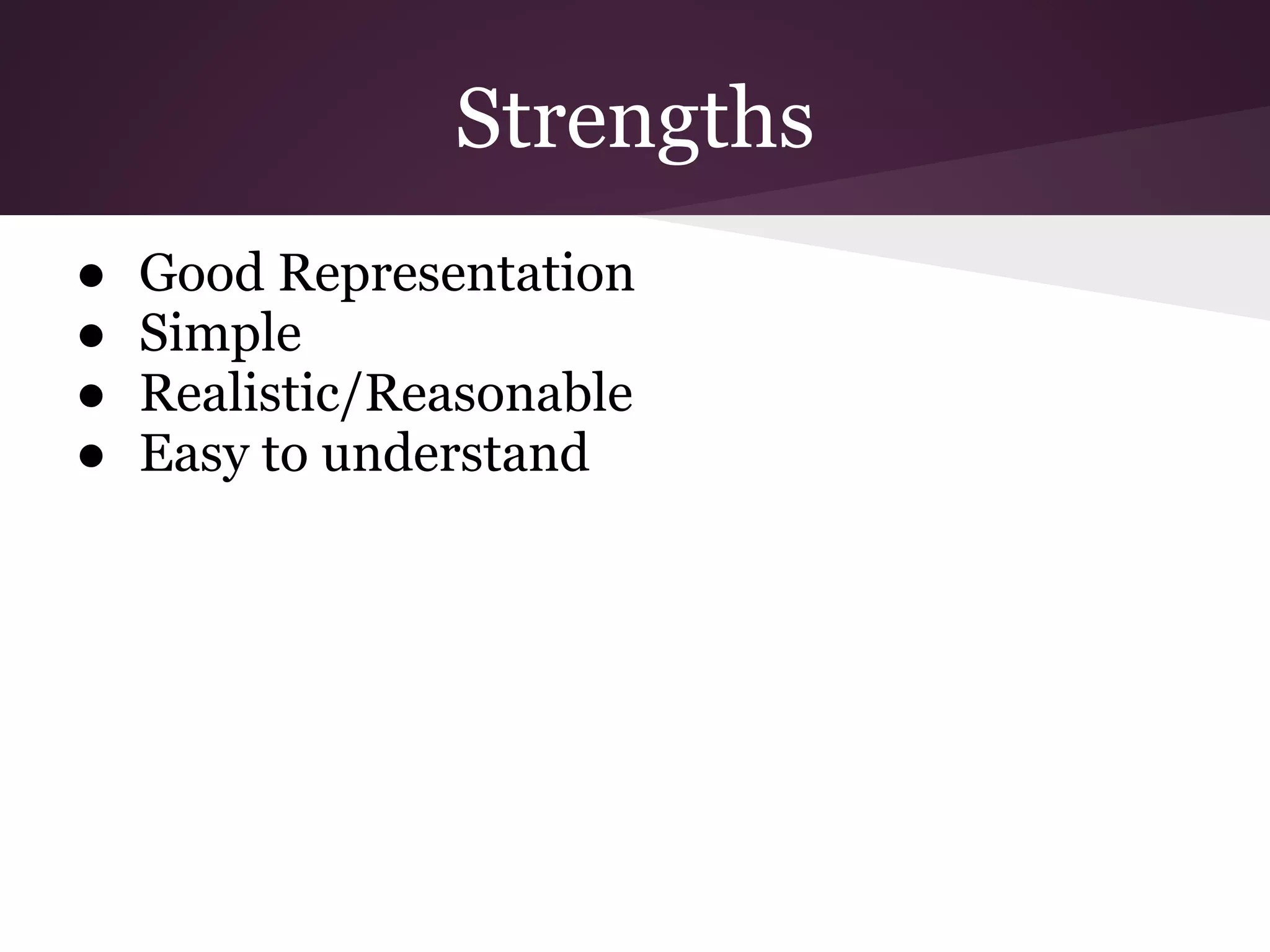
Strengths
●   Good Representation
●   Simple
●   Realistic/Reasonable
●   Easy to understand
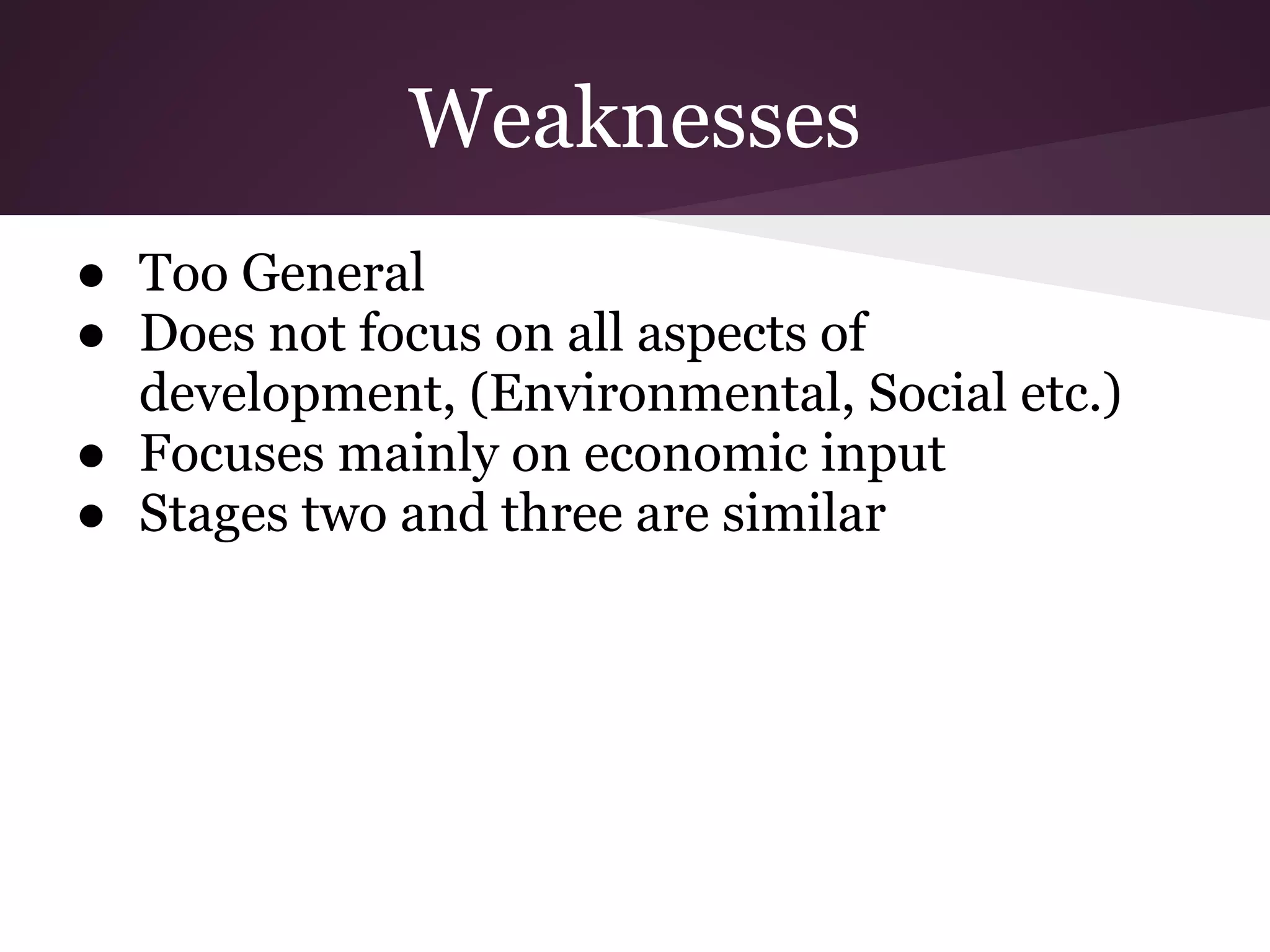
Weaknesses
● Too General
● Does not focus on all aspects of
  development, (Environmental, Social etc.)
● Focuses mainly on economic input
● Stages two and three are similar
Bibliography
http://people.hofstra.edu/geotrans/eng/ch2en/conc2en/img/coreperipheryurban.
gif
http://people.hofstra.edu/geotrans/eng/ch2en/conc2en/coreperipheryurban.html
http://greenfieldgeography.wikispaces.com/Global+core+and+periphery

Friedmans Stages of Growth Model