WHAT IS BLOOD? 
Blood is the red fluid that circulates in our 
blood vessels, i.e.veins and arteries. The 
main function of blood is to act as the body’s 
transport system, but it also has a major role 
in the body’s defense against infection. 
There is no substitute for blood. It cannot be 
made or manufactured. Donors are the only 
source of blood for patients who need it.
You don’t need a special reason to give blood. 
You just need your own reason. 
Some of us give blood because we were asked 
by a friend. 
Some know that a family member or a friend 
might need blood some day. 
Some believe it is the right thing we do. 
Whatever your reason, the need is constant 
and your contribution is important for a healthy 
and reliable blood supply. And you’ll feel good 
knowing you've helped change a life.
ELIGIBILITIES REQUIED FOR BLOOD 
DONATION 
To ensure the safety of blood donation for both 
donors and recipients, all volunteer blood donors 
must be evaluated to determine their eligibility to 
give blood. The final determination will be made 
on the day of the donation at the blood drive or 
blood donation center. If you were deferred from 
donating in the past, you may be able to donate 
again.
Before Your Donation 
Maintain a healthy iron level in your diet by eating 
iron rich foods, such as red meat, fish, poultry, beans, 
spinach, iron-fortified cereals and raisins. 
Get a good night's sleep. 
Drink an extra 16 oz. of water or nonalcoholic fluids before 
the donation. 
Eat a healthy meal before your donation. Avoid fatty foods, 
such as hamburgers, fries or ice cream before donating. 
(Fatty foods can affect the tests we do on your blood. If 
there is too much fat in your blood, your donation cannot be 
tested for infectious diseases and the blood will not be used 
for transfusion.)
During Your Donation 
Wear clothing with sleeves that can be raised above the 
elbow. 
Let the person taking your blood know if you have a 
preferred arm and show them any good veins that have 
been used successfully in the past to draw blood. 
Relax, listen to music, talk to other donors or read 
during the donation process. 
Take the time to enjoy a snack and a drink in the 
refreshments area immediately after donating.
After Your Donation 
Drink an extra four (8 ounce) glasses of liquids and avoid 
alcohol over the next 24 hours. 
Remove the wrap bandage (if you had one put 
on your arm) within the next hour. 
Keep the strip bandage on for the next several hours. 
To avoid a skin rash, clean the area around the strip 
bandage with soap and water. 
Do not do any heavy lifting or vigorous exercise for 
the rest of the day.
If the needle site starts to bleed, apply pressure to it 
and raise your arm straight up for about 5-10 
minutes or until bleeding stops. 
If you experience dizziness or lightheadedness 
after donation, stop what you are doing and sit down 
or lie down until you feel better. Avoid performing any 
activity where fainting may lead to injury for at 
least 24 hours. 
Call us at 1-866-236-3276 to report any additional 
health information that you forgot to tell us, if you 
have any problems or if you needed medical care 
after giving blood. 
Learn more about your need for iron after blood 
donation at
Donating Blood 
Why Donate Blood? 
Eligibility Requirements 
Donation Process 
Tips for a Successful Donation 
Donation FAQs 
Types of Donations 
First Time Donors 
Blood Donor Community
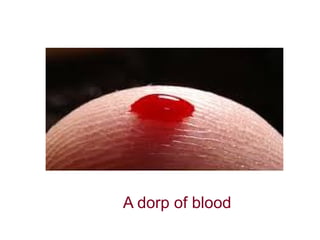
A dorp of blood
Blood Donors are usually rested at the blood doantion 
site for at least 15-20 minutes. They are encouraged to lie 
down. Any complication that may develop from donating 
blood takes place during the donation or immediately 
afterwards. The rest period may help to monitor this. 
After 15 minutes of rest, Blood donation centers usually 
provide light refreshments such as tea, coffee, milk or fruit 
juice and biscuits to refresh the donor. The site of needle 
puncture is covered with a bandage and the donor is 
recommended to keep it that way for a while. 
Read more: Blood Donation - Donor Recovery 
http://www.medindia.net/patients/patientinfo/blooddonation-recovery.
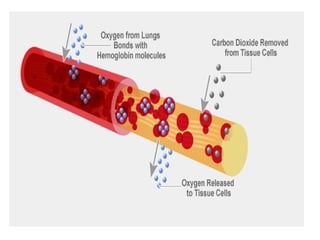
Red Blood cells 
And 
Detailes
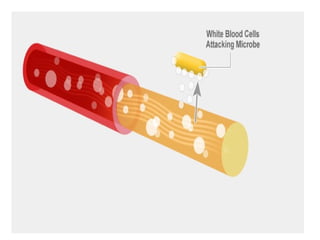
White blood cells 
and detailes
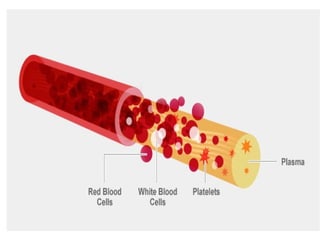
Plasma and it's 
components
Fnla
Fnla
Fnla

Fnla

  • 3.
    WHAT IS BLOOD? Blood is the red fluid that circulates in our blood vessels, i.e.veins and arteries. The main function of blood is to act as the body’s transport system, but it also has a major role in the body’s defense against infection. There is no substitute for blood. It cannot be made or manufactured. Donors are the only source of blood for patients who need it.
  • 5.
    You don’t needa special reason to give blood. You just need your own reason. Some of us give blood because we were asked by a friend. Some know that a family member or a friend might need blood some day. Some believe it is the right thing we do. Whatever your reason, the need is constant and your contribution is important for a healthy and reliable blood supply. And you’ll feel good knowing you've helped change a life.
  • 6.
    ELIGIBILITIES REQUIED FORBLOOD DONATION To ensure the safety of blood donation for both donors and recipients, all volunteer blood donors must be evaluated to determine their eligibility to give blood. The final determination will be made on the day of the donation at the blood drive or blood donation center. If you were deferred from donating in the past, you may be able to donate again.
  • 7.
    Before Your Donation Maintain a healthy iron level in your diet by eating iron rich foods, such as red meat, fish, poultry, beans, spinach, iron-fortified cereals and raisins. Get a good night's sleep. Drink an extra 16 oz. of water or nonalcoholic fluids before the donation. Eat a healthy meal before your donation. Avoid fatty foods, such as hamburgers, fries or ice cream before donating. (Fatty foods can affect the tests we do on your blood. If there is too much fat in your blood, your donation cannot be tested for infectious diseases and the blood will not be used for transfusion.)
  • 8.
    During Your Donation Wear clothing with sleeves that can be raised above the elbow. Let the person taking your blood know if you have a preferred arm and show them any good veins that have been used successfully in the past to draw blood. Relax, listen to music, talk to other donors or read during the donation process. Take the time to enjoy a snack and a drink in the refreshments area immediately after donating.
  • 9.
    After Your Donation Drink an extra four (8 ounce) glasses of liquids and avoid alcohol over the next 24 hours. Remove the wrap bandage (if you had one put on your arm) within the next hour. Keep the strip bandage on for the next several hours. To avoid a skin rash, clean the area around the strip bandage with soap and water. Do not do any heavy lifting or vigorous exercise for the rest of the day.
  • 10.
    If the needlesite starts to bleed, apply pressure to it and raise your arm straight up for about 5-10 minutes or until bleeding stops. If you experience dizziness or lightheadedness after donation, stop what you are doing and sit down or lie down until you feel better. Avoid performing any activity where fainting may lead to injury for at least 24 hours. Call us at 1-866-236-3276 to report any additional health information that you forgot to tell us, if you have any problems or if you needed medical care after giving blood. Learn more about your need for iron after blood donation at
  • 11.
    Donating Blood WhyDonate Blood? Eligibility Requirements Donation Process Tips for a Successful Donation Donation FAQs Types of Donations First Time Donors Blood Donor Community
  • 12.
    A dorp ofblood
  • 13.
    Blood Donors areusually rested at the blood doantion site for at least 15-20 minutes. They are encouraged to lie down. Any complication that may develop from donating blood takes place during the donation or immediately afterwards. The rest period may help to monitor this. After 15 minutes of rest, Blood donation centers usually provide light refreshments such as tea, coffee, milk or fruit juice and biscuits to refresh the donor. The site of needle puncture is covered with a bandage and the donor is recommended to keep it that way for a while. Read more: Blood Donation - Donor Recovery http://www.medindia.net/patients/patientinfo/blooddonation-recovery.
  • 14.
    Red Blood cells And Detailes
  • 16.
    White blood cells and detailes
  • 18.
    Plasma and it's components