FOREIGN DIRECT INVESTMENT
विदेशी प्रत्यक्ष नििेश
M.VINITH KUMAR
II BBA B
SRIMAD ANDAVAN ARTS AND SCIENCE
COLLEGE (AUTONOMOUS)
TRICHY-5
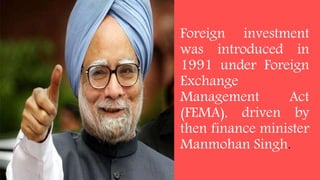
Foreign investment
was introduced in
1991 under Foreign
Exchange
Management Act
(FEMA), driven by
then finance minister
Manmohan Singh.
WHAT IS
Foreign direct investment (FDI) is a direct investment into
production or business in a country by an individual or
company in another country, either by buying a company in the
target country or by expanding operations of an existing
business in that country.
in regard to the GDP equation
Y=C+I+G+(X-M)
Where Y = income
C = household(or private) consumption demand
I = investment plus foreign investment
G = government demand for goods & services
X = exports
M= imports
WHY INVEST IN INDIA ?
• India is the 7th largest and 2nd most populous country in the world
• 4th largest economy in the world in terms of PPP(Purchasing power
parity)
• Skilled managerial and technical manpower that matches the best
available in the world.
• transparent environment that guarantees the security of their long
term investments.
• Availability of highly competitive private sector that provides
considerable scope for foreign direct investment, joint ventures and
collaborations.
India has been ranked at the second place in
global foreign direct investments in 2010 and
will continue to remain among the top five
attractive destinations for international
investors during 2010-12 period, according to
United Nations Conference on Trade and
Development (UNCTAD) in a report on
world investment prospects titled, 'World
Investment Prospects Survey 2009-2012'
Foreign Direct Investment (FDI) is permitted as
under the following forms of investments –
Through financial collaborations.
Through joint ventures and technical
collaborations.
Through capital markets via Euro issues.
Through private placements or preferential
allotments.
FDI is not
permitted in the
following
industrial sectors:
arms and ammunition
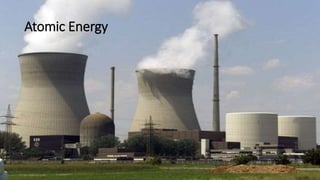
Atomic Energy
Coal and lignite
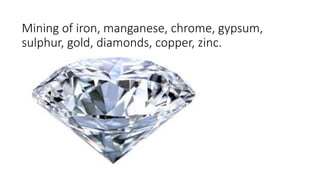
Mining of iron, manganese, chrome, gypsum,
sulphur, gold, diamonds, copper, zinc.
ENTRY ROUTES FOR FDI
• Investments can be made by non-residents compulsorily/Mandatorily convertible in equity
shares and debentures, to preference shares of an Indian company, through two routes:
• (i) The Automatic Route: under the Automatic Route, the non-resident investor or the Indian
company does not require any approval from the RBI or Government of India for the
investment.
• (ii)The Government Route: under the Government Route, prior approval of the Government
of India through Foreign Investment Promotion Board (FIPB) is required. Proposals for
foreign investment under Government route as laid down in the FDI policy from time to
time, are considered by the Foreign Investment Promotion Board (FIPB) in Department of
Economic Affairs (DEA), Ministry of Finance
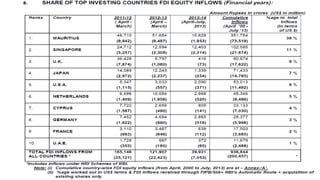
STATUS OF FDI
IN INDIA
STATUS OF FDI IN INDIA
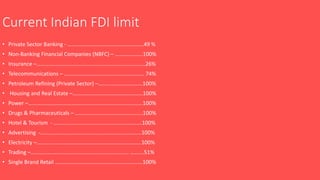
Current Indian FDI limit
• Private Sector Banking - ……………………………………..………..49 %
• Non-Banking Financial Companies (NBFC) – ………………..100%
• Insurance –…………………………………………………………………….26%
• Telecommunications – …………………………………………………. 74%
• Petroleum Refining (Private Sector) –…………………………..100%
• Housing and Real Estate –……………………………………………100%
• Power –……………….……………………………………………………….100%
• Drugs & Pharmaceuticals – ………………………………………….100%
• Hotel & Tourism - ……………………………………………………….100%
• Advertising -……..………………………………………………………..100%
• Electricity –………….………………………………………………………100%
• Trading –……………..……………………………………………… ……….51%
• Single Brand Retail ……………………………………….................100%
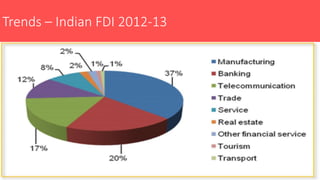
Trends – Indian FDI 2012-13
Advantages
• Raising the Level of Investment
• Up gradation of Technology
• Improvement in Export Competitiveness
• Employment Generation
• Benefits to Consumers
• Revenue to Government
• Resilience Factor
• Low cost Products
• Employment Opportunities
• Economic growth
• Better realization to farmers
Disadvantages
• Fall in domestic savings
• Contribution of foreign firms to public revenue through corporate taxes
is comparatively less because of liberal tax concessions
• income inequalities
• The technology is generally capital-intensive which does not suit the
needs of a labor-surplus economy
• Foreign firms may influence political decisions
Unethical
behaviours like
corruption,
redtapism and
selfishness is
increasing day by
day because of
money matter for
example Wal-Mart
issue.
What will happen if WALMART comes to
INDIA ?
India has 35 towns each with a population over 1
million. If Wal-Mart were to open an average
Wal-Mart store in each of these cities and they
reached the average Wal-Mart performance per
store – we are looking at a turnover of over Rs.
80,330 million with only 10,195 employees.
Extrapolating this with the average trend in India,
it would mean displacing about 4,32,000 persons
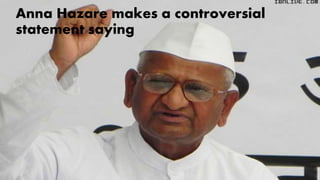
Anna Hazare makes a controversial
statement saying
“Liberalizing trade will repeat history of
British Rule in India. We cannot allow East
India Company happen again”. Big companies
in USA in organized retail sector are
controversial for penetrating pricing or for
misbehavior with employees. If you invite
FDIs in Retail, you are going to kill small
retailers.
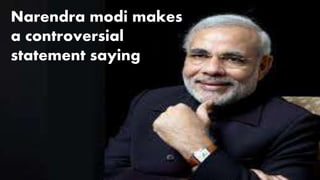
Narendra modi makes
a controversial
statement saying
Narendra modi says that china recently
invested on infrastructure sector. And modi
advised we want more investments in
infrastructure sector for Indians on 26 Jan
2015 after Barack Obama’s meet in India
CONCLUSION
After considering all the aspects related to FDI, we can
conclude that, though there are slight disadvantages
of it, but it is very important or we can say life blood
for a developing country for there economic growth
and stability and for developed country, to continue
their stability.
ANYWAY,
THAT’S PRETTY MUCH
ALL I HAVE TO SAY
ABOUT FDI.
* For now
THANK
YOU !!

foreign direct investment

  • 1.
    FOREIGN DIRECT INVESTMENT विदेशीप्रत्यक्ष नििेश M.VINITH KUMAR II BBA B SRIMAD ANDAVAN ARTS AND SCIENCE COLLEGE (AUTONOMOUS) TRICHY-5
  • 2.
    Foreign investment was introducedin 1991 under Foreign Exchange Management Act (FEMA), driven by then finance minister Manmohan Singh.
  • 3.
  • 4.
    Foreign direct investment(FDI) is a direct investment into production or business in a country by an individual or company in another country, either by buying a company in the target country or by expanding operations of an existing business in that country.
  • 5.
    in regard tothe GDP equation Y=C+I+G+(X-M) Where Y = income C = household(or private) consumption demand I = investment plus foreign investment G = government demand for goods & services X = exports M= imports
  • 6.
    WHY INVEST ININDIA ? • India is the 7th largest and 2nd most populous country in the world • 4th largest economy in the world in terms of PPP(Purchasing power parity) • Skilled managerial and technical manpower that matches the best available in the world. • transparent environment that guarantees the security of their long term investments. • Availability of highly competitive private sector that provides considerable scope for foreign direct investment, joint ventures and collaborations.
  • 7.
    India has beenranked at the second place in global foreign direct investments in 2010 and will continue to remain among the top five attractive destinations for international investors during 2010-12 period, according to United Nations Conference on Trade and Development (UNCTAD) in a report on world investment prospects titled, 'World Investment Prospects Survey 2009-2012'
  • 8.
    Foreign Direct Investment(FDI) is permitted as under the following forms of investments – Through financial collaborations. Through joint ventures and technical collaborations. Through capital markets via Euro issues. Through private placements or preferential allotments.
  • 9.
    FDI is not permittedin the following industrial sectors:
  • 10.
  • 11.
  • 12.
  • 13.
    Mining of iron,manganese, chrome, gypsum, sulphur, gold, diamonds, copper, zinc.
  • 14.
    ENTRY ROUTES FORFDI • Investments can be made by non-residents compulsorily/Mandatorily convertible in equity shares and debentures, to preference shares of an Indian company, through two routes: • (i) The Automatic Route: under the Automatic Route, the non-resident investor or the Indian company does not require any approval from the RBI or Government of India for the investment. • (ii)The Government Route: under the Government Route, prior approval of the Government of India through Foreign Investment Promotion Board (FIPB) is required. Proposals for foreign investment under Government route as laid down in the FDI policy from time to time, are considered by the Foreign Investment Promotion Board (FIPB) in Department of Economic Affairs (DEA), Ministry of Finance
  • 15.
  • 16.
    STATUS OF FDIIN INDIA
  • 17.
    Current Indian FDIlimit • Private Sector Banking - ……………………………………..………..49 % • Non-Banking Financial Companies (NBFC) – ………………..100% • Insurance –…………………………………………………………………….26% • Telecommunications – …………………………………………………. 74% • Petroleum Refining (Private Sector) –…………………………..100% • Housing and Real Estate –……………………………………………100% • Power –……………….……………………………………………………….100% • Drugs & Pharmaceuticals – ………………………………………….100% • Hotel & Tourism - ……………………………………………………….100% • Advertising -……..………………………………………………………..100% • Electricity –………….………………………………………………………100% • Trading –……………..……………………………………………… ……….51% • Single Brand Retail ……………………………………….................100%
  • 18.
    Trends – IndianFDI 2012-13
  • 19.
    Advantages • Raising theLevel of Investment • Up gradation of Technology • Improvement in Export Competitiveness • Employment Generation • Benefits to Consumers • Revenue to Government • Resilience Factor • Low cost Products • Employment Opportunities • Economic growth • Better realization to farmers
  • 20.
    Disadvantages • Fall indomestic savings • Contribution of foreign firms to public revenue through corporate taxes is comparatively less because of liberal tax concessions • income inequalities • The technology is generally capital-intensive which does not suit the needs of a labor-surplus economy • Foreign firms may influence political decisions
  • 21.
    Unethical behaviours like corruption, redtapism and selfishnessis increasing day by day because of money matter for example Wal-Mart issue.
  • 22.
    What will happenif WALMART comes to INDIA ?
  • 23.
    India has 35towns each with a population over 1 million. If Wal-Mart were to open an average Wal-Mart store in each of these cities and they reached the average Wal-Mart performance per store – we are looking at a turnover of over Rs. 80,330 million with only 10,195 employees. Extrapolating this with the average trend in India, it would mean displacing about 4,32,000 persons
  • 24.
    Anna Hazare makesa controversial statement saying
  • 25.
    “Liberalizing trade willrepeat history of British Rule in India. We cannot allow East India Company happen again”. Big companies in USA in organized retail sector are controversial for penetrating pricing or for misbehavior with employees. If you invite FDIs in Retail, you are going to kill small retailers.
  • 26.
    Narendra modi makes acontroversial statement saying
  • 27.
    Narendra modi saysthat china recently invested on infrastructure sector. And modi advised we want more investments in infrastructure sector for Indians on 26 Jan 2015 after Barack Obama’s meet in India
  • 28.
    CONCLUSION After considering allthe aspects related to FDI, we can conclude that, though there are slight disadvantages of it, but it is very important or we can say life blood for a developing country for there economic growth and stability and for developed country, to continue their stability.
  • 29.
    ANYWAY, THAT’S PRETTY MUCH ALLI HAVE TO SAY ABOUT FDI. * For now
  • 30.