Featured Enzyme Products for Diagnostic Use
Creative Enzymes Inc.
2020
Introductions
PART 01
01
Introduction
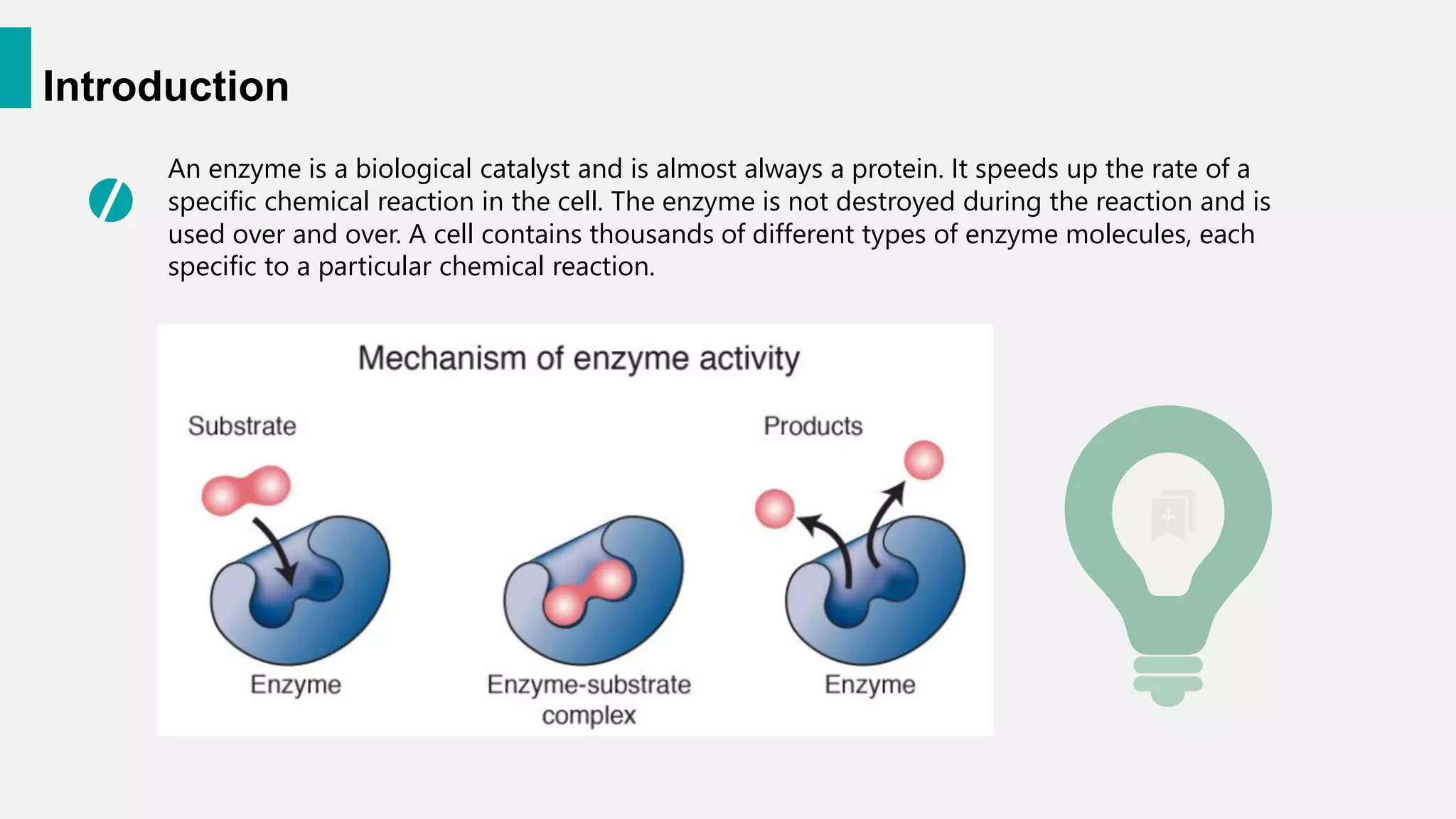
An enzyme is a biological catalyst and is almost always a protein. It speeds up the rate of a
specific chemical reaction in the cell. The enzyme is not destroyed during the reaction and is
used over and over. A cell contains thousands of different types of enzyme molecules, each
specific to a particular chemical reaction.
Introductions
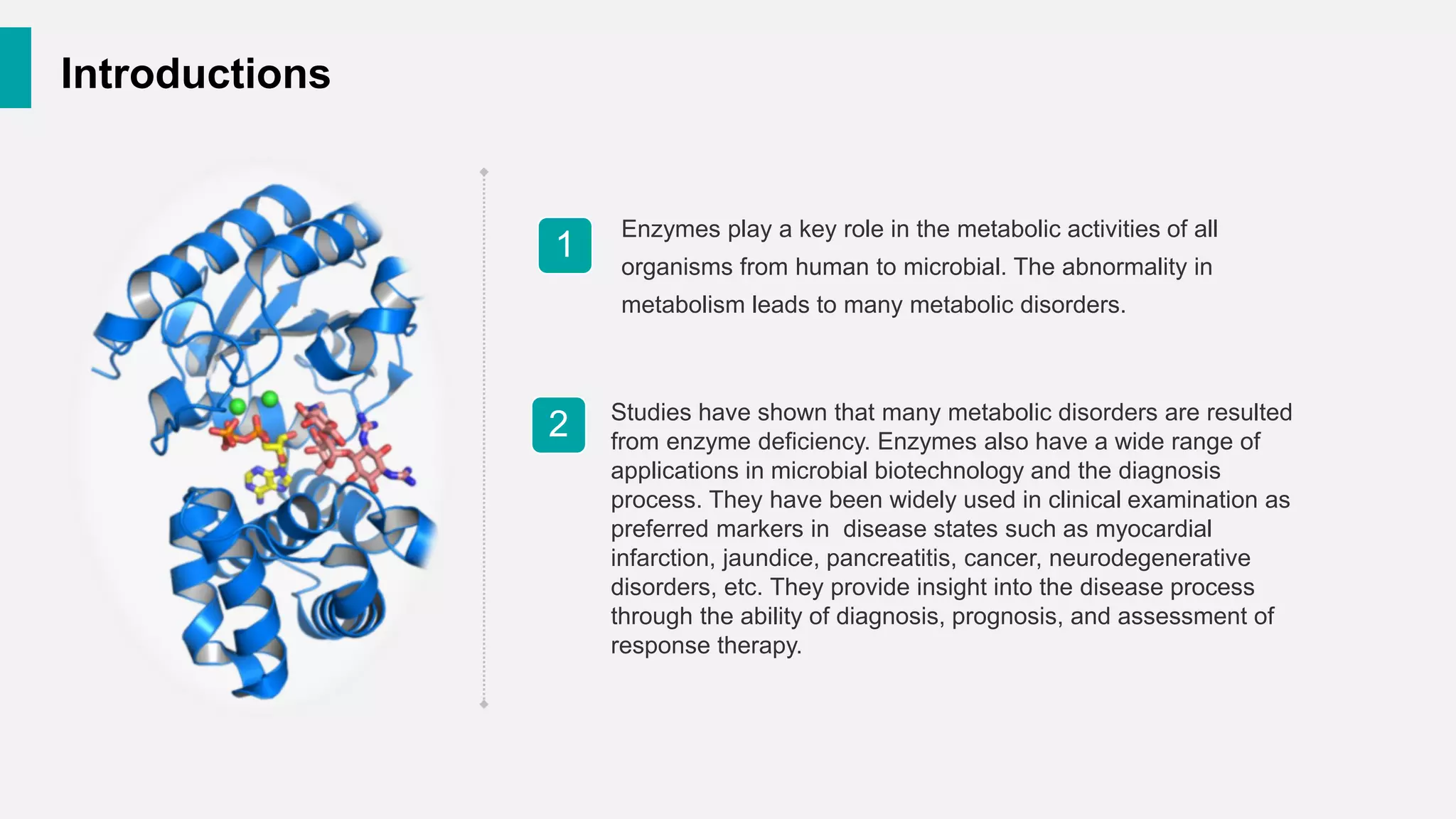
Enzymes play a key role in the metabolic activities of all
organisms from human to microbial. The abnormality in
metabolism leads to many metabolic disorders.
1
2 Studies have shown that many metabolic disorders are resulted
from enzyme deficiency. Enzymes also have a wide range of
applications in microbial biotechnology and the diagnosis
process. They have been widely used in clinical examination as
preferred markers in disease states such as myocardial
infarction, jaundice, pancreatitis, cancer, neurodegenerative
disorders, etc. They provide insight into the disease process
through the ability of diagnosis, prognosis, and assessment of
response therapy.
Introductions
The rapid and accurate diagnosis of major
diseases and their appropriate treatments are
the main factors that promote the best clinical
results and public health.
3
4
Enzymes provide insight into various
diseases through diagnosis, prognosis
and evaluation of response therapy.
5
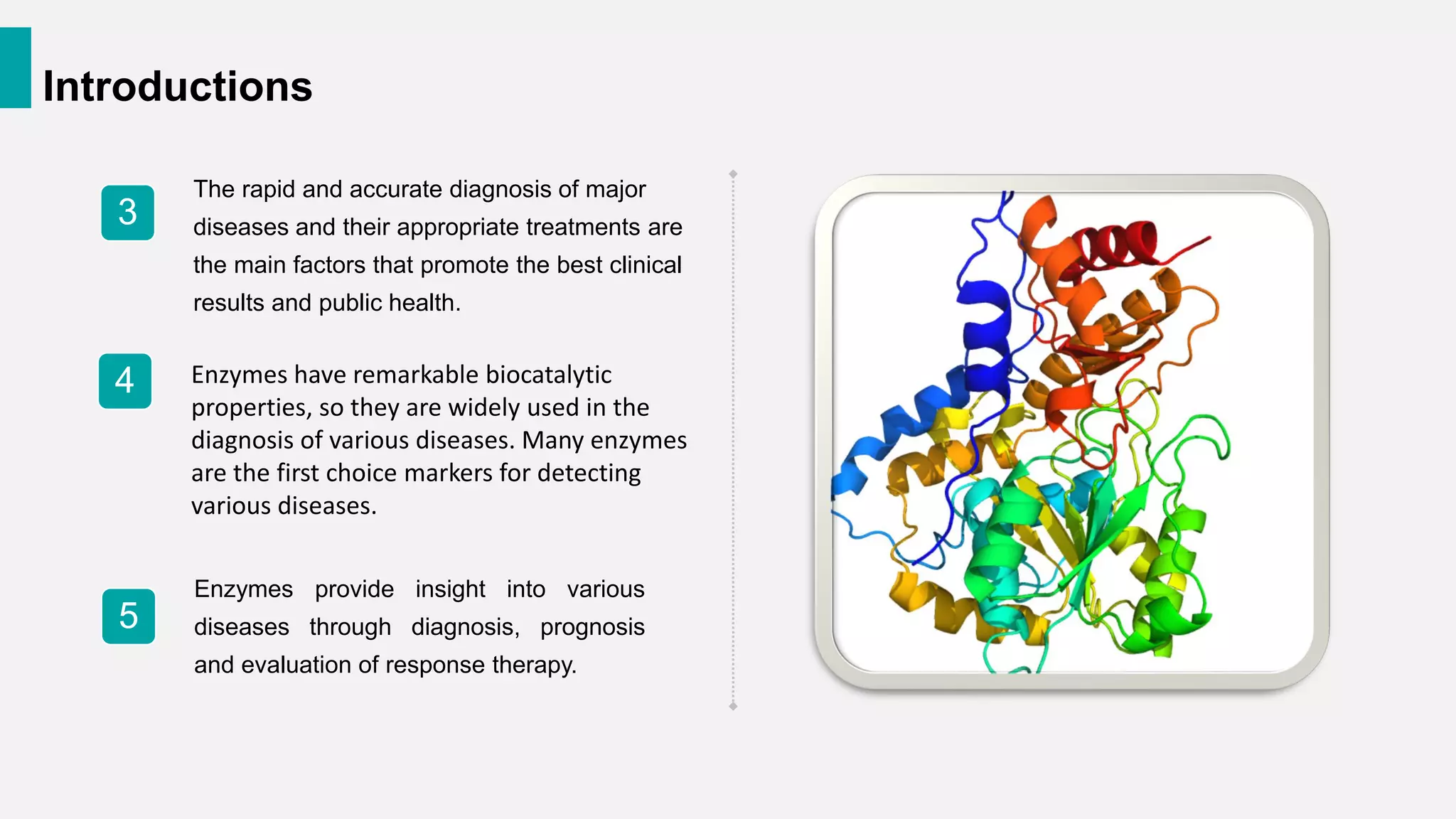
Enzymes have remarkable biocatalytic
properties, so they are widely used in the
diagnosis of various diseases. Many enzymes
are the first choice markers for detecting
various diseases.
Enzymes in disease diagnosis
PART 02
02
Enzymes in disease diagnosis
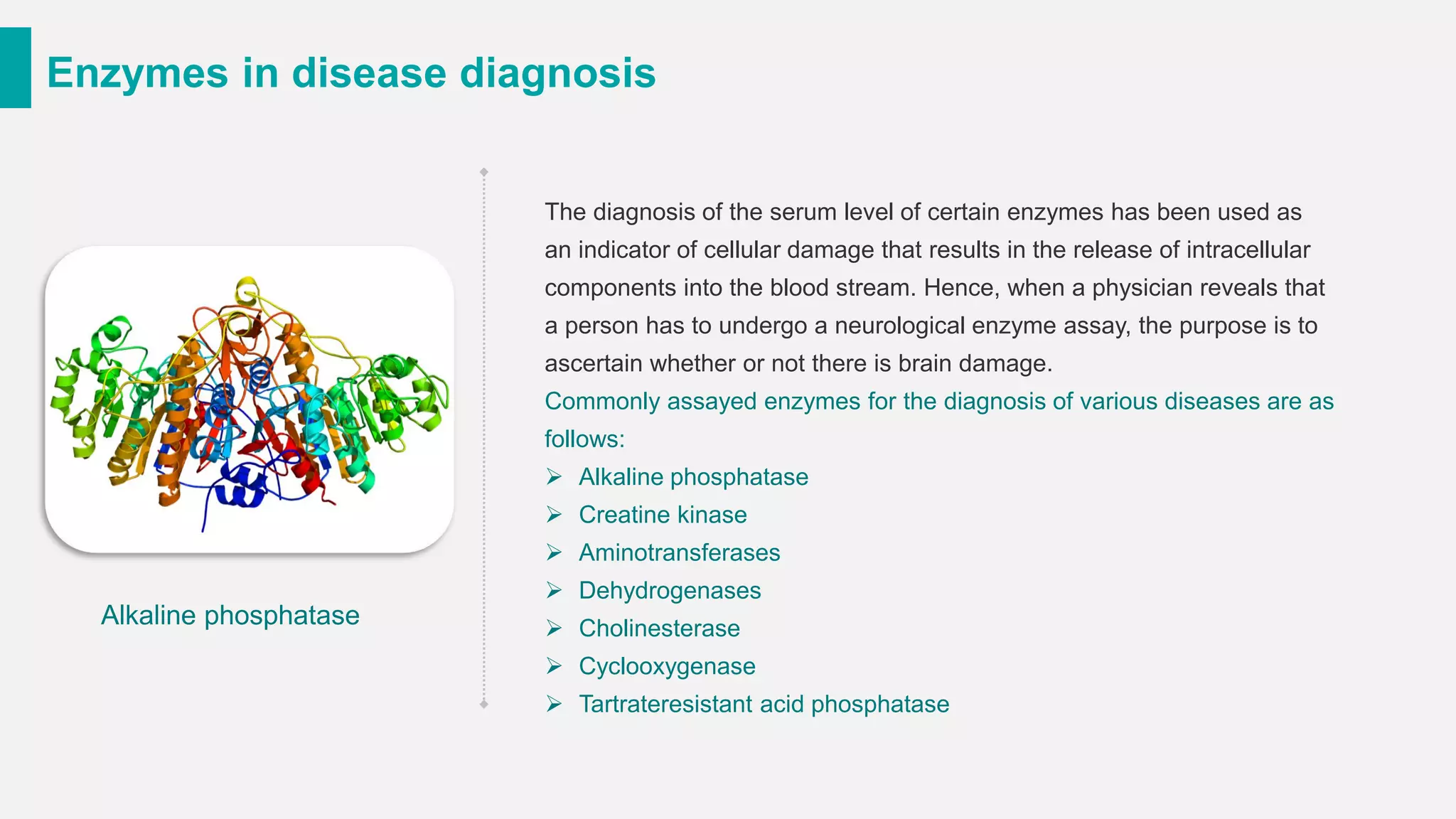
The diagnosis of the serum level of certain enzymes has been used as
an indicator of cellular damage that results in the release of intracellular
components into the blood stream. Hence, when a physician reveals that
a person has to undergo a neurological enzyme assay, the purpose is to
ascertain whether or not there is brain damage.
Commonly assayed enzymes for the diagnosis of various diseases are as
follows:
➢ Alkaline phosphatase
➢ Creatine kinase
➢ Aminotransferases
➢ Dehydrogenases
➢ Cholinesterase
➢ Cyclooxygenase
➢ Tartrateresistant acid phosphatase
Alkaline phosphatase
Liver Diseases
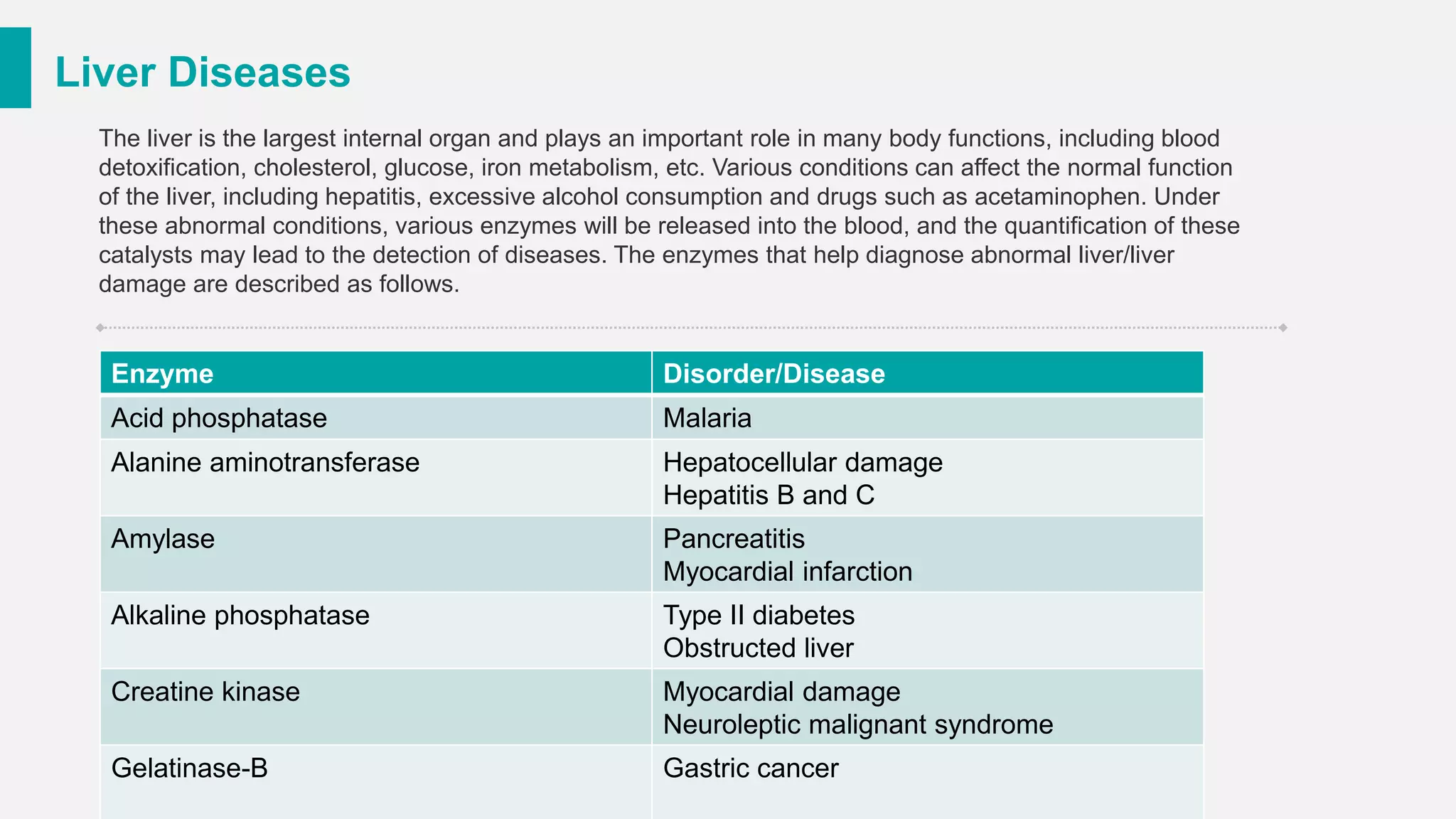
The liver is the largest internal organ and plays an important role in many body functions, including blood
detoxification, cholesterol, glucose, iron metabolism, etc. Various conditions can affect the normal function
of the liver, including hepatitis, excessive alcohol consumption and drugs such as acetaminophen. Under
these abnormal conditions, various enzymes will be released into the blood, and the quantification of these
catalysts may lead to the detection of diseases. The enzymes that help diagnose abnormal liver/liver
damage are described as follows.
Enzyme Disorder/Disease
Acid phosphatase Malaria
Alanine aminotransferase Hepatocellular damage
Hepatitis B and C
Amylase Pancreatitis
Myocardial infarction
Alkaline phosphatase Type II diabetes
Obstructed liver
Creatine kinase Myocardial damage
Neuroleptic malignant syndrome
Gelatinase-B Gastric cancer
Cancer
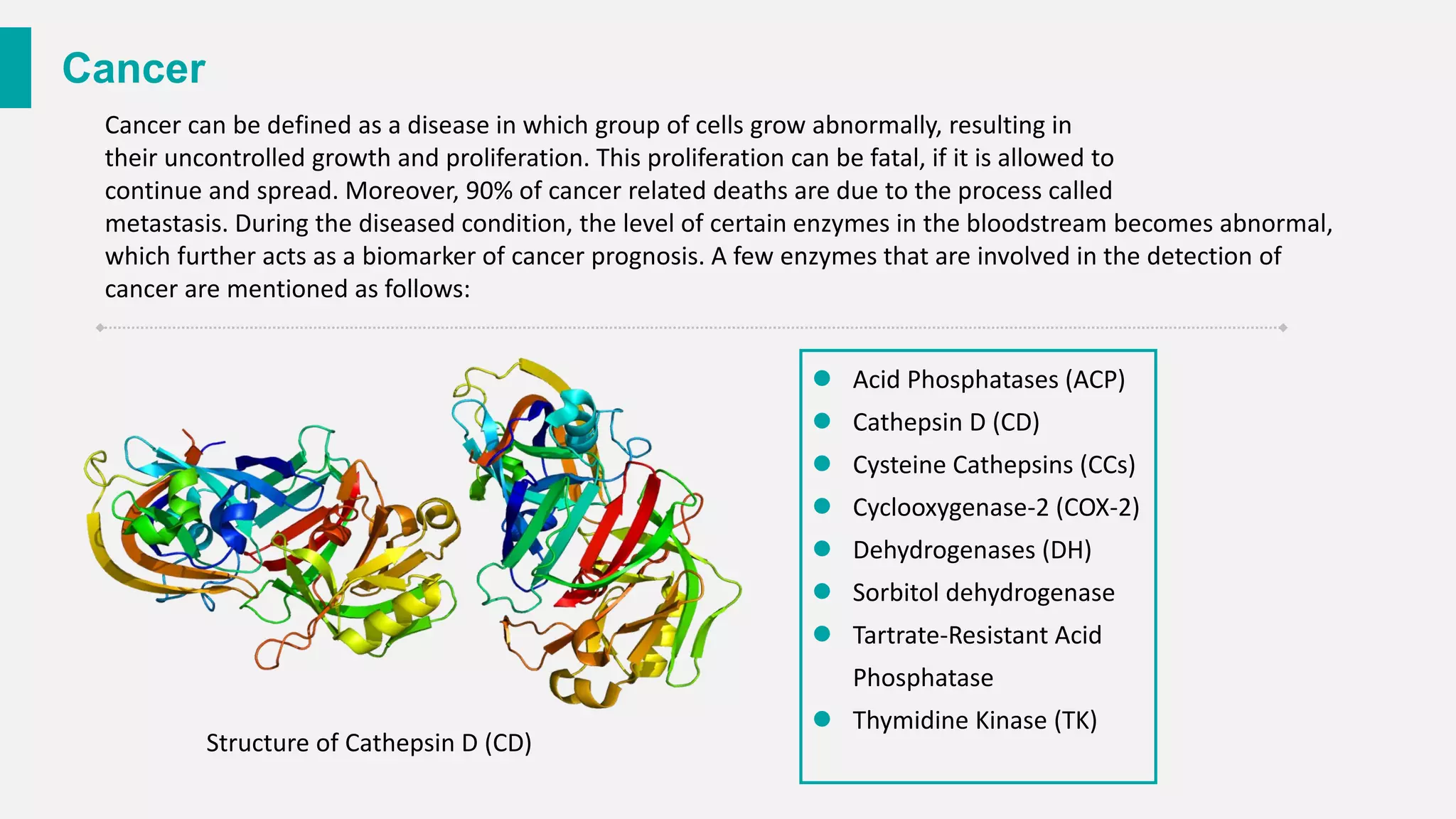
Cancer can be defined as a disease in which group of cells grow abnormally, resulting in
their uncontrolled growth and proliferation. This proliferation can be fatal, if it is allowed to
continue and spread. Moreover, 90% of cancer related deaths are due to the process called
metastasis. During the diseased condition, the level of certain enzymes in the bloodstream becomes abnormal,
which further acts as a biomarker of cancer prognosis. A few enzymes that are involved in the detection of
cancer are mentioned as follows:
⚫ Acid Phosphatases (ACP)
⚫ Cathepsin D (CD)
⚫ Cysteine Cathepsins (CCs)
⚫ Cyclooxygenase-2 (COX-2)
⚫ Dehydrogenases (DH)
⚫ Sorbitol dehydrogenase
⚫ Tartrate-Resistant Acid
Phosphatase
⚫ Thymidine Kinase (TK)
Structure of Cathepsin D (CD)
Cardiac Disorders
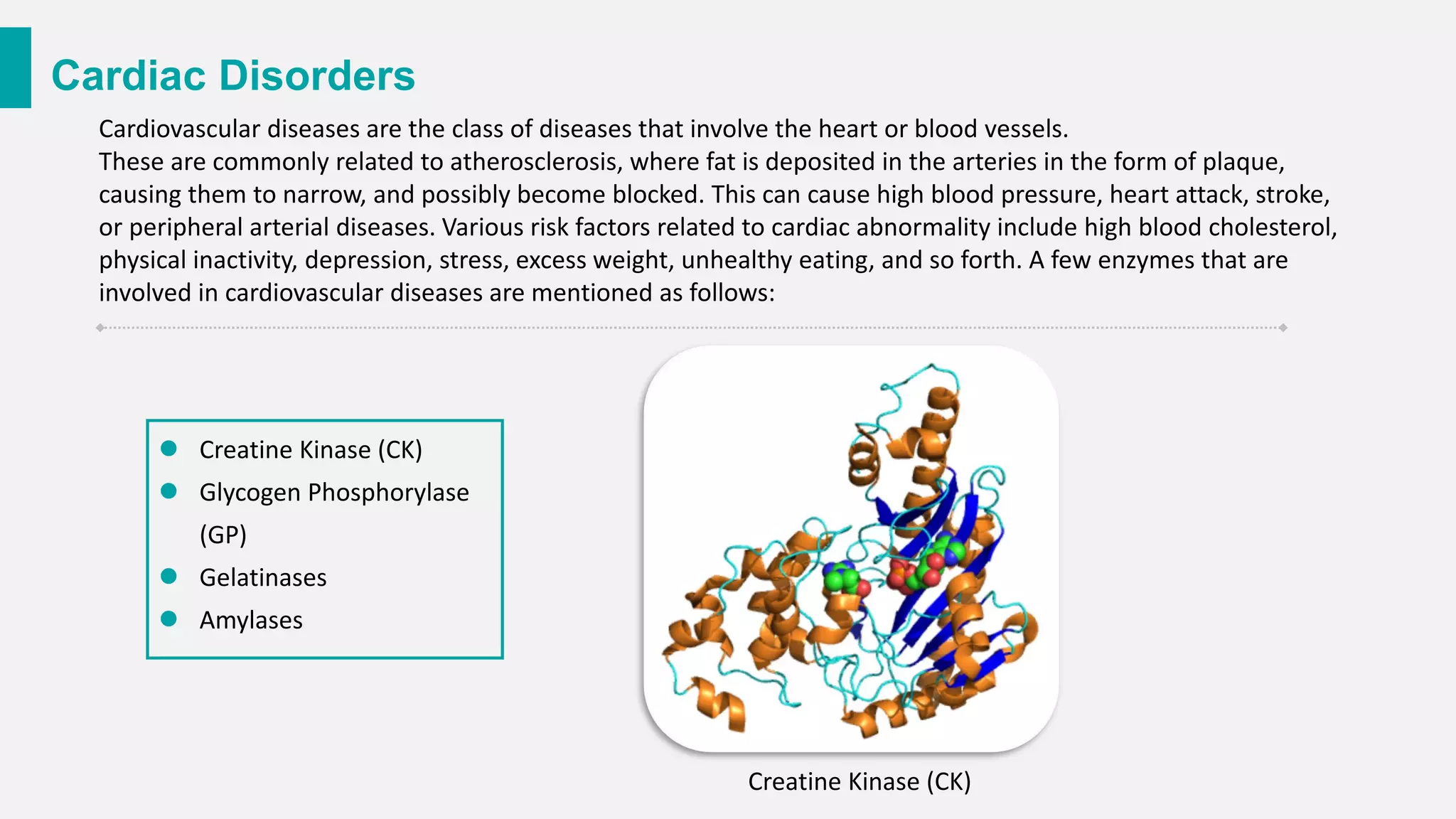
Cardiovascular diseases are the class of diseases that involve the heart or blood vessels.
These are commonly related to atherosclerosis, where fat is deposited in the arteries in the form of plaque,
causing them to narrow, and possibly become blocked. This can cause high blood pressure, heart attack, stroke,
or peripheral arterial diseases. Various risk factors related to cardiac abnormality include high blood cholesterol,
physical inactivity, depression, stress, excess weight, unhealthy eating, and so forth. A few enzymes that are
involved in cardiovascular diseases are mentioned as follows:
⚫ Creatine Kinase (CK)
⚫ Glycogen Phosphorylase
(GP)
⚫ Gelatinases
⚫ Amylases
Creatine Kinase (CK)
Featured Enzyme Products
for Diagnostic Use
PART 03
03
Creative Enzymes provides enzyme products for diagnostic use.
These products have passed a series of quality control (QC)
assays to ensure high quality. Please contact us if you have any
questions or specific needs.
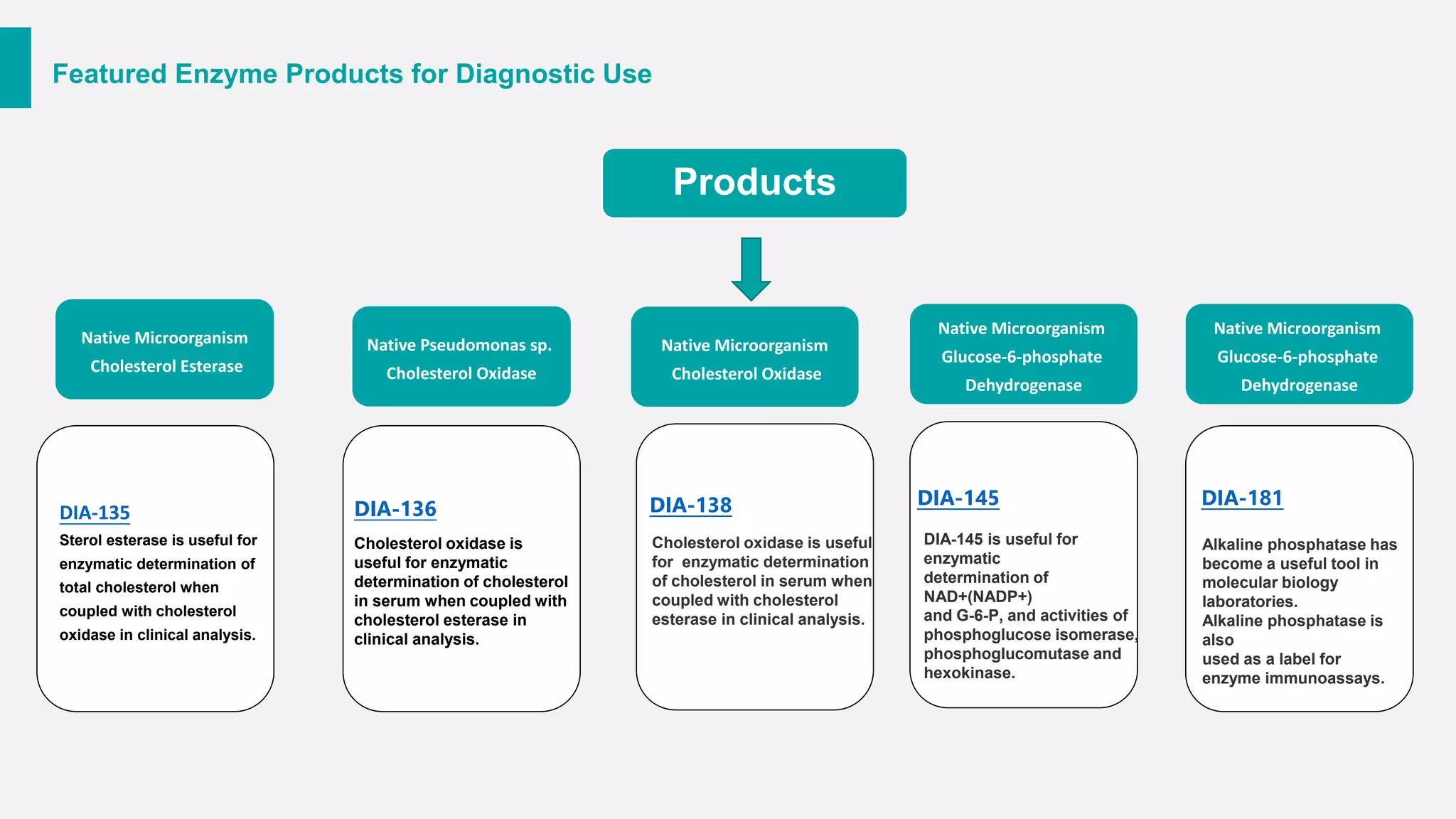
Products
DIA-135
Sterol esterase is useful for
enzymatic determination of
total cholesterol when
coupled with cholesterol
oxidase in clinical analysis.
Native Pseudomonas sp.
Cholesterol Oxidase
Native Microorganism
Cholesterol Oxidase
Native Microorganism
Cholesterol Esterase
Native Microorganism
Glucose-6-phosphate
Dehydrogenase
Featured Enzyme Products for Diagnostic Use
Native Microorganism
Glucose-6-phosphate
Dehydrogenase
Cholesterol oxidase is
useful for enzymatic
determination of cholesterol
in serum when coupled with
cholesterol esterase in
clinical analysis.
DIA-136
Cholesterol oxidase is useful
for enzymatic determination
of cholesterol in serum when
coupled with cholesterol
esterase in clinical analysis.
DIA-138
DIA-145 is useful for
enzymatic
determination of
NAD+(NADP+)
and G-6-P, and activities of
phosphoglucose isomerase,
phosphoglucomutase and
hexokinase.
DIA-145
Alkaline phosphatase has
become a useful tool in
molecular biology
laboratories.
Alkaline phosphatase is
also
used as a label for
enzyme immunoassays.
DIA-181
Products
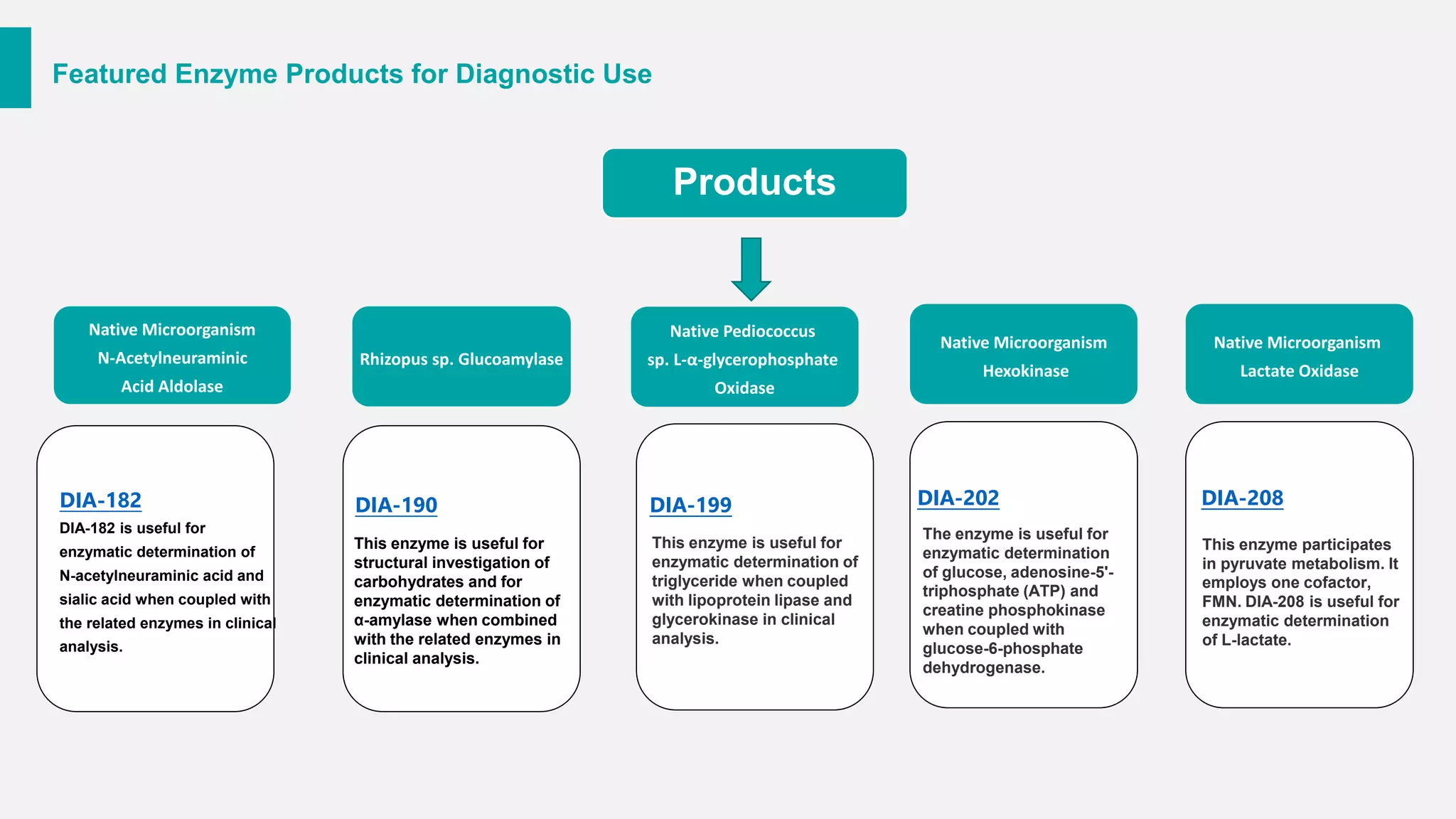
DIA-182
DIA-182 is useful for
enzymatic determination of
N-acetylneuraminic acid and
sialic acid when coupled with
the related enzymes in clinical
analysis.
Rhizopus sp. Glucoamylase
Native Pediococcus
sp. L-α-glycerophosphate
Oxidase
Native Microorganism
N-Acetylneuraminic
Acid Aldolase
Native Microorganism
Hexokinase
Featured Enzyme Products for Diagnostic Use
Native Microorganism
Lactate Oxidase
This enzyme is useful for
structural investigation of
carbohydrates and for
enzymatic determination of
α-amylase when combined
with the related enzymes in
clinical analysis.
DIA-190
This enzyme is useful for
enzymatic determination of
triglyceride when coupled
with lipoprotein lipase and
glycerokinase in clinical
analysis.
DIA-199
The enzyme is useful for
enzymatic determination
of glucose, adenosine-5'-
triphosphate (ATP) and
creatine phosphokinase
when coupled with
glucose-6-phosphate
dehydrogenase.
DIA-202
This enzyme participates
in pyruvate metabolism. It
employs one cofactor,
FMN. DIA-208 is useful for
enzymatic determination
of L-lactate.
DIA-208
Products
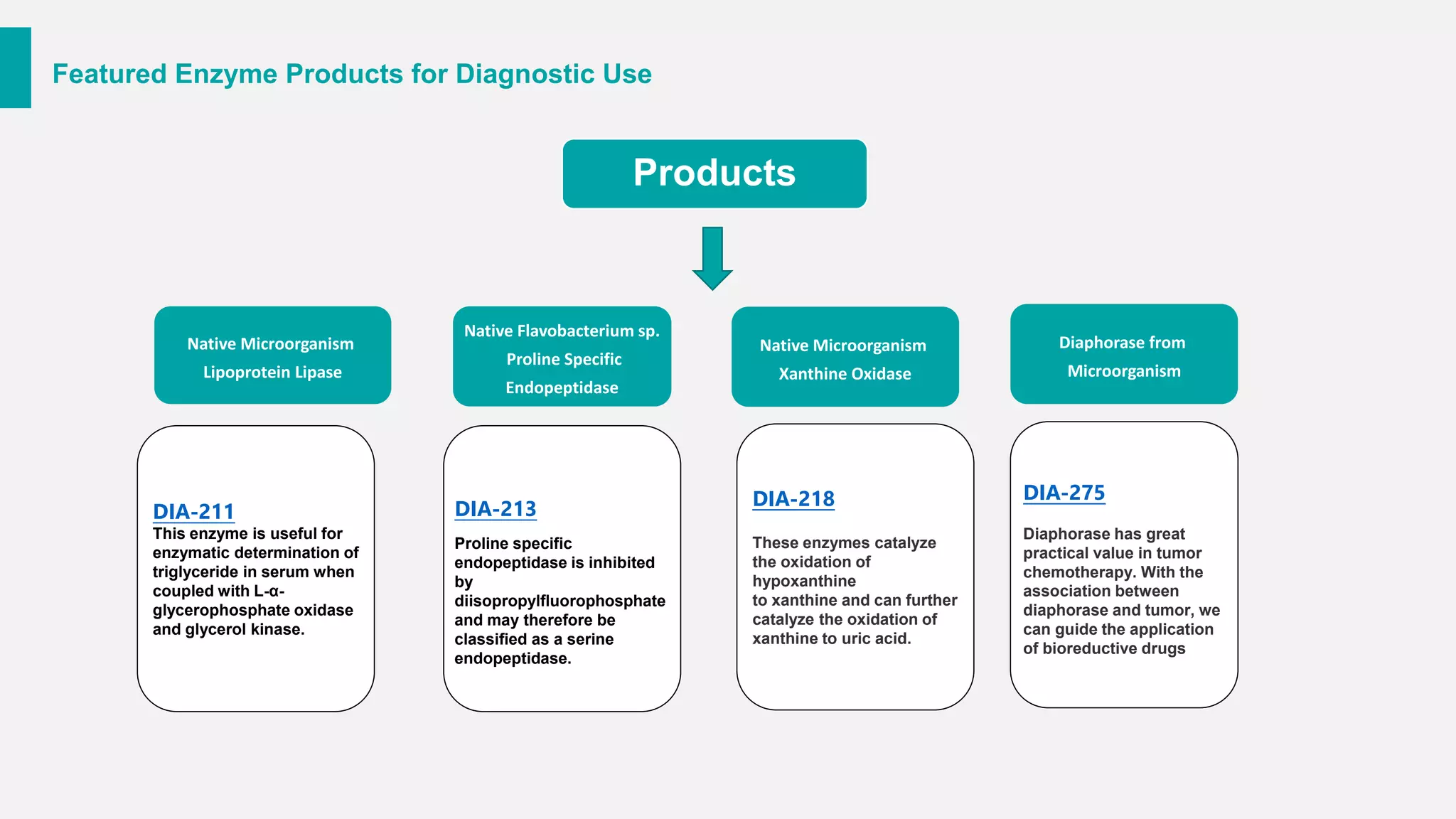
Native Flavobacterium sp.
Proline Specific
Endopeptidase
Native Microorganism
Xanthine Oxidase
Native Microorganism
Lipoprotein Lipase
Diaphorase from
Microorganism
Featured Enzyme Products for Diagnostic Use
Proline specific
endopeptidase is inhibited
by
diisopropylfluorophosphate
and may therefore be
classified as a serine
endopeptidase.
DIA-213
These enzymes catalyze
the oxidation of
hypoxanthine
to xanthine and can further
catalyze the oxidation of
xanthine to uric acid.
DIA-218
Diaphorase has great
practical value in tumor
chemotherapy. With the
association between
diaphorase and tumor, we
can guide the application
of bioreductive drugs
DIA-275
DIA-211
This enzyme is useful for
enzymatic determination of
triglyceride in serum when
coupled with L-α-
glycerophosphate oxidase
and glycerol kinase.
Contact Us
⚫ Address: 45-1 Ramsey
Road, Shirley, NY
11967,USA
⚫ Email: info@creative-
enzymes.com
⚫ Tel: 1-631-562-8517 1-
516-512-3133
⚫ Fax: 1-631-938-8127
⚫ If you are interested in
Nanozymes, please visit
our website:
https://www.creative-
enzymes.com/
Thanks for watching
Creative Enzymes Inc.

Featured enzyme products for diagnostic use

  • 1.
    Featured Enzyme Productsfor Diagnostic Use Creative Enzymes Inc. 2020
  • 2.
  • 3.
    Introduction An enzyme isa biological catalyst and is almost always a protein. It speeds up the rate of a specific chemical reaction in the cell. The enzyme is not destroyed during the reaction and is used over and over. A cell contains thousands of different types of enzyme molecules, each specific to a particular chemical reaction.
  • 4.
    Introductions Enzymes play akey role in the metabolic activities of all organisms from human to microbial. The abnormality in metabolism leads to many metabolic disorders. 1 2 Studies have shown that many metabolic disorders are resulted from enzyme deficiency. Enzymes also have a wide range of applications in microbial biotechnology and the diagnosis process. They have been widely used in clinical examination as preferred markers in disease states such as myocardial infarction, jaundice, pancreatitis, cancer, neurodegenerative disorders, etc. They provide insight into the disease process through the ability of diagnosis, prognosis, and assessment of response therapy.
  • 5.
    Introductions The rapid andaccurate diagnosis of major diseases and their appropriate treatments are the main factors that promote the best clinical results and public health. 3 4 Enzymes provide insight into various diseases through diagnosis, prognosis and evaluation of response therapy. 5 Enzymes have remarkable biocatalytic properties, so they are widely used in the diagnosis of various diseases. Many enzymes are the first choice markers for detecting various diseases.
  • 6.
    Enzymes in diseasediagnosis PART 02 02
  • 7.
    Enzymes in diseasediagnosis The diagnosis of the serum level of certain enzymes has been used as an indicator of cellular damage that results in the release of intracellular components into the blood stream. Hence, when a physician reveals that a person has to undergo a neurological enzyme assay, the purpose is to ascertain whether or not there is brain damage. Commonly assayed enzymes for the diagnosis of various diseases are as follows: ➢ Alkaline phosphatase ➢ Creatine kinase ➢ Aminotransferases ➢ Dehydrogenases ➢ Cholinesterase ➢ Cyclooxygenase ➢ Tartrateresistant acid phosphatase Alkaline phosphatase
  • 8.
    Liver Diseases The liveris the largest internal organ and plays an important role in many body functions, including blood detoxification, cholesterol, glucose, iron metabolism, etc. Various conditions can affect the normal function of the liver, including hepatitis, excessive alcohol consumption and drugs such as acetaminophen. Under these abnormal conditions, various enzymes will be released into the blood, and the quantification of these catalysts may lead to the detection of diseases. The enzymes that help diagnose abnormal liver/liver damage are described as follows. Enzyme Disorder/Disease Acid phosphatase Malaria Alanine aminotransferase Hepatocellular damage Hepatitis B and C Amylase Pancreatitis Myocardial infarction Alkaline phosphatase Type II diabetes Obstructed liver Creatine kinase Myocardial damage Neuroleptic malignant syndrome Gelatinase-B Gastric cancer
  • 9.
    Cancer Cancer can bedefined as a disease in which group of cells grow abnormally, resulting in their uncontrolled growth and proliferation. This proliferation can be fatal, if it is allowed to continue and spread. Moreover, 90% of cancer related deaths are due to the process called metastasis. During the diseased condition, the level of certain enzymes in the bloodstream becomes abnormal, which further acts as a biomarker of cancer prognosis. A few enzymes that are involved in the detection of cancer are mentioned as follows: ⚫ Acid Phosphatases (ACP) ⚫ Cathepsin D (CD) ⚫ Cysteine Cathepsins (CCs) ⚫ Cyclooxygenase-2 (COX-2) ⚫ Dehydrogenases (DH) ⚫ Sorbitol dehydrogenase ⚫ Tartrate-Resistant Acid Phosphatase ⚫ Thymidine Kinase (TK) Structure of Cathepsin D (CD)
  • 10.
    Cardiac Disorders Cardiovascular diseasesare the class of diseases that involve the heart or blood vessels. These are commonly related to atherosclerosis, where fat is deposited in the arteries in the form of plaque, causing them to narrow, and possibly become blocked. This can cause high blood pressure, heart attack, stroke, or peripheral arterial diseases. Various risk factors related to cardiac abnormality include high blood cholesterol, physical inactivity, depression, stress, excess weight, unhealthy eating, and so forth. A few enzymes that are involved in cardiovascular diseases are mentioned as follows: ⚫ Creatine Kinase (CK) ⚫ Glycogen Phosphorylase (GP) ⚫ Gelatinases ⚫ Amylases Creatine Kinase (CK)
  • 11.
    Featured Enzyme Products forDiagnostic Use PART 03 03 Creative Enzymes provides enzyme products for diagnostic use. These products have passed a series of quality control (QC) assays to ensure high quality. Please contact us if you have any questions or specific needs.
  • 12.
    Products DIA-135 Sterol esterase isuseful for enzymatic determination of total cholesterol when coupled with cholesterol oxidase in clinical analysis. Native Pseudomonas sp. Cholesterol Oxidase Native Microorganism Cholesterol Oxidase Native Microorganism Cholesterol Esterase Native Microorganism Glucose-6-phosphate Dehydrogenase Featured Enzyme Products for Diagnostic Use Native Microorganism Glucose-6-phosphate Dehydrogenase Cholesterol oxidase is useful for enzymatic determination of cholesterol in serum when coupled with cholesterol esterase in clinical analysis. DIA-136 Cholesterol oxidase is useful for enzymatic determination of cholesterol in serum when coupled with cholesterol esterase in clinical analysis. DIA-138 DIA-145 is useful for enzymatic determination of NAD+(NADP+) and G-6-P, and activities of phosphoglucose isomerase, phosphoglucomutase and hexokinase. DIA-145 Alkaline phosphatase has become a useful tool in molecular biology laboratories. Alkaline phosphatase is also used as a label for enzyme immunoassays. DIA-181
  • 13.
    Products DIA-182 DIA-182 is usefulfor enzymatic determination of N-acetylneuraminic acid and sialic acid when coupled with the related enzymes in clinical analysis. Rhizopus sp. Glucoamylase Native Pediococcus sp. L-α-glycerophosphate Oxidase Native Microorganism N-Acetylneuraminic Acid Aldolase Native Microorganism Hexokinase Featured Enzyme Products for Diagnostic Use Native Microorganism Lactate Oxidase This enzyme is useful for structural investigation of carbohydrates and for enzymatic determination of α-amylase when combined with the related enzymes in clinical analysis. DIA-190 This enzyme is useful for enzymatic determination of triglyceride when coupled with lipoprotein lipase and glycerokinase in clinical analysis. DIA-199 The enzyme is useful for enzymatic determination of glucose, adenosine-5'- triphosphate (ATP) and creatine phosphokinase when coupled with glucose-6-phosphate dehydrogenase. DIA-202 This enzyme participates in pyruvate metabolism. It employs one cofactor, FMN. DIA-208 is useful for enzymatic determination of L-lactate. DIA-208
  • 14.
    Products Native Flavobacterium sp. ProlineSpecific Endopeptidase Native Microorganism Xanthine Oxidase Native Microorganism Lipoprotein Lipase Diaphorase from Microorganism Featured Enzyme Products for Diagnostic Use Proline specific endopeptidase is inhibited by diisopropylfluorophosphate and may therefore be classified as a serine endopeptidase. DIA-213 These enzymes catalyze the oxidation of hypoxanthine to xanthine and can further catalyze the oxidation of xanthine to uric acid. DIA-218 Diaphorase has great practical value in tumor chemotherapy. With the association between diaphorase and tumor, we can guide the application of bioreductive drugs DIA-275 DIA-211 This enzyme is useful for enzymatic determination of triglyceride in serum when coupled with L-α- glycerophosphate oxidase and glycerol kinase.
  • 15.
    Contact Us ⚫ Address:45-1 Ramsey Road, Shirley, NY 11967,USA ⚫ Email: info@creative- enzymes.com ⚫ Tel: 1-631-562-8517 1- 516-512-3133 ⚫ Fax: 1-631-938-8127 ⚫ If you are interested in Nanozymes, please visit our website: https://www.creative- enzymes.com/
  • 16.