EVOLUZIONE 
E 
RIVOLUZIONE
CHARLES DARWIN 
1809-1882
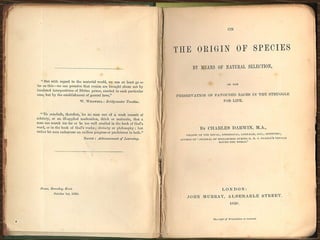
Nel 1859, dopo oltre vent'anni di 
elaborazione, uscì On the Origin of 
Species by Means of Natural 
Selection; seguiranno anni di 
discussioni accanite e decise prese 
di posizione, con una sostanziale 
accettazione, nell'ambito scientifico, 
dell'idea di evoluzione, mentre 
maggiori resistenze incontrò il 
concetto di "selezione naturale".
Darwin non si limitò a fornire 
innumerevoli prove 
dell'evoluzione come principio 
coordinante della storia della 
vita e a sviluppare la teoria della 
selezione naturale, ma diede 
contributi altrettanto importanti 
con i concetti di evoluzione 
ramificata, che implica la 
discendenza da un'origine 
comune di tutte le specie viventi, 
e di evoluzione graduale, 
contrapposta a quella a salti 
(mutazionismo).
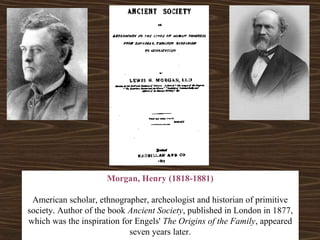
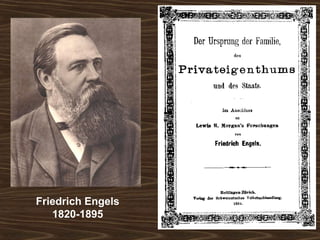
Morgan, Henry (1818-1881) 
American scholar, ethnographer, archeologist and historian of primitive 
society. Author of the book Ancient Society, published in London in 1877, 
which was the inspiration for Engels' The Origins of the Family, appeared 
seven years later.
Upon their skill in this direction, the whole question of 
human 
supremacy on the earth depended. Mankind are the only 
beings who may be said to have gained an absolute control 
over the production of food.... It is accordingly probable that 
the great epochs of human progress have been identified, 
more or less directly, with the enlargement of the 
sources of subsistence . 
[Morgan, op. cit., p. 19. -Ed.]
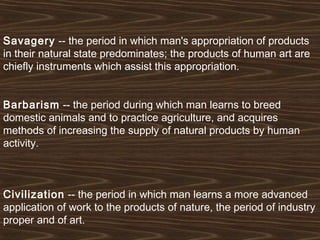
Savagery -- the period in which man's appropriation of products 
in their natural state predominates; the products of human art are 
chiefly instruments which assist this appropriation. 
Barbarism -- the period during which man learns to breed 
domestic animals and to practice agriculture, and acquires 
methods of increasing the supply of natural products by human 
activity. 
Civilization -- the period in which man learns a more advanced 
application of work to the products of nature, the period of industry 
proper and of art.
LA ROTONDA 
DELLA 
BRITISH LIBRARY
Friedrich Engels 
1820-1895
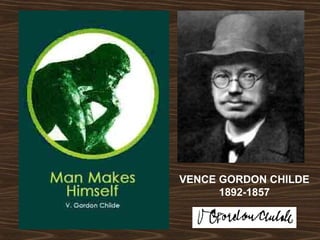
VENCE GORDON CHILDE 
1892-1857
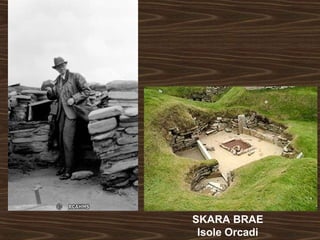
SKARA BRAE 
Isole Orcadi
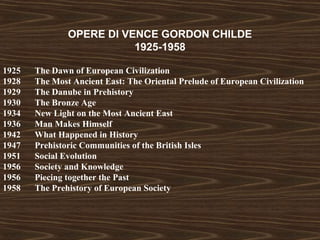
OPERE DI VENCE GORDON CHILDE 
1925-1958 
1925 The Dawn of European Civilization 
1928 The Most Ancient East: The Oriental Prelude of European Civilization 
1929 The Danube in Prehistory 
1930 The Bronze Age 
1934 New Light on the Most Ancient East 
1936 Man Makes Himself 
1942 What Happened in History 
1947 Prehistoric Communities of the British Isles 
1951 Social Evolution 
1956 Society and Knowledge 
1956 Piecing together the Past 
1958 The Prehistory of European Society
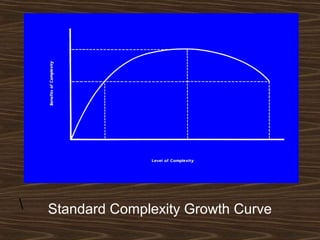
Standard Complexity Growth Curve
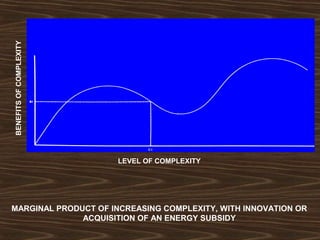
LEVEL OF COMPLEXITY 
MARGINAL PRODUCT OF INCREASING COMPLEXITY, WITH INNOVATION OR 
ACQUISITION OF AN ENERGY SUBSIDY 
BENEFITS OF COMPLEXITY
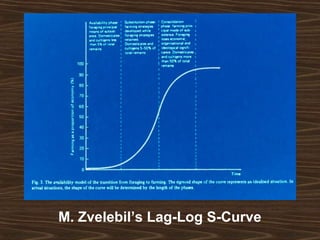
M. Zvelebil’s Lag-Log S-Curve
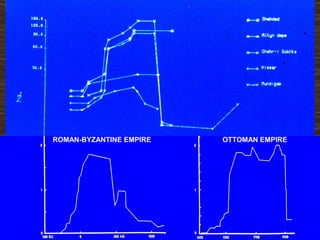
ROMAN-BYZANTINE EMPIRE OTTOMAN EMPIRE 
EXPANSION & COLLAPSE OF MAIN PROTOURBAN CENTRES IN MIDDLE ASIA 
(c. 3500-2000 BCE)
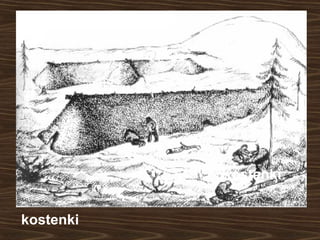
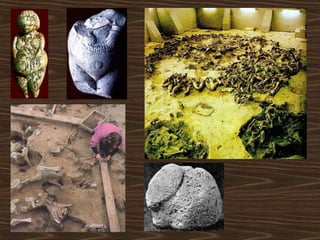
Kostenki 
kostenki
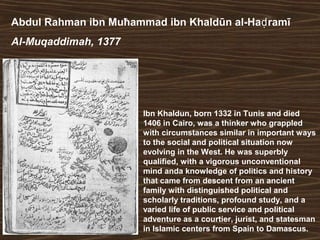
Abdul Rahman ibn Muħammad ibn Khaldūn al-Haḍramī 
Al-Muqaddimah, 1377 
Ibn Khaldun, born 1332 in Tunis and died 
1406 in Cairo, was a thinker who grappled 
with circumstances similar in important ways 
to the social and political situation now 
evolving in the West. He was superbly 
qualified, with a vigorous unconventional 
mind anda knowledge of politics and history 
that came from descent from an ancient 
family with distinguished political and 
scholarly traditions, profound study, and a 
varied life of public service and political 
adventure as a courtier, jurist, and statesman 
in Islamic centers from Spain to Damascus.
The most distinctive feature of his thought is his emphasis on group feeling 
and solidarity which he calls "asabiyah" from an Arabic root referring 
to paternal kinsmen. As its derivation suggests, asabiyah is found first 
and foremost among blood relatives. Nonetheless, its real cause is not 
blood but "social intercourse, friendly association, long familiarity, 
and the companionship that results from ... sharing the ... Circumstances 
of life and death." It is group feeling, Ibn Khaldun says, that makes possible 
all great social achievements, fromreligious reforms to the founding 
and defense of dynasties. Paradoxically, its necessity also ensures that 
social achievements never last, because successputs an end to group 
feeling by liberating desire and reducing the need for mutual 
responsibility. If fragmentation is the rule and community an exception, 
all human achievements become temporary deviations from chaos
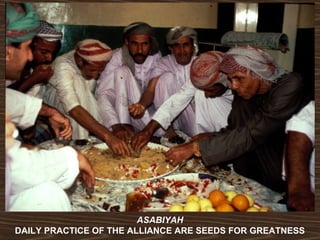
ASABIYAH 
DAILY PRACTICE OF THE ALLIANCE ARE SEEDS FOR GREATNESS
ADAM SMITH 
1723-1790
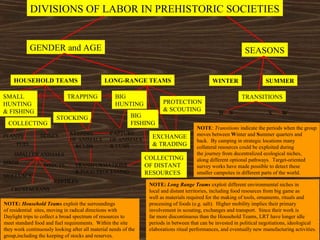
DIVISIONS OF LABOR IN PREHISTORIC SOCIETIES 
GENDER and AGE 
HOUSEHOLD TEAMS LONG-RANGE TEAMS 
SEASONS 
WINTER SUMMER 
TRANSITIONS 
W S S W 
PROTECTION 
& SCOUTING 
NOTE: Transitions indicate the periods when the group 
moves between Winter and Summer quarters and 
back. By camping in strategic locations many 
collateral resources could be exploited during 
the journey from decentralized ecological niches, 
along different optional pathways. Target-oriented 
survey works have made possible to detect these 
smaller campsites in different parts of the world. 
SMALL 
HUNTING 
& FISHING 
COLLECTING 
PLANTS 
STOCKING 
HONEY 
FUEL 
SMALLER ANIMALS 
BIRDS 
MOLLUSCS 
INSECTS 
REPTILES 
CRUSTACEANS 
TRAPPING 
KEEPING 
OF ANIMALS 
&CUBS 
BIG 
HUNTING 
TRANSFORMATIONS 
& FOOD PROCESSING 
BIG 
FISHING 
EXCHANGE 
& TRADING 
COLLECTING 
OF DISTANT 
RESOURCES 
CAPTURE 
OF ANIMALS 
& CUBS 
NOTE: Household Teams exploit the surroundings 
of residential sites, moving in radical directions with 
Daylight trips to collect a broad spectrum of resources to 
meet standard food and fuel requirements. Within the site 
they work continuously looking after all material needs of the 
group,including the keeping of stocks and reserves. 
NOTE: Long Range Teams exploit different environmental niches in 
local and distant territories, including food resources from big game as 
well as materials required for the making of tools, ornaments, rituals and 
processing of foods (e.g. salt). Higher mobility implies their primary 
involvement in scouting, exchanges and transport. Since their work is 
far more discontinuous than the Household Teams, LRT have longer idle 
periods in between that can be invested in political negotiations, ideological 
elaborations ritual performances, and eventually new manufacturing activities.
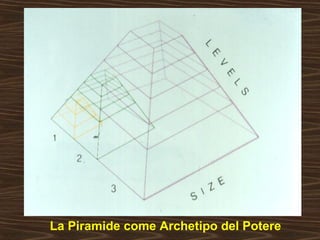
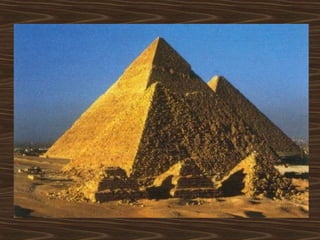
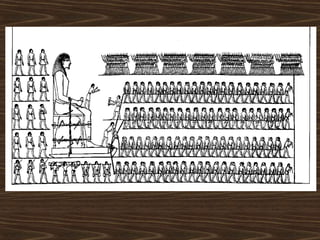
La Piramide come Archetipo del Potere
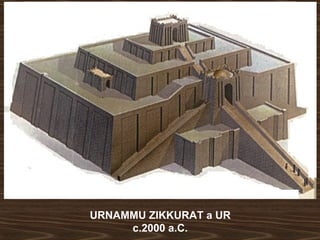
URNAMMU ZIKKURAT a UR 
c.2000 a.C.
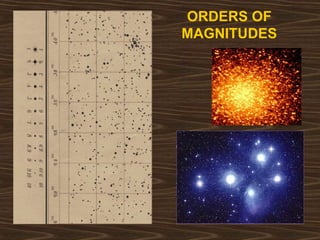
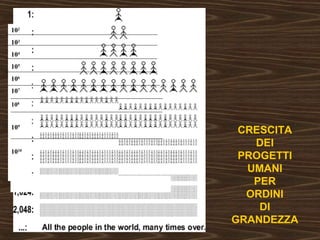
ORDERS OF 
MAGNITUDES
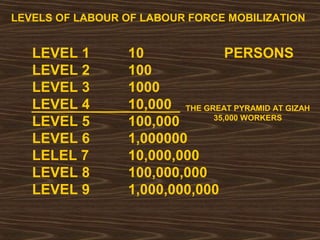
LEVELS OF LABOUR OF LABOUR FORCE MOBILIZATION 
LEVEL 1 10 PERSONS 
LEVEL 2 100 
LEVEL 3 1000 
LEVEL 4 10,000 
LEVEL 5 100,000 
LEVEL 6 1,000000 
LELEL 7 10,000,000 
LEVEL 8 100,000,000 
LEVEL 9 1,000,000,000 
THE GREAT PYRAMID AT GIZAH 
35,000 WORKERS
102 
103 
104 
105 
106 
107 
108 
109 
1010 
CRESCITA 
DEI 
PROGETTI 
UMANI 
PER 
ORDINI 
DI 
GRANDEZZA
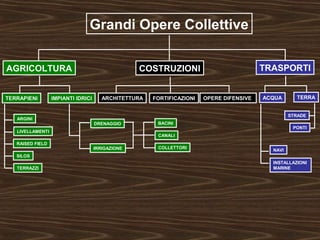
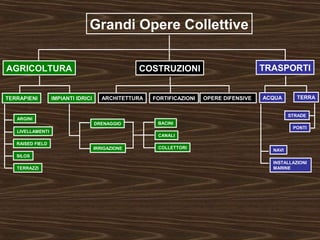
Grandi Opere Collettive 
AGRICOLTURA COSTRUZIONI TRASPORTI 
TERRAPIENI IMPIANTI IDRICI ARCHITETTURA FORTIFICAZIONI OPERE DIFENSIVE ACQUA TERRA 
ARGINI 
LIVELLAMENTI 
RAISED FIELD 
SILOS 
TERRAZZI 
BACINI 
CANALI 
COLLETTORI 
STRADE 
PONTI 
IRRIGAZIONE NAVI 
INSTALLAZIONI 
MARINE 
DRENAGGIO
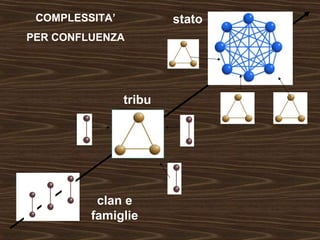
COMPLESSITA’ stato 
PER CONFLUENZA 
tribu 
clan e 
famiglie
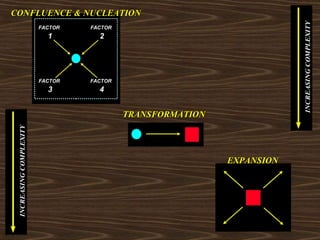
CCOONNFFLLUUEENNCCEE && NNUUCCLLEEAATTIIOONN 
TTRRAANNSSFFOORRMMAATTIIOONN 
EEXXPPAANNSSIIOONN
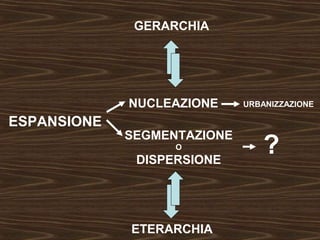
ESPANSIONE 
NUCLEAZIONE 
SEGMENTAZIONE 
O 
DISPERSIONE 
URBANIZZAZIONE 
? 
GERARCHIA 
ETERARCHIA
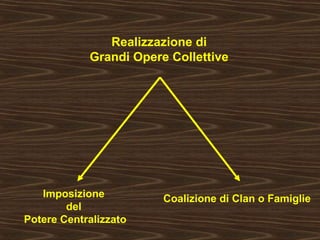
Realizzazione di 
Grandi Opere Collettive 
Imposizione 
del 
Potere Centralizzato 
Coalizione di Clan o Famiglie
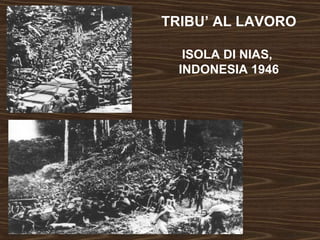
TRIBU’ AL LAVORO 
ISOLA DI NIAS, 
INDONESIA 1946
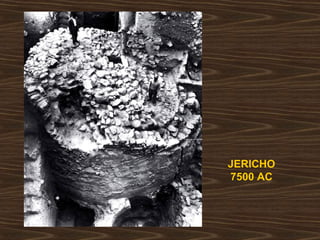
JERICHO 
7500 AC
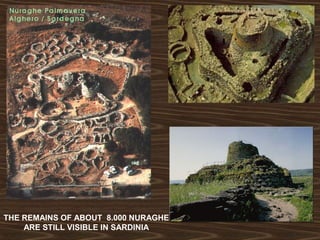
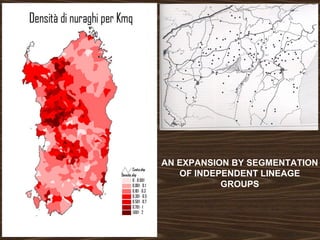
THE REMAINS OF ABOUT 8.000 NURAGHE 
ARE STILL VISIBLE IN SARDINIA
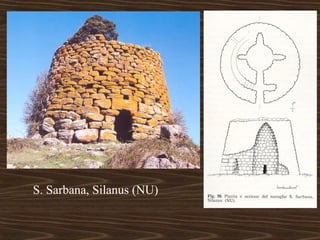
S. Sarbana, Silanus (NU)
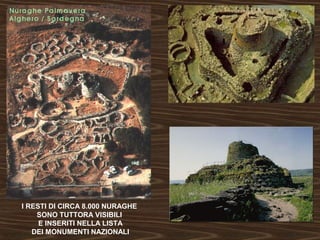
I RESTI DI CIRCA 8.000 NURAGHE 
SONO TUTTORA VISIBILI 
E INSERITI NELLA LISTA 
DEI MONUMENTI NAZIONALI
AN EXPANSION BY SEGMENTATION 
OF INDEPENDENT LINEAGE 
GROUPS
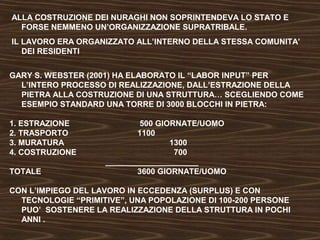
ALLA COSTRUZIONE DEI NURAGHI NON SOPRINTENDEVA LO STATO E 
FORSE NEMMENO UN’ORGANIZZAZIONE SUPRATRIBALE. 
IL LAVORO ERA ORGANIZZATO ALL’INTERNO DELLA STESSA COMUNITA’ 
DEI RESIDENTI 
GARY S. WEBSTER (2001) HA ELABORATO IL “LABOR INPUT” PER 
L’INTERO PROCESSO DI REALIZZAZIONE, DALL’ESTRAZIONE DELLA 
PIETRA ALLA COSTRUZIONE DI UNA STRUTTURA… SCEGLIENDO COME 
ESEMPIO STANDARD UNA TORRE DI 3000 BLOCCHI IN PIETRA: 
1. ESTRAZIONE 500 GIORNATE/UOMO 
2. TRASPORTO 1100 
3. MURATURA 1300 
4. COSTRUZIONE 700 
_____________________ 
TOTALE 3600 GIORNATE/UOMO 
CON L’IMPIEGO DEL LAVORO IN ECCEDENZA (SURPLUS) E CON 
TECNOLOGIE “PRIMITIVE”, UNA POPOLAZIONE DI 100-200 PERSONE 
PUO’ SOSTENERE LA REALIZZAZIONE DELLA STRUTTURA IN POCHI 
ANNI .
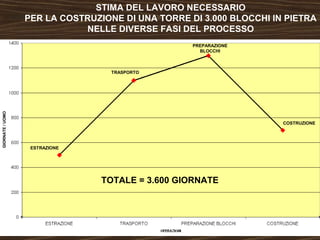
GIORNATE / UOMO 
STIMA DEL LAVORO NECESSARIO 
PER LA COSTRUZIONE DI UNA TORRE DI 3.000 BLOCCHI IN PIETRA 
NELLE DIVERSE FASI DEL PROCESSO 
TOTALE = 3.600 GIORNATE 
ESTRAZIONE 
TRASPORTO 
PREPARAZIONE 
BLOCCHI 
COSTRUZIONE
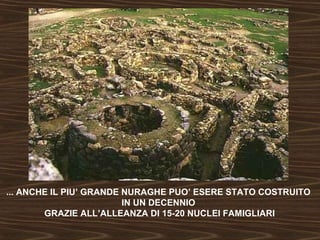
... ANCHE IL PIU’ GRANDE NURAGHE PUO’ ESERE STATO COSTRUITO 
IN UN DECENNIO 
GRAZIE ALL’ALLEANZA DI 15-20 NUCLEI FAMIGLIARI
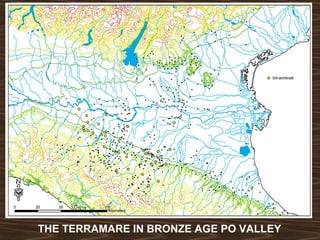
THE TERRAMARE IN BRONZE AGE PO VALLEY
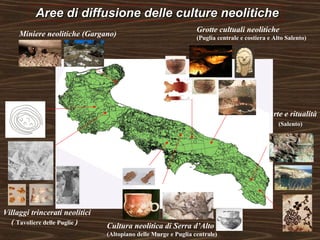
Aree di diffusione ddeellllee ccuullttuurree nneeoolliittiicchhee 
Miniere neolitiche (Gargano) 
Grotte cultuali neolitiche 
(Puglia centrale e costiera e Alto Salento) 
Villaggi trincerati neolitici 
( Tavoliere delle Puglie ) Cultura neolitica di Serra d’Alto 
(Altopiano delle Murge e Puglia centrale) 
Arte e ritualità 
(Salento)
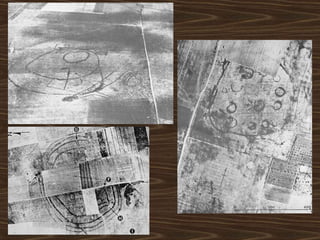
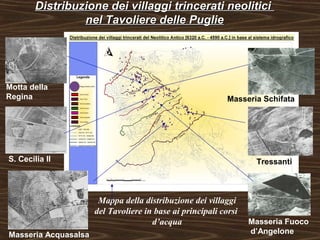
Distribuzione ddeeii vviillllaaggggii ttrriinncceerraattii nneeoolliittiiccii 
nneell TTaavvoolliieerree ddeellllee PPuugglliiee 
Motta della 
Regina 
Masseria Schifata 
S. Cecilia II Tressanti 
Masseria Fuoco 
Mappa della distribuzione dei villaggi 
del Tavoliere in base ai principali corsi 
d’acqua 
Masseria Acquasalsa d’Angelone
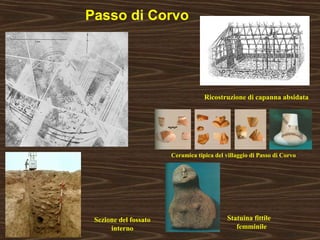
Sezione del fossato 
interno 
Ricostruzione di capanna absidata 
- Ceramica tipica del villaggio di Passo di Corvo 
Statuina fittile 
femminile 
Passo di Corvo
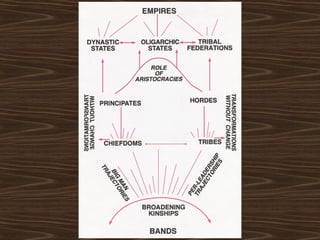
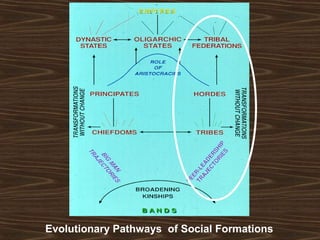
Evolutionary Pathways of Social Formations
Grandi Opere Collettive 
AGRICOLTURA COSTRUZIONI TRASPORTI 
TERRAPIENI IMPIANTI IDRICI ARCHITETTURA FORTIFICAZIONI OPERE DIFENSIVE ACQUA TERRA 
ARGINI 
LIVELLAMENTI 
RAISED FIELD 
SILOS 
TERRAZZI 
BACINI 
CANALI 
COLLETTORI 
STRADE 
PONTI 
IRRIGAZIONE NAVI 
INSTALLAZIONI 
MARINE 
DRENAGGIO
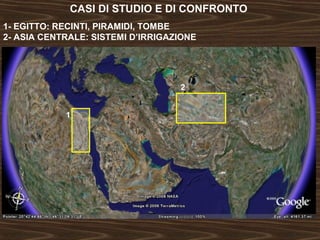
CASI DI STUDIO E DI CONFRONTO 
1- EGITTO: RECINTI, PIRAMIDI, TOMBE 
2- ASIA CENTRALE: SISTEMI D’IRRIGAZIONE 
1 
2
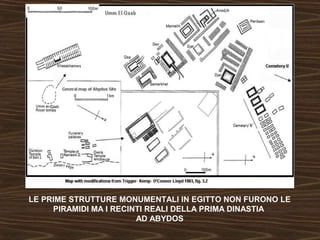
LE PRIME STRUTTURE MONUMENTALI IN EGITTO NON FURONO LE 
PIRAMIDI MA I RECINTI REALI DELLA PRIMA DINASTIA 
AD ABYDOS
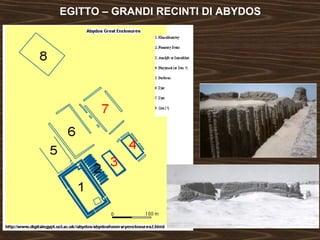
EGITTO – GRANDI RECINTI DI ABYDOS
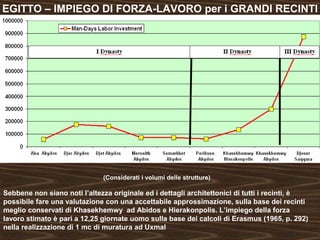
EGITTO – IMPIEGO DI FORZA-LAVORO per i GRANDI RECINTI 
(Considerati i volumi delle strutture) 
Sebbene non siano noti l’altezza originale ed i dettagli architettonici di tutti i recinti, è 
possibile fare una valutazione con una accettabile approssimazione, sulla base dei recinti 
meglio conservati di Khasekhemwy ad Abidos e Hierakonpolis. L’impiego della forza 
lavoro stimato è pari a 12,25 giornate uomo sulla base dei calcoli di Erasmus (1965, p. 292) 
nella realizzazione di 1 mc di muratura ad Uxmal
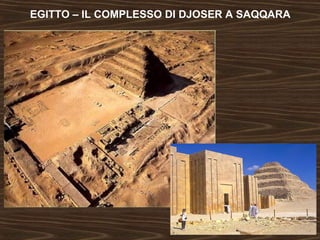
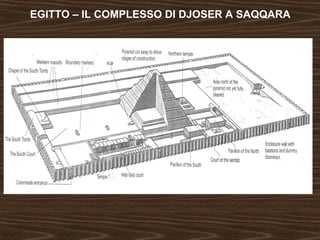
EGITTO – IL COMPLESSO DI DJOSER A SAQQARA
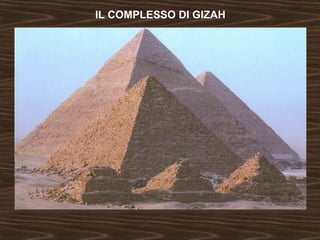
IL COMPLESSO DI GIZAH
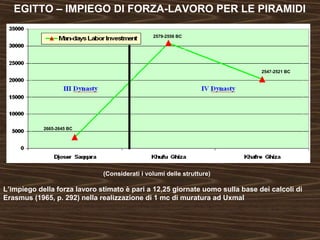
EGITTO – IMPIEGO DI FORZA-LAVORO PER LE PIRAMIDI 
2665-2645 BC 
2579-2556 BC 
2547-2521 BC 
(Considerati i volumi delle strutture) 
L’impiego della forza lavoro stimato è pari a 12,25 giornate uomo sulla base dei calcoli di 
Erasmus (1965, p. 292) nella realizzazione di 1 mc di muratura ad Uxmal
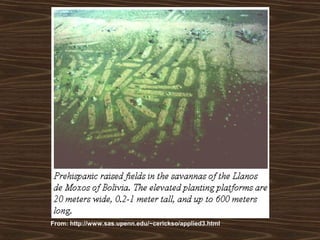
From: http://www.sas.upenn.edu/~cerickso/applied3.html
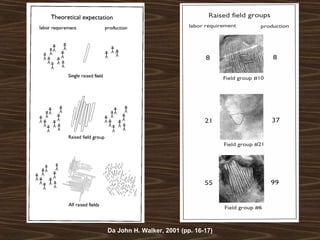
Da John H. Walker, 2001 (pp. 16-17)
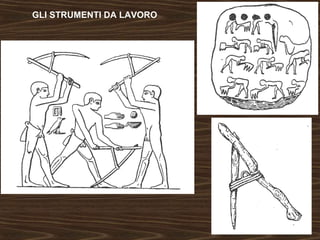
GLI STRUMENTI DA LAVORO
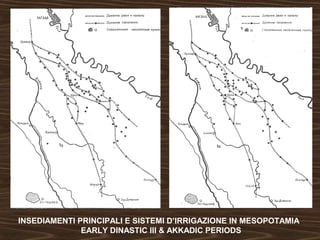
INSEDIAMENTI PRINCIPALI E SISTEMI D’IRRIGAZIONE IN MESOPOTAMIA 
EARLY DINASTIC III & AKKADIC PERIODS
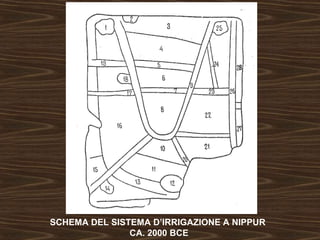
SCHEMA DEL SISTEMA D’IRRIGAZIONE A NIPPUR 
CA. 2000 BCE
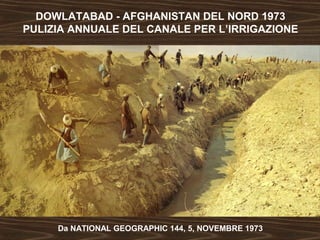
DOWLATABAD - AFGHANISTAN DEL NORD 1973 
PULIZIA ANNUALE DEL CANALE PER L’IRRIGAZIONE 
Da NATIONAL GEOGRAPHIC 144, 5, NOVEMBRE 1973
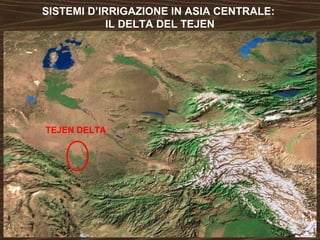
SISTEMI D’IRRIGAZIONE IN ASIA CENTRALE: 
IL DELTA DEL TEJEN 
TEJEN DELTA
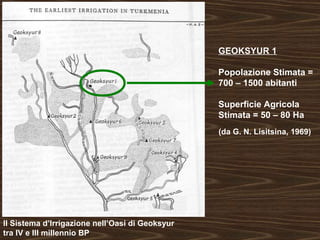
Il Sistema d’Irrigazione nell’Oasi di Geoksyur 
tra IV e III millennio BP 
GEOKSYUR 1 
Popolazione Stimata = 
700 – 1500 abitanti 
Superficie Agricola 
Stimata = 50 – 80 Ha 
(da G. N. Lisitsina, 1969)
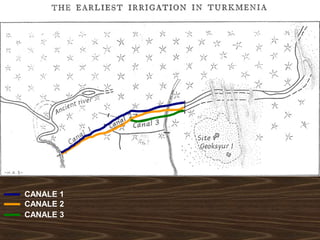
CANALE 1 
CANALE 2 
CANALE 3

Evoluzione rivoluzione

  • 1.
  • 2.
  • 4.
    Nel 1859, dopooltre vent'anni di elaborazione, uscì On the Origin of Species by Means of Natural Selection; seguiranno anni di discussioni accanite e decise prese di posizione, con una sostanziale accettazione, nell'ambito scientifico, dell'idea di evoluzione, mentre maggiori resistenze incontrò il concetto di "selezione naturale".
  • 5.
    Darwin non silimitò a fornire innumerevoli prove dell'evoluzione come principio coordinante della storia della vita e a sviluppare la teoria della selezione naturale, ma diede contributi altrettanto importanti con i concetti di evoluzione ramificata, che implica la discendenza da un'origine comune di tutte le specie viventi, e di evoluzione graduale, contrapposta a quella a salti (mutazionismo).
  • 6.
    Morgan, Henry (1818-1881) American scholar, ethnographer, archeologist and historian of primitive society. Author of the book Ancient Society, published in London in 1877, which was the inspiration for Engels' The Origins of the Family, appeared seven years later.
  • 7.
    Upon their skillin this direction, the whole question of human supremacy on the earth depended. Mankind are the only beings who may be said to have gained an absolute control over the production of food.... It is accordingly probable that the great epochs of human progress have been identified, more or less directly, with the enlargement of the sources of subsistence . [Morgan, op. cit., p. 19. -Ed.]
  • 8.
    Savagery -- theperiod in which man's appropriation of products in their natural state predominates; the products of human art are chiefly instruments which assist this appropriation. Barbarism -- the period during which man learns to breed domestic animals and to practice agriculture, and acquires methods of increasing the supply of natural products by human activity. Civilization -- the period in which man learns a more advanced application of work to the products of nature, the period of industry proper and of art.
  • 12.
    LA ROTONDA DELLA BRITISH LIBRARY
  • 14.
  • 15.
  • 16.
  • 17.
    OPERE DI VENCEGORDON CHILDE 1925-1958 1925 The Dawn of European Civilization 1928 The Most Ancient East: The Oriental Prelude of European Civilization 1929 The Danube in Prehistory 1930 The Bronze Age 1934 New Light on the Most Ancient East 1936 Man Makes Himself 1942 What Happened in History 1947 Prehistoric Communities of the British Isles 1951 Social Evolution 1956 Society and Knowledge 1956 Piecing together the Past 1958 The Prehistory of European Society
  • 18.
  • 19.
    LEVEL OF COMPLEXITY MARGINAL PRODUCT OF INCREASING COMPLEXITY, WITH INNOVATION OR ACQUISITION OF AN ENERGY SUBSIDY BENEFITS OF COMPLEXITY
  • 20.
  • 21.
    ROMAN-BYZANTINE EMPIRE OTTOMANEMPIRE EXPANSION & COLLAPSE OF MAIN PROTOURBAN CENTRES IN MIDDLE ASIA (c. 3500-2000 BCE)
  • 23.
  • 26.
    Abdul Rahman ibnMuħammad ibn Khaldūn al-Haḍramī Al-Muqaddimah, 1377 Ibn Khaldun, born 1332 in Tunis and died 1406 in Cairo, was a thinker who grappled with circumstances similar in important ways to the social and political situation now evolving in the West. He was superbly qualified, with a vigorous unconventional mind anda knowledge of politics and history that came from descent from an ancient family with distinguished political and scholarly traditions, profound study, and a varied life of public service and political adventure as a courtier, jurist, and statesman in Islamic centers from Spain to Damascus.
  • 27.
    The most distinctivefeature of his thought is his emphasis on group feeling and solidarity which he calls "asabiyah" from an Arabic root referring to paternal kinsmen. As its derivation suggests, asabiyah is found first and foremost among blood relatives. Nonetheless, its real cause is not blood but "social intercourse, friendly association, long familiarity, and the companionship that results from ... sharing the ... Circumstances of life and death." It is group feeling, Ibn Khaldun says, that makes possible all great social achievements, fromreligious reforms to the founding and defense of dynasties. Paradoxically, its necessity also ensures that social achievements never last, because successputs an end to group feeling by liberating desire and reducing the need for mutual responsibility. If fragmentation is the rule and community an exception, all human achievements become temporary deviations from chaos
  • 28.
    ASABIYAH DAILY PRACTICEOF THE ALLIANCE ARE SEEDS FOR GREATNESS
  • 29.
  • 30.
    DIVISIONS OF LABORIN PREHISTORIC SOCIETIES GENDER and AGE HOUSEHOLD TEAMS LONG-RANGE TEAMS SEASONS WINTER SUMMER TRANSITIONS W S S W PROTECTION & SCOUTING NOTE: Transitions indicate the periods when the group moves between Winter and Summer quarters and back. By camping in strategic locations many collateral resources could be exploited during the journey from decentralized ecological niches, along different optional pathways. Target-oriented survey works have made possible to detect these smaller campsites in different parts of the world. SMALL HUNTING & FISHING COLLECTING PLANTS STOCKING HONEY FUEL SMALLER ANIMALS BIRDS MOLLUSCS INSECTS REPTILES CRUSTACEANS TRAPPING KEEPING OF ANIMALS &CUBS BIG HUNTING TRANSFORMATIONS & FOOD PROCESSING BIG FISHING EXCHANGE & TRADING COLLECTING OF DISTANT RESOURCES CAPTURE OF ANIMALS & CUBS NOTE: Household Teams exploit the surroundings of residential sites, moving in radical directions with Daylight trips to collect a broad spectrum of resources to meet standard food and fuel requirements. Within the site they work continuously looking after all material needs of the group,including the keeping of stocks and reserves. NOTE: Long Range Teams exploit different environmental niches in local and distant territories, including food resources from big game as well as materials required for the making of tools, ornaments, rituals and processing of foods (e.g. salt). Higher mobility implies their primary involvement in scouting, exchanges and transport. Since their work is far more discontinuous than the Household Teams, LRT have longer idle periods in between that can be invested in political negotiations, ideological elaborations ritual performances, and eventually new manufacturing activities.
  • 31.
    La Piramide comeArchetipo del Potere
  • 34.
    URNAMMU ZIKKURAT aUR c.2000 a.C.
  • 37.
  • 38.
    LEVELS OF LABOUROF LABOUR FORCE MOBILIZATION LEVEL 1 10 PERSONS LEVEL 2 100 LEVEL 3 1000 LEVEL 4 10,000 LEVEL 5 100,000 LEVEL 6 1,000000 LELEL 7 10,000,000 LEVEL 8 100,000,000 LEVEL 9 1,000,000,000 THE GREAT PYRAMID AT GIZAH 35,000 WORKERS
  • 39.
    102 103 104 105 106 107 108 109 1010 CRESCITA DEI PROGETTI UMANI PER ORDINI DI GRANDEZZA
  • 40.
    Grandi Opere Collettive AGRICOLTURA COSTRUZIONI TRASPORTI TERRAPIENI IMPIANTI IDRICI ARCHITETTURA FORTIFICAZIONI OPERE DIFENSIVE ACQUA TERRA ARGINI LIVELLAMENTI RAISED FIELD SILOS TERRAZZI BACINI CANALI COLLETTORI STRADE PONTI IRRIGAZIONE NAVI INSTALLAZIONI MARINE DRENAGGIO
  • 41.
    COMPLESSITA’ stato PERCONFLUENZA tribu clan e famiglie
  • 43.
    CCOONNFFLLUUEENNCCEE && NNUUCCLLEEAATTIIOONN TTRRAANNSSFFOORRMMAATTIIOONN EEXXPPAANNSSIIOONN
  • 44.
    ESPANSIONE NUCLEAZIONE SEGMENTAZIONE O DISPERSIONE URBANIZZAZIONE ? GERARCHIA ETERARCHIA
  • 45.
    Realizzazione di GrandiOpere Collettive Imposizione del Potere Centralizzato Coalizione di Clan o Famiglie
  • 46.
    TRIBU’ AL LAVORO ISOLA DI NIAS, INDONESIA 1946
  • 48.
  • 49.
    THE REMAINS OFABOUT 8.000 NURAGHE ARE STILL VISIBLE IN SARDINIA
  • 50.
  • 51.
    I RESTI DICIRCA 8.000 NURAGHE SONO TUTTORA VISIBILI E INSERITI NELLA LISTA DEI MONUMENTI NAZIONALI
  • 52.
    AN EXPANSION BYSEGMENTATION OF INDEPENDENT LINEAGE GROUPS
  • 53.
    ALLA COSTRUZIONE DEINURAGHI NON SOPRINTENDEVA LO STATO E FORSE NEMMENO UN’ORGANIZZAZIONE SUPRATRIBALE. IL LAVORO ERA ORGANIZZATO ALL’INTERNO DELLA STESSA COMUNITA’ DEI RESIDENTI GARY S. WEBSTER (2001) HA ELABORATO IL “LABOR INPUT” PER L’INTERO PROCESSO DI REALIZZAZIONE, DALL’ESTRAZIONE DELLA PIETRA ALLA COSTRUZIONE DI UNA STRUTTURA… SCEGLIENDO COME ESEMPIO STANDARD UNA TORRE DI 3000 BLOCCHI IN PIETRA: 1. ESTRAZIONE 500 GIORNATE/UOMO 2. TRASPORTO 1100 3. MURATURA 1300 4. COSTRUZIONE 700 _____________________ TOTALE 3600 GIORNATE/UOMO CON L’IMPIEGO DEL LAVORO IN ECCEDENZA (SURPLUS) E CON TECNOLOGIE “PRIMITIVE”, UNA POPOLAZIONE DI 100-200 PERSONE PUO’ SOSTENERE LA REALIZZAZIONE DELLA STRUTTURA IN POCHI ANNI .
  • 54.
    GIORNATE / UOMO STIMA DEL LAVORO NECESSARIO PER LA COSTRUZIONE DI UNA TORRE DI 3.000 BLOCCHI IN PIETRA NELLE DIVERSE FASI DEL PROCESSO TOTALE = 3.600 GIORNATE ESTRAZIONE TRASPORTO PREPARAZIONE BLOCCHI COSTRUZIONE
  • 55.
    ... ANCHE ILPIU’ GRANDE NURAGHE PUO’ ESERE STATO COSTRUITO IN UN DECENNIO GRAZIE ALL’ALLEANZA DI 15-20 NUCLEI FAMIGLIARI
  • 56.
    THE TERRAMARE INBRONZE AGE PO VALLEY
  • 59.
    Aree di diffusioneddeellllee ccuullttuurree nneeoolliittiicchhee Miniere neolitiche (Gargano) Grotte cultuali neolitiche (Puglia centrale e costiera e Alto Salento) Villaggi trincerati neolitici ( Tavoliere delle Puglie ) Cultura neolitica di Serra d’Alto (Altopiano delle Murge e Puglia centrale) Arte e ritualità (Salento)
  • 61.
    Distribuzione ddeeii vviillllaaggggiittrriinncceerraattii nneeoolliittiiccii nneell TTaavvoolliieerree ddeellllee PPuugglliiee Motta della Regina Masseria Schifata S. Cecilia II Tressanti Masseria Fuoco Mappa della distribuzione dei villaggi del Tavoliere in base ai principali corsi d’acqua Masseria Acquasalsa d’Angelone
  • 62.
    Sezione del fossato interno Ricostruzione di capanna absidata - Ceramica tipica del villaggio di Passo di Corvo Statuina fittile femminile Passo di Corvo
  • 63.
    Evolutionary Pathways ofSocial Formations
  • 64.
    Grandi Opere Collettive AGRICOLTURA COSTRUZIONI TRASPORTI TERRAPIENI IMPIANTI IDRICI ARCHITETTURA FORTIFICAZIONI OPERE DIFENSIVE ACQUA TERRA ARGINI LIVELLAMENTI RAISED FIELD SILOS TERRAZZI BACINI CANALI COLLETTORI STRADE PONTI IRRIGAZIONE NAVI INSTALLAZIONI MARINE DRENAGGIO
  • 65.
    CASI DI STUDIOE DI CONFRONTO 1- EGITTO: RECINTI, PIRAMIDI, TOMBE 2- ASIA CENTRALE: SISTEMI D’IRRIGAZIONE 1 2
  • 66.
    LE PRIME STRUTTUREMONUMENTALI IN EGITTO NON FURONO LE PIRAMIDI MA I RECINTI REALI DELLA PRIMA DINASTIA AD ABYDOS
  • 67.
    EGITTO – GRANDIRECINTI DI ABYDOS
  • 68.
    EGITTO – IMPIEGODI FORZA-LAVORO per i GRANDI RECINTI (Considerati i volumi delle strutture) Sebbene non siano noti l’altezza originale ed i dettagli architettonici di tutti i recinti, è possibile fare una valutazione con una accettabile approssimazione, sulla base dei recinti meglio conservati di Khasekhemwy ad Abidos e Hierakonpolis. L’impiego della forza lavoro stimato è pari a 12,25 giornate uomo sulla base dei calcoli di Erasmus (1965, p. 292) nella realizzazione di 1 mc di muratura ad Uxmal
  • 69.
    EGITTO – ILCOMPLESSO DI DJOSER A SAQQARA
  • 70.
    EGITTO – ILCOMPLESSO DI DJOSER A SAQQARA
  • 71.
  • 72.
    EGITTO – IMPIEGODI FORZA-LAVORO PER LE PIRAMIDI 2665-2645 BC 2579-2556 BC 2547-2521 BC (Considerati i volumi delle strutture) L’impiego della forza lavoro stimato è pari a 12,25 giornate uomo sulla base dei calcoli di Erasmus (1965, p. 292) nella realizzazione di 1 mc di muratura ad Uxmal
  • 73.
  • 74.
    Da John H.Walker, 2001 (pp. 16-17)
  • 75.
  • 76.
    INSEDIAMENTI PRINCIPALI ESISTEMI D’IRRIGAZIONE IN MESOPOTAMIA EARLY DINASTIC III & AKKADIC PERIODS
  • 77.
    SCHEMA DEL SISTEMAD’IRRIGAZIONE A NIPPUR CA. 2000 BCE
  • 78.
    DOWLATABAD - AFGHANISTANDEL NORD 1973 PULIZIA ANNUALE DEL CANALE PER L’IRRIGAZIONE Da NATIONAL GEOGRAPHIC 144, 5, NOVEMBRE 1973
  • 79.
    SISTEMI D’IRRIGAZIONE INASIA CENTRALE: IL DELTA DEL TEJEN TEJEN DELTA
  • 80.
    Il Sistema d’Irrigazionenell’Oasi di Geoksyur tra IV e III millennio BP GEOKSYUR 1 Popolazione Stimata = 700 – 1500 abitanti Superficie Agricola Stimata = 50 – 80 Ha (da G. N. Lisitsina, 1969)
  • 81.
    CANALE 1 CANALE2 CANALE 3