IMPACT OF U.S MARKETING &
ADVERTISING ON CHILDHOOD OBESITY
ETHICS IN MARKETING AND ADVERTISING
MICHAEL, SARAH, OLA, GORKEM, CRISTINA & LAURA
FTC Guidelines & Child Obesity Statistics
Current Federal Trade Commission’s (FTC) marketing guidelines relative to child obesity within the U.S. are:[i]
● Children may have greater difficulty evaluating advertising claims and understanding the nature of information provided.
● Children’s Advertising Review Unit (CARU) of Council of Better Business Bureau
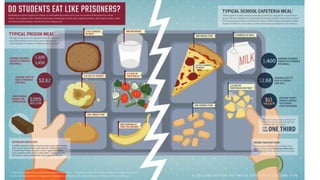
Childhood Obesity Avg. Annual Medical Costs[ii]
Interagency Working Group Proposal on Food Marketing to Children[iii]
● 1 in 3 Children are overweight or obese
● Focus on Children ages 2-17
● Federal Trade Commission, Food and Drug Administration, Centers for Disease Control and Prevention and the U.S. Department of Agriculture
● Two Principles
Center for Science in the Public Interest.[iv]
● 97% of kid’s meals at top U.S. restaurant chains did not meet the nutritional criteria…except SUBWAY!
Children Treated with Obesity (Medicaid) Children Treated with Obesity (Private Ins.)
$6,730 $3,743
All Children Treated (Medicaid) All Children Treated (Private Ins.)
$2,446 $1,108
Marketing Ethics to Children
Pester Power
● Total amount of food and beverage marketing to children is
estimated at $2 billion a year.
● The fast food industry spends more than $5 million every day
marketing unhealthy foods to children.
● marketing strategies are used to increase a child’s influence in
the households purchasing habits
Subways Marketing to Children
Official Training Restaurant
Brand Ambassador: Jared Fogle
Celebrity Endorsement: Michelle Obama
Not the Right Choice?
Alternative Option: Mascot
● viral marketing,
● advergaming,
● peer-to-peer
● behavioral targeting
● neuromarketing
Viral Marketing
Viral Marketing
According to FTC, 25K - 40K TV commercials
per year
https://www.youtube.com/watch?v=Sg6nX
ndsPSE
According to FTC, 25K - 40K TV commercials per
year
https://www.youtube.com/watch?v=Sg6nXndsP
SE
Awareness solution: Chipotle
Viral Marketing
company should either make their sandwiches 12
inches long or stop advertising them as footlongs
“The case is about holding companies to deliver what they’ve
promised,” he said.
Ethics, from production to marketing.
Viral Marketing
SUBWAY fights
CHILDHOOD OBESITY
by encouraging healthy eating
habit and living active lifestyles
AMERICAN HEART ASSOCIATION’S JUMP ROPE FOR
HEART AND HOOPS FOR HEART PROGRAMS
Educational programs to engage children in physical
activity while raising fund to support life saving heart
and stroke research.
NATIONAL INSTITUTES OF HEALTH’S WE CAN!
Program to help kids lead healthier, more active lives.
Designed to give parents, caregivers, and entire
communities a way to help children 8 ti 13 years old
stay at a healthy weight.
Sponsors and Partnerships
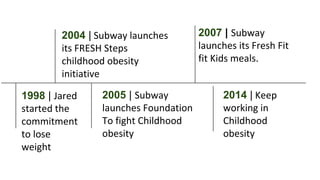
2007 | Subway
launches its Fresh Fit
fit Kids meals.
1998 | Jared
started the
commitment
to lose
weight
2014 | Keep
working in
Childhood
obesity
2004 | Subway launches
its FRESH Steps
childhood obesity
initiative
2005 | Subway
launches Foundation
To fight Childhood
obesity
Jared Fogle Commitment
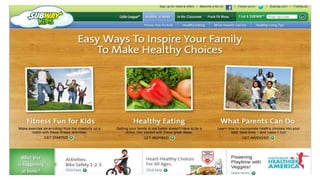
Subwaykids provides easy Ideas
for inspiring children and young
people to make healthy choices
at home as well as ideas and
resources for bringing healthy
living into the classroom.
Subway Kids
● Partner with American College of Cardiologists (ACC)[i]
● National Institutes of Health’s We Can!™ program [ii]
o Focus on Improved food choices, Increased physical activity and Reduced screen time.
● The American Heart Association [iii]
o Jump Rope for Heart and Hoops for Heart programs
● Partnership for a Healthier America [iv]
o Backed by Michelle Obama
● National Restaurant Association [v]
o KidsLiveWell initiative
Subway CSR Programs
In-App Advertising
● Awareness & Education
● Reward Program
● Create Social Network
Recommended CSR for Subway
Questions
Comments
Feedback
Q&A

Subway Ethics Presentation

  • 1.
    IMPACT OF U.SMARKETING & ADVERTISING ON CHILDHOOD OBESITY ETHICS IN MARKETING AND ADVERTISING MICHAEL, SARAH, OLA, GORKEM, CRISTINA & LAURA
  • 2.
    FTC Guidelines &Child Obesity Statistics Current Federal Trade Commission’s (FTC) marketing guidelines relative to child obesity within the U.S. are:[i] ● Children may have greater difficulty evaluating advertising claims and understanding the nature of information provided. ● Children’s Advertising Review Unit (CARU) of Council of Better Business Bureau Childhood Obesity Avg. Annual Medical Costs[ii] Interagency Working Group Proposal on Food Marketing to Children[iii] ● 1 in 3 Children are overweight or obese ● Focus on Children ages 2-17 ● Federal Trade Commission, Food and Drug Administration, Centers for Disease Control and Prevention and the U.S. Department of Agriculture ● Two Principles Center for Science in the Public Interest.[iv] ● 97% of kid’s meals at top U.S. restaurant chains did not meet the nutritional criteria…except SUBWAY! Children Treated with Obesity (Medicaid) Children Treated with Obesity (Private Ins.) $6,730 $3,743 All Children Treated (Medicaid) All Children Treated (Private Ins.) $2,446 $1,108
  • 3.
    Marketing Ethics toChildren Pester Power ● Total amount of food and beverage marketing to children is estimated at $2 billion a year. ● The fast food industry spends more than $5 million every day marketing unhealthy foods to children. ● marketing strategies are used to increase a child’s influence in the households purchasing habits
  • 4.
  • 5.
  • 6.
  • 7.
  • 8.
  • 10.
  • 11.
    ● viral marketing, ●advergaming, ● peer-to-peer ● behavioral targeting ● neuromarketing Viral Marketing
  • 12.
    Viral Marketing According toFTC, 25K - 40K TV commercials per year https://www.youtube.com/watch?v=Sg6nX ndsPSE
  • 13.
    According to FTC,25K - 40K TV commercials per year https://www.youtube.com/watch?v=Sg6nXndsP SE Awareness solution: Chipotle Viral Marketing
  • 14.
    company should eithermake their sandwiches 12 inches long or stop advertising them as footlongs “The case is about holding companies to deliver what they’ve promised,” he said. Ethics, from production to marketing. Viral Marketing
  • 15.
    SUBWAY fights CHILDHOOD OBESITY byencouraging healthy eating habit and living active lifestyles
  • 16.
    AMERICAN HEART ASSOCIATION’SJUMP ROPE FOR HEART AND HOOPS FOR HEART PROGRAMS Educational programs to engage children in physical activity while raising fund to support life saving heart and stroke research. NATIONAL INSTITUTES OF HEALTH’S WE CAN! Program to help kids lead healthier, more active lives. Designed to give parents, caregivers, and entire communities a way to help children 8 ti 13 years old stay at a healthy weight. Sponsors and Partnerships
  • 17.
    2007 | Subway launchesits Fresh Fit fit Kids meals. 1998 | Jared started the commitment to lose weight 2014 | Keep working in Childhood obesity 2004 | Subway launches its FRESH Steps childhood obesity initiative 2005 | Subway launches Foundation To fight Childhood obesity
  • 18.
  • 19.
    Subwaykids provides easyIdeas for inspiring children and young people to make healthy choices at home as well as ideas and resources for bringing healthy living into the classroom. Subway Kids
  • 22.
    ● Partner withAmerican College of Cardiologists (ACC)[i] ● National Institutes of Health’s We Can!™ program [ii] o Focus on Improved food choices, Increased physical activity and Reduced screen time. ● The American Heart Association [iii] o Jump Rope for Heart and Hoops for Heart programs ● Partnership for a Healthier America [iv] o Backed by Michelle Obama ● National Restaurant Association [v] o KidsLiveWell initiative Subway CSR Programs
  • 23.
    In-App Advertising ● Awareness& Education ● Reward Program ● Create Social Network Recommended CSR for Subway
  • 24.

Editor's Notes

  • #3 · The FTC Act prevents and protects consumers from deceptive or unfair advertising and practices in any type of advertising medium. Claims must be substantiated, especially when they concern health, safety or performance. · Advertising to children has its own special issues and concerns. The Council of Better Business Bureau enacts the CARU, which also has published specific guidelines. · CARU is the children's arm of the advertising industry's self-regulation program and evaluates child-directed advertising and promotional material in all media to advance truthfulness, accuracy and consistency. · At CARU consumers can file a Consumer Complaint (Consumer) or Competitor Challenge (Companies). · The cost of child obesity medical related issues has an effect on the entire nation, in regards to taxpayers cost for Medicaid, which is paid by the federal government and states. Between 2001 and 2005 the costs of child obesity health care under Medicaid nearly doubled. · Hospitalization Costs: o $125.9M in 2001 o $237.6M in 2005 · Childhood Obesity Economic Costs Alone o $14.1B per year · The Interagency Working Group Proposal on Food Marketing to Children employs two principles. · Principle A: Meaningful Contribution to a Healthful Diet • fruit • vegetable • whole grain • fat-free or low-fat (1%) milk products • fish • extra lean meat or poultry • eggs • nuts and seeds • beans · Principle B: Nutrients with Negative Impact on Health or Weight · Saturated Fat: 1 g or less per RACC and 15% or less of calories · Trans Fat: 0 g per RACC · Added Sugars: No more than 13 g of added sugars per RACC · Sodium: No more than 210 mg per serving · The national Restaurant Association launched its voluntary KidsLiveWell initiative, which requires that participating chains offer one healthy kids’ meal option. Subway began offering kids meals in 2007. The guidelines set by federal nutritional standards are meals with no more than 600 calories, no artificial trans fat, have less than 10% of calories from saturated fat and less than 935 milligrams of sodium. Last year, Center for Science in the Public Interest conducted a study of kids meals and found that 97% of kids meals at top U.S. restaurant chains do not meet its nutritional criteria. The only chain that did? Subway. [i] Bureau of Consumer Protection Business Center (2000) “Advertising and Marketing on the Internet: Rules of the Road” on Web http://www.business.ftc.gov/documents/bus28-advertising-and-marketing-internet-rules-road [ii] State of Obesity (2014) “Fast Facts: Economic Costs of Obesity” on Web http://stateofobesity.org/facts-economic-costs-of-obesity/ [iii] Center for Science in the Public Interest (2014) “ Food for Thought: Interagency Working Group Proposal on Food Marketing to Children” on Web https://www.cspinet.org/new/pdf/FTC_foodmarket_factsheet110428%20.pdf [iv] Ad Age (Maureen Morrison, 2014) “Subway to Launch Its Biggest Kids’ marketing Effort” on Web http://adage.com/article/news/subway-launch-biggest-kids-marketing-effort/291266/
  • #6 Subway is fully aware that using celebrity endorsements is an effective marketing strategy. They were really consistent with their choices – Subway has to be associated with health and athletes are the best examples to reinforce this image. That is why they chose stars like Blake Griffin, Mike Trout, Apollo Ohno, Michael Phelps… and also Female athletes like Nastia Liukin.
  • #7 Not only does Subway use celebrity athletes, but they also create Celebrities out of ordinary people. That was the case of Jared Fogle – the Subway guy. Jared switched from fast foods like McDonalds to Subway and he was dining there all the time. In result of this Subway diet he lost more than 240 pounds. After the local Subway franchise informed the headquarters about this story, they decided to make Jared their spokesperson. He has been featured in commercials, sponsored in-store appearances and even has it’s own website within Subway
  • #8 The most recent big celebrity campaign though featured the first Lady Michelle Obama. Subway is a partner in her initiative “Let’s move” that was designed to fight children’s obesity by introducing healthy meals to schools and fresh low calories menus for kids. That was the largest kid-focused marketing campaign that Subway has ever done. The most recent big celebrity campaign though featured the first Lady Michelle Obama. Subway is a partner in her initiative “Let’s move” that was designed to fight children’s obesity by introducing healthy meals to schools and fresh low calories menus for kids. That was the largest kid-focused marketing campaign that Subway has ever done.
  • #9 Was it a good celebrity choice though? The campaign backfired on the brand – and there were two main reasons for that: unlike athletes, Michelle Obama triggers different feelings, she is a political figure in the end. The other reason was the quality of meals at school that turned out to be really disgusting for kids. It resulted in a facebook community of almost 10,000 teens who reject Michelle Obama and Subway – and this was really viral! Subway definitely lost on its image, as can be seen from different posts, for example: I will not have anything to do with cow Michelle telling me how to eat! I’ll never patronize Subway again!!! Grrr
  • #11 Sometimes it’s safer to simply use a mascot. They have many advantages over the celebrities: • Mascots allow autonomy of creating individual characteristics and represent only one brand, whereas celebrities already include certain features and can represent multiple brands • The actions of a celebrity cannot be controlled, the mascot fully depends on marketers • Brand mascots represent a special type of signs, particularly important in the children’s segment - they allow children to establish an emotional relationship with the brand, favouring their memorisation • Advertising to children might pay off for decades if the brand connects with them, and if they develop a strong emotional feeling for characters • Positive feelings about a mascot that develop during childhood, when critical thinking is least likely, can lead to more favourable health evaluations of the brand’s food in adulthood
  • #12 America`s Army, real army is using as recruitment tool
  • #13 They give the message but they do not give actual information. Subway is positioning itself to being fresh. To be different from others, unhealthy fast food chains. They actually benefit from obesity conflicts. Because, there is no actually health message, which product has how many calories. I don`t know should be sensitive that much. This commercial doesnt say why kids consume fresh, it is just a promotion of subway kids menu.
  • #15 “The case is about holding companies to deliver what they’ve promised,” he said.
  • #23  Subway is passionate about heart health and doing their part to fight childhood obesity by encouraging healthy eating habits and living active lifestyles. American College of Cardiologists (ACC), a national sponsor of the American Heart Association’s Start! Movement which encourages men & women to walk and live a more active lifestyle. The American Heart Association's Jump Rope for Heart and Hoops for Heart programs. Both are national, educational programs that also engage children in physical activity (jumping rope for elementary grades and basketball for secondary grade levels) while raising funds to support life saving heart and stroke research. National Institutes of Health’s We Can!™ program to help kids lead healthier, more active lives. We Can! (Ways to Enhance Children's Activity & Nutrition) is a national is movement designed to give parents, caregivers, and entire communities a way to help children 8 to 13 years old stay at a healthy weight. KidsLiveWell Initiative which requires that participating chains offer one healthy kids' meal option. Subway, which began offering kids meals in 2007, said its kids meals will meet guidelines set by federal nutritional standards for the national school lunch program, which means the meals will be no more than 600 calories, will have no artificial trans fat, will have less than 10% of calories from saturated fat and less than 935 milligrams of sodium. [i-iii] Health Heart and Childhood Obesity, Subway (2014) on Web http://www.subway.com/subwayroot/about_us/Social_Responsibility/OurPeopleOurCommunities.aspx#HeartHealth [iv,v] Its Biggest Kids' Marketing Effort Messaging Will Include 'Playtime, Powered by Veggies' Ad Age (Maureen Morrison, 2014) http://adage.com/article/news/subway-launch-biggest-kids-marketing-effort/291266/
  • #24 To build a better health conscious and to provide educational documents or videos that show healthy menus with their products. For example gift such as coupons to encourage children to order healthy menus. To inform a wider audience about subway CSR programs and news