11/3/2014 Actionbioscience | Ethical Issues in Genetic Engineering and Transgenics 
Ethical Issues in Genetic Engineering and Transgenics 
Linda MacDonald Glenn 
articlehighlights 
Genetic engineering focuses on: 
isolating genes, 
modifying genes so they can be transferred into and function within a new organism of a different species (transgenics) or the same species (cisgenics), 
“knocking out” or removing genes, and 
assessing the success of these new gene combinations. 
Updated 
November 2013 
Transgenics involves 
removing genetic 
material from one 
species and adding it 
to another. 
Learn more about 
Introduction 
Genetic engineering, or genetic modification, uses a variety of tools and techniques from biotechnology and bioengineering to 
modify an organism’s genetic makeup. Transgenics refers to those specific genetic engineering processes that remove genetic 
material from one species of plant or animal and add it to a different species. Due to the high similarity in genetic sequences for 
proteins among species, transgenic organisms are able to effectively assimilate and express these trans-genes. 
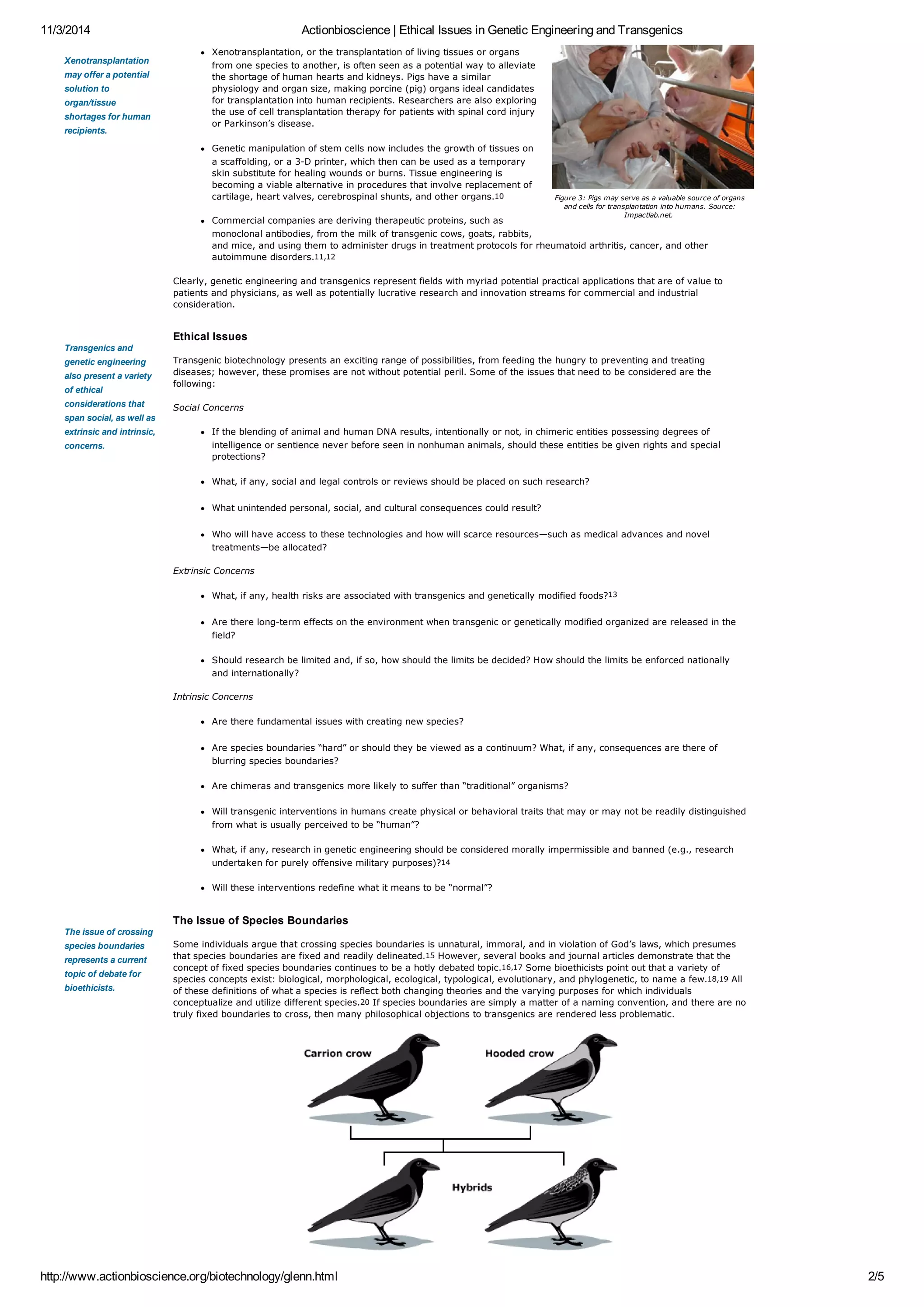
Figure 1: The mule is a common example of a transgenic organism created when a horse and a donkey mate and produce offspring. Image courtesy Wade B. Worthen, 
The process of creating a transgene begins by isolating the gene of interest from a donor organism or selecting for purchase any 
of the thousands of known genes from massive online genomic databases. Once the gene is obtained, it is usually altered so it 
can function more effectively or be expressed more readily in the host organism. That gene is then combined with other genetic 
elements and introduced into a second organism (the host), at which point it’s known as a transgene. A transgenic organism is 
further defined as one that contains a transgene introduced by technological methods rather than through selective breeding. 
Hybrids are transgenic organisms created when reproductive cells from two species combine to form a single embryo (e.g., a 
mule is the offspring of a horse and a donkey); on the other hand, chimeras are created by artificially combining genetic 
material from two organisms into a single species. 
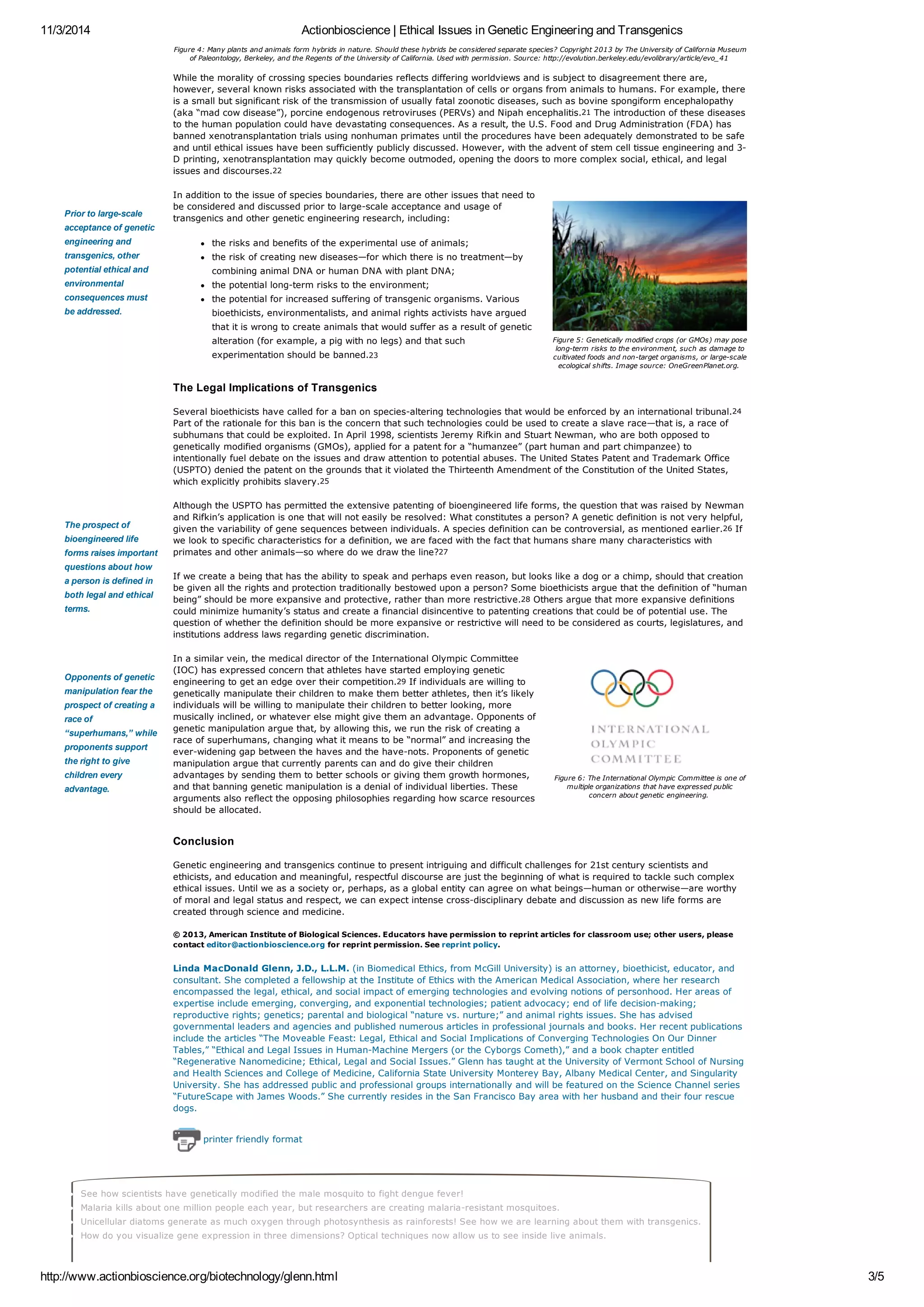
Figure 2: Golden rice (right) compared to white rice. 
Image courtesy International Rice Research Institute 
(IRRI) via Wikimedia Commons. 
Scientists are also 
using transgenics to 
develop novel 
vaccines, including 
edible vaccines. 
Furman University, Biology Department. 
Current Developments 
The field of transgenics allows scientists to develop organisms that express a 
novel trait not normally found in a species; for example, potatoes that are protein 
rich, or rice that has elevated levels of vitamin A (known as “golden rice”).1,2 
Transgenics may be also used to save endangered species such as the American 
Chestnut tree, which is currently being repopulated by Chinese-American chestnut 
hybrids specifically engineered with a genetic resistance to the chestnut blight— 
the deadly fungus that nearly decimated native populations in the early 1900s.3 
Transgenic combinations may also include plant-animal-human transgenes, such 
as when the DNA of human tumor fragments is inserted into tobacco plants in 
order to develop a vaccine against non-Hodgkin’s lymphoma.4 Researchers have 
similarly developed a flu vaccine using human DNA and tobacco plants.5 Other 
transgenic plants have been used to create edible vaccines. By incorporating a 
human protein into bananas, potatoes, and tomatoes, researchers have been able 
to successfully create edible vaccines for hepatitis B, cholera, and rotavirus, the 
latter of which can cause fatal bouts of diarrhea.6 
Another recent transgenic plant project, known as the “glowing plant project,” incorporated a gene from a firefly into a 
houseplant, creating plants that display a soft illumination in the darkness. One of the proposed goals is to create trees that 
could illuminate streets and pathways, thereby saving energy and reducing our dependence upon limited energy resources; 
however, the public release of such plants has sparked a heated debate centered around potential environmental impacts of 
introducing highly genetically engineered plants into natural ecosystems.7 
BioSteel® is a high strength, resilient silk product created by inserting the genes from a silk-spinning spider into the genome of 
a goat’s egg prior to fertilization.8 When the transgenic female goats mature, they produce milk containing the protein from 
which spider silk is made. The fiber artificially created from this silk protein has several potentially valuable uses, such as 
making lightweight, strong, yet supple bulletproof vests. Other industrial and medical applications include stronger automotive 
and aerospace components, stronger and more biodegradable sutures, and bioshields, which can protect military personnel and 
first responders from chemical threats such as sarin gas.9 
Genetic engineering and transgenic combinations represent a significant aspect of current biotechnology research. Other 
examples include: 
Advertisement 
http://www.actionbioscience.org/biotechnology/glenn.html 1/5
11/3/2014 Actionbioscience | Ethical Issues in Genetic Engineering and Transgenics 
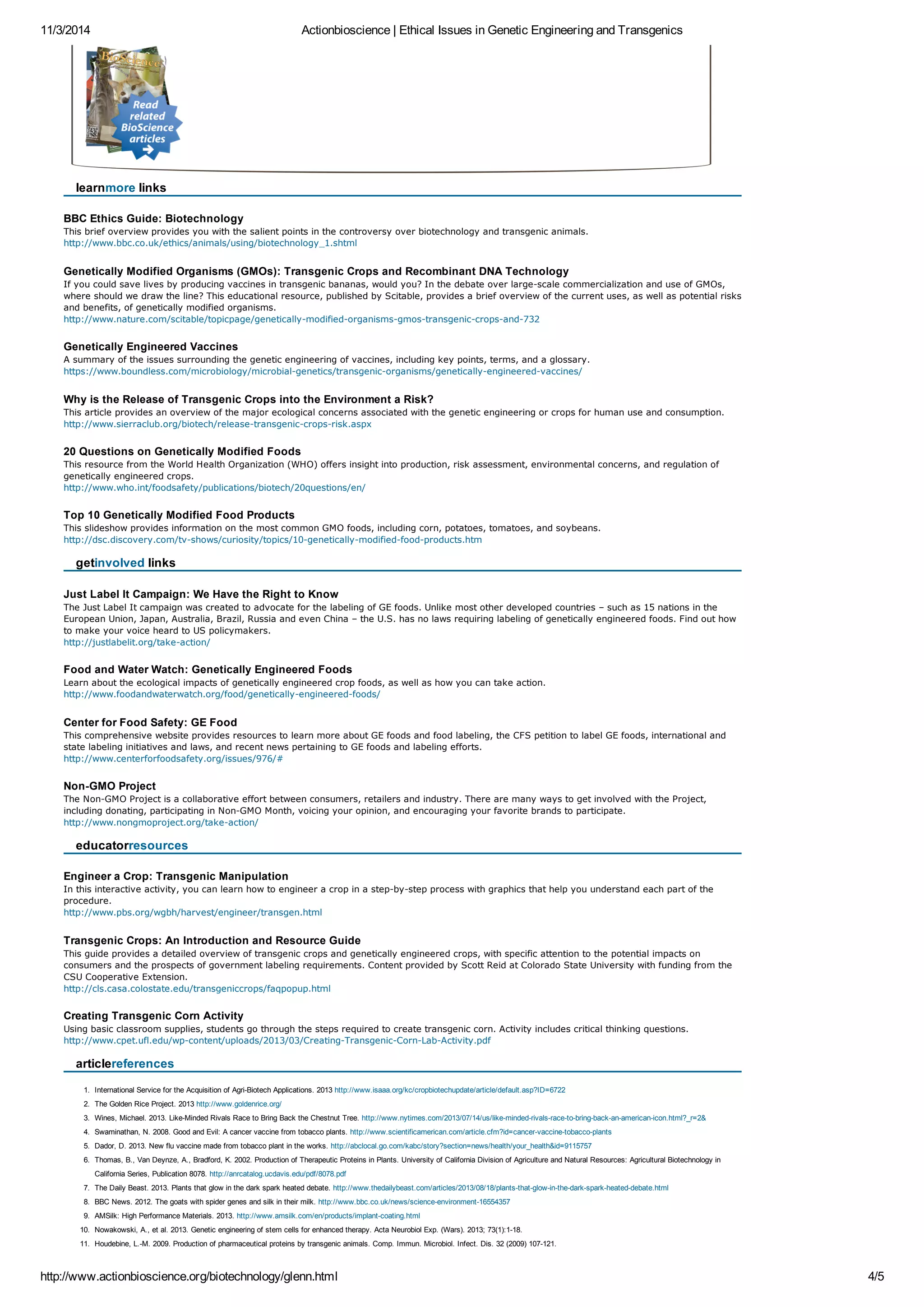
Figure 3: Pigs may serve as a valuable source of organs 
and cells for transplantation into humans. Source: 
Impactlab.net. 
Xenotransplantation 
may offer a potential 
solution to 
organ/tissue 
shortages for human 
recipients. 
Transgenics and 
genetic engineering 
also present a variety 
of ethical 
considerations that 
span social, as well as 
extrinsic and intrinsic, 
concerns. 
The issue of crossing 
species boundaries 
represents a current 
topic of debate for 
bioethicists. 
Xenotransplantation, or the transplantation of living tissues or organs 
from one species to another, is often seen as a potential way to alleviate 
the shortage of human hearts and kidneys. Pigs have a similar 
physiology and organ size, making porcine (pig) organs ideal candidates 
for transplantation into human recipients. Researchers are also exploring 
the use of cell transplantation therapy for patients with spinal cord injury 
or Parkinson’s disease. 
Genetic manipulation of stem cells now includes the growth of tissues on 
a scaffolding, or a 3-D printer, which then can be used as a temporary 
skin substitute for healing wounds or burns. Tissue engineering is 
becoming a viable alternative in procedures that involve replacement of 
cartilage, heart valves, cerebrospinal shunts, and other organs.10 
Commercial companies are deriving therapeutic proteins, such as 
monoclonal antibodies, from the milk of transgenic cows, goats, rabbits, 
and mice, and using them to administer drugs in treatment protocols for rheumatoid arthritis, cancer, and other 
autoimmune disorders.11,12 
Clearly, genetic engineering and transgenics represent fields with myriad potential practical applications that are of value to 
patients and physicians, as well as potentially lucrative research and innovation streams for commercial and industrial 
consideration. 
Ethical Issues 
Transgenic biotechnology presents an exciting range of possibilities, from feeding the hungry to preventing and treating 
diseases; however, these promises are not without potential peril. Some of the issues that need to be considered are the 
following: 
Social Concerns 
If the blending of animal and human DNA results, intentionally or not, in chimeric entities possessing degrees of 
intelligence or sentience never before seen in nonhuman animals, should these entities be given rights and special 
protections? 
What, if any, social and legal controls or reviews should be placed on such research? 
What unintended personal, social, and cultural consequences could result? 
Who will have access to these technologies and how will scarce resources—such as medical advances and novel 
treatments—be allocated? 
Extrinsic Concerns 
What, if any, health risks are associated with transgenics and genetically modified foods?13 
Are there long-term effects on the environment when transgenic or genetically modified organized are released in the 
field? 
Should research be limited and, if so, how should the limits be decided? How should the limits be enforced nationally 
and internationally? 
Intrinsic Concerns 
Are there fundamental issues with creating new species? 
Are species boundaries “hard” or should they be viewed as a continuum? What, if any, consequences are there of 
blurring species boundaries? 
Are chimeras and transgenics more likely to suffer than “traditional” organisms? 
Will transgenic interventions in humans create physical or behavioral traits that may or may not be readily distinguished 
from what is usually perceived to be “human”? 
What, if any, research in genetic engineering should be considered morally impermissible and banned (e.g., research 
undertaken for purely offensive military purposes)?14 
Will these interventions redefine what it means to be “normal”? 
The Issue of Species Boundaries 
Some individuals argue that crossing species boundaries is unnatural, immoral, and in violation of God’s laws, which presumes 
that species boundaries are fixed and readily delineated.15 However, several books and journal articles demonstrate that the 
concept of fixed species boundaries continues to be a hotly debated topic.16,17 Some bioethicists point out that a variety of 
species concepts exist: biological, morphological, ecological, typological, evolutionary, and phylogenetic, to name a few.18,19 All 
of these definitions of what a species is reflect both changing theories and the varying purposes for which individuals 
conceptualize and utilize different species.20 If species boundaries are simply a matter of a naming convention, and there are no 
truly fixed boundaries to cross, then many philosophical objections to transgenics are rendered less problematic. 
http://www.actionbioscience.org/biotechnology/glenn.html 2/5
11/3/2014 Actionbioscience | Ethical Issues in Genetic Engineering and Transgenics 
Figure 4: Many plants and animals form hybrids in nature. Should these hybrids be considered separate species? Copyright 2013 by The University of California Museum 
of Paleontology, Berkeley, and the Regents of the University of California. Used with permission. Source: http://evolution.berkeley.edu/evolibrary/article/evo_41 
While the morality of crossing species boundaries reflects differing worldviews and is subject to disagreement there are, 
however, several known risks associated with the transplantation of cells or organs from animals to humans. For example, there 
is a small but significant risk of the transmission of usually fatal zoonotic diseases, such as bovine spongiform encephalopathy 
(aka “mad cow disease”), porcine endogenous retroviruses (PERVs) and Nipah encephalitis.21 The introduction of these diseases 
to the human population could have devastating consequences. As a result, the U.S. Food and Drug Administration (FDA) has 
banned xenotransplantation trials using nonhuman primates until the procedures have been adequately demonstrated to be safe 
and until ethical issues have been sufficiently publicly discussed. However, with the advent of stem cell tissue engineering and 3- 
D printing, xenotransplantation may quickly become outmoded, opening the doors to more complex social, ethical, and legal 
issues and discourses.22 
Figure 5: Genetically modified crops (or GMOs) may pose 
long-term risks to the environment, such as damage to 
cultivated foods and non-target organisms, or large-scale 
ecological shifts. Image source: OneGreenPlanet.org. 
Prior to large-scale 
acceptance of genetic 
engineering and 
transgenics, other 
potential ethical and 
environmental 
consequences must 
be addressed. 
The prospect of 
bioengineered life 
forms raises important 
questions about how 
a person is defined in 
both legal and ethical 
terms. 
The Legal Implications of Transgenics 
Several bioethicists have called for a ban on species-altering technologies that would be enforced by an international tribunal.24 
Part of the rationale for this ban is the concern that such technologies could be used to create a slave race—that is, a race of 
subhumans that could be exploited. In April 1998, scientists Jeremy Rifkin and Stuart Newman, who are both opposed to 
genetically modified organisms (GMOs), applied for a patent for a “humanzee” (part human and part chimpanzee) to 
intentionally fuel debate on the issues and draw attention to potential abuses. The United States Patent and Trademark Office 
(USPTO) denied the patent on the grounds that it violated the Thirteenth Amendment of the Constitution of the United States, 
which explicitly prohibits slavery.25 
Although the USPTO has permitted the extensive patenting of bioengineered life forms, the question that was raised by Newman 
and Rifkin’s application is one that will not easily be resolved: What constitutes a person? A genetic definition is not very helpful, 
given the variability of gene sequences between individuals. A species definition can be controversial, as mentioned earlier.26 If 
we look to specific characteristics for a definition, we are faced with the fact that humans share many characteristics with 
primates and other animals—so where do we draw the line?27 
If we create a being that has the ability to speak and perhaps even reason, but looks like a dog or a chimp, should that creation 
be given all the rights and protection traditionally bestowed upon a person? Some bioethicists argue that the definition of “human 
being” should be more expansive and protective, rather than more restrictive.28 Others argue that more expansive definitions 
could minimize humanity’s status and create a financial disincentive to patenting creations that could be of potential use. The 
question of whether the definition should be more expansive or restrictive will need to be considered as courts, legislatures, and 
institutions address laws regarding genetic discrimination. 
Figure 6: The International Olympic Committee is one of 
multiple organizations that have expressed public 
concern about genetic engineering. 
Opponents of genetic 
manipulation fear the 
prospect of creating a 
race of 
“superhumans,” while 
proponents support 
the right to give 
children every 
advantage. 
In addition to the issue of species boundaries, there are other issues that need to 
be considered and discussed prior to large-scale acceptance and usage of 
transgenics and other genetic engineering research, including: 
the risks and benefits of the experimental use of animals; 
the risk of creating new diseases—for which there is no treatment—by 
combining animal DNA or human DNA with plant DNA; 
the potential long-term risks to the environment; 
the potential for increased suffering of transgenic organisms. Various 
bioethicists, environmentalists, and animal rights activists have argued 
that it is wrong to create animals that would suffer as a result of genetic 
alteration (for example, a pig with no legs) and that such 
experimentation should be banned.23 
In a similar vein, the medical director of the International Olympic Committee 
(IOC) has expressed concern that athletes have started employing genetic 
engineering to get an edge over their competition.29 If individuals are willing to 
genetically manipulate their children to make them better athletes, then it’s likely 
individuals will be willing to manipulate their children to better looking, more 
musically inclined, or whatever else might give them an advantage. Opponents of 
genetic manipulation argue that, by allowing this, we run the risk of creating a 
race of superhumans, changing what it means to be “normal” and increasing the 
ever-widening gap between the haves and the have-nots. Proponents of genetic 
manipulation argue that currently parents can and do give their children 
advantages by sending them to better schools or giving them growth hormones, 
and that banning genetic manipulation is a denial of individual liberties. These 
arguments also reflect the opposing philosophies regarding how scarce resources 
should be allocated. 
Conclusion 
Genetic engineering and transgenics continue to present intriguing and difficult challenges for 21st century scientists and 
ethicists, and education and meaningful, respectful discourse are just the beginning of what is required to tackle such complex 
ethical issues. Until we as a society or, perhaps, as a global entity can agree on what beings—human or otherwise—are worthy 
of moral and legal status and respect, we can expect intense cross-disciplinary debate and discussion as new life forms are 
created through science and medicine. 
© 2013, American Institute of Biological Sciences. Educators have permission to reprint articles for classroom use; other users, please 
contact editor@actionbioscience.org for reprint permission. See reprint policy. 
Linda MacDonald Glenn, J.D., L.L.M. (in Biomedical Ethics, from McGill University) is an attorney, bioethicist, educator, and 
consultant. She completed a fellowship at the Institute of Ethics with the American Medical Association, where her research 
encompassed the legal, ethical, and social impact of emerging technologies and evolving notions of personhood. Her areas of 
expertise include emerging, converging, and exponential technologies; patient advocacy; end of life decision-making; 
reproductive rights; genetics; parental and biological “nature vs. nurture;” and animal rights issues. She has advised 
governmental leaders and agencies and published numerous articles in professional journals and books. Her recent publications 
include the articles “The Moveable Feast: Legal, Ethical and Social Implications of Converging Technologies On Our Dinner 
Tables,” “Ethical and Legal Issues in Human-Machine Mergers (or the Cyborgs Cometh),” and a book chapter entitled 
“Regenerative Nanomedicine; Ethical, Legal and Social Issues.” Glenn has taught at the University of Vermont School of Nursing 
and Health Sciences and College of Medicine, California State University Monterey Bay, Albany Medical Center, and Singularity 
University. She has addressed public and professional groups internationally and will be featured on the Science Channel series 
“FutureScape with James Woods.” She currently resides in the San Francisco Bay area with her husband and their four rescue 
dogs. 
printer friendly format 
See how scientists have genetically modified the male mosquito to fight dengue fever! 
Malaria kills about one million people each year, but researchers are creating malaria-resistant mosquitoes. 
Unicellular diatoms generate as much oxygen through photosynthesis as rainforests! See how we are learning about them with transgenics. 
How do you visualize gene expression in three dimensions? Optical techniques now allow us to see inside live animals. 
http://www.actionbioscience.org/biotechnology/glenn.html 3/5
11/3/2014 Actionbioscience | Ethical Issues in Genetic Engineering and Transgenics 
learnmore links 
BBC Ethics Guide: Biotechnology 
This brief overview provides you with the salient points in the controversy over biotechnology and transgenic animals. 
http://www.bbc.co.uk/ethics/animals/using/biotechnology_1.shtml 
Genetically Modified Organisms (GMOs): Transgenic Crops and Recombinant DNA Technology 
If you could save lives by producing vaccines in transgenic bananas, would you? In the debate over large-scale commercialization and use of GMOs, 
where should we draw the line? This educational resource, published by Scitable, provides a brief overview of the current uses, as well as potential risks 
and benefits, of genetically modified organisms. 
http://www.nature.com/scitable/topicpage/genetically-modified-organisms-gmos-transgenic-crops-and-732 
Genetically Engineered Vaccines 
A summary of the issues surrounding the genetic engineering of vaccines, including key points, terms, and a glossary. 
https://www.boundless.com/microbiology/microbial-genetics/transgenic-organisms/genetically-engineered-vaccines/ 
Why is the Release of Transgenic Crops into the Environment a Risk? 
This article provides an overview of the major ecological concerns associated with the genetic engineering or crops for human use and consumption. 
http://www.sierraclub.org/biotech/release-transgenic-crops-risk.aspx 
20 Questions on Genetically Modified Foods 
This resource from the World Health Organization (WHO) offers insight into production, risk assessment, environmental concerns, and regulation of 
genetically engineered crops. 
http://www.who.int/foodsafety/publications/biotech/20questions/en/ 
Top 10 Genetically Modified Food Products 
This slideshow provides information on the most common GMO foods, including corn, potatoes, tomatoes, and soybeans. 
http://dsc.discovery.com/tv-shows/curiosity/topics/10-genetically-modified-food-products.htm 
getinvolved links 
Just Label It Campaign: We Have the Right to Know 
The Just Label It campaign was created to advocate for the labeling of GE foods. Unlike most other developed countries – such as 15 nations in the 
European Union, Japan, Australia, Brazil, Russia and even China – the U.S. has no laws requiring labeling of genetically engineered foods. Find out how 
to make your voice heard to US policymakers. 
http://justlabelit.org/take-action/ 
Food and Water Watch: Genetically Engineered Foods 
Learn about the ecological impacts of genetically engineered crop foods, as well as how you can take action. 
http://www.foodandwaterwatch.org/food/genetically-engineered-foods/ 
Center for Food Safety: GE Food 
This comprehensive website provides resources to learn more about GE foods and food labeling, the CFS petition to label GE foods, international and 
state labeling initiatives and laws, and recent news pertaining to GE foods and labeling efforts. 
http://www.centerforfoodsafety.org/issues/976/# 
Non-GMO Project 
The Non-GMO Project is a collaborative effort between consumers, retailers and industry. There are many ways to get involved with the Project, 
including donating, participating in Non-GMO Month, voicing your opinion, and encouraging your favorite brands to participate. 
http://www.nongmoproject.org/take-action/ 
educatorresources 
Engineer a Crop: Transgenic Manipulation 
In this interactive activity, you can learn how to engineer a crop in a step-by-step process with graphics that help you understand each part of the 
procedure. 
http://www.pbs.org/wgbh/harvest/engineer/transgen.html 
Transgenic Crops: An Introduction and Resource Guide 
This guide provides a detailed overview of transgenic crops and genetically engineered crops, with specific attention to the potential impacts on 
consumers and the prospects of government labeling requirements. Content provided by Scott Reid at Colorado State University with funding from the 
CSU Cooperative Extension. 
http://cls.casa.colostate.edu/transgeniccrops/faqpopup.html 
Creating Transgenic Corn Activity 
Using basic classroom supplies, students go through the steps required to create transgenic corn. Activity includes critical thinking questions. 
http://www.cpet.ufl.edu/wp-content/uploads/2013/03/Creating-Transgenic-Corn-Lab-Activity.pdf 
articlereferences 
1. International Service for the Acquisition of Agri-Biotech Applications. 2013 http://www.isaaa.org/kc/cropbiotechupdate/article/default.asp?ID=6722 
2. The Golden Rice Project. 2013 http://www.goldenrice.org/ 
3. Wines, Michael. 2013. Like-Minded Rivals Race to Bring Back the Chestnut Tree. http://www.nytimes.com/2013/07/14/us/like-minded-rivals-race-to-bring-back-an-american-icon.html?_r=2& 
4. Swaminathan, N. 2008. Good and Evil: A cancer vaccine from tobacco plants. http://www.scientificamerican.com/article.cfm?id=cancer-vaccine-tobacco-plants 
5. Dador, D. 2013. New flu vaccine made from tobacco plant in the works. http://abclocal.go.com/kabc/story?section=news/health/your_health&id=9115757 
6. Thomas, B., Van Deynze, A., Bradford, K. 2002. Production of Therapeutic Proteins in Plants. University of California Division of Agriculture and Natural Resources: Agricultural Biotechnology in 
California Series, Publication 8078. http://anrcatalog.ucdavis.edu/pdf/8078.pdf 
7. The Daily Beast. 2013. Plants that glow in the dark spark heated debate. http://www.thedailybeast.com/articles/2013/08/18/plants-that-glow-in-the-dark-spark-heated-debate.html 
8. BBC News. 2012. The goats with spider genes and silk in their milk. http://www.bbc.co.uk/news/science-environment-16554357 
9. AMSilk: High Performance Materials. 2013. http://www.amsilk.com/en/products/implant-coating.html 
10. Nowakowski, A., et al. 2013. Genetic engineering of stem cells for enhanced therapy. Acta Neurobiol Exp. (Wars). 2013; 73(1):1-18. 
11. Houdebine, L.-M. 2009. Production of pharmaceutical proteins by transgenic animals. Comp. Immun. Microbiol. Infect. Dis. 32 (2009) 107-121. 
http://www.actionbioscience.org/biotechnology/glenn.html 4/5
11/3/2014 Actionbioscience | Ethical Issues in Genetic Engineering and Transgenics 
12. Fikes, BJ. 2013. Plant and human gene modification goes past transgenics. http://www.utsandiego.com/news/2013/Jun/05/beyond-transgenics-gmos-talens/ 
13. Smith-Spangler, Crystal, et al. 2012. Are organic foods safer or healthier than conventional alternatives? A systematic review. Annals of Internal Medicine 157.5: 348-366. 
14. Miller, Seumas, and Michael J. Selgelid. 2007. Ethical and philosophical consideration of the dual-use dilemma in the biological sciences. Science and Engineering Ethics 13.4: 523-580. 
15. Mallet, J., et al. 2007. Natural hybridization in heliconiine butterflies: the species boundary as a continuum. BMC Evolutionary Biology. http://www.biomedcentral.com/1471-2148/7/28/#abs 
16. Wilson, R.A., (ed.) 1999. Species: New Interdisciplinary Essays | The MIT Press. 
17. Glenn, L. M. 2003. Crossing Species Boundaries: a legal perspective on humanity, personhood, and species boundaries. American Journal of Bioethics 3: 27-28. 
18. Rollin, B. 1995. The Frankenstein Syndrome: Ethical and Social Issues in the Genetic Engineering of Animals. Cambridge (U.K.): Cambridge University Press. 
19. Glenn, L. M. 2003. Biotechnology at the margins of personhood: an evolving legal paradigm. Journal of Evolution and Technology 13: 35-37. 
20. Nat Biotech. 2009. What’s in a name? Nature Publishing Group 27: 1071-1073. 
21. Burroughs, T., S. Knobler, and J. Lederberg (eds.). 2002. The Emergence of Zoonotic Diseases: Understanding the Impact on Animal and Human Health Workshop Summary. Washington, DC: 
National Academies Press. 
22. Lee M, Wu, B. M. 2012. Recent advances in 3D printing in tissue engineering scaffolds. Methodologies of Molecular Biology, 2012; 868:257-67. 
23. Annas, G., L. Andrews, and R. Isasi. 2002. Protecting the endangered human: toward an international treaty prohibiting cloning and inheritable alterations. American Journal of Law and Medicine 28: 
151-178. 
24. Annas, op. cit. 
25. Glenn, 2003, op. cit. 
26. Glenn, 2003, op. cit. 
27. Maksimenko, O., et al. 2013. Use of Transgenic Animals in Biotechnology: Prospects and Problems, Acta Naturae. Jan-Mar. 2013; 5 (5):33-46. 
28. Glenn, 2003, op. cit. 
29. Naish, J. 2012. Genetically modified athletes: Forget drugs. http://www.dailymail.co.uk/news/article-2181873/Genetically-modified-athletes-Forget-drugs-There-suggestions-Chinese-athletes-genes-altered- 
make-stronger.html 
http://www.actionbioscience.org/biotechnology/glenn.html 5/5

Ethical issues in genetic engineering and transgenics

  • 1.
    11/3/2014 Actionbioscience |Ethical Issues in Genetic Engineering and Transgenics Ethical Issues in Genetic Engineering and Transgenics Linda MacDonald Glenn articlehighlights Genetic engineering focuses on: isolating genes, modifying genes so they can be transferred into and function within a new organism of a different species (transgenics) or the same species (cisgenics), “knocking out” or removing genes, and assessing the success of these new gene combinations. Updated November 2013 Transgenics involves removing genetic material from one species and adding it to another. Learn more about Introduction Genetic engineering, or genetic modification, uses a variety of tools and techniques from biotechnology and bioengineering to modify an organism’s genetic makeup. Transgenics refers to those specific genetic engineering processes that remove genetic material from one species of plant or animal and add it to a different species. Due to the high similarity in genetic sequences for proteins among species, transgenic organisms are able to effectively assimilate and express these trans-genes. Figure 1: The mule is a common example of a transgenic organism created when a horse and a donkey mate and produce offspring. Image courtesy Wade B. Worthen, The process of creating a transgene begins by isolating the gene of interest from a donor organism or selecting for purchase any of the thousands of known genes from massive online genomic databases. Once the gene is obtained, it is usually altered so it can function more effectively or be expressed more readily in the host organism. That gene is then combined with other genetic elements and introduced into a second organism (the host), at which point it’s known as a transgene. A transgenic organism is further defined as one that contains a transgene introduced by technological methods rather than through selective breeding. Hybrids are transgenic organisms created when reproductive cells from two species combine to form a single embryo (e.g., a mule is the offspring of a horse and a donkey); on the other hand, chimeras are created by artificially combining genetic material from two organisms into a single species. Figure 2: Golden rice (right) compared to white rice. Image courtesy International Rice Research Institute (IRRI) via Wikimedia Commons. Scientists are also using transgenics to develop novel vaccines, including edible vaccines. Furman University, Biology Department. Current Developments The field of transgenics allows scientists to develop organisms that express a novel trait not normally found in a species; for example, potatoes that are protein rich, or rice that has elevated levels of vitamin A (known as “golden rice”).1,2 Transgenics may be also used to save endangered species such as the American Chestnut tree, which is currently being repopulated by Chinese-American chestnut hybrids specifically engineered with a genetic resistance to the chestnut blight— the deadly fungus that nearly decimated native populations in the early 1900s.3 Transgenic combinations may also include plant-animal-human transgenes, such as when the DNA of human tumor fragments is inserted into tobacco plants in order to develop a vaccine against non-Hodgkin’s lymphoma.4 Researchers have similarly developed a flu vaccine using human DNA and tobacco plants.5 Other transgenic plants have been used to create edible vaccines. By incorporating a human protein into bananas, potatoes, and tomatoes, researchers have been able to successfully create edible vaccines for hepatitis B, cholera, and rotavirus, the latter of which can cause fatal bouts of diarrhea.6 Another recent transgenic plant project, known as the “glowing plant project,” incorporated a gene from a firefly into a houseplant, creating plants that display a soft illumination in the darkness. One of the proposed goals is to create trees that could illuminate streets and pathways, thereby saving energy and reducing our dependence upon limited energy resources; however, the public release of such plants has sparked a heated debate centered around potential environmental impacts of introducing highly genetically engineered plants into natural ecosystems.7 BioSteel® is a high strength, resilient silk product created by inserting the genes from a silk-spinning spider into the genome of a goat’s egg prior to fertilization.8 When the transgenic female goats mature, they produce milk containing the protein from which spider silk is made. The fiber artificially created from this silk protein has several potentially valuable uses, such as making lightweight, strong, yet supple bulletproof vests. Other industrial and medical applications include stronger automotive and aerospace components, stronger and more biodegradable sutures, and bioshields, which can protect military personnel and first responders from chemical threats such as sarin gas.9 Genetic engineering and transgenic combinations represent a significant aspect of current biotechnology research. Other examples include: Advertisement http://www.actionbioscience.org/biotechnology/glenn.html 1/5
  • 2.
    11/3/2014 Actionbioscience |Ethical Issues in Genetic Engineering and Transgenics Figure 3: Pigs may serve as a valuable source of organs and cells for transplantation into humans. Source: Impactlab.net. Xenotransplantation may offer a potential solution to organ/tissue shortages for human recipients. Transgenics and genetic engineering also present a variety of ethical considerations that span social, as well as extrinsic and intrinsic, concerns. The issue of crossing species boundaries represents a current topic of debate for bioethicists. Xenotransplantation, or the transplantation of living tissues or organs from one species to another, is often seen as a potential way to alleviate the shortage of human hearts and kidneys. Pigs have a similar physiology and organ size, making porcine (pig) organs ideal candidates for transplantation into human recipients. Researchers are also exploring the use of cell transplantation therapy for patients with spinal cord injury or Parkinson’s disease. Genetic manipulation of stem cells now includes the growth of tissues on a scaffolding, or a 3-D printer, which then can be used as a temporary skin substitute for healing wounds or burns. Tissue engineering is becoming a viable alternative in procedures that involve replacement of cartilage, heart valves, cerebrospinal shunts, and other organs.10 Commercial companies are deriving therapeutic proteins, such as monoclonal antibodies, from the milk of transgenic cows, goats, rabbits, and mice, and using them to administer drugs in treatment protocols for rheumatoid arthritis, cancer, and other autoimmune disorders.11,12 Clearly, genetic engineering and transgenics represent fields with myriad potential practical applications that are of value to patients and physicians, as well as potentially lucrative research and innovation streams for commercial and industrial consideration. Ethical Issues Transgenic biotechnology presents an exciting range of possibilities, from feeding the hungry to preventing and treating diseases; however, these promises are not without potential peril. Some of the issues that need to be considered are the following: Social Concerns If the blending of animal and human DNA results, intentionally or not, in chimeric entities possessing degrees of intelligence or sentience never before seen in nonhuman animals, should these entities be given rights and special protections? What, if any, social and legal controls or reviews should be placed on such research? What unintended personal, social, and cultural consequences could result? Who will have access to these technologies and how will scarce resources—such as medical advances and novel treatments—be allocated? Extrinsic Concerns What, if any, health risks are associated with transgenics and genetically modified foods?13 Are there long-term effects on the environment when transgenic or genetically modified organized are released in the field? Should research be limited and, if so, how should the limits be decided? How should the limits be enforced nationally and internationally? Intrinsic Concerns Are there fundamental issues with creating new species? Are species boundaries “hard” or should they be viewed as a continuum? What, if any, consequences are there of blurring species boundaries? Are chimeras and transgenics more likely to suffer than “traditional” organisms? Will transgenic interventions in humans create physical or behavioral traits that may or may not be readily distinguished from what is usually perceived to be “human”? What, if any, research in genetic engineering should be considered morally impermissible and banned (e.g., research undertaken for purely offensive military purposes)?14 Will these interventions redefine what it means to be “normal”? The Issue of Species Boundaries Some individuals argue that crossing species boundaries is unnatural, immoral, and in violation of God’s laws, which presumes that species boundaries are fixed and readily delineated.15 However, several books and journal articles demonstrate that the concept of fixed species boundaries continues to be a hotly debated topic.16,17 Some bioethicists point out that a variety of species concepts exist: biological, morphological, ecological, typological, evolutionary, and phylogenetic, to name a few.18,19 All of these definitions of what a species is reflect both changing theories and the varying purposes for which individuals conceptualize and utilize different species.20 If species boundaries are simply a matter of a naming convention, and there are no truly fixed boundaries to cross, then many philosophical objections to transgenics are rendered less problematic. http://www.actionbioscience.org/biotechnology/glenn.html 2/5
  • 3.
    11/3/2014 Actionbioscience |Ethical Issues in Genetic Engineering and Transgenics Figure 4: Many plants and animals form hybrids in nature. Should these hybrids be considered separate species? Copyright 2013 by The University of California Museum of Paleontology, Berkeley, and the Regents of the University of California. Used with permission. Source: http://evolution.berkeley.edu/evolibrary/article/evo_41 While the morality of crossing species boundaries reflects differing worldviews and is subject to disagreement there are, however, several known risks associated with the transplantation of cells or organs from animals to humans. For example, there is a small but significant risk of the transmission of usually fatal zoonotic diseases, such as bovine spongiform encephalopathy (aka “mad cow disease”), porcine endogenous retroviruses (PERVs) and Nipah encephalitis.21 The introduction of these diseases to the human population could have devastating consequences. As a result, the U.S. Food and Drug Administration (FDA) has banned xenotransplantation trials using nonhuman primates until the procedures have been adequately demonstrated to be safe and until ethical issues have been sufficiently publicly discussed. However, with the advent of stem cell tissue engineering and 3- D printing, xenotransplantation may quickly become outmoded, opening the doors to more complex social, ethical, and legal issues and discourses.22 Figure 5: Genetically modified crops (or GMOs) may pose long-term risks to the environment, such as damage to cultivated foods and non-target organisms, or large-scale ecological shifts. Image source: OneGreenPlanet.org. Prior to large-scale acceptance of genetic engineering and transgenics, other potential ethical and environmental consequences must be addressed. The prospect of bioengineered life forms raises important questions about how a person is defined in both legal and ethical terms. The Legal Implications of Transgenics Several bioethicists have called for a ban on species-altering technologies that would be enforced by an international tribunal.24 Part of the rationale for this ban is the concern that such technologies could be used to create a slave race—that is, a race of subhumans that could be exploited. In April 1998, scientists Jeremy Rifkin and Stuart Newman, who are both opposed to genetically modified organisms (GMOs), applied for a patent for a “humanzee” (part human and part chimpanzee) to intentionally fuel debate on the issues and draw attention to potential abuses. The United States Patent and Trademark Office (USPTO) denied the patent on the grounds that it violated the Thirteenth Amendment of the Constitution of the United States, which explicitly prohibits slavery.25 Although the USPTO has permitted the extensive patenting of bioengineered life forms, the question that was raised by Newman and Rifkin’s application is one that will not easily be resolved: What constitutes a person? A genetic definition is not very helpful, given the variability of gene sequences between individuals. A species definition can be controversial, as mentioned earlier.26 If we look to specific characteristics for a definition, we are faced with the fact that humans share many characteristics with primates and other animals—so where do we draw the line?27 If we create a being that has the ability to speak and perhaps even reason, but looks like a dog or a chimp, should that creation be given all the rights and protection traditionally bestowed upon a person? Some bioethicists argue that the definition of “human being” should be more expansive and protective, rather than more restrictive.28 Others argue that more expansive definitions could minimize humanity’s status and create a financial disincentive to patenting creations that could be of potential use. The question of whether the definition should be more expansive or restrictive will need to be considered as courts, legislatures, and institutions address laws regarding genetic discrimination. Figure 6: The International Olympic Committee is one of multiple organizations that have expressed public concern about genetic engineering. Opponents of genetic manipulation fear the prospect of creating a race of “superhumans,” while proponents support the right to give children every advantage. In addition to the issue of species boundaries, there are other issues that need to be considered and discussed prior to large-scale acceptance and usage of transgenics and other genetic engineering research, including: the risks and benefits of the experimental use of animals; the risk of creating new diseases—for which there is no treatment—by combining animal DNA or human DNA with plant DNA; the potential long-term risks to the environment; the potential for increased suffering of transgenic organisms. Various bioethicists, environmentalists, and animal rights activists have argued that it is wrong to create animals that would suffer as a result of genetic alteration (for example, a pig with no legs) and that such experimentation should be banned.23 In a similar vein, the medical director of the International Olympic Committee (IOC) has expressed concern that athletes have started employing genetic engineering to get an edge over their competition.29 If individuals are willing to genetically manipulate their children to make them better athletes, then it’s likely individuals will be willing to manipulate their children to better looking, more musically inclined, or whatever else might give them an advantage. Opponents of genetic manipulation argue that, by allowing this, we run the risk of creating a race of superhumans, changing what it means to be “normal” and increasing the ever-widening gap between the haves and the have-nots. Proponents of genetic manipulation argue that currently parents can and do give their children advantages by sending them to better schools or giving them growth hormones, and that banning genetic manipulation is a denial of individual liberties. These arguments also reflect the opposing philosophies regarding how scarce resources should be allocated. Conclusion Genetic engineering and transgenics continue to present intriguing and difficult challenges for 21st century scientists and ethicists, and education and meaningful, respectful discourse are just the beginning of what is required to tackle such complex ethical issues. Until we as a society or, perhaps, as a global entity can agree on what beings—human or otherwise—are worthy of moral and legal status and respect, we can expect intense cross-disciplinary debate and discussion as new life forms are created through science and medicine. © 2013, American Institute of Biological Sciences. Educators have permission to reprint articles for classroom use; other users, please contact editor@actionbioscience.org for reprint permission. See reprint policy. Linda MacDonald Glenn, J.D., L.L.M. (in Biomedical Ethics, from McGill University) is an attorney, bioethicist, educator, and consultant. She completed a fellowship at the Institute of Ethics with the American Medical Association, where her research encompassed the legal, ethical, and social impact of emerging technologies and evolving notions of personhood. Her areas of expertise include emerging, converging, and exponential technologies; patient advocacy; end of life decision-making; reproductive rights; genetics; parental and biological “nature vs. nurture;” and animal rights issues. She has advised governmental leaders and agencies and published numerous articles in professional journals and books. Her recent publications include the articles “The Moveable Feast: Legal, Ethical and Social Implications of Converging Technologies On Our Dinner Tables,” “Ethical and Legal Issues in Human-Machine Mergers (or the Cyborgs Cometh),” and a book chapter entitled “Regenerative Nanomedicine; Ethical, Legal and Social Issues.” Glenn has taught at the University of Vermont School of Nursing and Health Sciences and College of Medicine, California State University Monterey Bay, Albany Medical Center, and Singularity University. She has addressed public and professional groups internationally and will be featured on the Science Channel series “FutureScape with James Woods.” She currently resides in the San Francisco Bay area with her husband and their four rescue dogs. printer friendly format See how scientists have genetically modified the male mosquito to fight dengue fever! Malaria kills about one million people each year, but researchers are creating malaria-resistant mosquitoes. Unicellular diatoms generate as much oxygen through photosynthesis as rainforests! See how we are learning about them with transgenics. How do you visualize gene expression in three dimensions? Optical techniques now allow us to see inside live animals. http://www.actionbioscience.org/biotechnology/glenn.html 3/5
  • 4.
    11/3/2014 Actionbioscience |Ethical Issues in Genetic Engineering and Transgenics learnmore links BBC Ethics Guide: Biotechnology This brief overview provides you with the salient points in the controversy over biotechnology and transgenic animals. http://www.bbc.co.uk/ethics/animals/using/biotechnology_1.shtml Genetically Modified Organisms (GMOs): Transgenic Crops and Recombinant DNA Technology If you could save lives by producing vaccines in transgenic bananas, would you? In the debate over large-scale commercialization and use of GMOs, where should we draw the line? This educational resource, published by Scitable, provides a brief overview of the current uses, as well as potential risks and benefits, of genetically modified organisms. http://www.nature.com/scitable/topicpage/genetically-modified-organisms-gmos-transgenic-crops-and-732 Genetically Engineered Vaccines A summary of the issues surrounding the genetic engineering of vaccines, including key points, terms, and a glossary. https://www.boundless.com/microbiology/microbial-genetics/transgenic-organisms/genetically-engineered-vaccines/ Why is the Release of Transgenic Crops into the Environment a Risk? This article provides an overview of the major ecological concerns associated with the genetic engineering or crops for human use and consumption. http://www.sierraclub.org/biotech/release-transgenic-crops-risk.aspx 20 Questions on Genetically Modified Foods This resource from the World Health Organization (WHO) offers insight into production, risk assessment, environmental concerns, and regulation of genetically engineered crops. http://www.who.int/foodsafety/publications/biotech/20questions/en/ Top 10 Genetically Modified Food Products This slideshow provides information on the most common GMO foods, including corn, potatoes, tomatoes, and soybeans. http://dsc.discovery.com/tv-shows/curiosity/topics/10-genetically-modified-food-products.htm getinvolved links Just Label It Campaign: We Have the Right to Know The Just Label It campaign was created to advocate for the labeling of GE foods. Unlike most other developed countries – such as 15 nations in the European Union, Japan, Australia, Brazil, Russia and even China – the U.S. has no laws requiring labeling of genetically engineered foods. Find out how to make your voice heard to US policymakers. http://justlabelit.org/take-action/ Food and Water Watch: Genetically Engineered Foods Learn about the ecological impacts of genetically engineered crop foods, as well as how you can take action. http://www.foodandwaterwatch.org/food/genetically-engineered-foods/ Center for Food Safety: GE Food This comprehensive website provides resources to learn more about GE foods and food labeling, the CFS petition to label GE foods, international and state labeling initiatives and laws, and recent news pertaining to GE foods and labeling efforts. http://www.centerforfoodsafety.org/issues/976/# Non-GMO Project The Non-GMO Project is a collaborative effort between consumers, retailers and industry. There are many ways to get involved with the Project, including donating, participating in Non-GMO Month, voicing your opinion, and encouraging your favorite brands to participate. http://www.nongmoproject.org/take-action/ educatorresources Engineer a Crop: Transgenic Manipulation In this interactive activity, you can learn how to engineer a crop in a step-by-step process with graphics that help you understand each part of the procedure. http://www.pbs.org/wgbh/harvest/engineer/transgen.html Transgenic Crops: An Introduction and Resource Guide This guide provides a detailed overview of transgenic crops and genetically engineered crops, with specific attention to the potential impacts on consumers and the prospects of government labeling requirements. Content provided by Scott Reid at Colorado State University with funding from the CSU Cooperative Extension. http://cls.casa.colostate.edu/transgeniccrops/faqpopup.html Creating Transgenic Corn Activity Using basic classroom supplies, students go through the steps required to create transgenic corn. Activity includes critical thinking questions. http://www.cpet.ufl.edu/wp-content/uploads/2013/03/Creating-Transgenic-Corn-Lab-Activity.pdf articlereferences 1. International Service for the Acquisition of Agri-Biotech Applications. 2013 http://www.isaaa.org/kc/cropbiotechupdate/article/default.asp?ID=6722 2. The Golden Rice Project. 2013 http://www.goldenrice.org/ 3. Wines, Michael. 2013. Like-Minded Rivals Race to Bring Back the Chestnut Tree. http://www.nytimes.com/2013/07/14/us/like-minded-rivals-race-to-bring-back-an-american-icon.html?_r=2& 4. Swaminathan, N. 2008. Good and Evil: A cancer vaccine from tobacco plants. http://www.scientificamerican.com/article.cfm?id=cancer-vaccine-tobacco-plants 5. Dador, D. 2013. New flu vaccine made from tobacco plant in the works. http://abclocal.go.com/kabc/story?section=news/health/your_health&id=9115757 6. Thomas, B., Van Deynze, A., Bradford, K. 2002. Production of Therapeutic Proteins in Plants. University of California Division of Agriculture and Natural Resources: Agricultural Biotechnology in California Series, Publication 8078. http://anrcatalog.ucdavis.edu/pdf/8078.pdf 7. The Daily Beast. 2013. Plants that glow in the dark spark heated debate. http://www.thedailybeast.com/articles/2013/08/18/plants-that-glow-in-the-dark-spark-heated-debate.html 8. BBC News. 2012. The goats with spider genes and silk in their milk. http://www.bbc.co.uk/news/science-environment-16554357 9. AMSilk: High Performance Materials. 2013. http://www.amsilk.com/en/products/implant-coating.html 10. Nowakowski, A., et al. 2013. Genetic engineering of stem cells for enhanced therapy. Acta Neurobiol Exp. (Wars). 2013; 73(1):1-18. 11. Houdebine, L.-M. 2009. Production of pharmaceutical proteins by transgenic animals. Comp. Immun. Microbiol. Infect. Dis. 32 (2009) 107-121. http://www.actionbioscience.org/biotechnology/glenn.html 4/5
  • 5.
    11/3/2014 Actionbioscience |Ethical Issues in Genetic Engineering and Transgenics 12. Fikes, BJ. 2013. Plant and human gene modification goes past transgenics. http://www.utsandiego.com/news/2013/Jun/05/beyond-transgenics-gmos-talens/ 13. Smith-Spangler, Crystal, et al. 2012. Are organic foods safer or healthier than conventional alternatives? A systematic review. Annals of Internal Medicine 157.5: 348-366. 14. Miller, Seumas, and Michael J. Selgelid. 2007. Ethical and philosophical consideration of the dual-use dilemma in the biological sciences. Science and Engineering Ethics 13.4: 523-580. 15. Mallet, J., et al. 2007. Natural hybridization in heliconiine butterflies: the species boundary as a continuum. BMC Evolutionary Biology. http://www.biomedcentral.com/1471-2148/7/28/#abs 16. Wilson, R.A., (ed.) 1999. Species: New Interdisciplinary Essays | The MIT Press. 17. Glenn, L. M. 2003. Crossing Species Boundaries: a legal perspective on humanity, personhood, and species boundaries. American Journal of Bioethics 3: 27-28. 18. Rollin, B. 1995. The Frankenstein Syndrome: Ethical and Social Issues in the Genetic Engineering of Animals. Cambridge (U.K.): Cambridge University Press. 19. Glenn, L. M. 2003. Biotechnology at the margins of personhood: an evolving legal paradigm. Journal of Evolution and Technology 13: 35-37. 20. Nat Biotech. 2009. What’s in a name? Nature Publishing Group 27: 1071-1073. 21. Burroughs, T., S. Knobler, and J. Lederberg (eds.). 2002. The Emergence of Zoonotic Diseases: Understanding the Impact on Animal and Human Health Workshop Summary. Washington, DC: National Academies Press. 22. Lee M, Wu, B. M. 2012. Recent advances in 3D printing in tissue engineering scaffolds. Methodologies of Molecular Biology, 2012; 868:257-67. 23. Annas, G., L. Andrews, and R. Isasi. 2002. Protecting the endangered human: toward an international treaty prohibiting cloning and inheritable alterations. American Journal of Law and Medicine 28: 151-178. 24. Annas, op. cit. 25. Glenn, 2003, op. cit. 26. Glenn, 2003, op. cit. 27. Maksimenko, O., et al. 2013. Use of Transgenic Animals in Biotechnology: Prospects and Problems, Acta Naturae. Jan-Mar. 2013; 5 (5):33-46. 28. Glenn, 2003, op. cit. 29. Naish, J. 2012. Genetically modified athletes: Forget drugs. http://www.dailymail.co.uk/news/article-2181873/Genetically-modified-athletes-Forget-drugs-There-suggestions-Chinese-athletes-genes-altered- make-stronger.html http://www.actionbioscience.org/biotechnology/glenn.html 5/5