IBN ZOHR UNIVERSITY
     M.A TEFL & ICT
       ESP MODULE


Prof JENIFER JUNE EVANS
     YOUSSEF TAMER
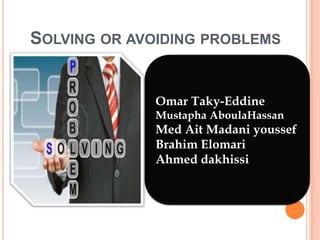
SOLVING OR AVOIDING PROBLEMS


              Omar Taky-Eddine
              Mustapha AboulaHassan
              Med Ait Madani youssef
              Brahim Elomari
              Ahmed dakhissi
PRESENTATION OUTLINE:


 OVERVIEW
 ACTIVITY ONE
 ACTIVITY TWO
 MINI LESSON
OVERVIEW OUTLINE:

1.Absenteeism and Lateness
2. Low motivation
3. Mixed status class
4. Mixed Level class
5. Unexpected students and Unplanned
   changes
6. Bad Feedback
7. Lack of expertise
1. ABSENTEEISM AND LATENESS
 Course progress slows down
 Lesson plans need to be adjusted
 Affect badly punctual students
A. FORMAL SYSTEM
 Only when SS are present, the
 teacher can motivate them and
 enhance their autonomy
 Makes unpunctual SS reprioritize
 the importance of the course
 There should be norms for
 monitoring attendance, any student
 who exceeds the limited number of
 approved absences can no longer
 attend the course
B. INFORMAL APPROACH
  Remind the whole class of the course
  objectives and highlight how every
  particular lesson fits into the overall
  program
 Make a good joke about it, when SS come
  in late or after class
 Ask regular SS to update the absentee /
  latecomer
 Refer the absentee/latecomer to the work
  completed by regular SS
2. LOW MOTIVATION
LOW MOTIVATION AFFECTS BADLY THE
COURSE

 disruptive attendance
 poor results
 difficult teaching / learning


                program failure
 present yourself professionally
 be systematic in dealing with
 irregular attendance
 tune into your SS
 make good use of time
 vary teaching materials and
 approaches
   fulfill SS’ real-life occupational needs:
     objectives review
     deep ending
     prioritizing objectives
    starter pix
    model-mentoring
    model-mentored dialogues
    experience exchange
    anecdote access
   establish good class dynamics:
    word board springboard series
     floor cards
     guided speaking
     ball braining
     cut-up texts
     text rebuilding
     the question game
     ….
3. MIXED STATUS CLASS
 involve low status SS by eliciting more
 responses from them and being supportive
 towards them (high status SS can assert
 themselves)
 assign “ridiculous” roles for high class status
 SS
 accommodate SS’ different needs: assign
 different self-study books for homework to
 each status
 encourage discussion between different
 status SS
 make tasks open-ended
4. MIXED LEVEL CLASS
 get SS with extensive work
 experience to explain real-life lge
 problems to other SS
 get SS to share their skills by
 changing the groups
 get SS to edit each other’s work
 without highlighting the authorship
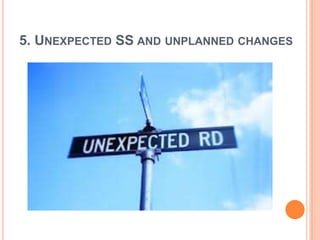
5. UNEXPECTED SS AND UNPLANNED CHANGES
COPE WITH THE SITUATION AND CONTINUE TO
APPEAR PROFESSIONAL:

Prepare contingency plans
Have some teaching ideas up
 your sleeve which require no
 preparation or material
Keep necessary tools within your
 reach
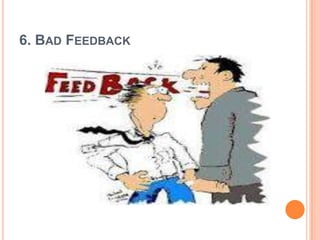
6. BAD FEEDBACK
 regard the feedback as helpful
 feedback shows what your SS
 dis/like
 re-examine priorities
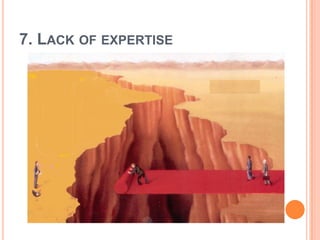
7. LACK OF EXPERTISE
Business SS know a lot about
 their specialty before coming to
 class. For teachers, lack of
 expertise may affect teacher’s
 strategies for dealing with
 specific situations.
 Geta student who raised a subject to
 expand, and invite other SS to do the
 same
 ask SS if they can find out relevant
 information before next class
 keep up to-date (book fairs,
 conferences, TV news,
 newspapers….)

Esp solving-problems

  • 1.
    IBN ZOHR UNIVERSITY M.A TEFL & ICT ESP MODULE Prof JENIFER JUNE EVANS YOUSSEF TAMER
  • 2.
    SOLVING OR AVOIDINGPROBLEMS Omar Taky-Eddine Mustapha AboulaHassan Med Ait Madani youssef Brahim Elomari Ahmed dakhissi
  • 3.
    PRESENTATION OUTLINE:  OVERVIEW ACTIVITY ONE  ACTIVITY TWO  MINI LESSON
  • 4.
    OVERVIEW OUTLINE: 1.Absenteeism andLateness 2. Low motivation 3. Mixed status class 4. Mixed Level class 5. Unexpected students and Unplanned changes 6. Bad Feedback 7. Lack of expertise
  • 5.
  • 6.
     Course progressslows down  Lesson plans need to be adjusted  Affect badly punctual students
  • 7.
    A. FORMAL SYSTEM Only when SS are present, the teacher can motivate them and enhance their autonomy  Makes unpunctual SS reprioritize the importance of the course  There should be norms for monitoring attendance, any student who exceeds the limited number of approved absences can no longer attend the course
  • 8.
    B. INFORMAL APPROACH  Remind the whole class of the course objectives and highlight how every particular lesson fits into the overall program  Make a good joke about it, when SS come in late or after class  Ask regular SS to update the absentee / latecomer  Refer the absentee/latecomer to the work completed by regular SS
  • 9.
  • 10.
    LOW MOTIVATION AFFECTSBADLY THE COURSE  disruptive attendance  poor results  difficult teaching / learning program failure
  • 11.
     present yourselfprofessionally  be systematic in dealing with irregular attendance  tune into your SS  make good use of time  vary teaching materials and approaches
  • 12.
    fulfill SS’ real-life occupational needs: objectives review deep ending prioritizing objectives starter pix model-mentoring model-mentored dialogues experience exchange anecdote access
  • 13.
    establish good class dynamics: word board springboard series floor cards guided speaking ball braining cut-up texts text rebuilding the question game ….
  • 14.
    3. MIXED STATUSCLASS  involve low status SS by eliciting more responses from them and being supportive towards them (high status SS can assert themselves)  assign “ridiculous” roles for high class status SS  accommodate SS’ different needs: assign different self-study books for homework to each status  encourage discussion between different status SS  make tasks open-ended
  • 15.
    4. MIXED LEVELCLASS  get SS with extensive work experience to explain real-life lge problems to other SS  get SS to share their skills by changing the groups  get SS to edit each other’s work without highlighting the authorship
  • 16.
    5. UNEXPECTED SSAND UNPLANNED CHANGES
  • 17.
    COPE WITH THESITUATION AND CONTINUE TO APPEAR PROFESSIONAL: Prepare contingency plans Have some teaching ideas up your sleeve which require no preparation or material Keep necessary tools within your reach
  • 18.
  • 19.
     regard thefeedback as helpful  feedback shows what your SS dis/like  re-examine priorities
  • 20.
    7. LACK OFEXPERTISE
  • 21.
    Business SS knowa lot about their specialty before coming to class. For teachers, lack of expertise may affect teacher’s strategies for dealing with specific situations.
  • 22.
     Geta studentwho raised a subject to expand, and invite other SS to do the same  ask SS if they can find out relevant information before next class  keep up to-date (book fairs, conferences, TV news, newspapers….)