Engaging with technology for learning:
the surprises, the challenges and next steps
Sue Beckingham | @suebecks
Keynote Speaker 23 June 2020
Kingston University Festival of Learning
#KUFoL20
Engaging with technology for learning: the
surprises, the challenges and next steps
The swift pivot to online learning has without doubt
been challenging for a multitude of reasons. My
keynote will consider
• when looking back what my approaches were in
relation to the use of technology to enhance
learning;
• more recently my reflections on using technology
for learning and teaching online,
• and then looking forward how we need to re-plan
to use technology for engaging multimodal co-
learning.
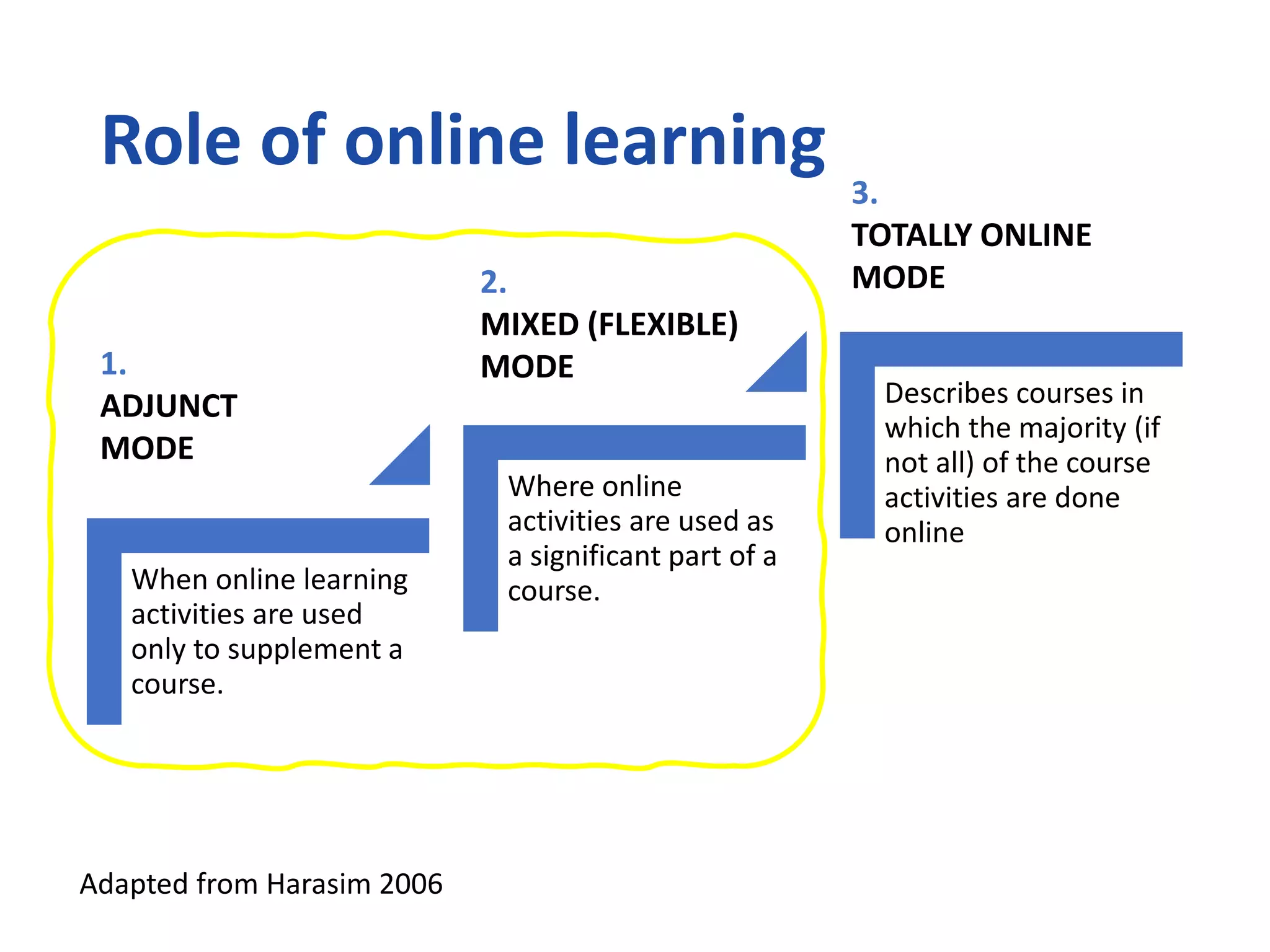
Role of online learning
When online learning
activities are used
only to supplement a
course.
Where online
activities are used as
a significant part of a
course.
Describes courses in
which the majority (if
not all) of the course
activities are done
online
1.
ADJUNCT
MODE
2.
MIXED (FLEXIBLE)
MODE
3.
TOTALLY ONLINE
MODE
Adapted from Harasim 2006
Use of technology to enhance
learning
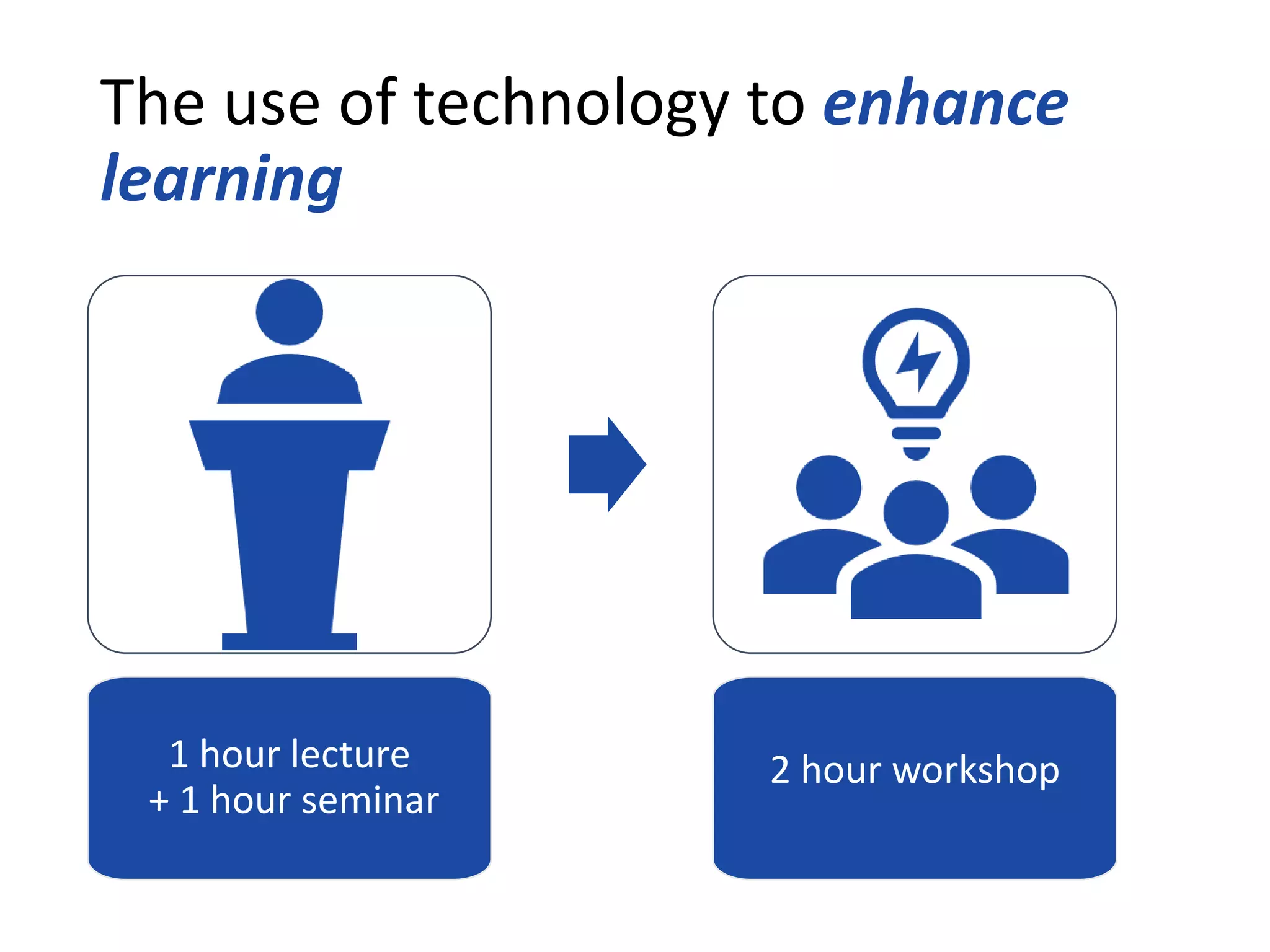
The use of technology to enhance
learning
1 hour lecture
+ 1 hour seminar
2 hour workshop
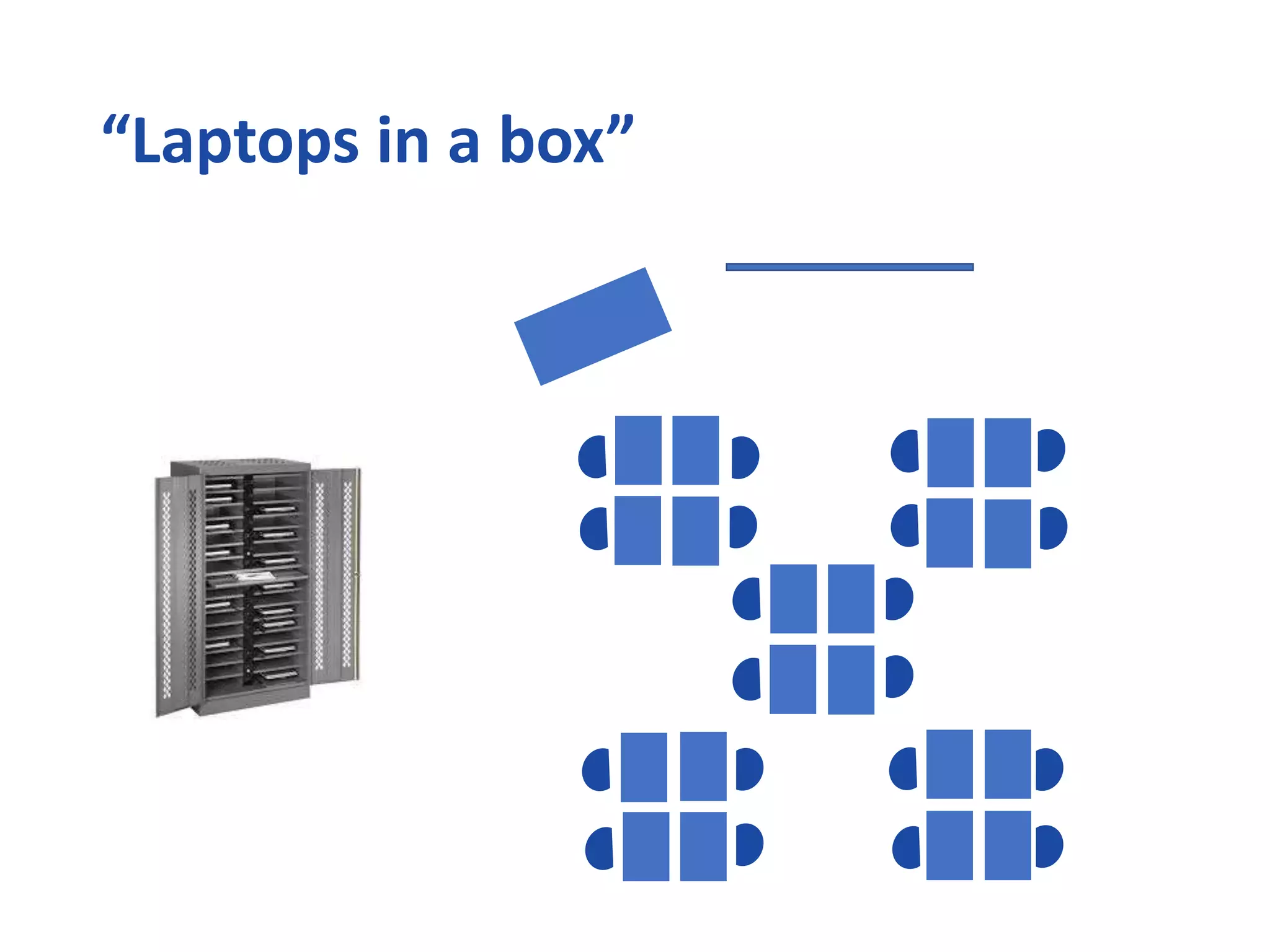
“Laptops in a box”
Technology used in teaching
images podcasts
video
maps graphs
Where to find
Free to use images:
https://openclipart.org/
https://www.flickr.com/creativecommons/
https://pixabay.com/
https://www.pexels.com/
https://commons.wikimedia.org/wiki/Main_Page
Technology for interactive teaching
Polls and Quizzes
Technology for interactive teaching
Whiteboards and Pinboards
Miro
Technology for interactive learning
Technology for reflective learning
Reflections on using technology for
learning (and teaching) online
Using technology for learning online
First of all I want to pause and
focus on what we as educators
have experienced and just some
of the things we have learned
since the start of COVID19
There was no
choice whether or
not we had to
‘pivot’ online
Learning extended to...
Using the technology
Colleagues had to learn to use new technology
for online meetings, our own learning and
development, and to deliver teaching.
“People who never expected – nor
ever wanted – to use digital
technology to communicate or
work now must, and so they are
learning how,”
Sean Michael Morris, Director of the Digital
Pedagogy Lab at the University of Colorado
Denver
Learning extended to...
Online protocols
Adopting new rules for online meetings from
adding passwords and muting microphones to
use of chat and recordings; posture, lighting, the
angle of your device.
Learning extended to...
Self care
The need to provide guidance on how to
manage the blurred boundaries of remote
working and home life. Building in breaks and
time away from the screen.
Learning extended to...
Social isolation
Finding new ways we could check on our
students wellbeing, as well as our peers, and
our family.
Learning extended to...
Digital poverty
A realisation that many of our students (and
staff) did not have access to technology or the
same level of bandwidth. Having access to the
web through Wi-Fi or pay-as-you-go costs
money.
Learning extended to...
Caring responsibilities
Juggling home schooling, family life and
working. Weighing up the benefits of
synchronous and asynchronous activity.
Learning extended to...
Social presence
Developing a sense of belonging and
connectedness. Especially important for the
start of new modules during this period where
students hadn’t met face to face.
Learning extended to...
Learning to learn
Adapting to a new learning space. Students
were reticent to use video in online classes.
They were cautious of using chat in the learning
context.
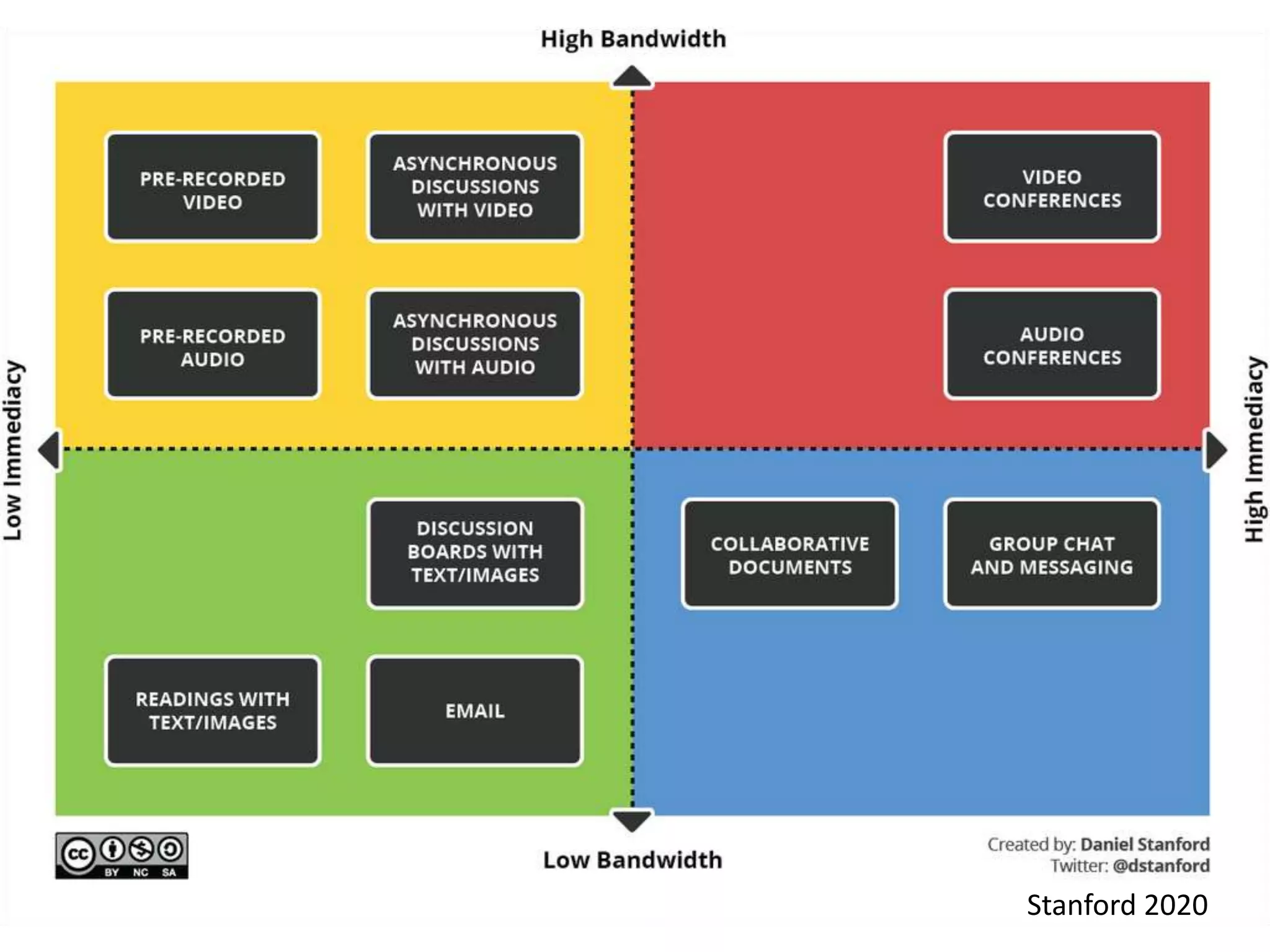
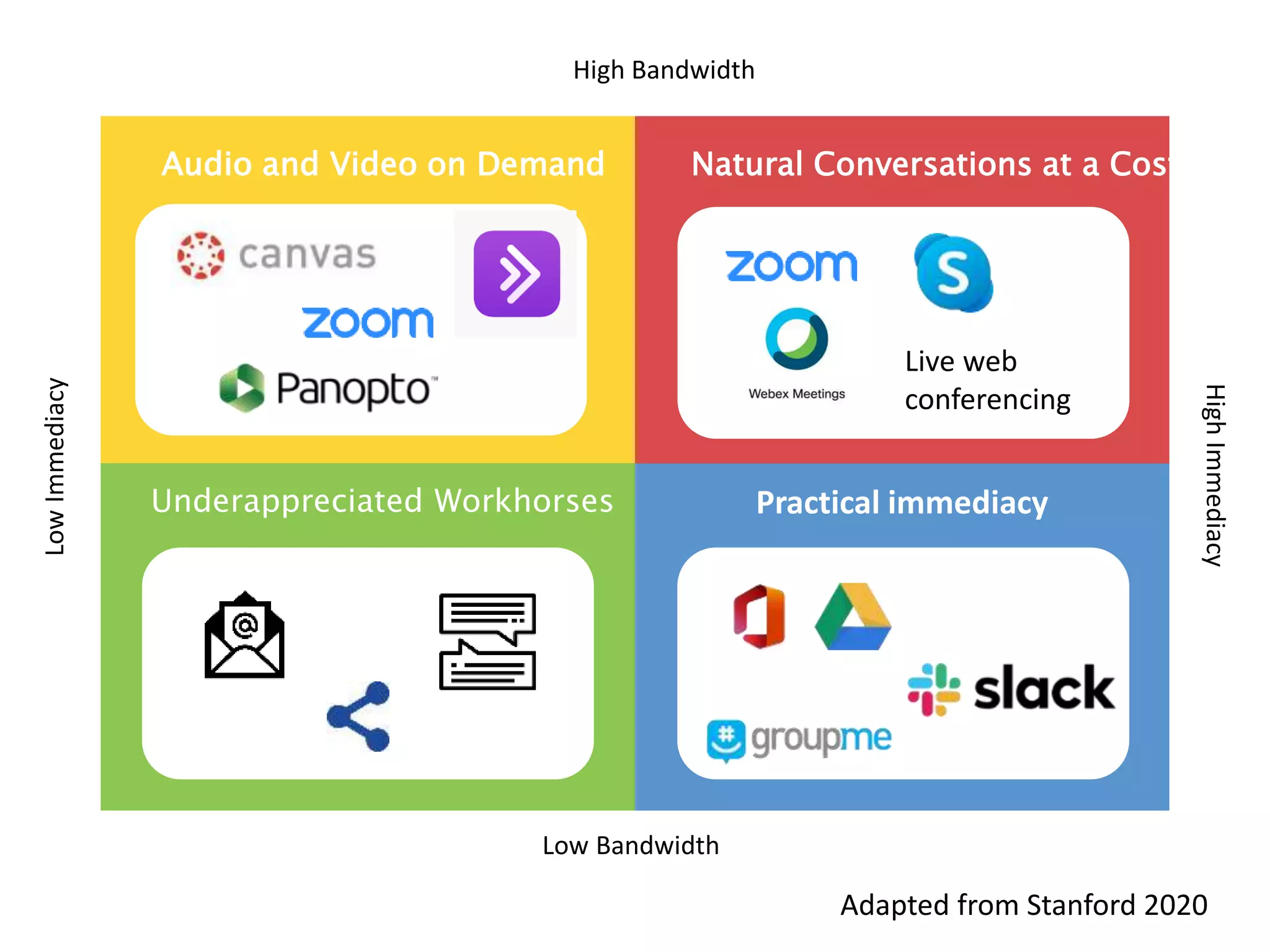
“Immediacy is how much a given activity must
take place at a given time. But immediacy
places demands on student time, forcing
students build their schedule around specific
events. If they are at home, they need not
only to be available at a specific time, but to
get hold of the family computer, find a quiet
spot in the house, check that the internet
connection is stable at that time.”
Mike Caulfield WSU Vancouver
Stanford 2020
Adapted from Stanford 2020
High Bandwidth
Low Bandwidth
LowImmediacy
HighImmediacy
Practical immediacy
Audio and Video on Demand Natural Conversations at a Cost
Underappreciated Workhorses
Live web
conferencing
Re-plan to use technology for
engaging multimodal co-learning
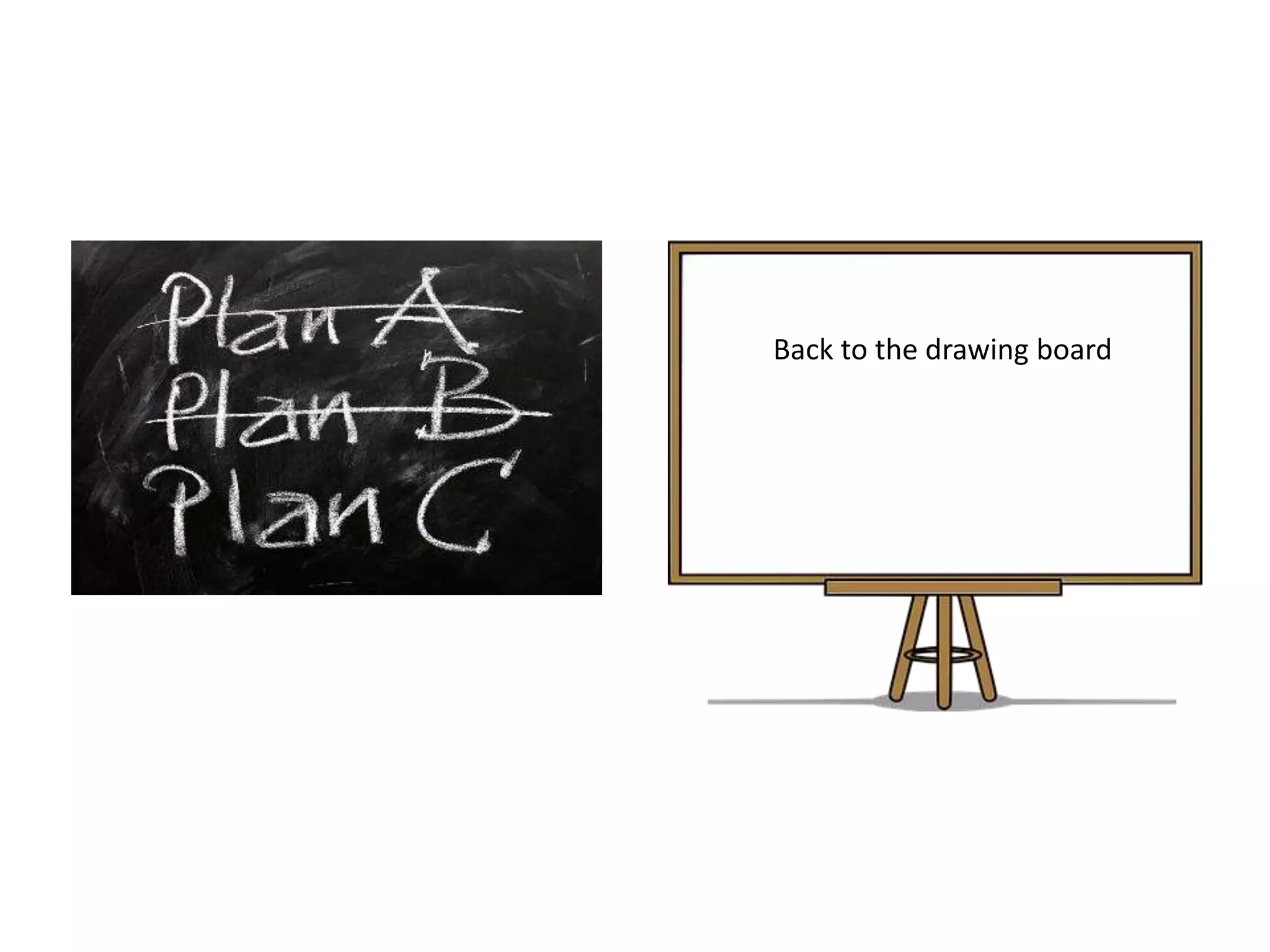
Back to the drawing board
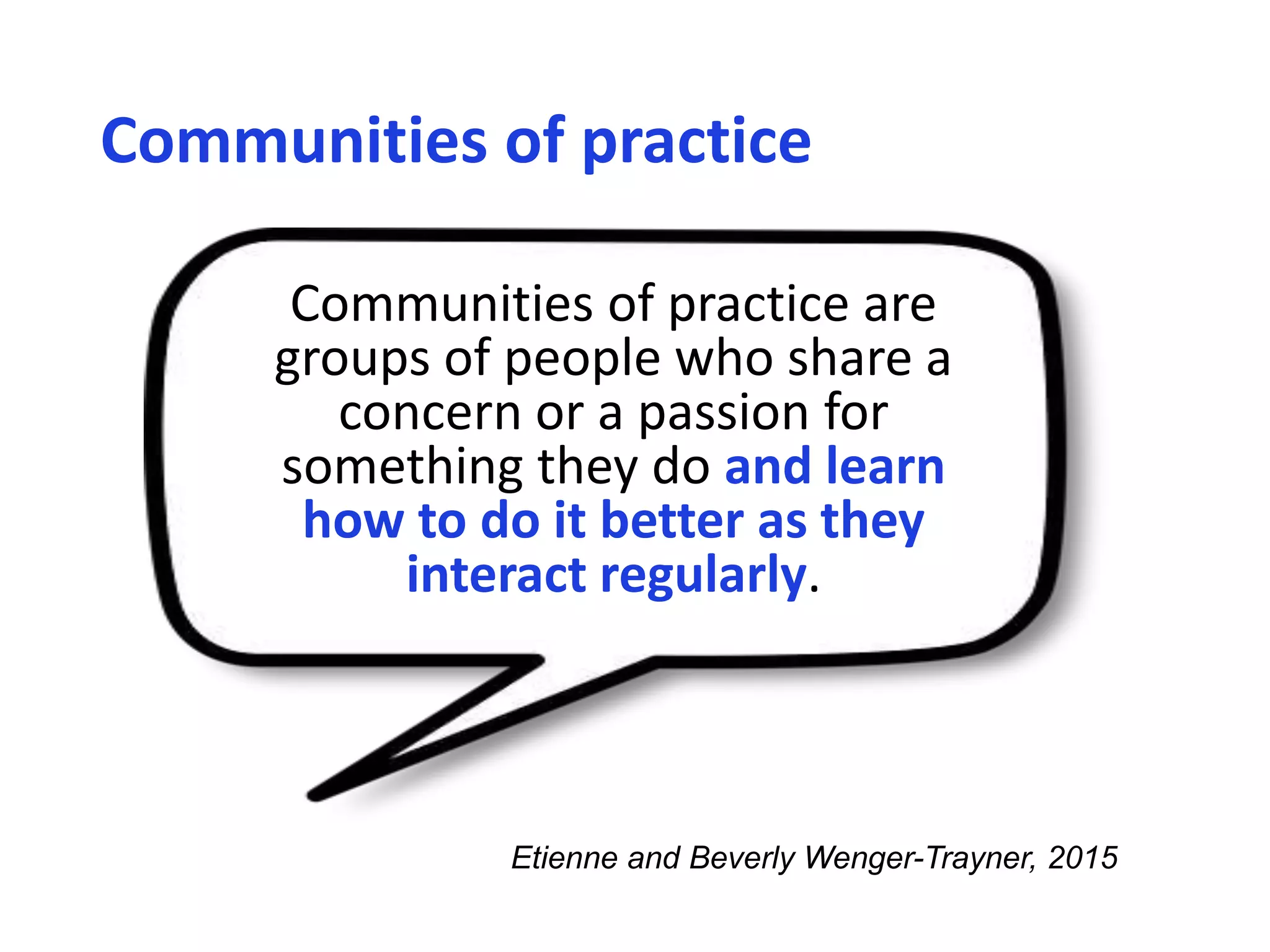
Communities of practice
Communities of practice are
groups of people who share a
concern or a passion for
something they do and learn
how to do it better as they
interact regularly.
Etienne and Beverly Wenger-Trayner, 2015
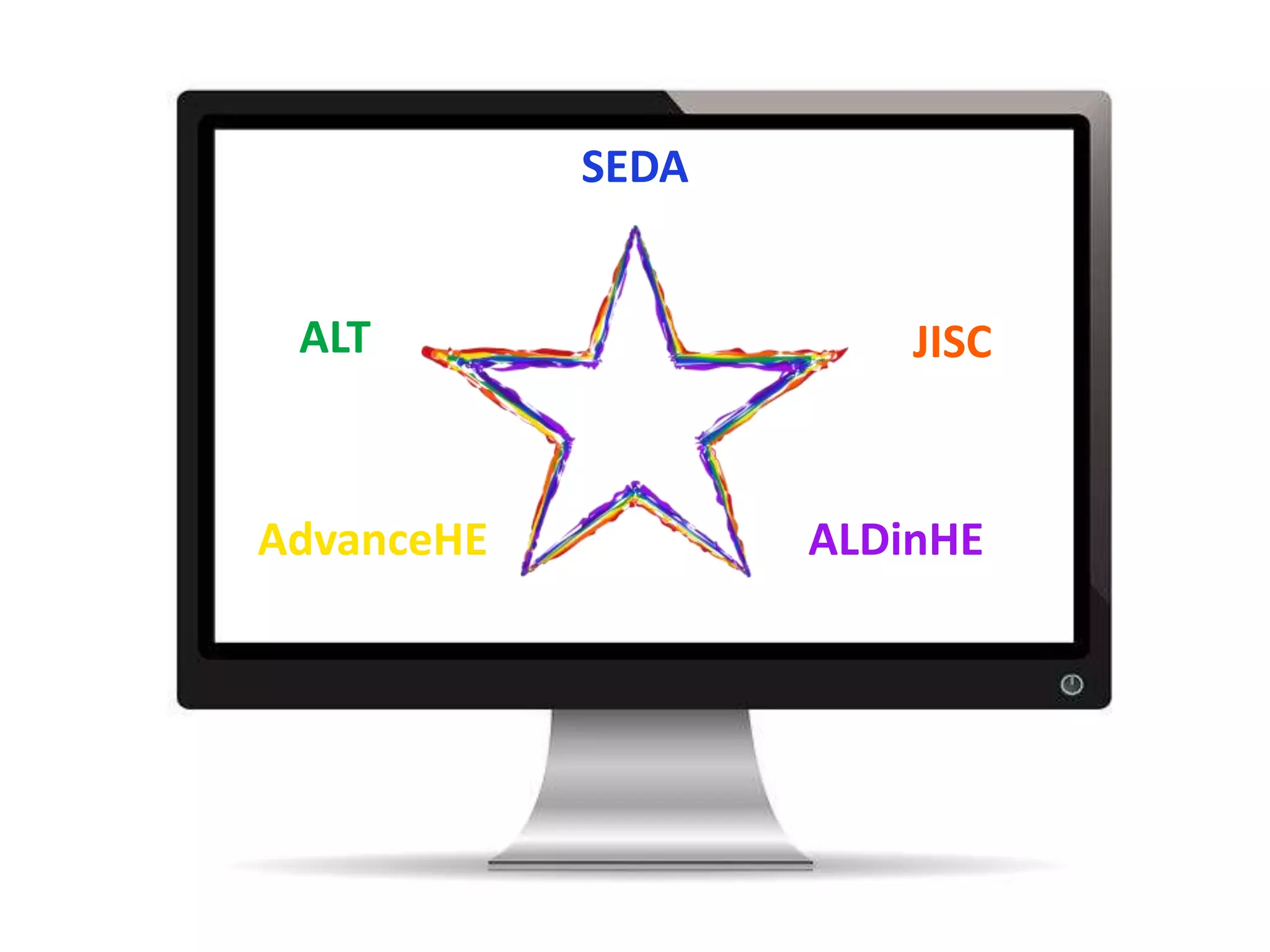
SEDA
JISC
AdvanceHE
ALT
ALDinHE
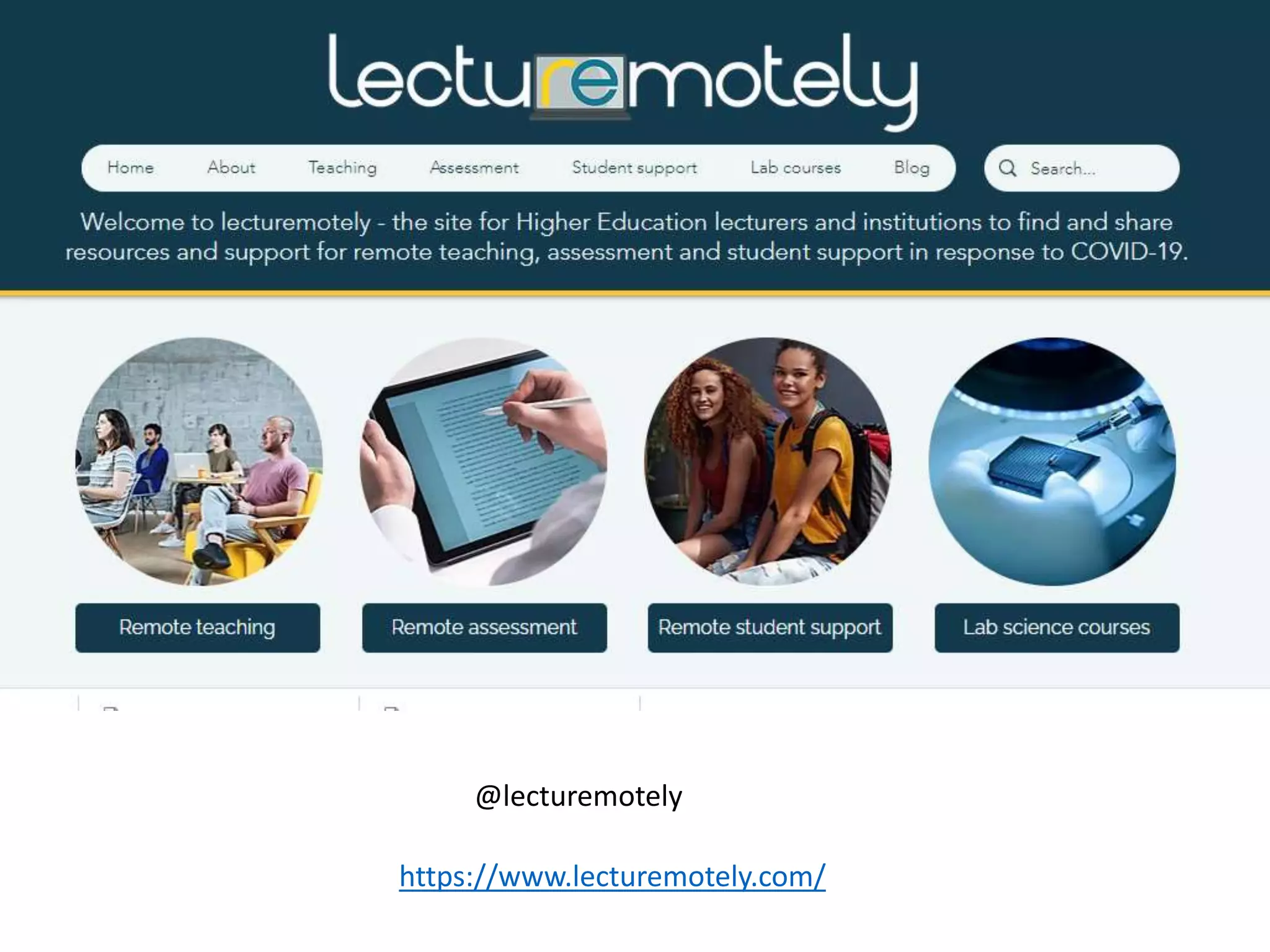
https://www.lecturemotely.com/
@lecturemotely
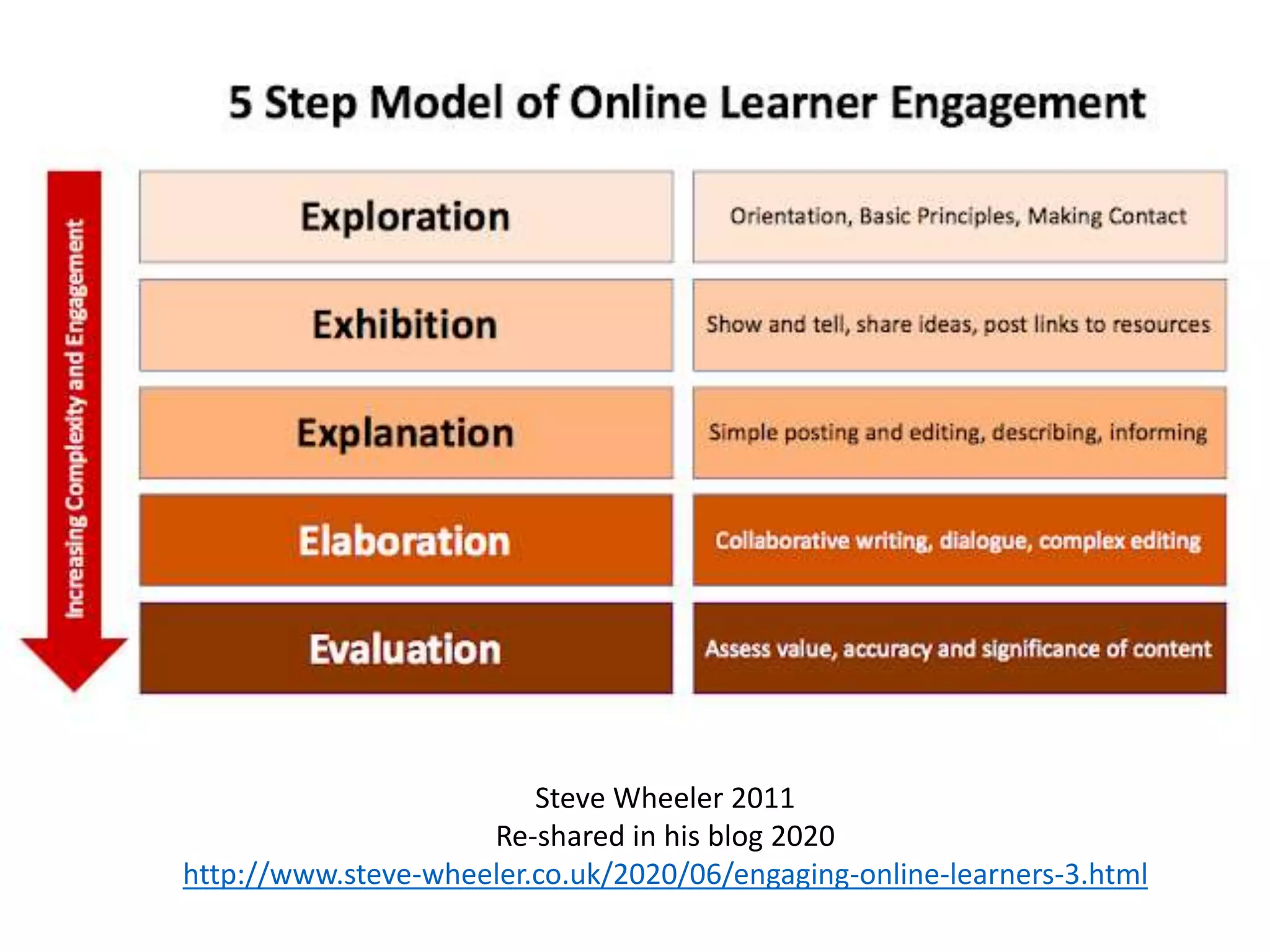
Steve Wheeler 2011
Re-shared in his blog 2020
http://www.steve-wheeler.co.uk/2020/06/engaging-online-learners-3.html
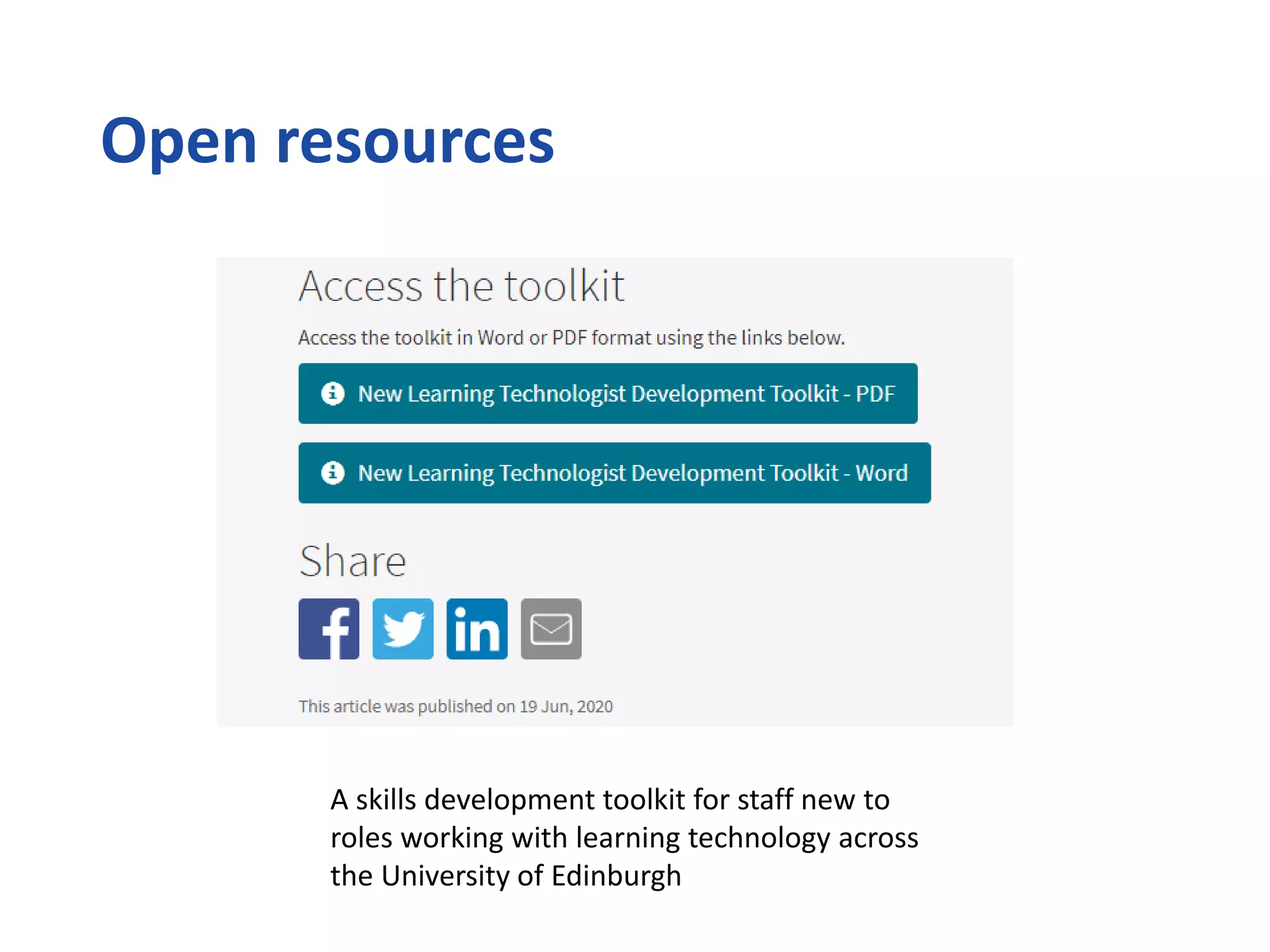
Open resources
A skills development toolkit for staff new to
roles working with learning technology across
the University of Edinburgh
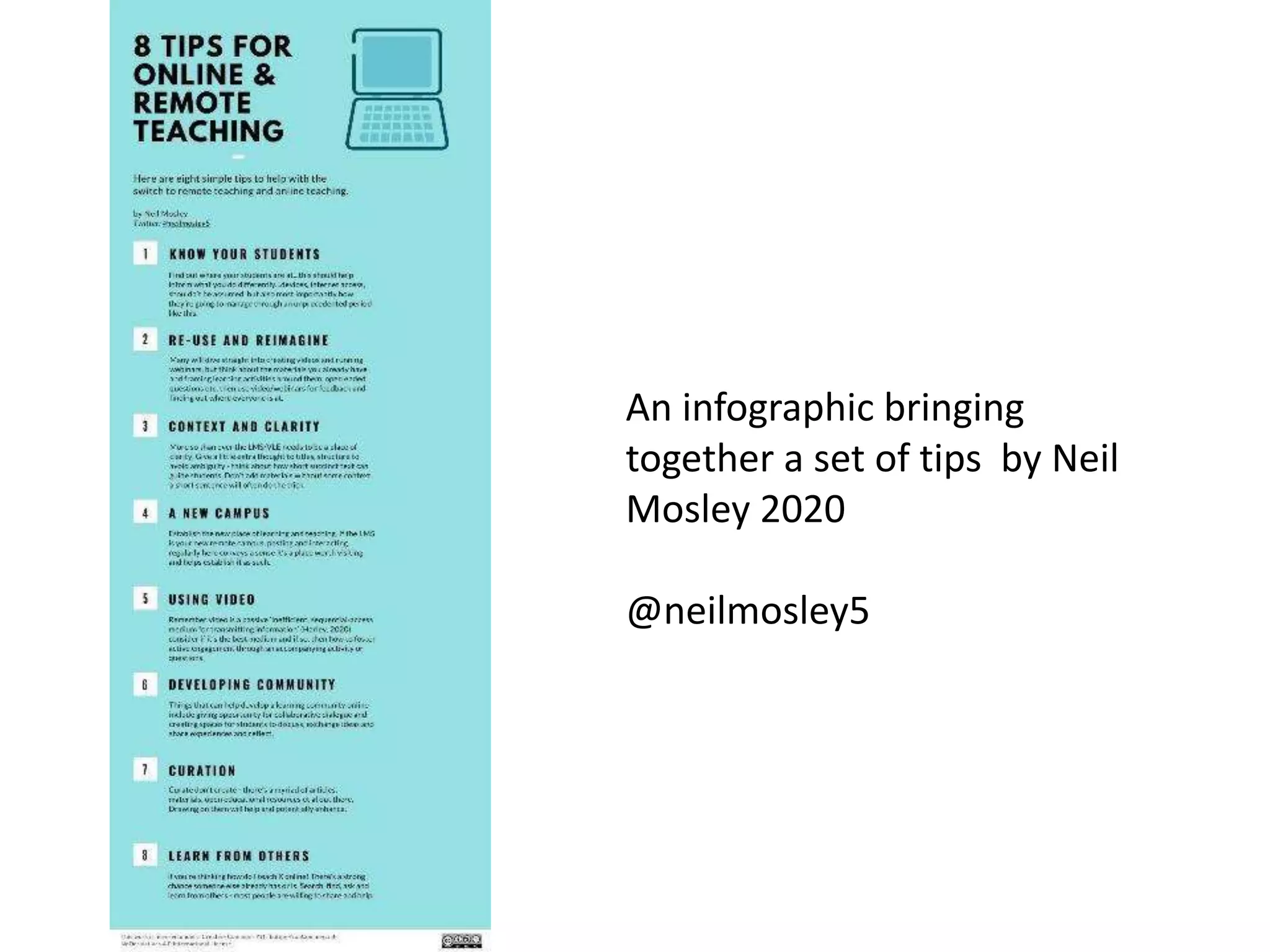
An infographic bringing
together a set of tips by Neil
Mosley 2020
@neilmosley5
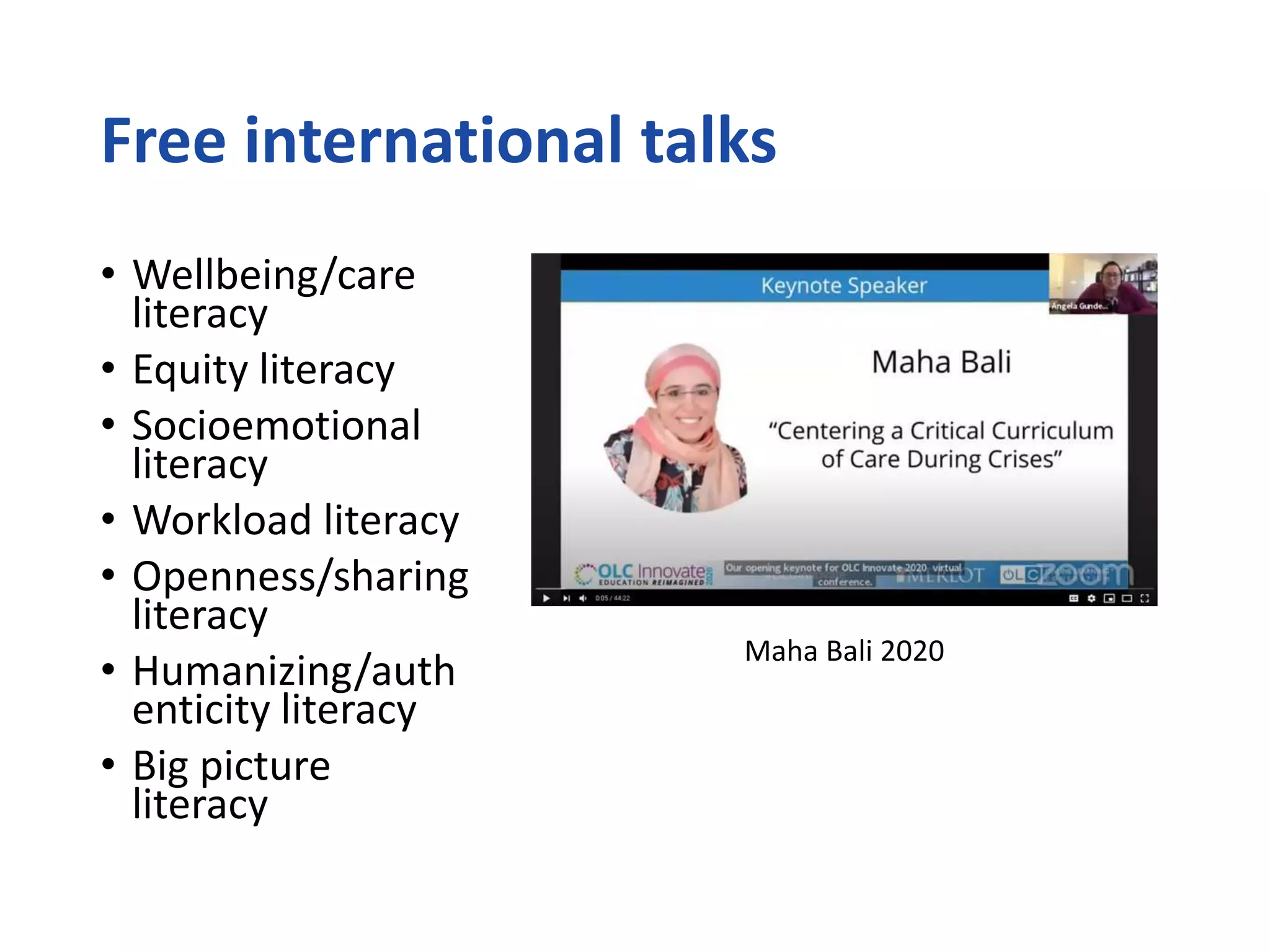
Free international talks
• Wellbeing/care
literacy
• Equity literacy
• Socioemotional
literacy
• Workload literacy
• Openness/sharing
literacy
• Humanizing/auth
enticity literacy
• Big picture
literacy
Maha Bali 2020
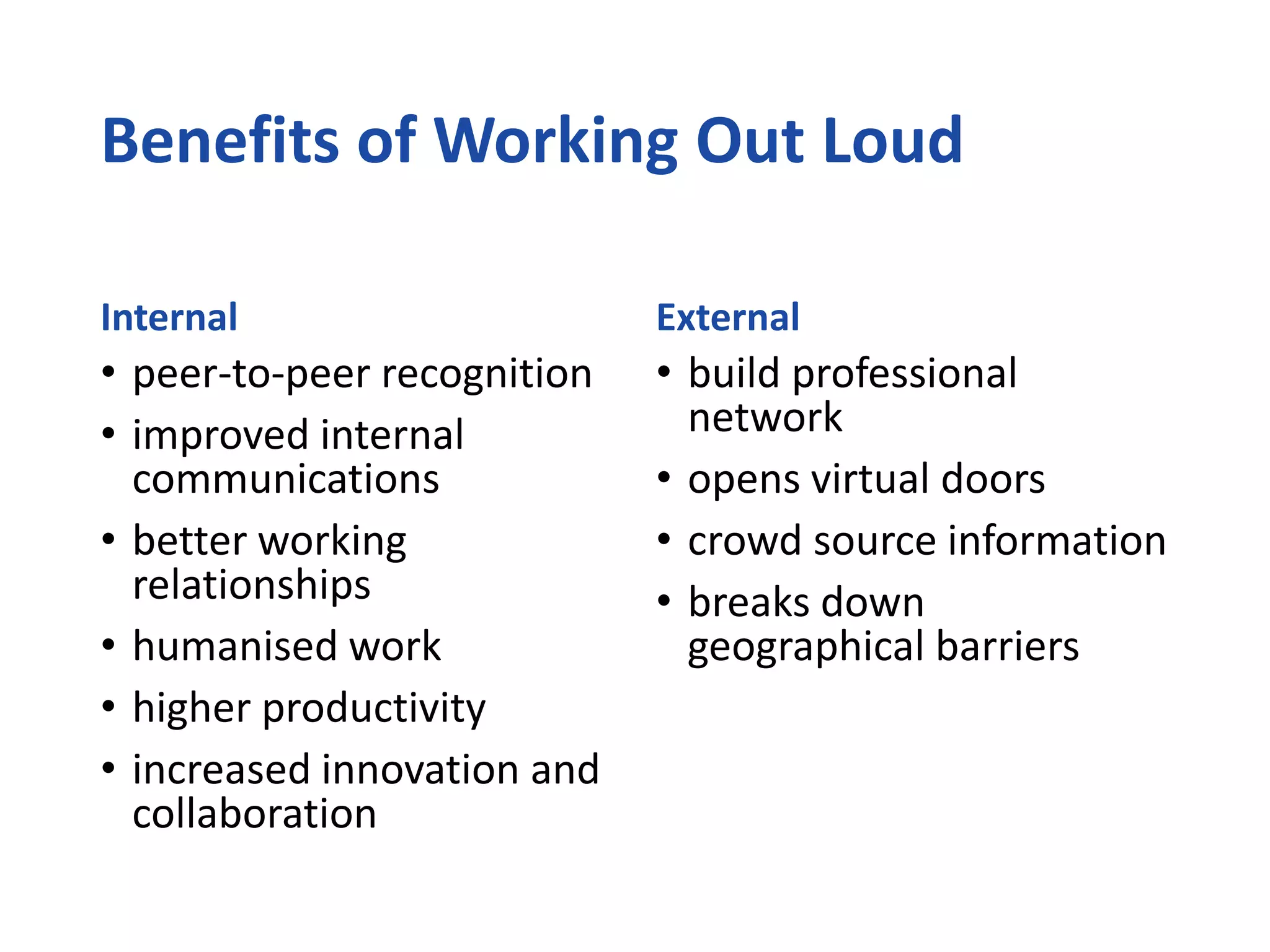
Benefits of Working Out Loud
Internal
• peer-to-peer recognition
• improved internal
communications
• better working
relationships
• humanised work
• higher productivity
• increased innovation and
collaboration
External
• build professional
network
• opens virtual doors
• crowd source information
• breaks down
geographical barriers
Essential elements
of a community
• mutual interdependence
• sense of belonging
• connectedness
• spirit
• trust
• interactivity
• common expectations
• shared values and goals
• overlapping histories
Rovai 2002
Students as Partners
Thank you for
listening
Any questions?

Engaging with technology for learning: The surprises the challenges and next steps

  • 1.
    Engaging with technologyfor learning: the surprises, the challenges and next steps Sue Beckingham | @suebecks Keynote Speaker 23 June 2020 Kingston University Festival of Learning #KUFoL20
  • 2.
    Engaging with technologyfor learning: the surprises, the challenges and next steps The swift pivot to online learning has without doubt been challenging for a multitude of reasons. My keynote will consider • when looking back what my approaches were in relation to the use of technology to enhance learning; • more recently my reflections on using technology for learning and teaching online, • and then looking forward how we need to re-plan to use technology for engaging multimodal co- learning.
  • 3.
    Role of onlinelearning When online learning activities are used only to supplement a course. Where online activities are used as a significant part of a course. Describes courses in which the majority (if not all) of the course activities are done online 1. ADJUNCT MODE 2. MIXED (FLEXIBLE) MODE 3. TOTALLY ONLINE MODE Adapted from Harasim 2006
  • 4.
    Use of technologyto enhance learning
  • 5.
    The use oftechnology to enhance learning 1 hour lecture + 1 hour seminar 2 hour workshop
  • 6.
  • 7.
    Technology used inteaching images podcasts video maps graphs
  • 8.
    Where to find Freeto use images: https://openclipart.org/ https://www.flickr.com/creativecommons/ https://pixabay.com/ https://www.pexels.com/ https://commons.wikimedia.org/wiki/Main_Page
  • 9.
    Technology for interactiveteaching Polls and Quizzes
  • 10.
    Technology for interactiveteaching Whiteboards and Pinboards Miro
  • 11.
  • 12.
  • 13.
    Reflections on usingtechnology for learning (and teaching) online
  • 14.
    Using technology forlearning online First of all I want to pause and focus on what we as educators have experienced and just some of the things we have learned since the start of COVID19
  • 15.
    There was no choicewhether or not we had to ‘pivot’ online
  • 16.
    Learning extended to... Usingthe technology Colleagues had to learn to use new technology for online meetings, our own learning and development, and to deliver teaching.
  • 17.
    “People who neverexpected – nor ever wanted – to use digital technology to communicate or work now must, and so they are learning how,” Sean Michael Morris, Director of the Digital Pedagogy Lab at the University of Colorado Denver
  • 18.
    Learning extended to... Onlineprotocols Adopting new rules for online meetings from adding passwords and muting microphones to use of chat and recordings; posture, lighting, the angle of your device.
  • 19.
    Learning extended to... Selfcare The need to provide guidance on how to manage the blurred boundaries of remote working and home life. Building in breaks and time away from the screen.
  • 20.
    Learning extended to... Socialisolation Finding new ways we could check on our students wellbeing, as well as our peers, and our family.
  • 21.
    Learning extended to... Digitalpoverty A realisation that many of our students (and staff) did not have access to technology or the same level of bandwidth. Having access to the web through Wi-Fi or pay-as-you-go costs money.
  • 22.
    Learning extended to... Caringresponsibilities Juggling home schooling, family life and working. Weighing up the benefits of synchronous and asynchronous activity.
  • 23.
    Learning extended to... Socialpresence Developing a sense of belonging and connectedness. Especially important for the start of new modules during this period where students hadn’t met face to face.
  • 24.
    Learning extended to... Learningto learn Adapting to a new learning space. Students were reticent to use video in online classes. They were cautious of using chat in the learning context.
  • 25.
    “Immediacy is howmuch a given activity must take place at a given time. But immediacy places demands on student time, forcing students build their schedule around specific events. If they are at home, they need not only to be available at a specific time, but to get hold of the family computer, find a quiet spot in the house, check that the internet connection is stable at that time.” Mike Caulfield WSU Vancouver
  • 26.
  • 27.
    Adapted from Stanford2020 High Bandwidth Low Bandwidth LowImmediacy HighImmediacy Practical immediacy Audio and Video on Demand Natural Conversations at a Cost Underappreciated Workhorses Live web conferencing
  • 28.
    Re-plan to usetechnology for engaging multimodal co-learning
  • 29.
    Back to thedrawing board
  • 30.
    Communities of practice Communitiesof practice are groups of people who share a concern or a passion for something they do and learn how to do it better as they interact regularly. Etienne and Beverly Wenger-Trayner, 2015
  • 31.
  • 32.
  • 33.
    Steve Wheeler 2011 Re-sharedin his blog 2020 http://www.steve-wheeler.co.uk/2020/06/engaging-online-learners-3.html
  • 34.
    Open resources A skillsdevelopment toolkit for staff new to roles working with learning technology across the University of Edinburgh
  • 35.
    An infographic bringing togethera set of tips by Neil Mosley 2020 @neilmosley5
  • 36.
    Free international talks •Wellbeing/care literacy • Equity literacy • Socioemotional literacy • Workload literacy • Openness/sharing literacy • Humanizing/auth enticity literacy • Big picture literacy Maha Bali 2020
  • 37.
    Benefits of WorkingOut Loud Internal • peer-to-peer recognition • improved internal communications • better working relationships • humanised work • higher productivity • increased innovation and collaboration External • build professional network • opens virtual doors • crowd source information • breaks down geographical barriers
  • 38.
    Essential elements of acommunity • mutual interdependence • sense of belonging • connectedness • spirit • trust • interactivity • common expectations • shared values and goals • overlapping histories Rovai 2002
  • 39.
  • 40.

Editor's Notes

  • #4 Harasim, L. (2006). A history of e-learning: Shift happened. In J. Weiss, J. Nolan, J. Hunsinger, & P. Trifonas (Eds.), The international handbook of virtual learning environments (pp. 59-94). Netherlands: Springer.
  • #8 Embedded in presentations Move away from death by PowerPoint
  • #9 https://learningonscreen.ac.uk/
  • #17 The role of the Learning Technologist and Educational Developer has never been more important
  • #18 https://www.theguardian.com/technology/2020/apr/24/remote-learning-classroom-technology-coronavirus
  • #26 https://emergencyonline.blog/2020/03/27/what-is-dirt-simple-online-why-use-it/
  • #27 https://www.iddblog.org/videoconferencing-alternatives-how-low-bandwidth-teaching-will-save-us-all/
  • #28 https://www.iddblog.org/videoconferencing-alternatives-how-low-bandwidth-teaching-will-save-us-all/
  • #30 Plan A We are teaching online Plan B We are teaching at a social distance Plan C We need a plan to consider in class teaching, online syncronous teaching and online asynchronous teaching
  • #31 https://wenger-trayner.com/introduction-to-communities-of-practice/
  • #32 In addition to website resources are shared and discussed via Jisc email lists and Twitter
  • #33 Dr Jo Rushworth, Dr T J Moore and Dr Beth Rogoyski
  • #35 https://www.ed.ac.uk/information-services/help-consultancy/is-skills/programmes-courses-and-toolkits/development-programmes/new-learning-technologist
  • #36 https://twitter.com/neilmosley5/status/1257412727590522880?s=20
  • #37 https://www.al-fanarmedia.org/2020/05/literacies-teachers-need-during-covid-19/ Link: https://youtu.be/7mOYrIdhjX0
  • #39 Rovai, A. (2002) Building Sense of Community at a Distance. International Review of Research in Open and Distant Learning, 3(1). http://www.irrodl.org/index.php/irrodl/article/view/79/153