











































![System.out.println("Message1 SHA1 digest: "
+ shaAndBase64Encode(message1));
System.out.println("Message2 SHA1 digest: "
+ shaAndBase64Encode(message2));
}
/**
* Helper function to both SHA-1 hash and
* base64 encode the resulting bytes to a String
*/
public static String shaAndBase64Encode(String message)
throws NoSuchAlgorithmException {
MessageDigest sha = MessageDigest.getInstance("SHA-1");
//Salt could be applied here
//Integer salt = <some random number generator>
//sha.update(salt.getBytes());
byte[] digest = sha.digest(message.getBytes());
return new sun.misc.BASE64Encoder().encode(digest);
}
}](https://image.slidesharecdn.com/encryptionbootcampv0-4-7atoredev-101112094230-phpapp01/75/Encryption-Boot-Camp-at-Oredev-81-2048.jpg)
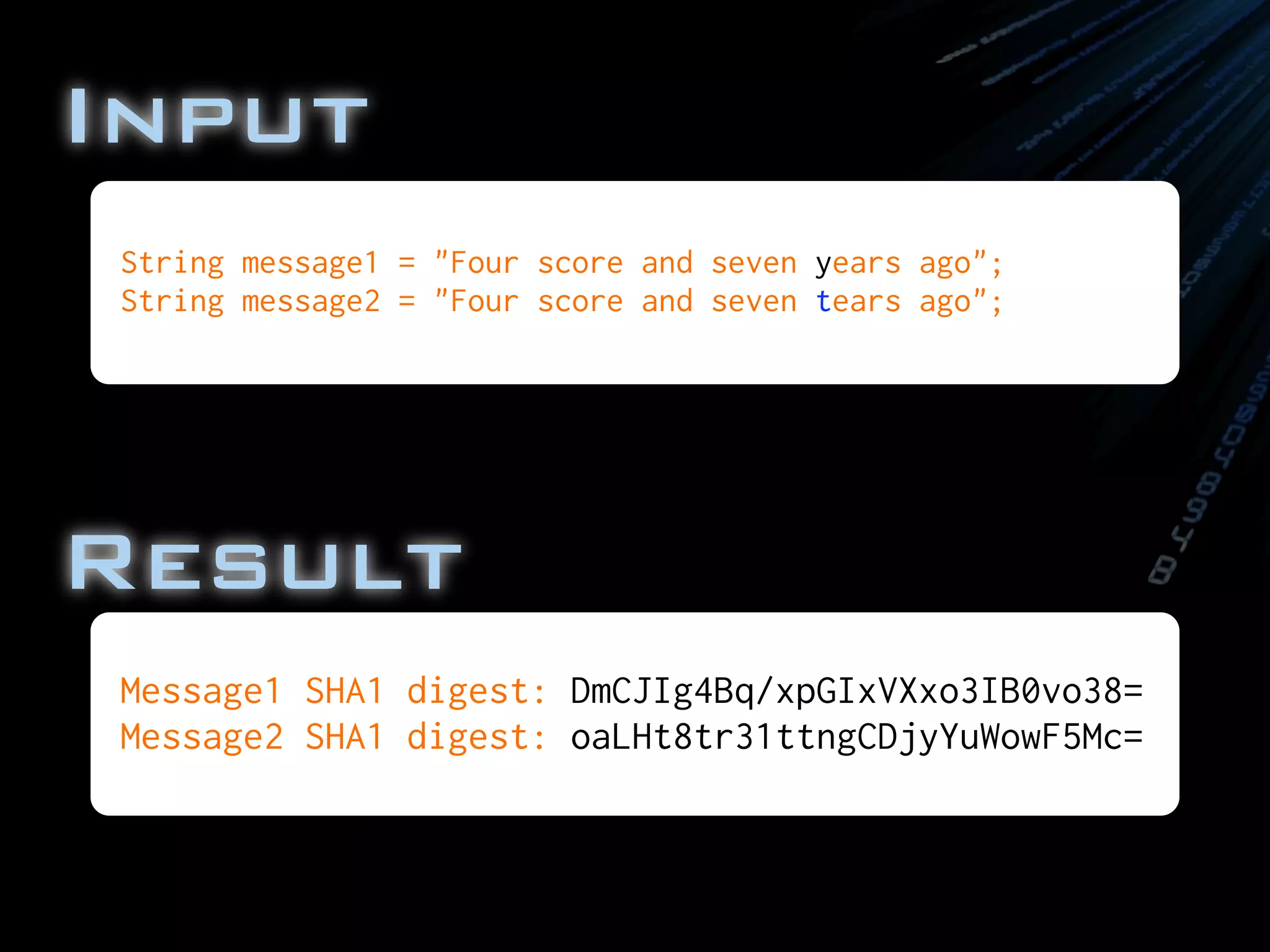
![*
* Demonstrate that very similar messages
* have radically different hashes.
*/
public class MessageDigestSHA
{
public static void main( String[] args )
throws NoSuchAlgorithmException
{
//Set up the message to be encoded
String message1 = "Four score and seven years ago";
String message2 = "Four score and seven tears ago";
System.out.println("Message1 SHA1 digest: "
+ shaAndBase64Encode(message1));
System.out.println("Message2 SHA1 digest: "
+ shaAndBase64Encode(message2));
}
/**
* Helper function to both SHA-1 hash and
* base64 encode the resulting bytes to a String
*/
public static String shaAndBase64Encode(String message)
throws NoSuchAlgorithmException {](https://image.slidesharecdn.com/encryptionbootcampv0-4-7atoredev-101112094230-phpapp01/75/Encryption-Boot-Camp-at-Oredev-82-2048.jpg)
![*
* Demonstrate that very similar messages
* have radically different hashes.
*/
public class MessageDigestSHA
{
public static void main( String[] args )
throws NoSuchAlgorithmException
{
//Set up the message to be encoded
String message1 = "Four score and seven years ago";
String message2 = "Four score and seven tears ago";
System.out.println("Message1 SHA1 digest: "
+ shaAndBase64Encode(message1));
System.out.println("Message2 SHA1 digest: "
+ shaAndBase64Encode(message2));
}
/**
* Helper function to both SHA-1 hash and
* base64 encode the resulting bytes to a String
*/
public static String shaAndBase64Encode(String message)
throws NoSuchAlgorithmException {](https://image.slidesharecdn.com/encryptionbootcampv0-4-7atoredev-101112094230-phpapp01/75/Encryption-Boot-Camp-at-Oredev-83-2048.jpg)

![import java.security.InvalidKeyException;
import java.security.NoSuchAlgorithmException;
import java.security.NoSuchProviderException;
import javax.crypto.BadPaddingException;
import javax.crypto.Cipher;
import javax.crypto.IllegalBlockSizeException;
import javax.crypto.KeyGenerator;
import javax.crypto.NoSuchPaddingException;
import javax.crypto.SecretKey;
import sun.misc.BASE64Encoder;
/**
* Use the SecureRandom java security class to generate
* a more expensive, but cryptographically secure random number.
*/
public class SymmetricEncrypt
{
public static void main( String[] args )
throws NoSuchAlgorithmException, NoSuchProviderException,
NoSuchPaddingException, InvalidKeyException,
IllegalBlockSizeException, BadPaddingException
{](https://image.slidesharecdn.com/encryptionbootcampv0-4-7atoredev-101112094230-phpapp01/75/Encryption-Boot-Camp-at-Oredev-102-2048.jpg)
![import sun.misc.BASE64Encoder;
/**
* Use the SecureRandom java security class to generate
* a more expensive, but cryptographically secure random number.
*/
public class SymmetricEncrypt
{
public static void main( String[] args )
throws NoSuchAlgorithmException, NoSuchProviderException,
NoSuchPaddingException, InvalidKeyException,
IllegalBlockSizeException, BadPaddingException
{
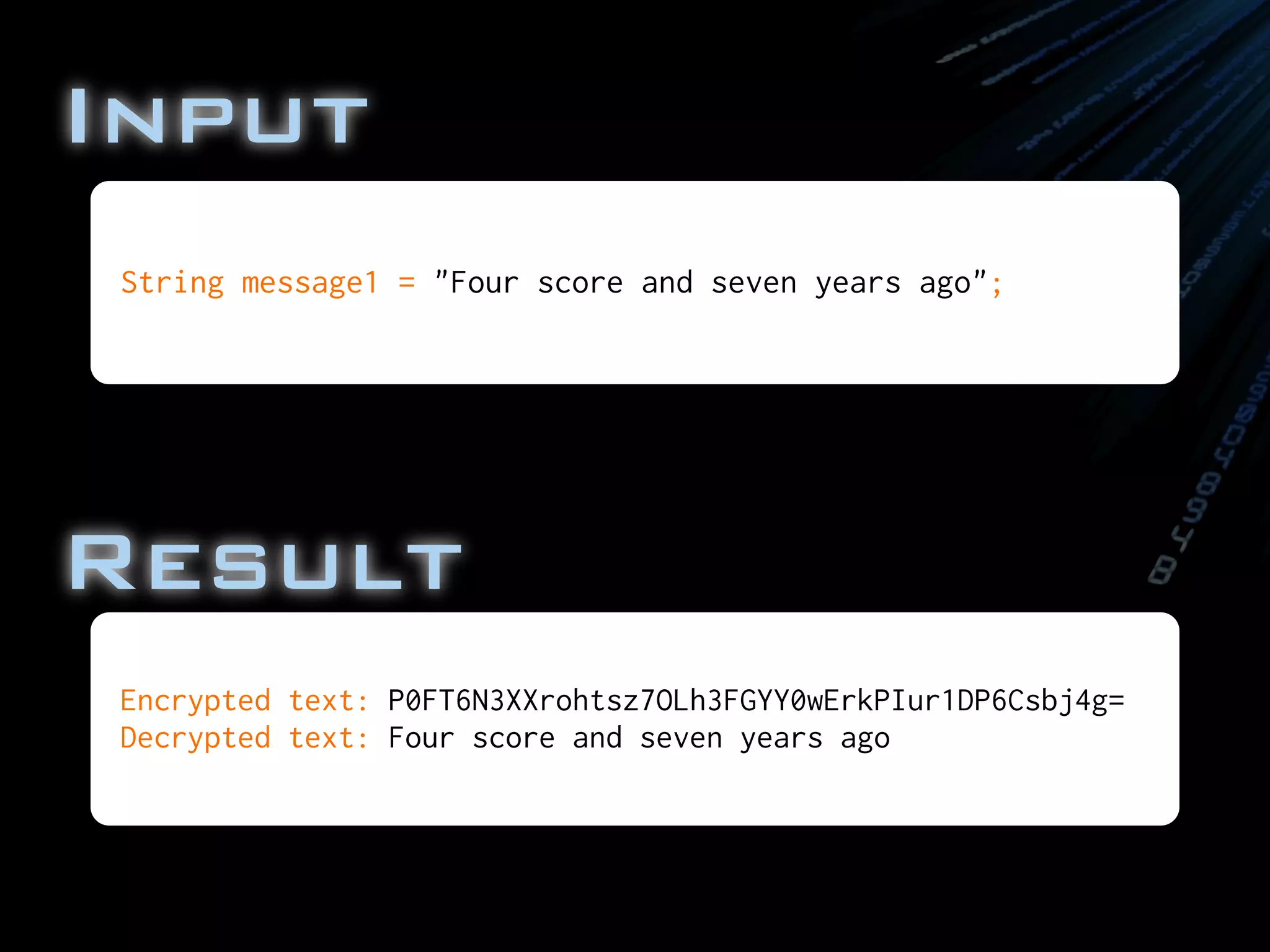
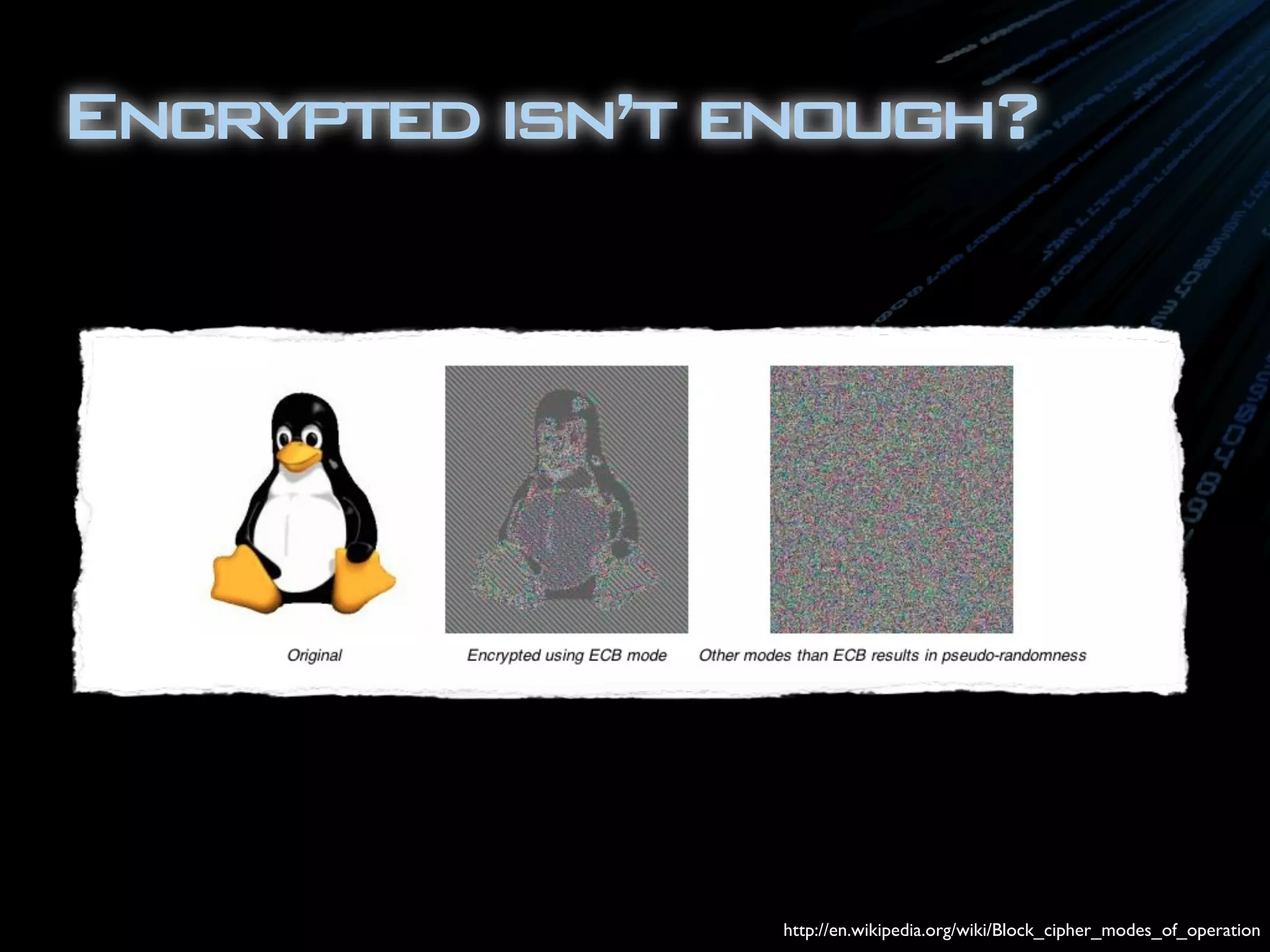
final String message1 = "Four score and seven years ago";
//Build a new encryption key
final KeyGenerator keyGen = KeyGenerator.getInstance("DESede");
keyGen.init(168);
final SecretKey desKey = keyGen.generateKey();
//Set up the cipher
final Cipher desCipher = Cipher.getInstance("DESede/ECB/PKCS5Padding");
//////////////////////////////////////
//Put the cipher in encryption mode
desCipher.init(Cipher.ENCRYPT_MODE, desKey);
//Encrypt and output the base64 data
byte[] clearText = message1.getBytes();
byte[] encryptedBytes = desCipher.doFinal(clearText);](https://image.slidesharecdn.com/encryptionbootcampv0-4-7atoredev-101112094230-phpapp01/75/Encryption-Boot-Camp-at-Oredev-103-2048.jpg)
![final String message1 = "Four score and seven years ago";
//Build a new encryption key
final KeyGenerator keyGen = KeyGenerator.getInstance("DESede");
keyGen.init(168);
final SecretKey desKey = keyGen.generateKey();
//Set up the cipher
final Cipher desCipher = Cipher.getInstance("DESede/ECB/PKCS5Padding");
//////////////////////////////////////
//Put the cipher in encryption mode
desCipher.init(Cipher.ENCRYPT_MODE, desKey);
//Encrypt and output the base64 data
byte[] clearText = message1.getBytes();
byte[] encryptedBytes = desCipher.doFinal(clearText);
BASE64Encoder b64e = new sun.misc.BASE64Encoder();
String base64Encrypted = b64e.encode(encryptedBytes);
System.out.println("Encrypted text: " + base64Encrypted);
//////////////////////////////////////
//Put the cipher in decryption mode
desCipher.init(Cipher.DECRYPT_MODE, desKey);
//Decrypt and output the original string
byte[] decryptedBytes = desCipher.doFinal(encryptedBytes);
String decryptedText = new String(decryptedBytes);
System.out.println("Decrypted text: " + decryptedText);
}](https://image.slidesharecdn.com/encryptionbootcampv0-4-7atoredev-101112094230-phpapp01/75/Encryption-Boot-Camp-at-Oredev-104-2048.jpg)
![//Set up the cipher
final Cipher desCipher = Cipher.getInstance("DESede/ECB/PKCS5Padding");
//////////////////////////////////////
//Put the cipher in encryption mode
desCipher.init(Cipher.ENCRYPT_MODE, desKey);
//Encrypt and output the base64 data
byte[] clearText = message1.getBytes();
byte[] encryptedBytes = desCipher.doFinal(clearText);
BASE64Encoder b64e = new sun.misc.BASE64Encoder();
String base64Encrypted = b64e.encode(encryptedBytes);
System.out.println("Encrypted text: " + base64Encrypted);
//////////////////////////////////////
//Put the cipher in decryption mode
desCipher.init(Cipher.DECRYPT_MODE, desKey);
//Decrypt and output the original string
byte[] decryptedBytes = desCipher.doFinal(encryptedBytes);
String decryptedText = new String(decryptedBytes);
System.out.println("Decrypted text: " + decryptedText);
}
}](https://image.slidesharecdn.com/encryptionbootcampv0-4-7atoredev-101112094230-phpapp01/75/Encryption-Boot-Camp-at-Oredev-105-2048.jpg)







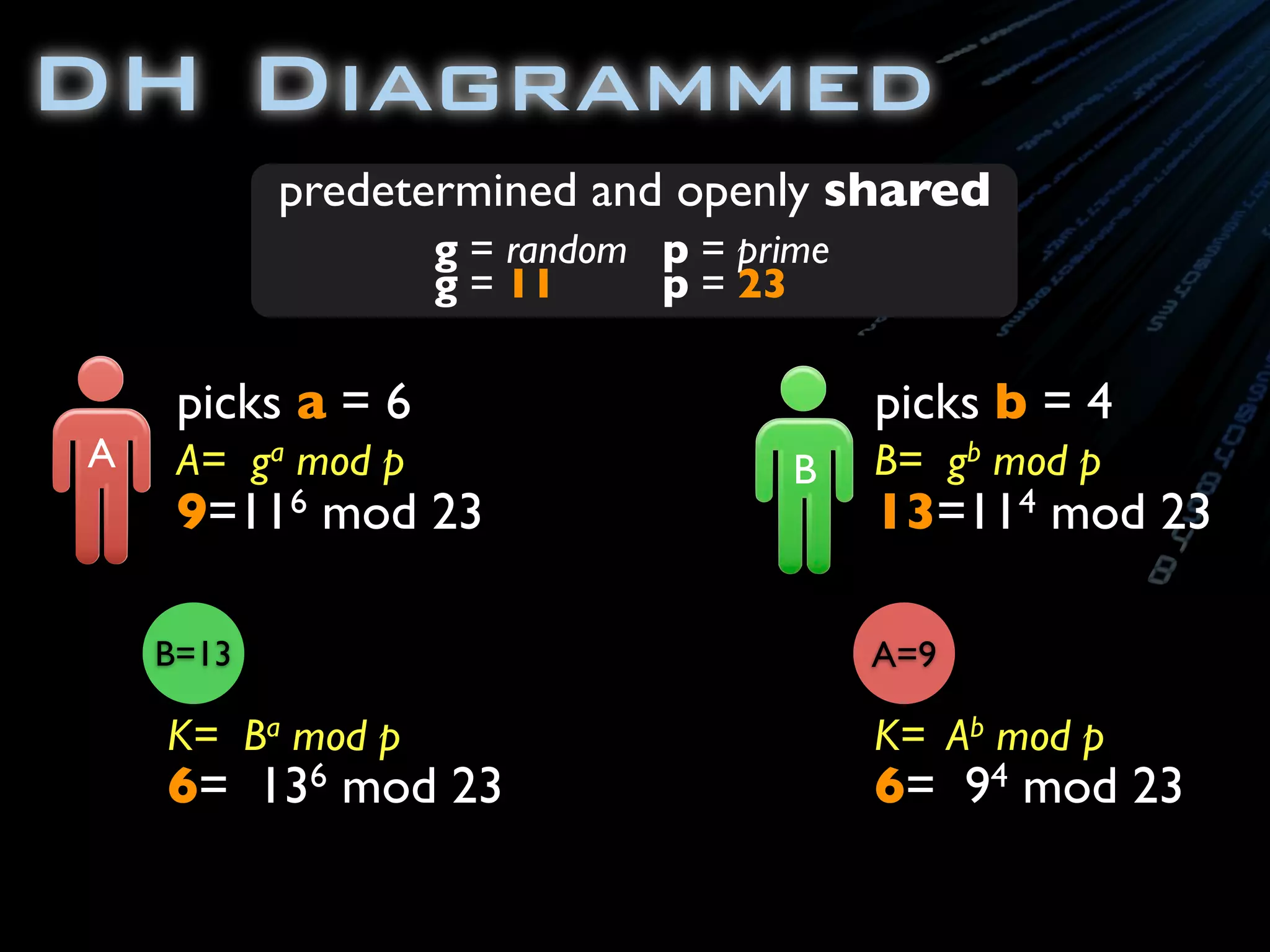
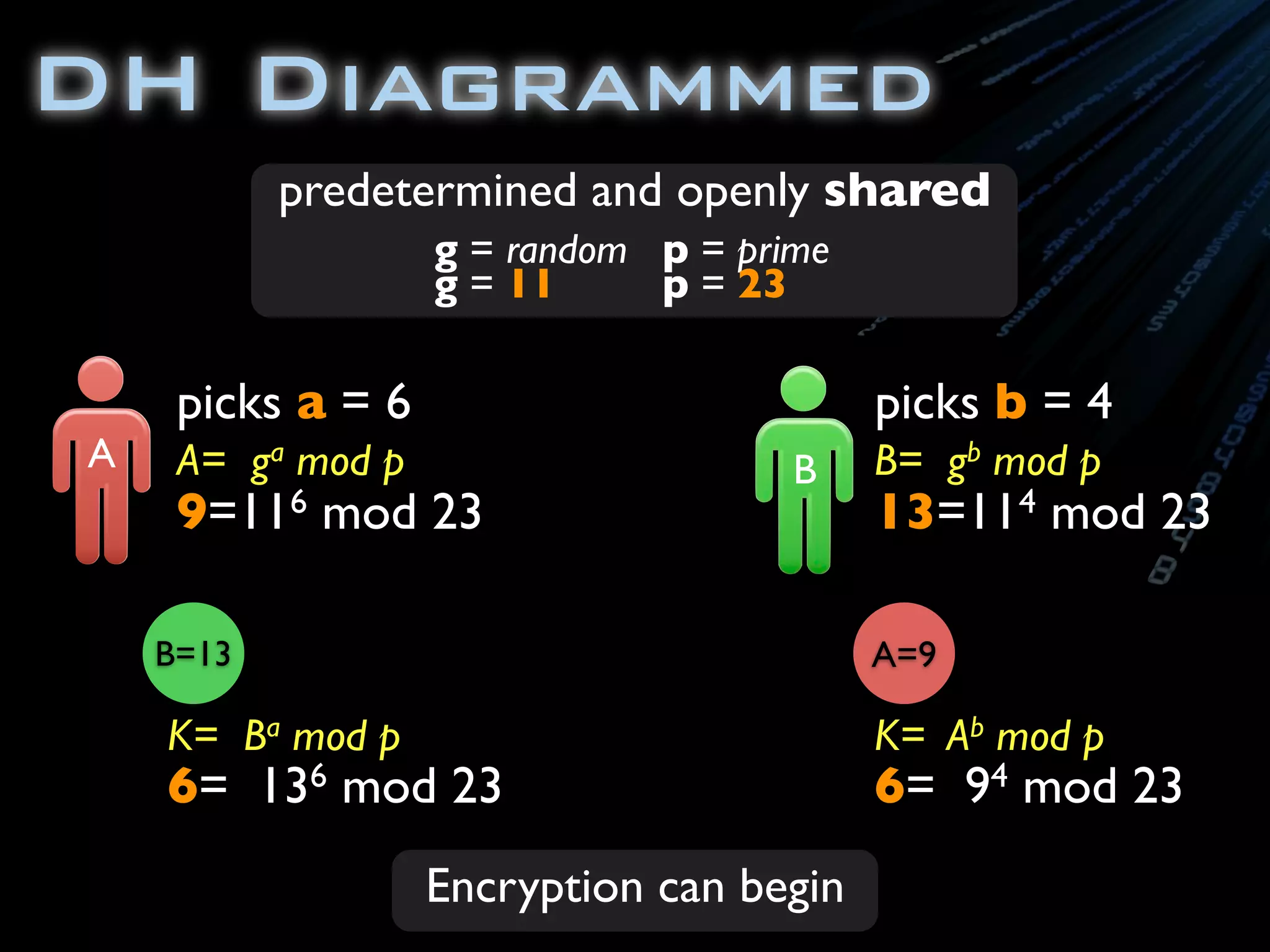

![package com.ambientideas;
import java.security.NoSuchAlgorithmException;
import java.security.SecureRandom;
/**
* Use the SecureRandom java security class to generate
* a more expensive, but cryptographically secure random number.
*/
public class SecureRandomNumber
{
public static void main( String[] args ) throws
NoSuchAlgorithmException
{
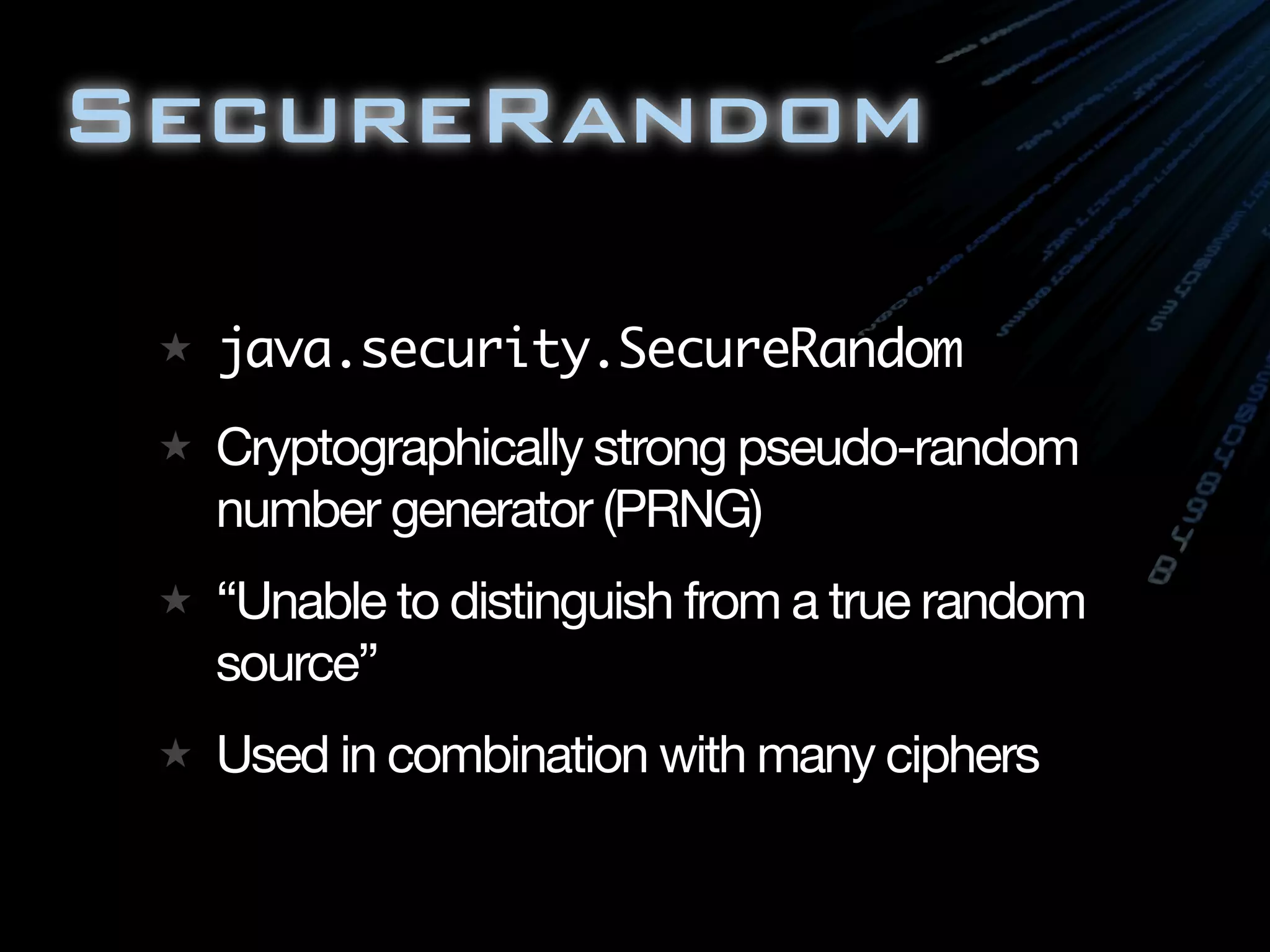
//Do the expensive one time setup of the](https://image.slidesharecdn.com/encryptionbootcampv0-4-7atoredev-101112094230-phpapp01/75/Encryption-Boot-Camp-at-Oredev-146-2048.jpg)
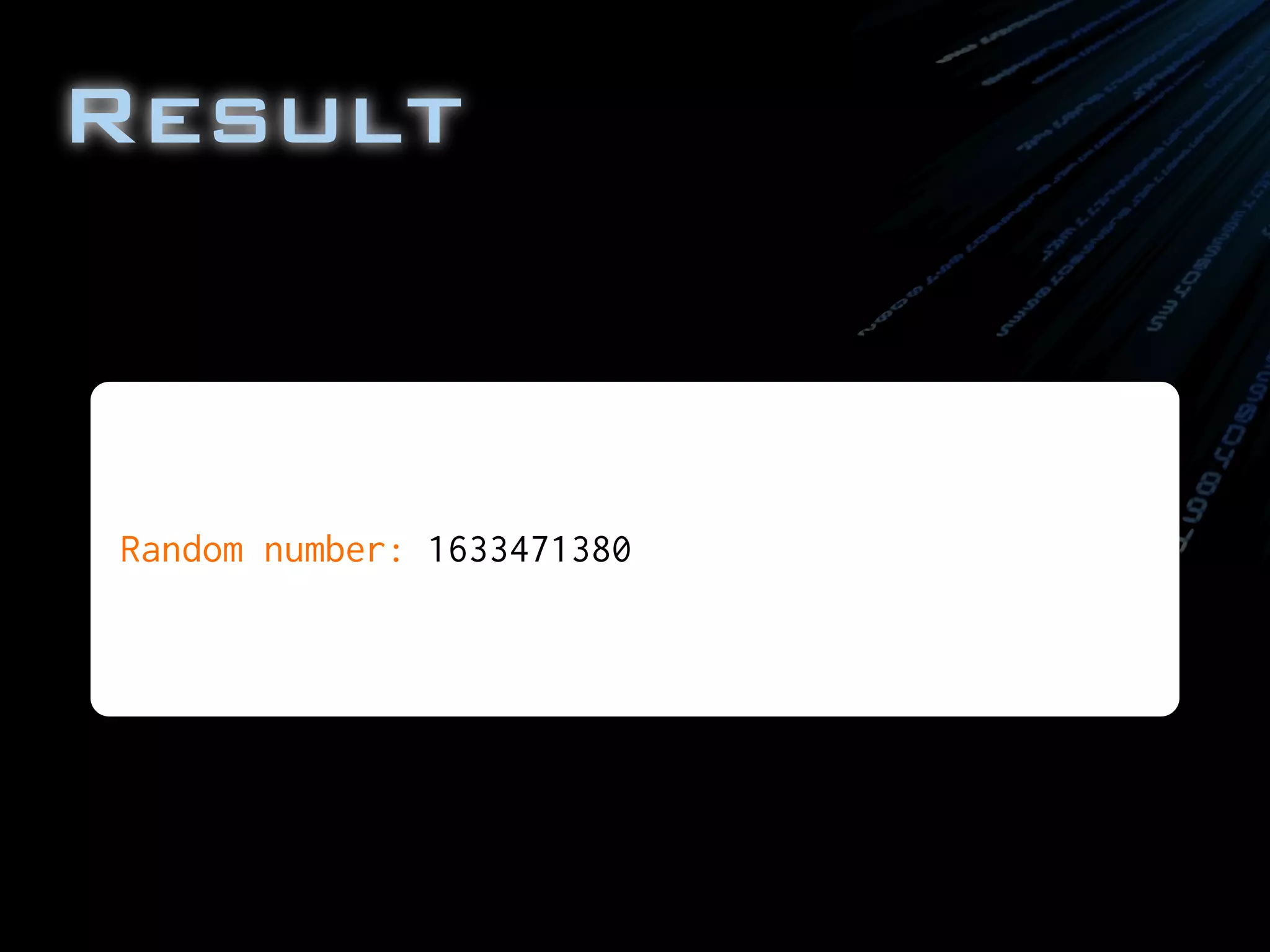
![import java.security.SecureRandom;
/**
* Use the SecureRandom java security class to generate
* a more expensive, but cryptographically secure random number.
*/
public class SecureRandomNumber
{
public static void main( String[] args ) throws
NoSuchAlgorithmException
{
//Do the expensive one time setup of the
// random number generator instance
SecureRandom prng = SecureRandom.getInstance("SHA1PRNG");
//Get the next random number
String randomNum = new Integer( prng.nextInt() ).toString();
System.out.println("Random number: " + randomNum);
}
}](https://image.slidesharecdn.com/encryptionbootcampv0-4-7atoredev-101112094230-phpapp01/75/Encryption-Boot-Camp-at-Oredev-147-2048.jpg)
![* a more expensive, but cryptographically secure random number.
*/
public class SecureRandomNumber
{
public static void main( String[] args ) throws
NoSuchAlgorithmException
{
//Do the expensive one time setup of the
// random number generator instance
SecureRandom prng = SecureRandom.getInstance("SHA1PRNG");
//Get the next random number
String randomNum = new Integer( prng.nextInt() ).toString();
System.out.println("Random number: " + randomNum);
}
}](https://image.slidesharecdn.com/encryptionbootcampv0-4-7atoredev-101112094230-phpapp01/75/Encryption-Boot-Camp-at-Oredev-148-2048.jpg)

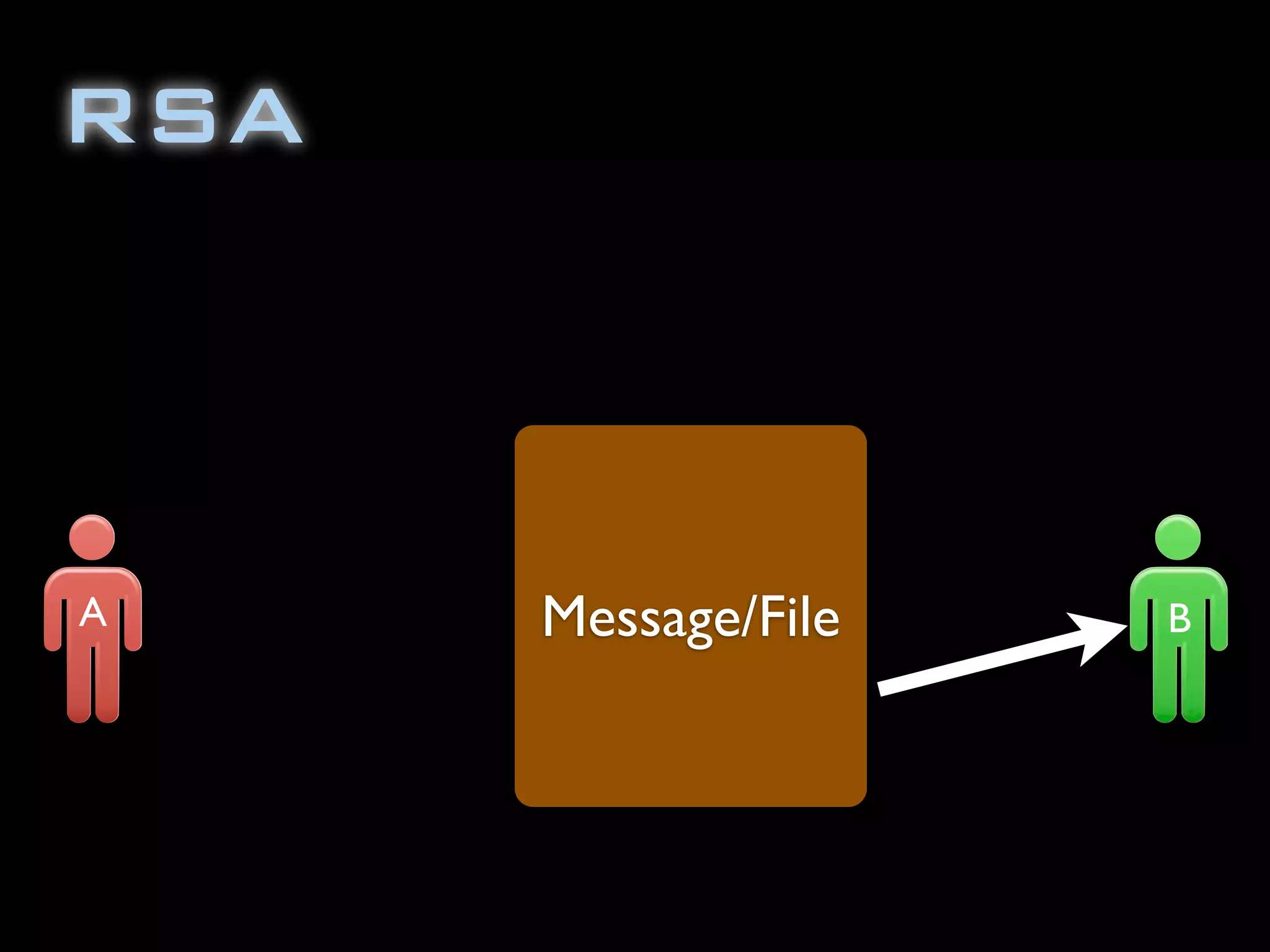
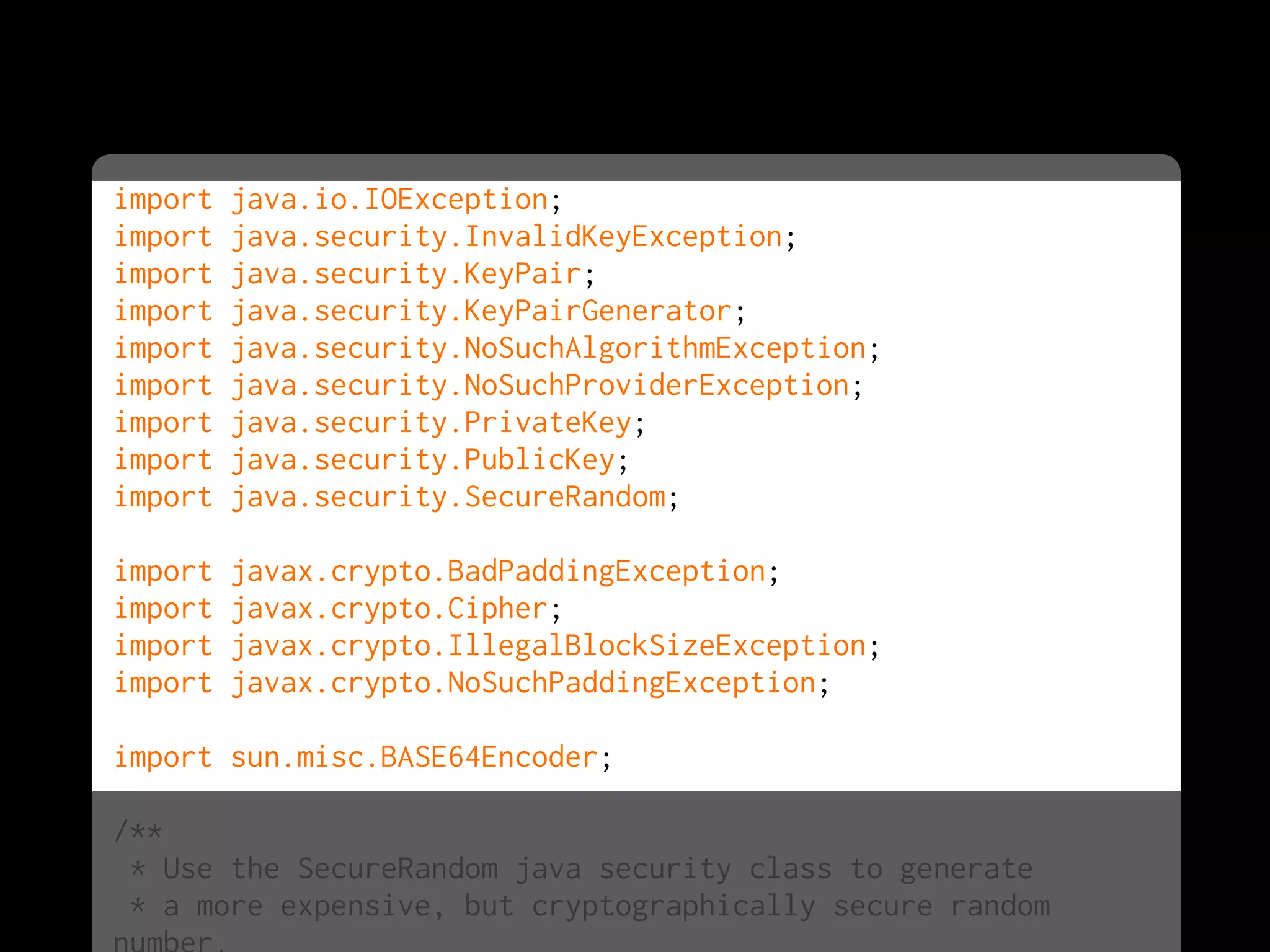
![public static void main( String[] args ) throws
NoSuchAlgorithmException, NoSuchProviderException,
IOException, NoSuchPaddingException, InvalidKeyException,
IllegalBlockSizeException, BadPaddingException
{
final String message1 = "Four score and seven years ago";
// Generate the Key Pair
final KeyPairGenerator keyGen =
KeyPairGenerator.getInstance("RSA");
final SecureRandom random =
SecureRandom.getInstance("SHA1PRNG", "SUN");
keyGen.initialize(1024, random);
KeyPair pair = keyGen.generateKeyPair();
final PrivateKey privKey = pair.getPrivate();
final PublicKey pubKey = pair.getPublic();
//Encrypt using the private key
Cipher rsa = Cipher.getInstance("RSA/OFB/PKCS1Padding");
rsa.init(Cipher.ENCRYPT_MODE, pubKey);
byte[] encryptedBytes = rsa.doFinal(message1.getBytes());
BASE64Encoder b64e = new sun.misc.BASE64Encoder();](https://image.slidesharecdn.com/encryptionbootcampv0-4-7atoredev-101112094230-phpapp01/75/Encryption-Boot-Camp-at-Oredev-163-2048.jpg)
![KeyPair pair = keyGen.generateKeyPair();
final PrivateKey privKey = pair.getPrivate();
final PublicKey pubKey = pair.getPublic();
//Encrypt using the private key
Cipher rsa = Cipher.getInstance("RSA/OFB/PKCS1Padding");
rsa.init(Cipher.ENCRYPT_MODE, pubKey);
byte[] encryptedBytes = rsa.doFinal(message1.getBytes());
BASE64Encoder b64e = new sun.misc.BASE64Encoder();
String base64Encrypted = b64e.encode(encryptedBytes);
System.out.println("Encrypted text: " + base64Encrypted);
//Decrypt using the private key
rsa.init(Cipher.DECRYPT_MODE, privKey);
byte[] decryptedBytes = rsa.doFinal(encryptedBytes);
String decryptedText = new String(decryptedBytes);
System.out.println("Decrypted text: " + decryptedText);
}
}](https://image.slidesharecdn.com/encryptionbootcampv0-4-7atoredev-101112094230-phpapp01/75/Encryption-Boot-Camp-at-Oredev-164-2048.jpg)
![final PublicKey pubKey = pair.getPublic();
//Encrypt using the private key
Cipher rsa = Cipher.getInstance("RSA/OFB/PKCS1Padding");
rsa.init(Cipher.ENCRYPT_MODE, pubKey);
byte[] encryptedBytes = rsa.doFinal(message1.getBytes());
BASE64Encoder b64e = new sun.misc.BASE64Encoder();
String base64Encrypted = b64e.encode(encryptedBytes);
System.out.println("Encrypted text: " + base64Encrypted);
//Decrypt using the private key
rsa.init(Cipher.DECRYPT_MODE, privKey);
byte[] decryptedBytes = rsa.doFinal(encryptedBytes);
String decryptedText = new String(decryptedBytes);
System.out.println("Decrypted text: " + decryptedText);
}
}](https://image.slidesharecdn.com/encryptionbootcampv0-4-7atoredev-101112094230-phpapp01/75/Encryption-Boot-Camp-at-Oredev-165-2048.jpg)
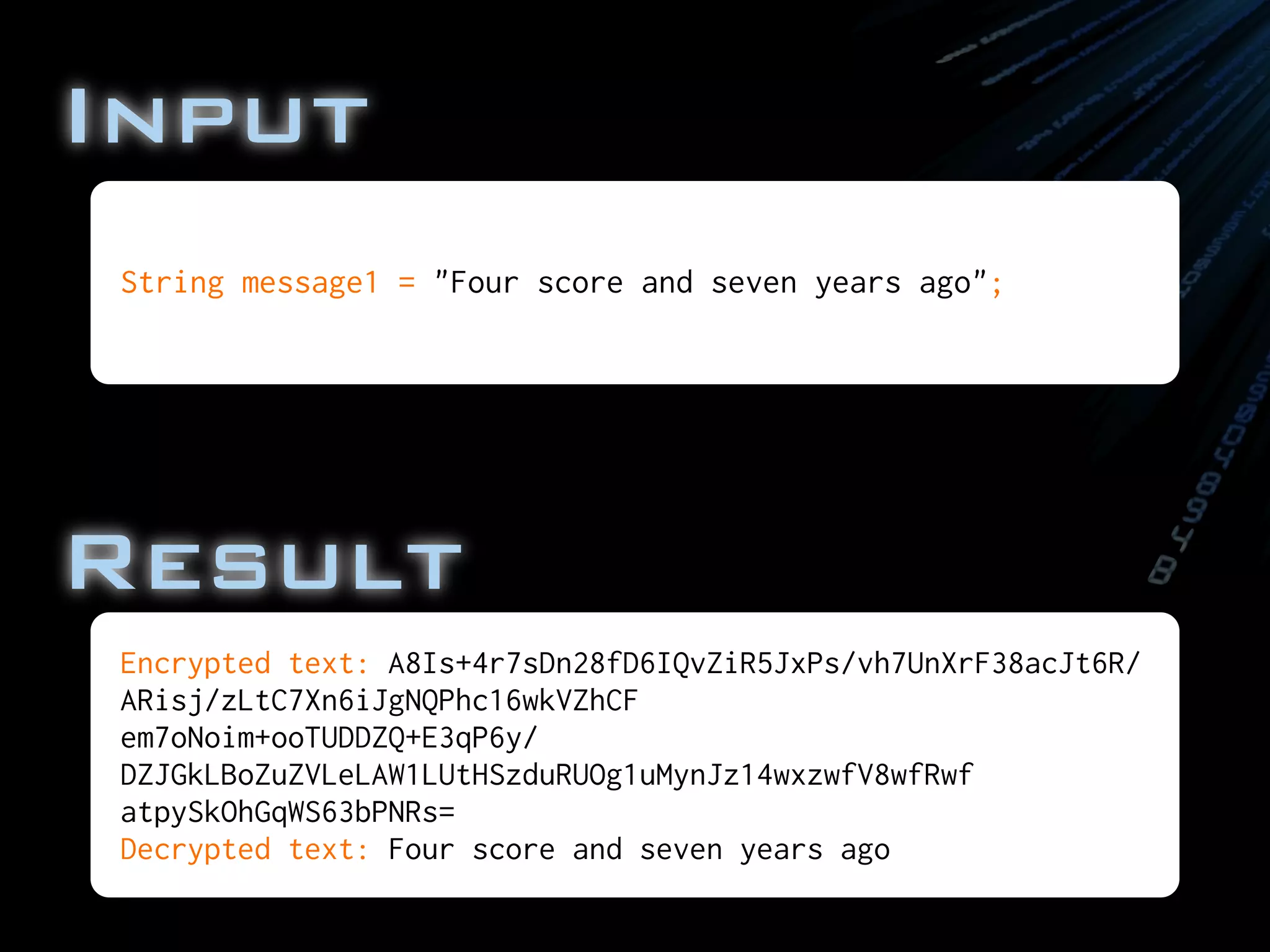


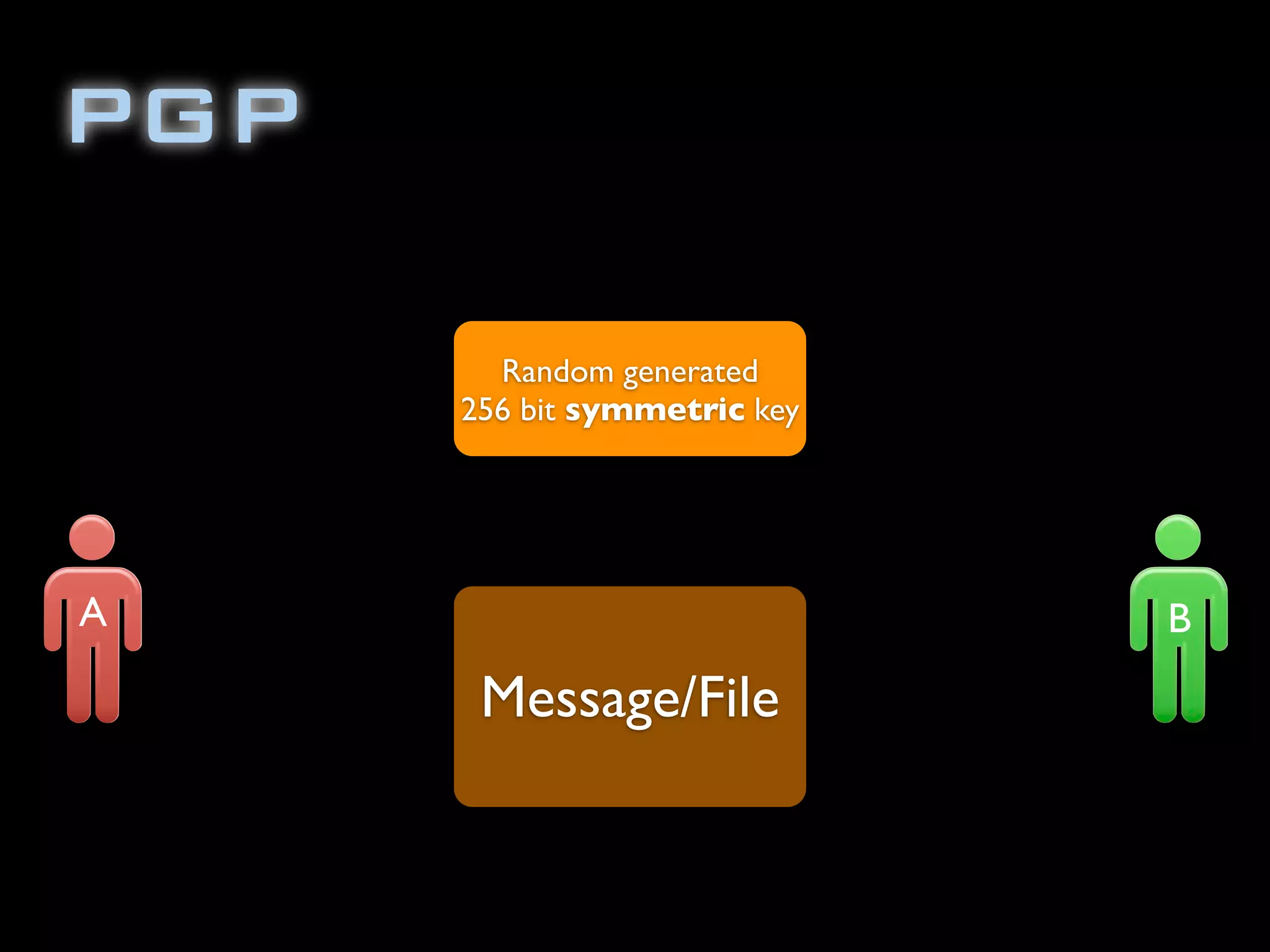
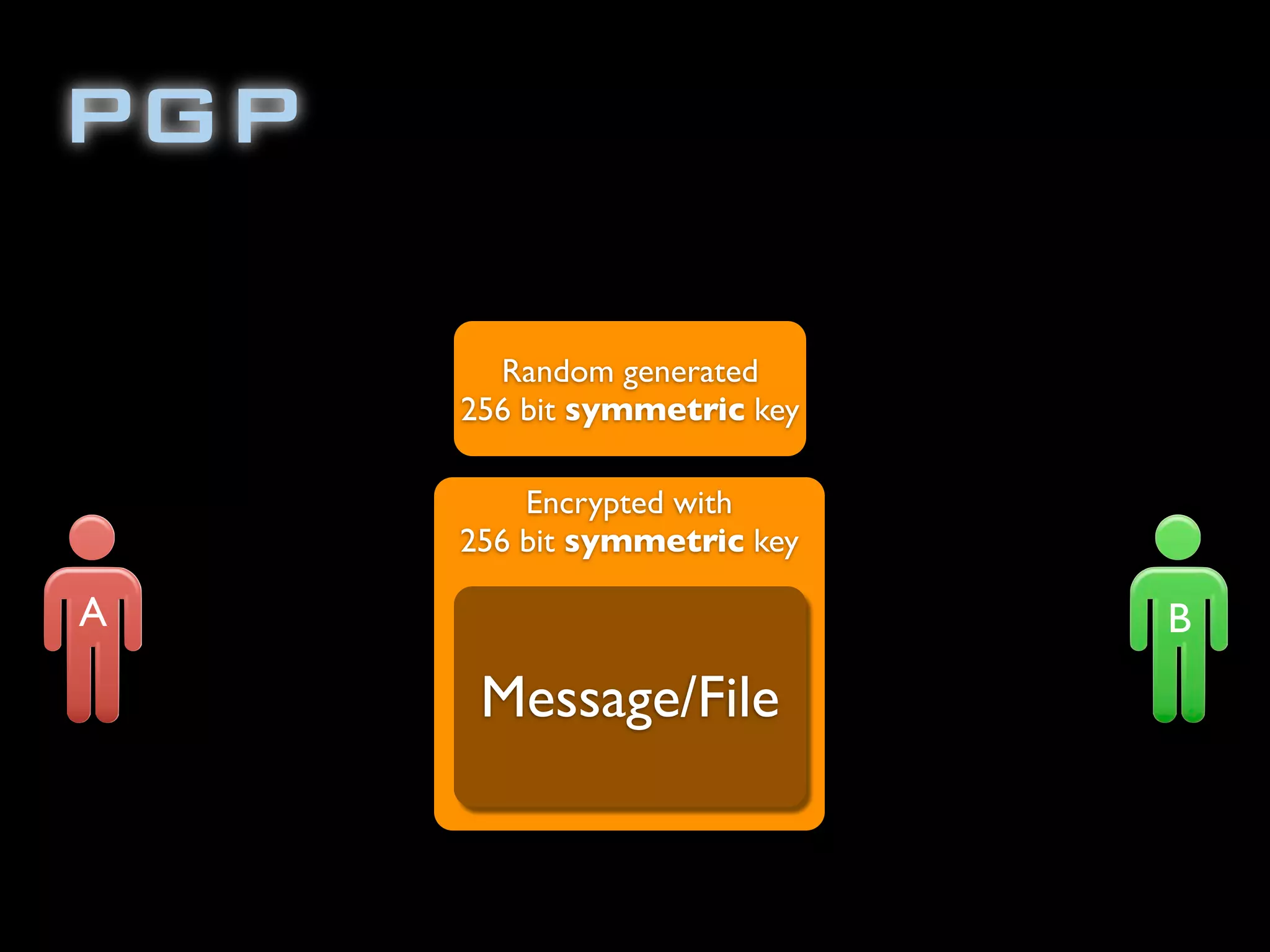
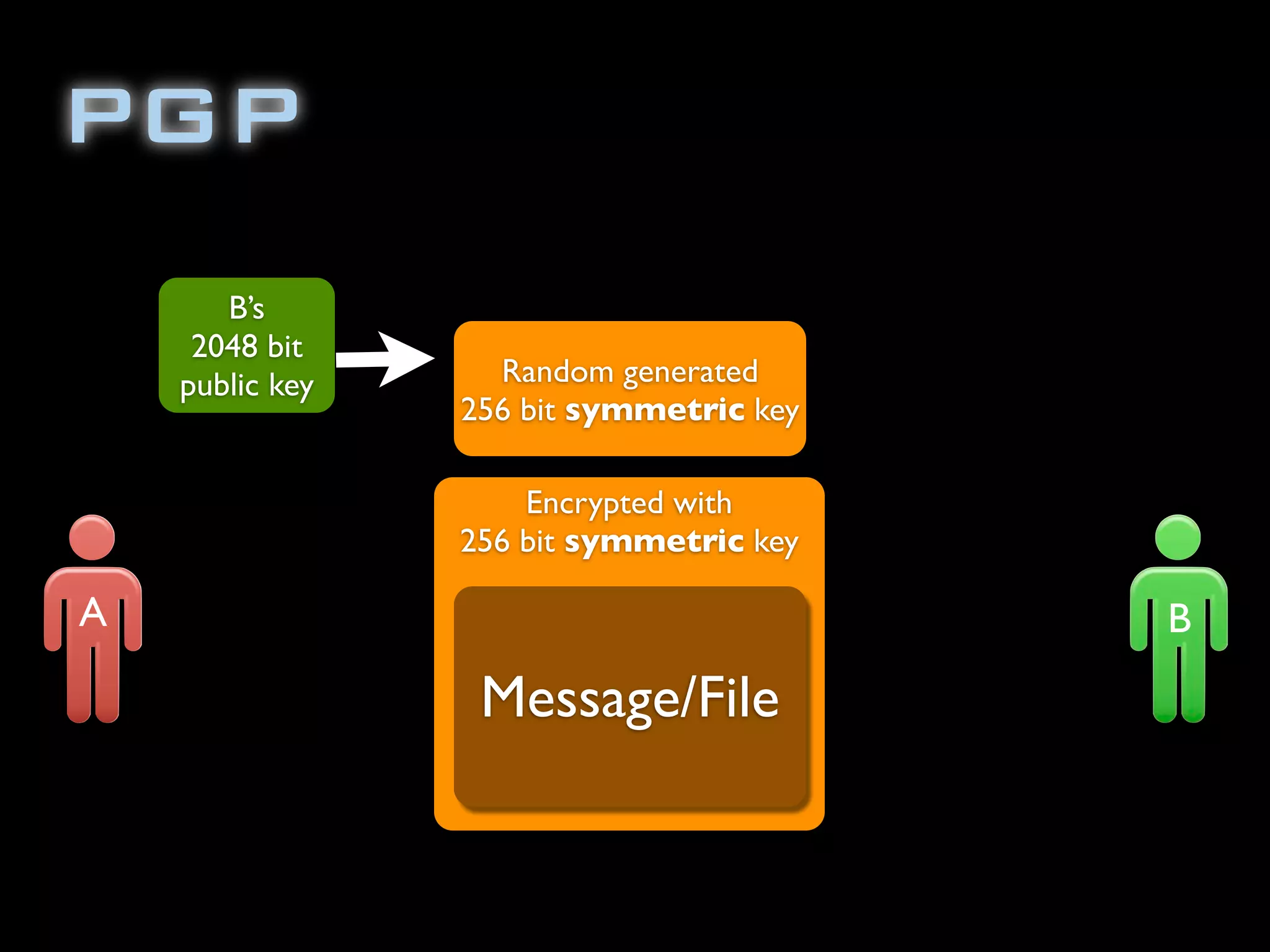
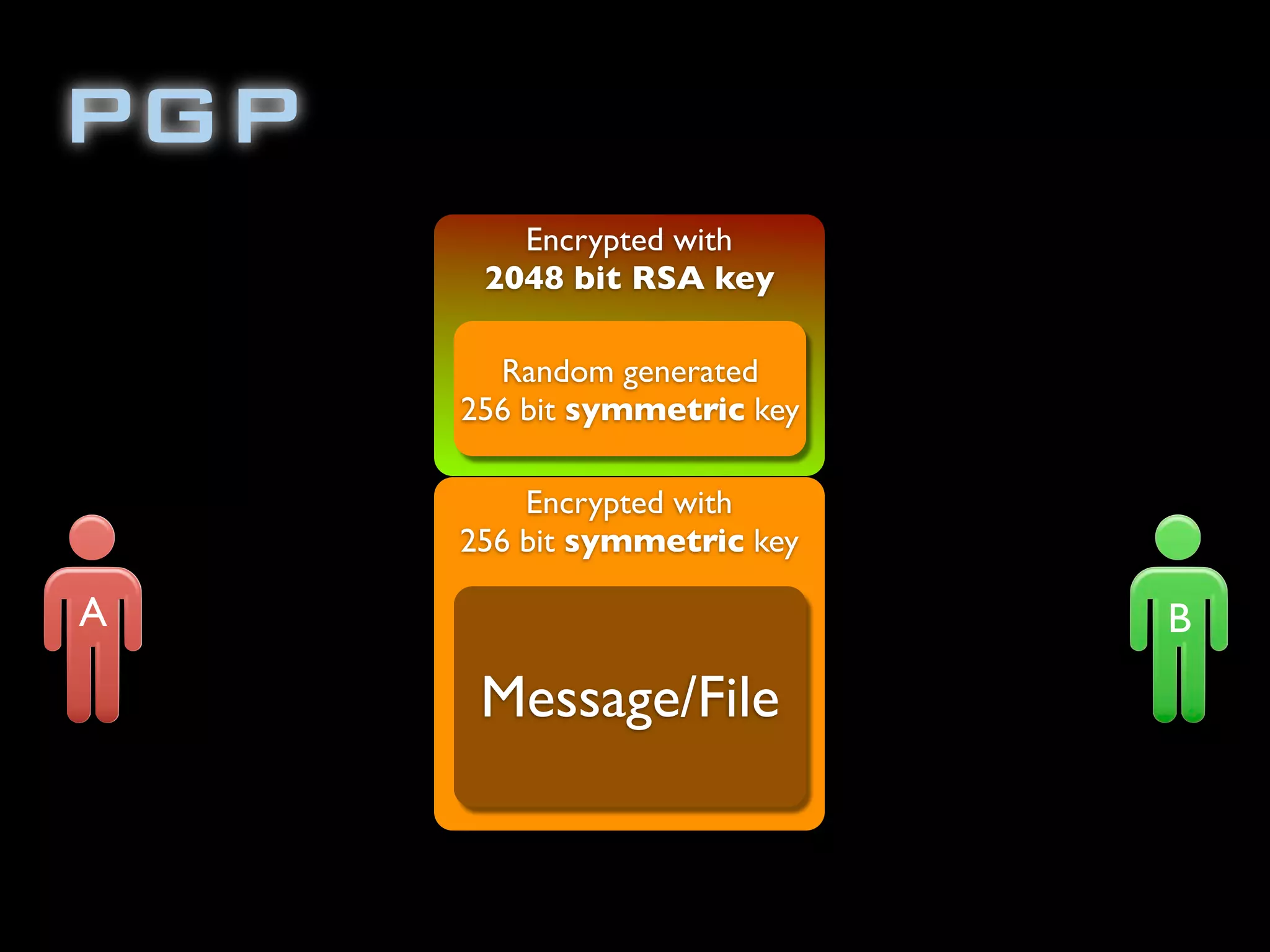
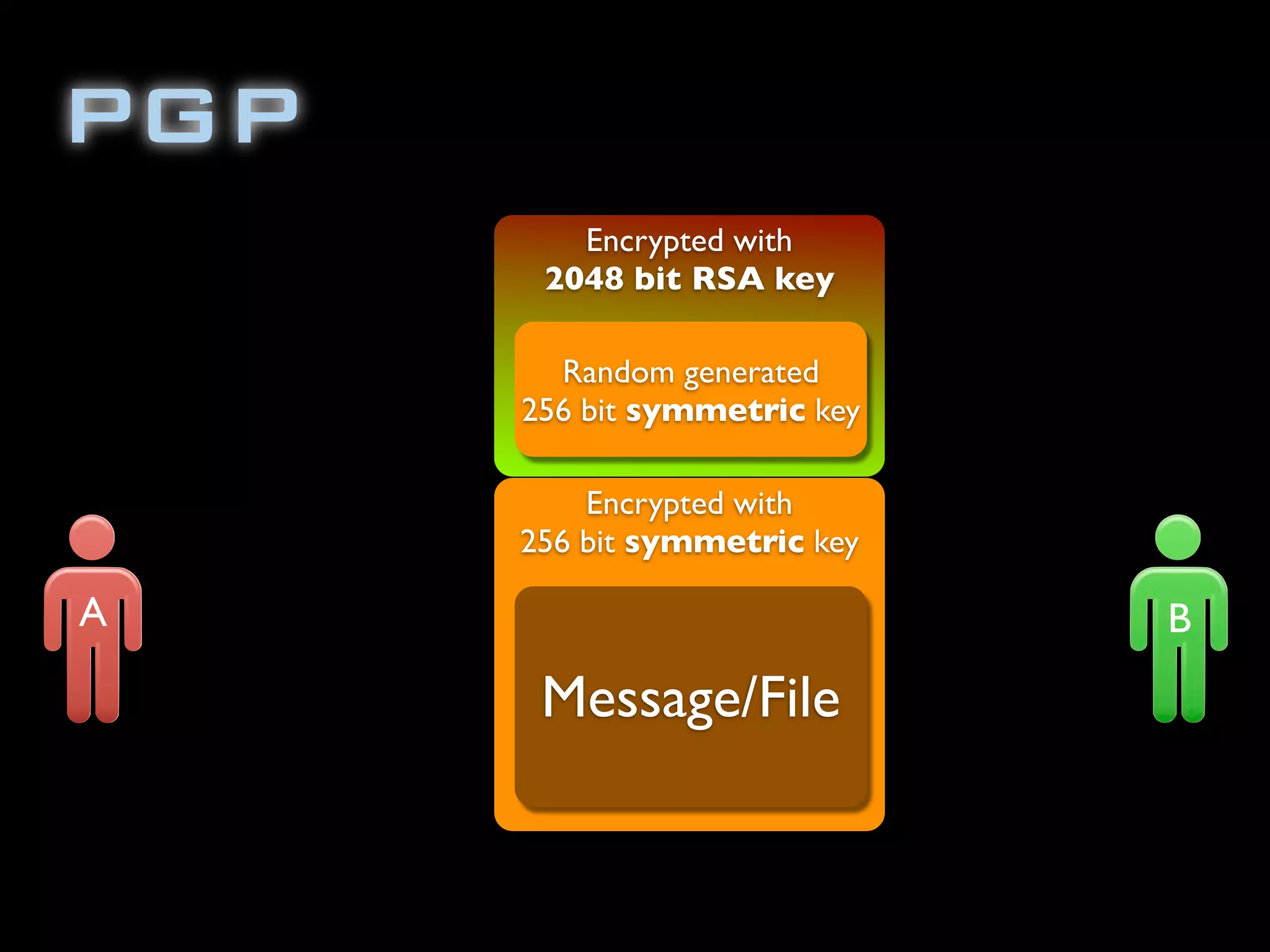
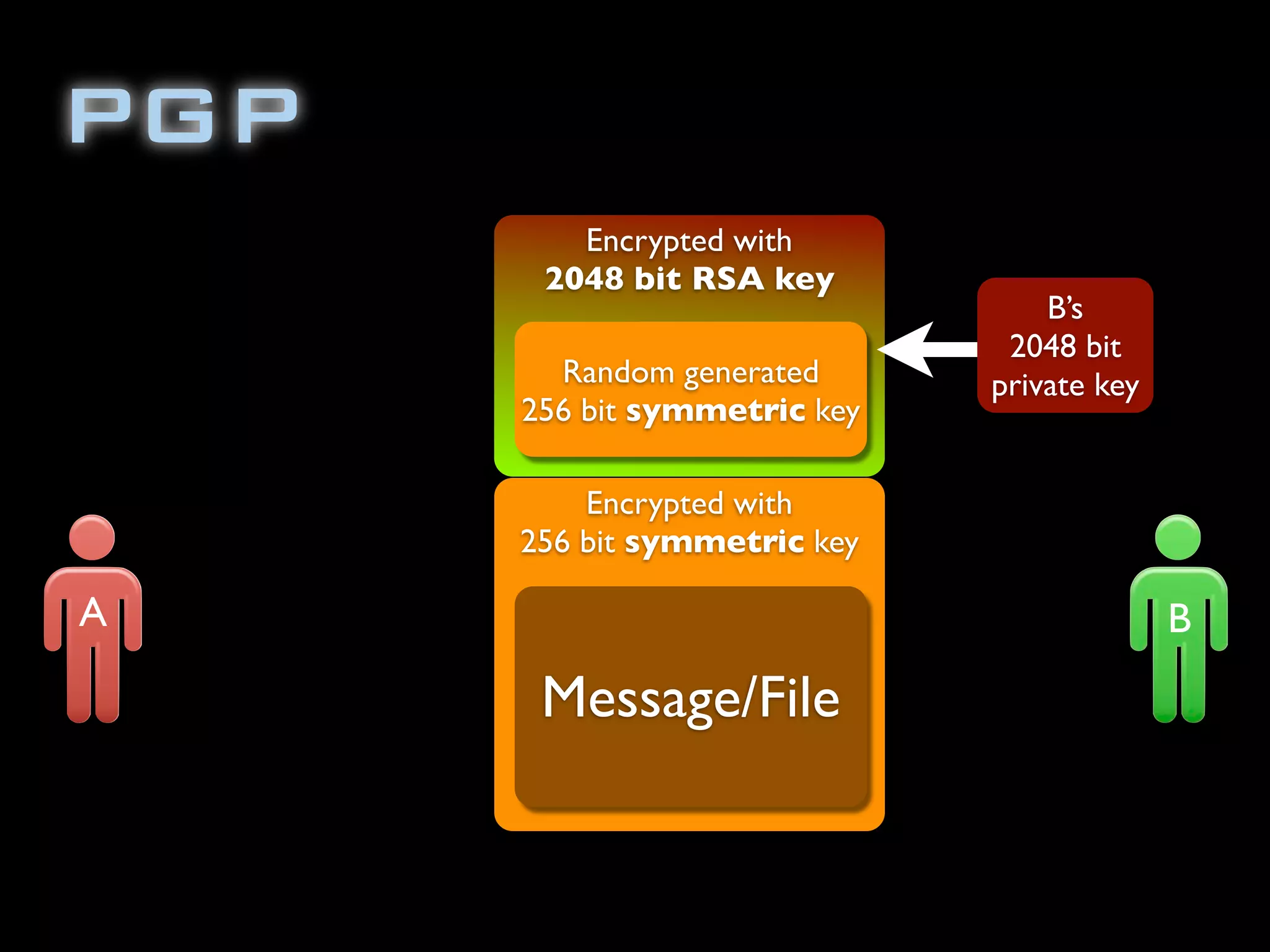
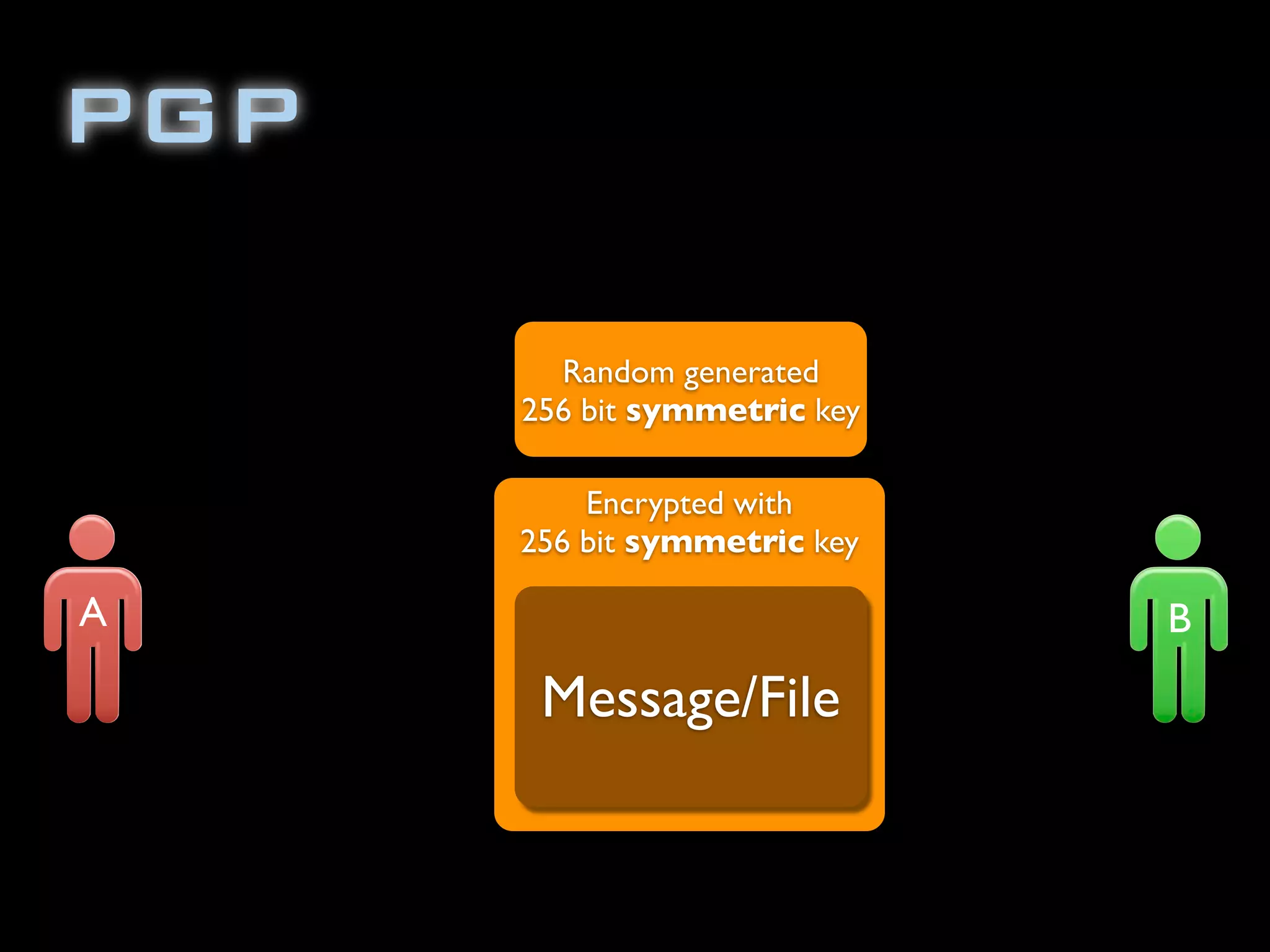


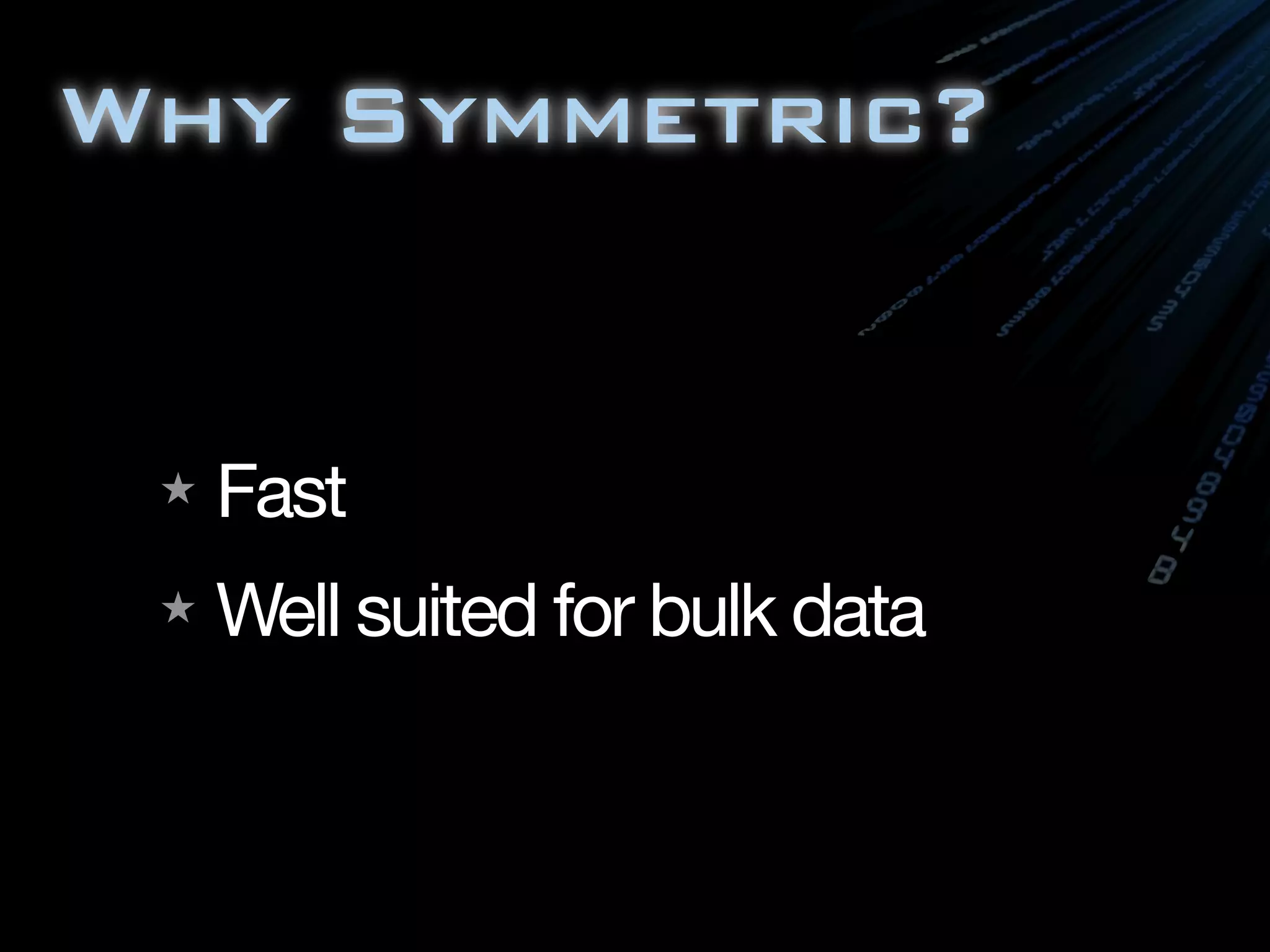
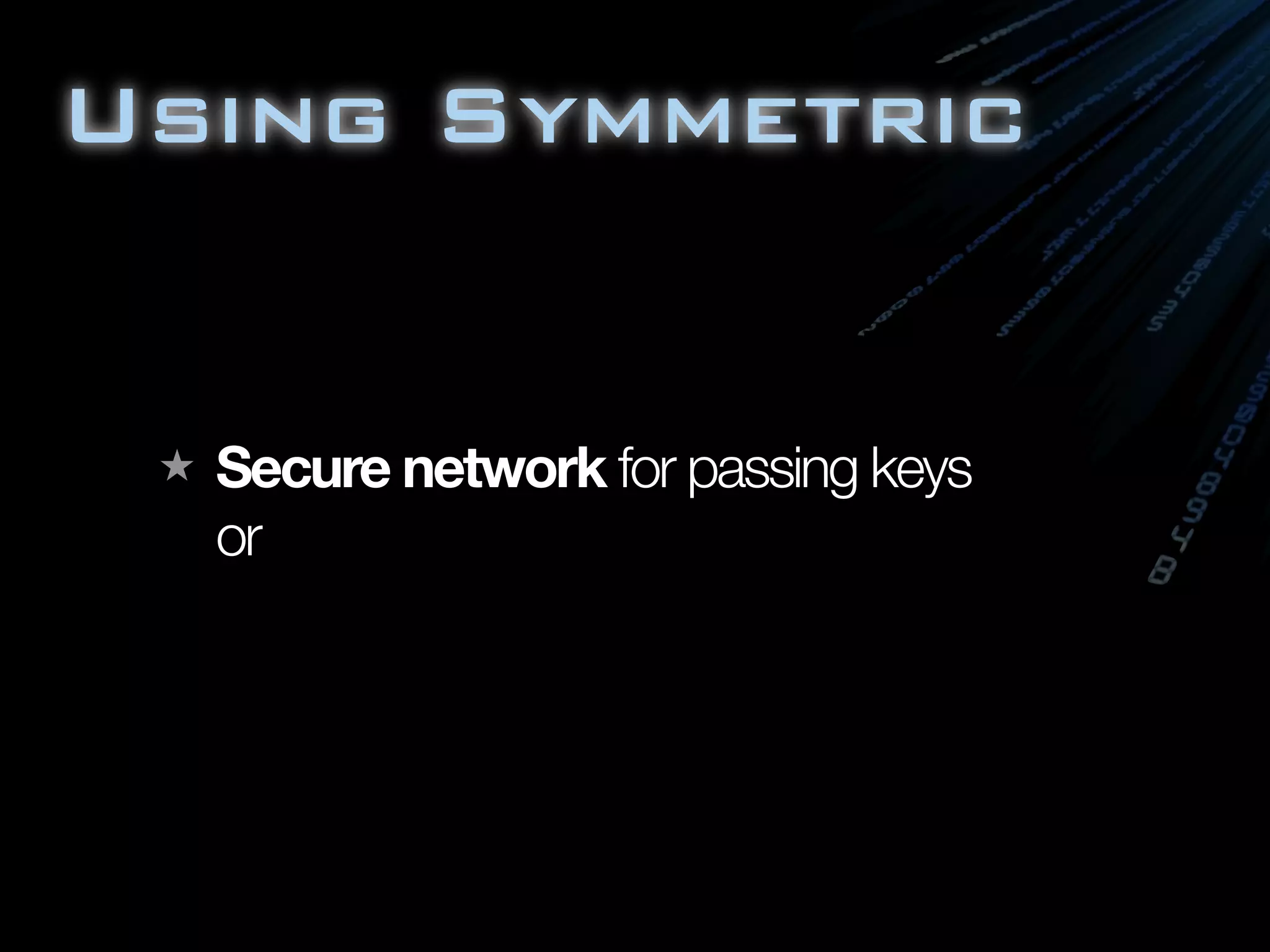
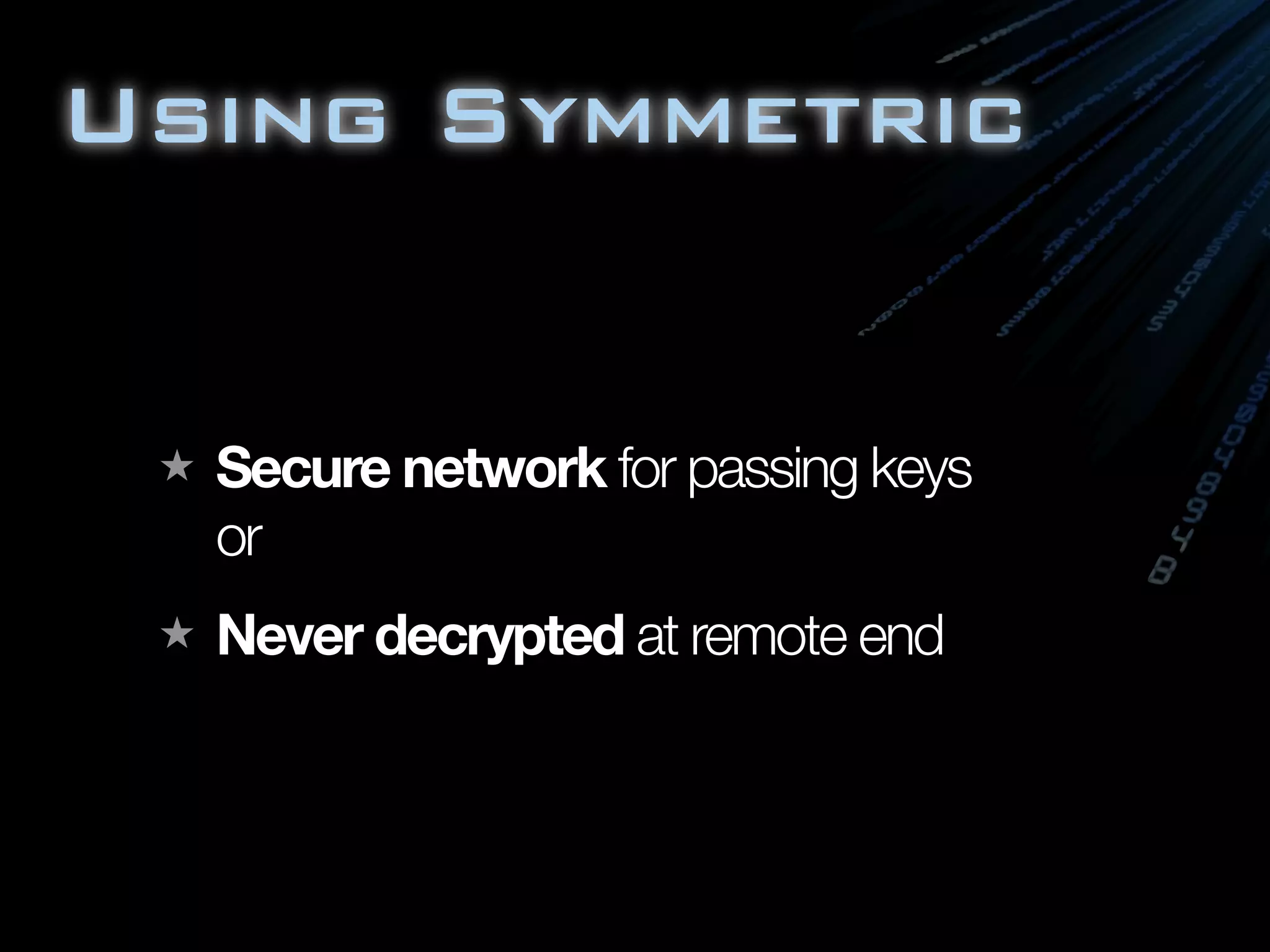
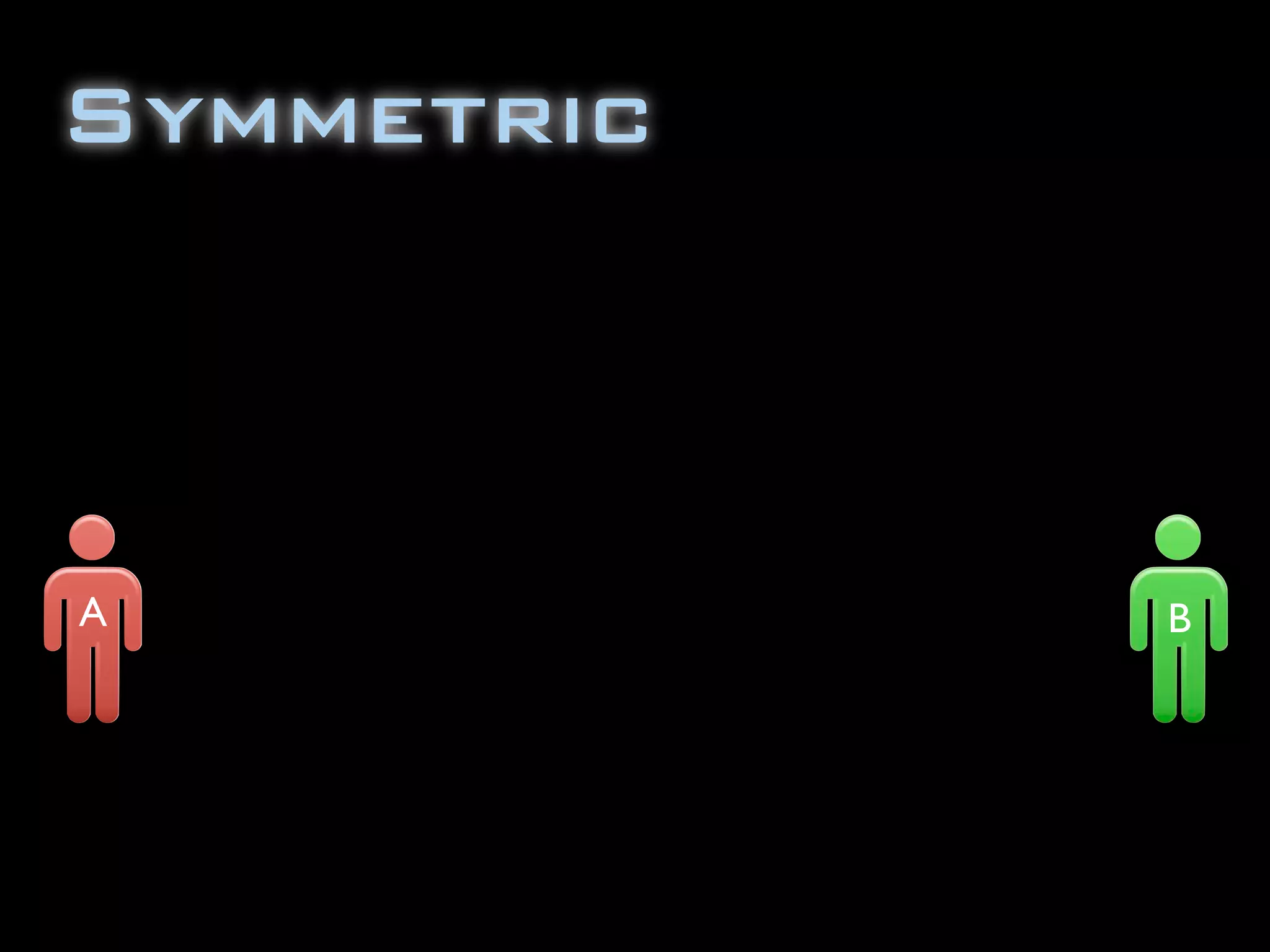
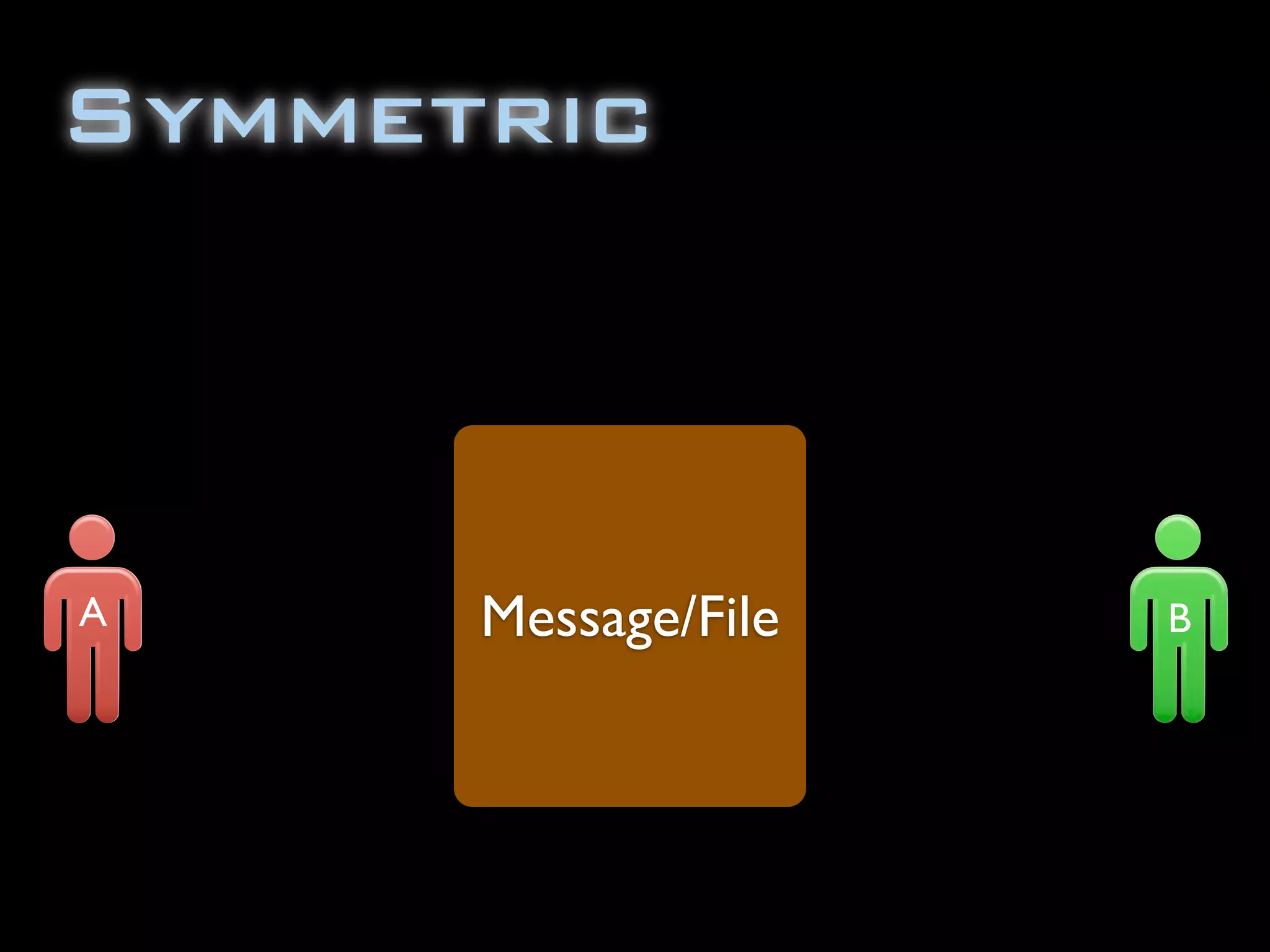
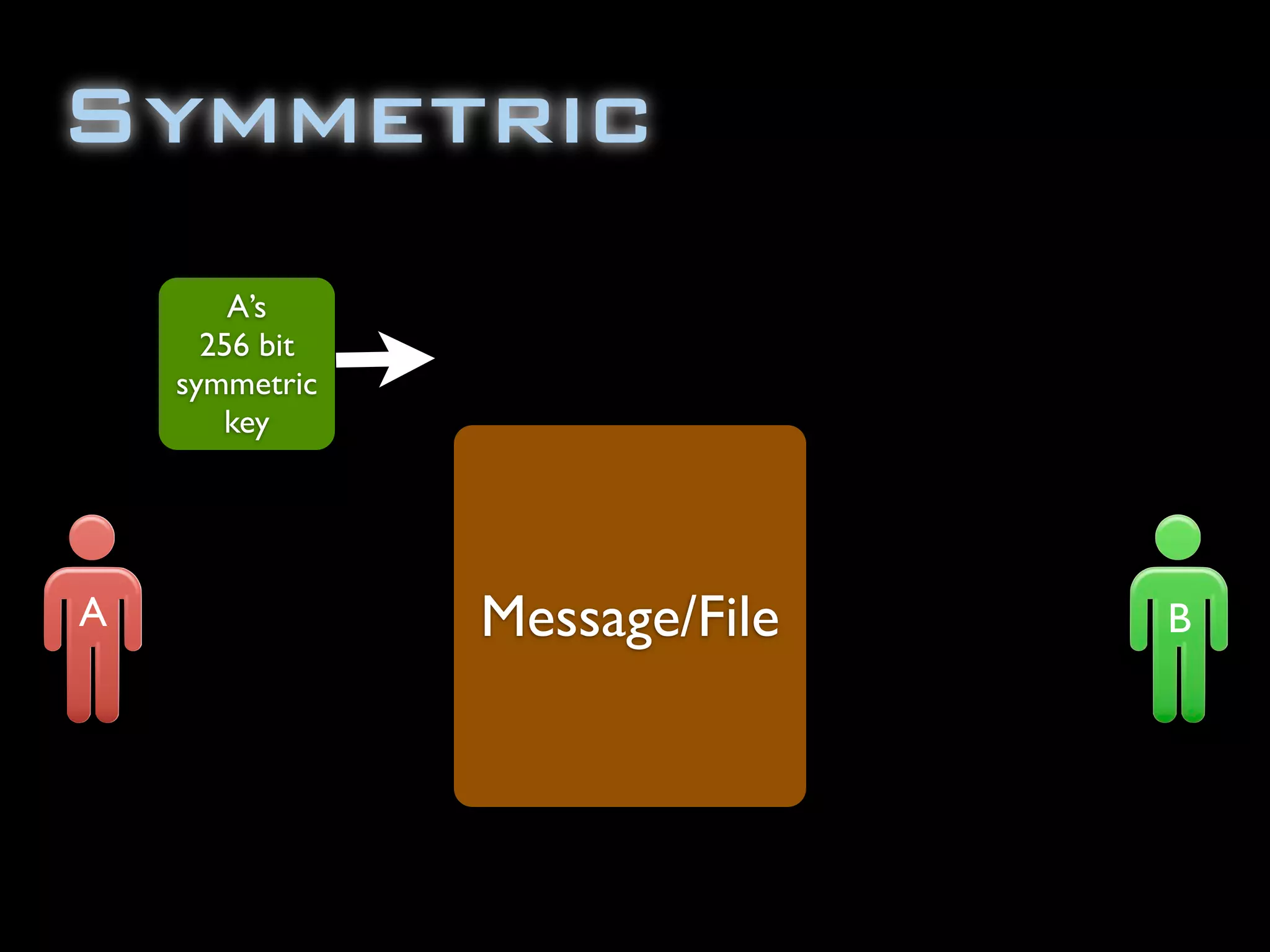
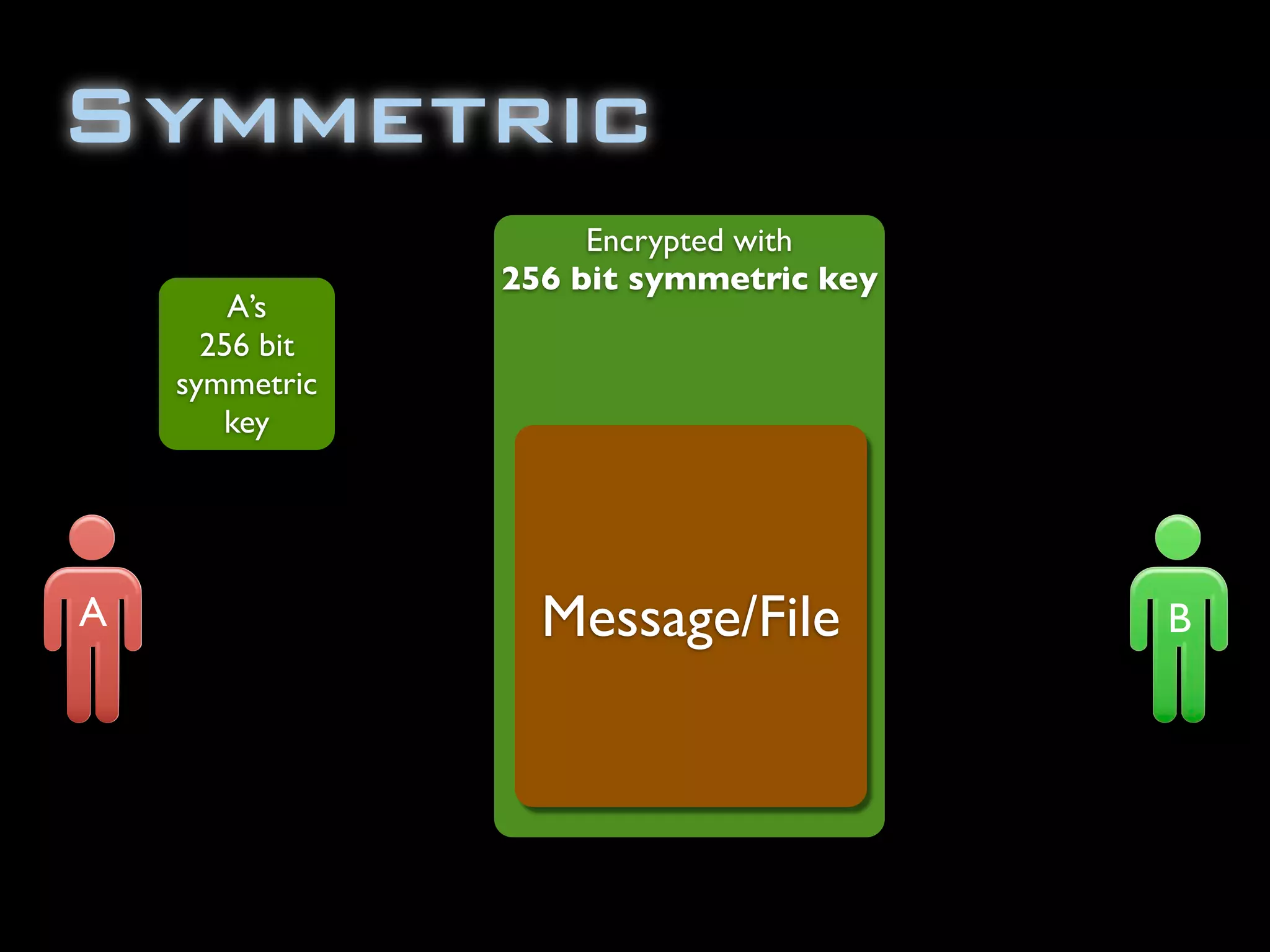
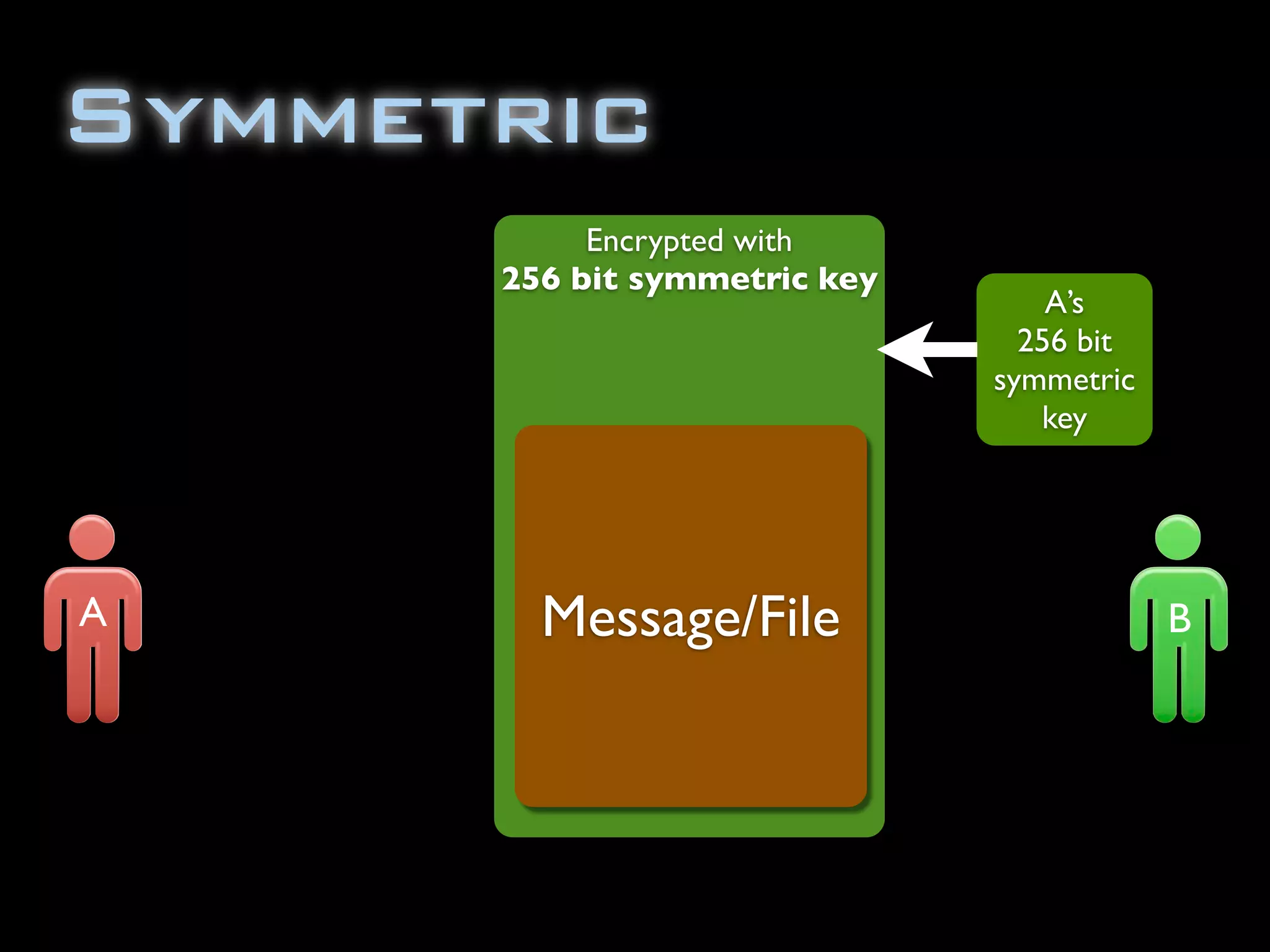
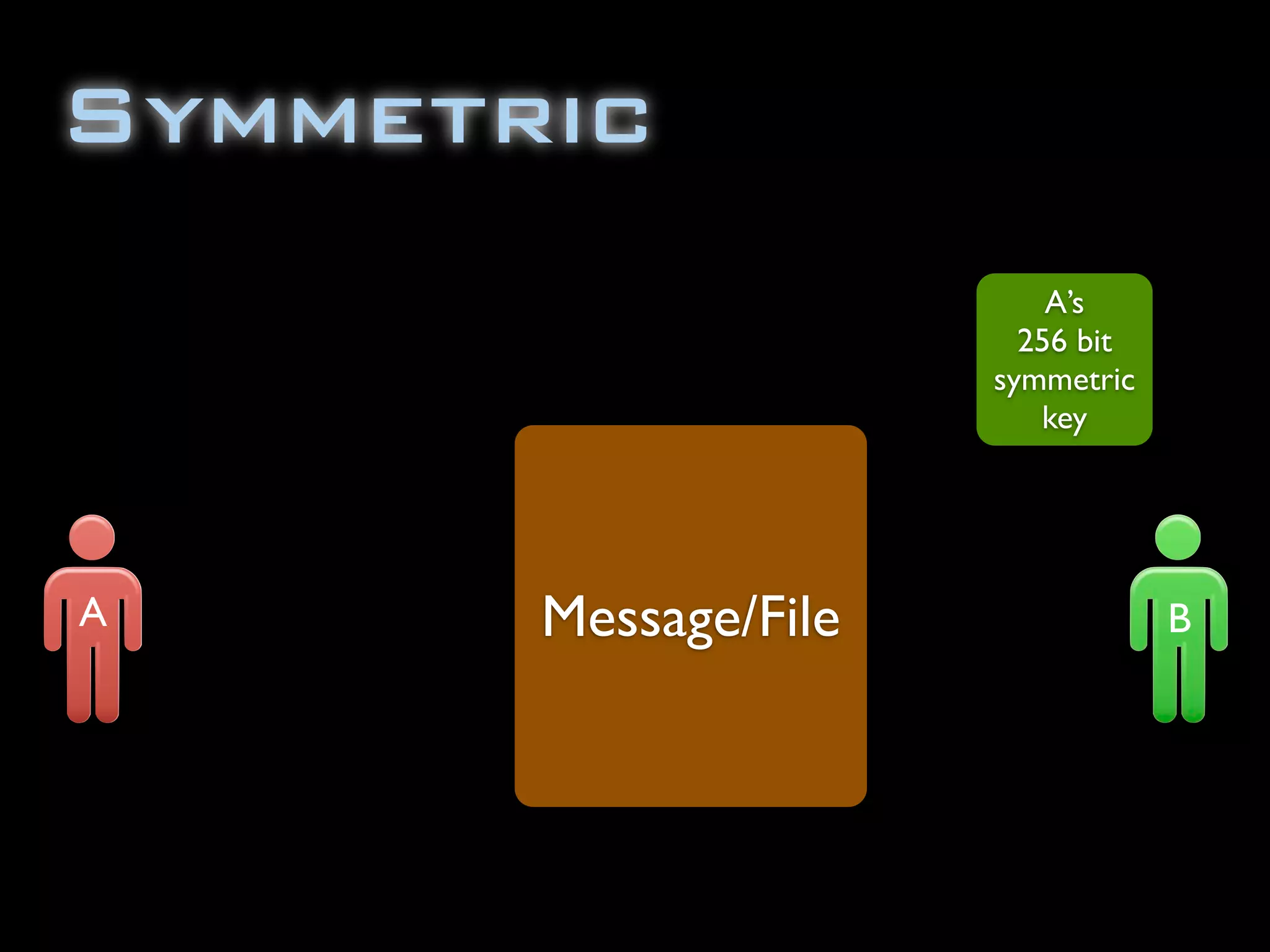
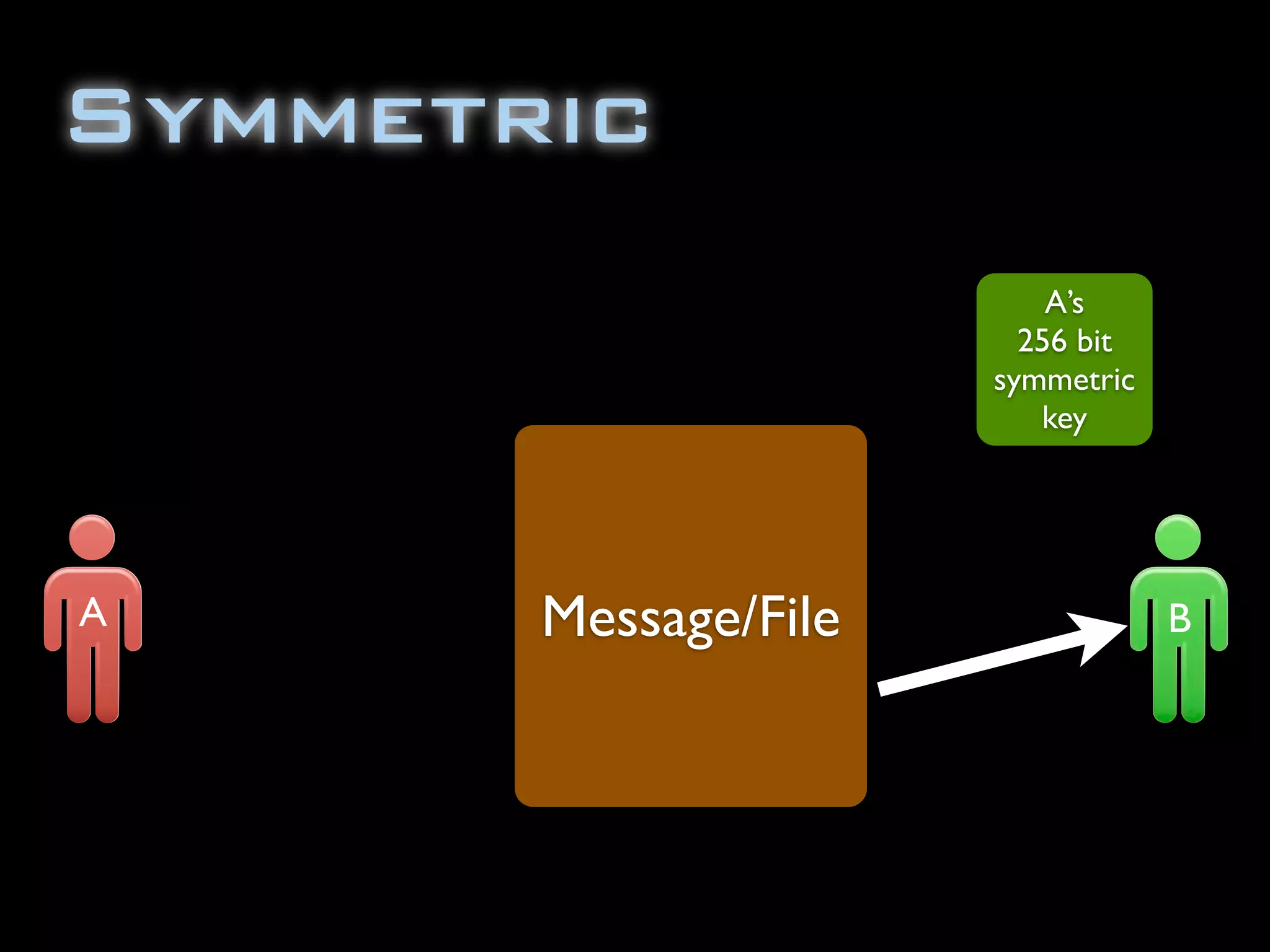
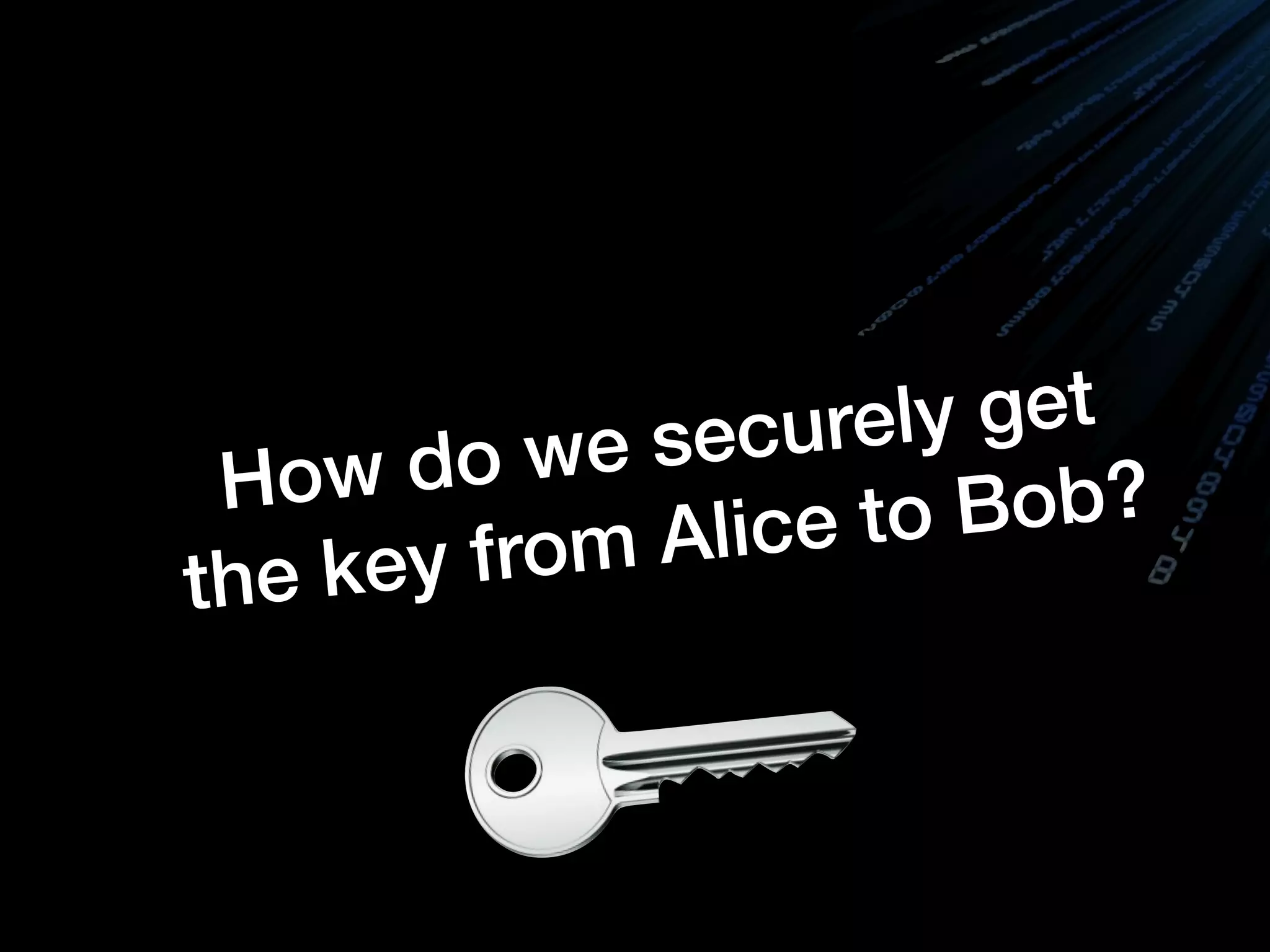
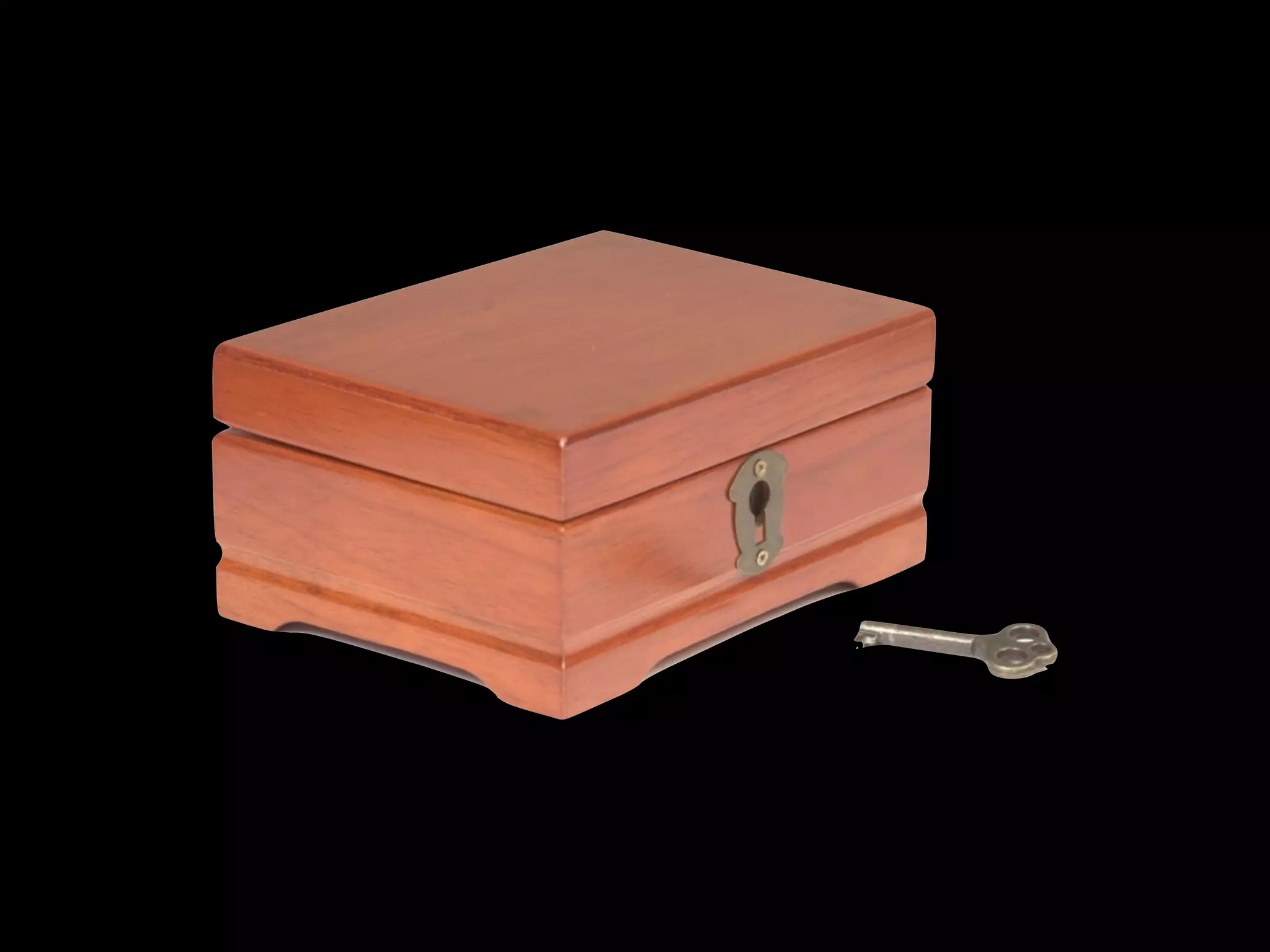
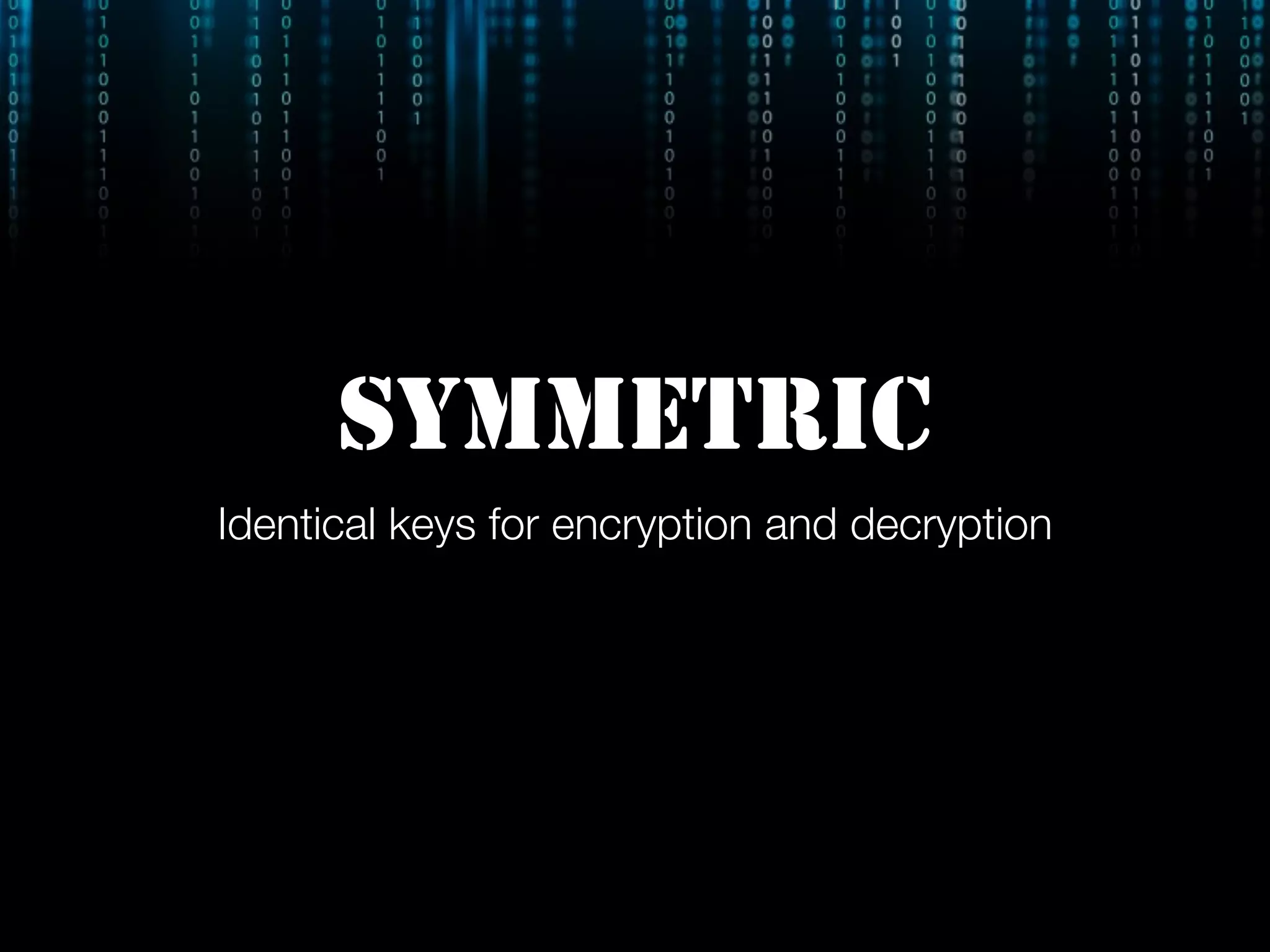
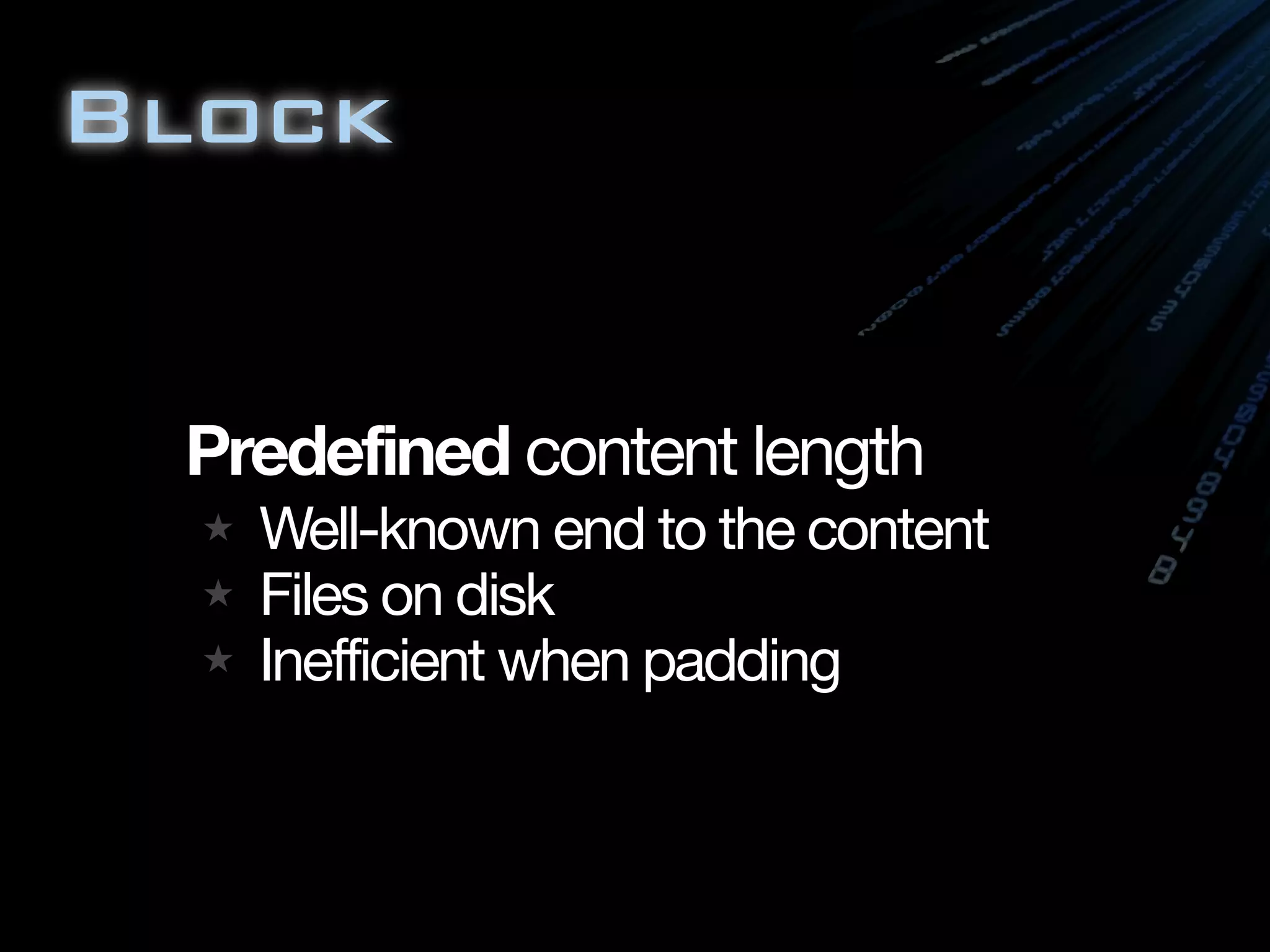
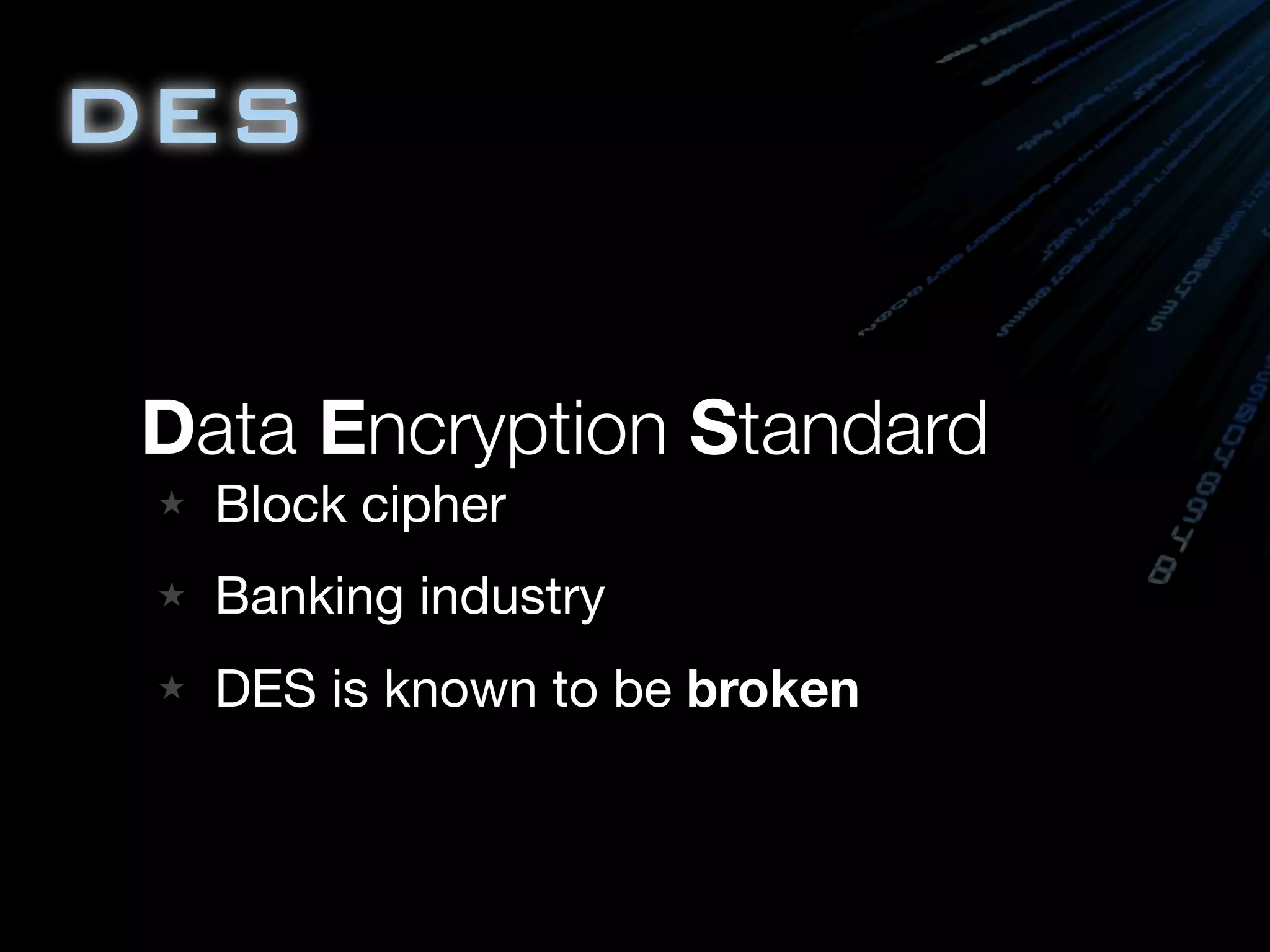
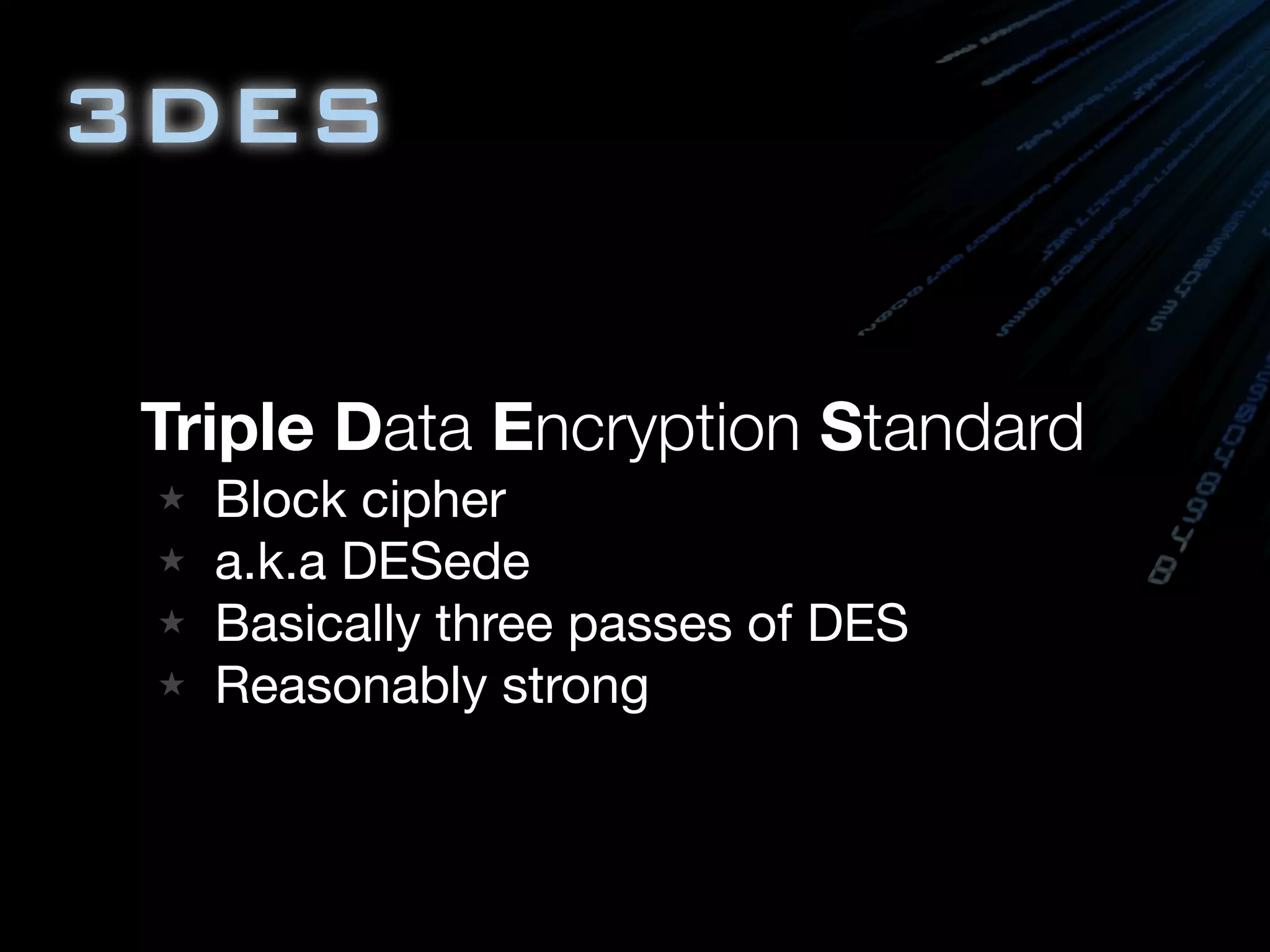
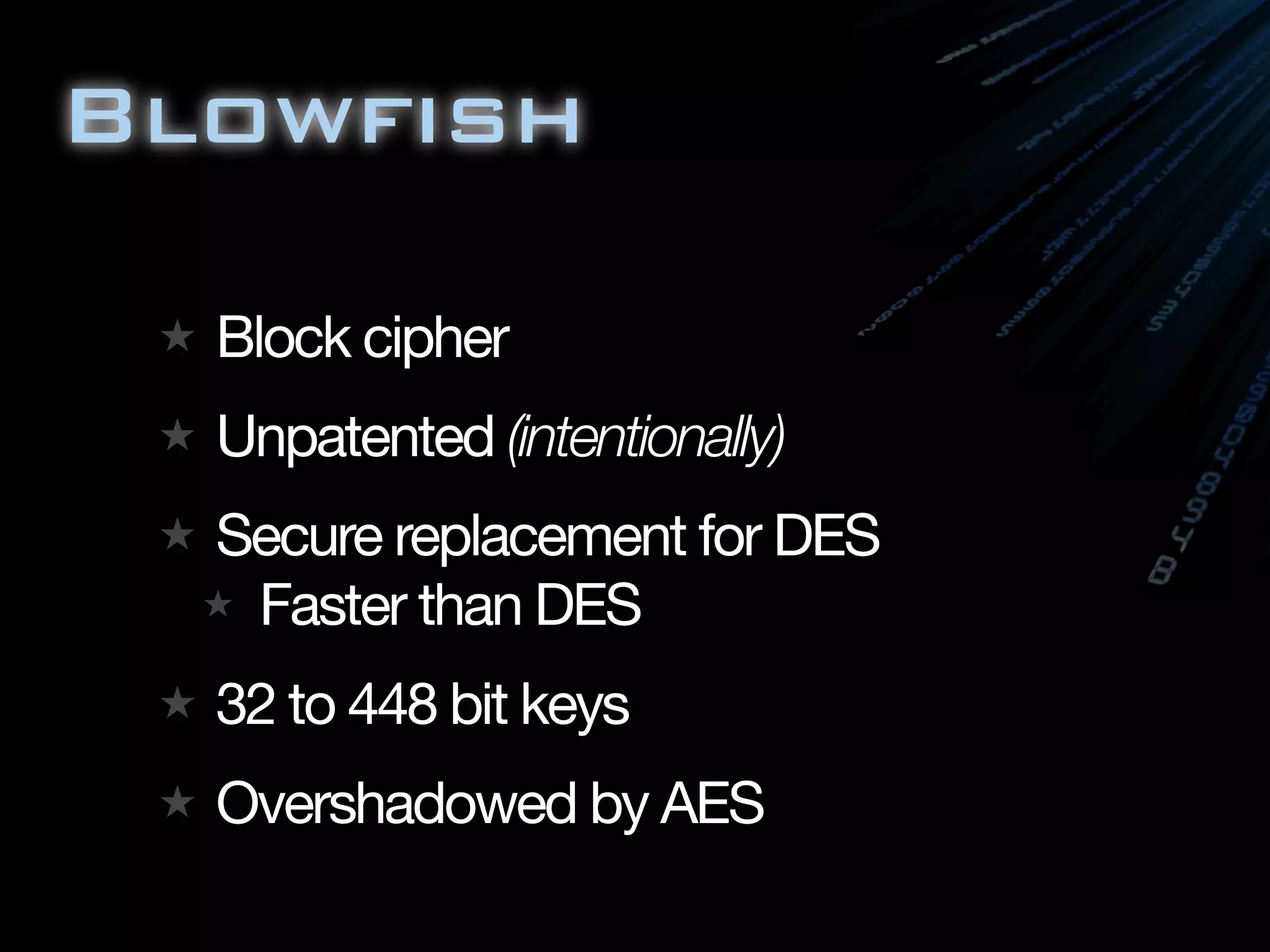
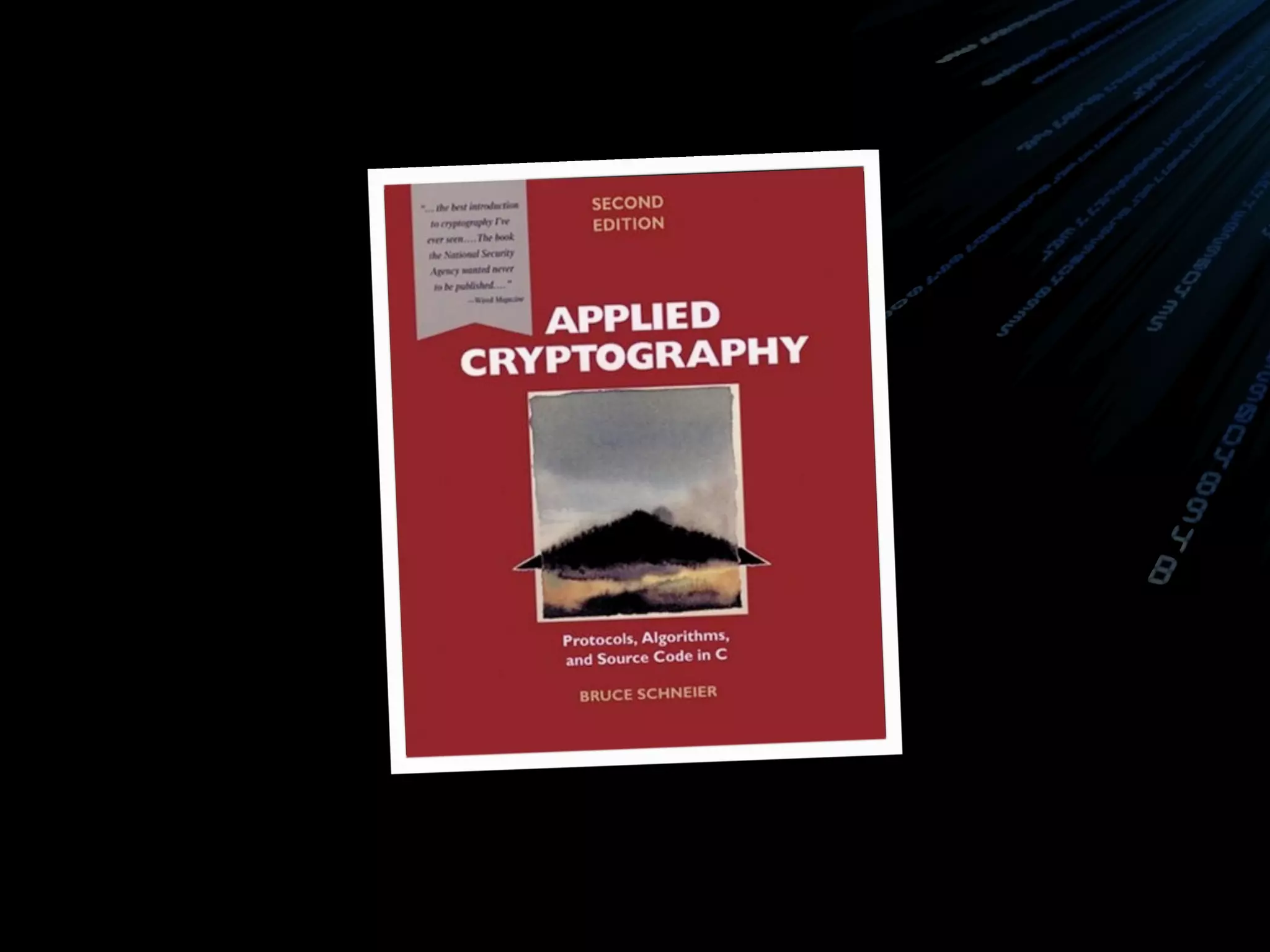
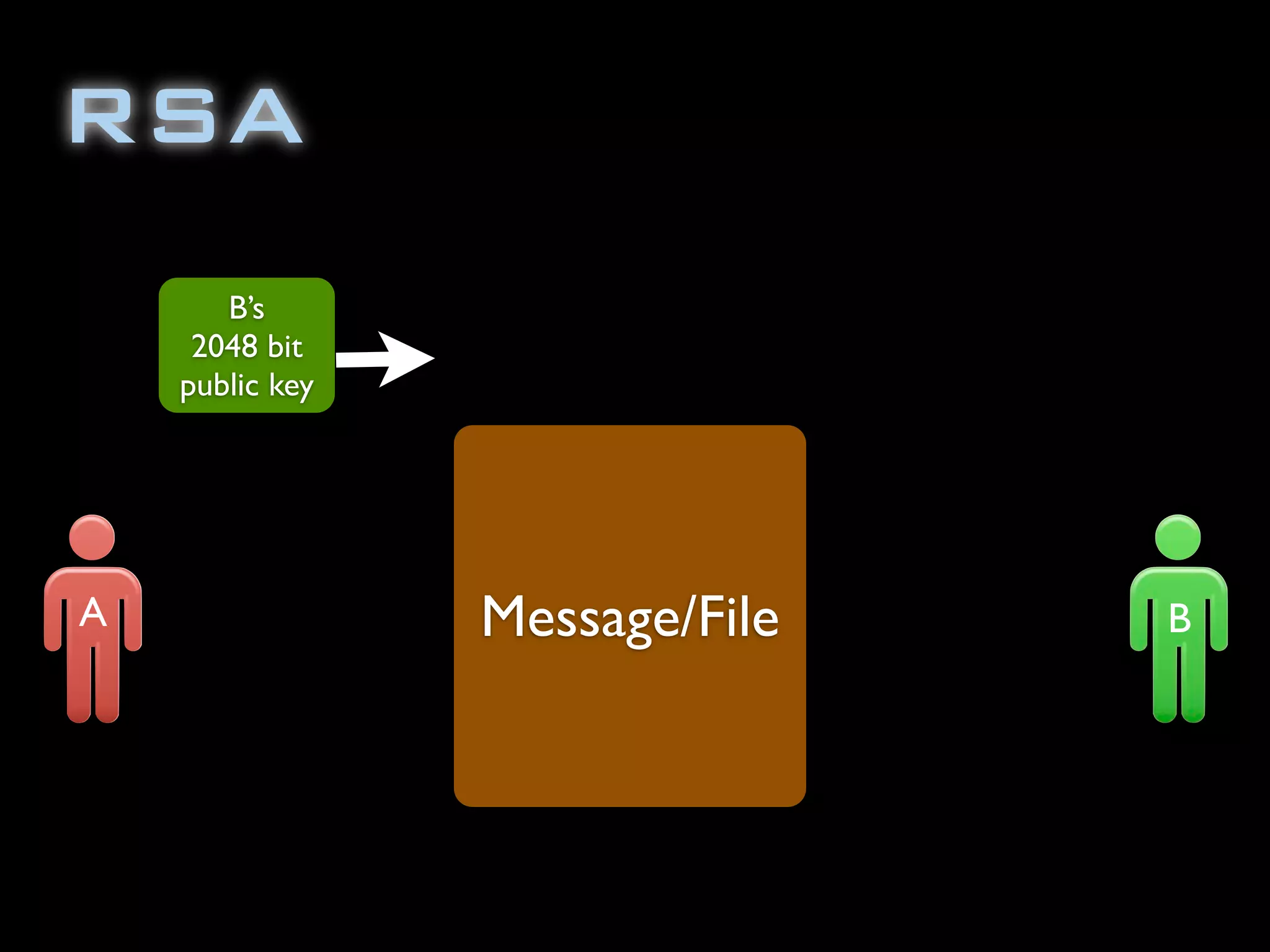
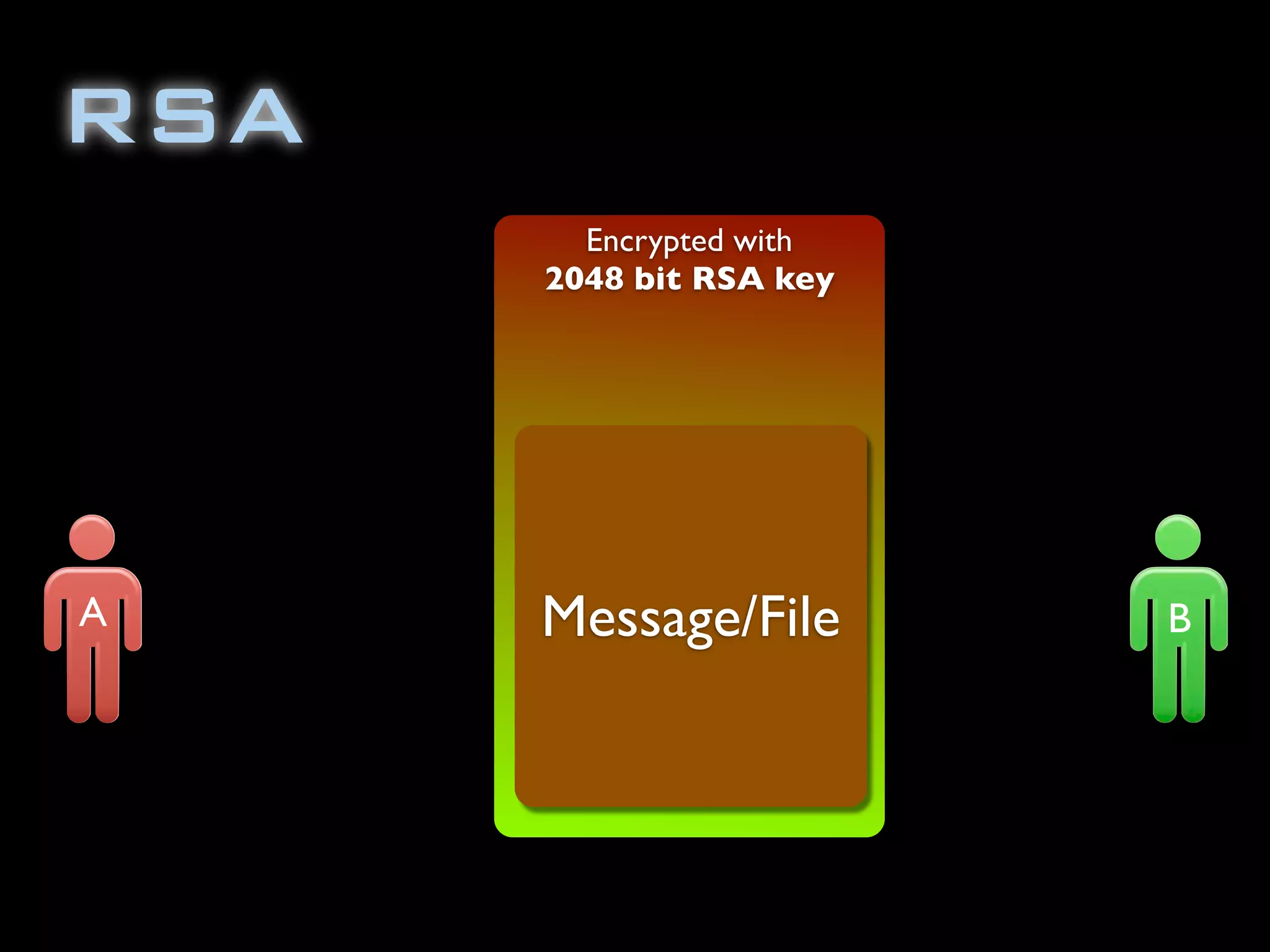
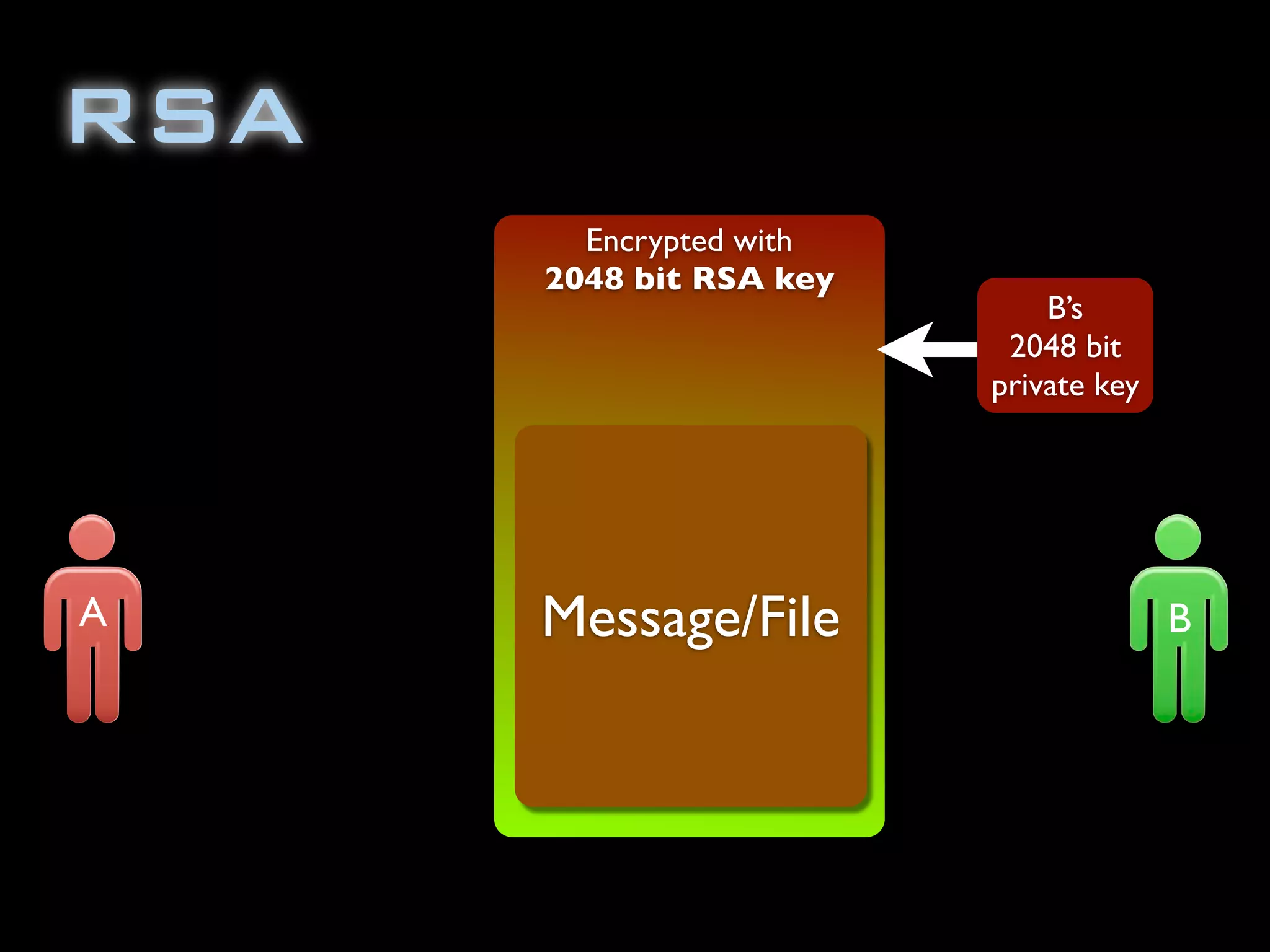
The document discusses symmetric encryption in Java. It shows how to generate a symmetric key, use it to encrypt a message with DESede encryption, and output the encrypted bytes as a base64 encoded string. Securely transmitting the symmetric key between parties is identified as a challenge for symmetric encryption.


![Laura Garcia - Shodan API and Coding Skills [rooted2019]](https://cdn.slidesharecdn.com/ss_thumbnails/shondaapiandcodingskillsrootedcon2019-190403190029-thumbnail.jpg?width=640&height=640&fit=bounds)
![Carlos García - Pentesting Active Directory Forests [rooted2019]](https://cdn.slidesharecdn.com/ss_thumbnails/carlosgarcia-rooted2019-pentestingactivedirectoryforests-public-190403185357-thumbnail.jpg?width=640&height=640&fit=bounds)

![[CB20] Vulnerabilities of Machine Learning Infrastructure by Sergey Gordeychik](https://cdn.slidesharecdn.com/ss_thumbnails/sergeygordeychikcb20-210112133639-thumbnail.jpg?width=640&height=640&fit=bounds)


