Electromagnetic Compatibility
Vesa Linja-aho – 2012-07-19
Me
 Senior Lecturer in Automotive Electronics at
  Metropolia UAS
 Background: M.Sc. in Electromagnetics and
  Circuit Theory, Helsinki University of Technology
 Worked as researcher, lecturer and journalist.
 Interested in Open Educational Resources and
  Electric Work Safety.


2012-07-19            Vesa Linja-aho             2
Metropolia UAS
 In Finland, we have two kinds of institutions of
  higher education
   University: Bachelor (3 yr), Master (2 yr), PhD
    (3-4 yr)
   University of Applied Sciences (UAS): Bachelor
    (4 yr) and Master (2 yr)
 Metropolia is the largest UAS in Finland
 Automotive engineering education:
   Formula Student –team
   Electric Raceabout (ERA)


2012-07-19            Vesa Linja-aho             3
Studying in Finland
 Metropolia unfortunately does not have
  automotive engineering degree programmes in
  English, unfortunately.
 But we have other interesting programmes:
  http://www.metropolia.fi/en/
 In Finland, we do not have tuition fees (some
  universities charge a tuition fee from non-EEA
  citizens, but not Metropolia).
 The application time is at spring.


2012-07-19            Vesa Linja-aho               4
EMC = Electromagnetic Compatibility
 All electric and electronic devices should be
  designed so that they
   will accept any normal interference
   won’t interfere other devices.


2012-07-19            Vesa Linja-aho              5
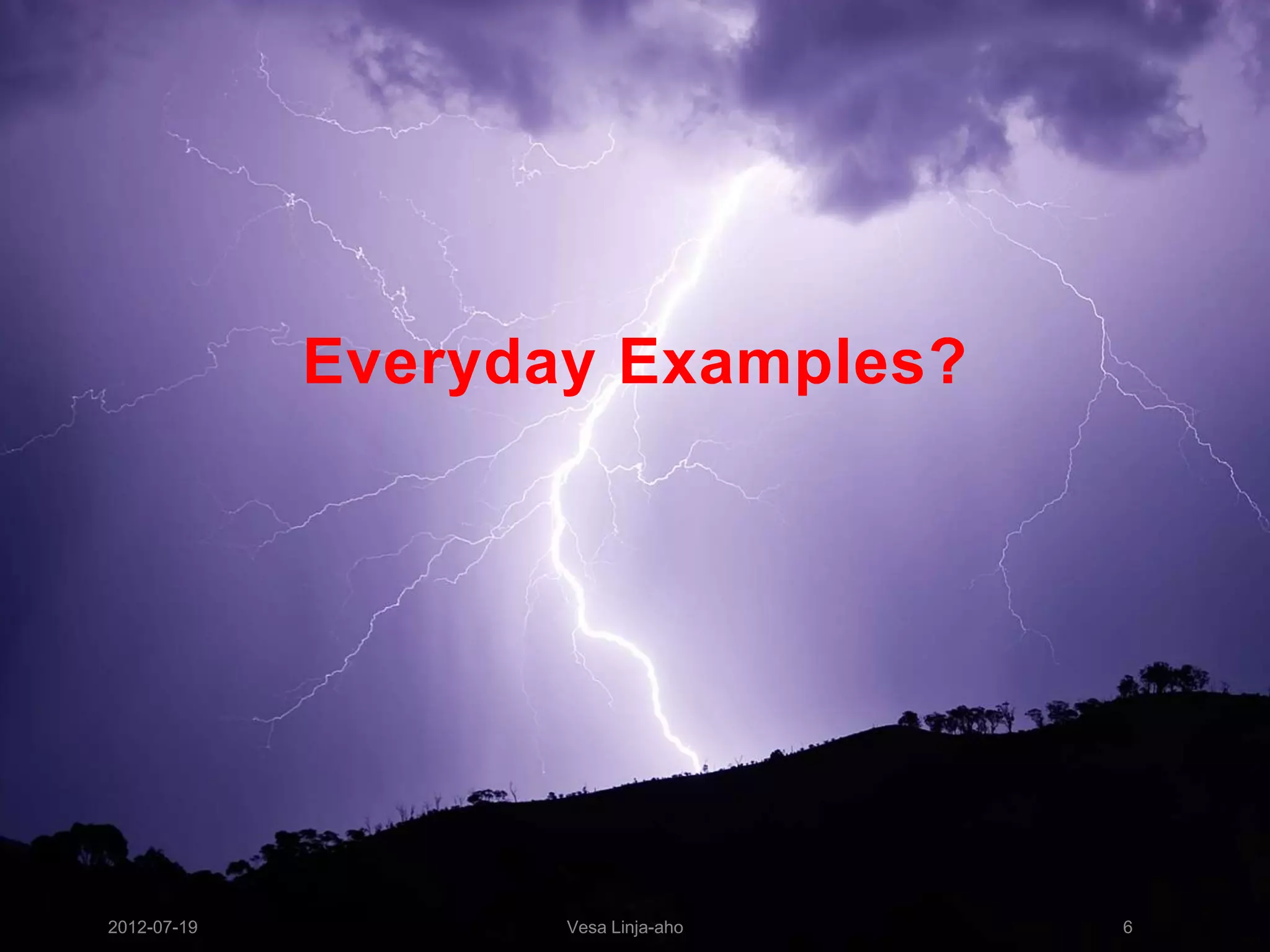
Everyday Examples?


2012-07-19          Vesa Linja-aho   6
Everyday Examples
 The ”GSM song”
 FM radio crackling when your neighbor drills a
  hole on his wall.
 FM radio clicking when fluorescent tubes start.


2012-07-19            Vesa Linja-aho                7
Not-so-everyday Examples
 Electric wheelchair turns in the water when a
  police officer pushes talk button in the police
  boat radio.
 Piezoelectric cigarette lighter opens barrier at a
  parking lot.
 Starting a welding transformer causes the
  central computer to crash (in another building).
 The roof and central locking system react to
  cellphone.


2012-07-19             Vesa Linja-aho              8
Electromagnetic Interference (EMI)
 Natural interference: cosmic radiation and
  thunderstorm.
 Technical interference:
   Electrostatic discharge (ESD)
   Digital circuits
   Changes in the mains voltage
   Wireless communication


2012-07-19            Vesa Linja-aho           9
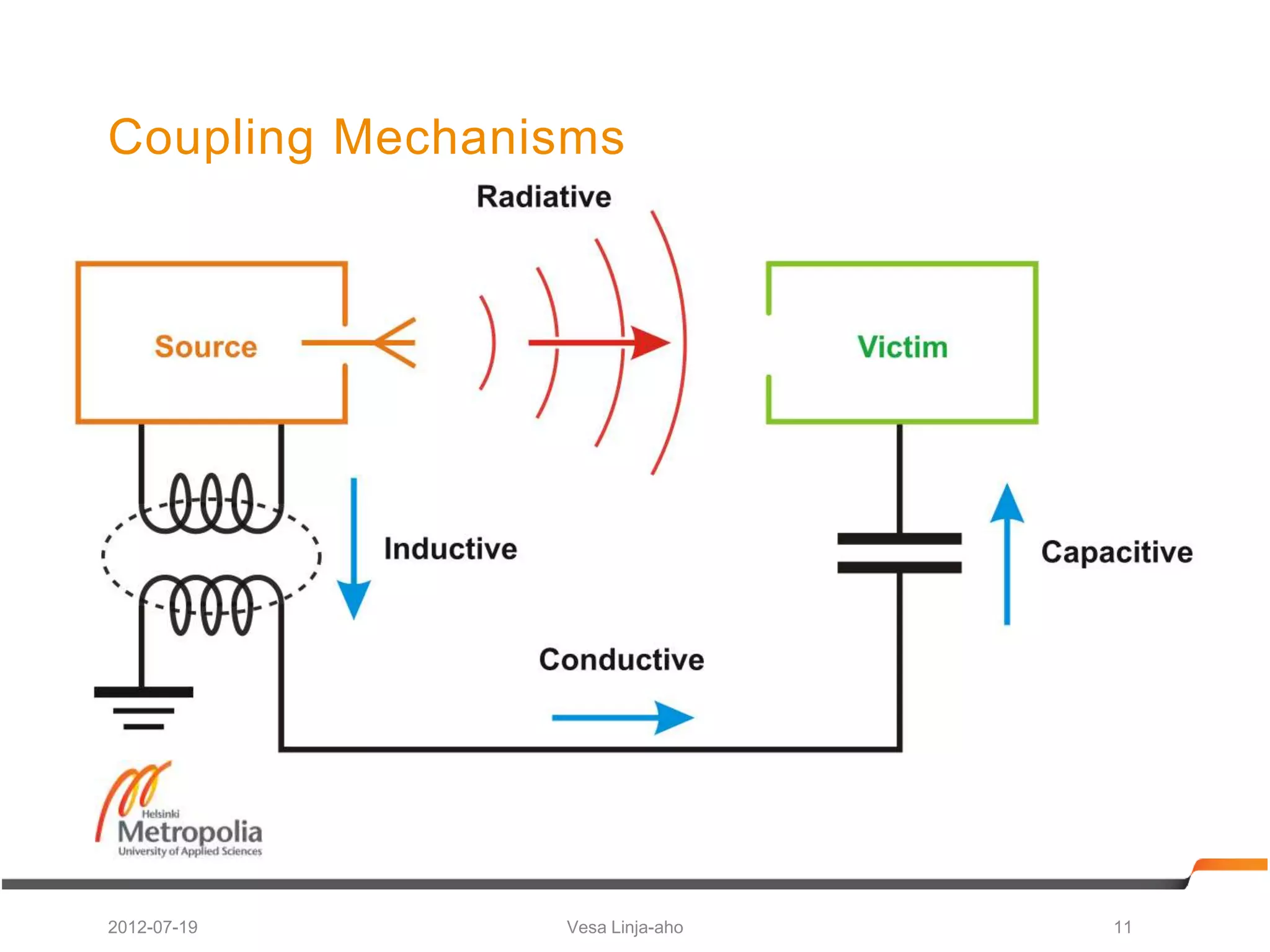
Coupling Mechanisms
    Conducting
    Capacitive coupling (via electric field)
    Inductive coupling (via magnetic field)
    Electromagnetic waves


2012-07-19                Vesa Linja-aho        10
Coupling Mechanisms


2012-07-19      Vesa Linja-aho   11
How to Fight EMI?
 Prevent the emergence of interference
 Cut the path of propagation
 Improve the tolerance for the interference


2012-07-19            Vesa Linja-aho           12
Countermeasures in Practice
    Layout design and position of the wires
    Symmetrical transmission
    Filtering
    Using digital electronics
    Using optical transmission


2012-07-19               Vesa Linja-aho        13
Brief Physical Background
 An electric charge creates an electric field.
 Electric current or changing electric field creates
  a magnetic field.
 Changing magnetix field induces a voltage into a
  wire.


2012-07-19             Vesa Linja-aho              14
Capacitive coupling = Coupling via Electric
Field
Countermeasures
 Metallic enclosing
 Increasing the distance between wires
 Positioning the wires near the ground plane
 Decreasing the impedance level


2012-07-19            Vesa Linja-aho            15
Inductive Coupling = Coupling via Magnetic
Field
Countermeasures
 Layout design
 Decreasing the impedance level


2012-07-19          Vesa Linja-aho       16
EMC is not a Separate Matter
 The risky way: design the product and fix the
  EMC issues afterwards.
 The safe way: keep EMC in mind during the
  whole design process


2012-07-19            Vesa Linja-aho              17
Common Mode vs. Differential Signal
 Common mode signal together with the ground
  plane causes a large loop between circuits.


2012-07-19          Vesa Linja-aho              18
Three-level Protection
 Layout design
 Interface filtering
 Metallic enclosing


2012-07-19              Vesa Linja-aho   19
Do we need protection?
 In simple non-critical devices, the layout design
  is often enough.
   Especially, if there are no cables to/from the
    device.
 About 90 % of post-design EMC-problems are
  caused by poor layout design!


2012-07-19             Vesa Linja-aho             20
Good layout design
 Split the system in parts
 Think the ground plane as a large current
  conducting path.
 Choose grounding points well and minimize the
  grounding impedance.
 Remember that every conducting part can carry
  interfering currents!


2012-07-19           Vesa Linja-aho           21
Splitting the system in parts
 Decide which parts are critical vs. non-critical.
 Place the parts which are neither sensitive nor
  sources for interference, into separate locations
  even on their own circuit boards.
 For example, linear power supplies, non-clocked
  logic circuits and power amplifiers are usually
  immune to interference.


2012-07-19            Vesa Linja-aho             22
Grounding
 The ground plane is non-ideal. The correct
  grounding style depends on the circuit.
 Single-point grounding is common in switching-
  mode power supplies. It prevents interfering
  voltages caused by currents through common
  impedances.
   But: on large frequencies, the wires act as
    transmission lines!
 Multi-point grounding. Works well on large
  frequencies. Each circuit has its own ground,
  and the grounds are interconnected with short
  wires.

2012-07-19           Vesa Linja-aho            23
Rule of thumb for grounding
 < 1 MHz: Single-point grounding
 > 10 MHz: Multi-point grounding


2012-07-19           Vesa Linja-aho   24
Using a ground plane
 If you use a multilayer PCB, using a ground
  plane is possible and recommended.
 With RF circuits and fast digital circuits using the
  ground plane is practically mandatory.
 What is the purpose of the large ground plane?


2012-07-19             Vesa Linja-aho              25
The purpose of the ground plane
 The main purpose is to provide low grounding
  impedance.
 The secondary purpose is to act as a shield.


2012-07-19           Vesa Linja-aho              26
Crosstalk
 Two wires on the PCB are – unfortunately –
  connected to each other capacitively and
  inductively.
 In practice, there is no cross-talk if the distance
  between wires is larger than 1 cm.
 Dropping the impedance and using the ground
  plane will reduce crosstalk.


2012-07-19             Vesa Linja-aho               27
Design Checklist
 Avoid long wires on the PCB board.
 Sensitive and interfering components should not
  be placed near each other.
 Do not place sensitive parts near the edges of
  the ground plane.
 Split the circuit in parts very carefully.


2012-07-19           Vesa Linja-aho            28
Interfaces and filtering
 Most devices are interconnected to other devices
  via a cable.


2012-07-19           Vesa Linja-aho            29
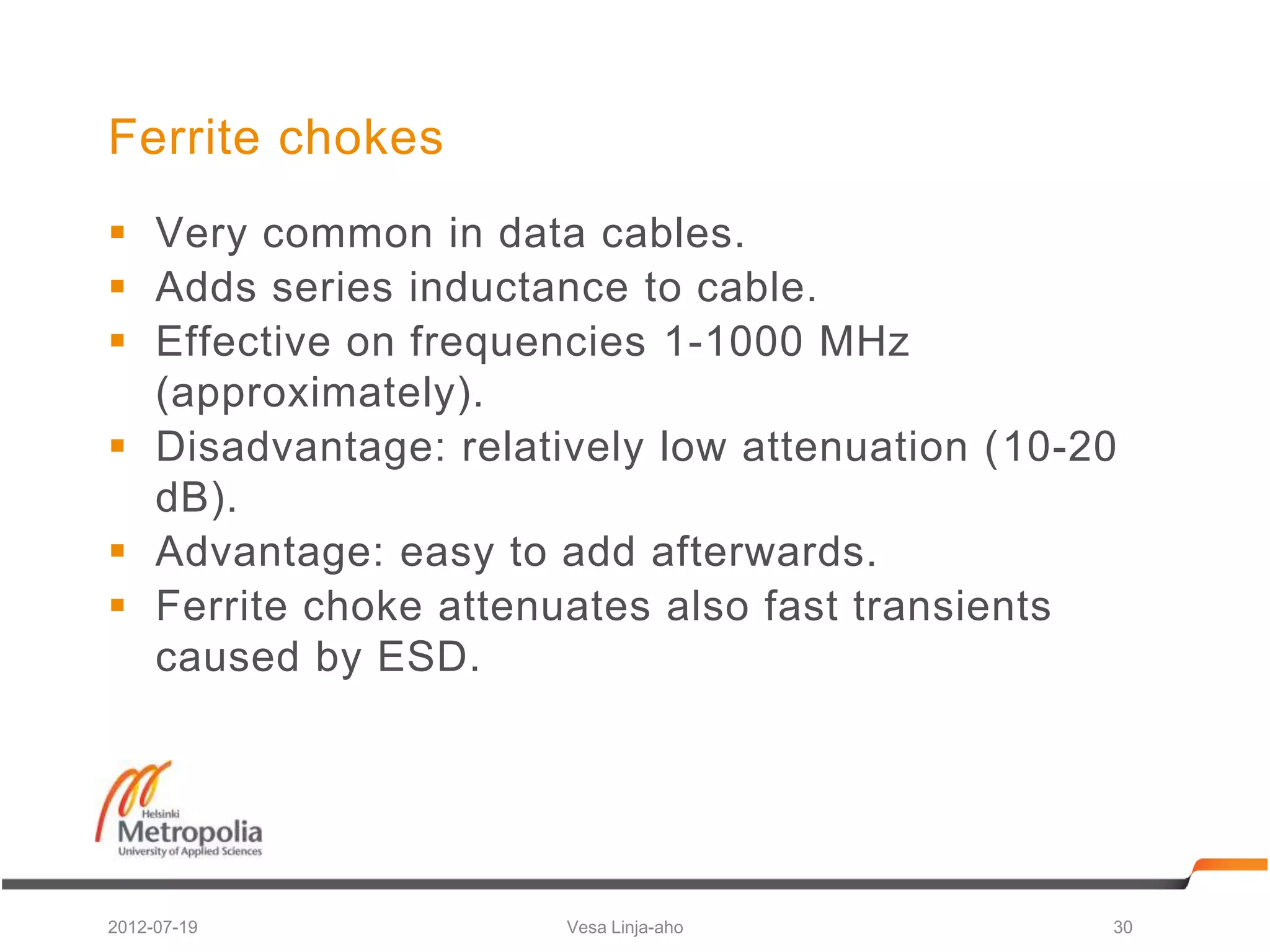
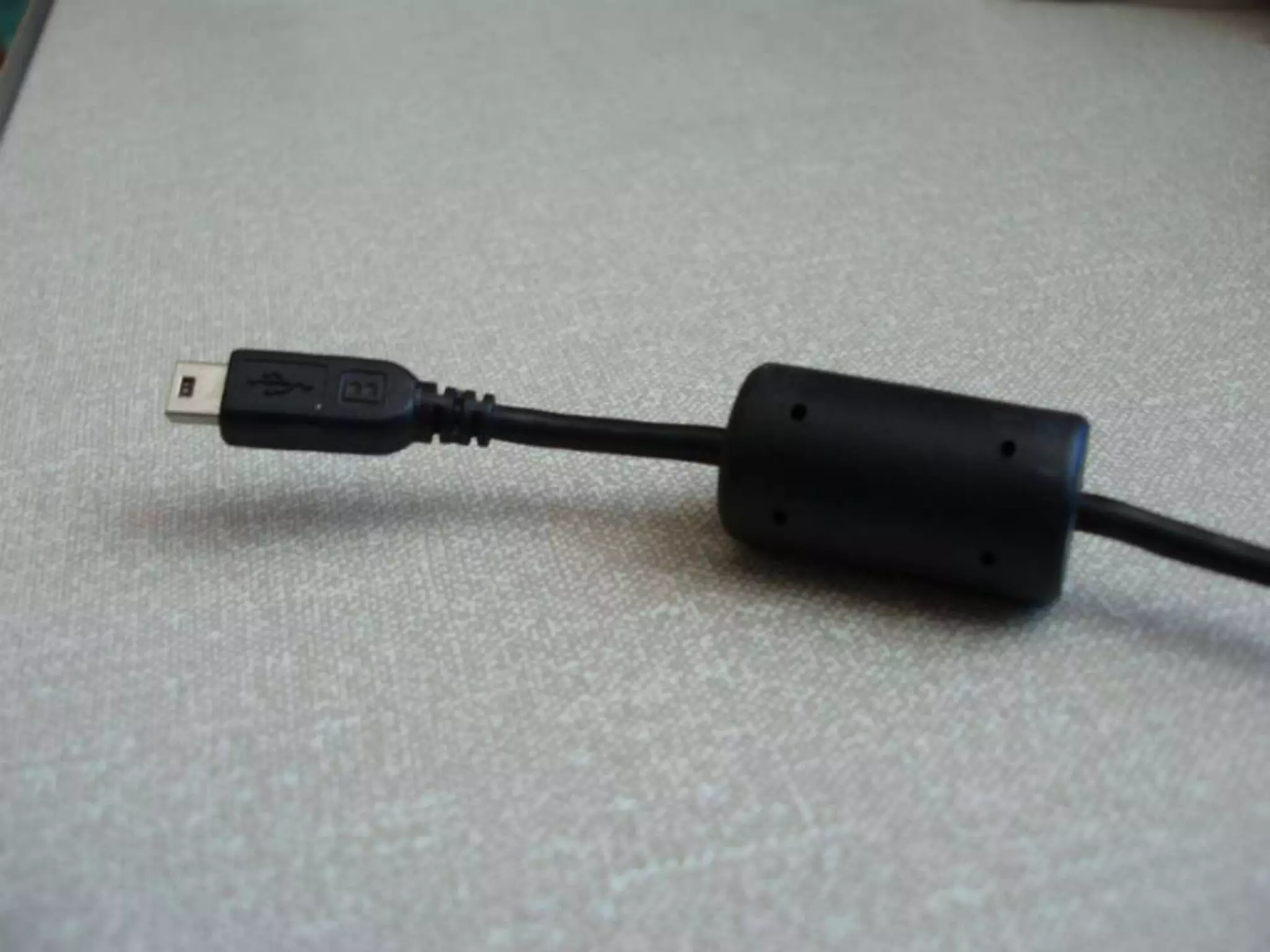
Ferrite chokes
 Very common in data cables.
 Adds series inductance to cable.
 Effective on frequencies 1-1000 MHz
  (approximately).
 Disadvantage: relatively low attenuation (10-20
  dB).
 Advantage: easy to add afterwards.
 Ferrite choke attenuates also fast transients
  caused by ESD.


2012-07-19            Vesa Linja-aho            30
2012-07-19   Vesa Linja-aho   31
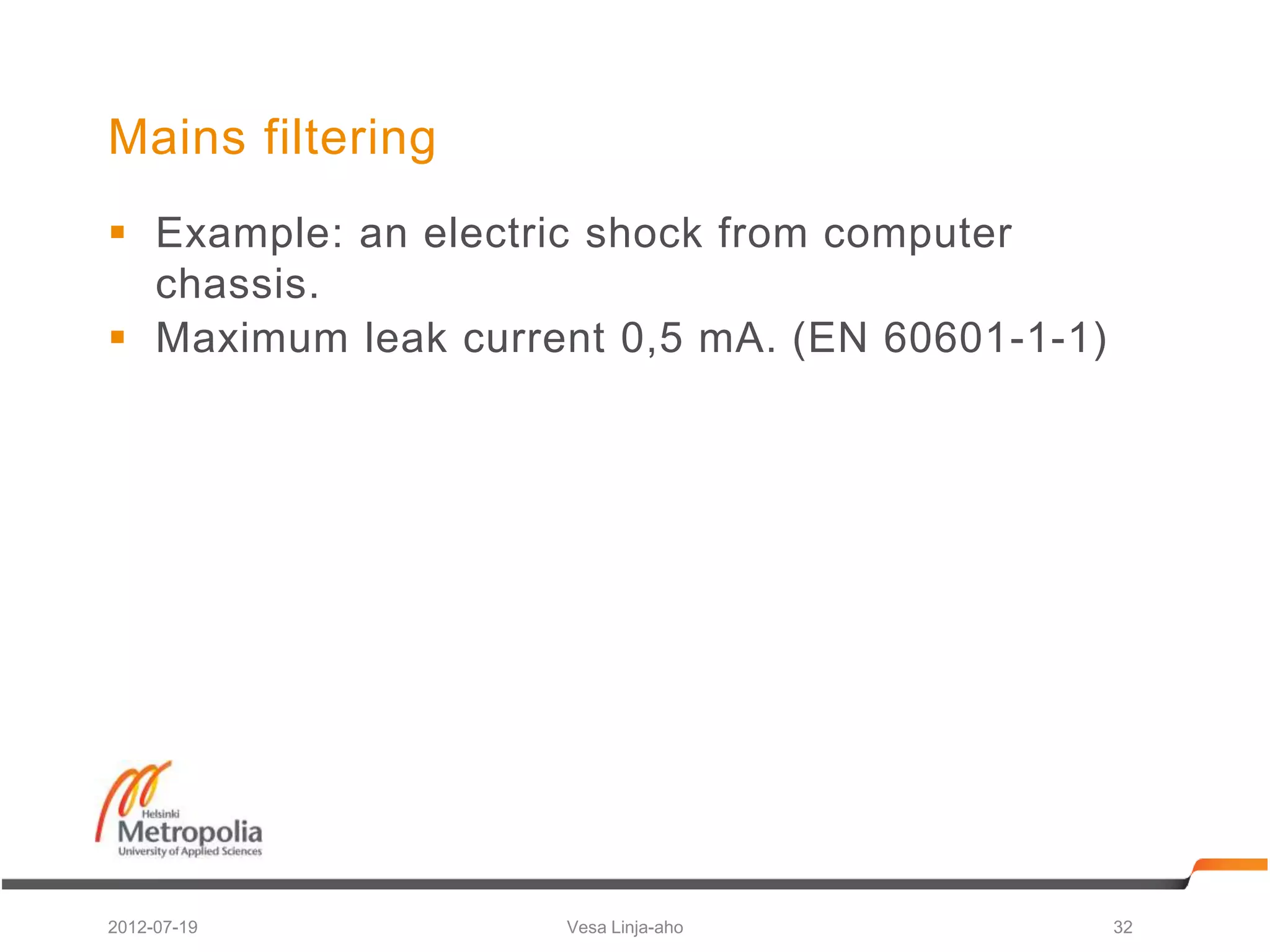
Mains filtering
 Example: an electric shock from computer
  chassis.
 Maximum leak current 0,5 mA. (EN 60601-1-1)


2012-07-19          Vesa Linja-aho              32
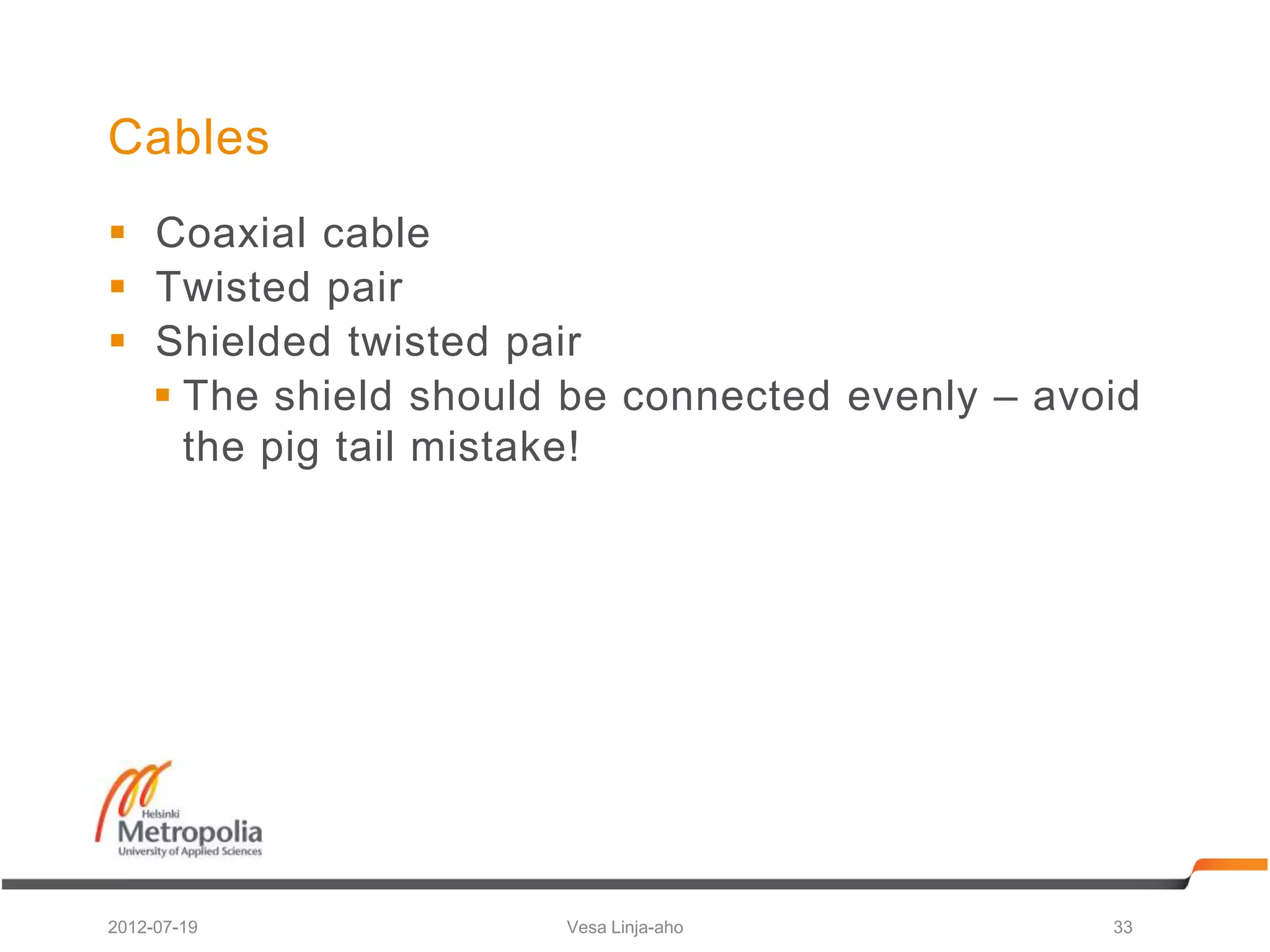
Cables
 Coaxial cable
 Twisted pair
 Shielded twisted pair
   The shield should be connected evenly – avoid
    the pig tail mistake!


2012-07-19           Vesa Linja-aho            33
Switches
Switches cause disturbance in two ways:
 Arcing
 Bouncing
    Use RC snubber


2012-07-19           Vesa Linja-aho       34
Relays
 RC snubber + protective diode


2012-07-19           Vesa Linja-aho   35
Electric motors
 Motors cause strong magnetic fields.
   If the motor has commutator or brushes, the
    arcing causes wide-spectrum RF interference.
 Inverter-driven permanent magnet machines are
  more EMC-safe.


2012-07-19           Vesa Linja-aho           36
ESD protection
 Have you ever destroyed anything with ESD.
 What precautions you should take when handling
  and installing an expensive graphics card to your
  computer?
 MOSFET components are the most sensitive part
  to ESD.
 The main method for ESD protection is
  protective diodes.


2012-07-19            Vesa Linja-aho            37
Legislation and Standards
 Harmonized by European Union
   EMC-directive 2004/108/EY
   Radio and telecommunications equipment
    1999/5/EC
   Automotive EMC-directive 2004/104/EC.
   European standards and national laws.


2012-07-19          Vesa Linja-aho           38
There are Plenty of Standards
 Many device types have their own standard.
 If there is no standard available, the general
  standard is to be applied.


2012-07-19             Vesa Linja-aho              39
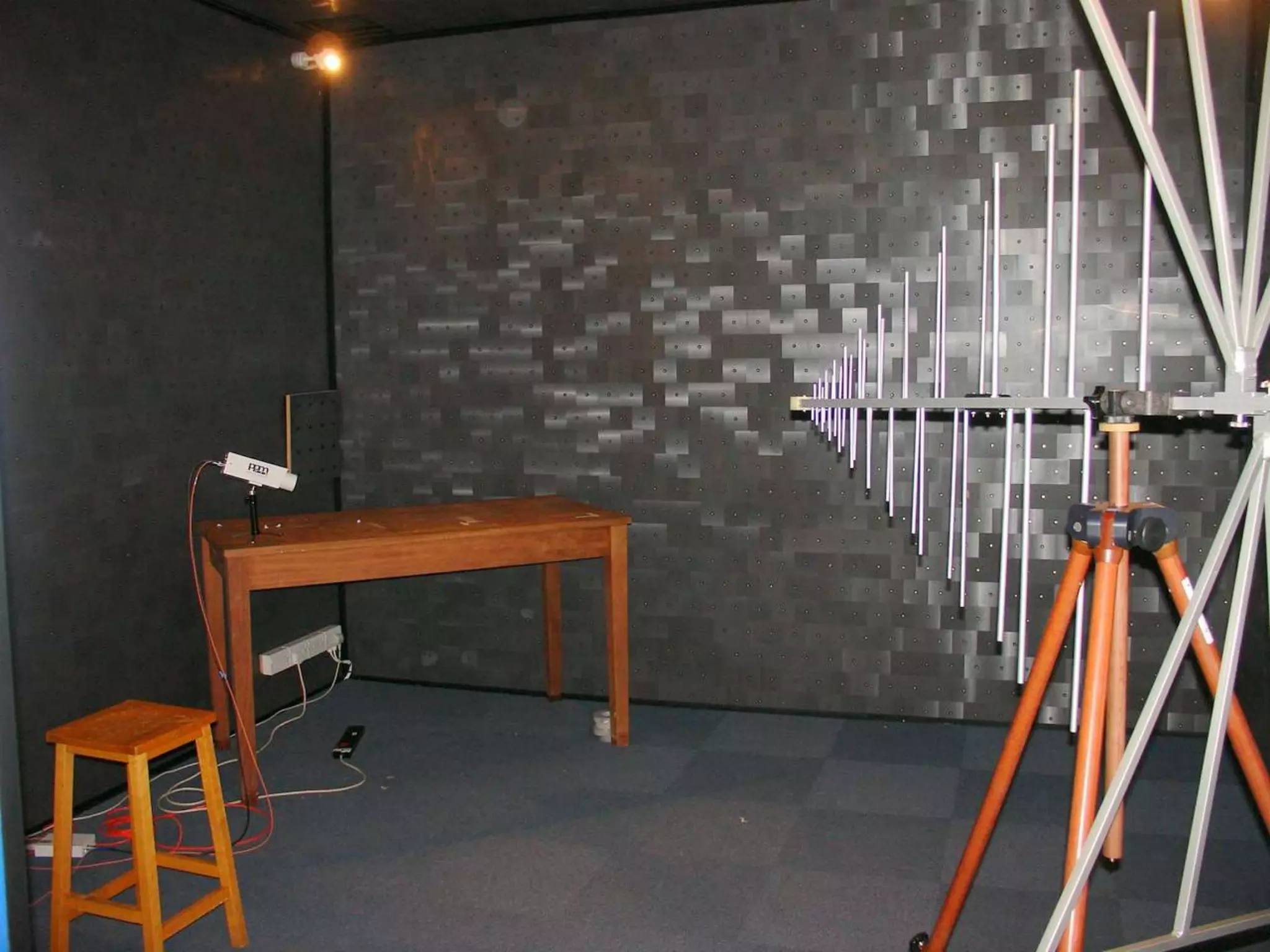
EMC Testing
 EMI immunity
 EMI emissions


2012-07-19        Vesa Linja-aho   40
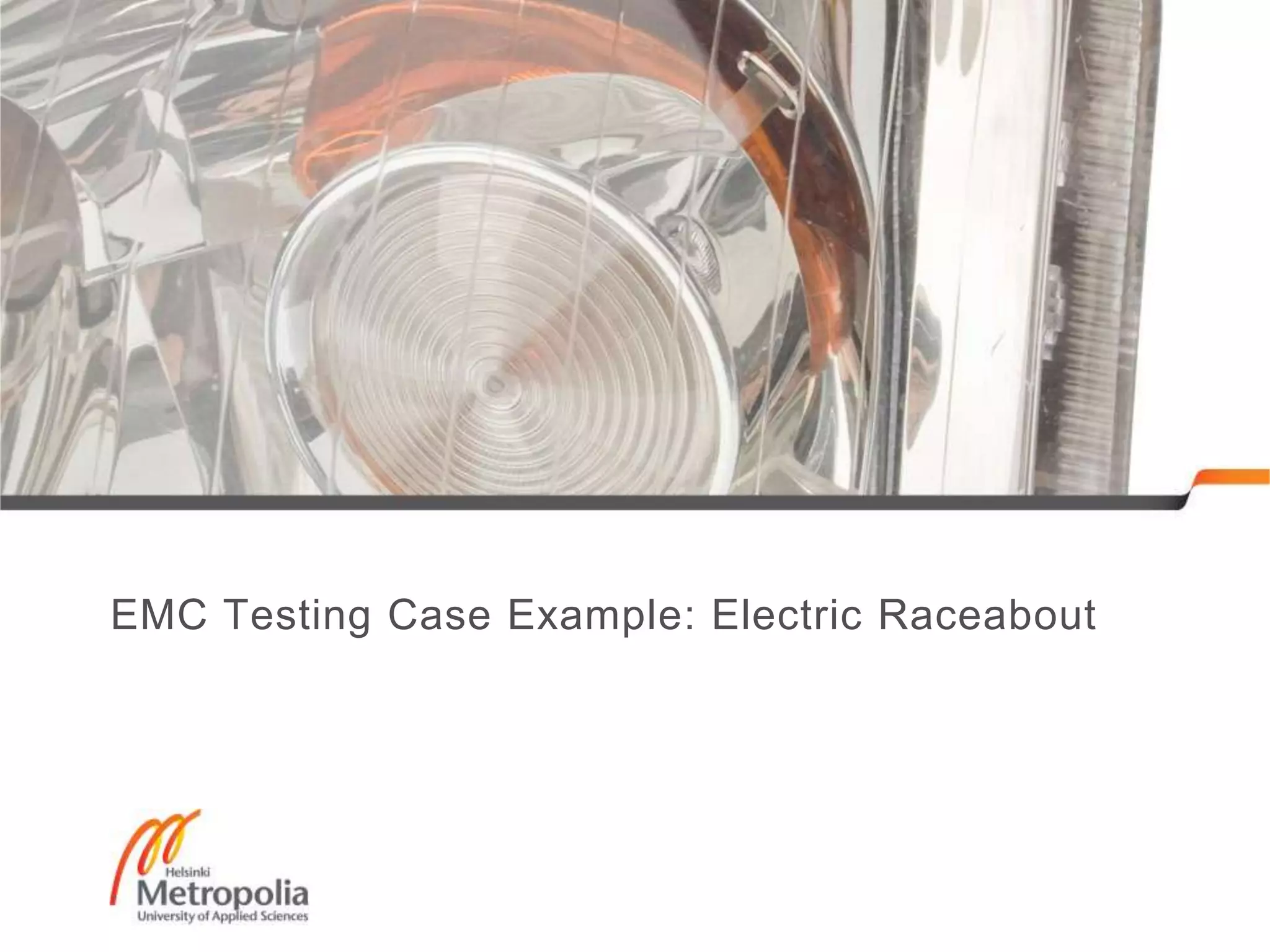
EMC Testing Case Example: Electric Raceabout
Name surname   42
Thank you!

www.metropolia.fi/en/
www.facebook.com/MetropoliaAMK
firstname.surname@metropolia.fi

Electromagnetic Compatibility

  • 1.
  • 2.
    Me  Senior Lecturerin Automotive Electronics at Metropolia UAS  Background: M.Sc. in Electromagnetics and Circuit Theory, Helsinki University of Technology  Worked as researcher, lecturer and journalist.  Interested in Open Educational Resources and Electric Work Safety. 2012-07-19 Vesa Linja-aho 2
  • 3.
    Metropolia UAS  InFinland, we have two kinds of institutions of higher education  University: Bachelor (3 yr), Master (2 yr), PhD (3-4 yr)  University of Applied Sciences (UAS): Bachelor (4 yr) and Master (2 yr)  Metropolia is the largest UAS in Finland  Automotive engineering education:  Formula Student –team  Electric Raceabout (ERA) 2012-07-19 Vesa Linja-aho 3
  • 4.
    Studying in Finland Metropolia unfortunately does not have automotive engineering degree programmes in English, unfortunately.  But we have other interesting programmes: http://www.metropolia.fi/en/  In Finland, we do not have tuition fees (some universities charge a tuition fee from non-EEA citizens, but not Metropolia).  The application time is at spring. 2012-07-19 Vesa Linja-aho 4
  • 5.
    EMC = ElectromagneticCompatibility  All electric and electronic devices should be designed so that they  will accept any normal interference  won’t interfere other devices. 2012-07-19 Vesa Linja-aho 5
  • 6.
  • 7.
    Everyday Examples  The”GSM song”  FM radio crackling when your neighbor drills a hole on his wall.  FM radio clicking when fluorescent tubes start. 2012-07-19 Vesa Linja-aho 7
  • 8.
    Not-so-everyday Examples  Electricwheelchair turns in the water when a police officer pushes talk button in the police boat radio.  Piezoelectric cigarette lighter opens barrier at a parking lot.  Starting a welding transformer causes the central computer to crash (in another building).  The roof and central locking system react to cellphone. 2012-07-19 Vesa Linja-aho 8
  • 9.
    Electromagnetic Interference (EMI) Natural interference: cosmic radiation and thunderstorm.  Technical interference:  Electrostatic discharge (ESD)  Digital circuits  Changes in the mains voltage  Wireless communication 2012-07-19 Vesa Linja-aho 9
  • 10.
    Coupling Mechanisms  Conducting  Capacitive coupling (via electric field)  Inductive coupling (via magnetic field)  Electromagnetic waves 2012-07-19 Vesa Linja-aho 10
  • 11.
  • 12.
    How to FightEMI?  Prevent the emergence of interference  Cut the path of propagation  Improve the tolerance for the interference 2012-07-19 Vesa Linja-aho 12
  • 13.
    Countermeasures in Practice  Layout design and position of the wires  Symmetrical transmission  Filtering  Using digital electronics  Using optical transmission 2012-07-19 Vesa Linja-aho 13
  • 14.
    Brief Physical Background An electric charge creates an electric field.  Electric current or changing electric field creates a magnetic field.  Changing magnetix field induces a voltage into a wire. 2012-07-19 Vesa Linja-aho 14
  • 15.
    Capacitive coupling =Coupling via Electric Field Countermeasures  Metallic enclosing  Increasing the distance between wires  Positioning the wires near the ground plane  Decreasing the impedance level 2012-07-19 Vesa Linja-aho 15
  • 16.
    Inductive Coupling =Coupling via Magnetic Field Countermeasures  Layout design  Decreasing the impedance level 2012-07-19 Vesa Linja-aho 16
  • 17.
    EMC is nota Separate Matter  The risky way: design the product and fix the EMC issues afterwards.  The safe way: keep EMC in mind during the whole design process 2012-07-19 Vesa Linja-aho 17
  • 18.
    Common Mode vs.Differential Signal  Common mode signal together with the ground plane causes a large loop between circuits. 2012-07-19 Vesa Linja-aho 18
  • 19.
    Three-level Protection  Layoutdesign  Interface filtering  Metallic enclosing 2012-07-19 Vesa Linja-aho 19
  • 20.
    Do we needprotection?  In simple non-critical devices, the layout design is often enough.  Especially, if there are no cables to/from the device.  About 90 % of post-design EMC-problems are caused by poor layout design! 2012-07-19 Vesa Linja-aho 20
  • 21.
    Good layout design Split the system in parts  Think the ground plane as a large current conducting path.  Choose grounding points well and minimize the grounding impedance.  Remember that every conducting part can carry interfering currents! 2012-07-19 Vesa Linja-aho 21
  • 22.
    Splitting the systemin parts  Decide which parts are critical vs. non-critical.  Place the parts which are neither sensitive nor sources for interference, into separate locations even on their own circuit boards.  For example, linear power supplies, non-clocked logic circuits and power amplifiers are usually immune to interference. 2012-07-19 Vesa Linja-aho 22
  • 23.
    Grounding  The groundplane is non-ideal. The correct grounding style depends on the circuit.  Single-point grounding is common in switching- mode power supplies. It prevents interfering voltages caused by currents through common impedances.  But: on large frequencies, the wires act as transmission lines!  Multi-point grounding. Works well on large frequencies. Each circuit has its own ground, and the grounds are interconnected with short wires. 2012-07-19 Vesa Linja-aho 23
  • 24.
    Rule of thumbfor grounding  < 1 MHz: Single-point grounding  > 10 MHz: Multi-point grounding 2012-07-19 Vesa Linja-aho 24
  • 25.
    Using a groundplane  If you use a multilayer PCB, using a ground plane is possible and recommended.  With RF circuits and fast digital circuits using the ground plane is practically mandatory.  What is the purpose of the large ground plane? 2012-07-19 Vesa Linja-aho 25
  • 26.
    The purpose ofthe ground plane  The main purpose is to provide low grounding impedance.  The secondary purpose is to act as a shield. 2012-07-19 Vesa Linja-aho 26
  • 27.
    Crosstalk  Two wireson the PCB are – unfortunately – connected to each other capacitively and inductively.  In practice, there is no cross-talk if the distance between wires is larger than 1 cm.  Dropping the impedance and using the ground plane will reduce crosstalk. 2012-07-19 Vesa Linja-aho 27
  • 28.
    Design Checklist  Avoidlong wires on the PCB board.  Sensitive and interfering components should not be placed near each other.  Do not place sensitive parts near the edges of the ground plane.  Split the circuit in parts very carefully. 2012-07-19 Vesa Linja-aho 28
  • 29.
    Interfaces and filtering Most devices are interconnected to other devices via a cable. 2012-07-19 Vesa Linja-aho 29
  • 30.
    Ferrite chokes  Verycommon in data cables.  Adds series inductance to cable.  Effective on frequencies 1-1000 MHz (approximately).  Disadvantage: relatively low attenuation (10-20 dB).  Advantage: easy to add afterwards.  Ferrite choke attenuates also fast transients caused by ESD. 2012-07-19 Vesa Linja-aho 30
  • 31.
    2012-07-19 Vesa Linja-aho 31
  • 32.
    Mains filtering  Example:an electric shock from computer chassis.  Maximum leak current 0,5 mA. (EN 60601-1-1) 2012-07-19 Vesa Linja-aho 32
  • 33.
    Cables  Coaxial cable Twisted pair  Shielded twisted pair  The shield should be connected evenly – avoid the pig tail mistake! 2012-07-19 Vesa Linja-aho 33
  • 34.
    Switches Switches cause disturbancein two ways:  Arcing  Bouncing   Use RC snubber 2012-07-19 Vesa Linja-aho 34
  • 35.
    Relays  RC snubber+ protective diode 2012-07-19 Vesa Linja-aho 35
  • 36.
    Electric motors  Motorscause strong magnetic fields.  If the motor has commutator or brushes, the arcing causes wide-spectrum RF interference.  Inverter-driven permanent magnet machines are more EMC-safe. 2012-07-19 Vesa Linja-aho 36
  • 37.
    ESD protection  Haveyou ever destroyed anything with ESD.  What precautions you should take when handling and installing an expensive graphics card to your computer?  MOSFET components are the most sensitive part to ESD.  The main method for ESD protection is protective diodes. 2012-07-19 Vesa Linja-aho 37
  • 38.
    Legislation and Standards Harmonized by European Union  EMC-directive 2004/108/EY  Radio and telecommunications equipment 1999/5/EC  Automotive EMC-directive 2004/104/EC.  European standards and national laws. 2012-07-19 Vesa Linja-aho 38
  • 39.
    There are Plentyof Standards  Many device types have their own standard.  If there is no standard available, the general standard is to be applied. 2012-07-19 Vesa Linja-aho 39
  • 40.
    EMC Testing  EMIimmunity  EMI emissions 2012-07-19 Vesa Linja-aho 40
  • 41.
    EMC Testing CaseExample: Electric Raceabout
  • 42.
  • 43.

Editor's Notes

  • #7 http://en.wikipedia.org/wiki/File:Lightning_strike_jan_2007.jpg
  • #12 http://upload.wikimedia.org/wikipedia/commons/0/00/EMI_coupling_modes.svg
  • #32 http://upload.wikimedia.org/wikipedia/en/7/73/Cable_end.JPG
  • #36 http://www.youtube.com/watch?v=eNYwV3vVKfs
  • #43 http://upload.wikimedia.org/wikipedia/commons/0/0b/Shielding_room.jpg