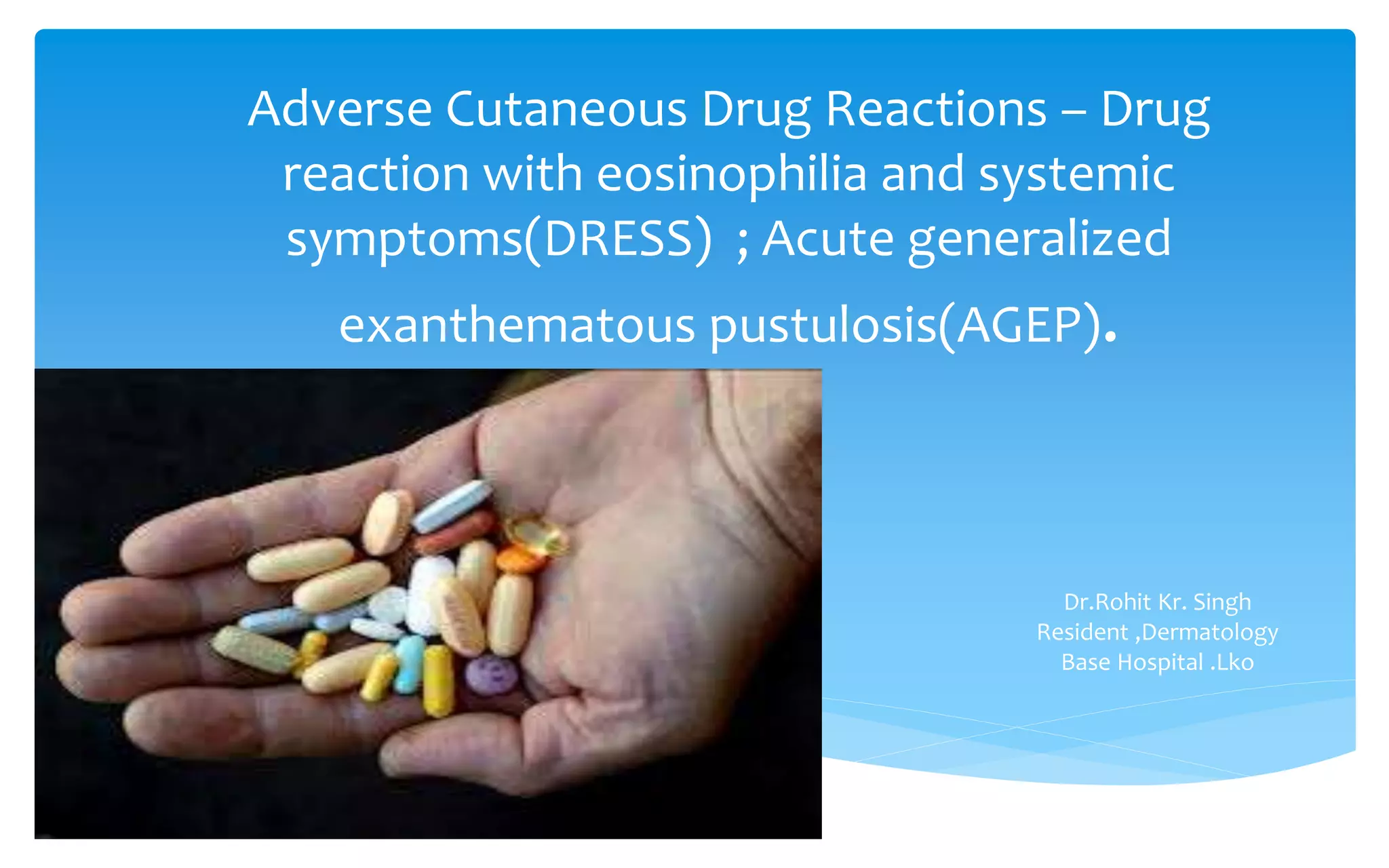
Adverse Cutaneous Drug Reactions – Drug
reaction with eosinophilia and systemic
symptoms(DRESS) ; Acute generalized
exanthematous pustulosis(AGEP).
Dr.Rohit Kr. Singh
Resident ,Dermatology
Base Hospital .Lko
 Introduction
 Classification of drug reactions
 Risk factors
 Mechanism of drug reactions
 Drug reaction with eosinophilia and systemic features(DRESS)
 Acute generalized exanthematous pustulosis(AGEP)
 Comparison b/w DRESS,SJS/TEN ,AGEP
 Conclusion
 References
Contents
Definition of adverse drug reaction:
Undesirable clinical manifestations resulting from
administration of a particular drug ; this includes
reactions due to overdose ,predictable side effects
and unanticipated adverse manifestations.
Skin is the most common site of drug reactions.
Introduction
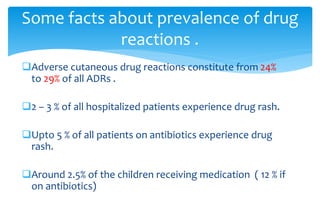
Adverse cutaneous drug reactions constitute from 24%
to 29% of all ADRs .
2 – 3 % of all hospitalized patients experience drug rash.
Upto 5 % of all patients on antibiotics experience drug
rash.
Around 2.5% of the children receiving medication ( 12 % if
on antibiotics)
Some facts about prevalence of drug
reactions .
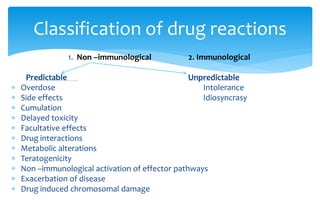
1. Non –immunological 2. Immunological
Predictable Unpredictable
 Overdose Intolerance
 Side effects Idiosyncrasy
 Cumulation
 Delayed toxicity
 Facultative effects
 Drug interactions
 Metabolic alterations
 Teratogenicity
 Non –immunological activation of effector pathways
 Exacerbation of disease
 Drug induced chromosomal damage
Classification of drug reactions
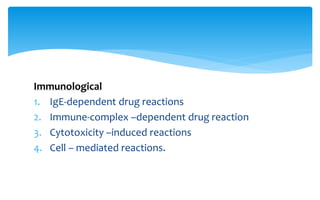
Immunological
1. IgE-dependent drug reactions
2. Immune-complex –dependent drug reaction
3. Cytotoxicity –induced reactions
4. Cell – mediated reactions.
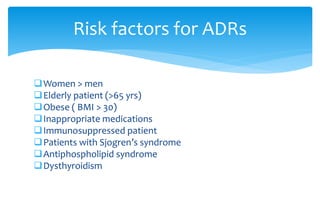
Women > men
Elderly patient (>65 yrs)
Obese ( BMI > 30)
Inappropriate medications
Immunosuppressed patient
Patients with Sjogren’s syndrome
Antiphospholipid syndrome
Dysthyroidism
Risk factors for ADRs
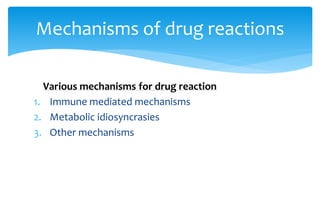
Various mechanisms for drug reaction
1. Immune mediated mechanisms
2. Metabolic idiosyncrasies
3. Other mechanisms
Mechanisms of drug reactions
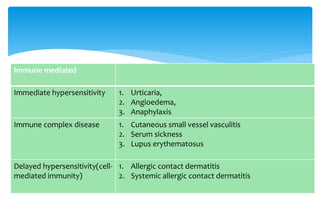
Immune mediated
Immediate hypersensitivity 1. Urticaria,
2. Angioedema,
3. Anaphylaxis
Immune complex disease 1. Cutaneous small vessel vasculitis
2. Serum sickness
3. Lupus erythematosus
Delayed hypersensitivity(cell-
mediated immunity)
1. Allergic contact dermatitis
2. Systemic allergic contact dermatitis
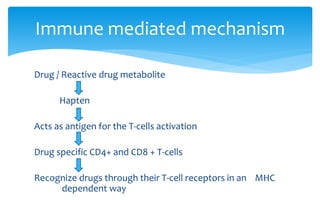
Drug / Reactive drug metabolite
Hapten
Acts as antigen for the T-cells activation
Drug specific CD4+ and CD8 + T-cells
Recognize drugs through their T-cell receptors in an MHC
dependent way
Immune mediated mechanism
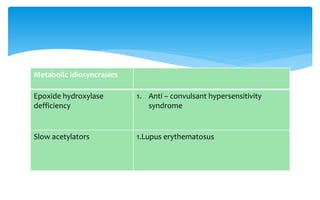
Metabolic idiosyncrasies
Epoxide hydroxylase
defficiency
1. Anti – convulsant hypersensitivity
syndrome
Slow acetylators 1.Lupus erythematosus
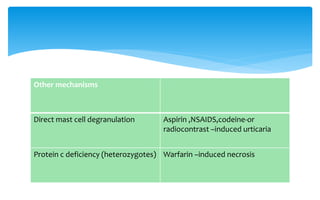
Other mechanisms
Direct mast cell degranulation Aspirin ,NSAIDS,codeine-or
radiocontrast –induced urticaria
Protein c deficiency (heterozygotes) Warfarin –induced necrosis
 Defination: is a severe cutaneous event characterized by a
 Triad of :
1. Skin eruptions ,
2. Hematologic abnormalities[hypereosinophilia(80%) and atypical
lymphocytes/mononucleosis (40%)],
3. Internal organ involvement( Acute and Late sequelae) .
Heterogenesity of the initial presentation leads to it’s
misdiagnosis as infection .
Drug reaction with eosinophilia and
systemic symptoms (DRESS).
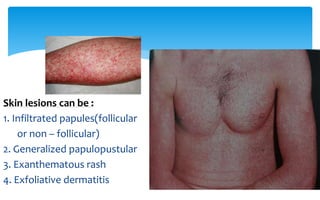
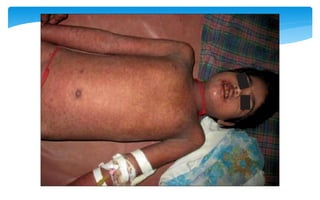
Skin lesions can be :
1. Infiltrated papules(follicular
or non – follicular)
2. Generalized papulopustular
3. Exanthematous rash
4. Exfoliative dermatitis
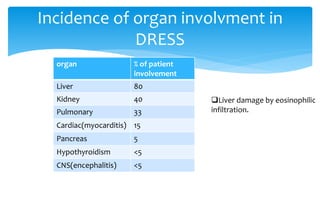
organ % of patient
involvement
Liver 80
Kidney 40
Pulmonary 33
Cardiac(myocarditis) 15
Pancreas 5
Hypothyroidism <5
CNS(encephalitis) <5
Incidence of organ involvment in
DRESS
Liver damage by eosinophilic
infiltration.
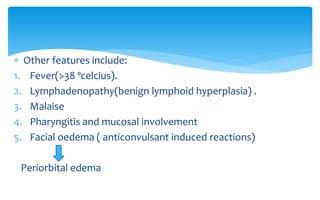
 Other features include:
1. Fever(>38 ºcelcius).
2. Lymphadenopathy(benign lymphoid hyperplasia) .
3. Malaise
4. Pharyngitis and mucosal involvement
5. Facial oedema ( anticonvulsant induced reactions)
Periorbital edema
Can occur with 1st exposure to drug.
In case of previous exposure – symptoms develop
within 1 day .
Onset : b/w 3 wks and 2 months.
Probability ranges : 1:1000 to 1:10,000.
Genetic predisposition
Progress to SJS or TEN.
Mortality is about 10%
Progression of the DRESS
Clinical symptoms can worsen even after withdrawal of the
offending drug.
Step by step development of several organ failure.
Late sequel-Encephalitis ,type 1 DM and delayed
hypothyroidism ,SIADH, long after discontinuation of the
drug.
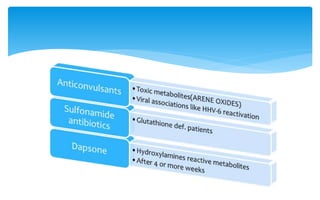
Dysfunction in drug metabolism and detoxification
 Slow acetylators
 Related to Epoxide Hydroxylase defficiency
Leads to accumulation of toxic metabolite
ARENE OXIDES
Trigger immunological response
Pathophysiology of DRESS
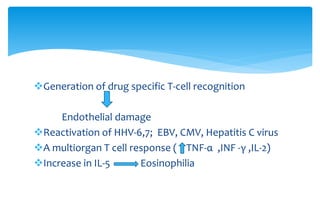
Generation of drug specific T-cell recognition
Endothelial damage
Reactivation of HHV-6,7; EBV, CMV, Hepatitis C virus
A multiorgan T cell response ( TNF-α ,INF -γ ,IL-2)
Increase in IL-5 Eosinophilia
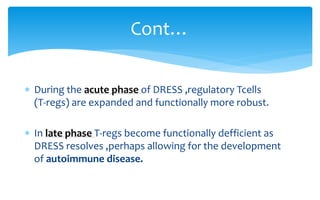
 During the acute phase of DRESS ,regulatory Tcells
(T-regs) are expanded and functionally more robust.
 In late phase T-regs become functionally defficient as
DRESS resolves ,perhaps allowing for the development
of autoimmune disease.
Cont…
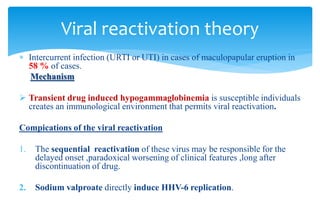
 Intercurrent infection (URTI or UTI) in cases of maculopapular eruption in
58 % of cases.
Mechanism
 Transient drug induced hypogammaglobinemia is susceptible individuals
creates an immunological environment that permits viral reactivation.
Compications of the viral reactivation
1. The sequential reactivation of these virus may be responsible for the
delayed onset ,paradoxical worsening of clinical features ,long after
discontinuation of drug.
2. Sodium valproate directly induce HHV-6 replication.
Viral reactivation theory
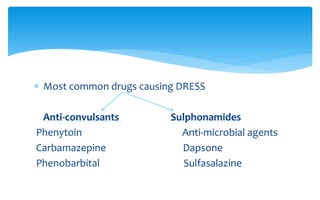
 Most common drugs causing DRESS
Anti-convulsants Sulphonamides
Phenytoin Anti-microbial agents
Carbamazepine Dapsone
Phenobarbital Sulfasalazine
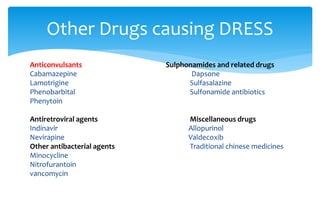
Anticonvulsants Sulphonamides and related drugs
Cabamazepine Dapsone
Lamotrigine Sulfasalazine
Phenobarbital Sulfonamide antibiotics
Phenytoin
Antiretroviral agents Miscellaneous drugs
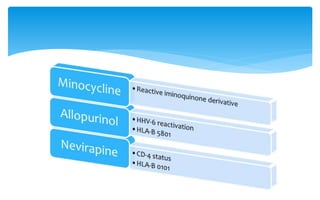
Indinavir Allopurinol
Nevirapine Valdecoxib
Other antibacterial agents Traditional chinese medicines
Minocycline
Nitrofurantoin
vancomycin
Other Drugs causing DRESS
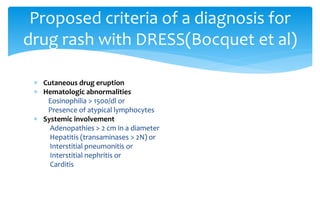
 Cutaneous drug eruption
 Hematologic abnormalities
Eosinophilia > 1500/dl or
Presence of atypical lymphocytes
 Systemic involvement
Adenopathies > 2 cm in a diameter
Hepatitis (transaminases > 2N) or
Interstitial pneumonitis or
Interstitial nephritis or
Carditis
Proposed criteria of a diagnosis for
drug rash with DRESS(Bocquet et al)
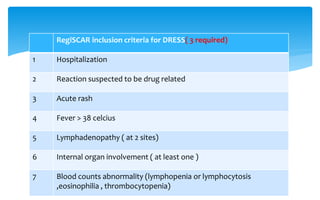
RegiSCAR inclusion criteria for DRESS( 3 required)
1 Hospitalization
2 Reaction suspected to be drug related
3 Acute rash
4 Fever > 38 celcius
5 Lymphadenopathy ( at 2 sites)
6 Internal organ involvement ( at least one )
7 Blood counts abnormality (lymphopenia or lymphocytosis
,eosinophilia , thrombocytopenia)
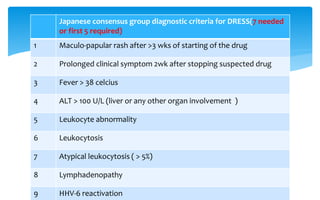
Japanese consensus group diagnostic criteria for DRESS(7 needed
or first 5 required)
1 Maculo-papular rash after >3 wks of starting of the drug
2 Prolonged clinical symptom 2wk after stopping suspected drug
3 Fever > 38 celcius
4 ALT > 100 U/L (liver or any other organ involvement )
5 Leukocyte abnormality
6 Leukocytosis
7 Atypical leukocytosis ( > 5%)
8 Lymphadenopathy
9 HHV-6 reactivation
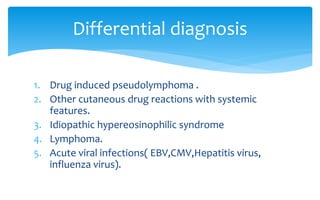
1. Drug induced pseudolymphoma .
2. Other cutaneous drug reactions with systemic
features.
3. Idiopathic hypereosinophilic syndrome
4. Lymphoma.
5. Acute viral infections( EBV,CMV,Hepatitis virus,
influenza virus).
Differential diagnosis
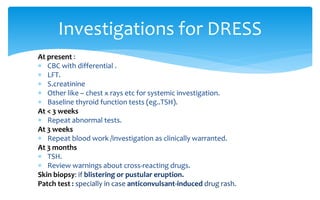
At present :
 CBC with differential .
 LFT.
 S.creatinine
 Other like – chest x rays etc for systemic investigation.
 Baseline thyroid function tests (eg..TSH).
At < 3 weeks
 Repeat abnormal tests.
At 3 weeks
 Repeat blood work /investigation as clinically warranted.
At 3 months
 TSH.
 Review warnings about cross-reacting drugs.
Skin biopsy: if blistering or pustular eruption.
Patch test : specially in case anticonvulsant-induced drug rash.
Investigations for DRESS
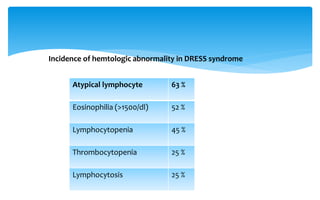
Atypical lymphocyte 63 %
Eosinophilia (>1500/dl) 52 %
Lymphocytopenia 45 %
Thrombocytopenia 25 %
Lymphocytosis 25 %
Incidence of hemtologic abnormality in DRESS syndrome
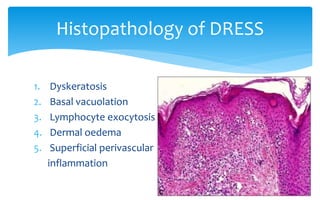
1. Dyskeratosis
2. Basal vacuolation
3. Lymphocyte exocytosis
4. Dermal oedema
5. Superficial perivascular
inflammation
Histopathology of DRESS
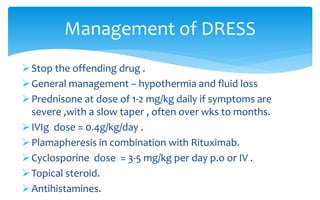
Stop the offending drug .
General management – hypothermia and fluid loss
Prednisone at dose of 1-2 mg/kg daily if symptoms are
severe ,with a slow taper , often over wks to months.
IVIg dose = 0.4g/kg/day .
Plamapheresis in combination with Rituximab.
Cyclosporine dose = 3-5 mg/kg per day p.o or IV .
Topical steroid.
Antihistamines.
Management of DRESS
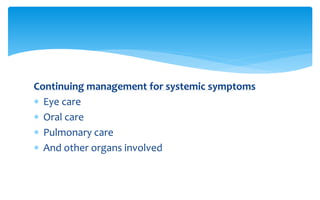
Continuing management for systemic symptoms
 Eye care
 Oral care
 Pulmonary care
 And other organs involved
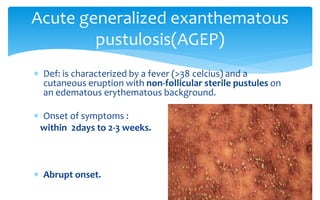
 Def: is characterized by a fever (>38 celcius) and a
cutaneous eruption with non-follicular sterile pustules on
an edematous erythematous background.
 Onset of symptoms :
within 2days to 2-3 weeks.
 Abrupt onset.
Acute generalized exanthematous
pustulosis(AGEP)
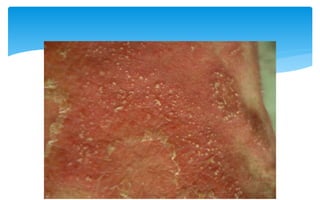
 Scarletiniform eruptions starting from intertriginous areas, or face
then spread to trunk and lower limbs.
 Burning and itching sensation present.
 Multiple small pinhead sized , 5mm non – follicular sterile pustules
arise at the site of the rash.
 Mucous membrane is involvement ( 20%) usually mild limited to oral
mucosa.
 After 2 weeks – generalized desquamation occurs after pustules
subside.
Clinical features of AGEP
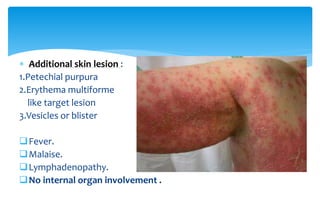
 Additional skin lesion :
1.Petechial purpura
2.Erythema multiforme
like target lesion
3.Vesicles or blister
Fever.
Malaise.
Lymphadenopathy.
No internal organ involvement .
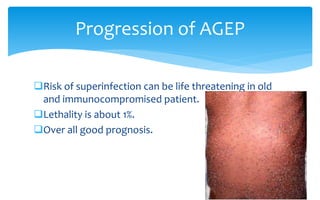
Risk of superinfection can be life threatening in old
and immunocompromised patient.
Lethality is about 1%.
Over all good prognosis.
Progression of AGEP
1.T-cell mediated reaction.
2.Drug – specific CD-4+ T-cells.
IL-8 (CXCL8) produced by keratinocytes
Infiltration of the neutrophils
Other cytokines involved are IL-4,5 ;IFN-γ ;GM-CSF.
3.Viral infections(CMV,EBV) can also trigger the disease.
Pathogenesis of AGEP
Most common offending drugs include
1. Amoxicillin
2. Ampicillin
3. Fluoroquinolones
4. Hyroxychloroquine
5. Terbinafine
6. Sulfonamides
Drugs causing AGEP
Anticonvulsants Beta-lactam antibiotics other antibiotics
CARBAMAZEPINE AMOXYCILLIN/AMPICILLIN CIPROFLOXACIN
PHEYTOIN CEFACLOR DOXYCYCLINE
Antifungal CEFUROXIME ISONIAZIDE
ITRACONAZOLE CEPHALEXIN STREPTOMYCIN
TERBINAFINE PENICILLIN SULPHONAMIDES
Antimalarial agents MACROLIDE other drugs
HYDROXYCHLOROQUINE AZITHROMYCIN ACETAMINOPHEN
CALCIUM CHANNEL BLOCKERS ERYTHROMYCIN ALLOPURINOL
DILTIAZEM SPIRAMYCIN DICLOFENAC
NIFEDIPINE PRISTINAMYCIN MERCURY
Other Drugs causing AGEP
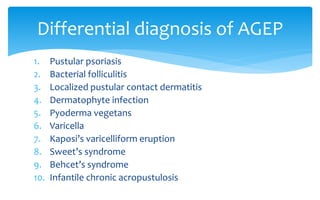
1. Pustular psoriasis
2. Bacterial folliculitis
3. Localized pustular contact dermatitis
4. Dermatophyte infection
5. Pyoderma vegetans
6. Varicella
7. Kaposi’s varicelliform eruption
8. Sweet’s syndrome
9. Behcet’s syndrome
10. Infantile chronic acropustulosis
Differential diagnosis of AGEP
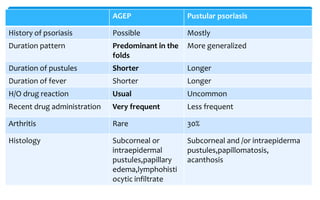
AGEP Pustular psoriasis
History of psoriasis Possible Mostly
Duration pattern Predominant in the
folds
More generalized
Duration of pustules Shorter Longer
Duration of fever Shorter Longer
H/O drug reaction Usual Uncommon
Recent drug administration Very frequent Less frequent
Arthritis Rare 30%
Histology Subcorneal or
intraepidermal
pustules,papillary
edema,lymphohisti
ocytic infiltrate
Subcorneal and /or intraepiderma
pustules,papillomatosis,
acanthosis
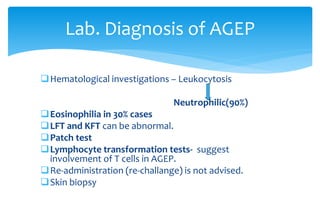
Hematological investigations – Leukocytosis
Neutrophilic(90%)
Eosinophilia in 30% cases
LFT and KFT can be abnormal.
Patch test
Lymphocyte transformation tests- suggest
involvement of T cells in AGEP.
Re-administration (re-challange) is not advised.
Skin biopsy
Lab. Diagnosis of AGEP
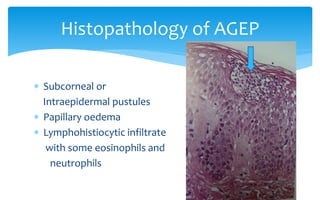
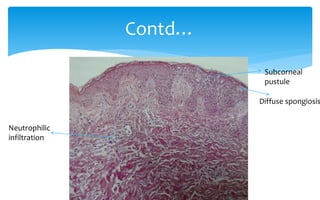
 Subcorneal or
Intraepidermal pustules
 Papillary oedema
 Lymphohistiocytic infiltrate
with some eosinophils and
neutrophils
Histopathology of AGEP
Contd…
Subcorneal
pustule
Diffuse spongiosis
Neutrophilic
infiltration
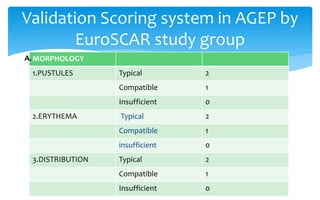
MORPHOLOGY
1.PUSTULES Typical 2
Compatible 1
Insufficient 0
2.ERYTHEMA Typical 2
Compatible 1
insufficient 0
3.DISTRIBUTION Typical 2
Compatible 1
Insufficient 0
Validation Scoring system in AGEP by
EuroSCAR study group
A.
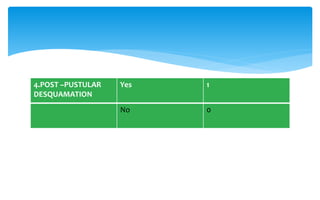
4.POST –PUSTULAR
DESQUAMATION
Yes 1
No 0
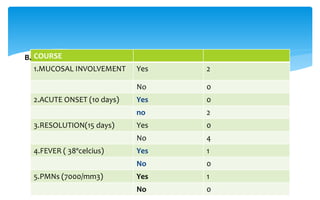
COURSE
1.MUCOSAL INVOLVEMENT Yes 2
No 0
2.ACUTE ONSET (10 days) Yes 0
no 2
3.RESOLUTION(15 days) Yes 0
No 4
4.FEVER ( 38ºcelcius) Yes 1
No 0
5.PMNs (7000/mm3) Yes 1
No 0
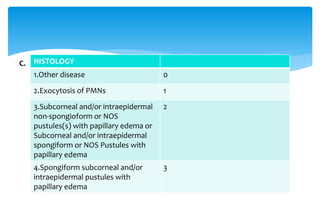
B.
HISTOLOGY
1.Other disease 0
2.Exocytosis of PMNs 1
3.Subcorneal and/or intraepidermal
non-spongioform or NOS
pustules(s) with papillary edema or
Subcorneal and/or intraepidermal
spongiform or NOS Pustules with
papillary edema
2
4.Spongiform subcorneal and/or
intraepidermal pustules with
papillary edema
3
C.
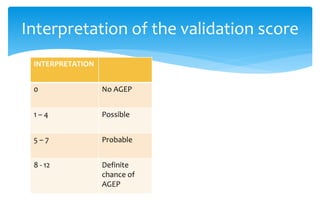
INTERPRETATION
0 No AGEP
1 – 4 Possible
5 – 7 Probable
8 - 12 Definite
chance of
AGEP
Interpretation of the validation score
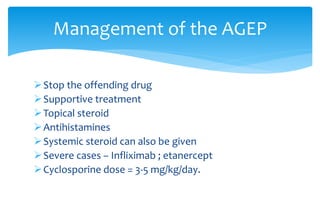
Stop the offending drug
Supportive treatment
Topical steroid
Antihistamines
Systemic steroid can also be given
Severe cases – Infliximab ; etanercept
Cyclosporine dose = 3-5 mg/kg/day.
Management of the AGEP
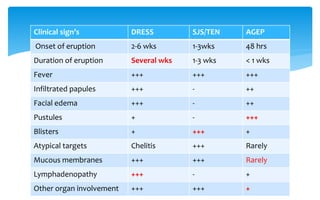
Clinical sign’s DRESS SJS/TEN AGEP
Onset of eruption 2-6 wks 1-3wks 48 hrs
Duration of eruption Several wks 1-3 wks < 1 wks
Fever +++ +++ +++
Infiltrated papules +++ - ++
Facial edema +++ - ++
Pustules + - +++
Blisters + +++ +
Atypical targets Chelitis +++ Rarely
Mucous membranes +++ +++ Rarely
Lymphadenopathy +++ - +
Other organ involvement +++ +++ +
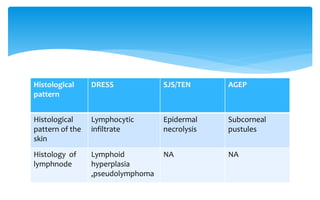
Histological
pattern
DRESS SJS/TEN AGEP
Histological
pattern of the
skin
Lymphocytic
infiltrate
Epidermal
necrolysis
Subcorneal
pustules
Histology of
lymphnode
Lymphoid
hyperplasia
,pseudolymphoma
NA NA
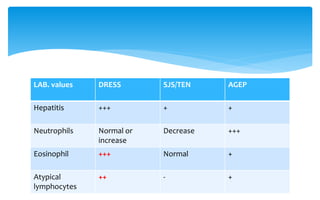
LAB. values DRESS SJS/TEN AGEP
Hepatitis +++ + +
Neutrophils Normal or
increase
Decrease +++
Eosinophil +++ Normal +
Atypical
lymphocytes
++ - +
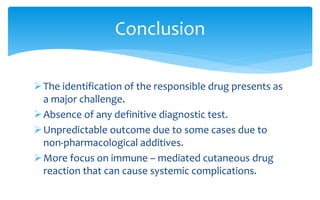
The identification of the responsible drug presents as
a major challenge.
Absence of any definitive diagnostic test.
Unpredictable outcome due to some cases due to
non-pharmacological additives.
More focus on immune – mediated cutaneous drug
reaction that can cause systemic complications.
Conclusion
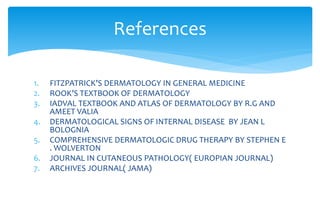
1. FITZPATRICK’S DERMATOLOGY IN GENERAL MEDICINE
2. ROOK’S TEXTBOOK OF DERMATOLOGY
3. IADVAL TEXTBOOK AND ATLAS OF DERMATOLOGY BY R.G AND
AMEET VALIA
4. DERMATOLOGICAL SIGNS OF INTERNAL DISEASE BY JEAN L
BOLOGNIA
5. COMPREHENSIVE DERMATOLOGIC DRUG THERAPY BY STEPHEN E
. WOLVERTON
6. JOURNAL IN CUTANEOUS PATHOLOGY( EUROPIAN JOURNAL)
7. ARCHIVES JOURNAL( JAMA)
References
THANKYOU

DRESS AND AGEP

  • 1.
    Adverse Cutaneous DrugReactions – Drug reaction with eosinophilia and systemic symptoms(DRESS) ; Acute generalized exanthematous pustulosis(AGEP). Dr.Rohit Kr. Singh Resident ,Dermatology Base Hospital .Lko
  • 2.
     Introduction  Classificationof drug reactions  Risk factors  Mechanism of drug reactions  Drug reaction with eosinophilia and systemic features(DRESS)  Acute generalized exanthematous pustulosis(AGEP)  Comparison b/w DRESS,SJS/TEN ,AGEP  Conclusion  References Contents
  • 3.
    Definition of adversedrug reaction: Undesirable clinical manifestations resulting from administration of a particular drug ; this includes reactions due to overdose ,predictable side effects and unanticipated adverse manifestations. Skin is the most common site of drug reactions. Introduction
  • 4.
    Adverse cutaneous drugreactions constitute from 24% to 29% of all ADRs . 2 – 3 % of all hospitalized patients experience drug rash. Upto 5 % of all patients on antibiotics experience drug rash. Around 2.5% of the children receiving medication ( 12 % if on antibiotics) Some facts about prevalence of drug reactions .
  • 5.
    1. Non –immunological2. Immunological Predictable Unpredictable  Overdose Intolerance  Side effects Idiosyncrasy  Cumulation  Delayed toxicity  Facultative effects  Drug interactions  Metabolic alterations  Teratogenicity  Non –immunological activation of effector pathways  Exacerbation of disease  Drug induced chromosomal damage Classification of drug reactions
  • 6.
    Immunological 1. IgE-dependent drugreactions 2. Immune-complex –dependent drug reaction 3. Cytotoxicity –induced reactions 4. Cell – mediated reactions.
  • 7.
    Women > men Elderlypatient (>65 yrs) Obese ( BMI > 30) Inappropriate medications Immunosuppressed patient Patients with Sjogren’s syndrome Antiphospholipid syndrome Dysthyroidism Risk factors for ADRs
  • 8.
    Various mechanisms fordrug reaction 1. Immune mediated mechanisms 2. Metabolic idiosyncrasies 3. Other mechanisms Mechanisms of drug reactions
  • 9.
    Immune mediated Immediate hypersensitivity1. Urticaria, 2. Angioedema, 3. Anaphylaxis Immune complex disease 1. Cutaneous small vessel vasculitis 2. Serum sickness 3. Lupus erythematosus Delayed hypersensitivity(cell- mediated immunity) 1. Allergic contact dermatitis 2. Systemic allergic contact dermatitis
  • 10.
    Drug / Reactivedrug metabolite Hapten Acts as antigen for the T-cells activation Drug specific CD4+ and CD8 + T-cells Recognize drugs through their T-cell receptors in an MHC dependent way Immune mediated mechanism
  • 11.
    Metabolic idiosyncrasies Epoxide hydroxylase defficiency 1.Anti – convulsant hypersensitivity syndrome Slow acetylators 1.Lupus erythematosus
  • 12.
    Other mechanisms Direct mastcell degranulation Aspirin ,NSAIDS,codeine-or radiocontrast –induced urticaria Protein c deficiency (heterozygotes) Warfarin –induced necrosis
  • 13.
     Defination: isa severe cutaneous event characterized by a  Triad of : 1. Skin eruptions , 2. Hematologic abnormalities[hypereosinophilia(80%) and atypical lymphocytes/mononucleosis (40%)], 3. Internal organ involvement( Acute and Late sequelae) . Heterogenesity of the initial presentation leads to it’s misdiagnosis as infection . Drug reaction with eosinophilia and systemic symptoms (DRESS).
  • 14.
    Skin lesions canbe : 1. Infiltrated papules(follicular or non – follicular) 2. Generalized papulopustular 3. Exanthematous rash 4. Exfoliative dermatitis
  • 15.
    organ % ofpatient involvement Liver 80 Kidney 40 Pulmonary 33 Cardiac(myocarditis) 15 Pancreas 5 Hypothyroidism <5 CNS(encephalitis) <5 Incidence of organ involvment in DRESS Liver damage by eosinophilic infiltration.
  • 16.
     Other featuresinclude: 1. Fever(>38 ºcelcius). 2. Lymphadenopathy(benign lymphoid hyperplasia) . 3. Malaise 4. Pharyngitis and mucosal involvement 5. Facial oedema ( anticonvulsant induced reactions) Periorbital edema
  • 18.
    Can occur with1st exposure to drug. In case of previous exposure – symptoms develop within 1 day . Onset : b/w 3 wks and 2 months. Probability ranges : 1:1000 to 1:10,000. Genetic predisposition Progress to SJS or TEN. Mortality is about 10%
  • 19.
    Progression of theDRESS Clinical symptoms can worsen even after withdrawal of the offending drug. Step by step development of several organ failure. Late sequel-Encephalitis ,type 1 DM and delayed hypothyroidism ,SIADH, long after discontinuation of the drug.
  • 20.
    Dysfunction in drugmetabolism and detoxification  Slow acetylators  Related to Epoxide Hydroxylase defficiency Leads to accumulation of toxic metabolite ARENE OXIDES Trigger immunological response Pathophysiology of DRESS
  • 21.
    Generation of drugspecific T-cell recognition Endothelial damage Reactivation of HHV-6,7; EBV, CMV, Hepatitis C virus A multiorgan T cell response ( TNF-α ,INF -γ ,IL-2) Increase in IL-5 Eosinophilia
  • 22.
     During theacute phase of DRESS ,regulatory Tcells (T-regs) are expanded and functionally more robust.  In late phase T-regs become functionally defficient as DRESS resolves ,perhaps allowing for the development of autoimmune disease. Cont…
  • 23.
     Intercurrent infection(URTI or UTI) in cases of maculopapular eruption in 58 % of cases. Mechanism  Transient drug induced hypogammaglobinemia is susceptible individuals creates an immunological environment that permits viral reactivation. Compications of the viral reactivation 1. The sequential reactivation of these virus may be responsible for the delayed onset ,paradoxical worsening of clinical features ,long after discontinuation of drug. 2. Sodium valproate directly induce HHV-6 replication. Viral reactivation theory
  • 24.
     Most commondrugs causing DRESS Anti-convulsants Sulphonamides Phenytoin Anti-microbial agents Carbamazepine Dapsone Phenobarbital Sulfasalazine
  • 25.
    Anticonvulsants Sulphonamides andrelated drugs Cabamazepine Dapsone Lamotrigine Sulfasalazine Phenobarbital Sulfonamide antibiotics Phenytoin Antiretroviral agents Miscellaneous drugs Indinavir Allopurinol Nevirapine Valdecoxib Other antibacterial agents Traditional chinese medicines Minocycline Nitrofurantoin vancomycin Other Drugs causing DRESS
  • 28.
     Cutaneous drugeruption  Hematologic abnormalities Eosinophilia > 1500/dl or Presence of atypical lymphocytes  Systemic involvement Adenopathies > 2 cm in a diameter Hepatitis (transaminases > 2N) or Interstitial pneumonitis or Interstitial nephritis or Carditis Proposed criteria of a diagnosis for drug rash with DRESS(Bocquet et al)
  • 29.
    RegiSCAR inclusion criteriafor DRESS( 3 required) 1 Hospitalization 2 Reaction suspected to be drug related 3 Acute rash 4 Fever > 38 celcius 5 Lymphadenopathy ( at 2 sites) 6 Internal organ involvement ( at least one ) 7 Blood counts abnormality (lymphopenia or lymphocytosis ,eosinophilia , thrombocytopenia)
  • 30.
    Japanese consensus groupdiagnostic criteria for DRESS(7 needed or first 5 required) 1 Maculo-papular rash after >3 wks of starting of the drug 2 Prolonged clinical symptom 2wk after stopping suspected drug 3 Fever > 38 celcius 4 ALT > 100 U/L (liver or any other organ involvement ) 5 Leukocyte abnormality 6 Leukocytosis 7 Atypical leukocytosis ( > 5%) 8 Lymphadenopathy 9 HHV-6 reactivation
  • 31.
    1. Drug inducedpseudolymphoma . 2. Other cutaneous drug reactions with systemic features. 3. Idiopathic hypereosinophilic syndrome 4. Lymphoma. 5. Acute viral infections( EBV,CMV,Hepatitis virus, influenza virus). Differential diagnosis
  • 32.
    At present : CBC with differential .  LFT.  S.creatinine  Other like – chest x rays etc for systemic investigation.  Baseline thyroid function tests (eg..TSH). At < 3 weeks  Repeat abnormal tests. At 3 weeks  Repeat blood work /investigation as clinically warranted. At 3 months  TSH.  Review warnings about cross-reacting drugs. Skin biopsy: if blistering or pustular eruption. Patch test : specially in case anticonvulsant-induced drug rash. Investigations for DRESS
  • 33.
    Atypical lymphocyte 63% Eosinophilia (>1500/dl) 52 % Lymphocytopenia 45 % Thrombocytopenia 25 % Lymphocytosis 25 % Incidence of hemtologic abnormality in DRESS syndrome
  • 34.
    1. Dyskeratosis 2. Basalvacuolation 3. Lymphocyte exocytosis 4. Dermal oedema 5. Superficial perivascular inflammation Histopathology of DRESS
  • 35.
    Stop the offendingdrug . General management – hypothermia and fluid loss Prednisone at dose of 1-2 mg/kg daily if symptoms are severe ,with a slow taper , often over wks to months. IVIg dose = 0.4g/kg/day . Plamapheresis in combination with Rituximab. Cyclosporine dose = 3-5 mg/kg per day p.o or IV . Topical steroid. Antihistamines. Management of DRESS
  • 36.
    Continuing management forsystemic symptoms  Eye care  Oral care  Pulmonary care  And other organs involved
  • 37.
     Def: ischaracterized by a fever (>38 celcius) and a cutaneous eruption with non-follicular sterile pustules on an edematous erythematous background.  Onset of symptoms : within 2days to 2-3 weeks.  Abrupt onset. Acute generalized exanthematous pustulosis(AGEP)
  • 38.
     Scarletiniform eruptionsstarting from intertriginous areas, or face then spread to trunk and lower limbs.  Burning and itching sensation present.  Multiple small pinhead sized , 5mm non – follicular sterile pustules arise at the site of the rash.  Mucous membrane is involvement ( 20%) usually mild limited to oral mucosa.  After 2 weeks – generalized desquamation occurs after pustules subside. Clinical features of AGEP
  • 40.
     Additional skinlesion : 1.Petechial purpura 2.Erythema multiforme like target lesion 3.Vesicles or blister Fever. Malaise. Lymphadenopathy. No internal organ involvement .
  • 41.
    Risk of superinfectioncan be life threatening in old and immunocompromised patient. Lethality is about 1%. Over all good prognosis. Progression of AGEP
  • 42.
    1.T-cell mediated reaction. 2.Drug– specific CD-4+ T-cells. IL-8 (CXCL8) produced by keratinocytes Infiltration of the neutrophils Other cytokines involved are IL-4,5 ;IFN-γ ;GM-CSF. 3.Viral infections(CMV,EBV) can also trigger the disease. Pathogenesis of AGEP
  • 43.
    Most common offendingdrugs include 1. Amoxicillin 2. Ampicillin 3. Fluoroquinolones 4. Hyroxychloroquine 5. Terbinafine 6. Sulfonamides Drugs causing AGEP
  • 44.
    Anticonvulsants Beta-lactam antibioticsother antibiotics CARBAMAZEPINE AMOXYCILLIN/AMPICILLIN CIPROFLOXACIN PHEYTOIN CEFACLOR DOXYCYCLINE Antifungal CEFUROXIME ISONIAZIDE ITRACONAZOLE CEPHALEXIN STREPTOMYCIN TERBINAFINE PENICILLIN SULPHONAMIDES Antimalarial agents MACROLIDE other drugs HYDROXYCHLOROQUINE AZITHROMYCIN ACETAMINOPHEN CALCIUM CHANNEL BLOCKERS ERYTHROMYCIN ALLOPURINOL DILTIAZEM SPIRAMYCIN DICLOFENAC NIFEDIPINE PRISTINAMYCIN MERCURY Other Drugs causing AGEP
  • 45.
    1. Pustular psoriasis 2.Bacterial folliculitis 3. Localized pustular contact dermatitis 4. Dermatophyte infection 5. Pyoderma vegetans 6. Varicella 7. Kaposi’s varicelliform eruption 8. Sweet’s syndrome 9. Behcet’s syndrome 10. Infantile chronic acropustulosis Differential diagnosis of AGEP
  • 46.
    AGEP Pustular psoriasis Historyof psoriasis Possible Mostly Duration pattern Predominant in the folds More generalized Duration of pustules Shorter Longer Duration of fever Shorter Longer H/O drug reaction Usual Uncommon Recent drug administration Very frequent Less frequent Arthritis Rare 30% Histology Subcorneal or intraepidermal pustules,papillary edema,lymphohisti ocytic infiltrate Subcorneal and /or intraepiderma pustules,papillomatosis, acanthosis
  • 47.
    Hematological investigations –Leukocytosis Neutrophilic(90%) Eosinophilia in 30% cases LFT and KFT can be abnormal. Patch test Lymphocyte transformation tests- suggest involvement of T cells in AGEP. Re-administration (re-challange) is not advised. Skin biopsy Lab. Diagnosis of AGEP
  • 48.
     Subcorneal or Intraepidermalpustules  Papillary oedema  Lymphohistiocytic infiltrate with some eosinophils and neutrophils Histopathology of AGEP
  • 49.
  • 50.
    MORPHOLOGY 1.PUSTULES Typical 2 Compatible1 Insufficient 0 2.ERYTHEMA Typical 2 Compatible 1 insufficient 0 3.DISTRIBUTION Typical 2 Compatible 1 Insufficient 0 Validation Scoring system in AGEP by EuroSCAR study group A.
  • 51.
  • 52.
    COURSE 1.MUCOSAL INVOLVEMENT Yes2 No 0 2.ACUTE ONSET (10 days) Yes 0 no 2 3.RESOLUTION(15 days) Yes 0 No 4 4.FEVER ( 38ºcelcius) Yes 1 No 0 5.PMNs (7000/mm3) Yes 1 No 0 B.
  • 53.
    HISTOLOGY 1.Other disease 0 2.Exocytosisof PMNs 1 3.Subcorneal and/or intraepidermal non-spongioform or NOS pustules(s) with papillary edema or Subcorneal and/or intraepidermal spongiform or NOS Pustules with papillary edema 2 4.Spongiform subcorneal and/or intraepidermal pustules with papillary edema 3 C.
  • 54.
    INTERPRETATION 0 No AGEP 1– 4 Possible 5 – 7 Probable 8 - 12 Definite chance of AGEP Interpretation of the validation score
  • 55.
    Stop the offendingdrug Supportive treatment Topical steroid Antihistamines Systemic steroid can also be given Severe cases – Infliximab ; etanercept Cyclosporine dose = 3-5 mg/kg/day. Management of the AGEP
  • 56.
    Clinical sign’s DRESSSJS/TEN AGEP Onset of eruption 2-6 wks 1-3wks 48 hrs Duration of eruption Several wks 1-3 wks < 1 wks Fever +++ +++ +++ Infiltrated papules +++ - ++ Facial edema +++ - ++ Pustules + - +++ Blisters + +++ + Atypical targets Chelitis +++ Rarely Mucous membranes +++ +++ Rarely Lymphadenopathy +++ - + Other organ involvement +++ +++ +
  • 57.
    Histological pattern DRESS SJS/TEN AGEP Histological patternof the skin Lymphocytic infiltrate Epidermal necrolysis Subcorneal pustules Histology of lymphnode Lymphoid hyperplasia ,pseudolymphoma NA NA
  • 58.
    LAB. values DRESSSJS/TEN AGEP Hepatitis +++ + + Neutrophils Normal or increase Decrease +++ Eosinophil +++ Normal + Atypical lymphocytes ++ - +
  • 59.
    The identification ofthe responsible drug presents as a major challenge. Absence of any definitive diagnostic test. Unpredictable outcome due to some cases due to non-pharmacological additives. More focus on immune – mediated cutaneous drug reaction that can cause systemic complications. Conclusion
  • 60.
    1. FITZPATRICK’S DERMATOLOGYIN GENERAL MEDICINE 2. ROOK’S TEXTBOOK OF DERMATOLOGY 3. IADVAL TEXTBOOK AND ATLAS OF DERMATOLOGY BY R.G AND AMEET VALIA 4. DERMATOLOGICAL SIGNS OF INTERNAL DISEASE BY JEAN L BOLOGNIA 5. COMPREHENSIVE DERMATOLOGIC DRUG THERAPY BY STEPHEN E . WOLVERTON 6. JOURNAL IN CUTANEOUS PATHOLOGY( EUROPIAN JOURNAL) 7. ARCHIVES JOURNAL( JAMA) References
  • 61.