Download to read offline

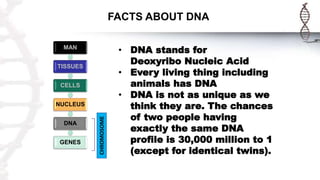
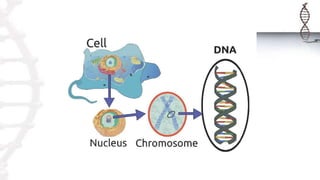
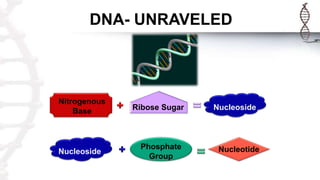
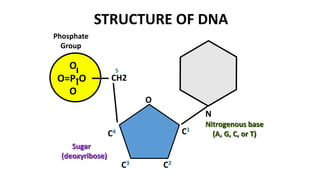
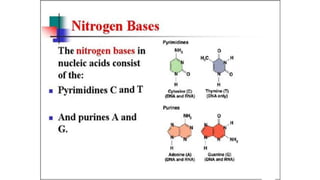
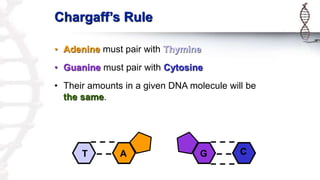
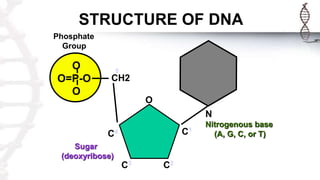
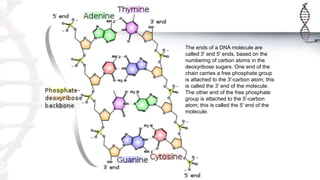
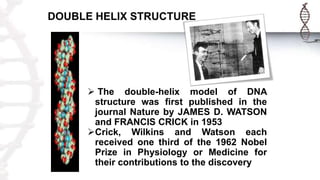
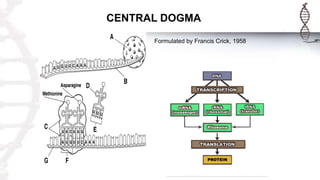
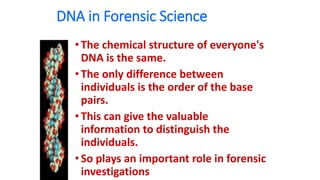
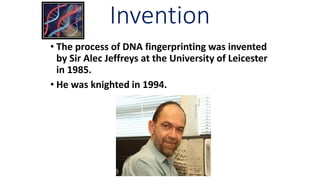
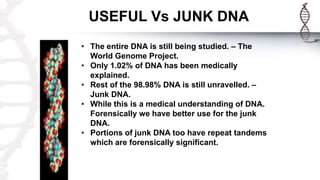
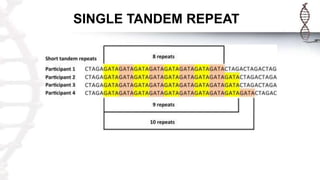
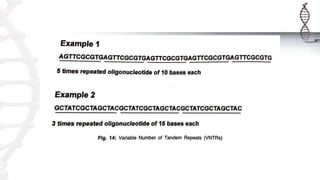
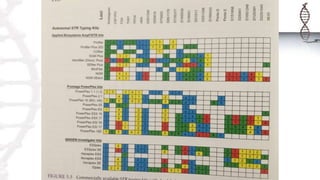
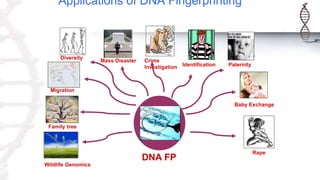
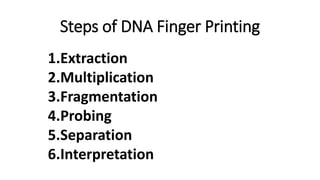
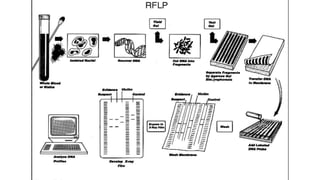
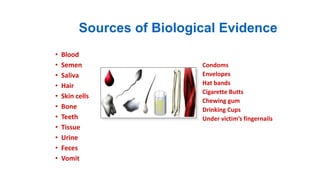
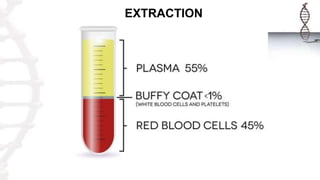
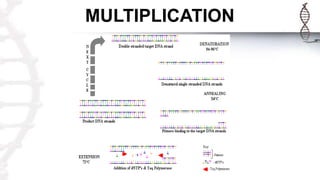
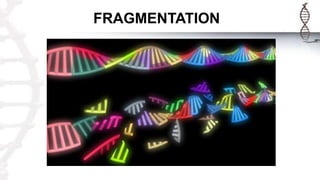
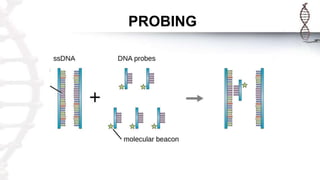
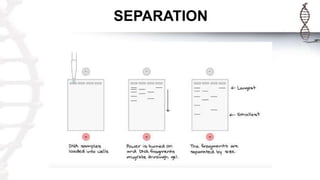
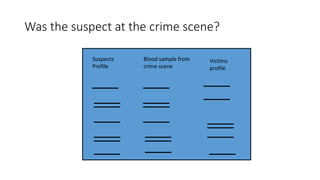
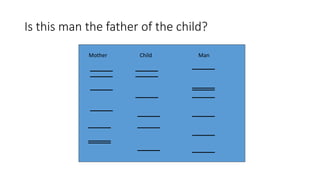
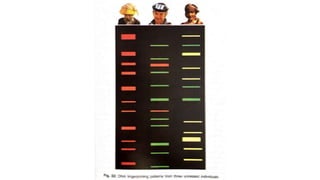
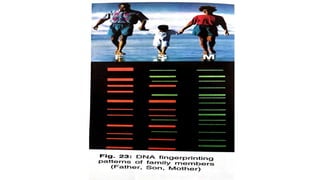
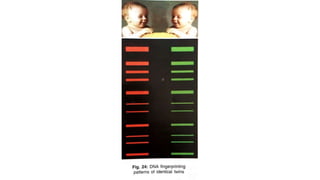
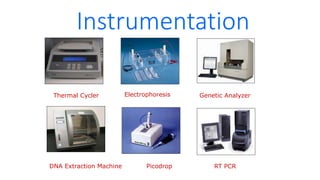
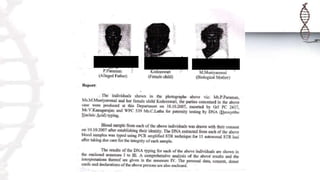
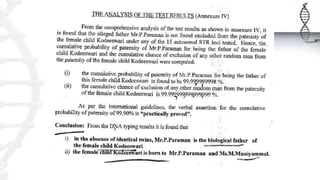
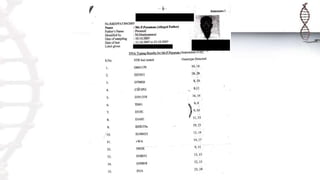
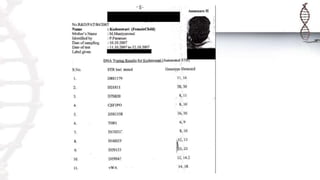
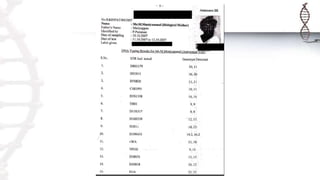
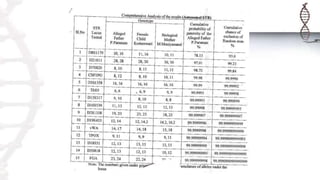
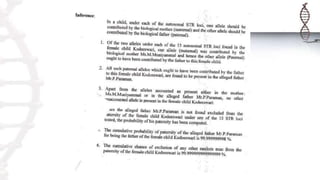
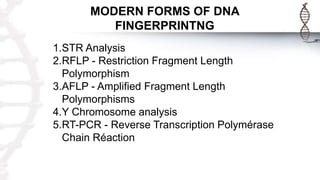
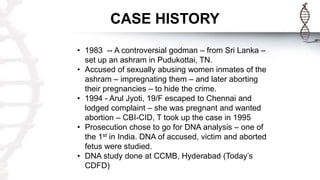
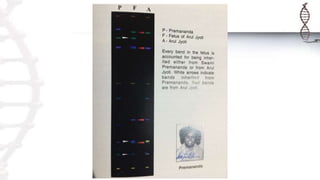
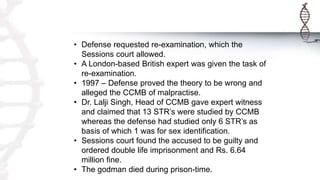
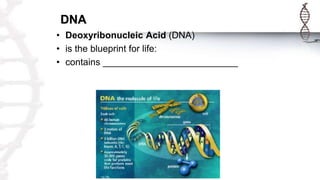
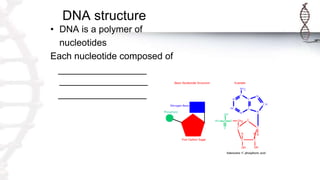
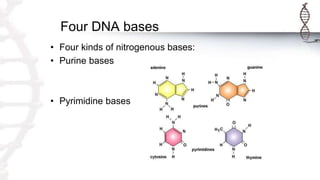
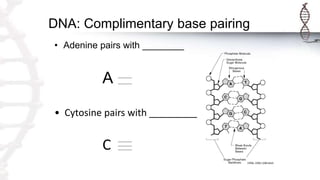
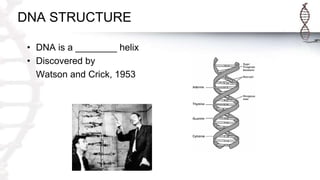
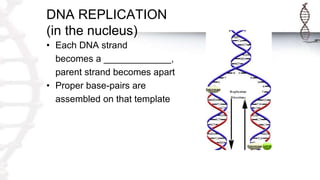
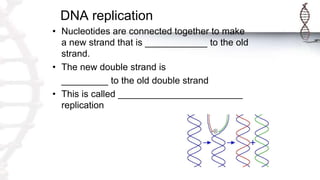
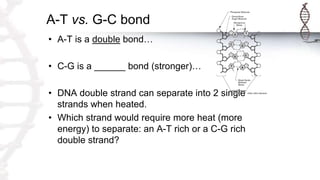
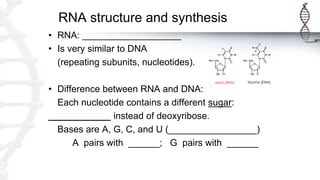
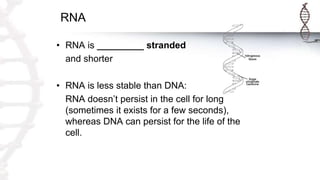
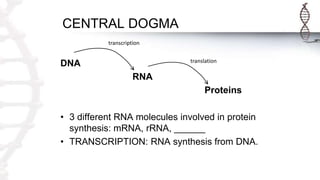
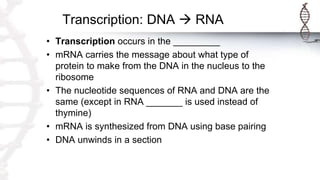
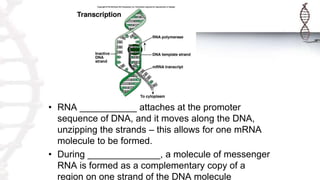
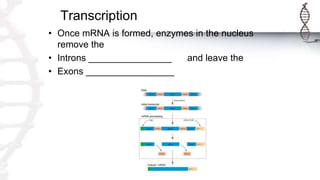
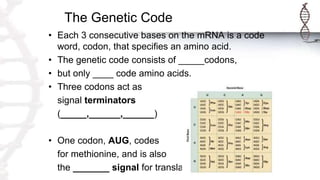
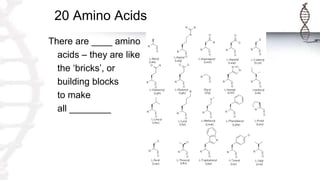
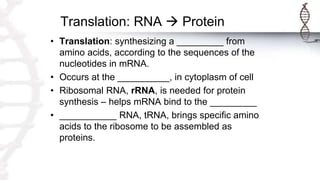
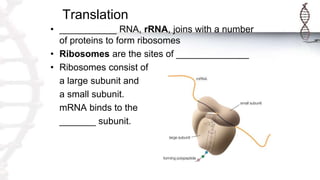
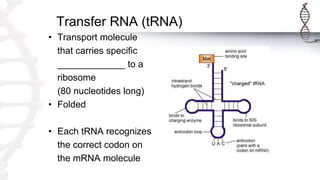
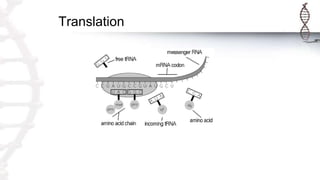
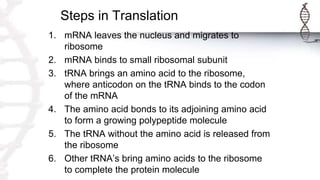
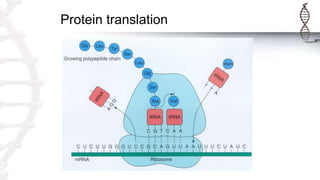
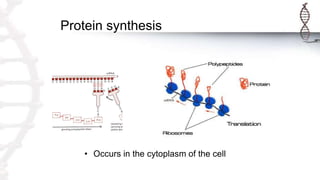
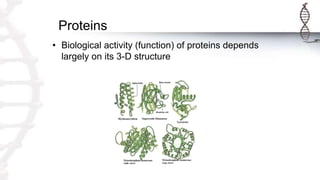
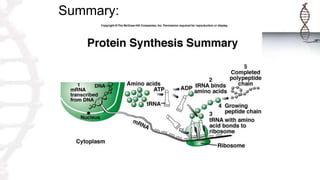
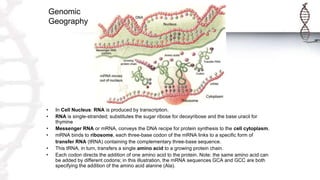
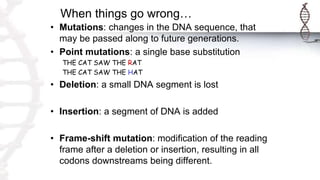
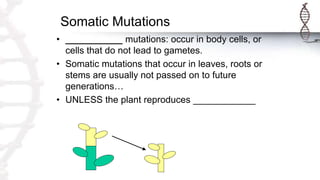
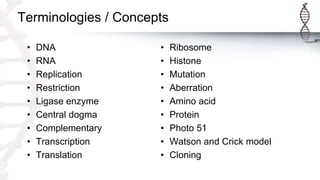

This document provides information about DNA fingerprinting. It begins with the structure of DNA and how it is uniquely arranged in each individual. It then discusses how DNA fingerprinting works, including the steps of extraction, multiplication, fragmentation, probing, separation, and interpretation to generate DNA profiles for identification comparisons. Examples are given of how DNA fingerprinting can be used in criminal investigations and other forensic applications like determining paternity. The central dogma of biology relating DNA to RNA and proteins is also summarized.


![Chapter 22 Nucleic acids and Protein synthesis [Autosaved].ppt](https://cdn.slidesharecdn.com/ss_thumbnails/chapter22nucleicacidsandproteinsynthesisautosaved-250106233426-f24fcadb-thumbnail.jpg?width=640&height=640&fit=bounds)


![Polymer [ बहुलक ] Chemistry Notes PDF - Irfanullah Mehar - JJ Sir Chemistry.pdf](https://cdn.slidesharecdn.com/ss_thumbnails/polymerchemistrynotespdf-irfanullahmehar-jjsirchemistry-260210172118-3f9b37f7-thumbnail.jpg?width=640&height=640&fit=bounds)


