

ITE Students – Digital Learning
Massey University
August 2019
david@dakinane.com
www.dakinane.com
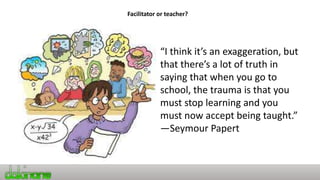
Facilitator or teacher?
“I think it’s an exaggeration, but
that there’s a lot of truth in
saying that when you go to
school, the trauma is that you
must stop learning and you
must now accept being taught.”
—Seymour Papert
Are you already irrelevant?
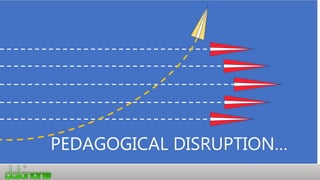
PEDAGOGICAL DISRUPTION…
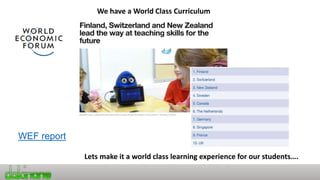
We have a World Class Curriculum
WEF report
Lets make it a world class learning experience for our students….
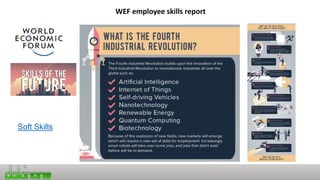
Soft Skills
WEF employee skills report
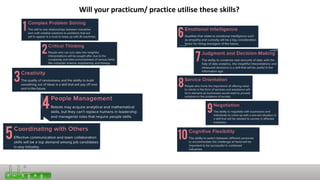
Will your practicum/ practice utilise these skills?
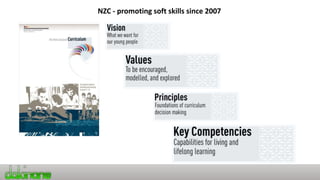
NZC - promoting soft skills since 2007
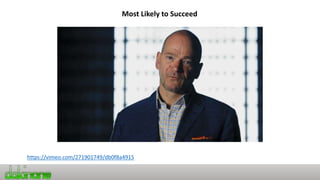
Most Likely to Succeed
https://vimeo.com/271901749/db0f8a4915
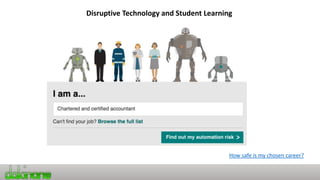
Disruptive Technology and Student Learning
How safe is my chosen career?
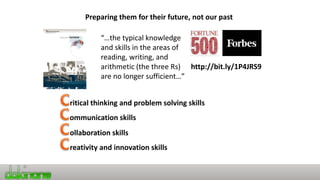
Preparing them for their future, not our past
http://bit.ly/1P4JRS9
“…the typical knowledge
and skills in the areas of
reading, writing, and
arithmetic (the three Rs)
are no longer sufficient…”
ritical thinking and problem solving skills
ommunication skills
ollaboration skills
reativity and innovation skills
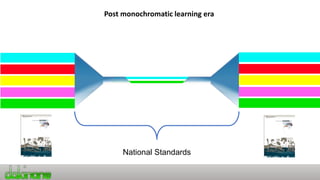
National Standards
Post monochromatic learning era
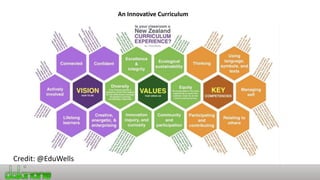
An Innovative Curriculum
Credit: @EduWells
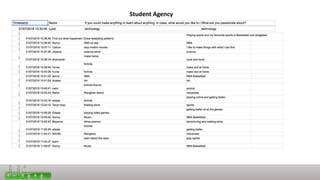
Student Agency
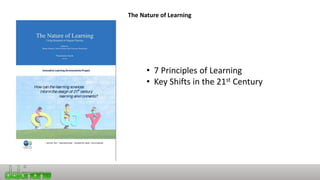
The Nature of Learning
• 7 Principles of Learning
• Key Shifts in the 21st Century
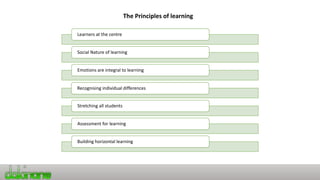
The Principles of learning
Learners at the centre
Social Nature of learning
Emotions are integral to learning
Recognising individual differences
Stretching all students
Assessment for learning
Building horizontal learning
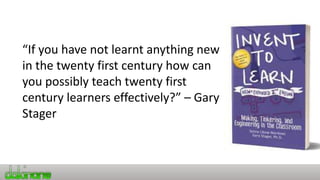
“If you have not learnt anything new
in the twenty first century how can
you possibly teach twenty first
century learners effectively?” – Gary
Stager
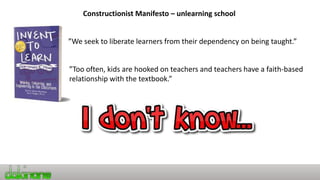
Constructionist Manifesto – unlearning school
”We seek to liberate learners from their dependency on being taught.”
”Too often, kids are hooked on teachers and teachers have a faith-based
relationship with the textbook.”
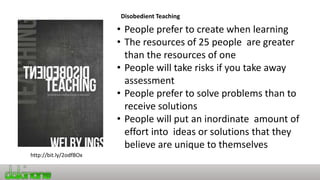
Disobedient Teaching
http://bit.ly/2odfBOx
• People prefer to create when learning
• The resources of 25 people are greater
than the resources of one
• People will take risks if you take away
assessment
• People prefer to solve problems than to
receive solutions
• People will put an inordinate amount of
effort into ideas or solutions that they
believe are unique to themselves
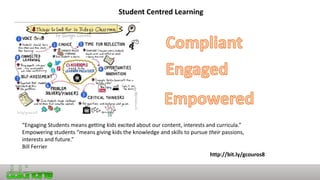
Student Centred Learning
http://bit.ly/gcouros8
“Engaging Students means getting kids excited about our content, interests and curricula.”
Empowering students “means giving kids the knowledge and skills to pursue their passions,
interests and future.”
Bill Ferrier
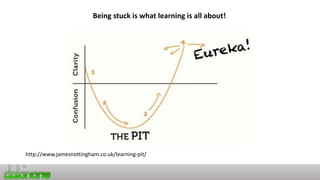
Being stuck is what learning is all about!
http://www.jamesnottingham.co.uk/learning-pit/
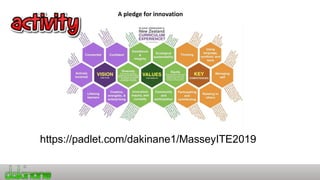
A pledge for innovation
https://padlet.com/dakinane1/MasseyITE2019
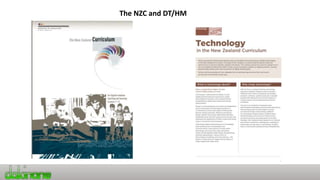
The NZC and DT/HM
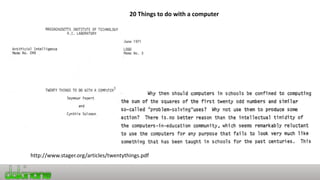
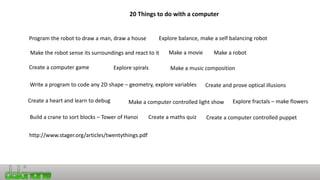
20 Things to do with a computer
http://www.stager.org/articles/twentythings.pdf
20 Things to do with a computer
http://www.stager.org/articles/twentythings.pdf
Make a robot
Program the robot to draw a man, draw a house
Make the robot sense its surroundings and react to it
Create a computer game
Write a program to code any 2D shape – geometry, explore variables
Explore spirals
Create a heart and learn to debug Explore fractals – make flowers
Make a movie
Make a music composition
Build a crane to sort blocks – Tower of Hanoi
Make a computer controlled light show
Create a maths quiz
Create and prove optical illusions
Explore balance, make a self balancing robot
Create a computer controlled puppet
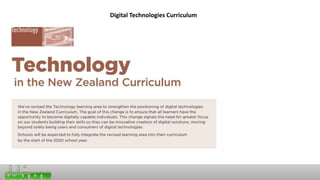
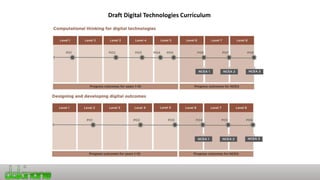
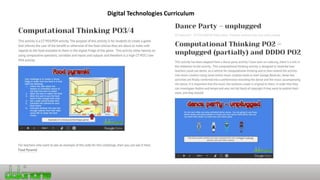
Digital Technologies Curriculum
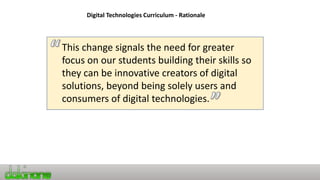
Digital Technologies Curriculum - Rationale
This change signals the need for greater
focus on our students building their skills so
they can be innovative creators of digital
solutions, beyond being solely users and
consumers of digital technologies.
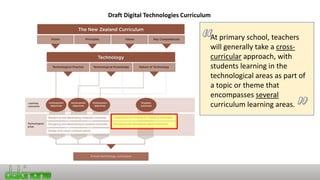
Draft Digital Technologies Curriculum
At primary school, teachers
will generally take a cross-
curricular approach, with
students learning in the
technological areas as part of
a topic or theme that
encompasses several
curriculum learning areas.
Draft Digital Technologies Curriculum
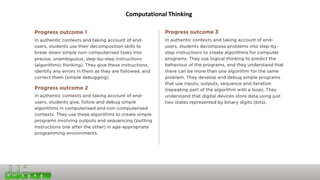
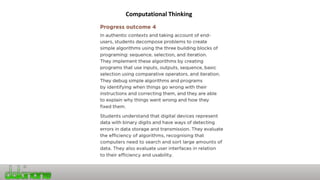
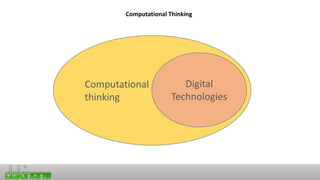
Computational Thinking
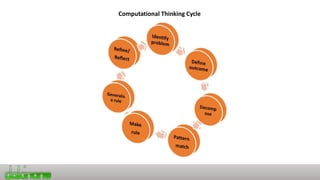
Computational Thinking Cycle
Computational Thinking
Computational
thinking
Digital
Technologies
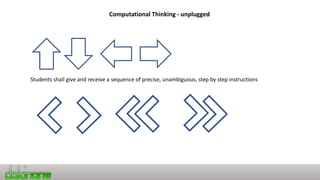
Computational Thinking - unplugged
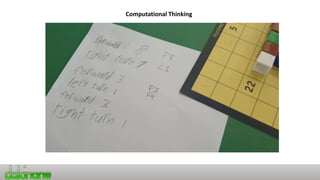
Students shall give and receive a sequence of precise, unambiguous, step by step instructions
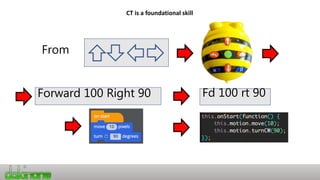
CT is a foundational skill
From
Forward 100 Right 90 Fd 100 rt 90
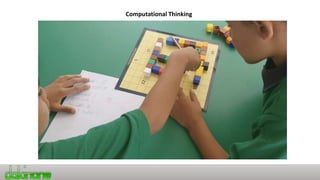
Computational Thinking
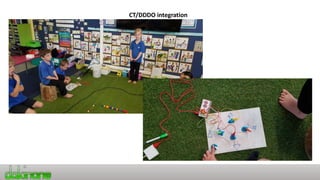
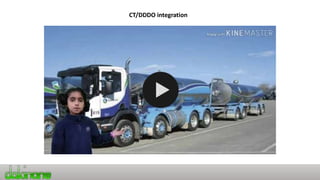
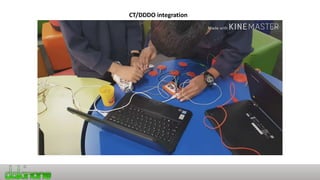
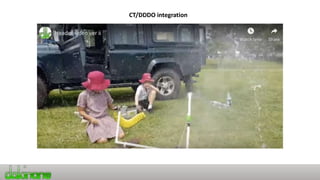
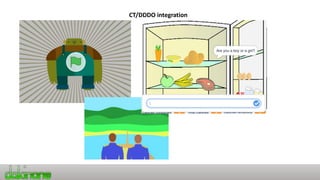
CT/DDDO integration
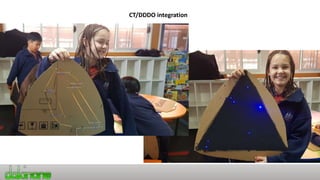
CT/DDDO integration
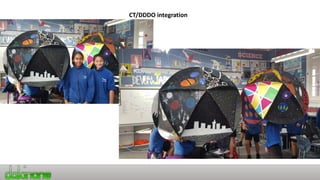
CT/DDDO integration
CT/DDDO integration
CT/DDDO integration
CT/DDDO integration
CT/DDDO integration
Computational Thinking
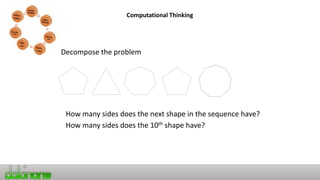
Decompose the problem
How many sides does the next shape in the sequence have?
How many sides does the 10th shape have?
Computational Thinking
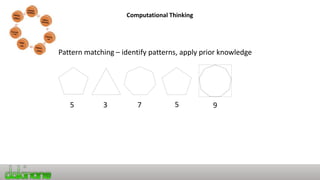
5 573 9
Pattern matching – identify patterns, apply prior knowledge
Computational Thinking
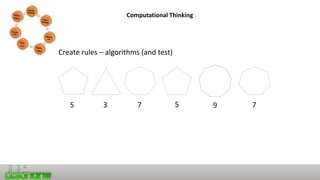
5 573 9
Create rules – algorithms (and test)
7
Computational Thinking
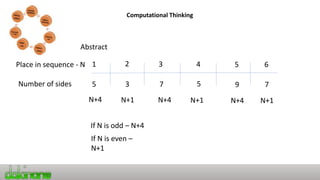
5 573 9
Abstract
1 2 3 4 5Place in sequence - N
Number of sides
N+4 N+1 N+4 N+1 N+4
If N is odd – N+4
If N is even –
N+1
7
6
N+1
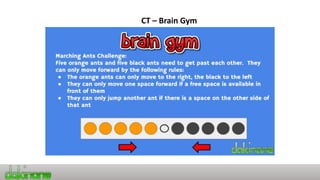
CT – Brain Gym
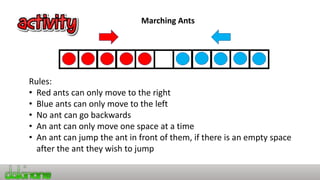
Marching Ants
Rules:
• Red ants can only move to the right
• Blue ants can only move to the left
• No ant can go backwards
• An ant can only move one space at a time
• An ant can jump the ant in front of them, if there is an empty space
after the ant they wish to jump
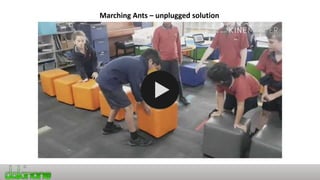
Marching Ants – unplugged solution
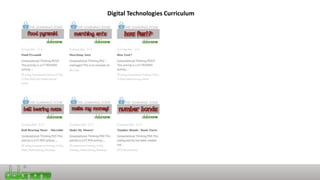
Digital Technologies Curriculum
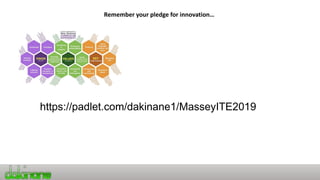
Remember your pledge for innovation…
https://padlet.com/dakinane1/MasseyITE2019
Digital Technologies in the NZ classroom

Digital Technologies in the NZ classroom