Downloaded 14 times
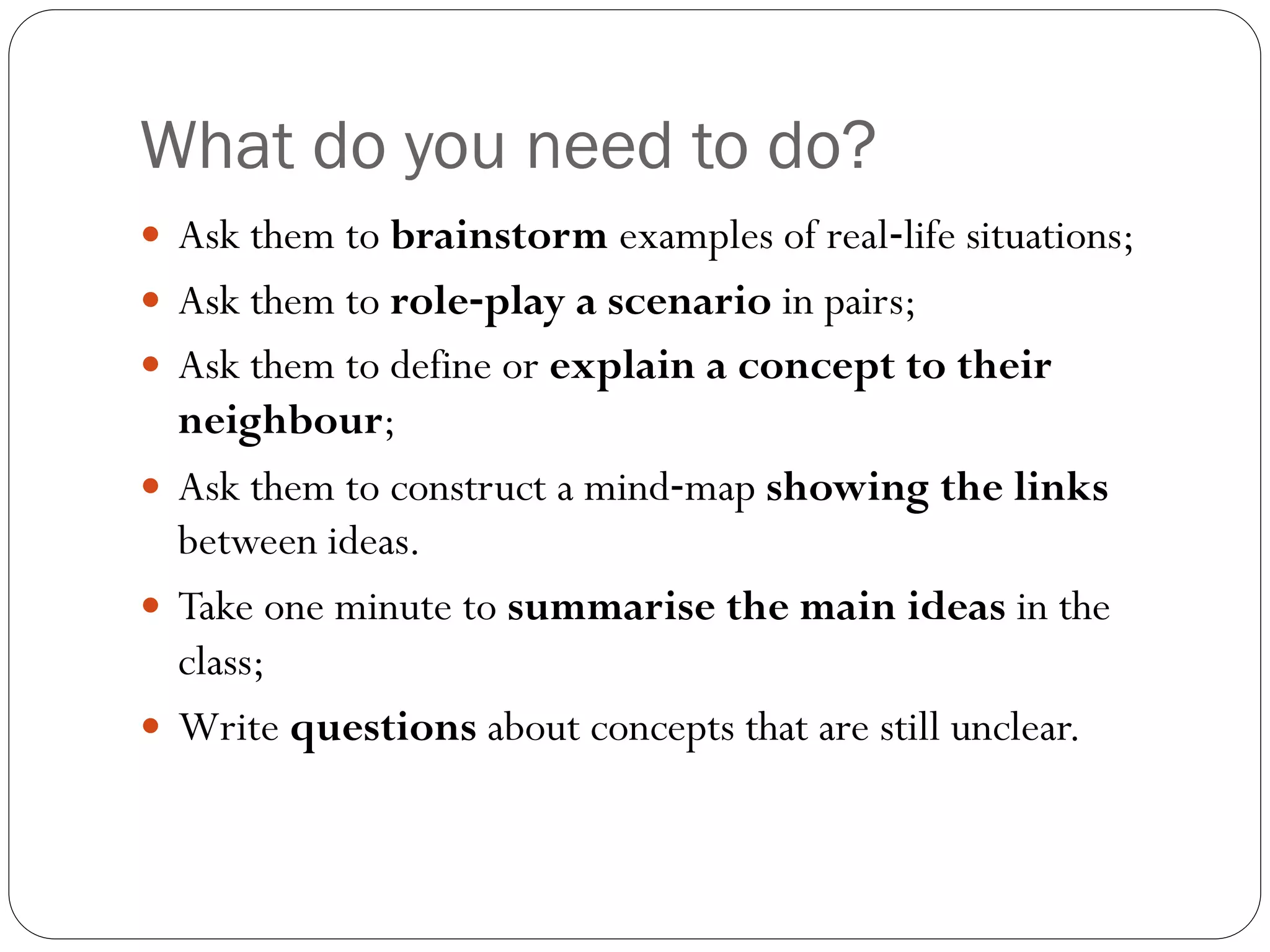
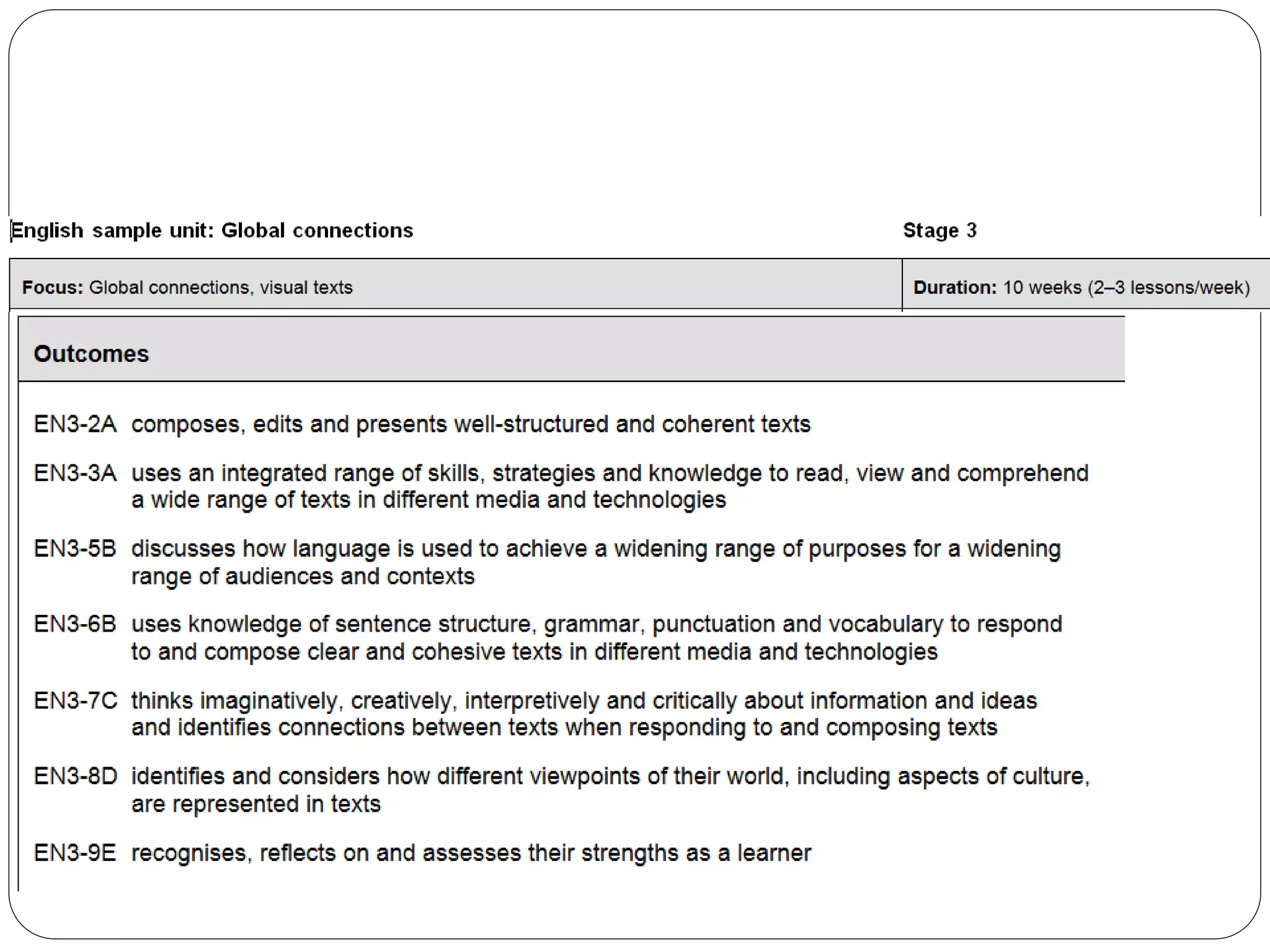
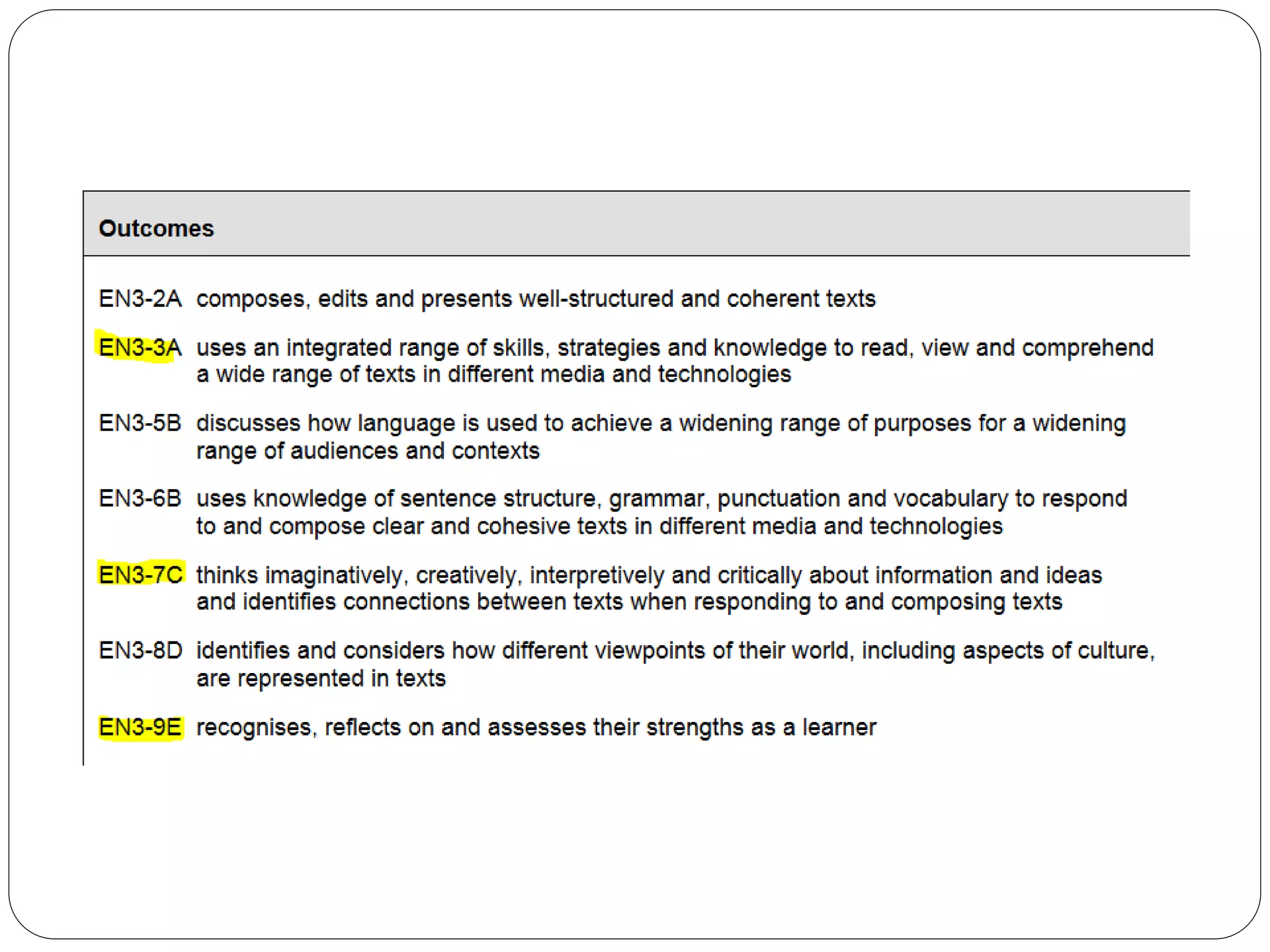
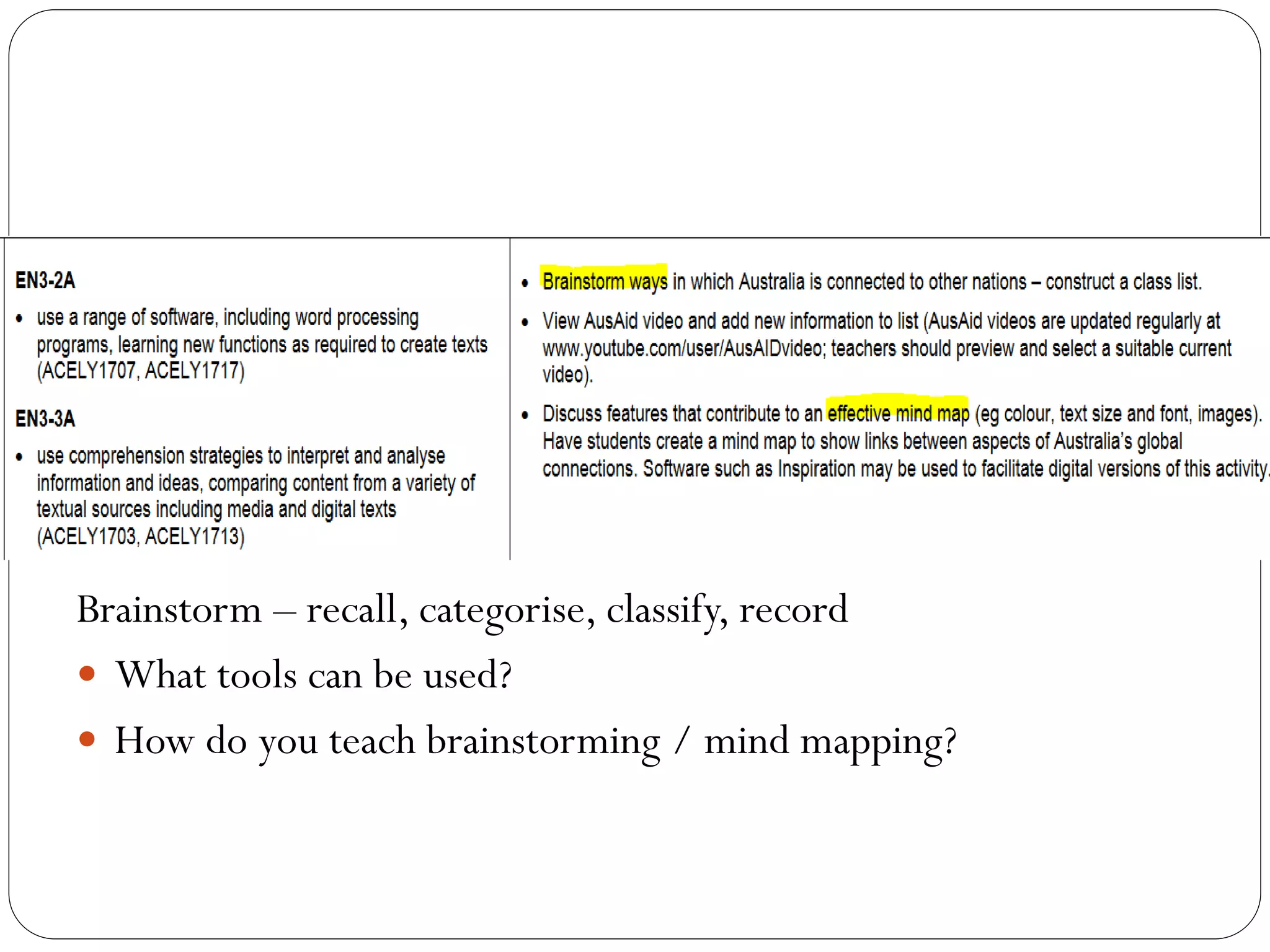
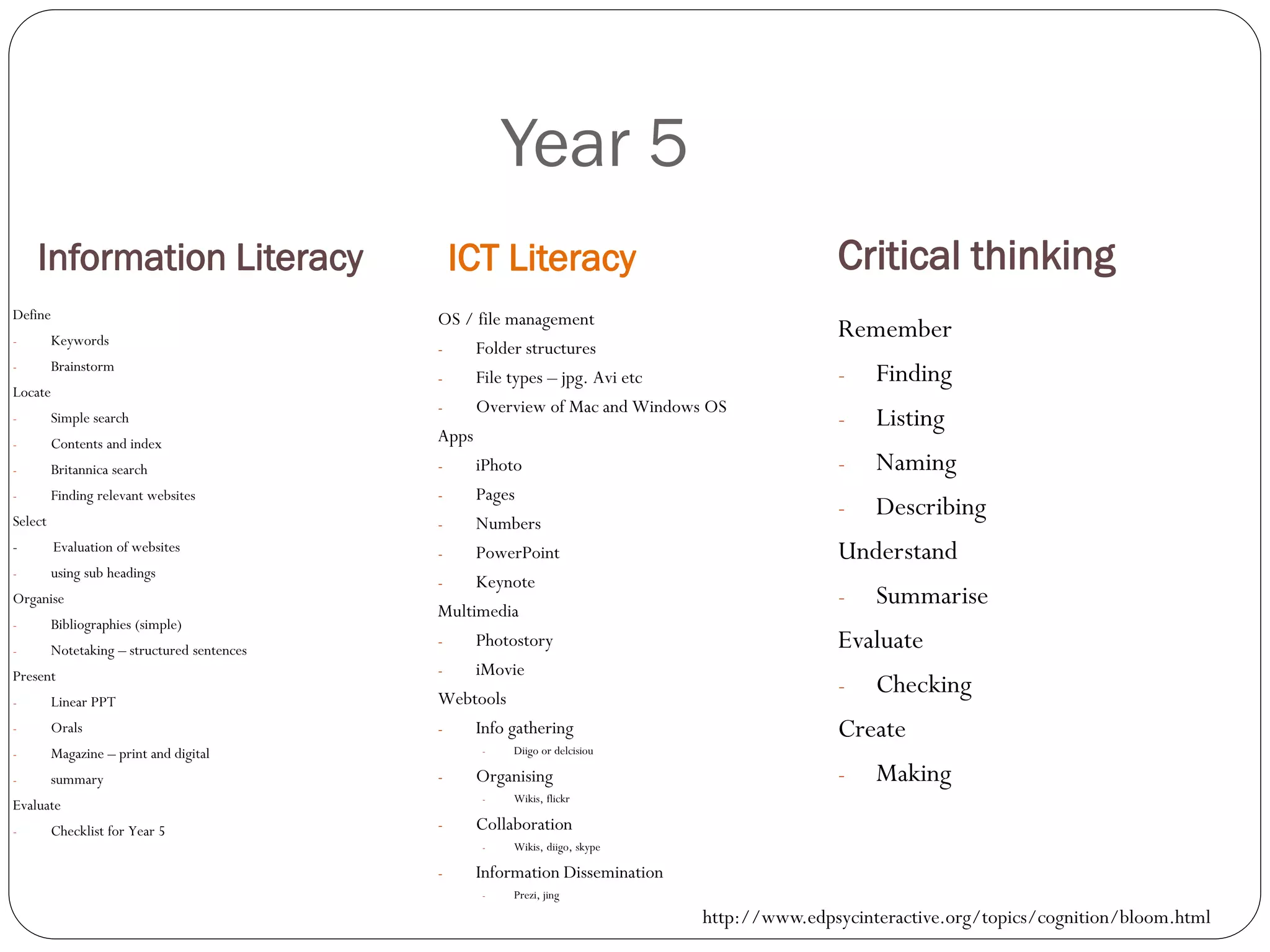
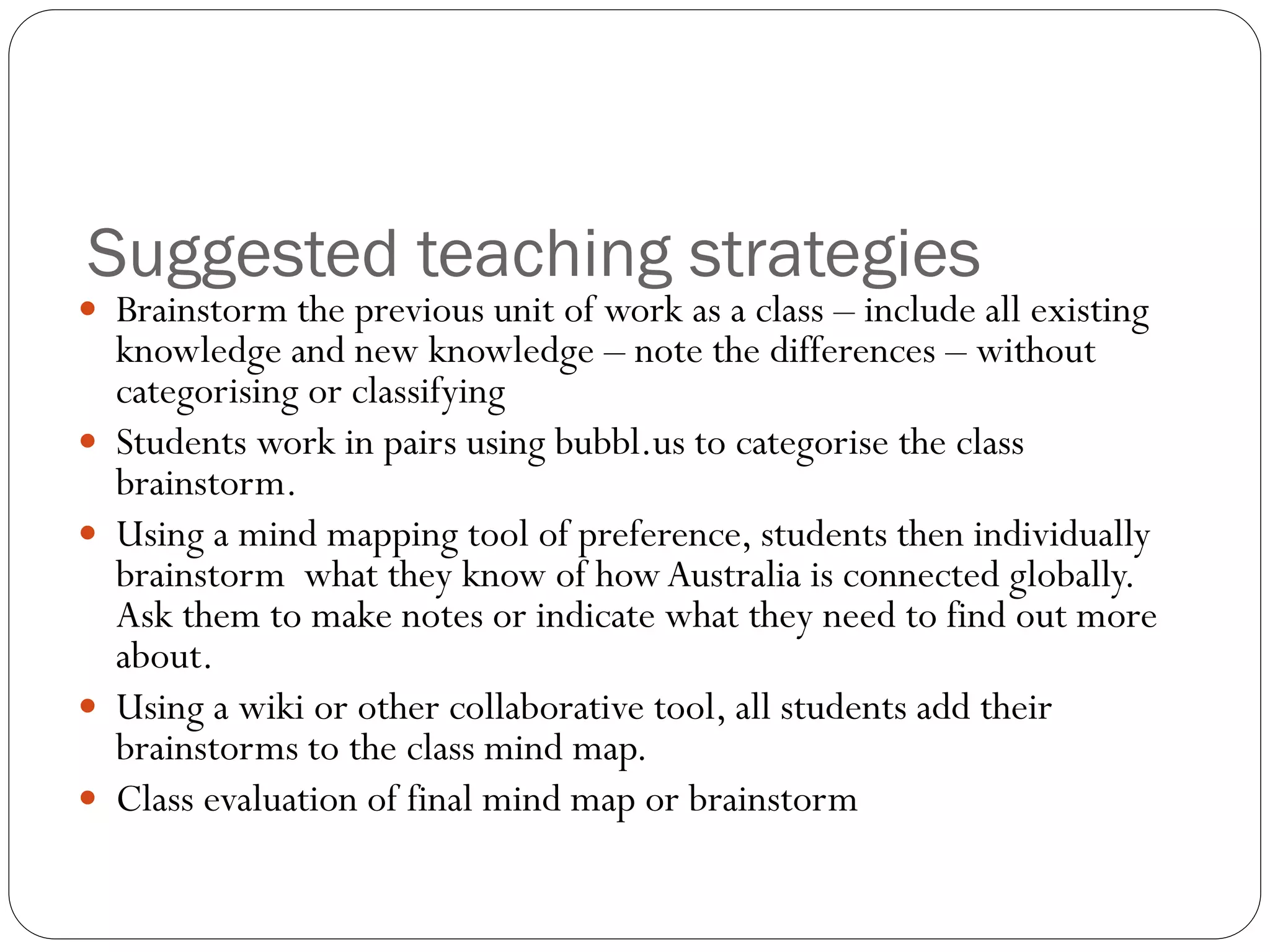
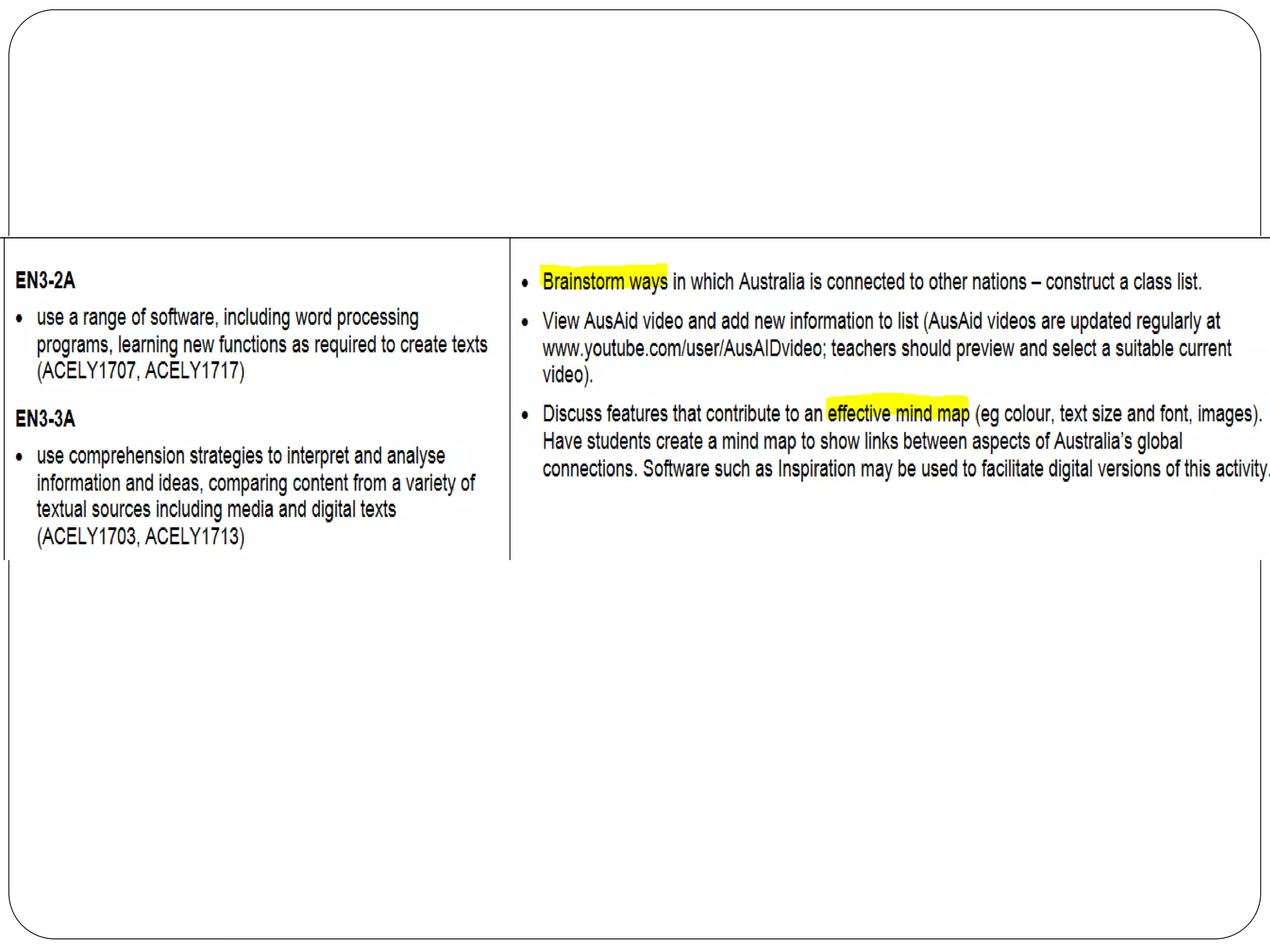
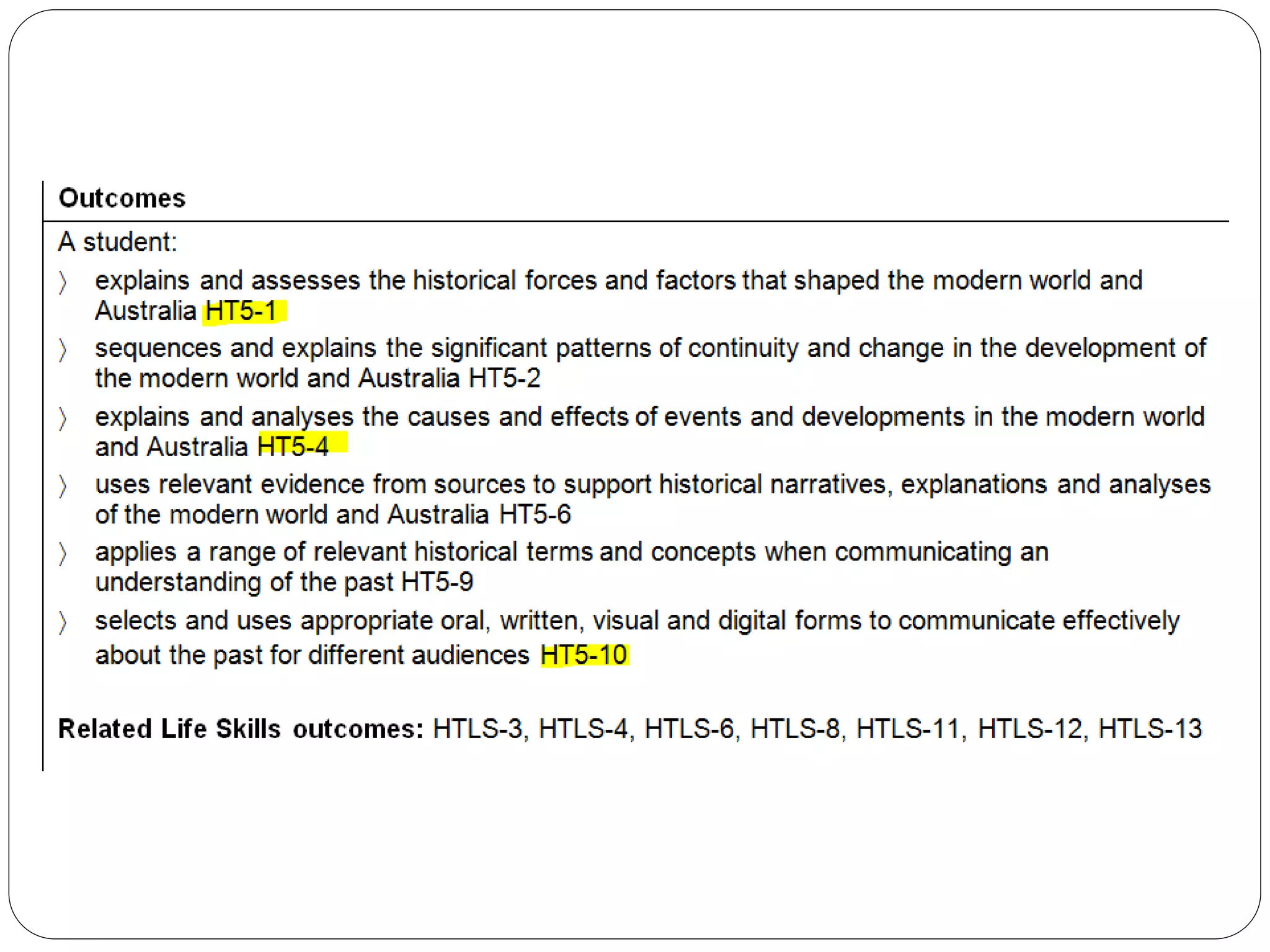
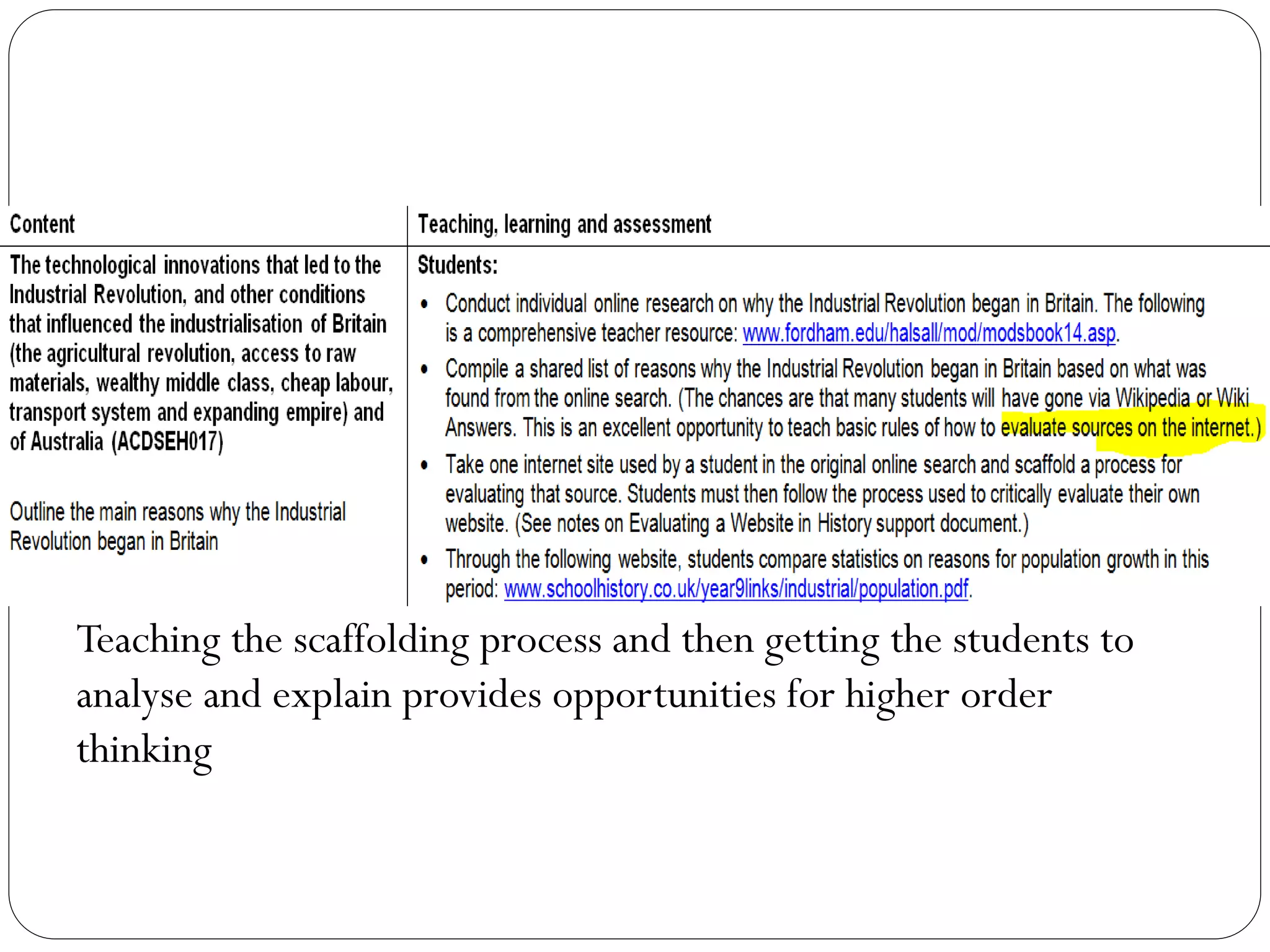
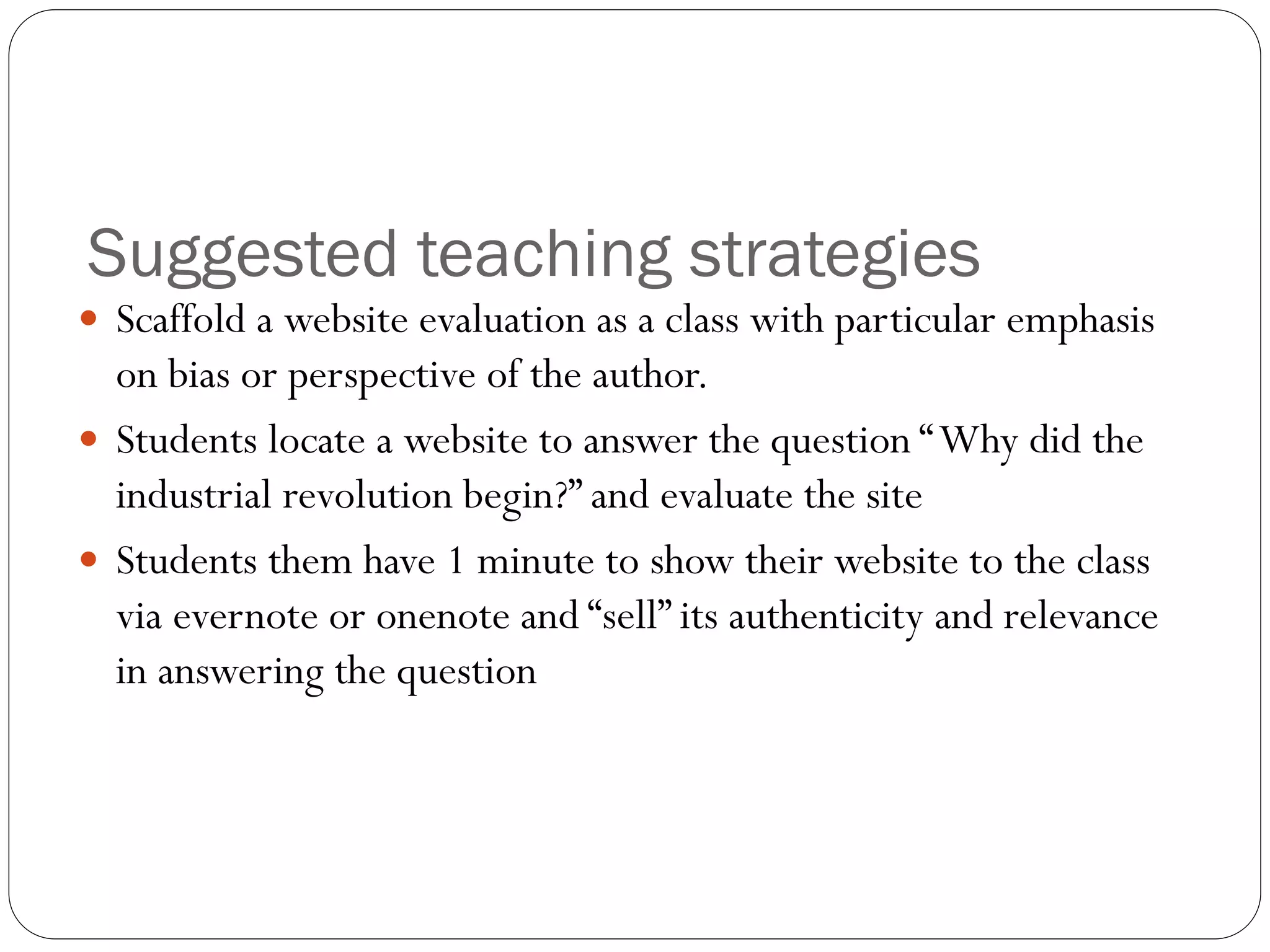
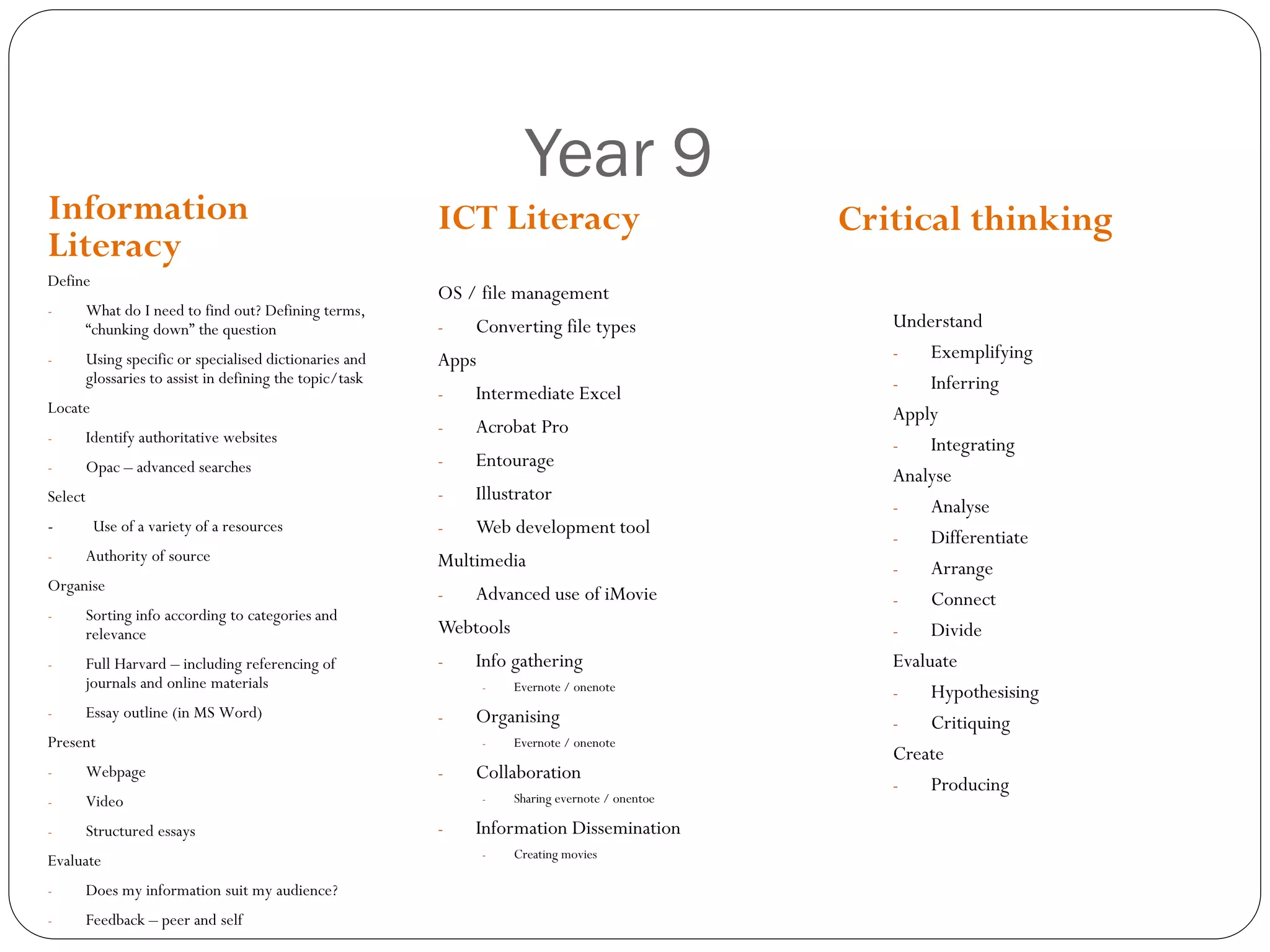
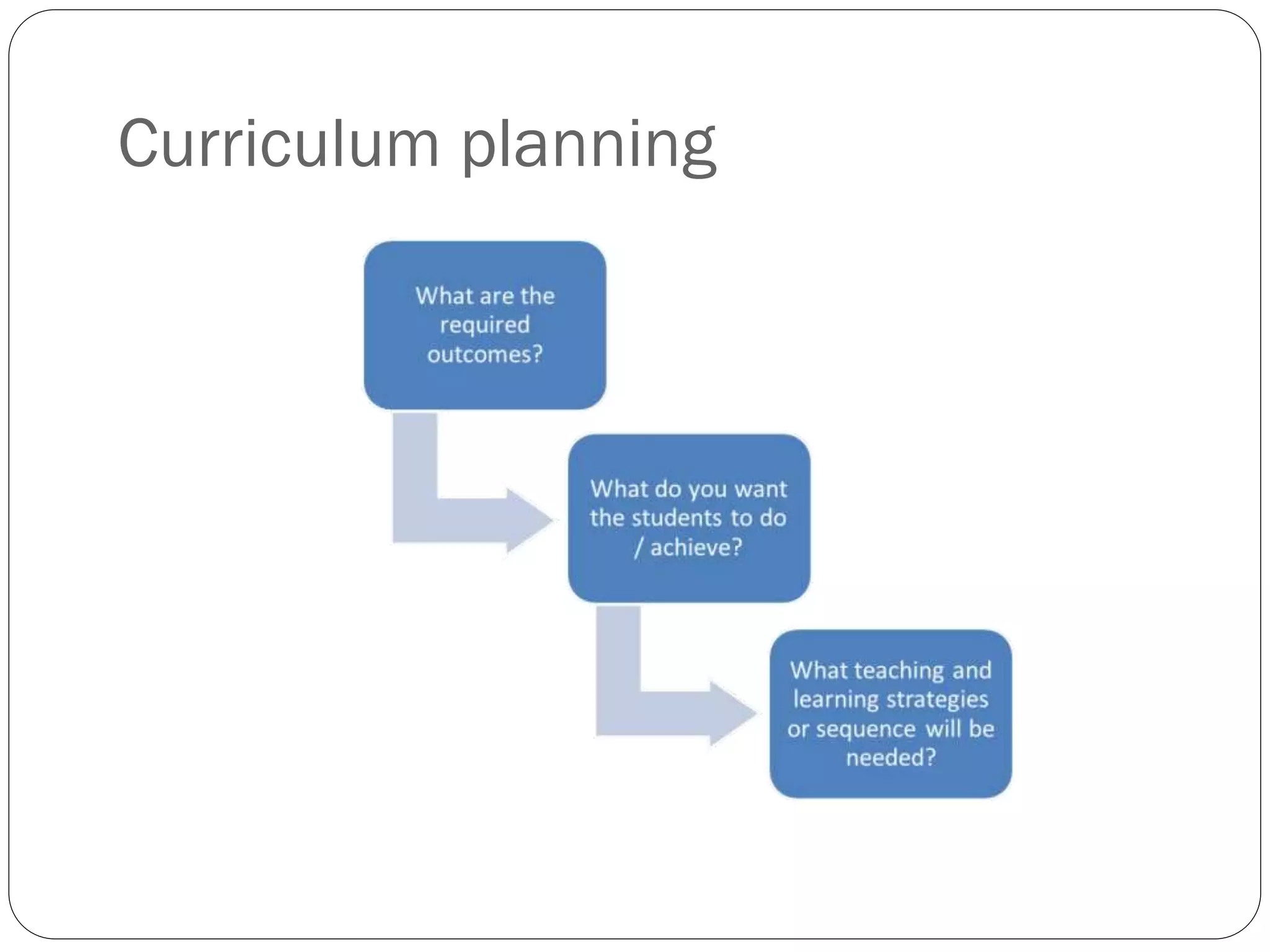
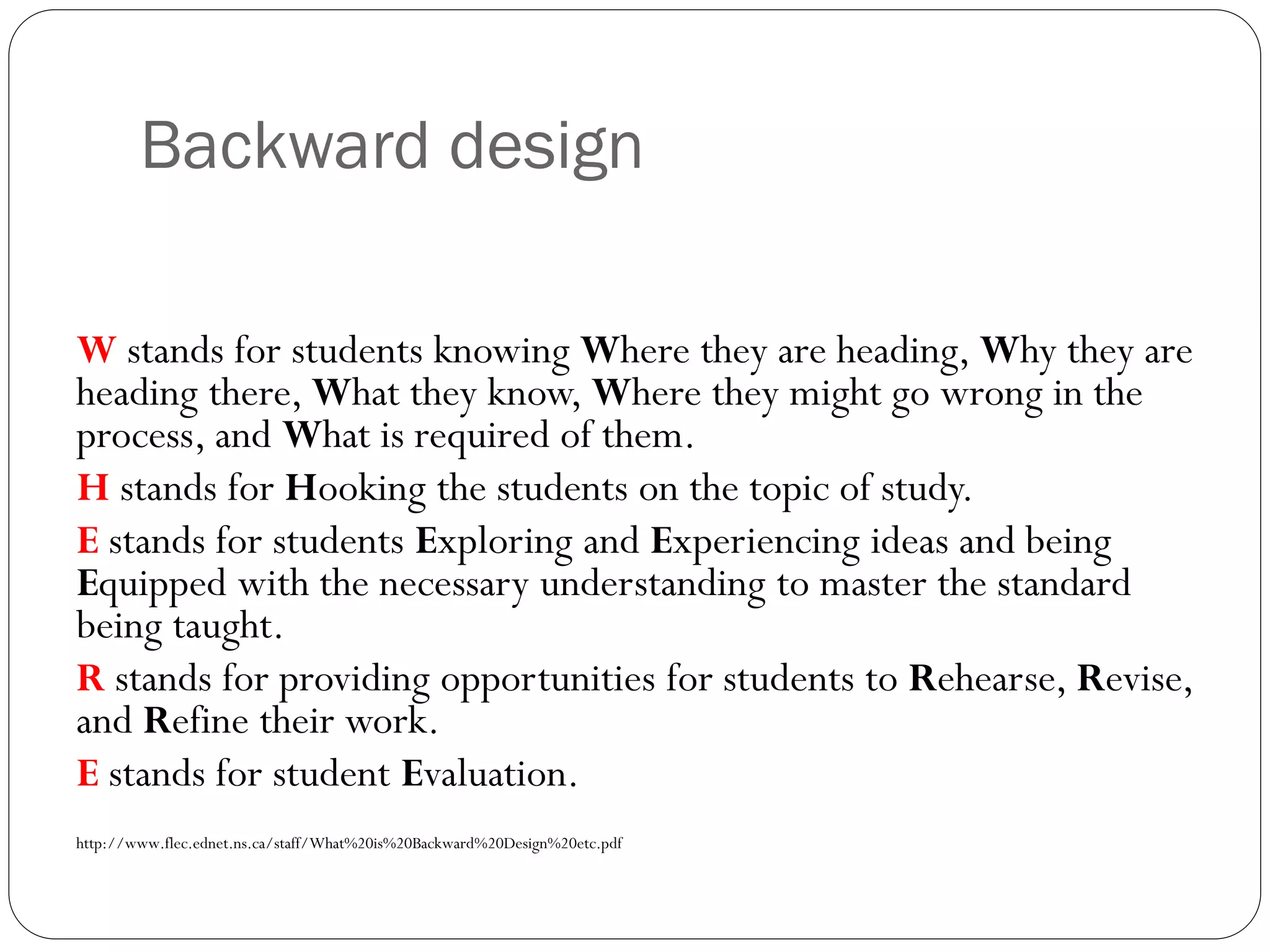


The document outlines effective digital learning strategies that engage students through interactivity, embeddedness, and meaningful challenges, emphasizing the need for reflection and problem-solving in the learning process. It suggests specific teaching strategies, such as brainstorming, mind mapping, and collaborative evaluations, which aim to develop information literacy and critical thinking skills among students. Key frameworks discussed include backward design and the importance of connecting learning to real-life scenarios to enhance understanding and mastery of subjects.


