Digital Authorship
Renee Hobbs
Harrington School of Communication & Media
University of Rhode Island
Summer Institute in Digital Literacy
July 28, 2015
ACCESS
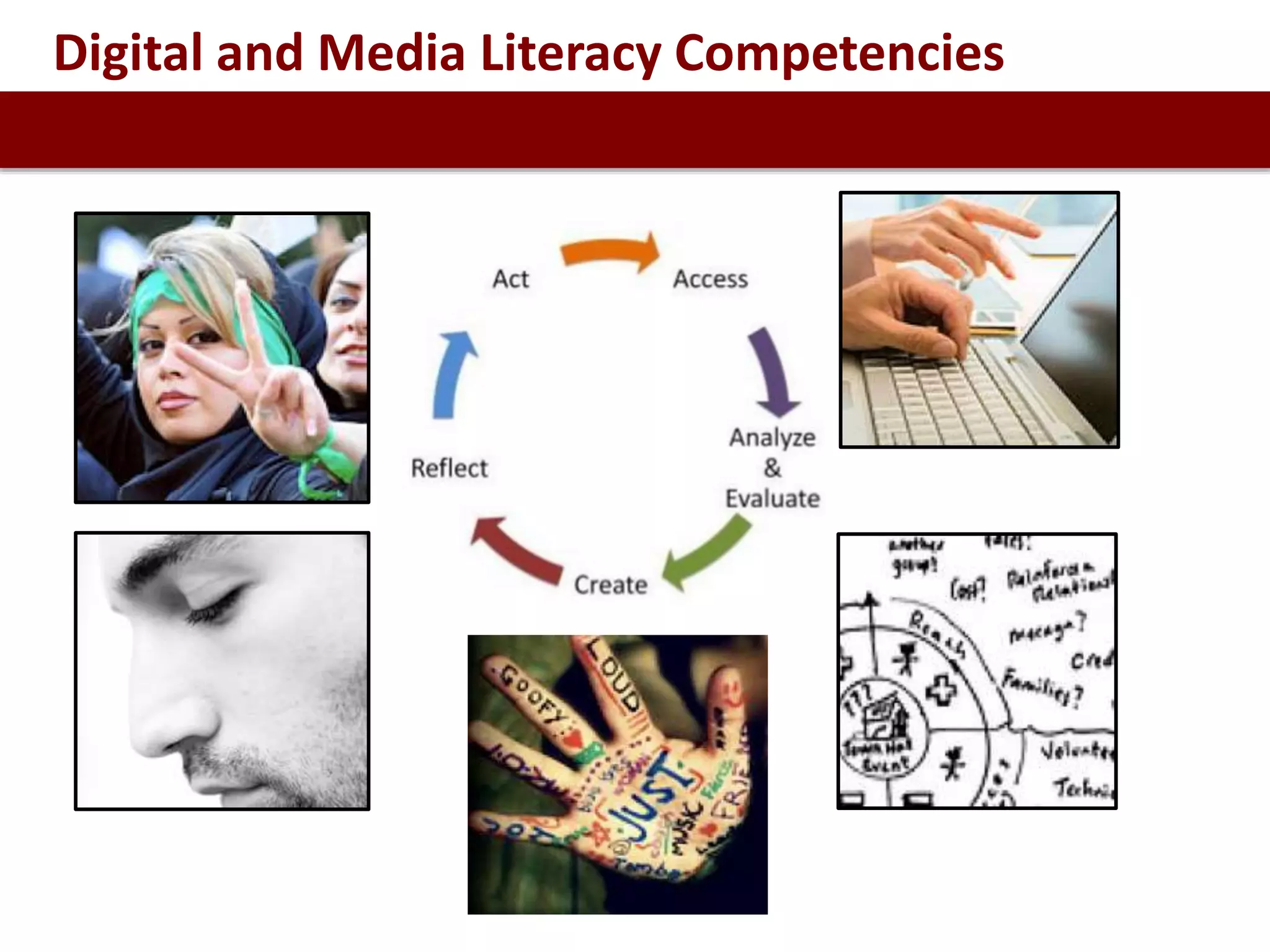
Digital and Media Literacy Competencies
Digital and media literacy is a response to the
contemporary cultural environment
The context of media, technology and popular culture
provides fuel for creative expression
Students’ digital creativity can be channeled in different
ways depending on teachers’ motivations, goals &
values
Digital authorship involves issues of creative control
When people create media as a way to learn, they build
critical thinking, communication, collaboration &
citizenship skills
Digital and media literacy is a
response to the contemporary
cultural environment
What Are Media?
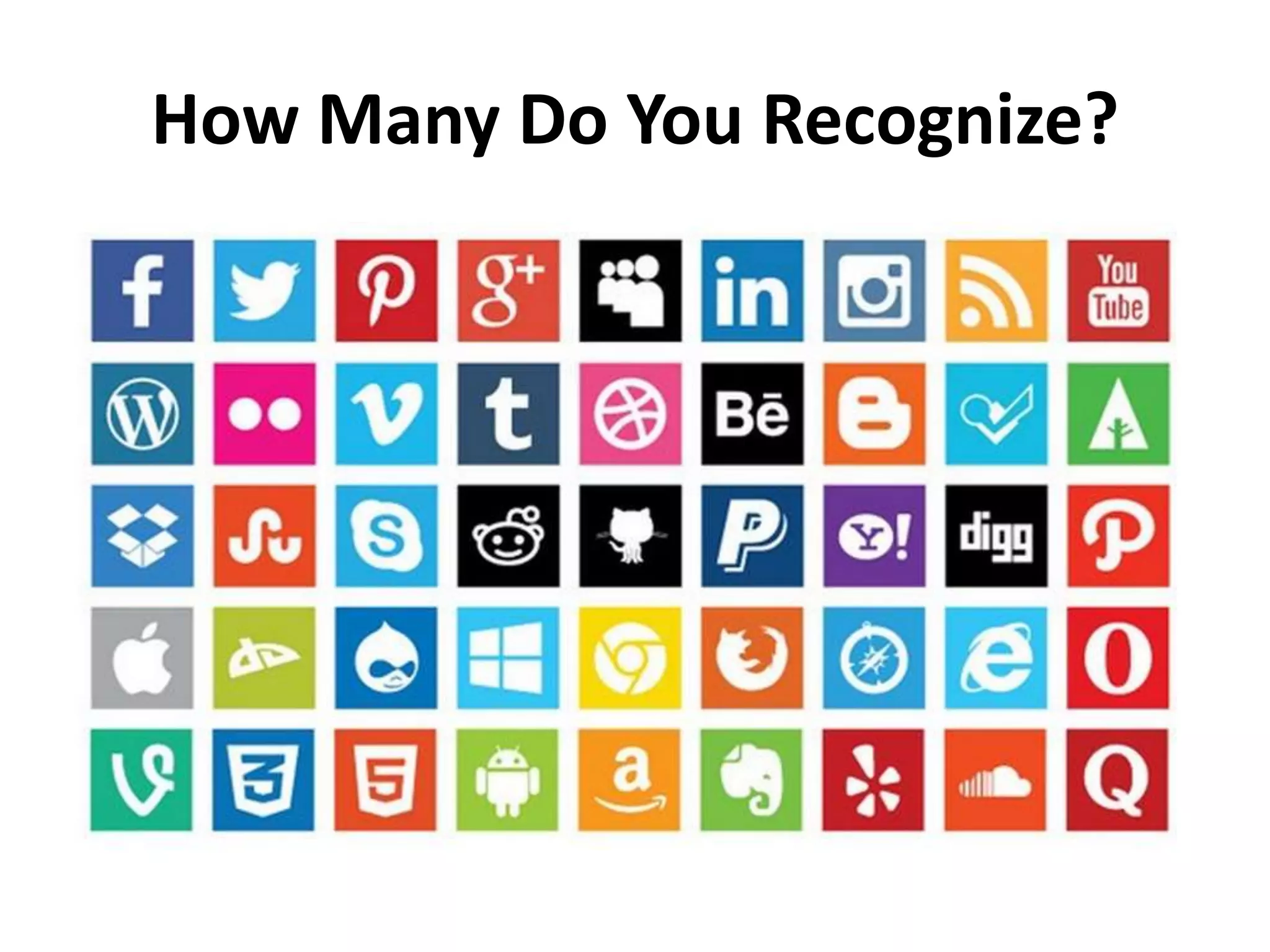
How Many Do You Recognize?
On average, Americans watch 4 hours, 51 minutes of broadcast and
cable television per day
…20% of waking hours
Advertisers spent $189 billion to reach customers in 2014
$70 billion $36 billion
2013 Global Revenue
We are socialized to be
active or passive users
of media
Nutrition Substance Abuse Stereotypes
Media Affect Attitudes & Behaviors
Sexuality Aggression
Online Social
Responsibility
Media Affect Attitudes & Behaviors
balancing empowerment & protection
The context of media, technology
and popular culture provides
fuel for creative expression
Literacy is expanding
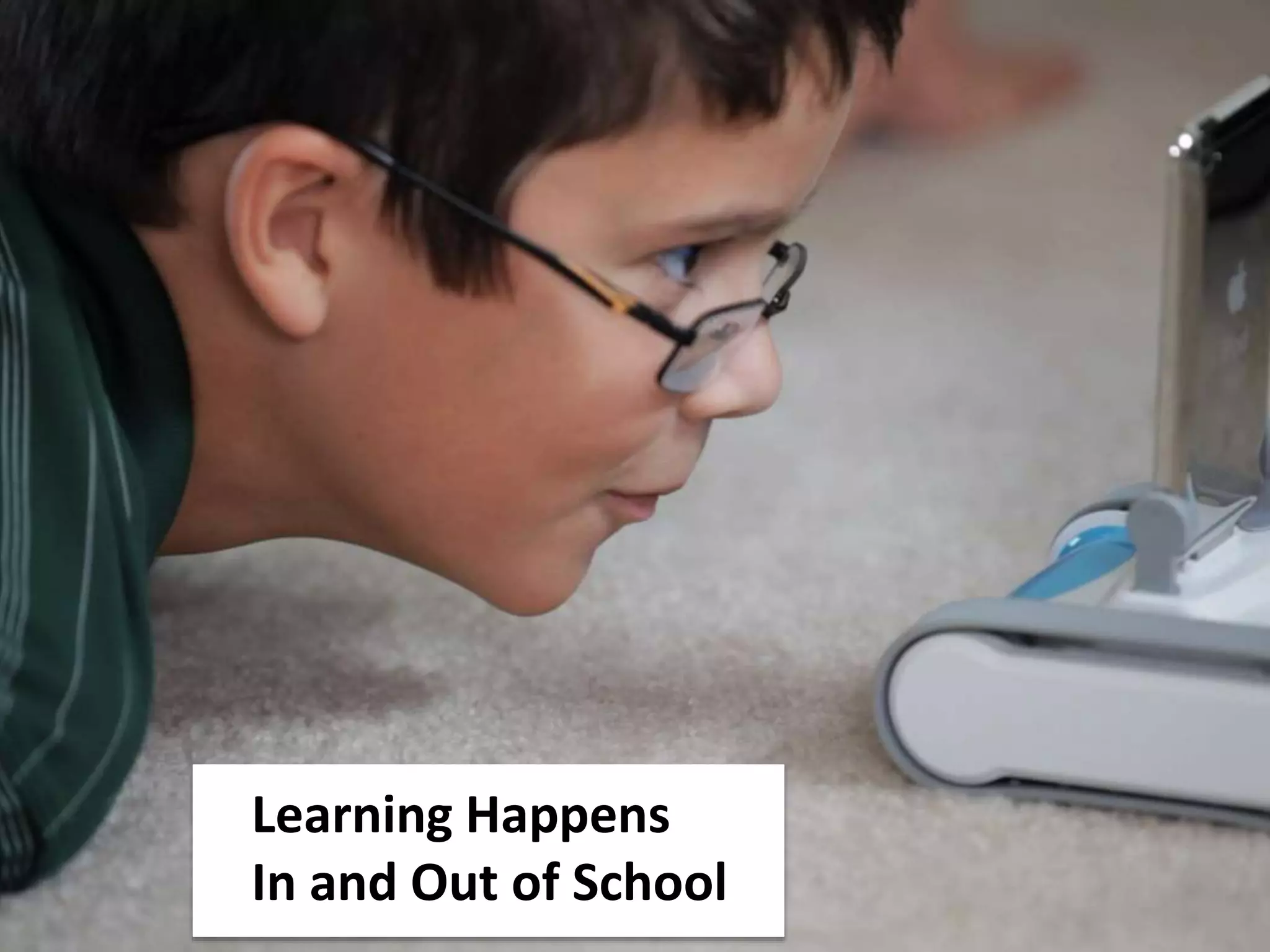
Learning Happens
In and Out of School
Parents are Role Models
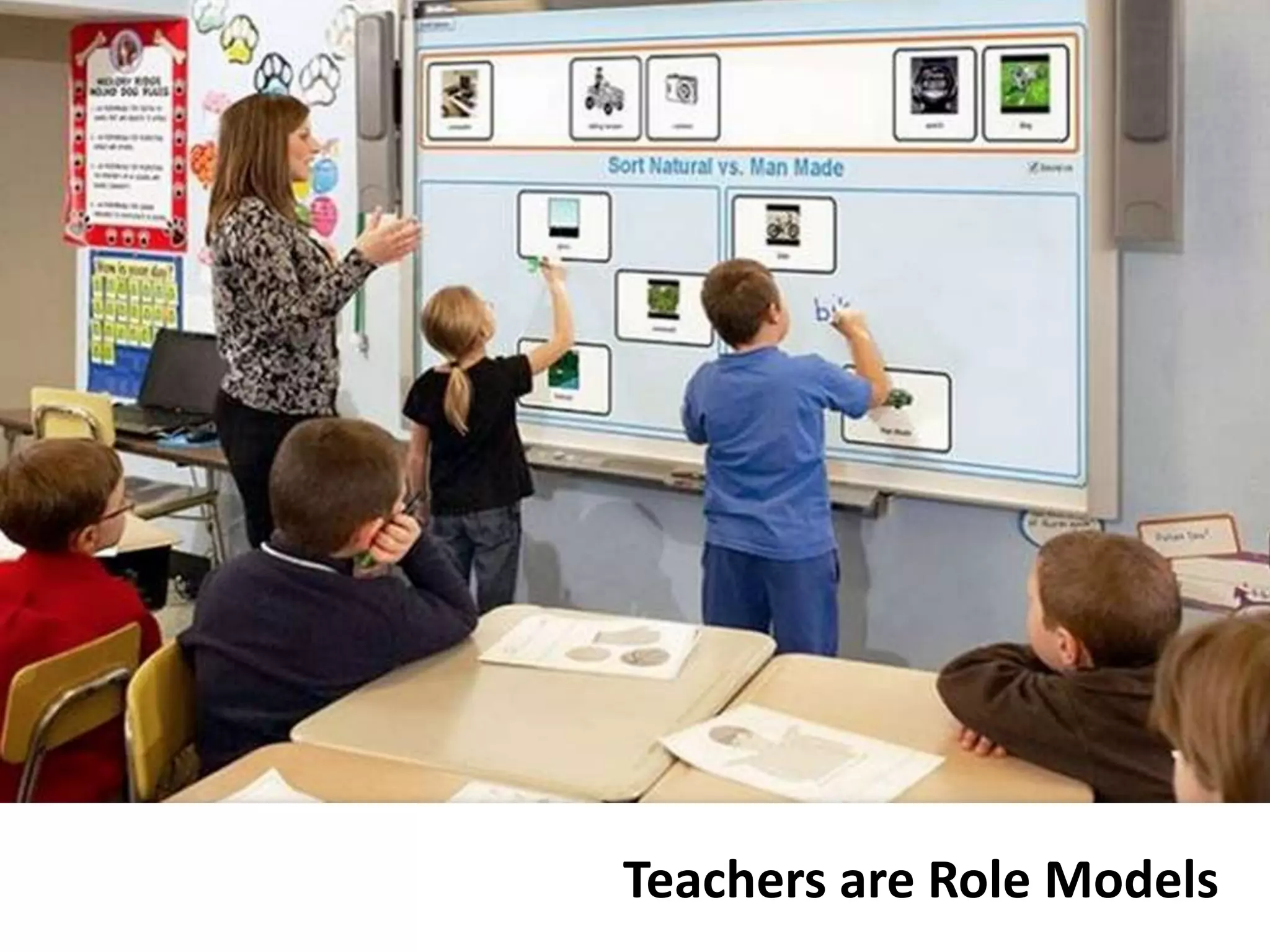
Teachers are Role Models
Teachers are role models
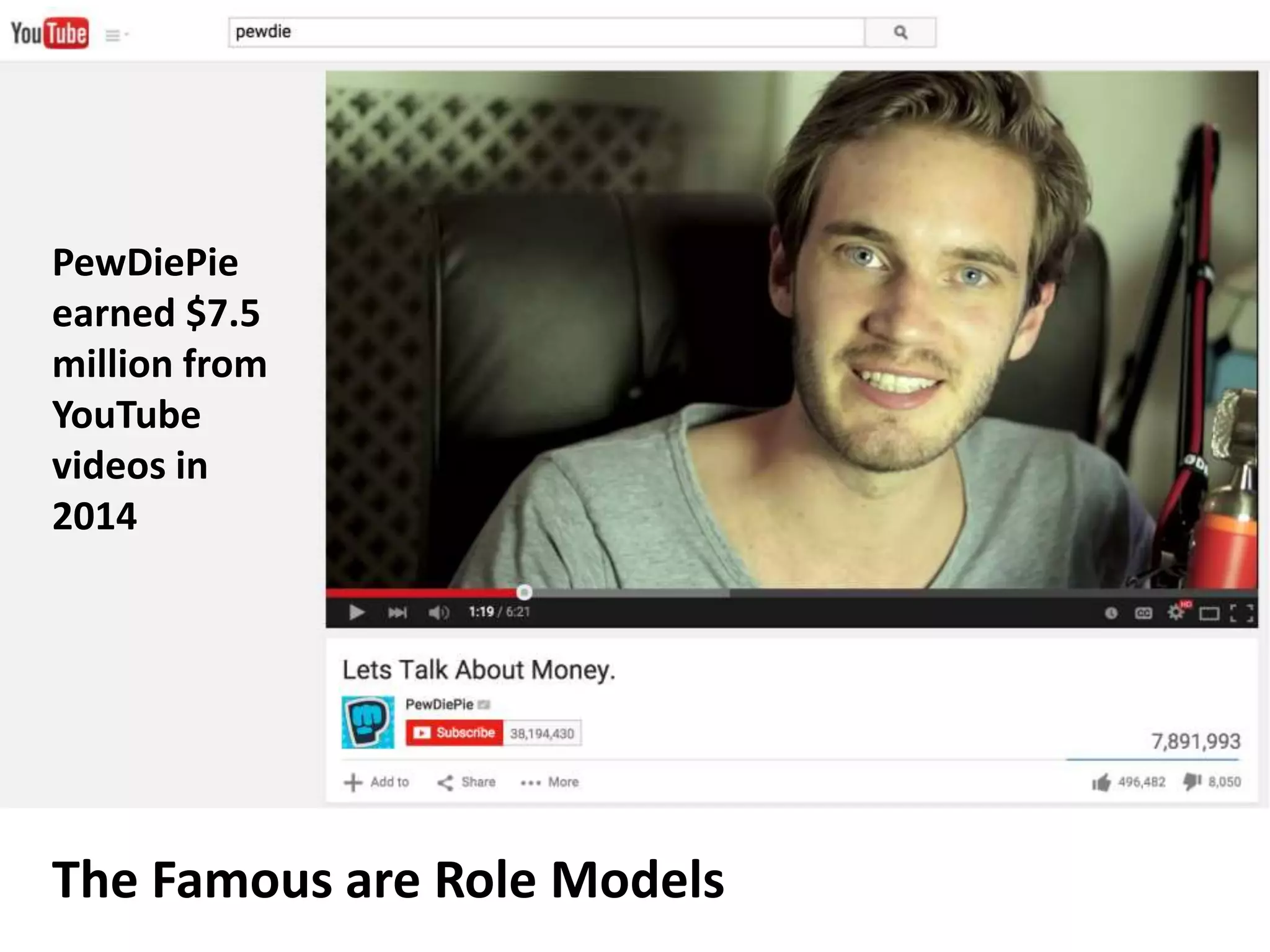
PewDiePie
earned $7.5
million from
YouTube
videos in
2014
The Famous are Role Models
making connections between culture & classroom
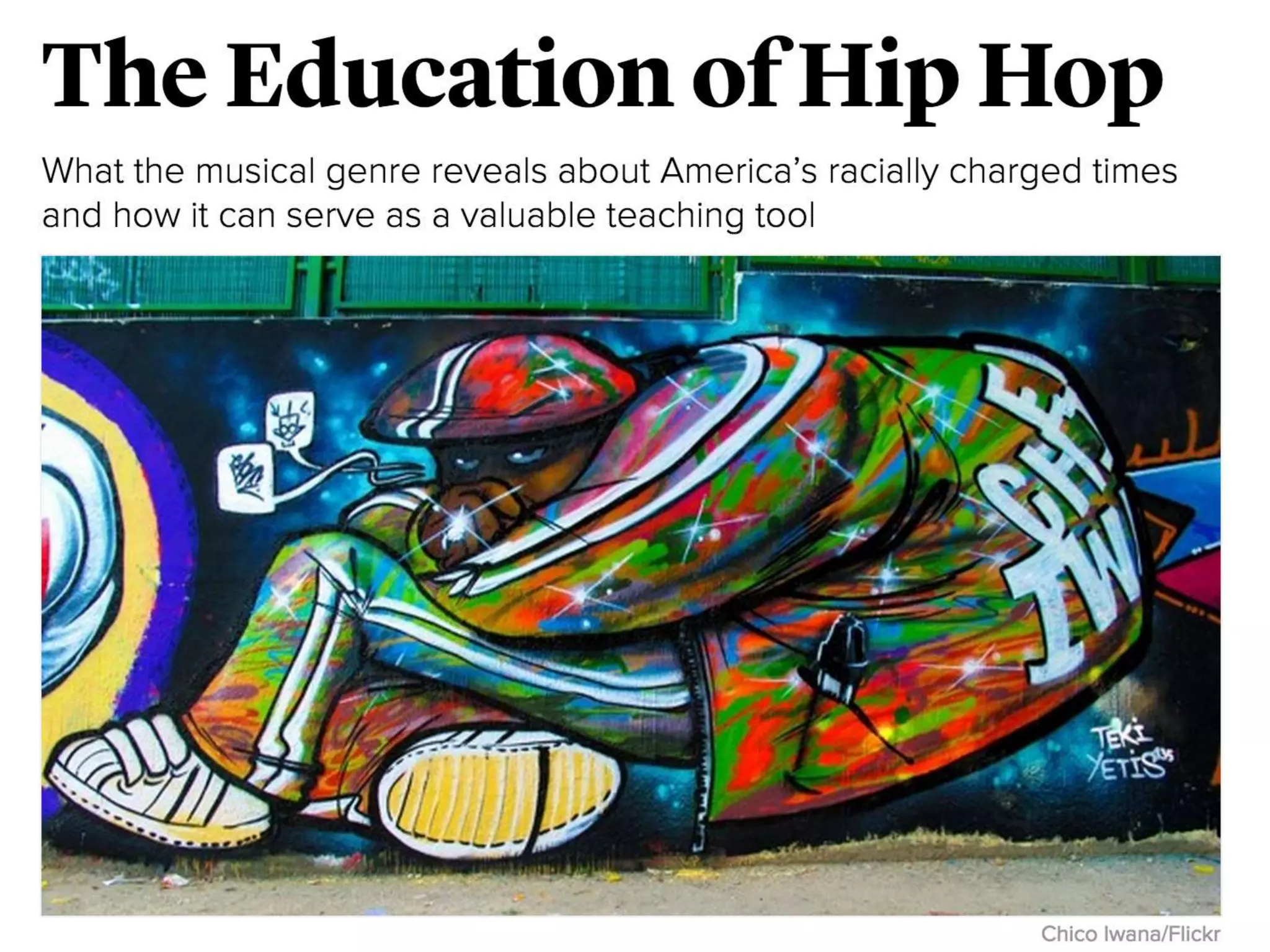
Hip Hop Music Composition
as Media Literacy
Because All Media Are Going Digital
Remix Creativity is Becoming Normative
Students’ creativity can be
channeled in different ways
depending on teachers’
motivations, goals & values
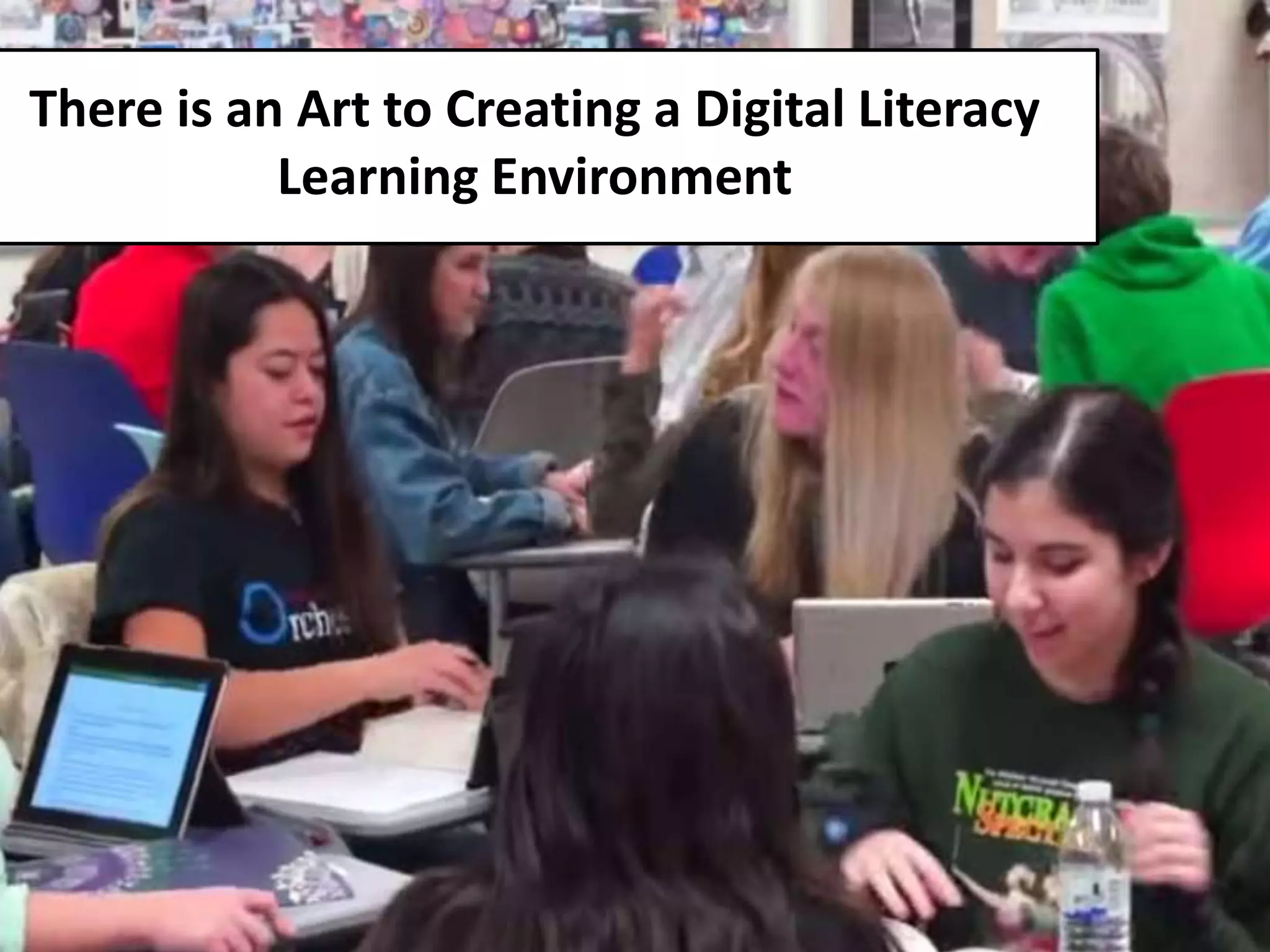
There is an Art to Creating a Digital Literacy
Learning Environment
Cloud-Based Digital Tools Support
Digital Authorship
Writing
KidBlog
Google Docs
Titanpad
Wikispaces
WordPress
Storybird
Slideshows
Kizoa
Animation
Animoto
Powtoons
Screencasting
SnagIt
Screencast-o-Matic
Screenr
Video Production
YouTube
WeVideo
Videolicious
Shadow Puppet
Coding
Scratch
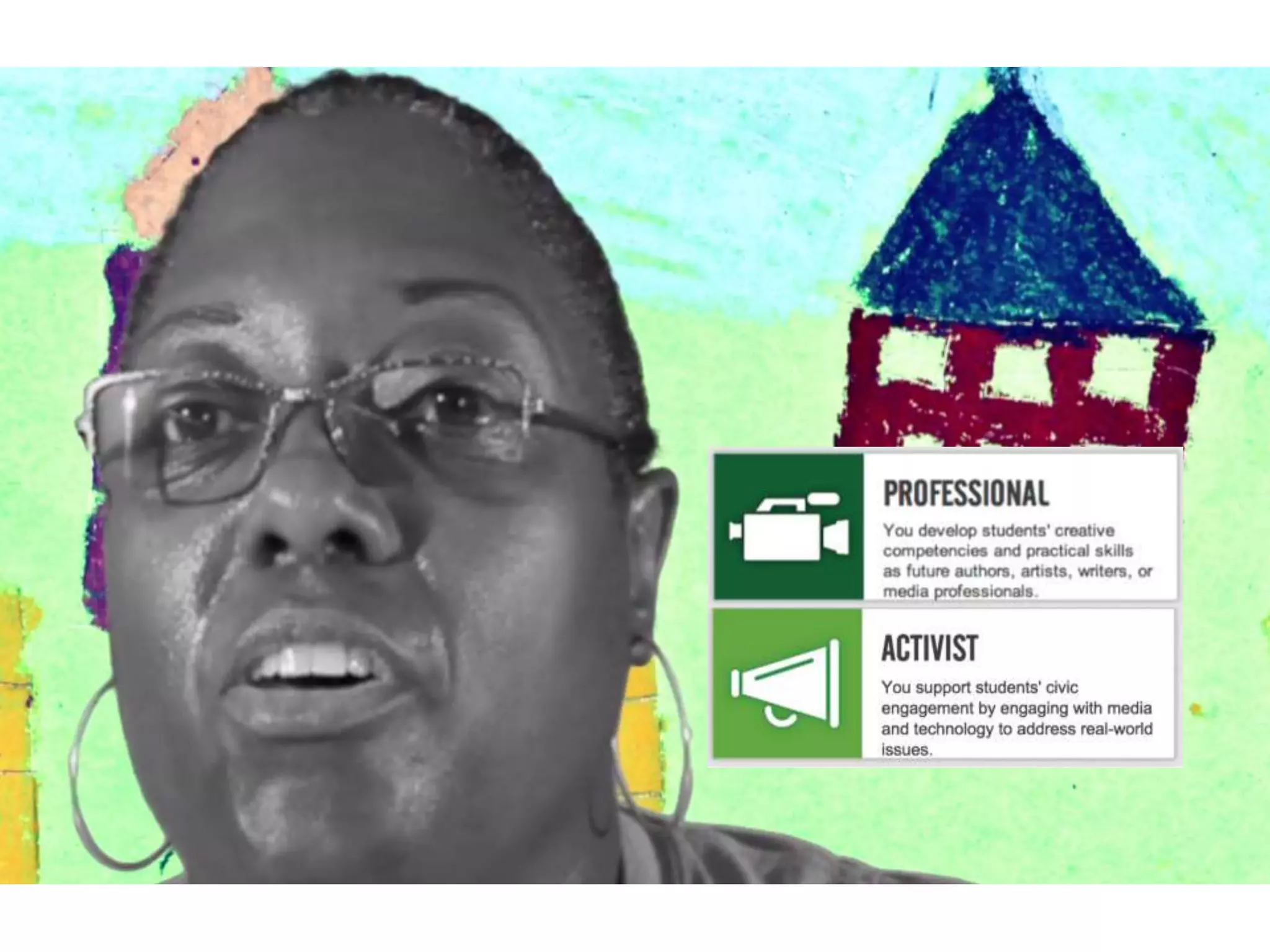
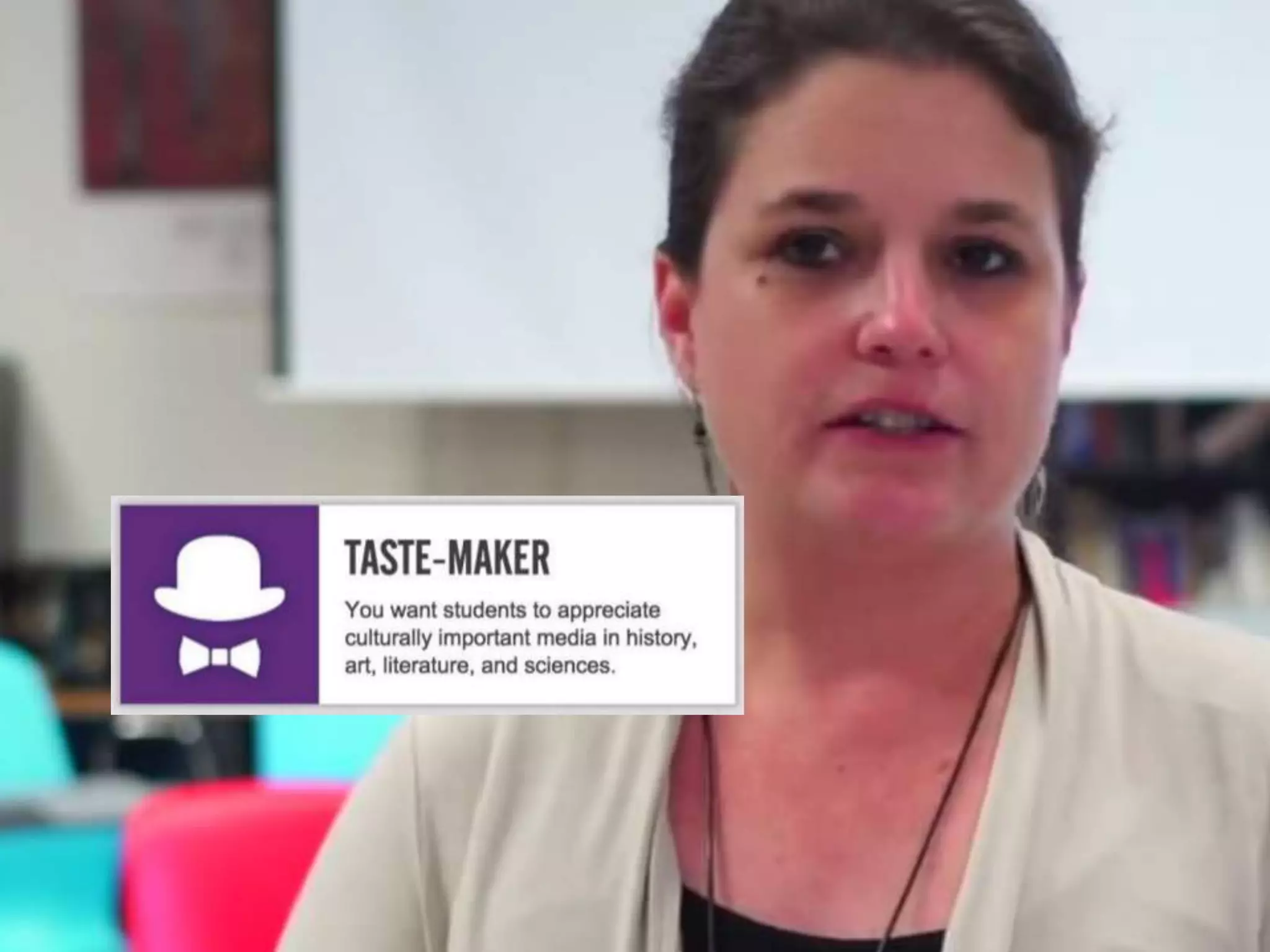
Educators Have Different Motivations for
Using Media & Technology in Education
12
We Are Heroes
Screencasting Hamlet Scene Study
Global Collaboration
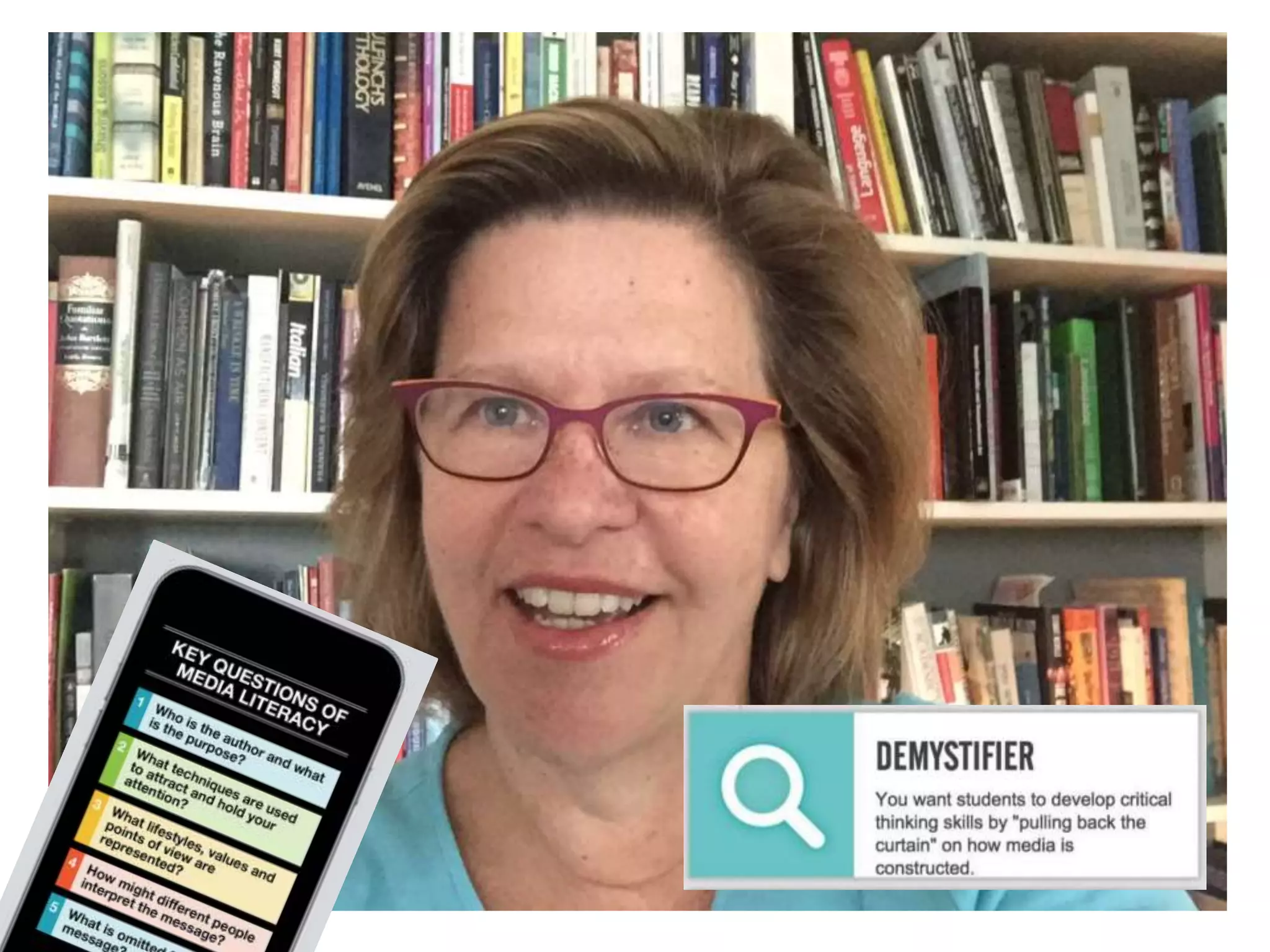
Analyzing a YouTube Video
Screencasting the Critical Questions
School Spirit Lip Dub
Digital authorship involves issues
of creative control
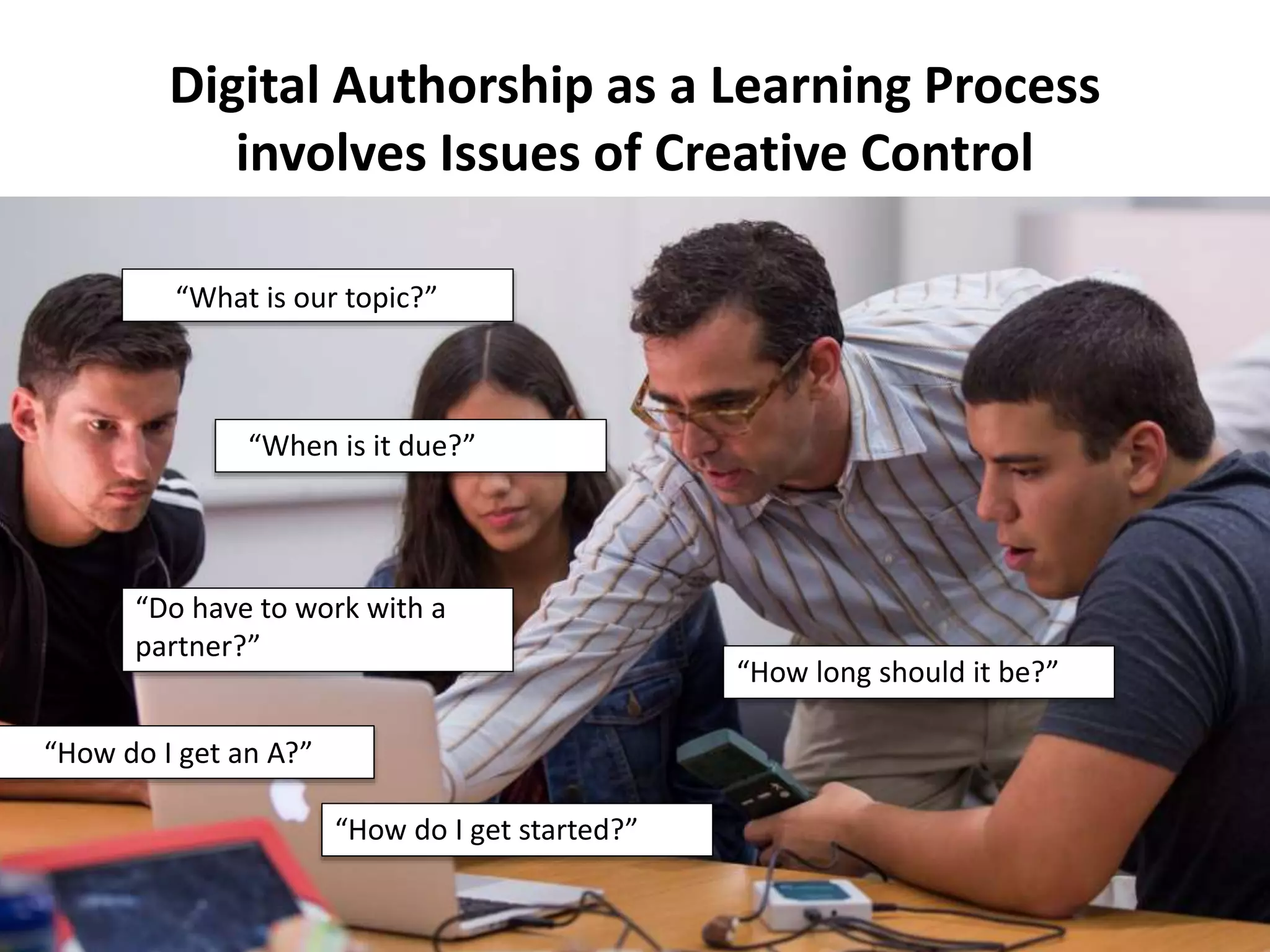
“How do I get started?”
Digital Authorship as a Learning Process
involves Issues of Creative Control
“What is our topic?”
“When is it due?”
“How long should it be?”
“Do have to work with a
partner?”
“How do I get an A?”
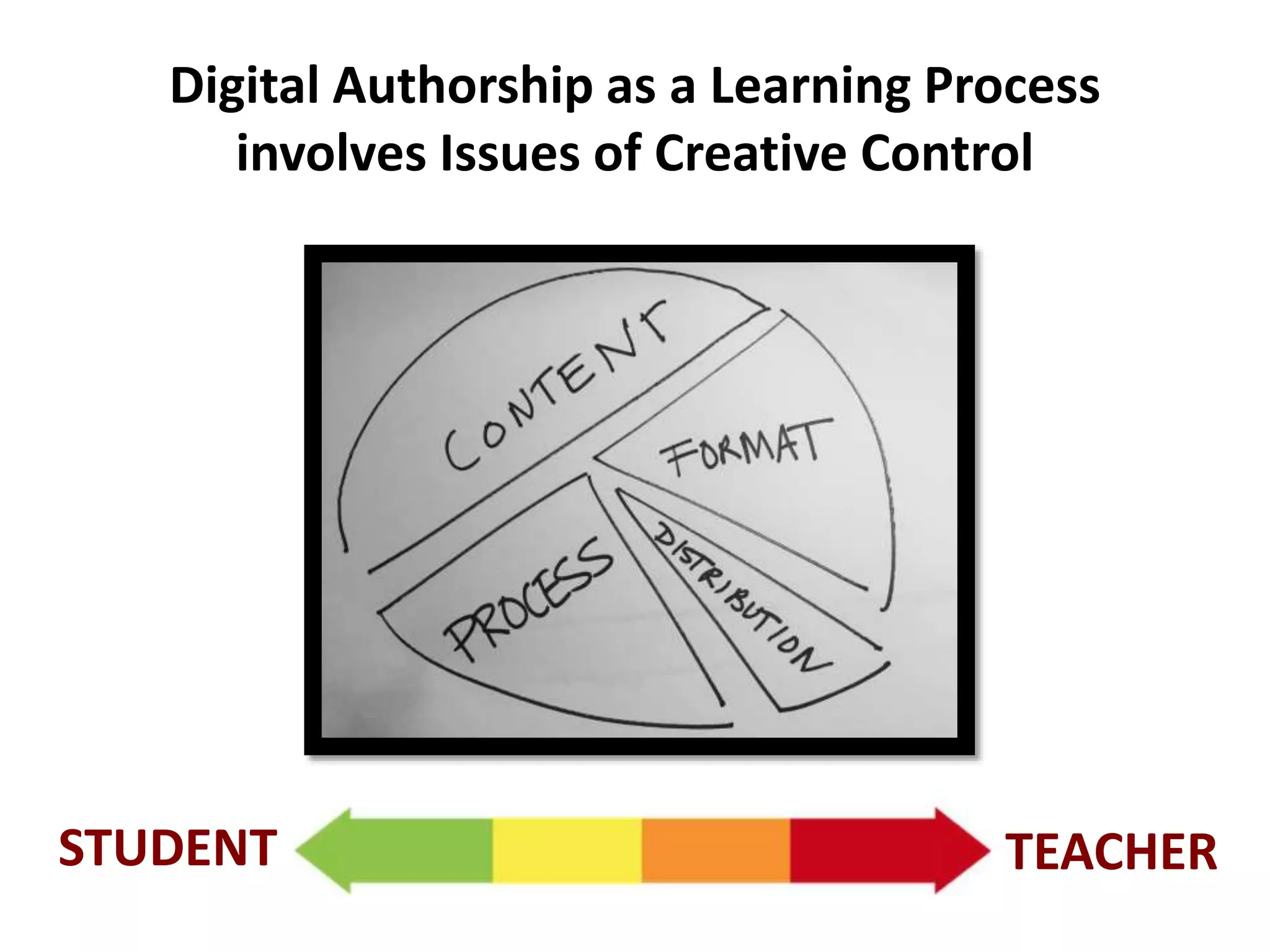
Students Learn to Share Control
Digital Authorship as a Learning Process
involves Issues of Creative Control
TEACHERSTUDENT
 Develop a well-structured activity with a clear audience,
purpose & learning outcomes
 Inspire creative work from learners
 Carefully monitor small groups
 Learn how to use technology tools
 Dedicate an appropriate amount of time to the process
When teachers encourage students to create media as a
way to demonstrate their learning, they:
 They tap into student passions,
pleasures, knowledge and
experience
 They take advantage of
unpredictable moments in social
interactions
 They address relational and social
issues among members of the class
When teachers encourage students to create media as a
way to demonstrate their learning:
High levels of interpersonal trust and
respect are important to promote creative
expression in learners
Digital Authorship Accelerates through
Collaboration
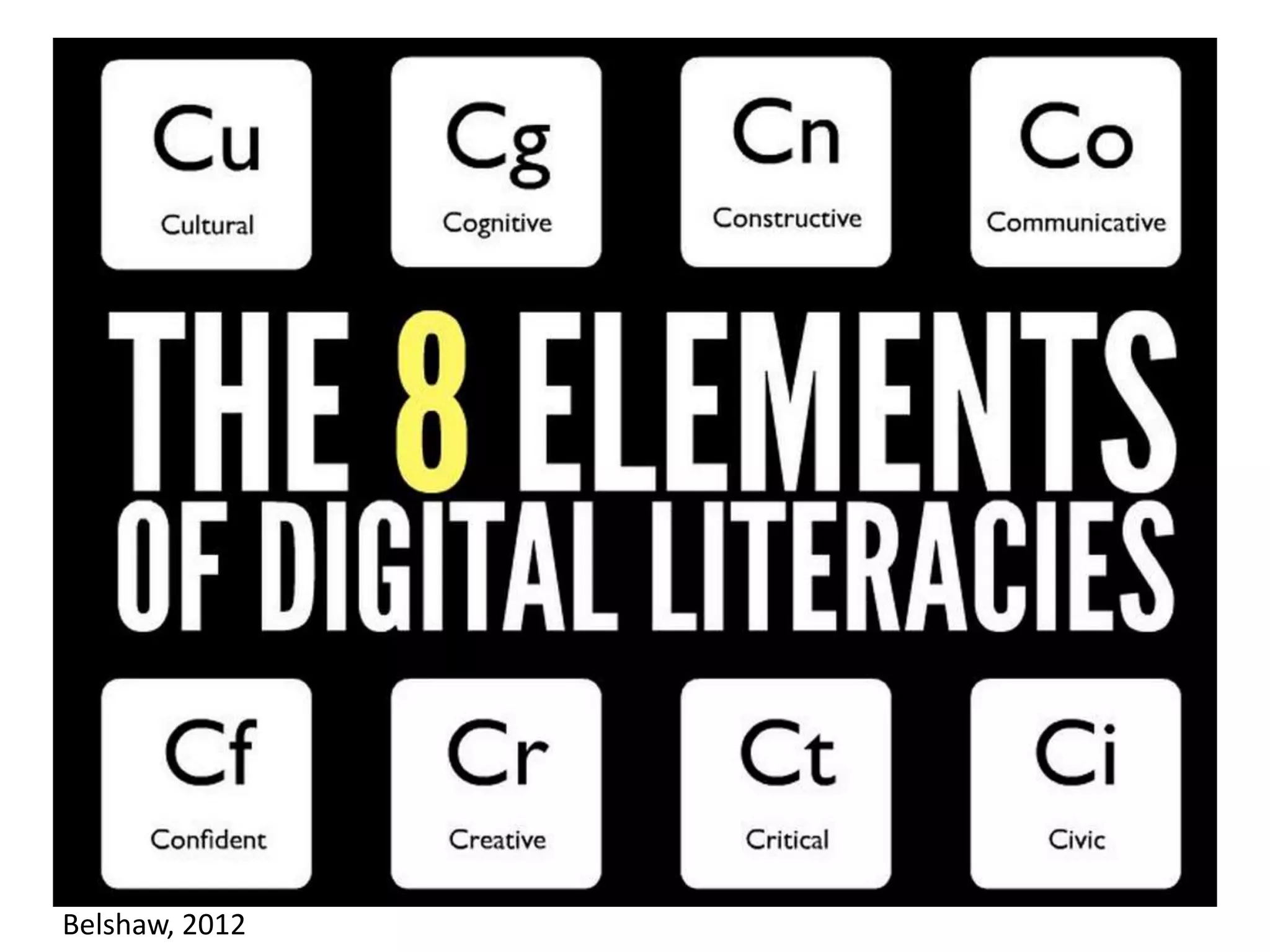
When people create with media
and technology as a way to learn,
they develop critical thinking,
communication, collaboration &
citizenship skills
Belshaw, 2012
Analyzing a YouTube Video
Screencasting the Critical Questions
Analyzing a YouTube Video
Screencasting the Critical Questions
Simple Media Production with
Screencasting
REMEMBER:
Consider the Attitudes, Values
and Beliefs of Your Target
Audience
Analyzing a YouTube Video
Screencasting the Critical Questions
Hobbs, R. & Moore, D. (2013). Discovering media literacy: Teaching digital media and popular culture in elementary
school. Thousand Oaks: Corwin/Sage.
Hobbs, R. (2013). Improvization and strategic risk taking in informal learning with digital media literacy. Learning,
Media and Technology, 38(2), 1 – 28.
Hobbs, R. & RobbGrieco, M. (2012). African-American children’s active reasoning about media texts as a precursor
to media literacy. Journal of Children and Media 6(4), 502 - 519.
Grafe, S., Hobbs, R., Boos, M., Bergey, B. (2012). Teachers´ motivations for media education in Germany and in the
United States. Paper presentation at Digital Media and Learning(DML) Conference, Los Angeles.
Hobbs, R., Ebrahimi, A., Cabral, N., Yoon, J., & Al-Humaidan, R. (2011). Field-based teacher education in elementary
media literacy as a means to promote global understanding. Action for Teacher Education 33, 144 – 156.
Hobbs, R., Yoon, J., Al-Humaidan, R., Ebrahimi, A. & Cabral, N. (2011). Online digital media in elementary school.
Journal of Middle East Media 7(1), 1 – 23.
“Messy Engagement and Strategic Risk Taking as an Instructional Strategy in Informal Learning,” Paper
presentation, International Communication Association (ICA), Phoenix, AZ. May 28, 2012.
Hobbs, R. , Cohn-Geltner, H. & Landis, J. (2011). Views on the news: Media literacy empowerment competencies in
the elementary grades. In C. Von Feilitzen, U. Carlsson & C. Bucht (Eds.). New questions, new insights, new
approaches. The International Clearinghouse on Children, Youth and Media. NORDICOM. University of
Gothenburg, Sweden (pp. 43 – 56).
Professor Renee Hobbs
Harrington School of Communication and Media
University of Rhode Island
Email: hobbs@uri.edu
Twitter: @reneehobbs
Web: www.mediaeducationlab.com

Digital Authorship

  • 1.
    Digital Authorship Renee Hobbs HarringtonSchool of Communication & Media University of Rhode Island Summer Institute in Digital Literacy July 28, 2015
  • 2.
    ACCESS Digital and MediaLiteracy Competencies
  • 3.
    Digital and medialiteracy is a response to the contemporary cultural environment The context of media, technology and popular culture provides fuel for creative expression Students’ digital creativity can be channeled in different ways depending on teachers’ motivations, goals & values Digital authorship involves issues of creative control When people create media as a way to learn, they build critical thinking, communication, collaboration & citizenship skills
  • 4.
    Digital and medialiteracy is a response to the contemporary cultural environment
  • 5.
  • 6.
    How Many DoYou Recognize?
  • 9.
    On average, Americanswatch 4 hours, 51 minutes of broadcast and cable television per day …20% of waking hours
  • 10.
    Advertisers spent $189billion to reach customers in 2014
  • 11.
    $70 billion $36billion 2013 Global Revenue
  • 13.
    We are socializedto be active or passive users of media
  • 14.
    Nutrition Substance AbuseStereotypes Media Affect Attitudes & Behaviors
  • 15.
  • 16.
  • 17.
    The context ofmedia, technology and popular culture provides fuel for creative expression
  • 18.
  • 19.
  • 20.
  • 21.
  • 22.
    Teachers are rolemodels PewDiePie earned $7.5 million from YouTube videos in 2014 The Famous are Role Models
  • 23.
    making connections betweenculture & classroom
  • 25.
    Hip Hop MusicComposition as Media Literacy
  • 26.
    Because All MediaAre Going Digital
  • 27.
    Remix Creativity isBecoming Normative
  • 29.
    Students’ creativity canbe channeled in different ways depending on teachers’ motivations, goals & values
  • 30.
    There is anArt to Creating a Digital Literacy Learning Environment
  • 31.
    Cloud-Based Digital ToolsSupport Digital Authorship Writing KidBlog Google Docs Titanpad Wikispaces WordPress Storybird Slideshows Kizoa Animation Animoto Powtoons Screencasting SnagIt Screencast-o-Matic Screenr Video Production YouTube WeVideo Videolicious Shadow Puppet Coding Scratch
  • 32.
    Educators Have DifferentMotivations for Using Media & Technology in Education 12
  • 34.
  • 36.
  • 38.
  • 40.
    Analyzing a YouTubeVideo Screencasting the Critical Questions
  • 42.
  • 43.
    Digital authorship involvesissues of creative control
  • 44.
    “How do Iget started?” Digital Authorship as a Learning Process involves Issues of Creative Control “What is our topic?” “When is it due?” “How long should it be?” “Do have to work with a partner?” “How do I get an A?”
  • 45.
    Students Learn toShare Control
  • 46.
    Digital Authorship asa Learning Process involves Issues of Creative Control TEACHERSTUDENT
  • 47.
     Develop awell-structured activity with a clear audience, purpose & learning outcomes  Inspire creative work from learners  Carefully monitor small groups  Learn how to use technology tools  Dedicate an appropriate amount of time to the process When teachers encourage students to create media as a way to demonstrate their learning, they:
  • 48.
     They tapinto student passions, pleasures, knowledge and experience  They take advantage of unpredictable moments in social interactions  They address relational and social issues among members of the class When teachers encourage students to create media as a way to demonstrate their learning: High levels of interpersonal trust and respect are important to promote creative expression in learners
  • 49.
    Digital Authorship Acceleratesthrough Collaboration
  • 50.
    When people createwith media and technology as a way to learn, they develop critical thinking, communication, collaboration & citizenship skills
  • 51.
  • 52.
    Analyzing a YouTubeVideo Screencasting the Critical Questions
  • 53.
    Analyzing a YouTubeVideo Screencasting the Critical Questions
  • 54.
    Simple Media Productionwith Screencasting
  • 56.
    REMEMBER: Consider the Attitudes,Values and Beliefs of Your Target Audience
  • 57.
    Analyzing a YouTubeVideo Screencasting the Critical Questions
  • 59.
    Hobbs, R. &Moore, D. (2013). Discovering media literacy: Teaching digital media and popular culture in elementary school. Thousand Oaks: Corwin/Sage. Hobbs, R. (2013). Improvization and strategic risk taking in informal learning with digital media literacy. Learning, Media and Technology, 38(2), 1 – 28. Hobbs, R. & RobbGrieco, M. (2012). African-American children’s active reasoning about media texts as a precursor to media literacy. Journal of Children and Media 6(4), 502 - 519. Grafe, S., Hobbs, R., Boos, M., Bergey, B. (2012). Teachers´ motivations for media education in Germany and in the United States. Paper presentation at Digital Media and Learning(DML) Conference, Los Angeles. Hobbs, R., Ebrahimi, A., Cabral, N., Yoon, J., & Al-Humaidan, R. (2011). Field-based teacher education in elementary media literacy as a means to promote global understanding. Action for Teacher Education 33, 144 – 156. Hobbs, R., Yoon, J., Al-Humaidan, R., Ebrahimi, A. & Cabral, N. (2011). Online digital media in elementary school. Journal of Middle East Media 7(1), 1 – 23. “Messy Engagement and Strategic Risk Taking as an Instructional Strategy in Informal Learning,” Paper presentation, International Communication Association (ICA), Phoenix, AZ. May 28, 2012. Hobbs, R. , Cohn-Geltner, H. & Landis, J. (2011). Views on the news: Media literacy empowerment competencies in the elementary grades. In C. Von Feilitzen, U. Carlsson & C. Bucht (Eds.). New questions, new insights, new approaches. The International Clearinghouse on Children, Youth and Media. NORDICOM. University of Gothenburg, Sweden (pp. 43 – 56).
  • 60.
    Professor Renee Hobbs HarringtonSchool of Communication and Media University of Rhode Island Email: hobbs@uri.edu Twitter: @reneehobbs Web: www.mediaeducationlab.com

Editor's Notes

  • #14 I’m interested in media literacy, which is the ability to access, analyze and evaluate, and create messages – in a wide variety of forms. Access - Analyze – Create – Reflect – Act.