Dietary supplements
and
Herbal medications
Dr Harikrishnan A R
Nutraceuticals(“nutrition” and “pharmaceutics”)
• Any food or food ingredient considered to provide medical or health
benefits, including prevention and treatment of disease
• Improve health, delay the aging process, prevent chronic diseases,
increase life expectancy, or support the structure or function of the
body
• Ginseng, Echinacea, green tea, glucosamine, omega-3, lutein, folic
acid, and cod liver oil
Functional food and beverages
Food products which offer additional physiological benefits or help to reduce
risk of chronic diseases apart from its basic nutritional aspects
a. Functional foods:
• Omega fatty acid fortified food
• Probiotic fortified food
• Branded iodinated salt
• Branded wheat flour
b. Functional beverages:
• Energy drinks
• Sports drinks
• Fortified drinks
Dietary supplements
a. Vitamins and minerals
b. Herbal supplements
c. Protein supplements
d. Chavanprash
Definition
A dietary supplement, as defined by the Dietary Supplement Health
and Education Act (DSHEA), is a product that:
• Intended to supplement the diet
• Contains one or more dietary ingredients (including vitamins,
minerals, herbs or other botanicals, amino acids, and certain other
substances) or their constituents
• Intended to be taken by mouth (tablet, capsule, powder, softgel,
gelcap, or liquid)
• Labeled as being a dietary supplement
History
• 1994 – US congress passed DSHEA  GMP
• 2007 – final rule on GMP standards
• 2006 – dietary supplement and non prescription drug consumer
protection act
• Submit reports of serious adverse effects
Distinguish from drugs
• Drug  intended to diagnose, cure, mitigate, treat, or
prevent disease
• Both intended to affect structure and function of body
• Drug must undergo FDA approval after clinical studies to
determine effectiveness and safety
• D/S = no pre-market testing
Distinguish from food
•Foods not intended to affect structure and function
•D/S intended only to supplement diet
•Not represented for use as conventional food
•Not intended as sole item of a meal or the diet
Codex Alimentarius
• Supplements containing vitamins or dietary minerals are
included as a category of food in the Codex Alimentarius
• Collection of internationally recognized standards, codes of
practice, guidelines and other recommendations relating to
foods, food production and food safety
Herbal medicine
• One or more herbal material(s) or extract(s) or their combination.
• Demonstrate that the active substances of the medicinal product
have been in well-established medicinal use within the Community
for at least ten years, with recognized efficacy and an acceptable level
of safety
Traditional herbal medicinal product
• They are herbal medicines, which
- are administered orally, externally, or by inhalation
- are intended to be used without supervision by a medical
doctor
• The intended use of herbal medicines will only be authorized on the
basis of its traditional history and/or the recognized pharmacological
properties of the herbal ingredient(s).
• Vitamins and minerals may be added to the herbal medicine provided
that their use is ancillary to the herbal ingredient(s)
Clinical aspects
• Adverse events
• Chemical analysis rarely performed
• Toxic ingredients
• Drug interactions
Echinacea Purpurea/Purple coneflower
• Contains flavonoids, polysaccharides
• Immune modulation, Anti-inflammatory, Antibacterial,Antifungal
• Minimal ADR  GI upset, altered taste
• Unknown DI
• Avoided in patients with immuno-deficiency disorders
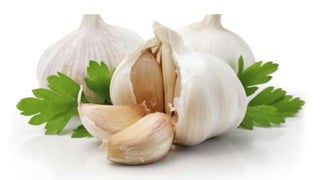
Allium Sativum(Garlic)
• Organosulfur compounds  Allicin
• CVS  Antioxidant, lipid lowering, antiplatelet effets
• Antimicrobial  Invitro activity against some organisms
• Antineoplastic  ↓ stomach, oesophageal and colorectal cancers
• ADR  nausea, hypotension, allergy
• DI  use cautiously with warfarin, ↓ bioavailability of saquinavir
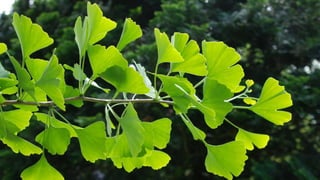
Ginkgo Biloba
• Leaf of Ginkgo tree
• Flavone glycosides, terpinoids
• CVS  vasodilation, ↓blood viscosity
• Metabolic  antioxidant
• CNS  antianxiety, antidepressant, cognition enhancement
• ADR  nausea, headache, GI upset
• DI  not used with antiplatelet/anticoagulant, efavirenz
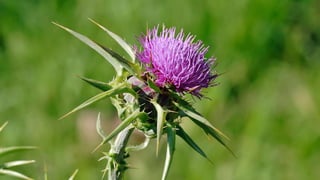
Milk thistle(Silybum Marianum)
• Silymarin(2-3% of the dried herb)
• Limits hepatic injury caused by some toxins
• Anti-inflammatory  inhibits lipoxygenase activity
• Antineoplastic  induces apoptosis
• Galactagogue  ↑ prolactin production
• No DI
• Minimal ADR
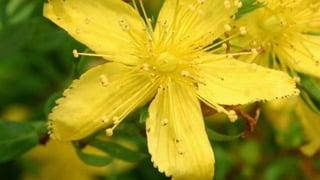
St. John’s Wort(Hypericum Perforatum)
• Hypericin, hyperforin
• Antidepressant  MAO-A and B inhibition
• Antiviral and anticarcinogenic  inhibition of protein kinase C
• ADR  photosensitization
• DI  use cautiously with other antidepressants, induce CYP 3A4, 2C9,
1A2
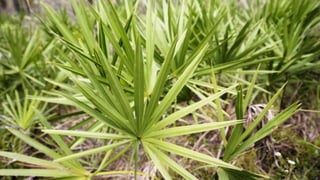
Saw Palmetto
• Serenoa Repens/Sabal Serrulata
• BPH  inhibits 5α-reductase, inhibits binding of DHT to androgen
receptors
• ADR  abdominal pain, nausea, decreased libido
• No DI
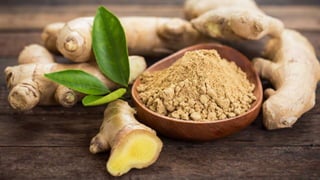
Ginger(Zingiber officinale)
• Gingerol
• Exercise induced muscle pain
• Promote digestion and as an antiflatulent or carminative to reduce
gas and bloating
• Antimicrobial  inhibit multiplication of colon bacteria
• CVS  stimulates blood circulation, ↓BP, antioxidant
• Motion sickness
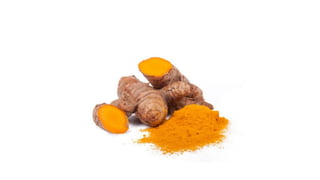
Turmeric (Curcuma longa linn)
• Curcumin
• anti-inflammatory, antioxidant, antimutagenic, antidiabetic,
antibacterial, hepatoprotective, expectorant and anticancerous
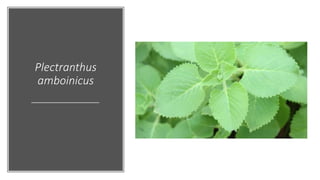
Plectranthus
amboinicus
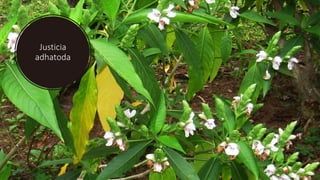
Justicia
adhatoda
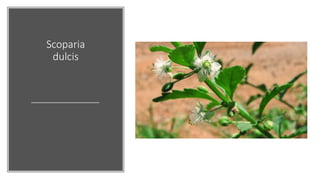
Scoparia
dulcis
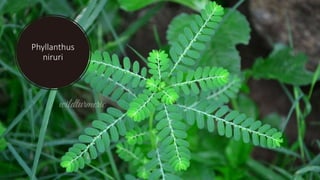
Phyllanthus
niruri

Dietary supplements

  • 1.
  • 2.
    Nutraceuticals(“nutrition” and “pharmaceutics”) •Any food or food ingredient considered to provide medical or health benefits, including prevention and treatment of disease • Improve health, delay the aging process, prevent chronic diseases, increase life expectancy, or support the structure or function of the body • Ginseng, Echinacea, green tea, glucosamine, omega-3, lutein, folic acid, and cod liver oil
  • 3.
    Functional food andbeverages Food products which offer additional physiological benefits or help to reduce risk of chronic diseases apart from its basic nutritional aspects a. Functional foods: • Omega fatty acid fortified food • Probiotic fortified food • Branded iodinated salt • Branded wheat flour b. Functional beverages: • Energy drinks • Sports drinks • Fortified drinks
  • 4.
    Dietary supplements a. Vitaminsand minerals b. Herbal supplements c. Protein supplements d. Chavanprash
  • 5.
    Definition A dietary supplement,as defined by the Dietary Supplement Health and Education Act (DSHEA), is a product that: • Intended to supplement the diet • Contains one or more dietary ingredients (including vitamins, minerals, herbs or other botanicals, amino acids, and certain other substances) or their constituents • Intended to be taken by mouth (tablet, capsule, powder, softgel, gelcap, or liquid) • Labeled as being a dietary supplement
  • 6.
    History • 1994 –US congress passed DSHEA  GMP • 2007 – final rule on GMP standards • 2006 – dietary supplement and non prescription drug consumer protection act • Submit reports of serious adverse effects
  • 7.
    Distinguish from drugs •Drug  intended to diagnose, cure, mitigate, treat, or prevent disease • Both intended to affect structure and function of body • Drug must undergo FDA approval after clinical studies to determine effectiveness and safety • D/S = no pre-market testing
  • 8.
    Distinguish from food •Foodsnot intended to affect structure and function •D/S intended only to supplement diet •Not represented for use as conventional food •Not intended as sole item of a meal or the diet
  • 9.
    Codex Alimentarius • Supplementscontaining vitamins or dietary minerals are included as a category of food in the Codex Alimentarius • Collection of internationally recognized standards, codes of practice, guidelines and other recommendations relating to foods, food production and food safety
  • 10.
    Herbal medicine • Oneor more herbal material(s) or extract(s) or their combination. • Demonstrate that the active substances of the medicinal product have been in well-established medicinal use within the Community for at least ten years, with recognized efficacy and an acceptable level of safety
  • 11.
    Traditional herbal medicinalproduct • They are herbal medicines, which - are administered orally, externally, or by inhalation - are intended to be used without supervision by a medical doctor • The intended use of herbal medicines will only be authorized on the basis of its traditional history and/or the recognized pharmacological properties of the herbal ingredient(s). • Vitamins and minerals may be added to the herbal medicine provided that their use is ancillary to the herbal ingredient(s)
  • 12.
    Clinical aspects • Adverseevents • Chemical analysis rarely performed • Toxic ingredients • Drug interactions
  • 13.
    Echinacea Purpurea/Purple coneflower •Contains flavonoids, polysaccharides • Immune modulation, Anti-inflammatory, Antibacterial,Antifungal • Minimal ADR  GI upset, altered taste • Unknown DI • Avoided in patients with immuno-deficiency disorders
  • 15.
    Allium Sativum(Garlic) • Organosulfurcompounds  Allicin • CVS  Antioxidant, lipid lowering, antiplatelet effets • Antimicrobial  Invitro activity against some organisms • Antineoplastic  ↓ stomach, oesophageal and colorectal cancers • ADR  nausea, hypotension, allergy • DI  use cautiously with warfarin, ↓ bioavailability of saquinavir
  • 17.
    Ginkgo Biloba • Leafof Ginkgo tree • Flavone glycosides, terpinoids • CVS  vasodilation, ↓blood viscosity • Metabolic  antioxidant • CNS  antianxiety, antidepressant, cognition enhancement • ADR  nausea, headache, GI upset • DI  not used with antiplatelet/anticoagulant, efavirenz
  • 19.
    Milk thistle(Silybum Marianum) •Silymarin(2-3% of the dried herb) • Limits hepatic injury caused by some toxins • Anti-inflammatory  inhibits lipoxygenase activity • Antineoplastic  induces apoptosis • Galactagogue  ↑ prolactin production • No DI • Minimal ADR
  • 21.
    St. John’s Wort(HypericumPerforatum) • Hypericin, hyperforin • Antidepressant  MAO-A and B inhibition • Antiviral and anticarcinogenic  inhibition of protein kinase C • ADR  photosensitization • DI  use cautiously with other antidepressants, induce CYP 3A4, 2C9, 1A2
  • 23.
    Saw Palmetto • SerenoaRepens/Sabal Serrulata • BPH  inhibits 5α-reductase, inhibits binding of DHT to androgen receptors • ADR  abdominal pain, nausea, decreased libido • No DI
  • 25.
    Ginger(Zingiber officinale) • Gingerol •Exercise induced muscle pain • Promote digestion and as an antiflatulent or carminative to reduce gas and bloating • Antimicrobial  inhibit multiplication of colon bacteria • CVS  stimulates blood circulation, ↓BP, antioxidant • Motion sickness
  • 27.
    Turmeric (Curcuma longalinn) • Curcumin • anti-inflammatory, antioxidant, antimutagenic, antidiabetic, antibacterial, hepatoprotective, expectorant and anticancerous
  • 29.
  • 30.
  • 31.
  • 32.

Editor's Notes

  • #7 Dietary supplement health and education act. Death, life threatening event,hospitalisation
  • #20 Reduces lipid peroxidation,scavenges free radicals enhances superoxide dismutase
  • #22 Digoxin, ocp, cyclosporine, warfarin, theophylline