Simplified Models
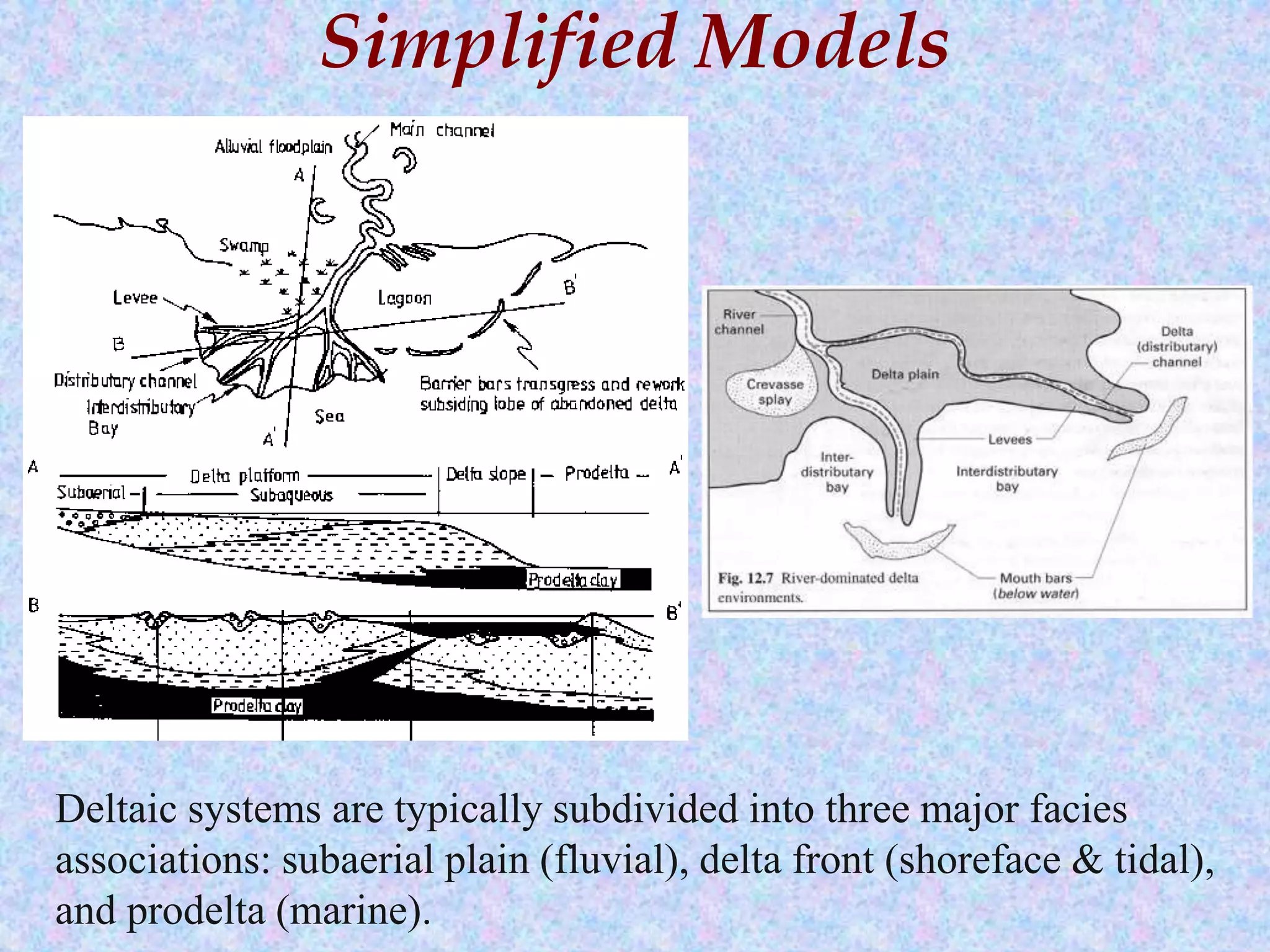
Deltaic systems are typically subdivided into three major facies
associations: subaerial plain (fluvial), delta front (shoreface & tidal),
and prodelta (marine).
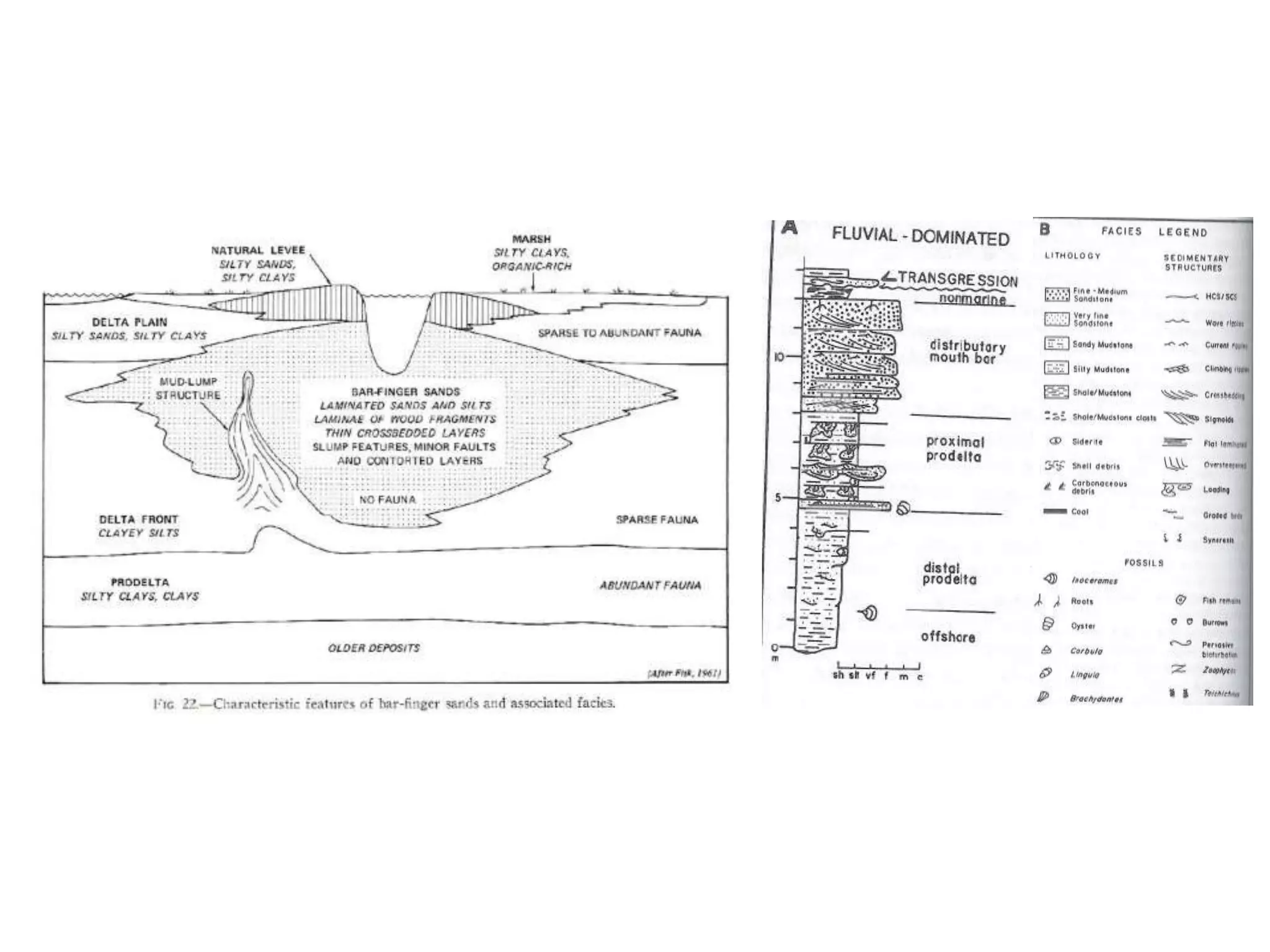
River-dominated Deltaic Facies Model
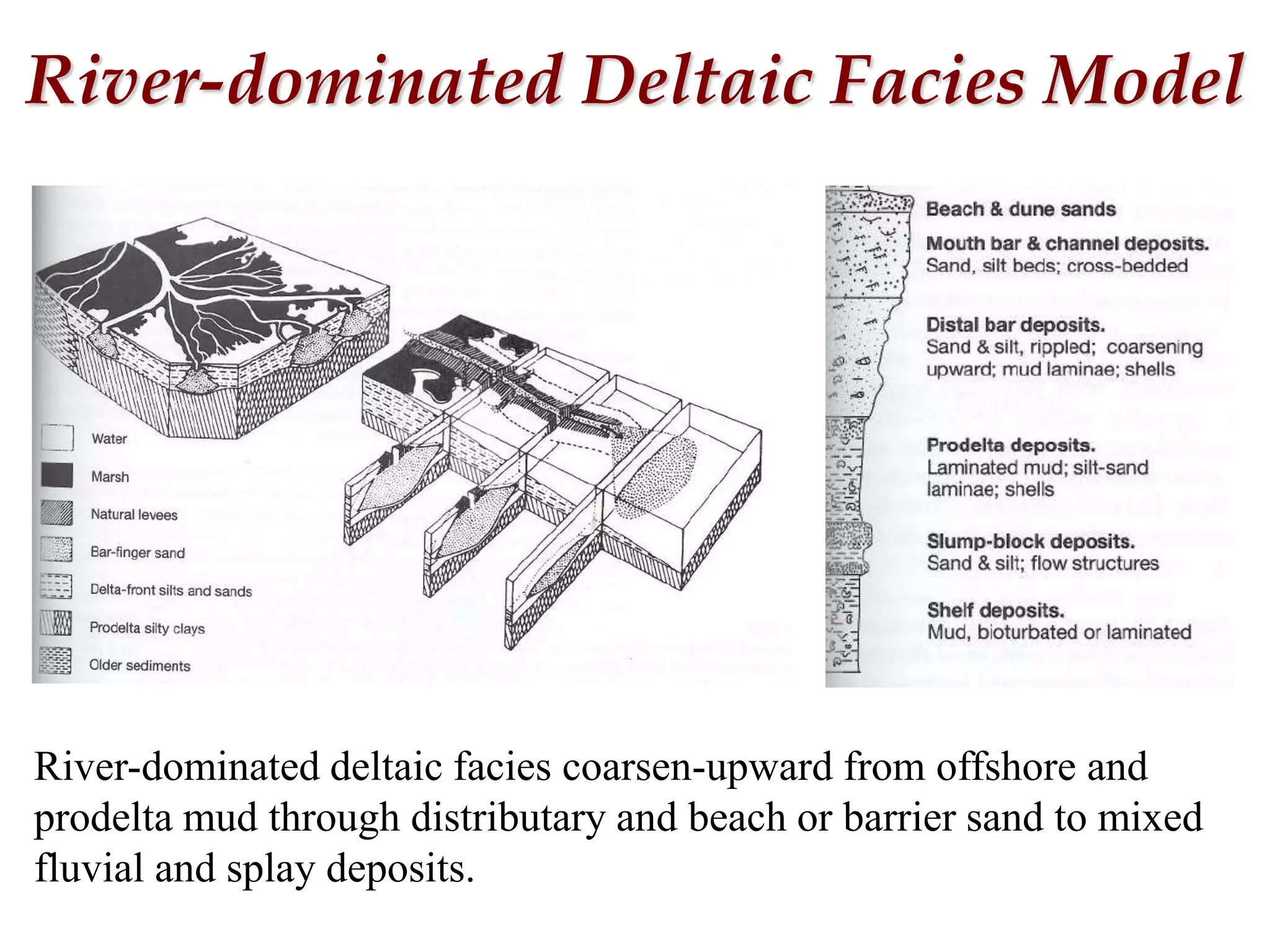
River-dominated deltaic facies coarsen-upward from offshore and
prodelta mud through distributary and beach or barrier sand to mixed
fluvial and splay deposits.
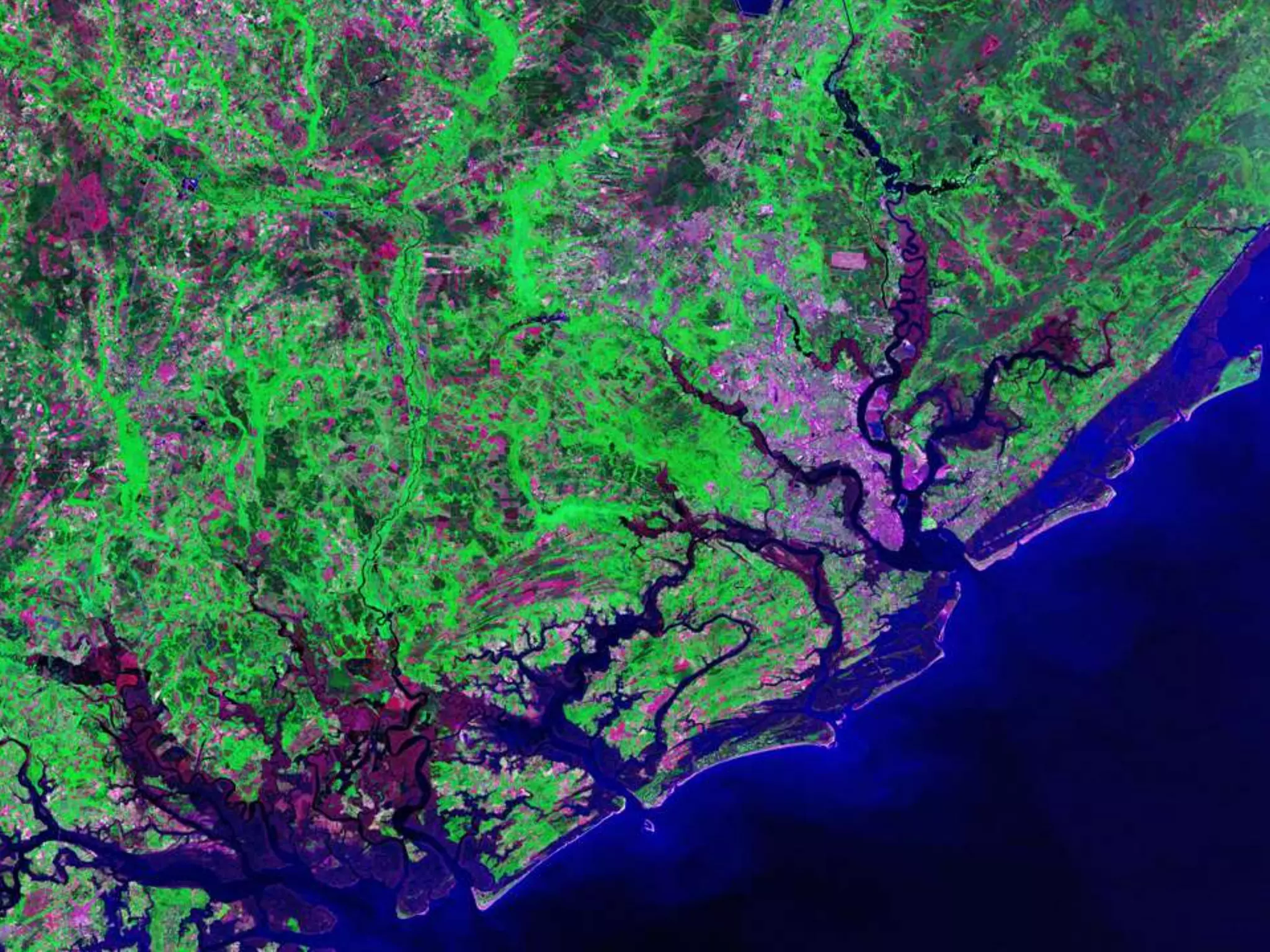
Coastal Depositional Systems
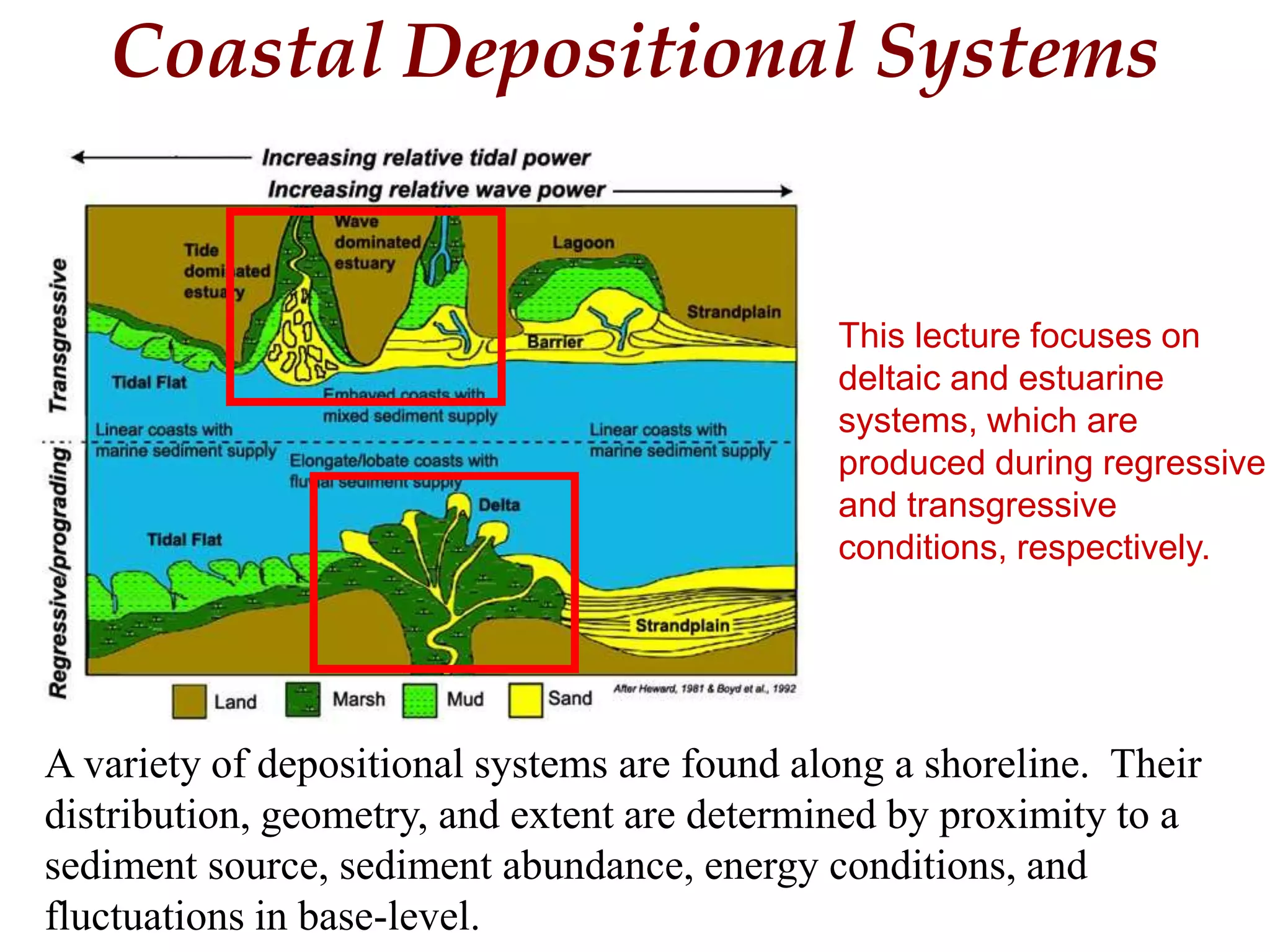
A variety of depositional systems are found along a shoreline. Their
distribution, geometry, and extent are determined by proximity to a
sediment source, sediment abundance, energy conditions, and
fluctuations in base-level.
This lecture focuses on
deltaic and estuarine
systems, which are
produced during regressive
and transgressive
conditions, respectively.
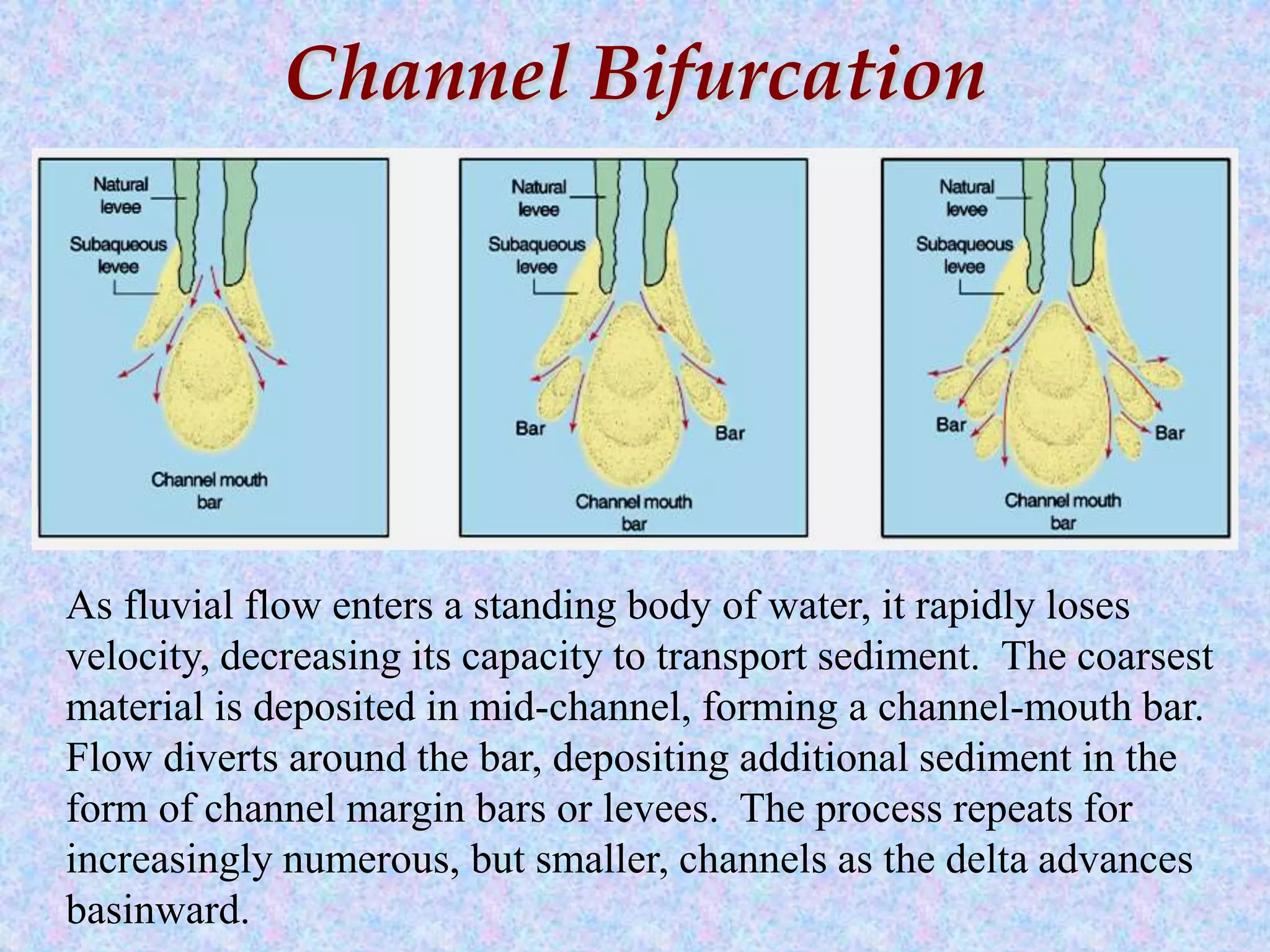
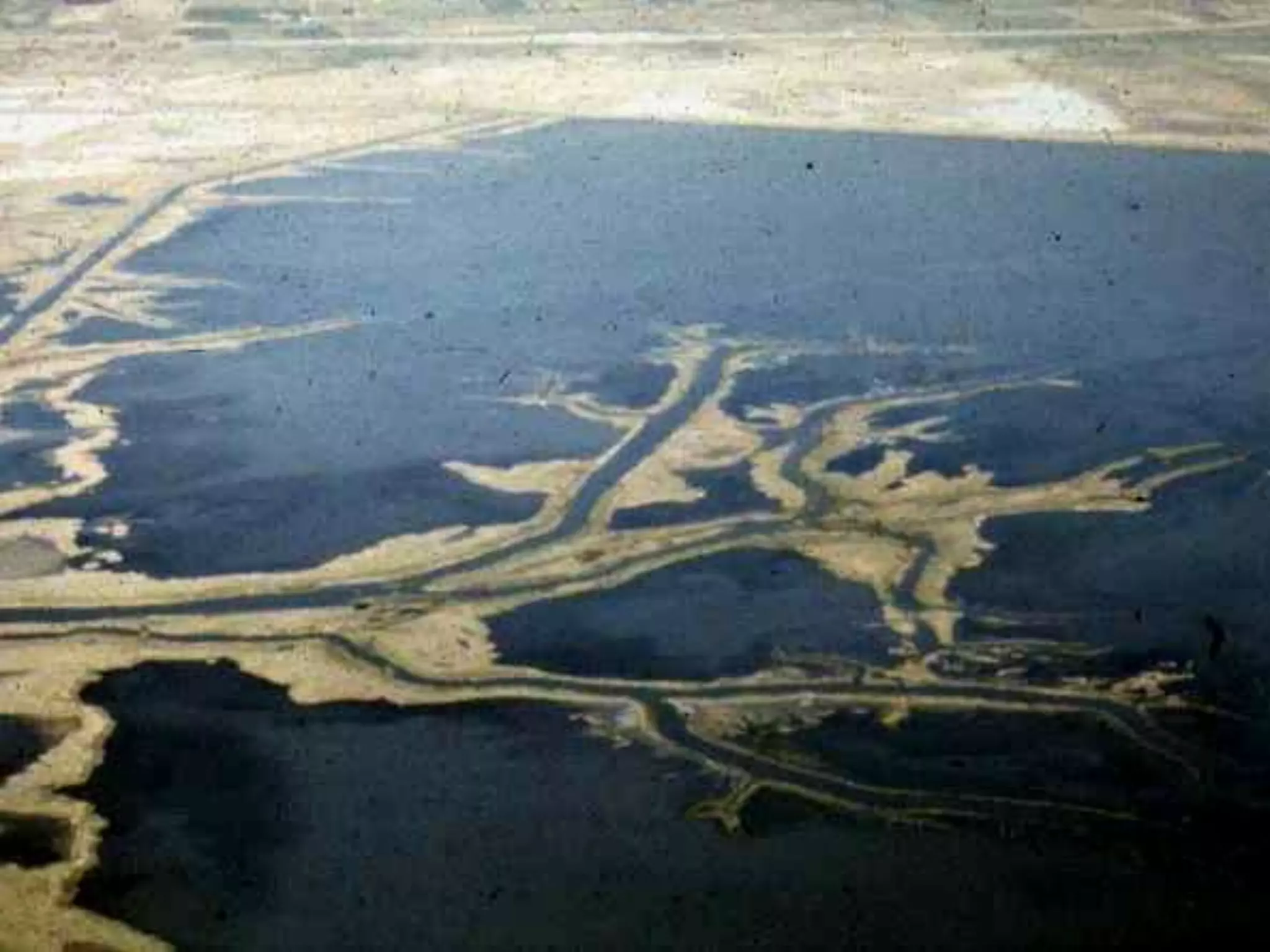
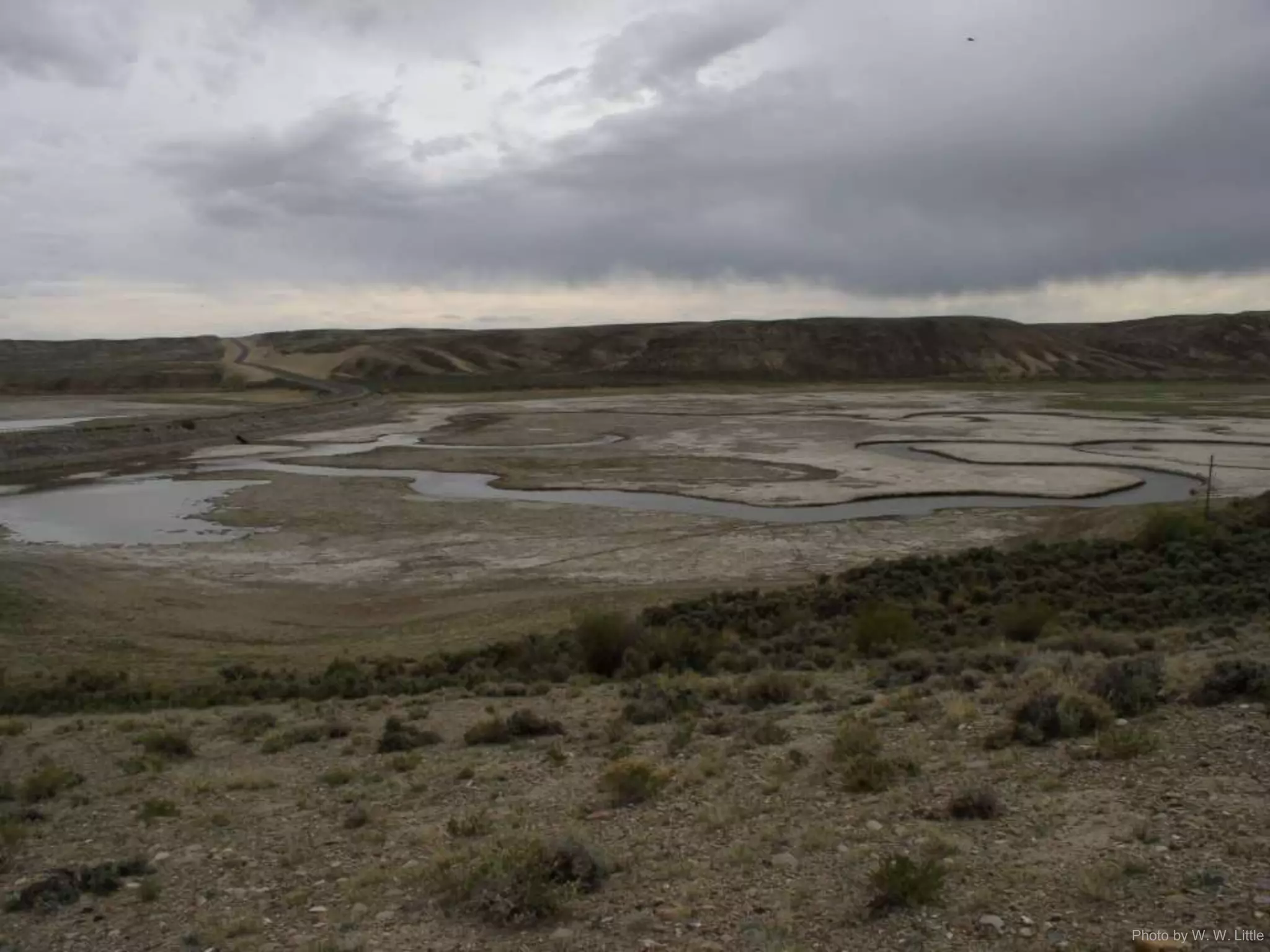
Channel Bifurcation
As fluvial flow enters a standing body of water, it rapidly loses
velocity, decreasing its capacity to transport sediment. The coarsest
material is deposited in mid-channel, forming a channel-mouth bar.
Flow diverts around the bar, depositing additional sediment in the
form of channel margin bars or levees. The process repeats for
increasingly numerous, but smaller, channels as the delta advances
basinward.
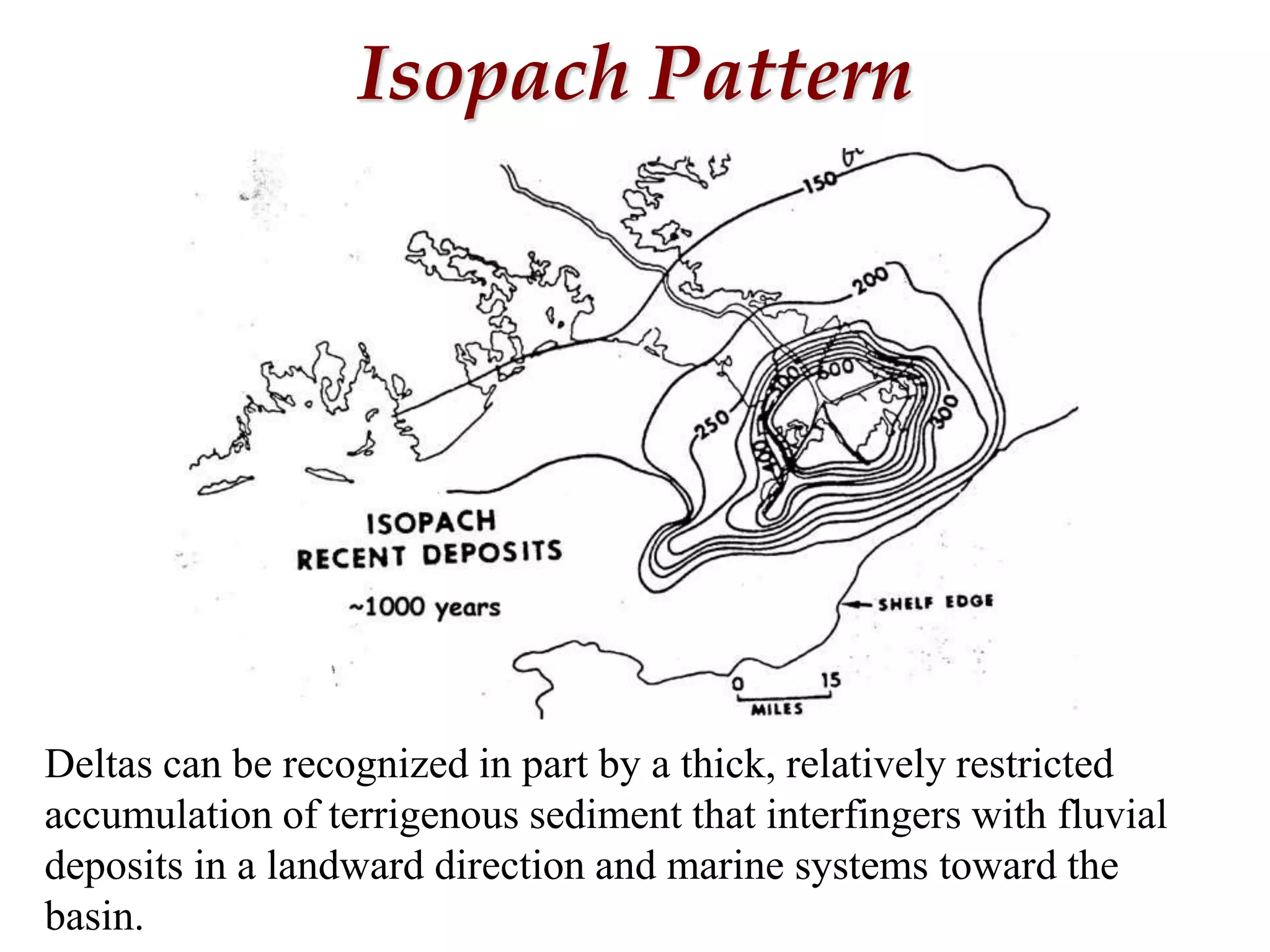
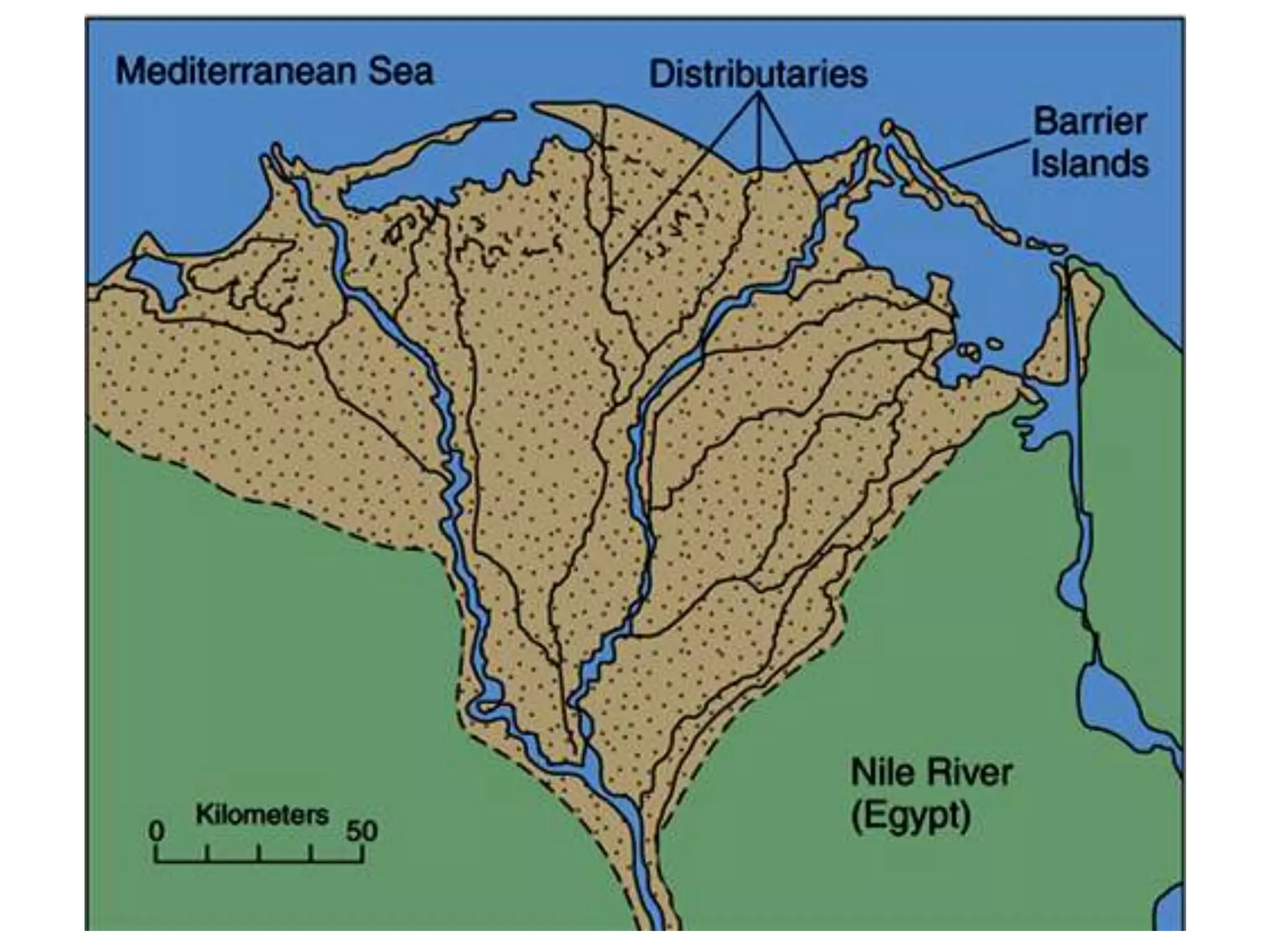
Isopach Pattern
Deltas can be recognized in part by a thick, relatively restricted
accumulation of terrigenous sediment that interfingers with fluvial
deposits in a landward direction and marine systems toward the
basin.
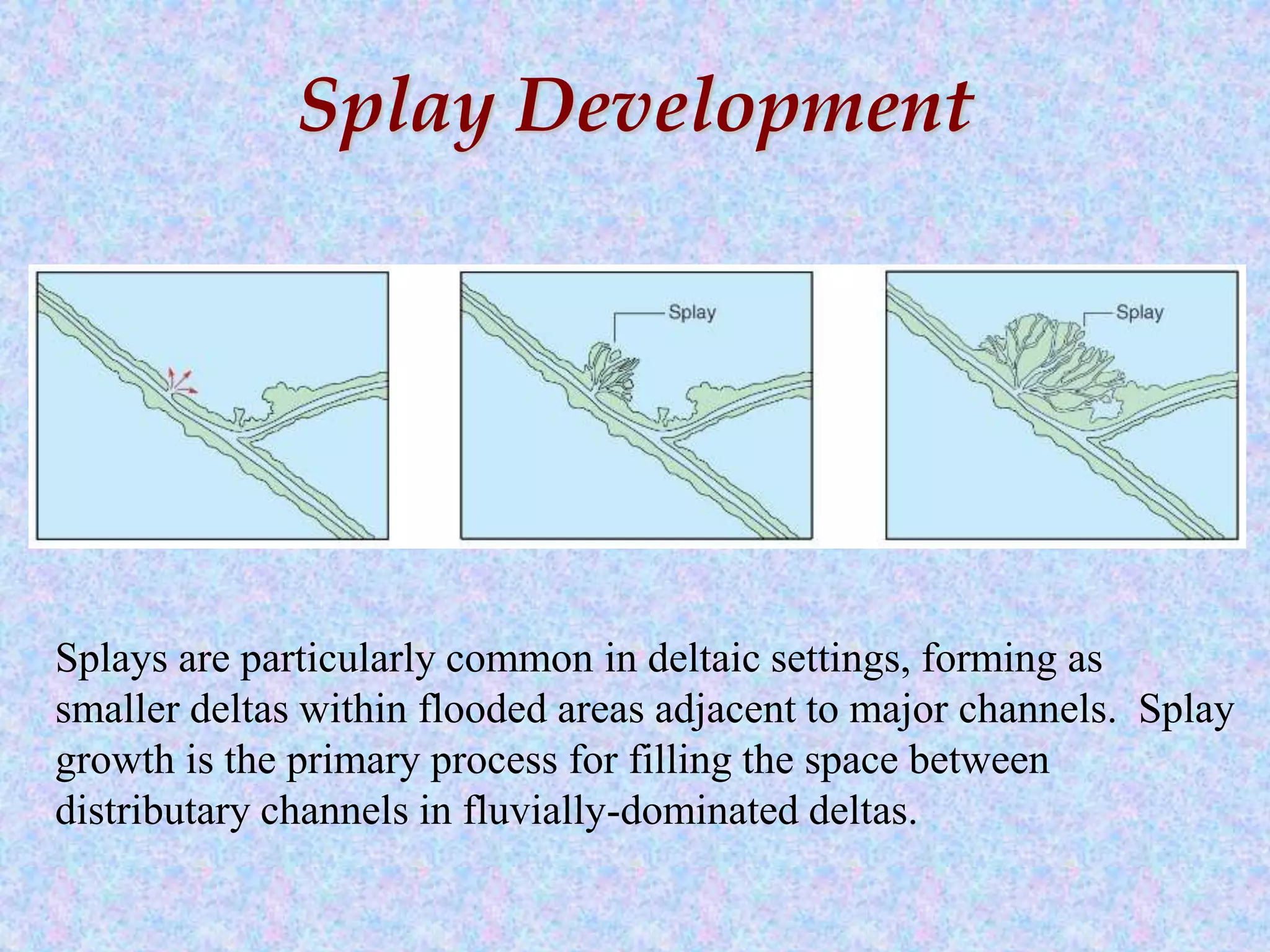
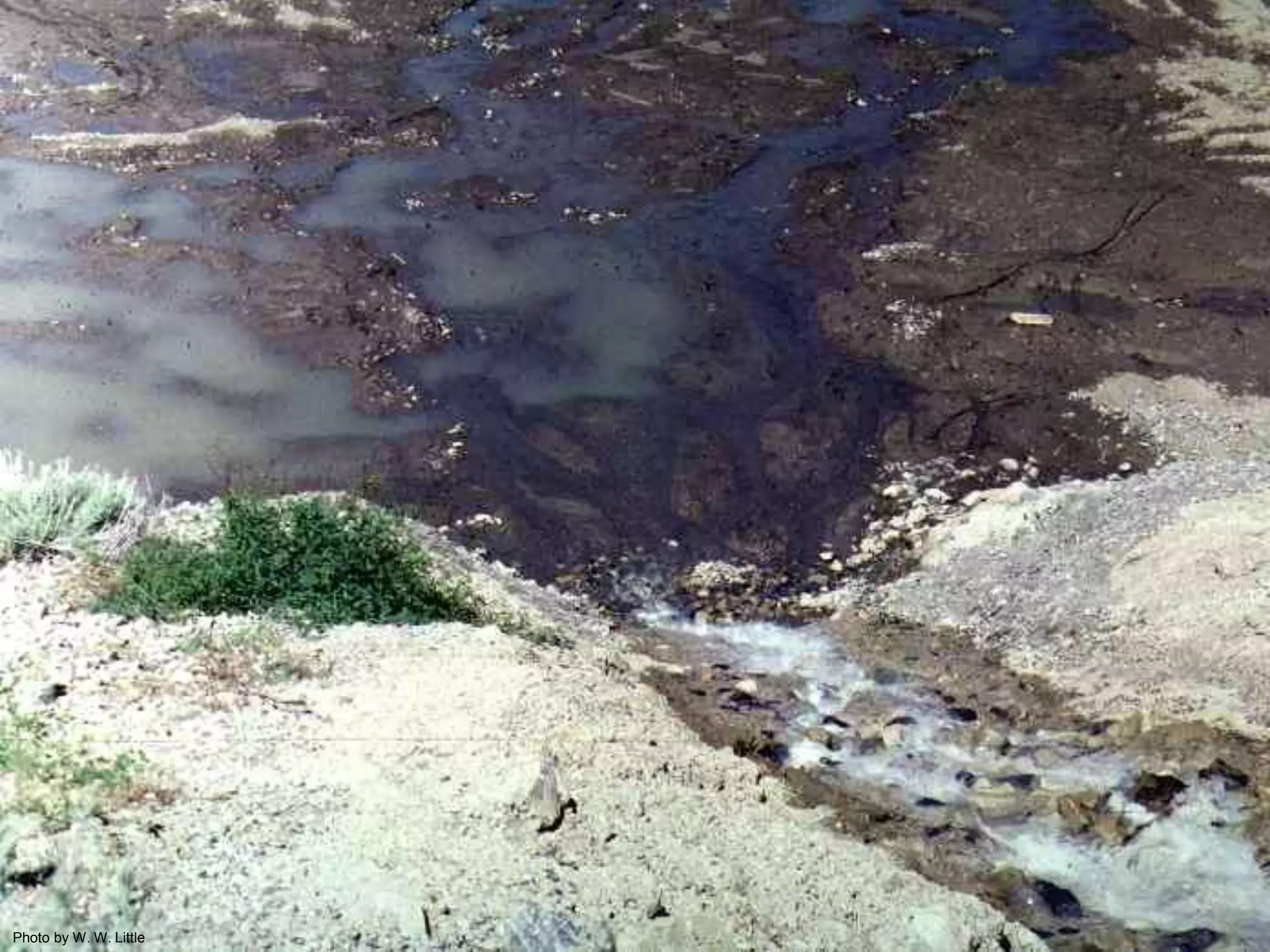
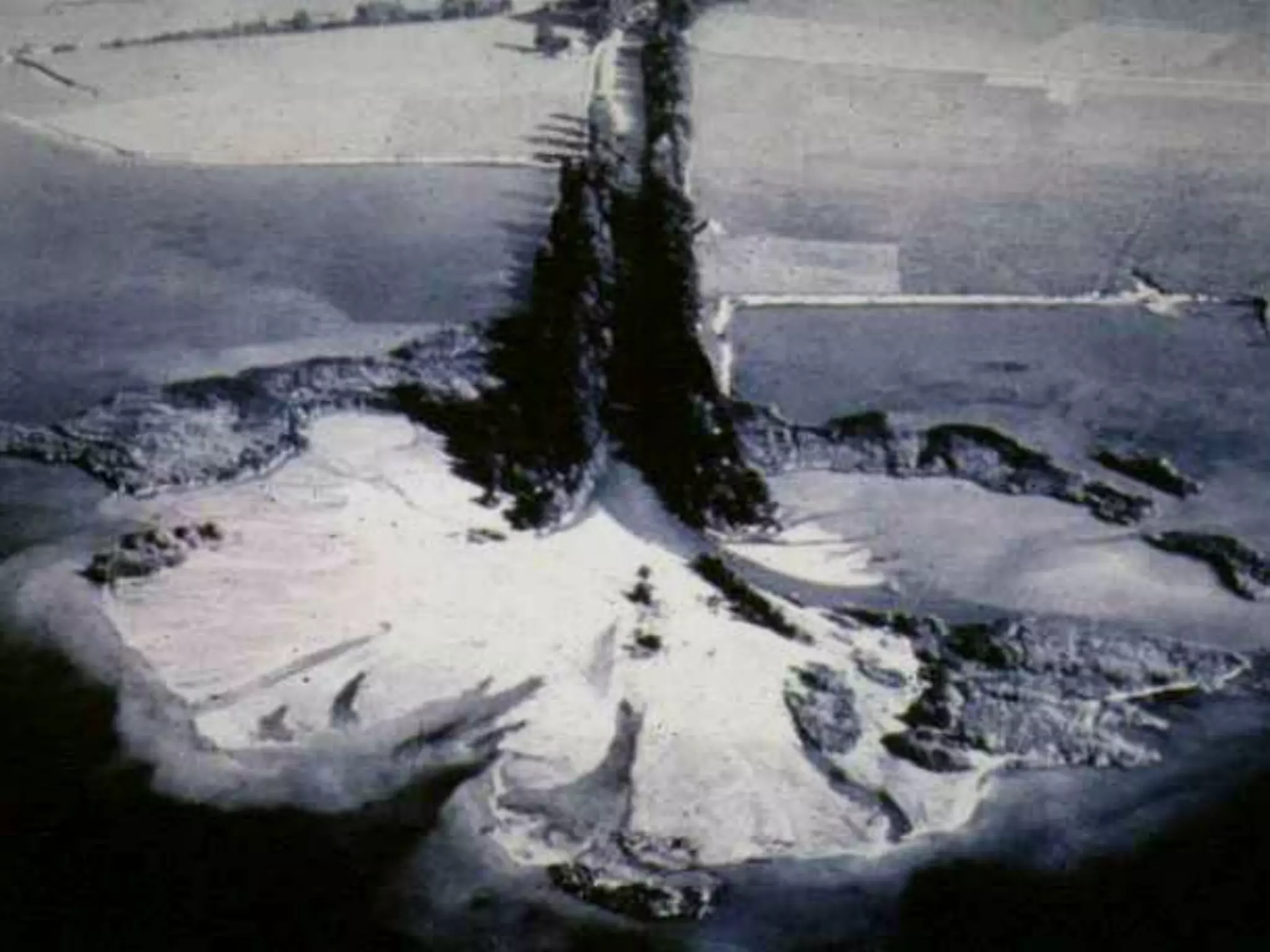
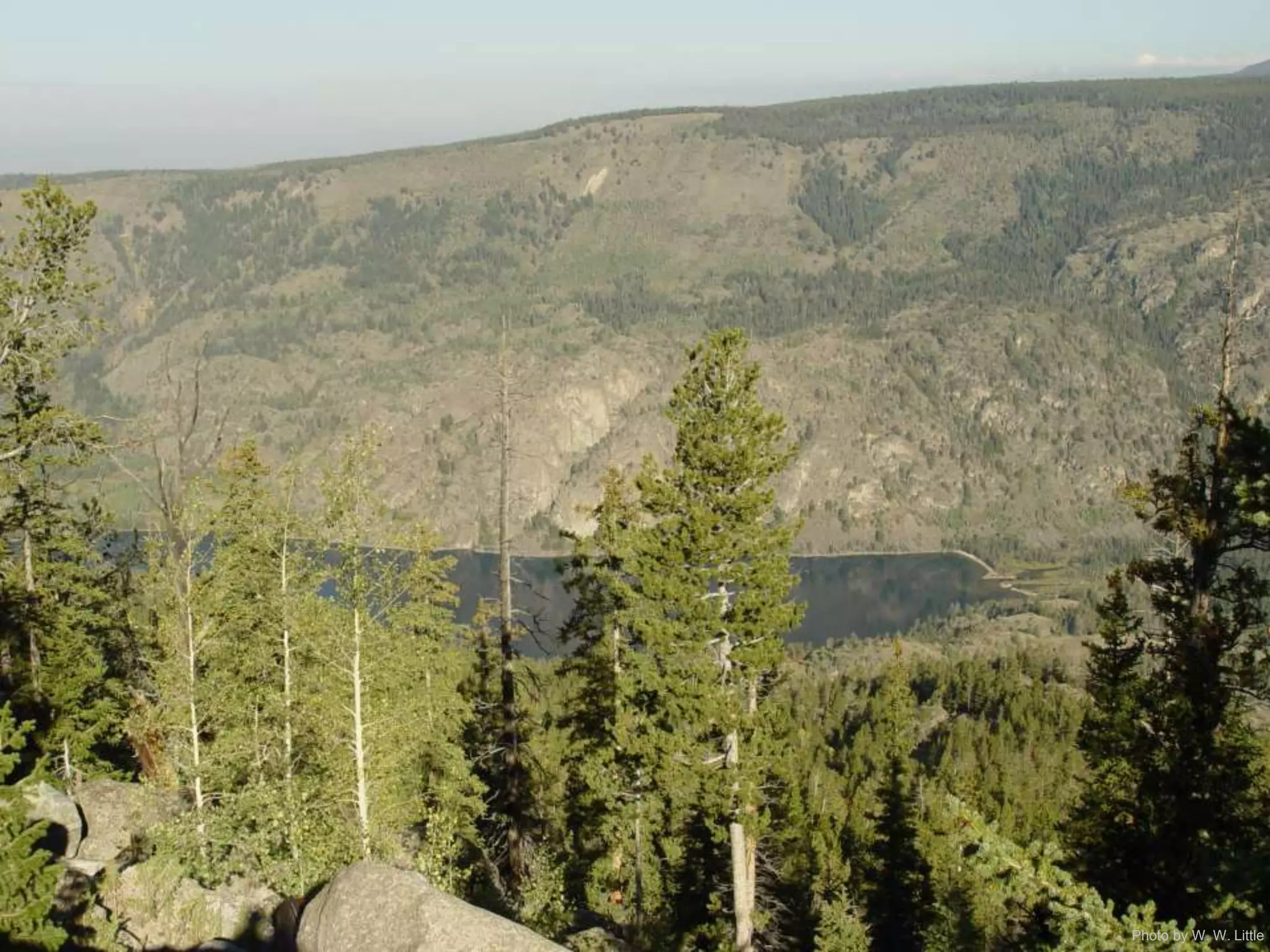
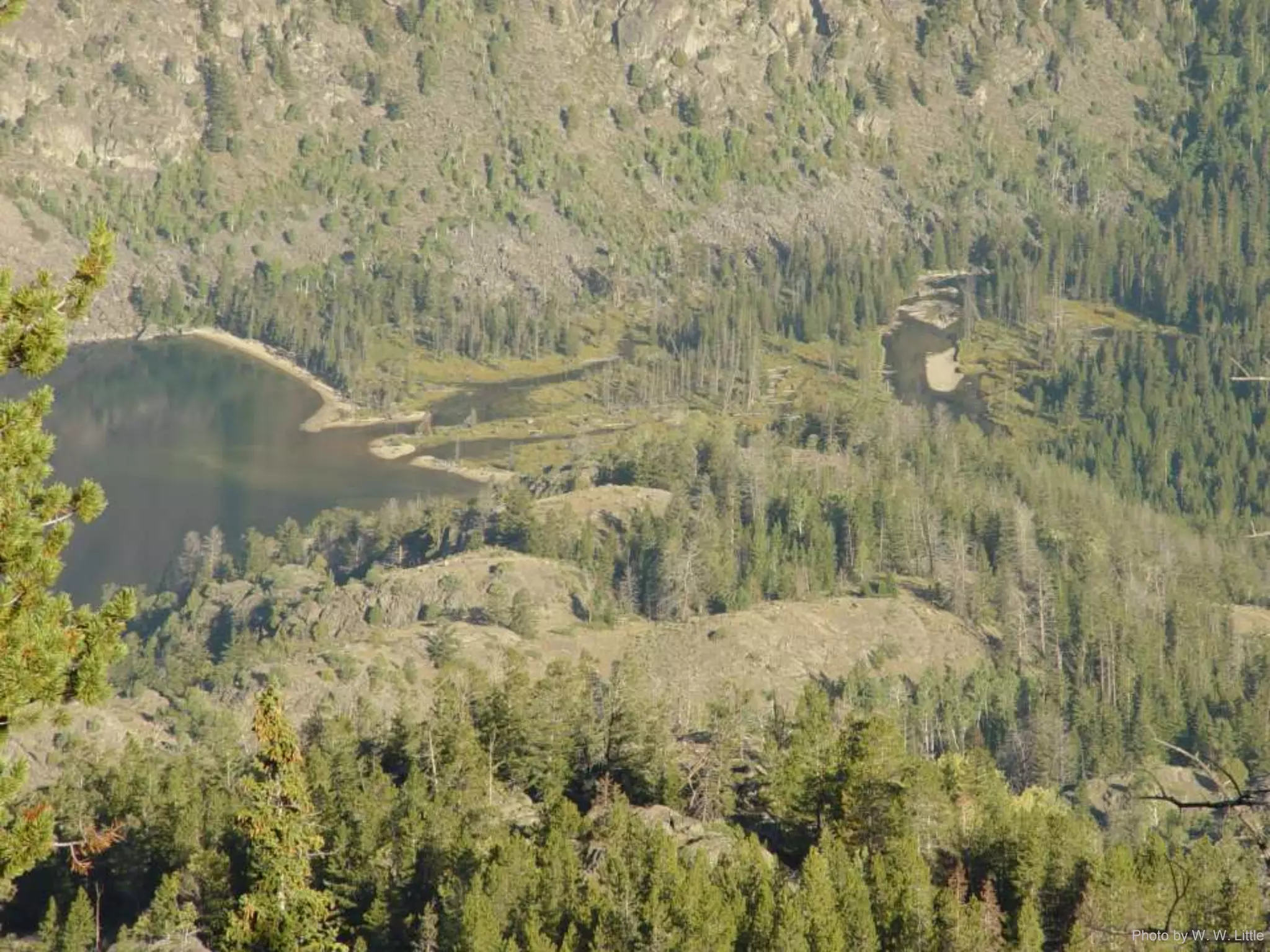
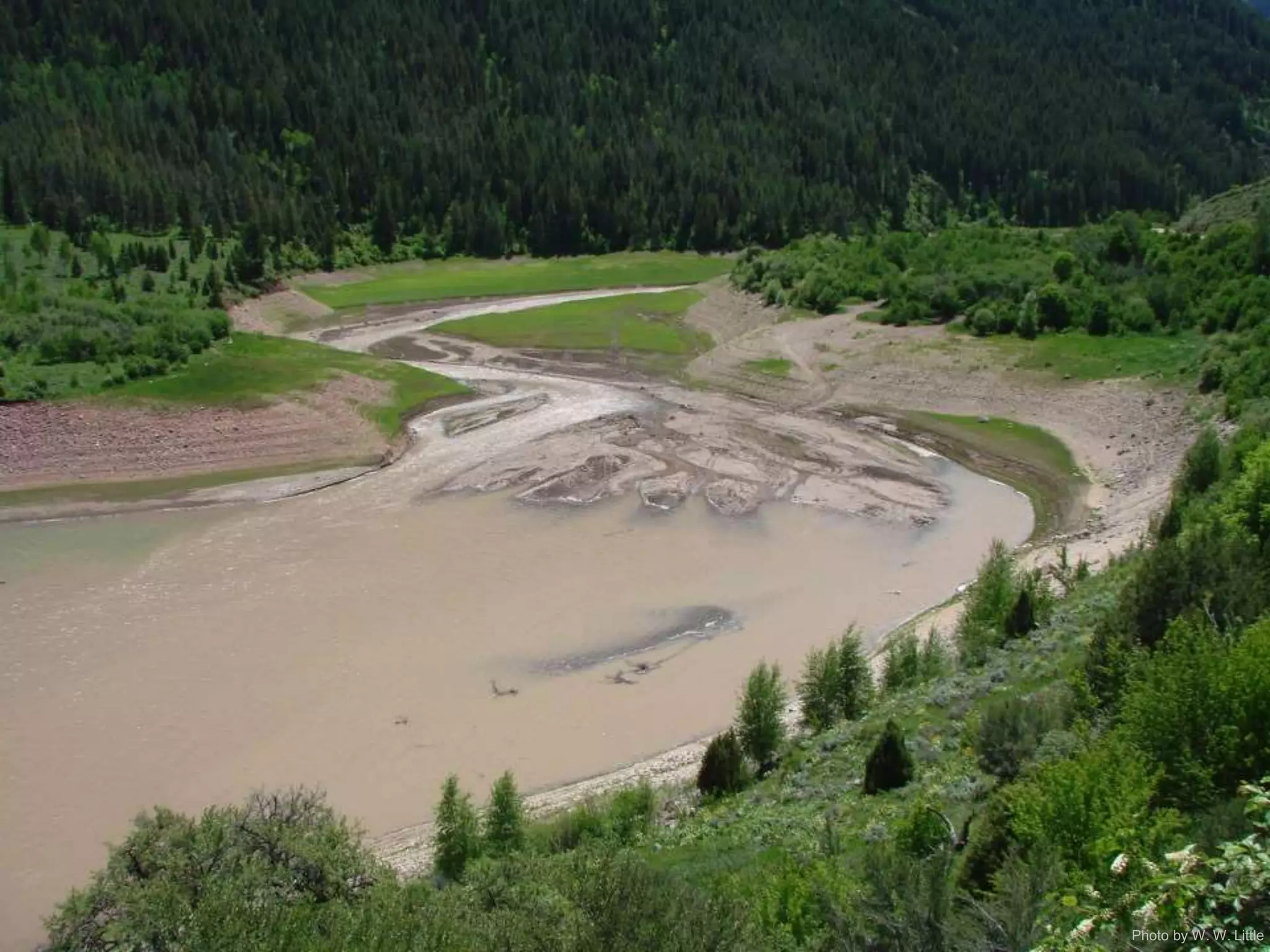
Splay Development
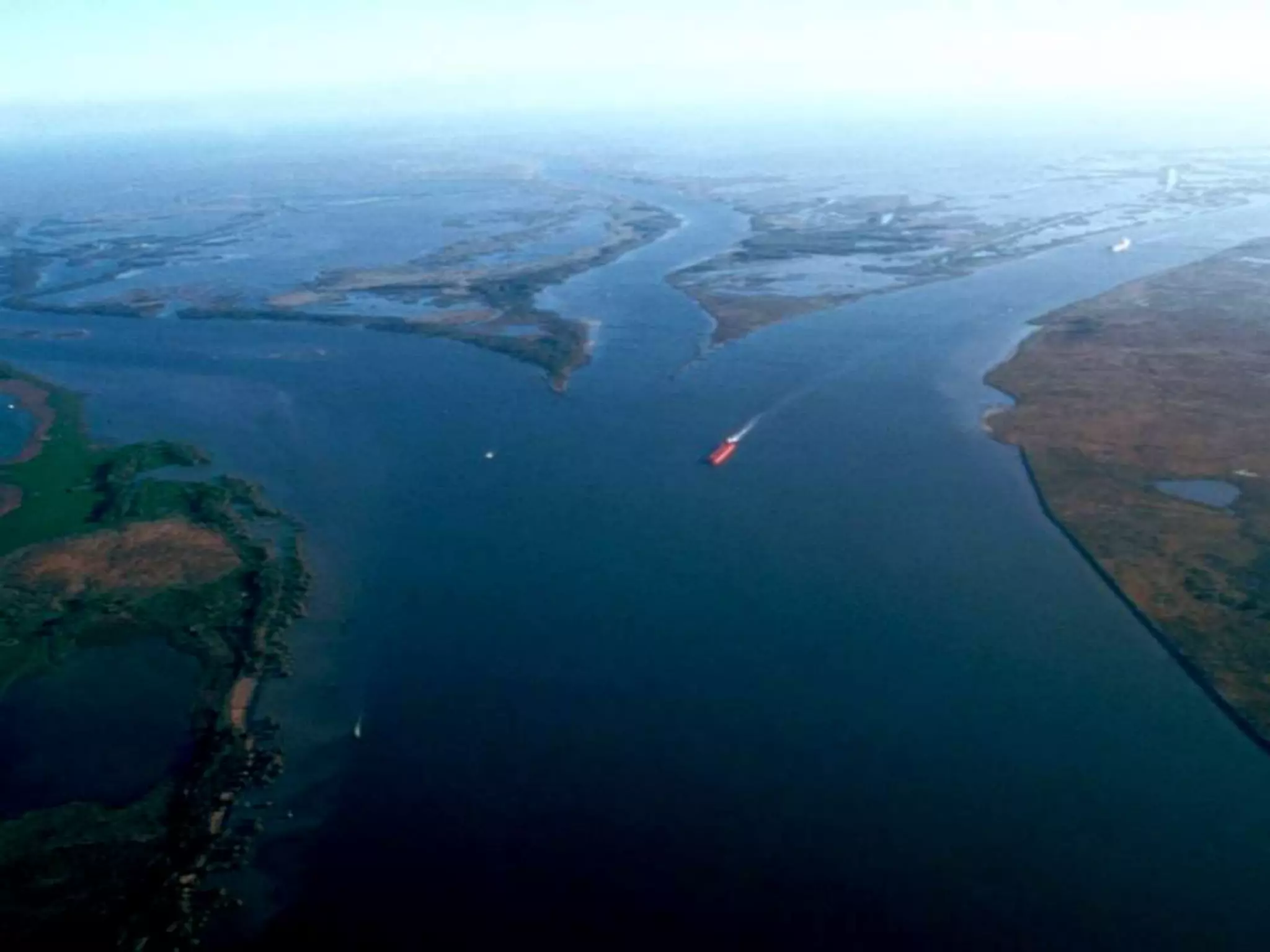
Splays are particularly common in deltaic settings, forming as
smaller deltas within flooded areas adjacent to major channels. Splay
growth is the primary process for filling the space between
distributary channels in fluvially-dominated deltas.
Photo by W. W. Little
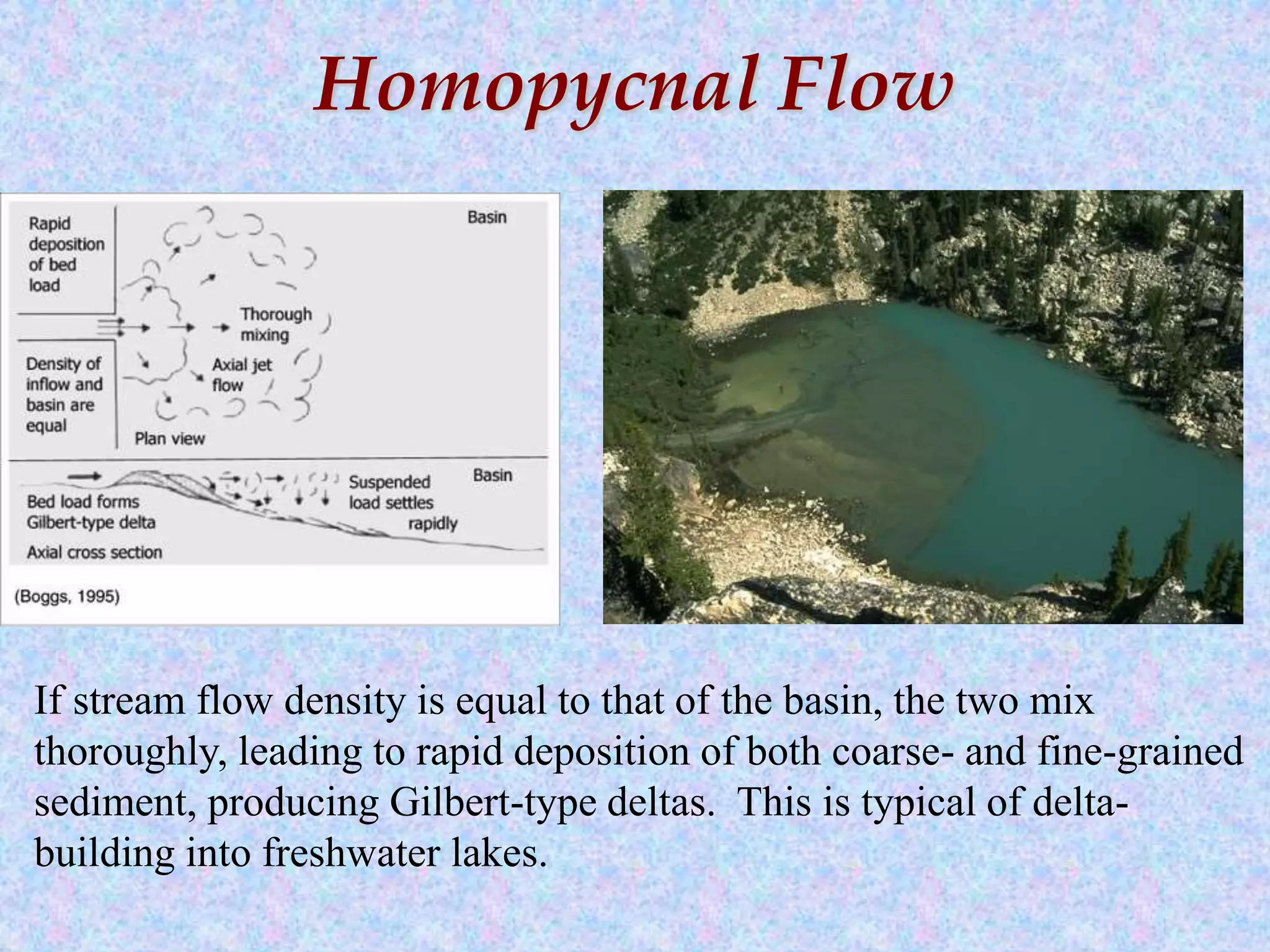
Homopycnal Flow
If stream flow density is equal to that of the basin, the two mix
thoroughly, leading to rapid deposition of both coarse- and fine-grained
sediment, producing Gilbert-type deltas. This is typical of delta-
building into freshwater lakes.
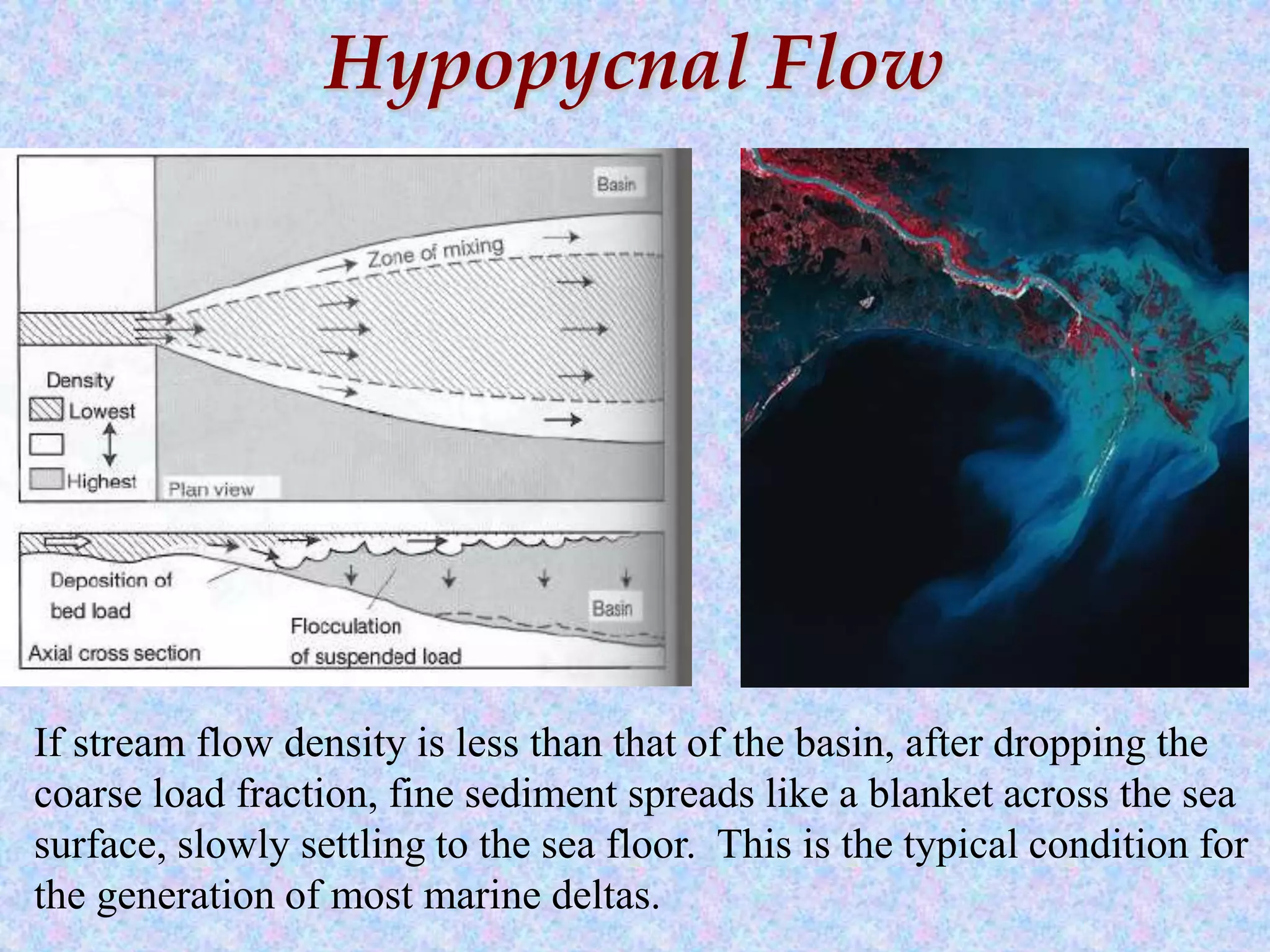
Hypopycnal Flow
If stream flow density is less than that of the basin, after dropping the
coarse load fraction, fine sediment spreads like a blanket across the sea
surface, slowly settling to the sea floor. This is the typical condition for
the generation of most marine deltas.
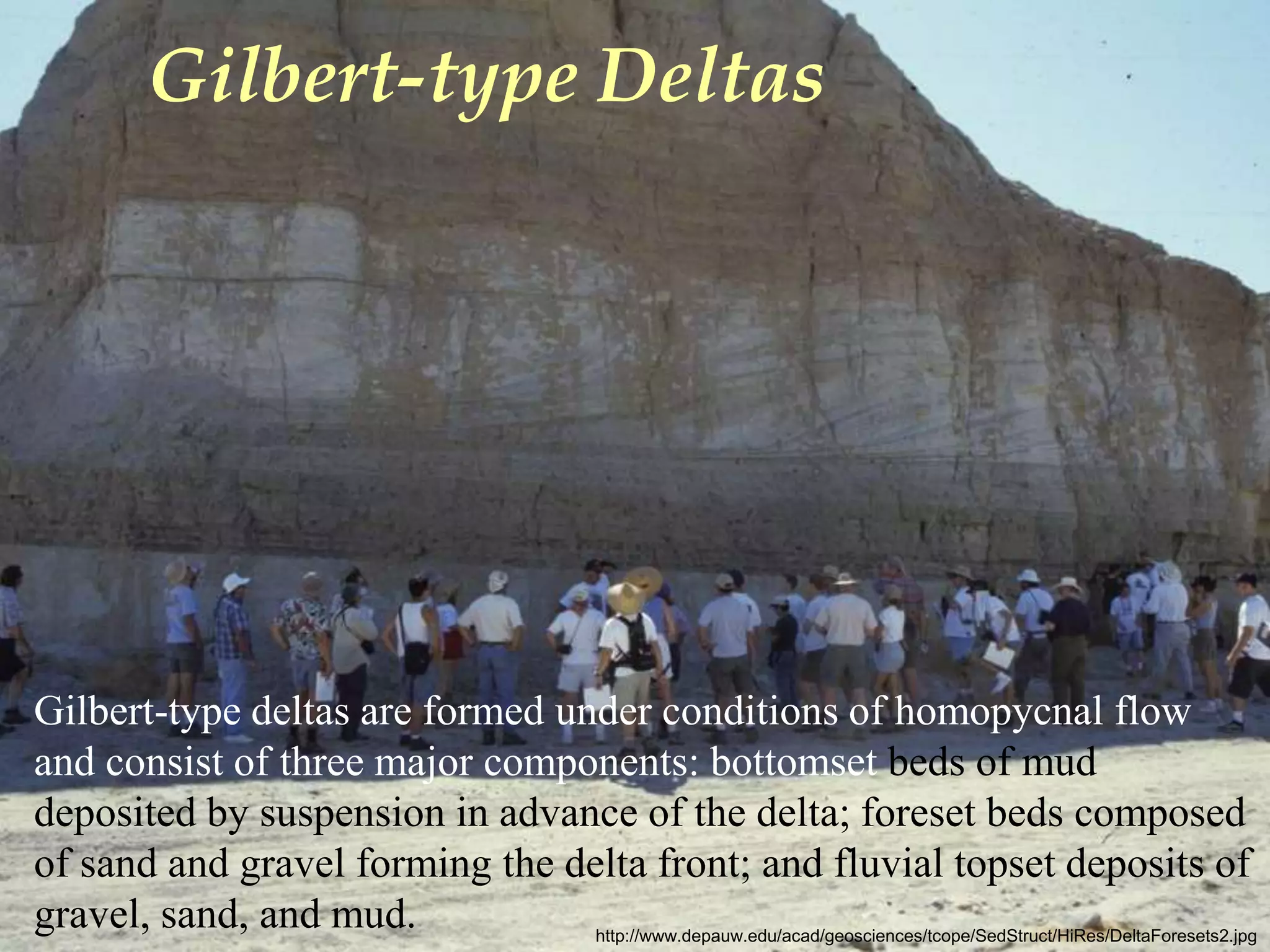
Gilbert-type Deltas
http://www.depauw.edu/acad/geosciences/tcope/SedStruct/HiRes/DeltaForesets2.jpg
Gilbert-type deltas are formed under conditions of homopycnal flow
and consist of three major components: bottomset beds of mud
deposited by suspension in advance of the delta; foreset beds composed
of sand and gravel forming the delta front; and fluvial topset deposits of
gravel, sand, and mud.
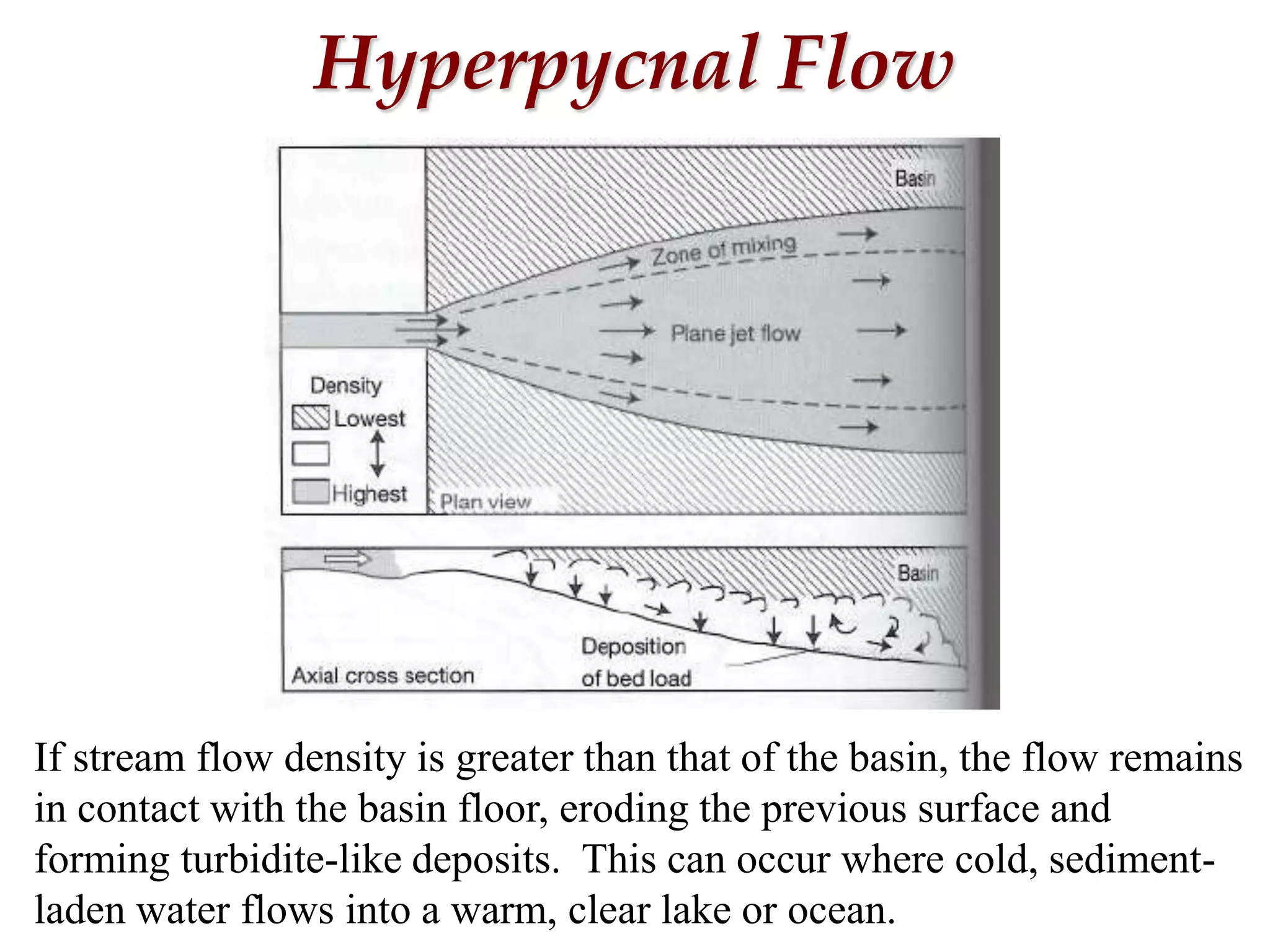
Hyperpycnal Flow
If stream flow density is greater than that of the basin, the flow remains
in contact with the basin floor, eroding the previous surface and
forming turbidite-like deposits. This can occur where cold, sediment-
laden water flows into a warm, clear lake or ocean.
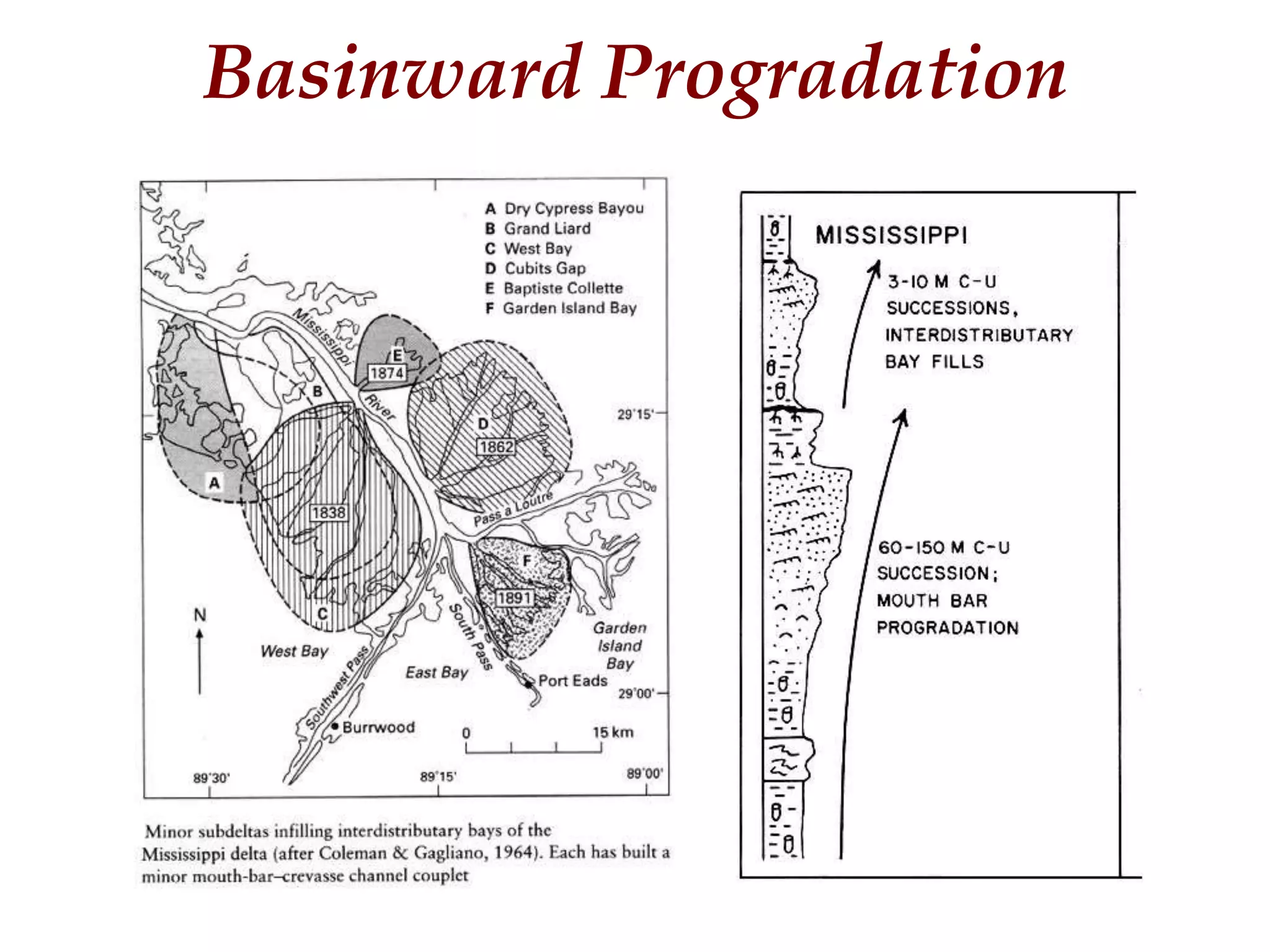
Basinward Progradation
Photo by W. W. Little
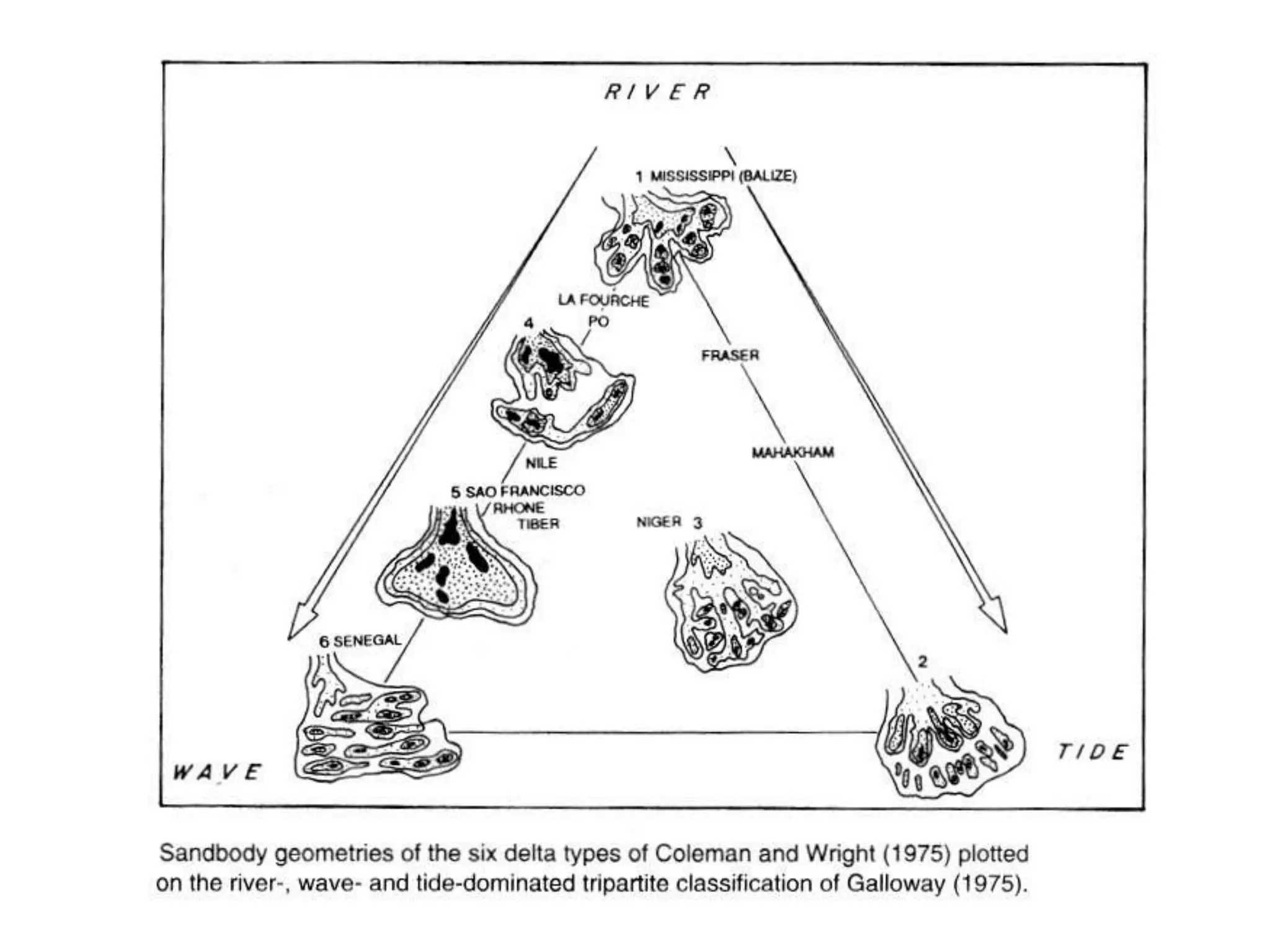
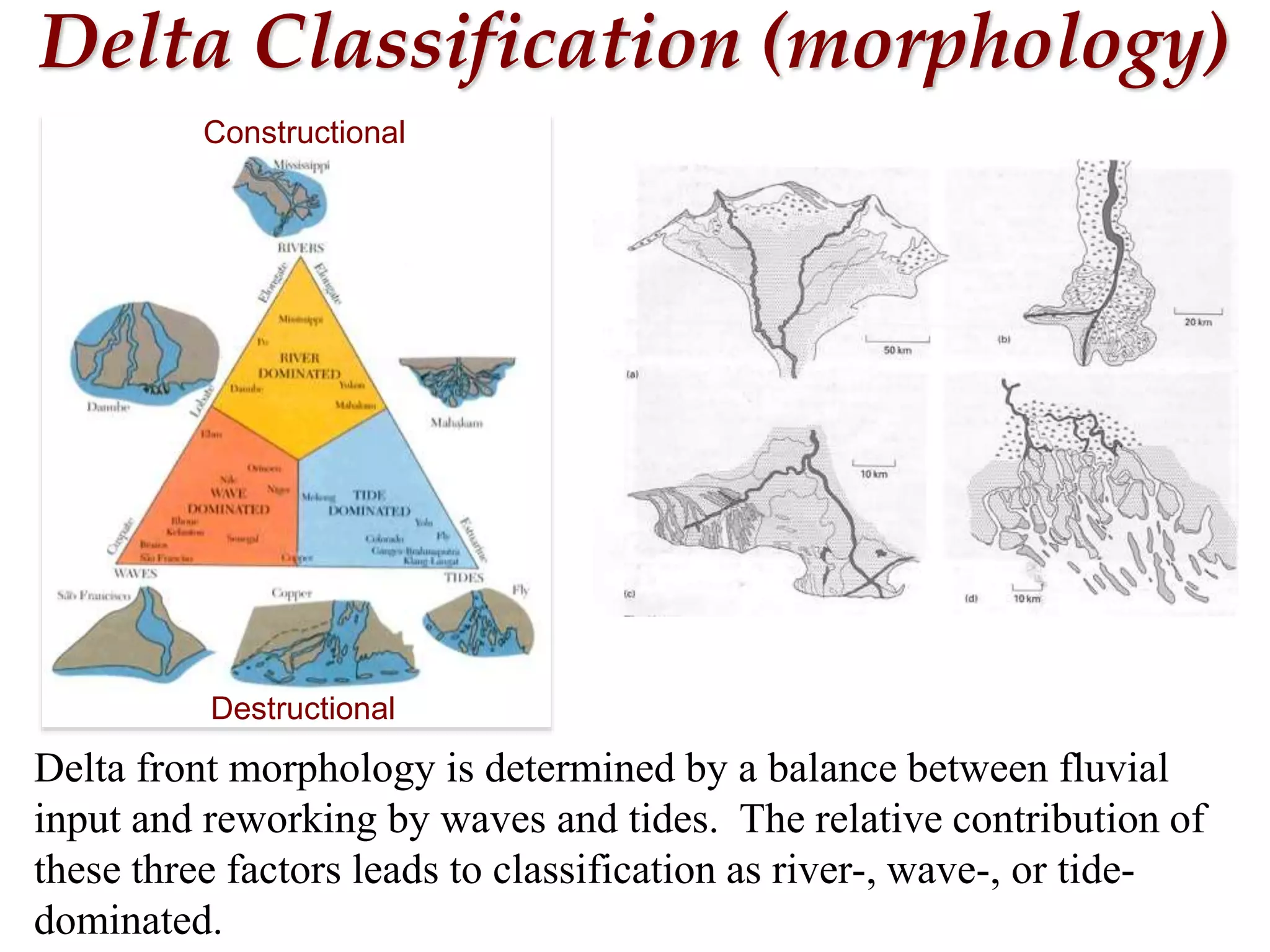
Delta Classification (morphology)
Delta front morphology is determined by a balance between fluvial
input and reworking by waves and tides. The relative contribution of
these three factors leads to classification as river-, wave-, or tide-
dominated.
Constructional
Destructional
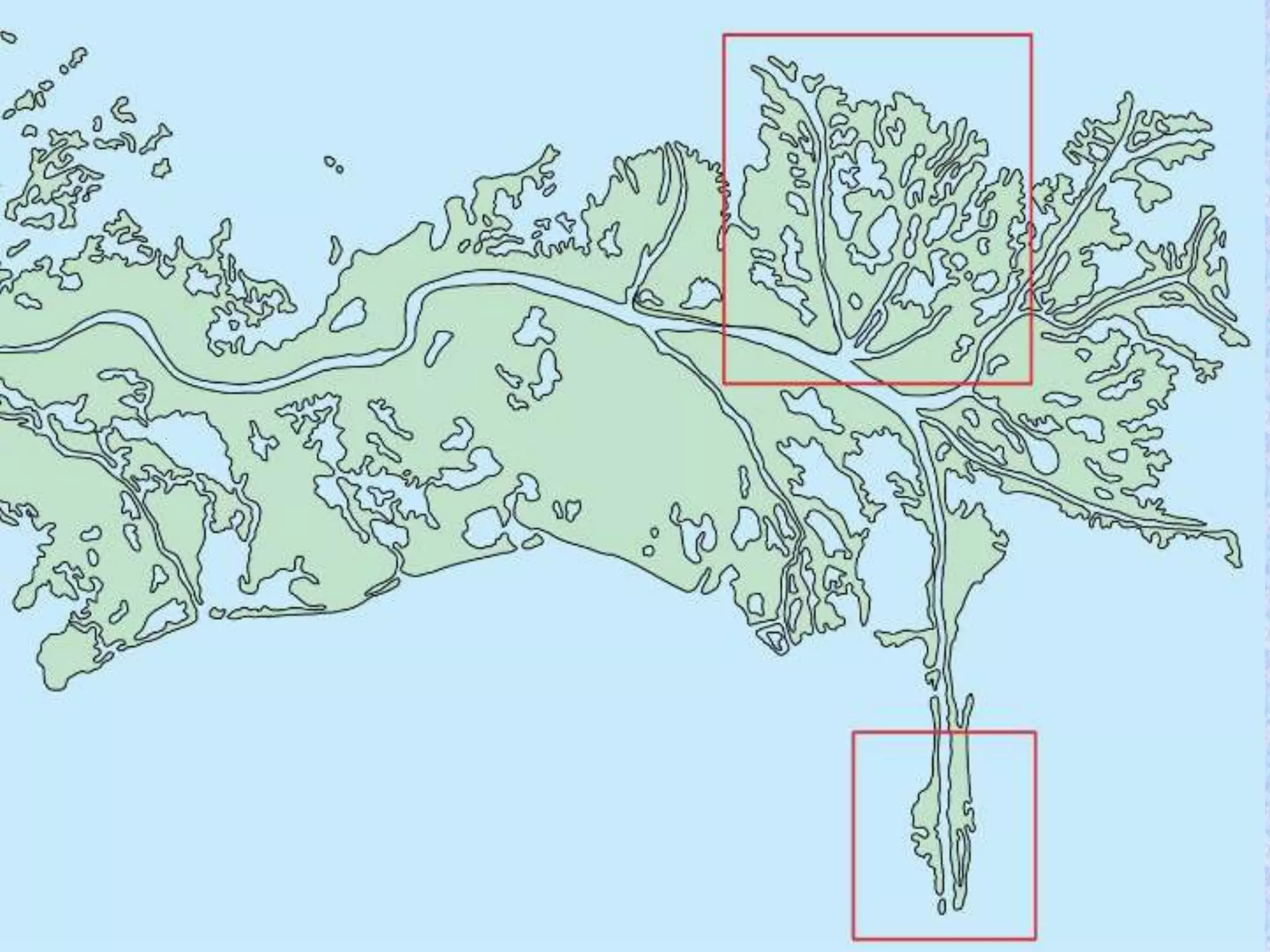
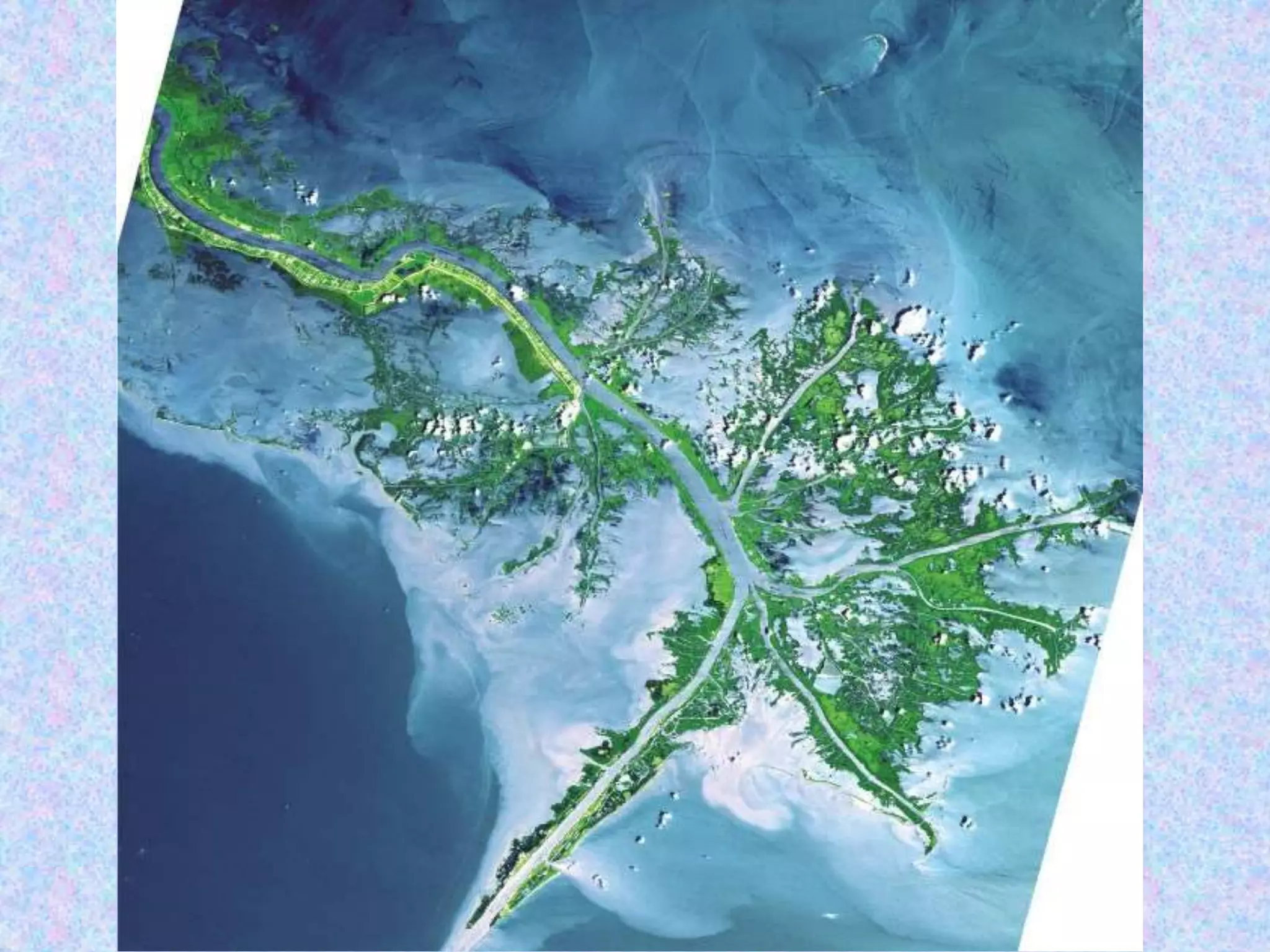
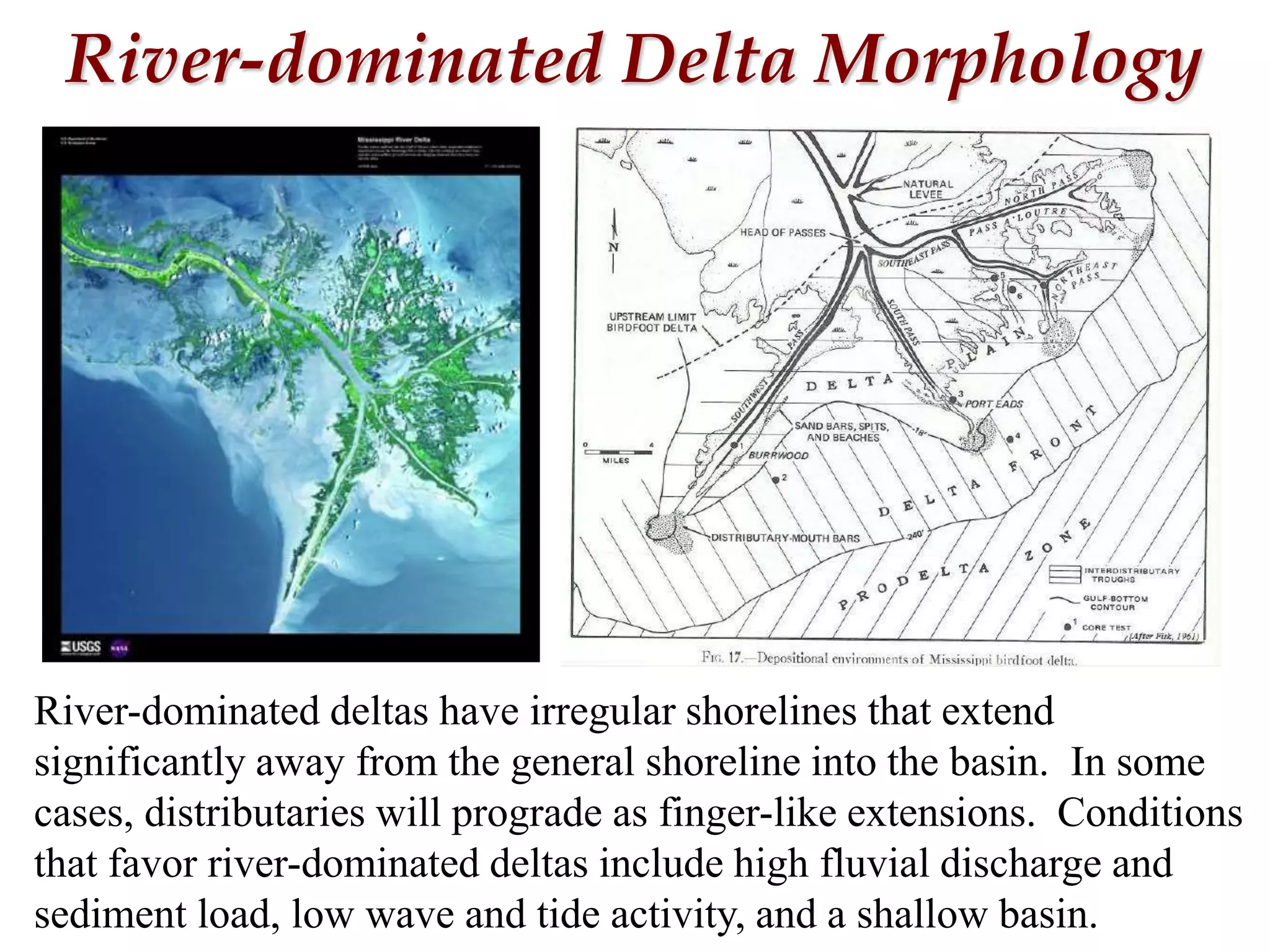
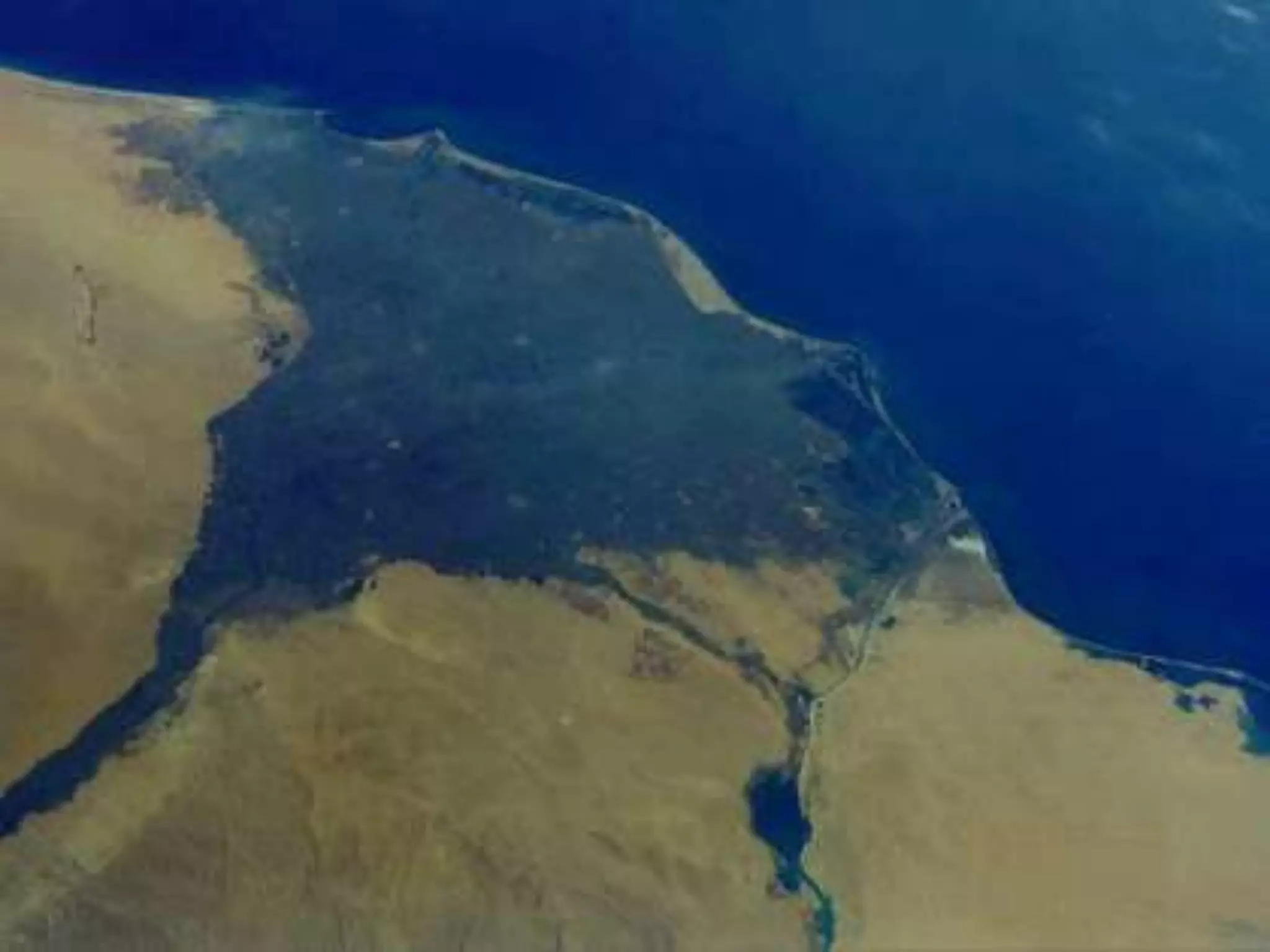
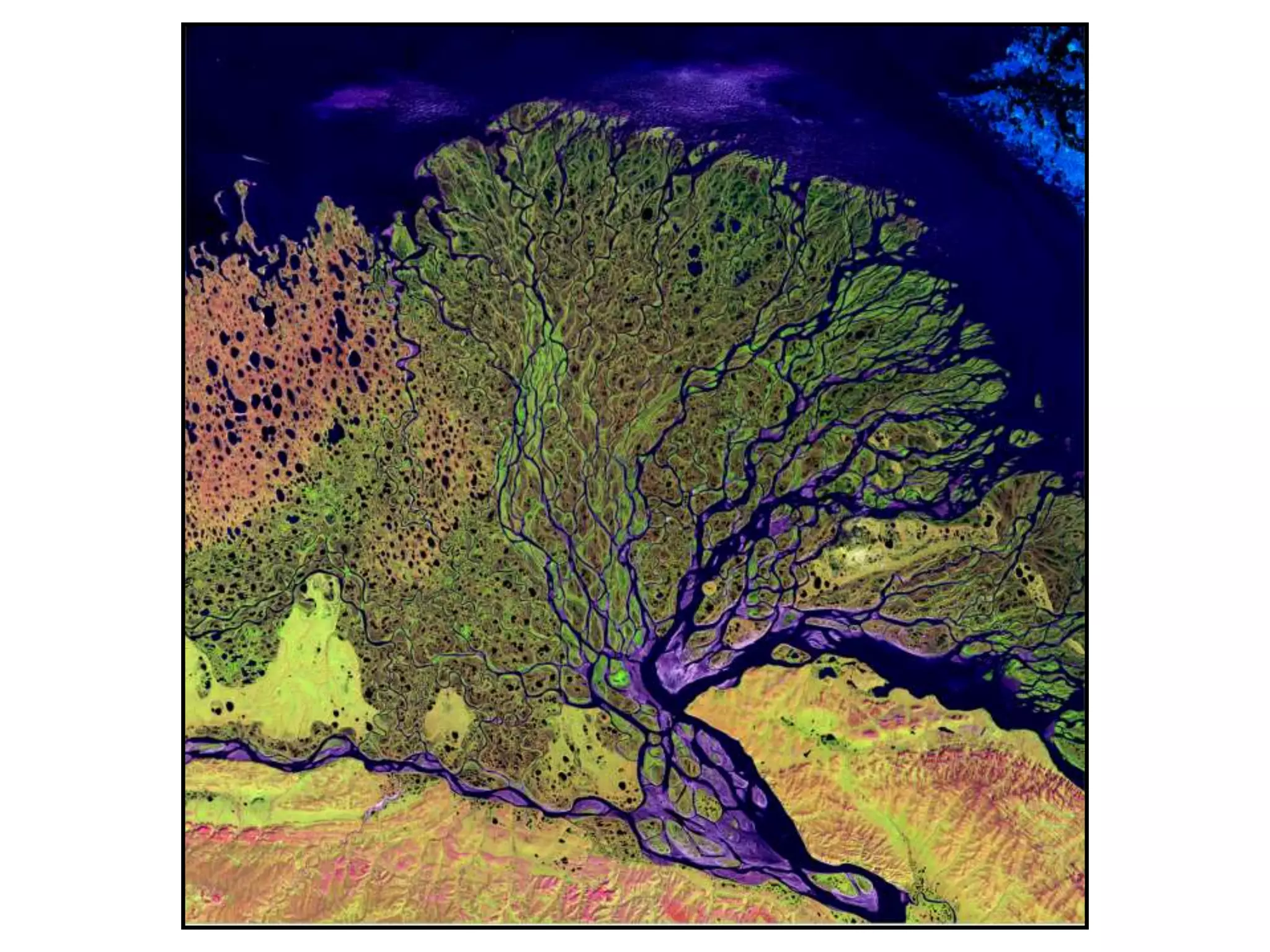
River-dominated Delta Morphology
River-dominated deltas have irregular shorelines that extend
significantly away from the general shoreline into the basin. In some
cases, distributaries will prograde as finger-like extensions. Conditions
that favor river-dominated deltas include high fluvial discharge and
sediment load, low wave and tide activity, and a shallow basin.
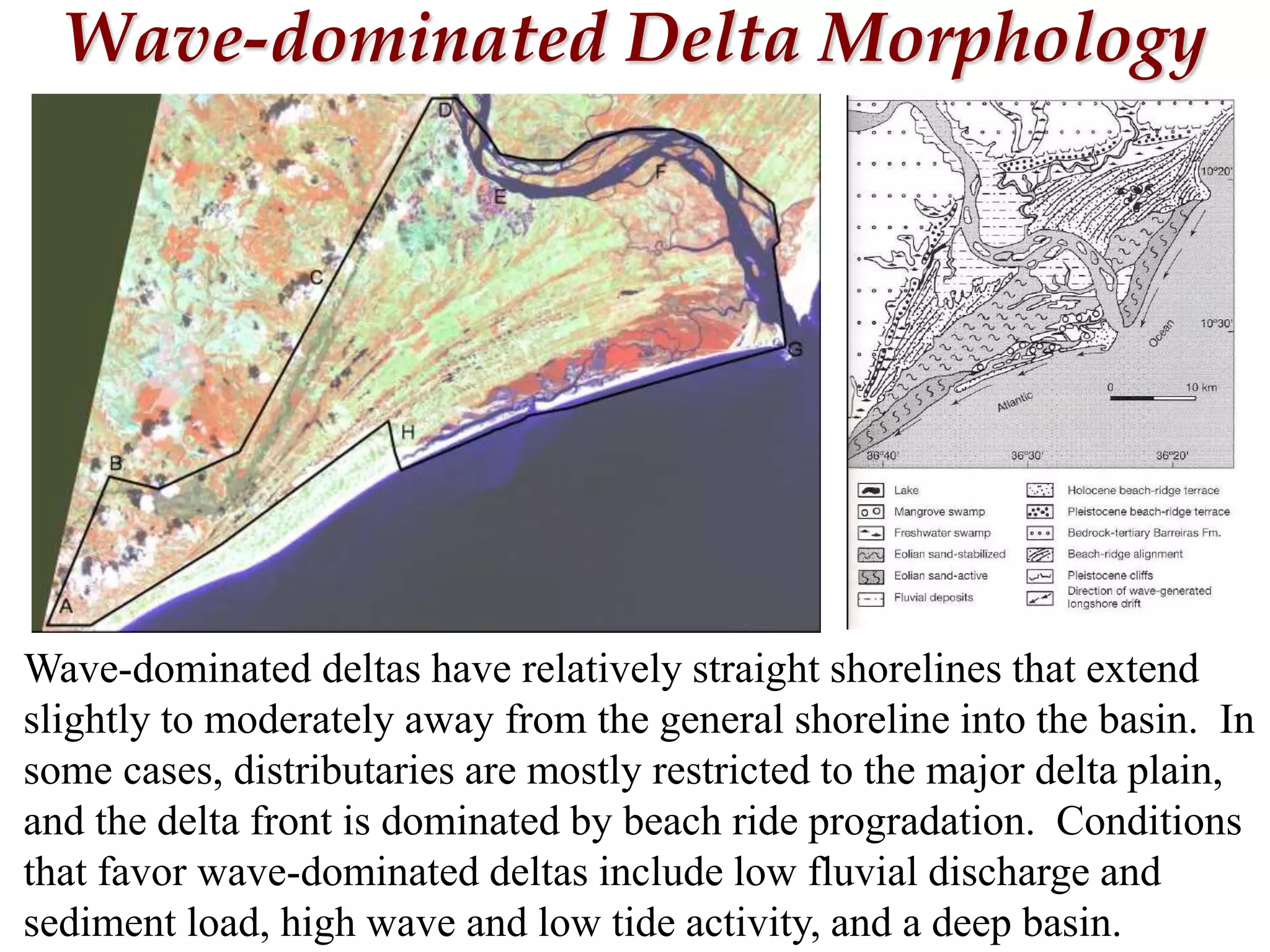
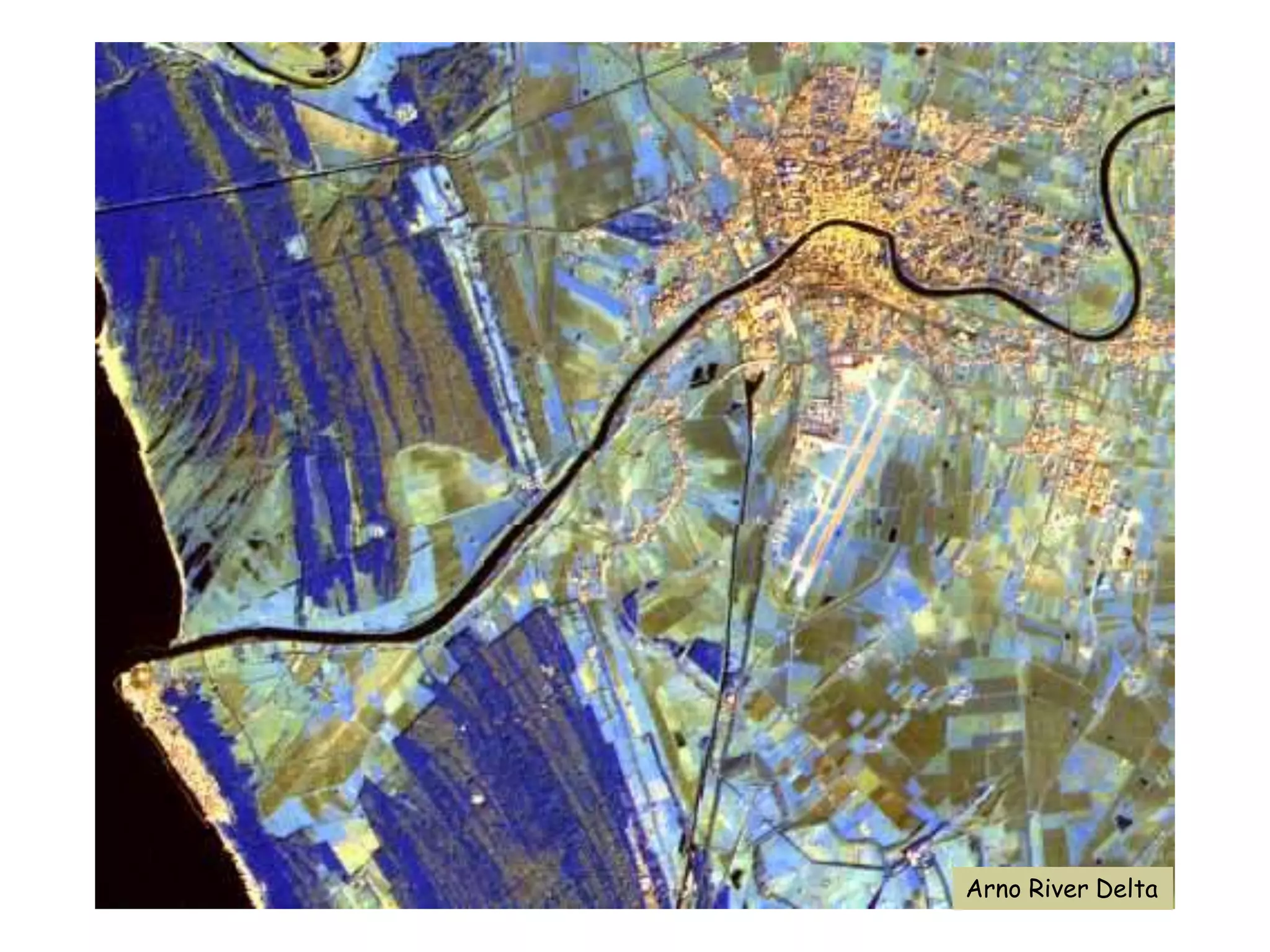
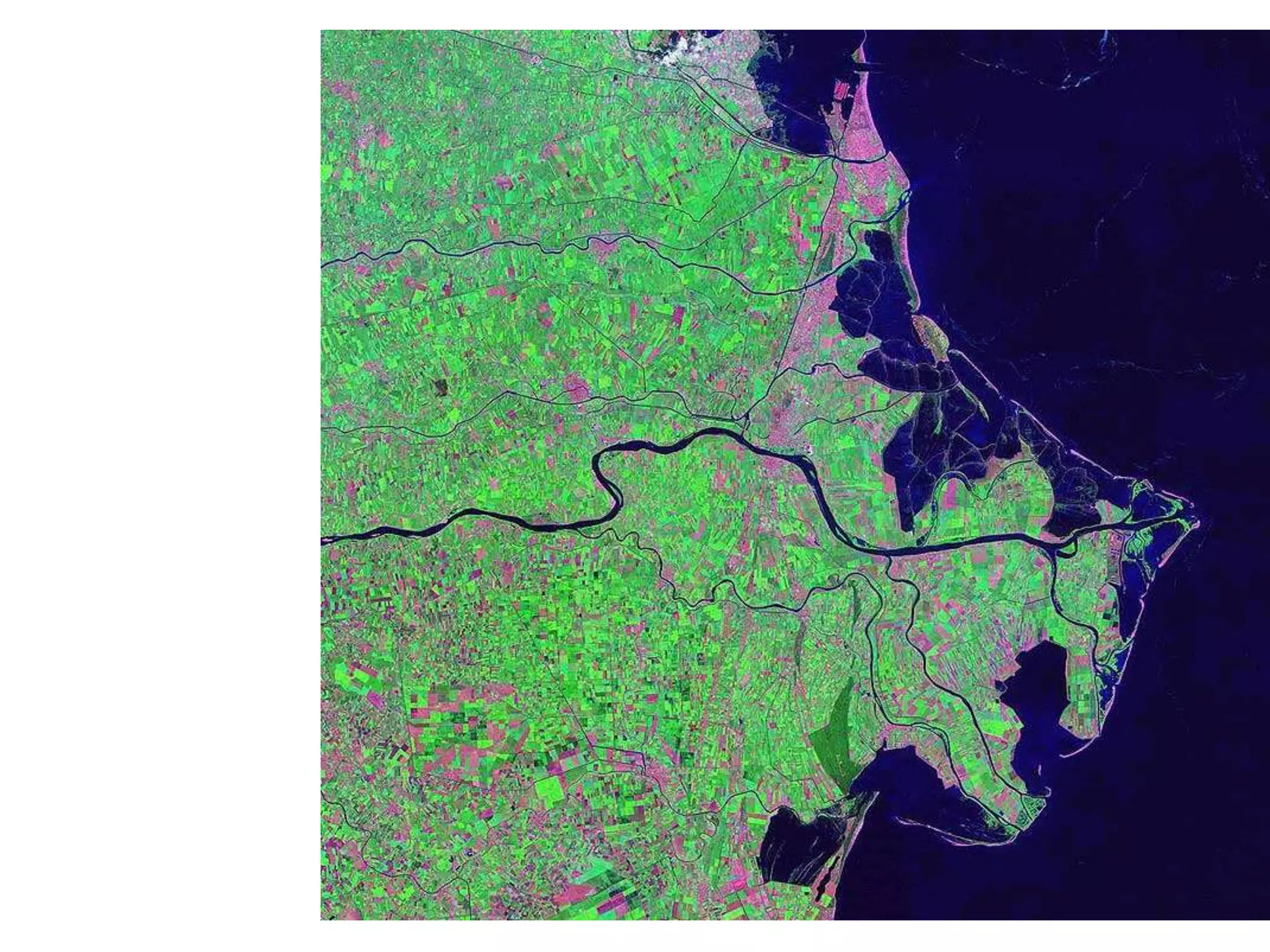
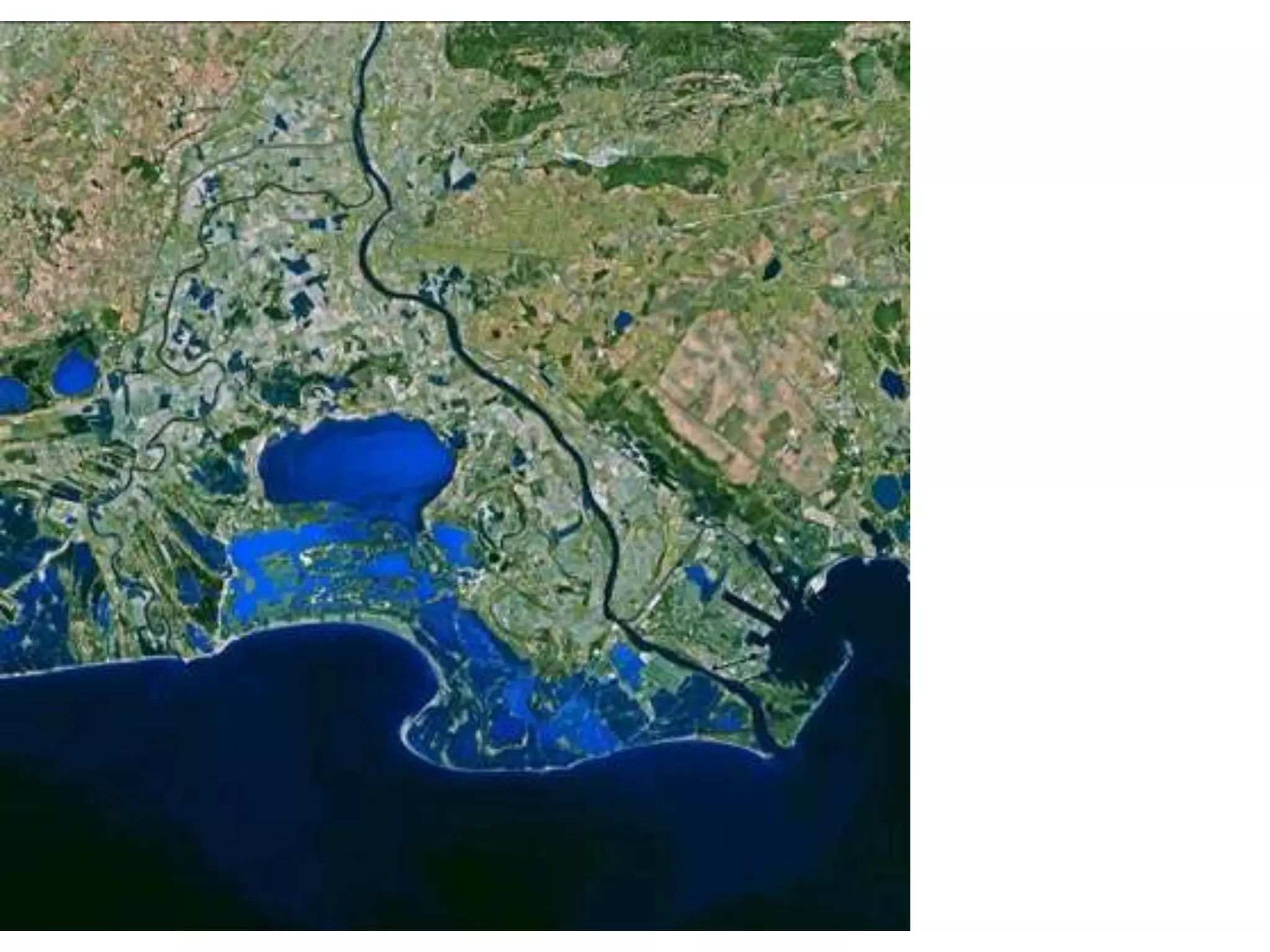
Wave-dominated Delta Morphology
Wave-dominated deltas have relatively straight shorelines that extend
slightly to moderately away from the general shoreline into the basin. In
some cases, distributaries are mostly restricted to the major delta plain,
and the delta front is dominated by beach ride progradation. Conditions
that favor wave-dominated deltas include low fluvial discharge and
sediment load, high wave and low tide activity, and a deep basin.
Arno River Delta
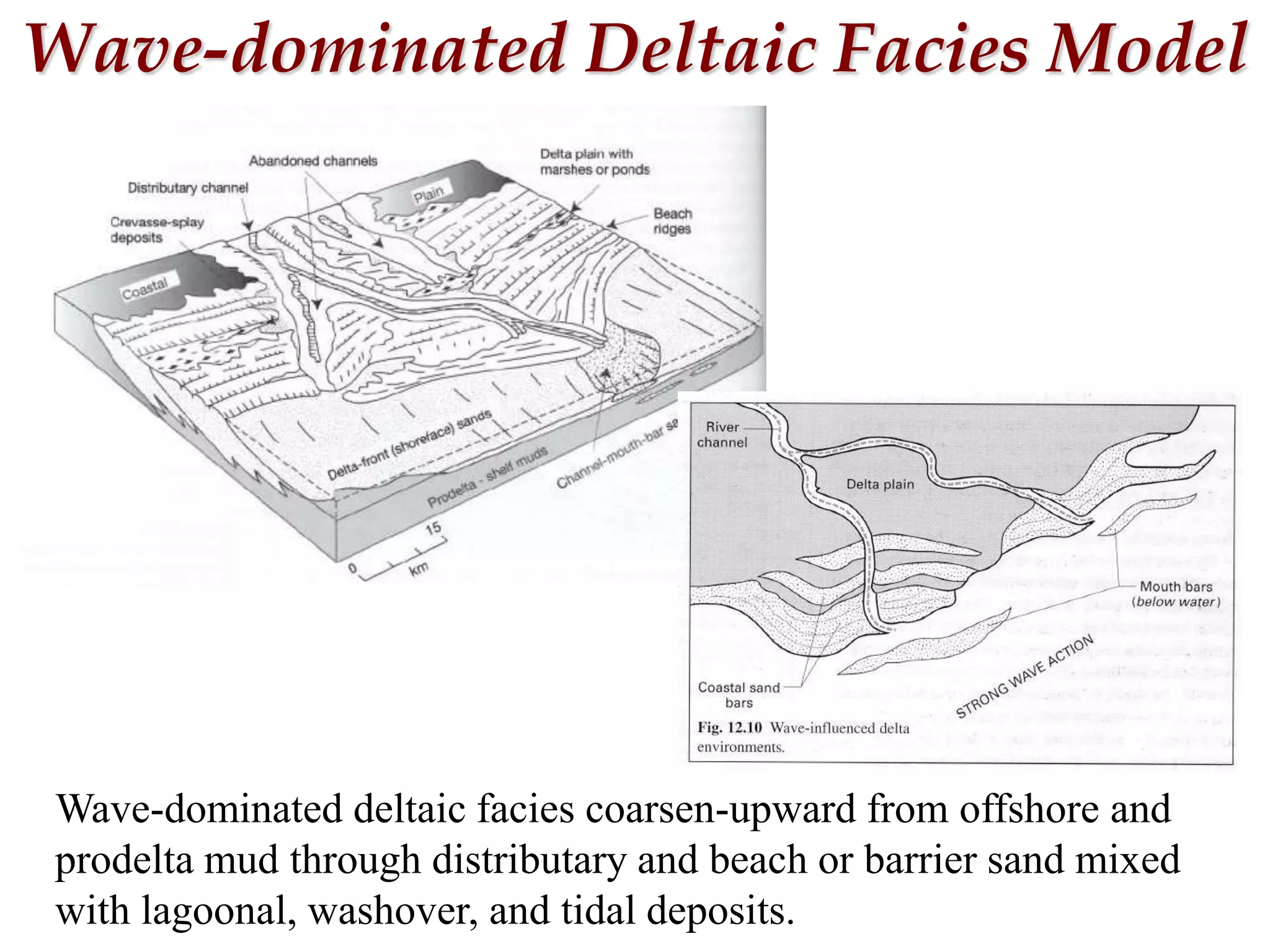
Wave-dominated Deltaic Facies Model
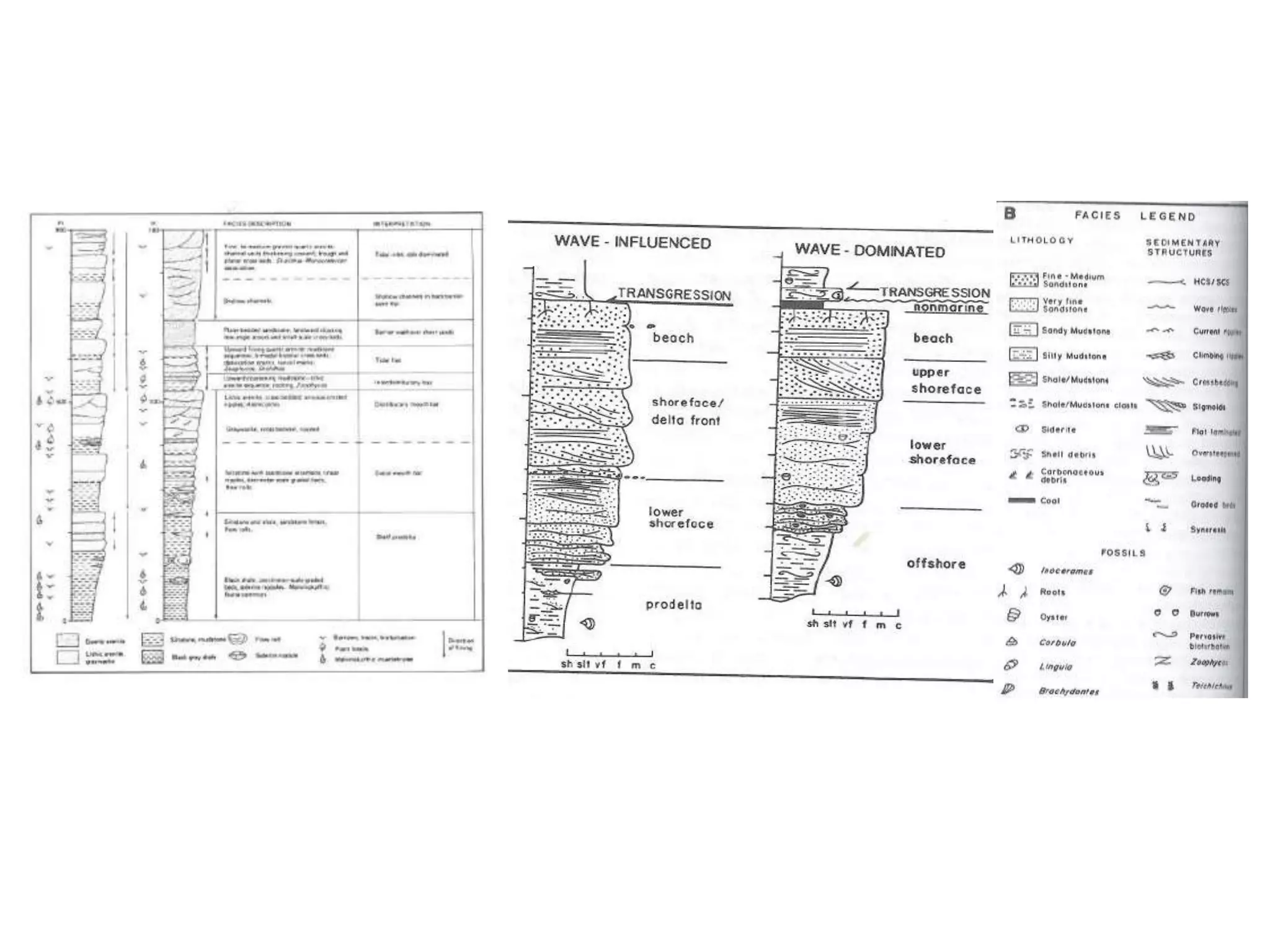
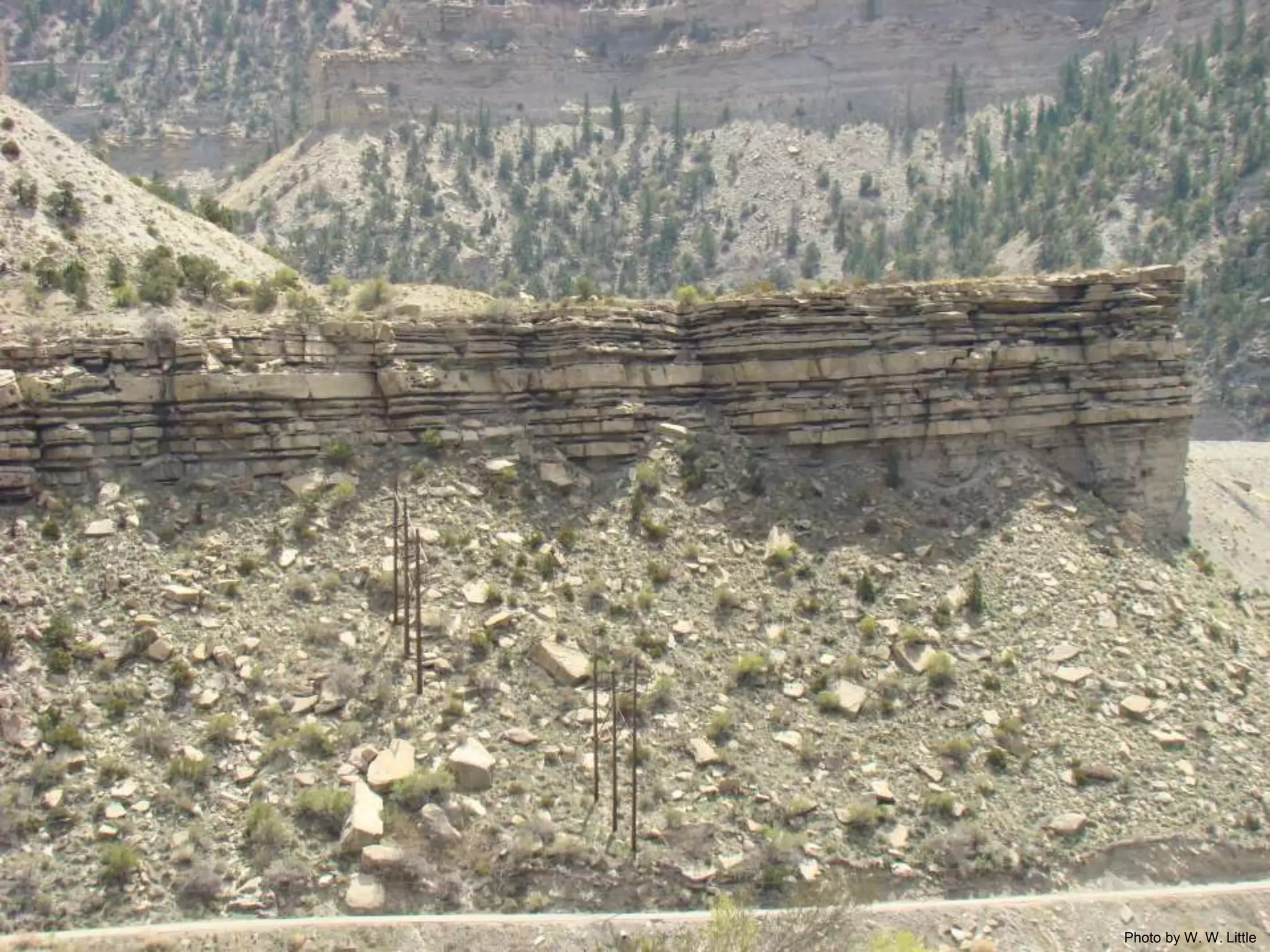
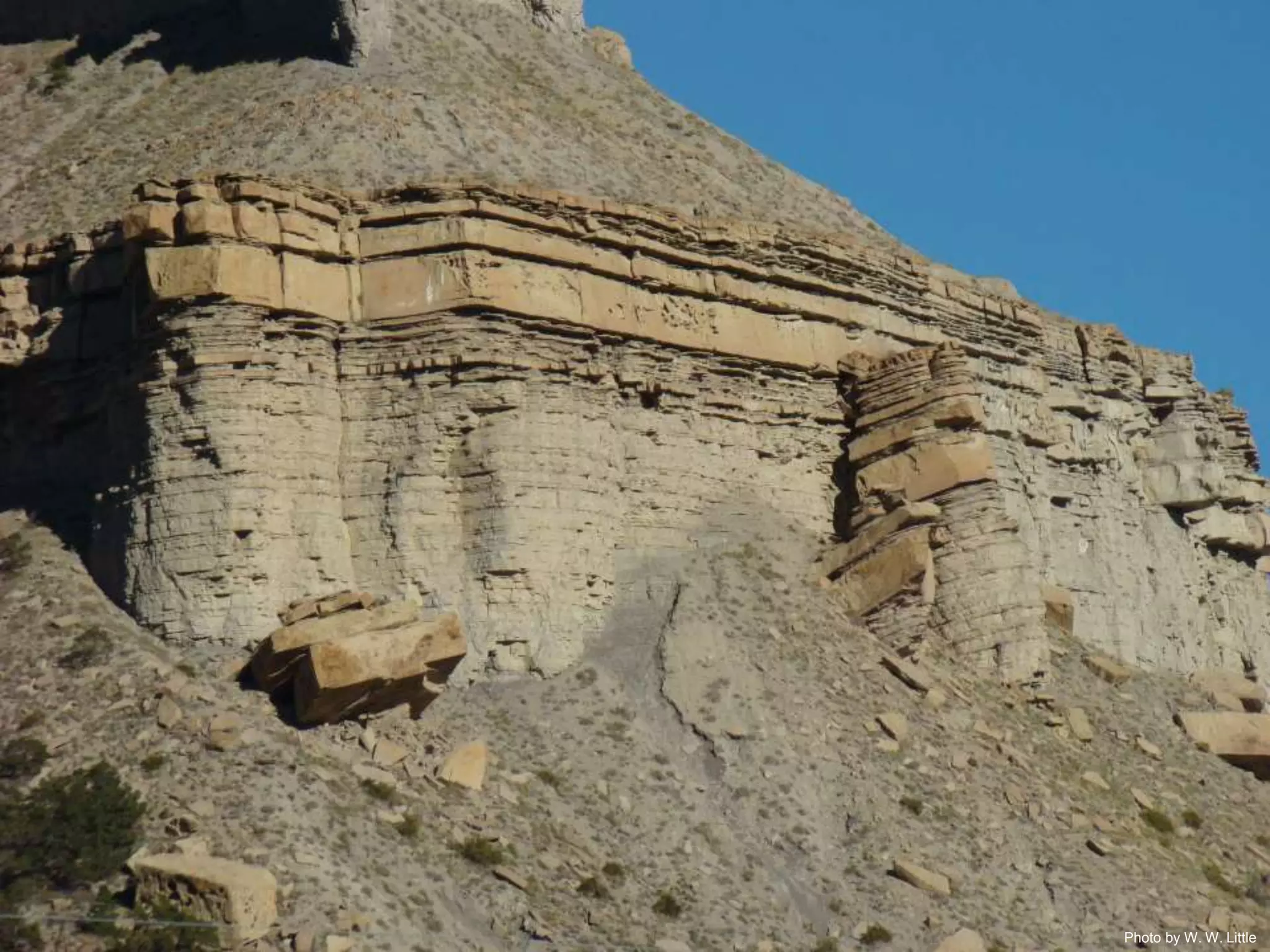
Wave-dominated deltaic facies coarsen-upward from offshore and
prodelta mud through distributary and beach or barrier sand mixed
with lagoonal, washover, and tidal deposits.
Photo by W. W. Little
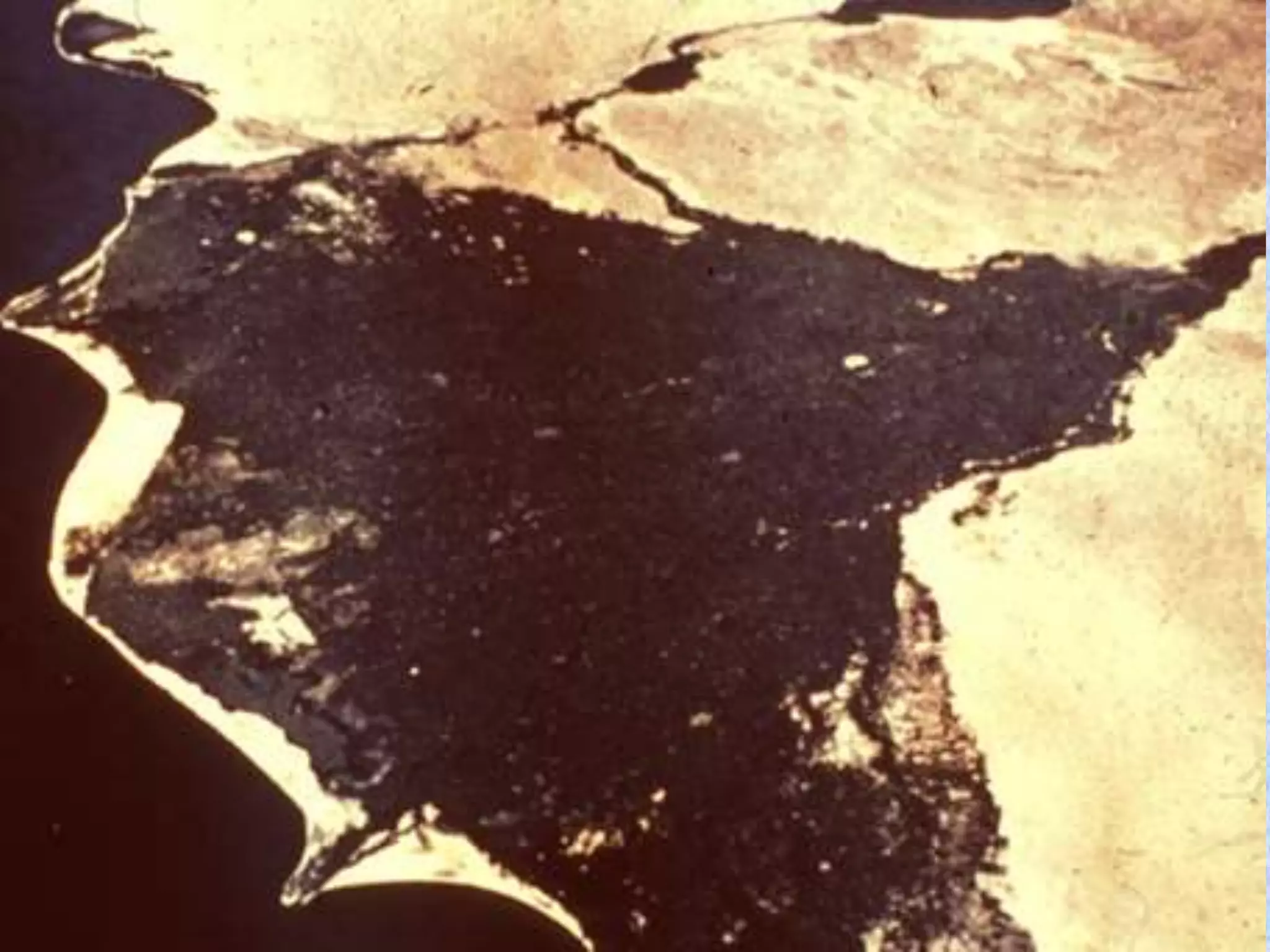
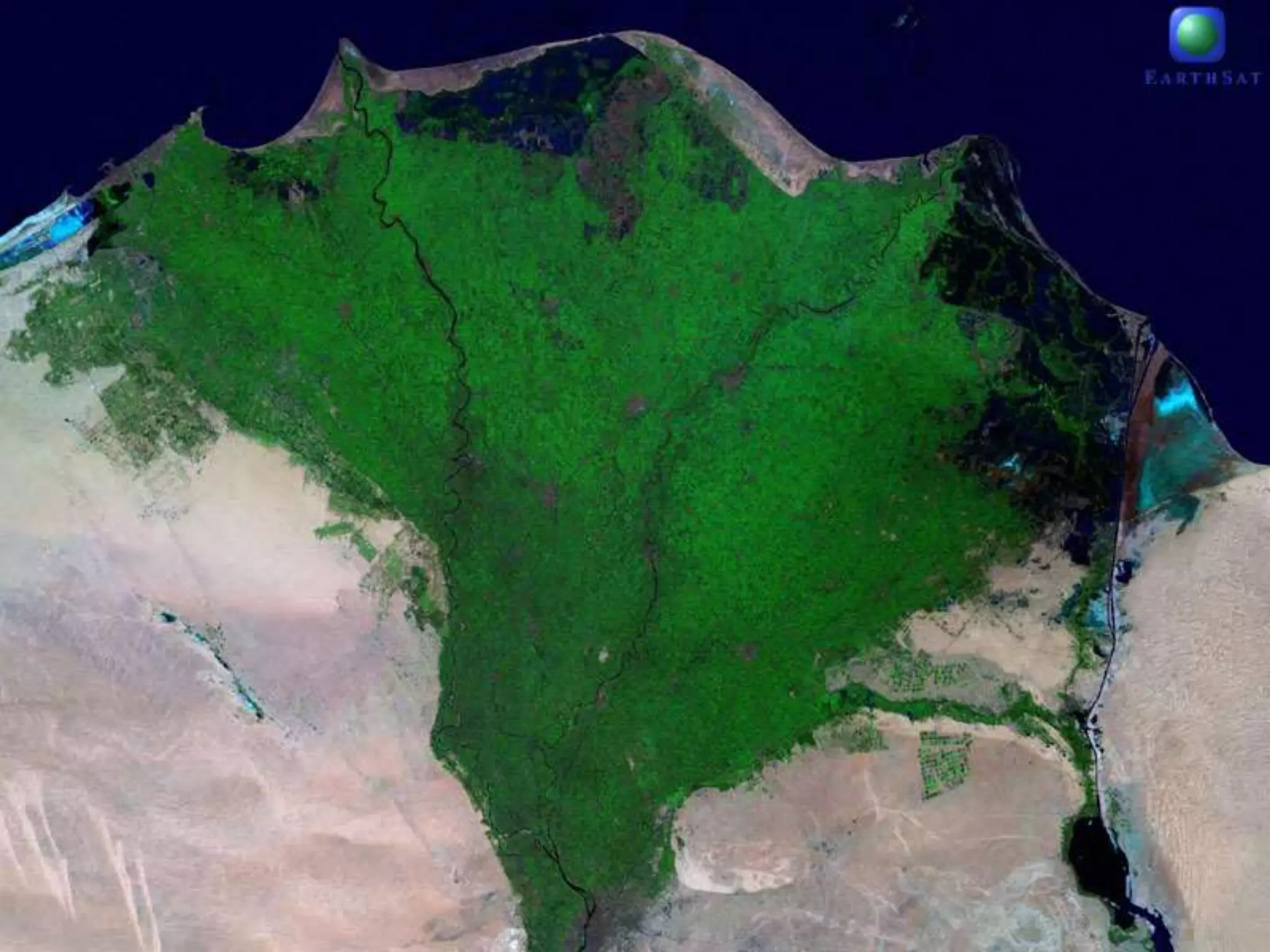
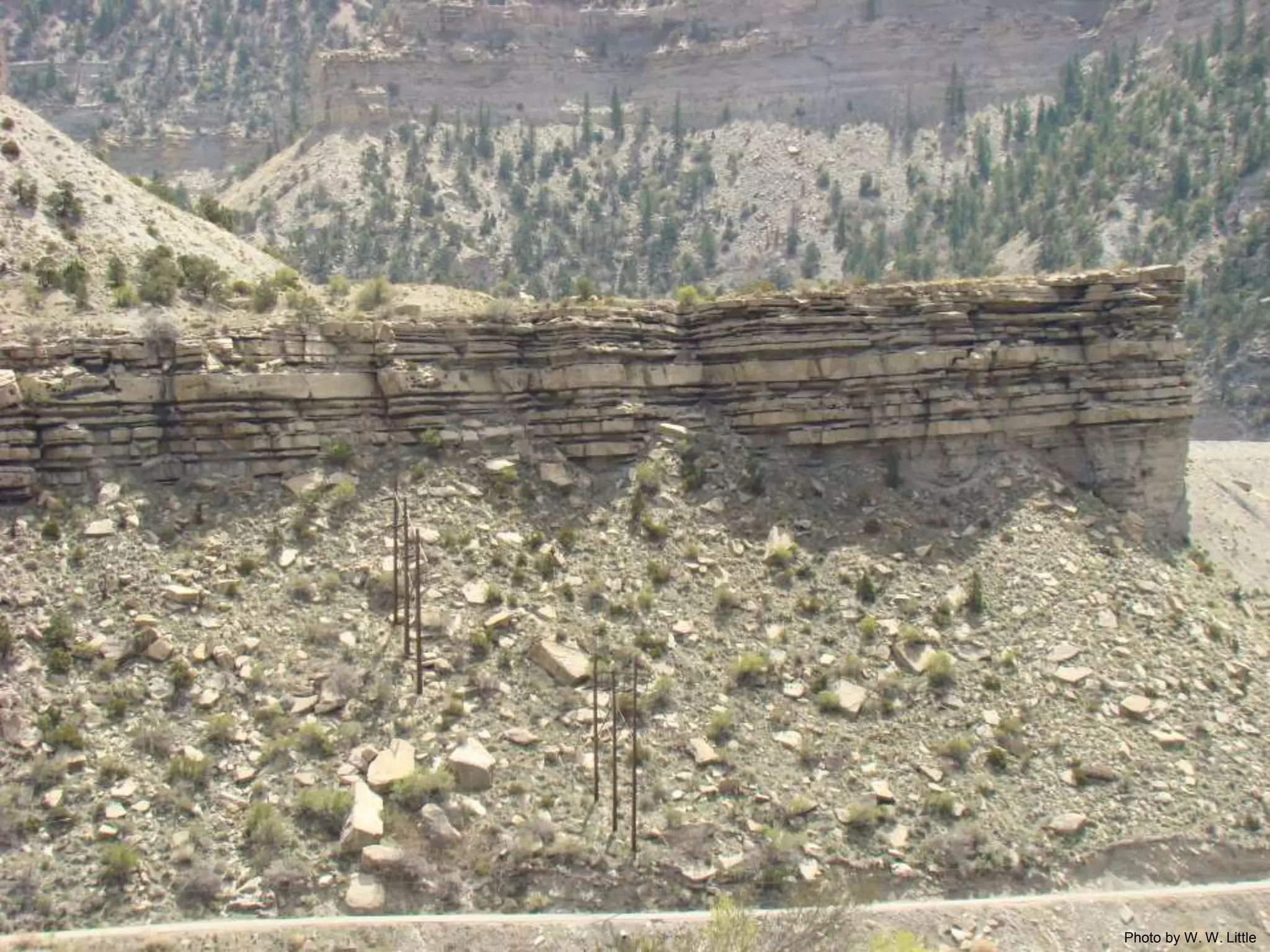
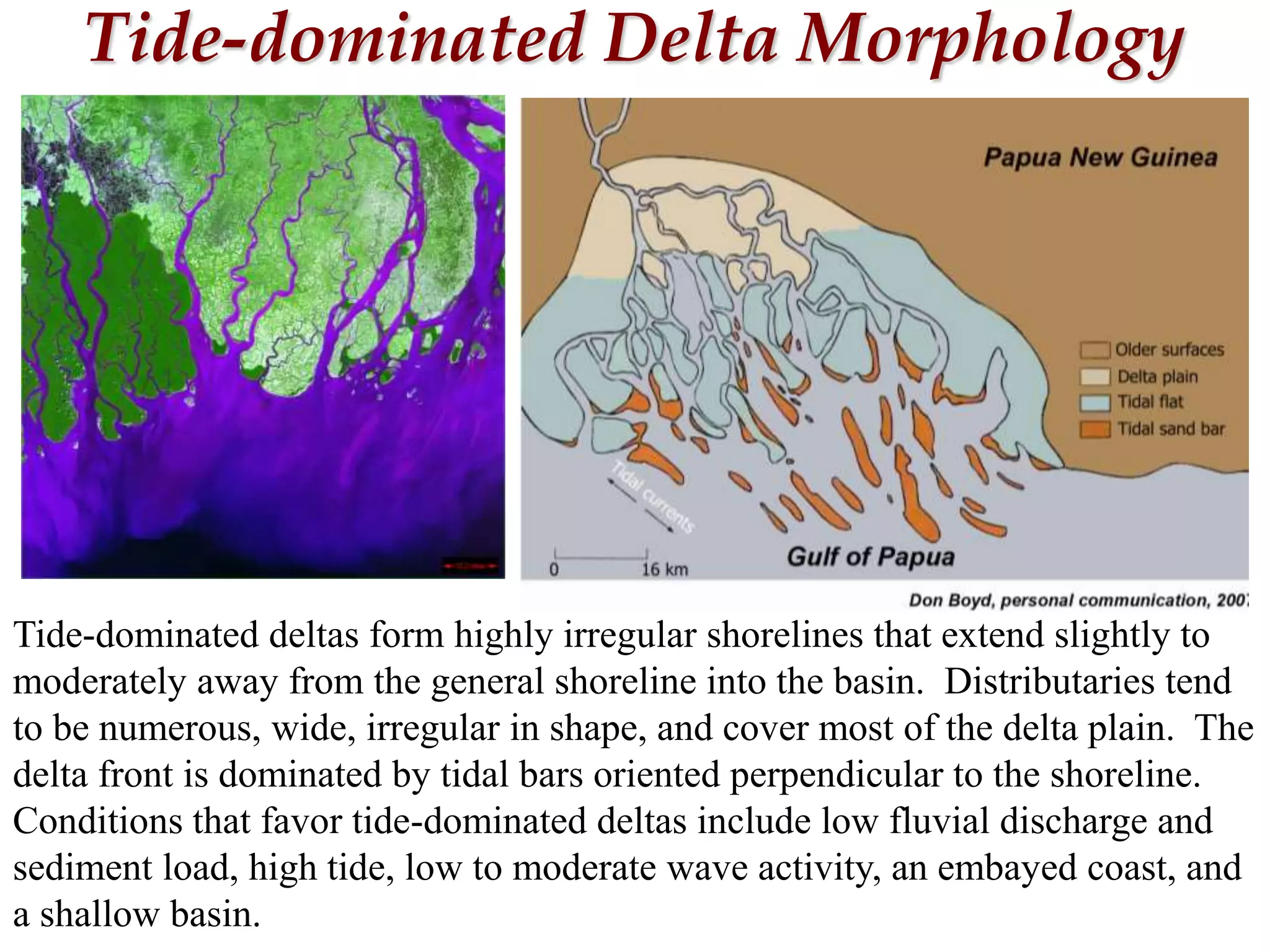
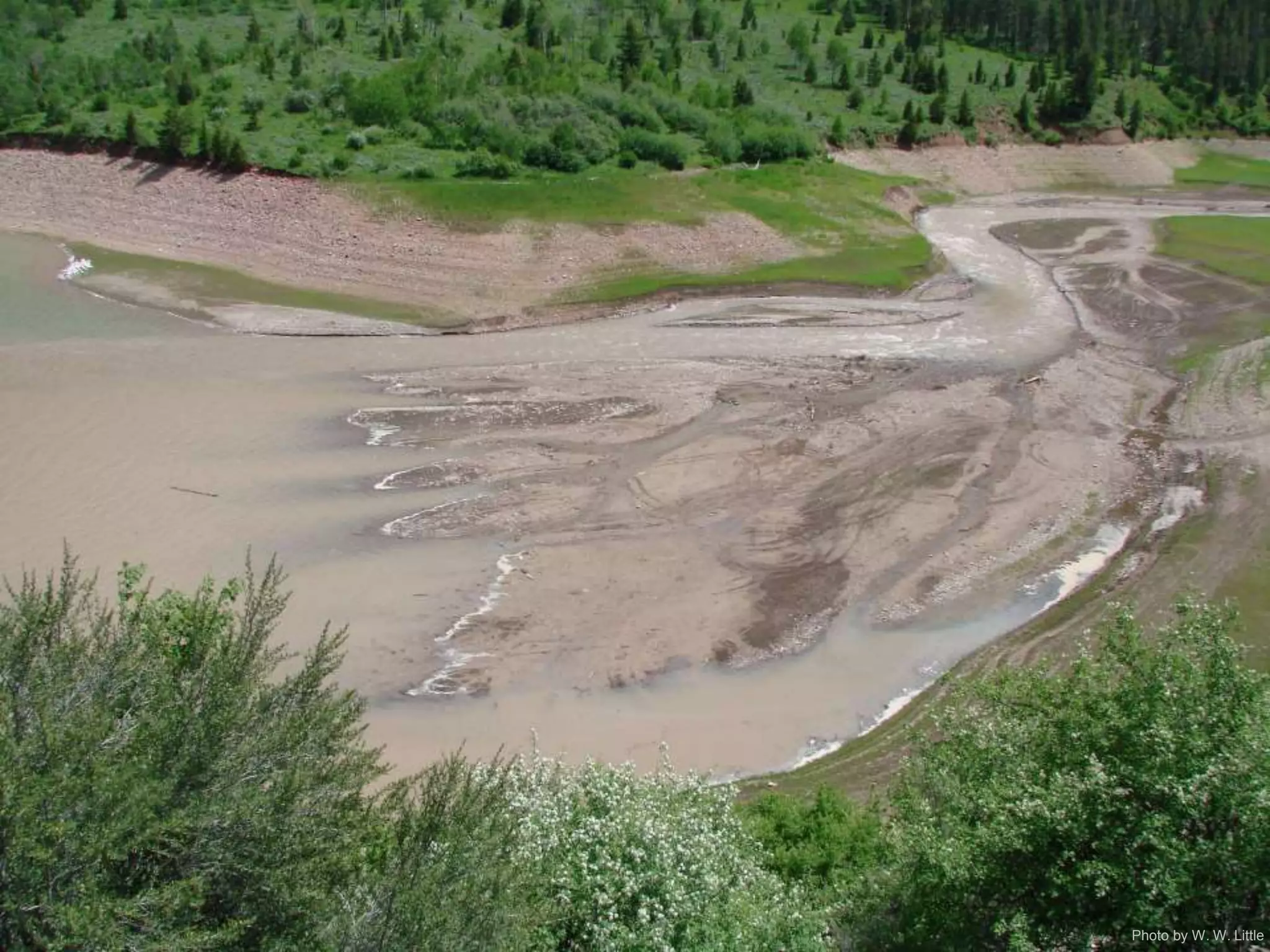
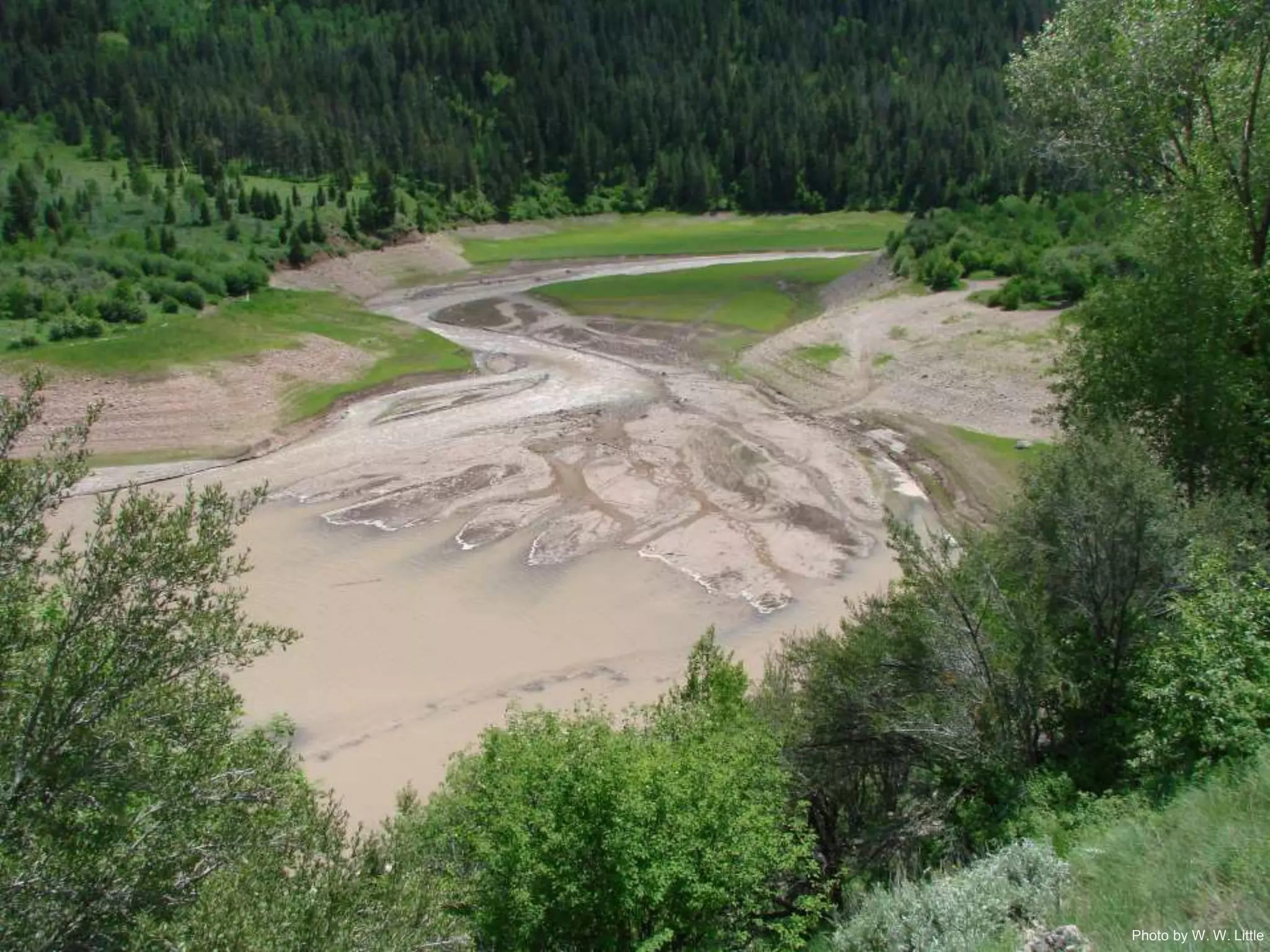
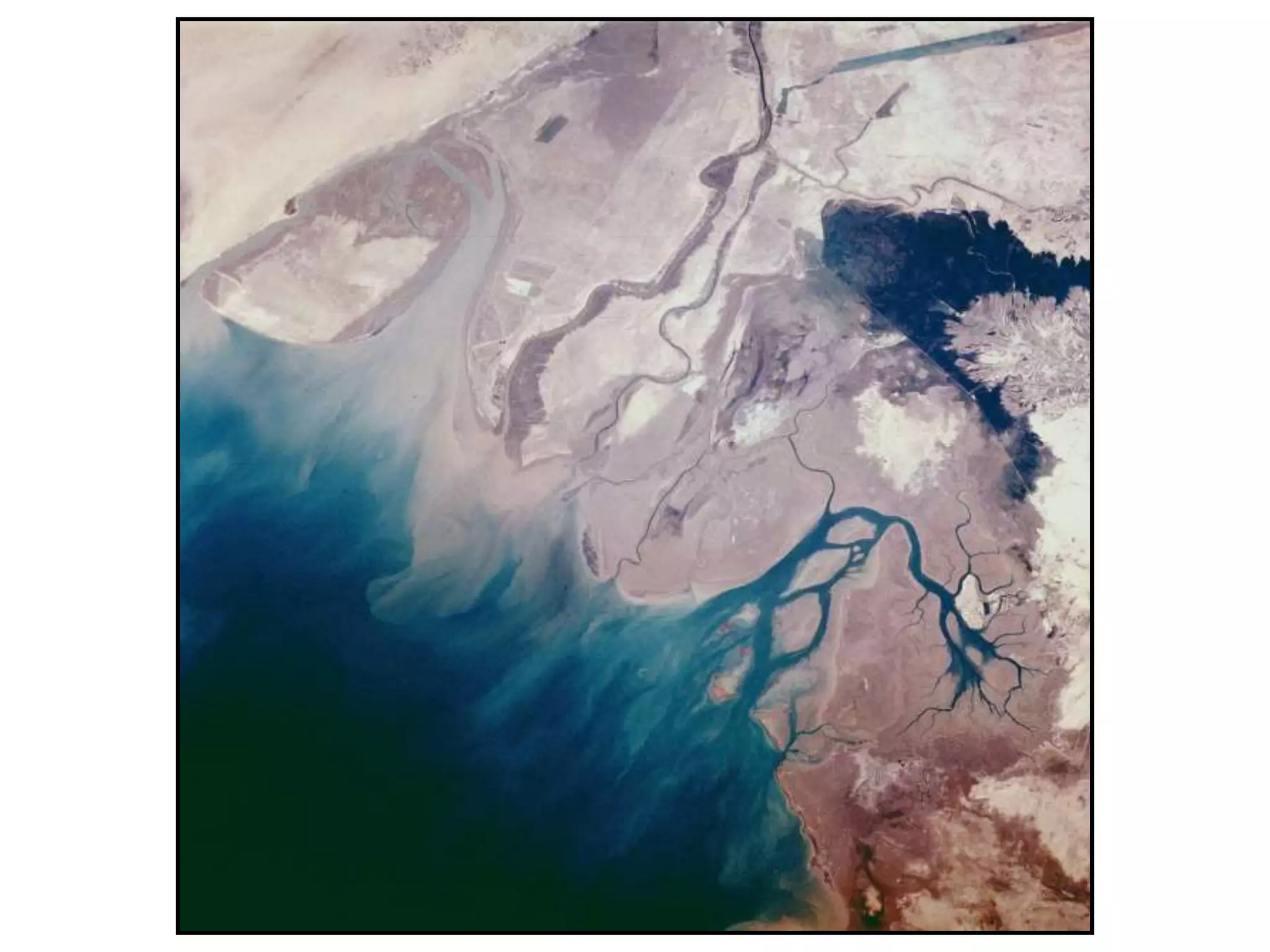
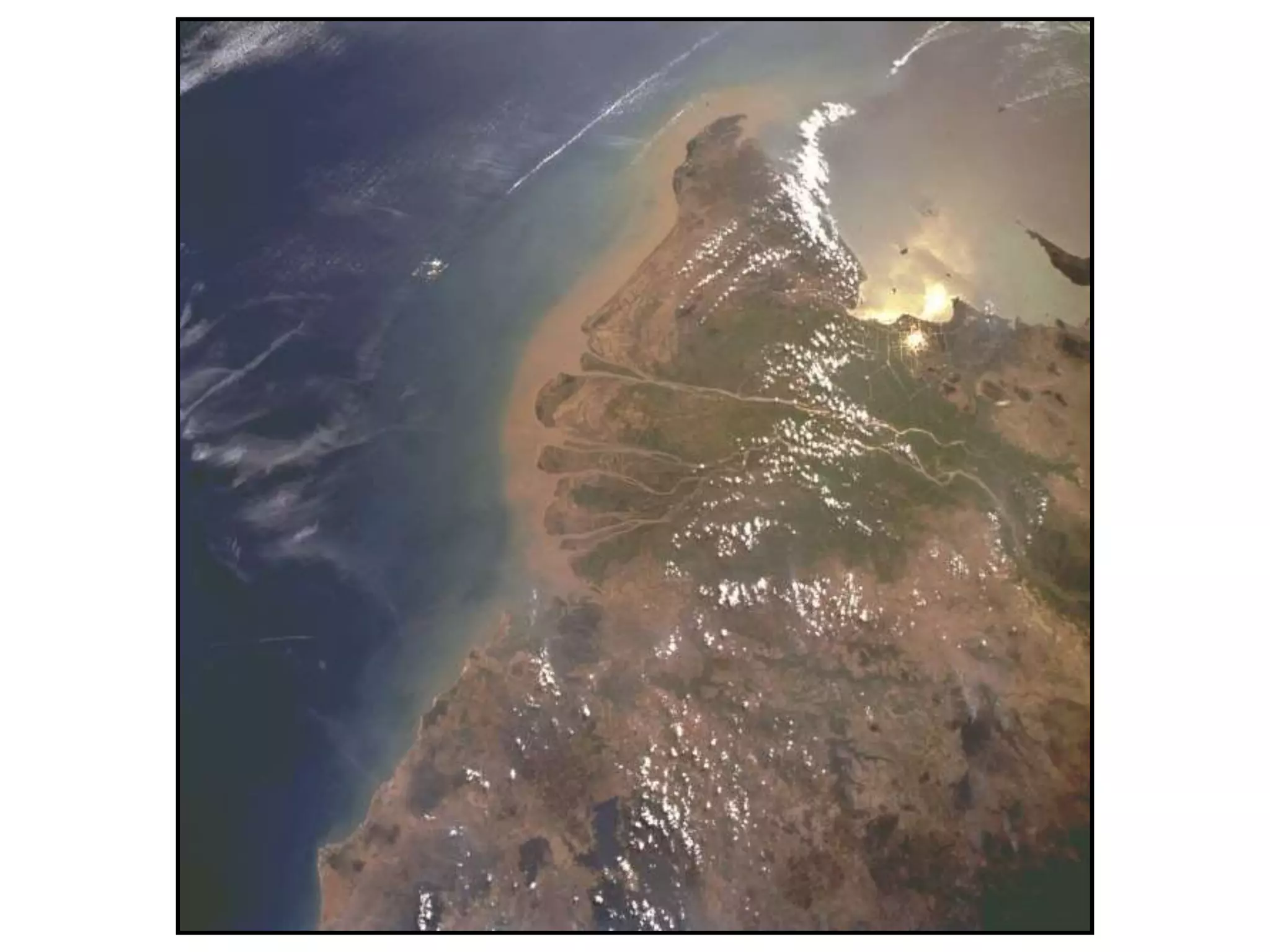
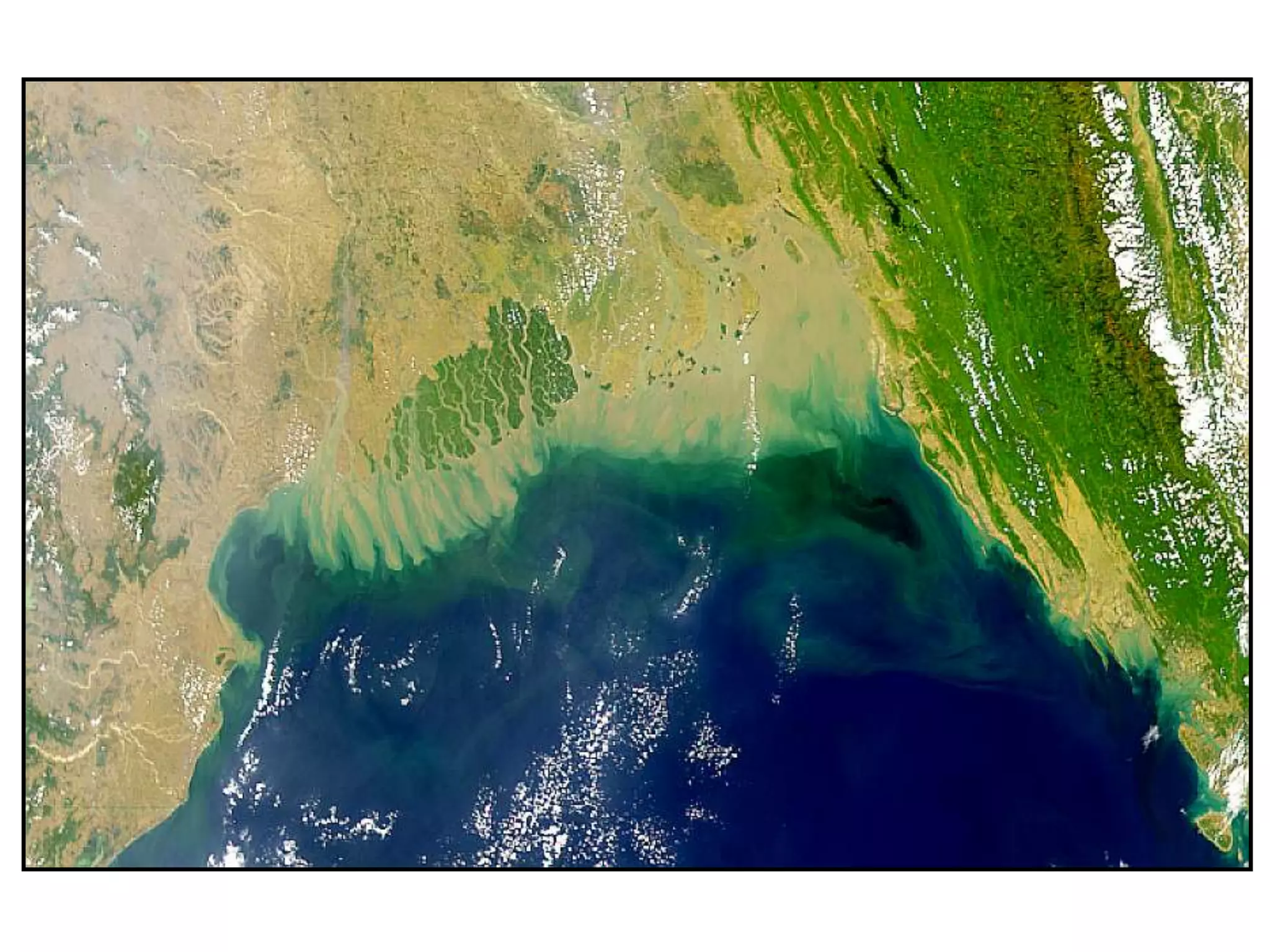
Tide-dominated Delta Morphology
Tide-dominated deltas form highly irregular shorelines that extend slightly to
moderately away from the general shoreline into the basin. Distributaries tend
to be numerous, wide, irregular in shape, and cover most of the delta plain. The
delta front is dominated by tidal bars oriented perpendicular to the shoreline.
Conditions that favor tide-dominated deltas include low fluvial discharge and
sediment load, high tide, low to moderate wave activity, an embayed coast, and
a shallow basin.
Photo by W. W. Little
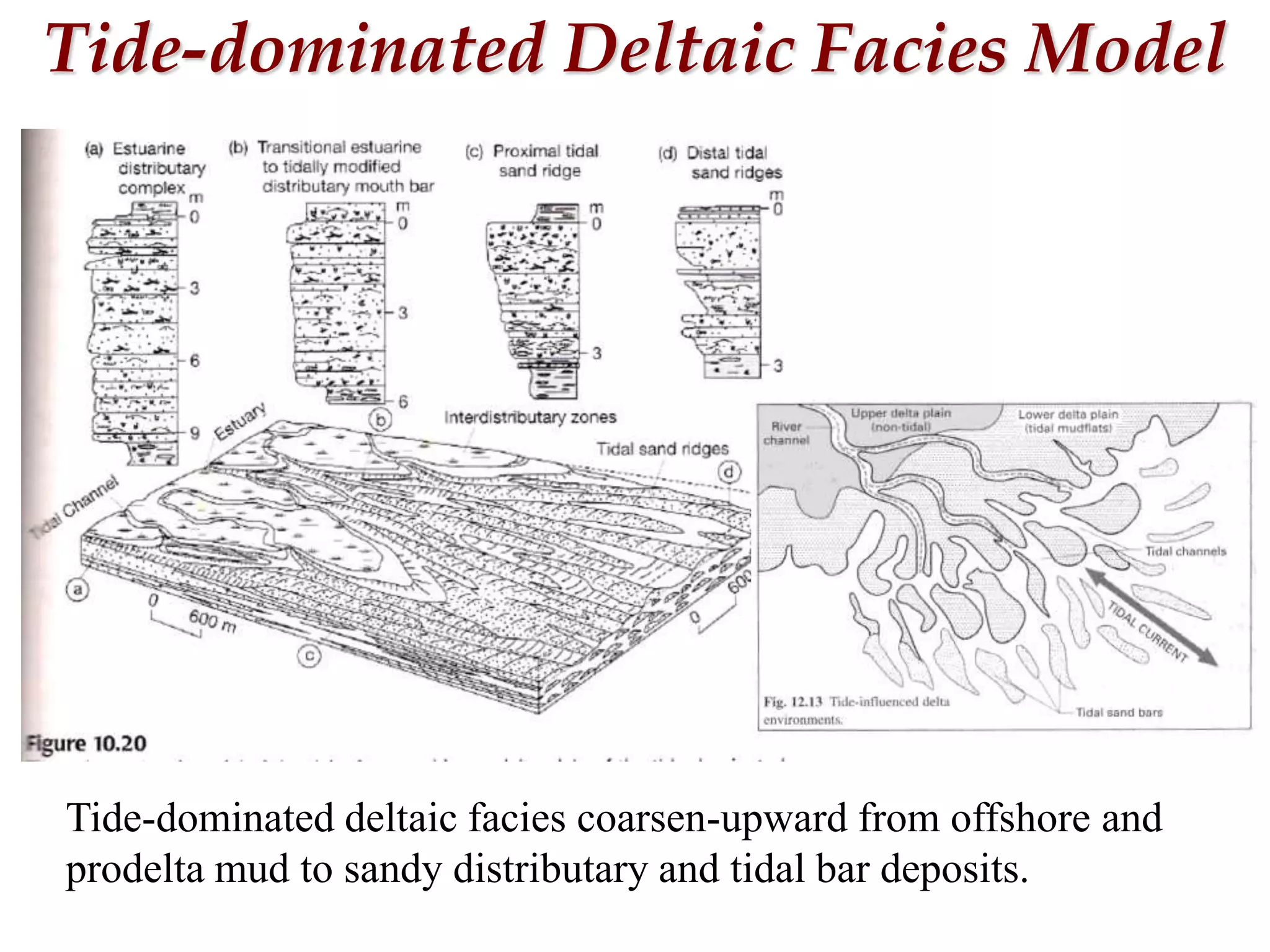
Tide-dominated Deltaic Facies Model
Tide-dominated deltaic facies coarsen-upward from offshore and
prodelta mud to sandy distributary and tidal bar deposits.
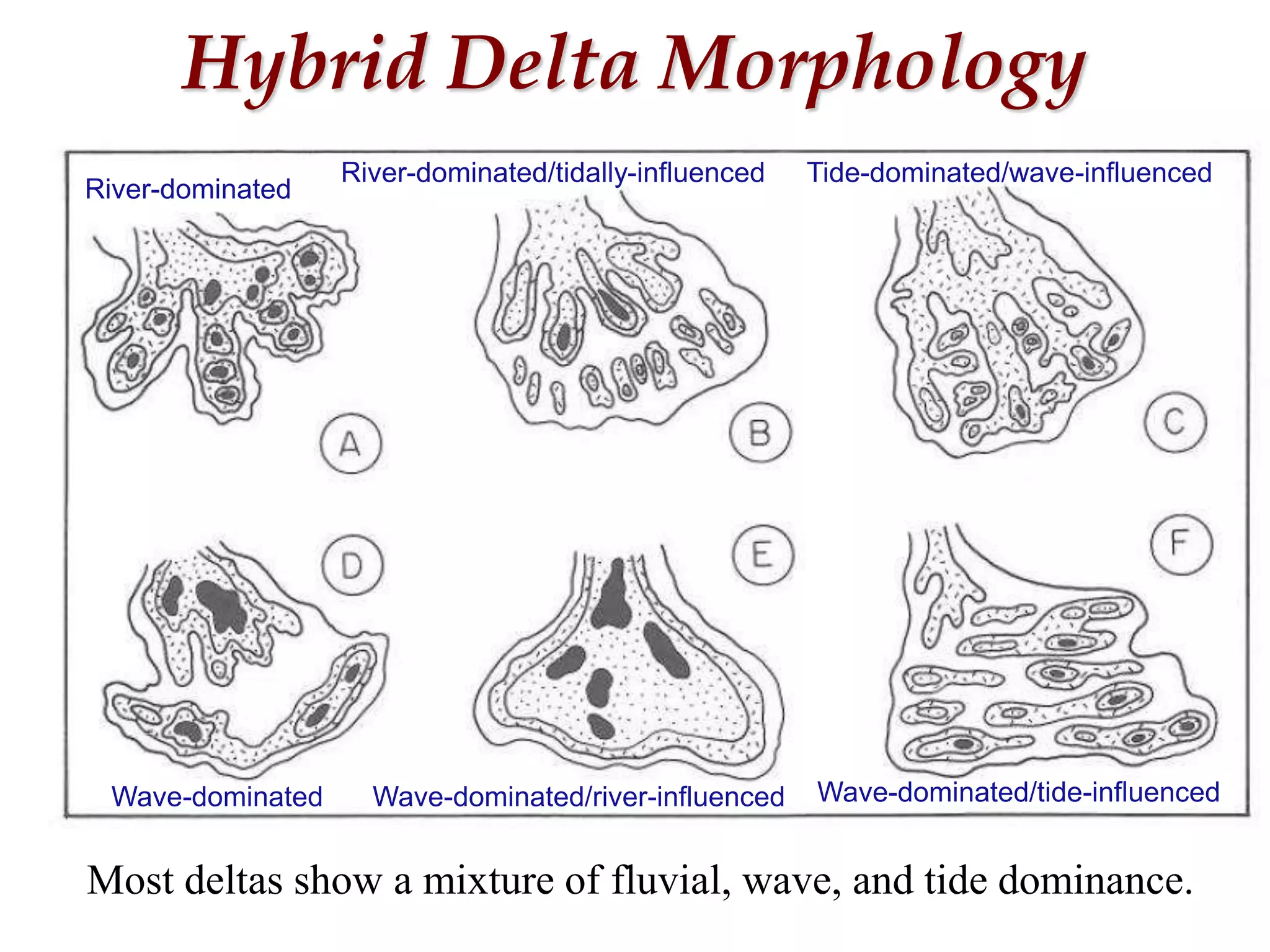
River-dominated
River-dominated/tidally-influenced Tide-dominated/wave-influenced
Wave-dominated Wave-dominated/river-influenced Wave-dominated/tide-influenced
Hybrid Delta Morphology
Most deltas show a mixture of fluvial, wave, and tide dominance.
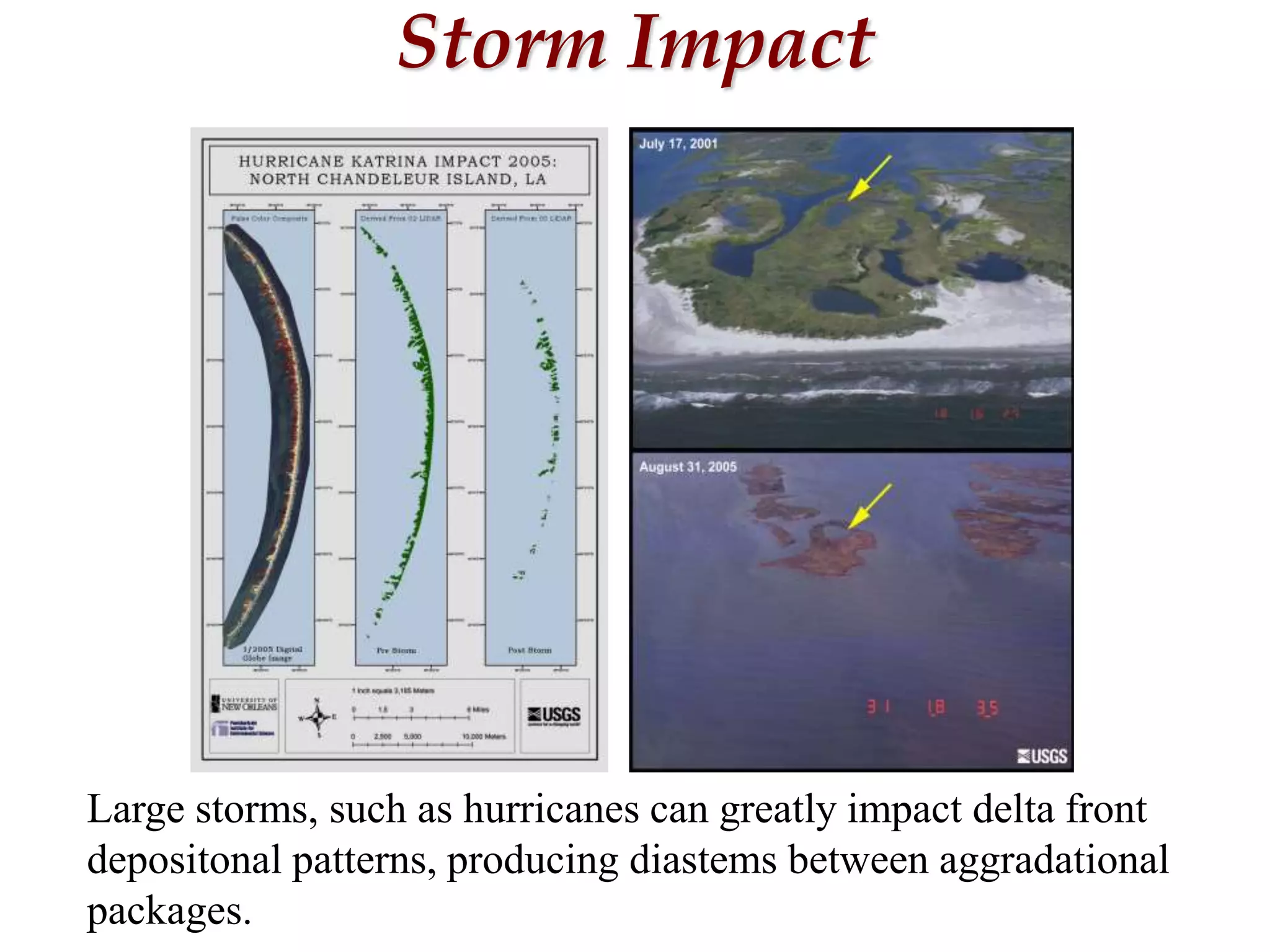
Storm Impact
Large storms, such as hurricanes can greatly impact delta front
depositonal patterns, producing diastems between aggradational
packages.
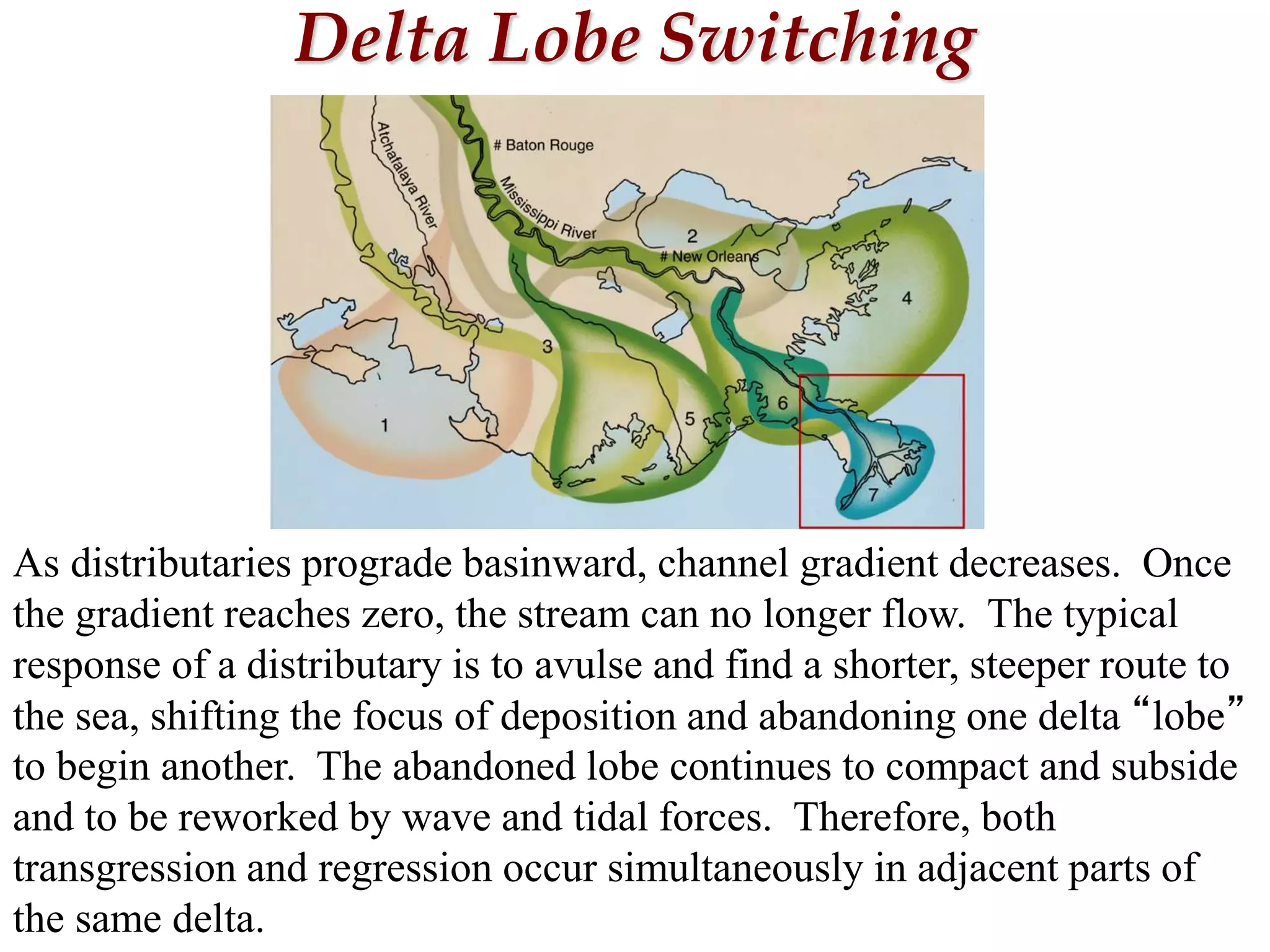
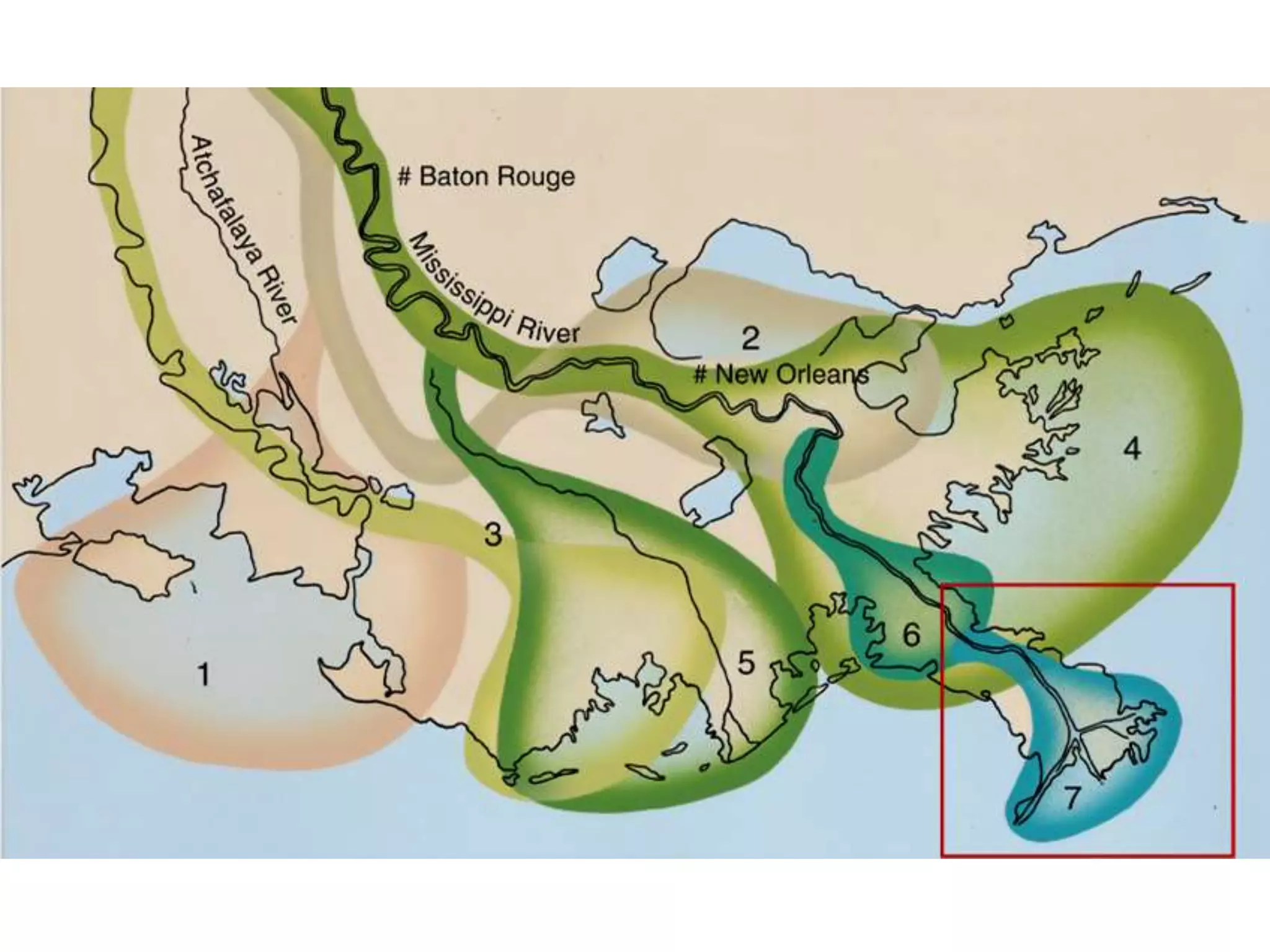
Delta Lobe Switching
As distributaries prograde basinward, channel gradient decreases. Once
the gradient reaches zero, the stream can no longer flow. The typical
response of a distributary is to avulse and find a shorter, steeper route to
the sea, shifting the focus of deposition and abandoning one delta “lobe”
to begin another. The abandoned lobe continues to compact and subside
and to be reworked by wave and tidal forces. Therefore, both
transgression and regression occur simultaneously in adjacent parts of
the same delta.
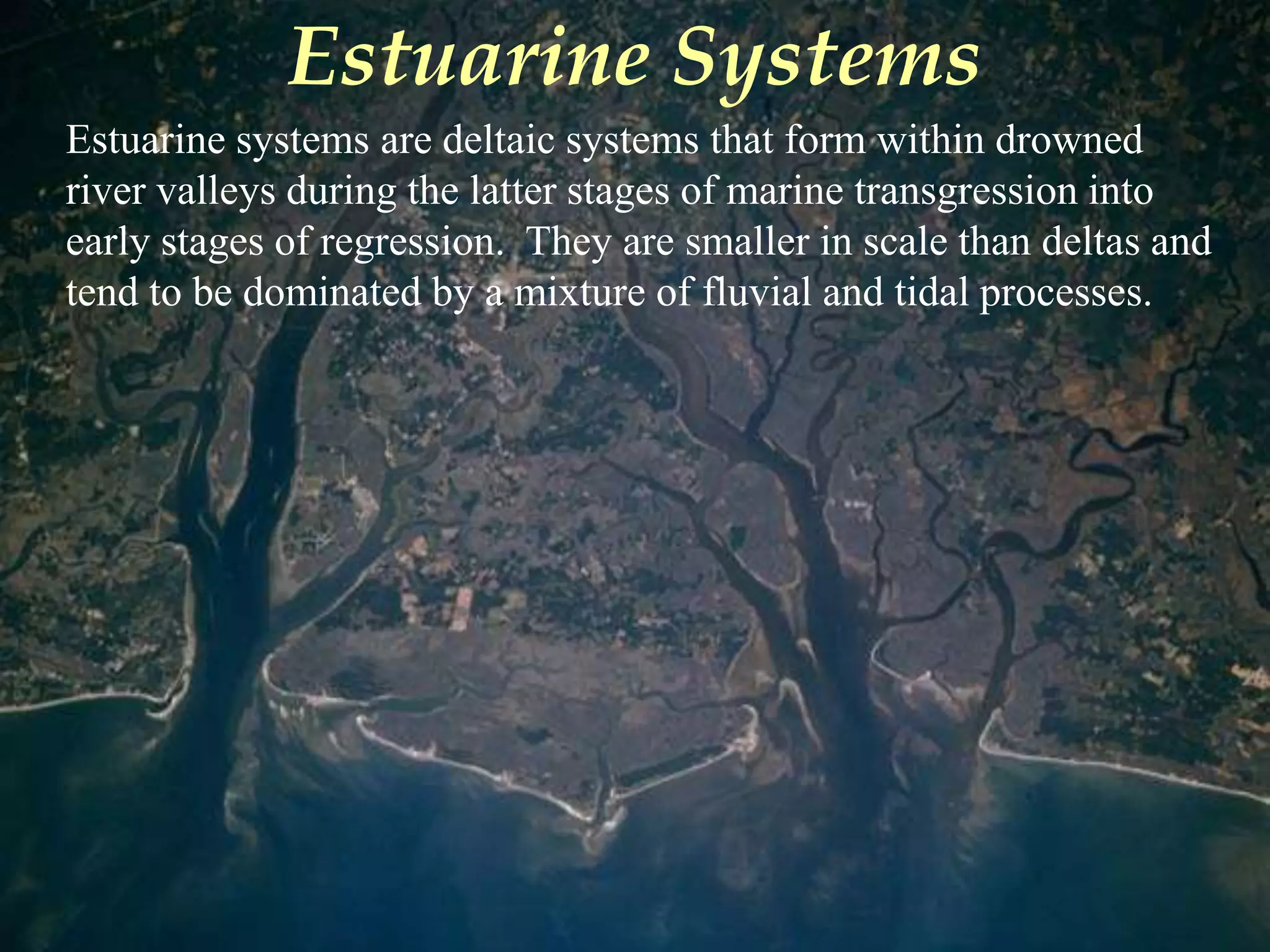
Estuarine Systems
Estuarine systems are deltaic systems that form within drowned
river valleys during the latter stages of marine transgression into
early stages of regression. They are smaller in scale than deltas and
tend to be dominated by a mixture of fluvial and tidal processes.
GEOL 553 - Introduction to
Facies Models - Kendall
Photo by W. W. Little

Deltaic systems.ppt

  • 1.
    Simplified Models Deltaic systemsare typically subdivided into three major facies associations: subaerial plain (fluvial), delta front (shoreface & tidal), and prodelta (marine).
  • 3.
    River-dominated Deltaic FaciesModel River-dominated deltaic facies coarsen-upward from offshore and prodelta mud through distributary and beach or barrier sand to mixed fluvial and splay deposits.
  • 4.
    Coastal Depositional Systems Avariety of depositional systems are found along a shoreline. Their distribution, geometry, and extent are determined by proximity to a sediment source, sediment abundance, energy conditions, and fluctuations in base-level. This lecture focuses on deltaic and estuarine systems, which are produced during regressive and transgressive conditions, respectively.
  • 5.
    Channel Bifurcation As fluvialflow enters a standing body of water, it rapidly loses velocity, decreasing its capacity to transport sediment. The coarsest material is deposited in mid-channel, forming a channel-mouth bar. Flow diverts around the bar, depositing additional sediment in the form of channel margin bars or levees. The process repeats for increasingly numerous, but smaller, channels as the delta advances basinward.
  • 6.
    Isopach Pattern Deltas canbe recognized in part by a thick, relatively restricted accumulation of terrigenous sediment that interfingers with fluvial deposits in a landward direction and marine systems toward the basin.
  • 7.
    Splay Development Splays areparticularly common in deltaic settings, forming as smaller deltas within flooded areas adjacent to major channels. Splay growth is the primary process for filling the space between distributary channels in fluvially-dominated deltas.
  • 8.
    Photo by W.W. Little
  • 9.
    Photo by W.W. Little
  • 13.
    Homopycnal Flow If streamflow density is equal to that of the basin, the two mix thoroughly, leading to rapid deposition of both coarse- and fine-grained sediment, producing Gilbert-type deltas. This is typical of delta- building into freshwater lakes.
  • 15.
    Hypopycnal Flow If streamflow density is less than that of the basin, after dropping the coarse load fraction, fine sediment spreads like a blanket across the sea surface, slowly settling to the sea floor. This is the typical condition for the generation of most marine deltas.
  • 16.
    Gilbert-type Deltas http://www.depauw.edu/acad/geosciences/tcope/SedStruct/HiRes/DeltaForesets2.jpg Gilbert-type deltasare formed under conditions of homopycnal flow and consist of three major components: bottomset beds of mud deposited by suspension in advance of the delta; foreset beds composed of sand and gravel forming the delta front; and fluvial topset deposits of gravel, sand, and mud.
  • 17.
    Hyperpycnal Flow If streamflow density is greater than that of the basin, the flow remains in contact with the basin floor, eroding the previous surface and forming turbidite-like deposits. This can occur where cold, sediment- laden water flows into a warm, clear lake or ocean.
  • 18.
  • 19.
    Photo by W.W. Little
  • 20.
    Delta Classification (morphology) Deltafront morphology is determined by a balance between fluvial input and reworking by waves and tides. The relative contribution of these three factors leads to classification as river-, wave-, or tide- dominated. Constructional Destructional
  • 21.
    River-dominated Delta Morphology River-dominateddeltas have irregular shorelines that extend significantly away from the general shoreline into the basin. In some cases, distributaries will prograde as finger-like extensions. Conditions that favor river-dominated deltas include high fluvial discharge and sediment load, low wave and tide activity, and a shallow basin.
  • 25.
    Wave-dominated Delta Morphology Wave-dominateddeltas have relatively straight shorelines that extend slightly to moderately away from the general shoreline into the basin. In some cases, distributaries are mostly restricted to the major delta plain, and the delta front is dominated by beach ride progradation. Conditions that favor wave-dominated deltas include low fluvial discharge and sediment load, high wave and low tide activity, and a deep basin.
  • 30.
  • 31.
    Wave-dominated Deltaic FaciesModel Wave-dominated deltaic facies coarsen-upward from offshore and prodelta mud through distributary and beach or barrier sand mixed with lagoonal, washover, and tidal deposits.
  • 33.
    Photo by W.W. Little
  • 34.
    Photo by W.W. Little
  • 35.
    Photo by W.W. Little
  • 36.
    Tide-dominated Delta Morphology Tide-dominateddeltas form highly irregular shorelines that extend slightly to moderately away from the general shoreline into the basin. Distributaries tend to be numerous, wide, irregular in shape, and cover most of the delta plain. The delta front is dominated by tidal bars oriented perpendicular to the shoreline. Conditions that favor tide-dominated deltas include low fluvial discharge and sediment load, high tide, low to moderate wave activity, an embayed coast, and a shallow basin.
  • 37.
    Photo by W.W. Little
  • 38.
    Photo by W.W. Little
  • 42.
    Tide-dominated Deltaic FaciesModel Tide-dominated deltaic facies coarsen-upward from offshore and prodelta mud to sandy distributary and tidal bar deposits.
  • 43.
    River-dominated River-dominated/tidally-influenced Tide-dominated/wave-influenced Wave-dominated Wave-dominated/river-influencedWave-dominated/tide-influenced Hybrid Delta Morphology Most deltas show a mixture of fluvial, wave, and tide dominance.
  • 48.
    Storm Impact Large storms,such as hurricanes can greatly impact delta front depositonal patterns, producing diastems between aggradational packages.
  • 49.
    Delta Lobe Switching Asdistributaries prograde basinward, channel gradient decreases. Once the gradient reaches zero, the stream can no longer flow. The typical response of a distributary is to avulse and find a shorter, steeper route to the sea, shifting the focus of deposition and abandoning one delta “lobe” to begin another. The abandoned lobe continues to compact and subside and to be reworked by wave and tidal forces. Therefore, both transgression and regression occur simultaneously in adjacent parts of the same delta.
  • 51.
    Estuarine Systems Estuarine systemsare deltaic systems that form within drowned river valleys during the latter stages of marine transgression into early stages of regression. They are smaller in scale than deltas and tend to be dominated by a mixture of fluvial and tidal processes.
  • 52.
    GEOL 553 -Introduction to Facies Models - Kendall
  • 53.
    Photo by W.W. Little
  • 54.
    Photo by W.W. Little
  • 55.
    Photo by W.W. Little