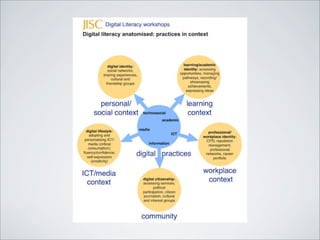
Digital Futures in
Teacher Education:
 The DeFT project
BACKGROUND

• Widespread use of digital literacies with new
  opportunities for making and sharing meaning
• Currently there are pockets of good practice often
  led by enthusiasts
• Need to engage the profession at all levels at a
  time in which accountability and professional
  uncertainty dominate
OPEN EDUCATIONAL RESOURCES
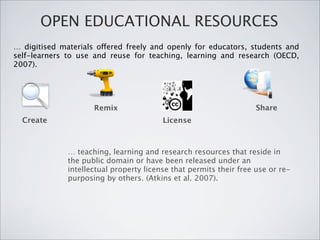
… digitised materials offered freely and openly for educators, students and
self-learners to use and reuse for teaching, learning and research (OECD,
2007).


                     Remix                                          Share
  Create                                 License


              … teaching, learning and research resources that reside in
              the public domain or have been released under an
              intellectual property license that permits their free use or re-
              purposing by others. (Atkins et al. 2007).
CORE PROJECT TEAM

• Dr Cathy Burnett
• Dr Julia Davies
• Dr Anna Gruszczynska (Project Manager)
• Prof. Jackie Marsh
• Prof. Guy Merchant
• Richard Pountney (Project Lead)
• Dr Nicky Watts
DEFT PROJECT AIMS

Aims to involve teachers and pupils, teacher educators and teacher
education students in:

    • exploring and sharing the potential of digital technologies
    • understanding more about what it means to be digitally
      literate
    • sharing and developing good practice in teaching
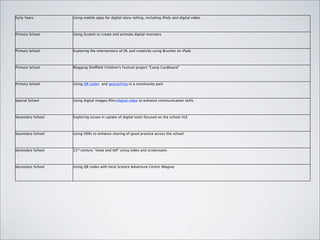
Early Years        Using mobile apps for digital story-telling, including iPods and digital video


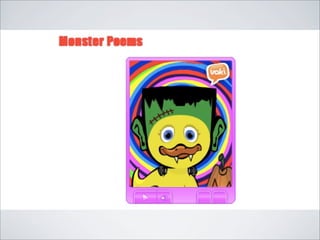
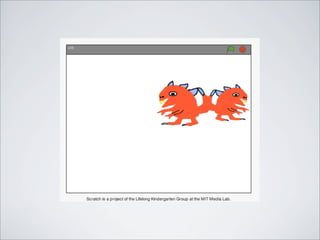
Primary School     Using Scratch to create and animate digital monsters 


Primary School     Exploring the intersections of DL and creativity using Brushes on iPads


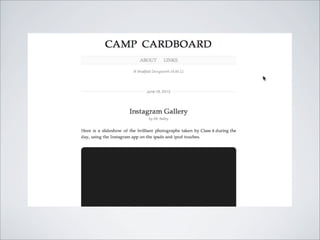
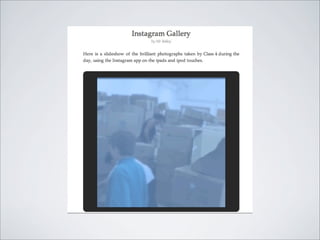
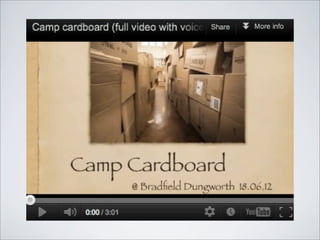
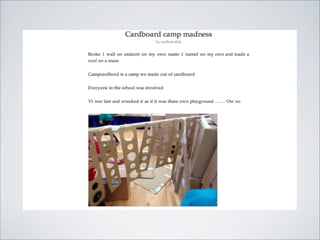
Primary School     Blogging Sheffield Children's Festival project "Camp Cardboard"


Primary School     Using QR codes  and geocaching in a community park


Special School     Using digital images/film/digital video to enhance communication skills 


Secondary School   Exploring issues in uptake of digital tools focused on the school VLE


Secondary School   Using OERs to enhance sharing of good practice across the school


Secondary School   21st century "show and tell" using video and screencasts


Secondary School   Using QR codes with local Science Adventure Centre (Magna)
CASE STUDY 1: SHARROW NURSERY


• Teachers:Zubida Khatoon and Alice Worthington
• Nursery children
• Using mobile apps for digital story-telling,
  including iPods and digital video
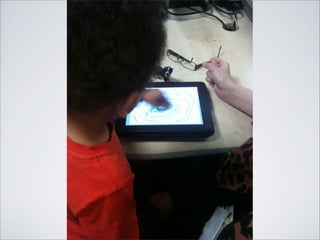
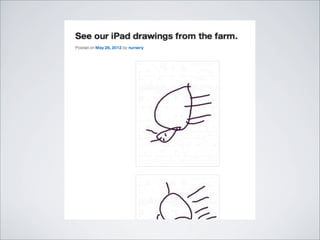
We understand digital literacy in our setting to be the children’s use of
technology confidently and appropriately. Our aim is to develop the
speaking and listening skills of our children by using a range of digital
equipment such as digital cameras, blogging, podcasts, using
microphones, iPads and flip video cameras. We are using the technical
equipment as a motivator to inspire the children and encourage them
to talk. We have children with a varied ability of speaking and listening
skills and we can differentiate whilst using digital equipment. Some
children are currently speaking at one key word level and we hope the
project will provide them with more confidence. We would like to
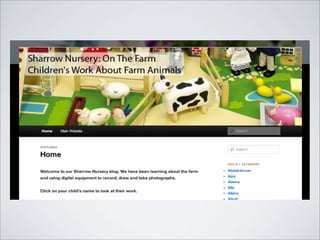
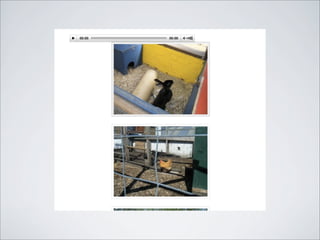
further enhance the language skills of more able. We are also linking it
to our topic which is the farm. We would like children to be confident
in using a variety of digital equipment independently within the
nursery.
MULTIMODAL
          COMMUNICATION

...a means of projecting an individual’s interest into
their world with the intent of effect in the future. It is
the position taken by those who have become
accustomed to produce...and who disseminate their
messages in and to a world which they address
confidently.

                                    (Kress 2010, p.23).
CASE STUDY 2: BRADFIELD
DUNGWORTH PRIMARY SCHOOL


• Teacher: Chris Bailey
• Mixed Year 4 and Year 5 class
• Activity: ‘Camp Cardboard’, in liaison with a
  group of artists, ‘Responsible fishing’
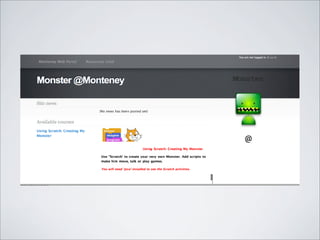
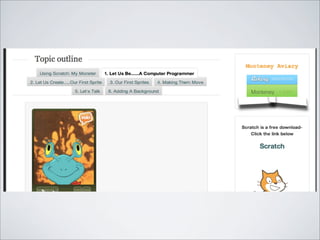
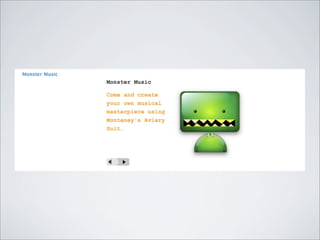
CASE STUDY 3: MONTENEY PRIMARY


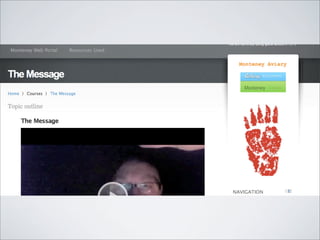
• Teacher:    Peter Winter

• Y2s

• Activity:   Monster@Monteney
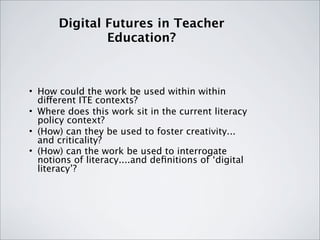
Digital Futures in Teacher
              Education?


• How could the work be used within within
  different ITE contexts?
• Where does this work sit in the current literacy
  policy context?
• (How) can they be used to foster creativity...
  and criticality?
• (How) can the work be used to interrogate
  notions of literacy....and definitions of ‘digital
  literacy’?

UKLA presentation

  • 1.
    Digital Futures in TeacherEducation: The DeFT project
  • 2.
    BACKGROUND • Widespread useof digital literacies with new opportunities for making and sharing meaning • Currently there are pockets of good practice often led by enthusiasts • Need to engage the profession at all levels at a time in which accountability and professional uncertainty dominate
  • 3.
    OPEN EDUCATIONAL RESOURCES …digitised materials offered freely and openly for educators, students and self-learners to use and reuse for teaching, learning and research (OECD, 2007). Remix Share Create License … teaching, learning and research resources that reside in the public domain or have been released under an intellectual property license that permits their free use or re- purposing by others. (Atkins et al. 2007).
  • 4.
    CORE PROJECT TEAM •Dr Cathy Burnett • Dr Julia Davies • Dr Anna Gruszczynska (Project Manager) • Prof. Jackie Marsh • Prof. Guy Merchant • Richard Pountney (Project Lead) • Dr Nicky Watts
  • 5.
    DEFT PROJECT AIMS Aimsto involve teachers and pupils, teacher educators and teacher education students in: • exploring and sharing the potential of digital technologies • understanding more about what it means to be digitally literate • sharing and developing good practice in teaching
  • 6.
    Early Years Using mobile apps for digital story-telling, including iPods and digital video Primary School Using Scratch to create and animate digital monsters  Primary School Exploring the intersections of DL and creativity using Brushes on iPads Primary School Blogging Sheffield Children's Festival project "Camp Cardboard" Primary School Using QR codes  and geocaching in a community park Special School Using digital images/film/digital video to enhance communication skills  Secondary School Exploring issues in uptake of digital tools focused on the school VLE Secondary School Using OERs to enhance sharing of good practice across the school Secondary School 21st century "show and tell" using video and screencasts Secondary School Using QR codes with local Science Adventure Centre (Magna)
  • 8.
    CASE STUDY 1:SHARROW NURSERY • Teachers:Zubida Khatoon and Alice Worthington • Nursery children • Using mobile apps for digital story-telling, including iPods and digital video
  • 9.
    We understand digitalliteracy in our setting to be the children’s use of technology confidently and appropriately. Our aim is to develop the speaking and listening skills of our children by using a range of digital equipment such as digital cameras, blogging, podcasts, using microphones, iPads and flip video cameras. We are using the technical equipment as a motivator to inspire the children and encourage them to talk. We have children with a varied ability of speaking and listening skills and we can differentiate whilst using digital equipment. Some children are currently speaking at one key word level and we hope the project will provide them with more confidence. We would like to further enhance the language skills of more able. We are also linking it to our topic which is the farm. We would like children to be confident in using a variety of digital equipment independently within the nursery.
  • 16.
    MULTIMODAL COMMUNICATION ...a means of projecting an individual’s interest into their world with the intent of effect in the future. It is the position taken by those who have become accustomed to produce...and who disseminate their messages in and to a world which they address confidently. (Kress 2010, p.23).
  • 17.
    CASE STUDY 2:BRADFIELD DUNGWORTH PRIMARY SCHOOL • Teacher: Chris Bailey • Mixed Year 4 and Year 5 class • Activity: ‘Camp Cardboard’, in liaison with a group of artists, ‘Responsible fishing’
  • 23.
    CASE STUDY 3:MONTENEY PRIMARY • Teacher: Peter Winter • Y2s • Activity: Monster@Monteney
  • 33.
    Digital Futures inTeacher Education? • How could the work be used within within different ITE contexts? • Where does this work sit in the current literacy policy context? • (How) can they be used to foster creativity... and criticality? • (How) can the work be used to interrogate notions of literacy....and definitions of ‘digital literacy’?