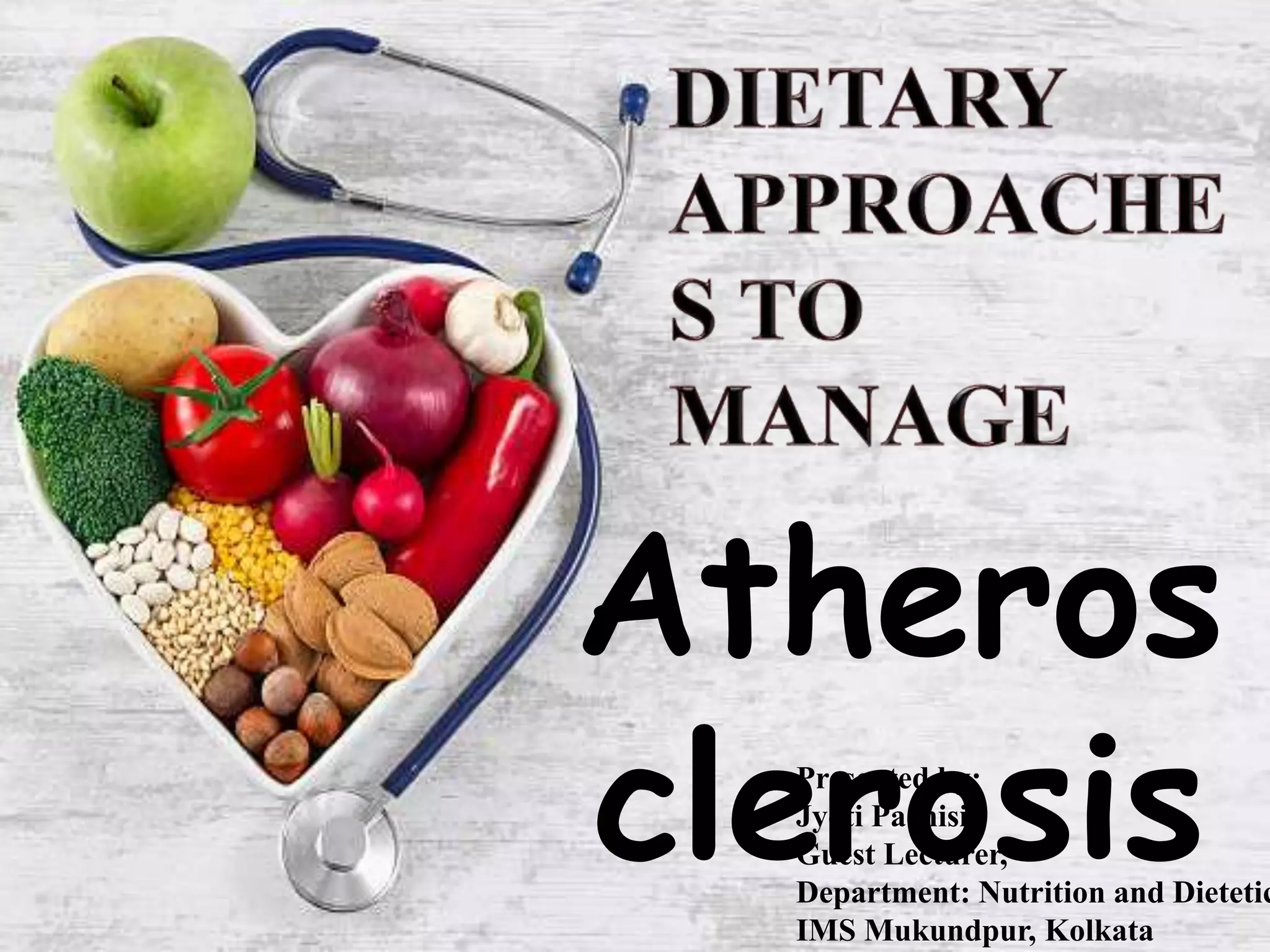
Atheros
clerosis
Presented by:
Jyoti Pachisia
Guest Lecturer,
Department: Nutrition and Dietetic
IMS Mukundpur, Kolkata
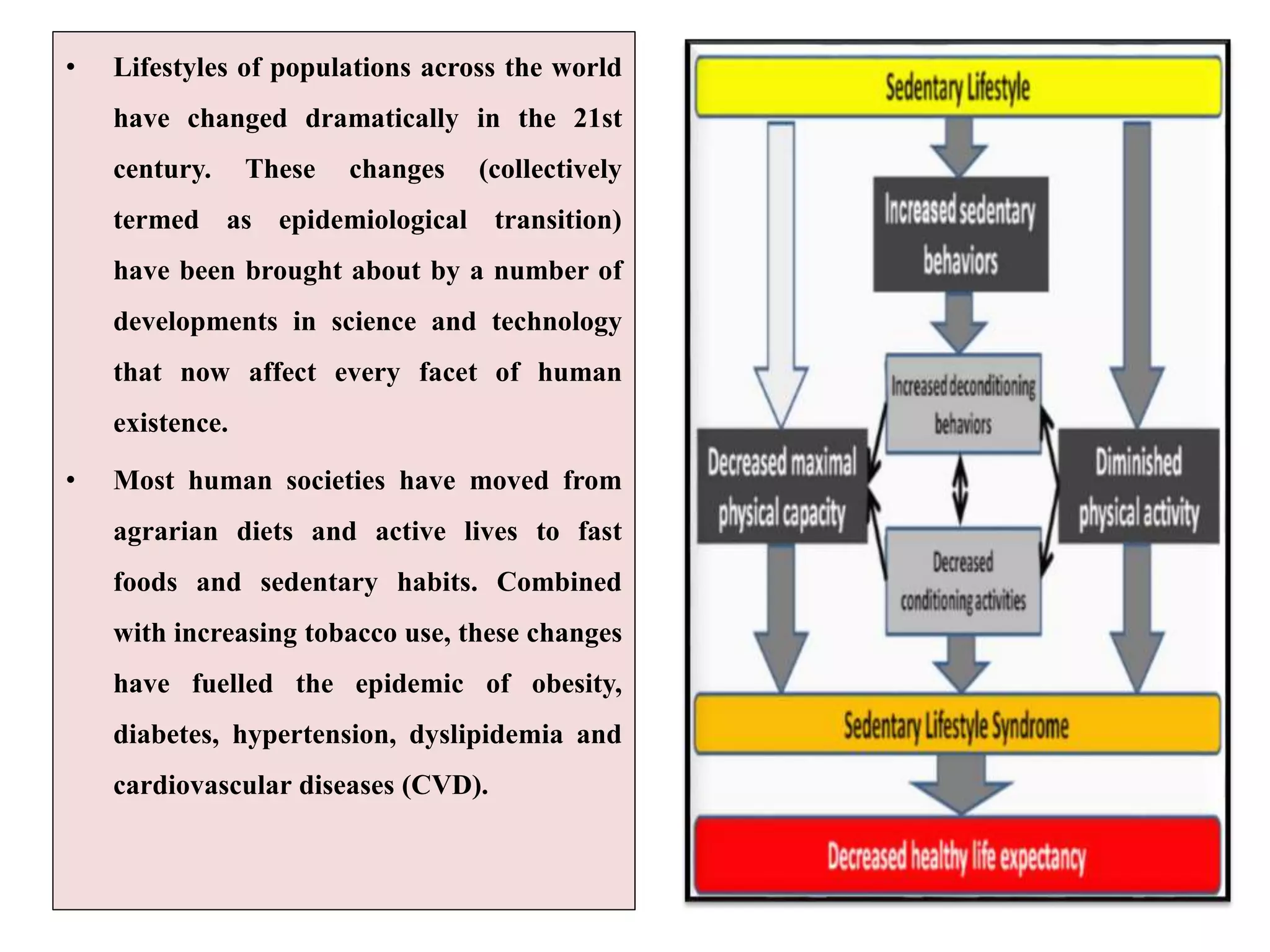
• Lifestyles of populations across the world
have changed dramatically in the 21st
century. These changes (collectively
termed as epidemiological transition)
have been brought about by a number of
developments in science and technology
that now affect every facet of human
existence.
• Most human societies have moved from
agrarian diets and active lives to fast
foods and sedentary habits. Combined
with increasing tobacco use, these changes
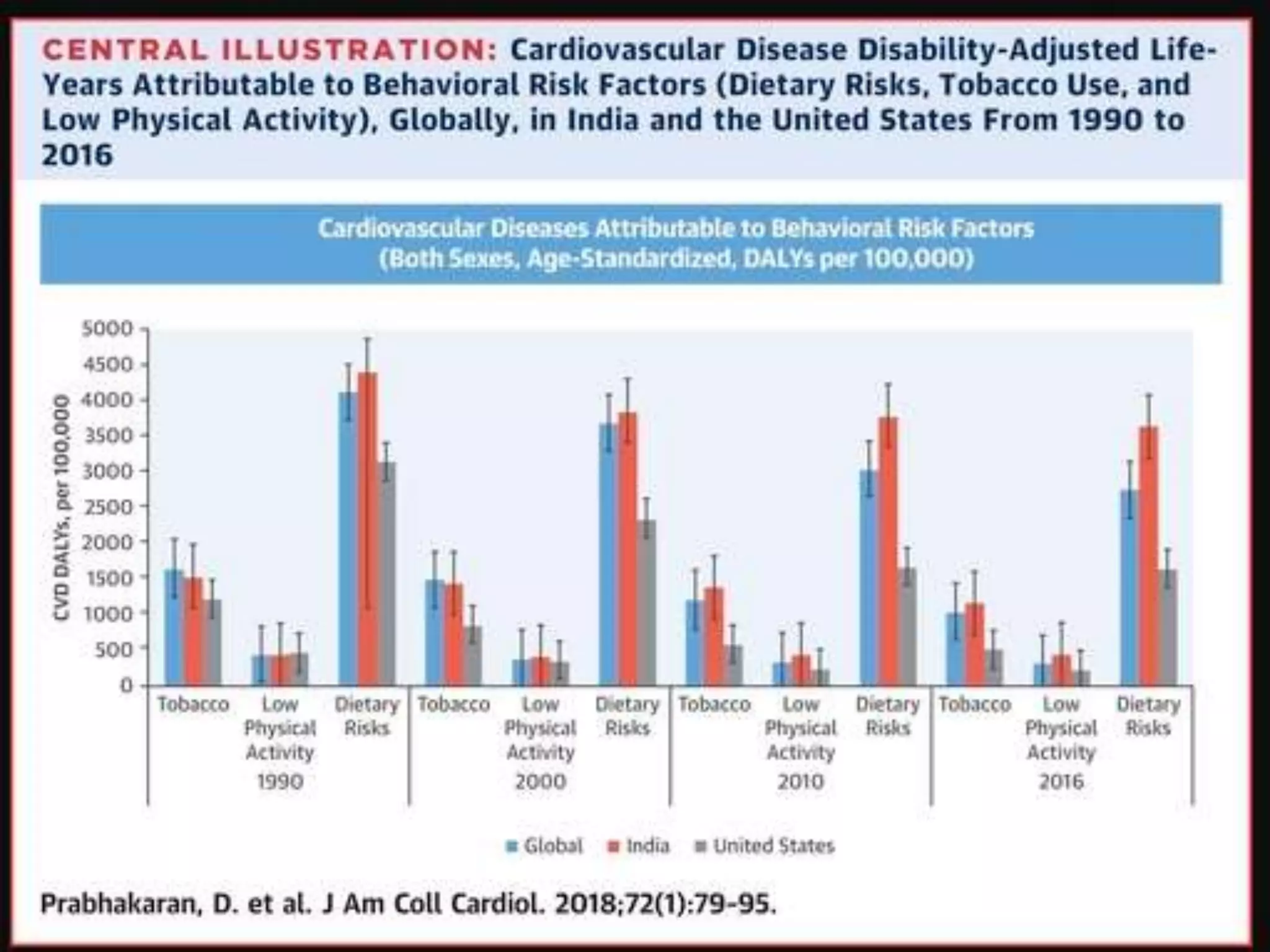
have fuelled the epidemic of obesity,
diabetes, hypertension, dyslipidemia and
cardiovascular diseases (CVD).
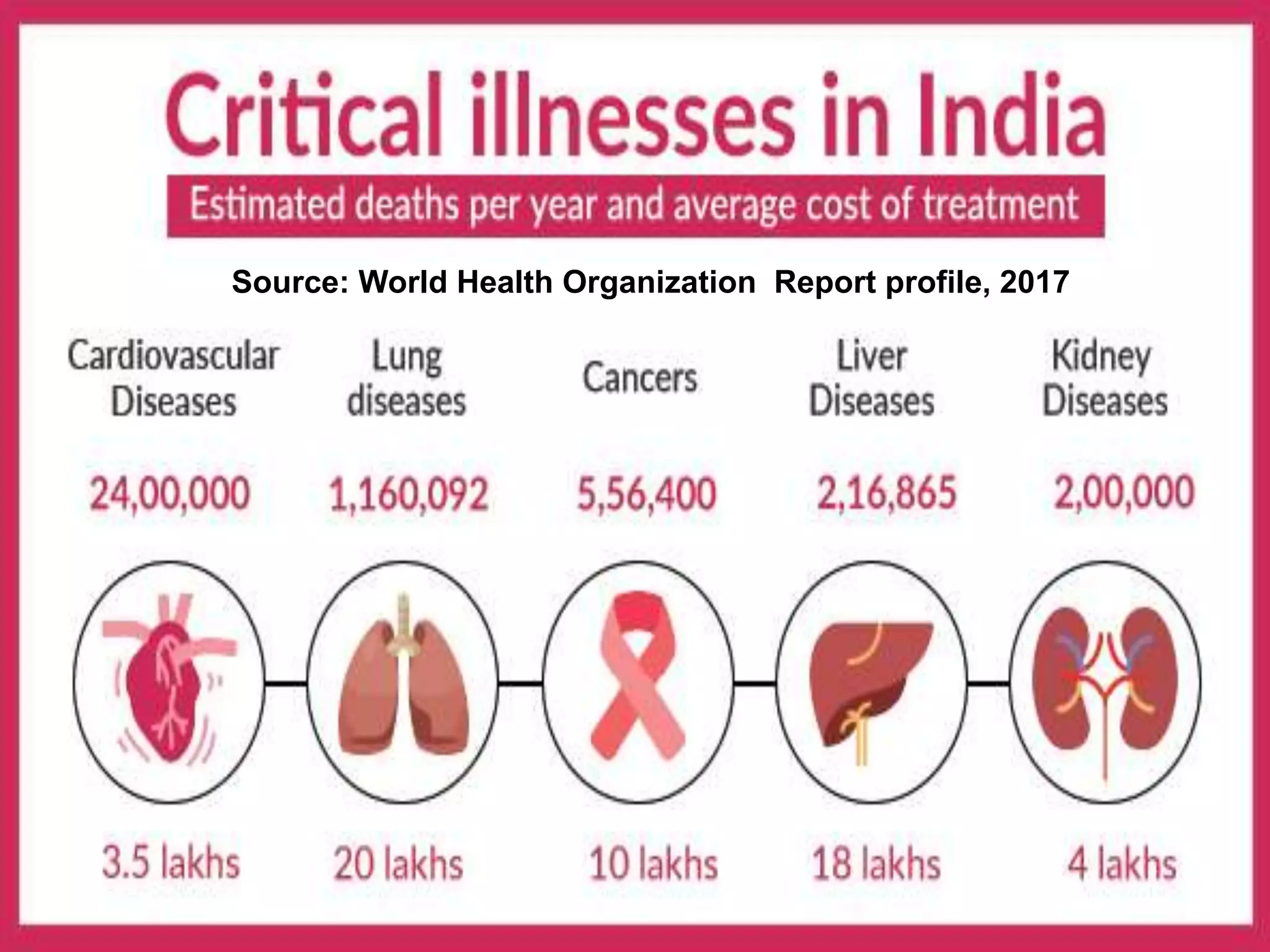
Figure 1:
Source: World Health Organization Report profile, 2017
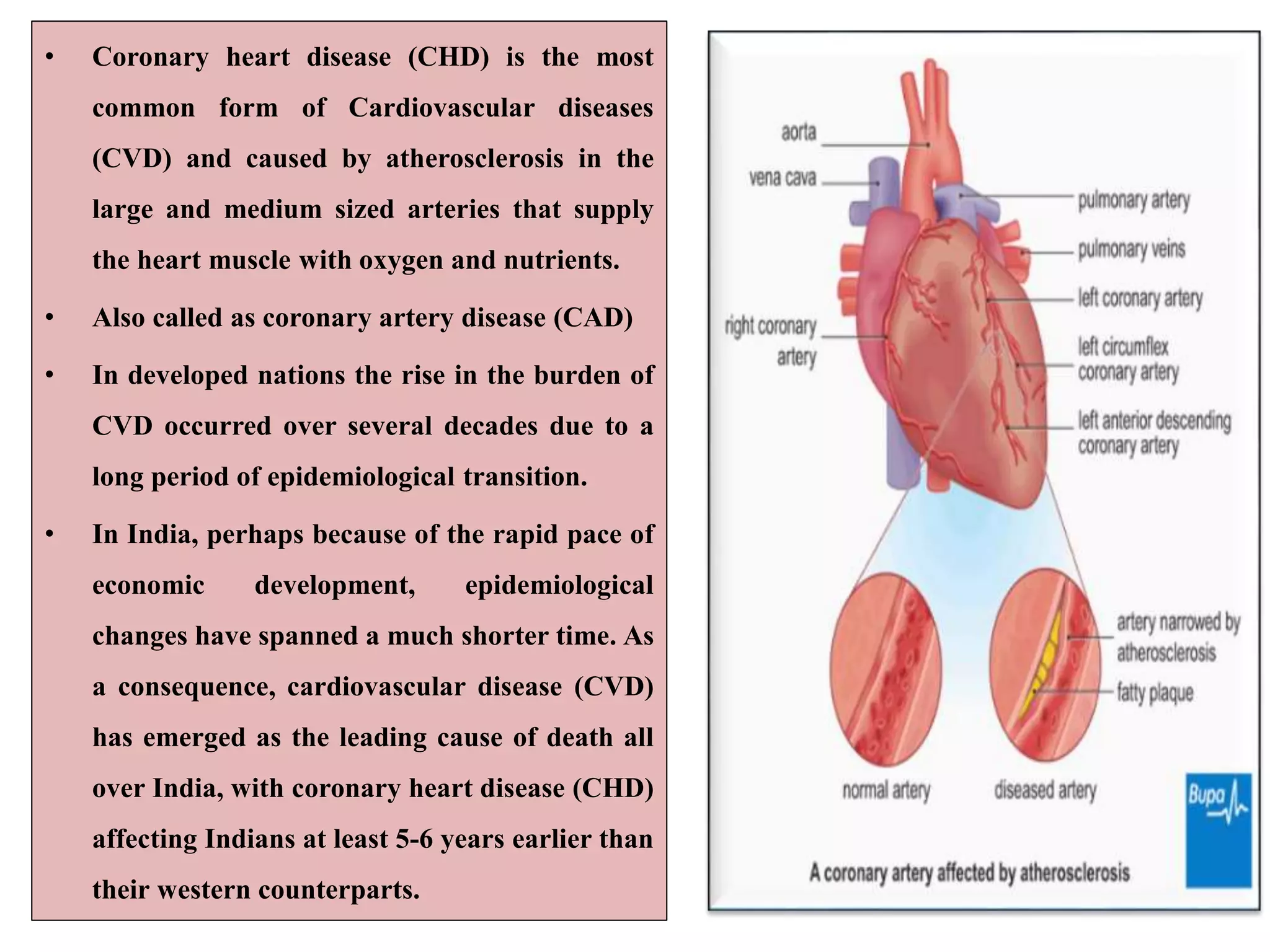
• Coronary heart disease (CHD) is the most
common form of Cardiovascular diseases
(CVD) and caused by atherosclerosis in the
large and medium sized arteries that supply
the heart muscle with oxygen and nutrients.
• Also called as coronary artery disease (CAD)
• In developed nations the rise in the burden of
CVD occurred over several decades due to a
long period of epidemiological transition.
• In India, perhaps because of the rapid pace of
economic development, epidemiological
changes have spanned a much shorter time. As
a consequence, cardiovascular disease (CVD)
has emerged as the leading cause of death all
over India, with coronary heart disease (CHD)
affecting Indians at least 5-6 years earlier than
their western counterparts.
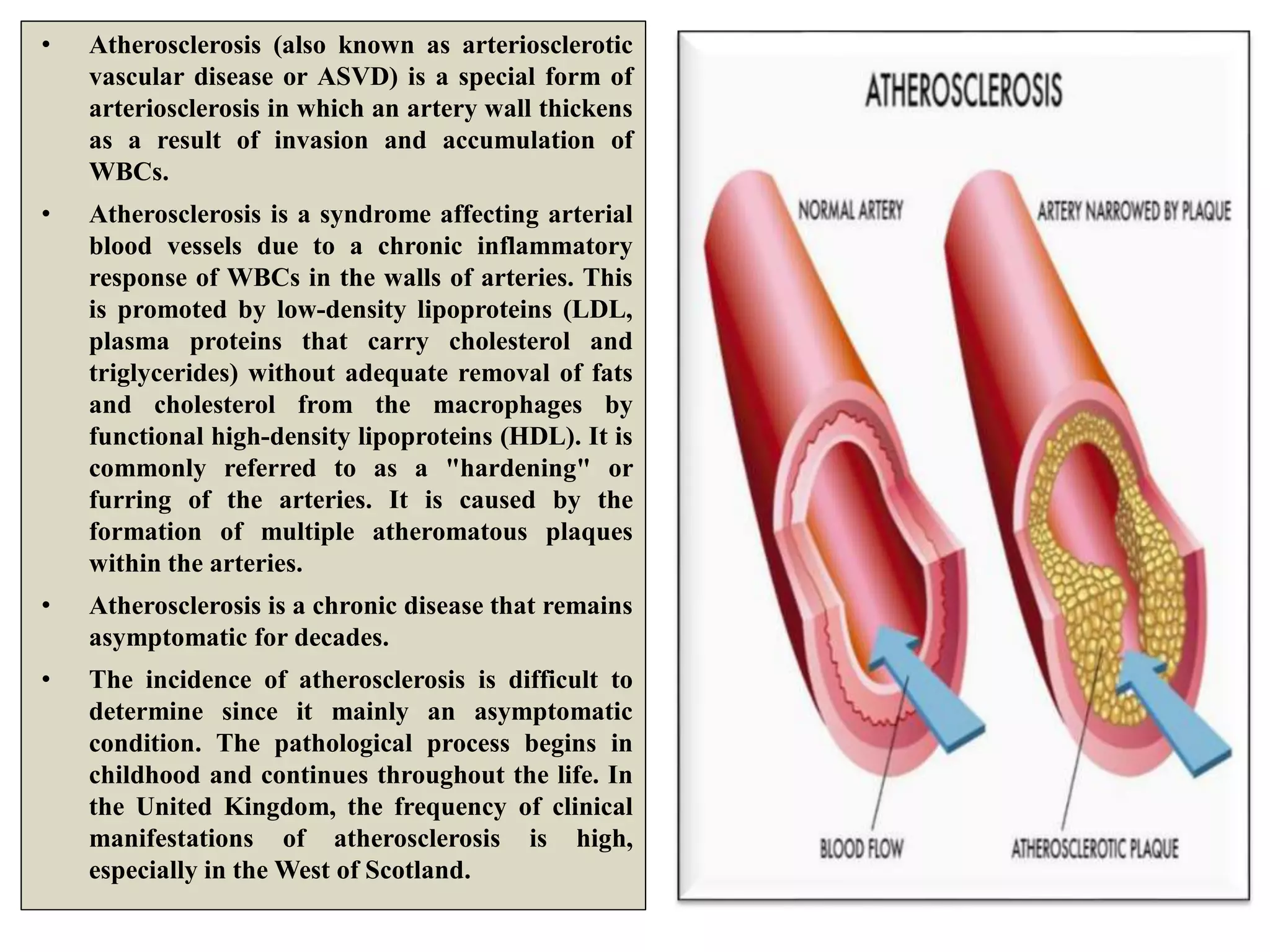
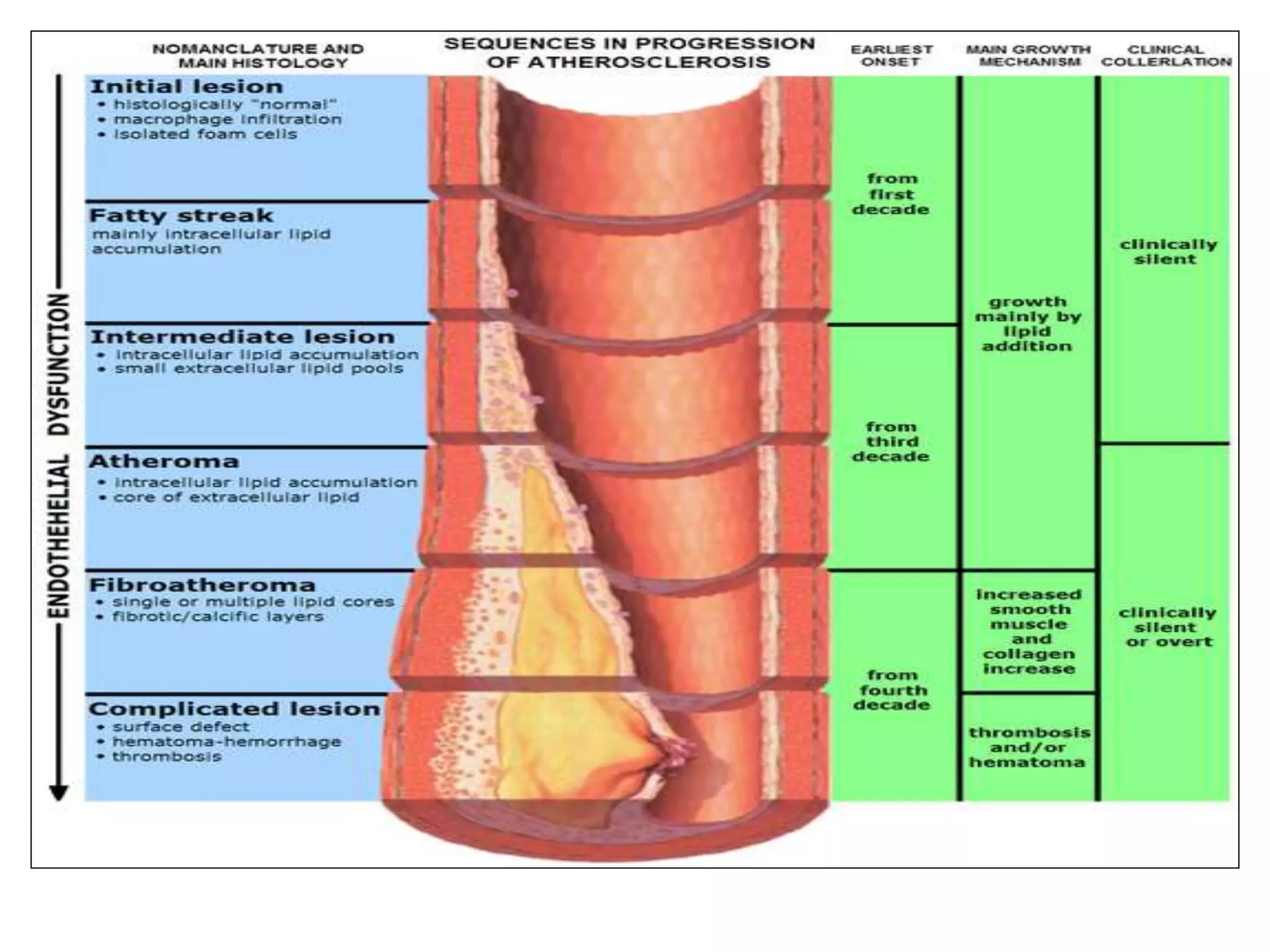
• Atherosclerosis (also known as arteriosclerotic
vascular disease or ASVD) is a special form of
arteriosclerosis in which an artery wall thickens
as a result of invasion and accumulation of
WBCs.
• Atherosclerosis is a syndrome affecting arterial
blood vessels due to a chronic inflammatory
response of WBCs in the walls of arteries. This
is promoted by low-density lipoproteins (LDL,
plasma proteins that carry cholesterol and
triglycerides) without adequate removal of fats
and cholesterol from the macrophages by
functional high-density lipoproteins (HDL). It is
commonly referred to as a "hardening" or
furring of the arteries. It is caused by the
formation of multiple atheromatous plaques
within the arteries.
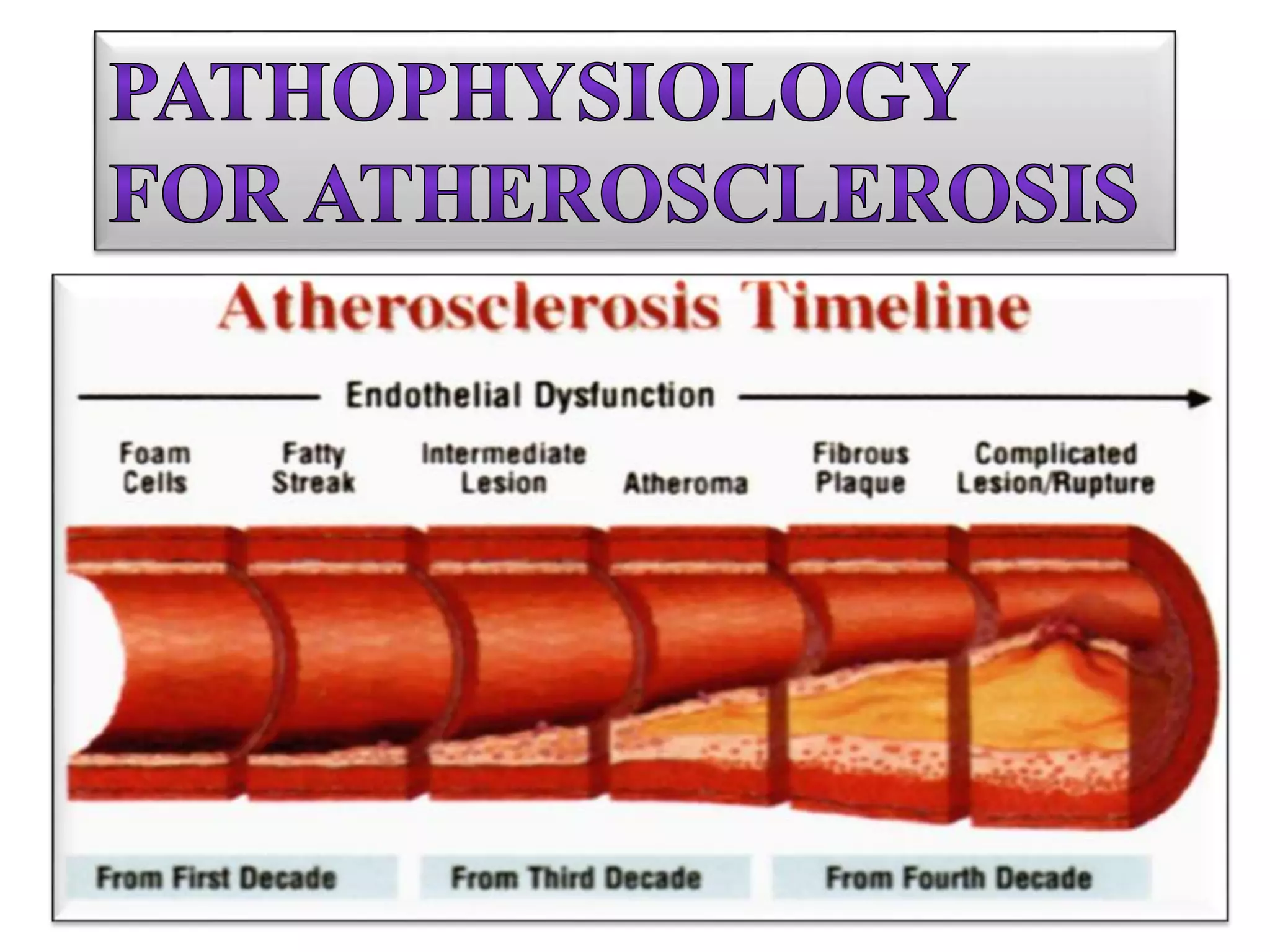
• Atherosclerosis is a chronic disease that remains
asymptomatic for decades.
• The incidence of atherosclerosis is difficult to
determine since it mainly an asymptomatic
condition. The pathological process begins in
childhood and continues throughout the life. In
the United Kingdom, the frequency of clinical
manifestations of atherosclerosis is high,
especially in the West of Scotland.
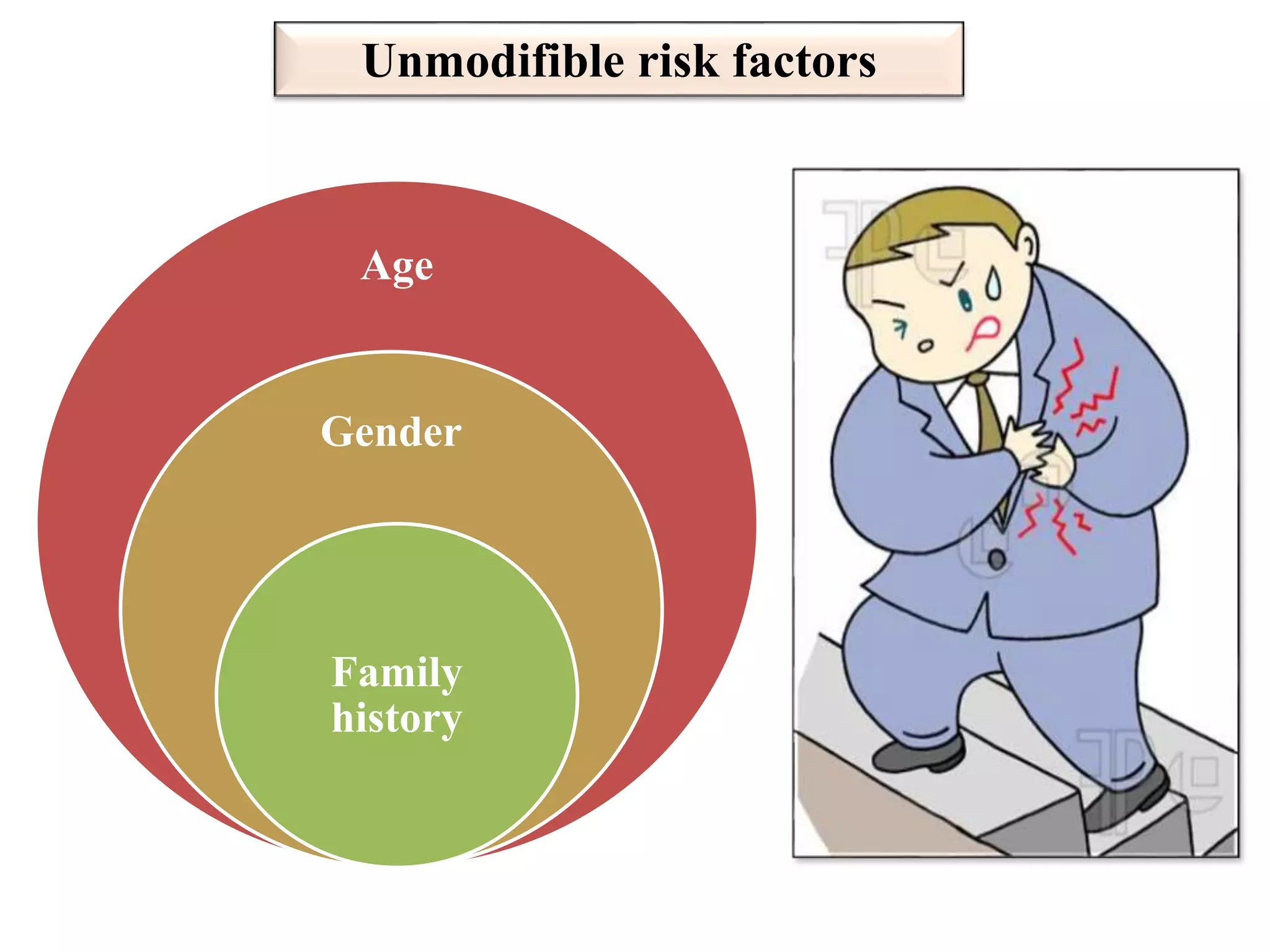
Age
Gender
Family
history
Unmodifible risk factors
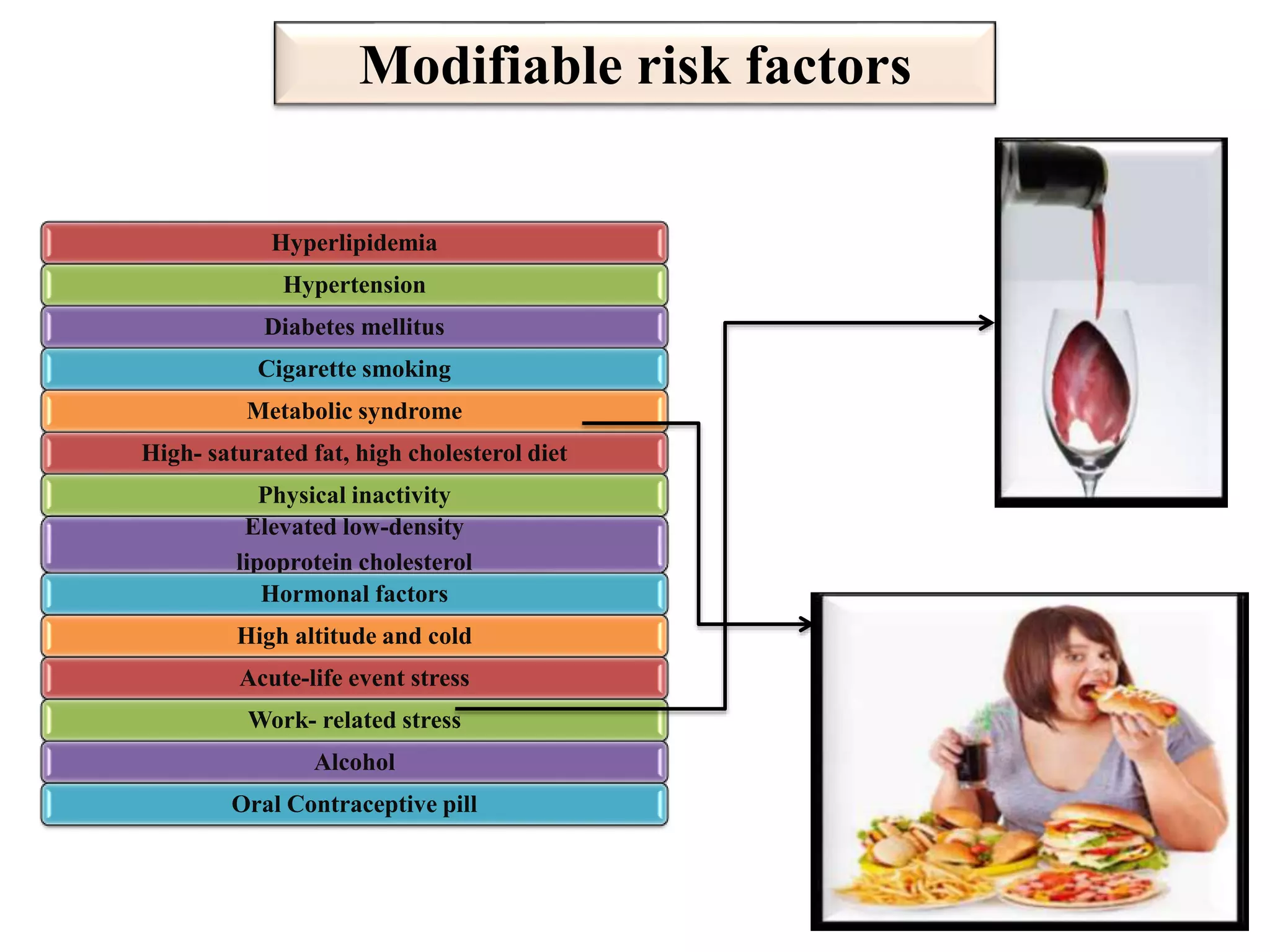
Modifiable risk factors
Hyperlipidemia
Hypertension
Diabetes mellitus
Cigarette smoking
Metabolic syndrome
High- saturated fat, high cholesterol diet
Physical inactivity
Elevated low-density
lipoprotein cholesterol
Hormonal factors
High altitude and cold
Acute-life event stress
Work- related stress
Alcohol
Oral Contraceptive pill
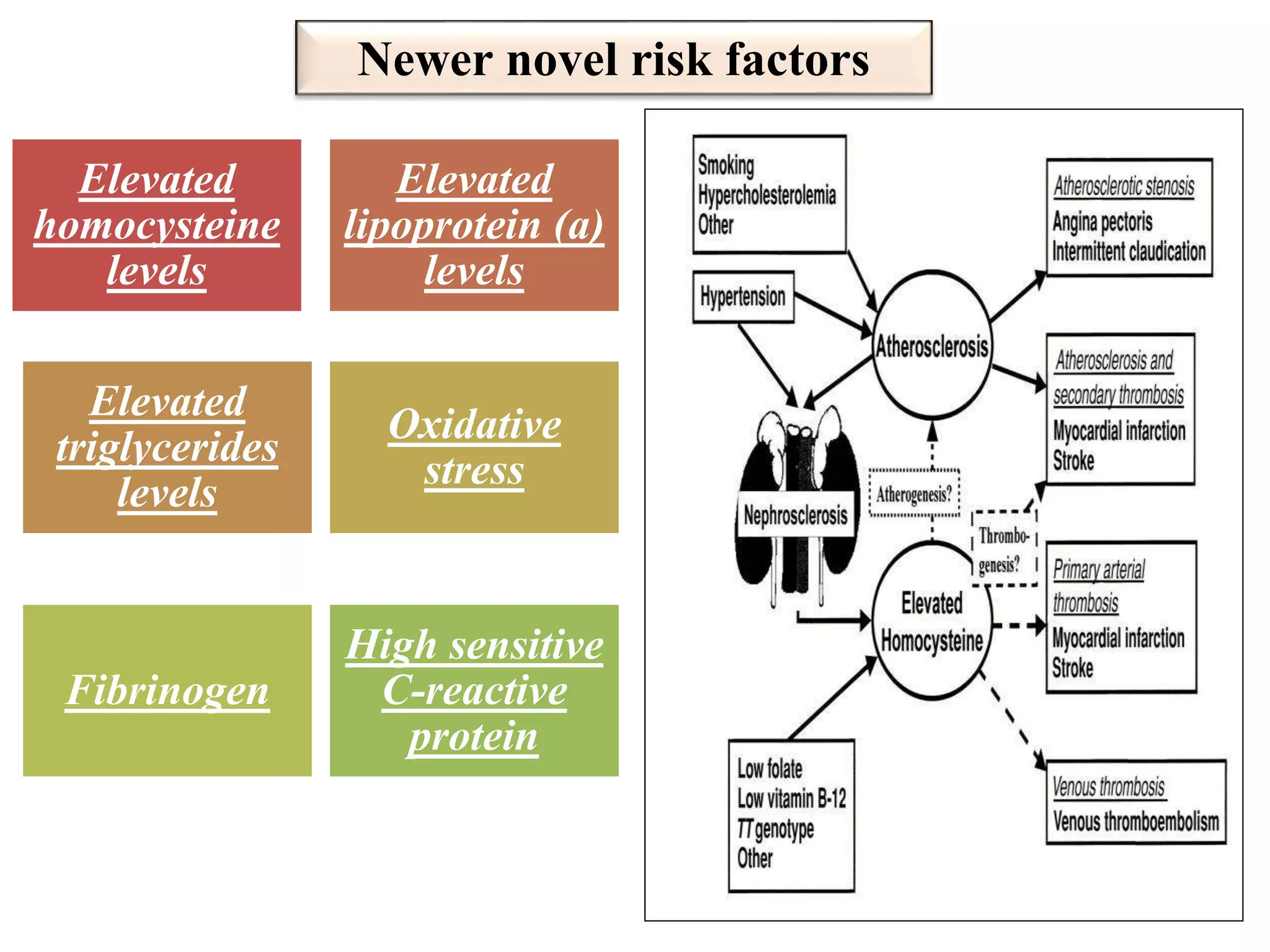
Newer novel risk factors
Elevated
homocysteine

levels
Elevated
lipoprotein (a)
levels
Elevated
triglycerides
levels
Oxidative
stress
Fibrinogen
High sensitive
C-reactive
protein
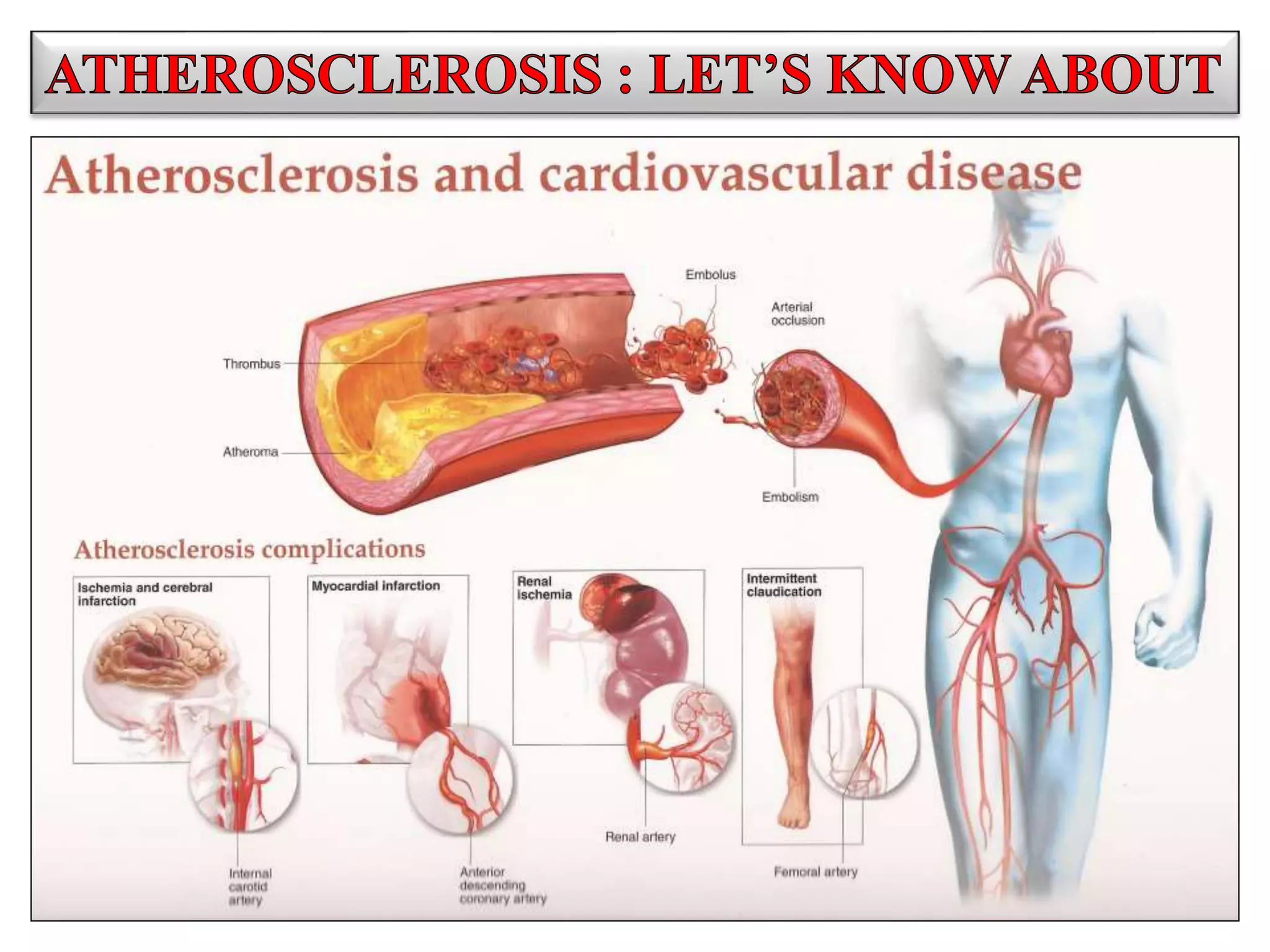
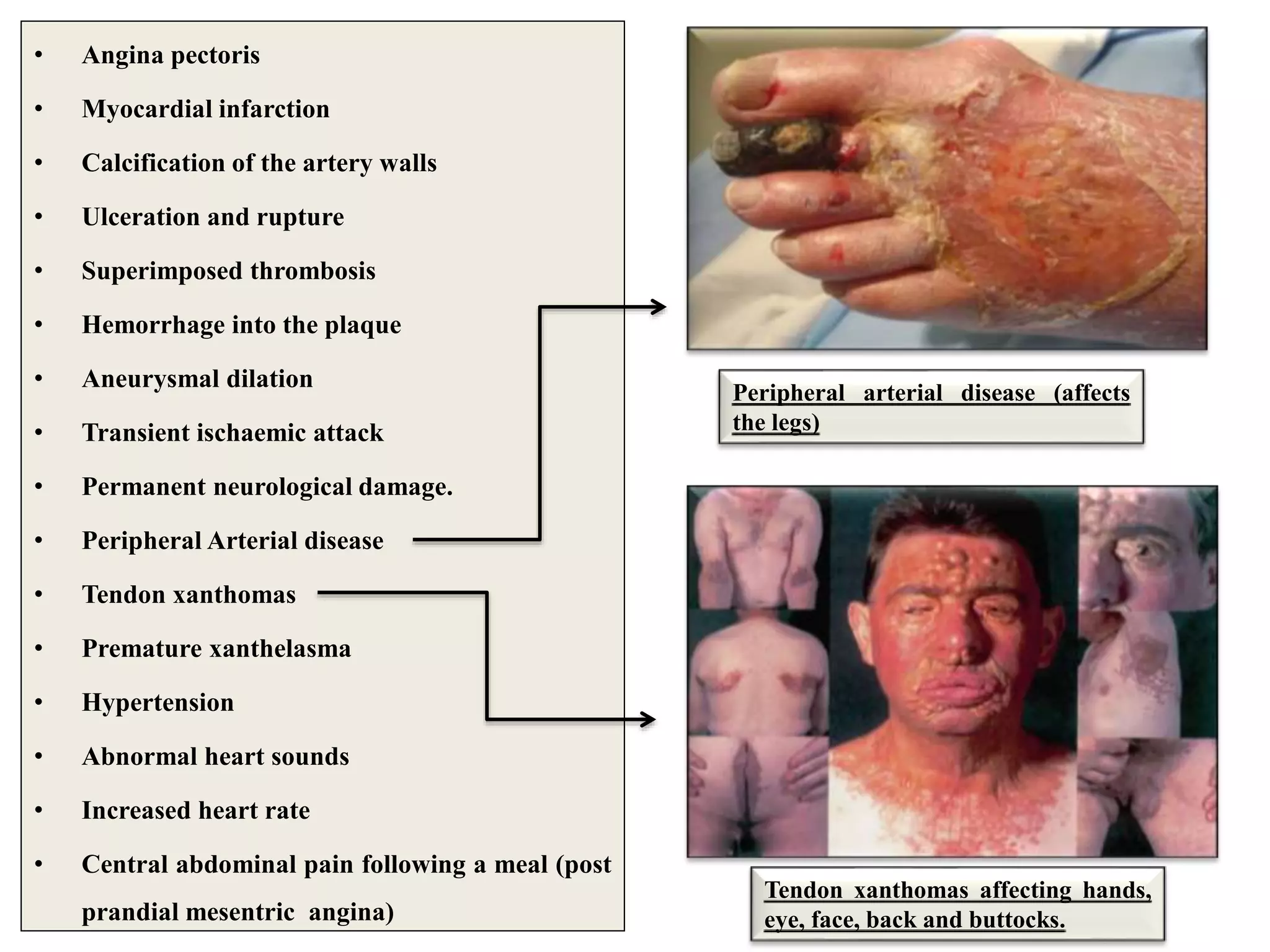
• Angina pectoris
• Myocardial infarction
• Calcification of the artery walls
• Ulceration and rupture
• Superimposed thrombosis
• Hemorrhage into the plaque
• Aneurysmal dilation
• Transient ischaemic attack
• Permanent neurological damage.
• Peripheral Arterial disease
• Tendon xanthomas
• Premature xanthelasma
• Hypertension
• Abnormal heart sounds
• Increased heart rate
• Central abdominal pain following a meal (post
prandial mesentric angina)
Peripheral arterial disease (affects
the legs)
Tendon xanthomas affecting hands,
eye, face, back and buttocks.
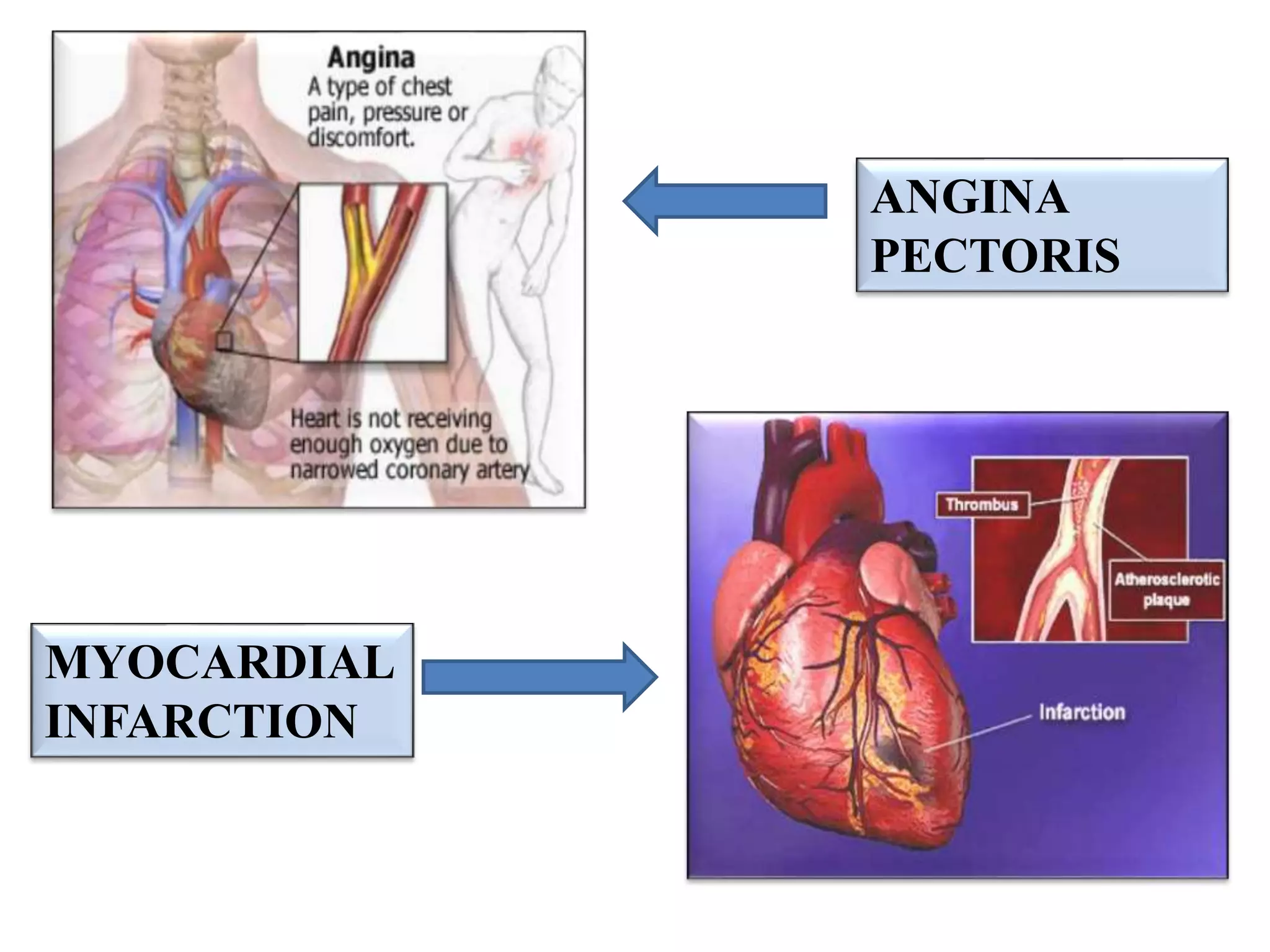
ANGINA
PECTORIS
MYOCARDIAL
INFARCTION
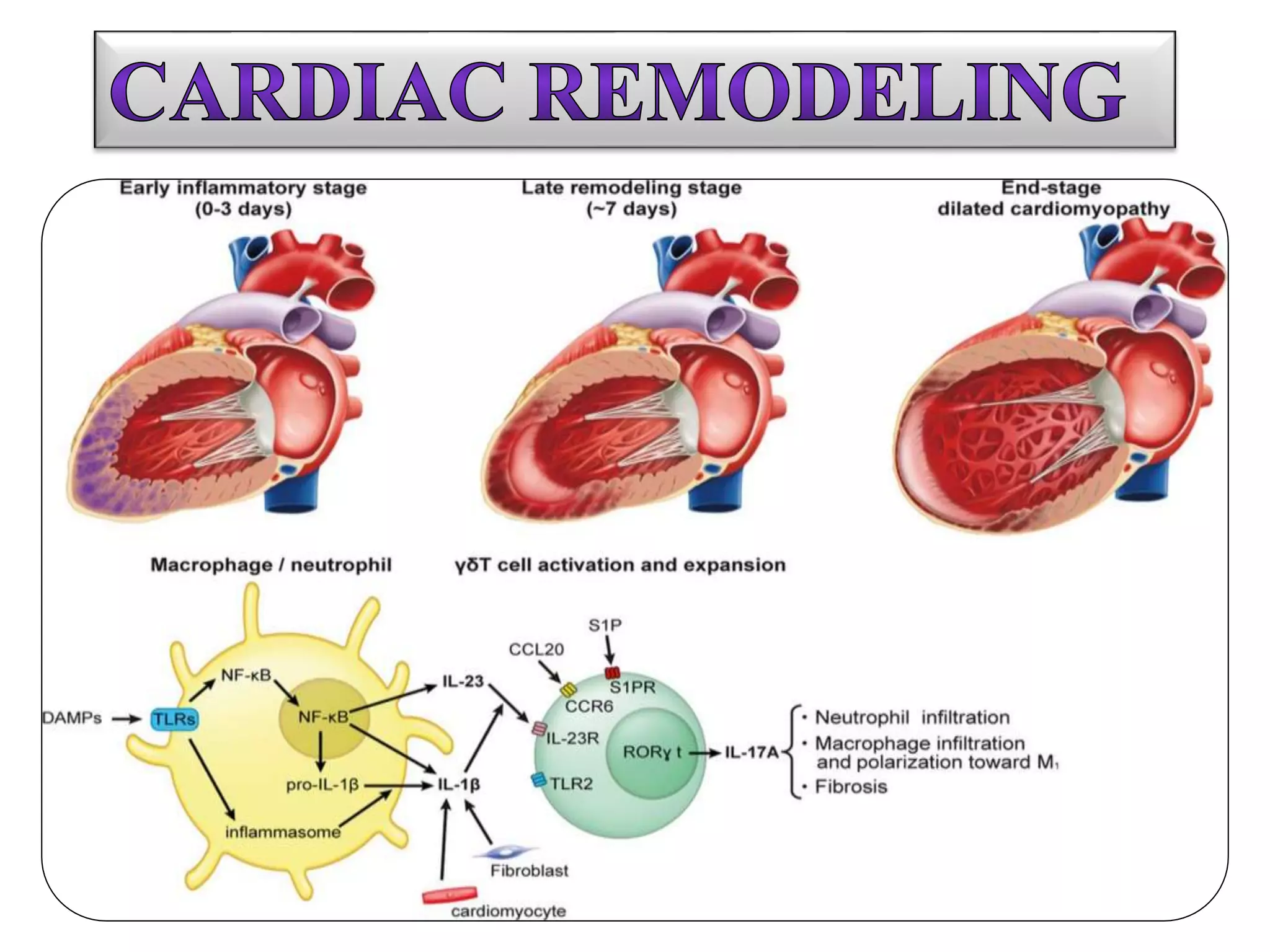
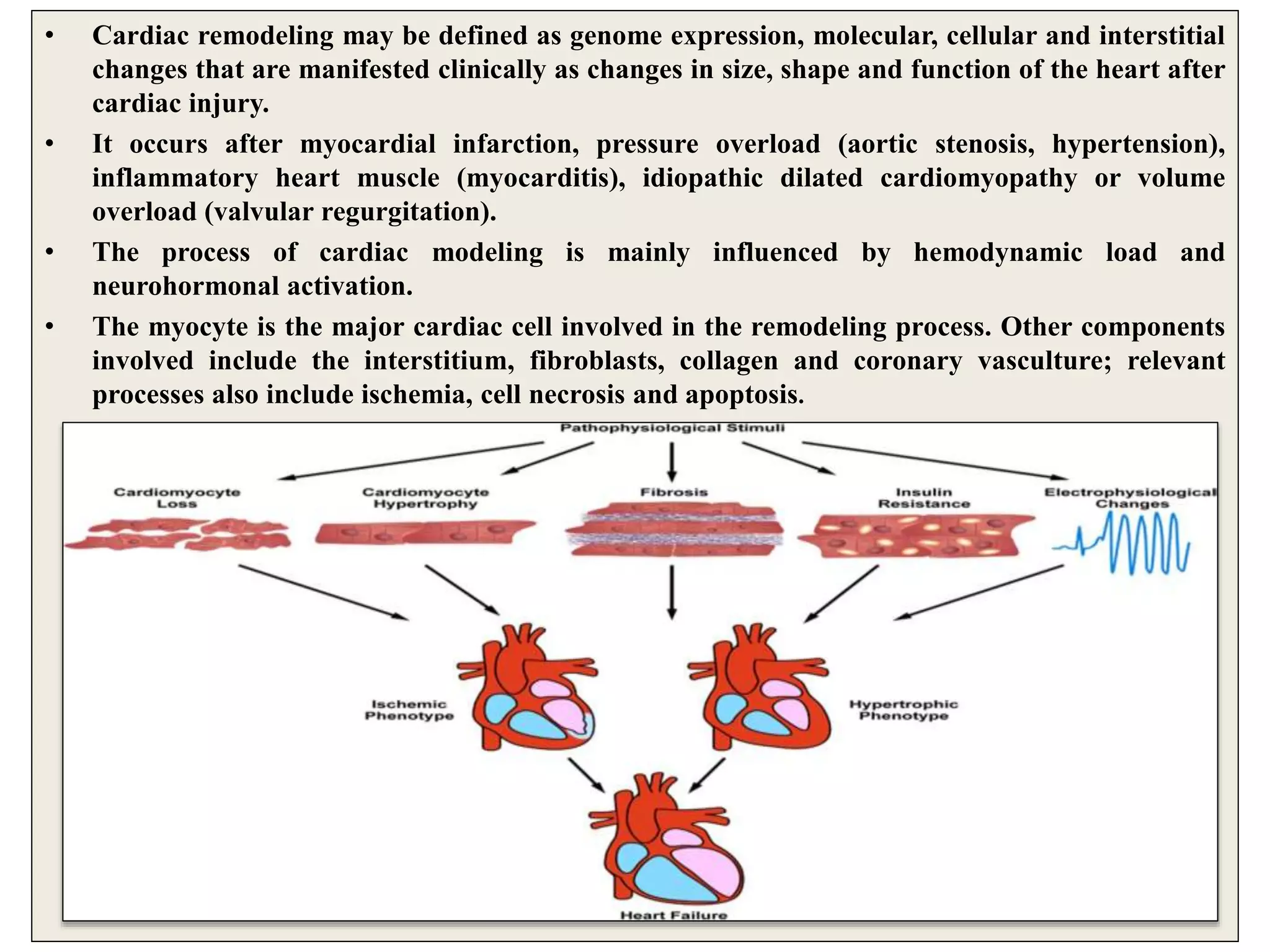
• Cardiac remodeling may be defined as genome expression, molecular, cellular and interstitial
changes that are manifested clinically as changes in size, shape and function of the heart after
cardiac injury.
• It occurs after myocardial infarction, pressure overload (aortic stenosis, hypertension),
inflammatory heart muscle (myocarditis), idiopathic dilated cardiomyopathy or volume
overload (valvular regurgitation).
• The process of cardiac modeling is mainly influenced by hemodynamic load and
neurohormonal activation.
• The myocyte is the major cardiac cell involved in the remodeling process. Other components
involved include the interstitium, fibroblasts, collagen and coronary vasculture; relevant
processes also include ischemia, cell necrosis and apoptosis.
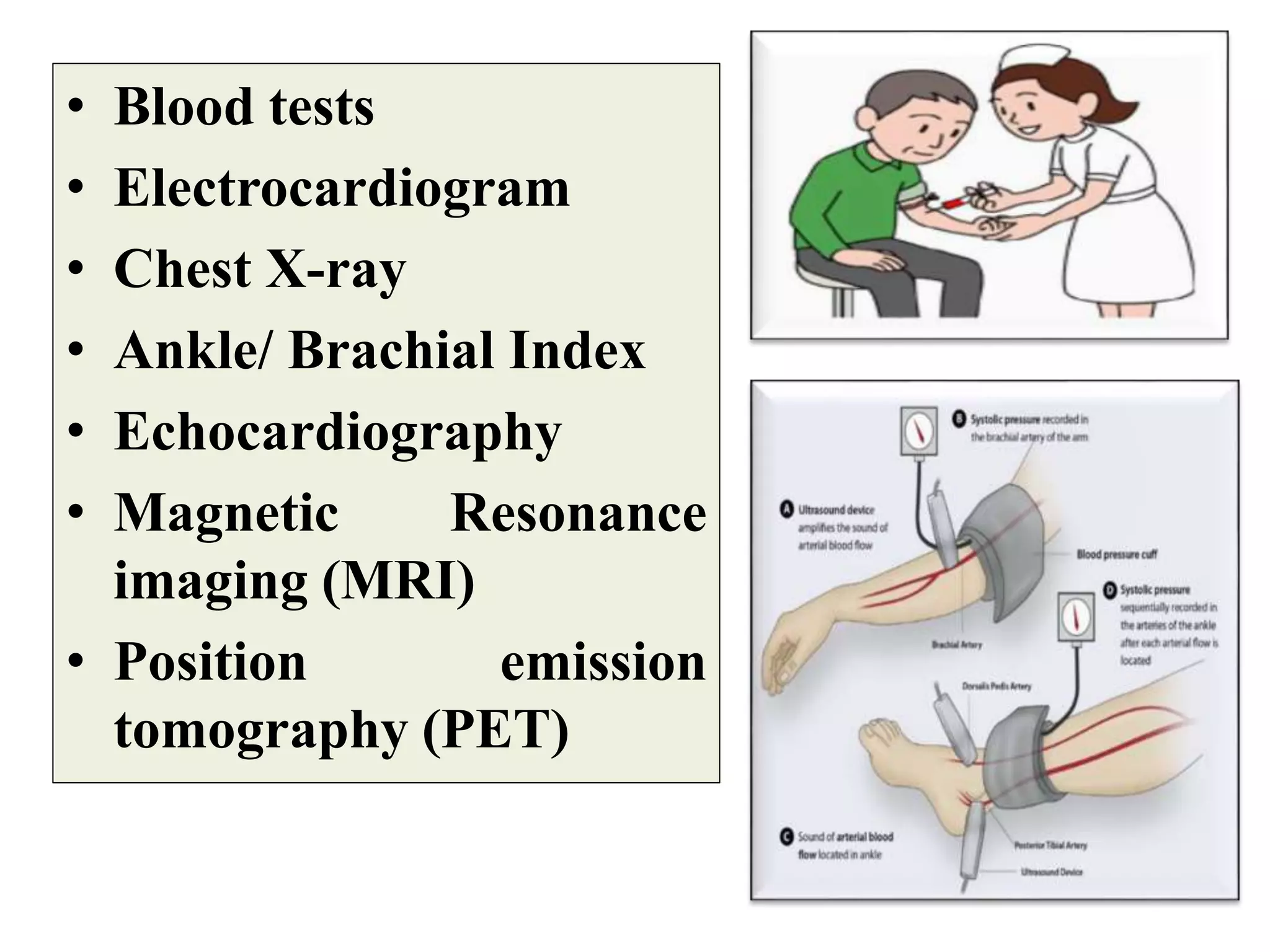
• Blood tests
• Electrocardiogram
• Chest X-ray
• Ankle/ Brachial Index
• Echocardiography
• Magnetic Resonance
imaging (MRI)
• Position emission
tomography (PET)
Maintaining a healthy
weight
Preventing
hypertension
Effectively controlling
blood glucose levels
Avoiding Cigarette
smoking
• HMG-CoA Reductase
inhibitors
• Fibric acid derivatives
• Niacin
• Bile acid sequestrants
• Cholesterol Absorption
inhibitors
• Combination therapies.
• Nitrates, beta-blockers
and calcium antagonists
1
• Maintenance of good
nutrition
2
• Acceptability of the
programme
3
• Proper rest to the heart
 Cardiac prudent diet
 Diet should be low in saturated fats, Trans fats as well as cholesterol.
 20kcal/kg body weight is recommended for obese patients in bed and 25kcal/kg body
weight for those near ideal body weight.
 Fats should be 15-20% of total calories
 Carbohydrate intake should be limited to 50-60 per cent of total energy in patients
with metabolic syndrome.
 Normal allowances of protein are recommended (1gram/kg body weight).
 Mega doses of niacin have been known to be an effective treatment of dyslipdemia
 Diet should be rich in dietary fibre, MUFA and PUFA.
 Vitamin B6, B12, and folic acid supplementation decreases the risk of cardiovascular
disease related to homocysteine risk factor.
 200-300mg of Vitamin C reduces cholesterol
 A restriction of sodium of 1600-2300 mg is satisfactory among patients with
atherosclerosis
 Potassium helps to maintain cell fluid balance and plays a role in muscle contraction.
Low levels of this mineral have been associated with high blood pressure.
 Magnesium helps muscles relax, affects the muscle tone of blood vessels and keeps
heart rhythm steady.
 Low glycaemic index diets may preserve HDL cholesterol and thus have a potentially
positive effect in reducing CHD risk.
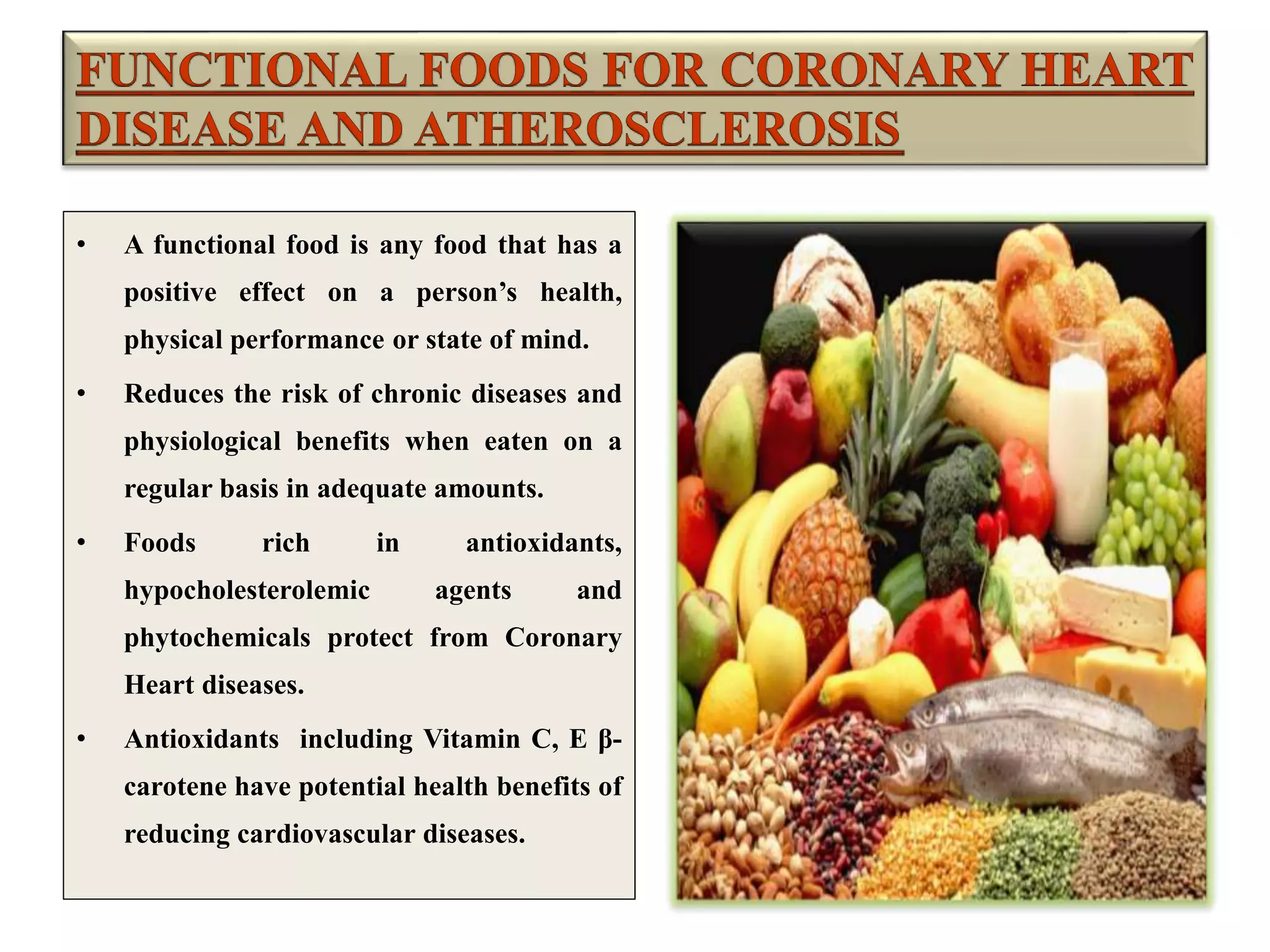
• A functional food is any food that has a
positive effect on a person’s health,
physical performance or state of mind.
• Reduces the risk of chronic diseases and
physiological benefits when eaten on a
regular basis in adequate amounts.
• Foods rich in antioxidants,
hypocholesterolemic agents and
phytochemicals protect from Coronary
Heart diseases.
• Antioxidants including Vitamin C, E β-
carotene have potential health benefits of
reducing cardiovascular diseases.
FUNCTIONAL FOODS IDEAL FOR ATHEROSCLEROSIS
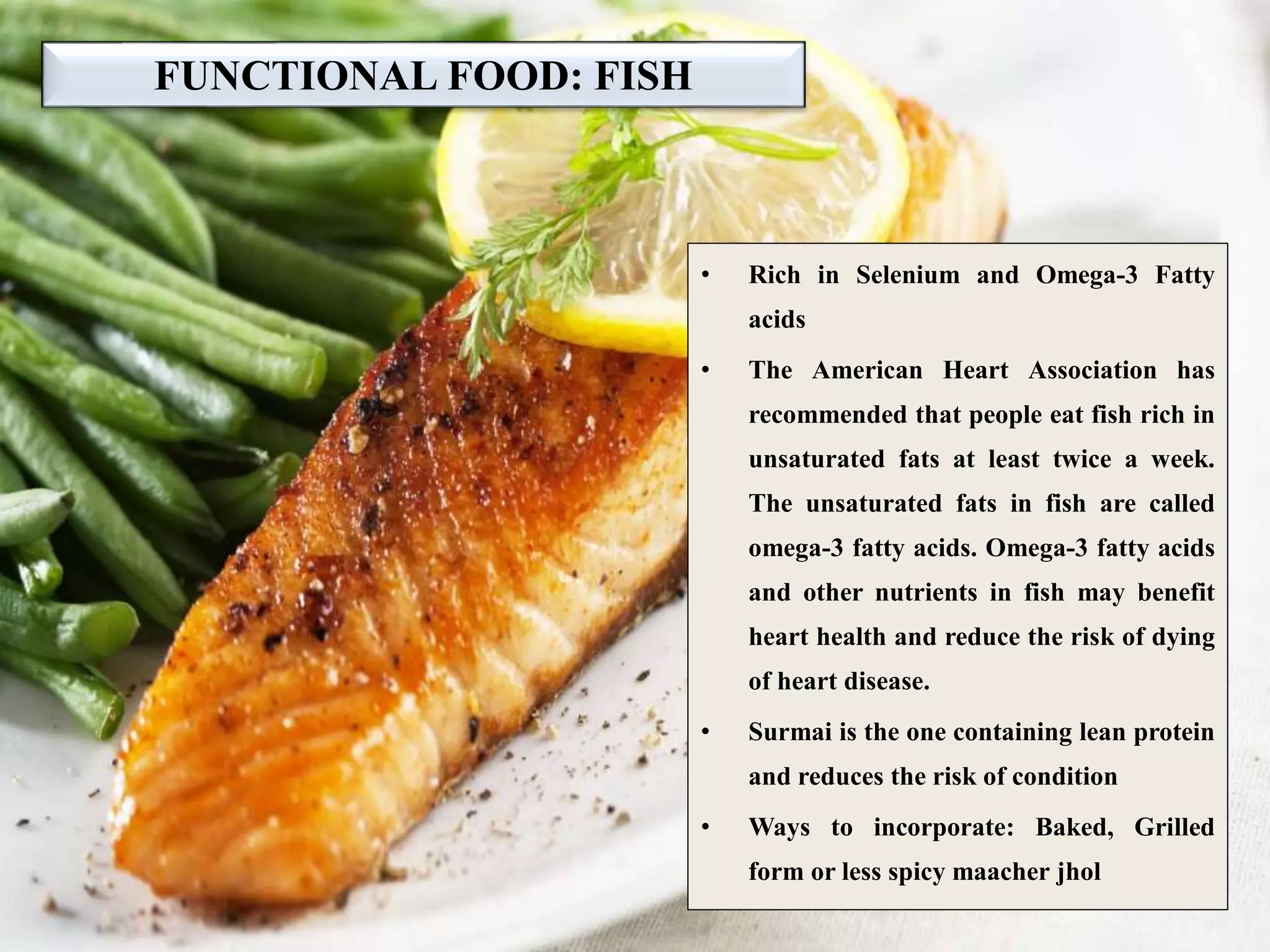
FUNCTIONAL FOOD: FISH
• Rich in Selenium and Omega-3 Fatty
acids
• The American Heart Association has
recommended that people eat fish rich in
unsaturated fats at least twice a week.
The unsaturated fats in fish are called
omega-3 fatty acids. Omega-3 fatty acids
and other nutrients in fish may benefit
heart health and reduce the risk of dying
of heart disease.
• Surmai is the one containing lean protein
and reduces the risk of condition
• Ways to incorporate: Baked, Grilled
form or less spicy maacher jhol
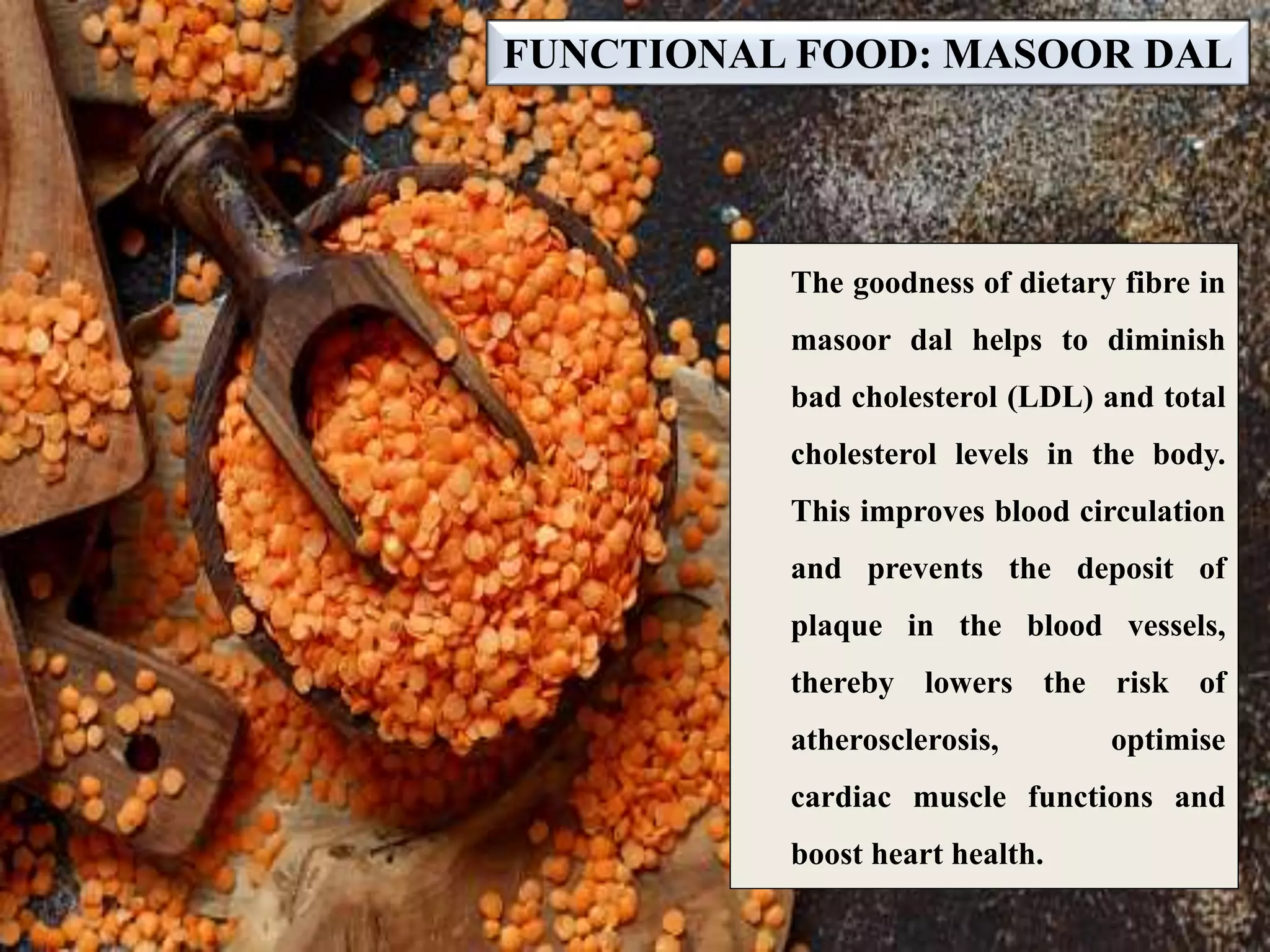
FUNCTIONAL FOOD: MASOOR DAL
The goodness of dietary fibre in
masoor dal helps to diminish
bad cholesterol (LDL) and total
cholesterol levels in the body.
This improves blood circulation
and prevents the deposit of
plaque in the blood vessels,
thereby lowers the risk of
atherosclerosis, optimise
cardiac muscle functions and
boost heart health.
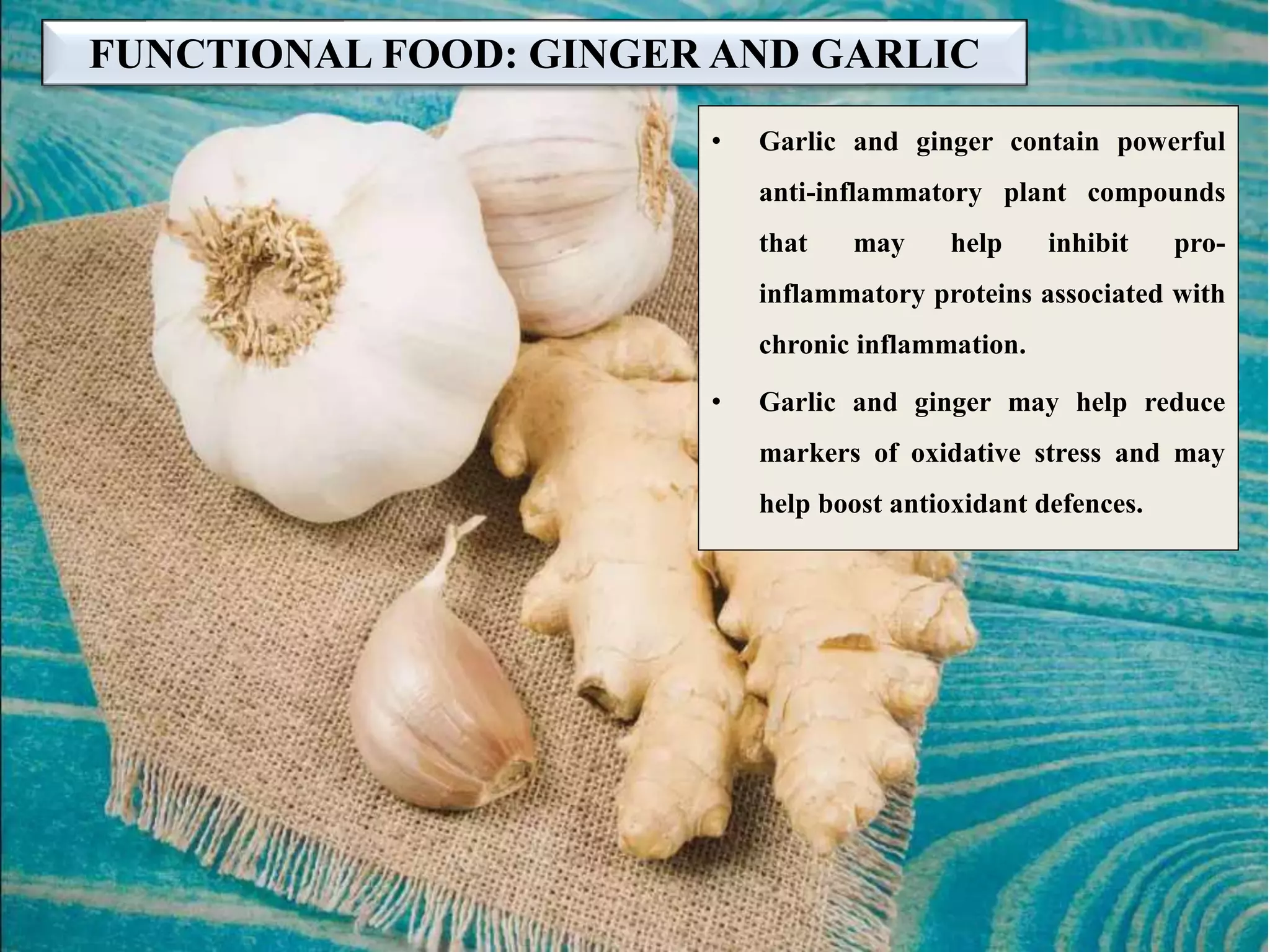
FUNCTIONAL FOOD: GINGER AND GARLIC
• Garlic and ginger contain powerful
anti-inflammatory plant compounds
that may help inhibit pro-
inflammatory proteins associated with
chronic inflammation.
• Garlic and ginger may help reduce
markers of oxidative stress and may
help boost antioxidant defences.
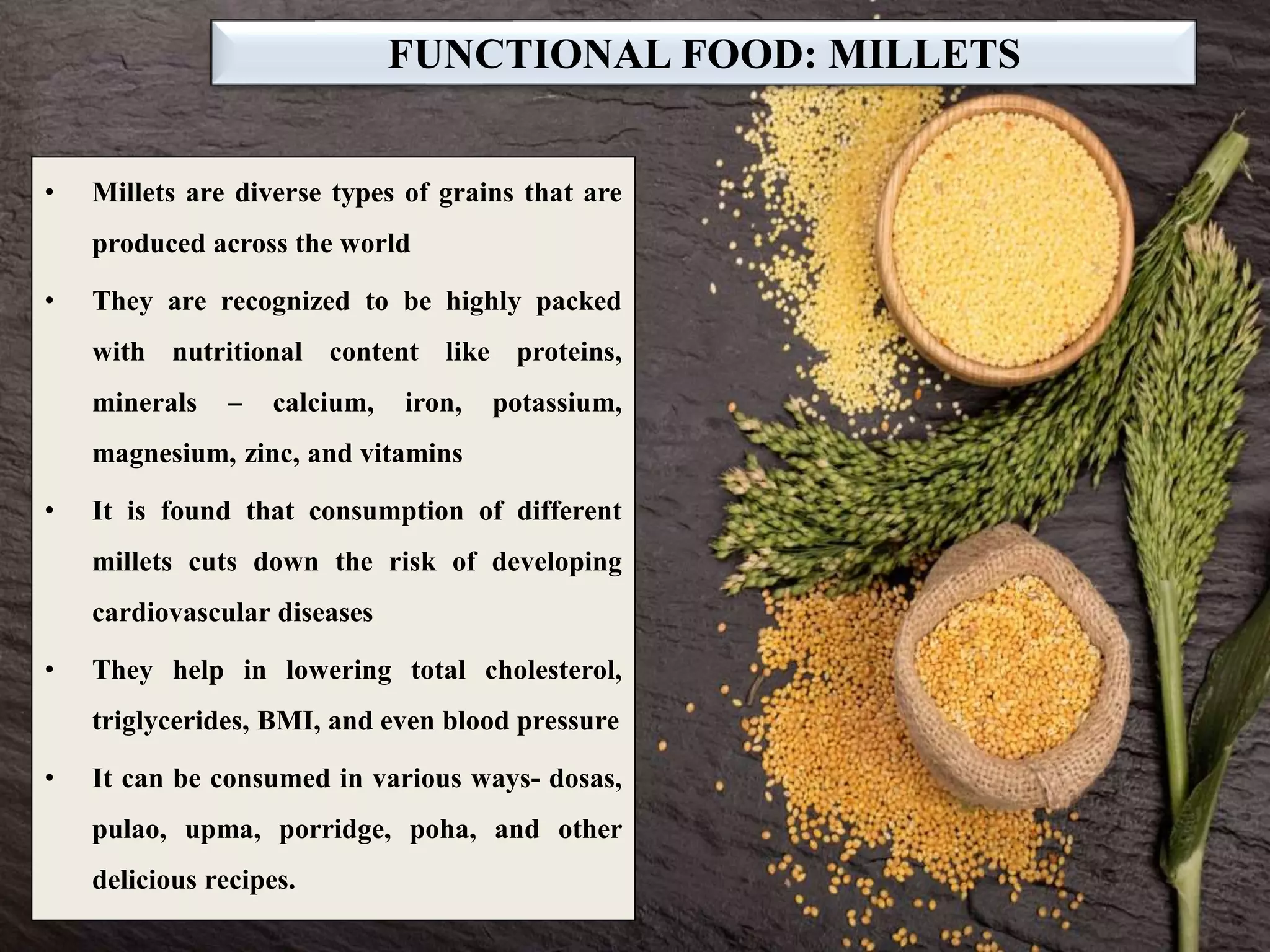
FUNCTIONAL FOOD: MILLETS
• Millets are diverse types of grains that are
produced across the world
• They are recognized to be highly packed
with nutritional content like proteins,
minerals – calcium, iron, potassium,
magnesium, zinc, and vitamins
• It is found that consumption of different
millets cuts down the risk of developing
cardiovascular diseases
• They help in lowering total cholesterol,
triglycerides, BMI, and even blood pressure
• It can be consumed in various ways- dosas,
pulao, upma, porridge, poha, and other
delicious recipes.
FUNCTIONAL FOOD: CITRUS FRUITS
• Eating citrus can reduce cholesterol
plaque in clogged arteries and help
reverse atherosclerosis, a leading cause
of heart attacks and strokes
• A variety of flavonoids from fruits could
not only reduce cholesterol transport,
but also enhanced the immune function
by regulating the level of intracellular
inflammatory factors
FUNCTIONAL FOOD:
NUTS AND OILSEEDS
• Nuts are rich sources of mono and
polyunsaturated fatty acids, arginine, soluble
fibre and various antioxidant polyphenols and
these active components contribute to cholesterol
lowering effects
• Almonds, macadamia nuts, hazelnuts and pecans
also appear to be quite heart healthy. Even
peanuts — though they are technically not a nut,
but a legume, like beans. It's best to choose
unsalted or unsweetened nuts. Adding salt or
sugar to nuts may cancel out their heart-healthy
benefits.
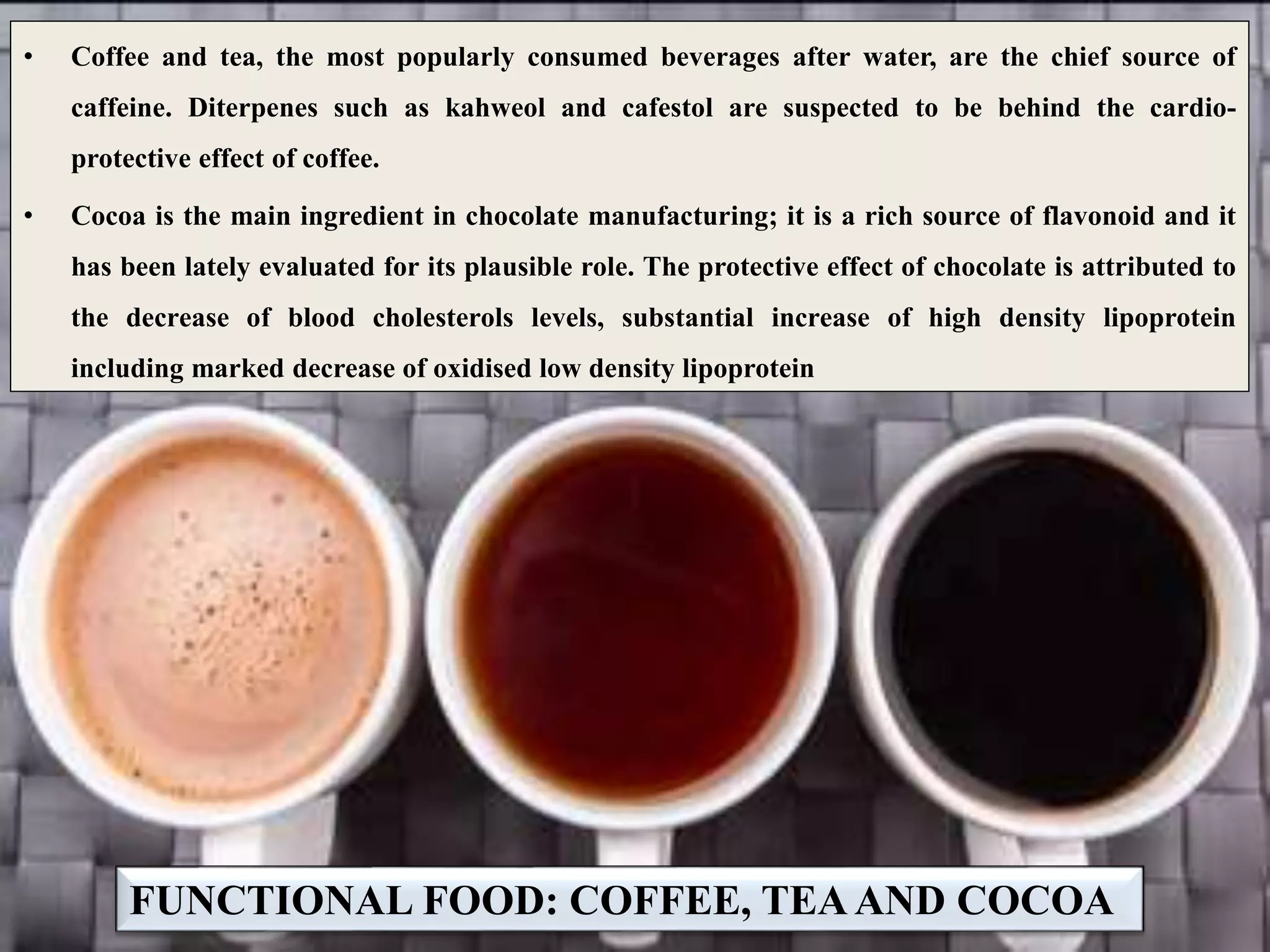
FUNCTIONAL FOOD: COFFEE, TEAAND COCOA
• Coffee and tea, the most popularly consumed beverages after water, are the chief source of
caffeine. Diterpenes such as kahweol and cafestol are suspected to be behind the cardio-
protective effect of coffee.
• Cocoa is the main ingredient in chocolate manufacturing; it is a rich source of flavonoid and it
has been lately evaluated for its plausible role. The protective effect of chocolate is attributed to
the decrease of blood cholesterols levels, substantial increase of high density lipoprotein
including marked decrease of oxidised low density lipoprotein
FUNCTIONAL FOOD: SOY PROTEIN
• Rich source of polyunsaturated fatty
acids, dietary fibre, micronutrients, low
saturated fat content and isoflavones
• Isoflavones prevent the oxidation of low
density lipoprotein and reduces the risk
of atherosclerosis
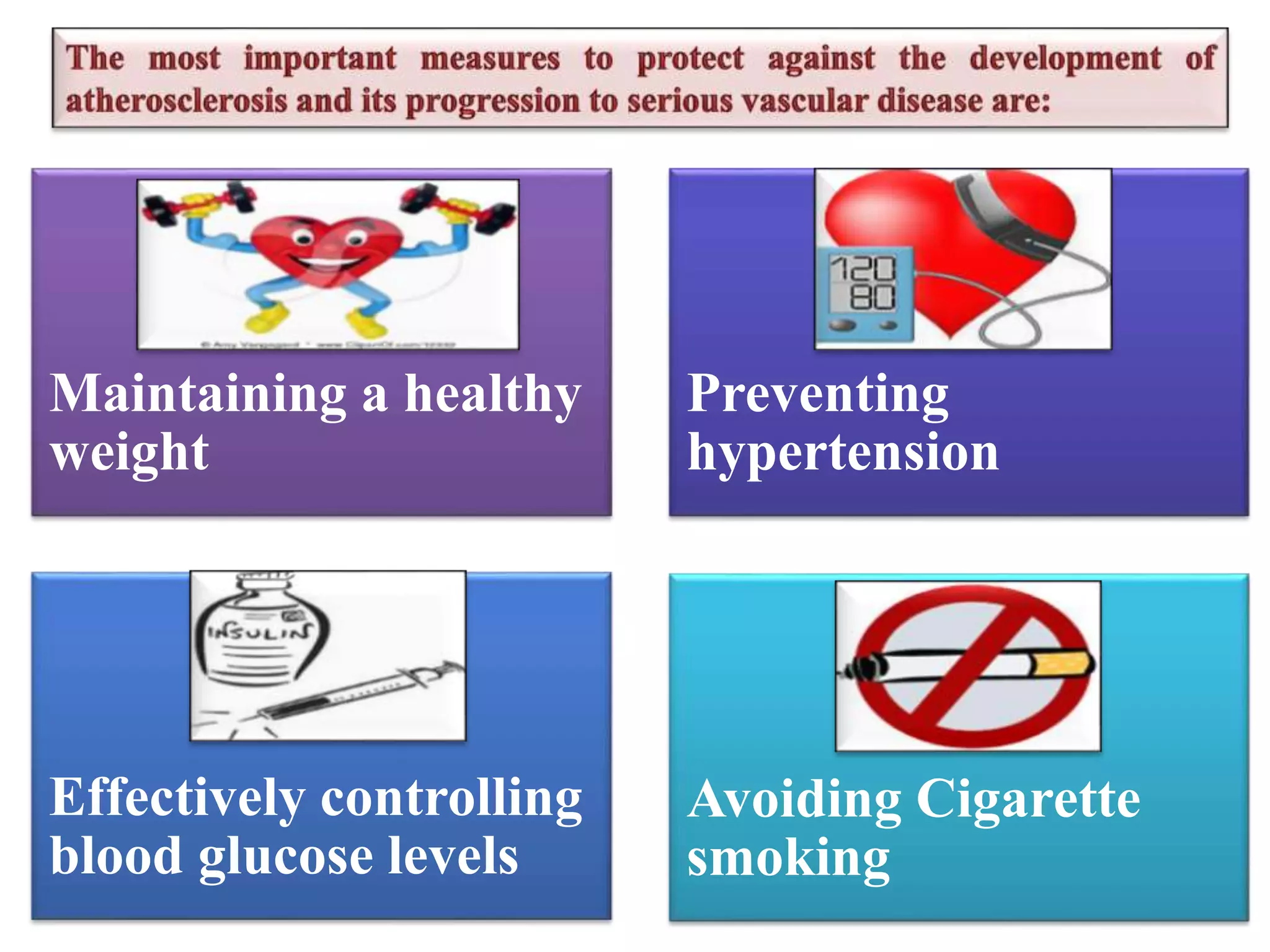
Atherosclerosis is the cause of more than 50% mortality in industrial countries.
Atherosclerosis is a disease in which plaque builds up inside your arteries. Over
time, plaque hardens and narrows your arteries, limiting the flow of oxygen-rich
blood. This can lead to serious problems. Atherosclerosis is a disease in which
plaque builds up inside your arteries. Over time, plaque hardens and narrows
your arteries, limiting the flow of oxygen-rich blood. This can lead to serious
problems Atherosclerosis usually doesn't cause symptoms until it severely narrows
or totally blocks an artery. Many people don't know they have the disease until
they have a medical emergency. When symptoms do happen, they are specific to
the arteries affected by atherosclerosis. A physical examination, imaging, and other
diagnostic tests can tell if the patient have this disease. Treatments include
medicines, and medical procedures or surgery. Lifestyle changes can also help.
These include following a healthy diet, getting regular exercise, maintaining a
healthy weight, and quitting smoking.
• Ajay, V.S., Watkins, D.A. and Prabhakaran, D. (2017). Relationships among major risk factors and
the burden of cardiovascular diseases, diabetes, and chronic lung disease PP 23-35. Cardiovascular,
Respiratory, and Related Disorders. Disease Control Priorities, 3rd edition. pp. 23-35
• Bhandari U, Sharma J, Zafar R. “The protective action of ethanolic ginger extract in cholesterol fed
rabbits.” Journal of Ethnopharmacology 1998; 61(2):167-171.
• Bordia A, Verma S, Srivatava K. “Effect of ginger and fenugreek on blood lipids, blood sugar and
platelet aggregation in patients with coronary artery disease.” Prostaglandins Leukot Essent Fatty
Acids 1997; 56(5):379-384.
• Dietetics, 7th Multicolour Edition, B. Srilakshmi, New Age International Publishers, pp-257-286
• Ferrari Roberto, Sharpe Norman et al., “Cardiac remodelling- Concepts and clinical Implications: A
Consensus Paper From an International Forum on Cardiac remodelling”, Journal of the American
College of Cardiology :2018; 35(3): 569-582
• Fuhrman B, Rosenblat M, Hayek T, et al. “Ginger extract consumption reduces plasma cholesterol,
inhibits LDL oxidation and attenuates development of atherosclerosis in atherosclerotic,
apolipoprotein E deficient mice.” Journal of Nutrition 2000; 130 (5):1124-1131.
• http://www.diabetes-guide.org/glycaemic index of common foods (Copyright 2011 by T McDonald)
• Kaixun Huang, Huibi Xu ,” Selenoproteins and Atherosclerosis”, Selenoproteins and Mimics
Advanced Topics in Science and Technology in China 2012, pp 141-160.
• Kurowska Elizabeth, Spence David, et. al, “ HDL- Cholesterol- raising effect of orange juice in
subjects with hypercholesterolemia”, American Journal of Clinical Nutrition, 2010; 72: 1095-1100.
• Latif R, “Chocolate/Cocoa and human health: a review”, Netherlands Journal of Medicine; 2013:
71(2); 63-68
• Lumb A. “Effect of dried ginger on human platelet function.” Thrombosis Haemostastis
1994;71(1):110-111
• Orekhov N Alexander, “ Anti-Atherosclerotic Drugs from Natural products”, Natural products
Chemistry Research, 2013, (1-4)
• Prabhakaran Dorairaj & Yusuf Salim, “Cardiovascular disease in India: Lessons learnt &
challenges ahead”, Indian journal of Medical Research, 2010, (529-530)
• Shoji N, Iwasa A, Takemoto T, et al. “Cardiotonic principles of ginger.” Journal of
Pharmaceutical Sciences 1982; 71 (10):1174-1175.
• Strazzullo, P., D’Elia, L., Kandala, N.B. and Cappuccio, F.P. (2009). Salt intake, stroke, and
cardiovascular disease: Meta-analysis of prospective studies. British Medical Journal, 339:
b4567
• Whelton, P.K. and He, J. (2014). Health effects of sodium and potassium in humans. Current
Opinion in Lipidology, 25: 75-79
• Austin, M.A. (1991). Plasma triglyceride and coronary heart disease. Arteriosclerosis and
Thrombosis, 11(1): 2-14
• Basharat, S. (2020). Therapeutic effect of Glycine max (Soybean) bioactive components in
cardiovascular disease and obesity. Journal of Food and Nutrition, 6: 1-7
DAMA- DIETARY APPROACH TO MANAGE ATHEROSCLEROSIS.ppt

DAMA- DIETARY APPROACH TO MANAGE ATHEROSCLEROSIS.ppt

  • 1.
    Atheros clerosis Presented by: Jyoti Pachisia GuestLecturer, Department: Nutrition and Dietetic IMS Mukundpur, Kolkata
  • 2.
    • Lifestyles ofpopulations across the world have changed dramatically in the 21st century. These changes (collectively termed as epidemiological transition) have been brought about by a number of developments in science and technology that now affect every facet of human existence. • Most human societies have moved from agrarian diets and active lives to fast foods and sedentary habits. Combined with increasing tobacco use, these changes have fuelled the epidemic of obesity, diabetes, hypertension, dyslipidemia and cardiovascular diseases (CVD).
  • 3.
    Figure 1: Source: WorldHealth Organization Report profile, 2017
  • 4.
    • Coronary heartdisease (CHD) is the most common form of Cardiovascular diseases (CVD) and caused by atherosclerosis in the large and medium sized arteries that supply the heart muscle with oxygen and nutrients. • Also called as coronary artery disease (CAD) • In developed nations the rise in the burden of CVD occurred over several decades due to a long period of epidemiological transition. • In India, perhaps because of the rapid pace of economic development, epidemiological changes have spanned a much shorter time. As a consequence, cardiovascular disease (CVD) has emerged as the leading cause of death all over India, with coronary heart disease (CHD) affecting Indians at least 5-6 years earlier than their western counterparts.
  • 7.
    • Atherosclerosis (alsoknown as arteriosclerotic vascular disease or ASVD) is a special form of arteriosclerosis in which an artery wall thickens as a result of invasion and accumulation of WBCs. • Atherosclerosis is a syndrome affecting arterial blood vessels due to a chronic inflammatory response of WBCs in the walls of arteries. This is promoted by low-density lipoproteins (LDL, plasma proteins that carry cholesterol and triglycerides) without adequate removal of fats and cholesterol from the macrophages by functional high-density lipoproteins (HDL). It is commonly referred to as a "hardening" or furring of the arteries. It is caused by the formation of multiple atheromatous plaques within the arteries. • Atherosclerosis is a chronic disease that remains asymptomatic for decades. • The incidence of atherosclerosis is difficult to determine since it mainly an asymptomatic condition. The pathological process begins in childhood and continues throughout the life. In the United Kingdom, the frequency of clinical manifestations of atherosclerosis is high, especially in the West of Scotland.
  • 11.
  • 12.
    Modifiable risk factors Hyperlipidemia Hypertension Diabetesmellitus Cigarette smoking Metabolic syndrome High- saturated fat, high cholesterol diet Physical inactivity Elevated low-density lipoprotein cholesterol Hormonal factors High altitude and cold Acute-life event stress Work- related stress Alcohol Oral Contraceptive pill
  • 13.
    Newer novel riskfactors Elevated homocysteine levels Elevated lipoprotein (a) levels Elevated triglycerides levels Oxidative stress Fibrinogen High sensitive C-reactive protein
  • 15.
    • Angina pectoris •Myocardial infarction • Calcification of the artery walls • Ulceration and rupture • Superimposed thrombosis • Hemorrhage into the plaque • Aneurysmal dilation • Transient ischaemic attack • Permanent neurological damage. • Peripheral Arterial disease • Tendon xanthomas • Premature xanthelasma • Hypertension • Abnormal heart sounds • Increased heart rate • Central abdominal pain following a meal (post prandial mesentric angina) Peripheral arterial disease (affects the legs) Tendon xanthomas affecting hands, eye, face, back and buttocks.
  • 16.
  • 18.
    • Cardiac remodelingmay be defined as genome expression, molecular, cellular and interstitial changes that are manifested clinically as changes in size, shape and function of the heart after cardiac injury. • It occurs after myocardial infarction, pressure overload (aortic stenosis, hypertension), inflammatory heart muscle (myocarditis), idiopathic dilated cardiomyopathy or volume overload (valvular regurgitation). • The process of cardiac modeling is mainly influenced by hemodynamic load and neurohormonal activation. • The myocyte is the major cardiac cell involved in the remodeling process. Other components involved include the interstitium, fibroblasts, collagen and coronary vasculture; relevant processes also include ischemia, cell necrosis and apoptosis.
  • 20.
    • Blood tests •Electrocardiogram • Chest X-ray • Ankle/ Brachial Index • Echocardiography • Magnetic Resonance imaging (MRI) • Position emission tomography (PET)
  • 22.
    Maintaining a healthy weight Preventing hypertension Effectivelycontrolling blood glucose levels Avoiding Cigarette smoking
  • 23.
    • HMG-CoA Reductase inhibitors •Fibric acid derivatives • Niacin • Bile acid sequestrants • Cholesterol Absorption inhibitors • Combination therapies. • Nitrates, beta-blockers and calcium antagonists
  • 25.
    1 • Maintenance ofgood nutrition 2 • Acceptability of the programme 3 • Proper rest to the heart
  • 26.
     Cardiac prudentdiet  Diet should be low in saturated fats, Trans fats as well as cholesterol.  20kcal/kg body weight is recommended for obese patients in bed and 25kcal/kg body weight for those near ideal body weight.  Fats should be 15-20% of total calories  Carbohydrate intake should be limited to 50-60 per cent of total energy in patients with metabolic syndrome.  Normal allowances of protein are recommended (1gram/kg body weight).  Mega doses of niacin have been known to be an effective treatment of dyslipdemia  Diet should be rich in dietary fibre, MUFA and PUFA.  Vitamin B6, B12, and folic acid supplementation decreases the risk of cardiovascular disease related to homocysteine risk factor.  200-300mg of Vitamin C reduces cholesterol  A restriction of sodium of 1600-2300 mg is satisfactory among patients with atherosclerosis  Potassium helps to maintain cell fluid balance and plays a role in muscle contraction. Low levels of this mineral have been associated with high blood pressure.  Magnesium helps muscles relax, affects the muscle tone of blood vessels and keeps heart rhythm steady.  Low glycaemic index diets may preserve HDL cholesterol and thus have a potentially positive effect in reducing CHD risk.
  • 27.
    • A functionalfood is any food that has a positive effect on a person’s health, physical performance or state of mind. • Reduces the risk of chronic diseases and physiological benefits when eaten on a regular basis in adequate amounts. • Foods rich in antioxidants, hypocholesterolemic agents and phytochemicals protect from Coronary Heart diseases. • Antioxidants including Vitamin C, E β- carotene have potential health benefits of reducing cardiovascular diseases.
  • 28.
    FUNCTIONAL FOODS IDEALFOR ATHEROSCLEROSIS
  • 29.
    FUNCTIONAL FOOD: FISH •Rich in Selenium and Omega-3 Fatty acids • The American Heart Association has recommended that people eat fish rich in unsaturated fats at least twice a week. The unsaturated fats in fish are called omega-3 fatty acids. Omega-3 fatty acids and other nutrients in fish may benefit heart health and reduce the risk of dying of heart disease. • Surmai is the one containing lean protein and reduces the risk of condition • Ways to incorporate: Baked, Grilled form or less spicy maacher jhol
  • 30.
    FUNCTIONAL FOOD: MASOORDAL The goodness of dietary fibre in masoor dal helps to diminish bad cholesterol (LDL) and total cholesterol levels in the body. This improves blood circulation and prevents the deposit of plaque in the blood vessels, thereby lowers the risk of atherosclerosis, optimise cardiac muscle functions and boost heart health.
  • 31.
    FUNCTIONAL FOOD: GINGERAND GARLIC • Garlic and ginger contain powerful anti-inflammatory plant compounds that may help inhibit pro- inflammatory proteins associated with chronic inflammation. • Garlic and ginger may help reduce markers of oxidative stress and may help boost antioxidant defences.
  • 32.
    FUNCTIONAL FOOD: MILLETS •Millets are diverse types of grains that are produced across the world • They are recognized to be highly packed with nutritional content like proteins, minerals – calcium, iron, potassium, magnesium, zinc, and vitamins • It is found that consumption of different millets cuts down the risk of developing cardiovascular diseases • They help in lowering total cholesterol, triglycerides, BMI, and even blood pressure • It can be consumed in various ways- dosas, pulao, upma, porridge, poha, and other delicious recipes.
  • 33.
    FUNCTIONAL FOOD: CITRUSFRUITS • Eating citrus can reduce cholesterol plaque in clogged arteries and help reverse atherosclerosis, a leading cause of heart attacks and strokes • A variety of flavonoids from fruits could not only reduce cholesterol transport, but also enhanced the immune function by regulating the level of intracellular inflammatory factors
  • 34.
    FUNCTIONAL FOOD: NUTS ANDOILSEEDS • Nuts are rich sources of mono and polyunsaturated fatty acids, arginine, soluble fibre and various antioxidant polyphenols and these active components contribute to cholesterol lowering effects • Almonds, macadamia nuts, hazelnuts and pecans also appear to be quite heart healthy. Even peanuts — though they are technically not a nut, but a legume, like beans. It's best to choose unsalted or unsweetened nuts. Adding salt or sugar to nuts may cancel out their heart-healthy benefits.
  • 35.
    FUNCTIONAL FOOD: COFFEE,TEAAND COCOA • Coffee and tea, the most popularly consumed beverages after water, are the chief source of caffeine. Diterpenes such as kahweol and cafestol are suspected to be behind the cardio- protective effect of coffee. • Cocoa is the main ingredient in chocolate manufacturing; it is a rich source of flavonoid and it has been lately evaluated for its plausible role. The protective effect of chocolate is attributed to the decrease of blood cholesterols levels, substantial increase of high density lipoprotein including marked decrease of oxidised low density lipoprotein
  • 36.
    FUNCTIONAL FOOD: SOYPROTEIN • Rich source of polyunsaturated fatty acids, dietary fibre, micronutrients, low saturated fat content and isoflavones • Isoflavones prevent the oxidation of low density lipoprotein and reduces the risk of atherosclerosis
  • 37.
    Atherosclerosis is thecause of more than 50% mortality in industrial countries. Atherosclerosis is a disease in which plaque builds up inside your arteries. Over time, plaque hardens and narrows your arteries, limiting the flow of oxygen-rich blood. This can lead to serious problems. Atherosclerosis is a disease in which plaque builds up inside your arteries. Over time, plaque hardens and narrows your arteries, limiting the flow of oxygen-rich blood. This can lead to serious problems Atherosclerosis usually doesn't cause symptoms until it severely narrows or totally blocks an artery. Many people don't know they have the disease until they have a medical emergency. When symptoms do happen, they are specific to the arteries affected by atherosclerosis. A physical examination, imaging, and other diagnostic tests can tell if the patient have this disease. Treatments include medicines, and medical procedures or surgery. Lifestyle changes can also help. These include following a healthy diet, getting regular exercise, maintaining a healthy weight, and quitting smoking.
  • 39.
    • Ajay, V.S.,Watkins, D.A. and Prabhakaran, D. (2017). Relationships among major risk factors and the burden of cardiovascular diseases, diabetes, and chronic lung disease PP 23-35. Cardiovascular, Respiratory, and Related Disorders. Disease Control Priorities, 3rd edition. pp. 23-35 • Bhandari U, Sharma J, Zafar R. “The protective action of ethanolic ginger extract in cholesterol fed rabbits.” Journal of Ethnopharmacology 1998; 61(2):167-171. • Bordia A, Verma S, Srivatava K. “Effect of ginger and fenugreek on blood lipids, blood sugar and platelet aggregation in patients with coronary artery disease.” Prostaglandins Leukot Essent Fatty Acids 1997; 56(5):379-384. • Dietetics, 7th Multicolour Edition, B. Srilakshmi, New Age International Publishers, pp-257-286 • Ferrari Roberto, Sharpe Norman et al., “Cardiac remodelling- Concepts and clinical Implications: A Consensus Paper From an International Forum on Cardiac remodelling”, Journal of the American College of Cardiology :2018; 35(3): 569-582 • Fuhrman B, Rosenblat M, Hayek T, et al. “Ginger extract consumption reduces plasma cholesterol, inhibits LDL oxidation and attenuates development of atherosclerosis in atherosclerotic, apolipoprotein E deficient mice.” Journal of Nutrition 2000; 130 (5):1124-1131. • http://www.diabetes-guide.org/glycaemic index of common foods (Copyright 2011 by T McDonald) • Kaixun Huang, Huibi Xu ,” Selenoproteins and Atherosclerosis”, Selenoproteins and Mimics Advanced Topics in Science and Technology in China 2012, pp 141-160. • Kurowska Elizabeth, Spence David, et. al, “ HDL- Cholesterol- raising effect of orange juice in subjects with hypercholesterolemia”, American Journal of Clinical Nutrition, 2010; 72: 1095-1100. • Latif R, “Chocolate/Cocoa and human health: a review”, Netherlands Journal of Medicine; 2013: 71(2); 63-68 • Lumb A. “Effect of dried ginger on human platelet function.” Thrombosis Haemostastis 1994;71(1):110-111 • Orekhov N Alexander, “ Anti-Atherosclerotic Drugs from Natural products”, Natural products Chemistry Research, 2013, (1-4) • Prabhakaran Dorairaj & Yusuf Salim, “Cardiovascular disease in India: Lessons learnt & challenges ahead”, Indian journal of Medical Research, 2010, (529-530)
  • 40.
    • Shoji N,Iwasa A, Takemoto T, et al. “Cardiotonic principles of ginger.” Journal of Pharmaceutical Sciences 1982; 71 (10):1174-1175. • Strazzullo, P., D’Elia, L., Kandala, N.B. and Cappuccio, F.P. (2009). Salt intake, stroke, and cardiovascular disease: Meta-analysis of prospective studies. British Medical Journal, 339: b4567 • Whelton, P.K. and He, J. (2014). Health effects of sodium and potassium in humans. Current Opinion in Lipidology, 25: 75-79 • Austin, M.A. (1991). Plasma triglyceride and coronary heart disease. Arteriosclerosis and Thrombosis, 11(1): 2-14 • Basharat, S. (2020). Therapeutic effect of Glycine max (Soybean) bioactive components in cardiovascular disease and obesity. Journal of Food and Nutrition, 6: 1-7