
DEPARTMENT OF
CIVIL ENGINEERING
Conventional constructions:
Masonry
Er. Ramprasad Kumawat
(M.Tech)
Constructions
• Conventional constructions:
• Masonry,
• Timber,
• Steel and
• Concrete Constructions (CC)
• Introduction to Additive Construction methods
using concrete (3D Printed Building)
Masonry construction
• Masonry construction is defined as an art of
construction in which building units, such as
clay, bricks, sand-lime brick, Stones, precast
hollow concrete block, concrete slab, glass
block, a combination of some of these
building, etc. are arranged systematically and
bonded together to form a homogeneous mass
in such a manner that they can withstand point
or other loads and transmit them through the
mass without failure or disintegration.
• These are various types of masonry
construction
• Brick masonry
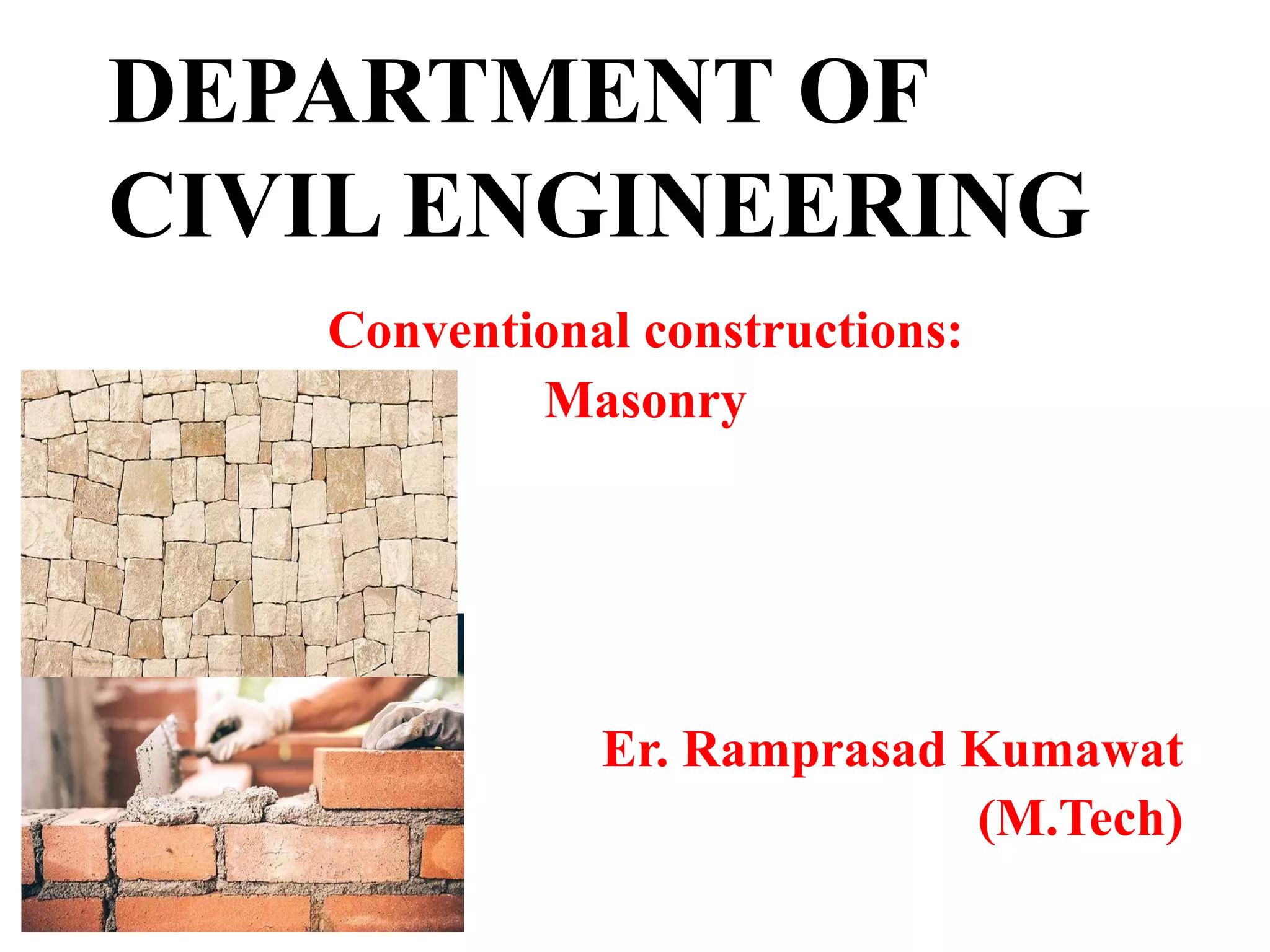
• Stone masonry
• Cement Concrete masonry
• Glass block masonry
• Composite Masonry
Brick masonry
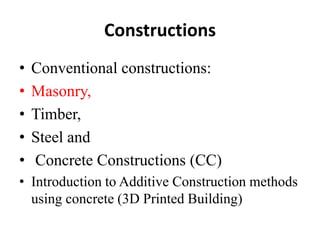
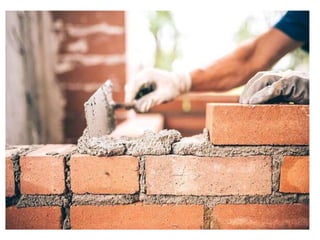
• The Brick masonry is made up of brick units
bonded together with mortar.
• The strength of brick masonry depends upon
the quality of brick, quality of mortar, and
method of the bonding tool.
• Bricks are in uniform shape and size, hence
they can be laid in any definite pattern.
• They can easily handle due to light in weight
and small in size.
• No dressing requires,
• The art of bricklaying is easy than stone
masonry construction.
• Ornamental work can easily do with bricks
• Light partitions, filler walls can easily
construct by the brick.
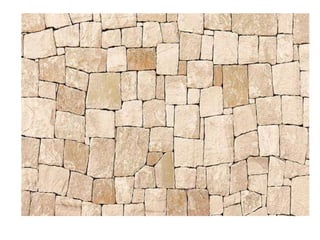
Stonemasonry
• The construction of stones bonded together with
mortar is termed as stone masonry.
• Where the stones are available in an abundance in
nature, on cutting and dressing to the proper
shape.
• They provide an economical material for the
construction of various building components such
as walls, columns, footings, arches, beams, etc..
• Stone masonry being stronger, durable and
weather-resistant as compared to brick masonry
used in the construction of piers, docks, dams
lighthouse, and other marine structures.
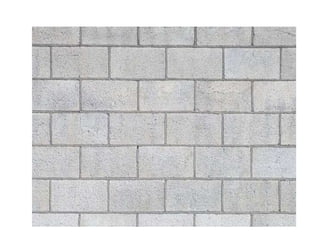
Cement Concrete Masonry
• The construction of concrete units of various sizes
and shapes, in the form of precast hollow concrete
blocks, plain concrete slabs, or reinforced
concrete slabs bonded together with mortar term
as cement concrete masonry.
• Because of their larger size, uniformity in design,
easy handling, and placing and attractive
appearance.
• They are being increasingly used in building
construction for various purposes such as
columns, walls, jambs for window and doors
openings, lintels, sills, etc.
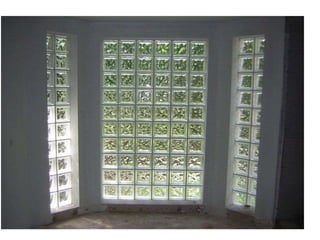
Glass Block masonry
• The construction of glass block units (hollow
or solid) of various sizes and shapes bonded
together with mortar term as glass block
masonry.
• Due to the inherent characteristics of glass
block, they use for partitions and for penal
walls in steel or R.C.C. framed buildings, etc.
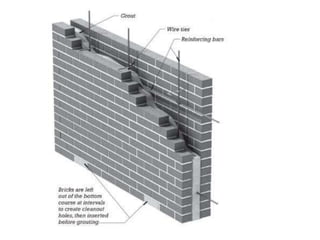
Composite Masonry Construction
• The wall construction of two or more buildings
units, such as bricks, stones, tiles, etc. bonded
together with mortar term as composite masonry.
• This masonry may be essential to improve the
appearance or reduce the cost or to achieve both.
• This construction may use combination such as
stone slab in the face work and brick masonry at
the backing or superior stones in the facing with
rubble stone at the backing or brick facing with
the backing of concrete blocks etc.
• THANKS!

Construction Masonry

  • 1.
    DEPARTMENT OF CIVIL ENGINEERING Conventionalconstructions: Masonry Er. Ramprasad Kumawat (M.Tech)
  • 2.
    Constructions • Conventional constructions: •Masonry, • Timber, • Steel and • Concrete Constructions (CC) • Introduction to Additive Construction methods using concrete (3D Printed Building)
  • 3.
    Masonry construction • Masonryconstruction is defined as an art of construction in which building units, such as clay, bricks, sand-lime brick, Stones, precast hollow concrete block, concrete slab, glass block, a combination of some of these building, etc. are arranged systematically and bonded together to form a homogeneous mass in such a manner that they can withstand point or other loads and transmit them through the mass without failure or disintegration.
  • 4.
    • These arevarious types of masonry construction • Brick masonry • Stone masonry • Cement Concrete masonry • Glass block masonry • Composite Masonry
  • 5.
    Brick masonry • TheBrick masonry is made up of brick units bonded together with mortar. • The strength of brick masonry depends upon the quality of brick, quality of mortar, and method of the bonding tool.
  • 7.
    • Bricks arein uniform shape and size, hence they can be laid in any definite pattern. • They can easily handle due to light in weight and small in size. • No dressing requires, • The art of bricklaying is easy than stone masonry construction. • Ornamental work can easily do with bricks • Light partitions, filler walls can easily construct by the brick.
  • 8.
    Stonemasonry • The constructionof stones bonded together with mortar is termed as stone masonry. • Where the stones are available in an abundance in nature, on cutting and dressing to the proper shape. • They provide an economical material for the construction of various building components such as walls, columns, footings, arches, beams, etc.. • Stone masonry being stronger, durable and weather-resistant as compared to brick masonry used in the construction of piers, docks, dams lighthouse, and other marine structures.
  • 10.
    Cement Concrete Masonry •The construction of concrete units of various sizes and shapes, in the form of precast hollow concrete blocks, plain concrete slabs, or reinforced concrete slabs bonded together with mortar term as cement concrete masonry. • Because of their larger size, uniformity in design, easy handling, and placing and attractive appearance. • They are being increasingly used in building construction for various purposes such as columns, walls, jambs for window and doors openings, lintels, sills, etc.
  • 12.
    Glass Block masonry •The construction of glass block units (hollow or solid) of various sizes and shapes bonded together with mortar term as glass block masonry. • Due to the inherent characteristics of glass block, they use for partitions and for penal walls in steel or R.C.C. framed buildings, etc.
  • 14.
    Composite Masonry Construction •The wall construction of two or more buildings units, such as bricks, stones, tiles, etc. bonded together with mortar term as composite masonry. • This masonry may be essential to improve the appearance or reduce the cost or to achieve both. • This construction may use combination such as stone slab in the face work and brick masonry at the backing or superior stones in the facing with rubble stone at the backing or brick facing with the backing of concrete blocks etc.
  • 16.