Conformity and
Deviance
Conformity
• behavior in accordance with socially accepted
conventions or standards
• The anticipated behavior to follow.
• is the desire to go along with the norms of a
group of people, so you will be accepted as an
in-group person (and not rejected as an out-
group undesirable person).
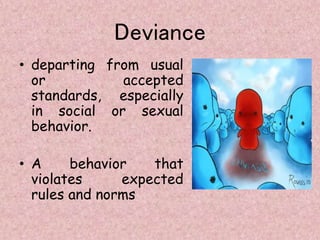
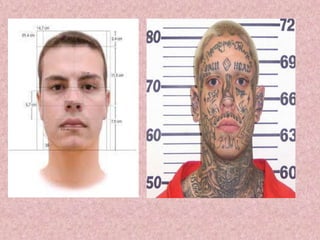
Deviance
• departing from usual
or accepted
standards, especially
in social or sexual
behavior.
• A behavior that
violates expected
rules and norms
Variety of Deviance
“What is deviant to one group may not be
considered deviant to another.”
1. The study of why people violates laws
or norms
2. The study of how society reacts to this
violations
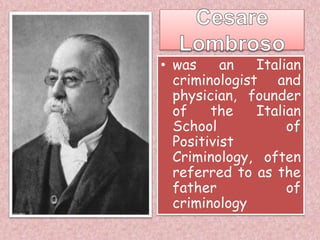
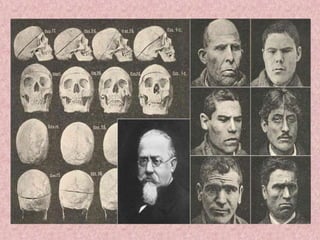
• was an Italian
criminologist and
physician, founder
of the Italian
School of
Positivist
Criminology, often
referred to as the
father of
criminology
• Theory of anthropological
criminology essentially stated that
criminality was inherited, and that
someone "born criminal" could be
identified by physical (congenital)
defects, which confirmed a criminal
as savage or atavistic.
criminals had :
• less sensibility to pain and touch;
• more acute sight;
• a lack of moral sense, including an
absence of remorse;
• more vanity,
• impulsiveness,
• vindictiveness, and cruelty; and other
manifestations, such as a special
criminal argot and the excessive use of
tattooing.
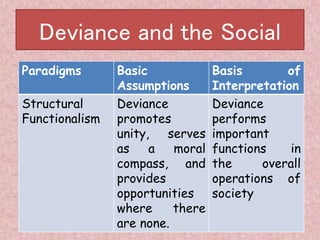
Deviance and the Social
Paradigms Basic
Assumptions
Basis of
Interpretation
Structural
Functionalism
Deviance
promotes
unity, serves
as a moral
compass, and
provides
opportunities
where there
are none.
Deviance
performs
important
functions in
the overall
operations of
society
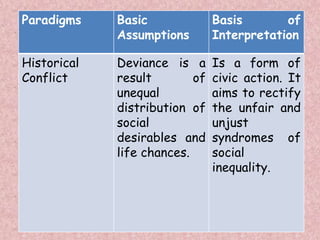
Paradigms Basic
Assumptions
Basis of
Interpretation
Historical
Conflict
Deviance is a
result of
unequal
distribution of
social
desirables and
life chances.
Is a form of
civic action. It
aims to rectify
the unfair and
unjust
syndromes of
social
inequality.
Paradigms Basic
Assumptions
Basis of
Interpretation
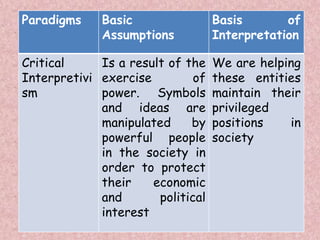
Critical
Interpretivi
sm
Is a result of the
exercise of
power. Symbols
and ideas are
manipulated by
powerful people
in the society in
order to protect
their economic
and political
interest
We are helping
these entities

maintain their
privileged
positions in
society
Theoretical Interpretations of
Deviance
Structural Strain Theory
• Offered a “side-by-
side” formulation of
conformity and
deviance.
• He developed the
structural strain theory
Robert
Merton
• Strain refers to the discrepancies
between culturally defined goals and the
institutionalized means available to
achieve these goals.
• This theory traces the origins of
deviance to the tensions that are
caused by the gap between cultural
goals and the means people have
available to achieve those goals
• Culture- establishes goals for people
• Social structure-provides (or fails to
provide) the means for the people to
achieve those goals.
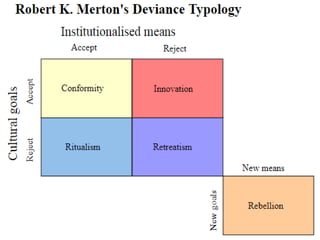
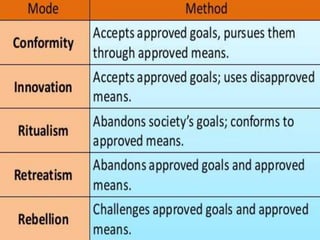
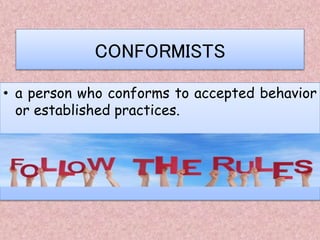
CONFORMISTS
• a person who conforms to accepted behavior
or established practices.
RITUALIST
• A person who do not believe in the
established cultural goals of society,
but they do believe in and abide by the
means for attaining those goals.
INNOVATORS
• Are those individuals that accept the
cultural goals of society but reject the
conventional methods of attaining those
goals
RETREATISTS
• Who reject both the cultural goals and
the accepted means of attaining those
goals
REBELS
• They are not only reject both the
established cultural goals and the
accepted means of attaining those goals
• They substitute new goals and new
means of attaining these goals
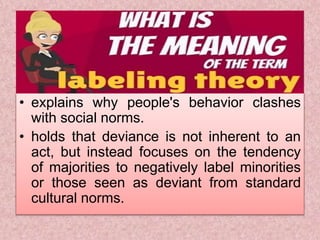
Labeling Theory
• explains why people's behavior clashes
with social norms.
• holds that deviance is not inherent to an
act, but instead focuses on the tendency
of majorities to negatively label minorities
or those seen as deviant from standard
cultural norms.
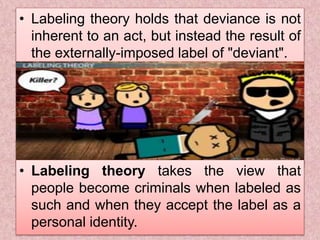
• Labeling theory holds that deviance is not
inherent to an act, but instead the result of
the externally-imposed label of "deviant".
• Labeling theory takes the view that
people become criminals when labeled as
such and when they accept the label as a
personal identity.
Social Control Theory
-developed by Travis Hirschi
-according to this theory, people care about
what others think of them and conform to
social expectations because their
attachments to others and what others
expect of them
• -this theory also suggests that most
people probably feel some impulse
towards deviant behavior at some time,
but their attachment to social norms
prevents them from actually participating
in deviant behavior.
Social Control and Deviance
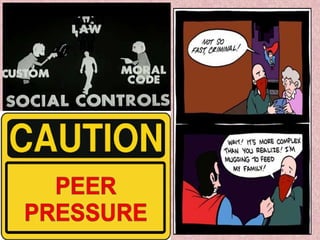
“effective socialization makes conformity an
internally driven motivation, while
externally driven conformity always
engages the mechanisms of social control”
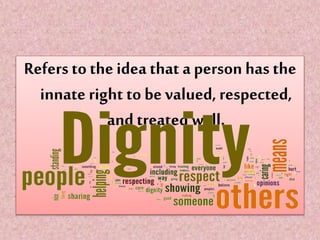
Refers to the idea that a person has the
innate right to be valued, respected,
and treated well.
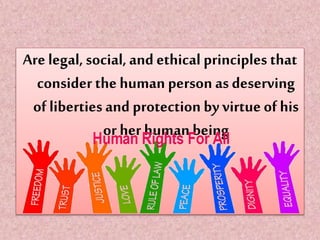
Are legal, social, and ethical principles that
consider the human person asdeserving
of liberties and protection by virtue of his
or her human being
Are founded on natural rights,
which are universal and
inalienable, and are not
contingent on laws, customs,
beliefs, or values of a particular
culture.
The pursuance of the common good should
not be a cause for the violation of rights of
individual…
Conformity and deviance

Conformity and deviance

  • 1.
  • 2.
    Conformity • behavior inaccordance with socially accepted conventions or standards • The anticipated behavior to follow. • is the desire to go along with the norms of a group of people, so you will be accepted as an in-group person (and not rejected as an out- group undesirable person).
  • 3.
    Deviance • departing fromusual or accepted standards, especially in social or sexual behavior. • A behavior that violates expected rules and norms
  • 4.
    Variety of Deviance “Whatis deviant to one group may not be considered deviant to another.”
  • 5.
    1. The studyof why people violates laws or norms 2. The study of how society reacts to this violations
  • 6.
    • was anItalian criminologist and physician, founder of the Italian School of Positivist Criminology, often referred to as the father of criminology
  • 7.
    • Theory ofanthropological criminology essentially stated that criminality was inherited, and that someone "born criminal" could be identified by physical (congenital) defects, which confirmed a criminal as savage or atavistic.
  • 8.
    criminals had : •less sensibility to pain and touch; • more acute sight; • a lack of moral sense, including an absence of remorse; • more vanity, • impulsiveness, • vindictiveness, and cruelty; and other manifestations, such as a special criminal argot and the excessive use of tattooing.
  • 11.
    Deviance and theSocial Paradigms Basic Assumptions Basis of Interpretation Structural Functionalism Deviance promotes unity, serves as a moral compass, and provides opportunities where there are none. Deviance performs important functions in the overall operations of society
  • 12.
    Paradigms Basic Assumptions Basis of Interpretation Historical Conflict Devianceis a result of unequal distribution of social desirables and life chances. Is a form of civic action. It aims to rectify the unfair and unjust syndromes of social inequality.
  • 13.
    Paradigms Basic Assumptions Basis of Interpretation Critical Interpretivi sm Isa result of the exercise of power. Symbols and ideas are manipulated by powerful people in the society in order to protect their economic and political interest We are helping these entities maintain their privileged positions in society
  • 14.
  • 15.
    Structural Strain Theory •Offered a “side-by- side” formulation of conformity and deviance. • He developed the structural strain theory Robert Merton
  • 16.
    • Strain refersto the discrepancies between culturally defined goals and the institutionalized means available to achieve these goals.
  • 17.
    • This theorytraces the origins of deviance to the tensions that are caused by the gap between cultural goals and the means people have available to achieve those goals
  • 18.
    • Culture- establishesgoals for people • Social structure-provides (or fails to provide) the means for the people to achieve those goals.
  • 23.
    CONFORMISTS • a personwho conforms to accepted behavior or established practices.
  • 24.
    RITUALIST • A personwho do not believe in the established cultural goals of society, but they do believe in and abide by the means for attaining those goals.
  • 25.
    INNOVATORS • Are thoseindividuals that accept the cultural goals of society but reject the conventional methods of attaining those goals
  • 26.
    RETREATISTS • Who rejectboth the cultural goals and the accepted means of attaining those goals
  • 27.
    REBELS • They arenot only reject both the established cultural goals and the accepted means of attaining those goals • They substitute new goals and new means of attaining these goals
  • 28.
  • 29.
    • explains whypeople's behavior clashes with social norms. • holds that deviance is not inherent to an act, but instead focuses on the tendency of majorities to negatively label minorities or those seen as deviant from standard cultural norms.
  • 30.
    • Labeling theoryholds that deviance is not inherent to an act, but instead the result of the externally-imposed label of "deviant". • Labeling theory takes the view that people become criminals when labeled as such and when they accept the label as a personal identity.
  • 32.
  • 34.
    -developed by TravisHirschi -according to this theory, people care about what others think of them and conform to social expectations because their attachments to others and what others expect of them
  • 35.
    • -this theoryalso suggests that most people probably feel some impulse towards deviant behavior at some time, but their attachment to social norms prevents them from actually participating in deviant behavior.
  • 36.
  • 38.
    “effective socialization makesconformity an internally driven motivation, while externally driven conformity always engages the mechanisms of social control”
  • 40.
    Refers to theidea that a person has the innate right to be valued, respected, and treated well.
  • 41.
    Are legal, social,and ethical principles that consider the human person asdeserving of liberties and protection by virtue of his or her human being
  • 42.
    Are founded onnatural rights, which are universal and inalienable, and are not contingent on laws, customs, beliefs, or values of a particular culture.
  • 45.
    The pursuance ofthe common good should not be a cause for the violation of rights of individual…