M100
Performance Standards for Antimicrobial
Susceptibility Testing
This document includes updated tables for the Clinical and
Laboratory Standards Institute antimicrobial susceptibility testing
standards M02, M07, and M11.
A CLSI supplement for global application.
30th Edition
CLSI
eCLIPSE
-
Dewanand
Mahto
-
BD
-
01/29/2020.
Unauthorized
duplication
or
network
sharing
is
not
allowed.
Clinical and Laboratory Standards Institute
Setting the standard for quality in medical laboratory testing around the world.
The Clinical and Laboratory Standards Institute (CLSI) is a not-for-profit membership organization that brings
together the varied perspectives and expertise of the worldwide laboratory community for the advancement of a
common cause: to foster excellence in laboratory medicine by developing and implementing medical laboratory
standards and guidelines that help laboratories fulfill their responsibilities with efficiency, effectiveness, and global
applicability.
Consensus Process
Consensus—the substantial agreement by materially affected, competent, and interested parties—is core to the
development of all CLSI documents. It does not always connote unanimous agreement but does mean that the
participants in the development of a consensus document have considered and resolved all relevant objections
and accept the resulting agreement.
Commenting on Documents
CLSI documents undergo periodic evaluation and modification to keep pace with advances in technologies,
procedures, methods, and protocols affecting the laboratory or health care.
CLSI’s consensus process depends on experts who volunteer to serve as contributing authors and/or as participants
in the reviewing and commenting process. At the end of each comment period, the committee that developed
the document is obligated to review all comments, respond in writing to all substantive comments, and revise the
draft document as appropriate.
Comments on published CLSI documents are equally essential and may be submitted by anyone, at any time, on
any document. All comments are managed according to the consensus process by a committee of experts.
Appeal Process
When it is believed that an objection has not been adequately considered and responded to, the process for
appeal, documented in the CLSI Standards Development Policies and Processes, is followed.
All comments and responses submitted on draft and published documents are retained on file at CLSI and are
available upon request.
Get Involved—Volunteer!
Do you use CLSI documents in your workplace? Do you see room for improvement? Would you like to get
involved in the revision process? Or maybe you see a need to develop a new document for an emerging
technology? CLSI wants to hear from you. We are always looking for volunteers. By donating your time and talents
to improve the standards that affect your own work, you will play an active role in improving public health across
the globe.
For additional information on committee participation or to submit comments, contact CLSI.
Clinical and Laboratory Standards Institute
950 West Valley Road, Suite 2500
Wayne, PA 19087 USA
P: +1.610.688.0100
F: +1.610.688.0700
www.clsi.org
standard@clsi.org
CLSI
eCLIPSE
-
Dewanand
Mahto
-
BD
-
01/29/2020.
Unauthorized
duplication
or
network
sharing
is
not
allowed.
M100, 29th ed.
January 2019
Replaces M100, 28th ed.
Performance Standards for Antimicrobial Susceptibility Testing
Melvin P. Weinstein, MD
Jean B. Patel, PhD, D(ABMM)
April M. Bobenchik, PhD, D(ABMM)
Shelley Campeau, PhD, D(ABMM)
Sharon K. Cullen, BS, RAC
Marcelo F. Galas
Howard Gold, MD, FIDSA
Romney M. Humphries, PhD, D(ABMM)
Thomas J. Kirn, Jr., MD, PhD
James S. Lewis II, PharmD, FIDSA
Brandi Limbago, PhD
Amy J. Mathers, MD, D(ABMM)
Tony Mazzulli, MD, FACP, FRCP(C)
Sandra S. Richter, MD, D(ABMM), FCAP, FIDSA
Michael Satlin, MD, MS
Audrey N. Schuetz, MD, MPH, D(ABMM)
Jana M. Swenson, MMSc
Pranita D. Tamma, MD, MHS
Abstract
The data in the tables are valid only if the methodologies in CLSI documents M02,1
M07,2
and M113
are followed. These
standards contain information about disk diffusion (M021
) and dilution (M072
and M113
) test procedures for aerobic and
anaerobic bacteria. Clinicians depend heavily on information from the microbiology laboratory for treating their seriously ill
patients. The clinical importance of antimicrobial susceptibility test results demands that these tests be performed under optimal
conditions and that laboratories have the capability to provide results for the newest antimicrobial agents. The tables presented in
M100 represent the most current information for drug selection, interpretation, and quality control using the procedures
standardized in M02,1
M07,2
and M11.3
Users should replace previously published tables with these new tables. Changes in the
tables since the previous edition appear in boldface type.
Clinical and Laboratory Standards Institute (CLSI). Performance Standards for Antimicrobial Susceptibility Testing. 29th ed.
CLSI supplement M100 (ISBN 978-1-68440-032-4 [Print]; ISBN 978-1-68440-033-1 [Electronic]). Clinical and Laboratory
Standards Institute, 950 West Valley Road, Suite 2500, Wayne, Pennsylvania 19087 USA, 2019.
The Clinical and Laboratory Standards Institute consensus process, which is the mechanism for moving a document through
two or more levels of review by the health care community, is an ongoing process. Users should expect revised editions of any
given document. Because rapid changes in technology may affect the procedures, methods, and protocols in a standard or
guideline, users should replace outdated editions with the current editions of CLSI documents. Current editions are listed in
the CLSI catalog and posted on our website at www.clsi.org. If you or your organization is not a member and would like to
become one, or to request a copy of the catalog, contact us at: Telephone: +1.610.688.0100; Fax: +1.610.688.0700; E-Mail:
customerservice@clsi.org; Website: www.clsi.org.
M100, 30th ed.
January 2020
Replaces M100, 29th ed.
Performance Standards for Antimicrobial Susceptibility Testing
Melvin P. Weinstein, MD
James S. Lewis II, PharmD, FIDSA
April M. Bobenchik, PhD, D(ABMM)
Shelley Campeau, PhD, D(ABMM)
Sharon K. Cullen, BS, RAC
Marcelo F. Galas
Howard Gold, MD, FIDSA
Romney M. Humphries, PhD, D(ABMM)
Thomas J. Kirn, Jr., MD, PhD
Brandi Limbago, PhD
Amy J. Mathers, MD, D(ABMM)
Tony Mazzulli, MD, FACP, FRCP(C)
Michael Satlin, MD, MS
Audrey N. Schuetz, MD, MPH, D(ABMM)
Patricia J. Simner, PhD, D(ABMM)
Pranita D. Tamma, MD, MHS
Abstract
The data in the tables are valid only if the methodologies in CLSI documents M02,1
M07,2
and M113
are followed. These
standards contain information about disk diffusion (M021
) and dilution (M072
and M113
) test procedures for aerobic and
anaerobic bacteria. Clinicians depend heavily on information from the microbiology laboratory for treating their seriously ill
patients. The clinical importance of antimicrobial susceptibility test results demands that these tests be performed under optimal
conditions and that laboratories have the capability to provide results for the newest antimicrobial agents. The tables presented in
M100 represent the most current information for drug selection, interpretation, and quality control using the procedures
standardized in M02,1
M07,2
and M11.3
Users should replace previously published tables with these new tables. Changes in the
tables since the previous edition appear in boldface type.
Clinical and Laboratory Standards Institute (CLSI). Performance Standards for Antimicrobial Susceptibility Testing. 30th ed.
CLSI supplement M100 (ISBN 978-1-68440-066-9 [Print]; ISBN 978-1-68440-067-6 [Electronic]). Clinical and Laboratory
Standards Institute, 950 West Valley Road, Suite 2500, Wayne, Pennsylvania 19087 USA, 2020.
The Clinical and Laboratory Standards Institute consensus process, which is the mechanism for moving a document through
two or more levels of review by the health care community, is an ongoing process. Users should expect revised editions of any
given document. Because rapid changes in technology may affect the procedures, methods, and protocols in a standard or
guideline, users should replace outdated editions with the current editions of CLSI documents. Current editions are listed in
the CLSI catalog and posted on our website at www.clsi.org. If you or your organization is not a member and would like to
become one, or to request a copy of the catalog, contact us at: Telephone: +1.610.688.0100; Fax: +1.610.688.0700; E-Mail:
customerservice@clsi.org; Website: www.clsi.org.
CLSI
eCLIPSE
-
Dewanand
Mahto
-
BD
-
01/29/2020.
Unauthorized
duplication
or
network
sharing
is
not
allowed.
ii
M100, 30th ed.
Copyright ©
2020 Clinical and Laboratory Standards Institute. Except as stated below, any reproduction of
content from a CLSI copyrighted standard, guideline, derivative product, or other material requires
express written consent from CLSI. All rights reserved. Interested parties may send permission requests to
permissions@clsi.org.
CLSI hereby grants permission to each individual member or purchaser to make a single reproduction of
this publication for use in its laboratory procedures manual at a single site. To request permission to use
this publication in any other manner, e-mail permissions@clsi.org.
Suggested Citation
CLSI. Performance Standards for Antimicrobial Susceptibility Testing. 30th ed. CLSI supplement M100.
Wayne, PA: Clinical and Laboratory Standards Institute; 2020.
Previous Editions:
December 1986, December 1987, December 1991, December 1992, December 1994, December 1995,
January 1997, January 1998, January 1999, January 2000, January 2001, January 2002, January 2003,
January 2004, January 2005, January 2006, January 2007, January 2008, January 2009, January 2010,
June 2010, January 2011, January 2012, January 2013, January 2014, January 2015, January 2016,
January 2017, January 2018, January 2019
ISBN 978-1-68440-066-9 (Print)
ISBN 978-1-68440-067-6 (Electronic)
ISSN 1558-6502 (Print)
ISSN 2162-2914 (Electronic) Volume 40, Number 1
CLSI
eCLIPSE
-
Dewanand
Mahto
-
BD
-
01/29/2020.
Unauthorized
duplication
or
network
sharing
is
not
allowed.
iii
M100, 30th ed.
Committee Membership
Subcommittee on Antimicrobial Susceptibility Testing
Melvin P. Weinstein, MD
Chairholder
Rutgers Robert Wood Johnson Medical
School
USA
James S. Lewis II, PharmD, FIDSA
Vice-Chairholder
Oregon Health and Science University
USA
Sharon K. Cullen, BS, RAC
Beckman Coulter, Inc. Microbiology
Business
USA
Marcelo F. Galas
Pan American Health Organization
USA
Howard Gold, MD, FIDSA
Beth Israel Deaconess Medical Center
USA
Romney M. Humphries, PhD,
D(ABMM)
Accelerate Diagnostics, Inc.
USA
Thomas J. Kirn, Jr., MD, PhD
Rutgers Robert Wood Johnson Medical
School
USA
Brandi Limbago, PhD
Centers for Disease Control and
Prevention
USA
Amy J. Mathers, MD, D(ABMM)
University of Virginia Medical Center
USA
Tony Mazzulli, MD, FACP, FRCP(C)
Mount Sinai Hospital
Canada
Michael Satlin, MD, MS
New York Presbyterian Hospital
USA
Audrey N. Schuetz, MD, MPH,
D(ABMM)
Mayo Clinic
USA
Patricia J. Simner, PhD, D(ABMM)
Johns Hopkins School of Medicine,
Department of Pathology
USA
Pranita D. Tamma, MD, MHS
Johns Hopkins School of Medicine,
Department of Pediatrics
USA
Acknowledgment
CLSI and the Subcommittee on Antimicrobial Susceptibility Testing gratefully acknowledge the
following volunteers for their important contributions to the revision of this document:
April M. Bobenchik, PhD, D(ABMM)
Lifespan Academic Medical Center
USA
Shelley Campeau, PhD, D(ABMM)
Accelerate Diagnostics, Inc.
USA
CLSI
eCLIPSE
-
Dewanand
Mahto
-
BD
-
01/29/2020.
Unauthorized
duplication
or
network
sharing
is
not
allowed.
iv
M100, 30th ed.
Working Group on AST Breakpoints
George M. Eliopoulos, MD
Co-Chairholder
Beth Israel Deaconess Medical Center
USA
James S. Lewis II, PharmD, FIDSA
Co-Chairholder
Oregon Health and Science University
USA
Michael Satlin, MD, MS
Co-Chairholder
New York Presbyterian Hospital
USA
Karen Bush, PhD
Committee Secretary
Indiana University
USA
Marcelo F. Galas
Pan American Health Organization
USA
Romney M. Humphries, PhD,
D(ABMM)
Accelerate Diagnostics, Inc.
USA
Amy J. Mathers, MD, D(ABMM)
University of Virginia Medical Center
USA
Navaneeth Narayanan, PharmD, MPH
Ernest Mario School of Pharmacy,
Rutgers University
USA
David P. Nicolau, PharmD, FCCP,
FIDSA
Hartford Hospital
USA
Robin Patel, MD
Mayo Clinic
USA
Simone M. Shurland
FDA Center for Drug Evaluation
and Research
USA
Lauri D. Thrupp, MD
University of California Irvine
Medical Center
USA
Hui Wang, MD
Peking University People’s Hospital
China
Barbara L. Zimmer, PhD
Beckman Coulter, Inc.
USA
Working Group on Methods Application and Interpretation
Thomas J. Kirn, Jr., MD, PhD
Co-Chairholder
Rutgers Robert Wood Johnson Medical
School
USA
Brandi Limbago, PhD
Co-Chairholder
Centers for Disease Control and
Prevention
USA
Patricia J. Simner, PhD, D(ABMM)
Committee Secretary
Johns Hopkins School of Medicine,
Department of Pathology
USA
Darcie E. Carpenter, PhD
IHMA
USA
Stephen G. Jenkins, PhD, D(ABMM),
F(AAM)
Weill Cornell Medicine
USA
Kristie Johnson, PhD, D(ABMM)
University of Maryland, Baltimore
USA
Joseph Kuti, PharmD
Hartford Hospital
USA
Samir Patel, PhD, FCCM, D(ABMM)
Public Health Ontario
Canada
Virginia M. Pierce, MD
Massachusetts General Hospital
USA
Sandra S. Richter, MD, D(ABMM),
FCAP, FIDSA
bioMérieux
USA
Susan Sharp, PhD, D(ABMM),
F(AAM)
Copan Diagnostics, Inc.
USA
CLSI
eCLIPSE
-
Dewanand
Mahto
-
BD
-
01/29/2020.
Unauthorized
duplication
or
network
sharing
is
not
allowed.
v
M100, 30th ed.
Working Group on Methods Development and Standardization
Working Group on Outreach
Dwight J. Hardy, PhD
Co-Chairholder
University of Rochester Medical Center
USA
Barbara L. Zimmer, PhD
Co-Chairholder
Beckman Coulter, Inc.
USA
Katherine Sei, BS
Committee Secretary
Beckman Coulter, Inc.
USA
Kevin Alby, PhD, D(ABMM)
UNC School of Medicine
USA
Susan Butler-Wu, PhD, D(ABMM),
SM(ASCP)
LACUSC Medical Center
USA
Jennifer Dien Bard, PhD, D(ABMM),
F(CCM)
Children’s Hospital Los Angeles;
University of Southern California
USA
Tanis Dingle, PhD, D(ABMM),
F(CCM)
University of Alberta Hospital
Canada
German Esparza, MSc
Proasecal SAS Colombia
Colombia
Laura M. Koeth, MT(ASCP)
Laboratory Specialists, Inc.
USA
Ribhi M. Shawar, PhD, D(ABMM)
FDA Center for Devices and
Radiological Health
USA
Janet A. Hindler, MCLS, MT(ASCP),
F(AAM)
Co-Chairholder
Los Angeles County Department of
Health
USA
Audrey N. Schuetz, MD, MPH,
D(ABMM)
Co-Chairholder
Mayo Clinic
USA
Stella Antonara, PhD, D(ABMM)
Committee Secretary
OhioHealth
USA
April Abbott, PhD, D(ABMM)
Deaconess Hospital Laboratory
USA
April M. Bobenchik, PhD, D(ABMM)
Lifespan Academic Medical Center
USA
Angella Charnot-Katsikas, MD
The University of Chicago
USA
Graeme Forrest, MBBS
Oregon Health Sciences University
USA
Romney M. Humphries, PhD,
D(ABMM)
Accelerate Diagnostics, Inc.
USA
Nicole Scangarella-Oman, MS, BS,
GlaxoSmithKline
USA
Paula M. Snippes Vagnone,
MT(ASCP)
Minnesota Department of Health
USA
Lars F. Westblade, PhD, D(ABMM)
New York Presbyterian Hospital -
Weill Cornell Campus
USA
CLSI
eCLIPSE
-
Dewanand
Mahto
-
BD
-
01/29/2020.
Unauthorized
duplication
or
network
sharing
is
not
allowed.
vi
M100, 30th ed.
Working Group on Quality Control
Sharon K. Cullen, BS, RAC
Co-Chairholder
Beckman Coulter, Inc. Microbiology
Business
USA
Maria M. Traczewski, BS, MT(ASCP)
Co-Chairholder
The Clinical Microbiology Institute
USA
Michael D. Huband, BS
Committee Secretary
JMI Laboratories
USA
Alexandra Lynn Bryson, PhD, D(ABMM)
Virginia Commonwealth University Health
USA
Patricia S. Conville, MS, MT(ASCP)
FDA Center for Devices and
Radiological Health
USA
Dana C. Dressel, BS, MT(ASCP)
International Health Management
Associates, Inc.
USA
Kerian K. Grande Roche, PhD
FDA Center for Devices and
Radiological Health
USA
Janet A. Hindler, MCLS, MT(ASCP),
F(AAM)
Los Angeles County Department of
Health
USA
David Lonsway, MMSc
Centers for Disease Control and
Prevention
USA
Erika Matuschek, PhD
ESCMID
Sweden
Stephanie L. Mitchell, PhD,
D(ABMM)
University of Pittsburgh and
Children’s Hospital of Pittsburgh of
UPMC
USA
David Paisey, BSc
Thermo Fisher Scientific
United Kingdom
Elizabeth Palavecino, MD
Wake Forest Baptist Medical Center
USA
Chris Pillar, PhD
Micromyx, LLC
USA
Susan Thomson
MAST Group
United Kingdom
CLSI
eCLIPSE
-
Dewanand
Mahto
-
BD
-
01/29/2020.
Unauthorized
duplication
or
network
sharing
is
not
allowed.
vii
M100, 30th ed.
Working Group on Text and Tables
Staff
Acknowledgment
CLSI and the Subcommittee on Antimicrobial Susceptibility Testing gratefully acknowledge the
following former Working Group on Text and Tables members for their important contributions to the
revision of this document:
Peggy Kohner, BS, MT(ASCP)
Mayo Clinic
USA
Dyan Luper, BS, MT(ASCP)SM, MB
BD Diagnostic Systems
USA
April M. Bobenchik, PhD, D(ABMM)
Co-Chairholder
Lifespan Academic Medical Center
USA
Shelley Campeau, PhD, D(ABMM)
Co-Chairholder
Accelerate Diagnostics, Inc.
USA
Carey-Ann Burnham, PhD, D(ABMM)
Committee Secretary
Washington University School of
Medicine
USA
Victoria Emma Anikst, BA, CMS,
M(ASCP)CM
UCLA Health
USA
Sukantha Chandrasekaran, PhD
University of California
USA
Mary Jane Ferraro, PhD, MPH
Massachusetts General Hospital and
Harvard Medical School
USA
Andrea L. Ferrell, MLSCM
(ASCP)
Becton Dickinson
USA
Janet A. Hindler, MCLS, MT(ASCP),
F(AAM)
Los Angeles County Department of
Health
USA
Melissa Jones, MT(ASCP), CLS
UNC Healthcare
USA
Jean B. Patel, PhD, D(ABMM)
Beckman Coulter
USA
L. Barth Reller, MD
Duke University School of Medicine
USA
Felicia Rice, MT(ASCP)
Mayo Clinic
USA
Flavia Rossi, MD, PhD
University of São Paulo
Brazil
Dale A. Schwab, PhD,
D(ABMM)CM
Quest Diagnostics Infectious Disease
USA
Jana M. Swenson, MMSc
USA
Maria M. Traczewski, BS,
MT(ASCP)
The Clinical Microbiology Institute
USA
Nancy E. Watz, MS, MT(ASCP),
CLS
Stanford Health Care
USA
Clinical and Laboratory Standards Institute
USA
Marcy L. Hackenbrack, MCM, M(ASCP)
Project Manager
Megan L. Tertel, MA, ELS
Editorial Manager
Catherine E.M. Jenkins
Editor
Kristy L. Leirer, MS
Editor
Laura Martin
Editor
CLSI
eCLIPSE
-
Dewanand
Mahto
-
BD
-
01/29/2020.
Unauthorized
duplication
or
network
sharing
is
not
allowed.
M100,
30th
ed.
viii
Contents
Abstract........................................................................................................................................................................................................................... i
Committee Membership................................................................................................................................................................................................iii
Overview of Changes.................................................................................................................................................................................................. xiv
Summary of CLSI Processes for Establishing Breakpoints and Quality Control Ranges ........................................................................................xxvii
CLSI Reference Methods vs Commercial Methods and CLSI vs US Food and Drug Administration Breakpoints...............................................xxviii
CLSI Breakpoint Additions/Revisions Since 2010....................................................................................................................................................xxix
CLSI Epidemiological Cutoff Value Additions/Revisions Since 2015 ................................................................................................................... xxxii
CLSI Archived Resources........................................................................................................................................................................................ xxxii
Subcommittee on Antimicrobial Susceptibility Testing Mission Statement ...........................................................................................................xxxiii
Instructions for Use of Tables........................................................................................................................................................................................ 1
References.................................................................................................................................................................................................................... 16
Table 1A. Suggested Groupings of Antimicrobial Agents Approved by the US Food and Drug Administration for Clinical Use That Should
Be Considered for Testing and Reporting on Nonfastidious Organisms by Microbiology Laboratories in the United States.................................... 18
Table 1B. Suggested Groupings of Antimicrobial Agents Approved by the US Food and Drug Administration for Clinical Use That Should
Be Considered for Testing and Reporting on Fastidious Organisms by Microbiology Laboratories in the United States.......................................... 24
Table 1C. Suggested Groupings of Antimicrobial Agents Approved by the US Food and Drug Administration for Clinical Use That Should
Be Considered for Testing and Reporting on Anaerobic Organisms by Microbiology Laboratories in the United States ......................................... 30
Table 2A. Zone Diameter and MIC Breakpoints for Enterobacterales........................................................................................................................ 32
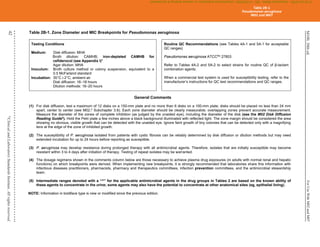
Table 2B-1. Zone Diameter and MIC Breakpoints for Pseudomonas aeruginosa ...................................................................................................... 42
Table of Contents
CLSI
eCLIPSE
-
Dewanand
Mahto
-
BD
-
01/29/2020.
Unauthorized
duplication
or
network
sharing
is
not
allowed.
M100,
30th
ed.
ix
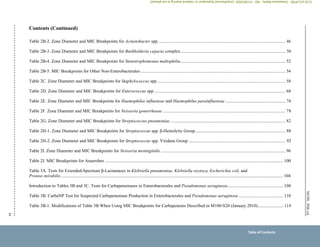
Contents (Continued)
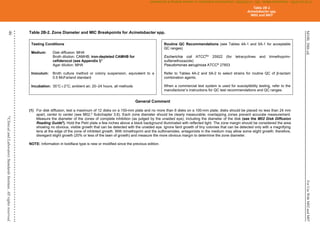
Table 2B-2. Zone Diameter and MIC Breakpoints for Acinetobacter spp. ................................................................................................................. 46
Table 2B-3. Zone Diameter and MIC Breakpoints for Burkholderia cepacia complex.............................................................................................. 50
Table 2B-4. Zone Diameter and MIC Breakpoints for Stenotrophomonas maltophilia.............................................................................................. 52
Table 2B-5. MIC Breakpoints for Other Non-Enterobacterales .................................................................................................................................. 54
Table 2C. Zone Diameter and MIC Breakpoints for Staphylococcus spp. .................................................................................................................. 58
Table 2D. Zone Diameter and MIC Breakpoints for Enterococcus spp...................................................................................................................... 68
Table 2E. Zone Diameter and MIC Breakpoints for Haemophilus influenzae and Haemophilus parainfluenzae ...................................................... 74
Table 2F. Zone Diameter and MIC Breakpoints for Neisseria gonorrhoeae .............................................................................................................. 78
Table 2G. Zone Diameter and MIC Breakpoints for Streptococcus pneumoniae ....................................................................................................... 82
Table 2H-1. Zone Diameter and MIC Breakpoints for Streptococcus spp. β-Hemolytic Group................................................................................. 88
Table 2H-2. Zone Diameter and MIC Breakpoints for Streptococcus spp. Viridans Group ....................................................................................... 92
Table 2I. Zone Diameter and MIC Breakpoints for Neisseria meningitidis................................................................................................................ 96
Table 2J. MIC Breakpoints for Anaerobes ................................................................................................................................................................ 100
Table 3A. Tests for Extended-Spectrum β-Lactamases in Klebsiella pneumoniae, Klebsiella oxytoca, Escherichia coli, and
Proteus mirabilis........................................................................................................................................................................................................ 104
Introduction to Tables 3B and 3C. Tests for Carbapenemases in Enterobacterales and Pseudomonas aeruginosa.................................................. 108
Table 3B. CarbaNP Test for Suspected Carbapenemase Production in Enterobacterales and Pseudomonas aeruginosa ........................................ 110
Table 3B-1. Modifications of Table 3B When Using MIC Breakpoints for Carbapenems Described in M100-S20 (January 2010)....................... 114
Table of Contents
CLSI
eCLIPSE
-
Dewanand
Mahto
-
BD
-
01/29/2020.
Unauthorized
duplication
or
network
sharing
is
not
allowed.
M100,
30th
ed.
x
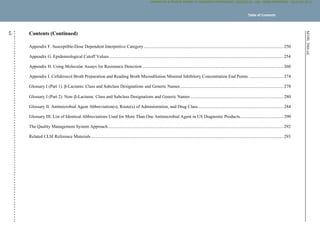
Contents (Continued)
Table 3C. Modified Carbapenem Inactivation Methods for Suspected Carbapenemase Production in Enterobacterales and Pseudomonas
aeruginosa ................................................................................................................................................................................................................. 118
Table 3C-1. Modifications of Table 3C When Using MIC Breakpoints for Carbapenems Described in M100-S20 (January 2010)....................... 130
Table 3D. Tests for Colistin Resistance for Enterobacterales and Pseudomonas aeruginosa................................................................................... 132
Table 3E. Test for Detection of β-Lactamase Production in Staphylococcus spp. .................................................................................................... 138
Table 3F. Test for Detecting Methicillin (Oxacillin) Resistance in Staphylococcus spp........................................................................................... 142
Table 3G. Vancomycin Agar Screen for Staphylococcus aureus and Enterococcus spp.......................................................................................... 146
Table 3H. Test for Detecting Inducible Clindamycin Resistance in Staphylococcus spp., Streptococcus pneumoniae, and Streptococcus spp.
β-Hemolytic Group.................................................................................................................................................................................................... 148
Table 3I. Test for Detecting High-Level Mupirocin Resistance in Staphylococcus aureus...................................................................................... 152
Table 3J. Test for Detecting High-Level Aminoglycoside Resistance in Enterococcus spp. (Includes Disk Diffusion).......................................... 154
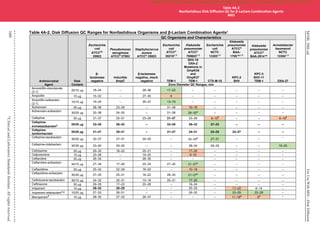
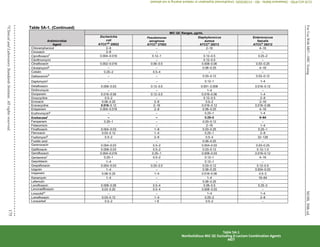
Table 4A-1. Disk Diffusion QC Ranges for Nonfastidious Organisms and Antimicrobial Agents Excluding β-Lactam Combination
Agents ...................................................................................................................................................................................................................... 156
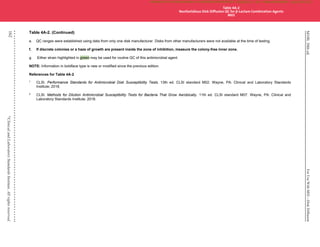
Table 4A-2. Disk Diffusion QC Ranges for Nonfastidious Organisms and β-Lactam Combination Agents............................................................ 160
Table 4B. Disk Diffusion QC Ranges for Fastidious Organisms .............................................................................................................................. 164
Table 4C. Disk Diffusion Reference Guide to QC Frequency................................................................................................................................... 168
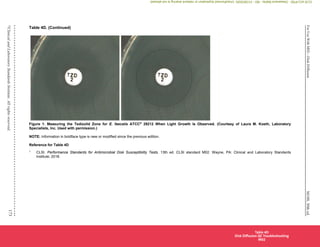
Table 4D. Disk Diffusion Troubleshooting Guide..................................................................................................................................................... 170
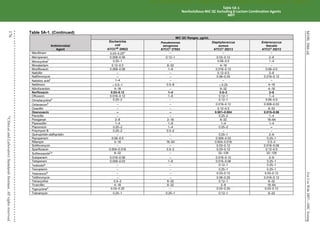
Table 5A-1. MIC QC Ranges for Nonfastidious Organisms and Antimicrobial Agents Excluding β-Lactam Combination Agents....................... 174
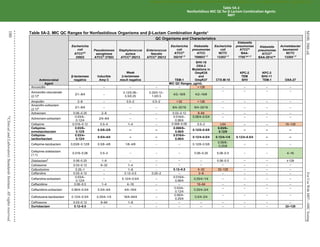
Table 5A-2. MIC QC Ranges for Nonfastidious Organisms and β-Lactam Combination Agents............................................................................ 180
Table of Contents
CLSI
eCLIPSE
-
Dewanand
Mahto
-
BD
-
01/29/2020.
Unauthorized
duplication
or
network
sharing
is
not
allowed.
M100,
30th
ed.
xi
Contents (Continued)
Table 5B. MIC QC Ranges for Fastidious Organisms (Broth Dilution Methods)..................................................................................................... 184
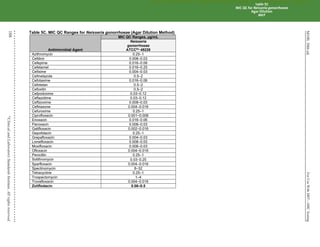
Table 5C. MIC QC Ranges for Neisseria gonorrhoeae (Agar Dilution Method) ..................................................................................................... 188
Table 5D. MIC QC Ranges for Anaerobes (Agar Dilution Method)......................................................................................................................... 190
Table 5E. MIC QC Ranges for Anaerobes (Broth Microdilution Method) ............................................................................................................... 192
Table 5F. MIC Reference Guide to QC Frequency ................................................................................................................................................... 194
Table 5G. MIC Troubleshooting Guide..................................................................................................................................................................... 196
Table 6A. Solvents and Diluents for Preparing Stock Solutions of Antimicrobial Agents ....................................................................................... 200
Table 6B. Preparing Stock Solutions for Antimicrobial Agents Provided With Activity Expressed as Units.......................................................... 206
Table 6C. Preparing Solutions and Media Containing Combinations of Antimicrobial Agents ............................................................................... 208
Table 7. Preparing Dilutions of Antimicrobial Agents to Be Used in Agar Dilution Susceptibility Tests................................................................ 212
Table 8A. Preparing Dilutions of Antimicrobial Agents to Be Used in Broth Dilution Susceptibility Tests............................................................ 214
Table 8B. Preparing Dilutions of Water-Insoluble Antimicrobial Agents to Be Used in Broth Dilution Susceptibility Tests................................. 216
Appendix A. Suggestions for Confirming Antimicrobial Susceptibility Test Results and Organism Identification for Agents Approved by
the US Food and Drug Administration for Clinical Use............................................................................................................................................ 218
Appendix B. Intrinsic Resistance............................................................................................................................................................................... 226
Appendix C. QC Strains for Antimicrobial Susceptibility Tests ............................................................................................................................... 234
Appendix D. Anaerobe Cumulative Antibiogram ..................................................................................................................................................... 240
Appendix E. Dosage Regimens Used to Establish Susceptible or Susceptible-Dose Dependent Breakpoints ......................................................... 246
Table of Contents
CLSI
eCLIPSE
-
Dewanand
Mahto
-
BD
-
01/29/2020.
Unauthorized
duplication
or
network
sharing
is
not
allowed.
M100,
30th
ed.
xii
Contents (Continued)
Appendix F. Susceptible-Dose Dependent Interpretive Category ............................................................................................................................. 250
Appendix G. Epidemiological Cutoff Values............................................................................................................................................................ 254
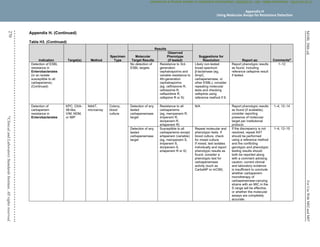
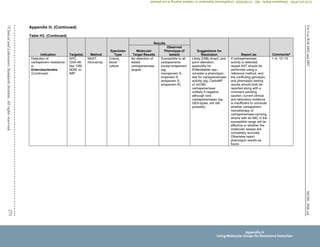
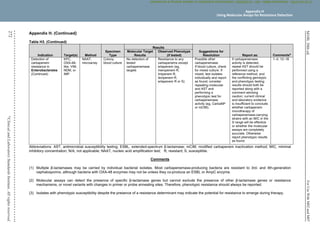
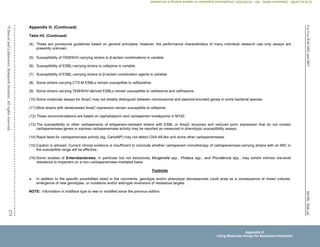
Appendix H. Using Molecular Assays for Resistance Detection .............................................................................................................................. 260
Appendix I. Cefiderocol Broth Preparation and Reading Broth Microdilution Minimal Inhibitory Concentration End Points ............................... 274
Glossary I (Part 1). β-Lactams: Class and Subclass Designations and Generic Names ............................................................................................ 278
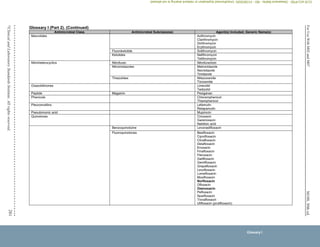
Glossary I (Part 2). Non–-Lactams: Class and Subclass Designations and Generic Names ................................................................................... 280
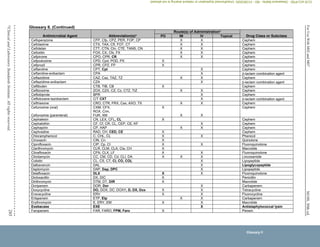
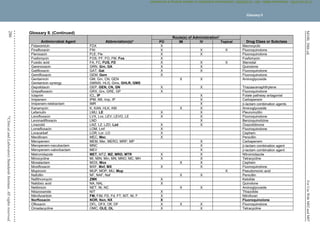
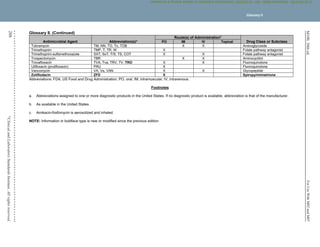
Glossary II. Antimicrobial Agent Abbreviation(s), Route(s) of Administration, and Drug Class............................................................................. 284
Glossary III. List of Identical Abbreviations Used for More Than One Antimicrobial Agent in US Diagnostic Products....................................... 290
The Quality Management System Approach............................................................................................................................................................. 292
Related CLSI Reference Materials ............................................................................................................................................................................ 293
Table of Contents
CLSI
eCLIPSE
-
Dewanand
Mahto
-
BD
-
01/29/2020.
Unauthorized
duplication
or
network
sharing
is
not
allowed.
xiii
M100,
30th
ed.
This page is intentionally left blank.
CLSI
eCLIPSE
-
Dewanand
Mahto
-
BD
-
01/29/2020.
Unauthorized
duplication
or
network
sharing
is
not
allowed.
M100,
30th
ed.
xiv
Overview of Changes
M100, 30th ed. replaces the previous edition of the supplement, M100, 29th ed., published in 2019. The major changes in M100, 30th ed., are
listed below. Other minor or editorial changes were made to the general formatting and to some of the table footnotes and comments. Changes to
the tables since the previous edition appear in boldface type. The following are additions or changes unless otherwise noted as a “deletion.”
Users of M100, 30th ed. should note recent and new formatting changes to Tables 2, including:
 Intermediate ranges denoted with a “^” for the applicable antimicrobial agents in the drug groups in Tables 2 are based on the known
ability of these agents to concentrate in the urine; some agents may also have the potential to concentrate at other anatomical sites
(ie, epithelial lining).
M100 is updated and reviewed annually as new data and new agents become available. Use of outdated documents is strongly
discouraged.
Section/Table Change(s)
General
Throughout the document Replaced:
 “Coagulase-negative staphylococci (CoNS)” with “other Staphylococcus spp.”
 The term “infection control” with “infection prevention”
Clarified:
 Methicillin and oxacillin terminology for Staphylococcus spp.
Updated:
 Genera formerly included in the family Enterobacteriaceae reorganized to an order (Enterobacterales) containing
seven families: Budviciaceae, Enterobacteriaceae, Erwiniaceae, Hafniaceae, Morganellaceae, Pectobacteriaceae,
Yersiniaceae4
 Nomenclature for Salmonella Typhi to Salmonella enterica ser. Typhi
 Nomenclature for Salmonella Paratyphi to Salmonella enterica ser. Paratyphi
Overview of Changes
CLSI
eCLIPSE
-
Dewanand
Mahto
-
BD
-
01/29/2020.
Unauthorized
duplication
or
network
sharing
is
not
allowed.
M100,
30th
ed.
xv
Overview of Changes (Continued)
Section/Table Change(s)
General (Continued)
CLSI Breakpoint
Additions/Revisions
Since 2010
Added:
 Cefiderocol disk diffusion breakpoints for Enterobacterales (p. xxix), Pseudomonas aeruginosa (p. xxx),
Acinetobacter spp. (p. xxx), and Stenotrophomonas maltophilia (p. xxx)
 Colistin (p. xxix) and polymyxin B (p. xxx) minimal inhibitory concentration (MIC) breakpoints for Enterobacterales
 Daptomycin MIC breakpoints for Enterococcus faecium only (originally included in the March 2019
re-released version of M100, 29th ed.) (p. xxxi)
Revised:
 Colistin and polymyxin B MIC breakpoints for P. aeruginosa and Acinetobacter spp. (p. xxx)
 Daptomycin MIC breakpoints for Enterococcus spp. other than E. faecium (originally included in the March 2019
re-released version of M100, 29th ed.) (p. xxxi)
Reinstated:
 Norfloxacin breakpoints deleted from M100, 29th ed. (pp. xxix–xxxi)
CLSI Epidemiological Cutoff
Value Additions/Revisions
Since 2015
Deleted:
 Colistin epidemiological cutoff value (ECV) (Enterobacterales; now assigned a breakpoint in Table 2A)
CLSI Archived Resources Added:
 Link to the archived table for QC ranges eliminated from M100 since 2010 (p. xxxii)
 Link to the archived table for ECVs eliminated from M100 since 2010 (p. xxxii)
Instructions for Use of Tables
II. Breakpoint and
Interpretive Category
Definitions
Revised:
 Breakpoint examples for the nonsusceptible interpretive category (p. 4)
 Susceptible-dose dependent (SDD) category definition (p. 4)
 Intermediate category definition (p. 5)
Overview of Changes
CLSI
eCLIPSE
-
Dewanand
Mahto
-
BD
-
01/29/2020.
Unauthorized
duplication
or
network
sharing
is
not
allowed.
M100,
30th
ed.
xvi
Overview of Changes (Continued)
Section/Table Change(s)
Instructions for Use of Tables (Continued)
VIII. Routine, Supplemental,
Screening, Surrogate Agent,
and Equivalent Agent Testing
to Determine Susceptibility
and Resistance to
Antimicrobial Agents
Supplemental Tests (Optional) table
Added:
 Colistin agar test (p. 11)
 Colistin broth disk elution (p. 11)
Supplemental Tests (Required and Optional) tables
Revised:
 References to appropriate Tables 3 (pp. 10–11)
Screening Tests table
Revised:
 References to appropriate Tables 3 (p. 12)
Surrogate Agent Tests table
Clarified:
 Cefoxitin test description for specific Staphylococcus spp. (p. 12)
Revised:
 Reference to appropriate Table 3 (p. 12)
Examples of Equivalent Agent Tests table
Added:
 Colistin and polymyxin B for Enterobacterales, P. aeruginosa, and Acinetobacter baumannii complex (p. 13)
X. Abbreviations and
Acronyms
Added:
 CAT (colistin agar test) (p. 14)
 CBDE (colistin broth disk elution) (p. 14)
 ICR (inducible clindamycin resistance) (p. 14)
 MH-F agar (Mueller-Hinton fastidious agar) (p. 14)
Revised:
 MRS (methicillin [oxacillin]-resistant staphylococci) (p. 15)
 MRSA (methicillin [oxacillin]-resistant Staphylococcus aureus) (p. 15)
 NAD (β-nicotinamide adenine dinucleotide) (p. 15)
Deleted:
 CoNS (coagulase-negative staphylococci)
 KPC (Klebsiella pneumoniae carbapenemase)
 NDM (New Delhi metallo--lactamase)
Overview of Changes
CLSI
eCLIPSE
-
Dewanand
Mahto
-
BD
-
01/29/2020.
Unauthorized
duplication
or
network
sharing
is
not
allowed.
M100,
30th
ed.
xvii
Overview of Changes (Continued)
Section/Table Change(s)
Tables 1. Suggested Groupings of Antimicrobial Agents Approved by the US Food and Drug Administration for Clinical Use That
Should Be Considered for Testing and Reporting by Microbiology Laboratories in the United States
All Tables 1 Reformatted:
 Tables to clarify criteria for inclusion in each group
Replaced:
 Test/Report Group column and descriptions for Groups A, B, C, and U with expanded descriptions
(as listed in the Instructions for Use of Tables, Section IC)
Table 1A. Nonfastidious
Organisms
Added:
 Footnote for Group B directing users to the Instructions for Use of Tables for examples of when a Group B agent
might be reported (p. 18)
Clarified for Staphylococcus spp.:
 Oxacillin footnote regarding testing methods (p. 18)
Relocated from Group B to Group A (in the same box as trimethoprim-sulfamethoxazole) for S. maltophilia:
 Levofloxacin (p. 19)
 Minocycline (p. 19)
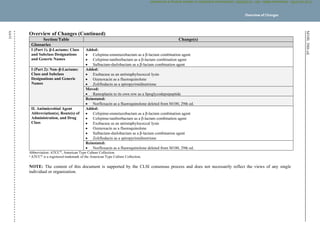
Table 1B. Fastidious
Organisms
Added:
 Footnote for Group B directing users to the Instructions for Use of Tables for examples of when a Group B agent
might be reported (p. 24)
Clarified for Streptococcus spp.:
 Footnote regarding inducible clindamycin resistance (ICR) reporting (p. 24)
Tables 2. Zone Diameter and/or MIC Breakpoints
General Added:
 Reference for the M02 Disk Diffusion Reading Guide to appropriate tables
Table 2A. Enterobacterales Added:
 Salmonella enterica ser. Typhi routine QC strain recommendations for azithromycin (p. 32)
 General comment explaining the use of the “^,” with intermediate breakpoints for appropriate antimicrobial agents
(p. 32)
 Cefiderocol testing requirements (p. 32), reference (p. 32), and investigational disk diffusion breakpoints (p. 36)
 Colistin and polymyxin B MIC breakpoints, warning, reporting comments, and reference (p. 38)
 I^ designation for β-lactams (p. 33), aminoglycosides (p. 38), and fluoroquinolones (pp. 39–40)
Clarified:
 Ceftazidime-avibactam reporting comment (p. 33)
 Cefazolin (surrogate test for oral cephalosporins and uncomplicated urinary tract infections) reporting comment
(p. 36)
Reinstated:
 Norfloxacin disk diffusion and MIC breakpoints and reporting comment deleted from M100, 29th ed. (p. 39)
Overview of Changes
CLSI
eCLIPSE
-
Dewanand
Mahto
-
BD
-
01/29/2020.
Unauthorized
duplication
or
network
sharing
is
not
allowed.
M100,
30th
ed.
xviii
Overview of Changes (Continued)
Section/Table Change(s)
Tables 2. (Continued)
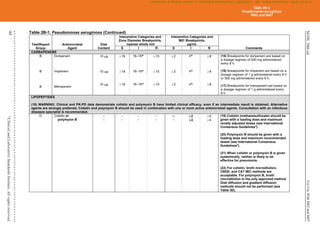
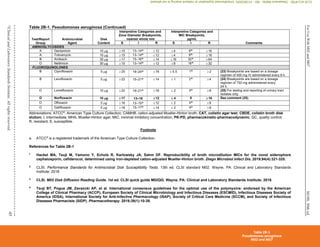
Table 2B-1. Pseudomonas
aeruginosa
Added:
 General comment explaining the use of the “^,” with intermediate breakpoints for appropriate antimicrobial agents
(p. 42)
 Cefiderocol testing requirements (p. 42), reference (p. 42), and investigational disk diffusion breakpoints (p. 43)
 I^ designation for β-lactams (p. 43), aminoglycosides (p. 45), and fluoroquinolones (p. 45)
Revised:
 Colistin and polymyxin B MIC breakpoints, warning, reporting comments, and reference (p. 44)
Reinstated:
 Norfloxacin disk diffusion and MIC breakpoints and reporting comment deleted from M100, 29th ed. (p. 45)
Table 2B-2. Acinetobacter spp. Added:
 Cefiderocol testing requirements (p. 46), and reference (p. 46), and investigational disk diffusion breakpoints (p. 47)
Revised:
 Colistin and polymyxin B MIC breakpoints, warning, reporting comments, and reference (p. 48)
Table 2B-4. Stenotrophomonas
maltophilia
Added:
 Cefiderocol testing requirements (p. 52), reference (p. 52), and investigational disk diffusion breakpoints (p. 53)
Revised:
 Test/report group for minocycline and levofloxacin from B to A (p. 53)
Table 2B-5. Other
Non-Enterobacterales
Clarified:
 General comment regarding the species designated as non-Enterobacterales (p. 54)
Reinstated:
 Norfloxacin MIC breakpoints and reporting comment deleted from M100, 29th ed. (p. 55)
Table 2C. Staphylococcus spp. Added:
 Recommendation for selecting QC strains for routine QC of β-lactam combination agents (p. 58)
Clarified:
 Oxacillin reporting for other Staphylococcus spp. with MICs 0.5–2 μg/mL (p. 62)
 ICR reporting comment (p. 65)
Revised:
 Methods for Detection of Methicillin (Oxacillin)-Resistant Staphylococcus spp. table in general
comment (5) to include incubation times for detecting methicillin (oxacillin) resistance (p. 59)
Reinstated:
 Norfloxacin disk diffusion and MIC breakpoints and reporting comment deleted from M100, 29th ed. (p. 64)
Overview of Changes
CLSI
eCLIPSE
-
Dewanand
Mahto
-
BD
-
01/29/2020.
Unauthorized
duplication
or
network
sharing
is
not
allowed.
M100,
30th
ed.
xix
Overview of Changes (Continued)
Section/Table Change(s)
Tables 2. (Continued)
Table 2D. Enterococcus spp. Added:
 Recommendation for selecting QC strains for routine QC of β-lactam combination agents (p. 68)
 General comment explaining the use of the “^,” with intermediate breakpoints for appropriate antimicrobial agents
(p. 68)
 Daptomycin MIC breakpoints (SDD and resistant only) and dosage regimen for E. faecium only (originally included
in the March 2019 re-released version of M100, 29th ed.) (p. 70)
 Daptomycin intermediate MIC breakpoint and dosage regimen for Enterococcus spp. other than E. faecium
(originally included in the March 2019 re-released version of M100, 29th ed.) (p. 70)
 I^ designation for fluoroquinolones and oxazolidinones (p. 71)
Revised:
 Daptomycin susceptible MIC breakpoint for Enterococcus spp. other than E. faecium (originally included in the
March 2019 re-released version of M100, 29th ed.) (p. 70)
Reinstated:
 Norfloxacin disk diffusion and MIC breakpoints and reporting comment deleted from M100, 29th ed. (p. 71)
Table 2G. Streptococcus
pneumoniae
Added:
 Mueller-Hinton fastidious agar (MH-F agar) as an alternative for disk diffusion testing (p. 82)
 Reporting comment for oral cefuroxime (p. 84)
Clarified:
 ICR reporting comment (p. 86)
Table 2H-1. Streptococcus spp.
β-Hemolytic Group
Clarified:
 Erythromycin reporting comment (p. 90)
 ICR reporting comment (p. 91)
Tables 3. Specialized Resistance Testing (NOTE: Tables following 3C were renumbered to accommodate addition of the new Table 3D.)
Table 3A. Tests for Extended-
Spectrum β-Lactamases in
Klebsiella pneumoniae,
Klebsiella oxytoca, Escherichia
coli, and Proteus mirabilis
Revised:
 Aztreonam disk diffusion QC range for Klebsiella pneumoniae ATCC®
700603 for the extended-spectrum
β-lactamase (ESBL) test (p. 106)
Table 3B. CarbaNP Test for
Suspected Carbapenemase
Production in
Enterobacterales and
Pseudomonas aeruginosa
Added:
 New references (p. 110)
Revised:
 NOTE 1 regarding ability to detect OXA-48–like producers (p. 113)
Overview of Changes
CLSI
eCLIPSE
-
Dewanand
Mahto
-
BD
-
01/29/2020.
Unauthorized
duplication
or
network
sharing
is
not
allowed.
M100,
30th
ed.
xx
Overview of Changes (Continued)
Section/Table Change(s)
Tables 3. (Continued)
Table 3C. Modified
Carbapenem Inactivation
Methods for Suspected
Carbapenemase Production in
Enterobacterales and
Pseudomonas aeruginosa
Added:
 New references (p. 118)
Table 3D. Tests for
Colistin Resistance for
Enterobacterales and
Pseudomonas aeruginosa
(new table)
Added:
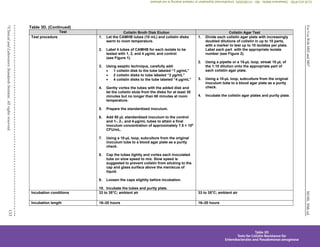
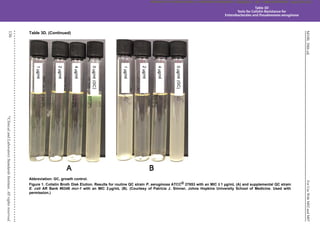
 Colistin broth disk elution (CBDE) procedure (pp. 132–134), QC recommendations (p. 134), and associated figures
(p. 136)
 Colistin agar test (CAT) procedure (pp. 132–134), QC recommendations (p. 134), and associated figures (p. 137)
Table 3F. Detecting
Methicillin (Oxacillin)
Resistance in Staphylococcus
spp. (formerly Table 3E)
Added:
 Options and respective procedures for detecting mecA-mediated resistance using cefoxitin or oxacillin with
disk diffusion, broth microdilution, or agar dilution methods (pp. 142–143)
 QC strains recommended for when various methods are used for detecting methicillin (oxacillin) resistance (p. 144)
Table 3H. Test for Detecting
Inducible Clindamycin
Resistance in Staphylococcus
spp., Streptococcus
pneumoniae, and Streptococcus
spp. β-Hemolytic Group
(formerly Table 3G)
Clarified:
 Organism groups to be tested (pp. 148–149)
 ICR reporting comments (p. 149)
Overview of Changes
CLSI
eCLIPSE
-
Dewanand
Mahto
-
BD
-
01/29/2020.
Unauthorized
duplication
or
network
sharing
is
not
allowed.
M100,
30th
ed.
xxi
Overview of Changes (Continued)
Section/Table Change(s)
Tables 4. Disk Diffusion QC Ranges and Associated Tables
Table 4A-1. Disk Diffusion
QC Ranges for Nonfastidious
Organisms and Antimicrobial
Agents Excluding β-Lactam
Combination Agents
Added:
 Sulopenem disk diffusion QC ranges for Escherichia coli ATCC®
25922 (p. 158)
 Tedizolid disk diffusion QC ranges for E. faecalis ATCC®
29212 as a supplemental QC strain (p. 158)
Revised:
 Ciprofloxacin disk diffusion QC range for E. coli ATCC®
25922 (p. 157)
 Tedizolid disk content and QC ranges for S. aureus ATCC®
25923 (p. 158)
Reinstated:
 Norfloxacin QC ranges for all QC strains deleted from M100, 29th ed. (p. 158)
Table 4A-2. Disk Diffusion
QC Ranges for Nonfastidious
Organisms and β-Lactam
Combination Agents
Added:
 Guidance on reading cefipime QC results for E. coli NCTC 13353 and A. baumannii NCTC 13304 (p. 160)
 Guidance on reading meropenem QC results for all QC organisms (p. 160)
 Disk diffusion QC ranges for:
QC Strain
Antimicrobial Agent
Cefepime
Cefepime-
enmetazobactam
Cefepime-
taniborbactam
Sulbactam-
durlobactam
E. coli ATCC®
25922 X X X
P. aeruginosa ATCC®
27853 X X
E. coli ATCC®
35218 X X X
K. pneumoniae ATCC®
700603 X X
E. coli NCTC 13353 X X
K. pneumoniae ATCC BAA-1705™ X
A. baumannii NCTC 13304 X
Table 4B. Disk Diffusion
QC Ranges for Fastidious
Organisms
Added:
 MH-F agar for S. pneumoniae only to the disk diffusion testing conditions table located in the column for
streptococci and Neisseria meningitidis (p. 166)
Revised:
 Tedizolid disk content and QC ranges for Streptococcus pneumoniae ATCC®
49619 (p. 165)
Reinstated:
 Norfloxacin QC ranges for all QC strains deleted from M100, 29th ed. (p. 165)
Table 4D. Disk Diffusion
Troubleshooting Guide
Added:
 Tedizolid troubleshooting information and guidance on reading plates (photographs) (pp. 171, 173)
Overview of Changes
CLSI
eCLIPSE
-
Dewanand
Mahto
-
BD
-
01/29/2020.
Unauthorized
duplication
or
network
sharing
is
not
allowed.
M100,
30th
ed.
xxii
Overview of Changes (Continued)
Section/Table Change(s)
Tables 5. MIC QC Ranges and Associated Tables
Table 5A-1. MIC QC Ranges
for Nonfastidious Organisms
and Antimicrobial Agents
Excluding β-Lactam
Combination Agents
Added:
 MIC QC ranges for:
QC Strain
Antimicrobial Agent
Exebacase Ozenoxacin Zoliflodacin
E. coli ATCC®
25922 X
S. aureus ATCC®
29213 X X X
E. faecalis ATCC®
29212 X X X
 Footnote regarding exebacase QC ranges (p. 175)
Revised:
 Eravacycline QC range for E. coli ATCC®
25922 (p. 175)
Reinstated:
 Norfloxacin QC ranges deleted from M100, 29th ed. (p. 176)
Deleted:
 Plazomicin QC range for E. faecalis ATCC®
29212
Table 5A-2. MIC QC Ranges
for Nonfastidious Organisms
and β-Lactam Combination
Agents
Added:
 MIC QC ranges for:
QC Strain
Antimicrobial Agent
Cefepime-
enmetazobactam
Cefepime-
taniborbactam Durlobactam Sulbactam
Sulbactam-
durlobactam
E. coli ATCC®
25922 X X X X
P. aeruginosa ATCC®
27853 X X
E. coli ATCC®
35218 X X
K. pneumoniae ATCC®
700603 X X X
E. coli NCTC 13353 X X
K. pneumoniae ATCC®
BAA-1705 X
K. pneumoniae ATCC®
BAA-2814™
A. baumannii NCTC 13304 X X X
Revised:
 MIC QC range for imipenem-relebactam and K. pneumoniae ATCC®
BAA-2814™ (p. 181)
Overview of Changes
CLSI
eCLIPSE
-
Dewanand
Mahto
-
BD
-
01/29/2020.
Unauthorized
duplication
or
network
sharing
is
not
allowed.
M100,
30th
ed.
xxiii
Overview of Changes (Continued)
Section/Table Change(s)
Tables 5. (Continued)
Table 5B. MIC QC Ranges for
Fastidious Organisms (Broth
Dilution Methods)
Added:
 MIC QC ranges for:
QC Strain
Antimicrobial Agent
Ozenoxacin Zoliflodacin
Haemophilus influenzae ATCC®
49247 X
S. pneumoniae ATCC®
49619 X X
Reinstated:
 Norfloxacin QC ranges deleted from M100, 29th ed. (p. 185)
Table 5C. MIC QC Ranges for
Neisseria gonorrhoeae (Agar
Dilution Method)
Added:
 Zoliflodacin MIC QC ranges for N. gonorrhoeae ATCC®
49226 (p. 188)
Tables 6. Preparing Antimicrobial Agent Stock Solutions
Table 6A. Solvents and
Diluents for Preparing Stock
Solutions of Antimicrobial
Agents
Added:
 Footnote regarding confirming the appropriate solvents and diluents for antimicrobial agents with the
manufacturer (p. 200)
 Solvent and diluent information for:
 Durlobactam
 Enmetazobactam
 Exebacase
 Ozenoxacin
 Taniborbactam
 Zoliflodacin
Reinstated:
 Norfloxacin solvent and diluent information deleted from M100, 29th ed.
Table 6C. Preparing Solutions
and Media Containing
Combinations of
Antimicrobial Agents
Added preparation instructions for:
 Cefepime-enmetazobactam
 Cefepime-taniborbactam
 Sulbactam-durlobactam
Overview of Changes
CLSI
eCLIPSE
-
Dewanand
Mahto
-
BD
-
01/29/2020.
Unauthorized
duplication
or
network
sharing
is
not
allowed.
M100,
30th
ed.
xxiv
Overview of Changes (Continued)
Section/Table Change(s)
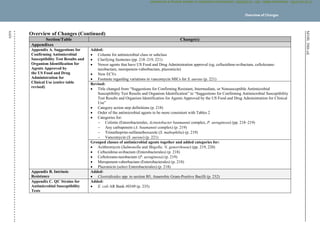
Appendixes
Appendix A. Suggestions for
Confirming Antimicrobial
Susceptibility Test Results and
Organism Identification for
Agents Approved by
the US Food and Drug
Administration for
Clinical Use (entire table
revised)
Added:
 Column for antimicrobial class or subclass
 Clarifying footnotes (pp. 218–219, 221)
 Newer agents that have US Food and Drug Administration approval (eg, ceftazidime-avibactam, ceftolozane-
tazobactam, meropenem-vaborbactam, plazomicin)
 New ECVs
 Footnote regarding variations in vancomycin MICs for S. aureus (p. 221)
Revised:
 Title changed from “Suggestions for Confirming Resistant, Intermediate, or Nonsusceptible Antimicrobial
Susceptibility Test Results and Organism Identification” to “Suggestions for Confirming Antimicrobial Susceptibility
Test Results and Organism Identification for Agents Approved by the US Food and Drug Administration for Clinical
Use”
 Category action step definitions (p. 218)
 Order of the antimicrobial agents to be more consistent with Tables 2
 Categories for:
 Colistin (Enterobacterales, Acinetobacter baumannii complex, P. aeruginosa) (pp. 218–219)
 Any carbapenem (A. baumannii complex) (p. 219)
 Trimethoprim-sulfamethoxazole (S. maltophilia) (p. 219)
 Vancomycin (S. aureus) (p. 221)
Grouped classes of antimicrobial agents together and added categories for:
 Azithromycin (Salmonella and Shigella; N. gonorrhoeae) (pp. 219, 220)
 Ceftazidime-avibactam (Enterobacterales) (p. 218)
 Ceftolozane-tazobactam (P. aeruginosa) (p. 219)
 Meropenem-vaborbactam (Enterobacterales) (p. 218)
 Plazomicin (select Enterobacterales) (p. 218)
Appendix B. Intrinsic
Resistance
Added:
 Clostridioides spp. to section B5, Anaerobic Gram-Positive Bacilli (p. 232)
Appendix C. QC Strains for
Antimicrobial Susceptibility
Tests
Added:
 E. coli AR Bank #0349 (p. 235)
Overview of Changes
CLSI
eCLIPSE
-
Dewanand
Mahto
-
BD
-
01/29/2020.
Unauthorized
duplication
or
network
sharing
is
not
allowed.
M100,
30th
ed.
xxv
Overview of Changes (Continued)
Section/Table Change(s)
Appendixes (Continued)
Appendix E. Dosage Regimens
Used to Establish Susceptible
or Susceptible-Dose
Dependent Breakpoints
Added:
 Daptomycin SDD MIC breakpoint and dosage regimen for E. faecium only (p. 248)
 Daptomycin dosage regimen for Enterococcus spp. other than E. faecium (p. 248)
 Colistin and/or polymyxin B dosage and treatment regimen reference for Enterobacterales, P. aeruginosa,
and Acinetobacter spp. (pp. 246–247)
Revised:
 Daptomycin susceptible MIC breakpoint for Enterococcus spp. other than E. faecium (p. 248)
Deleted:
 Meropenem-vaborbactam for P. aeruginosa; no breakpoints for this antimicrobial agent and organism
 Colistin dosage regimen for P. aeruginosa and Acinetobacter spp.
Appendix G. Epidemiological
Cutoff Values
Revised:
 Definitions for wild-type and non-wild-type in section G1, Defining Epidemiological Cutoff Values (p. 254)
Deleted:
 Colistin from Table G1 (ECVs for Enterobacterales) in section G2, Epidemiological Cutoff Value Tables;
now assigned a breakpoint in Table 2A
Appendix I. Cefiderocol Broth
Preparation and Reading
Broth Microdilution Minimal
Inhibitory Concentration End
Points (new appendix)
Added:
 Instructions for preparing zinc stock solution and iron-depleted cation-adjusted Mueller-Hinton broth (p. 274–275)
 Instructions for reading results and determining end points for broth microdilution MIC tests (p. 275)
 Example photographs showing nontrailing and trailing MIC end points (p. 276)
Overview of Changes
CLSI
eCLIPSE
-
Dewanand
Mahto
-
BD
-
01/29/2020.
Unauthorized
duplication
or
network
sharing
is
not
allowed.
M100,
30th
ed.
xxvi
Overview of Changes (Continued)
Section/Table Change(s)
Glossaries
I (Part 1). β-Lactams: Class
and Subclass Designations
and Generic Names
Added:
 Cefepime-enmetazobactam as a β-lactam combination agent
 Cefepime-taniborbactam as a β-lactam combination agent
 Sulbactam-durlobactam as a β-lactam combination agent
I (Part 2): Non–β-Lactams:
Class and Subclass
Designations and Generic
Names
Added:
 Exebacase as an antistaphylococcal lysin
 Ozenoxacin as a fluoroquinolone
 Zoliflodacin as a spiropyrimidinetrione
Moved:
 Ramoplanin to its own row as a lipoglycodepsipeptide
Reinstated:
 Norfloxacin as a fluoroquinolone deleted from M100, 29th ed.
II. Antimicrobial Agent
Abbreviation(s), Route(s) of
Administration, and Drug
Class
Added:
 Cefepime-enmetazobactam as a β-lactam combination agent
 Cefepime-taniborbactam as a β-lactam combination agent
 Exebacase as an antistaphylococcal lysin
 Ozenoxacin as a fluoroquinolone
 Sulbactam-durlobactam as a β-lactam combination agent
 Zoliflodacin as a spiropyrimidinetrione
Reinstated:
 Norfloxacin as a fluoroquinolone deleted from M100, 29th ed.
Abbreviation: ATCC®
, American Type Culture Collection.
a
ATCC®
is a registered trademark of the American Type Culture Collection.
NOTE: The content of this document is supported by the CLSI consensus process and does not necessarily reflect the views of any single
individual or organization.
Overview of Changes
CLSI
eCLIPSE
-
Dewanand
Mahto
-
BD
-
01/29/2020.
Unauthorized
duplication
or
network
sharing
is
not
allowed.
xxvii
M100,
30th
ed.
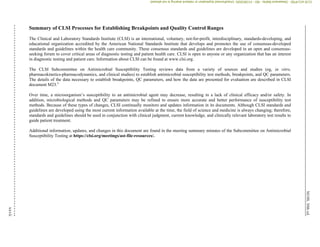
Summary of CLSI Processes for Establishing Breakpoints and Quality Control Ranges
The Clinical and Laboratory Standards Institute (CLSI) is an international, voluntary, not-for-profit, interdisciplinary, standards-developing, and
educational organization accredited by the American National Standards Institute that develops and promotes the use of consensus-developed
standards and guidelines within the health care community. These consensus standards and guidelines are developed in an open and consensus-
seeking forum to cover critical areas of diagnostic testing and patient health care. CLSI is open to anyone or any organization that has an interest
in diagnostic testing and patient care. Information about CLSI can be found at www.clsi.org.
The CLSI Subcommittee on Antimicrobial Susceptibility Testing reviews data from a variety of sources and studies (eg, in vitro,
pharmacokinetics-pharmacodynamics, and clinical studies) to establish antimicrobial susceptibility test methods, breakpoints, and QC parameters.
The details of the data necessary to establish breakpoints, QC parameters, and how the data are presented for evaluation are described in CLSI
document M23.5
Over time, a microorganism’s susceptibility to an antimicrobial agent may decrease, resulting in a lack of clinical efficacy and/or safety. In
addition, microbiological methods and QC parameters may be refined to ensure more accurate and better performance of susceptibility test
methods. Because of these types of changes, CLSI continually monitors and updates information in its documents. Although CLSI standards and
guidelines are developed using the most current information available at the time, the field of science and medicine is always changing; therefore,
standards and guidelines should be used in conjunction with clinical judgment, current knowledge, and clinically relevant laboratory test results to
guide patient treatment.
Additional information, updates, and changes in this document are found in the meeting summary minutes of the Subcommittee on Antimicrobial
Susceptibility Testing at https://clsi.org/meetings/ast-file-resources/.
CLSI
eCLIPSE
-
Dewanand
Mahto
-
BD
-
01/29/2020.
Unauthorized
duplication
or
network
sharing
is
not
allowed.
xxviii
M100,
30th
ed.
CLSI Reference Methods vs Commercial Methods and CLSI vs US Food and Drug Administration Breakpoints
It is important for users of M02,1
M07,2
and M100 to recognize that the standard methods described in CLSI documents are reference methods.
These methods may be used for routine antimicrobial susceptibility testing of patient isolates, for evaluating commercial devices that will be
used in medical laboratories, or by drug or device manufacturers for testing new agents or systems. Results generated by reference methods,
such as those included in CLSI documents, may be used by regulatory authorities to evaluate the performance of commercial susceptibility
testing devices as part of the approval process. Clearance by a regulatory authority indicates the commercial susceptibility testing device
provides susceptibility results that are substantially equivalent to results generated using reference methods for the organisms and antimicrobial
agents described in the device manufacturer’s approved package insert.
CLSI breakpoints may differ from those approved by various regulatory authorities for many reasons, including use of different databases,
differences in data interpretation, differences in doses used in different parts of the world, and public health policies. Differences also exist
because CLSI proactively evaluates the need for changing breakpoints. The reasons why breakpoints may change and the manner in which
CLSI evaluates data and determines breakpoints are outlined in CLSI document M23.5
Following a decision by CLSI to change an existing breakpoint, regulatory authorities may also review data to determine how changing
breakpoints may affect the safety and effectiveness of the antimicrobial agent for the approved indications. If the regulatory authority changes
breakpoints, commercial device manufacturers may have to conduct a clinical trial, submit the data to the regulatory authority, and await review
and approval. For these reasons, a delay of one or more years may be needed if a breakpoint and interpretive category change is to be
implemented by a device manufacturer. In the United States, it is acceptable for laboratories that use US Food and Drug Administration (FDA)–
cleared susceptibility testing devices to use existing FDA breakpoints. Either FDA or CLSI susceptibility breakpoints are acceptable to
laboratory accrediting organizations in the United States. Policies in other countries may vary. Each laboratory should check with the
manufacturer of its antimicrobial susceptibility test system for additional information on the breakpoints and interpretive categories used in its
system’s software.
Following discussions with appropriate stakeholders (eg, infectious diseases and pharmacy practitioners, the pharmacy and therapeutics and
infection prevention committees of the medical staff, and the antimicrobial stewardship team), newly approved or revised breakpoints may be
implemented by laboratories. Following verification, CLSI disk diffusion test breakpoints may be implemented as soon as they are published in
M100. If a device includes antimicrobial test concentrations sufficient to allow interpretation of susceptibility and resistance to an agent using
the CLSI breakpoints, a laboratory could choose to, after appropriate verification, interpret and report results using CLSI breakpoints.
CLSI
eCLIPSE
-
Dewanand
Mahto
-
BD
-
01/29/2020.
Unauthorized
duplication
or
network
sharing
is
not
allowed.
xxix
M100,
30th
ed.
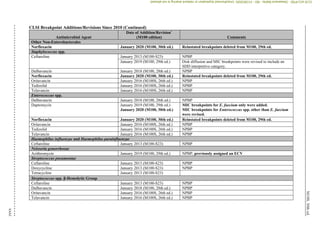
CLSI Breakpoint Additions/Revisions Since 2010
Antimicrobial Agent
Date of Addition/Revision*
(M100 edition) Comments
Enterobacterales
Azithromycin – S. enterica ser. Typhi only January 2015 (M100-S25)
Aztreonam January 2010 (M100-S20)
Cefazolin January 2010 (M100-S20)
January 2011 (M100-S21)
Breakpoints were revised twice since 2010.
January 2014 (M100-S24)
January 2016 (M100S, 26th ed.)
Breakpoints were added to predict results for cefazolin when
cefazolin is used for therapy of uncomplicated UTIs.
Cefepime January 2014 (M100-S24)
Cefiderocol January 2019 (M100, 29th ed.) NPBP
January 2020 (M100, 30th ed.) Disk diffusion breakpoints were added.
Cefotaxime January 2010 (M100-S20)
Ceftaroline January 2013 (M100-S23) NPBP
Ceftazidime January 2010 (M100-S20)
Ceftazidime-avibactam January 2018 (M100, 28th ed.) NPBP
Ceftizoxime January 2010 (M100-S20)
Ceftolozane-tazobactam January 2016 (M100S, 26th ed.) NPBP
January 2018 (M100, 28th ed.) Disk diffusion breakpoints were added.
Ceftriaxone January 2010 (M100-S20)
Ciprofloxacin January 2019 (M100, 29th ed.) Disk diffusion and MIC breakpoints were revised.
Ciprofloxacin – Salmonella spp.
(including S. enterica ser. Typhi)
January 2012 (M100-S22) Anatomical site–specific breakpoint recommendations were
removed in 2013.
Colistin January 2020 (M100, 30th ed.) NPBP, previously assigned an ECV
Doripenem June 2010 (M100-S20-U) NPBP
Ertapenem June 2010 (M100-S20-U)
January 2012 (M100-S22)
Breakpoints were revised twice since 2010.
Imipenem June 2010 (M100-S20-U)
Levofloxacin January 2019 (M100, 29th ed.) Disk diffusion and MIC breakpoints were revised.
Levofloxacin – Salmonella spp.
(including S. enterica ser. Typhi)
January 2013 (M100-S23)
Meropenem June 2010 (M100-S20-U)
Meropenem-vaborbactam January 2019 (M100, 29th ed.) NPBP
Norfloxacin January 2020 (M100, 30th ed.) Reinstated breakpoints deleted from M100, 29th ed.
CLSI
eCLIPSE
-
Dewanand
Mahto
-
BD
-
01/29/2020.
Unauthorized
duplication
or
network
sharing
is
not
allowed.
xxx
M100,
30th
ed.
CLSI Breakpoint Additions/Revisions Since 2010 (Continued)
Antimicrobial Agent
Date of Addition/Revision*
(M100 edition) Comments
Enterobacterales (Continued)
Ofloxacin – Salmonella spp.
(including S. enterica ser. Typhi)
June 2013 (M100-S23)
Pefloxacin – Salmonella spp.
(including S. enterica ser. Typhi)
January 2015 (M100-S25) Surrogate test for ciprofloxacin was added.
Polymyxin B January 2020 (M100, 30th ed.) NPBP
Pseudomonas aeruginosa
Cefiderocol January 2019 (M100, 29th ed.) NPBP
January 2020 (M100, 30th ed.) Disk diffusion breakpoints were added.
Ceftazidime-avibactam January 2018 (M100, 28th ed.) NPBP
Ciprofloxacin January 2019 (M100, 29th ed.) Disk diffusion and MIC breakpoints were revised.
Colistin January 2017 (M100, 27th ed.) MIC breakpoints were revised.
January 2020 (M100, 30th ed.) MIC breakpoints were revised.
Doripenem January 2012 (M100-S22)
Imipenem January 2012 (M100-S22)
Levofloxacin January 2019 (M100, 29th ed.) Disk diffusion and MIC breakpoints were revised.
Meropenem January 2012 (M100-S22)
Norfloxacin January 2020 (M100, 30th ed.) Reinstated breakpoints deleted from M100, 29th ed.
Piperacillin January 2012 (M100-S22)
Piperacillin-tazobactam January 2012 (M100-S22)
Polymyxin B January 2020 (M100, 30th ed.) MIC breakpoints were revised.
Ticarcillin January 2012 (M100-S22)
Ticarcillin-clavulanate January 2012 (M100-S22)
Acinetobacter spp.
Cefiderocol January 2019 (M100, 29th ed.) NPBP
January 2020 (M100, 30th ed.) Disk diffusion breakpoints were added.
Colistin January 2020 (M100, 30th ed.) MIC breakpoints were revised.
Doripenem January 2014 (M100-S24)
Imipenem January 2014 (M100-S24)
Meropenem January 2014 (M100-S24)
Polymyxin B January 2020 (M100, 30th ed.) MIC breakpoints were revised.
Stenotrophomonas maltophilia
Cefiderocol January 2019 (M100, 29th ed.) NPBP
January 2020 (M100, 30th ed.) Disk diffusion breakpoints were added.
CLSI
eCLIPSE
-
Dewanand
Mahto
-
BD
-
01/29/2020.
Unauthorized
duplication
or
network
sharing
is
not
allowed.
xxxi
M100,
30th
ed.
CLSI Breakpoint Additions/Revisions Since 2010 (Continued)
Antimicrobial Agent
Date of Addition/Revision*
(M100 edition) Comments
Other Non-Enterobacterales
Norfloxacin January 2020 (M100, 30th ed.) Reinstated breakpoints deleted from M100, 29th ed.
Staphylococcus spp.
Ceftaroline January 2013 (M100-S23) NPBP
January 2019 (M100, 29th ed.) Disk diffusion and MIC breakpoints were revised to include an
SDD interpretive category.
Dalbavancin January 2018 (M100, 28th ed.) NPBP
Norfloxacin January 2020 (M100, 30th ed.) Reinstated breakpoints deleted from M100, 29th ed.
Oritavancin January 2016 (M100S, 26th ed.) NPBP
Tedizolid January 2016 (M100S, 26th ed.) NPBP
Telavancin January 2016 (M100S, 26th ed.) NPBP
Enterococcus spp.
Dalbavancin January 2018 (M100, 28th ed.) NPBP
Daptomycin January 2019 (M100, 29th ed.)
January 2020 (M100, 30th ed.)
MIC breakpoints for E. faecium only were added.
MIC breakpoints for Enterococcus spp. other than E. faecium
were revised.
Norfloxacin January 2020 (M100, 30th ed.) Reinstated breakpoints deleted from M100, 29th ed.
Oritavancin January 2016 (M100S, 26th ed.) NPBP
Tedizolid January 2016 (M100S, 26th ed.) NPBP
Telavancin January 2016 (M100S, 26th ed.) NPBP
Haemophilus influenzae and Haemophilus parainfluenzae
Ceftaroline January 2013 (M100-S23) NPBP
Neisseria gonorrhoeae
Azithromycin January 2019 (M100, 29th ed.) NPBP, previously assigned an ECV
Streptococcus pneumoniae
Ceftaroline January 2013 (M100-S23) NPBP
Doxycycline January 2013 (M100-S23) NPBP
Tetracycline January 2013 (M100-S23)
Streptococcus spp. β-Hemolytic Group
Ceftaroline January 2013 (M100-S23) NPBP
Dalbavancin January 2018 (M100, 28th ed.) NPBP
Oritavancin January 2016 (M100S, 26th ed.) NPBP
Telavancin January 2016 (M100S, 26th ed.) NPBP
CLSI
eCLIPSE
-
Dewanand
Mahto
-
BD
-
01/29/2020.
Unauthorized
duplication
or
network
sharing
is
not
allowed.
xxxii
M100,
30th
ed.
CLSI Breakpoint Additions/Revisions Since 2010 (Continued)
Antimicrobial Agent
Date of Addition/Revision*
(M100 edition) Comments
Streptococcus spp. Viridans Group
Ceftolozane-tazobactam January 2016 (M100S, 26th ed.) NPBP
Dalbavancin January 2018 (M100, 28th ed.) NPBP
Oritavancin January 2016 (M100S, 26th ed.) NPBP
Tedizolid January 2016 (M100S, 26th ed.) NPBP
Telavancin January 2016 (M100S, 26th ed.) NPBP
Anaerobes
Piperacillin-tazobactam January 2017 (M100, 28th ed.) MIC breakpoints were revised.
*
Previous breakpoints can be found in the edition of M100 that precedes the document listed here, eg, previous breakpoints for aztreonam are listed in M100-S19 (January 2009).
Abbreviations: ECV, epidemiological cutoff value; MIC, minimal inhibitory concentration; NPBP, no previous breakpoint existed; SDD, susceptible-dose dependent; UTI, urinary
tract infection.
CLSI Epidemiological Cutoff Value Additions/Revisions Since 2015
Antimicrobial Agent
Date of Addition/Revision
(M100 edition) Comments
Enterobacterales
Azithromycin January 2016 (M100S, 26th ed.) For use with Shigella flexneri and Shigella sonnei.
Anaerobes
Vancomycin January 2015 (M100-S25) For use with Cutibacterium (formerly Propionibacterium) acnes.
CLSI Archived Resources
Resource Web Address for Archived Table
Breakpoints that have been eliminated from M100 since 2010 have been
relocated to the CLSI website.
https://clsi.org/media/2654/_m100_archived_drugs_table_2019.pdf
Methods that have been eliminated from M100 have been relocated to the
CLSI website.
https://clsi.org/media/1899/_m100_archived_methods_table.pdf
QC ranges that have been eliminated from M100 since 2010 have
been relocated to the CLSI website.
https://clsi.org/media/3202/_m100_archived_qc_table.pdf
ECVs that have been replaced by breakpoints have been relocated to
the CLSI website.
https://clsi.org/media/3466/_m100_archived_ecvs_table.pdf
Abbreviations: ECV, epidemiological cutoff value; QC, quality control.
CLSI
eCLIPSE
-
Dewanand
Mahto
-
BD
-
01/29/2020.
Unauthorized
duplication
or
network
sharing
is
not
allowed.
xxxiii
M100,
30th
ed.
Subcommittee on Antimicrobial Susceptibility Testing Mission Statement
The Subcommittee on Antimicrobial Susceptibility Testing is composed of representatives from the professions, government, and industry,
including microbiology laboratories, government agencies, health care providers and educators, and pharmaceutical and diagnostic microbiology
industries. Using the CLSI voluntary consensus process, the subcommittee develops standards that promote accurate antimicrobial susceptibility
testing and appropriate reporting. The mission of the Subcommittee on Antimicrobial Susceptibility Testing is to:
 Develop standard reference methods for antimicrobial susceptibility tests.
 Provide quality control parameters for standard test methods.
 Establish breakpoints and interpretive categories for the results of standard antimicrobial susceptibility tests and provide epidemiological
cutoff values when breakpoints are not available.
 Provide suggestions for testing and reporting strategies that are clinically relevant and cost-effective.
 Continually refine standards and optimize detection of emerging resistance mechanisms through development of new or revised methods,
breakpoints, and quality control parameters.
 Educate users through multimedia communication of standards and guidelines.
 Foster a dialogue with users of these methods and those who apply them.
The ultimate purpose of the subcommittee’s mission is to provide useful information to enable laboratories to assist the clinician in the selection of
appropriate antimicrobial therapy for patient care. The standards and guidelines are meant to be comprehensive and to include all antimicrobial
agents for which the data meet established CLSI guidelines. The values that guide this mission are quality, accuracy, fairness, timeliness,
teamwork, consensus, and trust.
CLSI
eCLIPSE
-
Dewanand
Mahto
-
BD
-
01/29/2020.
Unauthorized
duplication
or
network
sharing
is
not
allowed.
xxxiv
M100,
30th
ed.
This page is intentionally left blank.
CLSI
eCLIPSE
-
Dewanand
Mahto
-
BD
-
01/29/2020.
Unauthorized
duplication
or
network
sharing
is
not
allowed.
For
Use
With
M02
and
M07
M100,
30th
ed.
1
©
Clinical
and
Laboratory
Standards
Institute.
All
rights
reserved.
Instructions for Use of Tables
I. Selecting Antimicrobial Agents for Testing and Reporting
A. Selecting the most appropriate antimicrobial agents to test and report is a decision best made by each laboratory in consultation with the
infectious diseases and pharmacy practitioners, the pharmacy and therapeutics and infection prevention committees of the medical staff,
and the antimicrobial stewardship team. The recommendations for each organism group include agents of proven efficacy that show
acceptable in vitro test performance. Considerations in the assignment of agents to specific test/report groups include clinical efficacy,
prevalence of resistance, minimizing emergence of resistance, cost, FDA clinical indications for use, and current consensus
recommendations for first-choice and alternative drugs. Tests on selected agents may be useful for infection prevention purposes.
These instructions apply to:
 Tables 1A and 1B: suggested groupings of antimicrobial agents that should be considered for testing and reporting by microbiology
laboratories. These guidelines are based on antimicrobial agents approved by the US Food and Drug Administration (FDA) for clinical use
in the United States. In other countries, placement of antimicrobial agents in Tables 1A and 1B should be based on available drugs
approved for clinical use by relevant regulatory organizations.
 Tables 2A through 2I: tables for each organism group that contain:
– Recommended testing conditions
– Routine QC recommendations (also see Chapter 4 in M021
and M072
)
– General comments for testing the organism group and specific comments for testing particular agent/organism combinations
– Suggested agents that should be considered for routine testing and reporting by medical microbiology laboratories, as specified in
Tables 1A and 1B (test/report groups A, B, C, U)
– Additional drugs that are appropriate for the respective organism group but would generally not warrant routine testing by a medical
microbiology laboratory in the United States (test/report group O for “other”; test/report group Inv. for “investigational” [not yet FDA
approved])
– Zone diameter and minimal inhibitory concentration (MIC) breakpoints
 Tables 1C and 2J: tables containing specific recommendations for testing and reporting results on anaerobes and some of the information
listed in the bullets above
 Tables 3A to 3J: tables describing tests to detect particular resistance types in specific organisms or organism groups
CLSI
eCLIPSE
-
Dewanand
Mahto
-
BD
-
01/29/2020.
Unauthorized
duplication
or
network
sharing
is
not
allowed.
M100,
30th
ed.
For
Use
With
M02
and
M07
2
©
Clinical
and
Laboratory
Standards
Institute.
All
rights
reserved
.
B. Drugs listed together in a single box are agents for which interpretive categories (susceptible, intermediate, or resistant) and clinical
efficacy are similar. Within each box, an “or” between agents indicates agents for which cross-resistance and cross-susceptibility are
nearly complete. Results from one agent connected by an “or” can be used to predict results for the other agent (ie, equivalent agents).
For example, Enterobacterales susceptible to cefotaxime can be considered susceptible to ceftriaxone. The results obtained from testing
cefotaxime could be reported along with a comment that the isolate is also susceptible to ceftriaxone. For drugs connected with an “or,”
combined major and very major errors are fewer than 3%, and minor errors are fewer than 10%, based on a large population of bacteria
tested (see CLSI document M235
for description of error types). In addition, to qualify for an “or,” at least 100 strains with resistance to
the agents in question must be tested, and a result of “resistant” must be obtained with all agents for at least 95% of the strains. “Or” is
also used for comparable agents when tested against organisms for which “susceptible-only” breakpoints are provided (eg, cefotaxime or
ceftriaxone with H. influenzae). When no “or” connects agents within a box, testing of one agent cannot be used to predict results for
another, owing either to discrepancies or insufficient data.
C. Test/Report Groups
1. Group A antimicrobial agents, as listed in Tables 1A, 1B, and 1C, are considered appropriate for inclusion in a routine, primary testing
panel, as well as for routine reporting of results for the specific organism groups.
2. Group B includes antimicrobial agents that may warrant primary testing, but they may be reported only selectively, such as when the
organism is resistant to agents of the same antimicrobial class, as in group A. Other indications for reporting the result might include a
selected specimen source (eg, a third-generation cephalosporin for enteric bacilli from cerebrospinal fluid (CSF) or trimethoprim-
sulfamethoxazole for urinary tract isolates); a polymicrobial infection; infections involving multiple sites; cases of patient allergy,
intolerance, or failure to respond to an antimicrobial agent in group A; or for infection prevention.
3. Group C includes alternative or supplemental antimicrobial agents that may necessitate testing in those institutions that harbor endemic or
epidemic strains resistant to several of the primary drugs (especially in the same class, eg, -lactams); for treatment of patients allergic to
primary drugs; for treatment of unusual organisms (eg, chloramphenicol for extraintestinal isolates of Salmonella spp.); or for reporting to
infection prevention as an epidemiological aid.
4. Group U (“urine”) includes certain antimicrobial agents (eg, nitrofurantoin and certain quinolones) that are used only or primarily for
treating UTIs. These agents should not be routinely reported against pathogens recovered from other infection sites. An exception to this
rule is for Enterobacterales in Table 1A, in which cefazolin is listed as a surrogate agent for oral cephalosporins. Other antimicrobial
agents with broader indications may be included in group U for specific urinary pathogens (eg, Enterococcus and ciprofloxacin).
5. Group O (“other”) includes antimicrobial agents that have a clinical indication for the organism group but are generally not candidates
for routine testing and reporting in the United States.
CLSI
eCLIPSE
-
Dewanand
Mahto
-
BD
-
01/29/2020.
Unauthorized
duplication
or
network
sharing
is
not
allowed.
For
Use
With
M02
and
M07
M100,
30th
ed.
3
©
Clinical
and
Laboratory
Standards
Institute.
All
rights
reserved.
6. Group Inv. (“investigational”) includes antimicrobial agents that are investigational for the organism group and have not yet been
approved by the FDA for use in the United States.
D. Selective Reporting
Each laboratory should decide which agents in the tables to report routinely (group A) and which might be reported only selectively (from
group B), in consultation with the infectious diseases and pharmacy practitioners, the pharmacy and therapeutics and infection prevention
committees of the health care institution, and the antimicrobial stewardship team. Selective reporting should improve the clinical relevance
of test reports and help minimize the selection of multiresistant, health care–associated strains by overusing broad-spectrum antimicrobial
agents. Results for group B antimicrobial agents tested, but not reported routinely, should be available on request, or they may be reported
for selected specimen types. Unexpected resistance, when confirmed, should be reported (eg, resistance to a secondary agent but
susceptibility to a primary agent, such as a P. aeruginosa isolate resistant to amikacin but susceptible to tobramycin; as such, both drugs
should be reported). In addition, each laboratory should develop a protocol to cover isolates that are confirmed as resistant to all agents on
its routine test panels. This protocol should include options for testing additional agents in-house or sending the isolate to a referral
laboratory.
II. Breakpoint and Interpretive Category Definitions
A. Breakpoint – minimal inhibitory concentration (MIC) or zone diameter value used to categorize an organism as susceptible, susceptible-
dose dependent, intermediate, resistant, or nonsusceptible; NOTE 1: MIC or zone diameter values generated by a susceptibility test can be
interpreted based on established breakpoints; NOTE 2: Because breakpoints are based on pharmacologically and clinically rich datasets
using in vitro and in vivo data, they are considered robust predictors of likely clinical outcome; NOTE 3: Also known as “clinical
breakpoint”; NOTE 4: See interpretive category.
B. Interpretive category – category derived from microbiological characteristics, pharmacokinetic-pharmacodynamic parameters, and
clinical outcome data, when available; NOTE 1: MIC or zone diameter values generated by a susceptibility test can be interpreted based
on established breakpoints; NOTE 2: See breakpoint.
CLSI
eCLIPSE
-
Dewanand
Mahto
-
BD
-
01/29/2020.
Unauthorized
duplication
or
network
sharing
is
not
allowed.
M100,
30th
ed.
For
Use
With
M02
and
M07
4
©
Clinical
and
Laboratory
Standards
Institute.
All
rights
reserved
.
EXAMPLE:
Interpretive
Category
Breakpoints
MIC, µg/mL Zone Diameter, mm
Susceptible 4 20
Susceptible-dose
dependent
8–16 15–19
Intermediate 8–16 15–19
Resistant 32 14
Nonsusceptible >1 <17
MIC or zone diameter value breakpoints and interpretive categories are established per CLSI document M235
for categories of susceptible,
intermediate, and resistant (and susceptible-dose dependent and nonsusceptible, when appropriate).
 susceptible (S) – a category defined by a breakpoint that implies that isolates with an MIC at or below or a zone diameter at or above
the susceptible breakpoint are inhibited by the usually achievable concentrations of antimicrobial agent when the dosage
recommended to treat the site of infection is used, resulting in likely clinical efficacy.
 susceptible-dose dependent (SDD) – a category defined by a breakpoint that implies that susceptibility of an isolate depends on the
dosage regimen that is used in the patient. To achieve levels that are likely to be clinically effective against isolates for which the
susceptibility testing results (either MICs or zone diameters) are in the SDD category, it is necessary to use a dosage regimen
(ie, higher doses, more frequent doses, or both) that results in higher drug exposure than that achieved with the dose that was used to
establish the susceptible breakpoint. Consideration should be given to the maximum, literature-supported dosage regimen, because
higher exposure gives the highest probability of adequate coverage of an SDD isolate. Appendix E lists the doses used when
establishing SDD categories. The drug label should be consulted for recommended doses and adjustment for organ function;
NOTE: The SDD category may be assigned when doses well above those used to calculate the susceptible breakpoint are supported
by the literature, widely used clinically, and/or approved and for which sufficient data to justify the designation exist and have been
reviewed. This category also includes a buffer zone for inherent variability in test methods, which should prevent small,
uncontrolled, technical factors from causing major discrepancies in interpretations, especially for drugs with narrow
pharmacotoxicity margins. See Appendix F for additional information.
CLSI
eCLIPSE
-
Dewanand
Mahto
-
BD
-
01/29/2020.
Unauthorized
duplication
or
network
sharing
is
not
allowed.
For
Use
With
M02
and
M07
M100,
30th
ed.
5
©
Clinical
and
Laboratory
Standards
Institute.
All
rights
reserved.
 intermediate (I) – a category defined by a breakpoint that includes isolates with MICs or zone diameters within the intermediate
range that approach usually attainable blood and tissue levels and/or for which response rates may be lower than for susceptible
isolates; NOTE: The intermediate category implies clinical efficacy in anatomical sites where the drugs are physiologically
concentrated. An I with a “^” in Tables 2 indicates agents that have the potential to concentrate at an anatomical site. The I
category also includes a buffer zone for inherent variability in test methods, which should prevent small, uncontrolled, technical
factors from causing major discrepancies in interpretations, especially for drugs with narrow pharmacotoxicity margins.
 resistant (R) – a category defined by a breakpoint that implies that isolates with an MIC at or above or a zone diameter at or below
the resistant breakpoint are not inhibited by the usually achievable concentrations of the agent with normal dosage schedules and/or
that demonstrate MICs or zone diameters that fall in the range in which specific microbial resistance mechanisms are likely, and
clinical efficacy of the agent against the isolate has not been reliably shown in treatment studies.
 nonsusceptible (NS) – a category used for isolates for which only a susceptible breakpoint is designated because of the absence or
rare occurrence of resistant strains. Isolates for which the antimicrobial agent MICs are above or the zone diameters are below the
value indicated for the susceptible breakpoint should be reported as nonsusceptible; NOTE 1: An isolate that is interpreted as
nonsusceptible does not necessarily mean that the isolate has a resistance mechanism. It is possible that isolates with MICs above the
susceptible breakpoint that lack resistance mechanisms may be encountered within the wild-type distribution after the time the
susceptible-only breakpoint was set; NOTE 2: The term “nonsusceptible” should not be used when the text is describing an
organism/drug category with intermediate and resistant interpretive categories. Isolates that are in the categories of “intermediate” or
“resistant” could be called “not susceptible” rather than “nonsusceptible.”
C. Example of Breakpoints and Interpretive Categories as Used in Table 2
Antimicrobial
Agent
Disk
Content
Interpretive
Categories and Zone
Diameter Breakpoints,
nearest whole mm
Interpretive Categories
and MIC Breakpoints,
µg/mL
S I*
R S I*
R
X 30 μg 20 15–19 14 4 8–16 32
Y – – – – 1 2 4
Z 10 μg 16 – – 1 – –
*
Or SDD, if appropriate.
Abbreviations: I, intermediate; R, resistant; S, susceptible; SDD, susceptible-dose dependent.
CLSI
eCLIPSE
-
Dewanand
Mahto
-
BD
-
01/29/2020.
Unauthorized
duplication
or
network
sharing
is
not
allowed.
M100,
30th
ed.
For
Use
With
M02
and
M07
6
©
Clinical
and
Laboratory
Standards
Institute.
All
rights
reserved
.
For antimicrobial agent X with breakpoints in the table above, the susceptible breakpoint is ≤ 4 µg/mL or ≥ 20 mm and the resistant
breakpoint is ≥ 32 µg/mL or ≤ 14 mm. For some antimicrobial agents (eg, antimicrobial agent Y), only MIC breakpoints may be available.
For these agents, the disk diffusion zone diameters do not correlate with MIC values or data have not been evaluated as described in
CLSI document M23.5
Technical issues may also preclude the use of the disk diffusion method for some agents. For some antimicrobial
agents (eg, antimicrobial agent Z) only a “susceptible” category exists. For these agents, the absence or rare occurrence of resistant strains
precludes defining any results categories other than “susceptible.” For strains yielding results suggestive of a “nonsusceptible” category,
organism identification and antimicrobial susceptibility test results should be confirmed (see Appendix A). In examples Y and Z, a dash
mark (–) indicates a disk is not available or that breakpoints are not applicable.
III. Reporting Results
A. Organisms Included in Table 2
The MIC values determined as described in M072
may be reported directly to clinicians for patient care purposes. However, it is essential
that an interpretive category result (S, SDD, I, R, or NS) also be provided routinely to facilitate understanding of the MIC report by
clinicians. Zone diameter measurements without an interpretive category should not be reported. Recommended interpretive categories for
various MIC and zone diameter values are included in tables for each organism group and are based on the evaluation of data as described
in CLSI document M23.5
Laboratories should only report results for agents listed in Table 2 specific to the organism being tested. It is not appropriate to apply disk
diffusion or MIC breakpoints borrowed from a table in which the organism is not listed. There may be rare cases for which an agent may
be appropriate for an isolate but for which there are no CLSI breakpoints (eg, tigecycline). In these cases, the FDA prescribing information
document for the agent should be consulted.
For more information on reporting epidemiological cutoff values in the medical laboratory, see Appendix G.
B. Organisms Excluded From Table 2
For some organism groups excluded from Tables 2A through 2J, CLSI document M456
provides suggestions for standardized methods for
AST, including information about drug selection, interpretation, and QC. The organism groups covered in that guideline are Abiotrophia
and Granulicatella spp. (formerly known as nutritionally deficient or nutritionally variant streptococci); Aerococcus spp.; Aeromonas spp.;
Bacillus spp. (not Bacillus anthracis); Campylobacter jejuni/coli; Corynebacterium spp. (including Corynebacterium diphtheriae);
Erysipelothrix rhusiopathiae; Gemella spp.; the HACEK group: Aggregatibacter spp. (formerly Haemophilus aphrophilus, Haemophilus
paraphrophilus, Haemophilus segnis, and Actinobacillus actinomycetemcomitans), Cardiobacterium spp., Eikenella corrodens, and
Kingella spp.; Helicobacter pylori; Lactobacillus spp.; Lactococcus spp.; Leuconostoc spp.; Listeria monocytogenes; Micrococcus spp.;
Moraxella catarrhalis; Pasteurella spp.; Pediococcus spp.; Rothia mucilaginosa; potential agents of bioterrorism; and Vibrio spp.,
including Vibrio cholerae.
CLSI
eCLIPSE
-
Dewanand
Mahto
-
BD
-
01/29/2020.
Unauthorized
duplication
or
network
sharing
is
not
allowed.
For
Use
With
M02
and
M07
M100,
30th
ed.
7
©
Clinical
and
Laboratory
Standards
Institute.
All
rights
reserved.
For organisms other than those in the groups mentioned above, studies are not yet adequate to develop reproducible, definitive standards
to interpret results. These organisms may need different media or different incubation atmospheres, or they may show marked strain-to-
strain variation in growth rate. For these microorganisms, consultation with an infectious diseases specialist is recommended for guidance
in determining the need for susceptibility testing and in results interpretation. Published reports in the medical literature and current
consensus recommendations for therapy of uncommon microorganisms may preclude the need for testing. If necessary, a dilution method
usually is the most appropriate testing method, and this may necessitate submitting the organism to a referral laboratory. Physicians should
be informed of the limitations of results and advised to interpret results with caution.
C. Cumulative Antibiograms
Policies regarding the generation of cumulative antibiograms should be developed together with the infectious diseases service, infection
prevention personnel, the pharmacy and therapeutics committee, and the antimicrobial stewardship team. See CLSI document M397
for
detailed instructions on generating cumulative antibiograms.
D. MIC Reporting Concentrations
When serial twofold dilution MICs are being prepared and tested, the actual dilution scheme is, eg:
16, 8, 4, 2, 1, 0.5, 0.25, 0.125, 0.0625, 0.03125 µg/mL, etc. (see Table 7 for additional dilutions).
For convenience only, not because these are the actual concentrations tested, it was decided to use the following values in Tables 7, 8A,
and 8B: 16, 8, 4, 2, 1, 0.5, 0.25, 0.12, 0.06, 0.03 µg/mL, etc.
The values that appear in the tables are equivalent to the actual values tested, eg, 0.12 µg/mL = 0.125 µg/mL, and laboratories should
report an MIC of ≤0.125 μg/mL as ≤0.12 μg/mL.
IV. Therapy-Related Comments
Some comments in the tables relate to therapy concerns. These are denoted with an Rx symbol. It may be appropriate to include some of
these comments (or modifications thereof) on the patient report. An example would be inclusion of a comment when rifampin is being
reported stating that “Rifampin should not be used alone for antimicrobial therapy.” Antimicrobial dosage regimens often vary widely
among practitioners and institutions. In some cases, the MIC breakpoints rely on pharmacokinetic-pharmacodynamic (PK-PD) data, using
specific human dosage regimens. In cases in which specific dosage regimens are important for properly applying breakpoints, the dosage
regimen is listed. These dosage regimen comments are not generally intended for use on individual patient reports.
CLSI
eCLIPSE
-
Dewanand
Mahto
-
BD
-
01/29/2020.
Unauthorized
duplication
or
network
sharing
is
not
allowed.
M100,
30th
ed.
For
Use
With
M02
and
M07
8
©
Clinical
and
Laboratory
Standards
Institute.
All
rights
reserved
.
V. Confirmation of Patient Results
Multiple test parameters are monitored by following the QC recommendations described in M100. However, acceptable results derived
from testing QC strains do not guarantee accurate results when testing patient isolates. It is important to review all the results obtained
from all drugs tested on a patient’s isolate before reporting the results. This review should include but not be limited to ensuring that 1) the
AST results are consistent with the identification of the isolate; 2) the results from individual agents within a specific drug class follow the
established hierarchy of activity rules (eg, in general, third-generation cephems are more active than first- or second-generation cephems
against Enterobacterales); and 3) the isolate is susceptible to those agents for which resistance has not been documented (eg, vancomycin
and Streptococcus spp.) and for which only “susceptible” breakpoints exist in M100.
Unusual or inconsistent results should be confirmed by rechecking various testing parameters detailed in Appendix A. Each laboratory
must develop its own policies for confirming unusual or inconsistent antimicrobial susceptibility test results. The list provided in
Appendix A emphasizes results that are most likely to affect patient care.
VI. Development of Resistance and Testing of Repeat Isolates
Isolates that are initially susceptible may become intermediate or resistant after therapy is initiated. Therefore, subsequent isolates of the
same species from a similar anatomical site should be tested to detect resistance that may have developed. Development of resistance can
occur within as little as three to four days and has been noted most frequently in Enterobacter (including Klebsiella [formerly
Enterobacter] aerogenes), Citrobacter, and Serratia spp. with third-generation cephalosporins, in P. aeruginosa with all antimicrobial
agents, and in staphylococci with fluoroquinolones. For S. aureus, vancomycin-susceptible isolates may become vancomycin intermediate
during the course of prolonged therapy.
In certain circumstances, the decision to perform susceptibility tests on subsequent isolates necessitates knowledge of the specific situation
and the severity of the patient’s condition (eg, an isolate of E. cloacae from a blood culture on a premature infant or methicillin
(oxacillin)-resistant S. aureus [MRSA] from a patient with prolonged bacteremia). Laboratory guidelines on when to perform
susceptibility testing on repeat isolates should be determined after consultation with the medical staff.
CLSI
eCLIPSE
-
Dewanand
Mahto
-
BD
-
01/29/2020.
Unauthorized
duplication
or
network
sharing
is
not
allowed.
For
Use
With
M02
and
M07
M100,
30th
ed.
9
©
Clinical
and
Laboratory
Standards
Institute.
All
rights
reserved.
VII. Warning
Some of the comments in the tables relate to dangerously misleading results that can occur when certain antimicrobial agents are tested
and reported as susceptible against specific organisms. These are denoted with the word “Warning.”
Location Organism Antimicrobial Agents
“Warning”: The following antimicrobial agent/organism combinations may appear active in vitro but are not effective clinically and
must not be reported as susceptible.
Table 2A Salmonella spp., Shigella spp. 1st- and 2nd-generation cephalosporins, cephamycins, and aminoglycosides
Table 2D Enterococcus spp. Aminoglycosides (except for high-level resistance testing), cephalosporins,
clindamycin, and trimethoprim-sulfamethoxazole
“Warning”: The following antimicrobial agents that are included in this document should not be routinely reported for
bacteria isolated from CSF. These antimicrobial agents are not the drugs of choice and may not be effective for treating CSF
infections caused by these organisms (ie, the bacteria included in Tables 2A through 2J):
Tables 2A
through 2J
Bacteria isolated from CSF Agents administered by oral route only, 1st- and 2nd-generation
cephalosporins and cephamycins, clindamycin, macrolides, tetracyclines,
and fluoroquinolones
Abbreviation: CSF, cerebrospinal fluid.
VIII. Routine, Supplemental, Screening, Surrogate Agent, and Equivalent Agent Testing to Determine Susceptibility and Resistance to
Antimicrobial Agents
The testing categories are defined as follows:
 Routine test: disk diffusion or broth or agar dilution MIC tests for routine clinical testing
 Supplemental (not routine) test: test that detects susceptibility or resistance to a drug or drug class by method other than routine disk
diffusion or broth or agar dilution MIC and does not need additional tests to confirm susceptibility or resistance
– Some supplemental tests identify a specific resistance mechanism and may be required or optional for reporting specific clinical
results.
 Screening test: test that provides presumptive results; additional testing typically only needed for a specific result (eg, only if screen
is positive)
CLSI
eCLIPSE
-
Dewanand
Mahto
-
BD
-
01/29/2020.
Unauthorized
duplication
or
network
sharing
is
not
allowed.
M100,
30th
ed.
For
Use
With
M02
and
M07
10
©
Clinical
and
Laboratory
Standards
Institute.
All
rights
reserved
.
 Surrogate agent test: test performed with an agent that replaces a test performed with the antimicrobial agent of interest and is used
when the agent of interest cannot be tested due to availability or performance issues (eg, surrogate agent performs better than the agent
of interest)
 Equivalent agent test: test performed with an agent that predicts results of closely related agents of the same class and increases
efficiency by limiting testing of multiple closely related agents. Equivalent agents are identified by:
– Listing equivalent agents with an “or” in Tables 1 and 2. “Or” indicates cross-susceptibility and cross-resistance is nearly
complete (very major error+major error <3%; minor error <10%) and only one agent needs to be tested.
– Listing agents that are equivalent and results that can be deduced by testing the equivalent agent in a comment (see Tables 1 and
2).
The following tables include tests that fall into the supplemental, screening, surrogate agent, and equivalent agent test categories. The
tables for supplemental, screening, and surrogate agent tests are comprehensive. The table for equivalent agent tests includes several
examples, and many other equivalent agent tests are described throughout Tables 1 and 2.
Supplemental Tests (Required)
Supplemental Test Organisms Test Description Required for:
Table
Location
Inducible
clindamycin
resistance
 Staphylococcus spp.
 S. pneumoniae
 Streptococcus spp.
β-hemolytic group
Broth microdilution or disk
diffusion with clindamycin
and erythromycin tested
together
Isolates that test erythromycin resistant
and clindamycin susceptible or
intermediate before reporting the isolate
as clindamycin susceptible
3H
β-lactamase  Staphylococcus spp. Chromogenic cephalosporin
(all staphylococci),
penicillin disk diffusion zone-
edge test (S. aureus only)
Isolates that test penicillin susceptible
before reporting the isolate as penicillin
susceptible
3E
CLSI
eCLIPSE
-
Dewanand
Mahto
-
BD
-
01/29/2020.
Unauthorized
duplication
or
network
sharing
is
not
allowed.
For
Use
With
M02
and
M07
M100,
30th
ed.
11
©
Clinical
and
Laboratory
Standards
Institute.
All
rights
reserved.
Supplemental Tests (Optional)
Supplemental Test Organisms Test Description Optional for:
Table
Location
ESBL  E. coli
 K. pneumoniae
 Klebsiella oxytoca
 Proteus mirabilis
Broth microdilution or disk
diffusion clavulanate
inhibition test for ESBLs
Isolates demonstrating reduced
susceptibility to cephalosporins
Results that indicate presence or absence
of ESBLs
3A
CarbaNP  Enterobacterales
 P. aeruginosa
Colorimetric assay for
detecting carbapenem
hydrolysis
Isolates demonstrating reduced
susceptibility to carbapenems
Results that indicate presence or absence
of certain carbapenemases
3B, 3B-1
mCIM with or
without eCIM
 mCIM only:
Enterobacterales and
P. aeruginosa
 mCIM with eCIM:
Enterobacterales only
Disk diffusion for detecting
carbapenem hydrolysis
(inactivation)
eCIM add-on enables
differentiation of metallo-
β-lactamases from serine
carbapenemases in
Enterobacterales isolates that
are positive for mCIM
Isolates demonstrating reduced
susceptibility to carbapenems
Results that indicate presence or absence
of certain carbapenemases
3C
Colistin agar test  Enterobacterales
 P. aeruginosa
Modified agar dilution Determining the colistin MIC 3D
Colistin broth disk
elution
 Enterobacterales
 P. aeruginosa
Tube dilution using colistin
disks as antimicrobial agent
source
Determining the colistin MIC 3D
Oxacillin salt agar  S. aureus Agar dilution; MHA with 4%
NaCl and 6 µg/mL oxacillin
Detecting MRSA; see cefoxitin surrogate
agent tests, which are preferred
3F
Abbreviations: eCIM, EDTA-modified carbapenem inactivation method; ESBL, extended-spectrum β-lactamase; mCIM, modified carbapenem inactivation method;
MHA, Mueller-Hinton agar; MIC, minimal inhibitory concentration; MRSA, methicillin (oxacillin)-resistant Staphylococcus aureus.
CLSI
eCLIPSE
-
Dewanand
Mahto
-
BD
-
01/29/2020.
Unauthorized
duplication
or
network
sharing
is
not
allowed.
M100,
30th
ed.
For
Use
With
M02
and
M07
12
©
Clinical
and
Laboratory
Standards
Institute.
All
rights
reserved
.
Screening Tests
Screening Test Organisms Test Description
When to Perform
Confirmatory Test Confirmatory Test Table Location
Vancomycin agar
screen
 S. aureus
 Enterococcus
spp.
Agar dilution; BHI with
6 µg/mL vancomycin
If screen positive Vancomycin MIC 3G
HLAR by disk
diffusion
 Enterococcus
spp.
Disk diffusion with
gentamicin and
streptomycin
If screen
inconclusive
Broth microdilution, agar
dilution MIC
3J
Abbreviations: BHI, brain heart infusion; HLAR, high-level aminoglycoside resistance; MIC, minimal inhibitory concentration.
Surrogate Agent Tests
Surrogate
Agent Organisms Test Description Results
Table
Location
Cefazolin  E. coli
 Klebsiella
pneumoniae
 P. mirabilis
Broth microdilution or disk
diffusion
When used for therapy of uncomplicated UTIs,
predicts results for the following oral antimicrobial
agents: cefaclor, cefdinir, cefpodoxime, cefprozil,
cefuroxime, cephalexin, and loracarbef
Cefazolin as a surrogate may overcall resistance to
cefdinir, cefpodoxime, and cefuroxime. If cefazolin
tests resistant, test these drugs individually if needed
for therapy.
1A, 2A
Cefoxitin  S. aureus
 S. lugdunensis
 S. epidermidis
 Other
Staphylococcus spp.
(excluding S.
pseudintermedius
and S. schleiferi)
Broth microdilution:
S. aureus
S. lugdunensis
Disk diffusion:
S. aureus
S. lugdunensis
Other Staphylococcus spp.,
excluding S.
pseudintermedius and
S. schleiferi
Predicts results for mecA-mediated methicillin
(oxacillin) resistance.
1A, 2C, 3F
Oxacillin  S. pneumoniae Disk diffusion Predicts penicillin susceptibility if oxacillin zone is
≥20 mm. If oxacillin zone is ≤19 mm, penicillin MIC
must be done.
1B, 2G
Pefloxacin  Salmonella spp. Disk diffusion Predicts reduced susceptibility to ciprofloxacin 2A
Abbreviations: MIC, minimal inhibitory concentration; PBP2a, penicillin-binding protein 2a; UTI, urinary tract infection.
CLSI
eCLIPSE
-
Dewanand
Mahto
-
BD
-
01/29/2020.
Unauthorized
duplication
or
network
sharing
is
not
allowed.
For
Use
With
M02
and
M07
M100,
30th
ed.
13
©
Clinical
and
Laboratory
Standards
Institute.
All
rights
reserved.
Examples of Equivalent Agent Tests
Agents Organisms Identified by Table Location
Cefotaxime or
ceftriaxone
Enterobacterales “Or” 1A and 2A
Colistin or
polymyxin B
Enterobacterales,
Pseudomonas aeruginosa,
Acinetobacter baumannii
complex
“Or” 2A, 2B-1, and 2B-2
Azithromycin or
clarithromycin or
erythromycin
Staphylococcus spp. “Or” 1A and 2C
Penicillin-susceptible staphylococci are susceptible to other
β-lactam agents with established clinical efficacy for
staphylococcal infections (including both penicillinase-labile
and penicillinase-stable agents; see Glossary I). Penicillin-
resistant staphylococci are resistant to penicillinase-labile
penicillins.
Staphylococcus spp. Note listed 1A and 2C
The results of ampicillin susceptibility tests should be used
to predict the activity of amoxicillin.
Haemophilus spp. Note listed 1B and 2E
The results of ampicillin susceptibility tests should be used
to predict the activity of amoxicillin.
Anaerobes Note listed 2J
IX. Quality Control and Verification
Recommendations for QC are included in various tables and appendixes. Acceptable ranges for QC strains are provided in Tables 4A-1
through 4B for disk diffusion and Tables 5A-1 through 5E for MIC testing. Guidance for QC frequency and modifications of AST systems
is found in Table 4C for disk diffusion and Table 5F for MIC testing. Guidance for troubleshooting out-of-range results is included in
Table 4D for disk diffusion and Table 5G for MIC testing. Additional information is available in Appendix C (eg, QC organism
characteristics, QC testing recommendations).
Implementing any new diagnostic test requires verification.8
Each laboratory that introduces a new AST system or adds a new
antimicrobial agent to an existing AST system must verify or establish that, before reporting patient test results, the system meets
performance specifications for that system. Verification generally involves testing patient isolates with the new AST system and
comparing results to those obtained with an established reference method or a system that has been previously verified. Testing patient
isolates may be done concurrently with the two systems. Alternatively, organisms with known MICs or zone sizes may be used for the
verification. Guidance on verification studies is not included in this document. Other publications describe AST system verification
(eg, CLSI document M529
and Patel J, et al.10
).
CLSI
eCLIPSE
-
Dewanand
Mahto
-
BD
-
01/29/2020.
Unauthorized
duplication
or
network
sharing
is
not
allowed.
M100,
30th
ed.
For
Use
With
M02
and
M07
14
©
Clinical
and
Laboratory
Standards
Institute.
All
rights
reserved
.
X. Abbreviations and Acronyms
AST antimicrobial susceptibility testing
ATCC®a
American Type Culture Collection
BHI brain heart infusion
BLNAR -lactamase negative, ampicillin-resistant
BMHA blood Mueller-Hinton agar
BSC biological safety cabinet
BSL-2 biosafety level 2
BSL-3 biosafety level 3
CAMHB cation-adjusted Mueller-Hinton broth
CAT colistin agar test
CBDE colistin broth disk elution
CFU colony-forming unit(s)
CMRNG chromosomally mediated penicillin-resistant Neisseria gonorrhoeae
CSF cerebrospinal fluid
DMSO dimethyl sulfoxide
ECV epidemiological cutoff value
eCIM EDTA-modified carbapenem inactivation method
EDTA ethylenediaminetetraacetic acid
ESBL extended-spectrum -lactamase
FDA US Food and Drug Administration
HLAR high-level aminoglycoside resistance
HTM Haemophilus test medium
I intermediate
ICR inducible clindamycin resistance
IM intramuscular
ID identification
LHB lysed horse blood
mCIM modified carbapenem inactivation method
MHA Mueller-Hinton agar
MH-F agar Mueller-Hinton fastidious agar
a
ATCC®
is a registered trademark of the American Type Culture Collection.
CLSI
eCLIPSE
-
Dewanand
Mahto
-
BD
-
01/29/2020.
Unauthorized
duplication
or
network
sharing
is
not
allowed.
For
Use
With
M02
and
M07
M100,
30th
ed.
15
©
Clinical
and
Laboratory
Standards
Institute.
All
rights
reserved.
MHB Mueller-Hinton broth
MIC minimal inhibitory concentration
MRS methicillin (oxacillin)-resistant staphylococci
MRSA methicillin (oxacillin)-resistant Staphylococcus aureus
NAD β-nicotinamide adenine dinucleotide
NCTC National Collection of Type Cultures
NPBP no previous breakpoint existed
NS nonsusceptible
NWT non-wild-type
PBP2a penicillin-binding protein 2a
PCR polymerase chain reaction
PK-PD pharmacokinetic-pharmacodynamic
pH negative logarithm of hydrogen ion concentration
QC quality control
R resistant
S susceptible
SDD susceptible-dose dependent
TSA tryptic soy agar
TSB trypticase soy broth
UTI urinary tract infection
WT wild-type
CLSI
eCLIPSE
-
Dewanand
Mahto
-
BD
-
01/29/2020.
Unauthorized
duplication
or
network
sharing
is
not
allowed.
M100,
30th
ed.
For
Use
With
M02
and
M07
16
©
Clinical
and
Laboratory
Standards
Institute.
All
rights
reserved
.
References
1
CLSI. Performance Standards for Antimicrobial Disk Susceptibility Tests. 13th ed. CLSI standard M02. Wayne, PA: Clinical and Laboratory Standards Institute; 2018.
2
CLSI. Methods for Dilution Antimicrobial Susceptibility Tests for Bacteria That Grow Aerobically. 11th ed. CLSI standard M07. Wayne, PA: Clinical and Laboratory Standards
Institute; 2018.
3
CLSI. Methods for Antimicrobial Susceptibility Testing of Anaerobic Bacteria. 9th ed. CLSI standard M11. Wayne, PA: Clinical and Laboratory Standards Institute; 2018.
4
Adeolu M, Alnajar S, Naushad S, Gupta RS. Genome-based phylogeny and taxonomy of the ‘Enterobacteriales’: proposal for Enterobacterales ord. nov. divided into the families
Enterobacteriaceae, Erwiniaceae fam. nov., Pectobacteriaceae fam. nov., Yersiniaceae fam. nov., Hafniaceae fam. nov., Morganellaceae fam. nov., and Budviciaceae fam. nov.
Int J Syst Evol Microbiol. 2016;66(12):5575-5599.
5
CLSI. Development of In Vitro Susceptibility Testing Criteria and Quality Control Parameters. 5th ed. CLSI guideline M23. Wayne, PA: Clinical and Laboratory Standards Institute;
2018.
6
CLSI. Methods for Antimicrobial Dilution and Disk Susceptibility Testing of Infrequently Isolated or Fastidious Bacteria. 3rd ed. CLSI guideline M45. Wayne, PA: Clinical and
Laboratory Standards Institute; 2016.
7
CLSI. Analysis and Presentation of Cumulative Antimicrobial Susceptibility Test Data; Approved Guideline—Fourth Edition. CLSI document M39-A4. Wayne, PA: Clinical and
Laboratory Standards Institute; 2014.
8
Centers for Medicare & Medicaid Services, US Department of Health and Human Services. Part 493—Laboratory Requirements; Standard: Establishment and verification of
performance specifications (Codified at 42 CFR §493.1253). Office of the Federal Register; published annually.
9
CLSI. Verification of Commercial Microbial Identification and Antimicrobial Susceptibility Testing Systems. 1st ed. CLSI guideline M52. Wayne, PA: Clinical and Laboratory
Standards Institute; 2015.
10
Patel J, Sharp S, Novak-Weekley S. Verification of antimicrobial susceptibility testing methods: a practical approach. Clin Microbiol Newslett. 2013;35(13):103-109.
References
CLSI
eCLIPSE
-
Dewanand
Mahto
-
BD
-
01/29/2020.
Unauthorized
duplication
or
network
sharing
is
not
allowed.
For
Use
With
M02
and
M07
M100,
30th
ed.
17
©
Clinical
and
Laboratory
Standards
Institute.
All
rights
reserved.
This page is intentionally left blank.
CLSI
eCLIPSE
-
Dewanand
Mahto
-
BD
-
01/29/2020.
Unauthorized
duplication
or
network
sharing
is
not
allowed.
M100,
30th
ed.
For
Use
With
M02
and
M07
18
©
Clinical
and
Laboratory
Standards
Institute.
All
rights
reserved
.
Table 1A. Suggested Groupings of Antimicrobial Agents Approved by the US Food and Drug Administration for Clinical Use That
Should Be Considered for Testing and Reporting on Nonfastidious Organisms by Microbiology Laboratories in the United States
Group A: Includes antimicrobial agents considered appropriate for inclusion in a routine, primary testing panel, as well as for routine reporting of
results for the specific organism group.
Enterobacterales Pseudomonas aeruginosa Staphylococcus spp. Enterococcus spp.n
Ampicillind
Ceftazidime Azithromycinb
or
clarithromycinb
or
erythromycinb
Ampicillino
Penicillinp
Cefazoline
Gentamicin
Tobramycin
Gentamicind
Tobramycind
Piperacillin-tazobactam Clindamycinb
Oxacillinj,l,*,†,§
Cefoxitinj,l,†
(surrogate test for oxacillin)
Penicillinj
Trimethoprim-sulfamethoxazole
Group B: Includes antimicrobial agents that may warrant primary testing but may be reported only selectively, such as when the organism is resistant
to agents of the same antimicrobial class in Group A.c
Amikacind
Amikacin Ceftarolinei
Daptomycink,*
Amoxicillin-clavulanate
Ampicillin-sulbactam
Aztreonam Daptomycink,*
Linezolid
Tedizolidq
Ceftazidime-avibactam Cefepime Linezolid
Tedizolidi
Vancomycin
Ceftolozane-tazobactam Ceftazidime-avibactam
Meropenem-vaborbactam Ceftolozane-tazobactam
Piperacillin-tazobactam
Cefuroxime Ciprofloxacin
Levofloxacin
Doxycycline
Minocyclineb
Tetracyclinea
Cefepime Doripenem
Imipenem
Meropenem
Cefotetan
Cefoxitin
Vancomycin*
Cefotaximed,e
or
Ceftriaxoned,e
Ciprofloxacind
Levofloxacind
Rifampinh
Doripenem
Ertapenem
Imipenem
Meropenem
Trimethoprim-sulfamethoxazoled
Table 1A
Suggested Nonfastidious Groupings
M02 and M07
CLSI
eCLIPSE
-
Dewanand
Mahto
-
BD
-
01/29/2020.
Unauthorized
duplication
or
network
sharing
is
not
allowed.
M100,
30th
ed.
For
Use
With
M02
and
M07
19
©
Clinical
and
Laboratory
Standards
Institute.
All
rights
reserved.
Table 1A. (Continued)
Group C: Includes alternative or supplemental antimicrobial agents that may require testing in institutions that harbor endemic or epidemic strains
resistant to several of the primary drugs, for treatment of patients allergic to primary drugs, for treatment of unusual organisms, or for reporting to
infection prevention as an epidemiological aid.
Enterobacterales Pseudomonas aeruginosa Staphylococcus spp. Enterococcus spp.n
Aztreonam 
Ceftazidime 
  Chloramphenicolb
  Gentamicin (high-level
resistance testing only)
Ciprofloxacin or 
levofloxacin  
Moxifloxacin 
Streptomycin (high-level
resistance testing only)
Ceftaroline
Chloramphenicolb,d
Tetracyclinea
Dalbavancins,*
Gentamicinm
Oritavancins,*
Dalbavancini,*
Telavancins,*
Oritavancini,*
Telavancini,*
Group U: Includes antimicrobial agents that are used only or primarily for treating UTIs.
Cefazolin
(surrogate test for uncomplicated UTI)‡
 
  Nitrofurantoin Ciprofloxacin
Levofloxacin 
Fosfomycinf
  Sulfisoxazole
Nitrofurantoin  Trimethoprim Fosfomycinr
Sulfisoxazole  Nitrofurantoin
Trimethoprim  Tetracyclinea
Group A: Includes antimicrobial agents considered appropriate for inclusion in a routine, primary testing panel, as well as for routine reporting of
results for the specific organism group.
Acinetobacter spp. Burkholderia cepacia complex Stenotrophomonas maltophilia Other Non-Enterobacteralesg,*
Ampicillin-sulbactam Levofloxacin*
Levofloxacin
Minocycline
Trimethoprim-sulfamethoxazole
Ceftazidime
Ceftazidime Meropenem Gentamicin
Tobramycin
Ciprofloxacin
Levofloxacin
Trimethoprim-sulfamethoxazole
Doripenem
Imipenem
Meropenem
Gentamicin
Tobramycin
Table 1A
Suggested Nonfastidious Groupings
M02 and M07
CLSI
eCLIPSE
-
Dewanand
Mahto
-
BD
-
01/29/2020.
Unauthorized
duplication
or
network
sharing
is
not
allowed.
M100,
30th
ed.
For
Use
With
M02
and
M07
20
©
Clinical
and
Laboratory
Standards
Institute.
All
rights
reserved
.
Table 1A. (Continued)
Group B: Includes antimicrobial agents that may warrant primary testing but may be reported only selectively, such as when the organism is resistant
to agents of the same antimicrobial class in Group A.c
Amikacin Ceftazidime Ceftazidime*
Amikacin
Piperacillin-tazobactam Minocycline Aztreonam
Cefepime Cefepime
Cefotaxime
Ceftriaxone
Ciprofloxacin
Levofloxacin
Doxycycline Imipenem
Meropenem
Minocycline
Trimethoprim-sulfamethoxazole Piperacillin-tazobactam
Trimethoprim-sulfamethoxazole
Group C: Includes alternative or supplemental antimicrobial agents that may require testing in institutions that harbor endemic or epidemic strains
resistant to several of the primary drugs, for treatment of patients allergic to primary drugs, for treatment of unusual organisms, or for reporting to
infection prevention as an epidemiological aid.
Chloramphenicolb,*
Chloramphenicolb,*
  Cefotaxime
Ceftriaxone
Chloramphenicolb
Group U: Includes antimicrobial agents that are used only or primarily for treating UTIs.
Tetracyclinea
      Sulfisoxazole
Tetracyclinea
Abbreviations: MIC, minimal inhibitory concentration; UTI, urinary tract infection.
*
MIC testing only; disk diffusion test is unreliable.
†
See oxacillin and cefoxitin comments in Table 2C for using cefoxitin as a surrogate for oxacillin.
‡
See cefazolin comments in Table 2A for using cefazolin as a surrogate for oral cephalosporins and for reporting cefazolin when used for therapy in uncomplicated
UTIs.
§
For S. aureus, S. lugdunensis, and other Staphylococcus spp. (excluding S. epidermidis, S. pseudintermedius, and S. schleiferi), only MIC testing, not
disk diffusion testing, is acceptable; see exceptions in Table 2C.
Table 1A
Suggested Nonfastidious Groupings
M02 and M07
CLSI
eCLIPSE
-
Dewanand
Mahto
-
BD
-
01/29/2020.
Unauthorized
duplication
or
network
sharing
is
not
allowed.
M100,
30th
ed.
For
Use
With
M02
and
M07
21
©
Clinical
and
Laboratory
Standards
Institute.
All
rights
reserved.
Table 1A. (Continued)
“Warning”: The following antimicrobial agents that are included in this document should not be routinely reported for bacteria
isolated from CSF. These antimicrobial agents are not the drugs of choice and may not be effective for treating CSF infections caused
by these organisms (ie, the bacteria included in Tables 2A through 2J):
 Agents administered by oral route only
 1st- and 2nd-generation cephalosporins and cephamycins
 Clindamycin
 Macrolides
 Tetracyclines
 Fluoroquinolones
Footnotes
General
a. Organisms that are susceptible to tetracycline are also considered susceptible to doxycycline and minocycline. However, some organisms that
are intermediate or resistant to tetracycline may be susceptible to doxycycline, minocycline, or both.
b. Not routinely reported on organisms isolated from the urinary tract.
c. Section I, C.2. in the Instructions for Use of Tables lists additional examples of when a Group B agent might be reported.
Enterobacterales
d. WARNING: For Salmonella spp. and Shigella spp., aminoglycosides, first- and second-generation cephalosporins, and cephamycins may
appear active in vitro, but are not effective clinically and should not be reported as susceptible.
Routine susceptibility testing is not indicated for nontyphoidal Salmonella spp. isolated from intestinal sources. In contrast, susceptibility
testing is indicated for all Shigella isolates.
When fecal isolates of Salmonella and Shigella spp. are tested, only ampicillin, a fluoroquinolone, and trimethoprim-sulfamethoxazole should
be reported routinely. In addition, for extraintestinal isolates of Salmonella spp., a third-generation cephalosporin should be tested and
reported, and if requested, chloramphenicol may be tested and reported. Susceptibility testing is indicated for typhoidal Salmonella
(S. enterica ser. Typhi and Salmonella enterica ser. Paratyphi A–C) isolated from extraintestinal and intestinal sources.
e. Cefotaxime or ceftriaxone should be tested and reported on isolates from CSF in place of cefazolin.
f. For testing and reporting of E. coli urinary tract isolates only.
Table 1A
Suggested Nonfastidious Groupings
M02 and M07
CLSI
eCLIPSE
-
Dewanand
Mahto
-
BD
-
01/29/2020.
Unauthorized
duplication
or
network
sharing
is
not
allowed.
M100,
30th
ed.
For
Use
With
M02
and
M07
22
©
Clinical
and
Laboratory
Standards
Institute.
All
rights
reserved
.
Table 1A. (Continued)
Other Non-Enterobacterales
g. Other non-Enterobacterales include Pseudomonas spp. and other nonfastidious, glucose-nonfermenting, gram-negative bacilli but exclude
P. aeruginosa, Acinetobacter spp., B. cepacia complex, and S. maltophilia. Refer to each respective organism column for suggested
antimicrobial agents to test and report.
Recommendations for testing and reporting of Aeromonas hydrophila complex, Burkholderia mallei, Burkholderia pseudomallei, and Vibrio
spp. (including V. cholerae) are found in CLSI document M45.1
Staphylococcus spp.
h. Rx: Rifampin should not be used alone for antimicrobial therapy.
i. For S. aureus only, including methicillin (oxacillin)-resistant S. aureus (MRSA).
j. Penicillin-susceptible staphylococci are also susceptible to other -lactam agents with established clinical efficacy for staphylococcal
infections. Penicillin-resistant staphylococci are resistant to penicillinase-labile penicillins. Methicillin (oxacillin)-resistant staphylococci are
resistant to all currently available -lactam antimicrobial agents, with the exception of ceftaroline. Thus, susceptibility or resistance to a wide
array of -lactam antimicrobial agents may be deduced from testing only penicillin and either cefoxitin or oxacillin. Routine testing of other -
lactam agents, except ceftaroline, is not advised.
k. Daptomycin should not be reported for isolates from the respiratory tract.
l. If a penicillinase-stable penicillin is tested, oxacillin is the preferred agent, and results can be applied to the other penicillinase-stable
penicillins (refer to Glossary I). Detection of methicillin (oxacillin) resistance in staphylococci is achieved by using specific methods as
described in Tables 2C and 3F.
m. For staphylococci that test susceptible, gentamicin is used only in combination with other active agents that test susceptible.
Enterococcus spp.
n. Warning: For Enterococcus spp., cephalosporins, aminoglycosides (except for high-level resistance testing), clindamycin, and trimethoprim-
sulfamethoxazole may appear active in vitro, but are not effective clinically and should not be reported as susceptible.
o. The results of ampicillin susceptibility tests should be used to predict the activity of amoxicillin. Ampicillin results may be used to predict
susceptibility to amoxicillin-clavulanate, ampicillin-sulbactam, and piperacillin-tazobactam among non–-lactamase-producing enterococci.
Ampicillin susceptibility can be used to predict imipenem susceptibility, providing the species is confirmed to be Enterococcus faecalis.
Table 1A
Suggested Nonfastidious Groupings
M02 and M07
CLSI
eCLIPSE
-
Dewanand
Mahto
-
BD
-
01/29/2020.
Unauthorized
duplication
or
network
sharing
is
not
allowed.
M100,
30th
ed.
For
Use
With
M02
and
M07
23
©
Clinical
and
Laboratory
Standards
Institute.
All
rights
reserved.
Table 1A. (Continued)
p. Enterococci susceptible to penicillin are predictably susceptible to ampicillin, amoxicillin, ampicillin-sulbactam, amoxicillin-clavulanate, and
piperacillin-tazobactam for non–-lactamase-producing enterococci. However, enterococci susceptible to ampicillin cannot be assumed to be
susceptible to penicillin. If penicillin results are needed, testing of penicillin is required. Rx: Combination therapy with ampicillin, penicillin, or
vancomycin (for susceptible strains) plus an aminoglycoside is usually indicated for serious enterococcal infections, such as endocarditis,
unless high-level resistance to both gentamicin and streptomycin is documented; such combinations are predicted to result in synergistic
killing of the Enterococcus. For strains with low-level penicillin or ampicillin resistance when combination therapy with a β-lactam is being
considered, see additional testing and reporting information in Table 3J.2
q. For testing and reporting of E. faecalis only.
r. For testing and reporting of E. faecalis urinary tract isolates only.
s. For testing and reporting of vancomycin-susceptible E. faecalis only.
References for Table 1A
1
CLSI. Methods for Antimicrobial Dilution and Disk Susceptibility Testing of Infrequently Isolated or Fastidious Bacteria. 3rd ed. CLSI guideline
M45. Wayne, PA: Clinical and Laboratory Standards Institute; 2016.
2
Murray BE, Arias CA, Nannini EC. Glycopeptides (vancomycin and teicoplanin), streptogramins (quinupristin-dalfopristin), lipopeptides
(daptomycin), and lipoglycopeptides (telavancin). In: Bennett JE, Dolin R, Blaser MJ. Mandell, Douglas, and Bennett's Principles and Practice
of Infectious Diseases. 8th ed. Philadelphia, PA: Elsevier Saunders; 2015:377-400.
Table 1A
Suggested Nonfastidious Groupings
M02 and M07
CLSI
eCLIPSE
-
Dewanand
Mahto
-
BD
-
01/29/2020.
Unauthorized
duplication
or
network
sharing
is
not
allowed.
M100,
30th
ed.
For
Use
With
M02
and
M07
24
©
Clinical
and
Laboratory
Standards
Institute.
All
rights
reserved
.
Table 1B. Suggested Groupings of Antimicrobial Agents Approved by the US Food and Drug Administration for Clinical Use That
Should Be Considered for Testing and Reporting on Fastidious Organisms by Microbiology Laboratories in the United States
Group A: Includes antimicrobial agents considered appropriate for inclusion in a routine, primary testing panel, as well as for routine reporting of
results for the specific organism group.
Haemophilus influenzaee
and Haemophilus
parainfluenzae
Neisseria
gonorrhoeaej
Streptococcus
pneumoniaek
Streptococcus spp.
β-Hemolytic Groupq
Streptococcus spp.
Viridans Groupq
Ampicilline,g
Azithromycin*,†
Erythromycina,c
Clindamycinc,p
Ampicillinn,*
Penicillinn,*
Ceftriaxone†
Cefixime†
Ciprofloxacin†
Penicillinl
(oxacillin disk)
Erythromycina,c,p
Tetracyclineb,†
Penicillino,†
or
ampicillino,†
Trimethoprim-
sulfamethoxazole
Group B: Includes antimicrobial agents that may warrant primary testing but may be reported only selectively, such as when the organism is resistant
to agents of the same antimicrobial class, as in Group A.d
Ampicillin-sulbactam Cefepime*
Cefotaximel,*
Ceftriaxonel,*
Cefepime or
cefotaxime or
ceftriaxone
Cefepime
Cefotaxime
Ceftriaxone
Cefotaximee
or
ceftazidimee
or
ceftriaxonee Clindamycinc
Vancomycin Vancomycin
Ciprofloxacin or
levofloxacin or
moxifloxacin
Doxycycline
Levofloxacink
Moxifloxacink
Meropeneme
Meropeneml,*
Tetracyclineb
Vancomycinl
Table 1B
Suggested Fastidious Groupings
M02 and M07
CLSI
eCLIPSE
-
Dewanand
Mahto
-
BD
-
01/29/2020.
Unauthorized
duplication
or
network
sharing
is
not
allowed.
M100,
30th
ed.
For
Use
With
M02
and
M07
25
©
Clinical
and
Laboratory
Standards
Institute.
All
rights
reserved.
Table 1B. (Continued)
Group C: Includes alternative or supplemental antimicrobial agents that may require testing in institutions that harbor endemic or epidemic strains
resistant to several of the primary drugs, for treatment of patients allergic to primary drugs, for treatment of unusual organisms, or for reporting to
infection prevention as an epidemiological aid.
Haemophilus influenzaee
and
Haemophilus parainfluenzae
Neisseria
gonorrhoeaej
Streptococcus
pneumoniaek
Streptococcus spp.
β-Hemolytic Groupq
Streptococcus spp.
Viridans Groupq
Azithromycinf
Clarithromycinf
Amoxicillin*
Amoxicillin-clavulanate*
Ceftaroline Ceftolozane-tazobactam
Aztreonam Cefuroxime*
Chloramphenicolc
Chloramphenicolc
Amoxicillin-clavulanatef
Ceftaroline Daptomycinr,*
Clindamycinc
Cefaclorf
Cefprozilf
Chloramphenicolc
Levofloxacin Erythromycina,c
Cefdinirf
or
cefiximef
or
cefpodoximef
Ertapenem*
Imipenem*
Linezolid
Tedizolids
Linezolid
Tedizolidt
Dalbavancinu,*
Oritavancin*
Telavancin*
Dalbavancinu,*
Oritavancin*
Telavancin*
Linezolid
Ceftarolineh Rifampinm
Cefuroximef
Chloramphenicolc
Ertapenem or
imipenem
Rifampini
Tetracyclineb
Trimethoprim-sulfamethoxazole
Abbreviations: CSF, cerebrospinal fluid; MIC, minimal inhibitory concentration.
*
MIC testing only; disk diffusion test is unreliable.
†
Routine testing is not necessary (see footnotes j and o).
Table 1B
Suggested Fastidious Groupings
M02 and M07
CLSI
eCLIPSE
-
Dewanand
Mahto
-
BD
-
01/29/2020.
Unauthorized
duplication
or
network
sharing
is
not
allowed.
M100,
30th
ed.
For
Use
With
M02
and
M07
26
©
Clinical
and
Laboratory
Standards
Institute.
All
rights
reserved
.
Table 1B. (Continued)
“Warning”: The following antimicrobial agents that are included in this document should not be routinely reported for bacteria
isolated from CSF. These antimicrobial agents are not the drugs of choice and may not be effective for treating CSF infections caused
by these organisms (ie, the bacteria included in Tables 2A through 2J):
 Agents administered by oral route only
 1st- and 2nd-generation cephalosporins and cephamycins
 Clindamycin
 Macrolides
 Tetracyclines
 Fluoroquinolones
Footnotes
General
a. Susceptibility and resistance to azithromycin, clarithromycin, and dirithromycin can be predicted by testing erythromycin.
b. Organisms that are susceptible to tetracycline are also considered susceptible to doxycycline and minocycline.
c. Not routinely reported for organisms isolated from the urinary tract.
d. Section I, C.2. in the Instructions for Use of Tables lists additional examples of when a Group B agent might be reported.
Haemophilus spp.
e. For isolates of H. influenzae from CSF, only results of testing with ampicillin, any of the third-generation cephalosporins listed, and
meropenem are appropriate to report.
f. Amoxicillin-clavulanate, azithromycin, cefaclor, cefdinir, cefixime, cefpodoxime, cefprozil, cefuroxime, and clarithromycin are used as empiric
therapy for respiratory tract infections due to Haemophilus spp. The results of susceptibility tests with these antimicrobial agents are often not
necessary for managing individual patients.
g. The results of ampicillin susceptibility tests should be used to predict the activity of amoxicillin. The majority of H. influenzae isolates that are
resistant to ampicillin and amoxicillin produce a TEM-type -lactamase. In most cases, a direct -lactamase test can provide a rapid means of
detecting ampicillin and amoxicillin resistance.
h. For H. influenzae only.
Table 1B
Suggested Fastidious Groupings
M02 and M07
CLSI
eCLIPSE
-
Dewanand
Mahto
-
BD
-
01/29/2020.
Unauthorized
duplication
or
network
sharing
is
not
allowed.
M100,
30th
ed.
For
Use
With
M02
and
M07
27
©
Clinical
and
Laboratory
Standards
Institute.
All
rights
reserved.
Table 1B. (Continued)
i. May be appropriate only for prophylaxis of case contacts. Refer to Table 2E.
Neisseria gonorrhoeae
j. Culture and susceptibility testing of N. gonorrhoeae should be considered in cases of treatment failure. Antimicrobial agents recommended for
testing include, at a minimum, the agents listed in group A. The most current guidelines for treatment and testing are available from the
Centers for Disease Control and Prevention at https://www.cdc.gov/std/gonorrhea/stdfact-gonorrhea.htm.
Streptococcus pneumoniae
k. S. pneumoniae isolates susceptible to levofloxacin are predictably susceptible to gemifloxacin and moxifloxacin. However, S. pneumoniae
susceptible to gemifloxacin or moxifloxacin cannot be assumed to be susceptible to levofloxacin.
l. Penicillin and cefotaxime, ceftriaxone, or meropenem should be tested by a reliable MIC method (such as that described in M071
) and
reported routinely with CSF isolates of S. pneumoniae. Such isolates can also be tested against vancomycin using the MIC or disk diffusion
method. With isolates from other sites, the oxacillin disk test may be used. If the oxacillin zone size is ≤ 19 mm, penicillin, cefotaxime,
ceftriaxone, or meropenem MICs should be determined.
m. Rx: Rifampin should not be used alone for antimicrobial therapy.
Streptococcus spp.
n. Rx: Penicillin- or ampicillin-intermediate isolates may necessitate combined therapy with an aminoglycoside for bactericidal action.
o. Penicillin and ampicillin are drugs of choice for treating β-hemolytic streptococcal infections. Susceptibility testing of penicillins and other -
lactams approved by the US Food and Drug Administration for treating β-hemolytic streptococcal infections does not need to be performed
routinely, because nonsusceptible isolates (ie, penicillin MICs > 0.12 and ampicillin MICs > 0.25 g/mL) are extremely rare in any β-hemolytic
streptococci and have not been reported for Streptococcus pyogenes. If testing is performed, any β-hemolytic streptococcal isolate found to be
nonsusceptible should be re-identified, retested, and, if confirmed, submitted to a public health laboratory (see Appendix A for additional
instructions).
Table 1B
Suggested Fastidious Groupings
M02 and M07
CLSI
eCLIPSE
-
Dewanand
Mahto
-
BD
-
01/29/2020.
Unauthorized
duplication
or
network
sharing
is
not
allowed.
M100,
30th
ed.
For
Use
With
M02
and
M07
28
©
Clinical
and
Laboratory
Standards
Institute.
All
rights
reserved
.
Table 1B. (Continued)
p. Rx: Recommendations for intrapartum prophylaxis for group B streptococci are penicillin or ampicillin. Although cefazolin is recommended for
penicillin-allergic women at low risk for anaphylaxis, those at high risk for anaphylaxis may receive clindamycin. Group B streptococci are
susceptible to ampicillin, penicillin, and cefazolin, but may be resistant to erythromycin and clindamycin. When group B Streptococcus is
isolated from a pregnant woman with severe penicillin allergy (high risk for anaphylaxis), erythromycin and clindamycin (including inducible
clindamycin resistance [ICR]) should be tested, and only clindamycin should be reported. Erythromycin, even when tested for
determination of ICR, should not be reported. See Table 3H.
q. For this table, the β-hemolytic group includes the large colony–forming pyogenic strains of streptococci with group A (S. pyogenes), C, or G
antigens and strains with group B (S. agalactiae) antigen. Small colony–forming β-hemolytic strains with group A, C, F, or G antigens
(Streptococcus anginosus group, previously termed “Streptococcus milleri”) are considered part of the viridans group, and breakpoints for the
viridans group should be used.
r. Daptomycin should not be reported for isolates from the respiratory tract.
s. For reporting against S. pyogenes and Streptococcus agalactiae only.
t. For reporting against S. anginosus group (includes S. anginosus, Streptococcus intermedius, and Streptococcus constellatus) only.
u. For reporting against S. pyogenes, S. agalactiae, Streptococcus dysgalactiae, and S. anginosus group.
NOTE 1: For information about the selection of appropriate antimicrobial agents; explanation of test/report groups A, B, C, and U; and explanation
of the listing of agents within boxes, including the meaning of “or” between agents, refer to the Instructions for Use of Tables that precede Table
1A.
NOTE 2: Information in boldface type is new or modified since the previous edition.
Reference for Table 1B
1
CLSI. Methods for Dilution Antimicrobial Susceptibility Tests for Bacteria That Grow Aerobically. 11th ed. CLSI standard M07. Wayne, PA:
Clinical and Laboratory Standards Institute; 2018.
Table 1B
Suggested Fastidious Groupings
M02 and M07
CLSI
eCLIPSE
-
Dewanand
Mahto
-
BD
-
01/29/2020.
Unauthorized
duplication
or
network
sharing
is
not
allowed.
M100,
30th
ed.
For
Use
With
M02
and
M07
29
©
Clinical
and
Laboratory
Standards
Institute.
All
rights
reserved.
This page is intentionally left blank.
CLSI
eCLIPSE
-
Dewanand
Mahto
-
BD
-
01/29/2020.
Unauthorized
duplication
or
network
sharing
is
not
allowed.
M100,
30th
ed.
For
Use
With
M11
30
©
Clinical
and
Laboratory
Standards
Institute.
All
rights
reserved
.
Table 1C. Suggested Groupings of Antimicrobial Agents Approved by the US Food and Drug Administration for Clinical Use That
Should Be Considered for Testing and Reporting on Anaerobic Organisms by Microbiology Laboratories in the United States
Group A: Includes antimicrobial agents considered to be appropriate for inclusion in a routine, primary testing panel, as well as for routine reporting
of results for the specific organism group.
Gram-Negative Anaerobes Gram-Positive Anaerobesa
Amoxicillin-clavulanate
Ampicillin-sulbactam
Piperacillin-tazobactam
Ampicillinb
Penicillinb
Amoxicillin-clavulanate
Ampicillin-sulbactam
Piperacillin-tazobactam
Clindamycin Clindamycin
Doripenem
Ertapenem
Imipenem
Meropenem
Doripenem
Ertapenem
Imipenem
Meropenem
Metronidazole Metronidazole
Group C: Includes alternative or supplemental antimicrobial agents that may require testing in institutions that harbor endemic or epidemic strains
resistant to several of the primary drugs, for treatment of patients allergic to primary drugs, for treatment of unusual organisms, or for reporting to
infection prevention as an epidemiological aid.
Penicillinb
Ampicillinb
Cefotetan
Cefoxitin
Cefotetan
Cefoxitin
Ceftizoxime
Ceftriaxone
Ceftizoxime
Ceftriaxone
Chloramphenicol
Moxifloxacin Moxifloxacin
Tetracycline
Footnotes
a. Many non–spore-forming, gram-positive anaerobic rods are resistant to metronidazole (see Appendix D).
b. If -lactamase positive, report as resistant to penicillin and ampicillin. Be aware that β-lactamase-negative isolates may be resistant to
penicillin and ampicillin by other mechanisms.
Table 1C
Suggested Anaerobe Groupings
M11
CLSI
eCLIPSE
-
Dewanand
Mahto
-
BD
-
01/29/2020.
Unauthorized
duplication
or
network
sharing
is
not
allowed.
M100,
30th
ed.
For
Use
With
M11
31
©
Clinical
and
Laboratory
Standards
Institute.
All
rights
reserved.
Table 1C. (Continued)
NOTE 1: For information about the selection of appropriate antimicrobial agents; explanation of test/report groups A and C; and explanation of the
listing of agents within boxes, refer to the Instructions for Use of Tables that precede Table 1A.
NOTE 2: Most anaerobic infections are polymicrobial, including both β-lactamase-positive and β-lactamase-negative strains. Testing may not be
necessary for isolates associated with polymicrobial anaerobic infections. However, if susceptibility testing is requested, only the organism most
likely to be resistant (eg, Bacteroides spp. and Parabacteroides spp.) should be tested and results reported (see Appendix D).
NOTE 3: Specific Clostridium spp. (eg, Clostridium septicum, Clostridium sordellii) may be the singular cause of infection and are typically
susceptible to penicillin and ampicillin. Penicillin and clindamycin resistance have been reported in Clostridium perfringens. Agents in group A of
Table 1C should be tested and reported for Clostridium spp.
NOTE 4: Information in boldface type is new or modified since the previous edition.
Table 1C
Suggested Anaerobe Groupings
M11
CLSI
eCLIPSE
-
Dewanand
Mahto
-
BD
-
01/29/2020.
Unauthorized
duplication
or
network
sharing
is
not
allowed.
M100,
30th
ed.
For
Use
With
M02
and
M07
32
©
Clinical
and
Laboratory
Standards
Institute.
All
rights
reserved
.
Table 2A. Zone Diameter and MIC Breakpoints for Enterobacterales
Testing Conditions
Medium: Disk diffusion: MHA
Broth dilution: CAMHB; iron-depleted CAMHB for
cefiderocol (see Appendix I)1
Agar dilution: MHA
Inoculum: Broth culture method or colony suspension, equivalent to a
0.5 McFarland standard
Incubation: 35°C  2°C; ambient air
Disk diffusion: 16–18 hours
Dilution methods: 16–20 hours
Routine QC Recommendations (see Tables 4A-1 and 5A-1 for acceptable
QC ranges)
Escherichia coli ATCC®a
25922
Pseudomonas aeruginosa ATCC®
27853 (for carbapenems)
Staphylococcus aureus ATCC®
25923 (for Salmonella enterica ser.
Typhi azithromycin disk diffusion testing only; see Table 4A-1)
Refer to Tables 4A-2 and 5A-2 to select strains for routine QC of β-lactam
combination agents.
When a commercial test system is used for susceptibility testing, refer to the
manufacturer’s instructions for QC test recommendations and QC ranges.
Refer to Tables 3A, 3B, and 3C for additional testing, reporting, and QC for Enterobacterales.
General Comments
(1) For disk diffusion, test a maximum of 12 disks on a 150-mm plate and no more than 6 disks on a 100-mm plate; disks should be placed no less than 24 mm
apart, center to center (see M02,2
Subchapter 3.6). Each zone diameter should be clearly measurable; overlapping zones prevent accurate measurement.
Measure the diameter of the zones of complete inhibition (as judged by the unaided eye), including the diameter of the disk (see the M02 Disk Diffusion
Reading Guide3
). Hold the Petri plate a few inches above a black background illuminated with reflected light. The zone margin should be considered the area
showing no obvious, visible growth that can be detected with the unaided eye. Ignore faint growth of tiny colonies that can be detected only with a magnifying
lens at the edge of the zone of inhibited growth. Strains of Proteus spp. may swarm into areas of inhibited growth around certain antimicrobial agents. With
Proteus spp., ignore the thin veil of swarming growth in an otherwise obvious zone of growth inhibition. With trimethoprim and the sulfonamides, antagonists in
the medium may allow some slight growth; therefore, disregard slight growth (20% or less of the lawn of growth) and measure the more obvious margin to
determine the zone diameter.
(2) When fecal isolates of Salmonella and Shigella spp. are tested, only ampicillin, a fluoroquinolone, and trimethoprim-sulfamethoxazole should be reported
routinely. In addition, for extraintestinal isolates of Salmonella spp., a 3rd-generation cephalosporin should be tested and reported, and chloramphenicol may
be tested and reported if requested. Susceptibility testing is indicated for typhoidal Salmonella (S. enterica ser. Typhi and S. enterica ser. Paratyphi A–C)
isolated from extraintestinal and intestinal sources. Routine susceptibility testing is not indicated for nontyphoidal Salmonella spp. isolated from intestinal
sources. In contrast, susceptibility testing is indicated for all Shigella isolates.
(3) The dosage regimens shown in the comments column below are those needed to achieve plasma drug exposures (in adults with normal renal and hepatic
functions) on which breakpoints were based. When implementing new breakpoints, it is strongly recommended that laboratories share this information with
infectious diseases practitioners, pharmacists, pharmacy and therapeutics committees, infection prevention committees, and the antimicrobial stewardship
team.
(4) Intermediate ranges denoted with a “^” for the applicable antimicrobial agents in the drug groups in Tables 2 are based on the known ability of
these agents to concentrate in the urine; some agents may also have the potential to concentrate at other anatomical sites (eg, epithelial lining).
NOTE: Information in boldface type is new or modified since the previous edition.
Table 2A
Enterobacterales
M02 and M07
CLSI
eCLIPSE
-
Dewanand
Mahto
-
BD
-
01/29/2020.
Unauthorized
duplication
or
network
sharing
is
not
allowed.
M100,
30th
ed.
For
Use
With
M02
and
M07
33
©
Clinical
and
Laboratory
Standards
Institute.
All
rights
reserved.
Table 2A. Enterobacterales (Continued)
Test/Report
Group
Antimicrobial
Agent
Disk
Content
Interpretive Categories and
Zone Diameter Breakpoints,
nearest whole mm
Interpretive Categories and
MIC Breakpoints,
µg/mL
Comments
S SDD I R S SDD I R
PENICILLINS
A Ampicillin 10 g ≥17 – 14–16^ ≤13 ≤8 – 16^ ≥32 (5) Results of ampicillin testing can be
used to predict results for amoxicillin.
See general comment (2).
O Piperacillin 100 g ≥21 – 18–20^ ≤17 16 – 32–64^ 128
O Mecillinam 10 g ≥15 – 12–14^ ≤11 8 – 16^ 32 (6) For testing and reporting of E. coli
urinary tract isolates only.
β-LACTAM COMBINATION AGENTS
B Amoxicillin-clavulanate 20/10 µg ≥ 18 – 14–17^ ≤13 ≤8/4 – 16/8^ ≥32/16
B Ampicillin-sulbactam 10/10 µg ≥15 – 12–14^ ≤11 ≤8/4 – 16/8^ ≥32/16
B Ceftolozane-
tazobactam
30/10 µg ≥21 – 18–20^ ≤17 ≤2/4 – 4/4^ ≥8/4 (7) Breakpoints are based on a dosage
regimen of 1.5 g administered every 8 h.
B Ceftazidime-avibactam 30/20 µg ≥21 – – ≤20 ≤8/4 – – ≥16/4 (8) Breakpoints are based on a dosage
regimen of 2.5 g (2 g ceftazidime+0.5 g
avibactam) every 8 h administered over
2 h.
(9) Confirmatory MIC testing is
indicated for isolates with zones of
20–22 mm to avoid reporting false-
susceptible or false-resistant results.
B Meropenem-
vaborbactam
20/10 µg ≥18 – 15–17^ ≤14 ≤4/8 – 8/8^ ≥16/8 (10) Breakpoints are based on a dosage
regimen of 4 g (2 g meropenem + 2 g
vaborbactam) every 8 h administered
over 3 h.
B Piperacillin-tazobactam 100/10 µg ≥ 21 – 18–20^ ≤17 ≤16/4 – 32/4–64/4^ ≥128/4
O Ticarcillin-clavulanate 75/10 µg ≥ 20 – 15–19^ ≤14 ≤16/2 – 32/2–64/2^ ≥128/2
Table 2A
Enterobacterales
M02 and M07
CLSI
eCLIPSE
-
Dewanand
Mahto
-
BD
-
01/29/2020.
Unauthorized
duplication
or
network
sharing
is
not
allowed.
M100,
30th
ed.
For
Use
With
M02
and
M07
34
©
Clinical
and
Laboratory
Standards
Institute.
All
rights
reserved
.
Table 2A. Enterobacterales (Continued)
Test/Report
Group
Antimicrobial
Agent
Disk
Content
Interpretive Categories and
Zone Diameter Breakpoints,
nearest whole mm
Interpretive Categories and
MIC Breakpoints,
µg/mL
Comments
S SDD I R S SDD I R
CEPHEMS (PARENTERAL) (Including cephalosporins I, II, III, and IV. Please refer to Glossary I.)
(11) WARNING: For Salmonella spp. and Shigella spp., 1st- and 2nd-generation cephalosporins and cephamycins may appear active in vitro but are not effective clinically and
should not be reported as susceptible.
(12) Following evaluation of PK-PD properties, limited clinical data, and MIC distributions, revised breakpoints for cephalosporins (cefazolin, cefotaxime, ceftazidime, ceftizoxime,
and ceftriaxone) and aztreonam were first published in January 2010 (M100-S20) and are listed in this table. Cefuroxime (parenteral) was also evaluated; however, no change in
breakpoints was necessary for the dosage indicated below. When using the current breakpoints, routine ESBL testing is no longer necessary before reporting results (ie, it is no
longer necessary to edit results for cephalosporins, aztreonam, or penicillins from susceptible to resistant). However, ESBL testing may still be useful for epidemiological or infection
prevention purposes. For laboratories that have not implemented the current breakpoints, ESBL testing should be performed as described in Table 3A.
Breakpoints for drugs with limited availability in many countries (eg, moxalactam, cefonicid, cefamandole, and cefoperazone) were not evaluated. If considering use of these drugs
for E. coli, Klebsiella spp., or Proteus spp., ESBL testing should be performed (see Table 3A). If isolates test ESBL positive, the results for moxalactam, cefonicid, cefamandole, and
cefoperazone should be reported as resistant.
(13) Enterobacter, Klebsiella (formerly Enterobacter) aerogenes, Citrobacter, and Serratia may develop resistance during prolonged therapy with 3rd-generation cephalosporins as
a result of derepression of AmpC -lactamase. Therefore, isolates that are initially susceptible may become resistant within 3 to 4 days after initiation of therapy. Testing repeat
isolates may be warranted.
A Cefazolin 30 µg 23 – 20–22 ≤19 ≤2 – 4 ≥8 (14) Breakpoints when cefazolin is used
for therapy of infections other than
uncomplicated UTIs due to E. coli,
K. pneumoniae, and P. mirabilis.
Breakpoints are based on a dosage
regimen of 2 g administered every 8 h.
See comment (12).
U Cefazolin 30g 15 – – 14 16 – – 32 (15) Breakpoints when cefazolin is used
for therapy of uncomplicated UTIs due to
E. coli, K. pneumoniae, and P. mirabilis.
Breakpoints are based on a dosage
regimen of 1 g administered every 12 h.
See additional information in CEPHEMS
(ORAL).
C Ceftaroline 30 µg ≥23 – 20–22^ ≤19 ≤0.5 – 1^ ≥2 (16) Breakpoints are based on a dosage
regimen of 600 mg administered every
12 h.
Table 2A
Enterobacterales
M02 and M07
CLSI
eCLIPSE
-
Dewanand
Mahto
-
BD
-
01/29/2020.
Unauthorized
duplication
or
network
sharing
is
not
allowed.
M100,
30th
ed.
For
Use
With
M02
and
M07
35
©
Clinical
and
Laboratory
Standards
Institute.
All
rights
reserved.
Table 2A. Enterobacterales (Continued)
Test/Report
Group
Antimicrobial
Agent
Disk
Content
Interpretive Categories and
Zone Diameter Breakpoints,
nearest whole mm
Interpretive Categories and
MIC Breakpoints,
µg/mL
Comments
S SDD I R S SDD I R
CEPHEMS (PARENTERAL) (Including cephalosporins I, II, III, and IV. Please refer to Glossary I.) (Continued)
B Cefepime 30 µg ≥25 19–
24
– ≤18 ≤2 4–8 – ≥16 (17) The breakpoint for susceptible is
based on a dosage regimen of 1 g
administered every 12 h. The breakpoint
for SDD is based on dosage regimens
that result in higher cefepime exposure,
either higher doses or more frequent
doses or both, up to approved maximum
dosage regimens. See Appendix E for
more information about breakpoints and
dosage regimens. Also see the definition
of SDD in the Instructions for Use of
Tables section.
B
B
Cefotaxime or
ceftriaxone
30 µg
30 µg
≥26
≥23
– 23–25^
20–22^
≤22
≤19
≤1
≤1
– 2^
2^
≥4
≥4
(18) Breakpoints are based on a dosage
regimen of 1 g administered every 24 h
for ceftriaxone and 1 g administered
every 8 h for cefotaxime.
See comment (12).
B Cefotetan 30 g ≥16 – 13–15^ 12 ≤16 – 32^ ≥64
B Cefoxitin 30 g ≥18 – 15–17^ 14 ≤8 – 16^ ≥32 (19) Breakpoints are based on a dosage
regimen of at least 8 g per day (eg, 2 g
administered every 6 h).
B Cefuroxime (parenteral) 30 g ≥18 – 15–17^ 14 ≤8 – 16^ ≥32 (20) Breakpoints are based on a dosage
regimen of 1.5 g administered every 8 h.
See comment (12).
C Ceftazidime 30 g ≥21 – 18–20^ 17 ≤4 – 8^ ≥16 (21) Breakpoints are based on a dosage
regimen of 1 g administered every 8 h.
See comment (12).
O Cefamandole 30 g ≥18 – 15–17^ 14 ≤8 – 16^ ≥32 See comment (12).
O Cefmetazole 30 g ≥16 – 13–15^ 12 ≤16 – 32^ ≥64 (22) Insufficient new data exist to
reevaluate breakpoints listed here.
O Cefonicid 30 g ≥18 – 15–17^ 14 ≤8 – 16^ ≥32 See comment (12).
O Cefoperazone 75 g ≥21 – 16–20 15 ≤16 – 32 ≥64 See comment (12).
O Ceftizoxime 30 g ≥25 – 22–24^ 21 ≤1 – 2^ ≥4 (23) Breakpoints are based on a dosage
regimen of 1 g administered every 12 h.
See comment (12).
O Moxalactam 30 g ≥23 – 15–22^ 14 ≤8 – 16–32^ ≥64 See comment (12).
Table 2A
Enterobacterales
M02 and M07
CLSI
eCLIPSE
-
Dewanand
Mahto
-
BD
-
01/29/2020.
Unauthorized
duplication
or
network
sharing
is
not
allowed.
M100,
30th
ed.
For
Use
With
M02
and
M07
36
©
Clinical
and
Laboratory
Standards
Institute.
All
rights
reserved
.
Table 2A. Enterobacterales (Continued)
Test/Report
Group
Antimicrobial
Agent
Disk
Content
Interpretive Categories and
Zone Diameter Breakpoints,
nearest whole mm
Interpretive Categories and
MIC Breakpoints,
µg/mL
Comments
S SDD I R S SDD I R
CEPHEMS (PARENTERAL) (Including cephalosporins I, II, III, and IV. Please refer to Glossary I.) (Continued)
Inv. Cefiderocol 30 
g ≥16 – 12–15^ 
 11 ≤4 – 8^ ≥16 (24) Breakpoints are based on a dosage
regimen of 2 g every 8 h administered
over 3 h.
CEPHEMS (ORAL)
B Cefuroxime 30 g 23 – 15–22^ 14 ≤4 8–16^ ≥32 See comment (25).
U Cefazolin
(surrogate test for
oral cephalosporins
and uncomplicated
UTIs)
30 g ≥15 – – ≤14 ≤16 – – ≥32 (25) Breakpoints are for cefazolin when
used as a surrogate test to predict
results for the oral agents cefaclor,
cefdinir, cefpodoxime, cefprozil,
cefuroxime, cephalexin, and loracarbef
when used for therapy of uncomplicated
UTIs due to E. coli, K. pneumoniae, and
P. mirabilis.
Cefazolin as a surrogate may overcall
resistance to cefdinir, cefpodoxime, and
cefuroxime. If cefazolin tests resistant,
test these drugs individually if needed for
therapy.
O Loracarbef 30 g 18 – 15–17^ 14 ≤8 – 16^ ≥32 (26) Do not test Citrobacter, Providencia,
or Enterobacter spp. with cefdinir or
loracarbef by disk diffusion because false-
susceptible results have been reported.
See comment (25).
O Cefaclor 30 g 18 – 15–17^ 14 8 – 16^ 32 See comment (25).
O Cefdinir 5 g 20 – 17–19^ 16 1 – 2^ 4 See comments (25) and (26).
O Cefixime 5 g 19 – 16–18^ 15 1 – 2^ 4 (27) Do not test Morganella spp. with
cefixime, cefpodoxime, or cefetamet by
disk diffusion.
O Cefpodoxime 10 g 21 – 18–20^ 17 2 – 4^ 8 See comments (25) and (27).
Table 2A
Enterobacterales
M02 and M07
CLSI
eCLIPSE
-
Dewanand
Mahto
-
BD
-
01/29/2020.
Unauthorized
duplication
or
network
sharing
is
not
allowed.
M100,
30th
ed.
For
Use
With
M02
and
M07
37
©
Clinical
and
Laboratory
Standards
Institute.
All
rights
reserved.
Table 2A. Enterobacterales (Continued)
Test/Report
Group
Antimicrobial
Agent
Disk
Content
Interpretive Categories and
Zone Diameter Breakpoints,
nearest whole mm
Interpretive Categories and
MIC Breakpoints,
µg/mL
Comments
S SDD I R S SDD I R
CEPHEMS (ORAL) (Continued)
O Cefprozil 30 g 18 – 15–17^ 14 8 – 16^ 32 (28) Do not test Providencia spp. with
cefprozil by disk diffusion because false-
susceptible results have been reported.
See comment (25).
Inv. Cefetamet 10 g 18 – 15–17^ 14 4 – 8^ 16 See comment (27).
Inv. Ceftibuten 30 g 21 – 18–20^ 17 8 – 16^ 32 (29) For testing and reporting of urinary
tract isolates only.
MONOBACTAMS
C Aztreonam 30 µg ≥21 – 18–20^ ≤17 4 – 8^ ≥16 (30) Breakpoints are based on a dosage
regimen of 1 g administered every 8 h.
See comment (12).
CARBAPENEMS
(31) Following evaluation of PK-PD properties, limited clinical data, and MIC distributions that include recently described carbapenemase-producing strains, revised breakpoints for
carbapenems were first published in June 2010 (M100-S20-U) and are listed below. Because of limited treatment options for infections caused by organisms with carbapenem
MICs or zone diameters in the intermediate range, clinicians may wish to design carbapenem dosage regimens that use maximum recommended doses and possibly prolonged
intravenous infusion regimens, as has been reported in the literature.4-7
Consultation with an infectious diseases practitioner is recommended for isolates for which the carbapenem
MICs or zone diameter results from disk diffusion testing are in the intermediate or resistant ranges.
Laboratories using Enterobacterales MIC breakpoints for carbapenems described in M100-S20 (January 2010) should perform the CarbaNP test, mCIM, eCIM, and/or a
molecular assay (refer to Tables 3B and 3C for methods) when isolates of Enterobacterales are suspicious for carbapenemase production based on imipenem or meropenem
MICs 2–4 µg/mL or ertapenem MIC 2 µg/mL (refer to Tables 3B-1 and 3C-1 for guidance on reporting). After implementing the current breakpoints, these additional tests may not
need to be performed other than for epidemiological or infection prevention purposes (ie, it is no longer necessary to edit results for the carbapenems to resistant if a
carbapenemase producer is detected). See Appendix H, Table H3 regarding suggestions for reporting when molecular and phenotypic methods are discordant.
The following information is provided as background on carbapenemases in Enterobacterales that are largely responsible for MICs and zone diameters in the intermediate and
resistant ranges, and thus the rationale for setting revised carbapenem breakpoints:
 The clinical effectiveness of carbapenem treatment of infections produced by isolates for which the carbapenem MIC or disk diffusion test results are within the intermediate
range is uncertain due to lack of controlled clinical studies.
 Imipenem MICs for Proteus spp., Providencia spp., and Morganella morganii tend to be higher (eg, MICs in the intermediate or resistant range) than meropenem or
doripenem MICs. These isolates may have elevated imipenem MICs by mechanisms other than production of carbapenemases.
B Doripenem 10 µg ≥23 – 20–22 ≤19 1 – 2 ≥4 (32) Breakpoints are based on a dosage
regimen of 500 mg administered every
8 h.
B Ertapenem 10 µg ≥22 – 19–21 ≤18 0.5 – 1 ≥2 (33) Breakpoints are based on a dosage
regimen of 1 g administered every 24 h.
B Imipenem 10 µg ≥23 – 20–22 ≤19 1 – 2 ≥4 (34) Breakpoints are based on a dosage
regimen of 500 mg administered every
6 h or 1 g every 8 h.
Table 2A
Enterobacterales
M02 and M07
CLSI
eCLIPSE
-
Dewanand
Mahto
-
BD
-
01/29/2020.
Unauthorized
duplication
or
network
sharing
is
not
allowed.
M100,
30th
ed.
For
Use
With
M02
and
M07
38
©
Clinical
and
Laboratory
Standards
Institute.
All
rights
reserved
.
Table 2A. Enterobacterales (Continued)
Test/Report
Group
Antimicrobial
Agent
Disk
Content
Interpretive Categories and
Zone Diameter Breakpoints,
nearest whole mm
Interpretive Categories and
MIC Breakpoints,
µg/mL
Comments
S SDD I R S SDD I R
CARBAPENEMS (Continued)
B Meropenem 10 µg ≥23 – 20–22 ≤19 1 – 2 ≥4 (35) Breakpoints are based on a
dosage regimen of 1 g administered
every 8 h.
LIPOPEPTIDES
(36) WARNING: Clinical and PK-PD data demonstrate colistin and polymyxin B have limited clinical efficacy, even if an intermediate result is obtained. Alternative
agents are strongly preferred. Colistin and polymyxin B should be used in combination with one or more active antimicrobial agents. Consultation with an infectious
diseases specialist is recommended.
(37) Several species are intrinsically resistant to the lipopeptides (colistin and polymyxin B). Refer to Appendix B.
O Colistin or
polymyxin B
–
–
–
–
–
–
–
–
–
–
–
–
≤2^
≤2
≥4
≥4
(38) Colistin (methanesulfonate)
should be given with a loading dose
and maximum renally adjusted
doses (see International Consensus
Guidelines8
).
(39) Polymyxin B should be given
with a loading dose and maximum
recommended doses (see
International Consensus
Guidelines8
).
(40) When colistin or polymyxin B is
given systemically, neither is likely
to be effective for pneumonia.
(41) For colistin, broth microdilution,
CBDE, and CAT MIC methods are
acceptable. For polymyxin B, broth
microdilution is the only approved
method. Disk diffusion and gradient
diffusion methods should not be
performed (see Table 3D).
AMINOGLYCOSIDES
(42) WARNING: For Salmonella spp. and Shigella spp., aminoglycosides may appear active in vitro but are not effective clinically and should not be reported as susceptible.
A Gentamicin 10 g ≥15 – 13–14^ ≤12 4 – 8^ 16
A Tobramycin 10 g ≥15 – 13–14^ ≤12 4 – 8^ 16
B Amikacin 30 g ≥17 – 15–16^ ≤14 16 – 32^ 64
O Kanamycin 30 g ≥18 – 14–17^ ≤13 16 – 32^ 64
O Netilmicin 30 g ≥15 – 13–14^ ≤12 8 – 16^ 32
O Streptomycin 10 g ≥15 – 12–14^ ≤11 – – – –
Table 2A
Enterobacterales
M02 and M07
CLSI
eCLIPSE
-
Dewanand
Mahto
-
BD
-
01/29/2020.
Unauthorized
duplication
or
network
sharing
is
not
allowed.
M100,
30th
ed.
For
Use
With
M02
and
M07
39
©
Clinical
and
Laboratory
Standards
Institute.
All
rights
reserved.
Table 2A. Enterobacterales (Continued)
Test/Report
Group
Antimicrobial
Agent
Disk
Content
Interpretive Categories and
Zone Diameter Breakpoints,
nearest whole mm
Interpretive Categories and
MIC Breakpoints,
µg/mL
Comments
S SDD I R S SDD I R
MACROLIDES
Inv. Azithromycin 15 g ≥13 – – ≤12 16 – – 32 (43) S. enterica ser. Typhi only:
breakpoints are based on MIC
distribution data and limited clinical data.
For S. flexneri and S. sonnei, see
Appendix G, Table G1.
TETRACYCLINES
(44) Organisms that are susceptible to tetracycline are also considered susceptible to doxycycline and minocycline. However, some organisms that are intermediate or resistant to
tetracycline may be susceptible to doxycycline, minocycline, or both.
C Tetracycline 30 g ≥15 – 12–14 ≤11 4 – 8 16
O Doxycycline 30 g ≥14 – 11–13 ≤10 4 – 8 16
O Minocycline 30 g ≥16 – 13–15 ≤12 4 – 8 16
QUINOLONES AND FLUOROQUINOLONES for Enterobacterales except Salmonella spp. (Please refer to Glossary I.)
B
B
Ciprofloxacin
Levofloxacin
5 µg
5 µg
≥26
≥21
– 22–25^
17–20^
≤21
≤16
≤
0.25
≤
0.5
–
–
0.5^
1^
≥1
≥2
(45) Breakpoints for ciprofloxacin are
based on a dosage regimen of
400 mg IV or 500 mg orally administered
every 12 h.
(46) Breakpoints for levofloxacin are
based on a dosage regimen of
750 mg administered every 24 h.
O Cinoxacin 100 µg ≥19 – 15–18^ ≤14 16 – 32^ 64 See comment (29).
O Enoxacin 10 µg ≥ 18 – 15–17^ ≤ 14 ≤2 – 4^ 8 See comment (29).
O Gatifloxacin 5 µg ≥ 18 – 15–17^ ≤ 14 ≤2 – 4^ 8
O Gemifloxacin 5 µg ≥ 20 – 16–19 ≤ 15 ≤
0.25
– 0.5 1 (47) For testing and reporting of
K. pneumoniae only.
O Grepafloxacin 5 µg ≥18 – 15–17 ≤14 1 – 2 4
O Lomefloxacin 10 µg ≥22 – 19–21^ ≤18 ≤2 – 4^ ≥8
O Nalidixic acid 30 µg ≥19 – 14–18 ≤13 16 – – 32 See comment (29).
O Norfloxacin 10 µg ≥17 – 13–16 ≤12 ≤4 – 8 ≥16 See comment (29).
O Ofloxacin 5 µg ≥16 – 13–15^ ≤12 ≤2 – 4^ ≥8
Inv. Fleroxacin 5 µg ≥19 – 16–18^ ≤15 2 – 4^ 8
QUINOLONES AND FLUOROQUINOLONES for Salmonella spp. (Please refer to Glossary I.)
(48) For testing and reporting of Salmonella spp. (including S. enterica ser. Typhi and S. enterica ser. Paratyphi A–C). Routine susceptibility testing is not indicated for
nontyphoidal Salmonella spp. isolated from intestinal sources.
(49) The preferred test for assessing fluoroquinolone susceptibility or resistance in Salmonella spp. is a ciprofloxacin MIC test. A levofloxacin or ofloxacin MIC test can be
performed if either agent, respectively, is the fluoroquinolone of choice in a specific facility. If a ciprofloxacin, levofloxacin, or ofloxacin MIC or ciprofloxacin disk diffusion test cannot
be done, pefloxacin disk diffusion may be used as surrogate test to predict ciprofloxacin susceptibility.
(50) No single test detects resistance resulting from all possible fluoroquinolone resistance mechanisms that have been identified in Salmonella spp.
Table 2A
Enterobacterales
M02 and M07
CLSI
eCLIPSE
-
Dewanand
Mahto
-
BD
-
01/29/2020.
Unauthorized
duplication
or
network
sharing
is
not
allowed.
M100,
30th
ed.
For
Use
With
M02
and
M07
40
©
Clinical
and
Laboratory
Standards
Institute.
All
rights
reserved
.
Table 2A. Enterobacterales (Continued)
Test/Report
Group
Antimicrobial
Agent
Disk
Content
Interpretive Categories and
Zone Diameter Breakpoints,
nearest whole mm
Interpretive Categories and
MIC Breakpoints,
µg/mL
Comments
S SDD I R S SDD I R
QUINOLONES AND FLUOROQUINOLONES for Salmonella spp. (Please refer to Glossary I.) (Continued)
B
B
Ciprofloxacin
Levofloxacin
5 μg
–
≥31
–
–
–
21–30^
–
≤20
–
≤0.06
≤0.12
–
–
0.12–0.5 ^
0.25–1^
≥1
≥2
(51) Isolates of Salmonella spp. that test
not susceptible to ciprofloxacin,
levofloxacin, ofloxacin, or pefloxacin may
be associated with clinical failure or delayed
response in fluoroquinolone-treated
patients with salmonellosis.
O Ofloxacin – – – – – ≤0.12 – 0.25–1^ ≥2
Inv. Pefloxacin
(surrogate test for
ciprofloxacin)
5 μg ≥24 – – ≤23 – – – – (52) Report results as ciprofloxacin
susceptible or resistant based on the
pefloxacin test result. Pefloxacin will not
detect resistance in Salmonella spp. due to
aac(6ʹ)-Ib-cr. Pefloxacin disks are not
available in the United States.
See comment (50).
FOLATE PATHWAY ANTAGONISTS
B Trimethoprim-
sulfamethoxazole
1.25/
23.75 µg
≥16 – 11–15 ≤10 2/38 – – 4/76 See general comment (2).
U Sulfonamides 250 or
300 µg
≥17 – 13–16 ≤12 256 – – 512 (53) Sulfisoxazole can be used to represent
any of the currently available sulfonamide
preparations.
U Trimethoprim 5 µg ≥16 – 11–15 ≤10 8 – – 16
PHENICOLS
C Chloramphenicol 30 µg ≥18 – 13–17 ≤12 8 – 16 32 (54) Not routinely reported on isolates from
the urinary tract.
FOSFOMYCINS
U Fosfomycin 200 µg ≥16 – 13–15 ≤12 64 – 128 256 (55) Disk diffusion and MIC breakpoints
apply only to E. coli urinary tract isolates
and should not be extrapolated to other
species of Enterobacterales.
(56) The 200-g fosfomycin disk contains
50 g of glucose-6-phosphate.
(57) The only approved MIC method for
testing is agar dilution using agar media
supplemented with 25 g/mL of glucose-6-
phosphate. Broth dilution MIC testing
should not be performed.
Table 2A
Enterobacterales
M02 and M07
CLSI
eCLIPSE
-
Dewanand
Mahto
-
BD
-
01/29/2020.
Unauthorized
duplication
or
network
sharing
is
not
allowed.
M100,
30th
ed.
For
Use
With
M02
and
M07
41
©
Clinical
and
Laboratory
Standards
Institute.
All
rights
reserved.
Table 2A. Enterobacterales (Continued)
Abbreviations: ATCC®
, American Type Culture Collection; CAMHB, cation-adjusted Mueller-Hinton broth; CAT, colistin agar test; CBDE, colistin broth disk
elution; eCIM, EDTA-modified carbapenem inactivation method; ESBL, extended-spectrum -lactamase; I, intermediate; IV, intravenous; mCIM, modified
carbapenem inactivation method; MHA, Mueller-Hinton agar; MIC, minimal inhibitory concentration; PK-PD, pharmacokinetic-pharmacodynamic; QC, quality
control; R, resistant; S, susceptible; SDD, susceptible-dose dependent; UTI, urinary tract infection.
Footnote
a. ATCC®
is a registered trademark of the American Type Culture Collection.
References for Table 2A
1
Hackel MA, Tsuji M, Yamono Y, Echols R, Karlowsky JA, Sahm DF. Reproducibility of broth microdilution MICs for the novel siderophore
cephalosporin, cefiderocol, determined using iron-depleted cation-adjusted Mueller-Hinton broth. Diagn Microbiol Infect Dis. 2019;94(4):321-325.
2
CLSI. Performance Standards for Antimicrobial Disk Susceptibility Tests. 13th ed. CLSI standard M02. Wayne, PA: Clinical and Laboratory Standards
Institute; 2018.
3
CLSI. M02 Disk Diffusion Reading Guide. 1st ed. CLSI quick guide M02QG. Wayne, PA: Clinical and Laboratory Standards Institute; 2018.
4
Perrott J, Mabasa VH, Ensom MH. Comparing outcomes of meropenem administration strategies based on pharmacokinetic and pharmacodynamic
principles: a qualitative systematic review. Ann Pharmacother. 2010;44(3):557-564.
5
Cirillo I, Vaccaro N, Turner K, Solanki B, Natarajan J, Redman R. Pharmacokinetics, safety, and tolerability of doripenem after 0.5-, 1-, and 4-hour infusions in
healthy volunteers. J Clin Pharmacol. 2009;49(7):798-806.
6
Sakka SG, Glauner AK, Bulitta JB, et al. Population pharmacokinetics and pharmacodynamics of continuous versus short-term infusion of imipenem-cilastatin
in critically ill patients in a randomized, controlled trial. Antimicrob Agents Chemother. 2007;51(9):3304-3310.
7
Peleg AY, Hooper DC. Hospital-acquired infections due to gram-negative bacteria. N Engl J Med. 2010;362(19):1804-1813.
8
Tsuji BT, Pogue JM, Zavaxcki AP, et al. International consensus guidelines for the optimal use of the polymyxins: endorsed by the American
College of Clinical Pharmacy (ACCP), European Society of Clinical Microbiology and Infectious Diseases (ESCMID), Infectious Diseases Society of
America (IDSA), International Society for Anti-Infective Pharmacology (ISAP), Society of Critical Care Medicine (SCCM), and Society of Infectious
Diseases Pharmacists (SIDP). Pharmacotherapy. 2019;39(1):10-39.
Test/Report
Group
Antimicrobial
Agent
Disk
Content
Interpretive Categories and
Zone Diameter Breakpoints,
nearest whole mm
Interpretive Categories and
MIC Breakpoints,
µg/mL
Comments
S SDD I R S SDD I R
NITROFURANS
U Nitrofurantoin 300 µg ≥ 17 – 15–16 ≤14 32 – 64 128
Table 2A
Enterobacterales
M02 and M07
CLSI
eCLIPSE
-
Dewanand
Mahto
-
BD
-
01/29/2020.
Unauthorized
duplication
or
network
sharing
is
not
allowed.
M100,
30th
ed.
For
Use
With
M02
and
M07
42
©
Clinical
and
Laboratory
Standards
Institute.
All
rights
reserved
.
Table 2B-1. Zone Diameter and MIC Breakpoints for Pseudomonas aeruginosa
Testing Conditions
Medium: Disk diffusion: MHA
Broth dilution: CAMHB; iron-depleted CAMHB for
cefiderocol (see Appendix I)1
Agar dilution: MHA
Inoculum: Broth culture method or colony suspension, equivalent to a
0.5 McFarland standard
Incubation: 35°C  2°C; ambient air
Disk diffusion: 16–18 hours
Dilution methods: 16–20 hours
Routine QC Recommendations (see Tables 4A-1 and 5A-1 for acceptable
QC ranges)
Pseudomonas aeruginosa ATCC®a
27853
Refer to Tables 4A-2 and 5A-2 to select strains for routine QC of β-lactam
combination agents.
When a commercial test system is used for susceptibility testing, refer to the
manufacturer’s instructions for QC test recommendations and QC ranges.
General Comments
(1) For disk diffusion, test a maximum of 12 disks on a 150-mm plate and no more than 6 disks on a 100-mm plate; disks should be placed no less than 24 mm
apart, center to center (see M02,2
Subchapter 3.6). Each zone diameter should be clearly measurable; overlapping zones prevent accurate measurement.
Measure the diameter of the zones of complete inhibition (as judged by the unaided eye), including the diameter of the disk (see the M02 Disk Diffusion
Reading Guide3
). Hold the Petri plate a few inches above a black background illuminated with reflected light. The zone margin should be considered the area
showing no obvious, visible growth that can be detected with the unaided eye. Ignore faint growth of tiny colonies that can be detected only with a magnifying
lens at the edge of the zone of inhibited growth.
(2) The susceptibility of P. aeruginosa isolated from patients with cystic fibrosis can be reliably determined by disk diffusion or dilution methods but may need
extended incubation for up to 24 hours before reporting as susceptible.
(3) P. aeruginosa may develop resistance during prolonged therapy with all antimicrobial agents. Therefore, isolates that are initially susceptible may become
resistant within 3 to 4 days after initiation of therapy. Testing of repeat isolates may be warranted.
(4) The dosage regimens shown in the comments column below are those necessary to achieve plasma drug exposures (in adults with normal renal and hepatic
functions) on which breakpoints were derived. When implementing new breakpoints, it is strongly recommended that laboratories share this information with
infectious diseases practitioners, pharmacists, pharmacy and therapeutics committees, infection prevention committees, and the antimicrobial stewardship
team.
(5) Intermediate ranges denoted with a “^” for the applicable antimicrobial agents in the drug groups in Tables 2 are based on the known ability of
these agents to concentrate in the urine; some agents may also have the potential to concentrate at other anatomical sites (eg, epithelial lining).
NOTE: Information in boldface type is new or modified since the previous edition.
Table 2B-1
Pseudomonas aeruginosa
M02 and M07
CLSI
eCLIPSE
-
Dewanand
Mahto
-
BD
-
01/29/2020.
Unauthorized
duplication
or
network
sharing
is
not
allowed.
M100,
30th
ed.
For
Use
With
M02
and
M07
43
©
Clinical
and
Laboratory
Standards
Institute.
All
rights
reserved.
Table 2B-1. Pseudomonas aeruginosa (Continued)
Test/Report
Group
Antimicrobial
Agent
Disk
Content
Interpretive Categories and
Zone Diameter Breakpoints,
nearest whole mm
Interpretive Categories and
MIC Breakpoints,
µg/mL
Comments
S I R S I R
PENICILLINS
O Piperacillin 100 g 21 15–20^ 14 16 32–64^ 128 (6) Breakpoints for piperacillin (alone or with
tazobactam) are based on a piperacillin
dosage regimen of at least 3 g administered
every 6 h.

-LACTAM COMBINATION AGENTS
A Piperacillin-tazobactam 100/10 g 21 15–20^ 14 16/4 32/4–64/4^ 128/4 (7) Breakpoints for piperacillin (alone or with
tazobactam) are based on a piperacillin
dosage regimen of at least 3 g administered
every 6 h.
B Ceftazidime-avibactam 30/20 g ≥21 – ≤20 ≤8/4 – ≥16/4 (8) Breakpoints are based on a dosage
regimen of 2.5 g (2 g ceftazidime+0.5 g
avibactam) administered every 8 h over 2 h.
B Ceftolozane-tazobactam 30/10 g 21 17–20^ 16 4/4 8/4^ 16/4 (9) Breakpoints are based on a dosage
regimen of 1.5 g administered every 8 h.
O Ticarcillin-clavulanate 75/10 g 24 16–23^ 15 16/2 32/2–64/2^ 128/2 (10) Breakpoints for ticarcillin (alone or with
clavulanate) are based on a ticarcillin dosage
regimen of at least 3 g administered every
6 h.
CEPHEMS (PARENTERAL) (Including cephalosporins I, II, III, and IV. Please refer to Glossary I.)
A Ceftazidime 30 g 18 15–17^ 14 8 16^ 32 (11) Breakpoints are based on a dosage
regimen of 1 g administered every 6 h or 2 g
administered every 8 h.
B Cefepime 30 g 18 15–17^ 14 8 16^ 32 (12) Breakpoints are based on a dosage
regimen of 1 g administered every 8 h or 2 g
administered every 12 h.
Inv. Cefiderocol 30 
g 
 18 13–17^ 
 12 4 8^ 16 (13) Breakpoints are based on a dosage
regimen of 2 g every 8 h administered over
3 h.
MONOBACTAMS
B Aztreonam 30 g 22 16–21^ 15 8 16^ 32 (14) Breakpoints are based on a dosage
regimen of 1 g administered every 6 h or 2 g
administered every 8 h.
Table 2B-1
Pseudomonas aeruginosa
M02 and M07
CLSI
eCLIPSE
-
Dewanand
Mahto
-
BD
-
01/29/2020.
Unauthorized
duplication
or
network
sharing
is
not
allowed.
M100,
30th
ed.
For
Use
With
M02
and
M07
44
©
Clinical
and
Laboratory
Standards
Institute.
All
rights
reserved
.
Table 2B-1. Pseudomonas aeruginosa (Continued)
Test/Report
Group
Antimicrobial
Agent
Disk
Content
Interpretive Categories and
Zone Diameter Breakpoints,
nearest whole mm
Interpretive Categories and
MIC Breakpoints,
µg/mL
Comments
S I R S I R
CARBAPENEMS
B Doripenem 10 g 19 16–18^ 15 2 4^ 8 (15) Breakpoints for doripenem are based on
a dosage regimen of 500 mg administered
every 8 h.
(16) Breakpoints for imipenem are based on a
dosage regimen of 1 g administered every 8 h
or 500 mg administered every 6 h.
(17) Breakpoints for meropenem are based on
a dosage regimen of 1 g administered every
8 h.
B Imipenem 10 g 19 16–18^ 15 2 4^ 8
B Meropenem
10 g 19 16–18^ 15 2 4^ 8
LIPOPEPTIDES
(18) WARNING: Clinical and PK-PD data demonstrate colistin and polymyxin B have limited clinical efficacy, even if an intermediate result is obtained. Alternative
agents are strongly preferred. Colistin and polymyxin B should be used in combination with one or more active antimicrobial agents. Consultation with an infectious
diseases specialist is recommended.
O Colistin or
polymyxin B
–
–
–
–
–
–
–
–
–
–

 2

 2
4
4
(19) Colistin (methanesulfonate) should be
given with a loading dose and maximum
renally adjusted doses (see International
Consensus Guidelines4
).
(20) Polymyxin B should be given with a
loading dose and maximum recommended
doses (see International Consensus
Guidelines4
).
(21) When colistin or polymyxin B is given
systemically, neither is likely to be
effective for pneumonia.
(22) For colistin, broth microdilution,
CBDE, and CAT MIC methods are
acceptable. For polymyxin B, broth
microdilution is the only approved method.
Disk diffusion and gradient diffusion
methods should not be performed (see
Table 3D).
Table 2B-1
Pseudomonas aeruginosa
M02 and M07
CLSI
eCLIPSE
-
Dewanand
Mahto
-
BD
-
01/29/2020.
Unauthorized
duplication
or
network
sharing
is
not
allowed.
M100,
30th
ed.
For
Use
With
M02
and
M07
45
©
Clinical
and
Laboratory
Standards
Institute.
All
rights
reserved.
Table 2B-1. Pseudomonas aeruginosa (Continued)
Test/Report
Group
Antimicrobial
Agent
Disk
Content
Interpretive Categories and
Zone Diameter Breakpoints,
nearest whole mm
Interpretive Categories and
MIC Breakpoints,
µg/mL
Comments
S I R S I R
AMINOGLYCOSIDES
A Gentamicin 10 g 15 13–14^ 12 4 8^ 16
A Tobramycin 10 g 15 13–14^ 12 4 8^ 16
B Amikacin 30 g 17 15–16^ 14 16 32^ 64
O Netilmicin 30 g 15 13–14^ 12 8 16^ 32
FLUOROQUINOLONES
B Ciprofloxacin 5 g 25 19–24^ 18  0.5 1^ 2 (23) Breakpoints are based on a dosage
regimen of 400 mg IV administered every 8 h.
B Levofloxacin 5 g 22 15–21^ 14  1 2^ 4 (24) Breakpoints are based on a dosage
regimen of 750 mg administered every
24 h.
O Lomefloxacin 10 g 22 19–21^ 18  2 4^ 8 (25) For testing and reporting of urinary tract
isolates only.
O Norfloxacin 10 
g 
 17 13–16 
12 
 4 8 
 16 See comment (25).
O Ofloxacin 5 g 16 13–15^ 12  2 4^ 8
O Gatifloxacin 5 g 18 15–17^ 14  2 4^ 8
Abbreviations: ATCC®
, American Type Culture Collection; CAMHB, cation-adjusted Mueller-Hinton broth; CAT, colistin agar test; CBDE, colistin broth disk
elution; I, intermediate; MHA, Mueller-Hinton agar; MIC, minimal inhibitory concentration; PK-PD, pharmacokinetic-pharmacodynamic; QC, quality control;
R, resistant; S, susceptible.
Footnote
a. ATCC®
is a registered trademark of the American Type Culture Collection.
References for Table 2B-1
1
Hackel MA, Tsuji M, Yamono Y, Echols R, Karlowsky JA, Sahm DF. Reproducibility of broth microdilution MICs for the novel siderophore
cephalosporin, cefiderocol, determined using iron-depleted cation-adjusted Mueller-Hinton broth. Diagn Microbiol Infect Dis. 2019;94(4):321-325.
2
CLSI. Performance Standards for Antimicrobial Disk Susceptibility Tests. 13th ed. CLSI standard M02. Wayne, PA: Clinical and Laboratory Standards
Institute; 2018.
3
CLSI. M02 Disk Diffusion Reading Guide. 1st ed. CLSI quick guide M02QG. Wayne, PA: Clinical and Laboratory Standards Institute; 2018.
4
Tsuji BT, Pogue JM, Zavaxcki AP, et al. International consensus guidelines for the optimal use of the polymyxins: endorsed by the American
College of Clinical Pharmacy (ACCP), European Society of Clinical Microbiology and Infectious Diseases (ESCMID), Infectious Diseases Society of
America (IDSA), International Society for Anti-Infective Pharmacology (ISAP), Society of Critical Care Medicine (SCCM), and Society of Infectious
Diseases Pharmacists (SIDP). Pharmacotherapy. 2019;39(1):10-39.
Table 2B-1
Pseudomonas aeruginosa
M02 and M07
CLSI
eCLIPSE
-
Dewanand
Mahto
-
BD
-
01/29/2020.
Unauthorized
duplication
or
network
sharing
is
not
allowed.
M100,
30th
ed.
For
Use
With
M02
and
M07
46
©
Clinical
and
Laboratory
Standards
Institute.
All
rights
reserved
.
Table 2B-2. Zone Diameter and MIC Breakpoints for Acinetobacter spp.
Testing Conditions
Medium: Disk diffusion: MHA
Broth dilution: CAMHB; iron-depleted CAMHB for
cefiderocol (see Appendix I)1
Agar dilution: MHA
Inoculum: Broth culture method or colony suspension, equivalent to a
0.5 McFarland standard
Incubation: 35°C2°C; ambient air; 20–24 hours, all methods
Routine QC Recommendations (see Tables 4A-1 and 5A-1 for acceptable
QC ranges)
Escherichia coli ATCC®a
25922 (for tetracyclines and trimethoprim-
sulfamethoxazole)
Pseudomonas aeruginosa ATCC®
27853
Refer to Tables 4A-2 and 5A-2 to select strains for routine QC of β-lactam
combination agents.
When a commercial test system is used for susceptibility testing, refer to the
manufacturer’s instructions for QC test recommendations and QC ranges.
General Comment
(1) For disk diffusion, test a maximum of 12 disks on a 150-mm plate and no more than 6 disks on a 100-mm plate; disks should be placed no less than 24 mm
apart, center to center (see M02,2
Subchapter 3.6). Each zone diameter should be clearly measurable; overlapping zones prevent accurate measurement.
Measure the diameter of the zones of complete inhibition (as judged by the unaided eye), including the diameter of the disk (see the M02 Disk Diffusion
Reading Guide3
). Hold the Petri plate a few inches above a black background illuminated with reflected light. The zone margin should be considered the area
showing no obvious, visible growth that can be detected with the unaided eye. Ignore faint growth of tiny colonies that can be detected only with a magnifying
lens at the edge of the zone of inhibited growth. With trimethoprim and the sulfonamides, antagonists in the medium may allow some slight growth; therefore,
disregard slight growth (20% or less of the lawn of growth) and measure the more obvious margin to determine the zone diameter.
NOTE: Information in boldface type is new or modified since the previous edition.
Table 2B-2
Acinetobacter spp.
M02 and M07
CLSI
eCLIPSE
-
Dewanand
Mahto
-
BD
-
01/29/2020.
Unauthorized
duplication
or
network
sharing
is
not
allowed.
M100,
30th
ed.
For
Use
With
M02
and
M07
47
©
Clinical
and
Laboratory
Standards
Institute.
All
rights
reserved.
Table 2B-2. Acinetobacter spp. (Continued)
Test/Report
Group
Antimicrobial
Agent
Disk
Content
Interpretive Categories
and
Zone Diameter
Breakpoints,
nearest whole mm
Interpretive Categories and
MIC Breakpoints,
µg/mL
Comments
S I R S I R
PENICILLINS
O Piperacillin 100 g 21 18–20 17 16 32–64 128

-LACTAM COMBINATION AGENTS
A Ampicillin-sulbactam 10/10 g 15 12–14 11 8/4 16/8 32/16
B Piperacillin-tazobactam 100/10 g 21 18–20 17 16/4 32/4–64/4 128/4
O Ticarcillin-clavulanate 75/10 g 20 15–19 14 16/2 32/2–64/2 128/2
CEPHEMS (PARENTERAL) (Including cephalosporins I, II, III, and IV. Please refer to Glossary I.)
A Ceftazidime 30 g 18 15–17 14 8 16 32
B Cefepime 30 g 18 15–17 14 8 16 32
B
B
Cefotaxime
Ceftriaxone
30 g
30 g
23
21
15–22
14–20
14
13
8
8
16–32
16–32
64
64
Inv. Cefiderocol 30 
g 
 15 11–14 
 10 ≤4 8 16 (2) Breakpoints are based on a dosage regimen
of 2 g every 8 h administered over 3 h.
CARBAPENEMS
A
A
Doripenem
Imipenem
10 g
10 g
≥18
22
15–17
19–21
≤14
18
2
2
4
4
8
8
(3) Breakpoints for doripenem are based on a
dosage regimen of 500 mg administered every
8 h.
(4) Breakpoints for imipenem are based on a
dosage regimen of 500 mg administered every
6 h.
A Meropenem 10 g 18 15–17 14 2 4 8 (5) Breakpoints for meropenem are based on a
dosage regimen of 1 g administered every 8 h or
500 mg administered every 6 h.
Table 2B-2
Acinetobacter spp.
M02 and M07
CLSI
eCLIPSE
-
Dewanand
Mahto
-
BD
-
01/29/2020.
Unauthorized
duplication
or
network
sharing
is
not
allowed.
M100,
30th
ed.
For
Use
With
M02
and
M07
48
©
Clinical
and
Laboratory
Standards
Institute.
All
rights
reserved
.
Table 2B-2. Acinetobacter spp. (Continued)
Test/Report
Group
Antimicrobial
Agent
Disk
Content
Interpretive Categories
and
Zone Diameter
Breakpoints,
nearest whole mm
Interpretive Categories and
MIC Breakpoints,
µg/mL
Comments
S I R S I R
LIPOPEPTIDES
(6) WARNING: Clinical and PK-PD data demonstrate colistin and polymyxin B have limited clinical efficacy, even if an intermediate result is obtained. Alternative agents
are strongly preferred. Colistin and polymyxin B should be used in combination with one or more active antimicrobial agents. Consultation with an infectious diseases
specialist is recommended.
O Colistin or
polymyxin B
–
–
–
–
–
–
–
–
–
–

 2

 2

 4

 4
(7) Colistin (methanesulfonate) should be given
with a loading dose and maximum renally
adjusted doses (see International Consensus
Guidelines4
).
(8) Polymyxin B should be given with a loading
dose and maximum recommended doses (see
International Consensus Guidelines4
).
(9) When colistin or polymyxin B is given
systemically, the drug is unlikely to be effective
for pneumonia.
(10) The only approved MIC method is broth
microdilution. CBDE, CAT, disk diffusion, and
gradient diffusion should not be performed.
(11) Applies to A. baumannii complex only.
AMINOGLYCOSIDES
A Gentamicin 10 g 15 13–14 12 4 8 16
A Tobramycin 10 g 15 13–14 12 4 8 16
B Amikacin 30 g 17 15–16 14 16 32 64
O Netilmicin – – – – 8 16 32
TETRACYCLINES
(12) Organisms that are susceptible to tetracycline are also considered susceptible to doxycycline and minocycline. However, some organisms that are intermediate or resistant to
tetracycline may be susceptible to doxycycline, minocycline, or both.
B Doxycycline 30 g 13 10–12 9 4 8 16
B Minocycline 30 g 16 13–15 12 4 8 16
U Tetracycline 30 g 15 12–14 11 4 8 16
FLUOROQUINOLONES
A
A
Ciprofloxacin
Levofloxacin
5 g
5 g
21
17
16–20
14–16
15
13
1
2
2
4
4
8
O Gatifloxacin 5 g 18 15–17 14 2 4 8
Table 2B-2
Acinetobacter spp.
M02 and M07
CLSI
eCLIPSE
-
Dewanand
Mahto
-
BD
-
01/29/2020.
Unauthorized
duplication
or
network
sharing
is
not
allowed.
M100,
30th
ed.
For
Use
With
M02
and
M07
49
©
Clinical
and
Laboratory
Standards
Institute.
All
rights
reserved.
Table 2B-2. Acinetobacter spp. (Continued)
Test/Report
Group
Antimicrobial
Agent
Disk
Content
Interpretive Categories
and
Zone Diameter
Breakpoints,
nearest whole mm
Interpretive Categories and
MIC Breakpoints,
µg/mL
Comments
S I R S I R
FOLATE PATHWAY ANTAGONISTS
B Trimethoprim-
sulfamethoxazole
1.25/23.75 g  16 11–15 10 2/38 – 4/76
Abbreviations: ATCC®
, American Type Culture Collection; CAMHB, cation-adjusted Mueller-Hinton broth; CAT, colistin agar test; CBDE, colistin broth elution
test; I, intermediate; MHA, Mueller-Hinton agar; MIC, minimal inhibitory concentration; PK-PD, pharmacokinetic-pharmacodynamic; QC, quality control;
R, resistant; S, susceptible.
Footnote
a. ATCC®
is a registered trademark of the American Type Culture Collection.
References for Table 2B-2
1
Hackel MA, Tsuji M, Yamono Y, Echols R, Karlowsky JA, Sahm DF. Reproducibility of broth microdilution MICs for the novel siderophore
cephalosporin, cefiderocol, determined using iron-depleted cation-adjusted Mueller-Hinton broth. Diagn Microbiol Infect Dis. 2019;94(4):321-325.
2
CLSI. Performance Standards for Antimicrobial Disk Susceptibility Tests. 13th ed. CLSI standard M02. Wayne, PA: Clinical and Laboratory Standards
Institute; 2018.
3
CLSI. M02 Disk Diffusion Reading Guide. 1st ed. CLSI quick guide M02QG. Wayne, PA: Clinical and Laboratory Standards Institute; 2018.
4
Tsuji BT, Pogue JM, Zavaxcki AP, et al. International consensus guidelines for the optimal use of the polymyxins: endorsed by the American
College of Clinical Pharmacy (ACCP), European Society of Clinical Microbiology and Infectious Diseases (ESCMID), Infectious Diseases Society of
America (IDSA), International Society for Anti-Infective Pharmacology (ISAP), Society of Critical Care Medicine (SCCM), and Society of Infectious
Diseases Pharmacists (SIDP). Pharmacotherapy. 2019;39(1):10-39.
Table 2B-2
Acinetobacter spp.
M02 and M07
CLSI
eCLIPSE
-
Dewanand
Mahto
-
BD
-
01/29/2020.
Unauthorized
duplication
or
network
sharing
is
not
allowed.
M100,
30th
ed.
For
Use
With
M02
and
M07
50
©
Clinical
and
Laboratory
Standards
Institute.
All
rights
reserved
.
Table 2B-3. Zone Diameter and MIC Breakpoints for Burkholderia cepacia complex
Testing Conditions
Medium: Disk diffusion: MHA
Broth dilution: CAMHB
Agar dilution: MHA
Inoculum: Broth culture method or colony suspension, equivalent to a
0.5 McFarland standard
Incubation: 35°C2°C; ambient air; 20–24 hours, all methods
Routine QC Recommendations (see Tables 4A-1 and 5A-1 for acceptable
QC ranges)
Escherichia coli ATCC®a
25922 (for chloramphenicol, minocycline, and
trimethoprim-sulfamethoxazole)
Pseudomonas aeruginosa ATCC®
27853
Refer to Tables 4A-2 and 5A-2 to select strains for routine QC of β-lactam
combination agents.
When a commercial test system is used for susceptibility testing, refer to the
manufacturer’s instructions for QC test recommendations and QC ranges.
General Comment
(1) For disk diffusion, test a maximum of 12 disks on a 150-mm plate and no more than 6 disks on a 100-mm plate; disks should be placed no less than 24 mm
apart, center to center (see M02,1
Subchapter 3.6). Each zone diameter should be clearly measurable; overlapping zones prevent accurate measurement.
Measure the diameter of the zones of complete inhibition (as judged by the unaided eye), including the diameter of the disk (see the M02 Disk Diffusion
Reading Guide2
). Hold the Petri plate a few inches above a black background illuminated with reflected light. The zone margin should be considered the area
showing no obvious, visible growth that can be detected with the unaided eye. Ignore faint growth of tiny colonies that can be detected only with a magnifying
lens at the edge of the zone of inhibited growth. With trimethoprim and the sulfonamides, antagonists in the medium may allow some slight growth; therefore,
disregard slight growth (20% or less of the lawn of growth) and measure the more obvious margin to determine the zone diameter.
NOTE: Information in boldface type is new or modified since the previous edition.
Table 2B-3
Burkholderia cepacia complex
M02 and M07
CLSI
eCLIPSE
-
Dewanand
Mahto
-
BD
-
01/29/2020.
Unauthorized
duplication
or
network
sharing
is
not
allowed.
M100,
30th
ed.
For
Use
With
M02
and
M07
51
©
Clinical
and
Laboratory
Standards
Institute.
All
rights
reserved.
Table 2B-3. Burkholderia cepacia complex (Continued)
Abbreviations: ATCC®
, American Type Culture Collection; CAMHB, cation-adjusted Mueller-Hinton broth; I, intermediate; MHA, Mueller-Hinton agar; MIC, minimal
inhibitory concentration; QC, quality control; R, resistant; S, susceptible.
Footnote
a. ATCC®
is a registered trademark of the American Type Culture Collection.
References for Table 2B-3
1
CLSI. Performance Standards for Antimicrobial Disk Susceptibility Tests. 13th ed. CLSI standard M02. Wayne, PA: Clinical and Laboratory Standards
Institute; 2018.
2
CLSI. M02 Disk Diffusion Reading Guide. 1st ed. CLSI quick guide M02QG. Wayne, PA: Clinical and Laboratory Standards Institute; 2018.
Test/Report
Group
Antimicrobial
Agent
Disk
Content
Interpretive Categories and
Zone Diameter
Breakpoints,
nearest whole mm
Interpretive Categories and MIC
Breakpoints,
µg/mL
Comments
S I R S I R

-LACTAM COMBINATION AGENTS
O Ticarcillin-clavulanate – – – – 16/2 32/2–64/2 128/2
CEPHEMS (PARENTERAL) (Including cephalosporins I, II, III, and IV. Please refer to Glossary I.)
B Ceftazidime 30 g 21 18–20 17 8 16 32
CARBAPENEMS
A Meropenem 10 g 20 16–19 15 4 8 16
TETRACYCLINES
B Minocycline 30 g 19 15–18 14 4 8 16
FLUOROQUINOLONES
A Levofloxacin – – – – 2 4 8
FOLATE PATHWAY ANTAGONISTS
A Trimethoprim-
sulfamethoxazole
1.25/23.75 g 16 11–15 10 2/38 – 4/76
PHENICOLS
C Chloramphenicol – – – – 8 16 32 (2) Not routinely reported on isolates from the
urinary tract.
Table 2B-3
Burkholderia cepacia complex
M02 and M07
CLSI
eCLIPSE
-
Dewanand
Mahto
-
BD
-
01/29/2020.
Unauthorized
duplication
or
network
sharing
is
not
allowed.
M100,
30th
ed.
For
Use
With
M02
and
M07
52
©
Clinical
and
Laboratory
Standards
Institute.
All
rights
reserved
.
Table 2B-4. Zone Diameter and MIC Breakpoints for Stenotrophomonas maltophilia
Testing Conditions
Medium: Disk diffusion: MHA
Broth dilution: CAMHB; iron-depleted CAMHB for
cefiderocol (see Appendix I)1
Agar dilution: MHA
Inoculum: Broth culture method or colony suspension, equivalent to a
0.5 McFarland standard
Incubation: 35°C2°C; ambient air; 20–24 hours, all methods
Routine QC Recommendations (see Tables 4A-1 and 5A-1 for acceptable
QC ranges)
Escherichia coli ATCC®a
25922 (for chloramphenicol, minocycline, and
trimethoprim-sulfamethoxazole)
Pseudomonas aeruginosa ATCC®
27853
Refer to Tables 4A-2 and 5A-2 to select strains for routine QC of β-lactam
combination agents.
When a commercial test system is used for susceptibility testing, refer to the
manufacturer’s instructions for QC test recommendations and QC ranges.
General Comment
(1) For disk diffusion, test a maximum of 12 disks on a 150-mm plate and no more than 6 disks on a 100-mm plate; disks should be placed no less than 24 mm
apart, center to center (see M02,2
Subchapter 3.6). Each zone diameter should be clearly measurable; overlapping zones prevent accurate measurement.
Measure the diameter of the zones of complete inhibition (as judged by the unaided eye), including the diameter of the disk (see the M02 Disk Diffusion
Reading Guide3
). Hold the Petri plate a few inches above a black background illuminated with reflected light. The zone margin should be considered the area
showing no obvious, visible growth that can be detected with the unaided eye. Ignore faint growth of tiny colonies that can be detected only with a magnifying
lens at the edge of the zone of inhibited growth. With trimethoprim and the sulfonamides, antagonists in the medium may allow some slight growth; therefore,
disregard slight growth (20% or less of the lawn of growth) and measure the more obvious margin to determine the zone diameter.
NOTE: Information in boldface type is new or modified since the previous edition.
Table 2B-4
Stenotrophomonas maltophilia
M02 and M07
CLSI
eCLIPSE
-
Dewanand
Mahto
-
BD
-
01/29/2020.
Unauthorized
duplication
or
network
sharing
is
not
allowed.
M100,
30th
ed.
For
Use
With
M02
and
M07
53
©
Clinical
and
Laboratory
Standards
Institute.
All
rights
reserved.
Table 2B-4. Stenotrophomonas maltophilia (Continued)
Abbreviations: ATCC®
, American Type Culture Collection; CAMHB, cation-adjusted Mueller-Hinton broth; I, intermediate; MHA, Mueller-Hinton agar; MIC, minimal
inhibitory concentration; QC, quality control; R, resistant; S, susceptible.
Footnote
a. ATCC®
is a registered trademark of the American Type Culture Collection.
References for Table 2B-4
1
Hackel MA, Tsuji M, Yamono Y, Echols R, Karlowsky JA, Sahm DF. Reproducibility of broth microdilution MICs for the novel siderophore
cephalosporin, cefiderocol, determined using iron-depleted cation-adjusted Mueller-Hinton broth. Diagn Microbiol Infect Dis. 2019;94(4):321-325.
2
CLSI. Performance Standards for Antimicrobial Disk Susceptibility Tests. 13th ed. CLSI standard M02. Wayne, PA: Clinical and Laboratory Standards
Institute; 2018.
3
CLSI. M02 Disk Diffusion Reading Guide. 1st ed. CLSI quick guide M02QG. Wayne, PA: Clinical and Laboratory Standards Institute; 2018.
Test/Report
Group
Antimicrobial
Agent
Disk
Content
Interpretive Categories
and
Zone Diameter
Breakpoints,
nearest whole mm
Interpretive Categories and MIC
Breakpoints,
µg/mL
Comments
S I R S I R

-LACTAM COMBINATION AGENTS
O Ticarcillin-clavulanate – – – – 16/2 32/2–64/2 128/2
CEPHEMS (PARENTERAL) (Including cephalosporins I, II, III, and IV. Please refer to Glossary I.)
B Ceftazidime – – – – 8 16 32
Inv. Cefiderocol 30 
g 
 17 13–16 
12 ≤ 4 8 ≥ 16 (2) Breakpoints are based on a dosage
regimen of 2 g every 8 h administered over
3 h.
TETRACYCLINES
A Minocycline 30 g 19 15–18 14 4 8 16
FLUOROQUINOLONES
A Levofloxacin 5 g 17 14–16 13 2 4 8
FOLATE PATHWAY ANTAGONISTS
A Trimethoprim-
sulfamethoxazole
1.25/23.75
g
16 11–15 10 2/38 – 4/76
PHENICOLS
C Chloramphenicol – – – – 8 16 32 (3) Not routinely reported on isolates from
the urinary tract.
Table 2B-4
Stenotrophomonas maltophilia
M02 and M07
CLSI
eCLIPSE
-
Dewanand
Mahto
-
BD
-
01/29/2020.
Unauthorized
duplication
or
network
sharing
is
not
allowed.
M100,
30th
ed.
For
Use
With
M02
and
M07
54
©
Clinical
and
Laboratory
Standards
Institute.
All
rights
reserved
.
Table 2B-5. MIC Breakpoints for Other Non-Enterobacterales (Refer to General Comment 1)
Testing Conditions
Medium: Broth dilution: CAMHB
Agar dilution: MHA
Inoculum: Broth culture method or colony suspension, equivalent to a
0.5 McFarland standard
Incubation: 35°C±2°C; ambient air; 16–20 hours
Routine QC Recommendations (see Table 5A-1 for acceptable QC ranges)
Escherichia coli ATCC®a
25922 (for chloramphenicol, tetracyclines,
sulfonamides, and trimethoprim-sulfamethoxazole)
Pseudomonas aeruginosa ATCC®
27853
Refer to Tables 4A-2 and 5A-2 to select strains for routine QC of β-lactam
combination agents.
When a commercial test system is used for susceptibility testing, refer to the
manufacturer’s instructions for QC test recommendations and QC ranges.
General Comments
(1) Other non-Enterobacterales include Pseudomonas spp. and other nonfastidious, glucose-nonfermenting, gram-negative bacilli but exclude P. aeruginosa,
Acinetobacter spp., B. cepacia complex, and S. maltophilia (refer to Tables 2B-2, 2B-3, and 2B-4, respectively). Recommendations for testing and
reporting Aeromonas hydrophila complex, Burkholderia mallei, Burkholderia pseudomallei, and Vibrio spp. (including V. cholerae) are found in CLSI
document M45.1
(2) For other non-Enterobacterales, the disk diffusion method has not been systematically studied. Therefore, for this organism group, disk diffusion testing is
not recommended.
NOTE: Information in boldface type is new or modified since the previous edition.
Table 2B-5
Other Non-Enterobacterales
M07
CLSI
eCLIPSE
-
Dewanand
Mahto
-
BD
-
01/29/2020.
Unauthorized
duplication
or
network
sharing
is
not
allowed.
M100,
30th
ed.
For
Use
With
M02
and
M07
55
©
Clinical
and
Laboratory
Standards
Institute.
All
rights
reserved.
Table 2B-5. Other Non-Enterobacterales (Continued)
Test/Report
Group
Antimicrobial
Agent
Disk
Content
Interpretive Categories and
Zone Diameter Breakpoints,
nearest whole mm
Interpretive Categories and MIC
Breakpoints,
µg/mL
Comments
S I R S I R
PENICILLINS
O Piperacillin – – – – 16 32–64 128

-LACTAM COMBINATION AGENTS
B Piperacillin-tazobactam – – – – 16/4 32/4–64/4 128/4
O Ticarcillin-clavulanate – – – – 16/2 32/2–64/2 128/2
CEPHEMS (PARENTERAL) (Including cephalosporins I, II, III, and IV. Please refer to Glossary I.)
A Ceftazidime – – – – 8 16 32
B Cefepime – – – – 8 16 32
C
C
Cefotaxime
Ceftriaxone
–
–
–
–
–
–
–
–
8
8
16–32
16–32
64
64
O Cefoperazone – – – – 16 32 64
O Ceftizoxime – – – – 8 16–32 64
O Moxalactam – – – – 8 16–32 64
MONOBACTAMS
B Aztreonam – – – – 8 16 32
CARBAPENEMS
B Imipenem – – – – 4 8 16
B Meropenem – – – – 4 8 16
AMINOGLYCOSIDES
A Gentamicin – – – – 4 8 16
A Tobramycin – – – – 4 8 16
B Amikacin – – – – 16 32 64
O Netilmicin – – – – 8 16 32
TETRACYCLINES
(3) Organisms that are susceptible to tetracycline are also considered susceptible to doxycycline and minocycline. However, some organisms that are intermediate or resistant to
tetracycline may be susceptible to doxycycline, minocycline, or both.
U Tetracycline – – – – 4 8 16
O Doxycycline – – – – 4 8 16
O Minocycline – – – – 4 8 16
FLUOROQUINOLONES
B
B
Ciprofloxacin
Levofloxacin
–
–
–
–
– – 1
2
2
4
4
8
O Gatifloxacin – – – – 2 4 8
O Lomefloxacin – – – – 2 4 8
O Norfloxacin – – – – 
4 8 
 16 (4) For testing and reporting of urinary
tract isolates only.
O Ofloxacin – – – – 2 4 8
Table 2B-5
Other Non-Enterobacterales
M07
CLSI
eCLIPSE
-
Dewanand
Mahto
-
BD
-
01/29/2020.
Unauthorized
duplication
or
network
sharing
is
not
allowed.
M100,
30th
ed.
For
Use
With
M02
and
M07
56
©
Clinical
and
Laboratory
Standards
Institute.
All
rights
reserved
.
Table 2B-5. Other Non-Enterobacterales (Continued)
Abbreviations: ATCC®
, American Type Culture Collection; CAMHB, cation-adjusted Mueller-Hinton broth; I, intermediate; MHA, Mueller-Hinton agar; MIC, minimal
inhibitory concentration; QC, quality control; R, resistant; S, susceptible.
Footnote
a. ATCC®
is a registered trademark of the American Type Culture Collection.
Reference for Table 2B-5
1
CLSI. Methods for Antimicrobial Dilution and Disk Susceptibility Testing of Infrequently Isolated or Fastidious Bacteria. 3rd ed. CLSI guideline M45.
Wayne, PA: Clinical and Laboratory Standards Institute; 2016.
Test/Report
Group
Antimicrobial
Agent
Disk
Content
Interpretive Categories and
Zone Diameter Breakpoints,
nearest whole mm
Interpretive Categories and
MIC Breakpoints,
µg/mL
Comments
S I R S I R
FOLATE PATHWAY ANTAGONISTS
B Trimethoprim-
sulfamethoxazole
– – – – 2/38 – 4/76
U Sulfonamides – – – – 256 – 512 (5) Sulfisoxazole can be used to represent any
of the currently available sulfonamide
preparations.
PHENICOLS
C Chloramphenicol – – – – 8 16 32 (6) Not routinely reported on isolates from the
urinary tract.
Table 2B-5
Other Non-Enterobacterales
M07
CLSI
eCLIPSE
-
Dewanand
Mahto
-
BD
-
01/29/2020.
Unauthorized
duplication
or
network
sharing
is
not
allowed.
M100,
30th
ed.
For
Use
With
M02
and
M07
57
©
Clinical
and
Laboratory
Standards
Institute.
All
rights
reserved.
This page is intentionally left blank.
CLSI
eCLIPSE
-
Dewanand
Mahto
-
BD
-
01/29/2020.
Unauthorized
duplication
or
network
sharing
is
not
allowed.
M100,
30th
ed.
For
Use
With
M02
and
M07
58
©
Clinical
and
Laboratory
Standards
Institute.
All
rights
reserved
.
Table 2C. Zone Diameter and MIC Breakpoints for Staphylococcus spp.
Testing Conditions
Medium: Disk diffusion: MHA
Broth dilution: CAMHB; CAMHB+2% NaCl for oxacillin;
CAMHB supplemented to 50 µg/mL calcium for daptomycin.
Agar dilution: MHA; MHA+2% NaCl for oxacillin.
NOTE: Agar dilution has not been validated for daptomycin.
Inoculum: Colony suspension, equivalent to a 0.5 McFarland
standard
Incubation: 35°C2°C; ambient air
Disk diffusion: 16–18 hours; 24 hours (for cefoxitin when
testing Staphylococcus spp., excluding S. aureus,
S. lugdunensis, S. pseudintermedius, and S. schleiferi)
Dilution methods: 16–20 hours; 24 hours for oxacillin and
vancomycin
Testing at temperatures above 35°C may not detect
methicillin (oxacillin)-resistant staphylococci (MRS).
Routine QC Recommendations (see Tables 4A-1 and 5A-1 for acceptable
QC ranges)
Disk diffusion:
S. aureus ATCC®a
25923
Dilution methods:
S. aureus ATCC®
29213
Refer to Tables 4A-2 and 5A-2 to select strains for routine QC of
β-lactam combination agents.
When a commercial test system is used for susceptibility testing, refer to the
manufacturer’s instructions for QC test recommendations and QC ranges.
General Comments
(1) For disk diffusion, test a maximum of 12 disks on a 150-mm plate and no more than 6 disks on a 100-mm plate; disks should be placed no less than 24 mm
apart, center to center (see M02,1
Subchapter 3.6). Each zone diameter should be clearly measurable; overlapping zones prevent accurate measurement.
Measure the diameter of the zones of complete inhibition (as judged by the unaided eye), including the diameter of the disk (see the M02 Disk Diffusion
Reading Guide2
). Hold the Petri plate a few inches above a black background illuminated with reflected light, except for linezolid, which should be read with
transmitted light (plate held up to light source). The zone margin should be considered the area showing no obvious, visible growth that can be detected with
the unaided eye. Ignore faint growth of tiny colonies that can be detected only with a magnifying lens at the edge of the zone of inhibited growth. With
trimethoprim and the sulfonamides, antagonists in the medium may allow some slight growth; therefore, disregard slight growth (20% or less of the lawn of
growth) and measure the more obvious margin to determine the zone diameter. For linezolid, any discernible growth within the zone of inhibition is indicative
of resistance to the respective agent.
(2) For staphylococci when testing chloramphenicol, clindamycin, erythromycin, linezolid, tedizolid, and tetracycline by broth microdilution MIC, trailing growth can
make end-point determination difficult. In such cases, read the MIC at the lowest concentration where the trailing begins. Tiny buttons of growth should be
ignored (see M07,3
Figures 3 and 4). With trimethoprim and the sulfonamides, antagonists in the medium may allow some slight growth; therefore, read the
end point at the concentration in which there is ≥80% reduction in growth compared with the control (see M07,3
Figure 5).
(3) Routine testing of urine isolates of Staphylococcus saprophyticus is not advised, because infections respond to concentrations achieved in urine of
antimicrobial agents commonly used to treat acute, uncomplicated UTIs (eg, nitrofurantoin, trimethoprim ±sulfamethoxazole, or a fluoroquinolone).
Table 2C
Staphylococcus spp.
M02 and M07
CLSI
eCLIPSE
-
Dewanand
Mahto
-
BD
-
01/29/2020.
Unauthorized
duplication
or
network
sharing
is
not
allowed.
M100,
30th
ed.
For
Use
With
M02
and
M07
59
©
Clinical
and
Laboratory
Standards
Institute.
All
rights
reserved.
Table 2C. Staphylococcus spp. (Continued)
(4) Historically, resistance to the penicillinase-stable penicillins (see Glossary I) has been referred to as “methicillin resistance” or “oxacillin resistance.” MRSA
are strains of S. aureus that express mecA, mecC, or another mechanism of methicillin (oxacillin) resistance, such as changes in affinity of penicillin-binding
proteins for oxacillin (modified S. aureus strains).
(5) Most methicillin (oxacillin) resistance is mediated by mecA, encoding PBP2a (also called PBP2'). Isolates that test positive for mecA or PBP2a should be
reported as methicillin (oxacillin) resistant (see Appendix H).
Detection of methicillin (oxacillin) resistance in staphylococci is achieved by using specific methods as listed in Table 2C and further described in Table 3F.
Organism
Methods for Detection of Methicillin (Oxacillin)-Resistant Staphylococcus spp.
Cefoxitin MIC
Cefoxitin disk
diffusion Oxacillin MIC
Oxacillin disk
diffusion Oxacillin salt agar
S. aureus
Yes
(16–20 h)
Yes
(16–18 h)
Yes
(24 h)
No Yes
(24 h)
S. lugdunensis
Yes
(16–20 h)
Yes
(16–18 h)
Yes
(24 h)
No No
S. epidermidis
No Yes
(16–18 h)
Yes
(24 h)
Yes
(16–18 h)
No
S. pseudintermedius
No No Yes
(24 h)
Yes
(16–18 h)
No
S. schleiferi
No No Yes
(24 h)
Yes
(16–18 h)
No
Other Staphylococcus spp.
(not listed above)
No Yesa
(24 h)
Yesa
(24 h)
No No
Abbreviations: h, hour(s); MIC, minimal inhibitory concentration; MRS, methicillin (oxacillin)-resistant staphylococci; PBP2a, penicillin-binding
protein 2a.
a
For isolates of “other Staphylococcus spp.” from serious infections for which the oxacillin MICs are 0.5–2 μg/mL, testing for mecA or PBP2a
should be considered (see comment [17]). Cefoxitin disk diffusion is not currently recommended.
Mechanisms of methicillin (oxacillin) resistance other than mecA are rare and include a novel mecA homologue, mecC.4
MICs for strains with mecC are
typically cefoxitin resistant and oxacillin susceptible; mecC resistance cannot be detected by tests directed at mecA or PBP2a.
(6) MRS, as defined by cefoxitin or oxacillin testing, as appropriate to the species, are considered resistant to other -lactam agents, ie, penicillins, -lactam
combination agents, cephems (with the exception of ceftaroline), and carbapenems. This is because most cases of documented MRS infections have
responded poorly to -lactam therapy or because convincing clinical data that document clinical efficacy for those agents have not been presented.
(7) For tests for β-lactamase production, methicillin (oxacillin) resistance and mecA-mediated methicillin (oxacillin) resistance using cefoxitin, reduced
susceptibility to vancomycin, ICR, and high-level mupirocin resistance (S. aureus only), refer to Tables 3E, 3F, 3G, 3H, and 3I, respectively.
NOTE: Information in boldface type is new or modified since the previous edition.
Table 2C
Staphylococcus spp.
M02 and M07
CLSI
eCLIPSE
-
Dewanand
Mahto
-
BD
-
01/29/2020.
Unauthorized
duplication
or
network
sharing
is
not
allowed.
M100,
30th
ed.
For
Use
With
M02
and
M07
60
©
Clinical
and
Laboratory
Standards
Institute.
All
rights
reserved
.
Table 2C. Staphylococcus spp. (Continued)
Test/Report
Group
Antimicrobial
Agent
Staphylococcus
spp.
Indications
Disk
Content
Interpretive Categories and
Zone Diameter Breakpoints,
nearest whole mm
Interpretive Categories and
MIC Breakpoints,
µg/mL
Comments
S SDD I R S SDD I R
PENICILLINASE-LABILE PENICILLINS
(8) Penicillin-susceptible staphylococci are susceptible to other β-lactam agents with established clinical efficacy for staphylococcal infections (including both penicillinase-labile and
penicillinase-stable agents; see Glossary I). Penicillin-resistant staphylococci are resistant to penicillinase-labile penicillins.
(9) Penicillin should be used to test the susceptibility of all staphylococci to penicillinase-labile penicillins (see Glossary I). Penicillin-resistant strains of staphylococci produce
β-lactamase. Perform a test(s) to detect β-lactamase production on staphylococci for which the penicillin MICs are ≤ 0.12 μg/mL or zone diameters ≥29 mm before reporting the isolate
as penicillin susceptible. Rare isolates of staphylococci that contain genes for β-lactamase production may appear negative by β-lactamase tests. Consequently, for serious infections
requiring penicillin therapy, laboratories should perform MIC tests and β-lactamase testing on all subsequent isolates from the same patient. PCR testing of the isolate for the blaZ
β-lactamase gene maybe considered. See Tables 3D and 3E.
A Penicillin All staphylococci 10 units 29 – – 28 0.12 – 0.25 (10) For methicillin (oxacillin)-resistant
staphylococci, report penicillin as
resistant or do not report.
PENICILLINASE-STABLE PENICILLINS
(11) Cefoxitin is tested as a surrogate for oxacillin for some species of Staphylococcus. Isolates that test resistant by cefoxitin or oxacillin, when using the appropriate test method for
the species, should be reported as methicillin (oxacillin) resistant. If testing only cefoxitin, report as methicillin (oxacillin) susceptible or resistant based on the cefoxitin result. Isolates
that test either mecA negative or PBP2a negative or cefoxitin susceptible should be reported as methicillin (oxacillin) susceptible.
(12) Oxacillin (or cefoxitin) results can be applied to the other penicillinase-stable penicillins (cloxacillin, dicloxacillin, methicillin, and nafcillin). For agents with established clinical
efficacy and considering site of infection and appropriate dosing, methicillin (oxacillin)-susceptible staphylococci can be considered susceptible to:
 -lactam combination agents (amoxicillin-clavulanate, ampicillin-sulbactam, piperacillin-tazobactam)
 Oral cephems (cefaclor, cefdinir, cephalexin, cefpodoxime, cefprozil, cefuroxime, loracarbef)
 Parenteral cephems including cephalosporins I, II, III, and IV (cefamandole, cefazolin, cefepime, cefmetazole, cefonicid, cefoperazone, cefotaxime, cefotetan, ceftizoxime,
ceftriaxone, cefuroxime, ceftaroline, moxalactam)
 Carbapenems (doripenem, ertapenem, imipenem, meropenem)
Methicillin (oxacillin)-resistant staphylococci are resistant to all currently available -lactam antimicrobial agents, with the exception of ceftaroline. Thus, susceptibility or resistance to
a wide array of -lactam antimicrobial agents may be deduced from testing only penicillin and either cefoxitin or oxacillin. Testing of other -lactam agents, except ceftaroline, is not
advised. See general comments (5) and (6).
Additional explanation on the use of cefoxitin for prediction of mecA-mediated methicillin (oxacillin) resistance can be found in Subchapter 3.12 of M073
and Subchapter 3.9 of M02.1
Table 2C
Staphylococcus spp.
M02 and M07
CLSI
eCLIPSE
-
Dewanand
Mahto
-
BD
-
01/29/2020.
Unauthorized
duplication
or
network
sharing
is
not
allowed.
M100,
30th
ed.
For
Use
With
M02
and
M07
61
©
Clinical
and
Laboratory
Standards
Institute.
All
rights
reserved.
Table 2C. Staphylococcus spp. (Continued)
Test/
Report
Group
Antimicrobial
Agent
Staphylococcus
spp.
Indications
Disk
Content
Interpretive Categories and
Zone Diameter Breakpoints,
nearest whole mm
Interpretive Categories and
MIC Breakpoints,
µg/mL
Comments
S SDD I R S SDD I R
PENICILLINASE-STABLE PENICILLINS (Continued)
A Oxacillin S. aureus and
S. lugdunensis
–
30 µg
cefoxitin
(surrogate
test for
oxacillin)
–
 22
–
–
–
–
–
21
≤2
(oxacillin)
≤4
(cefoxitin)
–
–
–
–
≥4
(oxacillin)
≥8
(cefoxitin)
(13) Oxacillin disk testing is not
reliable for S. aureus and
S. lugdunensis.
(14) For isolates of S. aureus
that do not grow well on
CAMHB or unsupplemented
MHA (eg, small-colony
variants), testing on other
media (eg, BMHA) does not
reliably detect mecA-mediated
resistance. Testing for PBP2a
using induced growth (ie,
growth taken from the zone
margin surrounding a cefoxitin
disk on either BMHA or a blood
agar plate after 24 hours
incubation in 5% CO2) or mecA
should be done.
See general comments (5) and
(6) and comments (8), (11),
and (12).
A Oxacillin S. epidermidis 1 g
oxacillin
30 µg
cefoxitin
(surrogate
test for
oxacillin)
18
(oxacillin)
25
(cefoxitin)




17
(oxacillin)
24
(cefoxitin)
0.25
(oxacillin)





0.5
(oxacillin)

See general comments (5) and
(6) and comments (8), (11),
and (12).
(15) Cefoxitin MIC testing is
not reliable for detecting mecA-
mediated resistance in
S. epidermidis.
S.
pseudintermedius
and S. schleiferi
1 g
oxacillin
18  –  17 ≤0.25  – ≥0.5 (16) Neither cefoxitin MIC nor
cefoxitin disk tests are reliable
for detecting mecA-mediated
resistance in S.
pseudintermedius and S.
schleiferi.
See general comments (5) and
(6) and comments (8), (11),
and (12).
Table 2C
Staphylococcus spp.
M02 and M07
CLSI
eCLIPSE
-
Dewanand
Mahto
-
BD
-
01/29/2020.
Unauthorized
duplication
or
network
sharing
is
not
allowed.
M100,
30th
ed.
For
Use
With
M02
and
M07
62
©
Clinical
and
Laboratory
Standards
Institute.
All
rights
reserved
.
Table 2C. Staphylococcus spp. (Continued)
Test/
Report
Group
Antimicrobial
Agent
Staphylococcus
spp.
Indications
Disk
Content
Interpretive Categories and
Zone Diameter Breakpoints,
nearest whole mm
Interpretive Categories and
MIC Breakpoints,
µg/mL Comments
S SDD I R S SDD I R
PENICILLINASE-STABLE PENICILLINS (Continued)
A Oxacillin Other
Staphylococcus
spp., excluding
S. aureus
S. lugdunensis
S. epidermidis
S.
pseudintermedius
S. schleiferi
30 µg
cefoxitin
(surrogate
test for
oxacillin)
≥ 25
(cefoxitin)
 – ≤ 24
(cefoxitin)
≤0.25
(oxacillin)
 – ≥0.5
(oxacillin)
(17) Oxacillin MIC breakpoints
may overcall resistance, and
some isolates for which the
oxacillin MICs are 0.5–2 µg/mL
may be mecA negative. Isolates
from serious infections for which
oxacillin MICs are 0.5–2 µg/mL
may be tested for mecA or for
PBP2a. Isolates that test mecA or
PBP2a negative should be
reported as methicillin (oxacillin)
susceptible.
See general comments (5) and (6)
and comments (8), (11), and (12).
CEPHEMS (PARENTERAL)
B Ceftaroline S. aureus,
including MRSA
30 µg ≥25 20–
24
≤19 ≤1 2–4  ≥8 (18) The breakpoint for susceptible
is based on a dosage regimen of
600 mg administered every 12 h.
(19) The breakpoint for SDD is
based on a dosage of 600 mg every
8 h administered over 2 h.
Table 2C
Staphylococcus spp.
M02 and M07
CLSI
eCLIPSE
-
Dewanand
Mahto
-
BD
-
01/29/2020.
Unauthorized
duplication
or
network
sharing
is
not
allowed.
M100,
30th
ed.
For
Use
With
M02
and
M07
63
©
Clinical
and
Laboratory
Standards
Institute.
All
rights
reserved.
Table 2C. Staphylococcus spp. (Continued)
Test/Report
Group
Antimicrobial
Agent
Staphylococcus
spp.
Indications
Disk
Content
Interpretive Categories and
Zone Diameter Breakpoints,
nearest whole mm
Interpretive Categories and
MIC Breakpoints,
µg/mL
Comments
S SDD I R S SDD I R
GLYCOPEPTIDES
(20) MIC tests should be performed to determine the susceptibility of all isolates of staphylococci to vancomycin. The disk test does not differentiate vancomycin-susceptible
isolates of S. aureus from vancomycin-intermediate isolates, nor does the test differentiate among vancomycin-susceptible, -intermediate, and -resistant isolates of Staphylococcus
spp. other than S. aureus, all of which give similar size zones of inhibition.
B Vancomycin S. aureus – – – – – 2 – 4–8 16 (21) For S. aureus, vancomycin-
susceptible isolates may become
vancomycin intermediate during the
course of prolonged therapy.
(22) Send any S. aureus for which the
vancomycin is 8 g/mL to a referral
laboratory. See Appendix A.
Also refer to Table 3F for S. aureus,
Subchapter 3.12 in M07,3
and
Subchapter 3.9 in M02.1
Staphylococcus
spp. other than S.
aureus
– – – – – 4 – 8–16 32 See comment (19).
(23) Send any Staphylococcus spp.
other than S. aureus for which the
vancomycin MIC is 32 g/mL to a
referral laboratory. See Appendix A.
See also Subchapter 3.12 in M073
and
Subchapter 3.9 in M02.1
LIPOGLYCOPEPTIDES
C Dalbavancin S. aureus,
including MRSA
– – – – – ≤0.25 – – –
C Oritavancin – – – – – 0.12 – – –
C Telavancin – – – – – 0.12 – – –
Inv. Teicoplanin All staphylococci – – – – – 8 – 16 32
LIPOPEPTIDES
B Daptomycin All staphylococci – – – – – 1 – – – (24) Daptomycin should not be reported
for isolates from the respiratory tract.
AMINOGLYCOSIDES
(25) For staphylococci that test susceptible, gentamicin is used only in combination with other active agents that test susceptible.
C Gentamicin All staphylococci 10 g 15 – 13–14 12 4 – 8 16
Table 2C
Staphylococcus spp.
M02 and M07
CLSI
eCLIPSE
-
Dewanand
Mahto
-
BD
-
01/29/2020.
Unauthorized
duplication
or
network
sharing
is
not
allowed.
M100,
30th
ed.
For
Use
With
M02
and
M07
64
©
Clinical
and
Laboratory
Standards
Institute.
All
rights
reserved
.
Table 2C. Staphylococcus spp. (Continued)
Test/
Report
Group
Antimicrobial
Agent
Staphylococcus
spp.
Indications
Disk
Content
Interpretive Categories and
Zone Diameter Breakpoints,
nearest whole mm
Interpretive Categories and
MIC Breakpoints,
µg/mL
Comments
S
SD
D I R S SDD I R
MACROLIDES
(26) Not routinely reported on organisms isolated from the urinary tract.
A
A
A
Azithromycin
or
clarithromycin
or
erythromycin
All staphylococci 15 g
15 g
15 g
18
18
23
– 14–17
14–17
14–22
13
13
13
2
2
0.5
– 4
4
1–4
8
8
8
O Dirithromycin 15 g 19 – 16–18 15 2 – 4 8
TETRACYCLINES
(27) Organisms that are susceptible to tetracycline are also considered susceptible to doxycycline and minocycline. However, some organisms that are intermediate or resistant to
tetracycline may be susceptible to doxycycline, minocycline, or both.
B Tetracycline All staphylococci 30 g 19 – 15–18 14 4 – 8 16
B Doxycycline 30 g 16 – 13–15 12 4 – 8 16
B Minocycline 30 g 19 – 15–18 14 4 – 8 16 See comment (26).
FLUOROQUINOLONES
(28) Staphylococcus spp. may develop resistance during prolonged therapy with quinolones. Therefore, isolates that are initially susceptible may become resistant within 3 to 4 days
after initiation of therapy. Testing of repeat isolates may be warranted.
C Ciprofloxacin
or
All staphylococci 5 g 21 – 16–20 15 1 – 2 4
C Levofloxacin 5 g 19 – 16–18 15 1 – 2 4
C Moxifloxacin 5 g 24 – 21–23 20 0.5 – 1 2
O Enoxacin 10 g 18 – 15–17 14 2 – 4 8 (29) For testing and reporting of urinary
tract isolates only.
O Gatifloxacin 5 g 23 – 20–22 19 0.5 – 1 2
O Grepafloxacin 5 g 18 – 15–17 14 1 – 2 4
O Lomefloxacin 10 g 22 – 19–21 18 2 – 4 8
O Norfloxacin 10 
g 
 17 – 13–16 
 12 
 4 – 8 
 16 See comment (29).
O Ofloxacin 5 g 18 – 15–17 14 1 – 2 4
O Sparfloxacin 5 g 19 – 16–18 15 0.5 – 1 2
Inv. Fleroxacin 5 g 19 – 16–18 15 2 – 4 8
NITROFURANTOINS
U Nitrofurantoin All staphylococci 300 g 17 – 15–16 14 32 – 64 128
Table 2C
Staphylococcus spp.
M02 and M07
CLSI
eCLIPSE
-
Dewanand
Mahto
-
BD
-
01/29/2020.
Unauthorized
duplication
or
network
sharing
is
not
allowed.
M100,
30th
ed.
For
Use
With
M02
and
M07
65
©
Clinical
and
Laboratory
Standards
Institute.
All
rights
reserved.
Table 2C. Staphylococcus spp. (Continued)
Test/
Report
Group
Antimicrobial
Agent
Staphylococcus
spp.
Indications
Disk
Content
Interpretive Categories and
Zone Diameter Breakpoints,
nearest whole mm
Interpretive Categories and
MIC Breakpoints,
µg/mL
Comments
S SDD I R S SDD I R
LINCOSAMIDES
A Clindamycin All staphylococci 2 g 21 – 15–20 14 0.5 – 1–2 4 (30) For isolates that test
erythromycin resistant and
clindamycin susceptible or
intermediate, testing for ICR by disk
diffusion using the D-zone test or by
broth microdilution is required
before reporting clindamycin (see
Table 3H, Subchapter 3.9 in M02,1
and
Subchapter 3.12 in M073
).
See comment (26).
FOLATE PATHWAY ANTAGONISTS
A Trimethoprim-
sulfamethoxazole
All staphylococci 1.25/23.75
g
16 – 11–15 10 2/38 – – 4/76
U Sulfonamides All staphylococci 250 or 300
g
17 – 13–16 12 256 – – 512 (31) Sulfisoxazole can be used to
represent any of the currently available
sulfonamide preparations.
U Trimethoprim All staphylococci 5 g 16 – 11–15 10 8 – – 16
PHENICOLS
C Chloramphenicol All staphylococci 30 g 18 – 13–17 12 8 – 16 32 See comment (26).
ANSAMYCINS
B Rifampin All staphylococci 5 g 20 – 17–19 16 1 – 2 4 (32) Rx: Rifampin should not be used
alone for antimicrobial therapy.
STREPTOGRAMINS
O Quinupristin-
dalfopristin
S. aureus 15 g 19 – 16–18 15 1 – 2 4 (33) For reporting against methicillin
(oxacillin)-susceptible S. aureus.
Table 2C
Staphylococcus spp.
M02 and M07
CLSI
eCLIPSE
-
Dewanand
Mahto
-
BD
-
01/29/2020.
Unauthorized
duplication
or
network
sharing
is
not
allowed.
M100,
30th
ed.
For
Use
With
M02
and
M07
66
©
Clinical
and
Laboratory
Standards
Institute.
All
rights
reserved
.
Table 2C. Staphylococcus spp. (Continued)
Abbreviations: ATCC®
, American Type Culture Collection; BMHA, blood Mueller-Hinton agar; CAMHB, cation-adjusted Mueller-Hinton broth; I, intermediate;
ICR, inducible clindamycin resistance; MHA, Mueller-Hinton agar; MIC, minimal inhibitory concentration; MRS, methicillin (oxacillin)-resistant staphylococci;
MRSA, methicillin (oxacillin)-resistant S. aureus; PBP2a, penicillin-binding protein 2a; PCR, polymerase chain reaction; QC, quality control; R, resistant;
S, susceptible; SDD, susceptible-dose dependent; UTI, urinary tract infection.
Footnote
a. ATCC®
is a registered trademark of the American Type Culture Collection.
References for Table 2C
1
CLSI. Performance Standards for Antimicrobial Disk Susceptibility Tests. 13th ed. CLSI standard M02. Wayne, PA: Clinical and Laboratory Standards
Institute; 2018.
2
CLSI. M02 Disk Diffusion Reading Guide. 1st ed. CLSI quick guide M02QG. Wayne, PA: Clinical and Laboratory Standards Institute; 2018.
3
CLSI. Methods for Dilution Antimicrobial Susceptibility Tests for Bacteria That Grow Aerobically. 11th ed. CLSI standard M07. Wayne, PA: Clinical and
Laboratory Standards Institute; 2018.
4
García-Álvarez L, Holden MT, Lindsay H, et al. Methicillin-resistant Staphylococcus aureus with a novel mecA homologue in human and bovine populations in
the UK and Denmark: a descriptive study. Lancet Infect Dis. 2011;11(8):595-603.
Test/
Report
Group
Antimicrobial
Agent
Staphylococcus
spp.
Indications
Disk
Content
Interpretive Categories and
Zone Diameter Breakpoints,
nearest whole mm
Interpretive Categories and
MIC Breakpoints,
µg/mL
Comments
S SDD I R S SDD I R
OXAZOLIDINONES
B Linezolid All staphylococci 30 g 21 – – 20  4 – – 8 (34) When testing linezolid, disk
diffusion zones should be examined
using transmitted light. Organisms with
resistant results by disk diffusion
should be confirmed using an MIC
method.
B Tedizolid S. aureus,
including MRSA
– – – – – 0.5 – 1 2
Table 2C
Staphylococcus spp.
M02 and M07
CLSI
eCLIPSE
-
Dewanand
Mahto
-
BD
-
01/29/2020.
Unauthorized
duplication
or
network
sharing
is
not
allowed.
M100,
30th
ed.
For
Use
With
M02
and
M07
67
©
Clinical
and
Laboratory
Standards
Institute.
All
rights
reserved.
This page is intentionally left blank.
CLSI
eCLIPSE
-
Dewanand
Mahto
-
BD
-
01/29/2020.
Unauthorized
duplication
or
network
sharing
is
not
allowed.
M100,
30th
ed.
For
Use
With
M02
and
M07
68
©
Clinical
and
Laboratory
Standards
Institute.
All
rights
reserved
.
Table 2D. Zone Diameter and MIC Breakpoints for Enterococcus spp.
Testing Conditions
Medium: Disk diffusion: MHA
Broth dilution: CAMHB; CAMHB supplemented to
50 µg/mL calcium for daptomycin
Agar dilution: MHA; agar dilution has not been validated
for daptomycin
Inoculum: Broth culture method or colony suspension, equivalent to
a 0.5 McFarland standard
Incubation: 35°C±2°C; ambient air
Disk diffusion: 16–18 hours
Dilution methods: 16–20 hours
All methods: 24 hours for vancomycin
Routine QC Recommendations (see Tables 4A-1 and 5A-1 for acceptable
QC ranges)
Disk diffusion:
S. aureus ATCC®a
25923
Dilution methods:
E. faecalis ATCC®
29212
Refer to Tables 4A-2 and 5A-2 to select strains for routine QC of
β-lactam combination agents.
When a commercial test system is used for susceptibility testing, refer to the
manufacturer’s instructions for QC test recommendations and QC ranges.
Refer to Tables 3F and 3I for additional testing recommendations, reporting suggestions, and QC.
General Comments
(1) For disk diffusion, test a maximum of 12 disks on a 150-mm plate and no more than 6 disks on a 100-mm plate; disks should be placed no less than 24 mm
apart, center to center (see M02,1
Subchapter 3.6). Each zone diameter should be clearly measurable; overlapping zones prevent accurate measurement.
Measure the diameter of the zones of complete inhibition (as judged by the unaided eye), including the diameter of the disk (see the M02 Disk Diffusion
Reading Guide2
). Hold the Petri plate a few inches above a black background illuminated with reflected light, except for vancomycin, which should be read
with transmitted light (plate held up to light source). The zone margin should be considered the area showing no obvious, visible growth that can be detected
with the unaided eye. Ignore faint growth of tiny colonies that can be detected only with a magnifying lens at the edge of the zone of inhibited growth. Any
discernible growth within the zone of inhibition indicates vancomycin resistance.
(2) For enterococci when testing chloramphenicol, erythromycin, linezolid, tedizolid, and tetracycline by broth microdilution MIC, trailing growth can make end-
point determination difficult. In such cases, read the MIC at the lowest concentration where the trailing begins. Tiny buttons of growth should be ignored (see
M07,3
Figures 3 and 4).
(3) WARNING: For Enterococcus spp., aminoglycosides (except for high-level resistance testing), cephalosporins, clindamycin, and trimethoprim-
sulfamethoxazole may appear active in vitro, but they are not effective clinically, and isolates should not be reported as susceptible.
(4) Synergy between ampicillin, penicillin, or vancomycin and an aminoglycoside can be predicted for enterococci by using a high-level aminoglycoside
(gentamicin and streptomycin) test (see Table 3J).
(5) Intermediate ranges denoted with a “^” for the applicable antimicrobial agents in the drug groups in Tables 2 are based on the known ability of
these agents to concentrate in the urine; some agents may also have the potential to concentrate at other anatomical sites (eg, epithelial lining).
NOTE: Information in boldface type is new or modified since the previous edition.
Table 2D
Enterococcus spp.
M02 and M07
CLSI
eCLIPSE
-
Dewanand
Mahto
-
BD
-
01/29/2020.
Unauthorized
duplication
or
network
sharing
is
not
allowed.
M100,
30th
ed.
For
Use
With
M02
and
M07
69
©
Clinical
and
Laboratory
Standards
Institute.
All
rights
reserved.
Table 2D. Enterococcus spp. (Continued)
Test/Report
Group
Antimicrobial
Agent
Disk
Content
Interpretive Categories and
Zone Diameter
Breakpoints,
nearest whole mm
Interpretive Categories and
MIC Breakpoints,
µg/mL
Comments
S I R S SDD I R
PENICILLINS
A
A
Penicillin
Ampicillin
10 units
10 g
15
17
–
–
14
16
8
8
–
–
–
–
16
16
(6) The results of ampicillin susceptibility tests should
be used to predict the activity of amoxicillin. Ampicillin
results may be used to predict susceptibility to
amoxicillin-clavulanate, ampicillin-sulbactam, and
piperacillin-tazobactam among non–-lactamase-
producing enterococci. Ampicillin susceptibility can be
used to predict imipenem susceptibility, providing the
species is confirmed to be E. faecalis.
(7) Enterococci susceptible to penicillin are predictably
susceptible to ampicillin, amoxicillin, ampicillin-
sulbactam, amoxicillin-clavulanate, and piperacillin-
tazobactam for non–-lactamase-producing
enterococci. However, enterococci susceptible to
ampicillin cannot be assumed to be susceptible to
penicillin. If penicillin results are needed, testing of
penicillin is required.
(8) Rx: Combination therapy with ampicillin, penicillin,
or vancomycin (for susceptible strains only), plus an
aminoglycoside, is usually indicated for serious
enterococcal infections, such as endocarditis, unless
high-level resistance to both gentamicin and
streptomycin is documented; such combinations are
predicted to result in synergistic killing of the
Enterococcus. For strains with low-level penicillin or
ampicillin resistance when combination therapy with a
β-lactam is being considered, also see additional
testing and reporting information in Table 3J.4
(9) Penicillin or ampicillin resistance among
enterococci due to -lactamase production has been
reported very rarely. Penicillin or ampicillin resistance
due to -lactamase production is not reliably detected
with routine disk or dilution methods but is detected
using a direct, nitrocefin-based -lactamase test.
Because of the rarity of -lactamase–positive
enterococci, this test does not need to be performed
routinely but can be used in selected cases. A positive
-lactamase test predicts resistance to penicillin as
well as amino- and ureidopenicillins (see Glossary I).
Table 2D
Enterococcus spp.
M02 and M07
CLSI
eCLIPSE
-
Dewanand
Mahto
-
BD
-
01/29/2020.
Unauthorized
duplication
or
network
sharing
is
not
allowed.
M100,
30th
ed.
For
Use
With
M02
and
M07
70
©
Clinical
and
Laboratory
Standards
Institute.
All
rights
reserved
.
Table 2D. Enterococcus spp. (Continued)
Test/Report
Group
Antimicrobial
Agent
Disk
Content
Interpretive Categories
and
Zone Diameter
Breakpoints,
nearest whole mm
Interpretive Categories and
MIC Breakpoints,
µg/mL
Comments
S I R S SDD I R
GLYCOPEPTIDES
B Vancomycin 30 g 17 15–16 14 4 – 8–16 32 (10) When testing vancomycin against enterococci,
plates should be held a full 24 hours for accurate
detection of resistance. Zones should be examined
using transmitted light; the presence of a haze or
any growth within the zone of inhibition indicates
resistance. Organisms with intermediate zones
should be tested by an MIC method as described in
M07.3
For isolates for which the vancomycin MICs
are 8–16 g/mL, perform biochemical tests for
identification as listed under the “Vancomycin MIC
≥ 8 µg/mL” test found in Table 3G.
See general comment (4) and comment (8).
LIPOGLYCOPEPTIDES
C Dalbavancin – – – – ≤0.25 – – – (11) For reporting against vancomycin-susceptible
E. faecalis.
C Oritavancin – – – – 0.12 – – – See comment (11).
C Telavancin – – – – 0.25 – – – See comment (11).
Inv. Teicoplanin 30 g 14 11–13 10 8 – 16 32
LIPOPEPTIDES
B Daptomycin
E. faecium only
– – – – – ≤ 4 – ≥ 8 (12) Daptomycin should not be reported for isolates
from the respiratory tract.
(13) The breakpoint for SDD is based on a
dosage regimen of 8–12 mg/kg administered
every 24 h and is intended for serious infections
due to E. faecium. Consultation with an
infectious diseases specialist is recommended.
B Daptomycin
Enterococcus
spp. other than
E. faecium
– – – – 
 2 – 4 ≥ 8 (14) The breakpoint for susceptible is based on
a dosage regimen of 6 mg/kg administered
every 24 h.
See comment (12).
MACROLIDES
O Erythromycin 15 g 23 14–22 13 0.5 – 1–4 8 (15) Not routinely reported on isolates from the
urinary tract.
Table 2D
Enterococcus spp.
M02 and M07
CLSI
eCLIPSE
-
Dewanand
Mahto
-
BD
-
01/29/2020.
Unauthorized
duplication
or
network
sharing
is
not
allowed.
M100,
30th
ed.
For
Use
With
M02
and
M07
71
©
Clinical
and
Laboratory
Standards
Institute.
All
rights
reserved.
Table 2D. Enterococcus spp. (Continued)
Abbreviations: ATCC®
, American Type Culture Collection; CAMHB, cation-adjusted Mueller-Hinton broth; I, intermediate; MHA, Mueller-Hinton agar; MIC, minimal
inhibitory concentration; QC, quality control; R, resistant; S, susceptible; SDD, susceptible-dose dependent.
Test/Report
Group
Antimicrobial
Agent
Disk
Content
Interpretive Categories and
Zone Diameter Breakpoints,
nearest whole mm
Interpretive Categories and MIC
Breakpoints,
µg/mL
Comments
S I R S SDD I R
TETRACYCLINES
(16) Organisms that are susceptible to tetracycline are also considered susceptible to doxycycline and minocycline. However, some organisms that are intermediate or resistant to
tetracycline may be susceptible to doxycycline, minocycline, or both.
U Tetracycline 30 g 19 15–18 14 4 – 8 16
O Doxycycline 30 g 16 13–15 12 4 – 8 16
O Minocycline 30 g 19 15–18 14 4 – 8 16
FLUOROQUINOLONES
U
U
Ciprofloxacin
Levofloxacin
5 g
5 g
21
17
16–20^
14–16^
15
13
1
2
– 2^
4^
4
8
O Gatifloxacin 5 g 18 15–17^ 14 2 – 4^ 8
O Norfloxacin 10 
g 
 17 13–16 
 12 
 4 – 8 
16 (17) For testing and reporting of urinary tract
isolates only.
NITROFURANTOINS
U Nitrofurantoin 300 g 17 15–16 14 32 – 64 128
ANSAMYCINS
O Rifampin 5 g 20 17–19 16 1 – 2 4 (18) Rx: Rifampin should not be used alone for
antimicrobial therapy.
FOSFOYCINS
U Fosfomycin 200 g 16 13–15 12 64 – 128 256 (19) For testing and reporting of E. faecalis urinary
tract isolates only.
(20) The approved MIC testing method is agar
dilution. Agar media should be supplemented with 25
µg/mL of glucose-6-phosphate. Broth dilution testing
should not be performed.
(21) The 200-g fosfomycin disk contains 50 g
glucose-6-phosphate.
PHENICOLS
O Chloramphenicol 30 g 18 13–17 12 8 – 16 32 See comment (15).
STREPTOGRAMINS
O Quinupristin-
dalfopristin
15 g 19 16–18 15 1 – 2 4 (22) For reporting against vancomycin-resistant
Enterococcus faecium.
OXAZOLIDINONES
B Linezolid 30 g 23 21–22^ 20 2 – 4^ 8
B Tedizolid – – – – 0.5 – – – (23) For reporting against E. faecalis only.
Table 2D
Enterococcus spp.
M02 and M07
CLSI
eCLIPSE
-
Dewanand
Mahto
-
BD
-
01/29/2020.
Unauthorized
duplication
or
network
sharing
is
not
allowed.
M100,
30th
ed.
For
Use
With
M02
and
M07
72
©
Clinical
and
Laboratory
Standards
Institute.
All
rights
reserved
.
Table 2D. Enterococcus spp. (Continued)
Footnote
a. ATCC®
is a registered trademark of the American Type Culture Collection.
References for Table 2D
1
CLSI. Performance Standards for Antimicrobial Disk Susceptibility Tests. 13th ed. CLSI standard M02. Wayne, PA: Clinical and Laboratory Standards
Institute; 2018.
2
CLSI. M02 Disk Diffusion Reading Guide. 1st ed. CLSI quick guide M02QG. Wayne, PA: Clinical and Laboratory Standards Institute; 2018.
3
CLSI. Methods for Dilution Antimicrobial Susceptibility Tests for Bacteria That Grow Aerobically. 11th ed. CLSI standard M07. Wayne, PA: Clinical and
Laboratory Standards Institute; 2018.
4
Murray BE, Arias CA, Nannini EC. Glycopeptides (vancomycin and teicoplanin), streptogramins (quinupristin-dalfopristin), lipopeptides (daptomycin), and
lipoglycopeptides (telavancin). In: Bennett JE, Dolin R, Blaser MJ. Mandell, Douglas, and Bennett's Principles and Practice of Infectious Diseases. 8th ed.
Philadelphia, PA: Elsevier Saunders; 2015:377-400.
Table 2D
Enterococcus spp.
M02 and M07
CLSI
eCLIPSE
-
Dewanand
Mahto
-
BD
-
01/29/2020.
Unauthorized
duplication
or
network
sharing
is
not
allowed.
M100,
30th
ed.
For
Use
With
M02
and
M07
73
©
Clinical
and
Laboratory
Standards
Institute.
All
rights
reserved.
This page is intentionally left blank.
CLSI
eCLIPSE
-
Dewanand
Mahto
-
BD
-
01/29/2020.
Unauthorized
duplication
or
network
sharing
is
not
allowed.
M100,
30th
ed.
For
Use
With
M02
and
M07
74
©
Clinical
and
Laboratory
Standards
Institute.
All
rights
reserved
.
Table 2E. Zone Diameter and MIC Breakpoints for Haemophilus influenzae and Haemophilus parainfluenzae
Testing Conditions
Medium: Disk diffusion: HTM
Broth dilution: HTM broth
Inoculum: Colony suspension, equivalent to a 0.5 McFarland standard
prepared using colonies from an overnight (preferably 20- to
24-hour) chocolate agar plate (see comment [2])
Incubation: 35°C±2°C
Disk diffusion: 5% CO2; 16–18 hours
Broth dilution: ambient air; 20–24 hours
Routine QC Recommendations (see Tables 4A-1, 4B, 5A-1, and 5B for
acceptable QC ranges)
H. influenzae ATCC®a
49247
H. influenzae ATCC®
49766
Use either H. influenzae ATCC®
49247 or H. influenzae ATCC®
49766 or both
of these strains, based on the antimicrobial agents to be tested. Neither strain
has QC ranges for all agents that might be tested against H. influenzae or
H. parainfluenzae.
E. coli ATCC®
35218 (when testing amoxicillin-clavulanate)
When a commercial test system is used for susceptibility testing, refer to the
manufacturer’s instructions for QC test recommendations and QC ranges.
General Comments
(1) Haemophilus spp., as used in this table, includes only H. influenzae and H. parainfluenzae. See CLSI document M451
for testing and reporting
recommendations for other species of Haemophilus.
(2) The 0.5 McFarland suspension contains approximately 1 to 4 × 10⁸
CFU/mL. Use care in preparing this suspension, because higher inoculum concentrations
may lead to false-resistant results with some -lactam antimicrobial agents, particularly when -lactamase–producing strains of H. influenzae are tested.
(3) For disk diffusion, test a maximum of 9 disks on a 150-mm plate and 4 disks on a 100-mm plate. Measure the diameter of the zones of complete inhibition (as
judged by the unaided eye), including the diameter of the disk. Hold the Petri plate a few inches above a black background illuminated with reflected light. The
zone margin should be considered the area showing no obvious, visible growth that can be detected with the unaided eye. Ignore faint growth of tiny colonies
that can be detected only with a magnifying lens at the edge of the zone of inhibited growth. With trimethoprim and the sulfonamides, antagonists in the
medium may allow some slight growth; therefore, disregard slight growth (20% or less of the lawn of growth) and measure the more obvious margin to
determine the zone diameter.
(4) For isolates of H. influenzae from CSF, only results of testing with ampicillin, any of the 3rd-generation cephalosporins listed below, chloramphenicol, and
meropenem are appropriate to report.
(5) Amoxicillin-clavulanate, azithromycin, cefaclor, cefdinir, cefixime, cefpodoxime, cefprozil, cefuroxime, and clarithromycin are used as empiric therapy for
respiratory tract infections due to Haemophilus spp. The results of susceptibility tests with these antimicrobial agents are often not necessary for management
of individual patients.
Table 2E
Haemophilus influenzae and Haemophilus parainfluenzae
M02 and M07
CLSI
eCLIPSE
-
Dewanand
Mahto
-
BD
-
01/29/2020.
Unauthorized
duplication
or
network
sharing
is
not
allowed.
M100,
30th
ed.
For
Use
With
M02
and
M07
75
©
Clinical
and
Laboratory
Standards
Institute.
All
rights
reserved.
Table 2E. Haemophilus influenzae and Haemophilus parainfluenzae (Continued)
(6) To make HTM: Prepare a fresh hematin stock solution by dissolving 50 mg of hematin powder in 100 mL of 0.01 mol/L NaOH with heat and stirring until the
powder is thoroughly dissolved. Add 30 mL of the hematin stock solution and 5 g of yeast extract to 1 L of MHA, and autoclave. After autoclaving and cooling,
add 3 mL of an NAD stock solution (50 mg NAD dissolved in 10 mL distilled water, filter sterilized) aseptically.
NOTE: Information in boldface type is new or modified since the previous edition.
Test/Report
Group
Antimicrobial
Agent
Disk
Content
Interpretive Categories and
Zone Diameter Breakpoints,
nearest whole mm
Interpretive Categories and
MIC Breakpoints,
µg/mL
Comments
S I R S I R
PENICILLINS
A Ampicillin 10 g 22 19–21 18 1 2 4 See general comment (4).
(7) The results of ampicillin susceptibility tests
should be used to predict the activity of
amoxicillin. The majority of isolates of H.
influenzae that are resistant to ampicillin and
amoxicillin produce a TEM-type -lactamase.
In most cases, a direct -lactamase test can
provide a rapid means of detecting resistance
to ampicillin and amoxicillin.
(8) Rare BLNAR strains of H. influenzae
should be considered resistant to amoxicillin-
clavulanate, ampicillin-sulbactam, cefaclor,
cefamandole, cefetamet, cefonicid, cefprozil,
cefuroxime, loracarbef, and piperacillin-
tazobactam, despite apparent in vitro
susceptibility of some BLNAR strains to these
agents.

-LACTAM COMBINATION AGENTS
B Ampicillin-sulbactam 10/10 g 20 – 19 2/1 – 4/2 See comment (8).
C Amoxicillin-clavulanate 20/10 g 20 – 19 4/2 – 8/4 See general comment (5) and comment (8).
O Piperacillin-tazobactam 100/10 g 21 – – 1/4 – 2/4 See comment (8).
CEPHEMS (PARENTERAL) (Including cephalosporins I, II, III, and IV. Please refer to Glossary I.)
B
B
B
Cefotaxime or
ceftazidime or
ceftriaxone
30 g
30 g
30 g
26
26
26
–
–
–
–
–
–
2
2
2
–
–
–
–
–
–
See general comment (4).
C Cefuroxime 30 g 20 17–19 16 4 8 16 See general comment (5) and comment (8).
C Ceftaroline 30 g 30 – – 0.5 – – (9) For H. influenzae only.
(10) Breakpoints are based on a dosage
regimen of 600 mg administered every 12 h.
O Cefonicid 30 g 20 17–19 16 4 8 16 See comment (8).
Table 2E
Haemophilus influenzae and Haemophilus parainfluenzae
M02 and M07
CLSI
eCLIPSE
-
Dewanand
Mahto
-
BD
-
01/29/2020.
Unauthorized
duplication
or
network
sharing
is
not
allowed.
M100,
30th
ed.
For
Use
With
M02
and
M07
76
©
Clinical
and
Laboratory
Standards
Institute.
All
rights
reserved
.
Table 2E. Haemophilus influenzae and Haemophilus parainfluenzae (Continued)
Test/Report
Group
Antimicrobial
Agent
Disk
Content
Interpretive Categories and
Zone Diameter Breakpoints,
nearest whole mm
Interpretive Categories and
MIC Breakpoints,
µg/mL
Comments
S I R S I R
CEPHEMS (PARENTERAL) (Including cephalosporins I, II, III, and IV. Please refer to Glossary I.) (Continued)
O Cefamandole – – – – 4 8 16 See comment (8).
O Cefepime 30 g 26 – – 2 – –
O Ceftizoxime 30 g 26 – – 2 – – See general comment (4).
CEPHEMS (ORAL)
C
C
Cefaclor
Cefprozil
30 g
30 g
20
18
17–19
15–17
16
14
8
8
16
16
32
32
See general comment (5) and comment (8).
C
C
C
Cefdinir or
cefixime or
cefpodoxime
5 g
5 g
10 g
20
21
21
–
–
–
–
–
–
1
1
2
–
–
–
–
–
–
See general comment (5).
C Cefuroxime 30 g 20 17–19 16 4 8 16 See general comment (5) and comment (8).
O Loracarbef 30 g 19 16–18 15 8 16 32 See general comment (5) and comment (8).
O Ceftibuten 30 g 28 – – 2 – –
Inv. Cefetamet 10 g 18 15–17 14 4 8 16 See comment (8).
MONOBACTAMS
C Aztreonam 30 g 26 – – 2 – –
CARBAPENEMS
B Meropenem 10 g 20 – – 0.5 – – See general comment (4).
C
C
Ertapenem or
imipenem
10 g
10 g
19
16
–
–
–
–
0.5
4
–
–
–
–
O Doripenem 10 g 16 – – 1 – –
MACROLIDES
C
C
Azithromycin
Clarithromycin
15 g
15 g
12
13
–
11–12
–
10
4
8
–
16
–
32
See general comment (5).
TETRACYCLINES
(11) Organisms that are susceptible to tetracycline are also considered susceptible to doxycycline and minocycline. However, resistance to doxycycline and minocycline cannot be
inferred from tetracycline resistance.
C Tetracycline 30 g 29 26–28 25 2 4 8
FLUOROQUINOLONES
B
B
B
Ciprofloxacin or
levofloxacin or
moxifloxacin
5 g
5 g
5 g
21
17
18
–
–
–
–
–
–
1
2
1
–
–
–
–
–
–
O Gemifloxacin 5 g 18 – – 0.12 – –
O Gatifloxacin 5 g 18 – – 1 – –
O Grepafloxacin 5 g 24 – – 0.5 – –
O Lomefloxacin 10 g 22 – – 2 – –
O Ofloxacin 5 g 16 – – 2 – –
O Sparfloxacin – – – – 0.25 – –
Table 2E
Haemophilus influenzae and Haemophilus parainfluenzae
M02 and M07
CLSI
eCLIPSE
-
Dewanand
Mahto
-
BD
-
01/29/2020.
Unauthorized
duplication
or
network
sharing
is
not
allowed.
M100,
30th
ed.
For
Use
With
M02
and
M07
77
©
Clinical
and
Laboratory
Standards
Institute.
All
rights
reserved.
Table 2E. Haemophilus influenzae and Haemophilus parainfluenzae (Continued)
Abbreviations: ATCC®
, American Type Culture Collection; BLNAR, -lactamase negative, ampicillin-resistant; CFU, colony-forming unit(s); CSF, cerebrospinal
fluid; HTM, Haemophilus test medium; I, intermediate; MHA, Mueller-Hinton agar; MIC, minimal inhibitory concentration; NAD, β-nicotinamide adenine
dinucleotide; QC, quality control; R, resistant; S, susceptible.
Footnote
a. ATCC®
is a registered trademark of the American Type Culture Collection.
Reference for Table 2E
1
CLSI. Methods for Antimicrobial Dilution and Disk Susceptibility Testing of Infrequently Isolated or Fastidious Bacteria. 3rd ed. CLSI guideline M45.
Wayne, PA: Clinical and Laboratory Standards Institute; 2016.
Test/Report
Group
Antimicrobial
Agent
Disk
Content
Interpretive Categories and
Zone Diameter Breakpoints,
nearest whole mm
Interpretive Categories and MIC
Breakpoints,
µg/mL
Comments
S I R S I R
FLUOROQUINOLONES (Continued)
O Trovafloxacin 10 g 22 – – 1 – –
Inv. Fleroxacin 5 g 19 – – 2 – –
FOLATE PATHWAY ANTAGONISTS
C Trimethoprim-
sulfamethoxazole
1.25/23.75 g 16 11–15 10 0.5/9.5 1/19–2/38 4/76
PHENICOLS
C Chloramphenicol 30 g 29 26–28 25 2 4 8 See general comment (4).
(12) Not routinely reported on isolates from
the urinary tract.
ANSAMYCINS
C Rifampin 5 g 20 17–19 16 1 2 4 (13) May be appropriate only for prophylaxis
of case contacts. These breakpoints do not
apply to therapy of patients with invasive
H. influenzae disease.
Table 2E
Haemophilus influenzae and Haemophilus parainfluenzae
M02 and M07
CLSI
eCLIPSE
-
Dewanand
Mahto
-
BD
-
01/29/2020.
Unauthorized
duplication
or
network
sharing
is
not
allowed.
M100,
30th
ed.
For
Use
With
M02
and
M07
78
©
Clinical
and
Laboratory
Standards
Institute.
All
rights
reserved
.
Table 2F. Zone Diameter and MIC Breakpoints for Neisseria gonorrhoeae
Testing Conditions
Medium: Disk diffusion: GC agar base and 1% defined growth supplement. (The use of a
cysteine-free growth supplement is not required for disk diffusion testing.)
Agar dilution: GC agar base and 1% defined growth supplement. (The use of a
cysteine-free growth supplement is required for agar dilution tests with
carbapenems and clavulanate. Cysteine-containing defined growth supplement
does not significantly alter dilution test results with other drugs.)
Inoculum: Colony suspension, equivalent to a 0.5 McFarland standard prepared in MHB or
0.9% phosphate-buffered saline, pH 7, using colonies from an overnight (20- to
24-hour) chocolate agar plate incubated in 5% CO2
Incubation: 36°C±1°C (do not exceed 37°C); 5% CO2; all methods, 20–24 hours
Routine QC Recommendations (see Tables 4B and
5C for acceptable QC ranges)
N. gonorrhoeae ATCC®a
49226
When a commercial test system is used for
susceptibility testing, refer to the manufacturer’s
instructions for QC test recommendations and QC
ranges.
General Comments
(1) For disk diffusion, test a maximum of 9 disks on a 150-mm plate and 4 disks on a 100-mm plate. For some agents, eg, fluoroquinolones or cephalosporins,
only 2 to 3 disks may be tested per plate. Measure the diameter of the zones of complete inhibition (as judged by the unaided eye), including the diameter of
the disk. Hold the Petri plate a few inches above a black background illuminated with reflected light. The zone margin should be considered the area showing
no obvious, visible growth that can be detected with the unaided eye. Ignore faint growth of tiny colonies that can be detected only with a magnifying lens at
the edge of the zone of inhibited growth.
(2) The clinical effectiveness of cefotetan, cefoxitin, and spectinomycin for treating infections due to organisms that produce intermediate results with these
agents is unknown.
(3) For disk diffusion testing of N. gonorrhoeae, an intermediate result for an antimicrobial agent indicates either a technical problem that should be resolved by
repeat testing or a lack of clinical experience in treating infections due to organisms with these zones. Strains with intermediate zones to agents other than
cefotetan, cefoxitin, and spectinomycin have a documented lower clinical cure rate (85% to 95%) compared with >95% for susceptible strains.
(4) The recommended medium for testing N. gonorrhoeae consists of GC agar to which a 1% defined growth supplement (1.1 g L-cystine, 0.03 g guanine HCl,
0.003 g thiamine HCl, 0.013 g para-aminobenzoic acid, 0.01 g B12, 0.1 g cocarboxylase, 0.25 g NAD, 1 g adenine, 10 g L-glutamine, 100 g glucose, 0.02 g
ferric nitrate, 25.9 g L-cysteine HCl [in 1 L H2O]) is added after autoclaving.
NOTE: Information in boldface type is new or modified since the previous edition.
Table 2F
Neisseria gonorrhoeae
M02 and M07
CLSI
eCLIPSE
-
Dewanand
Mahto
-
BD
-
01/29/2020.
Unauthorized
duplication
or
network
sharing
is
not
allowed.
M100,
30th
ed.
For
Use
With
M02
and
M07
79
©
Clinical
and
Laboratory
Standards
Institute.
All
rights
reserved.
Table 2F. Neisseria gonorrhoeae (Continued)
Test/Report
Group
Antimicrobial
Agent
Disk
Content
Interpretive Categories and
Zone Diameter
Breakpoints,
nearest whole mm
Interpretive Categories and
MIC Breakpoints,
µg/mL
Comments
S I R S I R
PENICILLINS
O Penicillin 10 units 47 27–46 26 0.06 0.12–1 2 See general comment (3).
(5) A positive -lactamase test predicts
resistance to penicillin, ampicillin, and
amoxicillin.
(6) A -lactamase test detects one form of
penicillin resistance in N. gonorrhoeae and also
may be used to provide epidemiological
information. Strains with chromosomally
mediated resistance can be detected only by the
disk diffusion method or the agar dilution MIC
method.
(7) Gonococci that produce zones of inhibition of
19 mm around a 10-unit penicillin disk are likely
to be -lactamase–producing strains. However,
the -lactamase test remains preferable to other
susceptibility methods for rapid, accurate
recognition of this plasmid-mediated penicillin
resistance.
CEPHEMS (PARENTERAL) (Including cephalosporins I, II, III, and IV. Please refer to Glossary I.)
A Ceftriaxone 30 g 35 – – 0.25 – –
O Cefoxitin 30 g 28 24–27 23 2 4 8 See general comment (2).
O Cefepime 30 g 31 – – 0.5 – –
O Cefotaxime 30 g 31 – – 0.5 – –
O Cefotetan 30 g 26 20–25 19 2 4 8 See general comment (2).
O Ceftizoxime 30 g 38 – – 0.5 – –
CEPHEMS (ORAL)
A Cefixime 5 g  31 – –  0.25 – –
O Cefpodoxime 10 g  29 – – 0.5 – –
Table 2F
Neisseria gonorrhoeae
M02 and M07
CLSI
eCLIPSE
-
Dewanand
Mahto
-
BD
-
01/29/2020.
Unauthorized
duplication
or
network
sharing
is
not
allowed.
M100,
30th
ed.
For
Use
With
M02
and
M07
80
©
Clinical
and
Laboratory
Standards
Institute.
All
rights
reserved
.
Table 2F. Neisseria gonorrhoeae (Continued)
Abbreviations: ATCC®
, American Type Culture Collection; I, intermediate; IM, intramuscular; MHB, Mueller-Hinton broth; MIC, minimal inhibitory concentration;
NAD, β-nicotinamide adenine dinucleotide; pH, negative logarithm of hydrogen ion concentration; QC, quality control; R, resistant; S, susceptible.
Footnote
a. ATCC®
is a registered trademark of the American Type Culture Collection.
Test/Report
Group
Antimicrobial
Agent
Disk
Content
Interpretive Categories
and
Zone Diameter
Breakpoints,
nearest whole mm
Interpretive Categories and
MIC Breakpoints,
µg/mL
Comments
S I R S I R
MACROLIDES
A Azithromycin – – – – ≤1 – – (8) This breakpoint presumes that azithromycin
(1 g single dose) is used in an approved
regimen that includes an additional
antimicrobial agent (ie, ceftriaxone 250 mg IM
single dose).
TETRACYCLINES
(9) Organisms that are susceptible to tetracycline are also considered susceptible to doxycycline and minocycline.
A Tetracycline 30 g 38 31–37 30 0.25 0.5–1 2 (10) Gonococci with 30-g tetracycline disk
zone diameters of 19 mm usually indicate a
plasmid-mediated tetracycline-resistant
N. gonorrhoeae isolate. Resistance in these
strains should be confirmed by a dilution test
(MIC 16 g/mL).
FLUOROQUINOLONES
See general comment (3).
A Ciprofloxacin 5 g 41 28–40 27  0.06 0.12–0.5 1
AMINOCYCLITOLS
O Spectinomycin 100 g 18 15–17 14  32 64 128 See general comment (2).
Table 2F
Neisseria gonorrhoeae
M02 and M07
CLSI
eCLIPSE
-
Dewanand
Mahto
-
BD
-
01/29/2020.
Unauthorized
duplication
or
network
sharing
is
not
allowed.
M100,
30th
ed.
For
Use
With
M02
and
M07
81
©
Clinical
and
Laboratory
Standards
Institute.
All
rights
reserved.
This page is intentionally left blank.
CLSI
eCLIPSE
-
Dewanand
Mahto
-
BD
-
01/29/2020.
Unauthorized
duplication
or
network
sharing
is
not
allowed.
M100,
30th
ed.
For
Use
With
M02
and
M07
82
©
Clinical
and
Laboratory
Standards
Institute.
All
rights
reserved
.
Table 2G. Zone Diameter and MIC Breakpoints for Streptococcus pneumoniae
Testing Conditions
Medium: Disk diffusion: MHA with 5% sheep blood or MH-F agar (MHA with 5% defibrinated
horse blood and 20 µg/mL NAD)
Broth dilution: CAMHB with LHB (2.5% to 5% v/v) (see M071
for instructions for
preparation of LHB)
Agar dilution: MHA with sheep blood (5% v/v); recent studies using the agar dilution
method have not been performed and reviewed by the subcommittee.
Inoculum: Colony suspension, equivalent to a 0.5 McFarland standard, prepared using colonies
from an overnight (18- to 20-hour) sheep blood agar plate
Incubation: 35°C ± 2°C
Disk diffusion: 5% CO2; 20–24 hours
Dilution methods: ambient air; 20–24 hours (CO2 if necessary, for growth with agar
dilution)
Routine QC Recommendations (see Tables 4B and
5B for acceptable QC ranges)
S. pneumoniae ATCC®a
49619
Disk diffusion: deterioration of oxacillin disk content is
best assessed with S. aureus ATCC®
25923, with an
acceptable range of 18–24 mm on unsupplemented
MHA.
When a commercial test system is used for
susceptibility testing, refer to the manufacturer’s
instructions for QC test recommendations and QC
ranges.
General Comments
(1) For disk diffusion, test a maximum of 9 disks on a 150-mm plate and 4 disks on a 100-mm plate. Measure the diameter of the zones of complete inhibition (as
judged by the unaided eye), including the diameter of the disk (see the M02 Disk Diffusion Reading Guide2
). The zone margin should be considered the
area showing no obvious, visible growth that can be detected with the unaided eye. Do not measure the zone of inhibition of hemolysis. Measure the zones
from the upper surface of the agar illuminated with reflected light, with the cover removed. Ignore faint growth of tiny colonies that can be detected only with a
magnifying lens at the edge of the zone of inhibited growth. With trimethoprim and the sulfonamides, antagonists in the medium may allow some slight growth;
therefore, disregard slight growth (20% or less of the lawn of growth) and measure the more obvious margin to determine the zone diameter.
(2) For pneumococci when testing chloramphenicol, clindamycin, erythromycin, linezolid, tedizolid, and tetracycline by broth microdilution MIC, trailing growth can
make end-point determination difficult. In such cases, read the MIC at the lowest concentration where the trailing begins. Tiny buttons of growth should be
ignored (see M07,1
Figures 3 and 4). With trimethoprim and the sulfonamides, antagonists in the medium may allow some slight growth; therefore, read the
end point at the concentration in which there is ≥80% reduction in growth compared with the control (see M07,1
Figure 5).
(3) Amoxicillin, ampicillin, cefepime, cefotaxime, ceftriaxone, cefuroxime, ertapenem, imipenem, and meropenem may be used to treat pneumococcal infections;
however, reliable disk diffusion susceptibility tests with these agents do not yet exist. Their in vitro activity is best determined using an MIC method.
(4) For S. pneumoniae isolated from CSF, penicillin and cefotaxime, ceftriaxone, or meropenem should be tested by a reliable MIC method (such as that
described in M071
) and reported routinely. Such isolates can also be tested against vancomycin using the MIC or disk diffusion method.
(5) For disk diffusion, results using MHA with 5% sheep blood and MH-F agar were equivalent when disk contents, testing conditions, and zone
diameter breakpoints in Table 2G were used. Disk diffusion QC ranges for S. pneumoniae ATCC®
49619 in Table 4B apply to testing using either
MHA with 5% sheep blood or MH-F agar.
NOTE: Information in boldface type is new or modified since the previous edition.
Table 2G
Streptococcus pneumoniae
M02 and M07
CLSI
eCLIPSE
-
Dewanand
Mahto
-
BD
-
01/29/2020.
Unauthorized
duplication
or
network
sharing
is
not
allowed.
M100,
30th
ed.
For
Use
With
M02
and
M07
83
©
Clinical
and
Laboratory
Standards
Institute.
All
rights
reserved.
Table 2G. Streptococcus pneumoniae (Continued)
Test/Report
Group
Antimicrobial
Agent
Disk
Content
Interpretive Categories and
Zone Diameter Breakpoints,
nearest whole mm
Interpretive Categories and
MIC Breakpoints,
µg/mL
Comments
S I R S I R
PENICILLINS
(6) For nonmeningitis isolates, a penicillin MIC of ≤0.06 g/mL (or oxacillin zone ≥20 mm) can predict susceptibility to the following β-lactams: ampicillin (oral or parenteral),
ampicillin-sulbactam, amoxicillin, amoxicillin-clavulanate, cefaclor, cefdinir, cefditoren, cefepime, cefotaxime, cefpodoxime, cefprozil, ceftaroline, ceftizoxime, ceftriaxone,
cefuroxime, doripenem, ertapenem, imipenem, loracarbef, meropenem.
See general comment (4).
A Penicillin 1 g oxacillin 20 – – – – – (7) Isolates of pneumococci with oxacillin zone
sizes 20 mm are susceptible (MIC0.06
g/mL) to penicillin. Penicillin and cefotaxime,
ceftriaxone, or meropenem MICs should be
determined for isolates with oxacillin zone
diameters ≤19 mm, because zones ≤19 mm
occur with penicillin-resistant, -intermediate, or
certain -susceptible strains. For isolates with
oxacillin zones ≤19 mm, do not report penicillin
as resistant without performing a penicillin MIC
test.
A Penicillin parenteral
(nonmeningitis)
– – – – 2 4 8 (8) Rx: Doses of intravenous penicillin of at least
2 million units every 4 hours in adults with
normal renal function (12 million units per day)
can be used to treat nonmeningeal
pneumococcal infections due to strains with
penicillin MICs ≤2 µg/mL. Strains with an
intermediate MIC of 4 µg/mL may necessitate
penicillin doses of 18–24 million units per day.
(9) For all isolates other than those from CSF,
report interpretations for both meningitis and
nonmeningitis.
A Penicillin parenteral
(meningitis)
– – – – 0.06 – 0.12 (10) Rx: Use of penicillin in meningitis requires
therapy with maximum doses of intravenous
penicillin (eg, at least 3 million units every
4 hours in adults with normal renal function).
(11) For CSF isolates, report only meningitis
interpretations.
See general comment (4).
A Penicillin (oral
penicillin V)
– – – – 0.06 0.12–1 2 (12) Interpretations for oral penicillin may be
reported for isolates other than those from CSF.
Table 2G
Streptococcus pneumoniae
M02 and M07
CLSI
eCLIPSE
-
Dewanand
Mahto
-
BD
-
01/29/2020.
Unauthorized
duplication
or
network
sharing
is
not
allowed.
M100,
30th
ed.
For
Use
With
M02
and
M07
84
©
Clinical
and
Laboratory
Standards
Institute.
All
rights
reserved
.
Table 2G. Streptococcus pneumoniae (Continued)
Test/Report
Group
Antimicrobial
Agent
Disk
Content
Interpretive Categories
and
Zone Diameter
Breakpoints,
nearest whole mm
Interpretive Categories and
MIC Breakpoints,
µg/mL
Comments
S I R S I R
PENICILLINS (Continued)
C
C
Amoxicillin
(nonmeningitis)
Amoxicillin-clavulanate
(nonmeningitis)
– – – – 2
2/1
4
4/2
8
8/4
CEPHEMS (PARENTERAL) (Including cephalosporins I, II, III, and IV. Please refer to Glossary I.)
See comment (6).
O Cefepime (meningitis) – – – – 0.5 1 2 (13) In the United States, for CSF isolates,
report only nonmeningitis interpretations.
There is not an FDA-approved indication for
the use of cefepime for meningitis in the
United States.
B Cefepime (nonmeningitis) – – – – 1 2 4 (14) In the United States, report only
interpretations for nonmeningitis and include
the nonmeningitis notation on the report.
B
B
Cefotaxime (meningitis)
Ceftriaxone (meningitis)
–
–
–
–
–
–
–
–
0.5
0.5
1
1
2
2
(15) For CSF isolates, report only meningitis
interpretations.
(16) Rx: Use of cefotaxime or ceftriaxone in
meningitis requires therapy with maximum
doses.
See general comment (4).
B
B
Cefotaxime (nonmeningitis)
Ceftriaxone (nonmeningitis)
–
–
–
–
–
–
–
–
1
1
2
2
4
4
(17) For all isolates other than those from
CSF, report interpretations for both meningitis
and nonmeningitis.
C Ceftaroline (nonmeningitis) 30 g ≥26 – – ≤0.5 – – (18) Breakpoints are based on a dosage
regimen of 600 mg administered every 12 h.
C Cefuroxime (parenteral) – – – – 0.5 1 2
CEPHEMS (ORAL)
See comment (6).
C Cefuroxime (oral) – – – – 1 2 4 (19) Interpretations for oral cefuroxime may
be reported for isolates other than those
from CSF.
O Cefaclor – – – – 1 2 4
O Cefdinir – – – – 0.5 1 2
O Cefpodoxime – – – – 0.5 1 2
O Cefprozil – – – – 2 4 8
O Loracarbef – – – – 2 4 8
Table 2G
Streptococcus pneumoniae
M02 and M07
CLSI
eCLIPSE
-
Dewanand
Mahto
-
BD
-
01/29/2020.
Unauthorized
duplication
or
network
sharing
is
not
allowed.
M100,
30th
ed.
For
Use
With
M02
and
M07
85
©
Clinical
and
Laboratory
Standards
Institute.
All
rights
reserved.
Table 2G. Streptococcus pneumoniae (Continued)
Test/Report
Group
Antimicrobial
Agent
Disk
Content
Interpretive Categories and
Zone Diameter
Breakpoints,
nearest whole mm
Interpretive Categories and
MIC Breakpoints,
µg/mL
Comments
S I R S I R
CARBAPENEMS
See comment (6).
B Meropenem – – – – 0.25 0.5 1 See general comment (4) and comment (7).
C Ertapenem – – – – 1 2 4
C Imipenem – – – – 0.12 0.25–0.5 1
O Doripenem – – – – 1 – –
GLYCOPEPTIDES
B Vancomycin 30 g 17 – – 1 – – See general comment (4).
MACROLIDES
(20) Susceptibility and resistance to azithromycin, clarithromycin, and dirithromycin can be predicted by testing erythromycin.
(21) Not routinely reported for organisms isolated from the urinary tract.
A Erythromycin 15 g 21 16–20 15 0.25 0.5 1
O Azithromycin 15 g 18 14–17 13 0.5 1 2
O Clarithromycin 15 g 21 17–20 16 0.25 0.5 1
O Dirithromycin 15 g 18 14–17 13 0.5 1 2
TETRACYCLINES
(22) Organisms that are susceptible to tetracycline are also considered susceptible to doxycycline. However, resistance to doxycycline cannot be inferred from tetracycline
resistance.
B
B
Tetracycline
Doxycycline
30 g
30 g
28
28
25–27
25–27
24
24
1
0.25
2
0.5
4
1
FLUOROQUINOLONES
B
B
B
Gemifloxacin
Levofloxacin
Moxifloxacin
5 g
5 g
5 g
23
17
18
20–22
14–16
15–17
19
13
14
0.12
2
1
0.25
4
2
0.5
8
4
(23) S. pneumoniae isolates susceptible to
levofloxacin are predictably susceptible to
gemifloxacin and moxifloxacin. However,
S. pneumoniae susceptible to gemifloxacin or
moxifloxacin cannot be assumed to be
susceptible to levofloxacin.
O Gatifloxacin 5 g 21 18–20 17 1 2  4
O Ofloxacin 5 g 16 13–15 12 2 4 8
O Sparfloxacin 5 g 19 16–18 15 0.5 1  2
FOLATE PATHWAY ANTAGONISTS
A Trimethoprim-
sulfamethoxazole
1.25/
23.75 g
19 16–18 15 0.5/9.5 1/19–2/38 4/76
PHENICOLS
C Chloramphenicol 30 g 21 – 20 4 – 8 See comment (21).
Table 2G
Streptococcus pneumoniae
M02 and M07
CLSI
eCLIPSE
-
Dewanand
Mahto
-
BD
-
01/29/2020.
Unauthorized
duplication
or
network
sharing
is
not
allowed.
M100,
30th
ed.
For
Use
With
M02
and
M07
86
©
Clinical
and
Laboratory
Standards
Institute.
All
rights
reserved
.
Table 2G. Streptococcus pneumoniae (Continued)
Abbreviations: ATCC®
, American Type Culture Collection; NAD, β-nicotinamide adenine dinucleotide; CAMHB, cation-adjusted Mueller-Hinton broth;
CSF, cerebrospinal fluid; ICR, inducible clindamycin resistance; FDA, US Food and Drug Administration; I, intermediate; LHB, lysed horse blood; MHA, Mueller-
Hinton agar; MH-F agar, Mueller-Hinton fastidious agar; MIC, minimal inhibitory concentration; QC, quality control; R, resistant; S, susceptible.
Footnote
a. ATCC®
is a registered trademark of the American Type Culture Collection.
References for Table 2G
1
CLSI. Methods for Dilution Antimicrobial Susceptibility Tests for Bacteria That Grow Aerobically. 11th ed. CLSI standard M07. Wayne, PA: Clinical and
Laboratory Standards Institute; 2018.
2
CLSI. M02 Disk Diffusion Reading Guide. 1st ed. CLSI quick guide M02QG. Wayne, PA: Clinical and Laboratory Standards Institute; 2018.
3
CLSI. Performance Standards for Antimicrobial Disk Susceptibility Tests. 13th ed. CLSI standard M02. Wayne, PA: Clinical and Laboratory Standards
Institute; 2018.
Test/Report
Group
Antimicrobial
Agent
Disk
Content
Interpretive Categories and
Zone Diameter Breakpoints,
nearest whole mm
Interpretive Categories and
MIC Breakpoints,
µg/mL
Comments
S I R S I R
ANSAMYCINS
C Rifampin 5 g 19 17–18 16 1 2 4 (24) Rx: Rifampin should not be used alone for
antimicrobial therapy.
LINCOSAMIDES
B Clindamycin 2 g 19 16–18 15 0.25 0.5 1 (25) For isolates that test erythromycin resistant
and clindamycin susceptible or intermediate,
testing for ICR by disk diffusion using the
D-zone test or by broth microdilution is
required before reporting clindamycin
(see Table 3H, Subchapter 3.9 in M02,3
and
Subchapter 3.12 in M071
).
See comment (21).
STREPTOGRAMINS
O Quinupristin-dalfopristin 15 g 19 16–18 15 1 2 4
OXAZOLIDINONES
C Linezolid 30 g 21 – – 2 – –
Table 2G
Streptococcus pneumoniae
M02 and M07
CLSI
eCLIPSE
-
Dewanand
Mahto
-
BD
-
01/29/2020.
Unauthorized
duplication
or
network
sharing
is
not
allowed.
M100,
30th
ed.
For
Use
With
M02
and
M07
87
©
Clinical
and
Laboratory
Standards
Institute.
All
rights
reserved.
This page is intentionally left blank.
CLSI
eCLIPSE
-
Dewanand
Mahto
-
BD
-
01/29/2020.
Unauthorized
duplication
or
network
sharing
is
not
allowed.
M100,
30th
ed.
For
Use
With
M02
and
M07
88
©
Clinical
and
Laboratory
Standards
Institute.
All
rights
reserved
.
Table 2H-1. Zone Diameter and MIC Breakpoints for Streptococcus spp. β-Hemolytic Group
Testing Conditions
Medium: Disk diffusion: MHA with 5% sheep blood
Broth dilution: CAMHB with LHB (2.5% to 5% v/v); the CAMHB should be
supplemented to 50 µg/mL calcium for daptomycin (see M071
for instructions for
preparation of LHB)
Agar dilution: MHA with sheep blood (5% v/v); recent studies using the agar dilution
method have not been performed and reviewed by the subcommittee.
Inoculum: Colony suspension, equivalent to a 0.5 McFarland standard, using colonies from an
overnight (18- to 20-hour) sheep blood agar plate
Incubation: 35°C  2°C
Disk diffusion: 5% CO2; 20–24 hours
Dilution methods: ambient air; 20–24 hours (CO2 if necessary, for growth with agar
dilution)
Routine QC Recommendations (see Tables 4B and
5B for acceptable QC ranges)
S. pneumoniae ATCC®a
49619
When a commercial test system is used for
susceptibility testing, refer to the manufacturer’s
instructions for QC test recommendations and QC
ranges.
Refer to Table 3H for additional testing recommendations, reporting suggestions, and QC.
General Comments
(1) For disk diffusion, test a maximum of 9 disks on a 150-mm plate and 4 disks on a 100-mm plate. Measure the diameter of the zones of complete inhibition (as
judged by the unaided eye), including the diameter of the disk (see the M02 Disk Diffusion Reading Guide2
). The zone margin should be considered the
area showing no obvious, visible growth that can be detected with the unaided eye. Do not measure the zone of inhibition of hemolysis. Measure the zones
from the upper surface of the agar illuminated with reflected light, with the cover removed. Ignore faint growth of tiny colonies that can be detected only with a
magnifying lens at the edge of the zone of inhibited growth.
(2) For β-hemolytic streptococci when testing chloramphenicol, clindamycin, erythromycin, linezolid, tedizolid, and tetracycline by broth microdilution MIC, trailing
growth can make end-point determination difficult. In such cases, read the MIC at the lowest concentration where the trailing begins. Tiny buttons of growth
should be ignored (see M07,1
Figures 3 and 4).
(3) For this table, the β-hemolytic group includes the large colony–forming pyogenic strains of streptococci with group A (S. pyogenes), C, or G antigens and
strains with Group B (S. agalactiae) antigen. Small colony–forming β-hemolytic strains with group A, C, F, or G antigens (S. anginosus group, previously
termed “S. milleri”) are considered part of the viridans group, and breakpoints for the viridans group should be used (see Table 2H-2).
(4) Penicillin and ampicillin are drugs of choice for treatment of β-hemolytic streptococcal infections. Susceptibility testing of penicillins and other -lactams
approved by the US Food and Drug Administration for treatment of β-hemolytic streptococcal infections does not need to be performed routinely, because
nonsusceptible isolates (ie, penicillin MICs > 0.12 and ampicillin MICs > 0.25 µg/mL) are extremely rare in any β-hemolytic streptococcus and have not been
reported for S. pyogenes. If testing is performed, any β-hemolytic streptococcal isolate found to be nonsusceptible should be re-identified, retested, and, if
confirmed, submitted to a public health laboratory. See Appendix A for additional instructions.
Table 2H-1
Streptococcus spp. β-Hemolytic Group
M02 and M07
CLSI
eCLIPSE
-
Dewanand
Mahto
-
BD
-
01/29/2020.
Unauthorized
duplication
or
network
sharing
is
not
allowed.
M100,
30th
ed.
For
Use
With
M02
and
M07
89
©
Clinical
and
Laboratory
Standards
Institute.
All
rights
reserved.
Table 2H-1. Streptococcus spp. β-Hemolytic Group (Continued)
(5) Breakpoints for Streptococcus spp. β-hemolytic group are proposed based on population distributions of various species, pharmacokinetics of the
antimicrobial agents, previously published literature, and the clinical experience of subcommittee members. Systematically collected clinical data were not
available for review with many of the antimicrobial agents in this table.
NOTE: Information in boldface type is new or modified since the previous edition.
Test/Report
Group
Antimicrobial
Agent
Disk
Content
Interpretive Categories and
Zone Diameter Breakpoints,
nearest whole mm
Interpretive Categories and
MIC Breakpoints,
µg/mL
Comments
S I R S I R
PENICILLINS
(6) An organism that is susceptible to penicillin can be considered susceptible to antimicrobial agents listed here when used for approved indications and does not need to be tested
against those agents. For groups A, B, C, and G β-hemolytic streptococci, penicillin is a surrogate for ampicillin, amoxicillin, amoxicillin-clavulanate, ampicillin-sulbactam, cefazolin,
cefepime, ceftaroline, cephradine, cephalothin, cefotaxime, ceftriaxone, ceftizoxime, imipenem, ertapenem, and meropenem. For group A β-hemolytic streptococci, penicillin is also
a surrogate for cefaclor, cefdinir, cefprozil, ceftibuten, cefuroxime, and cefpodoxime.
A
A
Penicillin or
ampicillin
10 units
10 g
24
24
–
–
–
–
0.12
0.25
–
–
–
–
See general comment (4).
CEPHEMS (PARENTERAL) (Including cephalosporins I, II, III, and IV. Please refer to Glossary I.)
See comment (6).
B
B
B
Cefepime or
cefotaxime or
ceftriaxone
30 g
30 g
30 g
24
24
24
–
–
–
–
–
–
0.5
0.5
0.5
–
–
–
–
–
–
C Ceftaroline 30 g ≥26 – – 0.5 – – (7) Breakpoints are based on a dosage regimen
of 600 mg administered every 12 h.
CARBAPENEMS
See comment (6).
O Doripenem – – – – 0.12 – –
O Ertapenem – – – – 1 – –
O Meropenem – – – – 0.5 – –
GLYCOPEPTIDES
B Vancomycin 30 g 17 – – 1 – –
LIPOGLYCOPEPTIDES
C Dalbavancin – – – – ≤0.25 – – (8) For reporting against S. pyogenes,
S. agalactiae, and S. dysgalactiae.
C Oritavancin – – – – 0.25 – –
C Telavancin – – – – 0.12 – –
LIPOPEPTIDES
C Daptomycin – – – – 1 – – (9) Daptomycin should not be reported for
isolates from the respiratory tract.
Table 2H-1
Streptococcus spp. β-Hemolytic Group
M02 and M07
CLSI
eCLIPSE
-
Dewanand
Mahto
-
BD
-
01/29/2020.
Unauthorized
duplication
or
network
sharing
is
not
allowed.
M100,
30th
ed.
For
Use
With
M02
and
M07
90
©
Clinical
and
Laboratory
Standards
Institute.
All
rights
reserved
.
Table 2H-1. Streptococcus spp. β-Hemolytic Group (Continued)
Test/Report
Group
Antimicrobial
Agent
Disk
Content
Interpretive Categories and
Zone Diameter Breakpoints,
nearest whole mm
Interpretive Categories and
MIC Breakpoints,
µg/mL
Comments
S I R S I R
MACROLIDES
(10) Susceptibility and resistance to azithromycin, clarithromycin, and dirithromycin can be predicted by testing erythromycin.
(11) Not routinely reported on isolates from the urinary tract.
A Erythromycin 15 g 21 16–20 15 0.25 0.5 1 (12) Rx: Recommendations for intrapartum
prophylaxis for group B streptococci are penicillin
or ampicillin. Although cefazolin is recommended
for penicillin-allergic women at low risk for
anaphylaxis, those at high risk for anaphylaxis
may receive clindamycin. Group B streptococci
are susceptible to ampicillin, penicillin, and
cefazolin, but may be resistant to erythromycin
and clindamycin. When a group B Streptococcus
is isolated from a pregnant woman with severe
penicillin allergy (high risk for anaphylaxis),
erythromycin and clindamycin (including ICR)
should be tested, and only clindamycin should be
reported. Erythromycin should be tested for
ICR determination only and should not be
reported. See Table 3H.
O Azithromycin 15 g 18 14–17 13 0.5 1 2
O Clarithromycin 15 g  21 17–20 16 0.25 0.5 1
O Dirithromycin 15 g  18 14–17 13 0.5 1 2
TETRACYCLINES
(13) Organisms that are susceptible to tetracycline are also considered susceptible to doxycycline and minocycline. However, resistance to doxycycline and minocycline cannot be
inferred from tetracycline resistance.
O Tetracycline 30 g 23 19–22 18 2 4 8
FLUOROQUINOLONES
C Levofloxacin 5 g 17 14–16 13 2 4 8
O Gatifloxacin 5 g 21 18–20 17 1 2 4
O Grepafloxacin 5 g 19 16–18 15 0.5 1 2
O Ofloxacin 5 g 16 13–15 12 2 4 8
O Trovafloxacin 10 g 19 16–18 15 1 2 4
PHENICOLS
C Chloramphenicol 30 g 21 18–20 17 4 8 16 See comment (11).
Table 2H-1
Streptococcus spp. β-Hemolytic Group
M02 and M07
CLSI
eCLIPSE
-
Dewanand
Mahto
-
BD
-
01/29/2020.
Unauthorized
duplication
or
network
sharing
is
not
allowed.
M100,
30th
ed.
For
Use
With
M02
and
M07
91
©
Clinical
and
Laboratory
Standards
Institute.
All
rights
reserved.
Table 2H-1. Streptococcus spp. β-Hemolytic Group (Continued)
Abbreviations: ATCC®
, American Type Culture Collection; CAMHB, cation-adjusted Mueller-Hinton broth; ICR, inducible clindamycin resistance; I, intermediate;
LHB, lysed horse blood; MHA, Mueller-Hinton agar; MIC, minimal inhibitory concentration; QC, quality control; R, resistant; S, susceptible.
Footnote
a. ATCC®
is a registered trademark of the American Type Culture Collection.
References for Table 2H-1
1
CLSI. Methods for Dilution Antimicrobial Susceptibility Tests for Bacteria That Grow Aerobically. 11th ed. CLSI standard M07. Wayne, PA: Clinical and
Laboratory Standards Institute; 2018.
2
CLSI. M02 Disk Diffusion Reading Guide. 1st ed. CLSI quick guide M02QG. Wayne, PA: Clinical and Laboratory Standards Institute; 2018.
3
CLSI. Performance Standards for Antimicrobial Disk Susceptibility Tests. 13th ed. CLSI standard M02. Wayne, PA: Clinical and Laboratory Standards
Institute; 2018.
Test/Report
Group
Antimicrobial
Agent
Disk
Content
Interpretive Categories and
Zone Diameter Breakpoints,
nearest whole mm
Interpretive Categories and
MIC Breakpoints,
µg/mL
Comments
S I R S I R
LINCOSAMIDES
A Clindamycin 2 g 19 16–18 15 0.25 0.5 1 See comments (11) and (12).
(14) For isolates that test erythromycin
resistant and clindamycin susceptible or
intermediate, testing for ICR by disk diffusion
using the D-zone test or by broth
microdilution is required before reporting
clindamycin. See Table 3H, Subchapter 3.9 in
M02,3
and Subchapter 3.12 in M07.1
STREPTOGRAMINS
O Quinupristin-dalfopristin 15 g 19 16–18 15 1 2 4 (15) Report against S. pyogenes.
OXAZOLIDINONES
C Linezolid 30 g 21 – – 2 – –
C Tedizolid – – – – 0.5 – – (16) For reporting against S. pyogenes and
S. agalactiae only.
Table 2H-1
Streptococcus spp. β-Hemolytic Group
M02 and M07
CLSI
eCLIPSE
-
Dewanand
Mahto
-
BD
-
01/29/2020.
Unauthorized
duplication
or
network
sharing
is
not
allowed.
M100,
30th
ed.
For
Use
With
M02
and
M07
92
©
Clinical
and
Laboratory
Standards
Institute.
All
rights
reserved
.
Table 2H-2. Zone Diameter and MIC Breakpoints for Streptococcus spp. Viridans Group
Testing Conditions
Medium: Disk diffusion: MHA with 5% sheep blood
Broth dilution: CAMHB with LHB (2.5% to 5% v/v); the CAMHB should be
supplemented to 50 µg/mL calcium for daptomycin (see M071
for instructions for
preparation of LHB)
Agar dilution: MHA with sheep blood (5% v/v); recent studies using the agar dilution
method have not been performed and reviewed by the subcommittee.
Inoculum: Colony suspension, equivalent to a 0.5 McFarland standard using colonies from an
overnight (18- to 20-hour) sheep blood agar plate
Incubation: 35°C  2°C
Disk diffusion: 5% CO2; 20–24 hours
Dilution methods: ambient air; 20–24 hours (CO2 if necessary for growth with agar
dilution)
Routine QC Recommendations (see Tables 4B and
5B for acceptable QC ranges)
S. pneumoniae ATCC®a
49619
When a commercial test system is used for
susceptibility testing, refer to the manufacturer’s
instructions for QC test recommendations and QC
ranges.
General Comments
(1) For disk diffusion, measure the diameter of the zones of complete inhibition (as judged by the unaided eye), including the diameter of the disk. The zone
margin should be considered the area showing no obvious, visible growth that can be detected with the unaided eye. Do not measure the zone of inhibition of
hemolysis. Measure the zones from the upper surface of the agar illuminated with reflected light, with the cover removed. Ignore faint growth of tiny colonies
that can be detected only with a magnifying lens at the edge of the zone of inhibited growth.
(2) For viridans streptococci when testing chloramphenicol, clindamycin, erythromycin, linezolid, tedizolid, and tetracycline by broth microdilution MIC, trailing
growth can make end-point determination difficult. In such cases, read the MIC at the lowest concentration where the trailing begins. Tiny buttons of growth
should be ignored (see M07,1
Figures 3 and 4).
(3) The viridans group of streptococci includes the following five groups, with several species within each group: mutans group, salivarius group, bovis group,
anginosus group (previously “S. milleri” group), and mitis group. The anginosus group includes small colony–forming β-hemolytic strains with groups A, C, F,
and G antigens. For detailed information on the species within the groups, please refer to recent literature.
(4) Breakpoints for Streptococcus spp. viridans group are proposed based on population distributions of various species, pharmacokinetics of the antimicrobial
agents, previously published literature, and the clinical experience of subcommittee members. Systematically collected clinical data were not available for
review with many of the antimicrobial agents in this table.
NOTE: Information in boldface type is new or modified since the previous edition.
Table 2H-2
Streptococcus spp. Viridans Group
M02 and M07
CLSI
eCLIPSE
-
Dewanand
Mahto
-
BD
-
01/29/2020.
Unauthorized
duplication
or
network
sharing
is
not
allowed.
M100,
30th
ed.
For
Use
With
M02
and
M07
93
©
Clinical
and
Laboratory
Standards
Institute.
All
rights
reserved.
Table 2H-2. Streptococcus spp. Viridans Group (Continued)
Test/Report
Group
Antimicrobial
Agent
Disk
Content
Interpretive Categories and
Zone Diameter Breakpoints,
nearest whole mm
Interpretive Categories and
MIC Breakpoints,
µg/mL
Comments
S I R S I R
PENICILLINS
A
A
Penicillin
Ampicillin
– – – – 0.12
0.25
0.25–2
0.5–4
4
8
(5) Viridans streptococci isolated from
normally sterile anatomical sites (eg, CSF,
blood, bone) should be tested for penicillin
susceptibility using an MIC method.
(6) A penicillin MIC of ≤ 0.125 g/mL is the
same as a penicillin MIC of ≤0.12 g/mL and
both should be interpreted as susceptible.
Laboratories should report an MIC of
≤0.125 g/mL as ≤0.12 g/mL.
(7) Rx: Penicillin- or ampicillin-intermediate
isolates may necessitate combined therapy
with an aminoglycoside for bactericidal action.

-LACTAM COMBINATION AGENTS
C Ceftolozane-tazobactam – – – – 8/4 16/4 32/4 (8) Breakpoints are based on a dosage
regimen of 1.5 g administered every 8 h.
CEPHEMS (PARENTERAL) (Including cephalosporins I, II, III, and IV. Please refer to Glossary I.)
B
B
B
Cefepime
Cefotaxime
Ceftriaxone
30 g
30 g
30 g
24
28
27
22–23
26–27
25–26
21
25
24
1
1
1
2
2
2
4
4
4
CARBAPENEMS
O Doripenem – – – – 1 – –
O Ertapenem – – – – 1 – –
O Meropenem – – – – 0.5 – –
GLYCOPEPTIDES
B Vancomycin 30 g 17 – – 1 – –
LIPOGLYCOPEPTIDES
C Dalbavancin – – – – ≤0.25 – – (9) For reporting against S. anginosus group
(includes S. anginosus,
S. intermedius, and S. constellatus) only.
C Oritavancin – – – – 0.25 – –
C Telavancin – – – – 0.06 – –
LIPOPEPTIDES
O Daptomycin – – – – 1 – – (10) Daptomycin should not be reported for
isolates from the respiratory tract.
Table 2H-2
Streptococcus spp. Viridans Group
M02 and M07
CLSI
eCLIPSE
-
Dewanand
Mahto
-
BD
-
01/29/2020.
Unauthorized
duplication
or
network
sharing
is
not
allowed.
M100,
30th
ed.
For
Use
With
M02
and
M07
94
©
Clinical
and
Laboratory
Standards
Institute.
All
rights
reserved
.
Table 2H-2. Streptococcus spp. Viridans Group (Continued)
Abbreviations: ATCC®
, American Type Culture Collection; CAMHB, cation-adjusted Mueller-Hinton broth; CSF, cerebrospinal fluid; I, intermediate; LHB, lysed
horse blood; MHA, Mueller-Hinton agar; MIC, minimal inhibitory concentration; QC, quality control; R, resistant; S, susceptible.
Footnote
a. ATCC®
is a registered trademark of the American Type Culture Collection.
Reference for Table 2H-2
1
CLSI. Methods for Dilution Antimicrobial Susceptibility Tests for Bacteria That Grow Aerobically. 11th ed. CLSI standard M07. Wayne, PA: Clinical and
Laboratory Standards Institute; 2018.
 
Test/Report
Group
Antimicrobial
Agent
Disk
Content
Interpretive Categories and
Zone Diameter Breakpoints,
nearest whole mm
Interpretive Categories and
MIC Breakpoints,
µg/mL
Comments
S I R S I R
MACROLIDES
(11) Susceptibility and resistance to azithromycin, clarithromycin, and dirithromycin can be predicted by testing erythromycin.
(12) Not routinely reported on isolates from the urinary tract.
C Erythromycin 15 g 21 16–20 15 0.25 0.5 1
O Azithromycin 15 g 18 14–17 13 0.5 1 2
O Clarithromycin 15 g 21 17–20 16 0.25 0.5 1
O Dirithromycin 15 g 18 14–17 13 0.5 1 2
TETRACYCLINES
(13) Organisms that are susceptible to tetracycline are also considered susceptible to doxycycline and minocycline. However, resistance to doxycycline and minocycline cannot be
inferred from tetracycline resistance.
O Tetracycline 30 g 23 19–22 18 2 4 8
FLUOROQUINOLONES
O Levofloxacin 5 g 17 14–16 13 2 4 8
O Ofloxacin 5 g 16 13–15 12 2 4 8
O Gatifloxacin 5 g 21 18–20 17 1 2 4
O Grepafloxacin 5 g 19 16–18 15 0.5 1 2
O Trovafloxacin 10 g 19 16–18 15 1 2 4
PHENICOLS
C Chloramphenicol 30 g 21 18–20 17 4 8 16 See comment (12).
LINCOSAMIDES
C Clindamycin 2 g 19 16–18 15 0.25 0.5 1 See comment (12).
STREPTOGRAMINS
O Quinupristin-dalfopristin 15 g 19 16–18 15 1 2 4
OXAZOLIDINONES
C Linezolid 30 g 21 – – 2 – –
C Tedizolid – – – – 0.25 – – See comment (9).
Table 2H-2
Streptococcus spp. Viridans Group
M02 and M07
CLSI
eCLIPSE
-
Dewanand
Mahto
-
BD
-
01/29/2020.
Unauthorized
duplication
or
network
sharing
is
not
allowed.
M100,
30th
ed.
For
Use
With
M02
and
M07
95
©
Clinical
and
Laboratory
Standards
Institute.
All
rights
reserved.
This page is intentionally left blank.
CLSI
eCLIPSE
-
Dewanand
Mahto
-
BD
-
01/29/2020.
Unauthorized
duplication
or
network
sharing
is
not
allowed.
M100,
30th
ed.
For
Use
With
M02
and
M07
96
©
Clinical
and
Laboratory
Standards
Institute.
All
rights
reserved
.
Table 2I. Zone Diameter and MIC Breakpoints for Neisseria meningitidis
Testing Conditions
Medium: Disk diffusion: MHA with 5% sheep blood
Broth microdilution: CAMHB supplemented with LHB (2.5% to
5% v/v) (see M071
for preparation of LHB)
Agar dilution: MHA supplemented with sheep blood (5% v/v)
Inoculum: Colony suspension from 20–24 hours growth from chocolate agar
incubated at 35°C; 5% CO2; equivalent to a 0.5 McFarland
standard. Colonies grown on sheep blood agar may be used for
inoculum preparation. However, the 0.5 McFarland suspension
obtained from sheep blood agar will contain approximately 50%
fewer CFU/mL. This must be considered when preparing the final
dilution before panel inoculation, as guided by colony counts.
Incubation: 35°C2°C; 5% CO2; 20–24 hours
Routine QC Recommendations (See Tables 4A-1, 4B, 5A-1, and 5B for
acceptable QC ranges.)
Streptococcus pneumoniae ATCC®a
49619:
Disk diffusion: incubate in 5% CO2.
Broth microdilution: incubate in ambient air or CO2 (except azithromycin
QC tests that must be incubated in ambient air).
E. coli ATCC®
25922
Disk diffusion, broth microdilution or agar dilution for ciprofloxacin,
nalidixic acid, minocycline, and sulfisoxazole: incubate in ambient air or
CO2.
When a commercial test system is used for susceptibility testing, refer to
the manufacturer’s instructions for QC test recommendations and QC
ranges.
General Comments
Important: For complete information on safety precautions, see Biosafety in Microbiological and Biomedical Laboratories. 5th ed. Washington, DC: US Department
of Health and Human Services; 2009. http://www.cdc.gov/biosafety/publications/bmbl5/. Accessed 10 December 2019.
(1) Recommended precautions: Perform all AST of N. meningitidis in a BSC. Manipulating N. meningitidis outside a BSC is associated with increased risk for
contracting meningococcal disease. Laboratory-acquired meningococcal disease is associated with a case fatality rate of 50%. Exposure to droplets or
aerosols of N. meningitidis is the most likely risk for laboratory-acquired infection. Rigorous protection from droplets or aerosols is mandated when
microbiological procedures (including AST) are performed on all N. meningitidis isolates.
(2) If a BSC is unavailable, manipulation of these isolates should be minimized, limited to Gram staining or serogroup identification using phenolized saline
solution, while wearing a laboratory coat and gloves and working behind a full face splash shield. Use BSL-3 practices, procedures, and containment
equipment for activities with a high potential for droplet or aerosol production and for activities involving production quantities or high concentrations of
infectious materials. If BSL-2 or BSL-3 facilities are not available, forward isolates to a referral or public health laboratory with a minimum of BSL-2 facilities.
(3) Laboratorians who are exposed routinely to potential aerosols of N. meningitidis should consider vaccination according to the current recommendations of the
Centers for Disease Control and Prevention Advisory Committee on Immunization Practices, available at http://www.cdc.gov/vaccines/acip/index.html.
Table 2I
Neisseria meningitidis
M02 and M07
CLSI
eCLIPSE
-
Dewanand
Mahto
-
BD
-
01/29/2020.
Unauthorized
duplication
or
network
sharing
is
not
allowed.
M100,
30th
ed.
For
Use
With
M02
and
M07
97
©
Clinical
and
Laboratory
Standards
Institute.
All
rights
reserved.
Table 2I. Neisseria meningitidis (Continued)
(4) For disk diffusion, test a maximum of 5 disks on a 150-mm plate and 2 disks on a 100-mm plate. Measure the diameter of the zones of complete inhibition (as
judged by the unaided eye), including the diameter of the disk. Measure the zones from the upper surface of the agar illuminated with reflected light, with the
cover removed. Ignore faint growth of tiny colonies that can be detected only with a magnifying lens at the edge of the zone of inhibited growth. With
trimethoprim and the sulfonamides, antagonists in the medium may allow some slight growth; therefore, disregard slight growth (20% or less of the lawn of
growth) and measure the more obvious margin to determine the zone diameter.
(5) Breakpoints are based on population distributions of MICs of various agents, pharmacokinetics of the agents, previously published literature, and the clinical
experience of subcommittee members. Systematically collected clinical data were not available to review with many of the antimicrobial agents in this table.
(6) With azithromycin, breakpoints were developed initially using MICs determined by incubation in ambient air for the pharmacodynamic calculations.
NOTE: Information in boldface type is new or modified since the previous edition.
Test/Report
Group
Antimicrobial
Agent
Disk
Content
Interpretive Categories and
Zone Diameter
Breakpoints,
nearest whole mm
Interpretive Categories and
MIC Breakpoints,
µg/mL
Comments
S I R S I R
PENICILLINS
C
C
Penicillin
Ampicillin
–
–
–
–
–
–
0.06
0.12
0.12–0.25
0.25–1
0.5
2
CEPHEMS
C Cefotaxime or 30 g 34 – – 0.12 – –
C ceftriaxone 30 g 34 – – 0.12 – –
CARBAPENEMS
C Meropenem 10 g 30 – – 0.25 – –
MACROLIDES
C Azithromycin 15 g 20 – – 2 – – See general comment (6).
(7) May be appropriate only for prophylaxis of
meningococcal case contacts. These breakpoints
do not apply to therapy of patients with invasive
meningococcal disease.
TETRACYCLINES
C Minocycline 30 g 26 – – 2 – – See comment (7).
FLUOROQUINOLONES
(8) For surveillance purposes, a nalidixic acid MIC 8 g/mL or a zone ≤25 mm may correlate with diminished fluoroquinolone susceptibility.
C Ciprofloxacin 5 g 35 33–34 32 0.03 0.06 0.12 See comment (7).
C Levofloxacin – – – – 0.03 0.06 0.12
Table 2I
Neisseria meningitidis
M02 and M07
CLSI
eCLIPSE
-
Dewanand
Mahto
-
BD
-
01/29/2020.
Unauthorized
duplication
or
network
sharing
is
not
allowed.
M100,
30th
ed.
For
Use
With
M02
and
M07
98
©
Clinical
and
Laboratory
Standards
Institute.
All
rights
reserved
.
Table 2I. Neisseria meningitidis (Continued)
Abbreviations: AST, antimicrobial susceptibility testing; ATCC®
, American Type Culture Collection; BSC, biological safety cabinet; BSL-2, biosafety level 2; BSL-3,
biosafety level 3; CAMHB, cation-adjusted Mueller-Hinton broth; CFU, colony-forming unit(s); I, intermediate; LHB, lysed horse blood; MHA, Mueller-Hinton agar;
MIC, minimal inhibitory concentration; QC, quality control; R, resistant; S, susceptible.
Footnote
a. ATCC®
is a registered trademark of the American Type Culture Collection.
Reference for Table 2I
1
CLSI. Methods for Dilution Antimicrobial Susceptibility Tests for Bacteria That Grow Aerobically. 11th ed. CLSI standard M07. Wayne, PA: Clinical and
Laboratory Standards Institute; 2018.
Test/Report
Group
Antimicrobial
Agent
Disk
Content
Interpretive Categories and
Zone Diameter Breakpoints,
nearest whole mm
Interpretive Categories and MIC
Breakpoints,
µg/mL
Comments
S I R S I R
FOLATE PATHWAY ANTAGONISTS
C Sulfisoxazole – – – – 2 4 8 See comment (7).
C Trimethoprim-
sulfamethoxazole
1.25/
23.75 g
30 26–29 25 0.12/
2.4
0.25/4.75  0.5/
9.5
(9) Trimethoprim-sulfamethoxazole is the
preferred disk for detection of sulfonamide
resistance. Trimethoprim-sulfamethoxazole
testing predicts susceptibility and resistance
to trimethoprim-sulfamethoxazole and
sulfonamides. Sulfonamides may be
appropriate only for prophylaxis of
meningococcal case contacts.
PHENICOLS
C Chloramphenicol 30 g 26 20–25 19 2 4 8 (10) Not routinely reported on isolates from
the urinary tract.
ANSAMYCINS
C Rifampin 5 g 25 20–24 19 0.5 1 2 See comment (7).
Table 2I
Neisseria meningitidis
M02 and M07
CLSI
eCLIPSE
-
Dewanand
Mahto
-
BD
-
01/29/2020.
Unauthorized
duplication
or
network
sharing
is
not
allowed.
M100,
30th
ed.
For
Use
With
M02
and
M07
99
©
Clinical
and
Laboratory
Standards
Institute.
All
rights
reserved.
This page is intentionally left blank.
CLSI
eCLIPSE
-
Dewanand
Mahto
-
BD
-
01/29/2020.
Unauthorized
duplication
or
network
sharing
is
not
allowed.
M100,
30th
ed.
For
Use
With
M11
100
©
Clinical
and
Laboratory
Standards
Institute.
All
rights
reserved
.
Table 2J. MIC Breakpoints for Anaerobes
Testing Conditions
Medium: Agar dilution (for all anaerobes): Brucella agar supplemented
with hemin (5 g/mL), vitamin K1 (1 g/mL), and laked sheep
blood (5% v/v)
Broth microdilution (for Bacteroides spp. and Parabacteroides
spp. only): Brucella broth supplemented with hemin (5 g/mL),
vitamin K1 (1 g/mL), and LHB (5% v/v)
Inoculum: Broth culture method or colony suspension, equivalent to
0.5 McFarland suspension
Agar: 105
CFU per spot
Broth: 106
CFU/mL
Incubation: 36°C±1°C, anaerobically
Broth microdilution: 46–48 hours
Agar dilution: 42–48 hours
Routine QC Recommendations (see Tables 5D and 5E for acceptable
QC ranges)
Test one or more of the following organisms. The choice and number of
QC strains tested should be based on obtaining on-scale end points for the
antimicrobial agent tested.
B. fragilis ATCC®a
25285
Bacteroides thetaiotaomicron ATCC®
29741
Clostridioides (formerly Clostridium) difficile ATCC®
700057
Eggerthella Ienta (formerly Eubacterium lentum) ATCC®
43055
When a commercial test system is used for susceptibility testing, refer to
the manufacturer’s instructions for QC test recommendations and QC
ranges.
General Comments
(1) For isolates for which the antimicrobial agent MICs fall within the intermediate category, maximum dosages, along with proper ancillary therapy, should be
used to achieve the best possible levels of drug in abscesses and/or poorly perfused tissues. If this approach is taken, organisms for which the antimicrobial
agent MICs fall within the susceptible range are generally amenable to therapy. Organisms for which the antimicrobial agent MICs are in the intermediate
range may respond, but in such cases, efficacy as measured by patient clinical response should be carefully monitored. Ancillary therapy, such as drainage
procedures and debridement, are of great importance for proper management of anaerobic infections.
(2) Refer to Figures 3 and 4 in CLSI document M111
for examples of reading end points.
(3) MIC values using either Brucella blood agar or Wilkins Chalgren agar (former reference medium) are considered equivalent.
(4) Broth microdilution is recommended only for testing Bacteroides spp. and Parabacteroides spp. MIC values for agar or broth microdilution are considered
equivalent for those species.
(5) Until additional studies are performed to validate broth microdilution for testing other organisms, it should be used only for testing members of Bacteroides
spp. and Parabacteroides spp.
NOTE: Information in boldface type is new or modified since the previous edition.
Table 2J
Anaerobes
M11
CLSI
eCLIPSE
-
Dewanand
Mahto
-
BD
-
01/29/2020.
Unauthorized
duplication
or
network
sharing
is
not
allowed.
M100,
30th
ed.
For
Use
With
M11
101
©
Clinical
and
Laboratory
Standards
Institute.
All
rights
reserved.
Table 2J. Anaerobes (Continued)
Test/Report
Group
Antimicrobial
Agent
Interpretive Categories and MIC
Breakpoints,
µg/mL
Comments
S I R
PENICILLINS
A/C
A/C
Ampicillinb
Penicillinb
0.5
0.5
1
1
2
2
(6) Ampicillin and penicillin are recommended for primary testing and reporting for gram-
positive organisms (group A) because most of them are β-lactamase negative, but not for
gram-negative organisms (group C) because many are β-lactamase positive.
(7) Bacteroides spp. are intrinsically resistant to penicillin and ampicillin. Parabacteroides
spp. are presumed to be resistant to penicillin and ampicillin. Other gram-negative and
gram-positive anaerobes may be screened for -lactamase activity with a chromogenic
cephalosporin; if -lactamase positive, report as resistant to penicillin, ampicillin, and
amoxicillin. Be aware that -lactamase–negative isolates may be resistant to -lactams by
other mechanisms. Because higher blood levels are achievable with these antimicrobial
agents, infection with non–-lactamase-producing organisms with higher MICs (2–4 µg/mL)
with adequate dosage regimen might be treatable.
(8) Results of ampicillin testing can be used to predict results for amoxicillin.
O Piperacillin 32 64 128

-LACTAM COMBINATION AGENTS
A Amoxicillin-clavulanate 4/2 8/4 16/8
A Ampicillin-sulbactam 8/4 16/8 32/16
A Piperacillin-tazobactam 16/4 32/4–64/4 128/4
O Ticarcillin-clavulanate 32/2 64/2 128/2
CEPHEMS (PARENTERAL) (Including cephalosporins I, II, III, and IV. Please refer to Glossary I.)
C Cefotetan 16 32 64
C Cefoxitin 16 32 64
C Ceftizoxime 32 64 128
C Ceftriaxone 16 32 64
O Cefmetazole 16 32 64
O Cefoperazone 16 32 64
O Cefotaxime 16 32 64
CARBAPENEMS
A Doripenem 2 4 8
A Ertapenem 4 8 16
A Imipenem 4 8 16
A Meropenem 4 8 16
TETRACYCLINES
C Tetracycline 4 8 16
FLUOROQUINOLONES
C Moxifloxacin 2 4 8
Table 2J
Anaerobes
M11
CLSI
eCLIPSE
-
Dewanand
Mahto
-
BD
-
01/29/2020.
Unauthorized
duplication
or
network
sharing
is
not
allowed.
M100,
30th
ed.
For
Use
With
M11
102
©
Clinical
and
Laboratory
Standards
Institute.
All
rights
reserved
.
Table 2J. Anaerobes (Continued)
Abbreviations: ATCC®
, American Type Culture Collection; CFU, colony-forming unit(s); I, intermediate; LHB, lysed horse blood; MIC, minimal inhibitory
concentration; QC, quality control; R, resistant; S, susceptible.
Footnotes
a. ATCC®
is a registered trademark of the American Type Culture Collection.
b. A/C: Group A for gram-positive anaerobes and group C for gram-negative organisms. Refer to Table 1C.
Reference for Table 2J
1
CLSI. Methods for Antimicrobial Susceptibility Testing of Anaerobic Bacteria. 9th ed. CLSI standard M11. Wayne, PA: Clinical and Laboratory Standards
Institute; 2018.
Test/Report
Group
Antimicrobial
Agent
Interpretive Categories and
MIC Breakpoints,
µg/mL
Comments
S I R
LINCOSAMIDES
A Clindamycin 2 4 8
PHENICOLS
C Chloramphenicol 8 16 32
NITROIMIDAZOLES
A Metronidazole 8 16 32 (9) Many non–spore-forming, gram-positive anaerobic rods are resistant to metronidazole.
Table 2J
Anaerobes
M11
CLSI
eCLIPSE
-
Dewanand
Mahto
-
BD
-
01/29/2020.
Unauthorized
duplication
or
network
sharing
is
not
allowed.
M100,
30th
ed.
For
Use
With
M11
103
©
Clinical
and
Laboratory
Standards
Institute.
All
rights
reserved.
This page is intentionally left blank.
CLSI
eCLIPSE
-
Dewanand
Mahto
-
BD
-
01/29/2020.
Unauthorized
duplication
or
network
sharing
is
not
allowed.
M100,
30th
ed.
For
Use
With
M02
and
M07
104
©
Clinical
and
Laboratory
Standards
Institute.
All
rights
reserved
.
Table 3A. Tests for Extended-Spectrum β-Lactamases in Klebsiella pneumoniae, Klebsiella oxytoca, Escherichia coli, and Proteus
mirabilis
NOTE: Following evaluation of PK-PD properties, limited clinical data, and MIC distributions, revised breakpoints for cefazolin, cefotaxime, ceftazidime,
ceftizoxime, ceftriaxone, and aztreonam were published in January 2010 (M100-S20) and are listed in Table 2A. Cefuroxime (parenteral) was also evaluated;
however, no change in breakpoints was necessary with the dosage. When using the current breakpoints, routine ESBL testing is no longer necessary before
reporting results (ie, it is no longer necessary to edit results for cephalosporins, aztreonam, or penicillins to resistant). However, ESBL testing may still be useful for
epidemiological or infection prevention purposes. For laboratories that have not implemented the current breakpoints, ESBL testing should be performed as
described in this table.
Breakpoints for drugs with limited availability in many countries (eg, moxalactam, cefonicid, cefamandole, and cefoperazone) were not evaluated. If considering
use of these drugs for E. coli, Klebsiella pneumoniae, Klebsiella oxytoca, or Proteus mirabilis, ESBL testing should be performed. If isolates test ESBL positive,
the results for moxalactam, cefonicid, cefamandole, and cefoperazone should be reported as resistant.
NOTE: Information in boldface type is new or modified since the previous edition.
Test Criteria for Performance of ESBL Test ESBL Test
Test method Disk diffusion Broth microdilution Disk diffusion Broth microdilution
Medium MHA CAMHB MHA CAMHB
Antimicrobial
concentration
For K. pneumoniae,
K. oxytoca, and E. coli:
Cefpodoxime 10 g or
Ceftazidime 30 g or
Aztreonam 30 g or
Cefotaxime 30 g or
Ceftriaxone 30 g
For P. mirabilis:
Cefpodoxime 10 g or
Ceftazidime 30 g or
Cefotaxime 30 g
(Testing more than one
antimicrobial agent improves the
sensitivity of ESBL detection.)
For K. pneumoniae,
K. oxytoca, and E. coli:
Cefpodoxime 4 g/mL or
Ceftazidime 1 g/mL or
Aztreonam 1 g/mL or
Cefotaxime 1 g/mL or
Ceftriaxone 1 g/mL
For P. mirabilis:
Cefpodoxime 1 g/mL or
Ceftazidime 1 g/mL or
Cefotaxime 1 g/mL
(Testing more than one
antimicrobial agent improves
the sensitivity of ESBL
detection.)
Ceftazidime 30 g
Ceftazidime-clavulanatea
30/10 g
and
Cefotaxime 30 g
Cefotaxime-clavulanate 30/10 g
(Testing necessitates using both
cefotaxime and ceftazidime, alone
and in combination with
clavulanate.)
Ceftazidime 0.25–128 g/mL
Ceftazidime-clavulanate
0.25/4–128/4 g/mL
and
Cefotaxime 0.25–64 g/mL
Cefotaxime-clavulanate
0.25/4–64/4 g/mL
(Testing necessitates using both
cefotaxime and ceftazidime,
alone and in combination with
clavulanate.)
Inoculum Standard disk diffusion procedure Standard broth dilution
procedure
Standard disk diffusion procedure Standard broth dilution
procedure
Incubation
conditions
35°C2°C; ambient air 35°C2°C; ambient air 35°C2°C; ambient air 35°C2°C; ambient air
Incubation
length
16–18 hours 16–20 hours 16–18 hours 16–20 hours
Table 3A
Tests for ESBLs
CLSI
eCLIPSE
-
Dewanand
Mahto
-
BD
-
01/29/2020.
Unauthorized
duplication
or
network
sharing
is
not
allowed.
M100,
30th
ed.
For
Use
With
M02
and
M07
105
©
Clinical
and
Laboratory
Standards
Institute.
All
rights
reserved.
Table 3A. (Continued)
Test Criteria for Performance of ESBL Test ESBL Test
Test method Disk diffusion Broth microdilution Disk diffusion Broth microdilution
Results For K. pneumoniae, K. oxytoca,
and E. coli:
Growth at or above the
concentrations listed may
indicate ESBL production (ie,
for E. coli, K. pneumoniae,
and K. oxytoca, MIC 8
g/mL for cefpodoxime or
MIC 2 g/mL for
ceftazidime, aztreonam,
cefotaxime, or ceftriaxone;
and for P. mirabilis, MIC
2 g/mL for cefpodoxime,
ceftazidime, or cefotaxime).
A ≥5-mm increase in a zone
diameter for either antimicrobial
agent tested in combination with
clavulanate vs the zone diameter of
the agent when tested alone=ESBL
(eg, ceftazidime zone=16;
ceftazidime-clavulanate zone=21).
A 3 twofold concentration
decrease in an MIC for either
antimicrobial agent tested in
combination with clavulanate vs
the MIC of the agent when
tested alone=ESBL
(eg, ceftazidime MIC=8 g/mL;
ceftazidime-clavulanate
MIC=1 g/mL).
Cefpodoxime zone
Ceftazidime zone
Aztreonam zone
Cefotaxime zone
Ceftriaxone zone
17 mm
22 mm
27 mm
27 mm
25 mm
For P. mirabilis:
Cefpodoxime zone
Ceftazidime zone
Cefotaxime zone
22 mm
22 mm
27 mm
Zones above may indicate ESBL
production.
Reporting For all confirmed ESBL-producing strains:
If laboratories do not use current cephalosporin and aztreonam
breakpoints, the test interpretation should be reported as resistant for
all penicillins, cephalosporins, and aztreonam.
If laboratories use current cephalosporin and aztreonam breakpoints,
test interpretations for these agents do not need to be changed from
susceptible to resistant.
Table 3A
Tests for ESBLs
CLSI
eCLIPSE
-
Dewanand
Mahto
-
BD
-
01/29/2020.
Unauthorized
duplication
or
network
sharing
is
not
allowed.
M100,
30th
ed.
For
Use
With
M02
and
M07
106
©
Clinical
and
Laboratory
Standards
Institute.
All
rights
reserved
.
Table 3A. (Continued)
Abbreviations: ATCC®
, American Type Culture Collection; CAMHB, cation-adjusted Mueller-Hinton broth; ESBL, extended-spectrum β-lactamase; MHA,
Mueller-Hinton agar; MIC, minimal inhibitory concentration; PK-PD, pharmacokinetic-pharmacodynamic; QC, quality control.
Footnotes
a. Preparation of ceftazidime-clavulanate (30 g/10 µg) and cefotaxime-clavulanate (30 g/10 g) disks: Using a stock solution of clavulanate at 1000 g/mL
(either freshly prepared or taken from small aliquots that have been frozen at −70°C), add 10 L of clavulanate to ceftazidime (30 g) and cefotaxime (30 g)
disks. Use a micropipette to apply the 10 L of stock solution to the ceftazidime and cefotaxime disks within one hour before they are applied to the plates,
allowing about 30 minutes for the clavulanate to absorb and the disks to be dry enough for application. Use disks immediately after preparation or discard; do
not store.
b. ATCC®
is a registered trademark of the American Type Culture Collection.
Test Criteria for Performance of ESBL Test ESBL Test
Test method Disk diffusion Broth microdilution Disk diffusion Broth microdilution
QC
recommendations
When testing antimicrobial
agents used for ESBL
detection, K. pneumoniae
ATCC®b
700603 is provided as
a supplemental QC strain (eg,
for training, competence
assessment, or test evaluation).
Either strain, K. pneumoniae
ATCC®
700603 or E. coli
ATCC®
25922, may then be
used for routine QC (eg, weekly
or daily).
When testing antimicrobial
agents used for ESBL
detection, K. pneumoniae
ATCC®
700603 is provided as
a supplemental QC strain
(eg, for training, competence
assessment, or test
evaluation). Either strain, K.
pneumoniae ATCC®
700603 or
E. coli ATCC®
25922, may
then be used for routine QC
(eg, weekly or daily).
When performing the ESBL test,
K. pneumoniae ATCC®
700603
and E. coli ATCC®
25922 should
be used for routine QC (eg,
weekly or daily).
When performing the ESBL
test, K. pneumoniae ATCC®
700603 and E. coli ATCC®
25922 should be tested
routinely (eg, weekly or daily).
E. coli ATCC®
25922 (see
acceptable QC ranges in Table
4A-1)
E. coli ATCC®
25922=no
growth (see acceptable QC
ranges listed in Table 5A-1)
Acceptable QC:
E. coli ATCC®
25922: ≤2-mm
increase in zone diameter for
antimicrobial agent tested in
combination with clavulanate vs
the zone diameter when tested
alone.
Acceptable QC:
E. coli ATCC®
25922: <3
twofold concentration decrease
in MIC for antimicrobial agent
tested in combination with
clavulanate vs the MIC of the
agent when tested alone.
K. pneumoniae ATCC®
700603:
Cefpodoxime zone 9–16 mm
Ceftazidime zone 10–18 mm
Aztreonam zone 10–16 mm
Cefotaxime zone 17–25 mm
Ceftriaxone zone 16–24 mm
K. pneumoniae ATCC®
700603 = Growth:
Cefpodoxime MIC 8 g/mL
Ceftazidime MIC 2 g/mL
Aztreonam MIC 2 g/mL
Cefotaxime MIC 2 g/mL
Ceftriaxone MIC 2 g/mL
K. pneumoniae ATCC®
700603:
≥5-mm increase in zone
diameter of ceftazidime-
clavulanate vs ceftazidime alone;
≥3-mm increase in zone
diameter of cefotaxime-
clavulanate vs cefotaxime alone.
K. pneumoniae ATCC®
700603: 3 twofold
concentration decrease in MIC
for an antimicrobial agent
tested in combination with
clavulanate vs the MIC of the
agent when tested alone.
Table 3A
Tests for ESBLs
CLSI
eCLIPSE
-
Dewanand
Mahto
-
BD
-
01/29/2020.
Unauthorized
duplication
or
network
sharing
is
not
allowed.
M100,
30th
ed.
For
Use
With
M02
and
M07
107
©
Clinical
and
Laboratory
Standards
Institute.
All
rights
reserved.
This page is intentionally left blank.
CLSI
eCLIPSE
-
Dewanand
Mahto
-
BD
-
01/29/2020.
Unauthorized
duplication
or
network
sharing
is
not
allowed.
M100,
30th
ed.
For
Use
With
M02
and
M07
108
©
Clinical
and
Laboratory
Standards
Institute.
All
rights
reserved
.
Introduction to Tables 3B and 3C. Tests for Carbapenemases in Enterobacterales and Pseudomonas aeruginosa
Institutional infection prevention procedures or epidemiological investigations may necessitate identification of carbapenemase-producing Enterobacterales and
P. aeruginosa. Such testing is not currently recommended for routine use.
Carbapenemase-producing isolates of Enterobacterales usually test intermediate or resistant to one or more carbapenems using the current breakpoints as listed
in Table 2A (NOTE: Testing not susceptible to ertapenem is often the most sensitive indicator of carbapenemase production) and usually test resistant to
one or more agents in cephalosporin subclass III (eg, cefoperazone, cefotaxime, ceftazidime, ceftizoxime, and ceftriaxone). However, some isolates that produce
carbapenemases such as SME or IMI often test susceptible to these cephalosporins.
Laboratories using Enterobacterales MIC breakpoints for carbapenems described in M100-S20 (January 2010) should perform the CarbaNP test, mCIM, eCIM,
and/or a molecular assay (refer to Tables 3B and 3C for methods) when isolates of Enterobacterales are suspicious for carbapenemase production based on
imipenem or meropenem MICs 2–4 µg/mL or ertapenem MIC 2 µg/mL (refer to Tables 3B-1 and 3C-1 for guidance on reporting). After implementing the current
breakpoints, these additional tests may not need to be performed other than for epidemiological or infection prevention purposes (ie, it is no longer necessary to
edit results for the carbapenems to resistant if a carbapenemase producer is detected).
NOTE: Information in boldface type is new or modified since the previous edition.
Introduction to Tables 3B and 3C
Tests for Carbapenemases
CLSI
eCLIPSE
-
Dewanand
Mahto
-
BD
-
01/29/2020.
Unauthorized
duplication
or
network
sharing
is
not
allowed.
M100,
30th
ed.
For
Use
With
M02
and
M07
109
©
Clinical
and
Laboratory
Standards
Institute.
All
rights
reserved.
Introduction to Tables 3B and 3C. (Continued)
Tests Used for Epidemiological or Infection Prevention–Related Testing
CarbaNP
(Table 3B)
mCIM
(Table 3C)
mCIM With eCIM
(Table 3C) Other (eg, molecular assays)
Organisms Enterobacterales and
P. aeruginosa that are not
susceptible to one or more
carbapenems
Enterobacterales and
P. aeruginosa that are not
susceptible to one or more
carbapenems
Enterobacterales that
are positive by mCIM
Enterobacterales and
P. aeruginosa that are not
susceptible to one or more
carbapenems to determine the
presence of a carbapenemase,
or to determine carbapenemase
type in isolates positive by
CarbaNP or mCIM.
Strengths Rapid No special reagents or media
necessary
No special reagents or
media necessary
Determines type of
carbapenemase in addition to
absence or presence of the
enzyme
Limitations Special reagents are needed,
some of which necessitate in-
house preparation (and have a
short shelf life).
Invalid results occur with some
isolates.
Certain carbapenemase types
(eg, OXA-type, chromosomally
encoded) are not consistently
detected.
Requires overnight incubation Requires overnight
incubation
Special reagents and
equipment are needed.
Specific to targeted genes;
false-negative result if specific
carbapenemase gene present
is not targeted.
Abbreviations: eCIM, EDTA-modified carbapenem inactivation method; mCIM, modified carbapenem inactivation method, MIC, minimal inhibitory concentration.
NOTE: Information in boldface type is new or modified since the previous edition.
Introduction to Tables 3B and 3C
Tests for Carbapenemases
CLSI
eCLIPSE
-
Dewanand
Mahto
-
BD
-
01/29/2020.
Unauthorized
duplication
or
network
sharing
is
not
allowed.
M100,
30th
ed.
For
Use
With
M02
and
M07
110
©
Clinical
and
Laboratory
Standards
Institute.
All
rights
reserved
.
Table 3B. CarbaNP Test for Suspected Carbapenemase Production in Enterobacterales and Pseudomonas aeruginosa1-7
NOTE: If using FORMER MIC breakpoints for carbapenems described in M100-S20 (January 2010), please refer to modifications in
Table 3B-1 below.
Test CarbaNP Test
When to perform this test For epidemiological or infection prevention purposes. NOTE: No change in the interpretation of carbapenem susceptibility test
results is necessary for CarbaNP–positive isolates. Such testing is not currently recommended for routine use.
Test method Colorimetric microtube assay
Test reagents and
materials
 Clinical laboratory reagent water
 Imipenem reference standard powder
 Commercially available bacterial protein extraction reagent in Tris HCl buffer, pH 7.4
 Zinc sulfate heptahydrate
 Phenol red powder
 1 N NaOH solution
 10% HCl solution
 Microcentrifuge tubes 1.5 mL, clear
 1-μL inoculation loops
 Containers to store prepared solutions
Use reagents above to prepare the following solutions (instructions for preparation are provided below this table):
 10 mM zinc sulfate heptahydrate solution
 0.5% phenol red solution
 0.1 N sodium hydroxide solution
 CarbaNP Solution A
 CarbaNP Solution B (solution A + imipenem)
Test procedure 1. Label two microcentrifuge tubes (one “a” and one “b”) for each patient isolate, QC organism, and uninoculated reagent
control.
2. Add 100 μL of bacterial protein extraction reagent to each tube.
3. For each isolate to be tested, emulsify a 1-µL loopful of bacteria from an overnight blood agar plate in both tubes “a” and “b.”
Vortex each tube for 5 seconds. (Uninoculated reagent control tubes should contain only bacterial protein extraction
reagent, no organism.) NOTE: Do not use growth from selective media or plates containing antibiotics or other agents that
select for certain bacteria.
4. Add 100 μL of solution A to tube “a.”
5. Add 100 μL of solution B to tube “b.”
6. Vortex tubes well.
7. Incubate at 35°C ± 2°C for up to 2 hours. Isolates that demonstrate positive results before 2 hours can be reported as
carbapenemase producers.
Tables 3B and 3B-1
CarbaNP Test for Suspected Carbapenemase Production and Modifications When Using MIC
Breakpoints Described in M100-S20 (January 2010)
CLSI
eCLIPSE
-
Dewanand
Mahto
-
BD
-
01/29/2020.
Unauthorized
duplication
or
network
sharing
is
not
allowed.
M100,
30th
ed.
For
Use
With
M02
and
M07
111
©
Clinical
and
Laboratory
Standards
Institute.
All
rights
reserved.
Table 3B. (Continued)
Test CarbaNP Test
Test interpretation Strategy for reading (see Figure 1, below):
1. Read uninoculated reagent control tubes “a” and “b” (ie, “blanks”).
 Both tubes must be red or red-orange.
 If either tube is any other color, the test is invalid.
2. Read inoculated tube “a.”
 Tube “a” must be red or red-orange.
 If tube “a” is any other color, the test is invalid.
3. Read inoculated tube “b.”
 Red or red-orange = negative
 Light orange, dark yellow, or yellow = positive
 Orange = invalid
4. Interpret results as follows:
Results for Patient and QC Tubes
Tube “a”:
Solution A
(serves as internal control)
Tube “b”:
Solution B Interpretation
Red or red-orange Red or red-orange Negative, no
carbapenemase detected
Red or red-orange Light orange, dark yellow, or
yellow
Positive, carbapenemase
producer
Red or red-orange Orange Invalid
Orange, light orange, dark
yellow, or yellow
Any color Invalid
Tables 3B and 3B-1
CarbaNP Test for Suspected Carbapenemase Production and Modifications When Using MIC
Breakpoints Described in M100-S20 (January 2010)
CLSI
eCLIPSE
-
Dewanand
Mahto
-
BD
-
01/29/2020.
Unauthorized
duplication
or
network
sharing
is
not
allowed.
M100,
30th
ed.
For
Use
With
M02
and
M07
112
©
Clinical
and
Laboratory
Standards
Institute.
All
rights
reserved
.
Table 3B. (Continued)
Test CarbaNP Test
Test interpretation
(Continued)
NOTES:
A slight color change may be observed with the addition of imipenem to solution A. Compare patient tubes to the uninoculated
reagent control tubes when interpreting questionable results.
For invalid results:
 Check reagents for QC strains and uninoculated reagent controls.
Reagent deterioration can cause invalid results. An invalid result for an uninoculated reagent control test indicates a problem
with solution A and/or solution B. Check the pH of solution A. If pH is <7.8, prepare fresh solution A and solution B.
 Repeat the test, including the uninoculated reagent controls.
 If the repeat test is invalid, perform molecular assay.
Reporting Report positive as “Carbapenemase producer.”
Report negative as “No carbapenemase detected.”
QC recommendations Test positive and negative QC strains and uninoculated reagent control tubes each day of testing.
K. pneumoniae ATCC®a
BAA-1705™—Carbapenemase positive
K. pneumoniae ATCC®
BAA-1706™—Carbapenemase negative
Results for uninoculated reagent control tubes “a” and “b” must be negative (ie, red or red-orange). Any other result invalidates
all tests performed on that day with the same lot of reagents.
The addition of imipenem to tube “b” might cause tube “b” to appear red-orange when tube “a” is red.
Abbreviations: ATCC®
, American Type Culture Collection; MIC, minimal inhibitory concentration; pH, negative logarithm of hydrogen ion concentration; QC, quality
control.
Footnote
a. ATCC®
is a registered trademark of the American Type Culture Collection. Per ATCC®
convention, the trademark symbol is used after “BAA” in each catalog
number, in conjunction with the registered ATCC®
name.
Tables 3B and 3B-1
CarbaNP Test for Suspected Carbapenemase Production and Modifications When Using MIC
Breakpoints Described in M100-S20 (January 2010)
CLSI
eCLIPSE
-
Dewanand
Mahto
-
BD
-
01/29/2020.
Unauthorized
duplication
or
network
sharing
is
not
allowed.
M100,
30th
ed.
For
Use
With
M02
and
M07
113
©
Clinical
and
Laboratory
Standards
Institute.
All
rights
reserved.
Table 3B. (Continued)
NOTE 1: Test recommendations were largely derived following testing of US isolates of Enterobacterales and P. aeruginosa and provide for a high level of
sensitivity (> 90%) and specificity (> 90%) in detecting KPC, NDM, VIM, IMP, SPM, and SME-type carbapenemases in these isolates. The sensitivity and specificity
of the test for detecting other carbapenemase production can vary. The ability of this test, as listed in the above procedure, to detect OXA-48-like producers
is poor.6,7
NOTE 2: In CLSI studies, two KPC-positive strains with low carbapenem MICs (one E. cloacae susceptible by MIC to all three carbapenems and one E. coli that
was susceptible to meropenem and intermediate to imipenem and ertapenem) were not detected by this test.
NOTE 3: Additional investigations of CarbaNP with Acinetobacter spp. showed poor sensitivity (ie, 21.3% for A. baumannii); therefore, the previous
recommendation for use of CarbaNP with Acinetobacter spp. was removed.
NOTE 4: Information in boldface type is new or modified since the previous edition.
Tables 3B and 3B-1
CarbaNP Test for Suspected Carbapenemase Production and Modifications When Using MIC
Breakpoints Described in M100-S20 (January 2010)
CLSI
eCLIPSE
-
Dewanand
Mahto
-
BD
-
01/29/2020.
Unauthorized
duplication
or
network
sharing
is
not
allowed.
M100,
30th
ed.
For
Use
With
M02
and
M07
114
©
Clinical
and
Laboratory
Standards
Institute.
All
rights
reserved
.
Table 3B-1. Modifications of Table 3B When Using MIC Breakpoints for Carbapenems Described in M100-S20 (January 2010)1-5
Abbreviation: MIC, minimal inhibitory concentration.
Tables 3B and 3B-1 – Instructions for Preparing Test Components
The steps for preparing 10 mM zinc sulfate heptahydrate solution are listed below.
The steps for preparing 0.5% phenol red solution are listed below.
The steps for preparing 0.1 N sodium hydroxide solution are listed below.
Test CarbaNP Test
When to perform this test: Until laboratories can implement the revised carbapenem MIC breakpoints, this test (or an alternative confirmatory test for
carbapenemases) should be performed when isolates of Enterobacterales are suspicious for carbapenemase production
based on imipenem or meropenem MICs of 2–4 µg/mL or ertapenem MIC of 2 µg/mL.
Reporting For isolates that are CarbaNP positive, report all carbapenems as resistant, regardless of MIC.
If the CarbaNP test is negative, interpret the carbapenem MICs using CLSI breakpoints as listed in Table 2A in M100-S20
(January 2010).
If the CarbaNP test is negative, interpret the carbapenem MICs using CLSI breakpoints as listed in Table 2A in M100-S20
(January 2010).
NOTE: Not all carbapenemase-producing isolates of Enterobacterales are CarbaNP positive.
Step Action Comment
1 Weigh out 1.4 g of ZnSO4 • 7H2O.
2 Add the powder to 500 mL clinical laboratory reagent water.
3 Mix the solution.
4 Store the solution at room temperature. Expiration is 1 year or not to exceed expiration of individual
components
Step Action Comment
1 Weigh out 1.25 g of phenol red powder.
2 Add the powder to 250 mL clinical laboratory reagent water.
3 Mix the solution.
4 Store the solution at room temperature. Expiration is 1 year or not to exceed expiration of individual
components.
NOTE: This solution does not remain in solution. Mix well before use.
Step Action Comment
1 Add 20 mL of 1 N NaOH to 180 mL clinical laboratory reagent water.
2 Store the solution at room temperature. Expiration is 1 year or not to exceed expiration of individual
components
Tables 3B and 3B-1
CarbaNP Test for Suspected Carbapenemase Production and Modifications When Using MIC
Breakpoints Described in M100-S20 (January 2010)
CLSI
eCLIPSE
-
Dewanand
Mahto
-
BD
-
01/29/2020.
Unauthorized
duplication
or
network
sharing
is
not
allowed.
M100,
30th
ed.
For
Use
With
M02
and
M07
115
©
Clinical
and
Laboratory
Standards
Institute.
All
rights
reserved.
Tables 3B and 3B-1. (Continued)
The steps for preparing CarbaNP solution A are listed below.
The steps for preparing CarbaNP solution B (solution A + 6 mg/mL imipenem) are listed below.
NOTE: Information in boldface type is new or modified since the previous edition.
Step Action Comment
1 To a 25- to 50-mL beaker, add 2 mL of 0.5% phenol red solution to 16.6
mL clinical laboratory reagent water.
2 Add 180 μL of 10 mM zinc sulfate solution.
3 Adjust the pH to 7.8 ± 0.1 with 0.1 N NaOH solution (or 10% HCl
solution if pH is too high).
10% HCl solution can be used if the pH is too high.
4 Store the solution at 4 to 8°C in a small vial or bottle. Protect the solution from prolonged light exposure.
Expiration is 2 weeks or not to exceed expiration of individual components
(solution should remain red or red-orange; do not use if solution turns any
other color).
Step Action Comment
1 Determine the amount of solution B needed, allowing 100 μL per tube
for each patient, QC strain, and uninoculated reagent control.
Example: To test 2 patient isolates, positive and negative controls and an
uninoculated reagent control, 500 μL of solution B is needed.
2 Weigh out approximately 10–20 mg of imipenem powder. It is advisable to weigh out at least 10 mg of powder. Divide the actual
weight by 6 to determine the amount (in mL) of solution A to add to the
powder.
Example: 18 mg of imipenem / 6 = 3 mL of solution A, which is sufficient
for 30 tubes.
3 Store the solution at 4 to 8°C for up to 3 days.
Tables 3B and 3B-1
CarbaNP Test for Suspected Carbapenemase Production and Modifications When Using MIC
Breakpoints Described in M100-S20 (January 2010)
CLSI
eCLIPSE
-
Dewanand
Mahto
-
BD
-
01/29/2020.
Unauthorized
duplication
or
network
sharing
is
not
allowed.
M100,
30th
ed.
For
Use
With
M02
and
M07
116
©
Clinical
and
Laboratory
Standards
Institute.
All
rights
reserved
.
Tables 3B and 3B-1. (Continued)
Figure 1. Interpretation of Color Reactions
Tables 3B and 3B-1
CarbaNP Test for Suspected Carbapenemase Production and Modifications When Using MIC
Breakpoints Described in M100-S20 (January 2010)
CLSI
eCLIPSE
-
Dewanand
Mahto
-
BD
-
01/29/2020.
Unauthorized
duplication
or
network
sharing
is
not
allowed.
M100,
30th
ed.
For
Use
With
M02
and
M07
117
©
Clinical
and
Laboratory
Standards
Institute.
All
rights
reserved.
Tables 3B and 3B-1. (Continued)
References for Tables 3B and 3B-1
1
Nordmann P, Poirel L, Dortet L. Rapid detection of carbapenemase-producing Enterobacteriaceae. Emerg Infect Dis. 2012;18(9):1503-1507.
2
Dortet L, Poirel L, Nordmann P. Rapid detection of carbapenemase-producing Pseudomonas spp. J Clin Microbiol. 2012;50(11):3773-3776.
3
Dortet L, Poirel L, Nordmann P. Rapid identification of carbapenemase types in Enterobacteriaceae and Pseudomonas spp. by using a biochemical test.
Antimicrob Agents Chemother. 2012;56(12):6437-6440.
4
Cunningham SA, Noorie T, Meunier D, Woodford N, Patel R. Rapid and simultaneous detection of genes encoding Klebsiella pneumoniae carbapenemase
(blaKPC) and New Delhi metallo-β-lactamase (blaNDM) in Gram-negative bacilli. J Clin Microbiol. 2013;51(4):1269-1271.
5
Vasoo S, Cunningham SA, Kohner PC, et al. Comparison of a novel, rapid chromogenic biochemical assay, the Carba NP test, with the modified Hodge test
for detection of carbapenemase-producing Gram-negative bacilli. J Clin Microbiol. 2013;51(9):3097-3101.
6
Lutgring JD, Zhu W, de Man TJB, et al. Phenotypic and genotypic characterization of Enterobacteriaceae producing oxacillinase-48-like
carbapenemases, United States. Emerg Infect Dis. 2018;24(4):700-709.
7
Cunningham SA, Limbago B, Traczewski M, et al. Multicenter performance assessment of Carba NP test. J Clin Microbiol. 2017;55(6):1954-1960.
Tables 3B and 3B-1
CarbaNP Test for Suspected Carbapenemase Production and Modifications When Using MIC
Breakpoints Described in M100-S20 (January 2010)
CLSI
eCLIPSE
-
Dewanand
Mahto
-
BD
-
01/29/2020.
Unauthorized
duplication
or
network
sharing
is
not
allowed.
M100,
30th
ed.
For
Use
With
M02
and
M07
118
©
Clinical
and
Laboratory
Standards
Institute.
All
rights
reserved
.
Table 3C. Modified Carbapenem Inactivation Methods for Suspected Carbapenemase Production in Enterobacterales and Pseudomonas
aeruginosa1-6
NOTE: If using FORMER MIC breakpoints for carbapenems described in M100-S20 (January 2010), please refer to modifications in Table 3C-1
below.
Test mCIM Only or in Conjunction With eCIM
When to perform this test: For epidemiological or infection prevention purposes.
NOTE: No change in the interpretation of carbapenem susceptibility test results is necessary for mCIM positive and/or eCIM
results. mCIM with or without eCIM testing is not currently recommended for routine use.
 mCIM is used for detecting carbapenemases in Enterobacterales and P. aeruginosa whereas eCIM is used together with
mCIM to differentiate metallo-β-lactamases from serine carbapenemases in Enterobacterales.
 mCIM can be performed alone; however, eCIM must be performed together with mCIM.
 eCIM is only valid if mCIM is positive.
Test method Meropenem disk inactivation
Test reagents and
materials
 TSB (2 mL aliquots)
 Meropenem disks (10 µg)
 1-µL and 10-µL inoculation loops
 Nutrient broth (eg, Mueller-Hinton, TSB) or normal saline (3.0–5.0 mL aliquots)
 MHA plates (100 mm or 150 mm)
 Meropenem-susceptible indicator strain – E. coli (ATCC®a
25922)
 0.5 M EDTA (only for eCIM)
Tables 3C and 3C-1
Modified Carbapenem Inactivation Methods and Modifications When Using MIC Breakpoints
Described in M100-S20 (January 2010)
CLSI
eCLIPSE
-
Dewanand
Mahto
-
BD
-
01/29/2020.
Unauthorized
duplication
or
network
sharing
is
not
allowed.
M100,
30th
ed.
For
Use
With
M02
and
M07
119
©
Clinical
and
Laboratory
Standards
Institute.
All
rights
reserved.
Table 3C. (Continued)
Test mCIM Only or in Conjunction With eCIM
Test procedure: mCIM 1. For each isolate to be tested, emulsify a 1-µL loopful of bacteria for Enterobacterales or 10-µL loopful of bacteria for P.
aeruginosa from an overnight blood agar plate in 2 mL TSB.
2. Vortex for 10–15 seconds.
3. Add a 10-µg meropenem disk to each tube using sterile forceps or a single disk dispenser. Ensure the entire disk is
immersed in the suspension.
4. Incubate at 35°C ± 2°C in ambient air for 4 hours ± 15 minutes.
5. Just before or immediately following completion of the TSB-meropenem disk suspension incubation, prepare a 0.5
McFarland suspension (using the colony suspension method) of E. coli ATCC®
25922 in nutrient broth or saline.
6. Inoculate an MHA plate with E. coli ATCC®
25922 as for the routine disk diffusion procedure (see M024
) making sure the
inoculum suspension preparation and MHA plate inoculation steps are each completed within 15 minutes. Allow the plates to
dry for 3–10 minutes before adding the meropenem disks.
7. Remove the meropenem disk from each TSB-meropenem disk suspension using a 10-µL loop by placing the flat side of the
loop against the flat edge of the disk and using surface tension to pull the disk out of the liquid. Carefully drag and press the
loop along the inside edge of the tube to expel excess liquid from the disk. Continue using the loop to remove the disk from
the tube and then place it on the MHA plate previously inoculated with the meropenem-susceptible E. coli ATCC®
25922
indicator strain. Disk capacity: 4 disks on a 100 mm MHA plate; 8 disks on a 150 mm MHA plate (see Figure 1).
8. Invert and incubate the MHA plates at 35°C ± 2°C in ambient air for 18–24 hours.
9. Following incubation, measure the zones of inhibition as for the routine disk diffusion method (see M024
).
Test procedure: eCIM
for Enterobacterales only;
optional
1. For each isolate, label a second 2-mL TSB tube for the eCIM test.
2. Add 20 µL of the 0.5 M EDTA to the 2-mL TSB tube to obtain a final concentration of 5 mM EDTA.
3. Follow steps 1 through 9 above as for mCIM procedure. Process the mCIM and eCIM tubes in parallel.
4. Place the meropenem disks from the mCIM and eCIM tubes on the same MHA plate inoculated with the meropenem-
susceptible E. coli ATCC®
25922 indicator strain.
NOTE: Additional QC is needed for the eCIM test (see QC recommendations).
Tables 3C and 3C-1
Modified Carbapenem Inactivation Methods and Modifications When Using MIC Breakpoints
Described in M100-S20 (January 2010)
CLSI
eCLIPSE
-
Dewanand
Mahto
-
BD
-
01/29/2020.
Unauthorized
duplication
or
network
sharing
is
not
allowed.
M100,
30th
ed.
For
Use
With
M02
and
M07
120
©
Clinical
and
Laboratory
Standards
Institute.
All
rights
reserved
.
Table 3C. (Continued)
Test mCIM Only or in Conjunction With eCIM
Test interpretation For additional explanations, refer to Figures 2A, 2B, and 3A through 3D, as well as the notes section below.
mCIM
 Carbapenemase positive (see Figures 2A and 2B):
 Zone diameter of 6–15 mm or presence of pinpoint colonies within a 16–18 mm zone
 If the test isolate produces a carbapenemase, the meropenem in the disk will be hydrolyzed and there will be no
inhibition or limited growth inhibition of the meropenem-susceptible E. coli ATCC®
25922.
 Carbapenemase negative (see Figure 2A):
 Zone diameter of ≥ 19 mm (clear zone)
 If the test isolate does not produce carbapenemase, the meropenem in the disk will not be hydrolyzed and will inhibit
growth of the meropenem-susceptible E. coli ATCC®
25922.
 Carbapenemase indeterminate:
 Zone diameter of 16–18 mm
 Zone diameter of ≥ 19 mm and the presence of pinpoint colonies within the zone
 The presence or absence of a carbapenemase cannot be confirmed.
eCIM – Interpret only when mCIM test is positive
 Metallo-β-lactamase positive:
 A ≥5-mm increase in zone diameter for eCIM vs zone diameter for mCIM (eg, mCIM = 6 mm; eCIM = 15 mm; zone
diameter difference = 9 mm). For only the eCIM test, ignore pinpoint colonies within any zone of inhibition (see Figures
3B and 3C).
 If the test isolate produces a metallo-β-lactamase, the activity of the carbapenemase will be inhibited in the presence of
EDTA such that the meropenem in the disk will not be hydrolyzed as efficiently as in the tube without EDTA. The result
is inhibition of the meropenem-susceptible E. coli and an increase in the zone diameter for the eCIM zone diameter
compared with the mCIM zone diameter.
 Metallo-β-lactamase negative:
 A ≤4-mm increase in zone diameter for the eCIM vs zone diameter of mCIM (eg, mCIM = 6 mm; eCIM = 8 mm;
zone diameter difference= 2 mm). For only the eCIM test, ignore pinpoint colonies within any zone of inhibition
(see Figure 3D).
 If the test isolate produces a serine carbapenemase, the activity of the carbapenemase will not be affected by the
presence of EDTA and there will be no or marginal (≤ 4 mm) increase in zone diameter in the presence of EDTA
compared with the mCIM zone diameter.
Tables 3C and 3C-1
Modified Carbapenem Inactivation Methods and Modifications When Using MIC Breakpoints
Described in M100-S20 (January 2010)
CLSI
eCLIPSE
-
Dewanand
Mahto
-
BD
-
01/29/2020.
Unauthorized
duplication
or
network
sharing
is
not
allowed.
M100,
30th
ed.
For
Use
With
M02
and
M07
121
©
Clinical
and
Laboratory
Standards
Institute.
All
rights
reserved.
Table 3C. (Continued)
Test mCIM Only or in Conjunction With eCIM
Reporting mCIM Only
mCIM Result eCIM Result Report
Negative Not set up Carbapenemase not detected
Positive Not set up Carbapenemase detected
Indeterminate Not set up Testing inconclusive for the presence of carbapenemase.
Call laboratory to discuss.*
mCIM and eCIM Combination Test
mCIM Result eCIM Result Report
Negative Do not interpret Carbapenemase not detected
Positive Negative Serine carbapenemase detected
Positive Positive Metallo-β-lactamase detected
Indeterminate Do not interpret Testing inconclusive for the presence of carbapenemase.
Call laboratory to discuss.*
*
If indeterminate results are obtained on repeat testing, consider performing a different phenotypic test for carbapenemase
detection (ie, CarbaNP), a test for carbapenemase genes or send isolate to a referral laboratory for further testing.
If both a serine carbapenemase and a metallo-β-lactamase are co-produced by one organism, differentiation between enzymes
will not be possible and false-negative eCIM results may occur.
Tables 3C and 3C-1
Modified Carbapenem Inactivation Methods and Modifications When Using MIC Breakpoints
Described in M100-S20 (January 2010)
CLSI
eCLIPSE
-
Dewanand
Mahto
-
BD
-
01/29/2020.
Unauthorized
duplication
or
network
sharing
is
not
allowed.
M100,
30th
ed.
For
Use
With
M02
and
M07
122
©
Clinical
and
Laboratory
Standards
Institute.
All
rights
reserved
.
Table 3C. (Continued)
Abbreviations: ATCC®
, American Type Culture Collection; eCIM, EDTA-modified carbapenem inactivation method; mCIM, modified carbapenem inactivation
method; MHA, Mueller-Hinton agar; MIC, minimal inhibitory concentration; ; QC, quality control; TSB, trypticase soy broth.
Test mCIM Only or in Conjunction With eCIM
NOTES  For mCIM indeterminate results:
– Check test isolate and E. coli ATCC®
25922 indicator strain for purity.
– Check meropenem disk integrity by confirming acceptable results were obtained when disks were subjected to routine
disk diffusion test QC.
– Repeat the mCIM and/or eCIM for test isolate and QC strains.
 mCIM only: For some tests, pinpoint colonies of the indicator organism (E. coli ATCC®
25922) may be observed within the
zone of inhibition. If the colonies are present within a 6- to 18-mm zone of inhibition, the test should be considered
carbapenemase positive. If colonies are present within a ≥ 19-mm zone, the test should be considered indeterminant.
 eCIM only: Ignore pinpoint colonies within any zone of inhibition. Interpret results strictly based on the difference in zone
diameters between the mCIM and eCIM tests.
 mCIM negative and eCIM positive results should not occur. If this happens, perform checks as indicated in the first bullet
above. If the repeat tests are the same, consider the tests invalid.
 CLSI has currently standardized mCIM for Enterobacterales with a 1-µL loopful of bacteria and P. aeruginosa 10-µL loopful
of bacteria only.
QC recommendations Test positive and negative QC strains each day of testing (refer to Figures 2A and 2B for examples of positive and negative
QC results).
QC Strain Organism Characteristic Expected Result
K. pneumoniae
ATCC®
BAA-1705™
KPC positive
Serine carbapenemase producer
mCIM positive
eCIM negative
K. pneumoniae
ATCC®
BAA-1706™
Carbapenemase negative mCIM negative
K. pneumoniae
ATCC®
BAA-2146™*
NDM positive
Metallo-β-lactamase producer
mCIM positive
eCIM positive
*
eCIM positive control; to be set up only when the eCIM test is performed.
In addition, perform QC of meropenem disks and test media daily or weekly following the routine disk diffusion QC procedure,
and handle disks as described in M02.4
Alternatively, perform QC of meropenem disks with each run by removing a disk from the
cartridge of disks used for the run and placing it on the MHA plate inoculated with E. coli ATCC®
25922; incubate as above.
Tables 3C and 3C-1
Modified Carbapenem Inactivation Methods and Modifications When Using MIC Breakpoints
Described in M100-S20 (January 2010)
CLSI
eCLIPSE
-
Dewanand
Mahto
-
BD
-
01/29/2020.
Unauthorized
duplication
or
network
sharing
is
not
allowed.
M100,
30th
ed.
For
Use
With
M02
and
M07
123
©
Clinical
and
Laboratory
Standards
Institute.
All
rights
reserved.
Table 3C. (Continued)
Footnotes
a. ATCC®
is a registered trademark of the American Type Culture Collection. Per ATCC®
convention, the trademark symbol is used after “BAA” in each catalog
number, in conjunction with the registered ATCC®
name.
b. The AR Isolate Bank (http://www.cdc.gov/drugresistance/resistance-bank/overview.html) is a centralized repository of microbial pathogens with well-
characterized resistance profiles that are assembled by the Centers for Disease Control and Prevention in collaboration with the US Food and Drug
Administration.
NOTE 1: mCIM: This method demonstrated a sensitivity > 99% and specificity > 99% for detection of KPC, NDM, VIM, IMP, IMI, SPM, SME and OXA-type
carbapenemases among Enterobacterales isolates investigated by CLSI.b
This method demonstrated a sensitivity > 97% and specificity 100% for detection of
KPC, NDM, VIM, IMP, IMI, SPM and OXA-type carbapenemases among P. aeruginosa isolates investigated by CLSI.b
Performance for other carbapenemases or
for testing isolates of non-Enterobacterales other than P. aeruginosa has not been established. Investigations of mCIM with Acinetobacter spp. showed poor
specificity and poor reproducibility between laboratories, and performing mCIM with Acinetobacter spp. is not endorsed by CLSI. In CLSI studies, one OXA-232–
producing K. pneumoniae isolate was negative by this assay at 4 of 9 validation sites.
NOTE 2: eCIM: This method demonstrated a sensitivity > 95% and specificity > 92% for differentiation of metallo-β-lactamases (NDM, VIM, and IMP) from serine
carbapenemases (KPC, OXA, and SME) among Enterobacterales isolates investigated by CLSI.b
In CLSI studies, one K. pneumoniae co-producing NDM and
OXA-181 yielded a false-negative result at 3 of 4 validation sites.
NOTE 3: Information in boldface type is new or modified since the previous edition.
Tables 3C and 3C-1
Modified Carbapenem Inactivation Methods and Modifications When Using MIC Breakpoints
Described in M100-S20 (January 2010)
CLSI
eCLIPSE
-
Dewanand
Mahto
-
BD
-
01/29/2020.
Unauthorized
duplication
or
network
sharing
is
not
allowed.
M100,
30th
ed.
For
Use
With
M02
and
M07
124
©
Clinical
and
Laboratory
Standards
Institute.
All
rights
reserved
.
Table 3C. (Continued)
Figure 1. Procedure for Placing Meropenem Disks for the mCIM. Remove the meropenem disk with a 10-µL loop (A) and drag the loop against the inside edge
of the tube to expel any excess liquid (B). Use the same loop to remove the disk from the tube (C) and place it on the MHA plate (D) previously inoculated with the
meropenem-susceptible E. coli (ATCC®
25922) indicator strain.
A B C D
Tables 3C and 3C-1
Modified Carbapenem Inactivation Methods and Modifications When Using MIC Breakpoints
Described in M100-S20 (January 2010)
CLSI
eCLIPSE
-
Dewanand
Mahto
-
BD
-
01/29/2020.
Unauthorized
duplication
or
network
sharing
is
not
allowed.
M100,
30th
ed.
For
Use
With
M02
and
M07
125
©
Clinical
and
Laboratory
Standards
Institute.
All
rights
reserved.
Table 3C. (Continued)
Figure 2A. mCIM Results for QC Strains: Negative Control K. pneumoniae ATCC®
BAA-1706™ (A) and Positive Control K. pneumoniae ATCC®
BAA-1705™ (B). NOTE: A narrow ring of growth around the meropenem disk as seen with the negative control (A) results from carryover of the test organism in
the TSB and should be ignored.
A
B
Tables 3C and 3C-1
Modified Carbapenem Inactivation Methods and Modifications When Using MIC Breakpoints
Described in M100-S20 (January 2010)
CLSI
eCLIPSE
-
Dewanand
Mahto
-
BD
-
01/29/2020.
Unauthorized
duplication
or
network
sharing
is
not
allowed.
M100,
30th
ed.
For
Use
With
M02
and
M07
126
©
Clinical
and
Laboratory
Standards
Institute.
All
rights
reserved
.
Table 3C. (Continued)
Figure 2B. mCIM Test Interpretation
 Result: positive mCIM
 Report: carbapenemase detected
NOTE: A narrow ring of growth around the meropenem disk results from carryover of the test organism in the TSB and should be ignored.
Figure 3A. mCIM and eCIM Test Interpretation: Negative mCIM. “A” shows an mCIM negative result (zone diameter = 20 mm) and “B” shows an eCIM invalid
result. Do not interpret the eCIM result when the mCIM is negative as the isolate is negative for carbapenemase production.
 Result: negative for carbapenemase production
 Report: carbapenemase not detected
A: mCIM B: eCIM
Tables 3C and 3C-1
Modified Carbapenem Inactivation Methods and Modifications When Using MIC Breakpoints
Described in M100-S20 (January 2010)
CLSI
eCLIPSE
-
Dewanand
Mahto
-
BD
-
01/29/2020.
Unauthorized
duplication
or
network
sharing
is
not
allowed.
M100,
30th
ed.
For
Use
With
M02
and
M07
127
©
Clinical
and
Laboratory
Standards
Institute.
All
rights
reserved.
Table 3C. (Continued)
Figure 3B. mCIM and eCIM Test Interpretation: Positive mCIM and eCIM. “A” shows an mCIM positive result (zone diameter of 6 mm) and “B” shows an eCIM
positive result (zone diameter = 15 mm with pinpoint colonies throughout the zone of inhibition). NOTE: The pinpoint colonies throughout the zone of inhibition are
ignored when measuring the zone for the eCIM test. A ≥ 5-mm increase in zone diameter for eCIM vs zone diameter for mCIM (15 mm − 6 mm = 9 mm)
demonstrates the inhibition of the metallo-β-lactamase in the presence of EDTA.
 Result: positive mCIM and eCIM
 Report: metallo-β-lactamase detected
Figure 3C. mCIM and eCIM Test Interpretation: Positive mCIM and eCIM. “A” shows an mCIM positive result (zone diameter = 6 mm) and “B” shows an eCIM
positive result (zone diameter = 19 mm). A ≥ 5-mm increase in zone diameter for eCIM vs diameter for mCIM zone (19 mm − 6 mm = 13 mm) demonstrates the
inhibition of the metallo-β-lactamase in the presence of EDTA.
 Result: positive mCIM and eCIM
 Report: metallo-β-lactamase detected
A: mCIM B: eCIM
A: mCIM B: eCIM
Tables 3C and 3C-1
Modified Carbapenem Inactivation Methods and Modifications When Using MIC Breakpoints
Described in M100-S20 (January 2010)
CLSI
eCLIPSE
-
Dewanand
Mahto
-
BD
-
01/29/2020.
Unauthorized
duplication
or
network
sharing
is
not
allowed.
M100,
30th
ed.
For
Use
With
M02
and
M07
128
©
Clinical
and
Laboratory
Standards
Institute.
All
rights
reserved
.
Table 3C. (Continued)
Figure 3D. mCIM and eCIM Test Interpretation: Positive mCIM and Negative eCIM. “A” shows an mCIM positive result (zone diameter = 6 mm) and “B” shows
an eCIM negative result (zone diameter = 6 mm). Serine carbapenemases are not inhibited by EDTA and demonstrate a ≤ 4-mm increase in zone diameter for
eCIM vs zone diameter for mCIM.
 Result: positive mCIM and negative eCIM
 Report: serine carbapenemase detected
References for Table 3C
1
Tijet N, Patel SN, Melano RG. Detection of carbapenemase activity in Enterobacteriaceae: comparison of the carbapenem inactivation method versus the
Carba NP test. J Antimicrob Chemother. 2016;71(1):274-276.
2
van der Zwaluw K, de Haan A, Pluister GN, Bootsma HJ, de Neeling AJ, Schouls LM. The carbapenem inactivation method (CIM), a simple and low-cost
alternative for the Carba NP test to assess phenotypic carbapenemase activity in gram-negative rods. PLoS One. 2015;10(3):e0123690.
3
Pierce VM, Simner PJ, Lonsway DR, et al. Modified carbapenem inactivation method (mCIM) for phenotypic detection of carbapenemase production among
Enterobacteriaceae. J Clin Microbiol. 2017;55(8): 2321-2333.
4
CLSI. Performance Standards for Antimicrobial Disk Susceptibility Tests. 13th ed. CLSI standard M02. Wayne, PA: Clinical and Laboratory Standards
Institute; 2018.
5
Simner PJ, Johnson JK, Brasso WB, et al. Multicenter evaluation of the modified carbapenem inactivation method and the Carba NP for detection
of carbapenemase-producing Pseudomonas aeruginosa and Acinetobacter baumannii. J Clin Microbiol. 2017;56(1):pii. e01369-17.
6
Sfeir MM, Hayden JA, Fauntleroy KA, et al. EDTA-modified carbapenem inactivation method: a phenotypic method for detecting metallo-β-
lactamase-producing Enterobacteriaceae. J Clin Microbiol. 2019;57(5):pii: e01757-18.
A: mCIM B: eCIM
Tables 3C and 3C-1
Modified Carbapenem Inactivation Methods and Modifications When Using MIC Breakpoints
Described in M100-S20 (January 2010)
CLSI
eCLIPSE
-
Dewanand
Mahto
-
BD
-
01/29/2020.
Unauthorized
duplication
or
network
sharing
is
not
allowed.
M100,
30th
ed.
For
Use
With
M02
and
M07
129
©
Clinical
and
Laboratory
Standards
Institute.
All
rights
reserved.
This page is intentionally left blank.
CLSI
eCLIPSE
-
Dewanand
Mahto
-
BD
-
01/29/2020.
Unauthorized
duplication
or
network
sharing
is
not
allowed.
M100,
30th
ed.
For
Use
With
M02
and
M07
130
©
Clinical
and
Laboratory
Standards
Institute.
All
rights
reserved
.
Table 3C-1. Modifications of Table 3C When Using MIC Breakpoints for Carbapenems Described in M100-S20 (January 2010)
Abbreviations: mCIM, modified carbapenem inactivation method; MIC, minimal inhibitory concentration.
Test mCIM
When to perform this test: Until laboratories can implement the revised carbapenem MIC breakpoints, this test (or an alternative confirmatory test for
carbapenemases) should be performed when isolates of Enterobacterales are suspicious for carbapenemase production
based on imipenem or meropenem MICs of 2–4 µg/mL or ertapenem MIC of 2 µg/mL.
Reporting For isolates that are mCIM positive, report all carbapenems as resistant, regardless of MIC.
If the mCIM test is negative, interpret the carbapenem MICs using CLSI breakpoints as listed in Table 2A in M100-S20
(January 2010).
If the mCIM test is negative, interpret the carbapenem MICs using CLSI breakpoints as listed in Table 2A in M100-S20
(January 2010).
NOTE: Not all carbapenemase-producing isolates of Enterobacterales are mCIM positive.
Tables 3C and 3C-1
Modified Carbapenem Inactivation Methods and Modifications When Using MIC Breakpoints
Described in M100-S20 (January 2010)
CLSI
eCLIPSE
-
Dewanand
Mahto
-
BD
-
01/29/2020.
Unauthorized
duplication
or
network
sharing
is
not
allowed.
M100,
30th
ed.
For
Use
With
M02
and
M07
131
©
Clinical
and
Laboratory
Standards
Institute.
All
rights
reserved.
This page is intentionally left blank.
CLSI
eCLIPSE
-
Dewanand
Mahto
-
BD
-
01/29/2020.
Unauthorized
duplication
or
network
sharing
is
not
allowed.
M100,
30th
ed.
For
Use
With
M02
and
M07
132
©
Clinical
and
Laboratory
Standards
Institute.
All
rights
reserved
.
Table 3D. Tests for Colistin Resistance for Enterobacterales and Pseudomonas aeruginosa
The polymyxins (colistin and polymyxin B) are antimicrobial agents of last resort for treating multidrug-resistant infections. Clinical and PK-PD data
suggest that these agents have limited clinical efficacy. Alternative agents are strongly preferred. If these agents are not available, knowledge of the
colistin MIC may be helpful to inform treatment decisions.
For colistin, broth microdilution, broth disk elution and agar dilution MIC methods are acceptable. Broth microdilution is the only approved method for
polymyxin B. Disk diffusion and gradient diffusion methods should not be performed.
Colistin and polymyxin B are considered equivalent agents, so MICs obtained from testing colistin predict MICs to polymyxin B and vice versa. At this
time, CLSI has not evaluated polymyxin B testing methods, and the procedures below should not be adapted to polymyxin B. The methods below were
evaluated for Acinetobacter spp. by CLSI and found to yield inaccurate results.
These methods were established with limited disk and/or media manufacturers and are considered provisional until additional data are evaluated by
CLSI and shown to meet CLSI document M231
guidelines.
Test Colistin Broth Disk Elution Colistin Agar Test
Approved
organisms
Enterobacterales and Pseudomonas aeruginosa Enterobacterales and P. aeruginosa
Strengths No special reagents or media necessary Ability to test up to 10 isolates at one time
Limitations Hands-on time and cost Requires special media (colistin agar plate)
When to perform
this test
Testing multidrug-resistant isolates for clinical or infection
prevention purposes
Testing multidrug-resistant isolates for clinical or infection
prevention purposes
Test method Tube dilution using colistin disk as the colistin source Agar dilution: slight variation of method described in M072
(ie, different inoculum and different approach to interpreting
results)
Organism group Enterobacterales and P. aeruginosa Enterobacterales and P. aeruginosa
Medium CAMHB (10-mL tubes) MHA (20 mL in 100-mm Petri plate)a
Antimicrobial
concentration
10-μg colistin disks
Final concentration: 0 μg/mL (growth control), 1 μg/mL,
2 μg/mL, and 4 μg/mL colistin
Final concentration: 0 μg/mL (growth control), 1 μg/mL,
2 μg/mL, and 4 μg/mL colistina
Inoculum 1. Using a loop or swab, pick 3–5 colonies from a fresh
(18–24 hours) nonselective agar plate and transfer to
sterile saline (4–5 mL).
2. Adjust turbidity to equivalent of a 0.5 McFarland turbidity
standard.
1. Using a loop or swab, pick 3–5 colonies from a fresh
(18–24 hours) nonselective agar plate and transfer to
sterile saline (4–5 mL).
2. Adjust turbidity to equivalent of a 0.5 McFarland turbidity
standard.
3. Dilute the standardized inoculum 1:10 in saline.
Table 3D
Tests for Colistin Resistance for
Enterobacterales and Pseudomonas aeruginosa
CLSI
eCLIPSE
-
Dewanand
Mahto
-
BD
-
01/29/2020.
Unauthorized
duplication
or
network
sharing
is
not
allowed.
M100,
30th
ed.
For
Use
With
M02
and
M07
133
©
Clinical
and
Laboratory
Standards
Institute.
All
rights
reserved.
Table 3D. (Continued)
Test Colistin Broth Disk Elution Colistin Agar Test
Test procedure 1. Let the CAMHB tubes (10 mL) and colistin disks
warm to room temperature.
2. Label 4 tubes of CAMHB for each isolate to be
tested with 1, 2, and 4 µg/mL and control
(see Figure 1).
3. Using aseptic technique, carefully add:
 1 colistin disk to the tube labeled “1 µg/mL”
 2 colistin disks to tube labeled “2 µg/mL”
 4 colistin disks to the tube labeled “4 µg/mL”
4. Gently vortex the tubes with the added disk and
let the colistin elute from the disks for at least 30
minutes but no longer than 60 minutes at room
temperature.
5. Prepare the standardized inoculum.
6. Add 50 µL standardized inoculum to the control
and 1-, 2-, and 4-µg/mL tubes to attain a final
inoculum concentration of approximately 7.5 × 10⁵
CFU/mL.
7. Using a 10-µL loop, subculture from the original
inoculum tube to a blood agar plate as a purity
check.
8. Cap the tubes tightly and vortex each inoculated
tube on slow speed to mix. Slow speed is
suggested to prevent colistin from sticking to the
cap and glass surface above the meniscus of
liquid.
9. Loosen the caps slightly before incubation.
10. Incubate the tubes and purity plate.
1. Divide each colistin agar plate with increasingly
doubled dilutions of colistin in up to 10 parts,
with a marker to test up to 10 isolates per plate.
Label each part with the appropriate isolate
number (see Figure 2).
2. Using a pipette or a 10-µL loop, streak 10 µL of
the 1:10 dilution onto the appropriate part of
each colistin agar plate.
3. Using a 10-µL loop, subculture from the original
inoculum tube to a blood agar plate as a purity
check.
4. Incubate the colistin agar plates and purity plate.
Incubation conditions 33 to 35°C; ambient air 33 to 35°C; ambient air
Incubation length 16–20 hours 16–20 hours
Table 3D
Tests for Colistin Resistance for
Enterobacterales and Pseudomonas aeruginosa
CLSI
eCLIPSE
-
Dewanand
Mahto
-
BD
-
01/29/2020.
Unauthorized
duplication
or
network
sharing
is
not
allowed.
M100,
30th
ed.
For
Use
With
M02
and
M07
134
©
Clinical
and
Laboratory
Standards
Institute.
All
rights
reserved
.
Table 3D. (Continued)
Test Colistin Broth Disk Elution Colistin Agar Test
Results 1. Examine the purity plate to ensure inoculum was pure.
2. Examine the growth control tube, which must
demonstrate obvious turbidity for the test to be valid.
NOTE: Some P. aeruginosa isolates may grow only near
the meniscus.
3. Read the MIC as the lowest concentration that completely
inhibits growth of the test isolate. (See Figure 1 for
examples.)
For Enterobacterales and P. aeruginosa:
 ≤ 2 μg/mL = intermediate
 ≥ 4 μg/mL = resistant
1. Examine the purity plate to ensure inoculum was pure.
2. Examine the growth control plate, which must
demonstrate confluent growth for the test to be valid.
3. Examine the colistin plates carefully with transmitted light
for colony or light film of growth.
4. Read the MIC as the lowest colistin agar plate
concentration that completely inhibits growth of the test
isolate (eg, even 1 colony would be considered growth).
See Figure 2 for examples.
For Enterobacterales and P. aeruginosa:
 ≤ 2 μg/mL = intermediate
 ≥ 4 μg/mL = resistant
Additional testing
and reporting
If there is an inconsistent growth pattern (eg, no growth in
2 μg/mL but growth at 1 μg/mL and 4 μg/mL), repeat the test.
An inconsistent growth pattern may occur as a result of:
 Contamination at higher dilutions
 Heteroresistance
 Improper concentrations of antimicrobial agent in the
tubes
 Error inoculating the tubes
If there is an inconsistent growth pattern (eg, no growth in
2 μg/mL but growth at 1 μg/mL and 4 μg/mL), repeat the test.
An inconsistent growth pattern may occur as a result of:
 Contamination at higher dilutions
 Heteroresistance
 Improper concentrations of antimicrobial agent in the
colistin agar plates
 Error inoculating the plates
QC
recommendations –
routineb
Escherichia coli AR Bank #0349 mcr-1 (≤ 1–4 µg/mL, with a
target of 2 µg/mL)c
and P. aeruginosa ATCC®d
27853
(≤ 1–4 µg/mL)
E. coli AR Bank #0349 mcr-1 (≤ 1–4 µg/mL, with a target of
2 µg/mL)c
and P. aeruginosa ATCC®
27853 (≤ 1–4 µg/mL)
Abbreviations: ATCC®
, American Type Culture Collection; CAMHB, cation-adjusted Mueller-Hinton broth; CFU, colony-forming unit(s); MHA, Mueller-
Hinton agar; MIC, minimal inhibitory concentration; PK-PD, pharmacokinetic-pharmacodynamic; QC, quality control.
Table 3D
Tests for Colistin Resistance for
Enterobacterales and Pseudomonas aeruginosa
CLSI
eCLIPSE
-
Dewanand
Mahto
-
BD
-
01/29/2020.
Unauthorized
duplication
or
network
sharing
is
not
allowed.
M100,
30th
ed.
For
Use
With
M02
and
M07
135
©
Clinical
and
Laboratory
Standards
Institute.
All
rights
reserved.
Table 3D. (Continued)
Footnotes
a. Refer to M072
for preparation of media and antimicrobial agents.
b. QC recommendations – routine
Test recommended routine QC strains:
 Weekly if the test is performed at least once a week and criteria for converting from daily to weekly QC testing have been met (see Subchapter
4.7.2.3 in M023
and M072
) and the individualized QC plan is complete
 Daily if the test is performed less than once per week and/or if criteria for converting from daily to weekly QC testing have not been met
Perform QC of colistin disks and test media daily or weekly following the routine disk diffusion QC procedure and handle disks as described in
M02.3
c. The QC ranges were established with disks (colistin broth disk elution) and media from a limited number of manufacturers and are considered
provisional until additional data are evaluated by CLSI and shown to meet CLSI document M231
guidelines.
d. ATCC®
is a registered trademark of the American Type Culture Collection.
NOTE: Information in boldface type is new or modified since the previous edition.
Table 3D
Tests for Colistin Resistance for
Enterobacterales and Pseudomonas aeruginosa
CLSI
eCLIPSE
-
Dewanand
Mahto
-
BD
-
01/29/2020.
Unauthorized
duplication
or
network
sharing
is
not
allowed.
M100,
30th
ed.
For
Use
With
M02
and
M07
136
©
Clinical
and
Laboratory
Standards
Institute.
All
rights
reserved
.
Table 3D. (Continued)
Abbreviation: GC, growth control.
Figure 1. Colistin Broth Disk Elution. Results for routine QC strain P. aeruginosa ATCC® 27853 with an MIC ≤ 1 µg/mL (A) and supplemental QC strain
E. coli AR Bank #0349 mcr-1 with an MIC 2 µg/mL (B). (Courtesy of Patricia J. Simner, Johns Hopkins University School of Medicine. Used with
permission.)
Table 3D
Tests for Colistin Resistance for
Enterobacterales and Pseudomonas aeruginosa
CLSI
eCLIPSE
-
Dewanand
Mahto
-
BD
-
01/29/2020.
Unauthorized
duplication
or
network
sharing
is
not
allowed.
M100,
30th
ed.
For
Use
With
M02
and
M07
137
©
Clinical
and
Laboratory
Standards
Institute.
All
rights
reserved.
Table 3D. (Continued)
Figure 2. Colistin Agar Test. The plates need to be examined carefully with transmitted light for confluent growth, individual colonies, or light film of
growth to determine the MIC. Colistin agar test results for routine QC strain P. aeruginosa ATCC®
27853 (position 1) with an MIC ≤ 1 µg/mL and for
supplemental QC strain E. coli AR Bank #0349 mcr-1 (position 2) with an MIC 4 µg/mL. The plates shown contain 0 µg/mL (control) (A), 1 µg/mL (B),
2 µg/mL (C), and 4 µg/mL (D) colistin. (Courtesy of Patricia J. Simner, Johns Hopkins University School of Medicine. Used with permission.)
References for Table 3D
1
CLSI. Development of In Vitro Susceptibility Testing Criteria and Quality Control Parameters. 5th ed. CLSI guideline M23. Wayne, PA: Clinical and
Laboratory Standards Institute; 2018.
2
CLSI. Methods for Dilution Antimicrobial Susceptibility Tests for Bacteria That Grow Aerobically. 11th ed. CLSI standard M07. Wayne, PA: Clinical
and Laboratory Standards Institute; 2018.
3
CLSI. Performance Standards for Antimicrobial Disk Susceptibility Tests. 13th ed. CLSI standard M02. Wayne, PA: Clinical and Laboratory
Standards Institute; 2018.
Table 3D
Tests for Colistin Resistance for
Enterobacterales and Pseudomonas aeruginosa
CLSI
eCLIPSE
-
Dewanand
Mahto
-
BD
-
01/29/2020.
Unauthorized
duplication
or
network
sharing
is
not
allowed.
M100,
30th
ed.
For
Use
With
M02
and
M07
138
©
Clinical
and
Laboratory
Standards
Institute.
All
rights
reserved
.
Table 3E. Test for Detection of β-Lactamase Production in Staphylococcus spp.
Test β-Lactamase Production
Test method Disk Diffusion (penicillin zone-edge test) Nitrocefin-based Test
Organism group S. aureus with penicillin MICs ≤ 0.12 µg/mL or zones
≥ 29 mma
Staphylococcus spp.a,b
with penicillin MICs ≤ 0.12 µg/mL or zones ≥29 mm
Medium MHA N/A
Antimicrobial
concentration
10 units penicillin disk N/A
Inoculum Standard disk diffusion procedure Induced growth (ie, growth taken from the zone margin surrounding a penicillin
or cefoxitin disk test on either MHA or a blood agar plate after 16–18 hours of
incubation)
Incubation
conditions
35°C ± 2°C; ambient air Room temperature
Incubation length 16–18 hours Up to 1 hour for nitrocefin-based test or follow manufacturer’s directions
Results Sharp zone edge (“cliff”) = β-lactamase positive (see
Figure 1 below this table)
Fuzzy zone edge (“beach”) = β-lactamase negative
(see Figure 2 below this table)
Nitrocefin-based test: conversion from yellow to red/pink = β-lactamase
positive.
Additional testing
and reporting
β-lactamase-positive staphylococci are resistant to
penicillin, amino-, carboxy-, and ureidopenicillins.
Nitrocefin-based tests can be used for S. aureus, but negative results should
be confirmed with the penicillin zone-edge test before reporting penicillin as
susceptible.
β-lactamase-positive staphylococci are resistant to penicillin, amino-, carboxy-,
and ureidopenicillins.
QC
recommendations –
routinec
S. aureus ATCC®d
25923 for routine QC of penicillin
disk to include examination of zone-edge test (fuzzy
edge = “beach”)
QC
recommendations –
lot/shipmente
S. aureus ATCC®
29213 – positive
S. aureus ATCC®
25923 – negative
(or see local regulations and manufacturers’ recommendations)
QC
recommendations –
supplementalf
S. aureus ATCC®
29213 – positive penicillin zone-
edge test (sharp edge = “cliff”)
Abbreviations: ATCC®
, American Type Culture Collection; MHA, Mueller-Hinton agar; MIC, minimal inhibitory concentration; N/A, not applicable; QC, quality
control.
Table 3E
Test for β-Lactamase Production
in Staphylococcus spp.
CLSI
eCLIPSE
-
Dewanand
Mahto
-
BD
-
01/29/2020.
Unauthorized
duplication
or
network
sharing
is
not
allowed.
M100,
30th
ed.
For
Use
With
M02
and
M07
139
©
Clinical
and
Laboratory
Standards
Institute.
All
rights
reserved.
Table 3E. (Continued)
Footnotes
a. The penicillin disk diffusion zone-edge test was shown to be more sensitive than nitrocefin-based tests for detection of β-lactamase production in S. aureus.
The penicillin zone-edge test is recommended if only one test is used for β-lactamase detection. However, some laboratories may choose to perform a
nitrocefin-based test first and, if this test is positive, report the results as positive for β-lactamase (or penicillin resistant). If the nitrocefin test is negative, the
penicillin zone-edge test should be performed before reporting the isolate as penicillin susceptible in cases in which penicillin may be used for therapy
(eg, endocarditis).1,2
b. For S. lugdunensis, tests for β-lactamase detection are not necessary because isolates producing a β-lactamase will test penicillin resistant (MIC > 0.12 μg/mL
and zone diameters < 29 mm). If a laboratory is using a method other than the CLSI disk diffusion or MIC reference methods and is unsure if the method can
reliably detect penicillin resistance with contemporary isolates of S. lugdunensis, the laboratory should perform an induced nitrocefin assay or other CLSI
reference method on isolates that test penicillin susceptible before reporting the isolate as penicillin susceptible.
c. QC recommendations – routine
Test negative (susceptible) QC strain:
 With each new lot/shipment of testing materials
 Weekly if the test is performed at least once a week and criteria for converting from daily to weekly QC testing have been met (see Subchapter 4.7.2.3 in
M023
and M074
)
 Daily if the test is performed less than once per week and/or if criteria for converting from daily to weekly QC testing have not been met
d. ATCC®
is a registered trademark of the American Type Culture Collection.
e. QC recommendations – lot/shipment
Test positive (resistant) QC strain at minimum with each new lot/shipment of testing materials.
f. QC recommendations – supplemental
 Supplemental QC strains can be used to assess a new test, for training personnel, and for competence assessment. It is not necessary to include
supplemental QC strains in routine daily or weekly antimicrobial susceptibility testing QC programs. See Appendix C, which describes use of QC strains.
Table 3E
Test for β-Lactamase Production
in Staphylococcus spp.
CLSI
eCLIPSE
-
Dewanand
Mahto
-
BD
-
01/29/2020.
Unauthorized
duplication
or
network
sharing
is
not
allowed.
M100,
30th
ed.
For
Use
With
M02
and
M07
140
©
Clinical
and
Laboratory
Standards
Institute.
All
rights
reserved
.
Table 3E. (Continued)
Figure 1. Positive Penicillin Disk Zone-Edge Test for β-Lactamase Detection. The zone edge is sharp or like a “cliff” indicating β-lactamase production.
Figure 2. Negative Penicillin Disk Zone-Edge Test for β-Lactamase Detection. The zone edge is fuzzy or like a “beach,” indicating no β-lactamase production.
Table 3E
Test for β-Lactamase Production
in Staphylococcus spp.
CLSI
eCLIPSE
-
Dewanand
Mahto
-
BD
-
01/29/2020.
Unauthorized
duplication
or
network
sharing
is
not
allowed.
M100,
30th
ed.
For
Use
With
M02
and
M07
141
©
Clinical
and
Laboratory
Standards
Institute.
All
rights
reserved.
Table 3E. (Continued)
References for Table 3E
1
Kaase M, Lenga S, Friedrich S, et al. Comparison of phenotypic methods for penicillinase detection in Staphylococcus aureus. Clin Microbiol Infect.
2008;14(6):614-616.
2
Gill VJ, Manning CB, Ingalls CM. Correlation of penicillin minimum inhibitory concentrations and penicillin zone edge appearance with staphylococcal
beta-lactamase production. J Clin Microbiol. 1981;14(4):437-440.
3
CLSI. Performance Standards for Antimicrobial Disk Susceptibility Tests. 13th ed. CLSI standard M02. Wayne, PA: Clinical and Laboratory Standards
Institute; 2018.
4
CLSI. Methods for Dilution Antimicrobial Susceptibility Tests for Bacteria That Grow Aerobically. 11th ed. CLSI standard M07. Wayne, PA: Clinical and
Laboratory Standards Institute; 2018.
Table 3E
Test for β-Lactamase Production
in Staphylococcus spp.
CLSI
eCLIPSE
-
Dewanand
Mahto
-
BD
-
01/29/2020.
Unauthorized
duplication
or
network
sharing
is
not
allowed.
M100,
30th
ed.
For
Use
With
M02
and
M07
142
©
Clinical
and
Laboratory
Standards
Institute.
All
rights
reserved
.
Table 3F. Test for Detecting Methicillin (Oxacillin) Resistance in Staphylococcus spp.
Test
Detecting mecA-Mediated Resistance
Using Cefoxitin
Detecting mecA-Mediated Resistance
Using Oxacillin
Detecting mecA-mediated
Resistance Using Oxacillin
Salt Agar
Test method Disk Diffusion Broth Microdilution Disk Diffusion Broth Microdilution and Agar Dilution Agar Dilution
Organism
group
S. aureus and
S.
lugdunensis
Other Staphylococcus
spp. (excluding
S. pseudintermedius
and S. schleiferi)
S. aureus and
S. lugdunensis
S. epidermidis, S.
pseudintermedius,
and S. schleiferi
S. aureus and
S. lugdunensis
Staphylococcus
spp. (excluding
S. aureus and
S. lugdunensis)
S. aureus
Medium MHA CAMHB MHA CAMHB with 2% NaCl (broth
microdilution)
MHA with 2% NaCl (agar dilution)
MHA with 4% NaCl
Antimicrobial
concentration
30 µg cefoxitin disk 4 µg/mL cefoxitin 1-µg oxacillin disk 2 µg/mL
oxacillin
0.25 µg/mL oxacillin 6 g/mL oxacillin
Inoculum Standard disk diffusion
procedure
Standard broth
microdilution
Procedure
Standard disk
diffusion
procedure
Standard broth microdilution procedure
or standard agar dilution procedure
Colony suspension to obtain
0.5 McFarland turbidity
Using a 1-L loop that was
dipped in the suspension, spot
an area 10–15 mm in diameter.
Alternatively, using a swab
dipped in the suspension and the
excess liquid expressed, spot a
similar area or streak an entire
quadrant.
Incubation
conditions
33 to 35°C; ambient aira 33 to 35°C; ambient
aira
33 to 35°C; ambient
aira
33 to 35°C; ambient aira
Incubation
length
16–18 hours 24 hours (may be
reported after 18
hours, if resistant)
16–20 hours 16–18 hours 24 hours (may be reported after
18 hours, if resistant)
24 hours;
read with transmitted light
Results ≤ 21 mm =
mecA positive
≥ 22 mm =
mecA
negative
≤ 24 mm = mecA
positive
≥ 25 mm = mecA
negative
≥ 8 µg/mL =mecA
positive
≤ 4 µg/mL = mecA
negative
≤ 17 mm = mecA
positive
≥ 18 mm = mecA
negative
≥4 µg/mL =
mecA positive
≤ 2 µg/mL =
mecA negative
≥ 0.5 µg/mL = mecA
positive
≤ 0.25 µg/mL = mecA
negative
Examine carefully with
transmitted light for > 1 colony or
light film of growth.
> 1 colony = oxacillin resistant
Table 3F
Test for Methicillin (Oxacillin) Resistance
in Staphylococcus spp.
CLSI
eCLIPSE
-
Dewanand
Mahto
-
BD
-
01/29/2020.
Unauthorized
duplication
or
network
sharing
is
not
allowed.
M100,
30th
ed.
For
Use
With
M02
and
M07
143
©
Clinical
and
Laboratory
Standards
Institute.
All
rights
reserved.
Table 3F. (Continued)
Test
Detecting mecA-Mediated Resistance
Using Cefoxitin
Detecting mecA-Mediated Resistance
Using Oxacillin
Detecting mecA-mediated
Resistance Using Oxacillin
Salt Agar
Additional
testing and
reporting
Cefoxitin is used as a surrogate for
mecA-mediated methicillin (oxacillin)
resistance.
Isolates that test as mecA positive
should be reported as methicillin
(oxacillin) (not cefoxitin) resistant; other
β-lactam agents, except ceftaroline,
should be reported as resistant or
should not be reported.
.
Cefoxitin is used as a
surrogate for mecA-
mediated methicillin
(oxacillin) resistance.
Isolates that test as
mecA positive should
be reported as
methicillin (oxacillin)
(not cefoxitin)
resistant; routine
testing of other
β-lactam agents,
except ceftaroline, is
not advised.
Because of the rare
occurrence of
methicillin (oxacillin)
resistance
mechanisms other
than mecA, isolates
that test as mecA
negative, but for
which the oxacillin
MICs are resistant
(MIC ≥ 4 µg/mL),
should be reported as
methicillin (oxacillin)
resistant.
Isolates that test as mecA positive should be reported as
methicillin or oxacillin (not cefoxitin) resistant; other β-lactam
agents, except ceftaroline, should be reported as resistant or
should not be reported.
Because of the rare occurrence of methicillin (oxacillin)-
resistance mechanisms other than mecA, isolates that test as
mecA negative but for which the oxacillin MICs are resistant
(MIC ≥ 4 µg/mL) should be reported as methicillin (oxacillin)
resistant.
MRS are resistant to all β-lactam
agents with the exception of
ceftaroline; other
β-lactam agents should be
reported as resistant or should
not be reported
For Staphylococcus
spp., excluding
S. aureus,
S. lugdunensis,
S. epidermidis, S.
pseudintermedius,
and S. schleiferi,
oxacillin MIC
breakpoints may
overcall resistance,
and some isolates
for which the
oxacillin MICs are
0.5–2 µg/mL may be
mecA negative.
Isolates from
serious infections
for which oxacillin
MICs are 0.5–2
µg/mL may be
tested for mecA or
for PBP2a. Isolates
that test mecA or
PBP2a negative
should be reported
as methicillin
(oxacillin)
susceptible.
Table 3F
Test for Methicillin (Oxacillin) Resistance
in Staphylococcus spp.
CLSI
eCLIPSE
-
Dewanand
Mahto
-
BD
-
01/29/2020.
Unauthorized
duplication
or
network
sharing
is
not
allowed.
M100,
30th
ed.
For
Use
With
M02
and
M07
144
©
Clinical
and
Laboratory
Standards
Institute.
All
rights
reserved
.
Table 3F. (Continued)
Test
Detecting mecA-Mediated Resistance
Using Cefoxitin
Detecting mecA-Mediated Resistance
Using Oxacillin
Detecting Oxacillin
Resistance Using
Oxacillin Salt Agar
Test method Disk Diffusion Broth Microdilution Disk Diffusion
Broth Microdilution and
Agar Dilution Agar Dilution
Organism group S. aureus
and S.
lugdunensis
Other
Staphylococcus
spp., excluding S.
pseudintermedius
S. schleiferi
S. aureus and S.
lugdunensis
S. epidermidis,
S. pseudintermedius,
and S. schleiferi
S. aureus and
S. lugdunensis
Staphylococcus
spp., excluding
S. aureus and
S. lugdunensis)
S. aureus
QC
recommendations
– routineb
S. aureus ATCC®
25923 – mecA
negative (cefoxitin zone 23–29 mm)
S. aureus ATCC®
29213
– mecA negative
(cefoxitin MIC 1–4
µg/mL)
S. aureus ATCC®
25923
– mecA negative
(oxacillin zone 18–24
mm)
S. aureus ATCC®
29213 – mecA
negative (oxacillin MIC 0.12–0.5
µg/mL)
S. aureus ATCC®c
29213 –
susceptible (with each test
day)
QC
recommendations
– lot/shipmentd
S. aureus ATCC®
43300
– mecA positive (MIC >
4 µg/mL)
S. aureus ATCC®
43300
– mecA positive (zone
≤ 24 mm)
S. aureus ATCC®
43300 – mecA
positive (MIC > 4 µg/mL)
S. aureus ATCC®
43300 –
resistant
Abbreviations: ATCC®
, American Type Culture Collection; CAMHB, cation-adjusted Mueller-Hinton broth; MHA, Mueller-Hinton agar; MIC, minimal inhibitory
concentration; MRS, methicillin (oxacillin)-resistant staphylococci; PBP2a, penicillin-binding protein 2a; QC, quality control.
Footnotes
a. Testing at temperatures above 35°C may not detect MRS.
b. QC recommendations – routine
Test negative (susceptible) QC strain:
 With each new lot/shipment of testing materials
 Weekly if the test is performed at least once a week and criteria for converting from daily to weekly QC testing have been met (see Subchapter 4.7.2.3 in
M021
and M072
)
 Daily if the test is performed less than once per week and/or if criteria for converting from daily to weekly QC testing have not been met
c. ATCC®
is a registered trademark of the American Type Culture Collection.
d. QC recommendations – lot/shipment
Test positive (resistant) QC strain at minimum with each new lot/shipment of testing materials.
NOTE: Information in boldface type is new or modified since the previous edition.
Table 3F
Test for Methicillin (Oxacillin) Resistance
in Staphylococcus spp.
CLSI
eCLIPSE
-
Dewanand
Mahto
-
BD
-
01/29/2020.
Unauthorized
duplication
or
network
sharing
is
not
allowed.
M100,
30th
ed.
For
Use
With
M02
and
M07
145
©
Clinical
and
Laboratory
Standards
Institute.
All
rights
reserved.
Table 3F. (Continued)
References for Table 3F
1
CLSI. Performance Standards for Antimicrobial Disk Susceptibility Tests. 13th ed. CLSI standard M02. Wayne, PA: Clinical and Laboratory Standards
Institute; 2018.
2
CLSI. Methods for Dilution Antimicrobial Susceptibility Tests for Bacteria That Grow Aerobically. 11th ed. CLSI standard M07. Wayne, PA: Clinical and
Laboratory Standards Institute; 2018.
Table 3F
Test for Methicillin (Oxacillin) Resistance
in Staphylococcus spp.
CLSI
eCLIPSE
-
Dewanand
Mahto
-
BD
-
01/29/2020.
Unauthorized
duplication
or
network
sharing
is
not
allowed.
M100,
30th
ed.
For
Use
With
M02
and
M07
146
©
Clinical
and
Laboratory
Standards
Institute.
All
rights
reserved
.
Table 3G. Vancomycin Agar Screen for Staphylococcus aureus and Enterococcus spp.
Screen Test Vancomycin MIC 
 8 
g/mL
Test method Agar Dilution Agar Dilution
Organism group S. aureus Enterococcus spp.
Medium BHI agar BHIa
agar
Antimicrobial concentration 6 g/mL vancomycin 6 g/mL vancomycin
Inoculum Colony suspension to obtain 0.5 McFarland turbidity
Preferably, using a micropipette, spot a 10-L drop
onto agar surface. Alternatively, using a swab dipped
in the suspension and the excess liquid expressed,
spot an area 10–15 mm in diameter or streak a
portion of the plate.
1–10 µL of a 0.5 McFarland suspension spotted onto agar
surface. Alternatively, using a swab dipped in the suspension and
the excess liquid expressed, spot an area 10–15 mm in diameter
or streak a portion of the plate.
Incubation conditions 35°C  2°C; ambient air 35°C ± 2°C; ambient air
Incubation length 24 hours 24 hours
Results Examine carefully with transmitted light for  1 colony
or light film of growth.
 1 colony = Presumptive reduced susceptibility to
vancomycin
> 1 colony = Presumptive vancomycin resistance
Additional testing and reporting Perform a vancomycin MIC using a validated MIC
method to determine vancomycin MICs on S. aureus
that grow on BHI–vancomycin screening agar.
Testing on BHI–vancomycin screening agar does not
reliably detect all vancomycin-intermediate S. aureus
strains. Some strains for which the vancomycin MICs
are 4 g/mL will fail to grow.
Perform vancomycin MIC on Enterococcus spp. that grow on
BHI–vancomycin screening agar and test for motility and pigment
production to distinguish species with acquired resistance (eg,
vanA and vanB) from those with intrinsic, intermediate-level
resistance to vancomycin (eg, vanC), such as Enterococcus
gallinarum and Enterococcus casseliflavus, which often grow on
the vancomycin screen plate. In contrast to other enterococci,
E. casseliflavus and E. gallinarum with vancomycin MICs of
8–16 g/mL (intermediate) differ from vancomycin-resistant
enterococci for infection prevention purposes.
QC
recommendations – routineb
E. faecalis ATCCc
29212 – susceptible E. faecalis ATCC®
29212 – susceptible
QC recommendations –
lot/shipmentd
E. faecalis ATCC
51299 – resistant E. faecalis ATCC®
51299 – resistant
Abbreviations: ATCC®
, American Type Culture Collection; BHI, brain heart infusion; MIC, minimal inhibitory concentration; QC, quality control.
Table 3G
Vancomycin Agar Screen for Staphylococcus aureus and Enterococcus spp.
CLSI
eCLIPSE
-
Dewanand
Mahto
-
BD
-
01/29/2020.
Unauthorized
duplication
or
network
sharing
is
not
allowed.
M100,
30th
ed.
For
Use
With
M02
and
M07
147
©
Clinical
and
Laboratory
Standards
Institute.
All
rights
reserved.
Table 3G. (Continued)
Footnotes
a. BHI: Even though not as widely available, dextrose phosphate agar and broth have been shown in limited testing to perform comparably.
b. QC recommendations – routine
Test negative (susceptible) QC strain:
 With each new lot/shipment of testing materials
 Weekly if the test is performed at least once a week and criteria for converting from daily to weekly QC testing have been met (see Subchapter 4.7.2.3 in
M021
and M072
)
 Daily if the test is performed less than once per week and/or if criteria for converting from daily to weekly QC testing have not been met
c. ATCC®
is a registered trademark of the American Type Culture Collection.
d. QC recommendations – lot/shipment
Test positive (resistant) QC strain at minimum with each new lot/shipment of testing materials.
NOTE: Information in boldface type is new or modified since the previous edition.
References for Table 3G
1
CLSI. Performance Standards for Antimicrobial Disk Susceptibility Tests. 13th ed. CLSI standard M02. Wayne, PA: Clinical and Laboratory Standards
Institute; 2018.
2
CLSI. Methods for Dilution Antimicrobial Susceptibility Tests for Bacteria That Grow Aerobically. 11th ed. CLSI standard M07. Wayne, PA: Clinical and
Laboratory Standards Institute; 2018.
Table 3G
Vancomycin Agar Screen for Staphylococcus aureus and Enterococcus spp.
CLSI
eCLIPSE
-
Dewanand
Mahto
-
BD
-
01/29/2020.
Unauthorized
duplication
or
network
sharing
is
not
allowed.
M100,
30th
ed.
For
Use
With
M02
and
M07
148
©
Clinical
and
Laboratory
Standards
Institute.
All
rights
reserved
.
Table 3H. Test for Detecting Inducible Clindamycin Resistance in Staphylococcus spp., Streptococcus pneumoniae, and Streptococcus
spp. β-Hemolytic Groupa,b
Test ICR
Test method Disk Diffusion (D-zone test) Broth Microdilution
Organism group (applies only
to organisms resistant to
erythromycin and susceptible
or intermediate to
clindamycin)
All Staphylococcus spp. S. pneumoniae and
β-hemolytic Streptococcus
spp.
All Staphylococcus
spp.c
S. pneumoniae and
β-hemolytic Streptococcus
spp.
Medium MHA or blood agar purity plate
used with MIC tests
MHA supplemented with
sheep blood (5% v/v) or TSA
supplemented with sheep
blood (5% v/v)
CAMHB CAMHB with LHB (2.5% to
5% v/v)
Antimicrobial concentration 15-µg erythromycin and 2-µg
clindamycin disks spaced
15–26 mm apart
15-µg erythromycin and 2-µg
clindamycin disks spaced
12 mm apart
4 µg/mL erythromycin
and 0.5 µg/mL
clindamycin in same
well
1 µg/mL erythromycin and
0.5 µg/mL clindamycin in
same well
Inoculum Standard disk diffusion
procedure
or
heavily inoculated area of
purity plate
Standard disk diffusion
procedure
Standard broth microdilution procedure
Incubation conditions 35°C±2°C; ambient air 35°C2°C; 5% CO2 35°C±2°C; ambient air
Incubation length 16–18 hours 20–24 hours 18–24 hours 20–24 hours
Results Flattening of the zone of inhibition adjacent to the erythromycin
disk (referred to as a D-zone)=ICR.
Hazy growth within the zone of inhibition around clindamycin=
clindamycin resistance, even if no D-zone is apparent.
Any growth=ICR.
No growth=no ICR.
Table 3H
Test for Inducible Clindamycin Resistance in Staphylococcus spp., Streptococcus pneumoniae,
and Streptococcus spp. β-Hemolytic Group
CLSI
eCLIPSE
-
Dewanand
Mahto
-
BD
-
01/29/2020.
Unauthorized
duplication
or
network
sharing
is
not
allowed.
M100,
30th
ed.
For
Use
With
M02
and
M07
149
©
Clinical
and
Laboratory
Standards
Institute.
All
rights
reserved.
Table 3H. (Continued)
Test ICR
Test method Disk Diffusion (D-zone test) Broth Microdilution
Organism group (applies only
to organisms resistant to
erythromycin and susceptible
or intermediate to clindamycin)
All Staphylococcus spp. S. pneumoniae and
β-hemolytic Streptococcus
spp.
All Staphylococcus
spp.c
S. pneumoniae and β-hemolytic
Streptococcus spp.
Additional testing and
reporting
Report isolates with ICR as “clindamycin resistant.”
The following comment may be included with the report: “This isolate is presumed to be resistant based on detection of ICR,
as determined by testing clindamycin in combination with erythromycin.”
QC recommendations –
routinec
S. aureus ATCC®d
25923 for
routine QC of erythromycin
and clindamycin disks
S. pneumoniae ATCC
49619
for routine QC of erythromycin
and clindamycin disks
S. aureus ATCC®
BAA-976™ or
S. aureus ATCC®
29213 – no growth
S. pneumoniae ATCC
49619 or
S. aureus ATCC
BAA-976™ –
no growth
QC recommendations –
lot/shipmente
S. aureus ATCC
BAA-977™ – growth
QC recommendations –
supplementalf
S. aureus ATCC®
BAA-976™ (D-zone test negative)
S. aureus ATCC®
BAA-977™ (D-zone test positive)
Use of unsupplemented MHA is acceptable for these strains.
S. aureus ATCC®
BAA-976™ (no growth)
S. aureus ATCC®
BAA-977™ (growth)
Abbreviations: ATCC®
, American Type Culture Collection; CAMHB, cation-adjusted Mueller-Hinton broth; ICR, inducible clindamycin resistance; LHB, lysed
horse blood; MHA, Mueller-Hinton agar; MIC, minimal inhibitory concentration; QC, quality control; TSA, tryptic soy agar.
Footnotes
a. Antimicrobial susceptibility testing of β-hemolytic streptococci does not need to be performed routinely (see general comment [4] in Table 2H-1). When
susceptibility testing is clinically indicated, test for ICR in strains that are erythromycin resistant and clindamycin susceptible or intermediate.
b. In accordance with 2010 guidance from the Centers for Disease Control and Prevention, colonizing isolates of group B streptococci from penicillin-allergic
pregnant women should be tested for clindamycin (including ICR) (see comment [12] in Table 2H-1).1
For isolates that test susceptible to clindamycin
(with erythromycin induction), consider adding the following comment to the patient’s report: “This group B Streptococcus does not demonstrate
inducible clindamycin resistance as determined by testing clindamycin in combination with erythromycin.”
Table 3H
Test for Inducible Clindamycin Resistance in Staphylococcus spp., Streptococcus pneumoniae,
and Streptococcus spp. β-Hemolytic Group
CLSI
eCLIPSE
-
Dewanand
Mahto
-
BD
-
01/29/2020.
Unauthorized
duplication
or
network
sharing
is
not
allowed.
M100,
30th
ed.
For
Use
With
M02
and
M07
150
©
Clinical
and
Laboratory
Standards
Institute.
All
rights
reserved
.
Table 3H. (Continued)
c. QC recommendations – routine
Test negative (susceptible) QC strain:
 With each new lot/shipment of testing materials
 Weekly if the test is performed at least once a week and criteria for converting from daily to weekly QC testing have been met (see Subchapter 4.7.2.3 in
M022
and M073
)
 Daily if the test is performed less than once per week and/or if criteria for converting from daily to weekly QC testing have not been met
d. ATCC®
is a registered trademark of the American Type Culture Collection. Per ATCC®
convention, the trademark symbol is used after “BAA” in each catalog
number, in conjunction with the registered ATCC®
name.
e. QC recommendations – lot/shipment
Test positive (resistant) QC strain at minimum with each new lot/shipment of testing materials.
f. QC recommendations – supplemental
 Supplemental QC strains can be used to assess a new test, for training personnel, and for competence assessment. It is not necessary to include
supplemental QC strains in routine daily or weekly AST QC programs. See Appendix C, which describes use of QC strains.
NOTE: Information in boldface type is new or modified since the previous edition.
References for Table 3H
1
Verani JR, McGee L, Schrag SJ; Division of Bacterial Diseases, National Center for Immunization and Respiratory Diseases, Centers for Disease Control
and Prevention (CDC). Prevention of perinatal group B streptococcal disease – revised guidelines from CDC, 2010. MMWR Recomm Rep.
2010;59(RR-10):1-36.
2
CLSI. Performance Standards for Antimicrobial Disk Susceptibility Tests. 13th ed. CLSI standard M02. Wayne, PA: Clinical and Laboratory Standards
Institute; 2018.
3
CLSI. Methods for Dilution Antimicrobial Susceptibility Tests for Bacteria That Grow Aerobically. 11th ed. CLSI standard M07. Wayne, PA: Clinical and
Laboratory Standards Institute; 2018.
Table 3H
Test for Inducible Clindamycin Resistance in Staphylococcus spp., Streptococcus pneumoniae,
and Streptococcus spp. β-Hemolytic Group
CLSI
eCLIPSE
-
Dewanand
Mahto
-
BD
-
01/29/2020.
Unauthorized
duplication
or
network
sharing
is
not
allowed.
M100,
30th
ed.
For
Use
With
M02
and
M07
151
©
Clinical
and
Laboratory
Standards
Institute.
All
rights
reserved.
This page is intentionally left blank.
CLSI
eCLIPSE
-
Dewanand
Mahto
-
BD
-
01/29/2020.
Unauthorized
duplication
or
network
sharing
is
not
allowed.
M100,
30th
ed.
For
Use
With
M02
and
M07
152
©
Clinical
and
Laboratory
Standards
Institute.
All
rights
reserved
.
Table 3I. Test for Detecting High-Level Mupirocin Resistance in Staphylococcus aureus
Test High-Level Mupirocin Resistancea,1-3
Test method Disk Diffusion Broth Microdilution
Organism group S. aureus
Medium MHA CAMHB
Antimicrobial
concentration
200-µg mupirocin disk Single mupirocin 256-g/mL well
Inoculum Standard disk diffusion procedure Standard broth microdilution procedure
Incubation conditions 35°C  2°C; ambient air 35°C  2°C; ambient air
Incubation length 24 hours; read with transmitted light 24 hours
Results Examine carefully with transmitted light for
light growth within the zone of inhibition.
No zone = high-level mupirocin resistance.
Any zone = the absence of high-level
mupirocin resistance.
For single 256-µg/mL well:
Growth = high-level mupirocin resistance.
No growth = the absence of high-level mupirocin resistance.
Additional testing and
reporting
Report isolates with no zone as high-level
mupirocin resistant.
Report any zone of inhibition as the absence
of high-level resistance.
Report growth in the 256-µg/mL well as high-level mupirocin resistant.
Report no growth in the 256-µg/mL well as the absence of high-level resistance.
QC
recommendations –
routineb
S. aureus ATCC®c
25923 (200-µg disk) –
mupA negative (zone 29–38 mm)
S. aureus ATCC®
29213 – mupA negative (MIC 0.06–0.5 µg/mL)
or
E. faecalis ATCC®
29212 – mupA negative (MIC 16–128 µg/mL)
QC
recommendations –
lot/shipmentd
S. aureus ATCC®
BAA-1708™ – mupA
positive (no zone)
S. aureus ATCC®
BAA-1708™ – mupA positive (growth in 256-µg/mL well)
Abbreviations: ATCC®
, American Type Culture Collection; CAMHB, cation-adjusted Mueller-Hinton broth; MHA, Mueller-Hinton agar; MIC, minimal inhibitory
concentration; QC, quality control.
Footnotes
a. Although not formally validated by CLSI document M231
–based analyses, some studies have linked a lack of response to mupirocin-based decolonization
regimens with isolates for which the mupirocin MICs are  512 µg/mL.2-4
Although this document does not provide guidance on breakpoints for mupirocin, disk-
based testing and the MIC test described here identify isolates for which the mupirocin MICs are  512 µg/mL.
Table 3I
Test for High-Level Mupirocin Resistance in Staphylococcus aureus
CLSI
eCLIPSE
-
Dewanand
Mahto
-
BD
-
01/29/2020.
Unauthorized
duplication
or
network
sharing
is
not
allowed.
M100,
30th
ed.
For
Use
With
M02
and
M07
153
©
Clinical
and
Laboratory
Standards
Institute.
All
rights
reserved.
Table 3I. (Continued)
b. QC recommendations – routine
Test negative (susceptible) QC strain:
 With each new lot/shipment of testing materials
 Weekly if the test is performed at least once a week and criteria for converting from daily to weekly QC testing have been met (see Subchapter 4.7.2.3 in
M025
and M076
)
 Daily if the test is performed less than once per week and/or if criteria for converting from daily to weekly QC testing have not been met
c. ATCC®
is a registered trademark of the American Type Culture Collection. Per ATCC®
convention, the trademark symbol is used after “BAA” in each
catalog number, in conjunction with the registered ATCC®
name.
d. QC recommendations – lot/shipment
Test positive (resistant) QC strain at minimum with each new lot/shipment of testing materials.
References for Table 3I
1
CLSI. Development of In Vitro Susceptibility Testing Criteria and Quality Control Parameters. 5th ed. CLSI guideline M23. Wayne, PA: Clinical and Laboratory
Standards Institute; 2018.
2
Simor AE, Phillips E, McGeer A, et al. Randomized controlled trial of chlorhexidine gluconate for washing, intranasal mupirocin, and rifampin and
doxycycline versus no treatment for the eradication of methicillin-resistant Staphylococcus aureus colonization. Clin Infect Dis. 2007;44(2):178-185.
3
Harbarth S, Dharan S, Liassine N, Herrault P, Auckenthaler R, Pittet D. Randomized, placebo-controlled, double-blind trial to evaluate the efficacy of
mupirocin for eradicating carriage of methicillin-resistant Staphylococcus aureus. Antimicrob Agents Chemother. 1999;43(6):1412-1416.
4
Walker ES, Vasquez JE, Dula R, Bullock H, Sarubbi FA. Mupirocin-resistant, methicillin-resistant Staphylococcus aureus; does mupirocin remain effective?
Infect Control Hosp Epidemiol. 2003;24(5):342-346.
5
CLSI. Performance Standards for Antimicrobial Disk Susceptibility Tests. 13th ed. CLSI standard M02. Wayne, PA: Clinical and Laboratory Standards
Institute; 2018.
6
CLSI. Methods for Dilution Antimicrobial Susceptibility Tests for Bacteria That Grow Aerobically. 11th ed. CLSI standard M07. Wayne, PA: Clinical and
Laboratory Standards Institute; 2018.
Table 3I
Test for High-Level Mupirocin Resistance in Staphylococcus aureus
CLSI
eCLIPSE
-
Dewanand
Mahto
-
BD
-
01/29/2020.
Unauthorized
duplication
or
network
sharing
is
not
allowed.
M100,
30th
ed.
For
Use
With
M02
and
M07
154
©
Clinical
and
Laboratory
Standards
Institute.
All
rights
reserved
.
Table 3J. Test for Detecting High-Level Aminoglycoside Resistance in Enterococcus spp.a
(Includes Disk Diffusion)
Test Gentamicin HLAR Streptomycin HLAR
Test method Disk diffusion Broth microdilution Agar dilution Disk diffusion Broth microdilution Agar dilution
Medium MHA BHIb
broth BHIb
agar MHA BHIb
broth BHIb
agar
Antimicrobial
concentration
120-µg gentamicin
disk
Gentamicin,
500 g/mL
Gentamicin,
500 µg/mL
300-µg streptomycin disk Streptomycin,
1000 µg/mL
Streptomycin,
2000 g/mL
Inoculum Standard disk
diffusion procedure
Standard broth dilution
procedure
10 L of a 0.5
McFarland suspension
spotted onto agar
surface
Standard disk diffusion
procedure
Standard broth dilution
procedure
10 L of a 0.5 McFarland
suspension spotted onto
agar surface
Incubation
conditions
35°C±2°C; ambient
air
35°C±2°C; ambient air 35°C±2°C; ambient air 35°C±2°C; ambient air 35°C±2°C; ambient air 35°C±2°C; ambient air
Incubation length 16–18 hours 24 hours 24 hours 16–18 hours 24–48 hours (if
susceptible at 24 hours,
reincubate)
24–48 hours (if susceptible
at 24 hours, reincubate)
Results 6 mm=resistant
7–9 mm=inconclusive
≥10 mm=susceptible
MIC correlates:
R=>500 µg/mL
S=≤500 µg/mL
Any growth=resistant >1 colony= resistant 6 mm=resistant
7–9 mm=inconclusive
≥10 mm=susceptible
MIC correlates:
R=>1000 µg/mL (broth)
and>2000 µg/mL (agar)
S=≤1000 µg/mL (broth)
and≤2000 µg/mL (agar)
Any growth=resistant >1 colony=resistant
Additional testing and
reporting
Resistant: is not synergistic with cell wall–active agent (eg, ampicillin, penicillin, and vancomycin).
Susceptible: is synergistic with cell wall–active agent (eg, ampicillin, penicillin, and vancomycin) that is also susceptible.
If disk diffusion result is inconclusive: perform an agar dilution or broth dilution MIC test to confirm.
Strains of enterococci with ampicillin and penicillin MICs ≥16 µg/mL are categorized as resistant. However, enterococci with low levels of penicillin (MICs 16–64
g/mL) or ampicillin (MICs 16–32 g/mL) resistance may be susceptible to synergistic killing by these penicillins in combination with gentamicin or streptomycin (in
the absence of high-level resistance to gentamicin or streptomycin, see Subchapter 3.12.2.3 in M071
) if high doses of penicillin or ampicillin are used. Enterococci
possessing higher levels of penicillin (MICs ≥128 g/mL) or ampicillin (MICs ≥64 g/mL) resistance may not be susceptible to the synergistic effect.2,3
Physicians’
requests to determine the actual MIC of penicillin or ampicillin for blood and CSF isolates of enterococci should be considered.
QC recommendations
– routinec
E. faecalis ATCC®d
29212:
16–23 mm
E. faecalis ATCC®
29212 – Susceptible
E. faecalis ATCC®
29212 – Susceptible
E. faecalis ATCC®
29212: 14–20 mm
E. faecalis ATCC®
29212 – Susceptible
E. faecalis ATCC®
29212 –
Susceptible
QC recommendations
– lot/shipmente
E. faecalis ATCC®
51299 – Resistant
E. faecalis ATCC®
51299 – Resistant
E. faecalis ATCC®
51299 – Resistant
E. faecalis ATCC®
51299 –
Resistant
Abbreviations: ATCC®
, American Type Culture Collection; BHI, brain heart infusion; CSF, cerebrospinal fluid; HLAR, high-level aminoglycoside resistance; MHA,
Mueller-Hinton agar; MIC, minimal inhibitory concentration; QC, quality control.
Table 3J
Test for High-Level Aminoglycoside Resistance in Enterococcus spp.
CLSI
eCLIPSE
-
Dewanand
Mahto
-
BD
-
01/29/2020.
Unauthorized
duplication
or
network
sharing
is
not
allowed.
M100,
30th
ed.
For
Use
With
M02
and
M07
155
©
Clinical
and
Laboratory
Standards
Institute.
All
rights
reserved.
Table 3J. (Continued)
Footnotes
a. Other aminoglycosides do not need to be tested, because their activities against enterococci are not superior to gentamicin and streptomycin.
b. BHI: Even though not as widely available, dextrose phosphate agar and broth have been shown in limited testing to perform comparably.
c. QC recommendations – routine
Test negative (susceptible) QC strain:
 With each new lot/shipment of testing materials
 Weekly if the test is performed at least once a week and criteria for converting from daily to weekly QC testing have been met (see Subchapter 4.7.2.3 in
M024
and M071
)
 Daily if the test is performed less than once per week and/or if criteria for converting from daily to weekly QC testing have not been met
d. ATCC®
is a registered trademark of the American Type Culture Collection.
e. QC recommendations – lot/shipment
Test positive (resistant) QC strain at minimum with each new lot/shipment of testing materials.
References for Table 3J
1
CLSI. Methods for Dilution Antimicrobial Susceptibility Tests for Bacteria That Grow Aerobically. 11th ed. CLSI standard M07. Wayne, PA: Clinical and
Laboratory Standards Institute; 2018.
2
Torres C, Tenorio C, Lantero M, Gastañares MJ, Baquero F. High-level penicillin resistance and penicillin-gentamicin synergy in Enterococcus faecium.
Antimicrob Agents Chemother. 1993;37(11):2427-2431.
3
Murray BE. Vancomycin-resistant enterococci. Am J Med. 1997;102(3):284-293.
4
CLSI. Performance Standards for Antimicrobial Disk Susceptibility Tests. 13th ed. CLSI standard M02. Wayne, PA: Clinical and Laboratory Standards
Institute; 2018.
Table 3J
Test for High-Level Aminoglycoside Resistance in Enterococcus spp.
CLSI
eCLIPSE
-
Dewanand
Mahto
-
BD
-
01/29/2020.
Unauthorized
duplication
or
network
sharing
is
not
allowed.
M100,
30th
ed.
For
Use
With
M02—Disk
Diffusion
156
©
Clinical
and
Laboratory
Standards
Institute.
All
rights
reserved
.
Table 4A-1. Disk Diffusion QC Ranges for Nonfastidious Organisms and Antimicrobial Agents Excluding β-Lactam Combination Agentsa
Antimicrobial
Agent Disk Content
Disk Diffusion QC Ranges, mm
Escherichia
coli
ATCC®b
25922
Pseudomonas
aeruginosa
ATCC®
27853
Staphylococcus
aureus
ATCC®
25923
Amikacin 30 g 19–26 18–26 20–26
Ampicillin 10 g 15–22 – 27–35
Azithromycin 15 g – – 21–26
Azlocillin 75 g – 24–30 –
Aztreonam 30 g 28–36 23–29 –
Carbenicillin 100 g 23–29 18–24 –
Cefaclor 30 g 23–27 – 27–31
Cefamandole 30 g 26–32 – 26–34
Cefazolin 30 g 21–27 – 29–35
Cefdinir 5 g 24–28 – 25–32
Cefditoren 5 g 22–28 – 20–28
Cefepime 30 g 31–37 25–31 23–29
Cefetamet 10 g 24–29 – –
Cefiderocol 30 g 25–31 22–31 –
Cefixime 5 g 20–26 – –
Cefmetazole 30 g 26–32 – 25–34
Cefonicid 30 g 25–29 – 22–28
Cefoperazone 75 g 28–34 23–29 24–33
Cefotaxime 30 g 29–35 18–22 25–31
Cefotetan 30 g 28–34 – 17–23
Cefoxitin 30 g 23–29 – 23–29
Cefpodoxime 10 g 23–28 – 19–25
Cefprozil 30 g 21–27 – 27–33
Ceftaroline 30 g 26–34 – 26–35
Ceftazidime 30 g 25–32 22–29 16–20
Ceftibuten 30 g 27–35 – –
Ceftizoxime 30 g 30–36 12–17 27–35
Ceftobiprole 30 g 30–36 24–30 26–34
Ceftriaxone 30 g 29–35 17–23 22–28
Cefuroxime 30 g 20–26 – 27–35
Cephalothin 30 g 15–21 – 29–37
Chloramphenicol 30 g 21–27 – 19–26
Cinoxacin 100 g 26–32 – –
Table 4A-1
Nonfastidious Disk Diffusion QC Excluding β-Lactam Combination Agents
M02
CLSI
eCLIPSE
-
Dewanand
Mahto
-
BD
-
01/29/2020.
Unauthorized
duplication
or
network
sharing
is
not
allowed.
M100,
30th
ed.
For
Use
With
M02—Disk
Diffusion
157
©
Clinical
and
Laboratory
Standards
Institute.
All
rights
reserved.
Table 4A-1. (Continued)
Antimicrobial
Agent Disk Content
Disk Diffusion QC Ranges, mm
Escherichia
coli
ATCC®b
25922
Pseudomonas
aeruginosa
ATCC®
27853
Staphylococcus
aureus
ATCC®
25923
Ciprofloxacin 5 g 29–38 25–33 22–30
Clarithromycin 15 g – – 26–32
Clinafloxacin 5 g 31–40 27–35 28–37
Clindamycinc 2 g – – 24–30
Colistin 10 g 11–17 11–17 –
Delafloxacind 5 g 2835 2329 3240
Dirithromycin 15 g – – 18–26
Doripenem 10 g 27–35 28–35 33–42
Doxycycline 30 g 18–24 – 23–29
Enoxacin 10 g 28–36 22–28 22–28
Eravacycline 20 g 16–23 – 19–26
Ertapenem 10 g 29–36 13–21 24–31
Erythromycinc 15 g – – 22–30
Faropenem 5 g 20–26 – 27–34
Fleroxacin 5 g 28–34 12–20 21–27
Fosfomycine 200 g 22–30 – 25–33
Fusidic acid 10 g – – 24–32
Garenoxacin 5 g 28–35 19–25 30–36
Gatifloxacin 5 g 30–37 20–28 27–33
Gemifloxacin 5 g 29–36 19–25 27–33
Gentamicinf 10 g 19–26 17–23 19–27
Gepotidacin 10 g 18–26 – 23–29
Grepafloxacin 5 g 28–36 20–27 26–31
Iclaprim 5 g 14–22 – 25–33
Imipenemg 10 g 26–32 20–28 –
Kanamycin 30 g 17–25 – 19–26
Lefamulin 20 g – – 26–32
Levofloxacin 5 g 29–37 19–26 25–30
Levonadifloxacin 10 g 27–33d
17–23d
32–39d
Linezolid 30 g – – 25–32h
Lomefloxacin 10 g 27–33 22–28 23–29
Loracarbef 30 g 23–29 – 23–31
Mecillinam 10 g 24–30 – –
Table 4A-1
Nonfastidious Disk Diffusion QC Excluding β-Lactam Combination Agents
M02
CLSI
eCLIPSE
-
Dewanand
Mahto
-
BD
-
01/29/2020.
Unauthorized
duplication
or
network
sharing
is
not
allowed.
M100,
30th
ed.
For
Use
With
M02—Disk
Diffusion
158
©
Clinical
and
Laboratory
Standards
Institute.
All
rights
reserved
.
Table 4A-1. (Continued)
Abbreviations: ATCC®
, American Type Culture Collection, QC, quality control.
Antimicrobial
Agent Disk Content
Disk Diffusion QC Ranges, mm
Escherichia
coli
ATCC®b
25922
Pseudomonas
aeruginosa
ATCC®
27853
Staphylococcus
aureus
ATCC®
25923
Meropenem 10 g 28–35 27–33 29–37
Minocycline 30 g 19–25 – 25–30
Moxalactam 30 g 28–35 17–25 18–24
Moxifloxacin 5 g 28–35 17–25 28–35
Nafcillin 1 g – – 16–22
Nafithromycin 15 g – – 25–31d
Nalidixic acid 30 g 22–28 – –
Netilmicin 30 g 22–30 17–23 22–31
Nitrofurantoin 300 g 20–25 – 18–22
Norfloxacin 10 µg 28–35 22–29 17–28
Ofloxacin 5 g 29–33 17–21 24–28
Omadacycline 30 g 22–28 – 22–30
Oxacillin 1 g – – 18–24
Pefloxacin 5 g 25–33 – –
Penicillin 10 units – – 26–37
Piperacillin 100 g 24–30 25–33 –
Plazomicin 30 g 21–27 15–21 19–25
Polymyxin B 300 units 13–19 14–18 –
Quinupristin-dalfopristin 15 g – – 21–28
Razupenem 10 g 21–26 – –i
Rifampin 5 g 8–10 – 26–34
Solithromycin 15 g – – 22–30
Sparfloxacin 5 g 30–38 21–29 27–33
Streptomycinf 10 g 12–20 – 14–22
Sulfisoxazolej 250 g or 300 g 15–23 – 24–34
Sulopenem 2 µg 24–30d – –
Tebipenemg 10 µg 30–37 20–26 –
Tedizolidk 2 g – – 18–24h
Teicoplanin 30 g – – 15–21
Telithromycin 15 g – – 24–30
Tetracycline 30 g 18–25 – 24–30
Ticarcillin 75 g 24–30 21–27 –
Tigecycline 15 g 20–27 9–13 20–25
Tobramycin 10 g 18–26 20–26 19–29
Trimethoprimj 5 g 21–28 – 19–26
Trimethoprim-
sulfamethoxazolej
1.25/23.75 g 23–29 – 24–32
Trospectomycin 30 g 10–16 – 15–20
Trovafloxacin 10 g 29–36 21–27 29–35
Ulifloxacin (prulifloxacin)l 5 g 32–38 27–33 20–26
Vancomycin 30 g – – 17–21
Table 4A-1
Nonfastidious Disk Diffusion QC Excluding β-Lactam Combination Agents
M02
CLSI
eCLIPSE
-
Dewanand
Mahto
-
BD
-
01/29/2020.
Unauthorized
duplication
or
network
sharing
is
not
allowed.
M100,
30th
ed.
For
Use
With
M02—Disk
Diffusion
159
©
Clinical
and
Laboratory
Standards
Institute.
All
rights
reserved.
Table 4A-1. (Continued)
Footnotes
a. Refer to Table 4A-2 for QC of β-lactam combination agents.
b. ATCC®
is a registered trademark of the American Type Culture Collection. Per ATCC®
convention, the trademark symbol is used after “BAA” in each catalog
number, in conjunction with the registered ATCC®
name.
c. When disk approximation tests are performed with erythromycin and clindamycin, S. aureus ATCC®
BAA-977™ (containing inducible ermA-mediated
resistance) and S. aureus ATCC®
BAA-976™ (containing msrA-mediated macrolide-only efflux) are recommended as supplemental QC strains (eg, for
training, competence assessment, or test evaluation). S. aureus ATCC®
BAA-977™ should demonstrate inducible clindamycin resistance (ICR) (ie, a positive
D-zone test), whereas S. aureus ATCC®
BAA-976™ should not demonstrate ICR. S. aureus ATCC®
25923 should be used for routine QC (eg, weekly or
daily) of erythromycin and clindamycin disks using standard Mueller-Hinton agar.
d. QC ranges were established using data from only one disk manufacturer. Disks from other manufacturers were not available at the time of testing.
e. The 200-g fosfomycin disk contains 50 g of glucose-6-phosphate.
f. For control ranges of gentamicin 120-g and streptomycin 300-g disks, use E. faecalis ATCC®
29212 (gentamicin: 16–23 mm; streptomycin: 14–20 mm).
g. Klebsiella pneumoniae ATCC®
700603 is a supplemental QC strain for testing QC of imipenem (25–33 mm) and tebipenem (26–32 mm).
h. Zones of inhibition for linezolid and tedizolid with S. aureus ATCC®
25923 should be read using transmitted light.
i. Razupenem tested with S. aureus ATCC®
25923 can often produce the double or target zone phenomenon. For accurate QC results, use S. aureus ATCC®
29213 (no double zones) with acceptable range 33–39 mm.
j. These agents can be affected by excess levels of thymidine and thymine. See M02,1
Subchapter 3.1.1.2 for guidance, should a problem with QC occur.
k. E. faecalis ATCC®
29212 is a supplemental QC strain for testing QC of tedizolid (14–21 mm) to assist with reading.
l. Ulifloxacin is the active metabolite of the prodrug prulifloxacin. Only ulifloxacin should be used for antimicrobial susceptibility testing.
NOTE: Information in boldface type is new or modified since the previous edition.
Reference for Table 4A-1
1
CLSI. Performance Standards for Antimicrobial Disk Susceptibility Tests. 13th ed. CLSI standard M02. Wayne, PA: Clinical and Laboratory Standards
Institute; 2018.
Table 4A-1
Nonfastidious Disk Diffusion QC Excluding β-Lactam Combination Agents
M02
CLSI
eCLIPSE
-
Dewanand
Mahto
-
BD
-
01/29/2020.
Unauthorized
duplication
or
network
sharing
is
not
allowed.
M100,
30th
ed.
For
Use
With
M02—Disk
Diffusion
160
©
Clinical
and
Laboratory
Standards
Institute.
All
rights
reserved
.
Table 4A-2. Disk Diffusion QC Ranges for Nonfastidious Organisms and β-Lactam Combination Agentsa
Antimicrobial
Agent
Disk
Content
QC Organisms and Characteristics
Escherichia
coli
ATCC®b
25922
Pseudomonas
aeruginosa
ATCC®
27853
Staphylococcus
aureus
ATCC®
25923
Escherichia
coli
ATCC®
35218c,d
Klebsiella
pneumoniae
ATCC®
700603c,d
Escherichia
coli
NCTC
13353c,d
Klebsiella
pneumoniae
ATCC®
BAA-
1705™c,d
Klebsiella
pneumoniae
ATCC®
BAA-2814™
Acinetobacter
baumannii
NCTC
13304c,d
β-
lactamase
negative
Inducible
AmpC
β-lactamase
negative, mecA
negative TEM-1
SHV-18
OXA-2
Mutations in
OmpK35
and
OmpK37
TEM-1 CTX-M-15
KPC-2
SHV
KPC-3
SHV-11
TEM-1 OXA-27
Zone Diameter QC Ranges, mm
Amoxicillin-clavulanate
(2:1) 20/10 g 18–24 – 28–36 17–22 – – – – –
Ampicillin 10 g 15–22 – 27–35 6 – – – – –
Ampicillin-sulbactam
(2:1)
10/10 g 19–24 – 29–37 13–19 – – – – –
Aztreonam 30 g 28–36 23–29 – 31–38 10–16 – – – –
Aztreonam-avibactam
30/20 g 32–38 24–30 – 31–38 26–32e – – – –
Cefepime 30 g 31–37 25–31 23–29 31–37 23–29 6–15f – – 6–16f
Cefepime-
enmetazobactame 30/20 
g 32–38 26–32 – 32–38 26–32 27–33 – – –
Cefepime-
taniborbactam
30/20 µg 31–37 25–31 – 31–37 24–31 24–30 22–27 – –
Cefepime-tazobactam
30/20 g 32–37 27–31 24–30 – 25–30e 27–31 – –
–
Cefepime-zidebactam 30/30 µg 33–40 29–35 – – 28–34 29–35 – – 19–25
Cefotaxime 30 g 29–35 18–22 25–31 – 17–25 – – – –
Cefpodoxime 10 g 23–28 – 19–25 – 9–16 – – – –
Ceftaroline 30 g 26–34 – 26–35 – – – – – –
Ceftaroline-avibactam
30/15 g 27–34 17–26 25–34 27–35 21–27e – – – –
Ceftazidime 30 g 25–32 22–29 16–20 – 10–18 – – – –
Ceftazidime-avibactam
30/20 g 27–35 25–31 16–22 28–35 21–27e – – – –
Ceftolozane-tazobactam 30/10 g 24–32 25–31 10–18 25–31 17–25 – – – –
Ceftriaxone 30 g 29–35 17–23 22–28 – 16–24 – – – –
Imipenem 10 g 26–32 20–28 – – 25–33 – 11–22 6–14 –
Imipenem-relebactame,g 10/25 g 27–33 26–31 – – 26–32 – 23–29 22–28 –
Meropenemf 10 g 28–35 27–33 29–37 – – – 11–18e
6e –
Table 4A-2
Nonfastidious Disk Diffusion QC for β-Lactam Combination Agents
M02
CLSI
eCLIPSE
-
Dewanand
Mahto
-
BD
-
01/29/2020.
Unauthorized
duplication
or
network
sharing
is
not
allowed.
M100,
30th
ed.
For
Use
With
M02—Disk
Diffusion
161
©
Clinical
and
Laboratory
Standards
Institute.
All
rights
reserved.
Table 4A-2. (Continued)
Abbreviations: ATCC®
, American Type Culture Collection; MIC, minimal inhibitory concentration; N/A, not applicable; NCTC, National Collection of Type Cultures;
QC, quality control.
QC strain selection codes: QC strain is recommended for routine QC.
Test one of these agents by a disk diffusion or MIC method to confirm the integrity of the respective QC strain.c,d
Footnotes
a. Unsupplemented Mueller-Hinton medium. See Table 4A-1 for QC ranges for combination agents from other drug classes.
b. ATCC®
is a registered trademark of the American Type Culture Collection. Per ATCC®
convention, the trademark symbol is used after “BAA” in each catalog
number, in conjunction with the registered ATCC®
name.
c. Careful attention to organism maintenance (eg, minimal subcultures) and storage (eg, −60°C or below) is especially important for these QC strains because
spontaneous loss of the plasmid encoding the β-lactamase has been documented. If stored at temperatures above −60°C or if repeatedly subcultured, these
strains may lose their resistance characteristics and QC results may be outside the acceptable ranges.
d. To confirm the integrity of the QC strain, test one of the single β-lactam agents highlighted in orange by either a disk diffusion or MIC test method when the
strain is first subcultured from a frozen or lyophilized stock culture. In some cases, only MIC ranges are available to accomplish this confirmation (see Table
5A-2). In-range results for the single agent indicate the QC strain is reliable for QC of β-lactam combination agents. It is not necessary to check the QC strain
again with a single agent until a new frozen or lyophilized stock culture is put into use, providing recommendations for handling QC strains as described in
M021
and M072
are followed.
Antimicrobial
Agent
Disk
Content
QC Organisms and Characteristics
Escherichia
coli
ATCC®b
25922
Pseudomonas
aeruginosa
ATCC®
27853
Staphylococcus
aureus
ATCC®
25923
Escherichia
coli
ATCC®
35218c,d
Klebsiella
pneumoniae
ATCC®
700603c,d
Escherichia
coli
NCTC
13353c,d
Klebsiella
pneumoniae
ATCC®
BAA-
1705™c,d
Klebsiella
pneumoniae
ATCC®
BAA-2814™
Acinetobacter
baumannii
NCTC
13304c,d
β-lactamase
negative
Inducible
AmpC
β-lactamase
negative, mecA
negative TEM-1
SHV-18
OXA-2
Mutations in
OmpK35
and
OmpK37
TEM-1 CTX-M-15
KPC-2
SHV
KPC-3
SHV-11
TEM-1 OXA-27
Zone Diameter QC Ranges, mm
Meropenem-
vaborbactamg 20/10 g 31–37 29–35 32–38 – 29–35 – 21–27 16–20 –
Piperacillin 100 g 24–30 25–33 – 12–18 – – – – –
Piperacillin-
tazobactam
100/10
g
24–30 25–33 27–36 24–30 – – – – –
Sulbactam-
durlobactam
10/10 g 26–32 – – – – – – – 24–30
Ticarcillin 75 g 24–30 21–27 – 6 – – – – –
Ticarcillin-
clavulanate
75/10 g 24–30 20–28 29–37 21–25 – – – – –
Table 4A-2
Nonfastidious Disk Diffusion QC for β-Lactam Combination Agents
M02
CLSI
eCLIPSE
-
Dewanand
Mahto
-
BD
-
01/29/2020.
Unauthorized
duplication
or
network
sharing
is
not
allowed.
M100,
30th
ed.
For
Use
With
M02—Disk
Diffusion
162
©
Clinical
and
Laboratory
Standards
Institute.
All
rights
reserved
.
Table 4A-2. (Continued)
e. QC ranges were established using data from only one disk manufacturer. Disks from other manufacturers were not available at the time of testing.
f. If discrete colonies or a haze of growth are present inside the zone of inhibition, measure the colony-free inner zone.
g. Either strain highlighted in green may be used for routine QC of this antimicrobial agent.
NOTE: Information in boldface type is new or modified since the previous edition.
References for Table 4A-2
1
CLSI. Performance Standards for Antimicrobial Disk Susceptibility Tests. 13th ed. CLSI standard M02. Wayne, PA: Clinical and Laboratory Standards
Institute; 2018.
2
CLSI. Methods for Dilution Antimicrobial Susceptibility Tests for Bacteria That Grow Aerobically. 11th ed. CLSI standard M07. Wayne, PA: Clinical and
Laboratory Standards Institute; 2018.
Table 4A-2
Nonfastidious Disk Diffusion QC for β-Lactam Combination Agents
M02
CLSI
eCLIPSE
-
Dewanand
Mahto
-
BD
-
01/29/2020.
Unauthorized
duplication
or
network
sharing
is
not
allowed.
M100,
30th
ed.
For
Use
With
M02—Disk
Diffusion
163
©
Clinical
and
Laboratory
Standards
Institute.
All
rights
reserved.
This page is intentionally left blank.
CLSI
eCLIPSE
-
Dewanand
Mahto
-
BD
-
01/29/2020.
Unauthorized
duplication
or
network
sharing
is
not
allowed.
M100,
30th
ed.
For
Use
With
M02—Disk
Diffusion
164
©
Clinical
and
Laboratory
Standards
Institute.
All
rights
reserved
.
Table 4B. Disk Diffusion QC Ranges for Fastidious Organisms
Antimicrobial
Agent Disk Content
Disk Diffusion QC Ranges, mm
Haemophilus influenzae
ATCC®a
49247
Haemophilus influenzae
ATCC®
49766
Neisseria gonorrhoeae
ATCC®
49226
Streptococcus
pneumoniae
ATCC®
49619b
Amoxicillin-clavulanatec 20/10 g 15–23 – – –
Ampicillin 10 g 13–21 – – 30–36
Ampicillin-sulbactam 10/10 g 14–22 – – –
Azithromycin 15 g 13–21 – 30–38 19–25
Aztreonam 30 g 30–38 – – –
Cefaclor 30 g – 25–31 – 24–32
Cefdinir 5 g – 24–31 40–49 26–31
Cefditoren 5 g 25–34 – – 27–35
Cefepime 30 g 25–31 – 37–46 28–35
Cefetamet 10 g 23–28 – 35–43 –
Cefixime 5 g 25–33 – 37–45 16–23
Cefmetazole 30 g 16–21 – 31–36 –
Cefonicid 30 g – 30–38 – –
Cefotaxime 30 g 31–39 – 38–48 31–39
Cefotetan 30 g – – 30–36 –
Cefoxitin 30 g – – 33–41 –
Cefpodoxime 10 g 25–31 – 35–43 28–34
Cefprozil 30 g – 20–27 – 25–32
Ceftaroline 30 g 29–39 – – 31–41
Ceftaroline-avibactamd 30/15 g 30–38 – – –
Ceftazidime 30 g 27–35 – 35–43 –
Ceftazidime-avibactamd 30/20 g 28–34 – – 23–31
Ceftibuten 30 g 29–36 – – –
Ceftizoxime 30 g 29–39 – 42–51 28–34
Ceftobiprolee 30 g 28–36 30–38 – 33–39
Ceftolozane-tazobactamd 30/10 g 23–29 – – 21–29
Ceftriaxone 30 g 31–39 – 39–51 30–35
Cefuroxime 30 g – 28–36 33–41 –
Cephalothin 30 g – – – 26–32
Chloramphenicol 30 g 31–40 – – 23–27
Ciprofloxacin 5 g 34–42 – 48–58 –
Clarithromycin 15 g 11–17 – – 25–31
Clinafloxacin 5 g 34–43 – – 27–34
Clindamycin 2 g – – – 19–25
Delafloxacin 5 g 4051 – – 2836f
Dirithromycin 15 g – – – 18–25
Doripenem 10 g 21–31 – – 30–38
Doxycycline 30 g – – – 25–34
Enoxacin 10 g – – 43–51 –
Eravacycline 20 g – – – 23–30
Ertapeneme 10 g 20–28 27–33 – 28–35
Erythromycin 15 g – – – 25–30
Table 4B
Fastidious Disk Diffusion QC
M02
CLSI
eCLIPSE
-
Dewanand
Mahto
-
BD
-
01/29/2020.
Unauthorized
duplication
or
network
sharing
is
not
allowed.
M100,
30th
ed.
For
Use
With
M02—Disk
Diffusion
165
©
Clinical
and
Laboratory
Standards
Institute.
All
rights
reserved.
Table 4B. (Continued)
Antimicrobial
Agent Disk Content
Disk Diffusion QC Ranges, mm
Haemophilus influenzae
ATCC®a
49247
Haemophilus influenzae
ATCC®
49766
Neisseria gonorrhoeae
ATCC®
49226
Streptococcus
pneumoniae
ATCC®
49619b
Faropenem 5 g 15–22 – – 27–35
Fleroxacin 5 g 30–38 – 43–51 –
Fusidic acid 10 g – – – 9–16
Garenoxacin 5 g 33–41 – – 26–33
Gatifloxacin 5 g 33–41 – 45–56 24–31
Gemifloxacin 5 g 30–37 – – 28–34
Gepotidacin 10 g – – 32–40 22–28
Grepafloxacin 5 g 32–39 – 44–52 21–28
Iclaprim 5 g 24–33 – – 21–29
Imipenem 10 g 21–29 – – –
Lefamulin 20 g 22–28 – – 19–27
Levofloxacin 5 g 32–40 – – 20–25
Levonadifloxacin 10 g 33–41f – – 24–31f
Linezolid 30 g – – – 25–34
Lomefloxacin 10 g 33–41 – 45–54 –
Loracarbef 30 g – 26–32 – 22–28
Meropenem 10 g 20–28 – – 28–35
Moxifloxacin 5 g 31–39 – – 25–31
Nafithromycin 15 g 16–20f – – 25–31f
Nitrofurantoin 300 g – – – 23–29
Norfloxacin 10 
g – – – 15–21
Ofloxacin 5 g 31–40 – 43–51 16–21
Omadacycline 30 g 21–29 – – 24–32
Oxacillin 1 g – – –  12g
Penicillin 10 units – – 26–34 24–30
Piperacillin-tazobactam 100/10 g 33–38 – – –
Quinupristin-dalfopristin 15 g 15–21 – – 19–24
Razupenem 10 g 24–30 – – 29–36
Rifampin 5 g 22–30 – – 25–30
Solithromycin 15 g 16–23 – 33–43 25–33
Sparfloxacin 5 g 32–40 – 43–51 21–27
Spectinomycin 100 g – – 23–29 –
Tedizolid 2 
g – – – 18–25
Telithromycin 15 g 17–23 – – 27–33
Tetracycline 30 g 14–22 – 30–42 27–31
Tigecycline 15 g 23–31 – 30–40 23–29
Trimethoprim-sulfamethoxazole 1.25/23.75 g 24–32 – – 20–28
Trospectomycin 30 g 22–29 – 28–35 –
Trovafloxacin 10 g 32–39 – 42–55 25–32
Vancomycin 30 g – – – 20–27
Table 4B
Fastidious Disk Diffusion QC
M02
CLSI
eCLIPSE
-
Dewanand
Mahto
-
BD
-
01/29/2020.
Unauthorized
duplication
or
network
sharing
is
not
allowed.
M100,
30th
ed.
For
Use
With
M02—Disk
Diffusion
166
©
Clinical
and
Laboratory
Standards
Institute.
All
rights
reserved
.
Table 4B. (Continued)
Disk Diffusion Testing Conditions for Clinical Isolates and Performance of QC
Organism H. influenzae N. gonorrhoeae Streptococci and N. meningitidis
Medium HTM GC agar base and 1% defined growth
supplement. The use of a cysteine-free
growth supplement is not required for
disk diffusion testing.
MHA supplemented with 5% defibrinated
sheep blood
MH-F agar for S. pneumoniae only
Inoculum Colony suspension Colony suspension Colony suspension
Incubation characteristics 5% CO2; 16–18 hours; 35°C 5% CO2; 20–24 hours; 35°C 5% CO2; 20–24 hours; 35°C
Abbreviations: ATCC®
, American Type Culture Collection; HTM, Haemophilus test medium; MHA, Mueller-Hinton agar; MH-F agar, Mueller-Hinton fastidious
agar; QC, quality control.
Footnotes
a. ATCC®
is a registered trademark of the American Type Culture Collection.
b. Despite the lack of reliable disk diffusion breakpoints for S. pneumoniae with certain -lactams, S. pneumoniae ATCC®
49619 is the strain designated for QC
of all disk diffusion tests with all Streptococcus spp.
c. When testing on HTM incubated in ambient air, the acceptable QC limits for E. coli ATCC®
35218 are 17–22 mm for amoxicillin-clavulanate.
d. QC limits for E. coli ATCC®
35218 in HTM: ceftaroline-avibactam 26–34 mm; ceftazidime-avibactam 27–34 mm; ceftolozane-tazobactam 25–31 mm.
e. Either H. influenzae ATCC®
49247 or 49766 may be used for routine QC testing.
f. QC ranges for delafloxacin, levonadifloxacin, and nafithromycin were established using data from only one disk manufacturer. Disks from other manufacturers
were not available at the time of testing.
g. Deterioration in oxacillin disk content is best assessed with QC organism S. aureus ATCC®
25923, with an acceptable zone diameter of 18–24 mm.
NOTE: Information in boldface type is new or modified since the previous edition.
Table 4B
Fastidious Disk Diffusion QC
M02
CLSI
eCLIPSE
-
Dewanand
Mahto
-
BD
-
01/29/2020.
Unauthorized
duplication
or
network
sharing
is
not
allowed.
M100,
30th
ed.
For
Use
With
M02—Disk
Diffusion
167
©
Clinical
and
Laboratory
Standards
Institute.
All
rights
reserved.
This page is intentionally left blank.
CLSI
eCLIPSE
-
Dewanand
Mahto
-
BD
-
01/29/2020.
Unauthorized
duplication
or
network
sharing
is
not
allowed.
M100,
30th
ed.
For
Use
With
M02—Disk
Diffusion
168
©
Clinical
and
Laboratory
Standards
Institute.
All
rights
reserved
.
Table 4C. Disk Diffusion Reference Guide to QC Frequency
This table summarizes the suggested QC frequency when modifications are made to antimicrobial susceptibility test systems (refer to CLSI document EP23™1
). It
applies only to antimicrobial agents for which satisfactory results have been obtained with either the 15-replicate (3- × 5-day) plan or 20 or 30 consecutive test day
plan. Otherwise QC is required each test day.
Recommended QC Frequency
Test Modification 1 Day 5 Days
15-Replicate Plan or
20- or 30-Day Plan Comments
Disks
Use new shipment or lot number. X
Use new manufacturer. X
Addition of new antimicrobial agent to
existing system.
X
In addition, perform in-house verification studies.
Media (prepared agar plates)
Use new shipment or lot number. X
Use new manufacturer. X
Inoculum preparation
Convert inoculum preparation/
standardization to use of a device that has
its own QC protocol.
X
Example:
Convert from visual adjustment of turbidity to use of a
photometric device for which a QC procedure is
provided.
Convert inoculum preparation/
standardization to a method that depends
on user technique.
X
Example:
Convert from visual adjustment of turbidity to another
method that is not based on a photometric device.
Measuring zones
Change method of measuring zones.
X
Example:
Convert from manual zone measurements to automated
zone reader.
In addition, perform in-house verification studies.
Instrument/software (eg, automated zone reader)
Software update that affects AST results
X
Monitor all drugs, not just those implicated in software
modification.
Repair of instrument that affects AST
results X
Depending on extent of repair (eg, critical component
such as the photographic device), additional testing may
be appropriate (eg, 5 days).
Abbreviations: AST, antimicrobial susceptibility testing; QC, quality control.
Table 4C
Disk Diffusion QC Testing Frequency
M02
CLSI
eCLIPSE
-
Dewanand
Mahto
-
BD
-
01/29/2020.
Unauthorized
duplication
or
network
sharing
is
not
allowed.
M100,
30th
ed.
For
Use
With
M02—Disk
Diffusion
169
©
Clinical
and
Laboratory
Standards
Institute.
All
rights
reserved.
Table 4C. (Continued)
NOTE 1: QC can be performed before or concurrent with testing patient isolates. Patient results can be reported for that day if QC results are within the acceptable
limits.
NOTE 2: Manufacturers of commercial or in-house-prepared tests should follow their own internal procedures and applicable regulations.
NOTE 3: For troubleshooting out-of-range results, refer to M02,2
Subchapter 4.8 and M100 Table 4D. Additional information is available in Appendix C (eg, QC
organism characteristics, QC testing recommendations).
NOTE 4: Broth, saline, and/or water used to prepare an inoculum does not need routine QC.
References for Table 4C
1
CLSI. Laboratory Quality Control Based on Risk Management; Approved Guideline. CLSI document EP23-A™. Wayne, PA: Clinical and Laboratory Standards
Institute; 2011.
2
CLSI. Performance Standards for Antimicrobial Disk Susceptibility Tests. 13th ed. CLSI standard M02. Wayne, PA: Clinical and Laboratory Standards
Institute; 2018.
Table 4C
Disk Diffusion QC Testing Frequency
M02
CLSI
eCLIPSE
-
Dewanand
Mahto
-
BD
-
01/29/2020.
Unauthorized
duplication
or
network
sharing
is
not
allowed.
M100,
30th
ed.
For
Use
With
M02—Disk
Diffusion
170
©
Clinical
and
Laboratory
Standards
Institute.
All
rights
reserved
.
Table 4D. Disk Diffusion Troubleshooting Guide
This table provides guidance for troubleshooting and corrective action for out-of-range QC, primarily using antimicrobial susceptibility tests with MHA. Refer to
M02,1
Chapter 4, for additional information. Out-of-range QC tests are often the result of contamination or the use of an incorrect QC strain; corrective action
should first include repeating the test with a pure culture of a freshly subcultured QC strain. If the issue is unresolved, this troubleshooting guide should be
consulted regarding additional suggestions for troubleshooting out-of-range QC results and unusual clinical isolate results. In addition, see general corrective
action outlined in M021
and notify manufacturers of potential product problems.
General Comment
(1) QC organism maintenance: Avoid repeated subcultures. Retrieve new QC strain from stock (refer to M02,1
Subchapter 4.4). If using lyophilized strains, follow
the maintenance recommendations of the manufacturer.
Antimicrobial Agent QC Strain Observation Probable Cause Comments/Suggested Actions
β-LACTAMS
-lactam combination agents A. baumannii ATCC®a
13304
E. coli ATCC®
35218
E. coli ATCC®
13353
K. pneumoniae ATCC®
700603
K. pneumoniae ATCC®
BAA-1705™
Zone too large or
susceptible for single
-lactam agent; in range
for combination -lactam
agent
Spontaneous loss of the plasmid
encoding the β-lactamase
Obtain new frozen or lyophilized stock
culture. Use other routine QC strains (if
available). These strains should be stored at
−60°C or below, and frequent subcultures
should be avoided.
NOTE: K. pneumoniae BAA-2814™ is stable
and does not require QC integrity check.
-lactam combination agents A. baumannii ATCC®
13304
E. coli ATCC®
35218
E. coli ATCC®
13353
K. pneumoniae ATCC®
700603
K. pneumoniae ATCC®
BAA-1705™
K. pneumoniae ATCC®
BAA-2814™
Zone too small or
resistant for both the
single -lactam agent
and the combination
-lactam agent
Antimicrobial agent is degrading. Use alternative lot of test materials. Check
storage and package integrity. Imipenem and
clavulanate are especially labile.
Carbenicillin P. aeruginosa ATCC®
27853
Zone too small QC strain develops resistance after
repeated subculture.
See general comment (1) on QC strain
maintenance.
Cefepime A. baumannii NCTC
13304
E. coli NCTC 13353
QC strain integrity
test
Discrete colonies may grow within the
zone of inhibition when this organism
is tested with cefepime 30-µg disk.
If this occurs, measure the colony-free inner
zone.
Imipenem K. pneumoniae ATCC®
BAA-1705™
K. pneumoniae ATCC®
BAA-2814™
QC strain integrity test Discrete colonies may grow within the
zone of inhibition when this organism
is tested with cefepime. 30-µg disk.
If this occurs, measure the colony-free inner
zone.
Penicillins Any Zone too large pH of media too low Acceptable pH range=7.2–7.4
Avoid CO2 incubation, which lowers pH.
Penicillins Any Zone too small pH of media too high Acceptable pH range=7.2–7.4
Table 4D
Disk Diffusion QC Troubleshooting
M02
CLSI
eCLIPSE
-
Dewanand
Mahto
-
BD
-
01/29/2020.
Unauthorized
duplication
or
network
sharing
is
not
allowed.
M100,
30th
ed.
For
Use
With
M02—Disk
Diffusion
171
©
Clinical
and
Laboratory
Standards
Institute.
All
rights
reserved.
Table 4D. (Continued)
Antimicrobial Agent QC Strain Observation Probable Cause Comments/Suggested Actions
NON-β-LACTAMS
β-lactam group Any Zone initially acceptable,
but decreases to
possibly be out of range
over time
Imipenem, clavulanate, and cefaclor
are especially labile. Disks have lost
potency.
Use alternative lot of disks.
Check storage conditions and package
integrity.
Aminoglycosides
Quinolones
Any Zone too small pH of media too low Acceptable pH range=7.2–7.4
Avoid CO2 incubation, which lowers pH.
Any Zone too large pH of media too high Acceptable pH range=7.2–7.4
Aminoglycosides P. aeruginosa ATCC®
27853
Zone too small Ca++ and/or Mg++ content too high Use alternative lot of media.
Aminoglycosides P. aeruginosa ATCC®
27853
Zone too large Ca++ and/or Mg++ content too low Use alternative lot of media.
Clindamycin
Macrolides
S. aureus ATCC®
25923
Zone too small pH of media too low Acceptable pH range=7.2–7.4
Avoid CO2 incubation, which lowers pH.
S. aureus ATCC®
25923
Zone too large pH of media too high Acceptable pH range=7.2–7.4
Quinolones Any Zone too small pH of media too low Acceptable pH range=7.2–7.4
Avoid CO2 incubation, which lowers pH.
Quinolones Any Zone too large pH of media too high Acceptable pH range =7.2–7.4
Tedizolid E. faecalis ATCC®
29212
Zone with
Enterococcus spp.
is difficult to read
Light growth on MHA E. faecalis ATCC®
29212 is provided as
supplemental QC to assist in personnel
training and assessment of proper
reading. Measure zone edge where there
is a significant decrease in density of
growth when using transmitted light as
illustrated in the photographs.b
Tetracyclines Any Zone too large pH of media too low Acceptable pH range=7.2–7.4
Avoid CO2 incubation, which lowers pH.
Tetracyclines Any Zone too small pH of media too high Acceptable pH range=7.2–7.4
Tetracyclines Any Zone too small Ca++ and/or Mg++ content too high Use alternative lot of media.
Tetracyclines Any Zone too large Ca++ and/or Mg++ content too low Use alternative lot of media.
Sulfonamides
Trimethoprim
Trimethoprim-
sulfamethoxazole
E. faecalis ATCC®
29212
Zone ≤ 20 mm Media too high in thymidine content Use alternative lot of media.
Table 4D
Disk Diffusion QC Troubleshooting
M02
CLSI
eCLIPSE
-
Dewanand
Mahto
-
BD
-
01/29/2020.
Unauthorized
duplication
or
network
sharing
is
not
allowed.
M100,
30th
ed.
For
Use
With
M02—Disk
Diffusion
172
©
Clinical
and
Laboratory
Standards
Institute.
All
rights
reserved
.
Table 4D. (Continued)
Antimicrobial Agent QC Strain Observation Probable Cause Comments/Suggested Actions
ALL AGENTS
Various Various Zone too small Contamination
Use of magnification to read zones
Measure zone edge with visible growth
detected with unaided eye. Subculture to
determine purity and repeat if necessary.
Various Any Many zones too small Inoculum too heavy
Error in inoculum preparation
Media depth too thick
Repeat using McFarland 0.5 turbidity
standard or standardizing device. Check
expiration date and proper storage if using
barium sulfate or latex standards.
Use agar with depth approximately 4 mm.
Recheck alternate lots of MHA.
Various Any One or more zones too
small or too large
Measurement error
Transcription error
Random defective disk
Disk not pressed firmly against agar
Recheck readings for measurement or
transcription errors.
Retest. If retest results are out of range and
no errors are detected, initiate corrective
action.
Various Various Zone too large Did not include lighter growth in zone
measurement (eg, double zone, fuzzy
zone edge)
Measure zone edge with visible growth
detected with unaided eye.
Various S. pneumoniae ATCC®
49619
Zones too large
Lawn of growth scanty
Inoculum source plate too old and
contains too many nonviable cells.
Plate used to prepare inoculum
should be 18–20 hours.
Subculture QC strain and repeat QC test or
retrieve new QC strain from stock.
Various Any QC results from one
strain are out of range,
but results from other QC
strain(s) is in range with
the same antimicrobial
agent.
One QC strain may be a better
indicator of a QC problem.
Retest this strain to confirm reproducibility of
acceptable results.
Evaluate with alternative strains with known
MICs.
Initiate corrective action with problem QC
strain/antimicrobial agent(s).
Various Any QC results from two
strains are out of range
with the same
antimicrobial agent.
A problem with the disk Use alternative lot of disks.
Check storage conditions and package
integrity.
Various Any Zones overlap. Too many disks per plate Place no more than 12 disks on a 150-mm
plate and 5 disks on a 100-mm plate; for
some fastidious bacteria that produce large
zones, use fewer.
Abbreviations: ATCC®
, American Type Culture Collection; MHA, Mueller-Hinton agar; MIC, minimal inhibitory concentration; NCTC, National Collection of Type Cultures;
pH, negative logarithm of hydrogen ion concentration; QC, quality control.
Footnotes
a. ATCC®
is a trademark of the American Type Culture Collection.
b. Figure 1 shows examples of tedizolid disk diffusion results for E. faecalis.
Table 4D
Disk Diffusion QC Troubleshooting
M02
CLSI
eCLIPSE
-
Dewanand
Mahto
-
BD
-
01/29/2020.
Unauthorized
duplication
or
network
sharing
is
not
allowed.
M100,
30th
ed.
For
Use
With
M02—Disk
Diffusion
173
©
Clinical
and
Laboratory
Standards
Institute.
All
rights
reserved.
Table 4D. (Continued)
Figure 1. Measuring the Tedizolid Zone for E. faecalis ATCC®
29212 When Light Growth Is Observed. (Courtesy of Laura M. Koeth, Laboratory
Specialists, Inc. Used with permission.)
NOTE: Information in boldface type is new or modified since the previous edition.
Reference for Table 4D
1
CLSI. Performance Standards for Antimicrobial Disk Susceptibility Tests. 13th ed. CLSI standard M02. Wayne, PA: Clinical and Laboratory Standards
Institute; 2018.
Table 4D
Disk Diffusion QC Troubleshooting
M02
CLSI
eCLIPSE
-
Dewanand
Mahto
-
BD
-
01/29/2020.
Unauthorized
duplication
or
network
sharing
is
not
allowed.
For
Use
With
M07—MIC
Testing
174
M100,
30th
ed.
©
Clinical
and
Laboratory
Standards
Institute.
All
rights
reserved
.
Table 5A-1. MIC QC Ranges for Nonfastidious Organisms and Antimicrobial Agents Excluding β-Lactam Combination Agentsa
Antimicrobial
Agent
MIC QC Ranges, µg/mL
Escherichia
coli
ATCC®b
25922
Pseudomonas
aeruginosa
ATCC®
27853
Staphylococcus
aureus
ATCC®
29213
Enterococcus
faecalis
ATCC®
29212
Amikacin 0.5–4 1–4 1–4 64–256
Amikacin-fosfomycin (5:2)c 0.25/0.12/0.8 1/0.48/3.2 0.5/0.24/1.6 32/12.8128/51.2
Amoxicillin – – – –
Ampicillin 2–8 – 0.5–2 0.5–2
Azithromycin – – 0.5–2 –
Azlocillin 8–32 2–8 2–8 1–4
Aztreonam 0.06–0.25 2–8 – –
Besifloxacin 0.06–0.25 1–4 0.016–0.06 0.06–0.25
Biapenem 0.03–0.12 0.5–2 0.03–0.12 –
Cadazolid – – 0.060.5 0.060.25
Carbenicillin 4–16 16–64 2–8 16–64
Cefaclor 1–4 – 1–4 –
Cefamandole 0.25–1 – 0.25–1 –
Cefazolin 1–4 – 0.25–1 –
Cefdinir 0.12–0.5 – 0.12–0.5 –
Cefditoren 0.12–1 – 0.25–2 –
Cefepime 0.016–0.12 0.5–4 1–4 –
Cefetamet 0.25–1 – – –
Cefiderocold 0.06–0.5 0.06–0.5 – –
Cefixime 0.25–1 – 8–32 –
Cefmetazole 0.25–1 > 32 0.5–2 –
Cefonicid 0.25–1 – 1–4 –
Cefoperazone 0.12–0.5 2–8 1–4 –
Cefotaxime 0.03–0.12 8–32 1–4 –
Cefotetan 0.06–0.25 – 4–16 –
Cefoxitin 2–8 – 1–4 –
Cefpodoxime 0.25–1 – 1–8 –
Cefprozil 1–4 – 0.25–1 –
Ceftaroline 0.03–0.12 – 0.12–0.5 0.25–2e
Ceftazidime 0.06–0.5 1–4 4–16 –
Ceftibuten 0.12–0.5 – – –
Ceftizoxime 0.03–0.12 16–64 2–8 –
Ceftobiprole 0.03–0.12 1–4 0.12–1 0.06–0.5
Ceftriaxone 0.03–0.12 8–64 1–8 –
Cefuroxime 2–8 – 0.5–2 –
Cephalothin 4–16 – 0.12–0.5 –
Table 5A-1
Nonfastidious MIC QC Excluding β-Lactam Combination Agents
M07
CLSI
eCLIPSE
-
Dewanand
Mahto
-
BD
-
01/29/2020.
Unauthorized
duplication
or
network
sharing
is
not
allowed.
For
Use
With
M07—MIC
Testing
175
©
Clinical
and
Laboratory
Standards
Institute.
All
rights
reserved.
M100,
30th
ed.
Table 5A-1. (Continued)
Antimicrobial
Agent
MIC QC Ranges, µg/mL
Escherichia
coli
ATCC®b
25922
Pseudomonas
aeruginosa
ATCC®
27853
Staphylococcus
aureus
ATCC®
29213
Enterococcus
faecalis
ATCC®
29212
Chloramphenicol 2–8 – 2–16 4–16
Cinoxacin 2–8 – – –
Ciprofloxacinf 0.004–0.016 0.12–1 0.12–0.5 0.25–2
Clarithromycin – – 0.12–0.5 –
Clinafloxacin 0.002–0.016 0.06–0.5 0.008–0.06 0.03–0.25
Clindamycing – – 0.06–0.25 4–16
Colistin 0.25–2 0.5–4 – –
Dalbavancinh – – 0.03–0.12 0.03–0.12
Daptomycini – – 0.12–1 1–4
Delafloxacin 0.0080.03 0.120.5 0.0010.008 0.0160.12
Dirithromycin – – 1–4 –
Doripenem 0.016–0.06 0.12–0.5 0.016–0.06 1–4
Doxycycline 0.5–2 – 0.12–0.5 2–8
Enoxacin 0.06–0.25 2–8 0.5–2 2–16
Eravacycline 0.016–0.12 2–16 0.016–0.12 0.016–0.06
Ertapenem 0.004–0.016 2–8 0.06–0.25 4–16
Erythromycing – – 0.25–1 1–4
Exebacasej – – 0.25–2 8–64
Faropenem 0.25–1 – 0.03–0.12 –
Fidaxomicin – – 2–16 1–4
Finafloxacin 0.004–0.03 1–8 0.03–0.25 0.25–1
Fleroxacin 0.03–0.12 1–4 0.25–1 2–8
Fosfomycink 0.5–2 2–8 0.5–4 32–128
Fusidic acid – – 0.06–0.25 –
Garenoxacin 0.004–0.03 0.5–2 0.004–0.03 0.03–0.25
Gatifloxacin 0.008–0.03 0.5–2 0.03–0.12 0.12–1.0
Gemifloxacin 0.004–0.016 0.25–1 0.008–0.03 0.016–0.12
Gentamicinl 0.25–1 0.5–2 0.12–1 4–16
Gepotidacin 1–4 – 0.12–1 –
Grepafloxacin 0.004–0.03 0.25–2.0 0.03–0.12 0.12–0.5
Iclaprim 1–4 – 0.06–0.25 0.004–0.03
Imipenem 0.06–0.25 1–4 0.016–0.06 0.5–2
Kanamycin 1–4 – 1–4 16–64
Lefamulin   0.06–0.25 
Levofloxacin 0.008–0.06 0.5–4 0.06–0.5 0.25–2
Levonadifloxacin 0.030.25 0.54 0.0080.03 –
Linezolidm – – 1–4 1–4
Lomefloxacin 0.03–0.12 1–4 0.25–2 2–8
Loracarbef 0.5–2 > 8 0.5–2 –
Table 5A-1
Nonfastidious MIC QC Excluding β-Lactam Combination Agents
M07
CLSI
eCLIPSE
-
Dewanand
Mahto
-
BD
-
01/29/2020.
Unauthorized
duplication
or
network
sharing
is
not
allowed.
For
Use
With
M07—MIC
Testing
176
M100,
30th
ed.
©
Clinical
and
Laboratory
Standards
Institute.
All
rights
reserved
.
Table 5A-1. (Continued)
Antimicrobial
Agent
MIC QC Ranges, µg/mL
Escherichia
coli
ATCC®b
25922
Pseudomonas
aeruginosa
ATCC®
27853
Staphylococcus
aureus
ATCC®
29213
Enterococcus
faecalis
ATCC®
29212
Mecillinam 0.03–0.25n – – –
Meropenem 0.008–0.06 0.12–1 0.03–0.12 2–8
Minocyclinef 0.25–1 – 0.06–0.5 1–4
Moxalactam 0.12–0.5 8–32 4–16 –
Moxifloxacin 0.008–0.06 1–8 0.016–0.12 0.06–0.5
Nafcillin – – 0.12–0.5 2–8
Nafithromycin – – 0.06–0.25 0.016–0.12
Nalidixic acidf 1–4 – – –
Netilmicin  0.5–1 0.5–8  0.25 4–16
Nitrofurantoin 4–16 – 8–32 4–16
Norfloxacin 0.03–0.12 1–4 0.5–2 2–8
Ofloxacin 0.016–0.12 1–8 0.12–1 1–4
Omadacyclineo 0.25–2 – 0.12–1 0.06–0.5
Oritavancinh – – 0.016–0.12 0.008–0.03
Oxacillin – – 0.12–0.5 8–32
Ozenoxacin – – 0.001–0.004 0.015–0.06
Penicillin – – 0.25–2 1–4
Pexiganan 2–8 2–16 8–32 16–64
Piperacillin 1–4 1–8 1–4 1–4
Plazomicin 0.25–2 1–4 0.25–2 –
Polymyxin B 0.25–2 0.5–2 – –
Quinupristin-dalfopristin – – 0.25–1 2–8
Razupenem 0.06–0.5 – 0.008–0.03 0.25–1
Rifampin 4–16 16–64 0.004–0.016 0.5–4
Solithromycin – – 0.03–0.12 0.016–0.06
Sparfloxacin 0.004–0.016 0.5–2 0.03–0.12 0.12–0.5
Sulfisoxazolef,p 8–32 – 32–128 32–128
Sulopenem 0.016–0.06 – 0.016–0.12 2–8
Tebipenem 0.008–0.03 1–8 0.015–0.06 0.25–1
Tedizolidq – – 0.12–1 0.25–1
Teicoplanin – – 0.25–1 0.25–1
Telavancinh – – 0.03–0.12 0.03–0.12
Telithromycin – – 0.06–0.25 0.016–0.12
Tetracycline 0.5–2 8–32 0.12–1 8–32
Ticarcillin 4–16 8–32 2–8 16–64
Tigecyclineo 0.03–0.25 – 0.03–0.25 0.03–0.12
Tobramycin 0.25–1 0.25–1 0.12–1 8–32
Table 5A-1
Nonfastidious MIC QC Excluding β-Lactam Combination Agents
M07
CLSI
eCLIPSE
-
Dewanand
Mahto
-
BD
-
01/29/2020.
Unauthorized
duplication
or
network
sharing
is
not
allowed.
For
Use
With
M07—MIC
Testing
177
©
Clinical
and
Laboratory
Standards
Institute.
All
rights
reserved.
M100,
30th
ed.
Table 5A-1. (Continued)
Antimicrobial
Agent
MIC QC Ranges, µg/mL
Escherichia
coli
ATCC®b
25922
Pseudomonas
aeruginosa
ATCC®
27853
Staphylococcus
aureus
ATCC®
29213
Enterococcus
faecalis
ATCC®
29212
Trimethoprimp 0.5–2 > 64 1–4 0.12–0.5
Trimethoprim-
sulfamethoxazolep
(1:19)
 0.5/9.5 8/152–32/608  0.5/9.5  0.5/9.5
Trospectomycin 8–32 – 2–16 2–8
Trovafloxacin 0.004–0.016 0.25–2 0.008–0.03 0.06–0.25
Ulifloxacin (prulifloxacin)r 0.004–0.016 0.12–0.5 – –
Vancomycins – – 0.5–2 1–4
Zidebactam 0.06–0.25 1–8 – –
Zoliflodacin 1–4 – 0.12–0.5 0.25–2
Abbreviations: ATCC®
, American Type Culture Collection; CAMHB, cation-adjusted Mueller-Hinton broth; MHB, Mueller-Hinton broth; MIC, minimal inhibitory
concentration; QC, quality control.
Footnotes
a. Refer to Table 5A-2 for QC of β-lactam combination agents.
b. ATCC®
is a registered trademark of the American Type Culture Collection. Per ATCC®
convention, the trademark symbol is used after “BAA” in each catalog
number, in conjunction with the registered ATCC®
name.
c. QC ranges reflect MICs obtained when medium is supplemented with 25 g/mL of glucose-6-phosphate.
d. QC ranges reflect MICs obtained when CAMHB is iron depleted. Chelation is used for iron depletion, which also removes other cations (ie, calcium,
magnesium, and zinc). Following this process, cations are added back to concentrations of calcium 20–25 mg/L, magnesium 10–12.5 mg/L, and zinc
0.5–1.0 mg/L.
e. Testing this strain with this antimicrobial agent is considered supplemental QC only and is not required as routine user QC testing.
f. QC limits for E. coli ATCC®
25922 with ciprofloxacin, nalidixic acid, minocycline, and sulfisoxazole when tested in CAMHB with 2.5% to 5% lysed horse blood
incubated either in ambient air or 5% CO2 (when testing N. meningitidis) are the same as those listed in Table 5A-1.
g. When the erythromycin/clindamycin combination well for detecting inducible clindamycin resistance (ICR) is used, S. aureus ATCC®
BAA-977™ (containing
inducible ermA-mediated resistance) and S. aureus ATCC®
29213 or S. aureus ATCC®
BAA-976™ (containing msrA-mediated macrolide-only efflux) are
recommended for QC purposes. S. aureus ATCC®
BAA-977™ should demonstrate ICR (ie, growth in the well), whereas S. aureus ATCC®
29213 and
S. aureus ATCC®
BAA-976™ should not demonstrate ICR (ie, no growth in the well).
Table 5A-1
Nonfastidious MIC QC Excluding β-Lactam Combination Agents
M07
CLSI
eCLIPSE
-
Dewanand
Mahto
-
BD
-
01/29/2020.
Unauthorized
duplication
or
network
sharing
is
not
allowed.
For
Use
With
M07—MIC
Testing
178
M100,
30th
ed.
©
Clinical
and
Laboratory
Standards
Institute.
All
rights
reserved
.
Table 5A-1. (Continued)
h. QC ranges reflect MICs obtained when CAMHB is supplemented with 0.002% polysorbate-80.
i. QC ranges reflect MICs obtained when MHB is supplemented with calcium to a final concentration of 50 g/mL. Agar dilution has not been validated for
daptomycin.
j. Exebacase QC ranges reflect MICs obtained when CAMHB is supplemented with 25% horse serum plus 0.5 mM DL-dithiothreitol (pH 7.2–7.4).
k. The approved MIC susceptibility testing method is agar dilution. Agar media should be supplemented with 25 g/mL of glucose-6-phosphate. Broth dilution
should not be performed.
l. For control organisms for gentamicin and streptomycin high-level aminoglycoside tests for enterococci, see Table 3J.
m. QC range for S. aureus ATCC®
25923 with linezolid is 1–4 g/mL; this strain exhibits less trailing, and MIC end points are easier to interpret. S. aureus ATCC®
25923 is considered a supplemental QC strain and is not required for routine QC of linezolid MIC tests.
n. This test should be performed by agar dilution only.
o. For broth microdilution testing of omadacycline and tigecycline, when MIC panels are prepared, the medium must be prepared fresh on the day of use. The
medium must be no more than 12 hours old at the time the panels are made; however, the panels may then be frozen for later use.
p. Very medium-dependent, especially with enterococci.
q. QC range for S. aureus ATCC®
25923 with tedizolid is 0.12–0.5 g/mL; this strain exhibits less trailing, and MIC end points are easier to interpret. S. aureus
ATCC®
25923 is considered a supplemental QC strain and is not required for routine QC of tedizolid MIC tests.
r. Ulifloxacin is the active metabolite of the prodrug prulifloxacin. Only ulifloxacin should be used for antimicrobial susceptibility testing.
s. For QC organisms for vancomycin screen test for enterococci, see Table 3G.
NOTE 1: These MICs were obtained in several referral laboratories by dilution methods. If four or fewer concentrations are tested, QC may be more difficult.
NOTE 2: Information in boldface type is new or modified since the previous edition.
Table 5A-1
Nonfastidious MIC QC Excluding β-Lactam Combination Agents
M07
CLSI
eCLIPSE
-
Dewanand
Mahto
-
BD
-
01/29/2020.
Unauthorized
duplication
or
network
sharing
is
not
allowed.
For
Use
With
M07—MIC
Testing
179
©
Clinical
and
Laboratory
Standards
Institute.
All
rights
reserved.
M100,
30th
ed.
This page is intentionally left blank.
CLSI
eCLIPSE
-
Dewanand
Mahto
-
BD
-
01/29/2020.
Unauthorized
duplication
or
network
sharing
is
not
allowed.
For
Use
With
M07—MIC
Testing
180
M100,
30th
ed.
©
Clinical
and
Laboratory
Standards
Institute.
All
rights
reserved
.
Table 5A-2. MIC QC Ranges for Nonfastidious Organisms and β-Lactam Combination Agentsa
Antimicrobial
Agent
QC Organisms and Characteristics
Escherichia
coli
ATCC®b
25922
Pseudomonas
aeruginosa
ATCC®
27853
Staphylococcus
aureus
ATCC®
29213
Enterococcus
faecalis
ATCC®
29212
Escherichia
coli
ATCC®
35218c,d
Klebsiella
pneumoniae
ATCC
700603c,d
Escherichia
coli
NCTC
13353c,d
Klebsiella
pneumoniae
ATCC®
BAA-
1705™c,d
Klebsiella
pneumoniae
ATCC®
BAA-2814™
Acinetobacter
baumannii
NCTC
13304c,d
β-lactamase
negative
Inducible
Amp C
Weak

-lactamase
mecA negative TEM-1
SHV-18
OXA-2
Mutations in
OmpK35
and
OmpK37 CTX-M-15
KPC-2
TEM
SHV
KPC-3
SHV-11
TEM-1 OXA-27
MIC QC Ranges, µg/mL
Amoxicillin – – – – – > 128 – – – –
Amoxicillin-clavulanate
(2:1)e 2/1–8/4 –
0.12/0.06–
0.5/0.25
0.25/0.12–
1.0/0.5
4/2–16/8 4/2–16/8
– – – –
Ampicillin 2–8 – 0.5–2 0.5–2 > 32 > 128 – – – –
Ampicillin-sulbactam
(2:1)e 2/1–8/4 – – – 8/4–32/16 8/4–32/16 – – – –
Aztreonam 0.06–0.25 2–8 – – 0.03–0.12 8–64 – – – –
Aztreonam-avibactam
0.03/4–
0.12/4
2/4–8/4 – –
0.016/4–
0.06/4
0.06/4–0.5/4 – – – –
Cefepime 0.016–0.12 0.5–4 1–4 – 0.008–0.06 0.5–2 ≥ 64 – – 16–128
Cefepime-
enmetazobactam
0.03/8–
0.12/8
0.5/8–2/8 – –
0.008/8–
0.06/8
0.12/8–0.5/8
0.03/8–
0.12/8
– – –
Cefepime-
taniborbactam
0.03/4–
0.12/4
0.5/4–4/4 – –
0.016/4–
0.06/4
0.12/4–0.5/4 0.12/4–1/4 0.12/4–0.5/4 – –
Cefepime-tazobactam 0.03/80.12/8 0.5/84/8 1/84/8  – 0.12/8–0.5/8
0.06/8–
0.25/8
– – –
Cefepime-zidebactam
(1:1)
0.016–0.06 0.5–2 – – – 0.06–0.25 0.06–0.5 – – 4–16
Zidebactamf 0.06–0.25 1–8 – – – – 0.06–0.5 – – ≥ 128
Cefotaxime 0.03–0.12 8–32 1–4 – – – – – – –
Cefpodoxime 0.25–1 – 1–8  0.12–0.5 4–32 32–128 – – –
Ceftaroline 0.03–0.12 – 0.12–0.5 0.25–2 – 2–8 – – – –
Ceftaroline-avibactam
0.03/4–
0.12/4
– 0.12/4–0.5/4 –
0.016/4–
0.06/4
0.25/4–1/4 – – – –
Ceftazidime 0.06–0.5 1–4 4–16 – – 16–64 – – – –
Ceftazidime-avibactam 0.06/4–0.5/4 0.5/4–4/4 4/4–16/4 –
0.03/4–
0.12/4
0.25/4–2/4
– – – –
Ceftolozane-tazobactam 0.12/4–0.5/4 0.25/4–1/4 16/4–64/4 –
0.06/4–
0.25/4
0.5/4–2/4
– – – –
Ceftriaxone 0.03–0.12 8–64 1–8  – – – – – –
Durlobactam 0.12–0.5 
 
 
 
 
 
 
 
 32–128
Table 5A-2
Nonfastidious MIC QC for β-Lactam Combination Agents
M07
CLSI
eCLIPSE
-
Dewanand
Mahto
-
BD
-
01/29/2020.
Unauthorized
duplication
or
network
sharing
is
not
allowed.
For
Use
With
M07—MIC
Testing
181
©
Clinical
and
Laboratory
Standards
Institute.
All
rights
reserved.
M100,
30th
ed.
Table 5A-2. (Continued)
Abbreviations: ATCC®
, American Type Culture Collection; MIC, minimal inhibitory concentration; NCTC, National Collection of Type Cultures; QC, quality control;
R, resistant; S, susceptible.
QC strain selection codes: QC strain is recommended for routine QC.
Test one of these agents by a disk diffusion or MIC method to confirm the integrity of the respective QC strain.c,d
Antimicrobial
Agent
QC Organisms and Characteristics
Escherichia
coli
ATCC®b
25922
Pseudomonas
aeruginosa
ATCC®
27853
Staphylococcus
aureus
ATCC®
29213
Enterococcus
faecalis
ATCC®
29212
Escherichia
coli
ATCC®
35218c,d
Klebsiella
pneumoniae
ATCC
700603c,d
Escherichia
coli
NCTC
13353c,d
Klebsiella
pneumoniae
ATCC®
BAA-
1705™c,d
Klebsiella
pneumoniae
ATCC®
BAA-2814™
A. baumannii
NCTC
13304c,d
β-lactamase
negative
Inducible
Amp C
Weak

-lactamase
mecA negative TEM-1
SHV-18
OXA-2
Mutations in
OmpK35
and
OmpK37 CTX-M-15
KPC-2
TEM
SHV
KPC-3
SHV-11
TEM-1 OXA-27
MIC QC Ranges, µg/mL
Imipenem 0.06–0.25 1–4 0.016–0.06 0.5–2 – 0.03–0.25 – 4–16 16–64 –
Imipenem-
relebactame
0.06/4–
0.25/4
0.25/4–1/4 0.008/4–0.03/4 0.5/4–2/4
0.06/4–
0.25/4
0.03/4–
0.25/4
– 0.03/4–
0.25/4
0.06/4–0.5/4
–
Meropenem 0.008–0.06 0.12–1 0.03–0.12 2–8 0.008–0.06 – – 8–64 32–256 –
Meropenem-
nacubactam (1:1)
0.015/0.015–
0.06/0.06
0.12/0.12–1/1 – – – – – – 0.5/0.5–2/2 –
Meropenem-
vaborbactame
0.008/8–
0.06/8
0.12/8–1/8 0.03/8–0.12/8 –
0.008/8–
0.06/8
0.016/8–
0.06/8
– 0.008/8–
0.06/8
0.12/8–0.5/8
–
Nacubactamf 0.5–4 64–256 – – – – – – 0.5–4 –
Piperacillin 1–4 1–8 1–4 1–4 > 64 – – – – –
Piperacillin-
tazobactame 1/4–4/4 1/4–8/4 0.25/4–2/4 1/4–4/4 0.5/4–2/4 8/4–32/4
– – – –
Sulbactam 16–64 32–128 16–64
Sulbactam-
durlobactam
– – – – – – – – – 0.5–2
Ticarcillin 4–16 8–32 2–8 16–64 > 128 > 256 – – – –
Ticarcillin-
clavulanatee 4/2–16/2 8/2–32/2 0.5/2–2/2 16/2–64/2 8/2–32/2 32/2–128/2
– – – –
Table 5A-2
Nonfastidious MIC QC for β-Lactam Combination Agents
M07
CLSI
eCLIPSE
-
Dewanand
Mahto
-
BD
-
01/29/2020.
Unauthorized
duplication
or
network
sharing
is
not
allowed.
For
Use
With
M07—MIC
Testing
182
M100,
30th
ed.
©
Clinical
and
Laboratory
Standards
Institute.
All
rights
reserved
.
Table 5A-2. (Continued)
Footnotes
a. Unsupplemented Mueller-Hinton medium (cation-adjusted if broth). See Table 5A-1 for QC ranges for combination agents from other drug classes.
b. ATCC®
is a registered trademark of the American Type Culture Collection. Per ATCC®
convention, the trademark symbol is used after “BAA” in each catalog
number, in conjunction with the registered ATCC®
name.
c. Careful attention to organism maintenance (eg, minimal subcultures) and storage (eg, −60°C or below) is especially important for these QC strains because
spontaneous loss of the plasmid encoding the β-lactamase has been documented. If stored at temperatures above −60°C or if repeatedly subcultured, these
strains may lose their resistance characteristics and QC results may be outside the acceptable ranges.
d. To confirm the integrity of the QC strain, test one of the single β-lactam agents highlighted in orange by either a disk diffusion or MIC test method when the
strain is first subcultured from a frozen or lyophilized stock culture. In-range results for the single agent indicate the QC strain is reliable for QC of β-lactam
combination agents. It is not necessary to check the QC strain again with a single agent until a new frozen or lyophilized stock culture is put into use, providing
recommendations for handling QC strains as described in M021
and M072
are followed. If the highest concentration tested on a panel is lower than the QC
range listed for the particular antimicrobial agent and the MIC result obtained for the QC strain is interpreted as resistant, the QC strain can be considered
reliable for QC of β-lactam combination agents (eg, ampicillin panel concentrations 1–16 µg/mL; ampicillin Enterobacterales breakpoints [µg/mL]: ≤ 8 [S], 16
[I], ≥32 [R]; MIC of >16 µg/ml [R] would be acceptable for K. pneumoniae ATCC®
700603).
e. Either strain highlighted in green may be used for routine QC of this antimicrobial agent.
f. Not tested as a single agent routinely.
NOTE: Information in boldface type is new or modified since the previous edition.
References for Table 5A-2
1
CLSI. Performance Standards for Antimicrobial Disk Susceptibility Tests. 13th ed. CLSI standard M02. Wayne, PA: Clinical and Laboratory Standards
Institute; 2018.
2
CLSI. Methods for Dilution Antimicrobial Susceptibility Tests for Bacteria That Grow Aerobically. 11th ed. CLSI standard M07. Wayne, PA: Clinical and
Laboratory Standards Institute; 2018.
Table 5A-2
Nonfastidious MIC QC for β-Lactam Combination Agents
M07
CLSI
eCLIPSE
-
Dewanand
Mahto
-
BD
-
01/29/2020.
Unauthorized
duplication
or
network
sharing
is
not
allowed.
For
Use
With
M07—MIC
Testing
183
©
Clinical
and
Laboratory
Standards
Institute.
All
rights
reserved.
M100,
30th
ed.
This page is intentionally left blank.
CLSI
eCLIPSE
-
Dewanand
Mahto
-
BD
-
01/29/2020.
Unauthorized
duplication
or
network
sharing
is
not
allowed.
For
Use
With
M07—MIC
Testing
184
M100,
30th
ed.
©
Clinical
and
Laboratory
Standards
Institute.
All
rights
reserved
.
Table 5B. MIC QC Ranges for Fastidious Organisms (Broth Dilution Methods)
Antimicrobial Agent
MIC QC Ranges, µg/mL
Haemophilus
influenzae
ATCC®a
49247
Haemophilus
influenzae
ATCC®
49766
Streptococcus
pneumoniae
ATCC®
49619
Amikacin-fosfomycin (5:2)b 0.5/0.2–4/1.6 – 8/3.2–64/25.6
Amoxicillinb – – 0.03–0.12
Amoxicillin-clavulanate (2:1)c 2/1–16/8 – 0.03/0.016–0.12/0.06
Ampicillin 2–8 – 0.06–0.25
Ampicillin-sulbactam (2:1) 2/1–8/4 – –
Azithromycin 1–4 – 0.06–0.25
Aztreonam 0.12–0.5 – –
Besifloxacin 0.016–0.06 – 0.03–0.12
Cefaclor – 1–4 1–4
Cefamandole – 0.25–1 –
Cefdinir – 0.12–0.5 0.03–0.25
Cefditoren 0.06–0.25 – 0.016–0.12
Cefepime 0.5–2 – 0.03–0.25
Cefepime-tazobactam 0.5/8–2/8 – 0.03/8–0.12/8
Cefetamet 0.5–2 – 0.5–2
Cefixime 0.12–1 – –
Cefmetazole 2–16 – –
Cefonicid – 0.06–0.25 –
Cefotaxime 0.12–0.5 – 0.03–0.12
Cefotetan – – –
Cefoxitin – – –
Cefpirome 0.25–1 – –
Cefpodoxime 0.25–1 – 0.03–0.12
Cefprozil – 1–4 0.25–1
Ceftaroline 0.03–0.12 – 0.008–0.03
Ceftaroline-avibactam 0.016/4–0.12/4 – –
Ceftazidime 0.12–1 – –
Ceftazidime-avibactamd 0.06/4–0.5/4 0.016/4–0.06/4 0.25/4–2/4
Ceftibuten 0.25–1 – –
Ceftizoxime 0.06–0.5 – 0.12–0.5
Ceftobiprolee 0.12–1 0.016–0.06 0.004–0.03
Ceftolozane-tazobactam 0.5/4–2/4 – 0.25/4–1/4
Ceftriaxone 0.06–0.25 – 0.03–0.12
Cefuroxime – 0.25–1 0.25–1
Cephalothin – – 0.5–2
Chloramphenicol 0.25–1 – 2–8
Ciprofloxacinf 0.004–0.03 – –
Clarithromycin 4–16 – 0.03–0.12
Clinafloxacin 0.001–0.008 – 0.03–0.12
Clindamycin – – 0.03–0.12
Dalbavancing – – 0.008–0.03
Table 5B
Fastidious MIC QC Broth Dilution
M07
CLSI
eCLIPSE
-
Dewanand
Mahto
-
BD
-
01/29/2020.
Unauthorized
duplication
or
network
sharing
is
not
allowed.
For
Use
With
M07—MIC
Testing
185
©
Clinical
and
Laboratory
Standards
Institute.
All
rights
reserved.
M100,
30th
ed.
Table 5B. (Continued)
Antimicrobial Agent
MIC QC Ranges, µg/mL
Haemophilus
influenzae
ATCC®a
49247
Haemophilus
influenzae
ATCC®
49766
Streptococcus
pneumoniae
ATCC®
49619
Daptomycinh – – 0.06–0.5
Delafloxacin 0.00025–0.001 – 0.004–0.016
Dirithromycin 8–32 – 0.06–0.25
Doripenem – 0.06–0.25 0.03–0.12
Doxycycline – – 0.016–0.12
Enoxacin – – –
Eravacycline 0.06–0.5 – 0.004–0.03
Ertapenem – 0.016–0.06 0.03–0.25
Erythromycin – – 0.03–0.12
Faropenem – 0.12–0.5 0.03–0.25
Finafloxacin – 0.002–0.008 0.25–1
Fleroxacin 0.03–0.12 – –
Fusidic acid – – 4–32
Garenoxacin 0.002–0.008 – 0.016–0.06
Gatifloxacin 0.004–0.03 – 0.12–0.5
Gemifloxacin 0.002–0.008 – 0.008–0.03
Gentamicin – – –
Gepotidacin 0.25–1 – 0.06–0.25
Grepafloxacin 0.002–0.015 – 0.06–0.5
Iclaprim 0.12–1 – 0.03–0.12
Imipenem – 0.25–1 0.03–0.12
Imipenem-relebactam – 0.25/4–1/4 0.016/4–0.12/4
Lefamulin 0.5–2 – 0.06–0.5
Levofloxacin 0.008–0.03 – 0.5–2
Levonadifloxacin 0.008–0.06 – 0.12–0.5
Linezolid – – 0.25–2
Lomefloxacin 0.03–0.12 – –
Loracarbef – 0.5–2 2–8
Meropenem – 0.03–0.12 0.03–0.25
Metronidazole – – –
Minocyclinef – – –
Moxifloxacin 0.008–0.03 – 0.06–0.25
Nafithromycin 2–8 – 0.008–0.03
Nalidixic acidf – – –
Nitrofurantoin – – 4–16
Norfloxacin – – 2–8
Ofloxacin 0.016–0.06 – 1–4
Omadacyclinei 0.5–2 – 0.016–0.12
Table 5B
Fastidious MIC QC Broth Dilution
M07
CLSI
eCLIPSE
-
Dewanand
Mahto
-
BD
-
01/29/2020.
Unauthorized
duplication
or
network
sharing
is
not
allowed.
For
Use
With
M07—MIC
Testing
186
M100,
30th
ed.
©
Clinical
and
Laboratory
Standards
Institute.
All
rights
reserved
.
Table 5B. (Continued)
Antimicrobial Agent
MIC QC Ranges, µg/mL
Haemophilus
influenzae
ATCC®a
49247
Haemophilus
influenzae
ATCC®
49766
Streptococcus
pneumoniae
ATCC®
49619
Oritavancing – – 0.001–0.004
Ozenoxacin – – 0.008–0.06
Penicillin – – 0.25–1
Pexiganan 8–32 – 16–64
Piperacillin-tazobactam 0.06/4–0.5/4 – –
Quinupristin-dalfopristin 2–8 – 0.25–1
Razupenem – 0.008–0.03 0.008–0.06
Rifampin 0.25–1 – 0.016–0.06
Solithromycin 1–4 – 0.004–0.016
Sparfloxacin 0.004–0.016 – 0.12–0.5
Spectinomycin – – –
Sulfisoxazolef – – –
Sulopenem – 0.06–0.25 0.03–0.12
Tedizolid – – 0.12–0.5
Telavancing – – 0.004–0.016
Telithromycin 1–4 – 0.004–0.03
Tetracycline 4–32 – 0.06–0.5
Tigecyclinei 0.06–0.5 – 0.016–0.12
Trimethoprim-sulfamethoxazole (1:19) 0.03/0.59–0.25/4.75 – 0.12/2.4–1/19
Trospectomycin 0.5–2 – 1–4
Trovafloxacin 0.004–0.016 – 0.06–0.25
Vancomycin – – 0.12–0.5
Zoliflodacin 0.12–1 – 0.12–0.5
MIC Testing Conditions for Clinical Isolates and Performance of QC
Organism Haemophilus influenzae
Streptococcus
pneumoniae and streptococci Neisseria meningitidis
Medium Broth dilution: HTM broth Broth dilution: CAMHB with LHB
(2.5% to 5% v/v)
Broth dilution: CAMHB with LHB
(2.5% to 5% v/v)
Inoculum Colony suspension Colony suspension Colony suspension
Incubation
characteristics
Ambient air; 20–24 hours; 35°C Ambient air; 20–24 hours; 35°C 5% CO2; 20–24 hours; 35°C
(for QC with S. pneumoniae ATCC®
49619,
5% CO2 or ambient air, except for
azithromycin, ambient air only)
Abbreviations: ATCC®
, American Type Culture Collection; CAMHB, cation-adjusted Mueller-Hinton broth; HTM, Haemophilus test medium; LHB, lysed horse
blood; MIC, minimal inhibitory concentration; QC, quality control.
Table 5B
Fastidious MIC QC Broth Dilution
M07
CLSI
eCLIPSE
-
Dewanand
Mahto
-
BD
-
01/29/2020.
Unauthorized
duplication
or
network
sharing
is
not
allowed.
For
Use
With
M07—MIC
Testing
187
©
Clinical
and
Laboratory
Standards
Institute.
All
rights
reserved.
M100,
30th
ed.
Table 5B. (Continued)
Footnotes
a. ATCC®
is a registered trademark of the American Type Culture Collection.
b. QC ranges reflect MICs obtained when medium is supplemented with 25 g/mL of glucose-6-phosphate.
c. QC limits for E. coli ATCC®
35218 when tested on HTM are 4/2–16/8 g/mL for amoxicillin-clavulanate and  256 g/mL for amoxicillin; testing amoxicillin may
help to determine if the isolate has maintained its ability to produce -lactamase.
d. QC limits for K. pneumoniae ATCC®
700603 with ceftazidime-avibactam when testing in HTM are 0.25/4–1/4 µg/mL. K. pneumoniae ATCC®
700603 should
be tested against ceftazidime-avibactam and ceftazidime alone to confirm the activity of avibactam in the combination and to ensure that the plasmid encoding
the β-lactamase has not been lost in this strain. The acceptable range for ceftazidime alone is > 16 µg/mL.
e. Either H. influenzae ATCC®
49247 or 49766 may be used for routine QC testing.
f. QC limits for E. coli ATCC®
25922 with ciprofloxacin, nalidixic acid, minocycline, and sulfisoxazole when tested in CAMHB with 2.5% to 5% LHB incubated
either in ambient air or 5% CO2 (when testing N. meningitidis) are the same as those listed in Table 5A-1.
g. QC ranges reflect MICs obtained when CAMHB is supplemented with 0.002% polysorbate-80.
h. QC ranges reflect MICs obtained when Mueller-Hinton broth is supplemented with calcium to a final concentration of 50 g/mL. Agar dilution has not been
validated for daptomycin.
i. For broth microdilution testing of omadacycline and tigecycline, when MIC panels are prepared, the medium must be prepared fresh on the day of use. The
medium must be no more than 12 hours old at the time the panels are made; however, the panels may then be frozen for later use.
NOTE 1: For four-dilution ranges, results at the extremes of the acceptable ranges should be suspect. Verify validity with data from other QC strains.
NOTE 2: Information in boldface type is new or modified since the previous edition.
Table 5B
Fastidious MIC QC Broth Dilution
M07
CLSI
eCLIPSE
-
Dewanand
Mahto
-
BD
-
01/29/2020.
Unauthorized
duplication
or
network
sharing
is
not
allowed.
For
Use
With
M07—MIC
Testing
188
M100,
30th
ed.
©
Clinical
and
Laboratory
Standards
Institute.
All
rights
reserved
.
Table 5C. MIC QC Ranges for Neisseria gonorrhoeae (Agar Dilution Method)
Antimicrobial Agent
MIC QC Ranges, µg/mL
Neisseria
gonorrhoeae
ATCC®a
49226
Azithromycin 0.25–1
Cefdinir 0.008–0.03
Cefepime 0.016–0.06
Cefetamet 0.016–0.25
Cefixime 0.004–0.03
Cefmetazole 0.5–2
Cefotaxime 0.016–0.06
Cefotetan 0.5–2
Cefoxitin 0.5–2
Cefpodoxime 0.03–0.12
Ceftazidime 0.03–0.12
Ceftizoxime 0.008–0.03
Ceftriaxone 0.004–0.016
Cefuroxime 0.25–1
Ciprofloxacin 0.001–0.008
Enoxacin 0.016–0.06
Fleroxacin 0.008–0.03
Gatifloxacin 0.002–0.016
Gepotidacin 0.25–1
Grepafloxacin 0.004–0.03
Lomefloxacin 0.008–0.03
Moxifloxacin 0.008–0.03
Ofloxacin 0.004–0.016
Penicillin 0.25–1
Solithromycin 0.030.25
Sparfloxacin 0.004–0.016
Spectinomycin 8–32
Tetracycline 0.25–1
Trospectomycin 1–4
Trovafloxacin 0.004–0.016
Zoliflodacin 0.06–0.5
Table 5C
MIC QC for Neisseria gonorrhoeae
Agar Dilution
M07
CLSI
eCLIPSE
-
Dewanand
Mahto
-
BD
-
01/29/2020.
Unauthorized
duplication
or
network
sharing
is
not
allowed.
For
Use
With
M07—MIC
Testing
189
©
Clinical
and
Laboratory
Standards
Institute.
All
rights
reserved.
M100,
30th
ed.
Table 5C. (Continued)
Testing Conditions for Clinical Isolates and Performance of QC
Organism Neisseria gonorrhoeae
Medium Agar dilution: GC agar base and 1% defined growth supplement. The use of a
cysteine-free supplement is necessary for agar dilution tests with carbapenems
and clavulanate. Cysteine-containing defined growth supplements do not
significantly alter dilution test results with other drugs.
Inoculum Colony suspension, equivalent to a 0.5 McFarland standard
Incubation characteristics 36°C  1°C (do not exceed 37°C); 5% CO2; 20–24 hours
Abbreviations: ATCC®
, American Type Culture Collection; MIC, minimal inhibitory concentration; QC; quality control.
Footnote
a. ATCC®
is a registered trademark of the American Type Culture Collection.
NOTE: Information in boldface type is new or modified since the previous edition.
Table 5C
MIC QC for Neisseria gonorrhoeae
Agar Dilution
M07
CLSI
eCLIPSE
-
Dewanand
Mahto
-
BD
-
01/29/2020.
Unauthorized
duplication
or
network
sharing
is
not
allowed.
M100,
30th
ed.
For
Use
With
M11
190
©
Clinical
and
Laboratory
Standards
Institute.
All
rights
reserved
.
Table 5D. MIC QC Ranges for Anaerobes (Agar Dilution Method)
Antimicrobial Agent
MIC QC Ranges, 
g/mL
Bacteroides fragilis
ATCC®a
25285
Bacteroides thetaiotaomicron
ATCC®
29741
Clostridioides (formerly
Clostridium) difficile
ATCC®
700057
Eggerthella lenta (formerly
Eubacterium lentum)
ATCC®
43055b
Amoxicillin-clavulanate (2:1) 0.25/0.125–1/0.5 0.5/0.25–2/1 0.25/0.125–1/0.5 –
Ampicillin 16–64 16–64 1–4 –
Ampicillin-sulbactam (2:1) 0.5/0.25–2/1 0.5/0.25–2/1 0.5/0.25–4/2 0.25/0.125–2/1
Cadazolid – – 0.12–0.5 –
Cefmetazole 8–32 32–128 – 4–16
Cefoperazone 32–128 32–128 – 32–128
Cefotaxime 8–32 16–64 – 64–256
Cefotetan 4–16 32–128 – 32–128
Cefoxitin 4–16 8–32 – 4–16
Ceftaroline 4–32 16–128 2–16 8–32
Ceftaroline-avibactam 0.12/4–0.5/4 4/4–16/4 0.5/4–4/4 4/4–16/4
Ceftizoxime – 4–16 – 16–64
Ceftolozane-tazobactam 0.12/4–1/4 16/4–128/4 – –
Ceftriaxone 32–128 64–256 – –
Chloramphenicol 2–8 4–16 – –
Clinafloxacin 0.03–0.125 0.060.5 – 0.03–0.125
Clindamycin 0.5–2 28 2–8 0.06–0.25
Doripenem – – 0.5–4 –
Eravacycline 0.06–0.25 0.12–1 0.06–0.25 –
Ertapenem 0.06–0.25 0.25–1 – 0.5–2
Faropenem 0.03–0.25 0.12–1 – 1–4
Fidaxomicin – – 0.06–0.25 –
Finafloxacin 0.12–0.5 1–4 1–4 0.12–0.5
Garenoxacin 0.06–0.5 0.25–1 0.5–2 1–4
Imipenem 0.03–0.125 0.125–0.5 – 0.125–0.5
Imipenem-relebactam 0.03/4–0.25/4 0.06/4–0.5/4 – 0.12/4–1/4
Linezolid 2–8 2–8 1–4 0.5–2
Meropenem 0.03–0.25 0.125–0.5 0.5–4 0.125–1
Metronidazole 0.25–1 0.5–2 0.125–0.5 –
Moxifloxacin 0.125–0.5 1–4 1–4 0.125–0.5
Nitazoxanide – – 0.06–0.5 –
Omadacycline 0.25–2 0.5–4 0.25–2 0.25–2
Penicillin 8–32 8–32 14 –
Piperacillin 2–8 8–32 4–16 8–32
Piperacillin-tazobactam 0.125/4–0.5/4 4/4–16/4 4/4–16/4 4/4–16/4
Table 5D
Anaerobe MIC QC
Agar Dilution
M11
CLSI
eCLIPSE
-
Dewanand
Mahto
-
BD
-
01/29/2020.
Unauthorized
duplication
or
network
sharing
is
not
allowed.
M100,
30th
ed.
For
Use
With
M11
191
©
Clinical
and
Laboratory
Standards
Institute.
All
rights
reserved.
Table 5D. (Continued)
Antimicrobial Agent
MIC QC Ranges, 
g/mL
Bacteroides fragilis
ATCC®a
25285
Bacteroides thetaiotaomicron
ATCC®
29741
Clostridioides (formerly
Clostridium) difficile
ATCC®
700057
Eggerthella lenta (formerly
Eubacterium lentum)
ATCC®
43055b
Ramoplanin – – 0.125–0.5 –
Razupenem 0.016–0.12 0.06–0.25 0.06–0.25 0.06–0.5
Ridinilazole – – 0.06–0.25 –
Rifaximin – – 0.004–0.016 –
Secnidazole 0.25–1 0.5–2 0.06–0.5 0.25–2
Sulopenem – 0.06–0.5 1–4 0.5–2
Surotomycinc – – 0.12–1 2–8
Tetracycline 0.125–0.5 8–32 – –
Ticarcillin 16–64 16–64 16–64 16–64
Ticarcillin-clavulanate – 0.5/2–2/2 16/2–64/2 16/2–64/2
Tigecycline 0.12–1 0.5–2 0.125–1 0.06–0.5
Tinidazole – – 0.125–0.5 –
Tizoxanide – – 0.06–0.5 –
Vancomycin – – 0.5–4 –
Abbreviations: ATCC®
, American Type Culture Collection; MIC, minimal inhibitory concentration; QC, quality control.
Footnotes
a. ATCC®
is a registered trademark of the American Type Culture Collection.
b. MIC variability with some agents has been reported with Eggerthella lenta (formerly E. lentum) ATCC®
43055; therefore, QC ranges have not been
established for all antimicrobial agents with this organism.
c. QC ranges reflect MICs obtained when media are supplemented with calcium to a final concentration of 50 g/mL.
Table 5D
Anaerobe MIC QC
Agar Dilution
M11
CLSI
eCLIPSE
-
Dewanand
Mahto
-
BD
-
01/29/2020.
Unauthorized
duplication
or
network
sharing
is
not
allowed.
M100,
30th
ed.
For
Use
With
M11
192
©
Clinical
and
Laboratory
Standards
Institute.
All
rights
reserved
.
Table 5E. MIC QC Ranges for Anaerobes (Broth Microdilution Method)
Antimicrobial Agent
MIC QC Ranges, µg/mL
Bacteroides
fragilis
ATCC®a
25285
Bacteroides
thetaiotaomicron
ATCC®
29741
Clostridioides (formerly
Clostridium) difficile
ATCC®
700057
Eggerthella lenta (formerly
Eubacterium
lentum)
ATCC®
43055b
Amoxicillin-clavulanate (2:1) 0.25/0.125–1/0.5 0.25/0.125–1/0.5 – –
Ampicillin-sulbactam (2:1) 0.5/0.25–2/1 0.5/0.25–2/1 – 0.5/0.25–2/1
Cadazolid – – 0.06–0.25 –
Cefotetan 1–8 16–128 – 16–64
Cefoxitin 2–8 8–64 – 2–16
Ceftaroline 2–16 8–64 0.5–4 –
Ceftaroline-avibactam 0.06/4–0.5/4 2/4–8/4 0.25/4–1/4 4/4–16/4
Ceftizoxime – – – 8–32
Ceftolozane-tazobactam 0.12/4–1/4 16/4–64/4 – –
Chloramphenicol 4–16 8–32 – 4–16
Clindamycin 0.5–2 2–8 – 0.06–0.25
Doripenem 0.12–0.5 0.12–1 – –
Doxycycline – 2–8 – 2–16
Eravacycline 0.016–0.12 0.06–0.25 0.016–0.06 –
Ertapenem 0.06–0.5 0.5–2 – 0.5–4
Faropenem 0.016–0.06 0.12–1 – 0.5–2
Garenoxacin 0.06–0.25 0.25–2 – 0.5–2
Imipenem 0.03–0.25 0.25–1 – 0.25–2
Imipenem-relebactam 0.03/4–0.125/4 – – –
Linezolid 2–8 2–8 – 0.5–2
Meropenem 0.03–0.25 0.06–0.5 – 0.125–1
Metronidazole 0.25–2 0.5–4 – 0.125–0.5
Moxifloxacin 0.12–0.5 1.0–8 – 0.12–0.5
Omadacyclinec 0.12–1 0.25–1 0.06–0.25 0.06–5
Penicillin 8–32 8–32 – –
Piperacillin 4–16 8–64 – 8–32
Piperacillin-tazobactam 0.03/4–0.25/4 2/4–16/4 – 8/4–32/4
Razupenem 0.03–0.25 0.12–0.5 0.06–0.5 0.12–0.5
Ridinilazole – – 0.12–0.5 –
Sulopenem – 0.03–0.25 0.5–2 0.25–1
Surotomycind – – 0.12–1 1–4
Ticarcillin-clavulanate 0.06/2–0.5/2 0.5/2–2/2 – 8/2–32/2
Tigecyclinec 0.06–0.5 0.25–1 0.03–0.12 –
Abbreviations: ATCC®
, American Type Culture Collection; MIC, minimal inhibitory concentration; QC, quality control.
Table 5E
Anaerobe MIC QC
Broth Microdilution
M11
CLSI
eCLIPSE
-
Dewanand
Mahto
-
BD
-
01/29/2020.
Unauthorized
duplication
or
network
sharing
is
not
allowed.
M100,
30th
ed.
For
Use
With
M11
193
©
Clinical
and
Laboratory
Standards
Institute.
All
rights
reserved.
Table 5E. (Continued)
Footnotes
a. ATCC®
is a registered trademark of the American Type Culture Collection.
b. MIC variability with some agents has been reported with Eggerthella lenta (formerly E. lentum) ATCC®
43055; therefore, QC ranges have not been
established for all antimicrobial agents with this organism.
c. For broth microdilution testing of omadacycline and tigecycline, when MIC panels are prepared, the medium must be prepared fresh on the day of use. The
medium must be no greater than 12 hours old at the time the panels are made; however, the panels may then be frozen for later use.
d. QC ranges reflect MICs obtained when broth is supplemented with calcium to a final concentration of 50 g/mL.
NOTE: For four-dilution ranges, results at the extremes of the acceptable range(s) should be suspect. Verify validity with data from other QC strains.
Table 5E
Anaerobe MIC QC
Broth Microdilution
M11
CLSI
eCLIPSE
-
Dewanand
Mahto
-
BD
-
01/29/2020.
Unauthorized
duplication
or
network
sharing
is
not
allowed.
M100,
30th
ed.
For
Use
With
M07—MIC
Testing
194
©
Clinical
and
Laboratory
Standards
Institute.
All
rights
reserved
.
Table 5F. MIC Reference Guide to QC Frequency
This table summarizes the suggested QC frequency when modifications are made to antimicrobial susceptibility test systems (refer to CLSI documents EP231
and
M522
). It applies only to antimicrobial agents for which satisfactory results have been obtained with either the 15-replicate (3- × 5-day) plan or 20 or 30 consecutive
test day plan. Otherwise QC is required each test day.
Recommended QC Frequency
Test Modification 1 Day 5 Days
15-Replicate Plan or
20- or 30-Day Plan Comments
MIC test(s)
Use new shipment or lot number. X
Expand dilution range. X Example:
Convert from breakpoint to expanded range MIC panels.
Reduce dilution range. X Example:
Convert from expanded dilution range to breakpoint panels.
Use new method (same company). X Examples:
Convert from overnight to rapid MIC test.
In addition, perform in-house verification studies.
Use new manufacturer of MIC test. X In addition, perform in-house verification studies.
Use new manufacturer of broth or agar. X
Addition of new antimicrobial agent to existing
system
X In addition, perform in-house verification studies.
Inoculum preparation
Convert inoculum preparation/standardization
to use of a device that has its own QC
protocol.
X
Example:
Convert from visual adjustment of turbidity to use of a
photometric device for which a QC procedure is provided.
Convert inoculum preparation/standardization
to a method that depends on user technique. X
Example:
Convert from visual adjustment of turbidity to another method
that is not based on a photometric device.
Instrument/software
Software update that affects AST results
X
Monitor all drugs, not just those implicated in software
modification.
Repair of instrument that affects AST results
X
Depending on extent of repair (eg, critical component such as
the photographic device), additional testing may be
appropriate (eg, 5 days).
Abbreviations: AST, antimicrobial susceptibility testing; MIC, minimal inhibitory concentration; QC, quality control.
Table 5F
MIC QC Testing Frequency
M07
CLSI
eCLIPSE
-
Dewanand
Mahto
-
BD
-
01/29/2020.
Unauthorized
duplication
or
network
sharing
is
not
allowed.
M100,
30th
ed.
For
Use
With
M07—MIC
Testing
195
©
Clinical
and
Laboratory
Standards
Institute.
All
rights
reserved.
Table 5F. (Continued)
NOTE 1: QC can be performed before or concurrent with testing patient isolates. Patient results can be reported for that day if QC results are within the acceptable
limits.
NOTE 2: Manufacturers of commercial or in-house-prepared tests should follow their own internal procedures and applicable regulations.
NOTE 3: Acceptable MIC QC limits for US Food and Drug Administration–cleared antimicrobial susceptibility tests may differ slightly from acceptable CLSI QC
limits. Users of each device should use the manufacturer’s procedures and QC limits as indicated in the instructions for use.
NOTE 4: For troubleshooting out-of-range results, refer to M07,3
Subchapter 4.8 and M100 Table 5G. Additional information is available in Appendix C (eg,
organism characteristics, QC testing recommendations).
NOTE 5: Broth, saline, and/or water used to prepare an inoculum does not need routine QC.
References for Table 5F
1
CLSI. Laboratory Quality Control Based on Risk Management; Approved Guideline. CLSI document EP23-A™. Wayne, PA: Clinical and Laboratory Standards
Institute; 2011.
2
CLSI. Verification of Commercial Microbial Identification and Antimicrobial Susceptibility Testing Systems. 1st ed. CLSI guideline M52. Wayne, PA: Clinical
and Laboratory Standards Institute; 2015.
3
CLSI. Methods for Dilution Antimicrobial Susceptibility Tests for Bacteria That Grow Aerobically. 11th ed. CLSI standard M07. Wayne, PA: Clinical and
Laboratory Standards Institute; 2018.
Table 5F
MIC QC Testing Frequency
M07
CLSI
eCLIPSE
-
Dewanand
Mahto
-
BD
-
01/29/2020.
Unauthorized
duplication
or
network
sharing
is
not
allowed.
M100,
30th
ed.
For
Use
With
M07—MIC
Testing
196
©
Clinical
and
Laboratory
Standards
Institute.
All
rights
reserved
.
Table 5G. MIC Troubleshooting Guide
This table provides guidance for troubleshooting and corrective action for out-of-range QC, primarily using CAMHB for broth microdilution. Refer to M07,1
Chapter
4, for additional information. Out-of-range QC tests are often the result of contamination or the use of an incorrect QC strain; corrective action should first include
repeating the test with a pure culture of a freshly subcultured QC strain. If the issue is unresolved, this troubleshooting guide should be consulted regarding
additional suggestions for troubleshooting out-of-range QC results and unusual clinical isolate results. In addition, see general corrective action outlined in M071
and notify manufacturers of potential product problems.
General Comment
(1) QC organism maintenance: Avoid repeated subcultures. Retrieve new QC strain from stock (refer to M07,1
Subchapter 4.4). If using lyophilized strains, follow
the maintenance recommendations of the manufacturer.
Antimicrobial Agent QC Strain Observation Probable Cause Comments/Suggested Actions
β-LACTAMS
-lactam combination
agents
A. baumannii ATCC®a
13304
E. coli ATCC®
35218
E. coli ATCC®
13353
K. pneumoniae ATCC®
700603
K. pneumoniae ATCC®
BAA-1705™
MIC too low or
susceptible for single
-lactam agent; in
range for combination
-lactam agent
Spontaneous loss of the
plasmid encoding the
β-lactamase
Obtain new frozen or lyophilized stock culture. Use other
routine QC strain (if available). These strains should be
stored at −60°C or below, and frequent subcultures
should be avoided.
NOTE: K. pneumoniae ATCC®
BAA-2814™ is stable
and does not require QC integrity check.
-lactam combination
agents
A. baumannii ATCC®
13304
E. coli ATCC®
35218
E. coli ATCC®
13353
K. pneumoniae ATCC®
700603
K. pneumoniae ATCC®
BAA-1705™
K. pneumoniae ATCC®
BAA-2814™
MIC too high or
resistant for both
the single -lactam
agent and the
combination
-lactam agent
Antimicrobial agent is
degrading.
Use alternative lot of test materials. Check storage and
package integrity. Imipenem and clavulanate are
especially labile.
Carbenicillin P. aeruginosa ATCC®
27853 MIC too high QC strain develops resistance
after repeated subculture.
See general comment (1) on QC organism
maintenance.
Cefotaxime-clavulanate
Ceftazidime-clavulanate
K. pneumoniae ATCC®
700603 Negative ESBL test Spontaneous loss of the
plasmid encoding the
-lactamase
See general comment (1) on QC organism
maintenance.
Carbapenems P. aeruginosa ATCC®
27853 MIC too high Zn++ concentration in media is
too high.
Use alternative lot.
Carbapenems P. aeruginosa ATCC®
27853 MIC too high Antimicrobial agent is
degrading.
Use alternative lot.
Check storage conditions and package integrity.
Repeated imipenem QC results at the upper end of QC
range with P. aeruginosa ATCC®
27853 may indicate
deterioration of the drug.
Penicillin S. aureus ATCC®
29213 MIC too high QC strain is a -lactamase
producer; overinoculation may
yield increased MICs.
Repeat with a carefully adjusted inoculum.
Table 5G
MIC QC Troubleshooting
M07
CLSI
eCLIPSE
-
Dewanand
Mahto
-
BD
-
01/29/2020.
Unauthorized
duplication
or
network
sharing
is
not
allowed.
M100,
30th
ed.
For
Use
With
M07—MIC
Testing
197
©
Clinical
and
Laboratory
Standards
Institute.
All
rights
reserved.
Table 5G. (Continued)
Antimicrobial Agent QC Strain Observation Probable Cause Comments/Suggested Actions
β-LACTAMS (Continued)
Penicillins Any MIC too low pH of media too low Acceptable pH range=7.2–7.4
Avoid CO2 incubation, which lowers pH.
Penicillins Any MIC too high pH of media too high Acceptable pH range=7.2–7.4
-Lactam group Any MIC initially acceptable,
but increases to possibly
be out of range over time
Imipenem, cefaclor, and
clavulanate are especially labile.
Antimicrobial agents are
degrading.
Use alternative lot.
Check storage and package integrity.
NON-β-LACTAMS
Aminoglycosides
Quinolones
Any MIC too high pH of media too low Acceptable pH range=7.2–7.4
Avoid CO2 incubation, which lowers pH.
Aminoglycosides
Quinolones
Any MIC too low pH of media too high Acceptable pH range=7.2–7.4
Aminoglycosides P. aeruginosa ATCC®
27853
MIC too low Ca++ and/or Mg++ content too
low
Acceptable range=Ca++ 20–25 mg/L Mg++ 10–12.5
mg/L
Aminoglycosides P. aeruginosa ATCC®
27853
MIC too low Ca++ and/or Mg++ content too
low
Acceptable range=Ca++ 20–25 mg/L Mg++ 10–12.5
mg/L
Dalbavancin
Oritavancin1
Telavancin
S. aureus ATCC®
29213
E. faecalis ATCC®
29212
MIC too high Lack of polysorbate-80 in the
media
Add polysorbate-80 to CAMHB to final concentration of
0.002% (v/v). See M07,1
Subchapter 3.5.1 and
Appendix A.
Chloramphenicol
Clindamycin
Erythromycin
Linezolid
Tedizolid
Tetracycline
S. aureus ATCC®
29213
E. faecalis ATCC®
29212
S. pneumoniae ATCC®
49619
MIC too high Trailing end point Read at first well where the trailing begins; tiny buttons
of growth should be ignored. See general comment (2)
in Table 2G.
Linezolid
Tedizolid
S. aureus ATCC®
29213 MIC too high Trailing end point S. aureus ATCC®
25923 may be used as a supplemental
QC strain for these drugs. This strain exhibits less
trailing and MIC end points are easier to interpret.
Oritavancin1
S. aureus ATCC®
29213
E. faecalis ATCC®
29212
MIC too high Lack of polysorbate-80 in the
solvent and diluent
Dissolve antimicrobial powder and prepare dilutions in
water containing a final concentration of 0.002%
polysorbate-80 (v/v).
Oritavancin S. aureus ATCC®
29213
E. faecalis ATCC®
29212
MIC too high Use of tissue-culture treated
microdilution trays
Only use untreated microdilution trays for this
antimicrobial agent.2
Clindamycin
Macrolides
Ketolides
S. aureus ATCC®
29213
E. faecalis ATCC®
29212
MIC too high pH of media too low Acceptable pH range=7.2–7.4
Avoid CO2 incubation, which lowers pH.
Clindamycin
Macrolides
Ketolides
S. aureus ATCC®
29213
E. faecalis ATCC®
29212
MIC too low pH of media too high Acceptable pH range=7.2–7.4
Daptomycin S. aureus ATCC®
29213
E. faecalis ATCC®
29212
MICs too high
MICs too low
Ca++ content too low
Ca++ content too high
Acceptable Ca++ content 50 µg/mL in CAMHB
Table 5G
MIC QC Troubleshooting
M07
CLSI
eCLIPSE
-
Dewanand
Mahto
-
BD
-
01/29/2020.
Unauthorized
duplication
or
network
sharing
is
not
allowed.
M100,
30th
ed.
For
Use
With
M07—MIC
Testing
198
©
Clinical
and
Laboratory
Standards
Institute.
All
rights
reserved
.
Table 5G. (Continued)
Antimicrobial Agent QC Strain Observation Probable Cause Comments/Suggested Actions
NON-β-LACTAMS (Continued)
Tetracyclines Any MIC too low pH of media too low Acceptable pH range=7.2–7.4
Tetracyclines Any MIC too high pH of media too high Acceptable pH range=7.2–7.4
Avoid CO2 incubation, which lowers pH.
Tetracyclines Any MIC too high Ca++ and/or Mg++ content too
high
Acceptable range=Ca++ 20–25 mg/L Mg++ 10–12.5
mg/L
Tetracyclines Any MIC too low Ca++ and/or Mg++ content too
low
Acceptable range=Ca++ 20–25 mg/L Mg++ 10–12.5
mg/L
Omadacycline
Tigecycline
Any MIC too high CAMHB has not been freshly
prepared.
Reference panels must be used or frozen within
12 hours of CAMHB preparation.
ALL AGENTS
Various E. coli ATCC®
35218
K. pneumoniae ATCC®
700603
MIC too low Spontaneous loss of the
plasmid encoding the
β-lactamase
See general comment (1) on QC organism
maintenance.
Various Any One QC result is out of
range, but the
antimicrobial agent is not
an agent reported for
patient results (eg, not on
hospital formulary).
N/A If antimicrobial agent is not normally reported, no repeat
is necessary if adequate controls are in place to prevent
reporting of the out-of-range antimicrobial agent.
Various Any Many MICs too low Inoculum too light; error in
inoculum preparation
Repeat using McFarland 0.5 turbidity standard or
standardizing device. Check expiration date and proper
storage if using barium sulfate or latex standards. Check
steps in inoculum preparation and inoculation
procedure. Perform colony count check of growth
control well immediately after inoculation and before
incubation (E. coli ATCC®
25922 closely approximates
5105
CFU/mL; see M07,1
Subchapter 3.8).
Various Any Many MICs too high or too
low
CAMHB not optimal Use alternative lot.
Various Any Many MICs too high or too
low
Possible reading/transcription
error
Recheck readings.
Use alternative lot.
Various Any Many MICs too high Inoculum too heavy Repeat using McFarland 0.5 turbidity standard or
standardizing device. Check expiration date and proper
storage if using barium sulfate or latex standards. Check
steps in inoculum preparation and inoculation
procedure. Perform colony count check of growth
control well immediately after inoculation and before
incubation (E. coli ATCC®
25922 closely approximates 5
105
CFU/mL; see M07,1
Subchapter 3.8).
Table 5G
MIC QC Troubleshooting
M07
CLSI
eCLIPSE
-
Dewanand
Mahto
-
BD
-
01/29/2020.
Unauthorized
duplication
or
network
sharing
is
not
allowed.
M100,
30th
ed.
For
Use
With
M07—MIC
Testing
199
©
Clinical
and
Laboratory
Standards
Institute.
All
rights
reserved.
Table 5G. (Continued)
Antimicrobial Agent QC Strain Observation Probable Cause Comments/Suggested Actions
ALL AGENTS (Continued)
Various Any Skipped wells Contamination. Improper
inoculation of panel or
inadequate mixing of inoculum.
Actual concentration of drug in
wells inaccurate. Volume of
broth in wells inaccurate.
Repeat QC test.
Use alternative lot.
Various Any QC results from one strain
are out of range, but other
QC strains are in range
with the same
antimicrobial agent.
One QC organism may be a
better indicator of a QC problem
(eg, P. aeruginosa ATCC®
27853 is a better indicator of
imipenem deterioration than
E. coli ATCC®
25922).
Determine if the in-range QC strain has an on-scale end
point for the agent in question. Retest this strain to
confirm reproducibility of acceptable results. Evaluate
with alternative strains with known MICs. Initiate
corrective action with problem QC strain/antimicrobial
agent(s).
Various Any QC results from two
strains are out of range
with the same
antimicrobial agent.
Indicates a problem with the
antimicrobial agent. May be a
systemic problem.
Initiate corrective action.
Various Any QC results from one strain
are out of range, but the
antimicrobial agent is not
an agent reported for
patient results (eg, not on
hospital formulary).
If antimicrobial agent is not normally reported, no repeat
is necessary if adequate controls are in place to prevent
reporting of the out-of-range antimicrobial agent.
Carefully check antimicrobial agents of the same class
for similar trend toward out-of-control results.
If the antimicrobial agent in question is consistently out
of control, contact the manufacturer.
Various E. coli ATCC®
35218
K. pneumoniae ATCC®
700603
MIC too low Spontaneous loss of the
plasmid encoding the
-lactamase
See general comment (1) on QC organism
maintenance.
Abbreviations: ATCC®
, American Type Culture Collection; CAMHB, cation-adjusted Mueller-Hinton broth; CFU, colony-forming unit(s); ESBL, extended-spectrum
-lactamase; MIC, minimal inhibitory concentration; N/A, not applicable; pH, negative logarithm of hydrogen ion concentration; QC, quality control.
Footnote
a. ATCC®
is a trademark of the American Type Culture Collection.
References for Table 5G
1
CLSI. Methods for Dilution Antimicrobial Susceptibility Tests for Bacteria That Grow Aerobically. 11th ed. CLSI standard M07. Wayne, PA: Clinical and
Laboratory Standards Institute; 2018.
2
Arhin FF, Sarmiento I, Belley A, et al. Effect of polysorbate 80 on oritavancin binding to plastic surfaces: implications for susceptibility testing. Antimicrob
Agents Chemother. 2008;52(5):1597-1603.
Table 5G
MIC QC Troubleshooting
M07
CLSI
eCLIPSE
-
Dewanand
Mahto
-
BD
-
01/29/2020.
Unauthorized
duplication
or
network
sharing
is
not
allowed.
M100,
30th
ed.
For
Use
With
M07—MIC
Testing
200
©
Clinical
and
Laboratory
Standards
Institute.
All
rights
reserved
.
Table 6A. Solvents and Diluents for Preparing Stock Solutions of Antimicrobial Agentsa
Antimicrobial Agent Solventb
Diluentb
Unless otherwise stated, use a minimum amount of the listed solvent
to solubilize the antimicrobial powder.
Finish diluting the final stock solution as stated below.
Amikacin Water Water
Amoxicillin Phosphate buffer, pH 6, 0.1 mol/L Phosphate buffer, pH 6, 0.1 mol/L
Ampicillin Phosphate buffer, pH 8, 0.1 mol/L Phosphate buffer, pH 6, 0.1 mol/L
Avibactam Water Water
Azithromycin 95% ethanol or glacial acetic acida,c Broth media
Azlocillin Water Water
Aztreonam Saturated solution sodium bicarbonate Water
Besifloxacin Methanol Water
Biapenem Salined
Salined
Cadazolid DMSOa Water or broth
Carbenicillin Water Water
Cefaclor Water Water
Cefadroxil Phosphate buffer, pH 6, 0.1 mol/L Water
Cefamandole Water Water
Cefazolin Phosphate buffer, pH 6, 0.1 mol/L Phosphate buffer, pH 6, 0.1 mol/L
Cefdinir Phosphate buffer, pH 6, 0.1 mol/L Water
Cefditoren Phosphate buffer, pH 6, 0.1 mol/L Water
Cefepime Phosphate buffer, pH 6, 0.1 mol/L Phosphate buffer, pH 6, 0.1 mol/L or water
Cefetamet Phosphate buffer, pH 6, 0.1 mol/L Water
Cefiderocol Salined
Salined
Cefixime Phosphate buffer, pH 7, 0.1 mol/L Phosphate buffer, pH 7, 0.1 mol/L
Cefmetazole Water Water
Cefonicid Water Water
Cefoperazone Water Water
Cefotaxime Water Water
Cefotetan DMSOa Water
Cefoxitin Water Water
Cefpodoxime 0.10% (11.9 mmol/L) aqueous sodium bicarbonate Water
Cefprozil Water Water
Ceftaroline DMSOa
to 30% of total volume Salined
Ceftazidime Sodium carbonatee Water
Ceftibuten 1/10 volume of DMSOa Water
Ceftizoxime Water Water
Ceftobiprole DMSO plus glacial acetic acida,f Water, vortex vigorously
Table 6A
Solvents and Diluents
M07
CLSI
eCLIPSE
-
Dewanand
Mahto
-
BD
-
01/29/2020.
Unauthorized
duplication
or
network
sharing
is
not
allowed.
M100,
30th
ed.
For
Use
With
M07—MIC
Testing
201
©
Clinical
and
Laboratory
Standards
Institute.
All
rights
reserved.
Table 6A. (Continued)
Antimicrobial Agent Solventb
Diluentb
Unless otherwise stated, use a minimum amount of the listed solvent
to solubilize the antimicrobial powder.
Finish diluting the final stock solution as stated below.
Ceftolozane Water or salined
Water or salined
Ceftriaxone Water Water
Cefuroxime Phosphate buffer, pH 6, 0.1 mol/L Phosphate buffer, pH 6, 0.1 mol/L
Cephalexin Phosphate buffer, pH 6, 0.1 mol/L Water
Cephalothin Phosphate buffer, pH 6, 0.1 mol/L Water
Cephapirin Phosphate buffer, pH 6, 0.1 mol/L Water
Cephradine Phosphate buffer, pH 6, 0.1 mol/L Water
Chloramphenicol 95% ethanol Water
Cinoxacin 1/2 volume of water, then add 1 mol/L NaOH dropwise to dissolve Water
Ciprofloxacin Water Water
Clarithromycin Methanola
or glacial acetic acida,c Phosphate buffer, pH 6.5, 0.1 mol/L
Clavulanate Phosphate buffer, pH 6, 0.1 mol/L Phosphate buffer, pH 6, 0.1 mol/L
Clinafloxacin Water Water
Clindamycin Water Water
Colisting Water Water
Dalbavancin DMSOa
DMSOa,h
Daptomycin Water Water
Delafloxacin 1/2 volume of water, then 0.1 mol/L NaOH dropwise to dissolve Water
Dirithromycin Glacial acetic acidc Water
Doripenem Salined
Salined
Doxycycline Water Water
Durlobactam Water Water
Enoxacin 1/2 volume of water, then 0.1 mol/L NaOH dropwise to dissolve Water
Enmetazobactam Water Water
Eravacycline Water Water
Ertapenem Phosphate buffer, pH 7.2, 0.01 mol/L Phosphate buffer, pH 7.2, 0.01 mol/L
Erythromycin 95% ethanol or glacial acetic acida,c Water
Exebacase Supplied as a frozen stock in a buffer containing 20 mM L-histidine and
5% D-sorbitol, pH 7
CAMHB supplemented with 25% horse serum plus
0.5 mM DL-dithiothreitol (pH 7.2–7.4)
Faropenem Water Water
Fidaxomicin DMSOa Water
Finafloxacin Water Water
Fleroxacin 1/2 volume of water, then 0.1 mol/L NaOH dropwise to dissolve Water
Fosfomycin Water Water
Fusidic acid Water Water
Garenoxacin Water (with stirring) Water
Table 6A
Solvents and Diluents
M07
CLSI
eCLIPSE
-
Dewanand
Mahto
-
BD
-
01/29/2020.
Unauthorized
duplication
or
network
sharing
is
not
allowed.
M100,
30th
ed.
For
Use
With
M07—MIC
Testing
202
©
Clinical
and
Laboratory
Standards
Institute.
All
rights
reserved
.
Table 6A. (Continued)
Antimicrobial Agent Solventb
Diluentb
Unless otherwise stated, use a minimum amount of the listed solvent
to solubilize the antimicrobial powder.
Finish diluting the final stock solution as stated below.
Gatifloxacin Water (with stirring) Water
Gemifloxacin Water Water
Gentamicin Water Water
Gepotidacin DMSOa Water
Iclaprim DMSOa Water
Imipenem Phosphate buffer, pH 7.2, 0.01 mol/L Phosphate buffer, pH 7.2, 0.01 mol/L
Kanamycin Water Water
Lefamulin Water Water
Levofloxacin 1/2 volume of water, then 0.1 mol/L NaOH dropwise to dissolve Water
Levonadifloxacin 27.5 g/mL solution of L-arginine in water Water
Linezolid Water Water
Lomefloxacin Water Water
Loracarbef Water Water
Mecillinam Water Water
Meropenem Water Water
Meropenem-vaborbactam DMSOa Water
Metronidazole DMSOa Water
Minocycline Water Water
Moxalactam (diammonium salt)i 0.04 mol/L HCI (let sit for 1.5 to 2 hours) Phosphate buffer, pH 6, 0.1 mol/L
Moxifloxacin Water Water
Mupirocin Water Water
Nacubactam Water Water
Nafcillin Water Water
Nafithromycin ½ volume of water, then glacial acetic acid dropwise to dissolve (acetic acid
not to exceed 2.5 L/mL)
Water
Nalidixic acid 1/2 volume of water, then add 1 mol/L NaOH dropwise to dissolve
Netilmicin Water Water
Nitazoxanide DMSOa,j
DMSOa,j
Nitrofurantoink Phosphate buffer, pH 8, 0.1 mol/L Phosphate buffer, pH 8, 0.1 mol/L
Table 6A
Solvents and Diluents
M07
CLSI
eCLIPSE
-
Dewanand
Mahto
-
BD
-
01/29/2020.
Unauthorized
duplication
or
network
sharing
is
not
allowed.
M100,
30th
ed.
For
Use
With
M07—MIC
Testing
203
©
Clinical
and
Laboratory
Standards
Institute.
All
rights
reserved.
Table 6A. (Continued)
Antimicrobial Agent Solventb
Diluentb
Unless otherwise stated, use a minimum amount of the listed solvent
to solubilize the antimicrobial powder.
Finish diluting the final stock solution as stated below.
Norfloxacin 1/2 volume of water, then 0.1 mol/L NaOH dropwise to dissolve Water
Ofloxacin 1/2 volume of water, then 0.1 mol/L NaOH dropwise
to dissolve
Water
Omadacycline Water Water
Oritavancin 0.002% polysorbate-80 in waterl
0.002% polysorbate-80 in waterl
Oxacillin Water Water
Ozenoxacin 10% volume of water, then 1M NaOH (8% of final volume) Water
Penicillin Water Water
Pexiganan Water Water
Piperacillin Water Water
Plazomicin Water Water
Polymyxin B Water Water
Quinupristin-dalfopristin Water Water
Ramoplanin Water Water
Razupenem Phosphate buffer, pH 7.2, 0.01 mol/L Phosphate buffer, pH 7.2, 0.01 mol/L
Relebactam Water Water
Ridinilazole DMSOa
DMSOa
Rifampin Methanola
(maximum concentration = 640 g/mL) Water (with stirring)
Rifaximin Methanola 0.1 M phosphate buffer, pH 7.4 + 0.45% sodium dodecyl
sulfate
Secnidazole DMSOa Water
Solithromycin Glacial acetic acidc Water
Sparfloxacin Water Water
Spectinomycin Water Water
Streptomycin Water Water
Sulbactam Water Water
Sulfonamides 1/2 volume hot water and minimal amount of 2.5 mol/L NaOH to dissolve Water
Sulopenemm 0.01 M phosphate buffer, pH 7.2, vortex to dissolve 0.01 M phosphate buffer, pH 7.2
Surotomycin Water Water
Taniborbactam Water Water
Tazobactam Water Water
Tebipenem Water Water
Tedizolid DMSOa
DMSOa,n
Teicoplanin Water Water
Telavancin DMSOa
DMSOa,h
Telithromycin Glacial acetic acida,c Water
Table 6A
Solvents and Diluents
M07
CLSI
eCLIPSE
-
Dewanand
Mahto
-
BD
-
01/29/2020.
Unauthorized
duplication
or
network
sharing
is
not
allowed.
M100,
30th
ed.
For
Use
With
M07—MIC
Testing
204
©
Clinical
and
Laboratory
Standards
Institute.
All
rights
reserved
.
Table 6A. (Continued)
Antimicrobial Agent Solventb
Diluentb
Unless otherwise stated, use a minimum amount of the listed solvent
to solubilize the antimicrobial powder.
Finish diluting the final stock solution as stated below.
Tetracycline Water Water
Ticarcillin Phosphate buffer, pH 6, 0.1 mol/L Phosphate buffer, pH 6, 0.1 mol/L
Ticarcillin-clavulanate Phosphate buffer, pH 6, 0.1 mol/L Phosphate buffer, pH 6, 0.1 mol/L
Tigecycline Water Water
Tinidazole DMSOa,j Water
Tizoxanide DMSOa,j
DMSOa,j
Tobramycin Water Water
Trimethoprim 0.05 mol/L lactica
or hydrochlorica
acid, 10% of final volume Water (may need heat)
Trimethoprim (if lactate) Water Water
Trospectomycin Water Water
Ulifloxacin (prulifloxacin) DMSOa Water
Vaborbactam 90% DMSOa
/10% water Water
Vancomycin Water Water
Zidebactam Water Water
Zoliflodacin DMSO Water
Abbreviations: CAMHB, cation-adjusted Mueller-Hinton broth; DMSO, dimethyl sulfoxide; pH, negative logarithm of hydrogen ion concentration.
Footnotes
a. Consult the safety data sheets before working with any antimicrobial reference standard powder, solvent, or diluent. Some of the compounds (eg, solvents
such as DMSO, methanol) are more toxic than others and may necessitate handling in a chemical fume hood.
b. Although these solvents and diluents are recommended, users should always confirm with the manufacturer.
c. For glacial acetic acid, use 1/2 volume of water, then add glacial acetic acid dropwise until dissolved, not to exceed 2.5 µL/mL.
d. Saline – a solution of 0.85% to 0.9% NaCl (w/v).
e. Anhydrous sodium carbonate is used at a weight of exactly 10% of the ceftazidime to be used. The sodium carbonate is dissolved in solution in most of the
necessary water. The antimicrobial agent is dissolved in this sodium carbonate solution, and water is added to the desired volume. The solution is to be used
as soon as possible, but it can be stored up to six hours at no more than 25°C.
f. For each 1.5 mg of ceftobiprole, add 110 L of a 10:1 mixture of DMSO and glacial acetic acid. Vortex vigorously for one minute, then intermittently for 15
minutes. Dilute to 1 mL with distilled water.
g. The formulation of colistin reference standard powder used in antimicrobial susceptibility tests is colistin sulfate and not colistin methane sulfonate
(sulfomethate).
Table 6A
Solvents and Diluents
M07
CLSI
eCLIPSE
-
Dewanand
Mahto
-
BD
-
01/29/2020.
Unauthorized
duplication
or
network
sharing
is
not
allowed.
M100,
30th
ed.
For
Use
With
M07—MIC
Testing
205
©
Clinical
and
Laboratory
Standards
Institute.
All
rights
reserved.
Table 6A. (Continued)
h. Starting stock solutions of dalbavancin and telavancin should be prepared at concentrations no higher than 1600 µg/mL. Intermediate 100× concentrations
should then be diluted in DMSO. Final 1:100 dilutions should then be made directly into CAMHB supplemented with 0.002% (v/v) polysorbate-80, so the final
concentration of DMSO in the wells is no greater than 1%. See also Table 8B.
i. The diammonium salt of moxalactam is very stable, but it is almost pure R isomer. Moxalactam for clinical use is a 1:1 mixture of R and S isomers. Therefore,
the salt is dissolved in 0.04 mol/L HCl and allowed to react for 1.5 to 2 hours to convert it to equal parts of both isomers
j. Final concentration of DMSO should not exceed 1%. This may be accomplished as follows: 1) prepare the stock solution at 10 times higher concentration than
planned stock solution (ie, prepare at 12 800 g/mL, rather than 1280 µg/mL); 2) add 1.8 mL sterile water to each agar deep; 3) add 0.2 mL of each antibiotic
dilution to each agar deep
k. Alternatively, nitrofurantoin is dissolved in DMSO.
l. Starting stock solutions of oritavancin should be prepared at concentrations no higher than 1600 g/mL in 0.002% polysorbate-80 in water. Intermediate 100×
oritavancin concentrations should then be prepared in 0.002% polysorbate-80 in water. Final 1:100 dilutions should be made directly into CAMHB
supplemented with 0.002% polysorbate-80, so the final concentration of polysorbate-80 in the wells is 0.002%.
m. Must be made fresh on the day of use.
n. Starting stock solutions of tedizolid should be prepared at concentrations no higher than 1600 g/mL. Intermediate 100× concentrations should be diluted in
DMSO. Final 1:100 dilutions should be made directly into CAMHB, so that the final concentration of DMSO in the wells is no greater than 1%. Also see
Table 8B.
NOTE: Information in boldface type is new or modified since the previous edition.
Table 6A
Solvents and Diluents
M07
CLSI
eCLIPSE
-
Dewanand
Mahto
-
BD
-
01/29/2020.
Unauthorized
duplication
or
network
sharing
is
not
allowed.
M100,
30th
ed.
For
Use
With
M07—MIC
Testing
206
©
Clinical
and
Laboratory
Standards
Institute.
All
rights
reserved
.
Table 6B. Preparing Stock Solutions for Antimicrobial Agents Provided With Activity Expressed as Units
Footnote
a. Do not use colistin methanesulfonate for in vitro antimicrobial susceptibility tests.
References for Table 6B
1
Geddes AM, Gould IM. Benzylpenicillin (penicillin G). In: Grayson ML, ed. Kucers’ The Use of Antibiotics: A Clinical Review of Antibacterial, Antifungal,
Antiparasitic and Antiviral Drugs. 6th ed. Boca Raton, FL: CRC Press, Taylor & Francis Group; 2010:5-58.
2
Polymyxins. In: Kucers A, Crowe SM, Grayson ML, Hoy JF, eds. The Use of Antibiotics: A Clinical Review of Antibacterial, Antifungal, Antiparasitic and
Antiviral Drugs. 5th ed. Oxford, UK: Butterworth-Heinemann; 1997:667-675.
3
United States Department of Agriculture, Food Safety and Inspection Service, Office of Public Health Science, Laboratory QA/QC Division. Bioassay for the
detection, identification and quantitation of antimicrobial residues in meat and poultry tissue. Microbiology Laboratory Guidebook (MLG) 34.03; 2011.
Antimicrobial
Agent
Pure Agent
(Reference) Calculation for µg/mg Example
Potassium
Penicillin G
0.625 µg/unit1
Multiply the activity expressed in units/mg by 0.625
µg/unit.
Activity units/mg•0.625 µg/unit=Activity µg/mg
(eg, 1592 units/mg•0.625 µg/unit=995 µg/mg)
Sodium
Penicillin G
0.6 µg/unit1
Multiply the activity expressed in units/mg by 0.6 µg/unit. Activity units/mg•0.6 µg/unit=Activity µg/mg
(eg, 1477 units/mg•0.6 µg/unit=886.2 µg/mg)
Polymyxin B 10 000 units/mg=
10 units/µg=
0.1 µg/unit2
Multiply the activity expressed in units/mg by 0.1 µg/unit. Activity units/mg•0.1 µg/unit=Activity µg/mg
(eg, 8120 units/mg•0.1 µg/unit=812 µg/mg)
Divide the activity expressed in units/mg by 10 units/µg. Activity units/mg/10 units/µg=Activity µg/mg
(eg, 8120 units/mg/10 units/mg=812 µg/mg)
Colistin sulfatea 30 000 units/mg=
30 units/µg=
0.03333 µg/unit2
Multiply the activity expressed in units/mg by 0.03333
µg/unit.
Activity units/mg•0.03333 µg/unit=Activity µg/mg
(eg, 20277 units/mg•0.03333 µg/unit=676 µg/mg)
Divide the activity expressed in units/mg by 30 units/mg. Activity units/mg /30 units/µg=Activity µg/mg
(eg, 20277 units/mg/30 units/µg=676 µg/mg)
Streptomycin 785 units/mg3
Divide the number of units given for the powder by 785.
This gives the percent purity of the powder. Multiply the
percent purity by 850, which is the amount in the purest
form of streptomycin. This result equals the activity factor
in µg/mg.
([Potency units/mg]/[785 units/mg])•(850 µg/mg)=Potency µg/mg
(eg, [751 units/mg/785 units/mg]•850 µg/mg=813 µg/mg)
If powder contains 2.8% water:
813•(1–0.028)=potency
813•0.972=790 µg/mg
Table 6B
Preparing Stock Solutions
M07
CLSI
eCLIPSE
-
Dewanand
Mahto
-
BD
-
01/29/2020.
Unauthorized
duplication
or
network
sharing
is
not
allowed.
M100,
30th
ed.
For
Use
With
M07—MIC
Testing
207
©
Clinical
and
Laboratory
Standards
Institute.
All
rights
reserved.
This page is intentionally left blank.
CLSI
eCLIPSE
-
Dewanand
Mahto
-
BD
-
01/29/2020.
Unauthorized
duplication
or
network
sharing
is
not
allowed.
M100,
30th
ed.
For
Use
With
M07—MIC
Testing
208
©
Clinical
and
Laboratory
Standards
Institute.
All
rights
reserved
.
Table 6C. Preparing Solutions and Media Containing Combinations of Antimicrobial Agents
Antimicrobial
Agent Combination Tested Preparation Example
Amikacin-
fosfomycin
5:2 ratio
(amikacin:fosfomycin)
Prepare 10× starting concentration as
5:2 ratio and dilute as needed. NOTE:
Media should be supplemented with
25 g/mL glucose-6-phosphate.
Amoxicillin-
clavulanate
2:1 ratio
(amoxicillin:clavulanate)
Prepare 10× starting concentration as
2:1 ratio and dilute as needed.
For a starting concentration of 128/64 in the panel, prepare a 10×
stock concentration of 2560 µg/mL for amoxicillin and 1280 µg/mL
for clavulanate. Then combine equal amounts of each to the first
dilution tube, which will then contain 1280/640 µg/mL of the
combination. Dilute 1:10 with broth to achieve the final concentration
in microdilution wells.
Ampicillin-
sulbactam
2:1 ratio
(ampicillin:sulbactam)
Same as amoxicillin-clavulanate.
Aztreonam-
avibactam
Fixed concentration of
avibactam at 4 µg/mL
Prepare 10× starting concentration of
aztreonam at twice the concentration
needed and dilute as usual using serial
twofold dilutions. Add an equal volume
of avibactam 80 µg/mL to each of the
diluted tubes.
For a starting concentration of 128/4 in the panel, prepare a
10× stock concentration of aztreonam at 2560 µg/mL and dilute by
serial twofold increments down to the final concentration needed in
the panel. Prepare a stock concentration of avibactam at 80 µg/mL.
Then add an equal volume of the avibactam 80 µg/mL solution to
each diluted tube of aztreonam. For example, 5 mL of 2560 µg/mL
aztreonam+5 mL of 80 µg/mL avibactam =10 mL of 1280/40 µg/mL
aztreonam-avibactam. Dilute 1:10 with broth to achieve the final
concentration in microdilution wells.
Cefepime-
enmetazobactam
Fixed concentration of
enmetazobactam at
8 mg/L
Prepare 10× starting concentration of
cefepime at twice the concentration
needed and dilute as usual using
serial twofold dilutions. Add an equal
volume of enmetazobactam 160 µg/mL
to each of the diluted tubes.
For a starting concentration of 128/8 in the panel, prepare a 10×
stock concentration of cefepime at 2560 µg/mL and dilute by serial
twofold increments down to the final concentration needed in the
panel. Prepare a stock concentration of enmetazobactam at
160 µg/mL. Then add an equal volume of the enmetazobactam
160 µg/mL solution to each diluted tube of cefepime. For example,
5 mL of 2560 µg/mL cefepime + 5 mL of 160 µg/mL enmetazobactam
= 10 mL of 1280/80 µg/mL cefepime-enmetazobactam. Dilute 1:10
with broth to achieve the final concentration in the microdilution
wells.
Cefepime-
taniborbactam
Fixed concentration of
taniborbactam at
4 µg/mL
Prepare 10x starting concentration of
cefepime at twice the concentration
needed and dilute as usual using
serial twofold dilutions. Add an equal
volume of taniborbactam 80 µg/mL to
each of the diluted tubes.
For a starting concentration of 128/4 in the panel, prepare a 10x
stock concentration of cefepime at 2560 µg/mL and dilute by serial
twofold increments down to the final concentration needed in the
panel. Prepare a stock concentration of taniborbactam at 80 µg/mL.
Then add an equal volume of the taniborbactam 80 µg/mL solution
to each diluted tube of cefepime. For example, 5 mL of 2560 µg/mL
cefepime + 5 mL of 80 µg/mL taniborbactam= 10 mL of 1280/40
µg/mL cefepime-taniborbactam. Dilute 1:10 with broth to achieve
the final concentration in microdilution wells.
Table 6C
Preparing Solutions and Media
M07
CLSI
eCLIPSE
-
Dewanand
Mahto
-
BD
-
01/29/2020.
Unauthorized
duplication
or
network
sharing
is
not
allowed.
M100,
30th
ed.
For
Use
With
M07—MIC
Testing
209
©
Clinical
and
Laboratory
Standards
Institute.
All
rights
reserved.
Table 6C. (Continued)
Antimicrobial
Agent Combination Tested Preparation Example
Cefepime-
tazobactam
Fixed concentration of
tazobactam at 8 g/mL
Prepare 10× starting concentration of
cefepime at twice the concentration
needed and dilute as usual using
serial twofold dilutions. Add an equal
volume of tazobactam 160 µg/mL to
each of the diluted tubes.
For a starting concentration of 128/8 in the panel, prepare a 10×
stock concentration of cefepime at 2560 µg/mL and dilute by serial
twofold increments down to the final concentration needed in the
panel. Prepare a stock concentration of tazobactam at 160
µg/mL. Then add an equal volume of the tazobactam 160 µg/mL
solution to each diluted tube of cefepime. For example, 5 mL of
2560 µg/mL cefepime+ 5 mL of 160 µg/mL tazobactam= 10 mL of
1280/80 µg/mL cefepime-tazobactam. Dilute 1:10 with broth to
achieve the final concentration in the microdilution wells.
Cefepime-
zidebactam
1:1 ratio
(cefepime:zidebactam)
Prepare 10× starting concentration as
1:1 ratio and dilute as needed.
For a starting concentration of 128/128 in the panel, prepare a 20×
stock concentration of 2560 µg/mL for cefepime and 2560 µg/mL
for zidebactam. Then combine equal amounts of each to the first
dilution tube, which will then contain 1280/1280 µg/mL of the
combination. Prepare twofold serial dilutions and dilute each 1:10
with broth to achieve the final concentration in the microdilution
wells.
Ceftaroline-
avibactam
Fixed concentration of
avibactam at 4 µg/mL
Same as aztreonam-avibactam.
Ceftazidime-
avibactam
Fixed concentration of
avibactam at 4 µg/mL
Same as aztreonam-avibactam.
Ceftolozane-
tazobactam
Fixed concentration of
tazobactam at 4 μg/mL
Same as aztreonam-avibactam.
Imipenem-
relebactam
Fixed concentration of
relebactam at 4 µg/mL
Same as aztreonam-avibactam.
Meropenem-
nacubactam
1:1 ratio
(meropenem:nacubactam)
Prepare 10× starting concentration as
1:1 ratio and dilute as needed.
For a starting concentration of 128/128 in the panel, prepare a 20×
stock concentration of 2560 µg/mL for meropenem and 2560
µg/mL for nacubactam. Combine equal amounts of each to the first
dilution tube, which will then contain 1280/1280 µg/mL of the
combination. Prepare 2-fold serial dilutions and dilute each 1:10
with broth to achieve the final concentration in the microdilution
wells.
Meropenem-
vaborbactam
Fixed concentration of
vaborbactam at 8 µg/mL
Prepare 10× starting concentration of
meropenem at twice the
concentration needed and dilute as
usual using serial twofold dilutions.
Add an equal volume of vaborbactam
160 µg/mL to each of the diluted
tubes.
For a starting concentration of 64/8 µg/mL in the panel, prepare a
10× stock concentration of meropenem at 1280 µg/mL and dilute
by serial twofold increments down to the final concentration needed
in the panel. Prepare a stock concentration of vaborbactam at 160
µg/mL. Then add an equal volume of the vaborbactam 160 µg/mL
solution to each diluted tube of meropenem. For example, 5 mL of
1280 µg/mL meropenem + 5 mL of 160 µg/mL vaborbactam = 10
mL of 640/80 µg/mL meropenem-vaborbactam. Dilute 1:10 with
broth to achieve the final concentration in the microdilution wells.
Table 6C
Preparing Solutions and Media
M07
CLSI
eCLIPSE
-
Dewanand
Mahto
-
BD
-
01/29/2020.
Unauthorized
duplication
or
network
sharing
is
not
allowed.
M100,
30th
ed.
For
Use
With
M07—MIC
Testing
210
©
Clinical
and
Laboratory
Standards
Institute.
All
rights
reserved
.
Table 6C. (Continued)
Antimicrobial
Agent Combination Tested Preparation Example
Piperacillin-
tazobactam
Fixed concentration of
tazobactam at 4 µg/mL
Same as aztreonam-avibactam.
Sulbactam-
durlobactam
Fixed concentration of
durlobactam at 4 ug/mL
Prepare 10× starting
concentration of sulbactam at
twice the concentration needed
and dilute as usual using serial
twofold dilutions. Add an equal
volume of durlobactam 80 µg/mL
to each of the diluted tubes.
For a starting concentration of 128/4 in the panel, prepare a 10×
stock concentration of sulbactam at 2560 µg/mL and dilute by
serial twofold increments down to the final concentration
needed. Prepare a stock concentration of durlobactam at
80 µg/mL. Then add an equal volume of the durlobactam 80
µg/mL solution to each diluted tube of sulbactam. For example,
5 mL of 2560 µg/mL sulbactam + 5 mL of 80 µg/mL clavulanate
= 10 mL of 1280/40 µg/mL sulbactam-durlobactam. Dilute 1:10
with broth to achieve the final concentration in microdilution
wells.
Ticarcillin-
clavulanate
Fixed concentration of
clavulanate at 2 µg/mL
Prepare 10× starting
concentration of ticarcillin at twice
the concentration needed and
dilute as usual using serial
twofold dilutions. Add an equal
volume of clavulanate 40 µg/mL
to each of the diluted tubes.
For a starting concentration of 128/2 in the panel, prepare a 10×
stock concentration of ticarcillin at 2560 µg/mL and dilute by
serial twofold increments down to the final concentration needed.
Prepare a stock concentration of clavulanate at 40 µg/mL. Then
add an equal volume of the clavulanate 40 µg/mL solution to
each diluted tube of ticarcillin. For example, 5 mL of 2560 µg/mL
ticarcillin+5 mL of 40 µg/mL clavulanate=10 mL of 1280/20
µg/mL ticarcillin-clavulanate. Dilute 1:10 with broth to achieve the
final concentration in microdilution wells.
Trimethoprim-
sulfa-
methoxazole
1:19 ratio
(trimethoprim:sulfamethoxazole)
Prepare a 10× starting
concentration of trimethoprim at
1600 µg/mL (or at 1280 µg/mL
that will need dilution to 160
µg/mL). Prepare a 10× starting
concentration of
sulfamethoxazole at a log2
multiple of 1520 µg/mL (eg, 1520,
3040, or 6080 µg/mL) depending
on the starting concentration
needed.
For a starting concentration of 8/152 in the panel, prepare a
10× concentration of trimethoprim at 160 µg/mL. Prepare a
10× starting concentration of sulfamethoxazole at 3040 µg/mL.
Add an equal volume of the 160 µg/mL trimethoprim and the
3040 µg/mL sulfamethoxazole to the first dilution tube, and then
dilute by serial twofold dilutions as usual. For example, 5 mL of
160 µg/mL trimethoprim and 5 mL of 3040 µg/mL
sulfamethoxazole=10 mL of 80/1520 trimethoprim-
sulfamethoxazole. Dilute 1:10 with broth to achieve the final
concentration in microdilution wells.
Quinupristin-
dalfopristin
Preparation usually not
necessary, because drug
powder is received as
combination.
Table 6C
Preparing Solutions and Media
M07
CLSI
eCLIPSE
-
Dewanand
Mahto
-
BD
-
01/29/2020.
Unauthorized
duplication
or
network
sharing
is
not
allowed.
M100,
30th
ed.
For
Use
With
M07—MIC
Testing
211
©
Clinical
and
Laboratory
Standards
Institute.
All
rights
reserved.
Table 6C. (Continued)
NOTE 1: To prepare intermediate dilutions of antimicrobial agents, a convenient formula to use is C1 •V1 =C2 •V2, where C1 is the concentration of stock solution of
the antimicrobial agent (usually 1280 µg/mL or greater); V1 is the unknown volume that will be needed to make the intermediate concentration; C2 is the
intermediate concentration needed; and V2 is the volume of the intermediate stock solution needed. For example, to prepare 20 mL of a 40 µg/mL solution from a
1280 µg/mL stock solution:
C1 •V1 =C2 •V2
1280 µg/mL•V1 =40 µg/mL • 20 mL
V1 =40 µg/mL•20 mL
1280 µg/mL
V1 =0.625 mL
Therefore, add 0.625 mL of the 1280 µg/mL stock solution to 19.375 mL of diluent (usually water) for a final volume of 20 mL of a 40 µg/mL solution.
NOTE 2: Information in boldface type is new or modified since the previous edition.
Table 6C
Preparing Solutions and Media
M07
CLSI
eCLIPSE
-
Dewanand
Mahto
-
BD
-
01/29/2020.
Unauthorized
duplication
or
network
sharing
is
not
allowed.
M100,
30th
ed.
For
Use
With
M07—MIC
Testing
212
©
Clinical
and
Laboratory
Standards
Institute.
All
rights
reserved
.
Table 7. Preparing Dilutions of Antimicrobial Agents to Be Used in Agar Dilution Susceptibility Tests
NOTE: This table is modified from Ericsson HM, Sherris JC. Antibiotic sensitivity testing: report of an international collaborative study. Acta Pathol Microbiol Scand
B Microbiol Immunol. 1971;217(suppl):1+.
When serial twofold dilution minimal inhibitory concentrations are being prepared and tested, the actual dilution scheme is:
128, 64, 32, 16, 8, 4, 2, 1, 0.5, 0.25, 0.125, 0.0625, 0.03125, 0.015625, 0.0078125, 0.0039063, 0.0019531 µg/mL, etc.
For convenience only, and not because these are the actual concentrations tested, it was decided to use the following values in these tables:
128, 64, 32, 16, 8, 4, 2, 1, 0.5, 0.25, 0.12, 0.06, 0.03, 0.016, 0.008, 0.004, 0.002 µg/mL, etc.
The values that appear in the tables are equivalent to the actual values tested, eg, 0.12 µg/mL = 0.125 µg/mL, 0.016 µg/mL = 0.015625 µg/mL.
Antimicrobial Solution
Step
Concentration,

g/mL Source
Volume,
mL +
Diluent,
mL =
Intermediate
Concentration,

g/mL =
Final Concentration
at 1:10 Dilution in Agar, 
g/mL Log2
5120 Stock – – 5120 512 9
1 5120 Stock 2 2 2560 256 8
2 5120 Stock 1 3 1280 128 7
3 5120 Stock 1 7 640 64 6
4 640 Step 3 2 2 320 32 5
5 640 Step 3 1 3 160 16 4
6 640 Step 3 1 7 80 8 3
7 80 Step 6 2 2 40 4 2
8 80 Step 6 1 3 20 2 1
9 80 Step 6 1 7 10 1 0
10 10 Step 9 2 2 5 0.5 −1
11 10 Step 9 1 3 2.5 0.25 −2
12 10 Step 9 1 7 1.25 0.125 −3
Table 7
Preparing Dilutions of Antimicrobial Agents
for Agar Dilution Tests
M07
CLSI
eCLIPSE
-
Dewanand
Mahto
-
BD
-
01/29/2020.
Unauthorized
duplication
or
network
sharing
is
not
allowed.
M100,
30th
ed.
For
Use
With
M07—MIC
Testing
213
©
Clinical
and
Laboratory
Standards
Institute.
All
rights
reserved.
This page is intentionally left blank.
CLSI
eCLIPSE
-
Dewanand
Mahto
-
BD
-
01/29/2020.
Unauthorized
duplication
or
network
sharing
is
not
allowed.
M100,
30th
ed.
For
Use
With
M07—MIC
Testing
214
©
Clinical
and
Laboratory
Standards
Institute.
All
rights
reserved
.
Table 8A. Preparing Dilutions of Antimicrobial Agents to Be Used in Broth Dilution Susceptibility Tests
Antimicrobial Solution
Step
Concentration,a

g/mL Source
Volume,a
mL +
CAMHBb
Volume,c
mL =
Final
Concentration,

g/mL Log2
1 5120 Stock 1 9 512 9
2 512 Step 1 1 1 256 8
3 512 Step 1 1 3 128 7
4 512 Step 1 1 7 64 6
5 64 Step 4 1 1 32 5
6 64 Step 4 1 3 16 4
7 64 Step 4 1 7 8 3
8 8 Step 7 1 1 4 2
9 8 Step 7 1 3 2 1
10 8 Step 7 1 7 1 0
11 1 Step 10 1 1 0.5 −1
12 1 Step 10 1 3 0.25 −2
13 1 Step 10 1 7 0.125 −3
Abbreviation: CAMHB, cation-adjusted Mueller-Hinton broth.
Footnotes
a. See Table 7 for the actual dilution scheme when serial twofold dilution minimal inhibitory concentrations are being prepared and tested.
b. Adjustment with cations, if necessary, occurs before this step.
c. The volumes selected can be any multiple of these figures, depending on the number of tests to be performed.
NOTE: This table is modified from Ericsson HM, Sherris JC. Antibiotic sensitivity testing: report of an international collaborative study. Acta Pathol Microbiol Scand
B Microbiol Immunol. 1971;217(suppl):1:+.
Table 8A
Preparing Dilutions of Antimicrobial Agents
for Broth Dilution Tests
M07
CLSI
eCLIPSE
-
Dewanand
Mahto
-
BD
-
01/29/2020.
Unauthorized
duplication
or
network
sharing
is
not
allowed.
M100,
30th
ed.
For
Use
With
M07—MIC
Testing
215
©
Clinical
and
Laboratory
Standards
Institute.
All
rights
reserved.
This page is intentionally left blank.
CLSI
eCLIPSE
-
Dewanand
Mahto
-
BD
-
01/29/2020.
Unauthorized
duplication
or
network
sharing
is
not
allowed.
M100,
30th
ed.
For
Use
With
M07—MIC
Testing
216
©
Clinical
and
Laboratory
Standards
Institute.
All
rights
reserved
.
Table 8B. Preparing Dilutions of Water-Insoluble Antimicrobial Agents to Be Used in Broth Dilution Susceptibility Tests
Antimicrobial Solution
Step
Concentration,
µg/mL Source
Volume,
mL +
Solvent,
mL
(eg,
DMSO) =
Intermediate
Concentration,

g/mL =
Final
Concentration
at 1:100,

g/mL Log2
1 1600 Stock 1600 16 4
2 1600 Stock 0.5 0.5 800 8.0 3
3 1600 Stock 0.5 1.5 400 4.0 2
4 1600 Stock 0.5 3.5 200 2.0 1
5 200 Step 4 0.5 0.5 100 1.0 0
6 200 Step 4 0.5 1.5 50 0.5 −1
7 200 Step 4 0.5 3.5 25 0.25 −2
8 25 Step 7 0.5 0.5 12.5 0.125 −3
9 25 Step 7 0.5 1.5 6.25 0.0625 −4
10 25 Step 7 0.5 3.5 3.1 0.03 −5
11 3.1 Step 10 0.5 0.5 1.6 0.015 −6
12 3.1 Step 10 0.5 1.5 0.8 0.008 −7
13 3.1 Step 10 0.5 3.5 0.4 0.004 −8
14 0.4 Step 13 0.5 0.5 0.2 0.002 −9
Abbreviation: DMSO, dimethyl sulfoxide.
Table 8B
Preparing Dilutions of Water-Insoluble Antimicrobial Agents
for Broth Dilution Tests
M07
CLSI
eCLIPSE
-
Dewanand
Mahto
-
BD
-
01/29/2020.
Unauthorized
duplication
or
network
sharing
is
not
allowed.
M100,
30th
ed.
For
Use
With
M07—MIC
Testing
217
©
Clinical
and
Laboratory
Standards
Institute.
All
rights
reserved.
This page is intentionally left blank.
CLSI
eCLIPSE
-
Dewanand
Mahto
-
BD
-
01/29/2020.
Unauthorized
duplication
or
network
sharing
is
not
allowed.
M100,
30th
ed.
For
Use
With
M02
and
M07
218
©
Clinical
and
Laboratory
Standards
Institute.
All
rights
reserved
.
Appendix A. Suggestions for Confirming Antimicrobial Susceptibility Test Results and Organism Identification for Agents Approved by
the US Food and Drug Administration for Clinical Use
Organism or
Organism Group Antimicrobial Class/Subclass
Antimicrobial Agent(s) and
Resistance Phenotype Detecteda
Occurrence and Significance of Resistance and Actions to
Take Following Confirmation of Resultsa
Category I Category II Category III
Not reported or
only rarely
reported to date
Uncommon in
most institutions
May be common
but generally
considered of
epidemiological
concern
Action Steps:
 Confirm ID and
susceptibility.a
 Report to infection
prevention.
 Check with
public health
department to
determine
appropriate
reporting and
isolate referral
procedures.
 Save isolate.
NOTE: It may be
appropriate to notify
infection
prevention of
preliminary findings
before confirmation
of results.
 Confirm ID and
susceptibility if
uncommon in the
institution.a
 Check with
infection
prevention in the
facility to
determine if
special reporting
procedures or
additional actions
are needed.
 Check with public
health
department to
determine
appropriate
reporting and
isolate referral
procedures.
 Confirm ID and
susceptibility if
uncommon in the
institution.a
 Check with
infection
prevention in
the facility to
determine if
special reporting
procedures or
additional action
are needed.
Any
Enterobacterales
β-lactam combination agents Ceftazidime-avibactam – R X
Meropenem-vaborbactam – I or R X
Carbapenems Any carbapenem – I or Rb X
Aminoglycosides Amikacin, gentamicin, and
tobramycin – R
Plazomicin – R (except P. mirabilis) X
X
Lipopeptides Colistin/Polymyxin B – R X
Appendix A
Suggested Test Result Confirmation
and Organism Identification
CLSI
eCLIPSE
-
Dewanand
Mahto
-
BD
-
01/29/2020.
Unauthorized
duplication
or
network
sharing
is
not
allowed.
M100,
30th
ed.
For
Use
With
M02
and
M07
219
©
Clinical
and
Laboratory
Standards
Institute.
All
rights
reserved.
Appendix A. (Continued)
Organism or
Organism Group Antimicrobial Class/Subclass
Antimicrobial Agent(s) and
Resistance Phenotype Detecteda
Occurrence and Significance of Resistance and Actions to
Take Following Confirmation of Resultsa
Category I Category II Category III
Not reported or
only rarely
reported to date
Uncommon in
most institutions
May be common
but generally
considered of
epidemiological
concern
Escherichia coli,
Klebsiella
pneumoniae,
K. oxytoca, and
Proteus mirabilis
Cephems Cephalosporin III/IV – I/SDD or R X
Salmonella and
Shigella spp.c
Cephems Cephalosporin III – I or R X
Macrolides Azithromycin – NWT or R X
Fluoroquinolones Any fluoroquinolone – I or R X
Acinetobacter
baumannii
complex
Carbapenems Any carbapenemd
– I or R X
Lipopeptides Colistin/polymyxin B – R X
Pseudomonas
aeruginosa
β-lactam combination agents Ceftolozane-tazobactam – I or R X
Carbapenems Any carbapenemd
– I or R X
Aminoglycosides Amikacin and gentamicin and
tobramycin – R
X
Lipopeptides Colistin/polymyxin B – R X
Stenotrophomonas
maltophilia
Folate pathway antagonists Trimethoprim-sulfamethoxazole – I or R X
Appendix A
Suggested Test Result Confirmation
and Organism Identification
CLSI
eCLIPSE
-
Dewanand
Mahto
-
BD
-
01/29/2020.
Unauthorized
duplication
or
network
sharing
is
not
allowed.
M100,
30th
ed.
For
Use
With
M02
and
M07
220
©
Clinical
and
Laboratory
Standards
Institute.
All
rights
reserved
.
Appendix A. (Continued)
Organism or
Organism Group Antimicrobial Class/Subclass
Antimicrobial Agent(s) and
Resistance Phenotype Detecteda
Occurrence and Significance of Resistance and Actions to
Take Following Confirmation of Resultsa
Category I Category II Category III
Not reported or
only rarely
reported to date
Uncommon in
most institutions
May be common
but generally
considered of
epidemiological
concern
Haemophilus
influenzae
Penicillins Ampicillin – R and β-lactamase negative X
β-lactam combination agents Amoxicillin-clavulanate – R X
Cephems Cephalosporin III/IV – NS
Ceftaroline – NS
X
Carbapenems Any carbapenem – NS X
Fluoroquinolones Any fluoroquinolone – NS X
Neisseria
gonorrhoeae
Cephems Cephalosporin III/IV – NS X
Macrolides Azithromycin – NS X
Fluoroquinolones Ciprofloxacin – I or R X
Enterococcus spp. Glycopeptides Vancomycin – R X
Lipoglycopeptides
(Vancomycin-susceptible
E. faecalis only)
Dalbavancin – NS
Oritavancin – NS
Telavancin – NS
X
Lipopeptides Daptomycin – SDD, I, or R X
Oxazolidinones Linezolid – R
Tedizolid – NS
X
Aminoglycosides Gentamicin high level – R
Streptomycin high level – R
X
Appendix A
Suggested Test Result Confirmation
and Organism Identification
CLSI
eCLIPSE
-
Dewanand
Mahto
-
BD
-
01/29/2020.
Unauthorized
duplication
or
network
sharing
is
not
allowed.
M100,
30th
ed.
For
Use
With
M02
and
M07
221
©
Clinical
and
Laboratory
Standards
Institute.
All
rights
reserved.
Appendix A. (Continued)
Organism or
Organism Group Antimicrobial Class/Subclass
Antimicrobial Agent(s) and
Resistance Phenotype Detecteda
Occurrence and Significance of Resistance and Actions to
Take Following Confirmation of Resultsa
Category I Category II Category III
Not reported or
only rarely
reported to date
Uncommon in most
institutions
May be common
but generally
considered of
epidemiological
concern
Staphylococcus
aureus
Penicillinase-stable
penicillins
Oxacillin – R X
Cephems Ceftaroline – SDD or R X
Glycopeptides Vancomycin – Ie X
Vancomycin – R X
Lipoglycopeptides Dalbavancin – NS
Oritavancin – NS
Telavancin – NS
X
Lipopeptides Daptomycin – NS X
Streptogramins Quinupristin-dalfopristin (MSSA only) – I
or R
X
Oxazolidinones Linezolid – R
Tedizolid – I or R
X
Staphylococcus
spp. other than
S. aureus
Glycopeptides Vancomycin – I or Rf X
Lipopeptides Daptomycin – NS X
Oxazolidinones Linezolid – R X
Appendix A
Suggested Test Result Confirmation
and Organism Identification
CLSI
eCLIPSE
-
Dewanand
Mahto
-
BD
-
01/29/2020.
Unauthorized
duplication
or
network
sharing
is
not
allowed.
M100,
30th
ed.
For
Use
With
M02
and
M07
222
©
Clinical
and
Laboratory
Standards
Institute.
All
rights
reserved
.
Appendix A. (Continued)
Organism or
Organism Group Antimicrobial Class/Subclass
Antimicrobial Agent(s) and
Resistance Phenotype Detecteda
Occurrence and Significance of Resistance and Actions to
Take Following Confirmation of Resultsa
Category I Category II Category III
Not reported or
only rarely
reported to date
Uncommon in most
institutions
May be common
but generally
considered of
epidemiological
concern
Streptococcus
pneumoniae
Penicillins Amoxicillin or penicillin (nonmeningitis) –
R
X
Cephems Cephalosporin III/IV (nonmeningitis) – R X
Ceftaroline (nonmeningitis) – NS X
Carbapenems Any carbapenem – I, R, or NS X
Glycopeptides Vancomycin – NS X
Fluoroquinolones Any fluoroquinolone – I or R X
Streptogramins Quinupristin-dalfopristin – I or R X
Ansamycins Rifampin – I or R X
Oxazolidinones Linezolid – NS X
Streptococcus,
β-hemolytic group
Penicillins Ampicillin or penicillin – NS X
Cephems Cephalosporin III/IV – NS
Ceftaroline – NS
X
Carbapenems Any carbapenem – NS X
Glycopeptides Vancomycin – NS X
Lipoglycopeptides Dalbavancin – NS
Oritavancin – NS
Telavancin – NS
X
X
X
Lipopeptides Daptomycin – NS X
Streptogramins Quinupristin-dalfopristin (S. pyogenes
only) – I or R
X
Oxazolidinones Linezolid – NS
Tedizolid – NS
X
X
Appendix A
Suggested Test Result Confirmation
and Organism Identification
CLSI
eCLIPSE
-
Dewanand
Mahto
-
BD
-
01/29/2020.
Unauthorized
duplication
or
network
sharing
is
not
allowed.
M100,
30th
ed.
For
Use
With
M02
and
M07
223
©
Clinical
and
Laboratory
Standards
Institute.
All
rights
reserved.
Appendix A. (Continued)
Organism or
Organism Group Antimicrobial Class/Subclass
Antimicrobial Agent(s) and
Resistance Phenotype Detecteda
Occurrence and Significance of Resistance and Actions to
Take Following Confirmation of Resultsa
Category I Category II Category III
Not reported or
only rarely
reported to date
Uncommon in
most institutions
May be common
but generally
considered of
epidemiological
concern
Streptococcus,
viridans group
Carbapenems Any carbapenem – NS X
Glycopeptides Vancomycin – NS X
Lipoglycopeptides Dalbavancin (S. anginosus group only)
– NS
Oritavancin – NS
Telavancin – NS
X
X
X
Streptogramins Quinupristin-dalfopristin – I or R X
Oxazolidinones Linezolid – NS
Tedizolid – NS
X
X
Neisseria
meningitidis
Penicillins Ampicillin or penicillin – I X
Ampicillin or penicillin – R X
Cephems Cephalosporin III– NS X
Carbapenems Meropenem – NS X
Macrolides Azithromycin – NS X
Tetracyclines Minocycline – NS X
Fluoroquinolones Any fluoroquinolone – I or R X
Phenicols Chloramphenicol – I or R X
Ansamycins Rifampin – I or R X
Bacteroides spp.
and
Parabacteroides
spp.
Carbapenems Any carbapenem – I or R X
Nitroimidazoles Metronidazole – I or R X
Abbreviations: I, intermediate; ID, identification; mCIM, modified carbapenem inactivation method; MIC, minimal inhibitory concentration;
MSSA, methicillin (oxacillin)-susceptible Staphylococcus aureus; NS, nonsusceptible; NWT, non-wild-type; R, resistant; SDD, susceptible-dose
dependent.
Appendix A
Suggested Test Result Confirmation
and Organism Identification
CLSI
eCLIPSE
-
Dewanand
Mahto
-
BD
-
01/29/2020.
Unauthorized
duplication
or
network
sharing
is
not
allowed.
M100,
30th
ed.
For
Use
With
M02
and
M07
224
©
Clinical
and
Laboratory
Standards
Institute.
All
rights
reserved
.
Appendix A. (Continued)
Footnotes
a. Ensure antimicrobial susceptibility test results and organism identification are accurate and reproducible. Consider the following steps:
1. Check for transcription errors, contamination, or defective panel, plate, or card.
2. Check previous reports on the patient to determine if the isolate was encountered and confirmed earlier.
3. Repeat organism identification and antimicrobial susceptibility tests with initial method to ensure they reproduce. For category I and II, the laboratory
may elect to skip step 3 and go to steps 4 and 5. For category III, repeat and/or confirmatory testing may not be needed if resistance is common in the
institution.
4. Confirm organism identification with second method performed in-house or at a referral laboratory.
5. Confirm antimicrobial susceptibility test results with second method (eg, in-house or referral laboratory). The second method might be a CLSI reference
method (eg, broth microdilution, agar dilution, or disk diffusion) or a US Food and Drug Administration–cleared commercial test.
b. Imipenem MICs for Proteus spp., Providencia spp., and Morganella morganii tend to be higher (eg, MI–Cs in the intermediate or resistant category than
those with meropenem or doripenem MICs. MICs for these agents may be elevated due to mechanisms other than carbapenemases among these
organisms. A phenotypic test such as mCIM or CarbaNP may be used to identify carbapenemase-producing isolates (see Tables 3A and 3B).
c. When submitting the report to a public health department, include antimicrobial susceptibility test results for Salmonella spp. that are intermediate or resistant
to third-generation cephalosporins (cephalosporin III) and/or intermediate or resistant to fluoroquinolone or resistant to nalidixic acid.
d. Excludes organisms with intrinsic resistance to listed agents as described in Appendix B.
e. S. aureus isolates demonstrating vancomycin MICs 4 µg/mL may represent testing variation and need not be reported or submitted to public health
department; S. aureus isolates demonstrating MICs > 4 µg/mL should be reported to the local public health department.
f. There are some Staphylococcus spp. other than S. aureus for which vancomycin MICs may test within the intermediate range (MIC 8–16 µg/mL). In
contrast, vancomycin-resistant Staphylococcus spp. (MIC ≥32 µg/mL) are rare.
NOTE 1: NS: A category used for isolates for which only a susceptible interpretive criterion has been designated because of the absence or rare occurrence of
resistant strains. Isolates that have MICs above or zone diameters below the value indicated for the susceptible breakpoint should be reported as nonsusceptible.
NOTE 2: An isolate that is interpreted as nonsusceptible does not necessarily mean that the isolate has a resistance mechanism. It is possible that isolates with
MICs above the susceptible breakpoint that lack resistance mechanisms may be encountered within the wild-type distribution subsequent to the time the
susceptible-only breakpoint is set.
NOTE 3: For strains yielding results in the “nonsusceptible” category, organism identification and antimicrobial susceptibility test results should be confirmed (see
footnote “a”).
NOTE 4: Information in boldface type is new or modified since the previous edition.
Appendix A
Suggested Test Result Confirmation
and Organism Identification
CLSI
eCLIPSE
-
Dewanand
Mahto
-
BD
-
01/29/2020.
Unauthorized
duplication
or
network
sharing
is
not
allowed.
M100,
30th
ed.
For
Use
With
M02
and
M07
225
©
Clinical
and
Laboratory
Standards
Institute.
All
rights
reserved.
This page is intentionally left blank.
CLSI
eCLIPSE
-
Dewanand
Mahto
-
BD
-
01/29/2020.
Unauthorized
duplication
or
network
sharing
is
not
allowed.
M100,
30th
ed.
For
Use
With
M02
and
M07
226
©
Clinical
and
Laboratory
Standards
Institute.
All
rights
reserved
.
Appendix B. Intrinsic Resistance
Intrinsic resistance is defined as inherent or innate (not acquired) antimicrobial resistance, which is reflected in wild-type antimicrobial patterns of all or almost all
representatives of a species. Intrinsic resistance is so common that susceptibility testing is unnecessary. For example, Citrobacter spp. are intrinsically resistant to
ampicillin.
These tables can be helpful in at least three ways: 1) they provide a way to evaluate the accuracy of testing methods; 2) they aid in the recognition of common
phenotypes; and 3) they can assist with verification of cumulative antimicrobial susceptibility test data. In the tables, an “R” occurring with an antimicrobial
agent/organism combination means that strains should test resistant. A small percentage (1% to 3%) may appear susceptible due to method variation, mutation, or
low levels of resistance expression.
Each laboratory should decide which agents to test and report in consultation with institutional leaders representing infectious diseases practitioners, the pharmacy
and therapeutics and infection prevention committees of the medical staff, and the antimicrobial stewardship team. If tested, the result for an antimicrobial
agent/organism combination listed as having intrinsic resistance should be reported as resistant. Consideration may be given to adding comments regarding
intrinsic resistance of agents not tested. See Appendix A, footnote “a.”
Appendix B
Intrinsic Resistance
CLSI
eCLIPSE
-
Dewanand
Mahto
-
BD
-
01/29/2020.
Unauthorized
duplication
or
network
sharing
is
not
allowed.
M100,
30th
ed.
For
Use
With
M02
and
M07
227
©
Clinical
and
Laboratory
Standards
Institute.
All
rights
reserved.
Appendix B. (Continued)
B1. Enterobacterales
Antimicrobial Agent
Organism
Ampicillin
Amoxicillin-
clavulanate
Ampicillin-
sulbactam
Ticarcillin
Cephalosporins
I:
Cefazolin,
Cephalothin
Cephamycins:
Cefoxitin,
Cefotetan
Cephalosporin
II:
Cefuroxime
Imipenem
Tetracyclines
Tigecycline
Nitrofurantoin
Polymyxin
B
Colistin
Aminoglycosides
Citrobacter freundii R R R R R R
Citrobacter koseri,
Citrobacter amalonaticus groupa
R R
Enterobacter cloacae complexb R R R R R
Escherichia coli There is no intrinsic resistance to β-lactams in this organism.
Escherichia hermannii R R
Hafnia alvei R R R R R
Klebsiella (formerly
Enterobacter) aerogenes
R R R R R
Klebsiella pneumoniae,
Klebsiella oxytoca, Klebsiella
variicola
R R
Morganella morganii R R R R c
R R R
Proteus mirabilis There is no intrinsic resistance to penicillins and cephalosporins
in this organism.
c
R R R R
Proteus penneri R R R c
R R R R
Proteus vulgaris R R R c
R R R R
Providencia rettgeri R R R c
R R R R
Providencia stuartii R R R c
R R R R d
Raoultella spp.e
R R
Appendix B
Intrinsic Resistance
CLSI
eCLIPSE
-
Dewanand
Mahto
-
BD
-
01/29/2020.
Unauthorized
duplication
or
network
sharing
is
not
allowed.
M100,
30th
ed.
For
Use
With
M02
and
M07
228
©
Clinical
and
Laboratory
Standards
Institute.
All
rights
reserved
.
Appendix B. (Continued)
B1. Enterobacterales (Continued)
Antimicrobial Agent
Organism
Ampicillin
Amoxicillin-
clavulanate
Ampicillin-
sulbactam
Ticarcillin
Cephalosporins
I:
Cefazolin,
Cephalothin
Cephamycins:
Cefoxitin,
Cefotetan
Cephalosporin
II:
Cefuroxime
Imipenem
Tetracyclines
Tigecycline
Nitrofurantoin
Polymyxin
B
Colistin
Aminoglycosides
Salmonella and Shigella spp. There is no intrinsic resistance to β-lactams in these organisms;
refer to WARNING below for reporting.
Serratia marcescens R R R R R R R R
Yersinia enterocolitica R R R R
Abbreviation: R, resistant.
WARNING: For Salmonella spp. and Shigella spp., aminoglycosides, first- and second-generation cephalosporins, and cephamycins may appear active in vitro
but are not effective clinically and should not be reported as susceptible.
Footnotes
a. Citrobacter amalonaticus group includes C. amalonaticus, C. farmeri, and C. sedlakii.
b. E. cloacae complex includes Enterobacter asburiae, Enterobacter cloacae, and Enterobacter hormaechei. Other members of the complex include
Enterobacter kobei and Enterobacter ludwigii, for which antimicrobial susceptibility testing data are not available.
c. Proteus spp., Providencia spp., and Morganella spp. may have elevated minimal inhibitory concentrations to imipenem by mechanisms other than by
production of carbapenemases. Isolates that test as susceptible should be reported as susceptible.
d. P. stuartii should be considered resistant to gentamicin, netilmicin, and tobramycin but not intrinsically resistant to amikacin.
e. Raoultella spp. includes R. ornithinolytica, R. terrigena, and R. planticola.
NOTE 1: Cephalosporins III, cefepime, aztreonam, ticarcillin-clavulanate, piperacillin-tazobactam, and the carbapenems are not listed, because there is no intrinsic
resistance in Enterobacterales.
NOTE 2: Enterobacterales are also intrinsically resistant to clindamycin, daptomycin, fusidic acid, glycopeptides (vancomycin), lipoglycopeptides (oritavancin,
teicoplanin, telavancin), linezolid, tedizolid, quinupristin-dalfopristin, rifampin, and macrolides (erythromycin, clarithromycin, and azithromycin). However, there are
some exceptions with macrolides (eg, Salmonella and Shigella spp. with azithromycin).
NOTE 3: Information in boldface type is new or modified since the previous edition.
Appendix B
Intrinsic Resistance
CLSI
eCLIPSE
-
Dewanand
Mahto
-
BD
-
01/29/2020.
Unauthorized
duplication
or
network
sharing
is
not
allowed.
M100,
30th
ed.
For
Use
With
M02
and
M07
229
©
Clinical
and
Laboratory
Standards
Institute.
All
rights
reserved.
Appendix B. (Continued)
B2. Non-Enterobacterales
Antimicrobial Agent
Organism
Ampicillin,
Amoxicillin
Piperacillin
Ticarcillin
Ampicillin-sulbactam
Amoxicillin-
clavulanate
Piperacillin-tazobactam
Cefotaxime
Ceftriaxone
Ceftazidime
Cefepime
Aztreonam
Imipenem
Meropenem
Ertapenem
Polymyxin
B
Colistin
Aminoglycosides
Tetracyclines/
Tigecycline
Trimethoprim
Trimethoprim-
sulfamethoxazole
Chloramphenicol
Fosfomycin
Acinetobacter baumannii/
Acinetobacter calcoaceticus
complex R R R R R R R
Burkholderia cepacia complexa R R R R R a a a a a a
R R a a
R
Pseudomonas aeruginosa R R R R R R R R R R
Stenotrophomonas maltophilia R R R R R R R R R R R R R b
R R
Abbreviation: MIC, minimal inhibitory concentration; R, resistant.
Footnotes
a. B. cepacia complex isolates have chromosomal genes that require mutational changes before leading to resistance. It is not known how often these mutations
occur during growth. Intrinsic resistance implies the presence of resistance mechanisms in natural or wild-type strains that result in phenotypic resistance for all
or nearly all strains. Environmental B. cepacia complex strains lacking mutations do not express resistance mechanisms, resulting in low MICs to many
antimicrobial agents, whereas clinical strains that express resistance genes, such as those from cystic fibrosis patients, have high MIC values to these same
antimicrobial agents. There is insufficient clinical evidence to confirm whether strains that test susceptible in vitro, despite the presence of resistance
mechanisms, will respond in vivo. Therefore, intrinsic resistance to the footnoted antibiotics (listed as resistant in previous editions of M100) cannot be
confirmed.
b. S. maltophilia is intrinsically resistant to tetracycline but not to doxycycline, minocycline, or tigecycline.
NOTE 1: These nonfermentative gram-negative bacteria are also intrinsically resistant to penicillin (ie, benzylpenicillin), cephalosporins I (cephalothin, cefazolin),
cephalosporin II (cefuroxime), cephamycins (cefoxitin, cefotetan), clindamycin, daptomycin, fusidic acid, glycopeptides (vancomycin), linezolid, macrolides
(erythromycin, azithromycin, clarithromycin), quinupristin-dalfopristin, and rifampin.
NOTE 2: Information in boldface type is new or modified since the previous edition.
Appendix B
Intrinsic Resistance
CLSI
eCLIPSE
-
Dewanand
Mahto
-
BD
-
01/29/2020.
Unauthorized
duplication
or
network
sharing
is
not
allowed.
M100,
30th
ed.
For
Use
With
M02
and
M07
230
©
Clinical
and
Laboratory
Standards
Institute.
All
rights
reserved
.
Appendix B. (Continued)
B3. Staphylococci
Antimicrobial Agent
Organism
Novobiocin
Fosfomycin
Fusidic
Acid
S. aureus
S. lugdunensis
There is no intrinsic resistance in these species.
S. epidermidis
S. haemolyticus
S. saprophyticus R R R
S. capitis R
S. cohnii R
S. xylosus R
Abbreviations: MRS, methicillin (oxacillin) resistant staphylococci; R, resistant.
NOTE 1: These gram-positive bacteria are also intrinsically resistant to aztreonam, polymyxin B/colistin, and nalidixic acid.
NOTE 2: MRS, as defined by cefoxitin or oxacillin testing, as appropriate to the species, are considered resistant to other -lactam agents, ie, penicillins,
-lactam combination agents, cephems with the exception of ceftaroline, and carbapenems. This is because most cases of documented MRS infections have
responded poorly to -lactam therapy, or because convincing clinical data that document clinical efficacy for those agents have not been presented.
NOTE 3: Information in boldface type is new or modified since the previous edition.
Appendix B
Intrinsic Resistance
CLSI
eCLIPSE
-
Dewanand
Mahto
-
BD
-
01/29/2020.
Unauthorized
duplication
or
network
sharing
is
not
allowed.
M100,
30th
ed.
For
Use
With
M02
and
M07
231
©
Clinical
and
Laboratory
Standards
Institute.
All
rights
reserved.
Appendix B. (Continued)
B4. Enterococcus spp.
Antimicrobial Agent
Organism
Cephalosporins
Vancomycin
Teicoplanin
Aminoglycosides
Clindamycin
Quinupristin-dalfopristin
Trimethoprim
Trimethoprim-sulfamethoxazole
Fusidic
Acid
E. faecalis Ra
Ra
Ra
R R Ra
R
E. faecium Ra
Ra
Ra
R Ra
R
E. gallinarum/E. casseliflavus Ra
R Ra
Ra
R R Ra
R
Abbreviation: R, resistant.
a. Warning: For Enterococcus spp., cephalosporins, aminoglycosides (except for high-level resistance testing), clindamycin, and trimethoprim-sulfamethoxazole
may appear active in vitro but are not effective clinically and should not be reported as susceptible.
NOTE: These gram-positive bacteria are also intrinsically resistant to aztreonam, polymyxin B/colistin, and nalidixic acid.
Appendix B
Intrinsic Resistance
CLSI
eCLIPSE
-
Dewanand
Mahto
-
BD
-
01/29/2020.
Unauthorized
duplication
or
network
sharing
is
not
allowed.
M100,
30th
ed.
For
Use
With
M02
and
M07
232
©
Clinical
and
Laboratory
Standards
Institute.
All
rights
reserved
.
Appendix B. (Continued)
B5. Anaerobic Gram-Positive Bacilli
Antimicrobial Agent
Organism
Vancomycin
Aminoglycosides
Clostridium and Clostridioides spp. R
Clostridium innocuum R R
Abbreviation: R, resistant.
B6. Anaerobic Gram-Negative Bacilli
Antimicrobial Agent
Organism
Aminoglycosides
Penicillin
Ampicillin
Quinolones
Bacteroides spp. R R R
Fusobacterium canifelinum R R
Abbreviation: R, resistant.
Appendix B
Intrinsic Resistance
CLSI
eCLIPSE
-
Dewanand
Mahto
-
BD
-
01/29/2020.
Unauthorized
duplication
or
network
sharing
is
not
allowed.
M100,
30th
ed.
For
Use
With
M02
and
M07
233
©
Clinical
and
Laboratory
Standards
Institute.
All
rights
reserved.
This page is intentionally left blank.
CLSI
eCLIPSE
-
Dewanand
Mahto
-
BD
-
01/29/2020.
Unauthorized
duplication
or
network
sharing
is
not
allowed.
M100,
30th
ed.
For
Use
With
M02
and
M07
234
©
Clinical
and
Laboratory
Standards
Institute.
All
rights
reserved
.
Appendix C. QC Strains for Antimicrobial Susceptibility Tests
QC Strains
Organism
Characteristics
Disk Diffusion
Tests MIC Tests Other Tests Comments
Acinetobacter
baumannii NCTC
13304a,b
 OXA-27
(carbapenemase)
 β-lactam
combination
agents
 β-lactam combination
agents
Bacteroides fragilis
ATCC®c
25285
 -lactamase positive  All anaerobes
Bacteroides
thetaiotaomicron
ATCC®
29741
 -lactamase positive  All anaerobes
Clostridioides
(formerly
Clostridium) difficile
ATCC®
700057
 -lactamase negative  Gram-positive
anaerobes
Eggerthella lenta
(formerly
Eubacterium
lentum)
ATCC®
43055
 All anaerobes  Growth on Brucella
medium not optimal
 No longer required
when establishing new
QC ranges due to
organism variability
Enterococcus
faecalis
ATCC®
29212
• Nonfastidious gram-
positive bacteria
• Vancomycin agar
• HLAR tests
• High-level mupirocin
resistance MIC test
• Assess suitability of
medium for sulfonamide
or trimethoprim MIC and
disk diffusion tests.d
• Assess suitability of
cation content in each
batch/lot of MHB for
daptomycin broth
microdilution. Agar
dilution has not been
validated for
daptomycin.
E. faecalis
ATCC®
33186
 Alternative to E. faecalis
ATCC®
29212 to assess
suitability of MHA for
sulfonamide or
trimethoprim disk
diffusion tests.d
E. faecalis
ATCC® 51299
 vanB (vancomycin
resistant)
 Resistant to high-level
aminoglycosides
• Vancomycin agar
• HLAR tests
Appendix C
QC Strains
CLSI
eCLIPSE
-
Dewanand
Mahto
-
BD
-
01/29/2020.
Unauthorized
duplication
or
network
sharing
is
not
allowed.
M100,
30th
ed.
For
Use
With
M02
and
M07
235
©
Clinical
and
Laboratory
Standards
Institute.
All
rights
reserved.
Appendix C. (Continued)
QC Strains
Organism
Characteristics
Disk Diffusion
Tests MIC Tests Other Tests Comments
Escherichia coli
ATCC®
25922
 -lactamase negative  Nonfastidious
gram-negative
bacteria
 Neisseria
meningitidis
 Nonfastidious gram-
negative bacteria
 N. meningitidis
E. coli
ATCC®
35218a,b,1,2
 TEM-1  -lactam
combination
agents
 -lactam combination
agents
E. coli
NCTC 13353a,b,3
 CTX-M-15 (ESBL)  β-lactam
combination
agents
 β-lactam combination
agents
E. coli AR Bank
#03494
 MCR-1  Colistin broth disk
elution
 Colistin agar test
Haemophilus
influenzae
ATCC®
10211
 Assess each batch/lot of
HTM for growth
capabilities.
H. influenzae
ATCC®
49247
 BLNAR  H. influenzae
 Haemophilus
parainfluenzae
 H. influenzae
 H. parainfluenzae
H. influenzae
ATCC®
49766
 Ampicillin susceptible  H. influenzae
 H. parainfluenzae
 H. influenzae
 H. parainfluenzae
 More reproducible than
H. influenzae ATCC®
49247 with selected
β-lactam agents
Klebsiella
pneumoniae
ATCC®
700603a,b
 SHV-18 (ESBL)1,2
 OXA-2
 Mutations in OMPK35
and OMPK37
 -lactam
combination
agents
 -lactam combination
agents
 ESBL tests
K. pneumoniae
ATCC®
BAA-
1705™a,b
 KPC-2 (carbapenemase)
 TEM
 SHV
 β-lactam
combination
agents
 β-lactam combination
agents
 Carbapenemase tests
K. pneumoniae
ATCC®
BAA-
1706™
 Resistant to
carbapenems by
noncarbapenemase
mechanism
 Carbapenemase tests
K. pneumoniae
ATCC®
BAA-
2146™
 NDM  Carbapenemase tests
Appendix C
QC Strains
CLSI
eCLIPSE
-
Dewanand
Mahto
-
BD
-
01/29/2020.
Unauthorized
duplication
or
network
sharing
is
not
allowed.
M100,
30th
ed.
For
Use
With
M02
and
M07
236
©
Clinical
and
Laboratory
Standards
Institute.
All
rights
reserved
.
Appendix C. (Continued)
QC Strains
Organism
Characteristics
Disk Diffusion
Tests MIC Tests Other Tests Comments
K. pneumoniae
ATCC®
BAA-
2814™a,b
– previously
B21(KP1074)
 KPC-3 (carbapenemase)
 SHV-11
 TEM-1
 β-lactam
combination agents
 β-lactam combination
agents
 Higher MIC (see Table
5A-2) and better
indicator of antimicrobial
agent stability than
K. pneumoniae
BAA-1705™
Neisseria
gonorrhoeae
ATCC®
49226
 CMRNG  N. gonorrhoeae  N. gonorrhoeae
Pseudomonas
aeruginosa
ATCC®
27853e
 Inducible AmpC
β-lactamase
 Nonfastidious
gram-negative
bacteria
 Nonfastidious gram-
negative bacteria
 Assess suitability of
cation content in each
batch/lot of CAMHB.
Staphylococcus
aureus
ATCC®
25923
 -lactamase negative
 mecA negative
 mupA negative
 Nonfastidious
gram-positive
bacteria
 High-level mupirocin
resistance disk
diffusion test
 ICR disk diffusion test
(D-zone test)
 Little value in MIC testing
due to its extreme
susceptibility to most
drugs
S. aureus
ATCC®
29213
 Weak -lactamase–
producing strain
 mecA negative
 mupA negative
 Nonfastidious
gram-positive bacteria
 Oxacillin salt agar
 High-level mupirocin
resistance MIC test
 ICR MIC test
 Penicillin zone-edge
test
 Assess suitability of
cation content in each
batch/lot of MHB for
daptomycin broth
microdilution.
S. aureus
ATCC®
43300
 mecA positive  Cefoxitin disk
diffusion testing
 Cefoxitin MIC testing  Oxacillin salt agar
S. aureus
ATCC®
BAA-976™
 msrA-mediated
macrolide-only resistance
 ICR MIC test and disk
approximation test
(D-zone test)
S. aureus
ATCC®
BAA-977™
 Inducible ermA-mediated
macrolide resistance
 ICR MIC test and disk
approximation test
(D-zone test)
Appendix C
QC Strains
CLSI
eCLIPSE
-
Dewanand
Mahto
-
BD
-
01/29/2020.
Unauthorized
duplication
or
network
sharing
is
not
allowed.
M100,
30th
ed.
For
Use
With
M02
and
M07
237
©
Clinical
and
Laboratory
Standards
Institute.
All
rights
reserved.
Appendix C. (Continued)
Abbreviations: ATCC®
, American Type Culture Collection; BLNAR, -lactamase negative, ampicillin-resistant; CAMHB, cation-adjusted Mueller-Hinton broth;
CMRNG, chromosomally mediated penicillin-resistant Neisseria gonorrhoeae; ESBL, extended-spectrum -lactamase; HLAR, high-level aminoglycoside
resistance; HTM, Haemophilus test medium; ICR, inducible clindamycin resistance; MHA, Mueller-Hinton agar; MHB, Mueller-Hinton broth; MIC, minimal
inhibitory concentration; NCTC, National Collection of Type Cultures; QC, quality control.
Footnotes
a. Careful attention to organism maintenance (eg, minimal subcultures) and storage (eg, −60°C or below) is especially important for these QC strains because
spontaneous loss of the plasmid encoding the β-lactamase has been documented. If stored at temperatures above −60°C or if repeatedly subcultured, these
strains may lose their resistance characteristics and QC results may be outside the acceptable ranges.
b. To confirm the integrity of the QC strain, test one of the single β-lactam agents highlighted in orange in Tables 4A-2 and 5A-2 by either a disk diffusion or MIC
test when the strain is first subcultured from a frozen or lyophilized stock culture. In-range results for the single agent indicate the QC strain is reliable for QC
of β-lactam combination agents. It is not necessary to check the QC strain again with a single agent until a new frozen or lyophilized stock culture is put into
use.
c. ATCC®
is a registered trademark of the American Type Culture Collection. Per ATCC®
convention, the trademark symbol is used after “BAA” in each catalog
number, in conjunction with the registered ATCC®
name.
d. Disk diffusion and MIC end points should be easy to read as 80% or greater reduction in growth if the medium has acceptable levels of thymidine.
e. May develop resistance to -lactam antimicrobial agents after repeated subcultures. Minimize this risk by subculturing from a frozen or lyophilized stock
culture at least monthly or whenever the strain demonstrates results outside the acceptable range.
QC Strains
Organism
Characteristics
Disk Diffusion
Tests MIC Tests Other Tests Comments
S. aureus
ATCC®
BAA-1708™
 mupA-mediated high-
level mupirocin
resistance
 High-level mupirocin
resistance test
Streptococcus
pneumoniae
ATCC®
49619
 Penicillin intermediate by
altered penicillin-binding
protein
 S. pneumoniae
 Streptococcus
spp.
 N. meningitidis
 S. pneumoniae
 Streptococcus spp.
 N. meningitidis
 ICR MIC test
Appendix C
QC Strains
CLSI
eCLIPSE
-
Dewanand
Mahto
-
BD
-
01/29/2020.
Unauthorized
duplication
or
network
sharing
is
not
allowed.
M100,
30th
ed.
For
Use
With
M02
and
M07
238
©
Clinical
and
Laboratory
Standards
Institute.
All
rights
reserved
.
Appendix C. (Continued)
NOTE 1: Routine QC strains listed in Tables 2A through 2J (in “Routine QC Recommendations” boxes at the top of each page) are tested regularly (ie, daily or
weekly) to ensure the test system is working and produces results that fall within specified ranges listed in M100. The routine QC strains recommended in this
document should be included if a laboratory performs CLSI reference disk diffusion or MIC testing as described herein. For commercial test systems,
manufacturer’s recommendations should be followed for all QC procedures. Other QC strains are used to assess particular characteristics of a test or test system
in select situations or may represent alternative QC strains. For example, H. influenzae ATCC®
10211 is more fastidious than H. influenzae ATCC®
49247 or H.
influenzae ATCC®
49766 and is used to ensure HTM can adequately support the growth of patient isolates of H. influenzae and H. parainfluenzae. QC strains may
possess susceptibility or resistance characteristics specific for one or more special tests listed in M025
and M07.6
They can be used to assess a new test, for
training new personnel, and for competence assessment, and it is not necessary to include them in routine daily or weekly antimicrobial susceptibility testing QC
programs.
NOTE 2: Information in boldface type is new or modified since the previous edition.
References for Appendix C
1
Rasheed JK, Anderson GJ, Yigit H, et al. Characterization of the extended-spectrum beta-lactamase reference strain, Klebsiella pneumoniae K6 (ATCC®
700603), which produces the novel enzyme SHV-18. Antimicrob Agents Chemother. 2000;44(9):2382-2388.
2
Queenan AM, Foleno B, Gownley C, Wira E, Bush K. Effects of inoculum and beta-lactamase activity in AmpC- and extended-spectrum beta-lactamase
(ESBL)-producing Escherichia coli and Klebsiella pneumoniae clinical isolates tested by using NCCLS ESBL methodology. J Clin Microbiol. 2004;42(1):269-
275.
3
Woodford N, Ward ME, Kaufmann ME, et al. Community and hospital spread of Escherichia coli producing CTX-M extended-spectrum beta-lactamases in the
UK. J Antimicrob Chemother. 2004;54(4):735-743.
4
Centers for Disease Control and Prevention. CDC & FDA Antibiotic Resistance Isolate Bank. https://wwwn.cdc.gov/arisolatebank/. Accessed
3 December 2019.
5
CLSI. Performance Standards for Antimicrobial Disk Susceptibility Tests. 13th ed. CLSI standard M02. Wayne, PA: Clinical and Laboratory Standards
Institute; 2018.
6
CLSI. Methods for Dilution Antimicrobial Susceptibility Tests for Bacteria That Grow Aerobically. 11th ed. CLSI standard M07. Wayne, PA: Clinical and
Laboratory Standards Institute; 2018.
Appendix C
QC Strains
CLSI
eCLIPSE
-
Dewanand
Mahto
-
BD
-
01/29/2020.
Unauthorized
duplication
or
network
sharing
is
not
allowed.
M100,
30th
ed.
For
Use
With
M02
and
M07
239
©
Clinical
and
Laboratory
Standards
Institute.
All
rights
reserved.
This page is intentionally left blank.
CLSI
eCLIPSE
-
Dewanand
Mahto
-
BD
-
01/29/2020.
Unauthorized
duplication
or
network
sharing
is
not
allowed.
©
Clinical
and
Laboratory
Standards
Institute.
All
rights
reserved
.
M100,
30th
ed.
240
For
Use
With
M11
240
Appendix D. Anaerobe Cumulative Antibiogram1
NOTE: Isolates collected from selected US hospitals from 1 January 2013 to 31 December 2016.a
D1. Bacteroides spp. and Parabacteroides spp.
Anaerobic
Organisms
Number
of
Strains
Ampicillin-
sulbactam
Number
of
Strains
Piperacillin-
tazobactam
Number
of
Strains
Cefoxitin
Number
of
Strains
Ertapenem
Number
of
Strains
Imipenem
Number
of
Strains
Meropenem
Percent
susceptible (%S)
and percent
resistant (%R)b
%S %R %S %R %S %R %S %R %S %R %S %R
Breakpoints,
µg/mL ≤8/4 ≥32/16 ≤16/4 ≥128/4 ≤16 ≥64 ≤4 ≥16 ≤4 ≥16 ≤4 ≥16
B. fragilis
129 84 2 1030 96 1 830 100 0 133 82 14 189 97 1 1505 93 5
B.
thetaiotaomicron 76 82 5 252 87 0 258 13 54 – – – 70 100 0 328 99 0
B. ovatus
30 80 3 206 94 0 177 20 34 19c
84c
16c
49 100 0 236 95 1
B. vulgatus
20c
45c
15c
168 92 0 153 73 14 ─ ─ ─ 35 97 0 171 96 4
B. uniformis
19c
84c
0c
78 96 0 72 85 10 ─ ─ ─ 19c
100c
0c
93 100 0
Parabacteroides
distasonis 27c
59c
19c
92 95 1 82 29 43 ─ ─ ─ 26c
100c
0 119 97 2
Appendix D
Anaerobe Cumulative Antibiogram
CLSI
eCLIPSE
-
Dewanand
Mahto
-
BD
-
01/29/2020.
Unauthorized
duplication
or
network
sharing
is
not
allowed.
M100,
30th
ed.
241
©
Clinical
and
Laboratory
Standards
Institute.
All
rights
reserved.
For
Use
With
M11
241
©
Clinical
and
Laboratory
Standards
Institute.
All
rights
reserved.
Appendix D. (Continued)
D1. Bacteroides spp. and Parabacteroides spp. (Continued)
Anaerobic
Organisms
Number
of
Strains
Clindamycin
Number
of
Strains
Moxifloxacin
Number
of
Strains
Metronidazole
Percent susceptible
(%S) and percent
resistant (%R)b
%S %R %S %R %S %R
Breakpoints, µg/mL
≤2 ≥8 ≤2 ≥8 ≤8 ≥32
B. fragilis
1013 26 22 256 61 32 1140 100 0
B. thetaiotaomicron
328 28 49 70 54 36 322 100 0
B. ovatus
207 46 51 59 41 25 236 100 0
B. vulgatus
171 53 46 29c
31c
45c
186 100 0
B. uniformis
87 45 48 25c
48c
40c
89 100 0
Parabacteroides
distasonis 108 43 44 37 62 35 118 100 0
Footnotes
a. Data were generated from unique isolates from patient specimens submitted to Tufts Medical Center, Boston, Massachusetts; International Health
Management Associates, Inc., Schaumburg, Illinois; R.M. Alden Research Laboratory, Culver City, California; Creighton University School of Medicine,
Omaha, Nebraska; Mayo Clinic College of Medicine and Science, Rochester, Minnesota; and the Centers for Disease Control and Prevention, Atlanta,
Georgia. All testing was performed by the agar dilution method. Information and analysis of previous versions of this table have been published.
b. Intermediate category is not shown but can be derived by subtraction of %S and %R for each antimicrobial agent from %100.
c. Calculated from fewer than the CLSI document M391
recommendation of 30 isolates.
Reference for D1
1
CLSI. Analysis and Presentation of Cumulative Antimicrobial Susceptibility Test Data; Approved Guideline—Fourth Edition. CLSI document M39-A4. Wayne,
PA: Clinical and Laboratory Standards Institute; 2014.
Appendix D
Anaerobe Cumulative Antibiogram
CLSI
eCLIPSE
-
Dewanand
Mahto
-
BD
-
01/29/2020.
Unauthorized
duplication
or
network
sharing
is
not
allowed.
©
Clinical
and
Laboratory
Standards
Institute.
All
rights
reserved
.
M100,
30th
ed.
242
For
Use
With
M11
242
Appendix D. (Continued)
NOTE: Isolates collected from selected US hospitals from 1 January 2013 to 31 December 2016.a
D2. Anaerobic Organisms Other Than Bacteroides spp. and Parabacteroides spp.
Anaerobic
Organisms
Number
of
Strains
Ampicillin-
sulbactam
Number
of
Strains
Piperacillin-
tazobactam
Number
of
Strains
Imipenem
Number
of
Strains
Meropenem
Number
of
Strains
Penicillin
Percent susceptible
(%S) and percent
resistant (%R)b
%S %R %S %R %S %R %S %R %S %R
Breakpoints, µg/mL ≤8/4 ≥32/16 ≤32/4 ≥128/4 ≤4 ≥16 ≤4 ≥16 ≤ 0.5 ≥ 2
Prevotella spp.
29c
97c
3c
63 100 0 29c
100 0 92 98 0 63 100 0
Fusobacterium spp.
20c
100c
0c
55 96 2 75 95 4 20c
100c
0c
–d
–d
–d
Anaerobic gram-
positive coccie −d
−d
−d
1853 99 1 134 99 0 1647 100 0 1647 100 0
Cutibacterium
(formerly
Propionibacterium)
acnesf
−d
−d
−d
18c
100c
0c
17c
94c
0d
–d
–d
–d
–d
–d
–d
Clostridium
perfringens 15c
100c
0 410 100 0 23c
100c
0c
417 100 0 402 90 4
Clostridioides
(formerly Clostridium)
difficileg
76 99 0 542 93 0 480 69 4 609 99 0 533 6 37
Other Clostridium
spp. −d
−d
−d
439 94 1 71 99 0 390 100 0 390 69 13
Appendix D
Anaerobe Cumulative Antibiogram
CLSI
eCLIPSE
-
Dewanand
Mahto
-
BD
-
01/29/2020.
Unauthorized
duplication
or
network
sharing
is
not
allowed.
M100,
30th
ed.
243
©
Clinical
and
Laboratory
Standards
Institute.
All
rights
reserved.
For
Use
With
M11
243
©
Clinical
and
Laboratory
Standards
Institute.
All
rights
reserved.
Appendix D. (Continued)
D2. Anaerobic Organisms Other Than Bacteroides spp. and Parabacteroides spp. (Continued)
Anaerobic
Organisms
Number
of
Strains
Clindamycin
Number
of
Strains
Moxifloxacin
Number
of
Strains
Metronidazole
Percent
susceptible (%S)
and percent
resistant (%R)b
%S %R %S %R %S %R
Breakpoints in
µg/mL ≤2 ≥8 ≤2 ≥8 ≤8 ≥32
Prevotella spp.
29c
69c
28c
92 66 25 92 99 0
Fusobacterium
spp. 75 77 21 75 68 23 75 95 5
Anaerobic gram-
positive coccie 1826 97 3 300 72 21 1692 100 0
C. (formerly P.)
acnesf 17c
53c
35c
114 95 4 18c
0c
100c
C. perfringens
425 83 12 23c
83c
9c
425 100 0
Clostridioides
(formerly
Clostridium)
difficileg
1013 32 38 480 74 25 1343 100 0
Other Clostridium
spp. 461 67 25 71 62 35 461 100 0
Appendix D
Anaerobe Cumulative Antibiogram
CLSI
eCLIPSE
-
Dewanand
Mahto
-
BD
-
01/29/2020.
Unauthorized
duplication
or
network
sharing
is
not
allowed.
©
Clinical
and
Laboratory
Standards
Institute.
All
rights
reserved
.
M100,
30th
ed.
244
For
Use
With
M11
244
Appendix D. (Continued)
Footnotes
a. Data were generated from unique isolates from patient specimens submitted to Tufts Medical Center, Boston, Massachusetts; International Health
Management Associates, Inc., Schaumburg, Illinois; R.M. Alden Research Laboratory, Culver City, California; Creighton University School of Medicine,
Omaha, Nebraska; Mayo Clinic College of Medicine and Science, Rochester, Minnesota; and the Centers for Disease Control and Prevention, Atlanta,
Georgia. All testing was performed by the agar dilution method. Information and analysis of previous versions of this table have been published.
b. Intermediate category is not shown but can be derived by subtraction of %S and %R for each antimicrobial agent from %100.
c. Calculated from fewer than the CLSI document M391
recommendation of 30 isolates.
d. A dash (–) indicates that data were not available.
e. Anaerobic gram-positive cocci include Peptococcus, Peptostreptococcus, Finegoldia, Peptoniphilus, and Anaerococcus species.
f. 80 isolates of Cutibacterium (formerly Propionibacterium) acnes from two of the sites generated MIC values for rifampin ≤ 0.03 µg/mL using the agar dilution
method. There are no interpretive breakpoints for this organism/antimicrobial agent combination.
g. Clostridioides (formerly Clostridium) difficile isolates are from an intestinal source; these results do not imply efficacy for intraluminal infections. Vancomycin
minimal inhibitory concentrations for isolates were < 4 µg/mL.
Reference for D2
1
CLSI. Analysis and Presentation of Cumulative Antimicrobial Susceptibility Test Data; Approved Guideline—Fourth Edition. CLSI document M39-A4. Wayne,
PA: Clinical and Laboratory Standards Institute; 2014.
Appendix D
Anaerobe Cumulative Antibiogram
CLSI
eCLIPSE
-
Dewanand
Mahto
-
BD
-
01/29/2020.
Unauthorized
duplication
or
network
sharing
is
not
allowed.
M100,
30th
ed.
245
©
Clinical
and
Laboratory
Standards
Institute.
All
rights
reserved.
For
Use
With
M11
245
©
Clinical
and
Laboratory
Standards
Institute.
All
rights
reserved.
This page is intentionally left blank.
CLSI
eCLIPSE
-
Dewanand
Mahto
-
BD
-
01/29/2020.
Unauthorized
duplication
or
network
sharing
is
not
allowed.
M100,
30th
ed.
For
Use
With
M02
and
M07
246
©
Clinical
and
Laboratory
Standards
Institute.
All
rights
reserved
.
Appendix E. Dosage Regimens Used to Establish Susceptible or Susceptible-Dose Dependent Breakpoints
The evolving science of pharmacokinetics-pharmacodynamics has become increasingly important in recent years in determining minimal inhibitory concentration
(MIC) breakpoints. Recently approved susceptible or susceptible-dose dependent (SDD) breakpoints for a number of agents have been based on a specific
dosage regimen(s); these dosage regimens are listed in the table below. Proper application of the breakpoints necessitates drug exposure at the site of infection
that corresponds to or exceeds the expected systemic drug exposure at the dose listed in adult patients with normal renal function. This information should be
shared with pharmacists, infectious diseases staff, and others making dosing recommendations for the institution.
Antimicrobial Agent
Breakpoints and Interpretive Categories
Susceptible SDD
MIC Dose MIC Dose
Table 2A. Enterobacterales
Azithromycin (Salmonella enterica
ser. Typhi)
≤16 μg/mL 500 mg administered daily N/A
Aztreonam ≤4 μg/mL 1 g administered every 8 h N/A
Cefazolin ≤2 μg/mL 2 g administered every 8 h N/A
Ceftaroline ≤0.5 μg/mL 600 mg administered every 12 h N/A
Cefepime ≤2 μg/mL 1 g administered every 12 h 4 µg/mL 1 g administered every 8 h or
2 g administered every 12 h
8 µg/mL
or
zone diameter: 19–24 mm
2 g administered every 8 h
(Because it is not possible to
correlate specific zone
diameters with specific MICs,
an isolate with a zone
diameter in the SDD range
should be treated as if it might
be an MIC of 8 µg/mL.)
Cefiderocol ≤4 μg/mL 2 g every 8 h administered over 3 h N/A
Cefotaxime ≤1 μg/mL 1 g administered every 8 h N/A
Ceftriaxone ≤1 μg/mL 1 g administered every 24 h N/A
Cefoxitin ≤8 μg/mL 8 g per day (eg, 2 g administered every 6 h) N/A
Cefuroxime ≤8 μg/mL 1.5 g administered every 8 h N/A
Ceftazidime ≤4 μg/mL 1 g administered every 8 h N/A
Ceftazidime-avibactam ≤8/4 μg/mL 2.5 g (2 g ceftazidime+0.5 g avibactam) every 8 h
administered over 2 h
N/A
Ceftizoxime ≤1 μg/mL 1 g administered every 12 h N/A
Ceftolozane-tazobactam ≤ 2/4 μg/mL 1.5 g administered every 8 h N/A
Ciprofloxacin ≤0.25 μg/mL 400 mg IV or 500 mg orally administered every 12 h N/A
Colistin or polymyxin B ≤2 μg/mLa See International Consensus Guidelines1
for
dosage recommendations.
N/A
Doripenem ≤1 μg/mL 500 mg administered every 8 h N/A
Ertapenem ≤0.5 μg/mL 1 g administered every 24 h N/A
Imipenem ≤1 μg/mL 500 mg administered every 6 h or 1 g every 8 h N/A
Levofloxacin ≤0.5 μg/mL 750 mg administered every 24 h N/A
Meropenem ≤1 μg/mL 1 g administered every 8 h N/A
Meropenem-vaborbactam ≤4/8 μg/mL 4 g (2 g meropenem +2 g vaborbactam) every 8 h
administered over 3 h
N/A
Appendix E
Dosage Regimens Used to Establish Susceptible or
Susceptible-Dose Dependent Breakpoints
CLSI
eCLIPSE
-
Dewanand
Mahto
-
BD
-
01/29/2020.
Unauthorized
duplication
or
network
sharing
is
not
allowed.
M100,
30th
ed.
For
Use
With
M02
and
M07
247
©
Clinical
and
Laboratory
Standards
Institute.
All
rights
reserved.
Appendix E. (Continued)
Antimicrobial Agent
Breakpoints and Interpretive Categories
Susceptible SDD
MIC Dose MIC Dose
Table 2B-1. Pseudomonas aeruginosa
Aztreonam ≤8 μg/mL 1 g administered every 6 h or 2 g every 8 h N/A
Cefepime ≤8 μg/mL 1 g administered every 8 h or 2 g every 12 h N/A
Cefiderocol ≤4 μg/mL 2 g every 8 h administered over 3 h N/A
Ceftazidime ≤8 μg/mL 1 g administered every 6 h or 2 g every 8 h N/A
Ceftazidime-avibactam ≥8/4 μg/mL 2.5 g (2 g ceftazidime+0.5 g avibactam) administered
every 8 h over 2 h
N/A
Ciprofloxacin ≤0.5 μg/mL 400 mg IV administered every 8h N/A
Colistin or polymyxin B ≤2 μg/mLa See International Consensus Guidelines1
for
dosage recommendations
N/A
Doripenem ≤2 μg/mL 500 mg administered every 8 h N/A
Imipenem ≤2 μg/mL 1 g administered every 8 h or 500 mg every 6 h N/A
Levofloxacin ≤1 μg/mL 750 mg administered every 24 h N/A
Meropenem ≤2 μg/mL 1 g administered every 8 h N/A
Piperacillin ≤16 μg/mL 3 g administered every 6 h N/A
Piperacillin-tazobactam ≤16/4 μg/mL 3 g administered every 6 h N/A
Ticarcillin ≤16 μg/mL 3 g administered every 6 h N/A
Ticarcillin-clavulanate ≤16/2 μg/mL 3 g administered every 6 h N/A
Table 2B-2. Acinetobacter spp.
Cefiderocol ≤4 μg/mL 2 g every 8 h administered over 3 h N/A
Colistin or polymyxin B ≤2 μg/mLa See International Consensus Guidelines1
for
dosage recommendations
N/A
Doripenem ≤2 μg/mL 500 mg administered every 8 h N/A
Imipenem ≤2 μg/mL 500 mg administered every 6 h N/A
Meropenem ≤2 μg/mL 1 g administered every 8 h or 500 mg every 6 h N/A
Table 2B-4. Stenotrophomonas maltophilia
Cefiderocol ≤4 μg/mL 2 g every 8 h administered over 3 h N/A
Table 2C. Staphylococcus spp.
Ceftaroline (S. aureus only) ≤1 μg/mL 600 mg administered every 12 h 2–4 µg/mL 600 mg every 8 h administered
over 2 h
NOTE: For S. aureus only.
Dalbavancin ≤0.25 μg/mL 1500 mg (single dose) IV administered over
30 minutes or 1000 mg (two does) followed one week
later by 500 mg IV administered over 30 minutes
(adult patients with creatinine clearance ≥30
mL/minute)
N/A
Oritavancin ≤0.12 μg/mL 1200 mg single IV dose N/A
Tedizolid 0.5 μg/mL 200 mg administered every 24 h N/A
Telavancin ≤0.12 μg/mL 10 mg/kg administered every 24 h N/A
Appendix E
Dosage Regimens Used to Establish Susceptible or
Susceptible-Dose Dependent Breakpoints
CLSI
eCLIPSE
-
Dewanand
Mahto
-
BD
-
01/29/2020.
Unauthorized
duplication
or
network
sharing
is
not
allowed.
M100,
30th
ed.
For
Use
With
M02
and
M07
248
©
Clinical
and
Laboratory
Standards
Institute.
All
rights
reserved
.
Appendix E. (Continued)
Abbreviations: IV, intravenous; MIC, minimal inhibitory concentration; N/A, not applicable; SDD, susceptible-dose dependent.
Antimicrobial Agent
Breakpoints and Interpretive Categories
Susceptible SDD
MIC Dose MIC Dose
Table 2D. Enterococcus spp.
Dalbavancin ≤0.25 μg/mL 1500 mg (single dose) IV administered over 30
minutes or 1000 mg (two does) followed one week
later by 500 mg IV administered over 30 minutes
(adult patients with creatinine clearance ≥30
mL/minute).
N/A
Daptomycin
E. faecium only
N/A N/A ≤4 µg/mL 8–12 mg/kg administered
every 24 h
Daptomycin
Enterococcus spp. other than
E. faecium
2 μg/mL 6 mg/kg administered every 24 h N/A
Oritavancin ≤0.12 μg/mL 1200 mg single IV dose N/A
Tedizolid 0.5 μg/mL 200 mg administered every 24 h N/A
Telavancin ≤0.25 μg/mL 10 mg/kg administered every 24 h N/A
Table 2E. Haemophilus influenzae and Haemophilus parainfluenzae
Ceftaroline ≤0.5 μg/mL 600 mg administered every 12 h N/A
Table 2G. Streptococcus pneumoniae
Ceftaroline (nonmeningitis) ≤0.5 μg/mL 600 mg administered every 12 h N/A
Penicillin (nonmeningitis) ≤2 μg/mL 2 million units administered every 4 h (12 million units
per day)
N/A
Penicillin parenteral (meningitis) ≤0.06 μg/mL 3 million units administered every 4 h N/A
Table 2H-1. Streptococcus spp. β-Hemolytic Group
Ceftaroline ≤0.5 μg/mL 600 mg administered every 12 h N/A
Dalbavancin ≤0.25 μg/mL 1500 mg (single dose) IV administered over 30
minutes or 1000 mg (two doses) followed one week
later by 500 mg IV administered over 30 minutes
(adult patients with creatinine clearance ≥30
mL/minute).
N/A
Oritavancin ≤0.25 μg/mL 1200 mg single IV dose N/A
Tedizolid 0.25 μg/mL 200 mg administered every 24 h N/A
Telavancin ≤0.12 μg/mL 10 mg/kg administered every 24 h N/A
Table 2H-2. Streptococcus spp. Viridans Group
Dalbavancin ≤0.25 μg/mL 1500 mg (single dose) IV administered over 30
minutes or 1000 mg (two doses) followed one week
later by 500 mg IV administered over 30 minutes
(adult patients with creatinine clearance ≥30
mL/minute).
N/A
Oritavancin ≤0.25 μg/mL 1200 mg single IV dose N/A
Tedizolid 0.5 μg/mL 200 mg administered every 24 h N/A
Telavancin ≤0.06 μg/mL 10 mg/kg administered every 24 h N/A
Appendix E
Dosage Regimens Used to Establish Susceptible or
Susceptible-Dose Dependent Breakpoints
CLSI
eCLIPSE
-
Dewanand
Mahto
-
BD
-
01/29/2020.
Unauthorized
duplication
or
network
sharing
is
not
allowed.
M100,
30th
ed.
For
Use
With
M02
and
M07
249
©
Clinical
and
Laboratory
Standards
Institute.
All
rights
reserved.
Appendix E. (Continued)
Footnote
a. MIC ≤2 µg/mL for colistin and polymyxin B corresponds to intermediate category.
NOTE: Information in boldface type is new or modified since the previous edition.
Reference for Appendix E
1
Tsuji BT, Pogue JM, Zavaxcki AP, et al. International consensus guidelines for the optimal use of the polymyxins: endorsed by the American
College of Clinical Pharmacy (ACCP), European Society of Clinical Microbiology and Infectious Diseases (ESCMID), Infectious Diseases Society of
America (IDSA), International Society for Anti-Infective Pharmacology (ISAP), Society of Critical Care Medicine (SCCM), and Society of Infectious
Diseases Pharmacists (SIDP). Pharmacotherapy. 2019;39(1):10-39.
Appendix E
Dosage Regimens Used to Establish Susceptible or
Susceptible-Dose Dependent Breakpoints
CLSI
eCLIPSE
-
Dewanand
Mahto
-
BD
-
01/29/2020.
Unauthorized
duplication
or
network
sharing
is
not
allowed.
M100,
30th
ed.
For
Use
With
M02
and
M07
250
©
Clinical
and
Laboratory
Standards
Institute.
All
rights
reserved
.
Appendix F. Susceptible-Dose Dependent Interpretive Category
Abbreviations for Appendix F
AST antimicrobial susceptibility testing
FDA US Food and Drug Administration
MIC minimal inhibitory concentration
QC quality control
SDD susceptible-dose dependent
Susceptible-dose dependent (SDD) is recommended instead of “intermediate” for several drug and organism combinations for which there are multiple approved
or routinely used dosing options:
 Enterobacterales: cefepime
 Staphylococcus aureus: ceftaroline
 Enterococcus faecium: daptomycin
SDD highlights the option of using higher doses or alternative dosing regimens by which to achieve a higher dose exposure for the treatment of infections caused
by isolates when the minimal inhibitory concentration (MIC) or the zone diameter is in the SDD range.
What does SDD mean?
SDD is a category defined by a breakpoint that implies that susceptibility of an isolate depends on the dosing regimen that is used in the patient. To achieve levels
that are likely to be clinically effective against isolates for which the susceptibility testing results (either MICs or zone diameters) are in the SDD category, it is
necessary to use a dosing regimen (ie, higher doses, more frequent doses, or both) that results in higher drug exposure than that achieved with the dose that was
used to establish the susceptible breakpoint. Consideration should be given to the maximum, literature-supported dosage regimens, because higher exposure
gives the highest probability of adequate coverage of an SDD isolate. Appendix E lists the doses used when establishing SDD categories. The drug label should
be consulted for recommended doses and adjustment for organ function.
NOTE: The concept of SDD has been included within the intermediate category definition for antimicrobial agents. However, this is often overlooked or not
understood by clinicians and microbiologists when an intermediate result is reported. The SDD category may be assigned when doses well above those used to
calculate the susceptible breakpoint are supported by the literature, widely used clinically, and/or approved and for which sufficient data to justify the designation
exist and have been reviewed. When the intermediate category is used, its definition remains unchanged.
Why is SDD being used now?
 There is a growing need to refine susceptibility reporting to maximize clinicians’ use of available drugs.
 Intermediate too often means “resistant” to clinicians because they do not appreciate the full definition of “intermediate.”
 SDD is more specific and conveys what we know—a higher dose can be considered for isolates with MICs (or zones of inhibition) that fall in this interpretive
category.
Appendix F
Susceptible-Dose Dependent
Interpretive Category
CLSI
eCLIPSE
-
Dewanand
Mahto
-
BD
-
01/29/2020.
Unauthorized
duplication
or
network
sharing
is
not
allowed.
M100,
30th
ed.
For
Use
With
M02
and
M07
251
©
Clinical
and
Laboratory
Standards
Institute.
All
rights
reserved.
Appendix F. (Continued)
 SDD is already well established for use in antifungal susceptibility testing.
 Antibiotic stewardship programs, which emphasize dosage regimen and duration of therapy options, are increasing awareness of appropriate use of
antibiotics. Personnel from these programs should be able to describe the significance to clinicians of an SDD result.
How should this change be implemented?
 Meet with the appropriate practitioners at your institution (eg, members of the antimicrobial stewardship team, infectious diseases staff, pathology group,
pharmacy) to explain SDD and determine a plan for implementation, if appropriate.
 Talk to the manufacturer of your antimicrobial susceptibility testing (AST) device to determine how to implement reporting SDD on your device.
– NOTE: Because the US Food and Drug Administration (FDA) does not yet recognize the SDD interpretive category and commercial manufacturers must
use FDA breakpoints, the manufacturer cannot adopt the CLSI SDD breakpoints. However, for most systems, you can manually change the breakpoints
and implement, following a verification study.
 Work with your laboratory information system staff to report "SDD" or dose ("D") when MICs or zone diameters are in the SDD range. Some laboratory
information systems may handle only a single character and use of "D" for "dose" may be appropriate. Ideally, this could be translated to SDD on the final
patient report. Regardless of approach, make certain that SDD will be transmitted to the hospital information system and appropriately displayed on reports
viewed by clinicians.
 Distribute user-specific educational materials to laboratory staff and clinicians receiving AST results from your laboratory. Examples of these materials can be
found on the CLSI Subcommittee on Antimicrobial Susceptibility Testing webpage at www.clsi.org.
Additional Questions and Answers:
1. Q: Does CLSI recommend a comment to be reported with the new SDD breakpoints?
A: If a laboratory chooses to report a comment explaining the SDD range, CLSI recommends the following: “The interpretive criterion for
susceptible is based on a dosage regimen of [dose] (refer to Appendix E). The interpretive criterion for SDD is based on dosage regimens that
result in higher antimicrobial exposure, either higher doses or more frequent doses, or both.”
2. Q: Will all intermediate ranges become SDD?
A: No, the SDD category will be implemented for drug and organism combinations only when there is sufficient evidence to suggest alternative
approved dosage regimens may be appropriate for organisms that have MICs or zone diameters between the susceptible and resistant
categories.
3. Q: Will SDD be applied to other antimicrobial agents?
A: CLSI will examine the SDD category possibility for additional drug and organism combinations for which multiple dosing options exist and have
been well studied.
Appendix F
Susceptible-Dose Dependent
Interpretive Category
CLSI
eCLIPSE
-
Dewanand
Mahto
-
BD
-
01/29/2020.
Unauthorized
duplication
or
network
sharing
is
not
allowed.
M100,
30th
ed.
For
Use
With
M02
and
M07
252
©
Clinical
and
Laboratory
Standards
Institute.
All
rights
reserved
.
Appendix F. (Continued)
4. Q: How do we perform a verification study before implementing the new breakpoints on our AST device?
A: Guidelines for performance of such a verification study are available (see CLSI document M521
).2
5. Q: Does SDD apply to all patients and specimen types (eg, pediatric, geriatric, immunosuppressed)?
A: Yes, in terms of laboratory reporting. Clinicians must decide how to use an SDD result for a specific patient while considering all other clinical
and physiological parameters for that patient.
6. Q: Is any special QC needed once the SDD breakpoints are implemented?
A: No, currently recommended routine QC is sufficient.
7. Q: Will it be necessary to report SDD on proficiency testing survey samples?
A: Sponsors of proficiency testing surveys are aware of the difficulties encountered by laboratories in implementing newer CLSI breakpoints. It is
highly unlikely that there will be a mandate to report SDD in the near future, but it would be best to check with your proficiency testing survey
provider.
8. Q: If we can implement the revised breakpoints but cannot facilitate reporting of SDD, can we report “intermediate” instead of SDD?
A: A decision related to this question should be made following consultation with your laboratory director, antibiotic stewardship team (if
available), infectious diseases practitioners, pharmacists, and infection prevention practitioners.
9. Q: If we can implement the revised breakpoints but cannot facilitate reporting of SDD, can we report an MIC or zone diameter without an interpretation?
A: A zone diameter should never be reported without an interpretation because there is a high risk of misinterpretation of this value, which poses
patient safety issues. There is a lesser danger of reporting an MIC without an interpretation, but this should not be done without an
accompanying qualifying comment. See answer to question 8, above.
10. Q: What does the dosing information that is given with breakpoints mean?
A: The evolving science of pharmacokinetics-pharmacodynamics has become increasingly important in recent years in determining MIC
breakpoints. Recently approved susceptible or SDD breakpoints for a number of agents have been based on a specific dosage regimen(s);
these dosage regimens are listed in Appendix E. Proper application of the breakpoints necessitates drug exposure at the site of infection that
corresponds to or exceeds the expected systemic drug exposure, at the dose listed, in adult patients with normal renal function. This
information should be shared with pharmacists, infectious diseases staff, and others making dosing recommendations for the institution.
Appendix F
Susceptible-Dose Dependent
Interpretive Category
CLSI
eCLIPSE
-
Dewanand
Mahto
-
BD
-
01/29/2020.
Unauthorized
duplication
or
network
sharing
is
not
allowed.
M100,
30th
ed.
For
Use
With
M02
and
M07
253
©
Clinical
and
Laboratory
Standards
Institute.
All
rights
reserved.
Appendix F. (Continued)
NOTE: Information in boldface type is new or modified since the previous edition.
References for Appendix F
1
CLSI. Verification of Commercial Microbial Identification and Antimicrobial Susceptibility Testing Systems. 1st ed. CLSI guideline M52. Wayne, PA: Clinical
and Laboratory Standards Institute; 2015.
2
Patel J, Sharp S, Novak-Weekley S. Verification of antimicrobial susceptibility testing methods: a practical approach. Clin Microbiol Newslett.
2013;35(13):103-109.
Appendix F
Susceptible-Dose Dependent
Interpretive Category
CLSI
eCLIPSE
-
Dewanand
Mahto
-
BD
-
01/29/2020.
Unauthorized
duplication
or
network
sharing
is
not
allowed.
M100,
30th
ed.
For
Use
With
M02
and
M07
254
©
Clinical
and
Laboratory
Standards
Institute.
All
rights
reserved
.
Appendix G. Epidemiological Cutoff Values
Abbreviations for Appendix G
ECV epidemiological cutoff value
MIC minimal inhibitory concentration
NWT non-wild-type
WT wild-type
G1 Defining Epidemiological Cutoff Values
G1.1 Definitions
epidemiological cutoff value (ECV) – the minimal inhibitory concentration (MIC) or zone diameter value that separates microbial populations into those with and
without phenotypically detectable resistance (non-wild-type [NWT] or wild-type [WT], respectively). The ECV defines the highest MIC or smallest zone diameter for
the WT population of isolates.
EXAMPLE:
Interpretive Category
ECVs
MIC, μg/mL Zone Diameter, mm
Wild-type ≤ 4 ≥ 20
Non-wild-type ≥ 8 ≤ 19
 wild-type (WT) – an interpretive category defined by an ECV that describes the microbial population with no phenotypically detectable
mechanisms of resistance or reduced susceptibility for the antimicrobial (antifungal) agent being evaluated.
 non-wild-type (NWT) – an interpretive category defined by an ECV that describes the microbial population with phenotypically detectable
mechanisms of resistance and reduced susceptibility for the antimicrobial (antifungal) agent being evaluated.
G1.2 Epidemiological Cutoff Values vs Clinical Breakpoints
ECVs are based on in vitro data only, using MIC or zone diameter distributions. ECVs are not clinical breakpoints, and the clinical relevance of ECVs for a
particular patient has not yet been identified or approved by CLSI or any regulatory agency.
By contrast, clinical breakpoints are established using MIC distributions, pharmacokinetic-pharmacodynamic data, and clinical outcome data, when available (as
described in CLSI document M231
).
“Caution”: Zone diameter (disk diffusion) and MIC values for which ECVs are defined are not to be interpreted or reported as susceptible,
intermediate, or resistant, but rather as WT or NWT. The ECVs should not be used as clinical breakpoints.
Appendix G
Epidemiological Cutoff Values
CLSI
eCLIPSE
-
Dewanand
Mahto
-
BD
-
01/29/2020.
Unauthorized
duplication
or
network
sharing
is
not
allowed.
M100,
30th
ed.
For
Use
With
M02
and
M07
255
©
Clinical
and
Laboratory
Standards
Institute.
All
rights
reserved.
Appendix G. (Continued)
G1.3 Establishing Epidemiological Cutoff Values
ECVs are determined by collecting and merging MIC distribution data obtained by testing microbes from a variety of sources and then applying statistical
techniques for estimating the MIC at the upper end of the WT distribution. Subsequently, corresponding zone diameter data from disk diffusion testing are
examined and a disk diffusion ECV is determined, when appropriate. To ensure reliability, ECVs are estimated while accounting for both biological (strain-to-strain)
variation and MIC/disk assay variation within and between laboratories. They are based on the assumption that the WT distribution of a particular antimicrobial
agent/organism combination does not vary geographically or over time.
Several conditions must be fulfilled to generate reliable ECVs. The most important are:
 An ECV can be determined only within a single species for a single agent because of the genetic diversity between species within a genus.
 All MIC values included in the dataset must have been determined using a standard reference method (eg, the CLSI MIC broth dilution method as described
in M07,2
which is also the method outlined in an international reference standard3
). Similarly, the standard reference disk diffusion method as described in
M024
must be used when zone diameter ECVs are defined.
 Data must be sourced from at least three separate laboratories and at least 100 unique isolates must be included in the merged dataset.
 MIC values contributed from an individual laboratory dataset should be “on scale” (ie, the MIC is not below the lowest or above the highest concentration
tested), whenever possible. This is particularly important for MICs of the presumptive WT strains. Before merging data from individual laboratories, the MIC
distribution from each laboratory must be inspected, and if the lowest concentration tested is also the mode, the data must be excluded.
 Once acceptable data are merged, there are several methods that can be used to estimate the ECV.
o Visual inspection is the simplest method and is generally acceptable for MIC distributions when there is clear separation of WT and NWT strains.
When there is obvious overlap between WT and NWT strains, visual inspection is too subjective to set a reliable ECV.
o Statistical methods are preferred because they remove potential observer bias from the estimation. The two most widely referenced statistical
methods are those described by Turnidge et al.5
and by Kronvall.6
 Establishment of ECVs from MIC distributions may be supplemented with molecular tests for known resistance genes. The detection of a resistance
gene per se in strains with MICs at or below the ECV does not necessarily contradict the choice of ECV, unless it can be accompanied by evidence that
the gene is being expressed. In such cases, the ECV may need to be reassessed.
G1.4 Epidemiological Cutoff Value Use by the Medical Microbiology Laboratory
The need for testing and interpreting drug and organism combinations with an ECV but no clinical breakpoint must be discussed with appropriate clinical
specialists (eg, antibiotic stewardship, infectious diseases, and pharmacy). While ECVs do not predict clinical outcome, laboratories may consider noting WT or
NWT MIC (or zone diameter) interpretations on laboratory reports. Many physicians may choose not to consider using antimicrobial agents with an NWT
interpretation, if other therapeutic options are available. However, it is critical that laboratories refrain from reporting report WT as susceptible, or NWT as resistant,
as there are insufficient clinical data to support this practice. ECVs may be used to signal the emergence of resistance, although this application for ECVs is best
suited to public health laboratories and surveillance studies.
Appendix G
Epidemiological Cutoff Values
CLSI
eCLIPSE
-
Dewanand
Mahto
-
BD
-
01/29/2020.
Unauthorized
duplication
or
network
sharing
is
not
allowed.
M100,
30th
ed.
For
Use
With
M02
and
M07
256
©
Clinical
and
Laboratory
Standards
Institute.
All
rights
reserved
.
Appendix G. (Continued)
References for G1
1
CLSI. Development of In Vitro Susceptibility Testing Criteria and Quality Control Parameters. 5th ed. CLSI guideline M23. Wayne, PA: Clinical and Laboratory
Standards Institute; 2018.
2
CLSI. Methods for Dilution Antimicrobial Susceptibility Tests for Bacteria That Grow Aerobically. 11th ed. CLSI standard M07. Wayne, PA: Clinical and
Laboratory Standards Institute; 2018.
3
ISO. Clinical laboratory testing and in vitro diagnostic test systems – Susceptibility testing of infectious agents and evaluation of performance of antimicrobial
susceptibility test devices – Part 1: Reference method for testing the in vitro activity of antimicrobial agents against rapidly growing aerobic bacteria involved in
infectious diseases. ISO 20776-1. Geneva, Switzerland: International Organization for Standardization; 2006.
4
CLSI. Performance Standards for Antimicrobial Disk Susceptibility Tests. 13th ed. CLSI standard M02. Wayne, PA: Clinical and Laboratory Standards
Institute; 2018.
5
Turnidge J, Kahlmeter G, Kronvall G. Statistical characterisation of bacterial wild-type MIC value distributions and the determination of epidemiological cut-off
values. Clin Microbiol Infect. 2006;12(5):418-425.
6
Kronvall G. Normalized resistance interpretation as a tool for establishing epidemiological MIC susceptibility breakpoints. J Clin Microbiol. 2010;48(12):4445-
4452.
Appendix G
Epidemiological Cutoff Values
CLSI
eCLIPSE
-
Dewanand
Mahto
-
BD
-
01/29/2020.
Unauthorized
duplication
or
network
sharing
is
not
allowed.
M100,
30th
ed.
For
Use
With
M02
and
M07
257
©
Clinical
and
Laboratory
Standards
Institute.
All
rights
reserved.
Appendix G. (Continued)
G2 Epidemiological Cutoff Value Tables
“Caution”: Zone diameter (disk diffusion) and MIC values for which ECVs are defined are not to be interpreted or reported as susceptible,
intermediate, or resistant, but rather as WT or NWT. The ECVs should not be used as clinical breakpoints.
ECVs listed in Tables G1 and G2 are applicable only to the species indicated. Currently, there are insufficient data to support their use with other species.
Table G1. ECV for Enterobacterales
Antimicrobial
Agent
Disk
Content
Zone Diameter ECV,
mm
MIC ECV,

g/mL
Comments
WT NWT WT NWT
Azithromycin1-5
15 µg ≥ 16 ≤ 15 ≤ 8 ≥ 16 For use with Shigella flexneri.
See Table 2A for azithromycin and Salmonella spp.
   ≤16 ≥ 32 For use with Shigella sonnei.
Abbreviations: ECV, epidemiological cutoff value; MIC, minimal inhibitory concentration; NWT, non-wild-type; WT, wild-type.
NOTE: Information in boldface type is new or modified since the previous edition.
References for Table G1
1
Klontz KC, Singh N. Treatment of drug-resistant Shigella infections. Expert Rev Anti Infect Ther. 2015;13(1):69-80.
2
Baker KS, Dallman TJ, Ashton PM, et al. Intercontinental dissemination of azithromycin-resistant shigellosis through sexual transmission: a cross-sectional
study. Lancet Infect Dis. 2015;15(8):913-921.
3
Heiman KE, Karlsson M, Grass J, et al.; Centers for Disease Control and Prevention (CDC). Notes from the field: Shigella with decreased susceptibility to
azithromycin among men who have sex with men - United States, 2002-2013. MMWR Morb Mortal Wkly Rep. 2014;63(6):132-133.
4
Valcanis M, Brown JD, Hazelton B, et al. Outbreak of locally acquired azithromycin-resistant Shigella flexneri infection in men who have sex with men.
Pathology. 2015;47(1):87-88.
5
Hassing RJ, Melles DC, Goessens WH, Rijnders BJ. Case of Shigella flexneri infection with treatment failure due to azithromycin resistance in an HIV-positive
patient. Infection. 2014;42(4):789-790.
Appendix G
Epidemiological Cutoff Values
CLSI
eCLIPSE
-
Dewanand
Mahto
-
BD
-
01/29/2020.
Unauthorized
duplication
or
network
sharing
is
not
allowed.
M100,
30th
ed.
For
Use
With
M02
and
M07
258
©
Clinical
and
Laboratory
Standards
Institute.
All
rights
reserved
.
Appendix G. (Continued)
Table G2. ECVs for Specific Anaerobic Species
Antimicrobial Agent
MIC ECV,

g/mL
Comments
WT NWT
Vancomycin ≤ 2 ≥ 4 For use with Cutibacterium (formerly Propionibacterium) acnes1-4
and Clostridioides
(formerly Clostridium) difficile.5-7
Abbreviations: ECV, epidemiological cutoff value; MIC, minimal inhibitory concentration; NWT, non-wild-type; WT, wild-type.
References for Table G2
1
Citron DM, Kwok YY, Appleman MD. In vitro activity of oritavancin (LY333328), vancomycin, clindamycin, and metronidazole against Clostridium perfringens,
Propionibacterium acnes, and anaerobic Gram-positive cocci. Anaerobe. 2005;11(1-2):93-95.
2
Goldstein EJ, Citron DM, Merriam CV, Warren YA, Tyrrell KL, Fernandez HT. In vitro activities of the new semisynthetic glycopeptide telavancin (TD-6424),
vancomycin, daptomycin, linezolid, and four comparator agents against anaerobic gram-positive species and Corynebacterium spp. Antimicrob Agents
Chemother. 2004;48(6):2149-2152.
3
Oprica C, Nord CE; ESCMID Study Group on Antimicrobial Resistance in Anaerobic Bacteria. European surveillance study on the antibiotic susceptibility of
Propionibacterium acnes. Clin Microbiol Infect. 2005;11(3):204-213.
4
Tyrrell KL, Citron DM, Warren YA, Fernandez HT, Merriam CV, Goldstein EJ. In vitro activities of daptomycin, vancomycin, and penicillin against Clostridium
difficile, C. perfringens, Finegoldia magna, and Propionibacterium acnes. Antimicrob Agents Chemother. 2006;50(8):2728-2731.
5
Snydman DR, McDermott LA, Jacobus NV, et al. U.S.-based National Sentinel Surveillance Study for the epidemiology of Clostridium difficile-associated
diarrheal isolates and their susceptibility to fidaxomicin. Antimicrob Agents Chemother. 2015;59(10):6437-6443.
6
Goldstein EJ, Citron DM, Tyrrell KL, Merriam CV. Comparative in vitro activities of SMT19969, a new antimicrobial agent, against Clostridium difficile and 350
gram-positive and gram-negative aerobic and anaerobic intestinal flora isolates. Antimicrob Agents Chemother. 2013;57(10):4872-4876.
7
Goldstein EJ, Babakhani F, Citron DM. Antimicrobial activities of fidazomicin. Clin Infect Dis. 2012;55 Suppl 2:S143-8.
Appendix G
Epidemiological Cutoff Values
CLSI
eCLIPSE
-
Dewanand
Mahto
-
BD
-
01/29/2020.
Unauthorized
duplication
or
network
sharing
is
not
allowed.
M100,
30th
ed.
For
Use
With
M02
and
M07
259
©
Clinical
and
Laboratory
Standards
Institute.
All
rights
reserved.
This page is intentionally left blank.
CLSI
eCLIPSE
-
Dewanand
Mahto
-
BD
-
01/29/2020.
Unauthorized
duplication
or
network
sharing
is
not
allowed.
M100,
30th
ed.
For
Use
With
M02
and
M07
260
©
Clinical
and
Laboratory
Standards
Institute.
All
rights
reserved
.
Appendix H. Using Molecular Assays for Resistance Detection
Abbreviations for Appendix H
AST antimicrobial susceptibility testing
ESBL extended-spectrum β-lactamase
MIC minimal inhibitory concentration
MRSA methicillin (oxacillin)-resistant Staphylococcus aureus
A not applicable
PBP2a penicillin-binding protein 2a
VRE vancomycin-resistant enterococci
Antimicrobial resistance and susceptibility are complex, and current in vitro methods have been developed to predict a microorganism’s response to antibacterial
therapy in vivo. Standardized phenotypic methods have evolved over many decades, but faster and potentially more reliable nucleic acid– and protein-based
methods have been recently developed to detect antimicrobial resistance. The current challenge for medical laboratories is to integrate molecular assays for
antimicrobial resistance determinants with conventional antimicrobial susceptibility testing (AST) procedures, sometimes despite an incomplete understanding of
test limitations.
The tables in this appendix provide a practical approach for testing and reporting results among medical laboratories that routinely use molecular techniques (with
or without a phenotypic test) for detecting antimicrobial resistance. Antimicrobial resistance is genetically complex and based on available data. Molecular methods
are often used as a screening tool (eg, methicillin (oxacillin)-resistant Staphylococcus aureus [MRSA] from nasal swabs) or as a rapid adjunct to traditional
phenotypic methods (eg, KPC from instrument-flagged blood culture bottles). Interpretation necessitates critical thinking and an understanding of the dynamics
between detecting “resistance” determinants and testing phenotypic “susceptibility.” Detecting a resistance marker does not necessarily predict therapeutic failure
of antimicrobial agents. The gene may be nonfunctional or expressed at clinically insignificant levels. Conversely, the absence of the genetic marker does not
necessarily indicate susceptibility, because technical issues may interfere with detection (eg, inhibition of amplification, emergence of genetic variants). In some
cases, a molecular approach may be superior to traditional phenotypic methods, such as in the case of low in vitro expression, heteroresistance, or poor growth
masking higher minimal inhibitory concentrations (MICs). Overall, laboratorians should attempt to apply a consistent approach to molecular-based methods and
aim to resolve discordant results with repeat or supplementary testing, by referral to a reference laboratory or by reporting both results in accordance with
institutional policies.
As understanding of the molecular mechanisms of antimicrobial resistance continues to develop, more sophisticated approaches to molecular detection of
antimicrobial resistance in the medical microbiology laboratory will undoubtedly emerge. The following tables will be updated as needed to ensure the provision of
relevant guidance as methods evolve.
Appendix H
Using Molecular Assays for Resistance Detection
CLSI
eCLIPSE
-
Dewanand
Mahto
-
BD
-
01/29/2020.
Unauthorized
duplication
or
network
sharing
is
not
allowed.
M100,
30th
ed.
For
Use
With
M02
and
M07
261
©
Clinical
and
Laboratory
Standards
Institute.
All
rights
reserved.
Appendix H. (Continued)
Table H1. Strategies for Reporting Methicillin (Oxacillin) Results When Using Molecular and Phenotypic AST Methods for S. aureus
Indication Target(s) Method
Specimen
Type
Results
Suggestions for Resolution
Consider
reporting asa
: Commentsb
Genotype or
Predicted
Phenotype
Observed
Colony
Phenotype
(if tested)
Detecting
methicillin
(oxacillin)
resistance in
S. aureus
PBP2a Latex agglutination,
immuno-
chromatography
Colony PBP2a positive Cefoxitin R N/A Methicillin (oxacillin) R 1
PBP2a negative Cefoxitin S N/A Methicillin (oxacillin) S 1
PBP2a positive Cefoxitin S Confirm isolate identification,
repeat latex agglutination and
AST, and consider mecA
colony NAAT, if available.
If discrepancy is not
resolved by suggested
testing, report as
methicillin (oxacillin)
R.
1–2
PBP2a negative Cefoxitin R Confirm isolate identification,
repeat latex agglutination and
AST, and consider mecA
colony NAAT, if available.
If discrepancy is not
resolved by suggested
testing, report as
methicillin (oxacillin)
R.
1
mecA NAAT, microarray
hybridization, ISH
Colony, blood
culture broth,
surveillance
specimen
mecA detected Cefoxitin R N/A If tested, report
phenotypic result as
found (methicillin
[oxacillin] R) and
consider reporting
molecular result per
institutional protocol.
3–6
mecA not
detected
Cefoxitin S N/A If tested, report
phenotypic result as
found (methicillin
[oxacillin] S) and
consider reporting
molecular result per
institutional protocol.
3–6
mecA detected Cefoxitin S Confirm isolate identification,
repeat AST, and repeat or
perform mecA colony NAAT,
if available. If mixed
specimen, test isolates
individually.
If discrepancy is not
resolved by suggested
testing, report as
methicillin (oxacillin)
R.
2–5, 8–9
mecA not
detected
Cefoxitin R Confirm isolate identification,
repeat AST, and repeat or
perform mecA colony NAAT,
if available. If mixed
specimen, test isolates
individually.
If discrepancy is not
resolved by suggested
testing, report as
methicillin (oxacillin)
R.
3, 7
Appendix H
Using Molecular Assays for Resistance Detection
CLSI
eCLIPSE
-
Dewanand
Mahto
-
BD
-
01/29/2020.
Unauthorized
duplication
or
network
sharing
is
not
allowed.
M100,
30th
ed.
For
Use
With
M02
and
M07
262
©
Clinical
and
Laboratory
Standards
Institute.
All
rights
reserved
.
Appendix H. (Continued)
Table H1. (Continued)
Indication Target(s) Method
Specimen
Type
Results
Suggestions for Resolution
Consider reporting
asa
: Commentsb
Genotype or
Predicted
Phenotype
Observed
Colony
Phenotype
(if tested)
Detecting
methicillin
(oxacillin)
resistance in
S. aureus
(Continued)
SCCmec-
orfX
functional
regions
only
NAAT Blood
culture
broth,
surveillance
specimen
SCCmec
detected
Cefoxitin R N/A If tested, report
phenotypic result as
found (methicillin
[oxacillin] R) and
consider reporting
molecular result per
institutional protocol.
3–6
SCCmec not
detected
Cefoxitin S N/A If tested, report
phenotypic result as
found (methicillin
[oxacillin] S) and
consider reporting
molecular result per
institutional protocol.
3–6
SCCmec
detected
Cefoxitin S Confirm isolate identification,
repeat AST and consider mecA
colony NAAT, if available. If
mixed culture, test isolates
individually.
If discrepancy is not
resolved by suggested
testing, report as
methicillin (oxacillin) R.
2, 10
SCCmec not
detected
Cefoxitin R Confirm isolate identification,
repeat AST and consider mecA
colony NAAT, if available. If
mixed culture, test isolates
individually.
If discrepancy is not
resolved by suggested
testing, report as
methicillin (oxacillin) R.
7, 12
Appendix H
Using Molecular Assays for Resistance Detection
CLSI
eCLIPSE
-
Dewanand
Mahto
-
BD
-
01/29/2020.
Unauthorized
duplication
or
network
sharing
is
not
allowed.
M100,
30th
ed.
For
Use
With
M02
and
M07
263
©
Clinical
and
Laboratory
Standards
Institute.
All
rights
reserved.
Appendix H. (Continued)
Table H1. (Continued)
Abbreviations: AST, antimicrobial susceptibility testing; ISH, in situ hybridization; MSSA, methicillin (oxacillin)-susceptible Staphylococcus aureus; MRSA,
methicillin (oxacillin)-resistant S. aureus; N/A, not applicable; NAAT, nucleic acid amplification test; PBP2a, penicillin-binding protein 2a; PCR, polymerase chain
reaction; R, resistant; S, susceptible.
Indication Target(s) Method
Specimen
Type
Results
Suggestions for
Resolution Consider reporting asa
: Commentsb
Genotype or
Predicted
Phenotype
Observed Colony
Phenotype
(if tested)
Detection of
methicillin
resistance in
S. aureus
(Continued)
SCCmec-
orfX
junctional
regions
and mecA
and/or
other
targets
NAAT Blood culture
broth,
surveillance
specimen
SCCmec AND
mecA or
other target
detected
Cefoxitin R N/A If tested, report phenotypic
result as found (methicillin
[oxacillin] R) and consider
reporting molecular result
per institutional protocol.
3–6
SCCmec AND
mecA or
other target not
detected
Cefoxitin S N/A If tested, report phenotypic
result as found (methicillin
[oxacillin] S) and consider
reporting molecular result
per institutional protocol.
3–6
SCCmec AND
mecA or
other target
detected
Cefoxitin S Confirm isolate
identification, repeat AST
and consider mecA
colony NAAT if available.
If mixed culture, test
isolates individually
If discrepancy is not
resolved by suggested
testing, report as methicillin
(oxacillin) R.
2
SCCmec AND
mecA or other
target not
detected
Cefoxitin R Confirm isolate
identification, repeat AST
and consider mecA
colony NAAT if available.
If mixed culture, test
isolates individually
If discrepancy is not
resolved by suggested
testing, report as methicillin
(oxacillin) R.
3, 11
Appendix H
Using Molecular Assays for Resistance Detection
CLSI
eCLIPSE
-
Dewanand
Mahto
-
BD
-
01/29/2020.
Unauthorized
duplication
or
network
sharing
is
not
allowed.
M100,
30th
ed.
For
Use
With
M02
and
M07
264
©
Clinical
and
Laboratory
Standards
Institute.
All
rights
reserved
.
Appendix H. (Continued)
Table H1. (Continued)
Comments
(1) False-positive and false-negative PBP2a latex bead agglutination results have been observed.1
(2) Rare mecA-positive S. aureus isolates will test susceptible to cefoxitin.2,3
(3) mecC or mecA variant gene-mediated methicillin (oxacillin) resistance may not be detected by mecA PCR.4,5
(4) The simultaneous presence of mecA-positive Staphylococcus spp. (other than S. aureus) and MSSA may result in false-positive MRSA molecular
results.6,7
(5) Strains harboring unstable SCCmec insertions may lose mecA during culture.8
(6) Compared with culture, the sensitivity of molecular methods may be higher, while the specificity may be lower.
(7) Occasional false-negative mecA results have been reported for direct blood culture molecular assays.9
(8) For ISH assays with a cefoxitin induction step, false-positive mecA results should be rare.10
(9) In polymicrobial cultures, the presence of mecA cannot be attributed to a specific isolate.
(10) Strains harboring an SCCmec remnant lacking the mecA gene (mecA dropout) or mutant mecA allele may test positive in assays that target only SCCmec-
orfX junctional regions. Laboratories using molecular tests that detect only SCCmec-orfX junctional region targets may consider adding a disclaimer to the
report stating the proportion of false-positive results related to mecA dropouts observed in isolates from the patient population served.11
(11) Multiple SCCmec types exist; depending on the design of the assay, some SCCmec variants may not be detected.12
Footnotes
a. Isolates that test as methicillin resistant are also oxacillin resistant, and the term “methicillin R” is synonymous with “oxacillin R.”
b. In addition to the specific possibilities listed in the comments, genotype and/or phenotype discrepancies could arise as a consequence of suboptimal
sampling, mixed cultures, emergence of new genotypes or mutations, and/or wild-type reversions of resistance targets.
NOTE: Information in boldface type is new or modified since the previous edition.
Appendix H
Using Molecular Assays for Resistance Detection
CLSI
eCLIPSE
-
Dewanand
Mahto
-
BD
-
01/29/2020.
Unauthorized
duplication
or
network
sharing
is
not
allowed.
M100,
30th
ed.
For
Use
With
M02
and
M07
265
©
Clinical
and
Laboratory
Standards
Institute.
All
rights
reserved.
Appendix H. (Continued)
Table H1. (Continued)
References for Table H1
1
Bressler AM, Williams T. Culler EE, et al. Correlation of penicillin binding protein 2a detection with oxacillin resistance in Staphylococcus aureus and discovery
of a novel penicillin binding protein 2a mutation. J Clin Microbiol. 2005;43(9):4541-4544.
2
Baddour MM, AbuElKheir MM, Fatani AJ. Comparison of mecA polymerase chain reaction with phenotypic methods for the detection of methicillin-resistant
Staphylococcus aureus. Curr Microbiol. 2007;55(6):473-479.
3
Swenson JM, Tenover FC; Cefoxitin Disk Study Group. Results of disk diffusion testing with cefoxitin correlate with presence of mecA in Staphylococcus spp.
J Clin Microbiol. 2005;43(8):3818-3823.
4
Shore AC, Deasy EC, Slickers P, et al. Detection of staphylococcal cassette chromosome mec type XI carrying highly divergent mecA, mecI, mecR1, blaZ,
and ccr genes in human clinical isolates of clonal complex 130 methicillin-resistant Staphylococcus aureus. Antimicrob Agents Chemother. 2011;55(8):3765-
3773.
5
Garcia-Alarex L, Holden MT, Lindsay H, et al. Methicillin-resistant Staphylococcus aureus with a novel mecA homologue in human and bovine populations in
the UK and Denmark: a descriptive study. Lancet Infect Dis. 2011;11(8):595-603.
6
Rossney AS, Herra CM, Brennan GI, Morgan PM, O’Connell B. Evaluation of the Xpert methicillin-resistant Staphylococcus aureus (MRSA) assay using the
GeneXpert real-time PCR platform for rapid detection of MRSA from screening specimens. J Clin Microbiol. 2008;46(10):3285-3290.
7
Shore AC, Rossney AS, O’Connell B, et al. Detection of staphylococcal cassette chromosome mec-associated DNA segments in multiresistant methicillin-
susceptible Staphylococcus aureus (MSSA) and identification of Staphylococcus epidermidis ccrAB4 in both methicillin-resistant
S. aureus and MSSA. Antimicrob Agents Chemother. 2008;52(12):4407-4419.
8
Wong H, Louie L, Lo RY, Simor AE. Characterization of Staphylococcus aureus isolates with a partial or complete absence of staphylococcal cassette
chromosome elements. J Clin Microbiol. 2010;48(10):3525-3531.
9
Beal SG, Ciurca J, Smith G, et al. Evaluation of the nanosphere verigene gram-positive blood culture assay with the VersaTREK blood culture system and
assessment of possible impact on selected patients. J Clin Microbiol. 2013;51(12):3988-3992.
10
Salimnia H, Fairfax MR, Lephart P, et al. An international, prospective, multicenter evaluation of the combination of AdvanDx Staphylococcus QuickFISH BC
with mecA XpressFISH for detection of methicillin-resistant Staphylococcus aureus isolates from positive blood cultures. J Clin Microbiol. 2014;52(11):3928-
3932.
11
Stamper PD, Louie L, Wong H, Simor AE, Farley JE, Carrol KC. Genotypic and phenotypic characterization of methicillin-susceptible Staphylococcus aureus
isolates misidentified as methicillin-resistant Staphylococcus aureus by the BD GeneOhm MRSA assay. J Clin Microbiol. 2011(4):1240-1244.
12
Deurenberg RH, Vink C, Kalenic S, Friedrich AW, Bruggeman CA, Stobberingh EE. The molecular evolution of methicillin-resistant Staphylococcus aureus.
Clin Microbiol Infect. 2007;13(3):222-235.
Appendix H
Using Molecular Assays for Resistance Detection
CLSI
eCLIPSE
-
Dewanand
Mahto
-
BD
-
01/29/2020.
Unauthorized
duplication
or
network
sharing
is
not
allowed.
M100,
30th
ed.
For
Use
With
M02
and
M07
266
©
Clinical
and
Laboratory
Standards
Institute.
All
rights
reserved
.
Appendix H. (Continued)
Table H2. Strategies for Reporting Vancomycin Results When Using Molecular and Phenotypic Antimicrobial Susceptibility Testing Methods for
Enterococcus spp.
Indication Target(s) Method
Specimen
Type
Results
Suggestions for
Resolution Report as: Commentsa
Genotype or
Predicted
Phenotype
Observed
Phenotype
(if tested)
Detection of
vancomycin-
resistant
enterococci
vanA
vanB
NAAT or array
hybridization
technology
Blood culture
broth or
surveillance
cultures
vanA and/or vanB
detected
Vancomycin R N/A Report phenotypic result as
found (if available); consider
reporting presence of molecular
target per institutional protocol.
1–3
vanA and/or vanB
not detected
Vancomycin S N/A Report phenotypic result as
found (if available); consider
reporting presence of molecular
target per institutional protocol.
vanA and/or
vanB detected
Vancomycin S Confirm isolate
identification to
species level (eg,
Enterococcus
faecalis) and repeat
AST. If mixed
culture, test isolates
individually.
If discrepancy is not resolved
by suggested testing, report as
vancomycin R.
1–3
vanA and/or
vanB not detected
Vancomycin R Confirm isolate
identification to
species level
(eg, E. faecalis) and
repeat AST. If mixed
culture, test isolates
individually.
If discrepancy is not resolved
by suggested testing, report as
vancomycin R.
4
Appendix H
Using Molecular Assays for Resistance Detection
CLSI
eCLIPSE
-
Dewanand
Mahto
-
BD
-
01/29/2020.
Unauthorized
duplication
or
network
sharing
is
not
allowed.
M100,
30th
ed.
For
Use
With
M02
and
M07
267
©
Clinical
and
Laboratory
Standards
Institute.
All
rights
reserved.
Appendix H. (Continued)
Table H2. (Continued)
Abbreviations: AST, antimicrobial susceptibility testing; N/A, not applicable; NAAT, nucleic acid amplification test; R, resistance; S, susceptible; VRE, vancomycin-
resistant enterococci.
Comments
(1) vanA may be present in nonenterococcal species.1
(2) Vancomycin-variable Enterococcus faecium isolates were recently revealed in Canada. They carry wild-type vanA but initially test as vancomycin susceptible
with a culture-based method. They can convert to a resistant phenotype during vancomycin treatment.2,3
(3) The vanB gene has been found in several commensal nonenterococcal bacteria, which may lead to misclassification of vancomycin-susceptible enterococci
as resistant in surveillance cultures containing mixed bacterial species.4
Indication Target(s) Method
Specimen
Type
Results
Suggestions for
Resolution Report as: Commentsa
Genotype or
Predicted
Phenotype
Observed
Phenotype
(if tested)
Detection of
vancomycin-
resistant
enterococci
(Continued)
vanA NAAT Surveillance
cultures
vanA
detected
Vancomycin R N/A Report phenotypic result as
found (if available); consider
reporting presence of
molecular target per
institutional protocol.
1–2
vanA not
detected
Vancomycin S N/A Report phenotypic result as
found (if available); consider
reporting presence of
molecular target per
institutional protocol.
5
vanA
detected
Vancomycin S Confirm isolate
identification to
species level (eg,
E. faecalis) and
repeat AST. If mixed
culture, test isolates
individually.
If the discrepancy is not
resolved by suggested testing,
report as vancomycin R.
1–2
vanA not
detected
Vancomycin R Confirm isolate
identification to
species level (eg,
E. faecalis) and
repeat AST. If mixed
culture, test isolates
individually.
If the discrepancy is not
resolved by suggested testing,
report as vancomycin R.
4–5
Appendix H
Using Molecular Assays for Resistance Detection
CLSI
eCLIPSE
-
Dewanand
Mahto
-
BD
-
01/29/2020.
Unauthorized
duplication
or
network
sharing
is
not
allowed.
M100,
30th
ed.
For
Use
With
M02
and
M07
268
©
Clinical
and
Laboratory
Standards
Institute.
All
rights
reserved
.
Appendix H. (Continued)
Table H2. (Continued)
(4) Constitutive low-level vancomycin resistance can be detected phenotypically (2–32 µg/mL) from the presence of vanC, an intrinsic resistance characteristic of
Enterococcus gallinarum (vanC1) and Enterococcus casseliflavus (vanC2–C4).5
(5) Targeting vanA only may miss regional vanB-carrying VRE.6
Footnote
a. In addition to the specific possibilities referenced in the comments, genotype and/or phenotype discrepancies could arise as a consequence of suboptimal
sampling, mixed cultures, emergence of new genotypes, or mutations and/or wild-type reversions of resistance targets.
References for Table H2
1
Patel R. Enterococcal-type glycopeptide resistance genes in non-enterococcal organisms. FEMS Microbiol Lett. 2000;185(1):1-7.
2
Gagnon S, Lévesque S, Lefebvre B, Bourgault AM, Labbé AC, Roger M. vanA-containing Enterococcus faecium susceptible to vancomycin and teicoplanin
because of major nucleotide deletions in Tn1546. J Antimicrob Chemother. 2011;66(12):2758–2762.
3
Thaker MN, Kalan L, Waglechner N, et al. Vancomycin-variable enterococci can give rise to constitutive resistance during antibiotic therapy. Antimicrob
Agents Chemother. 2015;59(3):1405-1410.
4
Ballard SA, Grabsch EA, Johnson PD, Grayson ML. Comparison of three PCR primer sets for identification of vanB gene carriage in feces and correlation with
carriage of vancomycin-resistant enterococci: interference by vanB-containing anaerobic bacilli. Antimicrob Agents Chemother. 2005;49(1):77-81.
5
Courvalin P. Vancomycin resistance in gram-positive cocci. Clin Infect Dis. 2006;42(suppl):S25-S34.
6
Nebreda T, Oteo J. Aldea C, et al. Hospital dissemination of a clonal complex 17 vanB2-containing Enterococcus faecium. J Antimicrob Chemother.
2007;59(4):806-807.
Appendix H
Using Molecular Assays for Resistance Detection
CLSI
eCLIPSE
-
Dewanand
Mahto
-
BD
-
01/29/2020.
Unauthorized
duplication
or
network
sharing
is
not
allowed.
M100,
30th
ed.
For
Use
With
M02
and
M07
269
©
Clinical
and
Laboratory
Standards
Institute.
All
rights
reserved.
Appendix H. (Continued)
Table H3. Reporting Results From Extended-Spectrum β-Lactamase Resistance and Carbapenemase Molecular Tests for Enterobacterales
Indication Target(s) Method
Specimen
Type
Results
Suggestions for
Resolution Report as: Commentsa
Molecular
Target Results
Observed
Phenotype
(if tested)
Detection of ESBL
resistance in
Enterobacterales
(in an isolate
susceptible to all
carbapenems)
ESBL type
CTX-M,
SHV, TEM
NAAT,
microarray
Colony,
blood
culture
Detection of
any ESBL
target
R to all 3rd- and 4th-
generation
cephalosporins tested
(eg,
ceftriaxone R,
cefotaxime R,
ceftazidime R,
cefepime R)
N/A Report phenotypic
results as found (if
available); consider
reporting presence of
molecular target per
institutional protocol.
1–12
Detection of
any ESBL
target
S to all 3rd- and 4th-
generation
cephalosporins tested
(eg,
ceftriaxone S,
cefotaxime S,
ceftazidime S,
cefepime S)
Repeat molecular and
phenotypic tests.
If blood culture, check
for mixed culture.
If mixed, test isolates
individually and report
phenotypic results as
found.
If the discrepancy is not
resolved, repeat AST
should be performed
using a reference
method, and the
conflicting genotypic and
phenotypic testing
results should both be
reported.
1–12
Detection of
CTX-M
ESBL target
Variable resistance to
3rd- and 4th-
generation
cephalosporins
(eg, ceftriaxone R,
cefotaxime R,
ceftazidime R or S,
cefepime R or S)
Expected phenotype for
some CTX-M strains.
Check cefepime using a
reference method if S.
Report phenotypic
results as found,
including reference
cefepime result; consider
reporting presence of
molecular target per
institutional protocol.
1–12
Detection of
TEM or SHV
ESBL target
Variable resistance to
3rd- and 4th-
generation
cephalosporins
(eg, ceftriaxone R or
S, cefotaxime R or S,
ceftazidime R or S,
cefepime R or S).
Expected phenotype for
some TEM/SHV strains.
Check cefepime using a
reference method if S.
Report phenotypic
results as found,
including reference
cefepime result; consider
reporting presence of
molecular target per
institutional protocol.
1–12
Appendix H
Using Molecular Assays for Resistance Detection
CLSI
eCLIPSE
-
Dewanand
Mahto
-
BD
-
01/29/2020.
Unauthorized
duplication
or
network
sharing
is
not
allowed.
M100,
30th
ed.
For
Use
With
M02
and
M07
270
©
Clinical
and
Laboratory
Standards
Institute.
All
rights
reserved
.
Appendix H. (Continued)
Table H3. (Continued)
Indication Target(s) Method
Specimen
Type
Results
Suggestions for
Resolution Report as: Commentsa
Molecular
Target Results
Observed
Phenotype
(if tested)
Detection of ESBL
resistance in
Enterobacterales
(in an isolate
susceptible to all
carbapenems)
(Continued)
No detection of
ESBL targets
Resistance to 3rd-
generation
cephalosporins and
variable resistance to
4th-generation
cephalosporins
(eg, ceftriaxone R,
cefotaxime R,
ceftazidime R,
cefepime R or S)
Likely non-tested
broad spectrum
β-lactamase (eg,
AmpC,
carbapenemase, or
other ESBL); consider
repeating molecular
tests and checking
cefepime using
reference method if S.
Report phenotypic results
as found, including
reference cefepime result
if tested.
1–12
Detection of
carbapenem
resistance in
Enterobacterales
KPC, OXA-
48-like,
VIM, NDM,
or IMP
NAAT,
microarray
Colony,
blood
culture
Detection of any
tested
carbapenemase
target
Resistance to all
carbapenems
(eg, meropenem R,
imipenem R,
doripenem R,
ertapenem R)
N/A Report phenotypic results
as found (if available);
consider reporting
presence of molecular
target per institutional
protocol.
1–4, 12–14
Detection of any
tested
carbapenemase
target
Susceptible to all
carbapenems except
ertapenem (variable)
(eg, meropenem S,
imipenem S,
doripenem S,
ertapenem R or S)
Repeat molecular and
phenotypic tests. If
blood culture, check
for mixed culture.
If mixed, test isolates
individually and report
phenotypic results as
found; consider a
phenotypic test for
carbapenemase
activity (such as
CarbaNP or mCIM).
If the discrepancy is not
resolved, repeat AST
should be performed
using a reference method
and the conflicting
genotypic and phenotypic
testing results should
both be reported along
with a comment advising
caution; current clinical
and laboratory evidence
is insufficient to conclude
whether carbapenem
monotherapy of
carbapenemase-carrying
strains with an MIC in the
S range will be effective,
or whether the molecular
assays are completely
accurate.
1–4, 12–15
Appendix H
Using Molecular Assays for Resistance Detection
CLSI
eCLIPSE
-
Dewanand
Mahto
-
BD
-
01/29/2020.
Unauthorized
duplication
or
network
sharing
is
not
allowed.
M100,
30th
ed.
For
Use
With
M02
and
M07
271
©
Clinical
and
Laboratory
Standards
Institute.
All
rights
reserved.
Appendix H. (Continued)
Table H3. (Continued)
Indication Target(s) Method
Specimen
Type
Results
Suggestions for
Resolution Report as: Commentsa
Molecular
Target Results
Observed
Phenotype (if
tested)
Detection of
carbapenem resistance
in
Enterobacterales
(Continued)
KPC,
OXA-48-
like, VIM,
NDM, or
IMP
NAAT,
microarray
Colony,
blood
culture
No detection of
tested
carbapenemase
targets
Susceptible to all
carbapenems
except ertapenem
(eg,
meropenem S,
imipenem S,
doripenem S,
ertapenem R)
Likely ESBL/AmpC and
porin alteration,
especially for
Enterobacter spp.;
consider a phenotypic
test for carbapenemase
activity (eg, CarbaNP
or mCIM);
carbapenemase
unlikely if negative,
although rare
carbapenemases (eg,
GES-types, are still
possible).
If carbapenemase
activity is detected,
repeat AST should be
performed using a
reference method, and
the conflicting genotypic
and phenotypic testing
results should both be
reported along with a
comment advising
caution; current clinical
and laboratory evidence
is insufficient to conclude
whether carbapenem
monotherapy of
carbapenemase-carrying
strains with an MIC in the
susceptible range will be
effective or whether the
molecular assays are
completely accurate.
Otherwise report
phenotypic results as
found.
1–4, 12–15
Appendix H
Using Molecular Assays for Resistance Detection
CLSI
eCLIPSE
-
Dewanand
Mahto
-
BD
-
01/29/2020.
Unauthorized
duplication
or
network
sharing
is
not
allowed.
M100,
30th
ed.
For
Use
With
M02
and
M07
272
©
Clinical
and
Laboratory
Standards
Institute.
All
rights
reserved
.
Appendix H. (Continued)
Table H3. (Continued)
Abbreviations: AST, antimicrobial susceptibility testing; ESBL, extended-spectrum β-lactamase; mCIM, modified carbapenem inactivation method; MIC, minimal
inhibitory concentration; N/A, not applicable; NAAT, nucleic acid amplification test; R, resistant; S, susceptible.
Comments
 
(1) Multiple β-lactamases may be carried by individual bacterial isolates. Most carbapenemase-producing bacteria are resistant to 3rd- and 4th-generation
cephalosporins, although bacteria with OXA-48 enzymes may not be unless they co-produce an ESBL or AmpC enzyme.
(2) Molecular assays can detect the presence of specific β-lactamase genes but cannot exclude the presence of other β-lactamase genes or resistance
mechanisms, or novel variants with changes in primer or probe annealing sites. Therefore, phenotypic resistance should always be reported.
(3) Isolates with phenotypic susceptibility despite the presence of a resistance determinant may indicate the potential for resistance to emerge during therapy.
Indication Target(s) Method
Specimen
Type
Results
Suggestions for
Resolution Report as: Commentsa
Molecular Target
Results
Observed Phenotype
(if tested)
Detection of
carbapenem
resistance in
Enterobacterales
(Continued)
KPC,
OXA-48-
like, VIM,
NDM, or
IMP
NAAT,
microarray
Colony,
blood culture
No detection of
tested
carbapenemase
targets
Resistance to any
carbapenems except
ertapenem (eg,
meropenem R,
imipenem R,
doripenem R,
ertapenem R or S)
Possible other
carbapenemase.
If blood culture, check
for mixed culture. If
mixed, test isolates
individually and report
as found; consider
repeating molecular
and AST and
performing a
phenotypic test for
carbapenemase
activity (eg, CarbaNP
or mCIM).
If carbapenemase
activity is detected,
repeat AST should be
performed using a
reference method, and
the conflicting genotypic
and phenotypic testing
results should both be
reported along with a
comment advising
caution; current clinical
and laboratory evidence
is insufficient to conclude
whether carbapenem
monotherapy of
carbapenemase-carrying
strains with an MIC in the
S range will be effective
or whether the molecular
assays are completely
accurate. Otherwise
report phenotypic results
as found.
1–4, 12–16
Appendix H
Using Molecular Assays for Resistance Detection
CLSI
eCLIPSE
-
Dewanand
Mahto
-
BD
-
01/29/2020.
Unauthorized
duplication
or
network
sharing
is
not
allowed.
M100,
30th
ed.
For
Use
With
M02
and
M07
273
©
Clinical
and
Laboratory
Standards
Institute.
All
rights
reserved.
Appendix H. (Continued)
Table H3. (Continued)
(4) These are provisional guidelines based on general principles; however, the performance characteristics of many individual research use–only assays are
presently unknown.
(5) Susceptibility of TEM/SHV-carrying strains to β-lactam combinations is variable.
(6) Susceptibility of ESBL-carrying strains to cefepime is variable.
(7) Susceptibility of ESBL-carrying strains to β-lactam combination agents is variable.
(8) Some strains carrying CTX-M ESBLs remain susceptible to ceftazidime.
(9) Some strains carrying TEM/SHV-derived ESBLs remain susceptible to cefotaxime and ceftriaxone.
(10) Some molecular assays for AmpC may not reliably distinguish between chromosomal and plasmid-encoded genes in some bacterial species.
(11) Most strains with derepressed AmpC expression remain susceptible to cefepime.
(12) These recommendations are based on cephalosporin and carbapenem breakpoints in M100.
(13) The susceptibility to other carbapenems of ertapenem-resistant strains with ESBL or AmpC enzymes and reduced porin expression that do not contain
carbapenemase genes or express carbapenemase activity may be reported as measured in phenotypic susceptibility assays.
(14) Rapid tests for carbapenemase activity (eg, CarbaNP) may not detect OXA-48-like and some other carbapenemases.
(15) Caution is advised. Current clinical evidence is insufficient to conclude whether carbapenem monotherapy of carbapenemase-carrying strains with an MIC in
the susceptible range will be effective.
(16) Some isolates of Enterobacterales, in particular but not exclusively Morganella spp., Proteus spp., and Providencia spp., may exhibit intrinsic low-level
resistance to imipenem on a non–carbapenemase-mediated basis.
Footnote
a. In addition to the specific possibilities listed in the comments, genotype and/or phenotype discrepancies could arise as a consequence of mixed cultures,
emergence of new genotypes, or mutations and/or wild-type reversions of resistance targets.
NOTE: Information in boldface type is new or modified since the previous edition.
Appendix H
Using Molecular Assays for Resistance Detection
CLSI
eCLIPSE
-
Dewanand
Mahto
-
BD
-
01/29/2020.
Unauthorized
duplication
or
network
sharing
is
not
allowed.
M100,
30th
ed.
For
Use
With
M02
and
M07
274
©
Clinical
and
Laboratory
Standards
Institute.
All
rights
reserved
.
Appendix I. Cefiderocol Broth Preparation and Reading Broth Microdilution Minimal Inhibitory Concentration End Points
Abbreviations for Appendix I
CAMHB cation-adjusted Mueller-Hinton broth
ID-CAMHB iron-depleted cation-adjusted Mueller-Hinton broth
pH negative logarithm of hydrogen ion concentration
I1. Supplements
I1.1 Calcium and Magnesium Stock Solutions
Refer to M071
for cation stock solution preparation.
I1.2 Zinc Stock Solution
The steps for preparing zinc stock solution are listed below.
Step Action Comment
1 Dissolve 0.29 g ZnSO4 ⋅
⋅ 7H2O in 100 mL deionized water. This solution contains 10 mg Zn++
/mL.
2 Sterilize the solution by membrane filtration.
3 Store the solution at 15 to 25°C.
I2. Iron-depleted Cation-adjusted Mueller-Hinton Broth
The steps for preparing iron-depleted cation-adjusted Mueller-Hinton broth (ID-CAMHB) are listed below.2
Step Action Comment
1 Prepare the CAMHB. Follow manufacturer’s instructions.
2 Autoclave the media and let cool to room temperature.
3 Add 100 g chelating resin to 1 L autoclaved CAMHB.2
Removes cations in the medium- to low-level concentrations
(range, 0–0.18 mg/L).2
4 Stir the solution at room temperature for approximately
2 hours using a magnetic stir bar.
5 Filter the solution using a 0.2-µm filter. Removes the resin.
6 Check the pH to determine whether it is 7.3. If the pH is above 7.3, adjust it using 0.1 M HCl, and if the pH is
below 7.3,use 2.5 N NaOH.
7 Add the cation to achieve final concentrations in the
following ranges:
 Ca++
20–25 mg/L
 Mg++
10–12.5 mg/L
 Zn++
0.5–1.0 mg/L
The final concentration of Fe++
in ID-CAMHB prepared using this
method is ≤0.03 mg/L.
Refer to M071
and the table below for calculating the amount of Ca++
,
Mg++
, and Zn++
needed.
Appendix I
Cefiderocol Broth Preparation and Reading MIC End Points
CLSI
eCLIPSE
-
Dewanand
Mahto
-
BD
-
01/29/2020.
Unauthorized
duplication
or
network
sharing
is
not
allowed.
M100,
30th
ed.
For
Use
With
M02
and
M07
275
©
Clinical
and
Laboratory
Standards
Institute.
All
rights
reserved.
Appendix I. (Continued)
I2. ID-CAMBH (Continued)
Step Action Comment
8 Check the pH to determine whether it is 7.2–7.4. If the pH exceeds 7.4, adjust it using 0.1 M HCl. If the pH is below
7.2, use 2.5 N NaOH.
9 Filter the final product using a 0.2-µm filter.
10 Store the media at 4 to 8°C for up to 2 months.
Abbreviations: CAMHB, cation-adjusted Mueller-Hinton broth; ID-CAMHB, iron-depleted cation-adjusted Mueller-Hinton broth.
Example for preparing CAMHB that contains below-detectable concentrations (< 0.0001 mg/L) of Zn++
after chelation in step 32
:
Step Action Comment
1 Calculate the amount of Zn++
needed using this formula:
Final amount needed − amount in medium = amount to be
added
For Zn++
, the final amount needed is 0.5–1 mg/L.
1 mg/L − 0 mg/L= 1 mg/L
2 Add 0.1 mL Zn++
stock per L to obtain a concentration of
1 mg/L.
1 mg/mL ⋅
⋅ 0.1 mL = 0.1 mL
3 Proceed with steps 8 and 9 above.
I3. Determining Broth Microdilution End Points
The steps for reading and interpreting broth microdilution end points for cefiderocol when tested with ID-CAMHB are listed below.
Step Action Comment
1 Read the MIC as the lowest concentration of antimicrobial
agent that completely inhibits organism growth in the tubes or
microdilution wells as detected by the unaided eye.
See step 2 for exceptions.
Viewing devices intended to facilitate reading microdilution tests
and recording results may be used as long as there is no
compromise in the ability to discern growth in the wells.
2 Compare the amount of growth in the wells containing the
cefiderocol with the amount of growth in the growth-control
well containing ID-CAMHB (no antimicrobial agent).
For a test to be considered valid, acceptable growth (definite
turbidity or button) must occur in the growth-control well
(see Figure 1).
Trailing may occur in some organisms (eg, Acinetobacter spp.)
and should be ignored when a tiny button or light or faint turbidity
relative to the growth control may be observed. Read the MIC as
the first well in which growth is significantly reduced
(see Figure 2).
3 Interpret the results. Refer to the appropriate portion of Tables 2 for breakpoints.
Abbreviations: ID-CAMHB, iron-depleted cation-adjusted Mueller-Hinton broth; MIC, minimal inhibitory concentration.
Appendix I
Cefiderocol Broth Preparation and Reading MIC End Points
CLSI
eCLIPSE
-
Dewanand
Mahto
-
BD
-
01/29/2020.
Unauthorized
duplication
or
network
sharing
is
not
allowed.
M100,
30th
ed.
For
Use
With
M02
and
M07
276
©
Clinical
and
Laboratory
Standards
Institute.
All
rights
reserved
.
Appendix I. (Continued)
Figure 1. Cefiderocol Test With a Clear End Point. The cefiderocol concentrations in wells G1 to G12 are 0.03 to 64 µg/mL. Row G shows the cefiderocol
MIC at 0.5 µg/mL in well G5 (red circle). The growth-control well is H11 (black box). (Courtesy of Meredith M. Hackel, International Health Management
Associates. Used with permission.)
Figure 2. Cefiderocol Test With a Trailing End Point. The cefiderocol concentrations in wells A1 to A12 are 0.03 to 64 µg/mL. Row A shows the
cefiderocol MIC at 0.25 µg/mL in well A4 (red circle). The growth control well is B11 (black box). (Courtesy of Meredith M. Hackel, International Health
Management Associates. Used with permission.)
References for Appendix I
1
CLSI. Methods for Dilution Antimicrobial Susceptibility Tests for Bacteria That Grow Aerobically. 11th ed. CLSI standard M07. Wayne, PA: Clinical
and Laboratory Standards Institute; 2018.
2 Hackel, MA, Tsuji M, Yamano Y, Echols R, Karlowsky JA, Sahm DF. Reproducibility of broth microdilution MICs for the novel siderophore
cephalosporin, cefiderocol, determined using iron-depleted cation-adjusted Mueller-Hinton broth. Diagn Microbiol Infect Dis. 2019;94(4):321-325.
Appendix I
Cefiderocol Broth Preparation and Reading MIC End Points
CLSI
eCLIPSE
-
Dewanand
Mahto
-
BD
-
01/29/2020.
Unauthorized
duplication
or
network
sharing
is
not
allowed.
M100,
30th
ed.
For
Use
With
M02
and
M07
277
©
Clinical
and
Laboratory
Standards
Institute.
All
rights
reserved.
This page is intentionally left blank.
CLSI
eCLIPSE
-
Dewanand
Mahto
-
BD
-
01/29/2020.
Unauthorized
duplication
or
network
sharing
is
not
allowed.
M100,
30th
ed.
For
Use
With
M02
and
M07
278
©
Clinical
and
Laboratory
Standards
Institute.
All
rights
reserved
.
Glossary I (Part 1). β-Lactams: Class and Subclass Designations and Generic Names
In the late 1990s, several authorities were consulted to construct the glossary. The intention was to include all agents that appeared in M100, along with related
agents available for human use. Since that time, agents have been added to the glossary as they were introduced to CLSI, and they do not need to be FDA
cleared to be included. It cannot be assumed that the list is exhaustive, and it should be noted that some agents are no longer available for human use.
Antimicrobial Class Antimicrobial Subclass(es) Agent(s) Included; Generic Name(s)
Penicillins Penicillinase-labile
penicillinsa
Penicillin Penicillin
Aminopenicillins Amoxicillin
Ampicillin
Carboxypenicillins Carbenicillin
Ticarcillin
Ureidopenicillins Azlocillin
Piperacillin
Penicillinase-stable
penicillinsb
Cloxacillin
Dicloxacillin
Nafcillin
Oxacillin
Aminopenicillin Mecillinam
-lactam combination agents Amoxicillin-clavulanate
Ampicillin-sulbactam
Aztreonam-avibactam
Cefepime-enmetazobactam (4:1)
Cefepime-taniborbactam
Cefepime-tazobactam (1:1)
Cefepime-zidebactam
Ceftaroline-avibactam
Ceftazidime-avibactam
Ceftolozane-tazobactam
Imipenem-relebactam
Meropenem-nacubactam (1:1)
Meropenem-vaborbactam
Piperacillin-tazobactam
Sulbactam-durlobactam
Ticarcillin-clavulanate
Cephems (parenteral) Cephalosporins Ic Cefazolin
Cephalothin
Cephapirin
Cephradine
Cephalosporins IIc Cefamandole
Cefonicid
Cefuroxime (parenteral)
Cephalosporins IIIc Cefoperazone
Cefotaxime
Ceftazidime
Ceftizoxime
Cetriaxone
Glossary I
CLSI
eCLIPSE
-
Dewanand
Mahto
-
BD
-
01/29/2020.
Unauthorized
duplication
or
network
sharing
is
not
allowed.
M100,
30th
ed.
For
Use
With
M02
and
M07
279
©
Clinical
and
Laboratory
Standards
Institute.
All
rights
reserved.
Glossary I (Part 1). (Continued)
Abbreviations: MRSA, methicillin (oxacillin)-resistant Staphylococcus aureus; FDA, US Food and Drug Administration.
Footnotes
a. Hydrolyzed by staphylococcal penicillinase.
b. Not hydrolyzed by staphylococcal penicillinase.
c. Cephalosporins I, II, III, and IV are sometimes referred to as first-, second-, third-, and fourth-generation cephalosporins, respectively. Cephalosporins III and IV
are also referred to as “extended-spectrum cephalosporins.” This does not imply activity against extended-spectrum -lactamase–producing gram-negative
bacteria.
NOTE: Information in boldface type is new or modified since the previous edition.
Antimicrobial Class Antimicrobial Subclass(es) Agent(s) Included; Generic Name(s)
Cephems (parenteral) (Continued) Cephalosporins IVc Cefepime
Cefpirome
Cephalosporins with anti-MRSA activity Ceftaroline
Ceftobiprole
Cephamycins Cefmetazole
Cefotetan
Cefoxitin
Oxacephem Moxalactam
Siderophore cephalosporin Cefiderocol
Cephems (oral) Cephalosporins Cefaclor
Cefadroxil
Cefdinir
Cefditoren
Cefetamet
Cefixime
Cefpodoxime
Cefprozil
Ceftibuten
Cefuroxime (oral)
Cephalexin
Cephradine
Carbacephem Loracarbef
Monobactams Aztreonam
Penems Carbapenems Biapenem
Doripenem
Ertapenem
Imipenem
Meropenem
Razupenem
Tebipenem
Penems Faropenem
Sulopenem
Glossary I
CLSI
eCLIPSE
-
Dewanand
Mahto
-
BD
-
01/29/2020.
Unauthorized
duplication
or
network
sharing
is
not
allowed.
M100,
30th
ed.
For
Use
With
M02
and
M07
280
©
Clinical
and
Laboratory
Standards
Institute.
All
rights
reserved
.
Glossary I (Part 2). Non–
-Lactams: Class and Subclass Designations and Generic Names
In the late 1990s, several authorities were consulted to construct the glossary. The intention was to include all agents that appeared in M100, along with related
agents available for human use. Since that time, agents have been added to the glossary as they were introduced to CLSI, and they do not need to be FDA
cleared to be included. It cannot be assumed that the list is exhaustive, and it should be noted that some agents are no longer available for human use.
Antimicrobial Class Antimicrobial Subclass(es) Agent(s) Included; Generic Name(s)
Aminocyclitols Spectinomycin
Aminoglycosides Amikacin
Gentamicin
Kanamycin
Netilmicin
Plazomicin
Streptomycin
Tobramycin
Aminoglycoside-fosfomycin Amikacin-fosfomycin
Ansamycins Rifamycins Rifabutin
Rifapentine
Rifampin
Rifaximin
Antistaphylococcal lysin Exebacase
Folate pathway antagonists Dihydrofolate reductase inhibitors Iclaprim
Sulfonamides
Trimethoprim
Trimethoprim-sulfamethoxazole
Sulfonamides Sulfamethoxazole
Sulfisoxazole
Combination Trimethoprim-sulfamethoxazole
Fosfomycins Fosfomycin
Glycopeptides Glycopeptide Vancomycin
Lipoglycopeptides Dalbavancin
Oritavancin
Teicoplanin
Telavancin
Lipoglycodepsipeptide Ramoplanin
Lincosamides Clindamycin
Lincomycin
Lipopeptides Daptomycin
Surotomycin
Polymyxins Colistin
Polymyxin B
Macrocyclic lactone Fidaxomicin
Glossary I
CLSI
eCLIPSE
-
Dewanand
Mahto
-
BD
-
01/29/2020.
Unauthorized
duplication
or
network
sharing
is
not
allowed.
M100,
30th
ed.
For
Use
With
M02
and
M07
281
©
Clinical
and
Laboratory
Standards
Institute.
All
rights
reserved.
Glossary I (Part 2). (Continued)
Antimicrobial Class Antimicrobial Subclass(es) Agent(s) Included; Generic Name(s)
Macrolides Azithromycin
Clarithromycin
Dirithromycin
Erythromycin
Fluoroketolide Solithromycin
Ketolides Nafithromycin
Telithromycin
Nitroheterocyclics Nitrofuran Nitrofurantoin
Nitroimidazoles Metronidazole
Secnidazole
Tinidazole
Thiazolides Nitazoxanide
Tizoxanide
Oxazolidinones Linezolid
Tedizolid
Peptide Magainin Pexiganan
Phenicols Chloramphenicol
Thiamphenicol
Pleuromutilins Lefamulin
Retapamulin
Pseudomonic acid Mupirocin
Quinolones Cinoxacin
Garenoxacin
Nalidixic acid
Benzoquinolizine Levonadifloxacin
Fluoroquinolones Besifloxacin
Ciprofloxacin
Clinafloxacin
Delafloxacin
Enoxacin
Finafloxacin
Fleroxacin
Gatifloxacin
Gemifloxacin
Grepafloxacin
Levofloxacin
Lomefloxacin
Moxifloxacin
Norfloxacin
Ofloxacin
Ozenoxacin
Pefloxacin
Sparfloxacin
Trovafloxacin
Ulifloxacin (prulifloxacin)
Glossary I
CLSI
eCLIPSE
-
Dewanand
Mahto
-
BD
-
01/29/2020.
Unauthorized
duplication
or
network
sharing
is
not
allowed.
M100,
30th
ed.
For
Use
With
M02
and
M07
282
©
Clinical
and
Laboratory
Standards
Institute.
All
rights
reserved
.
Glossary I (Part 2). (Continued)
Antimicrobial Class Antimicrobial Subclass(es) Agent(s) Included; Generic Name(s)
Quinolonyl oxazolidinone Cadazolid
Spiropyrimidinetrione Zoliflodacin
Steroid Fusidane Fusidic acid
Streptogramins Quinupristin-dalfopristin
Tetracyclines Doxycycline
Minocycline
Tetracycline
Fluorocycline Eravacycline
Glycylcycline Tigecycline
Aminomethylcycline Omadacycline
Triazaacenaphthylene Gepotidacin
Abbreviation: FDA, US Food and Drug Administration.
NOTE: Information in boldface type is new or modified since the previous edition.
Glossary I
CLSI
eCLIPSE
-
Dewanand
Mahto
-
BD
-
01/29/2020.
Unauthorized
duplication
or
network
sharing
is
not
allowed.
M100,
30th
ed.
For
Use
With
M02
and
M07
283
©
Clinical
and
Laboratory
Standards
Institute.
All
rights
reserved.
This page is intentionally left blank.
CLSI
eCLIPSE
-
Dewanand
Mahto
-
BD
-
01/29/2020.
Unauthorized
duplication
or
network
sharing
is
not
allowed.
M100,
30th
ed.
For
Use
With
M02
and
M07
284
©
Clinical
and
Laboratory
Standards
Institute.
All
rights
reserved
.
Glossary II. Antimicrobial Agent Abbreviation(s), Route(s) of Administration, and Drug Class
In the late 1990s, several authorities were consulted to construct the glossary. The intention was to include all agents that appeared in M100, along with related
agents available for human use. Since that time, agents have been added to the glossary as they were introduced to CLSI, and they do not need to be FDA
cleared to be included. It cannot be assumed that the list is exhaustive, and it should be noted that some agents are no longer available for human use.
Antimicrobial Agent Abbreviation(s)a
Route(s) of Administrationb
Drug Class or Subclass
PO IM IV Topical
Amikacin AN, AK, Ak, AMI, AMK X X Aminoglycoside
Amikacin-fosfomycin AKF Xc Aminoglycoside-fosfomycin
Amoxicillin AMX, Amx, AMOX, AC, AML X Penicillin
Amoxicillin-clavulanate AMC, Amc, A/C, AUG, Aug, XL, AML X -lactam combination agent
Ampicillin AM, Am, AMP X X X Penicillin
Ampicillin-sulbactam SAM, A/S, AMS, AB X -lactam combination agent
Azithromycin AZM, Azi, AZI, AZ X X Macrolide
Azlocillin AZL, AZ, Az X X Penicillin
Aztreonam ATM, AZT, Azt, AT, AZM X Monobactam
Aztreonam-avibactam AZA X -lactam combination agent
Besifloxacin BES X Fluoroquinolone
Biapenem BPM X Carbapenem
Cadazolid CDZ X Quinolonyl oxazolidinone
Carbenicillin (indanyl salt)
Carbenicillin
CB, Cb, BAR, CAR
CB
X
X X
Penicillin
Cefaclor CEC, CCL, Cfr, FAC, CF X Cephem
Cefadroxil CFR, FAD X Cephem
Cefamandole MA, CM, Cfm, FAM X X Cephem
Cefazolin CZ, CFZ, Cfz, FAZ, KZ X X Cephem
Cefdinir CDR, Cdn, DIN, CD, CFD X Cephem
Cefditoren CDN, DIT, FD X Cephem
Cefepime FEP, Cpe, PM, CPM X X Cephem
Cefepime-enmetazobactam FPE X 
-lactam combination agent
Cefepime-taniborbactam FTB X 
-lactam combination agent
Cefepime-tazobactam FPT X -lactam combination agent
Cefepime-zidebactam FPZ X -lactam combination agent
Cefetamet CAT, FET X Cephem
Cefiderocol FDC X Siderophore -lactam
Cefixime CFM, FIX, Cfe, IX X Cephem
Cefmetazole CMZ, CMZS, CMT, Cmz X X Cephem
Cefonicid CID, Cfc, FON, CPO X X Cephem
Glossary II
CLSI
eCLIPSE
-
Dewanand
Mahto
-
BD
-
01/29/2020.
Unauthorized
duplication
or
network
sharing
is
not
allowed.
M100,
30th
ed.
For
Use
With
M02
and
M07
285
©
Clinical
and
Laboratory
Standards
Institute.
All
rights
reserved.
Glossary II. (Continued)
Antimicrobial Agent Abbreviation(s)a
Route(s) of Administrationb
Drug Class or Subclass
PO IM IV Topical
Cefoperazone CFP, Cfp, CPZ, PER, FOP, CP X X Cephem
Cefotaxime CTX, TAX, Cft, FOT, CT X X Cephem
Cefotetan CTT, CTN, Ctn, CTE, TANS, CN X X Cephem
Cefoxitin FOX, CX, Cfx, FX X X Cephem
Cefpirome CPO, CPR, CR X X Cephem
Cefpodoxime CPD, Cpd, POD, PX X Cephem
Cefprozil CPR, CPZ, FP X Cephem
Ceftaroline CPT, Cpt X Cephem
Ceftaroline-avibactam CPA X -lactam combination agent
Ceftazidime CAZ, Caz, TAZ, TZ X X Cephem
Ceftazidime-avibactam CZA X -lactam combination agent
Ceftibuten CTB, TIB, CB X Cephem
Ceftizoxime ZOX, CZX, CZ, Cz, CTZ, TIZ X X Cephem
Ceftobiprole BPR X Cephem
Ceftolozane-tazobactam C/T CXT X -lactam combination agent
Ceftriaxone CRO, CTR, FRX, Cax, AXO, TX X X Cephem
Cefuroxime (oral)
Cefuroxime (parenteral)
CXM, CFX,
ROX, Crm,
FUR, XM
X
X X
Cephem
Cephalexin CN, LEX, CFL, CL X Cephem
Cephalothin CF, Cf, CR, CL, CEP, CE, KF X Cephem
Cephapirin CP, HAP X X Cephem
Cephradine RAD, CH, CED, CE X Cephem
Chloramphenicol C, CHL, CL X X Phenicol
Cinoxacin CIN, Cn X Quinolone
Ciprofloxacin CIP, Cp, CI X X Fluoroquinolone
Clarithromycin CLR, CLM, CLA, Cla, CH X Macrolide
Clinafloxacin CFN, CLX, LF X X Fluoroquinolone
Clindamycin CC, CM, CD, Cd, CLI, DA X X X Lincosamide
Colistin CL, CS, CT, CI, CO, COL X Lipopeptide
Dalbavancin DAL X Lipoglycopeptide
Daptomycin DAP, Dap, DPC X Lipopeptide
Delafloxacin DLX X X Fluoroquinolone
Dicloxacillin DX, DIC X Penicillin
Dirithromycin DTM, DT, DIR X Macrolide
Doripenem DOR, Dor X Carbapenem
Doxycycline DO, DOX, DC, DOXY, D, DX, Dox X X Tetracycline
Eravacycline ERV X X Fluorocycline
Ertapenem ETP, Etp X X Carbapenem
Erythromycin E, ERY, EM X X Macrolide
Exebacase EXE X Antistaphylococcal lysin
Faropenem FAR, FARO, FPM, Faro X Penem
Glossary II
CLSI
eCLIPSE
-
Dewanand
Mahto
-
BD
-
01/29/2020.
Unauthorized
duplication
or
network
sharing
is
not
allowed.
M100,
30th
ed.
For
Use
With
M02
and
M07
286
©
Clinical
and
Laboratory
Standards
Institute.
All
rights
reserved
.
Glossary II. (Continued)
Antimicrobial Agent Abbreviation(s)a
Route(s) of Administrationb
Drug Class or Subclass
PO IM IV Topical
Fidaxomicin FDX X Macrocyclic
Finafloxacin FIN X X X Fluoroquinolone
Fleroxacin FLE, Fle X X Fluoroquinolone
Fosfomycin FOS, FF, FO, FM, Fos X Fosfomycin
Fusidic acid FA, FC, FUS, FD X X X Steroidal
Garenoxacin GRN, Grn, GA X X Quinolone
Gatifloxacin GAT, Gat X X Fluoroquinolone
Gemifloxacin GEM, Gem X Fluoroquinolone
Gentamicin
Gentamicin synergy
GM, Gm, CN, GEN
GM500, HLG, Gms, GHLR, GMS
X X Aminoglycoside
Gepotidacin GEP, GEN, CN, GN X X Triazaacenaphthylene
Grepafloxacin GRX, Grx, GRE, GP X Fluoroquinolone
Iclaprim ICL, IP X Folate pathway antagonist
Imipenem IPM, IMI, Imp, IP X Carbapenem
Imipenem-relebactam IMR X -lactam combination agents
Kanamycin K, KAN, HLK, KM X X Aminoglycoside
Lefamulin LMU, LE X X Pleuromutilin
Levofloxacin LVX, Lvx, LEV, LEVO, LE X X Fluoroquinolone
Levonadifloxacin LND X Benzoquinolizine
Linezolid LNZ, LZ, LZD, Lzd X X Oxazolidinone
Lomefloxacin LOM, Lmf X Fluoroquinolone
Loracarbef LOR, Lor, LO X Cephem
Mecillinam MEC, Mec X Penicillin
Meropenem MEM, Mer, MERO, MRP, MP X Carbapenem
Meropenem-nacubactam MNC X -lactam combination agent
Meropenem-vaborbactam MEV X -lactam combination agent
Metronidazole MET, MTZ, MZ, MRD, MTR X X Nitroimidazole
Minocycline MI, MIN, Min, MN, MNO, MC, MH X X Tetracycline
Moxalactam MOX, Mox X X Cephem
Moxifloxacin MXF, Mxf, MX X X Fluoroquinolone
Mupirocin MUP, MOP, MU, Mup X Pseudomonic acid
Nafcillin NF, NAF, Naf X X Penicillin
Nafithromycin ZMK X Ketolide
Nalidixic acid NA, NAL X Quinolone
Netilmicin NET, Nt, NC X X Aminoglycoside
Nitazoxanide NIT X Thiazolide
Nitrofurantoin FM, F/M, FD, Fd, FT, NIT, NI, F X Nitrofuran
Norfloxacin NOR, Nxn, NX X Fluoroquinolone
Ofloxacin OFL, OFX, Ofl, OF X X X Fluoroquinolone
Omadacycline OMC, OLE, OL X X Tetracycline
Glossary II
CLSI
eCLIPSE
-
Dewanand
Mahto
-
BD
-
01/29/2020.
Unauthorized
duplication
or
network
sharing
is
not
allowed.
M100,
30th
ed.
For
Use
With
M02
and
M07
287
©
Clinical
and
Laboratory
Standards
Institute.
All
rights
reserved.
Glossary II. (Continued)
Antimicrobial Agent Abbreviation(s)a
Route(s) of Administrationb
Drug Class or Subclass
PO IM IV Topical
Oritavancin ORI X Lipoglycopeptide
Oxacillin OX, Ox, OXS, OXA X X X Penicillin
Ozenoxacin OZN X Fluoroquinolone
Pefloxacin PEF, PF, Pef, PE Fluoroquinolone
Penicillin P, PEN, PV, PG X X X Penicillin
Pexiganan PEX, P/N X Peptide
Piperacillin PIP, PI, PP, Pi, PRL X X Penicillin
Piperacillin-tazobactam TZP, PTZ, P/T, PTc X -lactam combination agent
Plazomicin PLZ X Aminoglycoside
Polymyxin B PB, POL, PO X Lipopeptide
Quinupristin-dalfopristin SYN, Syn, QDA, RP X Streptogramin
Razupenem RZ, RZM X Carbapenem
Ramoplanin RAM X Lipoglycodepsipeptide
Rifampin RA, RIF, Rif, RI, RD X X Ansamycin
Rifaximin RFP X Ansamycin
Secnidazole SEC X Nitroimidazole
Solithromycin SOL X X X Fluoroketolide
Sparfloxacin SPX, Sfx, SPA, SO X Fluoroquinolone
Spectinomycin SPT, SPE, SC, SP X X Aminocyclitol
Streptomycin
Streptomycin synergy
STS, S, STR,
StS, SM,
ST2000, HLS
X X Aminoglycoside
Sulbactam-durlobactam SUD β-lactam combination agent
Sulfonamides SF, G, SSS, S3 X X Folate pathway antagonist
(some PO only)
Sulopenem SLP, SULO X X Penem
Surotomycin SUR X Lipopeptide
Tebipenem TBP X Carbapenem
Tedizolid TZD X X Oxazolidinone
Teicoplanin TEC, TPN, Tei, TEI, TP, TPL X X Lipoglycopeptide
Telavancin TLV X Lipoglycopeptide
Telithromycin TEL X Ketolide
Tetracycline TE, Te, TET, TC X X Tetracycline
Ticarcillin TIC, TC, TI, Ti X X Penicillin
Ticarcillin-clavulanate TIM, Tim, T/C, TCC, TLc X -lactam combination agent
Tigecycline TGC, Tgc X Glycylcycline
Tinoxanide TIN X Thiazolide
Tinidazole TNZ X Nitroimidazoles
Glossary II
CLSI
eCLIPSE
-
Dewanand
Mahto
-
BD
-
01/29/2020.
Unauthorized
duplication
or
network
sharing
is
not
allowed.
M100,
30th
ed.
For
Use
With
M02
and
M07
288
©
Clinical
and
Laboratory
Standards
Institute.
All
rights
reserved
.
Glossary II. (Continued)
Antimicrobial Agent Abbreviation(s)a
Route(s) of Administrationb
Drug Class or Subclass
PO IM IV Topical
Tobramycin TM, NN, TO, To, TOB X X Aminoglycoside
Trimethoprim TMP, T, TR, W X Folate pathway antagonist
Trimethoprim-sulfamethoxazole SXT, SxT, T/S, TS, COT X X Folate pathway antagonist
Trospectomycin TBR X X Aminocyclitol
Trovafloxacin TVA, Tva, TRV, TV, TRO X X Fluoroquinolone
Ulifloxacin (prulifloxacin) PRU X Fluoroquinolone
Vancomycin VA, Va, VAN X X Glycopeptide
Zoliflodacin ZFD X Spiropyriminetrione
Abbreviations: FDA, US Food and Drug Administration; PO, oral; IM, intramuscular; IV, intravenous.
Footnotes
a. Abbreviations assigned to one or more diagnostic products in the United States. If no diagnostic product is available, abbreviation is that of the manufacturer.
b. As available in the United States.
c. Amikacin-fosfomycin is aerosolized and inhaled.
NOTE: Information in boldface type is new or modified since the previous edition.
Glossary II
CLSI
eCLIPSE
-
Dewanand
Mahto
-
BD
-
01/29/2020.
Unauthorized
duplication
or
network
sharing
is
not
allowed.
M100,
30th
ed.
For
Use
With
M02
and
M07
289
©
Clinical
and
Laboratory
Standards
Institute.
All
rights
reserved.
This page is intentionally left blank.
CLSI
eCLIPSE
-
Dewanand
Mahto
-
BD
-
01/29/2020.
Unauthorized
duplication
or
network
sharing
is
not
allowed.
M100,
30th
ed.
For
Use
With
M02
and
M07
290
©
Clinical
and
Laboratory
Standards
Institute.
All
rights
reserved
.
Glossary III. List of Identical Abbreviations Used for More Than One Antimicrobial Agent in US Diagnostic Products
In the late 1990s, several authorities were consulted to construct the glossary. The intention was to include all agents that appeared in M100, along with related
agents available for human use. Since that time, agents have been added to the glossary as they were introduced to CLSI, and they do not need to be FDA
cleared to be included. It cannot be assumed that the list is exhaustive, and it should be noted that some agents are no longer available for human use.
Abbreviation Antimicrobial Agents for Which Respective Abbreviation Is Used
AZ Azithromycin, azlocillin
AZM Azithromycin, aztreonam
CB, Cb Ceftibuten, carbenicillin
CD, Cd Clindamycin, cefdinir
CF, Cf Cefaclor, cephalothin
CFM, Cfm Cefixime, cefamandole
CFR, Cfr Cefaclor, cefadroxil
CFX, Cfx Cefoxitin, cefuroxime
CH Clarithromycin, cephradine
CL Cephalothin, chloramphenicol
CM Clindamycin, cefamandole
CN, Cn Cephalexin, cefotetan, cinoxacin, gentamicin
CP, Cp Cephapirin, cefoperazone, ciprofloxacin
CPZ Cefprozil, cefoperazone
CZ, Cz Ceftizoxime, cefazolin
DX Doxycycline, dicloxacillin
FO Fleroxacin, fosfomycin
NIT Nitazoxanide, nitrofurantoin
TC Tetracycline, ticarcillin
Abbreviation: FDA, US Food and Drug Administration.
Glossary III
CLSI
eCLIPSE
-
Dewanand
Mahto
-
BD
-
01/29/2020.
Unauthorized
duplication
or
network
sharing
is
not
allowed.
M100,
30th
ed.
For
Use
With
M02
and
M07
291
©
Clinical
and
Laboratory
Standards
Institute.
All
rights
reserved.
This page is intentionally left blank.
CLSI
eCLIPSE
-
Dewanand
Mahto
-
BD
-
01/29/2020.
Unauthorized
duplication
or
network
sharing
is
not
allowed.
M100, 30th ed. For Use With M02 and M07
292 ©
Clinical and Laboratory Standards Institute. All rights reserved.
The Quality Management System Approach
Clinical and Laboratory Standards Institute (CLSI) subscribes to a quality management system (QMS) approach in
the development of standards and guidelines that facilitates project management, defines a document structure using
a template, and provides a process to identify needed documents. The QMS approach applies a core set of “quality
system essentials” (QSEs), basic to any organization, to all operations in any health care service’s path of workflow
(ie, operational aspects that define how a particular product or service is provided). The QSEs provide the
framework for delivery of any type of product or service, serving as a manager’s guide. The QSEs are:
 Organization and Leadership
 Customer Focus
 Facilities and Safety
Management
 Personnel Management
 Supplier and Inventory
Management
 Equipment Management
 Process Management
 Documents and Records
Management
 Information Management
 Nonconforming Event Management
 Assessments
 Continual Improvement
M100 covers the QSE indicated by an “X.” For a description of the other documents listed in the grid, please refer to
the Related CLSI Reference Materials section.
Organization
and
Leadership
Customer
Focus
Facilities
and
Safety
Management
Personnel
Management
Supplier
and
Inventory
Management
Equipment
Management
Process
Management
Documents
and
Records
Management
Information
Management
Nonconforming
Event
Management
Assessments
Continual
Improvement
X
EP23
M02
M07
M11
M23
M39
M45
M52
Path of Workflow
A path of workflow is the description of the necessary processes to deliver the particular product or service that the
organization or entity provides. A laboratory path of workflow consists of the sequential processes: preexamination,
examination, and postexamination and their respective sequential subprocesses. All laboratories follow these
processes to deliver their services, namely quality laboratory information.
M100 covers the medical laboratory path of workflow processes indicated by an “X.” For a description of the other
documents listed in the grid, please refer to the Related CLSI Reference Materials section.
Preexamination Examination Postexamination
Examination
ordering
Specimen
collection
Specimen
transport
Specimen
receipt,
accessioning,
and
processing
Examination
method
selection
Examination
performance
Results
review
and
follow-up
Laboratory
results
interpretation
Communication
of
alert
values
and
issuance
of
preliminary
reports
Release
of
final
reports
Specimen
management
EP23
M07
M11
EP23
M02
M07
M11
M45
X
EP23
M02
M07
M11
M45
X
M02
M07
M11
M39
M45
X
CLSI
eCLIPSE
-
Dewanand
Mahto
-
BD
-
01/29/2020.
Unauthorized
duplication
or
network
sharing
is
not
allowed.
For Use With M02 and M07 M100, 30th ed.
293
©
Clinical and Laboratory Standards Institute. All rights reserved.
Related CLSI Reference Materials
EP23TM
Laboratory Quality Control Based on Risk Management. 1st ed., 2011. This document provides guidance
based on risk management for laboratories to develop quality control plans tailored to the particular combination
of measuring system, laboratory setting, and clinical application of the test.
M02 Performance Standards for Antimicrobial Disk Susceptibility Tests. 13th ed., 2018. This standard covers the
current recommended methods for disk susceptibility testing and criteria for quality control testing.
M02QG M02 Disk Diffusion Reading Guide. 1st ed., 2018. The Disk Diffusion Reading Guide provides photographic
examples of the proper method for reading disk diffusion susceptibility testing results.
M07 Methods for Dilution Antimicrobial Susceptibility Tests for Bacteria That Grow Aerobically. 11th ed.,
2018. This standard covers reference methods for determining minimal inhibitory concentrations of aerobic
bacteria by broth macrodilution, broth microdilution, and agar dilution.
M11 Methods for Antimicrobial Susceptibility Testing of Anaerobic Bacteria. 9th ed., 2018. This standard
provides reference methods for determining minimal inhibitory concentrations of anaerobic bacteria by agar
dilution and broth microdilution.
M23 Development of In Vitro Susceptibility Testing Criteria and Quality Control Parameters. 5th ed., 2018.
This guideline discusses the necessary and recommended data for selecting appropriate breakpoints and quality
control ranges for antimicrobial agents.
M39 Analysis and Presentation of Cumulative Antimicrobial Susceptibility Test Data. 4th ed., 2014. This
document describes methods for recording and analysis of antimicrobial susceptibility test data, consisting of
cumulative and ongoing summaries of susceptibility patterns of clinically significant microorganisms.
M45 Methods for Antimicrobial Dilution and Disk Susceptibility Testing of Infrequently Isolated or Fastidious
Bacteria. 3rd ed., 2016. This guideline informs clinical, public health, and research laboratories on
susceptibility testing of infrequently isolated or fastidious bacteria that are not included in CLSI documents M02,
M07, or M100. Antimicrobial agent selection, test interpretation, and quality control are addressed.
M52 Verification of Commercial Microbial Identification and Antimicrobial Susceptibility Testing Systems.
1st ed., 2015. This guideline includes recommendations for verification of commercial US Food and Drug
Administration–cleared microbial identification and antimicrobial susceptibility testing systems by clinical
laboratory professionals to fulfill regulatory or quality assurance requirements for the use of these systems for
diagnostic testing.

CLSI documents are continually reviewed and revised through the CLSI consensus process; therefore, readers should refer to
the most current editions.
CLSI
eCLIPSE
-
Dewanand
Mahto
-
BD
-
01/29/2020.
Unauthorized
duplication
or
network
sharing
is
not
allowed.
M100, 30th ed. For Use With M02 and M07
294 ©
Clinical and Laboratory Standards Institute. All rights reserved.
NOTES
CLSI
eCLIPSE
-
Dewanand
Mahto
-
BD
-
01/29/2020.
Unauthorized
duplication
or
network
sharing
is
not
allowed.
CLSI membership lets you directly impact best practice
standards used to improve patient care worldwide—standards
you use every day. Membership provides you with standards
access, volunteering opportunities, influence in the standards
development process, networking opportunities, discounts,
and more.
Discover the membership option for you at clsi.org/join.
Our educational and training programs provide convenient, cost-
effective continuing education and training resources to help you
advance your professional development. We have a variety of
easy-to-use, online educational resources and in-person
trainings that make learning stress-free and convenient for you
and your staff.
See our current offerings at clsi.org/global-training.
Ensure high-quality laboratory testing with CLSI standards.
eCLIPSE Ultimate Access™, our complete online library of
standards, makes it easy for you and your staff to quickly
find the CLSI resources you need. Read, search, link, annotate,
bookmark, and share notes with your staff, all within one easy-
to-use platform.
Learn more at clsi.org/eCLIPSE.
Discover How CLSI Can Improve
Your Organization
The leading source for the latest medical laboratory standards.
CLSI
eCLIPSE
-
Dewanand
Mahto
-
BD
-
01/29/2020.
Unauthorized
duplication
or
network
sharing
is
not
allowed.
950 West Valley Road, Suite 2500, Wayne, PA 19087 USA
P: +1.610.688.0100 Toll Free (US): 877.447.1888 F: +1.610.688.0700
E: customerservice@clsi.org www.clsi.org
PRINT ISBN 978-1-68440- 066-9
ELECTRONIC ISBN 978-1-68440-067-6
CLSI
eCLIPSE
-
Dewanand
Mahto
-
BD
-
01/29/2020.
Unauthorized
duplication
or
network
sharing
is
not
allowed.

CLSI 2020.pdf

  • 1.
    M100 Performance Standards forAntimicrobial Susceptibility Testing This document includes updated tables for the Clinical and Laboratory Standards Institute antimicrobial susceptibility testing standards M02, M07, and M11. A CLSI supplement for global application. 30th Edition CLSI eCLIPSE - Dewanand Mahto - BD - 01/29/2020. Unauthorized duplication or network sharing is not allowed.
  • 2.
    Clinical and LaboratoryStandards Institute Setting the standard for quality in medical laboratory testing around the world. The Clinical and Laboratory Standards Institute (CLSI) is a not-for-profit membership organization that brings together the varied perspectives and expertise of the worldwide laboratory community for the advancement of a common cause: to foster excellence in laboratory medicine by developing and implementing medical laboratory standards and guidelines that help laboratories fulfill their responsibilities with efficiency, effectiveness, and global applicability. Consensus Process Consensus—the substantial agreement by materially affected, competent, and interested parties—is core to the development of all CLSI documents. It does not always connote unanimous agreement but does mean that the participants in the development of a consensus document have considered and resolved all relevant objections and accept the resulting agreement. Commenting on Documents CLSI documents undergo periodic evaluation and modification to keep pace with advances in technologies, procedures, methods, and protocols affecting the laboratory or health care. CLSI’s consensus process depends on experts who volunteer to serve as contributing authors and/or as participants in the reviewing and commenting process. At the end of each comment period, the committee that developed the document is obligated to review all comments, respond in writing to all substantive comments, and revise the draft document as appropriate. Comments on published CLSI documents are equally essential and may be submitted by anyone, at any time, on any document. All comments are managed according to the consensus process by a committee of experts. Appeal Process When it is believed that an objection has not been adequately considered and responded to, the process for appeal, documented in the CLSI Standards Development Policies and Processes, is followed. All comments and responses submitted on draft and published documents are retained on file at CLSI and are available upon request. Get Involved—Volunteer! Do you use CLSI documents in your workplace? Do you see room for improvement? Would you like to get involved in the revision process? Or maybe you see a need to develop a new document for an emerging technology? CLSI wants to hear from you. We are always looking for volunteers. By donating your time and talents to improve the standards that affect your own work, you will play an active role in improving public health across the globe. For additional information on committee participation or to submit comments, contact CLSI. Clinical and Laboratory Standards Institute 950 West Valley Road, Suite 2500 Wayne, PA 19087 USA P: +1.610.688.0100 F: +1.610.688.0700 www.clsi.org standard@clsi.org CLSI eCLIPSE - Dewanand Mahto - BD - 01/29/2020. Unauthorized duplication or network sharing is not allowed.
  • 3.
    M100, 29th ed. January2019 Replaces M100, 28th ed. Performance Standards for Antimicrobial Susceptibility Testing Melvin P. Weinstein, MD Jean B. Patel, PhD, D(ABMM) April M. Bobenchik, PhD, D(ABMM) Shelley Campeau, PhD, D(ABMM) Sharon K. Cullen, BS, RAC Marcelo F. Galas Howard Gold, MD, FIDSA Romney M. Humphries, PhD, D(ABMM) Thomas J. Kirn, Jr., MD, PhD James S. Lewis II, PharmD, FIDSA Brandi Limbago, PhD Amy J. Mathers, MD, D(ABMM) Tony Mazzulli, MD, FACP, FRCP(C) Sandra S. Richter, MD, D(ABMM), FCAP, FIDSA Michael Satlin, MD, MS Audrey N. Schuetz, MD, MPH, D(ABMM) Jana M. Swenson, MMSc Pranita D. Tamma, MD, MHS Abstract The data in the tables are valid only if the methodologies in CLSI documents M02,1 M07,2 and M113 are followed. These standards contain information about disk diffusion (M021 ) and dilution (M072 and M113 ) test procedures for aerobic and anaerobic bacteria. Clinicians depend heavily on information from the microbiology laboratory for treating their seriously ill patients. The clinical importance of antimicrobial susceptibility test results demands that these tests be performed under optimal conditions and that laboratories have the capability to provide results for the newest antimicrobial agents. The tables presented in M100 represent the most current information for drug selection, interpretation, and quality control using the procedures standardized in M02,1 M07,2 and M11.3 Users should replace previously published tables with these new tables. Changes in the tables since the previous edition appear in boldface type. Clinical and Laboratory Standards Institute (CLSI). Performance Standards for Antimicrobial Susceptibility Testing. 29th ed. CLSI supplement M100 (ISBN 978-1-68440-032-4 [Print]; ISBN 978-1-68440-033-1 [Electronic]). Clinical and Laboratory Standards Institute, 950 West Valley Road, Suite 2500, Wayne, Pennsylvania 19087 USA, 2019. The Clinical and Laboratory Standards Institute consensus process, which is the mechanism for moving a document through two or more levels of review by the health care community, is an ongoing process. Users should expect revised editions of any given document. Because rapid changes in technology may affect the procedures, methods, and protocols in a standard or guideline, users should replace outdated editions with the current editions of CLSI documents. Current editions are listed in the CLSI catalog and posted on our website at www.clsi.org. If you or your organization is not a member and would like to become one, or to request a copy of the catalog, contact us at: Telephone: +1.610.688.0100; Fax: +1.610.688.0700; E-Mail: customerservice@clsi.org; Website: www.clsi.org. M100, 30th ed. January 2020 Replaces M100, 29th ed. Performance Standards for Antimicrobial Susceptibility Testing Melvin P. Weinstein, MD James S. Lewis II, PharmD, FIDSA April M. Bobenchik, PhD, D(ABMM) Shelley Campeau, PhD, D(ABMM) Sharon K. Cullen, BS, RAC Marcelo F. Galas Howard Gold, MD, FIDSA Romney M. Humphries, PhD, D(ABMM) Thomas J. Kirn, Jr., MD, PhD Brandi Limbago, PhD Amy J. Mathers, MD, D(ABMM) Tony Mazzulli, MD, FACP, FRCP(C) Michael Satlin, MD, MS Audrey N. Schuetz, MD, MPH, D(ABMM) Patricia J. Simner, PhD, D(ABMM) Pranita D. Tamma, MD, MHS Abstract The data in the tables are valid only if the methodologies in CLSI documents M02,1 M07,2 and M113 are followed. These standards contain information about disk diffusion (M021 ) and dilution (M072 and M113 ) test procedures for aerobic and anaerobic bacteria. Clinicians depend heavily on information from the microbiology laboratory for treating their seriously ill patients. The clinical importance of antimicrobial susceptibility test results demands that these tests be performed under optimal conditions and that laboratories have the capability to provide results for the newest antimicrobial agents. The tables presented in M100 represent the most current information for drug selection, interpretation, and quality control using the procedures standardized in M02,1 M07,2 and M11.3 Users should replace previously published tables with these new tables. Changes in the tables since the previous edition appear in boldface type. Clinical and Laboratory Standards Institute (CLSI). Performance Standards for Antimicrobial Susceptibility Testing. 30th ed. CLSI supplement M100 (ISBN 978-1-68440-066-9 [Print]; ISBN 978-1-68440-067-6 [Electronic]). Clinical and Laboratory Standards Institute, 950 West Valley Road, Suite 2500, Wayne, Pennsylvania 19087 USA, 2020. The Clinical and Laboratory Standards Institute consensus process, which is the mechanism for moving a document through two or more levels of review by the health care community, is an ongoing process. Users should expect revised editions of any given document. Because rapid changes in technology may affect the procedures, methods, and protocols in a standard or guideline, users should replace outdated editions with the current editions of CLSI documents. Current editions are listed in the CLSI catalog and posted on our website at www.clsi.org. If you or your organization is not a member and would like to become one, or to request a copy of the catalog, contact us at: Telephone: +1.610.688.0100; Fax: +1.610.688.0700; E-Mail: customerservice@clsi.org; Website: www.clsi.org. CLSI eCLIPSE - Dewanand Mahto - BD - 01/29/2020. Unauthorized duplication or network sharing is not allowed.
  • 4.
    ii M100, 30th ed. Copyright© 2020 Clinical and Laboratory Standards Institute. Except as stated below, any reproduction of content from a CLSI copyrighted standard, guideline, derivative product, or other material requires express written consent from CLSI. All rights reserved. Interested parties may send permission requests to permissions@clsi.org. CLSI hereby grants permission to each individual member or purchaser to make a single reproduction of this publication for use in its laboratory procedures manual at a single site. To request permission to use this publication in any other manner, e-mail permissions@clsi.org. Suggested Citation CLSI. Performance Standards for Antimicrobial Susceptibility Testing. 30th ed. CLSI supplement M100. Wayne, PA: Clinical and Laboratory Standards Institute; 2020. Previous Editions: December 1986, December 1987, December 1991, December 1992, December 1994, December 1995, January 1997, January 1998, January 1999, January 2000, January 2001, January 2002, January 2003, January 2004, January 2005, January 2006, January 2007, January 2008, January 2009, January 2010, June 2010, January 2011, January 2012, January 2013, January 2014, January 2015, January 2016, January 2017, January 2018, January 2019 ISBN 978-1-68440-066-9 (Print) ISBN 978-1-68440-067-6 (Electronic) ISSN 1558-6502 (Print) ISSN 2162-2914 (Electronic) Volume 40, Number 1 CLSI eCLIPSE - Dewanand Mahto - BD - 01/29/2020. Unauthorized duplication or network sharing is not allowed.
  • 5.
    iii M100, 30th ed. CommitteeMembership Subcommittee on Antimicrobial Susceptibility Testing Melvin P. Weinstein, MD Chairholder Rutgers Robert Wood Johnson Medical School USA James S. Lewis II, PharmD, FIDSA Vice-Chairholder Oregon Health and Science University USA Sharon K. Cullen, BS, RAC Beckman Coulter, Inc. Microbiology Business USA Marcelo F. Galas Pan American Health Organization USA Howard Gold, MD, FIDSA Beth Israel Deaconess Medical Center USA Romney M. Humphries, PhD, D(ABMM) Accelerate Diagnostics, Inc. USA Thomas J. Kirn, Jr., MD, PhD Rutgers Robert Wood Johnson Medical School USA Brandi Limbago, PhD Centers for Disease Control and Prevention USA Amy J. Mathers, MD, D(ABMM) University of Virginia Medical Center USA Tony Mazzulli, MD, FACP, FRCP(C) Mount Sinai Hospital Canada Michael Satlin, MD, MS New York Presbyterian Hospital USA Audrey N. Schuetz, MD, MPH, D(ABMM) Mayo Clinic USA Patricia J. Simner, PhD, D(ABMM) Johns Hopkins School of Medicine, Department of Pathology USA Pranita D. Tamma, MD, MHS Johns Hopkins School of Medicine, Department of Pediatrics USA Acknowledgment CLSI and the Subcommittee on Antimicrobial Susceptibility Testing gratefully acknowledge the following volunteers for their important contributions to the revision of this document: April M. Bobenchik, PhD, D(ABMM) Lifespan Academic Medical Center USA Shelley Campeau, PhD, D(ABMM) Accelerate Diagnostics, Inc. USA CLSI eCLIPSE - Dewanand Mahto - BD - 01/29/2020. Unauthorized duplication or network sharing is not allowed.
  • 6.
    iv M100, 30th ed. WorkingGroup on AST Breakpoints George M. Eliopoulos, MD Co-Chairholder Beth Israel Deaconess Medical Center USA James S. Lewis II, PharmD, FIDSA Co-Chairholder Oregon Health and Science University USA Michael Satlin, MD, MS Co-Chairholder New York Presbyterian Hospital USA Karen Bush, PhD Committee Secretary Indiana University USA Marcelo F. Galas Pan American Health Organization USA Romney M. Humphries, PhD, D(ABMM) Accelerate Diagnostics, Inc. USA Amy J. Mathers, MD, D(ABMM) University of Virginia Medical Center USA Navaneeth Narayanan, PharmD, MPH Ernest Mario School of Pharmacy, Rutgers University USA David P. Nicolau, PharmD, FCCP, FIDSA Hartford Hospital USA Robin Patel, MD Mayo Clinic USA Simone M. Shurland FDA Center for Drug Evaluation and Research USA Lauri D. Thrupp, MD University of California Irvine Medical Center USA Hui Wang, MD Peking University People’s Hospital China Barbara L. Zimmer, PhD Beckman Coulter, Inc. USA Working Group on Methods Application and Interpretation Thomas J. Kirn, Jr., MD, PhD Co-Chairholder Rutgers Robert Wood Johnson Medical School USA Brandi Limbago, PhD Co-Chairholder Centers for Disease Control and Prevention USA Patricia J. Simner, PhD, D(ABMM) Committee Secretary Johns Hopkins School of Medicine, Department of Pathology USA Darcie E. Carpenter, PhD IHMA USA Stephen G. Jenkins, PhD, D(ABMM), F(AAM) Weill Cornell Medicine USA Kristie Johnson, PhD, D(ABMM) University of Maryland, Baltimore USA Joseph Kuti, PharmD Hartford Hospital USA Samir Patel, PhD, FCCM, D(ABMM) Public Health Ontario Canada Virginia M. Pierce, MD Massachusetts General Hospital USA Sandra S. Richter, MD, D(ABMM), FCAP, FIDSA bioMérieux USA Susan Sharp, PhD, D(ABMM), F(AAM) Copan Diagnostics, Inc. USA CLSI eCLIPSE - Dewanand Mahto - BD - 01/29/2020. Unauthorized duplication or network sharing is not allowed.
  • 7.
    v M100, 30th ed. WorkingGroup on Methods Development and Standardization Working Group on Outreach Dwight J. Hardy, PhD Co-Chairholder University of Rochester Medical Center USA Barbara L. Zimmer, PhD Co-Chairholder Beckman Coulter, Inc. USA Katherine Sei, BS Committee Secretary Beckman Coulter, Inc. USA Kevin Alby, PhD, D(ABMM) UNC School of Medicine USA Susan Butler-Wu, PhD, D(ABMM), SM(ASCP) LACUSC Medical Center USA Jennifer Dien Bard, PhD, D(ABMM), F(CCM) Children’s Hospital Los Angeles; University of Southern California USA Tanis Dingle, PhD, D(ABMM), F(CCM) University of Alberta Hospital Canada German Esparza, MSc Proasecal SAS Colombia Colombia Laura M. Koeth, MT(ASCP) Laboratory Specialists, Inc. USA Ribhi M. Shawar, PhD, D(ABMM) FDA Center for Devices and Radiological Health USA Janet A. Hindler, MCLS, MT(ASCP), F(AAM) Co-Chairholder Los Angeles County Department of Health USA Audrey N. Schuetz, MD, MPH, D(ABMM) Co-Chairholder Mayo Clinic USA Stella Antonara, PhD, D(ABMM) Committee Secretary OhioHealth USA April Abbott, PhD, D(ABMM) Deaconess Hospital Laboratory USA April M. Bobenchik, PhD, D(ABMM) Lifespan Academic Medical Center USA Angella Charnot-Katsikas, MD The University of Chicago USA Graeme Forrest, MBBS Oregon Health Sciences University USA Romney M. Humphries, PhD, D(ABMM) Accelerate Diagnostics, Inc. USA Nicole Scangarella-Oman, MS, BS, GlaxoSmithKline USA Paula M. Snippes Vagnone, MT(ASCP) Minnesota Department of Health USA Lars F. Westblade, PhD, D(ABMM) New York Presbyterian Hospital - Weill Cornell Campus USA CLSI eCLIPSE - Dewanand Mahto - BD - 01/29/2020. Unauthorized duplication or network sharing is not allowed.
  • 8.
    vi M100, 30th ed. WorkingGroup on Quality Control Sharon K. Cullen, BS, RAC Co-Chairholder Beckman Coulter, Inc. Microbiology Business USA Maria M. Traczewski, BS, MT(ASCP) Co-Chairholder The Clinical Microbiology Institute USA Michael D. Huband, BS Committee Secretary JMI Laboratories USA Alexandra Lynn Bryson, PhD, D(ABMM) Virginia Commonwealth University Health USA Patricia S. Conville, MS, MT(ASCP) FDA Center for Devices and Radiological Health USA Dana C. Dressel, BS, MT(ASCP) International Health Management Associates, Inc. USA Kerian K. Grande Roche, PhD FDA Center for Devices and Radiological Health USA Janet A. Hindler, MCLS, MT(ASCP), F(AAM) Los Angeles County Department of Health USA David Lonsway, MMSc Centers for Disease Control and Prevention USA Erika Matuschek, PhD ESCMID Sweden Stephanie L. Mitchell, PhD, D(ABMM) University of Pittsburgh and Children’s Hospital of Pittsburgh of UPMC USA David Paisey, BSc Thermo Fisher Scientific United Kingdom Elizabeth Palavecino, MD Wake Forest Baptist Medical Center USA Chris Pillar, PhD Micromyx, LLC USA Susan Thomson MAST Group United Kingdom CLSI eCLIPSE - Dewanand Mahto - BD - 01/29/2020. Unauthorized duplication or network sharing is not allowed.
  • 9.
    vii M100, 30th ed. WorkingGroup on Text and Tables Staff Acknowledgment CLSI and the Subcommittee on Antimicrobial Susceptibility Testing gratefully acknowledge the following former Working Group on Text and Tables members for their important contributions to the revision of this document: Peggy Kohner, BS, MT(ASCP) Mayo Clinic USA Dyan Luper, BS, MT(ASCP)SM, MB BD Diagnostic Systems USA April M. Bobenchik, PhD, D(ABMM) Co-Chairholder Lifespan Academic Medical Center USA Shelley Campeau, PhD, D(ABMM) Co-Chairholder Accelerate Diagnostics, Inc. USA Carey-Ann Burnham, PhD, D(ABMM) Committee Secretary Washington University School of Medicine USA Victoria Emma Anikst, BA, CMS, M(ASCP)CM UCLA Health USA Sukantha Chandrasekaran, PhD University of California USA Mary Jane Ferraro, PhD, MPH Massachusetts General Hospital and Harvard Medical School USA Andrea L. Ferrell, MLSCM (ASCP) Becton Dickinson USA Janet A. Hindler, MCLS, MT(ASCP), F(AAM) Los Angeles County Department of Health USA Melissa Jones, MT(ASCP), CLS UNC Healthcare USA Jean B. Patel, PhD, D(ABMM) Beckman Coulter USA L. Barth Reller, MD Duke University School of Medicine USA Felicia Rice, MT(ASCP) Mayo Clinic USA Flavia Rossi, MD, PhD University of São Paulo Brazil Dale A. Schwab, PhD, D(ABMM)CM Quest Diagnostics Infectious Disease USA Jana M. Swenson, MMSc USA Maria M. Traczewski, BS, MT(ASCP) The Clinical Microbiology Institute USA Nancy E. Watz, MS, MT(ASCP), CLS Stanford Health Care USA Clinical and Laboratory Standards Institute USA Marcy L. Hackenbrack, MCM, M(ASCP) Project Manager Megan L. Tertel, MA, ELS Editorial Manager Catherine E.M. Jenkins Editor Kristy L. Leirer, MS Editor Laura Martin Editor CLSI eCLIPSE - Dewanand Mahto - BD - 01/29/2020. Unauthorized duplication or network sharing is not allowed.
  • 10.
    M100, 30th ed. viii Contents Abstract........................................................................................................................................................................................................................... i Committee Membership................................................................................................................................................................................................iii Overviewof Changes.................................................................................................................................................................................................. xiv Summary of CLSI Processes for Establishing Breakpoints and Quality Control Ranges ........................................................................................xxvii CLSI Reference Methods vs Commercial Methods and CLSI vs US Food and Drug Administration Breakpoints...............................................xxviii CLSI Breakpoint Additions/Revisions Since 2010....................................................................................................................................................xxix CLSI Epidemiological Cutoff Value Additions/Revisions Since 2015 ................................................................................................................... xxxii CLSI Archived Resources........................................................................................................................................................................................ xxxii Subcommittee on Antimicrobial Susceptibility Testing Mission Statement ...........................................................................................................xxxiii Instructions for Use of Tables........................................................................................................................................................................................ 1 References.................................................................................................................................................................................................................... 16 Table 1A. Suggested Groupings of Antimicrobial Agents Approved by the US Food and Drug Administration for Clinical Use That Should Be Considered for Testing and Reporting on Nonfastidious Organisms by Microbiology Laboratories in the United States.................................... 18 Table 1B. Suggested Groupings of Antimicrobial Agents Approved by the US Food and Drug Administration for Clinical Use That Should Be Considered for Testing and Reporting on Fastidious Organisms by Microbiology Laboratories in the United States.......................................... 24 Table 1C. Suggested Groupings of Antimicrobial Agents Approved by the US Food and Drug Administration for Clinical Use That Should Be Considered for Testing and Reporting on Anaerobic Organisms by Microbiology Laboratories in the United States ......................................... 30 Table 2A. Zone Diameter and MIC Breakpoints for Enterobacterales........................................................................................................................ 32 Table 2B-1. Zone Diameter and MIC Breakpoints for Pseudomonas aeruginosa ...................................................................................................... 42 Table of Contents CLSI eCLIPSE - Dewanand Mahto - BD - 01/29/2020. Unauthorized duplication or network sharing is not allowed.
  • 11.
    M100, 30th ed. ix Contents (Continued) Table 2B-2.Zone Diameter and MIC Breakpoints for Acinetobacter spp. ................................................................................................................. 46 Table 2B-3. Zone Diameter and MIC Breakpoints for Burkholderia cepacia complex.............................................................................................. 50 Table 2B-4. Zone Diameter and MIC Breakpoints for Stenotrophomonas maltophilia.............................................................................................. 52 Table 2B-5. MIC Breakpoints for Other Non-Enterobacterales .................................................................................................................................. 54 Table 2C. Zone Diameter and MIC Breakpoints for Staphylococcus spp. .................................................................................................................. 58 Table 2D. Zone Diameter and MIC Breakpoints for Enterococcus spp...................................................................................................................... 68 Table 2E. Zone Diameter and MIC Breakpoints for Haemophilus influenzae and Haemophilus parainfluenzae ...................................................... 74 Table 2F. Zone Diameter and MIC Breakpoints for Neisseria gonorrhoeae .............................................................................................................. 78 Table 2G. Zone Diameter and MIC Breakpoints for Streptococcus pneumoniae ....................................................................................................... 82 Table 2H-1. Zone Diameter and MIC Breakpoints for Streptococcus spp. β-Hemolytic Group................................................................................. 88 Table 2H-2. Zone Diameter and MIC Breakpoints for Streptococcus spp. Viridans Group ....................................................................................... 92 Table 2I. Zone Diameter and MIC Breakpoints for Neisseria meningitidis................................................................................................................ 96 Table 2J. MIC Breakpoints for Anaerobes ................................................................................................................................................................ 100 Table 3A. Tests for Extended-Spectrum β-Lactamases in Klebsiella pneumoniae, Klebsiella oxytoca, Escherichia coli, and Proteus mirabilis........................................................................................................................................................................................................ 104 Introduction to Tables 3B and 3C. Tests for Carbapenemases in Enterobacterales and Pseudomonas aeruginosa.................................................. 108 Table 3B. CarbaNP Test for Suspected Carbapenemase Production in Enterobacterales and Pseudomonas aeruginosa ........................................ 110 Table 3B-1. Modifications of Table 3B When Using MIC Breakpoints for Carbapenems Described in M100-S20 (January 2010)....................... 114 Table of Contents CLSI eCLIPSE - Dewanand Mahto - BD - 01/29/2020. Unauthorized duplication or network sharing is not allowed.
  • 12.
    M100, 30th ed. x Contents (Continued) Table 3C.Modified Carbapenem Inactivation Methods for Suspected Carbapenemase Production in Enterobacterales and Pseudomonas aeruginosa ................................................................................................................................................................................................................. 118 Table 3C-1. Modifications of Table 3C When Using MIC Breakpoints for Carbapenems Described in M100-S20 (January 2010)....................... 130 Table 3D. Tests for Colistin Resistance for Enterobacterales and Pseudomonas aeruginosa................................................................................... 132 Table 3E. Test for Detection of β-Lactamase Production in Staphylococcus spp. .................................................................................................... 138 Table 3F. Test for Detecting Methicillin (Oxacillin) Resistance in Staphylococcus spp........................................................................................... 142 Table 3G. Vancomycin Agar Screen for Staphylococcus aureus and Enterococcus spp.......................................................................................... 146 Table 3H. Test for Detecting Inducible Clindamycin Resistance in Staphylococcus spp., Streptococcus pneumoniae, and Streptococcus spp. β-Hemolytic Group.................................................................................................................................................................................................... 148 Table 3I. Test for Detecting High-Level Mupirocin Resistance in Staphylococcus aureus...................................................................................... 152 Table 3J. Test for Detecting High-Level Aminoglycoside Resistance in Enterococcus spp. (Includes Disk Diffusion).......................................... 154 Table 4A-1. Disk Diffusion QC Ranges for Nonfastidious Organisms and Antimicrobial Agents Excluding β-Lactam Combination Agents ...................................................................................................................................................................................................................... 156 Table 4A-2. Disk Diffusion QC Ranges for Nonfastidious Organisms and β-Lactam Combination Agents............................................................ 160 Table 4B. Disk Diffusion QC Ranges for Fastidious Organisms .............................................................................................................................. 164 Table 4C. Disk Diffusion Reference Guide to QC Frequency................................................................................................................................... 168 Table 4D. Disk Diffusion Troubleshooting Guide..................................................................................................................................................... 170 Table 5A-1. MIC QC Ranges for Nonfastidious Organisms and Antimicrobial Agents Excluding β-Lactam Combination Agents....................... 174 Table 5A-2. MIC QC Ranges for Nonfastidious Organisms and β-Lactam Combination Agents............................................................................ 180 Table of Contents CLSI eCLIPSE - Dewanand Mahto - BD - 01/29/2020. Unauthorized duplication or network sharing is not allowed.
  • 13.
    M100, 30th ed. xi Contents (Continued) Table 5B.MIC QC Ranges for Fastidious Organisms (Broth Dilution Methods)..................................................................................................... 184 Table 5C. MIC QC Ranges for Neisseria gonorrhoeae (Agar Dilution Method) ..................................................................................................... 188 Table 5D. MIC QC Ranges for Anaerobes (Agar Dilution Method)......................................................................................................................... 190 Table 5E. MIC QC Ranges for Anaerobes (Broth Microdilution Method) ............................................................................................................... 192 Table 5F. MIC Reference Guide to QC Frequency ................................................................................................................................................... 194 Table 5G. MIC Troubleshooting Guide..................................................................................................................................................................... 196 Table 6A. Solvents and Diluents for Preparing Stock Solutions of Antimicrobial Agents ....................................................................................... 200 Table 6B. Preparing Stock Solutions for Antimicrobial Agents Provided With Activity Expressed as Units.......................................................... 206 Table 6C. Preparing Solutions and Media Containing Combinations of Antimicrobial Agents ............................................................................... 208 Table 7. Preparing Dilutions of Antimicrobial Agents to Be Used in Agar Dilution Susceptibility Tests................................................................ 212 Table 8A. Preparing Dilutions of Antimicrobial Agents to Be Used in Broth Dilution Susceptibility Tests............................................................ 214 Table 8B. Preparing Dilutions of Water-Insoluble Antimicrobial Agents to Be Used in Broth Dilution Susceptibility Tests................................. 216 Appendix A. Suggestions for Confirming Antimicrobial Susceptibility Test Results and Organism Identification for Agents Approved by the US Food and Drug Administration for Clinical Use............................................................................................................................................ 218 Appendix B. Intrinsic Resistance............................................................................................................................................................................... 226 Appendix C. QC Strains for Antimicrobial Susceptibility Tests ............................................................................................................................... 234 Appendix D. Anaerobe Cumulative Antibiogram ..................................................................................................................................................... 240 Appendix E. Dosage Regimens Used to Establish Susceptible or Susceptible-Dose Dependent Breakpoints ......................................................... 246 Table of Contents CLSI eCLIPSE - Dewanand Mahto - BD - 01/29/2020. Unauthorized duplication or network sharing is not allowed.
  • 14.
    M100, 30th ed. xii Contents (Continued) Appendix F.Susceptible-Dose Dependent Interpretive Category ............................................................................................................................. 250 Appendix G. Epidemiological Cutoff Values............................................................................................................................................................ 254 Appendix H. Using Molecular Assays for Resistance Detection .............................................................................................................................. 260 Appendix I. Cefiderocol Broth Preparation and Reading Broth Microdilution Minimal Inhibitory Concentration End Points ............................... 274 Glossary I (Part 1). β-Lactams: Class and Subclass Designations and Generic Names ............................................................................................ 278 Glossary I (Part 2). Non–-Lactams: Class and Subclass Designations and Generic Names ................................................................................... 280 Glossary II. Antimicrobial Agent Abbreviation(s), Route(s) of Administration, and Drug Class............................................................................. 284 Glossary III. List of Identical Abbreviations Used for More Than One Antimicrobial Agent in US Diagnostic Products....................................... 290 The Quality Management System Approach............................................................................................................................................................. 292 Related CLSI Reference Materials ............................................................................................................................................................................ 293 Table of Contents CLSI eCLIPSE - Dewanand Mahto - BD - 01/29/2020. Unauthorized duplication or network sharing is not allowed.
  • 15.
    xiii M100, 30th ed. This page isintentionally left blank. CLSI eCLIPSE - Dewanand Mahto - BD - 01/29/2020. Unauthorized duplication or network sharing is not allowed.
  • 16.
    M100, 30th ed. xiv Overview of Changes M100,30th ed. replaces the previous edition of the supplement, M100, 29th ed., published in 2019. The major changes in M100, 30th ed., are listed below. Other minor or editorial changes were made to the general formatting and to some of the table footnotes and comments. Changes to the tables since the previous edition appear in boldface type. The following are additions or changes unless otherwise noted as a “deletion.” Users of M100, 30th ed. should note recent and new formatting changes to Tables 2, including:  Intermediate ranges denoted with a “^” for the applicable antimicrobial agents in the drug groups in Tables 2 are based on the known ability of these agents to concentrate in the urine; some agents may also have the potential to concentrate at other anatomical sites (ie, epithelial lining). M100 is updated and reviewed annually as new data and new agents become available. Use of outdated documents is strongly discouraged. Section/Table Change(s) General Throughout the document Replaced:  “Coagulase-negative staphylococci (CoNS)” with “other Staphylococcus spp.”  The term “infection control” with “infection prevention” Clarified:  Methicillin and oxacillin terminology for Staphylococcus spp. Updated:  Genera formerly included in the family Enterobacteriaceae reorganized to an order (Enterobacterales) containing seven families: Budviciaceae, Enterobacteriaceae, Erwiniaceae, Hafniaceae, Morganellaceae, Pectobacteriaceae, Yersiniaceae4  Nomenclature for Salmonella Typhi to Salmonella enterica ser. Typhi  Nomenclature for Salmonella Paratyphi to Salmonella enterica ser. Paratyphi Overview of Changes CLSI eCLIPSE - Dewanand Mahto - BD - 01/29/2020. Unauthorized duplication or network sharing is not allowed.
  • 17.
    M100, 30th ed. xv Overview of Changes(Continued) Section/Table Change(s) General (Continued) CLSI Breakpoint Additions/Revisions Since 2010 Added:  Cefiderocol disk diffusion breakpoints for Enterobacterales (p. xxix), Pseudomonas aeruginosa (p. xxx), Acinetobacter spp. (p. xxx), and Stenotrophomonas maltophilia (p. xxx)  Colistin (p. xxix) and polymyxin B (p. xxx) minimal inhibitory concentration (MIC) breakpoints for Enterobacterales  Daptomycin MIC breakpoints for Enterococcus faecium only (originally included in the March 2019 re-released version of M100, 29th ed.) (p. xxxi) Revised:  Colistin and polymyxin B MIC breakpoints for P. aeruginosa and Acinetobacter spp. (p. xxx)  Daptomycin MIC breakpoints for Enterococcus spp. other than E. faecium (originally included in the March 2019 re-released version of M100, 29th ed.) (p. xxxi) Reinstated:  Norfloxacin breakpoints deleted from M100, 29th ed. (pp. xxix–xxxi) CLSI Epidemiological Cutoff Value Additions/Revisions Since 2015 Deleted:  Colistin epidemiological cutoff value (ECV) (Enterobacterales; now assigned a breakpoint in Table 2A) CLSI Archived Resources Added:  Link to the archived table for QC ranges eliminated from M100 since 2010 (p. xxxii)  Link to the archived table for ECVs eliminated from M100 since 2010 (p. xxxii) Instructions for Use of Tables II. Breakpoint and Interpretive Category Definitions Revised:  Breakpoint examples for the nonsusceptible interpretive category (p. 4)  Susceptible-dose dependent (SDD) category definition (p. 4)  Intermediate category definition (p. 5) Overview of Changes CLSI eCLIPSE - Dewanand Mahto - BD - 01/29/2020. Unauthorized duplication or network sharing is not allowed.
  • 18.
    M100, 30th ed. xvi Overview of Changes(Continued) Section/Table Change(s) Instructions for Use of Tables (Continued) VIII. Routine, Supplemental, Screening, Surrogate Agent, and Equivalent Agent Testing to Determine Susceptibility and Resistance to Antimicrobial Agents Supplemental Tests (Optional) table Added:  Colistin agar test (p. 11)  Colistin broth disk elution (p. 11) Supplemental Tests (Required and Optional) tables Revised:  References to appropriate Tables 3 (pp. 10–11) Screening Tests table Revised:  References to appropriate Tables 3 (p. 12) Surrogate Agent Tests table Clarified:  Cefoxitin test description for specific Staphylococcus spp. (p. 12) Revised:  Reference to appropriate Table 3 (p. 12) Examples of Equivalent Agent Tests table Added:  Colistin and polymyxin B for Enterobacterales, P. aeruginosa, and Acinetobacter baumannii complex (p. 13) X. Abbreviations and Acronyms Added:  CAT (colistin agar test) (p. 14)  CBDE (colistin broth disk elution) (p. 14)  ICR (inducible clindamycin resistance) (p. 14)  MH-F agar (Mueller-Hinton fastidious agar) (p. 14) Revised:  MRS (methicillin [oxacillin]-resistant staphylococci) (p. 15)  MRSA (methicillin [oxacillin]-resistant Staphylococcus aureus) (p. 15)  NAD (β-nicotinamide adenine dinucleotide) (p. 15) Deleted:  CoNS (coagulase-negative staphylococci)  KPC (Klebsiella pneumoniae carbapenemase)  NDM (New Delhi metallo--lactamase) Overview of Changes CLSI eCLIPSE - Dewanand Mahto - BD - 01/29/2020. Unauthorized duplication or network sharing is not allowed.
  • 19.
    M100, 30th ed. xvii Overview of Changes(Continued) Section/Table Change(s) Tables 1. Suggested Groupings of Antimicrobial Agents Approved by the US Food and Drug Administration for Clinical Use That Should Be Considered for Testing and Reporting by Microbiology Laboratories in the United States All Tables 1 Reformatted:  Tables to clarify criteria for inclusion in each group Replaced:  Test/Report Group column and descriptions for Groups A, B, C, and U with expanded descriptions (as listed in the Instructions for Use of Tables, Section IC) Table 1A. Nonfastidious Organisms Added:  Footnote for Group B directing users to the Instructions for Use of Tables for examples of when a Group B agent might be reported (p. 18) Clarified for Staphylococcus spp.:  Oxacillin footnote regarding testing methods (p. 18) Relocated from Group B to Group A (in the same box as trimethoprim-sulfamethoxazole) for S. maltophilia:  Levofloxacin (p. 19)  Minocycline (p. 19) Table 1B. Fastidious Organisms Added:  Footnote for Group B directing users to the Instructions for Use of Tables for examples of when a Group B agent might be reported (p. 24) Clarified for Streptococcus spp.:  Footnote regarding inducible clindamycin resistance (ICR) reporting (p. 24) Tables 2. Zone Diameter and/or MIC Breakpoints General Added:  Reference for the M02 Disk Diffusion Reading Guide to appropriate tables Table 2A. Enterobacterales Added:  Salmonella enterica ser. Typhi routine QC strain recommendations for azithromycin (p. 32)  General comment explaining the use of the “^,” with intermediate breakpoints for appropriate antimicrobial agents (p. 32)  Cefiderocol testing requirements (p. 32), reference (p. 32), and investigational disk diffusion breakpoints (p. 36)  Colistin and polymyxin B MIC breakpoints, warning, reporting comments, and reference (p. 38)  I^ designation for β-lactams (p. 33), aminoglycosides (p. 38), and fluoroquinolones (pp. 39–40) Clarified:  Ceftazidime-avibactam reporting comment (p. 33)  Cefazolin (surrogate test for oral cephalosporins and uncomplicated urinary tract infections) reporting comment (p. 36) Reinstated:  Norfloxacin disk diffusion and MIC breakpoints and reporting comment deleted from M100, 29th ed. (p. 39) Overview of Changes CLSI eCLIPSE - Dewanand Mahto - BD - 01/29/2020. Unauthorized duplication or network sharing is not allowed.
  • 20.
    M100, 30th ed. xviii Overview of Changes(Continued) Section/Table Change(s) Tables 2. (Continued) Table 2B-1. Pseudomonas aeruginosa Added:  General comment explaining the use of the “^,” with intermediate breakpoints for appropriate antimicrobial agents (p. 42)  Cefiderocol testing requirements (p. 42), reference (p. 42), and investigational disk diffusion breakpoints (p. 43)  I^ designation for β-lactams (p. 43), aminoglycosides (p. 45), and fluoroquinolones (p. 45) Revised:  Colistin and polymyxin B MIC breakpoints, warning, reporting comments, and reference (p. 44) Reinstated:  Norfloxacin disk diffusion and MIC breakpoints and reporting comment deleted from M100, 29th ed. (p. 45) Table 2B-2. Acinetobacter spp. Added:  Cefiderocol testing requirements (p. 46), and reference (p. 46), and investigational disk diffusion breakpoints (p. 47) Revised:  Colistin and polymyxin B MIC breakpoints, warning, reporting comments, and reference (p. 48) Table 2B-4. Stenotrophomonas maltophilia Added:  Cefiderocol testing requirements (p. 52), reference (p. 52), and investigational disk diffusion breakpoints (p. 53) Revised:  Test/report group for minocycline and levofloxacin from B to A (p. 53) Table 2B-5. Other Non-Enterobacterales Clarified:  General comment regarding the species designated as non-Enterobacterales (p. 54) Reinstated:  Norfloxacin MIC breakpoints and reporting comment deleted from M100, 29th ed. (p. 55) Table 2C. Staphylococcus spp. Added:  Recommendation for selecting QC strains for routine QC of β-lactam combination agents (p. 58) Clarified:  Oxacillin reporting for other Staphylococcus spp. with MICs 0.5–2 μg/mL (p. 62)  ICR reporting comment (p. 65) Revised:  Methods for Detection of Methicillin (Oxacillin)-Resistant Staphylococcus spp. table in general comment (5) to include incubation times for detecting methicillin (oxacillin) resistance (p. 59) Reinstated:  Norfloxacin disk diffusion and MIC breakpoints and reporting comment deleted from M100, 29th ed. (p. 64) Overview of Changes CLSI eCLIPSE - Dewanand Mahto - BD - 01/29/2020. Unauthorized duplication or network sharing is not allowed.
  • 21.
    M100, 30th ed. xix Overview of Changes(Continued) Section/Table Change(s) Tables 2. (Continued) Table 2D. Enterococcus spp. Added:  Recommendation for selecting QC strains for routine QC of β-lactam combination agents (p. 68)  General comment explaining the use of the “^,” with intermediate breakpoints for appropriate antimicrobial agents (p. 68)  Daptomycin MIC breakpoints (SDD and resistant only) and dosage regimen for E. faecium only (originally included in the March 2019 re-released version of M100, 29th ed.) (p. 70)  Daptomycin intermediate MIC breakpoint and dosage regimen for Enterococcus spp. other than E. faecium (originally included in the March 2019 re-released version of M100, 29th ed.) (p. 70)  I^ designation for fluoroquinolones and oxazolidinones (p. 71) Revised:  Daptomycin susceptible MIC breakpoint for Enterococcus spp. other than E. faecium (originally included in the March 2019 re-released version of M100, 29th ed.) (p. 70) Reinstated:  Norfloxacin disk diffusion and MIC breakpoints and reporting comment deleted from M100, 29th ed. (p. 71) Table 2G. Streptococcus pneumoniae Added:  Mueller-Hinton fastidious agar (MH-F agar) as an alternative for disk diffusion testing (p. 82)  Reporting comment for oral cefuroxime (p. 84) Clarified:  ICR reporting comment (p. 86) Table 2H-1. Streptococcus spp. β-Hemolytic Group Clarified:  Erythromycin reporting comment (p. 90)  ICR reporting comment (p. 91) Tables 3. Specialized Resistance Testing (NOTE: Tables following 3C were renumbered to accommodate addition of the new Table 3D.) Table 3A. Tests for Extended- Spectrum β-Lactamases in Klebsiella pneumoniae, Klebsiella oxytoca, Escherichia coli, and Proteus mirabilis Revised:  Aztreonam disk diffusion QC range for Klebsiella pneumoniae ATCC® 700603 for the extended-spectrum β-lactamase (ESBL) test (p. 106) Table 3B. CarbaNP Test for Suspected Carbapenemase Production in Enterobacterales and Pseudomonas aeruginosa Added:  New references (p. 110) Revised:  NOTE 1 regarding ability to detect OXA-48–like producers (p. 113) Overview of Changes CLSI eCLIPSE - Dewanand Mahto - BD - 01/29/2020. Unauthorized duplication or network sharing is not allowed.
  • 22.
    M100, 30th ed. xx Overview of Changes(Continued) Section/Table Change(s) Tables 3. (Continued) Table 3C. Modified Carbapenem Inactivation Methods for Suspected Carbapenemase Production in Enterobacterales and Pseudomonas aeruginosa Added:  New references (p. 118) Table 3D. Tests for Colistin Resistance for Enterobacterales and Pseudomonas aeruginosa (new table) Added:  Colistin broth disk elution (CBDE) procedure (pp. 132–134), QC recommendations (p. 134), and associated figures (p. 136)  Colistin agar test (CAT) procedure (pp. 132–134), QC recommendations (p. 134), and associated figures (p. 137) Table 3F. Detecting Methicillin (Oxacillin) Resistance in Staphylococcus spp. (formerly Table 3E) Added:  Options and respective procedures for detecting mecA-mediated resistance using cefoxitin or oxacillin with disk diffusion, broth microdilution, or agar dilution methods (pp. 142–143)  QC strains recommended for when various methods are used for detecting methicillin (oxacillin) resistance (p. 144) Table 3H. Test for Detecting Inducible Clindamycin Resistance in Staphylococcus spp., Streptococcus pneumoniae, and Streptococcus spp. β-Hemolytic Group (formerly Table 3G) Clarified:  Organism groups to be tested (pp. 148–149)  ICR reporting comments (p. 149) Overview of Changes CLSI eCLIPSE - Dewanand Mahto - BD - 01/29/2020. Unauthorized duplication or network sharing is not allowed.
  • 23.
    M100, 30th ed. xxi Overview of Changes(Continued) Section/Table Change(s) Tables 4. Disk Diffusion QC Ranges and Associated Tables Table 4A-1. Disk Diffusion QC Ranges for Nonfastidious Organisms and Antimicrobial Agents Excluding β-Lactam Combination Agents Added:  Sulopenem disk diffusion QC ranges for Escherichia coli ATCC® 25922 (p. 158)  Tedizolid disk diffusion QC ranges for E. faecalis ATCC® 29212 as a supplemental QC strain (p. 158) Revised:  Ciprofloxacin disk diffusion QC range for E. coli ATCC® 25922 (p. 157)  Tedizolid disk content and QC ranges for S. aureus ATCC® 25923 (p. 158) Reinstated:  Norfloxacin QC ranges for all QC strains deleted from M100, 29th ed. (p. 158) Table 4A-2. Disk Diffusion QC Ranges for Nonfastidious Organisms and β-Lactam Combination Agents Added:  Guidance on reading cefipime QC results for E. coli NCTC 13353 and A. baumannii NCTC 13304 (p. 160)  Guidance on reading meropenem QC results for all QC organisms (p. 160)  Disk diffusion QC ranges for: QC Strain Antimicrobial Agent Cefepime Cefepime- enmetazobactam Cefepime- taniborbactam Sulbactam- durlobactam E. coli ATCC® 25922 X X X P. aeruginosa ATCC® 27853 X X E. coli ATCC® 35218 X X X K. pneumoniae ATCC® 700603 X X E. coli NCTC 13353 X X K. pneumoniae ATCC BAA-1705™ X A. baumannii NCTC 13304 X Table 4B. Disk Diffusion QC Ranges for Fastidious Organisms Added:  MH-F agar for S. pneumoniae only to the disk diffusion testing conditions table located in the column for streptococci and Neisseria meningitidis (p. 166) Revised:  Tedizolid disk content and QC ranges for Streptococcus pneumoniae ATCC® 49619 (p. 165) Reinstated:  Norfloxacin QC ranges for all QC strains deleted from M100, 29th ed. (p. 165) Table 4D. Disk Diffusion Troubleshooting Guide Added:  Tedizolid troubleshooting information and guidance on reading plates (photographs) (pp. 171, 173) Overview of Changes CLSI eCLIPSE - Dewanand Mahto - BD - 01/29/2020. Unauthorized duplication or network sharing is not allowed.
  • 24.
    M100, 30th ed. xxii Overview of Changes(Continued) Section/Table Change(s) Tables 5. MIC QC Ranges and Associated Tables Table 5A-1. MIC QC Ranges for Nonfastidious Organisms and Antimicrobial Agents Excluding β-Lactam Combination Agents Added:  MIC QC ranges for: QC Strain Antimicrobial Agent Exebacase Ozenoxacin Zoliflodacin E. coli ATCC® 25922 X S. aureus ATCC® 29213 X X X E. faecalis ATCC® 29212 X X X  Footnote regarding exebacase QC ranges (p. 175) Revised:  Eravacycline QC range for E. coli ATCC® 25922 (p. 175) Reinstated:  Norfloxacin QC ranges deleted from M100, 29th ed. (p. 176) Deleted:  Plazomicin QC range for E. faecalis ATCC® 29212 Table 5A-2. MIC QC Ranges for Nonfastidious Organisms and β-Lactam Combination Agents Added:  MIC QC ranges for: QC Strain Antimicrobial Agent Cefepime- enmetazobactam Cefepime- taniborbactam Durlobactam Sulbactam Sulbactam- durlobactam E. coli ATCC® 25922 X X X X P. aeruginosa ATCC® 27853 X X E. coli ATCC® 35218 X X K. pneumoniae ATCC® 700603 X X X E. coli NCTC 13353 X X K. pneumoniae ATCC® BAA-1705 X K. pneumoniae ATCC® BAA-2814™ A. baumannii NCTC 13304 X X X Revised:  MIC QC range for imipenem-relebactam and K. pneumoniae ATCC® BAA-2814™ (p. 181) Overview of Changes CLSI eCLIPSE - Dewanand Mahto - BD - 01/29/2020. Unauthorized duplication or network sharing is not allowed.
  • 25.
    M100, 30th ed. xxiii Overview of Changes(Continued) Section/Table Change(s) Tables 5. (Continued) Table 5B. MIC QC Ranges for Fastidious Organisms (Broth Dilution Methods) Added:  MIC QC ranges for: QC Strain Antimicrobial Agent Ozenoxacin Zoliflodacin Haemophilus influenzae ATCC® 49247 X S. pneumoniae ATCC® 49619 X X Reinstated:  Norfloxacin QC ranges deleted from M100, 29th ed. (p. 185) Table 5C. MIC QC Ranges for Neisseria gonorrhoeae (Agar Dilution Method) Added:  Zoliflodacin MIC QC ranges for N. gonorrhoeae ATCC® 49226 (p. 188) Tables 6. Preparing Antimicrobial Agent Stock Solutions Table 6A. Solvents and Diluents for Preparing Stock Solutions of Antimicrobial Agents Added:  Footnote regarding confirming the appropriate solvents and diluents for antimicrobial agents with the manufacturer (p. 200)  Solvent and diluent information for:  Durlobactam  Enmetazobactam  Exebacase  Ozenoxacin  Taniborbactam  Zoliflodacin Reinstated:  Norfloxacin solvent and diluent information deleted from M100, 29th ed. Table 6C. Preparing Solutions and Media Containing Combinations of Antimicrobial Agents Added preparation instructions for:  Cefepime-enmetazobactam  Cefepime-taniborbactam  Sulbactam-durlobactam Overview of Changes CLSI eCLIPSE - Dewanand Mahto - BD - 01/29/2020. Unauthorized duplication or network sharing is not allowed.
  • 26.
    M100, 30th ed. xxiv Overview of Changes(Continued) Section/Table Change(s) Appendixes Appendix A. Suggestions for Confirming Antimicrobial Susceptibility Test Results and Organism Identification for Agents Approved by the US Food and Drug Administration for Clinical Use (entire table revised) Added:  Column for antimicrobial class or subclass  Clarifying footnotes (pp. 218–219, 221)  Newer agents that have US Food and Drug Administration approval (eg, ceftazidime-avibactam, ceftolozane- tazobactam, meropenem-vaborbactam, plazomicin)  New ECVs  Footnote regarding variations in vancomycin MICs for S. aureus (p. 221) Revised:  Title changed from “Suggestions for Confirming Resistant, Intermediate, or Nonsusceptible Antimicrobial Susceptibility Test Results and Organism Identification” to “Suggestions for Confirming Antimicrobial Susceptibility Test Results and Organism Identification for Agents Approved by the US Food and Drug Administration for Clinical Use”  Category action step definitions (p. 218)  Order of the antimicrobial agents to be more consistent with Tables 2  Categories for:  Colistin (Enterobacterales, Acinetobacter baumannii complex, P. aeruginosa) (pp. 218–219)  Any carbapenem (A. baumannii complex) (p. 219)  Trimethoprim-sulfamethoxazole (S. maltophilia) (p. 219)  Vancomycin (S. aureus) (p. 221) Grouped classes of antimicrobial agents together and added categories for:  Azithromycin (Salmonella and Shigella; N. gonorrhoeae) (pp. 219, 220)  Ceftazidime-avibactam (Enterobacterales) (p. 218)  Ceftolozane-tazobactam (P. aeruginosa) (p. 219)  Meropenem-vaborbactam (Enterobacterales) (p. 218)  Plazomicin (select Enterobacterales) (p. 218) Appendix B. Intrinsic Resistance Added:  Clostridioides spp. to section B5, Anaerobic Gram-Positive Bacilli (p. 232) Appendix C. QC Strains for Antimicrobial Susceptibility Tests Added:  E. coli AR Bank #0349 (p. 235) Overview of Changes CLSI eCLIPSE - Dewanand Mahto - BD - 01/29/2020. Unauthorized duplication or network sharing is not allowed.
  • 27.
    M100, 30th ed. xxv Overview of Changes(Continued) Section/Table Change(s) Appendixes (Continued) Appendix E. Dosage Regimens Used to Establish Susceptible or Susceptible-Dose Dependent Breakpoints Added:  Daptomycin SDD MIC breakpoint and dosage regimen for E. faecium only (p. 248)  Daptomycin dosage regimen for Enterococcus spp. other than E. faecium (p. 248)  Colistin and/or polymyxin B dosage and treatment regimen reference for Enterobacterales, P. aeruginosa, and Acinetobacter spp. (pp. 246–247) Revised:  Daptomycin susceptible MIC breakpoint for Enterococcus spp. other than E. faecium (p. 248) Deleted:  Meropenem-vaborbactam for P. aeruginosa; no breakpoints for this antimicrobial agent and organism  Colistin dosage regimen for P. aeruginosa and Acinetobacter spp. Appendix G. Epidemiological Cutoff Values Revised:  Definitions for wild-type and non-wild-type in section G1, Defining Epidemiological Cutoff Values (p. 254) Deleted:  Colistin from Table G1 (ECVs for Enterobacterales) in section G2, Epidemiological Cutoff Value Tables; now assigned a breakpoint in Table 2A Appendix I. Cefiderocol Broth Preparation and Reading Broth Microdilution Minimal Inhibitory Concentration End Points (new appendix) Added:  Instructions for preparing zinc stock solution and iron-depleted cation-adjusted Mueller-Hinton broth (p. 274–275)  Instructions for reading results and determining end points for broth microdilution MIC tests (p. 275)  Example photographs showing nontrailing and trailing MIC end points (p. 276) Overview of Changes CLSI eCLIPSE - Dewanand Mahto - BD - 01/29/2020. Unauthorized duplication or network sharing is not allowed.
  • 28.
    M100, 30th ed. xxvi Overview of Changes(Continued) Section/Table Change(s) Glossaries I (Part 1). β-Lactams: Class and Subclass Designations and Generic Names Added:  Cefepime-enmetazobactam as a β-lactam combination agent  Cefepime-taniborbactam as a β-lactam combination agent  Sulbactam-durlobactam as a β-lactam combination agent I (Part 2): Non–β-Lactams: Class and Subclass Designations and Generic Names Added:  Exebacase as an antistaphylococcal lysin  Ozenoxacin as a fluoroquinolone  Zoliflodacin as a spiropyrimidinetrione Moved:  Ramoplanin to its own row as a lipoglycodepsipeptide Reinstated:  Norfloxacin as a fluoroquinolone deleted from M100, 29th ed. II. Antimicrobial Agent Abbreviation(s), Route(s) of Administration, and Drug Class Added:  Cefepime-enmetazobactam as a β-lactam combination agent  Cefepime-taniborbactam as a β-lactam combination agent  Exebacase as an antistaphylococcal lysin  Ozenoxacin as a fluoroquinolone  Sulbactam-durlobactam as a β-lactam combination agent  Zoliflodacin as a spiropyrimidinetrione Reinstated:  Norfloxacin as a fluoroquinolone deleted from M100, 29th ed. Abbreviation: ATCC® , American Type Culture Collection. a ATCC® is a registered trademark of the American Type Culture Collection. NOTE: The content of this document is supported by the CLSI consensus process and does not necessarily reflect the views of any single individual or organization. Overview of Changes CLSI eCLIPSE - Dewanand Mahto - BD - 01/29/2020. Unauthorized duplication or network sharing is not allowed.
  • 29.
    xxvii M100, 30th ed. Summary of CLSIProcesses for Establishing Breakpoints and Quality Control Ranges The Clinical and Laboratory Standards Institute (CLSI) is an international, voluntary, not-for-profit, interdisciplinary, standards-developing, and educational organization accredited by the American National Standards Institute that develops and promotes the use of consensus-developed standards and guidelines within the health care community. These consensus standards and guidelines are developed in an open and consensus- seeking forum to cover critical areas of diagnostic testing and patient health care. CLSI is open to anyone or any organization that has an interest in diagnostic testing and patient care. Information about CLSI can be found at www.clsi.org. The CLSI Subcommittee on Antimicrobial Susceptibility Testing reviews data from a variety of sources and studies (eg, in vitro, pharmacokinetics-pharmacodynamics, and clinical studies) to establish antimicrobial susceptibility test methods, breakpoints, and QC parameters. The details of the data necessary to establish breakpoints, QC parameters, and how the data are presented for evaluation are described in CLSI document M23.5 Over time, a microorganism’s susceptibility to an antimicrobial agent may decrease, resulting in a lack of clinical efficacy and/or safety. In addition, microbiological methods and QC parameters may be refined to ensure more accurate and better performance of susceptibility test methods. Because of these types of changes, CLSI continually monitors and updates information in its documents. Although CLSI standards and guidelines are developed using the most current information available at the time, the field of science and medicine is always changing; therefore, standards and guidelines should be used in conjunction with clinical judgment, current knowledge, and clinically relevant laboratory test results to guide patient treatment. Additional information, updates, and changes in this document are found in the meeting summary minutes of the Subcommittee on Antimicrobial Susceptibility Testing at https://clsi.org/meetings/ast-file-resources/. CLSI eCLIPSE - Dewanand Mahto - BD - 01/29/2020. Unauthorized duplication or network sharing is not allowed.
  • 30.
    xxviii M100, 30th ed. CLSI Reference Methodsvs Commercial Methods and CLSI vs US Food and Drug Administration Breakpoints It is important for users of M02,1 M07,2 and M100 to recognize that the standard methods described in CLSI documents are reference methods. These methods may be used for routine antimicrobial susceptibility testing of patient isolates, for evaluating commercial devices that will be used in medical laboratories, or by drug or device manufacturers for testing new agents or systems. Results generated by reference methods, such as those included in CLSI documents, may be used by regulatory authorities to evaluate the performance of commercial susceptibility testing devices as part of the approval process. Clearance by a regulatory authority indicates the commercial susceptibility testing device provides susceptibility results that are substantially equivalent to results generated using reference methods for the organisms and antimicrobial agents described in the device manufacturer’s approved package insert. CLSI breakpoints may differ from those approved by various regulatory authorities for many reasons, including use of different databases, differences in data interpretation, differences in doses used in different parts of the world, and public health policies. Differences also exist because CLSI proactively evaluates the need for changing breakpoints. The reasons why breakpoints may change and the manner in which CLSI evaluates data and determines breakpoints are outlined in CLSI document M23.5 Following a decision by CLSI to change an existing breakpoint, regulatory authorities may also review data to determine how changing breakpoints may affect the safety and effectiveness of the antimicrobial agent for the approved indications. If the regulatory authority changes breakpoints, commercial device manufacturers may have to conduct a clinical trial, submit the data to the regulatory authority, and await review and approval. For these reasons, a delay of one or more years may be needed if a breakpoint and interpretive category change is to be implemented by a device manufacturer. In the United States, it is acceptable for laboratories that use US Food and Drug Administration (FDA)– cleared susceptibility testing devices to use existing FDA breakpoints. Either FDA or CLSI susceptibility breakpoints are acceptable to laboratory accrediting organizations in the United States. Policies in other countries may vary. Each laboratory should check with the manufacturer of its antimicrobial susceptibility test system for additional information on the breakpoints and interpretive categories used in its system’s software. Following discussions with appropriate stakeholders (eg, infectious diseases and pharmacy practitioners, the pharmacy and therapeutics and infection prevention committees of the medical staff, and the antimicrobial stewardship team), newly approved or revised breakpoints may be implemented by laboratories. Following verification, CLSI disk diffusion test breakpoints may be implemented as soon as they are published in M100. If a device includes antimicrobial test concentrations sufficient to allow interpretation of susceptibility and resistance to an agent using the CLSI breakpoints, a laboratory could choose to, after appropriate verification, interpret and report results using CLSI breakpoints. CLSI eCLIPSE - Dewanand Mahto - BD - 01/29/2020. Unauthorized duplication or network sharing is not allowed.
  • 31.
    xxix M100, 30th ed. CLSI Breakpoint Additions/RevisionsSince 2010 Antimicrobial Agent Date of Addition/Revision* (M100 edition) Comments Enterobacterales Azithromycin – S. enterica ser. Typhi only January 2015 (M100-S25) Aztreonam January 2010 (M100-S20) Cefazolin January 2010 (M100-S20) January 2011 (M100-S21) Breakpoints were revised twice since 2010. January 2014 (M100-S24) January 2016 (M100S, 26th ed.) Breakpoints were added to predict results for cefazolin when cefazolin is used for therapy of uncomplicated UTIs. Cefepime January 2014 (M100-S24) Cefiderocol January 2019 (M100, 29th ed.) NPBP January 2020 (M100, 30th ed.) Disk diffusion breakpoints were added. Cefotaxime January 2010 (M100-S20) Ceftaroline January 2013 (M100-S23) NPBP Ceftazidime January 2010 (M100-S20) Ceftazidime-avibactam January 2018 (M100, 28th ed.) NPBP Ceftizoxime January 2010 (M100-S20) Ceftolozane-tazobactam January 2016 (M100S, 26th ed.) NPBP January 2018 (M100, 28th ed.) Disk diffusion breakpoints were added. Ceftriaxone January 2010 (M100-S20) Ciprofloxacin January 2019 (M100, 29th ed.) Disk diffusion and MIC breakpoints were revised. Ciprofloxacin – Salmonella spp. (including S. enterica ser. Typhi) January 2012 (M100-S22) Anatomical site–specific breakpoint recommendations were removed in 2013. Colistin January 2020 (M100, 30th ed.) NPBP, previously assigned an ECV Doripenem June 2010 (M100-S20-U) NPBP Ertapenem June 2010 (M100-S20-U) January 2012 (M100-S22) Breakpoints were revised twice since 2010. Imipenem June 2010 (M100-S20-U) Levofloxacin January 2019 (M100, 29th ed.) Disk diffusion and MIC breakpoints were revised. Levofloxacin – Salmonella spp. (including S. enterica ser. Typhi) January 2013 (M100-S23) Meropenem June 2010 (M100-S20-U) Meropenem-vaborbactam January 2019 (M100, 29th ed.) NPBP Norfloxacin January 2020 (M100, 30th ed.) Reinstated breakpoints deleted from M100, 29th ed. CLSI eCLIPSE - Dewanand Mahto - BD - 01/29/2020. Unauthorized duplication or network sharing is not allowed.
  • 32.
    xxx M100, 30th ed. CLSI Breakpoint Additions/RevisionsSince 2010 (Continued) Antimicrobial Agent Date of Addition/Revision* (M100 edition) Comments Enterobacterales (Continued) Ofloxacin – Salmonella spp. (including S. enterica ser. Typhi) June 2013 (M100-S23) Pefloxacin – Salmonella spp. (including S. enterica ser. Typhi) January 2015 (M100-S25) Surrogate test for ciprofloxacin was added. Polymyxin B January 2020 (M100, 30th ed.) NPBP Pseudomonas aeruginosa Cefiderocol January 2019 (M100, 29th ed.) NPBP January 2020 (M100, 30th ed.) Disk diffusion breakpoints were added. Ceftazidime-avibactam January 2018 (M100, 28th ed.) NPBP Ciprofloxacin January 2019 (M100, 29th ed.) Disk diffusion and MIC breakpoints were revised. Colistin January 2017 (M100, 27th ed.) MIC breakpoints were revised. January 2020 (M100, 30th ed.) MIC breakpoints were revised. Doripenem January 2012 (M100-S22) Imipenem January 2012 (M100-S22) Levofloxacin January 2019 (M100, 29th ed.) Disk diffusion and MIC breakpoints were revised. Meropenem January 2012 (M100-S22) Norfloxacin January 2020 (M100, 30th ed.) Reinstated breakpoints deleted from M100, 29th ed. Piperacillin January 2012 (M100-S22) Piperacillin-tazobactam January 2012 (M100-S22) Polymyxin B January 2020 (M100, 30th ed.) MIC breakpoints were revised. Ticarcillin January 2012 (M100-S22) Ticarcillin-clavulanate January 2012 (M100-S22) Acinetobacter spp. Cefiderocol January 2019 (M100, 29th ed.) NPBP January 2020 (M100, 30th ed.) Disk diffusion breakpoints were added. Colistin January 2020 (M100, 30th ed.) MIC breakpoints were revised. Doripenem January 2014 (M100-S24) Imipenem January 2014 (M100-S24) Meropenem January 2014 (M100-S24) Polymyxin B January 2020 (M100, 30th ed.) MIC breakpoints were revised. Stenotrophomonas maltophilia Cefiderocol January 2019 (M100, 29th ed.) NPBP January 2020 (M100, 30th ed.) Disk diffusion breakpoints were added. CLSI eCLIPSE - Dewanand Mahto - BD - 01/29/2020. Unauthorized duplication or network sharing is not allowed.
  • 33.
    xxxi M100, 30th ed. CLSI Breakpoint Additions/RevisionsSince 2010 (Continued) Antimicrobial Agent Date of Addition/Revision* (M100 edition) Comments Other Non-Enterobacterales Norfloxacin January 2020 (M100, 30th ed.) Reinstated breakpoints deleted from M100, 29th ed. Staphylococcus spp. Ceftaroline January 2013 (M100-S23) NPBP January 2019 (M100, 29th ed.) Disk diffusion and MIC breakpoints were revised to include an SDD interpretive category. Dalbavancin January 2018 (M100, 28th ed.) NPBP Norfloxacin January 2020 (M100, 30th ed.) Reinstated breakpoints deleted from M100, 29th ed. Oritavancin January 2016 (M100S, 26th ed.) NPBP Tedizolid January 2016 (M100S, 26th ed.) NPBP Telavancin January 2016 (M100S, 26th ed.) NPBP Enterococcus spp. Dalbavancin January 2018 (M100, 28th ed.) NPBP Daptomycin January 2019 (M100, 29th ed.) January 2020 (M100, 30th ed.) MIC breakpoints for E. faecium only were added. MIC breakpoints for Enterococcus spp. other than E. faecium were revised. Norfloxacin January 2020 (M100, 30th ed.) Reinstated breakpoints deleted from M100, 29th ed. Oritavancin January 2016 (M100S, 26th ed.) NPBP Tedizolid January 2016 (M100S, 26th ed.) NPBP Telavancin January 2016 (M100S, 26th ed.) NPBP Haemophilus influenzae and Haemophilus parainfluenzae Ceftaroline January 2013 (M100-S23) NPBP Neisseria gonorrhoeae Azithromycin January 2019 (M100, 29th ed.) NPBP, previously assigned an ECV Streptococcus pneumoniae Ceftaroline January 2013 (M100-S23) NPBP Doxycycline January 2013 (M100-S23) NPBP Tetracycline January 2013 (M100-S23) Streptococcus spp. β-Hemolytic Group Ceftaroline January 2013 (M100-S23) NPBP Dalbavancin January 2018 (M100, 28th ed.) NPBP Oritavancin January 2016 (M100S, 26th ed.) NPBP Telavancin January 2016 (M100S, 26th ed.) NPBP CLSI eCLIPSE - Dewanand Mahto - BD - 01/29/2020. Unauthorized duplication or network sharing is not allowed.
  • 34.
    xxxii M100, 30th ed. CLSI Breakpoint Additions/RevisionsSince 2010 (Continued) Antimicrobial Agent Date of Addition/Revision* (M100 edition) Comments Streptococcus spp. Viridans Group Ceftolozane-tazobactam January 2016 (M100S, 26th ed.) NPBP Dalbavancin January 2018 (M100, 28th ed.) NPBP Oritavancin January 2016 (M100S, 26th ed.) NPBP Tedizolid January 2016 (M100S, 26th ed.) NPBP Telavancin January 2016 (M100S, 26th ed.) NPBP Anaerobes Piperacillin-tazobactam January 2017 (M100, 28th ed.) MIC breakpoints were revised. * Previous breakpoints can be found in the edition of M100 that precedes the document listed here, eg, previous breakpoints for aztreonam are listed in M100-S19 (January 2009). Abbreviations: ECV, epidemiological cutoff value; MIC, minimal inhibitory concentration; NPBP, no previous breakpoint existed; SDD, susceptible-dose dependent; UTI, urinary tract infection. CLSI Epidemiological Cutoff Value Additions/Revisions Since 2015 Antimicrobial Agent Date of Addition/Revision (M100 edition) Comments Enterobacterales Azithromycin January 2016 (M100S, 26th ed.) For use with Shigella flexneri and Shigella sonnei. Anaerobes Vancomycin January 2015 (M100-S25) For use with Cutibacterium (formerly Propionibacterium) acnes. CLSI Archived Resources Resource Web Address for Archived Table Breakpoints that have been eliminated from M100 since 2010 have been relocated to the CLSI website. https://clsi.org/media/2654/_m100_archived_drugs_table_2019.pdf Methods that have been eliminated from M100 have been relocated to the CLSI website. https://clsi.org/media/1899/_m100_archived_methods_table.pdf QC ranges that have been eliminated from M100 since 2010 have been relocated to the CLSI website. https://clsi.org/media/3202/_m100_archived_qc_table.pdf ECVs that have been replaced by breakpoints have been relocated to the CLSI website. https://clsi.org/media/3466/_m100_archived_ecvs_table.pdf Abbreviations: ECV, epidemiological cutoff value; QC, quality control. CLSI eCLIPSE - Dewanand Mahto - BD - 01/29/2020. Unauthorized duplication or network sharing is not allowed.
  • 35.
    xxxiii M100, 30th ed. Subcommittee on AntimicrobialSusceptibility Testing Mission Statement The Subcommittee on Antimicrobial Susceptibility Testing is composed of representatives from the professions, government, and industry, including microbiology laboratories, government agencies, health care providers and educators, and pharmaceutical and diagnostic microbiology industries. Using the CLSI voluntary consensus process, the subcommittee develops standards that promote accurate antimicrobial susceptibility testing and appropriate reporting. The mission of the Subcommittee on Antimicrobial Susceptibility Testing is to:  Develop standard reference methods for antimicrobial susceptibility tests.  Provide quality control parameters for standard test methods.  Establish breakpoints and interpretive categories for the results of standard antimicrobial susceptibility tests and provide epidemiological cutoff values when breakpoints are not available.  Provide suggestions for testing and reporting strategies that are clinically relevant and cost-effective.  Continually refine standards and optimize detection of emerging resistance mechanisms through development of new or revised methods, breakpoints, and quality control parameters.  Educate users through multimedia communication of standards and guidelines.  Foster a dialogue with users of these methods and those who apply them. The ultimate purpose of the subcommittee’s mission is to provide useful information to enable laboratories to assist the clinician in the selection of appropriate antimicrobial therapy for patient care. The standards and guidelines are meant to be comprehensive and to include all antimicrobial agents for which the data meet established CLSI guidelines. The values that guide this mission are quality, accuracy, fairness, timeliness, teamwork, consensus, and trust. CLSI eCLIPSE - Dewanand Mahto - BD - 01/29/2020. Unauthorized duplication or network sharing is not allowed.
  • 36.
    xxxiv M100, 30th ed. This page isintentionally left blank. CLSI eCLIPSE - Dewanand Mahto - BD - 01/29/2020. Unauthorized duplication or network sharing is not allowed.
  • 37.
    For Use With M02 and M07 M100, 30th ed. 1 © Clinical and Laboratory Standards Institute. All rights reserved. Instructions for Useof Tables I. Selecting Antimicrobial Agents for Testing and Reporting A. Selecting the most appropriate antimicrobial agents to test and report is a decision best made by each laboratory in consultation with the infectious diseases and pharmacy practitioners, the pharmacy and therapeutics and infection prevention committees of the medical staff, and the antimicrobial stewardship team. The recommendations for each organism group include agents of proven efficacy that show acceptable in vitro test performance. Considerations in the assignment of agents to specific test/report groups include clinical efficacy, prevalence of resistance, minimizing emergence of resistance, cost, FDA clinical indications for use, and current consensus recommendations for first-choice and alternative drugs. Tests on selected agents may be useful for infection prevention purposes. These instructions apply to:  Tables 1A and 1B: suggested groupings of antimicrobial agents that should be considered for testing and reporting by microbiology laboratories. These guidelines are based on antimicrobial agents approved by the US Food and Drug Administration (FDA) for clinical use in the United States. In other countries, placement of antimicrobial agents in Tables 1A and 1B should be based on available drugs approved for clinical use by relevant regulatory organizations.  Tables 2A through 2I: tables for each organism group that contain: – Recommended testing conditions – Routine QC recommendations (also see Chapter 4 in M021 and M072 ) – General comments for testing the organism group and specific comments for testing particular agent/organism combinations – Suggested agents that should be considered for routine testing and reporting by medical microbiology laboratories, as specified in Tables 1A and 1B (test/report groups A, B, C, U) – Additional drugs that are appropriate for the respective organism group but would generally not warrant routine testing by a medical microbiology laboratory in the United States (test/report group O for “other”; test/report group Inv. for “investigational” [not yet FDA approved]) – Zone diameter and minimal inhibitory concentration (MIC) breakpoints  Tables 1C and 2J: tables containing specific recommendations for testing and reporting results on anaerobes and some of the information listed in the bullets above  Tables 3A to 3J: tables describing tests to detect particular resistance types in specific organisms or organism groups CLSI eCLIPSE - Dewanand Mahto - BD - 01/29/2020. Unauthorized duplication or network sharing is not allowed.
  • 38.
    M100, 30th ed. For Use With M02 and M07 2 © Clinical and Laboratory Standards Institute. All rights reserved . B. Drugs listedtogether in a single box are agents for which interpretive categories (susceptible, intermediate, or resistant) and clinical efficacy are similar. Within each box, an “or” between agents indicates agents for which cross-resistance and cross-susceptibility are nearly complete. Results from one agent connected by an “or” can be used to predict results for the other agent (ie, equivalent agents). For example, Enterobacterales susceptible to cefotaxime can be considered susceptible to ceftriaxone. The results obtained from testing cefotaxime could be reported along with a comment that the isolate is also susceptible to ceftriaxone. For drugs connected with an “or,” combined major and very major errors are fewer than 3%, and minor errors are fewer than 10%, based on a large population of bacteria tested (see CLSI document M235 for description of error types). In addition, to qualify for an “or,” at least 100 strains with resistance to the agents in question must be tested, and a result of “resistant” must be obtained with all agents for at least 95% of the strains. “Or” is also used for comparable agents when tested against organisms for which “susceptible-only” breakpoints are provided (eg, cefotaxime or ceftriaxone with H. influenzae). When no “or” connects agents within a box, testing of one agent cannot be used to predict results for another, owing either to discrepancies or insufficient data. C. Test/Report Groups 1. Group A antimicrobial agents, as listed in Tables 1A, 1B, and 1C, are considered appropriate for inclusion in a routine, primary testing panel, as well as for routine reporting of results for the specific organism groups. 2. Group B includes antimicrobial agents that may warrant primary testing, but they may be reported only selectively, such as when the organism is resistant to agents of the same antimicrobial class, as in group A. Other indications for reporting the result might include a selected specimen source (eg, a third-generation cephalosporin for enteric bacilli from cerebrospinal fluid (CSF) or trimethoprim- sulfamethoxazole for urinary tract isolates); a polymicrobial infection; infections involving multiple sites; cases of patient allergy, intolerance, or failure to respond to an antimicrobial agent in group A; or for infection prevention. 3. Group C includes alternative or supplemental antimicrobial agents that may necessitate testing in those institutions that harbor endemic or epidemic strains resistant to several of the primary drugs (especially in the same class, eg, -lactams); for treatment of patients allergic to primary drugs; for treatment of unusual organisms (eg, chloramphenicol for extraintestinal isolates of Salmonella spp.); or for reporting to infection prevention as an epidemiological aid. 4. Group U (“urine”) includes certain antimicrobial agents (eg, nitrofurantoin and certain quinolones) that are used only or primarily for treating UTIs. These agents should not be routinely reported against pathogens recovered from other infection sites. An exception to this rule is for Enterobacterales in Table 1A, in which cefazolin is listed as a surrogate agent for oral cephalosporins. Other antimicrobial agents with broader indications may be included in group U for specific urinary pathogens (eg, Enterococcus and ciprofloxacin). 5. Group O (“other”) includes antimicrobial agents that have a clinical indication for the organism group but are generally not candidates for routine testing and reporting in the United States. CLSI eCLIPSE - Dewanand Mahto - BD - 01/29/2020. Unauthorized duplication or network sharing is not allowed.
  • 39.
    For Use With M02 and M07 M100, 30th ed. 3 © Clinical and Laboratory Standards Institute. All rights reserved. 6. Group Inv.(“investigational”) includes antimicrobial agents that are investigational for the organism group and have not yet been approved by the FDA for use in the United States. D. Selective Reporting Each laboratory should decide which agents in the tables to report routinely (group A) and which might be reported only selectively (from group B), in consultation with the infectious diseases and pharmacy practitioners, the pharmacy and therapeutics and infection prevention committees of the health care institution, and the antimicrobial stewardship team. Selective reporting should improve the clinical relevance of test reports and help minimize the selection of multiresistant, health care–associated strains by overusing broad-spectrum antimicrobial agents. Results for group B antimicrobial agents tested, but not reported routinely, should be available on request, or they may be reported for selected specimen types. Unexpected resistance, when confirmed, should be reported (eg, resistance to a secondary agent but susceptibility to a primary agent, such as a P. aeruginosa isolate resistant to amikacin but susceptible to tobramycin; as such, both drugs should be reported). In addition, each laboratory should develop a protocol to cover isolates that are confirmed as resistant to all agents on its routine test panels. This protocol should include options for testing additional agents in-house or sending the isolate to a referral laboratory. II. Breakpoint and Interpretive Category Definitions A. Breakpoint – minimal inhibitory concentration (MIC) or zone diameter value used to categorize an organism as susceptible, susceptible- dose dependent, intermediate, resistant, or nonsusceptible; NOTE 1: MIC or zone diameter values generated by a susceptibility test can be interpreted based on established breakpoints; NOTE 2: Because breakpoints are based on pharmacologically and clinically rich datasets using in vitro and in vivo data, they are considered robust predictors of likely clinical outcome; NOTE 3: Also known as “clinical breakpoint”; NOTE 4: See interpretive category. B. Interpretive category – category derived from microbiological characteristics, pharmacokinetic-pharmacodynamic parameters, and clinical outcome data, when available; NOTE 1: MIC or zone diameter values generated by a susceptibility test can be interpreted based on established breakpoints; NOTE 2: See breakpoint. CLSI eCLIPSE - Dewanand Mahto - BD - 01/29/2020. Unauthorized duplication or network sharing is not allowed.
  • 40.
    M100, 30th ed. For Use With M02 and M07 4 © Clinical and Laboratory Standards Institute. All rights reserved . EXAMPLE: Interpretive Category Breakpoints MIC, µg/mL ZoneDiameter, mm Susceptible 4 20 Susceptible-dose dependent 8–16 15–19 Intermediate 8–16 15–19 Resistant 32 14 Nonsusceptible >1 <17 MIC or zone diameter value breakpoints and interpretive categories are established per CLSI document M235 for categories of susceptible, intermediate, and resistant (and susceptible-dose dependent and nonsusceptible, when appropriate).  susceptible (S) – a category defined by a breakpoint that implies that isolates with an MIC at or below or a zone diameter at or above the susceptible breakpoint are inhibited by the usually achievable concentrations of antimicrobial agent when the dosage recommended to treat the site of infection is used, resulting in likely clinical efficacy.  susceptible-dose dependent (SDD) – a category defined by a breakpoint that implies that susceptibility of an isolate depends on the dosage regimen that is used in the patient. To achieve levels that are likely to be clinically effective against isolates for which the susceptibility testing results (either MICs or zone diameters) are in the SDD category, it is necessary to use a dosage regimen (ie, higher doses, more frequent doses, or both) that results in higher drug exposure than that achieved with the dose that was used to establish the susceptible breakpoint. Consideration should be given to the maximum, literature-supported dosage regimen, because higher exposure gives the highest probability of adequate coverage of an SDD isolate. Appendix E lists the doses used when establishing SDD categories. The drug label should be consulted for recommended doses and adjustment for organ function; NOTE: The SDD category may be assigned when doses well above those used to calculate the susceptible breakpoint are supported by the literature, widely used clinically, and/or approved and for which sufficient data to justify the designation exist and have been reviewed. This category also includes a buffer zone for inherent variability in test methods, which should prevent small, uncontrolled, technical factors from causing major discrepancies in interpretations, especially for drugs with narrow pharmacotoxicity margins. See Appendix F for additional information. CLSI eCLIPSE - Dewanand Mahto - BD - 01/29/2020. Unauthorized duplication or network sharing is not allowed.
  • 41.
    For Use With M02 and M07 M100, 30th ed. 5 © Clinical and Laboratory Standards Institute. All rights reserved.  intermediate (I)– a category defined by a breakpoint that includes isolates with MICs or zone diameters within the intermediate range that approach usually attainable blood and tissue levels and/or for which response rates may be lower than for susceptible isolates; NOTE: The intermediate category implies clinical efficacy in anatomical sites where the drugs are physiologically concentrated. An I with a “^” in Tables 2 indicates agents that have the potential to concentrate at an anatomical site. The I category also includes a buffer zone for inherent variability in test methods, which should prevent small, uncontrolled, technical factors from causing major discrepancies in interpretations, especially for drugs with narrow pharmacotoxicity margins.  resistant (R) – a category defined by a breakpoint that implies that isolates with an MIC at or above or a zone diameter at or below the resistant breakpoint are not inhibited by the usually achievable concentrations of the agent with normal dosage schedules and/or that demonstrate MICs or zone diameters that fall in the range in which specific microbial resistance mechanisms are likely, and clinical efficacy of the agent against the isolate has not been reliably shown in treatment studies.  nonsusceptible (NS) – a category used for isolates for which only a susceptible breakpoint is designated because of the absence or rare occurrence of resistant strains. Isolates for which the antimicrobial agent MICs are above or the zone diameters are below the value indicated for the susceptible breakpoint should be reported as nonsusceptible; NOTE 1: An isolate that is interpreted as nonsusceptible does not necessarily mean that the isolate has a resistance mechanism. It is possible that isolates with MICs above the susceptible breakpoint that lack resistance mechanisms may be encountered within the wild-type distribution after the time the susceptible-only breakpoint was set; NOTE 2: The term “nonsusceptible” should not be used when the text is describing an organism/drug category with intermediate and resistant interpretive categories. Isolates that are in the categories of “intermediate” or “resistant” could be called “not susceptible” rather than “nonsusceptible.” C. Example of Breakpoints and Interpretive Categories as Used in Table 2 Antimicrobial Agent Disk Content Interpretive Categories and Zone Diameter Breakpoints, nearest whole mm Interpretive Categories and MIC Breakpoints, µg/mL S I* R S I* R X 30 μg 20 15–19 14 4 8–16 32 Y – – – – 1 2 4 Z 10 μg 16 – – 1 – – * Or SDD, if appropriate. Abbreviations: I, intermediate; R, resistant; S, susceptible; SDD, susceptible-dose dependent. CLSI eCLIPSE - Dewanand Mahto - BD - 01/29/2020. Unauthorized duplication or network sharing is not allowed.
  • 42.
    M100, 30th ed. For Use With M02 and M07 6 © Clinical and Laboratory Standards Institute. All rights reserved . For antimicrobial agentX with breakpoints in the table above, the susceptible breakpoint is ≤ 4 µg/mL or ≥ 20 mm and the resistant breakpoint is ≥ 32 µg/mL or ≤ 14 mm. For some antimicrobial agents (eg, antimicrobial agent Y), only MIC breakpoints may be available. For these agents, the disk diffusion zone diameters do not correlate with MIC values or data have not been evaluated as described in CLSI document M23.5 Technical issues may also preclude the use of the disk diffusion method for some agents. For some antimicrobial agents (eg, antimicrobial agent Z) only a “susceptible” category exists. For these agents, the absence or rare occurrence of resistant strains precludes defining any results categories other than “susceptible.” For strains yielding results suggestive of a “nonsusceptible” category, organism identification and antimicrobial susceptibility test results should be confirmed (see Appendix A). In examples Y and Z, a dash mark (–) indicates a disk is not available or that breakpoints are not applicable. III. Reporting Results A. Organisms Included in Table 2 The MIC values determined as described in M072 may be reported directly to clinicians for patient care purposes. However, it is essential that an interpretive category result (S, SDD, I, R, or NS) also be provided routinely to facilitate understanding of the MIC report by clinicians. Zone diameter measurements without an interpretive category should not be reported. Recommended interpretive categories for various MIC and zone diameter values are included in tables for each organism group and are based on the evaluation of data as described in CLSI document M23.5 Laboratories should only report results for agents listed in Table 2 specific to the organism being tested. It is not appropriate to apply disk diffusion or MIC breakpoints borrowed from a table in which the organism is not listed. There may be rare cases for which an agent may be appropriate for an isolate but for which there are no CLSI breakpoints (eg, tigecycline). In these cases, the FDA prescribing information document for the agent should be consulted. For more information on reporting epidemiological cutoff values in the medical laboratory, see Appendix G. B. Organisms Excluded From Table 2 For some organism groups excluded from Tables 2A through 2J, CLSI document M456 provides suggestions for standardized methods for AST, including information about drug selection, interpretation, and QC. The organism groups covered in that guideline are Abiotrophia and Granulicatella spp. (formerly known as nutritionally deficient or nutritionally variant streptococci); Aerococcus spp.; Aeromonas spp.; Bacillus spp. (not Bacillus anthracis); Campylobacter jejuni/coli; Corynebacterium spp. (including Corynebacterium diphtheriae); Erysipelothrix rhusiopathiae; Gemella spp.; the HACEK group: Aggregatibacter spp. (formerly Haemophilus aphrophilus, Haemophilus paraphrophilus, Haemophilus segnis, and Actinobacillus actinomycetemcomitans), Cardiobacterium spp., Eikenella corrodens, and Kingella spp.; Helicobacter pylori; Lactobacillus spp.; Lactococcus spp.; Leuconostoc spp.; Listeria monocytogenes; Micrococcus spp.; Moraxella catarrhalis; Pasteurella spp.; Pediococcus spp.; Rothia mucilaginosa; potential agents of bioterrorism; and Vibrio spp., including Vibrio cholerae. CLSI eCLIPSE - Dewanand Mahto - BD - 01/29/2020. Unauthorized duplication or network sharing is not allowed.
  • 43.
    For Use With M02 and M07 M100, 30th ed. 7 © Clinical and Laboratory Standards Institute. All rights reserved. For organisms otherthan those in the groups mentioned above, studies are not yet adequate to develop reproducible, definitive standards to interpret results. These organisms may need different media or different incubation atmospheres, or they may show marked strain-to- strain variation in growth rate. For these microorganisms, consultation with an infectious diseases specialist is recommended for guidance in determining the need for susceptibility testing and in results interpretation. Published reports in the medical literature and current consensus recommendations for therapy of uncommon microorganisms may preclude the need for testing. If necessary, a dilution method usually is the most appropriate testing method, and this may necessitate submitting the organism to a referral laboratory. Physicians should be informed of the limitations of results and advised to interpret results with caution. C. Cumulative Antibiograms Policies regarding the generation of cumulative antibiograms should be developed together with the infectious diseases service, infection prevention personnel, the pharmacy and therapeutics committee, and the antimicrobial stewardship team. See CLSI document M397 for detailed instructions on generating cumulative antibiograms. D. MIC Reporting Concentrations When serial twofold dilution MICs are being prepared and tested, the actual dilution scheme is, eg: 16, 8, 4, 2, 1, 0.5, 0.25, 0.125, 0.0625, 0.03125 µg/mL, etc. (see Table 7 for additional dilutions). For convenience only, not because these are the actual concentrations tested, it was decided to use the following values in Tables 7, 8A, and 8B: 16, 8, 4, 2, 1, 0.5, 0.25, 0.12, 0.06, 0.03 µg/mL, etc. The values that appear in the tables are equivalent to the actual values tested, eg, 0.12 µg/mL = 0.125 µg/mL, and laboratories should report an MIC of ≤0.125 μg/mL as ≤0.12 μg/mL. IV. Therapy-Related Comments Some comments in the tables relate to therapy concerns. These are denoted with an Rx symbol. It may be appropriate to include some of these comments (or modifications thereof) on the patient report. An example would be inclusion of a comment when rifampin is being reported stating that “Rifampin should not be used alone for antimicrobial therapy.” Antimicrobial dosage regimens often vary widely among practitioners and institutions. In some cases, the MIC breakpoints rely on pharmacokinetic-pharmacodynamic (PK-PD) data, using specific human dosage regimens. In cases in which specific dosage regimens are important for properly applying breakpoints, the dosage regimen is listed. These dosage regimen comments are not generally intended for use on individual patient reports. CLSI eCLIPSE - Dewanand Mahto - BD - 01/29/2020. Unauthorized duplication or network sharing is not allowed.
  • 44.
    M100, 30th ed. For Use With M02 and M07 8 © Clinical and Laboratory Standards Institute. All rights reserved . V. Confirmation ofPatient Results Multiple test parameters are monitored by following the QC recommendations described in M100. However, acceptable results derived from testing QC strains do not guarantee accurate results when testing patient isolates. It is important to review all the results obtained from all drugs tested on a patient’s isolate before reporting the results. This review should include but not be limited to ensuring that 1) the AST results are consistent with the identification of the isolate; 2) the results from individual agents within a specific drug class follow the established hierarchy of activity rules (eg, in general, third-generation cephems are more active than first- or second-generation cephems against Enterobacterales); and 3) the isolate is susceptible to those agents for which resistance has not been documented (eg, vancomycin and Streptococcus spp.) and for which only “susceptible” breakpoints exist in M100. Unusual or inconsistent results should be confirmed by rechecking various testing parameters detailed in Appendix A. Each laboratory must develop its own policies for confirming unusual or inconsistent antimicrobial susceptibility test results. The list provided in Appendix A emphasizes results that are most likely to affect patient care. VI. Development of Resistance and Testing of Repeat Isolates Isolates that are initially susceptible may become intermediate or resistant after therapy is initiated. Therefore, subsequent isolates of the same species from a similar anatomical site should be tested to detect resistance that may have developed. Development of resistance can occur within as little as three to four days and has been noted most frequently in Enterobacter (including Klebsiella [formerly Enterobacter] aerogenes), Citrobacter, and Serratia spp. with third-generation cephalosporins, in P. aeruginosa with all antimicrobial agents, and in staphylococci with fluoroquinolones. For S. aureus, vancomycin-susceptible isolates may become vancomycin intermediate during the course of prolonged therapy. In certain circumstances, the decision to perform susceptibility tests on subsequent isolates necessitates knowledge of the specific situation and the severity of the patient’s condition (eg, an isolate of E. cloacae from a blood culture on a premature infant or methicillin (oxacillin)-resistant S. aureus [MRSA] from a patient with prolonged bacteremia). Laboratory guidelines on when to perform susceptibility testing on repeat isolates should be determined after consultation with the medical staff. CLSI eCLIPSE - Dewanand Mahto - BD - 01/29/2020. Unauthorized duplication or network sharing is not allowed.
  • 45.
    For Use With M02 and M07 M100, 30th ed. 9 © Clinical and Laboratory Standards Institute. All rights reserved. VII. Warning Some ofthe comments in the tables relate to dangerously misleading results that can occur when certain antimicrobial agents are tested and reported as susceptible against specific organisms. These are denoted with the word “Warning.” Location Organism Antimicrobial Agents “Warning”: The following antimicrobial agent/organism combinations may appear active in vitro but are not effective clinically and must not be reported as susceptible. Table 2A Salmonella spp., Shigella spp. 1st- and 2nd-generation cephalosporins, cephamycins, and aminoglycosides Table 2D Enterococcus spp. Aminoglycosides (except for high-level resistance testing), cephalosporins, clindamycin, and trimethoprim-sulfamethoxazole “Warning”: The following antimicrobial agents that are included in this document should not be routinely reported for bacteria isolated from CSF. These antimicrobial agents are not the drugs of choice and may not be effective for treating CSF infections caused by these organisms (ie, the bacteria included in Tables 2A through 2J): Tables 2A through 2J Bacteria isolated from CSF Agents administered by oral route only, 1st- and 2nd-generation cephalosporins and cephamycins, clindamycin, macrolides, tetracyclines, and fluoroquinolones Abbreviation: CSF, cerebrospinal fluid. VIII. Routine, Supplemental, Screening, Surrogate Agent, and Equivalent Agent Testing to Determine Susceptibility and Resistance to Antimicrobial Agents The testing categories are defined as follows:  Routine test: disk diffusion or broth or agar dilution MIC tests for routine clinical testing  Supplemental (not routine) test: test that detects susceptibility or resistance to a drug or drug class by method other than routine disk diffusion or broth or agar dilution MIC and does not need additional tests to confirm susceptibility or resistance – Some supplemental tests identify a specific resistance mechanism and may be required or optional for reporting specific clinical results.  Screening test: test that provides presumptive results; additional testing typically only needed for a specific result (eg, only if screen is positive) CLSI eCLIPSE - Dewanand Mahto - BD - 01/29/2020. Unauthorized duplication or network sharing is not allowed.
  • 46.
    M100, 30th ed. For Use With M02 and M07 10 © Clinical and Laboratory Standards Institute. All rights reserved .  Surrogate agenttest: test performed with an agent that replaces a test performed with the antimicrobial agent of interest and is used when the agent of interest cannot be tested due to availability or performance issues (eg, surrogate agent performs better than the agent of interest)  Equivalent agent test: test performed with an agent that predicts results of closely related agents of the same class and increases efficiency by limiting testing of multiple closely related agents. Equivalent agents are identified by: – Listing equivalent agents with an “or” in Tables 1 and 2. “Or” indicates cross-susceptibility and cross-resistance is nearly complete (very major error+major error <3%; minor error <10%) and only one agent needs to be tested. – Listing agents that are equivalent and results that can be deduced by testing the equivalent agent in a comment (see Tables 1 and 2). The following tables include tests that fall into the supplemental, screening, surrogate agent, and equivalent agent test categories. The tables for supplemental, screening, and surrogate agent tests are comprehensive. The table for equivalent agent tests includes several examples, and many other equivalent agent tests are described throughout Tables 1 and 2. Supplemental Tests (Required) Supplemental Test Organisms Test Description Required for: Table Location Inducible clindamycin resistance  Staphylococcus spp.  S. pneumoniae  Streptococcus spp. β-hemolytic group Broth microdilution or disk diffusion with clindamycin and erythromycin tested together Isolates that test erythromycin resistant and clindamycin susceptible or intermediate before reporting the isolate as clindamycin susceptible 3H β-lactamase  Staphylococcus spp. Chromogenic cephalosporin (all staphylococci), penicillin disk diffusion zone- edge test (S. aureus only) Isolates that test penicillin susceptible before reporting the isolate as penicillin susceptible 3E CLSI eCLIPSE - Dewanand Mahto - BD - 01/29/2020. Unauthorized duplication or network sharing is not allowed.
  • 47.
    For Use With M02 and M07 M100, 30th ed. 11 © Clinical and Laboratory Standards Institute. All rights reserved. Supplemental Tests (Optional) SupplementalTest Organisms Test Description Optional for: Table Location ESBL  E. coli  K. pneumoniae  Klebsiella oxytoca  Proteus mirabilis Broth microdilution or disk diffusion clavulanate inhibition test for ESBLs Isolates demonstrating reduced susceptibility to cephalosporins Results that indicate presence or absence of ESBLs 3A CarbaNP  Enterobacterales  P. aeruginosa Colorimetric assay for detecting carbapenem hydrolysis Isolates demonstrating reduced susceptibility to carbapenems Results that indicate presence or absence of certain carbapenemases 3B, 3B-1 mCIM with or without eCIM  mCIM only: Enterobacterales and P. aeruginosa  mCIM with eCIM: Enterobacterales only Disk diffusion for detecting carbapenem hydrolysis (inactivation) eCIM add-on enables differentiation of metallo- β-lactamases from serine carbapenemases in Enterobacterales isolates that are positive for mCIM Isolates demonstrating reduced susceptibility to carbapenems Results that indicate presence or absence of certain carbapenemases 3C Colistin agar test  Enterobacterales  P. aeruginosa Modified agar dilution Determining the colistin MIC 3D Colistin broth disk elution  Enterobacterales  P. aeruginosa Tube dilution using colistin disks as antimicrobial agent source Determining the colistin MIC 3D Oxacillin salt agar  S. aureus Agar dilution; MHA with 4% NaCl and 6 µg/mL oxacillin Detecting MRSA; see cefoxitin surrogate agent tests, which are preferred 3F Abbreviations: eCIM, EDTA-modified carbapenem inactivation method; ESBL, extended-spectrum β-lactamase; mCIM, modified carbapenem inactivation method; MHA, Mueller-Hinton agar; MIC, minimal inhibitory concentration; MRSA, methicillin (oxacillin)-resistant Staphylococcus aureus. CLSI eCLIPSE - Dewanand Mahto - BD - 01/29/2020. Unauthorized duplication or network sharing is not allowed.
  • 48.
    M100, 30th ed. For Use With M02 and M07 12 © Clinical and Laboratory Standards Institute. All rights reserved . Screening Tests Screening TestOrganisms Test Description When to Perform Confirmatory Test Confirmatory Test Table Location Vancomycin agar screen  S. aureus  Enterococcus spp. Agar dilution; BHI with 6 µg/mL vancomycin If screen positive Vancomycin MIC 3G HLAR by disk diffusion  Enterococcus spp. Disk diffusion with gentamicin and streptomycin If screen inconclusive Broth microdilution, agar dilution MIC 3J Abbreviations: BHI, brain heart infusion; HLAR, high-level aminoglycoside resistance; MIC, minimal inhibitory concentration. Surrogate Agent Tests Surrogate Agent Organisms Test Description Results Table Location Cefazolin  E. coli  Klebsiella pneumoniae  P. mirabilis Broth microdilution or disk diffusion When used for therapy of uncomplicated UTIs, predicts results for the following oral antimicrobial agents: cefaclor, cefdinir, cefpodoxime, cefprozil, cefuroxime, cephalexin, and loracarbef Cefazolin as a surrogate may overcall resistance to cefdinir, cefpodoxime, and cefuroxime. If cefazolin tests resistant, test these drugs individually if needed for therapy. 1A, 2A Cefoxitin  S. aureus  S. lugdunensis  S. epidermidis  Other Staphylococcus spp. (excluding S. pseudintermedius and S. schleiferi) Broth microdilution: S. aureus S. lugdunensis Disk diffusion: S. aureus S. lugdunensis Other Staphylococcus spp., excluding S. pseudintermedius and S. schleiferi Predicts results for mecA-mediated methicillin (oxacillin) resistance. 1A, 2C, 3F Oxacillin  S. pneumoniae Disk diffusion Predicts penicillin susceptibility if oxacillin zone is ≥20 mm. If oxacillin zone is ≤19 mm, penicillin MIC must be done. 1B, 2G Pefloxacin  Salmonella spp. Disk diffusion Predicts reduced susceptibility to ciprofloxacin 2A Abbreviations: MIC, minimal inhibitory concentration; PBP2a, penicillin-binding protein 2a; UTI, urinary tract infection. CLSI eCLIPSE - Dewanand Mahto - BD - 01/29/2020. Unauthorized duplication or network sharing is not allowed.
  • 49.
    For Use With M02 and M07 M100, 30th ed. 13 © Clinical and Laboratory Standards Institute. All rights reserved. Examples of EquivalentAgent Tests Agents Organisms Identified by Table Location Cefotaxime or ceftriaxone Enterobacterales “Or” 1A and 2A Colistin or polymyxin B Enterobacterales, Pseudomonas aeruginosa, Acinetobacter baumannii complex “Or” 2A, 2B-1, and 2B-2 Azithromycin or clarithromycin or erythromycin Staphylococcus spp. “Or” 1A and 2C Penicillin-susceptible staphylococci are susceptible to other β-lactam agents with established clinical efficacy for staphylococcal infections (including both penicillinase-labile and penicillinase-stable agents; see Glossary I). Penicillin- resistant staphylococci are resistant to penicillinase-labile penicillins. Staphylococcus spp. Note listed 1A and 2C The results of ampicillin susceptibility tests should be used to predict the activity of amoxicillin. Haemophilus spp. Note listed 1B and 2E The results of ampicillin susceptibility tests should be used to predict the activity of amoxicillin. Anaerobes Note listed 2J IX. Quality Control and Verification Recommendations for QC are included in various tables and appendixes. Acceptable ranges for QC strains are provided in Tables 4A-1 through 4B for disk diffusion and Tables 5A-1 through 5E for MIC testing. Guidance for QC frequency and modifications of AST systems is found in Table 4C for disk diffusion and Table 5F for MIC testing. Guidance for troubleshooting out-of-range results is included in Table 4D for disk diffusion and Table 5G for MIC testing. Additional information is available in Appendix C (eg, QC organism characteristics, QC testing recommendations). Implementing any new diagnostic test requires verification.8 Each laboratory that introduces a new AST system or adds a new antimicrobial agent to an existing AST system must verify or establish that, before reporting patient test results, the system meets performance specifications for that system. Verification generally involves testing patient isolates with the new AST system and comparing results to those obtained with an established reference method or a system that has been previously verified. Testing patient isolates may be done concurrently with the two systems. Alternatively, organisms with known MICs or zone sizes may be used for the verification. Guidance on verification studies is not included in this document. Other publications describe AST system verification (eg, CLSI document M529 and Patel J, et al.10 ). CLSI eCLIPSE - Dewanand Mahto - BD - 01/29/2020. Unauthorized duplication or network sharing is not allowed.
  • 50.
    M100, 30th ed. For Use With M02 and M07 14 © Clinical and Laboratory Standards Institute. All rights reserved . X. Abbreviations andAcronyms AST antimicrobial susceptibility testing ATCC®a American Type Culture Collection BHI brain heart infusion BLNAR -lactamase negative, ampicillin-resistant BMHA blood Mueller-Hinton agar BSC biological safety cabinet BSL-2 biosafety level 2 BSL-3 biosafety level 3 CAMHB cation-adjusted Mueller-Hinton broth CAT colistin agar test CBDE colistin broth disk elution CFU colony-forming unit(s) CMRNG chromosomally mediated penicillin-resistant Neisseria gonorrhoeae CSF cerebrospinal fluid DMSO dimethyl sulfoxide ECV epidemiological cutoff value eCIM EDTA-modified carbapenem inactivation method EDTA ethylenediaminetetraacetic acid ESBL extended-spectrum -lactamase FDA US Food and Drug Administration HLAR high-level aminoglycoside resistance HTM Haemophilus test medium I intermediate ICR inducible clindamycin resistance IM intramuscular ID identification LHB lysed horse blood mCIM modified carbapenem inactivation method MHA Mueller-Hinton agar MH-F agar Mueller-Hinton fastidious agar a ATCC® is a registered trademark of the American Type Culture Collection. CLSI eCLIPSE - Dewanand Mahto - BD - 01/29/2020. Unauthorized duplication or network sharing is not allowed.
  • 51.
    For Use With M02 and M07 M100, 30th ed. 15 © Clinical and Laboratory Standards Institute. All rights reserved. MHB Mueller-Hinton broth MICminimal inhibitory concentration MRS methicillin (oxacillin)-resistant staphylococci MRSA methicillin (oxacillin)-resistant Staphylococcus aureus NAD β-nicotinamide adenine dinucleotide NCTC National Collection of Type Cultures NPBP no previous breakpoint existed NS nonsusceptible NWT non-wild-type PBP2a penicillin-binding protein 2a PCR polymerase chain reaction PK-PD pharmacokinetic-pharmacodynamic pH negative logarithm of hydrogen ion concentration QC quality control R resistant S susceptible SDD susceptible-dose dependent TSA tryptic soy agar TSB trypticase soy broth UTI urinary tract infection WT wild-type CLSI eCLIPSE - Dewanand Mahto - BD - 01/29/2020. Unauthorized duplication or network sharing is not allowed.
  • 52.
    M100, 30th ed. For Use With M02 and M07 16 © Clinical and Laboratory Standards Institute. All rights reserved . References 1 CLSI. Performance Standardsfor Antimicrobial Disk Susceptibility Tests. 13th ed. CLSI standard M02. Wayne, PA: Clinical and Laboratory Standards Institute; 2018. 2 CLSI. Methods for Dilution Antimicrobial Susceptibility Tests for Bacteria That Grow Aerobically. 11th ed. CLSI standard M07. Wayne, PA: Clinical and Laboratory Standards Institute; 2018. 3 CLSI. Methods for Antimicrobial Susceptibility Testing of Anaerobic Bacteria. 9th ed. CLSI standard M11. Wayne, PA: Clinical and Laboratory Standards Institute; 2018. 4 Adeolu M, Alnajar S, Naushad S, Gupta RS. Genome-based phylogeny and taxonomy of the ‘Enterobacteriales’: proposal for Enterobacterales ord. nov. divided into the families Enterobacteriaceae, Erwiniaceae fam. nov., Pectobacteriaceae fam. nov., Yersiniaceae fam. nov., Hafniaceae fam. nov., Morganellaceae fam. nov., and Budviciaceae fam. nov. Int J Syst Evol Microbiol. 2016;66(12):5575-5599. 5 CLSI. Development of In Vitro Susceptibility Testing Criteria and Quality Control Parameters. 5th ed. CLSI guideline M23. Wayne, PA: Clinical and Laboratory Standards Institute; 2018. 6 CLSI. Methods for Antimicrobial Dilution and Disk Susceptibility Testing of Infrequently Isolated or Fastidious Bacteria. 3rd ed. CLSI guideline M45. Wayne, PA: Clinical and Laboratory Standards Institute; 2016. 7 CLSI. Analysis and Presentation of Cumulative Antimicrobial Susceptibility Test Data; Approved Guideline—Fourth Edition. CLSI document M39-A4. Wayne, PA: Clinical and Laboratory Standards Institute; 2014. 8 Centers for Medicare & Medicaid Services, US Department of Health and Human Services. Part 493—Laboratory Requirements; Standard: Establishment and verification of performance specifications (Codified at 42 CFR §493.1253). Office of the Federal Register; published annually. 9 CLSI. Verification of Commercial Microbial Identification and Antimicrobial Susceptibility Testing Systems. 1st ed. CLSI guideline M52. Wayne, PA: Clinical and Laboratory Standards Institute; 2015. 10 Patel J, Sharp S, Novak-Weekley S. Verification of antimicrobial susceptibility testing methods: a practical approach. Clin Microbiol Newslett. 2013;35(13):103-109. References CLSI eCLIPSE - Dewanand Mahto - BD - 01/29/2020. Unauthorized duplication or network sharing is not allowed.
  • 53.
    For Use With M02 and M07 M100, 30th ed. 17 © Clinical and Laboratory Standards Institute. All rights reserved. This page isintentionally left blank. CLSI eCLIPSE - Dewanand Mahto - BD - 01/29/2020. Unauthorized duplication or network sharing is not allowed.
  • 54.
    M100, 30th ed. For Use With M02 and M07 18 © Clinical and Laboratory Standards Institute. All rights reserved . Table 1A. SuggestedGroupings of Antimicrobial Agents Approved by the US Food and Drug Administration for Clinical Use That Should Be Considered for Testing and Reporting on Nonfastidious Organisms by Microbiology Laboratories in the United States Group A: Includes antimicrobial agents considered appropriate for inclusion in a routine, primary testing panel, as well as for routine reporting of results for the specific organism group. Enterobacterales Pseudomonas aeruginosa Staphylococcus spp. Enterococcus spp.n Ampicillind Ceftazidime Azithromycinb or clarithromycinb or erythromycinb Ampicillino Penicillinp Cefazoline Gentamicin Tobramycin Gentamicind Tobramycind Piperacillin-tazobactam Clindamycinb Oxacillinj,l,*,†,§ Cefoxitinj,l,† (surrogate test for oxacillin) Penicillinj Trimethoprim-sulfamethoxazole Group B: Includes antimicrobial agents that may warrant primary testing but may be reported only selectively, such as when the organism is resistant to agents of the same antimicrobial class in Group A.c Amikacind Amikacin Ceftarolinei Daptomycink,* Amoxicillin-clavulanate Ampicillin-sulbactam Aztreonam Daptomycink,* Linezolid Tedizolidq Ceftazidime-avibactam Cefepime Linezolid Tedizolidi Vancomycin Ceftolozane-tazobactam Ceftazidime-avibactam Meropenem-vaborbactam Ceftolozane-tazobactam Piperacillin-tazobactam Cefuroxime Ciprofloxacin Levofloxacin Doxycycline Minocyclineb Tetracyclinea Cefepime Doripenem Imipenem Meropenem Cefotetan Cefoxitin Vancomycin* Cefotaximed,e or Ceftriaxoned,e Ciprofloxacind Levofloxacind Rifampinh Doripenem Ertapenem Imipenem Meropenem Trimethoprim-sulfamethoxazoled Table 1A Suggested Nonfastidious Groupings M02 and M07 CLSI eCLIPSE - Dewanand Mahto - BD - 01/29/2020. Unauthorized duplication or network sharing is not allowed.
  • 55.
    M100, 30th ed. For Use With M02 and M07 19 © Clinical and Laboratory Standards Institute. All rights reserved. Table 1A. (Continued) GroupC: Includes alternative or supplemental antimicrobial agents that may require testing in institutions that harbor endemic or epidemic strains resistant to several of the primary drugs, for treatment of patients allergic to primary drugs, for treatment of unusual organisms, or for reporting to infection prevention as an epidemiological aid. Enterobacterales Pseudomonas aeruginosa Staphylococcus spp. Enterococcus spp.n Aztreonam  Ceftazidime    Chloramphenicolb   Gentamicin (high-level resistance testing only) Ciprofloxacin or  levofloxacin   Moxifloxacin  Streptomycin (high-level resistance testing only) Ceftaroline Chloramphenicolb,d Tetracyclinea Dalbavancins,* Gentamicinm Oritavancins,* Dalbavancini,* Telavancins,* Oritavancini,* Telavancini,* Group U: Includes antimicrobial agents that are used only or primarily for treating UTIs. Cefazolin (surrogate test for uncomplicated UTI)‡     Nitrofurantoin Ciprofloxacin Levofloxacin  Fosfomycinf   Sulfisoxazole Nitrofurantoin  Trimethoprim Fosfomycinr Sulfisoxazole  Nitrofurantoin Trimethoprim  Tetracyclinea Group A: Includes antimicrobial agents considered appropriate for inclusion in a routine, primary testing panel, as well as for routine reporting of results for the specific organism group. Acinetobacter spp. Burkholderia cepacia complex Stenotrophomonas maltophilia Other Non-Enterobacteralesg,* Ampicillin-sulbactam Levofloxacin* Levofloxacin Minocycline Trimethoprim-sulfamethoxazole Ceftazidime Ceftazidime Meropenem Gentamicin Tobramycin Ciprofloxacin Levofloxacin Trimethoprim-sulfamethoxazole Doripenem Imipenem Meropenem Gentamicin Tobramycin Table 1A Suggested Nonfastidious Groupings M02 and M07 CLSI eCLIPSE - Dewanand Mahto - BD - 01/29/2020. Unauthorized duplication or network sharing is not allowed.
  • 56.
    M100, 30th ed. For Use With M02 and M07 20 © Clinical and Laboratory Standards Institute. All rights reserved . Table 1A. (Continued) GroupB: Includes antimicrobial agents that may warrant primary testing but may be reported only selectively, such as when the organism is resistant to agents of the same antimicrobial class in Group A.c Amikacin Ceftazidime Ceftazidime* Amikacin Piperacillin-tazobactam Minocycline Aztreonam Cefepime Cefepime Cefotaxime Ceftriaxone Ciprofloxacin Levofloxacin Doxycycline Imipenem Meropenem Minocycline Trimethoprim-sulfamethoxazole Piperacillin-tazobactam Trimethoprim-sulfamethoxazole Group C: Includes alternative or supplemental antimicrobial agents that may require testing in institutions that harbor endemic or epidemic strains resistant to several of the primary drugs, for treatment of patients allergic to primary drugs, for treatment of unusual organisms, or for reporting to infection prevention as an epidemiological aid. Chloramphenicolb,* Chloramphenicolb,*   Cefotaxime Ceftriaxone Chloramphenicolb Group U: Includes antimicrobial agents that are used only or primarily for treating UTIs. Tetracyclinea       Sulfisoxazole Tetracyclinea Abbreviations: MIC, minimal inhibitory concentration; UTI, urinary tract infection. * MIC testing only; disk diffusion test is unreliable. † See oxacillin and cefoxitin comments in Table 2C for using cefoxitin as a surrogate for oxacillin. ‡ See cefazolin comments in Table 2A for using cefazolin as a surrogate for oral cephalosporins and for reporting cefazolin when used for therapy in uncomplicated UTIs. § For S. aureus, S. lugdunensis, and other Staphylococcus spp. (excluding S. epidermidis, S. pseudintermedius, and S. schleiferi), only MIC testing, not disk diffusion testing, is acceptable; see exceptions in Table 2C. Table 1A Suggested Nonfastidious Groupings M02 and M07 CLSI eCLIPSE - Dewanand Mahto - BD - 01/29/2020. Unauthorized duplication or network sharing is not allowed.
  • 57.
    M100, 30th ed. For Use With M02 and M07 21 © Clinical and Laboratory Standards Institute. All rights reserved. Table 1A. (Continued) “Warning”:The following antimicrobial agents that are included in this document should not be routinely reported for bacteria isolated from CSF. These antimicrobial agents are not the drugs of choice and may not be effective for treating CSF infections caused by these organisms (ie, the bacteria included in Tables 2A through 2J):  Agents administered by oral route only  1st- and 2nd-generation cephalosporins and cephamycins  Clindamycin  Macrolides  Tetracyclines  Fluoroquinolones Footnotes General a. Organisms that are susceptible to tetracycline are also considered susceptible to doxycycline and minocycline. However, some organisms that are intermediate or resistant to tetracycline may be susceptible to doxycycline, minocycline, or both. b. Not routinely reported on organisms isolated from the urinary tract. c. Section I, C.2. in the Instructions for Use of Tables lists additional examples of when a Group B agent might be reported. Enterobacterales d. WARNING: For Salmonella spp. and Shigella spp., aminoglycosides, first- and second-generation cephalosporins, and cephamycins may appear active in vitro, but are not effective clinically and should not be reported as susceptible. Routine susceptibility testing is not indicated for nontyphoidal Salmonella spp. isolated from intestinal sources. In contrast, susceptibility testing is indicated for all Shigella isolates. When fecal isolates of Salmonella and Shigella spp. are tested, only ampicillin, a fluoroquinolone, and trimethoprim-sulfamethoxazole should be reported routinely. In addition, for extraintestinal isolates of Salmonella spp., a third-generation cephalosporin should be tested and reported, and if requested, chloramphenicol may be tested and reported. Susceptibility testing is indicated for typhoidal Salmonella (S. enterica ser. Typhi and Salmonella enterica ser. Paratyphi A–C) isolated from extraintestinal and intestinal sources. e. Cefotaxime or ceftriaxone should be tested and reported on isolates from CSF in place of cefazolin. f. For testing and reporting of E. coli urinary tract isolates only. Table 1A Suggested Nonfastidious Groupings M02 and M07 CLSI eCLIPSE - Dewanand Mahto - BD - 01/29/2020. Unauthorized duplication or network sharing is not allowed.
  • 58.
    M100, 30th ed. For Use With M02 and M07 22 © Clinical and Laboratory Standards Institute. All rights reserved . Table 1A. (Continued) OtherNon-Enterobacterales g. Other non-Enterobacterales include Pseudomonas spp. and other nonfastidious, glucose-nonfermenting, gram-negative bacilli but exclude P. aeruginosa, Acinetobacter spp., B. cepacia complex, and S. maltophilia. Refer to each respective organism column for suggested antimicrobial agents to test and report. Recommendations for testing and reporting of Aeromonas hydrophila complex, Burkholderia mallei, Burkholderia pseudomallei, and Vibrio spp. (including V. cholerae) are found in CLSI document M45.1 Staphylococcus spp. h. Rx: Rifampin should not be used alone for antimicrobial therapy. i. For S. aureus only, including methicillin (oxacillin)-resistant S. aureus (MRSA). j. Penicillin-susceptible staphylococci are also susceptible to other -lactam agents with established clinical efficacy for staphylococcal infections. Penicillin-resistant staphylococci are resistant to penicillinase-labile penicillins. Methicillin (oxacillin)-resistant staphylococci are resistant to all currently available -lactam antimicrobial agents, with the exception of ceftaroline. Thus, susceptibility or resistance to a wide array of -lactam antimicrobial agents may be deduced from testing only penicillin and either cefoxitin or oxacillin. Routine testing of other - lactam agents, except ceftaroline, is not advised. k. Daptomycin should not be reported for isolates from the respiratory tract. l. If a penicillinase-stable penicillin is tested, oxacillin is the preferred agent, and results can be applied to the other penicillinase-stable penicillins (refer to Glossary I). Detection of methicillin (oxacillin) resistance in staphylococci is achieved by using specific methods as described in Tables 2C and 3F. m. For staphylococci that test susceptible, gentamicin is used only in combination with other active agents that test susceptible. Enterococcus spp. n. Warning: For Enterococcus spp., cephalosporins, aminoglycosides (except for high-level resistance testing), clindamycin, and trimethoprim- sulfamethoxazole may appear active in vitro, but are not effective clinically and should not be reported as susceptible. o. The results of ampicillin susceptibility tests should be used to predict the activity of amoxicillin. Ampicillin results may be used to predict susceptibility to amoxicillin-clavulanate, ampicillin-sulbactam, and piperacillin-tazobactam among non–-lactamase-producing enterococci. Ampicillin susceptibility can be used to predict imipenem susceptibility, providing the species is confirmed to be Enterococcus faecalis. Table 1A Suggested Nonfastidious Groupings M02 and M07 CLSI eCLIPSE - Dewanand Mahto - BD - 01/29/2020. Unauthorized duplication or network sharing is not allowed.
  • 59.
    M100, 30th ed. For Use With M02 and M07 23 © Clinical and Laboratory Standards Institute. All rights reserved. Table 1A. (Continued) p.Enterococci susceptible to penicillin are predictably susceptible to ampicillin, amoxicillin, ampicillin-sulbactam, amoxicillin-clavulanate, and piperacillin-tazobactam for non–-lactamase-producing enterococci. However, enterococci susceptible to ampicillin cannot be assumed to be susceptible to penicillin. If penicillin results are needed, testing of penicillin is required. Rx: Combination therapy with ampicillin, penicillin, or vancomycin (for susceptible strains) plus an aminoglycoside is usually indicated for serious enterococcal infections, such as endocarditis, unless high-level resistance to both gentamicin and streptomycin is documented; such combinations are predicted to result in synergistic killing of the Enterococcus. For strains with low-level penicillin or ampicillin resistance when combination therapy with a β-lactam is being considered, see additional testing and reporting information in Table 3J.2 q. For testing and reporting of E. faecalis only. r. For testing and reporting of E. faecalis urinary tract isolates only. s. For testing and reporting of vancomycin-susceptible E. faecalis only. References for Table 1A 1 CLSI. Methods for Antimicrobial Dilution and Disk Susceptibility Testing of Infrequently Isolated or Fastidious Bacteria. 3rd ed. CLSI guideline M45. Wayne, PA: Clinical and Laboratory Standards Institute; 2016. 2 Murray BE, Arias CA, Nannini EC. Glycopeptides (vancomycin and teicoplanin), streptogramins (quinupristin-dalfopristin), lipopeptides (daptomycin), and lipoglycopeptides (telavancin). In: Bennett JE, Dolin R, Blaser MJ. Mandell, Douglas, and Bennett's Principles and Practice of Infectious Diseases. 8th ed. Philadelphia, PA: Elsevier Saunders; 2015:377-400. Table 1A Suggested Nonfastidious Groupings M02 and M07 CLSI eCLIPSE - Dewanand Mahto - BD - 01/29/2020. Unauthorized duplication or network sharing is not allowed.
  • 60.
    M100, 30th ed. For Use With M02 and M07 24 © Clinical and Laboratory Standards Institute. All rights reserved . Table 1B. SuggestedGroupings of Antimicrobial Agents Approved by the US Food and Drug Administration for Clinical Use That Should Be Considered for Testing and Reporting on Fastidious Organisms by Microbiology Laboratories in the United States Group A: Includes antimicrobial agents considered appropriate for inclusion in a routine, primary testing panel, as well as for routine reporting of results for the specific organism group. Haemophilus influenzaee and Haemophilus parainfluenzae Neisseria gonorrhoeaej Streptococcus pneumoniaek Streptococcus spp. β-Hemolytic Groupq Streptococcus spp. Viridans Groupq Ampicilline,g Azithromycin*,† Erythromycina,c Clindamycinc,p Ampicillinn,* Penicillinn,* Ceftriaxone† Cefixime† Ciprofloxacin† Penicillinl (oxacillin disk) Erythromycina,c,p Tetracyclineb,† Penicillino,† or ampicillino,† Trimethoprim- sulfamethoxazole Group B: Includes antimicrobial agents that may warrant primary testing but may be reported only selectively, such as when the organism is resistant to agents of the same antimicrobial class, as in Group A.d Ampicillin-sulbactam Cefepime* Cefotaximel,* Ceftriaxonel,* Cefepime or cefotaxime or ceftriaxone Cefepime Cefotaxime Ceftriaxone Cefotaximee or ceftazidimee or ceftriaxonee Clindamycinc Vancomycin Vancomycin Ciprofloxacin or levofloxacin or moxifloxacin Doxycycline Levofloxacink Moxifloxacink Meropeneme Meropeneml,* Tetracyclineb Vancomycinl Table 1B Suggested Fastidious Groupings M02 and M07 CLSI eCLIPSE - Dewanand Mahto - BD - 01/29/2020. Unauthorized duplication or network sharing is not allowed.
  • 61.
    M100, 30th ed. For Use With M02 and M07 25 © Clinical and Laboratory Standards Institute. All rights reserved. Table 1B. (Continued) GroupC: Includes alternative or supplemental antimicrobial agents that may require testing in institutions that harbor endemic or epidemic strains resistant to several of the primary drugs, for treatment of patients allergic to primary drugs, for treatment of unusual organisms, or for reporting to infection prevention as an epidemiological aid. Haemophilus influenzaee and Haemophilus parainfluenzae Neisseria gonorrhoeaej Streptococcus pneumoniaek Streptococcus spp. β-Hemolytic Groupq Streptococcus spp. Viridans Groupq Azithromycinf Clarithromycinf Amoxicillin* Amoxicillin-clavulanate* Ceftaroline Ceftolozane-tazobactam Aztreonam Cefuroxime* Chloramphenicolc Chloramphenicolc Amoxicillin-clavulanatef Ceftaroline Daptomycinr,* Clindamycinc Cefaclorf Cefprozilf Chloramphenicolc Levofloxacin Erythromycina,c Cefdinirf or cefiximef or cefpodoximef Ertapenem* Imipenem* Linezolid Tedizolids Linezolid Tedizolidt Dalbavancinu,* Oritavancin* Telavancin* Dalbavancinu,* Oritavancin* Telavancin* Linezolid Ceftarolineh Rifampinm Cefuroximef Chloramphenicolc Ertapenem or imipenem Rifampini Tetracyclineb Trimethoprim-sulfamethoxazole Abbreviations: CSF, cerebrospinal fluid; MIC, minimal inhibitory concentration. * MIC testing only; disk diffusion test is unreliable. † Routine testing is not necessary (see footnotes j and o). Table 1B Suggested Fastidious Groupings M02 and M07 CLSI eCLIPSE - Dewanand Mahto - BD - 01/29/2020. Unauthorized duplication or network sharing is not allowed.
  • 62.
    M100, 30th ed. For Use With M02 and M07 26 © Clinical and Laboratory Standards Institute. All rights reserved . Table 1B. (Continued) “Warning”:The following antimicrobial agents that are included in this document should not be routinely reported for bacteria isolated from CSF. These antimicrobial agents are not the drugs of choice and may not be effective for treating CSF infections caused by these organisms (ie, the bacteria included in Tables 2A through 2J):  Agents administered by oral route only  1st- and 2nd-generation cephalosporins and cephamycins  Clindamycin  Macrolides  Tetracyclines  Fluoroquinolones Footnotes General a. Susceptibility and resistance to azithromycin, clarithromycin, and dirithromycin can be predicted by testing erythromycin. b. Organisms that are susceptible to tetracycline are also considered susceptible to doxycycline and minocycline. c. Not routinely reported for organisms isolated from the urinary tract. d. Section I, C.2. in the Instructions for Use of Tables lists additional examples of when a Group B agent might be reported. Haemophilus spp. e. For isolates of H. influenzae from CSF, only results of testing with ampicillin, any of the third-generation cephalosporins listed, and meropenem are appropriate to report. f. Amoxicillin-clavulanate, azithromycin, cefaclor, cefdinir, cefixime, cefpodoxime, cefprozil, cefuroxime, and clarithromycin are used as empiric therapy for respiratory tract infections due to Haemophilus spp. The results of susceptibility tests with these antimicrobial agents are often not necessary for managing individual patients. g. The results of ampicillin susceptibility tests should be used to predict the activity of amoxicillin. The majority of H. influenzae isolates that are resistant to ampicillin and amoxicillin produce a TEM-type -lactamase. In most cases, a direct -lactamase test can provide a rapid means of detecting ampicillin and amoxicillin resistance. h. For H. influenzae only. Table 1B Suggested Fastidious Groupings M02 and M07 CLSI eCLIPSE - Dewanand Mahto - BD - 01/29/2020. Unauthorized duplication or network sharing is not allowed.
  • 63.
    M100, 30th ed. For Use With M02 and M07 27 © Clinical and Laboratory Standards Institute. All rights reserved. Table 1B. (Continued) i.May be appropriate only for prophylaxis of case contacts. Refer to Table 2E. Neisseria gonorrhoeae j. Culture and susceptibility testing of N. gonorrhoeae should be considered in cases of treatment failure. Antimicrobial agents recommended for testing include, at a minimum, the agents listed in group A. The most current guidelines for treatment and testing are available from the Centers for Disease Control and Prevention at https://www.cdc.gov/std/gonorrhea/stdfact-gonorrhea.htm. Streptococcus pneumoniae k. S. pneumoniae isolates susceptible to levofloxacin are predictably susceptible to gemifloxacin and moxifloxacin. However, S. pneumoniae susceptible to gemifloxacin or moxifloxacin cannot be assumed to be susceptible to levofloxacin. l. Penicillin and cefotaxime, ceftriaxone, or meropenem should be tested by a reliable MIC method (such as that described in M071 ) and reported routinely with CSF isolates of S. pneumoniae. Such isolates can also be tested against vancomycin using the MIC or disk diffusion method. With isolates from other sites, the oxacillin disk test may be used. If the oxacillin zone size is ≤ 19 mm, penicillin, cefotaxime, ceftriaxone, or meropenem MICs should be determined. m. Rx: Rifampin should not be used alone for antimicrobial therapy. Streptococcus spp. n. Rx: Penicillin- or ampicillin-intermediate isolates may necessitate combined therapy with an aminoglycoside for bactericidal action. o. Penicillin and ampicillin are drugs of choice for treating β-hemolytic streptococcal infections. Susceptibility testing of penicillins and other - lactams approved by the US Food and Drug Administration for treating β-hemolytic streptococcal infections does not need to be performed routinely, because nonsusceptible isolates (ie, penicillin MICs > 0.12 and ampicillin MICs > 0.25 g/mL) are extremely rare in any β-hemolytic streptococci and have not been reported for Streptococcus pyogenes. If testing is performed, any β-hemolytic streptococcal isolate found to be nonsusceptible should be re-identified, retested, and, if confirmed, submitted to a public health laboratory (see Appendix A for additional instructions). Table 1B Suggested Fastidious Groupings M02 and M07 CLSI eCLIPSE - Dewanand Mahto - BD - 01/29/2020. Unauthorized duplication or network sharing is not allowed.
  • 64.
    M100, 30th ed. For Use With M02 and M07 28 © Clinical and Laboratory Standards Institute. All rights reserved . Table 1B. (Continued) p.Rx: Recommendations for intrapartum prophylaxis for group B streptococci are penicillin or ampicillin. Although cefazolin is recommended for penicillin-allergic women at low risk for anaphylaxis, those at high risk for anaphylaxis may receive clindamycin. Group B streptococci are susceptible to ampicillin, penicillin, and cefazolin, but may be resistant to erythromycin and clindamycin. When group B Streptococcus is isolated from a pregnant woman with severe penicillin allergy (high risk for anaphylaxis), erythromycin and clindamycin (including inducible clindamycin resistance [ICR]) should be tested, and only clindamycin should be reported. Erythromycin, even when tested for determination of ICR, should not be reported. See Table 3H. q. For this table, the β-hemolytic group includes the large colony–forming pyogenic strains of streptococci with group A (S. pyogenes), C, or G antigens and strains with group B (S. agalactiae) antigen. Small colony–forming β-hemolytic strains with group A, C, F, or G antigens (Streptococcus anginosus group, previously termed “Streptococcus milleri”) are considered part of the viridans group, and breakpoints for the viridans group should be used. r. Daptomycin should not be reported for isolates from the respiratory tract. s. For reporting against S. pyogenes and Streptococcus agalactiae only. t. For reporting against S. anginosus group (includes S. anginosus, Streptococcus intermedius, and Streptococcus constellatus) only. u. For reporting against S. pyogenes, S. agalactiae, Streptococcus dysgalactiae, and S. anginosus group. NOTE 1: For information about the selection of appropriate antimicrobial agents; explanation of test/report groups A, B, C, and U; and explanation of the listing of agents within boxes, including the meaning of “or” between agents, refer to the Instructions for Use of Tables that precede Table 1A. NOTE 2: Information in boldface type is new or modified since the previous edition. Reference for Table 1B 1 CLSI. Methods for Dilution Antimicrobial Susceptibility Tests for Bacteria That Grow Aerobically. 11th ed. CLSI standard M07. Wayne, PA: Clinical and Laboratory Standards Institute; 2018. Table 1B Suggested Fastidious Groupings M02 and M07 CLSI eCLIPSE - Dewanand Mahto - BD - 01/29/2020. Unauthorized duplication or network sharing is not allowed.
  • 65.
    M100, 30th ed. For Use With M02 and M07 29 © Clinical and Laboratory Standards Institute. All rights reserved. This page isintentionally left blank. CLSI eCLIPSE - Dewanand Mahto - BD - 01/29/2020. Unauthorized duplication or network sharing is not allowed.
  • 66.
    M100, 30th ed. For Use With M11 30 © Clinical and Laboratory Standards Institute. All rights reserved . Table 1C. SuggestedGroupings of Antimicrobial Agents Approved by the US Food and Drug Administration for Clinical Use That Should Be Considered for Testing and Reporting on Anaerobic Organisms by Microbiology Laboratories in the United States Group A: Includes antimicrobial agents considered to be appropriate for inclusion in a routine, primary testing panel, as well as for routine reporting of results for the specific organism group. Gram-Negative Anaerobes Gram-Positive Anaerobesa Amoxicillin-clavulanate Ampicillin-sulbactam Piperacillin-tazobactam Ampicillinb Penicillinb Amoxicillin-clavulanate Ampicillin-sulbactam Piperacillin-tazobactam Clindamycin Clindamycin Doripenem Ertapenem Imipenem Meropenem Doripenem Ertapenem Imipenem Meropenem Metronidazole Metronidazole Group C: Includes alternative or supplemental antimicrobial agents that may require testing in institutions that harbor endemic or epidemic strains resistant to several of the primary drugs, for treatment of patients allergic to primary drugs, for treatment of unusual organisms, or for reporting to infection prevention as an epidemiological aid. Penicillinb Ampicillinb Cefotetan Cefoxitin Cefotetan Cefoxitin Ceftizoxime Ceftriaxone Ceftizoxime Ceftriaxone Chloramphenicol Moxifloxacin Moxifloxacin Tetracycline Footnotes a. Many non–spore-forming, gram-positive anaerobic rods are resistant to metronidazole (see Appendix D). b. If -lactamase positive, report as resistant to penicillin and ampicillin. Be aware that β-lactamase-negative isolates may be resistant to penicillin and ampicillin by other mechanisms. Table 1C Suggested Anaerobe Groupings M11 CLSI eCLIPSE - Dewanand Mahto - BD - 01/29/2020. Unauthorized duplication or network sharing is not allowed.
  • 67.
    M100, 30th ed. For Use With M11 31 © Clinical and Laboratory Standards Institute. All rights reserved. Table 1C. (Continued) NOTE1: For information about the selection of appropriate antimicrobial agents; explanation of test/report groups A and C; and explanation of the listing of agents within boxes, refer to the Instructions for Use of Tables that precede Table 1A. NOTE 2: Most anaerobic infections are polymicrobial, including both β-lactamase-positive and β-lactamase-negative strains. Testing may not be necessary for isolates associated with polymicrobial anaerobic infections. However, if susceptibility testing is requested, only the organism most likely to be resistant (eg, Bacteroides spp. and Parabacteroides spp.) should be tested and results reported (see Appendix D). NOTE 3: Specific Clostridium spp. (eg, Clostridium septicum, Clostridium sordellii) may be the singular cause of infection and are typically susceptible to penicillin and ampicillin. Penicillin and clindamycin resistance have been reported in Clostridium perfringens. Agents in group A of Table 1C should be tested and reported for Clostridium spp. NOTE 4: Information in boldface type is new or modified since the previous edition. Table 1C Suggested Anaerobe Groupings M11 CLSI eCLIPSE - Dewanand Mahto - BD - 01/29/2020. Unauthorized duplication or network sharing is not allowed.
  • 68.
    M100, 30th ed. For Use With M02 and M07 32 © Clinical and Laboratory Standards Institute. All rights reserved . Table 2A. ZoneDiameter and MIC Breakpoints for Enterobacterales Testing Conditions Medium: Disk diffusion: MHA Broth dilution: CAMHB; iron-depleted CAMHB for cefiderocol (see Appendix I)1 Agar dilution: MHA Inoculum: Broth culture method or colony suspension, equivalent to a 0.5 McFarland standard Incubation: 35°C  2°C; ambient air Disk diffusion: 16–18 hours Dilution methods: 16–20 hours Routine QC Recommendations (see Tables 4A-1 and 5A-1 for acceptable QC ranges) Escherichia coli ATCC®a 25922 Pseudomonas aeruginosa ATCC® 27853 (for carbapenems) Staphylococcus aureus ATCC® 25923 (for Salmonella enterica ser. Typhi azithromycin disk diffusion testing only; see Table 4A-1) Refer to Tables 4A-2 and 5A-2 to select strains for routine QC of β-lactam combination agents. When a commercial test system is used for susceptibility testing, refer to the manufacturer’s instructions for QC test recommendations and QC ranges. Refer to Tables 3A, 3B, and 3C for additional testing, reporting, and QC for Enterobacterales. General Comments (1) For disk diffusion, test a maximum of 12 disks on a 150-mm plate and no more than 6 disks on a 100-mm plate; disks should be placed no less than 24 mm apart, center to center (see M02,2 Subchapter 3.6). Each zone diameter should be clearly measurable; overlapping zones prevent accurate measurement. Measure the diameter of the zones of complete inhibition (as judged by the unaided eye), including the diameter of the disk (see the M02 Disk Diffusion Reading Guide3 ). Hold the Petri plate a few inches above a black background illuminated with reflected light. The zone margin should be considered the area showing no obvious, visible growth that can be detected with the unaided eye. Ignore faint growth of tiny colonies that can be detected only with a magnifying lens at the edge of the zone of inhibited growth. Strains of Proteus spp. may swarm into areas of inhibited growth around certain antimicrobial agents. With Proteus spp., ignore the thin veil of swarming growth in an otherwise obvious zone of growth inhibition. With trimethoprim and the sulfonamides, antagonists in the medium may allow some slight growth; therefore, disregard slight growth (20% or less of the lawn of growth) and measure the more obvious margin to determine the zone diameter. (2) When fecal isolates of Salmonella and Shigella spp. are tested, only ampicillin, a fluoroquinolone, and trimethoprim-sulfamethoxazole should be reported routinely. In addition, for extraintestinal isolates of Salmonella spp., a 3rd-generation cephalosporin should be tested and reported, and chloramphenicol may be tested and reported if requested. Susceptibility testing is indicated for typhoidal Salmonella (S. enterica ser. Typhi and S. enterica ser. Paratyphi A–C) isolated from extraintestinal and intestinal sources. Routine susceptibility testing is not indicated for nontyphoidal Salmonella spp. isolated from intestinal sources. In contrast, susceptibility testing is indicated for all Shigella isolates. (3) The dosage regimens shown in the comments column below are those needed to achieve plasma drug exposures (in adults with normal renal and hepatic functions) on which breakpoints were based. When implementing new breakpoints, it is strongly recommended that laboratories share this information with infectious diseases practitioners, pharmacists, pharmacy and therapeutics committees, infection prevention committees, and the antimicrobial stewardship team. (4) Intermediate ranges denoted with a “^” for the applicable antimicrobial agents in the drug groups in Tables 2 are based on the known ability of these agents to concentrate in the urine; some agents may also have the potential to concentrate at other anatomical sites (eg, epithelial lining). NOTE: Information in boldface type is new or modified since the previous edition. Table 2A Enterobacterales M02 and M07 CLSI eCLIPSE - Dewanand Mahto - BD - 01/29/2020. Unauthorized duplication or network sharing is not allowed.
  • 69.
    M100, 30th ed. For Use With M02 and M07 33 © Clinical and Laboratory Standards Institute. All rights reserved. Table 2A. Enterobacterales(Continued) Test/Report Group Antimicrobial Agent Disk Content Interpretive Categories and Zone Diameter Breakpoints, nearest whole mm Interpretive Categories and MIC Breakpoints, µg/mL Comments S SDD I R S SDD I R PENICILLINS A Ampicillin 10 g ≥17 – 14–16^ ≤13 ≤8 – 16^ ≥32 (5) Results of ampicillin testing can be used to predict results for amoxicillin. See general comment (2). O Piperacillin 100 g ≥21 – 18–20^ ≤17 16 – 32–64^ 128 O Mecillinam 10 g ≥15 – 12–14^ ≤11 8 – 16^ 32 (6) For testing and reporting of E. coli urinary tract isolates only. β-LACTAM COMBINATION AGENTS B Amoxicillin-clavulanate 20/10 µg ≥ 18 – 14–17^ ≤13 ≤8/4 – 16/8^ ≥32/16 B Ampicillin-sulbactam 10/10 µg ≥15 – 12–14^ ≤11 ≤8/4 – 16/8^ ≥32/16 B Ceftolozane- tazobactam 30/10 µg ≥21 – 18–20^ ≤17 ≤2/4 – 4/4^ ≥8/4 (7) Breakpoints are based on a dosage regimen of 1.5 g administered every 8 h. B Ceftazidime-avibactam 30/20 µg ≥21 – – ≤20 ≤8/4 – – ≥16/4 (8) Breakpoints are based on a dosage regimen of 2.5 g (2 g ceftazidime+0.5 g avibactam) every 8 h administered over 2 h. (9) Confirmatory MIC testing is indicated for isolates with zones of 20–22 mm to avoid reporting false- susceptible or false-resistant results. B Meropenem- vaborbactam 20/10 µg ≥18 – 15–17^ ≤14 ≤4/8 – 8/8^ ≥16/8 (10) Breakpoints are based on a dosage regimen of 4 g (2 g meropenem + 2 g vaborbactam) every 8 h administered over 3 h. B Piperacillin-tazobactam 100/10 µg ≥ 21 – 18–20^ ≤17 ≤16/4 – 32/4–64/4^ ≥128/4 O Ticarcillin-clavulanate 75/10 µg ≥ 20 – 15–19^ ≤14 ≤16/2 – 32/2–64/2^ ≥128/2 Table 2A Enterobacterales M02 and M07 CLSI eCLIPSE - Dewanand Mahto - BD - 01/29/2020. Unauthorized duplication or network sharing is not allowed.
  • 70.
    M100, 30th ed. For Use With M02 and M07 34 © Clinical and Laboratory Standards Institute. All rights reserved . Table 2A. Enterobacterales(Continued) Test/Report Group Antimicrobial Agent Disk Content Interpretive Categories and Zone Diameter Breakpoints, nearest whole mm Interpretive Categories and MIC Breakpoints, µg/mL Comments S SDD I R S SDD I R CEPHEMS (PARENTERAL) (Including cephalosporins I, II, III, and IV. Please refer to Glossary I.) (11) WARNING: For Salmonella spp. and Shigella spp., 1st- and 2nd-generation cephalosporins and cephamycins may appear active in vitro but are not effective clinically and should not be reported as susceptible. (12) Following evaluation of PK-PD properties, limited clinical data, and MIC distributions, revised breakpoints for cephalosporins (cefazolin, cefotaxime, ceftazidime, ceftizoxime, and ceftriaxone) and aztreonam were first published in January 2010 (M100-S20) and are listed in this table. Cefuroxime (parenteral) was also evaluated; however, no change in breakpoints was necessary for the dosage indicated below. When using the current breakpoints, routine ESBL testing is no longer necessary before reporting results (ie, it is no longer necessary to edit results for cephalosporins, aztreonam, or penicillins from susceptible to resistant). However, ESBL testing may still be useful for epidemiological or infection prevention purposes. For laboratories that have not implemented the current breakpoints, ESBL testing should be performed as described in Table 3A. Breakpoints for drugs with limited availability in many countries (eg, moxalactam, cefonicid, cefamandole, and cefoperazone) were not evaluated. If considering use of these drugs for E. coli, Klebsiella spp., or Proteus spp., ESBL testing should be performed (see Table 3A). If isolates test ESBL positive, the results for moxalactam, cefonicid, cefamandole, and cefoperazone should be reported as resistant. (13) Enterobacter, Klebsiella (formerly Enterobacter) aerogenes, Citrobacter, and Serratia may develop resistance during prolonged therapy with 3rd-generation cephalosporins as a result of derepression of AmpC -lactamase. Therefore, isolates that are initially susceptible may become resistant within 3 to 4 days after initiation of therapy. Testing repeat isolates may be warranted. A Cefazolin 30 µg 23 – 20–22 ≤19 ≤2 – 4 ≥8 (14) Breakpoints when cefazolin is used for therapy of infections other than uncomplicated UTIs due to E. coli, K. pneumoniae, and P. mirabilis. Breakpoints are based on a dosage regimen of 2 g administered every 8 h. See comment (12). U Cefazolin 30g 15 – – 14 16 – – 32 (15) Breakpoints when cefazolin is used for therapy of uncomplicated UTIs due to E. coli, K. pneumoniae, and P. mirabilis. Breakpoints are based on a dosage regimen of 1 g administered every 12 h. See additional information in CEPHEMS (ORAL). C Ceftaroline 30 µg ≥23 – 20–22^ ≤19 ≤0.5 – 1^ ≥2 (16) Breakpoints are based on a dosage regimen of 600 mg administered every 12 h. Table 2A Enterobacterales M02 and M07 CLSI eCLIPSE - Dewanand Mahto - BD - 01/29/2020. Unauthorized duplication or network sharing is not allowed.
  • 71.
    M100, 30th ed. For Use With M02 and M07 35 © Clinical and Laboratory Standards Institute. All rights reserved. Table 2A. Enterobacterales(Continued) Test/Report Group Antimicrobial Agent Disk Content Interpretive Categories and Zone Diameter Breakpoints, nearest whole mm Interpretive Categories and MIC Breakpoints, µg/mL Comments S SDD I R S SDD I R CEPHEMS (PARENTERAL) (Including cephalosporins I, II, III, and IV. Please refer to Glossary I.) (Continued) B Cefepime 30 µg ≥25 19– 24 – ≤18 ≤2 4–8 – ≥16 (17) The breakpoint for susceptible is based on a dosage regimen of 1 g administered every 12 h. The breakpoint for SDD is based on dosage regimens that result in higher cefepime exposure, either higher doses or more frequent doses or both, up to approved maximum dosage regimens. See Appendix E for more information about breakpoints and dosage regimens. Also see the definition of SDD in the Instructions for Use of Tables section. B B Cefotaxime or ceftriaxone 30 µg 30 µg ≥26 ≥23 – 23–25^ 20–22^ ≤22 ≤19 ≤1 ≤1 – 2^ 2^ ≥4 ≥4 (18) Breakpoints are based on a dosage regimen of 1 g administered every 24 h for ceftriaxone and 1 g administered every 8 h for cefotaxime. See comment (12). B Cefotetan 30 g ≥16 – 13–15^ 12 ≤16 – 32^ ≥64 B Cefoxitin 30 g ≥18 – 15–17^ 14 ≤8 – 16^ ≥32 (19) Breakpoints are based on a dosage regimen of at least 8 g per day (eg, 2 g administered every 6 h). B Cefuroxime (parenteral) 30 g ≥18 – 15–17^ 14 ≤8 – 16^ ≥32 (20) Breakpoints are based on a dosage regimen of 1.5 g administered every 8 h. See comment (12). C Ceftazidime 30 g ≥21 – 18–20^ 17 ≤4 – 8^ ≥16 (21) Breakpoints are based on a dosage regimen of 1 g administered every 8 h. See comment (12). O Cefamandole 30 g ≥18 – 15–17^ 14 ≤8 – 16^ ≥32 See comment (12). O Cefmetazole 30 g ≥16 – 13–15^ 12 ≤16 – 32^ ≥64 (22) Insufficient new data exist to reevaluate breakpoints listed here. O Cefonicid 30 g ≥18 – 15–17^ 14 ≤8 – 16^ ≥32 See comment (12). O Cefoperazone 75 g ≥21 – 16–20 15 ≤16 – 32 ≥64 See comment (12). O Ceftizoxime 30 g ≥25 – 22–24^ 21 ≤1 – 2^ ≥4 (23) Breakpoints are based on a dosage regimen of 1 g administered every 12 h. See comment (12). O Moxalactam 30 g ≥23 – 15–22^ 14 ≤8 – 16–32^ ≥64 See comment (12). Table 2A Enterobacterales M02 and M07 CLSI eCLIPSE - Dewanand Mahto - BD - 01/29/2020. Unauthorized duplication or network sharing is not allowed.
  • 72.
    M100, 30th ed. For Use With M02 and M07 36 © Clinical and Laboratory Standards Institute. All rights reserved . Table 2A. Enterobacterales(Continued) Test/Report Group Antimicrobial Agent Disk Content Interpretive Categories and Zone Diameter Breakpoints, nearest whole mm Interpretive Categories and MIC Breakpoints, µg/mL Comments S SDD I R S SDD I R CEPHEMS (PARENTERAL) (Including cephalosporins I, II, III, and IV. Please refer to Glossary I.) (Continued) Inv. Cefiderocol 30  g ≥16 – 12–15^   11 ≤4 – 8^ ≥16 (24) Breakpoints are based on a dosage regimen of 2 g every 8 h administered over 3 h. CEPHEMS (ORAL) B Cefuroxime 30 g 23 – 15–22^ 14 ≤4 8–16^ ≥32 See comment (25). U Cefazolin (surrogate test for oral cephalosporins and uncomplicated UTIs) 30 g ≥15 – – ≤14 ≤16 – – ≥32 (25) Breakpoints are for cefazolin when used as a surrogate test to predict results for the oral agents cefaclor, cefdinir, cefpodoxime, cefprozil, cefuroxime, cephalexin, and loracarbef when used for therapy of uncomplicated UTIs due to E. coli, K. pneumoniae, and P. mirabilis. Cefazolin as a surrogate may overcall resistance to cefdinir, cefpodoxime, and cefuroxime. If cefazolin tests resistant, test these drugs individually if needed for therapy. O Loracarbef 30 g 18 – 15–17^ 14 ≤8 – 16^ ≥32 (26) Do not test Citrobacter, Providencia, or Enterobacter spp. with cefdinir or loracarbef by disk diffusion because false- susceptible results have been reported. See comment (25). O Cefaclor 30 g 18 – 15–17^ 14 8 – 16^ 32 See comment (25). O Cefdinir 5 g 20 – 17–19^ 16 1 – 2^ 4 See comments (25) and (26). O Cefixime 5 g 19 – 16–18^ 15 1 – 2^ 4 (27) Do not test Morganella spp. with cefixime, cefpodoxime, or cefetamet by disk diffusion. O Cefpodoxime 10 g 21 – 18–20^ 17 2 – 4^ 8 See comments (25) and (27). Table 2A Enterobacterales M02 and M07 CLSI eCLIPSE - Dewanand Mahto - BD - 01/29/2020. Unauthorized duplication or network sharing is not allowed.
  • 73.
    M100, 30th ed. For Use With M02 and M07 37 © Clinical and Laboratory Standards Institute. All rights reserved. Table 2A. Enterobacterales(Continued) Test/Report Group Antimicrobial Agent Disk Content Interpretive Categories and Zone Diameter Breakpoints, nearest whole mm Interpretive Categories and MIC Breakpoints, µg/mL Comments S SDD I R S SDD I R CEPHEMS (ORAL) (Continued) O Cefprozil 30 g 18 – 15–17^ 14 8 – 16^ 32 (28) Do not test Providencia spp. with cefprozil by disk diffusion because false- susceptible results have been reported. See comment (25). Inv. Cefetamet 10 g 18 – 15–17^ 14 4 – 8^ 16 See comment (27). Inv. Ceftibuten 30 g 21 – 18–20^ 17 8 – 16^ 32 (29) For testing and reporting of urinary tract isolates only. MONOBACTAMS C Aztreonam 30 µg ≥21 – 18–20^ ≤17 4 – 8^ ≥16 (30) Breakpoints are based on a dosage regimen of 1 g administered every 8 h. See comment (12). CARBAPENEMS (31) Following evaluation of PK-PD properties, limited clinical data, and MIC distributions that include recently described carbapenemase-producing strains, revised breakpoints for carbapenems were first published in June 2010 (M100-S20-U) and are listed below. Because of limited treatment options for infections caused by organisms with carbapenem MICs or zone diameters in the intermediate range, clinicians may wish to design carbapenem dosage regimens that use maximum recommended doses and possibly prolonged intravenous infusion regimens, as has been reported in the literature.4-7 Consultation with an infectious diseases practitioner is recommended for isolates for which the carbapenem MICs or zone diameter results from disk diffusion testing are in the intermediate or resistant ranges. Laboratories using Enterobacterales MIC breakpoints for carbapenems described in M100-S20 (January 2010) should perform the CarbaNP test, mCIM, eCIM, and/or a molecular assay (refer to Tables 3B and 3C for methods) when isolates of Enterobacterales are suspicious for carbapenemase production based on imipenem or meropenem MICs 2–4 µg/mL or ertapenem MIC 2 µg/mL (refer to Tables 3B-1 and 3C-1 for guidance on reporting). After implementing the current breakpoints, these additional tests may not need to be performed other than for epidemiological or infection prevention purposes (ie, it is no longer necessary to edit results for the carbapenems to resistant if a carbapenemase producer is detected). See Appendix H, Table H3 regarding suggestions for reporting when molecular and phenotypic methods are discordant. The following information is provided as background on carbapenemases in Enterobacterales that are largely responsible for MICs and zone diameters in the intermediate and resistant ranges, and thus the rationale for setting revised carbapenem breakpoints:  The clinical effectiveness of carbapenem treatment of infections produced by isolates for which the carbapenem MIC or disk diffusion test results are within the intermediate range is uncertain due to lack of controlled clinical studies.  Imipenem MICs for Proteus spp., Providencia spp., and Morganella morganii tend to be higher (eg, MICs in the intermediate or resistant range) than meropenem or doripenem MICs. These isolates may have elevated imipenem MICs by mechanisms other than production of carbapenemases. B Doripenem 10 µg ≥23 – 20–22 ≤19 1 – 2 ≥4 (32) Breakpoints are based on a dosage regimen of 500 mg administered every 8 h. B Ertapenem 10 µg ≥22 – 19–21 ≤18 0.5 – 1 ≥2 (33) Breakpoints are based on a dosage regimen of 1 g administered every 24 h. B Imipenem 10 µg ≥23 – 20–22 ≤19 1 – 2 ≥4 (34) Breakpoints are based on a dosage regimen of 500 mg administered every 6 h or 1 g every 8 h. Table 2A Enterobacterales M02 and M07 CLSI eCLIPSE - Dewanand Mahto - BD - 01/29/2020. Unauthorized duplication or network sharing is not allowed.
  • 74.
    M100, 30th ed. For Use With M02 and M07 38 © Clinical and Laboratory Standards Institute. All rights reserved . Table 2A. Enterobacterales(Continued) Test/Report Group Antimicrobial Agent Disk Content Interpretive Categories and Zone Diameter Breakpoints, nearest whole mm Interpretive Categories and MIC Breakpoints, µg/mL Comments S SDD I R S SDD I R CARBAPENEMS (Continued) B Meropenem 10 µg ≥23 – 20–22 ≤19 1 – 2 ≥4 (35) Breakpoints are based on a dosage regimen of 1 g administered every 8 h. LIPOPEPTIDES (36) WARNING: Clinical and PK-PD data demonstrate colistin and polymyxin B have limited clinical efficacy, even if an intermediate result is obtained. Alternative agents are strongly preferred. Colistin and polymyxin B should be used in combination with one or more active antimicrobial agents. Consultation with an infectious diseases specialist is recommended. (37) Several species are intrinsically resistant to the lipopeptides (colistin and polymyxin B). Refer to Appendix B. O Colistin or polymyxin B – – – – – – – – – – – – ≤2^ ≤2 ≥4 ≥4 (38) Colistin (methanesulfonate) should be given with a loading dose and maximum renally adjusted doses (see International Consensus Guidelines8 ). (39) Polymyxin B should be given with a loading dose and maximum recommended doses (see International Consensus Guidelines8 ). (40) When colistin or polymyxin B is given systemically, neither is likely to be effective for pneumonia. (41) For colistin, broth microdilution, CBDE, and CAT MIC methods are acceptable. For polymyxin B, broth microdilution is the only approved method. Disk diffusion and gradient diffusion methods should not be performed (see Table 3D). AMINOGLYCOSIDES (42) WARNING: For Salmonella spp. and Shigella spp., aminoglycosides may appear active in vitro but are not effective clinically and should not be reported as susceptible. A Gentamicin 10 g ≥15 – 13–14^ ≤12 4 – 8^ 16 A Tobramycin 10 g ≥15 – 13–14^ ≤12 4 – 8^ 16 B Amikacin 30 g ≥17 – 15–16^ ≤14 16 – 32^ 64 O Kanamycin 30 g ≥18 – 14–17^ ≤13 16 – 32^ 64 O Netilmicin 30 g ≥15 – 13–14^ ≤12 8 – 16^ 32 O Streptomycin 10 g ≥15 – 12–14^ ≤11 – – – – Table 2A Enterobacterales M02 and M07 CLSI eCLIPSE - Dewanand Mahto - BD - 01/29/2020. Unauthorized duplication or network sharing is not allowed.
  • 75.
    M100, 30th ed. For Use With M02 and M07 39 © Clinical and Laboratory Standards Institute. All rights reserved. Table 2A. Enterobacterales(Continued) Test/Report Group Antimicrobial Agent Disk Content Interpretive Categories and Zone Diameter Breakpoints, nearest whole mm Interpretive Categories and MIC Breakpoints, µg/mL Comments S SDD I R S SDD I R MACROLIDES Inv. Azithromycin 15 g ≥13 – – ≤12 16 – – 32 (43) S. enterica ser. Typhi only: breakpoints are based on MIC distribution data and limited clinical data. For S. flexneri and S. sonnei, see Appendix G, Table G1. TETRACYCLINES (44) Organisms that are susceptible to tetracycline are also considered susceptible to doxycycline and minocycline. However, some organisms that are intermediate or resistant to tetracycline may be susceptible to doxycycline, minocycline, or both. C Tetracycline 30 g ≥15 – 12–14 ≤11 4 – 8 16 O Doxycycline 30 g ≥14 – 11–13 ≤10 4 – 8 16 O Minocycline 30 g ≥16 – 13–15 ≤12 4 – 8 16 QUINOLONES AND FLUOROQUINOLONES for Enterobacterales except Salmonella spp. (Please refer to Glossary I.) B B Ciprofloxacin Levofloxacin 5 µg 5 µg ≥26 ≥21 – 22–25^ 17–20^ ≤21 ≤16 ≤ 0.25 ≤ 0.5 – – 0.5^ 1^ ≥1 ≥2 (45) Breakpoints for ciprofloxacin are based on a dosage regimen of 400 mg IV or 500 mg orally administered every 12 h. (46) Breakpoints for levofloxacin are based on a dosage regimen of 750 mg administered every 24 h. O Cinoxacin 100 µg ≥19 – 15–18^ ≤14 16 – 32^ 64 See comment (29). O Enoxacin 10 µg ≥ 18 – 15–17^ ≤ 14 ≤2 – 4^ 8 See comment (29). O Gatifloxacin 5 µg ≥ 18 – 15–17^ ≤ 14 ≤2 – 4^ 8 O Gemifloxacin 5 µg ≥ 20 – 16–19 ≤ 15 ≤ 0.25 – 0.5 1 (47) For testing and reporting of K. pneumoniae only. O Grepafloxacin 5 µg ≥18 – 15–17 ≤14 1 – 2 4 O Lomefloxacin 10 µg ≥22 – 19–21^ ≤18 ≤2 – 4^ ≥8 O Nalidixic acid 30 µg ≥19 – 14–18 ≤13 16 – – 32 See comment (29). O Norfloxacin 10 µg ≥17 – 13–16 ≤12 ≤4 – 8 ≥16 See comment (29). O Ofloxacin 5 µg ≥16 – 13–15^ ≤12 ≤2 – 4^ ≥8 Inv. Fleroxacin 5 µg ≥19 – 16–18^ ≤15 2 – 4^ 8 QUINOLONES AND FLUOROQUINOLONES for Salmonella spp. (Please refer to Glossary I.) (48) For testing and reporting of Salmonella spp. (including S. enterica ser. Typhi and S. enterica ser. Paratyphi A–C). Routine susceptibility testing is not indicated for nontyphoidal Salmonella spp. isolated from intestinal sources. (49) The preferred test for assessing fluoroquinolone susceptibility or resistance in Salmonella spp. is a ciprofloxacin MIC test. A levofloxacin or ofloxacin MIC test can be performed if either agent, respectively, is the fluoroquinolone of choice in a specific facility. If a ciprofloxacin, levofloxacin, or ofloxacin MIC or ciprofloxacin disk diffusion test cannot be done, pefloxacin disk diffusion may be used as surrogate test to predict ciprofloxacin susceptibility. (50) No single test detects resistance resulting from all possible fluoroquinolone resistance mechanisms that have been identified in Salmonella spp. Table 2A Enterobacterales M02 and M07 CLSI eCLIPSE - Dewanand Mahto - BD - 01/29/2020. Unauthorized duplication or network sharing is not allowed.
  • 76.
    M100, 30th ed. For Use With M02 and M07 40 © Clinical and Laboratory Standards Institute. All rights reserved . Table 2A. Enterobacterales(Continued) Test/Report Group Antimicrobial Agent Disk Content Interpretive Categories and Zone Diameter Breakpoints, nearest whole mm Interpretive Categories and MIC Breakpoints, µg/mL Comments S SDD I R S SDD I R QUINOLONES AND FLUOROQUINOLONES for Salmonella spp. (Please refer to Glossary I.) (Continued) B B Ciprofloxacin Levofloxacin 5 μg – ≥31 – – – 21–30^ – ≤20 – ≤0.06 ≤0.12 – – 0.12–0.5 ^ 0.25–1^ ≥1 ≥2 (51) Isolates of Salmonella spp. that test not susceptible to ciprofloxacin, levofloxacin, ofloxacin, or pefloxacin may be associated with clinical failure or delayed response in fluoroquinolone-treated patients with salmonellosis. O Ofloxacin – – – – – ≤0.12 – 0.25–1^ ≥2 Inv. Pefloxacin (surrogate test for ciprofloxacin) 5 μg ≥24 – – ≤23 – – – – (52) Report results as ciprofloxacin susceptible or resistant based on the pefloxacin test result. Pefloxacin will not detect resistance in Salmonella spp. due to aac(6ʹ)-Ib-cr. Pefloxacin disks are not available in the United States. See comment (50). FOLATE PATHWAY ANTAGONISTS B Trimethoprim- sulfamethoxazole 1.25/ 23.75 µg ≥16 – 11–15 ≤10 2/38 – – 4/76 See general comment (2). U Sulfonamides 250 or 300 µg ≥17 – 13–16 ≤12 256 – – 512 (53) Sulfisoxazole can be used to represent any of the currently available sulfonamide preparations. U Trimethoprim 5 µg ≥16 – 11–15 ≤10 8 – – 16 PHENICOLS C Chloramphenicol 30 µg ≥18 – 13–17 ≤12 8 – 16 32 (54) Not routinely reported on isolates from the urinary tract. FOSFOMYCINS U Fosfomycin 200 µg ≥16 – 13–15 ≤12 64 – 128 256 (55) Disk diffusion and MIC breakpoints apply only to E. coli urinary tract isolates and should not be extrapolated to other species of Enterobacterales. (56) The 200-g fosfomycin disk contains 50 g of glucose-6-phosphate. (57) The only approved MIC method for testing is agar dilution using agar media supplemented with 25 g/mL of glucose-6- phosphate. Broth dilution MIC testing should not be performed. Table 2A Enterobacterales M02 and M07 CLSI eCLIPSE - Dewanand Mahto - BD - 01/29/2020. Unauthorized duplication or network sharing is not allowed.
  • 77.
    M100, 30th ed. For Use With M02 and M07 41 © Clinical and Laboratory Standards Institute. All rights reserved. Table 2A. Enterobacterales(Continued) Abbreviations: ATCC® , American Type Culture Collection; CAMHB, cation-adjusted Mueller-Hinton broth; CAT, colistin agar test; CBDE, colistin broth disk elution; eCIM, EDTA-modified carbapenem inactivation method; ESBL, extended-spectrum -lactamase; I, intermediate; IV, intravenous; mCIM, modified carbapenem inactivation method; MHA, Mueller-Hinton agar; MIC, minimal inhibitory concentration; PK-PD, pharmacokinetic-pharmacodynamic; QC, quality control; R, resistant; S, susceptible; SDD, susceptible-dose dependent; UTI, urinary tract infection. Footnote a. ATCC® is a registered trademark of the American Type Culture Collection. References for Table 2A 1 Hackel MA, Tsuji M, Yamono Y, Echols R, Karlowsky JA, Sahm DF. Reproducibility of broth microdilution MICs for the novel siderophore cephalosporin, cefiderocol, determined using iron-depleted cation-adjusted Mueller-Hinton broth. Diagn Microbiol Infect Dis. 2019;94(4):321-325. 2 CLSI. Performance Standards for Antimicrobial Disk Susceptibility Tests. 13th ed. CLSI standard M02. Wayne, PA: Clinical and Laboratory Standards Institute; 2018. 3 CLSI. M02 Disk Diffusion Reading Guide. 1st ed. CLSI quick guide M02QG. Wayne, PA: Clinical and Laboratory Standards Institute; 2018. 4 Perrott J, Mabasa VH, Ensom MH. Comparing outcomes of meropenem administration strategies based on pharmacokinetic and pharmacodynamic principles: a qualitative systematic review. Ann Pharmacother. 2010;44(3):557-564. 5 Cirillo I, Vaccaro N, Turner K, Solanki B, Natarajan J, Redman R. Pharmacokinetics, safety, and tolerability of doripenem after 0.5-, 1-, and 4-hour infusions in healthy volunteers. J Clin Pharmacol. 2009;49(7):798-806. 6 Sakka SG, Glauner AK, Bulitta JB, et al. Population pharmacokinetics and pharmacodynamics of continuous versus short-term infusion of imipenem-cilastatin in critically ill patients in a randomized, controlled trial. Antimicrob Agents Chemother. 2007;51(9):3304-3310. 7 Peleg AY, Hooper DC. Hospital-acquired infections due to gram-negative bacteria. N Engl J Med. 2010;362(19):1804-1813. 8 Tsuji BT, Pogue JM, Zavaxcki AP, et al. International consensus guidelines for the optimal use of the polymyxins: endorsed by the American College of Clinical Pharmacy (ACCP), European Society of Clinical Microbiology and Infectious Diseases (ESCMID), Infectious Diseases Society of America (IDSA), International Society for Anti-Infective Pharmacology (ISAP), Society of Critical Care Medicine (SCCM), and Society of Infectious Diseases Pharmacists (SIDP). Pharmacotherapy. 2019;39(1):10-39. Test/Report Group Antimicrobial Agent Disk Content Interpretive Categories and Zone Diameter Breakpoints, nearest whole mm Interpretive Categories and MIC Breakpoints, µg/mL Comments S SDD I R S SDD I R NITROFURANS U Nitrofurantoin 300 µg ≥ 17 – 15–16 ≤14 32 – 64 128 Table 2A Enterobacterales M02 and M07 CLSI eCLIPSE - Dewanand Mahto - BD - 01/29/2020. Unauthorized duplication or network sharing is not allowed.
  • 78.
    M100, 30th ed. For Use With M02 and M07 42 © Clinical and Laboratory Standards Institute. All rights reserved . Table 2B-1. ZoneDiameter and MIC Breakpoints for Pseudomonas aeruginosa Testing Conditions Medium: Disk diffusion: MHA Broth dilution: CAMHB; iron-depleted CAMHB for cefiderocol (see Appendix I)1 Agar dilution: MHA Inoculum: Broth culture method or colony suspension, equivalent to a 0.5 McFarland standard Incubation: 35°C  2°C; ambient air Disk diffusion: 16–18 hours Dilution methods: 16–20 hours Routine QC Recommendations (see Tables 4A-1 and 5A-1 for acceptable QC ranges) Pseudomonas aeruginosa ATCC®a 27853 Refer to Tables 4A-2 and 5A-2 to select strains for routine QC of β-lactam combination agents. When a commercial test system is used for susceptibility testing, refer to the manufacturer’s instructions for QC test recommendations and QC ranges. General Comments (1) For disk diffusion, test a maximum of 12 disks on a 150-mm plate and no more than 6 disks on a 100-mm plate; disks should be placed no less than 24 mm apart, center to center (see M02,2 Subchapter 3.6). Each zone diameter should be clearly measurable; overlapping zones prevent accurate measurement. Measure the diameter of the zones of complete inhibition (as judged by the unaided eye), including the diameter of the disk (see the M02 Disk Diffusion Reading Guide3 ). Hold the Petri plate a few inches above a black background illuminated with reflected light. The zone margin should be considered the area showing no obvious, visible growth that can be detected with the unaided eye. Ignore faint growth of tiny colonies that can be detected only with a magnifying lens at the edge of the zone of inhibited growth. (2) The susceptibility of P. aeruginosa isolated from patients with cystic fibrosis can be reliably determined by disk diffusion or dilution methods but may need extended incubation for up to 24 hours before reporting as susceptible. (3) P. aeruginosa may develop resistance during prolonged therapy with all antimicrobial agents. Therefore, isolates that are initially susceptible may become resistant within 3 to 4 days after initiation of therapy. Testing of repeat isolates may be warranted. (4) The dosage regimens shown in the comments column below are those necessary to achieve plasma drug exposures (in adults with normal renal and hepatic functions) on which breakpoints were derived. When implementing new breakpoints, it is strongly recommended that laboratories share this information with infectious diseases practitioners, pharmacists, pharmacy and therapeutics committees, infection prevention committees, and the antimicrobial stewardship team. (5) Intermediate ranges denoted with a “^” for the applicable antimicrobial agents in the drug groups in Tables 2 are based on the known ability of these agents to concentrate in the urine; some agents may also have the potential to concentrate at other anatomical sites (eg, epithelial lining). NOTE: Information in boldface type is new or modified since the previous edition. Table 2B-1 Pseudomonas aeruginosa M02 and M07 CLSI eCLIPSE - Dewanand Mahto - BD - 01/29/2020. Unauthorized duplication or network sharing is not allowed.
  • 79.
    M100, 30th ed. For Use With M02 and M07 43 © Clinical and Laboratory Standards Institute. All rights reserved. Table 2B-1. Pseudomonasaeruginosa (Continued) Test/Report Group Antimicrobial Agent Disk Content Interpretive Categories and Zone Diameter Breakpoints, nearest whole mm Interpretive Categories and MIC Breakpoints, µg/mL Comments S I R S I R PENICILLINS O Piperacillin 100 g 21 15–20^ 14 16 32–64^ 128 (6) Breakpoints for piperacillin (alone or with tazobactam) are based on a piperacillin dosage regimen of at least 3 g administered every 6 h.  -LACTAM COMBINATION AGENTS A Piperacillin-tazobactam 100/10 g 21 15–20^ 14 16/4 32/4–64/4^ 128/4 (7) Breakpoints for piperacillin (alone or with tazobactam) are based on a piperacillin dosage regimen of at least 3 g administered every 6 h. B Ceftazidime-avibactam 30/20 g ≥21 – ≤20 ≤8/4 – ≥16/4 (8) Breakpoints are based on a dosage regimen of 2.5 g (2 g ceftazidime+0.5 g avibactam) administered every 8 h over 2 h. B Ceftolozane-tazobactam 30/10 g 21 17–20^ 16 4/4 8/4^ 16/4 (9) Breakpoints are based on a dosage regimen of 1.5 g administered every 8 h. O Ticarcillin-clavulanate 75/10 g 24 16–23^ 15 16/2 32/2–64/2^ 128/2 (10) Breakpoints for ticarcillin (alone or with clavulanate) are based on a ticarcillin dosage regimen of at least 3 g administered every 6 h. CEPHEMS (PARENTERAL) (Including cephalosporins I, II, III, and IV. Please refer to Glossary I.) A Ceftazidime 30 g 18 15–17^ 14 8 16^ 32 (11) Breakpoints are based on a dosage regimen of 1 g administered every 6 h or 2 g administered every 8 h. B Cefepime 30 g 18 15–17^ 14 8 16^ 32 (12) Breakpoints are based on a dosage regimen of 1 g administered every 8 h or 2 g administered every 12 h. Inv. Cefiderocol 30  g   18 13–17^   12 4 8^ 16 (13) Breakpoints are based on a dosage regimen of 2 g every 8 h administered over 3 h. MONOBACTAMS B Aztreonam 30 g 22 16–21^ 15 8 16^ 32 (14) Breakpoints are based on a dosage regimen of 1 g administered every 6 h or 2 g administered every 8 h. Table 2B-1 Pseudomonas aeruginosa M02 and M07 CLSI eCLIPSE - Dewanand Mahto - BD - 01/29/2020. Unauthorized duplication or network sharing is not allowed.
  • 80.
    M100, 30th ed. For Use With M02 and M07 44 © Clinical and Laboratory Standards Institute. All rights reserved . Table 2B-1. Pseudomonasaeruginosa (Continued) Test/Report Group Antimicrobial Agent Disk Content Interpretive Categories and Zone Diameter Breakpoints, nearest whole mm Interpretive Categories and MIC Breakpoints, µg/mL Comments S I R S I R CARBAPENEMS B Doripenem 10 g 19 16–18^ 15 2 4^ 8 (15) Breakpoints for doripenem are based on a dosage regimen of 500 mg administered every 8 h. (16) Breakpoints for imipenem are based on a dosage regimen of 1 g administered every 8 h or 500 mg administered every 6 h. (17) Breakpoints for meropenem are based on a dosage regimen of 1 g administered every 8 h. B Imipenem 10 g 19 16–18^ 15 2 4^ 8 B Meropenem 10 g 19 16–18^ 15 2 4^ 8 LIPOPEPTIDES (18) WARNING: Clinical and PK-PD data demonstrate colistin and polymyxin B have limited clinical efficacy, even if an intermediate result is obtained. Alternative agents are strongly preferred. Colistin and polymyxin B should be used in combination with one or more active antimicrobial agents. Consultation with an infectious diseases specialist is recommended. O Colistin or polymyxin B – – – – – – – – – –   2   2 4 4 (19) Colistin (methanesulfonate) should be given with a loading dose and maximum renally adjusted doses (see International Consensus Guidelines4 ). (20) Polymyxin B should be given with a loading dose and maximum recommended doses (see International Consensus Guidelines4 ). (21) When colistin or polymyxin B is given systemically, neither is likely to be effective for pneumonia. (22) For colistin, broth microdilution, CBDE, and CAT MIC methods are acceptable. For polymyxin B, broth microdilution is the only approved method. Disk diffusion and gradient diffusion methods should not be performed (see Table 3D). Table 2B-1 Pseudomonas aeruginosa M02 and M07 CLSI eCLIPSE - Dewanand Mahto - BD - 01/29/2020. Unauthorized duplication or network sharing is not allowed.
  • 81.
    M100, 30th ed. For Use With M02 and M07 45 © Clinical and Laboratory Standards Institute. All rights reserved. Table 2B-1. Pseudomonasaeruginosa (Continued) Test/Report Group Antimicrobial Agent Disk Content Interpretive Categories and Zone Diameter Breakpoints, nearest whole mm Interpretive Categories and MIC Breakpoints, µg/mL Comments S I R S I R AMINOGLYCOSIDES A Gentamicin 10 g 15 13–14^ 12 4 8^ 16 A Tobramycin 10 g 15 13–14^ 12 4 8^ 16 B Amikacin 30 g 17 15–16^ 14 16 32^ 64 O Netilmicin 30 g 15 13–14^ 12 8 16^ 32 FLUOROQUINOLONES B Ciprofloxacin 5 g 25 19–24^ 18  0.5 1^ 2 (23) Breakpoints are based on a dosage regimen of 400 mg IV administered every 8 h. B Levofloxacin 5 g 22 15–21^ 14  1 2^ 4 (24) Breakpoints are based on a dosage regimen of 750 mg administered every 24 h. O Lomefloxacin 10 g 22 19–21^ 18  2 4^ 8 (25) For testing and reporting of urinary tract isolates only. O Norfloxacin 10  g   17 13–16  12   4 8   16 See comment (25). O Ofloxacin 5 g 16 13–15^ 12  2 4^ 8 O Gatifloxacin 5 g 18 15–17^ 14  2 4^ 8 Abbreviations: ATCC® , American Type Culture Collection; CAMHB, cation-adjusted Mueller-Hinton broth; CAT, colistin agar test; CBDE, colistin broth disk elution; I, intermediate; MHA, Mueller-Hinton agar; MIC, minimal inhibitory concentration; PK-PD, pharmacokinetic-pharmacodynamic; QC, quality control; R, resistant; S, susceptible. Footnote a. ATCC® is a registered trademark of the American Type Culture Collection. References for Table 2B-1 1 Hackel MA, Tsuji M, Yamono Y, Echols R, Karlowsky JA, Sahm DF. Reproducibility of broth microdilution MICs for the novel siderophore cephalosporin, cefiderocol, determined using iron-depleted cation-adjusted Mueller-Hinton broth. Diagn Microbiol Infect Dis. 2019;94(4):321-325. 2 CLSI. Performance Standards for Antimicrobial Disk Susceptibility Tests. 13th ed. CLSI standard M02. Wayne, PA: Clinical and Laboratory Standards Institute; 2018. 3 CLSI. M02 Disk Diffusion Reading Guide. 1st ed. CLSI quick guide M02QG. Wayne, PA: Clinical and Laboratory Standards Institute; 2018. 4 Tsuji BT, Pogue JM, Zavaxcki AP, et al. International consensus guidelines for the optimal use of the polymyxins: endorsed by the American College of Clinical Pharmacy (ACCP), European Society of Clinical Microbiology and Infectious Diseases (ESCMID), Infectious Diseases Society of America (IDSA), International Society for Anti-Infective Pharmacology (ISAP), Society of Critical Care Medicine (SCCM), and Society of Infectious Diseases Pharmacists (SIDP). Pharmacotherapy. 2019;39(1):10-39. Table 2B-1 Pseudomonas aeruginosa M02 and M07 CLSI eCLIPSE - Dewanand Mahto - BD - 01/29/2020. Unauthorized duplication or network sharing is not allowed.
  • 82.
    M100, 30th ed. For Use With M02 and M07 46 © Clinical and Laboratory Standards Institute. All rights reserved . Table 2B-2. ZoneDiameter and MIC Breakpoints for Acinetobacter spp. Testing Conditions Medium: Disk diffusion: MHA Broth dilution: CAMHB; iron-depleted CAMHB for cefiderocol (see Appendix I)1 Agar dilution: MHA Inoculum: Broth culture method or colony suspension, equivalent to a 0.5 McFarland standard Incubation: 35°C2°C; ambient air; 20–24 hours, all methods Routine QC Recommendations (see Tables 4A-1 and 5A-1 for acceptable QC ranges) Escherichia coli ATCC®a 25922 (for tetracyclines and trimethoprim- sulfamethoxazole) Pseudomonas aeruginosa ATCC® 27853 Refer to Tables 4A-2 and 5A-2 to select strains for routine QC of β-lactam combination agents. When a commercial test system is used for susceptibility testing, refer to the manufacturer’s instructions for QC test recommendations and QC ranges. General Comment (1) For disk diffusion, test a maximum of 12 disks on a 150-mm plate and no more than 6 disks on a 100-mm plate; disks should be placed no less than 24 mm apart, center to center (see M02,2 Subchapter 3.6). Each zone diameter should be clearly measurable; overlapping zones prevent accurate measurement. Measure the diameter of the zones of complete inhibition (as judged by the unaided eye), including the diameter of the disk (see the M02 Disk Diffusion Reading Guide3 ). Hold the Petri plate a few inches above a black background illuminated with reflected light. The zone margin should be considered the area showing no obvious, visible growth that can be detected with the unaided eye. Ignore faint growth of tiny colonies that can be detected only with a magnifying lens at the edge of the zone of inhibited growth. With trimethoprim and the sulfonamides, antagonists in the medium may allow some slight growth; therefore, disregard slight growth (20% or less of the lawn of growth) and measure the more obvious margin to determine the zone diameter. NOTE: Information in boldface type is new or modified since the previous edition. Table 2B-2 Acinetobacter spp. M02 and M07 CLSI eCLIPSE - Dewanand Mahto - BD - 01/29/2020. Unauthorized duplication or network sharing is not allowed.
  • 83.
    M100, 30th ed. For Use With M02 and M07 47 © Clinical and Laboratory Standards Institute. All rights reserved. Table 2B-2. Acinetobacterspp. (Continued) Test/Report Group Antimicrobial Agent Disk Content Interpretive Categories and Zone Diameter Breakpoints, nearest whole mm Interpretive Categories and MIC Breakpoints, µg/mL Comments S I R S I R PENICILLINS O Piperacillin 100 g 21 18–20 17 16 32–64 128  -LACTAM COMBINATION AGENTS A Ampicillin-sulbactam 10/10 g 15 12–14 11 8/4 16/8 32/16 B Piperacillin-tazobactam 100/10 g 21 18–20 17 16/4 32/4–64/4 128/4 O Ticarcillin-clavulanate 75/10 g 20 15–19 14 16/2 32/2–64/2 128/2 CEPHEMS (PARENTERAL) (Including cephalosporins I, II, III, and IV. Please refer to Glossary I.) A Ceftazidime 30 g 18 15–17 14 8 16 32 B Cefepime 30 g 18 15–17 14 8 16 32 B B Cefotaxime Ceftriaxone 30 g 30 g 23 21 15–22 14–20 14 13 8 8 16–32 16–32 64 64 Inv. Cefiderocol 30  g   15 11–14   10 ≤4 8 16 (2) Breakpoints are based on a dosage regimen of 2 g every 8 h administered over 3 h. CARBAPENEMS A A Doripenem Imipenem 10 g 10 g ≥18 22 15–17 19–21 ≤14 18 2 2 4 4 8 8 (3) Breakpoints for doripenem are based on a dosage regimen of 500 mg administered every 8 h. (4) Breakpoints for imipenem are based on a dosage regimen of 500 mg administered every 6 h. A Meropenem 10 g 18 15–17 14 2 4 8 (5) Breakpoints for meropenem are based on a dosage regimen of 1 g administered every 8 h or 500 mg administered every 6 h. Table 2B-2 Acinetobacter spp. M02 and M07 CLSI eCLIPSE - Dewanand Mahto - BD - 01/29/2020. Unauthorized duplication or network sharing is not allowed.
  • 84.
    M100, 30th ed. For Use With M02 and M07 48 © Clinical and Laboratory Standards Institute. All rights reserved . Table 2B-2. Acinetobacterspp. (Continued) Test/Report Group Antimicrobial Agent Disk Content Interpretive Categories and Zone Diameter Breakpoints, nearest whole mm Interpretive Categories and MIC Breakpoints, µg/mL Comments S I R S I R LIPOPEPTIDES (6) WARNING: Clinical and PK-PD data demonstrate colistin and polymyxin B have limited clinical efficacy, even if an intermediate result is obtained. Alternative agents are strongly preferred. Colistin and polymyxin B should be used in combination with one or more active antimicrobial agents. Consultation with an infectious diseases specialist is recommended. O Colistin or polymyxin B – – – – – – – – – –   2   2   4   4 (7) Colistin (methanesulfonate) should be given with a loading dose and maximum renally adjusted doses (see International Consensus Guidelines4 ). (8) Polymyxin B should be given with a loading dose and maximum recommended doses (see International Consensus Guidelines4 ). (9) When colistin or polymyxin B is given systemically, the drug is unlikely to be effective for pneumonia. (10) The only approved MIC method is broth microdilution. CBDE, CAT, disk diffusion, and gradient diffusion should not be performed. (11) Applies to A. baumannii complex only. AMINOGLYCOSIDES A Gentamicin 10 g 15 13–14 12 4 8 16 A Tobramycin 10 g 15 13–14 12 4 8 16 B Amikacin 30 g 17 15–16 14 16 32 64 O Netilmicin – – – – 8 16 32 TETRACYCLINES (12) Organisms that are susceptible to tetracycline are also considered susceptible to doxycycline and minocycline. However, some organisms that are intermediate or resistant to tetracycline may be susceptible to doxycycline, minocycline, or both. B Doxycycline 30 g 13 10–12 9 4 8 16 B Minocycline 30 g 16 13–15 12 4 8 16 U Tetracycline 30 g 15 12–14 11 4 8 16 FLUOROQUINOLONES A A Ciprofloxacin Levofloxacin 5 g 5 g 21 17 16–20 14–16 15 13 1 2 2 4 4 8 O Gatifloxacin 5 g 18 15–17 14 2 4 8 Table 2B-2 Acinetobacter spp. M02 and M07 CLSI eCLIPSE - Dewanand Mahto - BD - 01/29/2020. Unauthorized duplication or network sharing is not allowed.
  • 85.
    M100, 30th ed. For Use With M02 and M07 49 © Clinical and Laboratory Standards Institute. All rights reserved. Table 2B-2. Acinetobacterspp. (Continued) Test/Report Group Antimicrobial Agent Disk Content Interpretive Categories and Zone Diameter Breakpoints, nearest whole mm Interpretive Categories and MIC Breakpoints, µg/mL Comments S I R S I R FOLATE PATHWAY ANTAGONISTS B Trimethoprim- sulfamethoxazole 1.25/23.75 g  16 11–15 10 2/38 – 4/76 Abbreviations: ATCC® , American Type Culture Collection; CAMHB, cation-adjusted Mueller-Hinton broth; CAT, colistin agar test; CBDE, colistin broth elution test; I, intermediate; MHA, Mueller-Hinton agar; MIC, minimal inhibitory concentration; PK-PD, pharmacokinetic-pharmacodynamic; QC, quality control; R, resistant; S, susceptible. Footnote a. ATCC® is a registered trademark of the American Type Culture Collection. References for Table 2B-2 1 Hackel MA, Tsuji M, Yamono Y, Echols R, Karlowsky JA, Sahm DF. Reproducibility of broth microdilution MICs for the novel siderophore cephalosporin, cefiderocol, determined using iron-depleted cation-adjusted Mueller-Hinton broth. Diagn Microbiol Infect Dis. 2019;94(4):321-325. 2 CLSI. Performance Standards for Antimicrobial Disk Susceptibility Tests. 13th ed. CLSI standard M02. Wayne, PA: Clinical and Laboratory Standards Institute; 2018. 3 CLSI. M02 Disk Diffusion Reading Guide. 1st ed. CLSI quick guide M02QG. Wayne, PA: Clinical and Laboratory Standards Institute; 2018. 4 Tsuji BT, Pogue JM, Zavaxcki AP, et al. International consensus guidelines for the optimal use of the polymyxins: endorsed by the American College of Clinical Pharmacy (ACCP), European Society of Clinical Microbiology and Infectious Diseases (ESCMID), Infectious Diseases Society of America (IDSA), International Society for Anti-Infective Pharmacology (ISAP), Society of Critical Care Medicine (SCCM), and Society of Infectious Diseases Pharmacists (SIDP). Pharmacotherapy. 2019;39(1):10-39. Table 2B-2 Acinetobacter spp. M02 and M07 CLSI eCLIPSE - Dewanand Mahto - BD - 01/29/2020. Unauthorized duplication or network sharing is not allowed.
  • 86.
    M100, 30th ed. For Use With M02 and M07 50 © Clinical and Laboratory Standards Institute. All rights reserved . Table 2B-3. ZoneDiameter and MIC Breakpoints for Burkholderia cepacia complex Testing Conditions Medium: Disk diffusion: MHA Broth dilution: CAMHB Agar dilution: MHA Inoculum: Broth culture method or colony suspension, equivalent to a 0.5 McFarland standard Incubation: 35°C2°C; ambient air; 20–24 hours, all methods Routine QC Recommendations (see Tables 4A-1 and 5A-1 for acceptable QC ranges) Escherichia coli ATCC®a 25922 (for chloramphenicol, minocycline, and trimethoprim-sulfamethoxazole) Pseudomonas aeruginosa ATCC® 27853 Refer to Tables 4A-2 and 5A-2 to select strains for routine QC of β-lactam combination agents. When a commercial test system is used for susceptibility testing, refer to the manufacturer’s instructions for QC test recommendations and QC ranges. General Comment (1) For disk diffusion, test a maximum of 12 disks on a 150-mm plate and no more than 6 disks on a 100-mm plate; disks should be placed no less than 24 mm apart, center to center (see M02,1 Subchapter 3.6). Each zone diameter should be clearly measurable; overlapping zones prevent accurate measurement. Measure the diameter of the zones of complete inhibition (as judged by the unaided eye), including the diameter of the disk (see the M02 Disk Diffusion Reading Guide2 ). Hold the Petri plate a few inches above a black background illuminated with reflected light. The zone margin should be considered the area showing no obvious, visible growth that can be detected with the unaided eye. Ignore faint growth of tiny colonies that can be detected only with a magnifying lens at the edge of the zone of inhibited growth. With trimethoprim and the sulfonamides, antagonists in the medium may allow some slight growth; therefore, disregard slight growth (20% or less of the lawn of growth) and measure the more obvious margin to determine the zone diameter. NOTE: Information in boldface type is new or modified since the previous edition. Table 2B-3 Burkholderia cepacia complex M02 and M07 CLSI eCLIPSE - Dewanand Mahto - BD - 01/29/2020. Unauthorized duplication or network sharing is not allowed.
  • 87.
    M100, 30th ed. For Use With M02 and M07 51 © Clinical and Laboratory Standards Institute. All rights reserved. Table 2B-3. Burkholderiacepacia complex (Continued) Abbreviations: ATCC® , American Type Culture Collection; CAMHB, cation-adjusted Mueller-Hinton broth; I, intermediate; MHA, Mueller-Hinton agar; MIC, minimal inhibitory concentration; QC, quality control; R, resistant; S, susceptible. Footnote a. ATCC® is a registered trademark of the American Type Culture Collection. References for Table 2B-3 1 CLSI. Performance Standards for Antimicrobial Disk Susceptibility Tests. 13th ed. CLSI standard M02. Wayne, PA: Clinical and Laboratory Standards Institute; 2018. 2 CLSI. M02 Disk Diffusion Reading Guide. 1st ed. CLSI quick guide M02QG. Wayne, PA: Clinical and Laboratory Standards Institute; 2018. Test/Report Group Antimicrobial Agent Disk Content Interpretive Categories and Zone Diameter Breakpoints, nearest whole mm Interpretive Categories and MIC Breakpoints, µg/mL Comments S I R S I R  -LACTAM COMBINATION AGENTS O Ticarcillin-clavulanate – – – – 16/2 32/2–64/2 128/2 CEPHEMS (PARENTERAL) (Including cephalosporins I, II, III, and IV. Please refer to Glossary I.) B Ceftazidime 30 g 21 18–20 17 8 16 32 CARBAPENEMS A Meropenem 10 g 20 16–19 15 4 8 16 TETRACYCLINES B Minocycline 30 g 19 15–18 14 4 8 16 FLUOROQUINOLONES A Levofloxacin – – – – 2 4 8 FOLATE PATHWAY ANTAGONISTS A Trimethoprim- sulfamethoxazole 1.25/23.75 g 16 11–15 10 2/38 – 4/76 PHENICOLS C Chloramphenicol – – – – 8 16 32 (2) Not routinely reported on isolates from the urinary tract. Table 2B-3 Burkholderia cepacia complex M02 and M07 CLSI eCLIPSE - Dewanand Mahto - BD - 01/29/2020. Unauthorized duplication or network sharing is not allowed.
  • 88.
    M100, 30th ed. For Use With M02 and M07 52 © Clinical and Laboratory Standards Institute. All rights reserved . Table 2B-4. ZoneDiameter and MIC Breakpoints for Stenotrophomonas maltophilia Testing Conditions Medium: Disk diffusion: MHA Broth dilution: CAMHB; iron-depleted CAMHB for cefiderocol (see Appendix I)1 Agar dilution: MHA Inoculum: Broth culture method or colony suspension, equivalent to a 0.5 McFarland standard Incubation: 35°C2°C; ambient air; 20–24 hours, all methods Routine QC Recommendations (see Tables 4A-1 and 5A-1 for acceptable QC ranges) Escherichia coli ATCC®a 25922 (for chloramphenicol, minocycline, and trimethoprim-sulfamethoxazole) Pseudomonas aeruginosa ATCC® 27853 Refer to Tables 4A-2 and 5A-2 to select strains for routine QC of β-lactam combination agents. When a commercial test system is used for susceptibility testing, refer to the manufacturer’s instructions for QC test recommendations and QC ranges. General Comment (1) For disk diffusion, test a maximum of 12 disks on a 150-mm plate and no more than 6 disks on a 100-mm plate; disks should be placed no less than 24 mm apart, center to center (see M02,2 Subchapter 3.6). Each zone diameter should be clearly measurable; overlapping zones prevent accurate measurement. Measure the diameter of the zones of complete inhibition (as judged by the unaided eye), including the diameter of the disk (see the M02 Disk Diffusion Reading Guide3 ). Hold the Petri plate a few inches above a black background illuminated with reflected light. The zone margin should be considered the area showing no obvious, visible growth that can be detected with the unaided eye. Ignore faint growth of tiny colonies that can be detected only with a magnifying lens at the edge of the zone of inhibited growth. With trimethoprim and the sulfonamides, antagonists in the medium may allow some slight growth; therefore, disregard slight growth (20% or less of the lawn of growth) and measure the more obvious margin to determine the zone diameter. NOTE: Information in boldface type is new or modified since the previous edition. Table 2B-4 Stenotrophomonas maltophilia M02 and M07 CLSI eCLIPSE - Dewanand Mahto - BD - 01/29/2020. Unauthorized duplication or network sharing is not allowed.
  • 89.
    M100, 30th ed. For Use With M02 and M07 53 © Clinical and Laboratory Standards Institute. All rights reserved. Table 2B-4. Stenotrophomonasmaltophilia (Continued) Abbreviations: ATCC® , American Type Culture Collection; CAMHB, cation-adjusted Mueller-Hinton broth; I, intermediate; MHA, Mueller-Hinton agar; MIC, minimal inhibitory concentration; QC, quality control; R, resistant; S, susceptible. Footnote a. ATCC® is a registered trademark of the American Type Culture Collection. References for Table 2B-4 1 Hackel MA, Tsuji M, Yamono Y, Echols R, Karlowsky JA, Sahm DF. Reproducibility of broth microdilution MICs for the novel siderophore cephalosporin, cefiderocol, determined using iron-depleted cation-adjusted Mueller-Hinton broth. Diagn Microbiol Infect Dis. 2019;94(4):321-325. 2 CLSI. Performance Standards for Antimicrobial Disk Susceptibility Tests. 13th ed. CLSI standard M02. Wayne, PA: Clinical and Laboratory Standards Institute; 2018. 3 CLSI. M02 Disk Diffusion Reading Guide. 1st ed. CLSI quick guide M02QG. Wayne, PA: Clinical and Laboratory Standards Institute; 2018. Test/Report Group Antimicrobial Agent Disk Content Interpretive Categories and Zone Diameter Breakpoints, nearest whole mm Interpretive Categories and MIC Breakpoints, µg/mL Comments S I R S I R  -LACTAM COMBINATION AGENTS O Ticarcillin-clavulanate – – – – 16/2 32/2–64/2 128/2 CEPHEMS (PARENTERAL) (Including cephalosporins I, II, III, and IV. Please refer to Glossary I.) B Ceftazidime – – – – 8 16 32 Inv. Cefiderocol 30  g   17 13–16  12 ≤ 4 8 ≥ 16 (2) Breakpoints are based on a dosage regimen of 2 g every 8 h administered over 3 h. TETRACYCLINES A Minocycline 30 g 19 15–18 14 4 8 16 FLUOROQUINOLONES A Levofloxacin 5 g 17 14–16 13 2 4 8 FOLATE PATHWAY ANTAGONISTS A Trimethoprim- sulfamethoxazole 1.25/23.75 g 16 11–15 10 2/38 – 4/76 PHENICOLS C Chloramphenicol – – – – 8 16 32 (3) Not routinely reported on isolates from the urinary tract. Table 2B-4 Stenotrophomonas maltophilia M02 and M07 CLSI eCLIPSE - Dewanand Mahto - BD - 01/29/2020. Unauthorized duplication or network sharing is not allowed.
  • 90.
    M100, 30th ed. For Use With M02 and M07 54 © Clinical and Laboratory Standards Institute. All rights reserved . Table 2B-5. MICBreakpoints for Other Non-Enterobacterales (Refer to General Comment 1) Testing Conditions Medium: Broth dilution: CAMHB Agar dilution: MHA Inoculum: Broth culture method or colony suspension, equivalent to a 0.5 McFarland standard Incubation: 35°C±2°C; ambient air; 16–20 hours Routine QC Recommendations (see Table 5A-1 for acceptable QC ranges) Escherichia coli ATCC®a 25922 (for chloramphenicol, tetracyclines, sulfonamides, and trimethoprim-sulfamethoxazole) Pseudomonas aeruginosa ATCC® 27853 Refer to Tables 4A-2 and 5A-2 to select strains for routine QC of β-lactam combination agents. When a commercial test system is used for susceptibility testing, refer to the manufacturer’s instructions for QC test recommendations and QC ranges. General Comments (1) Other non-Enterobacterales include Pseudomonas spp. and other nonfastidious, glucose-nonfermenting, gram-negative bacilli but exclude P. aeruginosa, Acinetobacter spp., B. cepacia complex, and S. maltophilia (refer to Tables 2B-2, 2B-3, and 2B-4, respectively). Recommendations for testing and reporting Aeromonas hydrophila complex, Burkholderia mallei, Burkholderia pseudomallei, and Vibrio spp. (including V. cholerae) are found in CLSI document M45.1 (2) For other non-Enterobacterales, the disk diffusion method has not been systematically studied. Therefore, for this organism group, disk diffusion testing is not recommended. NOTE: Information in boldface type is new or modified since the previous edition. Table 2B-5 Other Non-Enterobacterales M07 CLSI eCLIPSE - Dewanand Mahto - BD - 01/29/2020. Unauthorized duplication or network sharing is not allowed.
  • 91.
    M100, 30th ed. For Use With M02 and M07 55 © Clinical and Laboratory Standards Institute. All rights reserved. Table 2B-5. OtherNon-Enterobacterales (Continued) Test/Report Group Antimicrobial Agent Disk Content Interpretive Categories and Zone Diameter Breakpoints, nearest whole mm Interpretive Categories and MIC Breakpoints, µg/mL Comments S I R S I R PENICILLINS O Piperacillin – – – – 16 32–64 128  -LACTAM COMBINATION AGENTS B Piperacillin-tazobactam – – – – 16/4 32/4–64/4 128/4 O Ticarcillin-clavulanate – – – – 16/2 32/2–64/2 128/2 CEPHEMS (PARENTERAL) (Including cephalosporins I, II, III, and IV. Please refer to Glossary I.) A Ceftazidime – – – – 8 16 32 B Cefepime – – – – 8 16 32 C C Cefotaxime Ceftriaxone – – – – – – – – 8 8 16–32 16–32 64 64 O Cefoperazone – – – – 16 32 64 O Ceftizoxime – – – – 8 16–32 64 O Moxalactam – – – – 8 16–32 64 MONOBACTAMS B Aztreonam – – – – 8 16 32 CARBAPENEMS B Imipenem – – – – 4 8 16 B Meropenem – – – – 4 8 16 AMINOGLYCOSIDES A Gentamicin – – – – 4 8 16 A Tobramycin – – – – 4 8 16 B Amikacin – – – – 16 32 64 O Netilmicin – – – – 8 16 32 TETRACYCLINES (3) Organisms that are susceptible to tetracycline are also considered susceptible to doxycycline and minocycline. However, some organisms that are intermediate or resistant to tetracycline may be susceptible to doxycycline, minocycline, or both. U Tetracycline – – – – 4 8 16 O Doxycycline – – – – 4 8 16 O Minocycline – – – – 4 8 16 FLUOROQUINOLONES B B Ciprofloxacin Levofloxacin – – – – – – 1 2 2 4 4 8 O Gatifloxacin – – – – 2 4 8 O Lomefloxacin – – – – 2 4 8 O Norfloxacin – – – –  4 8   16 (4) For testing and reporting of urinary tract isolates only. O Ofloxacin – – – – 2 4 8 Table 2B-5 Other Non-Enterobacterales M07 CLSI eCLIPSE - Dewanand Mahto - BD - 01/29/2020. Unauthorized duplication or network sharing is not allowed.
  • 92.
    M100, 30th ed. For Use With M02 and M07 56 © Clinical and Laboratory Standards Institute. All rights reserved . Table 2B-5. OtherNon-Enterobacterales (Continued) Abbreviations: ATCC® , American Type Culture Collection; CAMHB, cation-adjusted Mueller-Hinton broth; I, intermediate; MHA, Mueller-Hinton agar; MIC, minimal inhibitory concentration; QC, quality control; R, resistant; S, susceptible. Footnote a. ATCC® is a registered trademark of the American Type Culture Collection. Reference for Table 2B-5 1 CLSI. Methods for Antimicrobial Dilution and Disk Susceptibility Testing of Infrequently Isolated or Fastidious Bacteria. 3rd ed. CLSI guideline M45. Wayne, PA: Clinical and Laboratory Standards Institute; 2016. Test/Report Group Antimicrobial Agent Disk Content Interpretive Categories and Zone Diameter Breakpoints, nearest whole mm Interpretive Categories and MIC Breakpoints, µg/mL Comments S I R S I R FOLATE PATHWAY ANTAGONISTS B Trimethoprim- sulfamethoxazole – – – – 2/38 – 4/76 U Sulfonamides – – – – 256 – 512 (5) Sulfisoxazole can be used to represent any of the currently available sulfonamide preparations. PHENICOLS C Chloramphenicol – – – – 8 16 32 (6) Not routinely reported on isolates from the urinary tract. Table 2B-5 Other Non-Enterobacterales M07 CLSI eCLIPSE - Dewanand Mahto - BD - 01/29/2020. Unauthorized duplication or network sharing is not allowed.
  • 93.
    M100, 30th ed. For Use With M02 and M07 57 © Clinical and Laboratory Standards Institute. All rights reserved. This page isintentionally left blank. CLSI eCLIPSE - Dewanand Mahto - BD - 01/29/2020. Unauthorized duplication or network sharing is not allowed.
  • 94.
    M100, 30th ed. For Use With M02 and M07 58 © Clinical and Laboratory Standards Institute. All rights reserved . Table 2C. ZoneDiameter and MIC Breakpoints for Staphylococcus spp. Testing Conditions Medium: Disk diffusion: MHA Broth dilution: CAMHB; CAMHB+2% NaCl for oxacillin; CAMHB supplemented to 50 µg/mL calcium for daptomycin. Agar dilution: MHA; MHA+2% NaCl for oxacillin. NOTE: Agar dilution has not been validated for daptomycin. Inoculum: Colony suspension, equivalent to a 0.5 McFarland standard Incubation: 35°C2°C; ambient air Disk diffusion: 16–18 hours; 24 hours (for cefoxitin when testing Staphylococcus spp., excluding S. aureus, S. lugdunensis, S. pseudintermedius, and S. schleiferi) Dilution methods: 16–20 hours; 24 hours for oxacillin and vancomycin Testing at temperatures above 35°C may not detect methicillin (oxacillin)-resistant staphylococci (MRS). Routine QC Recommendations (see Tables 4A-1 and 5A-1 for acceptable QC ranges) Disk diffusion: S. aureus ATCC®a 25923 Dilution methods: S. aureus ATCC® 29213 Refer to Tables 4A-2 and 5A-2 to select strains for routine QC of β-lactam combination agents. When a commercial test system is used for susceptibility testing, refer to the manufacturer’s instructions for QC test recommendations and QC ranges. General Comments (1) For disk diffusion, test a maximum of 12 disks on a 150-mm plate and no more than 6 disks on a 100-mm plate; disks should be placed no less than 24 mm apart, center to center (see M02,1 Subchapter 3.6). Each zone diameter should be clearly measurable; overlapping zones prevent accurate measurement. Measure the diameter of the zones of complete inhibition (as judged by the unaided eye), including the diameter of the disk (see the M02 Disk Diffusion Reading Guide2 ). Hold the Petri plate a few inches above a black background illuminated with reflected light, except for linezolid, which should be read with transmitted light (plate held up to light source). The zone margin should be considered the area showing no obvious, visible growth that can be detected with the unaided eye. Ignore faint growth of tiny colonies that can be detected only with a magnifying lens at the edge of the zone of inhibited growth. With trimethoprim and the sulfonamides, antagonists in the medium may allow some slight growth; therefore, disregard slight growth (20% or less of the lawn of growth) and measure the more obvious margin to determine the zone diameter. For linezolid, any discernible growth within the zone of inhibition is indicative of resistance to the respective agent. (2) For staphylococci when testing chloramphenicol, clindamycin, erythromycin, linezolid, tedizolid, and tetracycline by broth microdilution MIC, trailing growth can make end-point determination difficult. In such cases, read the MIC at the lowest concentration where the trailing begins. Tiny buttons of growth should be ignored (see M07,3 Figures 3 and 4). With trimethoprim and the sulfonamides, antagonists in the medium may allow some slight growth; therefore, read the end point at the concentration in which there is ≥80% reduction in growth compared with the control (see M07,3 Figure 5). (3) Routine testing of urine isolates of Staphylococcus saprophyticus is not advised, because infections respond to concentrations achieved in urine of antimicrobial agents commonly used to treat acute, uncomplicated UTIs (eg, nitrofurantoin, trimethoprim ±sulfamethoxazole, or a fluoroquinolone). Table 2C Staphylococcus spp. M02 and M07 CLSI eCLIPSE - Dewanand Mahto - BD - 01/29/2020. Unauthorized duplication or network sharing is not allowed.
  • 95.
    M100, 30th ed. For Use With M02 and M07 59 © Clinical and Laboratory Standards Institute. All rights reserved. Table 2C. Staphylococcusspp. (Continued) (4) Historically, resistance to the penicillinase-stable penicillins (see Glossary I) has been referred to as “methicillin resistance” or “oxacillin resistance.” MRSA are strains of S. aureus that express mecA, mecC, or another mechanism of methicillin (oxacillin) resistance, such as changes in affinity of penicillin-binding proteins for oxacillin (modified S. aureus strains). (5) Most methicillin (oxacillin) resistance is mediated by mecA, encoding PBP2a (also called PBP2'). Isolates that test positive for mecA or PBP2a should be reported as methicillin (oxacillin) resistant (see Appendix H). Detection of methicillin (oxacillin) resistance in staphylococci is achieved by using specific methods as listed in Table 2C and further described in Table 3F. Organism Methods for Detection of Methicillin (Oxacillin)-Resistant Staphylococcus spp. Cefoxitin MIC Cefoxitin disk diffusion Oxacillin MIC Oxacillin disk diffusion Oxacillin salt agar S. aureus Yes (16–20 h) Yes (16–18 h) Yes (24 h) No Yes (24 h) S. lugdunensis Yes (16–20 h) Yes (16–18 h) Yes (24 h) No No S. epidermidis No Yes (16–18 h) Yes (24 h) Yes (16–18 h) No S. pseudintermedius No No Yes (24 h) Yes (16–18 h) No S. schleiferi No No Yes (24 h) Yes (16–18 h) No Other Staphylococcus spp. (not listed above) No Yesa (24 h) Yesa (24 h) No No Abbreviations: h, hour(s); MIC, minimal inhibitory concentration; MRS, methicillin (oxacillin)-resistant staphylococci; PBP2a, penicillin-binding protein 2a. a For isolates of “other Staphylococcus spp.” from serious infections for which the oxacillin MICs are 0.5–2 μg/mL, testing for mecA or PBP2a should be considered (see comment [17]). Cefoxitin disk diffusion is not currently recommended. Mechanisms of methicillin (oxacillin) resistance other than mecA are rare and include a novel mecA homologue, mecC.4 MICs for strains with mecC are typically cefoxitin resistant and oxacillin susceptible; mecC resistance cannot be detected by tests directed at mecA or PBP2a. (6) MRS, as defined by cefoxitin or oxacillin testing, as appropriate to the species, are considered resistant to other -lactam agents, ie, penicillins, -lactam combination agents, cephems (with the exception of ceftaroline), and carbapenems. This is because most cases of documented MRS infections have responded poorly to -lactam therapy or because convincing clinical data that document clinical efficacy for those agents have not been presented. (7) For tests for β-lactamase production, methicillin (oxacillin) resistance and mecA-mediated methicillin (oxacillin) resistance using cefoxitin, reduced susceptibility to vancomycin, ICR, and high-level mupirocin resistance (S. aureus only), refer to Tables 3E, 3F, 3G, 3H, and 3I, respectively. NOTE: Information in boldface type is new or modified since the previous edition. Table 2C Staphylococcus spp. M02 and M07 CLSI eCLIPSE - Dewanand Mahto - BD - 01/29/2020. Unauthorized duplication or network sharing is not allowed.
  • 96.
    M100, 30th ed. For Use With M02 and M07 60 © Clinical and Laboratory Standards Institute. All rights reserved . Table 2C. Staphylococcusspp. (Continued) Test/Report Group Antimicrobial Agent Staphylococcus spp. Indications Disk Content Interpretive Categories and Zone Diameter Breakpoints, nearest whole mm Interpretive Categories and MIC Breakpoints, µg/mL Comments S SDD I R S SDD I R PENICILLINASE-LABILE PENICILLINS (8) Penicillin-susceptible staphylococci are susceptible to other β-lactam agents with established clinical efficacy for staphylococcal infections (including both penicillinase-labile and penicillinase-stable agents; see Glossary I). Penicillin-resistant staphylococci are resistant to penicillinase-labile penicillins. (9) Penicillin should be used to test the susceptibility of all staphylococci to penicillinase-labile penicillins (see Glossary I). Penicillin-resistant strains of staphylococci produce β-lactamase. Perform a test(s) to detect β-lactamase production on staphylococci for which the penicillin MICs are ≤ 0.12 μg/mL or zone diameters ≥29 mm before reporting the isolate as penicillin susceptible. Rare isolates of staphylococci that contain genes for β-lactamase production may appear negative by β-lactamase tests. Consequently, for serious infections requiring penicillin therapy, laboratories should perform MIC tests and β-lactamase testing on all subsequent isolates from the same patient. PCR testing of the isolate for the blaZ β-lactamase gene maybe considered. See Tables 3D and 3E. A Penicillin All staphylococci 10 units 29 – – 28 0.12 – 0.25 (10) For methicillin (oxacillin)-resistant staphylococci, report penicillin as resistant or do not report. PENICILLINASE-STABLE PENICILLINS (11) Cefoxitin is tested as a surrogate for oxacillin for some species of Staphylococcus. Isolates that test resistant by cefoxitin or oxacillin, when using the appropriate test method for the species, should be reported as methicillin (oxacillin) resistant. If testing only cefoxitin, report as methicillin (oxacillin) susceptible or resistant based on the cefoxitin result. Isolates that test either mecA negative or PBP2a negative or cefoxitin susceptible should be reported as methicillin (oxacillin) susceptible. (12) Oxacillin (or cefoxitin) results can be applied to the other penicillinase-stable penicillins (cloxacillin, dicloxacillin, methicillin, and nafcillin). For agents with established clinical efficacy and considering site of infection and appropriate dosing, methicillin (oxacillin)-susceptible staphylococci can be considered susceptible to:  -lactam combination agents (amoxicillin-clavulanate, ampicillin-sulbactam, piperacillin-tazobactam)  Oral cephems (cefaclor, cefdinir, cephalexin, cefpodoxime, cefprozil, cefuroxime, loracarbef)  Parenteral cephems including cephalosporins I, II, III, and IV (cefamandole, cefazolin, cefepime, cefmetazole, cefonicid, cefoperazone, cefotaxime, cefotetan, ceftizoxime, ceftriaxone, cefuroxime, ceftaroline, moxalactam)  Carbapenems (doripenem, ertapenem, imipenem, meropenem) Methicillin (oxacillin)-resistant staphylococci are resistant to all currently available -lactam antimicrobial agents, with the exception of ceftaroline. Thus, susceptibility or resistance to a wide array of -lactam antimicrobial agents may be deduced from testing only penicillin and either cefoxitin or oxacillin. Testing of other -lactam agents, except ceftaroline, is not advised. See general comments (5) and (6). Additional explanation on the use of cefoxitin for prediction of mecA-mediated methicillin (oxacillin) resistance can be found in Subchapter 3.12 of M073 and Subchapter 3.9 of M02.1 Table 2C Staphylococcus spp. M02 and M07 CLSI eCLIPSE - Dewanand Mahto - BD - 01/29/2020. Unauthorized duplication or network sharing is not allowed.
  • 97.
    M100, 30th ed. For Use With M02 and M07 61 © Clinical and Laboratory Standards Institute. All rights reserved. Table 2C. Staphylococcusspp. (Continued) Test/ Report Group Antimicrobial Agent Staphylococcus spp. Indications Disk Content Interpretive Categories and Zone Diameter Breakpoints, nearest whole mm Interpretive Categories and MIC Breakpoints, µg/mL Comments S SDD I R S SDD I R PENICILLINASE-STABLE PENICILLINS (Continued) A Oxacillin S. aureus and S. lugdunensis – 30 µg cefoxitin (surrogate test for oxacillin) –  22 – – – – – 21 ≤2 (oxacillin) ≤4 (cefoxitin) – – – – ≥4 (oxacillin) ≥8 (cefoxitin) (13) Oxacillin disk testing is not reliable for S. aureus and S. lugdunensis. (14) For isolates of S. aureus that do not grow well on CAMHB or unsupplemented MHA (eg, small-colony variants), testing on other media (eg, BMHA) does not reliably detect mecA-mediated resistance. Testing for PBP2a using induced growth (ie, growth taken from the zone margin surrounding a cefoxitin disk on either BMHA or a blood agar plate after 24 hours incubation in 5% CO2) or mecA should be done. See general comments (5) and (6) and comments (8), (11), and (12). A Oxacillin S. epidermidis 1 g oxacillin 30 µg cefoxitin (surrogate test for oxacillin) 18 (oxacillin) 25 (cefoxitin)     17 (oxacillin) 24 (cefoxitin) 0.25 (oxacillin)      0.5 (oxacillin)  See general comments (5) and (6) and comments (8), (11), and (12). (15) Cefoxitin MIC testing is not reliable for detecting mecA- mediated resistance in S. epidermidis. S. pseudintermedius and S. schleiferi 1 g oxacillin 18  –  17 ≤0.25  – ≥0.5 (16) Neither cefoxitin MIC nor cefoxitin disk tests are reliable for detecting mecA-mediated resistance in S. pseudintermedius and S. schleiferi. See general comments (5) and (6) and comments (8), (11), and (12). Table 2C Staphylococcus spp. M02 and M07 CLSI eCLIPSE - Dewanand Mahto - BD - 01/29/2020. Unauthorized duplication or network sharing is not allowed.
  • 98.
    M100, 30th ed. For Use With M02 and M07 62 © Clinical and Laboratory Standards Institute. All rights reserved . Table 2C. Staphylococcusspp. (Continued) Test/ Report Group Antimicrobial Agent Staphylococcus spp. Indications Disk Content Interpretive Categories and Zone Diameter Breakpoints, nearest whole mm Interpretive Categories and MIC Breakpoints, µg/mL Comments S SDD I R S SDD I R PENICILLINASE-STABLE PENICILLINS (Continued) A Oxacillin Other Staphylococcus spp., excluding S. aureus S. lugdunensis S. epidermidis S. pseudintermedius S. schleiferi 30 µg cefoxitin (surrogate test for oxacillin) ≥ 25 (cefoxitin)  – ≤ 24 (cefoxitin) ≤0.25 (oxacillin)  – ≥0.5 (oxacillin) (17) Oxacillin MIC breakpoints may overcall resistance, and some isolates for which the oxacillin MICs are 0.5–2 µg/mL may be mecA negative. Isolates from serious infections for which oxacillin MICs are 0.5–2 µg/mL may be tested for mecA or for PBP2a. Isolates that test mecA or PBP2a negative should be reported as methicillin (oxacillin) susceptible. See general comments (5) and (6) and comments (8), (11), and (12). CEPHEMS (PARENTERAL) B Ceftaroline S. aureus, including MRSA 30 µg ≥25 20– 24 ≤19 ≤1 2–4  ≥8 (18) The breakpoint for susceptible is based on a dosage regimen of 600 mg administered every 12 h. (19) The breakpoint for SDD is based on a dosage of 600 mg every 8 h administered over 2 h. Table 2C Staphylococcus spp. M02 and M07 CLSI eCLIPSE - Dewanand Mahto - BD - 01/29/2020. Unauthorized duplication or network sharing is not allowed.
  • 99.
    M100, 30th ed. For Use With M02 and M07 63 © Clinical and Laboratory Standards Institute. All rights reserved. Table 2C. Staphylococcusspp. (Continued) Test/Report Group Antimicrobial Agent Staphylococcus spp. Indications Disk Content Interpretive Categories and Zone Diameter Breakpoints, nearest whole mm Interpretive Categories and MIC Breakpoints, µg/mL Comments S SDD I R S SDD I R GLYCOPEPTIDES (20) MIC tests should be performed to determine the susceptibility of all isolates of staphylococci to vancomycin. The disk test does not differentiate vancomycin-susceptible isolates of S. aureus from vancomycin-intermediate isolates, nor does the test differentiate among vancomycin-susceptible, -intermediate, and -resistant isolates of Staphylococcus spp. other than S. aureus, all of which give similar size zones of inhibition. B Vancomycin S. aureus – – – – – 2 – 4–8 16 (21) For S. aureus, vancomycin- susceptible isolates may become vancomycin intermediate during the course of prolonged therapy. (22) Send any S. aureus for which the vancomycin is 8 g/mL to a referral laboratory. See Appendix A. Also refer to Table 3F for S. aureus, Subchapter 3.12 in M07,3 and Subchapter 3.9 in M02.1 Staphylococcus spp. other than S. aureus – – – – – 4 – 8–16 32 See comment (19). (23) Send any Staphylococcus spp. other than S. aureus for which the vancomycin MIC is 32 g/mL to a referral laboratory. See Appendix A. See also Subchapter 3.12 in M073 and Subchapter 3.9 in M02.1 LIPOGLYCOPEPTIDES C Dalbavancin S. aureus, including MRSA – – – – – ≤0.25 – – – C Oritavancin – – – – – 0.12 – – – C Telavancin – – – – – 0.12 – – – Inv. Teicoplanin All staphylococci – – – – – 8 – 16 32 LIPOPEPTIDES B Daptomycin All staphylococci – – – – – 1 – – – (24) Daptomycin should not be reported for isolates from the respiratory tract. AMINOGLYCOSIDES (25) For staphylococci that test susceptible, gentamicin is used only in combination with other active agents that test susceptible. C Gentamicin All staphylococci 10 g 15 – 13–14 12 4 – 8 16 Table 2C Staphylococcus spp. M02 and M07 CLSI eCLIPSE - Dewanand Mahto - BD - 01/29/2020. Unauthorized duplication or network sharing is not allowed.
  • 100.
    M100, 30th ed. For Use With M02 and M07 64 © Clinical and Laboratory Standards Institute. All rights reserved . Table 2C. Staphylococcusspp. (Continued) Test/ Report Group Antimicrobial Agent Staphylococcus spp. Indications Disk Content Interpretive Categories and Zone Diameter Breakpoints, nearest whole mm Interpretive Categories and MIC Breakpoints, µg/mL Comments S SD D I R S SDD I R MACROLIDES (26) Not routinely reported on organisms isolated from the urinary tract. A A A Azithromycin or clarithromycin or erythromycin All staphylococci 15 g 15 g 15 g 18 18 23 – 14–17 14–17 14–22 13 13 13 2 2 0.5 – 4 4 1–4 8 8 8 O Dirithromycin 15 g 19 – 16–18 15 2 – 4 8 TETRACYCLINES (27) Organisms that are susceptible to tetracycline are also considered susceptible to doxycycline and minocycline. However, some organisms that are intermediate or resistant to tetracycline may be susceptible to doxycycline, minocycline, or both. B Tetracycline All staphylococci 30 g 19 – 15–18 14 4 – 8 16 B Doxycycline 30 g 16 – 13–15 12 4 – 8 16 B Minocycline 30 g 19 – 15–18 14 4 – 8 16 See comment (26). FLUOROQUINOLONES (28) Staphylococcus spp. may develop resistance during prolonged therapy with quinolones. Therefore, isolates that are initially susceptible may become resistant within 3 to 4 days after initiation of therapy. Testing of repeat isolates may be warranted. C Ciprofloxacin or All staphylococci 5 g 21 – 16–20 15 1 – 2 4 C Levofloxacin 5 g 19 – 16–18 15 1 – 2 4 C Moxifloxacin 5 g 24 – 21–23 20 0.5 – 1 2 O Enoxacin 10 g 18 – 15–17 14 2 – 4 8 (29) For testing and reporting of urinary tract isolates only. O Gatifloxacin 5 g 23 – 20–22 19 0.5 – 1 2 O Grepafloxacin 5 g 18 – 15–17 14 1 – 2 4 O Lomefloxacin 10 g 22 – 19–21 18 2 – 4 8 O Norfloxacin 10  g   17 – 13–16   12   4 – 8   16 See comment (29). O Ofloxacin 5 g 18 – 15–17 14 1 – 2 4 O Sparfloxacin 5 g 19 – 16–18 15 0.5 – 1 2 Inv. Fleroxacin 5 g 19 – 16–18 15 2 – 4 8 NITROFURANTOINS U Nitrofurantoin All staphylococci 300 g 17 – 15–16 14 32 – 64 128 Table 2C Staphylococcus spp. M02 and M07 CLSI eCLIPSE - Dewanand Mahto - BD - 01/29/2020. Unauthorized duplication or network sharing is not allowed.
  • 101.
    M100, 30th ed. For Use With M02 and M07 65 © Clinical and Laboratory Standards Institute. All rights reserved. Table 2C. Staphylococcusspp. (Continued) Test/ Report Group Antimicrobial Agent Staphylococcus spp. Indications Disk Content Interpretive Categories and Zone Diameter Breakpoints, nearest whole mm Interpretive Categories and MIC Breakpoints, µg/mL Comments S SDD I R S SDD I R LINCOSAMIDES A Clindamycin All staphylococci 2 g 21 – 15–20 14 0.5 – 1–2 4 (30) For isolates that test erythromycin resistant and clindamycin susceptible or intermediate, testing for ICR by disk diffusion using the D-zone test or by broth microdilution is required before reporting clindamycin (see Table 3H, Subchapter 3.9 in M02,1 and Subchapter 3.12 in M073 ). See comment (26). FOLATE PATHWAY ANTAGONISTS A Trimethoprim- sulfamethoxazole All staphylococci 1.25/23.75 g 16 – 11–15 10 2/38 – – 4/76 U Sulfonamides All staphylococci 250 or 300 g 17 – 13–16 12 256 – – 512 (31) Sulfisoxazole can be used to represent any of the currently available sulfonamide preparations. U Trimethoprim All staphylococci 5 g 16 – 11–15 10 8 – – 16 PHENICOLS C Chloramphenicol All staphylococci 30 g 18 – 13–17 12 8 – 16 32 See comment (26). ANSAMYCINS B Rifampin All staphylococci 5 g 20 – 17–19 16 1 – 2 4 (32) Rx: Rifampin should not be used alone for antimicrobial therapy. STREPTOGRAMINS O Quinupristin- dalfopristin S. aureus 15 g 19 – 16–18 15 1 – 2 4 (33) For reporting against methicillin (oxacillin)-susceptible S. aureus. Table 2C Staphylococcus spp. M02 and M07 CLSI eCLIPSE - Dewanand Mahto - BD - 01/29/2020. Unauthorized duplication or network sharing is not allowed.
  • 102.
    M100, 30th ed. For Use With M02 and M07 66 © Clinical and Laboratory Standards Institute. All rights reserved . Table 2C. Staphylococcusspp. (Continued) Abbreviations: ATCC® , American Type Culture Collection; BMHA, blood Mueller-Hinton agar; CAMHB, cation-adjusted Mueller-Hinton broth; I, intermediate; ICR, inducible clindamycin resistance; MHA, Mueller-Hinton agar; MIC, minimal inhibitory concentration; MRS, methicillin (oxacillin)-resistant staphylococci; MRSA, methicillin (oxacillin)-resistant S. aureus; PBP2a, penicillin-binding protein 2a; PCR, polymerase chain reaction; QC, quality control; R, resistant; S, susceptible; SDD, susceptible-dose dependent; UTI, urinary tract infection. Footnote a. ATCC® is a registered trademark of the American Type Culture Collection. References for Table 2C 1 CLSI. Performance Standards for Antimicrobial Disk Susceptibility Tests. 13th ed. CLSI standard M02. Wayne, PA: Clinical and Laboratory Standards Institute; 2018. 2 CLSI. M02 Disk Diffusion Reading Guide. 1st ed. CLSI quick guide M02QG. Wayne, PA: Clinical and Laboratory Standards Institute; 2018. 3 CLSI. Methods for Dilution Antimicrobial Susceptibility Tests for Bacteria That Grow Aerobically. 11th ed. CLSI standard M07. Wayne, PA: Clinical and Laboratory Standards Institute; 2018. 4 García-Álvarez L, Holden MT, Lindsay H, et al. Methicillin-resistant Staphylococcus aureus with a novel mecA homologue in human and bovine populations in the UK and Denmark: a descriptive study. Lancet Infect Dis. 2011;11(8):595-603. Test/ Report Group Antimicrobial Agent Staphylococcus spp. Indications Disk Content Interpretive Categories and Zone Diameter Breakpoints, nearest whole mm Interpretive Categories and MIC Breakpoints, µg/mL Comments S SDD I R S SDD I R OXAZOLIDINONES B Linezolid All staphylococci 30 g 21 – – 20  4 – – 8 (34) When testing linezolid, disk diffusion zones should be examined using transmitted light. Organisms with resistant results by disk diffusion should be confirmed using an MIC method. B Tedizolid S. aureus, including MRSA – – – – – 0.5 – 1 2 Table 2C Staphylococcus spp. M02 and M07 CLSI eCLIPSE - Dewanand Mahto - BD - 01/29/2020. Unauthorized duplication or network sharing is not allowed.
  • 103.
    M100, 30th ed. For Use With M02 and M07 67 © Clinical and Laboratory Standards Institute. All rights reserved. This page isintentionally left blank. CLSI eCLIPSE - Dewanand Mahto - BD - 01/29/2020. Unauthorized duplication or network sharing is not allowed.
  • 104.
    M100, 30th ed. For Use With M02 and M07 68 © Clinical and Laboratory Standards Institute. All rights reserved . Table 2D. ZoneDiameter and MIC Breakpoints for Enterococcus spp. Testing Conditions Medium: Disk diffusion: MHA Broth dilution: CAMHB; CAMHB supplemented to 50 µg/mL calcium for daptomycin Agar dilution: MHA; agar dilution has not been validated for daptomycin Inoculum: Broth culture method or colony suspension, equivalent to a 0.5 McFarland standard Incubation: 35°C±2°C; ambient air Disk diffusion: 16–18 hours Dilution methods: 16–20 hours All methods: 24 hours for vancomycin Routine QC Recommendations (see Tables 4A-1 and 5A-1 for acceptable QC ranges) Disk diffusion: S. aureus ATCC®a 25923 Dilution methods: E. faecalis ATCC® 29212 Refer to Tables 4A-2 and 5A-2 to select strains for routine QC of β-lactam combination agents. When a commercial test system is used for susceptibility testing, refer to the manufacturer’s instructions for QC test recommendations and QC ranges. Refer to Tables 3F and 3I for additional testing recommendations, reporting suggestions, and QC. General Comments (1) For disk diffusion, test a maximum of 12 disks on a 150-mm plate and no more than 6 disks on a 100-mm plate; disks should be placed no less than 24 mm apart, center to center (see M02,1 Subchapter 3.6). Each zone diameter should be clearly measurable; overlapping zones prevent accurate measurement. Measure the diameter of the zones of complete inhibition (as judged by the unaided eye), including the diameter of the disk (see the M02 Disk Diffusion Reading Guide2 ). Hold the Petri plate a few inches above a black background illuminated with reflected light, except for vancomycin, which should be read with transmitted light (plate held up to light source). The zone margin should be considered the area showing no obvious, visible growth that can be detected with the unaided eye. Ignore faint growth of tiny colonies that can be detected only with a magnifying lens at the edge of the zone of inhibited growth. Any discernible growth within the zone of inhibition indicates vancomycin resistance. (2) For enterococci when testing chloramphenicol, erythromycin, linezolid, tedizolid, and tetracycline by broth microdilution MIC, trailing growth can make end- point determination difficult. In such cases, read the MIC at the lowest concentration where the trailing begins. Tiny buttons of growth should be ignored (see M07,3 Figures 3 and 4). (3) WARNING: For Enterococcus spp., aminoglycosides (except for high-level resistance testing), cephalosporins, clindamycin, and trimethoprim- sulfamethoxazole may appear active in vitro, but they are not effective clinically, and isolates should not be reported as susceptible. (4) Synergy between ampicillin, penicillin, or vancomycin and an aminoglycoside can be predicted for enterococci by using a high-level aminoglycoside (gentamicin and streptomycin) test (see Table 3J). (5) Intermediate ranges denoted with a “^” for the applicable antimicrobial agents in the drug groups in Tables 2 are based on the known ability of these agents to concentrate in the urine; some agents may also have the potential to concentrate at other anatomical sites (eg, epithelial lining). NOTE: Information in boldface type is new or modified since the previous edition. Table 2D Enterococcus spp. M02 and M07 CLSI eCLIPSE - Dewanand Mahto - BD - 01/29/2020. Unauthorized duplication or network sharing is not allowed.
  • 105.
    M100, 30th ed. For Use With M02 and M07 69 © Clinical and Laboratory Standards Institute. All rights reserved. Table 2D. Enterococcusspp. (Continued) Test/Report Group Antimicrobial Agent Disk Content Interpretive Categories and Zone Diameter Breakpoints, nearest whole mm Interpretive Categories and MIC Breakpoints, µg/mL Comments S I R S SDD I R PENICILLINS A A Penicillin Ampicillin 10 units 10 g 15 17 – – 14 16 8 8 – – – – 16 16 (6) The results of ampicillin susceptibility tests should be used to predict the activity of amoxicillin. Ampicillin results may be used to predict susceptibility to amoxicillin-clavulanate, ampicillin-sulbactam, and piperacillin-tazobactam among non–-lactamase- producing enterococci. Ampicillin susceptibility can be used to predict imipenem susceptibility, providing the species is confirmed to be E. faecalis. (7) Enterococci susceptible to penicillin are predictably susceptible to ampicillin, amoxicillin, ampicillin- sulbactam, amoxicillin-clavulanate, and piperacillin- tazobactam for non–-lactamase-producing enterococci. However, enterococci susceptible to ampicillin cannot be assumed to be susceptible to penicillin. If penicillin results are needed, testing of penicillin is required. (8) Rx: Combination therapy with ampicillin, penicillin, or vancomycin (for susceptible strains only), plus an aminoglycoside, is usually indicated for serious enterococcal infections, such as endocarditis, unless high-level resistance to both gentamicin and streptomycin is documented; such combinations are predicted to result in synergistic killing of the Enterococcus. For strains with low-level penicillin or ampicillin resistance when combination therapy with a β-lactam is being considered, also see additional testing and reporting information in Table 3J.4 (9) Penicillin or ampicillin resistance among enterococci due to -lactamase production has been reported very rarely. Penicillin or ampicillin resistance due to -lactamase production is not reliably detected with routine disk or dilution methods but is detected using a direct, nitrocefin-based -lactamase test. Because of the rarity of -lactamase–positive enterococci, this test does not need to be performed routinely but can be used in selected cases. A positive -lactamase test predicts resistance to penicillin as well as amino- and ureidopenicillins (see Glossary I). Table 2D Enterococcus spp. M02 and M07 CLSI eCLIPSE - Dewanand Mahto - BD - 01/29/2020. Unauthorized duplication or network sharing is not allowed.
  • 106.
    M100, 30th ed. For Use With M02 and M07 70 © Clinical and Laboratory Standards Institute. All rights reserved . Table 2D. Enterococcusspp. (Continued) Test/Report Group Antimicrobial Agent Disk Content Interpretive Categories and Zone Diameter Breakpoints, nearest whole mm Interpretive Categories and MIC Breakpoints, µg/mL Comments S I R S SDD I R GLYCOPEPTIDES B Vancomycin 30 g 17 15–16 14 4 – 8–16 32 (10) When testing vancomycin against enterococci, plates should be held a full 24 hours for accurate detection of resistance. Zones should be examined using transmitted light; the presence of a haze or any growth within the zone of inhibition indicates resistance. Organisms with intermediate zones should be tested by an MIC method as described in M07.3 For isolates for which the vancomycin MICs are 8–16 g/mL, perform biochemical tests for identification as listed under the “Vancomycin MIC ≥ 8 µg/mL” test found in Table 3G. See general comment (4) and comment (8). LIPOGLYCOPEPTIDES C Dalbavancin – – – – ≤0.25 – – – (11) For reporting against vancomycin-susceptible E. faecalis. C Oritavancin – – – – 0.12 – – – See comment (11). C Telavancin – – – – 0.25 – – – See comment (11). Inv. Teicoplanin 30 g 14 11–13 10 8 – 16 32 LIPOPEPTIDES B Daptomycin E. faecium only – – – – – ≤ 4 – ≥ 8 (12) Daptomycin should not be reported for isolates from the respiratory tract. (13) The breakpoint for SDD is based on a dosage regimen of 8–12 mg/kg administered every 24 h and is intended for serious infections due to E. faecium. Consultation with an infectious diseases specialist is recommended. B Daptomycin Enterococcus spp. other than E. faecium – – – –   2 – 4 ≥ 8 (14) The breakpoint for susceptible is based on a dosage regimen of 6 mg/kg administered every 24 h. See comment (12). MACROLIDES O Erythromycin 15 g 23 14–22 13 0.5 – 1–4 8 (15) Not routinely reported on isolates from the urinary tract. Table 2D Enterococcus spp. M02 and M07 CLSI eCLIPSE - Dewanand Mahto - BD - 01/29/2020. Unauthorized duplication or network sharing is not allowed.
  • 107.
    M100, 30th ed. For Use With M02 and M07 71 © Clinical and Laboratory Standards Institute. All rights reserved. Table 2D. Enterococcusspp. (Continued) Abbreviations: ATCC® , American Type Culture Collection; CAMHB, cation-adjusted Mueller-Hinton broth; I, intermediate; MHA, Mueller-Hinton agar; MIC, minimal inhibitory concentration; QC, quality control; R, resistant; S, susceptible; SDD, susceptible-dose dependent. Test/Report Group Antimicrobial Agent Disk Content Interpretive Categories and Zone Diameter Breakpoints, nearest whole mm Interpretive Categories and MIC Breakpoints, µg/mL Comments S I R S SDD I R TETRACYCLINES (16) Organisms that are susceptible to tetracycline are also considered susceptible to doxycycline and minocycline. However, some organisms that are intermediate or resistant to tetracycline may be susceptible to doxycycline, minocycline, or both. U Tetracycline 30 g 19 15–18 14 4 – 8 16 O Doxycycline 30 g 16 13–15 12 4 – 8 16 O Minocycline 30 g 19 15–18 14 4 – 8 16 FLUOROQUINOLONES U U Ciprofloxacin Levofloxacin 5 g 5 g 21 17 16–20^ 14–16^ 15 13 1 2 – 2^ 4^ 4 8 O Gatifloxacin 5 g 18 15–17^ 14 2 – 4^ 8 O Norfloxacin 10  g   17 13–16   12   4 – 8  16 (17) For testing and reporting of urinary tract isolates only. NITROFURANTOINS U Nitrofurantoin 300 g 17 15–16 14 32 – 64 128 ANSAMYCINS O Rifampin 5 g 20 17–19 16 1 – 2 4 (18) Rx: Rifampin should not be used alone for antimicrobial therapy. FOSFOYCINS U Fosfomycin 200 g 16 13–15 12 64 – 128 256 (19) For testing and reporting of E. faecalis urinary tract isolates only. (20) The approved MIC testing method is agar dilution. Agar media should be supplemented with 25 µg/mL of glucose-6-phosphate. Broth dilution testing should not be performed. (21) The 200-g fosfomycin disk contains 50 g glucose-6-phosphate. PHENICOLS O Chloramphenicol 30 g 18 13–17 12 8 – 16 32 See comment (15). STREPTOGRAMINS O Quinupristin- dalfopristin 15 g 19 16–18 15 1 – 2 4 (22) For reporting against vancomycin-resistant Enterococcus faecium. OXAZOLIDINONES B Linezolid 30 g 23 21–22^ 20 2 – 4^ 8 B Tedizolid – – – – 0.5 – – – (23) For reporting against E. faecalis only. Table 2D Enterococcus spp. M02 and M07 CLSI eCLIPSE - Dewanand Mahto - BD - 01/29/2020. Unauthorized duplication or network sharing is not allowed.
  • 108.
    M100, 30th ed. For Use With M02 and M07 72 © Clinical and Laboratory Standards Institute. All rights reserved . Table 2D. Enterococcusspp. (Continued) Footnote a. ATCC® is a registered trademark of the American Type Culture Collection. References for Table 2D 1 CLSI. Performance Standards for Antimicrobial Disk Susceptibility Tests. 13th ed. CLSI standard M02. Wayne, PA: Clinical and Laboratory Standards Institute; 2018. 2 CLSI. M02 Disk Diffusion Reading Guide. 1st ed. CLSI quick guide M02QG. Wayne, PA: Clinical and Laboratory Standards Institute; 2018. 3 CLSI. Methods for Dilution Antimicrobial Susceptibility Tests for Bacteria That Grow Aerobically. 11th ed. CLSI standard M07. Wayne, PA: Clinical and Laboratory Standards Institute; 2018. 4 Murray BE, Arias CA, Nannini EC. Glycopeptides (vancomycin and teicoplanin), streptogramins (quinupristin-dalfopristin), lipopeptides (daptomycin), and lipoglycopeptides (telavancin). In: Bennett JE, Dolin R, Blaser MJ. Mandell, Douglas, and Bennett's Principles and Practice of Infectious Diseases. 8th ed. Philadelphia, PA: Elsevier Saunders; 2015:377-400. Table 2D Enterococcus spp. M02 and M07 CLSI eCLIPSE - Dewanand Mahto - BD - 01/29/2020. Unauthorized duplication or network sharing is not allowed.
  • 109.
    M100, 30th ed. For Use With M02 and M07 73 © Clinical and Laboratory Standards Institute. All rights reserved. This page isintentionally left blank. CLSI eCLIPSE - Dewanand Mahto - BD - 01/29/2020. Unauthorized duplication or network sharing is not allowed.
  • 110.
    M100, 30th ed. For Use With M02 and M07 74 © Clinical and Laboratory Standards Institute. All rights reserved . Table 2E. ZoneDiameter and MIC Breakpoints for Haemophilus influenzae and Haemophilus parainfluenzae Testing Conditions Medium: Disk diffusion: HTM Broth dilution: HTM broth Inoculum: Colony suspension, equivalent to a 0.5 McFarland standard prepared using colonies from an overnight (preferably 20- to 24-hour) chocolate agar plate (see comment [2]) Incubation: 35°C±2°C Disk diffusion: 5% CO2; 16–18 hours Broth dilution: ambient air; 20–24 hours Routine QC Recommendations (see Tables 4A-1, 4B, 5A-1, and 5B for acceptable QC ranges) H. influenzae ATCC®a 49247 H. influenzae ATCC® 49766 Use either H. influenzae ATCC® 49247 or H. influenzae ATCC® 49766 or both of these strains, based on the antimicrobial agents to be tested. Neither strain has QC ranges for all agents that might be tested against H. influenzae or H. parainfluenzae. E. coli ATCC® 35218 (when testing amoxicillin-clavulanate) When a commercial test system is used for susceptibility testing, refer to the manufacturer’s instructions for QC test recommendations and QC ranges. General Comments (1) Haemophilus spp., as used in this table, includes only H. influenzae and H. parainfluenzae. See CLSI document M451 for testing and reporting recommendations for other species of Haemophilus. (2) The 0.5 McFarland suspension contains approximately 1 to 4 × 10⁸ CFU/mL. Use care in preparing this suspension, because higher inoculum concentrations may lead to false-resistant results with some -lactam antimicrobial agents, particularly when -lactamase–producing strains of H. influenzae are tested. (3) For disk diffusion, test a maximum of 9 disks on a 150-mm plate and 4 disks on a 100-mm plate. Measure the diameter of the zones of complete inhibition (as judged by the unaided eye), including the diameter of the disk. Hold the Petri plate a few inches above a black background illuminated with reflected light. The zone margin should be considered the area showing no obvious, visible growth that can be detected with the unaided eye. Ignore faint growth of tiny colonies that can be detected only with a magnifying lens at the edge of the zone of inhibited growth. With trimethoprim and the sulfonamides, antagonists in the medium may allow some slight growth; therefore, disregard slight growth (20% or less of the lawn of growth) and measure the more obvious margin to determine the zone diameter. (4) For isolates of H. influenzae from CSF, only results of testing with ampicillin, any of the 3rd-generation cephalosporins listed below, chloramphenicol, and meropenem are appropriate to report. (5) Amoxicillin-clavulanate, azithromycin, cefaclor, cefdinir, cefixime, cefpodoxime, cefprozil, cefuroxime, and clarithromycin are used as empiric therapy for respiratory tract infections due to Haemophilus spp. The results of susceptibility tests with these antimicrobial agents are often not necessary for management of individual patients. Table 2E Haemophilus influenzae and Haemophilus parainfluenzae M02 and M07 CLSI eCLIPSE - Dewanand Mahto - BD - 01/29/2020. Unauthorized duplication or network sharing is not allowed.
  • 111.
    M100, 30th ed. For Use With M02 and M07 75 © Clinical and Laboratory Standards Institute. All rights reserved. Table 2E. Haemophilusinfluenzae and Haemophilus parainfluenzae (Continued) (6) To make HTM: Prepare a fresh hematin stock solution by dissolving 50 mg of hematin powder in 100 mL of 0.01 mol/L NaOH with heat and stirring until the powder is thoroughly dissolved. Add 30 mL of the hematin stock solution and 5 g of yeast extract to 1 L of MHA, and autoclave. After autoclaving and cooling, add 3 mL of an NAD stock solution (50 mg NAD dissolved in 10 mL distilled water, filter sterilized) aseptically. NOTE: Information in boldface type is new or modified since the previous edition. Test/Report Group Antimicrobial Agent Disk Content Interpretive Categories and Zone Diameter Breakpoints, nearest whole mm Interpretive Categories and MIC Breakpoints, µg/mL Comments S I R S I R PENICILLINS A Ampicillin 10 g 22 19–21 18 1 2 4 See general comment (4). (7) The results of ampicillin susceptibility tests should be used to predict the activity of amoxicillin. The majority of isolates of H. influenzae that are resistant to ampicillin and amoxicillin produce a TEM-type -lactamase. In most cases, a direct -lactamase test can provide a rapid means of detecting resistance to ampicillin and amoxicillin. (8) Rare BLNAR strains of H. influenzae should be considered resistant to amoxicillin- clavulanate, ampicillin-sulbactam, cefaclor, cefamandole, cefetamet, cefonicid, cefprozil, cefuroxime, loracarbef, and piperacillin- tazobactam, despite apparent in vitro susceptibility of some BLNAR strains to these agents.  -LACTAM COMBINATION AGENTS B Ampicillin-sulbactam 10/10 g 20 – 19 2/1 – 4/2 See comment (8). C Amoxicillin-clavulanate 20/10 g 20 – 19 4/2 – 8/4 See general comment (5) and comment (8). O Piperacillin-tazobactam 100/10 g 21 – – 1/4 – 2/4 See comment (8). CEPHEMS (PARENTERAL) (Including cephalosporins I, II, III, and IV. Please refer to Glossary I.) B B B Cefotaxime or ceftazidime or ceftriaxone 30 g 30 g 30 g 26 26 26 – – – – – – 2 2 2 – – – – – – See general comment (4). C Cefuroxime 30 g 20 17–19 16 4 8 16 See general comment (5) and comment (8). C Ceftaroline 30 g 30 – – 0.5 – – (9) For H. influenzae only. (10) Breakpoints are based on a dosage regimen of 600 mg administered every 12 h. O Cefonicid 30 g 20 17–19 16 4 8 16 See comment (8). Table 2E Haemophilus influenzae and Haemophilus parainfluenzae M02 and M07 CLSI eCLIPSE - Dewanand Mahto - BD - 01/29/2020. Unauthorized duplication or network sharing is not allowed.
  • 112.
    M100, 30th ed. For Use With M02 and M07 76 © Clinical and Laboratory Standards Institute. All rights reserved . Table 2E. Haemophilusinfluenzae and Haemophilus parainfluenzae (Continued) Test/Report Group Antimicrobial Agent Disk Content Interpretive Categories and Zone Diameter Breakpoints, nearest whole mm Interpretive Categories and MIC Breakpoints, µg/mL Comments S I R S I R CEPHEMS (PARENTERAL) (Including cephalosporins I, II, III, and IV. Please refer to Glossary I.) (Continued) O Cefamandole – – – – 4 8 16 See comment (8). O Cefepime 30 g 26 – – 2 – – O Ceftizoxime 30 g 26 – – 2 – – See general comment (4). CEPHEMS (ORAL) C C Cefaclor Cefprozil 30 g 30 g 20 18 17–19 15–17 16 14 8 8 16 16 32 32 See general comment (5) and comment (8). C C C Cefdinir or cefixime or cefpodoxime 5 g 5 g 10 g 20 21 21 – – – – – – 1 1 2 – – – – – – See general comment (5). C Cefuroxime 30 g 20 17–19 16 4 8 16 See general comment (5) and comment (8). O Loracarbef 30 g 19 16–18 15 8 16 32 See general comment (5) and comment (8). O Ceftibuten 30 g 28 – – 2 – – Inv. Cefetamet 10 g 18 15–17 14 4 8 16 See comment (8). MONOBACTAMS C Aztreonam 30 g 26 – – 2 – – CARBAPENEMS B Meropenem 10 g 20 – – 0.5 – – See general comment (4). C C Ertapenem or imipenem 10 g 10 g 19 16 – – – – 0.5 4 – – – – O Doripenem 10 g 16 – – 1 – – MACROLIDES C C Azithromycin Clarithromycin 15 g 15 g 12 13 – 11–12 – 10 4 8 – 16 – 32 See general comment (5). TETRACYCLINES (11) Organisms that are susceptible to tetracycline are also considered susceptible to doxycycline and minocycline. However, resistance to doxycycline and minocycline cannot be inferred from tetracycline resistance. C Tetracycline 30 g 29 26–28 25 2 4 8 FLUOROQUINOLONES B B B Ciprofloxacin or levofloxacin or moxifloxacin 5 g 5 g 5 g 21 17 18 – – – – – – 1 2 1 – – – – – – O Gemifloxacin 5 g 18 – – 0.12 – – O Gatifloxacin 5 g 18 – – 1 – – O Grepafloxacin 5 g 24 – – 0.5 – – O Lomefloxacin 10 g 22 – – 2 – – O Ofloxacin 5 g 16 – – 2 – – O Sparfloxacin – – – – 0.25 – – Table 2E Haemophilus influenzae and Haemophilus parainfluenzae M02 and M07 CLSI eCLIPSE - Dewanand Mahto - BD - 01/29/2020. Unauthorized duplication or network sharing is not allowed.
  • 113.
    M100, 30th ed. For Use With M02 and M07 77 © Clinical and Laboratory Standards Institute. All rights reserved. Table 2E. Haemophilusinfluenzae and Haemophilus parainfluenzae (Continued) Abbreviations: ATCC® , American Type Culture Collection; BLNAR, -lactamase negative, ampicillin-resistant; CFU, colony-forming unit(s); CSF, cerebrospinal fluid; HTM, Haemophilus test medium; I, intermediate; MHA, Mueller-Hinton agar; MIC, minimal inhibitory concentration; NAD, β-nicotinamide adenine dinucleotide; QC, quality control; R, resistant; S, susceptible. Footnote a. ATCC® is a registered trademark of the American Type Culture Collection. Reference for Table 2E 1 CLSI. Methods for Antimicrobial Dilution and Disk Susceptibility Testing of Infrequently Isolated or Fastidious Bacteria. 3rd ed. CLSI guideline M45. Wayne, PA: Clinical and Laboratory Standards Institute; 2016. Test/Report Group Antimicrobial Agent Disk Content Interpretive Categories and Zone Diameter Breakpoints, nearest whole mm Interpretive Categories and MIC Breakpoints, µg/mL Comments S I R S I R FLUOROQUINOLONES (Continued) O Trovafloxacin 10 g 22 – – 1 – – Inv. Fleroxacin 5 g 19 – – 2 – – FOLATE PATHWAY ANTAGONISTS C Trimethoprim- sulfamethoxazole 1.25/23.75 g 16 11–15 10 0.5/9.5 1/19–2/38 4/76 PHENICOLS C Chloramphenicol 30 g 29 26–28 25 2 4 8 See general comment (4). (12) Not routinely reported on isolates from the urinary tract. ANSAMYCINS C Rifampin 5 g 20 17–19 16 1 2 4 (13) May be appropriate only for prophylaxis of case contacts. These breakpoints do not apply to therapy of patients with invasive H. influenzae disease. Table 2E Haemophilus influenzae and Haemophilus parainfluenzae M02 and M07 CLSI eCLIPSE - Dewanand Mahto - BD - 01/29/2020. Unauthorized duplication or network sharing is not allowed.
  • 114.
    M100, 30th ed. For Use With M02 and M07 78 © Clinical and Laboratory Standards Institute. All rights reserved . Table 2F. ZoneDiameter and MIC Breakpoints for Neisseria gonorrhoeae Testing Conditions Medium: Disk diffusion: GC agar base and 1% defined growth supplement. (The use of a cysteine-free growth supplement is not required for disk diffusion testing.) Agar dilution: GC agar base and 1% defined growth supplement. (The use of a cysteine-free growth supplement is required for agar dilution tests with carbapenems and clavulanate. Cysteine-containing defined growth supplement does not significantly alter dilution test results with other drugs.) Inoculum: Colony suspension, equivalent to a 0.5 McFarland standard prepared in MHB or 0.9% phosphate-buffered saline, pH 7, using colonies from an overnight (20- to 24-hour) chocolate agar plate incubated in 5% CO2 Incubation: 36°C±1°C (do not exceed 37°C); 5% CO2; all methods, 20–24 hours Routine QC Recommendations (see Tables 4B and 5C for acceptable QC ranges) N. gonorrhoeae ATCC®a 49226 When a commercial test system is used for susceptibility testing, refer to the manufacturer’s instructions for QC test recommendations and QC ranges. General Comments (1) For disk diffusion, test a maximum of 9 disks on a 150-mm plate and 4 disks on a 100-mm plate. For some agents, eg, fluoroquinolones or cephalosporins, only 2 to 3 disks may be tested per plate. Measure the diameter of the zones of complete inhibition (as judged by the unaided eye), including the diameter of the disk. Hold the Petri plate a few inches above a black background illuminated with reflected light. The zone margin should be considered the area showing no obvious, visible growth that can be detected with the unaided eye. Ignore faint growth of tiny colonies that can be detected only with a magnifying lens at the edge of the zone of inhibited growth. (2) The clinical effectiveness of cefotetan, cefoxitin, and spectinomycin for treating infections due to organisms that produce intermediate results with these agents is unknown. (3) For disk diffusion testing of N. gonorrhoeae, an intermediate result for an antimicrobial agent indicates either a technical problem that should be resolved by repeat testing or a lack of clinical experience in treating infections due to organisms with these zones. Strains with intermediate zones to agents other than cefotetan, cefoxitin, and spectinomycin have a documented lower clinical cure rate (85% to 95%) compared with >95% for susceptible strains. (4) The recommended medium for testing N. gonorrhoeae consists of GC agar to which a 1% defined growth supplement (1.1 g L-cystine, 0.03 g guanine HCl, 0.003 g thiamine HCl, 0.013 g para-aminobenzoic acid, 0.01 g B12, 0.1 g cocarboxylase, 0.25 g NAD, 1 g adenine, 10 g L-glutamine, 100 g glucose, 0.02 g ferric nitrate, 25.9 g L-cysteine HCl [in 1 L H2O]) is added after autoclaving. NOTE: Information in boldface type is new or modified since the previous edition. Table 2F Neisseria gonorrhoeae M02 and M07 CLSI eCLIPSE - Dewanand Mahto - BD - 01/29/2020. Unauthorized duplication or network sharing is not allowed.
  • 115.
    M100, 30th ed. For Use With M02 and M07 79 © Clinical and Laboratory Standards Institute. All rights reserved. Table 2F. Neisseriagonorrhoeae (Continued) Test/Report Group Antimicrobial Agent Disk Content Interpretive Categories and Zone Diameter Breakpoints, nearest whole mm Interpretive Categories and MIC Breakpoints, µg/mL Comments S I R S I R PENICILLINS O Penicillin 10 units 47 27–46 26 0.06 0.12–1 2 See general comment (3). (5) A positive -lactamase test predicts resistance to penicillin, ampicillin, and amoxicillin. (6) A -lactamase test detects one form of penicillin resistance in N. gonorrhoeae and also may be used to provide epidemiological information. Strains with chromosomally mediated resistance can be detected only by the disk diffusion method or the agar dilution MIC method. (7) Gonococci that produce zones of inhibition of 19 mm around a 10-unit penicillin disk are likely to be -lactamase–producing strains. However, the -lactamase test remains preferable to other susceptibility methods for rapid, accurate recognition of this plasmid-mediated penicillin resistance. CEPHEMS (PARENTERAL) (Including cephalosporins I, II, III, and IV. Please refer to Glossary I.) A Ceftriaxone 30 g 35 – – 0.25 – – O Cefoxitin 30 g 28 24–27 23 2 4 8 See general comment (2). O Cefepime 30 g 31 – – 0.5 – – O Cefotaxime 30 g 31 – – 0.5 – – O Cefotetan 30 g 26 20–25 19 2 4 8 See general comment (2). O Ceftizoxime 30 g 38 – – 0.5 – – CEPHEMS (ORAL) A Cefixime 5 g  31 – –  0.25 – – O Cefpodoxime 10 g  29 – – 0.5 – – Table 2F Neisseria gonorrhoeae M02 and M07 CLSI eCLIPSE - Dewanand Mahto - BD - 01/29/2020. Unauthorized duplication or network sharing is not allowed.
  • 116.
    M100, 30th ed. For Use With M02 and M07 80 © Clinical and Laboratory Standards Institute. All rights reserved . Table 2F. Neisseriagonorrhoeae (Continued) Abbreviations: ATCC® , American Type Culture Collection; I, intermediate; IM, intramuscular; MHB, Mueller-Hinton broth; MIC, minimal inhibitory concentration; NAD, β-nicotinamide adenine dinucleotide; pH, negative logarithm of hydrogen ion concentration; QC, quality control; R, resistant; S, susceptible. Footnote a. ATCC® is a registered trademark of the American Type Culture Collection. Test/Report Group Antimicrobial Agent Disk Content Interpretive Categories and Zone Diameter Breakpoints, nearest whole mm Interpretive Categories and MIC Breakpoints, µg/mL Comments S I R S I R MACROLIDES A Azithromycin – – – – ≤1 – – (8) This breakpoint presumes that azithromycin (1 g single dose) is used in an approved regimen that includes an additional antimicrobial agent (ie, ceftriaxone 250 mg IM single dose). TETRACYCLINES (9) Organisms that are susceptible to tetracycline are also considered susceptible to doxycycline and minocycline. A Tetracycline 30 g 38 31–37 30 0.25 0.5–1 2 (10) Gonococci with 30-g tetracycline disk zone diameters of 19 mm usually indicate a plasmid-mediated tetracycline-resistant N. gonorrhoeae isolate. Resistance in these strains should be confirmed by a dilution test (MIC 16 g/mL). FLUOROQUINOLONES See general comment (3). A Ciprofloxacin 5 g 41 28–40 27  0.06 0.12–0.5 1 AMINOCYCLITOLS O Spectinomycin 100 g 18 15–17 14  32 64 128 See general comment (2). Table 2F Neisseria gonorrhoeae M02 and M07 CLSI eCLIPSE - Dewanand Mahto - BD - 01/29/2020. Unauthorized duplication or network sharing is not allowed.
  • 117.
    M100, 30th ed. For Use With M02 and M07 81 © Clinical and Laboratory Standards Institute. All rights reserved. This page isintentionally left blank. CLSI eCLIPSE - Dewanand Mahto - BD - 01/29/2020. Unauthorized duplication or network sharing is not allowed.
  • 118.
    M100, 30th ed. For Use With M02 and M07 82 © Clinical and Laboratory Standards Institute. All rights reserved . Table 2G. ZoneDiameter and MIC Breakpoints for Streptococcus pneumoniae Testing Conditions Medium: Disk diffusion: MHA with 5% sheep blood or MH-F agar (MHA with 5% defibrinated horse blood and 20 µg/mL NAD) Broth dilution: CAMHB with LHB (2.5% to 5% v/v) (see M071 for instructions for preparation of LHB) Agar dilution: MHA with sheep blood (5% v/v); recent studies using the agar dilution method have not been performed and reviewed by the subcommittee. Inoculum: Colony suspension, equivalent to a 0.5 McFarland standard, prepared using colonies from an overnight (18- to 20-hour) sheep blood agar plate Incubation: 35°C ± 2°C Disk diffusion: 5% CO2; 20–24 hours Dilution methods: ambient air; 20–24 hours (CO2 if necessary, for growth with agar dilution) Routine QC Recommendations (see Tables 4B and 5B for acceptable QC ranges) S. pneumoniae ATCC®a 49619 Disk diffusion: deterioration of oxacillin disk content is best assessed with S. aureus ATCC® 25923, with an acceptable range of 18–24 mm on unsupplemented MHA. When a commercial test system is used for susceptibility testing, refer to the manufacturer’s instructions for QC test recommendations and QC ranges. General Comments (1) For disk diffusion, test a maximum of 9 disks on a 150-mm plate and 4 disks on a 100-mm plate. Measure the diameter of the zones of complete inhibition (as judged by the unaided eye), including the diameter of the disk (see the M02 Disk Diffusion Reading Guide2 ). The zone margin should be considered the area showing no obvious, visible growth that can be detected with the unaided eye. Do not measure the zone of inhibition of hemolysis. Measure the zones from the upper surface of the agar illuminated with reflected light, with the cover removed. Ignore faint growth of tiny colonies that can be detected only with a magnifying lens at the edge of the zone of inhibited growth. With trimethoprim and the sulfonamides, antagonists in the medium may allow some slight growth; therefore, disregard slight growth (20% or less of the lawn of growth) and measure the more obvious margin to determine the zone diameter. (2) For pneumococci when testing chloramphenicol, clindamycin, erythromycin, linezolid, tedizolid, and tetracycline by broth microdilution MIC, trailing growth can make end-point determination difficult. In such cases, read the MIC at the lowest concentration where the trailing begins. Tiny buttons of growth should be ignored (see M07,1 Figures 3 and 4). With trimethoprim and the sulfonamides, antagonists in the medium may allow some slight growth; therefore, read the end point at the concentration in which there is ≥80% reduction in growth compared with the control (see M07,1 Figure 5). (3) Amoxicillin, ampicillin, cefepime, cefotaxime, ceftriaxone, cefuroxime, ertapenem, imipenem, and meropenem may be used to treat pneumococcal infections; however, reliable disk diffusion susceptibility tests with these agents do not yet exist. Their in vitro activity is best determined using an MIC method. (4) For S. pneumoniae isolated from CSF, penicillin and cefotaxime, ceftriaxone, or meropenem should be tested by a reliable MIC method (such as that described in M071 ) and reported routinely. Such isolates can also be tested against vancomycin using the MIC or disk diffusion method. (5) For disk diffusion, results using MHA with 5% sheep blood and MH-F agar were equivalent when disk contents, testing conditions, and zone diameter breakpoints in Table 2G were used. Disk diffusion QC ranges for S. pneumoniae ATCC® 49619 in Table 4B apply to testing using either MHA with 5% sheep blood or MH-F agar. NOTE: Information in boldface type is new or modified since the previous edition. Table 2G Streptococcus pneumoniae M02 and M07 CLSI eCLIPSE - Dewanand Mahto - BD - 01/29/2020. Unauthorized duplication or network sharing is not allowed.
  • 119.
    M100, 30th ed. For Use With M02 and M07 83 © Clinical and Laboratory Standards Institute. All rights reserved. Table 2G. Streptococcuspneumoniae (Continued) Test/Report Group Antimicrobial Agent Disk Content Interpretive Categories and Zone Diameter Breakpoints, nearest whole mm Interpretive Categories and MIC Breakpoints, µg/mL Comments S I R S I R PENICILLINS (6) For nonmeningitis isolates, a penicillin MIC of ≤0.06 g/mL (or oxacillin zone ≥20 mm) can predict susceptibility to the following β-lactams: ampicillin (oral or parenteral), ampicillin-sulbactam, amoxicillin, amoxicillin-clavulanate, cefaclor, cefdinir, cefditoren, cefepime, cefotaxime, cefpodoxime, cefprozil, ceftaroline, ceftizoxime, ceftriaxone, cefuroxime, doripenem, ertapenem, imipenem, loracarbef, meropenem. See general comment (4). A Penicillin 1 g oxacillin 20 – – – – – (7) Isolates of pneumococci with oxacillin zone sizes 20 mm are susceptible (MIC0.06 g/mL) to penicillin. Penicillin and cefotaxime, ceftriaxone, or meropenem MICs should be determined for isolates with oxacillin zone diameters ≤19 mm, because zones ≤19 mm occur with penicillin-resistant, -intermediate, or certain -susceptible strains. For isolates with oxacillin zones ≤19 mm, do not report penicillin as resistant without performing a penicillin MIC test. A Penicillin parenteral (nonmeningitis) – – – – 2 4 8 (8) Rx: Doses of intravenous penicillin of at least 2 million units every 4 hours in adults with normal renal function (12 million units per day) can be used to treat nonmeningeal pneumococcal infections due to strains with penicillin MICs ≤2 µg/mL. Strains with an intermediate MIC of 4 µg/mL may necessitate penicillin doses of 18–24 million units per day. (9) For all isolates other than those from CSF, report interpretations for both meningitis and nonmeningitis. A Penicillin parenteral (meningitis) – – – – 0.06 – 0.12 (10) Rx: Use of penicillin in meningitis requires therapy with maximum doses of intravenous penicillin (eg, at least 3 million units every 4 hours in adults with normal renal function). (11) For CSF isolates, report only meningitis interpretations. See general comment (4). A Penicillin (oral penicillin V) – – – – 0.06 0.12–1 2 (12) Interpretations for oral penicillin may be reported for isolates other than those from CSF. Table 2G Streptococcus pneumoniae M02 and M07 CLSI eCLIPSE - Dewanand Mahto - BD - 01/29/2020. Unauthorized duplication or network sharing is not allowed.
  • 120.
    M100, 30th ed. For Use With M02 and M07 84 © Clinical and Laboratory Standards Institute. All rights reserved . Table 2G. Streptococcuspneumoniae (Continued) Test/Report Group Antimicrobial Agent Disk Content Interpretive Categories and Zone Diameter Breakpoints, nearest whole mm Interpretive Categories and MIC Breakpoints, µg/mL Comments S I R S I R PENICILLINS (Continued) C C Amoxicillin (nonmeningitis) Amoxicillin-clavulanate (nonmeningitis) – – – – 2 2/1 4 4/2 8 8/4 CEPHEMS (PARENTERAL) (Including cephalosporins I, II, III, and IV. Please refer to Glossary I.) See comment (6). O Cefepime (meningitis) – – – – 0.5 1 2 (13) In the United States, for CSF isolates, report only nonmeningitis interpretations. There is not an FDA-approved indication for the use of cefepime for meningitis in the United States. B Cefepime (nonmeningitis) – – – – 1 2 4 (14) In the United States, report only interpretations for nonmeningitis and include the nonmeningitis notation on the report. B B Cefotaxime (meningitis) Ceftriaxone (meningitis) – – – – – – – – 0.5 0.5 1 1 2 2 (15) For CSF isolates, report only meningitis interpretations. (16) Rx: Use of cefotaxime or ceftriaxone in meningitis requires therapy with maximum doses. See general comment (4). B B Cefotaxime (nonmeningitis) Ceftriaxone (nonmeningitis) – – – – – – – – 1 1 2 2 4 4 (17) For all isolates other than those from CSF, report interpretations for both meningitis and nonmeningitis. C Ceftaroline (nonmeningitis) 30 g ≥26 – – ≤0.5 – – (18) Breakpoints are based on a dosage regimen of 600 mg administered every 12 h. C Cefuroxime (parenteral) – – – – 0.5 1 2 CEPHEMS (ORAL) See comment (6). C Cefuroxime (oral) – – – – 1 2 4 (19) Interpretations for oral cefuroxime may be reported for isolates other than those from CSF. O Cefaclor – – – – 1 2 4 O Cefdinir – – – – 0.5 1 2 O Cefpodoxime – – – – 0.5 1 2 O Cefprozil – – – – 2 4 8 O Loracarbef – – – – 2 4 8 Table 2G Streptococcus pneumoniae M02 and M07 CLSI eCLIPSE - Dewanand Mahto - BD - 01/29/2020. Unauthorized duplication or network sharing is not allowed.
  • 121.
    M100, 30th ed. For Use With M02 and M07 85 © Clinical and Laboratory Standards Institute. All rights reserved. Table 2G. Streptococcuspneumoniae (Continued) Test/Report Group Antimicrobial Agent Disk Content Interpretive Categories and Zone Diameter Breakpoints, nearest whole mm Interpretive Categories and MIC Breakpoints, µg/mL Comments S I R S I R CARBAPENEMS See comment (6). B Meropenem – – – – 0.25 0.5 1 See general comment (4) and comment (7). C Ertapenem – – – – 1 2 4 C Imipenem – – – – 0.12 0.25–0.5 1 O Doripenem – – – – 1 – – GLYCOPEPTIDES B Vancomycin 30 g 17 – – 1 – – See general comment (4). MACROLIDES (20) Susceptibility and resistance to azithromycin, clarithromycin, and dirithromycin can be predicted by testing erythromycin. (21) Not routinely reported for organisms isolated from the urinary tract. A Erythromycin 15 g 21 16–20 15 0.25 0.5 1 O Azithromycin 15 g 18 14–17 13 0.5 1 2 O Clarithromycin 15 g 21 17–20 16 0.25 0.5 1 O Dirithromycin 15 g 18 14–17 13 0.5 1 2 TETRACYCLINES (22) Organisms that are susceptible to tetracycline are also considered susceptible to doxycycline. However, resistance to doxycycline cannot be inferred from tetracycline resistance. B B Tetracycline Doxycycline 30 g 30 g 28 28 25–27 25–27 24 24 1 0.25 2 0.5 4 1 FLUOROQUINOLONES B B B Gemifloxacin Levofloxacin Moxifloxacin 5 g 5 g 5 g 23 17 18 20–22 14–16 15–17 19 13 14 0.12 2 1 0.25 4 2 0.5 8 4 (23) S. pneumoniae isolates susceptible to levofloxacin are predictably susceptible to gemifloxacin and moxifloxacin. However, S. pneumoniae susceptible to gemifloxacin or moxifloxacin cannot be assumed to be susceptible to levofloxacin. O Gatifloxacin 5 g 21 18–20 17 1 2  4 O Ofloxacin 5 g 16 13–15 12 2 4 8 O Sparfloxacin 5 g 19 16–18 15 0.5 1  2 FOLATE PATHWAY ANTAGONISTS A Trimethoprim- sulfamethoxazole 1.25/ 23.75 g 19 16–18 15 0.5/9.5 1/19–2/38 4/76 PHENICOLS C Chloramphenicol 30 g 21 – 20 4 – 8 See comment (21). Table 2G Streptococcus pneumoniae M02 and M07 CLSI eCLIPSE - Dewanand Mahto - BD - 01/29/2020. Unauthorized duplication or network sharing is not allowed.
  • 122.
    M100, 30th ed. For Use With M02 and M07 86 © Clinical and Laboratory Standards Institute. All rights reserved . Table 2G. Streptococcuspneumoniae (Continued) Abbreviations: ATCC® , American Type Culture Collection; NAD, β-nicotinamide adenine dinucleotide; CAMHB, cation-adjusted Mueller-Hinton broth; CSF, cerebrospinal fluid; ICR, inducible clindamycin resistance; FDA, US Food and Drug Administration; I, intermediate; LHB, lysed horse blood; MHA, Mueller- Hinton agar; MH-F agar, Mueller-Hinton fastidious agar; MIC, minimal inhibitory concentration; QC, quality control; R, resistant; S, susceptible. Footnote a. ATCC® is a registered trademark of the American Type Culture Collection. References for Table 2G 1 CLSI. Methods for Dilution Antimicrobial Susceptibility Tests for Bacteria That Grow Aerobically. 11th ed. CLSI standard M07. Wayne, PA: Clinical and Laboratory Standards Institute; 2018. 2 CLSI. M02 Disk Diffusion Reading Guide. 1st ed. CLSI quick guide M02QG. Wayne, PA: Clinical and Laboratory Standards Institute; 2018. 3 CLSI. Performance Standards for Antimicrobial Disk Susceptibility Tests. 13th ed. CLSI standard M02. Wayne, PA: Clinical and Laboratory Standards Institute; 2018. Test/Report Group Antimicrobial Agent Disk Content Interpretive Categories and Zone Diameter Breakpoints, nearest whole mm Interpretive Categories and MIC Breakpoints, µg/mL Comments S I R S I R ANSAMYCINS C Rifampin 5 g 19 17–18 16 1 2 4 (24) Rx: Rifampin should not be used alone for antimicrobial therapy. LINCOSAMIDES B Clindamycin 2 g 19 16–18 15 0.25 0.5 1 (25) For isolates that test erythromycin resistant and clindamycin susceptible or intermediate, testing for ICR by disk diffusion using the D-zone test or by broth microdilution is required before reporting clindamycin (see Table 3H, Subchapter 3.9 in M02,3 and Subchapter 3.12 in M071 ). See comment (21). STREPTOGRAMINS O Quinupristin-dalfopristin 15 g 19 16–18 15 1 2 4 OXAZOLIDINONES C Linezolid 30 g 21 – – 2 – – Table 2G Streptococcus pneumoniae M02 and M07 CLSI eCLIPSE - Dewanand Mahto - BD - 01/29/2020. Unauthorized duplication or network sharing is not allowed.
  • 123.
    M100, 30th ed. For Use With M02 and M07 87 © Clinical and Laboratory Standards Institute. All rights reserved. This page isintentionally left blank. CLSI eCLIPSE - Dewanand Mahto - BD - 01/29/2020. Unauthorized duplication or network sharing is not allowed.
  • 124.
    M100, 30th ed. For Use With M02 and M07 88 © Clinical and Laboratory Standards Institute. All rights reserved . Table 2H-1. ZoneDiameter and MIC Breakpoints for Streptococcus spp. β-Hemolytic Group Testing Conditions Medium: Disk diffusion: MHA with 5% sheep blood Broth dilution: CAMHB with LHB (2.5% to 5% v/v); the CAMHB should be supplemented to 50 µg/mL calcium for daptomycin (see M071 for instructions for preparation of LHB) Agar dilution: MHA with sheep blood (5% v/v); recent studies using the agar dilution method have not been performed and reviewed by the subcommittee. Inoculum: Colony suspension, equivalent to a 0.5 McFarland standard, using colonies from an overnight (18- to 20-hour) sheep blood agar plate Incubation: 35°C  2°C Disk diffusion: 5% CO2; 20–24 hours Dilution methods: ambient air; 20–24 hours (CO2 if necessary, for growth with agar dilution) Routine QC Recommendations (see Tables 4B and 5B for acceptable QC ranges) S. pneumoniae ATCC®a 49619 When a commercial test system is used for susceptibility testing, refer to the manufacturer’s instructions for QC test recommendations and QC ranges. Refer to Table 3H for additional testing recommendations, reporting suggestions, and QC. General Comments (1) For disk diffusion, test a maximum of 9 disks on a 150-mm plate and 4 disks on a 100-mm plate. Measure the diameter of the zones of complete inhibition (as judged by the unaided eye), including the diameter of the disk (see the M02 Disk Diffusion Reading Guide2 ). The zone margin should be considered the area showing no obvious, visible growth that can be detected with the unaided eye. Do not measure the zone of inhibition of hemolysis. Measure the zones from the upper surface of the agar illuminated with reflected light, with the cover removed. Ignore faint growth of tiny colonies that can be detected only with a magnifying lens at the edge of the zone of inhibited growth. (2) For β-hemolytic streptococci when testing chloramphenicol, clindamycin, erythromycin, linezolid, tedizolid, and tetracycline by broth microdilution MIC, trailing growth can make end-point determination difficult. In such cases, read the MIC at the lowest concentration where the trailing begins. Tiny buttons of growth should be ignored (see M07,1 Figures 3 and 4). (3) For this table, the β-hemolytic group includes the large colony–forming pyogenic strains of streptococci with group A (S. pyogenes), C, or G antigens and strains with Group B (S. agalactiae) antigen. Small colony–forming β-hemolytic strains with group A, C, F, or G antigens (S. anginosus group, previously termed “S. milleri”) are considered part of the viridans group, and breakpoints for the viridans group should be used (see Table 2H-2). (4) Penicillin and ampicillin are drugs of choice for treatment of β-hemolytic streptococcal infections. Susceptibility testing of penicillins and other -lactams approved by the US Food and Drug Administration for treatment of β-hemolytic streptococcal infections does not need to be performed routinely, because nonsusceptible isolates (ie, penicillin MICs > 0.12 and ampicillin MICs > 0.25 µg/mL) are extremely rare in any β-hemolytic streptococcus and have not been reported for S. pyogenes. If testing is performed, any β-hemolytic streptococcal isolate found to be nonsusceptible should be re-identified, retested, and, if confirmed, submitted to a public health laboratory. See Appendix A for additional instructions. Table 2H-1 Streptococcus spp. β-Hemolytic Group M02 and M07 CLSI eCLIPSE - Dewanand Mahto - BD - 01/29/2020. Unauthorized duplication or network sharing is not allowed.
  • 125.
    M100, 30th ed. For Use With M02 and M07 89 © Clinical and Laboratory Standards Institute. All rights reserved. Table 2H-1. Streptococcusspp. β-Hemolytic Group (Continued) (5) Breakpoints for Streptococcus spp. β-hemolytic group are proposed based on population distributions of various species, pharmacokinetics of the antimicrobial agents, previously published literature, and the clinical experience of subcommittee members. Systematically collected clinical data were not available for review with many of the antimicrobial agents in this table. NOTE: Information in boldface type is new or modified since the previous edition. Test/Report Group Antimicrobial Agent Disk Content Interpretive Categories and Zone Diameter Breakpoints, nearest whole mm Interpretive Categories and MIC Breakpoints, µg/mL Comments S I R S I R PENICILLINS (6) An organism that is susceptible to penicillin can be considered susceptible to antimicrobial agents listed here when used for approved indications and does not need to be tested against those agents. For groups A, B, C, and G β-hemolytic streptococci, penicillin is a surrogate for ampicillin, amoxicillin, amoxicillin-clavulanate, ampicillin-sulbactam, cefazolin, cefepime, ceftaroline, cephradine, cephalothin, cefotaxime, ceftriaxone, ceftizoxime, imipenem, ertapenem, and meropenem. For group A β-hemolytic streptococci, penicillin is also a surrogate for cefaclor, cefdinir, cefprozil, ceftibuten, cefuroxime, and cefpodoxime. A A Penicillin or ampicillin 10 units 10 g 24 24 – – – – 0.12 0.25 – – – – See general comment (4). CEPHEMS (PARENTERAL) (Including cephalosporins I, II, III, and IV. Please refer to Glossary I.) See comment (6). B B B Cefepime or cefotaxime or ceftriaxone 30 g 30 g 30 g 24 24 24 – – – – – – 0.5 0.5 0.5 – – – – – – C Ceftaroline 30 g ≥26 – – 0.5 – – (7) Breakpoints are based on a dosage regimen of 600 mg administered every 12 h. CARBAPENEMS See comment (6). O Doripenem – – – – 0.12 – – O Ertapenem – – – – 1 – – O Meropenem – – – – 0.5 – – GLYCOPEPTIDES B Vancomycin 30 g 17 – – 1 – – LIPOGLYCOPEPTIDES C Dalbavancin – – – – ≤0.25 – – (8) For reporting against S. pyogenes, S. agalactiae, and S. dysgalactiae. C Oritavancin – – – – 0.25 – – C Telavancin – – – – 0.12 – – LIPOPEPTIDES C Daptomycin – – – – 1 – – (9) Daptomycin should not be reported for isolates from the respiratory tract. Table 2H-1 Streptococcus spp. β-Hemolytic Group M02 and M07 CLSI eCLIPSE - Dewanand Mahto - BD - 01/29/2020. Unauthorized duplication or network sharing is not allowed.
  • 126.
    M100, 30th ed. For Use With M02 and M07 90 © Clinical and Laboratory Standards Institute. All rights reserved . Table 2H-1. Streptococcusspp. β-Hemolytic Group (Continued) Test/Report Group Antimicrobial Agent Disk Content Interpretive Categories and Zone Diameter Breakpoints, nearest whole mm Interpretive Categories and MIC Breakpoints, µg/mL Comments S I R S I R MACROLIDES (10) Susceptibility and resistance to azithromycin, clarithromycin, and dirithromycin can be predicted by testing erythromycin. (11) Not routinely reported on isolates from the urinary tract. A Erythromycin 15 g 21 16–20 15 0.25 0.5 1 (12) Rx: Recommendations for intrapartum prophylaxis for group B streptococci are penicillin or ampicillin. Although cefazolin is recommended for penicillin-allergic women at low risk for anaphylaxis, those at high risk for anaphylaxis may receive clindamycin. Group B streptococci are susceptible to ampicillin, penicillin, and cefazolin, but may be resistant to erythromycin and clindamycin. When a group B Streptococcus is isolated from a pregnant woman with severe penicillin allergy (high risk for anaphylaxis), erythromycin and clindamycin (including ICR) should be tested, and only clindamycin should be reported. Erythromycin should be tested for ICR determination only and should not be reported. See Table 3H. O Azithromycin 15 g 18 14–17 13 0.5 1 2 O Clarithromycin 15 g  21 17–20 16 0.25 0.5 1 O Dirithromycin 15 g  18 14–17 13 0.5 1 2 TETRACYCLINES (13) Organisms that are susceptible to tetracycline are also considered susceptible to doxycycline and minocycline. However, resistance to doxycycline and minocycline cannot be inferred from tetracycline resistance. O Tetracycline 30 g 23 19–22 18 2 4 8 FLUOROQUINOLONES C Levofloxacin 5 g 17 14–16 13 2 4 8 O Gatifloxacin 5 g 21 18–20 17 1 2 4 O Grepafloxacin 5 g 19 16–18 15 0.5 1 2 O Ofloxacin 5 g 16 13–15 12 2 4 8 O Trovafloxacin 10 g 19 16–18 15 1 2 4 PHENICOLS C Chloramphenicol 30 g 21 18–20 17 4 8 16 See comment (11). Table 2H-1 Streptococcus spp. β-Hemolytic Group M02 and M07 CLSI eCLIPSE - Dewanand Mahto - BD - 01/29/2020. Unauthorized duplication or network sharing is not allowed.
  • 127.
    M100, 30th ed. For Use With M02 and M07 91 © Clinical and Laboratory Standards Institute. All rights reserved. Table 2H-1. Streptococcusspp. β-Hemolytic Group (Continued) Abbreviations: ATCC® , American Type Culture Collection; CAMHB, cation-adjusted Mueller-Hinton broth; ICR, inducible clindamycin resistance; I, intermediate; LHB, lysed horse blood; MHA, Mueller-Hinton agar; MIC, minimal inhibitory concentration; QC, quality control; R, resistant; S, susceptible. Footnote a. ATCC® is a registered trademark of the American Type Culture Collection. References for Table 2H-1 1 CLSI. Methods for Dilution Antimicrobial Susceptibility Tests for Bacteria That Grow Aerobically. 11th ed. CLSI standard M07. Wayne, PA: Clinical and Laboratory Standards Institute; 2018. 2 CLSI. M02 Disk Diffusion Reading Guide. 1st ed. CLSI quick guide M02QG. Wayne, PA: Clinical and Laboratory Standards Institute; 2018. 3 CLSI. Performance Standards for Antimicrobial Disk Susceptibility Tests. 13th ed. CLSI standard M02. Wayne, PA: Clinical and Laboratory Standards Institute; 2018. Test/Report Group Antimicrobial Agent Disk Content Interpretive Categories and Zone Diameter Breakpoints, nearest whole mm Interpretive Categories and MIC Breakpoints, µg/mL Comments S I R S I R LINCOSAMIDES A Clindamycin 2 g 19 16–18 15 0.25 0.5 1 See comments (11) and (12). (14) For isolates that test erythromycin resistant and clindamycin susceptible or intermediate, testing for ICR by disk diffusion using the D-zone test or by broth microdilution is required before reporting clindamycin. See Table 3H, Subchapter 3.9 in M02,3 and Subchapter 3.12 in M07.1 STREPTOGRAMINS O Quinupristin-dalfopristin 15 g 19 16–18 15 1 2 4 (15) Report against S. pyogenes. OXAZOLIDINONES C Linezolid 30 g 21 – – 2 – – C Tedizolid – – – – 0.5 – – (16) For reporting against S. pyogenes and S. agalactiae only. Table 2H-1 Streptococcus spp. β-Hemolytic Group M02 and M07 CLSI eCLIPSE - Dewanand Mahto - BD - 01/29/2020. Unauthorized duplication or network sharing is not allowed.
  • 128.
    M100, 30th ed. For Use With M02 and M07 92 © Clinical and Laboratory Standards Institute. All rights reserved . Table 2H-2. ZoneDiameter and MIC Breakpoints for Streptococcus spp. Viridans Group Testing Conditions Medium: Disk diffusion: MHA with 5% sheep blood Broth dilution: CAMHB with LHB (2.5% to 5% v/v); the CAMHB should be supplemented to 50 µg/mL calcium for daptomycin (see M071 for instructions for preparation of LHB) Agar dilution: MHA with sheep blood (5% v/v); recent studies using the agar dilution method have not been performed and reviewed by the subcommittee. Inoculum: Colony suspension, equivalent to a 0.5 McFarland standard using colonies from an overnight (18- to 20-hour) sheep blood agar plate Incubation: 35°C  2°C Disk diffusion: 5% CO2; 20–24 hours Dilution methods: ambient air; 20–24 hours (CO2 if necessary for growth with agar dilution) Routine QC Recommendations (see Tables 4B and 5B for acceptable QC ranges) S. pneumoniae ATCC®a 49619 When a commercial test system is used for susceptibility testing, refer to the manufacturer’s instructions for QC test recommendations and QC ranges. General Comments (1) For disk diffusion, measure the diameter of the zones of complete inhibition (as judged by the unaided eye), including the diameter of the disk. The zone margin should be considered the area showing no obvious, visible growth that can be detected with the unaided eye. Do not measure the zone of inhibition of hemolysis. Measure the zones from the upper surface of the agar illuminated with reflected light, with the cover removed. Ignore faint growth of tiny colonies that can be detected only with a magnifying lens at the edge of the zone of inhibited growth. (2) For viridans streptococci when testing chloramphenicol, clindamycin, erythromycin, linezolid, tedizolid, and tetracycline by broth microdilution MIC, trailing growth can make end-point determination difficult. In such cases, read the MIC at the lowest concentration where the trailing begins. Tiny buttons of growth should be ignored (see M07,1 Figures 3 and 4). (3) The viridans group of streptococci includes the following five groups, with several species within each group: mutans group, salivarius group, bovis group, anginosus group (previously “S. milleri” group), and mitis group. The anginosus group includes small colony–forming β-hemolytic strains with groups A, C, F, and G antigens. For detailed information on the species within the groups, please refer to recent literature. (4) Breakpoints for Streptococcus spp. viridans group are proposed based on population distributions of various species, pharmacokinetics of the antimicrobial agents, previously published literature, and the clinical experience of subcommittee members. Systematically collected clinical data were not available for review with many of the antimicrobial agents in this table. NOTE: Information in boldface type is new or modified since the previous edition. Table 2H-2 Streptococcus spp. Viridans Group M02 and M07 CLSI eCLIPSE - Dewanand Mahto - BD - 01/29/2020. Unauthorized duplication or network sharing is not allowed.
  • 129.
    M100, 30th ed. For Use With M02 and M07 93 © Clinical and Laboratory Standards Institute. All rights reserved. Table 2H-2. Streptococcusspp. Viridans Group (Continued) Test/Report Group Antimicrobial Agent Disk Content Interpretive Categories and Zone Diameter Breakpoints, nearest whole mm Interpretive Categories and MIC Breakpoints, µg/mL Comments S I R S I R PENICILLINS A A Penicillin Ampicillin – – – – 0.12 0.25 0.25–2 0.5–4 4 8 (5) Viridans streptococci isolated from normally sterile anatomical sites (eg, CSF, blood, bone) should be tested for penicillin susceptibility using an MIC method. (6) A penicillin MIC of ≤ 0.125 g/mL is the same as a penicillin MIC of ≤0.12 g/mL and both should be interpreted as susceptible. Laboratories should report an MIC of ≤0.125 g/mL as ≤0.12 g/mL. (7) Rx: Penicillin- or ampicillin-intermediate isolates may necessitate combined therapy with an aminoglycoside for bactericidal action.  -LACTAM COMBINATION AGENTS C Ceftolozane-tazobactam – – – – 8/4 16/4 32/4 (8) Breakpoints are based on a dosage regimen of 1.5 g administered every 8 h. CEPHEMS (PARENTERAL) (Including cephalosporins I, II, III, and IV. Please refer to Glossary I.) B B B Cefepime Cefotaxime Ceftriaxone 30 g 30 g 30 g 24 28 27 22–23 26–27 25–26 21 25 24 1 1 1 2 2 2 4 4 4 CARBAPENEMS O Doripenem – – – – 1 – – O Ertapenem – – – – 1 – – O Meropenem – – – – 0.5 – – GLYCOPEPTIDES B Vancomycin 30 g 17 – – 1 – – LIPOGLYCOPEPTIDES C Dalbavancin – – – – ≤0.25 – – (9) For reporting against S. anginosus group (includes S. anginosus, S. intermedius, and S. constellatus) only. C Oritavancin – – – – 0.25 – – C Telavancin – – – – 0.06 – – LIPOPEPTIDES O Daptomycin – – – – 1 – – (10) Daptomycin should not be reported for isolates from the respiratory tract. Table 2H-2 Streptococcus spp. Viridans Group M02 and M07 CLSI eCLIPSE - Dewanand Mahto - BD - 01/29/2020. Unauthorized duplication or network sharing is not allowed.
  • 130.
    M100, 30th ed. For Use With M02 and M07 94 © Clinical and Laboratory Standards Institute. All rights reserved . Table 2H-2. Streptococcusspp. Viridans Group (Continued) Abbreviations: ATCC® , American Type Culture Collection; CAMHB, cation-adjusted Mueller-Hinton broth; CSF, cerebrospinal fluid; I, intermediate; LHB, lysed horse blood; MHA, Mueller-Hinton agar; MIC, minimal inhibitory concentration; QC, quality control; R, resistant; S, susceptible. Footnote a. ATCC® is a registered trademark of the American Type Culture Collection. Reference for Table 2H-2 1 CLSI. Methods for Dilution Antimicrobial Susceptibility Tests for Bacteria That Grow Aerobically. 11th ed. CLSI standard M07. Wayne, PA: Clinical and Laboratory Standards Institute; 2018.   Test/Report Group Antimicrobial Agent Disk Content Interpretive Categories and Zone Diameter Breakpoints, nearest whole mm Interpretive Categories and MIC Breakpoints, µg/mL Comments S I R S I R MACROLIDES (11) Susceptibility and resistance to azithromycin, clarithromycin, and dirithromycin can be predicted by testing erythromycin. (12) Not routinely reported on isolates from the urinary tract. C Erythromycin 15 g 21 16–20 15 0.25 0.5 1 O Azithromycin 15 g 18 14–17 13 0.5 1 2 O Clarithromycin 15 g 21 17–20 16 0.25 0.5 1 O Dirithromycin 15 g 18 14–17 13 0.5 1 2 TETRACYCLINES (13) Organisms that are susceptible to tetracycline are also considered susceptible to doxycycline and minocycline. However, resistance to doxycycline and minocycline cannot be inferred from tetracycline resistance. O Tetracycline 30 g 23 19–22 18 2 4 8 FLUOROQUINOLONES O Levofloxacin 5 g 17 14–16 13 2 4 8 O Ofloxacin 5 g 16 13–15 12 2 4 8 O Gatifloxacin 5 g 21 18–20 17 1 2 4 O Grepafloxacin 5 g 19 16–18 15 0.5 1 2 O Trovafloxacin 10 g 19 16–18 15 1 2 4 PHENICOLS C Chloramphenicol 30 g 21 18–20 17 4 8 16 See comment (12). LINCOSAMIDES C Clindamycin 2 g 19 16–18 15 0.25 0.5 1 See comment (12). STREPTOGRAMINS O Quinupristin-dalfopristin 15 g 19 16–18 15 1 2 4 OXAZOLIDINONES C Linezolid 30 g 21 – – 2 – – C Tedizolid – – – – 0.25 – – See comment (9). Table 2H-2 Streptococcus spp. Viridans Group M02 and M07 CLSI eCLIPSE - Dewanand Mahto - BD - 01/29/2020. Unauthorized duplication or network sharing is not allowed.
  • 131.
    M100, 30th ed. For Use With M02 and M07 95 © Clinical and Laboratory Standards Institute. All rights reserved. This page isintentionally left blank. CLSI eCLIPSE - Dewanand Mahto - BD - 01/29/2020. Unauthorized duplication or network sharing is not allowed.
  • 132.
    M100, 30th ed. For Use With M02 and M07 96 © Clinical and Laboratory Standards Institute. All rights reserved . Table 2I. ZoneDiameter and MIC Breakpoints for Neisseria meningitidis Testing Conditions Medium: Disk diffusion: MHA with 5% sheep blood Broth microdilution: CAMHB supplemented with LHB (2.5% to 5% v/v) (see M071 for preparation of LHB) Agar dilution: MHA supplemented with sheep blood (5% v/v) Inoculum: Colony suspension from 20–24 hours growth from chocolate agar incubated at 35°C; 5% CO2; equivalent to a 0.5 McFarland standard. Colonies grown on sheep blood agar may be used for inoculum preparation. However, the 0.5 McFarland suspension obtained from sheep blood agar will contain approximately 50% fewer CFU/mL. This must be considered when preparing the final dilution before panel inoculation, as guided by colony counts. Incubation: 35°C2°C; 5% CO2; 20–24 hours Routine QC Recommendations (See Tables 4A-1, 4B, 5A-1, and 5B for acceptable QC ranges.) Streptococcus pneumoniae ATCC®a 49619: Disk diffusion: incubate in 5% CO2. Broth microdilution: incubate in ambient air or CO2 (except azithromycin QC tests that must be incubated in ambient air). E. coli ATCC® 25922 Disk diffusion, broth microdilution or agar dilution for ciprofloxacin, nalidixic acid, minocycline, and sulfisoxazole: incubate in ambient air or CO2. When a commercial test system is used for susceptibility testing, refer to the manufacturer’s instructions for QC test recommendations and QC ranges. General Comments Important: For complete information on safety precautions, see Biosafety in Microbiological and Biomedical Laboratories. 5th ed. Washington, DC: US Department of Health and Human Services; 2009. http://www.cdc.gov/biosafety/publications/bmbl5/. Accessed 10 December 2019. (1) Recommended precautions: Perform all AST of N. meningitidis in a BSC. Manipulating N. meningitidis outside a BSC is associated with increased risk for contracting meningococcal disease. Laboratory-acquired meningococcal disease is associated with a case fatality rate of 50%. Exposure to droplets or aerosols of N. meningitidis is the most likely risk for laboratory-acquired infection. Rigorous protection from droplets or aerosols is mandated when microbiological procedures (including AST) are performed on all N. meningitidis isolates. (2) If a BSC is unavailable, manipulation of these isolates should be minimized, limited to Gram staining or serogroup identification using phenolized saline solution, while wearing a laboratory coat and gloves and working behind a full face splash shield. Use BSL-3 practices, procedures, and containment equipment for activities with a high potential for droplet or aerosol production and for activities involving production quantities or high concentrations of infectious materials. If BSL-2 or BSL-3 facilities are not available, forward isolates to a referral or public health laboratory with a minimum of BSL-2 facilities. (3) Laboratorians who are exposed routinely to potential aerosols of N. meningitidis should consider vaccination according to the current recommendations of the Centers for Disease Control and Prevention Advisory Committee on Immunization Practices, available at http://www.cdc.gov/vaccines/acip/index.html. Table 2I Neisseria meningitidis M02 and M07 CLSI eCLIPSE - Dewanand Mahto - BD - 01/29/2020. Unauthorized duplication or network sharing is not allowed.
  • 133.
    M100, 30th ed. For Use With M02 and M07 97 © Clinical and Laboratory Standards Institute. All rights reserved. Table 2I. Neisseriameningitidis (Continued) (4) For disk diffusion, test a maximum of 5 disks on a 150-mm plate and 2 disks on a 100-mm plate. Measure the diameter of the zones of complete inhibition (as judged by the unaided eye), including the diameter of the disk. Measure the zones from the upper surface of the agar illuminated with reflected light, with the cover removed. Ignore faint growth of tiny colonies that can be detected only with a magnifying lens at the edge of the zone of inhibited growth. With trimethoprim and the sulfonamides, antagonists in the medium may allow some slight growth; therefore, disregard slight growth (20% or less of the lawn of growth) and measure the more obvious margin to determine the zone diameter. (5) Breakpoints are based on population distributions of MICs of various agents, pharmacokinetics of the agents, previously published literature, and the clinical experience of subcommittee members. Systematically collected clinical data were not available to review with many of the antimicrobial agents in this table. (6) With azithromycin, breakpoints were developed initially using MICs determined by incubation in ambient air for the pharmacodynamic calculations. NOTE: Information in boldface type is new or modified since the previous edition. Test/Report Group Antimicrobial Agent Disk Content Interpretive Categories and Zone Diameter Breakpoints, nearest whole mm Interpretive Categories and MIC Breakpoints, µg/mL Comments S I R S I R PENICILLINS C C Penicillin Ampicillin – – – – – – 0.06 0.12 0.12–0.25 0.25–1 0.5 2 CEPHEMS C Cefotaxime or 30 g 34 – – 0.12 – – C ceftriaxone 30 g 34 – – 0.12 – – CARBAPENEMS C Meropenem 10 g 30 – – 0.25 – – MACROLIDES C Azithromycin 15 g 20 – – 2 – – See general comment (6). (7) May be appropriate only for prophylaxis of meningococcal case contacts. These breakpoints do not apply to therapy of patients with invasive meningococcal disease. TETRACYCLINES C Minocycline 30 g 26 – – 2 – – See comment (7). FLUOROQUINOLONES (8) For surveillance purposes, a nalidixic acid MIC 8 g/mL or a zone ≤25 mm may correlate with diminished fluoroquinolone susceptibility. C Ciprofloxacin 5 g 35 33–34 32 0.03 0.06 0.12 See comment (7). C Levofloxacin – – – – 0.03 0.06 0.12 Table 2I Neisseria meningitidis M02 and M07 CLSI eCLIPSE - Dewanand Mahto - BD - 01/29/2020. Unauthorized duplication or network sharing is not allowed.
  • 134.
    M100, 30th ed. For Use With M02 and M07 98 © Clinical and Laboratory Standards Institute. All rights reserved . Table 2I. Neisseriameningitidis (Continued) Abbreviations: AST, antimicrobial susceptibility testing; ATCC® , American Type Culture Collection; BSC, biological safety cabinet; BSL-2, biosafety level 2; BSL-3, biosafety level 3; CAMHB, cation-adjusted Mueller-Hinton broth; CFU, colony-forming unit(s); I, intermediate; LHB, lysed horse blood; MHA, Mueller-Hinton agar; MIC, minimal inhibitory concentration; QC, quality control; R, resistant; S, susceptible. Footnote a. ATCC® is a registered trademark of the American Type Culture Collection. Reference for Table 2I 1 CLSI. Methods for Dilution Antimicrobial Susceptibility Tests for Bacteria That Grow Aerobically. 11th ed. CLSI standard M07. Wayne, PA: Clinical and Laboratory Standards Institute; 2018. Test/Report Group Antimicrobial Agent Disk Content Interpretive Categories and Zone Diameter Breakpoints, nearest whole mm Interpretive Categories and MIC Breakpoints, µg/mL Comments S I R S I R FOLATE PATHWAY ANTAGONISTS C Sulfisoxazole – – – – 2 4 8 See comment (7). C Trimethoprim- sulfamethoxazole 1.25/ 23.75 g 30 26–29 25 0.12/ 2.4 0.25/4.75  0.5/ 9.5 (9) Trimethoprim-sulfamethoxazole is the preferred disk for detection of sulfonamide resistance. Trimethoprim-sulfamethoxazole testing predicts susceptibility and resistance to trimethoprim-sulfamethoxazole and sulfonamides. Sulfonamides may be appropriate only for prophylaxis of meningococcal case contacts. PHENICOLS C Chloramphenicol 30 g 26 20–25 19 2 4 8 (10) Not routinely reported on isolates from the urinary tract. ANSAMYCINS C Rifampin 5 g 25 20–24 19 0.5 1 2 See comment (7). Table 2I Neisseria meningitidis M02 and M07 CLSI eCLIPSE - Dewanand Mahto - BD - 01/29/2020. Unauthorized duplication or network sharing is not allowed.
  • 135.
    M100, 30th ed. For Use With M02 and M07 99 © Clinical and Laboratory Standards Institute. All rights reserved. This page isintentionally left blank. CLSI eCLIPSE - Dewanand Mahto - BD - 01/29/2020. Unauthorized duplication or network sharing is not allowed.
  • 136.
    M100, 30th ed. For Use With M11 100 © Clinical and Laboratory Standards Institute. All rights reserved . Table 2J. MICBreakpoints for Anaerobes Testing Conditions Medium: Agar dilution (for all anaerobes): Brucella agar supplemented with hemin (5 g/mL), vitamin K1 (1 g/mL), and laked sheep blood (5% v/v) Broth microdilution (for Bacteroides spp. and Parabacteroides spp. only): Brucella broth supplemented with hemin (5 g/mL), vitamin K1 (1 g/mL), and LHB (5% v/v) Inoculum: Broth culture method or colony suspension, equivalent to 0.5 McFarland suspension Agar: 105 CFU per spot Broth: 106 CFU/mL Incubation: 36°C±1°C, anaerobically Broth microdilution: 46–48 hours Agar dilution: 42–48 hours Routine QC Recommendations (see Tables 5D and 5E for acceptable QC ranges) Test one or more of the following organisms. The choice and number of QC strains tested should be based on obtaining on-scale end points for the antimicrobial agent tested. B. fragilis ATCC®a 25285 Bacteroides thetaiotaomicron ATCC® 29741 Clostridioides (formerly Clostridium) difficile ATCC® 700057 Eggerthella Ienta (formerly Eubacterium lentum) ATCC® 43055 When a commercial test system is used for susceptibility testing, refer to the manufacturer’s instructions for QC test recommendations and QC ranges. General Comments (1) For isolates for which the antimicrobial agent MICs fall within the intermediate category, maximum dosages, along with proper ancillary therapy, should be used to achieve the best possible levels of drug in abscesses and/or poorly perfused tissues. If this approach is taken, organisms for which the antimicrobial agent MICs fall within the susceptible range are generally amenable to therapy. Organisms for which the antimicrobial agent MICs are in the intermediate range may respond, but in such cases, efficacy as measured by patient clinical response should be carefully monitored. Ancillary therapy, such as drainage procedures and debridement, are of great importance for proper management of anaerobic infections. (2) Refer to Figures 3 and 4 in CLSI document M111 for examples of reading end points. (3) MIC values using either Brucella blood agar or Wilkins Chalgren agar (former reference medium) are considered equivalent. (4) Broth microdilution is recommended only for testing Bacteroides spp. and Parabacteroides spp. MIC values for agar or broth microdilution are considered equivalent for those species. (5) Until additional studies are performed to validate broth microdilution for testing other organisms, it should be used only for testing members of Bacteroides spp. and Parabacteroides spp. NOTE: Information in boldface type is new or modified since the previous edition. Table 2J Anaerobes M11 CLSI eCLIPSE - Dewanand Mahto - BD - 01/29/2020. Unauthorized duplication or network sharing is not allowed.
  • 137.
    M100, 30th ed. For Use With M11 101 © Clinical and Laboratory Standards Institute. All rights reserved. Table 2J. Anaerobes(Continued) Test/Report Group Antimicrobial Agent Interpretive Categories and MIC Breakpoints, µg/mL Comments S I R PENICILLINS A/C A/C Ampicillinb Penicillinb 0.5 0.5 1 1 2 2 (6) Ampicillin and penicillin are recommended for primary testing and reporting for gram- positive organisms (group A) because most of them are β-lactamase negative, but not for gram-negative organisms (group C) because many are β-lactamase positive. (7) Bacteroides spp. are intrinsically resistant to penicillin and ampicillin. Parabacteroides spp. are presumed to be resistant to penicillin and ampicillin. Other gram-negative and gram-positive anaerobes may be screened for -lactamase activity with a chromogenic cephalosporin; if -lactamase positive, report as resistant to penicillin, ampicillin, and amoxicillin. Be aware that -lactamase–negative isolates may be resistant to -lactams by other mechanisms. Because higher blood levels are achievable with these antimicrobial agents, infection with non–-lactamase-producing organisms with higher MICs (2–4 µg/mL) with adequate dosage regimen might be treatable. (8) Results of ampicillin testing can be used to predict results for amoxicillin. O Piperacillin 32 64 128  -LACTAM COMBINATION AGENTS A Amoxicillin-clavulanate 4/2 8/4 16/8 A Ampicillin-sulbactam 8/4 16/8 32/16 A Piperacillin-tazobactam 16/4 32/4–64/4 128/4 O Ticarcillin-clavulanate 32/2 64/2 128/2 CEPHEMS (PARENTERAL) (Including cephalosporins I, II, III, and IV. Please refer to Glossary I.) C Cefotetan 16 32 64 C Cefoxitin 16 32 64 C Ceftizoxime 32 64 128 C Ceftriaxone 16 32 64 O Cefmetazole 16 32 64 O Cefoperazone 16 32 64 O Cefotaxime 16 32 64 CARBAPENEMS A Doripenem 2 4 8 A Ertapenem 4 8 16 A Imipenem 4 8 16 A Meropenem 4 8 16 TETRACYCLINES C Tetracycline 4 8 16 FLUOROQUINOLONES C Moxifloxacin 2 4 8 Table 2J Anaerobes M11 CLSI eCLIPSE - Dewanand Mahto - BD - 01/29/2020. Unauthorized duplication or network sharing is not allowed.
  • 138.
    M100, 30th ed. For Use With M11 102 © Clinical and Laboratory Standards Institute. All rights reserved . Table 2J. Anaerobes(Continued) Abbreviations: ATCC® , American Type Culture Collection; CFU, colony-forming unit(s); I, intermediate; LHB, lysed horse blood; MIC, minimal inhibitory concentration; QC, quality control; R, resistant; S, susceptible. Footnotes a. ATCC® is a registered trademark of the American Type Culture Collection. b. A/C: Group A for gram-positive anaerobes and group C for gram-negative organisms. Refer to Table 1C. Reference for Table 2J 1 CLSI. Methods for Antimicrobial Susceptibility Testing of Anaerobic Bacteria. 9th ed. CLSI standard M11. Wayne, PA: Clinical and Laboratory Standards Institute; 2018. Test/Report Group Antimicrobial Agent Interpretive Categories and MIC Breakpoints, µg/mL Comments S I R LINCOSAMIDES A Clindamycin 2 4 8 PHENICOLS C Chloramphenicol 8 16 32 NITROIMIDAZOLES A Metronidazole 8 16 32 (9) Many non–spore-forming, gram-positive anaerobic rods are resistant to metronidazole. Table 2J Anaerobes M11 CLSI eCLIPSE - Dewanand Mahto - BD - 01/29/2020. Unauthorized duplication or network sharing is not allowed.
  • 139.
    M100, 30th ed. For Use With M11 103 © Clinical and Laboratory Standards Institute. All rights reserved. This page isintentionally left blank. CLSI eCLIPSE - Dewanand Mahto - BD - 01/29/2020. Unauthorized duplication or network sharing is not allowed.
  • 140.
    M100, 30th ed. For Use With M02 and M07 104 © Clinical and Laboratory Standards Institute. All rights reserved . Table 3A. Testsfor Extended-Spectrum β-Lactamases in Klebsiella pneumoniae, Klebsiella oxytoca, Escherichia coli, and Proteus mirabilis NOTE: Following evaluation of PK-PD properties, limited clinical data, and MIC distributions, revised breakpoints for cefazolin, cefotaxime, ceftazidime, ceftizoxime, ceftriaxone, and aztreonam were published in January 2010 (M100-S20) and are listed in Table 2A. Cefuroxime (parenteral) was also evaluated; however, no change in breakpoints was necessary with the dosage. When using the current breakpoints, routine ESBL testing is no longer necessary before reporting results (ie, it is no longer necessary to edit results for cephalosporins, aztreonam, or penicillins to resistant). However, ESBL testing may still be useful for epidemiological or infection prevention purposes. For laboratories that have not implemented the current breakpoints, ESBL testing should be performed as described in this table. Breakpoints for drugs with limited availability in many countries (eg, moxalactam, cefonicid, cefamandole, and cefoperazone) were not evaluated. If considering use of these drugs for E. coli, Klebsiella pneumoniae, Klebsiella oxytoca, or Proteus mirabilis, ESBL testing should be performed. If isolates test ESBL positive, the results for moxalactam, cefonicid, cefamandole, and cefoperazone should be reported as resistant. NOTE: Information in boldface type is new or modified since the previous edition. Test Criteria for Performance of ESBL Test ESBL Test Test method Disk diffusion Broth microdilution Disk diffusion Broth microdilution Medium MHA CAMHB MHA CAMHB Antimicrobial concentration For K. pneumoniae, K. oxytoca, and E. coli: Cefpodoxime 10 g or Ceftazidime 30 g or Aztreonam 30 g or Cefotaxime 30 g or Ceftriaxone 30 g For P. mirabilis: Cefpodoxime 10 g or Ceftazidime 30 g or Cefotaxime 30 g (Testing more than one antimicrobial agent improves the sensitivity of ESBL detection.) For K. pneumoniae, K. oxytoca, and E. coli: Cefpodoxime 4 g/mL or Ceftazidime 1 g/mL or Aztreonam 1 g/mL or Cefotaxime 1 g/mL or Ceftriaxone 1 g/mL For P. mirabilis: Cefpodoxime 1 g/mL or Ceftazidime 1 g/mL or Cefotaxime 1 g/mL (Testing more than one antimicrobial agent improves the sensitivity of ESBL detection.) Ceftazidime 30 g Ceftazidime-clavulanatea 30/10 g and Cefotaxime 30 g Cefotaxime-clavulanate 30/10 g (Testing necessitates using both cefotaxime and ceftazidime, alone and in combination with clavulanate.) Ceftazidime 0.25–128 g/mL Ceftazidime-clavulanate 0.25/4–128/4 g/mL and Cefotaxime 0.25–64 g/mL Cefotaxime-clavulanate 0.25/4–64/4 g/mL (Testing necessitates using both cefotaxime and ceftazidime, alone and in combination with clavulanate.) Inoculum Standard disk diffusion procedure Standard broth dilution procedure Standard disk diffusion procedure Standard broth dilution procedure Incubation conditions 35°C2°C; ambient air 35°C2°C; ambient air 35°C2°C; ambient air 35°C2°C; ambient air Incubation length 16–18 hours 16–20 hours 16–18 hours 16–20 hours Table 3A Tests for ESBLs CLSI eCLIPSE - Dewanand Mahto - BD - 01/29/2020. Unauthorized duplication or network sharing is not allowed.
  • 141.
    M100, 30th ed. For Use With M02 and M07 105 © Clinical and Laboratory Standards Institute. All rights reserved. Table 3A. (Continued) TestCriteria for Performance of ESBL Test ESBL Test Test method Disk diffusion Broth microdilution Disk diffusion Broth microdilution Results For K. pneumoniae, K. oxytoca, and E. coli: Growth at or above the concentrations listed may indicate ESBL production (ie, for E. coli, K. pneumoniae, and K. oxytoca, MIC 8 g/mL for cefpodoxime or MIC 2 g/mL for ceftazidime, aztreonam, cefotaxime, or ceftriaxone; and for P. mirabilis, MIC 2 g/mL for cefpodoxime, ceftazidime, or cefotaxime). A ≥5-mm increase in a zone diameter for either antimicrobial agent tested in combination with clavulanate vs the zone diameter of the agent when tested alone=ESBL (eg, ceftazidime zone=16; ceftazidime-clavulanate zone=21). A 3 twofold concentration decrease in an MIC for either antimicrobial agent tested in combination with clavulanate vs the MIC of the agent when tested alone=ESBL (eg, ceftazidime MIC=8 g/mL; ceftazidime-clavulanate MIC=1 g/mL). Cefpodoxime zone Ceftazidime zone Aztreonam zone Cefotaxime zone Ceftriaxone zone 17 mm 22 mm 27 mm 27 mm 25 mm For P. mirabilis: Cefpodoxime zone Ceftazidime zone Cefotaxime zone 22 mm 22 mm 27 mm Zones above may indicate ESBL production. Reporting For all confirmed ESBL-producing strains: If laboratories do not use current cephalosporin and aztreonam breakpoints, the test interpretation should be reported as resistant for all penicillins, cephalosporins, and aztreonam. If laboratories use current cephalosporin and aztreonam breakpoints, test interpretations for these agents do not need to be changed from susceptible to resistant. Table 3A Tests for ESBLs CLSI eCLIPSE - Dewanand Mahto - BD - 01/29/2020. Unauthorized duplication or network sharing is not allowed.
  • 142.
    M100, 30th ed. For Use With M02 and M07 106 © Clinical and Laboratory Standards Institute. All rights reserved . Table 3A. (Continued) Abbreviations:ATCC® , American Type Culture Collection; CAMHB, cation-adjusted Mueller-Hinton broth; ESBL, extended-spectrum β-lactamase; MHA, Mueller-Hinton agar; MIC, minimal inhibitory concentration; PK-PD, pharmacokinetic-pharmacodynamic; QC, quality control. Footnotes a. Preparation of ceftazidime-clavulanate (30 g/10 µg) and cefotaxime-clavulanate (30 g/10 g) disks: Using a stock solution of clavulanate at 1000 g/mL (either freshly prepared or taken from small aliquots that have been frozen at −70°C), add 10 L of clavulanate to ceftazidime (30 g) and cefotaxime (30 g) disks. Use a micropipette to apply the 10 L of stock solution to the ceftazidime and cefotaxime disks within one hour before they are applied to the plates, allowing about 30 minutes for the clavulanate to absorb and the disks to be dry enough for application. Use disks immediately after preparation or discard; do not store. b. ATCC® is a registered trademark of the American Type Culture Collection. Test Criteria for Performance of ESBL Test ESBL Test Test method Disk diffusion Broth microdilution Disk diffusion Broth microdilution QC recommendations When testing antimicrobial agents used for ESBL detection, K. pneumoniae ATCC®b 700603 is provided as a supplemental QC strain (eg, for training, competence assessment, or test evaluation). Either strain, K. pneumoniae ATCC® 700603 or E. coli ATCC® 25922, may then be used for routine QC (eg, weekly or daily). When testing antimicrobial agents used for ESBL detection, K. pneumoniae ATCC® 700603 is provided as a supplemental QC strain (eg, for training, competence assessment, or test evaluation). Either strain, K. pneumoniae ATCC® 700603 or E. coli ATCC® 25922, may then be used for routine QC (eg, weekly or daily). When performing the ESBL test, K. pneumoniae ATCC® 700603 and E. coli ATCC® 25922 should be used for routine QC (eg, weekly or daily). When performing the ESBL test, K. pneumoniae ATCC® 700603 and E. coli ATCC® 25922 should be tested routinely (eg, weekly or daily). E. coli ATCC® 25922 (see acceptable QC ranges in Table 4A-1) E. coli ATCC® 25922=no growth (see acceptable QC ranges listed in Table 5A-1) Acceptable QC: E. coli ATCC® 25922: ≤2-mm increase in zone diameter for antimicrobial agent tested in combination with clavulanate vs the zone diameter when tested alone. Acceptable QC: E. coli ATCC® 25922: <3 twofold concentration decrease in MIC for antimicrobial agent tested in combination with clavulanate vs the MIC of the agent when tested alone. K. pneumoniae ATCC® 700603: Cefpodoxime zone 9–16 mm Ceftazidime zone 10–18 mm Aztreonam zone 10–16 mm Cefotaxime zone 17–25 mm Ceftriaxone zone 16–24 mm K. pneumoniae ATCC® 700603 = Growth: Cefpodoxime MIC 8 g/mL Ceftazidime MIC 2 g/mL Aztreonam MIC 2 g/mL Cefotaxime MIC 2 g/mL Ceftriaxone MIC 2 g/mL K. pneumoniae ATCC® 700603: ≥5-mm increase in zone diameter of ceftazidime- clavulanate vs ceftazidime alone; ≥3-mm increase in zone diameter of cefotaxime- clavulanate vs cefotaxime alone. K. pneumoniae ATCC® 700603: 3 twofold concentration decrease in MIC for an antimicrobial agent tested in combination with clavulanate vs the MIC of the agent when tested alone. Table 3A Tests for ESBLs CLSI eCLIPSE - Dewanand Mahto - BD - 01/29/2020. Unauthorized duplication or network sharing is not allowed.
  • 143.
    M100, 30th ed. For Use With M02 and M07 107 © Clinical and Laboratory Standards Institute. All rights reserved. This page isintentionally left blank. CLSI eCLIPSE - Dewanand Mahto - BD - 01/29/2020. Unauthorized duplication or network sharing is not allowed.
  • 144.
    M100, 30th ed. For Use With M02 and M07 108 © Clinical and Laboratory Standards Institute. All rights reserved . Introduction to Tables3B and 3C. Tests for Carbapenemases in Enterobacterales and Pseudomonas aeruginosa Institutional infection prevention procedures or epidemiological investigations may necessitate identification of carbapenemase-producing Enterobacterales and P. aeruginosa. Such testing is not currently recommended for routine use. Carbapenemase-producing isolates of Enterobacterales usually test intermediate or resistant to one or more carbapenems using the current breakpoints as listed in Table 2A (NOTE: Testing not susceptible to ertapenem is often the most sensitive indicator of carbapenemase production) and usually test resistant to one or more agents in cephalosporin subclass III (eg, cefoperazone, cefotaxime, ceftazidime, ceftizoxime, and ceftriaxone). However, some isolates that produce carbapenemases such as SME or IMI often test susceptible to these cephalosporins. Laboratories using Enterobacterales MIC breakpoints for carbapenems described in M100-S20 (January 2010) should perform the CarbaNP test, mCIM, eCIM, and/or a molecular assay (refer to Tables 3B and 3C for methods) when isolates of Enterobacterales are suspicious for carbapenemase production based on imipenem or meropenem MICs 2–4 µg/mL or ertapenem MIC 2 µg/mL (refer to Tables 3B-1 and 3C-1 for guidance on reporting). After implementing the current breakpoints, these additional tests may not need to be performed other than for epidemiological or infection prevention purposes (ie, it is no longer necessary to edit results for the carbapenems to resistant if a carbapenemase producer is detected). NOTE: Information in boldface type is new or modified since the previous edition. Introduction to Tables 3B and 3C Tests for Carbapenemases CLSI eCLIPSE - Dewanand Mahto - BD - 01/29/2020. Unauthorized duplication or network sharing is not allowed.
  • 145.
    M100, 30th ed. For Use With M02 and M07 109 © Clinical and Laboratory Standards Institute. All rights reserved. Introduction to Tables3B and 3C. (Continued) Tests Used for Epidemiological or Infection Prevention–Related Testing CarbaNP (Table 3B) mCIM (Table 3C) mCIM With eCIM (Table 3C) Other (eg, molecular assays) Organisms Enterobacterales and P. aeruginosa that are not susceptible to one or more carbapenems Enterobacterales and P. aeruginosa that are not susceptible to one or more carbapenems Enterobacterales that are positive by mCIM Enterobacterales and P. aeruginosa that are not susceptible to one or more carbapenems to determine the presence of a carbapenemase, or to determine carbapenemase type in isolates positive by CarbaNP or mCIM. Strengths Rapid No special reagents or media necessary No special reagents or media necessary Determines type of carbapenemase in addition to absence or presence of the enzyme Limitations Special reagents are needed, some of which necessitate in- house preparation (and have a short shelf life). Invalid results occur with some isolates. Certain carbapenemase types (eg, OXA-type, chromosomally encoded) are not consistently detected. Requires overnight incubation Requires overnight incubation Special reagents and equipment are needed. Specific to targeted genes; false-negative result if specific carbapenemase gene present is not targeted. Abbreviations: eCIM, EDTA-modified carbapenem inactivation method; mCIM, modified carbapenem inactivation method, MIC, minimal inhibitory concentration. NOTE: Information in boldface type is new or modified since the previous edition. Introduction to Tables 3B and 3C Tests for Carbapenemases CLSI eCLIPSE - Dewanand Mahto - BD - 01/29/2020. Unauthorized duplication or network sharing is not allowed.
  • 146.
    M100, 30th ed. For Use With M02 and M07 110 © Clinical and Laboratory Standards Institute. All rights reserved . Table 3B. CarbaNPTest for Suspected Carbapenemase Production in Enterobacterales and Pseudomonas aeruginosa1-7 NOTE: If using FORMER MIC breakpoints for carbapenems described in M100-S20 (January 2010), please refer to modifications in Table 3B-1 below. Test CarbaNP Test When to perform this test For epidemiological or infection prevention purposes. NOTE: No change in the interpretation of carbapenem susceptibility test results is necessary for CarbaNP–positive isolates. Such testing is not currently recommended for routine use. Test method Colorimetric microtube assay Test reagents and materials  Clinical laboratory reagent water  Imipenem reference standard powder  Commercially available bacterial protein extraction reagent in Tris HCl buffer, pH 7.4  Zinc sulfate heptahydrate  Phenol red powder  1 N NaOH solution  10% HCl solution  Microcentrifuge tubes 1.5 mL, clear  1-μL inoculation loops  Containers to store prepared solutions Use reagents above to prepare the following solutions (instructions for preparation are provided below this table):  10 mM zinc sulfate heptahydrate solution  0.5% phenol red solution  0.1 N sodium hydroxide solution  CarbaNP Solution A  CarbaNP Solution B (solution A + imipenem) Test procedure 1. Label two microcentrifuge tubes (one “a” and one “b”) for each patient isolate, QC organism, and uninoculated reagent control. 2. Add 100 μL of bacterial protein extraction reagent to each tube. 3. For each isolate to be tested, emulsify a 1-µL loopful of bacteria from an overnight blood agar plate in both tubes “a” and “b.” Vortex each tube for 5 seconds. (Uninoculated reagent control tubes should contain only bacterial protein extraction reagent, no organism.) NOTE: Do not use growth from selective media or plates containing antibiotics or other agents that select for certain bacteria. 4. Add 100 μL of solution A to tube “a.” 5. Add 100 μL of solution B to tube “b.” 6. Vortex tubes well. 7. Incubate at 35°C ± 2°C for up to 2 hours. Isolates that demonstrate positive results before 2 hours can be reported as carbapenemase producers. Tables 3B and 3B-1 CarbaNP Test for Suspected Carbapenemase Production and Modifications When Using MIC Breakpoints Described in M100-S20 (January 2010) CLSI eCLIPSE - Dewanand Mahto - BD - 01/29/2020. Unauthorized duplication or network sharing is not allowed.
  • 147.
    M100, 30th ed. For Use With M02 and M07 111 © Clinical and Laboratory Standards Institute. All rights reserved. Table 3B. (Continued) TestCarbaNP Test Test interpretation Strategy for reading (see Figure 1, below): 1. Read uninoculated reagent control tubes “a” and “b” (ie, “blanks”).  Both tubes must be red or red-orange.  If either tube is any other color, the test is invalid. 2. Read inoculated tube “a.”  Tube “a” must be red or red-orange.  If tube “a” is any other color, the test is invalid. 3. Read inoculated tube “b.”  Red or red-orange = negative  Light orange, dark yellow, or yellow = positive  Orange = invalid 4. Interpret results as follows: Results for Patient and QC Tubes Tube “a”: Solution A (serves as internal control) Tube “b”: Solution B Interpretation Red or red-orange Red or red-orange Negative, no carbapenemase detected Red or red-orange Light orange, dark yellow, or yellow Positive, carbapenemase producer Red or red-orange Orange Invalid Orange, light orange, dark yellow, or yellow Any color Invalid Tables 3B and 3B-1 CarbaNP Test for Suspected Carbapenemase Production and Modifications When Using MIC Breakpoints Described in M100-S20 (January 2010) CLSI eCLIPSE - Dewanand Mahto - BD - 01/29/2020. Unauthorized duplication or network sharing is not allowed.
  • 148.
    M100, 30th ed. For Use With M02 and M07 112 © Clinical and Laboratory Standards Institute. All rights reserved . Table 3B. (Continued) TestCarbaNP Test Test interpretation (Continued) NOTES: A slight color change may be observed with the addition of imipenem to solution A. Compare patient tubes to the uninoculated reagent control tubes when interpreting questionable results. For invalid results:  Check reagents for QC strains and uninoculated reagent controls. Reagent deterioration can cause invalid results. An invalid result for an uninoculated reagent control test indicates a problem with solution A and/or solution B. Check the pH of solution A. If pH is <7.8, prepare fresh solution A and solution B.  Repeat the test, including the uninoculated reagent controls.  If the repeat test is invalid, perform molecular assay. Reporting Report positive as “Carbapenemase producer.” Report negative as “No carbapenemase detected.” QC recommendations Test positive and negative QC strains and uninoculated reagent control tubes each day of testing. K. pneumoniae ATCC®a BAA-1705™—Carbapenemase positive K. pneumoniae ATCC® BAA-1706™—Carbapenemase negative Results for uninoculated reagent control tubes “a” and “b” must be negative (ie, red or red-orange). Any other result invalidates all tests performed on that day with the same lot of reagents. The addition of imipenem to tube “b” might cause tube “b” to appear red-orange when tube “a” is red. Abbreviations: ATCC® , American Type Culture Collection; MIC, minimal inhibitory concentration; pH, negative logarithm of hydrogen ion concentration; QC, quality control. Footnote a. ATCC® is a registered trademark of the American Type Culture Collection. Per ATCC® convention, the trademark symbol is used after “BAA” in each catalog number, in conjunction with the registered ATCC® name. Tables 3B and 3B-1 CarbaNP Test for Suspected Carbapenemase Production and Modifications When Using MIC Breakpoints Described in M100-S20 (January 2010) CLSI eCLIPSE - Dewanand Mahto - BD - 01/29/2020. Unauthorized duplication or network sharing is not allowed.
  • 149.
    M100, 30th ed. For Use With M02 and M07 113 © Clinical and Laboratory Standards Institute. All rights reserved. Table 3B. (Continued) NOTE1: Test recommendations were largely derived following testing of US isolates of Enterobacterales and P. aeruginosa and provide for a high level of sensitivity (> 90%) and specificity (> 90%) in detecting KPC, NDM, VIM, IMP, SPM, and SME-type carbapenemases in these isolates. The sensitivity and specificity of the test for detecting other carbapenemase production can vary. The ability of this test, as listed in the above procedure, to detect OXA-48-like producers is poor.6,7 NOTE 2: In CLSI studies, two KPC-positive strains with low carbapenem MICs (one E. cloacae susceptible by MIC to all three carbapenems and one E. coli that was susceptible to meropenem and intermediate to imipenem and ertapenem) were not detected by this test. NOTE 3: Additional investigations of CarbaNP with Acinetobacter spp. showed poor sensitivity (ie, 21.3% for A. baumannii); therefore, the previous recommendation for use of CarbaNP with Acinetobacter spp. was removed. NOTE 4: Information in boldface type is new or modified since the previous edition. Tables 3B and 3B-1 CarbaNP Test for Suspected Carbapenemase Production and Modifications When Using MIC Breakpoints Described in M100-S20 (January 2010) CLSI eCLIPSE - Dewanand Mahto - BD - 01/29/2020. Unauthorized duplication or network sharing is not allowed.
  • 150.
    M100, 30th ed. For Use With M02 and M07 114 © Clinical and Laboratory Standards Institute. All rights reserved . Table 3B-1. Modificationsof Table 3B When Using MIC Breakpoints for Carbapenems Described in M100-S20 (January 2010)1-5 Abbreviation: MIC, minimal inhibitory concentration. Tables 3B and 3B-1 – Instructions for Preparing Test Components The steps for preparing 10 mM zinc sulfate heptahydrate solution are listed below. The steps for preparing 0.5% phenol red solution are listed below. The steps for preparing 0.1 N sodium hydroxide solution are listed below. Test CarbaNP Test When to perform this test: Until laboratories can implement the revised carbapenem MIC breakpoints, this test (or an alternative confirmatory test for carbapenemases) should be performed when isolates of Enterobacterales are suspicious for carbapenemase production based on imipenem or meropenem MICs of 2–4 µg/mL or ertapenem MIC of 2 µg/mL. Reporting For isolates that are CarbaNP positive, report all carbapenems as resistant, regardless of MIC. If the CarbaNP test is negative, interpret the carbapenem MICs using CLSI breakpoints as listed in Table 2A in M100-S20 (January 2010). If the CarbaNP test is negative, interpret the carbapenem MICs using CLSI breakpoints as listed in Table 2A in M100-S20 (January 2010). NOTE: Not all carbapenemase-producing isolates of Enterobacterales are CarbaNP positive. Step Action Comment 1 Weigh out 1.4 g of ZnSO4 • 7H2O. 2 Add the powder to 500 mL clinical laboratory reagent water. 3 Mix the solution. 4 Store the solution at room temperature. Expiration is 1 year or not to exceed expiration of individual components Step Action Comment 1 Weigh out 1.25 g of phenol red powder. 2 Add the powder to 250 mL clinical laboratory reagent water. 3 Mix the solution. 4 Store the solution at room temperature. Expiration is 1 year or not to exceed expiration of individual components. NOTE: This solution does not remain in solution. Mix well before use. Step Action Comment 1 Add 20 mL of 1 N NaOH to 180 mL clinical laboratory reagent water. 2 Store the solution at room temperature. Expiration is 1 year or not to exceed expiration of individual components Tables 3B and 3B-1 CarbaNP Test for Suspected Carbapenemase Production and Modifications When Using MIC Breakpoints Described in M100-S20 (January 2010) CLSI eCLIPSE - Dewanand Mahto - BD - 01/29/2020. Unauthorized duplication or network sharing is not allowed.
  • 151.
    M100, 30th ed. For Use With M02 and M07 115 © Clinical and Laboratory Standards Institute. All rights reserved. Tables 3B and3B-1. (Continued) The steps for preparing CarbaNP solution A are listed below. The steps for preparing CarbaNP solution B (solution A + 6 mg/mL imipenem) are listed below. NOTE: Information in boldface type is new or modified since the previous edition. Step Action Comment 1 To a 25- to 50-mL beaker, add 2 mL of 0.5% phenol red solution to 16.6 mL clinical laboratory reagent water. 2 Add 180 μL of 10 mM zinc sulfate solution. 3 Adjust the pH to 7.8 ± 0.1 with 0.1 N NaOH solution (or 10% HCl solution if pH is too high). 10% HCl solution can be used if the pH is too high. 4 Store the solution at 4 to 8°C in a small vial or bottle. Protect the solution from prolonged light exposure. Expiration is 2 weeks or not to exceed expiration of individual components (solution should remain red or red-orange; do not use if solution turns any other color). Step Action Comment 1 Determine the amount of solution B needed, allowing 100 μL per tube for each patient, QC strain, and uninoculated reagent control. Example: To test 2 patient isolates, positive and negative controls and an uninoculated reagent control, 500 μL of solution B is needed. 2 Weigh out approximately 10–20 mg of imipenem powder. It is advisable to weigh out at least 10 mg of powder. Divide the actual weight by 6 to determine the amount (in mL) of solution A to add to the powder. Example: 18 mg of imipenem / 6 = 3 mL of solution A, which is sufficient for 30 tubes. 3 Store the solution at 4 to 8°C for up to 3 days. Tables 3B and 3B-1 CarbaNP Test for Suspected Carbapenemase Production and Modifications When Using MIC Breakpoints Described in M100-S20 (January 2010) CLSI eCLIPSE - Dewanand Mahto - BD - 01/29/2020. Unauthorized duplication or network sharing is not allowed.
  • 152.
    M100, 30th ed. For Use With M02 and M07 116 © Clinical and Laboratory Standards Institute. All rights reserved . Tables 3B and3B-1. (Continued) Figure 1. Interpretation of Color Reactions Tables 3B and 3B-1 CarbaNP Test for Suspected Carbapenemase Production and Modifications When Using MIC Breakpoints Described in M100-S20 (January 2010) CLSI eCLIPSE - Dewanand Mahto - BD - 01/29/2020. Unauthorized duplication or network sharing is not allowed.
  • 153.
    M100, 30th ed. For Use With M02 and M07 117 © Clinical and Laboratory Standards Institute. All rights reserved. Tables 3B and3B-1. (Continued) References for Tables 3B and 3B-1 1 Nordmann P, Poirel L, Dortet L. Rapid detection of carbapenemase-producing Enterobacteriaceae. Emerg Infect Dis. 2012;18(9):1503-1507. 2 Dortet L, Poirel L, Nordmann P. Rapid detection of carbapenemase-producing Pseudomonas spp. J Clin Microbiol. 2012;50(11):3773-3776. 3 Dortet L, Poirel L, Nordmann P. Rapid identification of carbapenemase types in Enterobacteriaceae and Pseudomonas spp. by using a biochemical test. Antimicrob Agents Chemother. 2012;56(12):6437-6440. 4 Cunningham SA, Noorie T, Meunier D, Woodford N, Patel R. Rapid and simultaneous detection of genes encoding Klebsiella pneumoniae carbapenemase (blaKPC) and New Delhi metallo-β-lactamase (blaNDM) in Gram-negative bacilli. J Clin Microbiol. 2013;51(4):1269-1271. 5 Vasoo S, Cunningham SA, Kohner PC, et al. Comparison of a novel, rapid chromogenic biochemical assay, the Carba NP test, with the modified Hodge test for detection of carbapenemase-producing Gram-negative bacilli. J Clin Microbiol. 2013;51(9):3097-3101. 6 Lutgring JD, Zhu W, de Man TJB, et al. Phenotypic and genotypic characterization of Enterobacteriaceae producing oxacillinase-48-like carbapenemases, United States. Emerg Infect Dis. 2018;24(4):700-709. 7 Cunningham SA, Limbago B, Traczewski M, et al. Multicenter performance assessment of Carba NP test. J Clin Microbiol. 2017;55(6):1954-1960. Tables 3B and 3B-1 CarbaNP Test for Suspected Carbapenemase Production and Modifications When Using MIC Breakpoints Described in M100-S20 (January 2010) CLSI eCLIPSE - Dewanand Mahto - BD - 01/29/2020. Unauthorized duplication or network sharing is not allowed.
  • 154.
    M100, 30th ed. For Use With M02 and M07 118 © Clinical and Laboratory Standards Institute. All rights reserved . Table 3C. ModifiedCarbapenem Inactivation Methods for Suspected Carbapenemase Production in Enterobacterales and Pseudomonas aeruginosa1-6 NOTE: If using FORMER MIC breakpoints for carbapenems described in M100-S20 (January 2010), please refer to modifications in Table 3C-1 below. Test mCIM Only or in Conjunction With eCIM When to perform this test: For epidemiological or infection prevention purposes. NOTE: No change in the interpretation of carbapenem susceptibility test results is necessary for mCIM positive and/or eCIM results. mCIM with or without eCIM testing is not currently recommended for routine use.  mCIM is used for detecting carbapenemases in Enterobacterales and P. aeruginosa whereas eCIM is used together with mCIM to differentiate metallo-β-lactamases from serine carbapenemases in Enterobacterales.  mCIM can be performed alone; however, eCIM must be performed together with mCIM.  eCIM is only valid if mCIM is positive. Test method Meropenem disk inactivation Test reagents and materials  TSB (2 mL aliquots)  Meropenem disks (10 µg)  1-µL and 10-µL inoculation loops  Nutrient broth (eg, Mueller-Hinton, TSB) or normal saline (3.0–5.0 mL aliquots)  MHA plates (100 mm or 150 mm)  Meropenem-susceptible indicator strain – E. coli (ATCC®a 25922)  0.5 M EDTA (only for eCIM) Tables 3C and 3C-1 Modified Carbapenem Inactivation Methods and Modifications When Using MIC Breakpoints Described in M100-S20 (January 2010) CLSI eCLIPSE - Dewanand Mahto - BD - 01/29/2020. Unauthorized duplication or network sharing is not allowed.
  • 155.
    M100, 30th ed. For Use With M02 and M07 119 © Clinical and Laboratory Standards Institute. All rights reserved. Table 3C. (Continued) TestmCIM Only or in Conjunction With eCIM Test procedure: mCIM 1. For each isolate to be tested, emulsify a 1-µL loopful of bacteria for Enterobacterales or 10-µL loopful of bacteria for P. aeruginosa from an overnight blood agar plate in 2 mL TSB. 2. Vortex for 10–15 seconds. 3. Add a 10-µg meropenem disk to each tube using sterile forceps or a single disk dispenser. Ensure the entire disk is immersed in the suspension. 4. Incubate at 35°C ± 2°C in ambient air for 4 hours ± 15 minutes. 5. Just before or immediately following completion of the TSB-meropenem disk suspension incubation, prepare a 0.5 McFarland suspension (using the colony suspension method) of E. coli ATCC® 25922 in nutrient broth or saline. 6. Inoculate an MHA plate with E. coli ATCC® 25922 as for the routine disk diffusion procedure (see M024 ) making sure the inoculum suspension preparation and MHA plate inoculation steps are each completed within 15 minutes. Allow the plates to dry for 3–10 minutes before adding the meropenem disks. 7. Remove the meropenem disk from each TSB-meropenem disk suspension using a 10-µL loop by placing the flat side of the loop against the flat edge of the disk and using surface tension to pull the disk out of the liquid. Carefully drag and press the loop along the inside edge of the tube to expel excess liquid from the disk. Continue using the loop to remove the disk from the tube and then place it on the MHA plate previously inoculated with the meropenem-susceptible E. coli ATCC® 25922 indicator strain. Disk capacity: 4 disks on a 100 mm MHA plate; 8 disks on a 150 mm MHA plate (see Figure 1). 8. Invert and incubate the MHA plates at 35°C ± 2°C in ambient air for 18–24 hours. 9. Following incubation, measure the zones of inhibition as for the routine disk diffusion method (see M024 ). Test procedure: eCIM for Enterobacterales only; optional 1. For each isolate, label a second 2-mL TSB tube for the eCIM test. 2. Add 20 µL of the 0.5 M EDTA to the 2-mL TSB tube to obtain a final concentration of 5 mM EDTA. 3. Follow steps 1 through 9 above as for mCIM procedure. Process the mCIM and eCIM tubes in parallel. 4. Place the meropenem disks from the mCIM and eCIM tubes on the same MHA plate inoculated with the meropenem- susceptible E. coli ATCC® 25922 indicator strain. NOTE: Additional QC is needed for the eCIM test (see QC recommendations). Tables 3C and 3C-1 Modified Carbapenem Inactivation Methods and Modifications When Using MIC Breakpoints Described in M100-S20 (January 2010) CLSI eCLIPSE - Dewanand Mahto - BD - 01/29/2020. Unauthorized duplication or network sharing is not allowed.
  • 156.
    M100, 30th ed. For Use With M02 and M07 120 © Clinical and Laboratory Standards Institute. All rights reserved . Table 3C. (Continued) TestmCIM Only or in Conjunction With eCIM Test interpretation For additional explanations, refer to Figures 2A, 2B, and 3A through 3D, as well as the notes section below. mCIM  Carbapenemase positive (see Figures 2A and 2B):  Zone diameter of 6–15 mm or presence of pinpoint colonies within a 16–18 mm zone  If the test isolate produces a carbapenemase, the meropenem in the disk will be hydrolyzed and there will be no inhibition or limited growth inhibition of the meropenem-susceptible E. coli ATCC® 25922.  Carbapenemase negative (see Figure 2A):  Zone diameter of ≥ 19 mm (clear zone)  If the test isolate does not produce carbapenemase, the meropenem in the disk will not be hydrolyzed and will inhibit growth of the meropenem-susceptible E. coli ATCC® 25922.  Carbapenemase indeterminate:  Zone diameter of 16–18 mm  Zone diameter of ≥ 19 mm and the presence of pinpoint colonies within the zone  The presence or absence of a carbapenemase cannot be confirmed. eCIM – Interpret only when mCIM test is positive  Metallo-β-lactamase positive:  A ≥5-mm increase in zone diameter for eCIM vs zone diameter for mCIM (eg, mCIM = 6 mm; eCIM = 15 mm; zone diameter difference = 9 mm). For only the eCIM test, ignore pinpoint colonies within any zone of inhibition (see Figures 3B and 3C).  If the test isolate produces a metallo-β-lactamase, the activity of the carbapenemase will be inhibited in the presence of EDTA such that the meropenem in the disk will not be hydrolyzed as efficiently as in the tube without EDTA. The result is inhibition of the meropenem-susceptible E. coli and an increase in the zone diameter for the eCIM zone diameter compared with the mCIM zone diameter.  Metallo-β-lactamase negative:  A ≤4-mm increase in zone diameter for the eCIM vs zone diameter of mCIM (eg, mCIM = 6 mm; eCIM = 8 mm; zone diameter difference= 2 mm). For only the eCIM test, ignore pinpoint colonies within any zone of inhibition (see Figure 3D).  If the test isolate produces a serine carbapenemase, the activity of the carbapenemase will not be affected by the presence of EDTA and there will be no or marginal (≤ 4 mm) increase in zone diameter in the presence of EDTA compared with the mCIM zone diameter. Tables 3C and 3C-1 Modified Carbapenem Inactivation Methods and Modifications When Using MIC Breakpoints Described in M100-S20 (January 2010) CLSI eCLIPSE - Dewanand Mahto - BD - 01/29/2020. Unauthorized duplication or network sharing is not allowed.
  • 157.
    M100, 30th ed. For Use With M02 and M07 121 © Clinical and Laboratory Standards Institute. All rights reserved. Table 3C. (Continued) TestmCIM Only or in Conjunction With eCIM Reporting mCIM Only mCIM Result eCIM Result Report Negative Not set up Carbapenemase not detected Positive Not set up Carbapenemase detected Indeterminate Not set up Testing inconclusive for the presence of carbapenemase. Call laboratory to discuss.* mCIM and eCIM Combination Test mCIM Result eCIM Result Report Negative Do not interpret Carbapenemase not detected Positive Negative Serine carbapenemase detected Positive Positive Metallo-β-lactamase detected Indeterminate Do not interpret Testing inconclusive for the presence of carbapenemase. Call laboratory to discuss.* * If indeterminate results are obtained on repeat testing, consider performing a different phenotypic test for carbapenemase detection (ie, CarbaNP), a test for carbapenemase genes or send isolate to a referral laboratory for further testing. If both a serine carbapenemase and a metallo-β-lactamase are co-produced by one organism, differentiation between enzymes will not be possible and false-negative eCIM results may occur. Tables 3C and 3C-1 Modified Carbapenem Inactivation Methods and Modifications When Using MIC Breakpoints Described in M100-S20 (January 2010) CLSI eCLIPSE - Dewanand Mahto - BD - 01/29/2020. Unauthorized duplication or network sharing is not allowed.
  • 158.
    M100, 30th ed. For Use With M02 and M07 122 © Clinical and Laboratory Standards Institute. All rights reserved . Table 3C. (Continued) Abbreviations:ATCC® , American Type Culture Collection; eCIM, EDTA-modified carbapenem inactivation method; mCIM, modified carbapenem inactivation method; MHA, Mueller-Hinton agar; MIC, minimal inhibitory concentration; ; QC, quality control; TSB, trypticase soy broth. Test mCIM Only or in Conjunction With eCIM NOTES  For mCIM indeterminate results: – Check test isolate and E. coli ATCC® 25922 indicator strain for purity. – Check meropenem disk integrity by confirming acceptable results were obtained when disks were subjected to routine disk diffusion test QC. – Repeat the mCIM and/or eCIM for test isolate and QC strains.  mCIM only: For some tests, pinpoint colonies of the indicator organism (E. coli ATCC® 25922) may be observed within the zone of inhibition. If the colonies are present within a 6- to 18-mm zone of inhibition, the test should be considered carbapenemase positive. If colonies are present within a ≥ 19-mm zone, the test should be considered indeterminant.  eCIM only: Ignore pinpoint colonies within any zone of inhibition. Interpret results strictly based on the difference in zone diameters between the mCIM and eCIM tests.  mCIM negative and eCIM positive results should not occur. If this happens, perform checks as indicated in the first bullet above. If the repeat tests are the same, consider the tests invalid.  CLSI has currently standardized mCIM for Enterobacterales with a 1-µL loopful of bacteria and P. aeruginosa 10-µL loopful of bacteria only. QC recommendations Test positive and negative QC strains each day of testing (refer to Figures 2A and 2B for examples of positive and negative QC results). QC Strain Organism Characteristic Expected Result K. pneumoniae ATCC® BAA-1705™ KPC positive Serine carbapenemase producer mCIM positive eCIM negative K. pneumoniae ATCC® BAA-1706™ Carbapenemase negative mCIM negative K. pneumoniae ATCC® BAA-2146™* NDM positive Metallo-β-lactamase producer mCIM positive eCIM positive * eCIM positive control; to be set up only when the eCIM test is performed. In addition, perform QC of meropenem disks and test media daily or weekly following the routine disk diffusion QC procedure, and handle disks as described in M02.4 Alternatively, perform QC of meropenem disks with each run by removing a disk from the cartridge of disks used for the run and placing it on the MHA plate inoculated with E. coli ATCC® 25922; incubate as above. Tables 3C and 3C-1 Modified Carbapenem Inactivation Methods and Modifications When Using MIC Breakpoints Described in M100-S20 (January 2010) CLSI eCLIPSE - Dewanand Mahto - BD - 01/29/2020. Unauthorized duplication or network sharing is not allowed.
  • 159.
    M100, 30th ed. For Use With M02 and M07 123 © Clinical and Laboratory Standards Institute. All rights reserved. Table 3C. (Continued) Footnotes a.ATCC® is a registered trademark of the American Type Culture Collection. Per ATCC® convention, the trademark symbol is used after “BAA” in each catalog number, in conjunction with the registered ATCC® name. b. The AR Isolate Bank (http://www.cdc.gov/drugresistance/resistance-bank/overview.html) is a centralized repository of microbial pathogens with well- characterized resistance profiles that are assembled by the Centers for Disease Control and Prevention in collaboration with the US Food and Drug Administration. NOTE 1: mCIM: This method demonstrated a sensitivity > 99% and specificity > 99% for detection of KPC, NDM, VIM, IMP, IMI, SPM, SME and OXA-type carbapenemases among Enterobacterales isolates investigated by CLSI.b This method demonstrated a sensitivity > 97% and specificity 100% for detection of KPC, NDM, VIM, IMP, IMI, SPM and OXA-type carbapenemases among P. aeruginosa isolates investigated by CLSI.b Performance for other carbapenemases or for testing isolates of non-Enterobacterales other than P. aeruginosa has not been established. Investigations of mCIM with Acinetobacter spp. showed poor specificity and poor reproducibility between laboratories, and performing mCIM with Acinetobacter spp. is not endorsed by CLSI. In CLSI studies, one OXA-232– producing K. pneumoniae isolate was negative by this assay at 4 of 9 validation sites. NOTE 2: eCIM: This method demonstrated a sensitivity > 95% and specificity > 92% for differentiation of metallo-β-lactamases (NDM, VIM, and IMP) from serine carbapenemases (KPC, OXA, and SME) among Enterobacterales isolates investigated by CLSI.b In CLSI studies, one K. pneumoniae co-producing NDM and OXA-181 yielded a false-negative result at 3 of 4 validation sites. NOTE 3: Information in boldface type is new or modified since the previous edition. Tables 3C and 3C-1 Modified Carbapenem Inactivation Methods and Modifications When Using MIC Breakpoints Described in M100-S20 (January 2010) CLSI eCLIPSE - Dewanand Mahto - BD - 01/29/2020. Unauthorized duplication or network sharing is not allowed.
  • 160.
    M100, 30th ed. For Use With M02 and M07 124 © Clinical and Laboratory Standards Institute. All rights reserved . Table 3C. (Continued) Figure1. Procedure for Placing Meropenem Disks for the mCIM. Remove the meropenem disk with a 10-µL loop (A) and drag the loop against the inside edge of the tube to expel any excess liquid (B). Use the same loop to remove the disk from the tube (C) and place it on the MHA plate (D) previously inoculated with the meropenem-susceptible E. coli (ATCC® 25922) indicator strain. A B C D Tables 3C and 3C-1 Modified Carbapenem Inactivation Methods and Modifications When Using MIC Breakpoints Described in M100-S20 (January 2010) CLSI eCLIPSE - Dewanand Mahto - BD - 01/29/2020. Unauthorized duplication or network sharing is not allowed.
  • 161.
    M100, 30th ed. For Use With M02 and M07 125 © Clinical and Laboratory Standards Institute. All rights reserved. Table 3C. (Continued) Figure2A. mCIM Results for QC Strains: Negative Control K. pneumoniae ATCC® BAA-1706™ (A) and Positive Control K. pneumoniae ATCC® BAA-1705™ (B). NOTE: A narrow ring of growth around the meropenem disk as seen with the negative control (A) results from carryover of the test organism in the TSB and should be ignored. A B Tables 3C and 3C-1 Modified Carbapenem Inactivation Methods and Modifications When Using MIC Breakpoints Described in M100-S20 (January 2010) CLSI eCLIPSE - Dewanand Mahto - BD - 01/29/2020. Unauthorized duplication or network sharing is not allowed.
  • 162.
    M100, 30th ed. For Use With M02 and M07 126 © Clinical and Laboratory Standards Institute. All rights reserved . Table 3C. (Continued) Figure2B. mCIM Test Interpretation  Result: positive mCIM  Report: carbapenemase detected NOTE: A narrow ring of growth around the meropenem disk results from carryover of the test organism in the TSB and should be ignored. Figure 3A. mCIM and eCIM Test Interpretation: Negative mCIM. “A” shows an mCIM negative result (zone diameter = 20 mm) and “B” shows an eCIM invalid result. Do not interpret the eCIM result when the mCIM is negative as the isolate is negative for carbapenemase production.  Result: negative for carbapenemase production  Report: carbapenemase not detected A: mCIM B: eCIM Tables 3C and 3C-1 Modified Carbapenem Inactivation Methods and Modifications When Using MIC Breakpoints Described in M100-S20 (January 2010) CLSI eCLIPSE - Dewanand Mahto - BD - 01/29/2020. Unauthorized duplication or network sharing is not allowed.
  • 163.
    M100, 30th ed. For Use With M02 and M07 127 © Clinical and Laboratory Standards Institute. All rights reserved. Table 3C. (Continued) Figure3B. mCIM and eCIM Test Interpretation: Positive mCIM and eCIM. “A” shows an mCIM positive result (zone diameter of 6 mm) and “B” shows an eCIM positive result (zone diameter = 15 mm with pinpoint colonies throughout the zone of inhibition). NOTE: The pinpoint colonies throughout the zone of inhibition are ignored when measuring the zone for the eCIM test. A ≥ 5-mm increase in zone diameter for eCIM vs zone diameter for mCIM (15 mm − 6 mm = 9 mm) demonstrates the inhibition of the metallo-β-lactamase in the presence of EDTA.  Result: positive mCIM and eCIM  Report: metallo-β-lactamase detected Figure 3C. mCIM and eCIM Test Interpretation: Positive mCIM and eCIM. “A” shows an mCIM positive result (zone diameter = 6 mm) and “B” shows an eCIM positive result (zone diameter = 19 mm). A ≥ 5-mm increase in zone diameter for eCIM vs diameter for mCIM zone (19 mm − 6 mm = 13 mm) demonstrates the inhibition of the metallo-β-lactamase in the presence of EDTA.  Result: positive mCIM and eCIM  Report: metallo-β-lactamase detected A: mCIM B: eCIM A: mCIM B: eCIM Tables 3C and 3C-1 Modified Carbapenem Inactivation Methods and Modifications When Using MIC Breakpoints Described in M100-S20 (January 2010) CLSI eCLIPSE - Dewanand Mahto - BD - 01/29/2020. Unauthorized duplication or network sharing is not allowed.
  • 164.
    M100, 30th ed. For Use With M02 and M07 128 © Clinical and Laboratory Standards Institute. All rights reserved . Table 3C. (Continued) Figure3D. mCIM and eCIM Test Interpretation: Positive mCIM and Negative eCIM. “A” shows an mCIM positive result (zone diameter = 6 mm) and “B” shows an eCIM negative result (zone diameter = 6 mm). Serine carbapenemases are not inhibited by EDTA and demonstrate a ≤ 4-mm increase in zone diameter for eCIM vs zone diameter for mCIM.  Result: positive mCIM and negative eCIM  Report: serine carbapenemase detected References for Table 3C 1 Tijet N, Patel SN, Melano RG. Detection of carbapenemase activity in Enterobacteriaceae: comparison of the carbapenem inactivation method versus the Carba NP test. J Antimicrob Chemother. 2016;71(1):274-276. 2 van der Zwaluw K, de Haan A, Pluister GN, Bootsma HJ, de Neeling AJ, Schouls LM. The carbapenem inactivation method (CIM), a simple and low-cost alternative for the Carba NP test to assess phenotypic carbapenemase activity in gram-negative rods. PLoS One. 2015;10(3):e0123690. 3 Pierce VM, Simner PJ, Lonsway DR, et al. Modified carbapenem inactivation method (mCIM) for phenotypic detection of carbapenemase production among Enterobacteriaceae. J Clin Microbiol. 2017;55(8): 2321-2333. 4 CLSI. Performance Standards for Antimicrobial Disk Susceptibility Tests. 13th ed. CLSI standard M02. Wayne, PA: Clinical and Laboratory Standards Institute; 2018. 5 Simner PJ, Johnson JK, Brasso WB, et al. Multicenter evaluation of the modified carbapenem inactivation method and the Carba NP for detection of carbapenemase-producing Pseudomonas aeruginosa and Acinetobacter baumannii. J Clin Microbiol. 2017;56(1):pii. e01369-17. 6 Sfeir MM, Hayden JA, Fauntleroy KA, et al. EDTA-modified carbapenem inactivation method: a phenotypic method for detecting metallo-β- lactamase-producing Enterobacteriaceae. J Clin Microbiol. 2019;57(5):pii: e01757-18. A: mCIM B: eCIM Tables 3C and 3C-1 Modified Carbapenem Inactivation Methods and Modifications When Using MIC Breakpoints Described in M100-S20 (January 2010) CLSI eCLIPSE - Dewanand Mahto - BD - 01/29/2020. Unauthorized duplication or network sharing is not allowed.
  • 165.
    M100, 30th ed. For Use With M02 and M07 129 © Clinical and Laboratory Standards Institute. All rights reserved. This page isintentionally left blank. CLSI eCLIPSE - Dewanand Mahto - BD - 01/29/2020. Unauthorized duplication or network sharing is not allowed.
  • 166.
    M100, 30th ed. For Use With M02 and M07 130 © Clinical and Laboratory Standards Institute. All rights reserved . Table 3C-1. Modificationsof Table 3C When Using MIC Breakpoints for Carbapenems Described in M100-S20 (January 2010) Abbreviations: mCIM, modified carbapenem inactivation method; MIC, minimal inhibitory concentration. Test mCIM When to perform this test: Until laboratories can implement the revised carbapenem MIC breakpoints, this test (or an alternative confirmatory test for carbapenemases) should be performed when isolates of Enterobacterales are suspicious for carbapenemase production based on imipenem or meropenem MICs of 2–4 µg/mL or ertapenem MIC of 2 µg/mL. Reporting For isolates that are mCIM positive, report all carbapenems as resistant, regardless of MIC. If the mCIM test is negative, interpret the carbapenem MICs using CLSI breakpoints as listed in Table 2A in M100-S20 (January 2010). If the mCIM test is negative, interpret the carbapenem MICs using CLSI breakpoints as listed in Table 2A in M100-S20 (January 2010). NOTE: Not all carbapenemase-producing isolates of Enterobacterales are mCIM positive. Tables 3C and 3C-1 Modified Carbapenem Inactivation Methods and Modifications When Using MIC Breakpoints Described in M100-S20 (January 2010) CLSI eCLIPSE - Dewanand Mahto - BD - 01/29/2020. Unauthorized duplication or network sharing is not allowed.
  • 167.
    M100, 30th ed. For Use With M02 and M07 131 © Clinical and Laboratory Standards Institute. All rights reserved. This page isintentionally left blank. CLSI eCLIPSE - Dewanand Mahto - BD - 01/29/2020. Unauthorized duplication or network sharing is not allowed.
  • 168.
    M100, 30th ed. For Use With M02 and M07 132 © Clinical and Laboratory Standards Institute. All rights reserved . Table 3D. Testsfor Colistin Resistance for Enterobacterales and Pseudomonas aeruginosa The polymyxins (colistin and polymyxin B) are antimicrobial agents of last resort for treating multidrug-resistant infections. Clinical and PK-PD data suggest that these agents have limited clinical efficacy. Alternative agents are strongly preferred. If these agents are not available, knowledge of the colistin MIC may be helpful to inform treatment decisions. For colistin, broth microdilution, broth disk elution and agar dilution MIC methods are acceptable. Broth microdilution is the only approved method for polymyxin B. Disk diffusion and gradient diffusion methods should not be performed. Colistin and polymyxin B are considered equivalent agents, so MICs obtained from testing colistin predict MICs to polymyxin B and vice versa. At this time, CLSI has not evaluated polymyxin B testing methods, and the procedures below should not be adapted to polymyxin B. The methods below were evaluated for Acinetobacter spp. by CLSI and found to yield inaccurate results. These methods were established with limited disk and/or media manufacturers and are considered provisional until additional data are evaluated by CLSI and shown to meet CLSI document M231 guidelines. Test Colistin Broth Disk Elution Colistin Agar Test Approved organisms Enterobacterales and Pseudomonas aeruginosa Enterobacterales and P. aeruginosa Strengths No special reagents or media necessary Ability to test up to 10 isolates at one time Limitations Hands-on time and cost Requires special media (colistin agar plate) When to perform this test Testing multidrug-resistant isolates for clinical or infection prevention purposes Testing multidrug-resistant isolates for clinical or infection prevention purposes Test method Tube dilution using colistin disk as the colistin source Agar dilution: slight variation of method described in M072 (ie, different inoculum and different approach to interpreting results) Organism group Enterobacterales and P. aeruginosa Enterobacterales and P. aeruginosa Medium CAMHB (10-mL tubes) MHA (20 mL in 100-mm Petri plate)a Antimicrobial concentration 10-μg colistin disks Final concentration: 0 μg/mL (growth control), 1 μg/mL, 2 μg/mL, and 4 μg/mL colistin Final concentration: 0 μg/mL (growth control), 1 μg/mL, 2 μg/mL, and 4 μg/mL colistina Inoculum 1. Using a loop or swab, pick 3–5 colonies from a fresh (18–24 hours) nonselective agar plate and transfer to sterile saline (4–5 mL). 2. Adjust turbidity to equivalent of a 0.5 McFarland turbidity standard. 1. Using a loop or swab, pick 3–5 colonies from a fresh (18–24 hours) nonselective agar plate and transfer to sterile saline (4–5 mL). 2. Adjust turbidity to equivalent of a 0.5 McFarland turbidity standard. 3. Dilute the standardized inoculum 1:10 in saline. Table 3D Tests for Colistin Resistance for Enterobacterales and Pseudomonas aeruginosa CLSI eCLIPSE - Dewanand Mahto - BD - 01/29/2020. Unauthorized duplication or network sharing is not allowed.
  • 169.
    M100, 30th ed. For Use With M02 and M07 133 © Clinical and Laboratory Standards Institute. All rights reserved. Table 3D. (Continued) TestColistin Broth Disk Elution Colistin Agar Test Test procedure 1. Let the CAMHB tubes (10 mL) and colistin disks warm to room temperature. 2. Label 4 tubes of CAMHB for each isolate to be tested with 1, 2, and 4 µg/mL and control (see Figure 1). 3. Using aseptic technique, carefully add:  1 colistin disk to the tube labeled “1 µg/mL”  2 colistin disks to tube labeled “2 µg/mL”  4 colistin disks to the tube labeled “4 µg/mL” 4. Gently vortex the tubes with the added disk and let the colistin elute from the disks for at least 30 minutes but no longer than 60 minutes at room temperature. 5. Prepare the standardized inoculum. 6. Add 50 µL standardized inoculum to the control and 1-, 2-, and 4-µg/mL tubes to attain a final inoculum concentration of approximately 7.5 × 10⁵ CFU/mL. 7. Using a 10-µL loop, subculture from the original inoculum tube to a blood agar plate as a purity check. 8. Cap the tubes tightly and vortex each inoculated tube on slow speed to mix. Slow speed is suggested to prevent colistin from sticking to the cap and glass surface above the meniscus of liquid. 9. Loosen the caps slightly before incubation. 10. Incubate the tubes and purity plate. 1. Divide each colistin agar plate with increasingly doubled dilutions of colistin in up to 10 parts, with a marker to test up to 10 isolates per plate. Label each part with the appropriate isolate number (see Figure 2). 2. Using a pipette or a 10-µL loop, streak 10 µL of the 1:10 dilution onto the appropriate part of each colistin agar plate. 3. Using a 10-µL loop, subculture from the original inoculum tube to a blood agar plate as a purity check. 4. Incubate the colistin agar plates and purity plate. Incubation conditions 33 to 35°C; ambient air 33 to 35°C; ambient air Incubation length 16–20 hours 16–20 hours Table 3D Tests for Colistin Resistance for Enterobacterales and Pseudomonas aeruginosa CLSI eCLIPSE - Dewanand Mahto - BD - 01/29/2020. Unauthorized duplication or network sharing is not allowed.
  • 170.
    M100, 30th ed. For Use With M02 and M07 134 © Clinical and Laboratory Standards Institute. All rights reserved . Table 3D. (Continued) TestColistin Broth Disk Elution Colistin Agar Test Results 1. Examine the purity plate to ensure inoculum was pure. 2. Examine the growth control tube, which must demonstrate obvious turbidity for the test to be valid. NOTE: Some P. aeruginosa isolates may grow only near the meniscus. 3. Read the MIC as the lowest concentration that completely inhibits growth of the test isolate. (See Figure 1 for examples.) For Enterobacterales and P. aeruginosa:  ≤ 2 μg/mL = intermediate  ≥ 4 μg/mL = resistant 1. Examine the purity plate to ensure inoculum was pure. 2. Examine the growth control plate, which must demonstrate confluent growth for the test to be valid. 3. Examine the colistin plates carefully with transmitted light for colony or light film of growth. 4. Read the MIC as the lowest colistin agar plate concentration that completely inhibits growth of the test isolate (eg, even 1 colony would be considered growth). See Figure 2 for examples. For Enterobacterales and P. aeruginosa:  ≤ 2 μg/mL = intermediate  ≥ 4 μg/mL = resistant Additional testing and reporting If there is an inconsistent growth pattern (eg, no growth in 2 μg/mL but growth at 1 μg/mL and 4 μg/mL), repeat the test. An inconsistent growth pattern may occur as a result of:  Contamination at higher dilutions  Heteroresistance  Improper concentrations of antimicrobial agent in the tubes  Error inoculating the tubes If there is an inconsistent growth pattern (eg, no growth in 2 μg/mL but growth at 1 μg/mL and 4 μg/mL), repeat the test. An inconsistent growth pattern may occur as a result of:  Contamination at higher dilutions  Heteroresistance  Improper concentrations of antimicrobial agent in the colistin agar plates  Error inoculating the plates QC recommendations – routineb Escherichia coli AR Bank #0349 mcr-1 (≤ 1–4 µg/mL, with a target of 2 µg/mL)c and P. aeruginosa ATCC®d 27853 (≤ 1–4 µg/mL) E. coli AR Bank #0349 mcr-1 (≤ 1–4 µg/mL, with a target of 2 µg/mL)c and P. aeruginosa ATCC® 27853 (≤ 1–4 µg/mL) Abbreviations: ATCC® , American Type Culture Collection; CAMHB, cation-adjusted Mueller-Hinton broth; CFU, colony-forming unit(s); MHA, Mueller- Hinton agar; MIC, minimal inhibitory concentration; PK-PD, pharmacokinetic-pharmacodynamic; QC, quality control. Table 3D Tests for Colistin Resistance for Enterobacterales and Pseudomonas aeruginosa CLSI eCLIPSE - Dewanand Mahto - BD - 01/29/2020. Unauthorized duplication or network sharing is not allowed.
  • 171.
    M100, 30th ed. For Use With M02 and M07 135 © Clinical and Laboratory Standards Institute. All rights reserved. Table 3D. (Continued) Footnotes a.Refer to M072 for preparation of media and antimicrobial agents. b. QC recommendations – routine Test recommended routine QC strains:  Weekly if the test is performed at least once a week and criteria for converting from daily to weekly QC testing have been met (see Subchapter 4.7.2.3 in M023 and M072 ) and the individualized QC plan is complete  Daily if the test is performed less than once per week and/or if criteria for converting from daily to weekly QC testing have not been met Perform QC of colistin disks and test media daily or weekly following the routine disk diffusion QC procedure and handle disks as described in M02.3 c. The QC ranges were established with disks (colistin broth disk elution) and media from a limited number of manufacturers and are considered provisional until additional data are evaluated by CLSI and shown to meet CLSI document M231 guidelines. d. ATCC® is a registered trademark of the American Type Culture Collection. NOTE: Information in boldface type is new or modified since the previous edition. Table 3D Tests for Colistin Resistance for Enterobacterales and Pseudomonas aeruginosa CLSI eCLIPSE - Dewanand Mahto - BD - 01/29/2020. Unauthorized duplication or network sharing is not allowed.
  • 172.
    M100, 30th ed. For Use With M02 and M07 136 © Clinical and Laboratory Standards Institute. All rights reserved . Table 3D. (Continued) Abbreviation:GC, growth control. Figure 1. Colistin Broth Disk Elution. Results for routine QC strain P. aeruginosa ATCC® 27853 with an MIC ≤ 1 µg/mL (A) and supplemental QC strain E. coli AR Bank #0349 mcr-1 with an MIC 2 µg/mL (B). (Courtesy of Patricia J. Simner, Johns Hopkins University School of Medicine. Used with permission.) Table 3D Tests for Colistin Resistance for Enterobacterales and Pseudomonas aeruginosa CLSI eCLIPSE - Dewanand Mahto - BD - 01/29/2020. Unauthorized duplication or network sharing is not allowed.
  • 173.
    M100, 30th ed. For Use With M02 and M07 137 © Clinical and Laboratory Standards Institute. All rights reserved. Table 3D. (Continued) Figure2. Colistin Agar Test. The plates need to be examined carefully with transmitted light for confluent growth, individual colonies, or light film of growth to determine the MIC. Colistin agar test results for routine QC strain P. aeruginosa ATCC® 27853 (position 1) with an MIC ≤ 1 µg/mL and for supplemental QC strain E. coli AR Bank #0349 mcr-1 (position 2) with an MIC 4 µg/mL. The plates shown contain 0 µg/mL (control) (A), 1 µg/mL (B), 2 µg/mL (C), and 4 µg/mL (D) colistin. (Courtesy of Patricia J. Simner, Johns Hopkins University School of Medicine. Used with permission.) References for Table 3D 1 CLSI. Development of In Vitro Susceptibility Testing Criteria and Quality Control Parameters. 5th ed. CLSI guideline M23. Wayne, PA: Clinical and Laboratory Standards Institute; 2018. 2 CLSI. Methods for Dilution Antimicrobial Susceptibility Tests for Bacteria That Grow Aerobically. 11th ed. CLSI standard M07. Wayne, PA: Clinical and Laboratory Standards Institute; 2018. 3 CLSI. Performance Standards for Antimicrobial Disk Susceptibility Tests. 13th ed. CLSI standard M02. Wayne, PA: Clinical and Laboratory Standards Institute; 2018. Table 3D Tests for Colistin Resistance for Enterobacterales and Pseudomonas aeruginosa CLSI eCLIPSE - Dewanand Mahto - BD - 01/29/2020. Unauthorized duplication or network sharing is not allowed.
  • 174.
    M100, 30th ed. For Use With M02 and M07 138 © Clinical and Laboratory Standards Institute. All rights reserved . Table 3E. Testfor Detection of β-Lactamase Production in Staphylococcus spp. Test β-Lactamase Production Test method Disk Diffusion (penicillin zone-edge test) Nitrocefin-based Test Organism group S. aureus with penicillin MICs ≤ 0.12 µg/mL or zones ≥ 29 mma Staphylococcus spp.a,b with penicillin MICs ≤ 0.12 µg/mL or zones ≥29 mm Medium MHA N/A Antimicrobial concentration 10 units penicillin disk N/A Inoculum Standard disk diffusion procedure Induced growth (ie, growth taken from the zone margin surrounding a penicillin or cefoxitin disk test on either MHA or a blood agar plate after 16–18 hours of incubation) Incubation conditions 35°C ± 2°C; ambient air Room temperature Incubation length 16–18 hours Up to 1 hour for nitrocefin-based test or follow manufacturer’s directions Results Sharp zone edge (“cliff”) = β-lactamase positive (see Figure 1 below this table) Fuzzy zone edge (“beach”) = β-lactamase negative (see Figure 2 below this table) Nitrocefin-based test: conversion from yellow to red/pink = β-lactamase positive. Additional testing and reporting β-lactamase-positive staphylococci are resistant to penicillin, amino-, carboxy-, and ureidopenicillins. Nitrocefin-based tests can be used for S. aureus, but negative results should be confirmed with the penicillin zone-edge test before reporting penicillin as susceptible. β-lactamase-positive staphylococci are resistant to penicillin, amino-, carboxy-, and ureidopenicillins. QC recommendations – routinec S. aureus ATCC®d 25923 for routine QC of penicillin disk to include examination of zone-edge test (fuzzy edge = “beach”) QC recommendations – lot/shipmente S. aureus ATCC® 29213 – positive S. aureus ATCC® 25923 – negative (or see local regulations and manufacturers’ recommendations) QC recommendations – supplementalf S. aureus ATCC® 29213 – positive penicillin zone- edge test (sharp edge = “cliff”) Abbreviations: ATCC® , American Type Culture Collection; MHA, Mueller-Hinton agar; MIC, minimal inhibitory concentration; N/A, not applicable; QC, quality control. Table 3E Test for β-Lactamase Production in Staphylococcus spp. CLSI eCLIPSE - Dewanand Mahto - BD - 01/29/2020. Unauthorized duplication or network sharing is not allowed.
  • 175.
    M100, 30th ed. For Use With M02 and M07 139 © Clinical and Laboratory Standards Institute. All rights reserved. Table 3E. (Continued) Footnotes a.The penicillin disk diffusion zone-edge test was shown to be more sensitive than nitrocefin-based tests for detection of β-lactamase production in S. aureus. The penicillin zone-edge test is recommended if only one test is used for β-lactamase detection. However, some laboratories may choose to perform a nitrocefin-based test first and, if this test is positive, report the results as positive for β-lactamase (or penicillin resistant). If the nitrocefin test is negative, the penicillin zone-edge test should be performed before reporting the isolate as penicillin susceptible in cases in which penicillin may be used for therapy (eg, endocarditis).1,2 b. For S. lugdunensis, tests for β-lactamase detection are not necessary because isolates producing a β-lactamase will test penicillin resistant (MIC > 0.12 μg/mL and zone diameters < 29 mm). If a laboratory is using a method other than the CLSI disk diffusion or MIC reference methods and is unsure if the method can reliably detect penicillin resistance with contemporary isolates of S. lugdunensis, the laboratory should perform an induced nitrocefin assay or other CLSI reference method on isolates that test penicillin susceptible before reporting the isolate as penicillin susceptible. c. QC recommendations – routine Test negative (susceptible) QC strain:  With each new lot/shipment of testing materials  Weekly if the test is performed at least once a week and criteria for converting from daily to weekly QC testing have been met (see Subchapter 4.7.2.3 in M023 and M074 )  Daily if the test is performed less than once per week and/or if criteria for converting from daily to weekly QC testing have not been met d. ATCC® is a registered trademark of the American Type Culture Collection. e. QC recommendations – lot/shipment Test positive (resistant) QC strain at minimum with each new lot/shipment of testing materials. f. QC recommendations – supplemental  Supplemental QC strains can be used to assess a new test, for training personnel, and for competence assessment. It is not necessary to include supplemental QC strains in routine daily or weekly antimicrobial susceptibility testing QC programs. See Appendix C, which describes use of QC strains. Table 3E Test for β-Lactamase Production in Staphylococcus spp. CLSI eCLIPSE - Dewanand Mahto - BD - 01/29/2020. Unauthorized duplication or network sharing is not allowed.
  • 176.
    M100, 30th ed. For Use With M02 and M07 140 © Clinical and Laboratory Standards Institute. All rights reserved . Table 3E. (Continued) Figure1. Positive Penicillin Disk Zone-Edge Test for β-Lactamase Detection. The zone edge is sharp or like a “cliff” indicating β-lactamase production. Figure 2. Negative Penicillin Disk Zone-Edge Test for β-Lactamase Detection. The zone edge is fuzzy or like a “beach,” indicating no β-lactamase production. Table 3E Test for β-Lactamase Production in Staphylococcus spp. CLSI eCLIPSE - Dewanand Mahto - BD - 01/29/2020. Unauthorized duplication or network sharing is not allowed.
  • 177.
    M100, 30th ed. For Use With M02 and M07 141 © Clinical and Laboratory Standards Institute. All rights reserved. Table 3E. (Continued) Referencesfor Table 3E 1 Kaase M, Lenga S, Friedrich S, et al. Comparison of phenotypic methods for penicillinase detection in Staphylococcus aureus. Clin Microbiol Infect. 2008;14(6):614-616. 2 Gill VJ, Manning CB, Ingalls CM. Correlation of penicillin minimum inhibitory concentrations and penicillin zone edge appearance with staphylococcal beta-lactamase production. J Clin Microbiol. 1981;14(4):437-440. 3 CLSI. Performance Standards for Antimicrobial Disk Susceptibility Tests. 13th ed. CLSI standard M02. Wayne, PA: Clinical and Laboratory Standards Institute; 2018. 4 CLSI. Methods for Dilution Antimicrobial Susceptibility Tests for Bacteria That Grow Aerobically. 11th ed. CLSI standard M07. Wayne, PA: Clinical and Laboratory Standards Institute; 2018. Table 3E Test for β-Lactamase Production in Staphylococcus spp. CLSI eCLIPSE - Dewanand Mahto - BD - 01/29/2020. Unauthorized duplication or network sharing is not allowed.
  • 178.
    M100, 30th ed. For Use With M02 and M07 142 © Clinical and Laboratory Standards Institute. All rights reserved . Table 3F. Testfor Detecting Methicillin (Oxacillin) Resistance in Staphylococcus spp. Test Detecting mecA-Mediated Resistance Using Cefoxitin Detecting mecA-Mediated Resistance Using Oxacillin Detecting mecA-mediated Resistance Using Oxacillin Salt Agar Test method Disk Diffusion Broth Microdilution Disk Diffusion Broth Microdilution and Agar Dilution Agar Dilution Organism group S. aureus and S. lugdunensis Other Staphylococcus spp. (excluding S. pseudintermedius and S. schleiferi) S. aureus and S. lugdunensis S. epidermidis, S. pseudintermedius, and S. schleiferi S. aureus and S. lugdunensis Staphylococcus spp. (excluding S. aureus and S. lugdunensis) S. aureus Medium MHA CAMHB MHA CAMHB with 2% NaCl (broth microdilution) MHA with 2% NaCl (agar dilution) MHA with 4% NaCl Antimicrobial concentration 30 µg cefoxitin disk 4 µg/mL cefoxitin 1-µg oxacillin disk 2 µg/mL oxacillin 0.25 µg/mL oxacillin 6 g/mL oxacillin Inoculum Standard disk diffusion procedure Standard broth microdilution Procedure Standard disk diffusion procedure Standard broth microdilution procedure or standard agar dilution procedure Colony suspension to obtain 0.5 McFarland turbidity Using a 1-L loop that was dipped in the suspension, spot an area 10–15 mm in diameter. Alternatively, using a swab dipped in the suspension and the excess liquid expressed, spot a similar area or streak an entire quadrant. Incubation conditions 33 to 35°C; ambient aira 33 to 35°C; ambient aira 33 to 35°C; ambient aira 33 to 35°C; ambient aira 33 to 35°C; ambient aira Incubation length 16–18 hours 24 hours (may be reported after 18 hours, if resistant) 16–20 hours 16–18 hours 24 hours (may be reported after 18 hours, if resistant) 24 hours; read with transmitted light Results ≤ 21 mm = mecA positive ≥ 22 mm = mecA negative ≤ 24 mm = mecA positive ≥ 25 mm = mecA negative ≥ 8 µg/mL =mecA positive ≤ 4 µg/mL = mecA negative ≤ 17 mm = mecA positive ≥ 18 mm = mecA negative ≥4 µg/mL = mecA positive ≤ 2 µg/mL = mecA negative ≥ 0.5 µg/mL = mecA positive ≤ 0.25 µg/mL = mecA negative Examine carefully with transmitted light for > 1 colony or light film of growth. > 1 colony = oxacillin resistant Table 3F Test for Methicillin (Oxacillin) Resistance in Staphylococcus spp. CLSI eCLIPSE - Dewanand Mahto - BD - 01/29/2020. Unauthorized duplication or network sharing is not allowed.
  • 179.
    M100, 30th ed. For Use With M02 and M07 143 © Clinical and Laboratory Standards Institute. All rights reserved. Table 3F. (Continued) Test DetectingmecA-Mediated Resistance Using Cefoxitin Detecting mecA-Mediated Resistance Using Oxacillin Detecting mecA-mediated Resistance Using Oxacillin Salt Agar Additional testing and reporting Cefoxitin is used as a surrogate for mecA-mediated methicillin (oxacillin) resistance. Isolates that test as mecA positive should be reported as methicillin (oxacillin) (not cefoxitin) resistant; other β-lactam agents, except ceftaroline, should be reported as resistant or should not be reported. . Cefoxitin is used as a surrogate for mecA- mediated methicillin (oxacillin) resistance. Isolates that test as mecA positive should be reported as methicillin (oxacillin) (not cefoxitin) resistant; routine testing of other β-lactam agents, except ceftaroline, is not advised. Because of the rare occurrence of methicillin (oxacillin) resistance mechanisms other than mecA, isolates that test as mecA negative, but for which the oxacillin MICs are resistant (MIC ≥ 4 µg/mL), should be reported as methicillin (oxacillin) resistant. Isolates that test as mecA positive should be reported as methicillin or oxacillin (not cefoxitin) resistant; other β-lactam agents, except ceftaroline, should be reported as resistant or should not be reported. Because of the rare occurrence of methicillin (oxacillin)- resistance mechanisms other than mecA, isolates that test as mecA negative but for which the oxacillin MICs are resistant (MIC ≥ 4 µg/mL) should be reported as methicillin (oxacillin) resistant. MRS are resistant to all β-lactam agents with the exception of ceftaroline; other β-lactam agents should be reported as resistant or should not be reported For Staphylococcus spp., excluding S. aureus, S. lugdunensis, S. epidermidis, S. pseudintermedius, and S. schleiferi, oxacillin MIC breakpoints may overcall resistance, and some isolates for which the oxacillin MICs are 0.5–2 µg/mL may be mecA negative. Isolates from serious infections for which oxacillin MICs are 0.5–2 µg/mL may be tested for mecA or for PBP2a. Isolates that test mecA or PBP2a negative should be reported as methicillin (oxacillin) susceptible. Table 3F Test for Methicillin (Oxacillin) Resistance in Staphylococcus spp. CLSI eCLIPSE - Dewanand Mahto - BD - 01/29/2020. Unauthorized duplication or network sharing is not allowed.
  • 180.
    M100, 30th ed. For Use With M02 and M07 144 © Clinical and Laboratory Standards Institute. All rights reserved . Table 3F. (Continued) Test DetectingmecA-Mediated Resistance Using Cefoxitin Detecting mecA-Mediated Resistance Using Oxacillin Detecting Oxacillin Resistance Using Oxacillin Salt Agar Test method Disk Diffusion Broth Microdilution Disk Diffusion Broth Microdilution and Agar Dilution Agar Dilution Organism group S. aureus and S. lugdunensis Other Staphylococcus spp., excluding S. pseudintermedius S. schleiferi S. aureus and S. lugdunensis S. epidermidis, S. pseudintermedius, and S. schleiferi S. aureus and S. lugdunensis Staphylococcus spp., excluding S. aureus and S. lugdunensis) S. aureus QC recommendations – routineb S. aureus ATCC® 25923 – mecA negative (cefoxitin zone 23–29 mm) S. aureus ATCC® 29213 – mecA negative (cefoxitin MIC 1–4 µg/mL) S. aureus ATCC® 25923 – mecA negative (oxacillin zone 18–24 mm) S. aureus ATCC® 29213 – mecA negative (oxacillin MIC 0.12–0.5 µg/mL) S. aureus ATCC®c 29213 – susceptible (with each test day) QC recommendations – lot/shipmentd S. aureus ATCC® 43300 – mecA positive (MIC > 4 µg/mL) S. aureus ATCC® 43300 – mecA positive (zone ≤ 24 mm) S. aureus ATCC® 43300 – mecA positive (MIC > 4 µg/mL) S. aureus ATCC® 43300 – resistant Abbreviations: ATCC® , American Type Culture Collection; CAMHB, cation-adjusted Mueller-Hinton broth; MHA, Mueller-Hinton agar; MIC, minimal inhibitory concentration; MRS, methicillin (oxacillin)-resistant staphylococci; PBP2a, penicillin-binding protein 2a; QC, quality control. Footnotes a. Testing at temperatures above 35°C may not detect MRS. b. QC recommendations – routine Test negative (susceptible) QC strain:  With each new lot/shipment of testing materials  Weekly if the test is performed at least once a week and criteria for converting from daily to weekly QC testing have been met (see Subchapter 4.7.2.3 in M021 and M072 )  Daily if the test is performed less than once per week and/or if criteria for converting from daily to weekly QC testing have not been met c. ATCC® is a registered trademark of the American Type Culture Collection. d. QC recommendations – lot/shipment Test positive (resistant) QC strain at minimum with each new lot/shipment of testing materials. NOTE: Information in boldface type is new or modified since the previous edition. Table 3F Test for Methicillin (Oxacillin) Resistance in Staphylococcus spp. CLSI eCLIPSE - Dewanand Mahto - BD - 01/29/2020. Unauthorized duplication or network sharing is not allowed.
  • 181.
    M100, 30th ed. For Use With M02 and M07 145 © Clinical and Laboratory Standards Institute. All rights reserved. Table 3F. (Continued) Referencesfor Table 3F 1 CLSI. Performance Standards for Antimicrobial Disk Susceptibility Tests. 13th ed. CLSI standard M02. Wayne, PA: Clinical and Laboratory Standards Institute; 2018. 2 CLSI. Methods for Dilution Antimicrobial Susceptibility Tests for Bacteria That Grow Aerobically. 11th ed. CLSI standard M07. Wayne, PA: Clinical and Laboratory Standards Institute; 2018. Table 3F Test for Methicillin (Oxacillin) Resistance in Staphylococcus spp. CLSI eCLIPSE - Dewanand Mahto - BD - 01/29/2020. Unauthorized duplication or network sharing is not allowed.
  • 182.
    M100, 30th ed. For Use With M02 and M07 146 © Clinical and Laboratory Standards Institute. All rights reserved . Table 3G. VancomycinAgar Screen for Staphylococcus aureus and Enterococcus spp. Screen Test Vancomycin MIC   8  g/mL Test method Agar Dilution Agar Dilution Organism group S. aureus Enterococcus spp. Medium BHI agar BHIa agar Antimicrobial concentration 6 g/mL vancomycin 6 g/mL vancomycin Inoculum Colony suspension to obtain 0.5 McFarland turbidity Preferably, using a micropipette, spot a 10-L drop onto agar surface. Alternatively, using a swab dipped in the suspension and the excess liquid expressed, spot an area 10–15 mm in diameter or streak a portion of the plate. 1–10 µL of a 0.5 McFarland suspension spotted onto agar surface. Alternatively, using a swab dipped in the suspension and the excess liquid expressed, spot an area 10–15 mm in diameter or streak a portion of the plate. Incubation conditions 35°C  2°C; ambient air 35°C ± 2°C; ambient air Incubation length 24 hours 24 hours Results Examine carefully with transmitted light for  1 colony or light film of growth.  1 colony = Presumptive reduced susceptibility to vancomycin > 1 colony = Presumptive vancomycin resistance Additional testing and reporting Perform a vancomycin MIC using a validated MIC method to determine vancomycin MICs on S. aureus that grow on BHI–vancomycin screening agar. Testing on BHI–vancomycin screening agar does not reliably detect all vancomycin-intermediate S. aureus strains. Some strains for which the vancomycin MICs are 4 g/mL will fail to grow. Perform vancomycin MIC on Enterococcus spp. that grow on BHI–vancomycin screening agar and test for motility and pigment production to distinguish species with acquired resistance (eg, vanA and vanB) from those with intrinsic, intermediate-level resistance to vancomycin (eg, vanC), such as Enterococcus gallinarum and Enterococcus casseliflavus, which often grow on the vancomycin screen plate. In contrast to other enterococci, E. casseliflavus and E. gallinarum with vancomycin MICs of 8–16 g/mL (intermediate) differ from vancomycin-resistant enterococci for infection prevention purposes. QC recommendations – routineb E. faecalis ATCCc 29212 – susceptible E. faecalis ATCC® 29212 – susceptible QC recommendations – lot/shipmentd E. faecalis ATCC 51299 – resistant E. faecalis ATCC® 51299 – resistant Abbreviations: ATCC® , American Type Culture Collection; BHI, brain heart infusion; MIC, minimal inhibitory concentration; QC, quality control. Table 3G Vancomycin Agar Screen for Staphylococcus aureus and Enterococcus spp. CLSI eCLIPSE - Dewanand Mahto - BD - 01/29/2020. Unauthorized duplication or network sharing is not allowed.
  • 183.
    M100, 30th ed. For Use With M02 and M07 147 © Clinical and Laboratory Standards Institute. All rights reserved. Table 3G. (Continued) Footnotes a.BHI: Even though not as widely available, dextrose phosphate agar and broth have been shown in limited testing to perform comparably. b. QC recommendations – routine Test negative (susceptible) QC strain:  With each new lot/shipment of testing materials  Weekly if the test is performed at least once a week and criteria for converting from daily to weekly QC testing have been met (see Subchapter 4.7.2.3 in M021 and M072 )  Daily if the test is performed less than once per week and/or if criteria for converting from daily to weekly QC testing have not been met c. ATCC® is a registered trademark of the American Type Culture Collection. d. QC recommendations – lot/shipment Test positive (resistant) QC strain at minimum with each new lot/shipment of testing materials. NOTE: Information in boldface type is new or modified since the previous edition. References for Table 3G 1 CLSI. Performance Standards for Antimicrobial Disk Susceptibility Tests. 13th ed. CLSI standard M02. Wayne, PA: Clinical and Laboratory Standards Institute; 2018. 2 CLSI. Methods for Dilution Antimicrobial Susceptibility Tests for Bacteria That Grow Aerobically. 11th ed. CLSI standard M07. Wayne, PA: Clinical and Laboratory Standards Institute; 2018. Table 3G Vancomycin Agar Screen for Staphylococcus aureus and Enterococcus spp. CLSI eCLIPSE - Dewanand Mahto - BD - 01/29/2020. Unauthorized duplication or network sharing is not allowed.
  • 184.
    M100, 30th ed. For Use With M02 and M07 148 © Clinical and Laboratory Standards Institute. All rights reserved . Table 3H. Testfor Detecting Inducible Clindamycin Resistance in Staphylococcus spp., Streptococcus pneumoniae, and Streptococcus spp. β-Hemolytic Groupa,b Test ICR Test method Disk Diffusion (D-zone test) Broth Microdilution Organism group (applies only to organisms resistant to erythromycin and susceptible or intermediate to clindamycin) All Staphylococcus spp. S. pneumoniae and β-hemolytic Streptococcus spp. All Staphylococcus spp.c S. pneumoniae and β-hemolytic Streptococcus spp. Medium MHA or blood agar purity plate used with MIC tests MHA supplemented with sheep blood (5% v/v) or TSA supplemented with sheep blood (5% v/v) CAMHB CAMHB with LHB (2.5% to 5% v/v) Antimicrobial concentration 15-µg erythromycin and 2-µg clindamycin disks spaced 15–26 mm apart 15-µg erythromycin and 2-µg clindamycin disks spaced 12 mm apart 4 µg/mL erythromycin and 0.5 µg/mL clindamycin in same well 1 µg/mL erythromycin and 0.5 µg/mL clindamycin in same well Inoculum Standard disk diffusion procedure or heavily inoculated area of purity plate Standard disk diffusion procedure Standard broth microdilution procedure Incubation conditions 35°C±2°C; ambient air 35°C2°C; 5% CO2 35°C±2°C; ambient air Incubation length 16–18 hours 20–24 hours 18–24 hours 20–24 hours Results Flattening of the zone of inhibition adjacent to the erythromycin disk (referred to as a D-zone)=ICR. Hazy growth within the zone of inhibition around clindamycin= clindamycin resistance, even if no D-zone is apparent. Any growth=ICR. No growth=no ICR. Table 3H Test for Inducible Clindamycin Resistance in Staphylococcus spp., Streptococcus pneumoniae, and Streptococcus spp. β-Hemolytic Group CLSI eCLIPSE - Dewanand Mahto - BD - 01/29/2020. Unauthorized duplication or network sharing is not allowed.
  • 185.
    M100, 30th ed. For Use With M02 and M07 149 © Clinical and Laboratory Standards Institute. All rights reserved. Table 3H. (Continued) TestICR Test method Disk Diffusion (D-zone test) Broth Microdilution Organism group (applies only to organisms resistant to erythromycin and susceptible or intermediate to clindamycin) All Staphylococcus spp. S. pneumoniae and β-hemolytic Streptococcus spp. All Staphylococcus spp.c S. pneumoniae and β-hemolytic Streptococcus spp. Additional testing and reporting Report isolates with ICR as “clindamycin resistant.” The following comment may be included with the report: “This isolate is presumed to be resistant based on detection of ICR, as determined by testing clindamycin in combination with erythromycin.” QC recommendations – routinec S. aureus ATCC®d 25923 for routine QC of erythromycin and clindamycin disks S. pneumoniae ATCC 49619 for routine QC of erythromycin and clindamycin disks S. aureus ATCC® BAA-976™ or S. aureus ATCC® 29213 – no growth S. pneumoniae ATCC 49619 or S. aureus ATCC BAA-976™ – no growth QC recommendations – lot/shipmente S. aureus ATCC BAA-977™ – growth QC recommendations – supplementalf S. aureus ATCC® BAA-976™ (D-zone test negative) S. aureus ATCC® BAA-977™ (D-zone test positive) Use of unsupplemented MHA is acceptable for these strains. S. aureus ATCC® BAA-976™ (no growth) S. aureus ATCC® BAA-977™ (growth) Abbreviations: ATCC® , American Type Culture Collection; CAMHB, cation-adjusted Mueller-Hinton broth; ICR, inducible clindamycin resistance; LHB, lysed horse blood; MHA, Mueller-Hinton agar; MIC, minimal inhibitory concentration; QC, quality control; TSA, tryptic soy agar. Footnotes a. Antimicrobial susceptibility testing of β-hemolytic streptococci does not need to be performed routinely (see general comment [4] in Table 2H-1). When susceptibility testing is clinically indicated, test for ICR in strains that are erythromycin resistant and clindamycin susceptible or intermediate. b. In accordance with 2010 guidance from the Centers for Disease Control and Prevention, colonizing isolates of group B streptococci from penicillin-allergic pregnant women should be tested for clindamycin (including ICR) (see comment [12] in Table 2H-1).1 For isolates that test susceptible to clindamycin (with erythromycin induction), consider adding the following comment to the patient’s report: “This group B Streptococcus does not demonstrate inducible clindamycin resistance as determined by testing clindamycin in combination with erythromycin.” Table 3H Test for Inducible Clindamycin Resistance in Staphylococcus spp., Streptococcus pneumoniae, and Streptococcus spp. β-Hemolytic Group CLSI eCLIPSE - Dewanand Mahto - BD - 01/29/2020. Unauthorized duplication or network sharing is not allowed.
  • 186.
    M100, 30th ed. For Use With M02 and M07 150 © Clinical and Laboratory Standards Institute. All rights reserved . Table 3H. (Continued) c.QC recommendations – routine Test negative (susceptible) QC strain:  With each new lot/shipment of testing materials  Weekly if the test is performed at least once a week and criteria for converting from daily to weekly QC testing have been met (see Subchapter 4.7.2.3 in M022 and M073 )  Daily if the test is performed less than once per week and/or if criteria for converting from daily to weekly QC testing have not been met d. ATCC® is a registered trademark of the American Type Culture Collection. Per ATCC® convention, the trademark symbol is used after “BAA” in each catalog number, in conjunction with the registered ATCC® name. e. QC recommendations – lot/shipment Test positive (resistant) QC strain at minimum with each new lot/shipment of testing materials. f. QC recommendations – supplemental  Supplemental QC strains can be used to assess a new test, for training personnel, and for competence assessment. It is not necessary to include supplemental QC strains in routine daily or weekly AST QC programs. See Appendix C, which describes use of QC strains. NOTE: Information in boldface type is new or modified since the previous edition. References for Table 3H 1 Verani JR, McGee L, Schrag SJ; Division of Bacterial Diseases, National Center for Immunization and Respiratory Diseases, Centers for Disease Control and Prevention (CDC). Prevention of perinatal group B streptococcal disease – revised guidelines from CDC, 2010. MMWR Recomm Rep. 2010;59(RR-10):1-36. 2 CLSI. Performance Standards for Antimicrobial Disk Susceptibility Tests. 13th ed. CLSI standard M02. Wayne, PA: Clinical and Laboratory Standards Institute; 2018. 3 CLSI. Methods for Dilution Antimicrobial Susceptibility Tests for Bacteria That Grow Aerobically. 11th ed. CLSI standard M07. Wayne, PA: Clinical and Laboratory Standards Institute; 2018. Table 3H Test for Inducible Clindamycin Resistance in Staphylococcus spp., Streptococcus pneumoniae, and Streptococcus spp. β-Hemolytic Group CLSI eCLIPSE - Dewanand Mahto - BD - 01/29/2020. Unauthorized duplication or network sharing is not allowed.
  • 187.
    M100, 30th ed. For Use With M02 and M07 151 © Clinical and Laboratory Standards Institute. All rights reserved. This page isintentionally left blank. CLSI eCLIPSE - Dewanand Mahto - BD - 01/29/2020. Unauthorized duplication or network sharing is not allowed.
  • 188.
    M100, 30th ed. For Use With M02 and M07 152 © Clinical and Laboratory Standards Institute. All rights reserved . Table 3I. Testfor Detecting High-Level Mupirocin Resistance in Staphylococcus aureus Test High-Level Mupirocin Resistancea,1-3 Test method Disk Diffusion Broth Microdilution Organism group S. aureus Medium MHA CAMHB Antimicrobial concentration 200-µg mupirocin disk Single mupirocin 256-g/mL well Inoculum Standard disk diffusion procedure Standard broth microdilution procedure Incubation conditions 35°C  2°C; ambient air 35°C  2°C; ambient air Incubation length 24 hours; read with transmitted light 24 hours Results Examine carefully with transmitted light for light growth within the zone of inhibition. No zone = high-level mupirocin resistance. Any zone = the absence of high-level mupirocin resistance. For single 256-µg/mL well: Growth = high-level mupirocin resistance. No growth = the absence of high-level mupirocin resistance. Additional testing and reporting Report isolates with no zone as high-level mupirocin resistant. Report any zone of inhibition as the absence of high-level resistance. Report growth in the 256-µg/mL well as high-level mupirocin resistant. Report no growth in the 256-µg/mL well as the absence of high-level resistance. QC recommendations – routineb S. aureus ATCC®c 25923 (200-µg disk) – mupA negative (zone 29–38 mm) S. aureus ATCC® 29213 – mupA negative (MIC 0.06–0.5 µg/mL) or E. faecalis ATCC® 29212 – mupA negative (MIC 16–128 µg/mL) QC recommendations – lot/shipmentd S. aureus ATCC® BAA-1708™ – mupA positive (no zone) S. aureus ATCC® BAA-1708™ – mupA positive (growth in 256-µg/mL well) Abbreviations: ATCC® , American Type Culture Collection; CAMHB, cation-adjusted Mueller-Hinton broth; MHA, Mueller-Hinton agar; MIC, minimal inhibitory concentration; QC, quality control. Footnotes a. Although not formally validated by CLSI document M231 –based analyses, some studies have linked a lack of response to mupirocin-based decolonization regimens with isolates for which the mupirocin MICs are  512 µg/mL.2-4 Although this document does not provide guidance on breakpoints for mupirocin, disk- based testing and the MIC test described here identify isolates for which the mupirocin MICs are  512 µg/mL. Table 3I Test for High-Level Mupirocin Resistance in Staphylococcus aureus CLSI eCLIPSE - Dewanand Mahto - BD - 01/29/2020. Unauthorized duplication or network sharing is not allowed.
  • 189.
    M100, 30th ed. For Use With M02 and M07 153 © Clinical and Laboratory Standards Institute. All rights reserved. Table 3I. (Continued) b.QC recommendations – routine Test negative (susceptible) QC strain:  With each new lot/shipment of testing materials  Weekly if the test is performed at least once a week and criteria for converting from daily to weekly QC testing have been met (see Subchapter 4.7.2.3 in M025 and M076 )  Daily if the test is performed less than once per week and/or if criteria for converting from daily to weekly QC testing have not been met c. ATCC® is a registered trademark of the American Type Culture Collection. Per ATCC® convention, the trademark symbol is used after “BAA” in each catalog number, in conjunction with the registered ATCC® name. d. QC recommendations – lot/shipment Test positive (resistant) QC strain at minimum with each new lot/shipment of testing materials. References for Table 3I 1 CLSI. Development of In Vitro Susceptibility Testing Criteria and Quality Control Parameters. 5th ed. CLSI guideline M23. Wayne, PA: Clinical and Laboratory Standards Institute; 2018. 2 Simor AE, Phillips E, McGeer A, et al. Randomized controlled trial of chlorhexidine gluconate for washing, intranasal mupirocin, and rifampin and doxycycline versus no treatment for the eradication of methicillin-resistant Staphylococcus aureus colonization. Clin Infect Dis. 2007;44(2):178-185. 3 Harbarth S, Dharan S, Liassine N, Herrault P, Auckenthaler R, Pittet D. Randomized, placebo-controlled, double-blind trial to evaluate the efficacy of mupirocin for eradicating carriage of methicillin-resistant Staphylococcus aureus. Antimicrob Agents Chemother. 1999;43(6):1412-1416. 4 Walker ES, Vasquez JE, Dula R, Bullock H, Sarubbi FA. Mupirocin-resistant, methicillin-resistant Staphylococcus aureus; does mupirocin remain effective? Infect Control Hosp Epidemiol. 2003;24(5):342-346. 5 CLSI. Performance Standards for Antimicrobial Disk Susceptibility Tests. 13th ed. CLSI standard M02. Wayne, PA: Clinical and Laboratory Standards Institute; 2018. 6 CLSI. Methods for Dilution Antimicrobial Susceptibility Tests for Bacteria That Grow Aerobically. 11th ed. CLSI standard M07. Wayne, PA: Clinical and Laboratory Standards Institute; 2018. Table 3I Test for High-Level Mupirocin Resistance in Staphylococcus aureus CLSI eCLIPSE - Dewanand Mahto - BD - 01/29/2020. Unauthorized duplication or network sharing is not allowed.
  • 190.
    M100, 30th ed. For Use With M02 and M07 154 © Clinical and Laboratory Standards Institute. All rights reserved . Table 3J. Testfor Detecting High-Level Aminoglycoside Resistance in Enterococcus spp.a (Includes Disk Diffusion) Test Gentamicin HLAR Streptomycin HLAR Test method Disk diffusion Broth microdilution Agar dilution Disk diffusion Broth microdilution Agar dilution Medium MHA BHIb broth BHIb agar MHA BHIb broth BHIb agar Antimicrobial concentration 120-µg gentamicin disk Gentamicin, 500 g/mL Gentamicin, 500 µg/mL 300-µg streptomycin disk Streptomycin, 1000 µg/mL Streptomycin, 2000 g/mL Inoculum Standard disk diffusion procedure Standard broth dilution procedure 10 L of a 0.5 McFarland suspension spotted onto agar surface Standard disk diffusion procedure Standard broth dilution procedure 10 L of a 0.5 McFarland suspension spotted onto agar surface Incubation conditions 35°C±2°C; ambient air 35°C±2°C; ambient air 35°C±2°C; ambient air 35°C±2°C; ambient air 35°C±2°C; ambient air 35°C±2°C; ambient air Incubation length 16–18 hours 24 hours 24 hours 16–18 hours 24–48 hours (if susceptible at 24 hours, reincubate) 24–48 hours (if susceptible at 24 hours, reincubate) Results 6 mm=resistant 7–9 mm=inconclusive ≥10 mm=susceptible MIC correlates: R=>500 µg/mL S=≤500 µg/mL Any growth=resistant >1 colony= resistant 6 mm=resistant 7–9 mm=inconclusive ≥10 mm=susceptible MIC correlates: R=>1000 µg/mL (broth) and>2000 µg/mL (agar) S=≤1000 µg/mL (broth) and≤2000 µg/mL (agar) Any growth=resistant >1 colony=resistant Additional testing and reporting Resistant: is not synergistic with cell wall–active agent (eg, ampicillin, penicillin, and vancomycin). Susceptible: is synergistic with cell wall–active agent (eg, ampicillin, penicillin, and vancomycin) that is also susceptible. If disk diffusion result is inconclusive: perform an agar dilution or broth dilution MIC test to confirm. Strains of enterococci with ampicillin and penicillin MICs ≥16 µg/mL are categorized as resistant. However, enterococci with low levels of penicillin (MICs 16–64 g/mL) or ampicillin (MICs 16–32 g/mL) resistance may be susceptible to synergistic killing by these penicillins in combination with gentamicin or streptomycin (in the absence of high-level resistance to gentamicin or streptomycin, see Subchapter 3.12.2.3 in M071 ) if high doses of penicillin or ampicillin are used. Enterococci possessing higher levels of penicillin (MICs ≥128 g/mL) or ampicillin (MICs ≥64 g/mL) resistance may not be susceptible to the synergistic effect.2,3 Physicians’ requests to determine the actual MIC of penicillin or ampicillin for blood and CSF isolates of enterococci should be considered. QC recommendations – routinec E. faecalis ATCC®d 29212: 16–23 mm E. faecalis ATCC® 29212 – Susceptible E. faecalis ATCC® 29212 – Susceptible E. faecalis ATCC® 29212: 14–20 mm E. faecalis ATCC® 29212 – Susceptible E. faecalis ATCC® 29212 – Susceptible QC recommendations – lot/shipmente E. faecalis ATCC® 51299 – Resistant E. faecalis ATCC® 51299 – Resistant E. faecalis ATCC® 51299 – Resistant E. faecalis ATCC® 51299 – Resistant Abbreviations: ATCC® , American Type Culture Collection; BHI, brain heart infusion; CSF, cerebrospinal fluid; HLAR, high-level aminoglycoside resistance; MHA, Mueller-Hinton agar; MIC, minimal inhibitory concentration; QC, quality control. Table 3J Test for High-Level Aminoglycoside Resistance in Enterococcus spp. CLSI eCLIPSE - Dewanand Mahto - BD - 01/29/2020. Unauthorized duplication or network sharing is not allowed.
  • 191.
    M100, 30th ed. For Use With M02 and M07 155 © Clinical and Laboratory Standards Institute. All rights reserved. Table 3J. (Continued) Footnotes a.Other aminoglycosides do not need to be tested, because their activities against enterococci are not superior to gentamicin and streptomycin. b. BHI: Even though not as widely available, dextrose phosphate agar and broth have been shown in limited testing to perform comparably. c. QC recommendations – routine Test negative (susceptible) QC strain:  With each new lot/shipment of testing materials  Weekly if the test is performed at least once a week and criteria for converting from daily to weekly QC testing have been met (see Subchapter 4.7.2.3 in M024 and M071 )  Daily if the test is performed less than once per week and/or if criteria for converting from daily to weekly QC testing have not been met d. ATCC® is a registered trademark of the American Type Culture Collection. e. QC recommendations – lot/shipment Test positive (resistant) QC strain at minimum with each new lot/shipment of testing materials. References for Table 3J 1 CLSI. Methods for Dilution Antimicrobial Susceptibility Tests for Bacteria That Grow Aerobically. 11th ed. CLSI standard M07. Wayne, PA: Clinical and Laboratory Standards Institute; 2018. 2 Torres C, Tenorio C, Lantero M, Gastañares MJ, Baquero F. High-level penicillin resistance and penicillin-gentamicin synergy in Enterococcus faecium. Antimicrob Agents Chemother. 1993;37(11):2427-2431. 3 Murray BE. Vancomycin-resistant enterococci. Am J Med. 1997;102(3):284-293. 4 CLSI. Performance Standards for Antimicrobial Disk Susceptibility Tests. 13th ed. CLSI standard M02. Wayne, PA: Clinical and Laboratory Standards Institute; 2018. Table 3J Test for High-Level Aminoglycoside Resistance in Enterococcus spp. CLSI eCLIPSE - Dewanand Mahto - BD - 01/29/2020. Unauthorized duplication or network sharing is not allowed.
  • 192.
    M100, 30th ed. For Use With M02—Disk Diffusion 156 © Clinical and Laboratory Standards Institute. All rights reserved . Table 4A-1. DiskDiffusion QC Ranges for Nonfastidious Organisms and Antimicrobial Agents Excluding β-Lactam Combination Agentsa Antimicrobial Agent Disk Content Disk Diffusion QC Ranges, mm Escherichia coli ATCC®b 25922 Pseudomonas aeruginosa ATCC® 27853 Staphylococcus aureus ATCC® 25923 Amikacin 30 g 19–26 18–26 20–26 Ampicillin 10 g 15–22 – 27–35 Azithromycin 15 g – – 21–26 Azlocillin 75 g – 24–30 – Aztreonam 30 g 28–36 23–29 – Carbenicillin 100 g 23–29 18–24 – Cefaclor 30 g 23–27 – 27–31 Cefamandole 30 g 26–32 – 26–34 Cefazolin 30 g 21–27 – 29–35 Cefdinir 5 g 24–28 – 25–32 Cefditoren 5 g 22–28 – 20–28 Cefepime 30 g 31–37 25–31 23–29 Cefetamet 10 g 24–29 – – Cefiderocol 30 g 25–31 22–31 – Cefixime 5 g 20–26 – – Cefmetazole 30 g 26–32 – 25–34 Cefonicid 30 g 25–29 – 22–28 Cefoperazone 75 g 28–34 23–29 24–33 Cefotaxime 30 g 29–35 18–22 25–31 Cefotetan 30 g 28–34 – 17–23 Cefoxitin 30 g 23–29 – 23–29 Cefpodoxime 10 g 23–28 – 19–25 Cefprozil 30 g 21–27 – 27–33 Ceftaroline 30 g 26–34 – 26–35 Ceftazidime 30 g 25–32 22–29 16–20 Ceftibuten 30 g 27–35 – – Ceftizoxime 30 g 30–36 12–17 27–35 Ceftobiprole 30 g 30–36 24–30 26–34 Ceftriaxone 30 g 29–35 17–23 22–28 Cefuroxime 30 g 20–26 – 27–35 Cephalothin 30 g 15–21 – 29–37 Chloramphenicol 30 g 21–27 – 19–26 Cinoxacin 100 g 26–32 – – Table 4A-1 Nonfastidious Disk Diffusion QC Excluding β-Lactam Combination Agents M02 CLSI eCLIPSE - Dewanand Mahto - BD - 01/29/2020. Unauthorized duplication or network sharing is not allowed.
  • 193.
    M100, 30th ed. For Use With M02—Disk Diffusion 157 © Clinical and Laboratory Standards Institute. All rights reserved. Table 4A-1. (Continued) Antimicrobial AgentDisk Content Disk Diffusion QC Ranges, mm Escherichia coli ATCC®b 25922 Pseudomonas aeruginosa ATCC® 27853 Staphylococcus aureus ATCC® 25923 Ciprofloxacin 5 g 29–38 25–33 22–30 Clarithromycin 15 g – – 26–32 Clinafloxacin 5 g 31–40 27–35 28–37 Clindamycinc 2 g – – 24–30 Colistin 10 g 11–17 11–17 – Delafloxacind 5 g 2835 2329 3240 Dirithromycin 15 g – – 18–26 Doripenem 10 g 27–35 28–35 33–42 Doxycycline 30 g 18–24 – 23–29 Enoxacin 10 g 28–36 22–28 22–28 Eravacycline 20 g 16–23 – 19–26 Ertapenem 10 g 29–36 13–21 24–31 Erythromycinc 15 g – – 22–30 Faropenem 5 g 20–26 – 27–34 Fleroxacin 5 g 28–34 12–20 21–27 Fosfomycine 200 g 22–30 – 25–33 Fusidic acid 10 g – – 24–32 Garenoxacin 5 g 28–35 19–25 30–36 Gatifloxacin 5 g 30–37 20–28 27–33 Gemifloxacin 5 g 29–36 19–25 27–33 Gentamicinf 10 g 19–26 17–23 19–27 Gepotidacin 10 g 18–26 – 23–29 Grepafloxacin 5 g 28–36 20–27 26–31 Iclaprim 5 g 14–22 – 25–33 Imipenemg 10 g 26–32 20–28 – Kanamycin 30 g 17–25 – 19–26 Lefamulin 20 g – – 26–32 Levofloxacin 5 g 29–37 19–26 25–30 Levonadifloxacin 10 g 27–33d 17–23d 32–39d Linezolid 30 g – – 25–32h Lomefloxacin 10 g 27–33 22–28 23–29 Loracarbef 30 g 23–29 – 23–31 Mecillinam 10 g 24–30 – – Table 4A-1 Nonfastidious Disk Diffusion QC Excluding β-Lactam Combination Agents M02 CLSI eCLIPSE - Dewanand Mahto - BD - 01/29/2020. Unauthorized duplication or network sharing is not allowed.
  • 194.
    M100, 30th ed. For Use With M02—Disk Diffusion 158 © Clinical and Laboratory Standards Institute. All rights reserved . Table 4A-1. (Continued) Abbreviations:ATCC® , American Type Culture Collection, QC, quality control. Antimicrobial Agent Disk Content Disk Diffusion QC Ranges, mm Escherichia coli ATCC®b 25922 Pseudomonas aeruginosa ATCC® 27853 Staphylococcus aureus ATCC® 25923 Meropenem 10 g 28–35 27–33 29–37 Minocycline 30 g 19–25 – 25–30 Moxalactam 30 g 28–35 17–25 18–24 Moxifloxacin 5 g 28–35 17–25 28–35 Nafcillin 1 g – – 16–22 Nafithromycin 15 g – – 25–31d Nalidixic acid 30 g 22–28 – – Netilmicin 30 g 22–30 17–23 22–31 Nitrofurantoin 300 g 20–25 – 18–22 Norfloxacin 10 µg 28–35 22–29 17–28 Ofloxacin 5 g 29–33 17–21 24–28 Omadacycline 30 g 22–28 – 22–30 Oxacillin 1 g – – 18–24 Pefloxacin 5 g 25–33 – – Penicillin 10 units – – 26–37 Piperacillin 100 g 24–30 25–33 – Plazomicin 30 g 21–27 15–21 19–25 Polymyxin B 300 units 13–19 14–18 – Quinupristin-dalfopristin 15 g – – 21–28 Razupenem 10 g 21–26 – –i Rifampin 5 g 8–10 – 26–34 Solithromycin 15 g – – 22–30 Sparfloxacin 5 g 30–38 21–29 27–33 Streptomycinf 10 g 12–20 – 14–22 Sulfisoxazolej 250 g or 300 g 15–23 – 24–34 Sulopenem 2 µg 24–30d – – Tebipenemg 10 µg 30–37 20–26 – Tedizolidk 2 g – – 18–24h Teicoplanin 30 g – – 15–21 Telithromycin 15 g – – 24–30 Tetracycline 30 g 18–25 – 24–30 Ticarcillin 75 g 24–30 21–27 – Tigecycline 15 g 20–27 9–13 20–25 Tobramycin 10 g 18–26 20–26 19–29 Trimethoprimj 5 g 21–28 – 19–26 Trimethoprim- sulfamethoxazolej 1.25/23.75 g 23–29 – 24–32 Trospectomycin 30 g 10–16 – 15–20 Trovafloxacin 10 g 29–36 21–27 29–35 Ulifloxacin (prulifloxacin)l 5 g 32–38 27–33 20–26 Vancomycin 30 g – – 17–21 Table 4A-1 Nonfastidious Disk Diffusion QC Excluding β-Lactam Combination Agents M02 CLSI eCLIPSE - Dewanand Mahto - BD - 01/29/2020. Unauthorized duplication or network sharing is not allowed.
  • 195.
    M100, 30th ed. For Use With M02—Disk Diffusion 159 © Clinical and Laboratory Standards Institute. All rights reserved. Table 4A-1. (Continued) Footnotes a.Refer to Table 4A-2 for QC of β-lactam combination agents. b. ATCC® is a registered trademark of the American Type Culture Collection. Per ATCC® convention, the trademark symbol is used after “BAA” in each catalog number, in conjunction with the registered ATCC® name. c. When disk approximation tests are performed with erythromycin and clindamycin, S. aureus ATCC® BAA-977™ (containing inducible ermA-mediated resistance) and S. aureus ATCC® BAA-976™ (containing msrA-mediated macrolide-only efflux) are recommended as supplemental QC strains (eg, for training, competence assessment, or test evaluation). S. aureus ATCC® BAA-977™ should demonstrate inducible clindamycin resistance (ICR) (ie, a positive D-zone test), whereas S. aureus ATCC® BAA-976™ should not demonstrate ICR. S. aureus ATCC® 25923 should be used for routine QC (eg, weekly or daily) of erythromycin and clindamycin disks using standard Mueller-Hinton agar. d. QC ranges were established using data from only one disk manufacturer. Disks from other manufacturers were not available at the time of testing. e. The 200-g fosfomycin disk contains 50 g of glucose-6-phosphate. f. For control ranges of gentamicin 120-g and streptomycin 300-g disks, use E. faecalis ATCC® 29212 (gentamicin: 16–23 mm; streptomycin: 14–20 mm). g. Klebsiella pneumoniae ATCC® 700603 is a supplemental QC strain for testing QC of imipenem (25–33 mm) and tebipenem (26–32 mm). h. Zones of inhibition for linezolid and tedizolid with S. aureus ATCC® 25923 should be read using transmitted light. i. Razupenem tested with S. aureus ATCC® 25923 can often produce the double or target zone phenomenon. For accurate QC results, use S. aureus ATCC® 29213 (no double zones) with acceptable range 33–39 mm. j. These agents can be affected by excess levels of thymidine and thymine. See M02,1 Subchapter 3.1.1.2 for guidance, should a problem with QC occur. k. E. faecalis ATCC® 29212 is a supplemental QC strain for testing QC of tedizolid (14–21 mm) to assist with reading. l. Ulifloxacin is the active metabolite of the prodrug prulifloxacin. Only ulifloxacin should be used for antimicrobial susceptibility testing. NOTE: Information in boldface type is new or modified since the previous edition. Reference for Table 4A-1 1 CLSI. Performance Standards for Antimicrobial Disk Susceptibility Tests. 13th ed. CLSI standard M02. Wayne, PA: Clinical and Laboratory Standards Institute; 2018. Table 4A-1 Nonfastidious Disk Diffusion QC Excluding β-Lactam Combination Agents M02 CLSI eCLIPSE - Dewanand Mahto - BD - 01/29/2020. Unauthorized duplication or network sharing is not allowed.
  • 196.
    M100, 30th ed. For Use With M02—Disk Diffusion 160 © Clinical and Laboratory Standards Institute. All rights reserved . Table 4A-2. DiskDiffusion QC Ranges for Nonfastidious Organisms and β-Lactam Combination Agentsa Antimicrobial Agent Disk Content QC Organisms and Characteristics Escherichia coli ATCC®b 25922 Pseudomonas aeruginosa ATCC® 27853 Staphylococcus aureus ATCC® 25923 Escherichia coli ATCC® 35218c,d Klebsiella pneumoniae ATCC® 700603c,d Escherichia coli NCTC 13353c,d Klebsiella pneumoniae ATCC® BAA- 1705™c,d Klebsiella pneumoniae ATCC® BAA-2814™ Acinetobacter baumannii NCTC 13304c,d β- lactamase negative Inducible AmpC β-lactamase negative, mecA negative TEM-1 SHV-18 OXA-2 Mutations in OmpK35 and OmpK37 TEM-1 CTX-M-15 KPC-2 SHV KPC-3 SHV-11 TEM-1 OXA-27 Zone Diameter QC Ranges, mm Amoxicillin-clavulanate (2:1) 20/10 g 18–24 – 28–36 17–22 – – – – – Ampicillin 10 g 15–22 – 27–35 6 – – – – – Ampicillin-sulbactam (2:1) 10/10 g 19–24 – 29–37 13–19 – – – – – Aztreonam 30 g 28–36 23–29 – 31–38 10–16 – – – – Aztreonam-avibactam 30/20 g 32–38 24–30 – 31–38 26–32e – – – – Cefepime 30 g 31–37 25–31 23–29 31–37 23–29 6–15f – – 6–16f Cefepime- enmetazobactame 30/20  g 32–38 26–32 – 32–38 26–32 27–33 – – – Cefepime- taniborbactam 30/20 µg 31–37 25–31 – 31–37 24–31 24–30 22–27 – – Cefepime-tazobactam 30/20 g 32–37 27–31 24–30 – 25–30e 27–31 – – – Cefepime-zidebactam 30/30 µg 33–40 29–35 – – 28–34 29–35 – – 19–25 Cefotaxime 30 g 29–35 18–22 25–31 – 17–25 – – – – Cefpodoxime 10 g 23–28 – 19–25 – 9–16 – – – – Ceftaroline 30 g 26–34 – 26–35 – – – – – – Ceftaroline-avibactam 30/15 g 27–34 17–26 25–34 27–35 21–27e – – – – Ceftazidime 30 g 25–32 22–29 16–20 – 10–18 – – – – Ceftazidime-avibactam 30/20 g 27–35 25–31 16–22 28–35 21–27e – – – – Ceftolozane-tazobactam 30/10 g 24–32 25–31 10–18 25–31 17–25 – – – – Ceftriaxone 30 g 29–35 17–23 22–28 – 16–24 – – – – Imipenem 10 g 26–32 20–28 – – 25–33 – 11–22 6–14 – Imipenem-relebactame,g 10/25 g 27–33 26–31 – – 26–32 – 23–29 22–28 – Meropenemf 10 g 28–35 27–33 29–37 – – – 11–18e 6e – Table 4A-2 Nonfastidious Disk Diffusion QC for β-Lactam Combination Agents M02 CLSI eCLIPSE - Dewanand Mahto - BD - 01/29/2020. Unauthorized duplication or network sharing is not allowed.
  • 197.
    M100, 30th ed. For Use With M02—Disk Diffusion 161 © Clinical and Laboratory Standards Institute. All rights reserved. Table 4A-2. (Continued) Abbreviations:ATCC® , American Type Culture Collection; MIC, minimal inhibitory concentration; N/A, not applicable; NCTC, National Collection of Type Cultures; QC, quality control. QC strain selection codes: QC strain is recommended for routine QC. Test one of these agents by a disk diffusion or MIC method to confirm the integrity of the respective QC strain.c,d Footnotes a. Unsupplemented Mueller-Hinton medium. See Table 4A-1 for QC ranges for combination agents from other drug classes. b. ATCC® is a registered trademark of the American Type Culture Collection. Per ATCC® convention, the trademark symbol is used after “BAA” in each catalog number, in conjunction with the registered ATCC® name. c. Careful attention to organism maintenance (eg, minimal subcultures) and storage (eg, −60°C or below) is especially important for these QC strains because spontaneous loss of the plasmid encoding the β-lactamase has been documented. If stored at temperatures above −60°C or if repeatedly subcultured, these strains may lose their resistance characteristics and QC results may be outside the acceptable ranges. d. To confirm the integrity of the QC strain, test one of the single β-lactam agents highlighted in orange by either a disk diffusion or MIC test method when the strain is first subcultured from a frozen or lyophilized stock culture. In some cases, only MIC ranges are available to accomplish this confirmation (see Table 5A-2). In-range results for the single agent indicate the QC strain is reliable for QC of β-lactam combination agents. It is not necessary to check the QC strain again with a single agent until a new frozen or lyophilized stock culture is put into use, providing recommendations for handling QC strains as described in M021 and M072 are followed. Antimicrobial Agent Disk Content QC Organisms and Characteristics Escherichia coli ATCC®b 25922 Pseudomonas aeruginosa ATCC® 27853 Staphylococcus aureus ATCC® 25923 Escherichia coli ATCC® 35218c,d Klebsiella pneumoniae ATCC® 700603c,d Escherichia coli NCTC 13353c,d Klebsiella pneumoniae ATCC® BAA- 1705™c,d Klebsiella pneumoniae ATCC® BAA-2814™ Acinetobacter baumannii NCTC 13304c,d β-lactamase negative Inducible AmpC β-lactamase negative, mecA negative TEM-1 SHV-18 OXA-2 Mutations in OmpK35 and OmpK37 TEM-1 CTX-M-15 KPC-2 SHV KPC-3 SHV-11 TEM-1 OXA-27 Zone Diameter QC Ranges, mm Meropenem- vaborbactamg 20/10 g 31–37 29–35 32–38 – 29–35 – 21–27 16–20 – Piperacillin 100 g 24–30 25–33 – 12–18 – – – – – Piperacillin- tazobactam 100/10 g 24–30 25–33 27–36 24–30 – – – – – Sulbactam- durlobactam 10/10 g 26–32 – – – – – – – 24–30 Ticarcillin 75 g 24–30 21–27 – 6 – – – – – Ticarcillin- clavulanate 75/10 g 24–30 20–28 29–37 21–25 – – – – – Table 4A-2 Nonfastidious Disk Diffusion QC for β-Lactam Combination Agents M02 CLSI eCLIPSE - Dewanand Mahto - BD - 01/29/2020. Unauthorized duplication or network sharing is not allowed.
  • 198.
    M100, 30th ed. For Use With M02—Disk Diffusion 162 © Clinical and Laboratory Standards Institute. All rights reserved . Table 4A-2. (Continued) e.QC ranges were established using data from only one disk manufacturer. Disks from other manufacturers were not available at the time of testing. f. If discrete colonies or a haze of growth are present inside the zone of inhibition, measure the colony-free inner zone. g. Either strain highlighted in green may be used for routine QC of this antimicrobial agent. NOTE: Information in boldface type is new or modified since the previous edition. References for Table 4A-2 1 CLSI. Performance Standards for Antimicrobial Disk Susceptibility Tests. 13th ed. CLSI standard M02. Wayne, PA: Clinical and Laboratory Standards Institute; 2018. 2 CLSI. Methods for Dilution Antimicrobial Susceptibility Tests for Bacteria That Grow Aerobically. 11th ed. CLSI standard M07. Wayne, PA: Clinical and Laboratory Standards Institute; 2018. Table 4A-2 Nonfastidious Disk Diffusion QC for β-Lactam Combination Agents M02 CLSI eCLIPSE - Dewanand Mahto - BD - 01/29/2020. Unauthorized duplication or network sharing is not allowed.
  • 199.
    M100, 30th ed. For Use With M02—Disk Diffusion 163 © Clinical and Laboratory Standards Institute. All rights reserved. This page isintentionally left blank. CLSI eCLIPSE - Dewanand Mahto - BD - 01/29/2020. Unauthorized duplication or network sharing is not allowed.
  • 200.
    M100, 30th ed. For Use With M02—Disk Diffusion 164 © Clinical and Laboratory Standards Institute. All rights reserved . Table 4B. DiskDiffusion QC Ranges for Fastidious Organisms Antimicrobial Agent Disk Content Disk Diffusion QC Ranges, mm Haemophilus influenzae ATCC®a 49247 Haemophilus influenzae ATCC® 49766 Neisseria gonorrhoeae ATCC® 49226 Streptococcus pneumoniae ATCC® 49619b Amoxicillin-clavulanatec 20/10 g 15–23 – – – Ampicillin 10 g 13–21 – – 30–36 Ampicillin-sulbactam 10/10 g 14–22 – – – Azithromycin 15 g 13–21 – 30–38 19–25 Aztreonam 30 g 30–38 – – – Cefaclor 30 g – 25–31 – 24–32 Cefdinir 5 g – 24–31 40–49 26–31 Cefditoren 5 g 25–34 – – 27–35 Cefepime 30 g 25–31 – 37–46 28–35 Cefetamet 10 g 23–28 – 35–43 – Cefixime 5 g 25–33 – 37–45 16–23 Cefmetazole 30 g 16–21 – 31–36 – Cefonicid 30 g – 30–38 – – Cefotaxime 30 g 31–39 – 38–48 31–39 Cefotetan 30 g – – 30–36 – Cefoxitin 30 g – – 33–41 – Cefpodoxime 10 g 25–31 – 35–43 28–34 Cefprozil 30 g – 20–27 – 25–32 Ceftaroline 30 g 29–39 – – 31–41 Ceftaroline-avibactamd 30/15 g 30–38 – – – Ceftazidime 30 g 27–35 – 35–43 – Ceftazidime-avibactamd 30/20 g 28–34 – – 23–31 Ceftibuten 30 g 29–36 – – – Ceftizoxime 30 g 29–39 – 42–51 28–34 Ceftobiprolee 30 g 28–36 30–38 – 33–39 Ceftolozane-tazobactamd 30/10 g 23–29 – – 21–29 Ceftriaxone 30 g 31–39 – 39–51 30–35 Cefuroxime 30 g – 28–36 33–41 – Cephalothin 30 g – – – 26–32 Chloramphenicol 30 g 31–40 – – 23–27 Ciprofloxacin 5 g 34–42 – 48–58 – Clarithromycin 15 g 11–17 – – 25–31 Clinafloxacin 5 g 34–43 – – 27–34 Clindamycin 2 g – – – 19–25 Delafloxacin 5 g 4051 – – 2836f Dirithromycin 15 g – – – 18–25 Doripenem 10 g 21–31 – – 30–38 Doxycycline 30 g – – – 25–34 Enoxacin 10 g – – 43–51 – Eravacycline 20 g – – – 23–30 Ertapeneme 10 g 20–28 27–33 – 28–35 Erythromycin 15 g – – – 25–30 Table 4B Fastidious Disk Diffusion QC M02 CLSI eCLIPSE - Dewanand Mahto - BD - 01/29/2020. Unauthorized duplication or network sharing is not allowed.
  • 201.
    M100, 30th ed. For Use With M02—Disk Diffusion 165 © Clinical and Laboratory Standards Institute. All rights reserved. Table 4B. (Continued) Antimicrobial AgentDisk Content Disk Diffusion QC Ranges, mm Haemophilus influenzae ATCC®a 49247 Haemophilus influenzae ATCC® 49766 Neisseria gonorrhoeae ATCC® 49226 Streptococcus pneumoniae ATCC® 49619b Faropenem 5 g 15–22 – – 27–35 Fleroxacin 5 g 30–38 – 43–51 – Fusidic acid 10 g – – – 9–16 Garenoxacin 5 g 33–41 – – 26–33 Gatifloxacin 5 g 33–41 – 45–56 24–31 Gemifloxacin 5 g 30–37 – – 28–34 Gepotidacin 10 g – – 32–40 22–28 Grepafloxacin 5 g 32–39 – 44–52 21–28 Iclaprim 5 g 24–33 – – 21–29 Imipenem 10 g 21–29 – – – Lefamulin 20 g 22–28 – – 19–27 Levofloxacin 5 g 32–40 – – 20–25 Levonadifloxacin 10 g 33–41f – – 24–31f Linezolid 30 g – – – 25–34 Lomefloxacin 10 g 33–41 – 45–54 – Loracarbef 30 g – 26–32 – 22–28 Meropenem 10 g 20–28 – – 28–35 Moxifloxacin 5 g 31–39 – – 25–31 Nafithromycin 15 g 16–20f – – 25–31f Nitrofurantoin 300 g – – – 23–29 Norfloxacin 10  g – – – 15–21 Ofloxacin 5 g 31–40 – 43–51 16–21 Omadacycline 30 g 21–29 – – 24–32 Oxacillin 1 g – – –  12g Penicillin 10 units – – 26–34 24–30 Piperacillin-tazobactam 100/10 g 33–38 – – – Quinupristin-dalfopristin 15 g 15–21 – – 19–24 Razupenem 10 g 24–30 – – 29–36 Rifampin 5 g 22–30 – – 25–30 Solithromycin 15 g 16–23 – 33–43 25–33 Sparfloxacin 5 g 32–40 – 43–51 21–27 Spectinomycin 100 g – – 23–29 – Tedizolid 2  g – – – 18–25 Telithromycin 15 g 17–23 – – 27–33 Tetracycline 30 g 14–22 – 30–42 27–31 Tigecycline 15 g 23–31 – 30–40 23–29 Trimethoprim-sulfamethoxazole 1.25/23.75 g 24–32 – – 20–28 Trospectomycin 30 g 22–29 – 28–35 – Trovafloxacin 10 g 32–39 – 42–55 25–32 Vancomycin 30 g – – – 20–27 Table 4B Fastidious Disk Diffusion QC M02 CLSI eCLIPSE - Dewanand Mahto - BD - 01/29/2020. Unauthorized duplication or network sharing is not allowed.
  • 202.
    M100, 30th ed. For Use With M02—Disk Diffusion 166 © Clinical and Laboratory Standards Institute. All rights reserved . Table 4B. (Continued) DiskDiffusion Testing Conditions for Clinical Isolates and Performance of QC Organism H. influenzae N. gonorrhoeae Streptococci and N. meningitidis Medium HTM GC agar base and 1% defined growth supplement. The use of a cysteine-free growth supplement is not required for disk diffusion testing. MHA supplemented with 5% defibrinated sheep blood MH-F agar for S. pneumoniae only Inoculum Colony suspension Colony suspension Colony suspension Incubation characteristics 5% CO2; 16–18 hours; 35°C 5% CO2; 20–24 hours; 35°C 5% CO2; 20–24 hours; 35°C Abbreviations: ATCC® , American Type Culture Collection; HTM, Haemophilus test medium; MHA, Mueller-Hinton agar; MH-F agar, Mueller-Hinton fastidious agar; QC, quality control. Footnotes a. ATCC® is a registered trademark of the American Type Culture Collection. b. Despite the lack of reliable disk diffusion breakpoints for S. pneumoniae with certain -lactams, S. pneumoniae ATCC® 49619 is the strain designated for QC of all disk diffusion tests with all Streptococcus spp. c. When testing on HTM incubated in ambient air, the acceptable QC limits for E. coli ATCC® 35218 are 17–22 mm for amoxicillin-clavulanate. d. QC limits for E. coli ATCC® 35218 in HTM: ceftaroline-avibactam 26–34 mm; ceftazidime-avibactam 27–34 mm; ceftolozane-tazobactam 25–31 mm. e. Either H. influenzae ATCC® 49247 or 49766 may be used for routine QC testing. f. QC ranges for delafloxacin, levonadifloxacin, and nafithromycin were established using data from only one disk manufacturer. Disks from other manufacturers were not available at the time of testing. g. Deterioration in oxacillin disk content is best assessed with QC organism S. aureus ATCC® 25923, with an acceptable zone diameter of 18–24 mm. NOTE: Information in boldface type is new or modified since the previous edition. Table 4B Fastidious Disk Diffusion QC M02 CLSI eCLIPSE - Dewanand Mahto - BD - 01/29/2020. Unauthorized duplication or network sharing is not allowed.
  • 203.
    M100, 30th ed. For Use With M02—Disk Diffusion 167 © Clinical and Laboratory Standards Institute. All rights reserved. This page isintentionally left blank. CLSI eCLIPSE - Dewanand Mahto - BD - 01/29/2020. Unauthorized duplication or network sharing is not allowed.
  • 204.
    M100, 30th ed. For Use With M02—Disk Diffusion 168 © Clinical and Laboratory Standards Institute. All rights reserved . Table 4C. DiskDiffusion Reference Guide to QC Frequency This table summarizes the suggested QC frequency when modifications are made to antimicrobial susceptibility test systems (refer to CLSI document EP23™1 ). It applies only to antimicrobial agents for which satisfactory results have been obtained with either the 15-replicate (3- × 5-day) plan or 20 or 30 consecutive test day plan. Otherwise QC is required each test day. Recommended QC Frequency Test Modification 1 Day 5 Days 15-Replicate Plan or 20- or 30-Day Plan Comments Disks Use new shipment or lot number. X Use new manufacturer. X Addition of new antimicrobial agent to existing system. X In addition, perform in-house verification studies. Media (prepared agar plates) Use new shipment or lot number. X Use new manufacturer. X Inoculum preparation Convert inoculum preparation/ standardization to use of a device that has its own QC protocol. X Example: Convert from visual adjustment of turbidity to use of a photometric device for which a QC procedure is provided. Convert inoculum preparation/ standardization to a method that depends on user technique. X Example: Convert from visual adjustment of turbidity to another method that is not based on a photometric device. Measuring zones Change method of measuring zones. X Example: Convert from manual zone measurements to automated zone reader. In addition, perform in-house verification studies. Instrument/software (eg, automated zone reader) Software update that affects AST results X Monitor all drugs, not just those implicated in software modification. Repair of instrument that affects AST results X Depending on extent of repair (eg, critical component such as the photographic device), additional testing may be appropriate (eg, 5 days). Abbreviations: AST, antimicrobial susceptibility testing; QC, quality control. Table 4C Disk Diffusion QC Testing Frequency M02 CLSI eCLIPSE - Dewanand Mahto - BD - 01/29/2020. Unauthorized duplication or network sharing is not allowed.
  • 205.
    M100, 30th ed. For Use With M02—Disk Diffusion 169 © Clinical and Laboratory Standards Institute. All rights reserved. Table 4C. (Continued) NOTE1: QC can be performed before or concurrent with testing patient isolates. Patient results can be reported for that day if QC results are within the acceptable limits. NOTE 2: Manufacturers of commercial or in-house-prepared tests should follow their own internal procedures and applicable regulations. NOTE 3: For troubleshooting out-of-range results, refer to M02,2 Subchapter 4.8 and M100 Table 4D. Additional information is available in Appendix C (eg, QC organism characteristics, QC testing recommendations). NOTE 4: Broth, saline, and/or water used to prepare an inoculum does not need routine QC. References for Table 4C 1 CLSI. Laboratory Quality Control Based on Risk Management; Approved Guideline. CLSI document EP23-A™. Wayne, PA: Clinical and Laboratory Standards Institute; 2011. 2 CLSI. Performance Standards for Antimicrobial Disk Susceptibility Tests. 13th ed. CLSI standard M02. Wayne, PA: Clinical and Laboratory Standards Institute; 2018. Table 4C Disk Diffusion QC Testing Frequency M02 CLSI eCLIPSE - Dewanand Mahto - BD - 01/29/2020. Unauthorized duplication or network sharing is not allowed.
  • 206.
    M100, 30th ed. For Use With M02—Disk Diffusion 170 © Clinical and Laboratory Standards Institute. All rights reserved . Table 4D. DiskDiffusion Troubleshooting Guide This table provides guidance for troubleshooting and corrective action for out-of-range QC, primarily using antimicrobial susceptibility tests with MHA. Refer to M02,1 Chapter 4, for additional information. Out-of-range QC tests are often the result of contamination or the use of an incorrect QC strain; corrective action should first include repeating the test with a pure culture of a freshly subcultured QC strain. If the issue is unresolved, this troubleshooting guide should be consulted regarding additional suggestions for troubleshooting out-of-range QC results and unusual clinical isolate results. In addition, see general corrective action outlined in M021 and notify manufacturers of potential product problems. General Comment (1) QC organism maintenance: Avoid repeated subcultures. Retrieve new QC strain from stock (refer to M02,1 Subchapter 4.4). If using lyophilized strains, follow the maintenance recommendations of the manufacturer. Antimicrobial Agent QC Strain Observation Probable Cause Comments/Suggested Actions β-LACTAMS -lactam combination agents A. baumannii ATCC®a 13304 E. coli ATCC® 35218 E. coli ATCC® 13353 K. pneumoniae ATCC® 700603 K. pneumoniae ATCC® BAA-1705™ Zone too large or susceptible for single -lactam agent; in range for combination -lactam agent Spontaneous loss of the plasmid encoding the β-lactamase Obtain new frozen or lyophilized stock culture. Use other routine QC strains (if available). These strains should be stored at −60°C or below, and frequent subcultures should be avoided. NOTE: K. pneumoniae BAA-2814™ is stable and does not require QC integrity check. -lactam combination agents A. baumannii ATCC® 13304 E. coli ATCC® 35218 E. coli ATCC® 13353 K. pneumoniae ATCC® 700603 K. pneumoniae ATCC® BAA-1705™ K. pneumoniae ATCC® BAA-2814™ Zone too small or resistant for both the single -lactam agent and the combination -lactam agent Antimicrobial agent is degrading. Use alternative lot of test materials. Check storage and package integrity. Imipenem and clavulanate are especially labile. Carbenicillin P. aeruginosa ATCC® 27853 Zone too small QC strain develops resistance after repeated subculture. See general comment (1) on QC strain maintenance. Cefepime A. baumannii NCTC 13304 E. coli NCTC 13353 QC strain integrity test Discrete colonies may grow within the zone of inhibition when this organism is tested with cefepime 30-µg disk. If this occurs, measure the colony-free inner zone. Imipenem K. pneumoniae ATCC® BAA-1705™ K. pneumoniae ATCC® BAA-2814™ QC strain integrity test Discrete colonies may grow within the zone of inhibition when this organism is tested with cefepime. 30-µg disk. If this occurs, measure the colony-free inner zone. Penicillins Any Zone too large pH of media too low Acceptable pH range=7.2–7.4 Avoid CO2 incubation, which lowers pH. Penicillins Any Zone too small pH of media too high Acceptable pH range=7.2–7.4 Table 4D Disk Diffusion QC Troubleshooting M02 CLSI eCLIPSE - Dewanand Mahto - BD - 01/29/2020. Unauthorized duplication or network sharing is not allowed.
  • 207.
    M100, 30th ed. For Use With M02—Disk Diffusion 171 © Clinical and Laboratory Standards Institute. All rights reserved. Table 4D. (Continued) AntimicrobialAgent QC Strain Observation Probable Cause Comments/Suggested Actions NON-β-LACTAMS β-lactam group Any Zone initially acceptable, but decreases to possibly be out of range over time Imipenem, clavulanate, and cefaclor are especially labile. Disks have lost potency. Use alternative lot of disks. Check storage conditions and package integrity. Aminoglycosides Quinolones Any Zone too small pH of media too low Acceptable pH range=7.2–7.4 Avoid CO2 incubation, which lowers pH. Any Zone too large pH of media too high Acceptable pH range=7.2–7.4 Aminoglycosides P. aeruginosa ATCC® 27853 Zone too small Ca++ and/or Mg++ content too high Use alternative lot of media. Aminoglycosides P. aeruginosa ATCC® 27853 Zone too large Ca++ and/or Mg++ content too low Use alternative lot of media. Clindamycin Macrolides S. aureus ATCC® 25923 Zone too small pH of media too low Acceptable pH range=7.2–7.4 Avoid CO2 incubation, which lowers pH. S. aureus ATCC® 25923 Zone too large pH of media too high Acceptable pH range=7.2–7.4 Quinolones Any Zone too small pH of media too low Acceptable pH range=7.2–7.4 Avoid CO2 incubation, which lowers pH. Quinolones Any Zone too large pH of media too high Acceptable pH range =7.2–7.4 Tedizolid E. faecalis ATCC® 29212 Zone with Enterococcus spp. is difficult to read Light growth on MHA E. faecalis ATCC® 29212 is provided as supplemental QC to assist in personnel training and assessment of proper reading. Measure zone edge where there is a significant decrease in density of growth when using transmitted light as illustrated in the photographs.b Tetracyclines Any Zone too large pH of media too low Acceptable pH range=7.2–7.4 Avoid CO2 incubation, which lowers pH. Tetracyclines Any Zone too small pH of media too high Acceptable pH range=7.2–7.4 Tetracyclines Any Zone too small Ca++ and/or Mg++ content too high Use alternative lot of media. Tetracyclines Any Zone too large Ca++ and/or Mg++ content too low Use alternative lot of media. Sulfonamides Trimethoprim Trimethoprim- sulfamethoxazole E. faecalis ATCC® 29212 Zone ≤ 20 mm Media too high in thymidine content Use alternative lot of media. Table 4D Disk Diffusion QC Troubleshooting M02 CLSI eCLIPSE - Dewanand Mahto - BD - 01/29/2020. Unauthorized duplication or network sharing is not allowed.
  • 208.
    M100, 30th ed. For Use With M02—Disk Diffusion 172 © Clinical and Laboratory Standards Institute. All rights reserved . Table 4D. (Continued) AntimicrobialAgent QC Strain Observation Probable Cause Comments/Suggested Actions ALL AGENTS Various Various Zone too small Contamination Use of magnification to read zones Measure zone edge with visible growth detected with unaided eye. Subculture to determine purity and repeat if necessary. Various Any Many zones too small Inoculum too heavy Error in inoculum preparation Media depth too thick Repeat using McFarland 0.5 turbidity standard or standardizing device. Check expiration date and proper storage if using barium sulfate or latex standards. Use agar with depth approximately 4 mm. Recheck alternate lots of MHA. Various Any One or more zones too small or too large Measurement error Transcription error Random defective disk Disk not pressed firmly against agar Recheck readings for measurement or transcription errors. Retest. If retest results are out of range and no errors are detected, initiate corrective action. Various Various Zone too large Did not include lighter growth in zone measurement (eg, double zone, fuzzy zone edge) Measure zone edge with visible growth detected with unaided eye. Various S. pneumoniae ATCC® 49619 Zones too large Lawn of growth scanty Inoculum source plate too old and contains too many nonviable cells. Plate used to prepare inoculum should be 18–20 hours. Subculture QC strain and repeat QC test or retrieve new QC strain from stock. Various Any QC results from one strain are out of range, but results from other QC strain(s) is in range with the same antimicrobial agent. One QC strain may be a better indicator of a QC problem. Retest this strain to confirm reproducibility of acceptable results. Evaluate with alternative strains with known MICs. Initiate corrective action with problem QC strain/antimicrobial agent(s). Various Any QC results from two strains are out of range with the same antimicrobial agent. A problem with the disk Use alternative lot of disks. Check storage conditions and package integrity. Various Any Zones overlap. Too many disks per plate Place no more than 12 disks on a 150-mm plate and 5 disks on a 100-mm plate; for some fastidious bacteria that produce large zones, use fewer. Abbreviations: ATCC® , American Type Culture Collection; MHA, Mueller-Hinton agar; MIC, minimal inhibitory concentration; NCTC, National Collection of Type Cultures; pH, negative logarithm of hydrogen ion concentration; QC, quality control. Footnotes a. ATCC® is a trademark of the American Type Culture Collection. b. Figure 1 shows examples of tedizolid disk diffusion results for E. faecalis. Table 4D Disk Diffusion QC Troubleshooting M02 CLSI eCLIPSE - Dewanand Mahto - BD - 01/29/2020. Unauthorized duplication or network sharing is not allowed.
  • 209.
    M100, 30th ed. For Use With M02—Disk Diffusion 173 © Clinical and Laboratory Standards Institute. All rights reserved. Table 4D. (Continued) Figure1. Measuring the Tedizolid Zone for E. faecalis ATCC® 29212 When Light Growth Is Observed. (Courtesy of Laura M. Koeth, Laboratory Specialists, Inc. Used with permission.) NOTE: Information in boldface type is new or modified since the previous edition. Reference for Table 4D 1 CLSI. Performance Standards for Antimicrobial Disk Susceptibility Tests. 13th ed. CLSI standard M02. Wayne, PA: Clinical and Laboratory Standards Institute; 2018. Table 4D Disk Diffusion QC Troubleshooting M02 CLSI eCLIPSE - Dewanand Mahto - BD - 01/29/2020. Unauthorized duplication or network sharing is not allowed.
  • 210.
    For Use With M07—MIC Testing 174 M100, 30th ed. © Clinical and Laboratory Standards Institute. All rights reserved . Table 5A-1. MICQC Ranges for Nonfastidious Organisms and Antimicrobial Agents Excluding β-Lactam Combination Agentsa Antimicrobial Agent MIC QC Ranges, µg/mL Escherichia coli ATCC®b 25922 Pseudomonas aeruginosa ATCC® 27853 Staphylococcus aureus ATCC® 29213 Enterococcus faecalis ATCC® 29212 Amikacin 0.5–4 1–4 1–4 64–256 Amikacin-fosfomycin (5:2)c 0.25/0.12/0.8 1/0.48/3.2 0.5/0.24/1.6 32/12.8128/51.2 Amoxicillin – – – – Ampicillin 2–8 – 0.5–2 0.5–2 Azithromycin – – 0.5–2 – Azlocillin 8–32 2–8 2–8 1–4 Aztreonam 0.06–0.25 2–8 – – Besifloxacin 0.06–0.25 1–4 0.016–0.06 0.06–0.25 Biapenem 0.03–0.12 0.5–2 0.03–0.12 – Cadazolid – – 0.060.5 0.060.25 Carbenicillin 4–16 16–64 2–8 16–64 Cefaclor 1–4 – 1–4 – Cefamandole 0.25–1 – 0.25–1 – Cefazolin 1–4 – 0.25–1 – Cefdinir 0.12–0.5 – 0.12–0.5 – Cefditoren 0.12–1 – 0.25–2 – Cefepime 0.016–0.12 0.5–4 1–4 – Cefetamet 0.25–1 – – – Cefiderocold 0.06–0.5 0.06–0.5 – – Cefixime 0.25–1 – 8–32 – Cefmetazole 0.25–1 > 32 0.5–2 – Cefonicid 0.25–1 – 1–4 – Cefoperazone 0.12–0.5 2–8 1–4 – Cefotaxime 0.03–0.12 8–32 1–4 – Cefotetan 0.06–0.25 – 4–16 – Cefoxitin 2–8 – 1–4 – Cefpodoxime 0.25–1 – 1–8 – Cefprozil 1–4 – 0.25–1 – Ceftaroline 0.03–0.12 – 0.12–0.5 0.25–2e Ceftazidime 0.06–0.5 1–4 4–16 – Ceftibuten 0.12–0.5 – – – Ceftizoxime 0.03–0.12 16–64 2–8 – Ceftobiprole 0.03–0.12 1–4 0.12–1 0.06–0.5 Ceftriaxone 0.03–0.12 8–64 1–8 – Cefuroxime 2–8 – 0.5–2 – Cephalothin 4–16 – 0.12–0.5 – Table 5A-1 Nonfastidious MIC QC Excluding β-Lactam Combination Agents M07 CLSI eCLIPSE - Dewanand Mahto - BD - 01/29/2020. Unauthorized duplication or network sharing is not allowed.
  • 211.
    For Use With M07—MIC Testing 175 © Clinical and Laboratory Standards Institute. All rights reserved. M100, 30th ed. Table 5A-1. (Continued) Antimicrobial Agent MICQC Ranges, µg/mL Escherichia coli ATCC®b 25922 Pseudomonas aeruginosa ATCC® 27853 Staphylococcus aureus ATCC® 29213 Enterococcus faecalis ATCC® 29212 Chloramphenicol 2–8 – 2–16 4–16 Cinoxacin 2–8 – – – Ciprofloxacinf 0.004–0.016 0.12–1 0.12–0.5 0.25–2 Clarithromycin – – 0.12–0.5 – Clinafloxacin 0.002–0.016 0.06–0.5 0.008–0.06 0.03–0.25 Clindamycing – – 0.06–0.25 4–16 Colistin 0.25–2 0.5–4 – – Dalbavancinh – – 0.03–0.12 0.03–0.12 Daptomycini – – 0.12–1 1–4 Delafloxacin 0.0080.03 0.120.5 0.0010.008 0.0160.12 Dirithromycin – – 1–4 – Doripenem 0.016–0.06 0.12–0.5 0.016–0.06 1–4 Doxycycline 0.5–2 – 0.12–0.5 2–8 Enoxacin 0.06–0.25 2–8 0.5–2 2–16 Eravacycline 0.016–0.12 2–16 0.016–0.12 0.016–0.06 Ertapenem 0.004–0.016 2–8 0.06–0.25 4–16 Erythromycing – – 0.25–1 1–4 Exebacasej – – 0.25–2 8–64 Faropenem 0.25–1 – 0.03–0.12 – Fidaxomicin – – 2–16 1–4 Finafloxacin 0.004–0.03 1–8 0.03–0.25 0.25–1 Fleroxacin 0.03–0.12 1–4 0.25–1 2–8 Fosfomycink 0.5–2 2–8 0.5–4 32–128 Fusidic acid – – 0.06–0.25 – Garenoxacin 0.004–0.03 0.5–2 0.004–0.03 0.03–0.25 Gatifloxacin 0.008–0.03 0.5–2 0.03–0.12 0.12–1.0 Gemifloxacin 0.004–0.016 0.25–1 0.008–0.03 0.016–0.12 Gentamicinl 0.25–1 0.5–2 0.12–1 4–16 Gepotidacin 1–4 – 0.12–1 – Grepafloxacin 0.004–0.03 0.25–2.0 0.03–0.12 0.12–0.5 Iclaprim 1–4 – 0.06–0.25 0.004–0.03 Imipenem 0.06–0.25 1–4 0.016–0.06 0.5–2 Kanamycin 1–4 – 1–4 16–64 Lefamulin   0.06–0.25  Levofloxacin 0.008–0.06 0.5–4 0.06–0.5 0.25–2 Levonadifloxacin 0.030.25 0.54 0.0080.03 – Linezolidm – – 1–4 1–4 Lomefloxacin 0.03–0.12 1–4 0.25–2 2–8 Loracarbef 0.5–2 > 8 0.5–2 – Table 5A-1 Nonfastidious MIC QC Excluding β-Lactam Combination Agents M07 CLSI eCLIPSE - Dewanand Mahto - BD - 01/29/2020. Unauthorized duplication or network sharing is not allowed.
  • 212.
    For Use With M07—MIC Testing 176 M100, 30th ed. © Clinical and Laboratory Standards Institute. All rights reserved . Table 5A-1. (Continued) Antimicrobial Agent MICQC Ranges, µg/mL Escherichia coli ATCC®b 25922 Pseudomonas aeruginosa ATCC® 27853 Staphylococcus aureus ATCC® 29213 Enterococcus faecalis ATCC® 29212 Mecillinam 0.03–0.25n – – – Meropenem 0.008–0.06 0.12–1 0.03–0.12 2–8 Minocyclinef 0.25–1 – 0.06–0.5 1–4 Moxalactam 0.12–0.5 8–32 4–16 – Moxifloxacin 0.008–0.06 1–8 0.016–0.12 0.06–0.5 Nafcillin – – 0.12–0.5 2–8 Nafithromycin – – 0.06–0.25 0.016–0.12 Nalidixic acidf 1–4 – – – Netilmicin  0.5–1 0.5–8  0.25 4–16 Nitrofurantoin 4–16 – 8–32 4–16 Norfloxacin 0.03–0.12 1–4 0.5–2 2–8 Ofloxacin 0.016–0.12 1–8 0.12–1 1–4 Omadacyclineo 0.25–2 – 0.12–1 0.06–0.5 Oritavancinh – – 0.016–0.12 0.008–0.03 Oxacillin – – 0.12–0.5 8–32 Ozenoxacin – – 0.001–0.004 0.015–0.06 Penicillin – – 0.25–2 1–4 Pexiganan 2–8 2–16 8–32 16–64 Piperacillin 1–4 1–8 1–4 1–4 Plazomicin 0.25–2 1–4 0.25–2 – Polymyxin B 0.25–2 0.5–2 – – Quinupristin-dalfopristin – – 0.25–1 2–8 Razupenem 0.06–0.5 – 0.008–0.03 0.25–1 Rifampin 4–16 16–64 0.004–0.016 0.5–4 Solithromycin – – 0.03–0.12 0.016–0.06 Sparfloxacin 0.004–0.016 0.5–2 0.03–0.12 0.12–0.5 Sulfisoxazolef,p 8–32 – 32–128 32–128 Sulopenem 0.016–0.06 – 0.016–0.12 2–8 Tebipenem 0.008–0.03 1–8 0.015–0.06 0.25–1 Tedizolidq – – 0.12–1 0.25–1 Teicoplanin – – 0.25–1 0.25–1 Telavancinh – – 0.03–0.12 0.03–0.12 Telithromycin – – 0.06–0.25 0.016–0.12 Tetracycline 0.5–2 8–32 0.12–1 8–32 Ticarcillin 4–16 8–32 2–8 16–64 Tigecyclineo 0.03–0.25 – 0.03–0.25 0.03–0.12 Tobramycin 0.25–1 0.25–1 0.12–1 8–32 Table 5A-1 Nonfastidious MIC QC Excluding β-Lactam Combination Agents M07 CLSI eCLIPSE - Dewanand Mahto - BD - 01/29/2020. Unauthorized duplication or network sharing is not allowed.
  • 213.
    For Use With M07—MIC Testing 177 © Clinical and Laboratory Standards Institute. All rights reserved. M100, 30th ed. Table 5A-1. (Continued) Antimicrobial Agent MICQC Ranges, µg/mL Escherichia coli ATCC®b 25922 Pseudomonas aeruginosa ATCC® 27853 Staphylococcus aureus ATCC® 29213 Enterococcus faecalis ATCC® 29212 Trimethoprimp 0.5–2 > 64 1–4 0.12–0.5 Trimethoprim- sulfamethoxazolep (1:19)  0.5/9.5 8/152–32/608  0.5/9.5  0.5/9.5 Trospectomycin 8–32 – 2–16 2–8 Trovafloxacin 0.004–0.016 0.25–2 0.008–0.03 0.06–0.25 Ulifloxacin (prulifloxacin)r 0.004–0.016 0.12–0.5 – – Vancomycins – – 0.5–2 1–4 Zidebactam 0.06–0.25 1–8 – – Zoliflodacin 1–4 – 0.12–0.5 0.25–2 Abbreviations: ATCC® , American Type Culture Collection; CAMHB, cation-adjusted Mueller-Hinton broth; MHB, Mueller-Hinton broth; MIC, minimal inhibitory concentration; QC, quality control. Footnotes a. Refer to Table 5A-2 for QC of β-lactam combination agents. b. ATCC® is a registered trademark of the American Type Culture Collection. Per ATCC® convention, the trademark symbol is used after “BAA” in each catalog number, in conjunction with the registered ATCC® name. c. QC ranges reflect MICs obtained when medium is supplemented with 25 g/mL of glucose-6-phosphate. d. QC ranges reflect MICs obtained when CAMHB is iron depleted. Chelation is used for iron depletion, which also removes other cations (ie, calcium, magnesium, and zinc). Following this process, cations are added back to concentrations of calcium 20–25 mg/L, magnesium 10–12.5 mg/L, and zinc 0.5–1.0 mg/L. e. Testing this strain with this antimicrobial agent is considered supplemental QC only and is not required as routine user QC testing. f. QC limits for E. coli ATCC® 25922 with ciprofloxacin, nalidixic acid, minocycline, and sulfisoxazole when tested in CAMHB with 2.5% to 5% lysed horse blood incubated either in ambient air or 5% CO2 (when testing N. meningitidis) are the same as those listed in Table 5A-1. g. When the erythromycin/clindamycin combination well for detecting inducible clindamycin resistance (ICR) is used, S. aureus ATCC® BAA-977™ (containing inducible ermA-mediated resistance) and S. aureus ATCC® 29213 or S. aureus ATCC® BAA-976™ (containing msrA-mediated macrolide-only efflux) are recommended for QC purposes. S. aureus ATCC® BAA-977™ should demonstrate ICR (ie, growth in the well), whereas S. aureus ATCC® 29213 and S. aureus ATCC® BAA-976™ should not demonstrate ICR (ie, no growth in the well). Table 5A-1 Nonfastidious MIC QC Excluding β-Lactam Combination Agents M07 CLSI eCLIPSE - Dewanand Mahto - BD - 01/29/2020. Unauthorized duplication or network sharing is not allowed.
  • 214.
    For Use With M07—MIC Testing 178 M100, 30th ed. © Clinical and Laboratory Standards Institute. All rights reserved . Table 5A-1. (Continued) h.QC ranges reflect MICs obtained when CAMHB is supplemented with 0.002% polysorbate-80. i. QC ranges reflect MICs obtained when MHB is supplemented with calcium to a final concentration of 50 g/mL. Agar dilution has not been validated for daptomycin. j. Exebacase QC ranges reflect MICs obtained when CAMHB is supplemented with 25% horse serum plus 0.5 mM DL-dithiothreitol (pH 7.2–7.4). k. The approved MIC susceptibility testing method is agar dilution. Agar media should be supplemented with 25 g/mL of glucose-6-phosphate. Broth dilution should not be performed. l. For control organisms for gentamicin and streptomycin high-level aminoglycoside tests for enterococci, see Table 3J. m. QC range for S. aureus ATCC® 25923 with linezolid is 1–4 g/mL; this strain exhibits less trailing, and MIC end points are easier to interpret. S. aureus ATCC® 25923 is considered a supplemental QC strain and is not required for routine QC of linezolid MIC tests. n. This test should be performed by agar dilution only. o. For broth microdilution testing of omadacycline and tigecycline, when MIC panels are prepared, the medium must be prepared fresh on the day of use. The medium must be no more than 12 hours old at the time the panels are made; however, the panels may then be frozen for later use. p. Very medium-dependent, especially with enterococci. q. QC range for S. aureus ATCC® 25923 with tedizolid is 0.12–0.5 g/mL; this strain exhibits less trailing, and MIC end points are easier to interpret. S. aureus ATCC® 25923 is considered a supplemental QC strain and is not required for routine QC of tedizolid MIC tests. r. Ulifloxacin is the active metabolite of the prodrug prulifloxacin. Only ulifloxacin should be used for antimicrobial susceptibility testing. s. For QC organisms for vancomycin screen test for enterococci, see Table 3G. NOTE 1: These MICs were obtained in several referral laboratories by dilution methods. If four or fewer concentrations are tested, QC may be more difficult. NOTE 2: Information in boldface type is new or modified since the previous edition. Table 5A-1 Nonfastidious MIC QC Excluding β-Lactam Combination Agents M07 CLSI eCLIPSE - Dewanand Mahto - BD - 01/29/2020. Unauthorized duplication or network sharing is not allowed.
  • 215.
    For Use With M07—MIC Testing 179 © Clinical and Laboratory Standards Institute. All rights reserved. M100, 30th ed. This page isintentionally left blank. CLSI eCLIPSE - Dewanand Mahto - BD - 01/29/2020. Unauthorized duplication or network sharing is not allowed.
  • 216.
    For Use With M07—MIC Testing 180 M100, 30th ed. © Clinical and Laboratory Standards Institute. All rights reserved . Table 5A-2. MICQC Ranges for Nonfastidious Organisms and β-Lactam Combination Agentsa Antimicrobial Agent QC Organisms and Characteristics Escherichia coli ATCC®b 25922 Pseudomonas aeruginosa ATCC® 27853 Staphylococcus aureus ATCC® 29213 Enterococcus faecalis ATCC® 29212 Escherichia coli ATCC® 35218c,d Klebsiella pneumoniae ATCC 700603c,d Escherichia coli NCTC 13353c,d Klebsiella pneumoniae ATCC® BAA- 1705™c,d Klebsiella pneumoniae ATCC® BAA-2814™ Acinetobacter baumannii NCTC 13304c,d β-lactamase negative Inducible Amp C Weak  -lactamase mecA negative TEM-1 SHV-18 OXA-2 Mutations in OmpK35 and OmpK37 CTX-M-15 KPC-2 TEM SHV KPC-3 SHV-11 TEM-1 OXA-27 MIC QC Ranges, µg/mL Amoxicillin – – – – – > 128 – – – – Amoxicillin-clavulanate (2:1)e 2/1–8/4 – 0.12/0.06– 0.5/0.25 0.25/0.12– 1.0/0.5 4/2–16/8 4/2–16/8 – – – – Ampicillin 2–8 – 0.5–2 0.5–2 > 32 > 128 – – – – Ampicillin-sulbactam (2:1)e 2/1–8/4 – – – 8/4–32/16 8/4–32/16 – – – – Aztreonam 0.06–0.25 2–8 – – 0.03–0.12 8–64 – – – – Aztreonam-avibactam 0.03/4– 0.12/4 2/4–8/4 – – 0.016/4– 0.06/4 0.06/4–0.5/4 – – – – Cefepime 0.016–0.12 0.5–4 1–4 – 0.008–0.06 0.5–2 ≥ 64 – – 16–128 Cefepime- enmetazobactam 0.03/8– 0.12/8 0.5/8–2/8 – – 0.008/8– 0.06/8 0.12/8–0.5/8 0.03/8– 0.12/8 – – – Cefepime- taniborbactam 0.03/4– 0.12/4 0.5/4–4/4 – – 0.016/4– 0.06/4 0.12/4–0.5/4 0.12/4–1/4 0.12/4–0.5/4 – – Cefepime-tazobactam 0.03/80.12/8 0.5/84/8 1/84/8  – 0.12/8–0.5/8 0.06/8– 0.25/8 – – – Cefepime-zidebactam (1:1) 0.016–0.06 0.5–2 – – – 0.06–0.25 0.06–0.5 – – 4–16 Zidebactamf 0.06–0.25 1–8 – – – – 0.06–0.5 – – ≥ 128 Cefotaxime 0.03–0.12 8–32 1–4 – – – – – – – Cefpodoxime 0.25–1 – 1–8  0.12–0.5 4–32 32–128 – – – Ceftaroline 0.03–0.12 – 0.12–0.5 0.25–2 – 2–8 – – – – Ceftaroline-avibactam 0.03/4– 0.12/4 – 0.12/4–0.5/4 – 0.016/4– 0.06/4 0.25/4–1/4 – – – – Ceftazidime 0.06–0.5 1–4 4–16 – – 16–64 – – – – Ceftazidime-avibactam 0.06/4–0.5/4 0.5/4–4/4 4/4–16/4 – 0.03/4– 0.12/4 0.25/4–2/4 – – – – Ceftolozane-tazobactam 0.12/4–0.5/4 0.25/4–1/4 16/4–64/4 – 0.06/4– 0.25/4 0.5/4–2/4 – – – – Ceftriaxone 0.03–0.12 8–64 1–8  – – – – – – Durlobactam 0.12–0.5                 32–128 Table 5A-2 Nonfastidious MIC QC for β-Lactam Combination Agents M07 CLSI eCLIPSE - Dewanand Mahto - BD - 01/29/2020. Unauthorized duplication or network sharing is not allowed.
  • 217.
    For Use With M07—MIC Testing 181 © Clinical and Laboratory Standards Institute. All rights reserved. M100, 30th ed. Table 5A-2. (Continued) Abbreviations:ATCC® , American Type Culture Collection; MIC, minimal inhibitory concentration; NCTC, National Collection of Type Cultures; QC, quality control; R, resistant; S, susceptible. QC strain selection codes: QC strain is recommended for routine QC. Test one of these agents by a disk diffusion or MIC method to confirm the integrity of the respective QC strain.c,d Antimicrobial Agent QC Organisms and Characteristics Escherichia coli ATCC®b 25922 Pseudomonas aeruginosa ATCC® 27853 Staphylococcus aureus ATCC® 29213 Enterococcus faecalis ATCC® 29212 Escherichia coli ATCC® 35218c,d Klebsiella pneumoniae ATCC 700603c,d Escherichia coli NCTC 13353c,d Klebsiella pneumoniae ATCC® BAA- 1705™c,d Klebsiella pneumoniae ATCC® BAA-2814™ A. baumannii NCTC 13304c,d β-lactamase negative Inducible Amp C Weak  -lactamase mecA negative TEM-1 SHV-18 OXA-2 Mutations in OmpK35 and OmpK37 CTX-M-15 KPC-2 TEM SHV KPC-3 SHV-11 TEM-1 OXA-27 MIC QC Ranges, µg/mL Imipenem 0.06–0.25 1–4 0.016–0.06 0.5–2 – 0.03–0.25 – 4–16 16–64 – Imipenem- relebactame 0.06/4– 0.25/4 0.25/4–1/4 0.008/4–0.03/4 0.5/4–2/4 0.06/4– 0.25/4 0.03/4– 0.25/4 – 0.03/4– 0.25/4 0.06/4–0.5/4 – Meropenem 0.008–0.06 0.12–1 0.03–0.12 2–8 0.008–0.06 – – 8–64 32–256 – Meropenem- nacubactam (1:1) 0.015/0.015– 0.06/0.06 0.12/0.12–1/1 – – – – – – 0.5/0.5–2/2 – Meropenem- vaborbactame 0.008/8– 0.06/8 0.12/8–1/8 0.03/8–0.12/8 – 0.008/8– 0.06/8 0.016/8– 0.06/8 – 0.008/8– 0.06/8 0.12/8–0.5/8 – Nacubactamf 0.5–4 64–256 – – – – – – 0.5–4 – Piperacillin 1–4 1–8 1–4 1–4 > 64 – – – – – Piperacillin- tazobactame 1/4–4/4 1/4–8/4 0.25/4–2/4 1/4–4/4 0.5/4–2/4 8/4–32/4 – – – – Sulbactam 16–64 32–128 16–64 Sulbactam- durlobactam – – – – – – – – – 0.5–2 Ticarcillin 4–16 8–32 2–8 16–64 > 128 > 256 – – – – Ticarcillin- clavulanatee 4/2–16/2 8/2–32/2 0.5/2–2/2 16/2–64/2 8/2–32/2 32/2–128/2 – – – – Table 5A-2 Nonfastidious MIC QC for β-Lactam Combination Agents M07 CLSI eCLIPSE - Dewanand Mahto - BD - 01/29/2020. Unauthorized duplication or network sharing is not allowed.
  • 218.
    For Use With M07—MIC Testing 182 M100, 30th ed. © Clinical and Laboratory Standards Institute. All rights reserved . Table 5A-2. (Continued) Footnotes a.Unsupplemented Mueller-Hinton medium (cation-adjusted if broth). See Table 5A-1 for QC ranges for combination agents from other drug classes. b. ATCC® is a registered trademark of the American Type Culture Collection. Per ATCC® convention, the trademark symbol is used after “BAA” in each catalog number, in conjunction with the registered ATCC® name. c. Careful attention to organism maintenance (eg, minimal subcultures) and storage (eg, −60°C or below) is especially important for these QC strains because spontaneous loss of the plasmid encoding the β-lactamase has been documented. If stored at temperatures above −60°C or if repeatedly subcultured, these strains may lose their resistance characteristics and QC results may be outside the acceptable ranges. d. To confirm the integrity of the QC strain, test one of the single β-lactam agents highlighted in orange by either a disk diffusion or MIC test method when the strain is first subcultured from a frozen or lyophilized stock culture. In-range results for the single agent indicate the QC strain is reliable for QC of β-lactam combination agents. It is not necessary to check the QC strain again with a single agent until a new frozen or lyophilized stock culture is put into use, providing recommendations for handling QC strains as described in M021 and M072 are followed. If the highest concentration tested on a panel is lower than the QC range listed for the particular antimicrobial agent and the MIC result obtained for the QC strain is interpreted as resistant, the QC strain can be considered reliable for QC of β-lactam combination agents (eg, ampicillin panel concentrations 1–16 µg/mL; ampicillin Enterobacterales breakpoints [µg/mL]: ≤ 8 [S], 16 [I], ≥32 [R]; MIC of >16 µg/ml [R] would be acceptable for K. pneumoniae ATCC® 700603). e. Either strain highlighted in green may be used for routine QC of this antimicrobial agent. f. Not tested as a single agent routinely. NOTE: Information in boldface type is new or modified since the previous edition. References for Table 5A-2 1 CLSI. Performance Standards for Antimicrobial Disk Susceptibility Tests. 13th ed. CLSI standard M02. Wayne, PA: Clinical and Laboratory Standards Institute; 2018. 2 CLSI. Methods for Dilution Antimicrobial Susceptibility Tests for Bacteria That Grow Aerobically. 11th ed. CLSI standard M07. Wayne, PA: Clinical and Laboratory Standards Institute; 2018. Table 5A-2 Nonfastidious MIC QC for β-Lactam Combination Agents M07 CLSI eCLIPSE - Dewanand Mahto - BD - 01/29/2020. Unauthorized duplication or network sharing is not allowed.
  • 219.
    For Use With M07—MIC Testing 183 © Clinical and Laboratory Standards Institute. All rights reserved. M100, 30th ed. This page isintentionally left blank. CLSI eCLIPSE - Dewanand Mahto - BD - 01/29/2020. Unauthorized duplication or network sharing is not allowed.
  • 220.
    For Use With M07—MIC Testing 184 M100, 30th ed. © Clinical and Laboratory Standards Institute. All rights reserved . Table 5B. MICQC Ranges for Fastidious Organisms (Broth Dilution Methods) Antimicrobial Agent MIC QC Ranges, µg/mL Haemophilus influenzae ATCC®a 49247 Haemophilus influenzae ATCC® 49766 Streptococcus pneumoniae ATCC® 49619 Amikacin-fosfomycin (5:2)b 0.5/0.2–4/1.6 – 8/3.2–64/25.6 Amoxicillinb – – 0.03–0.12 Amoxicillin-clavulanate (2:1)c 2/1–16/8 – 0.03/0.016–0.12/0.06 Ampicillin 2–8 – 0.06–0.25 Ampicillin-sulbactam (2:1) 2/1–8/4 – – Azithromycin 1–4 – 0.06–0.25 Aztreonam 0.12–0.5 – – Besifloxacin 0.016–0.06 – 0.03–0.12 Cefaclor – 1–4 1–4 Cefamandole – 0.25–1 – Cefdinir – 0.12–0.5 0.03–0.25 Cefditoren 0.06–0.25 – 0.016–0.12 Cefepime 0.5–2 – 0.03–0.25 Cefepime-tazobactam 0.5/8–2/8 – 0.03/8–0.12/8 Cefetamet 0.5–2 – 0.5–2 Cefixime 0.12–1 – – Cefmetazole 2–16 – – Cefonicid – 0.06–0.25 – Cefotaxime 0.12–0.5 – 0.03–0.12 Cefotetan – – – Cefoxitin – – – Cefpirome 0.25–1 – – Cefpodoxime 0.25–1 – 0.03–0.12 Cefprozil – 1–4 0.25–1 Ceftaroline 0.03–0.12 – 0.008–0.03 Ceftaroline-avibactam 0.016/4–0.12/4 – – Ceftazidime 0.12–1 – – Ceftazidime-avibactamd 0.06/4–0.5/4 0.016/4–0.06/4 0.25/4–2/4 Ceftibuten 0.25–1 – – Ceftizoxime 0.06–0.5 – 0.12–0.5 Ceftobiprolee 0.12–1 0.016–0.06 0.004–0.03 Ceftolozane-tazobactam 0.5/4–2/4 – 0.25/4–1/4 Ceftriaxone 0.06–0.25 – 0.03–0.12 Cefuroxime – 0.25–1 0.25–1 Cephalothin – – 0.5–2 Chloramphenicol 0.25–1 – 2–8 Ciprofloxacinf 0.004–0.03 – – Clarithromycin 4–16 – 0.03–0.12 Clinafloxacin 0.001–0.008 – 0.03–0.12 Clindamycin – – 0.03–0.12 Dalbavancing – – 0.008–0.03 Table 5B Fastidious MIC QC Broth Dilution M07 CLSI eCLIPSE - Dewanand Mahto - BD - 01/29/2020. Unauthorized duplication or network sharing is not allowed.
  • 221.
    For Use With M07—MIC Testing 185 © Clinical and Laboratory Standards Institute. All rights reserved. M100, 30th ed. Table 5B. (Continued) AntimicrobialAgent MIC QC Ranges, µg/mL Haemophilus influenzae ATCC®a 49247 Haemophilus influenzae ATCC® 49766 Streptococcus pneumoniae ATCC® 49619 Daptomycinh – – 0.06–0.5 Delafloxacin 0.00025–0.001 – 0.004–0.016 Dirithromycin 8–32 – 0.06–0.25 Doripenem – 0.06–0.25 0.03–0.12 Doxycycline – – 0.016–0.12 Enoxacin – – – Eravacycline 0.06–0.5 – 0.004–0.03 Ertapenem – 0.016–0.06 0.03–0.25 Erythromycin – – 0.03–0.12 Faropenem – 0.12–0.5 0.03–0.25 Finafloxacin – 0.002–0.008 0.25–1 Fleroxacin 0.03–0.12 – – Fusidic acid – – 4–32 Garenoxacin 0.002–0.008 – 0.016–0.06 Gatifloxacin 0.004–0.03 – 0.12–0.5 Gemifloxacin 0.002–0.008 – 0.008–0.03 Gentamicin – – – Gepotidacin 0.25–1 – 0.06–0.25 Grepafloxacin 0.002–0.015 – 0.06–0.5 Iclaprim 0.12–1 – 0.03–0.12 Imipenem – 0.25–1 0.03–0.12 Imipenem-relebactam – 0.25/4–1/4 0.016/4–0.12/4 Lefamulin 0.5–2 – 0.06–0.5 Levofloxacin 0.008–0.03 – 0.5–2 Levonadifloxacin 0.008–0.06 – 0.12–0.5 Linezolid – – 0.25–2 Lomefloxacin 0.03–0.12 – – Loracarbef – 0.5–2 2–8 Meropenem – 0.03–0.12 0.03–0.25 Metronidazole – – – Minocyclinef – – – Moxifloxacin 0.008–0.03 – 0.06–0.25 Nafithromycin 2–8 – 0.008–0.03 Nalidixic acidf – – – Nitrofurantoin – – 4–16 Norfloxacin – – 2–8 Ofloxacin 0.016–0.06 – 1–4 Omadacyclinei 0.5–2 – 0.016–0.12 Table 5B Fastidious MIC QC Broth Dilution M07 CLSI eCLIPSE - Dewanand Mahto - BD - 01/29/2020. Unauthorized duplication or network sharing is not allowed.
  • 222.
    For Use With M07—MIC Testing 186 M100, 30th ed. © Clinical and Laboratory Standards Institute. All rights reserved . Table 5B. (Continued) AntimicrobialAgent MIC QC Ranges, µg/mL Haemophilus influenzae ATCC®a 49247 Haemophilus influenzae ATCC® 49766 Streptococcus pneumoniae ATCC® 49619 Oritavancing – – 0.001–0.004 Ozenoxacin – – 0.008–0.06 Penicillin – – 0.25–1 Pexiganan 8–32 – 16–64 Piperacillin-tazobactam 0.06/4–0.5/4 – – Quinupristin-dalfopristin 2–8 – 0.25–1 Razupenem – 0.008–0.03 0.008–0.06 Rifampin 0.25–1 – 0.016–0.06 Solithromycin 1–4 – 0.004–0.016 Sparfloxacin 0.004–0.016 – 0.12–0.5 Spectinomycin – – – Sulfisoxazolef – – – Sulopenem – 0.06–0.25 0.03–0.12 Tedizolid – – 0.12–0.5 Telavancing – – 0.004–0.016 Telithromycin 1–4 – 0.004–0.03 Tetracycline 4–32 – 0.06–0.5 Tigecyclinei 0.06–0.5 – 0.016–0.12 Trimethoprim-sulfamethoxazole (1:19) 0.03/0.59–0.25/4.75 – 0.12/2.4–1/19 Trospectomycin 0.5–2 – 1–4 Trovafloxacin 0.004–0.016 – 0.06–0.25 Vancomycin – – 0.12–0.5 Zoliflodacin 0.12–1 – 0.12–0.5 MIC Testing Conditions for Clinical Isolates and Performance of QC Organism Haemophilus influenzae Streptococcus pneumoniae and streptococci Neisseria meningitidis Medium Broth dilution: HTM broth Broth dilution: CAMHB with LHB (2.5% to 5% v/v) Broth dilution: CAMHB with LHB (2.5% to 5% v/v) Inoculum Colony suspension Colony suspension Colony suspension Incubation characteristics Ambient air; 20–24 hours; 35°C Ambient air; 20–24 hours; 35°C 5% CO2; 20–24 hours; 35°C (for QC with S. pneumoniae ATCC® 49619, 5% CO2 or ambient air, except for azithromycin, ambient air only) Abbreviations: ATCC® , American Type Culture Collection; CAMHB, cation-adjusted Mueller-Hinton broth; HTM, Haemophilus test medium; LHB, lysed horse blood; MIC, minimal inhibitory concentration; QC, quality control. Table 5B Fastidious MIC QC Broth Dilution M07 CLSI eCLIPSE - Dewanand Mahto - BD - 01/29/2020. Unauthorized duplication or network sharing is not allowed.
  • 223.
    For Use With M07—MIC Testing 187 © Clinical and Laboratory Standards Institute. All rights reserved. M100, 30th ed. Table 5B. (Continued) Footnotes a.ATCC® is a registered trademark of the American Type Culture Collection. b. QC ranges reflect MICs obtained when medium is supplemented with 25 g/mL of glucose-6-phosphate. c. QC limits for E. coli ATCC® 35218 when tested on HTM are 4/2–16/8 g/mL for amoxicillin-clavulanate and  256 g/mL for amoxicillin; testing amoxicillin may help to determine if the isolate has maintained its ability to produce -lactamase. d. QC limits for K. pneumoniae ATCC® 700603 with ceftazidime-avibactam when testing in HTM are 0.25/4–1/4 µg/mL. K. pneumoniae ATCC® 700603 should be tested against ceftazidime-avibactam and ceftazidime alone to confirm the activity of avibactam in the combination and to ensure that the plasmid encoding the β-lactamase has not been lost in this strain. The acceptable range for ceftazidime alone is > 16 µg/mL. e. Either H. influenzae ATCC® 49247 or 49766 may be used for routine QC testing. f. QC limits for E. coli ATCC® 25922 with ciprofloxacin, nalidixic acid, minocycline, and sulfisoxazole when tested in CAMHB with 2.5% to 5% LHB incubated either in ambient air or 5% CO2 (when testing N. meningitidis) are the same as those listed in Table 5A-1. g. QC ranges reflect MICs obtained when CAMHB is supplemented with 0.002% polysorbate-80. h. QC ranges reflect MICs obtained when Mueller-Hinton broth is supplemented with calcium to a final concentration of 50 g/mL. Agar dilution has not been validated for daptomycin. i. For broth microdilution testing of omadacycline and tigecycline, when MIC panels are prepared, the medium must be prepared fresh on the day of use. The medium must be no more than 12 hours old at the time the panels are made; however, the panels may then be frozen for later use. NOTE 1: For four-dilution ranges, results at the extremes of the acceptable ranges should be suspect. Verify validity with data from other QC strains. NOTE 2: Information in boldface type is new or modified since the previous edition. Table 5B Fastidious MIC QC Broth Dilution M07 CLSI eCLIPSE - Dewanand Mahto - BD - 01/29/2020. Unauthorized duplication or network sharing is not allowed.
  • 224.
    For Use With M07—MIC Testing 188 M100, 30th ed. © Clinical and Laboratory Standards Institute. All rights reserved . Table 5C. MICQC Ranges for Neisseria gonorrhoeae (Agar Dilution Method) Antimicrobial Agent MIC QC Ranges, µg/mL Neisseria gonorrhoeae ATCC®a 49226 Azithromycin 0.25–1 Cefdinir 0.008–0.03 Cefepime 0.016–0.06 Cefetamet 0.016–0.25 Cefixime 0.004–0.03 Cefmetazole 0.5–2 Cefotaxime 0.016–0.06 Cefotetan 0.5–2 Cefoxitin 0.5–2 Cefpodoxime 0.03–0.12 Ceftazidime 0.03–0.12 Ceftizoxime 0.008–0.03 Ceftriaxone 0.004–0.016 Cefuroxime 0.25–1 Ciprofloxacin 0.001–0.008 Enoxacin 0.016–0.06 Fleroxacin 0.008–0.03 Gatifloxacin 0.002–0.016 Gepotidacin 0.25–1 Grepafloxacin 0.004–0.03 Lomefloxacin 0.008–0.03 Moxifloxacin 0.008–0.03 Ofloxacin 0.004–0.016 Penicillin 0.25–1 Solithromycin 0.030.25 Sparfloxacin 0.004–0.016 Spectinomycin 8–32 Tetracycline 0.25–1 Trospectomycin 1–4 Trovafloxacin 0.004–0.016 Zoliflodacin 0.06–0.5 Table 5C MIC QC for Neisseria gonorrhoeae Agar Dilution M07 CLSI eCLIPSE - Dewanand Mahto - BD - 01/29/2020. Unauthorized duplication or network sharing is not allowed.
  • 225.
    For Use With M07—MIC Testing 189 © Clinical and Laboratory Standards Institute. All rights reserved. M100, 30th ed. Table 5C. (Continued) TestingConditions for Clinical Isolates and Performance of QC Organism Neisseria gonorrhoeae Medium Agar dilution: GC agar base and 1% defined growth supplement. The use of a cysteine-free supplement is necessary for agar dilution tests with carbapenems and clavulanate. Cysteine-containing defined growth supplements do not significantly alter dilution test results with other drugs. Inoculum Colony suspension, equivalent to a 0.5 McFarland standard Incubation characteristics 36°C  1°C (do not exceed 37°C); 5% CO2; 20–24 hours Abbreviations: ATCC® , American Type Culture Collection; MIC, minimal inhibitory concentration; QC; quality control. Footnote a. ATCC® is a registered trademark of the American Type Culture Collection. NOTE: Information in boldface type is new or modified since the previous edition. Table 5C MIC QC for Neisseria gonorrhoeae Agar Dilution M07 CLSI eCLIPSE - Dewanand Mahto - BD - 01/29/2020. Unauthorized duplication or network sharing is not allowed.
  • 226.
    M100, 30th ed. For Use With M11 190 © Clinical and Laboratory Standards Institute. All rights reserved . Table 5D. MICQC Ranges for Anaerobes (Agar Dilution Method) Antimicrobial Agent MIC QC Ranges,  g/mL Bacteroides fragilis ATCC®a 25285 Bacteroides thetaiotaomicron ATCC® 29741 Clostridioides (formerly Clostridium) difficile ATCC® 700057 Eggerthella lenta (formerly Eubacterium lentum) ATCC® 43055b Amoxicillin-clavulanate (2:1) 0.25/0.125–1/0.5 0.5/0.25–2/1 0.25/0.125–1/0.5 – Ampicillin 16–64 16–64 1–4 – Ampicillin-sulbactam (2:1) 0.5/0.25–2/1 0.5/0.25–2/1 0.5/0.25–4/2 0.25/0.125–2/1 Cadazolid – – 0.12–0.5 – Cefmetazole 8–32 32–128 – 4–16 Cefoperazone 32–128 32–128 – 32–128 Cefotaxime 8–32 16–64 – 64–256 Cefotetan 4–16 32–128 – 32–128 Cefoxitin 4–16 8–32 – 4–16 Ceftaroline 4–32 16–128 2–16 8–32 Ceftaroline-avibactam 0.12/4–0.5/4 4/4–16/4 0.5/4–4/4 4/4–16/4 Ceftizoxime – 4–16 – 16–64 Ceftolozane-tazobactam 0.12/4–1/4 16/4–128/4 – – Ceftriaxone 32–128 64–256 – – Chloramphenicol 2–8 4–16 – – Clinafloxacin 0.03–0.125 0.060.5 – 0.03–0.125 Clindamycin 0.5–2 28 2–8 0.06–0.25 Doripenem – – 0.5–4 – Eravacycline 0.06–0.25 0.12–1 0.06–0.25 – Ertapenem 0.06–0.25 0.25–1 – 0.5–2 Faropenem 0.03–0.25 0.12–1 – 1–4 Fidaxomicin – – 0.06–0.25 – Finafloxacin 0.12–0.5 1–4 1–4 0.12–0.5 Garenoxacin 0.06–0.5 0.25–1 0.5–2 1–4 Imipenem 0.03–0.125 0.125–0.5 – 0.125–0.5 Imipenem-relebactam 0.03/4–0.25/4 0.06/4–0.5/4 – 0.12/4–1/4 Linezolid 2–8 2–8 1–4 0.5–2 Meropenem 0.03–0.25 0.125–0.5 0.5–4 0.125–1 Metronidazole 0.25–1 0.5–2 0.125–0.5 – Moxifloxacin 0.125–0.5 1–4 1–4 0.125–0.5 Nitazoxanide – – 0.06–0.5 – Omadacycline 0.25–2 0.5–4 0.25–2 0.25–2 Penicillin 8–32 8–32 14 – Piperacillin 2–8 8–32 4–16 8–32 Piperacillin-tazobactam 0.125/4–0.5/4 4/4–16/4 4/4–16/4 4/4–16/4 Table 5D Anaerobe MIC QC Agar Dilution M11 CLSI eCLIPSE - Dewanand Mahto - BD - 01/29/2020. Unauthorized duplication or network sharing is not allowed.
  • 227.
    M100, 30th ed. For Use With M11 191 © Clinical and Laboratory Standards Institute. All rights reserved. Table 5D. (Continued) AntimicrobialAgent MIC QC Ranges,  g/mL Bacteroides fragilis ATCC®a 25285 Bacteroides thetaiotaomicron ATCC® 29741 Clostridioides (formerly Clostridium) difficile ATCC® 700057 Eggerthella lenta (formerly Eubacterium lentum) ATCC® 43055b Ramoplanin – – 0.125–0.5 – Razupenem 0.016–0.12 0.06–0.25 0.06–0.25 0.06–0.5 Ridinilazole – – 0.06–0.25 – Rifaximin – – 0.004–0.016 – Secnidazole 0.25–1 0.5–2 0.06–0.5 0.25–2 Sulopenem – 0.06–0.5 1–4 0.5–2 Surotomycinc – – 0.12–1 2–8 Tetracycline 0.125–0.5 8–32 – – Ticarcillin 16–64 16–64 16–64 16–64 Ticarcillin-clavulanate – 0.5/2–2/2 16/2–64/2 16/2–64/2 Tigecycline 0.12–1 0.5–2 0.125–1 0.06–0.5 Tinidazole – – 0.125–0.5 – Tizoxanide – – 0.06–0.5 – Vancomycin – – 0.5–4 – Abbreviations: ATCC® , American Type Culture Collection; MIC, minimal inhibitory concentration; QC, quality control. Footnotes a. ATCC® is a registered trademark of the American Type Culture Collection. b. MIC variability with some agents has been reported with Eggerthella lenta (formerly E. lentum) ATCC® 43055; therefore, QC ranges have not been established for all antimicrobial agents with this organism. c. QC ranges reflect MICs obtained when media are supplemented with calcium to a final concentration of 50 g/mL. Table 5D Anaerobe MIC QC Agar Dilution M11 CLSI eCLIPSE - Dewanand Mahto - BD - 01/29/2020. Unauthorized duplication or network sharing is not allowed.
  • 228.
    M100, 30th ed. For Use With M11 192 © Clinical and Laboratory Standards Institute. All rights reserved . Table 5E. MICQC Ranges for Anaerobes (Broth Microdilution Method) Antimicrobial Agent MIC QC Ranges, µg/mL Bacteroides fragilis ATCC®a 25285 Bacteroides thetaiotaomicron ATCC® 29741 Clostridioides (formerly Clostridium) difficile ATCC® 700057 Eggerthella lenta (formerly Eubacterium lentum) ATCC® 43055b Amoxicillin-clavulanate (2:1) 0.25/0.125–1/0.5 0.25/0.125–1/0.5 – – Ampicillin-sulbactam (2:1) 0.5/0.25–2/1 0.5/0.25–2/1 – 0.5/0.25–2/1 Cadazolid – – 0.06–0.25 – Cefotetan 1–8 16–128 – 16–64 Cefoxitin 2–8 8–64 – 2–16 Ceftaroline 2–16 8–64 0.5–4 – Ceftaroline-avibactam 0.06/4–0.5/4 2/4–8/4 0.25/4–1/4 4/4–16/4 Ceftizoxime – – – 8–32 Ceftolozane-tazobactam 0.12/4–1/4 16/4–64/4 – – Chloramphenicol 4–16 8–32 – 4–16 Clindamycin 0.5–2 2–8 – 0.06–0.25 Doripenem 0.12–0.5 0.12–1 – – Doxycycline – 2–8 – 2–16 Eravacycline 0.016–0.12 0.06–0.25 0.016–0.06 – Ertapenem 0.06–0.5 0.5–2 – 0.5–4 Faropenem 0.016–0.06 0.12–1 – 0.5–2 Garenoxacin 0.06–0.25 0.25–2 – 0.5–2 Imipenem 0.03–0.25 0.25–1 – 0.25–2 Imipenem-relebactam 0.03/4–0.125/4 – – – Linezolid 2–8 2–8 – 0.5–2 Meropenem 0.03–0.25 0.06–0.5 – 0.125–1 Metronidazole 0.25–2 0.5–4 – 0.125–0.5 Moxifloxacin 0.12–0.5 1.0–8 – 0.12–0.5 Omadacyclinec 0.12–1 0.25–1 0.06–0.25 0.06–5 Penicillin 8–32 8–32 – – Piperacillin 4–16 8–64 – 8–32 Piperacillin-tazobactam 0.03/4–0.25/4 2/4–16/4 – 8/4–32/4 Razupenem 0.03–0.25 0.12–0.5 0.06–0.5 0.12–0.5 Ridinilazole – – 0.12–0.5 – Sulopenem – 0.03–0.25 0.5–2 0.25–1 Surotomycind – – 0.12–1 1–4 Ticarcillin-clavulanate 0.06/2–0.5/2 0.5/2–2/2 – 8/2–32/2 Tigecyclinec 0.06–0.5 0.25–1 0.03–0.12 – Abbreviations: ATCC® , American Type Culture Collection; MIC, minimal inhibitory concentration; QC, quality control. Table 5E Anaerobe MIC QC Broth Microdilution M11 CLSI eCLIPSE - Dewanand Mahto - BD - 01/29/2020. Unauthorized duplication or network sharing is not allowed.
  • 229.
    M100, 30th ed. For Use With M11 193 © Clinical and Laboratory Standards Institute. All rights reserved. Table 5E. (Continued) Footnotes a.ATCC® is a registered trademark of the American Type Culture Collection. b. MIC variability with some agents has been reported with Eggerthella lenta (formerly E. lentum) ATCC® 43055; therefore, QC ranges have not been established for all antimicrobial agents with this organism. c. For broth microdilution testing of omadacycline and tigecycline, when MIC panels are prepared, the medium must be prepared fresh on the day of use. The medium must be no greater than 12 hours old at the time the panels are made; however, the panels may then be frozen for later use. d. QC ranges reflect MICs obtained when broth is supplemented with calcium to a final concentration of 50 g/mL. NOTE: For four-dilution ranges, results at the extremes of the acceptable range(s) should be suspect. Verify validity with data from other QC strains. Table 5E Anaerobe MIC QC Broth Microdilution M11 CLSI eCLIPSE - Dewanand Mahto - BD - 01/29/2020. Unauthorized duplication or network sharing is not allowed.
  • 230.
    M100, 30th ed. For Use With M07—MIC Testing 194 © Clinical and Laboratory Standards Institute. All rights reserved . Table 5F. MICReference Guide to QC Frequency This table summarizes the suggested QC frequency when modifications are made to antimicrobial susceptibility test systems (refer to CLSI documents EP231 and M522 ). It applies only to antimicrobial agents for which satisfactory results have been obtained with either the 15-replicate (3- × 5-day) plan or 20 or 30 consecutive test day plan. Otherwise QC is required each test day. Recommended QC Frequency Test Modification 1 Day 5 Days 15-Replicate Plan or 20- or 30-Day Plan Comments MIC test(s) Use new shipment or lot number. X Expand dilution range. X Example: Convert from breakpoint to expanded range MIC panels. Reduce dilution range. X Example: Convert from expanded dilution range to breakpoint panels. Use new method (same company). X Examples: Convert from overnight to rapid MIC test. In addition, perform in-house verification studies. Use new manufacturer of MIC test. X In addition, perform in-house verification studies. Use new manufacturer of broth or agar. X Addition of new antimicrobial agent to existing system X In addition, perform in-house verification studies. Inoculum preparation Convert inoculum preparation/standardization to use of a device that has its own QC protocol. X Example: Convert from visual adjustment of turbidity to use of a photometric device for which a QC procedure is provided. Convert inoculum preparation/standardization to a method that depends on user technique. X Example: Convert from visual adjustment of turbidity to another method that is not based on a photometric device. Instrument/software Software update that affects AST results X Monitor all drugs, not just those implicated in software modification. Repair of instrument that affects AST results X Depending on extent of repair (eg, critical component such as the photographic device), additional testing may be appropriate (eg, 5 days). Abbreviations: AST, antimicrobial susceptibility testing; MIC, minimal inhibitory concentration; QC, quality control. Table 5F MIC QC Testing Frequency M07 CLSI eCLIPSE - Dewanand Mahto - BD - 01/29/2020. Unauthorized duplication or network sharing is not allowed.
  • 231.
    M100, 30th ed. For Use With M07—MIC Testing 195 © Clinical and Laboratory Standards Institute. All rights reserved. Table 5F. (Continued) NOTE1: QC can be performed before or concurrent with testing patient isolates. Patient results can be reported for that day if QC results are within the acceptable limits. NOTE 2: Manufacturers of commercial or in-house-prepared tests should follow their own internal procedures and applicable regulations. NOTE 3: Acceptable MIC QC limits for US Food and Drug Administration–cleared antimicrobial susceptibility tests may differ slightly from acceptable CLSI QC limits. Users of each device should use the manufacturer’s procedures and QC limits as indicated in the instructions for use. NOTE 4: For troubleshooting out-of-range results, refer to M07,3 Subchapter 4.8 and M100 Table 5G. Additional information is available in Appendix C (eg, organism characteristics, QC testing recommendations). NOTE 5: Broth, saline, and/or water used to prepare an inoculum does not need routine QC. References for Table 5F 1 CLSI. Laboratory Quality Control Based on Risk Management; Approved Guideline. CLSI document EP23-A™. Wayne, PA: Clinical and Laboratory Standards Institute; 2011. 2 CLSI. Verification of Commercial Microbial Identification and Antimicrobial Susceptibility Testing Systems. 1st ed. CLSI guideline M52. Wayne, PA: Clinical and Laboratory Standards Institute; 2015. 3 CLSI. Methods for Dilution Antimicrobial Susceptibility Tests for Bacteria That Grow Aerobically. 11th ed. CLSI standard M07. Wayne, PA: Clinical and Laboratory Standards Institute; 2018. Table 5F MIC QC Testing Frequency M07 CLSI eCLIPSE - Dewanand Mahto - BD - 01/29/2020. Unauthorized duplication or network sharing is not allowed.
  • 232.
    M100, 30th ed. For Use With M07—MIC Testing 196 © Clinical and Laboratory Standards Institute. All rights reserved . Table 5G. MICTroubleshooting Guide This table provides guidance for troubleshooting and corrective action for out-of-range QC, primarily using CAMHB for broth microdilution. Refer to M07,1 Chapter 4, for additional information. Out-of-range QC tests are often the result of contamination or the use of an incorrect QC strain; corrective action should first include repeating the test with a pure culture of a freshly subcultured QC strain. If the issue is unresolved, this troubleshooting guide should be consulted regarding additional suggestions for troubleshooting out-of-range QC results and unusual clinical isolate results. In addition, see general corrective action outlined in M071 and notify manufacturers of potential product problems. General Comment (1) QC organism maintenance: Avoid repeated subcultures. Retrieve new QC strain from stock (refer to M07,1 Subchapter 4.4). If using lyophilized strains, follow the maintenance recommendations of the manufacturer. Antimicrobial Agent QC Strain Observation Probable Cause Comments/Suggested Actions β-LACTAMS -lactam combination agents A. baumannii ATCC®a 13304 E. coli ATCC® 35218 E. coli ATCC® 13353 K. pneumoniae ATCC® 700603 K. pneumoniae ATCC® BAA-1705™ MIC too low or susceptible for single -lactam agent; in range for combination -lactam agent Spontaneous loss of the plasmid encoding the β-lactamase Obtain new frozen or lyophilized stock culture. Use other routine QC strain (if available). These strains should be stored at −60°C or below, and frequent subcultures should be avoided. NOTE: K. pneumoniae ATCC® BAA-2814™ is stable and does not require QC integrity check. -lactam combination agents A. baumannii ATCC® 13304 E. coli ATCC® 35218 E. coli ATCC® 13353 K. pneumoniae ATCC® 700603 K. pneumoniae ATCC® BAA-1705™ K. pneumoniae ATCC® BAA-2814™ MIC too high or resistant for both the single -lactam agent and the combination -lactam agent Antimicrobial agent is degrading. Use alternative lot of test materials. Check storage and package integrity. Imipenem and clavulanate are especially labile. Carbenicillin P. aeruginosa ATCC® 27853 MIC too high QC strain develops resistance after repeated subculture. See general comment (1) on QC organism maintenance. Cefotaxime-clavulanate Ceftazidime-clavulanate K. pneumoniae ATCC® 700603 Negative ESBL test Spontaneous loss of the plasmid encoding the -lactamase See general comment (1) on QC organism maintenance. Carbapenems P. aeruginosa ATCC® 27853 MIC too high Zn++ concentration in media is too high. Use alternative lot. Carbapenems P. aeruginosa ATCC® 27853 MIC too high Antimicrobial agent is degrading. Use alternative lot. Check storage conditions and package integrity. Repeated imipenem QC results at the upper end of QC range with P. aeruginosa ATCC® 27853 may indicate deterioration of the drug. Penicillin S. aureus ATCC® 29213 MIC too high QC strain is a -lactamase producer; overinoculation may yield increased MICs. Repeat with a carefully adjusted inoculum. Table 5G MIC QC Troubleshooting M07 CLSI eCLIPSE - Dewanand Mahto - BD - 01/29/2020. Unauthorized duplication or network sharing is not allowed.
  • 233.
    M100, 30th ed. For Use With M07—MIC Testing 197 © Clinical and Laboratory Standards Institute. All rights reserved. Table 5G. (Continued) AntimicrobialAgent QC Strain Observation Probable Cause Comments/Suggested Actions β-LACTAMS (Continued) Penicillins Any MIC too low pH of media too low Acceptable pH range=7.2–7.4 Avoid CO2 incubation, which lowers pH. Penicillins Any MIC too high pH of media too high Acceptable pH range=7.2–7.4 -Lactam group Any MIC initially acceptable, but increases to possibly be out of range over time Imipenem, cefaclor, and clavulanate are especially labile. Antimicrobial agents are degrading. Use alternative lot. Check storage and package integrity. NON-β-LACTAMS Aminoglycosides Quinolones Any MIC too high pH of media too low Acceptable pH range=7.2–7.4 Avoid CO2 incubation, which lowers pH. Aminoglycosides Quinolones Any MIC too low pH of media too high Acceptable pH range=7.2–7.4 Aminoglycosides P. aeruginosa ATCC® 27853 MIC too low Ca++ and/or Mg++ content too low Acceptable range=Ca++ 20–25 mg/L Mg++ 10–12.5 mg/L Aminoglycosides P. aeruginosa ATCC® 27853 MIC too low Ca++ and/or Mg++ content too low Acceptable range=Ca++ 20–25 mg/L Mg++ 10–12.5 mg/L Dalbavancin Oritavancin1 Telavancin S. aureus ATCC® 29213 E. faecalis ATCC® 29212 MIC too high Lack of polysorbate-80 in the media Add polysorbate-80 to CAMHB to final concentration of 0.002% (v/v). See M07,1 Subchapter 3.5.1 and Appendix A. Chloramphenicol Clindamycin Erythromycin Linezolid Tedizolid Tetracycline S. aureus ATCC® 29213 E. faecalis ATCC® 29212 S. pneumoniae ATCC® 49619 MIC too high Trailing end point Read at first well where the trailing begins; tiny buttons of growth should be ignored. See general comment (2) in Table 2G. Linezolid Tedizolid S. aureus ATCC® 29213 MIC too high Trailing end point S. aureus ATCC® 25923 may be used as a supplemental QC strain for these drugs. This strain exhibits less trailing and MIC end points are easier to interpret. Oritavancin1 S. aureus ATCC® 29213 E. faecalis ATCC® 29212 MIC too high Lack of polysorbate-80 in the solvent and diluent Dissolve antimicrobial powder and prepare dilutions in water containing a final concentration of 0.002% polysorbate-80 (v/v). Oritavancin S. aureus ATCC® 29213 E. faecalis ATCC® 29212 MIC too high Use of tissue-culture treated microdilution trays Only use untreated microdilution trays for this antimicrobial agent.2 Clindamycin Macrolides Ketolides S. aureus ATCC® 29213 E. faecalis ATCC® 29212 MIC too high pH of media too low Acceptable pH range=7.2–7.4 Avoid CO2 incubation, which lowers pH. Clindamycin Macrolides Ketolides S. aureus ATCC® 29213 E. faecalis ATCC® 29212 MIC too low pH of media too high Acceptable pH range=7.2–7.4 Daptomycin S. aureus ATCC® 29213 E. faecalis ATCC® 29212 MICs too high MICs too low Ca++ content too low Ca++ content too high Acceptable Ca++ content 50 µg/mL in CAMHB Table 5G MIC QC Troubleshooting M07 CLSI eCLIPSE - Dewanand Mahto - BD - 01/29/2020. Unauthorized duplication or network sharing is not allowed.
  • 234.
    M100, 30th ed. For Use With M07—MIC Testing 198 © Clinical and Laboratory Standards Institute. All rights reserved . Table 5G. (Continued) AntimicrobialAgent QC Strain Observation Probable Cause Comments/Suggested Actions NON-β-LACTAMS (Continued) Tetracyclines Any MIC too low pH of media too low Acceptable pH range=7.2–7.4 Tetracyclines Any MIC too high pH of media too high Acceptable pH range=7.2–7.4 Avoid CO2 incubation, which lowers pH. Tetracyclines Any MIC too high Ca++ and/or Mg++ content too high Acceptable range=Ca++ 20–25 mg/L Mg++ 10–12.5 mg/L Tetracyclines Any MIC too low Ca++ and/or Mg++ content too low Acceptable range=Ca++ 20–25 mg/L Mg++ 10–12.5 mg/L Omadacycline Tigecycline Any MIC too high CAMHB has not been freshly prepared. Reference panels must be used or frozen within 12 hours of CAMHB preparation. ALL AGENTS Various E. coli ATCC® 35218 K. pneumoniae ATCC® 700603 MIC too low Spontaneous loss of the plasmid encoding the β-lactamase See general comment (1) on QC organism maintenance. Various Any One QC result is out of range, but the antimicrobial agent is not an agent reported for patient results (eg, not on hospital formulary). N/A If antimicrobial agent is not normally reported, no repeat is necessary if adequate controls are in place to prevent reporting of the out-of-range antimicrobial agent. Various Any Many MICs too low Inoculum too light; error in inoculum preparation Repeat using McFarland 0.5 turbidity standard or standardizing device. Check expiration date and proper storage if using barium sulfate or latex standards. Check steps in inoculum preparation and inoculation procedure. Perform colony count check of growth control well immediately after inoculation and before incubation (E. coli ATCC® 25922 closely approximates 5105 CFU/mL; see M07,1 Subchapter 3.8). Various Any Many MICs too high or too low CAMHB not optimal Use alternative lot. Various Any Many MICs too high or too low Possible reading/transcription error Recheck readings. Use alternative lot. Various Any Many MICs too high Inoculum too heavy Repeat using McFarland 0.5 turbidity standard or standardizing device. Check expiration date and proper storage if using barium sulfate or latex standards. Check steps in inoculum preparation and inoculation procedure. Perform colony count check of growth control well immediately after inoculation and before incubation (E. coli ATCC® 25922 closely approximates 5 105 CFU/mL; see M07,1 Subchapter 3.8). Table 5G MIC QC Troubleshooting M07 CLSI eCLIPSE - Dewanand Mahto - BD - 01/29/2020. Unauthorized duplication or network sharing is not allowed.
  • 235.
    M100, 30th ed. For Use With M07—MIC Testing 199 © Clinical and Laboratory Standards Institute. All rights reserved. Table 5G. (Continued) AntimicrobialAgent QC Strain Observation Probable Cause Comments/Suggested Actions ALL AGENTS (Continued) Various Any Skipped wells Contamination. Improper inoculation of panel or inadequate mixing of inoculum. Actual concentration of drug in wells inaccurate. Volume of broth in wells inaccurate. Repeat QC test. Use alternative lot. Various Any QC results from one strain are out of range, but other QC strains are in range with the same antimicrobial agent. One QC organism may be a better indicator of a QC problem (eg, P. aeruginosa ATCC® 27853 is a better indicator of imipenem deterioration than E. coli ATCC® 25922). Determine if the in-range QC strain has an on-scale end point for the agent in question. Retest this strain to confirm reproducibility of acceptable results. Evaluate with alternative strains with known MICs. Initiate corrective action with problem QC strain/antimicrobial agent(s). Various Any QC results from two strains are out of range with the same antimicrobial agent. Indicates a problem with the antimicrobial agent. May be a systemic problem. Initiate corrective action. Various Any QC results from one strain are out of range, but the antimicrobial agent is not an agent reported for patient results (eg, not on hospital formulary). If antimicrobial agent is not normally reported, no repeat is necessary if adequate controls are in place to prevent reporting of the out-of-range antimicrobial agent. Carefully check antimicrobial agents of the same class for similar trend toward out-of-control results. If the antimicrobial agent in question is consistently out of control, contact the manufacturer. Various E. coli ATCC® 35218 K. pneumoniae ATCC® 700603 MIC too low Spontaneous loss of the plasmid encoding the -lactamase See general comment (1) on QC organism maintenance. Abbreviations: ATCC® , American Type Culture Collection; CAMHB, cation-adjusted Mueller-Hinton broth; CFU, colony-forming unit(s); ESBL, extended-spectrum -lactamase; MIC, minimal inhibitory concentration; N/A, not applicable; pH, negative logarithm of hydrogen ion concentration; QC, quality control. Footnote a. ATCC® is a trademark of the American Type Culture Collection. References for Table 5G 1 CLSI. Methods for Dilution Antimicrobial Susceptibility Tests for Bacteria That Grow Aerobically. 11th ed. CLSI standard M07. Wayne, PA: Clinical and Laboratory Standards Institute; 2018. 2 Arhin FF, Sarmiento I, Belley A, et al. Effect of polysorbate 80 on oritavancin binding to plastic surfaces: implications for susceptibility testing. Antimicrob Agents Chemother. 2008;52(5):1597-1603. Table 5G MIC QC Troubleshooting M07 CLSI eCLIPSE - Dewanand Mahto - BD - 01/29/2020. Unauthorized duplication or network sharing is not allowed.
  • 236.
    M100, 30th ed. For Use With M07—MIC Testing 200 © Clinical and Laboratory Standards Institute. All rights reserved . Table 6A. Solventsand Diluents for Preparing Stock Solutions of Antimicrobial Agentsa Antimicrobial Agent Solventb Diluentb Unless otherwise stated, use a minimum amount of the listed solvent to solubilize the antimicrobial powder. Finish diluting the final stock solution as stated below. Amikacin Water Water Amoxicillin Phosphate buffer, pH 6, 0.1 mol/L Phosphate buffer, pH 6, 0.1 mol/L Ampicillin Phosphate buffer, pH 8, 0.1 mol/L Phosphate buffer, pH 6, 0.1 mol/L Avibactam Water Water Azithromycin 95% ethanol or glacial acetic acida,c Broth media Azlocillin Water Water Aztreonam Saturated solution sodium bicarbonate Water Besifloxacin Methanol Water Biapenem Salined Salined Cadazolid DMSOa Water or broth Carbenicillin Water Water Cefaclor Water Water Cefadroxil Phosphate buffer, pH 6, 0.1 mol/L Water Cefamandole Water Water Cefazolin Phosphate buffer, pH 6, 0.1 mol/L Phosphate buffer, pH 6, 0.1 mol/L Cefdinir Phosphate buffer, pH 6, 0.1 mol/L Water Cefditoren Phosphate buffer, pH 6, 0.1 mol/L Water Cefepime Phosphate buffer, pH 6, 0.1 mol/L Phosphate buffer, pH 6, 0.1 mol/L or water Cefetamet Phosphate buffer, pH 6, 0.1 mol/L Water Cefiderocol Salined Salined Cefixime Phosphate buffer, pH 7, 0.1 mol/L Phosphate buffer, pH 7, 0.1 mol/L Cefmetazole Water Water Cefonicid Water Water Cefoperazone Water Water Cefotaxime Water Water Cefotetan DMSOa Water Cefoxitin Water Water Cefpodoxime 0.10% (11.9 mmol/L) aqueous sodium bicarbonate Water Cefprozil Water Water Ceftaroline DMSOa to 30% of total volume Salined Ceftazidime Sodium carbonatee Water Ceftibuten 1/10 volume of DMSOa Water Ceftizoxime Water Water Ceftobiprole DMSO plus glacial acetic acida,f Water, vortex vigorously Table 6A Solvents and Diluents M07 CLSI eCLIPSE - Dewanand Mahto - BD - 01/29/2020. Unauthorized duplication or network sharing is not allowed.
  • 237.
    M100, 30th ed. For Use With M07—MIC Testing 201 © Clinical and Laboratory Standards Institute. All rights reserved. Table 6A. (Continued) AntimicrobialAgent Solventb Diluentb Unless otherwise stated, use a minimum amount of the listed solvent to solubilize the antimicrobial powder. Finish diluting the final stock solution as stated below. Ceftolozane Water or salined Water or salined Ceftriaxone Water Water Cefuroxime Phosphate buffer, pH 6, 0.1 mol/L Phosphate buffer, pH 6, 0.1 mol/L Cephalexin Phosphate buffer, pH 6, 0.1 mol/L Water Cephalothin Phosphate buffer, pH 6, 0.1 mol/L Water Cephapirin Phosphate buffer, pH 6, 0.1 mol/L Water Cephradine Phosphate buffer, pH 6, 0.1 mol/L Water Chloramphenicol 95% ethanol Water Cinoxacin 1/2 volume of water, then add 1 mol/L NaOH dropwise to dissolve Water Ciprofloxacin Water Water Clarithromycin Methanola or glacial acetic acida,c Phosphate buffer, pH 6.5, 0.1 mol/L Clavulanate Phosphate buffer, pH 6, 0.1 mol/L Phosphate buffer, pH 6, 0.1 mol/L Clinafloxacin Water Water Clindamycin Water Water Colisting Water Water Dalbavancin DMSOa DMSOa,h Daptomycin Water Water Delafloxacin 1/2 volume of water, then 0.1 mol/L NaOH dropwise to dissolve Water Dirithromycin Glacial acetic acidc Water Doripenem Salined Salined Doxycycline Water Water Durlobactam Water Water Enoxacin 1/2 volume of water, then 0.1 mol/L NaOH dropwise to dissolve Water Enmetazobactam Water Water Eravacycline Water Water Ertapenem Phosphate buffer, pH 7.2, 0.01 mol/L Phosphate buffer, pH 7.2, 0.01 mol/L Erythromycin 95% ethanol or glacial acetic acida,c Water Exebacase Supplied as a frozen stock in a buffer containing 20 mM L-histidine and 5% D-sorbitol, pH 7 CAMHB supplemented with 25% horse serum plus 0.5 mM DL-dithiothreitol (pH 7.2–7.4) Faropenem Water Water Fidaxomicin DMSOa Water Finafloxacin Water Water Fleroxacin 1/2 volume of water, then 0.1 mol/L NaOH dropwise to dissolve Water Fosfomycin Water Water Fusidic acid Water Water Garenoxacin Water (with stirring) Water Table 6A Solvents and Diluents M07 CLSI eCLIPSE - Dewanand Mahto - BD - 01/29/2020. Unauthorized duplication or network sharing is not allowed.
  • 238.
    M100, 30th ed. For Use With M07—MIC Testing 202 © Clinical and Laboratory Standards Institute. All rights reserved . Table 6A. (Continued) AntimicrobialAgent Solventb Diluentb Unless otherwise stated, use a minimum amount of the listed solvent to solubilize the antimicrobial powder. Finish diluting the final stock solution as stated below. Gatifloxacin Water (with stirring) Water Gemifloxacin Water Water Gentamicin Water Water Gepotidacin DMSOa Water Iclaprim DMSOa Water Imipenem Phosphate buffer, pH 7.2, 0.01 mol/L Phosphate buffer, pH 7.2, 0.01 mol/L Kanamycin Water Water Lefamulin Water Water Levofloxacin 1/2 volume of water, then 0.1 mol/L NaOH dropwise to dissolve Water Levonadifloxacin 27.5 g/mL solution of L-arginine in water Water Linezolid Water Water Lomefloxacin Water Water Loracarbef Water Water Mecillinam Water Water Meropenem Water Water Meropenem-vaborbactam DMSOa Water Metronidazole DMSOa Water Minocycline Water Water Moxalactam (diammonium salt)i 0.04 mol/L HCI (let sit for 1.5 to 2 hours) Phosphate buffer, pH 6, 0.1 mol/L Moxifloxacin Water Water Mupirocin Water Water Nacubactam Water Water Nafcillin Water Water Nafithromycin ½ volume of water, then glacial acetic acid dropwise to dissolve (acetic acid not to exceed 2.5 L/mL) Water Nalidixic acid 1/2 volume of water, then add 1 mol/L NaOH dropwise to dissolve Netilmicin Water Water Nitazoxanide DMSOa,j DMSOa,j Nitrofurantoink Phosphate buffer, pH 8, 0.1 mol/L Phosphate buffer, pH 8, 0.1 mol/L Table 6A Solvents and Diluents M07 CLSI eCLIPSE - Dewanand Mahto - BD - 01/29/2020. Unauthorized duplication or network sharing is not allowed.
  • 239.
    M100, 30th ed. For Use With M07—MIC Testing 203 © Clinical and Laboratory Standards Institute. All rights reserved. Table 6A. (Continued) AntimicrobialAgent Solventb Diluentb Unless otherwise stated, use a minimum amount of the listed solvent to solubilize the antimicrobial powder. Finish diluting the final stock solution as stated below. Norfloxacin 1/2 volume of water, then 0.1 mol/L NaOH dropwise to dissolve Water Ofloxacin 1/2 volume of water, then 0.1 mol/L NaOH dropwise to dissolve Water Omadacycline Water Water Oritavancin 0.002% polysorbate-80 in waterl 0.002% polysorbate-80 in waterl Oxacillin Water Water Ozenoxacin 10% volume of water, then 1M NaOH (8% of final volume) Water Penicillin Water Water Pexiganan Water Water Piperacillin Water Water Plazomicin Water Water Polymyxin B Water Water Quinupristin-dalfopristin Water Water Ramoplanin Water Water Razupenem Phosphate buffer, pH 7.2, 0.01 mol/L Phosphate buffer, pH 7.2, 0.01 mol/L Relebactam Water Water Ridinilazole DMSOa DMSOa Rifampin Methanola (maximum concentration = 640 g/mL) Water (with stirring) Rifaximin Methanola 0.1 M phosphate buffer, pH 7.4 + 0.45% sodium dodecyl sulfate Secnidazole DMSOa Water Solithromycin Glacial acetic acidc Water Sparfloxacin Water Water Spectinomycin Water Water Streptomycin Water Water Sulbactam Water Water Sulfonamides 1/2 volume hot water and minimal amount of 2.5 mol/L NaOH to dissolve Water Sulopenemm 0.01 M phosphate buffer, pH 7.2, vortex to dissolve 0.01 M phosphate buffer, pH 7.2 Surotomycin Water Water Taniborbactam Water Water Tazobactam Water Water Tebipenem Water Water Tedizolid DMSOa DMSOa,n Teicoplanin Water Water Telavancin DMSOa DMSOa,h Telithromycin Glacial acetic acida,c Water Table 6A Solvents and Diluents M07 CLSI eCLIPSE - Dewanand Mahto - BD - 01/29/2020. Unauthorized duplication or network sharing is not allowed.
  • 240.
    M100, 30th ed. For Use With M07—MIC Testing 204 © Clinical and Laboratory Standards Institute. All rights reserved . Table 6A. (Continued) AntimicrobialAgent Solventb Diluentb Unless otherwise stated, use a minimum amount of the listed solvent to solubilize the antimicrobial powder. Finish diluting the final stock solution as stated below. Tetracycline Water Water Ticarcillin Phosphate buffer, pH 6, 0.1 mol/L Phosphate buffer, pH 6, 0.1 mol/L Ticarcillin-clavulanate Phosphate buffer, pH 6, 0.1 mol/L Phosphate buffer, pH 6, 0.1 mol/L Tigecycline Water Water Tinidazole DMSOa,j Water Tizoxanide DMSOa,j DMSOa,j Tobramycin Water Water Trimethoprim 0.05 mol/L lactica or hydrochlorica acid, 10% of final volume Water (may need heat) Trimethoprim (if lactate) Water Water Trospectomycin Water Water Ulifloxacin (prulifloxacin) DMSOa Water Vaborbactam 90% DMSOa /10% water Water Vancomycin Water Water Zidebactam Water Water Zoliflodacin DMSO Water Abbreviations: CAMHB, cation-adjusted Mueller-Hinton broth; DMSO, dimethyl sulfoxide; pH, negative logarithm of hydrogen ion concentration. Footnotes a. Consult the safety data sheets before working with any antimicrobial reference standard powder, solvent, or diluent. Some of the compounds (eg, solvents such as DMSO, methanol) are more toxic than others and may necessitate handling in a chemical fume hood. b. Although these solvents and diluents are recommended, users should always confirm with the manufacturer. c. For glacial acetic acid, use 1/2 volume of water, then add glacial acetic acid dropwise until dissolved, not to exceed 2.5 µL/mL. d. Saline – a solution of 0.85% to 0.9% NaCl (w/v). e. Anhydrous sodium carbonate is used at a weight of exactly 10% of the ceftazidime to be used. The sodium carbonate is dissolved in solution in most of the necessary water. The antimicrobial agent is dissolved in this sodium carbonate solution, and water is added to the desired volume. The solution is to be used as soon as possible, but it can be stored up to six hours at no more than 25°C. f. For each 1.5 mg of ceftobiprole, add 110 L of a 10:1 mixture of DMSO and glacial acetic acid. Vortex vigorously for one minute, then intermittently for 15 minutes. Dilute to 1 mL with distilled water. g. The formulation of colistin reference standard powder used in antimicrobial susceptibility tests is colistin sulfate and not colistin methane sulfonate (sulfomethate). Table 6A Solvents and Diluents M07 CLSI eCLIPSE - Dewanand Mahto - BD - 01/29/2020. Unauthorized duplication or network sharing is not allowed.
  • 241.
    M100, 30th ed. For Use With M07—MIC Testing 205 © Clinical and Laboratory Standards Institute. All rights reserved. Table 6A. (Continued) h.Starting stock solutions of dalbavancin and telavancin should be prepared at concentrations no higher than 1600 µg/mL. Intermediate 100× concentrations should then be diluted in DMSO. Final 1:100 dilutions should then be made directly into CAMHB supplemented with 0.002% (v/v) polysorbate-80, so the final concentration of DMSO in the wells is no greater than 1%. See also Table 8B. i. The diammonium salt of moxalactam is very stable, but it is almost pure R isomer. Moxalactam for clinical use is a 1:1 mixture of R and S isomers. Therefore, the salt is dissolved in 0.04 mol/L HCl and allowed to react for 1.5 to 2 hours to convert it to equal parts of both isomers j. Final concentration of DMSO should not exceed 1%. This may be accomplished as follows: 1) prepare the stock solution at 10 times higher concentration than planned stock solution (ie, prepare at 12 800 g/mL, rather than 1280 µg/mL); 2) add 1.8 mL sterile water to each agar deep; 3) add 0.2 mL of each antibiotic dilution to each agar deep k. Alternatively, nitrofurantoin is dissolved in DMSO. l. Starting stock solutions of oritavancin should be prepared at concentrations no higher than 1600 g/mL in 0.002% polysorbate-80 in water. Intermediate 100× oritavancin concentrations should then be prepared in 0.002% polysorbate-80 in water. Final 1:100 dilutions should be made directly into CAMHB supplemented with 0.002% polysorbate-80, so the final concentration of polysorbate-80 in the wells is 0.002%. m. Must be made fresh on the day of use. n. Starting stock solutions of tedizolid should be prepared at concentrations no higher than 1600 g/mL. Intermediate 100× concentrations should be diluted in DMSO. Final 1:100 dilutions should be made directly into CAMHB, so that the final concentration of DMSO in the wells is no greater than 1%. Also see Table 8B. NOTE: Information in boldface type is new or modified since the previous edition. Table 6A Solvents and Diluents M07 CLSI eCLIPSE - Dewanand Mahto - BD - 01/29/2020. Unauthorized duplication or network sharing is not allowed.
  • 242.
    M100, 30th ed. For Use With M07—MIC Testing 206 © Clinical and Laboratory Standards Institute. All rights reserved . Table 6B. PreparingStock Solutions for Antimicrobial Agents Provided With Activity Expressed as Units Footnote a. Do not use colistin methanesulfonate for in vitro antimicrobial susceptibility tests. References for Table 6B 1 Geddes AM, Gould IM. Benzylpenicillin (penicillin G). In: Grayson ML, ed. Kucers’ The Use of Antibiotics: A Clinical Review of Antibacterial, Antifungal, Antiparasitic and Antiviral Drugs. 6th ed. Boca Raton, FL: CRC Press, Taylor & Francis Group; 2010:5-58. 2 Polymyxins. In: Kucers A, Crowe SM, Grayson ML, Hoy JF, eds. The Use of Antibiotics: A Clinical Review of Antibacterial, Antifungal, Antiparasitic and Antiviral Drugs. 5th ed. Oxford, UK: Butterworth-Heinemann; 1997:667-675. 3 United States Department of Agriculture, Food Safety and Inspection Service, Office of Public Health Science, Laboratory QA/QC Division. Bioassay for the detection, identification and quantitation of antimicrobial residues in meat and poultry tissue. Microbiology Laboratory Guidebook (MLG) 34.03; 2011. Antimicrobial Agent Pure Agent (Reference) Calculation for µg/mg Example Potassium Penicillin G 0.625 µg/unit1 Multiply the activity expressed in units/mg by 0.625 µg/unit. Activity units/mg•0.625 µg/unit=Activity µg/mg (eg, 1592 units/mg•0.625 µg/unit=995 µg/mg) Sodium Penicillin G 0.6 µg/unit1 Multiply the activity expressed in units/mg by 0.6 µg/unit. Activity units/mg•0.6 µg/unit=Activity µg/mg (eg, 1477 units/mg•0.6 µg/unit=886.2 µg/mg) Polymyxin B 10 000 units/mg= 10 units/µg= 0.1 µg/unit2 Multiply the activity expressed in units/mg by 0.1 µg/unit. Activity units/mg•0.1 µg/unit=Activity µg/mg (eg, 8120 units/mg•0.1 µg/unit=812 µg/mg) Divide the activity expressed in units/mg by 10 units/µg. Activity units/mg/10 units/µg=Activity µg/mg (eg, 8120 units/mg/10 units/mg=812 µg/mg) Colistin sulfatea 30 000 units/mg= 30 units/µg= 0.03333 µg/unit2 Multiply the activity expressed in units/mg by 0.03333 µg/unit. Activity units/mg•0.03333 µg/unit=Activity µg/mg (eg, 20277 units/mg•0.03333 µg/unit=676 µg/mg) Divide the activity expressed in units/mg by 30 units/mg. Activity units/mg /30 units/µg=Activity µg/mg (eg, 20277 units/mg/30 units/µg=676 µg/mg) Streptomycin 785 units/mg3 Divide the number of units given for the powder by 785. This gives the percent purity of the powder. Multiply the percent purity by 850, which is the amount in the purest form of streptomycin. This result equals the activity factor in µg/mg. ([Potency units/mg]/[785 units/mg])•(850 µg/mg)=Potency µg/mg (eg, [751 units/mg/785 units/mg]•850 µg/mg=813 µg/mg) If powder contains 2.8% water: 813•(1–0.028)=potency 813•0.972=790 µg/mg Table 6B Preparing Stock Solutions M07 CLSI eCLIPSE - Dewanand Mahto - BD - 01/29/2020. Unauthorized duplication or network sharing is not allowed.
  • 243.
    M100, 30th ed. For Use With M07—MIC Testing 207 © Clinical and Laboratory Standards Institute. All rights reserved. This page isintentionally left blank. CLSI eCLIPSE - Dewanand Mahto - BD - 01/29/2020. Unauthorized duplication or network sharing is not allowed.
  • 244.
    M100, 30th ed. For Use With M07—MIC Testing 208 © Clinical and Laboratory Standards Institute. All rights reserved . Table 6C. PreparingSolutions and Media Containing Combinations of Antimicrobial Agents Antimicrobial Agent Combination Tested Preparation Example Amikacin- fosfomycin 5:2 ratio (amikacin:fosfomycin) Prepare 10× starting concentration as 5:2 ratio and dilute as needed. NOTE: Media should be supplemented with 25 g/mL glucose-6-phosphate. Amoxicillin- clavulanate 2:1 ratio (amoxicillin:clavulanate) Prepare 10× starting concentration as 2:1 ratio and dilute as needed. For a starting concentration of 128/64 in the panel, prepare a 10× stock concentration of 2560 µg/mL for amoxicillin and 1280 µg/mL for clavulanate. Then combine equal amounts of each to the first dilution tube, which will then contain 1280/640 µg/mL of the combination. Dilute 1:10 with broth to achieve the final concentration in microdilution wells. Ampicillin- sulbactam 2:1 ratio (ampicillin:sulbactam) Same as amoxicillin-clavulanate. Aztreonam- avibactam Fixed concentration of avibactam at 4 µg/mL Prepare 10× starting concentration of aztreonam at twice the concentration needed and dilute as usual using serial twofold dilutions. Add an equal volume of avibactam 80 µg/mL to each of the diluted tubes. For a starting concentration of 128/4 in the panel, prepare a 10× stock concentration of aztreonam at 2560 µg/mL and dilute by serial twofold increments down to the final concentration needed in the panel. Prepare a stock concentration of avibactam at 80 µg/mL. Then add an equal volume of the avibactam 80 µg/mL solution to each diluted tube of aztreonam. For example, 5 mL of 2560 µg/mL aztreonam+5 mL of 80 µg/mL avibactam =10 mL of 1280/40 µg/mL aztreonam-avibactam. Dilute 1:10 with broth to achieve the final concentration in microdilution wells. Cefepime- enmetazobactam Fixed concentration of enmetazobactam at 8 mg/L Prepare 10× starting concentration of cefepime at twice the concentration needed and dilute as usual using serial twofold dilutions. Add an equal volume of enmetazobactam 160 µg/mL to each of the diluted tubes. For a starting concentration of 128/8 in the panel, prepare a 10× stock concentration of cefepime at 2560 µg/mL and dilute by serial twofold increments down to the final concentration needed in the panel. Prepare a stock concentration of enmetazobactam at 160 µg/mL. Then add an equal volume of the enmetazobactam 160 µg/mL solution to each diluted tube of cefepime. For example, 5 mL of 2560 µg/mL cefepime + 5 mL of 160 µg/mL enmetazobactam = 10 mL of 1280/80 µg/mL cefepime-enmetazobactam. Dilute 1:10 with broth to achieve the final concentration in the microdilution wells. Cefepime- taniborbactam Fixed concentration of taniborbactam at 4 µg/mL Prepare 10x starting concentration of cefepime at twice the concentration needed and dilute as usual using serial twofold dilutions. Add an equal volume of taniborbactam 80 µg/mL to each of the diluted tubes. For a starting concentration of 128/4 in the panel, prepare a 10x stock concentration of cefepime at 2560 µg/mL and dilute by serial twofold increments down to the final concentration needed in the panel. Prepare a stock concentration of taniborbactam at 80 µg/mL. Then add an equal volume of the taniborbactam 80 µg/mL solution to each diluted tube of cefepime. For example, 5 mL of 2560 µg/mL cefepime + 5 mL of 80 µg/mL taniborbactam= 10 mL of 1280/40 µg/mL cefepime-taniborbactam. Dilute 1:10 with broth to achieve the final concentration in microdilution wells. Table 6C Preparing Solutions and Media M07 CLSI eCLIPSE - Dewanand Mahto - BD - 01/29/2020. Unauthorized duplication or network sharing is not allowed.
  • 245.
    M100, 30th ed. For Use With M07—MIC Testing 209 © Clinical and Laboratory Standards Institute. All rights reserved. Table 6C. (Continued) Antimicrobial AgentCombination Tested Preparation Example Cefepime- tazobactam Fixed concentration of tazobactam at 8 g/mL Prepare 10× starting concentration of cefepime at twice the concentration needed and dilute as usual using serial twofold dilutions. Add an equal volume of tazobactam 160 µg/mL to each of the diluted tubes. For a starting concentration of 128/8 in the panel, prepare a 10× stock concentration of cefepime at 2560 µg/mL and dilute by serial twofold increments down to the final concentration needed in the panel. Prepare a stock concentration of tazobactam at 160 µg/mL. Then add an equal volume of the tazobactam 160 µg/mL solution to each diluted tube of cefepime. For example, 5 mL of 2560 µg/mL cefepime+ 5 mL of 160 µg/mL tazobactam= 10 mL of 1280/80 µg/mL cefepime-tazobactam. Dilute 1:10 with broth to achieve the final concentration in the microdilution wells. Cefepime- zidebactam 1:1 ratio (cefepime:zidebactam) Prepare 10× starting concentration as 1:1 ratio and dilute as needed. For a starting concentration of 128/128 in the panel, prepare a 20× stock concentration of 2560 µg/mL for cefepime and 2560 µg/mL for zidebactam. Then combine equal amounts of each to the first dilution tube, which will then contain 1280/1280 µg/mL of the combination. Prepare twofold serial dilutions and dilute each 1:10 with broth to achieve the final concentration in the microdilution wells. Ceftaroline- avibactam Fixed concentration of avibactam at 4 µg/mL Same as aztreonam-avibactam. Ceftazidime- avibactam Fixed concentration of avibactam at 4 µg/mL Same as aztreonam-avibactam. Ceftolozane- tazobactam Fixed concentration of tazobactam at 4 μg/mL Same as aztreonam-avibactam. Imipenem- relebactam Fixed concentration of relebactam at 4 µg/mL Same as aztreonam-avibactam. Meropenem- nacubactam 1:1 ratio (meropenem:nacubactam) Prepare 10× starting concentration as 1:1 ratio and dilute as needed. For a starting concentration of 128/128 in the panel, prepare a 20× stock concentration of 2560 µg/mL for meropenem and 2560 µg/mL for nacubactam. Combine equal amounts of each to the first dilution tube, which will then contain 1280/1280 µg/mL of the combination. Prepare 2-fold serial dilutions and dilute each 1:10 with broth to achieve the final concentration in the microdilution wells. Meropenem- vaborbactam Fixed concentration of vaborbactam at 8 µg/mL Prepare 10× starting concentration of meropenem at twice the concentration needed and dilute as usual using serial twofold dilutions. Add an equal volume of vaborbactam 160 µg/mL to each of the diluted tubes. For a starting concentration of 64/8 µg/mL in the panel, prepare a 10× stock concentration of meropenem at 1280 µg/mL and dilute by serial twofold increments down to the final concentration needed in the panel. Prepare a stock concentration of vaborbactam at 160 µg/mL. Then add an equal volume of the vaborbactam 160 µg/mL solution to each diluted tube of meropenem. For example, 5 mL of 1280 µg/mL meropenem + 5 mL of 160 µg/mL vaborbactam = 10 mL of 640/80 µg/mL meropenem-vaborbactam. Dilute 1:10 with broth to achieve the final concentration in the microdilution wells. Table 6C Preparing Solutions and Media M07 CLSI eCLIPSE - Dewanand Mahto - BD - 01/29/2020. Unauthorized duplication or network sharing is not allowed.
  • 246.
    M100, 30th ed. For Use With M07—MIC Testing 210 © Clinical and Laboratory Standards Institute. All rights reserved . Table 6C. (Continued) Antimicrobial AgentCombination Tested Preparation Example Piperacillin- tazobactam Fixed concentration of tazobactam at 4 µg/mL Same as aztreonam-avibactam. Sulbactam- durlobactam Fixed concentration of durlobactam at 4 ug/mL Prepare 10× starting concentration of sulbactam at twice the concentration needed and dilute as usual using serial twofold dilutions. Add an equal volume of durlobactam 80 µg/mL to each of the diluted tubes. For a starting concentration of 128/4 in the panel, prepare a 10× stock concentration of sulbactam at 2560 µg/mL and dilute by serial twofold increments down to the final concentration needed. Prepare a stock concentration of durlobactam at 80 µg/mL. Then add an equal volume of the durlobactam 80 µg/mL solution to each diluted tube of sulbactam. For example, 5 mL of 2560 µg/mL sulbactam + 5 mL of 80 µg/mL clavulanate = 10 mL of 1280/40 µg/mL sulbactam-durlobactam. Dilute 1:10 with broth to achieve the final concentration in microdilution wells. Ticarcillin- clavulanate Fixed concentration of clavulanate at 2 µg/mL Prepare 10× starting concentration of ticarcillin at twice the concentration needed and dilute as usual using serial twofold dilutions. Add an equal volume of clavulanate 40 µg/mL to each of the diluted tubes. For a starting concentration of 128/2 in the panel, prepare a 10× stock concentration of ticarcillin at 2560 µg/mL and dilute by serial twofold increments down to the final concentration needed. Prepare a stock concentration of clavulanate at 40 µg/mL. Then add an equal volume of the clavulanate 40 µg/mL solution to each diluted tube of ticarcillin. For example, 5 mL of 2560 µg/mL ticarcillin+5 mL of 40 µg/mL clavulanate=10 mL of 1280/20 µg/mL ticarcillin-clavulanate. Dilute 1:10 with broth to achieve the final concentration in microdilution wells. Trimethoprim- sulfa- methoxazole 1:19 ratio (trimethoprim:sulfamethoxazole) Prepare a 10× starting concentration of trimethoprim at 1600 µg/mL (or at 1280 µg/mL that will need dilution to 160 µg/mL). Prepare a 10× starting concentration of sulfamethoxazole at a log2 multiple of 1520 µg/mL (eg, 1520, 3040, or 6080 µg/mL) depending on the starting concentration needed. For a starting concentration of 8/152 in the panel, prepare a 10× concentration of trimethoprim at 160 µg/mL. Prepare a 10× starting concentration of sulfamethoxazole at 3040 µg/mL. Add an equal volume of the 160 µg/mL trimethoprim and the 3040 µg/mL sulfamethoxazole to the first dilution tube, and then dilute by serial twofold dilutions as usual. For example, 5 mL of 160 µg/mL trimethoprim and 5 mL of 3040 µg/mL sulfamethoxazole=10 mL of 80/1520 trimethoprim- sulfamethoxazole. Dilute 1:10 with broth to achieve the final concentration in microdilution wells. Quinupristin- dalfopristin Preparation usually not necessary, because drug powder is received as combination. Table 6C Preparing Solutions and Media M07 CLSI eCLIPSE - Dewanand Mahto - BD - 01/29/2020. Unauthorized duplication or network sharing is not allowed.
  • 247.
    M100, 30th ed. For Use With M07—MIC Testing 211 © Clinical and Laboratory Standards Institute. All rights reserved. Table 6C. (Continued) NOTE1: To prepare intermediate dilutions of antimicrobial agents, a convenient formula to use is C1 •V1 =C2 •V2, where C1 is the concentration of stock solution of the antimicrobial agent (usually 1280 µg/mL or greater); V1 is the unknown volume that will be needed to make the intermediate concentration; C2 is the intermediate concentration needed; and V2 is the volume of the intermediate stock solution needed. For example, to prepare 20 mL of a 40 µg/mL solution from a 1280 µg/mL stock solution: C1 •V1 =C2 •V2 1280 µg/mL•V1 =40 µg/mL • 20 mL V1 =40 µg/mL•20 mL 1280 µg/mL V1 =0.625 mL Therefore, add 0.625 mL of the 1280 µg/mL stock solution to 19.375 mL of diluent (usually water) for a final volume of 20 mL of a 40 µg/mL solution. NOTE 2: Information in boldface type is new or modified since the previous edition. Table 6C Preparing Solutions and Media M07 CLSI eCLIPSE - Dewanand Mahto - BD - 01/29/2020. Unauthorized duplication or network sharing is not allowed.
  • 248.
    M100, 30th ed. For Use With M07—MIC Testing 212 © Clinical and Laboratory Standards Institute. All rights reserved . Table 7. PreparingDilutions of Antimicrobial Agents to Be Used in Agar Dilution Susceptibility Tests NOTE: This table is modified from Ericsson HM, Sherris JC. Antibiotic sensitivity testing: report of an international collaborative study. Acta Pathol Microbiol Scand B Microbiol Immunol. 1971;217(suppl):1+. When serial twofold dilution minimal inhibitory concentrations are being prepared and tested, the actual dilution scheme is: 128, 64, 32, 16, 8, 4, 2, 1, 0.5, 0.25, 0.125, 0.0625, 0.03125, 0.015625, 0.0078125, 0.0039063, 0.0019531 µg/mL, etc. For convenience only, and not because these are the actual concentrations tested, it was decided to use the following values in these tables: 128, 64, 32, 16, 8, 4, 2, 1, 0.5, 0.25, 0.12, 0.06, 0.03, 0.016, 0.008, 0.004, 0.002 µg/mL, etc. The values that appear in the tables are equivalent to the actual values tested, eg, 0.12 µg/mL = 0.125 µg/mL, 0.016 µg/mL = 0.015625 µg/mL. Antimicrobial Solution Step Concentration,  g/mL Source Volume, mL + Diluent, mL = Intermediate Concentration,  g/mL = Final Concentration at 1:10 Dilution in Agar,  g/mL Log2 5120 Stock – – 5120 512 9 1 5120 Stock 2 2 2560 256 8 2 5120 Stock 1 3 1280 128 7 3 5120 Stock 1 7 640 64 6 4 640 Step 3 2 2 320 32 5 5 640 Step 3 1 3 160 16 4 6 640 Step 3 1 7 80 8 3 7 80 Step 6 2 2 40 4 2 8 80 Step 6 1 3 20 2 1 9 80 Step 6 1 7 10 1 0 10 10 Step 9 2 2 5 0.5 −1 11 10 Step 9 1 3 2.5 0.25 −2 12 10 Step 9 1 7 1.25 0.125 −3 Table 7 Preparing Dilutions of Antimicrobial Agents for Agar Dilution Tests M07 CLSI eCLIPSE - Dewanand Mahto - BD - 01/29/2020. Unauthorized duplication or network sharing is not allowed.
  • 249.
    M100, 30th ed. For Use With M07—MIC Testing 213 © Clinical and Laboratory Standards Institute. All rights reserved. This page isintentionally left blank. CLSI eCLIPSE - Dewanand Mahto - BD - 01/29/2020. Unauthorized duplication or network sharing is not allowed.
  • 250.
    M100, 30th ed. For Use With M07—MIC Testing 214 © Clinical and Laboratory Standards Institute. All rights reserved . Table 8A. PreparingDilutions of Antimicrobial Agents to Be Used in Broth Dilution Susceptibility Tests Antimicrobial Solution Step Concentration,a  g/mL Source Volume,a mL + CAMHBb Volume,c mL = Final Concentration,  g/mL Log2 1 5120 Stock 1 9 512 9 2 512 Step 1 1 1 256 8 3 512 Step 1 1 3 128 7 4 512 Step 1 1 7 64 6 5 64 Step 4 1 1 32 5 6 64 Step 4 1 3 16 4 7 64 Step 4 1 7 8 3 8 8 Step 7 1 1 4 2 9 8 Step 7 1 3 2 1 10 8 Step 7 1 7 1 0 11 1 Step 10 1 1 0.5 −1 12 1 Step 10 1 3 0.25 −2 13 1 Step 10 1 7 0.125 −3 Abbreviation: CAMHB, cation-adjusted Mueller-Hinton broth. Footnotes a. See Table 7 for the actual dilution scheme when serial twofold dilution minimal inhibitory concentrations are being prepared and tested. b. Adjustment with cations, if necessary, occurs before this step. c. The volumes selected can be any multiple of these figures, depending on the number of tests to be performed. NOTE: This table is modified from Ericsson HM, Sherris JC. Antibiotic sensitivity testing: report of an international collaborative study. Acta Pathol Microbiol Scand B Microbiol Immunol. 1971;217(suppl):1:+. Table 8A Preparing Dilutions of Antimicrobial Agents for Broth Dilution Tests M07 CLSI eCLIPSE - Dewanand Mahto - BD - 01/29/2020. Unauthorized duplication or network sharing is not allowed.
  • 251.
    M100, 30th ed. For Use With M07—MIC Testing 215 © Clinical and Laboratory Standards Institute. All rights reserved. This page isintentionally left blank. CLSI eCLIPSE - Dewanand Mahto - BD - 01/29/2020. Unauthorized duplication or network sharing is not allowed.
  • 252.
    M100, 30th ed. For Use With M07—MIC Testing 216 © Clinical and Laboratory Standards Institute. All rights reserved . Table 8B. PreparingDilutions of Water-Insoluble Antimicrobial Agents to Be Used in Broth Dilution Susceptibility Tests Antimicrobial Solution Step Concentration, µg/mL Source Volume, mL + Solvent, mL (eg, DMSO) = Intermediate Concentration,  g/mL = Final Concentration at 1:100,  g/mL Log2 1 1600 Stock 1600 16 4 2 1600 Stock 0.5 0.5 800 8.0 3 3 1600 Stock 0.5 1.5 400 4.0 2 4 1600 Stock 0.5 3.5 200 2.0 1 5 200 Step 4 0.5 0.5 100 1.0 0 6 200 Step 4 0.5 1.5 50 0.5 −1 7 200 Step 4 0.5 3.5 25 0.25 −2 8 25 Step 7 0.5 0.5 12.5 0.125 −3 9 25 Step 7 0.5 1.5 6.25 0.0625 −4 10 25 Step 7 0.5 3.5 3.1 0.03 −5 11 3.1 Step 10 0.5 0.5 1.6 0.015 −6 12 3.1 Step 10 0.5 1.5 0.8 0.008 −7 13 3.1 Step 10 0.5 3.5 0.4 0.004 −8 14 0.4 Step 13 0.5 0.5 0.2 0.002 −9 Abbreviation: DMSO, dimethyl sulfoxide. Table 8B Preparing Dilutions of Water-Insoluble Antimicrobial Agents for Broth Dilution Tests M07 CLSI eCLIPSE - Dewanand Mahto - BD - 01/29/2020. Unauthorized duplication or network sharing is not allowed.
  • 253.
    M100, 30th ed. For Use With M07—MIC Testing 217 © Clinical and Laboratory Standards Institute. All rights reserved. This page isintentionally left blank. CLSI eCLIPSE - Dewanand Mahto - BD - 01/29/2020. Unauthorized duplication or network sharing is not allowed.
  • 254.
    M100, 30th ed. For Use With M02 and M07 218 © Clinical and Laboratory Standards Institute. All rights reserved . Appendix A. Suggestionsfor Confirming Antimicrobial Susceptibility Test Results and Organism Identification for Agents Approved by the US Food and Drug Administration for Clinical Use Organism or Organism Group Antimicrobial Class/Subclass Antimicrobial Agent(s) and Resistance Phenotype Detecteda Occurrence and Significance of Resistance and Actions to Take Following Confirmation of Resultsa Category I Category II Category III Not reported or only rarely reported to date Uncommon in most institutions May be common but generally considered of epidemiological concern Action Steps:  Confirm ID and susceptibility.a  Report to infection prevention.  Check with public health department to determine appropriate reporting and isolate referral procedures.  Save isolate. NOTE: It may be appropriate to notify infection prevention of preliminary findings before confirmation of results.  Confirm ID and susceptibility if uncommon in the institution.a  Check with infection prevention in the facility to determine if special reporting procedures or additional actions are needed.  Check with public health department to determine appropriate reporting and isolate referral procedures.  Confirm ID and susceptibility if uncommon in the institution.a  Check with infection prevention in the facility to determine if special reporting procedures or additional action are needed. Any Enterobacterales β-lactam combination agents Ceftazidime-avibactam – R X Meropenem-vaborbactam – I or R X Carbapenems Any carbapenem – I or Rb X Aminoglycosides Amikacin, gentamicin, and tobramycin – R Plazomicin – R (except P. mirabilis) X X Lipopeptides Colistin/Polymyxin B – R X Appendix A Suggested Test Result Confirmation and Organism Identification CLSI eCLIPSE - Dewanand Mahto - BD - 01/29/2020. Unauthorized duplication or network sharing is not allowed.
  • 255.
    M100, 30th ed. For Use With M02 and M07 219 © Clinical and Laboratory Standards Institute. All rights reserved. Appendix A. (Continued) Organismor Organism Group Antimicrobial Class/Subclass Antimicrobial Agent(s) and Resistance Phenotype Detecteda Occurrence and Significance of Resistance and Actions to Take Following Confirmation of Resultsa Category I Category II Category III Not reported or only rarely reported to date Uncommon in most institutions May be common but generally considered of epidemiological concern Escherichia coli, Klebsiella pneumoniae, K. oxytoca, and Proteus mirabilis Cephems Cephalosporin III/IV – I/SDD or R X Salmonella and Shigella spp.c Cephems Cephalosporin III – I or R X Macrolides Azithromycin – NWT or R X Fluoroquinolones Any fluoroquinolone – I or R X Acinetobacter baumannii complex Carbapenems Any carbapenemd – I or R X Lipopeptides Colistin/polymyxin B – R X Pseudomonas aeruginosa β-lactam combination agents Ceftolozane-tazobactam – I or R X Carbapenems Any carbapenemd – I or R X Aminoglycosides Amikacin and gentamicin and tobramycin – R X Lipopeptides Colistin/polymyxin B – R X Stenotrophomonas maltophilia Folate pathway antagonists Trimethoprim-sulfamethoxazole – I or R X Appendix A Suggested Test Result Confirmation and Organism Identification CLSI eCLIPSE - Dewanand Mahto - BD - 01/29/2020. Unauthorized duplication or network sharing is not allowed.
  • 256.
    M100, 30th ed. For Use With M02 and M07 220 © Clinical and Laboratory Standards Institute. All rights reserved . Appendix A. (Continued) Organismor Organism Group Antimicrobial Class/Subclass Antimicrobial Agent(s) and Resistance Phenotype Detecteda Occurrence and Significance of Resistance and Actions to Take Following Confirmation of Resultsa Category I Category II Category III Not reported or only rarely reported to date Uncommon in most institutions May be common but generally considered of epidemiological concern Haemophilus influenzae Penicillins Ampicillin – R and β-lactamase negative X β-lactam combination agents Amoxicillin-clavulanate – R X Cephems Cephalosporin III/IV – NS Ceftaroline – NS X Carbapenems Any carbapenem – NS X Fluoroquinolones Any fluoroquinolone – NS X Neisseria gonorrhoeae Cephems Cephalosporin III/IV – NS X Macrolides Azithromycin – NS X Fluoroquinolones Ciprofloxacin – I or R X Enterococcus spp. Glycopeptides Vancomycin – R X Lipoglycopeptides (Vancomycin-susceptible E. faecalis only) Dalbavancin – NS Oritavancin – NS Telavancin – NS X Lipopeptides Daptomycin – SDD, I, or R X Oxazolidinones Linezolid – R Tedizolid – NS X Aminoglycosides Gentamicin high level – R Streptomycin high level – R X Appendix A Suggested Test Result Confirmation and Organism Identification CLSI eCLIPSE - Dewanand Mahto - BD - 01/29/2020. Unauthorized duplication or network sharing is not allowed.
  • 257.
    M100, 30th ed. For Use With M02 and M07 221 © Clinical and Laboratory Standards Institute. All rights reserved. Appendix A. (Continued) Organismor Organism Group Antimicrobial Class/Subclass Antimicrobial Agent(s) and Resistance Phenotype Detecteda Occurrence and Significance of Resistance and Actions to Take Following Confirmation of Resultsa Category I Category II Category III Not reported or only rarely reported to date Uncommon in most institutions May be common but generally considered of epidemiological concern Staphylococcus aureus Penicillinase-stable penicillins Oxacillin – R X Cephems Ceftaroline – SDD or R X Glycopeptides Vancomycin – Ie X Vancomycin – R X Lipoglycopeptides Dalbavancin – NS Oritavancin – NS Telavancin – NS X Lipopeptides Daptomycin – NS X Streptogramins Quinupristin-dalfopristin (MSSA only) – I or R X Oxazolidinones Linezolid – R Tedizolid – I or R X Staphylococcus spp. other than S. aureus Glycopeptides Vancomycin – I or Rf X Lipopeptides Daptomycin – NS X Oxazolidinones Linezolid – R X Appendix A Suggested Test Result Confirmation and Organism Identification CLSI eCLIPSE - Dewanand Mahto - BD - 01/29/2020. Unauthorized duplication or network sharing is not allowed.
  • 258.
    M100, 30th ed. For Use With M02 and M07 222 © Clinical and Laboratory Standards Institute. All rights reserved . Appendix A. (Continued) Organismor Organism Group Antimicrobial Class/Subclass Antimicrobial Agent(s) and Resistance Phenotype Detecteda Occurrence and Significance of Resistance and Actions to Take Following Confirmation of Resultsa Category I Category II Category III Not reported or only rarely reported to date Uncommon in most institutions May be common but generally considered of epidemiological concern Streptococcus pneumoniae Penicillins Amoxicillin or penicillin (nonmeningitis) – R X Cephems Cephalosporin III/IV (nonmeningitis) – R X Ceftaroline (nonmeningitis) – NS X Carbapenems Any carbapenem – I, R, or NS X Glycopeptides Vancomycin – NS X Fluoroquinolones Any fluoroquinolone – I or R X Streptogramins Quinupristin-dalfopristin – I or R X Ansamycins Rifampin – I or R X Oxazolidinones Linezolid – NS X Streptococcus, β-hemolytic group Penicillins Ampicillin or penicillin – NS X Cephems Cephalosporin III/IV – NS Ceftaroline – NS X Carbapenems Any carbapenem – NS X Glycopeptides Vancomycin – NS X Lipoglycopeptides Dalbavancin – NS Oritavancin – NS Telavancin – NS X X X Lipopeptides Daptomycin – NS X Streptogramins Quinupristin-dalfopristin (S. pyogenes only) – I or R X Oxazolidinones Linezolid – NS Tedizolid – NS X X Appendix A Suggested Test Result Confirmation and Organism Identification CLSI eCLIPSE - Dewanand Mahto - BD - 01/29/2020. Unauthorized duplication or network sharing is not allowed.
  • 259.
    M100, 30th ed. For Use With M02 and M07 223 © Clinical and Laboratory Standards Institute. All rights reserved. Appendix A. (Continued) Organismor Organism Group Antimicrobial Class/Subclass Antimicrobial Agent(s) and Resistance Phenotype Detecteda Occurrence and Significance of Resistance and Actions to Take Following Confirmation of Resultsa Category I Category II Category III Not reported or only rarely reported to date Uncommon in most institutions May be common but generally considered of epidemiological concern Streptococcus, viridans group Carbapenems Any carbapenem – NS X Glycopeptides Vancomycin – NS X Lipoglycopeptides Dalbavancin (S. anginosus group only) – NS Oritavancin – NS Telavancin – NS X X X Streptogramins Quinupristin-dalfopristin – I or R X Oxazolidinones Linezolid – NS Tedizolid – NS X X Neisseria meningitidis Penicillins Ampicillin or penicillin – I X Ampicillin or penicillin – R X Cephems Cephalosporin III– NS X Carbapenems Meropenem – NS X Macrolides Azithromycin – NS X Tetracyclines Minocycline – NS X Fluoroquinolones Any fluoroquinolone – I or R X Phenicols Chloramphenicol – I or R X Ansamycins Rifampin – I or R X Bacteroides spp. and Parabacteroides spp. Carbapenems Any carbapenem – I or R X Nitroimidazoles Metronidazole – I or R X Abbreviations: I, intermediate; ID, identification; mCIM, modified carbapenem inactivation method; MIC, minimal inhibitory concentration; MSSA, methicillin (oxacillin)-susceptible Staphylococcus aureus; NS, nonsusceptible; NWT, non-wild-type; R, resistant; SDD, susceptible-dose dependent. Appendix A Suggested Test Result Confirmation and Organism Identification CLSI eCLIPSE - Dewanand Mahto - BD - 01/29/2020. Unauthorized duplication or network sharing is not allowed.
  • 260.
    M100, 30th ed. For Use With M02 and M07 224 © Clinical and Laboratory Standards Institute. All rights reserved . Appendix A. (Continued) Footnotes a.Ensure antimicrobial susceptibility test results and organism identification are accurate and reproducible. Consider the following steps: 1. Check for transcription errors, contamination, or defective panel, plate, or card. 2. Check previous reports on the patient to determine if the isolate was encountered and confirmed earlier. 3. Repeat organism identification and antimicrobial susceptibility tests with initial method to ensure they reproduce. For category I and II, the laboratory may elect to skip step 3 and go to steps 4 and 5. For category III, repeat and/or confirmatory testing may not be needed if resistance is common in the institution. 4. Confirm organism identification with second method performed in-house or at a referral laboratory. 5. Confirm antimicrobial susceptibility test results with second method (eg, in-house or referral laboratory). The second method might be a CLSI reference method (eg, broth microdilution, agar dilution, or disk diffusion) or a US Food and Drug Administration–cleared commercial test. b. Imipenem MICs for Proteus spp., Providencia spp., and Morganella morganii tend to be higher (eg, MI–Cs in the intermediate or resistant category than those with meropenem or doripenem MICs. MICs for these agents may be elevated due to mechanisms other than carbapenemases among these organisms. A phenotypic test such as mCIM or CarbaNP may be used to identify carbapenemase-producing isolates (see Tables 3A and 3B). c. When submitting the report to a public health department, include antimicrobial susceptibility test results for Salmonella spp. that are intermediate or resistant to third-generation cephalosporins (cephalosporin III) and/or intermediate or resistant to fluoroquinolone or resistant to nalidixic acid. d. Excludes organisms with intrinsic resistance to listed agents as described in Appendix B. e. S. aureus isolates demonstrating vancomycin MICs 4 µg/mL may represent testing variation and need not be reported or submitted to public health department; S. aureus isolates demonstrating MICs > 4 µg/mL should be reported to the local public health department. f. There are some Staphylococcus spp. other than S. aureus for which vancomycin MICs may test within the intermediate range (MIC 8–16 µg/mL). In contrast, vancomycin-resistant Staphylococcus spp. (MIC ≥32 µg/mL) are rare. NOTE 1: NS: A category used for isolates for which only a susceptible interpretive criterion has been designated because of the absence or rare occurrence of resistant strains. Isolates that have MICs above or zone diameters below the value indicated for the susceptible breakpoint should be reported as nonsusceptible. NOTE 2: An isolate that is interpreted as nonsusceptible does not necessarily mean that the isolate has a resistance mechanism. It is possible that isolates with MICs above the susceptible breakpoint that lack resistance mechanisms may be encountered within the wild-type distribution subsequent to the time the susceptible-only breakpoint is set. NOTE 3: For strains yielding results in the “nonsusceptible” category, organism identification and antimicrobial susceptibility test results should be confirmed (see footnote “a”). NOTE 4: Information in boldface type is new or modified since the previous edition. Appendix A Suggested Test Result Confirmation and Organism Identification CLSI eCLIPSE - Dewanand Mahto - BD - 01/29/2020. Unauthorized duplication or network sharing is not allowed.
  • 261.
    M100, 30th ed. For Use With M02 and M07 225 © Clinical and Laboratory Standards Institute. All rights reserved. This page isintentionally left blank. CLSI eCLIPSE - Dewanand Mahto - BD - 01/29/2020. Unauthorized duplication or network sharing is not allowed.
  • 262.
    M100, 30th ed. For Use With M02 and M07 226 © Clinical and Laboratory Standards Institute. All rights reserved . Appendix B. IntrinsicResistance Intrinsic resistance is defined as inherent or innate (not acquired) antimicrobial resistance, which is reflected in wild-type antimicrobial patterns of all or almost all representatives of a species. Intrinsic resistance is so common that susceptibility testing is unnecessary. For example, Citrobacter spp. are intrinsically resistant to ampicillin. These tables can be helpful in at least three ways: 1) they provide a way to evaluate the accuracy of testing methods; 2) they aid in the recognition of common phenotypes; and 3) they can assist with verification of cumulative antimicrobial susceptibility test data. In the tables, an “R” occurring with an antimicrobial agent/organism combination means that strains should test resistant. A small percentage (1% to 3%) may appear susceptible due to method variation, mutation, or low levels of resistance expression. Each laboratory should decide which agents to test and report in consultation with institutional leaders representing infectious diseases practitioners, the pharmacy and therapeutics and infection prevention committees of the medical staff, and the antimicrobial stewardship team. If tested, the result for an antimicrobial agent/organism combination listed as having intrinsic resistance should be reported as resistant. Consideration may be given to adding comments regarding intrinsic resistance of agents not tested. See Appendix A, footnote “a.” Appendix B Intrinsic Resistance CLSI eCLIPSE - Dewanand Mahto - BD - 01/29/2020. Unauthorized duplication or network sharing is not allowed.
  • 263.
    M100, 30th ed. For Use With M02 and M07 227 © Clinical and Laboratory Standards Institute. All rights reserved. Appendix B. (Continued) B1.Enterobacterales Antimicrobial Agent Organism Ampicillin Amoxicillin- clavulanate Ampicillin- sulbactam Ticarcillin Cephalosporins I: Cefazolin, Cephalothin Cephamycins: Cefoxitin, Cefotetan Cephalosporin II: Cefuroxime Imipenem Tetracyclines Tigecycline Nitrofurantoin Polymyxin B Colistin Aminoglycosides Citrobacter freundii R R R R R R Citrobacter koseri, Citrobacter amalonaticus groupa R R Enterobacter cloacae complexb R R R R R Escherichia coli There is no intrinsic resistance to β-lactams in this organism. Escherichia hermannii R R Hafnia alvei R R R R R Klebsiella (formerly Enterobacter) aerogenes R R R R R Klebsiella pneumoniae, Klebsiella oxytoca, Klebsiella variicola R R Morganella morganii R R R R c R R R Proteus mirabilis There is no intrinsic resistance to penicillins and cephalosporins in this organism. c R R R R Proteus penneri R R R c R R R R Proteus vulgaris R R R c R R R R Providencia rettgeri R R R c R R R R Providencia stuartii R R R c R R R R d Raoultella spp.e R R Appendix B Intrinsic Resistance CLSI eCLIPSE - Dewanand Mahto - BD - 01/29/2020. Unauthorized duplication or network sharing is not allowed.
  • 264.
    M100, 30th ed. For Use With M02 and M07 228 © Clinical and Laboratory Standards Institute. All rights reserved . Appendix B. (Continued) B1.Enterobacterales (Continued) Antimicrobial Agent Organism Ampicillin Amoxicillin- clavulanate Ampicillin- sulbactam Ticarcillin Cephalosporins I: Cefazolin, Cephalothin Cephamycins: Cefoxitin, Cefotetan Cephalosporin II: Cefuroxime Imipenem Tetracyclines Tigecycline Nitrofurantoin Polymyxin B Colistin Aminoglycosides Salmonella and Shigella spp. There is no intrinsic resistance to β-lactams in these organisms; refer to WARNING below for reporting. Serratia marcescens R R R R R R R R Yersinia enterocolitica R R R R Abbreviation: R, resistant. WARNING: For Salmonella spp. and Shigella spp., aminoglycosides, first- and second-generation cephalosporins, and cephamycins may appear active in vitro but are not effective clinically and should not be reported as susceptible. Footnotes a. Citrobacter amalonaticus group includes C. amalonaticus, C. farmeri, and C. sedlakii. b. E. cloacae complex includes Enterobacter asburiae, Enterobacter cloacae, and Enterobacter hormaechei. Other members of the complex include Enterobacter kobei and Enterobacter ludwigii, for which antimicrobial susceptibility testing data are not available. c. Proteus spp., Providencia spp., and Morganella spp. may have elevated minimal inhibitory concentrations to imipenem by mechanisms other than by production of carbapenemases. Isolates that test as susceptible should be reported as susceptible. d. P. stuartii should be considered resistant to gentamicin, netilmicin, and tobramycin but not intrinsically resistant to amikacin. e. Raoultella spp. includes R. ornithinolytica, R. terrigena, and R. planticola. NOTE 1: Cephalosporins III, cefepime, aztreonam, ticarcillin-clavulanate, piperacillin-tazobactam, and the carbapenems are not listed, because there is no intrinsic resistance in Enterobacterales. NOTE 2: Enterobacterales are also intrinsically resistant to clindamycin, daptomycin, fusidic acid, glycopeptides (vancomycin), lipoglycopeptides (oritavancin, teicoplanin, telavancin), linezolid, tedizolid, quinupristin-dalfopristin, rifampin, and macrolides (erythromycin, clarithromycin, and azithromycin). However, there are some exceptions with macrolides (eg, Salmonella and Shigella spp. with azithromycin). NOTE 3: Information in boldface type is new or modified since the previous edition. Appendix B Intrinsic Resistance CLSI eCLIPSE - Dewanand Mahto - BD - 01/29/2020. Unauthorized duplication or network sharing is not allowed.
  • 265.
    M100, 30th ed. For Use With M02 and M07 229 © Clinical and Laboratory Standards Institute. All rights reserved. Appendix B. (Continued) B2.Non-Enterobacterales Antimicrobial Agent Organism Ampicillin, Amoxicillin Piperacillin Ticarcillin Ampicillin-sulbactam Amoxicillin- clavulanate Piperacillin-tazobactam Cefotaxime Ceftriaxone Ceftazidime Cefepime Aztreonam Imipenem Meropenem Ertapenem Polymyxin B Colistin Aminoglycosides Tetracyclines/ Tigecycline Trimethoprim Trimethoprim- sulfamethoxazole Chloramphenicol Fosfomycin Acinetobacter baumannii/ Acinetobacter calcoaceticus complex R R R R R R R Burkholderia cepacia complexa R R R R R a a a a a a R R a a R Pseudomonas aeruginosa R R R R R R R R R R Stenotrophomonas maltophilia R R R R R R R R R R R R R b R R Abbreviation: MIC, minimal inhibitory concentration; R, resistant. Footnotes a. B. cepacia complex isolates have chromosomal genes that require mutational changes before leading to resistance. It is not known how often these mutations occur during growth. Intrinsic resistance implies the presence of resistance mechanisms in natural or wild-type strains that result in phenotypic resistance for all or nearly all strains. Environmental B. cepacia complex strains lacking mutations do not express resistance mechanisms, resulting in low MICs to many antimicrobial agents, whereas clinical strains that express resistance genes, such as those from cystic fibrosis patients, have high MIC values to these same antimicrobial agents. There is insufficient clinical evidence to confirm whether strains that test susceptible in vitro, despite the presence of resistance mechanisms, will respond in vivo. Therefore, intrinsic resistance to the footnoted antibiotics (listed as resistant in previous editions of M100) cannot be confirmed. b. S. maltophilia is intrinsically resistant to tetracycline but not to doxycycline, minocycline, or tigecycline. NOTE 1: These nonfermentative gram-negative bacteria are also intrinsically resistant to penicillin (ie, benzylpenicillin), cephalosporins I (cephalothin, cefazolin), cephalosporin II (cefuroxime), cephamycins (cefoxitin, cefotetan), clindamycin, daptomycin, fusidic acid, glycopeptides (vancomycin), linezolid, macrolides (erythromycin, azithromycin, clarithromycin), quinupristin-dalfopristin, and rifampin. NOTE 2: Information in boldface type is new or modified since the previous edition. Appendix B Intrinsic Resistance CLSI eCLIPSE - Dewanand Mahto - BD - 01/29/2020. Unauthorized duplication or network sharing is not allowed.
  • 266.
    M100, 30th ed. For Use With M02 and M07 230 © Clinical and Laboratory Standards Institute. All rights reserved . Appendix B. (Continued) B3.Staphylococci Antimicrobial Agent Organism Novobiocin Fosfomycin Fusidic Acid S. aureus S. lugdunensis There is no intrinsic resistance in these species. S. epidermidis S. haemolyticus S. saprophyticus R R R S. capitis R S. cohnii R S. xylosus R Abbreviations: MRS, methicillin (oxacillin) resistant staphylococci; R, resistant. NOTE 1: These gram-positive bacteria are also intrinsically resistant to aztreonam, polymyxin B/colistin, and nalidixic acid. NOTE 2: MRS, as defined by cefoxitin or oxacillin testing, as appropriate to the species, are considered resistant to other -lactam agents, ie, penicillins, -lactam combination agents, cephems with the exception of ceftaroline, and carbapenems. This is because most cases of documented MRS infections have responded poorly to -lactam therapy, or because convincing clinical data that document clinical efficacy for those agents have not been presented. NOTE 3: Information in boldface type is new or modified since the previous edition. Appendix B Intrinsic Resistance CLSI eCLIPSE - Dewanand Mahto - BD - 01/29/2020. Unauthorized duplication or network sharing is not allowed.
  • 267.
    M100, 30th ed. For Use With M02 and M07 231 © Clinical and Laboratory Standards Institute. All rights reserved. Appendix B. (Continued) B4.Enterococcus spp. Antimicrobial Agent Organism Cephalosporins Vancomycin Teicoplanin Aminoglycosides Clindamycin Quinupristin-dalfopristin Trimethoprim Trimethoprim-sulfamethoxazole Fusidic Acid E. faecalis Ra Ra Ra R R Ra R E. faecium Ra Ra Ra R Ra R E. gallinarum/E. casseliflavus Ra R Ra Ra R R Ra R Abbreviation: R, resistant. a. Warning: For Enterococcus spp., cephalosporins, aminoglycosides (except for high-level resistance testing), clindamycin, and trimethoprim-sulfamethoxazole may appear active in vitro but are not effective clinically and should not be reported as susceptible. NOTE: These gram-positive bacteria are also intrinsically resistant to aztreonam, polymyxin B/colistin, and nalidixic acid. Appendix B Intrinsic Resistance CLSI eCLIPSE - Dewanand Mahto - BD - 01/29/2020. Unauthorized duplication or network sharing is not allowed.
  • 268.
    M100, 30th ed. For Use With M02 and M07 232 © Clinical and Laboratory Standards Institute. All rights reserved . Appendix B. (Continued) B5.Anaerobic Gram-Positive Bacilli Antimicrobial Agent Organism Vancomycin Aminoglycosides Clostridium and Clostridioides spp. R Clostridium innocuum R R Abbreviation: R, resistant. B6. Anaerobic Gram-Negative Bacilli Antimicrobial Agent Organism Aminoglycosides Penicillin Ampicillin Quinolones Bacteroides spp. R R R Fusobacterium canifelinum R R Abbreviation: R, resistant. Appendix B Intrinsic Resistance CLSI eCLIPSE - Dewanand Mahto - BD - 01/29/2020. Unauthorized duplication or network sharing is not allowed.
  • 269.
    M100, 30th ed. For Use With M02 and M07 233 © Clinical and Laboratory Standards Institute. All rights reserved. This page isintentionally left blank. CLSI eCLIPSE - Dewanand Mahto - BD - 01/29/2020. Unauthorized duplication or network sharing is not allowed.
  • 270.
    M100, 30th ed. For Use With M02 and M07 234 © Clinical and Laboratory Standards Institute. All rights reserved . Appendix C. QCStrains for Antimicrobial Susceptibility Tests QC Strains Organism Characteristics Disk Diffusion Tests MIC Tests Other Tests Comments Acinetobacter baumannii NCTC 13304a,b  OXA-27 (carbapenemase)  β-lactam combination agents  β-lactam combination agents Bacteroides fragilis ATCC®c 25285  -lactamase positive  All anaerobes Bacteroides thetaiotaomicron ATCC® 29741  -lactamase positive  All anaerobes Clostridioides (formerly Clostridium) difficile ATCC® 700057  -lactamase negative  Gram-positive anaerobes Eggerthella lenta (formerly Eubacterium lentum) ATCC® 43055  All anaerobes  Growth on Brucella medium not optimal  No longer required when establishing new QC ranges due to organism variability Enterococcus faecalis ATCC® 29212 • Nonfastidious gram- positive bacteria • Vancomycin agar • HLAR tests • High-level mupirocin resistance MIC test • Assess suitability of medium for sulfonamide or trimethoprim MIC and disk diffusion tests.d • Assess suitability of cation content in each batch/lot of MHB for daptomycin broth microdilution. Agar dilution has not been validated for daptomycin. E. faecalis ATCC® 33186  Alternative to E. faecalis ATCC® 29212 to assess suitability of MHA for sulfonamide or trimethoprim disk diffusion tests.d E. faecalis ATCC® 51299  vanB (vancomycin resistant)  Resistant to high-level aminoglycosides • Vancomycin agar • HLAR tests Appendix C QC Strains CLSI eCLIPSE - Dewanand Mahto - BD - 01/29/2020. Unauthorized duplication or network sharing is not allowed.
  • 271.
    M100, 30th ed. For Use With M02 and M07 235 © Clinical and Laboratory Standards Institute. All rights reserved. Appendix C. (Continued) QCStrains Organism Characteristics Disk Diffusion Tests MIC Tests Other Tests Comments Escherichia coli ATCC® 25922  -lactamase negative  Nonfastidious gram-negative bacteria  Neisseria meningitidis  Nonfastidious gram- negative bacteria  N. meningitidis E. coli ATCC® 35218a,b,1,2  TEM-1  -lactam combination agents  -lactam combination agents E. coli NCTC 13353a,b,3  CTX-M-15 (ESBL)  β-lactam combination agents  β-lactam combination agents E. coli AR Bank #03494  MCR-1  Colistin broth disk elution  Colistin agar test Haemophilus influenzae ATCC® 10211  Assess each batch/lot of HTM for growth capabilities. H. influenzae ATCC® 49247  BLNAR  H. influenzae  Haemophilus parainfluenzae  H. influenzae  H. parainfluenzae H. influenzae ATCC® 49766  Ampicillin susceptible  H. influenzae  H. parainfluenzae  H. influenzae  H. parainfluenzae  More reproducible than H. influenzae ATCC® 49247 with selected β-lactam agents Klebsiella pneumoniae ATCC® 700603a,b  SHV-18 (ESBL)1,2  OXA-2  Mutations in OMPK35 and OMPK37  -lactam combination agents  -lactam combination agents  ESBL tests K. pneumoniae ATCC® BAA- 1705™a,b  KPC-2 (carbapenemase)  TEM  SHV  β-lactam combination agents  β-lactam combination agents  Carbapenemase tests K. pneumoniae ATCC® BAA- 1706™  Resistant to carbapenems by noncarbapenemase mechanism  Carbapenemase tests K. pneumoniae ATCC® BAA- 2146™  NDM  Carbapenemase tests Appendix C QC Strains CLSI eCLIPSE - Dewanand Mahto - BD - 01/29/2020. Unauthorized duplication or network sharing is not allowed.
  • 272.
    M100, 30th ed. For Use With M02 and M07 236 © Clinical and Laboratory Standards Institute. All rights reserved . Appendix C. (Continued) QCStrains Organism Characteristics Disk Diffusion Tests MIC Tests Other Tests Comments K. pneumoniae ATCC® BAA- 2814™a,b – previously B21(KP1074)  KPC-3 (carbapenemase)  SHV-11  TEM-1  β-lactam combination agents  β-lactam combination agents  Higher MIC (see Table 5A-2) and better indicator of antimicrobial agent stability than K. pneumoniae BAA-1705™ Neisseria gonorrhoeae ATCC® 49226  CMRNG  N. gonorrhoeae  N. gonorrhoeae Pseudomonas aeruginosa ATCC® 27853e  Inducible AmpC β-lactamase  Nonfastidious gram-negative bacteria  Nonfastidious gram- negative bacteria  Assess suitability of cation content in each batch/lot of CAMHB. Staphylococcus aureus ATCC® 25923  -lactamase negative  mecA negative  mupA negative  Nonfastidious gram-positive bacteria  High-level mupirocin resistance disk diffusion test  ICR disk diffusion test (D-zone test)  Little value in MIC testing due to its extreme susceptibility to most drugs S. aureus ATCC® 29213  Weak -lactamase– producing strain  mecA negative  mupA negative  Nonfastidious gram-positive bacteria  Oxacillin salt agar  High-level mupirocin resistance MIC test  ICR MIC test  Penicillin zone-edge test  Assess suitability of cation content in each batch/lot of MHB for daptomycin broth microdilution. S. aureus ATCC® 43300  mecA positive  Cefoxitin disk diffusion testing  Cefoxitin MIC testing  Oxacillin salt agar S. aureus ATCC® BAA-976™  msrA-mediated macrolide-only resistance  ICR MIC test and disk approximation test (D-zone test) S. aureus ATCC® BAA-977™  Inducible ermA-mediated macrolide resistance  ICR MIC test and disk approximation test (D-zone test) Appendix C QC Strains CLSI eCLIPSE - Dewanand Mahto - BD - 01/29/2020. Unauthorized duplication or network sharing is not allowed.
  • 273.
    M100, 30th ed. For Use With M02 and M07 237 © Clinical and Laboratory Standards Institute. All rights reserved. Appendix C. (Continued) Abbreviations:ATCC® , American Type Culture Collection; BLNAR, -lactamase negative, ampicillin-resistant; CAMHB, cation-adjusted Mueller-Hinton broth; CMRNG, chromosomally mediated penicillin-resistant Neisseria gonorrhoeae; ESBL, extended-spectrum -lactamase; HLAR, high-level aminoglycoside resistance; HTM, Haemophilus test medium; ICR, inducible clindamycin resistance; MHA, Mueller-Hinton agar; MHB, Mueller-Hinton broth; MIC, minimal inhibitory concentration; NCTC, National Collection of Type Cultures; QC, quality control. Footnotes a. Careful attention to organism maintenance (eg, minimal subcultures) and storage (eg, −60°C or below) is especially important for these QC strains because spontaneous loss of the plasmid encoding the β-lactamase has been documented. If stored at temperatures above −60°C or if repeatedly subcultured, these strains may lose their resistance characteristics and QC results may be outside the acceptable ranges. b. To confirm the integrity of the QC strain, test one of the single β-lactam agents highlighted in orange in Tables 4A-2 and 5A-2 by either a disk diffusion or MIC test when the strain is first subcultured from a frozen or lyophilized stock culture. In-range results for the single agent indicate the QC strain is reliable for QC of β-lactam combination agents. It is not necessary to check the QC strain again with a single agent until a new frozen or lyophilized stock culture is put into use. c. ATCC® is a registered trademark of the American Type Culture Collection. Per ATCC® convention, the trademark symbol is used after “BAA” in each catalog number, in conjunction with the registered ATCC® name. d. Disk diffusion and MIC end points should be easy to read as 80% or greater reduction in growth if the medium has acceptable levels of thymidine. e. May develop resistance to -lactam antimicrobial agents after repeated subcultures. Minimize this risk by subculturing from a frozen or lyophilized stock culture at least monthly or whenever the strain demonstrates results outside the acceptable range. QC Strains Organism Characteristics Disk Diffusion Tests MIC Tests Other Tests Comments S. aureus ATCC® BAA-1708™  mupA-mediated high- level mupirocin resistance  High-level mupirocin resistance test Streptococcus pneumoniae ATCC® 49619  Penicillin intermediate by altered penicillin-binding protein  S. pneumoniae  Streptococcus spp.  N. meningitidis  S. pneumoniae  Streptococcus spp.  N. meningitidis  ICR MIC test Appendix C QC Strains CLSI eCLIPSE - Dewanand Mahto - BD - 01/29/2020. Unauthorized duplication or network sharing is not allowed.
  • 274.
    M100, 30th ed. For Use With M02 and M07 238 © Clinical and Laboratory Standards Institute. All rights reserved . Appendix C. (Continued) NOTE1: Routine QC strains listed in Tables 2A through 2J (in “Routine QC Recommendations” boxes at the top of each page) are tested regularly (ie, daily or weekly) to ensure the test system is working and produces results that fall within specified ranges listed in M100. The routine QC strains recommended in this document should be included if a laboratory performs CLSI reference disk diffusion or MIC testing as described herein. For commercial test systems, manufacturer’s recommendations should be followed for all QC procedures. Other QC strains are used to assess particular characteristics of a test or test system in select situations or may represent alternative QC strains. For example, H. influenzae ATCC® 10211 is more fastidious than H. influenzae ATCC® 49247 or H. influenzae ATCC® 49766 and is used to ensure HTM can adequately support the growth of patient isolates of H. influenzae and H. parainfluenzae. QC strains may possess susceptibility or resistance characteristics specific for one or more special tests listed in M025 and M07.6 They can be used to assess a new test, for training new personnel, and for competence assessment, and it is not necessary to include them in routine daily or weekly antimicrobial susceptibility testing QC programs. NOTE 2: Information in boldface type is new or modified since the previous edition. References for Appendix C 1 Rasheed JK, Anderson GJ, Yigit H, et al. Characterization of the extended-spectrum beta-lactamase reference strain, Klebsiella pneumoniae K6 (ATCC® 700603), which produces the novel enzyme SHV-18. Antimicrob Agents Chemother. 2000;44(9):2382-2388. 2 Queenan AM, Foleno B, Gownley C, Wira E, Bush K. Effects of inoculum and beta-lactamase activity in AmpC- and extended-spectrum beta-lactamase (ESBL)-producing Escherichia coli and Klebsiella pneumoniae clinical isolates tested by using NCCLS ESBL methodology. J Clin Microbiol. 2004;42(1):269- 275. 3 Woodford N, Ward ME, Kaufmann ME, et al. Community and hospital spread of Escherichia coli producing CTX-M extended-spectrum beta-lactamases in the UK. J Antimicrob Chemother. 2004;54(4):735-743. 4 Centers for Disease Control and Prevention. CDC & FDA Antibiotic Resistance Isolate Bank. https://wwwn.cdc.gov/arisolatebank/. Accessed 3 December 2019. 5 CLSI. Performance Standards for Antimicrobial Disk Susceptibility Tests. 13th ed. CLSI standard M02. Wayne, PA: Clinical and Laboratory Standards Institute; 2018. 6 CLSI. Methods for Dilution Antimicrobial Susceptibility Tests for Bacteria That Grow Aerobically. 11th ed. CLSI standard M07. Wayne, PA: Clinical and Laboratory Standards Institute; 2018. Appendix C QC Strains CLSI eCLIPSE - Dewanand Mahto - BD - 01/29/2020. Unauthorized duplication or network sharing is not allowed.
  • 275.
    M100, 30th ed. For Use With M02 and M07 239 © Clinical and Laboratory Standards Institute. All rights reserved. This page isintentionally left blank. CLSI eCLIPSE - Dewanand Mahto - BD - 01/29/2020. Unauthorized duplication or network sharing is not allowed.
  • 276.
    © Clinical and Laboratory Standards Institute. All rights reserved . M100, 30th ed. 240 For Use With M11 240 Appendix D. AnaerobeCumulative Antibiogram1 NOTE: Isolates collected from selected US hospitals from 1 January 2013 to 31 December 2016.a D1. Bacteroides spp. and Parabacteroides spp. Anaerobic Organisms Number of Strains Ampicillin- sulbactam Number of Strains Piperacillin- tazobactam Number of Strains Cefoxitin Number of Strains Ertapenem Number of Strains Imipenem Number of Strains Meropenem Percent susceptible (%S) and percent resistant (%R)b %S %R %S %R %S %R %S %R %S %R %S %R Breakpoints, µg/mL ≤8/4 ≥32/16 ≤16/4 ≥128/4 ≤16 ≥64 ≤4 ≥16 ≤4 ≥16 ≤4 ≥16 B. fragilis 129 84 2 1030 96 1 830 100 0 133 82 14 189 97 1 1505 93 5 B. thetaiotaomicron 76 82 5 252 87 0 258 13 54 – – – 70 100 0 328 99 0 B. ovatus 30 80 3 206 94 0 177 20 34 19c 84c 16c 49 100 0 236 95 1 B. vulgatus 20c 45c 15c 168 92 0 153 73 14 ─ ─ ─ 35 97 0 171 96 4 B. uniformis 19c 84c 0c 78 96 0 72 85 10 ─ ─ ─ 19c 100c 0c 93 100 0 Parabacteroides distasonis 27c 59c 19c 92 95 1 82 29 43 ─ ─ ─ 26c 100c 0 119 97 2 Appendix D Anaerobe Cumulative Antibiogram CLSI eCLIPSE - Dewanand Mahto - BD - 01/29/2020. Unauthorized duplication or network sharing is not allowed.
  • 277.
    M100, 30th ed. 241 © Clinical and Laboratory Standards Institute. All rights reserved. For Use With M11 241 © Clinical and Laboratory Standards Institute. All rights reserved. Appendix D. (Continued) D1.Bacteroides spp. and Parabacteroides spp. (Continued) Anaerobic Organisms Number of Strains Clindamycin Number of Strains Moxifloxacin Number of Strains Metronidazole Percent susceptible (%S) and percent resistant (%R)b %S %R %S %R %S %R Breakpoints, µg/mL ≤2 ≥8 ≤2 ≥8 ≤8 ≥32 B. fragilis 1013 26 22 256 61 32 1140 100 0 B. thetaiotaomicron 328 28 49 70 54 36 322 100 0 B. ovatus 207 46 51 59 41 25 236 100 0 B. vulgatus 171 53 46 29c 31c 45c 186 100 0 B. uniformis 87 45 48 25c 48c 40c 89 100 0 Parabacteroides distasonis 108 43 44 37 62 35 118 100 0 Footnotes a. Data were generated from unique isolates from patient specimens submitted to Tufts Medical Center, Boston, Massachusetts; International Health Management Associates, Inc., Schaumburg, Illinois; R.M. Alden Research Laboratory, Culver City, California; Creighton University School of Medicine, Omaha, Nebraska; Mayo Clinic College of Medicine and Science, Rochester, Minnesota; and the Centers for Disease Control and Prevention, Atlanta, Georgia. All testing was performed by the agar dilution method. Information and analysis of previous versions of this table have been published. b. Intermediate category is not shown but can be derived by subtraction of %S and %R for each antimicrobial agent from %100. c. Calculated from fewer than the CLSI document M391 recommendation of 30 isolates. Reference for D1 1 CLSI. Analysis and Presentation of Cumulative Antimicrobial Susceptibility Test Data; Approved Guideline—Fourth Edition. CLSI document M39-A4. Wayne, PA: Clinical and Laboratory Standards Institute; 2014. Appendix D Anaerobe Cumulative Antibiogram CLSI eCLIPSE - Dewanand Mahto - BD - 01/29/2020. Unauthorized duplication or network sharing is not allowed.
  • 278.
    © Clinical and Laboratory Standards Institute. All rights reserved . M100, 30th ed. 242 For Use With M11 242 Appendix D. (Continued) NOTE:Isolates collected from selected US hospitals from 1 January 2013 to 31 December 2016.a D2. Anaerobic Organisms Other Than Bacteroides spp. and Parabacteroides spp. Anaerobic Organisms Number of Strains Ampicillin- sulbactam Number of Strains Piperacillin- tazobactam Number of Strains Imipenem Number of Strains Meropenem Number of Strains Penicillin Percent susceptible (%S) and percent resistant (%R)b %S %R %S %R %S %R %S %R %S %R Breakpoints, µg/mL ≤8/4 ≥32/16 ≤32/4 ≥128/4 ≤4 ≥16 ≤4 ≥16 ≤ 0.5 ≥ 2 Prevotella spp. 29c 97c 3c 63 100 0 29c 100 0 92 98 0 63 100 0 Fusobacterium spp. 20c 100c 0c 55 96 2 75 95 4 20c 100c 0c –d –d –d Anaerobic gram- positive coccie −d −d −d 1853 99 1 134 99 0 1647 100 0 1647 100 0 Cutibacterium (formerly Propionibacterium) acnesf −d −d −d 18c 100c 0c 17c 94c 0d –d –d –d –d –d –d Clostridium perfringens 15c 100c 0 410 100 0 23c 100c 0c 417 100 0 402 90 4 Clostridioides (formerly Clostridium) difficileg 76 99 0 542 93 0 480 69 4 609 99 0 533 6 37 Other Clostridium spp. −d −d −d 439 94 1 71 99 0 390 100 0 390 69 13 Appendix D Anaerobe Cumulative Antibiogram CLSI eCLIPSE - Dewanand Mahto - BD - 01/29/2020. Unauthorized duplication or network sharing is not allowed.
  • 279.
    M100, 30th ed. 243 © Clinical and Laboratory Standards Institute. All rights reserved. For Use With M11 243 © Clinical and Laboratory Standards Institute. All rights reserved. Appendix D. (Continued) D2.Anaerobic Organisms Other Than Bacteroides spp. and Parabacteroides spp. (Continued) Anaerobic Organisms Number of Strains Clindamycin Number of Strains Moxifloxacin Number of Strains Metronidazole Percent susceptible (%S) and percent resistant (%R)b %S %R %S %R %S %R Breakpoints in µg/mL ≤2 ≥8 ≤2 ≥8 ≤8 ≥32 Prevotella spp. 29c 69c 28c 92 66 25 92 99 0 Fusobacterium spp. 75 77 21 75 68 23 75 95 5 Anaerobic gram- positive coccie 1826 97 3 300 72 21 1692 100 0 C. (formerly P.) acnesf 17c 53c 35c 114 95 4 18c 0c 100c C. perfringens 425 83 12 23c 83c 9c 425 100 0 Clostridioides (formerly Clostridium) difficileg 1013 32 38 480 74 25 1343 100 0 Other Clostridium spp. 461 67 25 71 62 35 461 100 0 Appendix D Anaerobe Cumulative Antibiogram CLSI eCLIPSE - Dewanand Mahto - BD - 01/29/2020. Unauthorized duplication or network sharing is not allowed.
  • 280.
    © Clinical and Laboratory Standards Institute. All rights reserved . M100, 30th ed. 244 For Use With M11 244 Appendix D. (Continued) Footnotes a.Data were generated from unique isolates from patient specimens submitted to Tufts Medical Center, Boston, Massachusetts; International Health Management Associates, Inc., Schaumburg, Illinois; R.M. Alden Research Laboratory, Culver City, California; Creighton University School of Medicine, Omaha, Nebraska; Mayo Clinic College of Medicine and Science, Rochester, Minnesota; and the Centers for Disease Control and Prevention, Atlanta, Georgia. All testing was performed by the agar dilution method. Information and analysis of previous versions of this table have been published. b. Intermediate category is not shown but can be derived by subtraction of %S and %R for each antimicrobial agent from %100. c. Calculated from fewer than the CLSI document M391 recommendation of 30 isolates. d. A dash (–) indicates that data were not available. e. Anaerobic gram-positive cocci include Peptococcus, Peptostreptococcus, Finegoldia, Peptoniphilus, and Anaerococcus species. f. 80 isolates of Cutibacterium (formerly Propionibacterium) acnes from two of the sites generated MIC values for rifampin ≤ 0.03 µg/mL using the agar dilution method. There are no interpretive breakpoints for this organism/antimicrobial agent combination. g. Clostridioides (formerly Clostridium) difficile isolates are from an intestinal source; these results do not imply efficacy for intraluminal infections. Vancomycin minimal inhibitory concentrations for isolates were < 4 µg/mL. Reference for D2 1 CLSI. Analysis and Presentation of Cumulative Antimicrobial Susceptibility Test Data; Approved Guideline—Fourth Edition. CLSI document M39-A4. Wayne, PA: Clinical and Laboratory Standards Institute; 2014. Appendix D Anaerobe Cumulative Antibiogram CLSI eCLIPSE - Dewanand Mahto - BD - 01/29/2020. Unauthorized duplication or network sharing is not allowed.
  • 281.
    M100, 30th ed. 245 © Clinical and Laboratory Standards Institute. All rights reserved. For Use With M11 245 © Clinical and Laboratory Standards Institute. All rights reserved. This page isintentionally left blank. CLSI eCLIPSE - Dewanand Mahto - BD - 01/29/2020. Unauthorized duplication or network sharing is not allowed.
  • 282.
    M100, 30th ed. For Use With M02 and M07 246 © Clinical and Laboratory Standards Institute. All rights reserved . Appendix E. DosageRegimens Used to Establish Susceptible or Susceptible-Dose Dependent Breakpoints The evolving science of pharmacokinetics-pharmacodynamics has become increasingly important in recent years in determining minimal inhibitory concentration (MIC) breakpoints. Recently approved susceptible or susceptible-dose dependent (SDD) breakpoints for a number of agents have been based on a specific dosage regimen(s); these dosage regimens are listed in the table below. Proper application of the breakpoints necessitates drug exposure at the site of infection that corresponds to or exceeds the expected systemic drug exposure at the dose listed in adult patients with normal renal function. This information should be shared with pharmacists, infectious diseases staff, and others making dosing recommendations for the institution. Antimicrobial Agent Breakpoints and Interpretive Categories Susceptible SDD MIC Dose MIC Dose Table 2A. Enterobacterales Azithromycin (Salmonella enterica ser. Typhi) ≤16 μg/mL 500 mg administered daily N/A Aztreonam ≤4 μg/mL 1 g administered every 8 h N/A Cefazolin ≤2 μg/mL 2 g administered every 8 h N/A Ceftaroline ≤0.5 μg/mL 600 mg administered every 12 h N/A Cefepime ≤2 μg/mL 1 g administered every 12 h 4 µg/mL 1 g administered every 8 h or 2 g administered every 12 h 8 µg/mL or zone diameter: 19–24 mm 2 g administered every 8 h (Because it is not possible to correlate specific zone diameters with specific MICs, an isolate with a zone diameter in the SDD range should be treated as if it might be an MIC of 8 µg/mL.) Cefiderocol ≤4 μg/mL 2 g every 8 h administered over 3 h N/A Cefotaxime ≤1 μg/mL 1 g administered every 8 h N/A Ceftriaxone ≤1 μg/mL 1 g administered every 24 h N/A Cefoxitin ≤8 μg/mL 8 g per day (eg, 2 g administered every 6 h) N/A Cefuroxime ≤8 μg/mL 1.5 g administered every 8 h N/A Ceftazidime ≤4 μg/mL 1 g administered every 8 h N/A Ceftazidime-avibactam ≤8/4 μg/mL 2.5 g (2 g ceftazidime+0.5 g avibactam) every 8 h administered over 2 h N/A Ceftizoxime ≤1 μg/mL 1 g administered every 12 h N/A Ceftolozane-tazobactam ≤ 2/4 μg/mL 1.5 g administered every 8 h N/A Ciprofloxacin ≤0.25 μg/mL 400 mg IV or 500 mg orally administered every 12 h N/A Colistin or polymyxin B ≤2 μg/mLa See International Consensus Guidelines1 for dosage recommendations. N/A Doripenem ≤1 μg/mL 500 mg administered every 8 h N/A Ertapenem ≤0.5 μg/mL 1 g administered every 24 h N/A Imipenem ≤1 μg/mL 500 mg administered every 6 h or 1 g every 8 h N/A Levofloxacin ≤0.5 μg/mL 750 mg administered every 24 h N/A Meropenem ≤1 μg/mL 1 g administered every 8 h N/A Meropenem-vaborbactam ≤4/8 μg/mL 4 g (2 g meropenem +2 g vaborbactam) every 8 h administered over 3 h N/A Appendix E Dosage Regimens Used to Establish Susceptible or Susceptible-Dose Dependent Breakpoints CLSI eCLIPSE - Dewanand Mahto - BD - 01/29/2020. Unauthorized duplication or network sharing is not allowed.
  • 283.
    M100, 30th ed. For Use With M02 and M07 247 © Clinical and Laboratory Standards Institute. All rights reserved. Appendix E. (Continued) AntimicrobialAgent Breakpoints and Interpretive Categories Susceptible SDD MIC Dose MIC Dose Table 2B-1. Pseudomonas aeruginosa Aztreonam ≤8 μg/mL 1 g administered every 6 h or 2 g every 8 h N/A Cefepime ≤8 μg/mL 1 g administered every 8 h or 2 g every 12 h N/A Cefiderocol ≤4 μg/mL 2 g every 8 h administered over 3 h N/A Ceftazidime ≤8 μg/mL 1 g administered every 6 h or 2 g every 8 h N/A Ceftazidime-avibactam ≥8/4 μg/mL 2.5 g (2 g ceftazidime+0.5 g avibactam) administered every 8 h over 2 h N/A Ciprofloxacin ≤0.5 μg/mL 400 mg IV administered every 8h N/A Colistin or polymyxin B ≤2 μg/mLa See International Consensus Guidelines1 for dosage recommendations N/A Doripenem ≤2 μg/mL 500 mg administered every 8 h N/A Imipenem ≤2 μg/mL 1 g administered every 8 h or 500 mg every 6 h N/A Levofloxacin ≤1 μg/mL 750 mg administered every 24 h N/A Meropenem ≤2 μg/mL 1 g administered every 8 h N/A Piperacillin ≤16 μg/mL 3 g administered every 6 h N/A Piperacillin-tazobactam ≤16/4 μg/mL 3 g administered every 6 h N/A Ticarcillin ≤16 μg/mL 3 g administered every 6 h N/A Ticarcillin-clavulanate ≤16/2 μg/mL 3 g administered every 6 h N/A Table 2B-2. Acinetobacter spp. Cefiderocol ≤4 μg/mL 2 g every 8 h administered over 3 h N/A Colistin or polymyxin B ≤2 μg/mLa See International Consensus Guidelines1 for dosage recommendations N/A Doripenem ≤2 μg/mL 500 mg administered every 8 h N/A Imipenem ≤2 μg/mL 500 mg administered every 6 h N/A Meropenem ≤2 μg/mL 1 g administered every 8 h or 500 mg every 6 h N/A Table 2B-4. Stenotrophomonas maltophilia Cefiderocol ≤4 μg/mL 2 g every 8 h administered over 3 h N/A Table 2C. Staphylococcus spp. Ceftaroline (S. aureus only) ≤1 μg/mL 600 mg administered every 12 h 2–4 µg/mL 600 mg every 8 h administered over 2 h NOTE: For S. aureus only. Dalbavancin ≤0.25 μg/mL 1500 mg (single dose) IV administered over 30 minutes or 1000 mg (two does) followed one week later by 500 mg IV administered over 30 minutes (adult patients with creatinine clearance ≥30 mL/minute) N/A Oritavancin ≤0.12 μg/mL 1200 mg single IV dose N/A Tedizolid 0.5 μg/mL 200 mg administered every 24 h N/A Telavancin ≤0.12 μg/mL 10 mg/kg administered every 24 h N/A Appendix E Dosage Regimens Used to Establish Susceptible or Susceptible-Dose Dependent Breakpoints CLSI eCLIPSE - Dewanand Mahto - BD - 01/29/2020. Unauthorized duplication or network sharing is not allowed.
  • 284.
    M100, 30th ed. For Use With M02 and M07 248 © Clinical and Laboratory Standards Institute. All rights reserved . Appendix E. (Continued) Abbreviations:IV, intravenous; MIC, minimal inhibitory concentration; N/A, not applicable; SDD, susceptible-dose dependent. Antimicrobial Agent Breakpoints and Interpretive Categories Susceptible SDD MIC Dose MIC Dose Table 2D. Enterococcus spp. Dalbavancin ≤0.25 μg/mL 1500 mg (single dose) IV administered over 30 minutes or 1000 mg (two does) followed one week later by 500 mg IV administered over 30 minutes (adult patients with creatinine clearance ≥30 mL/minute). N/A Daptomycin E. faecium only N/A N/A ≤4 µg/mL 8–12 mg/kg administered every 24 h Daptomycin Enterococcus spp. other than E. faecium 2 μg/mL 6 mg/kg administered every 24 h N/A Oritavancin ≤0.12 μg/mL 1200 mg single IV dose N/A Tedizolid 0.5 μg/mL 200 mg administered every 24 h N/A Telavancin ≤0.25 μg/mL 10 mg/kg administered every 24 h N/A Table 2E. Haemophilus influenzae and Haemophilus parainfluenzae Ceftaroline ≤0.5 μg/mL 600 mg administered every 12 h N/A Table 2G. Streptococcus pneumoniae Ceftaroline (nonmeningitis) ≤0.5 μg/mL 600 mg administered every 12 h N/A Penicillin (nonmeningitis) ≤2 μg/mL 2 million units administered every 4 h (12 million units per day) N/A Penicillin parenteral (meningitis) ≤0.06 μg/mL 3 million units administered every 4 h N/A Table 2H-1. Streptococcus spp. β-Hemolytic Group Ceftaroline ≤0.5 μg/mL 600 mg administered every 12 h N/A Dalbavancin ≤0.25 μg/mL 1500 mg (single dose) IV administered over 30 minutes or 1000 mg (two doses) followed one week later by 500 mg IV administered over 30 minutes (adult patients with creatinine clearance ≥30 mL/minute). N/A Oritavancin ≤0.25 μg/mL 1200 mg single IV dose N/A Tedizolid 0.25 μg/mL 200 mg administered every 24 h N/A Telavancin ≤0.12 μg/mL 10 mg/kg administered every 24 h N/A Table 2H-2. Streptococcus spp. Viridans Group Dalbavancin ≤0.25 μg/mL 1500 mg (single dose) IV administered over 30 minutes or 1000 mg (two doses) followed one week later by 500 mg IV administered over 30 minutes (adult patients with creatinine clearance ≥30 mL/minute). N/A Oritavancin ≤0.25 μg/mL 1200 mg single IV dose N/A Tedizolid 0.5 μg/mL 200 mg administered every 24 h N/A Telavancin ≤0.06 μg/mL 10 mg/kg administered every 24 h N/A Appendix E Dosage Regimens Used to Establish Susceptible or Susceptible-Dose Dependent Breakpoints CLSI eCLIPSE - Dewanand Mahto - BD - 01/29/2020. Unauthorized duplication or network sharing is not allowed.
  • 285.
    M100, 30th ed. For Use With M02 and M07 249 © Clinical and Laboratory Standards Institute. All rights reserved. Appendix E. (Continued) Footnote a.MIC ≤2 µg/mL for colistin and polymyxin B corresponds to intermediate category. NOTE: Information in boldface type is new or modified since the previous edition. Reference for Appendix E 1 Tsuji BT, Pogue JM, Zavaxcki AP, et al. International consensus guidelines for the optimal use of the polymyxins: endorsed by the American College of Clinical Pharmacy (ACCP), European Society of Clinical Microbiology and Infectious Diseases (ESCMID), Infectious Diseases Society of America (IDSA), International Society for Anti-Infective Pharmacology (ISAP), Society of Critical Care Medicine (SCCM), and Society of Infectious Diseases Pharmacists (SIDP). Pharmacotherapy. 2019;39(1):10-39. Appendix E Dosage Regimens Used to Establish Susceptible or Susceptible-Dose Dependent Breakpoints CLSI eCLIPSE - Dewanand Mahto - BD - 01/29/2020. Unauthorized duplication or network sharing is not allowed.
  • 286.
    M100, 30th ed. For Use With M02 and M07 250 © Clinical and Laboratory Standards Institute. All rights reserved . Appendix F. Susceptible-DoseDependent Interpretive Category Abbreviations for Appendix F AST antimicrobial susceptibility testing FDA US Food and Drug Administration MIC minimal inhibitory concentration QC quality control SDD susceptible-dose dependent Susceptible-dose dependent (SDD) is recommended instead of “intermediate” for several drug and organism combinations for which there are multiple approved or routinely used dosing options:  Enterobacterales: cefepime  Staphylococcus aureus: ceftaroline  Enterococcus faecium: daptomycin SDD highlights the option of using higher doses or alternative dosing regimens by which to achieve a higher dose exposure for the treatment of infections caused by isolates when the minimal inhibitory concentration (MIC) or the zone diameter is in the SDD range. What does SDD mean? SDD is a category defined by a breakpoint that implies that susceptibility of an isolate depends on the dosing regimen that is used in the patient. To achieve levels that are likely to be clinically effective against isolates for which the susceptibility testing results (either MICs or zone diameters) are in the SDD category, it is necessary to use a dosing regimen (ie, higher doses, more frequent doses, or both) that results in higher drug exposure than that achieved with the dose that was used to establish the susceptible breakpoint. Consideration should be given to the maximum, literature-supported dosage regimens, because higher exposure gives the highest probability of adequate coverage of an SDD isolate. Appendix E lists the doses used when establishing SDD categories. The drug label should be consulted for recommended doses and adjustment for organ function. NOTE: The concept of SDD has been included within the intermediate category definition for antimicrobial agents. However, this is often overlooked or not understood by clinicians and microbiologists when an intermediate result is reported. The SDD category may be assigned when doses well above those used to calculate the susceptible breakpoint are supported by the literature, widely used clinically, and/or approved and for which sufficient data to justify the designation exist and have been reviewed. When the intermediate category is used, its definition remains unchanged. Why is SDD being used now?  There is a growing need to refine susceptibility reporting to maximize clinicians’ use of available drugs.  Intermediate too often means “resistant” to clinicians because they do not appreciate the full definition of “intermediate.”  SDD is more specific and conveys what we know—a higher dose can be considered for isolates with MICs (or zones of inhibition) that fall in this interpretive category. Appendix F Susceptible-Dose Dependent Interpretive Category CLSI eCLIPSE - Dewanand Mahto - BD - 01/29/2020. Unauthorized duplication or network sharing is not allowed.
  • 287.
    M100, 30th ed. For Use With M02 and M07 251 © Clinical and Laboratory Standards Institute. All rights reserved. Appendix F. (Continued) SDD is already well established for use in antifungal susceptibility testing.  Antibiotic stewardship programs, which emphasize dosage regimen and duration of therapy options, are increasing awareness of appropriate use of antibiotics. Personnel from these programs should be able to describe the significance to clinicians of an SDD result. How should this change be implemented?  Meet with the appropriate practitioners at your institution (eg, members of the antimicrobial stewardship team, infectious diseases staff, pathology group, pharmacy) to explain SDD and determine a plan for implementation, if appropriate.  Talk to the manufacturer of your antimicrobial susceptibility testing (AST) device to determine how to implement reporting SDD on your device. – NOTE: Because the US Food and Drug Administration (FDA) does not yet recognize the SDD interpretive category and commercial manufacturers must use FDA breakpoints, the manufacturer cannot adopt the CLSI SDD breakpoints. However, for most systems, you can manually change the breakpoints and implement, following a verification study.  Work with your laboratory information system staff to report "SDD" or dose ("D") when MICs or zone diameters are in the SDD range. Some laboratory information systems may handle only a single character and use of "D" for "dose" may be appropriate. Ideally, this could be translated to SDD on the final patient report. Regardless of approach, make certain that SDD will be transmitted to the hospital information system and appropriately displayed on reports viewed by clinicians.  Distribute user-specific educational materials to laboratory staff and clinicians receiving AST results from your laboratory. Examples of these materials can be found on the CLSI Subcommittee on Antimicrobial Susceptibility Testing webpage at www.clsi.org. Additional Questions and Answers: 1. Q: Does CLSI recommend a comment to be reported with the new SDD breakpoints? A: If a laboratory chooses to report a comment explaining the SDD range, CLSI recommends the following: “The interpretive criterion for susceptible is based on a dosage regimen of [dose] (refer to Appendix E). The interpretive criterion for SDD is based on dosage regimens that result in higher antimicrobial exposure, either higher doses or more frequent doses, or both.” 2. Q: Will all intermediate ranges become SDD? A: No, the SDD category will be implemented for drug and organism combinations only when there is sufficient evidence to suggest alternative approved dosage regimens may be appropriate for organisms that have MICs or zone diameters between the susceptible and resistant categories. 3. Q: Will SDD be applied to other antimicrobial agents? A: CLSI will examine the SDD category possibility for additional drug and organism combinations for which multiple dosing options exist and have been well studied. Appendix F Susceptible-Dose Dependent Interpretive Category CLSI eCLIPSE - Dewanand Mahto - BD - 01/29/2020. Unauthorized duplication or network sharing is not allowed.
  • 288.
    M100, 30th ed. For Use With M02 and M07 252 © Clinical and Laboratory Standards Institute. All rights reserved . Appendix F. (Continued) 4.Q: How do we perform a verification study before implementing the new breakpoints on our AST device? A: Guidelines for performance of such a verification study are available (see CLSI document M521 ).2 5. Q: Does SDD apply to all patients and specimen types (eg, pediatric, geriatric, immunosuppressed)? A: Yes, in terms of laboratory reporting. Clinicians must decide how to use an SDD result for a specific patient while considering all other clinical and physiological parameters for that patient. 6. Q: Is any special QC needed once the SDD breakpoints are implemented? A: No, currently recommended routine QC is sufficient. 7. Q: Will it be necessary to report SDD on proficiency testing survey samples? A: Sponsors of proficiency testing surveys are aware of the difficulties encountered by laboratories in implementing newer CLSI breakpoints. It is highly unlikely that there will be a mandate to report SDD in the near future, but it would be best to check with your proficiency testing survey provider. 8. Q: If we can implement the revised breakpoints but cannot facilitate reporting of SDD, can we report “intermediate” instead of SDD? A: A decision related to this question should be made following consultation with your laboratory director, antibiotic stewardship team (if available), infectious diseases practitioners, pharmacists, and infection prevention practitioners. 9. Q: If we can implement the revised breakpoints but cannot facilitate reporting of SDD, can we report an MIC or zone diameter without an interpretation? A: A zone diameter should never be reported without an interpretation because there is a high risk of misinterpretation of this value, which poses patient safety issues. There is a lesser danger of reporting an MIC without an interpretation, but this should not be done without an accompanying qualifying comment. See answer to question 8, above. 10. Q: What does the dosing information that is given with breakpoints mean? A: The evolving science of pharmacokinetics-pharmacodynamics has become increasingly important in recent years in determining MIC breakpoints. Recently approved susceptible or SDD breakpoints for a number of agents have been based on a specific dosage regimen(s); these dosage regimens are listed in Appendix E. Proper application of the breakpoints necessitates drug exposure at the site of infection that corresponds to or exceeds the expected systemic drug exposure, at the dose listed, in adult patients with normal renal function. This information should be shared with pharmacists, infectious diseases staff, and others making dosing recommendations for the institution. Appendix F Susceptible-Dose Dependent Interpretive Category CLSI eCLIPSE - Dewanand Mahto - BD - 01/29/2020. Unauthorized duplication or network sharing is not allowed.
  • 289.
    M100, 30th ed. For Use With M02 and M07 253 © Clinical and Laboratory Standards Institute. All rights reserved. Appendix F. (Continued) NOTE:Information in boldface type is new or modified since the previous edition. References for Appendix F 1 CLSI. Verification of Commercial Microbial Identification and Antimicrobial Susceptibility Testing Systems. 1st ed. CLSI guideline M52. Wayne, PA: Clinical and Laboratory Standards Institute; 2015. 2 Patel J, Sharp S, Novak-Weekley S. Verification of antimicrobial susceptibility testing methods: a practical approach. Clin Microbiol Newslett. 2013;35(13):103-109. Appendix F Susceptible-Dose Dependent Interpretive Category CLSI eCLIPSE - Dewanand Mahto - BD - 01/29/2020. Unauthorized duplication or network sharing is not allowed.
  • 290.
    M100, 30th ed. For Use With M02 and M07 254 © Clinical and Laboratory Standards Institute. All rights reserved . Appendix G. EpidemiologicalCutoff Values Abbreviations for Appendix G ECV epidemiological cutoff value MIC minimal inhibitory concentration NWT non-wild-type WT wild-type G1 Defining Epidemiological Cutoff Values G1.1 Definitions epidemiological cutoff value (ECV) – the minimal inhibitory concentration (MIC) or zone diameter value that separates microbial populations into those with and without phenotypically detectable resistance (non-wild-type [NWT] or wild-type [WT], respectively). The ECV defines the highest MIC or smallest zone diameter for the WT population of isolates. EXAMPLE: Interpretive Category ECVs MIC, μg/mL Zone Diameter, mm Wild-type ≤ 4 ≥ 20 Non-wild-type ≥ 8 ≤ 19  wild-type (WT) – an interpretive category defined by an ECV that describes the microbial population with no phenotypically detectable mechanisms of resistance or reduced susceptibility for the antimicrobial (antifungal) agent being evaluated.  non-wild-type (NWT) – an interpretive category defined by an ECV that describes the microbial population with phenotypically detectable mechanisms of resistance and reduced susceptibility for the antimicrobial (antifungal) agent being evaluated. G1.2 Epidemiological Cutoff Values vs Clinical Breakpoints ECVs are based on in vitro data only, using MIC or zone diameter distributions. ECVs are not clinical breakpoints, and the clinical relevance of ECVs for a particular patient has not yet been identified or approved by CLSI or any regulatory agency. By contrast, clinical breakpoints are established using MIC distributions, pharmacokinetic-pharmacodynamic data, and clinical outcome data, when available (as described in CLSI document M231 ). “Caution”: Zone diameter (disk diffusion) and MIC values for which ECVs are defined are not to be interpreted or reported as susceptible, intermediate, or resistant, but rather as WT or NWT. The ECVs should not be used as clinical breakpoints. Appendix G Epidemiological Cutoff Values CLSI eCLIPSE - Dewanand Mahto - BD - 01/29/2020. Unauthorized duplication or network sharing is not allowed.
  • 291.
    M100, 30th ed. For Use With M02 and M07 255 © Clinical and Laboratory Standards Institute. All rights reserved. Appendix G. (Continued) G1.3Establishing Epidemiological Cutoff Values ECVs are determined by collecting and merging MIC distribution data obtained by testing microbes from a variety of sources and then applying statistical techniques for estimating the MIC at the upper end of the WT distribution. Subsequently, corresponding zone diameter data from disk diffusion testing are examined and a disk diffusion ECV is determined, when appropriate. To ensure reliability, ECVs are estimated while accounting for both biological (strain-to-strain) variation and MIC/disk assay variation within and between laboratories. They are based on the assumption that the WT distribution of a particular antimicrobial agent/organism combination does not vary geographically or over time. Several conditions must be fulfilled to generate reliable ECVs. The most important are:  An ECV can be determined only within a single species for a single agent because of the genetic diversity between species within a genus.  All MIC values included in the dataset must have been determined using a standard reference method (eg, the CLSI MIC broth dilution method as described in M07,2 which is also the method outlined in an international reference standard3 ). Similarly, the standard reference disk diffusion method as described in M024 must be used when zone diameter ECVs are defined.  Data must be sourced from at least three separate laboratories and at least 100 unique isolates must be included in the merged dataset.  MIC values contributed from an individual laboratory dataset should be “on scale” (ie, the MIC is not below the lowest or above the highest concentration tested), whenever possible. This is particularly important for MICs of the presumptive WT strains. Before merging data from individual laboratories, the MIC distribution from each laboratory must be inspected, and if the lowest concentration tested is also the mode, the data must be excluded.  Once acceptable data are merged, there are several methods that can be used to estimate the ECV. o Visual inspection is the simplest method and is generally acceptable for MIC distributions when there is clear separation of WT and NWT strains. When there is obvious overlap between WT and NWT strains, visual inspection is too subjective to set a reliable ECV. o Statistical methods are preferred because they remove potential observer bias from the estimation. The two most widely referenced statistical methods are those described by Turnidge et al.5 and by Kronvall.6  Establishment of ECVs from MIC distributions may be supplemented with molecular tests for known resistance genes. The detection of a resistance gene per se in strains with MICs at or below the ECV does not necessarily contradict the choice of ECV, unless it can be accompanied by evidence that the gene is being expressed. In such cases, the ECV may need to be reassessed. G1.4 Epidemiological Cutoff Value Use by the Medical Microbiology Laboratory The need for testing and interpreting drug and organism combinations with an ECV but no clinical breakpoint must be discussed with appropriate clinical specialists (eg, antibiotic stewardship, infectious diseases, and pharmacy). While ECVs do not predict clinical outcome, laboratories may consider noting WT or NWT MIC (or zone diameter) interpretations on laboratory reports. Many physicians may choose not to consider using antimicrobial agents with an NWT interpretation, if other therapeutic options are available. However, it is critical that laboratories refrain from reporting report WT as susceptible, or NWT as resistant, as there are insufficient clinical data to support this practice. ECVs may be used to signal the emergence of resistance, although this application for ECVs is best suited to public health laboratories and surveillance studies. Appendix G Epidemiological Cutoff Values CLSI eCLIPSE - Dewanand Mahto - BD - 01/29/2020. Unauthorized duplication or network sharing is not allowed.
  • 292.
    M100, 30th ed. For Use With M02 and M07 256 © Clinical and Laboratory Standards Institute. All rights reserved . Appendix G. (Continued) Referencesfor G1 1 CLSI. Development of In Vitro Susceptibility Testing Criteria and Quality Control Parameters. 5th ed. CLSI guideline M23. Wayne, PA: Clinical and Laboratory Standards Institute; 2018. 2 CLSI. Methods for Dilution Antimicrobial Susceptibility Tests for Bacteria That Grow Aerobically. 11th ed. CLSI standard M07. Wayne, PA: Clinical and Laboratory Standards Institute; 2018. 3 ISO. Clinical laboratory testing and in vitro diagnostic test systems – Susceptibility testing of infectious agents and evaluation of performance of antimicrobial susceptibility test devices – Part 1: Reference method for testing the in vitro activity of antimicrobial agents against rapidly growing aerobic bacteria involved in infectious diseases. ISO 20776-1. Geneva, Switzerland: International Organization for Standardization; 2006. 4 CLSI. Performance Standards for Antimicrobial Disk Susceptibility Tests. 13th ed. CLSI standard M02. Wayne, PA: Clinical and Laboratory Standards Institute; 2018. 5 Turnidge J, Kahlmeter G, Kronvall G. Statistical characterisation of bacterial wild-type MIC value distributions and the determination of epidemiological cut-off values. Clin Microbiol Infect. 2006;12(5):418-425. 6 Kronvall G. Normalized resistance interpretation as a tool for establishing epidemiological MIC susceptibility breakpoints. J Clin Microbiol. 2010;48(12):4445- 4452. Appendix G Epidemiological Cutoff Values CLSI eCLIPSE - Dewanand Mahto - BD - 01/29/2020. Unauthorized duplication or network sharing is not allowed.
  • 293.
    M100, 30th ed. For Use With M02 and M07 257 © Clinical and Laboratory Standards Institute. All rights reserved. Appendix G. (Continued) G2Epidemiological Cutoff Value Tables “Caution”: Zone diameter (disk diffusion) and MIC values for which ECVs are defined are not to be interpreted or reported as susceptible, intermediate, or resistant, but rather as WT or NWT. The ECVs should not be used as clinical breakpoints. ECVs listed in Tables G1 and G2 are applicable only to the species indicated. Currently, there are insufficient data to support their use with other species. Table G1. ECV for Enterobacterales Antimicrobial Agent Disk Content Zone Diameter ECV, mm MIC ECV,  g/mL Comments WT NWT WT NWT Azithromycin1-5 15 µg ≥ 16 ≤ 15 ≤ 8 ≥ 16 For use with Shigella flexneri. See Table 2A for azithromycin and Salmonella spp.    ≤16 ≥ 32 For use with Shigella sonnei. Abbreviations: ECV, epidemiological cutoff value; MIC, minimal inhibitory concentration; NWT, non-wild-type; WT, wild-type. NOTE: Information in boldface type is new or modified since the previous edition. References for Table G1 1 Klontz KC, Singh N. Treatment of drug-resistant Shigella infections. Expert Rev Anti Infect Ther. 2015;13(1):69-80. 2 Baker KS, Dallman TJ, Ashton PM, et al. Intercontinental dissemination of azithromycin-resistant shigellosis through sexual transmission: a cross-sectional study. Lancet Infect Dis. 2015;15(8):913-921. 3 Heiman KE, Karlsson M, Grass J, et al.; Centers for Disease Control and Prevention (CDC). Notes from the field: Shigella with decreased susceptibility to azithromycin among men who have sex with men - United States, 2002-2013. MMWR Morb Mortal Wkly Rep. 2014;63(6):132-133. 4 Valcanis M, Brown JD, Hazelton B, et al. Outbreak of locally acquired azithromycin-resistant Shigella flexneri infection in men who have sex with men. Pathology. 2015;47(1):87-88. 5 Hassing RJ, Melles DC, Goessens WH, Rijnders BJ. Case of Shigella flexneri infection with treatment failure due to azithromycin resistance in an HIV-positive patient. Infection. 2014;42(4):789-790. Appendix G Epidemiological Cutoff Values CLSI eCLIPSE - Dewanand Mahto - BD - 01/29/2020. Unauthorized duplication or network sharing is not allowed.
  • 294.
    M100, 30th ed. For Use With M02 and M07 258 © Clinical and Laboratory Standards Institute. All rights reserved . Appendix G. (Continued) TableG2. ECVs for Specific Anaerobic Species Antimicrobial Agent MIC ECV,  g/mL Comments WT NWT Vancomycin ≤ 2 ≥ 4 For use with Cutibacterium (formerly Propionibacterium) acnes1-4 and Clostridioides (formerly Clostridium) difficile.5-7 Abbreviations: ECV, epidemiological cutoff value; MIC, minimal inhibitory concentration; NWT, non-wild-type; WT, wild-type. References for Table G2 1 Citron DM, Kwok YY, Appleman MD. In vitro activity of oritavancin (LY333328), vancomycin, clindamycin, and metronidazole against Clostridium perfringens, Propionibacterium acnes, and anaerobic Gram-positive cocci. Anaerobe. 2005;11(1-2):93-95. 2 Goldstein EJ, Citron DM, Merriam CV, Warren YA, Tyrrell KL, Fernandez HT. In vitro activities of the new semisynthetic glycopeptide telavancin (TD-6424), vancomycin, daptomycin, linezolid, and four comparator agents against anaerobic gram-positive species and Corynebacterium spp. Antimicrob Agents Chemother. 2004;48(6):2149-2152. 3 Oprica C, Nord CE; ESCMID Study Group on Antimicrobial Resistance in Anaerobic Bacteria. European surveillance study on the antibiotic susceptibility of Propionibacterium acnes. Clin Microbiol Infect. 2005;11(3):204-213. 4 Tyrrell KL, Citron DM, Warren YA, Fernandez HT, Merriam CV, Goldstein EJ. In vitro activities of daptomycin, vancomycin, and penicillin against Clostridium difficile, C. perfringens, Finegoldia magna, and Propionibacterium acnes. Antimicrob Agents Chemother. 2006;50(8):2728-2731. 5 Snydman DR, McDermott LA, Jacobus NV, et al. U.S.-based National Sentinel Surveillance Study for the epidemiology of Clostridium difficile-associated diarrheal isolates and their susceptibility to fidaxomicin. Antimicrob Agents Chemother. 2015;59(10):6437-6443. 6 Goldstein EJ, Citron DM, Tyrrell KL, Merriam CV. Comparative in vitro activities of SMT19969, a new antimicrobial agent, against Clostridium difficile and 350 gram-positive and gram-negative aerobic and anaerobic intestinal flora isolates. Antimicrob Agents Chemother. 2013;57(10):4872-4876. 7 Goldstein EJ, Babakhani F, Citron DM. Antimicrobial activities of fidazomicin. Clin Infect Dis. 2012;55 Suppl 2:S143-8. Appendix G Epidemiological Cutoff Values CLSI eCLIPSE - Dewanand Mahto - BD - 01/29/2020. Unauthorized duplication or network sharing is not allowed.
  • 295.
    M100, 30th ed. For Use With M02 and M07 259 © Clinical and Laboratory Standards Institute. All rights reserved. This page isintentionally left blank. CLSI eCLIPSE - Dewanand Mahto - BD - 01/29/2020. Unauthorized duplication or network sharing is not allowed.
  • 296.
    M100, 30th ed. For Use With M02 and M07 260 © Clinical and Laboratory Standards Institute. All rights reserved . Appendix H. UsingMolecular Assays for Resistance Detection Abbreviations for Appendix H AST antimicrobial susceptibility testing ESBL extended-spectrum β-lactamase MIC minimal inhibitory concentration MRSA methicillin (oxacillin)-resistant Staphylococcus aureus A not applicable PBP2a penicillin-binding protein 2a VRE vancomycin-resistant enterococci Antimicrobial resistance and susceptibility are complex, and current in vitro methods have been developed to predict a microorganism’s response to antibacterial therapy in vivo. Standardized phenotypic methods have evolved over many decades, but faster and potentially more reliable nucleic acid– and protein-based methods have been recently developed to detect antimicrobial resistance. The current challenge for medical laboratories is to integrate molecular assays for antimicrobial resistance determinants with conventional antimicrobial susceptibility testing (AST) procedures, sometimes despite an incomplete understanding of test limitations. The tables in this appendix provide a practical approach for testing and reporting results among medical laboratories that routinely use molecular techniques (with or without a phenotypic test) for detecting antimicrobial resistance. Antimicrobial resistance is genetically complex and based on available data. Molecular methods are often used as a screening tool (eg, methicillin (oxacillin)-resistant Staphylococcus aureus [MRSA] from nasal swabs) or as a rapid adjunct to traditional phenotypic methods (eg, KPC from instrument-flagged blood culture bottles). Interpretation necessitates critical thinking and an understanding of the dynamics between detecting “resistance” determinants and testing phenotypic “susceptibility.” Detecting a resistance marker does not necessarily predict therapeutic failure of antimicrobial agents. The gene may be nonfunctional or expressed at clinically insignificant levels. Conversely, the absence of the genetic marker does not necessarily indicate susceptibility, because technical issues may interfere with detection (eg, inhibition of amplification, emergence of genetic variants). In some cases, a molecular approach may be superior to traditional phenotypic methods, such as in the case of low in vitro expression, heteroresistance, or poor growth masking higher minimal inhibitory concentrations (MICs). Overall, laboratorians should attempt to apply a consistent approach to molecular-based methods and aim to resolve discordant results with repeat or supplementary testing, by referral to a reference laboratory or by reporting both results in accordance with institutional policies. As understanding of the molecular mechanisms of antimicrobial resistance continues to develop, more sophisticated approaches to molecular detection of antimicrobial resistance in the medical microbiology laboratory will undoubtedly emerge. The following tables will be updated as needed to ensure the provision of relevant guidance as methods evolve. Appendix H Using Molecular Assays for Resistance Detection CLSI eCLIPSE - Dewanand Mahto - BD - 01/29/2020. Unauthorized duplication or network sharing is not allowed.
  • 297.
    M100, 30th ed. For Use With M02 and M07 261 © Clinical and Laboratory Standards Institute. All rights reserved. Appendix H. (Continued) TableH1. Strategies for Reporting Methicillin (Oxacillin) Results When Using Molecular and Phenotypic AST Methods for S. aureus Indication Target(s) Method Specimen Type Results Suggestions for Resolution Consider reporting asa : Commentsb Genotype or Predicted Phenotype Observed Colony Phenotype (if tested) Detecting methicillin (oxacillin) resistance in S. aureus PBP2a Latex agglutination, immuno- chromatography Colony PBP2a positive Cefoxitin R N/A Methicillin (oxacillin) R 1 PBP2a negative Cefoxitin S N/A Methicillin (oxacillin) S 1 PBP2a positive Cefoxitin S Confirm isolate identification, repeat latex agglutination and AST, and consider mecA colony NAAT, if available. If discrepancy is not resolved by suggested testing, report as methicillin (oxacillin) R. 1–2 PBP2a negative Cefoxitin R Confirm isolate identification, repeat latex agglutination and AST, and consider mecA colony NAAT, if available. If discrepancy is not resolved by suggested testing, report as methicillin (oxacillin) R. 1 mecA NAAT, microarray hybridization, ISH Colony, blood culture broth, surveillance specimen mecA detected Cefoxitin R N/A If tested, report phenotypic result as found (methicillin [oxacillin] R) and consider reporting molecular result per institutional protocol. 3–6 mecA not detected Cefoxitin S N/A If tested, report phenotypic result as found (methicillin [oxacillin] S) and consider reporting molecular result per institutional protocol. 3–6 mecA detected Cefoxitin S Confirm isolate identification, repeat AST, and repeat or perform mecA colony NAAT, if available. If mixed specimen, test isolates individually. If discrepancy is not resolved by suggested testing, report as methicillin (oxacillin) R. 2–5, 8–9 mecA not detected Cefoxitin R Confirm isolate identification, repeat AST, and repeat or perform mecA colony NAAT, if available. If mixed specimen, test isolates individually. If discrepancy is not resolved by suggested testing, report as methicillin (oxacillin) R. 3, 7 Appendix H Using Molecular Assays for Resistance Detection CLSI eCLIPSE - Dewanand Mahto - BD - 01/29/2020. Unauthorized duplication or network sharing is not allowed.
  • 298.
    M100, 30th ed. For Use With M02 and M07 262 © Clinical and Laboratory Standards Institute. All rights reserved . Appendix H. (Continued) TableH1. (Continued) Indication Target(s) Method Specimen Type Results Suggestions for Resolution Consider reporting asa : Commentsb Genotype or Predicted Phenotype Observed Colony Phenotype (if tested) Detecting methicillin (oxacillin) resistance in S. aureus (Continued) SCCmec- orfX functional regions only NAAT Blood culture broth, surveillance specimen SCCmec detected Cefoxitin R N/A If tested, report phenotypic result as found (methicillin [oxacillin] R) and consider reporting molecular result per institutional protocol. 3–6 SCCmec not detected Cefoxitin S N/A If tested, report phenotypic result as found (methicillin [oxacillin] S) and consider reporting molecular result per institutional protocol. 3–6 SCCmec detected Cefoxitin S Confirm isolate identification, repeat AST and consider mecA colony NAAT, if available. If mixed culture, test isolates individually. If discrepancy is not resolved by suggested testing, report as methicillin (oxacillin) R. 2, 10 SCCmec not detected Cefoxitin R Confirm isolate identification, repeat AST and consider mecA colony NAAT, if available. If mixed culture, test isolates individually. If discrepancy is not resolved by suggested testing, report as methicillin (oxacillin) R. 7, 12 Appendix H Using Molecular Assays for Resistance Detection CLSI eCLIPSE - Dewanand Mahto - BD - 01/29/2020. Unauthorized duplication or network sharing is not allowed.
  • 299.
    M100, 30th ed. For Use With M02 and M07 263 © Clinical and Laboratory Standards Institute. All rights reserved. Appendix H. (Continued) TableH1. (Continued) Abbreviations: AST, antimicrobial susceptibility testing; ISH, in situ hybridization; MSSA, methicillin (oxacillin)-susceptible Staphylococcus aureus; MRSA, methicillin (oxacillin)-resistant S. aureus; N/A, not applicable; NAAT, nucleic acid amplification test; PBP2a, penicillin-binding protein 2a; PCR, polymerase chain reaction; R, resistant; S, susceptible. Indication Target(s) Method Specimen Type Results Suggestions for Resolution Consider reporting asa : Commentsb Genotype or Predicted Phenotype Observed Colony Phenotype (if tested) Detection of methicillin resistance in S. aureus (Continued) SCCmec- orfX junctional regions and mecA and/or other targets NAAT Blood culture broth, surveillance specimen SCCmec AND mecA or other target detected Cefoxitin R N/A If tested, report phenotypic result as found (methicillin [oxacillin] R) and consider reporting molecular result per institutional protocol. 3–6 SCCmec AND mecA or other target not detected Cefoxitin S N/A If tested, report phenotypic result as found (methicillin [oxacillin] S) and consider reporting molecular result per institutional protocol. 3–6 SCCmec AND mecA or other target detected Cefoxitin S Confirm isolate identification, repeat AST and consider mecA colony NAAT if available. If mixed culture, test isolates individually If discrepancy is not resolved by suggested testing, report as methicillin (oxacillin) R. 2 SCCmec AND mecA or other target not detected Cefoxitin R Confirm isolate identification, repeat AST and consider mecA colony NAAT if available. If mixed culture, test isolates individually If discrepancy is not resolved by suggested testing, report as methicillin (oxacillin) R. 3, 11 Appendix H Using Molecular Assays for Resistance Detection CLSI eCLIPSE - Dewanand Mahto - BD - 01/29/2020. Unauthorized duplication or network sharing is not allowed.
  • 300.
    M100, 30th ed. For Use With M02 and M07 264 © Clinical and Laboratory Standards Institute. All rights reserved . Appendix H. (Continued) TableH1. (Continued) Comments (1) False-positive and false-negative PBP2a latex bead agglutination results have been observed.1 (2) Rare mecA-positive S. aureus isolates will test susceptible to cefoxitin.2,3 (3) mecC or mecA variant gene-mediated methicillin (oxacillin) resistance may not be detected by mecA PCR.4,5 (4) The simultaneous presence of mecA-positive Staphylococcus spp. (other than S. aureus) and MSSA may result in false-positive MRSA molecular results.6,7 (5) Strains harboring unstable SCCmec insertions may lose mecA during culture.8 (6) Compared with culture, the sensitivity of molecular methods may be higher, while the specificity may be lower. (7) Occasional false-negative mecA results have been reported for direct blood culture molecular assays.9 (8) For ISH assays with a cefoxitin induction step, false-positive mecA results should be rare.10 (9) In polymicrobial cultures, the presence of mecA cannot be attributed to a specific isolate. (10) Strains harboring an SCCmec remnant lacking the mecA gene (mecA dropout) or mutant mecA allele may test positive in assays that target only SCCmec- orfX junctional regions. Laboratories using molecular tests that detect only SCCmec-orfX junctional region targets may consider adding a disclaimer to the report stating the proportion of false-positive results related to mecA dropouts observed in isolates from the patient population served.11 (11) Multiple SCCmec types exist; depending on the design of the assay, some SCCmec variants may not be detected.12 Footnotes a. Isolates that test as methicillin resistant are also oxacillin resistant, and the term “methicillin R” is synonymous with “oxacillin R.” b. In addition to the specific possibilities listed in the comments, genotype and/or phenotype discrepancies could arise as a consequence of suboptimal sampling, mixed cultures, emergence of new genotypes or mutations, and/or wild-type reversions of resistance targets. NOTE: Information in boldface type is new or modified since the previous edition. Appendix H Using Molecular Assays for Resistance Detection CLSI eCLIPSE - Dewanand Mahto - BD - 01/29/2020. Unauthorized duplication or network sharing is not allowed.
  • 301.
    M100, 30th ed. For Use With M02 and M07 265 © Clinical and Laboratory Standards Institute. All rights reserved. Appendix H. (Continued) TableH1. (Continued) References for Table H1 1 Bressler AM, Williams T. Culler EE, et al. Correlation of penicillin binding protein 2a detection with oxacillin resistance in Staphylococcus aureus and discovery of a novel penicillin binding protein 2a mutation. J Clin Microbiol. 2005;43(9):4541-4544. 2 Baddour MM, AbuElKheir MM, Fatani AJ. Comparison of mecA polymerase chain reaction with phenotypic methods for the detection of methicillin-resistant Staphylococcus aureus. Curr Microbiol. 2007;55(6):473-479. 3 Swenson JM, Tenover FC; Cefoxitin Disk Study Group. Results of disk diffusion testing with cefoxitin correlate with presence of mecA in Staphylococcus spp. J Clin Microbiol. 2005;43(8):3818-3823. 4 Shore AC, Deasy EC, Slickers P, et al. Detection of staphylococcal cassette chromosome mec type XI carrying highly divergent mecA, mecI, mecR1, blaZ, and ccr genes in human clinical isolates of clonal complex 130 methicillin-resistant Staphylococcus aureus. Antimicrob Agents Chemother. 2011;55(8):3765- 3773. 5 Garcia-Alarex L, Holden MT, Lindsay H, et al. Methicillin-resistant Staphylococcus aureus with a novel mecA homologue in human and bovine populations in the UK and Denmark: a descriptive study. Lancet Infect Dis. 2011;11(8):595-603. 6 Rossney AS, Herra CM, Brennan GI, Morgan PM, O’Connell B. Evaluation of the Xpert methicillin-resistant Staphylococcus aureus (MRSA) assay using the GeneXpert real-time PCR platform for rapid detection of MRSA from screening specimens. J Clin Microbiol. 2008;46(10):3285-3290. 7 Shore AC, Rossney AS, O’Connell B, et al. Detection of staphylococcal cassette chromosome mec-associated DNA segments in multiresistant methicillin- susceptible Staphylococcus aureus (MSSA) and identification of Staphylococcus epidermidis ccrAB4 in both methicillin-resistant S. aureus and MSSA. Antimicrob Agents Chemother. 2008;52(12):4407-4419. 8 Wong H, Louie L, Lo RY, Simor AE. Characterization of Staphylococcus aureus isolates with a partial or complete absence of staphylococcal cassette chromosome elements. J Clin Microbiol. 2010;48(10):3525-3531. 9 Beal SG, Ciurca J, Smith G, et al. Evaluation of the nanosphere verigene gram-positive blood culture assay with the VersaTREK blood culture system and assessment of possible impact on selected patients. J Clin Microbiol. 2013;51(12):3988-3992. 10 Salimnia H, Fairfax MR, Lephart P, et al. An international, prospective, multicenter evaluation of the combination of AdvanDx Staphylococcus QuickFISH BC with mecA XpressFISH for detection of methicillin-resistant Staphylococcus aureus isolates from positive blood cultures. J Clin Microbiol. 2014;52(11):3928- 3932. 11 Stamper PD, Louie L, Wong H, Simor AE, Farley JE, Carrol KC. Genotypic and phenotypic characterization of methicillin-susceptible Staphylococcus aureus isolates misidentified as methicillin-resistant Staphylococcus aureus by the BD GeneOhm MRSA assay. J Clin Microbiol. 2011(4):1240-1244. 12 Deurenberg RH, Vink C, Kalenic S, Friedrich AW, Bruggeman CA, Stobberingh EE. The molecular evolution of methicillin-resistant Staphylococcus aureus. Clin Microbiol Infect. 2007;13(3):222-235. Appendix H Using Molecular Assays for Resistance Detection CLSI eCLIPSE - Dewanand Mahto - BD - 01/29/2020. Unauthorized duplication or network sharing is not allowed.
  • 302.
    M100, 30th ed. For Use With M02 and M07 266 © Clinical and Laboratory Standards Institute. All rights reserved . Appendix H. (Continued) TableH2. Strategies for Reporting Vancomycin Results When Using Molecular and Phenotypic Antimicrobial Susceptibility Testing Methods for Enterococcus spp. Indication Target(s) Method Specimen Type Results Suggestions for Resolution Report as: Commentsa Genotype or Predicted Phenotype Observed Phenotype (if tested) Detection of vancomycin- resistant enterococci vanA vanB NAAT or array hybridization technology Blood culture broth or surveillance cultures vanA and/or vanB detected Vancomycin R N/A Report phenotypic result as found (if available); consider reporting presence of molecular target per institutional protocol. 1–3 vanA and/or vanB not detected Vancomycin S N/A Report phenotypic result as found (if available); consider reporting presence of molecular target per institutional protocol. vanA and/or vanB detected Vancomycin S Confirm isolate identification to species level (eg, Enterococcus faecalis) and repeat AST. If mixed culture, test isolates individually. If discrepancy is not resolved by suggested testing, report as vancomycin R. 1–3 vanA and/or vanB not detected Vancomycin R Confirm isolate identification to species level (eg, E. faecalis) and repeat AST. If mixed culture, test isolates individually. If discrepancy is not resolved by suggested testing, report as vancomycin R. 4 Appendix H Using Molecular Assays for Resistance Detection CLSI eCLIPSE - Dewanand Mahto - BD - 01/29/2020. Unauthorized duplication or network sharing is not allowed.
  • 303.
    M100, 30th ed. For Use With M02 and M07 267 © Clinical and Laboratory Standards Institute. All rights reserved. Appendix H. (Continued) TableH2. (Continued) Abbreviations: AST, antimicrobial susceptibility testing; N/A, not applicable; NAAT, nucleic acid amplification test; R, resistance; S, susceptible; VRE, vancomycin- resistant enterococci. Comments (1) vanA may be present in nonenterococcal species.1 (2) Vancomycin-variable Enterococcus faecium isolates were recently revealed in Canada. They carry wild-type vanA but initially test as vancomycin susceptible with a culture-based method. They can convert to a resistant phenotype during vancomycin treatment.2,3 (3) The vanB gene has been found in several commensal nonenterococcal bacteria, which may lead to misclassification of vancomycin-susceptible enterococci as resistant in surveillance cultures containing mixed bacterial species.4 Indication Target(s) Method Specimen Type Results Suggestions for Resolution Report as: Commentsa Genotype or Predicted Phenotype Observed Phenotype (if tested) Detection of vancomycin- resistant enterococci (Continued) vanA NAAT Surveillance cultures vanA detected Vancomycin R N/A Report phenotypic result as found (if available); consider reporting presence of molecular target per institutional protocol. 1–2 vanA not detected Vancomycin S N/A Report phenotypic result as found (if available); consider reporting presence of molecular target per institutional protocol. 5 vanA detected Vancomycin S Confirm isolate identification to species level (eg, E. faecalis) and repeat AST. If mixed culture, test isolates individually. If the discrepancy is not resolved by suggested testing, report as vancomycin R. 1–2 vanA not detected Vancomycin R Confirm isolate identification to species level (eg, E. faecalis) and repeat AST. If mixed culture, test isolates individually. If the discrepancy is not resolved by suggested testing, report as vancomycin R. 4–5 Appendix H Using Molecular Assays for Resistance Detection CLSI eCLIPSE - Dewanand Mahto - BD - 01/29/2020. Unauthorized duplication or network sharing is not allowed.
  • 304.
    M100, 30th ed. For Use With M02 and M07 268 © Clinical and Laboratory Standards Institute. All rights reserved . Appendix H. (Continued) TableH2. (Continued) (4) Constitutive low-level vancomycin resistance can be detected phenotypically (2–32 µg/mL) from the presence of vanC, an intrinsic resistance characteristic of Enterococcus gallinarum (vanC1) and Enterococcus casseliflavus (vanC2–C4).5 (5) Targeting vanA only may miss regional vanB-carrying VRE.6 Footnote a. In addition to the specific possibilities referenced in the comments, genotype and/or phenotype discrepancies could arise as a consequence of suboptimal sampling, mixed cultures, emergence of new genotypes, or mutations and/or wild-type reversions of resistance targets. References for Table H2 1 Patel R. Enterococcal-type glycopeptide resistance genes in non-enterococcal organisms. FEMS Microbiol Lett. 2000;185(1):1-7. 2 Gagnon S, Lévesque S, Lefebvre B, Bourgault AM, Labbé AC, Roger M. vanA-containing Enterococcus faecium susceptible to vancomycin and teicoplanin because of major nucleotide deletions in Tn1546. J Antimicrob Chemother. 2011;66(12):2758–2762. 3 Thaker MN, Kalan L, Waglechner N, et al. Vancomycin-variable enterococci can give rise to constitutive resistance during antibiotic therapy. Antimicrob Agents Chemother. 2015;59(3):1405-1410. 4 Ballard SA, Grabsch EA, Johnson PD, Grayson ML. Comparison of three PCR primer sets for identification of vanB gene carriage in feces and correlation with carriage of vancomycin-resistant enterococci: interference by vanB-containing anaerobic bacilli. Antimicrob Agents Chemother. 2005;49(1):77-81. 5 Courvalin P. Vancomycin resistance in gram-positive cocci. Clin Infect Dis. 2006;42(suppl):S25-S34. 6 Nebreda T, Oteo J. Aldea C, et al. Hospital dissemination of a clonal complex 17 vanB2-containing Enterococcus faecium. J Antimicrob Chemother. 2007;59(4):806-807. Appendix H Using Molecular Assays for Resistance Detection CLSI eCLIPSE - Dewanand Mahto - BD - 01/29/2020. Unauthorized duplication or network sharing is not allowed.
  • 305.
    M100, 30th ed. For Use With M02 and M07 269 © Clinical and Laboratory Standards Institute. All rights reserved. Appendix H. (Continued) TableH3. Reporting Results From Extended-Spectrum β-Lactamase Resistance and Carbapenemase Molecular Tests for Enterobacterales Indication Target(s) Method Specimen Type Results Suggestions for Resolution Report as: Commentsa Molecular Target Results Observed Phenotype (if tested) Detection of ESBL resistance in Enterobacterales (in an isolate susceptible to all carbapenems) ESBL type CTX-M, SHV, TEM NAAT, microarray Colony, blood culture Detection of any ESBL target R to all 3rd- and 4th- generation cephalosporins tested (eg, ceftriaxone R, cefotaxime R, ceftazidime R, cefepime R) N/A Report phenotypic results as found (if available); consider reporting presence of molecular target per institutional protocol. 1–12 Detection of any ESBL target S to all 3rd- and 4th- generation cephalosporins tested (eg, ceftriaxone S, cefotaxime S, ceftazidime S, cefepime S) Repeat molecular and phenotypic tests. If blood culture, check for mixed culture. If mixed, test isolates individually and report phenotypic results as found. If the discrepancy is not resolved, repeat AST should be performed using a reference method, and the conflicting genotypic and phenotypic testing results should both be reported. 1–12 Detection of CTX-M ESBL target Variable resistance to 3rd- and 4th- generation cephalosporins (eg, ceftriaxone R, cefotaxime R, ceftazidime R or S, cefepime R or S) Expected phenotype for some CTX-M strains. Check cefepime using a reference method if S. Report phenotypic results as found, including reference cefepime result; consider reporting presence of molecular target per institutional protocol. 1–12 Detection of TEM or SHV ESBL target Variable resistance to 3rd- and 4th- generation cephalosporins (eg, ceftriaxone R or S, cefotaxime R or S, ceftazidime R or S, cefepime R or S). Expected phenotype for some TEM/SHV strains. Check cefepime using a reference method if S. Report phenotypic results as found, including reference cefepime result; consider reporting presence of molecular target per institutional protocol. 1–12 Appendix H Using Molecular Assays for Resistance Detection CLSI eCLIPSE - Dewanand Mahto - BD - 01/29/2020. Unauthorized duplication or network sharing is not allowed.
  • 306.
    M100, 30th ed. For Use With M02 and M07 270 © Clinical and Laboratory Standards Institute. All rights reserved . Appendix H. (Continued) TableH3. (Continued) Indication Target(s) Method Specimen Type Results Suggestions for Resolution Report as: Commentsa Molecular Target Results Observed Phenotype (if tested) Detection of ESBL resistance in Enterobacterales (in an isolate susceptible to all carbapenems) (Continued) No detection of ESBL targets Resistance to 3rd- generation cephalosporins and variable resistance to 4th-generation cephalosporins (eg, ceftriaxone R, cefotaxime R, ceftazidime R, cefepime R or S) Likely non-tested broad spectrum β-lactamase (eg, AmpC, carbapenemase, or other ESBL); consider repeating molecular tests and checking cefepime using reference method if S. Report phenotypic results as found, including reference cefepime result if tested. 1–12 Detection of carbapenem resistance in Enterobacterales KPC, OXA- 48-like, VIM, NDM, or IMP NAAT, microarray Colony, blood culture Detection of any tested carbapenemase target Resistance to all carbapenems (eg, meropenem R, imipenem R, doripenem R, ertapenem R) N/A Report phenotypic results as found (if available); consider reporting presence of molecular target per institutional protocol. 1–4, 12–14 Detection of any tested carbapenemase target Susceptible to all carbapenems except ertapenem (variable) (eg, meropenem S, imipenem S, doripenem S, ertapenem R or S) Repeat molecular and phenotypic tests. If blood culture, check for mixed culture. If mixed, test isolates individually and report phenotypic results as found; consider a phenotypic test for carbapenemase activity (such as CarbaNP or mCIM). If the discrepancy is not resolved, repeat AST should be performed using a reference method and the conflicting genotypic and phenotypic testing results should both be reported along with a comment advising caution; current clinical and laboratory evidence is insufficient to conclude whether carbapenem monotherapy of carbapenemase-carrying strains with an MIC in the S range will be effective, or whether the molecular assays are completely accurate. 1–4, 12–15 Appendix H Using Molecular Assays for Resistance Detection CLSI eCLIPSE - Dewanand Mahto - BD - 01/29/2020. Unauthorized duplication or network sharing is not allowed.
  • 307.
    M100, 30th ed. For Use With M02 and M07 271 © Clinical and Laboratory Standards Institute. All rights reserved. Appendix H. (Continued) TableH3. (Continued) Indication Target(s) Method Specimen Type Results Suggestions for Resolution Report as: Commentsa Molecular Target Results Observed Phenotype (if tested) Detection of carbapenem resistance in Enterobacterales (Continued) KPC, OXA-48- like, VIM, NDM, or IMP NAAT, microarray Colony, blood culture No detection of tested carbapenemase targets Susceptible to all carbapenems except ertapenem (eg, meropenem S, imipenem S, doripenem S, ertapenem R) Likely ESBL/AmpC and porin alteration, especially for Enterobacter spp.; consider a phenotypic test for carbapenemase activity (eg, CarbaNP or mCIM); carbapenemase unlikely if negative, although rare carbapenemases (eg, GES-types, are still possible). If carbapenemase activity is detected, repeat AST should be performed using a reference method, and the conflicting genotypic and phenotypic testing results should both be reported along with a comment advising caution; current clinical and laboratory evidence is insufficient to conclude whether carbapenem monotherapy of carbapenemase-carrying strains with an MIC in the susceptible range will be effective or whether the molecular assays are completely accurate. Otherwise report phenotypic results as found. 1–4, 12–15 Appendix H Using Molecular Assays for Resistance Detection CLSI eCLIPSE - Dewanand Mahto - BD - 01/29/2020. Unauthorized duplication or network sharing is not allowed.
  • 308.
    M100, 30th ed. For Use With M02 and M07 272 © Clinical and Laboratory Standards Institute. All rights reserved . Appendix H. (Continued) TableH3. (Continued) Abbreviations: AST, antimicrobial susceptibility testing; ESBL, extended-spectrum β-lactamase; mCIM, modified carbapenem inactivation method; MIC, minimal inhibitory concentration; N/A, not applicable; NAAT, nucleic acid amplification test; R, resistant; S, susceptible. Comments   (1) Multiple β-lactamases may be carried by individual bacterial isolates. Most carbapenemase-producing bacteria are resistant to 3rd- and 4th-generation cephalosporins, although bacteria with OXA-48 enzymes may not be unless they co-produce an ESBL or AmpC enzyme. (2) Molecular assays can detect the presence of specific β-lactamase genes but cannot exclude the presence of other β-lactamase genes or resistance mechanisms, or novel variants with changes in primer or probe annealing sites. Therefore, phenotypic resistance should always be reported. (3) Isolates with phenotypic susceptibility despite the presence of a resistance determinant may indicate the potential for resistance to emerge during therapy. Indication Target(s) Method Specimen Type Results Suggestions for Resolution Report as: Commentsa Molecular Target Results Observed Phenotype (if tested) Detection of carbapenem resistance in Enterobacterales (Continued) KPC, OXA-48- like, VIM, NDM, or IMP NAAT, microarray Colony, blood culture No detection of tested carbapenemase targets Resistance to any carbapenems except ertapenem (eg, meropenem R, imipenem R, doripenem R, ertapenem R or S) Possible other carbapenemase. If blood culture, check for mixed culture. If mixed, test isolates individually and report as found; consider repeating molecular and AST and performing a phenotypic test for carbapenemase activity (eg, CarbaNP or mCIM). If carbapenemase activity is detected, repeat AST should be performed using a reference method, and the conflicting genotypic and phenotypic testing results should both be reported along with a comment advising caution; current clinical and laboratory evidence is insufficient to conclude whether carbapenem monotherapy of carbapenemase-carrying strains with an MIC in the S range will be effective or whether the molecular assays are completely accurate. Otherwise report phenotypic results as found. 1–4, 12–16 Appendix H Using Molecular Assays for Resistance Detection CLSI eCLIPSE - Dewanand Mahto - BD - 01/29/2020. Unauthorized duplication or network sharing is not allowed.
  • 309.
    M100, 30th ed. For Use With M02 and M07 273 © Clinical and Laboratory Standards Institute. All rights reserved. Appendix H. (Continued) TableH3. (Continued) (4) These are provisional guidelines based on general principles; however, the performance characteristics of many individual research use–only assays are presently unknown. (5) Susceptibility of TEM/SHV-carrying strains to β-lactam combinations is variable. (6) Susceptibility of ESBL-carrying strains to cefepime is variable. (7) Susceptibility of ESBL-carrying strains to β-lactam combination agents is variable. (8) Some strains carrying CTX-M ESBLs remain susceptible to ceftazidime. (9) Some strains carrying TEM/SHV-derived ESBLs remain susceptible to cefotaxime and ceftriaxone. (10) Some molecular assays for AmpC may not reliably distinguish between chromosomal and plasmid-encoded genes in some bacterial species. (11) Most strains with derepressed AmpC expression remain susceptible to cefepime. (12) These recommendations are based on cephalosporin and carbapenem breakpoints in M100. (13) The susceptibility to other carbapenems of ertapenem-resistant strains with ESBL or AmpC enzymes and reduced porin expression that do not contain carbapenemase genes or express carbapenemase activity may be reported as measured in phenotypic susceptibility assays. (14) Rapid tests for carbapenemase activity (eg, CarbaNP) may not detect OXA-48-like and some other carbapenemases. (15) Caution is advised. Current clinical evidence is insufficient to conclude whether carbapenem monotherapy of carbapenemase-carrying strains with an MIC in the susceptible range will be effective. (16) Some isolates of Enterobacterales, in particular but not exclusively Morganella spp., Proteus spp., and Providencia spp., may exhibit intrinsic low-level resistance to imipenem on a non–carbapenemase-mediated basis. Footnote a. In addition to the specific possibilities listed in the comments, genotype and/or phenotype discrepancies could arise as a consequence of mixed cultures, emergence of new genotypes, or mutations and/or wild-type reversions of resistance targets. NOTE: Information in boldface type is new or modified since the previous edition. Appendix H Using Molecular Assays for Resistance Detection CLSI eCLIPSE - Dewanand Mahto - BD - 01/29/2020. Unauthorized duplication or network sharing is not allowed.
  • 310.
    M100, 30th ed. For Use With M02 and M07 274 © Clinical and Laboratory Standards Institute. All rights reserved . Appendix I. CefiderocolBroth Preparation and Reading Broth Microdilution Minimal Inhibitory Concentration End Points Abbreviations for Appendix I CAMHB cation-adjusted Mueller-Hinton broth ID-CAMHB iron-depleted cation-adjusted Mueller-Hinton broth pH negative logarithm of hydrogen ion concentration I1. Supplements I1.1 Calcium and Magnesium Stock Solutions Refer to M071 for cation stock solution preparation. I1.2 Zinc Stock Solution The steps for preparing zinc stock solution are listed below. Step Action Comment 1 Dissolve 0.29 g ZnSO4 ⋅ ⋅ 7H2O in 100 mL deionized water. This solution contains 10 mg Zn++ /mL. 2 Sterilize the solution by membrane filtration. 3 Store the solution at 15 to 25°C. I2. Iron-depleted Cation-adjusted Mueller-Hinton Broth The steps for preparing iron-depleted cation-adjusted Mueller-Hinton broth (ID-CAMHB) are listed below.2 Step Action Comment 1 Prepare the CAMHB. Follow manufacturer’s instructions. 2 Autoclave the media and let cool to room temperature. 3 Add 100 g chelating resin to 1 L autoclaved CAMHB.2 Removes cations in the medium- to low-level concentrations (range, 0–0.18 mg/L).2 4 Stir the solution at room temperature for approximately 2 hours using a magnetic stir bar. 5 Filter the solution using a 0.2-µm filter. Removes the resin. 6 Check the pH to determine whether it is 7.3. If the pH is above 7.3, adjust it using 0.1 M HCl, and if the pH is below 7.3,use 2.5 N NaOH. 7 Add the cation to achieve final concentrations in the following ranges:  Ca++ 20–25 mg/L  Mg++ 10–12.5 mg/L  Zn++ 0.5–1.0 mg/L The final concentration of Fe++ in ID-CAMHB prepared using this method is ≤0.03 mg/L. Refer to M071 and the table below for calculating the amount of Ca++ , Mg++ , and Zn++ needed. Appendix I Cefiderocol Broth Preparation and Reading MIC End Points CLSI eCLIPSE - Dewanand Mahto - BD - 01/29/2020. Unauthorized duplication or network sharing is not allowed.
  • 311.
    M100, 30th ed. For Use With M02 and M07 275 © Clinical and Laboratory Standards Institute. All rights reserved. Appendix I. (Continued) I2.ID-CAMBH (Continued) Step Action Comment 8 Check the pH to determine whether it is 7.2–7.4. If the pH exceeds 7.4, adjust it using 0.1 M HCl. If the pH is below 7.2, use 2.5 N NaOH. 9 Filter the final product using a 0.2-µm filter. 10 Store the media at 4 to 8°C for up to 2 months. Abbreviations: CAMHB, cation-adjusted Mueller-Hinton broth; ID-CAMHB, iron-depleted cation-adjusted Mueller-Hinton broth. Example for preparing CAMHB that contains below-detectable concentrations (< 0.0001 mg/L) of Zn++ after chelation in step 32 : Step Action Comment 1 Calculate the amount of Zn++ needed using this formula: Final amount needed − amount in medium = amount to be added For Zn++ , the final amount needed is 0.5–1 mg/L. 1 mg/L − 0 mg/L= 1 mg/L 2 Add 0.1 mL Zn++ stock per L to obtain a concentration of 1 mg/L. 1 mg/mL ⋅ ⋅ 0.1 mL = 0.1 mL 3 Proceed with steps 8 and 9 above. I3. Determining Broth Microdilution End Points The steps for reading and interpreting broth microdilution end points for cefiderocol when tested with ID-CAMHB are listed below. Step Action Comment 1 Read the MIC as the lowest concentration of antimicrobial agent that completely inhibits organism growth in the tubes or microdilution wells as detected by the unaided eye. See step 2 for exceptions. Viewing devices intended to facilitate reading microdilution tests and recording results may be used as long as there is no compromise in the ability to discern growth in the wells. 2 Compare the amount of growth in the wells containing the cefiderocol with the amount of growth in the growth-control well containing ID-CAMHB (no antimicrobial agent). For a test to be considered valid, acceptable growth (definite turbidity or button) must occur in the growth-control well (see Figure 1). Trailing may occur in some organisms (eg, Acinetobacter spp.) and should be ignored when a tiny button or light or faint turbidity relative to the growth control may be observed. Read the MIC as the first well in which growth is significantly reduced (see Figure 2). 3 Interpret the results. Refer to the appropriate portion of Tables 2 for breakpoints. Abbreviations: ID-CAMHB, iron-depleted cation-adjusted Mueller-Hinton broth; MIC, minimal inhibitory concentration. Appendix I Cefiderocol Broth Preparation and Reading MIC End Points CLSI eCLIPSE - Dewanand Mahto - BD - 01/29/2020. Unauthorized duplication or network sharing is not allowed.
  • 312.
    M100, 30th ed. For Use With M02 and M07 276 © Clinical and Laboratory Standards Institute. All rights reserved . Appendix I. (Continued) Figure1. Cefiderocol Test With a Clear End Point. The cefiderocol concentrations in wells G1 to G12 are 0.03 to 64 µg/mL. Row G shows the cefiderocol MIC at 0.5 µg/mL in well G5 (red circle). The growth-control well is H11 (black box). (Courtesy of Meredith M. Hackel, International Health Management Associates. Used with permission.) Figure 2. Cefiderocol Test With a Trailing End Point. The cefiderocol concentrations in wells A1 to A12 are 0.03 to 64 µg/mL. Row A shows the cefiderocol MIC at 0.25 µg/mL in well A4 (red circle). The growth control well is B11 (black box). (Courtesy of Meredith M. Hackel, International Health Management Associates. Used with permission.) References for Appendix I 1 CLSI. Methods for Dilution Antimicrobial Susceptibility Tests for Bacteria That Grow Aerobically. 11th ed. CLSI standard M07. Wayne, PA: Clinical and Laboratory Standards Institute; 2018. 2 Hackel, MA, Tsuji M, Yamano Y, Echols R, Karlowsky JA, Sahm DF. Reproducibility of broth microdilution MICs for the novel siderophore cephalosporin, cefiderocol, determined using iron-depleted cation-adjusted Mueller-Hinton broth. Diagn Microbiol Infect Dis. 2019;94(4):321-325. Appendix I Cefiderocol Broth Preparation and Reading MIC End Points CLSI eCLIPSE - Dewanand Mahto - BD - 01/29/2020. Unauthorized duplication or network sharing is not allowed.
  • 313.
    M100, 30th ed. For Use With M02 and M07 277 © Clinical and Laboratory Standards Institute. All rights reserved. This page isintentionally left blank. CLSI eCLIPSE - Dewanand Mahto - BD - 01/29/2020. Unauthorized duplication or network sharing is not allowed.
  • 314.
    M100, 30th ed. For Use With M02 and M07 278 © Clinical and Laboratory Standards Institute. All rights reserved . Glossary I (Part1). β-Lactams: Class and Subclass Designations and Generic Names In the late 1990s, several authorities were consulted to construct the glossary. The intention was to include all agents that appeared in M100, along with related agents available for human use. Since that time, agents have been added to the glossary as they were introduced to CLSI, and they do not need to be FDA cleared to be included. It cannot be assumed that the list is exhaustive, and it should be noted that some agents are no longer available for human use. Antimicrobial Class Antimicrobial Subclass(es) Agent(s) Included; Generic Name(s) Penicillins Penicillinase-labile penicillinsa Penicillin Penicillin Aminopenicillins Amoxicillin Ampicillin Carboxypenicillins Carbenicillin Ticarcillin Ureidopenicillins Azlocillin Piperacillin Penicillinase-stable penicillinsb Cloxacillin Dicloxacillin Nafcillin Oxacillin Aminopenicillin Mecillinam -lactam combination agents Amoxicillin-clavulanate Ampicillin-sulbactam Aztreonam-avibactam Cefepime-enmetazobactam (4:1) Cefepime-taniborbactam Cefepime-tazobactam (1:1) Cefepime-zidebactam Ceftaroline-avibactam Ceftazidime-avibactam Ceftolozane-tazobactam Imipenem-relebactam Meropenem-nacubactam (1:1) Meropenem-vaborbactam Piperacillin-tazobactam Sulbactam-durlobactam Ticarcillin-clavulanate Cephems (parenteral) Cephalosporins Ic Cefazolin Cephalothin Cephapirin Cephradine Cephalosporins IIc Cefamandole Cefonicid Cefuroxime (parenteral) Cephalosporins IIIc Cefoperazone Cefotaxime Ceftazidime Ceftizoxime Cetriaxone Glossary I CLSI eCLIPSE - Dewanand Mahto - BD - 01/29/2020. Unauthorized duplication or network sharing is not allowed.
  • 315.
    M100, 30th ed. For Use With M02 and M07 279 © Clinical and Laboratory Standards Institute. All rights reserved. Glossary I (Part1). (Continued) Abbreviations: MRSA, methicillin (oxacillin)-resistant Staphylococcus aureus; FDA, US Food and Drug Administration. Footnotes a. Hydrolyzed by staphylococcal penicillinase. b. Not hydrolyzed by staphylococcal penicillinase. c. Cephalosporins I, II, III, and IV are sometimes referred to as first-, second-, third-, and fourth-generation cephalosporins, respectively. Cephalosporins III and IV are also referred to as “extended-spectrum cephalosporins.” This does not imply activity against extended-spectrum -lactamase–producing gram-negative bacteria. NOTE: Information in boldface type is new or modified since the previous edition. Antimicrobial Class Antimicrobial Subclass(es) Agent(s) Included; Generic Name(s) Cephems (parenteral) (Continued) Cephalosporins IVc Cefepime Cefpirome Cephalosporins with anti-MRSA activity Ceftaroline Ceftobiprole Cephamycins Cefmetazole Cefotetan Cefoxitin Oxacephem Moxalactam Siderophore cephalosporin Cefiderocol Cephems (oral) Cephalosporins Cefaclor Cefadroxil Cefdinir Cefditoren Cefetamet Cefixime Cefpodoxime Cefprozil Ceftibuten Cefuroxime (oral) Cephalexin Cephradine Carbacephem Loracarbef Monobactams Aztreonam Penems Carbapenems Biapenem Doripenem Ertapenem Imipenem Meropenem Razupenem Tebipenem Penems Faropenem Sulopenem Glossary I CLSI eCLIPSE - Dewanand Mahto - BD - 01/29/2020. Unauthorized duplication or network sharing is not allowed.
  • 316.
    M100, 30th ed. For Use With M02 and M07 280 © Clinical and Laboratory Standards Institute. All rights reserved . Glossary I (Part2). Non– -Lactams: Class and Subclass Designations and Generic Names In the late 1990s, several authorities were consulted to construct the glossary. The intention was to include all agents that appeared in M100, along with related agents available for human use. Since that time, agents have been added to the glossary as they were introduced to CLSI, and they do not need to be FDA cleared to be included. It cannot be assumed that the list is exhaustive, and it should be noted that some agents are no longer available for human use. Antimicrobial Class Antimicrobial Subclass(es) Agent(s) Included; Generic Name(s) Aminocyclitols Spectinomycin Aminoglycosides Amikacin Gentamicin Kanamycin Netilmicin Plazomicin Streptomycin Tobramycin Aminoglycoside-fosfomycin Amikacin-fosfomycin Ansamycins Rifamycins Rifabutin Rifapentine Rifampin Rifaximin Antistaphylococcal lysin Exebacase Folate pathway antagonists Dihydrofolate reductase inhibitors Iclaprim Sulfonamides Trimethoprim Trimethoprim-sulfamethoxazole Sulfonamides Sulfamethoxazole Sulfisoxazole Combination Trimethoprim-sulfamethoxazole Fosfomycins Fosfomycin Glycopeptides Glycopeptide Vancomycin Lipoglycopeptides Dalbavancin Oritavancin Teicoplanin Telavancin Lipoglycodepsipeptide Ramoplanin Lincosamides Clindamycin Lincomycin Lipopeptides Daptomycin Surotomycin Polymyxins Colistin Polymyxin B Macrocyclic lactone Fidaxomicin Glossary I CLSI eCLIPSE - Dewanand Mahto - BD - 01/29/2020. Unauthorized duplication or network sharing is not allowed.
  • 317.
    M100, 30th ed. For Use With M02 and M07 281 © Clinical and Laboratory Standards Institute. All rights reserved. Glossary I (Part2). (Continued) Antimicrobial Class Antimicrobial Subclass(es) Agent(s) Included; Generic Name(s) Macrolides Azithromycin Clarithromycin Dirithromycin Erythromycin Fluoroketolide Solithromycin Ketolides Nafithromycin Telithromycin Nitroheterocyclics Nitrofuran Nitrofurantoin Nitroimidazoles Metronidazole Secnidazole Tinidazole Thiazolides Nitazoxanide Tizoxanide Oxazolidinones Linezolid Tedizolid Peptide Magainin Pexiganan Phenicols Chloramphenicol Thiamphenicol Pleuromutilins Lefamulin Retapamulin Pseudomonic acid Mupirocin Quinolones Cinoxacin Garenoxacin Nalidixic acid Benzoquinolizine Levonadifloxacin Fluoroquinolones Besifloxacin Ciprofloxacin Clinafloxacin Delafloxacin Enoxacin Finafloxacin Fleroxacin Gatifloxacin Gemifloxacin Grepafloxacin Levofloxacin Lomefloxacin Moxifloxacin Norfloxacin Ofloxacin Ozenoxacin Pefloxacin Sparfloxacin Trovafloxacin Ulifloxacin (prulifloxacin) Glossary I CLSI eCLIPSE - Dewanand Mahto - BD - 01/29/2020. Unauthorized duplication or network sharing is not allowed.
  • 318.
    M100, 30th ed. For Use With M02 and M07 282 © Clinical and Laboratory Standards Institute. All rights reserved . Glossary I (Part2). (Continued) Antimicrobial Class Antimicrobial Subclass(es) Agent(s) Included; Generic Name(s) Quinolonyl oxazolidinone Cadazolid Spiropyrimidinetrione Zoliflodacin Steroid Fusidane Fusidic acid Streptogramins Quinupristin-dalfopristin Tetracyclines Doxycycline Minocycline Tetracycline Fluorocycline Eravacycline Glycylcycline Tigecycline Aminomethylcycline Omadacycline Triazaacenaphthylene Gepotidacin Abbreviation: FDA, US Food and Drug Administration. NOTE: Information in boldface type is new or modified since the previous edition. Glossary I CLSI eCLIPSE - Dewanand Mahto - BD - 01/29/2020. Unauthorized duplication or network sharing is not allowed.
  • 319.
    M100, 30th ed. For Use With M02 and M07 283 © Clinical and Laboratory Standards Institute. All rights reserved. This page isintentionally left blank. CLSI eCLIPSE - Dewanand Mahto - BD - 01/29/2020. Unauthorized duplication or network sharing is not allowed.
  • 320.
    M100, 30th ed. For Use With M02 and M07 284 © Clinical and Laboratory Standards Institute. All rights reserved . Glossary II. AntimicrobialAgent Abbreviation(s), Route(s) of Administration, and Drug Class In the late 1990s, several authorities were consulted to construct the glossary. The intention was to include all agents that appeared in M100, along with related agents available for human use. Since that time, agents have been added to the glossary as they were introduced to CLSI, and they do not need to be FDA cleared to be included. It cannot be assumed that the list is exhaustive, and it should be noted that some agents are no longer available for human use. Antimicrobial Agent Abbreviation(s)a Route(s) of Administrationb Drug Class or Subclass PO IM IV Topical Amikacin AN, AK, Ak, AMI, AMK X X Aminoglycoside Amikacin-fosfomycin AKF Xc Aminoglycoside-fosfomycin Amoxicillin AMX, Amx, AMOX, AC, AML X Penicillin Amoxicillin-clavulanate AMC, Amc, A/C, AUG, Aug, XL, AML X -lactam combination agent Ampicillin AM, Am, AMP X X X Penicillin Ampicillin-sulbactam SAM, A/S, AMS, AB X -lactam combination agent Azithromycin AZM, Azi, AZI, AZ X X Macrolide Azlocillin AZL, AZ, Az X X Penicillin Aztreonam ATM, AZT, Azt, AT, AZM X Monobactam Aztreonam-avibactam AZA X -lactam combination agent Besifloxacin BES X Fluoroquinolone Biapenem BPM X Carbapenem Cadazolid CDZ X Quinolonyl oxazolidinone Carbenicillin (indanyl salt) Carbenicillin CB, Cb, BAR, CAR CB X X X Penicillin Cefaclor CEC, CCL, Cfr, FAC, CF X Cephem Cefadroxil CFR, FAD X Cephem Cefamandole MA, CM, Cfm, FAM X X Cephem Cefazolin CZ, CFZ, Cfz, FAZ, KZ X X Cephem Cefdinir CDR, Cdn, DIN, CD, CFD X Cephem Cefditoren CDN, DIT, FD X Cephem Cefepime FEP, Cpe, PM, CPM X X Cephem Cefepime-enmetazobactam FPE X  -lactam combination agent Cefepime-taniborbactam FTB X  -lactam combination agent Cefepime-tazobactam FPT X -lactam combination agent Cefepime-zidebactam FPZ X -lactam combination agent Cefetamet CAT, FET X Cephem Cefiderocol FDC X Siderophore -lactam Cefixime CFM, FIX, Cfe, IX X Cephem Cefmetazole CMZ, CMZS, CMT, Cmz X X Cephem Cefonicid CID, Cfc, FON, CPO X X Cephem Glossary II CLSI eCLIPSE - Dewanand Mahto - BD - 01/29/2020. Unauthorized duplication or network sharing is not allowed.
  • 321.
    M100, 30th ed. For Use With M02 and M07 285 © Clinical and Laboratory Standards Institute. All rights reserved. Glossary II. (Continued) AntimicrobialAgent Abbreviation(s)a Route(s) of Administrationb Drug Class or Subclass PO IM IV Topical Cefoperazone CFP, Cfp, CPZ, PER, FOP, CP X X Cephem Cefotaxime CTX, TAX, Cft, FOT, CT X X Cephem Cefotetan CTT, CTN, Ctn, CTE, TANS, CN X X Cephem Cefoxitin FOX, CX, Cfx, FX X X Cephem Cefpirome CPO, CPR, CR X X Cephem Cefpodoxime CPD, Cpd, POD, PX X Cephem Cefprozil CPR, CPZ, FP X Cephem Ceftaroline CPT, Cpt X Cephem Ceftaroline-avibactam CPA X -lactam combination agent Ceftazidime CAZ, Caz, TAZ, TZ X X Cephem Ceftazidime-avibactam CZA X -lactam combination agent Ceftibuten CTB, TIB, CB X Cephem Ceftizoxime ZOX, CZX, CZ, Cz, CTZ, TIZ X X Cephem Ceftobiprole BPR X Cephem Ceftolozane-tazobactam C/T CXT X -lactam combination agent Ceftriaxone CRO, CTR, FRX, Cax, AXO, TX X X Cephem Cefuroxime (oral) Cefuroxime (parenteral) CXM, CFX, ROX, Crm, FUR, XM X X X Cephem Cephalexin CN, LEX, CFL, CL X Cephem Cephalothin CF, Cf, CR, CL, CEP, CE, KF X Cephem Cephapirin CP, HAP X X Cephem Cephradine RAD, CH, CED, CE X Cephem Chloramphenicol C, CHL, CL X X Phenicol Cinoxacin CIN, Cn X Quinolone Ciprofloxacin CIP, Cp, CI X X Fluoroquinolone Clarithromycin CLR, CLM, CLA, Cla, CH X Macrolide Clinafloxacin CFN, CLX, LF X X Fluoroquinolone Clindamycin CC, CM, CD, Cd, CLI, DA X X X Lincosamide Colistin CL, CS, CT, CI, CO, COL X Lipopeptide Dalbavancin DAL X Lipoglycopeptide Daptomycin DAP, Dap, DPC X Lipopeptide Delafloxacin DLX X X Fluoroquinolone Dicloxacillin DX, DIC X Penicillin Dirithromycin DTM, DT, DIR X Macrolide Doripenem DOR, Dor X Carbapenem Doxycycline DO, DOX, DC, DOXY, D, DX, Dox X X Tetracycline Eravacycline ERV X X Fluorocycline Ertapenem ETP, Etp X X Carbapenem Erythromycin E, ERY, EM X X Macrolide Exebacase EXE X Antistaphylococcal lysin Faropenem FAR, FARO, FPM, Faro X Penem Glossary II CLSI eCLIPSE - Dewanand Mahto - BD - 01/29/2020. Unauthorized duplication or network sharing is not allowed.
  • 322.
    M100, 30th ed. For Use With M02 and M07 286 © Clinical and Laboratory Standards Institute. All rights reserved . Glossary II. (Continued) AntimicrobialAgent Abbreviation(s)a Route(s) of Administrationb Drug Class or Subclass PO IM IV Topical Fidaxomicin FDX X Macrocyclic Finafloxacin FIN X X X Fluoroquinolone Fleroxacin FLE, Fle X X Fluoroquinolone Fosfomycin FOS, FF, FO, FM, Fos X Fosfomycin Fusidic acid FA, FC, FUS, FD X X X Steroidal Garenoxacin GRN, Grn, GA X X Quinolone Gatifloxacin GAT, Gat X X Fluoroquinolone Gemifloxacin GEM, Gem X Fluoroquinolone Gentamicin Gentamicin synergy GM, Gm, CN, GEN GM500, HLG, Gms, GHLR, GMS X X Aminoglycoside Gepotidacin GEP, GEN, CN, GN X X Triazaacenaphthylene Grepafloxacin GRX, Grx, GRE, GP X Fluoroquinolone Iclaprim ICL, IP X Folate pathway antagonist Imipenem IPM, IMI, Imp, IP X Carbapenem Imipenem-relebactam IMR X -lactam combination agents Kanamycin K, KAN, HLK, KM X X Aminoglycoside Lefamulin LMU, LE X X Pleuromutilin Levofloxacin LVX, Lvx, LEV, LEVO, LE X X Fluoroquinolone Levonadifloxacin LND X Benzoquinolizine Linezolid LNZ, LZ, LZD, Lzd X X Oxazolidinone Lomefloxacin LOM, Lmf X Fluoroquinolone Loracarbef LOR, Lor, LO X Cephem Mecillinam MEC, Mec X Penicillin Meropenem MEM, Mer, MERO, MRP, MP X Carbapenem Meropenem-nacubactam MNC X -lactam combination agent Meropenem-vaborbactam MEV X -lactam combination agent Metronidazole MET, MTZ, MZ, MRD, MTR X X Nitroimidazole Minocycline MI, MIN, Min, MN, MNO, MC, MH X X Tetracycline Moxalactam MOX, Mox X X Cephem Moxifloxacin MXF, Mxf, MX X X Fluoroquinolone Mupirocin MUP, MOP, MU, Mup X Pseudomonic acid Nafcillin NF, NAF, Naf X X Penicillin Nafithromycin ZMK X Ketolide Nalidixic acid NA, NAL X Quinolone Netilmicin NET, Nt, NC X X Aminoglycoside Nitazoxanide NIT X Thiazolide Nitrofurantoin FM, F/M, FD, Fd, FT, NIT, NI, F X Nitrofuran Norfloxacin NOR, Nxn, NX X Fluoroquinolone Ofloxacin OFL, OFX, Ofl, OF X X X Fluoroquinolone Omadacycline OMC, OLE, OL X X Tetracycline Glossary II CLSI eCLIPSE - Dewanand Mahto - BD - 01/29/2020. Unauthorized duplication or network sharing is not allowed.
  • 323.
    M100, 30th ed. For Use With M02 and M07 287 © Clinical and Laboratory Standards Institute. All rights reserved. Glossary II. (Continued) AntimicrobialAgent Abbreviation(s)a Route(s) of Administrationb Drug Class or Subclass PO IM IV Topical Oritavancin ORI X Lipoglycopeptide Oxacillin OX, Ox, OXS, OXA X X X Penicillin Ozenoxacin OZN X Fluoroquinolone Pefloxacin PEF, PF, Pef, PE Fluoroquinolone Penicillin P, PEN, PV, PG X X X Penicillin Pexiganan PEX, P/N X Peptide Piperacillin PIP, PI, PP, Pi, PRL X X Penicillin Piperacillin-tazobactam TZP, PTZ, P/T, PTc X -lactam combination agent Plazomicin PLZ X Aminoglycoside Polymyxin B PB, POL, PO X Lipopeptide Quinupristin-dalfopristin SYN, Syn, QDA, RP X Streptogramin Razupenem RZ, RZM X Carbapenem Ramoplanin RAM X Lipoglycodepsipeptide Rifampin RA, RIF, Rif, RI, RD X X Ansamycin Rifaximin RFP X Ansamycin Secnidazole SEC X Nitroimidazole Solithromycin SOL X X X Fluoroketolide Sparfloxacin SPX, Sfx, SPA, SO X Fluoroquinolone Spectinomycin SPT, SPE, SC, SP X X Aminocyclitol Streptomycin Streptomycin synergy STS, S, STR, StS, SM, ST2000, HLS X X Aminoglycoside Sulbactam-durlobactam SUD β-lactam combination agent Sulfonamides SF, G, SSS, S3 X X Folate pathway antagonist (some PO only) Sulopenem SLP, SULO X X Penem Surotomycin SUR X Lipopeptide Tebipenem TBP X Carbapenem Tedizolid TZD X X Oxazolidinone Teicoplanin TEC, TPN, Tei, TEI, TP, TPL X X Lipoglycopeptide Telavancin TLV X Lipoglycopeptide Telithromycin TEL X Ketolide Tetracycline TE, Te, TET, TC X X Tetracycline Ticarcillin TIC, TC, TI, Ti X X Penicillin Ticarcillin-clavulanate TIM, Tim, T/C, TCC, TLc X -lactam combination agent Tigecycline TGC, Tgc X Glycylcycline Tinoxanide TIN X Thiazolide Tinidazole TNZ X Nitroimidazoles Glossary II CLSI eCLIPSE - Dewanand Mahto - BD - 01/29/2020. Unauthorized duplication or network sharing is not allowed.
  • 324.
    M100, 30th ed. For Use With M02 and M07 288 © Clinical and Laboratory Standards Institute. All rights reserved . Glossary II. (Continued) AntimicrobialAgent Abbreviation(s)a Route(s) of Administrationb Drug Class or Subclass PO IM IV Topical Tobramycin TM, NN, TO, To, TOB X X Aminoglycoside Trimethoprim TMP, T, TR, W X Folate pathway antagonist Trimethoprim-sulfamethoxazole SXT, SxT, T/S, TS, COT X X Folate pathway antagonist Trospectomycin TBR X X Aminocyclitol Trovafloxacin TVA, Tva, TRV, TV, TRO X X Fluoroquinolone Ulifloxacin (prulifloxacin) PRU X Fluoroquinolone Vancomycin VA, Va, VAN X X Glycopeptide Zoliflodacin ZFD X Spiropyriminetrione Abbreviations: FDA, US Food and Drug Administration; PO, oral; IM, intramuscular; IV, intravenous. Footnotes a. Abbreviations assigned to one or more diagnostic products in the United States. If no diagnostic product is available, abbreviation is that of the manufacturer. b. As available in the United States. c. Amikacin-fosfomycin is aerosolized and inhaled. NOTE: Information in boldface type is new or modified since the previous edition. Glossary II CLSI eCLIPSE - Dewanand Mahto - BD - 01/29/2020. Unauthorized duplication or network sharing is not allowed.
  • 325.
    M100, 30th ed. For Use With M02 and M07 289 © Clinical and Laboratory Standards Institute. All rights reserved. This page isintentionally left blank. CLSI eCLIPSE - Dewanand Mahto - BD - 01/29/2020. Unauthorized duplication or network sharing is not allowed.
  • 326.
    M100, 30th ed. For Use With M02 and M07 290 © Clinical and Laboratory Standards Institute. All rights reserved . Glossary III. Listof Identical Abbreviations Used for More Than One Antimicrobial Agent in US Diagnostic Products In the late 1990s, several authorities were consulted to construct the glossary. The intention was to include all agents that appeared in M100, along with related agents available for human use. Since that time, agents have been added to the glossary as they were introduced to CLSI, and they do not need to be FDA cleared to be included. It cannot be assumed that the list is exhaustive, and it should be noted that some agents are no longer available for human use. Abbreviation Antimicrobial Agents for Which Respective Abbreviation Is Used AZ Azithromycin, azlocillin AZM Azithromycin, aztreonam CB, Cb Ceftibuten, carbenicillin CD, Cd Clindamycin, cefdinir CF, Cf Cefaclor, cephalothin CFM, Cfm Cefixime, cefamandole CFR, Cfr Cefaclor, cefadroxil CFX, Cfx Cefoxitin, cefuroxime CH Clarithromycin, cephradine CL Cephalothin, chloramphenicol CM Clindamycin, cefamandole CN, Cn Cephalexin, cefotetan, cinoxacin, gentamicin CP, Cp Cephapirin, cefoperazone, ciprofloxacin CPZ Cefprozil, cefoperazone CZ, Cz Ceftizoxime, cefazolin DX Doxycycline, dicloxacillin FO Fleroxacin, fosfomycin NIT Nitazoxanide, nitrofurantoin TC Tetracycline, ticarcillin Abbreviation: FDA, US Food and Drug Administration. Glossary III CLSI eCLIPSE - Dewanand Mahto - BD - 01/29/2020. Unauthorized duplication or network sharing is not allowed.
  • 327.
    M100, 30th ed. For Use With M02 and M07 291 © Clinical and Laboratory Standards Institute. All rights reserved. This page isintentionally left blank. CLSI eCLIPSE - Dewanand Mahto - BD - 01/29/2020. Unauthorized duplication or network sharing is not allowed.
  • 328.
    M100, 30th ed.For Use With M02 and M07 292 © Clinical and Laboratory Standards Institute. All rights reserved. The Quality Management System Approach Clinical and Laboratory Standards Institute (CLSI) subscribes to a quality management system (QMS) approach in the development of standards and guidelines that facilitates project management, defines a document structure using a template, and provides a process to identify needed documents. The QMS approach applies a core set of “quality system essentials” (QSEs), basic to any organization, to all operations in any health care service’s path of workflow (ie, operational aspects that define how a particular product or service is provided). The QSEs provide the framework for delivery of any type of product or service, serving as a manager’s guide. The QSEs are:  Organization and Leadership  Customer Focus  Facilities and Safety Management  Personnel Management  Supplier and Inventory Management  Equipment Management  Process Management  Documents and Records Management  Information Management  Nonconforming Event Management  Assessments  Continual Improvement M100 covers the QSE indicated by an “X.” For a description of the other documents listed in the grid, please refer to the Related CLSI Reference Materials section. Organization and Leadership Customer Focus Facilities and Safety Management Personnel Management Supplier and Inventory Management Equipment Management Process Management Documents and Records Management Information Management Nonconforming Event Management Assessments Continual Improvement X EP23 M02 M07 M11 M23 M39 M45 M52 Path of Workflow A path of workflow is the description of the necessary processes to deliver the particular product or service that the organization or entity provides. A laboratory path of workflow consists of the sequential processes: preexamination, examination, and postexamination and their respective sequential subprocesses. All laboratories follow these processes to deliver their services, namely quality laboratory information. M100 covers the medical laboratory path of workflow processes indicated by an “X.” For a description of the other documents listed in the grid, please refer to the Related CLSI Reference Materials section. Preexamination Examination Postexamination Examination ordering Specimen collection Specimen transport Specimen receipt, accessioning, and processing Examination method selection Examination performance Results review and follow-up Laboratory results interpretation Communication of alert values and issuance of preliminary reports Release of final reports Specimen management EP23 M07 M11 EP23 M02 M07 M11 M45 X EP23 M02 M07 M11 M45 X M02 M07 M11 M39 M45 X CLSI eCLIPSE - Dewanand Mahto - BD - 01/29/2020. Unauthorized duplication or network sharing is not allowed.
  • 329.
    For Use WithM02 and M07 M100, 30th ed. 293 © Clinical and Laboratory Standards Institute. All rights reserved. Related CLSI Reference Materials EP23TM Laboratory Quality Control Based on Risk Management. 1st ed., 2011. This document provides guidance based on risk management for laboratories to develop quality control plans tailored to the particular combination of measuring system, laboratory setting, and clinical application of the test. M02 Performance Standards for Antimicrobial Disk Susceptibility Tests. 13th ed., 2018. This standard covers the current recommended methods for disk susceptibility testing and criteria for quality control testing. M02QG M02 Disk Diffusion Reading Guide. 1st ed., 2018. The Disk Diffusion Reading Guide provides photographic examples of the proper method for reading disk diffusion susceptibility testing results. M07 Methods for Dilution Antimicrobial Susceptibility Tests for Bacteria That Grow Aerobically. 11th ed., 2018. This standard covers reference methods for determining minimal inhibitory concentrations of aerobic bacteria by broth macrodilution, broth microdilution, and agar dilution. M11 Methods for Antimicrobial Susceptibility Testing of Anaerobic Bacteria. 9th ed., 2018. This standard provides reference methods for determining minimal inhibitory concentrations of anaerobic bacteria by agar dilution and broth microdilution. M23 Development of In Vitro Susceptibility Testing Criteria and Quality Control Parameters. 5th ed., 2018. This guideline discusses the necessary and recommended data for selecting appropriate breakpoints and quality control ranges for antimicrobial agents. M39 Analysis and Presentation of Cumulative Antimicrobial Susceptibility Test Data. 4th ed., 2014. This document describes methods for recording and analysis of antimicrobial susceptibility test data, consisting of cumulative and ongoing summaries of susceptibility patterns of clinically significant microorganisms. M45 Methods for Antimicrobial Dilution and Disk Susceptibility Testing of Infrequently Isolated or Fastidious Bacteria. 3rd ed., 2016. This guideline informs clinical, public health, and research laboratories on susceptibility testing of infrequently isolated or fastidious bacteria that are not included in CLSI documents M02, M07, or M100. Antimicrobial agent selection, test interpretation, and quality control are addressed. M52 Verification of Commercial Microbial Identification and Antimicrobial Susceptibility Testing Systems. 1st ed., 2015. This guideline includes recommendations for verification of commercial US Food and Drug Administration–cleared microbial identification and antimicrobial susceptibility testing systems by clinical laboratory professionals to fulfill regulatory or quality assurance requirements for the use of these systems for diagnostic testing.  CLSI documents are continually reviewed and revised through the CLSI consensus process; therefore, readers should refer to the most current editions. CLSI eCLIPSE - Dewanand Mahto - BD - 01/29/2020. Unauthorized duplication or network sharing is not allowed.
  • 330.
    M100, 30th ed.For Use With M02 and M07 294 © Clinical and Laboratory Standards Institute. All rights reserved. NOTES CLSI eCLIPSE - Dewanand Mahto - BD - 01/29/2020. Unauthorized duplication or network sharing is not allowed.
  • 331.
    CLSI membership letsyou directly impact best practice standards used to improve patient care worldwide—standards you use every day. Membership provides you with standards access, volunteering opportunities, influence in the standards development process, networking opportunities, discounts, and more. Discover the membership option for you at clsi.org/join. Our educational and training programs provide convenient, cost- effective continuing education and training resources to help you advance your professional development. We have a variety of easy-to-use, online educational resources and in-person trainings that make learning stress-free and convenient for you and your staff. See our current offerings at clsi.org/global-training. Ensure high-quality laboratory testing with CLSI standards. eCLIPSE Ultimate Access™, our complete online library of standards, makes it easy for you and your staff to quickly find the CLSI resources you need. Read, search, link, annotate, bookmark, and share notes with your staff, all within one easy- to-use platform. Learn more at clsi.org/eCLIPSE. Discover How CLSI Can Improve Your Organization The leading source for the latest medical laboratory standards. CLSI eCLIPSE - Dewanand Mahto - BD - 01/29/2020. Unauthorized duplication or network sharing is not allowed.
  • 332.
    950 West ValleyRoad, Suite 2500, Wayne, PA 19087 USA P: +1.610.688.0100 Toll Free (US): 877.447.1888 F: +1.610.688.0700 E: customerservice@clsi.org www.clsi.org PRINT ISBN 978-1-68440- 066-9 ELECTRONIC ISBN 978-1-68440-067-6 CLSI eCLIPSE - Dewanand Mahto - BD - 01/29/2020. Unauthorized duplication or network sharing is not allowed.