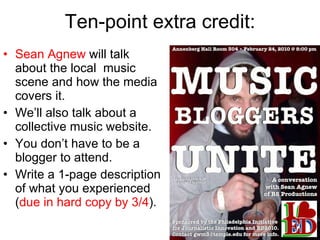
Ten-point extra credit: Sean Agnew  will talk about the local  music scene and how the media covers it. We’ll also talk about a collective music website. You don’t have to be a blogger to attend. Write a 1-page description of what you experienced ( due in hard copy by 3/4 ).
Journalism law basics
Prior restraint: When the government restricts utterances before they are made or published. The US Supreme Court has said that prior restraint violates the First Amendment. Therefore, the government cannot censor the press prior to publication.
“ Go f**k yourself.” - Dick Cheney to  Senator Patrick Leahy, June 2004
Can the government stop  the media from running the exact quote?
No. “ Go fuck yourself.”
The government cannot prohibit you from cursing in newspapers.
“Keep fucking that chicken.”
Is there anything wrong with airing that?
A television station, in theory, could be fined by the FCC. Remember Chase Utley?
Fleeting expletives. Even accidental cursing is unacceptable, according to the Supreme Court.
“He’s a jackass.”
Is that acceptable? In print? On air?
Freedom of the  press is written into the First Amendment. That doesn’t mean we can get away with anything.
What is not protected by the First Amendment? National security (although the  Pentagon Papers  ruling favored the journalists. The Supreme Court said that the people’s right to know superseded the prior restraint). Public endangerment: the  Fighting Words Doctrine  (preventing a riot was cause for prior restraint, the Supreme Court found). The  Incitement Standard : promoting lawlessness.
Can we still be  government watchdogs?
 
Isn’t that endangering our national security? Didn’t the New York Times reveal military secrets?
Journalists have a great deal of freedom. Americans are free to express themselves.
The government can  stop  you from publishing if: You advocate lawless action. And you suggest people commit crimes. And the lawless action is imminent. And the lawless action is feasible. The statement must meet all four criteria.
The US government can  restrict obscenity  when … The material is intended for sexual arousal. The material is devoid of serious literary, artistic, political or scientific value. The sexual activity is depicted offensively as defined by state laws.
 
While laws exist,  they are all arguable.
Libel = published information about private citizens that is false and damaging. Libel is a written defamation of character.
Public figures must  prove “ reckless disregard ” to win libel cases. The journalists had to know the information was incorrect in order for libel to be declared.
Libel, for public figures, is difficult to prove.
Who is a public figure?
 
Public figures: Government officials. Political candidates. Publicity hounds (anyone who thrusts themselves into the public spotlight).
What about me? Am I a public figure?
Probably not. So I would not have to prove reckless disregard. I would only have to prove the published material was false and damaging.
Privacy Laws: Journalists are allowed to pursue stories in public places. Journalists must be invited into private places. You can shoot through windows as long as you are not trespassing. But  people do have the right to be left alone.
Journalism Ethics: There are three main rules that you should never, ever break! Never, ever, ever fabricate a story! Do not plagiarize! Don’t pander to your subjects.
Seriously. No fabricating, plagiarizing or pandering.
Ever.
Plagiarizing is passing off other people’s creative work as your own without permission. Plagiarism can get you fired. You need to cite the sources of all your information. Don’t be lazy.
Jayson Blair was a New York Times reporter who plagiarized and fabricated numerous stories over a four year period ending in 2003.  He wrote stories from around the world without ever leaving Brooklyn.
So what?
Stephen Glass wrote for The New Republic, Rolling Stone, George, Harper’s and many other publications. Most of his work was  fiction. He fabricated 27 of 41 stories at the New Republic.
So what?
Why did he do it? Was it just easier and more fun to make stuff up?
Conflict in Duties? Duty to self: you deserve the glory, right? Duty to employer: you have to keep the bosses and the parent company happy, right? Duty to the audience: give the people what they want, right? Duty to the Profession: what would a good journalist do? Duty to Society: shouldn’t you put forth the accepted values of society and try to improve upon them?
 
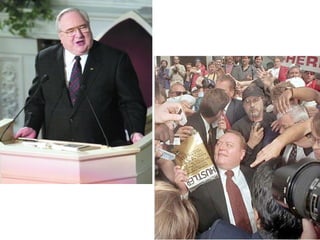
Does your duty to society tell you to champion this cause?
Neutral reporting wouldn’t necessarily reveal discrepancies in punishments. Would pointing out the differences show a bias?
In 50 years, will you look  back and cringe when you think about what you did? (or didn’t do?)
 
Our ultimate duty should  be to the truth. As best as you can tell, that is.
Don’t pander to anyone. Your obligation is to the truth, not the people who help you out (unless you are talking about confidential sources).
What does that mean? You DO NOT accept gifts from people you cover . This includes meals, tickets, trips, T-shirts, books, rides, appliances, liquor, Internet service, hotel rooms, club dues, CD’s, DVD’s, autographs, drum sticks, handbags, spa services and bobblehead dolls. Never, ever take CASH.
Why?
Journalists must avoid the appearance of impropriety. Be aware of public perception.
How far does that go?
Journalists love swag. Many media outlets ban staff  from accepting gifts worth more than $25.
Junkets = Evil Don’t sell your sell for a cruise. Don’t sacrifice your integrity for access to the stars.
Public relations experts will try to manipulate you.
Stonewalling: Refusing to answer questions.
Framing: Shaping how people see the issues.


If PR people set up events, should journalists cover them?
 
Do you have a  greater   duty  to your audience? Or do you stand by your principles?
The code of the Society of Professional Journalists: Ethical journalists treat  sources, subjects and colleagues as human beings deserving of respect.
Do you buy that?
http://www.youtube.com/watch?v=hKUkwh8TmM0 Is this good journalism?Is it legal?
Pop quiz : In what city are the winter Olympics taking place? On what topic is President Obama holding a bipartisan summit on Thursday? Who is the superintendent of the Philadelphia School District? 4. Name any  one  of the candidates for governor of Pennsylvania. 5. Who is the Temple student currently appearing on  American Idol ? 6. What happened to  Philadelphia International Records  over the weekend?

Class11 Law Ethics

  • 1.
    Ten-point extra credit:Sean Agnew will talk about the local music scene and how the media covers it. We’ll also talk about a collective music website. You don’t have to be a blogger to attend. Write a 1-page description of what you experienced ( due in hard copy by 3/4 ).
  • 2.
  • 3.
    Prior restraint: Whenthe government restricts utterances before they are made or published. The US Supreme Court has said that prior restraint violates the First Amendment. Therefore, the government cannot censor the press prior to publication.
  • 4.
    “ Go f**kyourself.” - Dick Cheney to Senator Patrick Leahy, June 2004
  • 5.
    Can the governmentstop the media from running the exact quote?
  • 6.
    No. “ Gofuck yourself.”
  • 7.
    The government cannotprohibit you from cursing in newspapers.
  • 8.
  • 9.
    Is there anythingwrong with airing that?
  • 10.
    A television station,in theory, could be fined by the FCC. Remember Chase Utley?
  • 11.
    Fleeting expletives. Evenaccidental cursing is unacceptable, according to the Supreme Court.
  • 12.
  • 13.
    Is that acceptable?In print? On air?
  • 14.
    Freedom of the press is written into the First Amendment. That doesn’t mean we can get away with anything.
  • 15.
    What is notprotected by the First Amendment? National security (although the Pentagon Papers ruling favored the journalists. The Supreme Court said that the people’s right to know superseded the prior restraint). Public endangerment: the Fighting Words Doctrine (preventing a riot was cause for prior restraint, the Supreme Court found). The Incitement Standard : promoting lawlessness.
  • 16.
    Can we stillbe government watchdogs?
  • 17.
  • 18.
    Isn’t that endangeringour national security? Didn’t the New York Times reveal military secrets?
  • 19.
    Journalists have agreat deal of freedom. Americans are free to express themselves.
  • 20.
    The government can stop you from publishing if: You advocate lawless action. And you suggest people commit crimes. And the lawless action is imminent. And the lawless action is feasible. The statement must meet all four criteria.
  • 21.
    The US governmentcan restrict obscenity when … The material is intended for sexual arousal. The material is devoid of serious literary, artistic, political or scientific value. The sexual activity is depicted offensively as defined by state laws.
  • 22.
  • 23.
    While laws exist, they are all arguable.
  • 24.
    Libel = publishedinformation about private citizens that is false and damaging. Libel is a written defamation of character.
  • 25.
    Public figures must prove “ reckless disregard ” to win libel cases. The journalists had to know the information was incorrect in order for libel to be declared.
  • 26.
    Libel, for publicfigures, is difficult to prove.
  • 27.
    Who is apublic figure?
  • 28.
  • 29.
    Public figures: Governmentofficials. Political candidates. Publicity hounds (anyone who thrusts themselves into the public spotlight).
  • 30.
    What about me?Am I a public figure?
  • 31.
    Probably not. SoI would not have to prove reckless disregard. I would only have to prove the published material was false and damaging.
  • 32.
    Privacy Laws: Journalistsare allowed to pursue stories in public places. Journalists must be invited into private places. You can shoot through windows as long as you are not trespassing. But people do have the right to be left alone.
  • 33.
    Journalism Ethics: Thereare three main rules that you should never, ever break! Never, ever, ever fabricate a story! Do not plagiarize! Don’t pander to your subjects.
  • 34.
    Seriously. No fabricating,plagiarizing or pandering.
  • 35.
  • 36.
    Plagiarizing is passingoff other people’s creative work as your own without permission. Plagiarism can get you fired. You need to cite the sources of all your information. Don’t be lazy.
  • 37.
    Jayson Blair wasa New York Times reporter who plagiarized and fabricated numerous stories over a four year period ending in 2003. He wrote stories from around the world without ever leaving Brooklyn.
  • 38.
  • 39.
    Stephen Glass wrotefor The New Republic, Rolling Stone, George, Harper’s and many other publications. Most of his work was fiction. He fabricated 27 of 41 stories at the New Republic.
  • 40.
  • 41.
    Why did hedo it? Was it just easier and more fun to make stuff up?
  • 42.
    Conflict in Duties?Duty to self: you deserve the glory, right? Duty to employer: you have to keep the bosses and the parent company happy, right? Duty to the audience: give the people what they want, right? Duty to the Profession: what would a good journalist do? Duty to Society: shouldn’t you put forth the accepted values of society and try to improve upon them?
  • 43.
  • 44.
    Does your dutyto society tell you to champion this cause?
  • 45.
    Neutral reporting wouldn’tnecessarily reveal discrepancies in punishments. Would pointing out the differences show a bias?
  • 46.
    In 50 years,will you look back and cringe when you think about what you did? (or didn’t do?)
  • 47.
  • 48.
    Our ultimate dutyshould be to the truth. As best as you can tell, that is.
  • 49.
    Don’t pander toanyone. Your obligation is to the truth, not the people who help you out (unless you are talking about confidential sources).
  • 50.
    What does thatmean? You DO NOT accept gifts from people you cover . This includes meals, tickets, trips, T-shirts, books, rides, appliances, liquor, Internet service, hotel rooms, club dues, CD’s, DVD’s, autographs, drum sticks, handbags, spa services and bobblehead dolls. Never, ever take CASH.
  • 51.
  • 52.
    Journalists must avoidthe appearance of impropriety. Be aware of public perception.
  • 53.
    How far doesthat go?
  • 54.
    Journalists love swag.Many media outlets ban staff from accepting gifts worth more than $25.
  • 55.
    Junkets = EvilDon’t sell your sell for a cruise. Don’t sacrifice your integrity for access to the stars.
  • 56.
    Public relations expertswill try to manipulate you.
  • 57.
    Stonewalling: Refusing toanswer questions.
  • 58.
    Framing: Shaping howpeople see the issues.
  • 59.
  • 60.
  • 61.
  • 62.
    If PR peopleset up events, should journalists cover them?
  • 63.
  • 64.
    Do you havea greater duty to your audience? Or do you stand by your principles?
  • 65.
    The code ofthe Society of Professional Journalists: Ethical journalists treat sources, subjects and colleagues as human beings deserving of respect.
  • 66.
  • 67.
  • 68.
    Pop quiz :In what city are the winter Olympics taking place? On what topic is President Obama holding a bipartisan summit on Thursday? Who is the superintendent of the Philadelphia School District? 4. Name any one of the candidates for governor of Pennsylvania. 5. Who is the Temple student currently appearing on American Idol ? 6. What happened to Philadelphia International Records over the weekend?