the gaze: spectatorship, power,
         & knowledge
      culture, identity, and mass media
to do

• discourse and power
• the other
• orientalism
• gaze and psychoanalysis
• gaze in feminism
discourse
• discourse is a system of representation
• what interested foucault were the rules and
  practices that produced meaningful
  statements and regulated discourse in
  different historical periods
• discourse is “a group of statements which
  provide a language for talking about a
  particular topic at a particular historical
  moment
• discourse, contrsutcts the topic
• it defines and produces the objects of our
  knowledge, it governs the way that a topic
  can be meaningully talked about and
  reasoned about
• for example: hysteria, sexuality, homosexuality
• romantic love in the 19th century. nothing
  which is meaningful exists outside of
  discourse
• “nothing has any meaning outside of
  discourse”
• discourses themselves are the bearers of
  various subject-positions that is, specific
  positions of agency and identity in relation to
  particular forms of knowledge and practice.
  subject-produced within discourse, subjected
  to discourse
• subject-positions (for us to become the
  subject of a particular discourse, and thus the
  bearers of its power/knowledge)
power and subjectivity


• we must locate ourselves in the position
  from which the discourse makes most
  sensse, and thus become its subjects by
  subjecting ourselves to its meanings,
  power, and regulation
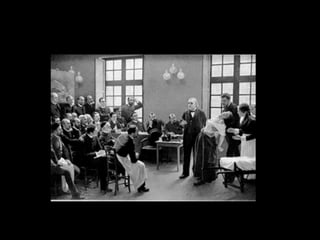
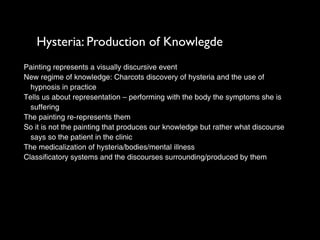
Hysteria: Production of Knowlegde
Painting represents a visually discursive event
New regime of knowledge: Charcots discovery of hysteria and the use of
  hypnosis in practice
Tells us about representation – performing with the body the symptoms she is
  suffering
The painting re-represents them
So it is not the painting that produces our knowledge but rather what discourse
  says so the patient in the clinic
The medicalization of hysteria/bodies/mental illness
Classificatory systems and the discourses surrounding/produced by them
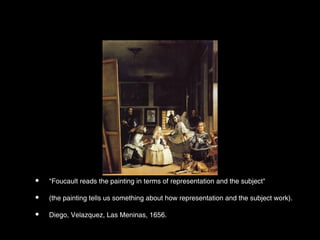
•   "Foucault reads the painting in terms of representation and the subject"

•   (the painting tells us something about how representation and the subject work).

•   Diego, Velazquez, Las Meninas, 1656.
subject positions
•   The meaning of the picture is produced through this
    complex inter-play between presence (what you see, the
    visible) and absence (what you can't see, what has
    displaced it within the frame). Two centers -- the Infant
    and the Royal Couple. Far from being finally resolved into
    some absolute truth which is the meaning of the picture,
    the discourse of the painting quite deliberately keeps us
    in this state of suspended attention. Our look -- our
    identification with one subject position  For the painting
    to work, the spectator. . . must subject him/herself to the
    painting's discourse and, in this way, become the painting's
    ideal viewer. Three subject positions.
power/knowledge
•   The practices involved in “power/knowledge” stem from the French
    philosopher Michel Foucault’s theories on discourse and the ways in which
    our identities are constructed through varying forms of discursive strategies.
    Foucault was interested in the relationship between knowledge and power
    and how they in turn acted as an “apparatus” to create particular paradigms
    within society. Foucault saw the two as intrinsically linked and that through
    their application in discourse we would be able to have a clearer
    constructionist framing of cultural representation “There is no power relation
    without the correlative constitution of a field of knowledge, nor any
    knowledge that does not presuppose and constitute at the same time, power
    relations.” The theory of “power/knowledge” therefore concerns itself with
    the wider framework of discourse which Foucault discusses and are key to
    the systematic development of representation, so we can therefore see the
    two combining in operational shifts to implicate power within society.
Kuhn
  •     a paradigm: contains a world view – a set of statements which serve to define subjet
        matter


paradigm shift: occurs when familiar things are seen in revolutionary ways. Prime
example is when we talked about gender – definining it. So Judith butler, the American post
structuralist philosopher from u c Berkeley who wrote gender trouble and revolutionized our
thoughts of gender – gender performativity – the idea that one iterates and reiterates
gender norms as a form of performance – this is seen as a paradigm shift. Science
undergoes periodic "paradigm shifts" instead of progressing in a linear and continuous way
These paradigm shifts open up new approaches to understanding that scientists would
never have considered valid before

How does Kuhn factor into cultural studies? Well, its his view that theories about nature
come into sciences and characterize new theoretical systems. These in turn act or serve as
clusters – and they characterize our systems of knowledge, known as paradigms

  •
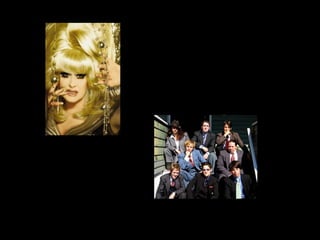
the ‘other’
•   ‘Other’ as monsters, savages, aliens

•   ‘Others’ include death, unconscious, madness,
    oriental, non western other, foreigner, homosexual,
    the feminine

•   The other is a place outside of the exterior to the
    normal, values of western culture

•   Otherness is alterity
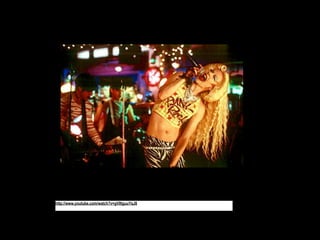
• http://www.youtube.com/watch?
    v=ALx1MEW2P3U
•
http://www.youtube.com/watch?v=gV0tguuYsJ8
otherness
•   A practical notion of otherness allows us to discover how people
    different than us are represented


• How such representations can be
    contested
• Why representational regimes matter
• How difference is represented in popular
    culture
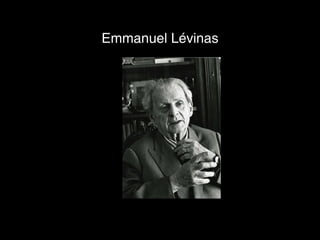
Emmanuel Lévinas
totality and infinity
•   Levinas redefined ethics as the moment in which the transcendental
    self discovers that it is already in relation to the other before it is fully a
    self

•   For Levinas, ethics is nothing more than the singular event in which
    the Self encounters itself in an ethical relation to the face of the ‘other’
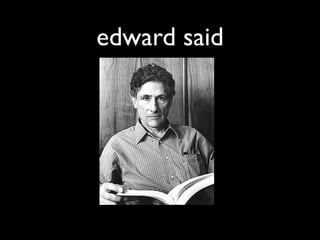
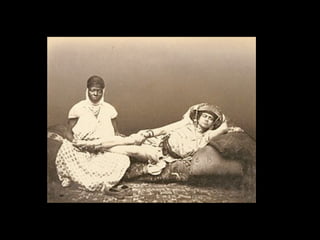
edward said
orientalsim

  •   For Said ‘otherness’ is a core concern in post-colonial studies

The Orient is one of Europes ‘deepest and most recurring images of the
   other’ (Said 1977:1)
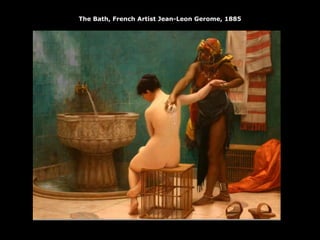
He describes how orientalism controls the non western world by defining it
   as the other of europe


  •
The Bath, French Artist Jean-Leon Gerome, 1885
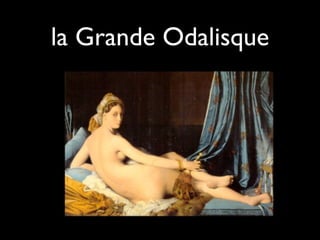
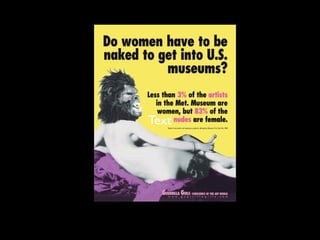
la Grande Odalisque
Text
for next week


• read chapter 4: realism and perspective

Class feb 23rd

  • 1.
    the gaze: spectatorship,power, & knowledge culture, identity, and mass media
  • 2.
    to do • discourseand power • the other • orientalism • gaze and psychoanalysis • gaze in feminism
  • 3.
    discourse • discourse isa system of representation • what interested foucault were the rules and practices that produced meaningful statements and regulated discourse in different historical periods • discourse is “a group of statements which provide a language for talking about a particular topic at a particular historical moment
  • 4.
    • discourse, contrsutctsthe topic • it defines and produces the objects of our knowledge, it governs the way that a topic can be meaningully talked about and reasoned about • for example: hysteria, sexuality, homosexuality • romantic love in the 19th century. nothing which is meaningful exists outside of discourse • “nothing has any meaning outside of discourse”
  • 5.
    • discourses themselvesare the bearers of various subject-positions that is, specific positions of agency and identity in relation to particular forms of knowledge and practice. subject-produced within discourse, subjected to discourse • subject-positions (for us to become the subject of a particular discourse, and thus the bearers of its power/knowledge)
  • 6.
    power and subjectivity •we must locate ourselves in the position from which the discourse makes most sensse, and thus become its subjects by subjecting ourselves to its meanings, power, and regulation
  • 8.
    Hysteria: Production ofKnowlegde Painting represents a visually discursive event New regime of knowledge: Charcots discovery of hysteria and the use of hypnosis in practice Tells us about representation – performing with the body the symptoms she is suffering The painting re-represents them So it is not the painting that produces our knowledge but rather what discourse says so the patient in the clinic The medicalization of hysteria/bodies/mental illness Classificatory systems and the discourses surrounding/produced by them
  • 9.
    "Foucault reads the painting in terms of representation and the subject" • (the painting tells us something about how representation and the subject work). • Diego, Velazquez, Las Meninas, 1656.
  • 10.
    subject positions • The meaning of the picture is produced through this complex inter-play between presence (what you see, the visible) and absence (what you can't see, what has displaced it within the frame). Two centers -- the Infant and the Royal Couple. Far from being finally resolved into some absolute truth which is the meaning of the picture, the discourse of the painting quite deliberately keeps us in this state of suspended attention. Our look -- our identification with one subject position  For the painting to work, the spectator. . . must subject him/herself to the painting's discourse and, in this way, become the painting's ideal viewer. Three subject positions.
  • 11.
    power/knowledge • The practices involved in “power/knowledge” stem from the French philosopher Michel Foucault’s theories on discourse and the ways in which our identities are constructed through varying forms of discursive strategies. Foucault was interested in the relationship between knowledge and power and how they in turn acted as an “apparatus” to create particular paradigms within society. Foucault saw the two as intrinsically linked and that through their application in discourse we would be able to have a clearer constructionist framing of cultural representation “There is no power relation without the correlative constitution of a field of knowledge, nor any knowledge that does not presuppose and constitute at the same time, power relations.” The theory of “power/knowledge” therefore concerns itself with the wider framework of discourse which Foucault discusses and are key to the systematic development of representation, so we can therefore see the two combining in operational shifts to implicate power within society.
  • 12.
    Kuhn • a paradigm: contains a world view – a set of statements which serve to define subjet matter paradigm shift: occurs when familiar things are seen in revolutionary ways. Prime example is when we talked about gender – definining it. So Judith butler, the American post structuralist philosopher from u c Berkeley who wrote gender trouble and revolutionized our thoughts of gender – gender performativity – the idea that one iterates and reiterates gender norms as a form of performance – this is seen as a paradigm shift. Science undergoes periodic "paradigm shifts" instead of progressing in a linear and continuous way These paradigm shifts open up new approaches to understanding that scientists would never have considered valid before How does Kuhn factor into cultural studies? Well, its his view that theories about nature come into sciences and characterize new theoretical systems. These in turn act or serve as clusters – and they characterize our systems of knowledge, known as paradigms •
  • 13.
    the ‘other’ • ‘Other’ as monsters, savages, aliens • ‘Others’ include death, unconscious, madness, oriental, non western other, foreigner, homosexual, the feminine • The other is a place outside of the exterior to the normal, values of western culture • Otherness is alterity
  • 14.
  • 16.
  • 17.
    otherness • A practical notion of otherness allows us to discover how people different than us are represented • How such representations can be contested • Why representational regimes matter • How difference is represented in popular culture
  • 18.
  • 19.
    totality and infinity • Levinas redefined ethics as the moment in which the transcendental self discovers that it is already in relation to the other before it is fully a self • For Levinas, ethics is nothing more than the singular event in which the Self encounters itself in an ethical relation to the face of the ‘other’
  • 20.
  • 21.
    orientalsim • For Said ‘otherness’ is a core concern in post-colonial studies The Orient is one of Europes ‘deepest and most recurring images of the other’ (Said 1977:1) He describes how orientalism controls the non western world by defining it as the other of europe •
  • 22.
    The Bath, FrenchArtist Jean-Leon Gerome, 1885
  • 23.
  • 26.
  • 33.
    for next week •read chapter 4: realism and perspective