Choosing a Topic
For your U.S. History Paper
Created by Mary Alice Osborne, Librarian
Keep in mind…

 Choosing a topic that you can work with is
  extremely important for the U.S. History
  Paper.
 You should have both interest and
  knowledge in the subject
 You should be comfortable and understand
  the language and terminology used in your
  subject area
Key Words

 Think about the significant
  terms, concepts, and keywords that
  describe your topic. These terms will become
  the keys for searching online catalogs and
  databases, the Internet, and print resources
  for information about your topic.
 Keep track of the Key Words for your topic
Background
            Information
 Begin your research by reading articles (or book
  chapters) that will give you a broad overview of a
  topic. Look in the Contents and Index of your
  textbooks and other books for ideas.
 You can find background articles in
  books, encyclopedias, journals and magazines.
  Also, these resources often provide
  bibliographies—lists of books and articles that
  will allow you to discover what else is available
  on a subject.
Narrowing a Subject to
      a Manageable Topic:
 A topic that covers too much material is a common
  problem for students. Depending on your interests, a
  general topic can be focused in many ways.

 What do you already know about this subject?

 Is there a specific time period that you want to cover?

 Is there a geographic region or area of the country on
  which you would like to focus?

 Is there a particular aspect of this topic that interests
  you? For example, public policy implications, historical
  influence, sociological aspects, psychological
  angles, specific groups or individuals involved in the
Topics that are too
          narrow
 Think of parallel and broader associations for your subject if you
  need a broader topic that will be easier to research. Sometimes a
  topic may be too new and sources to your research questions
  may not yet exist. For example, if you want to do a paper on the
  effect of wind power on Vermont's long-term ability to produce
  energy for its citizens, consider the following questions:

 Could you examine other states or regions in addition to
  Vermont?

 Could you think more broadly about this topic? Give thought to
  wider topics like agriculture and sustainable development. Who
  are the key players in this topic? The government? Citizens?
  Other organizations?

 What other issues are involved in this topic? For example, what
  other options are available to produce green energy?
Great Website:
       Zero in on Topics
This website presents a very thorough and interesting
overview of American History with many interesting
topics:http://www.shmoop.com/history/

For instance, if you click on Colonial New England in the
website, a page pops up with two features:

 1. In a nutshell

 2. Why should I care. This website is written in teen-
  friendly language. At the top of each page there are tabs
  with links to other aspects of each topic. I especially like
  the timeline feature with clickable links. There also is a
  section of recommended websites and books.
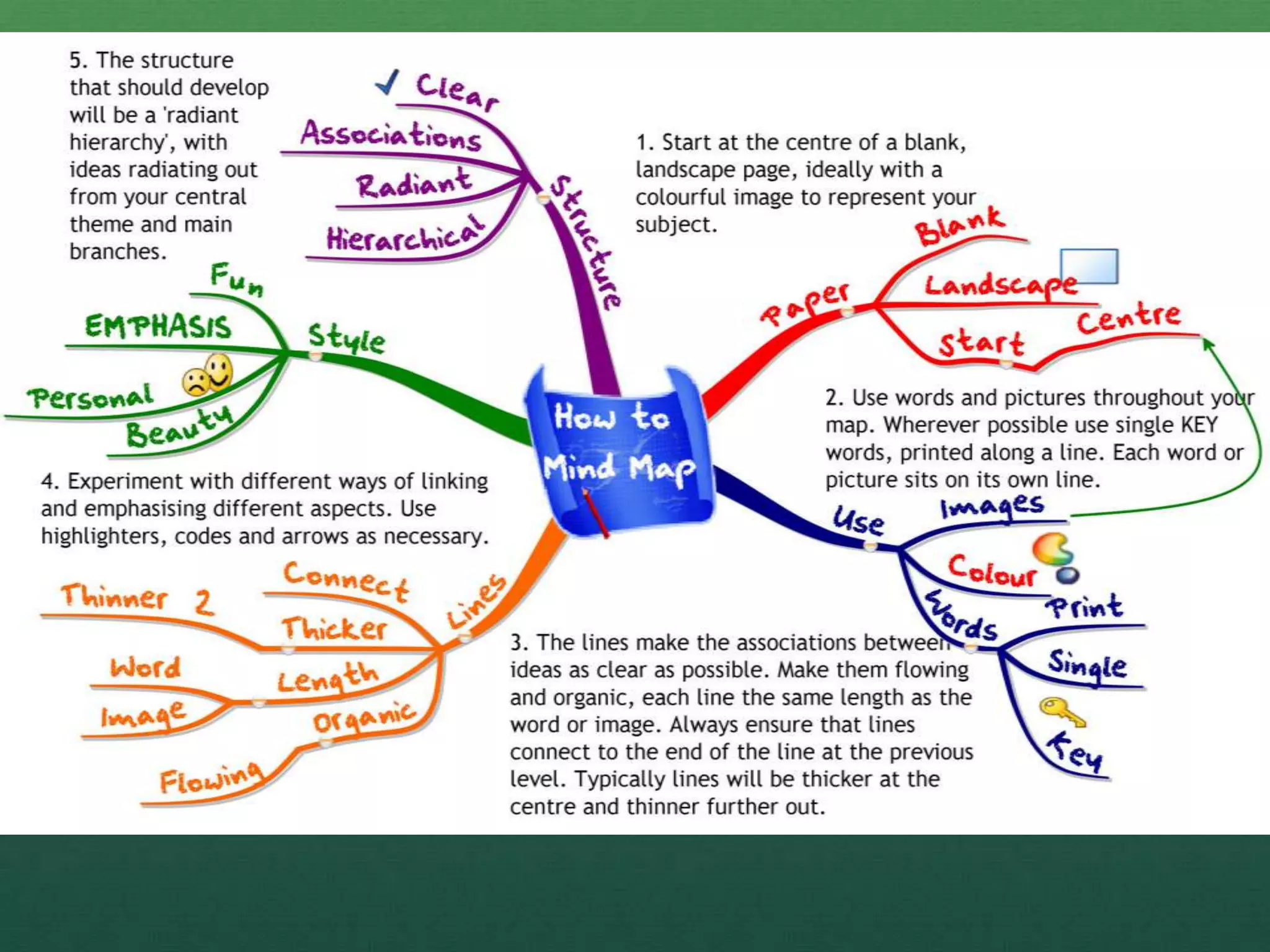
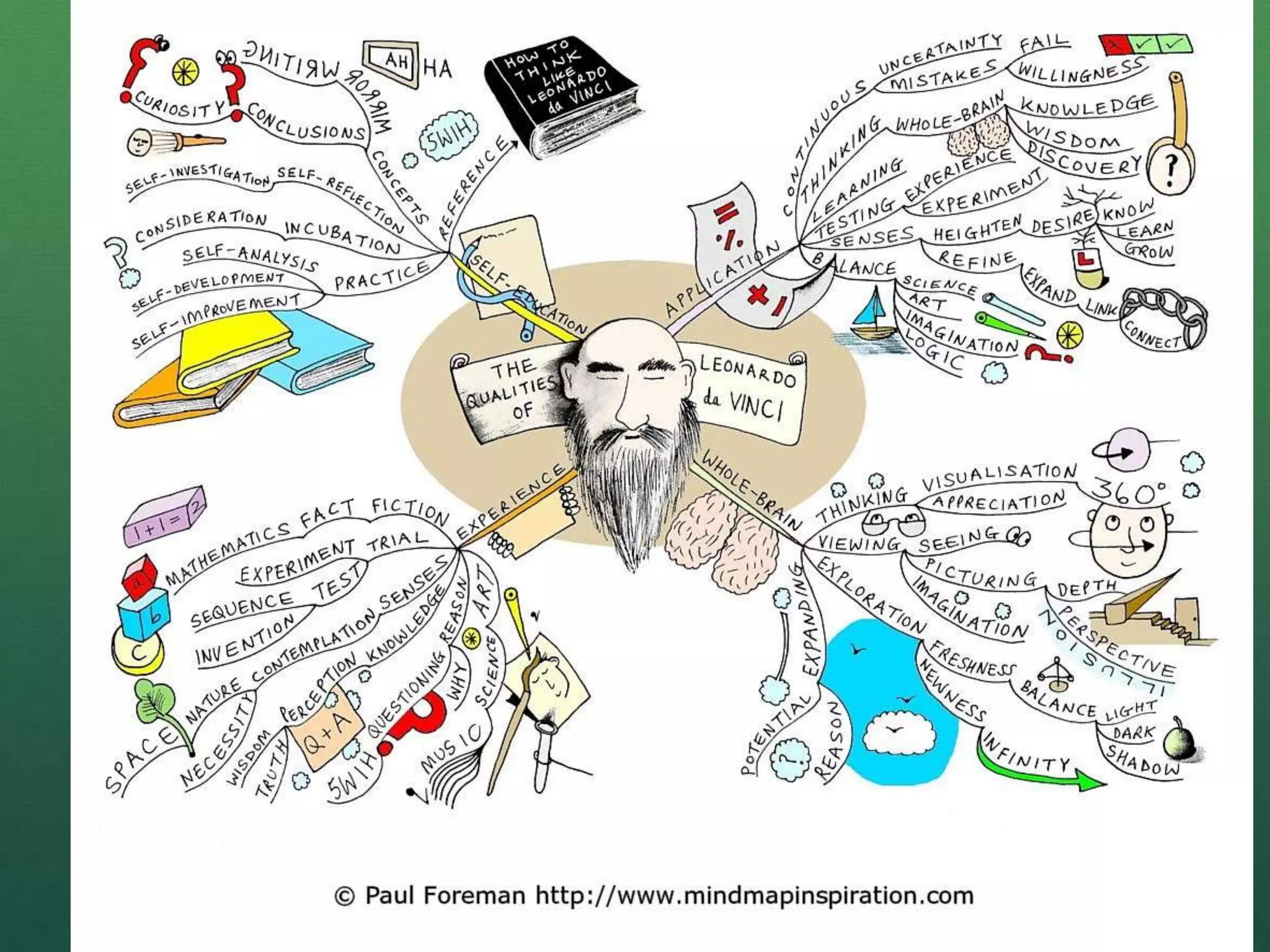
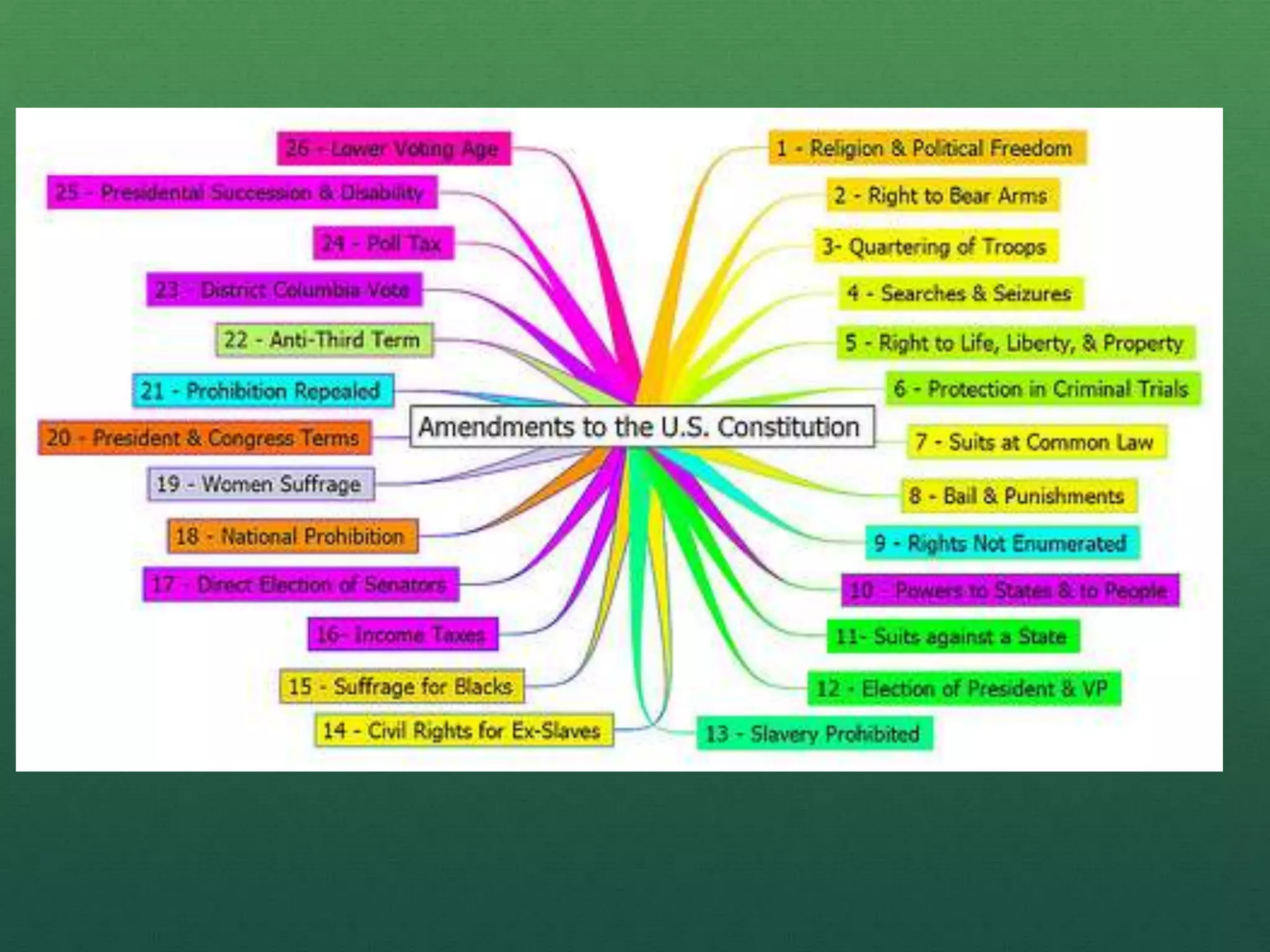
Mind Map


 Write your prospective topic in the center of a
  blank page. Surround it with related
  topics, connecting sub-topics to the main
  topic. Do this by drawing a line from the sub-
  topic to the main topic as if you were
  connecting spokes to the hub of a wheel.
  Branch other topics off of the sub-topics
  (making smaller wheels).
MindMap Website
 Easy to use Website for brainstorming:
             https://bubbl.us/
Explore


 Go to the areas of the Library Media Center
  that have books about your subject.
 Explore the area, pull out books and scan
  the contents and index
 Look at Magazines and Reference Books
   American History is located in the Dewey
    Decimal #: 973 in the Media Center
Refine your ideas

 Go back to your Mind Map and Free Write
 Add more information
 Keep these documents to look back at later
  and refine more in the next few days and
  weeks.
 Try using the following questions to help you:
Journalistic Questions

 Who? What? Where? When? Why? How?
  about your topic.
 Answer each question as completely as
  possible.
 Question Brainstormer:
 http://sdst.libguides.com/content.php?pid=1847
 60&sid=1552990
Discovery Questions


Explore your topic by answering the following
questions:
a) Can you discuss an incident about it?
b) What caused it?
c) What can you describe about the topic?
d) What resulted from it?
Continued…

e) How does it compare to something
  else?
f) What are its parts, sections, or
   aspects?
g) What do you remember about it?
h) Why is it valuable or important?
i) Are you for or against it? Why?
Things to do…
Before starting work on your paper, you should:
 Read the assessment criteria
 Read previous papers to identify strengths and
  possible pitfalls
 Spend time working out the research question
  (imagine the finished essay, work with your
  teacher or librarian on this)
 Work out a structure for the paper.
Sources
 Research requires the use of sources.
  Ideally, primary sources will be included. Many
  different approaches to the research question can
  be appropriate, for instance:
   Using primary and secondary sources in order to
     establish and appraise varying interpretations
   Analyzing sources in order to explain changing
     views over time of particular happenings or
     developments
Sources, continued

 Using source material for a case study or local history
  project, perhaps leading to a comparison of local and
  national developments

 Collecting and analyzing oral and written data from family
  and other contacts to help explain past

 Happenings, perhaps leading to a comparison of local and
  national developments

 Using all available sources to answer the question posed
  are also accessed.
Sample topics –
             History
 Title: Varying interpretations of the Salem Witch
  Trials
 Research question: Which theory best explains the
  Salem Witch Trials?
 Approach: Background reading is undertaken to
  enable identification and explanation of two
  dominant theories as to why the trials took place.
  The merits of the two theories are appraised using
  data obtained about the accused and the accusers.
Sample topics –
              History
 Title: Changing views of the 1962 Cuban missile
  crisis
 Research Question: How and why have explanations
  of the Cuban missile crisis changed since 1962?
 Approach: General reading is undertaken for a
  historical introduction and note taking. The views of a
  number of historians are summarized in order to
  understand, categorize and evaluate selected
  explanations of the 1962 missile crisis in the
  1960s, 1970s and 1980s.
Thesis Statements
A Thesis Statement:

 Tells the reader how you will interpret the
  significance of the subject of your paper.

 Is a road map for the paper

 Directly answers your research question.

 Makes a claim that others might dispute.

 Is usually a single sentence somewhere in your first
  paragraph that presents your argument to the
  reader.
What makes a good
    Thesis Statement?
Weak Thesis Statement: Abraham Lincoln was an influential
president.

Reason: This sentence makes a claim, but it stops short of telling us
“because why.”

Stronger Thesis Statement: Abraham Lincoln’s Emancipation
Proclamation was the most influential part of his presidency.

Reason: This statement is better because it focuses on what was
most influential during Lincoln’s term of service; however, it doesn’t
explain WHY or provide any evidence to support the claim.

Even Stronger Thesis Statement: The most influential part of
Abraham Lincoln’s presidency was the Emancipation Proclamation.
By establishing the abolition of slavery as a Union objective in the
Civil War, the Proclamation did three important things: it committed
the Union to a common goal, it helped the Union gain foreign
support, and it provided the legal framework for the eventual freeing
of 4 million African American slaves in the United States.
  http://www.michelepolak.com/Michele_Polak/Student_Center_files/WritingThesisStatement.pdf
Writing a Thesis
1. Does the thesis inspire a reasonable reader to ask, "How?" or
   Why?"
2. Would a reasonable reader NOT respond with "Duh!" or "So
   what?" or "Gee, no kidding!" or "Who cares?"
3. Does the thesis avoid general phrasing and/or sweeping words
   such as "all" or "none" or "every"?
4. Does the thesis lead the reader toward the topic sentences
   (the subtopics needed to prove the thesis)?
5. Can the thesis be adequately developed in the required length
   of the paper or project?
Writing a Thesis:
http://sdst.libguides.com/content.php?pid=184760&sid=1552957
Helpful Websites
 Basic Steps for writing a Research
  Paperhttp://sdst.libguides.com/researchtools
 10 Steps to Writing an Essay
  http://www1.aucegypt.edu/academic/writers/
 Research Organization form:
  http://extendedessayhelp.wikispaces.com/Big6+Re
  search+Form
Primary Sources

• http://sdst.libguides.com/content.php?pid=17
  5173&sid=1599080
Citations

 MLA Citation Help
  http://extendedessayhelp.wikispaces.com/M
  LA+Help
   Noodletools
    http://www.noodletools.com/index.php
   EasyBib
    http://www.easybib.com/

Choosing a topic 2013

  • 1.
    Choosing a Topic Foryour U.S. History Paper Created by Mary Alice Osborne, Librarian
  • 2.
    Keep in mind… Choosing a topic that you can work with is extremely important for the U.S. History Paper.  You should have both interest and knowledge in the subject  You should be comfortable and understand the language and terminology used in your subject area
  • 3.
    Key Words  Thinkabout the significant terms, concepts, and keywords that describe your topic. These terms will become the keys for searching online catalogs and databases, the Internet, and print resources for information about your topic.  Keep track of the Key Words for your topic
  • 4.
    Background Information  Begin your research by reading articles (or book chapters) that will give you a broad overview of a topic. Look in the Contents and Index of your textbooks and other books for ideas.  You can find background articles in books, encyclopedias, journals and magazines. Also, these resources often provide bibliographies—lists of books and articles that will allow you to discover what else is available on a subject.
  • 5.
    Narrowing a Subjectto a Manageable Topic:  A topic that covers too much material is a common problem for students. Depending on your interests, a general topic can be focused in many ways.  What do you already know about this subject?  Is there a specific time period that you want to cover?  Is there a geographic region or area of the country on which you would like to focus?  Is there a particular aspect of this topic that interests you? For example, public policy implications, historical influence, sociological aspects, psychological angles, specific groups or individuals involved in the
  • 6.
    Topics that aretoo narrow  Think of parallel and broader associations for your subject if you need a broader topic that will be easier to research. Sometimes a topic may be too new and sources to your research questions may not yet exist. For example, if you want to do a paper on the effect of wind power on Vermont's long-term ability to produce energy for its citizens, consider the following questions:  Could you examine other states or regions in addition to Vermont?  Could you think more broadly about this topic? Give thought to wider topics like agriculture and sustainable development. Who are the key players in this topic? The government? Citizens? Other organizations?  What other issues are involved in this topic? For example, what other options are available to produce green energy?
  • 8.
    Great Website: Zero in on Topics This website presents a very thorough and interesting overview of American History with many interesting topics:http://www.shmoop.com/history/ For instance, if you click on Colonial New England in the website, a page pops up with two features:  1. In a nutshell  2. Why should I care. This website is written in teen- friendly language. At the top of each page there are tabs with links to other aspects of each topic. I especially like the timeline feature with clickable links. There also is a section of recommended websites and books.
  • 9.
    Mind Map  Writeyour prospective topic in the center of a blank page. Surround it with related topics, connecting sub-topics to the main topic. Do this by drawing a line from the sub- topic to the main topic as if you were connecting spokes to the hub of a wheel. Branch other topics off of the sub-topics (making smaller wheels).
  • 12.
    MindMap Website  Easyto use Website for brainstorming: https://bubbl.us/
  • 13.
    Explore  Go tothe areas of the Library Media Center that have books about your subject.  Explore the area, pull out books and scan the contents and index  Look at Magazines and Reference Books  American History is located in the Dewey Decimal #: 973 in the Media Center
  • 14.
    Refine your ideas Go back to your Mind Map and Free Write  Add more information  Keep these documents to look back at later and refine more in the next few days and weeks.  Try using the following questions to help you:
  • 15.
    Journalistic Questions  Who?What? Where? When? Why? How? about your topic.  Answer each question as completely as possible.  Question Brainstormer: http://sdst.libguides.com/content.php?pid=1847 60&sid=1552990
  • 16.
    Discovery Questions Explore yourtopic by answering the following questions: a) Can you discuss an incident about it? b) What caused it? c) What can you describe about the topic? d) What resulted from it?
  • 17.
    Continued… e) How doesit compare to something else? f) What are its parts, sections, or aspects? g) What do you remember about it? h) Why is it valuable or important? i) Are you for or against it? Why?
  • 18.
    Things to do… Beforestarting work on your paper, you should:  Read the assessment criteria  Read previous papers to identify strengths and possible pitfalls  Spend time working out the research question (imagine the finished essay, work with your teacher or librarian on this)  Work out a structure for the paper.
  • 19.
    Sources  Research requiresthe use of sources. Ideally, primary sources will be included. Many different approaches to the research question can be appropriate, for instance:  Using primary and secondary sources in order to establish and appraise varying interpretations  Analyzing sources in order to explain changing views over time of particular happenings or developments
  • 20.
    Sources, continued  Usingsource material for a case study or local history project, perhaps leading to a comparison of local and national developments  Collecting and analyzing oral and written data from family and other contacts to help explain past  Happenings, perhaps leading to a comparison of local and national developments  Using all available sources to answer the question posed are also accessed.
  • 21.
    Sample topics – History  Title: Varying interpretations of the Salem Witch Trials  Research question: Which theory best explains the Salem Witch Trials?  Approach: Background reading is undertaken to enable identification and explanation of two dominant theories as to why the trials took place. The merits of the two theories are appraised using data obtained about the accused and the accusers.
  • 22.
    Sample topics – History  Title: Changing views of the 1962 Cuban missile crisis  Research Question: How and why have explanations of the Cuban missile crisis changed since 1962?  Approach: General reading is undertaken for a historical introduction and note taking. The views of a number of historians are summarized in order to understand, categorize and evaluate selected explanations of the 1962 missile crisis in the 1960s, 1970s and 1980s.
  • 23.
  • 24.
    A Thesis Statement: Tells the reader how you will interpret the significance of the subject of your paper.  Is a road map for the paper  Directly answers your research question.  Makes a claim that others might dispute.  Is usually a single sentence somewhere in your first paragraph that presents your argument to the reader.
  • 25.
    What makes agood Thesis Statement? Weak Thesis Statement: Abraham Lincoln was an influential president. Reason: This sentence makes a claim, but it stops short of telling us “because why.” Stronger Thesis Statement: Abraham Lincoln’s Emancipation Proclamation was the most influential part of his presidency. Reason: This statement is better because it focuses on what was most influential during Lincoln’s term of service; however, it doesn’t explain WHY or provide any evidence to support the claim. Even Stronger Thesis Statement: The most influential part of Abraham Lincoln’s presidency was the Emancipation Proclamation. By establishing the abolition of slavery as a Union objective in the Civil War, the Proclamation did three important things: it committed the Union to a common goal, it helped the Union gain foreign support, and it provided the legal framework for the eventual freeing of 4 million African American slaves in the United States. http://www.michelepolak.com/Michele_Polak/Student_Center_files/WritingThesisStatement.pdf
  • 26.
    Writing a Thesis 1.Does the thesis inspire a reasonable reader to ask, "How?" or Why?" 2. Would a reasonable reader NOT respond with "Duh!" or "So what?" or "Gee, no kidding!" or "Who cares?" 3. Does the thesis avoid general phrasing and/or sweeping words such as "all" or "none" or "every"? 4. Does the thesis lead the reader toward the topic sentences (the subtopics needed to prove the thesis)? 5. Can the thesis be adequately developed in the required length of the paper or project? Writing a Thesis: http://sdst.libguides.com/content.php?pid=184760&sid=1552957
  • 27.
    Helpful Websites  BasicSteps for writing a Research Paperhttp://sdst.libguides.com/researchtools  10 Steps to Writing an Essay http://www1.aucegypt.edu/academic/writers/  Research Organization form: http://extendedessayhelp.wikispaces.com/Big6+Re search+Form
  • 28.
  • 29.
    Citations  MLA CitationHelp http://extendedessayhelp.wikispaces.com/M LA+Help  Noodletools http://www.noodletools.com/index.php  EasyBib http://www.easybib.com/