Organizational Theory, Design, and Change Sixth Edition Gareth R. Jones Chapter 4 Basic Challenges of Organizational Design
Learning Objectives Describe the four basic organizational design challenges confronting managers and consultants Discuss the way in which these challenges must be addressed simultaneously if a high-performing organizational structure is to be created
Learning Objectives (cont.) Distinguish among the design choices that underlie the creation of either a mechanistic or an organic structure Recognize how to use contingency theory to design a structure that fits an organization’s environment
Differentiation The process by which an organization allocates people and resources to organizational tasks  Establishes the task and authority relationships that allow the organization to achieve its goals Division of labor:  the degree of specialization in the organization
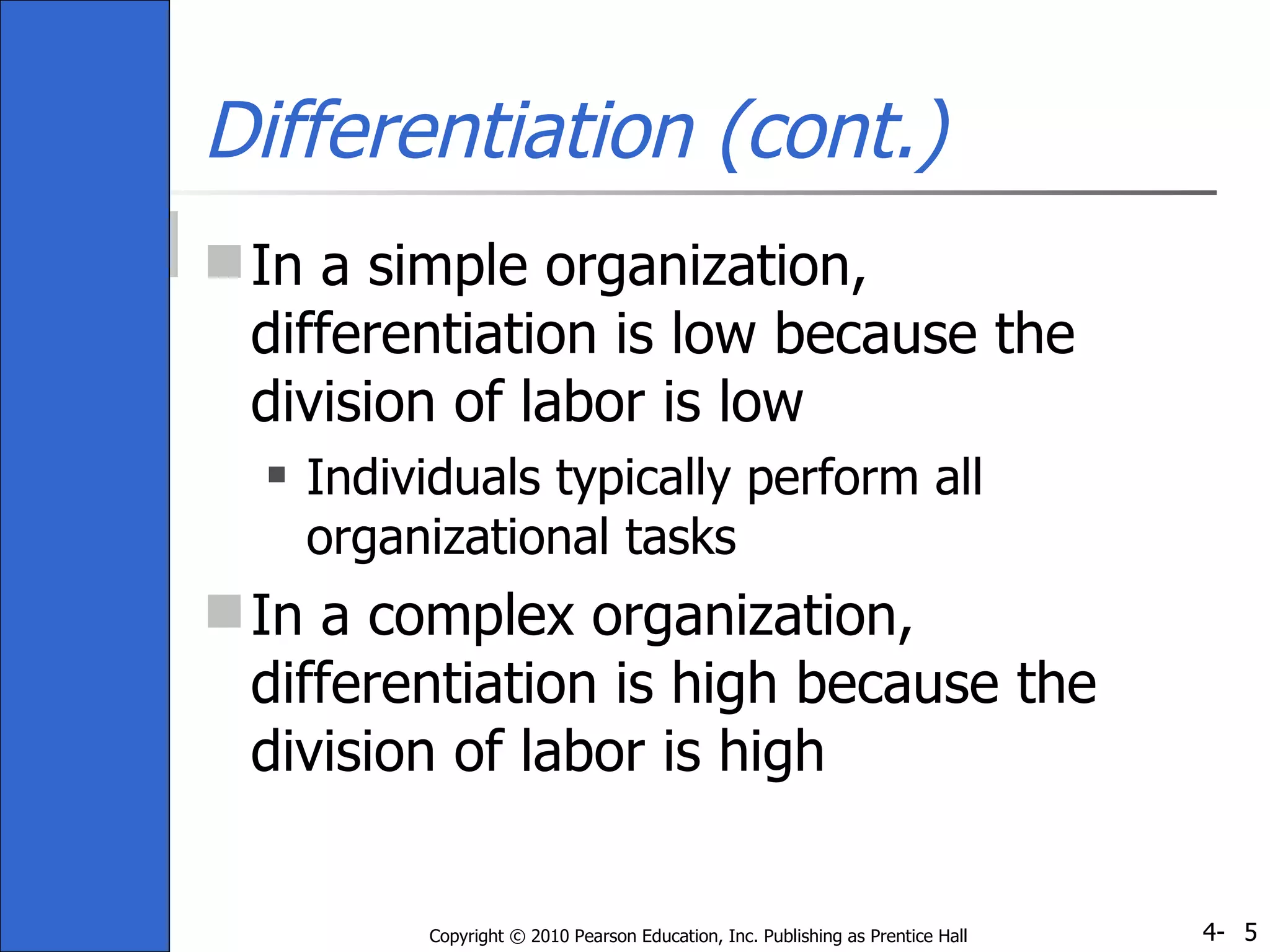
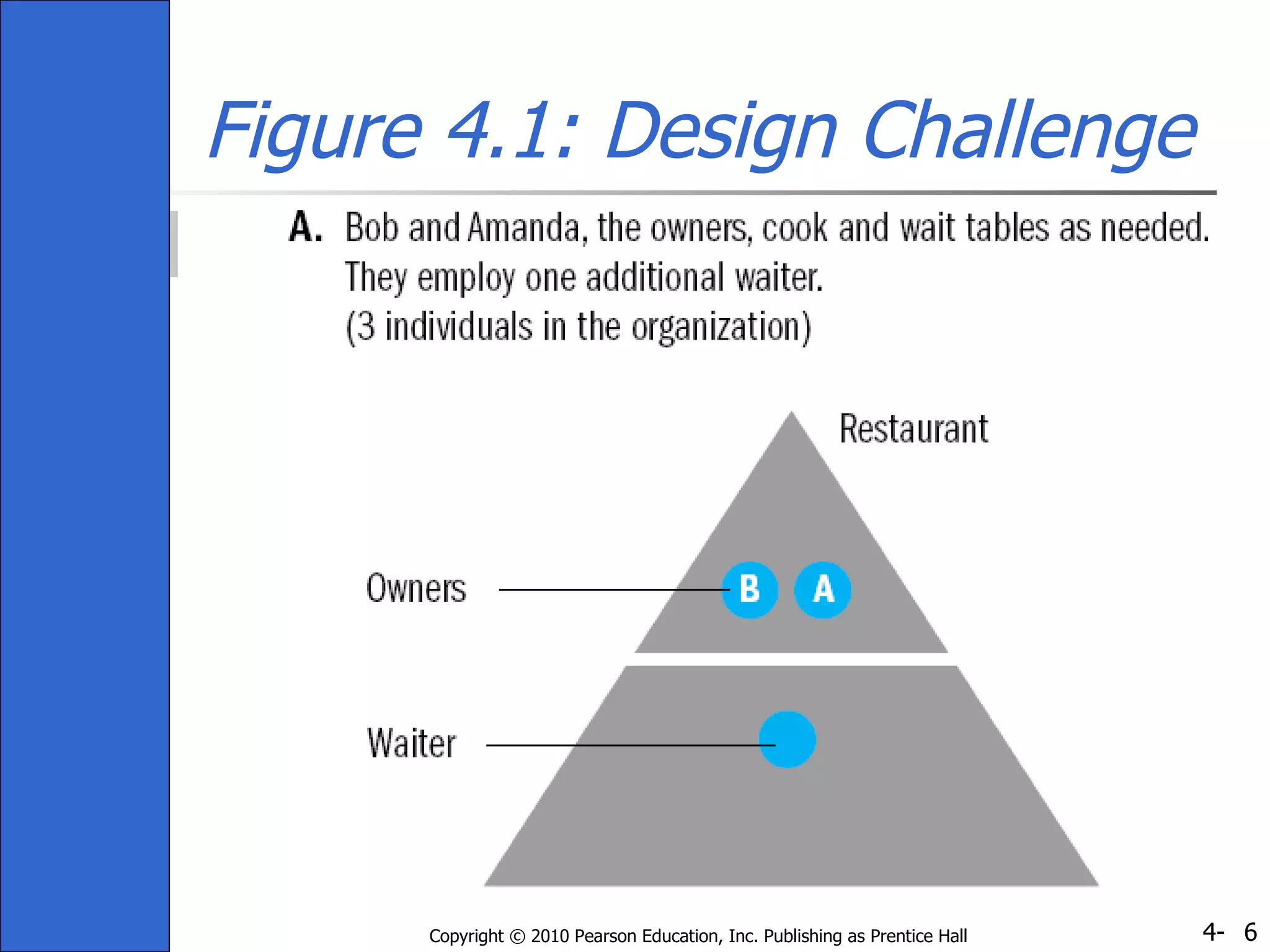
Differentiation (cont.) In a simple organization, differentiation is low because the division of labor is low  Individuals typically perform all organizational tasks In a complex organization, differentiation is high because the division of labor is high
Figure 4.1: Design Challenge
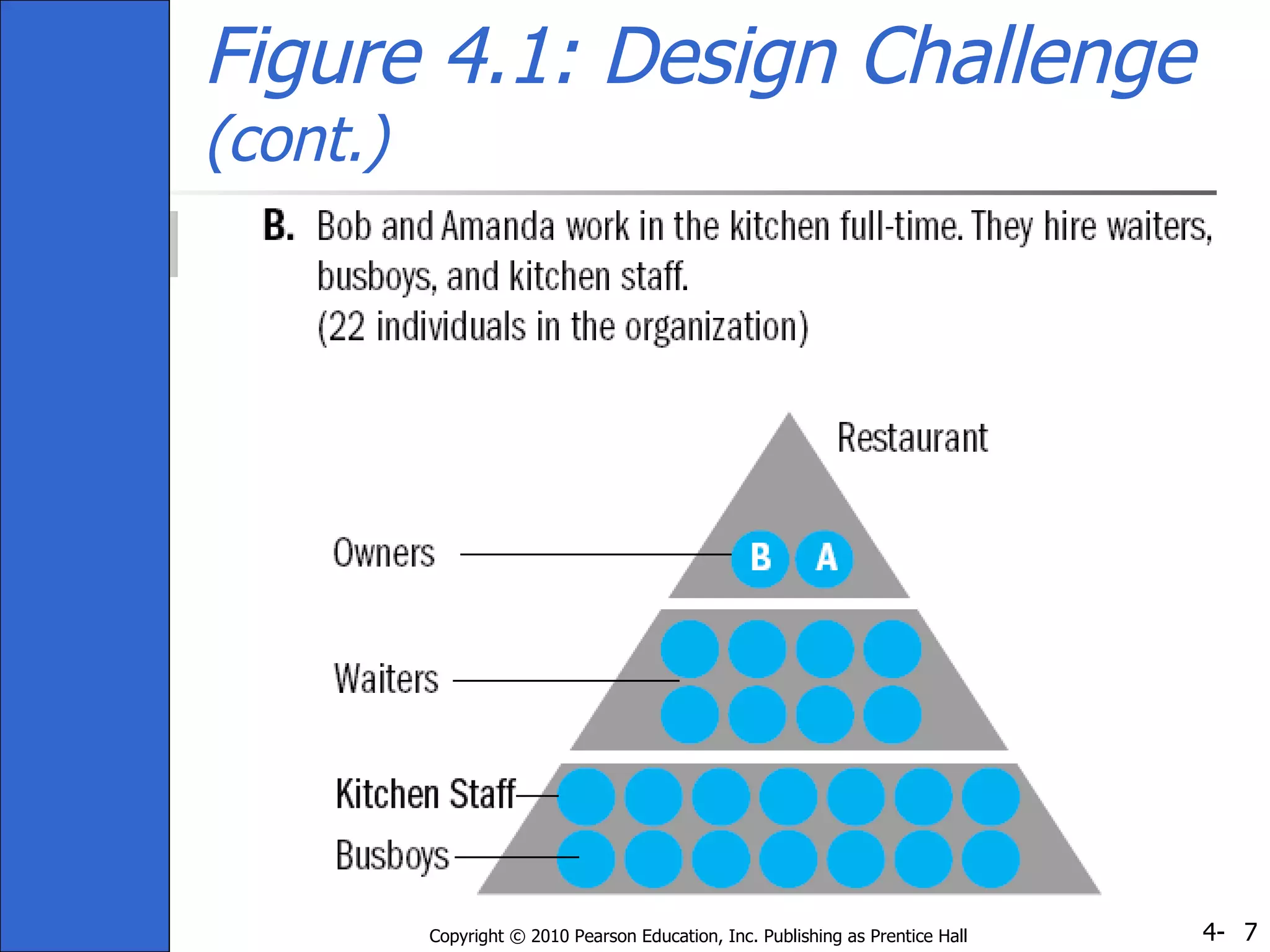
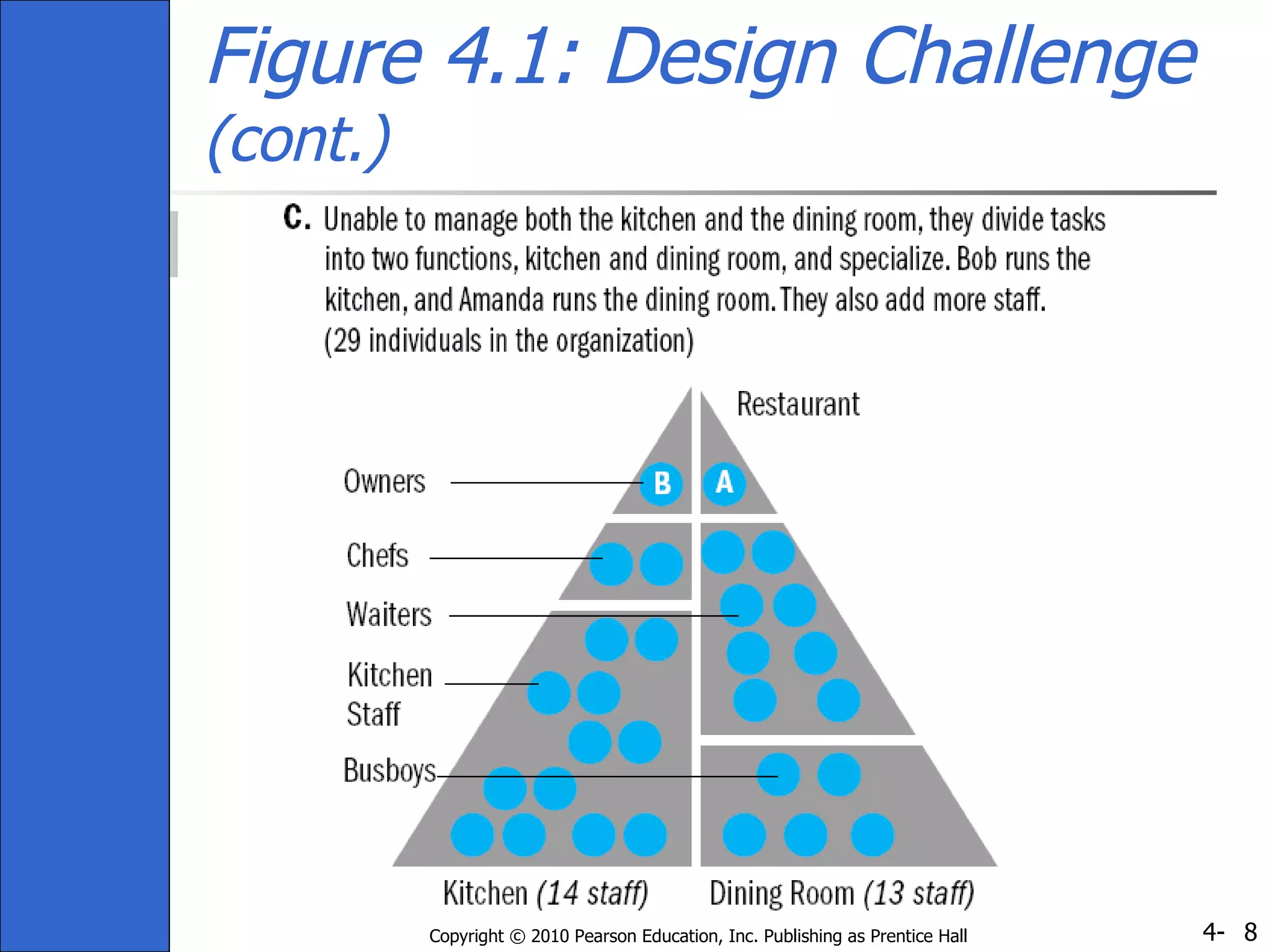
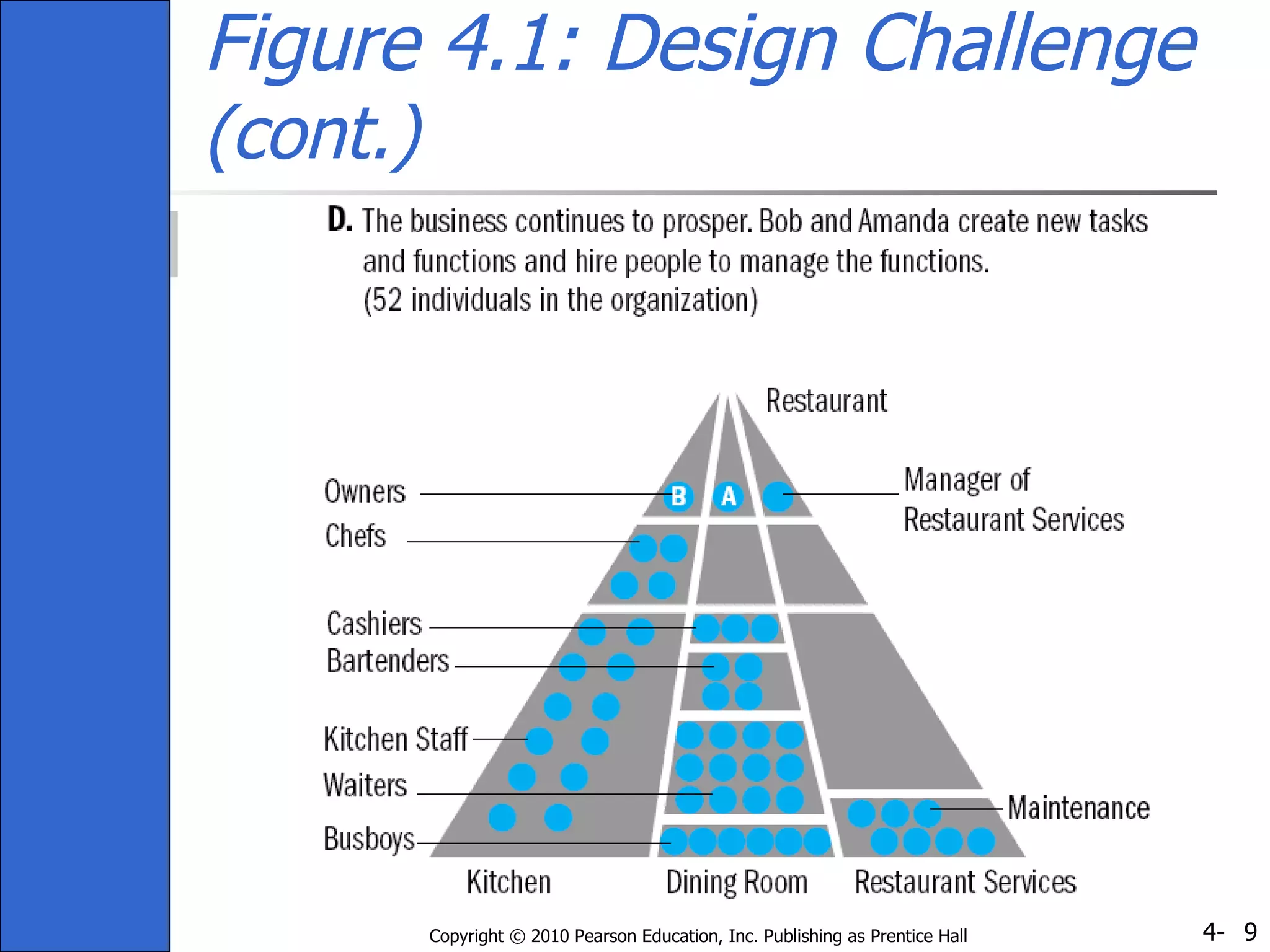
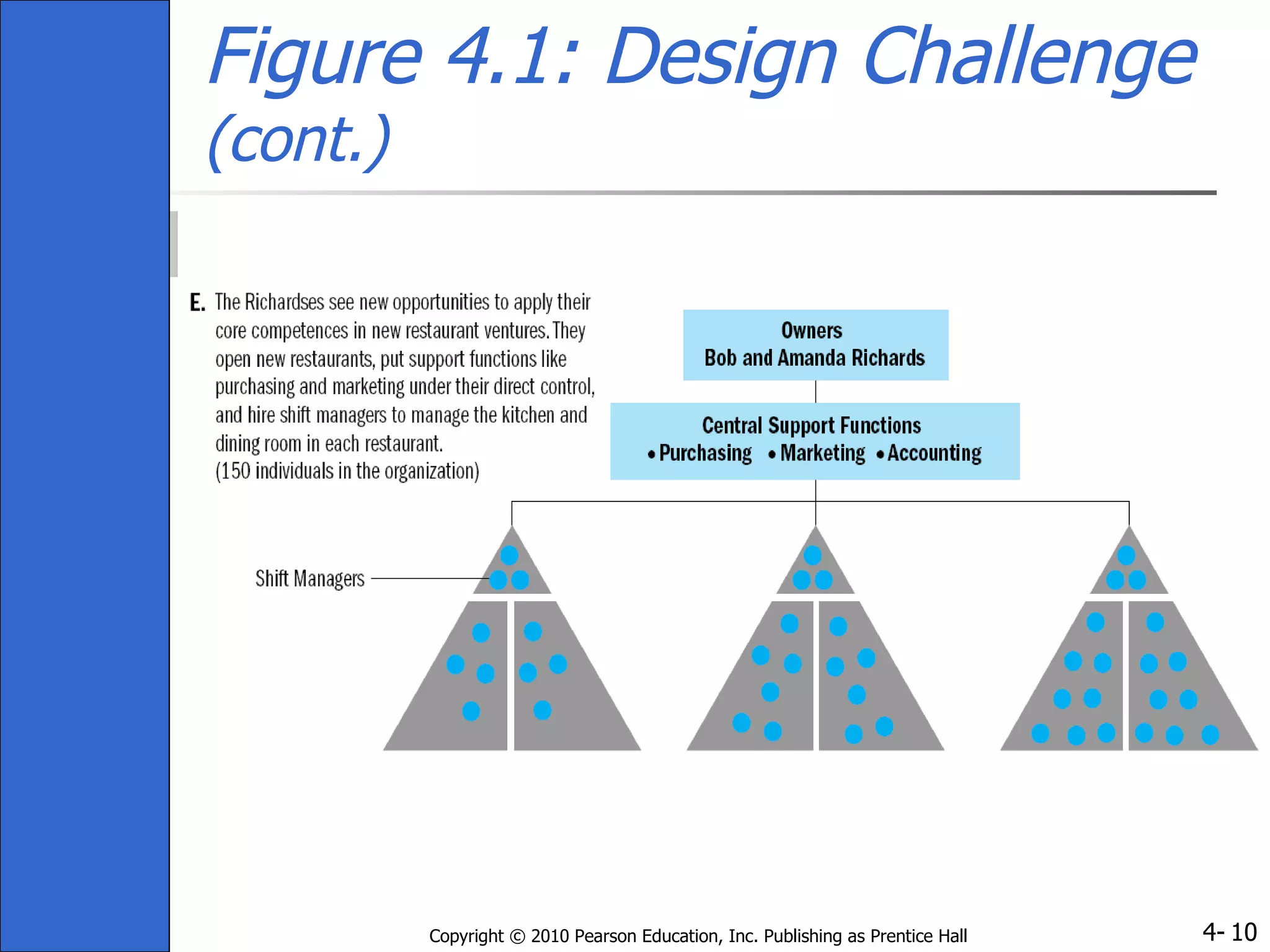
Figure 4.1: Design Challenge  (cont.)
Organizational Roles Set of task-related behaviors required of a person by his or her position in an organization As the division of labor increases, managers specialize in some roles and hire people to specialize in others Specialization allows people to develop their individual abilities and knowledge within their specific role Organizational structure is based on a system of interlocking roles
Organizational Roles (cont.) Authority:  the power to hold people accountable for their actions and to make decisions concerning the use of organizational resources Control:  the ability to coordinate and motivate people to work in the organization’s interests
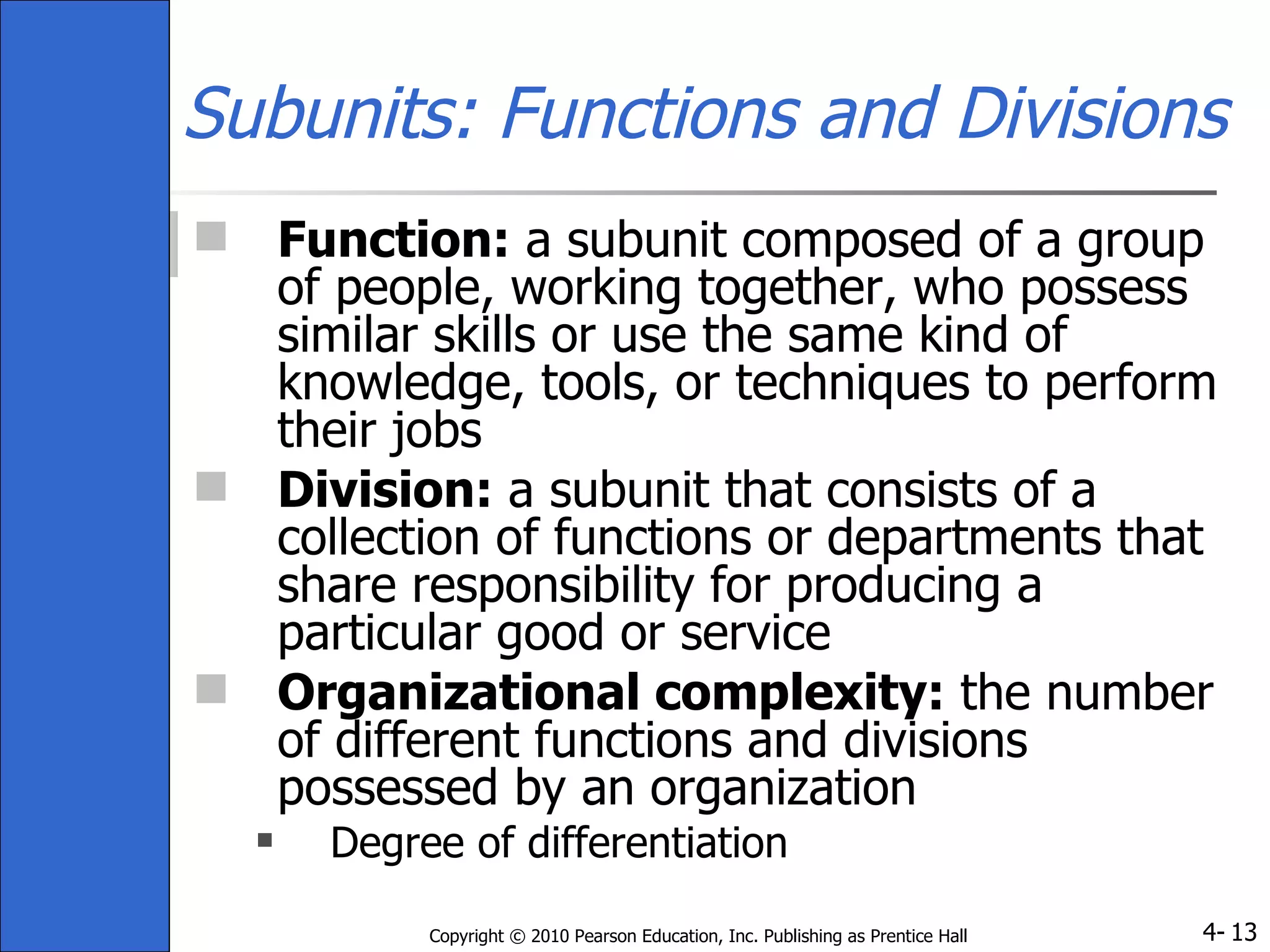
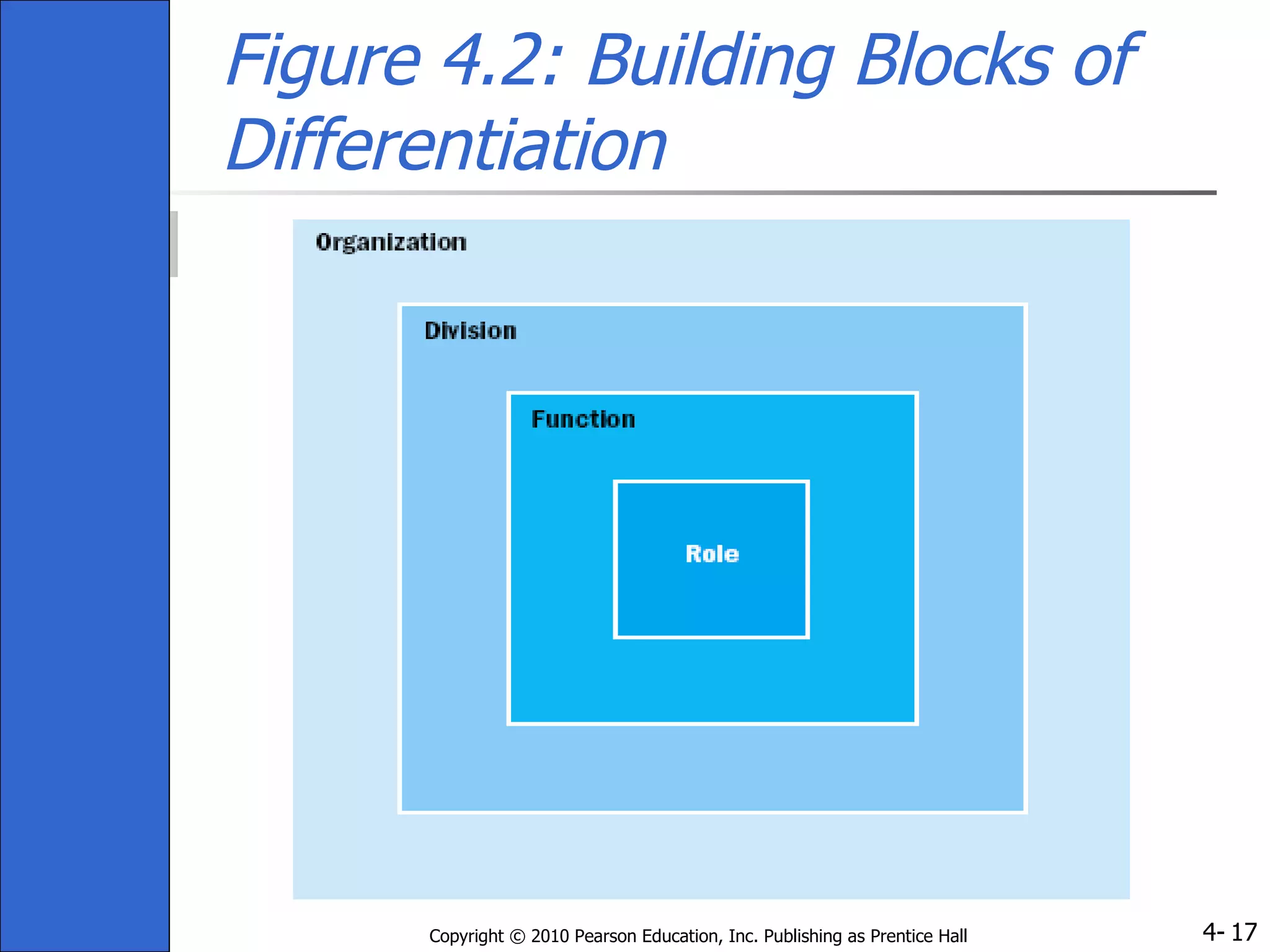
Subunits: Functions and Divisions Function:  a subunit composed of a group of people, working together, who possess similar skills or use the same kind of knowledge, tools, or techniques to perform their jobs Division:  a subunit that consists of a collection of functions or departments that share responsibility for producing a particular good or service Organizational complexity:  the number of different functions and divisions possessed by an organization Degree of differentiation
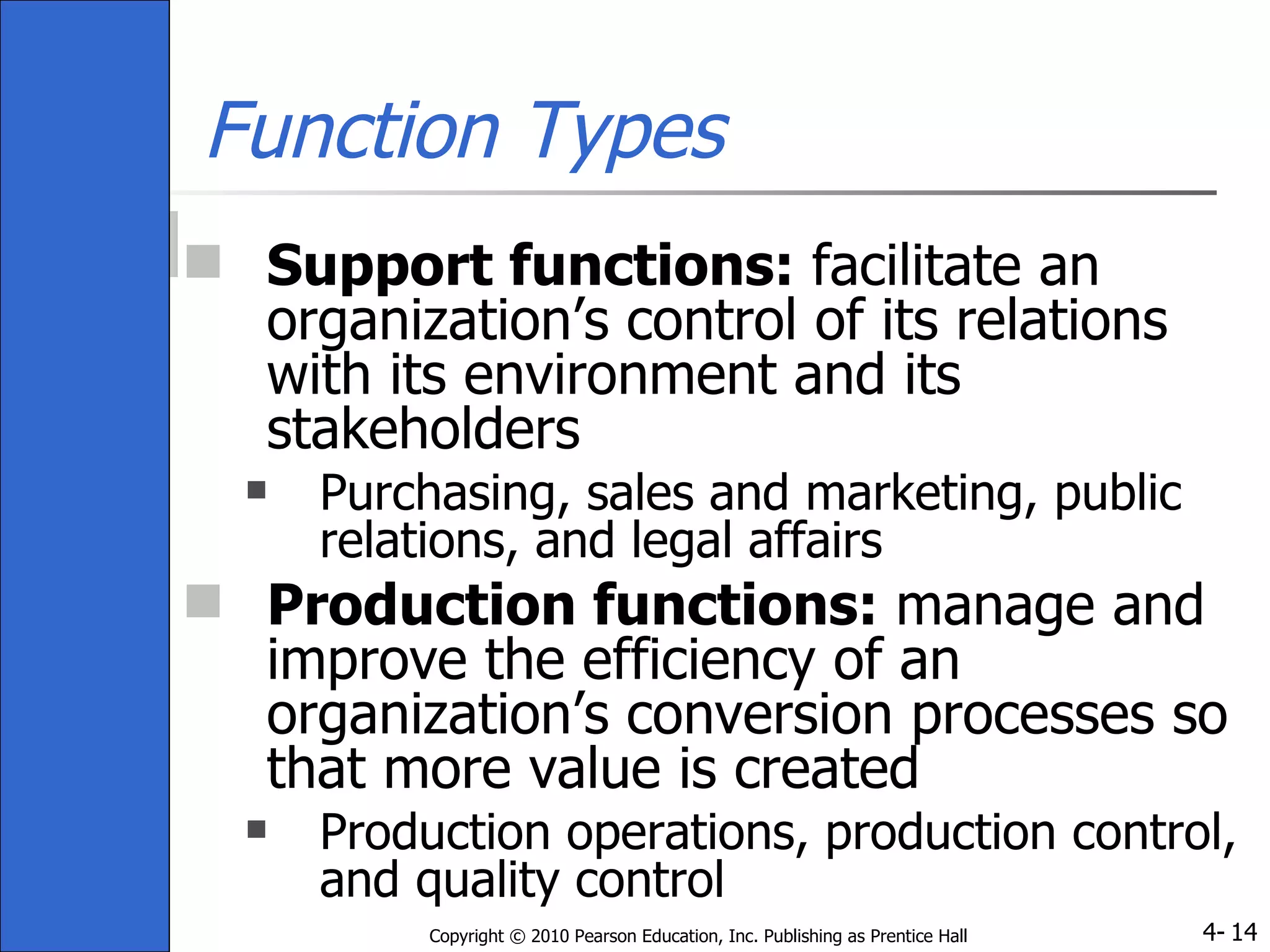
Function Types Support functions:  facilitate an organization’s control of its relations with its environment and its stakeholders Purchasing, sales and marketing, public relations, and legal affairs Production functions:  manage and improve the efficiency of an organization’s conversion processes so that more value is created Production operations, production control, and quality control
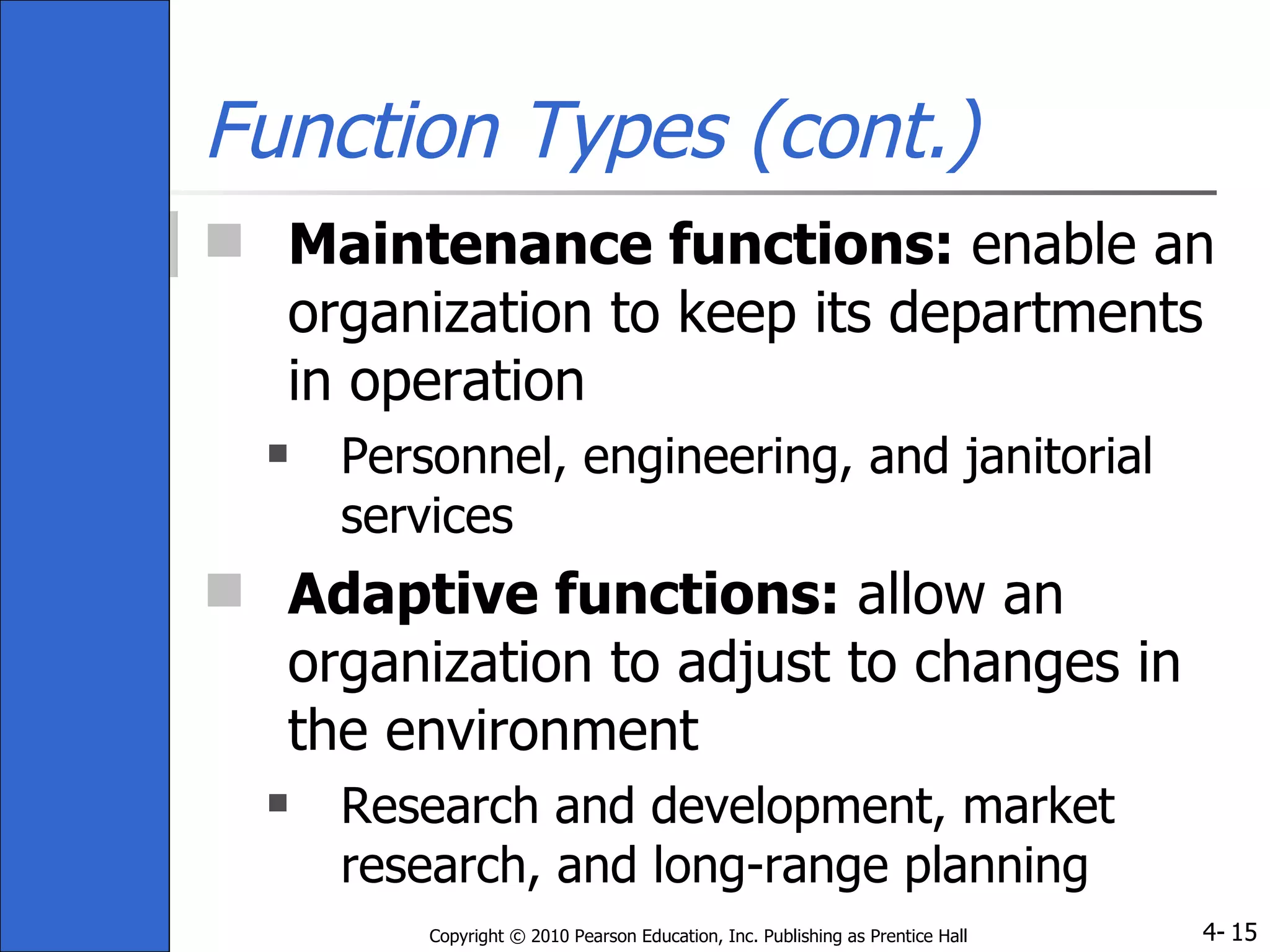
Function Types (cont.) Maintenance functions:  enable an organization to keep its departments in operation Personnel, engineering, and janitorial services Adaptive functions:  allow an organization to adjust to changes in the environment Research and development, market research, and long-range planning
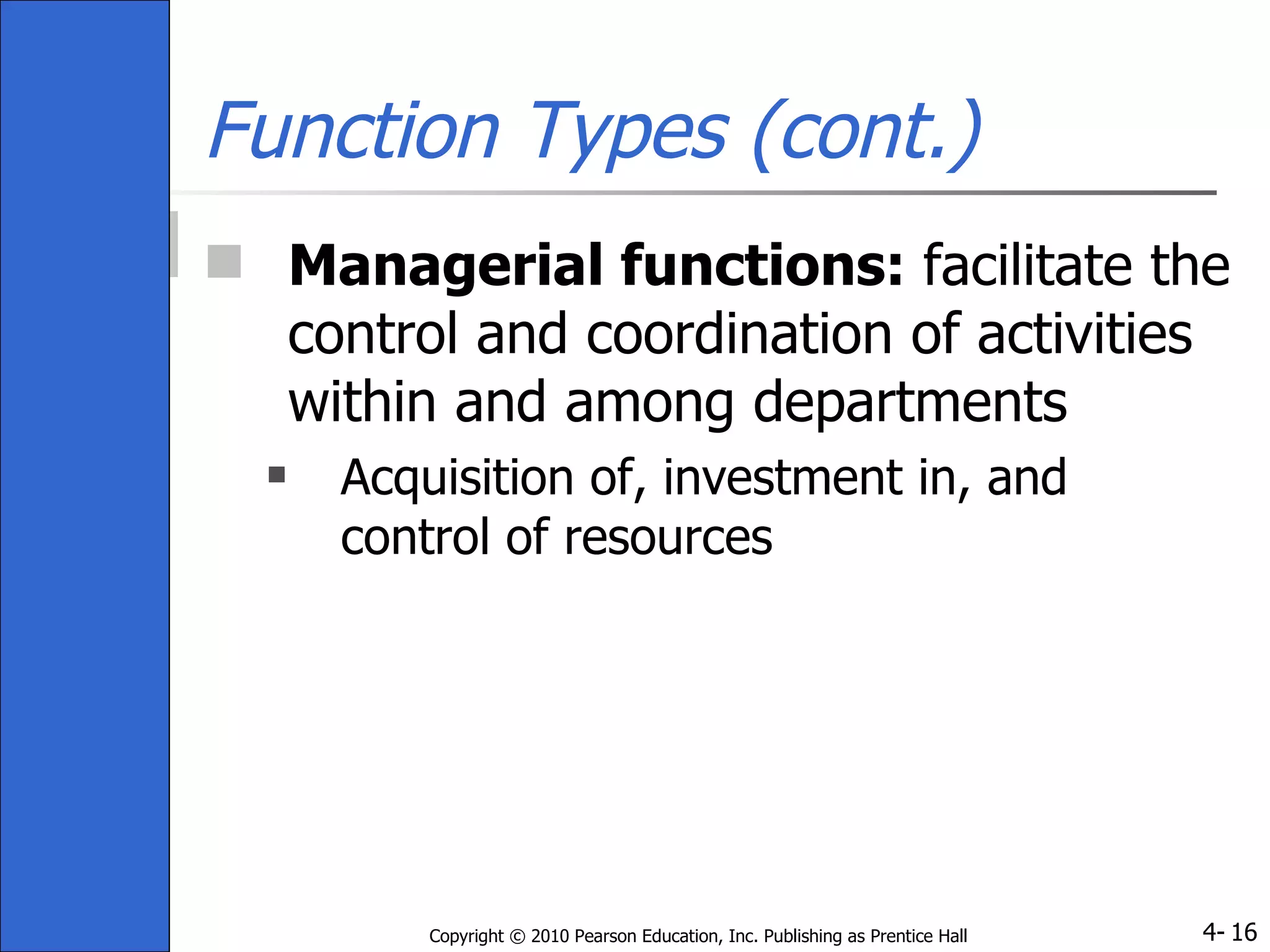
Function Types (cont.) Managerial functions:  facilitate the control and coordination of activities within and among departments Acquisition of, investment in, and control of resources
Figure 4.2: Building Blocks of Differentiation
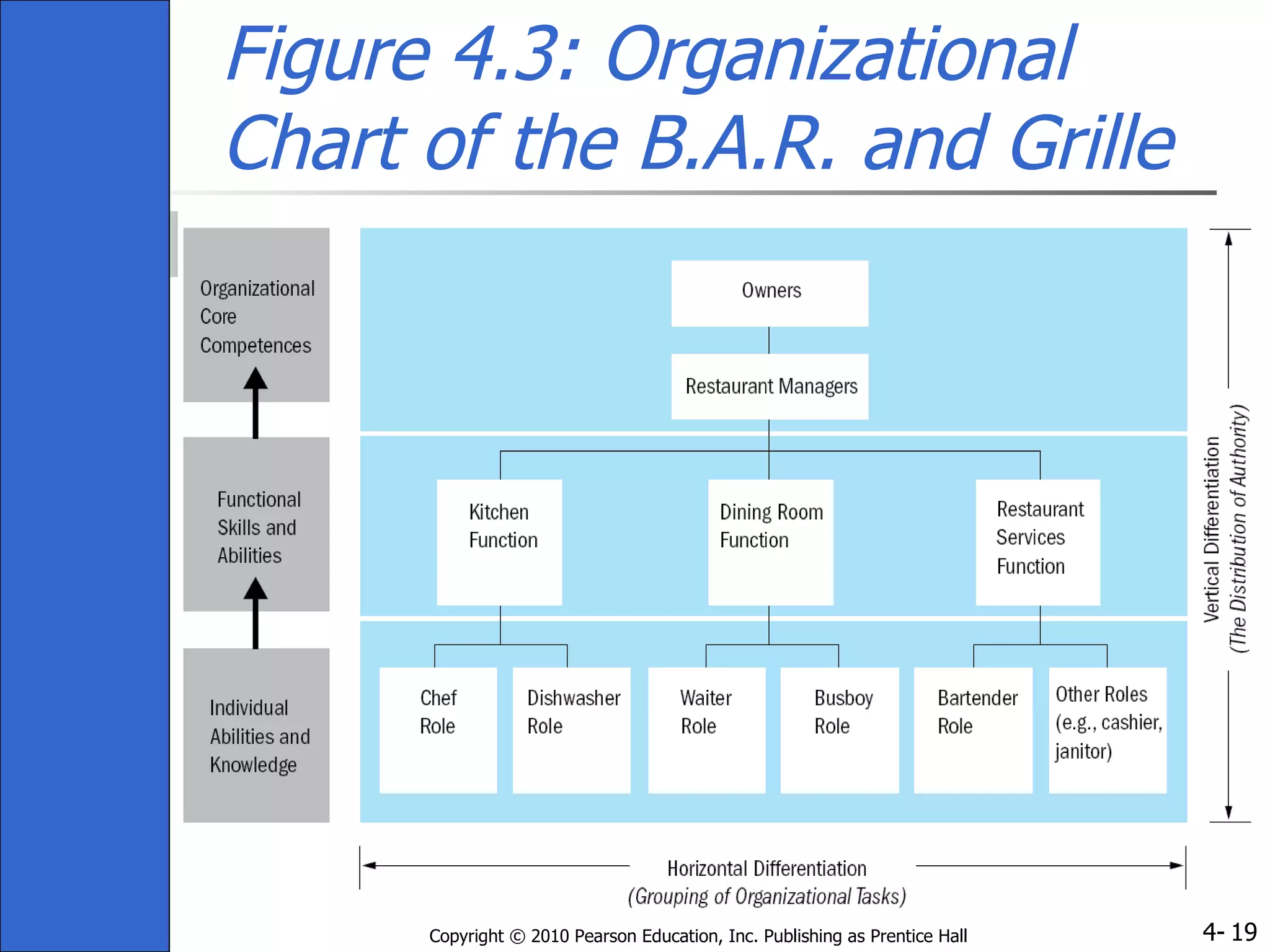
Vertical and Horizontal Differentiation Hierarchy:  a classification of people according to their relative authority and rank Vertical differentiation:   the way an organization designs its hierarchy of authority and creates reporting relationships to link organizational roles and subunits Establishes the distribution authority between levels Horizontal differentiation:   the way an organization groups organizational tasks into roles and roles into subunits (functions and divisions) Roles differentiated according to their main task responsibilities
Figure 4.3: Organizational Chart of the B.A.R. and Grille
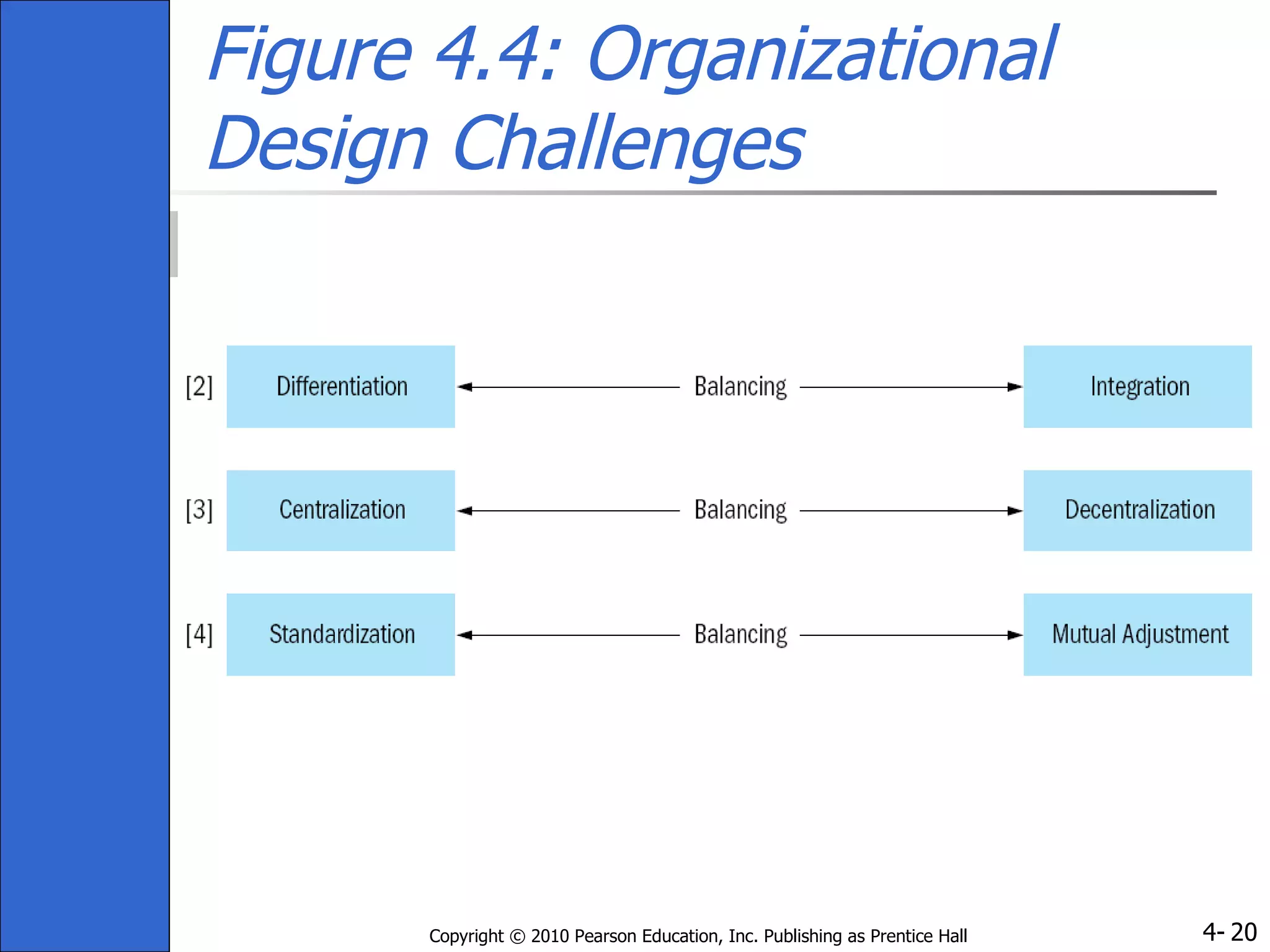
Figure 4.4: Organizational Design Challenges
Balancing Differentiation and Integration Horizontal differentiation is supposed to enable people to specialize and become more productive Specialization often limits communication between subunits People develop subunit orientation Subunit orientation:  a tendency to view one’s role in the organization strictly from the perspective of the time frame, goals, and interpersonal orientations of one’s subunit
Balancing Differentiation and Integration  (cont.) When subunit orientation occurs, communication fails and coordination becomes difficult Integration:  the process of coordinating various tasks, functions, and divisions so that they work together and not at cross-purposes
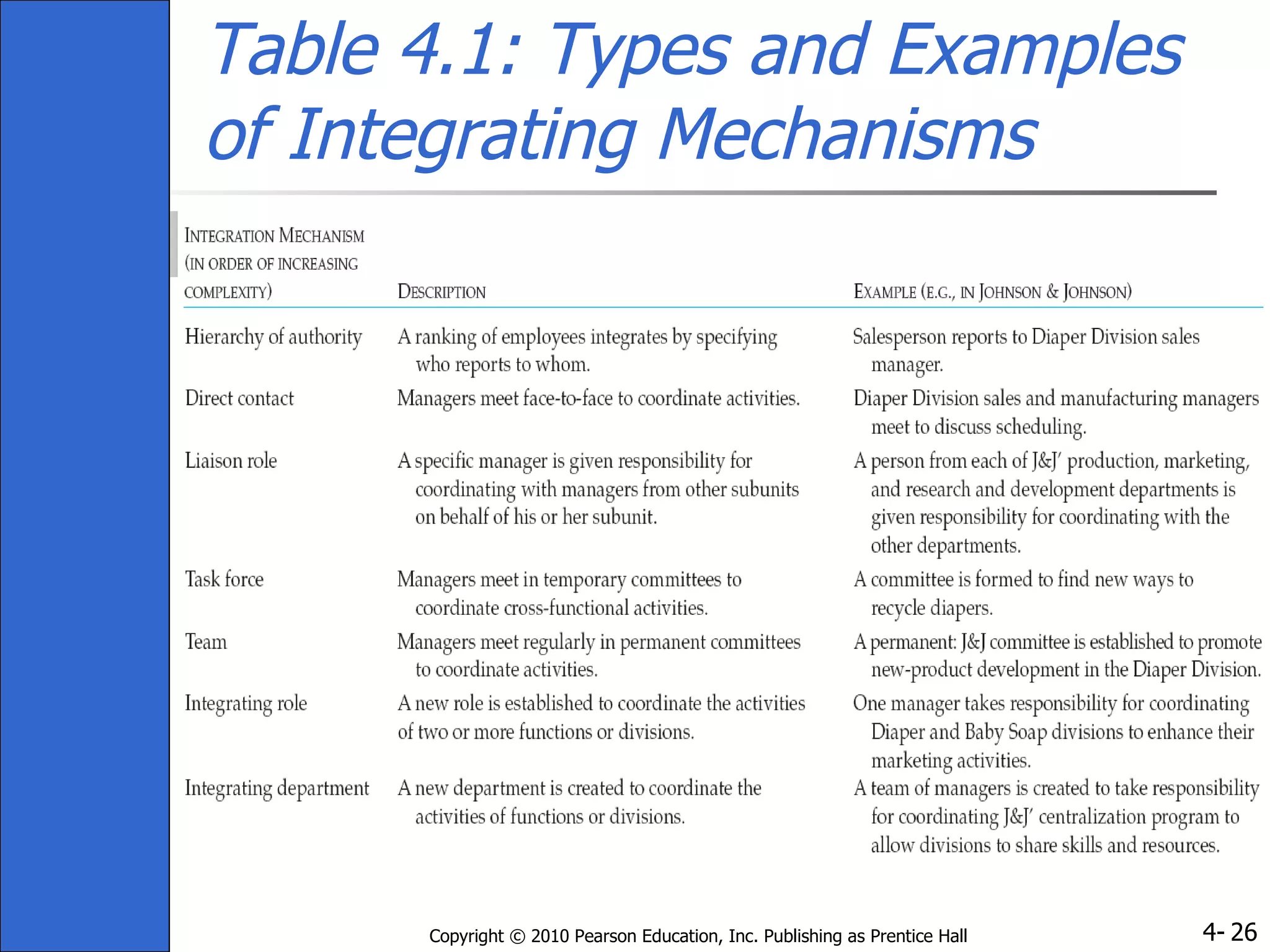
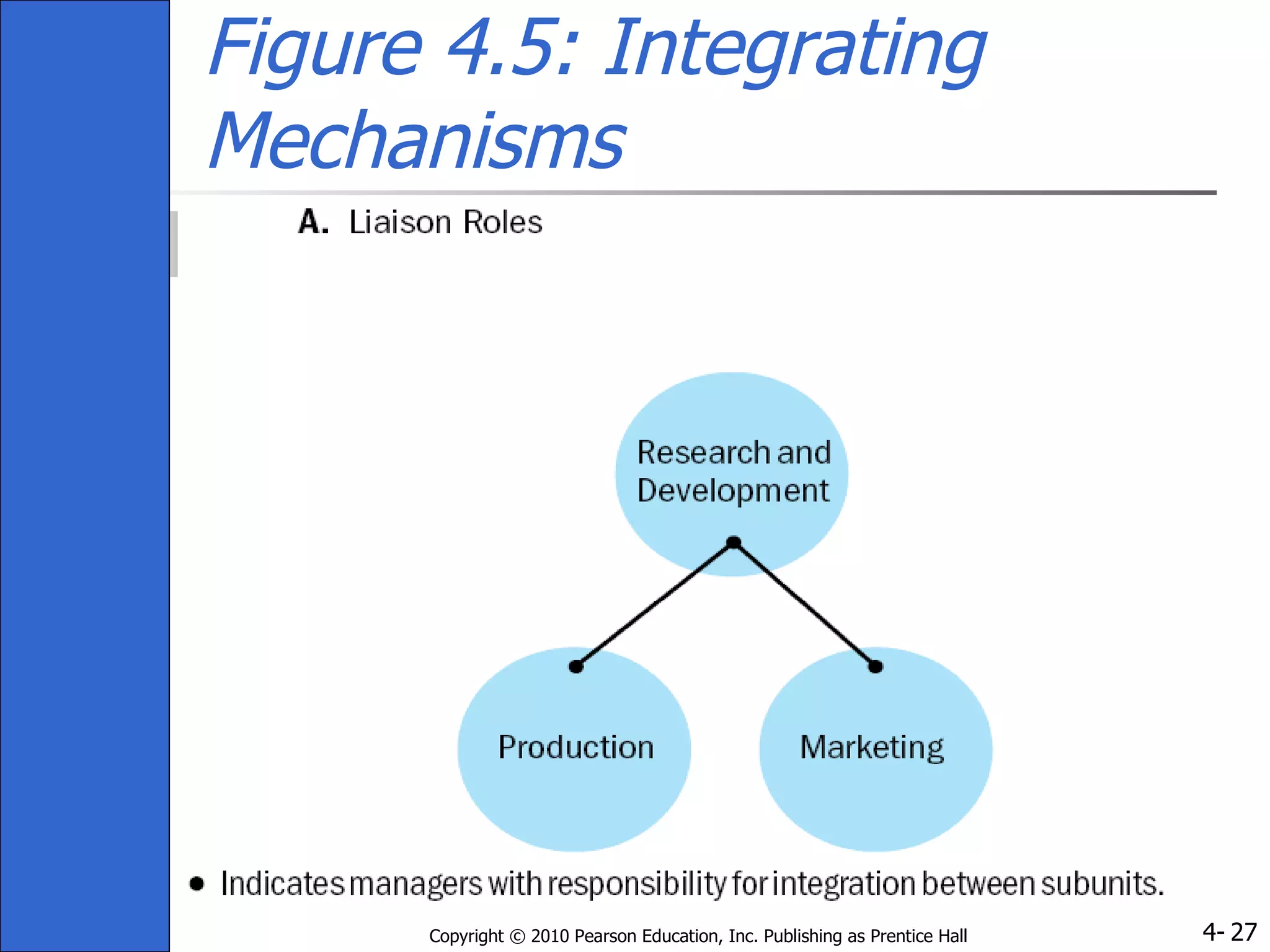
Types of Integration Mechanisms Hierarchy of authority:  dictates “who reports to whom” Direct contact:  managers meet face to face to coordinate activities Problematic that a manager in one function has no authority over a manager in another Liaison roles:  a specific manager is given responsibility for coordinating with managers from other subunits on behalf of their subunits
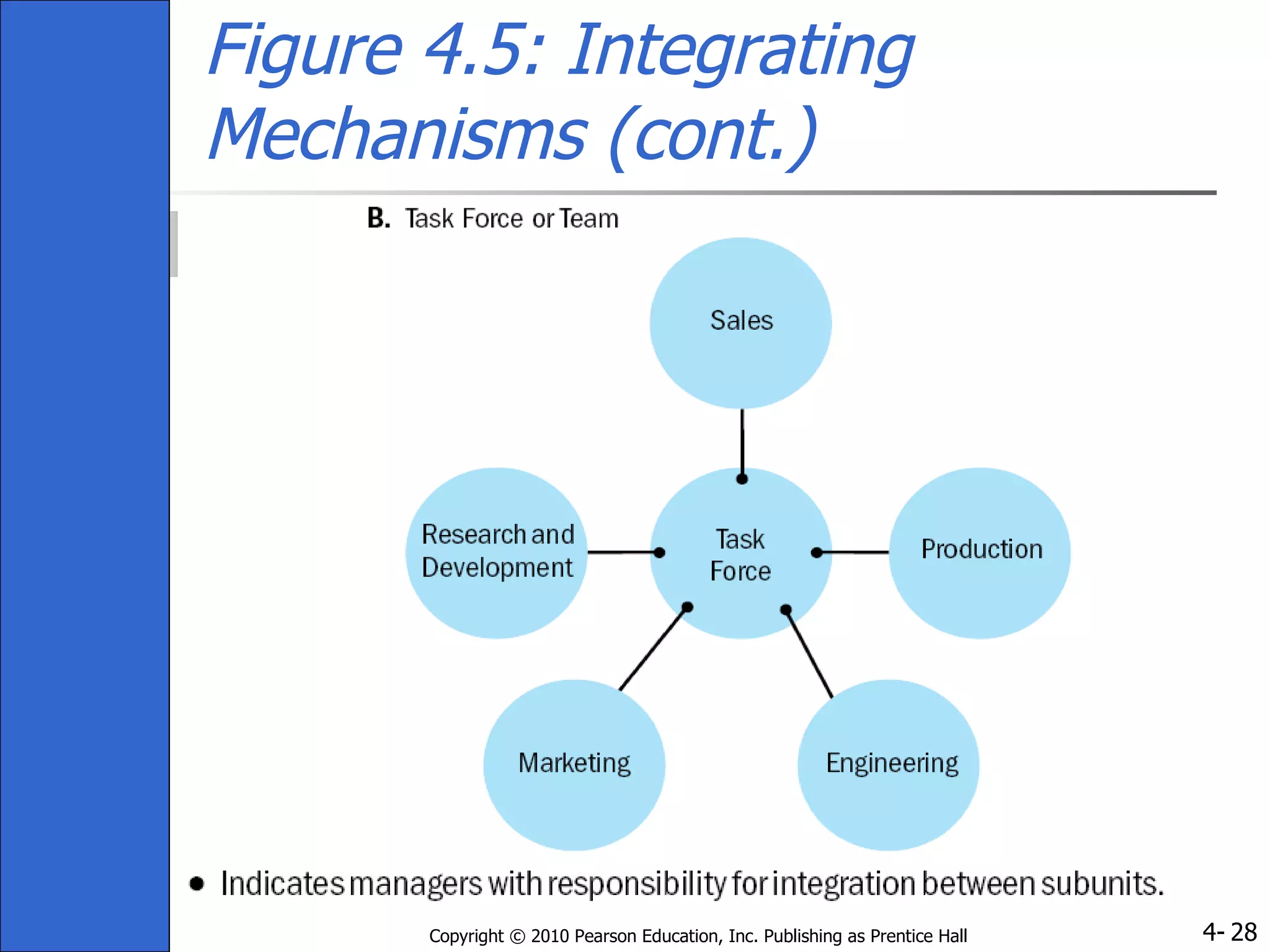
Types of Integration Mechanisms  (cont.) Task force:  managers meet in temporary committees to coordinate cross-functional activities Task force members responsible for taking coordinating solutions back to their respective functions for further input and approval Teams:  a permanent task force used to deal with ongoing strategic or administrative issues
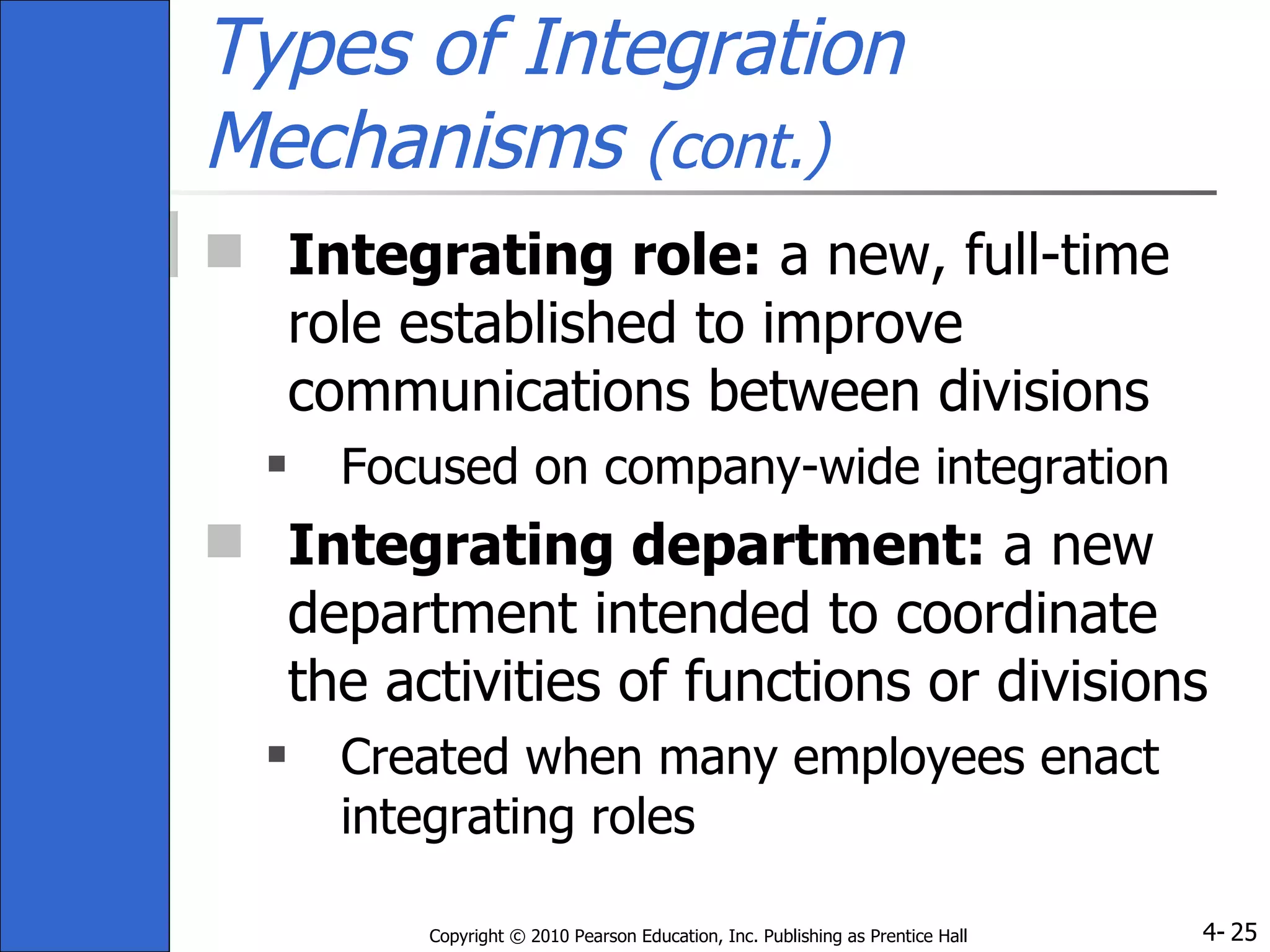
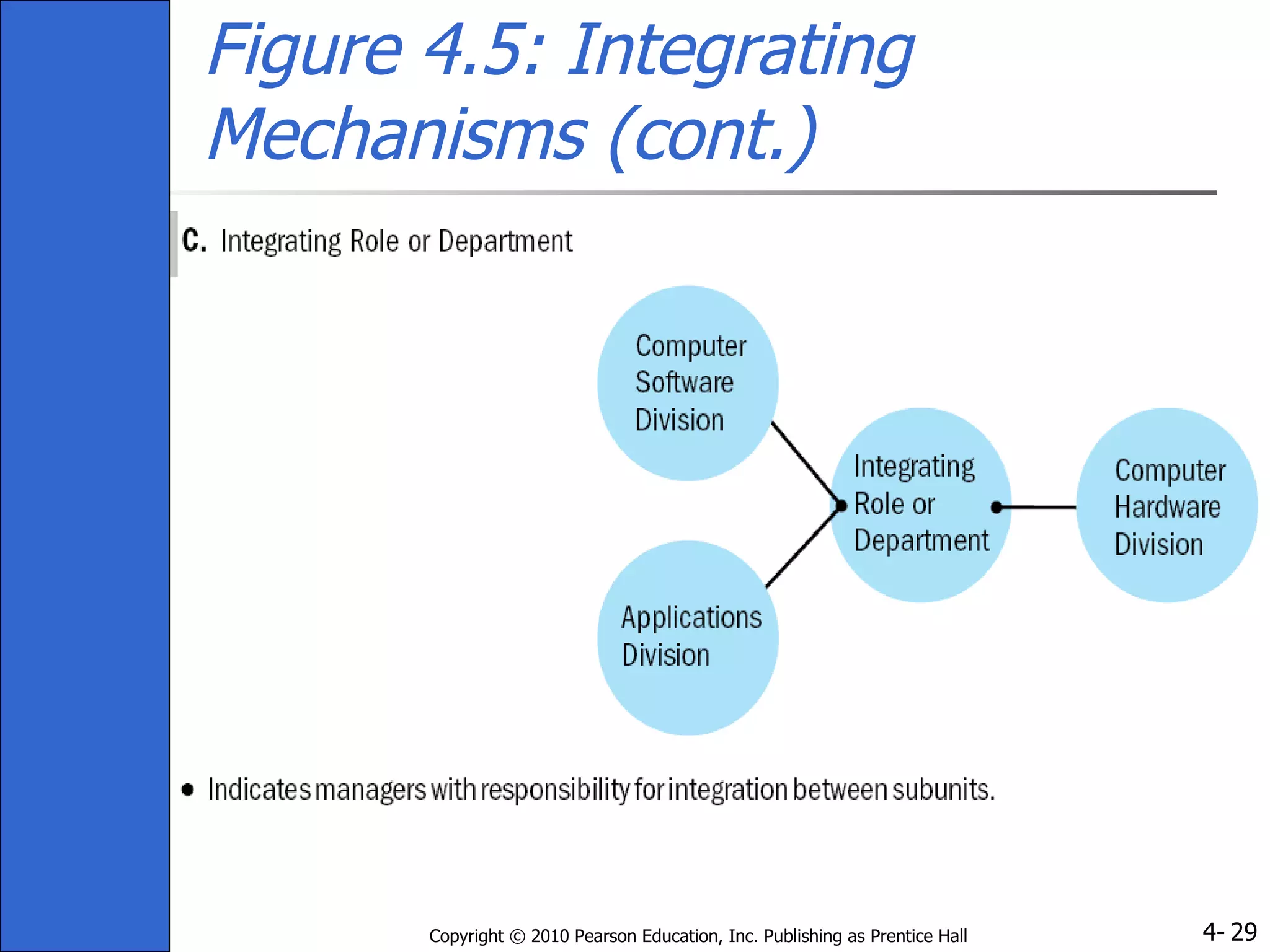
Types of Integration Mechanisms  (cont.) Integrating role:  a new, full-time role established to improve communications between divisions Focused on company-wide integration Integrating department:  a new department intended to coordinate the activities of functions or divisions Created when many employees enact integrating roles
Table 4.1: Types and Examples of Integrating Mechanisms
Figure 4.5: Integrating Mechanisms
Figure 4.5: Integrating Mechanisms (cont.)
Balancing Differentiation and Integration Managers facing the challenge of deciding how and how much to differentiate and integrate must: Carefully guide the process of differentiation so that it develops the core competences that give the organization a competitive advantage Carefully integrate the organization by choosing appropriate integrating mechanisms that allow subunits to cooperate and that build up the organization’s core competences
Balancing Centralization and Decentralization Centralized   organization:  the authority to make important decisions is retained by top level managers Top managers able to coordinate activities to keep the organization focused on its goals Decentralized organization:  the authority to make important decisions is delegated to managers at all levels in the hierarchy Promotes flexibility and responsiveness
Balancing Centralization and Decentralization  (cont.) Ideal balance entails: Enabling middle and lower managers who are at the scene of the action to make important decisions Allowing top managers to focus on long-term strategy making
Balancing Standardization and Mutual Adjustment Standardization:  conformity to specific models or examples that are considered proper in a given situation Defined by rules and norms Mutual adjustment:  the process through which people use their judgment rather than standardized rules to address problems, guide decision making, and promote coordination  Formalization:  the use of rules and procedures to standardize operations
Balancing Standardization and Mutual Adjustment   (cont.)   Socialization: Understood Norms Rules:  formal, written statement that specify the appropriate means for reaching desired goals Norms:  standards or styles of behavior that are considered typical for a group of people May arise informally External rules may become internalized norms Socialization:  the process by which organizational members learn the norms of an organization and internalize these unwritten rules of conduct
Standardization versus  Mutual Adjustment Challenge facing managers is: To find a way of using rules and norms to standardize behavior, and  to allow for mutual adjustment to give managers opportunity to discover new and better ways to achieve goals
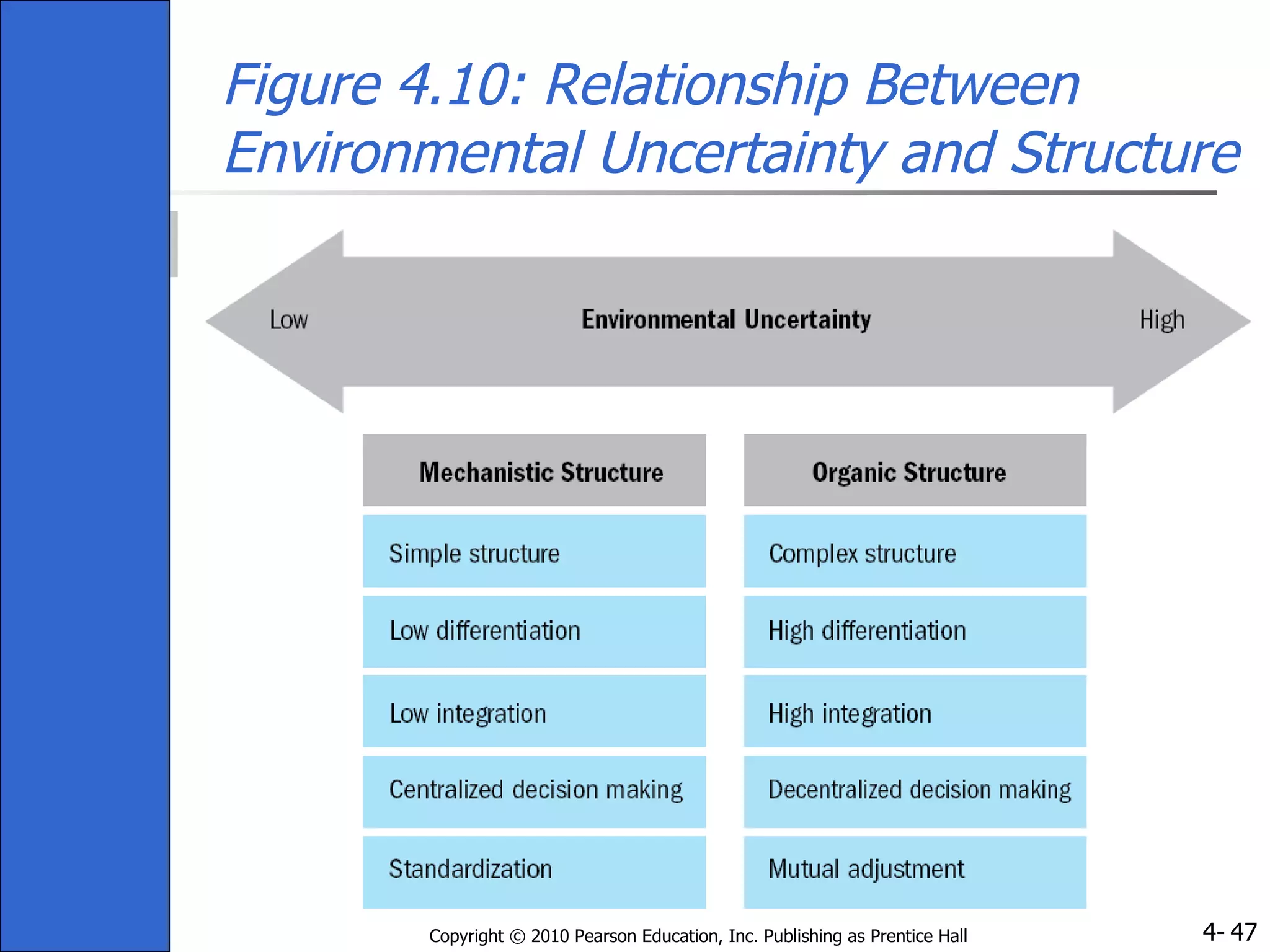
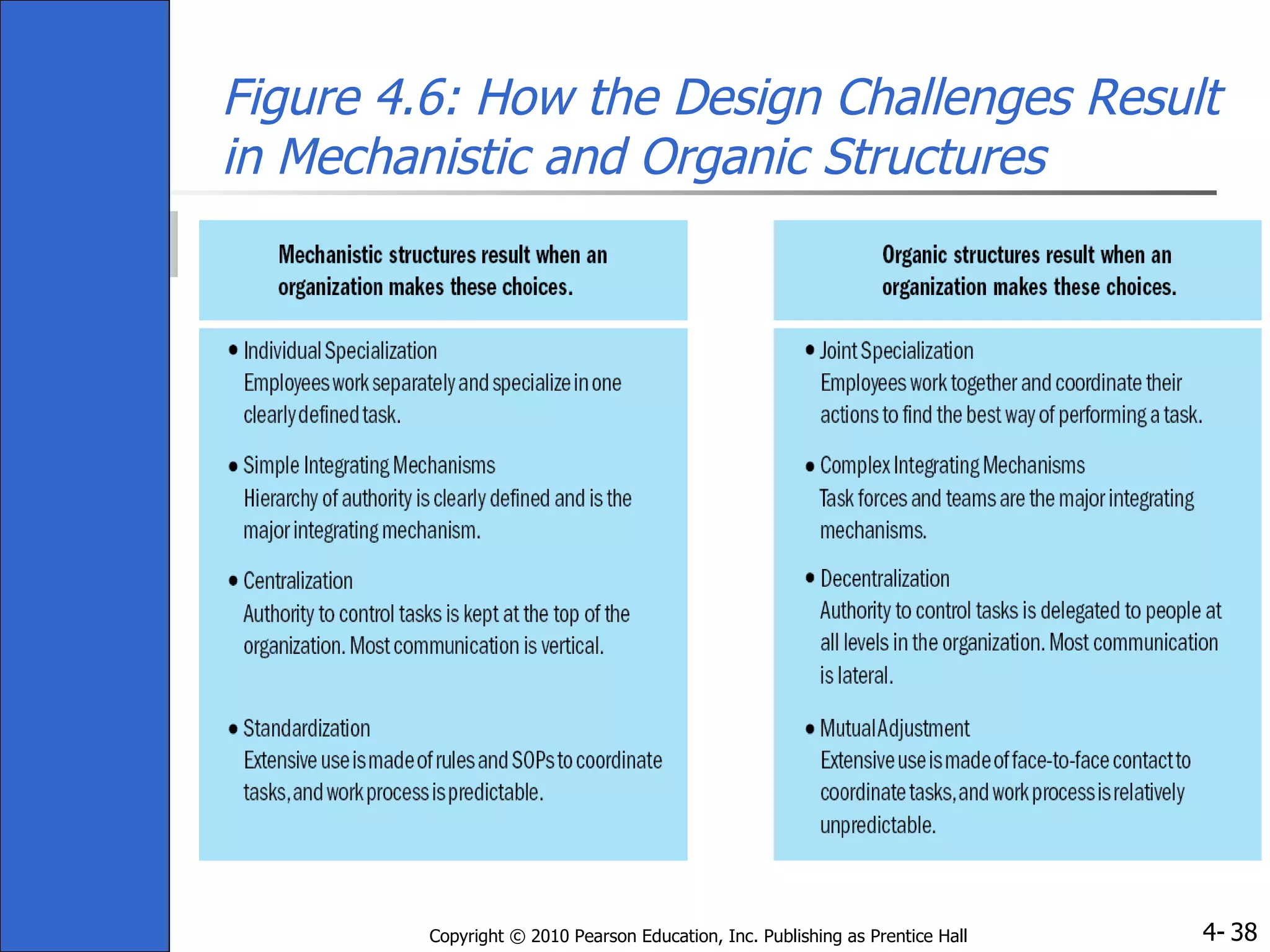
Mechanistic and Organic Organizational Structures Mechanistic structures:  designed to induce people to behave in predictable, accountable ways Decision-making authority is centralized Subordinates are closely supervised Information flows mainly in a vertical direction along a clearly defined path Hierarchy principal integrating mechanism Tasks and roles coordinated primarily through standardization and formal written rules Best suited to organizations that face stable, unchanging environments
Mechanistic and Organic Organizational Structures (cont.) Organic structures:  structures that promote flexibility, so people initiate change and can adapt quickly to changing conditions Decision making distributed throughout the hierarchy Coordination is achieved through mutual adjustments Status conferred by ability to provide creative leadership Encourages innovative behavior Suited to dynamic environments
Figure 4.6: How the Design Challenges Result in Mechanistic and Organic Structures
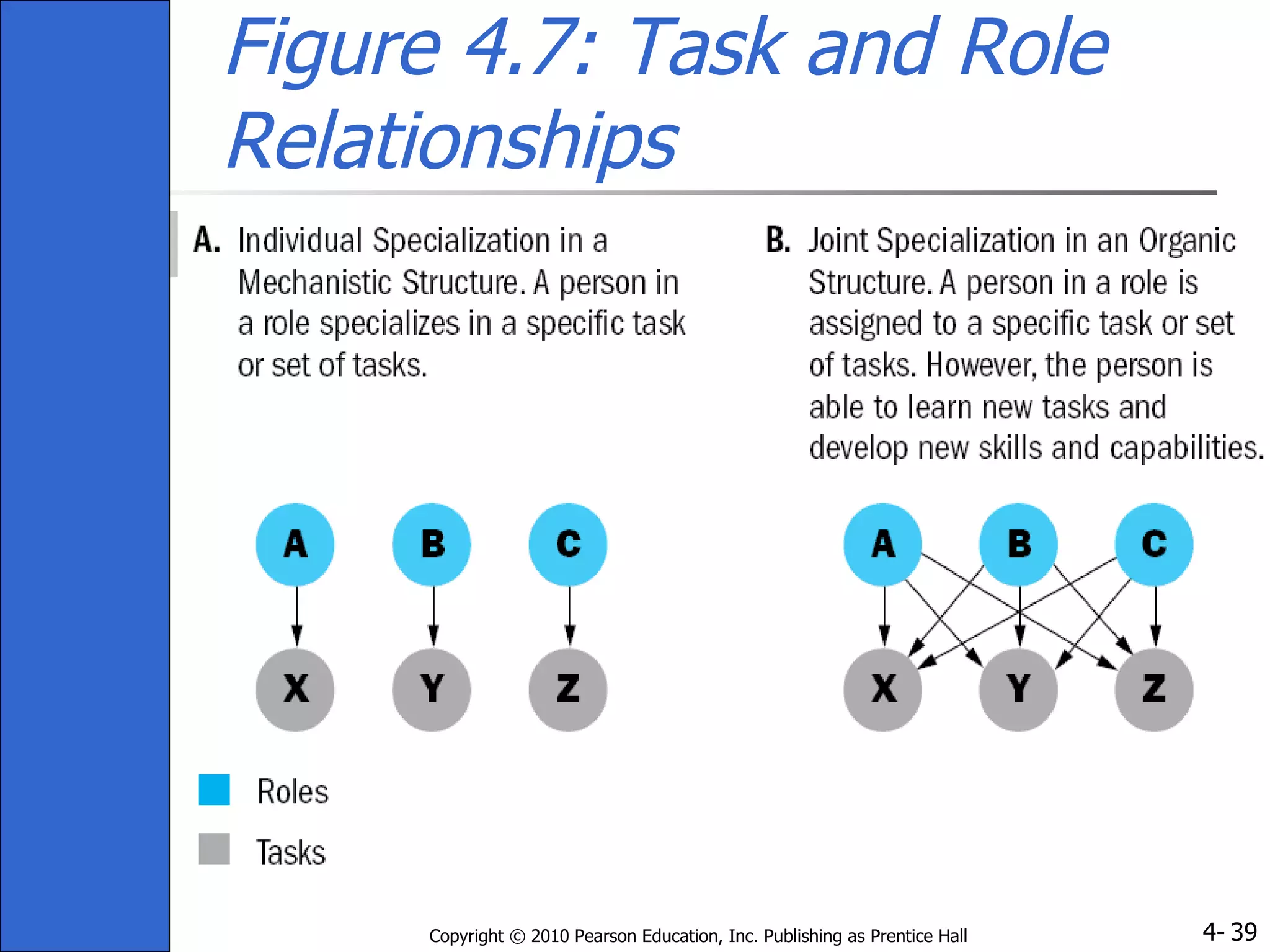
Figure 4.7: Task and Role Relationships
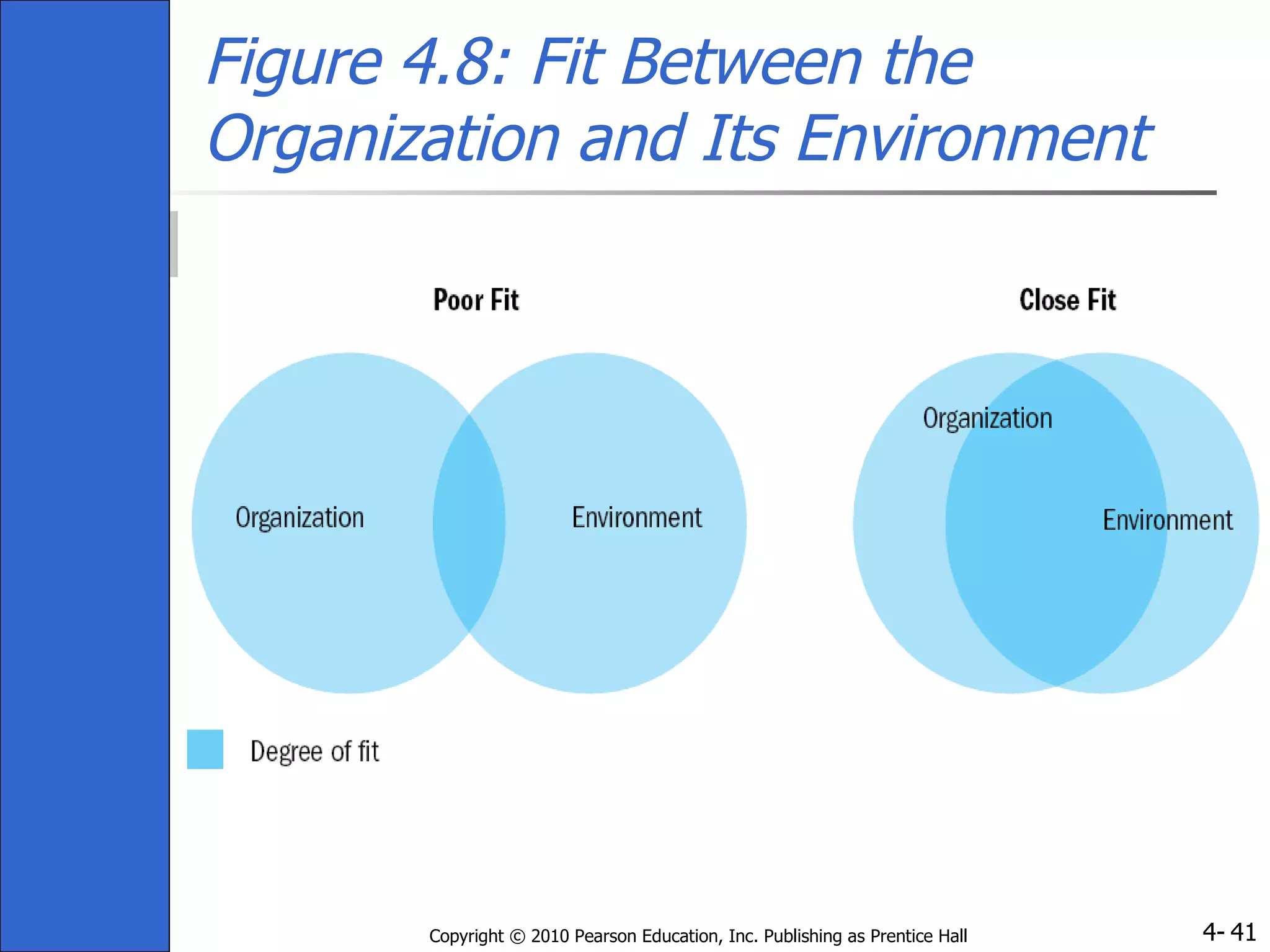
Contingency Approach A management approach in which the design of an organization’s structure is tailored to the sources of uncertainty facing an organization Organization should design its structure to fit its environment
Figure 4.8: Fit Between the Organization and Its Environment
Lawrence & Lorsch: Differentiation, Integration, and the Environment Investigated how companies in different industries differentiate and integrate their structures to fit the environment Three industries that experienced different levels of uncertainty:  The plastics industry The food-processing industry The container or can-manufacturing industry
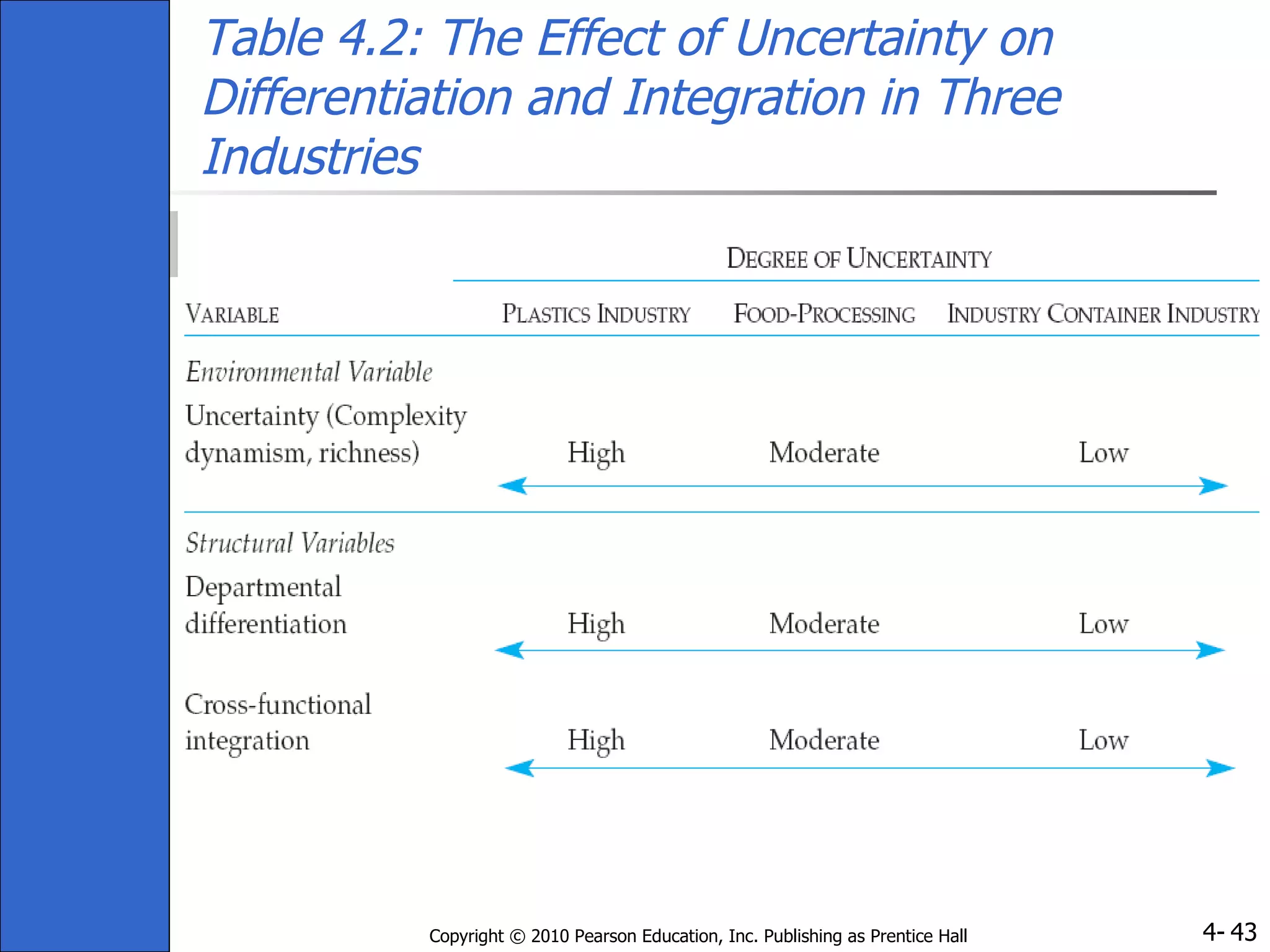
Table 4.2: The Effect of Uncertainty on Differentiation and Integration in Three Industries
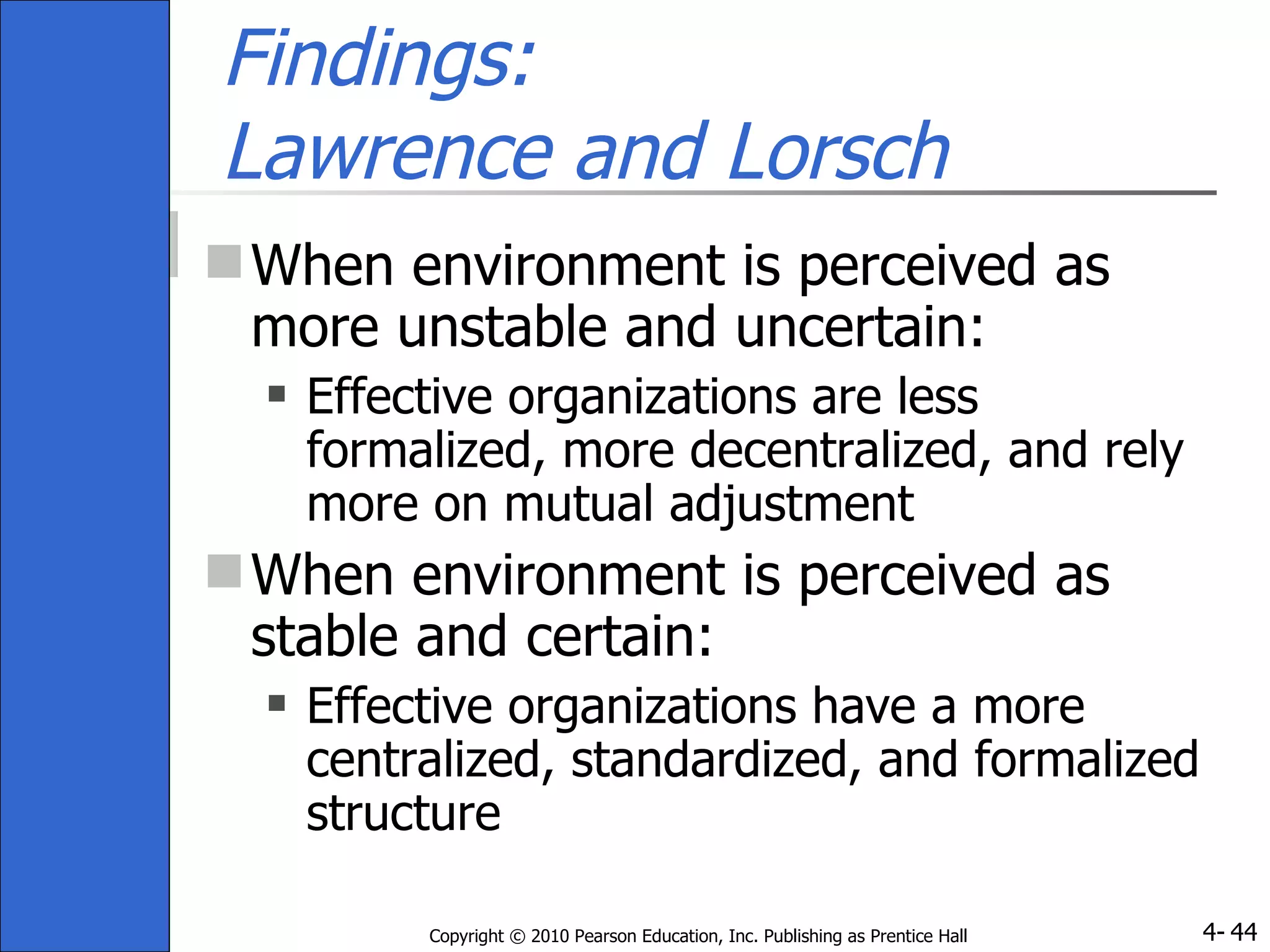
Findings:  Lawrence and Lorsch When environment is perceived as more unstable and uncertain: Effective organizations are less formalized, more decentralized, and rely more on mutual adjustment When environment is perceived as stable and certain: Effective organizations have a more centralized, standardized, and formalized structure
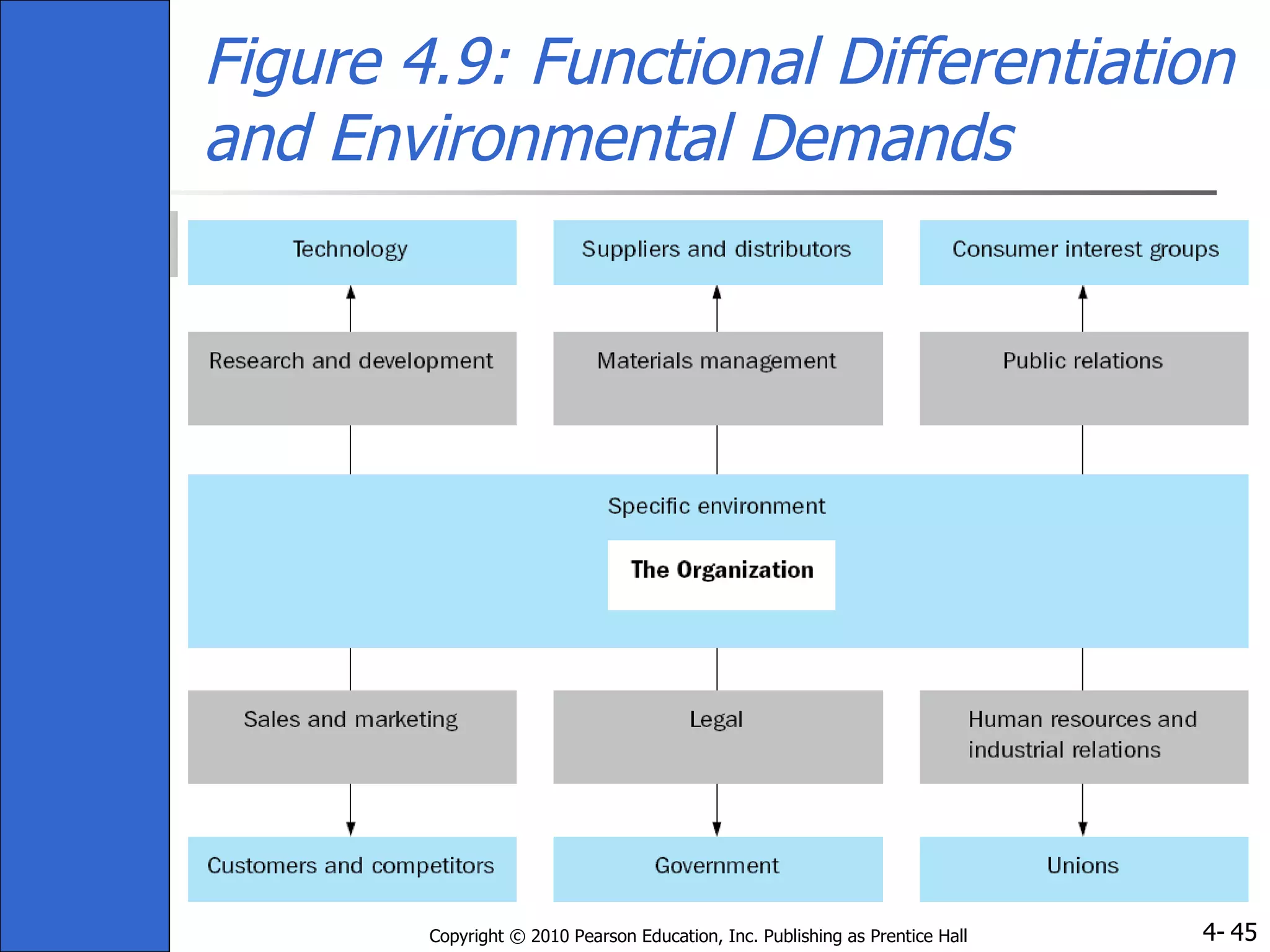
Figure 4.9: Functional Differentiation and Environmental Demands
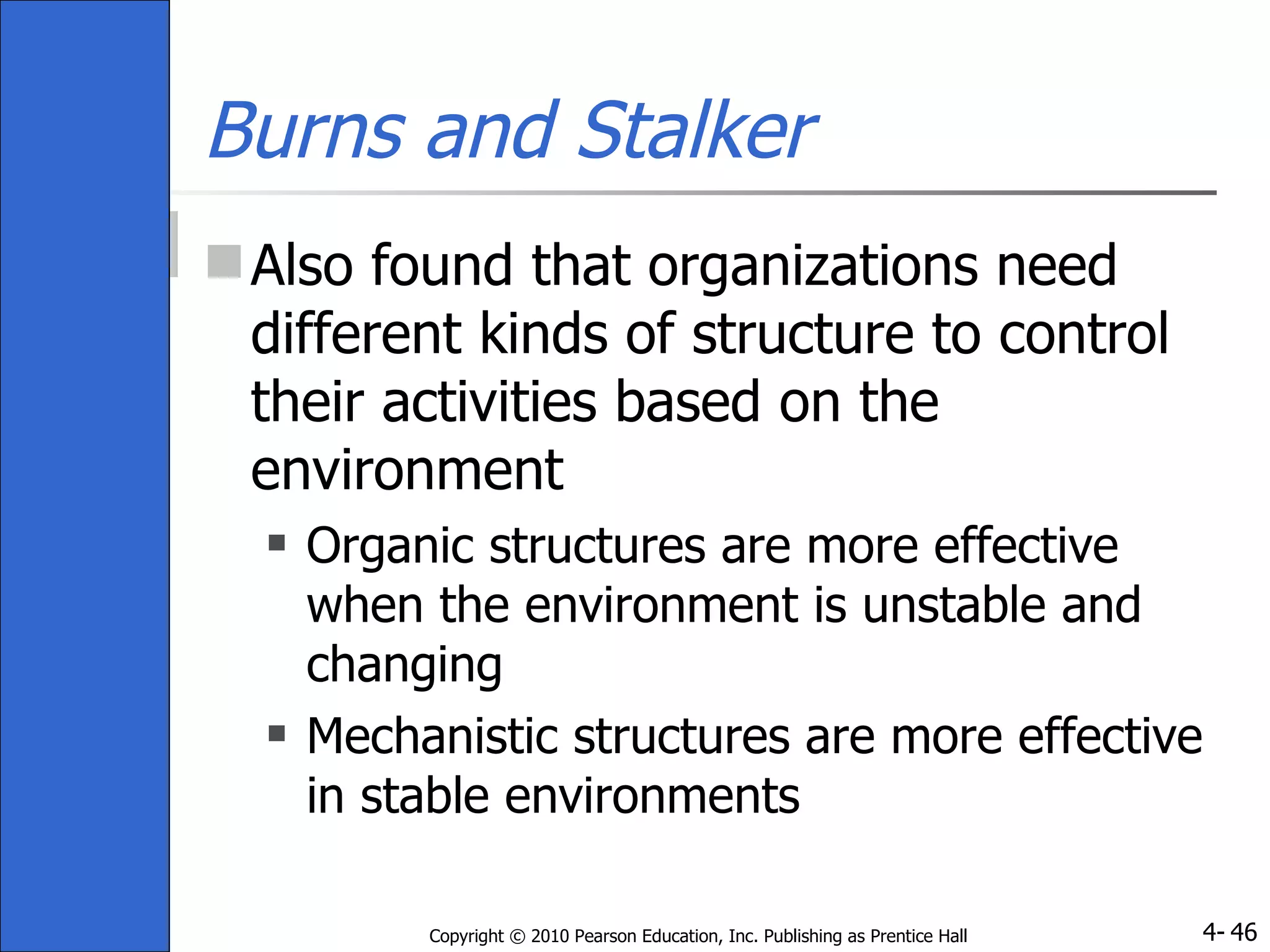
Burns and Stalker Also found that organizations need different kinds of structure to control their activities based on the environment Organic structures are more effective when the environment is unstable and changing Mechanistic structures are more effective in stable environments
Figure 4.10: Relationship Between Environmental Uncertainty and Structure

Ch04 - Organisation theory design and change gareth jones

  • 1.
    Organizational Theory, Design,and Change Sixth Edition Gareth R. Jones Chapter 4 Basic Challenges of Organizational Design
  • 2.
    Learning Objectives Describethe four basic organizational design challenges confronting managers and consultants Discuss the way in which these challenges must be addressed simultaneously if a high-performing organizational structure is to be created
  • 3.
    Learning Objectives (cont.)Distinguish among the design choices that underlie the creation of either a mechanistic or an organic structure Recognize how to use contingency theory to design a structure that fits an organization’s environment
  • 4.
    Differentiation The processby which an organization allocates people and resources to organizational tasks Establishes the task and authority relationships that allow the organization to achieve its goals Division of labor: the degree of specialization in the organization
  • 5.
    Differentiation (cont.) Ina simple organization, differentiation is low because the division of labor is low Individuals typically perform all organizational tasks In a complex organization, differentiation is high because the division of labor is high
  • 6.
  • 7.
    Figure 4.1: DesignChallenge (cont.)
  • 8.
    Figure 4.1: DesignChallenge (cont.)
  • 9.
    Figure 4.1: DesignChallenge (cont.)
  • 10.
    Figure 4.1: DesignChallenge (cont.)
  • 11.
    Organizational Roles Setof task-related behaviors required of a person by his or her position in an organization As the division of labor increases, managers specialize in some roles and hire people to specialize in others Specialization allows people to develop their individual abilities and knowledge within their specific role Organizational structure is based on a system of interlocking roles
  • 12.
    Organizational Roles (cont.)Authority: the power to hold people accountable for their actions and to make decisions concerning the use of organizational resources Control: the ability to coordinate and motivate people to work in the organization’s interests
  • 13.
    Subunits: Functions andDivisions Function: a subunit composed of a group of people, working together, who possess similar skills or use the same kind of knowledge, tools, or techniques to perform their jobs Division: a subunit that consists of a collection of functions or departments that share responsibility for producing a particular good or service Organizational complexity: the number of different functions and divisions possessed by an organization Degree of differentiation
  • 14.
    Function Types Supportfunctions: facilitate an organization’s control of its relations with its environment and its stakeholders Purchasing, sales and marketing, public relations, and legal affairs Production functions: manage and improve the efficiency of an organization’s conversion processes so that more value is created Production operations, production control, and quality control
  • 15.
    Function Types (cont.)Maintenance functions: enable an organization to keep its departments in operation Personnel, engineering, and janitorial services Adaptive functions: allow an organization to adjust to changes in the environment Research and development, market research, and long-range planning
  • 16.
    Function Types (cont.)Managerial functions: facilitate the control and coordination of activities within and among departments Acquisition of, investment in, and control of resources
  • 17.
    Figure 4.2: BuildingBlocks of Differentiation
  • 18.
    Vertical and HorizontalDifferentiation Hierarchy: a classification of people according to their relative authority and rank Vertical differentiation: the way an organization designs its hierarchy of authority and creates reporting relationships to link organizational roles and subunits Establishes the distribution authority between levels Horizontal differentiation: the way an organization groups organizational tasks into roles and roles into subunits (functions and divisions) Roles differentiated according to their main task responsibilities
  • 19.
    Figure 4.3: OrganizationalChart of the B.A.R. and Grille
  • 20.
    Figure 4.4: OrganizationalDesign Challenges
  • 21.
    Balancing Differentiation andIntegration Horizontal differentiation is supposed to enable people to specialize and become more productive Specialization often limits communication between subunits People develop subunit orientation Subunit orientation: a tendency to view one’s role in the organization strictly from the perspective of the time frame, goals, and interpersonal orientations of one’s subunit
  • 22.
    Balancing Differentiation andIntegration (cont.) When subunit orientation occurs, communication fails and coordination becomes difficult Integration: the process of coordinating various tasks, functions, and divisions so that they work together and not at cross-purposes
  • 23.
    Types of IntegrationMechanisms Hierarchy of authority: dictates “who reports to whom” Direct contact: managers meet face to face to coordinate activities Problematic that a manager in one function has no authority over a manager in another Liaison roles: a specific manager is given responsibility for coordinating with managers from other subunits on behalf of their subunits
  • 24.
    Types of IntegrationMechanisms (cont.) Task force: managers meet in temporary committees to coordinate cross-functional activities Task force members responsible for taking coordinating solutions back to their respective functions for further input and approval Teams: a permanent task force used to deal with ongoing strategic or administrative issues
  • 25.
    Types of IntegrationMechanisms (cont.) Integrating role: a new, full-time role established to improve communications between divisions Focused on company-wide integration Integrating department: a new department intended to coordinate the activities of functions or divisions Created when many employees enact integrating roles
  • 26.
    Table 4.1: Typesand Examples of Integrating Mechanisms
  • 27.
  • 28.
    Figure 4.5: IntegratingMechanisms (cont.)
  • 29.
    Figure 4.5: IntegratingMechanisms (cont.)
  • 30.
    Balancing Differentiation andIntegration Managers facing the challenge of deciding how and how much to differentiate and integrate must: Carefully guide the process of differentiation so that it develops the core competences that give the organization a competitive advantage Carefully integrate the organization by choosing appropriate integrating mechanisms that allow subunits to cooperate and that build up the organization’s core competences
  • 31.
    Balancing Centralization andDecentralization Centralized organization: the authority to make important decisions is retained by top level managers Top managers able to coordinate activities to keep the organization focused on its goals Decentralized organization: the authority to make important decisions is delegated to managers at all levels in the hierarchy Promotes flexibility and responsiveness
  • 32.
    Balancing Centralization andDecentralization (cont.) Ideal balance entails: Enabling middle and lower managers who are at the scene of the action to make important decisions Allowing top managers to focus on long-term strategy making
  • 33.
    Balancing Standardization andMutual Adjustment Standardization: conformity to specific models or examples that are considered proper in a given situation Defined by rules and norms Mutual adjustment: the process through which people use their judgment rather than standardized rules to address problems, guide decision making, and promote coordination Formalization: the use of rules and procedures to standardize operations
  • 34.
    Balancing Standardization andMutual Adjustment (cont.) Socialization: Understood Norms Rules: formal, written statement that specify the appropriate means for reaching desired goals Norms: standards or styles of behavior that are considered typical for a group of people May arise informally External rules may become internalized norms Socialization: the process by which organizational members learn the norms of an organization and internalize these unwritten rules of conduct
  • 35.
    Standardization versus Mutual Adjustment Challenge facing managers is: To find a way of using rules and norms to standardize behavior, and to allow for mutual adjustment to give managers opportunity to discover new and better ways to achieve goals
  • 36.
    Mechanistic and OrganicOrganizational Structures Mechanistic structures: designed to induce people to behave in predictable, accountable ways Decision-making authority is centralized Subordinates are closely supervised Information flows mainly in a vertical direction along a clearly defined path Hierarchy principal integrating mechanism Tasks and roles coordinated primarily through standardization and formal written rules Best suited to organizations that face stable, unchanging environments
  • 37.
    Mechanistic and OrganicOrganizational Structures (cont.) Organic structures: structures that promote flexibility, so people initiate change and can adapt quickly to changing conditions Decision making distributed throughout the hierarchy Coordination is achieved through mutual adjustments Status conferred by ability to provide creative leadership Encourages innovative behavior Suited to dynamic environments
  • 38.
    Figure 4.6: Howthe Design Challenges Result in Mechanistic and Organic Structures
  • 39.
    Figure 4.7: Taskand Role Relationships
  • 40.
    Contingency Approach Amanagement approach in which the design of an organization’s structure is tailored to the sources of uncertainty facing an organization Organization should design its structure to fit its environment
  • 41.
    Figure 4.8: FitBetween the Organization and Its Environment
  • 42.
    Lawrence & Lorsch:Differentiation, Integration, and the Environment Investigated how companies in different industries differentiate and integrate their structures to fit the environment Three industries that experienced different levels of uncertainty: The plastics industry The food-processing industry The container or can-manufacturing industry
  • 43.
    Table 4.2: TheEffect of Uncertainty on Differentiation and Integration in Three Industries
  • 44.
    Findings: Lawrenceand Lorsch When environment is perceived as more unstable and uncertain: Effective organizations are less formalized, more decentralized, and rely more on mutual adjustment When environment is perceived as stable and certain: Effective organizations have a more centralized, standardized, and formalized structure
  • 45.
    Figure 4.9: FunctionalDifferentiation and Environmental Demands
  • 46.
    Burns and StalkerAlso found that organizations need different kinds of structure to control their activities based on the environment Organic structures are more effective when the environment is unstable and changing Mechanistic structures are more effective in stable environments
  • 47.
    Figure 4.10: RelationshipBetween Environmental Uncertainty and Structure