www.Examville.com Online practice tests, live classes, tutoring, study guides Q&A, premium content and more .
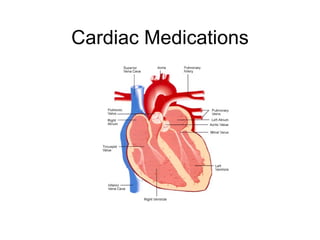
Cardiac Medications
Overview Inotropes Chronotropes Antianginal Agents Antidysrhythmics Sympathomimetics Vasopressors Diuretics Anticoagulants Fibrinolytic Enzymes Beta Blockers Ca Channel blockers
Inotropes
Inotropes Agents that affect myocardial  contraction  Positive  Inotropes Cardiac glycosides Bypyridine derivatives (Milrinone) PDE-I (Theophylline) Catecholamines   Negative  Inotropes BB   CCB Class IA & IC anti-arrhythmics
Class Participation Question #1 Which of the following is an example of a positive inotrope? Docusate Digoxin HCTZ Propranolol Nitroglycerin
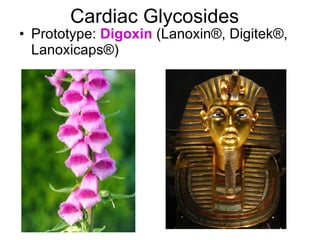
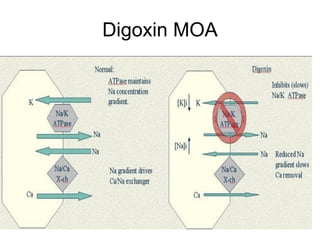
Cardiac Glycosides  Prototype:  Digoxin  (Lanoxin ® , Digitek ® , Lanoxicaps ® )
Digoxin MOA
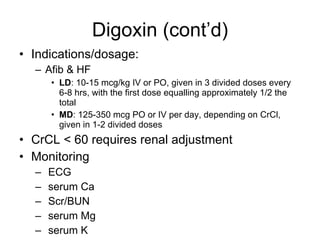
Digoxin (cont’d) Indications/dosage: Afib & HF LD : 10-15 mcg/kg IV or PO, given in 3 divided doses every 6-8 hrs, with the first dose equalling approximately 1/2 the total  MD : 125-350 mcg PO or IV per day, depending on CrCl, given in 1-2 divided doses CrCL < 60 requires renal adjustment Monitoring ECG  serum Ca  Scr/BUN  serum Mg  serum K
Class Participation Question 2: AJ is a 54 year old male weighing 50kg who has class III heart failure.  AJ’s doctor will be starting him on Digoxin therapy.  Calculate the Digoxin LOADING dose .
Class Participation Question 2: AJ is a 54 year old male weighing 50kg who has class III heart failure.  AJ’s doctor will be starting him on Digoxin therapy.  Calculate the Digoxin LOADING dose . Recall LD:  10-15 mcg/kg  IV or PO, given in 3 divided doses every 6-8 hrs, with the  first dose equalling approximately 1/2 the total
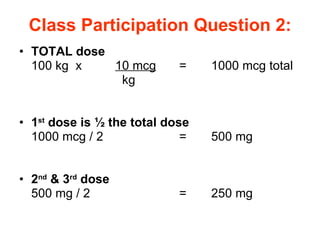
Class Participation Question 2: TOTAL dose 100 kg  x  10 mcg   =  1000 mcg total     kg 1 st  dose is ½ the total dose 1000 mcg / 2 = 500 mg 2 nd  & 3 rd  dose 500 mg / 2  = 250 mg
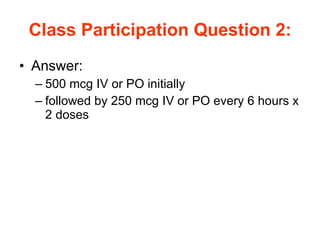
Class Participation Question 2: Answer: 500 mcg IV or PO initially followed by 250 mcg IV or PO every 6 hours x 2 doses
Latest News on Digoxin On April 28, 2008, Actavis Totowa LLC notified healthcare professionals of a Class I nationwide  recall of all strengths of Digitek ™.  The products are distributed by Mylan Pharmaceuticals Inc. under a Bertek label and by UDL Laboratories, Inc. under a UDL label.
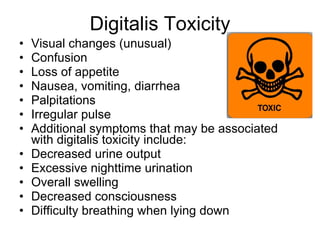
Digitalis Toxicity Visual changes (unusual)  Confusion  Loss of appetite  Nausea, vomiting, diarrhea  Palpitations  Irregular pulse  Additional symptoms that may be associated with digitalis toxicity include:  Decreased urine output Excessive nighttime urination Overall swelling Decreased consciousness Difficulty breathing when lying down
Chronotropes
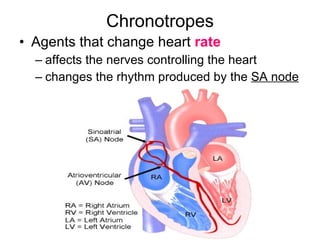
Chronotropes Agents that change heart  rate affects the nerves controlling the heart changes the rhythm produced by the  SA node
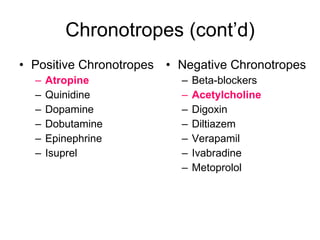
Chronotropes (cont’d) Positive Chronotropes Atropine Quinidine Dopamine Dobutamine Epinephrine Isuprel Negative Chronotropes Beta-blockers Acetylcholine Digoxin Diltiazem Verapamil Ivabradine Metoprolol
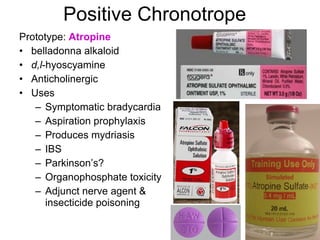
Positive Chronotrope Prototype:  Atropine  belladonna alkaloid d,l -hyoscyamine Anticholinergic Uses Symptomatic bradycardia Aspiration prophylaxis Produces mydriasis IBS Parkinson’s? Organophosphate toxicity Adjunct nerve agent & insecticide poisoning
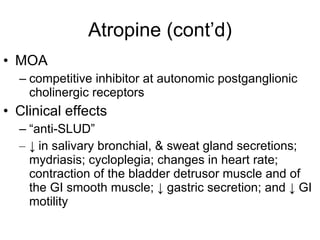
Atropine (cont’d) MOA competitive inhibitor at autonomic postganglionic cholinergic receptors Clinical effects “ anti-SLUD” ↓  in salivary bronchial, & sweat gland secretions; mydriasis; cycloplegia; changes in heart rate; contraction of the bladder detrusor muscle and of the GI smooth muscle;  ↓  gastric secretion; and  ↓  GI motility
Atropine Dosing Bradycardia 0.5-1 mg IV push; repeat if needed every 5 min up to 2 mg Aspiration prophylaxis po: 2 mg PO 30-60 min prior to anesthesia parental:  ≥  20 kg:  0.2-1 mg (the usual dose is 0.4 mg) IV, IM or SC 30-60 min prior to anesthesia IBS po: 0.3-1.2 mg PO every 4-6 hours Organophosphate insecticide toxicity 1-2 mg IM or IV initially; repeat if needed every 20-30 min as needed until symptoms dissipate. Adjunct nerve agent & insecticide poisoning Mydriasis Opthalmic: drop of 1% solution instilled in eye 1 hour prior to procedure or, 0.3-0.5 cm of 1% ointment placed in conjunctival sac up to tid Note: Lab monitoring  not  necessary
Anti-anginal Drugs
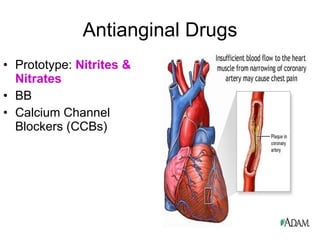
Antianginal Drugs Prototype:  Nitrites & Nitrates BB Calcium Channel Blockers (CCBs)
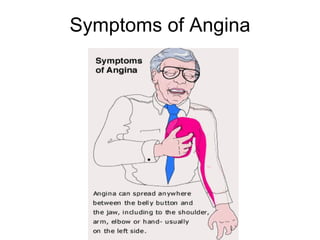
Symptoms of Angina
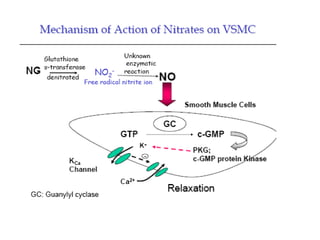
Nitrites/Nitrates Previously known as “coronary dilators” Main effect: to produce general vasodilation of systemic vein & arteries ↓ preload & ↓afterload  ↓  cardiac work & oxygen consumption 2 main uses Angina attacks Angina prophylaxis
Class Participation Question #3: Which is the PREFERRED route for nitroglycerin during angina attacks? Topical (ointment 2%) IV infusion Transdermal SL Extended release tablets/capsules
Class Participation Question #3: Which is the PREFFERED route for nitroglycerin during angina attacks? Topical (ointment 2%) IV infusion Transdermal SL Extended release tablets/capsules
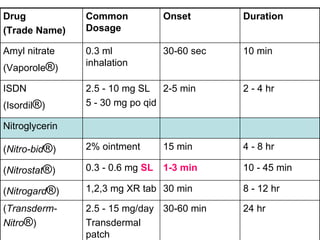
Drug (Trade Name) Common Dosage Onset Duration Amyl nitrate (Vaporole ® ) 0.3 ml inhalation 30-60 sec 10 min ISDN (Isordil ® ) 2.5 - 10 mg SL 5 - 30 mg po qid 2-5 min 2 - 4 hr Nitroglycerin ( Nitro-bid ® ) 2% ointment 15 min 4 - 8 hr ( Nitrostat ® ) 0.3 - 0.6 mg   SL 1-3 min 10 - 45 min ( Nitrogard ® ) 1,2,3 mg XR tab 30 min 8 - 12 hr ( Transderm-Nitro ® ) 2.5 - 15 mg/day Transdermal patch 30-60 min 24 hr
 
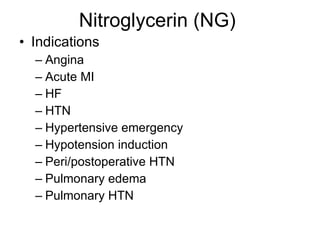
Nitroglycerin (NG)  Indications Angina Acute MI HF HTN Hypertensive emergency Hypotension induction Peri/postoperative HTN Pulmonary edema Pulmonary HTN
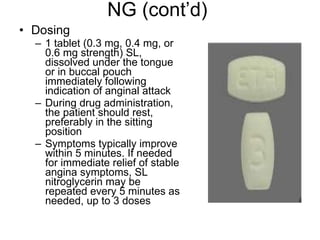
NG (cont’d) Dosing 1 tablet (0.3 mg, 0.4 mg, or 0.6 mg strength) SL, dissolved under the tongue or in buccal pouch immediately following indication of anginal attack  During drug administration, the patient should rest, preferably in the sitting position Symptoms typically improve within 5 minutes. If needed for immediate relief of stable angina symptoms, SL nitroglycerin may be repeated every 5 minutes as needed, up to 3 doses
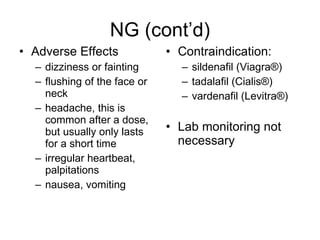
NG (cont’d) Adverse Effects dizziness or fainting flushing of the face or neck headache, this is common after a dose, but usually only lasts for a short time irregular heartbeat, palpitations nausea, vomiting Contraindication: sildenafil (Viagra®) tadalafil (Cialis®) vardenafil (Levitra ®) Lab monitoring not necessary
Antidysrhythmics/Antiarrhythmics
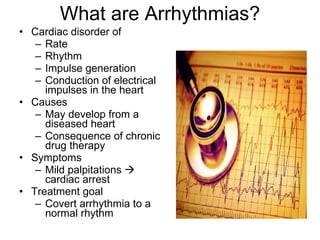
What are Arrhythmias? Cardiac disorder of  Rate Rhythm Impulse generation Conduction of electrical impulses in the heart Causes May develop from a diseased heart Consequence of chronic drug therapy Symptoms Mild palpitations    cardiac arrest Treatment goal Covert arrhythmia to a normal rhythm
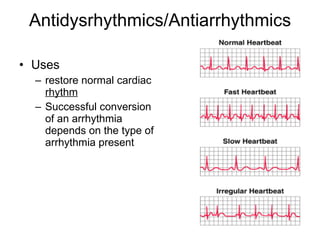
Antidysrhythmics/Antiarrhythmics Uses restore normal cardiac  rhythm Successful conversion of an arrhythmia depends on the type of arrhythmia present
Antidysrhythmics/Antiarrhythmics 4 major classes  Class I Class IA Class IB Class IC Class II Class III Class IV
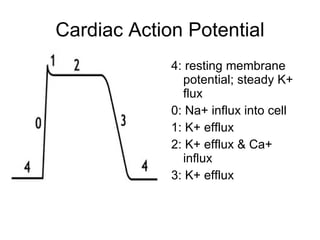
Cardiac Action Potential 4: resting membrane potential; steady K+ flux 0: Na+ influx into cell 1: K+ efflux 2: K+ efflux & Ca+ influx 3: K+ efflux
Class Participation Question #4: True or False? Although antiarrthymics are used for treating arrhythmias, they can also PRODUCE arrhythmias.
Class Participation Question #4: True or False? Although antiarrthymics are used for treating arrhythmias, they can also PRODUCE arrhythmias. Answer: TRUE
The Catch 22 with Antiarrhythmics People with structural heart disease are at INCREASED risk for arrhythmias! The problem… Many antiarrhythmic drugs INCREASE sudden death in these patients compared to placebo
Antiarrthymics: Class I Na channel blockers Common features Local anesthetic activity Interferes with movement of Na ions Slow conduction velocity Prolong refractory period  Decreases automaticity of the heart
Class I A Quinidine  (Quinidine sulfate ® , Quinaglute ® , Quinidex ® , Cardioquin ® ) Disopyramide (Norpace ® )  Procainimide (Procainimide HCI ® , Procan ® , Procanabid ® , Pronestyl ® )
Class 1A – Quinidine  Derived from cinchona tree Depresses both the myocardium & conduction system Overall effect: slows heart rate Pharmacokinetics Well absorbed in GI tract after po administration Metabolized to several active metabolites Primarily excreted by urinary tract Cardiac poison when large amounts are present in blood
Class 1A – Quinidine (cont’d) Adverse Effects N/V, diarrhea, weakness, fatigue, cinchonism Drug Interactions Hyperkalemia Digitalis  propranolol Monitoring CBC  ECG  serum quinidine concentrations (target range 2-6 µg/ml or higher)  CI: AV block
Class I B prototype:  Lidocaine  (Xylocaine®) Tocainide (Tonocard®)  Mexiletene (Mexitel®)  Phenytoin (Dilantin®)
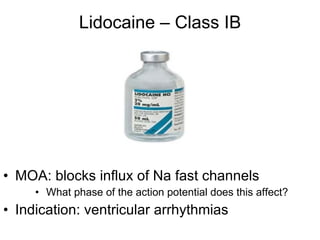
Lidocaine – Class IB MOA: blocks influx of Na fast channels What phase of the action potential does this affect? Indication: ventricular arrhythmias
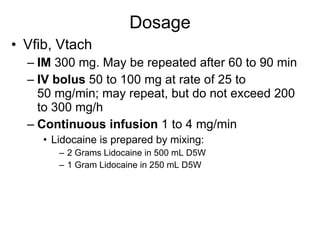
Dosage Vfib, Vtach IM  300 mg. May be repeated after 60 to 90 min IV bolus  50 to 100 mg at rate of 25 to 50 mg/min; may repeat, but do not exceed 200 to 300 mg/h Continuous infusion  1 to 4 mg/min Lidocaine is prepared by mixing: 2 Grams Lidocaine in 500 mL D5W 1 Gram Lidocaine in 250 mL D5W
Lidocaine – Class IB (cont’d) Common Adverse Effects anxiety, nervousness dizziness, drowsiness feelings of coldness, heat, or numbness; or pain at the site of the injection N/V Monitoring LFTs  Scr/BUN  serum lidocaine concentrations (target range 2-6 µg/ml): parenteral use
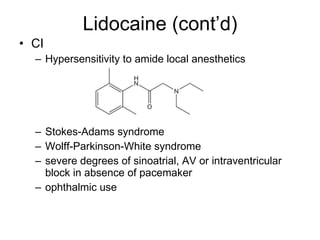
Lidocaine (cont’d) CI Hypersensitivity to amide local anesthetics Stokes-Adams syndrome Wolff-Parkinson-White syndrome severe degrees of sinoatrial, AV or intraventricular block in absence of pacemaker ophthalmic use
Class I C prototype:  Flecainide  (Tambocor®)  Propafenone (Rhythmol®)
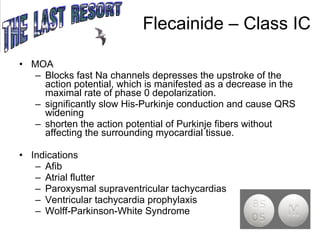
Flecainide – Class IC MOA Blocks fast Na channels depresses the upstroke of the action potential, which is manifested as a decrease in the maximal rate of phase 0 depolarization.  significantly slow His-Purkinje conduction and cause QRS widening shorten the action potential of Purkinje fibers without affecting the surrounding myocardial tissue. Indications Afib Atrial flutter Paroxysmal supraventricular tachycardias Ventricular tachycardia prophylaxis Wolff-Parkinson-White Syndrome
Flecainide – Class IC Adverse Reactions visual impairment, dizziness, asthenia, edema, abdominal pain, constipation, headache, fatigue, and tremor, N/V, arrhea, dyspepsia, anorexia, rash, diplopia, hypoesthesia, paresthesia, paresis, ataxia, flushing, increased sweating, vertigo, syncope, somnolence, tinnitus, anxiety, insomnia, and depression. Avoid in CHF Acute MI Hx of MI (LVEF < 30%) Monitoring ECG  serum creatinine/BUN: baseline
Class II – Beta Blockers Propranolol   (Inderal®)  Acebutolol (Sectral®)  Atenolol (Tenormin®)  Betaxolol (Kerlone®)  Bisoprolol (Zebeta®)  Carvedilol (Coreg®)  Esmolol ( Brevibloc®) Metoprolol(Toprol®, Lopressor®)  Nadolol (Corgard®)  Timolol (Blocadron®)
Propranolol Warning 2 situations in which propranolol requires extreme caution AV block CHF Asthma or emphysema
Class III K+ channel blockers Drugs: Prototype:  Amiodarone  (Cordarone) Bretylium (Bretylol) Sotalol (Betapace)
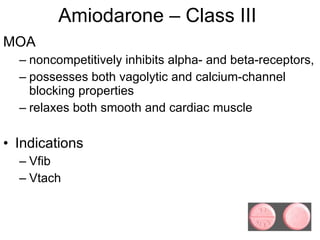
Amiodarone – Class III MOA noncompetitively inhibits alpha- and beta-receptors, possesses both vagolytic and calcium-channel blocking properties relaxes both smooth and cardiac muscle Indications Vfib Vtach
Vfib Amiodarone Dosage po Initially, 800-1600 mg/day PO in single or divided doses for a minimum of 1-3 weeks in a monitored setting until an initial therapeutic response is achieved  followed by 600-800 mg/day PO in one or divided doses for about one month.  Then reduce dosage again to the lowest effective maintenance dose, usually 400 mg/day PO in one or divided doses iv initial IV rapid infusion of 150 mg over the first 10 minutes. Then begin a slow IV infusion of 1 mg/min for the next 6 hours (total dose infused = 360 mg). Then, the infusion rate is lowered to 0.5 mg/min for the next 18 hours (total dose infused = 540 mg). After the first 24 hours, a maintenance IV infusion of 0.5 mg/minute (720 mg/day) is recommended.
Amiodarone – Adverse Reactions Cardiovascular:  exacerbation of the arrhythmias, CHF (3%) and bradycardia.  Cardiac arrhythmias, CHF, sinoatrial node dysfunction (1% to 3%); cardiac conduction abnormalities, hypotension (less than 1%) CNS:  20% to 40% of patients and including malaise and fatigue, peripheral neuropathy, poor coordination & gait, & tremor and involuntary movements; they are rarely a reason to stop therapy and may respond to dose reductions or discontinuation; Abnormal gait/ataxia, dizziness, lack of coordination, malaise and fatigue, paresthesias, tremor/abnormal involuntary movements (4% to 9%); decreased libido, headache, insomnia, sleep disturbances (1% to 3%). Dermatologic: ~ 15% of patients, with photosensitivity being most common (approximately 10%). Sunscreen and protection from sun exposure may be helpful, and drug discontinuation is not usually necessary. Prolonged exposure to amiodarone occasionally results in a blue-gray pigmentation; Solar dermatitis/photosensitivity (4% to 9%); alopecia, blue skin discoloration, rash, spontaneous ecchymosis (less than 1%). Endocrine:  Hyperthyroidism, hypothyroidism (1% to 3%). GI:  GI complaints, most commonly anorexia, constipation, N/V (10% to 33%); anorexia, constipation (4% to 9%); abdominal pain (1% to 3%) Hepatic:  Abnormal liver function tests (4% to 9%); nonspecific hepatic disorders (1% to 3%) Ophthalmic:  optic neuropathy and/or optic neuritis, in some cases progressing to corneal degeneration, eye discomfort, lens opacities, macular degeneration, papilledema, permanent blindness, photosensitivity, and scotoma, have been reported .  Asymptomatic corneal microdeposits are present in virtually all adult patients who have been on the drug for more than 6 months. Some patients develop eye symptoms of dry eyes, halos, and photophobia. Vision is rarely affected and drug discontinuation is rarely needed. Visual disturbances (4% to 9%) Respiratory:  Fibrosis, pulmonary inflammation (4% to 9%) Miscellaneous:  Abnormal salivation, abnormal taste and smell, coagulation abnormalities, edema, flushing (1% to 3%).
Amiodarone – Class III (cont’d) Monitoring CBC  chest x-ray  ECG  LFTs  ophthalmologic exam  PFTs: baseline  thyroid function tests (TFTs)
Class IV Ca channel blockers  Drugs Adenosine (Adenocard  ® ) Diltiazim (Cardizem®, Tiazac®)  Verapamil (Dovera®, Isoptin®, Calan®)  Clinical Effects widen the blood vessels may decrease the heart’s pumping strength
Sympathomimetics
Sympathomimetics 2 classes:  α - agonist Phenylephrine Clonidine  Oxymetazoline  Tetrahydralazine  Xylometazoline  β -agonist Prototype:  Epinephrine Norepinephrine Dopamine Dobutamine Isoproterenol SE: hypertension,  excessive cardiac stimulation cardiac arrhythmias  Long-term use increases mortality in heart failure patients.  CI CAD  
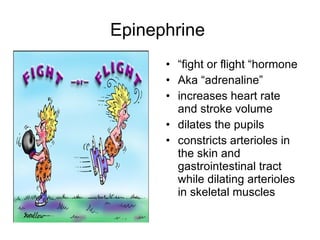
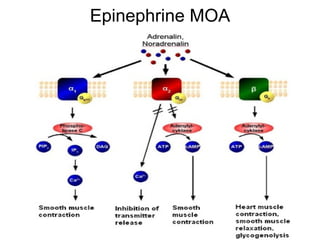
Epinephrine  “ fight or flight “hormone Aka “adrenaline” increases heart rate and stroke volume dilates the pupils constricts arterioles in the skin and gastrointestinal tract while dilating arterioles in skeletal muscles
Epinephrine MOA
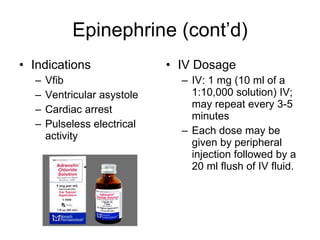
Epinephrine (cont’d) Indications Vfib Ventricular asystole Cardiac arrest Pulseless electrical activity IV Dosage IV: 1 mg (10 ml of a 1:10,000 solution) IV; may repeat every 3-5 minutes Each dose may be given by peripheral injection followed by a 20 ml flush of IV fluid.
Epinephrine Common Adverse Effects anxiety or nervousness dry mouth drowsiness or dizziness headache increased sweating nausea weakness or tiredness Monitoring ECG: in patients receiving IV therapy  PFTs
Vasopressors
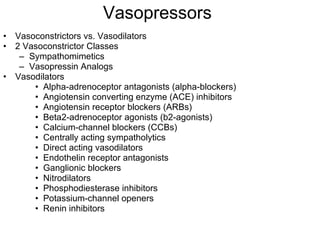
Vasopressors Vasoconstrictors vs. Vasodilators 2 Vasoconstrictor Classes Sympathomimetics Vasopressin Analogs Vasodilators Alpha-adrenoceptor antagonists (alpha-blockers)  Angiotensin converting enzyme (ACE) inhibitors Angiotensin receptor blockers (ARBs) Beta2-adrenoceptor agonists (b2-agonists) Calcium-channel blockers (CCBs) Centrally acting sympatholytics Direct acting vasodilators Endothelin receptor antagonists Ganglionic blockers Nitrodilators Phosphodiesterase inhibitors Potassium-channel openers Renin inhibitors
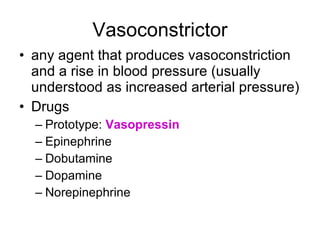
Vasoconstrictor any agent that produces vasoconstriction and a rise in blood pressure (usually understood as increased arterial pressure) Drugs Prototype:  Vasopressin Epinephrine Dobutamine Dopamine  Norepinephrine
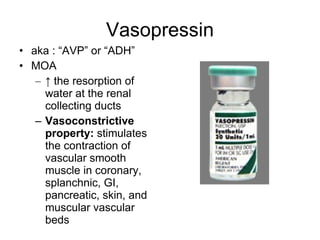
Vasopressin aka : “AVP” or “ADH” MOA ↑   the resorption of water at the renal collecting ducts Vasoconstrictive property:  stimulates the contraction of vascular smooth muscle in coronary, splanchnic, GI, pancreatic, skin, and muscular vascular beds
Vasopressin (cont’d) FDA indication: Diabetes Insipidus Non-FDA indications Cardiac arrest Cardiogenic shock Cardiopulmonary resuscitation Hypotension Septic shock And many more….
Vasopressin (cont’d) Dosage for cardiac arrest including ventricular asystole and pulseless electrical activity (PEA) during cardiopulmonary resuscitation (CPR) IV or intraosseous dosage: Adults:  A single dose of 40 units IV (or intraosseous) may be given one time to replace the first or second dose of epinephrine during cardiac arrest Do not interrupt cardiopulmonary resuscitation to administer drug therapy.
Vasopressin (cont’d) Adverse Effects Cardiovascular:  Cardiac arrest; circumoral pallor; arrhythmias; decreased cardiac output; angina; myocardial ischemia; peripheral vasoconstriction; and gangrene CNS:  Tremor; vertigo; “pounding” in head Dermatologic:  Sweating; urticaria; cutaneous gangrene GI:  Abdominal cramps; nausea; vomiting; passage of gas Hypersensitivity:  Anaphylaxis (cardiac arrest and/or shock) has been observed shortly  after injection Respiratory:  Bronchial constriction. Monitoring serum osmolality  serum Na
Diuretics
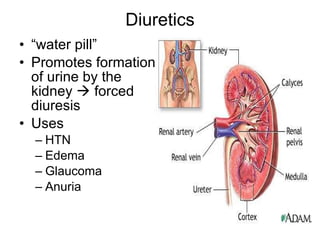
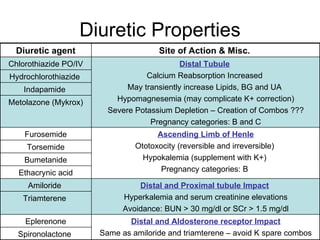
Diuretics “ water pill” Promotes formation of urine by the kidney    forced diuresis Uses HTN Edema Glaucoma Anuria
 
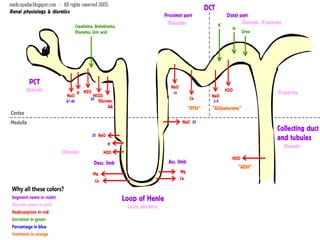
Diuretic Properties Diuretic agent Site of Action & Misc.  Chlorothiazide PO/IV Distal Tubule   Calcium Reabsorption Increased  May transiently increase Lipids, BG and UA  Hypomagnesemia (may complicate K+ correction) Severe Potassium Depletion – Creation of Combos ??? Pregnancy categories: B and C Hydrochlorothiazide  Indapamide  Metolazone (Mykrox) Furosemide Ascending Limb of Henle Ototoxocity (reversible and irreversible)  Hypokalemia (supplement with K+)  Pregnancy categories: B  Torsemide Bumetanide Ethacrynic acid Amiloride  Distal and Proximal tubule Impact   Hyperkalemia and serum creatinine elevations Avoidance: BUN > 30 mg/dl or SCr > 1.5 mg/dl Triamterene  Eplerenone Distal and Aldosterone receptor Impact Same as amiloride and triamterene – avoid K spare combos Spironolactone
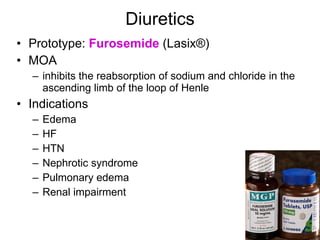
Diuretics Prototype:  Furosemide  (Lasix ® ) MOA inhibits the reabsorption of sodium and chloride in the ascending limb of the loop of Henle  Indications Edema HF HTN Nephrotic syndrome Pulmonary edema Renal impairment
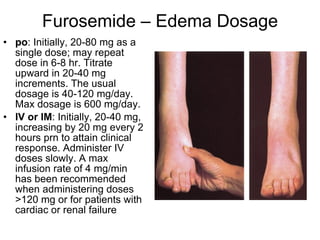
Furosemide – Edema Dosage po : Initially, 20-80 mg as a single dose; may repeat dose in 6-8 hr. Titrate upward in 20-40 mg increments. The usual dosage is 40-120 mg/day. Max dosage is 600 mg/day. IV or IM : Initially, 20-40 mg, increasing by 20 mg every 2 hours prn to attain clinical response. Administer IV doses slowly. A max infusion rate of 4 mg/min has been recommended when administering doses >120 mg or for patients with cardiac or renal failure
Furosemide Common Adverse Reactions Cardiovascular:  Orthostatic hypotension may occur and be aggravated by alcohol, barbiturates or narcotics. CNS:  Tinnitus and hearing loss, paresthesias, vertigo, dizziness, headache, blurred vision, xanthopsia. Dermatologic:  Exfoliative dermatitis, erythema multiforme, purpura, photosensitivity, urticaria, rash, pruritus. GI:  Pancreatitis, jaundice (intrahepatic cholestatic jaundice), anorexia, oral and gastric irritation, cramping, diarrhea, constipation, nausea, vomiting. Hematologic:  Aplastic anemia (rare), thrombocytopenia, agranulocytosis (rare), hemolytic anemia, leukopenia, anemia. Hypersensitivity:  Systemic vasculitis, interstitial nephritis, necrotizing angiitis. Miscellaneous:  Hyperglycemia, glycosuria, hyperuricemia, muscle spasm, weakness, restlessness, urinary bladder spasm, thrombophlebitis, fever.
Furosemide (cont’d) Monitoring audiometry  blood glucose  serum creatinine/BUN  serum electrolytes  serum uric acid  CI/Precautions Sulfa allergy Kidney failure Anuria
Anticoagulants
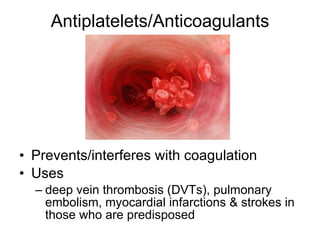
Antiplatelets/Anticoagulants Prevents/interferes with coagulation Uses deep vein thrombosis (DVTs), pulmonary embolism, myocardial infarctions & strokes in those who are predisposed
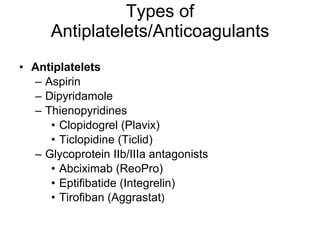
Types of Antiplatelets/Anticoagulants Antiplatelets Aspirin Dipyridamole Thienopyridines Clopidogrel (Plavix) Ticlopidine (Ticlid) Glycoprotein IIb/IIIa antagonists Abciximab (ReoPro) Eptifibatide (Integrelin) Tirofiban (Aggrastat )
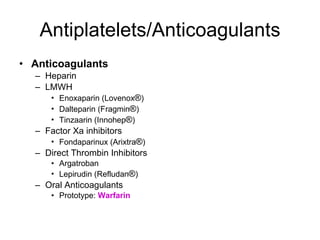
Antiplatelets/Anticoagulants Anticoagulants Heparin LMWH Enoxaparin (Lovenox ® ) Dalteparin (Fragmin ® ) Tinzaarin (Innohep ® ) Factor Xa inhibitors Fondaparinux (Arixtra ® ) Direct Thrombin Inhibitors Argatroban  Lepirudin (Refludan ® ) Oral Anticoagulants Prototype:  Warfarin
Heparin Recall in 2008 In  February 2008 , the FDA  issued a MedWatch  in response to an  increase in the number of serious adverse events including allergic or hypersensitivity-type reactions with the administration of higher bolus doses of heparin.  The reports have mainly involved the use of  Baxter multiple-dose vials ; however, there have been reports of these reactions occurring when the combination of multiple- and single-dose vials have been used to administer a bolus dose. In February 2008,  Baxter International announced expanding their  voluntary  recall to include all lots and doses of its Heparin Sodium UPS multi-dose, single-dose vials, and HEP-LOCK heparin flush products . The company initially recalled nine lots of heparin sodium injection multi-dose vials as a precautionary measure due to a higher than usual number of reports of adverse patient reactions involving the product. In March 2008, the FDA announced that the contaminant found in samples of Baxter's heparin was oversulfated chondroitin sulfate, a substance derived from animal cartilage. The  FDA  also stated that it  does not know whether this contaminant caused the adverse events, only that a contaminant has been identified . Investigations continue as to whether this contaminant was added to heparin by accident or intentionally. Customers with questions regarding the Baxter recall may contact the Center for One Baxter at 1-800-422-9837.
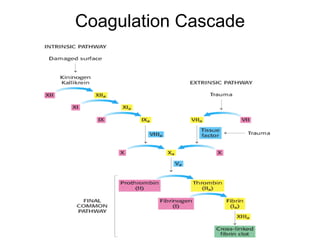
Coagulation Cascade
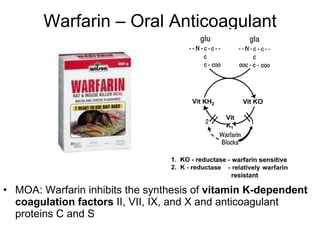
Warfarin – Oral Anticoagulant MOA: Warfarin inhibits the synthesis of  vitamin K-dependent coagulation factors  II, VII, IX, and X and anticoagulant proteins C and S
Warfarin (cont’d) Indications Stroke DVT Post MI Afib Cardiomyopathy….and many more! Dosage Initially, 2-5 mg PO or IV once daily, with dosage adjustments made according to INR result
Warfarin Warnings Bleeding Risk! Warfarin can  cause major or fatal bleeding . Bleeding is more likely to occur during the starting period and with a higher dose (resulting in a higher international normalized ratio [INR]). Risk factors for bleeding include high intensity of anticoagulation (INR of more than 4), 65 years of age and older, highly variable INRs, history of GI bleeding, hypertension, cerebrovascular disease, serious heart disease, anemia, malignancy, trauma, renal function impairment, concomitant drugs, and long duration of warfarin therapy.  Regular monitoring of INR should be performed on all treated patients . Those at high risk of bleeding may benefit from more frequent INR monitoring, careful dose adjustment to desired INR, and a shorter duration of therapy.  Patients should be instructed about prevention measures to minimize risk of bleeding and to report immediately to health care provider signs and symptoms of bleeding  Pregnancy Category X
Warfarin (cont’d) SE Hemorrhage: Signs of severe bleeding resulting in the loss of large amounts of blood depend upon the location and extent of bleeding. Symptoms include: chest, abdomen, joint, muscle, or other pain; difficult breathing or swallowing; dizziness; headache; low blood pressure; numbness and tingling; paralysis; shortness of breath; unexplained shock; unexplained swelling; weakness  Monitoring INR  prothrombin time (PT)  stool guaiac  bleeding DDIs NSAIDs 3 G’s Garlic  Ginger Ginsing Vitamin K intake
Class Participation Question #5: Which foods are high in vitamin K?
Fibrinolytic Enzymes
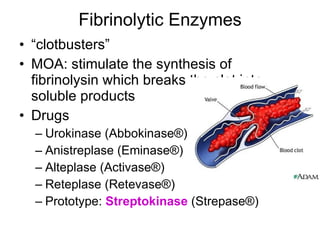
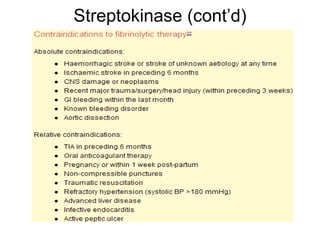
Fibrinolytic Enzymes “ clotbusters” MOA: stimulate the synthesis of fibrinolysin which breaks the clot into soluble products Drugs Urokinase (Abbokinase ® ) Anistreplase (Eminase ® ) Alteplase (Activase ® ) Reteplase (Retevase ® ) Prototype:  Streptokinase  (Strepase ® )
Streptokinase (cont’d) Indications Acute MI Acute ischemic stroke Pulmonary embolism Lysis of DVT  Dose Administration Parental infusion (usually IV) Deep vein or arterial thrombosis IV: 250,000 IU over 30 min followed by 100,000 IU per hour up to 72 hours
Streptokinase (cont’d) Adverse Effects Hemorrhage Concomitant use of heparin, oral anticoagulants, NSAIDs is NOT recommended because of the increased risk of bleeding Allergic reactions
Streptokinase (cont’d)
Beta Blockers
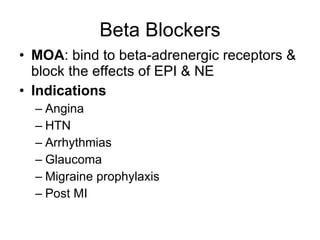
Beta Blockers MOA : bind to beta-adrenergic receptors & block the effects of EPI & NE Indications Angina HTN Arrhythmias Glaucoma Migraine prophylaxis Post MI
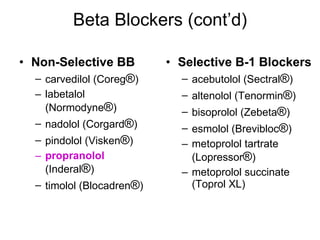
Beta Blockers (cont’d) Non-Selective BB carvedilol (Coreg ® ) labetalol (Normodyne ® ) nadolol (Corgard ® ) pindolol (Visken ® ) propranolol  (Inderal ® ) timolol (Blocadren ® ) Selective B-1 Blockers acebutolol (Sectral ® ) altenolol (Tenormin ® ) bisoprolol (Zebeta ® ) esmolol (Brevibloc ® ) metoprolol tartrate (Lopressor ® ) metoprolol succinate (Toprol XL)
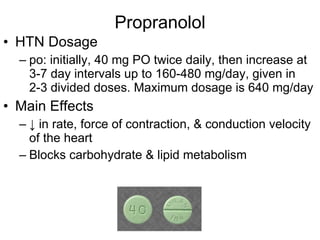
Propranolol HTN Dosage po: initially, 40 mg PO twice daily, then increase at 3-7 day intervals up to 160-480 mg/day, given in 2-3 divided doses. Maximum dosage is 640 mg/day Main Effects ↓  in rate, force of contraction, & conduction velocity of the heart Blocks carbohydrate & lipid metabolism
Propranolol (cont’d) Adverse Reactions changes in blood sugar cold hands or feet difficulty breathing, wheezing difficulty sleeping, nightmares dizziness or fainting spells hallucinations (seeing and hearing things that are not really there) muscle cramps or weakness skin rash, itching, dry peeling skin slow heart rate (less than 50 beats per minute) swelling of the legs and ankles vomiting dark coloration of skin diarrhea dry sore eyes hair loss nausea sexual difficulties (impotence or decreased sexual urges) weakness or tiredness
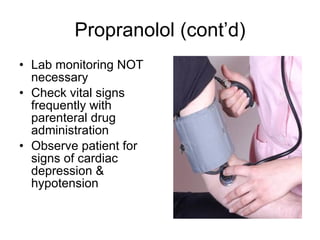
Propranolol (cont’d) Lab monitoring NOT necessary Check vital signs frequently with parenteral drug administration Observe patient for signs of cardiac depression & hypotension
Calcium Channel Blockers
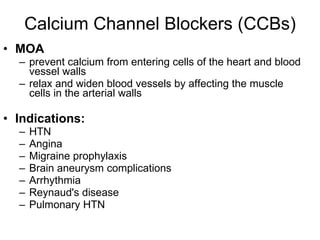
Calcium Channel Blockers (CCBs) MOA prevent calcium from entering cells of the heart and blood vessel walls relax and widen blood vessels by affecting the muscle cells in the arterial walls  Indications: HTN Angina Migraine prophylaxis Brain aneurysm complications  Arrhythmia Reynaud's disease  Pulmonary HTN
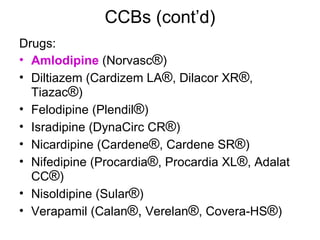
CCBs (cont’d) Drugs: Amlodipine  (Norvasc ® )  Diltiazem (Cardizem LA ® , Dilacor XR ® , Tiazac ® )  Felodipine (Plendil ® )  Isradipine (DynaCirc CR ® )  Nicardipine (Cardene ® , Cardene SR ® )  Nifedipine (Procardia ® , Procardia XL ® , Adalat CC ® )  Nisoldipine (Sular ® )  Verapamil (Calan ®,  Verelan ® , Covera-HS ® )
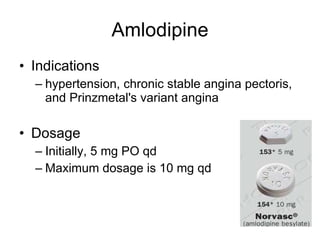
Amlodipine Indications hypertension, chronic stable angina pectoris, and Prinzmetal's variant angina Dosage Initially, 5 mg PO qd Maximum dosage is 10 mg qd
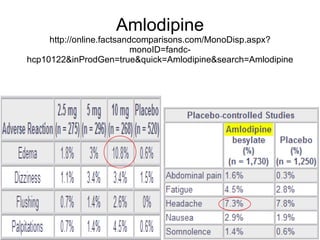
Amlodipine http://online.factsandcomparisons.com/MonoDisp.aspx?monoID=fandc-hcp10122&inProdGen=true&quick=Amlodipine&search=Amlodipine
Amlodipine Monitoring No lab monitoring needed CI Known sensitivity to amlodipine
It’s FREE to join. http://www.examville.com

Cardiac medications

  • 1.
    www.Examville.com Online practicetests, live classes, tutoring, study guides Q&A, premium content and more .
  • 2.
  • 3.
    Overview Inotropes ChronotropesAntianginal Agents Antidysrhythmics Sympathomimetics Vasopressors Diuretics Anticoagulants Fibrinolytic Enzymes Beta Blockers Ca Channel blockers
  • 4.
  • 5.
    Inotropes Agents thataffect myocardial contraction Positive Inotropes Cardiac glycosides Bypyridine derivatives (Milrinone) PDE-I (Theophylline) Catecholamines Negative Inotropes BB CCB Class IA & IC anti-arrhythmics
  • 6.
    Class Participation Question#1 Which of the following is an example of a positive inotrope? Docusate Digoxin HCTZ Propranolol Nitroglycerin
  • 7.
    Class Participation Question#1 Which of the following is an example of a positive inotrope? Docusate Digoxin HCTZ Propranolol Nitroglycerin
  • 8.
    Cardiac Glycosides Prototype: Digoxin (Lanoxin ® , Digitek ® , Lanoxicaps ® )
  • 9.
  • 10.
    Digoxin (cont’d) Indications/dosage:Afib & HF LD : 10-15 mcg/kg IV or PO, given in 3 divided doses every 6-8 hrs, with the first dose equalling approximately 1/2 the total MD : 125-350 mcg PO or IV per day, depending on CrCl, given in 1-2 divided doses CrCL < 60 requires renal adjustment Monitoring ECG serum Ca Scr/BUN serum Mg serum K
  • 11.
    Class Participation Question2: AJ is a 54 year old male weighing 50kg who has class III heart failure. AJ’s doctor will be starting him on Digoxin therapy. Calculate the Digoxin LOADING dose .
  • 12.
    Class Participation Question2: AJ is a 54 year old male weighing 50kg who has class III heart failure. AJ’s doctor will be starting him on Digoxin therapy. Calculate the Digoxin LOADING dose . Recall LD: 10-15 mcg/kg IV or PO, given in 3 divided doses every 6-8 hrs, with the first dose equalling approximately 1/2 the total
  • 13.
    Class Participation Question2: TOTAL dose 100 kg x 10 mcg = 1000 mcg total kg 1 st dose is ½ the total dose 1000 mcg / 2 = 500 mg 2 nd & 3 rd dose 500 mg / 2 = 250 mg
  • 14.
    Class Participation Question2: Answer: 500 mcg IV or PO initially followed by 250 mcg IV or PO every 6 hours x 2 doses
  • 15.
    Latest News onDigoxin On April 28, 2008, Actavis Totowa LLC notified healthcare professionals of a Class I nationwide recall of all strengths of Digitek ™. The products are distributed by Mylan Pharmaceuticals Inc. under a Bertek label and by UDL Laboratories, Inc. under a UDL label.
  • 16.
    Digitalis Toxicity Visualchanges (unusual) Confusion Loss of appetite Nausea, vomiting, diarrhea Palpitations Irregular pulse Additional symptoms that may be associated with digitalis toxicity include: Decreased urine output Excessive nighttime urination Overall swelling Decreased consciousness Difficulty breathing when lying down
  • 17.
  • 18.
    Chronotropes Agents thatchange heart rate affects the nerves controlling the heart changes the rhythm produced by the SA node
  • 19.
    Chronotropes (cont’d) PositiveChronotropes Atropine Quinidine Dopamine Dobutamine Epinephrine Isuprel Negative Chronotropes Beta-blockers Acetylcholine Digoxin Diltiazem Verapamil Ivabradine Metoprolol
  • 20.
    Positive Chronotrope Prototype: Atropine belladonna alkaloid d,l -hyoscyamine Anticholinergic Uses Symptomatic bradycardia Aspiration prophylaxis Produces mydriasis IBS Parkinson’s? Organophosphate toxicity Adjunct nerve agent & insecticide poisoning
  • 21.
    Atropine (cont’d) MOAcompetitive inhibitor at autonomic postganglionic cholinergic receptors Clinical effects “ anti-SLUD” ↓ in salivary bronchial, & sweat gland secretions; mydriasis; cycloplegia; changes in heart rate; contraction of the bladder detrusor muscle and of the GI smooth muscle; ↓ gastric secretion; and ↓ GI motility
  • 22.
    Atropine Dosing Bradycardia0.5-1 mg IV push; repeat if needed every 5 min up to 2 mg Aspiration prophylaxis po: 2 mg PO 30-60 min prior to anesthesia parental: ≥ 20 kg: 0.2-1 mg (the usual dose is 0.4 mg) IV, IM or SC 30-60 min prior to anesthesia IBS po: 0.3-1.2 mg PO every 4-6 hours Organophosphate insecticide toxicity 1-2 mg IM or IV initially; repeat if needed every 20-30 min as needed until symptoms dissipate. Adjunct nerve agent & insecticide poisoning Mydriasis Opthalmic: drop of 1% solution instilled in eye 1 hour prior to procedure or, 0.3-0.5 cm of 1% ointment placed in conjunctival sac up to tid Note: Lab monitoring not necessary
  • 23.
  • 24.
    Antianginal Drugs Prototype: Nitrites & Nitrates BB Calcium Channel Blockers (CCBs)
  • 25.
  • 26.
    Nitrites/Nitrates Previously knownas “coronary dilators” Main effect: to produce general vasodilation of systemic vein & arteries ↓ preload & ↓afterload ↓ cardiac work & oxygen consumption 2 main uses Angina attacks Angina prophylaxis
  • 27.
    Class Participation Question#3: Which is the PREFERRED route for nitroglycerin during angina attacks? Topical (ointment 2%) IV infusion Transdermal SL Extended release tablets/capsules
  • 28.
    Class Participation Question#3: Which is the PREFFERED route for nitroglycerin during angina attacks? Topical (ointment 2%) IV infusion Transdermal SL Extended release tablets/capsules
  • 29.
    Drug (Trade Name)Common Dosage Onset Duration Amyl nitrate (Vaporole ® ) 0.3 ml inhalation 30-60 sec 10 min ISDN (Isordil ® ) 2.5 - 10 mg SL 5 - 30 mg po qid 2-5 min 2 - 4 hr Nitroglycerin ( Nitro-bid ® ) 2% ointment 15 min 4 - 8 hr ( Nitrostat ® ) 0.3 - 0.6 mg SL 1-3 min 10 - 45 min ( Nitrogard ® ) 1,2,3 mg XR tab 30 min 8 - 12 hr ( Transderm-Nitro ® ) 2.5 - 15 mg/day Transdermal patch 30-60 min 24 hr
  • 30.
  • 31.
    Nitroglycerin (NG) Indications Angina Acute MI HF HTN Hypertensive emergency Hypotension induction Peri/postoperative HTN Pulmonary edema Pulmonary HTN
  • 32.
    NG (cont’d) Dosing1 tablet (0.3 mg, 0.4 mg, or 0.6 mg strength) SL, dissolved under the tongue or in buccal pouch immediately following indication of anginal attack During drug administration, the patient should rest, preferably in the sitting position Symptoms typically improve within 5 minutes. If needed for immediate relief of stable angina symptoms, SL nitroglycerin may be repeated every 5 minutes as needed, up to 3 doses
  • 33.
    NG (cont’d) AdverseEffects dizziness or fainting flushing of the face or neck headache, this is common after a dose, but usually only lasts for a short time irregular heartbeat, palpitations nausea, vomiting Contraindication: sildenafil (Viagra®) tadalafil (Cialis®) vardenafil (Levitra ®) Lab monitoring not necessary
  • 34.
  • 35.
    What are Arrhythmias?Cardiac disorder of Rate Rhythm Impulse generation Conduction of electrical impulses in the heart Causes May develop from a diseased heart Consequence of chronic drug therapy Symptoms Mild palpitations  cardiac arrest Treatment goal Covert arrhythmia to a normal rhythm
  • 36.
    Antidysrhythmics/Antiarrhythmics Uses restorenormal cardiac rhythm Successful conversion of an arrhythmia depends on the type of arrhythmia present
  • 37.
    Antidysrhythmics/Antiarrhythmics 4 majorclasses Class I Class IA Class IB Class IC Class II Class III Class IV
  • 38.
    Cardiac Action Potential4: resting membrane potential; steady K+ flux 0: Na+ influx into cell 1: K+ efflux 2: K+ efflux & Ca+ influx 3: K+ efflux
  • 39.
    Class Participation Question#4: True or False? Although antiarrthymics are used for treating arrhythmias, they can also PRODUCE arrhythmias.
  • 40.
    Class Participation Question#4: True or False? Although antiarrthymics are used for treating arrhythmias, they can also PRODUCE arrhythmias. Answer: TRUE
  • 41.
    The Catch 22with Antiarrhythmics People with structural heart disease are at INCREASED risk for arrhythmias! The problem… Many antiarrhythmic drugs INCREASE sudden death in these patients compared to placebo
  • 42.
    Antiarrthymics: Class INa channel blockers Common features Local anesthetic activity Interferes with movement of Na ions Slow conduction velocity Prolong refractory period Decreases automaticity of the heart
  • 43.
    Class I AQuinidine (Quinidine sulfate ® , Quinaglute ® , Quinidex ® , Cardioquin ® ) Disopyramide (Norpace ® ) Procainimide (Procainimide HCI ® , Procan ® , Procanabid ® , Pronestyl ® )
  • 44.
    Class 1A –Quinidine Derived from cinchona tree Depresses both the myocardium & conduction system Overall effect: slows heart rate Pharmacokinetics Well absorbed in GI tract after po administration Metabolized to several active metabolites Primarily excreted by urinary tract Cardiac poison when large amounts are present in blood
  • 45.
    Class 1A –Quinidine (cont’d) Adverse Effects N/V, diarrhea, weakness, fatigue, cinchonism Drug Interactions Hyperkalemia Digitalis propranolol Monitoring CBC ECG serum quinidine concentrations (target range 2-6 µg/ml or higher) CI: AV block
  • 46.
    Class I Bprototype: Lidocaine (Xylocaine®) Tocainide (Tonocard®) Mexiletene (Mexitel®) Phenytoin (Dilantin®)
  • 47.
    Lidocaine – ClassIB MOA: blocks influx of Na fast channels What phase of the action potential does this affect? Indication: ventricular arrhythmias
  • 48.
    Dosage Vfib, VtachIM 300 mg. May be repeated after 60 to 90 min IV bolus 50 to 100 mg at rate of 25 to 50 mg/min; may repeat, but do not exceed 200 to 300 mg/h Continuous infusion 1 to 4 mg/min Lidocaine is prepared by mixing: 2 Grams Lidocaine in 500 mL D5W 1 Gram Lidocaine in 250 mL D5W
  • 49.
    Lidocaine – ClassIB (cont’d) Common Adverse Effects anxiety, nervousness dizziness, drowsiness feelings of coldness, heat, or numbness; or pain at the site of the injection N/V Monitoring LFTs Scr/BUN serum lidocaine concentrations (target range 2-6 µg/ml): parenteral use
  • 50.
    Lidocaine (cont’d) CIHypersensitivity to amide local anesthetics Stokes-Adams syndrome Wolff-Parkinson-White syndrome severe degrees of sinoatrial, AV or intraventricular block in absence of pacemaker ophthalmic use
  • 51.
    Class I Cprototype: Flecainide (Tambocor®) Propafenone (Rhythmol®)
  • 52.
    Flecainide – ClassIC MOA Blocks fast Na channels depresses the upstroke of the action potential, which is manifested as a decrease in the maximal rate of phase 0 depolarization. significantly slow His-Purkinje conduction and cause QRS widening shorten the action potential of Purkinje fibers without affecting the surrounding myocardial tissue. Indications Afib Atrial flutter Paroxysmal supraventricular tachycardias Ventricular tachycardia prophylaxis Wolff-Parkinson-White Syndrome
  • 53.
    Flecainide – ClassIC Adverse Reactions visual impairment, dizziness, asthenia, edema, abdominal pain, constipation, headache, fatigue, and tremor, N/V, arrhea, dyspepsia, anorexia, rash, diplopia, hypoesthesia, paresthesia, paresis, ataxia, flushing, increased sweating, vertigo, syncope, somnolence, tinnitus, anxiety, insomnia, and depression. Avoid in CHF Acute MI Hx of MI (LVEF < 30%) Monitoring ECG serum creatinine/BUN: baseline
  • 54.
    Class II –Beta Blockers Propranolol (Inderal®) Acebutolol (Sectral®) Atenolol (Tenormin®) Betaxolol (Kerlone®) Bisoprolol (Zebeta®) Carvedilol (Coreg®) Esmolol ( Brevibloc®) Metoprolol(Toprol®, Lopressor®) Nadolol (Corgard®) Timolol (Blocadron®)
  • 55.
    Propranolol Warning 2situations in which propranolol requires extreme caution AV block CHF Asthma or emphysema
  • 56.
    Class III K+channel blockers Drugs: Prototype: Amiodarone (Cordarone) Bretylium (Bretylol) Sotalol (Betapace)
  • 57.
    Amiodarone – ClassIII MOA noncompetitively inhibits alpha- and beta-receptors, possesses both vagolytic and calcium-channel blocking properties relaxes both smooth and cardiac muscle Indications Vfib Vtach
  • 58.
    Vfib Amiodarone Dosagepo Initially, 800-1600 mg/day PO in single or divided doses for a minimum of 1-3 weeks in a monitored setting until an initial therapeutic response is achieved followed by 600-800 mg/day PO in one or divided doses for about one month. Then reduce dosage again to the lowest effective maintenance dose, usually 400 mg/day PO in one or divided doses iv initial IV rapid infusion of 150 mg over the first 10 minutes. Then begin a slow IV infusion of 1 mg/min for the next 6 hours (total dose infused = 360 mg). Then, the infusion rate is lowered to 0.5 mg/min for the next 18 hours (total dose infused = 540 mg). After the first 24 hours, a maintenance IV infusion of 0.5 mg/minute (720 mg/day) is recommended.
  • 59.
    Amiodarone – AdverseReactions Cardiovascular: exacerbation of the arrhythmias, CHF (3%) and bradycardia. Cardiac arrhythmias, CHF, sinoatrial node dysfunction (1% to 3%); cardiac conduction abnormalities, hypotension (less than 1%) CNS: 20% to 40% of patients and including malaise and fatigue, peripheral neuropathy, poor coordination & gait, & tremor and involuntary movements; they are rarely a reason to stop therapy and may respond to dose reductions or discontinuation; Abnormal gait/ataxia, dizziness, lack of coordination, malaise and fatigue, paresthesias, tremor/abnormal involuntary movements (4% to 9%); decreased libido, headache, insomnia, sleep disturbances (1% to 3%). Dermatologic: ~ 15% of patients, with photosensitivity being most common (approximately 10%). Sunscreen and protection from sun exposure may be helpful, and drug discontinuation is not usually necessary. Prolonged exposure to amiodarone occasionally results in a blue-gray pigmentation; Solar dermatitis/photosensitivity (4% to 9%); alopecia, blue skin discoloration, rash, spontaneous ecchymosis (less than 1%). Endocrine: Hyperthyroidism, hypothyroidism (1% to 3%). GI: GI complaints, most commonly anorexia, constipation, N/V (10% to 33%); anorexia, constipation (4% to 9%); abdominal pain (1% to 3%) Hepatic: Abnormal liver function tests (4% to 9%); nonspecific hepatic disorders (1% to 3%) Ophthalmic: optic neuropathy and/or optic neuritis, in some cases progressing to corneal degeneration, eye discomfort, lens opacities, macular degeneration, papilledema, permanent blindness, photosensitivity, and scotoma, have been reported . Asymptomatic corneal microdeposits are present in virtually all adult patients who have been on the drug for more than 6 months. Some patients develop eye symptoms of dry eyes, halos, and photophobia. Vision is rarely affected and drug discontinuation is rarely needed. Visual disturbances (4% to 9%) Respiratory: Fibrosis, pulmonary inflammation (4% to 9%) Miscellaneous: Abnormal salivation, abnormal taste and smell, coagulation abnormalities, edema, flushing (1% to 3%).
  • 60.
    Amiodarone – ClassIII (cont’d) Monitoring CBC chest x-ray ECG LFTs ophthalmologic exam PFTs: baseline thyroid function tests (TFTs)
  • 61.
    Class IV Cachannel blockers Drugs Adenosine (Adenocard ® ) Diltiazim (Cardizem®, Tiazac®) Verapamil (Dovera®, Isoptin®, Calan®) Clinical Effects widen the blood vessels may decrease the heart’s pumping strength
  • 62.
  • 63.
    Sympathomimetics 2 classes: α - agonist Phenylephrine Clonidine Oxymetazoline Tetrahydralazine Xylometazoline β -agonist Prototype: Epinephrine Norepinephrine Dopamine Dobutamine Isoproterenol SE: hypertension, excessive cardiac stimulation cardiac arrhythmias Long-term use increases mortality in heart failure patients. CI CAD  
  • 64.
    Epinephrine “fight or flight “hormone Aka “adrenaline” increases heart rate and stroke volume dilates the pupils constricts arterioles in the skin and gastrointestinal tract while dilating arterioles in skeletal muscles
  • 65.
  • 66.
    Epinephrine (cont’d) IndicationsVfib Ventricular asystole Cardiac arrest Pulseless electrical activity IV Dosage IV: 1 mg (10 ml of a 1:10,000 solution) IV; may repeat every 3-5 minutes Each dose may be given by peripheral injection followed by a 20 ml flush of IV fluid.
  • 67.
    Epinephrine Common AdverseEffects anxiety or nervousness dry mouth drowsiness or dizziness headache increased sweating nausea weakness or tiredness Monitoring ECG: in patients receiving IV therapy PFTs
  • 68.
  • 69.
    Vasopressors Vasoconstrictors vs.Vasodilators 2 Vasoconstrictor Classes Sympathomimetics Vasopressin Analogs Vasodilators Alpha-adrenoceptor antagonists (alpha-blockers) Angiotensin converting enzyme (ACE) inhibitors Angiotensin receptor blockers (ARBs) Beta2-adrenoceptor agonists (b2-agonists) Calcium-channel blockers (CCBs) Centrally acting sympatholytics Direct acting vasodilators Endothelin receptor antagonists Ganglionic blockers Nitrodilators Phosphodiesterase inhibitors Potassium-channel openers Renin inhibitors
  • 70.
    Vasoconstrictor any agentthat produces vasoconstriction and a rise in blood pressure (usually understood as increased arterial pressure) Drugs Prototype: Vasopressin Epinephrine Dobutamine Dopamine Norepinephrine
  • 71.
    Vasopressin aka :“AVP” or “ADH” MOA ↑ the resorption of water at the renal collecting ducts Vasoconstrictive property: stimulates the contraction of vascular smooth muscle in coronary, splanchnic, GI, pancreatic, skin, and muscular vascular beds
  • 72.
    Vasopressin (cont’d) FDAindication: Diabetes Insipidus Non-FDA indications Cardiac arrest Cardiogenic shock Cardiopulmonary resuscitation Hypotension Septic shock And many more….
  • 73.
    Vasopressin (cont’d) Dosagefor cardiac arrest including ventricular asystole and pulseless electrical activity (PEA) during cardiopulmonary resuscitation (CPR) IV or intraosseous dosage: Adults: A single dose of 40 units IV (or intraosseous) may be given one time to replace the first or second dose of epinephrine during cardiac arrest Do not interrupt cardiopulmonary resuscitation to administer drug therapy.
  • 74.
    Vasopressin (cont’d) AdverseEffects Cardiovascular: Cardiac arrest; circumoral pallor; arrhythmias; decreased cardiac output; angina; myocardial ischemia; peripheral vasoconstriction; and gangrene CNS: Tremor; vertigo; “pounding” in head Dermatologic: Sweating; urticaria; cutaneous gangrene GI: Abdominal cramps; nausea; vomiting; passage of gas Hypersensitivity: Anaphylaxis (cardiac arrest and/or shock) has been observed shortly after injection Respiratory: Bronchial constriction. Monitoring serum osmolality serum Na
  • 75.
  • 76.
    Diuretics “ waterpill” Promotes formation of urine by the kidney  forced diuresis Uses HTN Edema Glaucoma Anuria
  • 77.
  • 78.
    Diuretic Properties Diureticagent Site of Action & Misc. Chlorothiazide PO/IV Distal Tubule Calcium Reabsorption Increased May transiently increase Lipids, BG and UA Hypomagnesemia (may complicate K+ correction) Severe Potassium Depletion – Creation of Combos ??? Pregnancy categories: B and C Hydrochlorothiazide Indapamide Metolazone (Mykrox) Furosemide Ascending Limb of Henle Ototoxocity (reversible and irreversible) Hypokalemia (supplement with K+) Pregnancy categories: B Torsemide Bumetanide Ethacrynic acid Amiloride Distal and Proximal tubule Impact Hyperkalemia and serum creatinine elevations Avoidance: BUN > 30 mg/dl or SCr > 1.5 mg/dl Triamterene Eplerenone Distal and Aldosterone receptor Impact Same as amiloride and triamterene – avoid K spare combos Spironolactone
  • 79.
    Diuretics Prototype: Furosemide (Lasix ® ) MOA inhibits the reabsorption of sodium and chloride in the ascending limb of the loop of Henle Indications Edema HF HTN Nephrotic syndrome Pulmonary edema Renal impairment
  • 80.
    Furosemide – EdemaDosage po : Initially, 20-80 mg as a single dose; may repeat dose in 6-8 hr. Titrate upward in 20-40 mg increments. The usual dosage is 40-120 mg/day. Max dosage is 600 mg/day. IV or IM : Initially, 20-40 mg, increasing by 20 mg every 2 hours prn to attain clinical response. Administer IV doses slowly. A max infusion rate of 4 mg/min has been recommended when administering doses >120 mg or for patients with cardiac or renal failure
  • 81.
    Furosemide Common AdverseReactions Cardiovascular: Orthostatic hypotension may occur and be aggravated by alcohol, barbiturates or narcotics. CNS: Tinnitus and hearing loss, paresthesias, vertigo, dizziness, headache, blurred vision, xanthopsia. Dermatologic: Exfoliative dermatitis, erythema multiforme, purpura, photosensitivity, urticaria, rash, pruritus. GI: Pancreatitis, jaundice (intrahepatic cholestatic jaundice), anorexia, oral and gastric irritation, cramping, diarrhea, constipation, nausea, vomiting. Hematologic: Aplastic anemia (rare), thrombocytopenia, agranulocytosis (rare), hemolytic anemia, leukopenia, anemia. Hypersensitivity: Systemic vasculitis, interstitial nephritis, necrotizing angiitis. Miscellaneous: Hyperglycemia, glycosuria, hyperuricemia, muscle spasm, weakness, restlessness, urinary bladder spasm, thrombophlebitis, fever.
  • 82.
    Furosemide (cont’d) Monitoringaudiometry blood glucose serum creatinine/BUN serum electrolytes serum uric acid CI/Precautions Sulfa allergy Kidney failure Anuria
  • 83.
  • 84.
    Antiplatelets/Anticoagulants Prevents/interferes withcoagulation Uses deep vein thrombosis (DVTs), pulmonary embolism, myocardial infarctions & strokes in those who are predisposed
  • 85.
    Types of Antiplatelets/AnticoagulantsAntiplatelets Aspirin Dipyridamole Thienopyridines Clopidogrel (Plavix) Ticlopidine (Ticlid) Glycoprotein IIb/IIIa antagonists Abciximab (ReoPro) Eptifibatide (Integrelin) Tirofiban (Aggrastat )
  • 86.
    Antiplatelets/Anticoagulants Anticoagulants HeparinLMWH Enoxaparin (Lovenox ® ) Dalteparin (Fragmin ® ) Tinzaarin (Innohep ® ) Factor Xa inhibitors Fondaparinux (Arixtra ® ) Direct Thrombin Inhibitors Argatroban Lepirudin (Refludan ® ) Oral Anticoagulants Prototype: Warfarin
  • 87.
    Heparin Recall in2008 In February 2008 , the FDA issued a MedWatch in response to an increase in the number of serious adverse events including allergic or hypersensitivity-type reactions with the administration of higher bolus doses of heparin. The reports have mainly involved the use of Baxter multiple-dose vials ; however, there have been reports of these reactions occurring when the combination of multiple- and single-dose vials have been used to administer a bolus dose. In February 2008, Baxter International announced expanding their voluntary recall to include all lots and doses of its Heparin Sodium UPS multi-dose, single-dose vials, and HEP-LOCK heparin flush products . The company initially recalled nine lots of heparin sodium injection multi-dose vials as a precautionary measure due to a higher than usual number of reports of adverse patient reactions involving the product. In March 2008, the FDA announced that the contaminant found in samples of Baxter's heparin was oversulfated chondroitin sulfate, a substance derived from animal cartilage. The FDA also stated that it does not know whether this contaminant caused the adverse events, only that a contaminant has been identified . Investigations continue as to whether this contaminant was added to heparin by accident or intentionally. Customers with questions regarding the Baxter recall may contact the Center for One Baxter at 1-800-422-9837.
  • 88.
  • 89.
    Warfarin – OralAnticoagulant MOA: Warfarin inhibits the synthesis of vitamin K-dependent coagulation factors II, VII, IX, and X and anticoagulant proteins C and S
  • 90.
    Warfarin (cont’d) IndicationsStroke DVT Post MI Afib Cardiomyopathy….and many more! Dosage Initially, 2-5 mg PO or IV once daily, with dosage adjustments made according to INR result
  • 91.
    Warfarin Warnings BleedingRisk! Warfarin can cause major or fatal bleeding . Bleeding is more likely to occur during the starting period and with a higher dose (resulting in a higher international normalized ratio [INR]). Risk factors for bleeding include high intensity of anticoagulation (INR of more than 4), 65 years of age and older, highly variable INRs, history of GI bleeding, hypertension, cerebrovascular disease, serious heart disease, anemia, malignancy, trauma, renal function impairment, concomitant drugs, and long duration of warfarin therapy. Regular monitoring of INR should be performed on all treated patients . Those at high risk of bleeding may benefit from more frequent INR monitoring, careful dose adjustment to desired INR, and a shorter duration of therapy. Patients should be instructed about prevention measures to minimize risk of bleeding and to report immediately to health care provider signs and symptoms of bleeding Pregnancy Category X
  • 92.
    Warfarin (cont’d) SEHemorrhage: Signs of severe bleeding resulting in the loss of large amounts of blood depend upon the location and extent of bleeding. Symptoms include: chest, abdomen, joint, muscle, or other pain; difficult breathing or swallowing; dizziness; headache; low blood pressure; numbness and tingling; paralysis; shortness of breath; unexplained shock; unexplained swelling; weakness Monitoring INR prothrombin time (PT) stool guaiac bleeding DDIs NSAIDs 3 G’s Garlic Ginger Ginsing Vitamin K intake
  • 93.
    Class Participation Question#5: Which foods are high in vitamin K?
  • 94.
    Class Participation Question#5: Which foods are high in vitamin K?
  • 95.
  • 96.
    Fibrinolytic Enzymes “clotbusters” MOA: stimulate the synthesis of fibrinolysin which breaks the clot into soluble products Drugs Urokinase (Abbokinase ® ) Anistreplase (Eminase ® ) Alteplase (Activase ® ) Reteplase (Retevase ® ) Prototype: Streptokinase (Strepase ® )
  • 97.
    Streptokinase (cont’d) IndicationsAcute MI Acute ischemic stroke Pulmonary embolism Lysis of DVT Dose Administration Parental infusion (usually IV) Deep vein or arterial thrombosis IV: 250,000 IU over 30 min followed by 100,000 IU per hour up to 72 hours
  • 98.
    Streptokinase (cont’d) AdverseEffects Hemorrhage Concomitant use of heparin, oral anticoagulants, NSAIDs is NOT recommended because of the increased risk of bleeding Allergic reactions
  • 99.
  • 100.
  • 101.
    Beta Blockers MOA: bind to beta-adrenergic receptors & block the effects of EPI & NE Indications Angina HTN Arrhythmias Glaucoma Migraine prophylaxis Post MI
  • 102.
    Beta Blockers (cont’d)Non-Selective BB carvedilol (Coreg ® ) labetalol (Normodyne ® ) nadolol (Corgard ® ) pindolol (Visken ® ) propranolol (Inderal ® ) timolol (Blocadren ® ) Selective B-1 Blockers acebutolol (Sectral ® ) altenolol (Tenormin ® ) bisoprolol (Zebeta ® ) esmolol (Brevibloc ® ) metoprolol tartrate (Lopressor ® ) metoprolol succinate (Toprol XL)
  • 103.
    Propranolol HTN Dosagepo: initially, 40 mg PO twice daily, then increase at 3-7 day intervals up to 160-480 mg/day, given in 2-3 divided doses. Maximum dosage is 640 mg/day Main Effects ↓ in rate, force of contraction, & conduction velocity of the heart Blocks carbohydrate & lipid metabolism
  • 104.
    Propranolol (cont’d) AdverseReactions changes in blood sugar cold hands or feet difficulty breathing, wheezing difficulty sleeping, nightmares dizziness or fainting spells hallucinations (seeing and hearing things that are not really there) muscle cramps or weakness skin rash, itching, dry peeling skin slow heart rate (less than 50 beats per minute) swelling of the legs and ankles vomiting dark coloration of skin diarrhea dry sore eyes hair loss nausea sexual difficulties (impotence or decreased sexual urges) weakness or tiredness
  • 105.
    Propranolol (cont’d) Labmonitoring NOT necessary Check vital signs frequently with parenteral drug administration Observe patient for signs of cardiac depression & hypotension
  • 106.
  • 107.
    Calcium Channel Blockers(CCBs) MOA prevent calcium from entering cells of the heart and blood vessel walls relax and widen blood vessels by affecting the muscle cells in the arterial walls Indications: HTN Angina Migraine prophylaxis Brain aneurysm complications Arrhythmia Reynaud's disease Pulmonary HTN
  • 108.
    CCBs (cont’d) Drugs:Amlodipine (Norvasc ® ) Diltiazem (Cardizem LA ® , Dilacor XR ® , Tiazac ® ) Felodipine (Plendil ® ) Isradipine (DynaCirc CR ® ) Nicardipine (Cardene ® , Cardene SR ® ) Nifedipine (Procardia ® , Procardia XL ® , Adalat CC ® ) Nisoldipine (Sular ® ) Verapamil (Calan ®, Verelan ® , Covera-HS ® )
  • 109.
    Amlodipine Indications hypertension,chronic stable angina pectoris, and Prinzmetal's variant angina Dosage Initially, 5 mg PO qd Maximum dosage is 10 mg qd
  • 110.
  • 111.
    Amlodipine Monitoring Nolab monitoring needed CI Known sensitivity to amlodipine
  • 112.
    It’s FREE tojoin. http://www.examville.com

Editor's Notes

  • #37 suppress fast rhythms of the heart ( cardiac arrhythmias ), such as atrial fibrillation , atrial flutter , ventricular tachycardia , and ventricular fibrillation . It is important to stress that these medications do NOT cure the underlying cause of an arrhythmia Normal: depending on your age and physical conditioning 60-80 bpm Tachcarydia: 150-250 bpm Bradycardia: &lt; 60 bpm Irregular heart beat due to extra beats or fibrillation
  • #38 Antiarrhythmic drugs are grouped into 4 classes using the Vaughan Williams classification , introduced in 1970 Drugs are classfied based on its primary mechanism of its antiarrhythmic effect. However, one of the limitations of the VW classifcations, is that many antiarrhtmic agenst have MULTIPLE MOAs Arrythmias, hypertension, heart failure or myocardial infarctions
  • #83 sodium, and magnesium levels. Low potassium and magnesium levels can lead to heart rhythm abnormalities, especially in patients already taking digoxin (Lanoxin). Please visit the digoxin (Lanoxin) site for further information.
  • #91 .