What are the current problems in our
environment today… ??
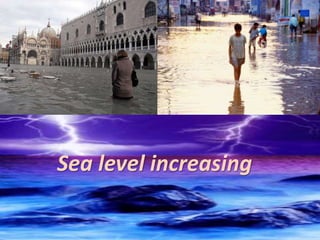
Sea level increasing
Endangered species…
Weather becoming more hotter….!!
GLOBAL WARMING !!
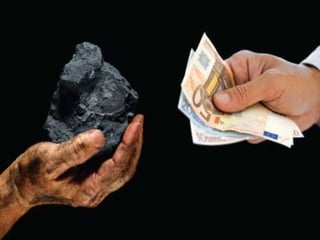
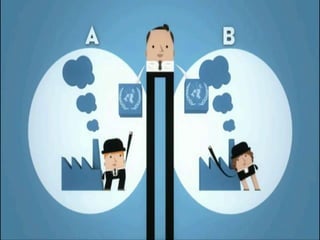
Carbon trading
The Kyoto Protocol is an international agreement
linked to the United Nations Framework Convention
on Climate Change(UNFCCC) passed on 11
December 1997 in Kyoto, Japan but came in force on
16 February, 2005.
Countries involved in Kyoto
protocol
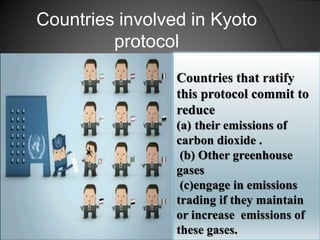
Countries that ratify
this protocol commit to
reduce
(a) their emissions of
carbon dioxide .
(b) Other greenhouse
gases
(c)engage in emissions
trading if they maintain
or increase emissions of
these gases.
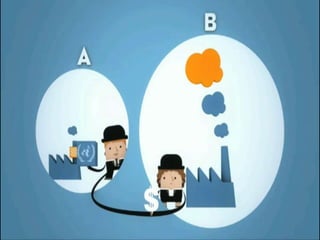
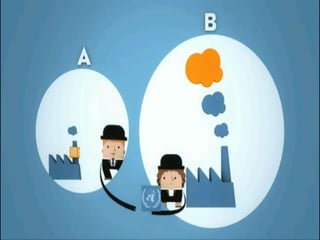
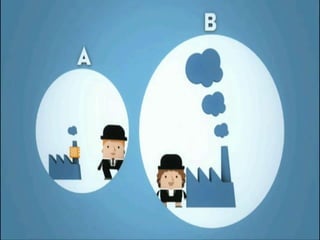
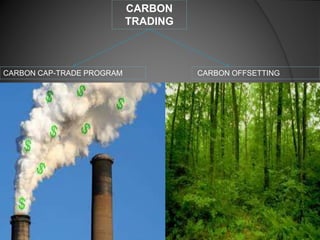
CARBON
TRADING
CARBON CAP-TRADE PROGRAM CARBON OFFSETTING
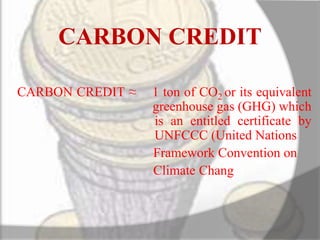
CARBON CREDIT
1 CARBON CREDIT ≈ 1 ton of CO2 or its equivalent
greenhouse gas (GHG) which
is an entitled certificate by
UNFCCC (United Nations
Framework Convention on
Climate Change)
Benefits of Carbon Trading
1. Reduction in green house gas emission
2. Source of revenue for
developing nations
3. Supports a free market system
Disadvantages of CARBON TRADING:
• Right to pollute
 Industries in the ratified nations are purchasing legal rights to
pollute the
atmosphere
• Slow process
 Industries are opting the easy way– purchase more allowances than
implementing greener technologies
• Lack of centralized system or global framework
 Absence of a centralized and accepted global standards/act are
missing
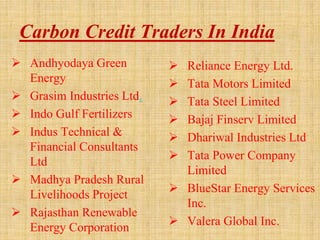
Carbon Credit Traders In India
 Andhyodaya Green
Energy
 Grasim Industries Ltd.
 Indo Gulf Fertilizers
 Indus Technical &
Financial Consultants
Ltd
 Madhya Pradesh Rural
Livelihoods Project
 Rajasthan Renewable
Energy Corporation
 Reliance Energy Ltd.
 Tata Motors Limited
 Tata Steel Limited
 Bajaj Finserv Limited
 Dhariwal Industries Ltd
 Tata Power Company
Limited
 BlueStar Energy Services
Inc.
 Valera Global Inc.
Carbon trading

Carbon trading

  • 1.
    What are thecurrent problems in our environment today… ??
  • 2.
  • 3.
  • 4.
  • 6.
  • 7.
  • 8.
    The Kyoto Protocolis an international agreement linked to the United Nations Framework Convention on Climate Change(UNFCCC) passed on 11 December 1997 in Kyoto, Japan but came in force on 16 February, 2005.
  • 9.
    Countries involved inKyoto protocol Countries that ratify this protocol commit to reduce (a) their emissions of carbon dioxide . (b) Other greenhouse gases (c)engage in emissions trading if they maintain or increase emissions of these gases.
  • 19.
  • 20.
    CARBON CREDIT 1 CARBONCREDIT ≈ 1 ton of CO2 or its equivalent greenhouse gas (GHG) which is an entitled certificate by UNFCCC (United Nations Framework Convention on Climate Change)
  • 21.
    Benefits of CarbonTrading 1. Reduction in green house gas emission 2. Source of revenue for developing nations 3. Supports a free market system
  • 22.
    Disadvantages of CARBONTRADING: • Right to pollute  Industries in the ratified nations are purchasing legal rights to pollute the atmosphere • Slow process  Industries are opting the easy way– purchase more allowances than implementing greener technologies • Lack of centralized system or global framework  Absence of a centralized and accepted global standards/act are missing
  • 23.
    Carbon Credit TradersIn India  Andhyodaya Green Energy  Grasim Industries Ltd.  Indo Gulf Fertilizers  Indus Technical & Financial Consultants Ltd  Madhya Pradesh Rural Livelihoods Project  Rajasthan Renewable Energy Corporation  Reliance Energy Ltd.  Tata Motors Limited  Tata Steel Limited  Bajaj Finserv Limited  Dhariwal Industries Ltd  Tata Power Company Limited  BlueStar Energy Services Inc.  Valera Global Inc.